Skip to content

European Hornbeam

Carpinus Betulus

Design with this plant

Overview

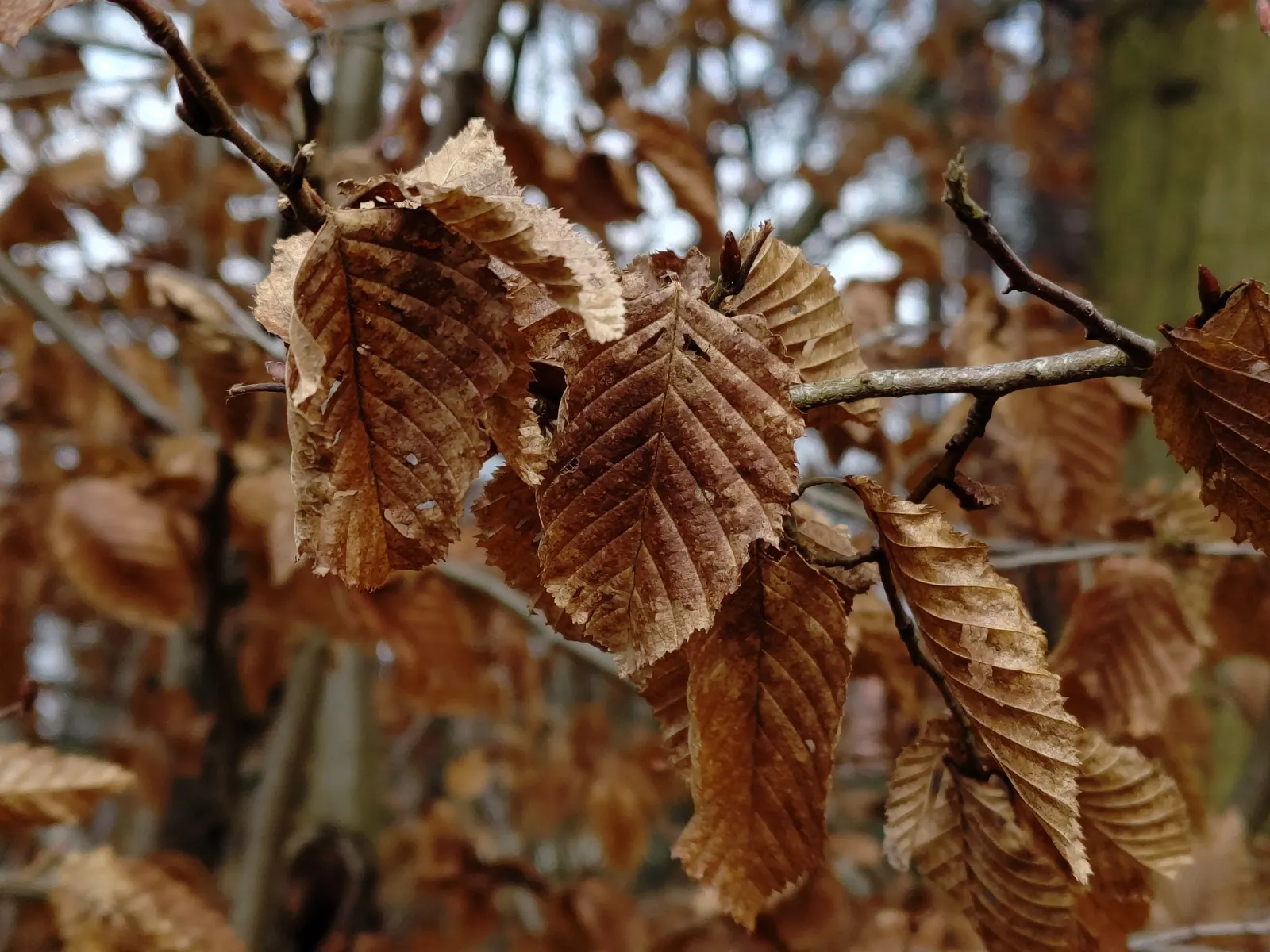
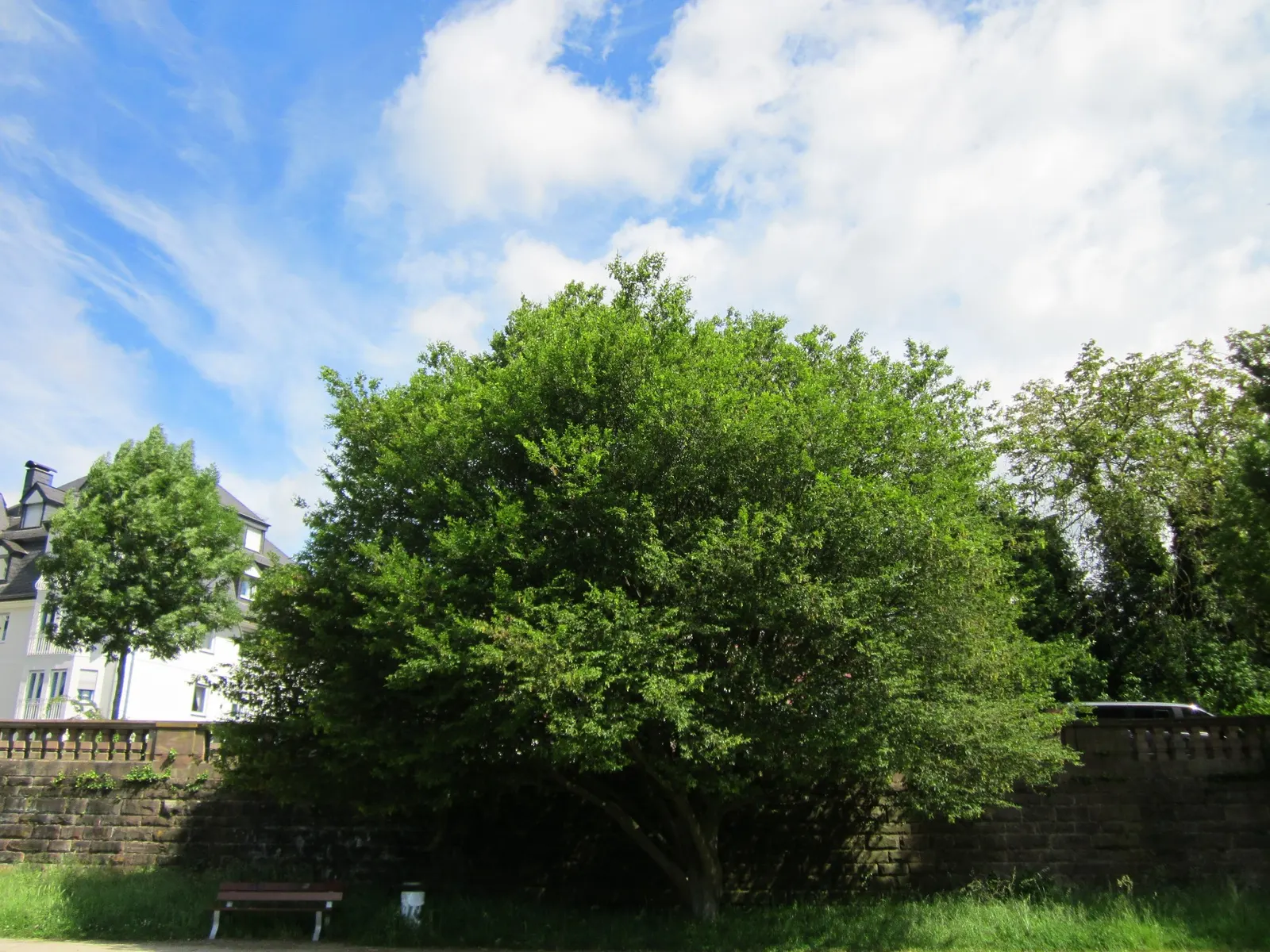
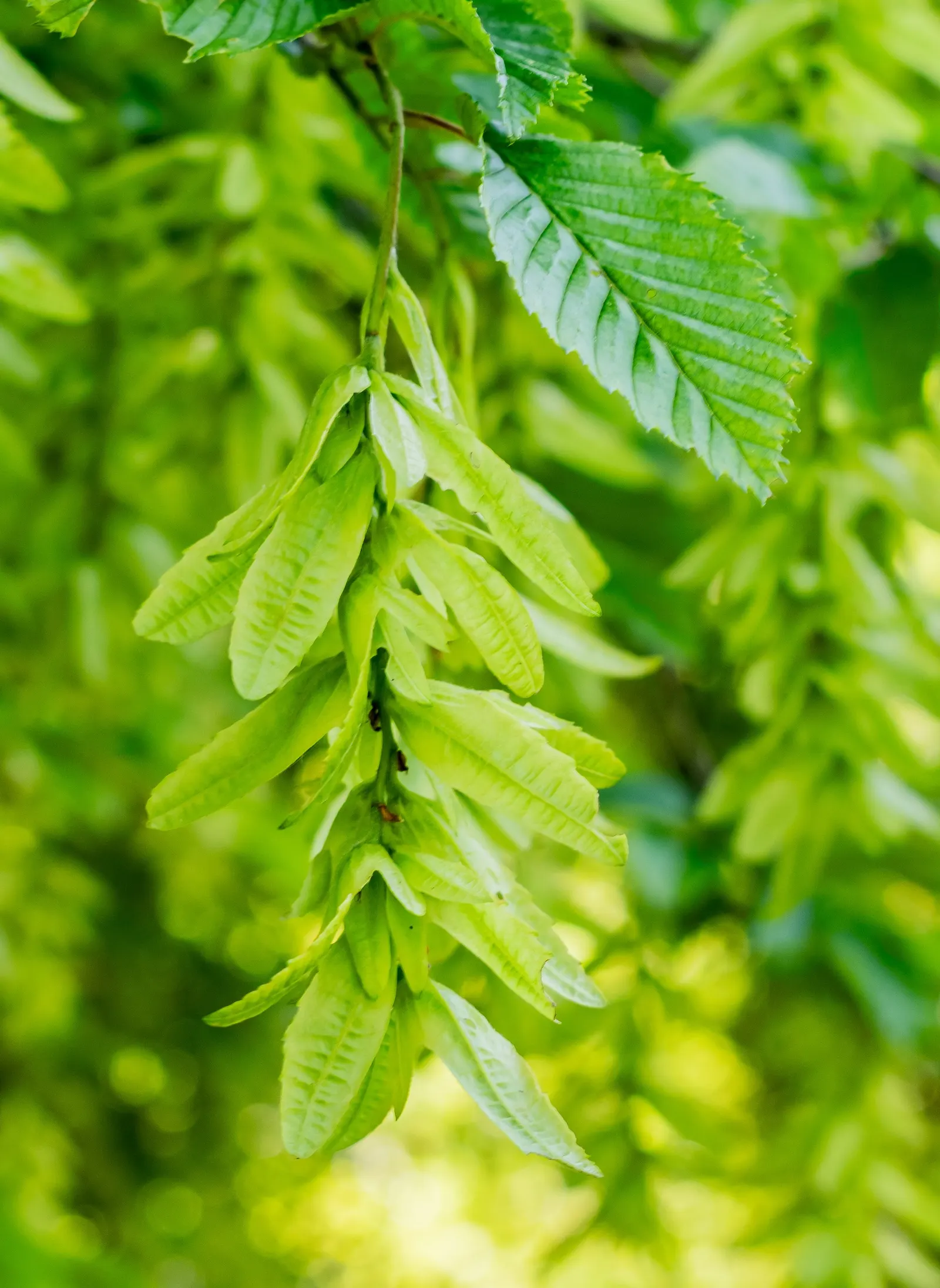
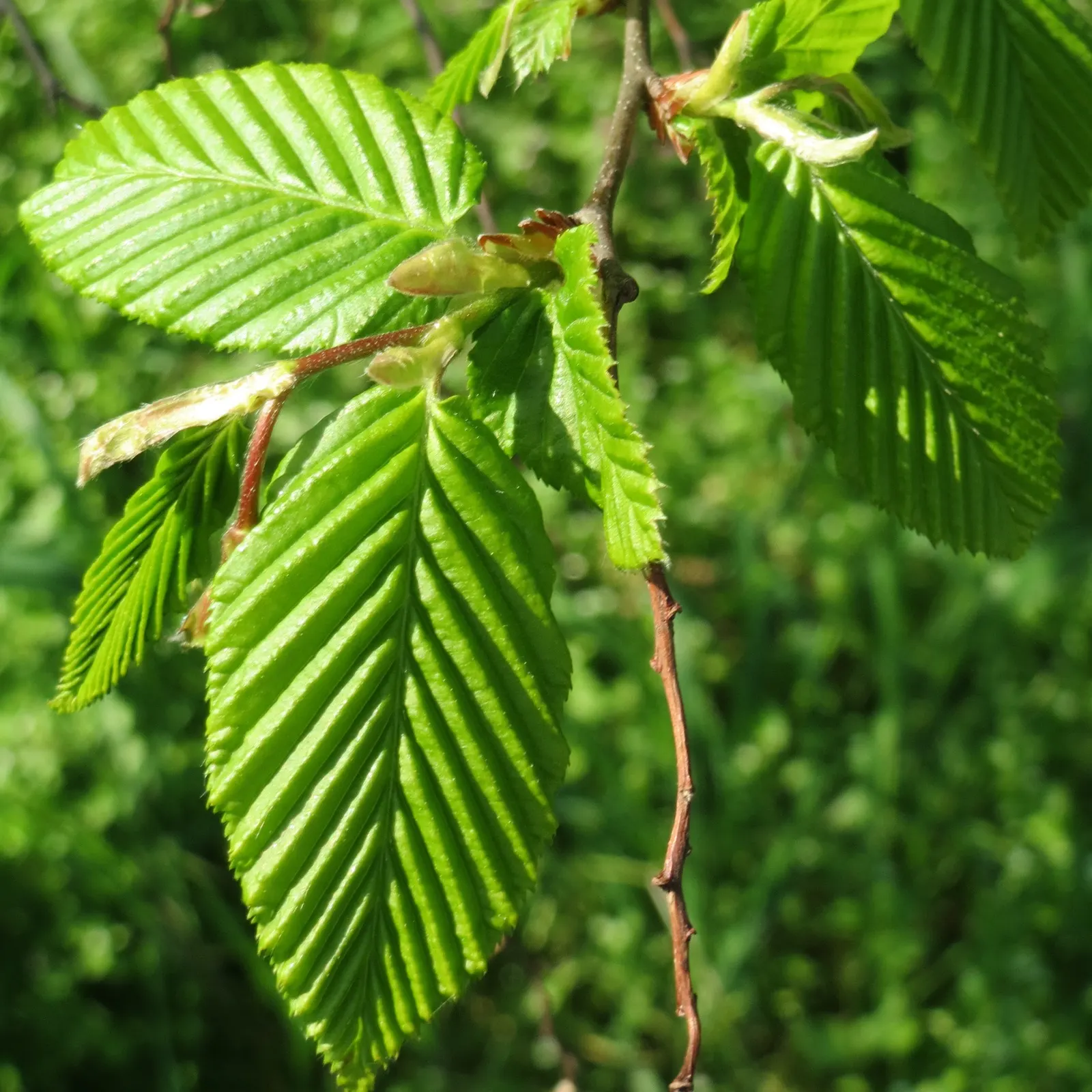
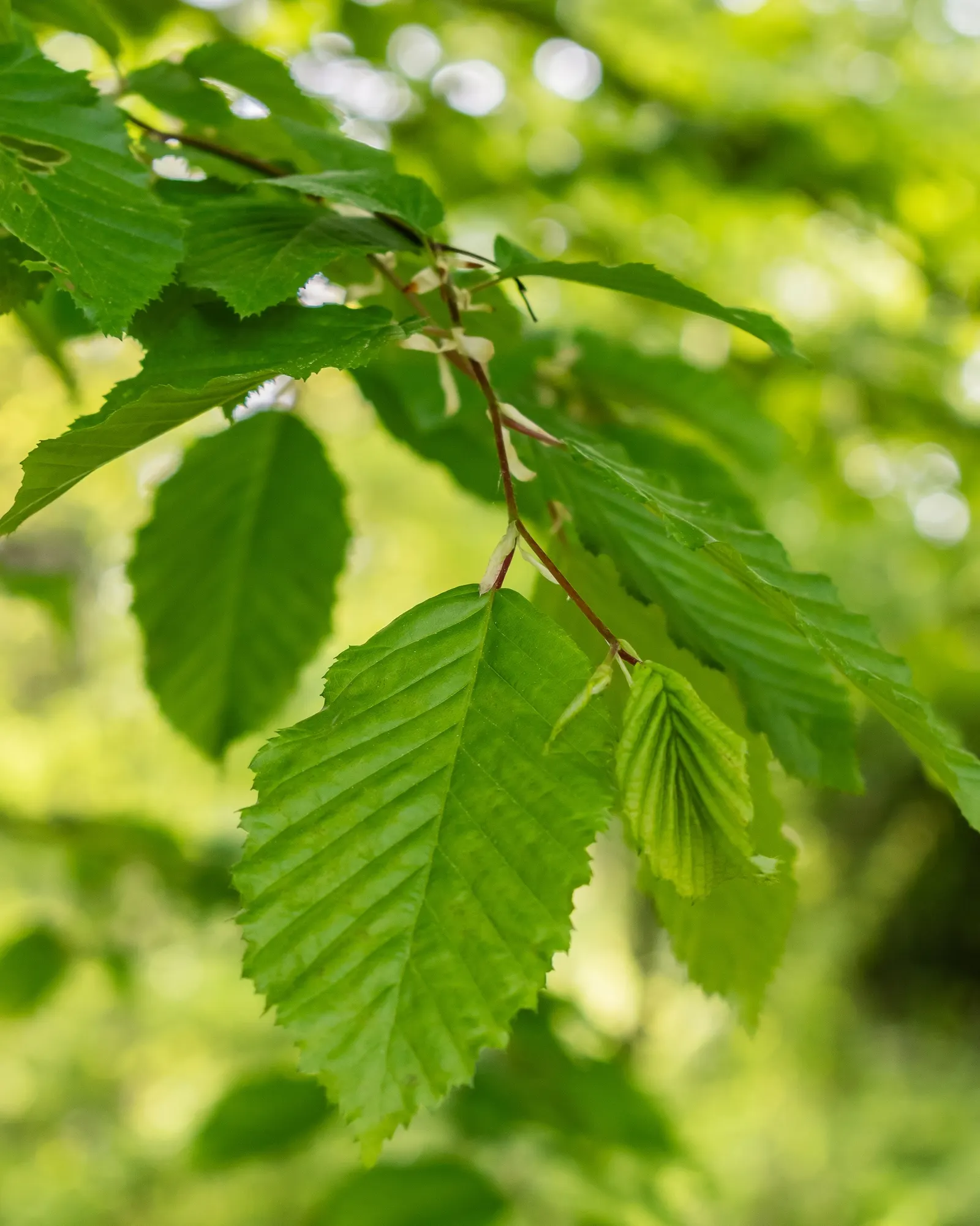
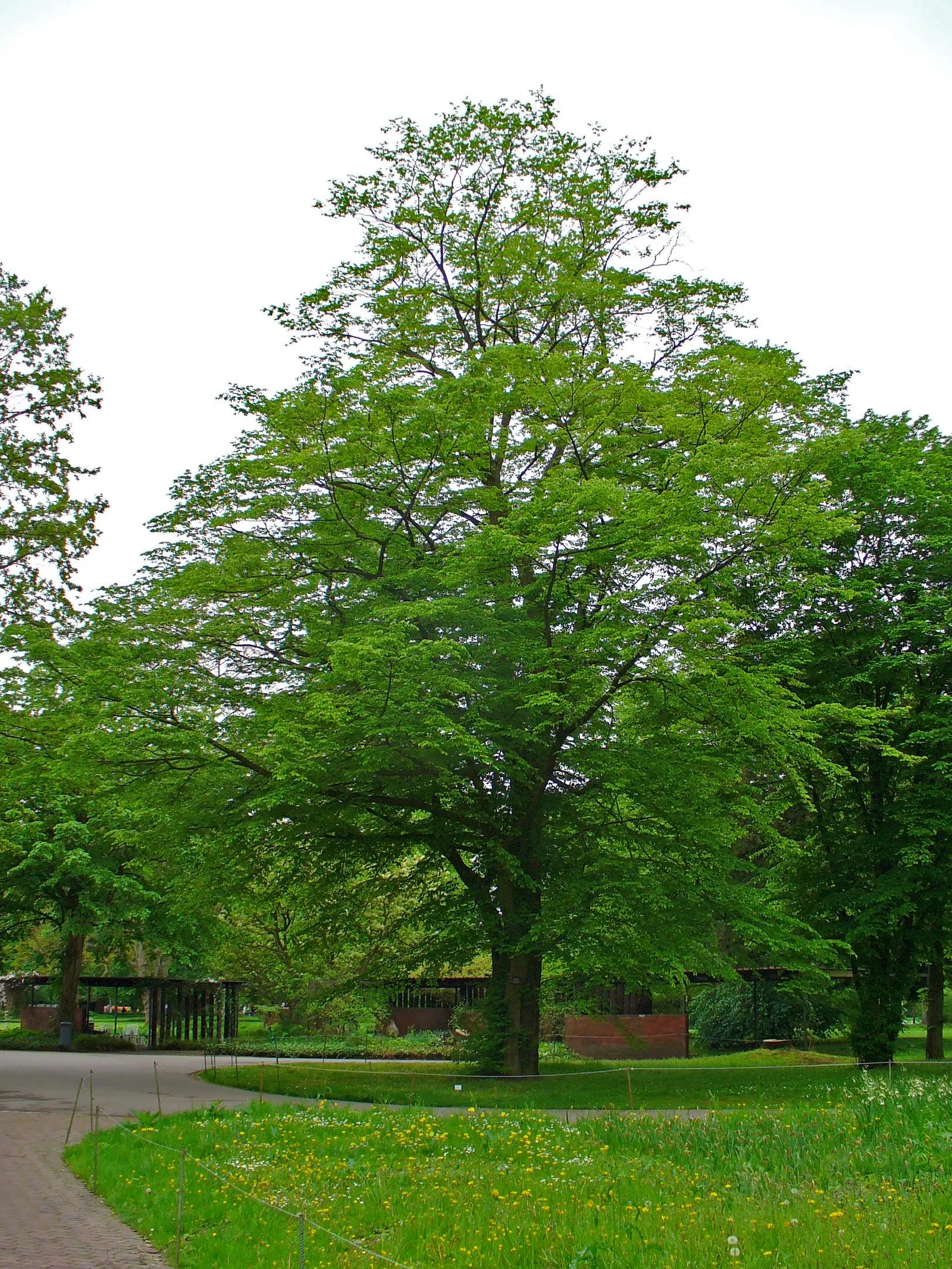
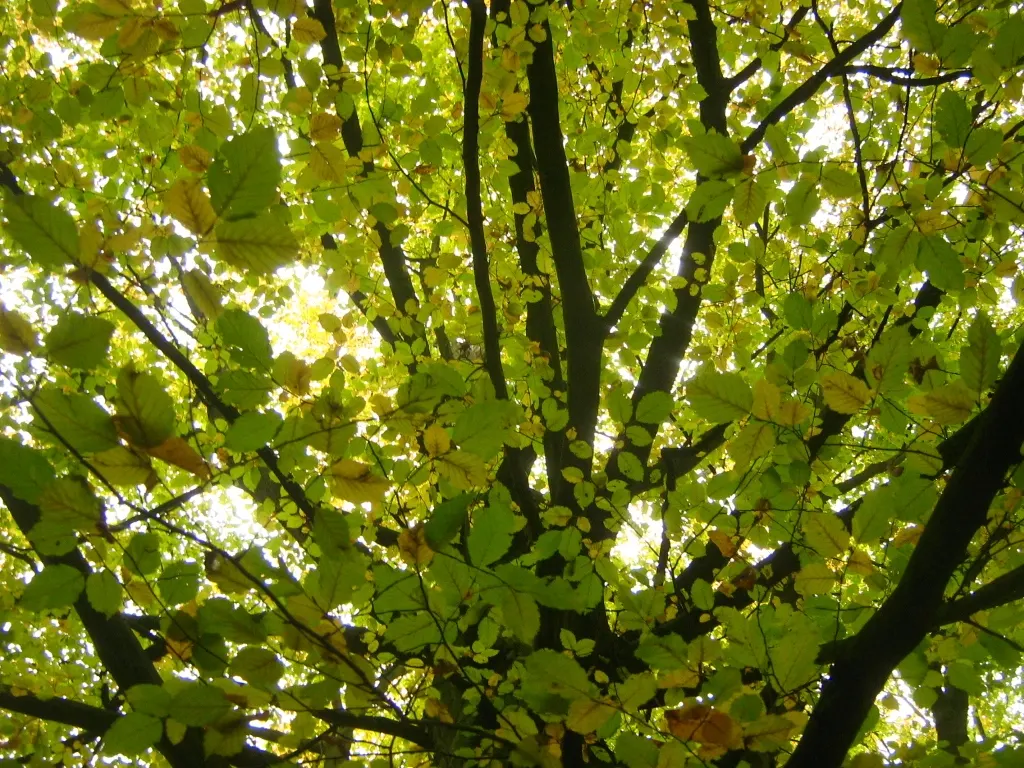
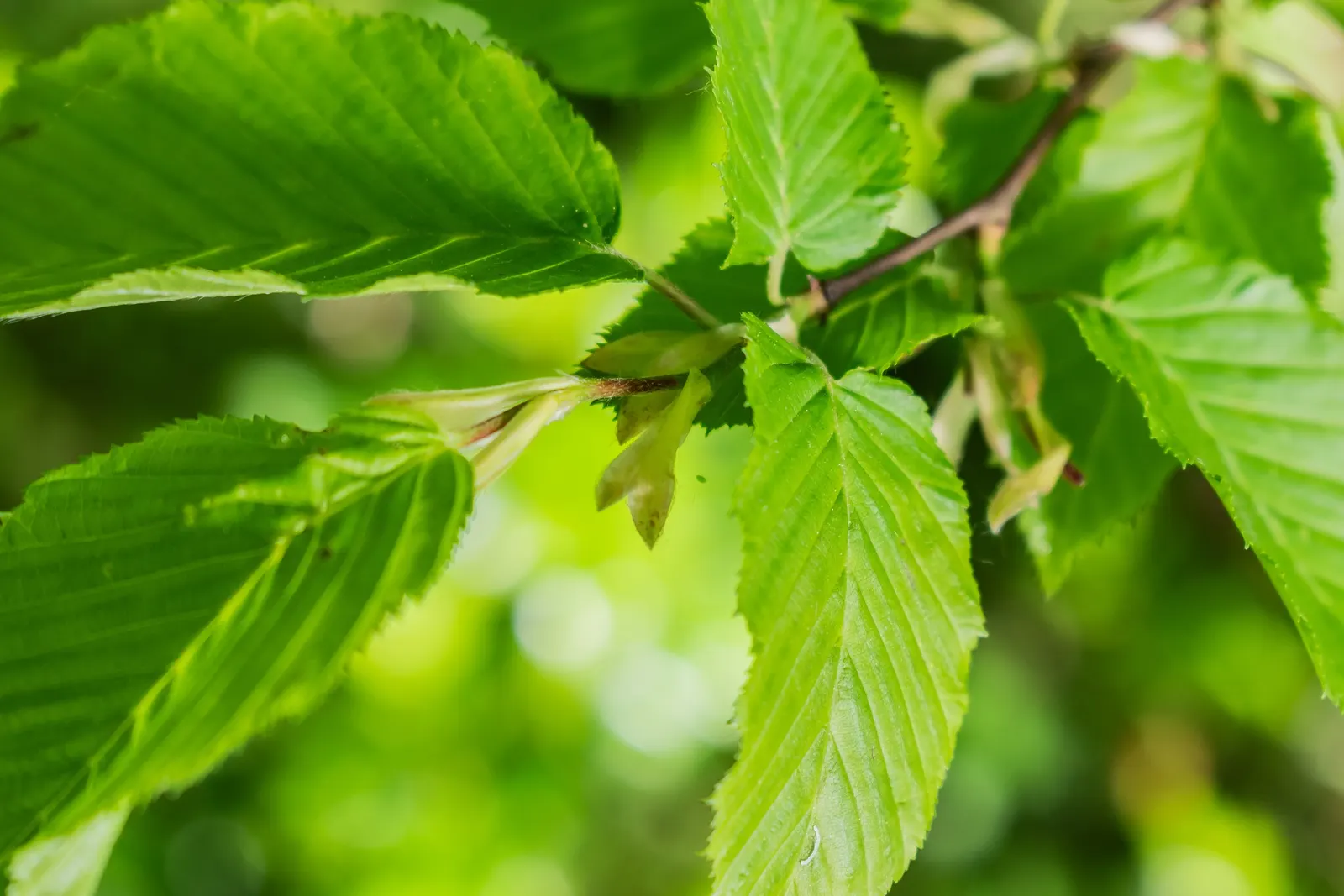
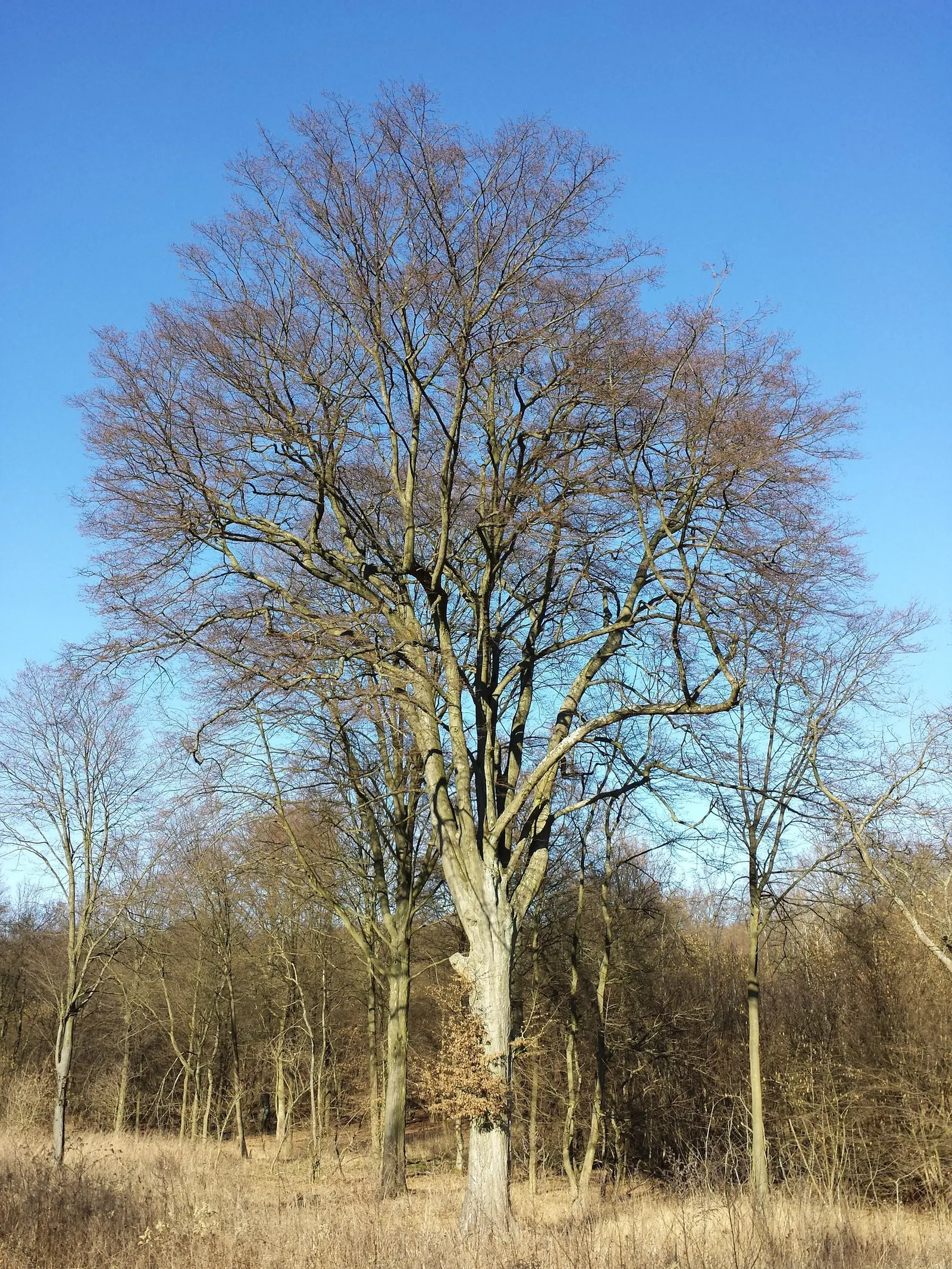
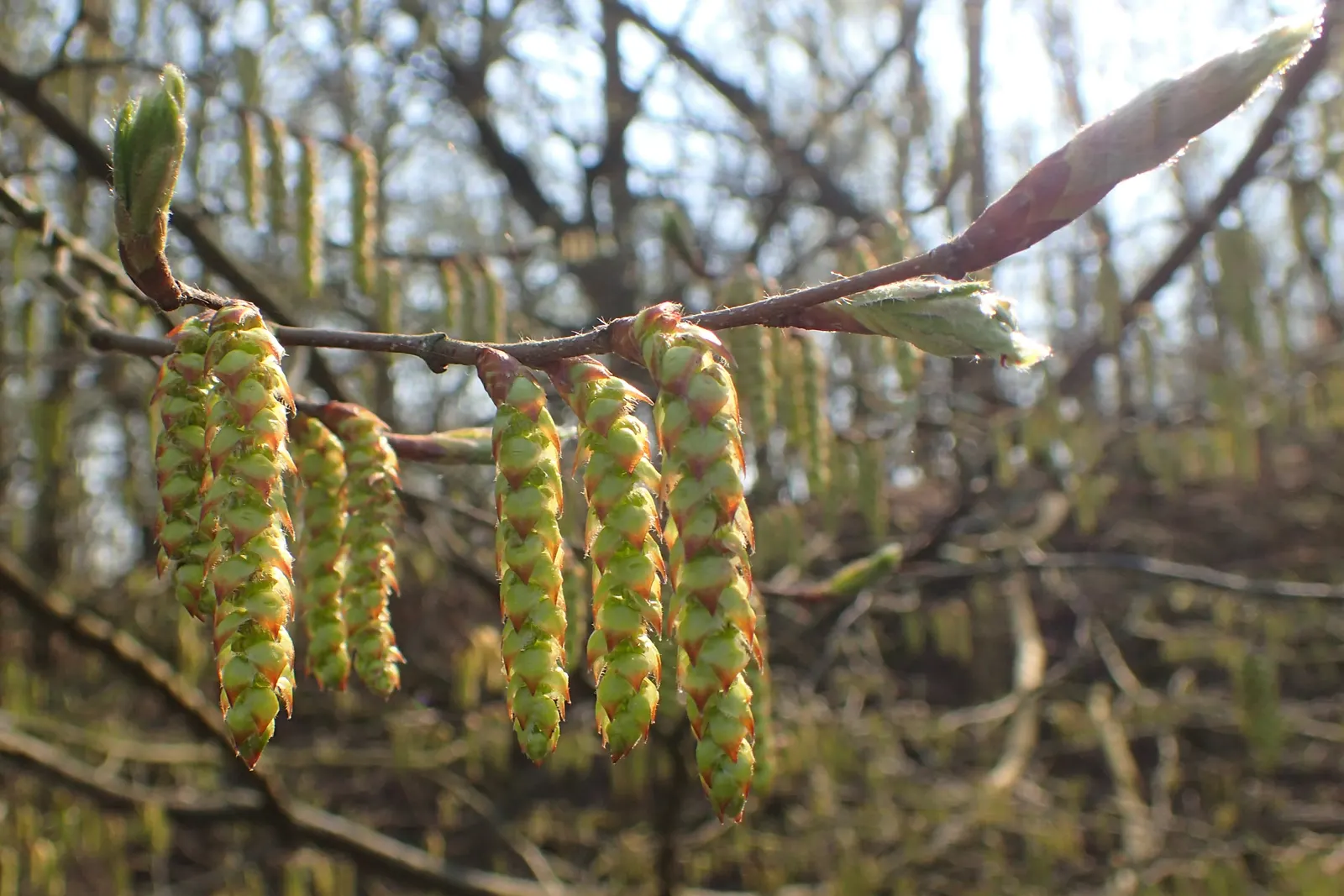
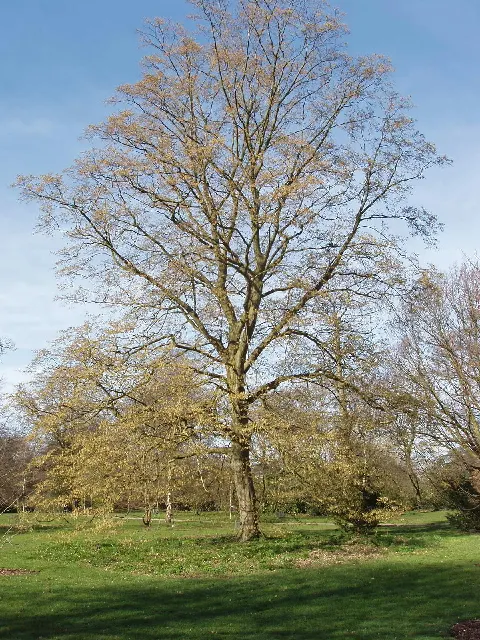
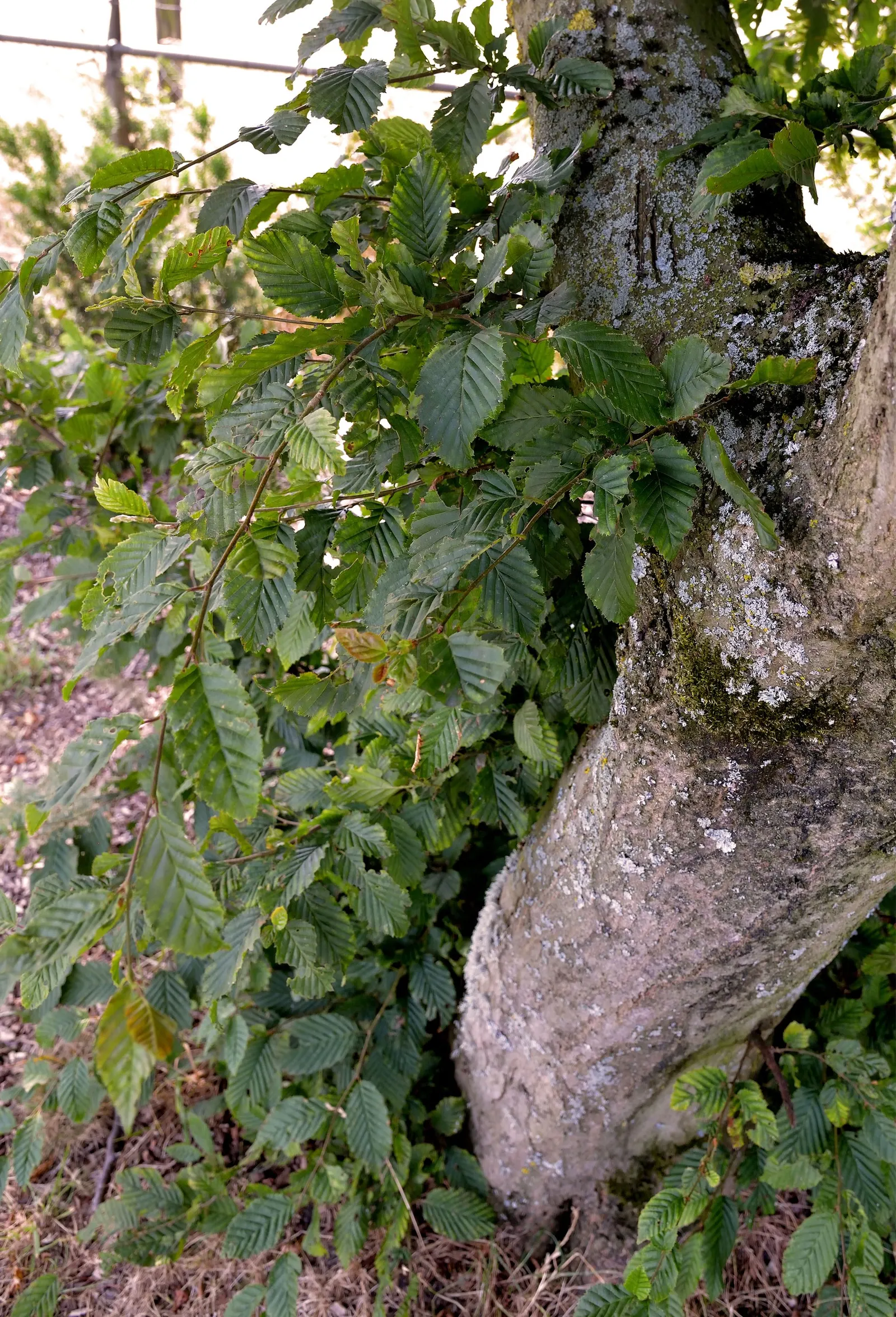
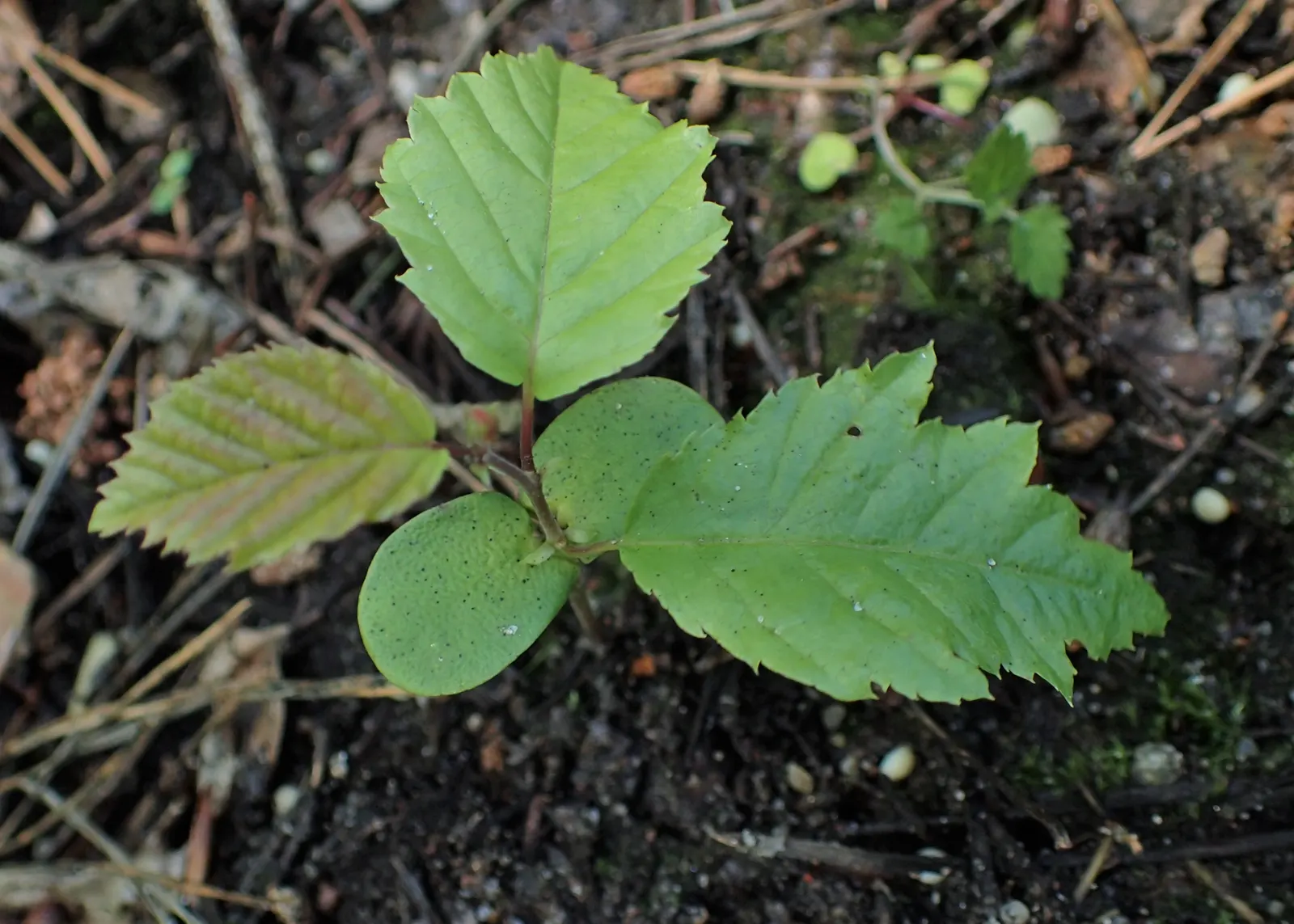
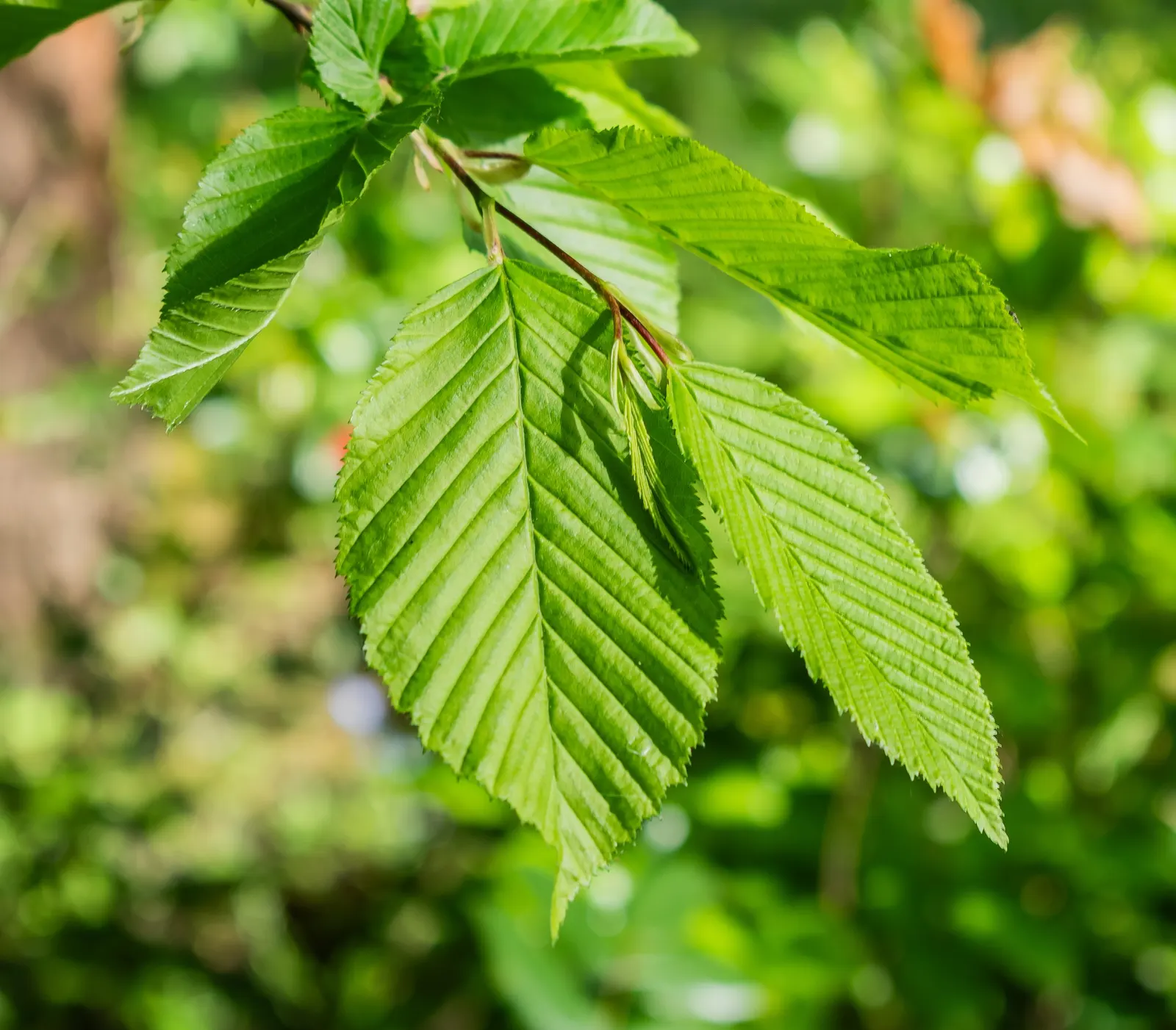
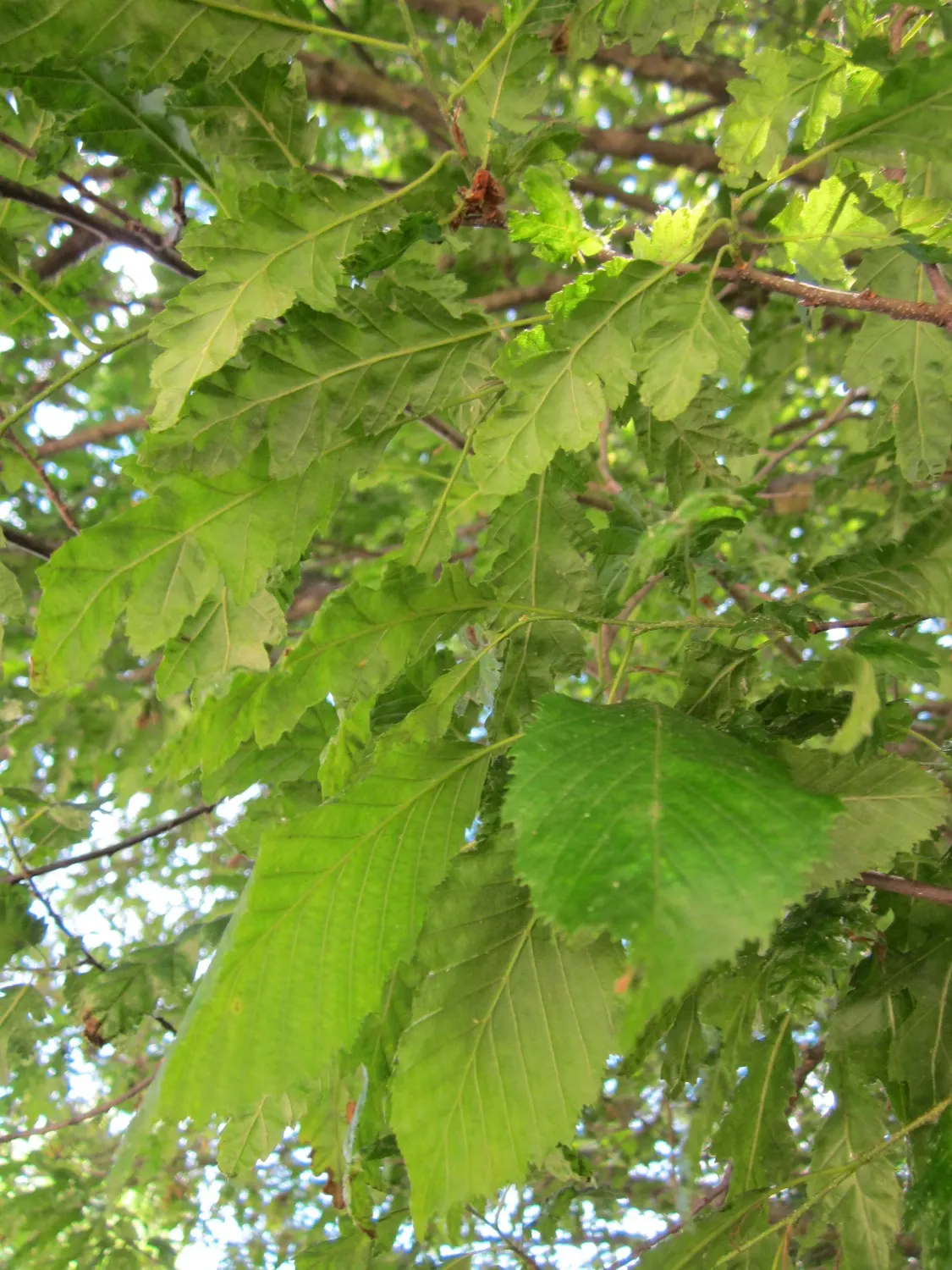
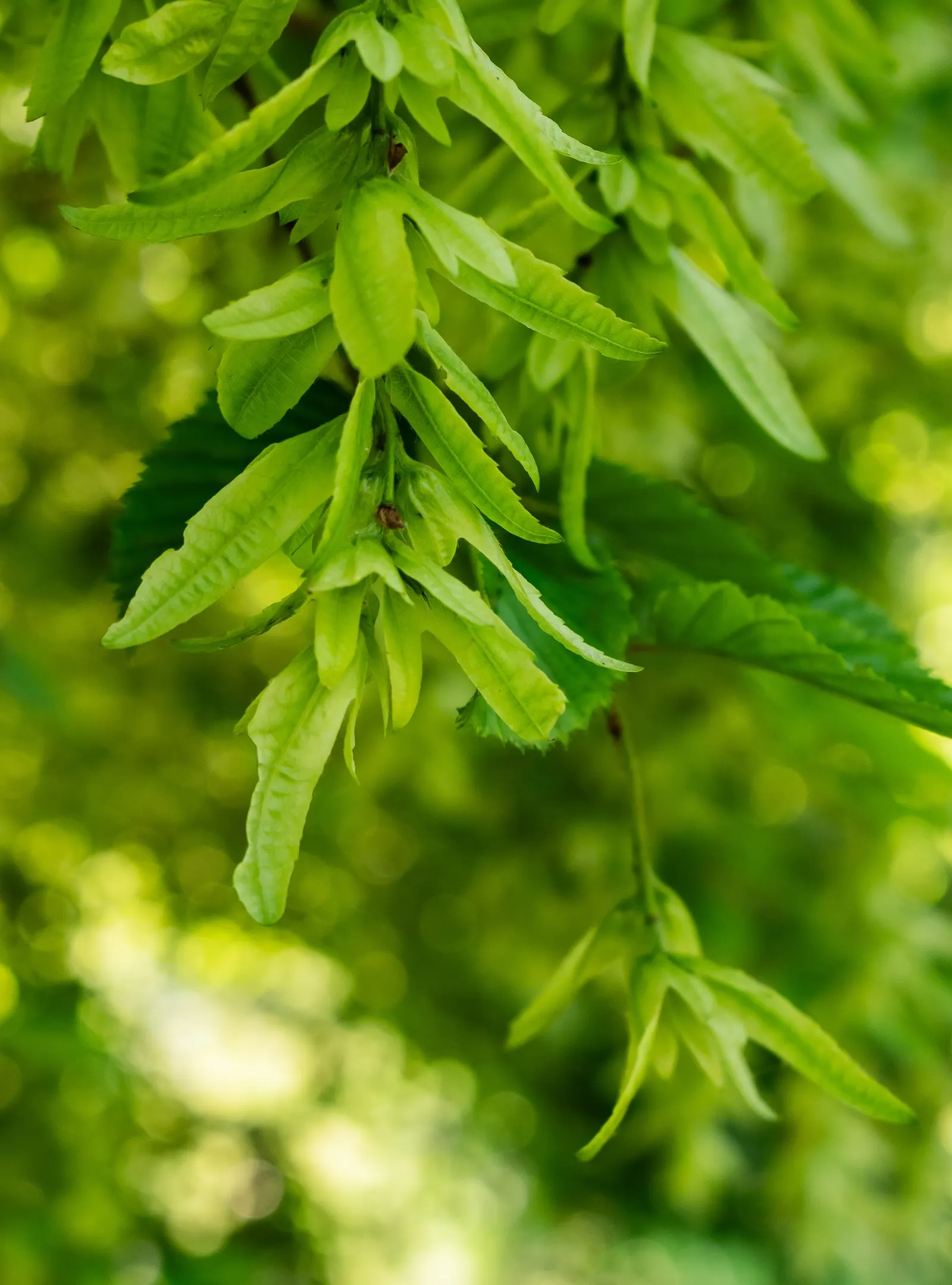
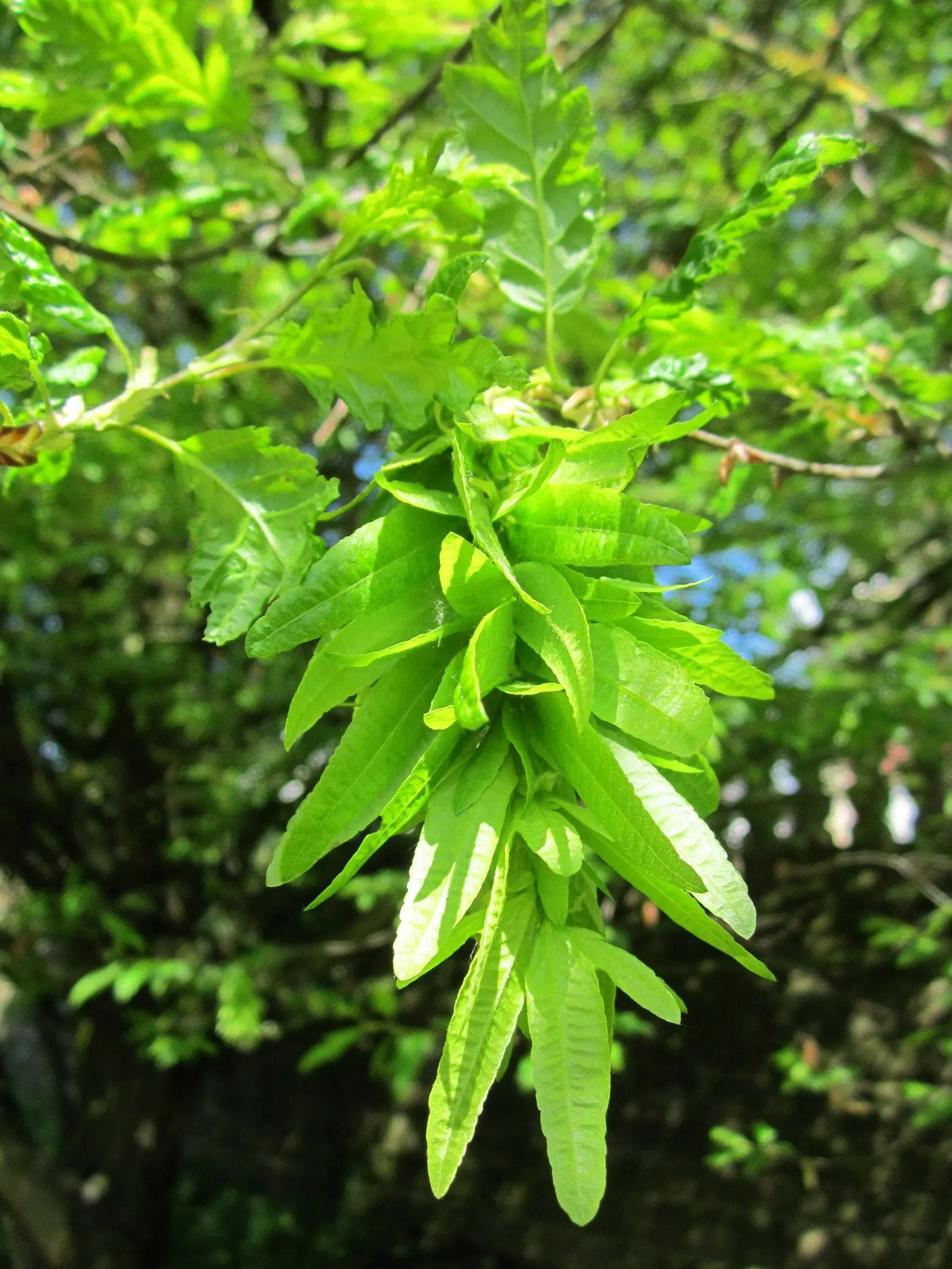
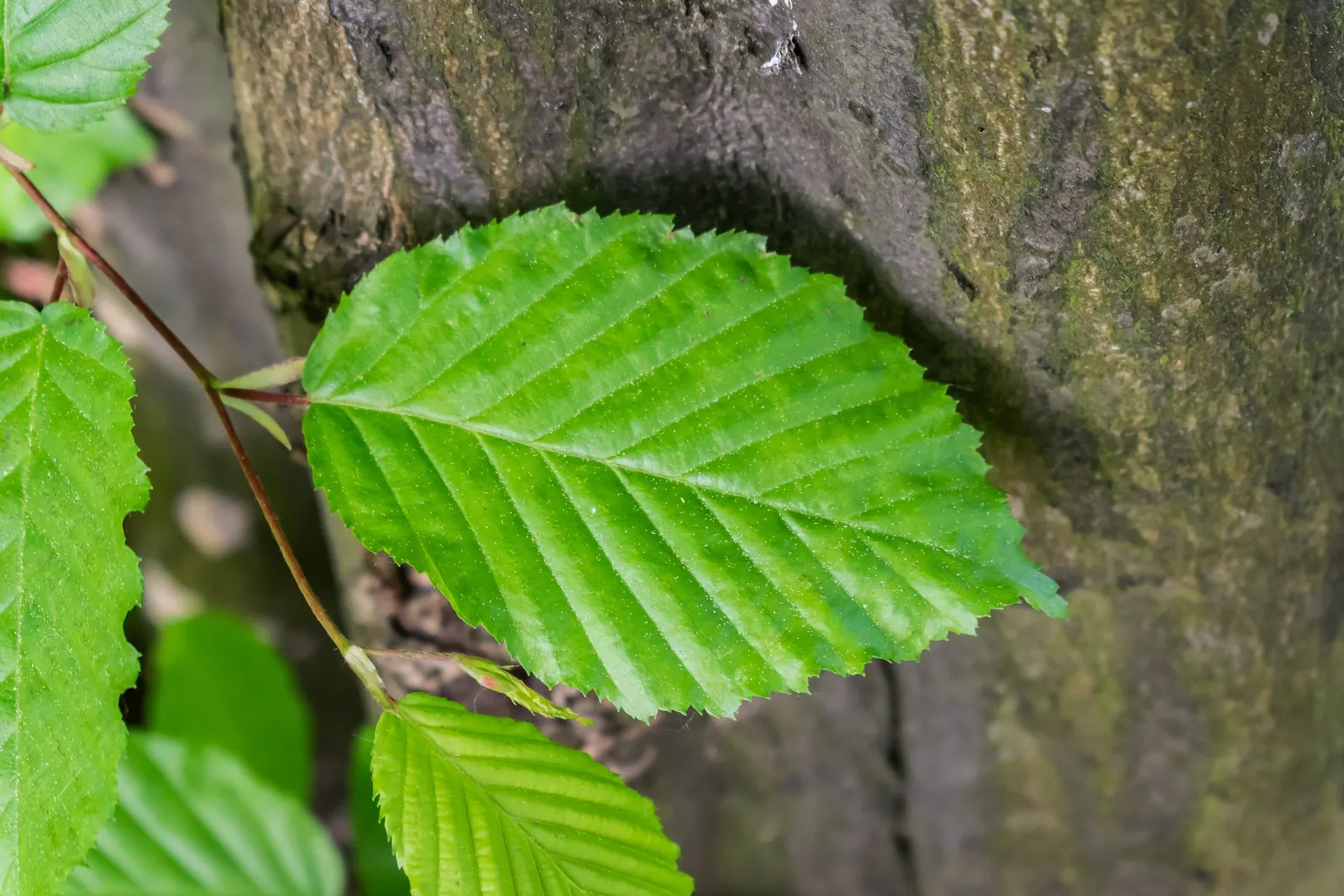
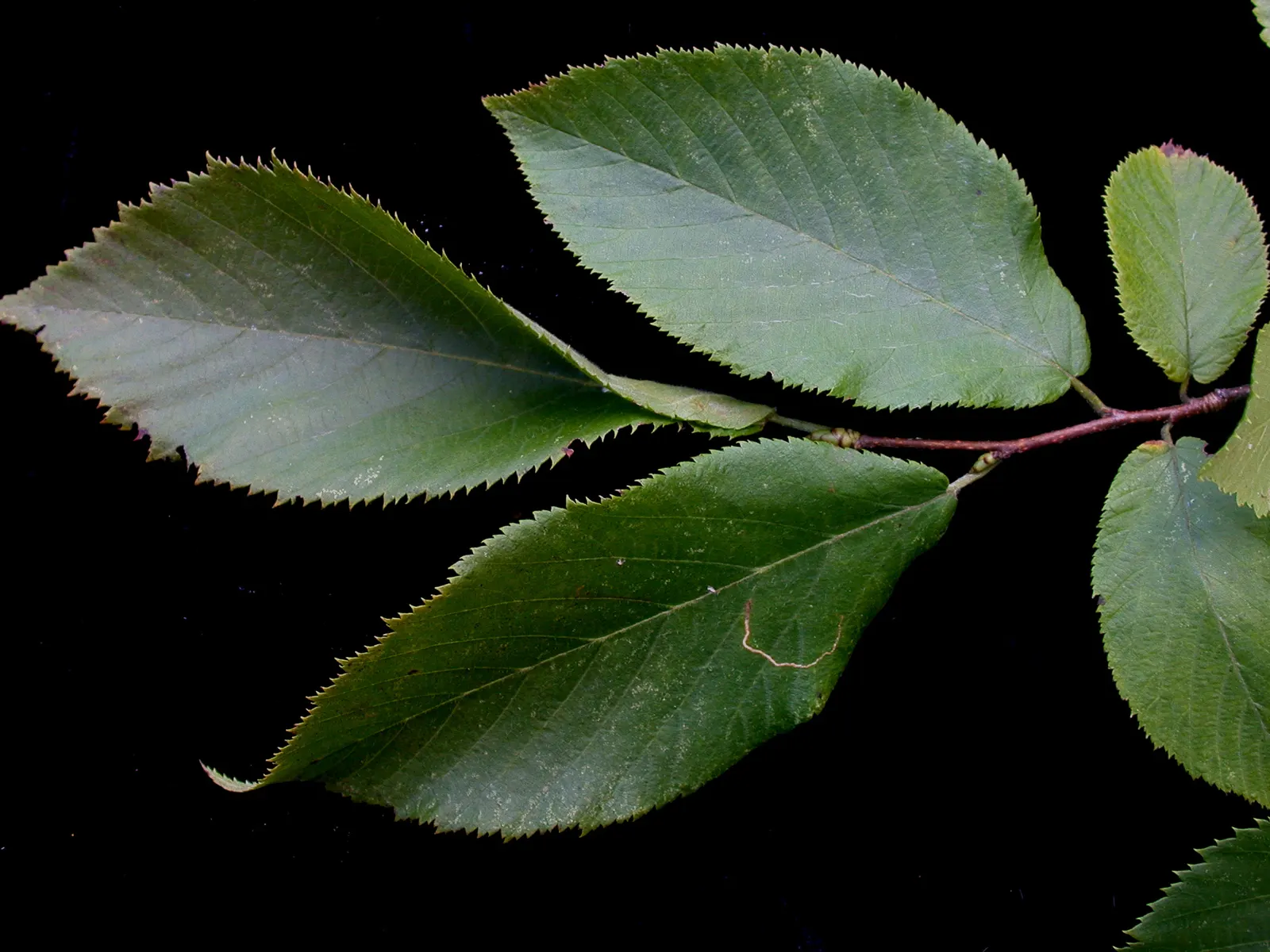
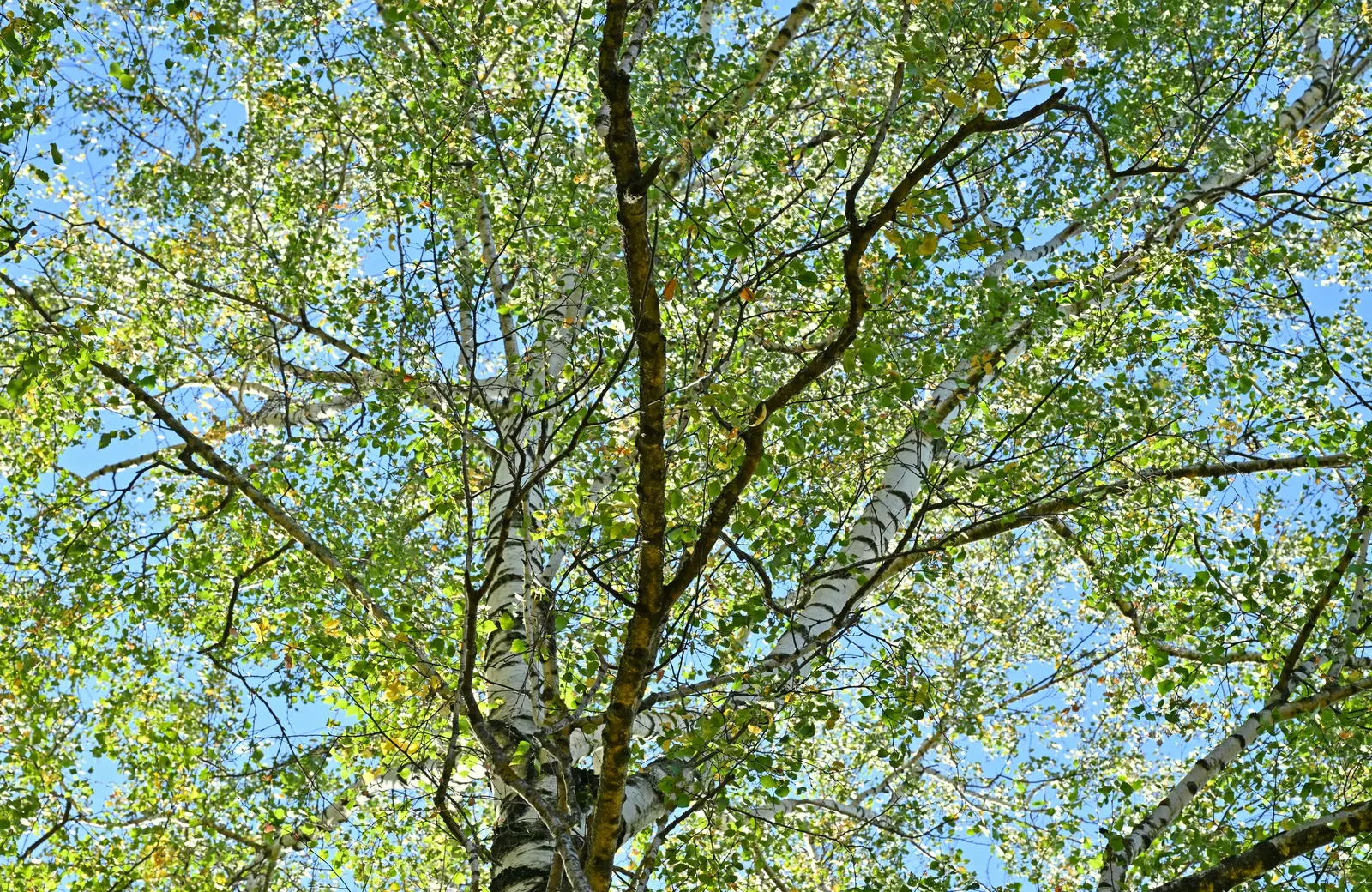
The European Hornbeam, Carpinus betulus, is a deciduous tree with a pyramidal to oval form, reaching 40-60 feet in height and 30-40 feet in width. Its leaves are sharply-toothed, with a notable pleated texture, turning vibrant yellow to greenish-gold in fall. It thrives in USDA zones 4-8, preferring well-drained soils and full to partial sun. Ideal for hedges or pleaching due to its dense foliage and ability to withstand heavy pruning.

Sun FullWater LowZones 5–7Type TreeClimate Temperate
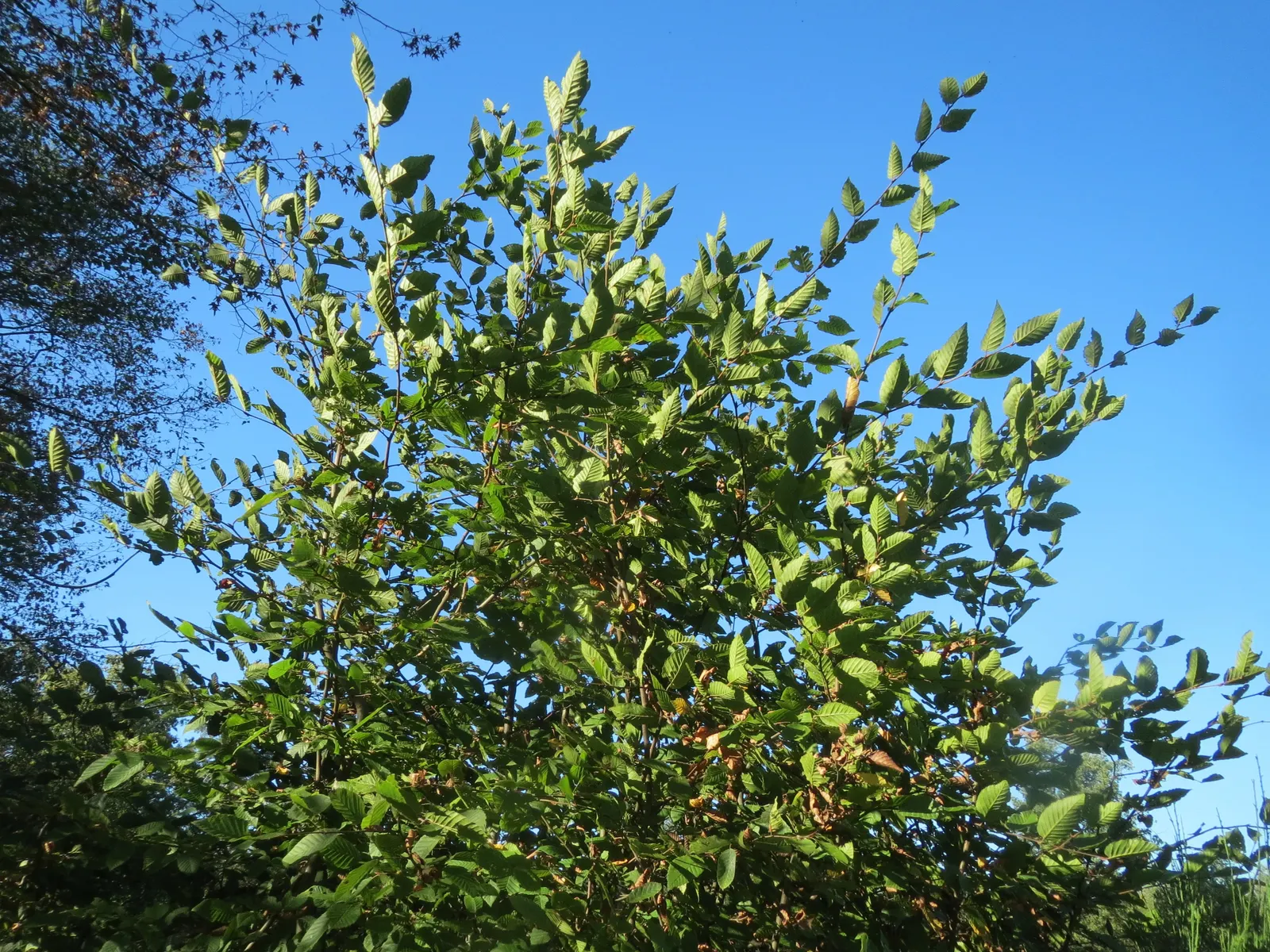
European Hornbeam (Carpinus Betulus) — tree for full

Culture

Sun
Full
Water
Low
USDA zones
5–7

Shape & size

Classification

Type
Tree
Family
Betulaceae
Climate
Temperate

See full data, regional cultivation notes, and design tools. Build a client presentation around this plant.

Start your 14-day trial

Photos (104)

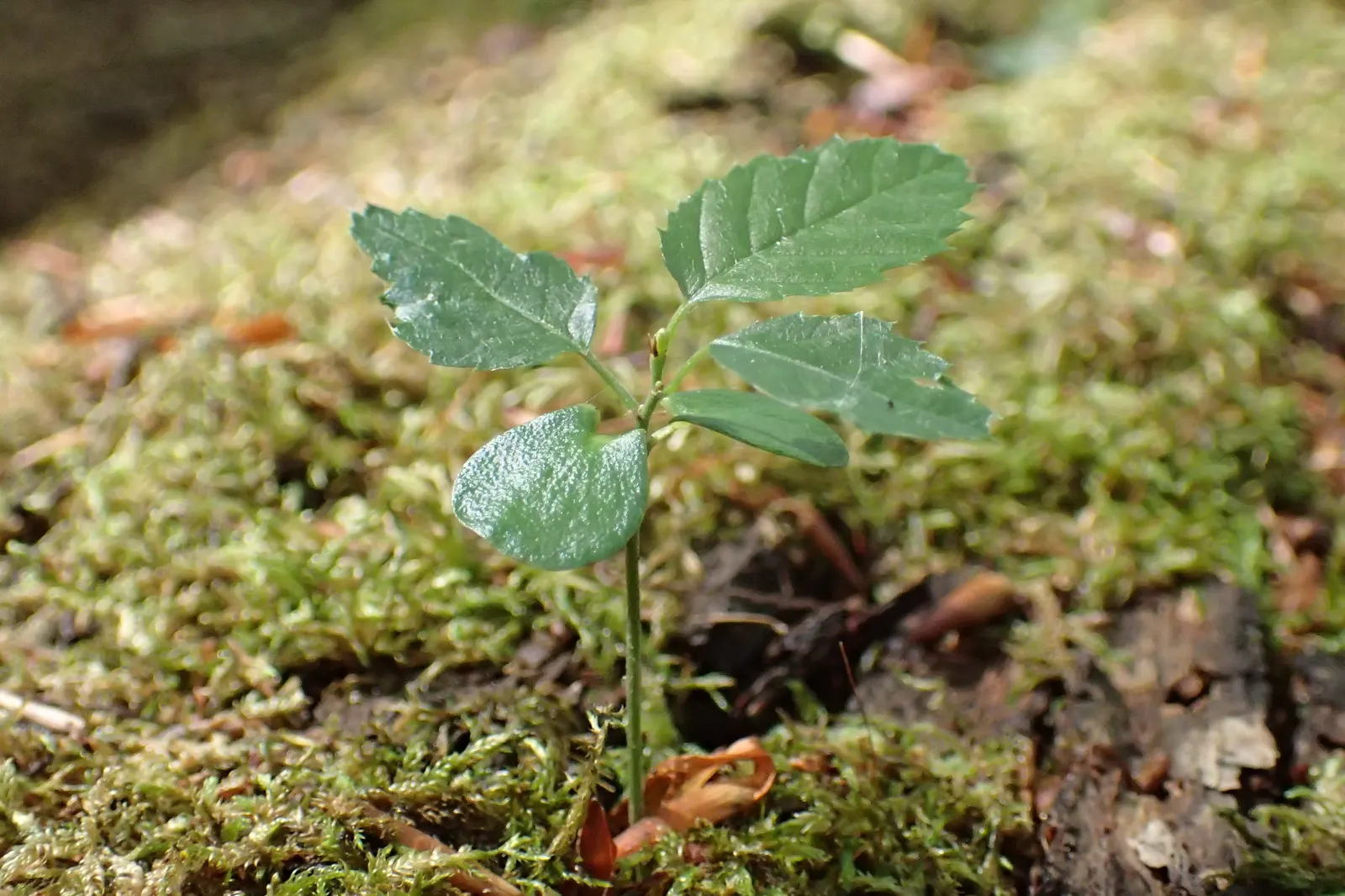
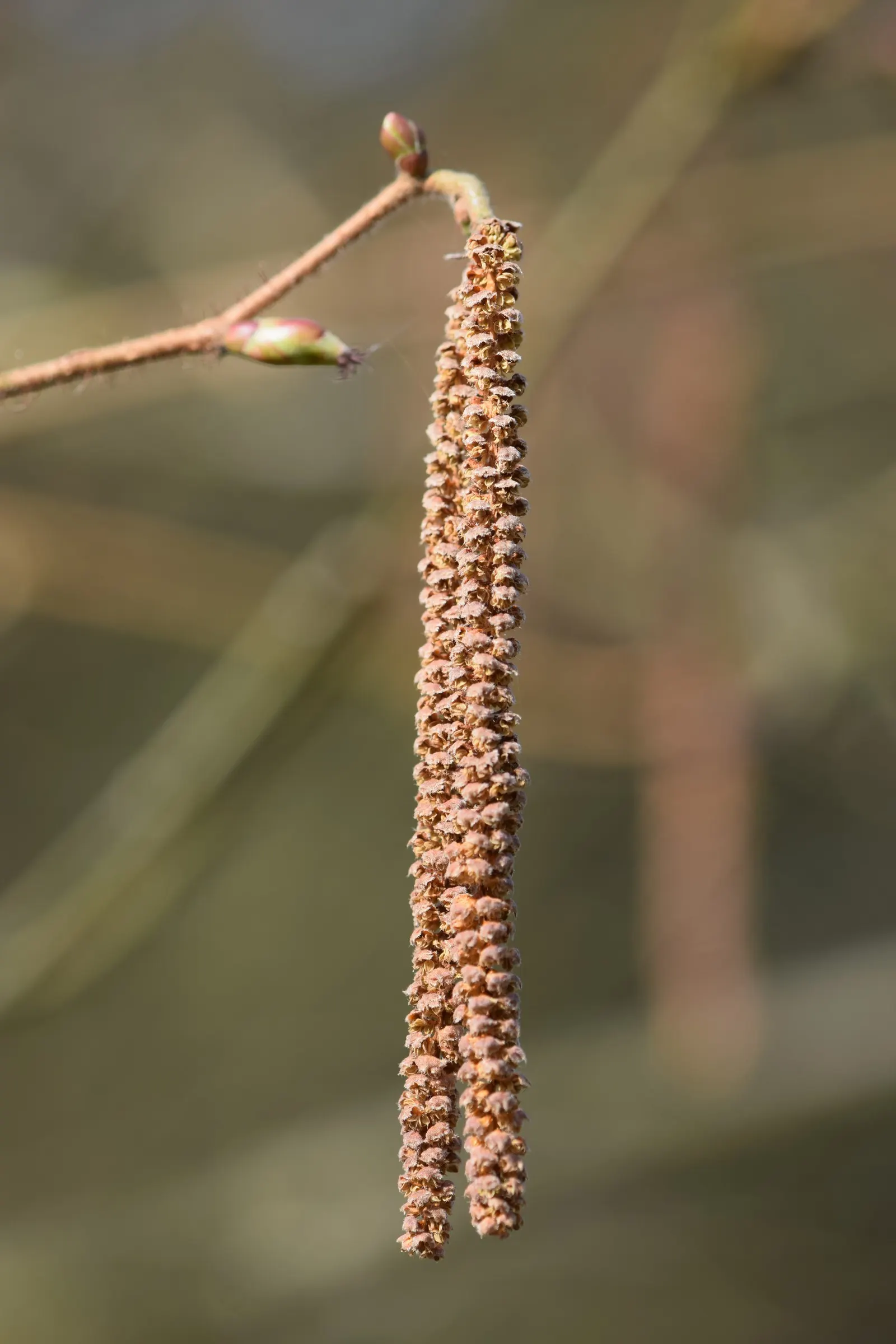
European Hornbeam (Carpinus Betulus) — Ideal for hedges or pleaching due to its dense foliage and ability to withstand heavy pruning; it thrives in, image 47
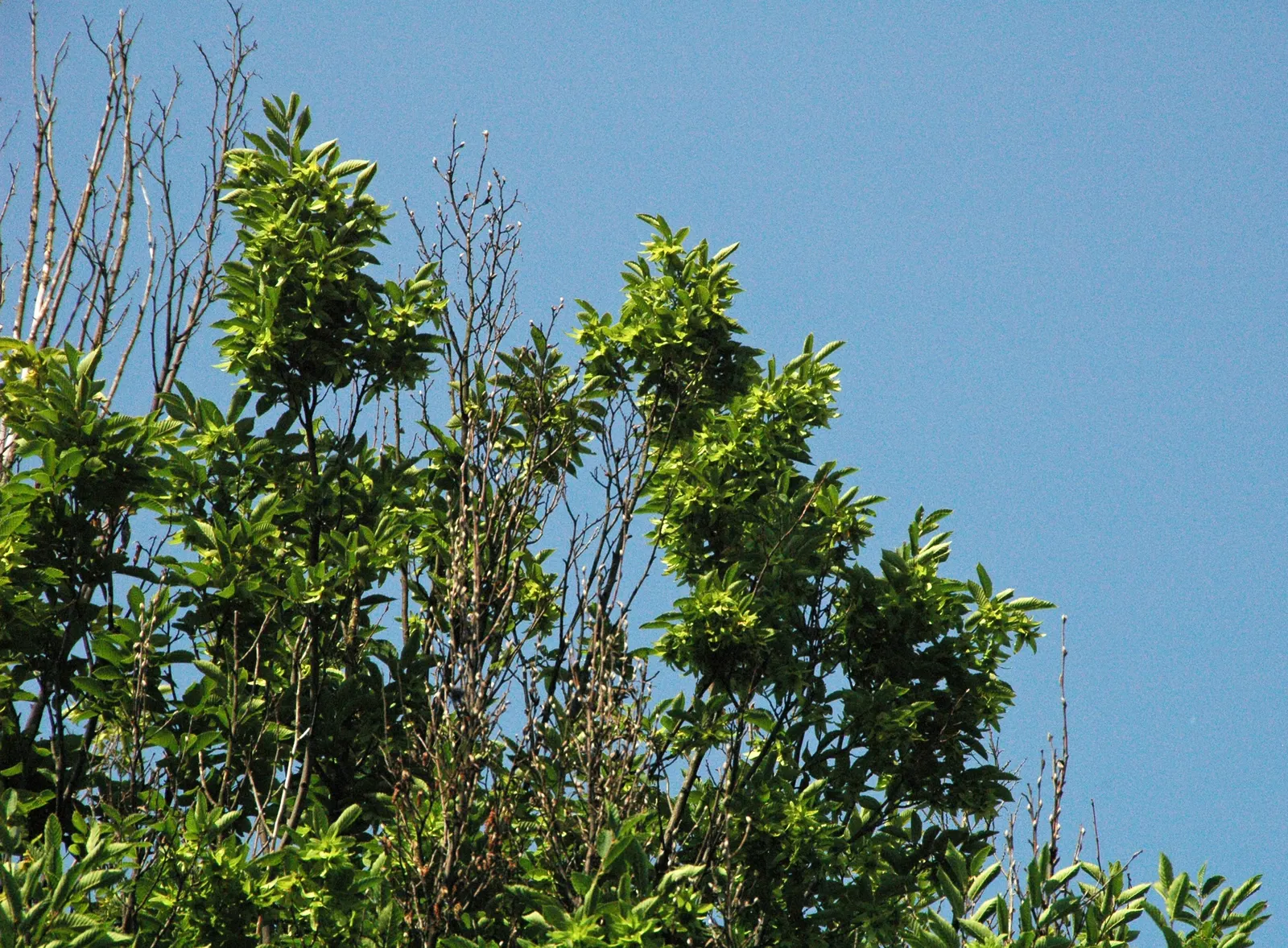
European Hornbeam (Carpinus Betulus) — is a deciduous tree with a pyramidal to oval form; with a notable pleated texture
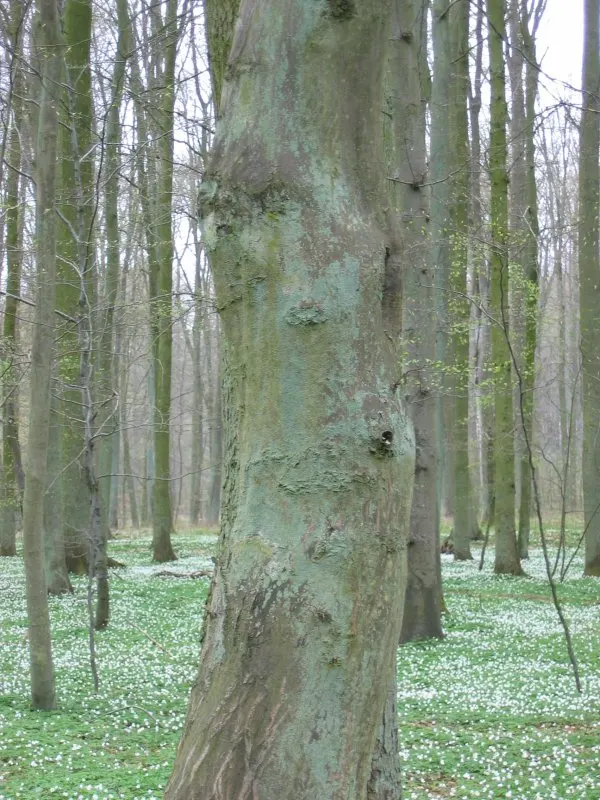
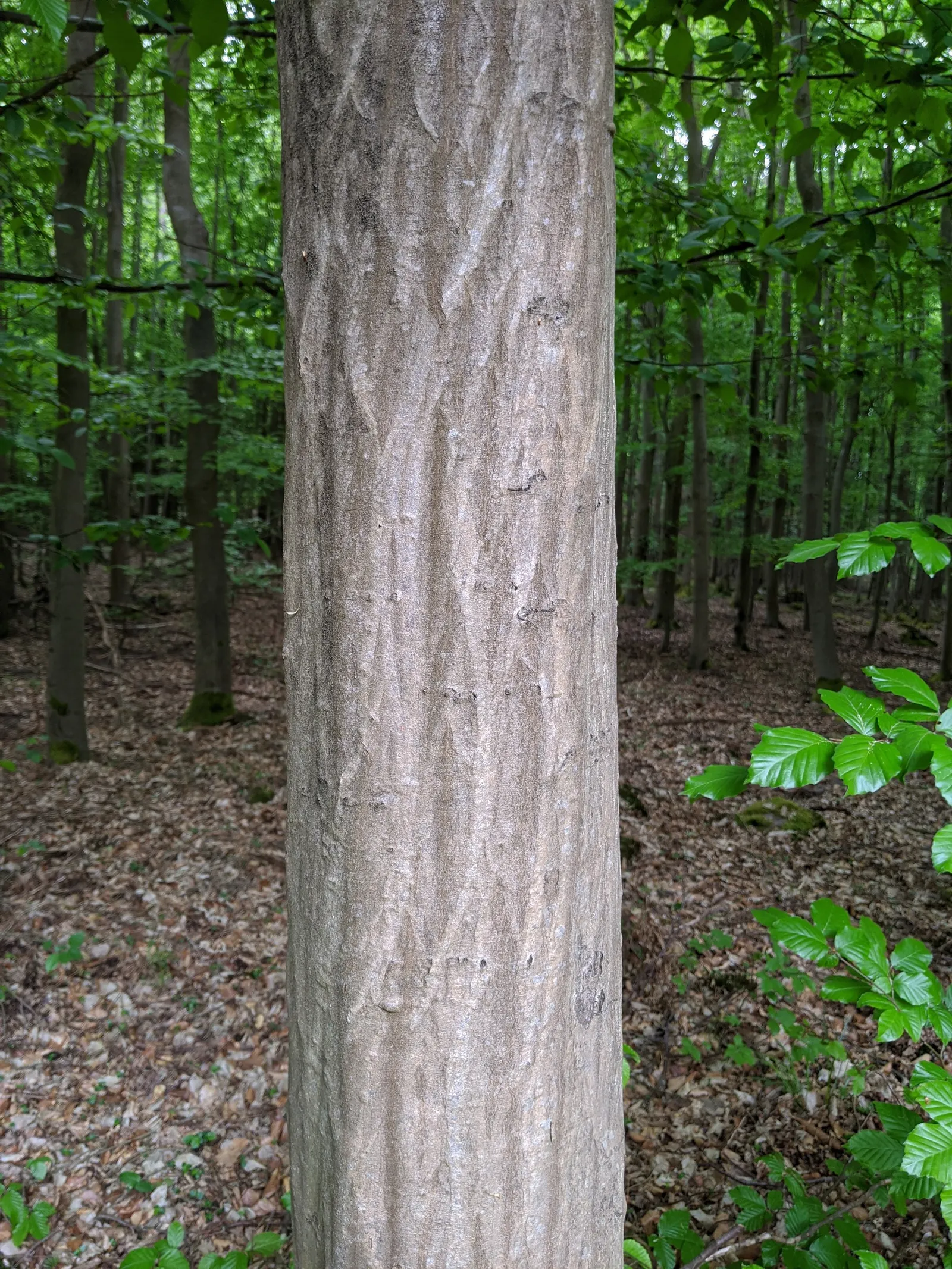
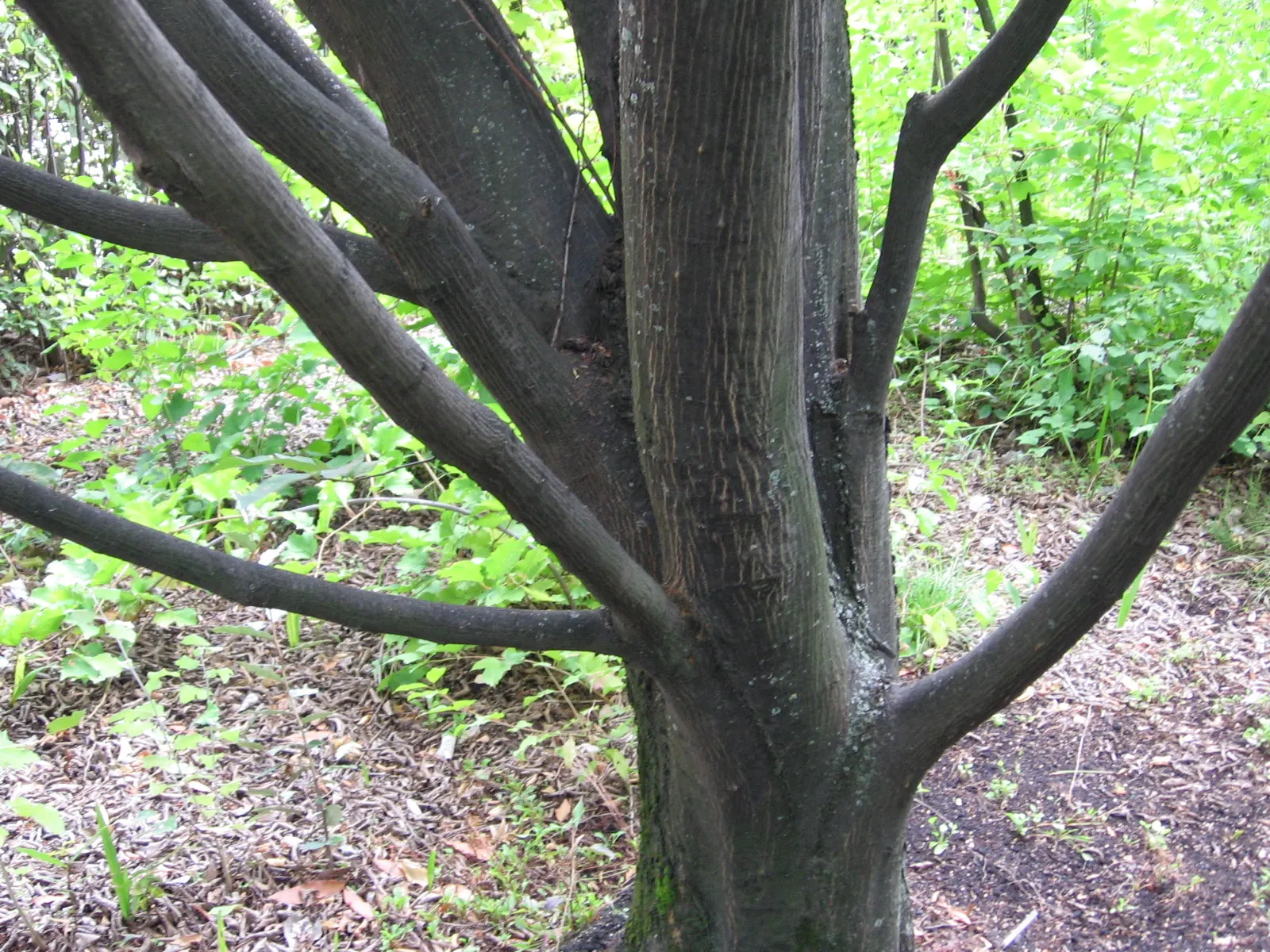
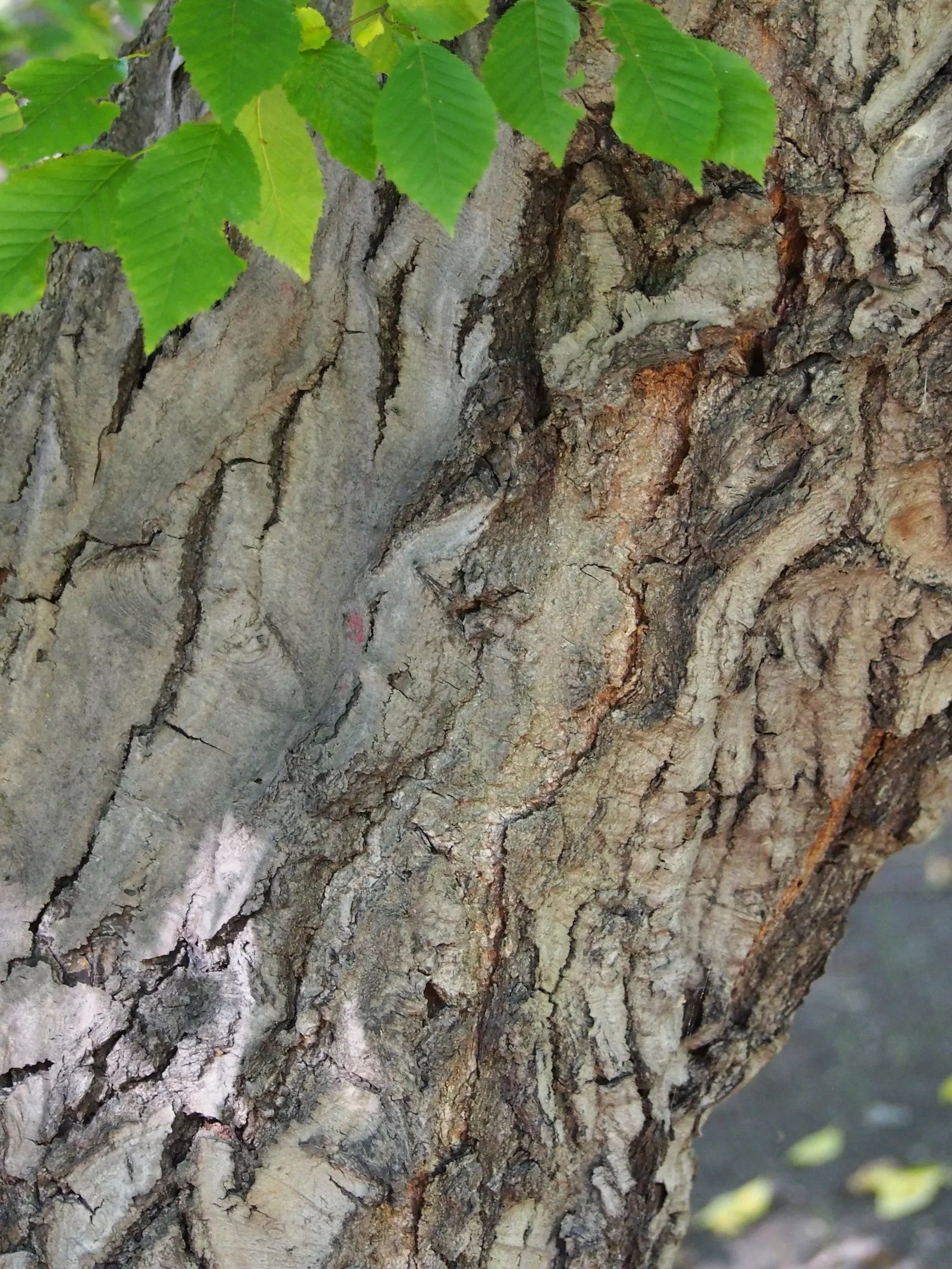
European Hornbeam (Carpinus Betulus) — These leaves turn a crisp yellow to orange in the fall, providing a delightful autumnal display; fluted bark adds
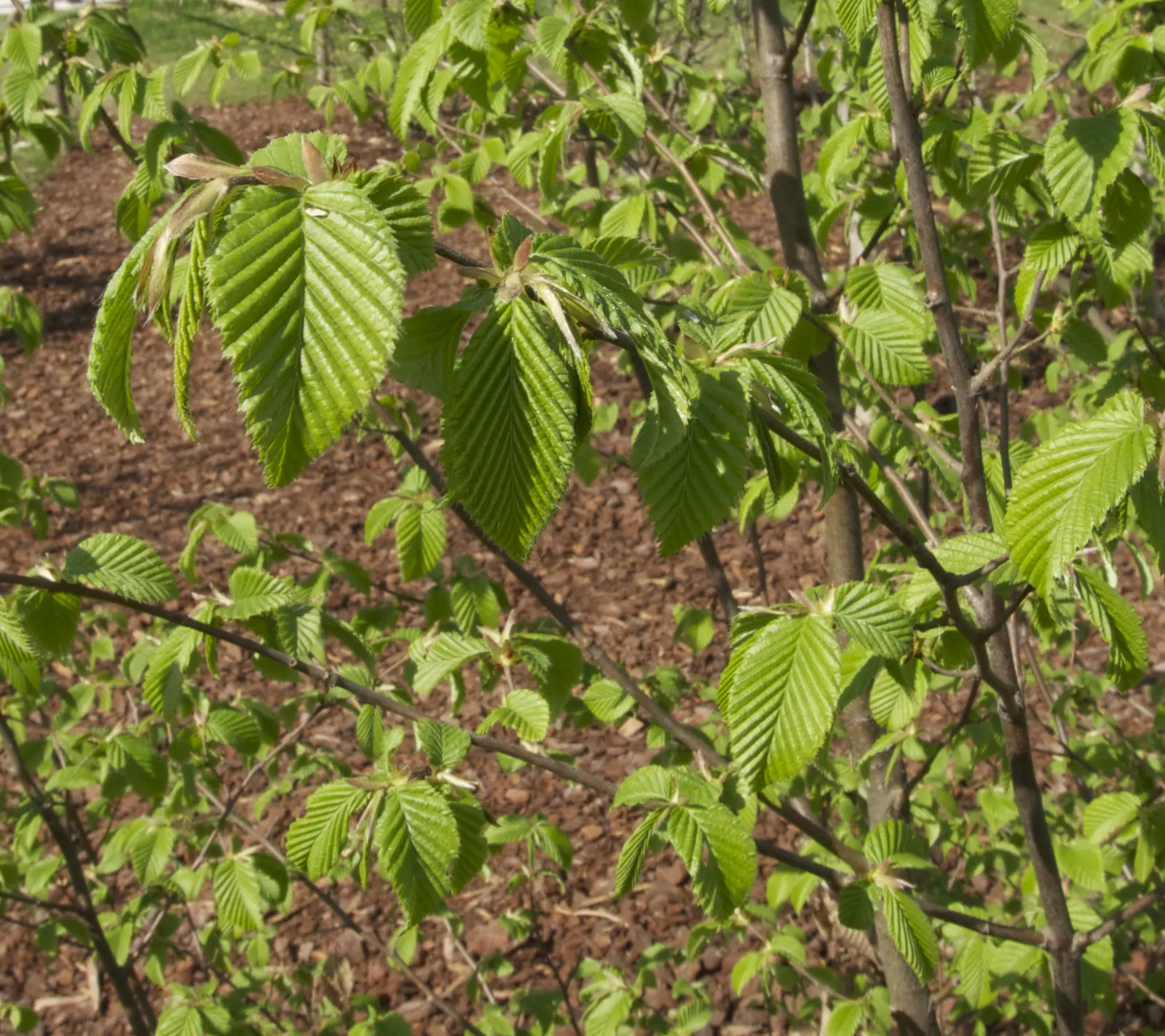
European Hornbeam (Carpinus Betulus) — with a notable pleated texture; turning vibrant yellow to greenish-gold in fall
European Hornbeam (Carpinus Betulus) — tree for full; it is also tolerant of urban pollution and soil compaction, making it suitable for urban environments
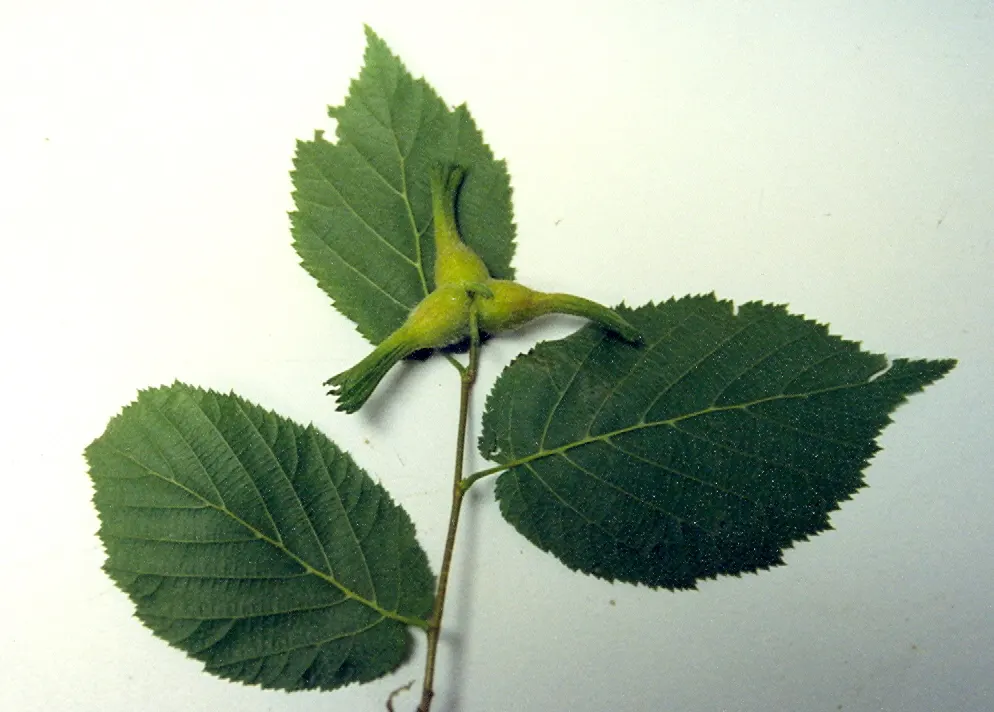
European Hornbeam (Carpinus Betulus) — turning vibrant yellow to greenish-gold in fall; finely serrated leaves that are 2 to 5 inches in length, image 65
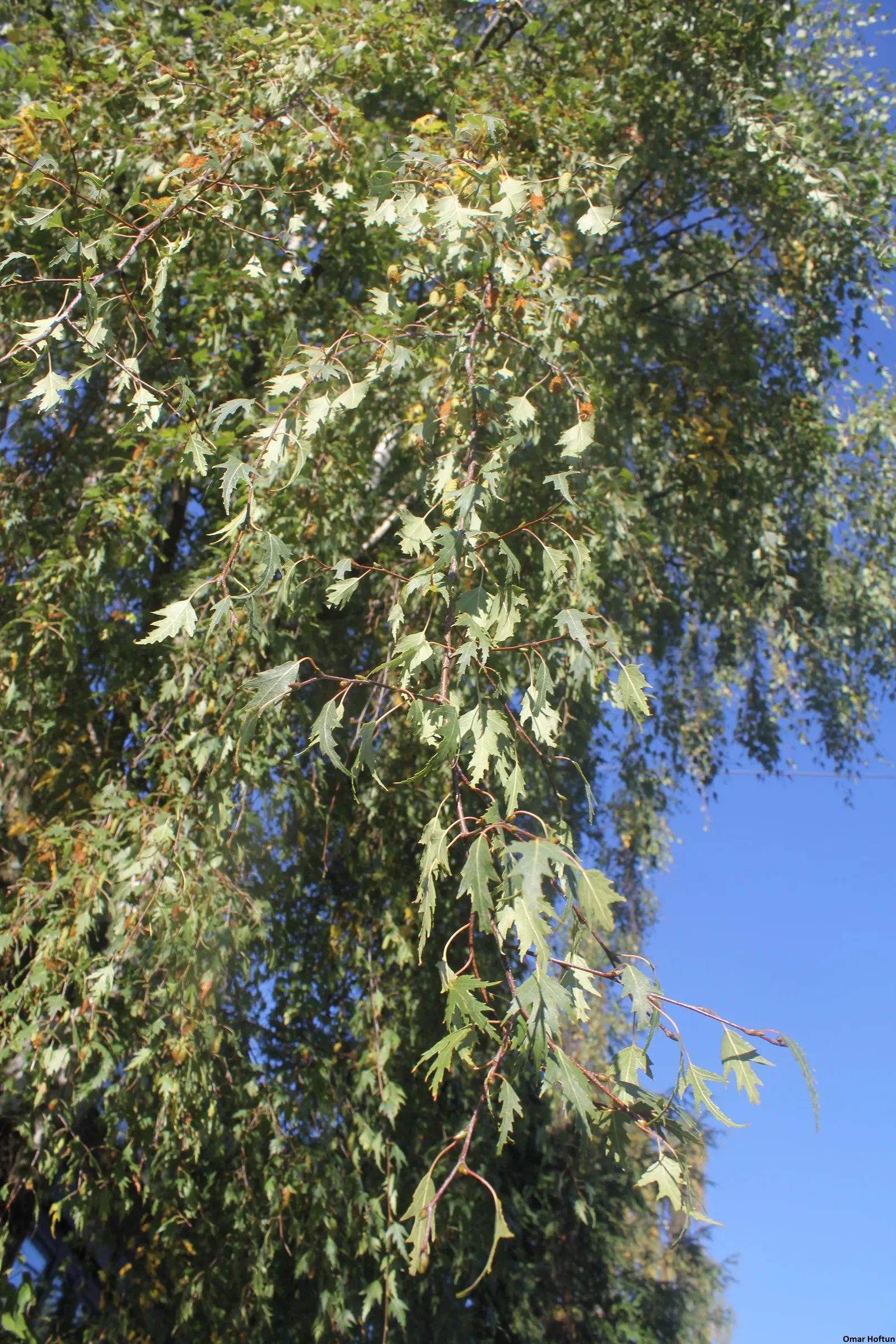
European Hornbeam (Carpinus Betulus) — boasting a lush green hue in the growing season; mature specimens can reach up to 60 to 80 feet in height, image 53
European Hornbeam (Carpinus Betulus) — This species is also resistant to most pests and diseases
European Hornbeam (Carpinus Betulus) — is a deciduous tree with a pyramidal to oval form; with a notable pleated texture, image 41
European Hornbeam (Carpinus Betulus) — It thrives in USDA zones 4-8, preferring well-drained soils and full to partial sun; this species is also, image 66
European Hornbeam (Carpinus Betulus) — is a deciduous tree with a pyramidal to oval form; with a notable pleated texture, image 61
European Hornbeam (Carpinus Betulus) — Its leaves are sharply-toothed; requiring minimal care once established, image 63
European Hornbeam (Carpinus Betulus) — reaching 40-60 feet in height and 30-40 feet in width; gradually rounding with age, image 82
European Hornbeam (Carpinus Betulus) — It is also tolerant of urban pollution and soil compaction, making it suitable for urban environments
European Hornbeam (Carpinus Betulus) — is a deciduous tree with a pyramidal to oval form; with a notable pleated texture, image 81
European Hornbeam (Carpinus Betulus) — requiring minimal care once established; its leaves are sharply-toothed
European Hornbeam (Carpinus Betulus) — with a notable pleated texture; turning vibrant yellow to greenish-gold in fall, image 84
European Hornbeam (Carpinus Betulus) — turning vibrant yellow to greenish-gold in fall; finely serrated leaves that are 2 to 5 inches in length
European Hornbeam (Carpinus Betulus) — with a notable pleated texture
European Hornbeam (Carpinus Betulus) — with a notable pleated texture; turning vibrant yellow to greenish-gold in fall, image 64
European Hornbeam (Carpinus Betulus) — These leaves turn a crisp yellow to orange in the fall, providing a delightful autumnal display
European Hornbeam (Carpinus Betulus) — Mature specimens can reach up to 60 to 80 feet in height with a spread of 30 to 40 feet; boasting a lush, image 48
European Hornbeam (Carpinus Betulus) — Its leaves are sharply-toothed
European Hornbeam (Carpinus Betulus) — It is also tolerant of urban pollution and soil compaction, making it suitable for urban environments; adaptable to a
Photographs by 10 contributors

Related plants