Skip to content

Meadow Violet

Viola Sororia

Design with this plant

Overview

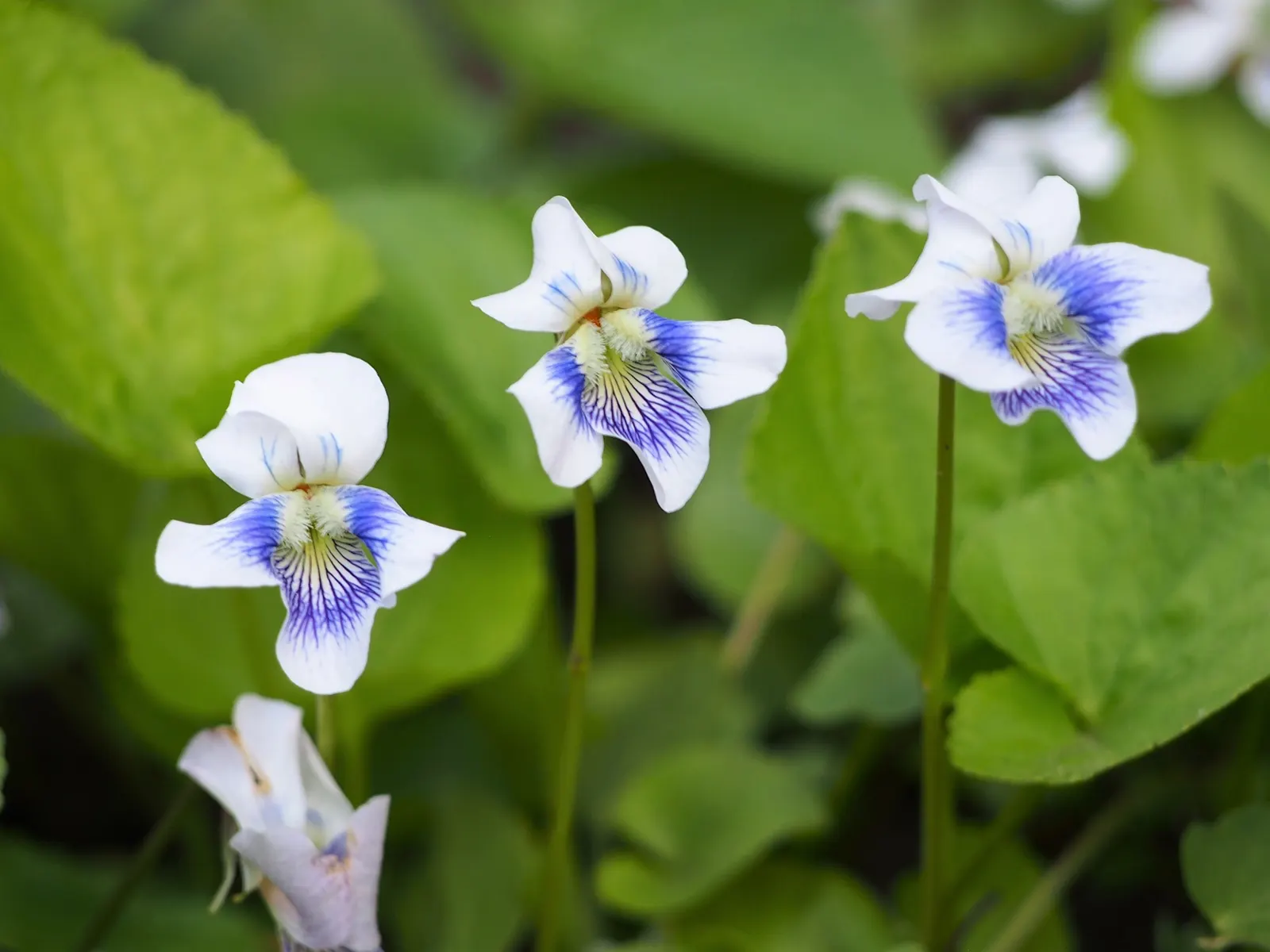
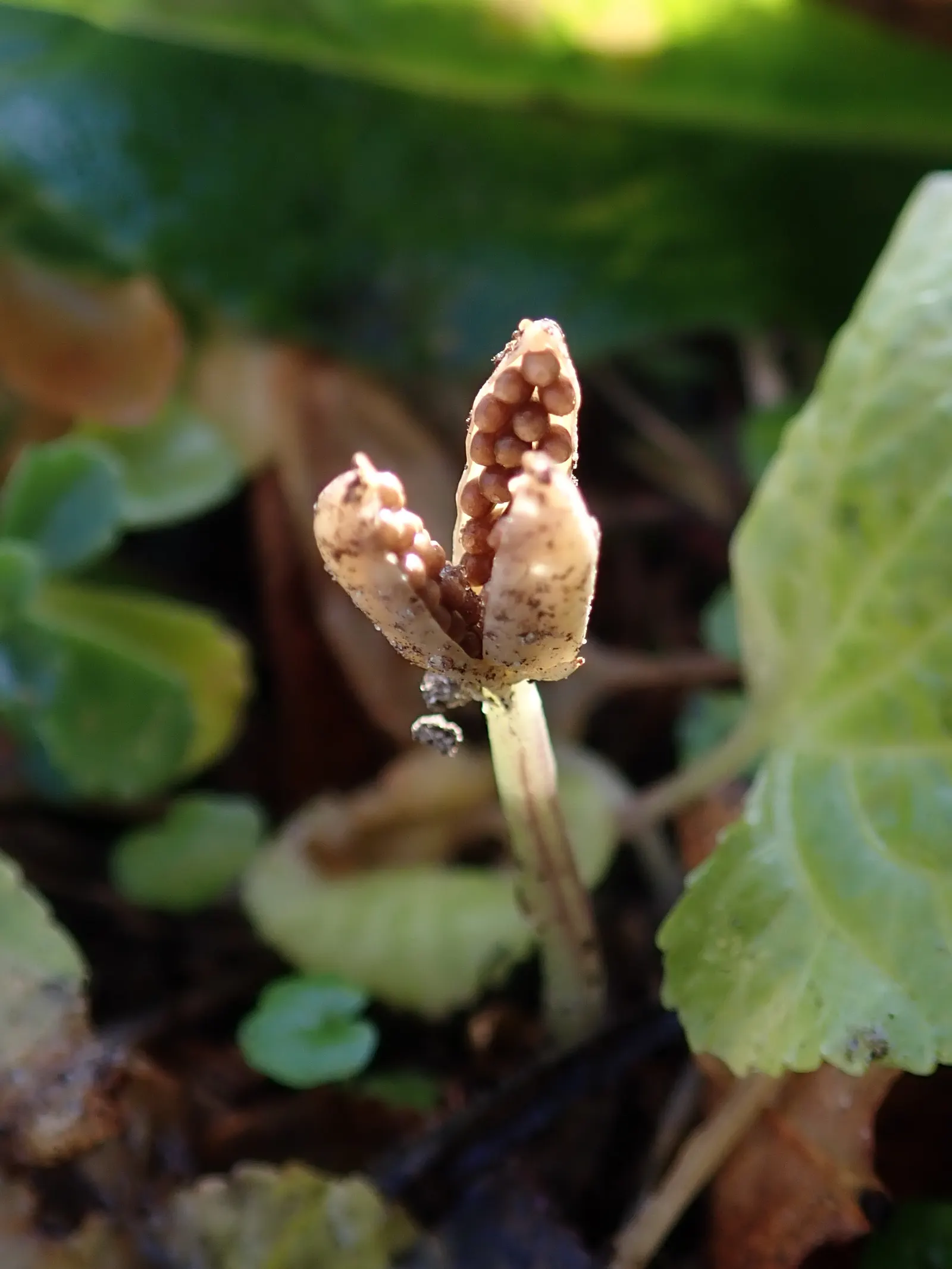
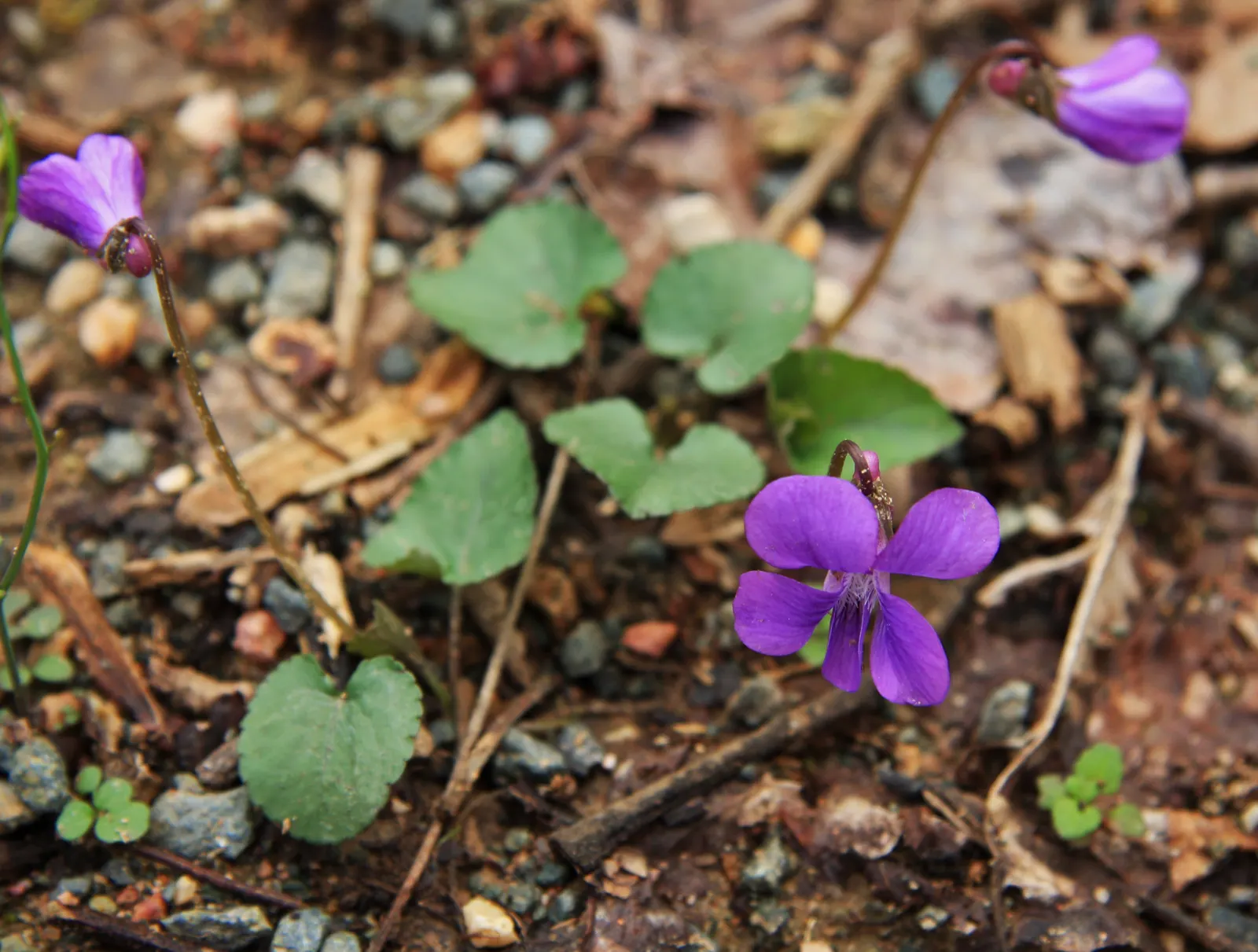
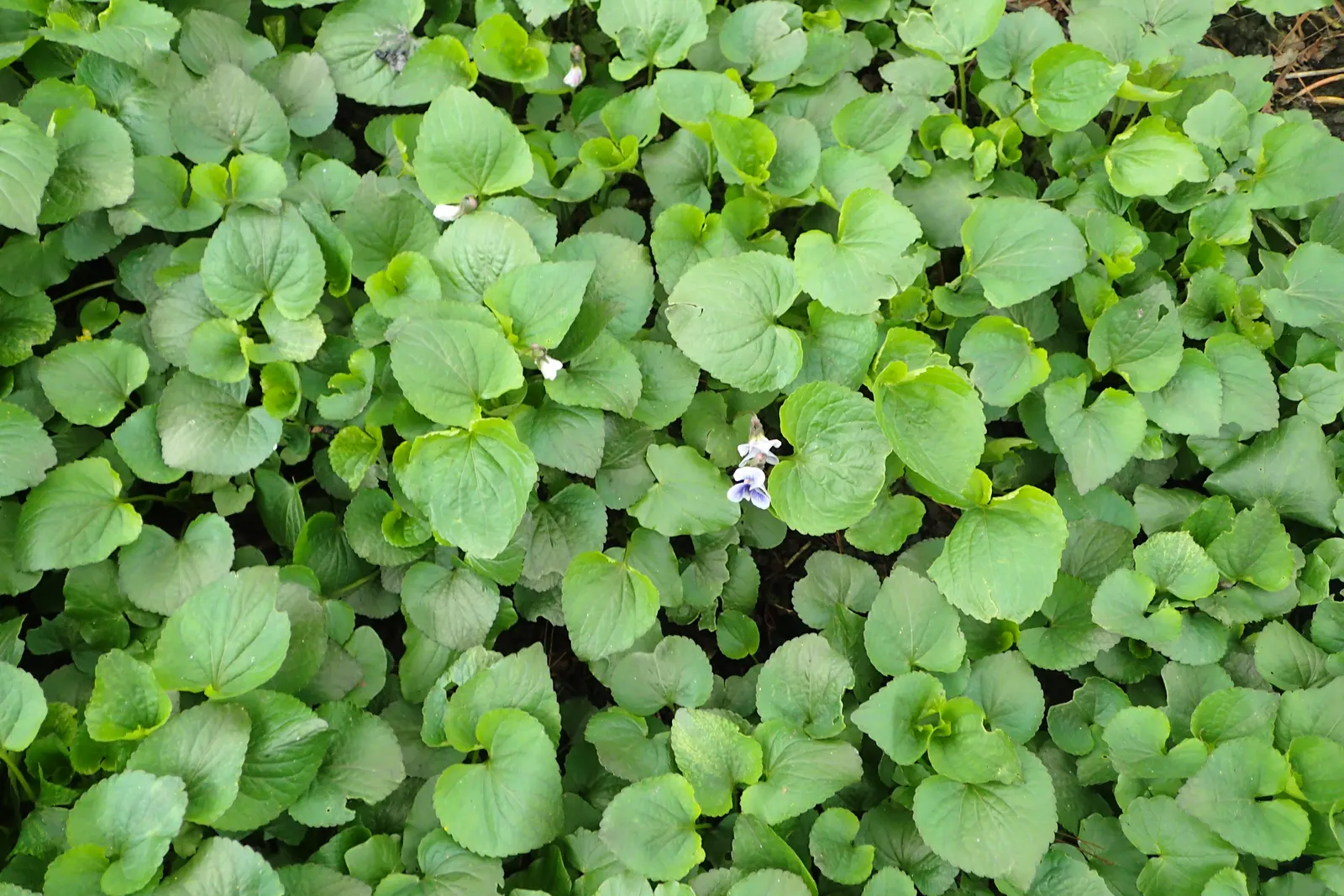
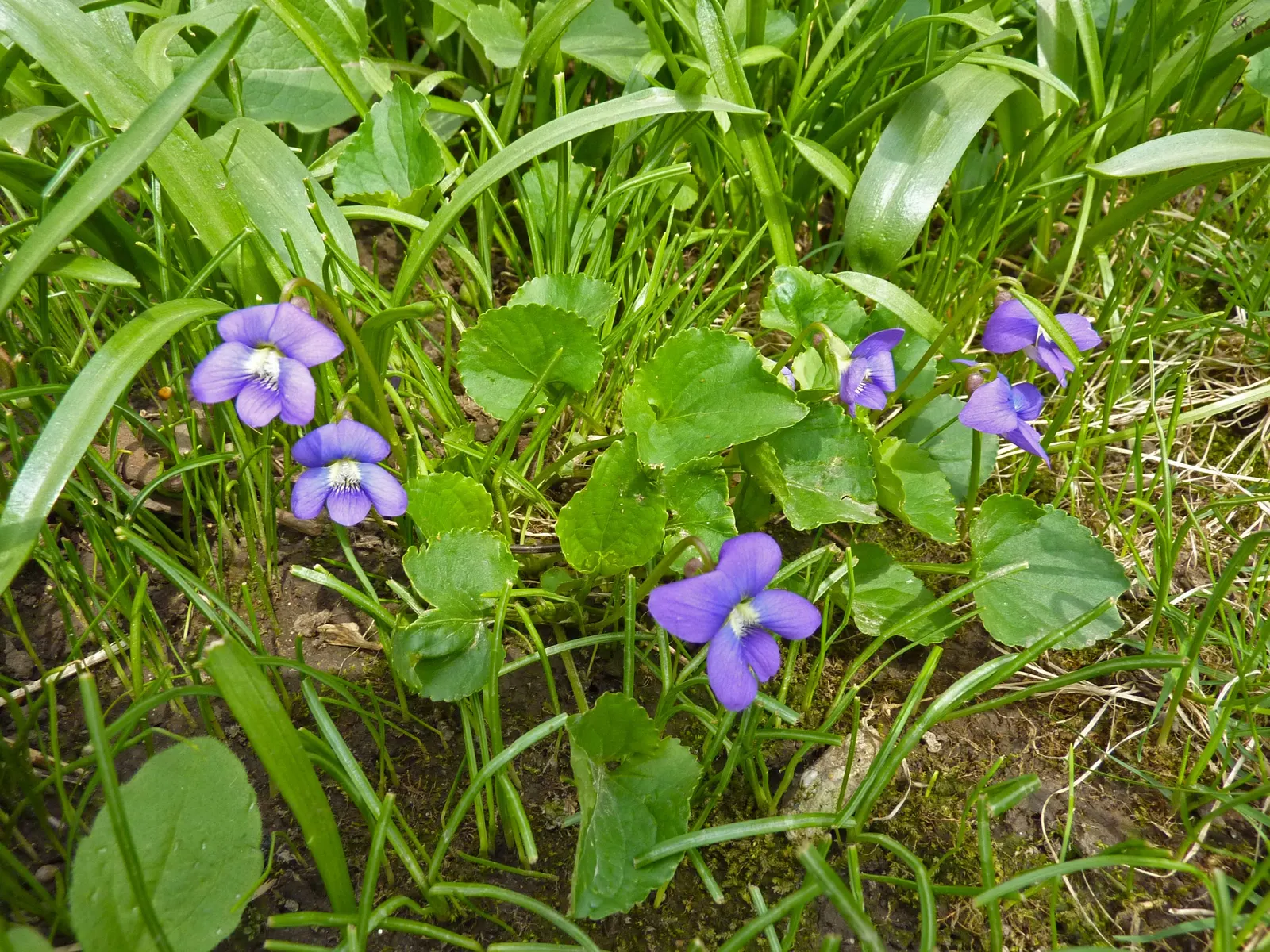
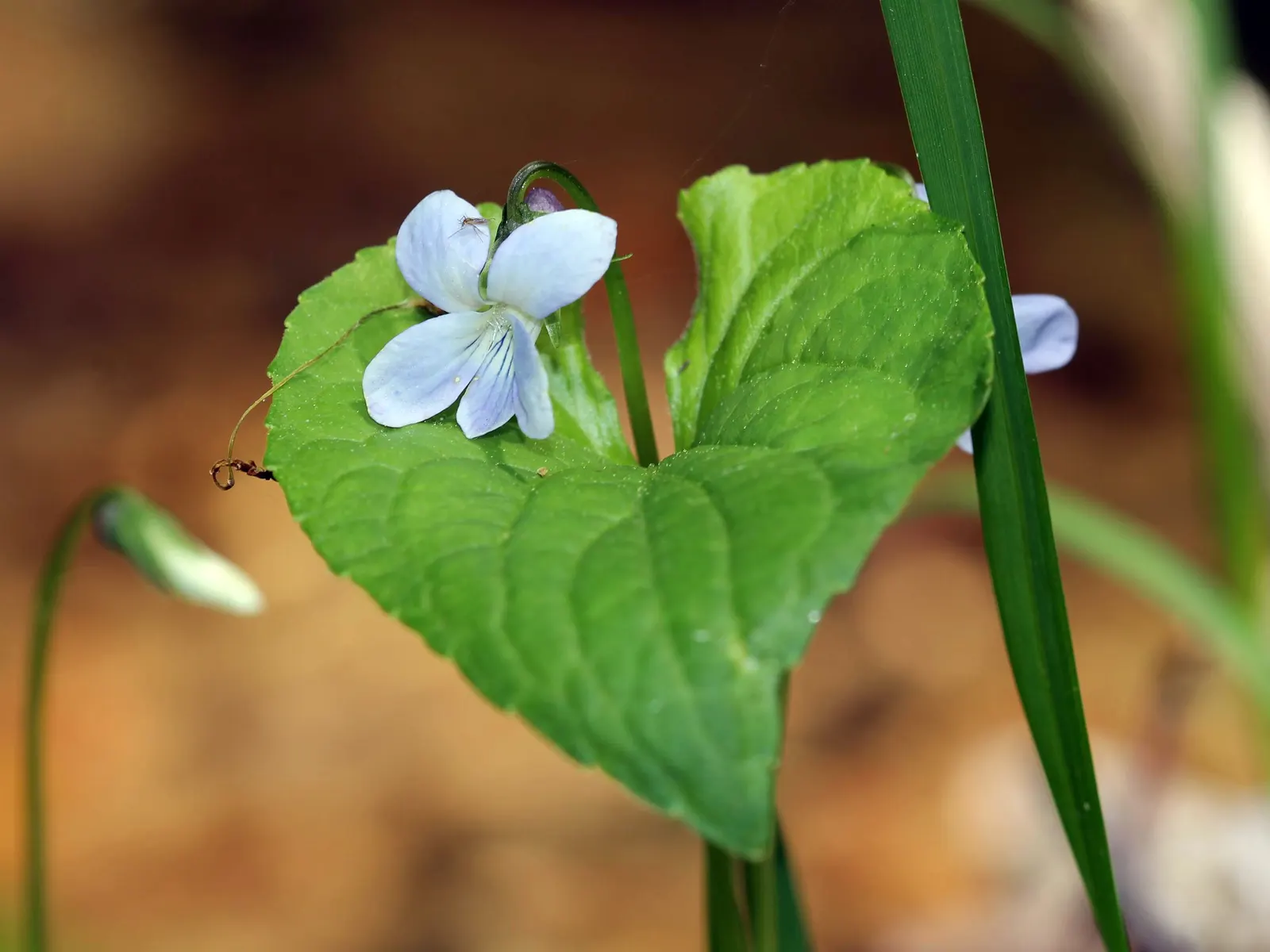
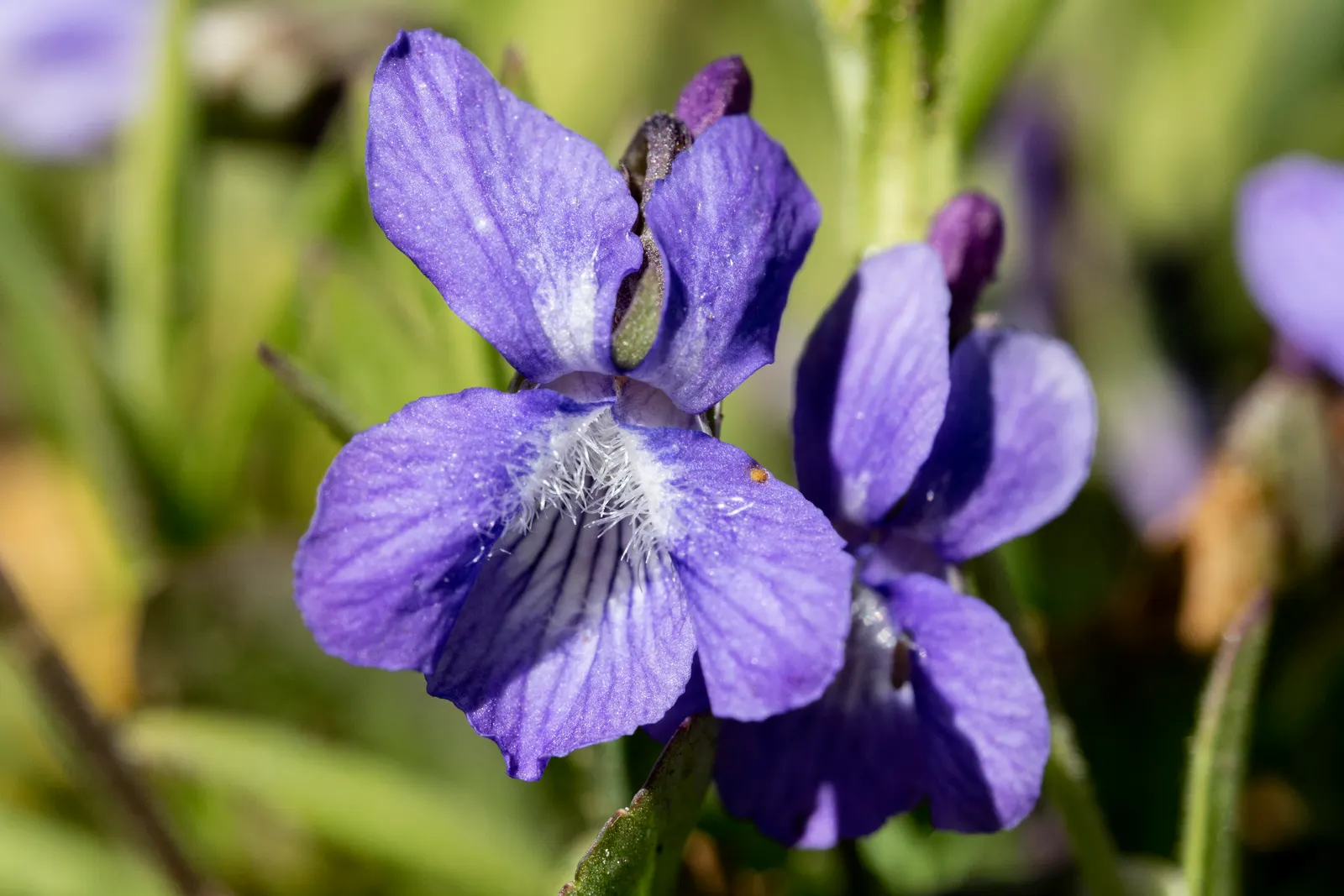
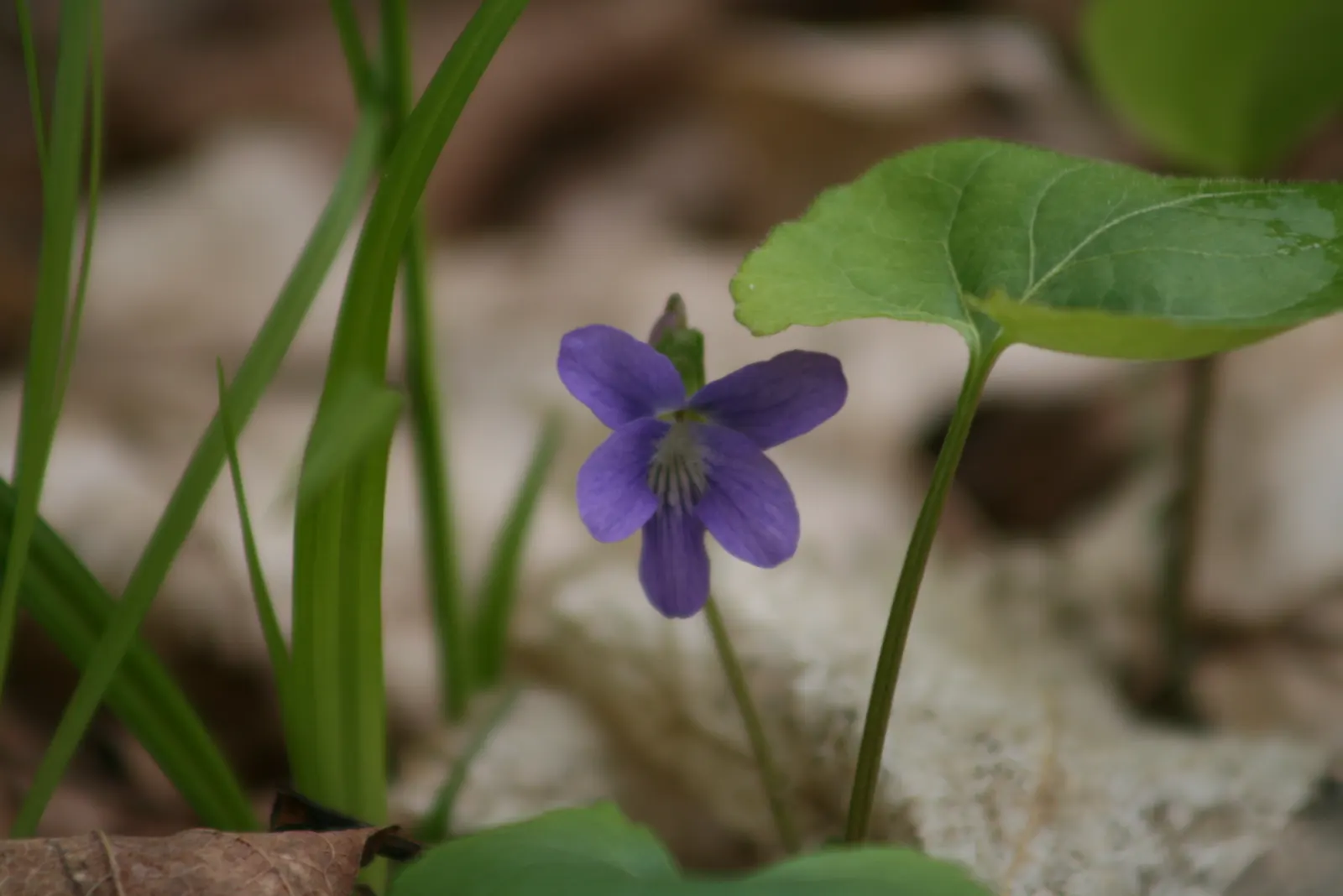
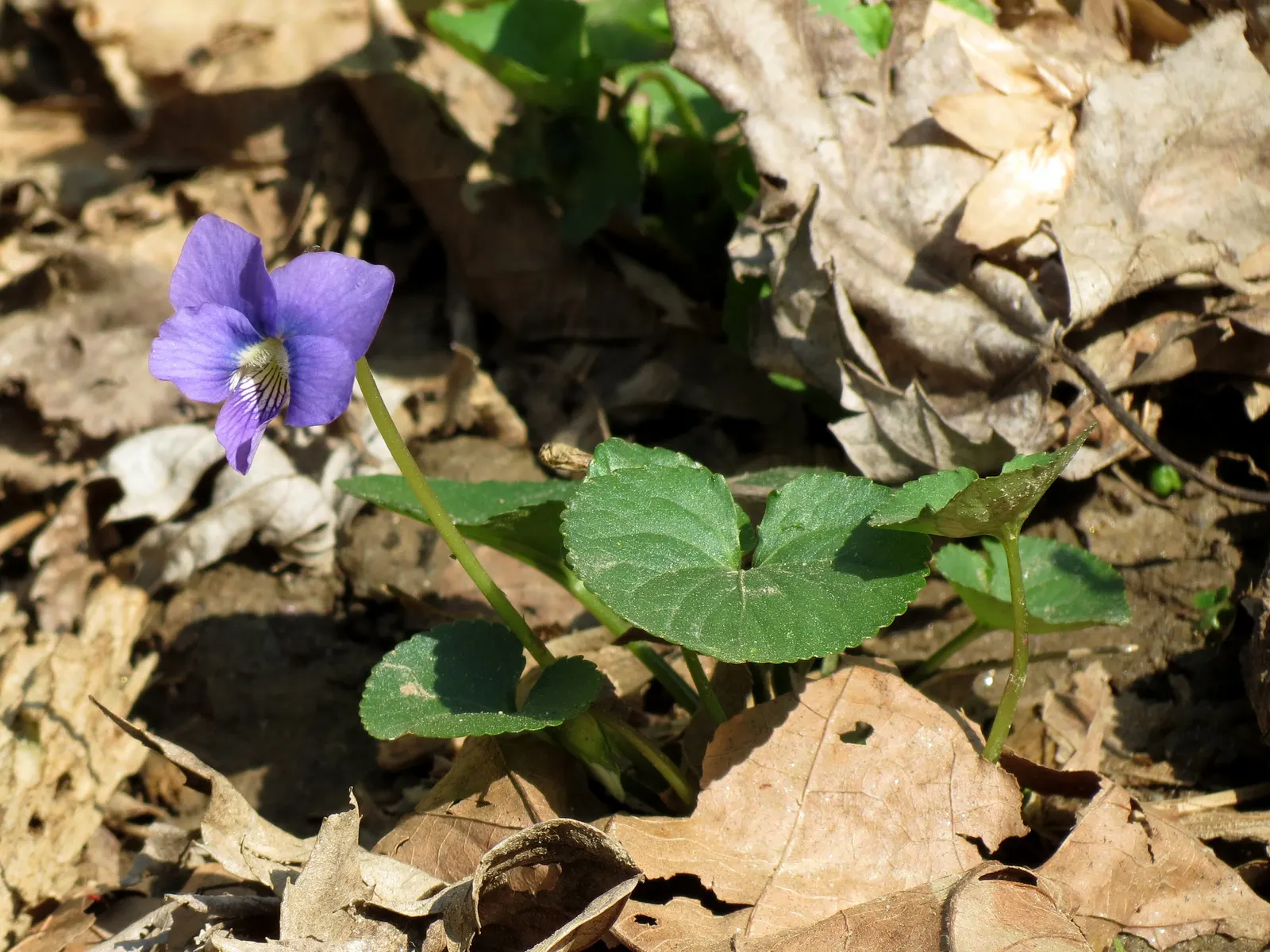
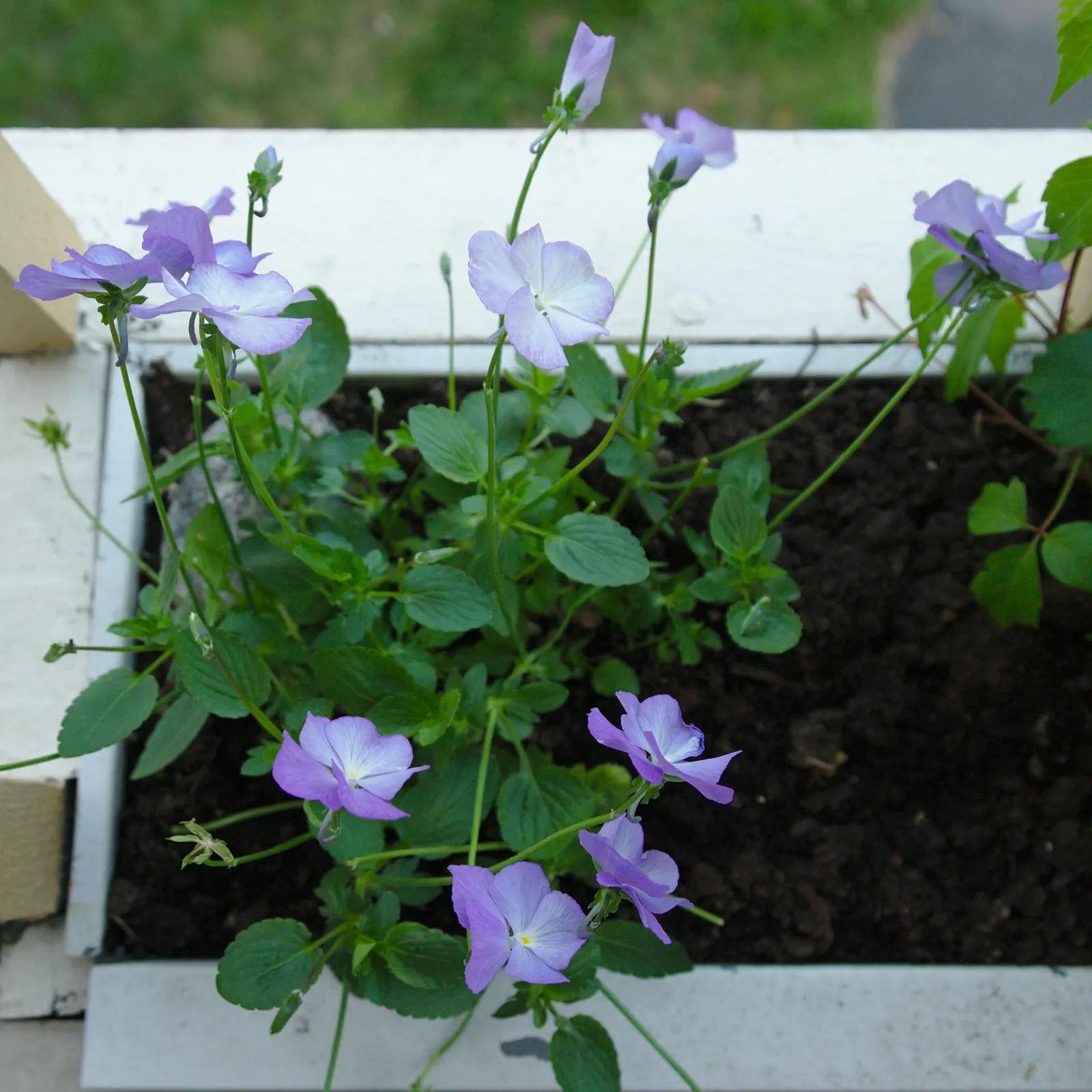
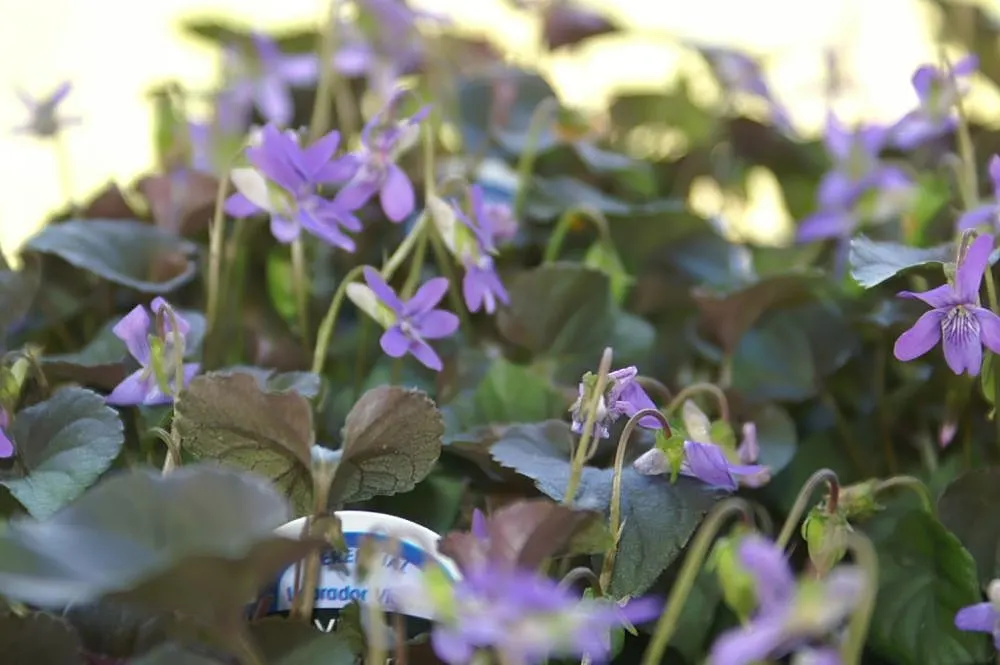
The Meadow Violet, Viola sororia, is a deciduous perennial native to North America. It thrives in USDA zones 3-7, preferring part-shade to full sun. With a compact spread of 4-6 inches and a height of 4-8 inches, these low-growers feature heart-shaped leaves and prolific spring flowers in hues of purple. Ideal for ground cover and naturalization, they require moist, well-drained soil and are resistant to both deer and rabbits.

Sun Full, HalfWater Extra in Summer, MediumZones 3–7Type Annual, PerennialClimate Temperate
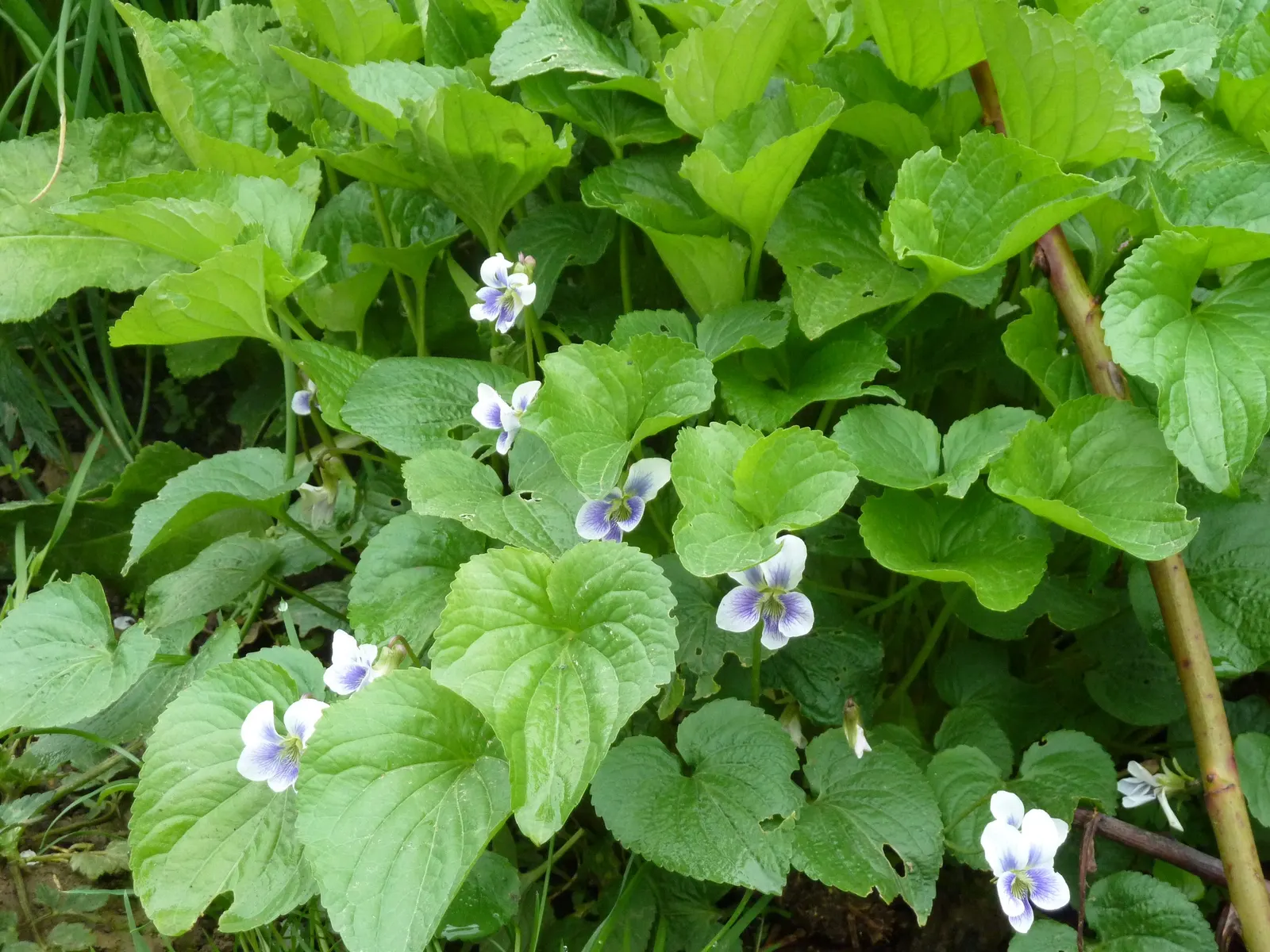
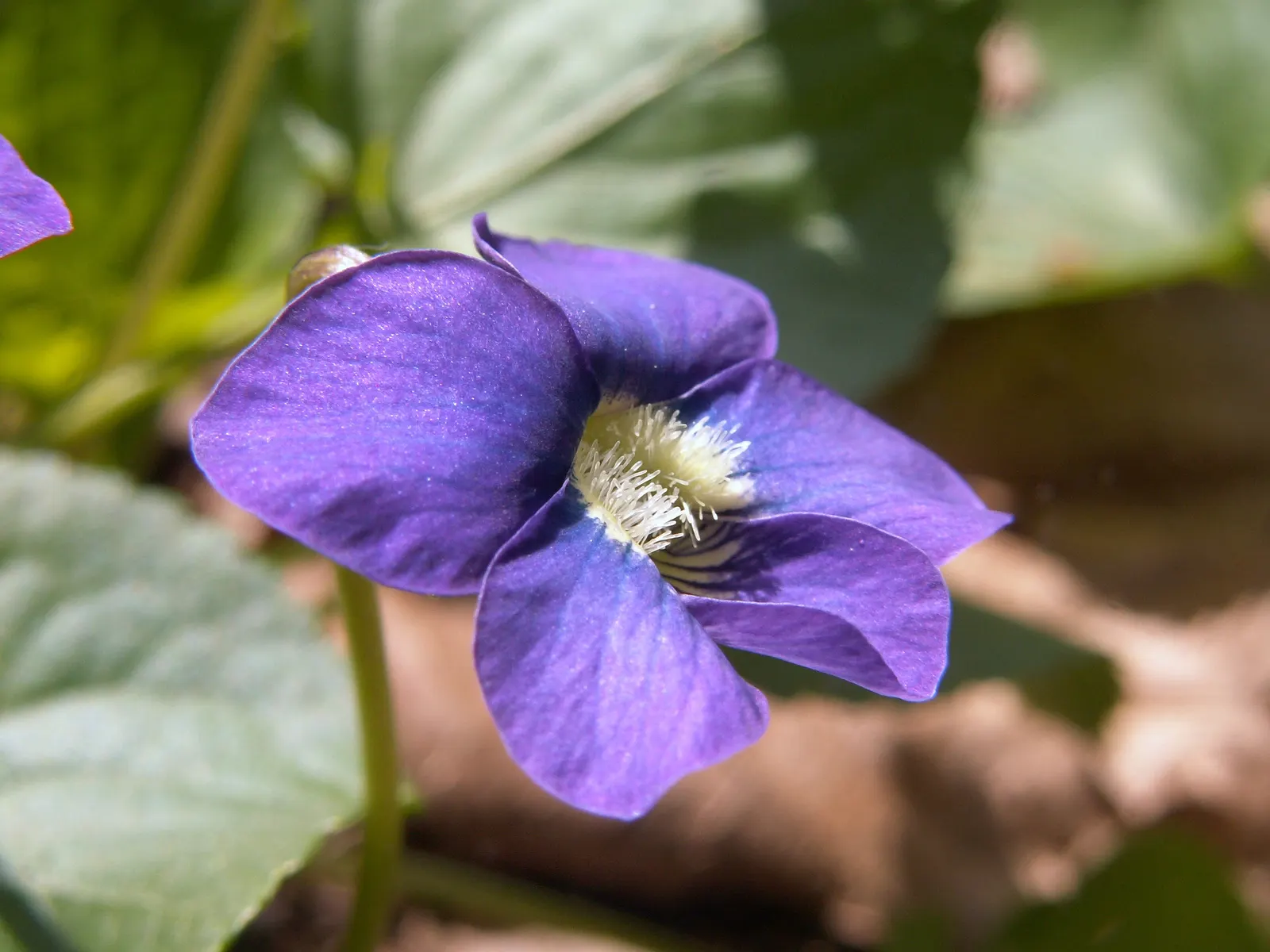
Meadow Violet (Viola Sororia) — It thrives in USDA zones 3-7, preferring part-shade to full sun; often showcasing a delicate white center and, image 46

Culture

Sun
Full, Half
Water
Extra in Summer, Medium
USDA zones
3–7

Shape & size

Mature height
4–6 Inches

Classification

Type
Annual, Perennial
Family
Violaceae
Climate
Temperate

See full data, regional cultivation notes, and design tools. Build a client presentation around this plant.

Start your 14-day trial

Photos (169)

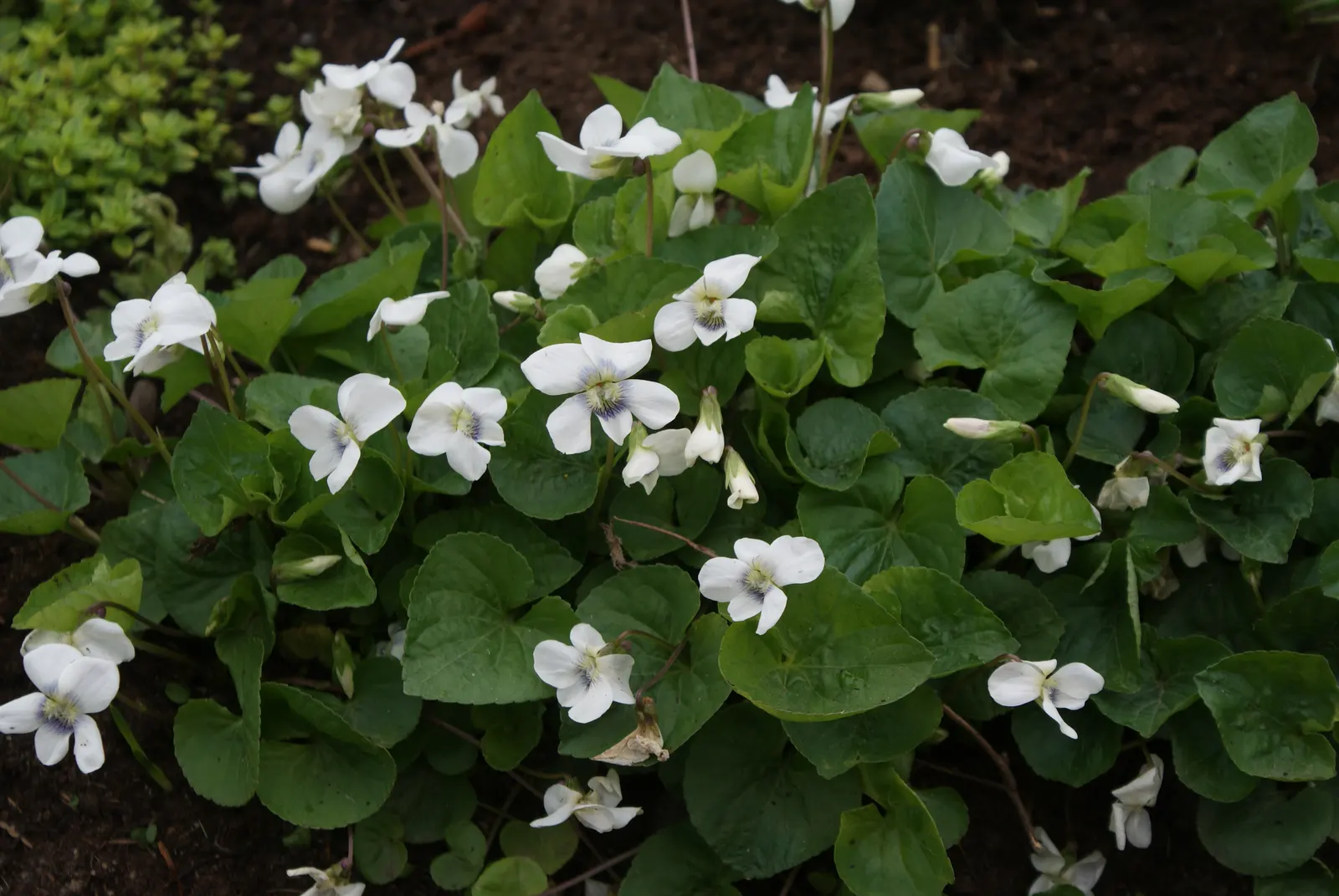
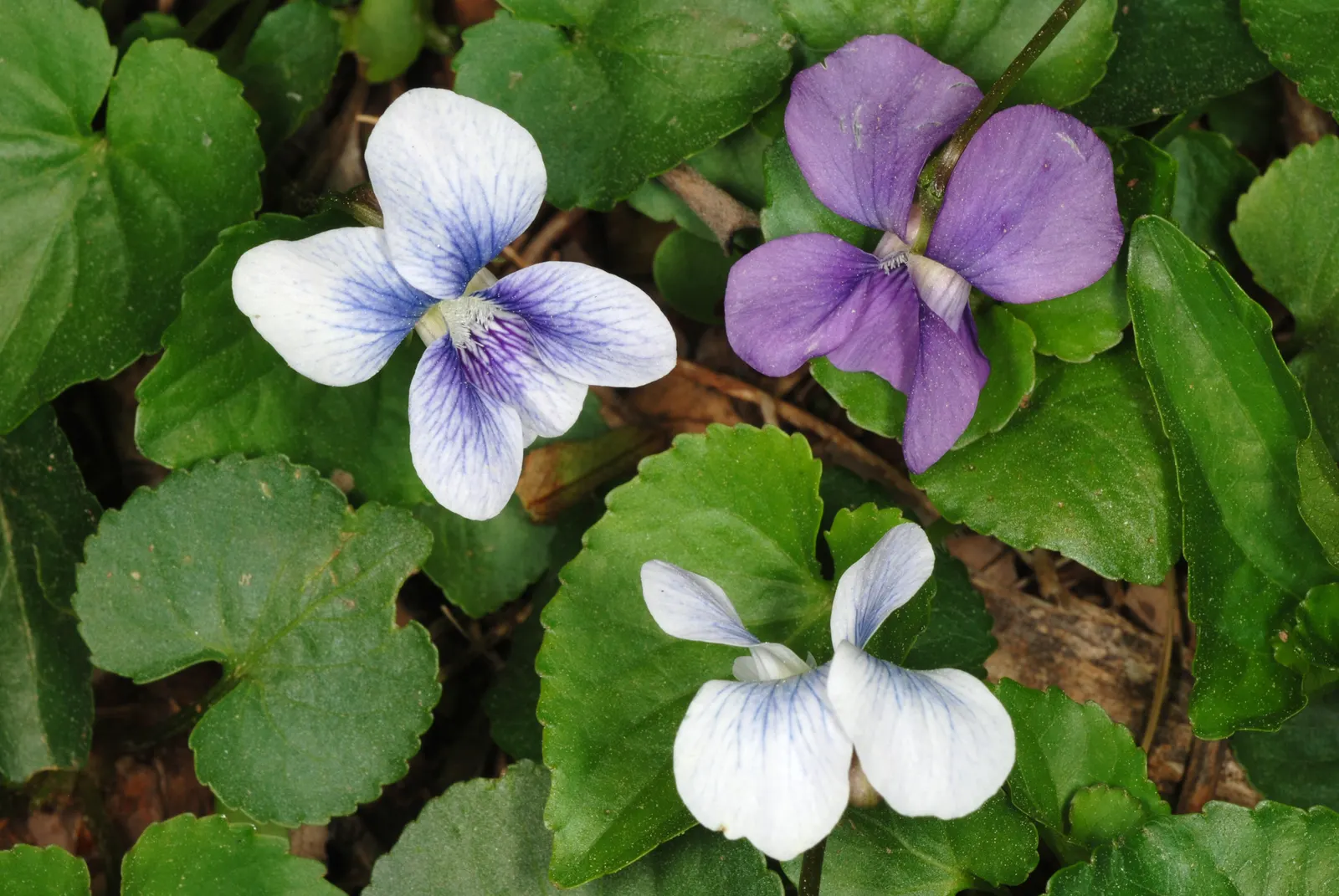
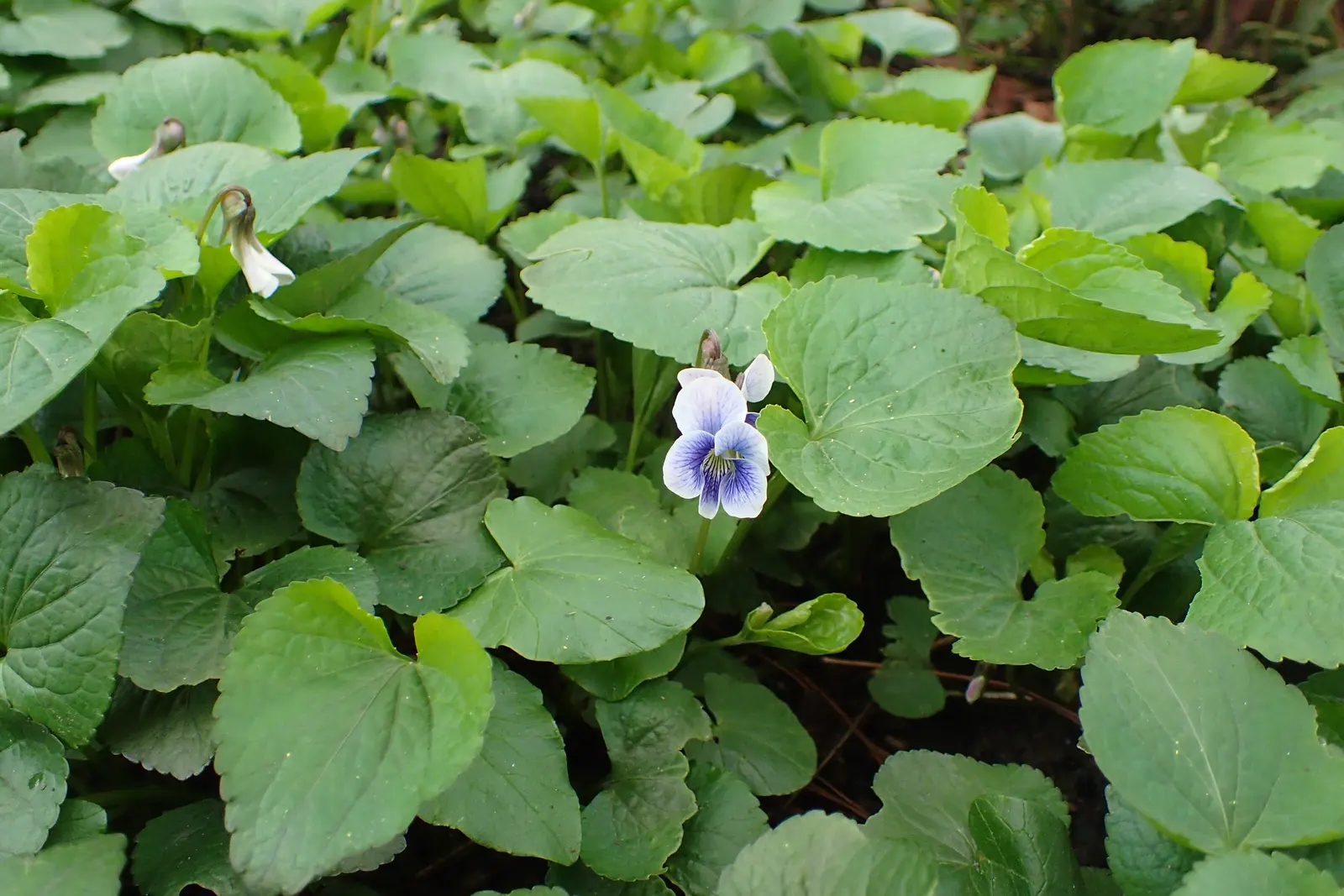
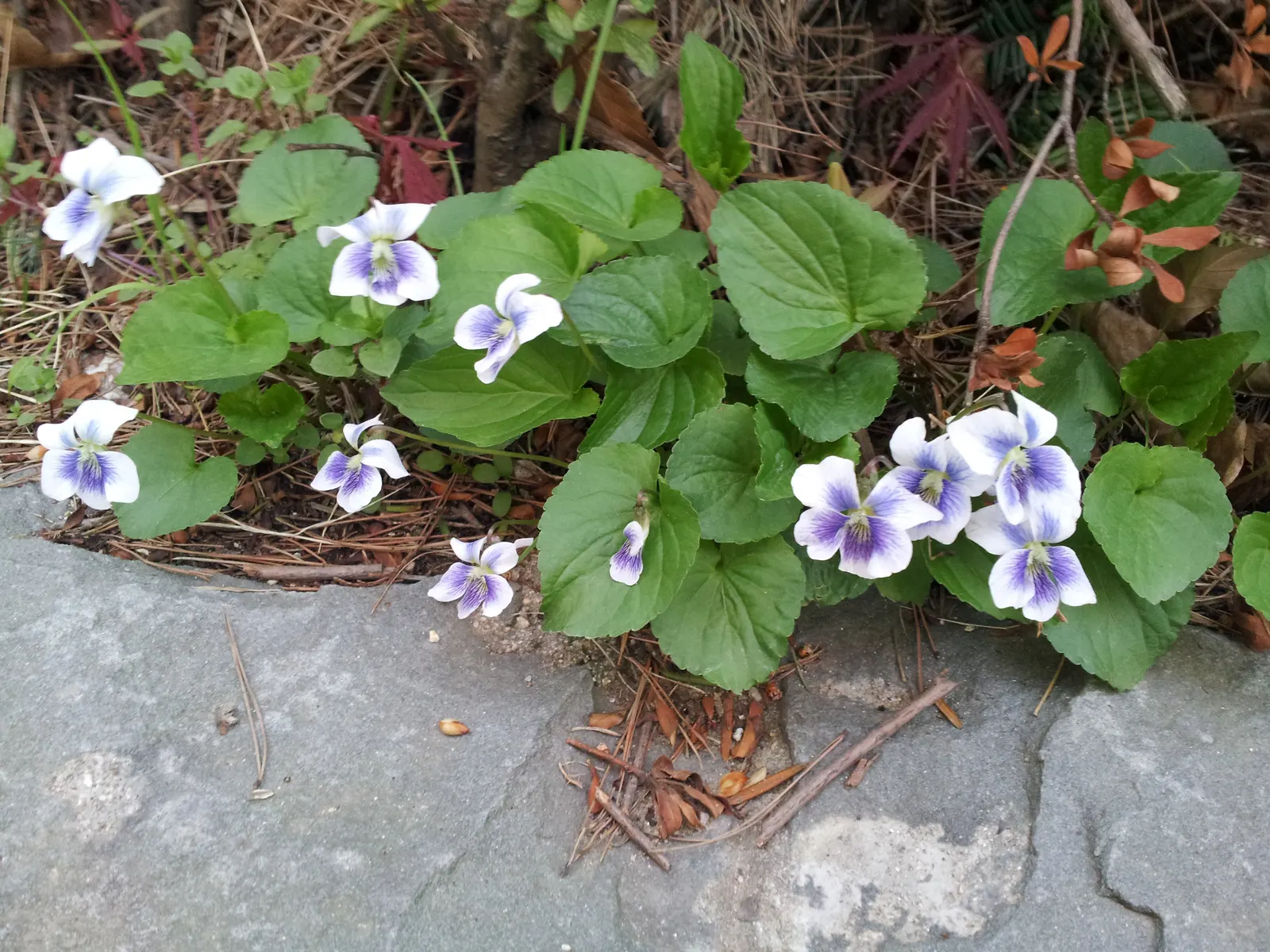
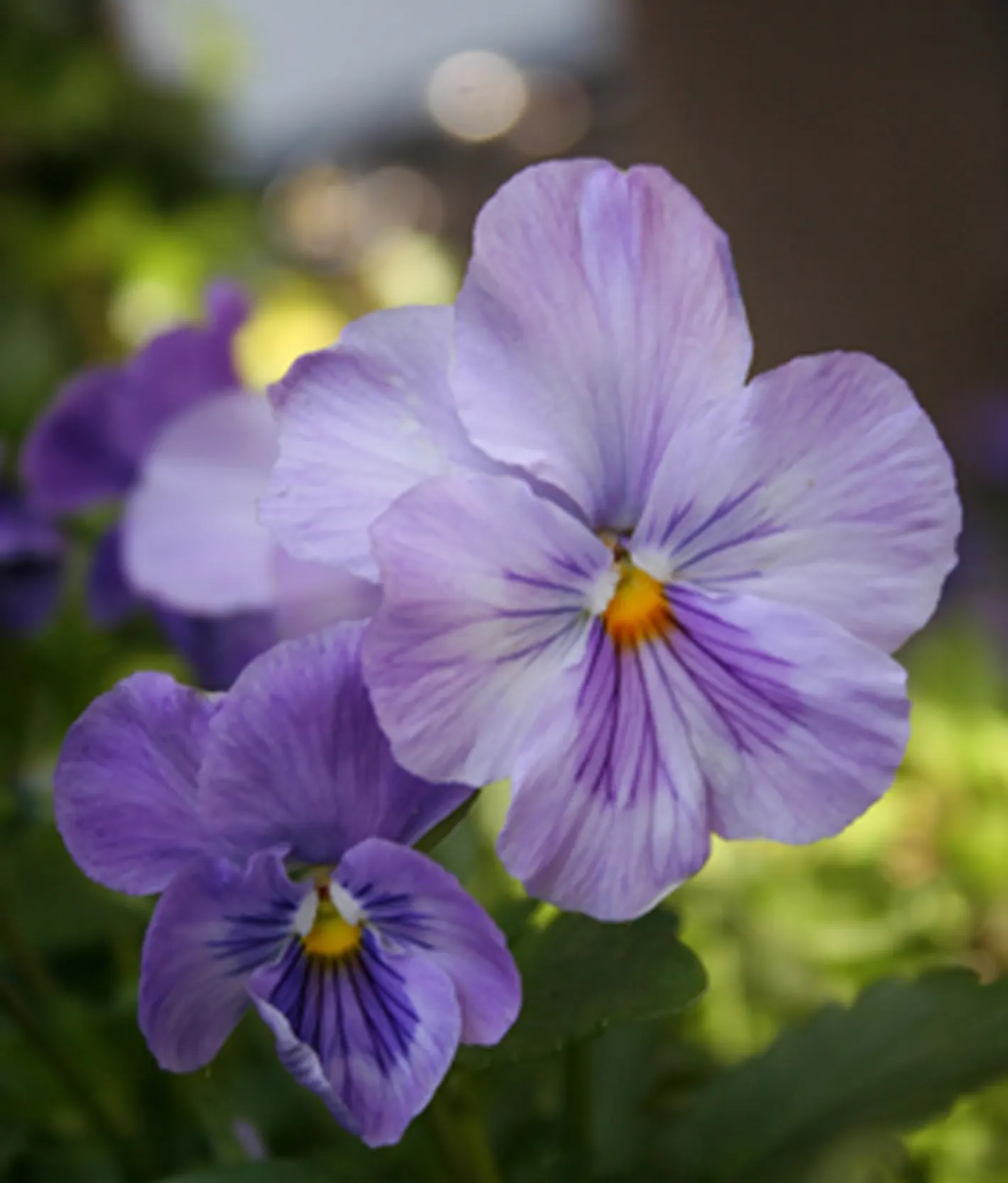
Meadow Violet (Viola Sororia) — blue and white flowers in the garden; ideal for ground cover and naturalization, image 130
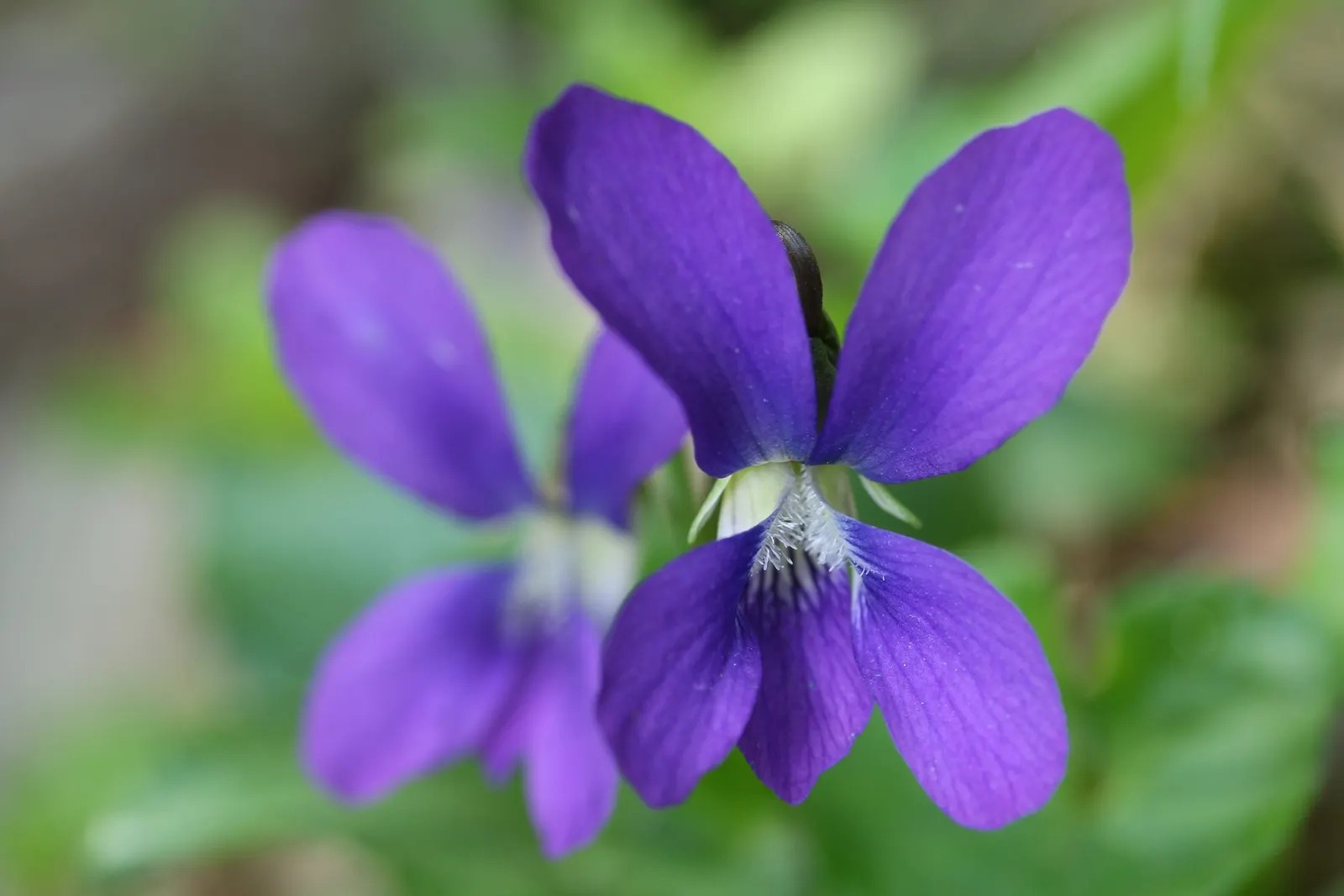
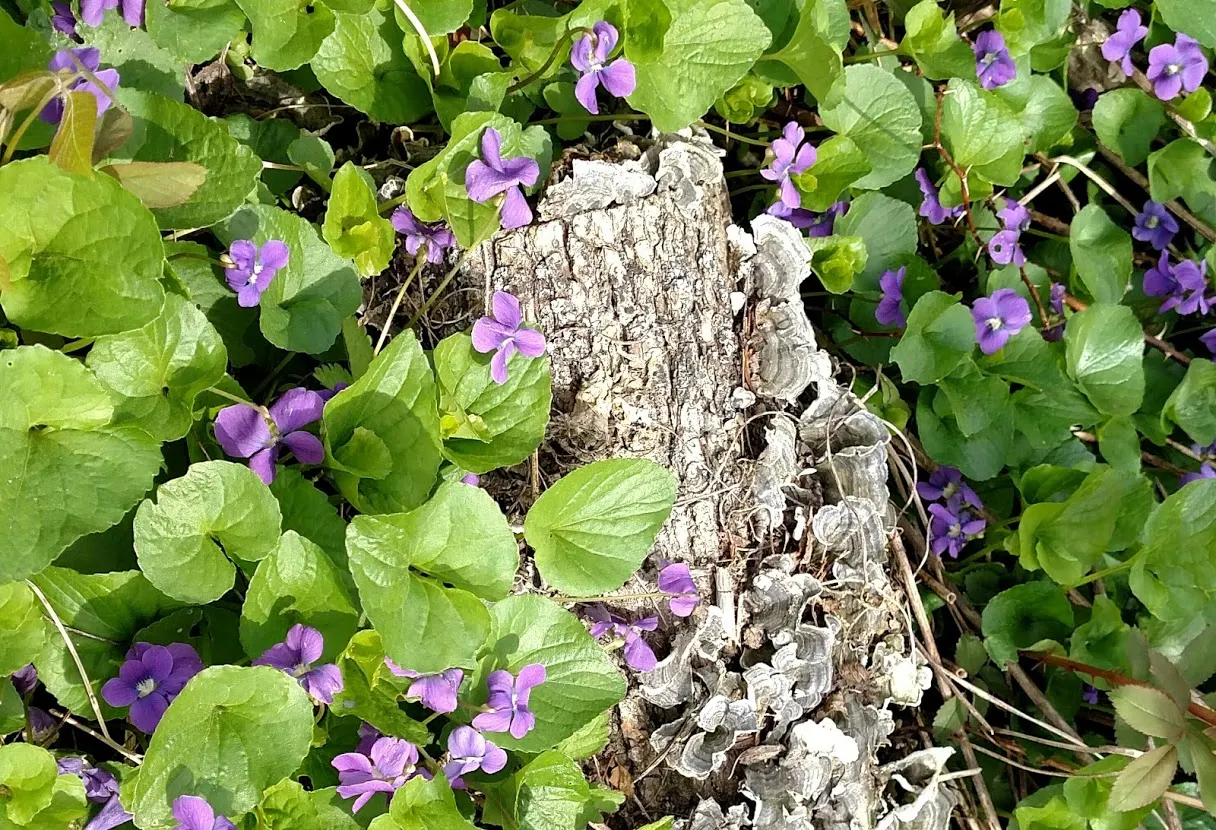
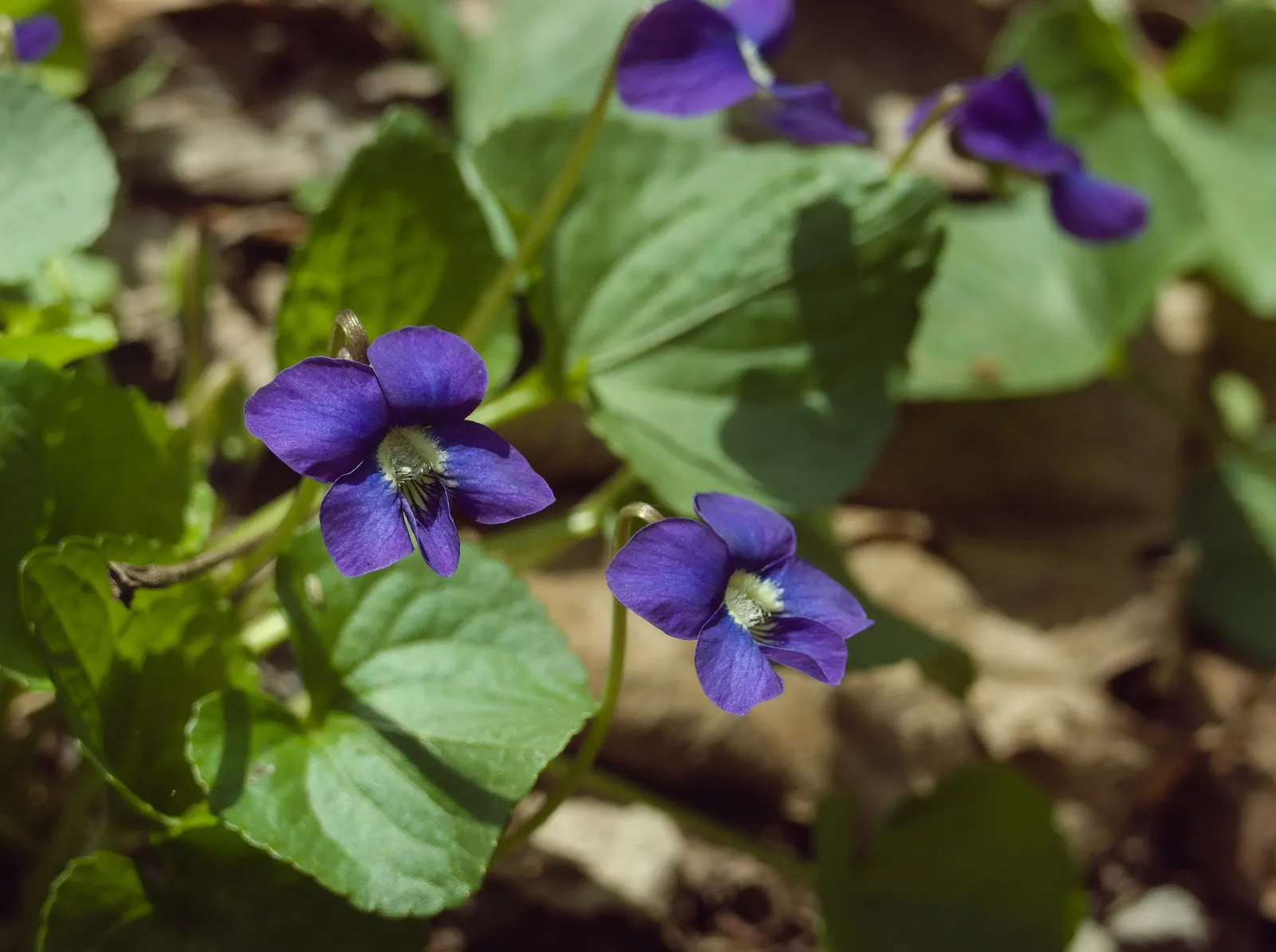
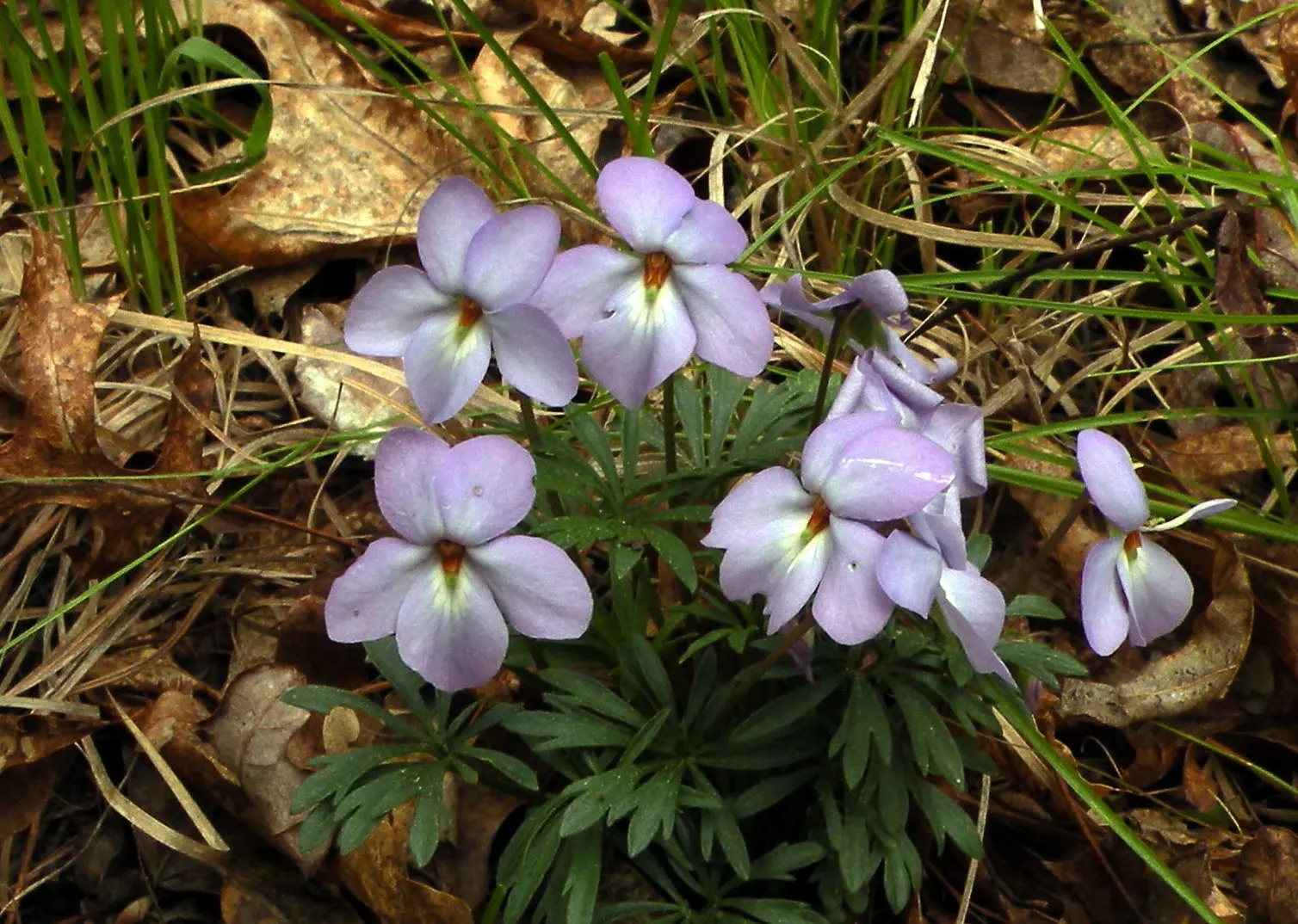
Meadow Violet (Viola Sororia) — These blooms are striking for their deep purple to blue-violet color; the Meadow Violet, Viola sororia, is a, image 142
Meadow Violet (Viola Sororia) — well-drained soil and are resistant to both deer and rabbits; when incorporating Viola sororia into your design, image 72
Meadow Violet (Viola Sororia) — consider its attractive foliage and profuse flowering; the Meadow Violet requires partial to full shade, image 128
Meadow Violet (Viola Sororia) — These blooms are striking for their deep purple to blue-violet color; the Meadow Violet, Viola sororia, is a, image 76
Meadow Violet (Viola Sororia) — the Meadow Violet requires partial to full shade; annual / perennial for full or half
Meadow Violet (Viola Sororia) — contributing to the ecological health of your garden; annual / perennial with blue and white blooms, image 60
Meadow Violet (Viola Sororia) — annual / perennial for full or half; which can be accentuated when planted en masse or as an understory plant, image 88
Meadow Violet (Viola Sororia) — With a compact spread of 4-6 inches and a height of 4-8 inches; consider its attractive foliage and profuse, image 69
Meadow Violet (Viola Sororia) — Ideal for ground cover and naturalization; these blooms are striking for their deep purple to blue-violet color
Meadow Violet (Viola Sororia) — perfect for ground cover or naturalized areas.<br><br>Thriving in USDA zones 3 to 9; it's also a favorite for, image 144
Meadow Violet (Viola Sororia) — It's also a favorite for pollinators such as butterflies and is a host plant for fritillary butterfly larvae, image 103
Meadow Violet (Viola Sororia) — making it well-suited for woodland settings or shaded borders; scientifically known as Viola sororia, image 124
Meadow Violet (Viola Sororia) — making it well-suited for woodland settings or shaded borders; scientifically known as Viola sororia, image 146
Meadow Violet (Viola Sororia) — The Meadow Violet, Viola sororia, is a deciduous perennial native to North America; these low-growers feature, image 45
Meadow Violet (Viola Sororia) — often showcasing a delicate white center and appearing in abundance from April to June; is a charming herbaceous, image 55
Meadow Violet (Viola Sororia) — often showcasing a delicate white center and appearing in abundance from April to June; is a charming herbaceous perennial that
Meadow Violet (Viola Sororia) — is a charming herbaceous perennial that adds a splash of color to any landscape design; though it has a preference, image 140
Meadow Violet (Viola Sororia) — consider its attractive foliage and profuse flowering; the Meadow Violet requires partial to full shade, image 84
Meadow Violet (Viola Sororia) — contributing to the ecological health of your garden; annual / perennial with blue and white blooms, image 82
Meadow Violet (Viola Sororia) — these low-growers feature heart-shaped leaves and prolific spring flowers in hues of purple
Meadow Violet (Viola Sororia) — It's also a favorite for pollinators such as butterflies and is a host plant for fritillary butterfly larvae, image 125
Meadow Violet (Viola Sororia) — When incorporating Viola sororia into your design; well-drained soil and are resistant to both deer and rabbits, image 127
Meadow Violet (Viola Sororia) — perfect for ground cover or naturalized areas.<br><br>Thriving in USDA zones 3 to 9; it's also a favorite for, image 78
Photographs by 17 contributors

Related plants