Skip to content

Common Pansy

Viola X Wittrockiana

Design with this plant

Overview

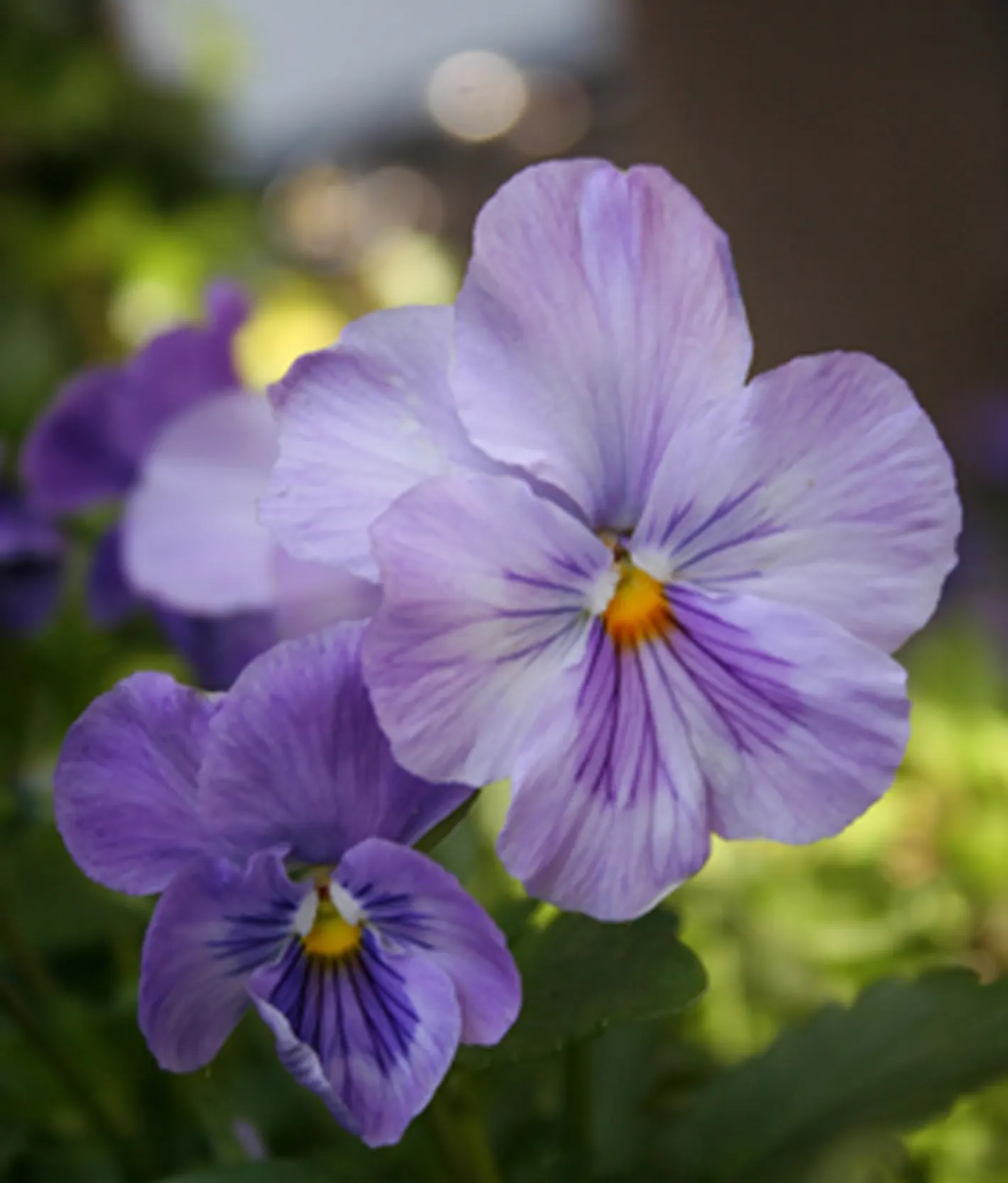
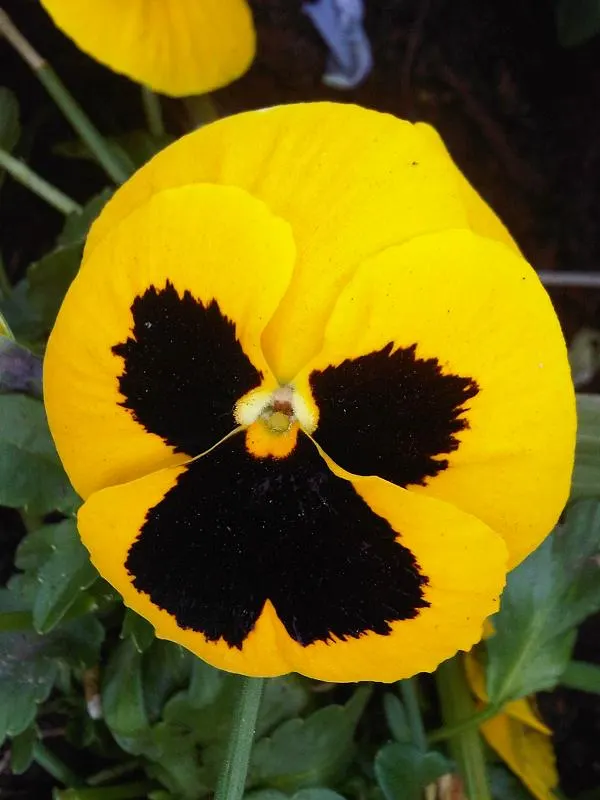
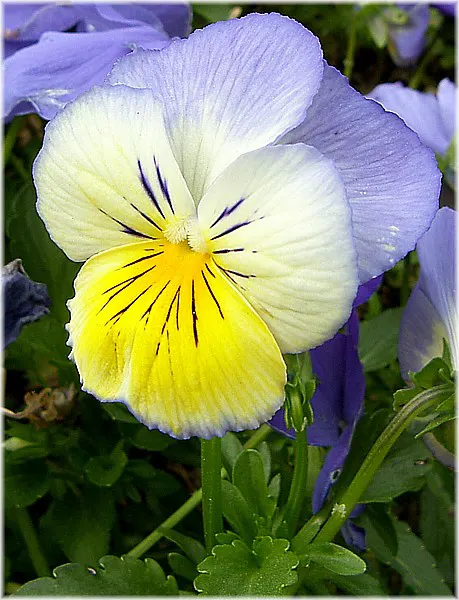
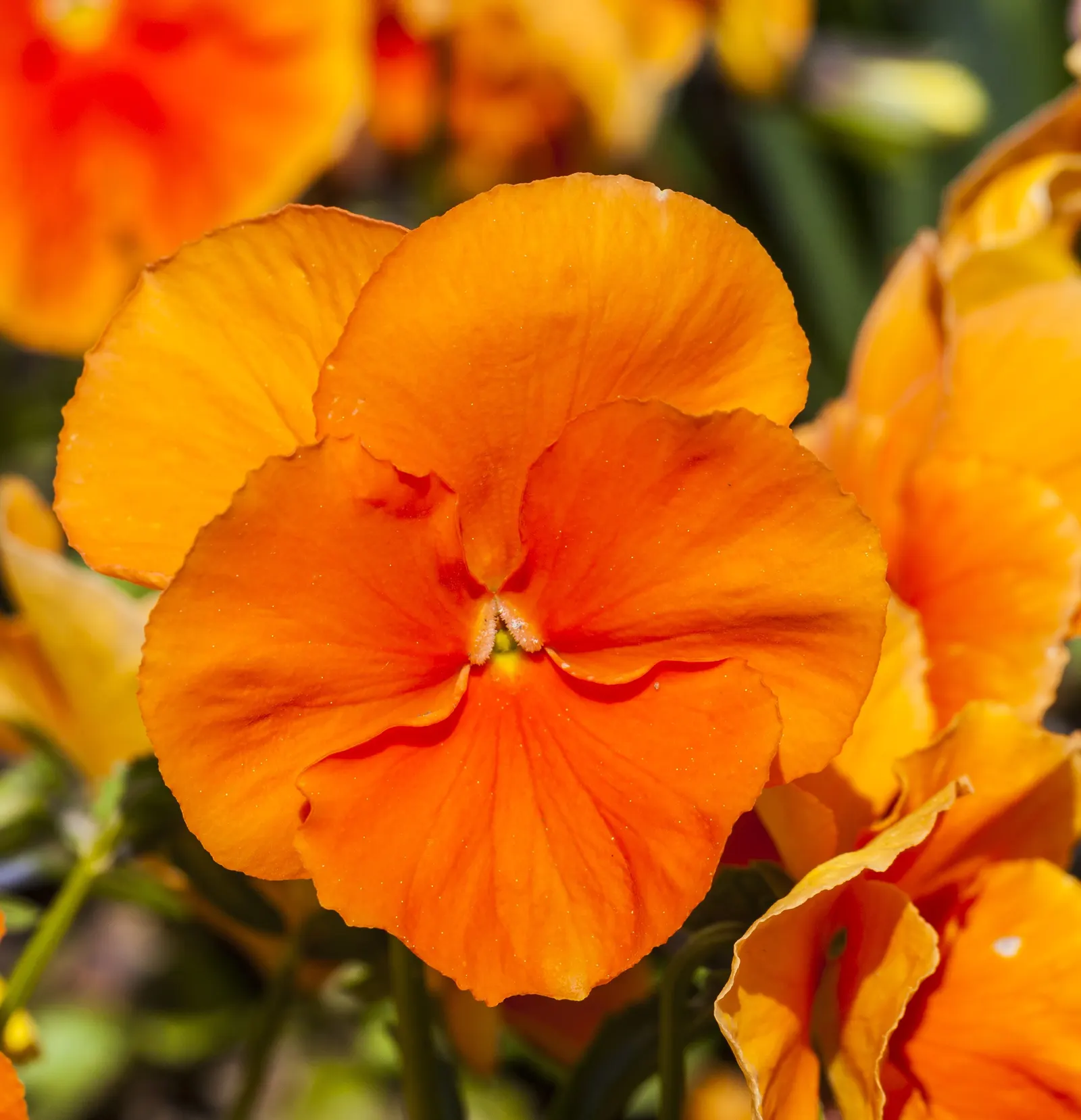
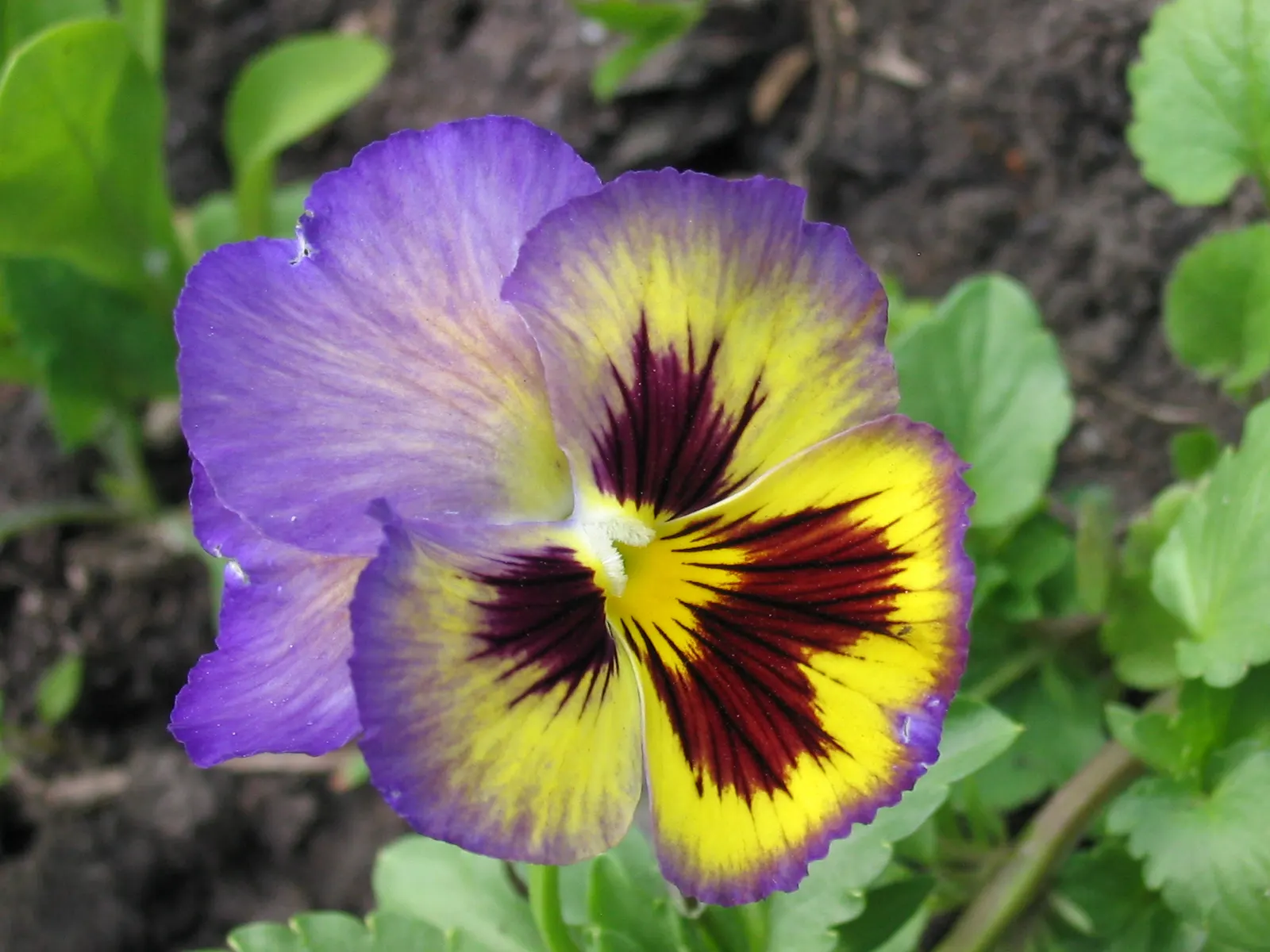
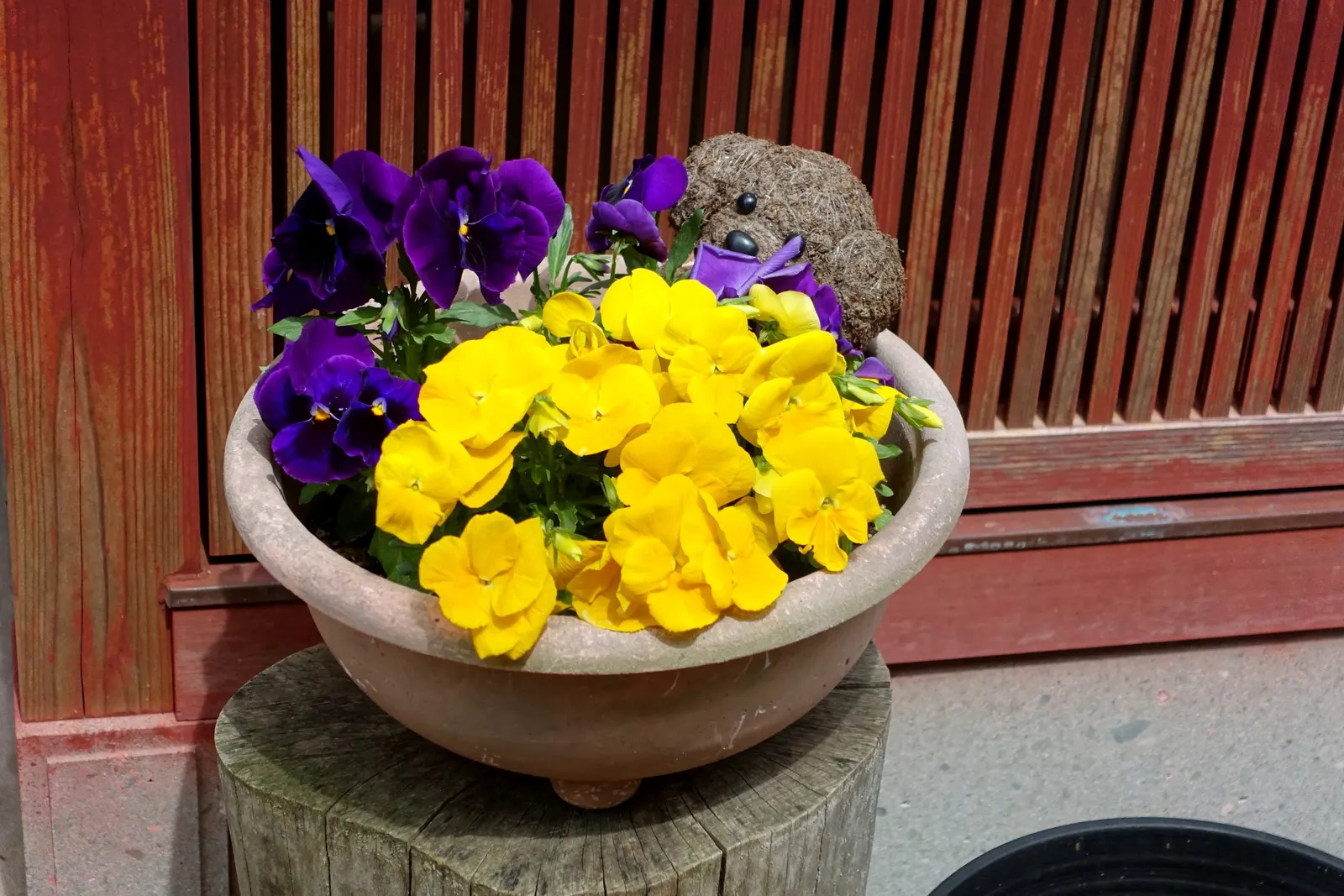
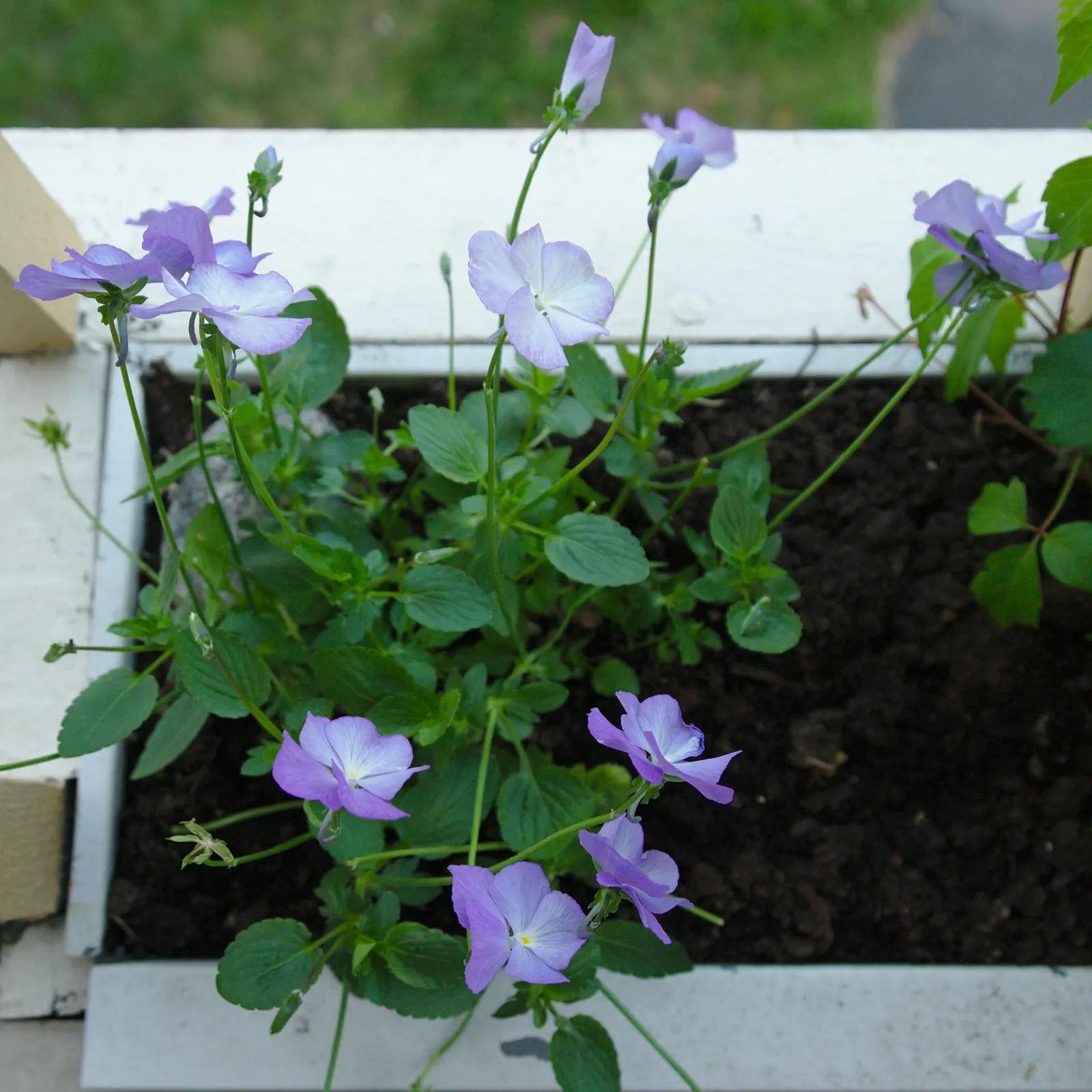
The Common Pansy (Viola x wittrockiana) stands out with a heart-shaped, overlapping petals and a wide range of vibrant colors. Typically growing to about 6-9 inches in height and spreading up to 9-12 inches, this hardy plant is ideal for borders and containers. It prefers full to partial sun and well-drained soil. Pansies add a splash of color in spring and fall, being frost-tolerant and blooming with proper deadheading.

Sun Full, Half, ShadeWater Extra in Summer, MediumZones 6–10Type AnnualClimate Temperate

Culture

Sun
Full, Half, Shade
Water
Extra in Summer, Medium
USDA zones
6–10

Shape & size

Classification

Type
Annual
Family
Violaceae
Climate
Temperate

See full data, regional cultivation notes, and design tools. Build a client presentation around this plant.

Start your 14-day trial

Photos (150)

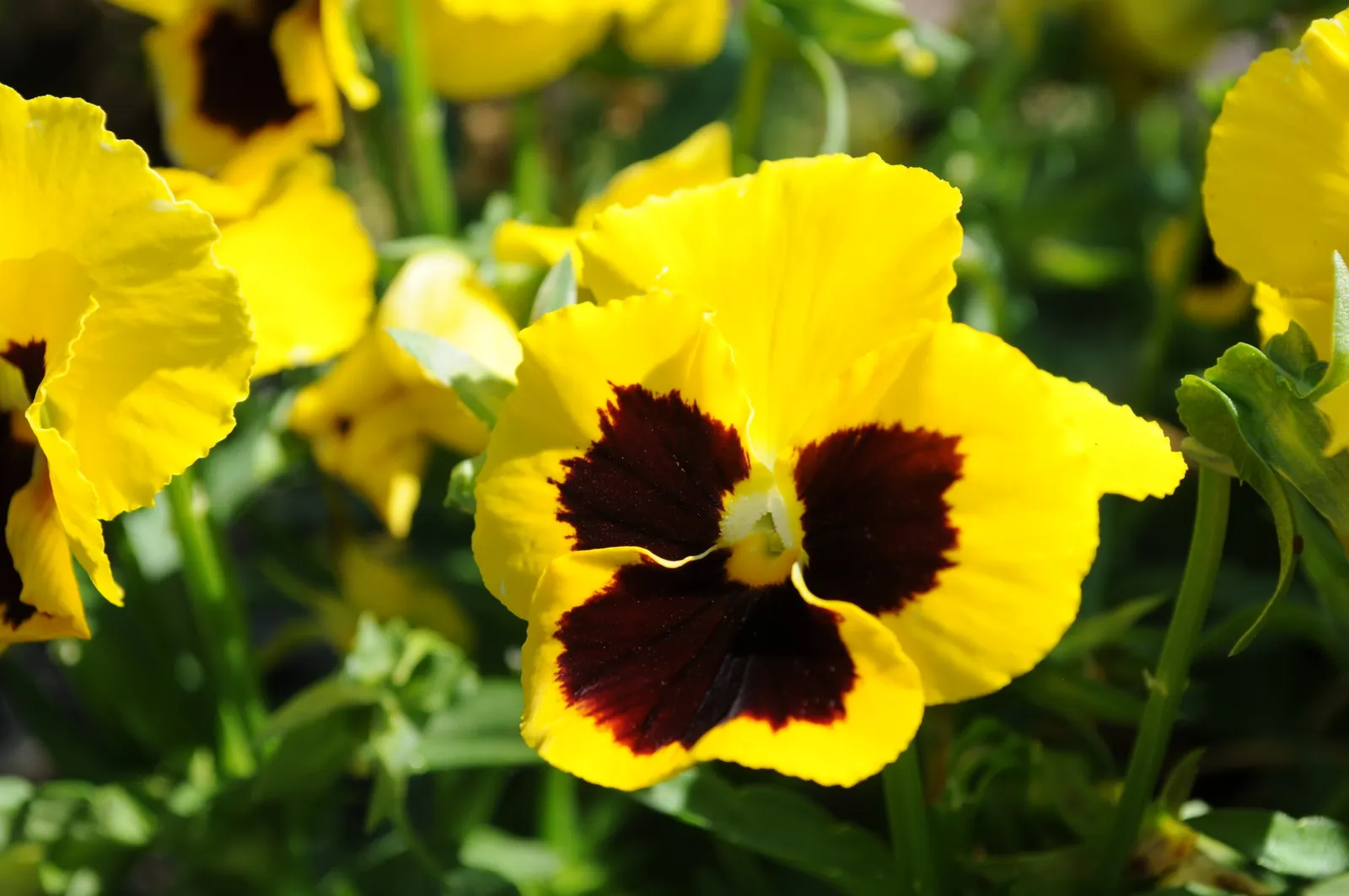
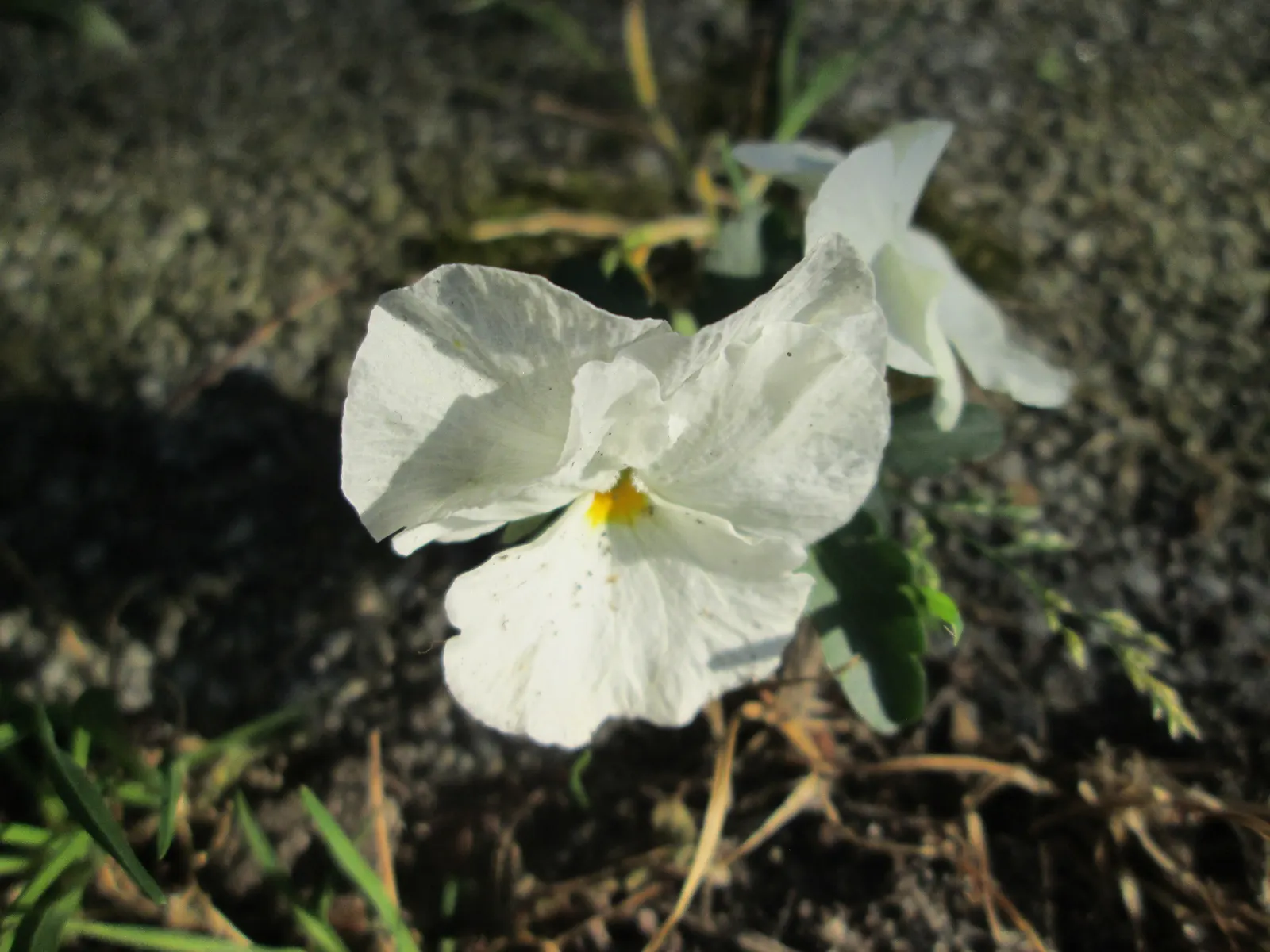
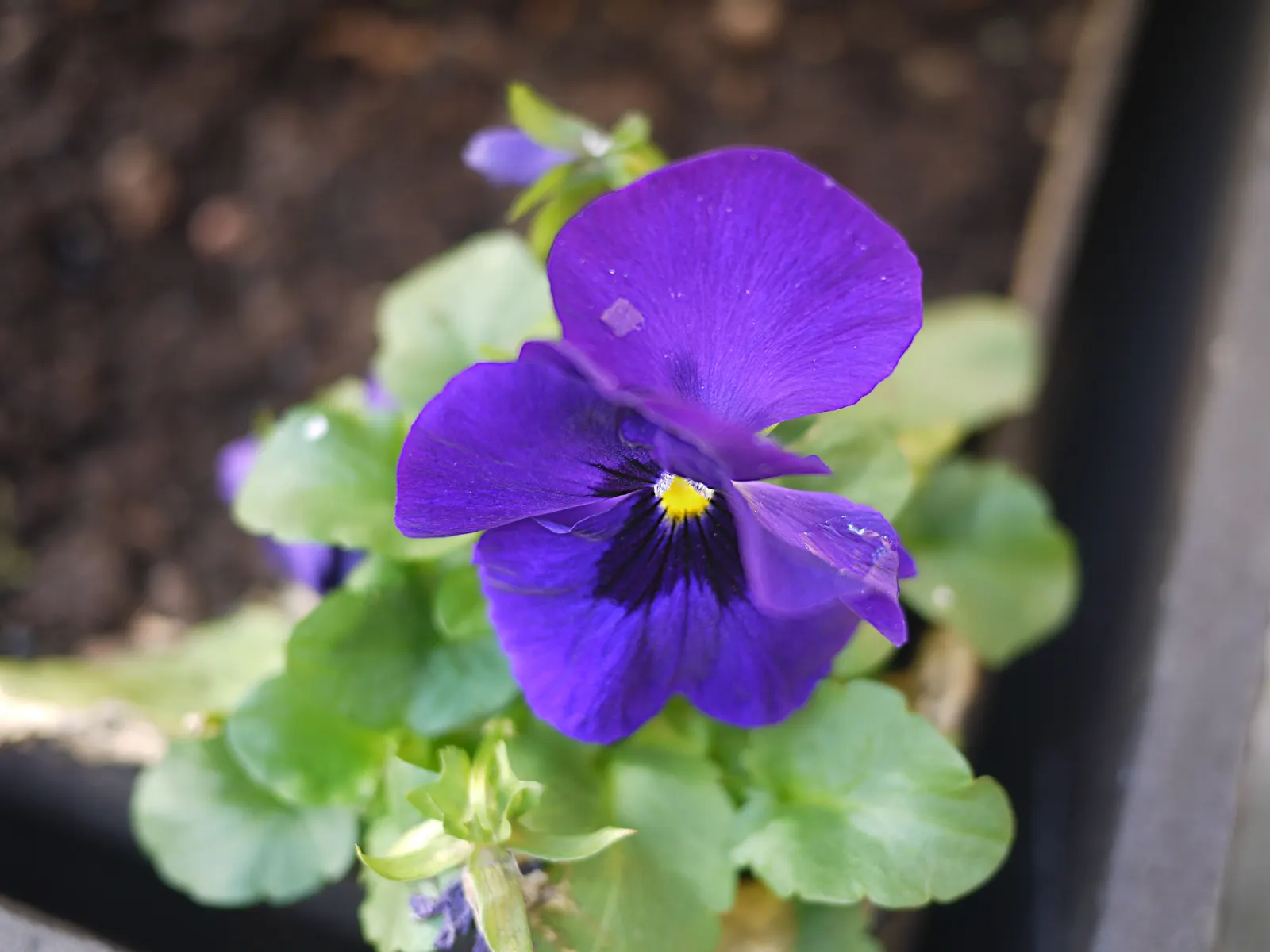
Common Pansy (Viola X Wittrockiana) — This hybrid plant typically reaches a modest height of 6 to 9 inches and spreads approximately 9 to 12, image 99
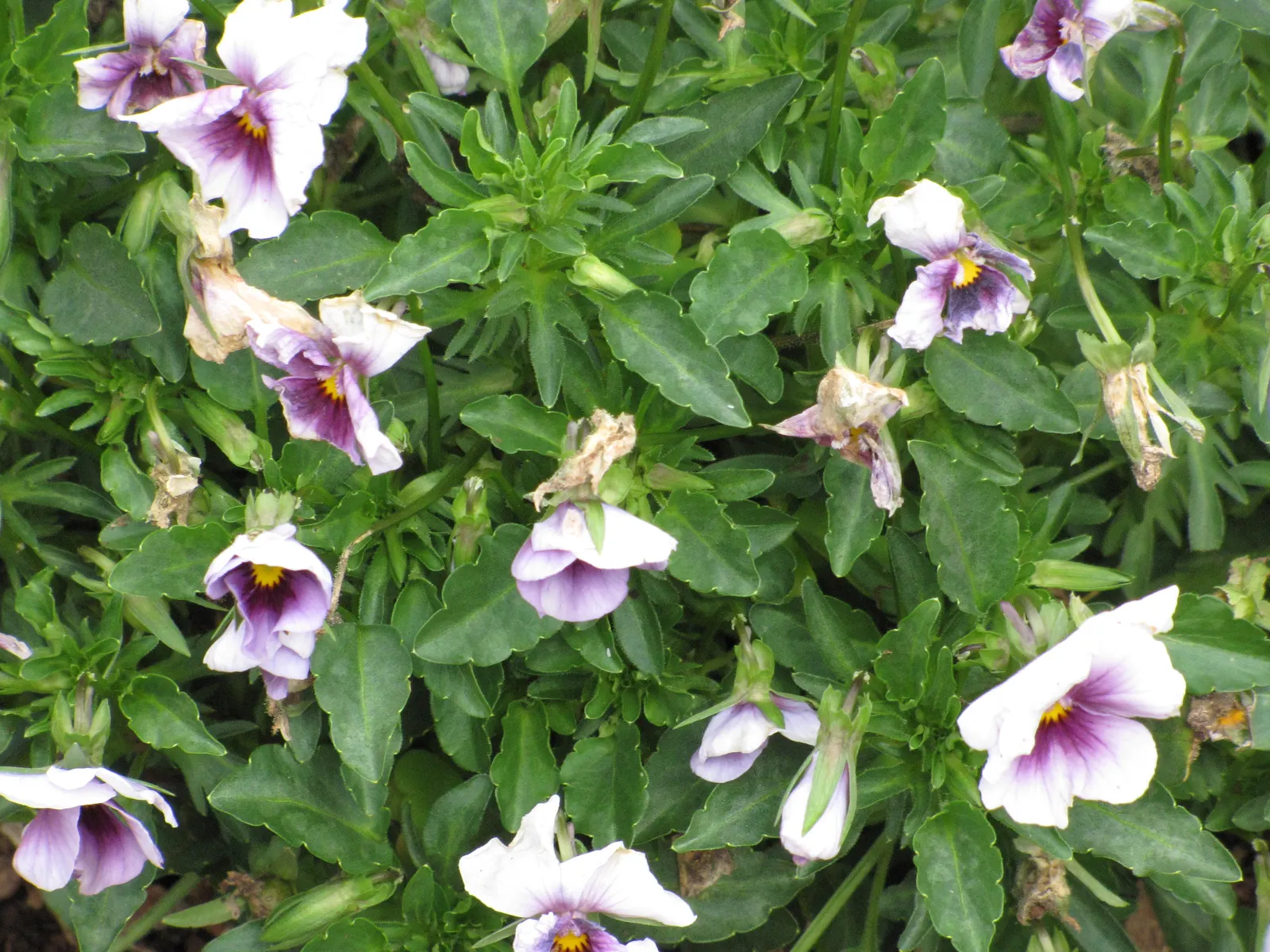
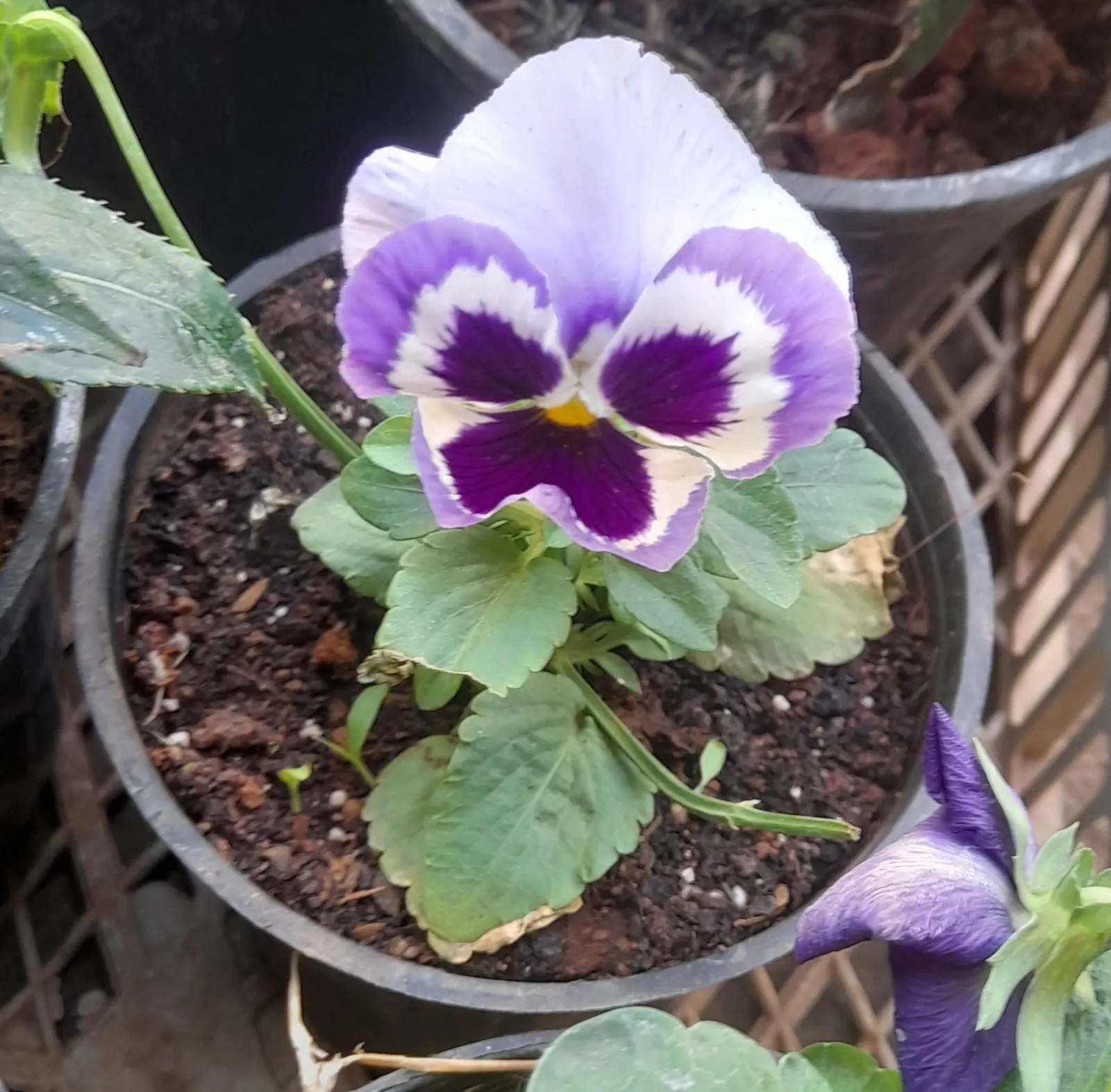
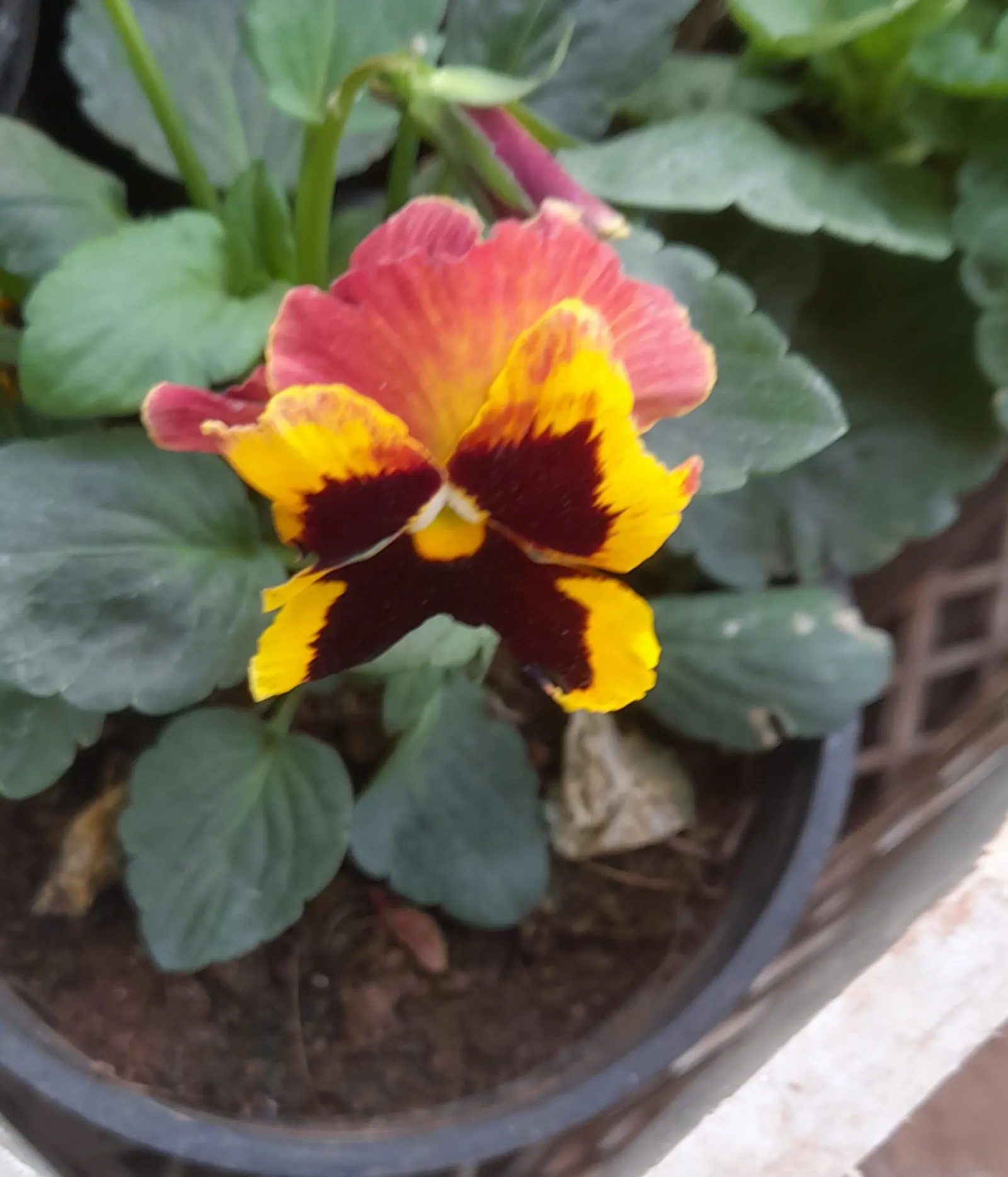
Common Pansy (Viola X Wittrockiana) — and even bicolor variations
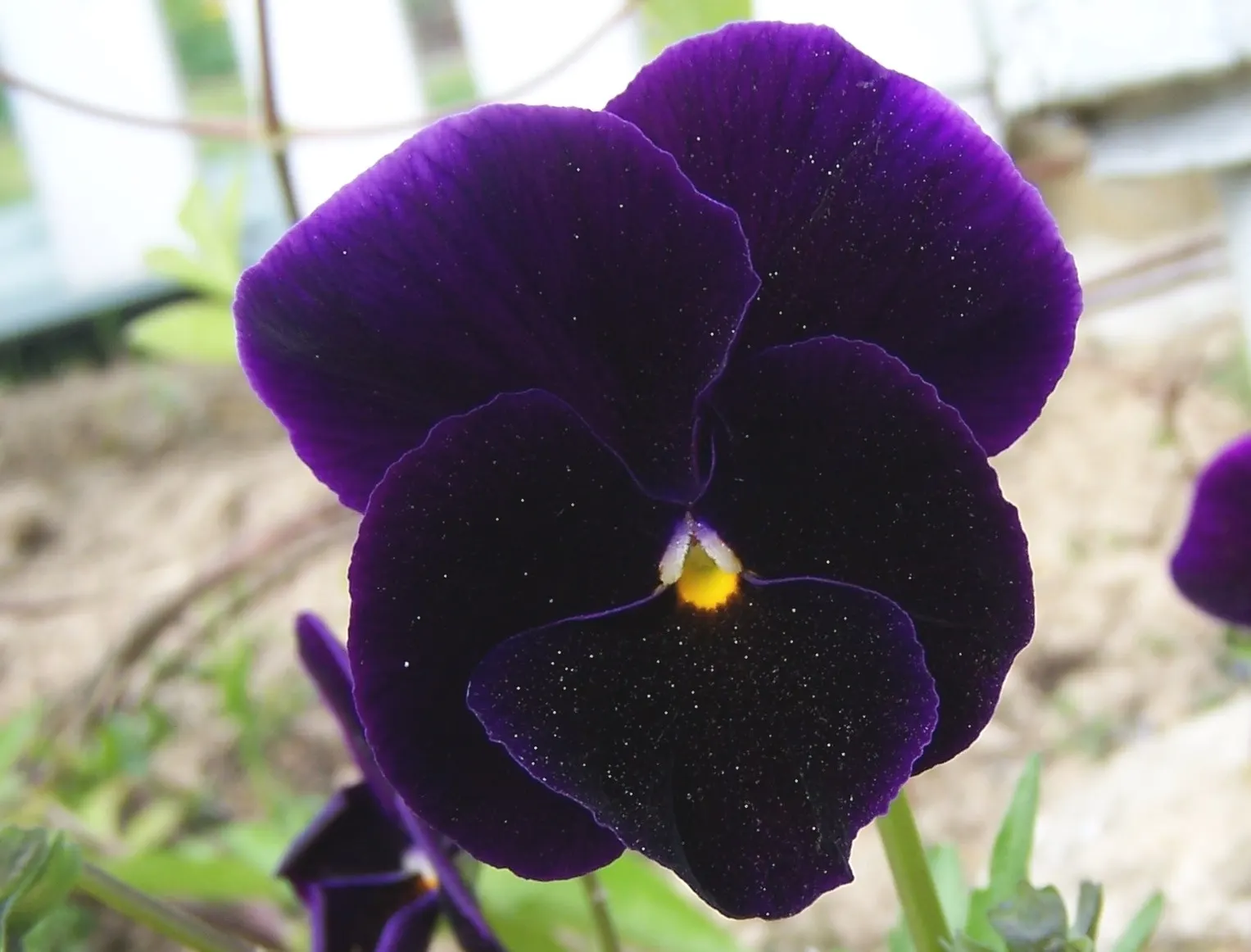
Common Pansy (Viola X Wittrockiana) — It prefers full to partial sun and well-drained soil; overlapping petals and a wide range of vibrant colors
Common Pansy (Viola X Wittrockiana) — This hybrid plant typically reaches a modest height of 6 to 9 inches and spreads approximately 9 to 12 inches; annual for
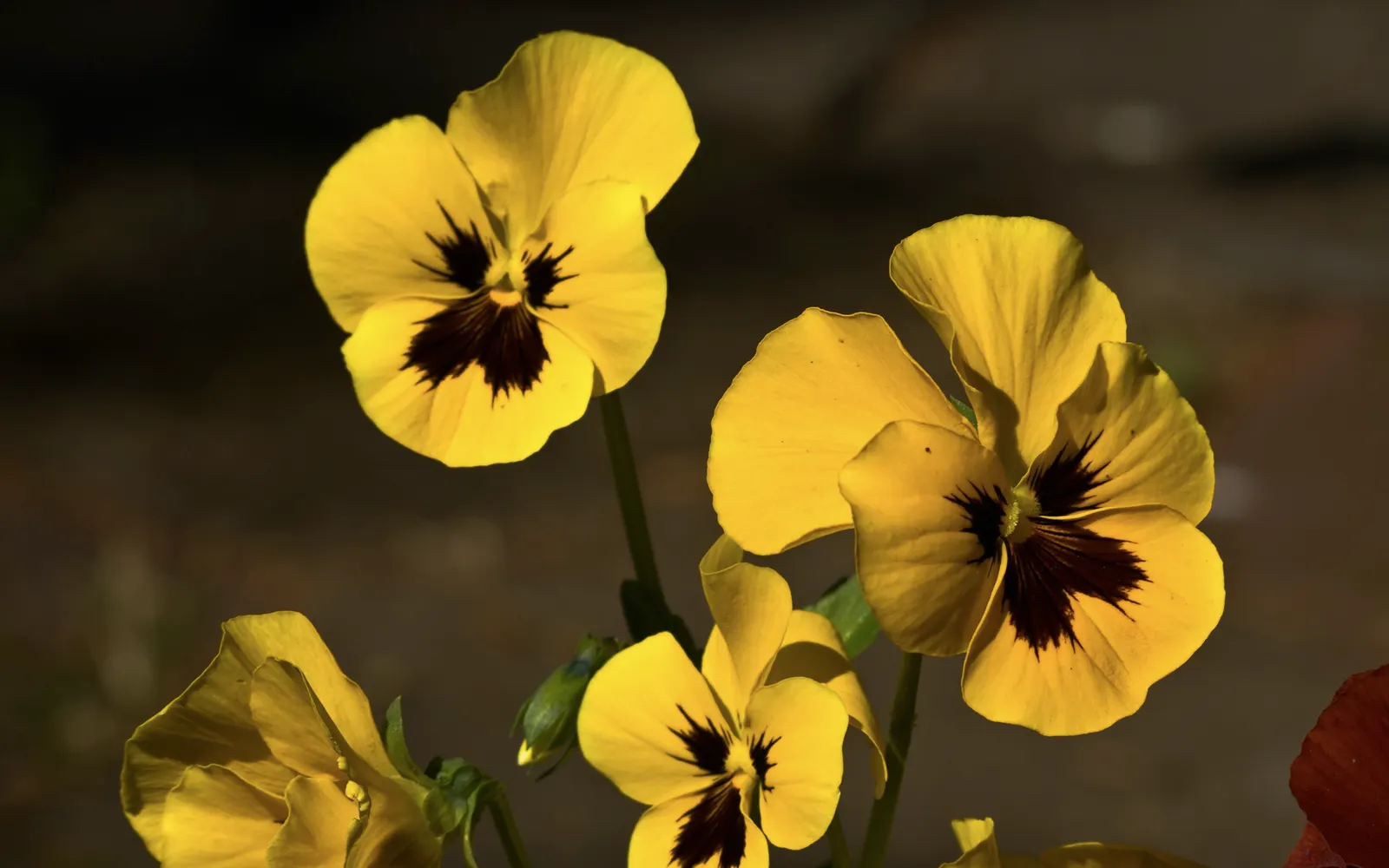
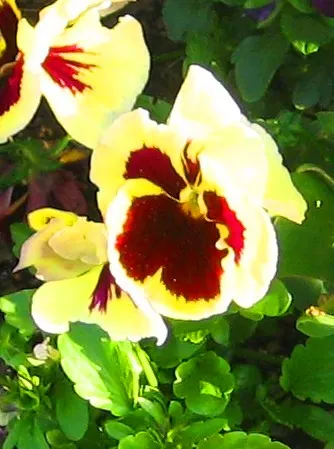
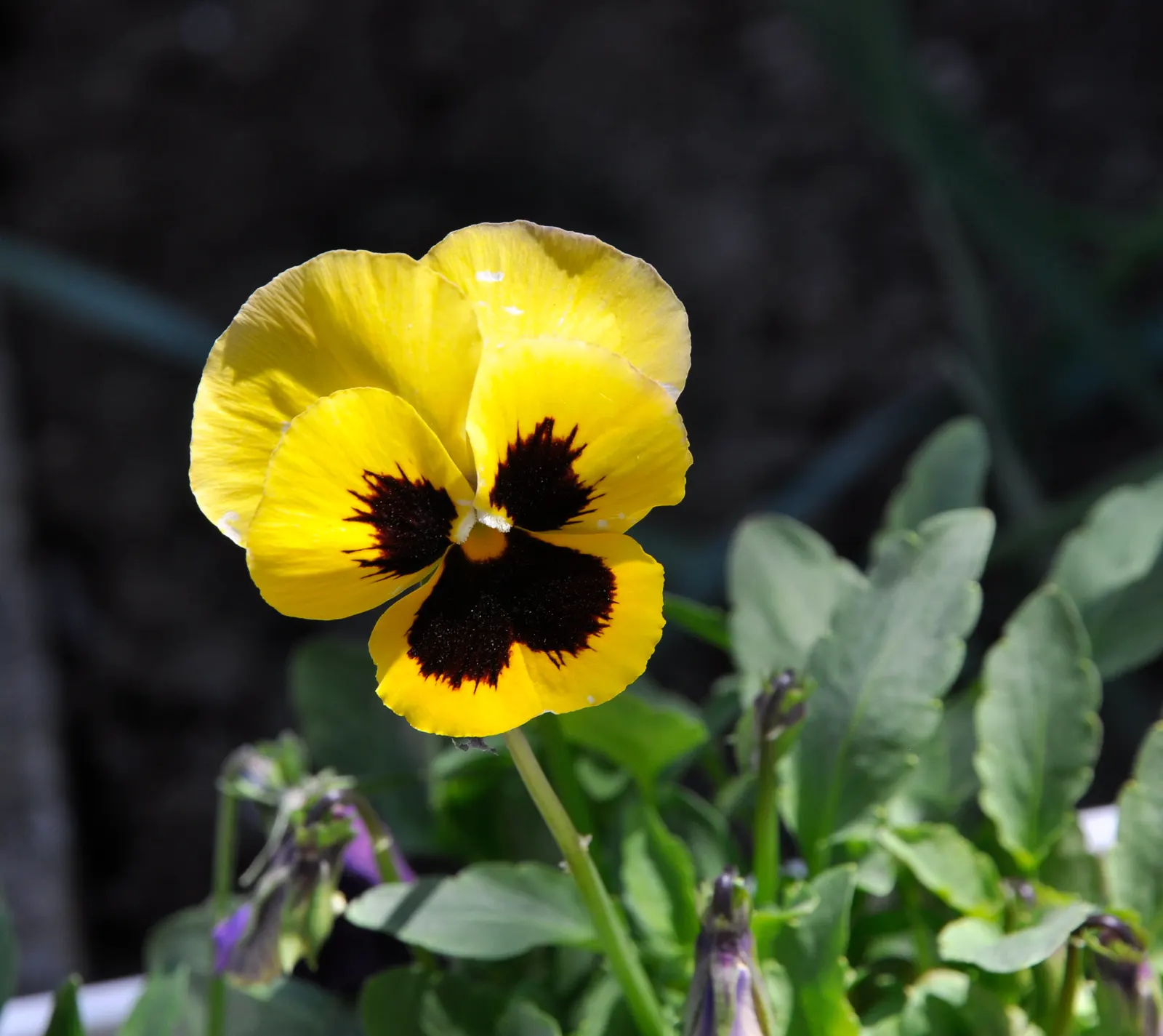
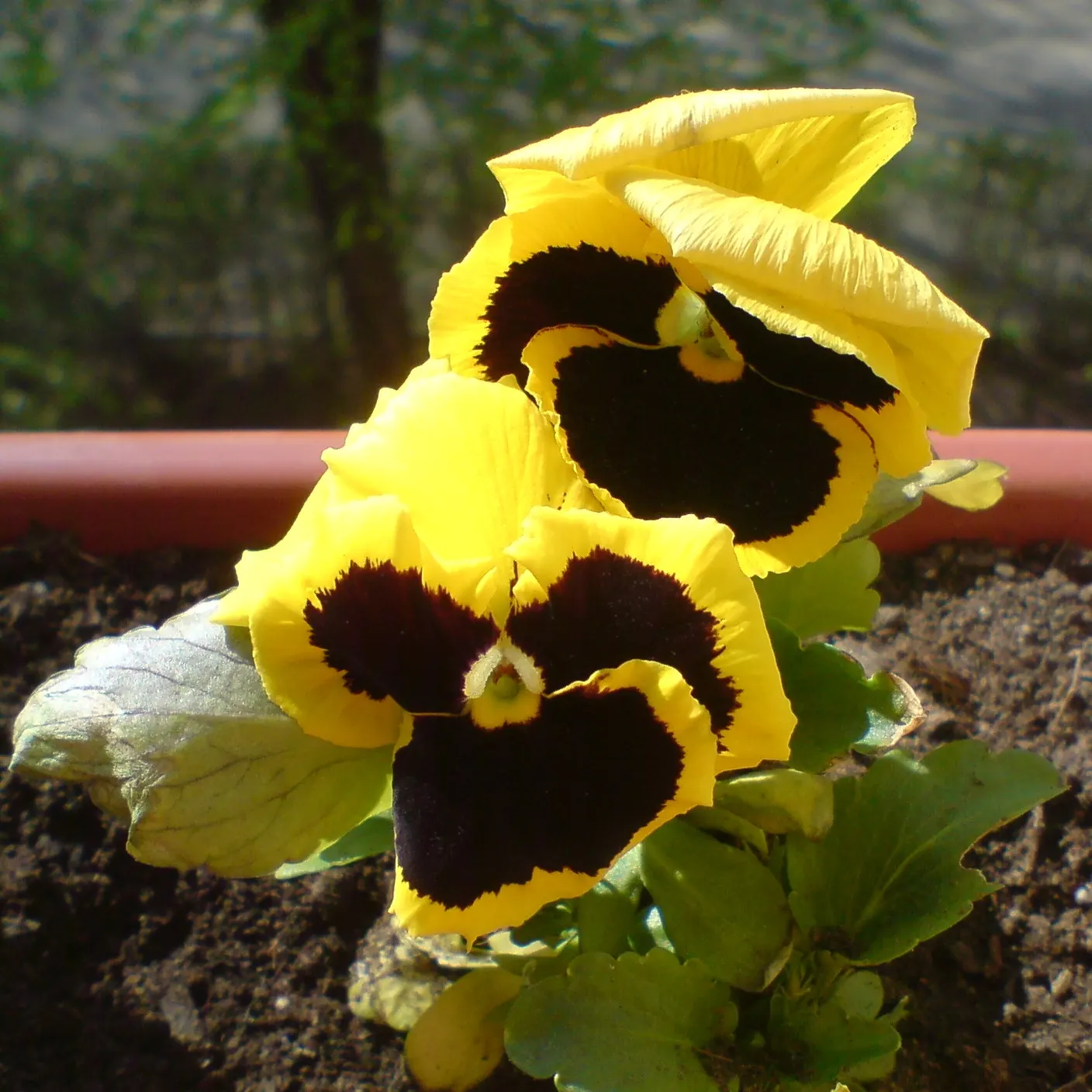
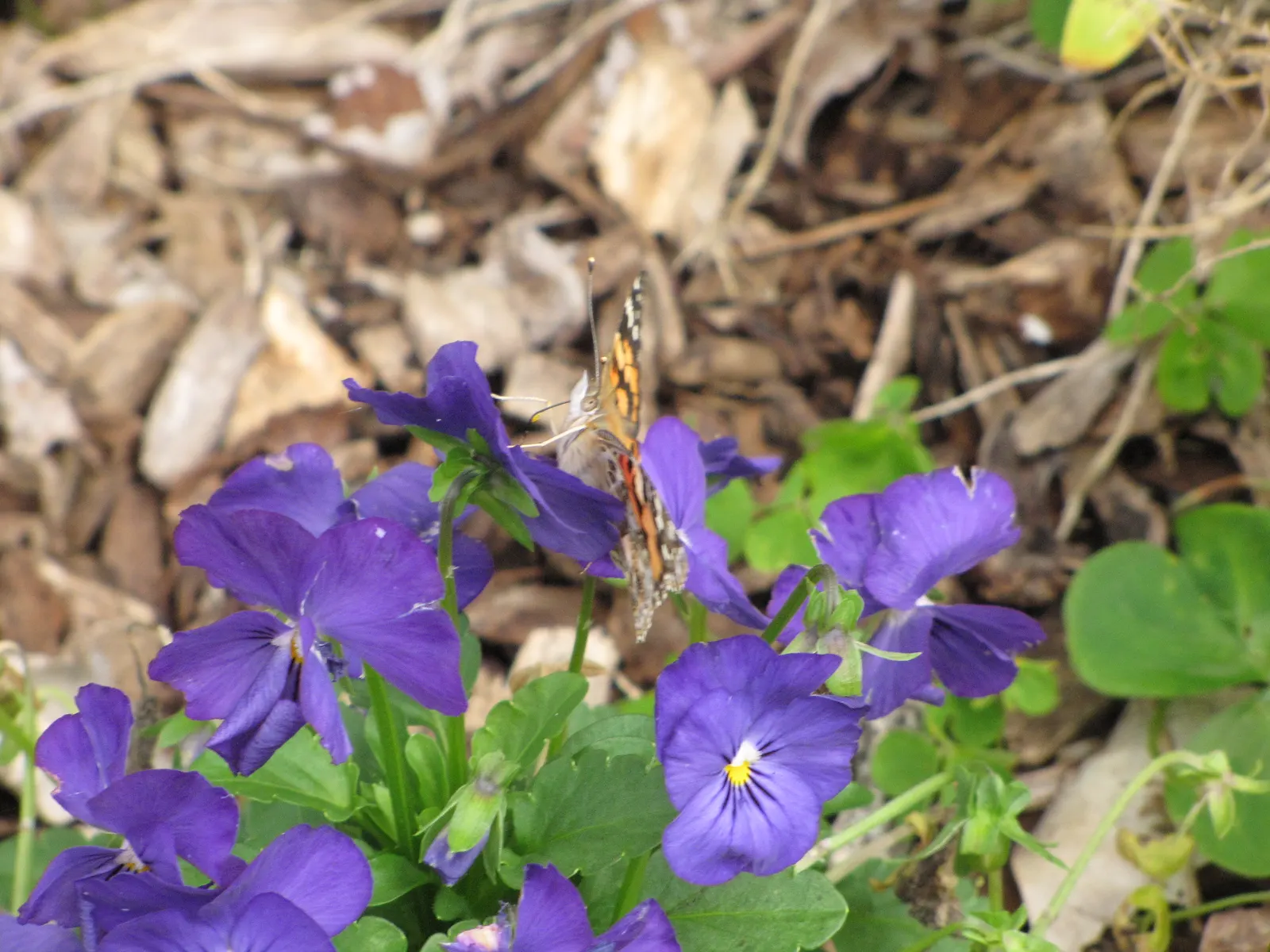
Common Pansy (Viola X Wittrockiana) — annual with multi-colored and yellow blooms; making them ideal for cooler planting zones, image 89
Common Pansy (Viola X Wittrockiana) — this hardy plant is ideal for borders and containers
Common Pansy (Viola X Wittrockiana) — as pansies perform best with consistent moisture; integrating seamlessly into a garden's ecosystem, image 115
Common Pansy (Viola X Wittrockiana) — The Common Pansy (Viola x wittrockiana) stands out with a heart-shaped
Common Pansy (Viola X Wittrockiana) — making it an excellent choice for ground cover or for adding splashes of color in borders; the Common Pansy, image 100
Common Pansy (Viola X Wittrockiana) — and a location that receives full to partial sunlight; though be mindful to avoid waterlogging
Common Pansy (Viola X Wittrockiana) — Typically growing to about 6-9 inches in height and spreading up to 9-12 inches
Common Pansy (Viola X Wittrockiana) — and even bicolor variations; offer a prolonged display from early spring through late fall, image 71
Common Pansy (Viola X Wittrockiana) — this hardy plant is ideal for borders and containers; as pansies perform best with consistent moisture, image 94
Common Pansy (Viola X Wittrockiana) — The Common Pansy (Viola x wittrockiana) stands out with a heart-shaped; this hardy plant is ideal for borders, image 121
Common Pansy (Viola X Wittrockiana) — they prefer well-drained soil with a moderate amount of organic matter; they thrive in temperatures between 40°F and
Common Pansy (Viola X Wittrockiana) — When advising clients on care
Common Pansy (Viola X Wittrockiana) — this hardy plant is ideal for borders and containers; as pansies perform best with consistent moisture, image 64
Common Pansy (Viola X Wittrockiana) — they thrive in temperatures between 40°F and 60°F; making it an excellent choice for ground cover or, image 109
Common Pansy (Viola X Wittrockiana) — as pansies perform best with consistent moisture
Common Pansy (Viola X Wittrockiana) — With minimal maintenance, these charming blooms will contribute eye-catching beauty to any garden design, image 117
Common Pansy (Viola X Wittrockiana) — Typically growing to about 6-9 inches in height and spreading up to 9-12 inches; while pansies are cold-hardy, image 63
Common Pansy (Viola X Wittrockiana) — multi-colored and yellow flowers in the garden
Common Pansy (Viola X Wittrockiana) — this hardy plant is ideal for borders and containers; as pansies perform best with consistent moisture, image 124
Common Pansy (Viola X Wittrockiana) — remind them to water regularly; depending on the climate.<br><br>For optimal growth, image 114
Photographs by 13 contributors

Related plants