Skip to content

Dog Violet

Viola Adunca

Design with this plant

Overview

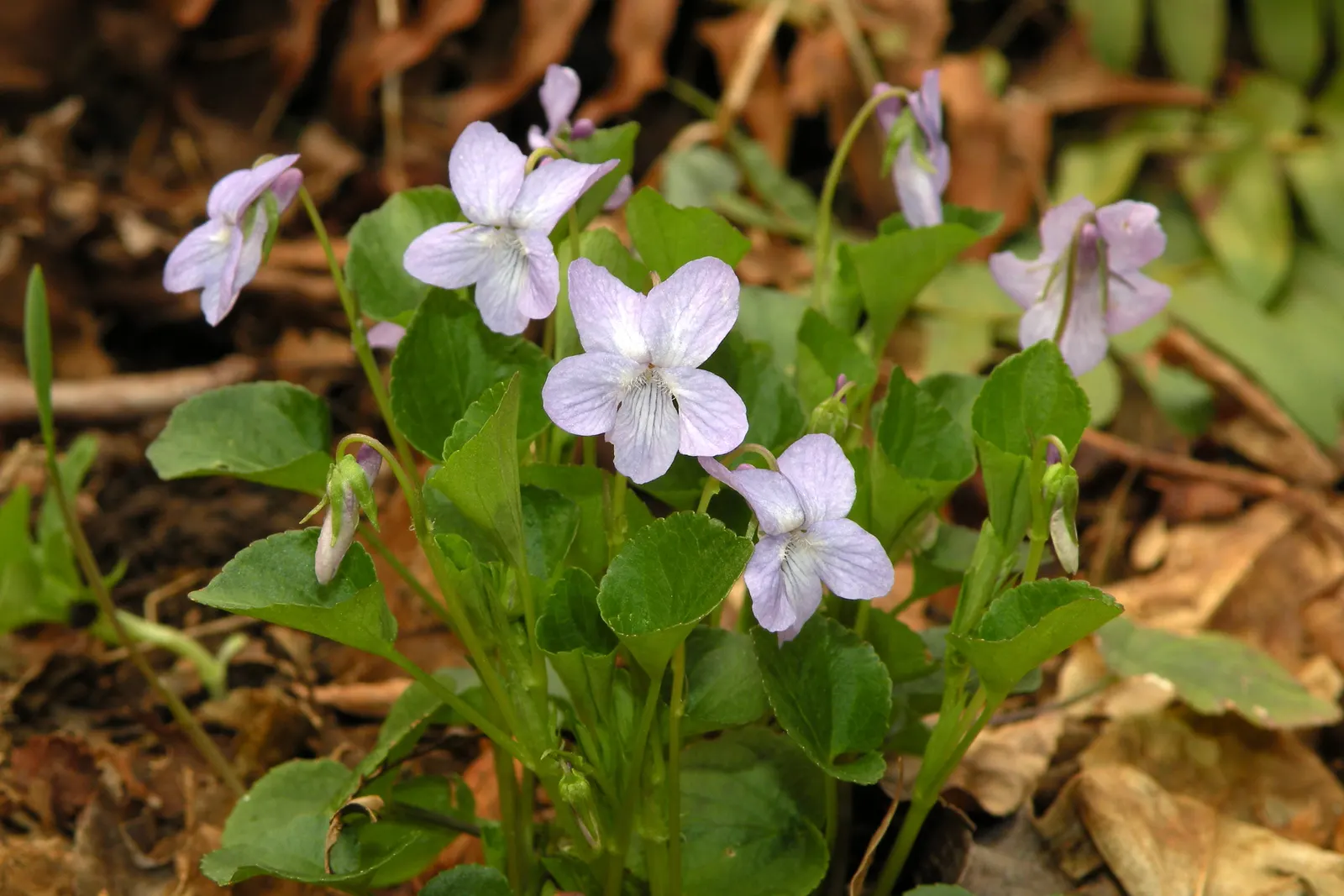
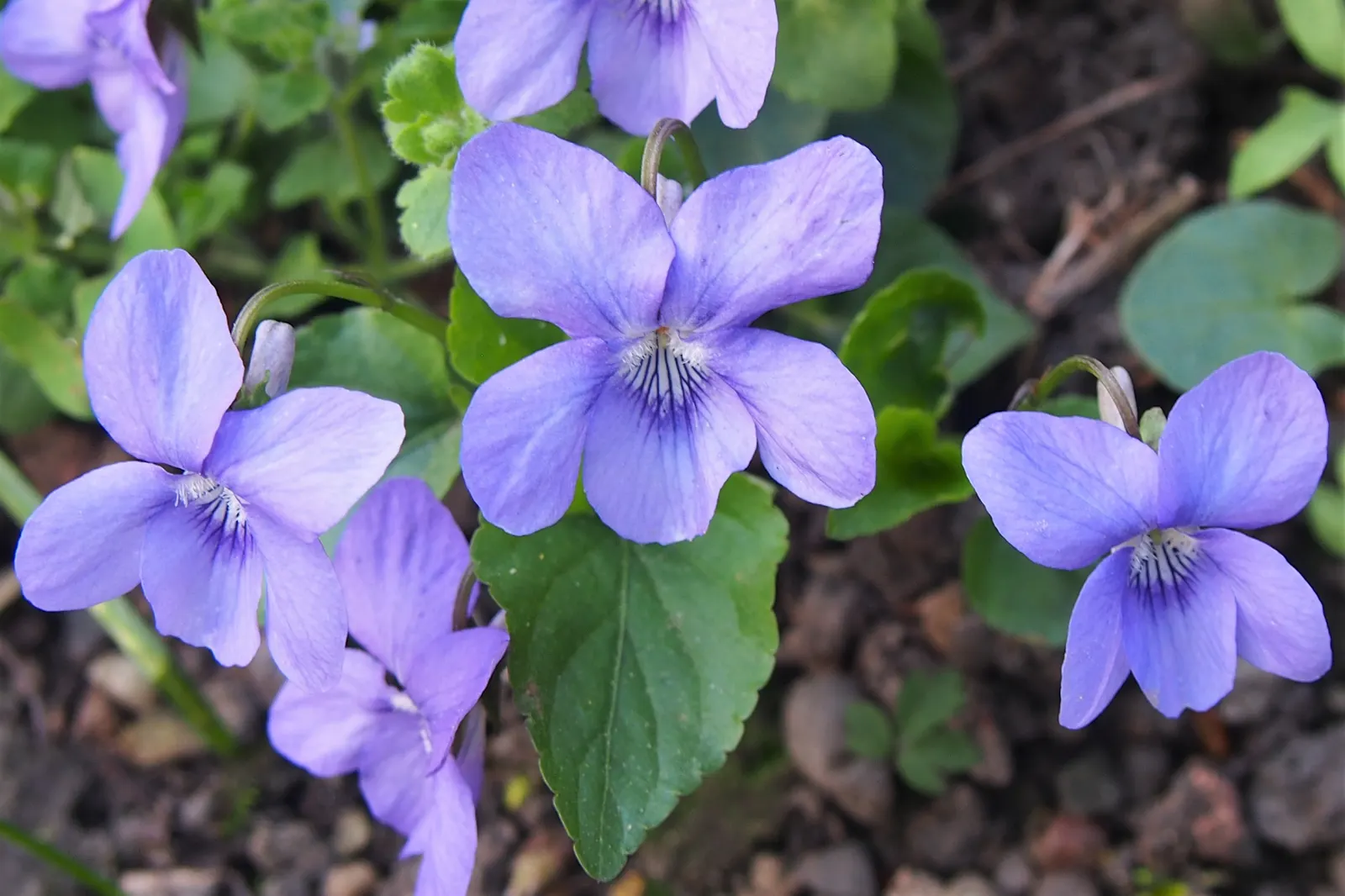
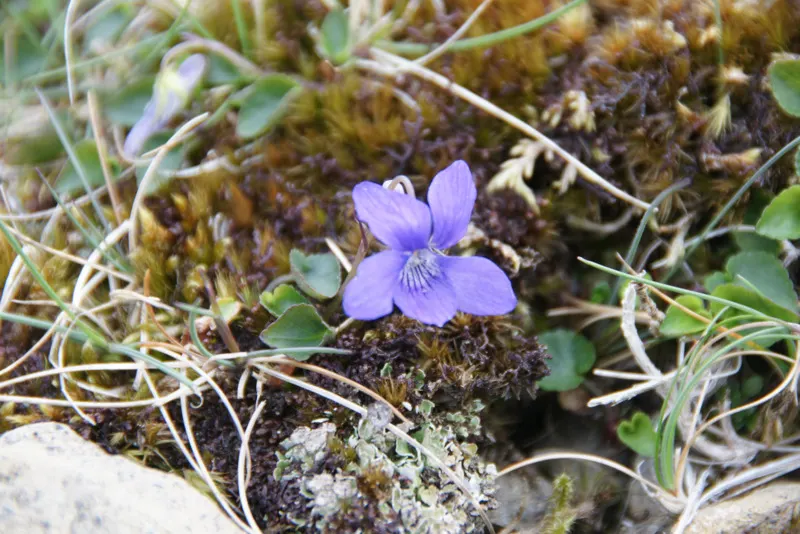
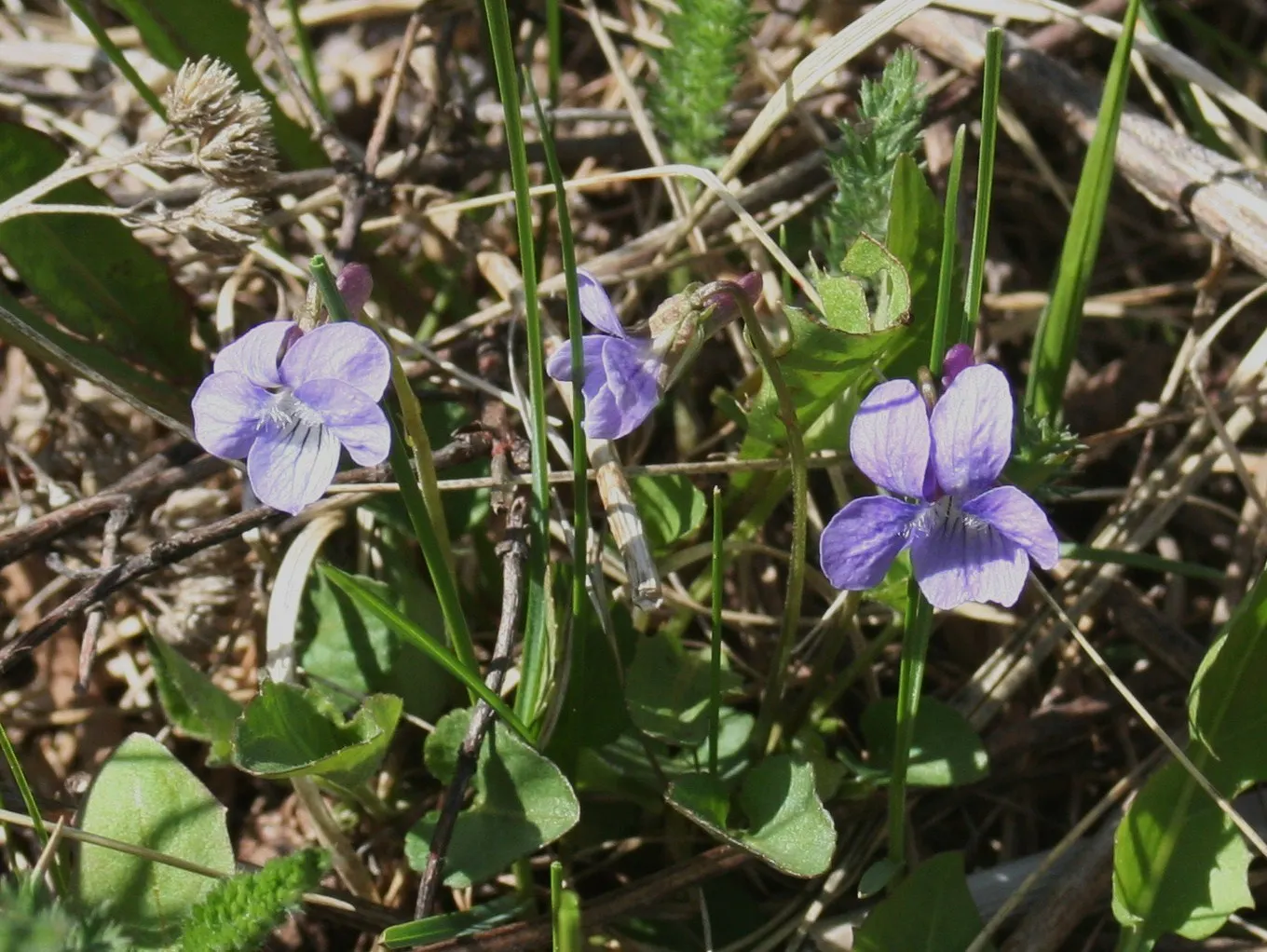
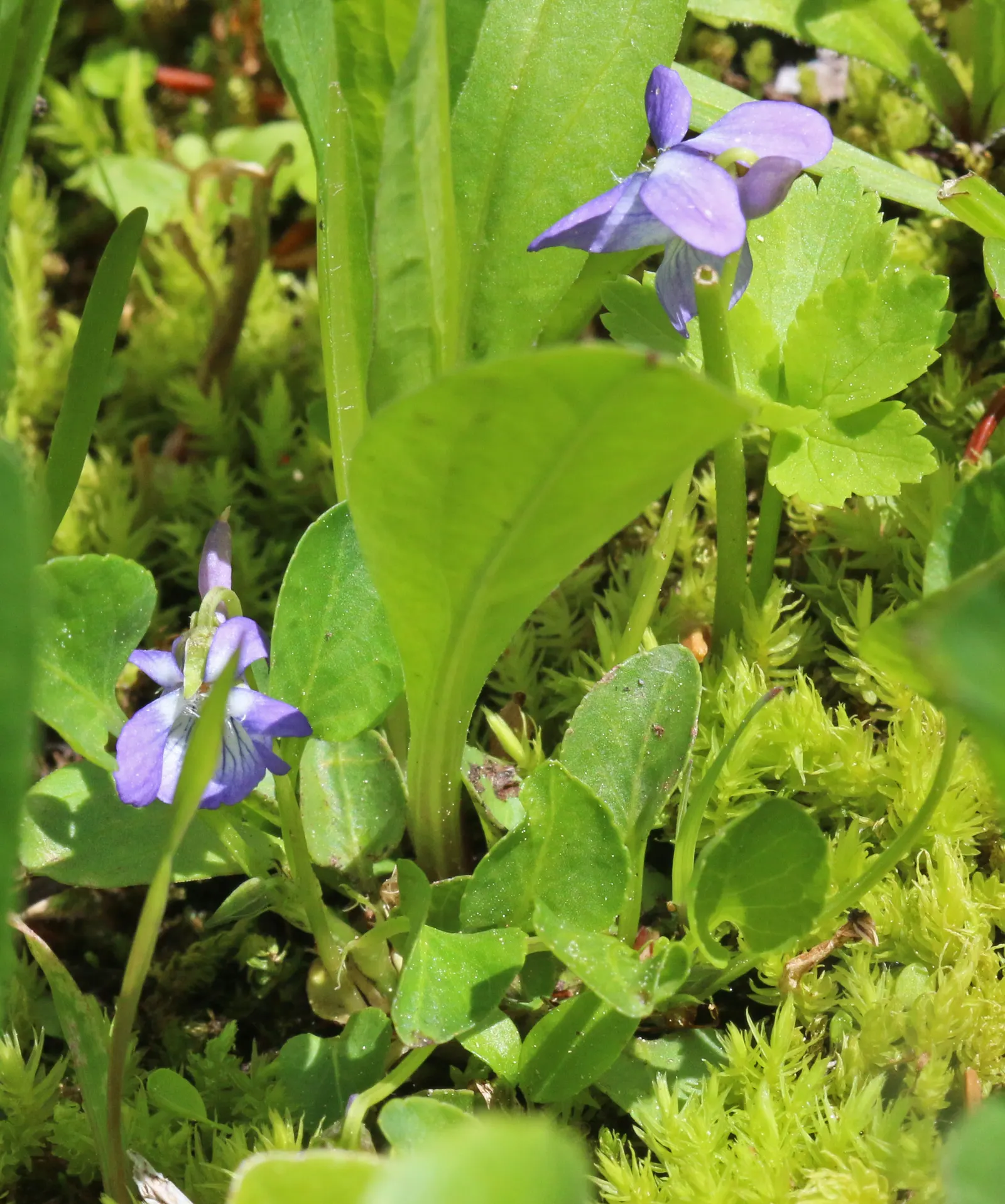
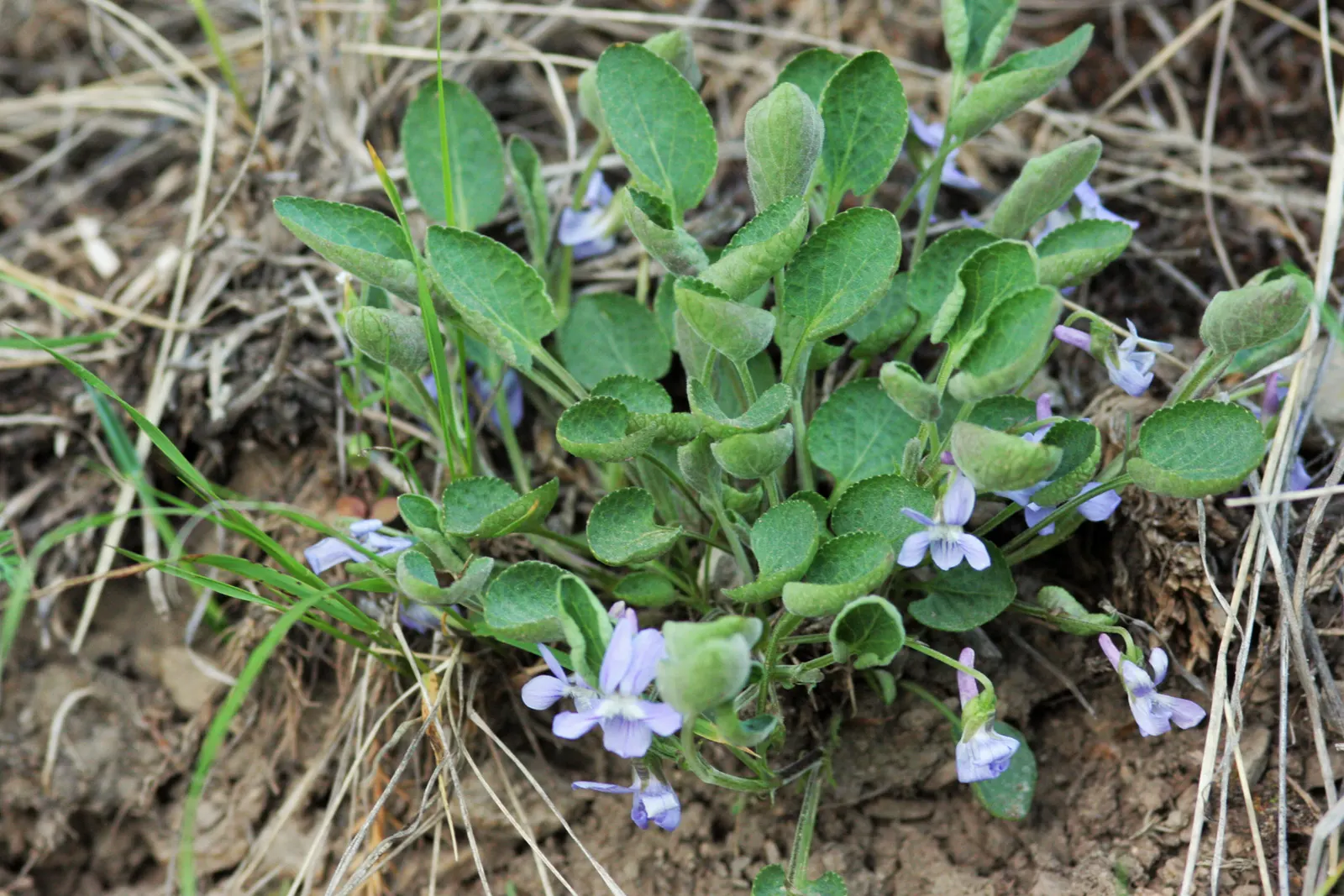
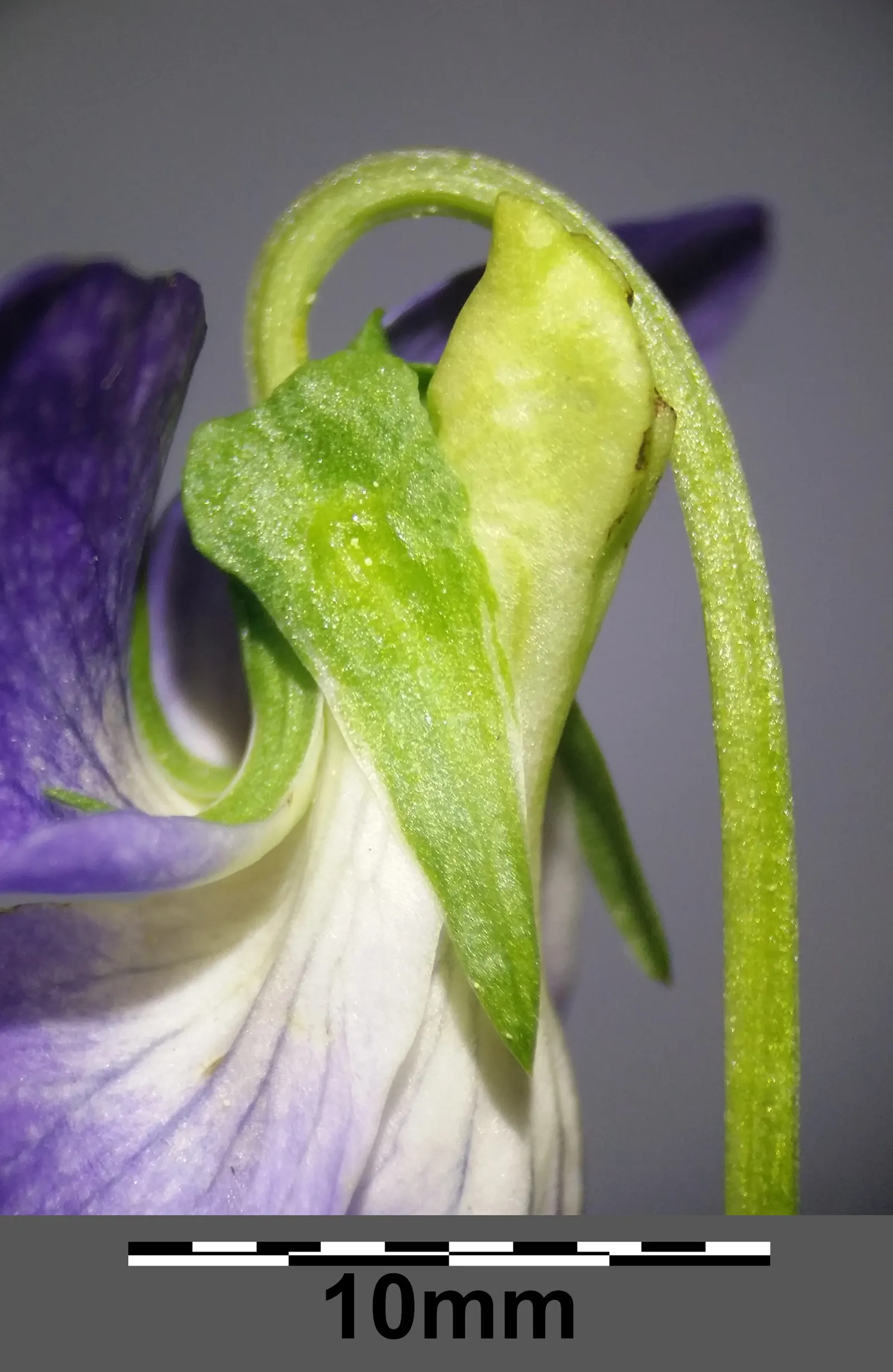
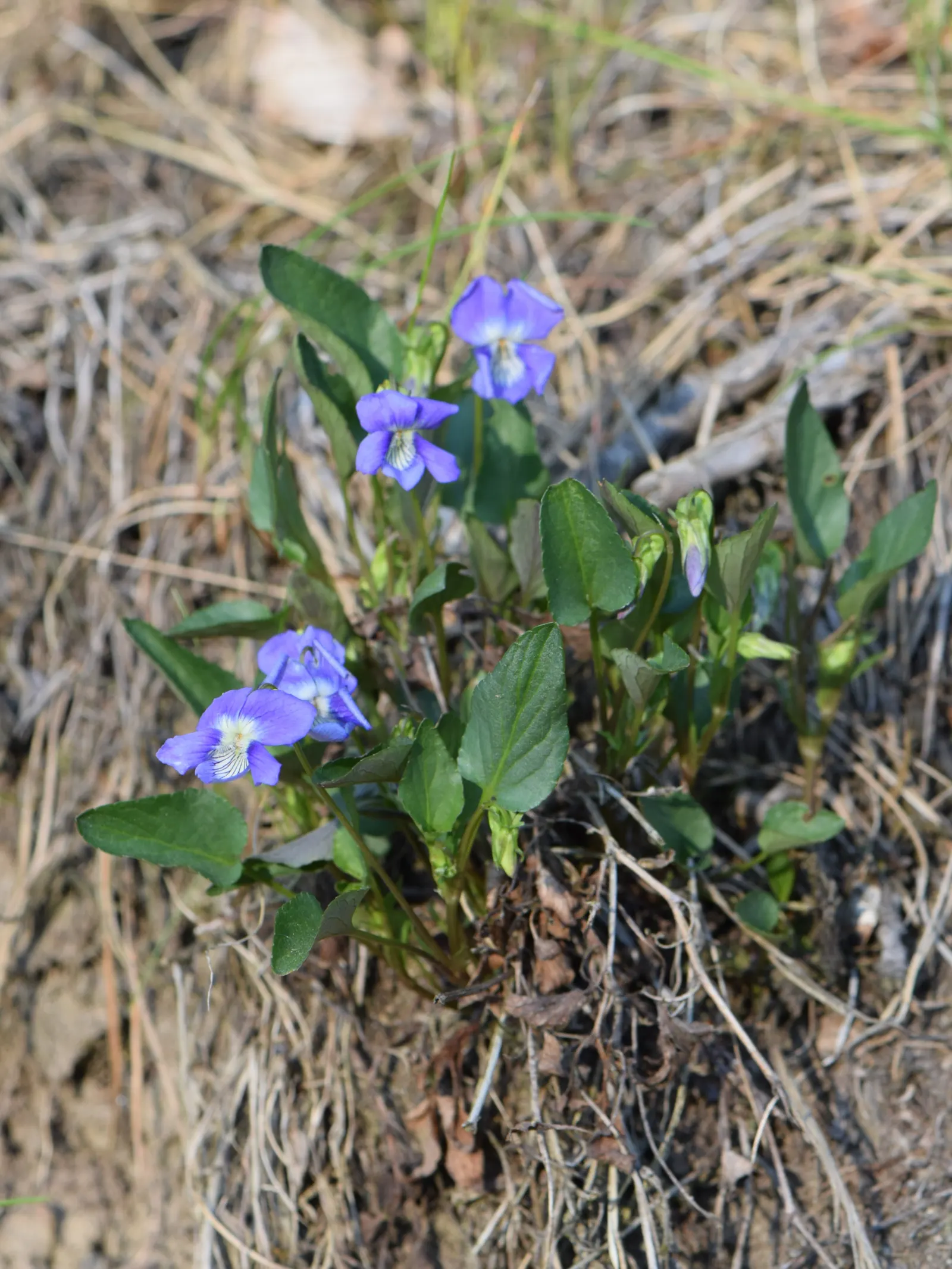
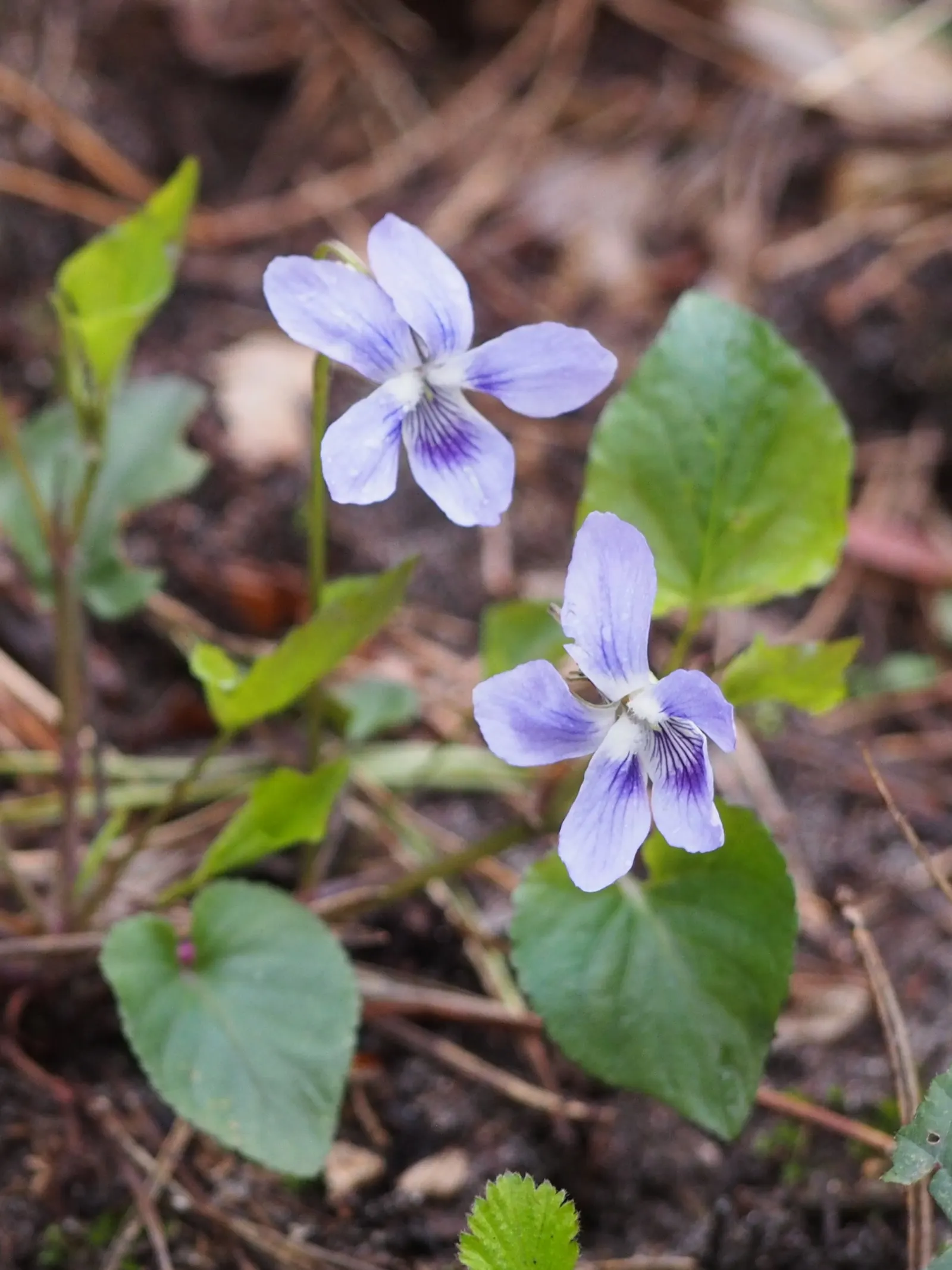
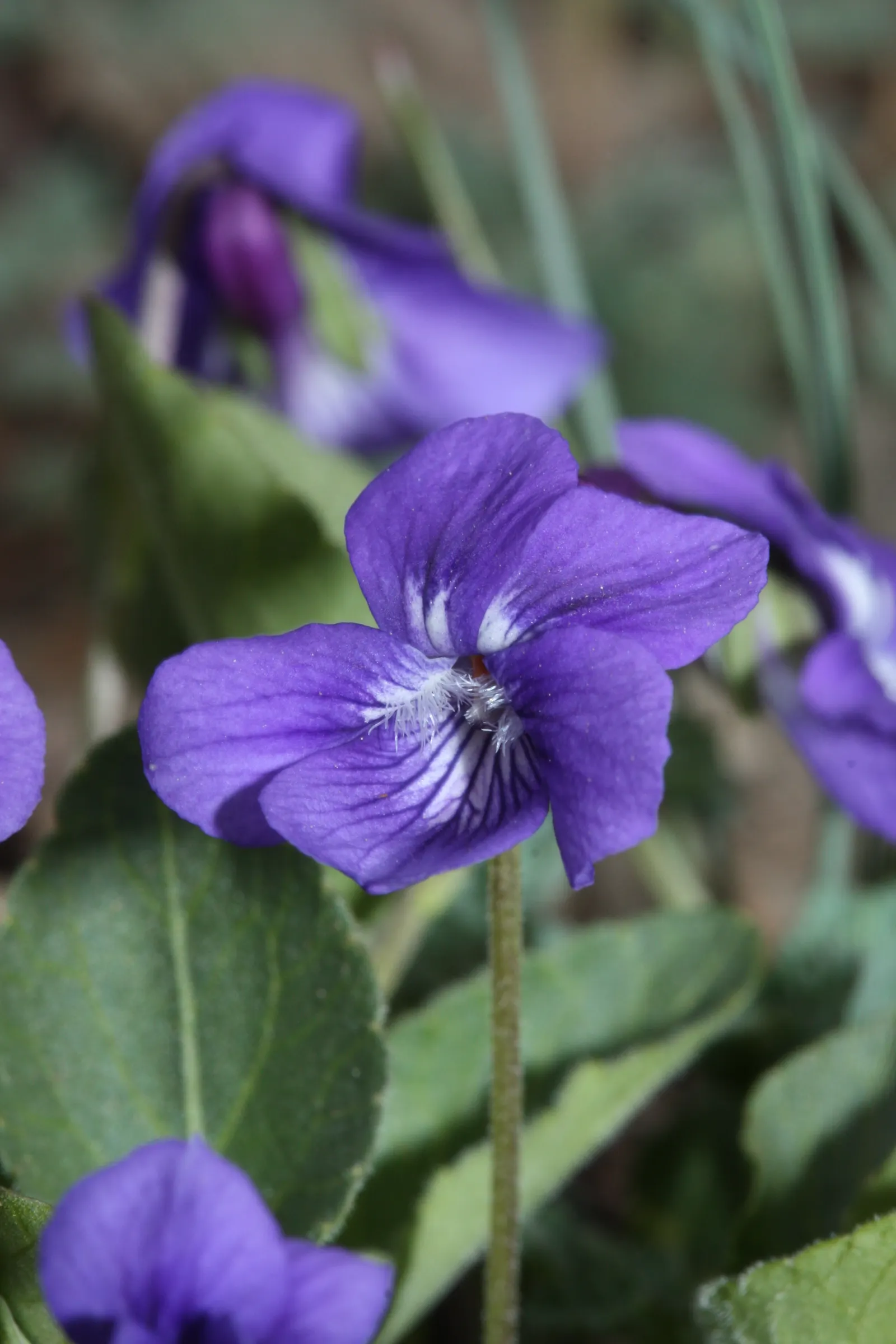
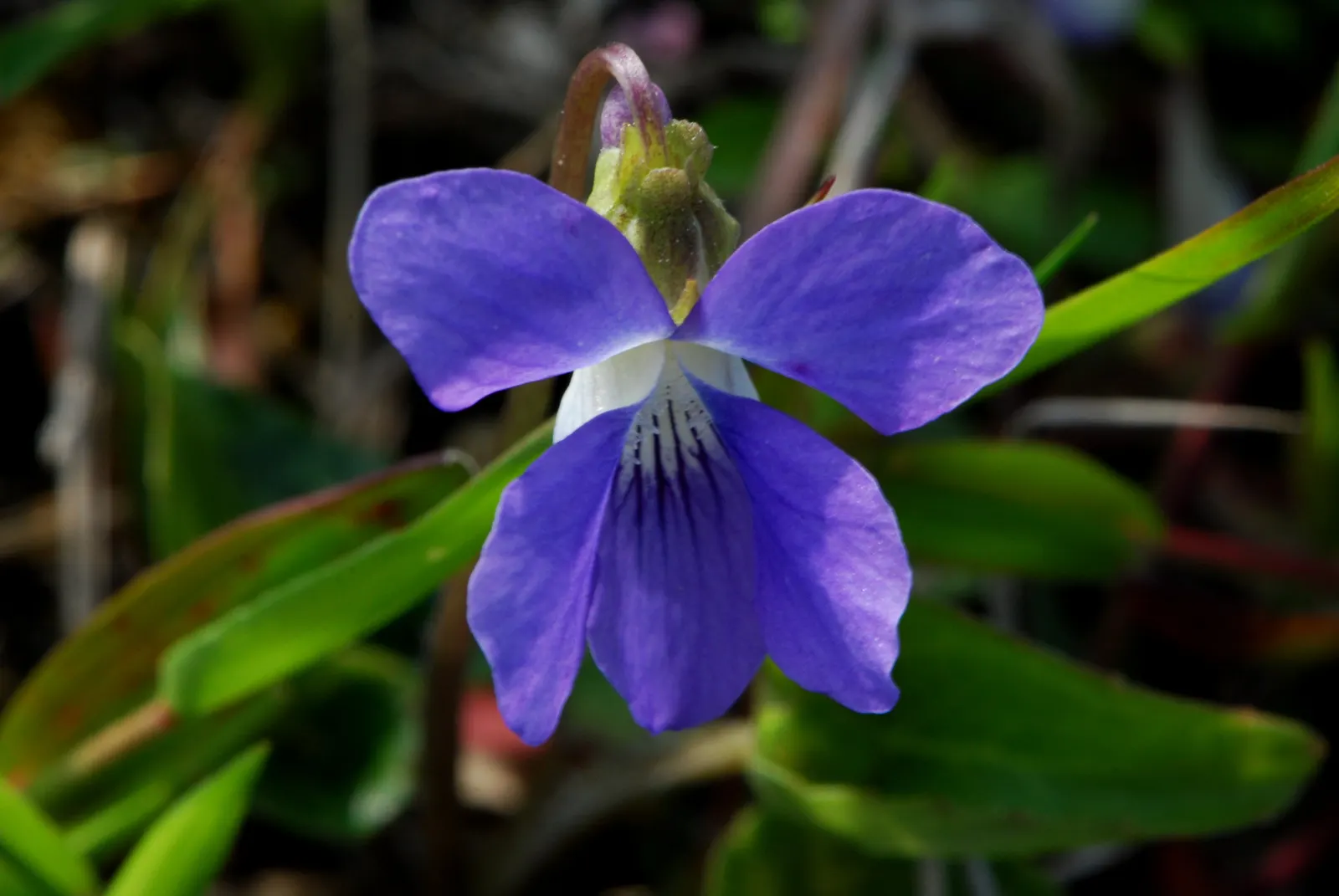
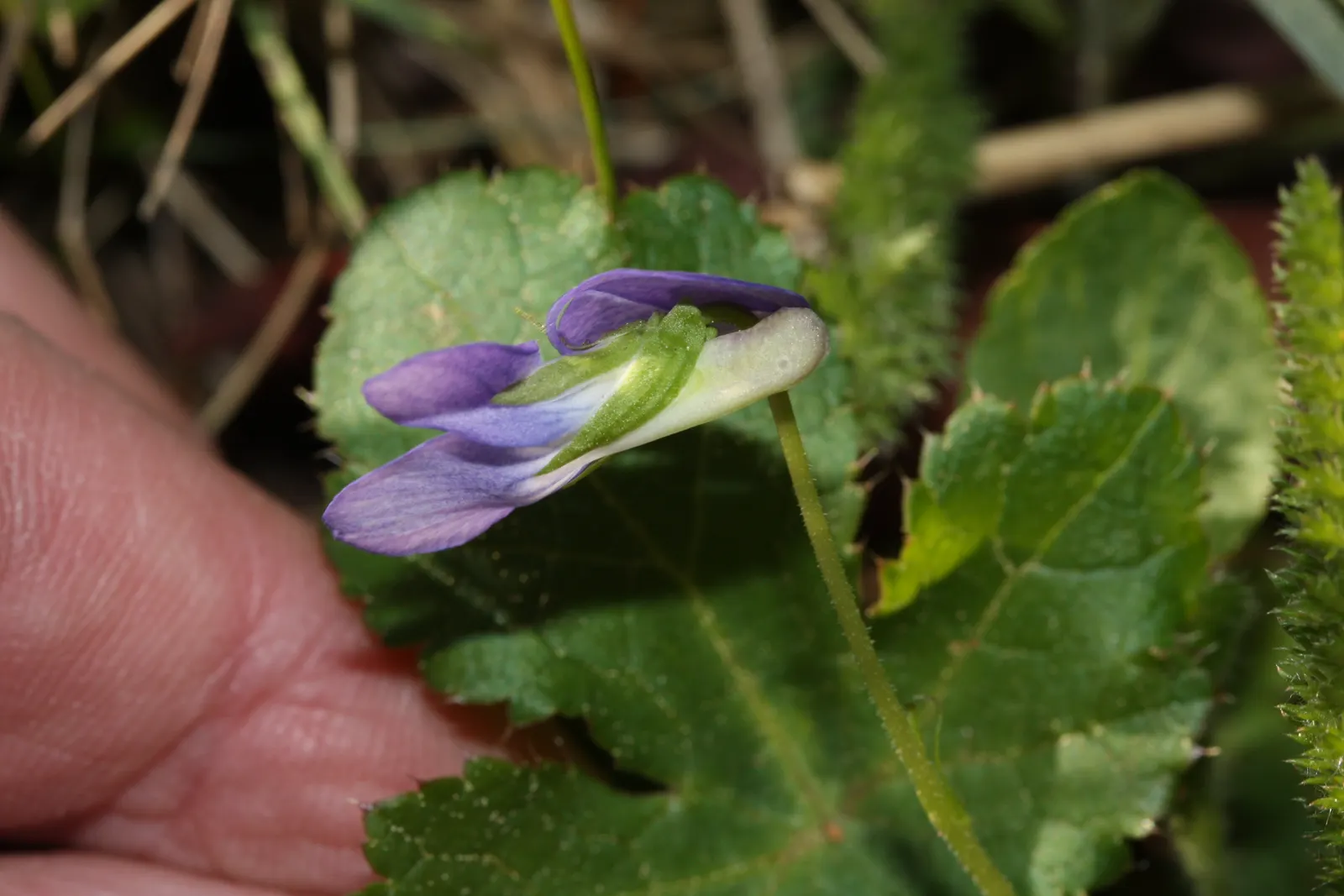
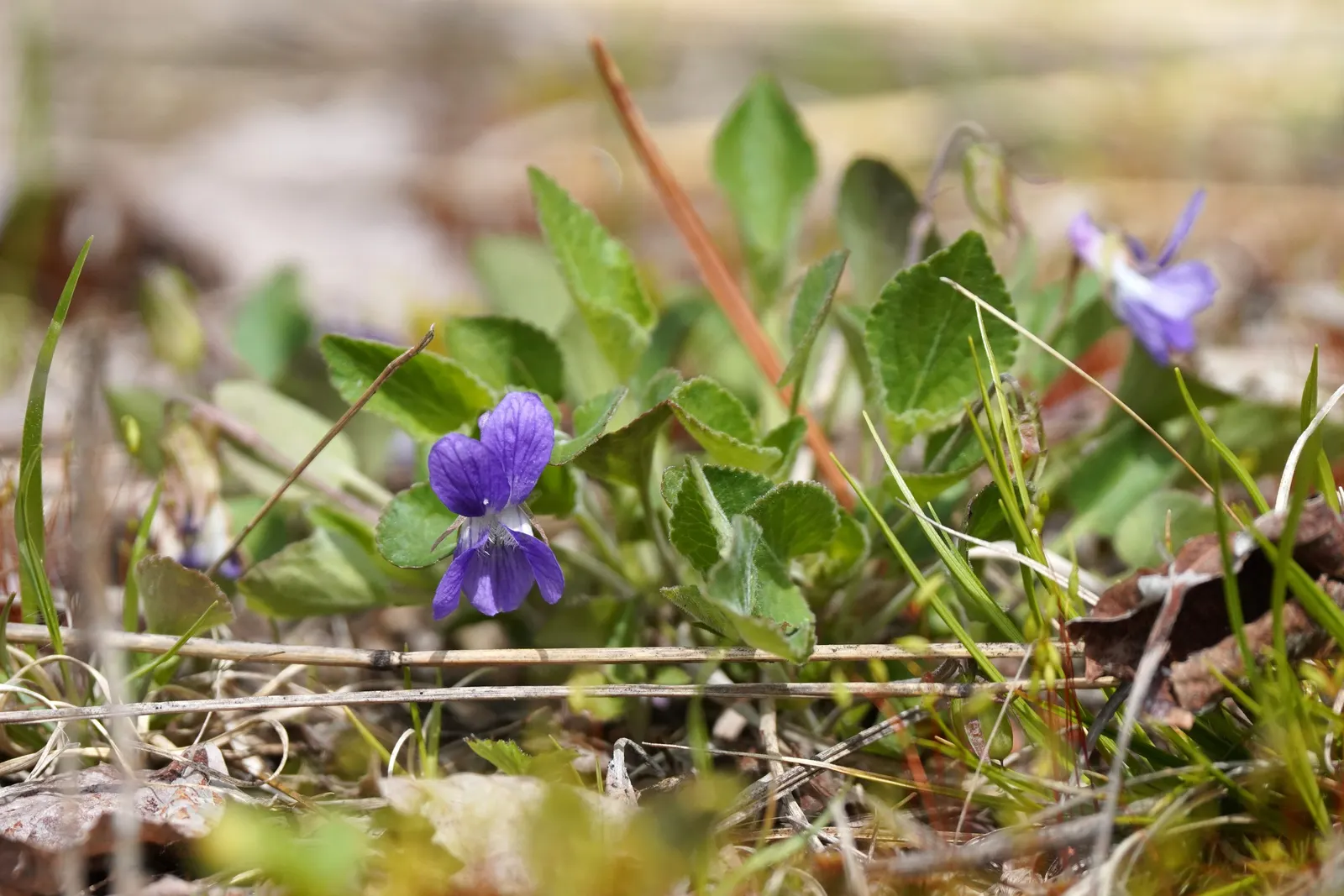
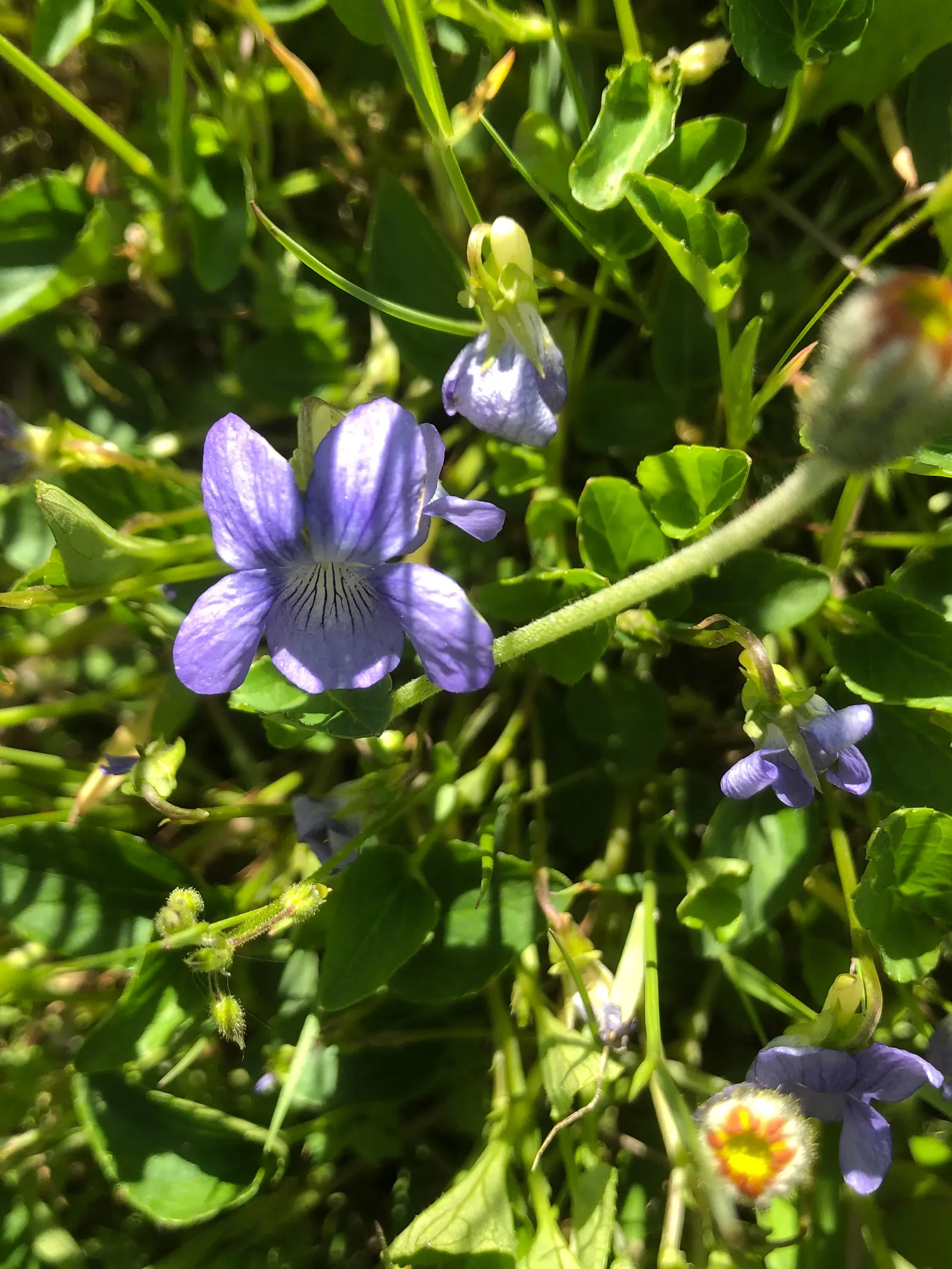
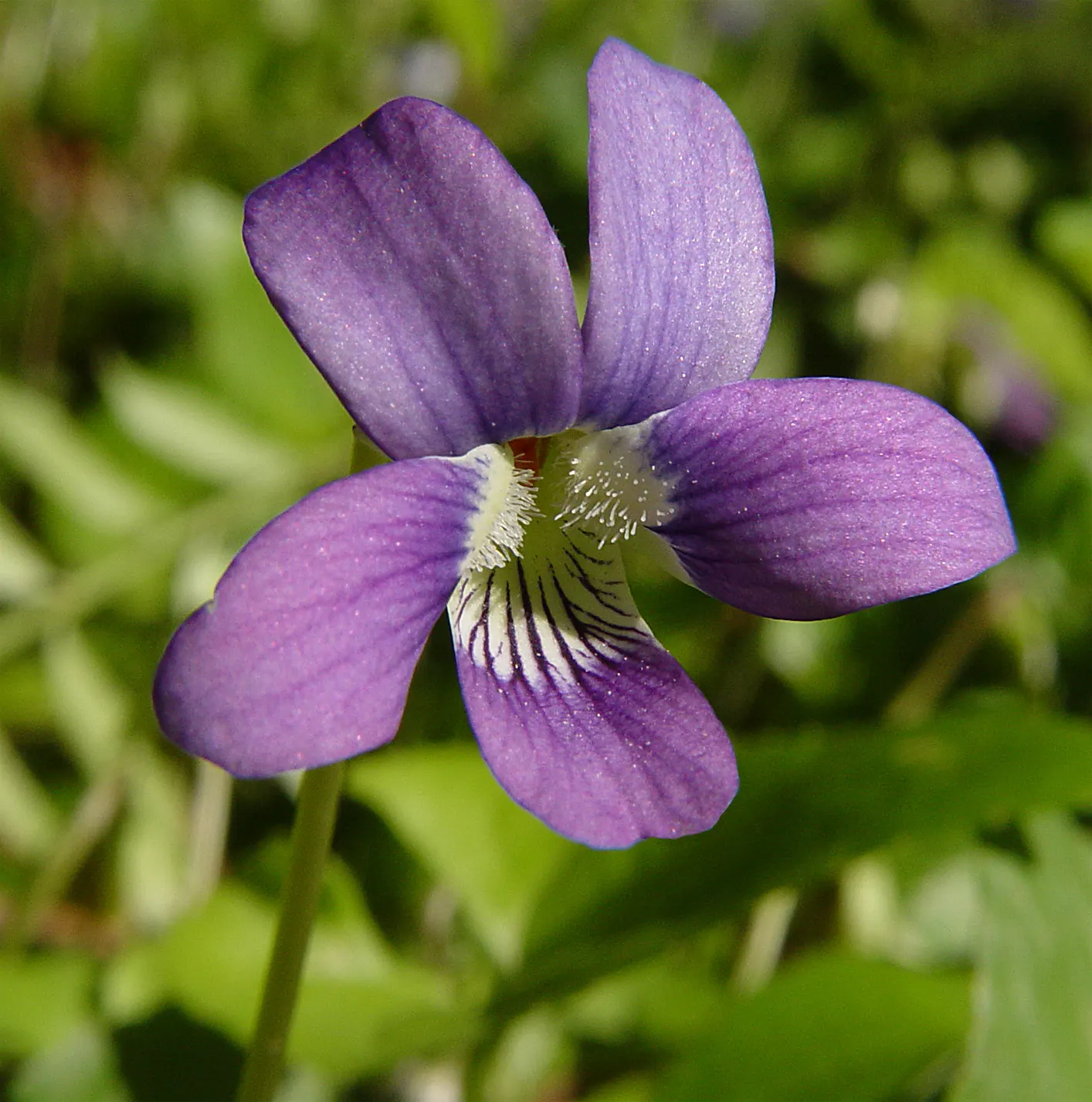
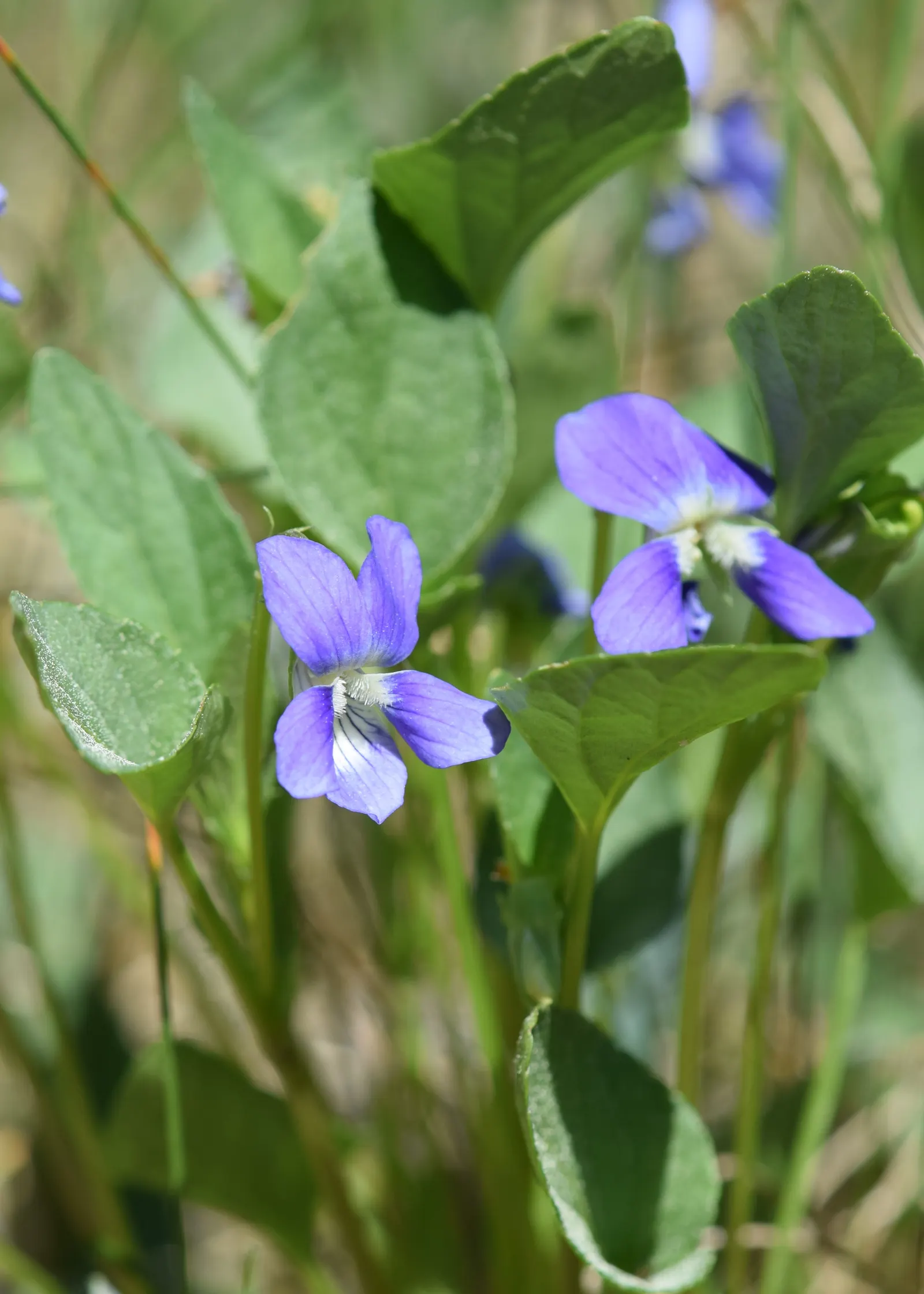
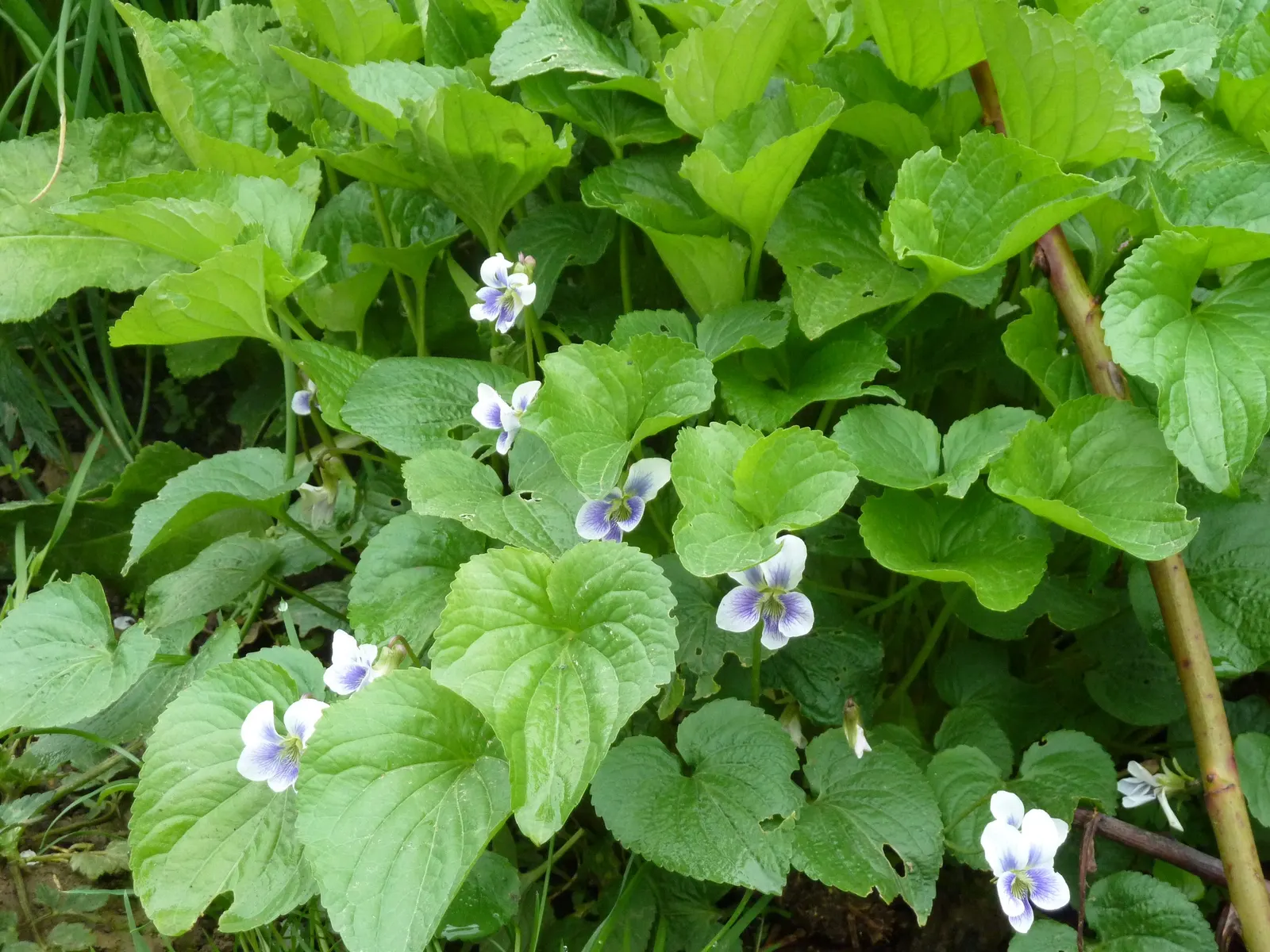
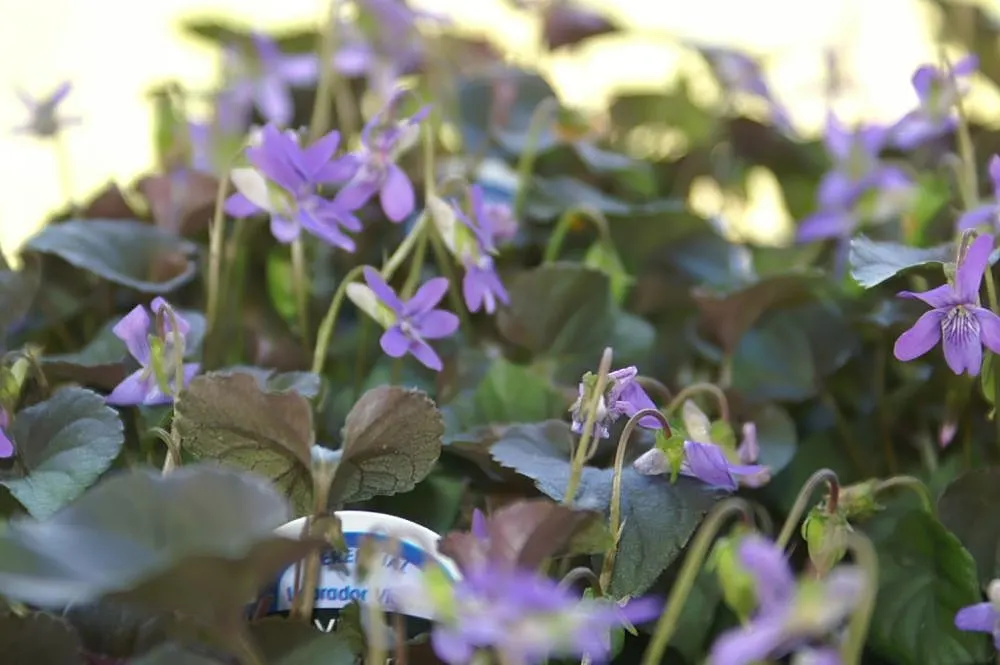
Viola adunca, commonly called Dog Violet, is a low-lying perennial favored for its resilient nature and early spring blooms. It showcases vibrant, deep blue-to-violet flowers, each spanning roughly 0.5 inches across. Preferring well-drained soils, it thrives in USDA zones 3-7, reaching a mature height of 2-4 inches with a similar spread. Ideal for woodland gardens, this species offers both aesthetic appeal and support for local pollinators.

Sun Half, ShadeWater MediumZones 6–10Type Ground cover, PerennialClimate Temperate

Culture

Sun
Half, Shade
Water
Medium
USDA zones
6–10

Shape & size

Classification

Type
Ground cover, Perennial
Family
Violaceae
Climate
Temperate

See full data, regional cultivation notes, and design tools. Build a client presentation around this plant.

Start your 14-day trial

Photos (187)

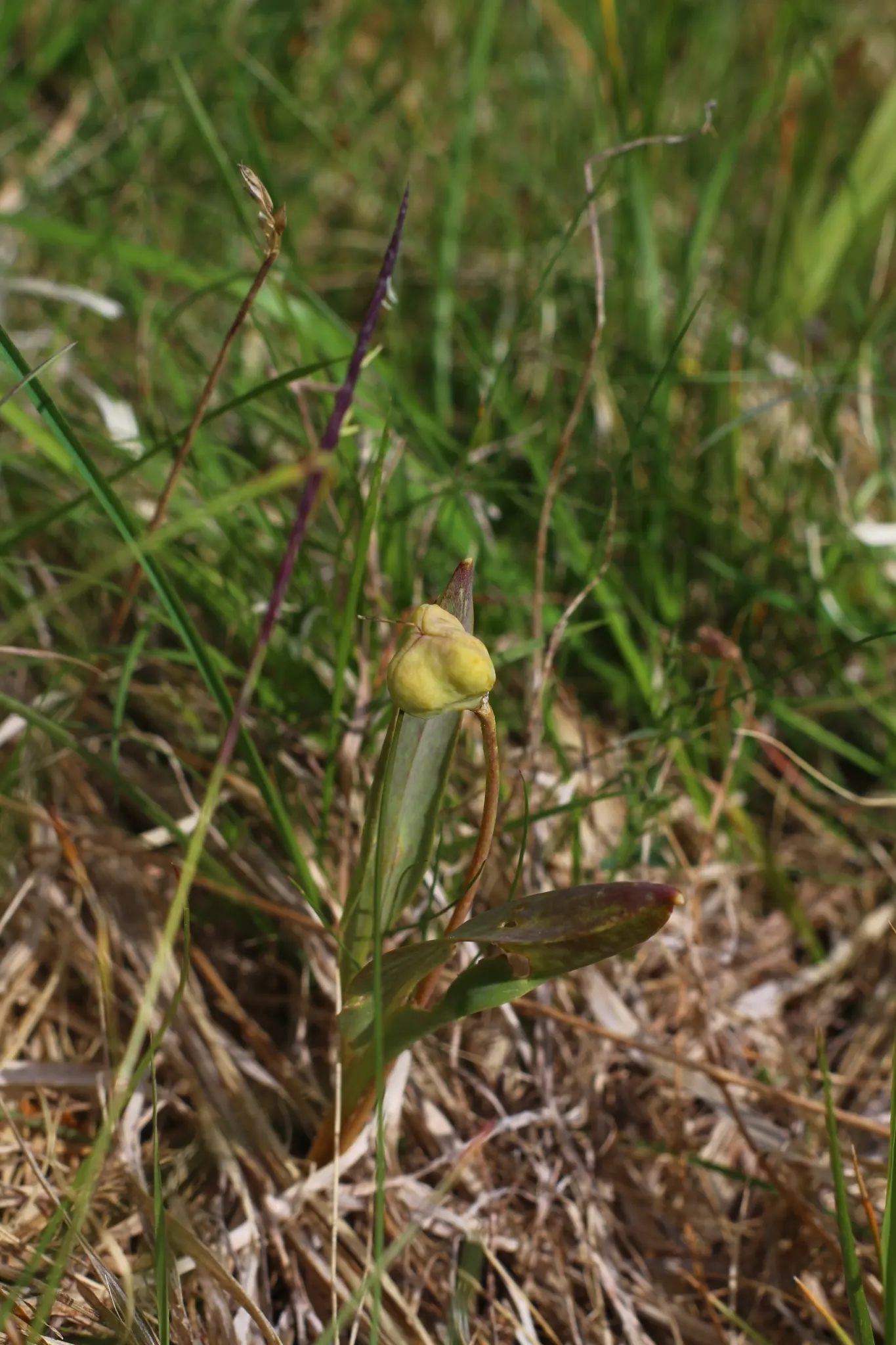
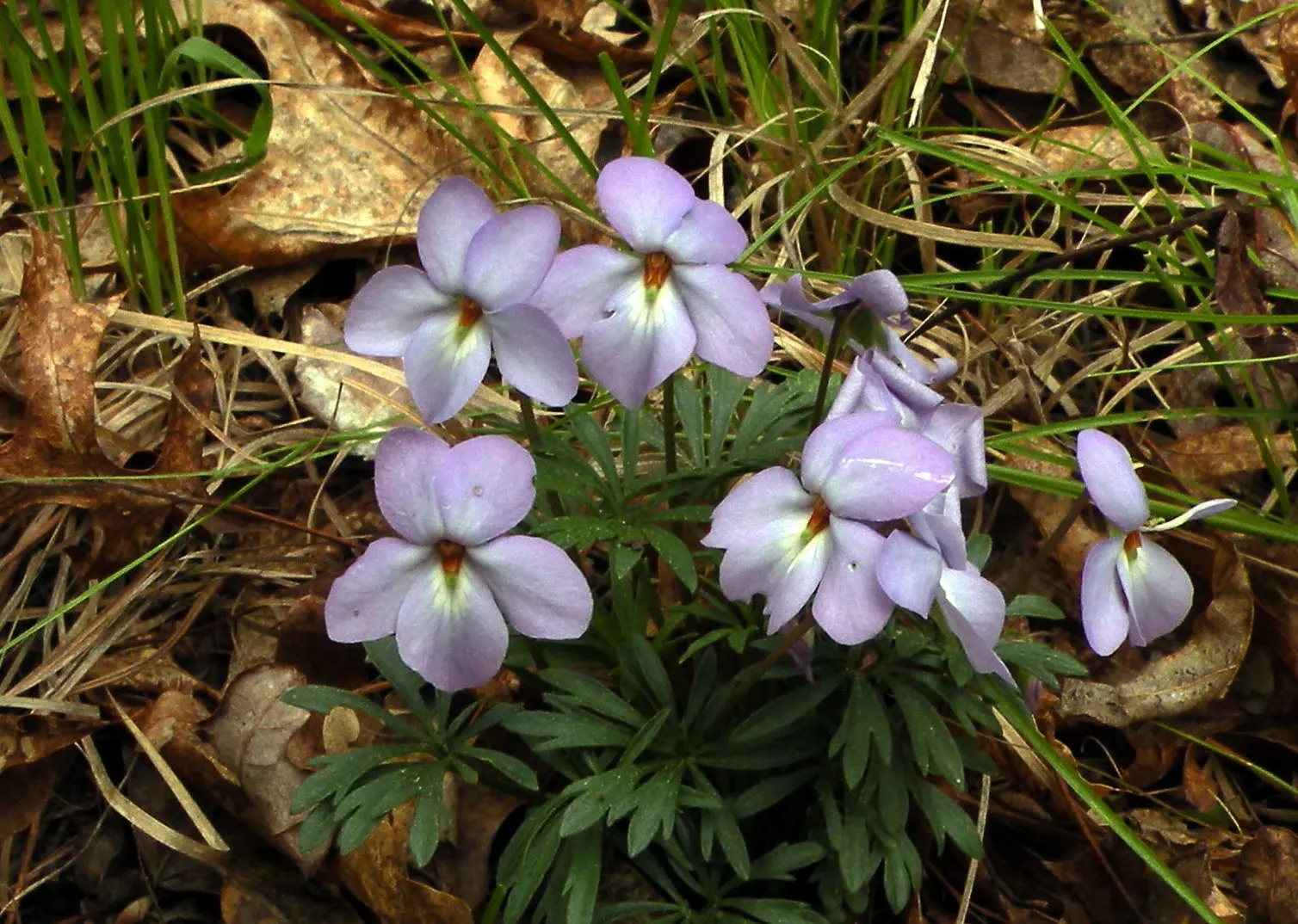
Dog Violet (Viola Adunca) — Preferring well-drained soils; ground cover / perennial for half or shade, image 154
Dog Violet (Viola Adunca) — Ideal for woodland gardens, this species offers both aesthetic appeal and support for local pollinators
Dog Violet (Viola Adunca) — roughly about 0.25 to 0.5 inches in diameter; ground cover / perennial with blue blooms, image 136
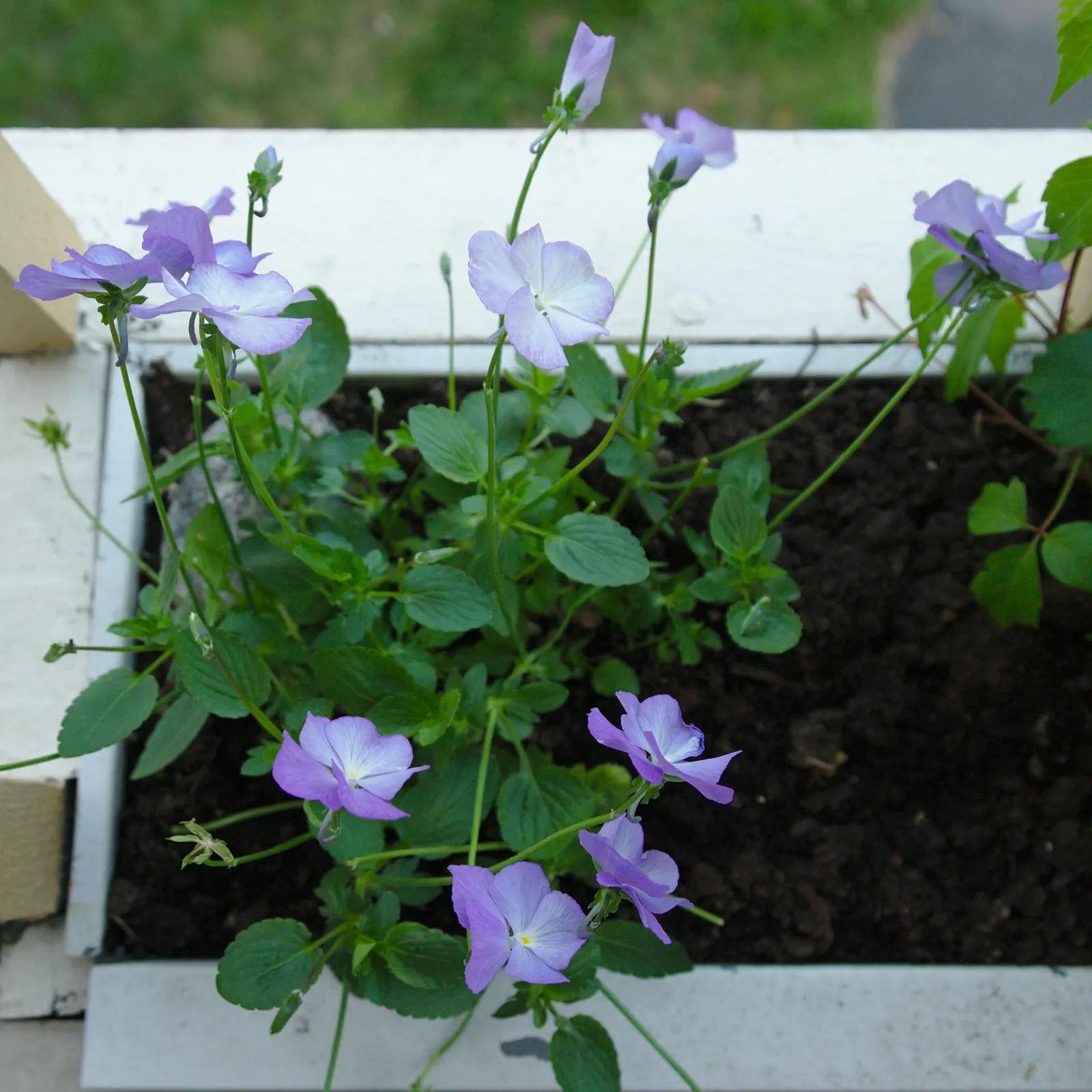
Dog Violet (Viola Adunca) — The Dog Violet requires moderate moisture levels; regular watering is recommended especially in dry periods; to a garden, image 145
Dog Violet (Viola Adunca) — Preferring well-drained soil
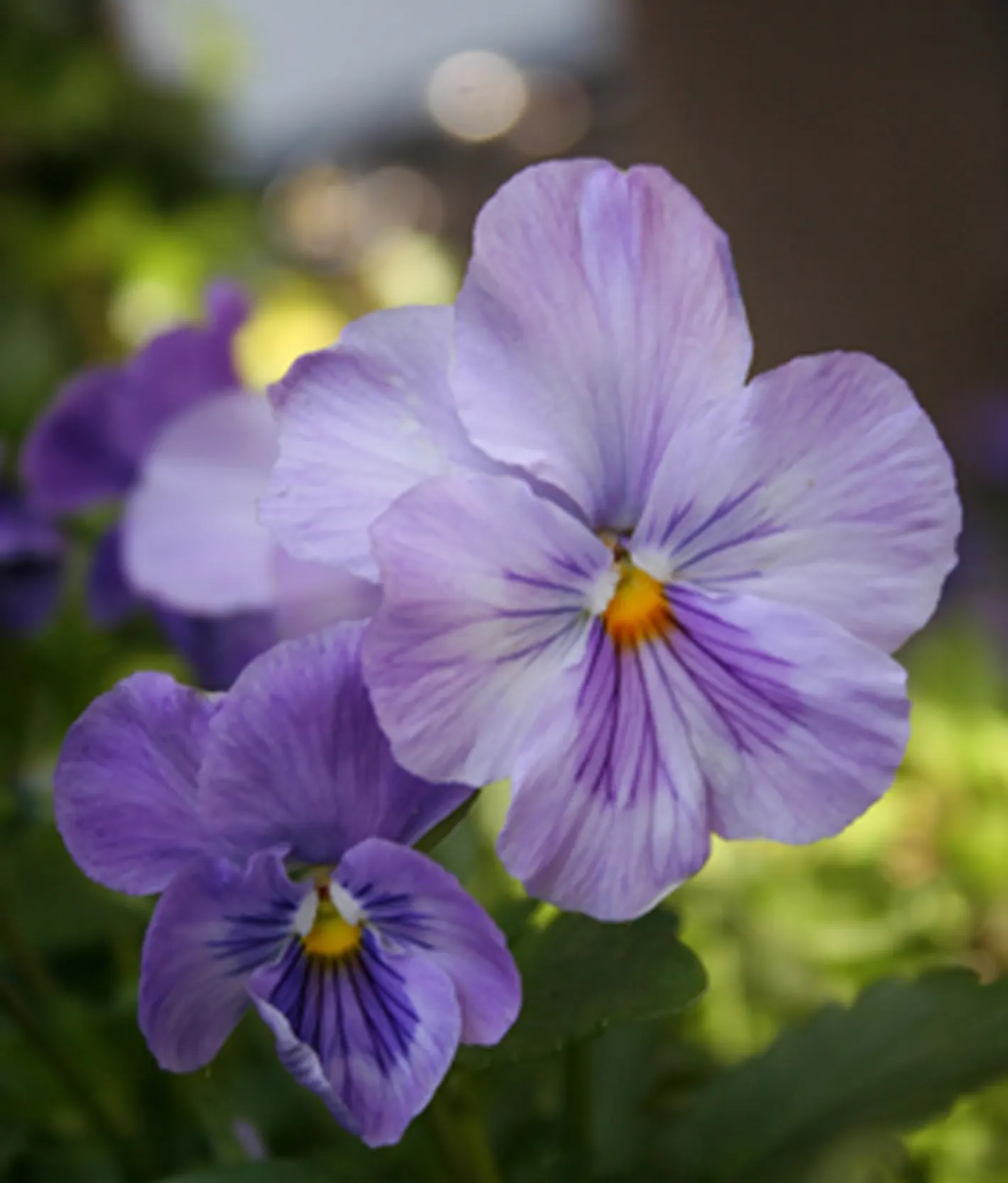
Dog Violet (Viola Adunca) — It showcases vibrant, deep blue-to-violet flowers, each spanning roughly 0.5 inches across; allowing for dense ground cover without
Dog Violet (Viola Adunca) — The Dog Violet requires moderate moisture levels; regular watering is recommended especially in dry periods; to a garden, image 95
Dog Violet (Viola Adunca) — Preferring well-drained soils; ground cover / perennial for half or shade, image 104
Dog Violet (Viola Adunca) — this plant is ideal for rock gardens or woodland borders; is a low-lying perennial favored for its resilient nature and, image 65
Dog Violet (Viola Adunca) — thereby supporting local biodiversity; commonly called Dog Violet, image 122
Dog Violet (Viola Adunca) — Preferring well-drained soil; the Dog Violet requires moderate moisture levels; regular watering is recommended, image 164
Dog Violet (Viola Adunca) — offering a naturalized look when grown en masse; this North American native typically blooms from late spring to early, image 91
Dog Violet (Viola Adunca) — reaching a mature height of 2-4 inches with a similar spread; preferring well-drained soil, image 131
Dog Violet (Viola Adunca) — offering a naturalized look when grown en masse
Dog Violet (Viola Adunca) — Preferring well-drained soil; the Dog Violet requires moderate moisture levels; regular watering is recommended especially in dry
Dog Violet (Viola Adunca) — with its blossoms providing subtle dimensions; it grows to a modest height of about 4 to 6 inches with a similar spread, image 160
Dog Violet (Viola Adunca) — It grows to a modest height of about 4 to 6 inches with a similar spread; offering a naturalized look when grown en, image 117
Dog Violet (Viola Adunca) — This North American native typically blooms from late spring to early summer; with its blossoms providing subtle, image 159
Dog Violet (Viola Adunca) — commonly called Dog Violet; preferring well-drained soils, image 51
Dog Violet (Viola Adunca) — ground cover / perennial with blue blooms; this plant is ideal for rock gardens or woodland borders, image 124
Dog Violet (Viola Adunca) — The Dog Violet requires moderate moisture levels; regular watering is recommended especially in dry periods; to a garden
Dog Violet (Viola Adunca) — It showcases vibrant, deep blue-to-violet flowers, each spanning roughly 0.5 inches across
Dog Violet (Viola Adunca) — blue flowers in the garden; the Dog Violet (Viola adunca), image 73
Dog Violet (Viola Adunca) — it thrives in USDA zones 3-7; ideal for woodland gardens, this species offers both aesthetic appeal and support for, image 130
Photographs by 14 contributors

Related plants