Skip to content

Bird's Foot Violet

Viola Pedata

Design with this plant

Overview

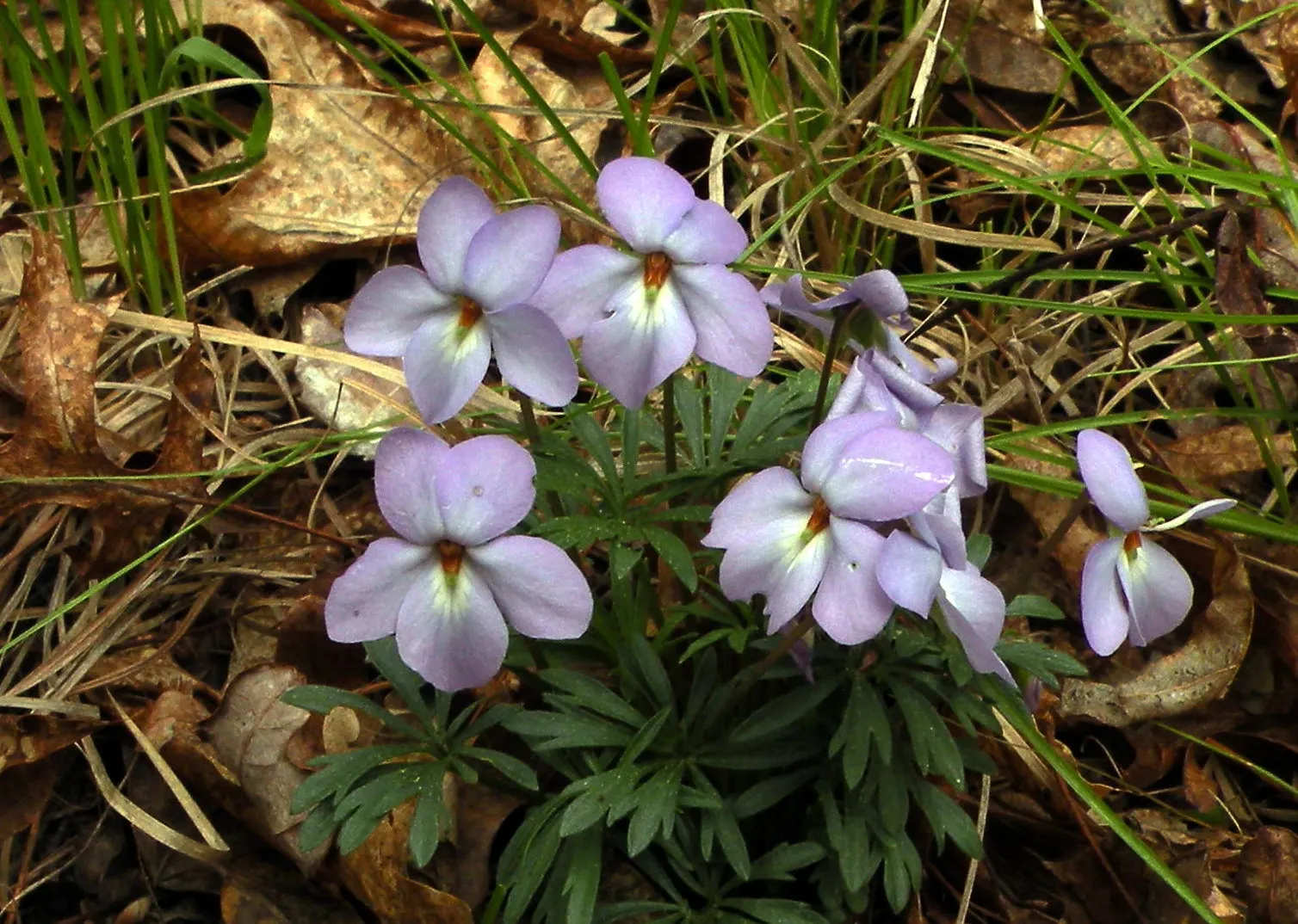
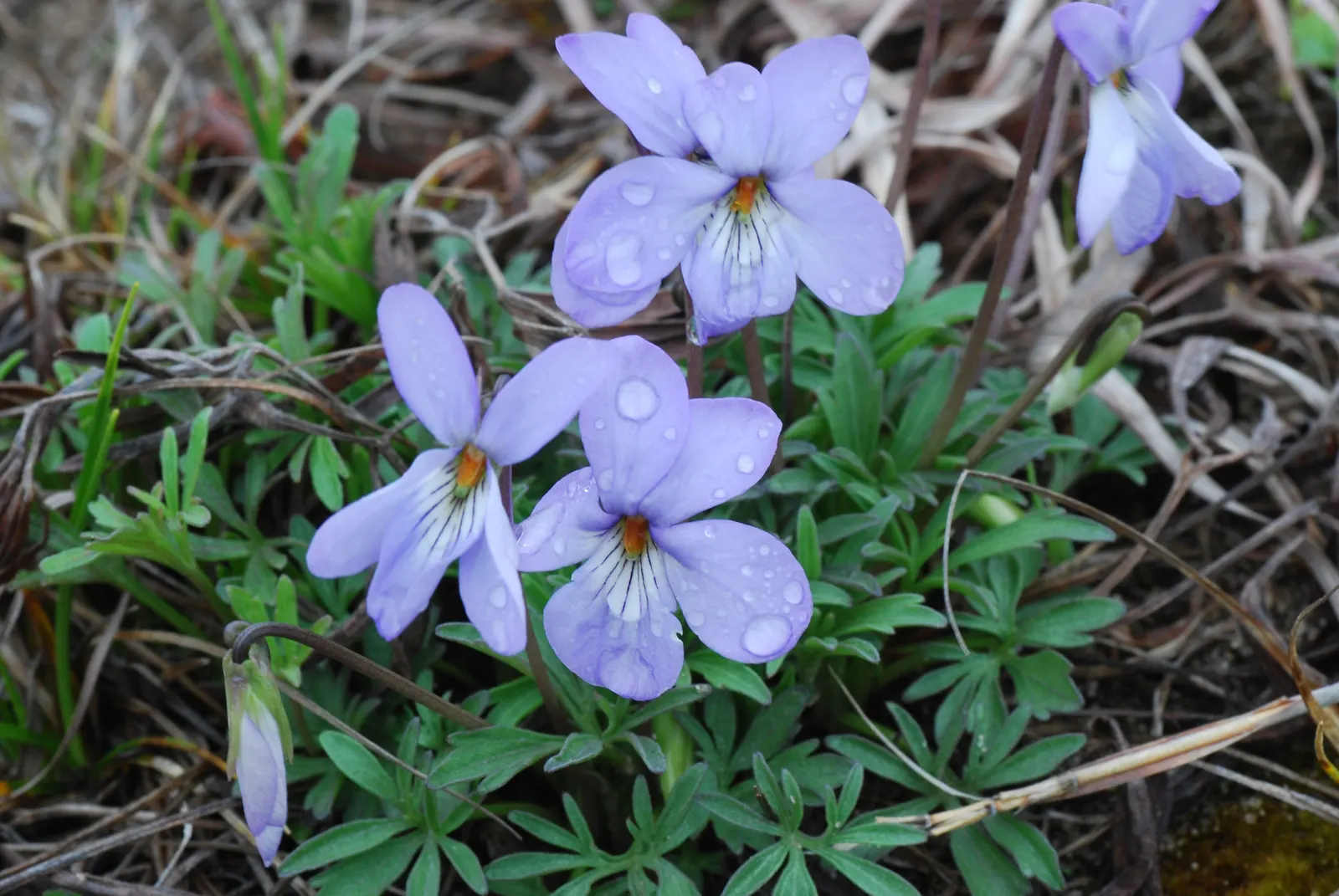
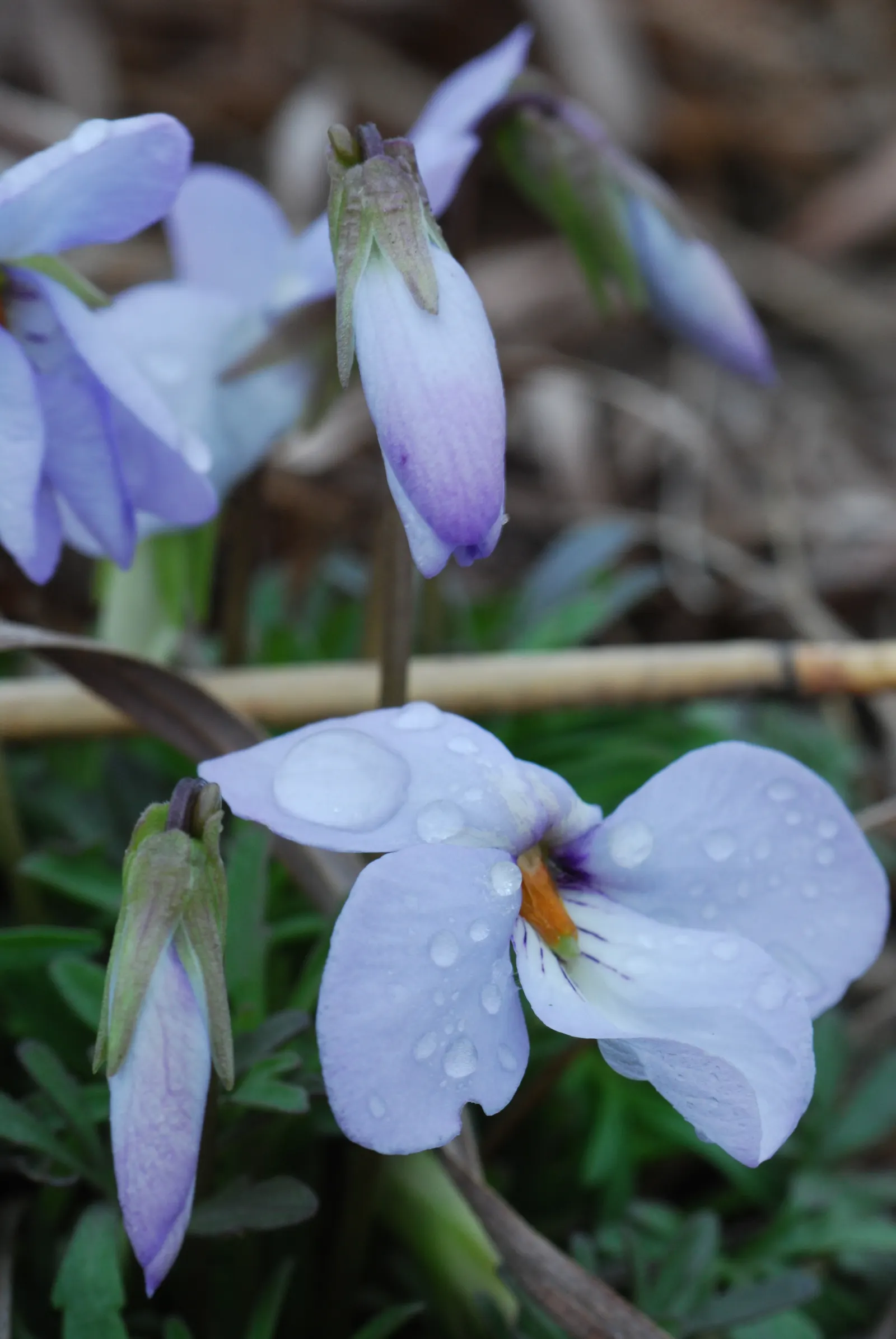
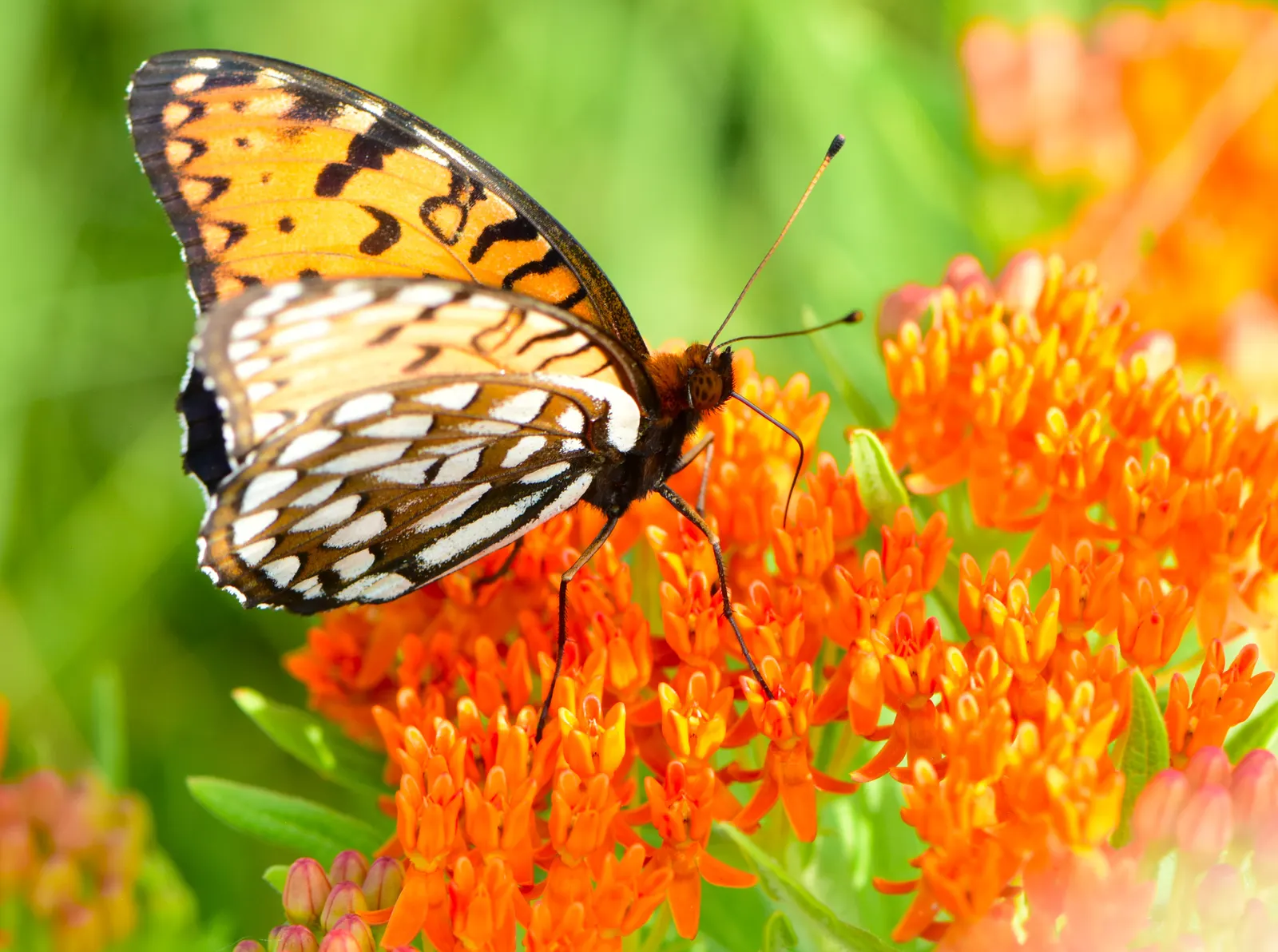
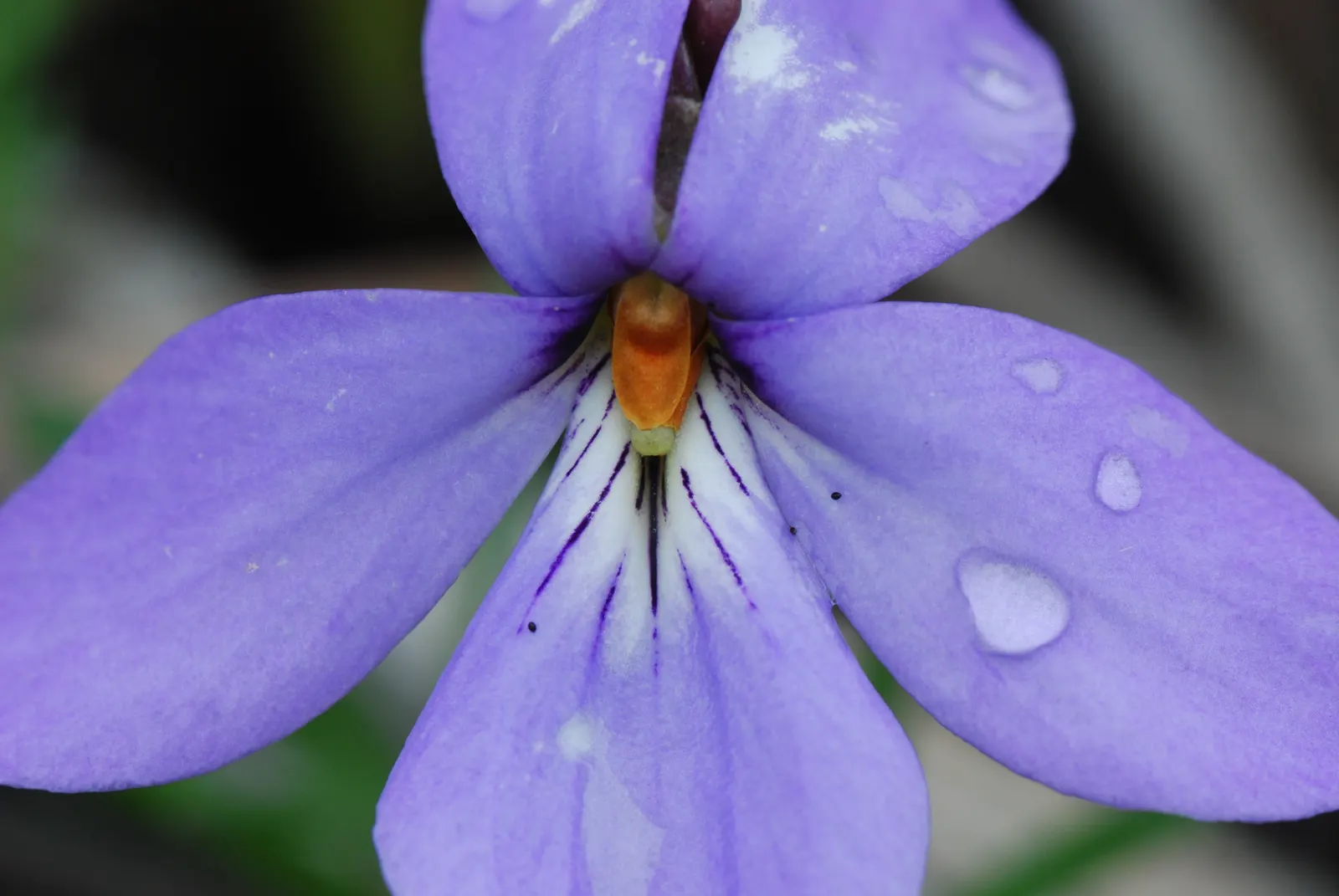
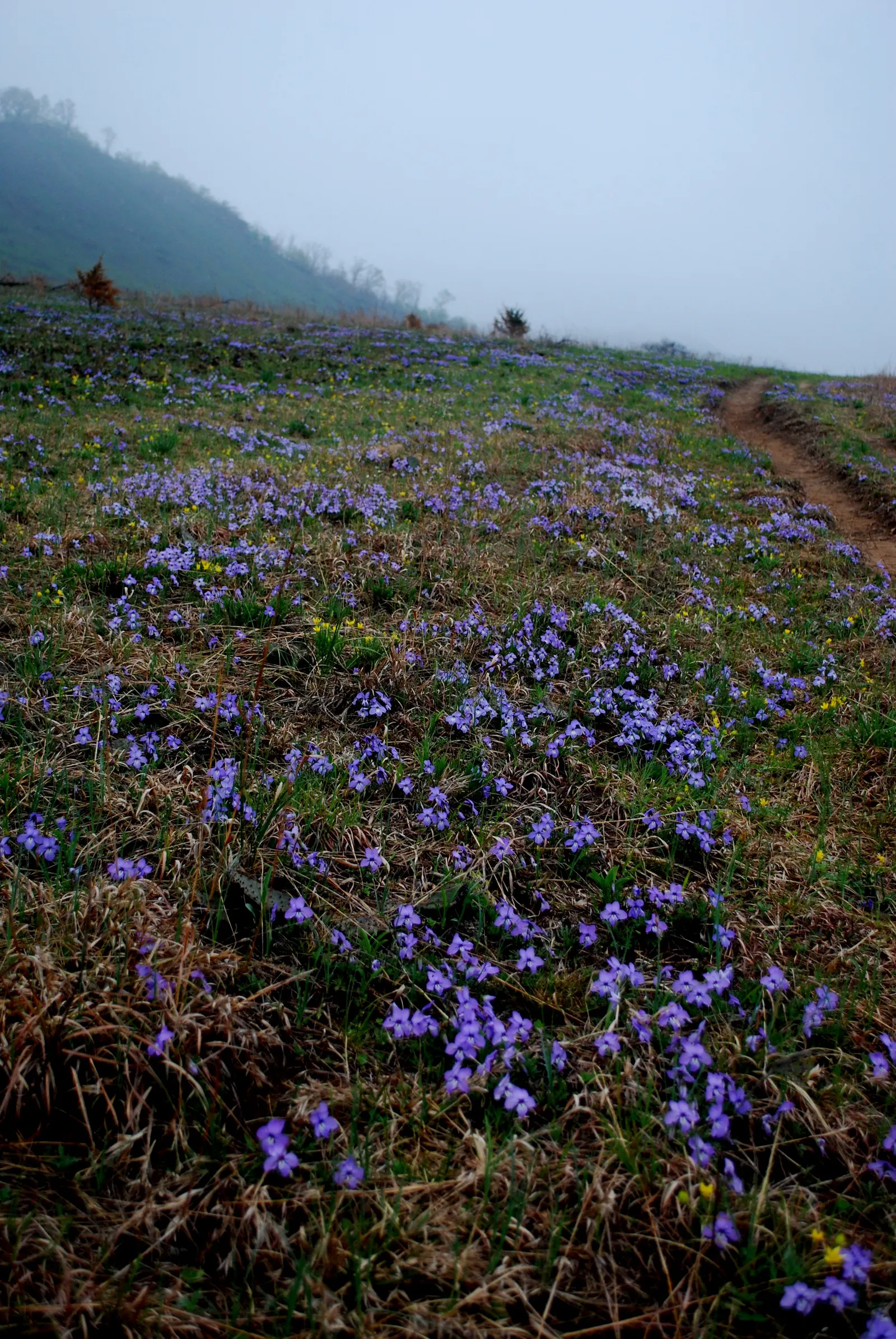
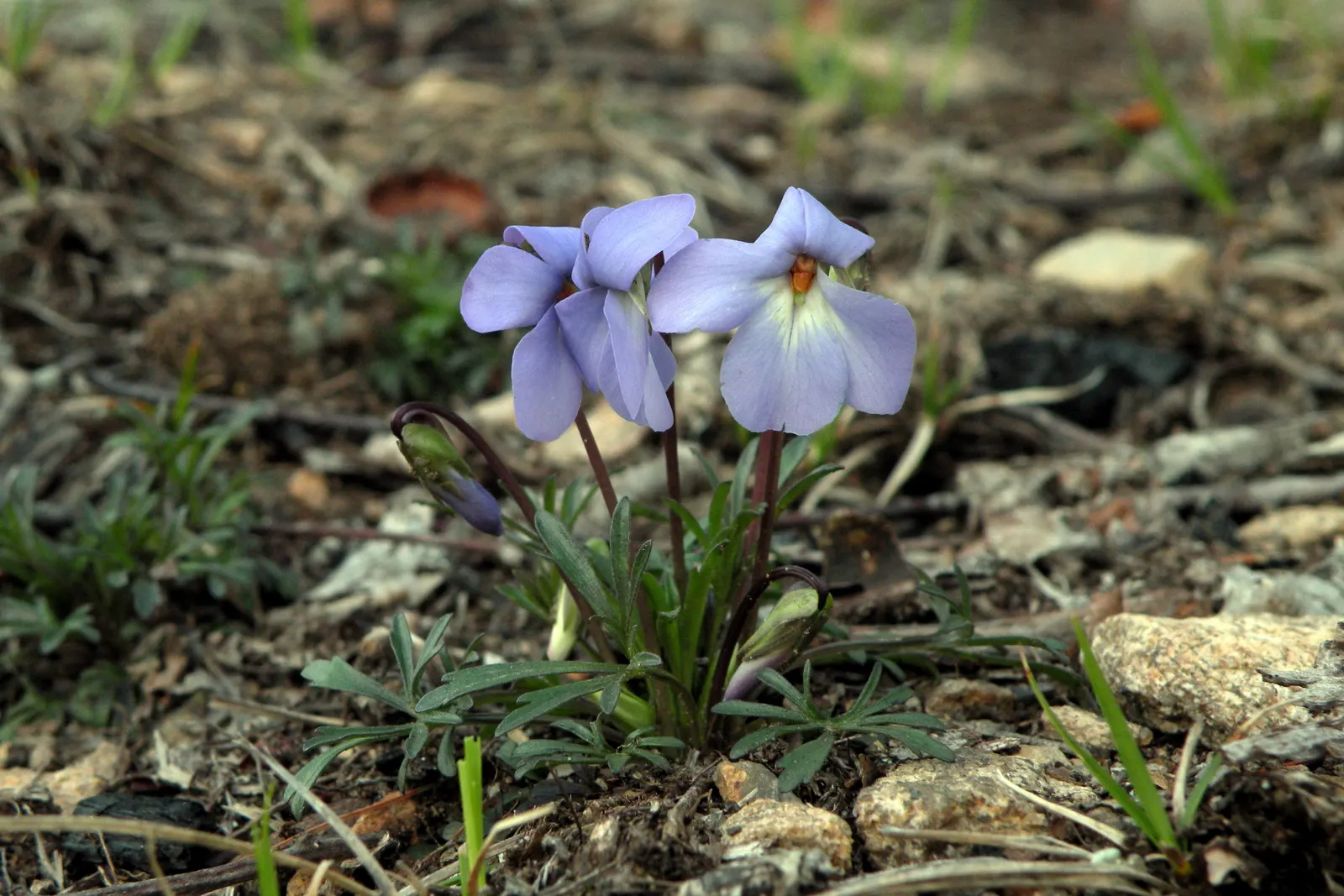
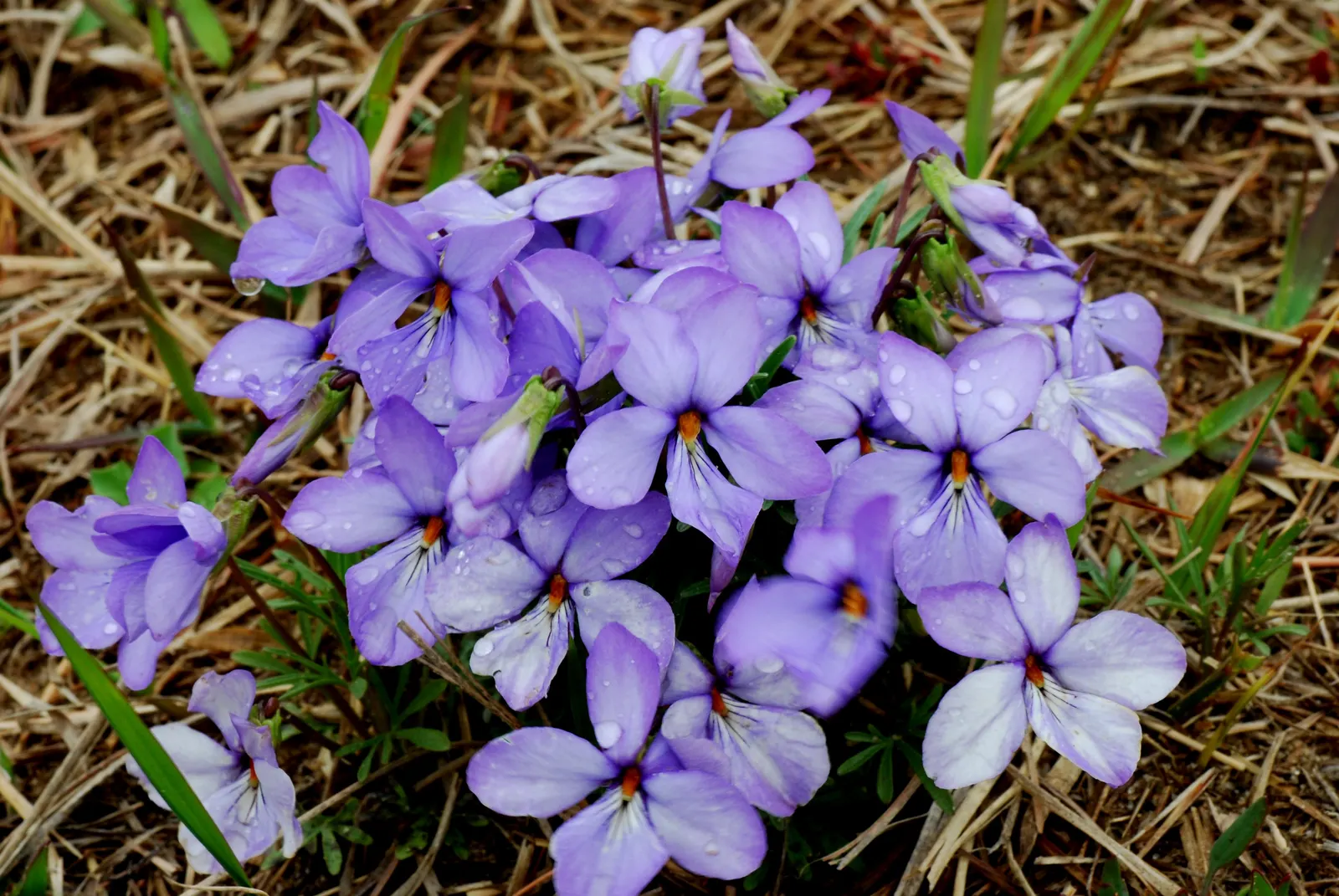
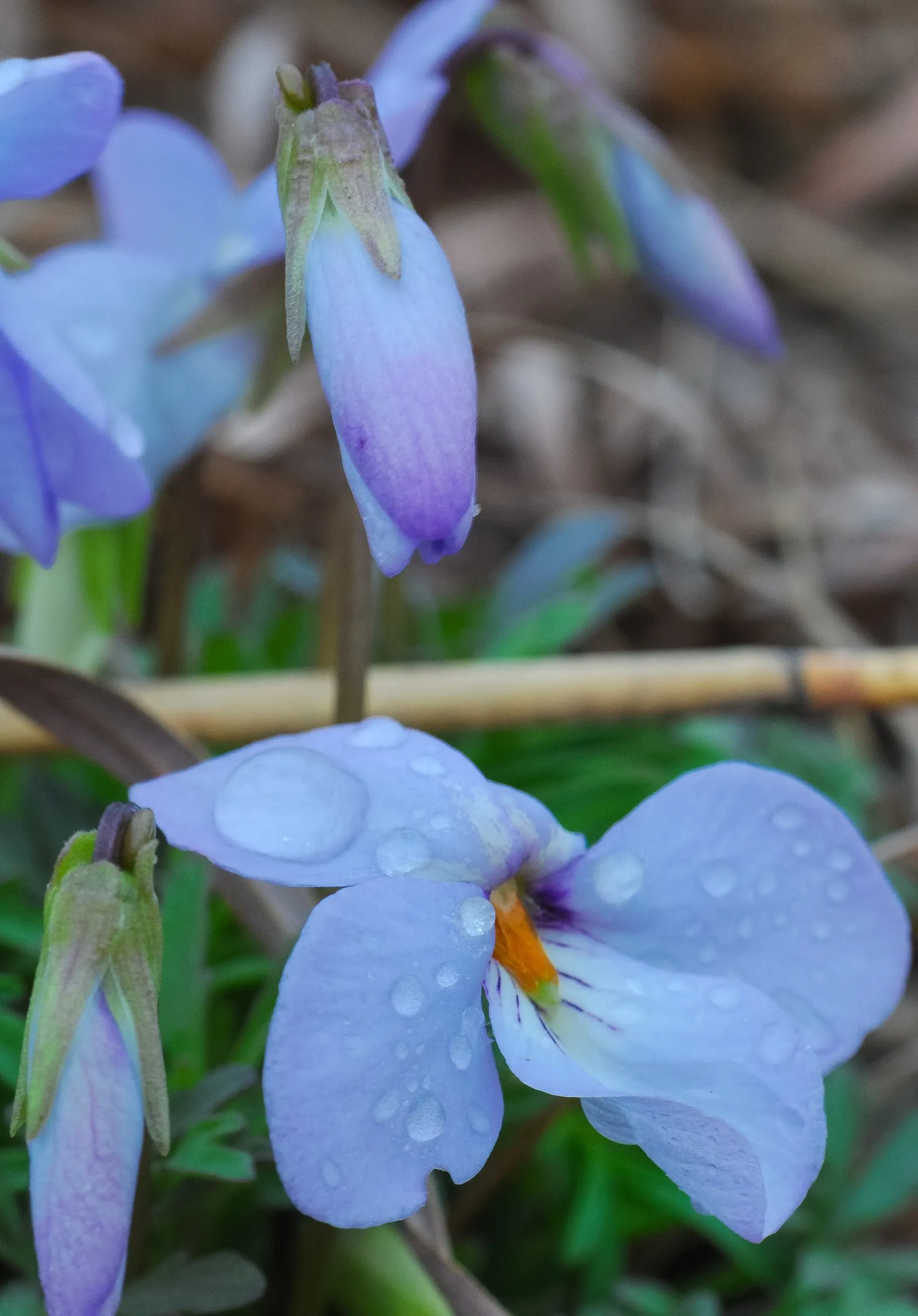
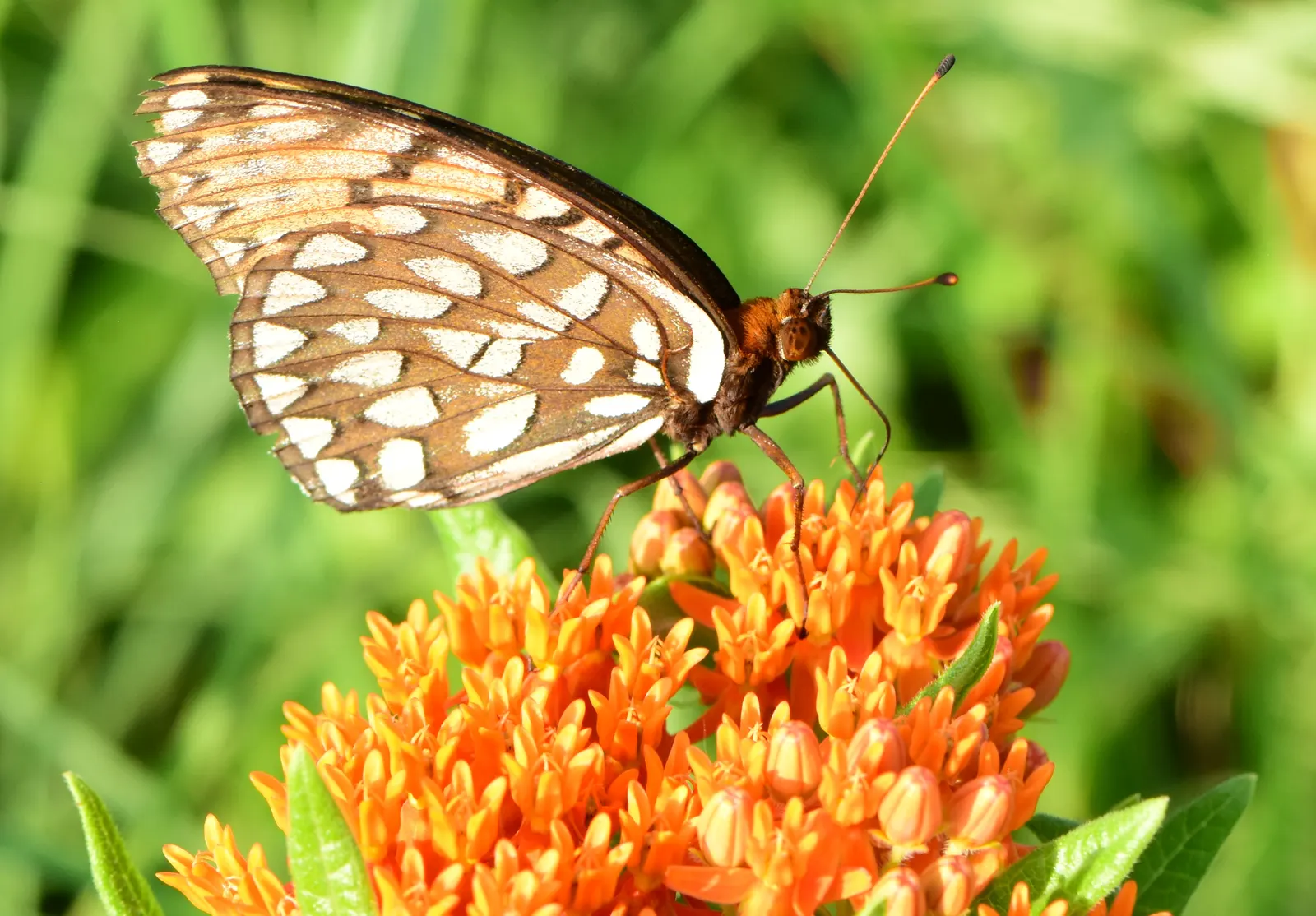
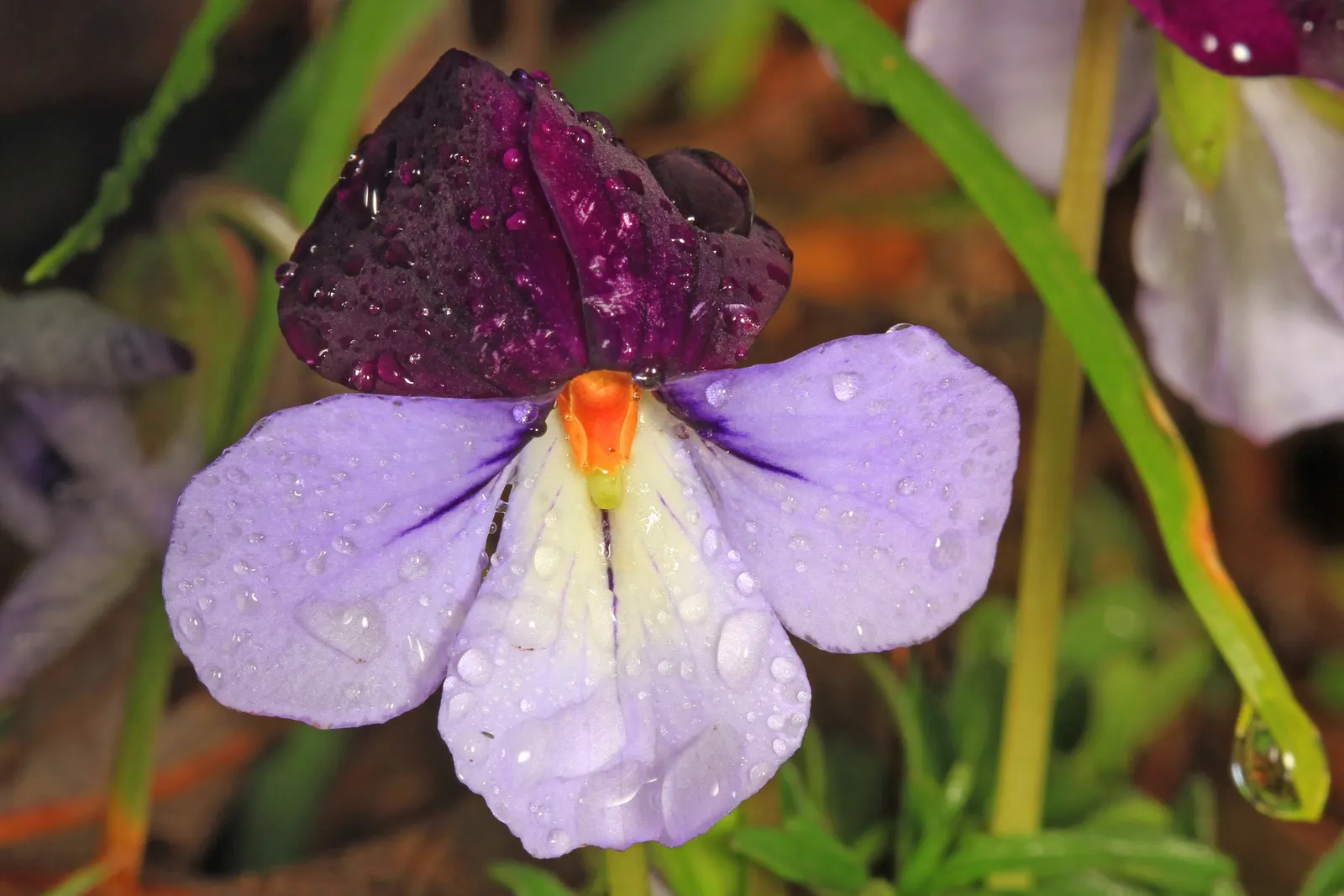
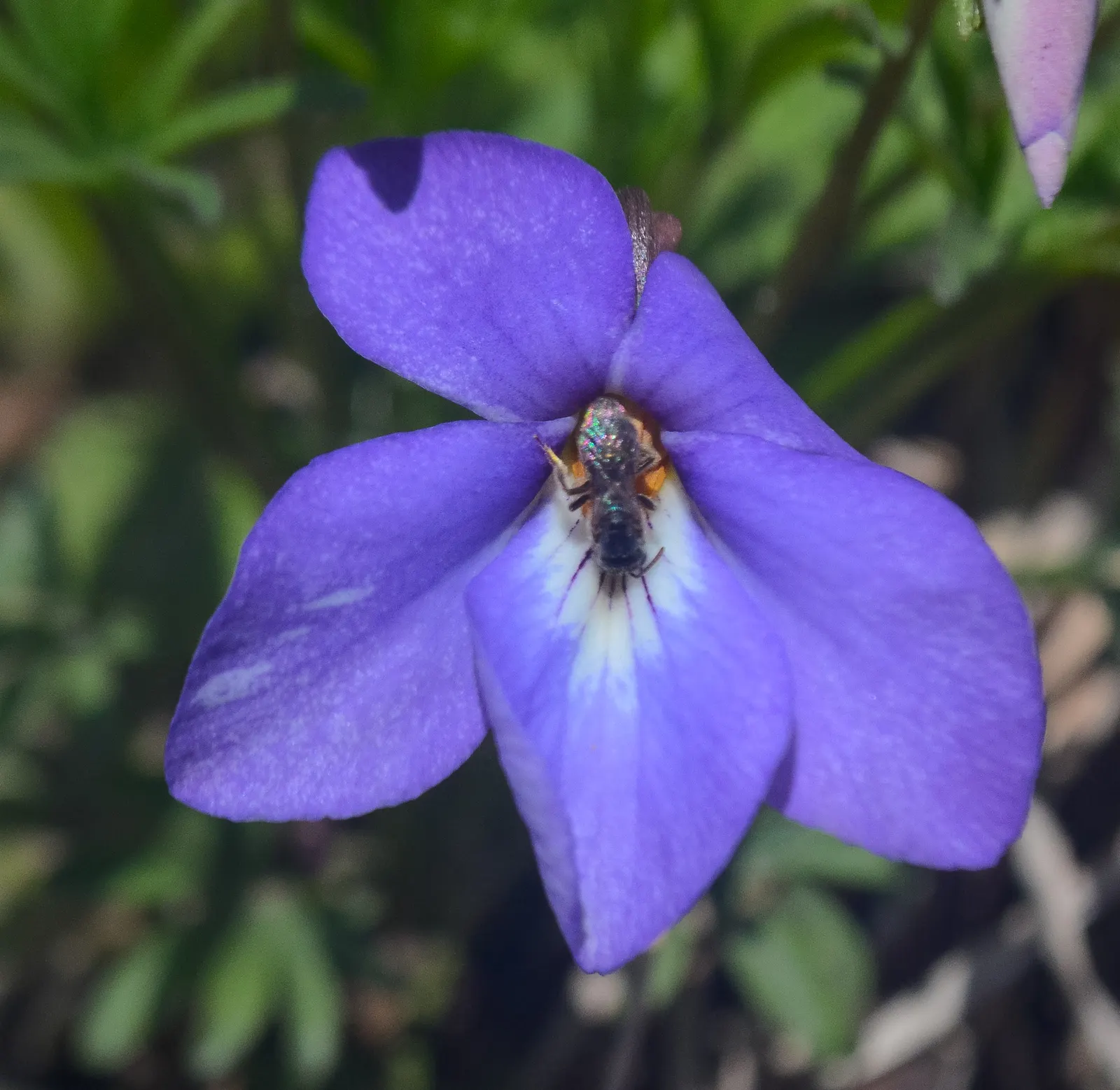
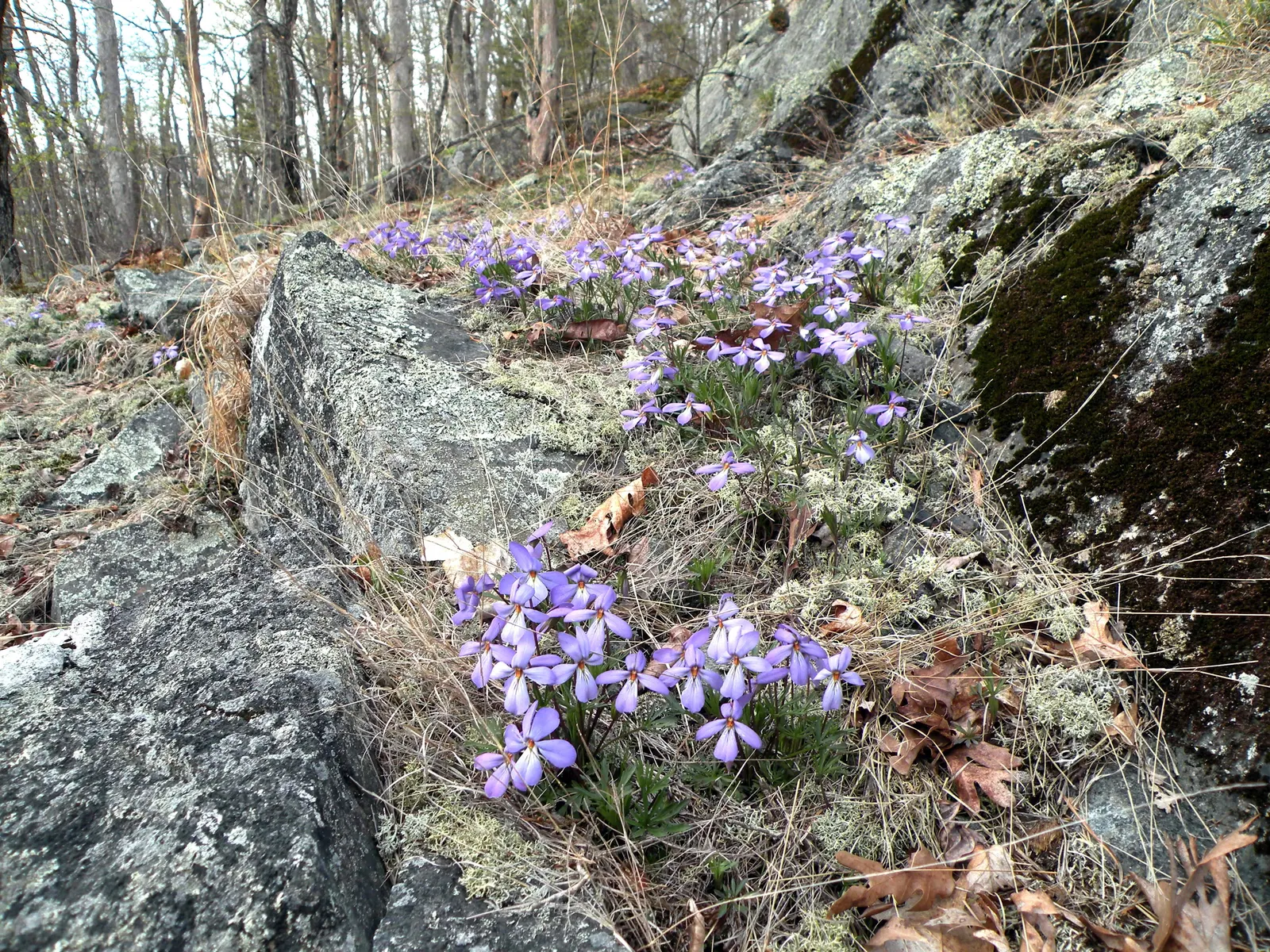
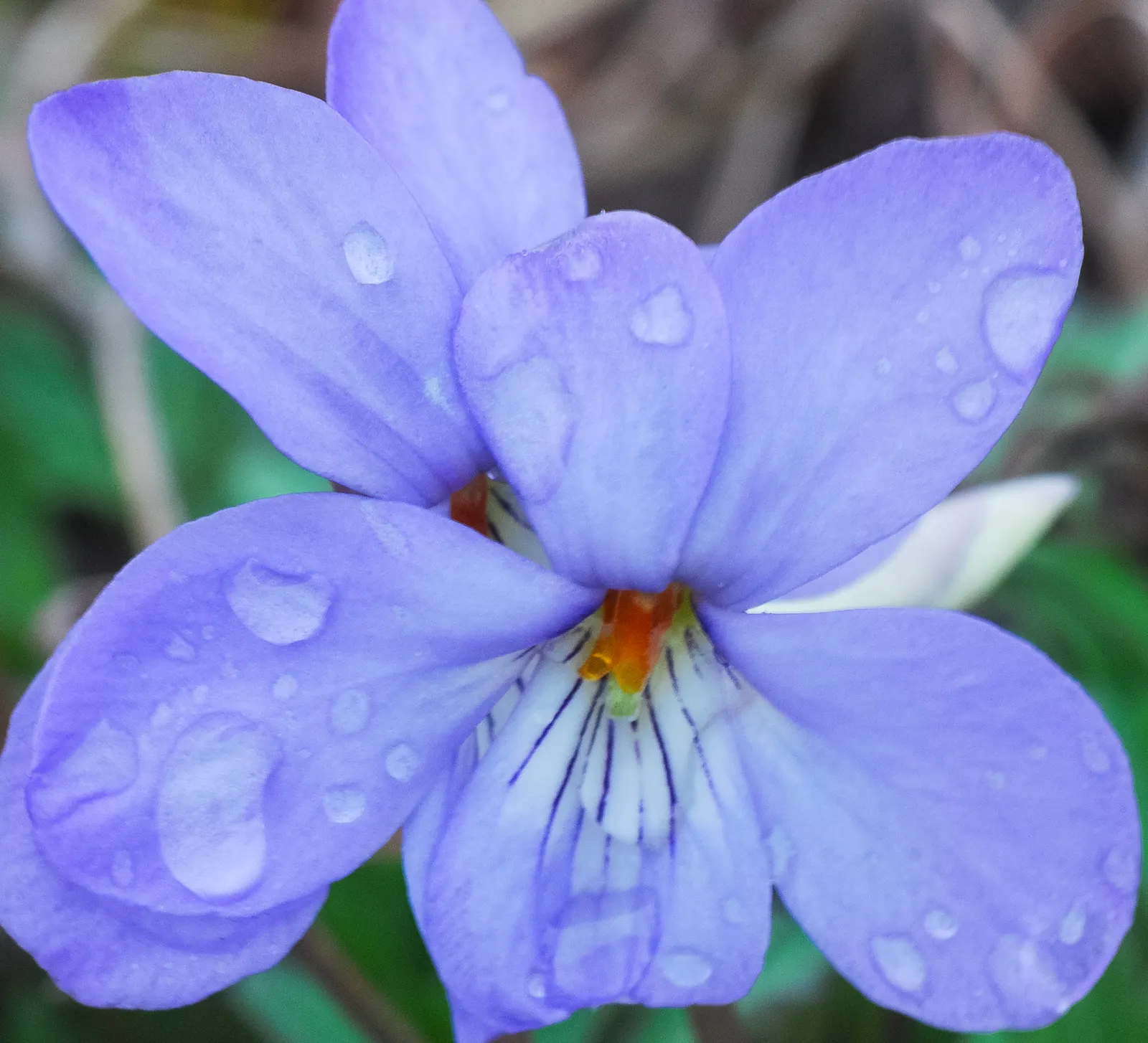
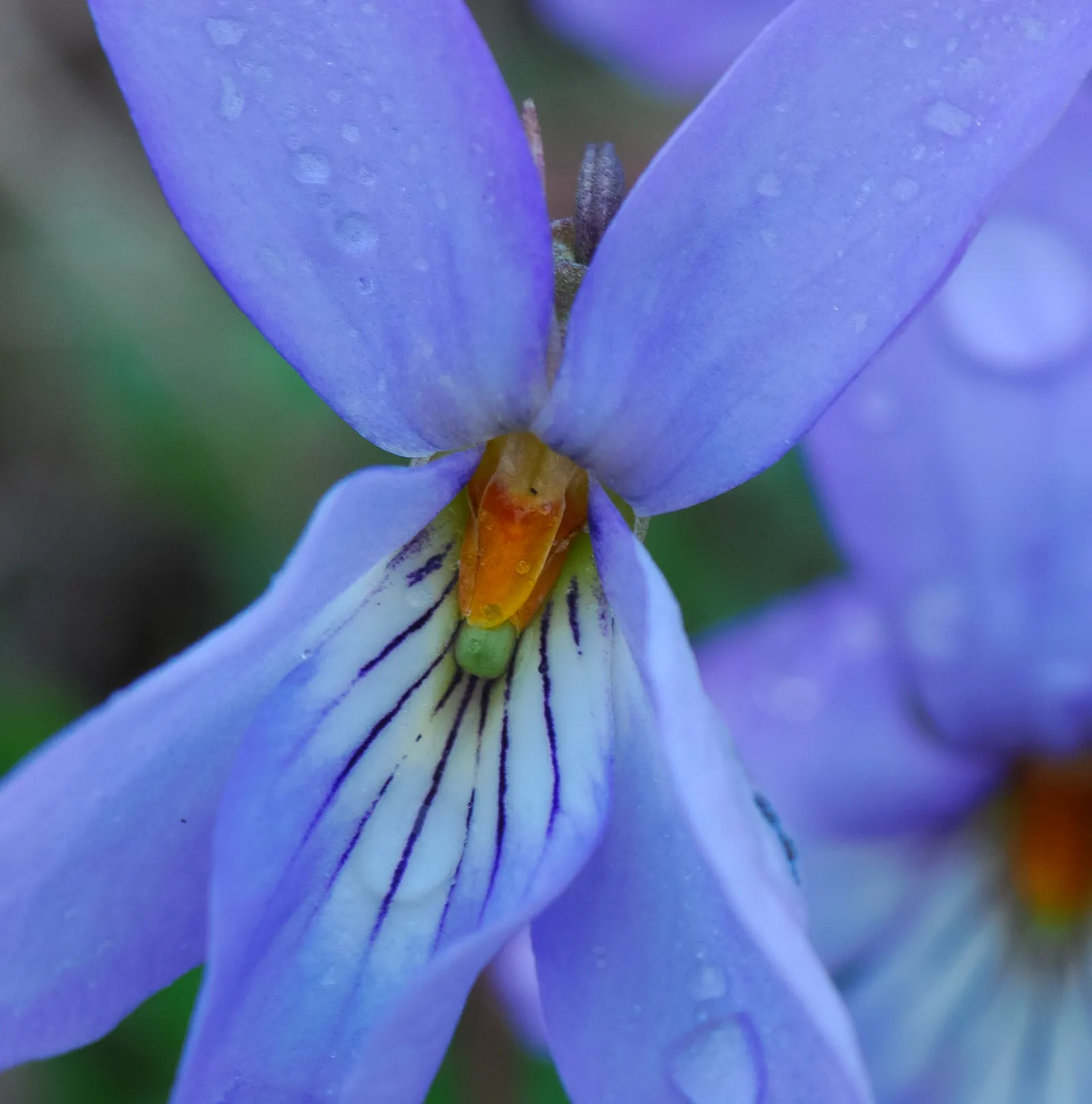
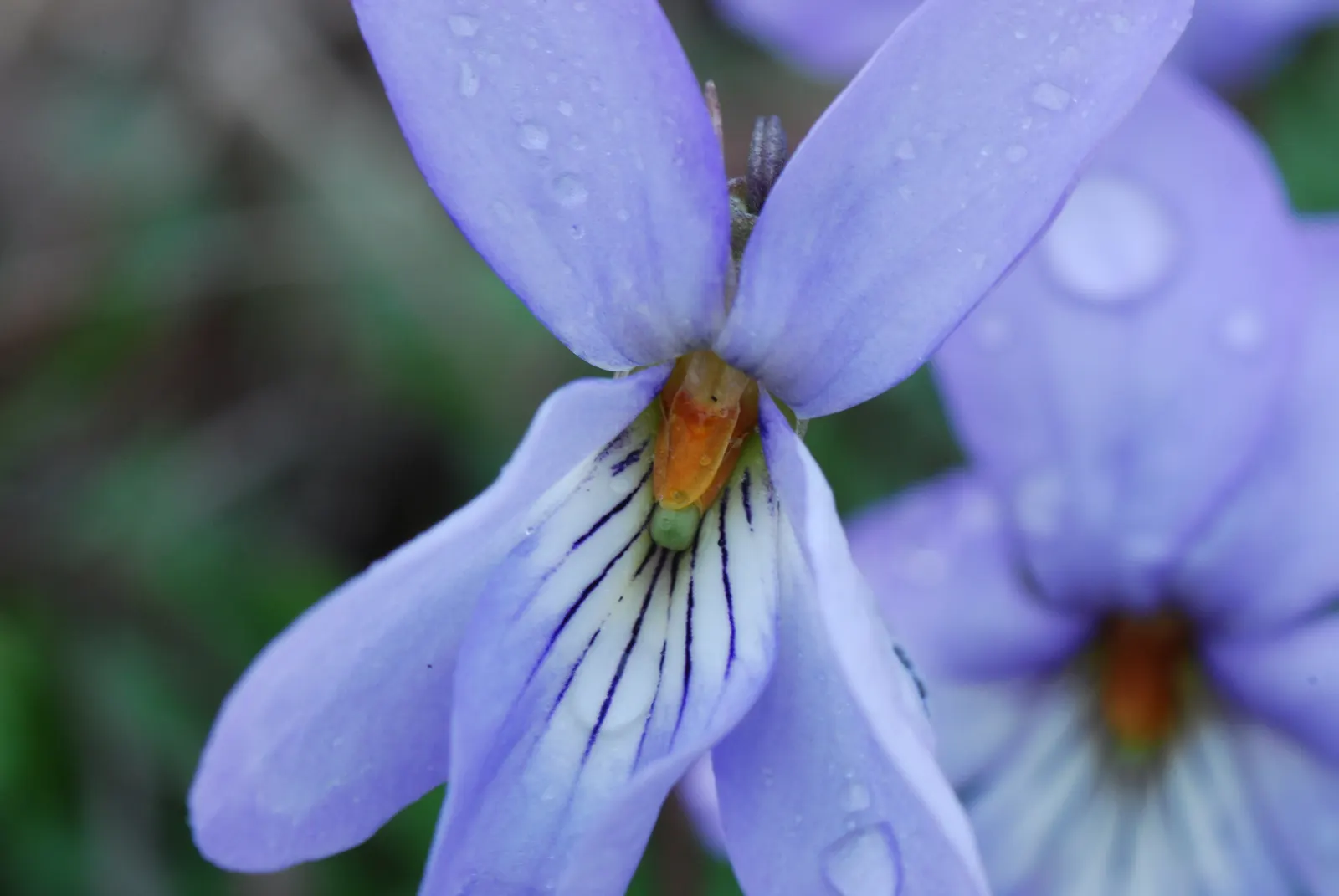
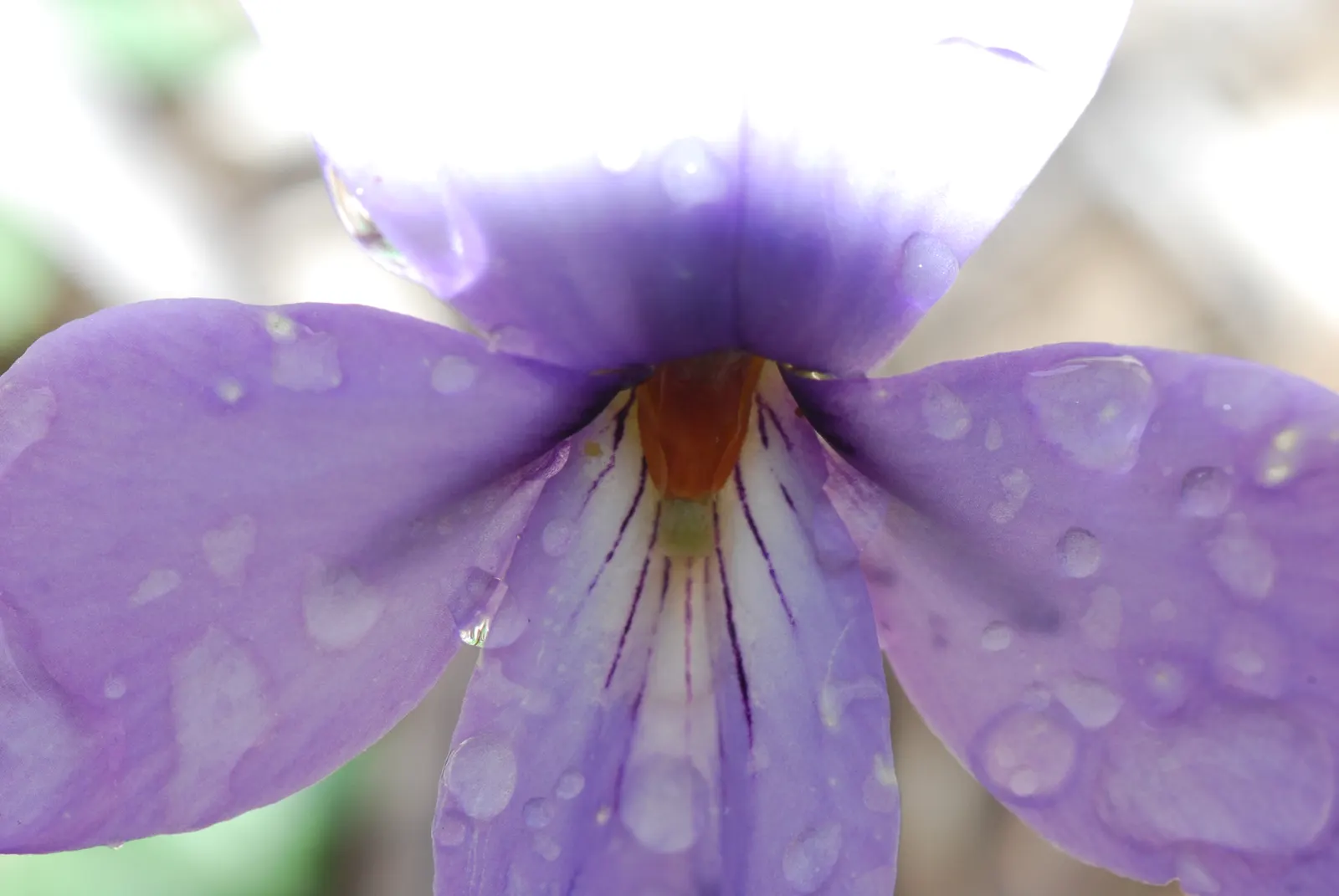
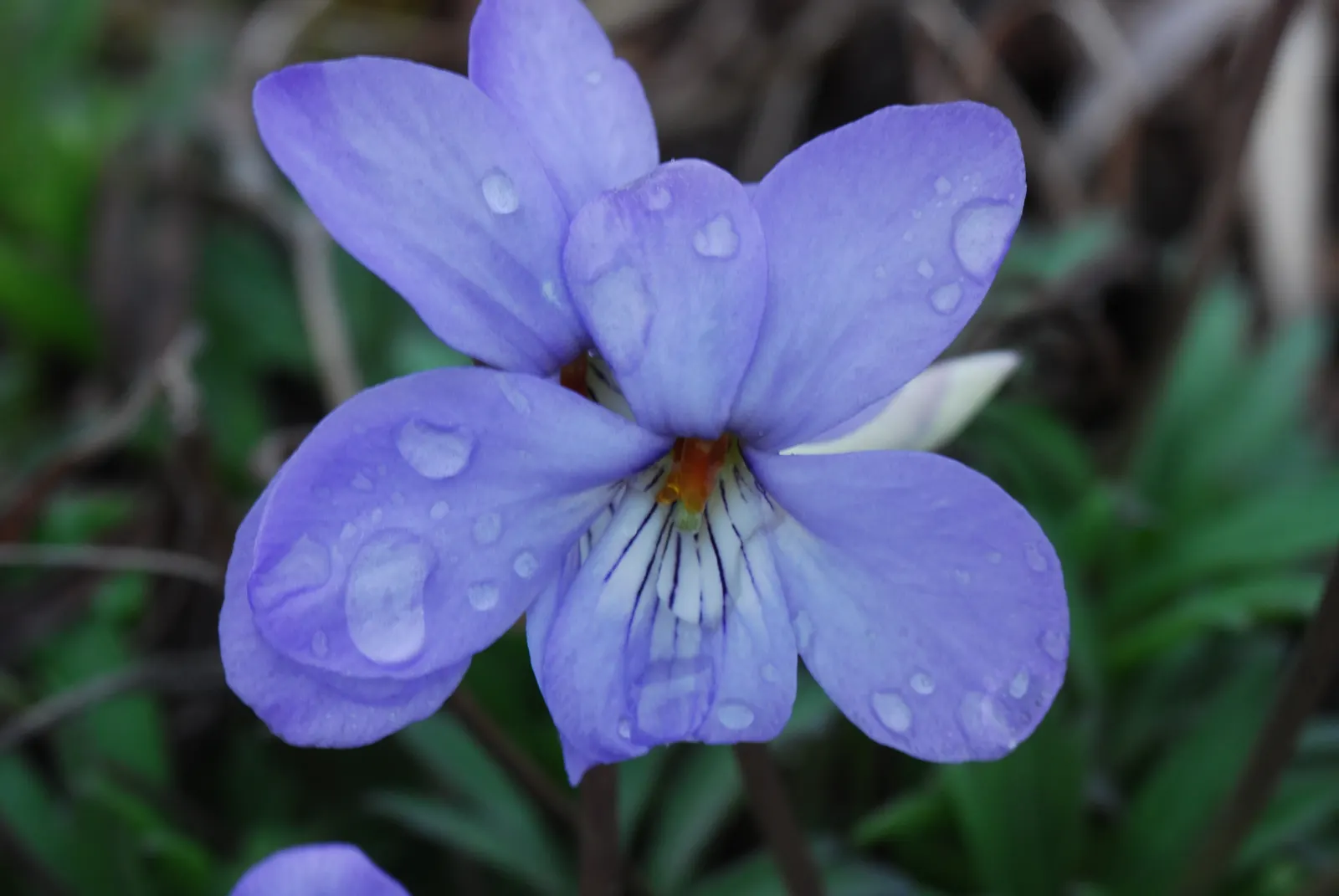
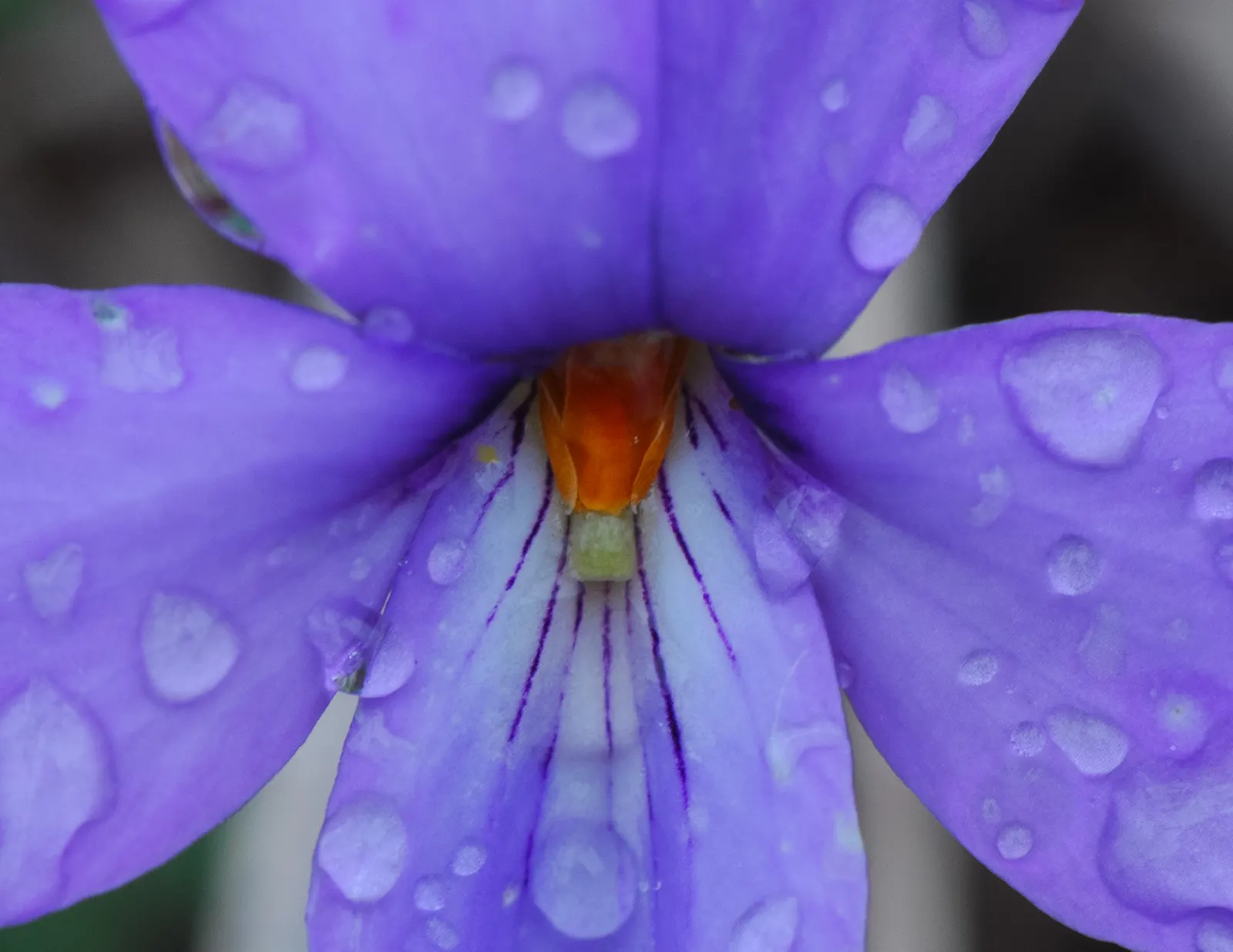
The Bird's Foot Violet, Viola pedata, is a charming perennial, notable for its distinctive, deeply lobed leaves resembling a bird’s foot. Flourishing in well-drained, sandy soils, this native prefers full to partial sun, reaching a modest height of 3-6 inches. In spring, it boasts vibrant, bicolor purple and white flowers that attract butterflies. This drought-tolerant species adds unique texture and color to rock gardens and naturalized areas.

Sun Half, ShadeWater MediumZones 6–10Climate Temperate
Bird's Foot Violet (Viola Pedata) — this native prefers full to partial sun

Culture

Sun
Half, Shade
Water
Medium
USDA zones
6–10

Shape & size

Mature height
4–6 Inches
Mature width
4–6 Inches

Classification

Family
Violaceae
Climate
Temperate

See full data, regional cultivation notes, full-resolution photos, and design tools. Build a client presentation around this plant.

Start your 14-day trial

Photos (80)

Bird's Foot Violet (Viola Pedata) — Viola pedata thrives in full sun but can also tolerate light shade; flourishing in well-drained
Bird's Foot Violet (Viola Pedata) — It is a hardy plant, suitable for USDA hardiness zones 4-9; the leaves form a low-growing
Bird's Foot Violet (Viola Pedata) — This species is somewhat drought-resistant once established; nodding effect in the breeze.<br><br>Preferring well-drained
Bird's Foot Violet (Viola Pedata) — making it a good choice for rock gardens; it pairs well with early spring bulbs and other native woodland species
Bird's Foot Violet (Viola Pedata) — rocky soils.<br><br>For an effective landscape design; notable for its distinctive
Bird's Foot Violet (Viola Pedata) — Regular deadheading of spent blossoms can encourage a longer blooming period; ground cover / perennial with blue and purple
Bird's Foot Violet (Viola Pedata) — ensuring that this plant remains a focal point of the landscape well into the late spring; in spring, it boasts vibrant
Bird's Foot Violet (Viola Pedata) — blue and purple flowers in the garden; typically from April to June
Bird's Foot Violet (Viola Pedata) — offering a delicate texture and a pop of vibrant hue for your client's garden; rocky soils.<br><br>For an effective
Bird's Foot Violet (Viola Pedata) — It pairs well with early spring bulbs and other native woodland species; often with contrasting orange centers that attract
Bird's Foot Violet (Viola Pedata) — ground cover / perennial with blue and purple blooms; this species is somewhat drought-resistant once established
Bird's Foot Violet (Viola Pedata) — deeply lobed leaves resembling a bird‚Äôs foot; compact basal rosette reaching about 3-6 inches in height, image 62
Bird's Foot Violet (Viola Pedata) — Flourishing in well-drained; viola pedata thrives in full sun but can also tolerate light shade, image 63
Bird's Foot Violet (Viola Pedata) — ground cover / perennial for half or shade; ensuring that this plant remains a focal point of the landscape well into the
Bird's Foot Violet (Viola Pedata) — notable for its distinctive; this native prefers full to partial sun, image 61
Bird's Foot Violet (Viola Pedata) — In spring, it boasts vibrant, bicolor purple and white flowers that attract butterflies; deeply dissected, image 66
Bird's Foot Violet (Viola Pedata) — reaching a modest height of 3-6 inches; deeply lobed leaves resembling a bird‚Äôs foot, image 65
Bird's Foot Violet (Viola Pedata) — this native prefers full to partial sun; offering a delicate texture and a pop of vibrant hue for your client's, image 64
Bird's Foot Violet (Viola Pedata) — This drought-tolerant species adds unique texture and color to rock gardens and naturalized areas; the flowers, image 67
Bird's Foot Violet (Viola Pedata) — deeply dissected leaves that resemble a bird's foot; ground cover / perennial for half or shade, image 69
Bird's Foot Violet (Viola Pedata) — This charming perennial is native to the eastern United States and is celebrated for its unusual; plant the, image 68
Bird's Foot Violet (Viola Pedata) — The leaves form a low-growing; this drought-tolerant species adds unique texture and color to rock gardens and, image 70
Bird's Foot Violet (Viola Pedata) — compact basal rosette reaching about 3-6 inches in height; the Bird's Foot Violet produces striking blooms that, image 71
Bird's Foot Violet (Viola Pedata) — typically from April to June; blue and purple flowers in the garden, image 73

Related plants