Skip to content

Chinese Elm

Ulmus Parvifolia

Design with this plant

Overview

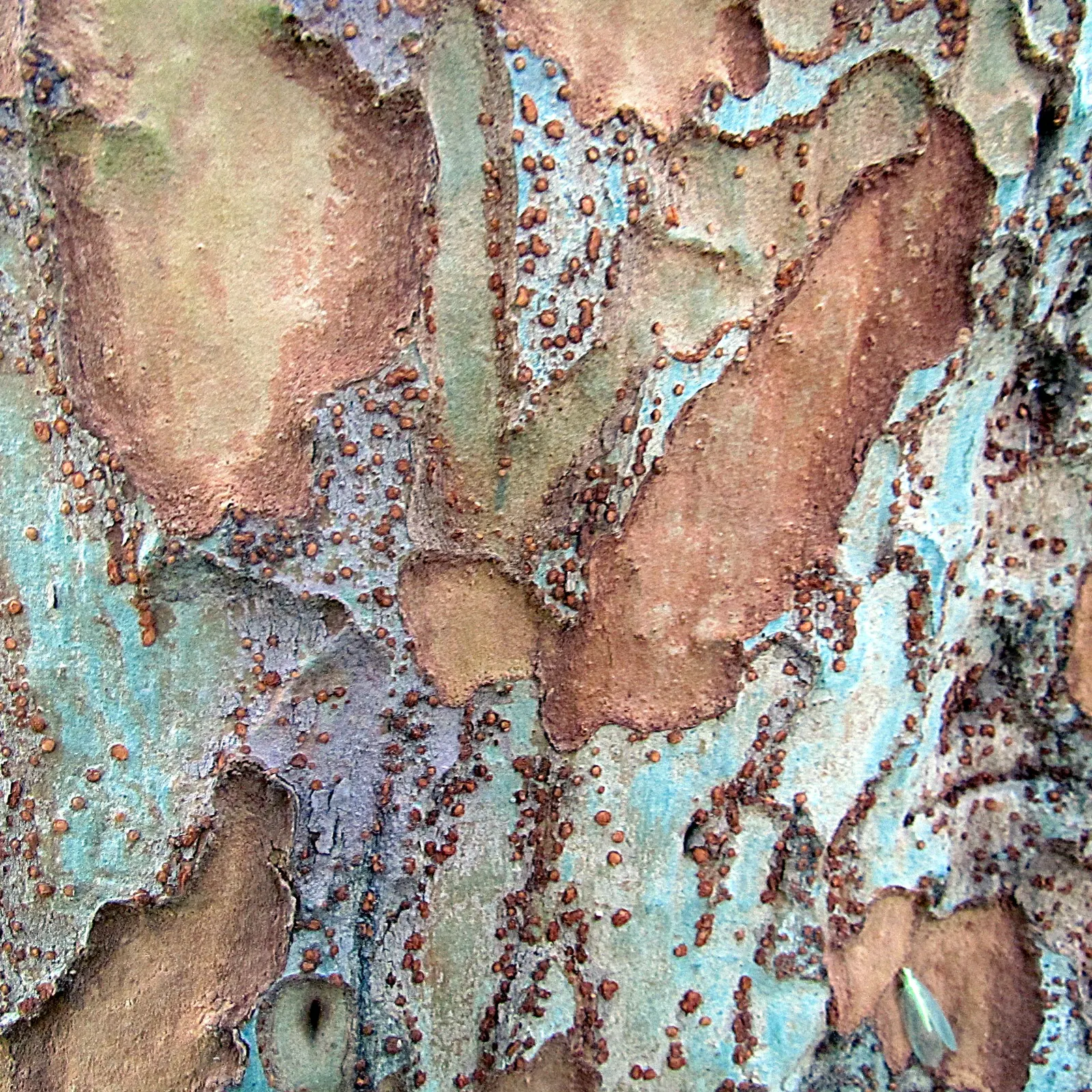
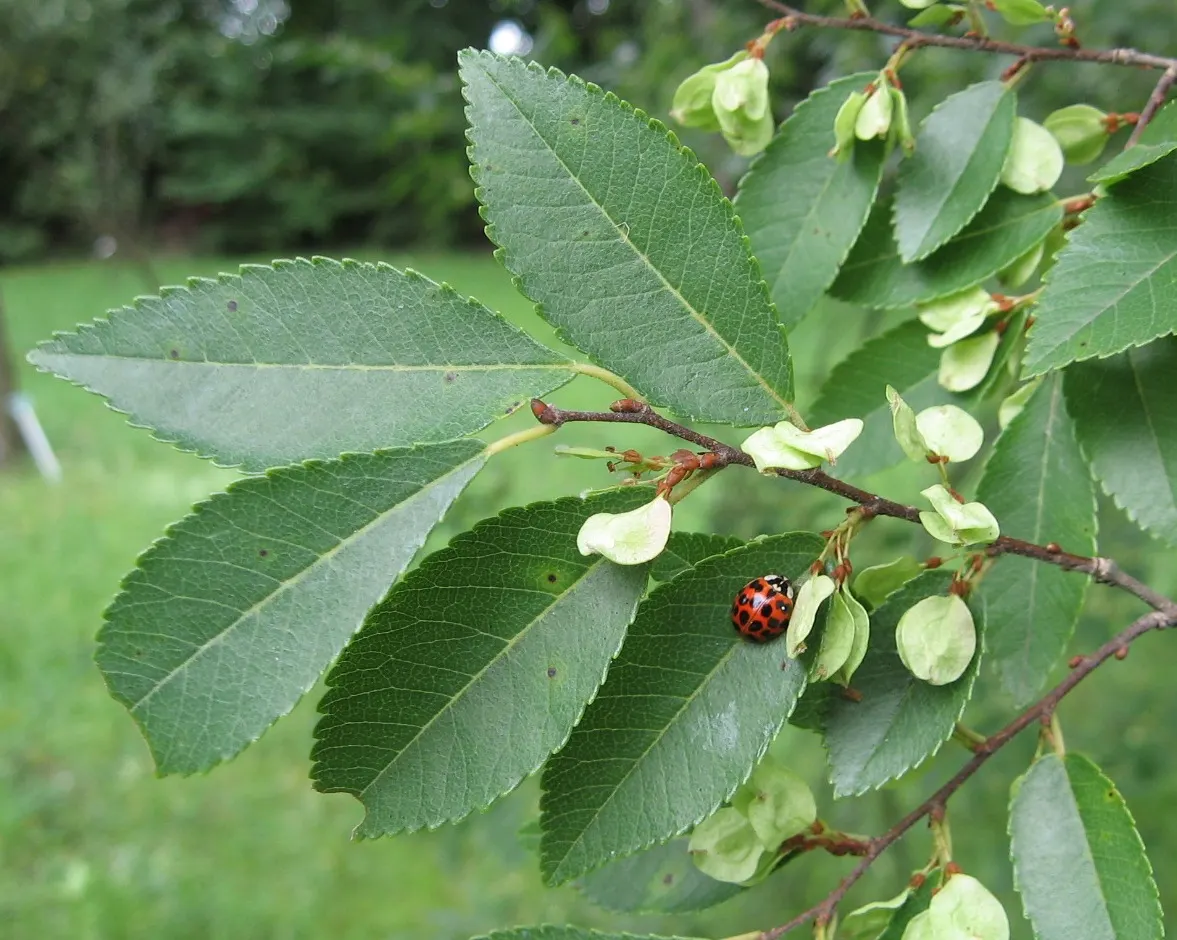
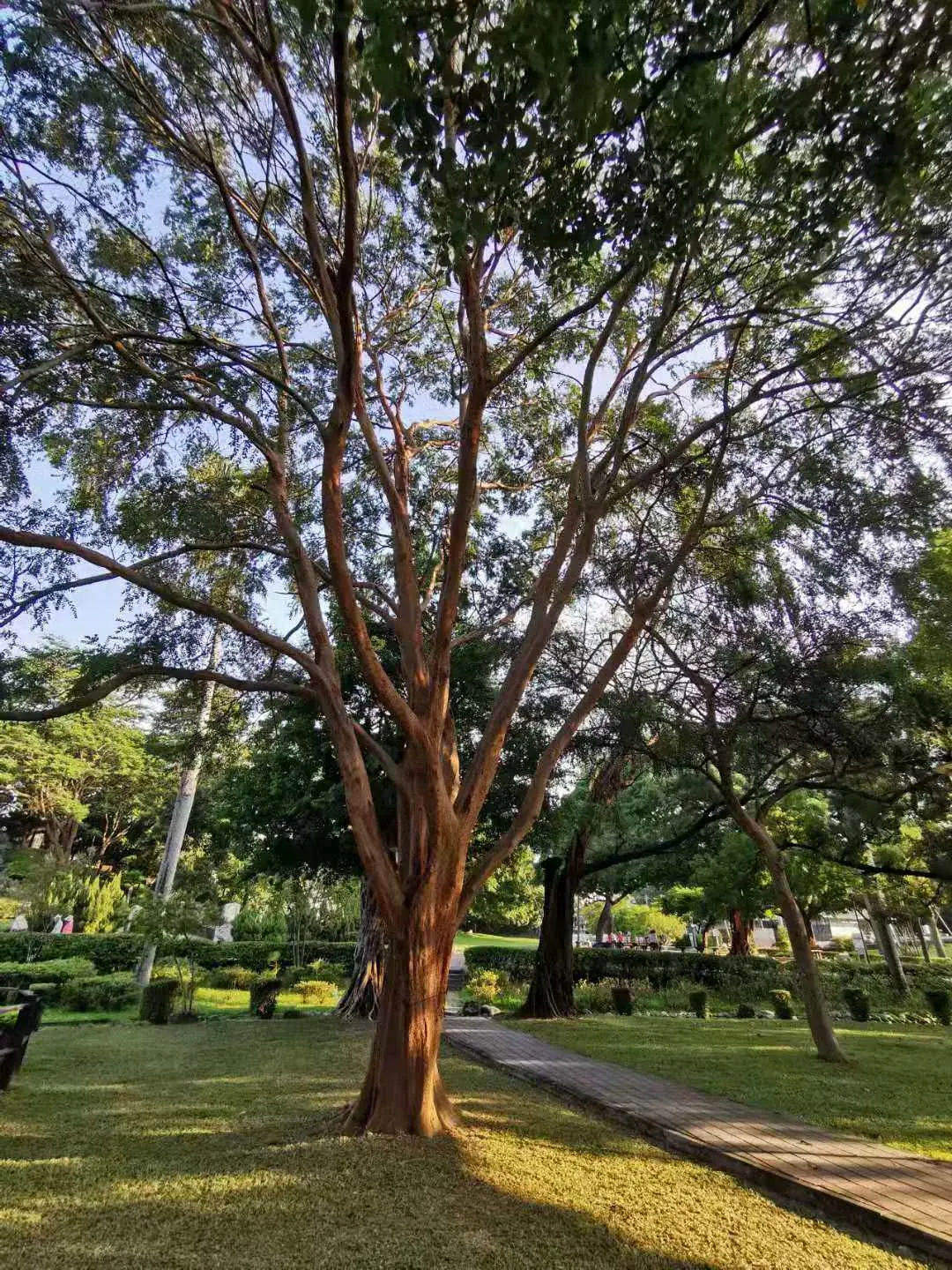
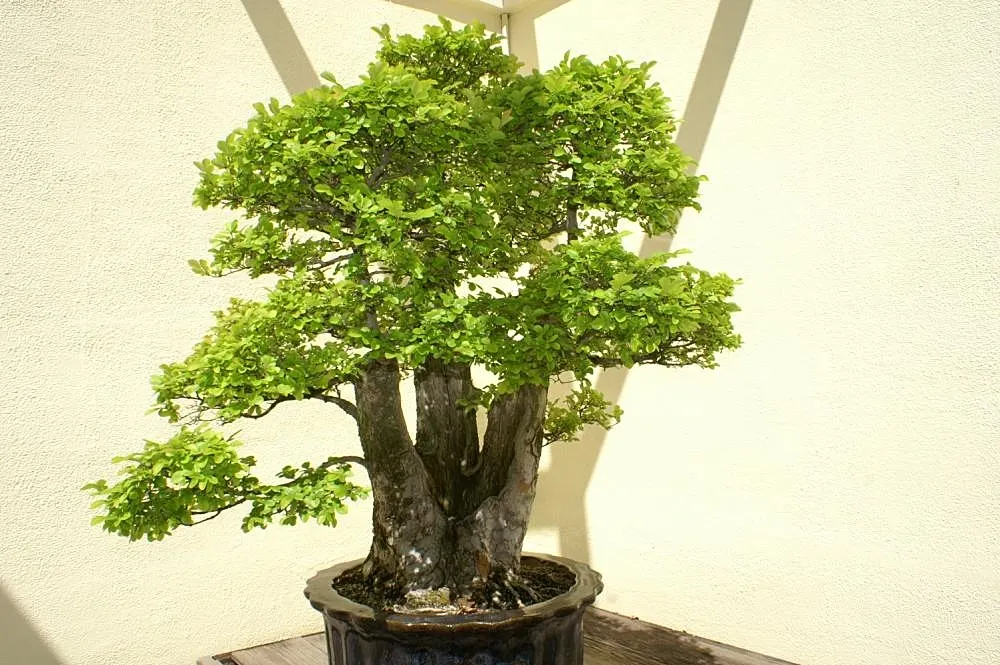
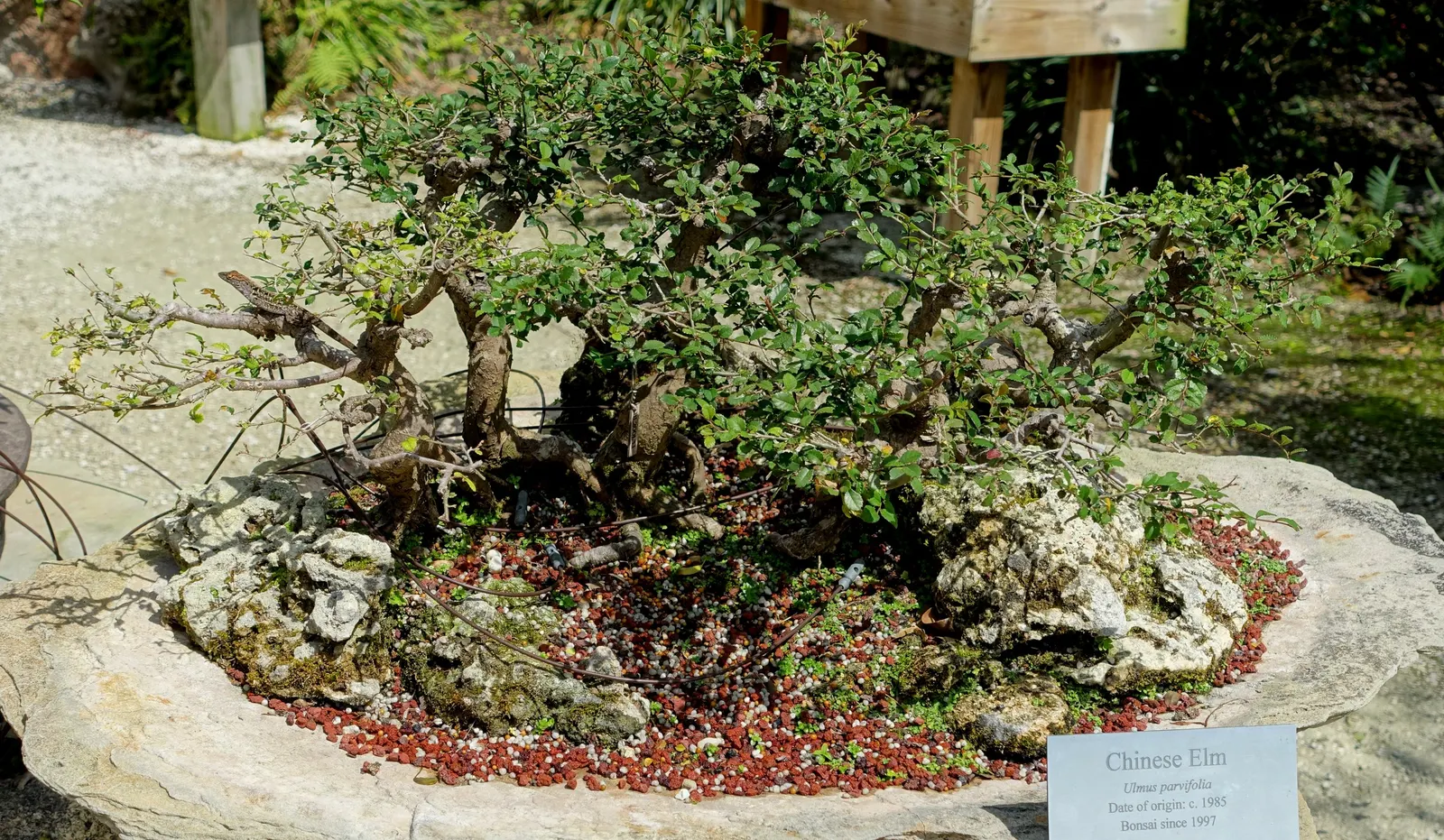
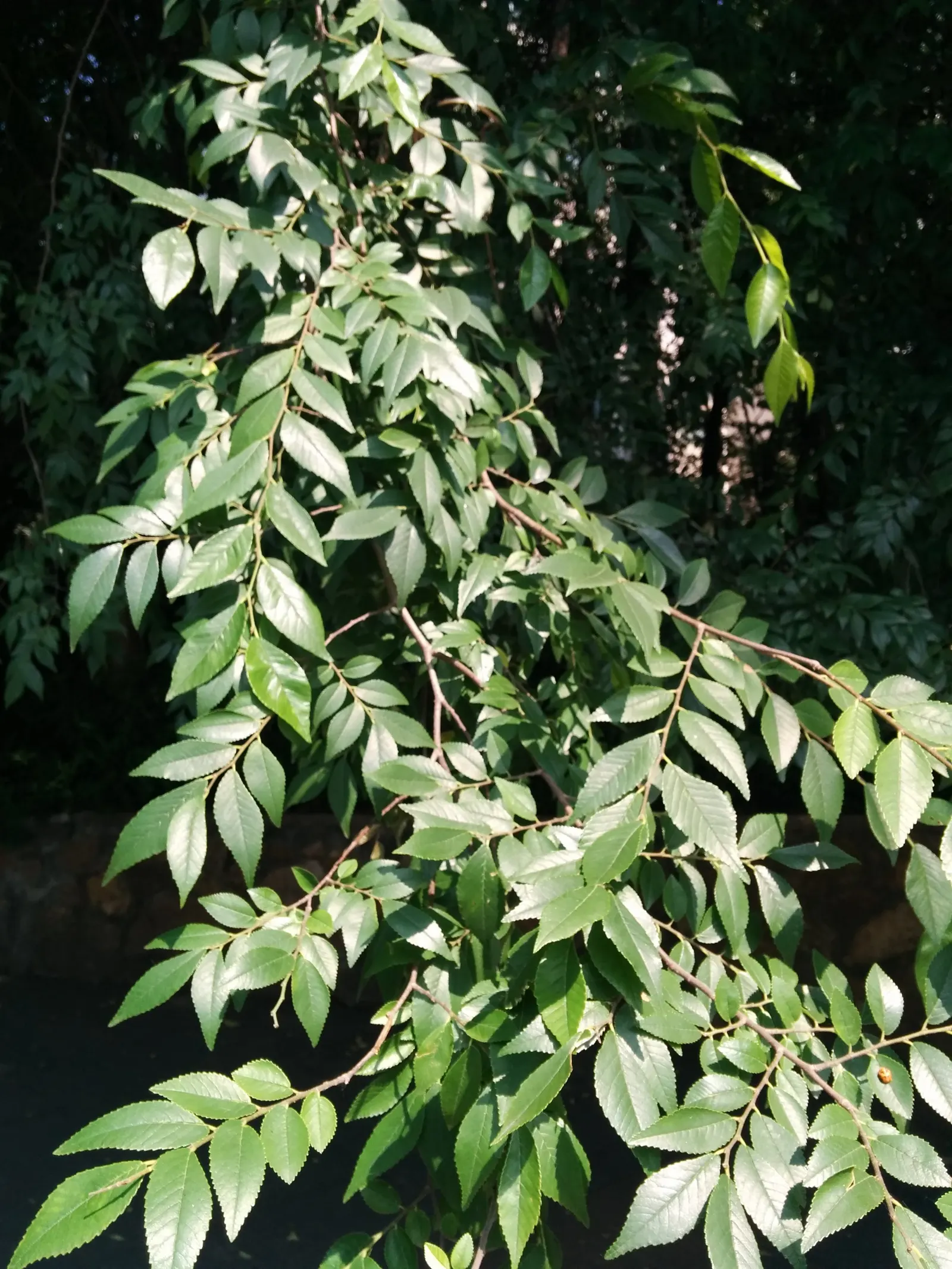
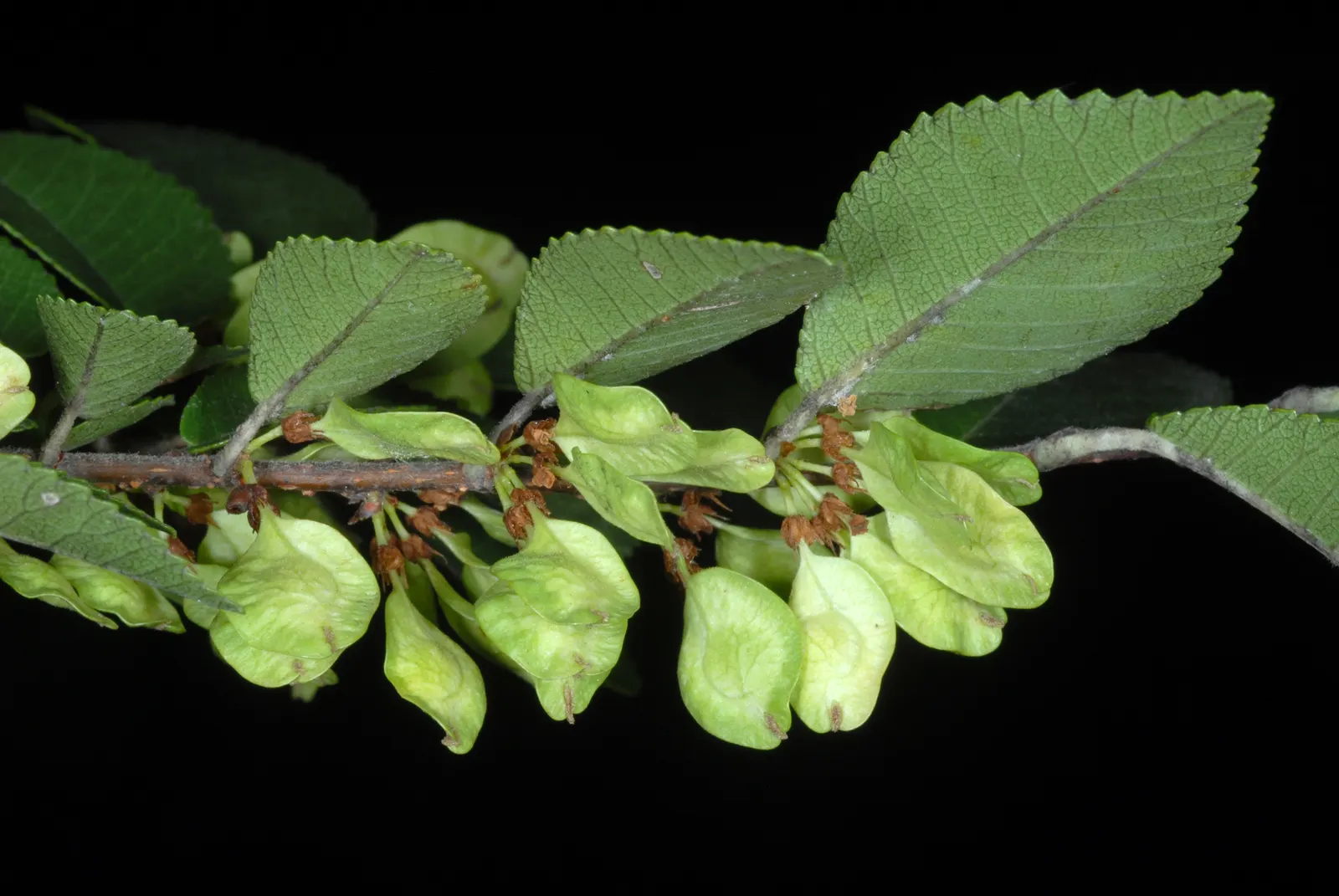
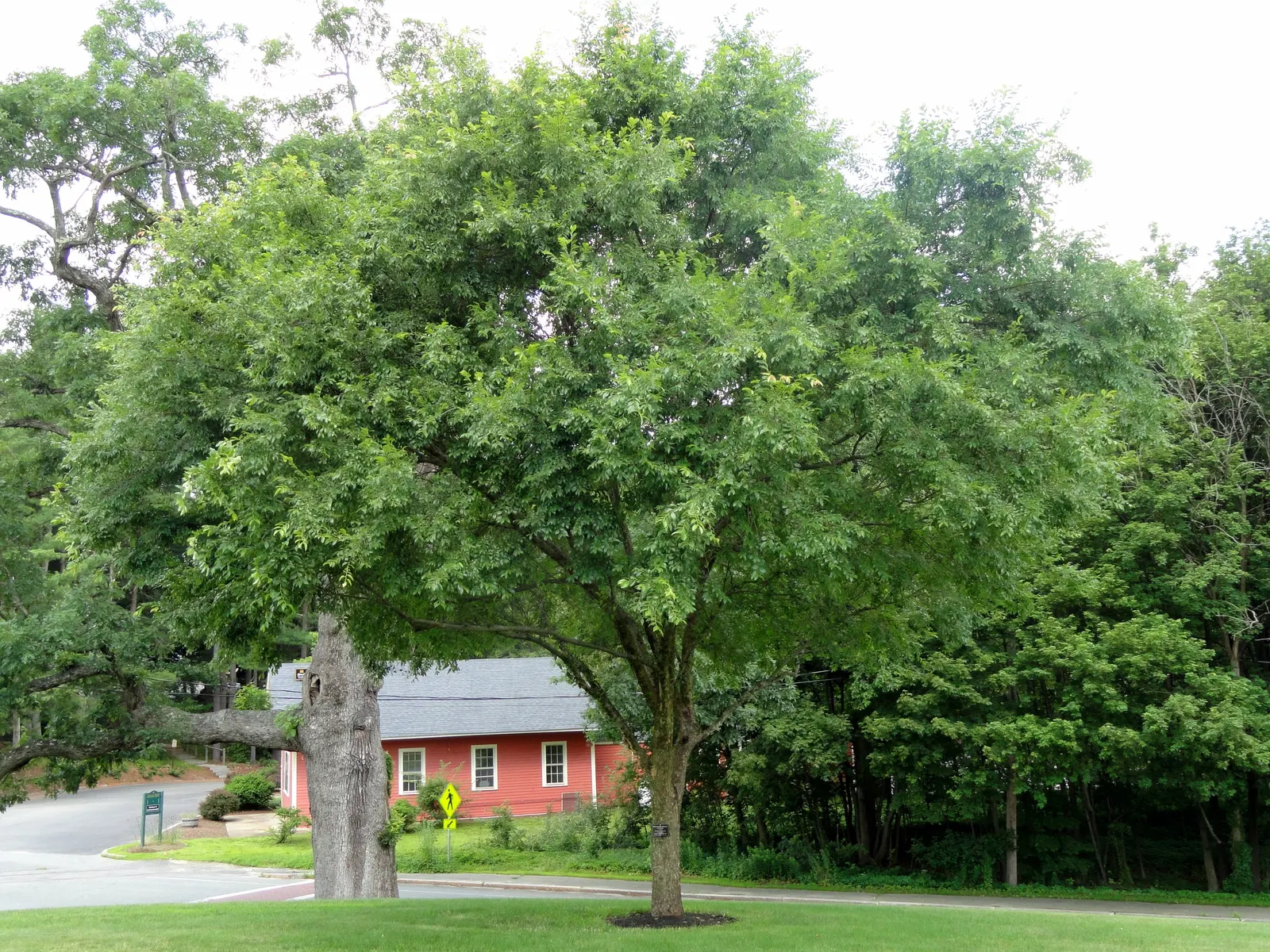
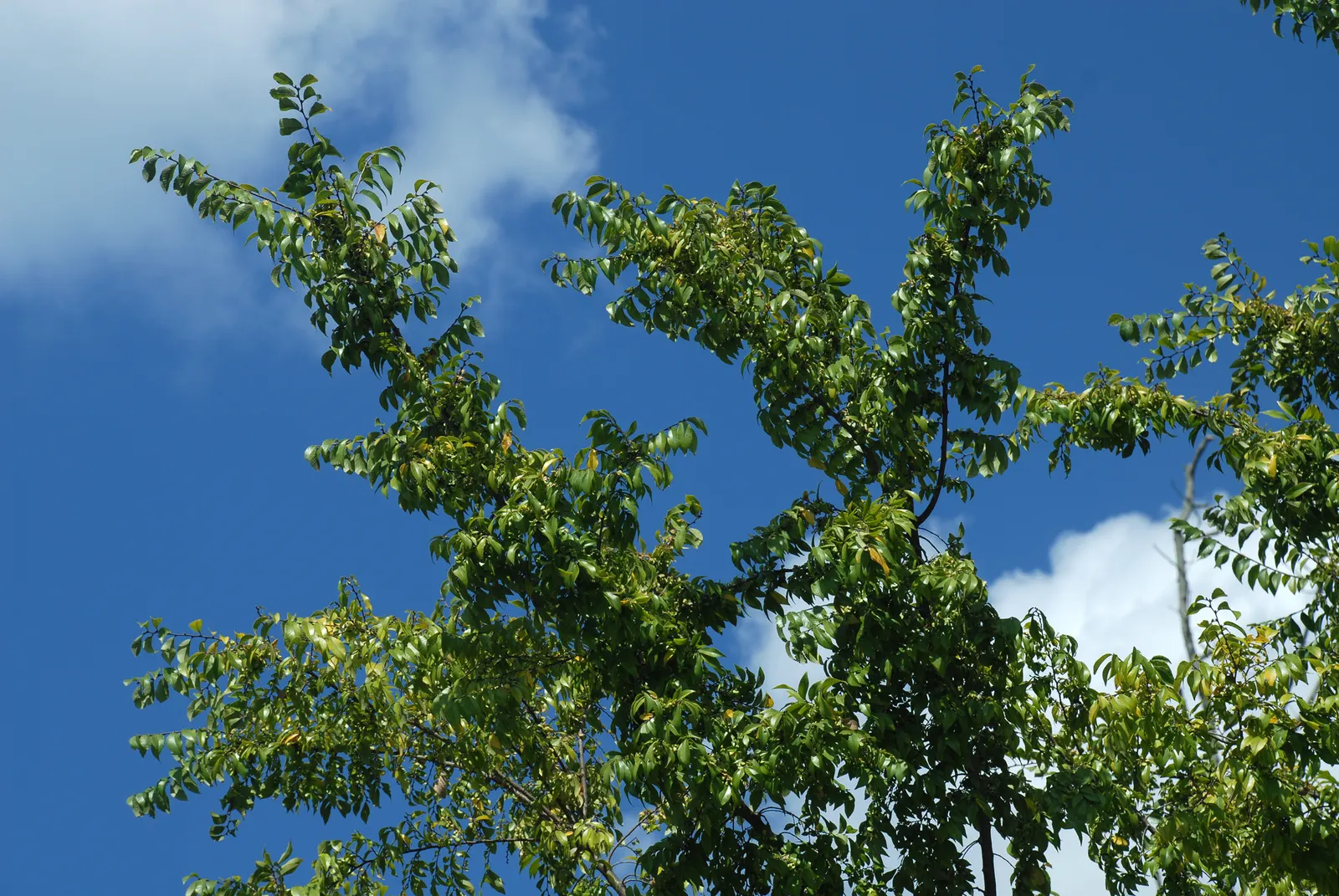
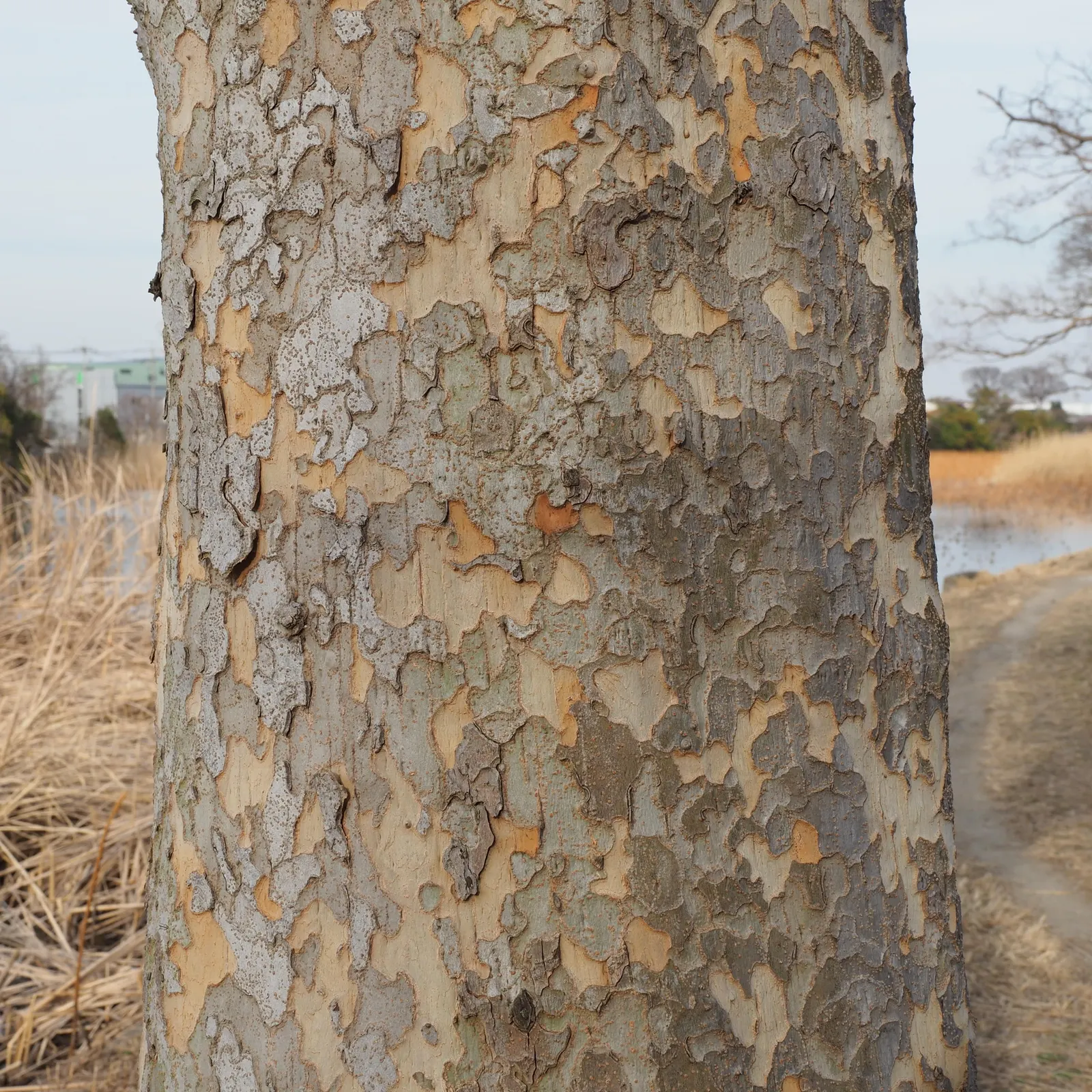
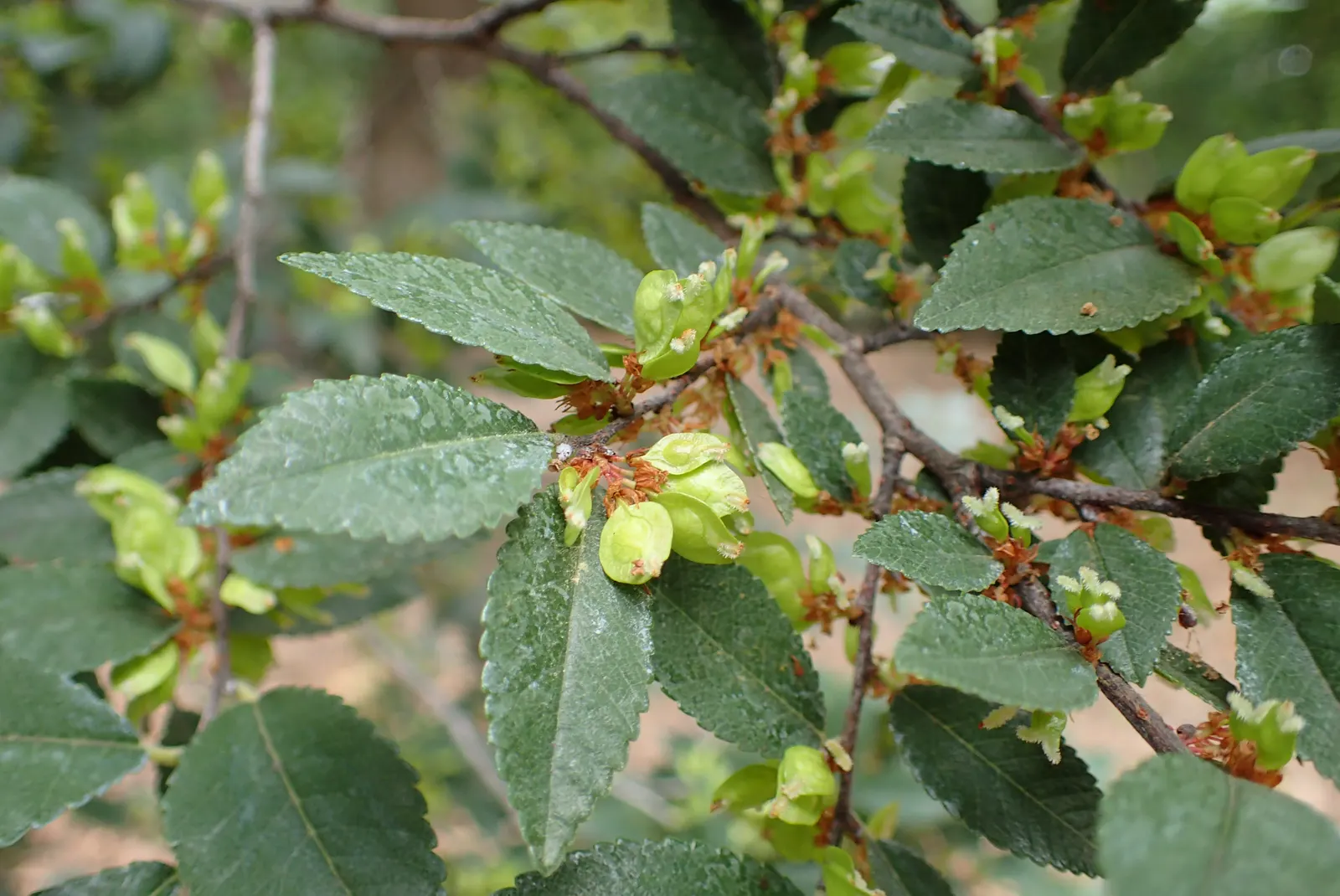
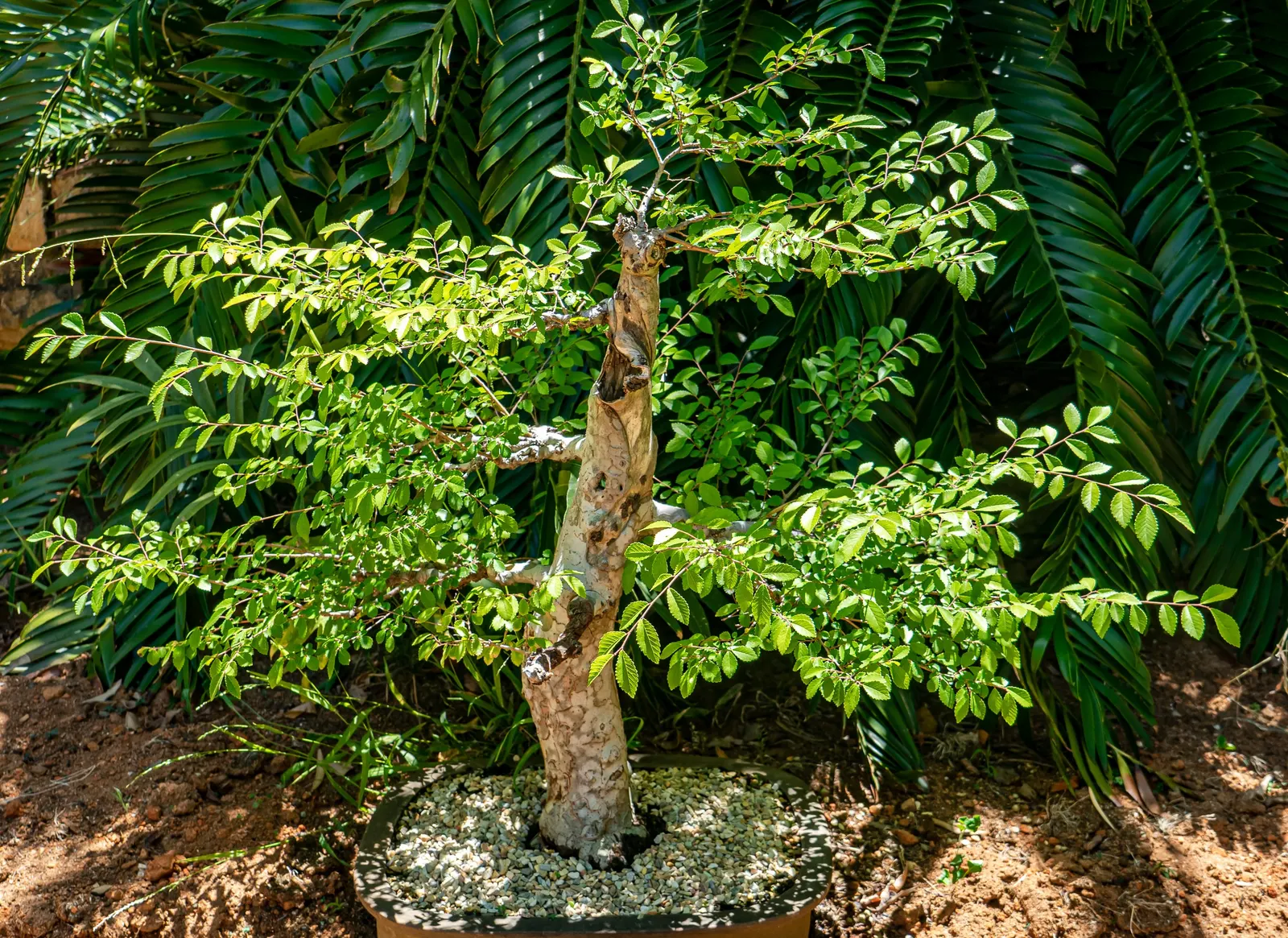
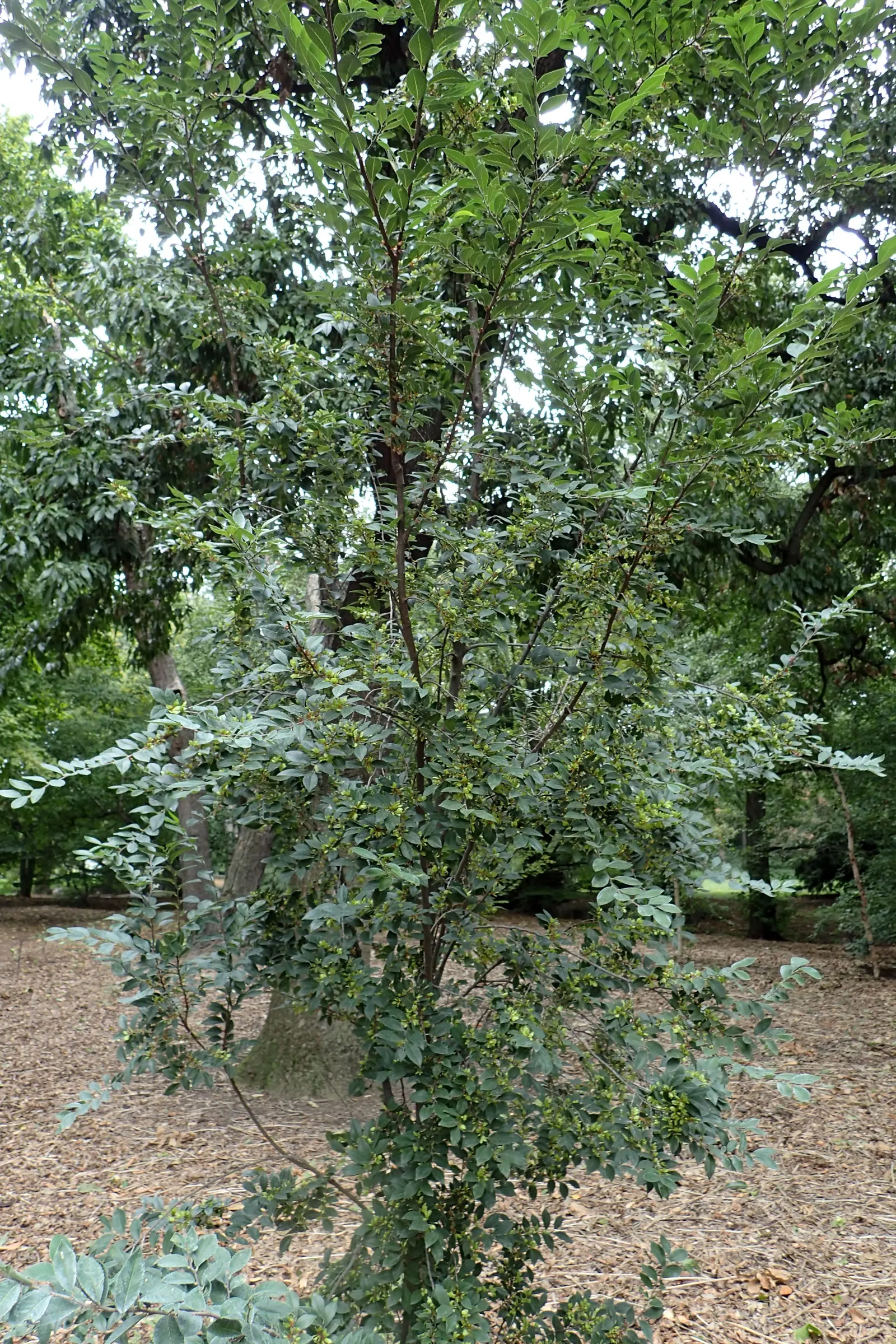
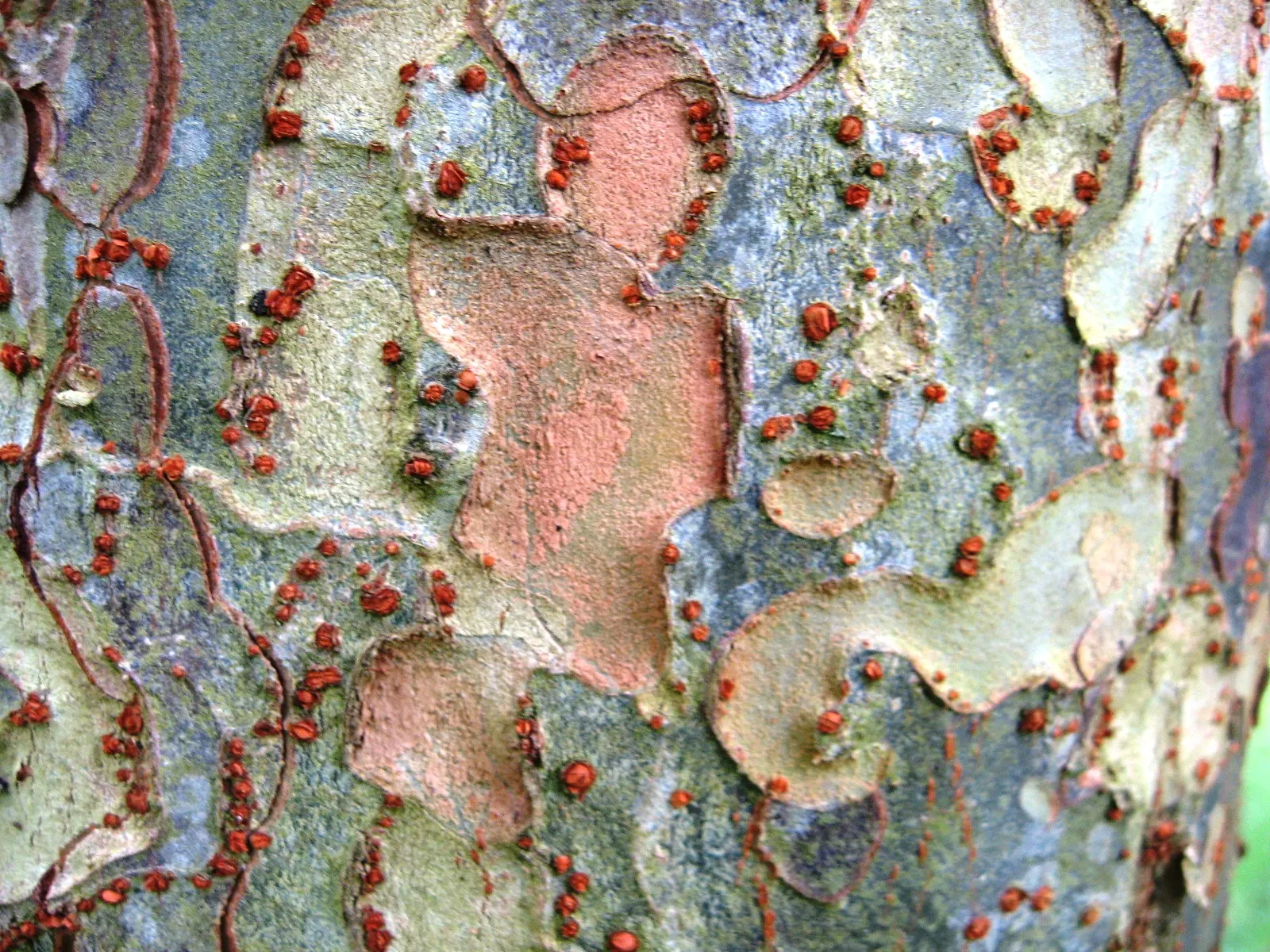
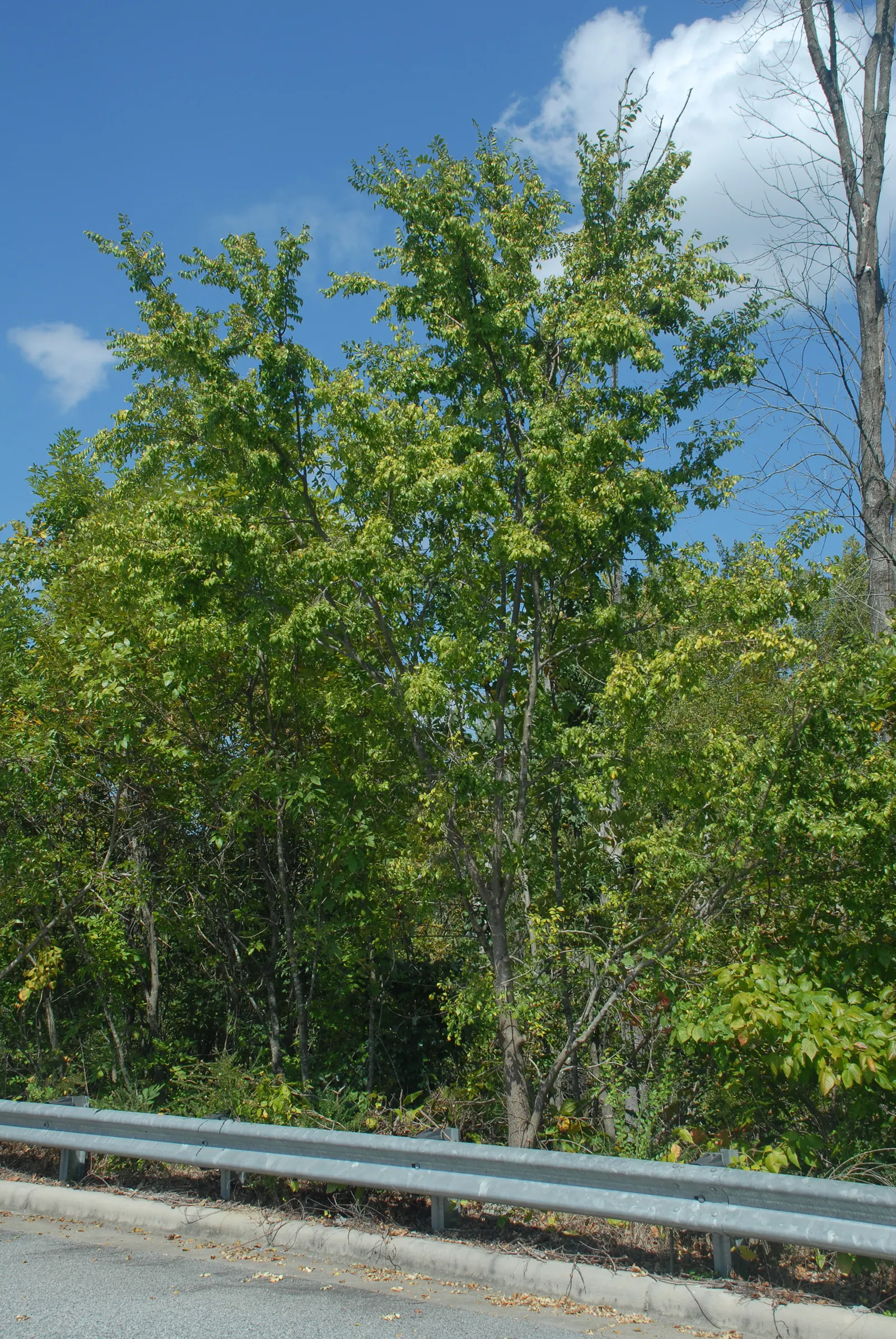
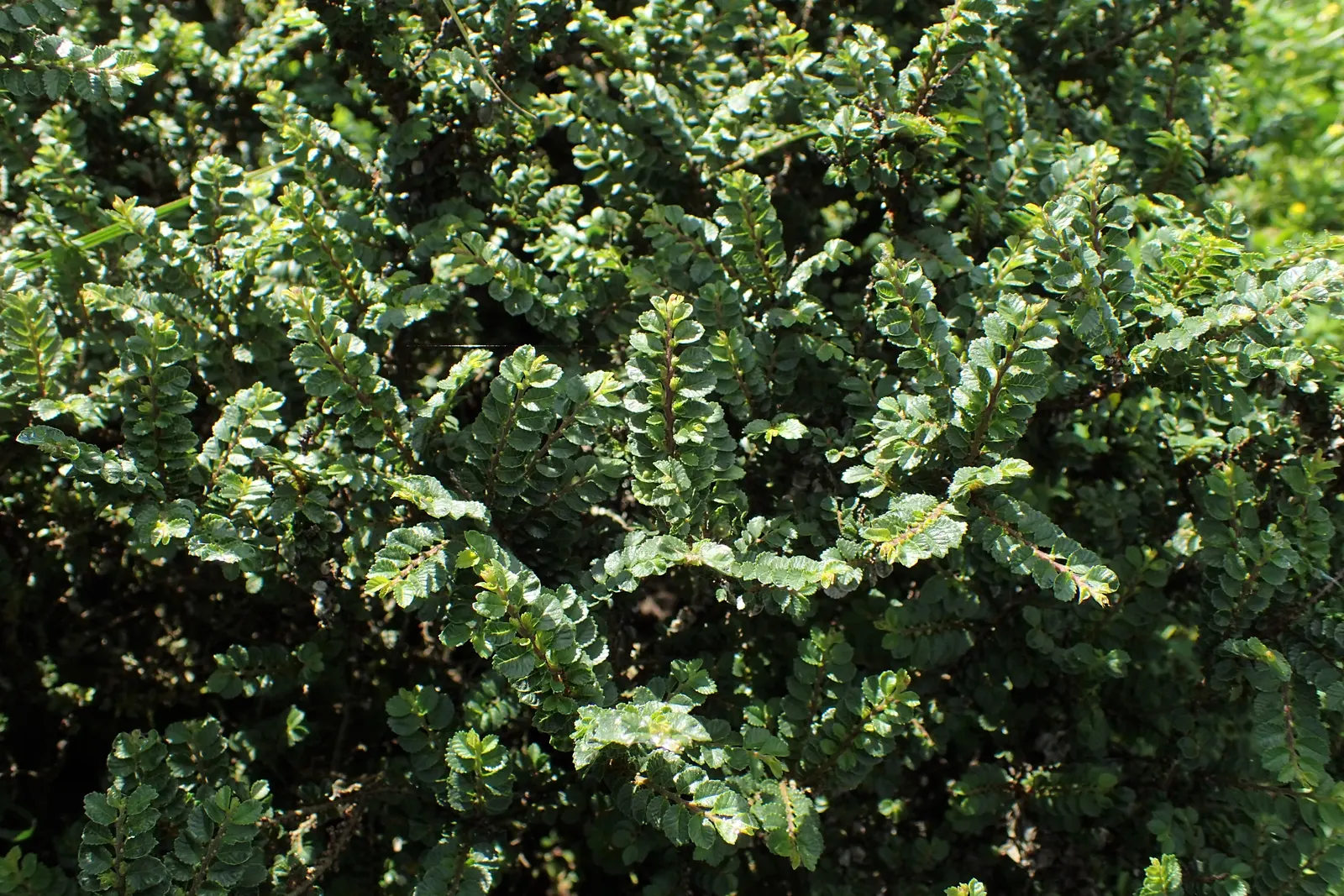
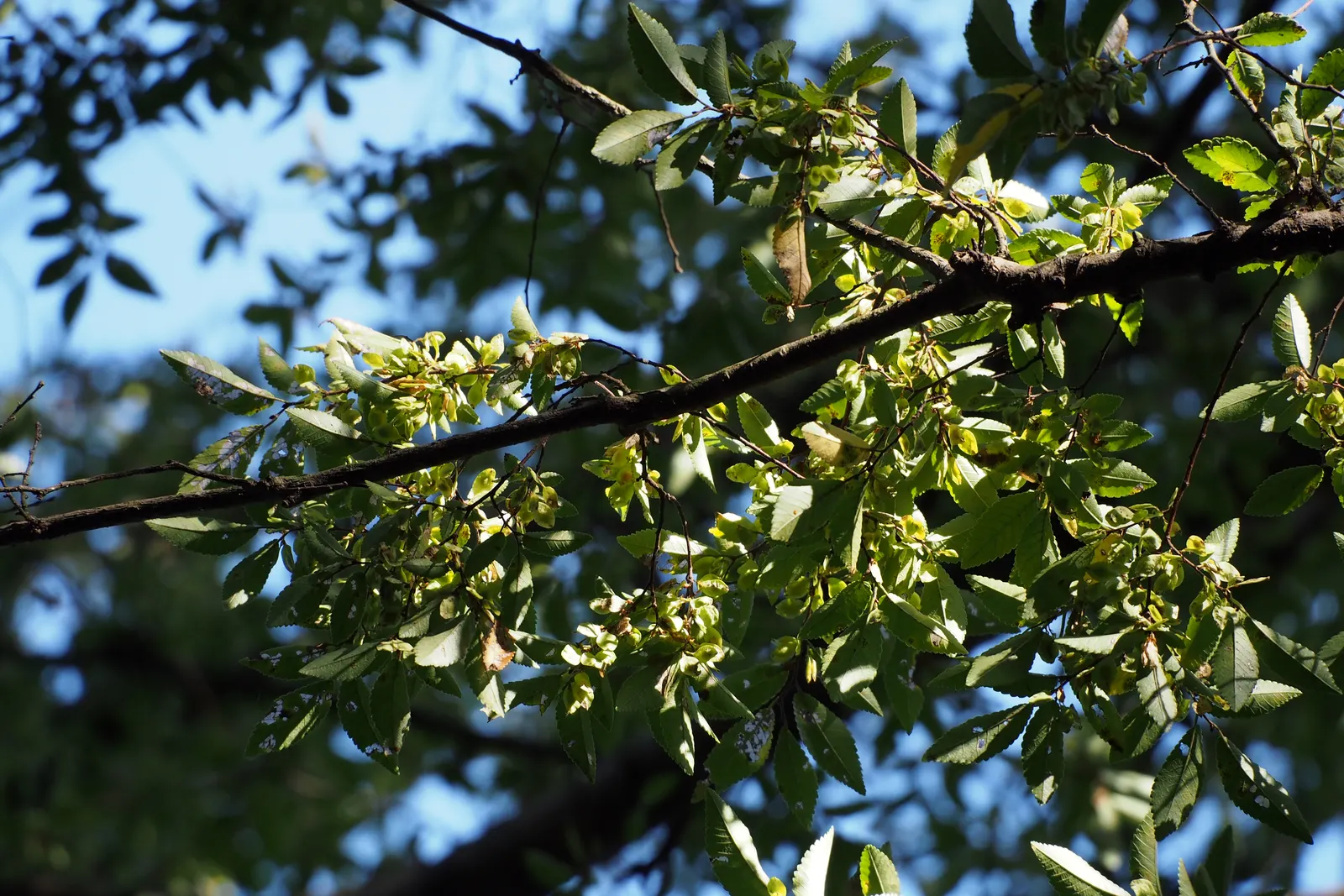
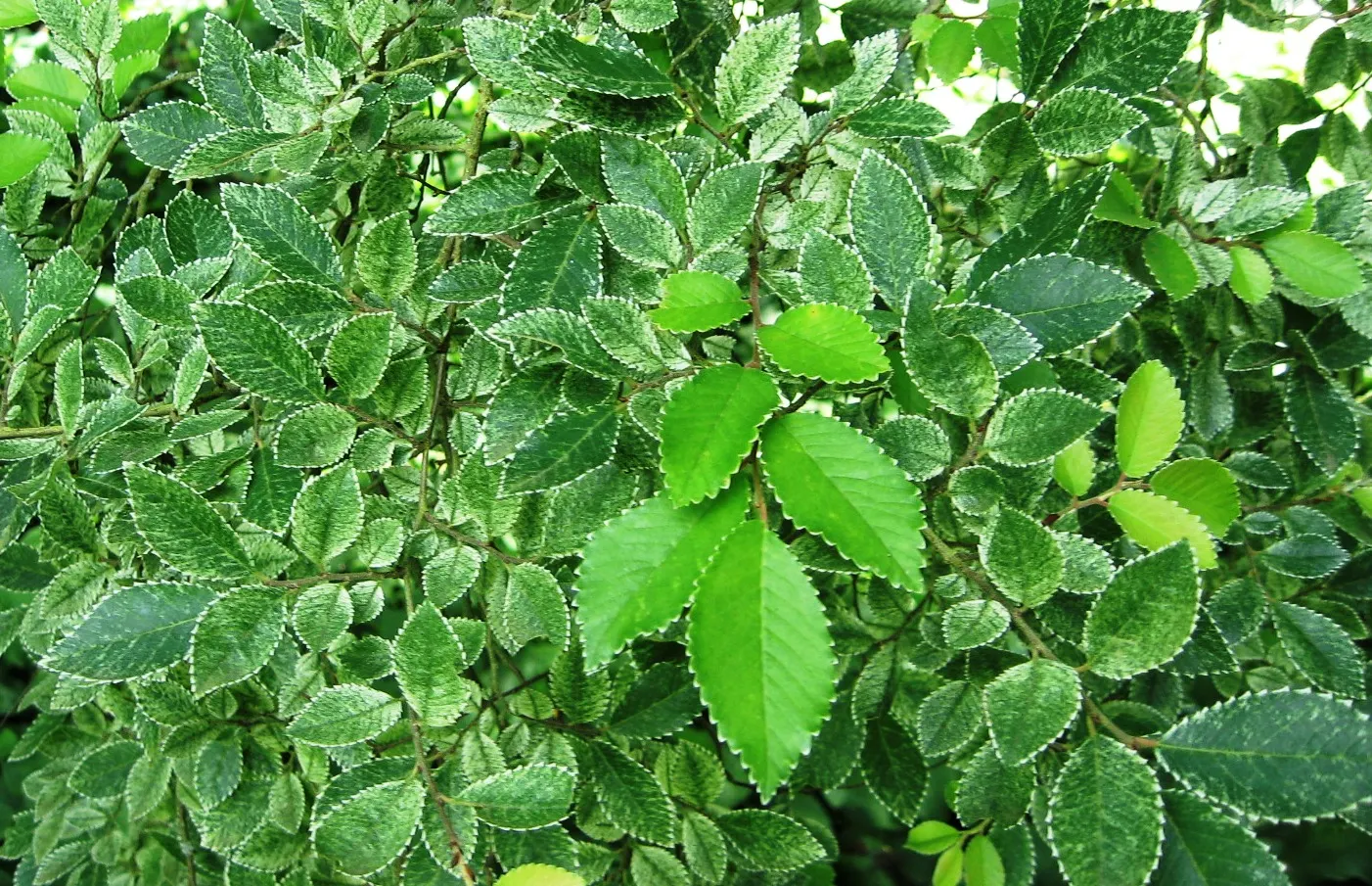
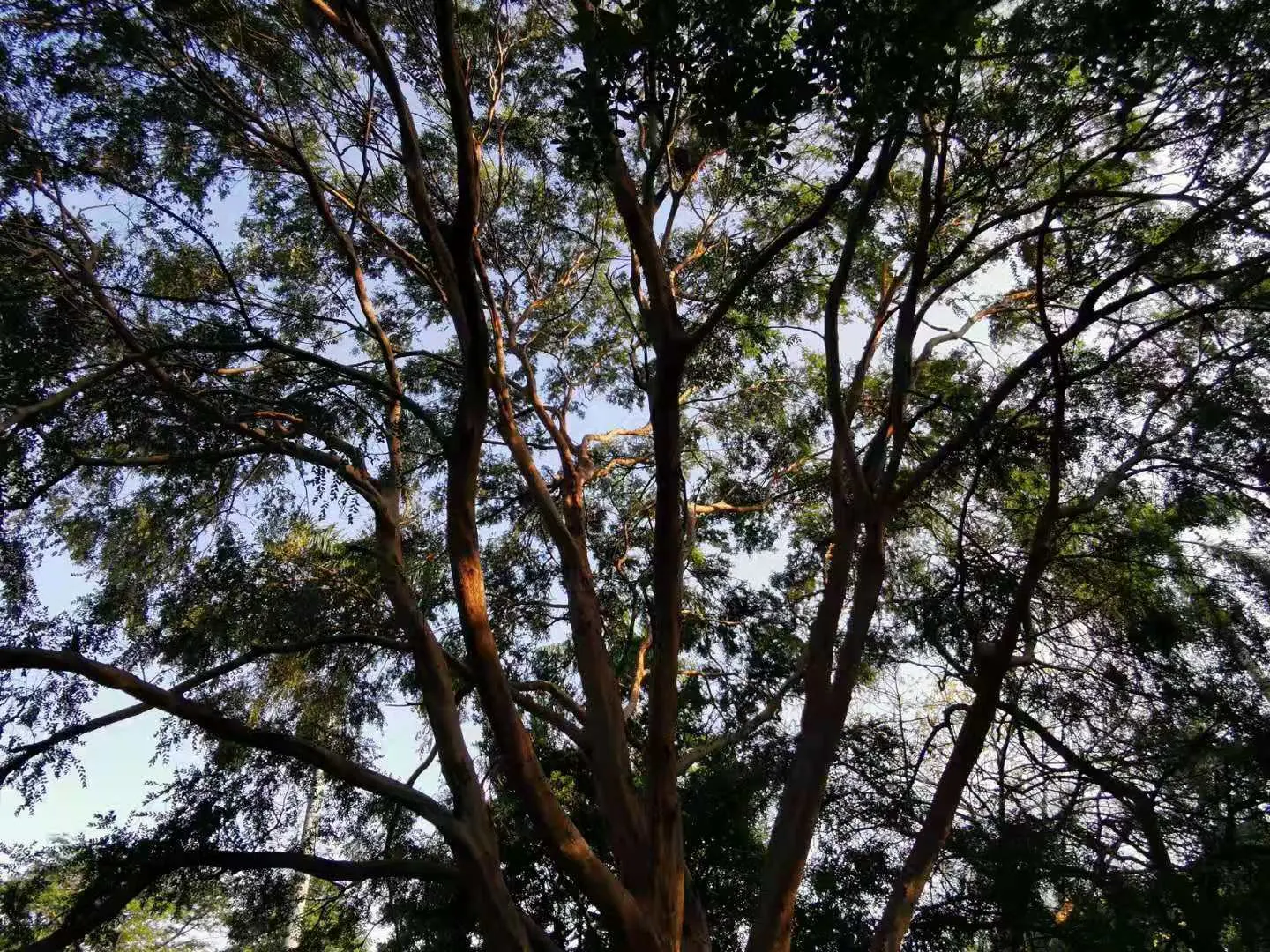
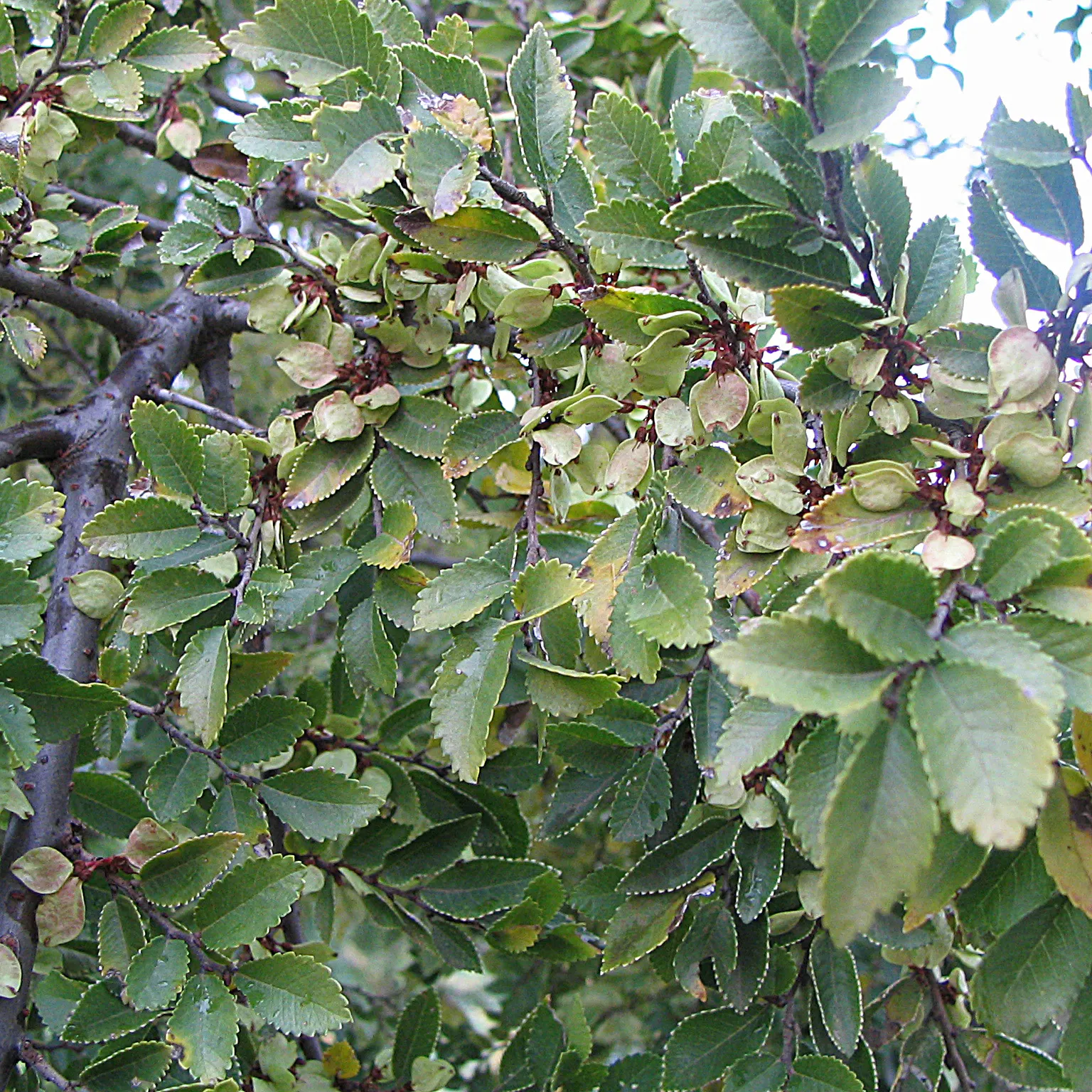
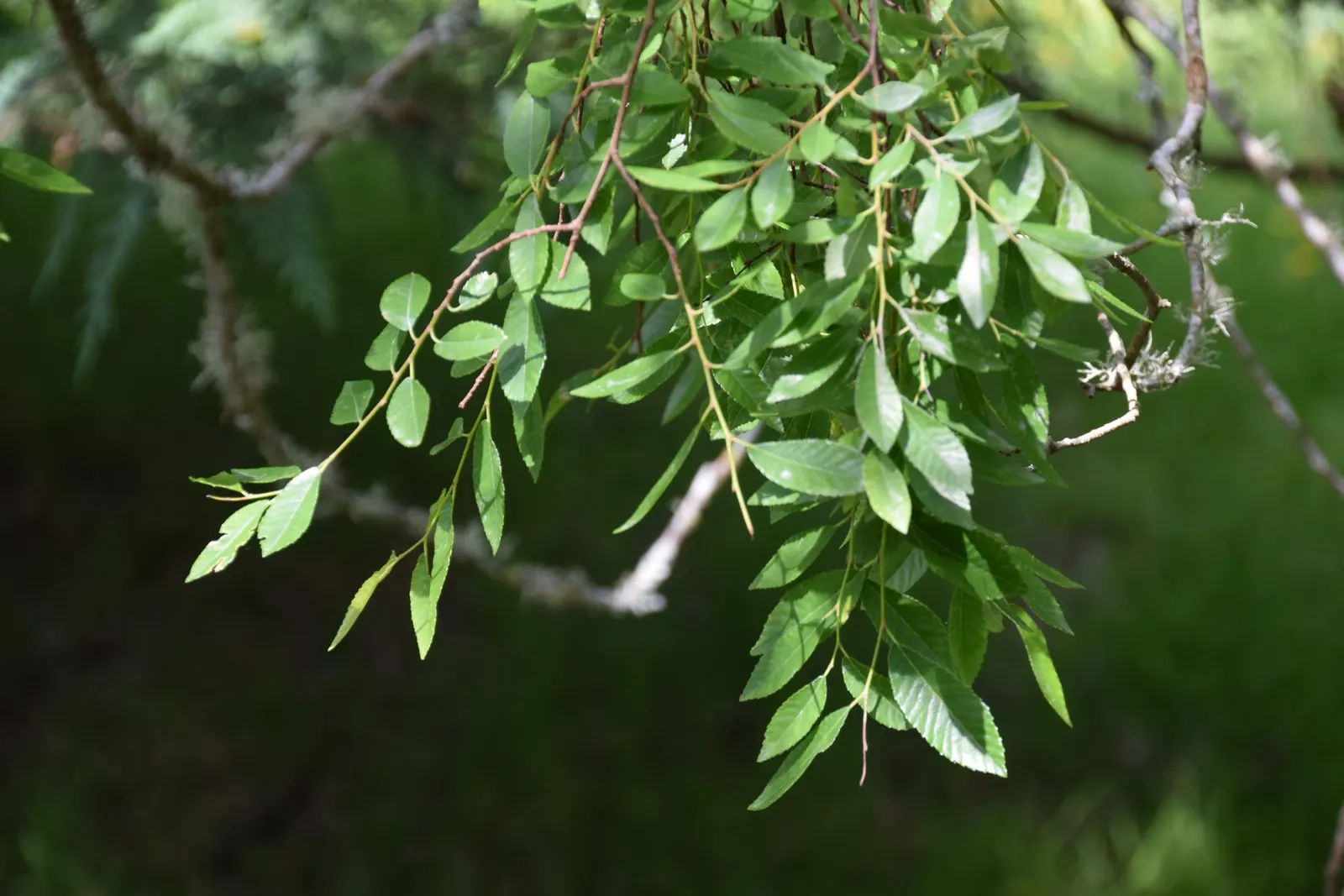
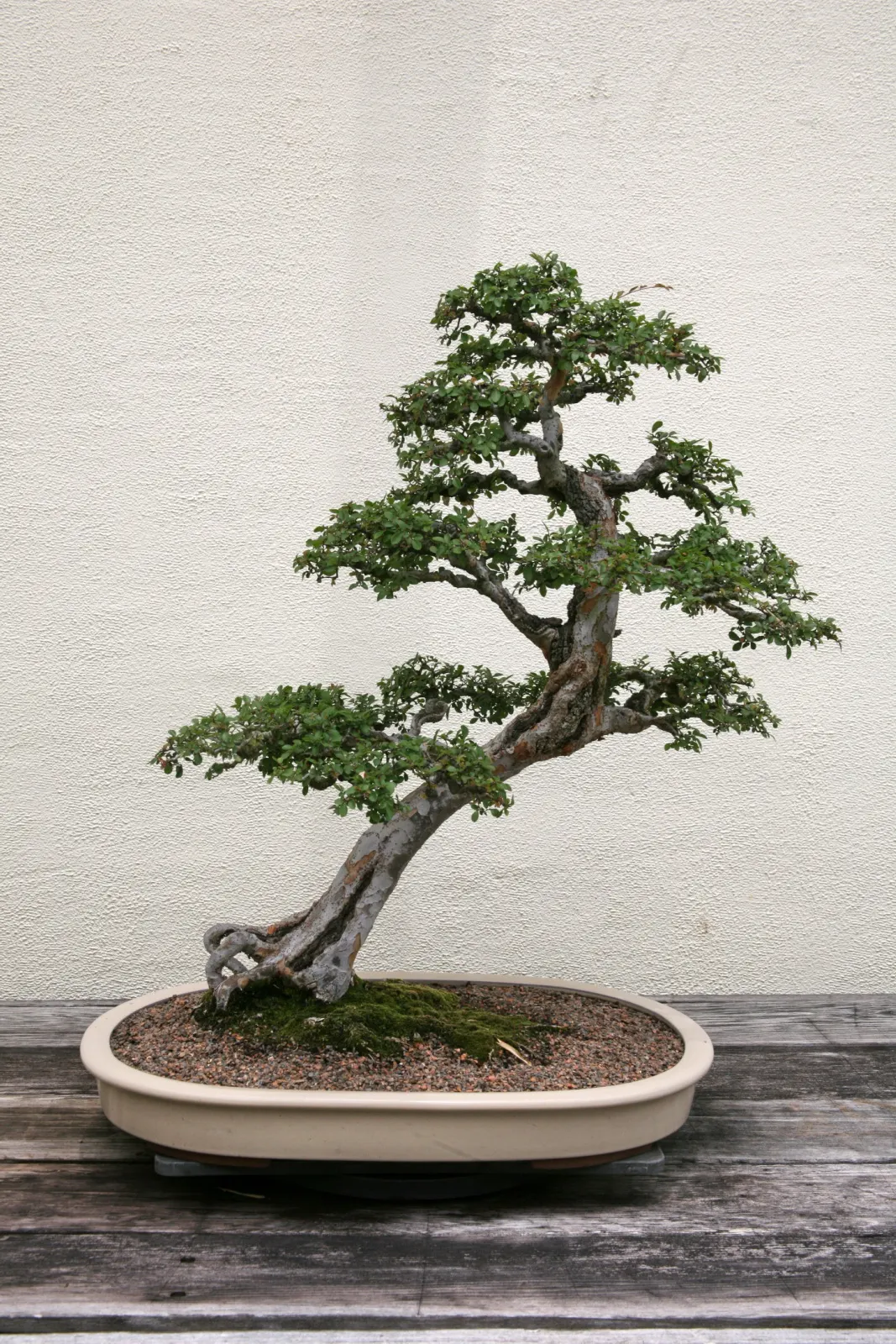
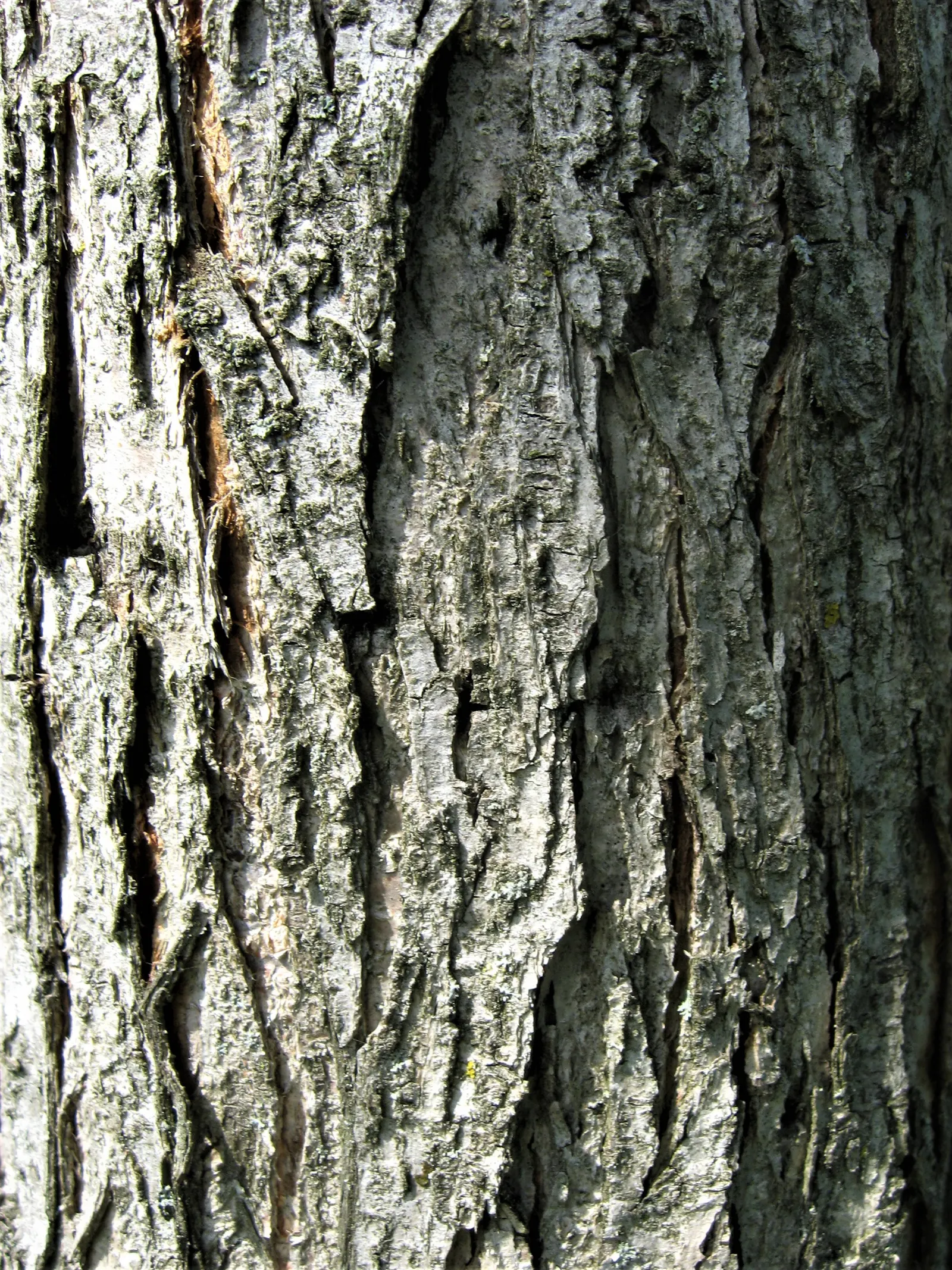
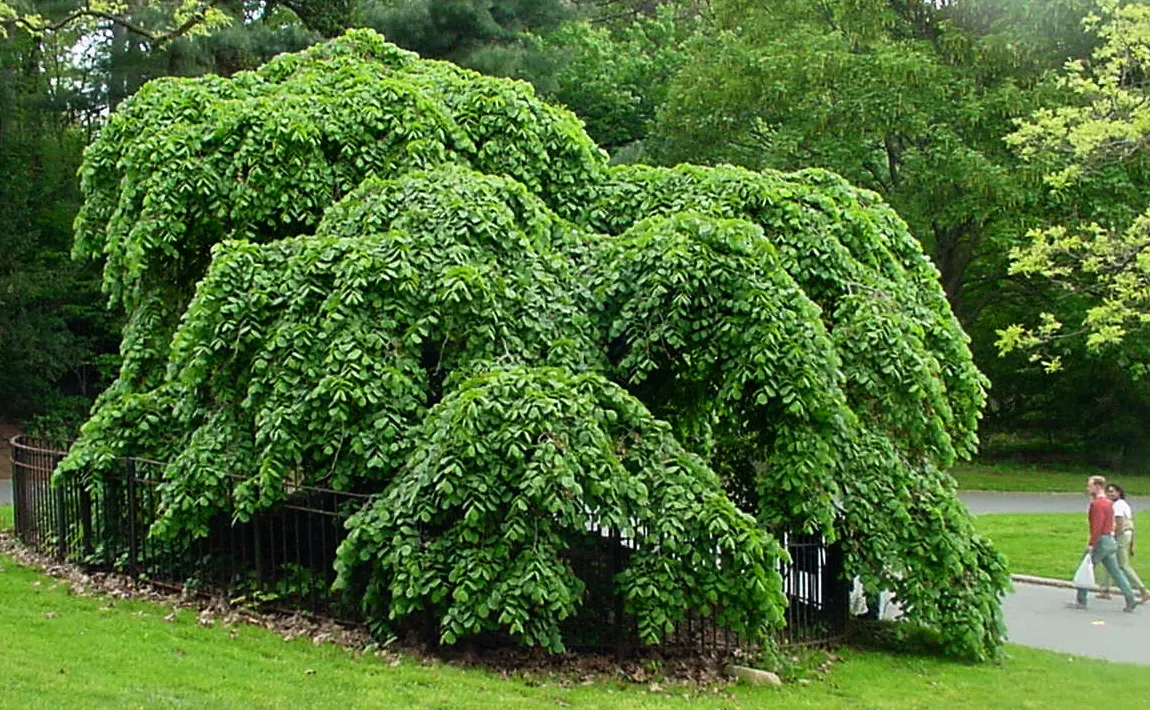
The Chinese Elm, or Ulmus parvifolia, is prized for its intricate bark and fine-textured foliage. Maturing at around 40-50 feet high with a spread of 25-40 feet, it presents a rounded canopy. Its leaves are small, under 3 inches long, and turn a delightful mix of red, purple, and yellow in fall. Hardy in zones 5-9, this drought-resistant elm is ideal for urban environments, offering year-round interest.

Sun FullWater LowZones 7–10Type TreeClimate Temperate
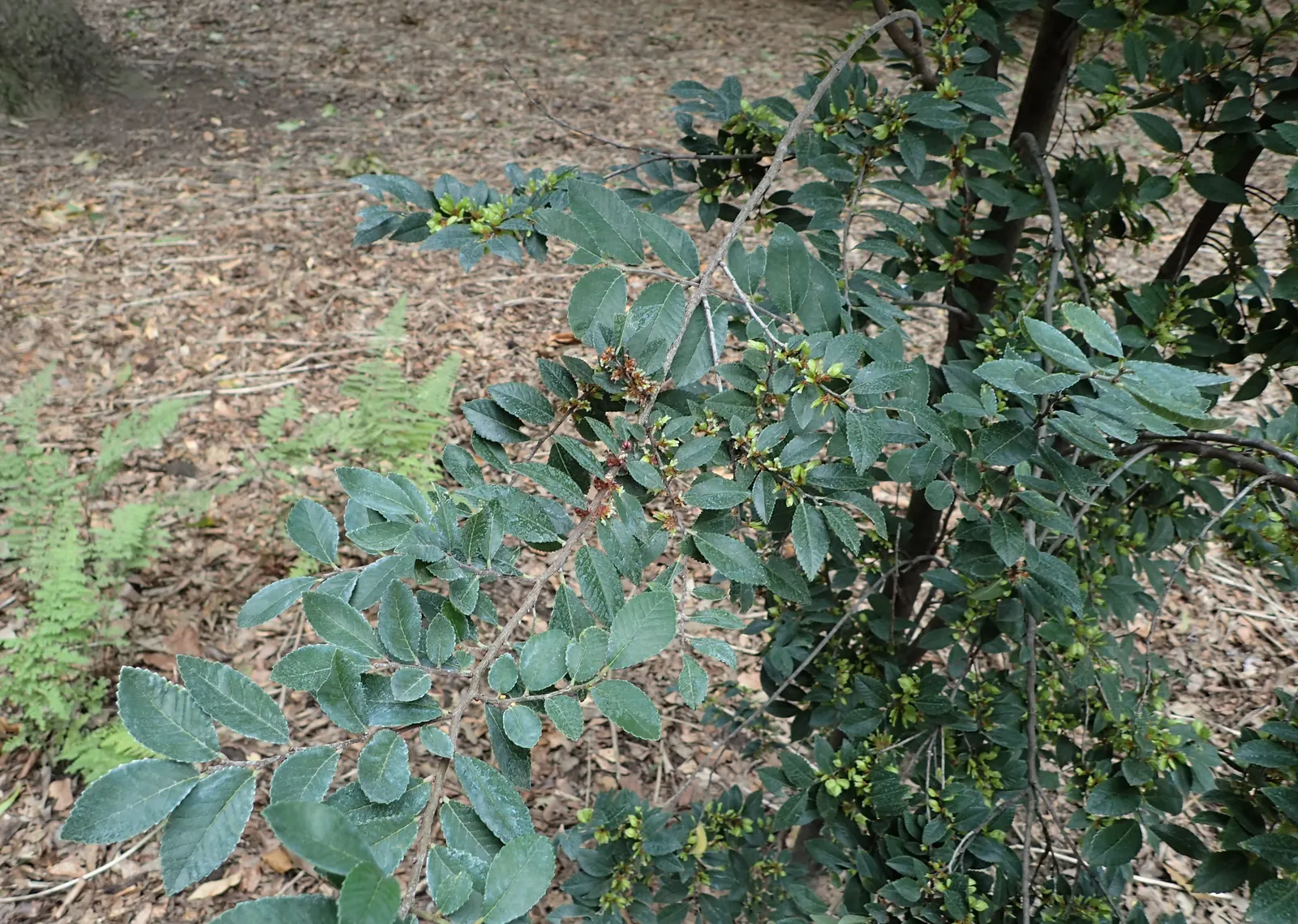
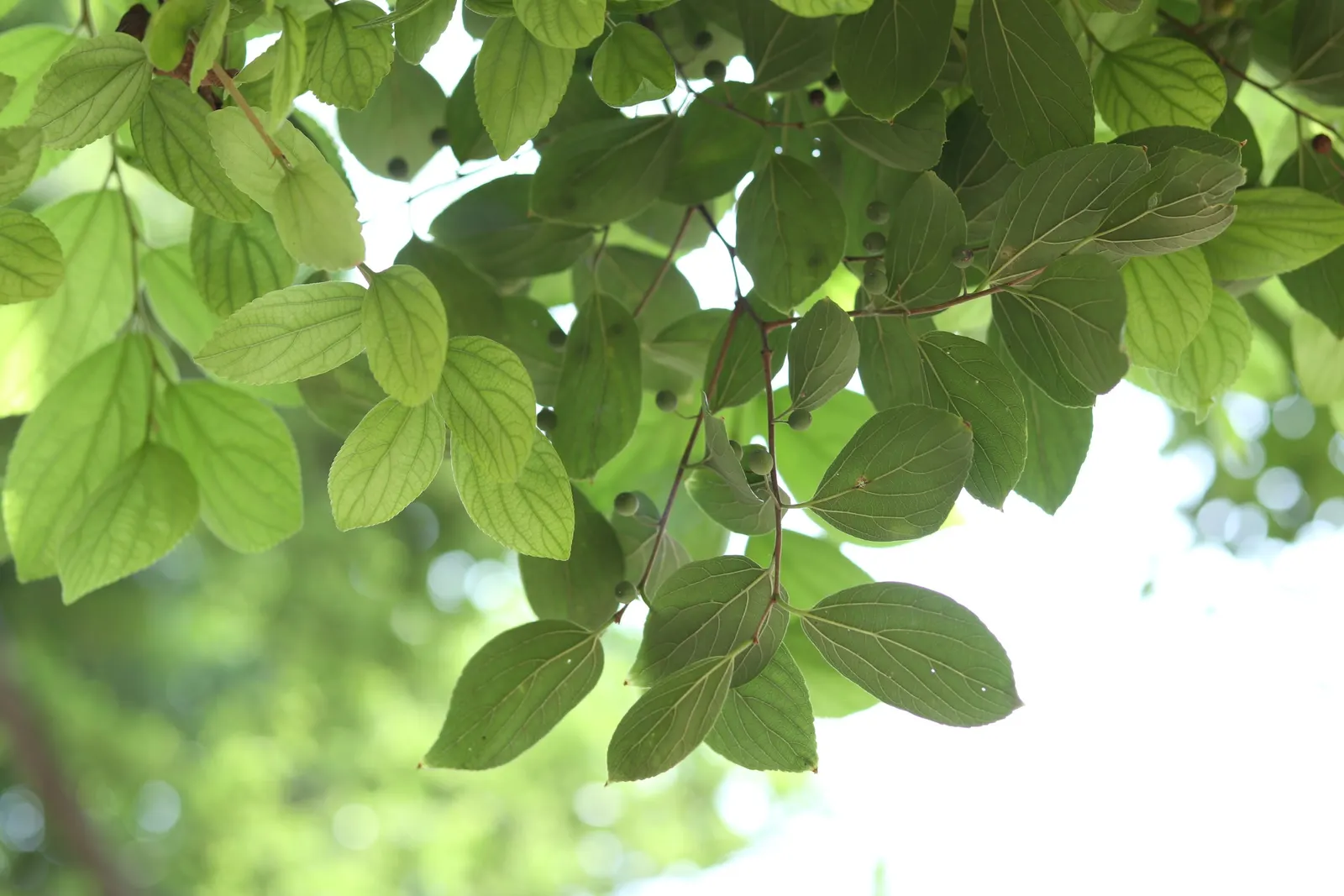
Chinese Elm (Ulmus Parvifolia) — <br><br>The Chinese Elm thrives in USDA hardiness zones 5 through 9; leathery leaves are a deep, image 75

Culture

Sun
Full
Water
Low
USDA zones
7–10

Shape & size

Mature height
40–55 Ft.
Mature width
40–55 Ft.

Classification

Type
Tree
Family
Ulmaceae
Climate
Temperate

See full data, regional cultivation notes, and design tools. Build a client presentation around this plant.

Start your 14-day trial

Photos (105)

Chinese Elm (Ulmus Parvifolia) — tree for full; when instructing the client, emphasize its low maintenance and durability as cornerstones of its appeal
Chinese Elm (Ulmus Parvifolia) — it prefers full sun to partial shade and can grow in a range of soil types from acidic to alkaline; pruning during dormancy
Chinese Elm (Ulmus Parvifolia) — The Chinese Elm, or Ulmus parvifolia, is prized for its intricate bark and fine-textured foliage; hardy in zones, image 61
Chinese Elm (Ulmus Parvifolia) — When instructing the client, emphasize its low maintenance and durability as cornerstones of its appeal; is an elegantly
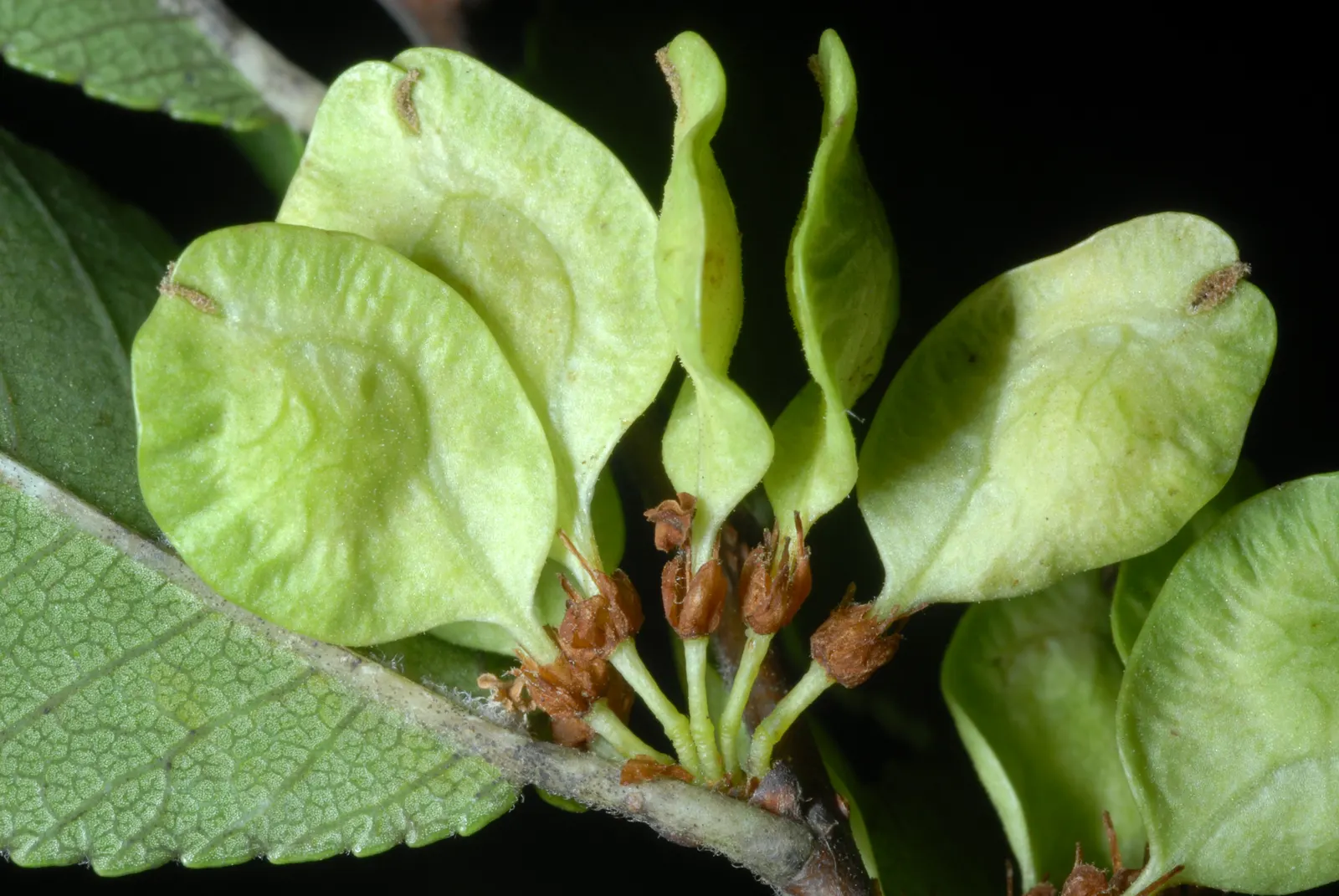
Chinese Elm (Ulmus Parvifolia) — tree with green and yellow blooms; though consistent watering can promote healthier growth
Chinese Elm (Ulmus Parvifolia) — revealing a tapestry of gray; tree for full
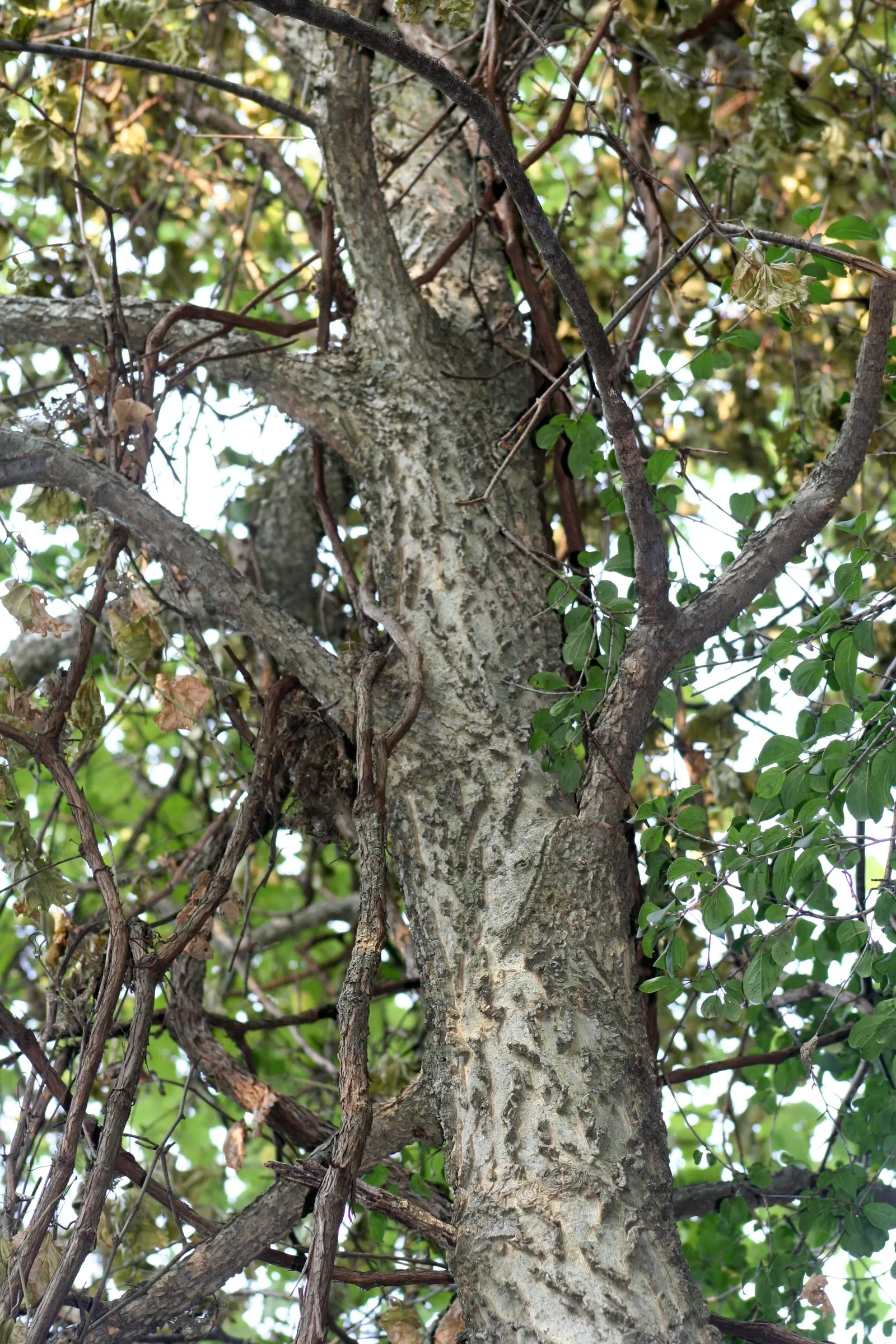
Chinese Elm (Ulmus Parvifolia) — proves beneficial for those seeking swift canopy development; mottled bark that exfoliates with age
Chinese Elm (Ulmus Parvifolia) — is an elegantly versatile specimen for any landscape design; revealing a tapestry of gray, image 66
Chinese Elm (Ulmus Parvifolia) — This tree is also less susceptible to the Dutch elm disease that has ravaged many other elm species; <br><br>The Chinese Elm
Chinese Elm (Ulmus Parvifolia) — Moderate drought tolerance is a hallmark of this species; this elm can reach a mature height between 40 to 50 feet
Chinese Elm (Ulmus Parvifolia) — is an elegantly versatile specimen for any landscape design
Chinese Elm (Ulmus Parvifolia) — revealing a tapestry of gray
Chinese Elm (Ulmus Parvifolia) — mottled bark that exfoliates with age; proves beneficial for those seeking swift canopy development, image 68
Chinese Elm (Ulmus Parvifolia) — and they exhibit a delightfully yellow to reddish-purple hue in the fall before shedding
Chinese Elm (Ulmus Parvifolia) — rounded canopy extending approximately 25 to 40 feet wide; and they exhibit a delightfully yellow to, image 71
Chinese Elm (Ulmus Parvifolia) — <br><br>The Chinese Elm thrives in USDA hardiness zones 5 through 9; leathery leaves are a deep
Chinese Elm (Ulmus Parvifolia) — Maturing at around 40-50 feet high with a spread of 25-40 feet, it presents a rounded canopy; rounded canopy extending
Chinese Elm (Ulmus Parvifolia) — When instructing the client, emphasize its low maintenance and durability as cornerstones of its appeal
Chinese Elm (Ulmus Parvifolia) — scientifically known as Ulmus parvifolia; maturing at around 40-50 feet high with a spread of 25-40 feet, it presents a
Chinese Elm (Ulmus Parvifolia) — leathery leaves are a deep; <br><br>Its rapid growth rate, image 72
Chinese Elm (Ulmus Parvifolia) — measuring about 1 to 2.5 inches long; green and yellow flowers in the garden, image 73
Chinese Elm (Ulmus Parvifolia) — making it rather adaptable to a variety of climates
Chinese Elm (Ulmus Parvifolia) — leathery leaves are a deep; <br><br>Its rapid growth rate
Chinese Elm (Ulmus Parvifolia) — Hardy in zones 5-9, this drought-resistant elm is ideal for urban environments, offering year-round interest; a critical point
Photographs by 12 contributors

Related plants