Skip to content

Common Hackberry

Celtis Occidentalis

Design with this plant

Overview

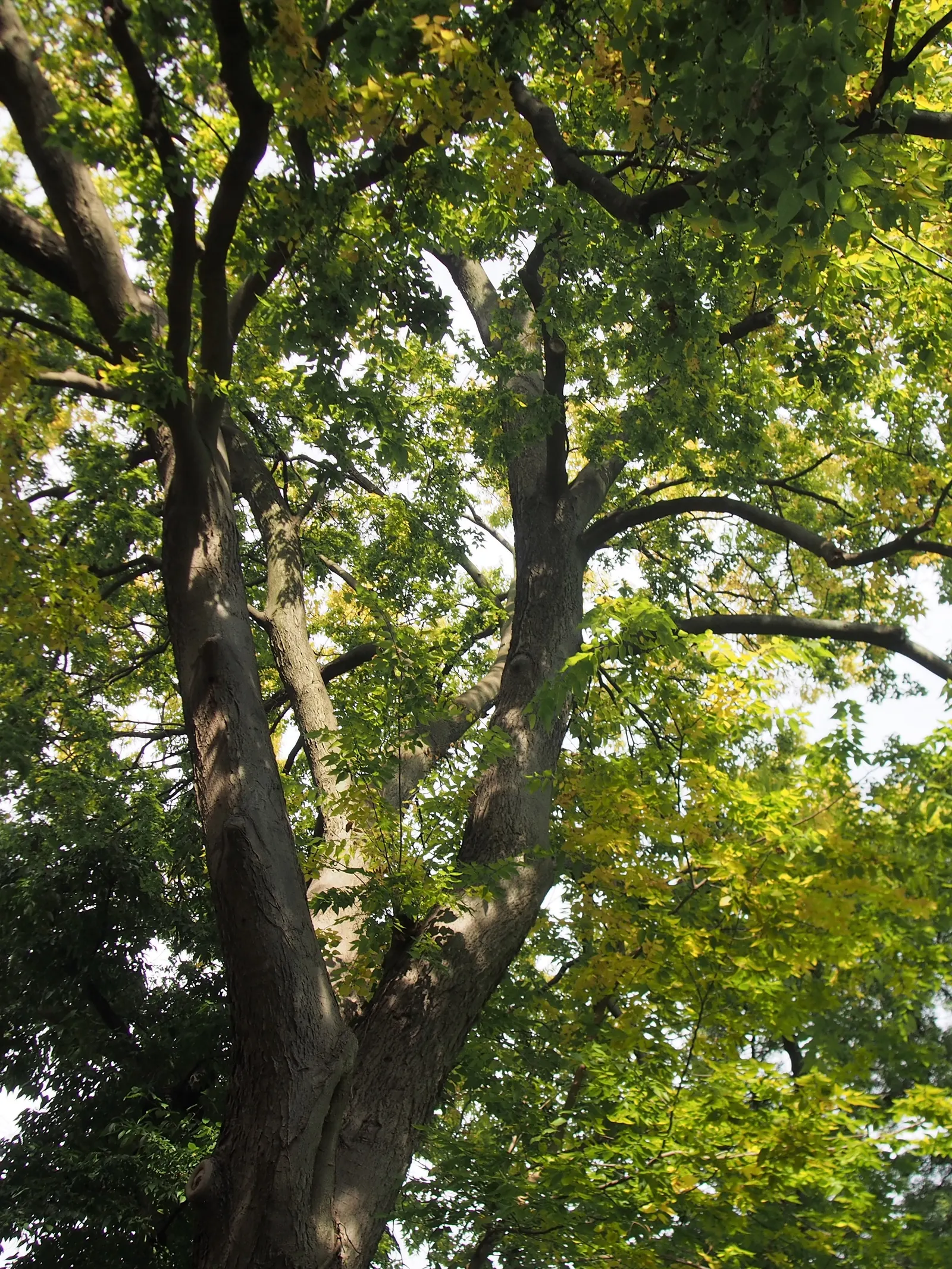
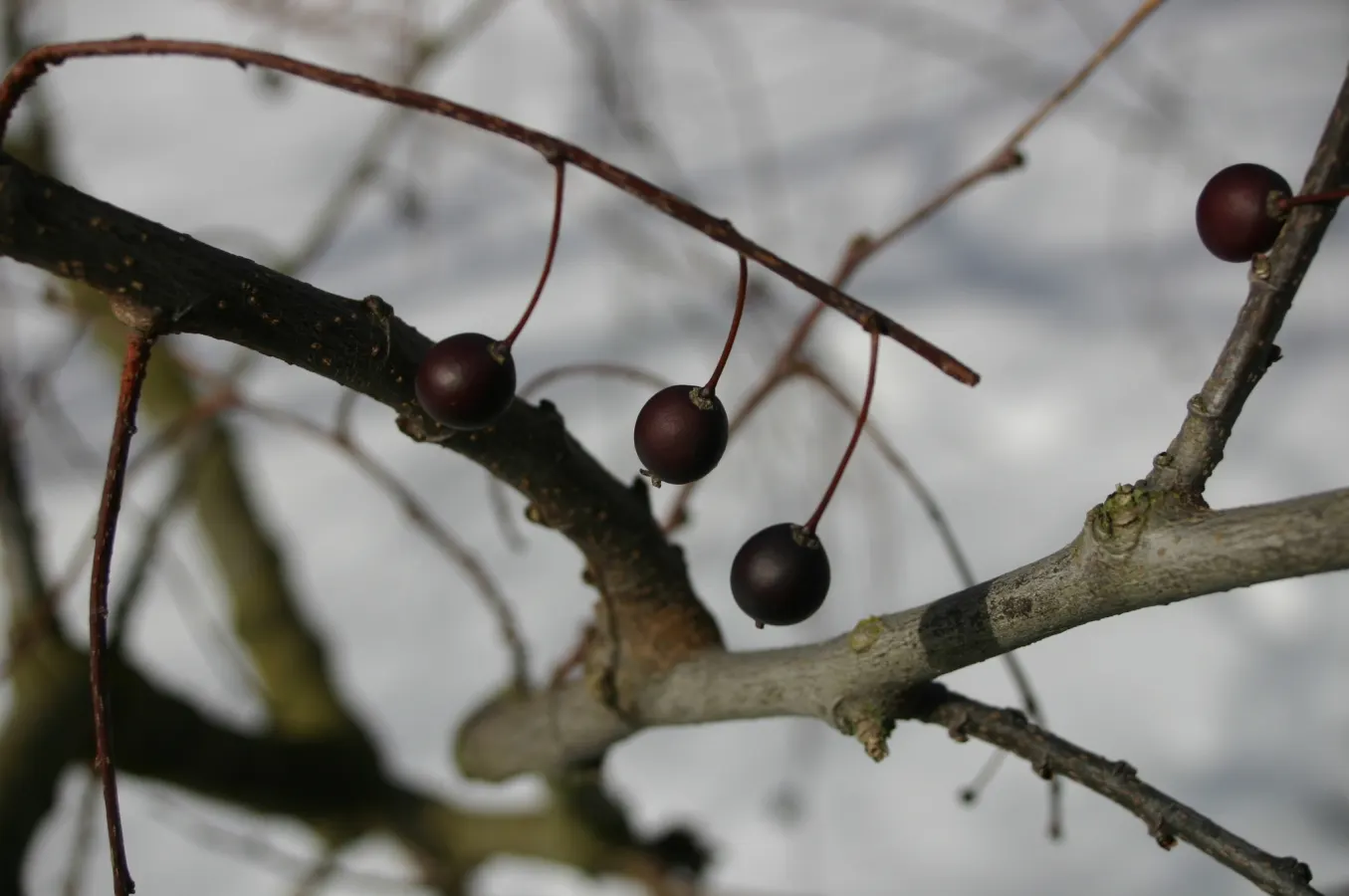
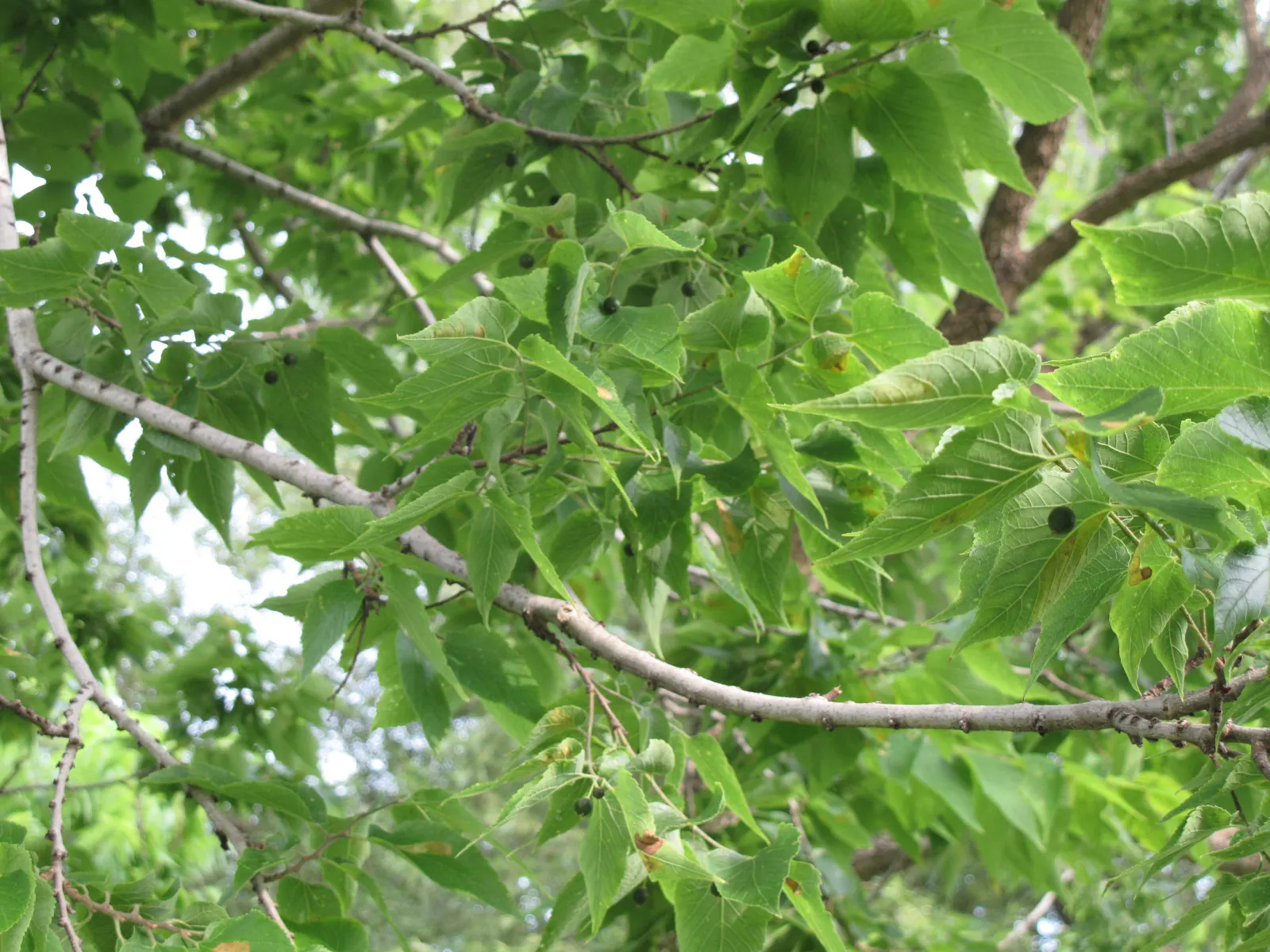
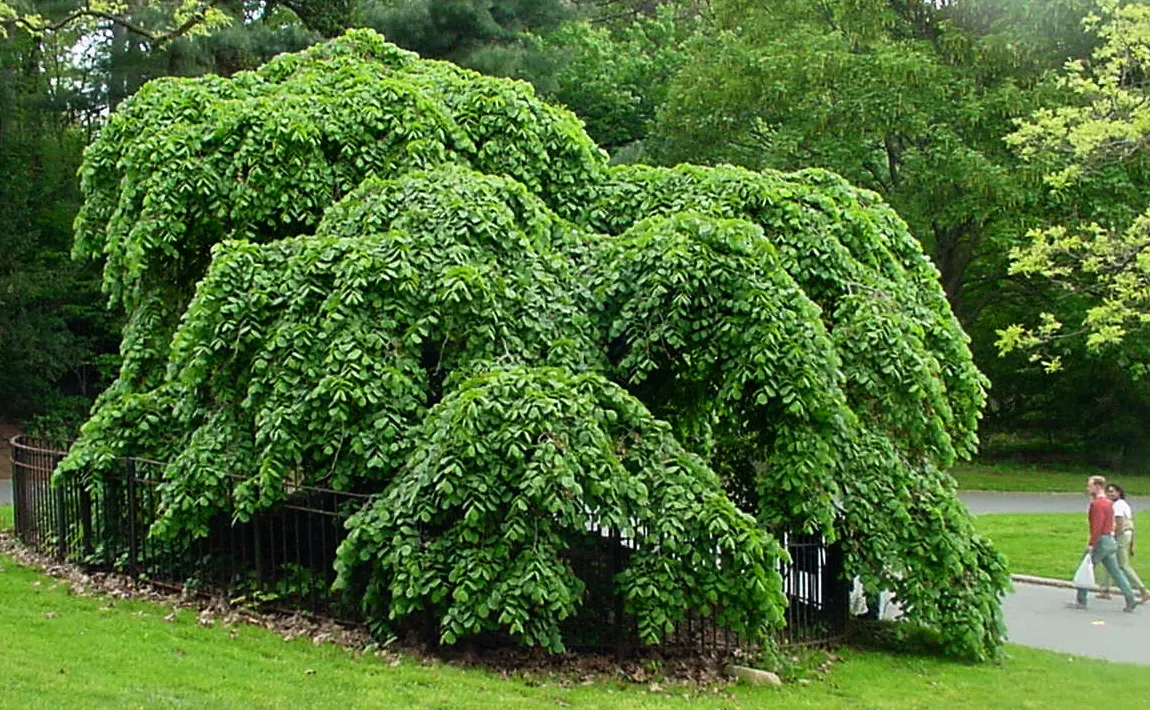
Common Hackberry (Celtis occidentalis) is a hardy deciduous tree, prized for its adaptability. Often reaching 40-60 ft with a spread of 40-50 ft, it showcases a rounded crown with elm-like leaves. This robust species tolerates various soils and urban conditions, while its small, purple berries attract wildlife. In landscape design, it serves as a durable shade tree or street specimen, creating visual appeal with its textured bark and sturdy stature.

Sun FullWater MediumZones 3–9Type TreeClimate Temperate

Culture

Sun
Full
Water
Medium
USDA zones
3–9

Shape & size

Classification

Type
Tree
Family
Ulmaceae
Climate
Temperate

See full data, regional cultivation notes, and design tools. Build a client presentation around this plant.

Start your 14-day trial

Photos (69)

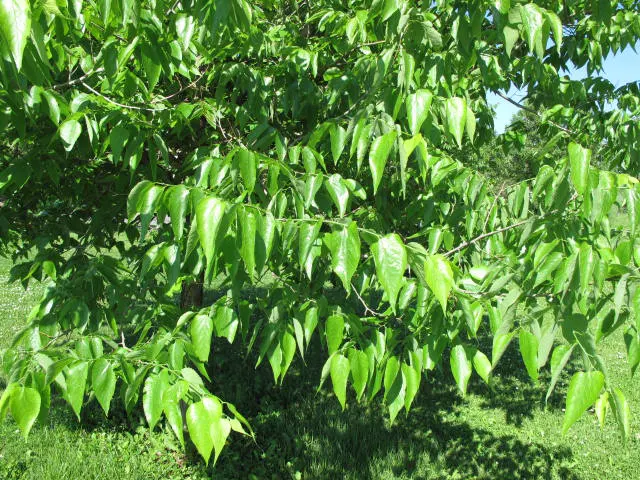
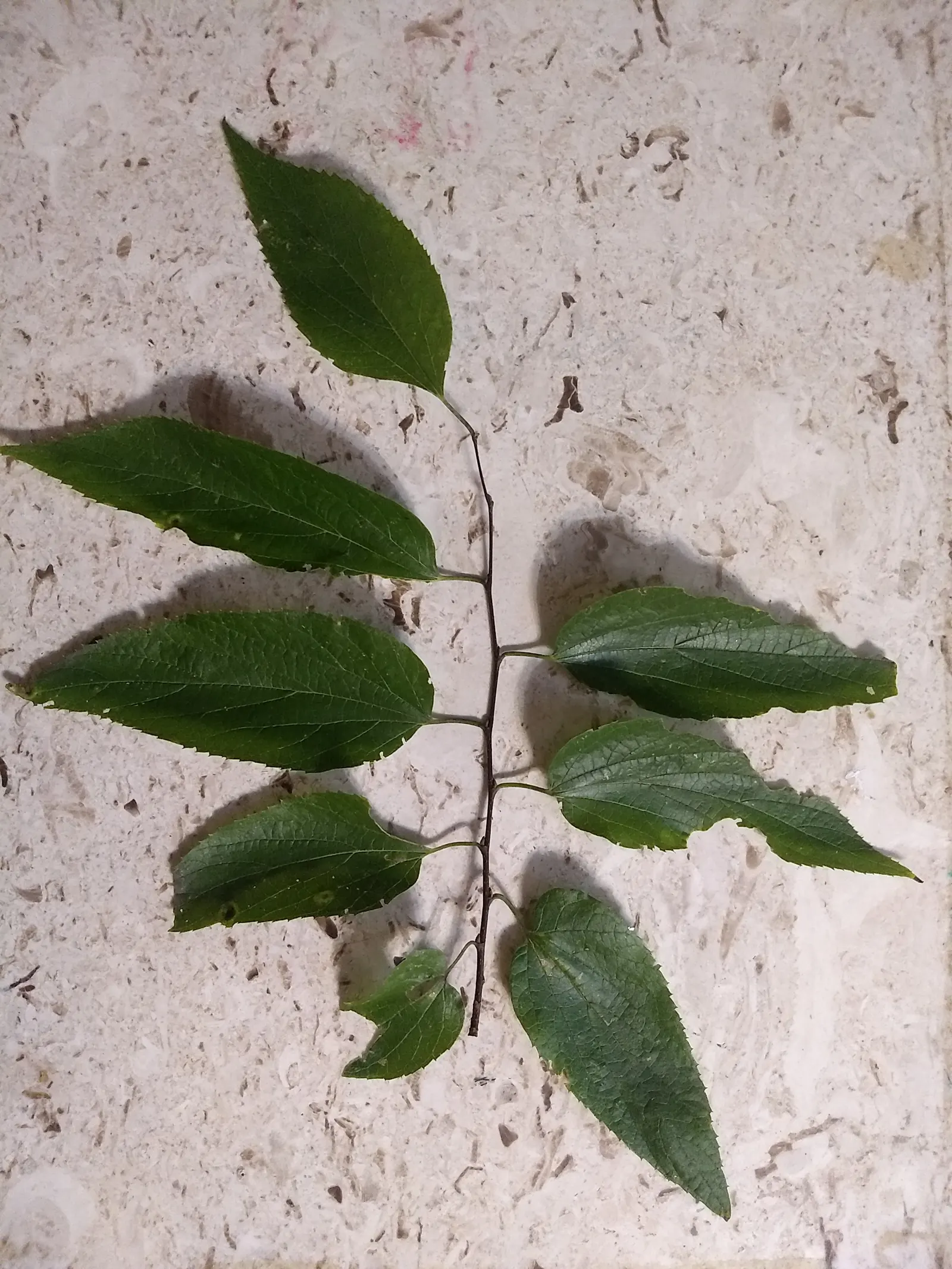
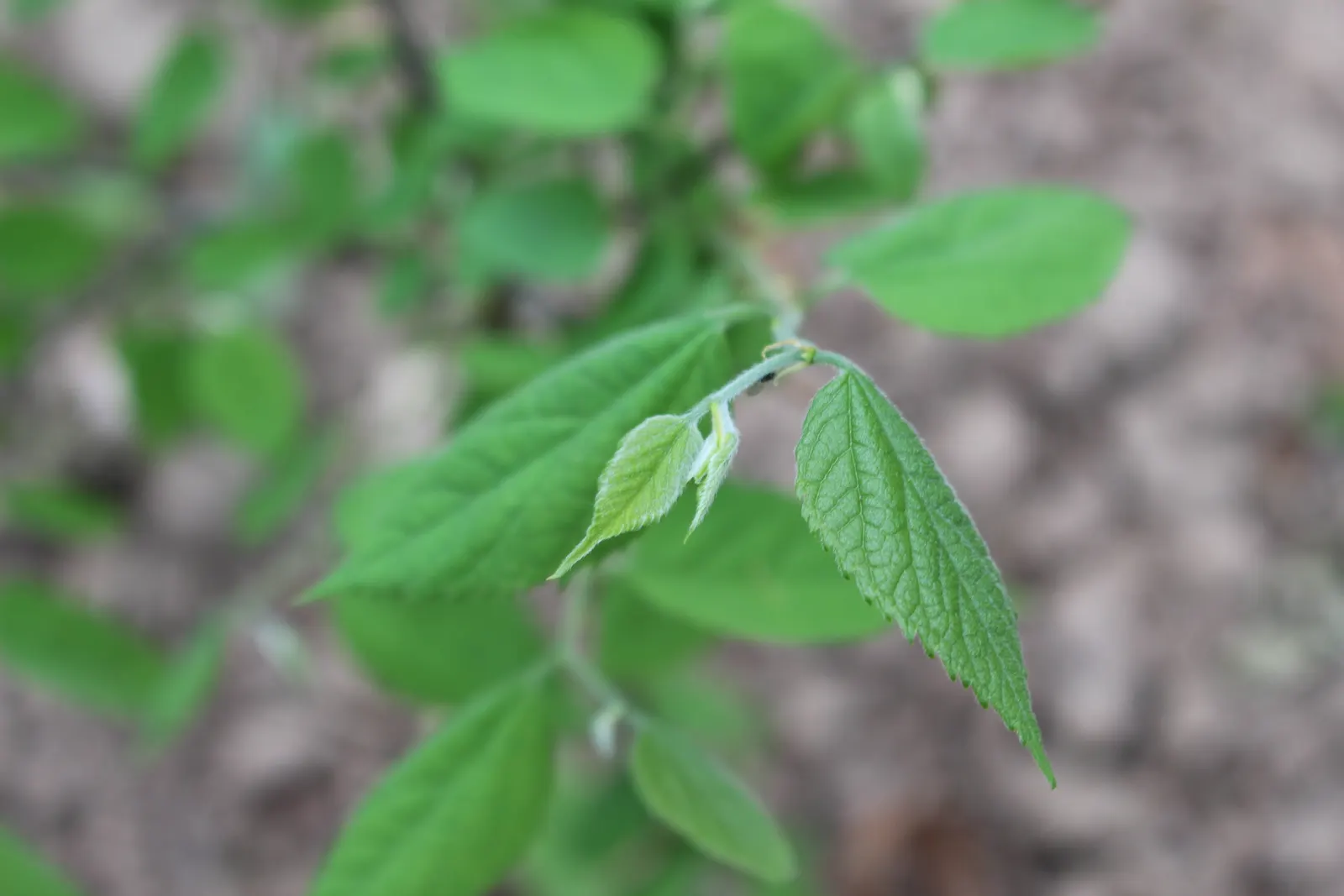
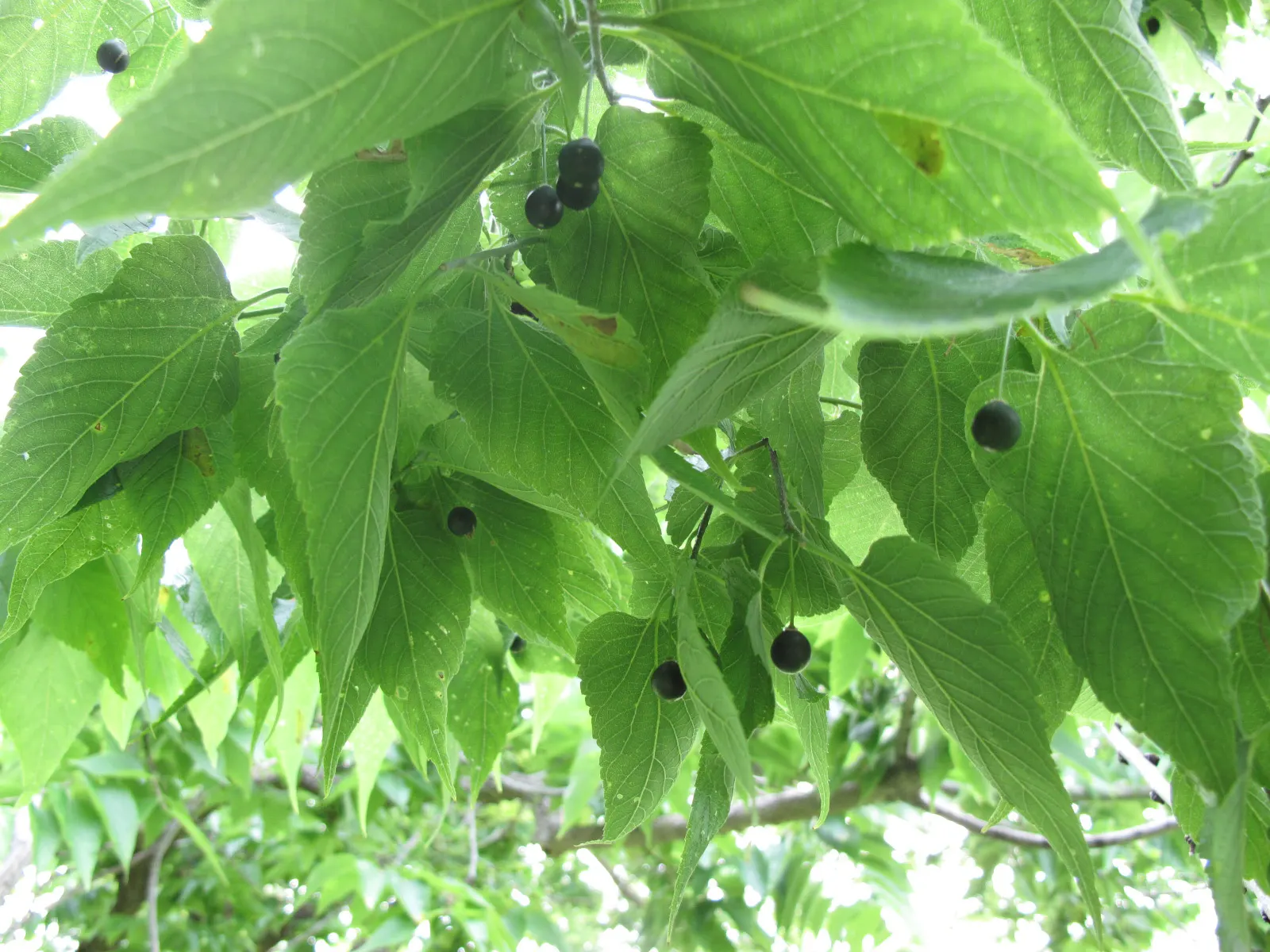
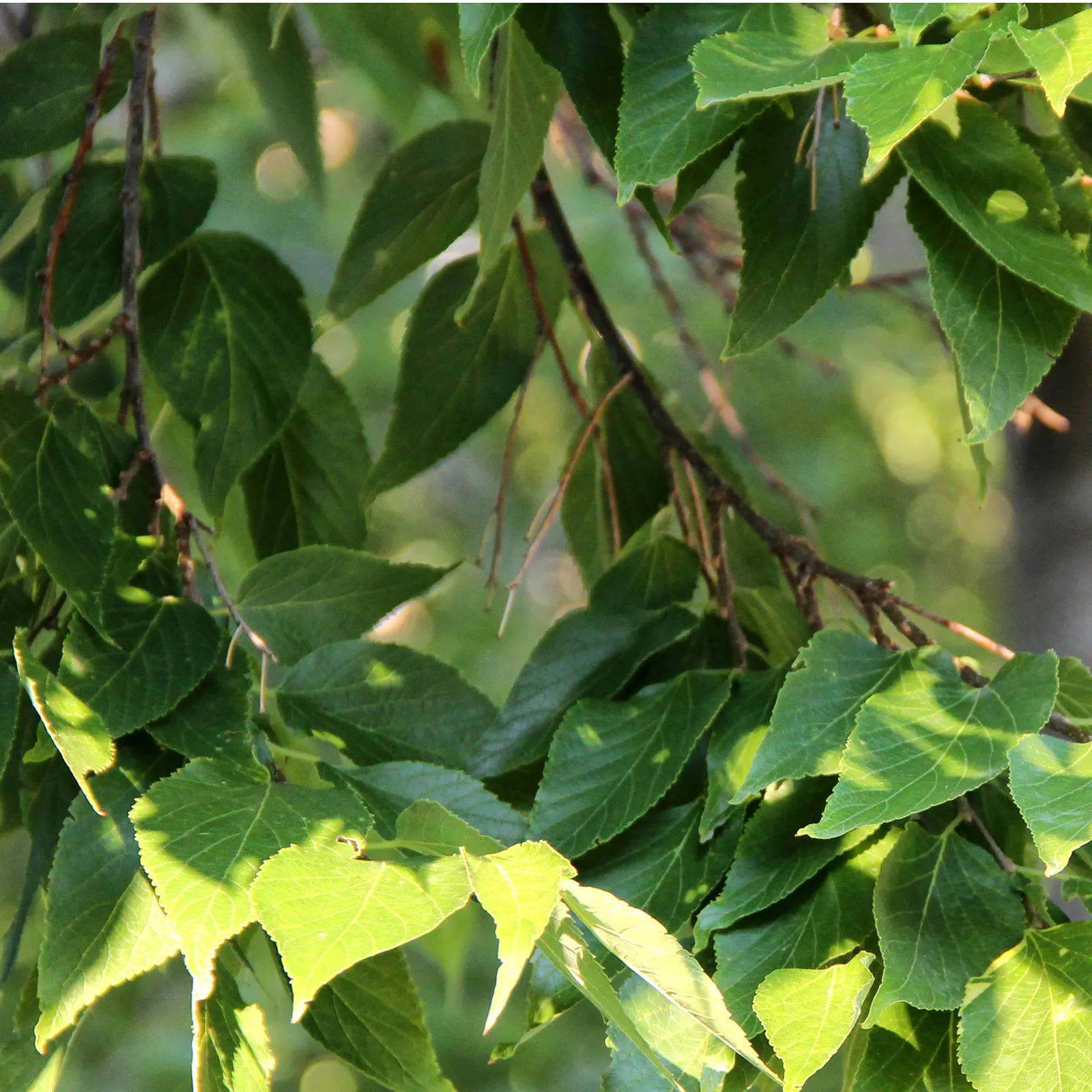
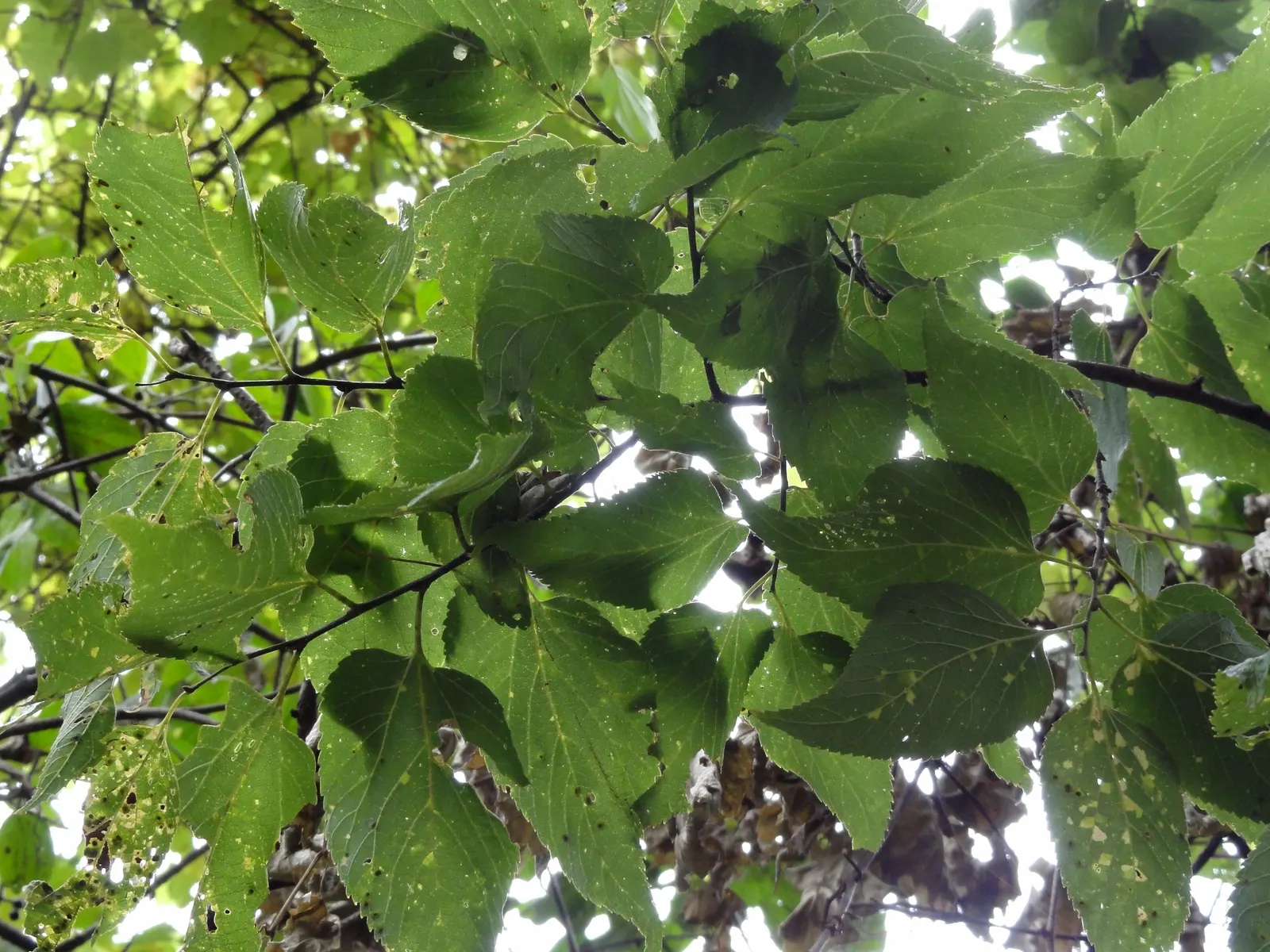
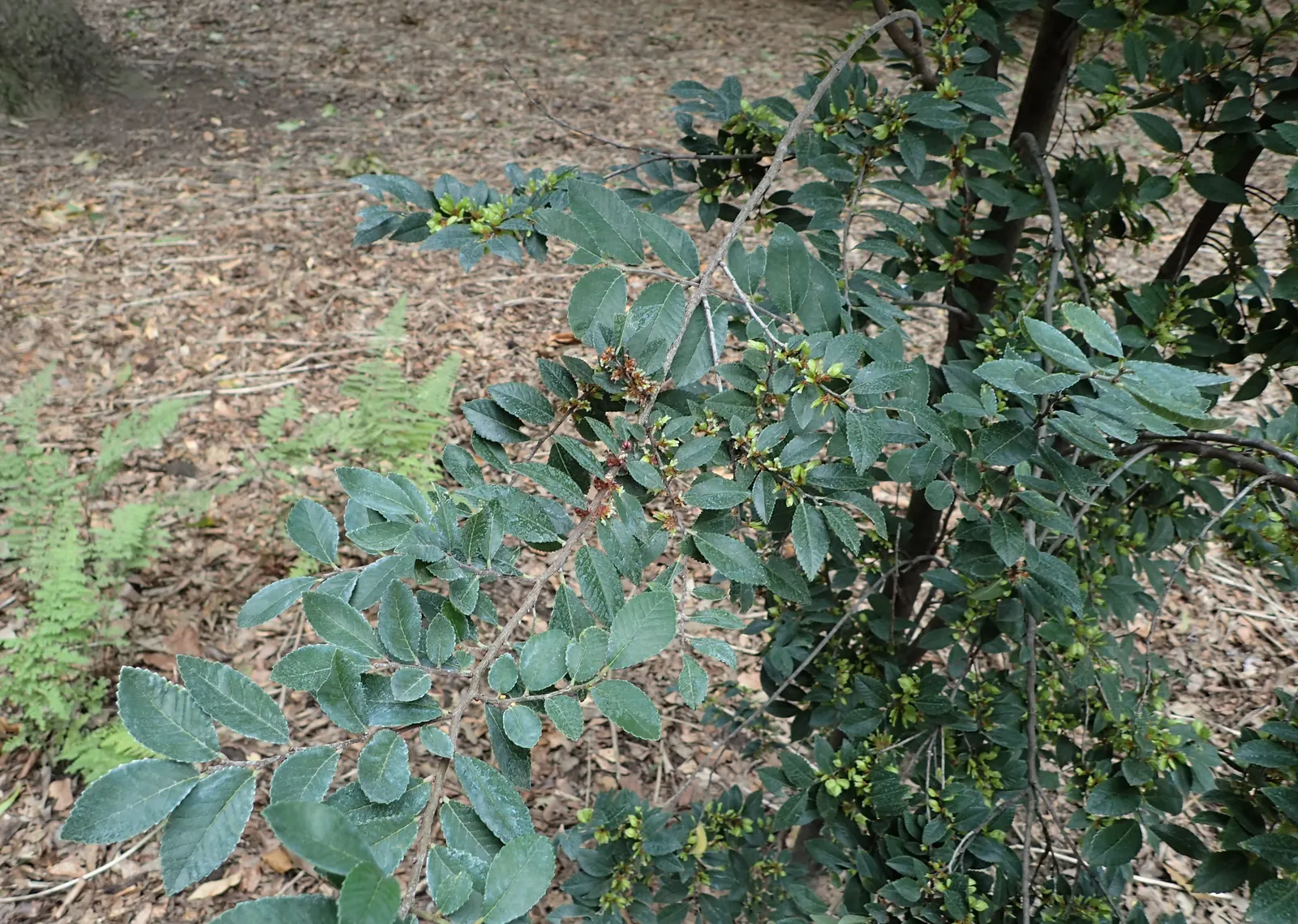
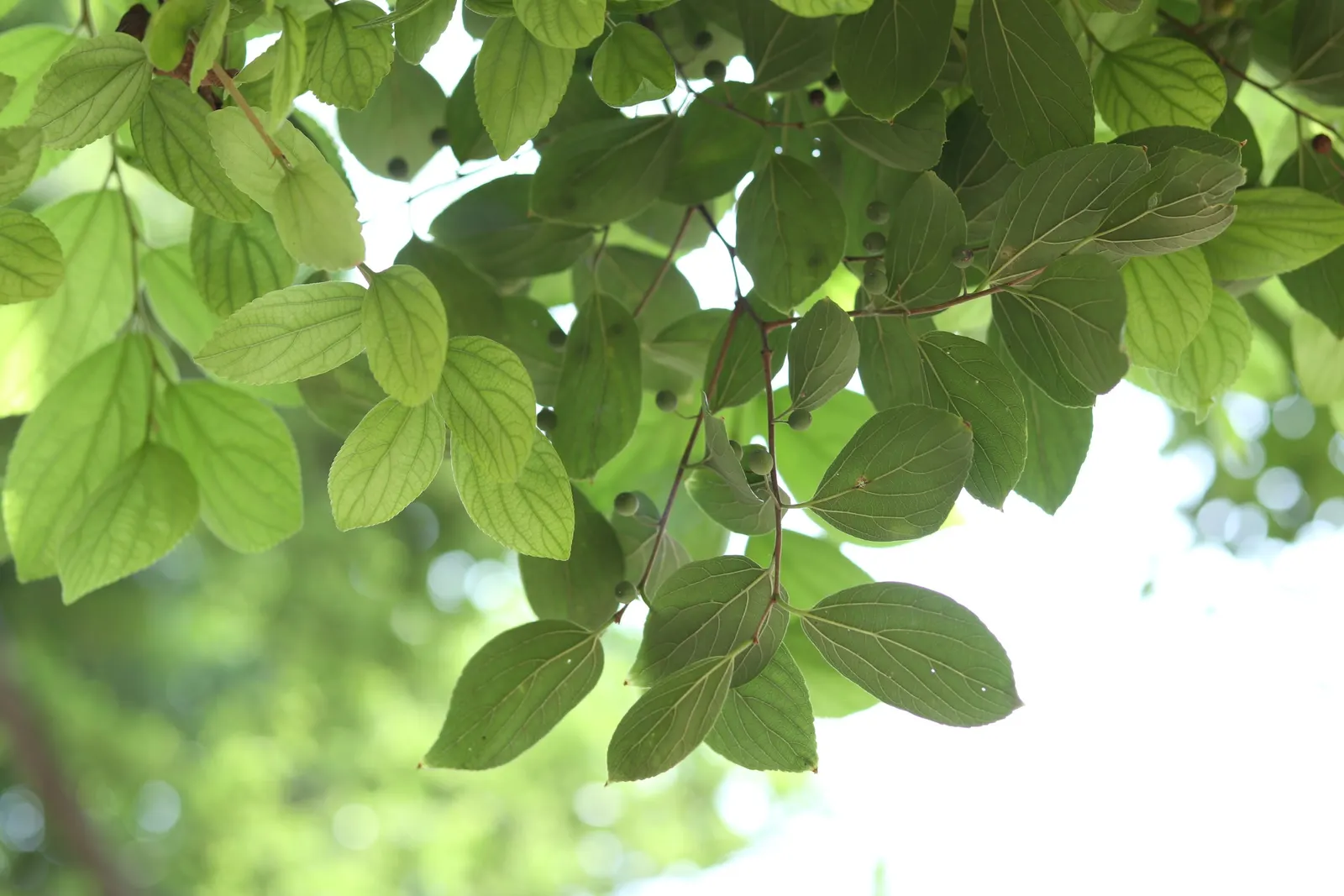
Common Hackberry (Celtis Occidentalis) — The leaves, ovate with a serrated edge, offer a subtle yet pleasing mid-green hue
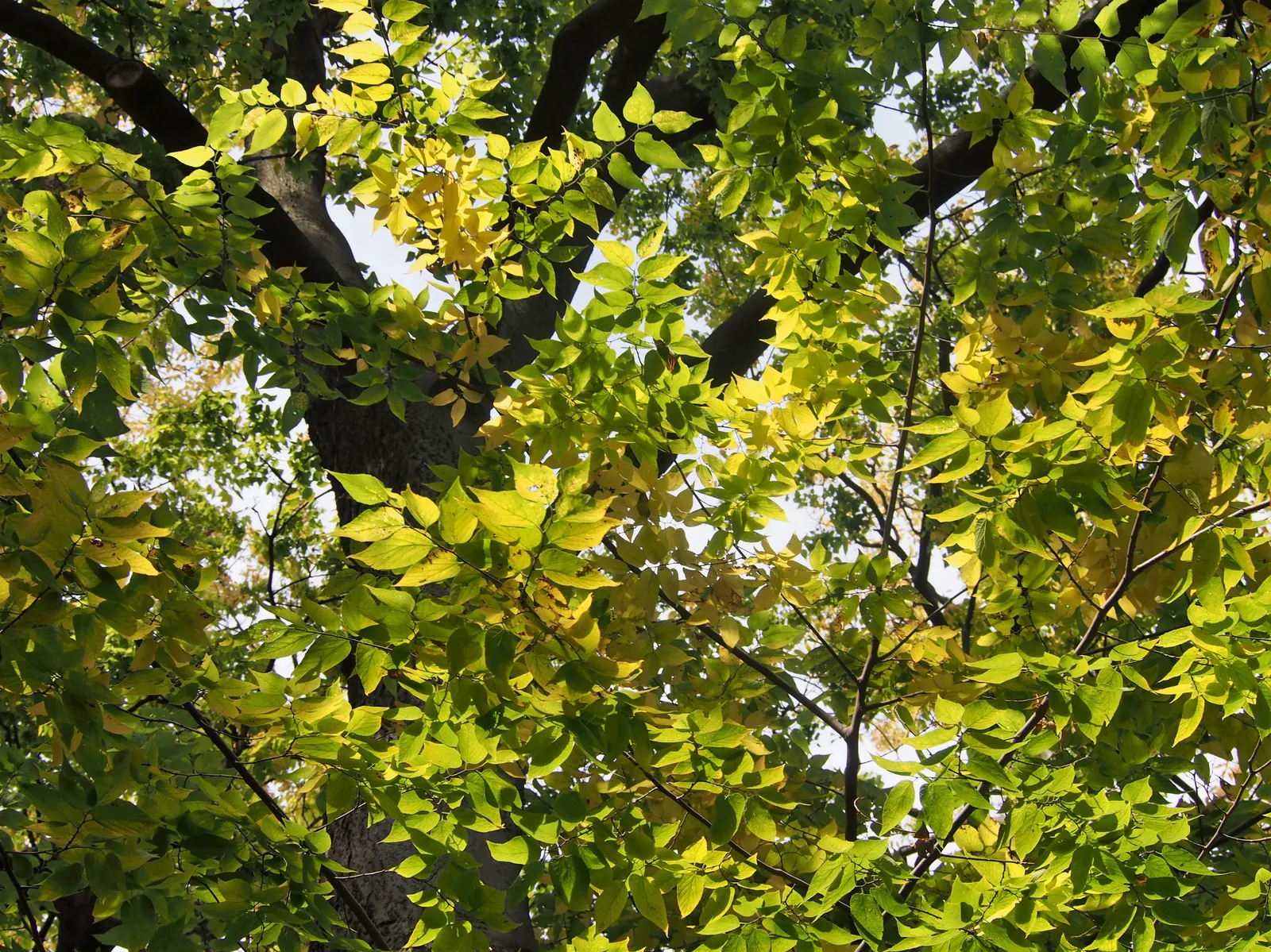
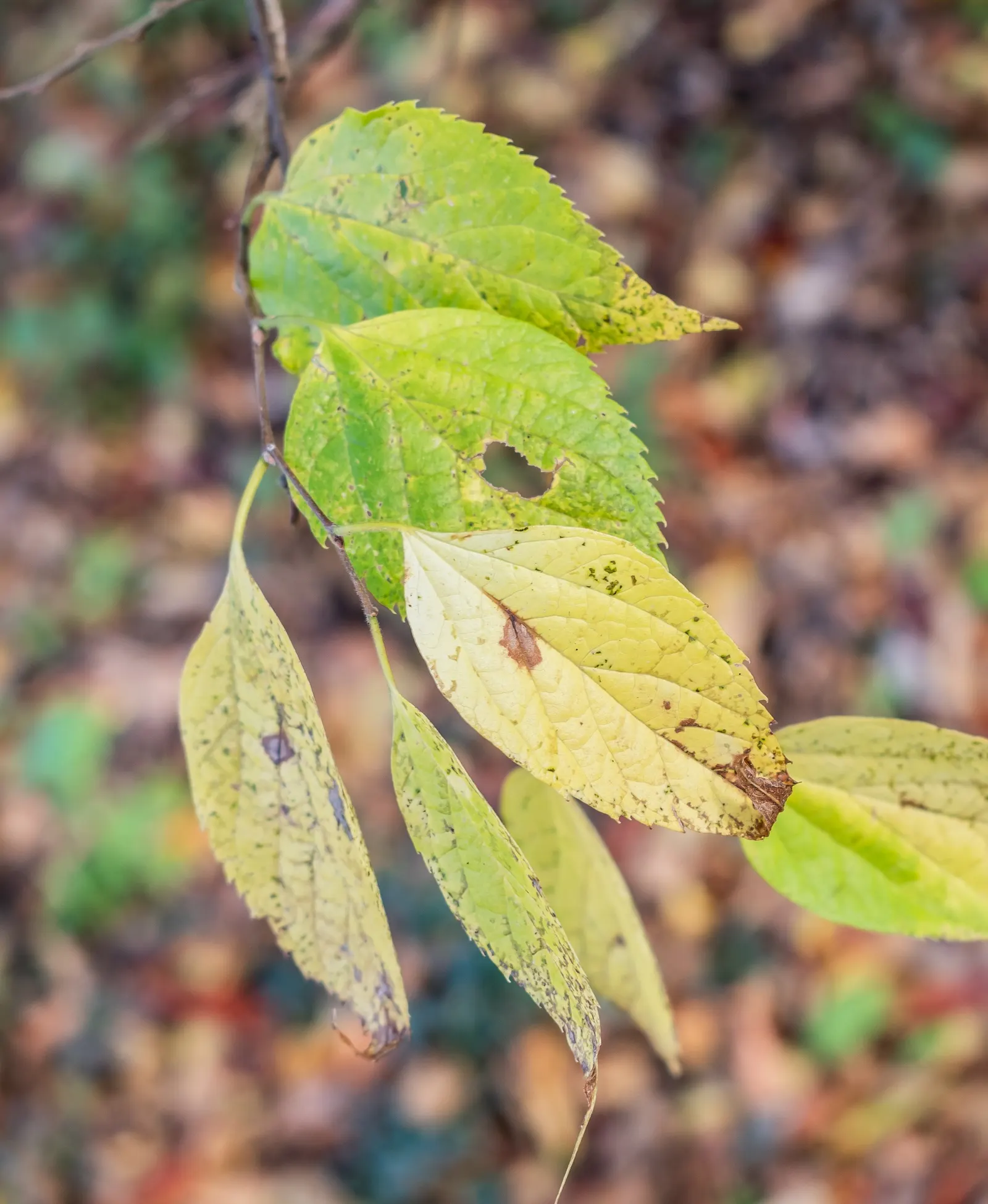
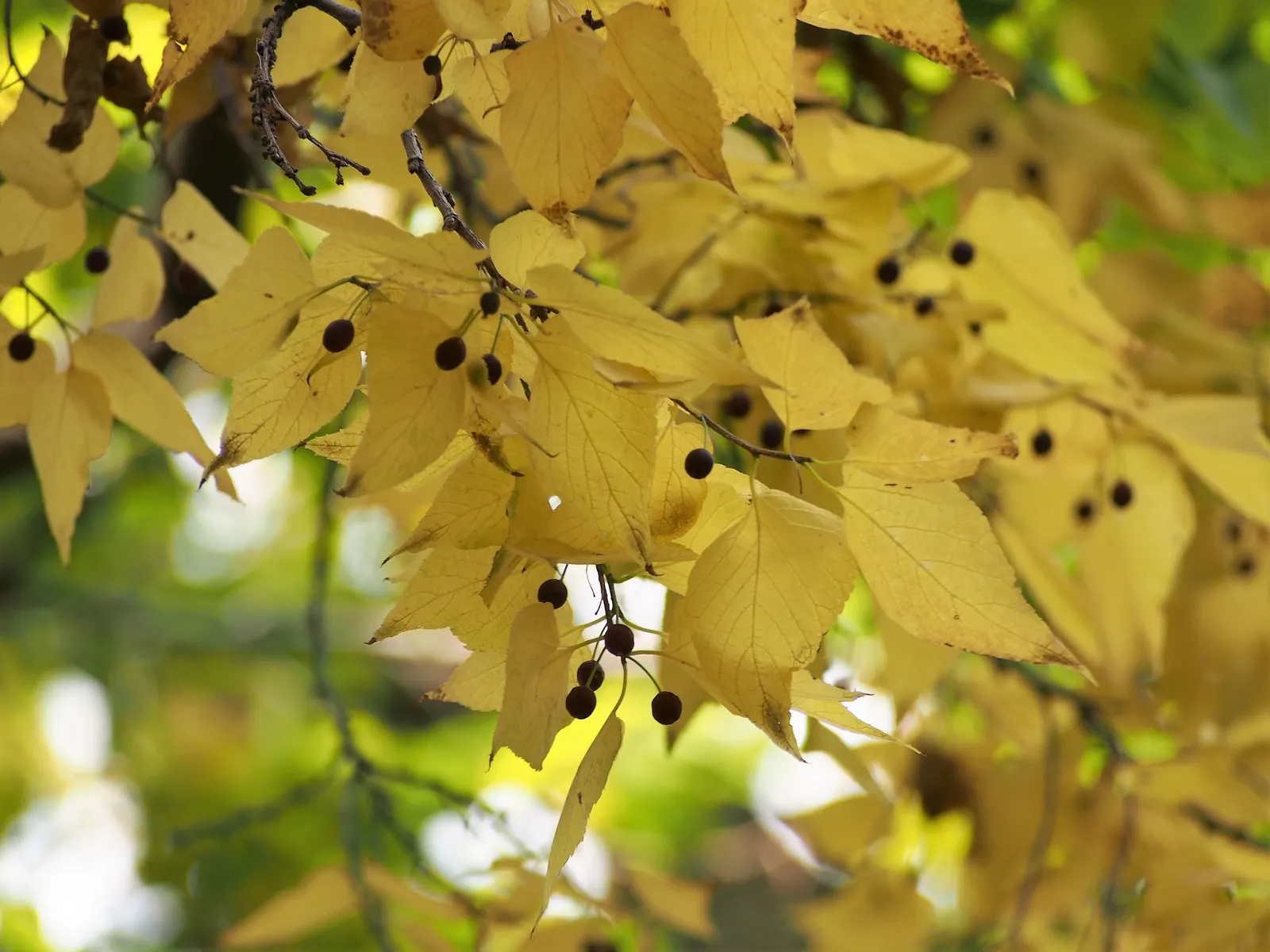
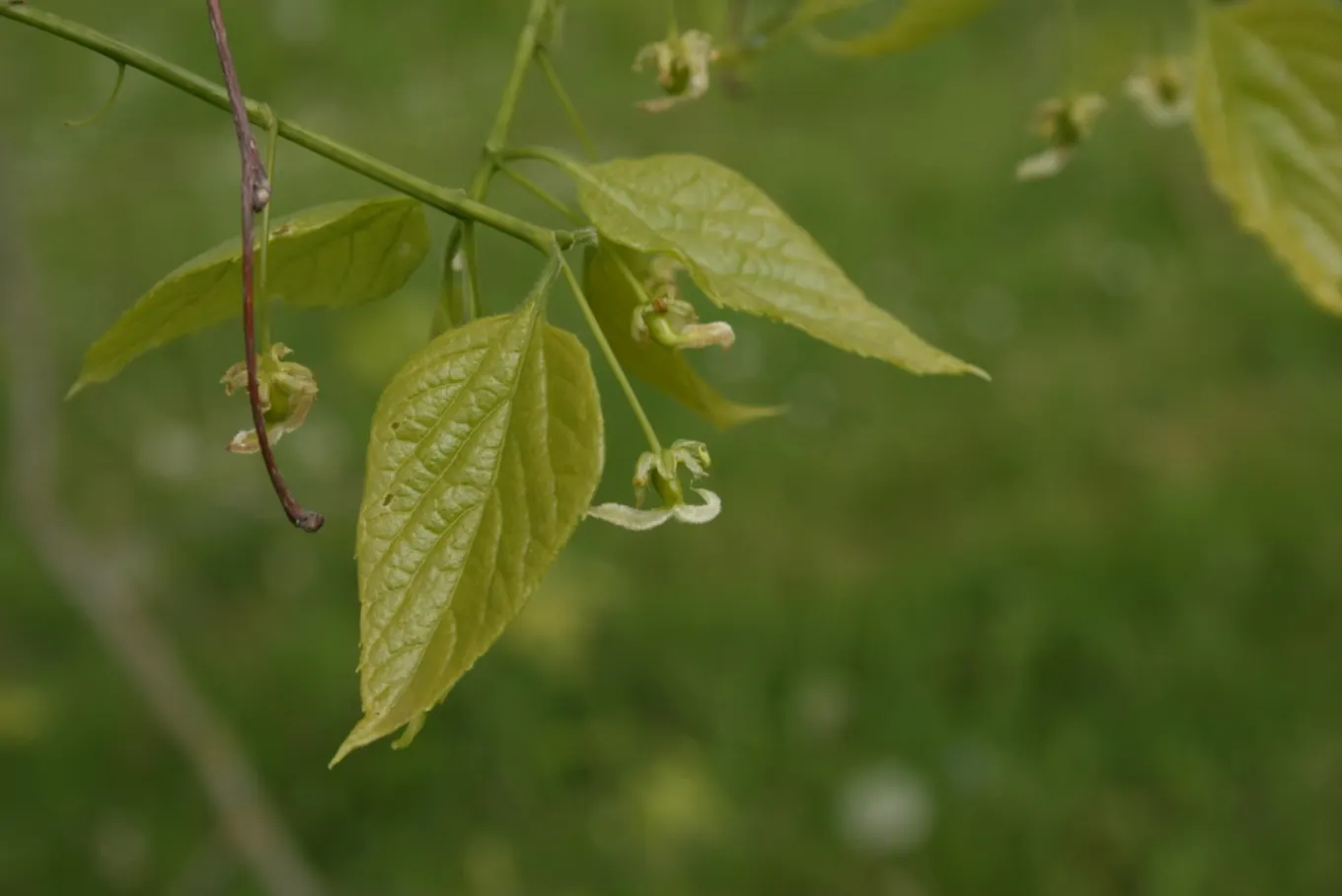
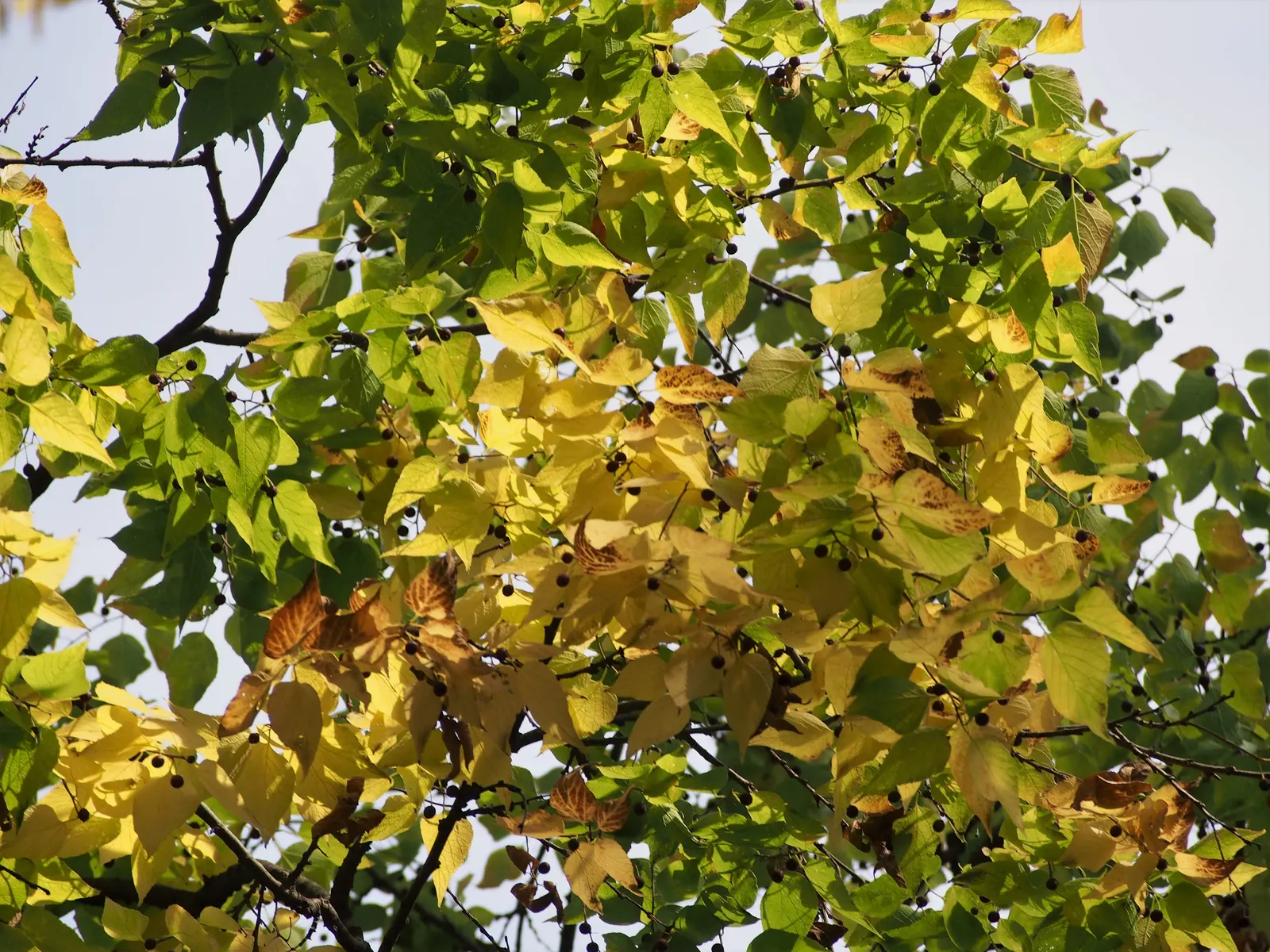
Common Hackberry (Celtis Occidentalis) — They turn to an attractive yellow in the autumn; inconspicuous greenish flowers
Common Hackberry (Celtis Occidentalis) — this tree will offer enduring beauty and function
Common Hackberry (Celtis Occidentalis) — the inclusion of the Common Hackberry in a landscape ensures a lasting
Common Hackberry (Celtis Occidentalis) — which are a hit with local bird species; it adapts to various soil types
Common Hackberry (Celtis Occidentalis) — It adapts to various soil types
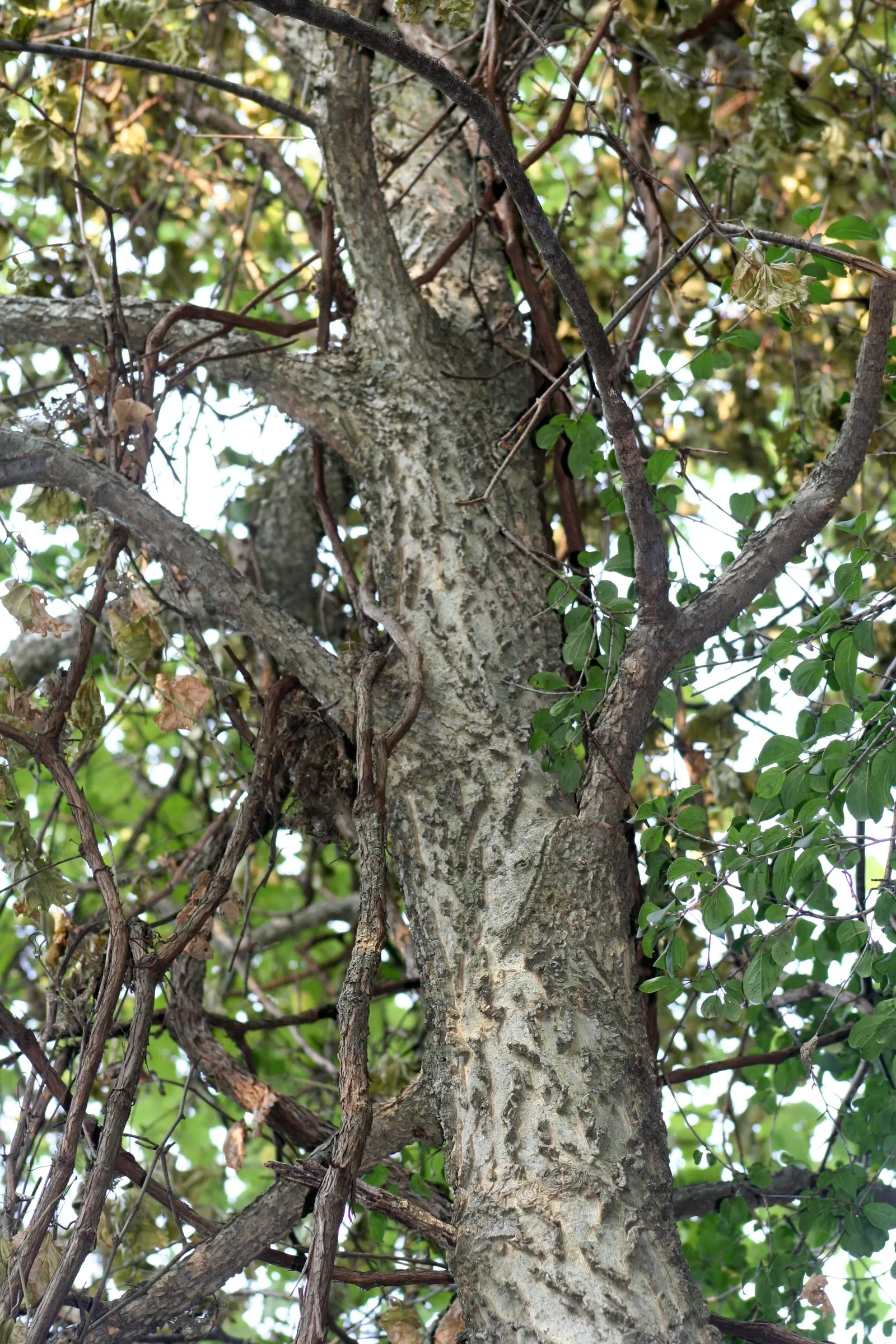
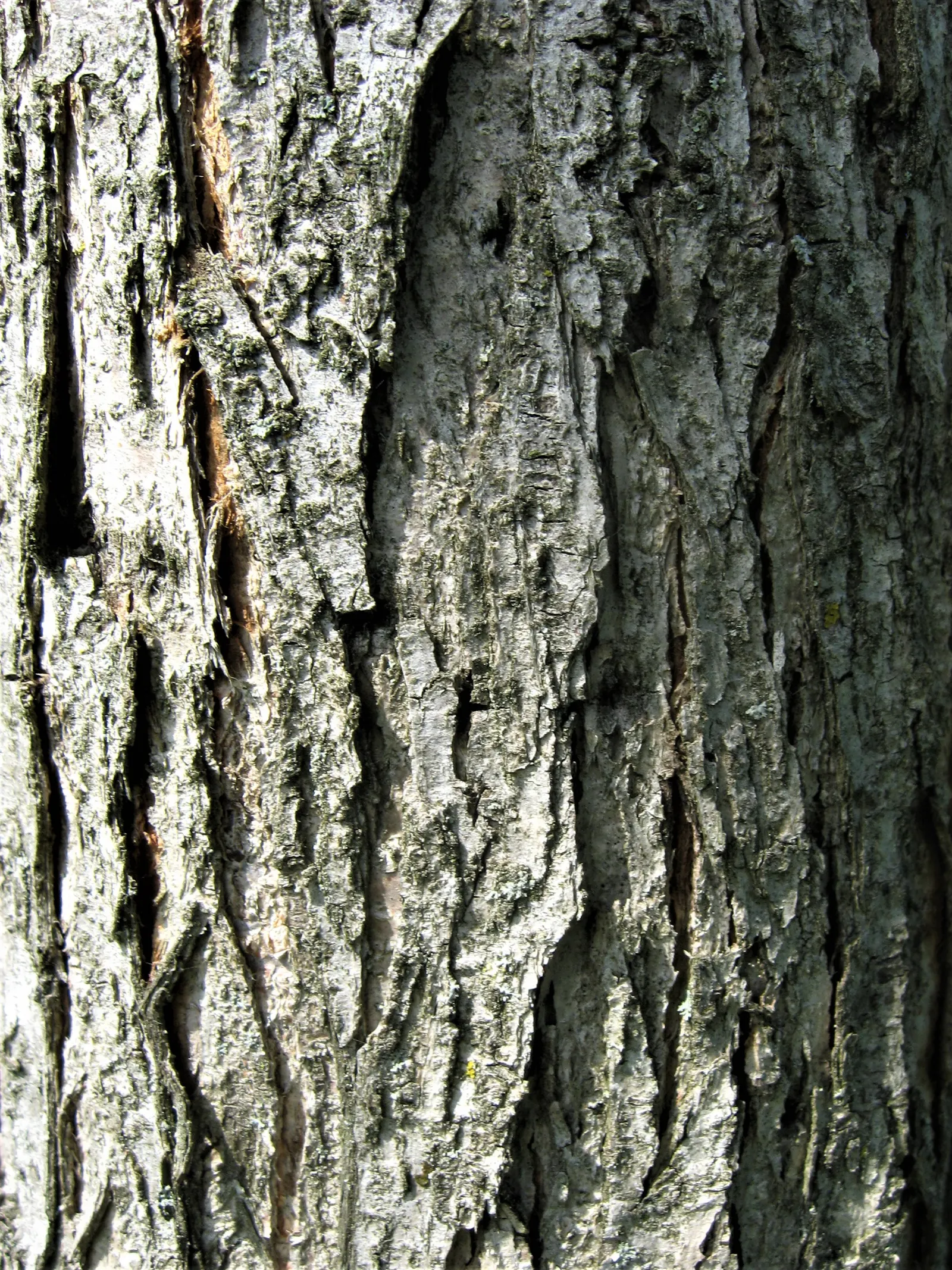
Common Hackberry (Celtis Occidentalis) — creating visual appeal with its textured bark and sturdy stature; its moderate growth rate allows it to seamlessly
Common Hackberry (Celtis Occidentalis) — promoting biodiversity in the garden
Common Hackberry (Celtis Occidentalis) — inconspicuous greenish flowers; esteemed for its adaptability to a wide range of environmental conditions
Common Hackberry (Celtis Occidentalis) — The leaves, ovate with a serrated edge, offer a subtle yet pleasing mid-green hue; the Common Hackberry (Celtis
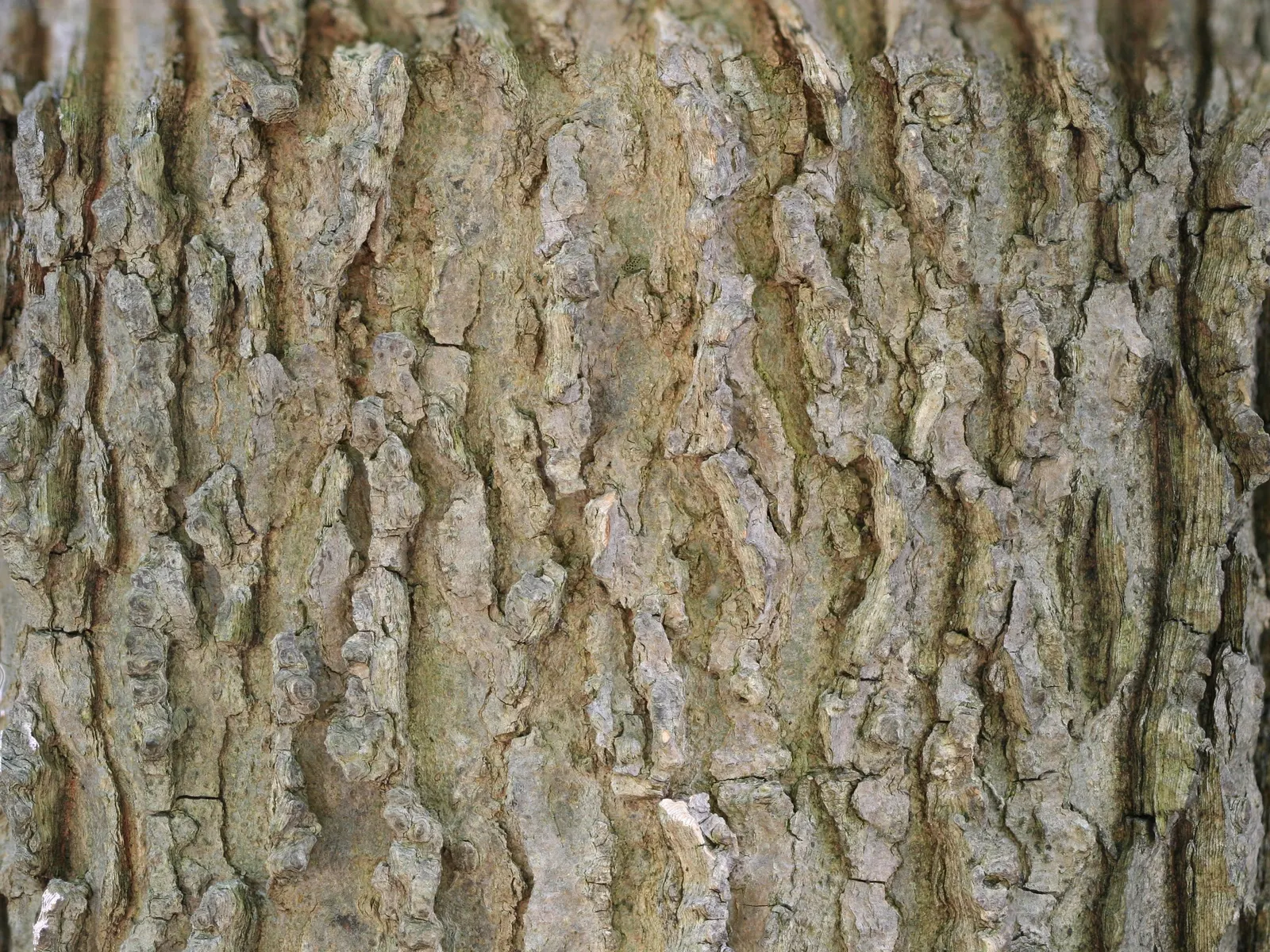
Common Hackberry (Celtis Occidentalis) — featuring an intricate pattern of warty ridges; or even those that are urban
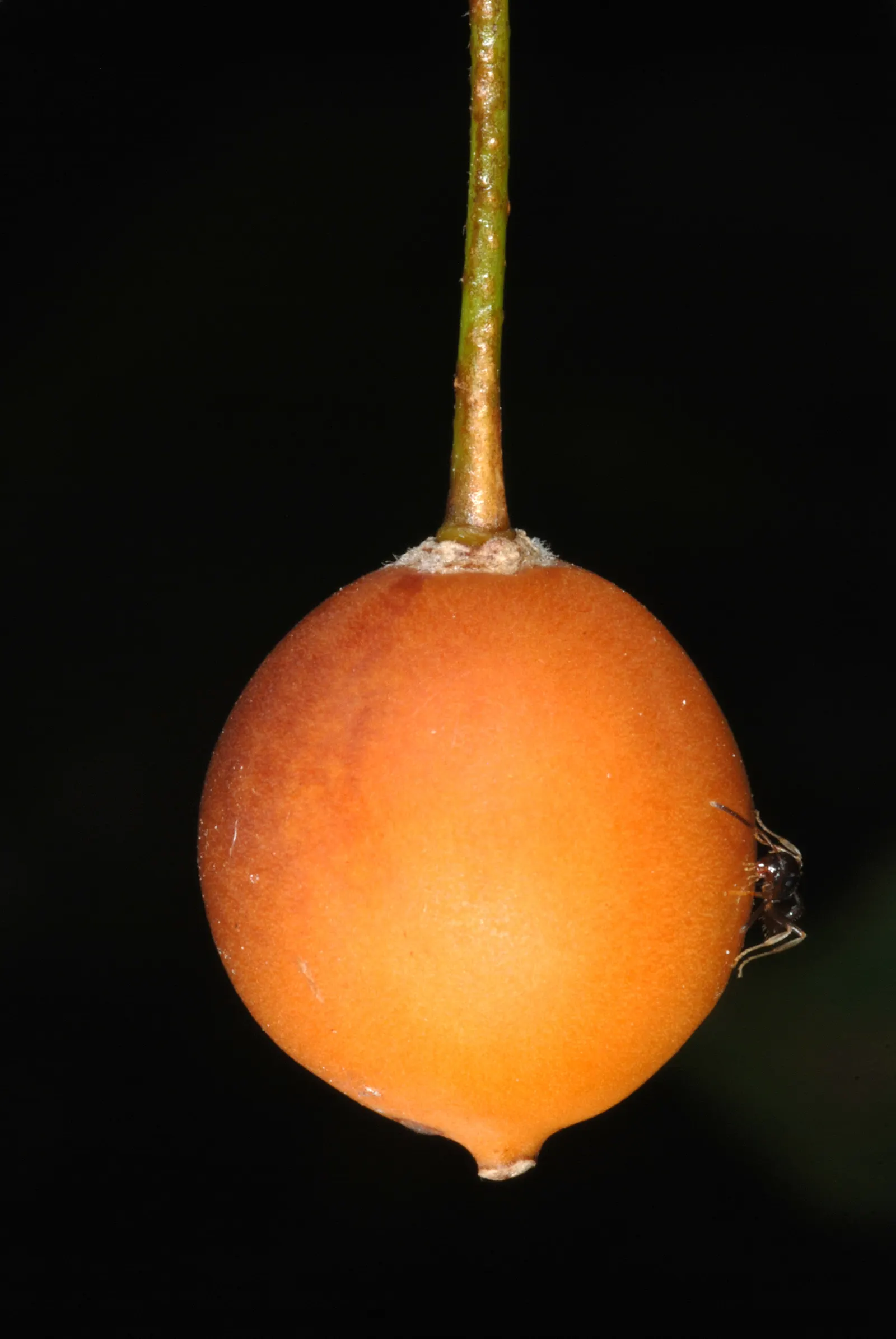
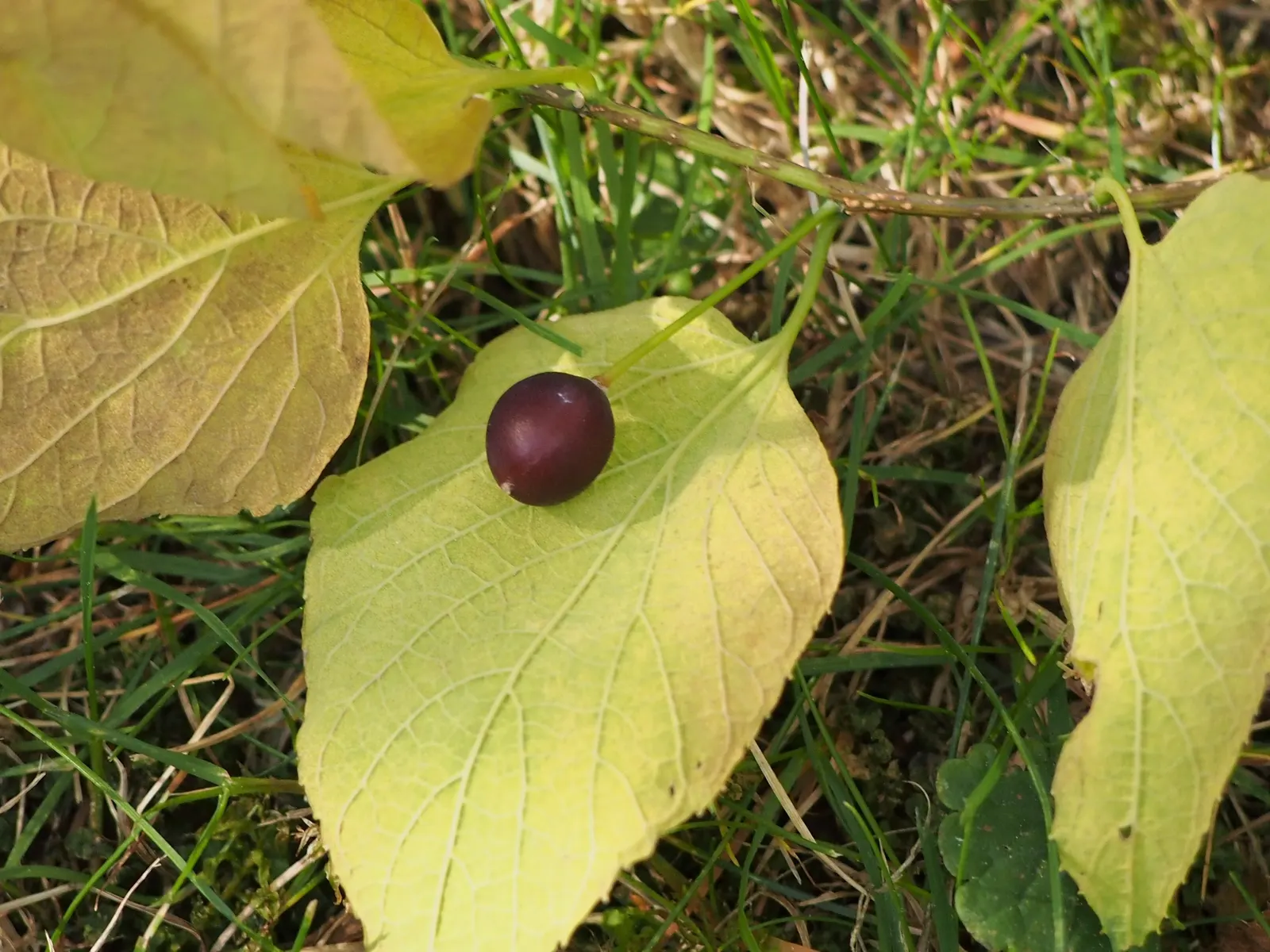
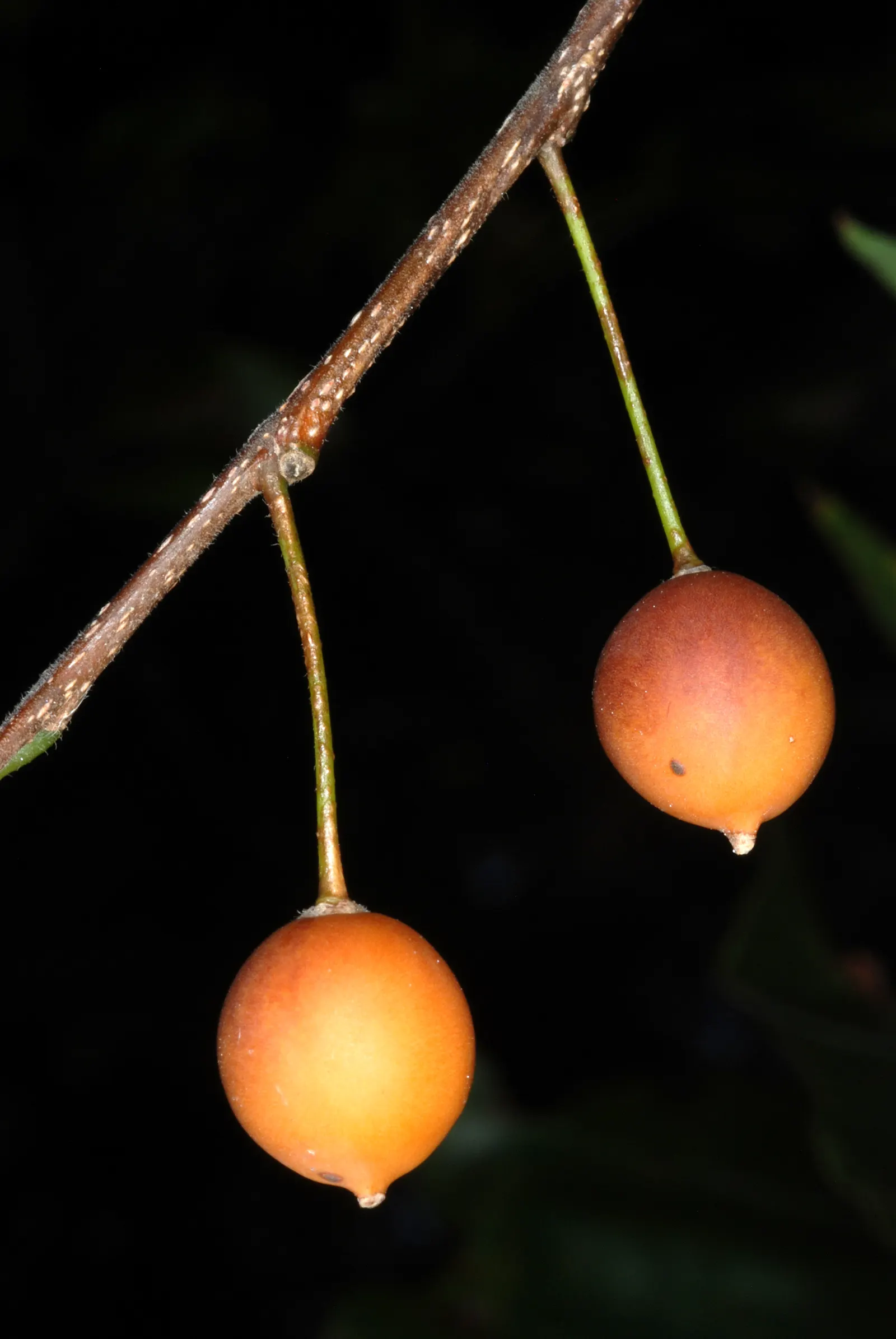
Common Hackberry (Celtis Occidentalis) — purple-black berries in the fall
Common Hackberry (Celtis Occidentalis) — Common Hackberry (Celtis occidentalis) is a hardy deciduous tree, prized for its adaptability
Common Hackberry (Celtis Occidentalis) — Its moderate growth rate allows it to seamlessly integrate into established gardens without disruptive speed
Common Hackberry (Celtis Occidentalis) — this tree has a rounded to spreading silhouette that provides generous shade; often reaching 40-60 ft with a spread of
Common Hackberry (Celtis Occidentalis) — purple berries attract wildlife
Common Hackberry (Celtis Occidentalis) — displaying a high tolerance for air pollution and drought once established
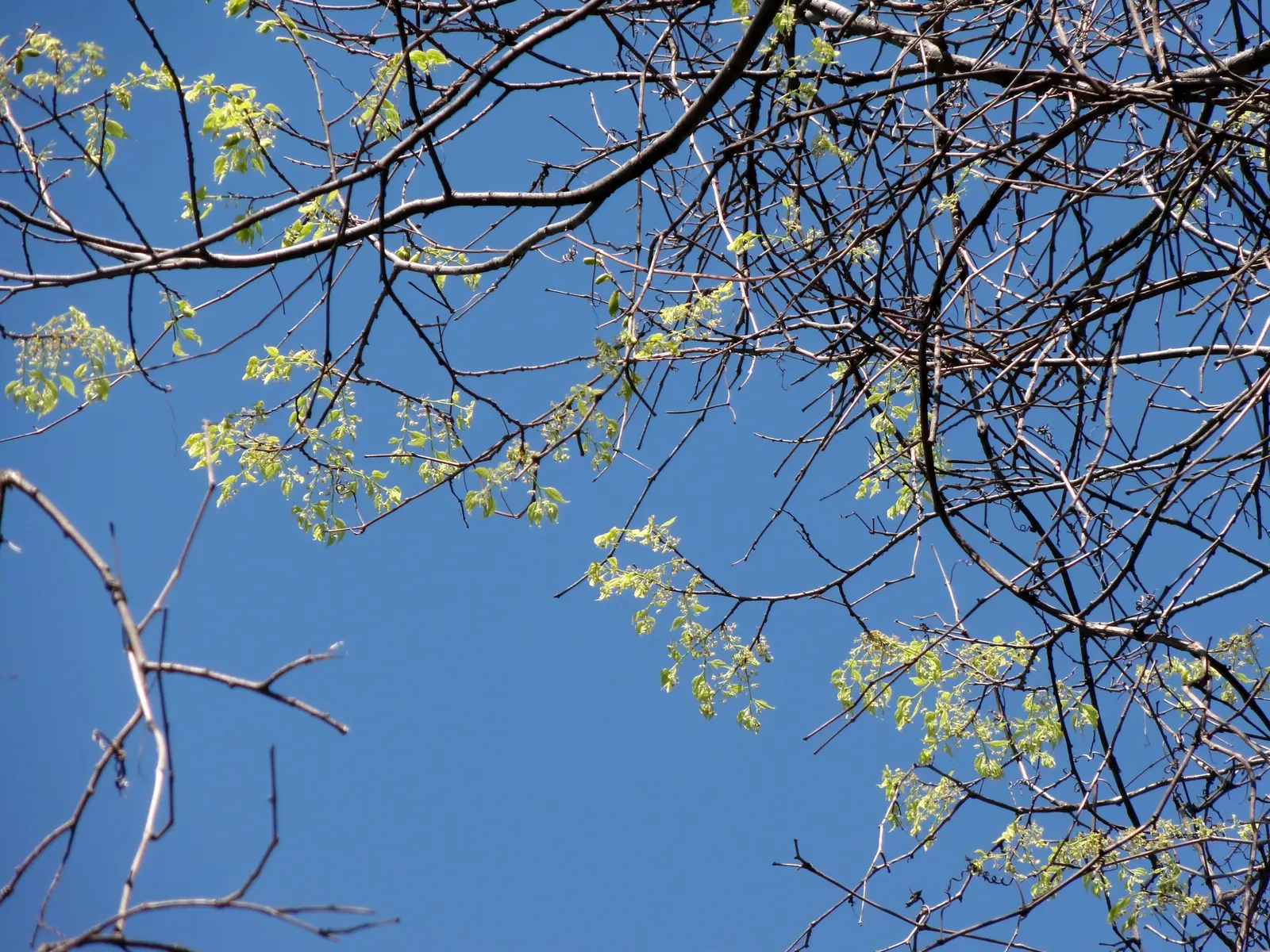
Common Hackberry (Celtis Occidentalis) — inconspicuous greenish flowers
Common Hackberry (Celtis Occidentalis) — and low-maintenance feature
Common Hackberry (Celtis Occidentalis) — it serves as a durable shade tree or street specimen; this robust species tolerates various soils and urban conditions
Common Hackberry (Celtis Occidentalis) — adding to its year-round visual interest.<br><br>Distinctive in spring; common Hackberry (Celtis occidentalis) is a
Common Hackberry (Celtis Occidentalis) — which are a hit with local bird species
Common Hackberry (Celtis Occidentalis) — the Hackberry thrives in full sun to partial shade
Common Hackberry (Celtis Occidentalis) — The bark is a distinguished gray; which are a hit with local bird species
Photographs by 11 contributors

Related plants