Skip to content

American Elm

Ulmus Americana

Design with this plant

Overview

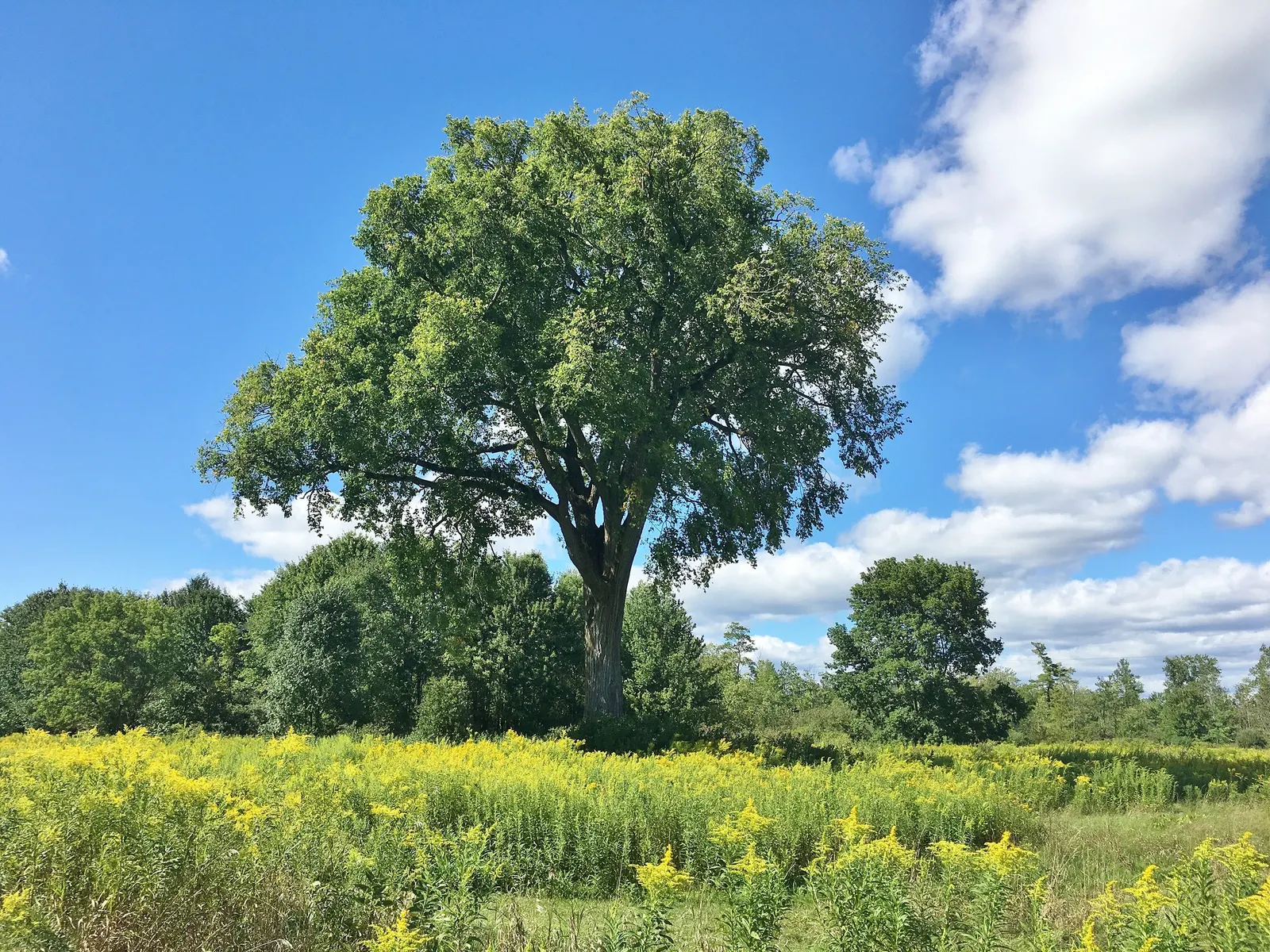
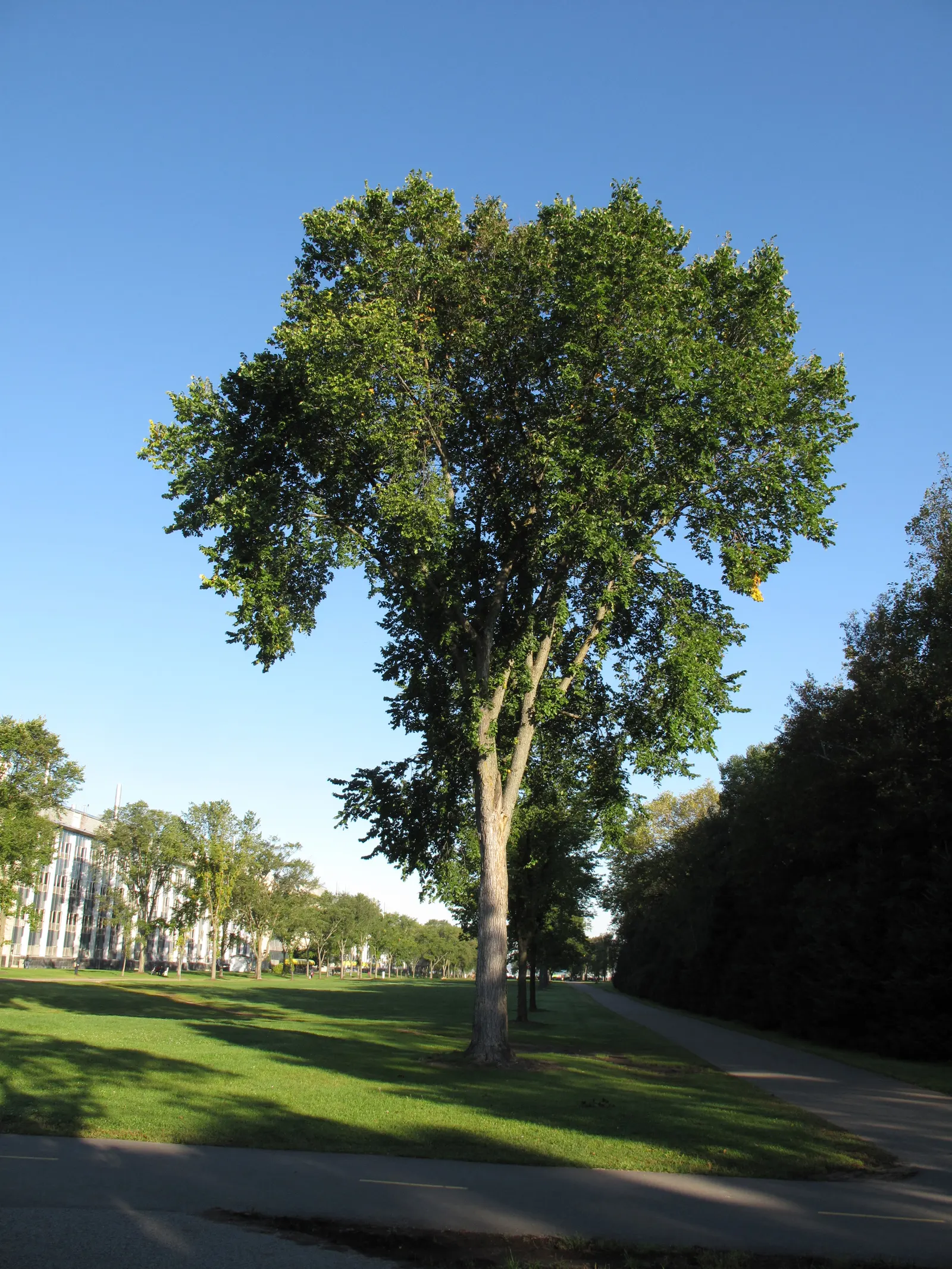
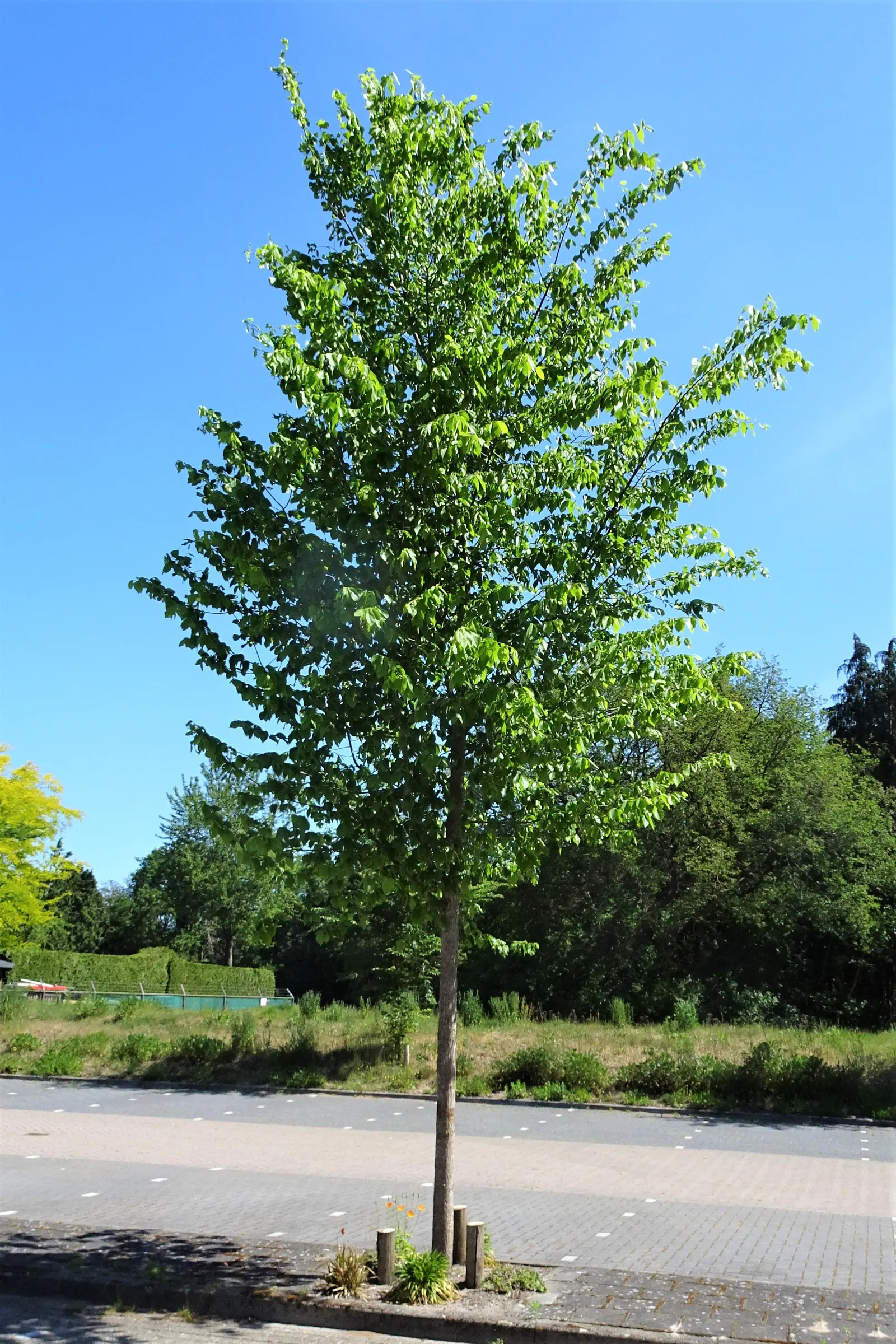
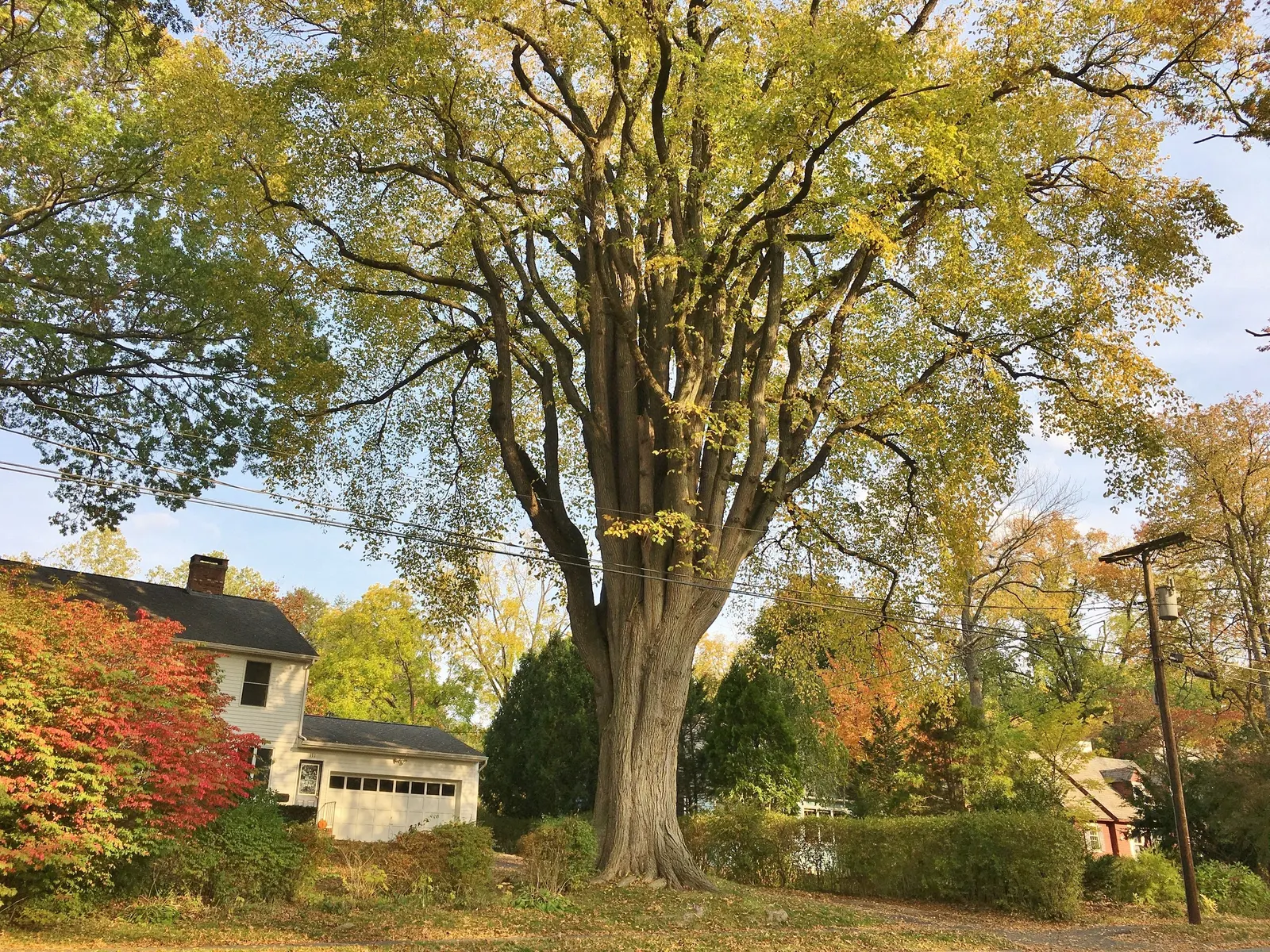
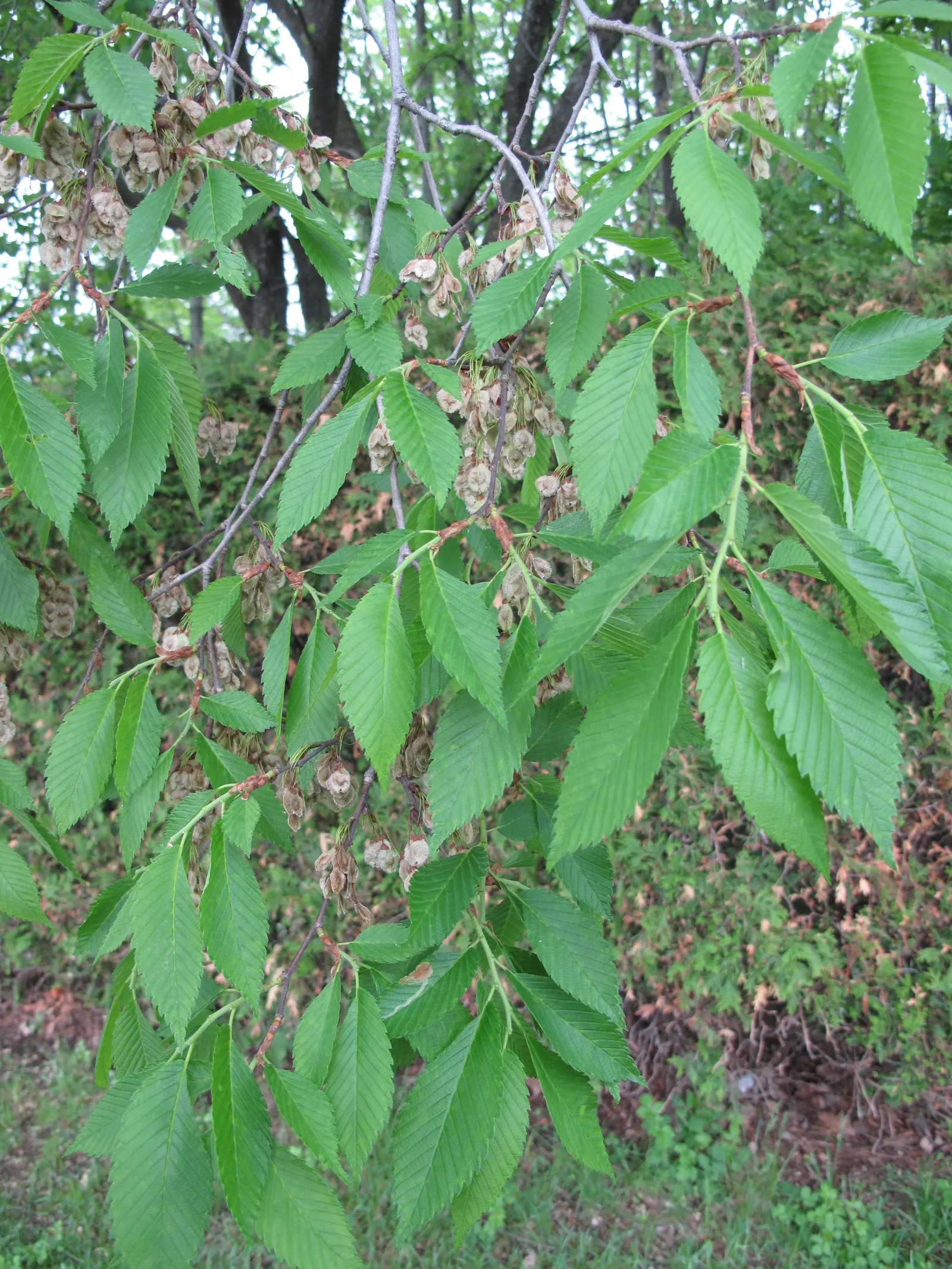
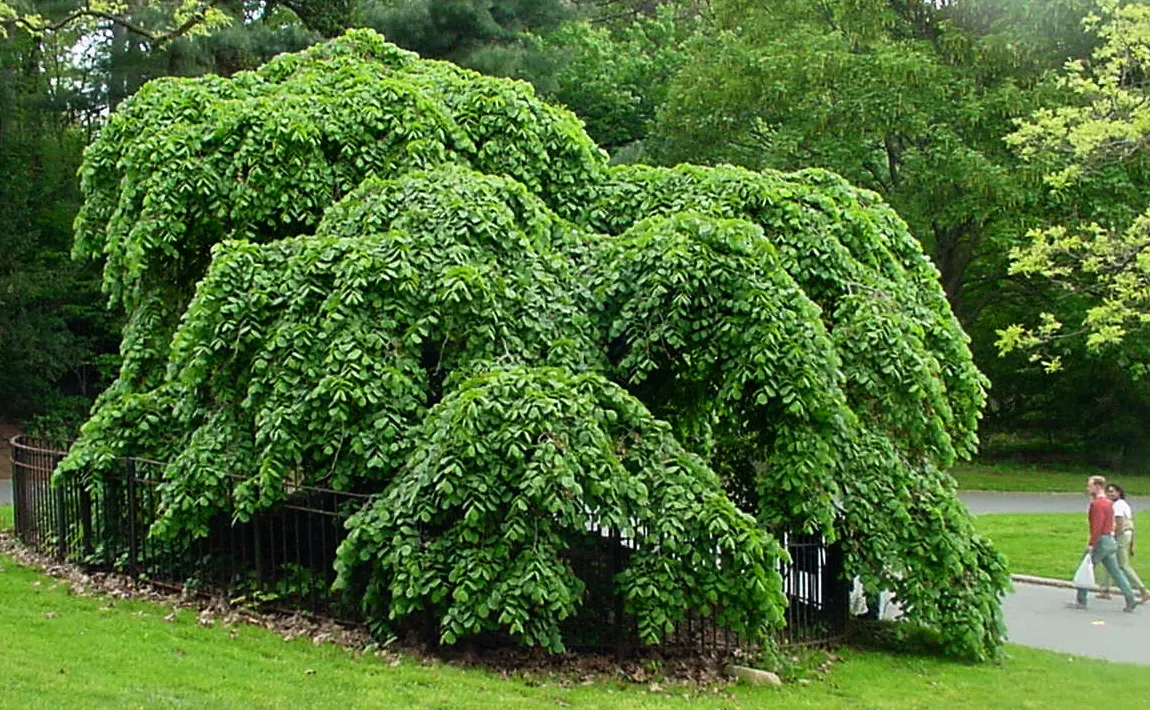
The American Elm (Ulmus americana), cherished for its stately vase-like form, boasts a majestic spread of up to 70 feet, reaching heights of 60 to 80 feet. Its deciduous leaves, 3-6 inches long, turn a vibrant yellow in fall. This Elm thrives in USDA zones 3-9, prefers moist, well-drained soils, and full to partial sun. Known for its historical presence in urban landscapes, it is, however, susceptible to Dutch elm disease.

Sun FullWater LowZones 2–9Type TreeClimate Temperate

Culture

Sun
Full
Water
Low
USDA zones
2–9

Shape & size

Classification

Type
Tree
Family
Ulmaceae
Climate
Temperate

See full data, regional cultivation notes, and design tools. Build a client presentation around this plant.

Start your 14-day trial

Photos (78)

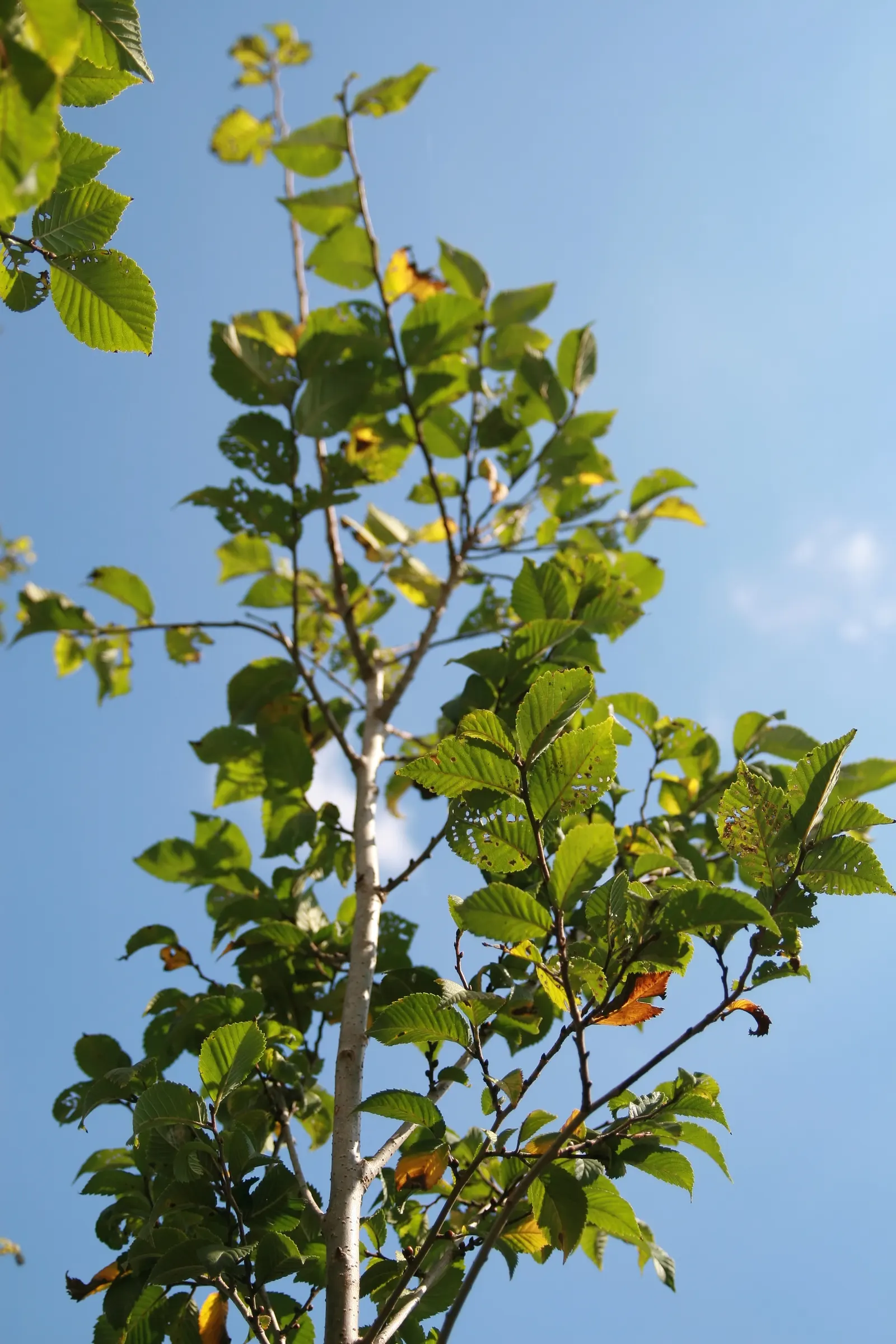
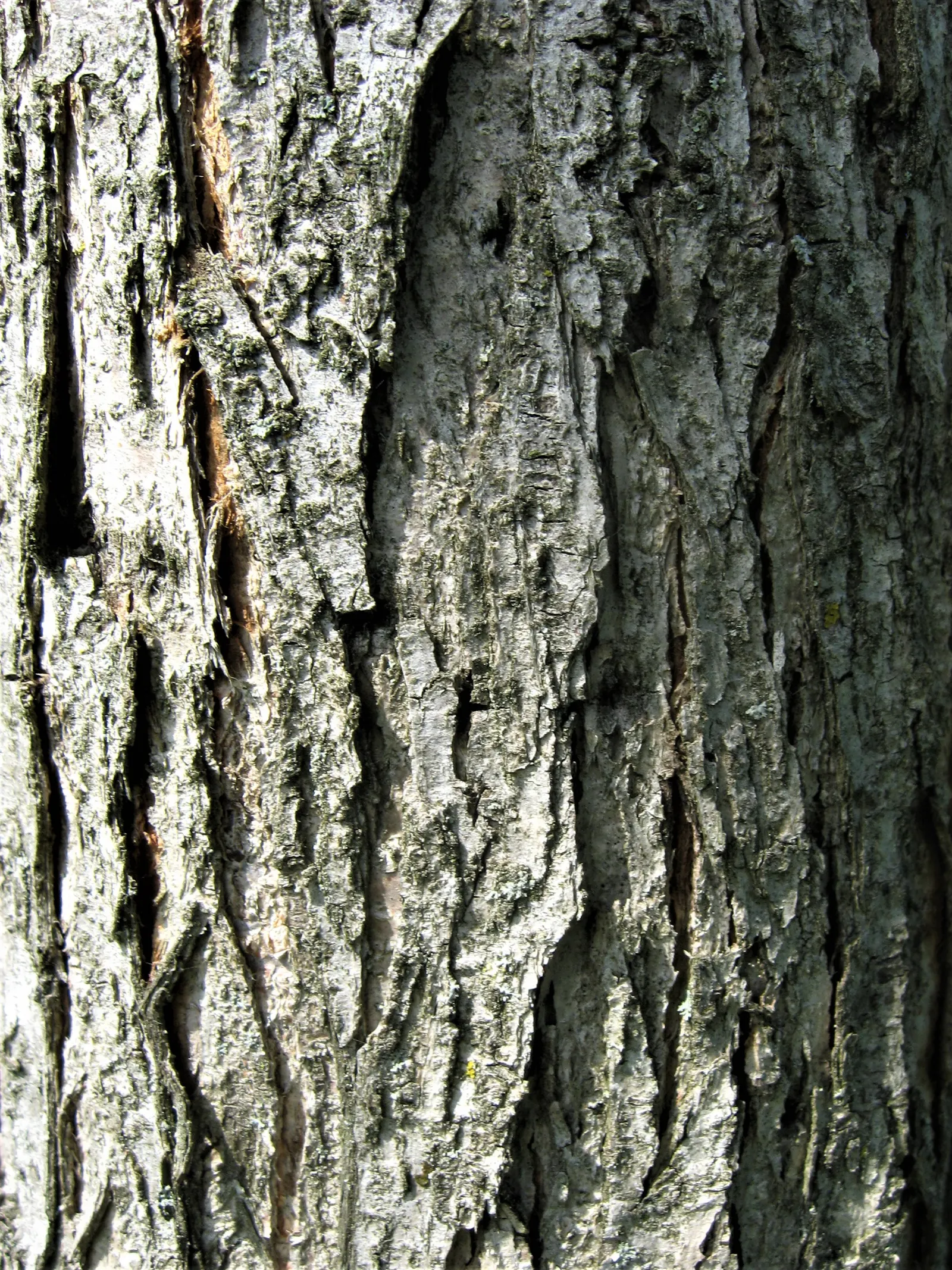
American Elm (Ulmus Americana) — is a stately and historic deciduous tree widely recognized for its graceful vase-like silhouette and extensive, image 56
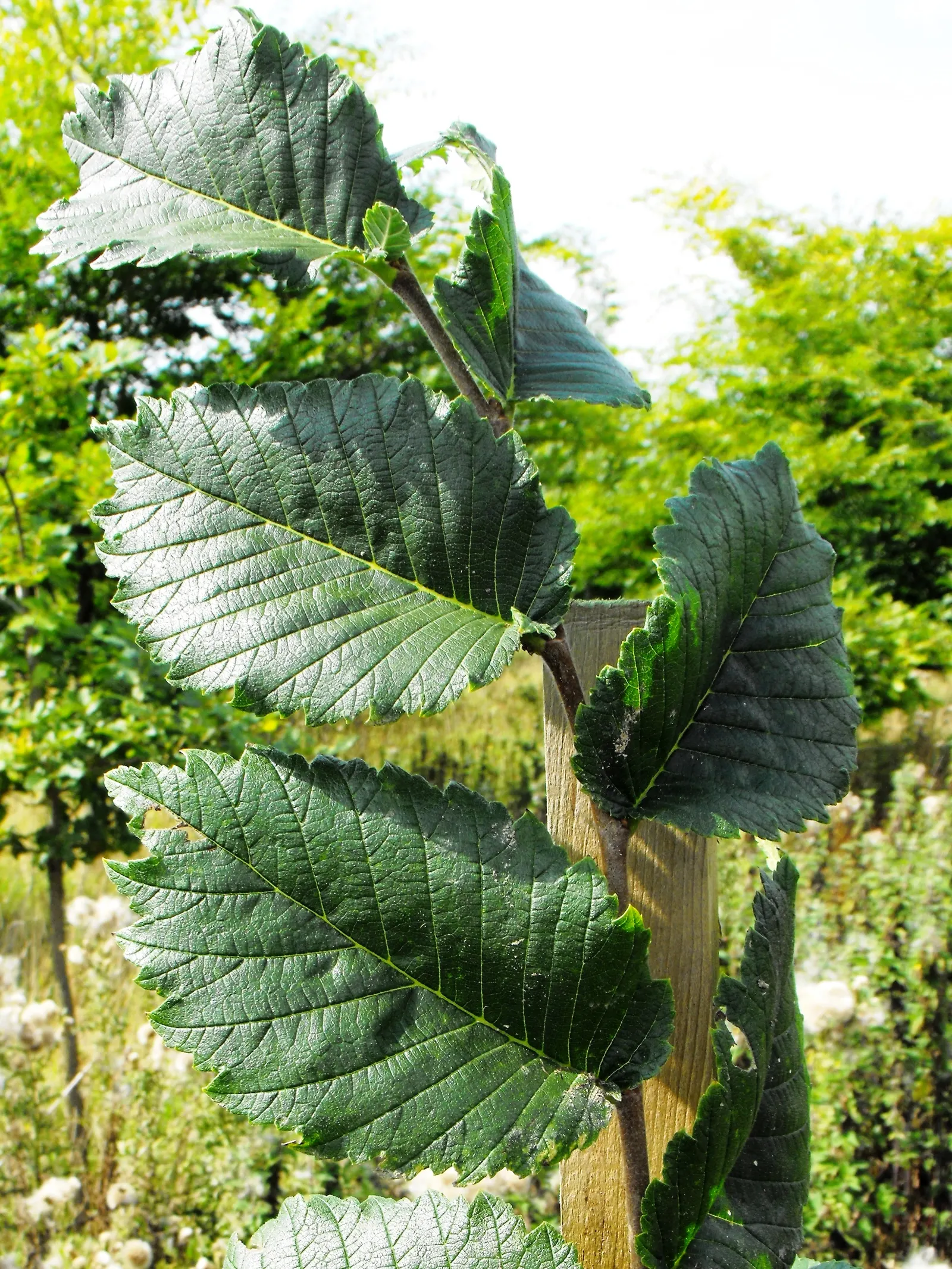
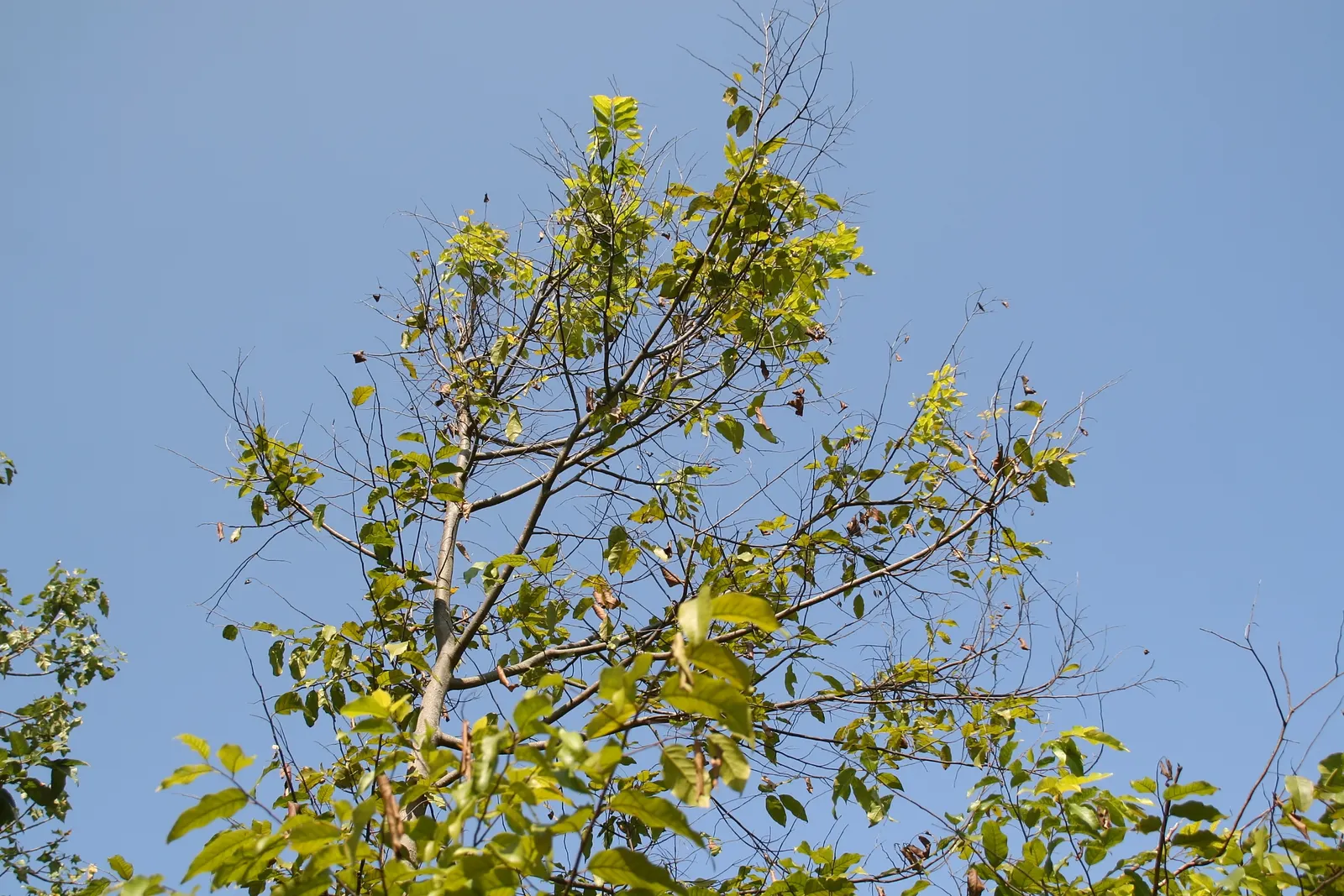
American Elm (Ulmus Americana) — rendering them highly versatile.<br><br>However; its dark green leaves transition to vibrant yellows in the fall
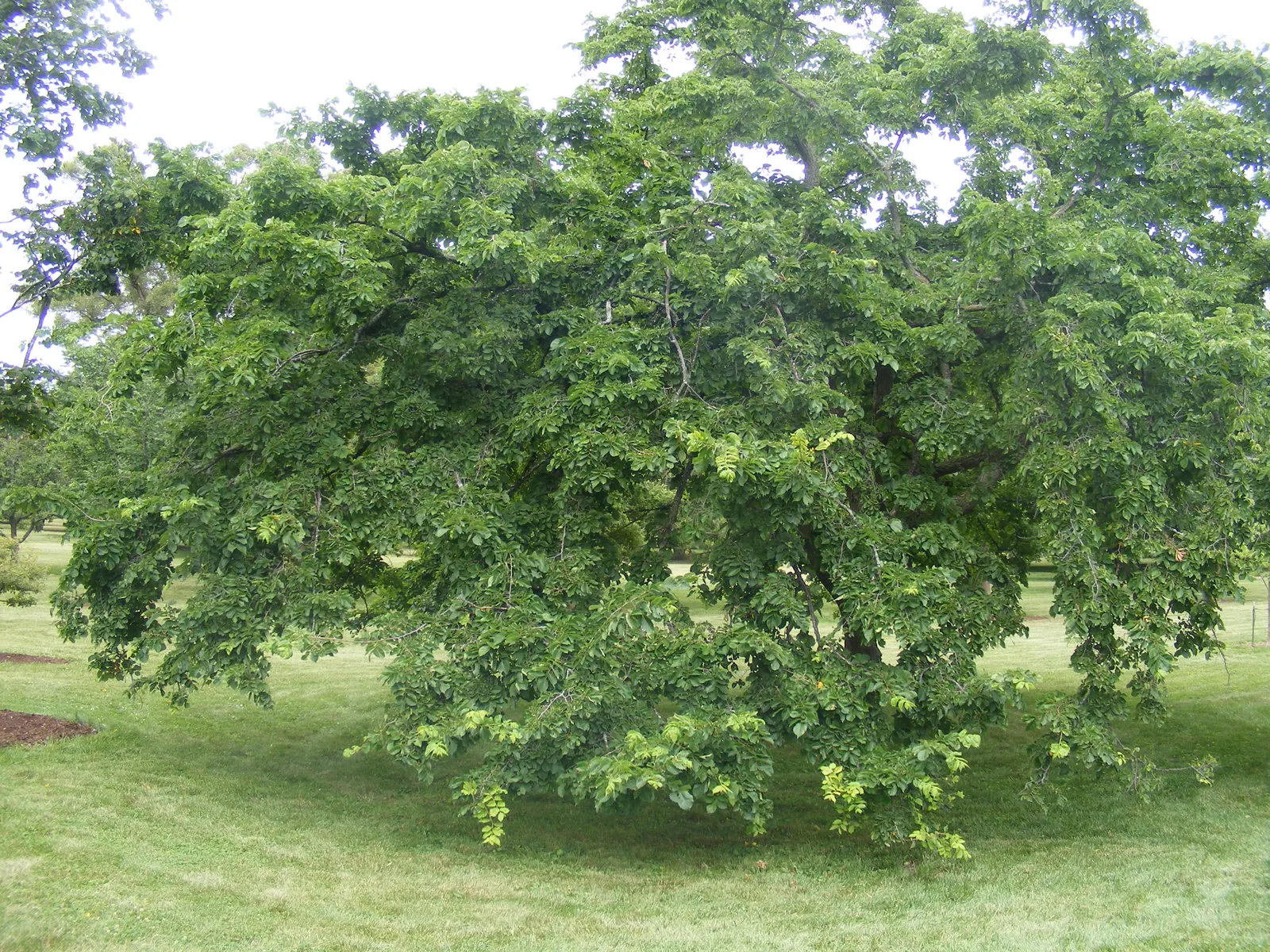
American Elm (Ulmus Americana) — Ideally suited for large landscapes
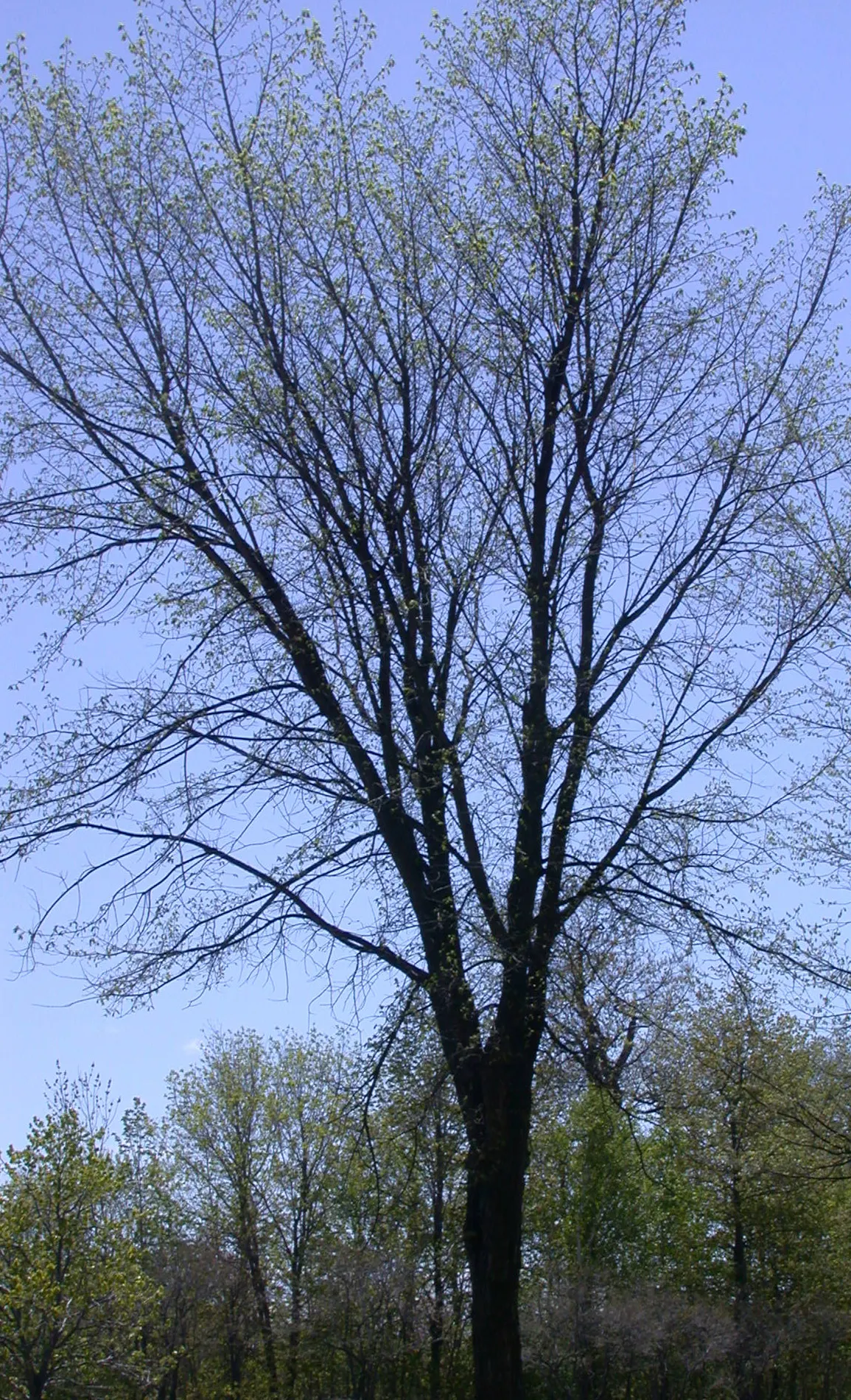
American Elm (Ulmus Americana) — reaching heights of 60 to 80 feet; the American Elm (Ulmus americana), image 52
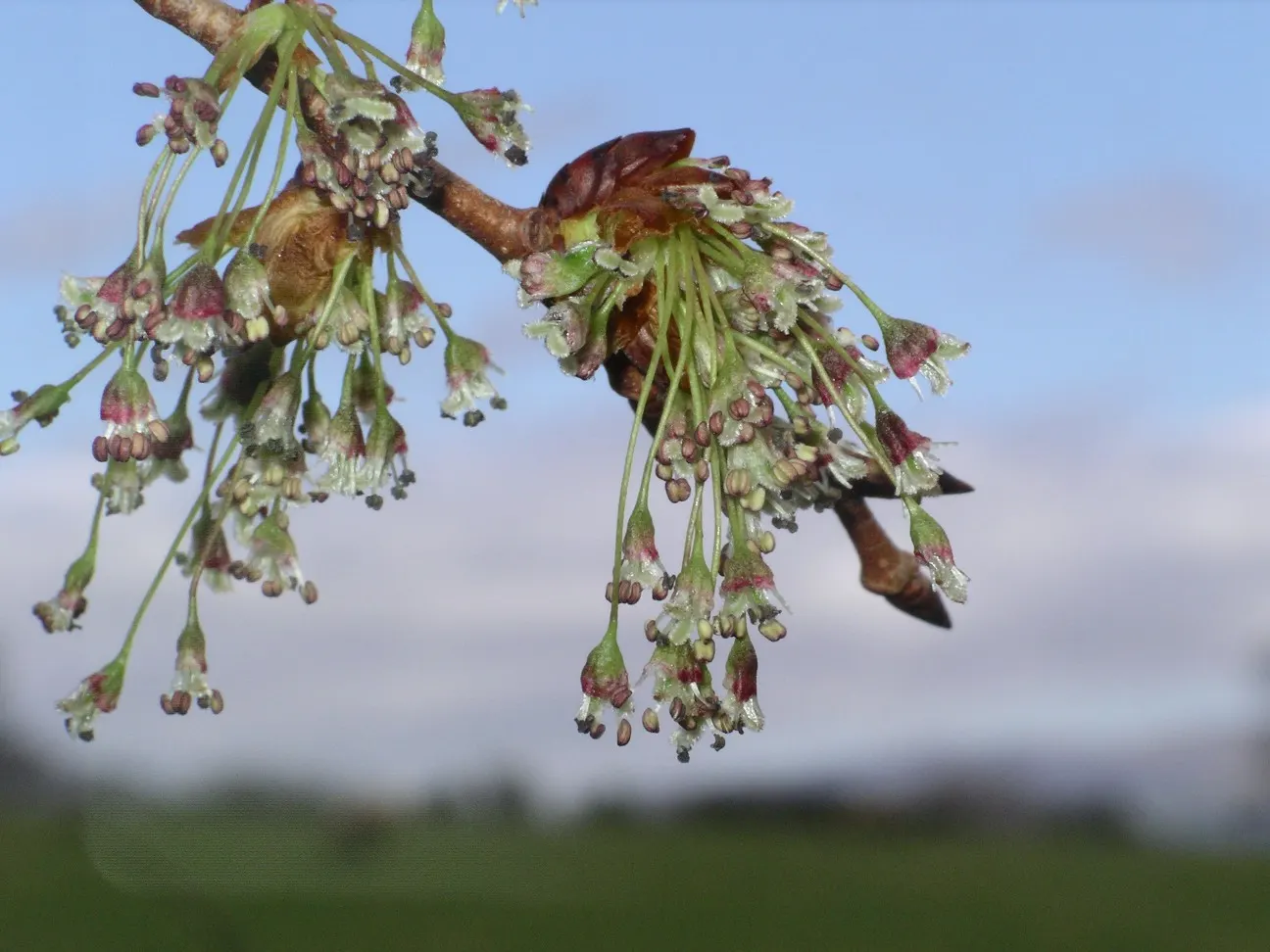
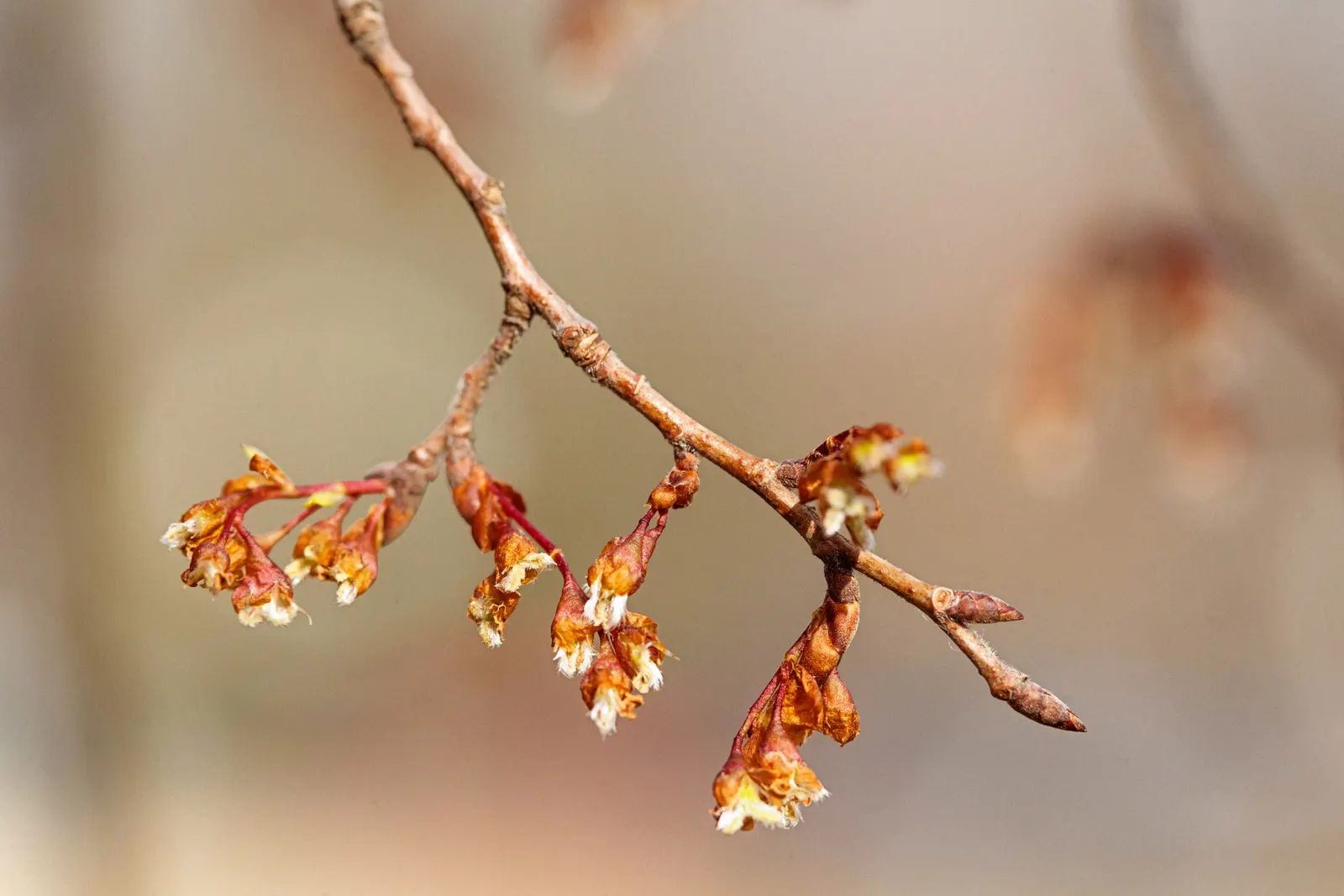
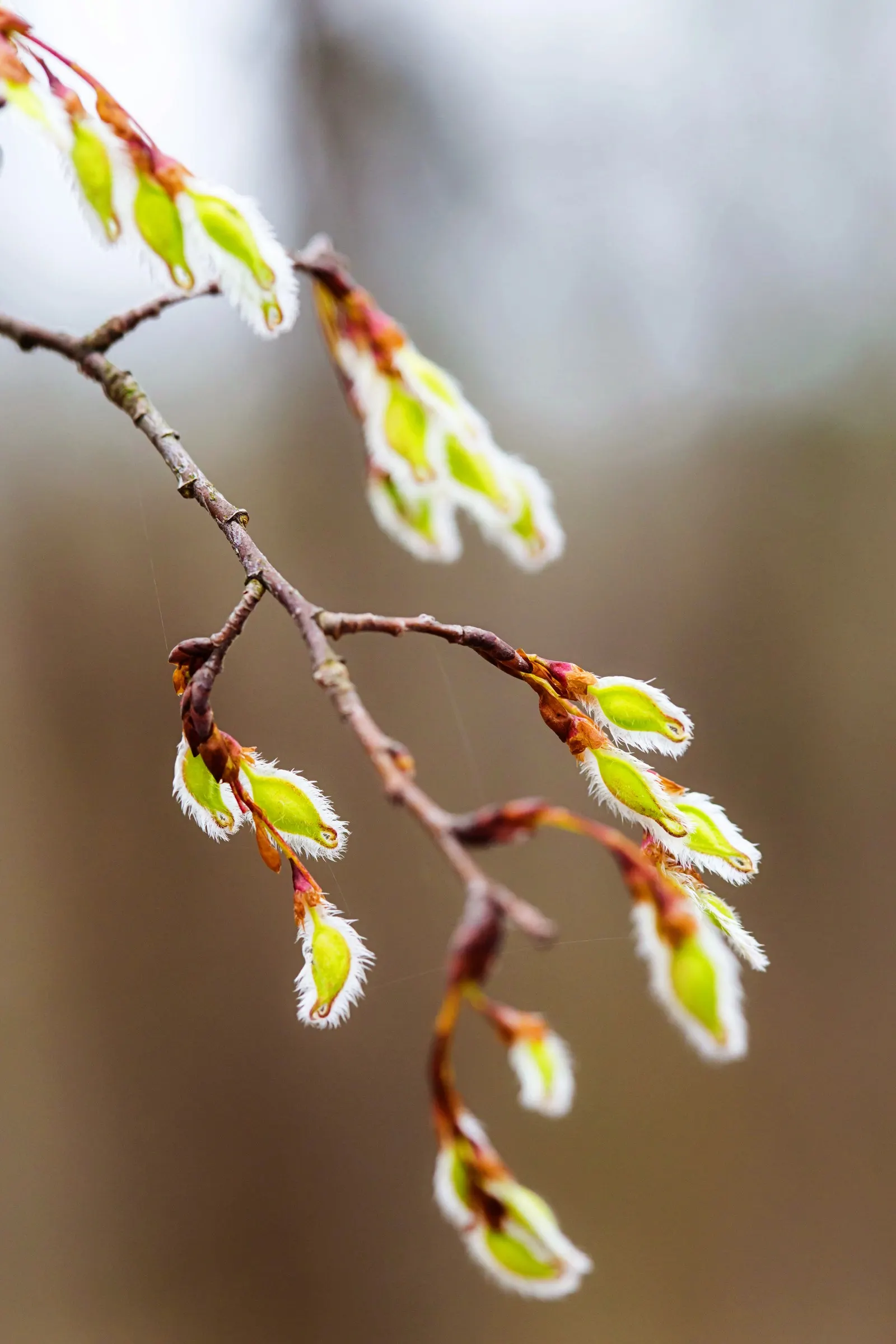
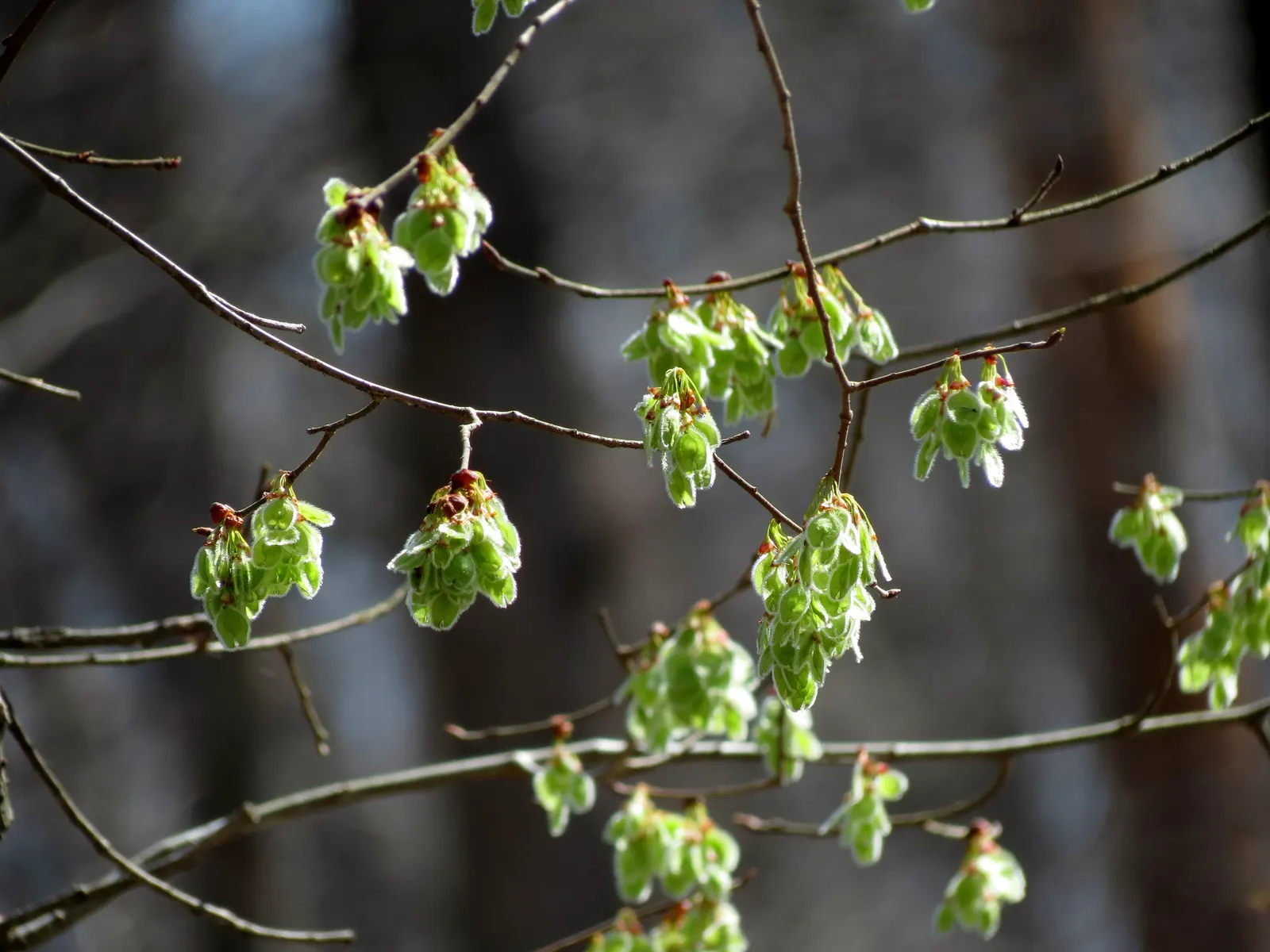
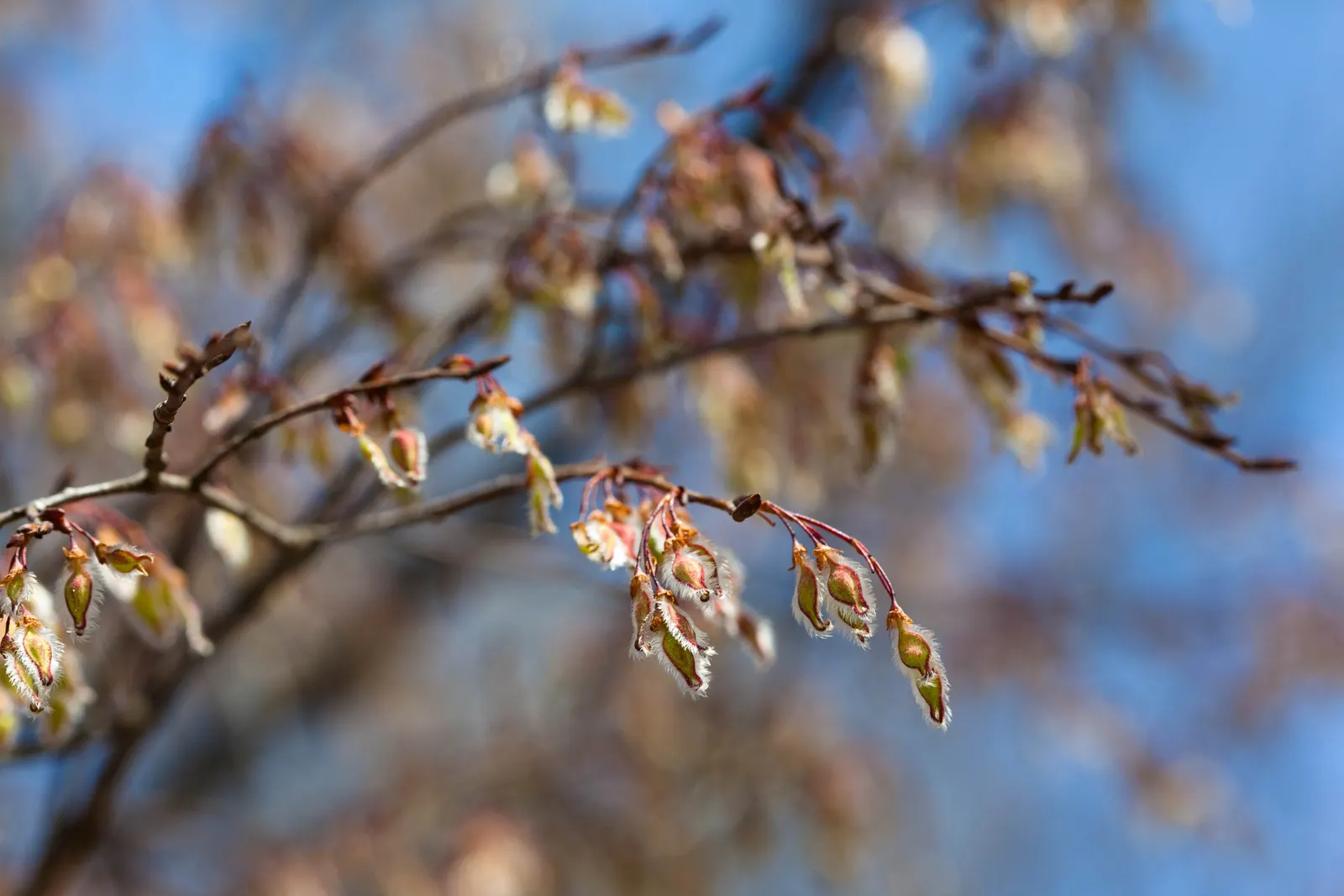
American Elm (Ulmus Americana) — tree with green and yellow blooms; adding seasonal interest to your client's garden
American Elm (Ulmus Americana) — Its deciduous leaves, 3-6 inches long, turn a vibrant yellow in fall; is a stately and historic deciduous tree, image 53
American Elm (Ulmus Americana) — The American Elm (Ulmus americana)
American Elm (Ulmus Americana) — Prevention and early detection through regular pruning and monitoring can mitigate risk; it typically reaches heights of 60 to
American Elm (Ulmus Americana) — Its dark green leaves transition to vibrant yellows in the fall; rendering them highly versatile.<br><br>However
American Elm (Ulmus Americana) — Known for its historical presence in urban landscapes, it is, however, susceptible to Dutch elm disease; green and yellow
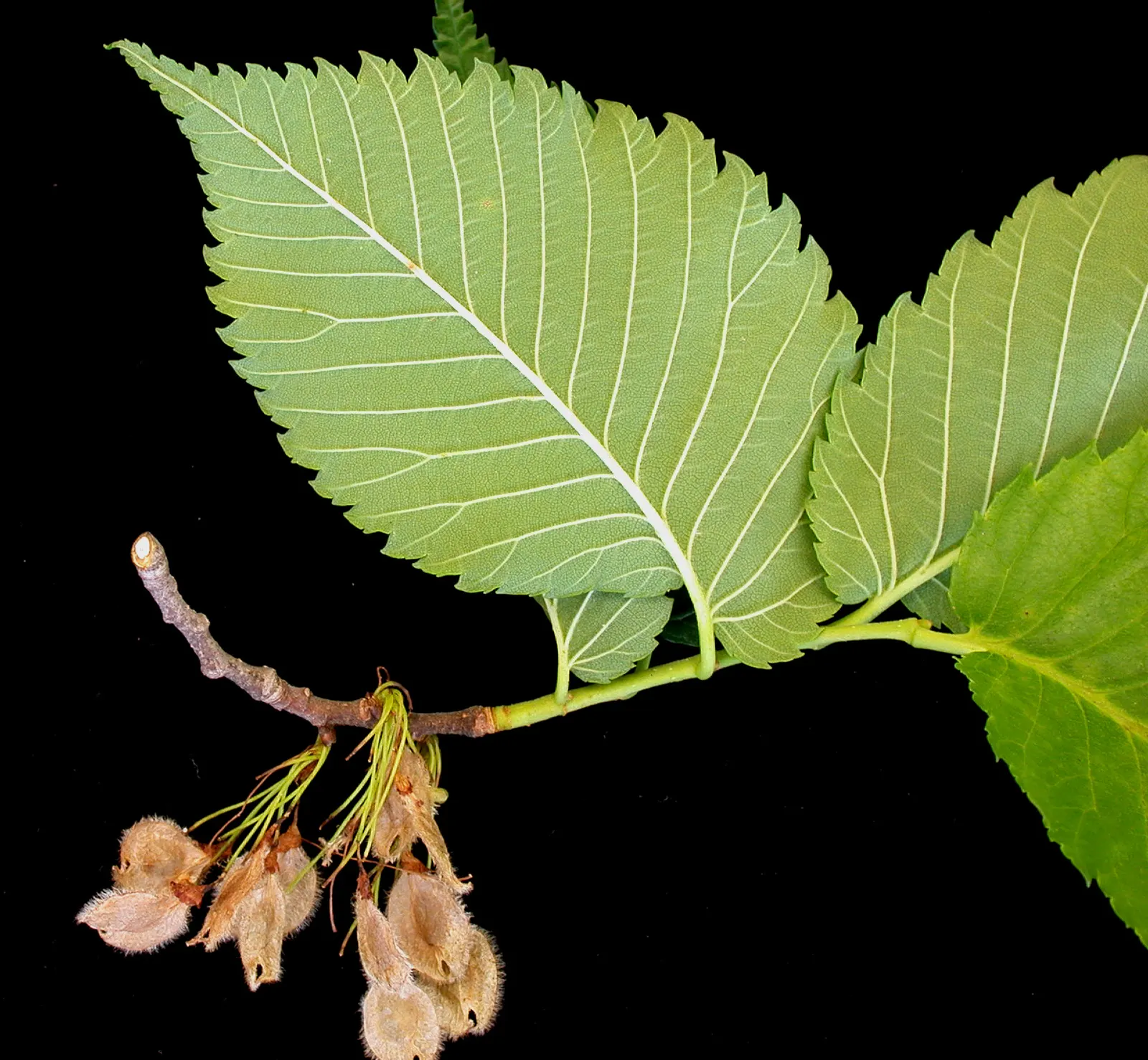
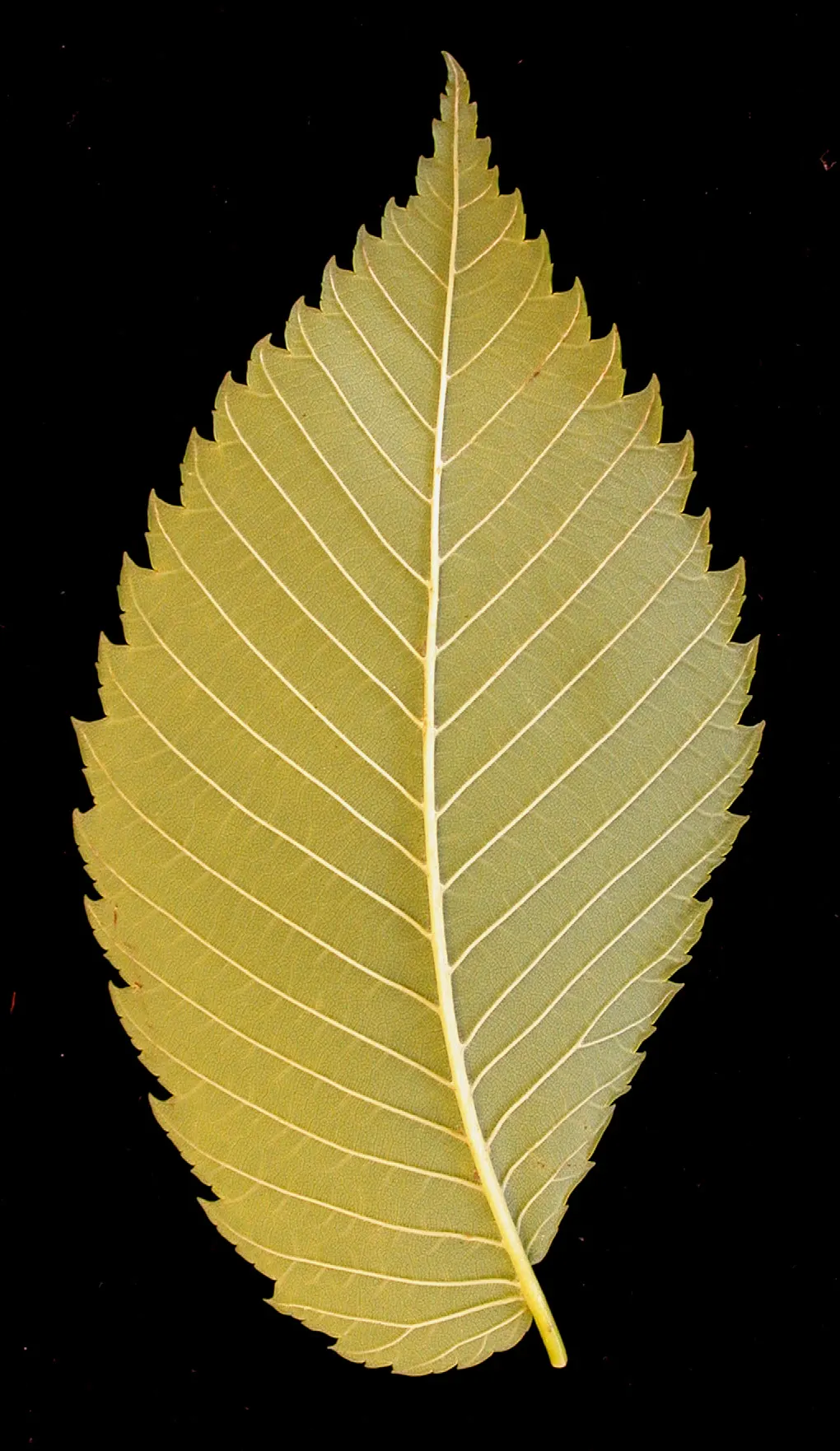
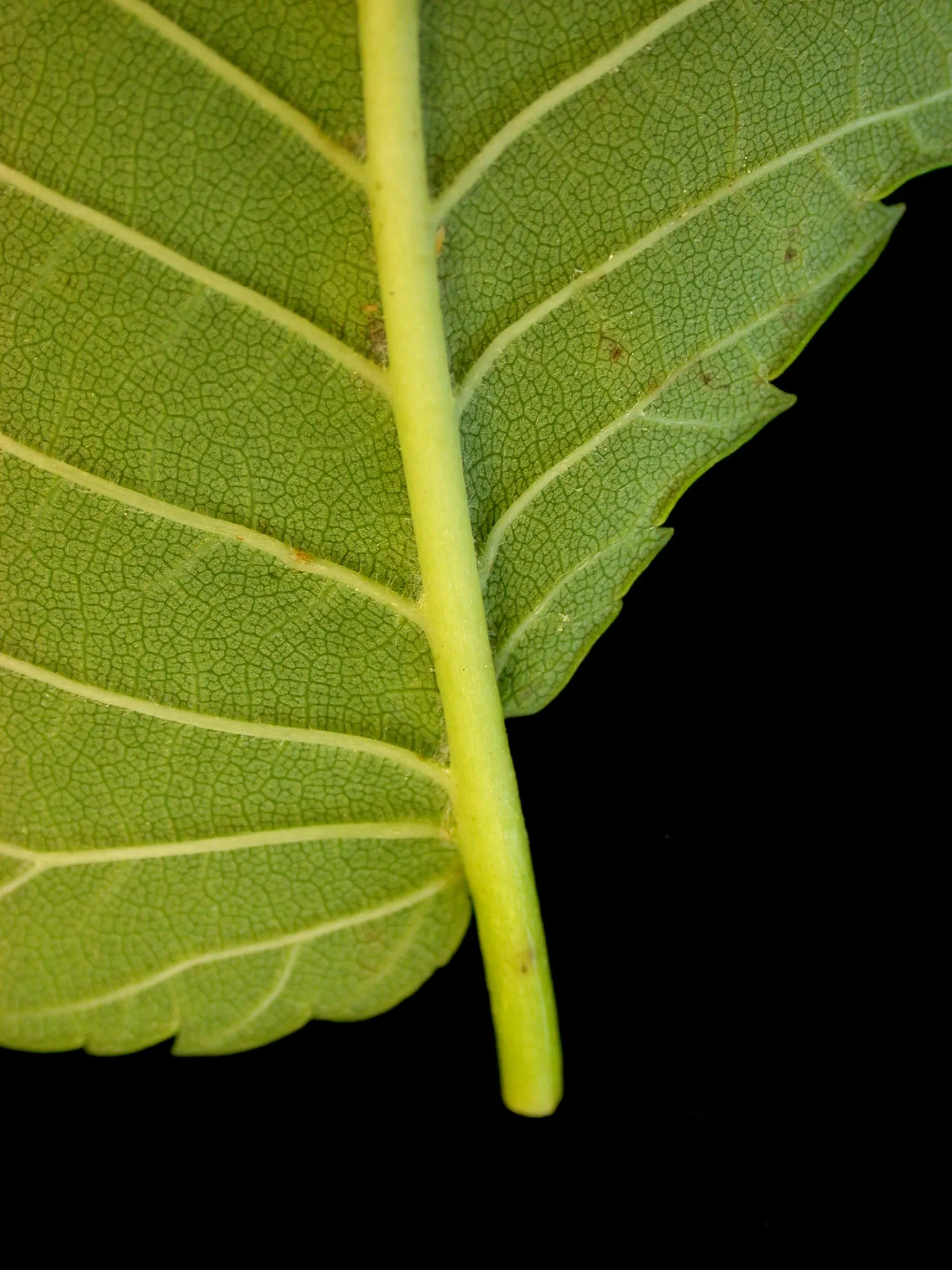
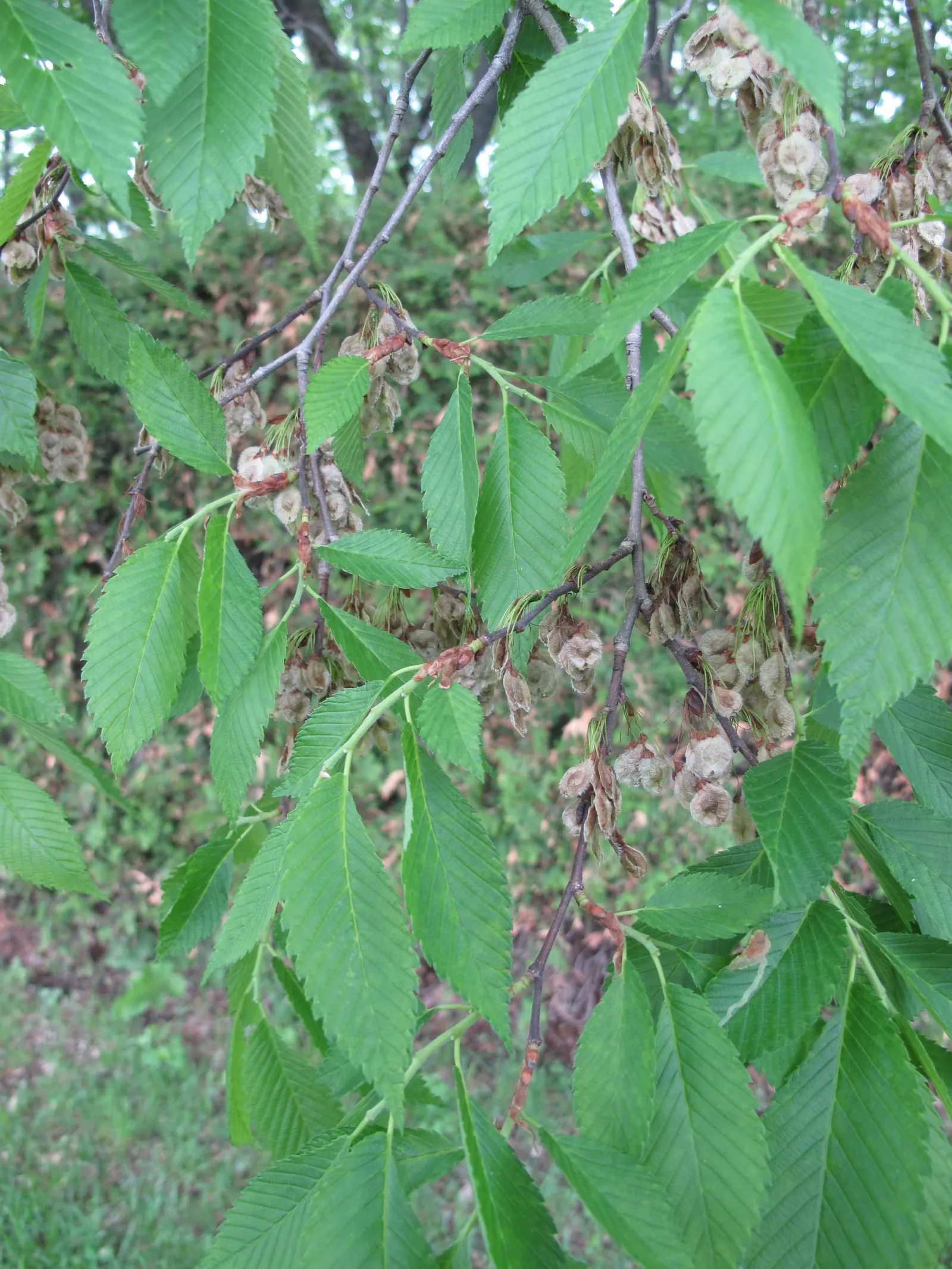
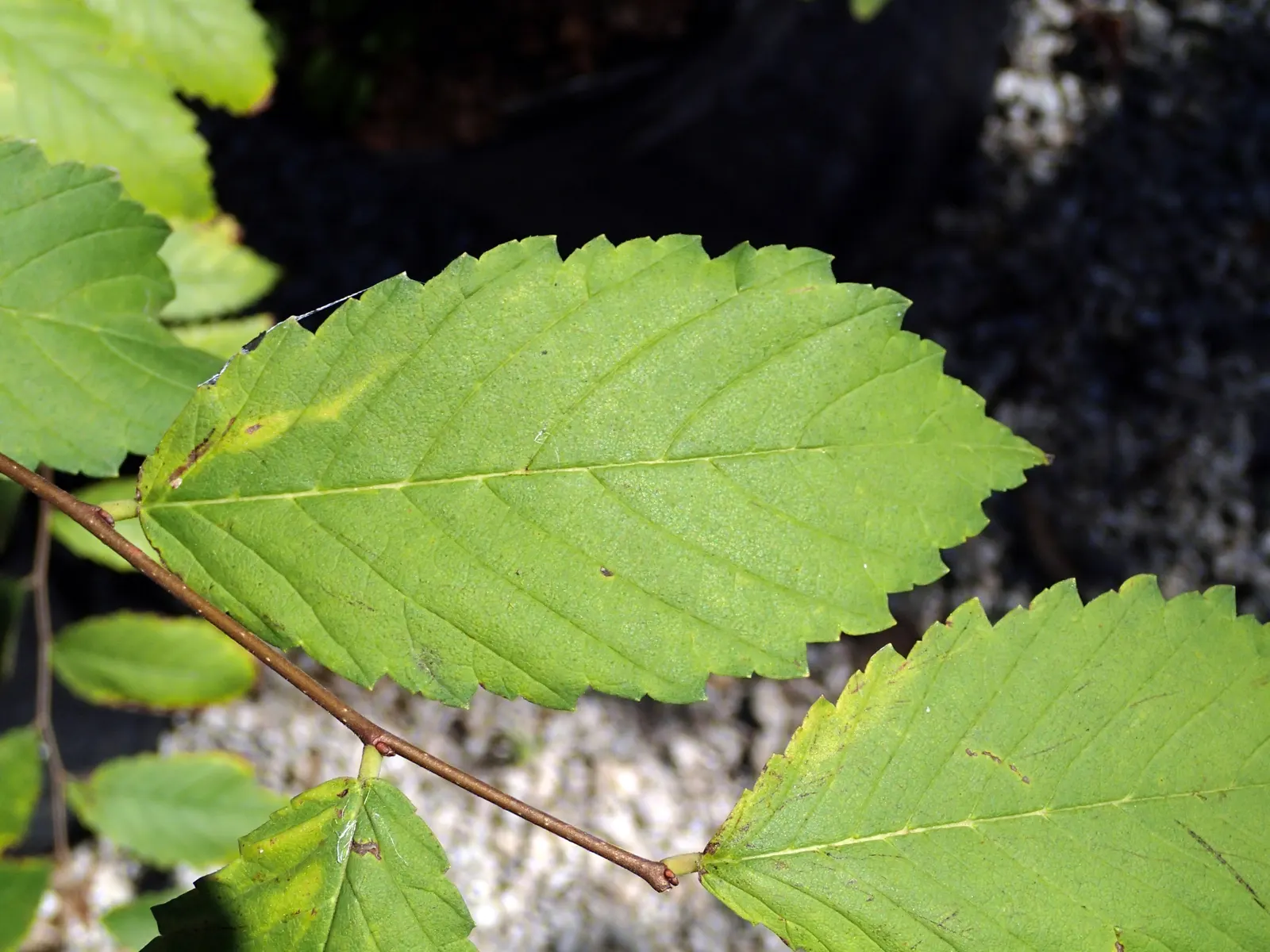
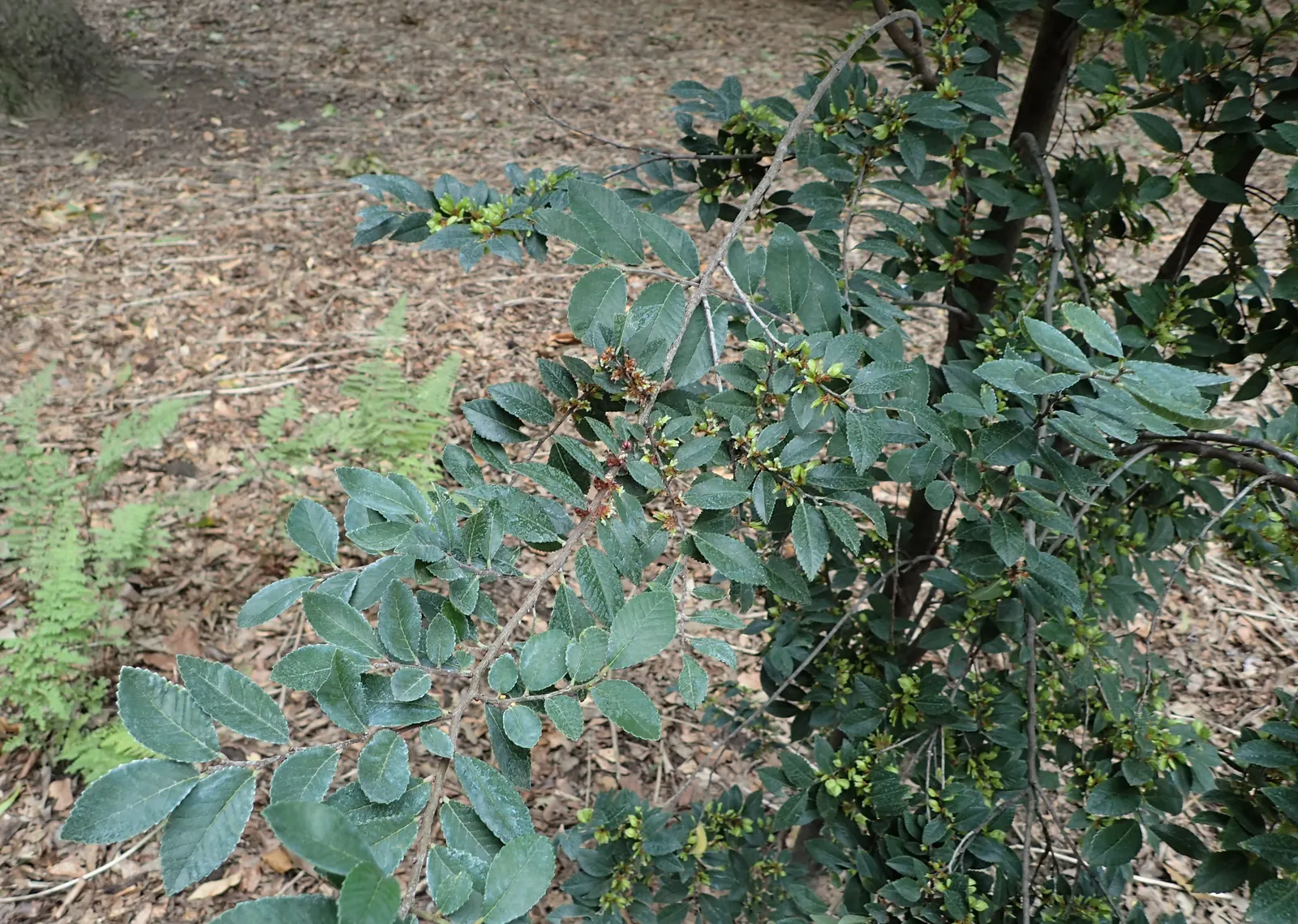
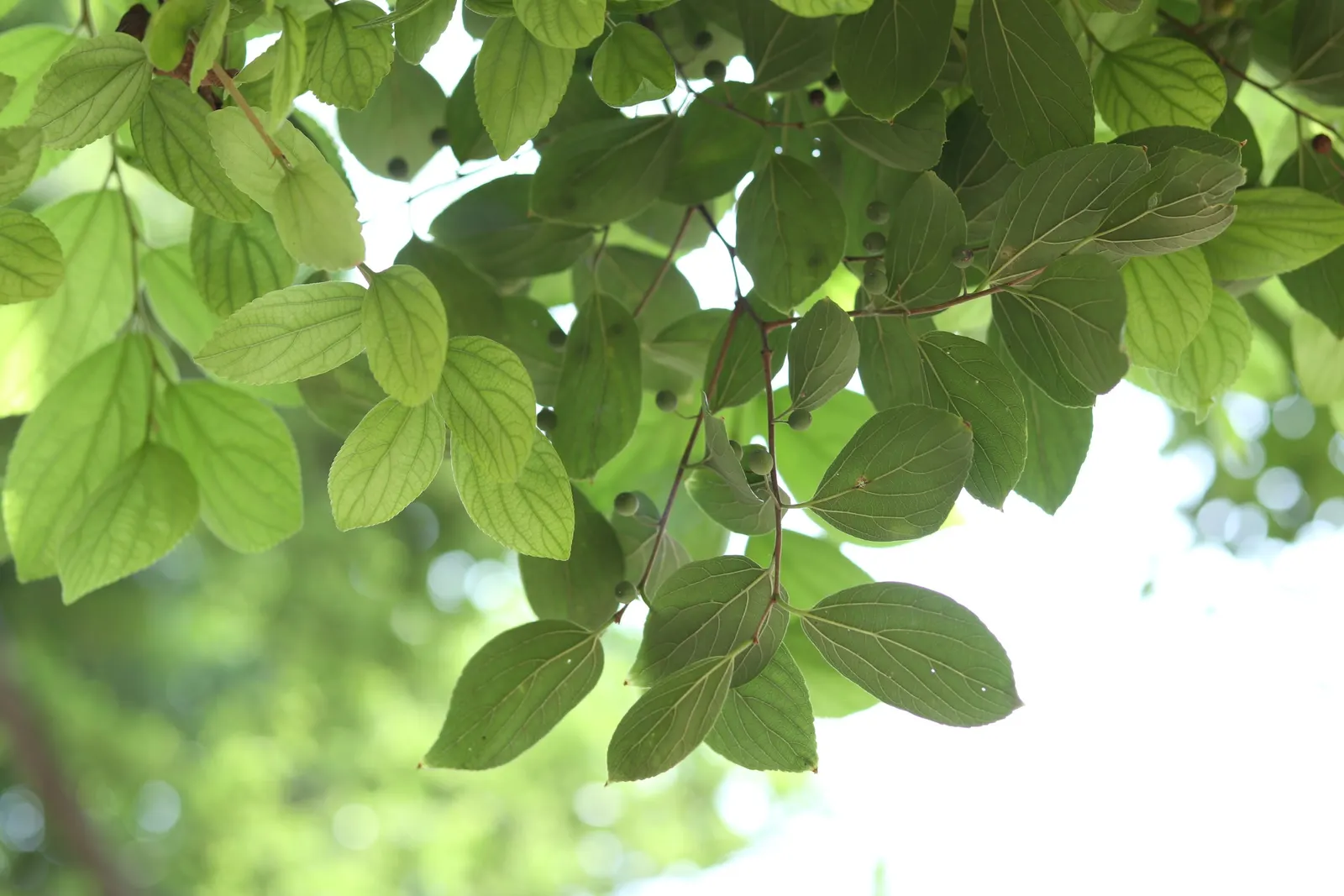
American Elm (Ulmus Americana) — the leaves are oval with serrated edges and a pointed tip
American Elm (Ulmus Americana) — reaching heights of 60 to 80 feet; the American Elm (Ulmus americana)
American Elm (Ulmus Americana) — The American Elm (Ulmus americana); reaching heights of 60 to 80 feet
American Elm (Ulmus Americana) — This Elm thrives in USDA zones 3-9, prefers moist, well-drained soils, and full to partial sun; from wet to dry and acidic to
American Elm (Ulmus Americana) — tree for full; cultivars with increased disease resistance are available.<br><br>When designing
American Elm (Ulmus Americana) — tree with green and yellow blooms
American Elm (Ulmus Americana) — Its dark green leaves transition to vibrant yellows in the fall
American Elm (Ulmus Americana) — Prevention and early detection through regular pruning and monitoring can mitigate risk
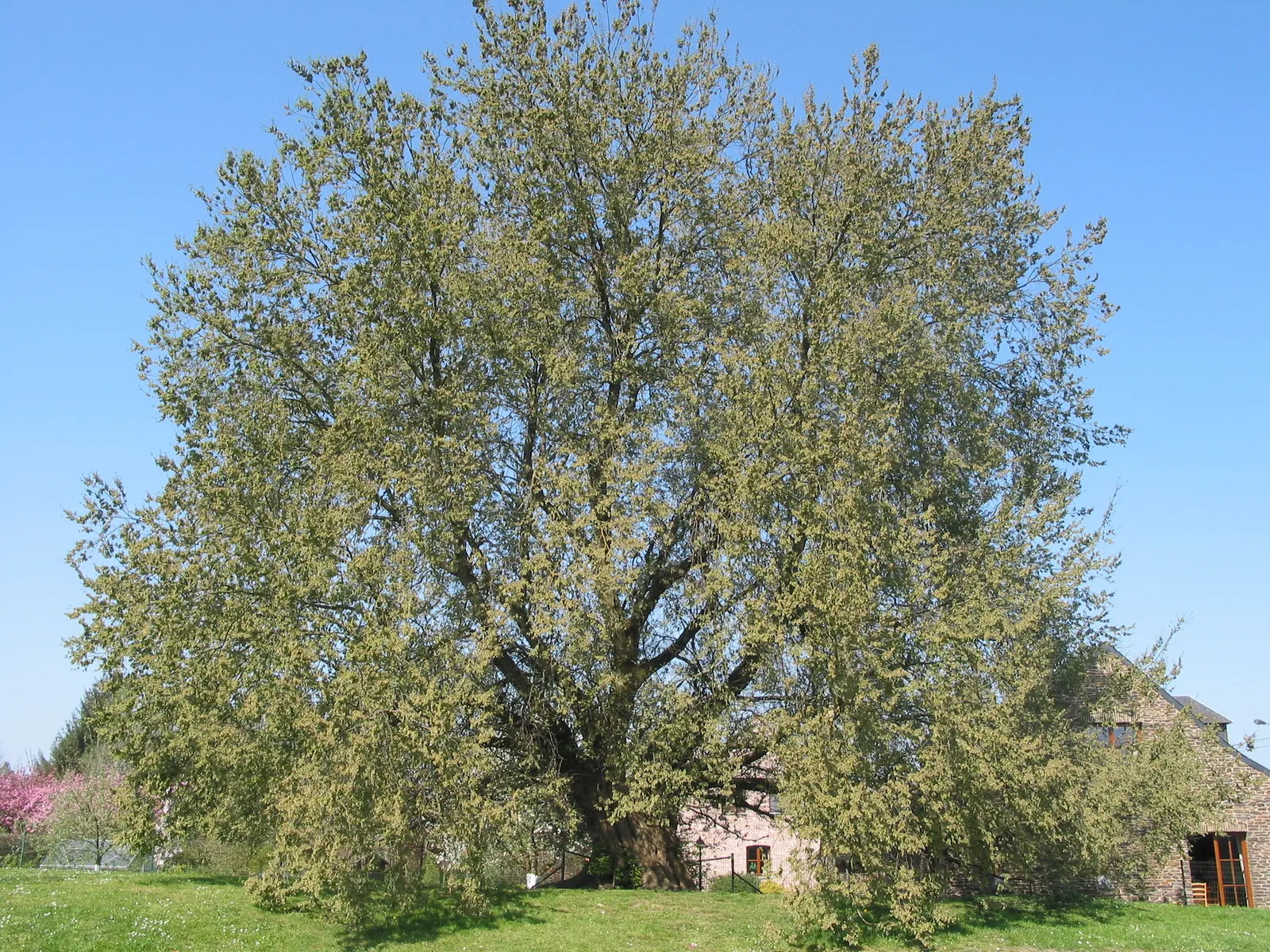
American Elm (Ulmus Americana) — it typically reaches heights of 60 to 80 feet with an impressive spread of 40 to 70 feet at maturity; prevention, image 58
American Elm (Ulmus Americana) — from wet to dry and acidic to alkaline
American Elm (Ulmus Americana) — a fungal affliction spread by bark beetles; boasts a majestic spread of up to 70 feet
American Elm (Ulmus Americana) — cultivars with increased disease resistance are available.<br><br>When designing
American Elm (Ulmus Americana) — it's important to note that Ulmus americana is susceptible to Dutch elm disease
American Elm (Ulmus Americana) — it typically reaches heights of 60 to 80 feet with an impressive spread of 40 to 70 feet at maturity
Photographs by 11 contributors

Related plants