Skip to content

Eastern Hemlock

Tsuga Canadensis

Design with this plant

Overview

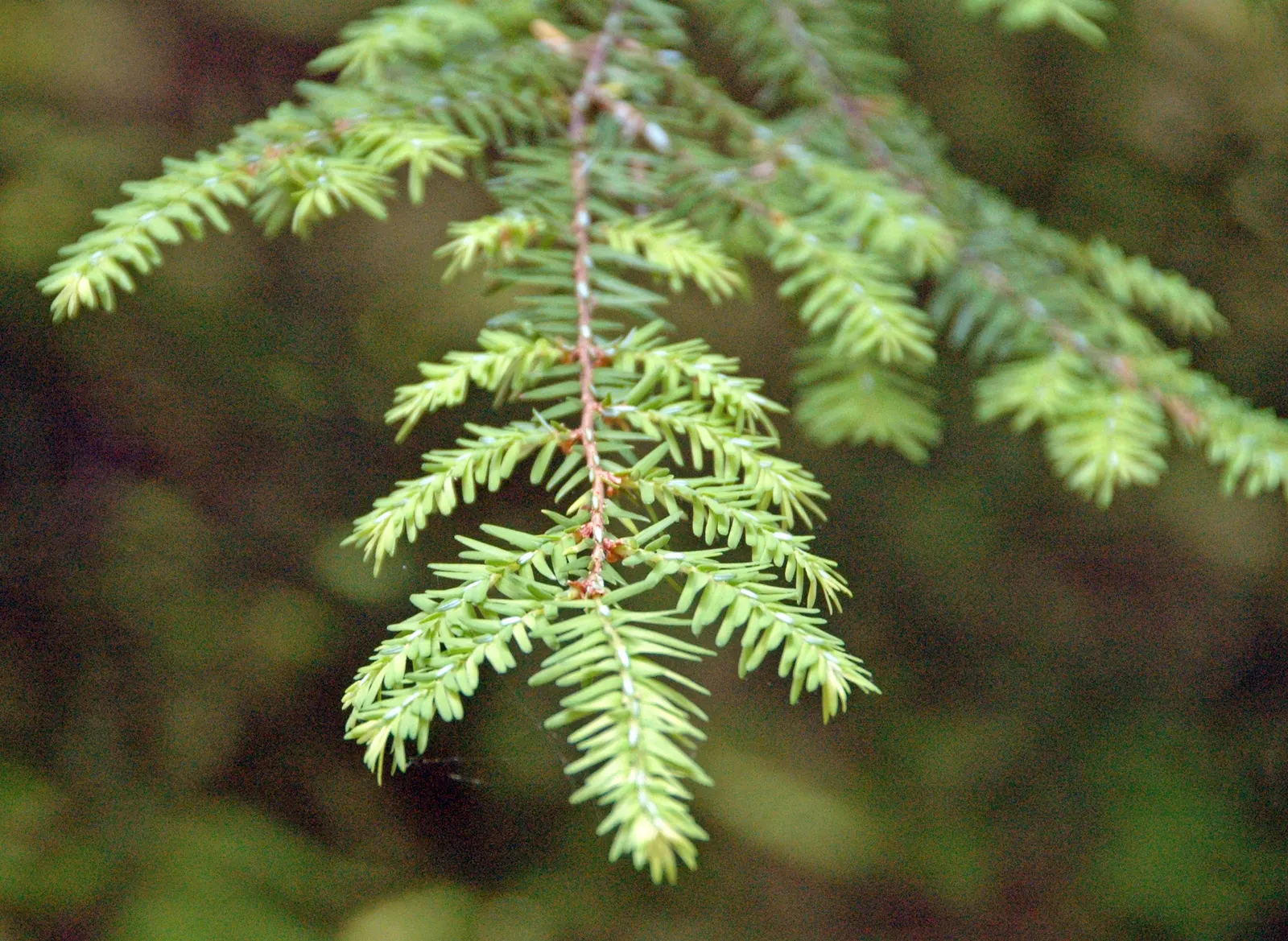
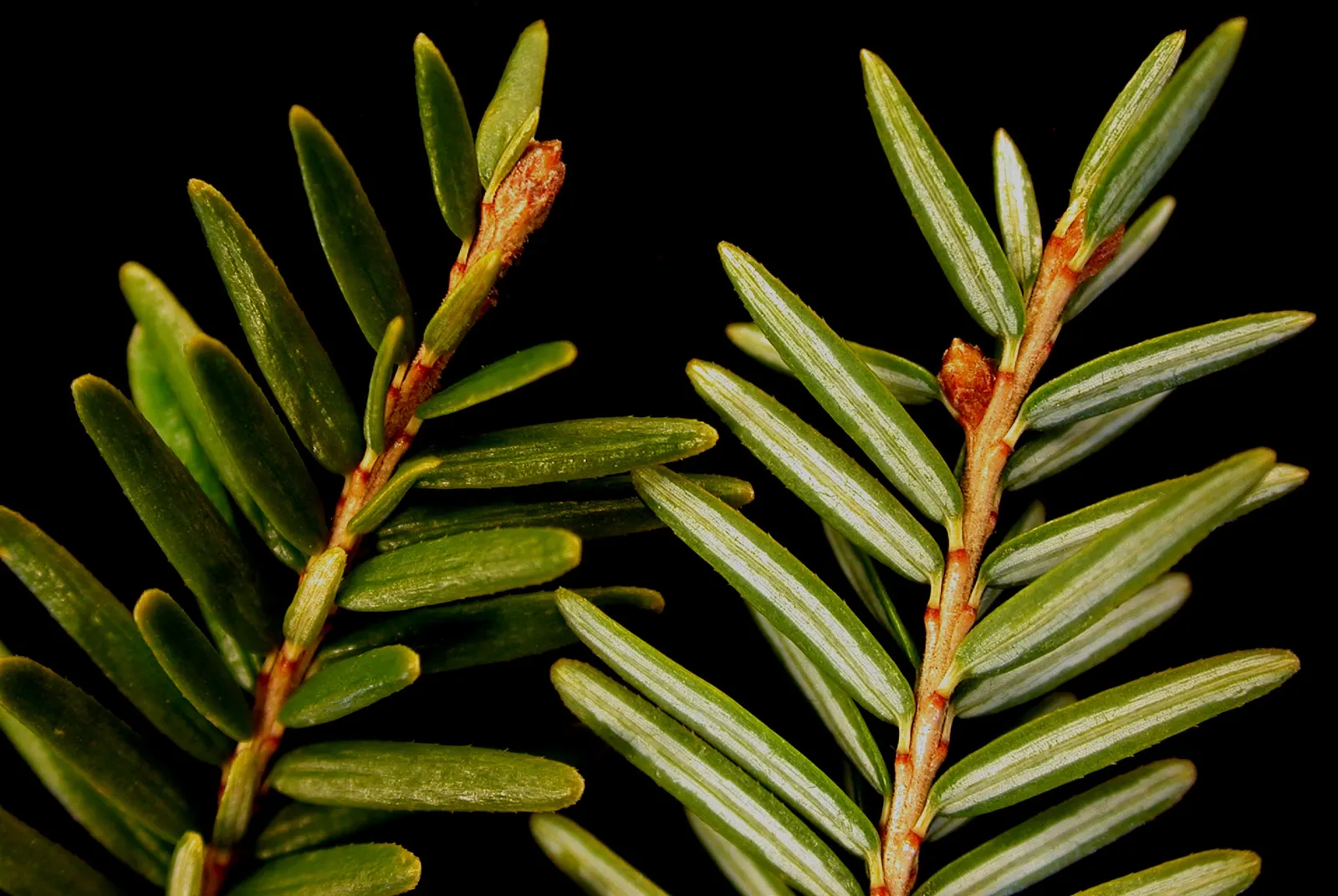
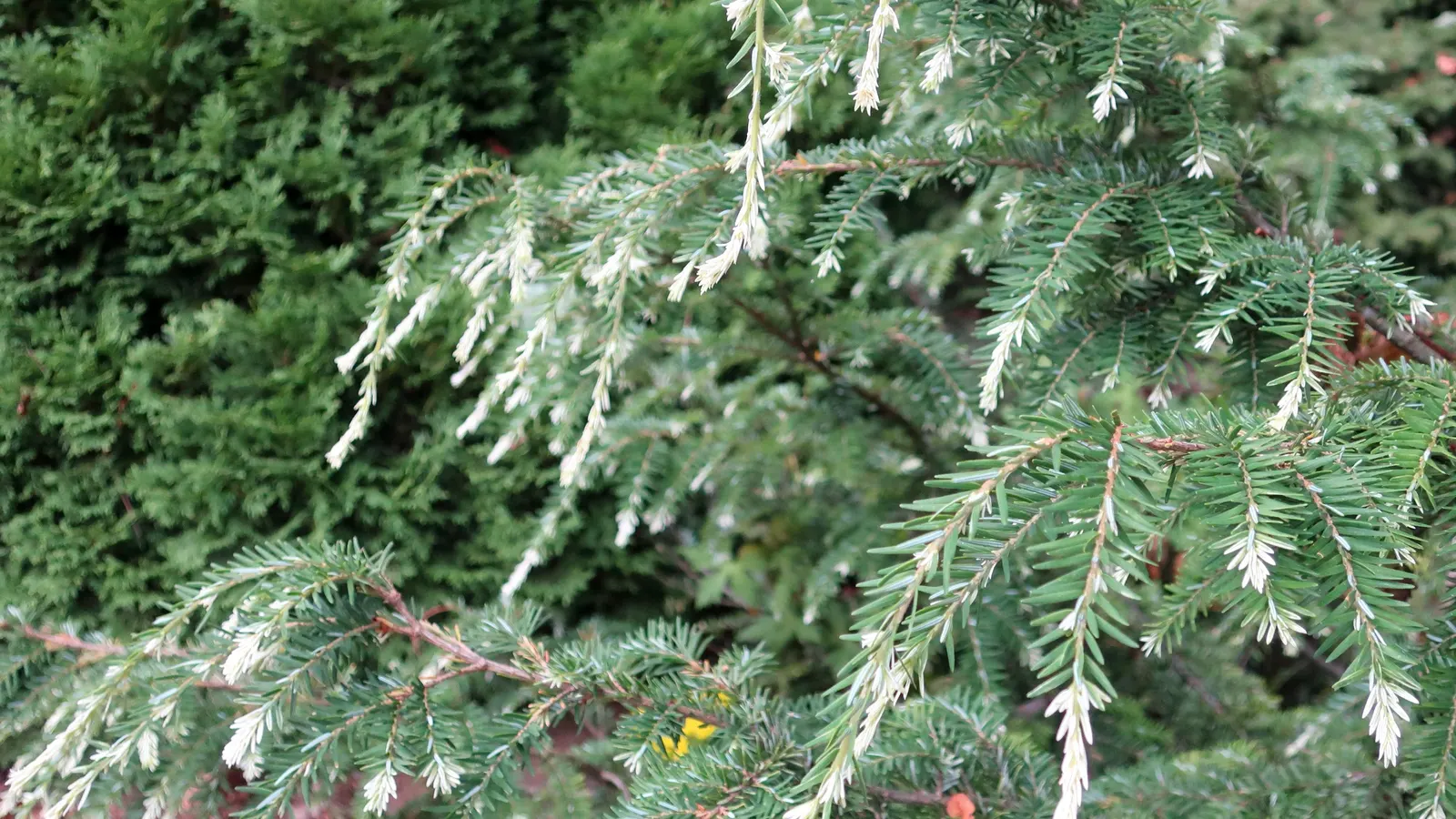
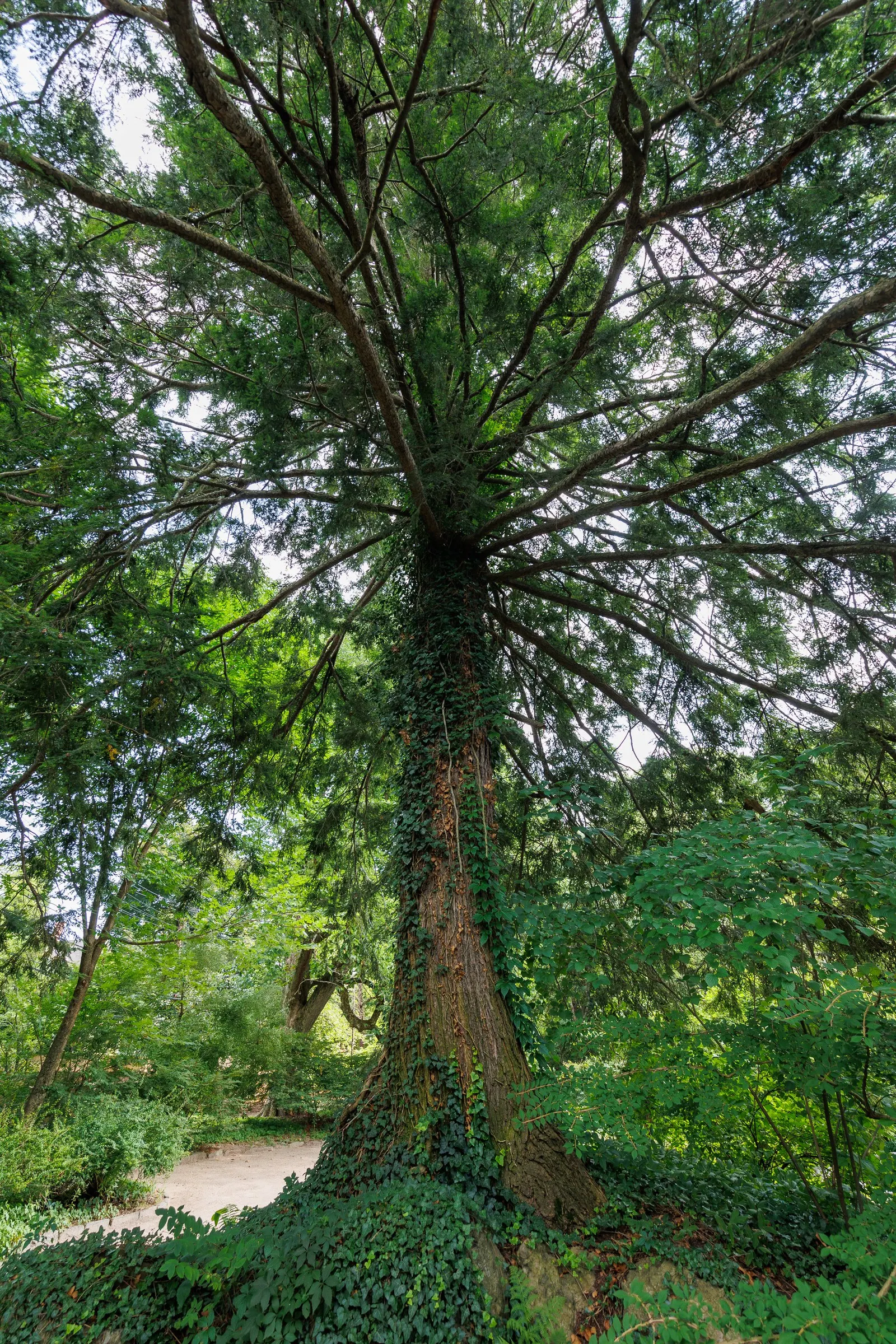
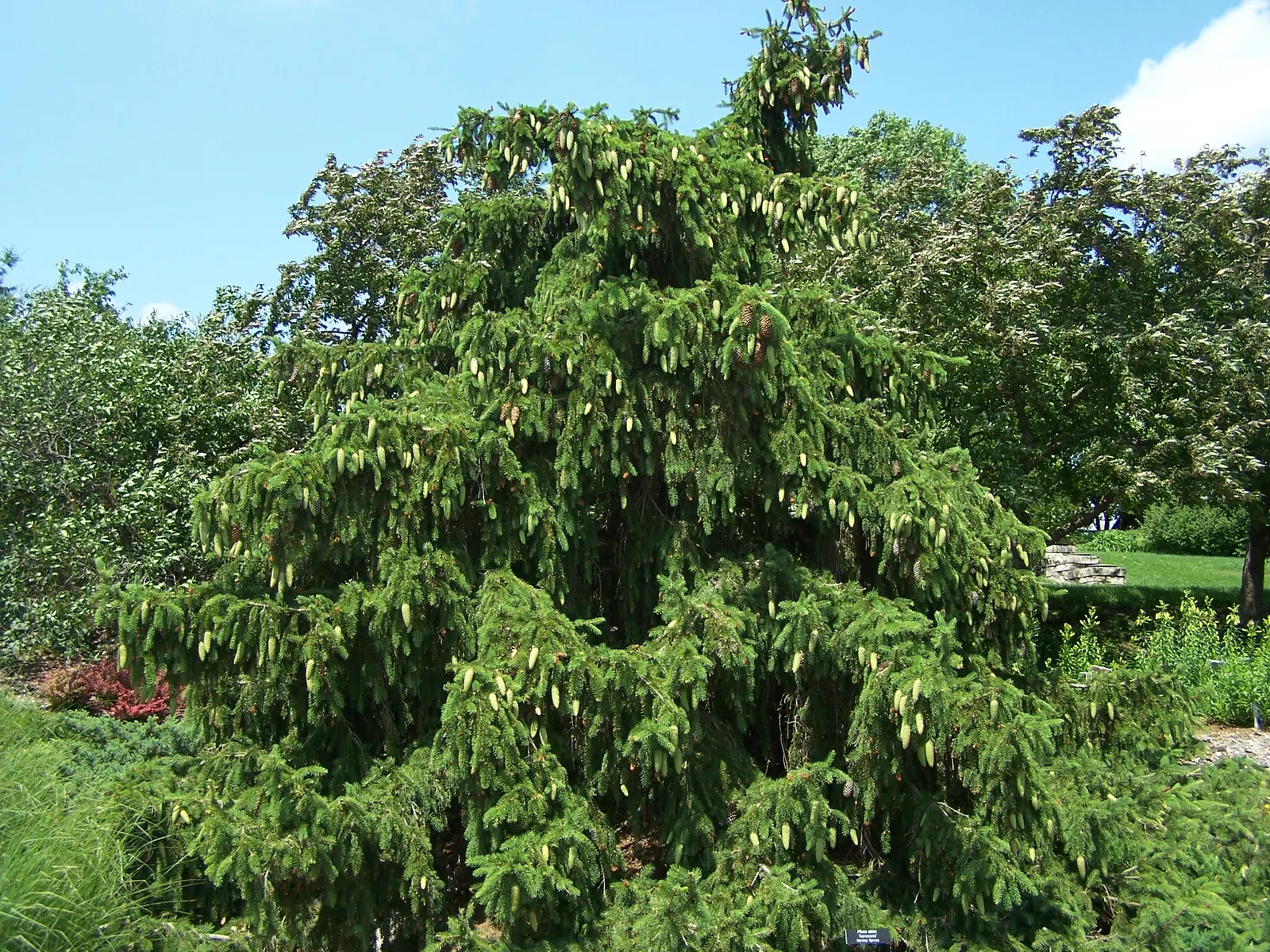
Eastern Hemlock (Tsuga canadensis): A graceful, pyramidal evergreen with fine, feathery foliage. Mature specimens reach 40-70 feet tall with a 25-35-foot spread. Its delicate needles and drooping branch tips create a soft texture. Needs well-drained, acidic soil and partial to full shade. Zones 3-7. Ideal for screening and cool woodland settings. Monitor for pests like hemlock woolly adelgid. Tolerates cold, prefers moisture, avoid harsh winds.

Sun Full, Half, ShadeWater Extra in Summer, MediumZones 3–4Climate Alpine, Temperate
Eastern Hemlock (Tsuga Canadensis) — Eastern Hemlock (Tsuga canadensis): A graceful, pyramidal evergreen with fine, feathery foliage

Culture

Sun
Full, Half, Shade
Water
Extra in Summer, Medium
USDA zones
3–4

Shape & size

Mature height
40–70 Ft.
Mature width
25–35 Ft.

Classification

Family
Pinaceae
Climate
Alpine, Temperate

See full data, regional cultivation notes, full-resolution photos, and design tools. Build a client presentation around this plant.

Start your 14-day trial

Photos (79)

Eastern Hemlock (Tsuga Canadensis) — Proactive monitoring and management are essential for the tree's health and longevity; mature specimens reach 40-70 feet
Eastern Hemlock (Tsuga Canadensis) — consistent mulching can help maintain soil moisture and temperature; is a coniferous tree revered for its classic
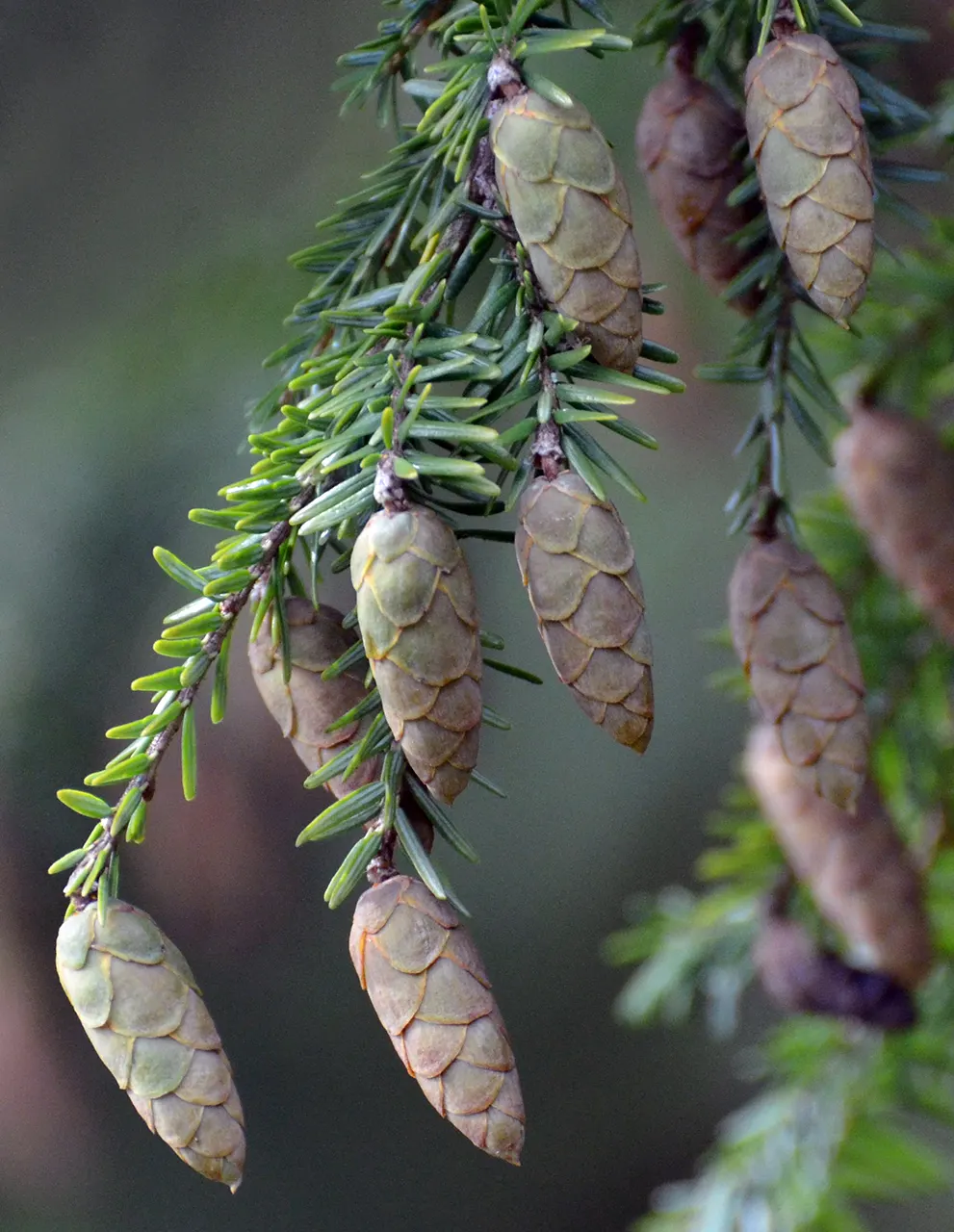
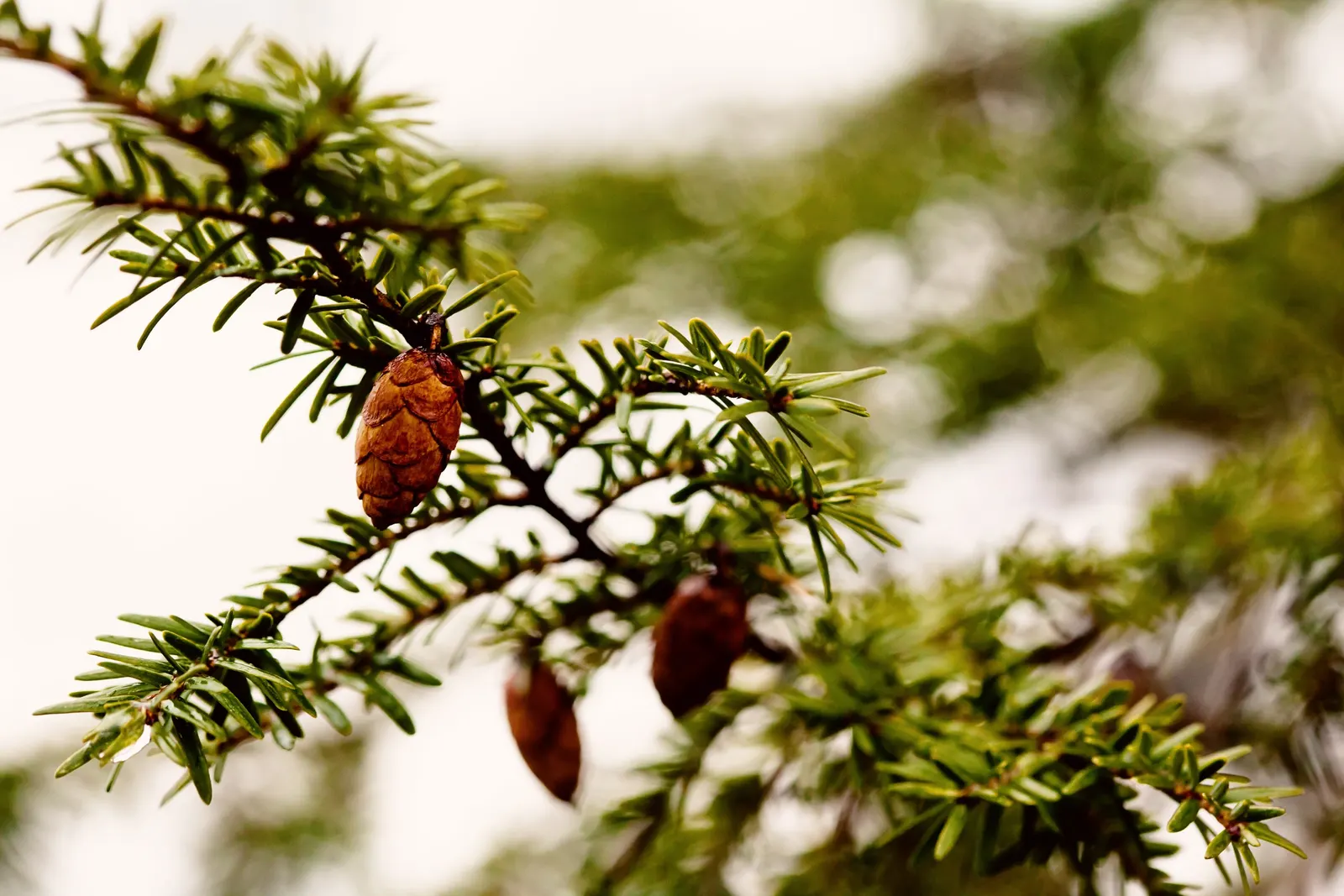
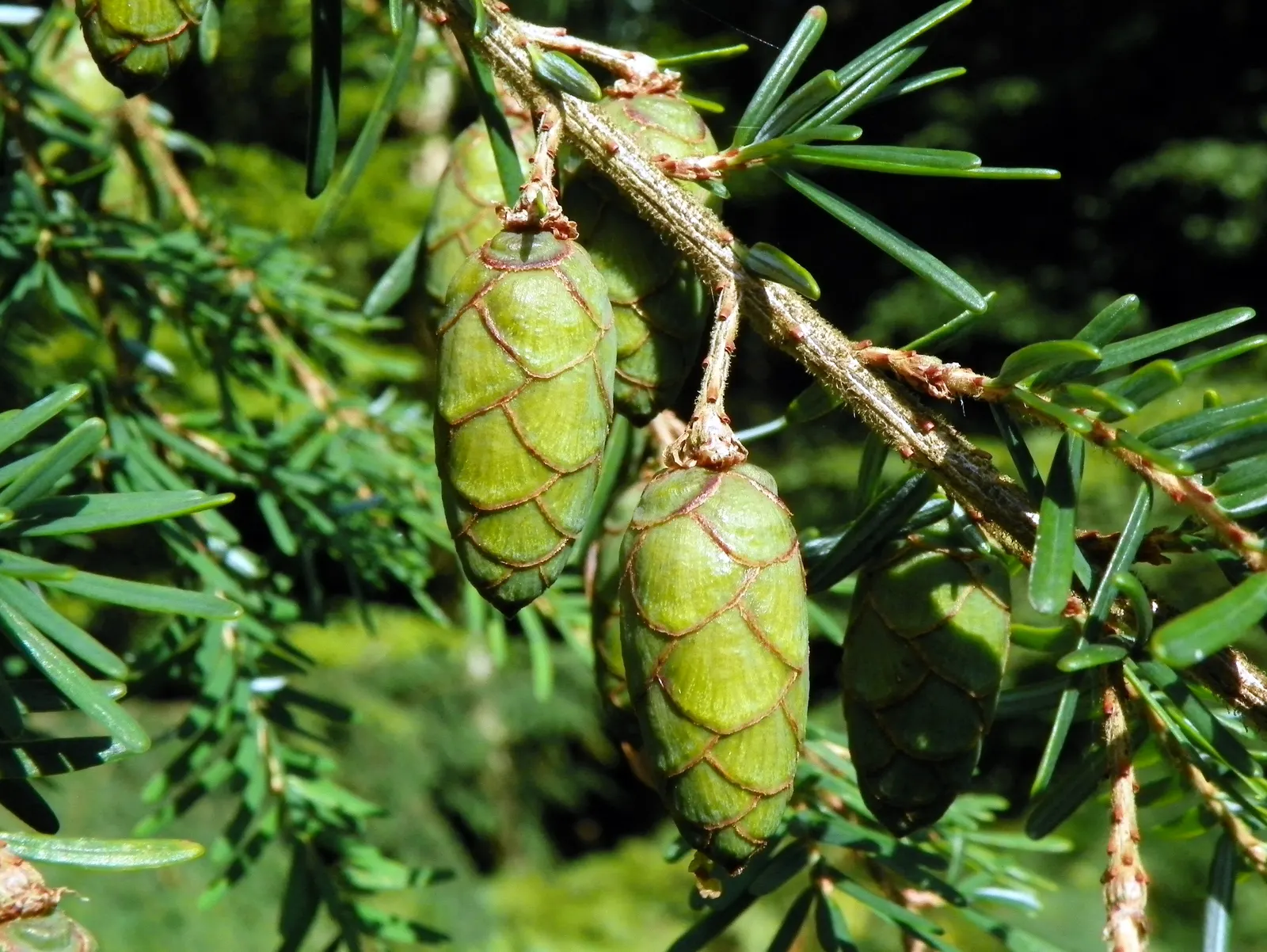
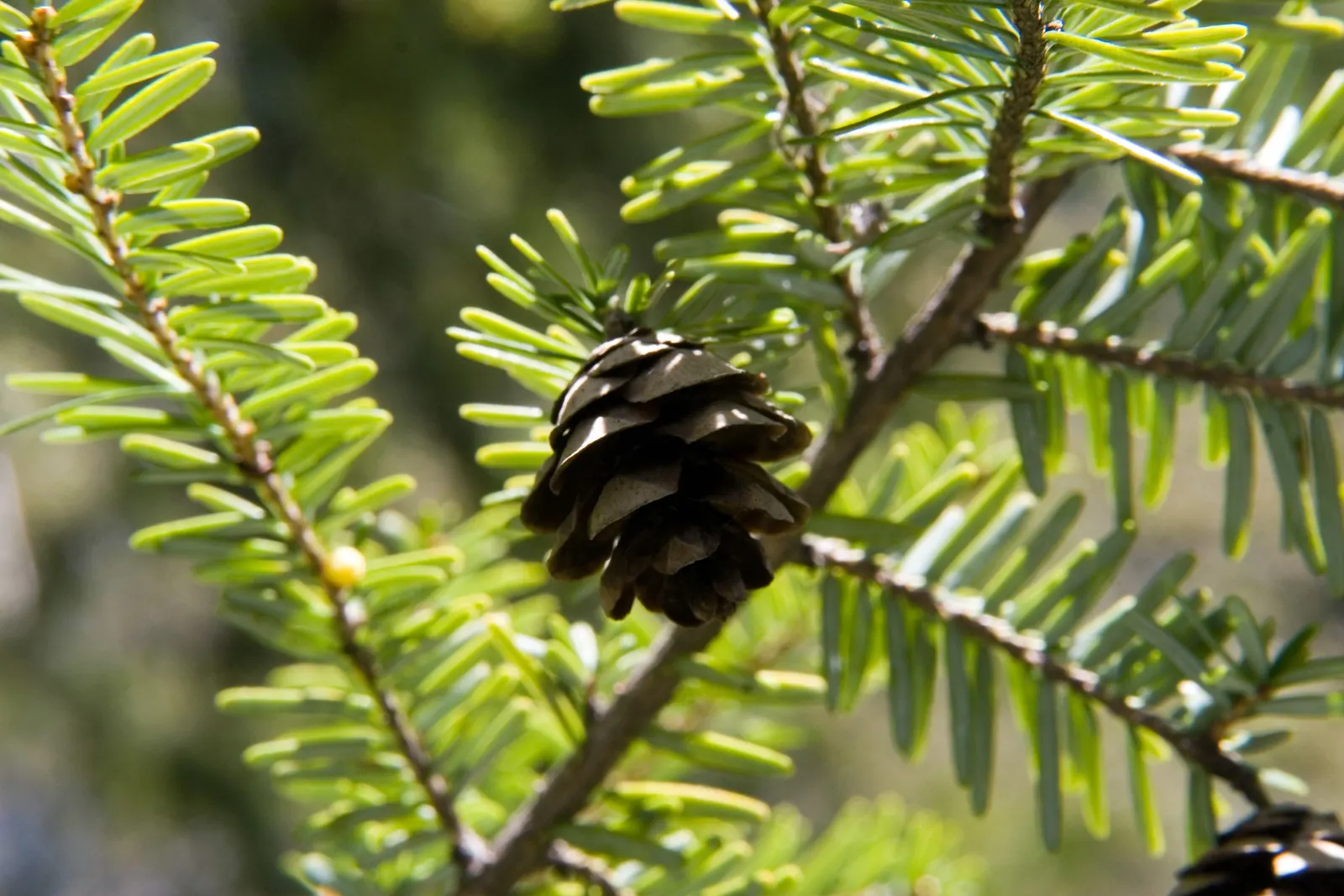
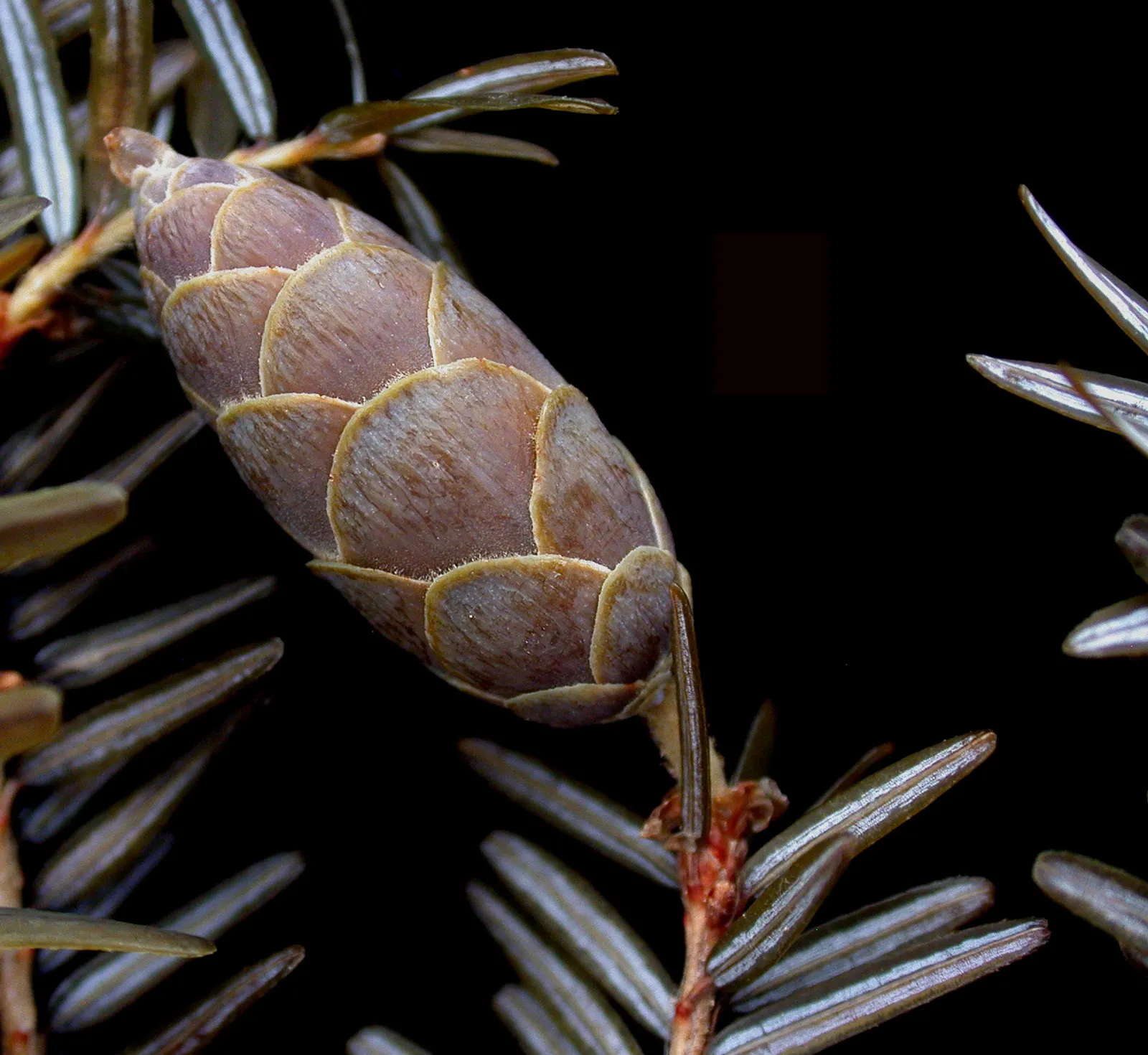
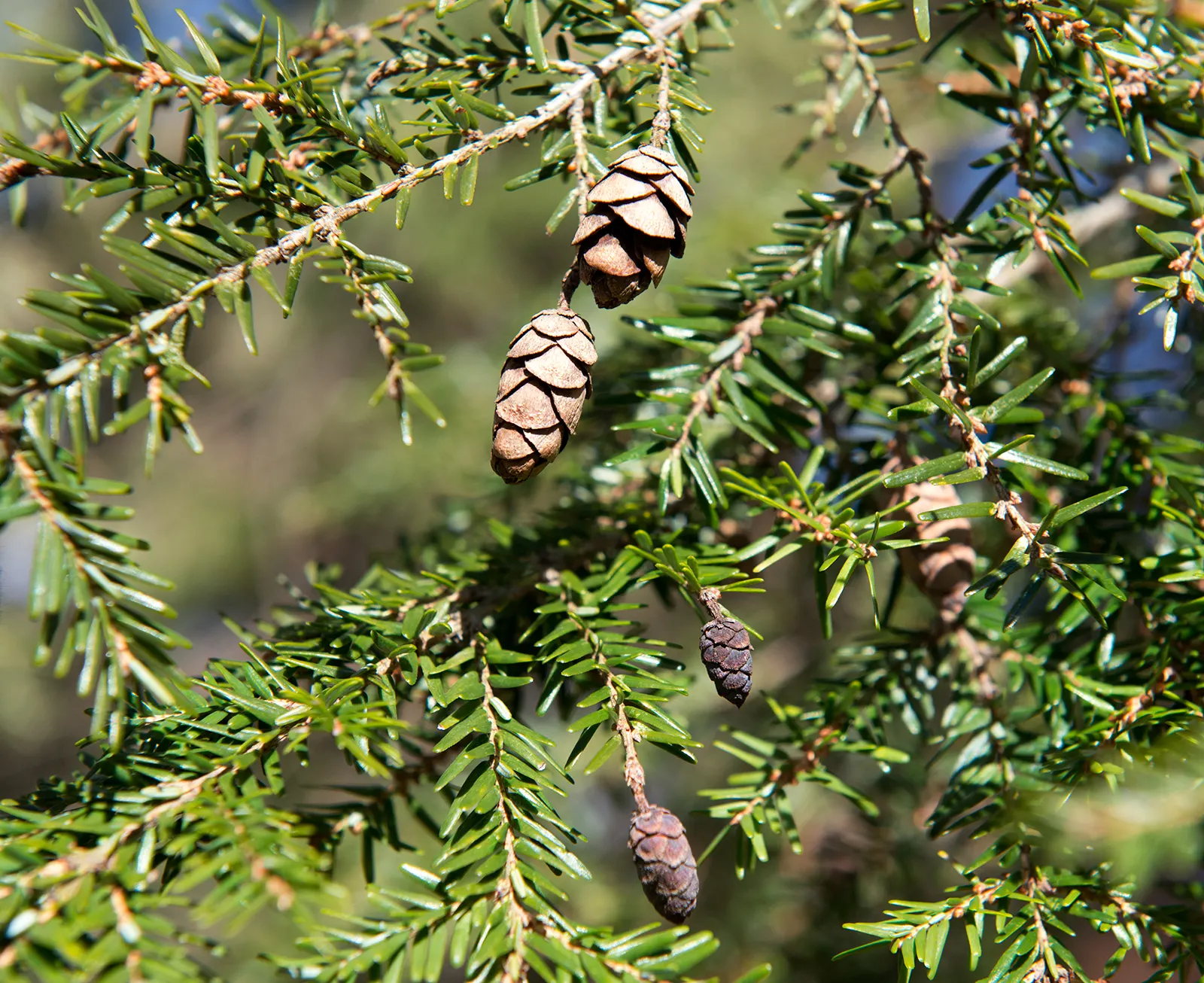
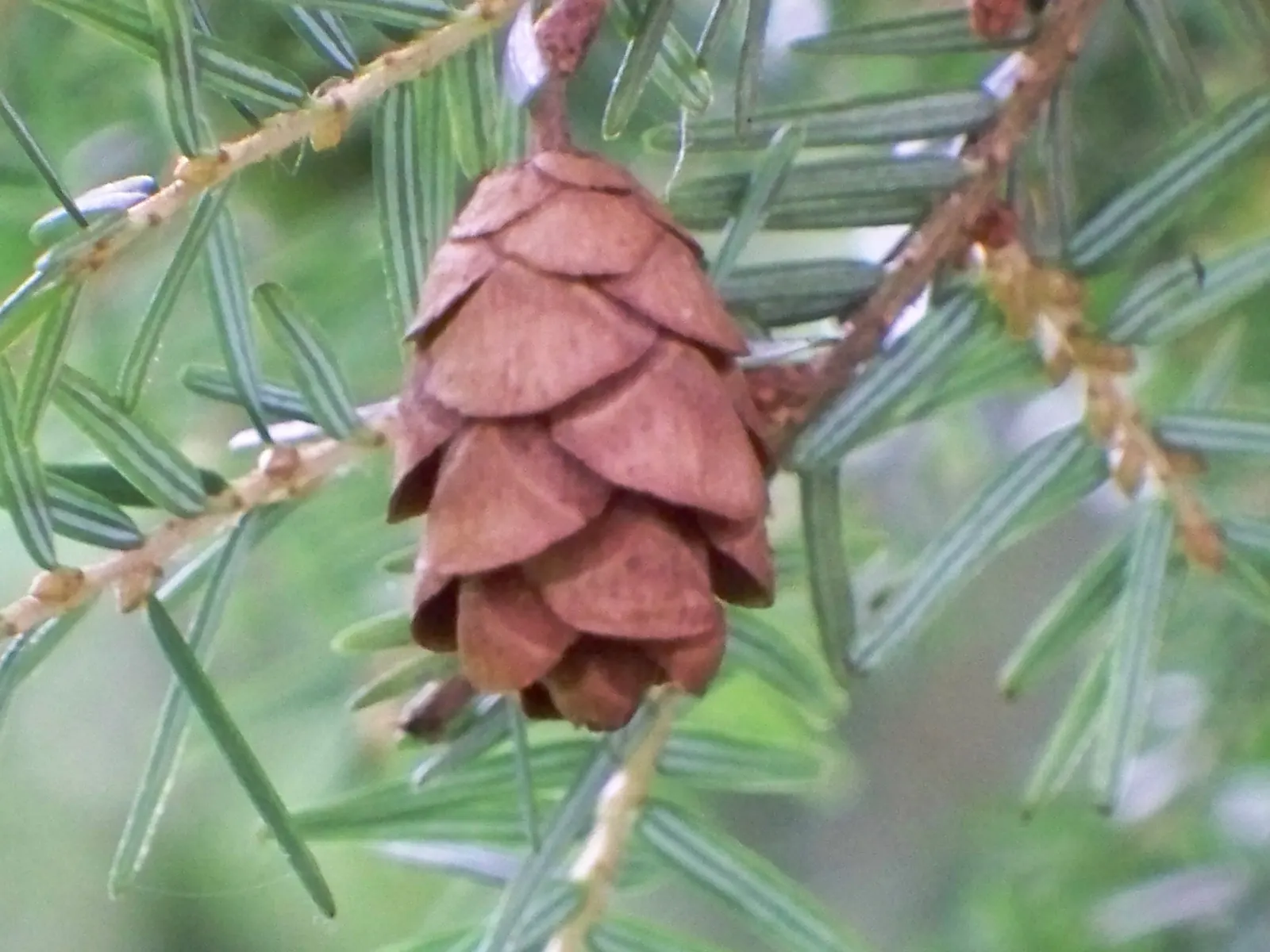
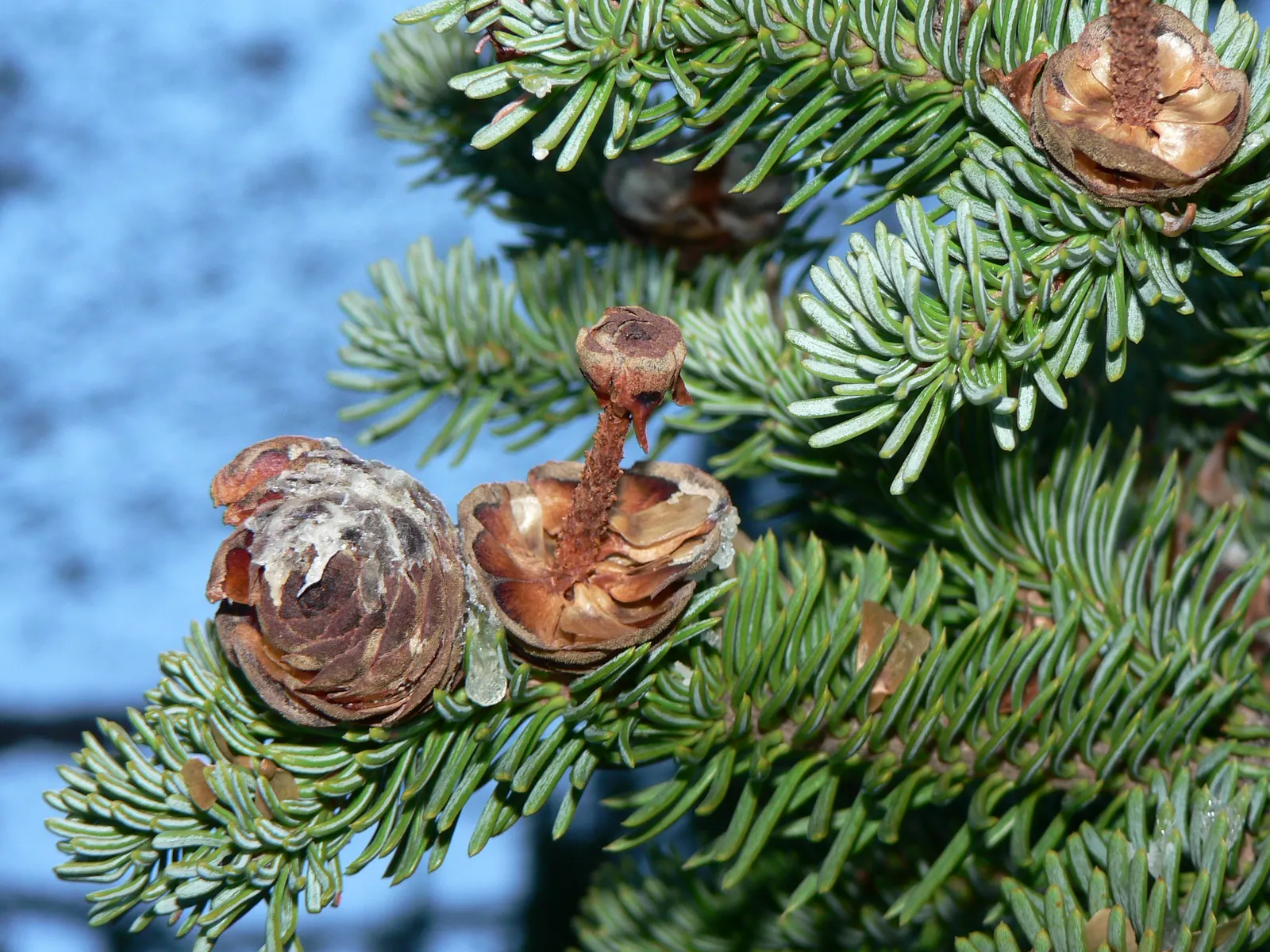
Eastern Hemlock (Tsuga Canadensis) — promoting a robust root system; tan cones that are roughly 0.75 inches in length
Eastern Hemlock (Tsuga Canadensis) — conifer / tree for full or half or shade; proactive monitoring and management are essential for the tree's health and
Eastern Hemlock (Tsuga Canadensis) — Eastern Hemlock (Tsuga canadensis): A graceful, pyramidal evergreen with fine, feathery foliage; needs, image 53
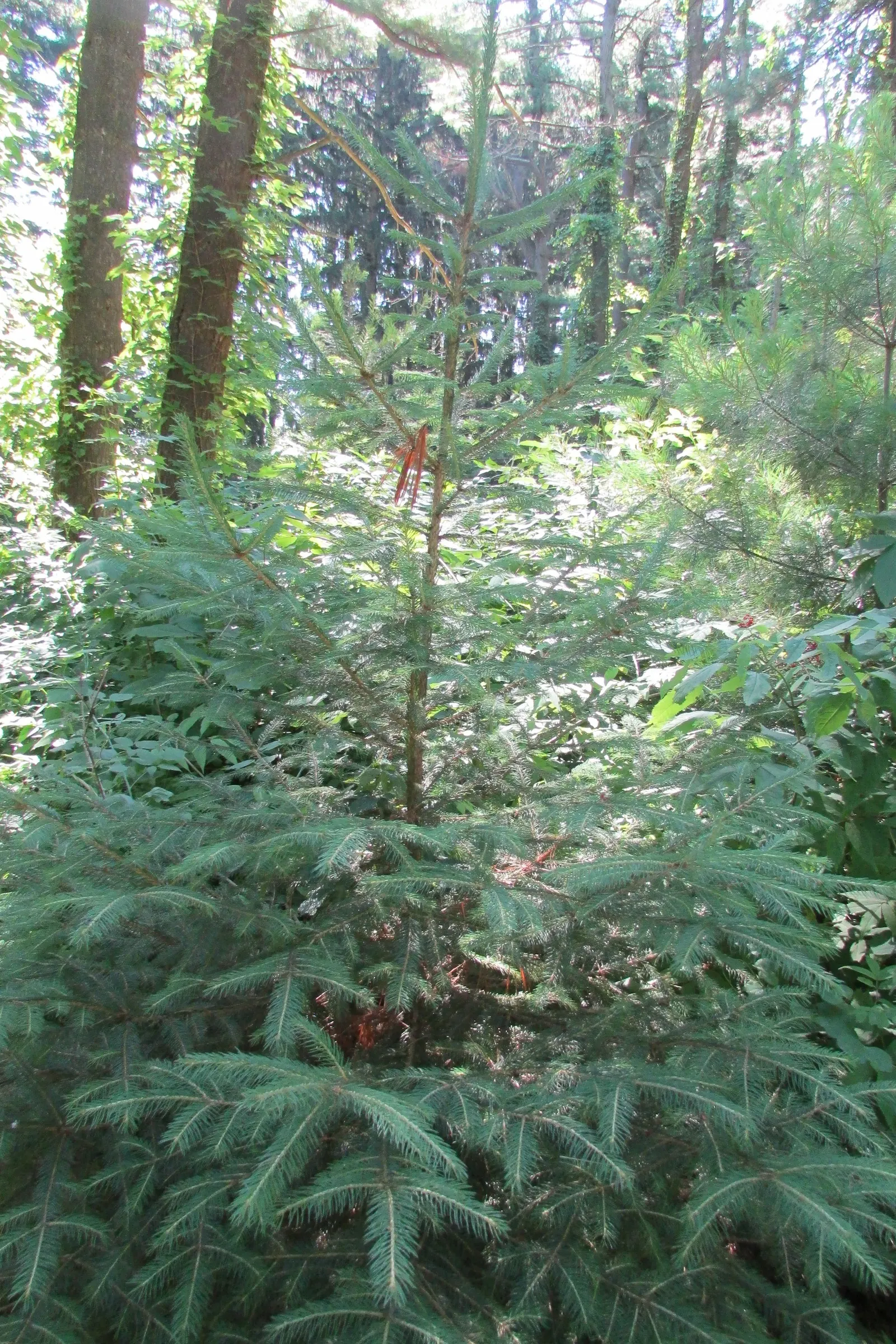
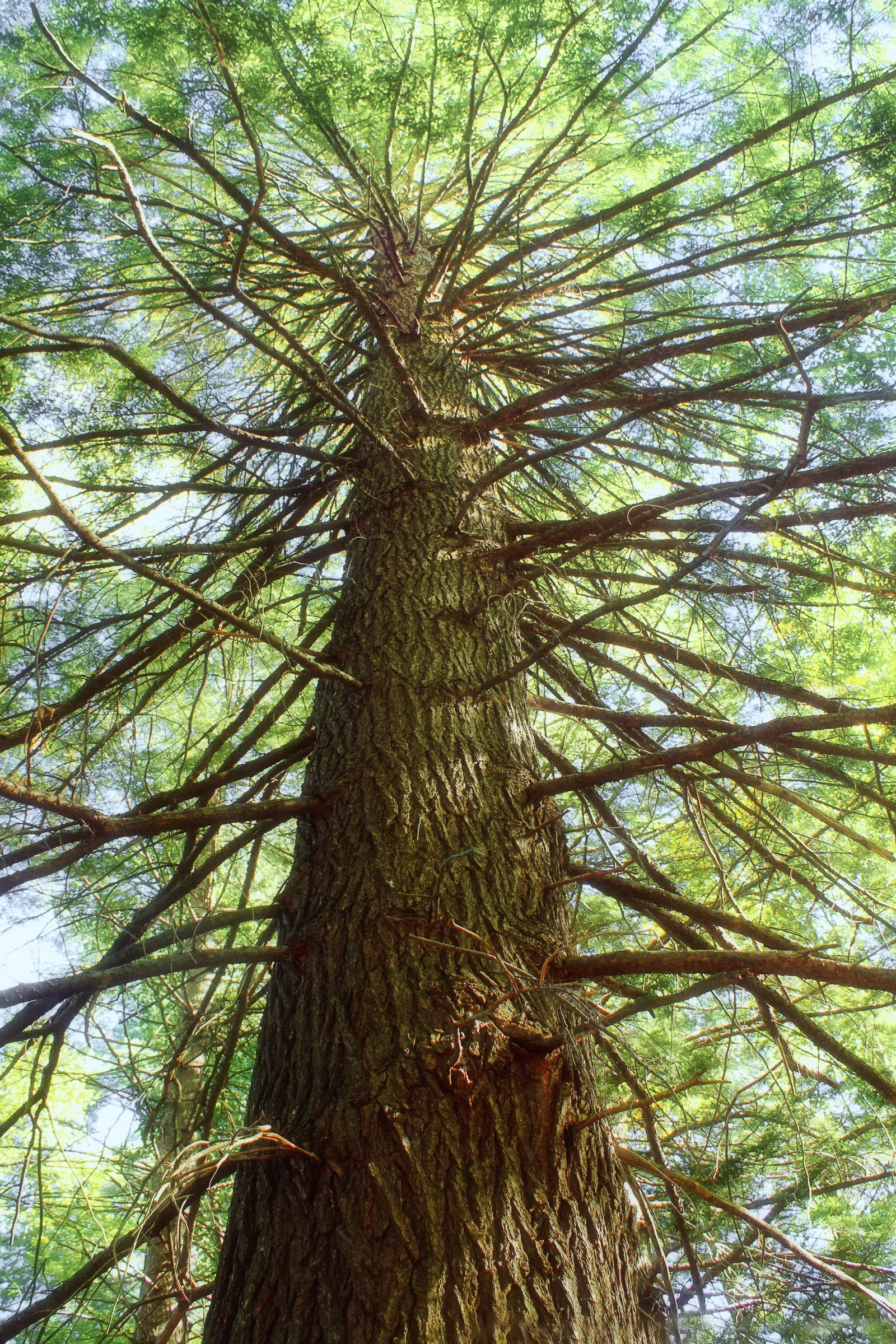
Eastern Hemlock (Tsuga Canadensis) — Mature specimens reach 40-70 feet tall with a 25-35-foot spread; this stately tree typically reaches heights, image 54
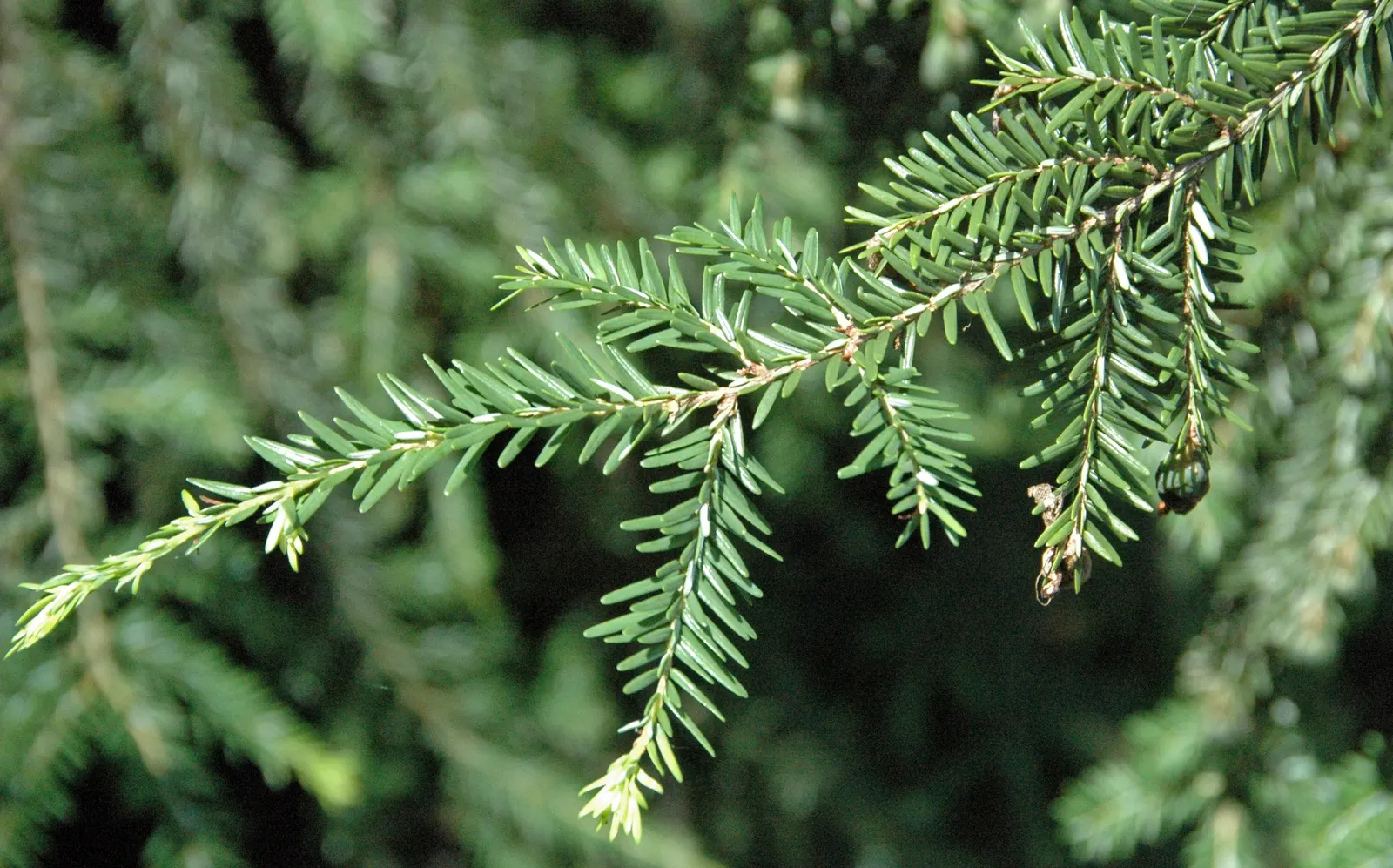
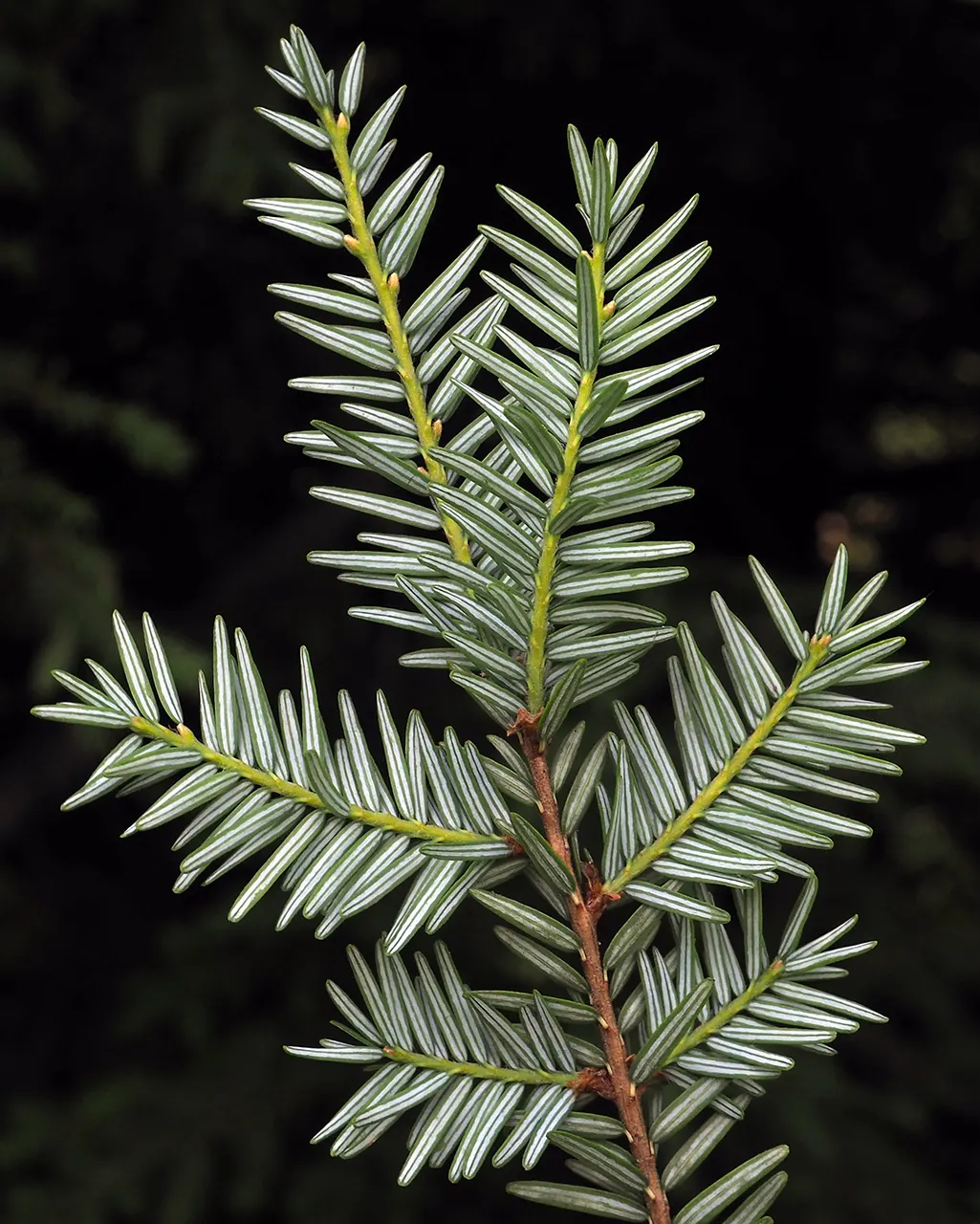
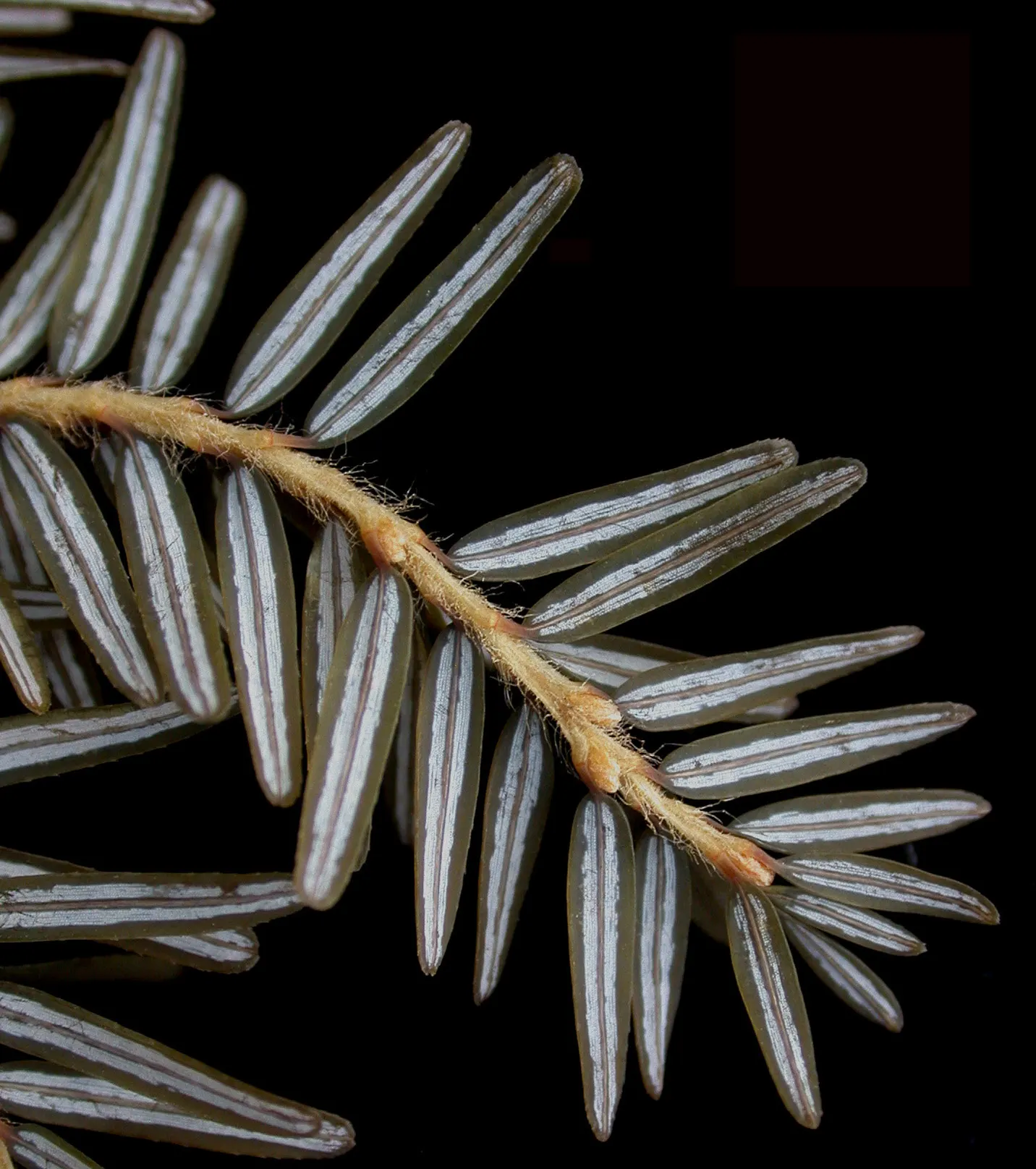
Eastern Hemlock (Tsuga Canadensis) — Its delicate needles and drooping branch tips create a soft texture; well-drained soils with a slightly acidic, image 55
Eastern Hemlock (Tsuga Canadensis) — Needs well-drained, acidic soil and partial to full shade; promoting a robust root system, image 56
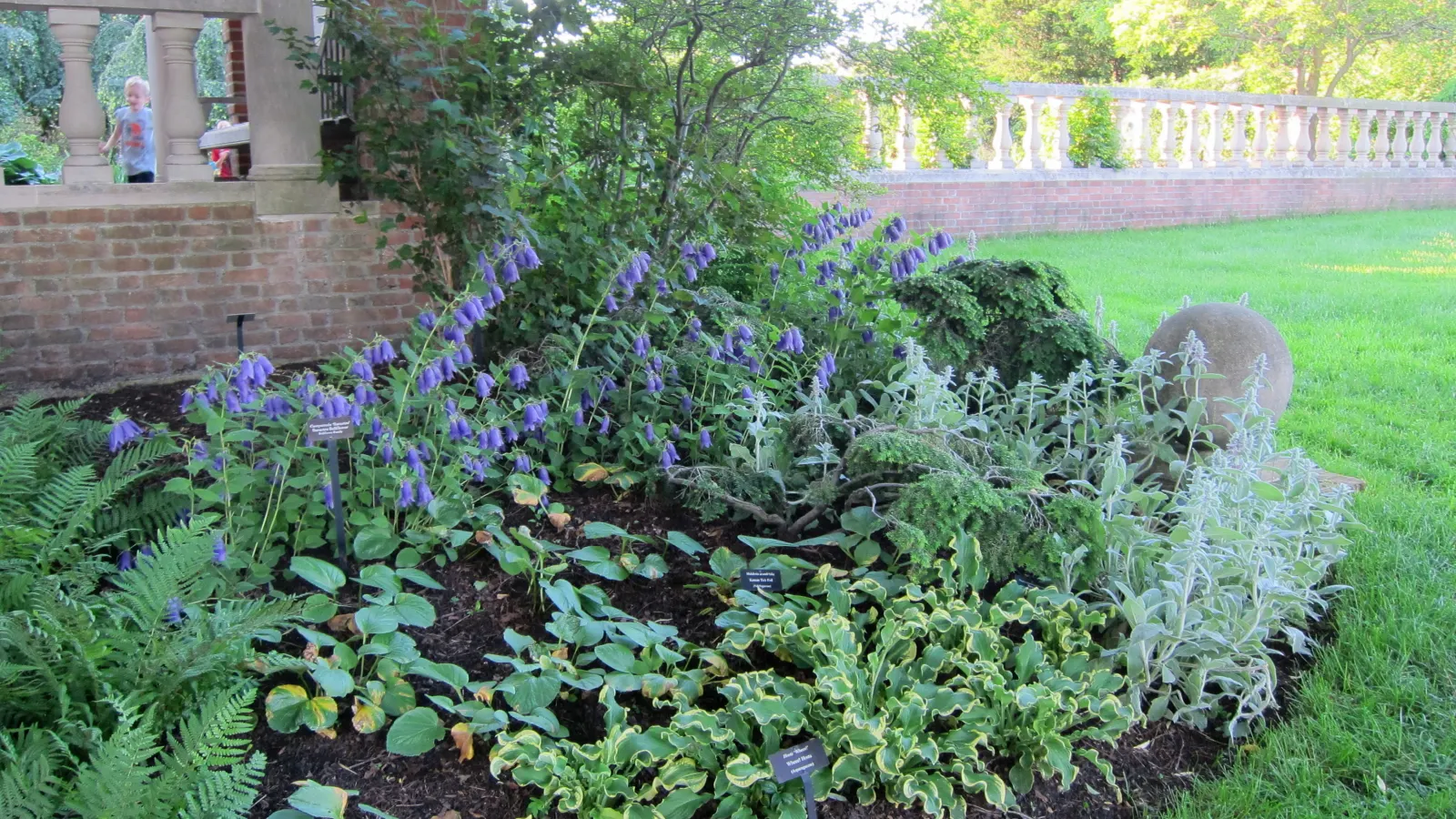
Eastern Hemlock (Tsuga Canadensis) — Ideal for screening and cool woodland settings; monitor for pests like hemlock woolly adelgid, image 57
Eastern Hemlock (Tsuga Canadensis) — Monitor for pests like hemlock woolly adelgid; its canopy can spread approximately 25 to 35 feet, image 58
Eastern Hemlock (Tsuga Canadensis) — Tolerates cold, prefers moisture, avoid harsh winds; from forest underplantings to ornamental focal points, image 59
Eastern Hemlock (Tsuga Canadensis) — scientifically known as Tsuga canadensis; eastern Hemlock (Tsuga canadensis): A graceful, pyramidal evergreen, image 60
Eastern Hemlock (Tsuga Canadensis) — is a coniferous tree revered for its classic; scientifically known as Tsuga canadensis, image 61
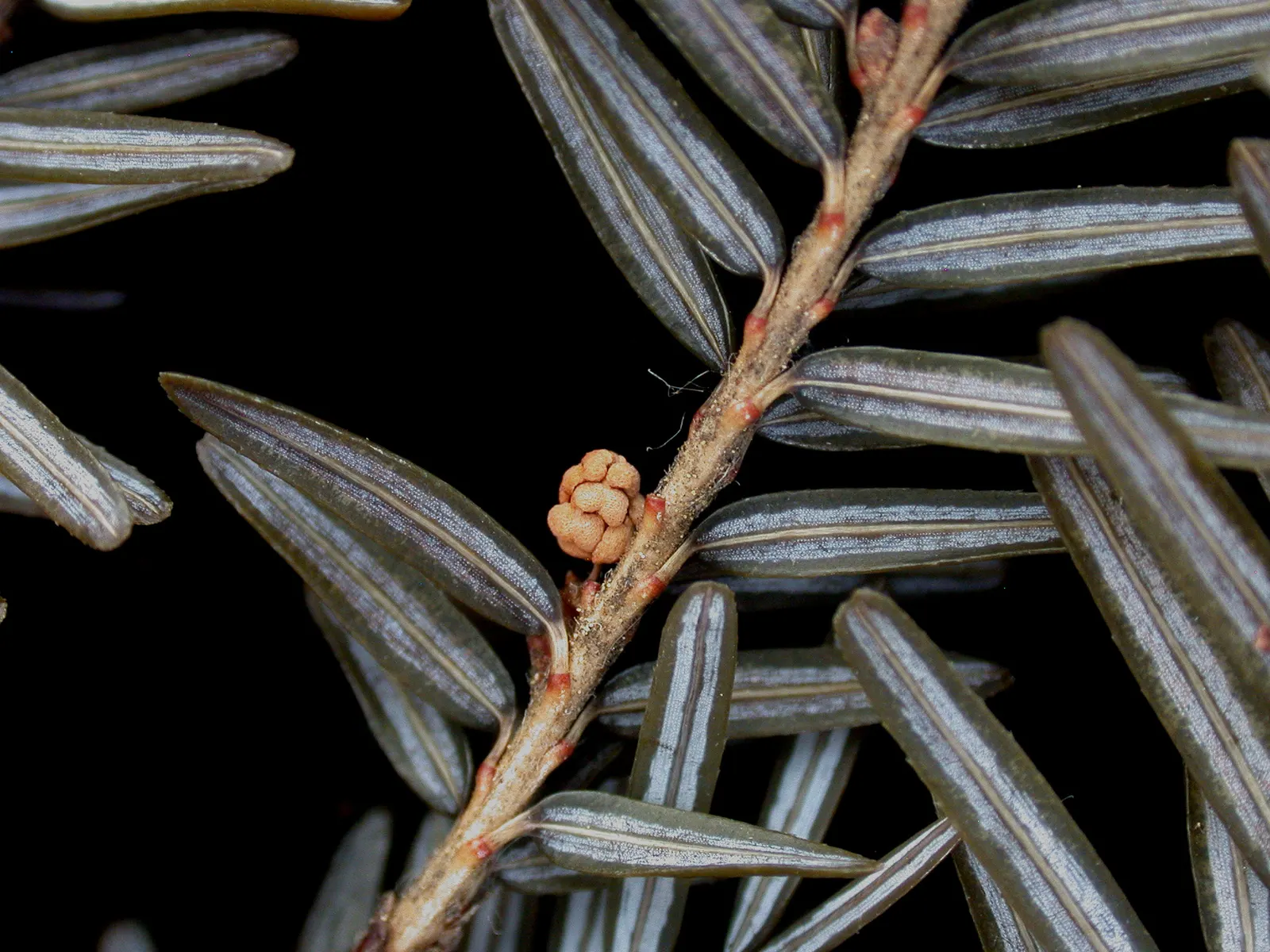
Eastern Hemlock (Tsuga Canadensis) — making it a favorite in landscape design for its year-round appeal; which are approximately 0.5 inches long, image 62
Eastern Hemlock (Tsuga Canadensis) — this stately tree typically reaches heights between 40 to 70 feet; an invasive insect that can cause, image 63
Eastern Hemlock (Tsuga Canadensis) — with some specimens soaring up to 100 feet under ideal conditions; its delicate needles and drooping branch, image 64
Eastern Hemlock (Tsuga Canadensis) — Its canopy can spread approximately 25 to 35 feet; making it a favorite in landscape design for its year-round, image 65
Eastern Hemlock (Tsuga Canadensis) — providing ample shade.<br><br>The Eastern Hemlock is characterized by its fine-textured; the needles are, image 66
Eastern Hemlock (Tsuga Canadensis) — which are approximately 0.5 inches long; consistent mulching can help maintain soil moisture and temperature, image 67
Eastern Hemlock (Tsuga Canadensis) — tan cones that are roughly 0.75 inches in length; ideal for screening and cool woodland settings, image 68
Eastern Hemlock (Tsuga Canadensis) — The needles are arranged in a feathery; with some specimens soaring up to 100 feet under ideal conditions, image 69
Eastern Hemlock (Tsuga Canadensis) — well-drained soils with a slightly acidic pH; which makes it exceptionally versatile in landscape settings, image 70
Eastern Hemlock (Tsuga Canadensis) — which makes it exceptionally versatile in landscape settings; conifer / tree for full or half or shade, image 71
Eastern Hemlock (Tsuga Canadensis) — from forest underplantings to ornamental focal points; tolerates cold, prefers moisture, avoid harsh winds, image 72

Related plants