Skip to content

Atlas Cedar

Cedrus atlantica

Design with this plant

Overview

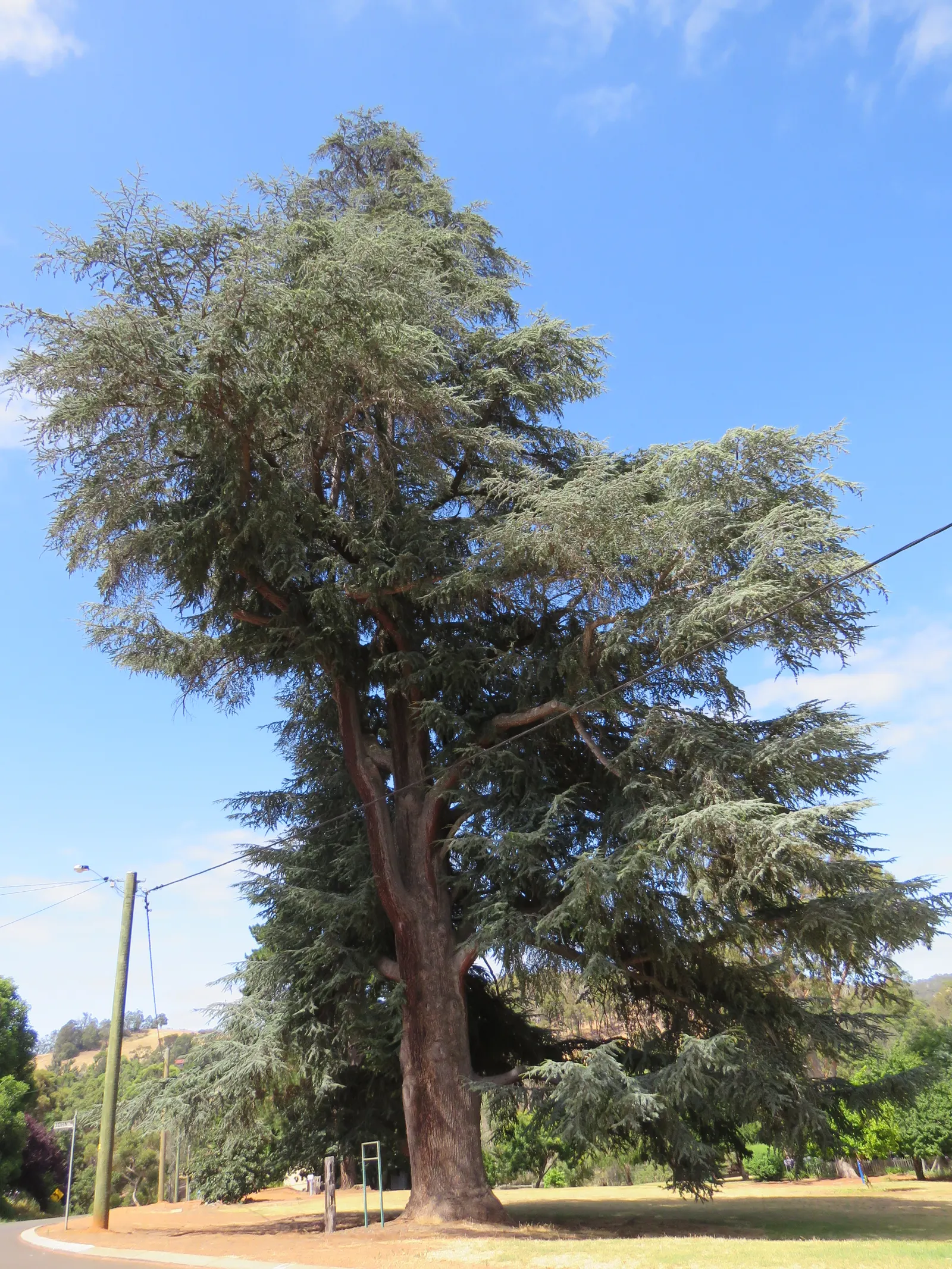
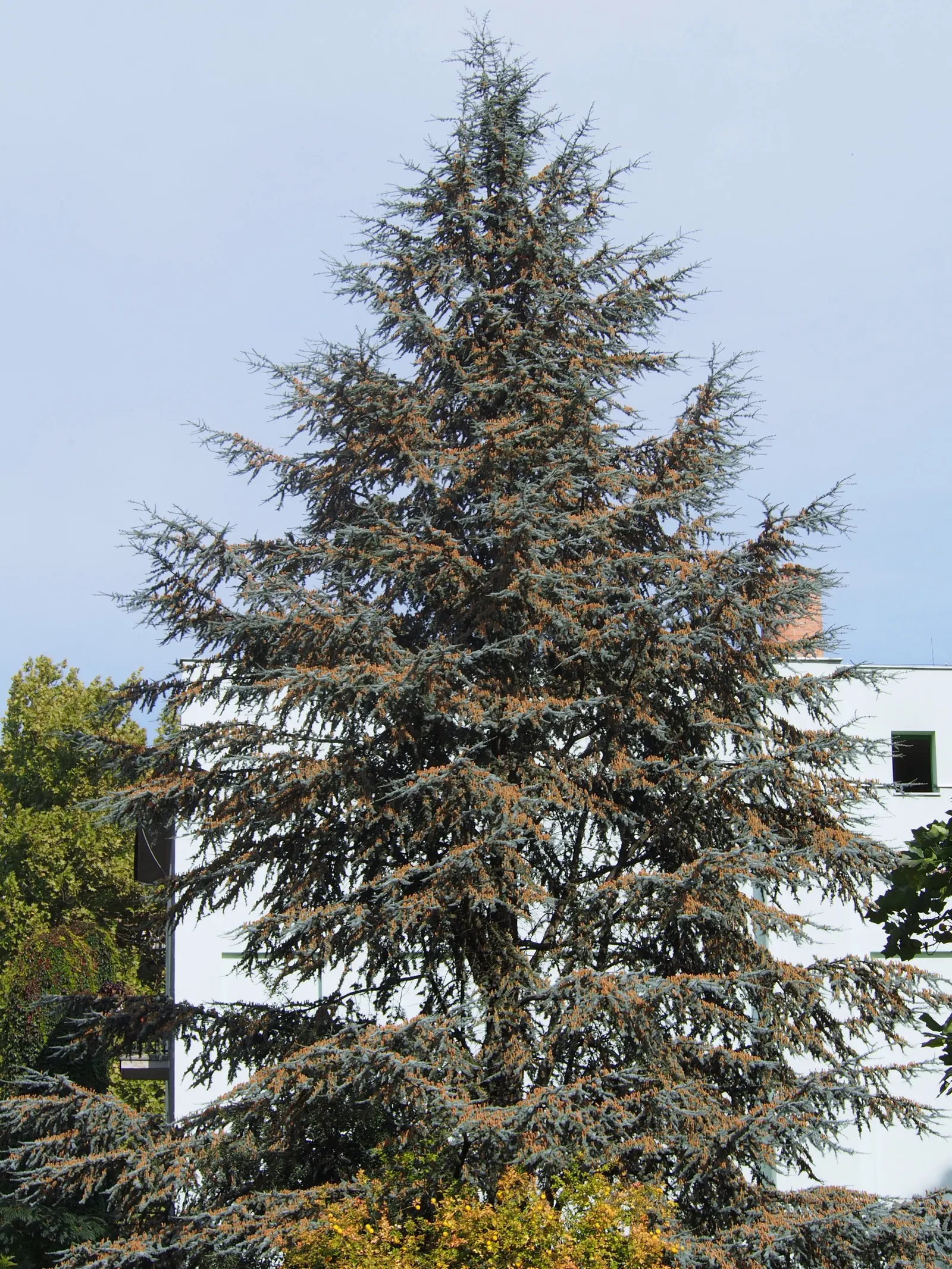
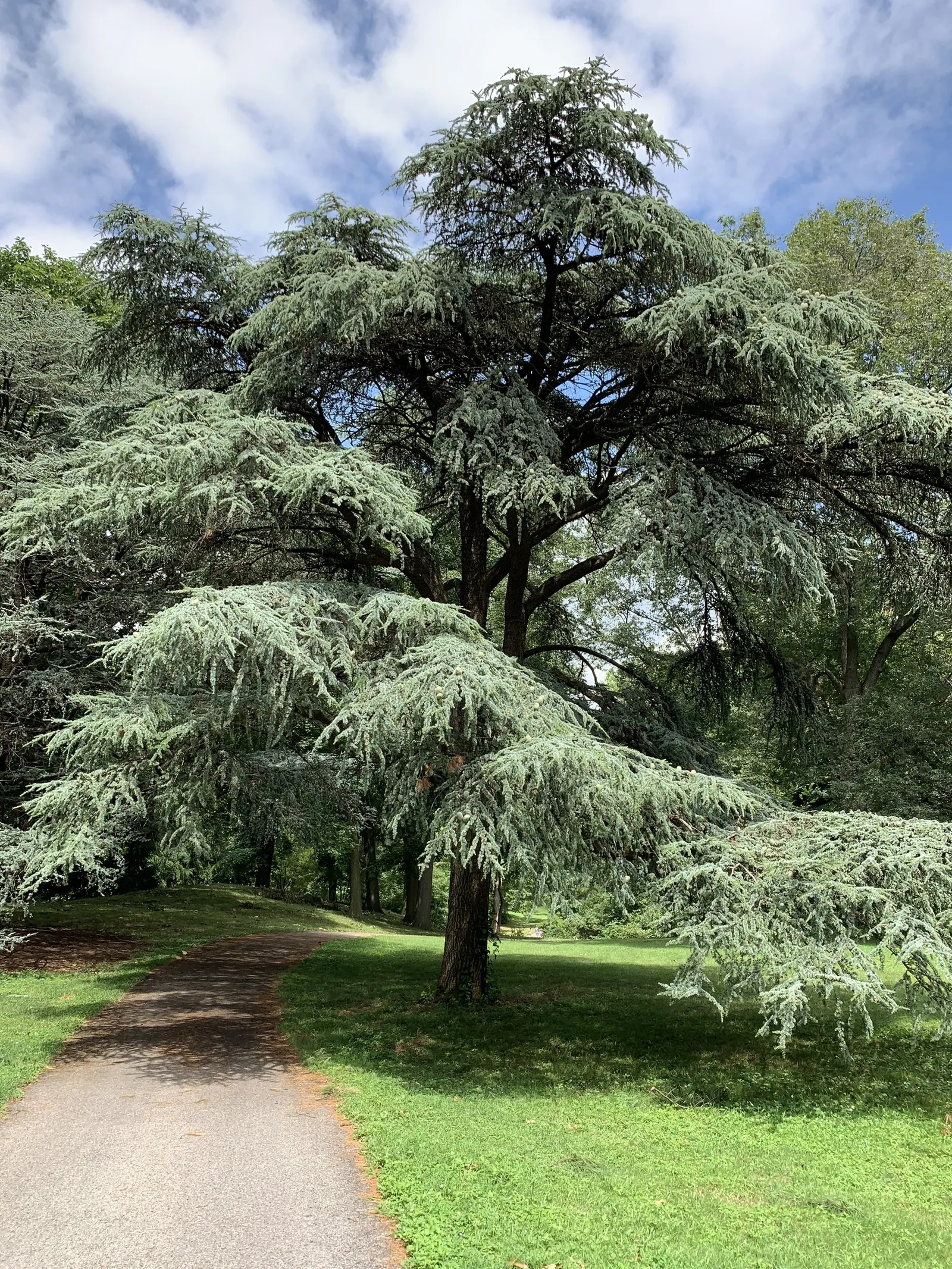
The Atlas Cedar (Cedrus atlantica) is a striking conifer boasting silvery-blue to greenish-blue needle-like leaves. This majestic tree can reach heights of 40-60 feet with a spread of 30-40 feet, presenting an imposing pyramidal shape that matures into a flat-topped crown. Hardy in zones 6-9, it prefers full sun and well-drained soil. Ideal as a specimen plant, it offers year-round interest and stately elegance to large landscapes.

Sun FullWater MediumZones 6–10Type Conifer, TreeClimate Temperate

Culture

Sun
Full
Water
Medium
USDA zones
6–10

Shape & size

Classification

Type
Conifer, Tree
Family
Pinaceae
Climate
Temperate

See full data, regional cultivation notes, and design tools. Build a client presentation around this plant.

Start your 14-day trial

Photos (111)

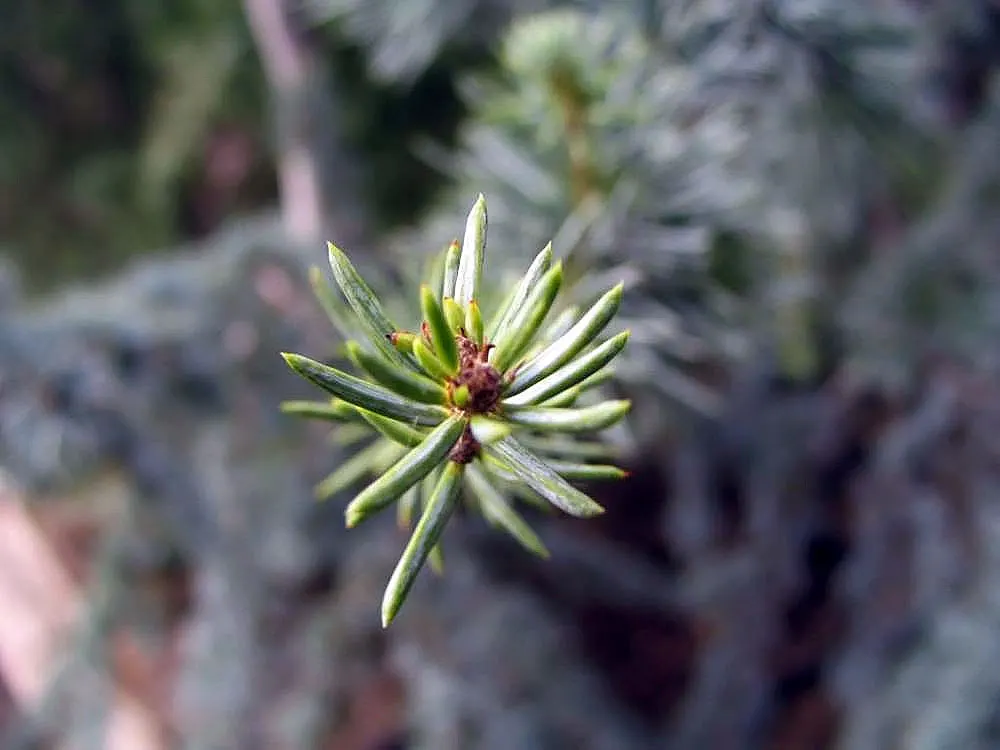
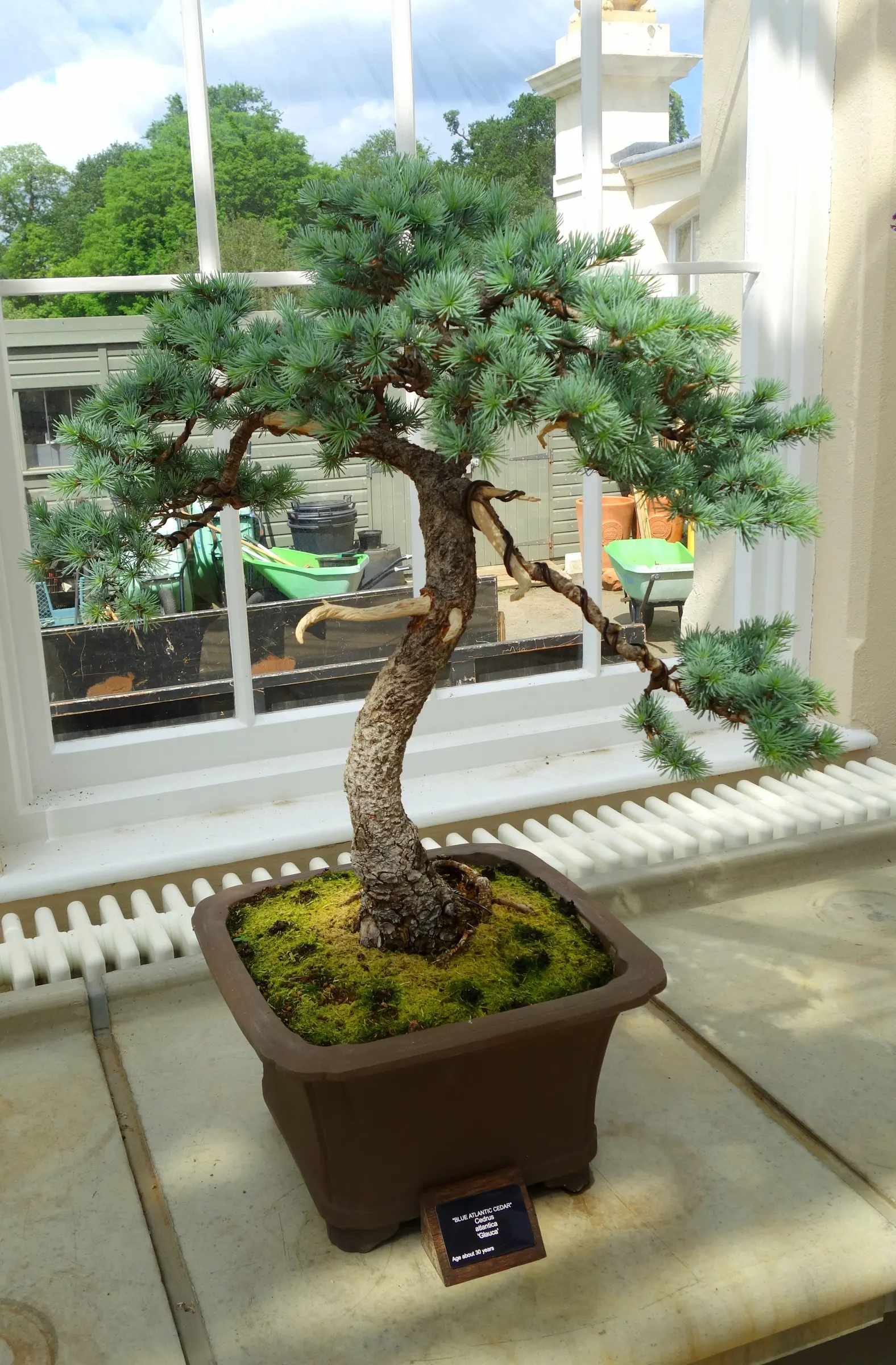
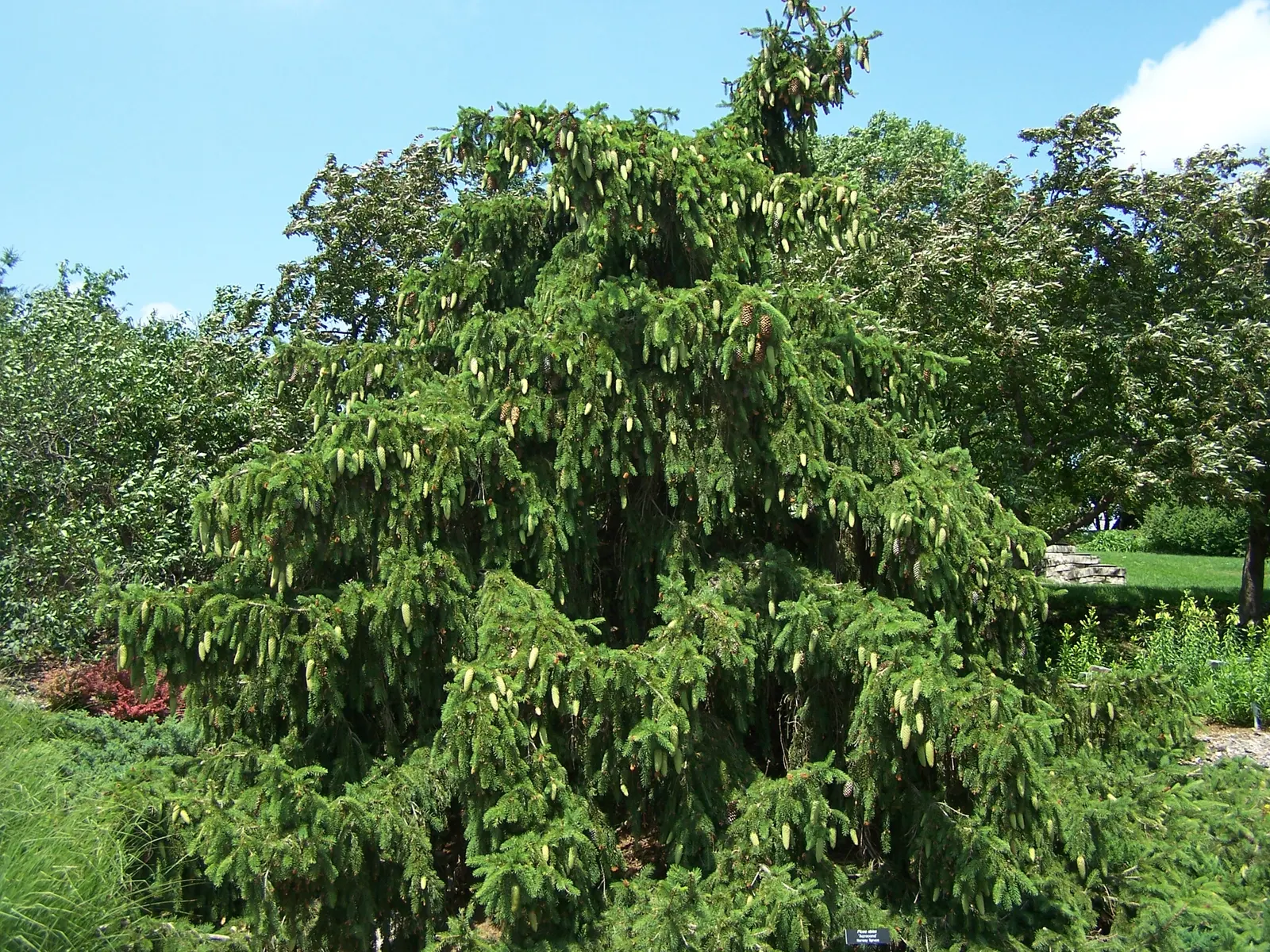
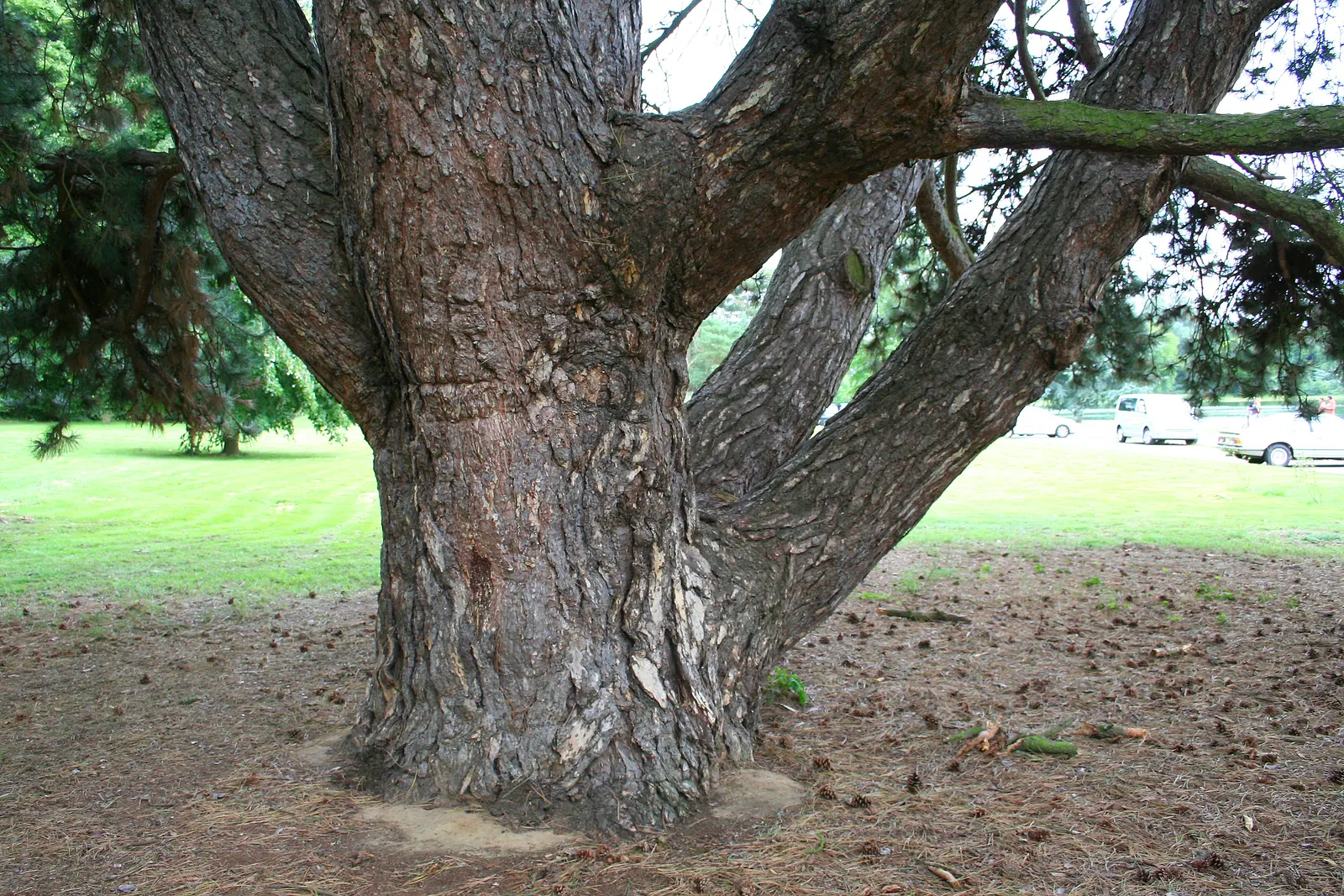
Atlas Cedar (Cedrus atlantica) — Hardy in zones 6-9, it prefers full sun and well-drained soil
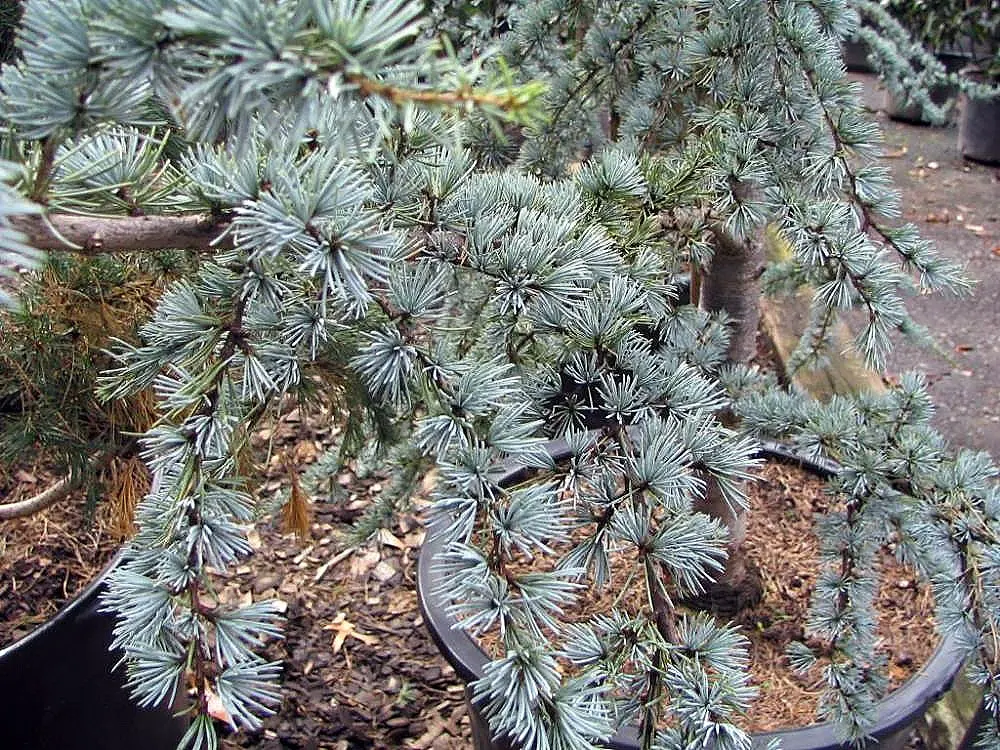
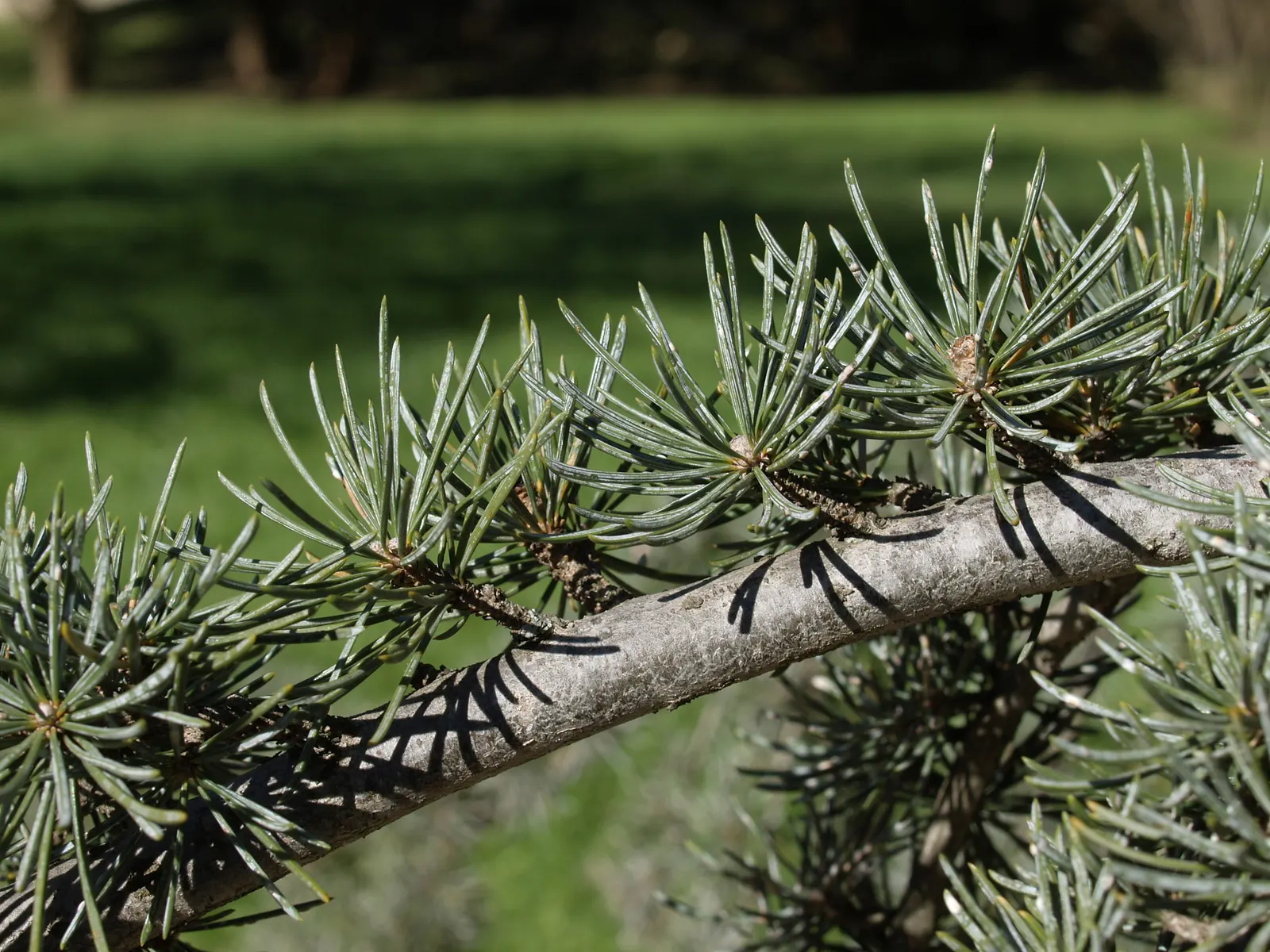
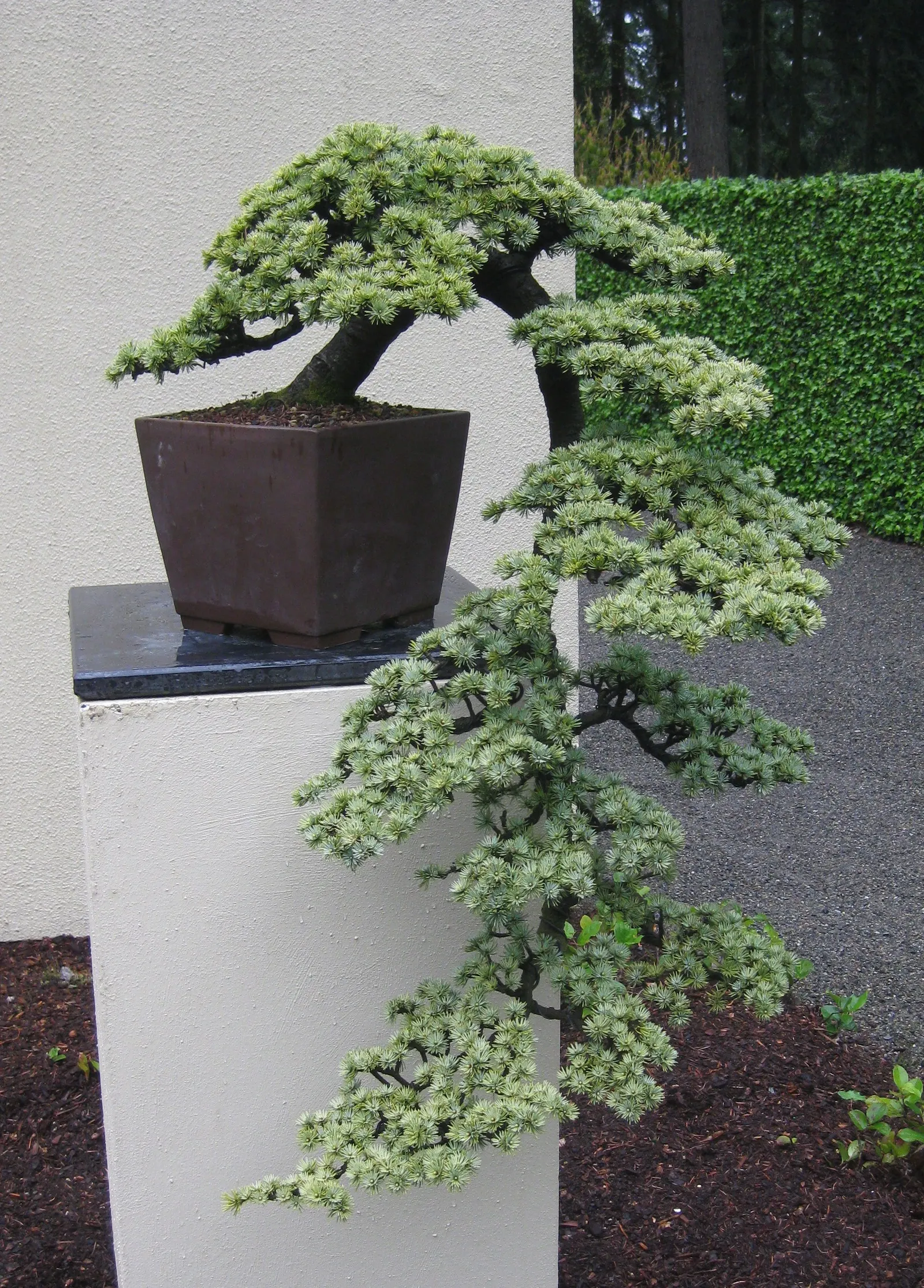
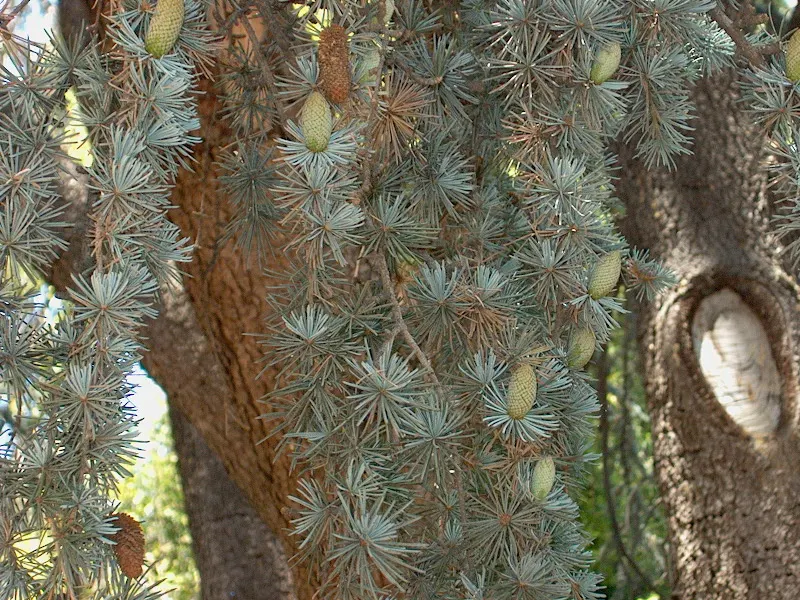
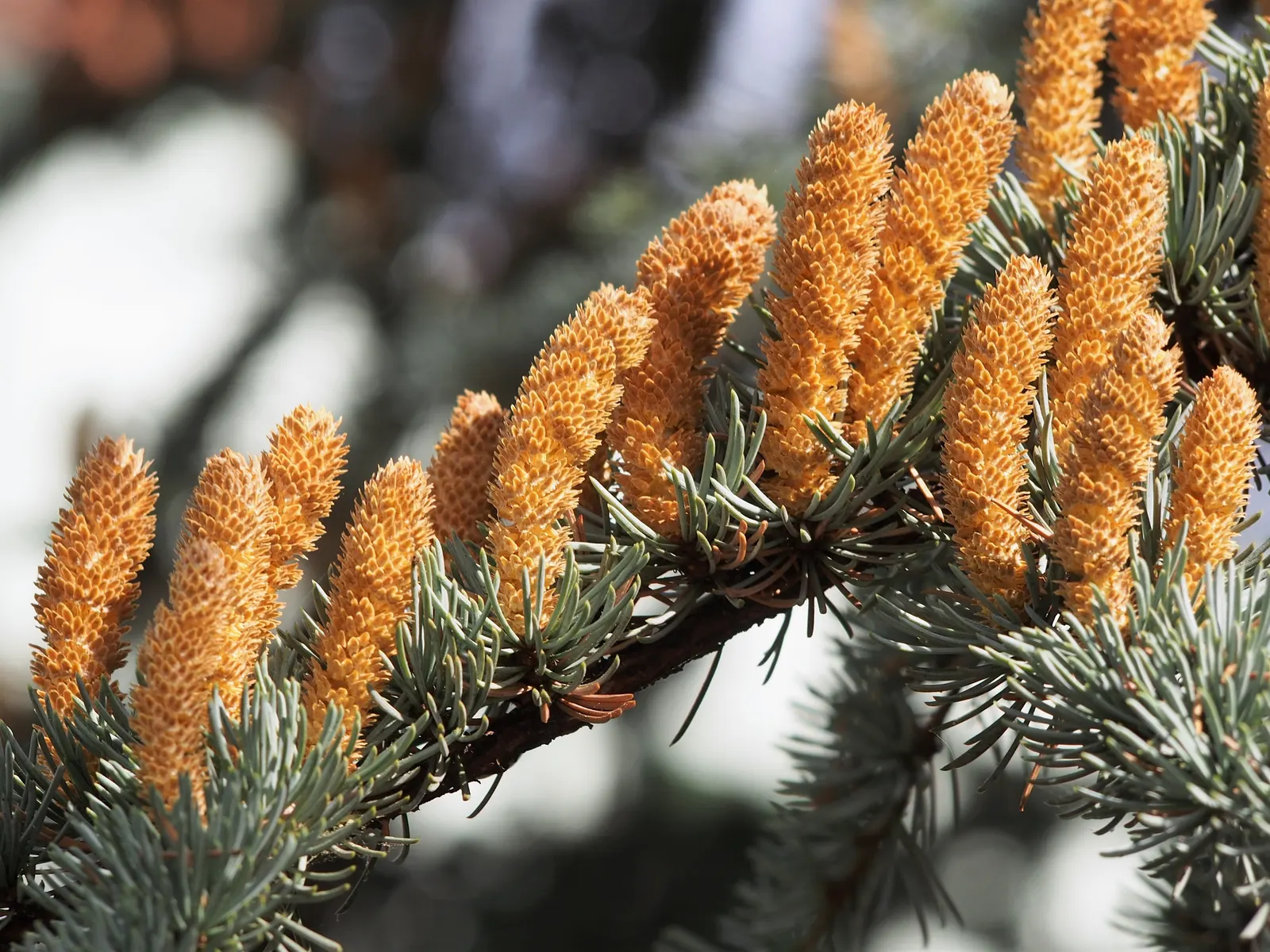
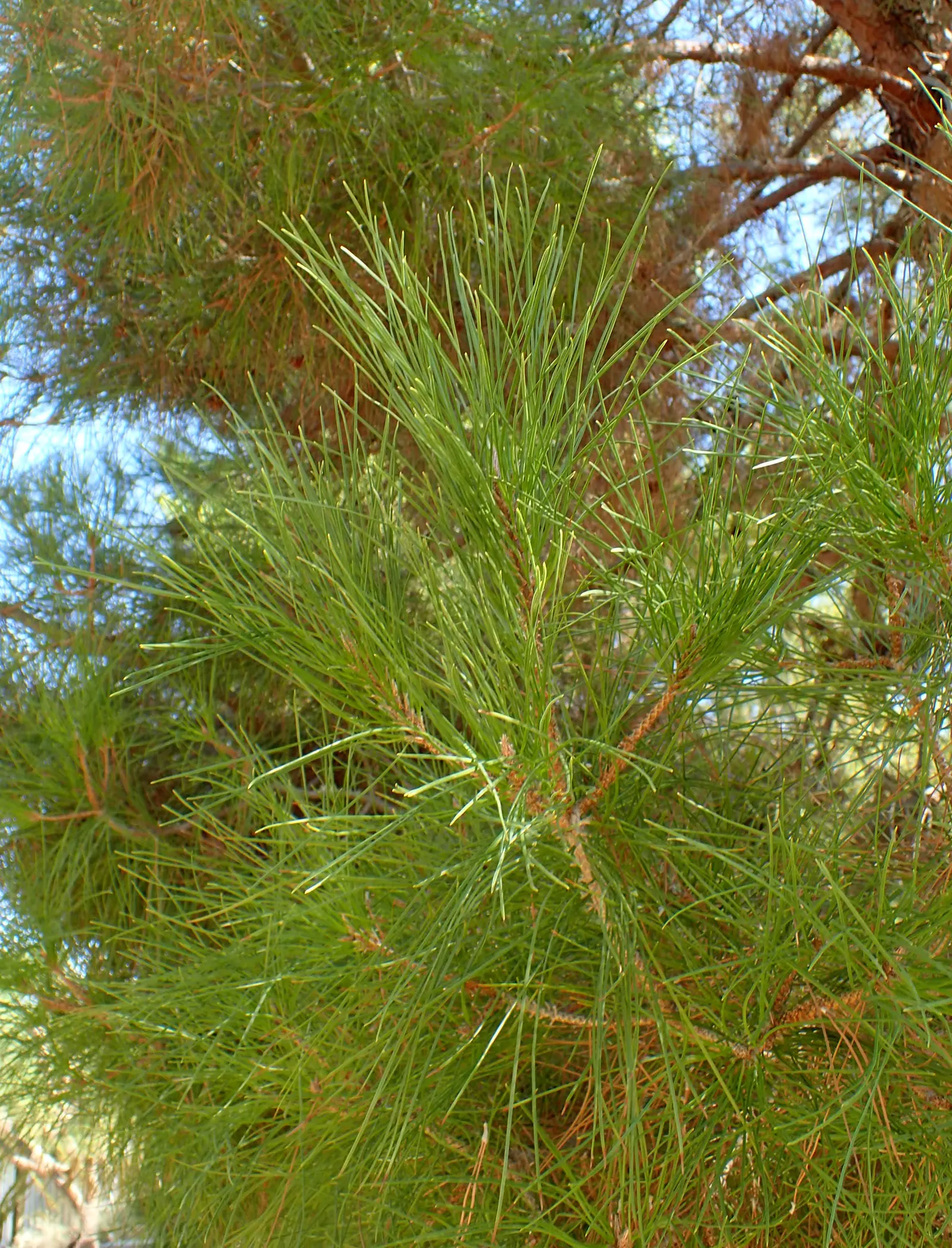
Atlas Cedar (Cedrus atlantica) — adding a textured appearance to the boughs
Atlas Cedar (Cedrus atlantica) — this cedar species presents itself as a commanding element in gardens; hardy in zones 6-9, it prefers full sun and, image 58
Atlas Cedar (Cedrus atlantica) — and as a distinguished specimen tree in sizable residential gardens; adding a textured appearance to the boughs, image 74
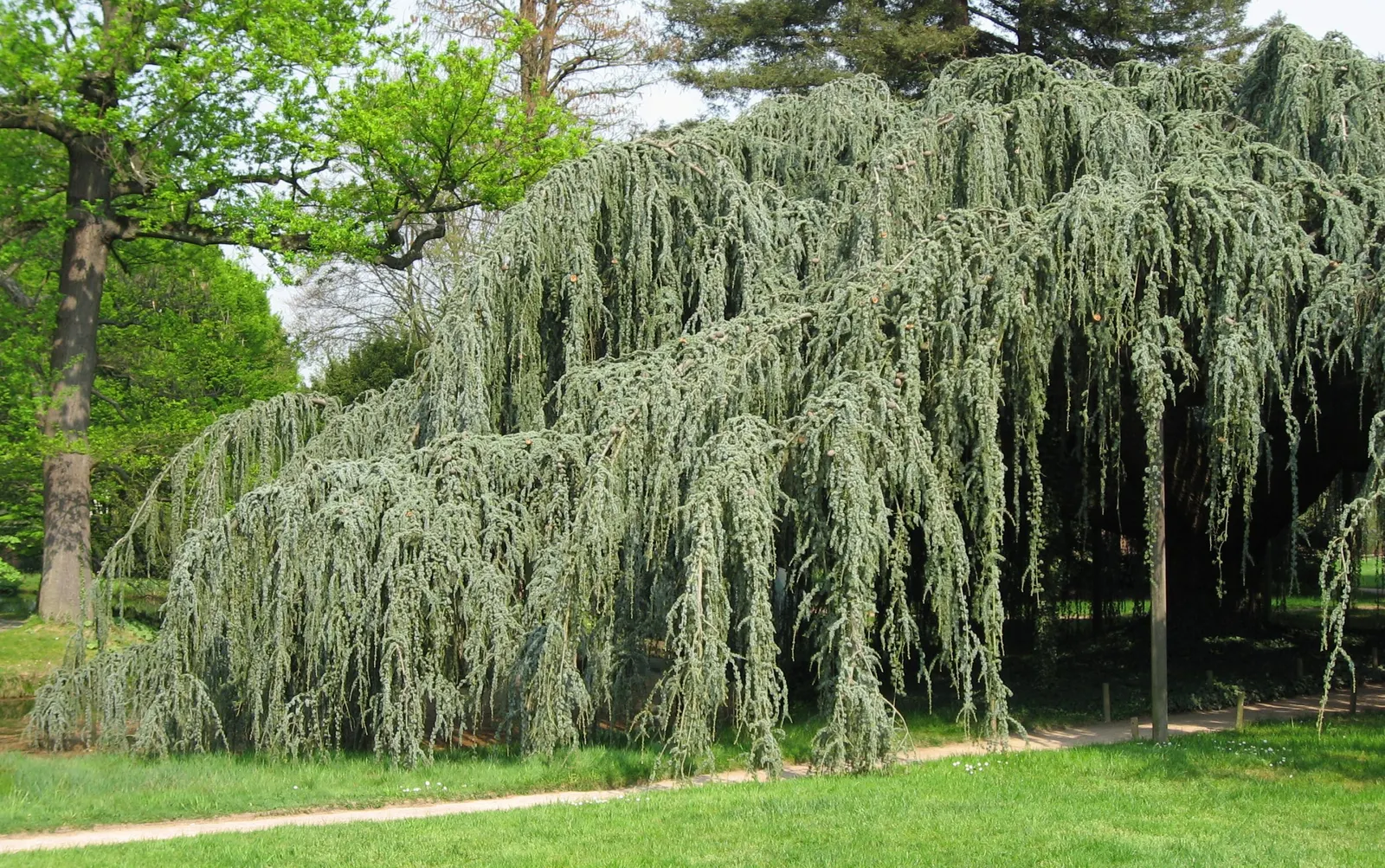
Atlas Cedar (Cedrus atlantica) — adding a textured appearance to the boughs; presenting an imposing pyramidal shape that matures into a flat-topped crown
Atlas Cedar (Cedrus atlantica) — presenting an imposing pyramidal shape that matures into a flat-topped crown; flat-topped form with, image 52
Atlas Cedar (Cedrus atlantica) — Although it can tolerate some drought once established
Atlas Cedar (Cedrus atlantica) — flat-topped form with age.<br><br>Mature Atlas Cedars can reach heights of 40 to 60 feet; and as a distinguished, image 86
Atlas Cedar (Cedrus atlantica) — which gracefully matures into a more irregular
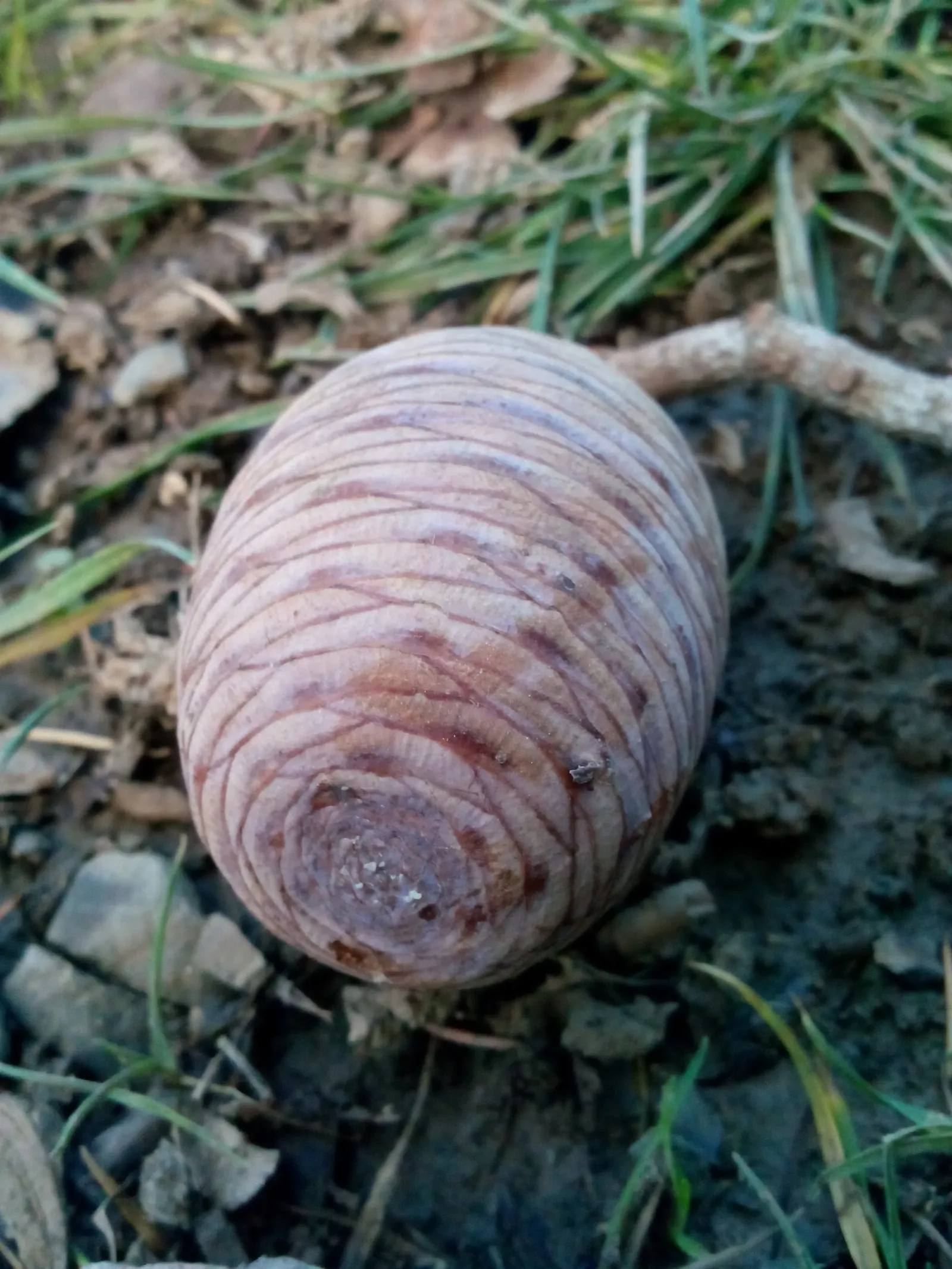
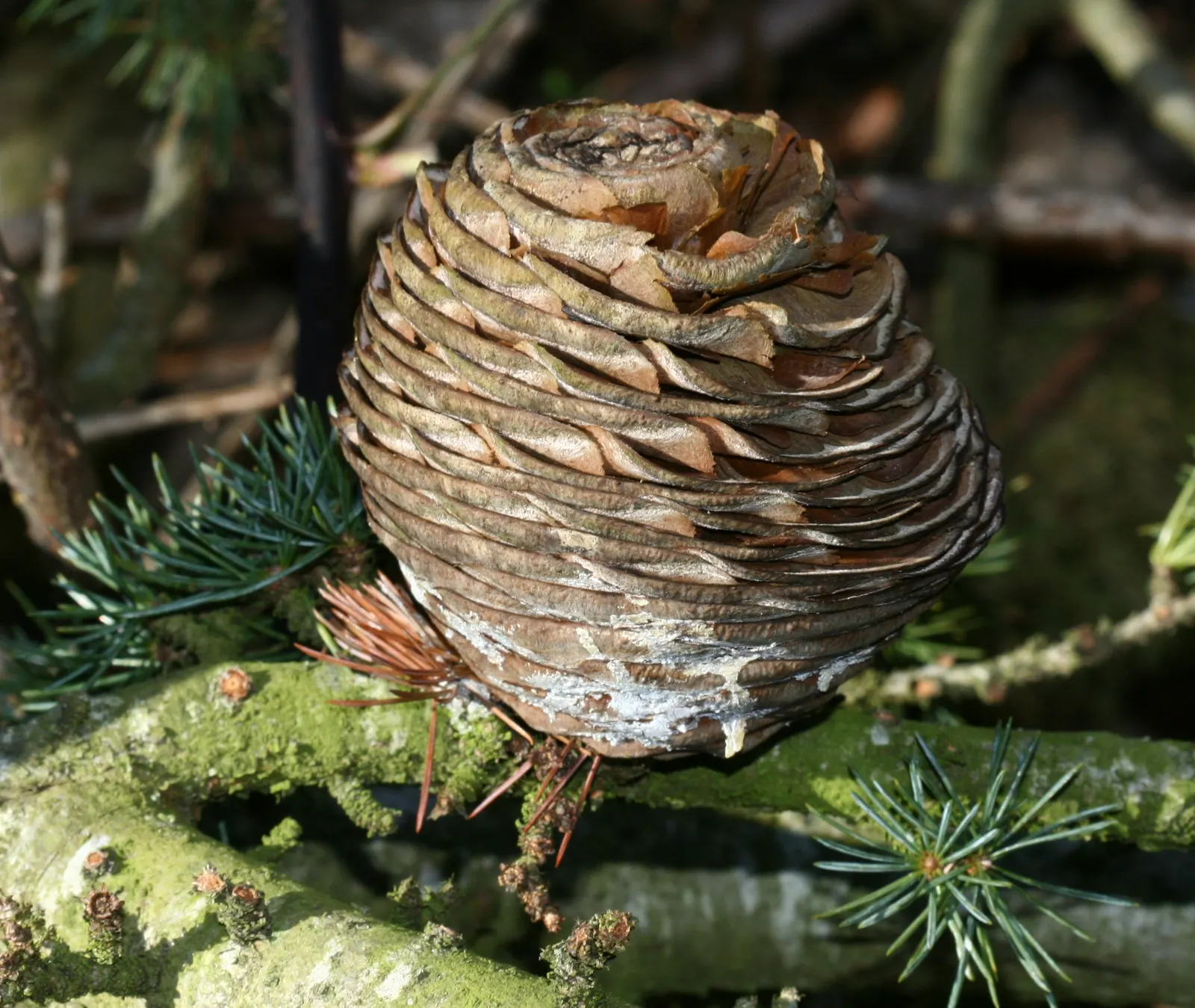
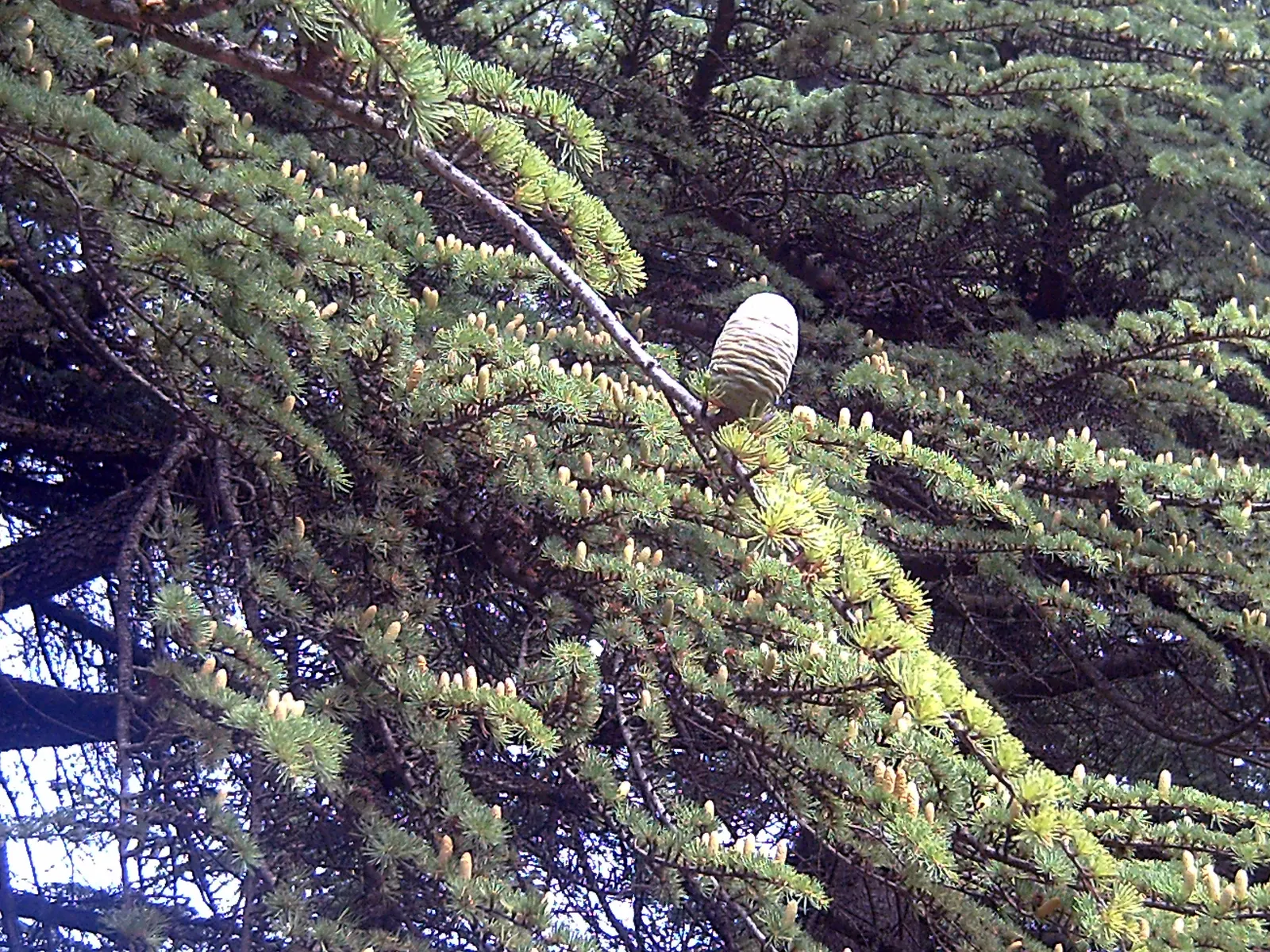
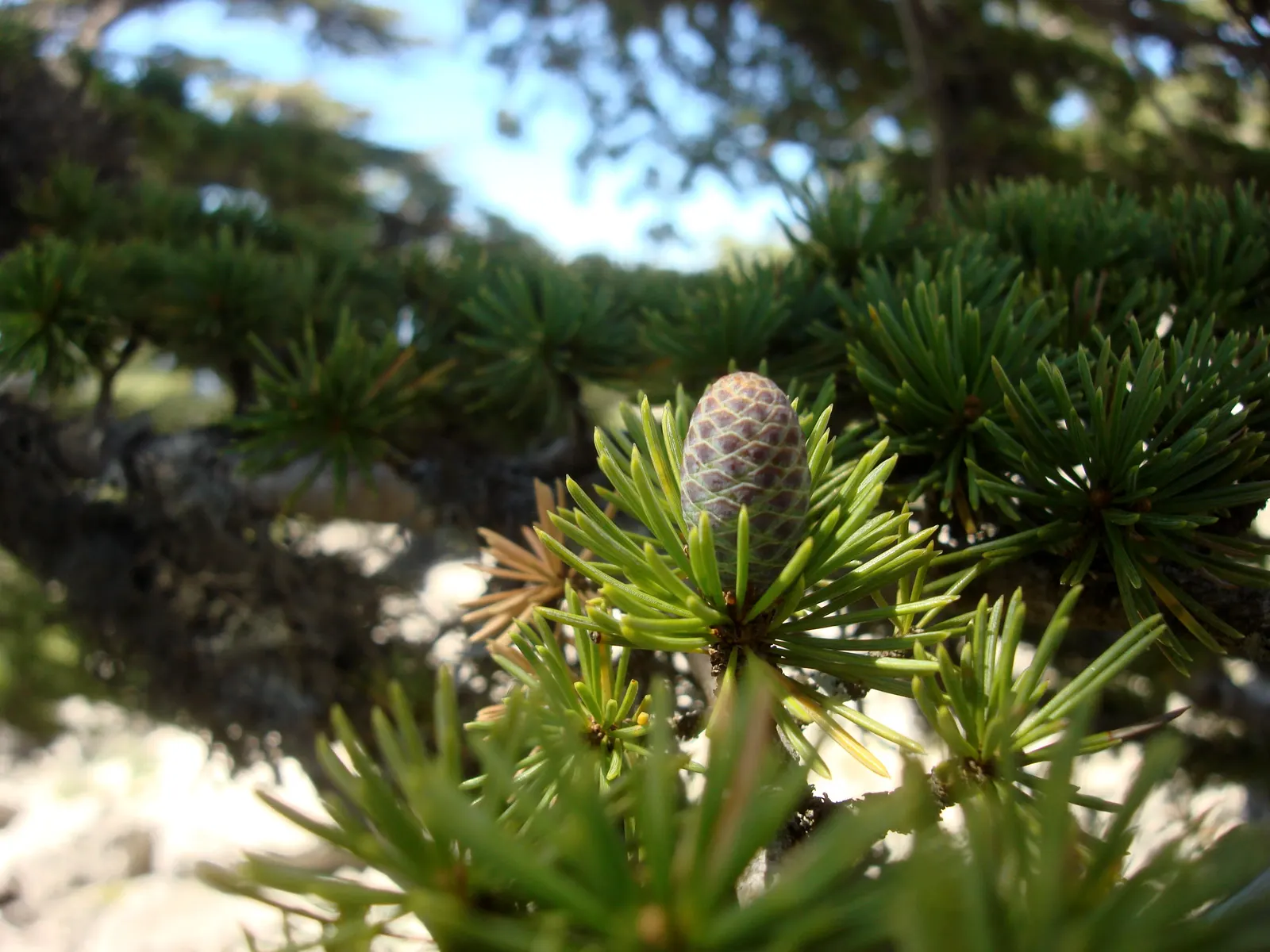
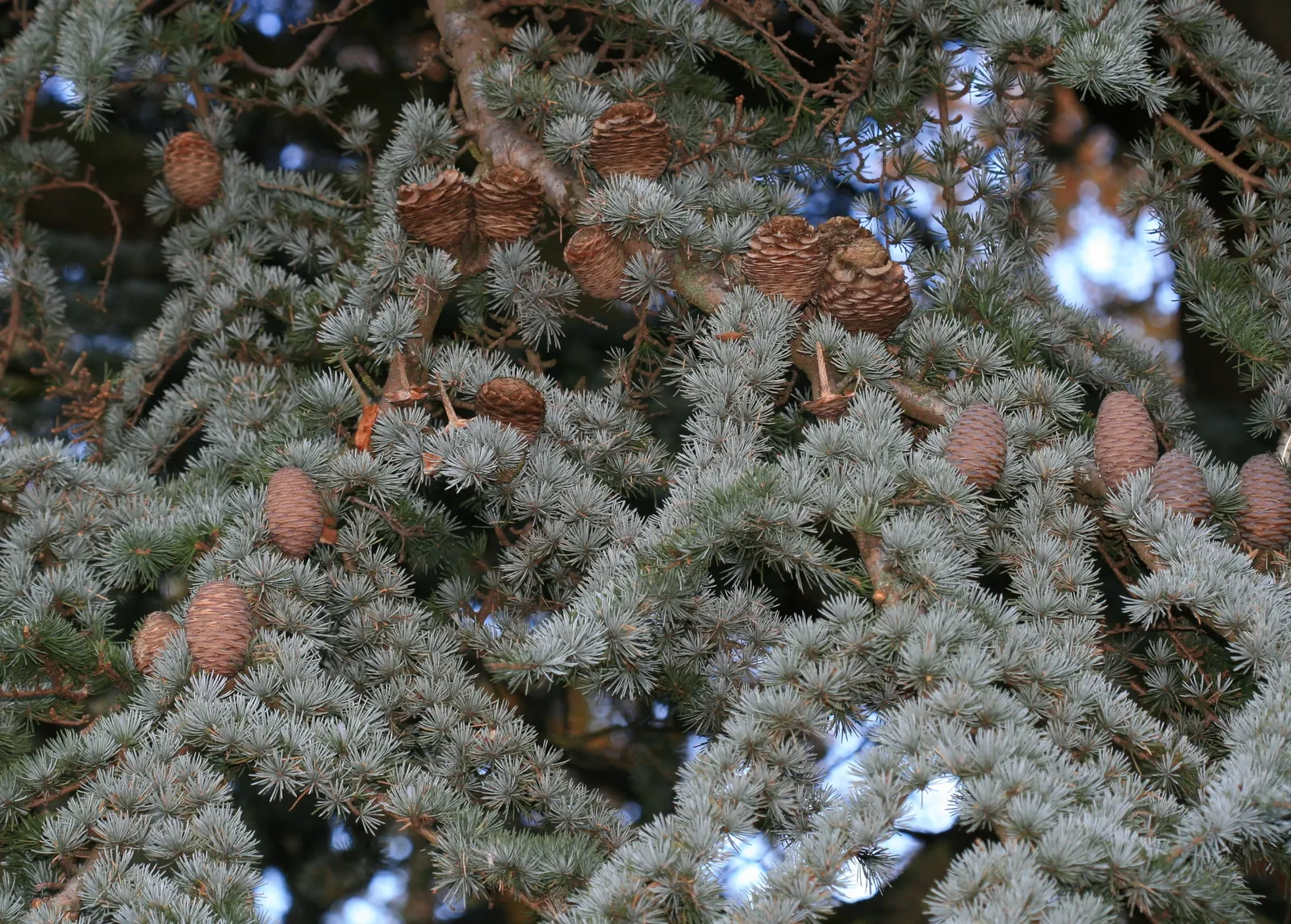
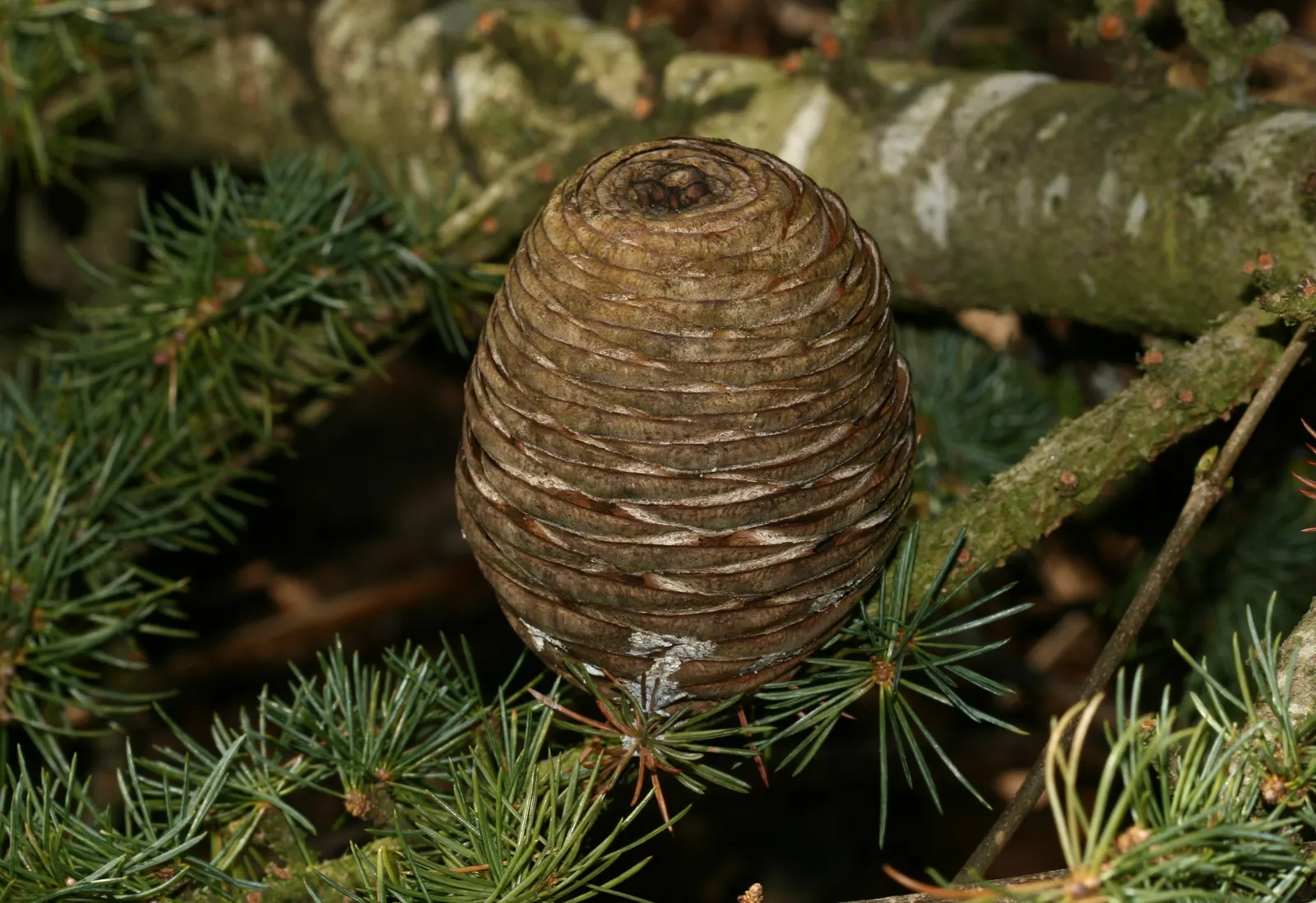
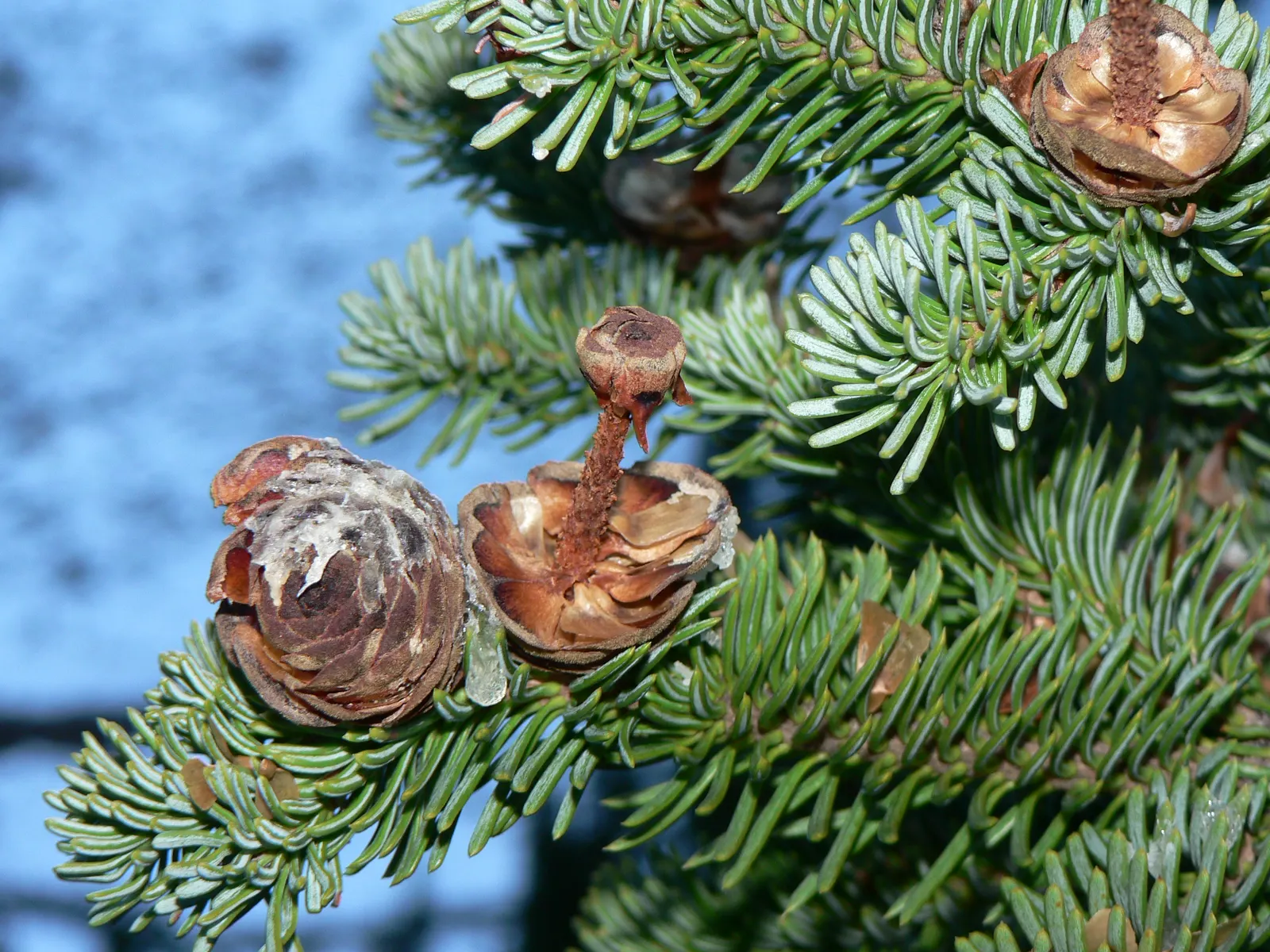
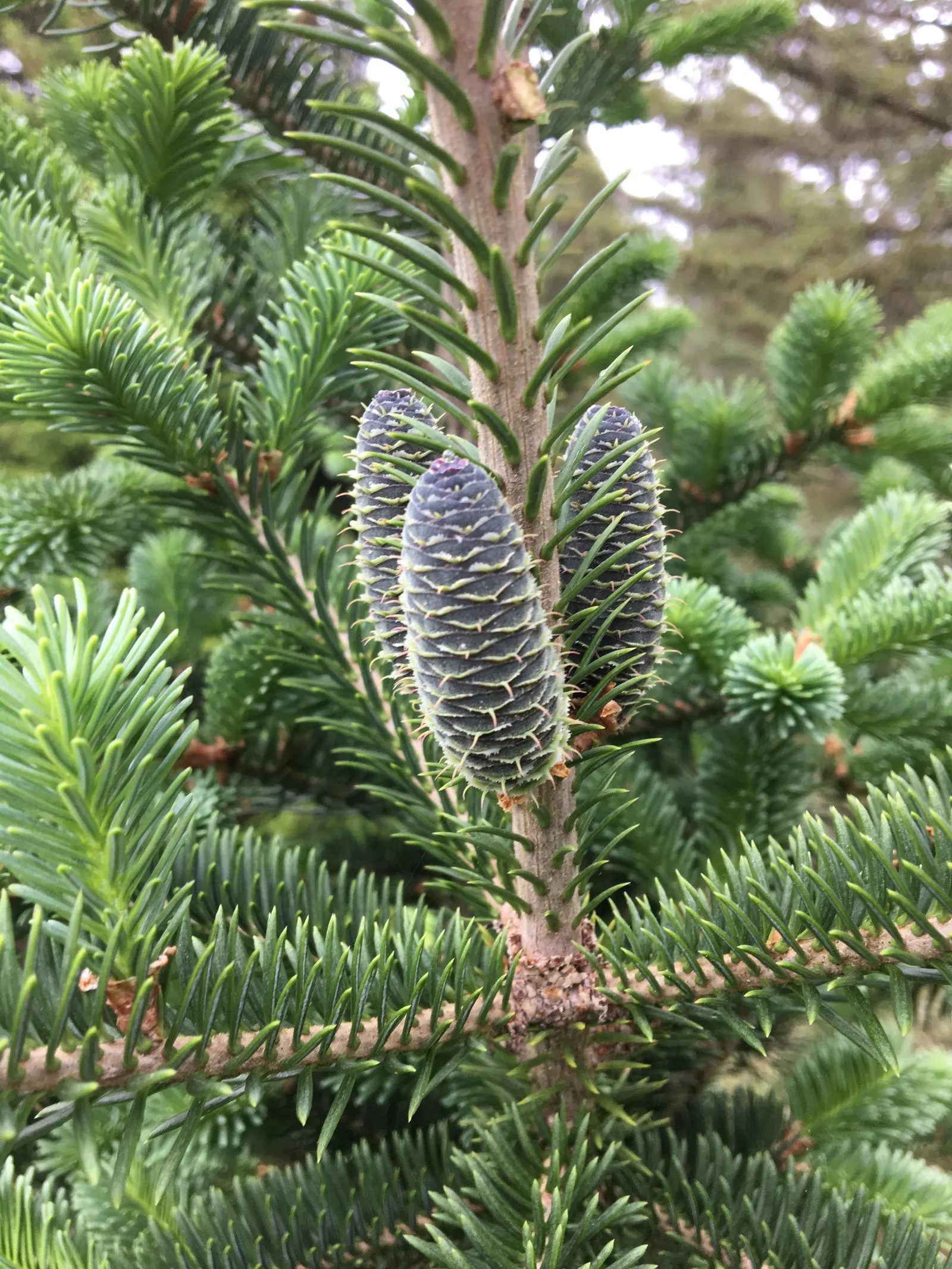
Atlas Cedar (Cedrus atlantica) — barrel-shaped cones that add further visual interest.<br><br>Hardy in USDA zones 6 through 9; mature trees bear, image 67
Atlas Cedar (Cedrus atlantica) — offering a well-defined structure along with dense, image 38
Atlas Cedar (Cedrus atlantica) — scientifically named Cedrus atlantica; native to the Atlas Mountains of Morocco and Algeria, image 55
Atlas Cedar (Cedrus atlantica) — Native to the Atlas Mountains of Morocco and Algeria; minimal pruning is needed, image 82
Atlas Cedar (Cedrus atlantica) — adding a textured appearance to the boughs; presenting an imposing pyramidal shape that matures into a flat-topped, image 90
Atlas Cedar (Cedrus atlantica) — Ideal as a specimen plant, it offers year-round interest and stately elegance to large landscapes
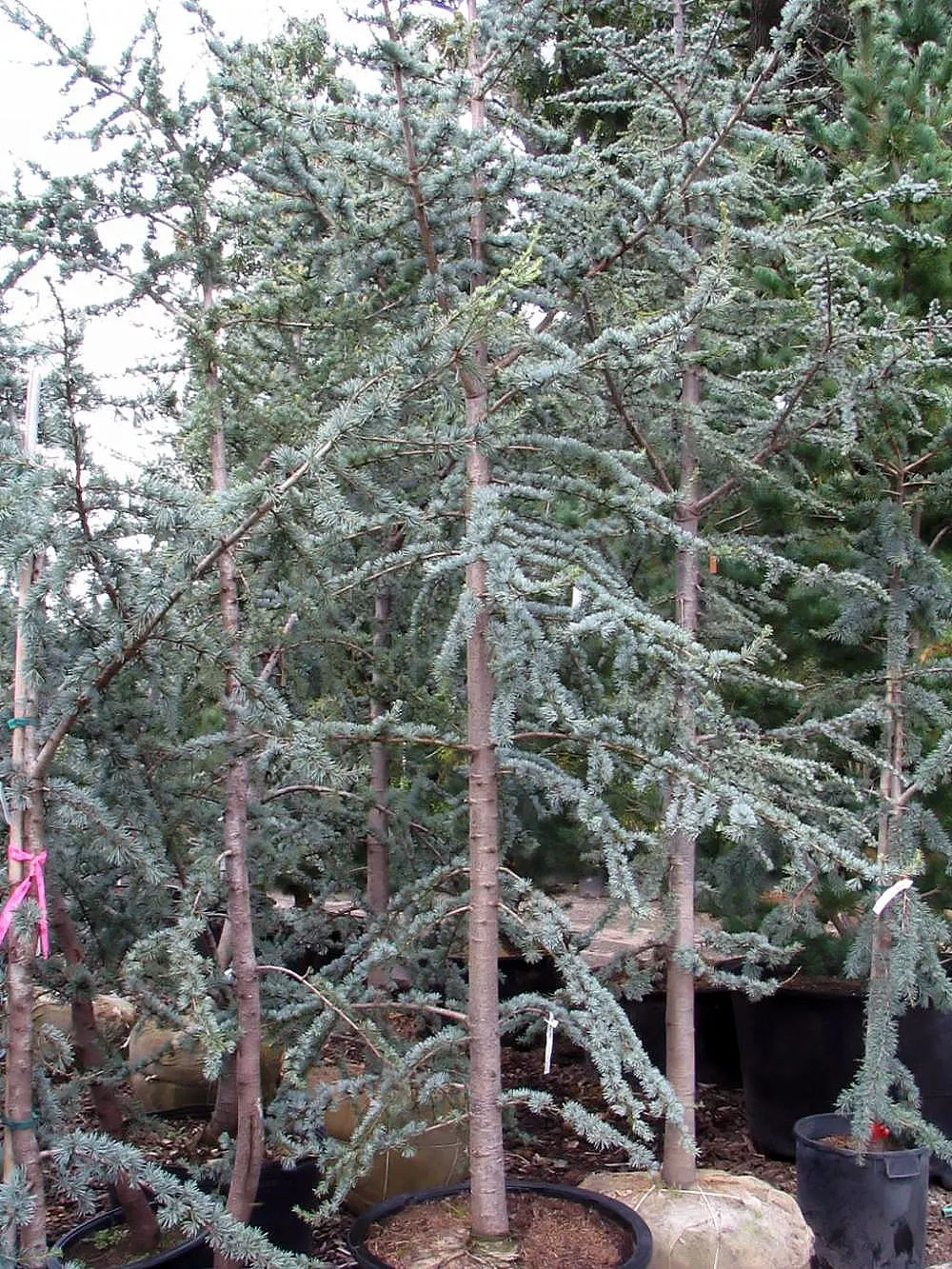
Atlas Cedar (Cedrus atlantica) — mature trees bear upright; showcasing a pyramidal to conical silhouette when young, image 91
Atlas Cedar (Cedrus atlantica) — flat-topped form with age.<br><br>Mature Atlas Cedars can reach heights of 40 to 60 feet; and as a distinguished specimen tree
Atlas Cedar (Cedrus atlantica) — Native to the Atlas Mountains of Morocco and Algeria
Atlas Cedar (Cedrus atlantica) — offering a well-defined structure along with dense, image 63
Atlas Cedar (Cedrus atlantica) — Although it can tolerate some drought once established; scientifically named Cedrus atlantica, image 69
Atlas Cedar (Cedrus atlantica) — primarily to remove any dead or damaged branches.<br><br>A focal point due to its grand size and elegant form, image 72
Atlas Cedar (Cedrus atlantica) — is an evergreen conifer renowned for its majestic stature and captivating presence in any landscape design
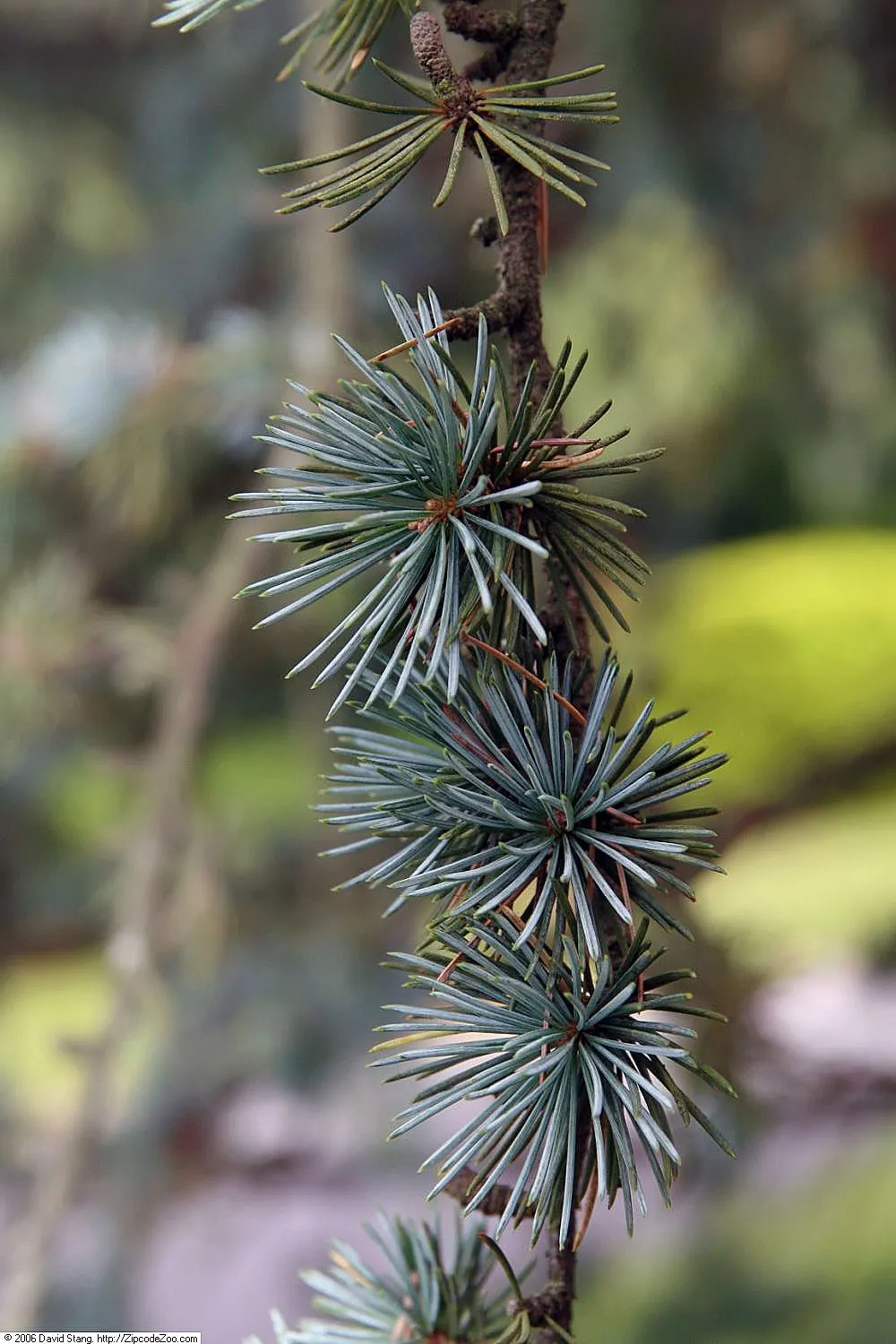
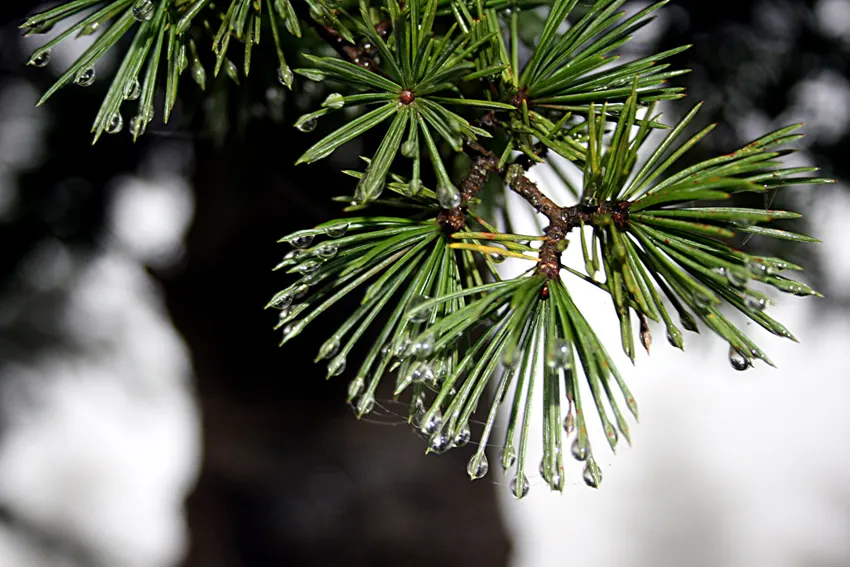
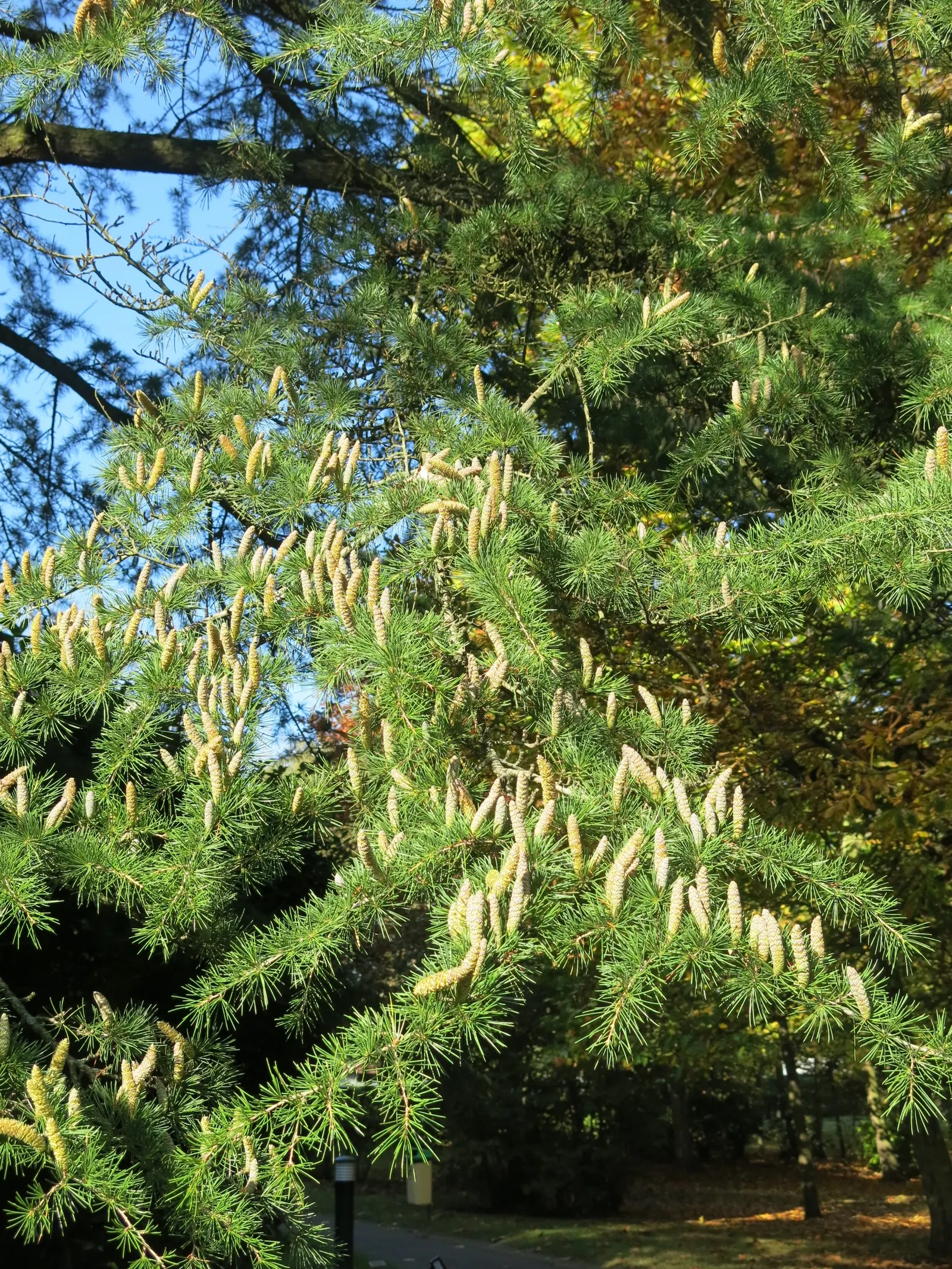
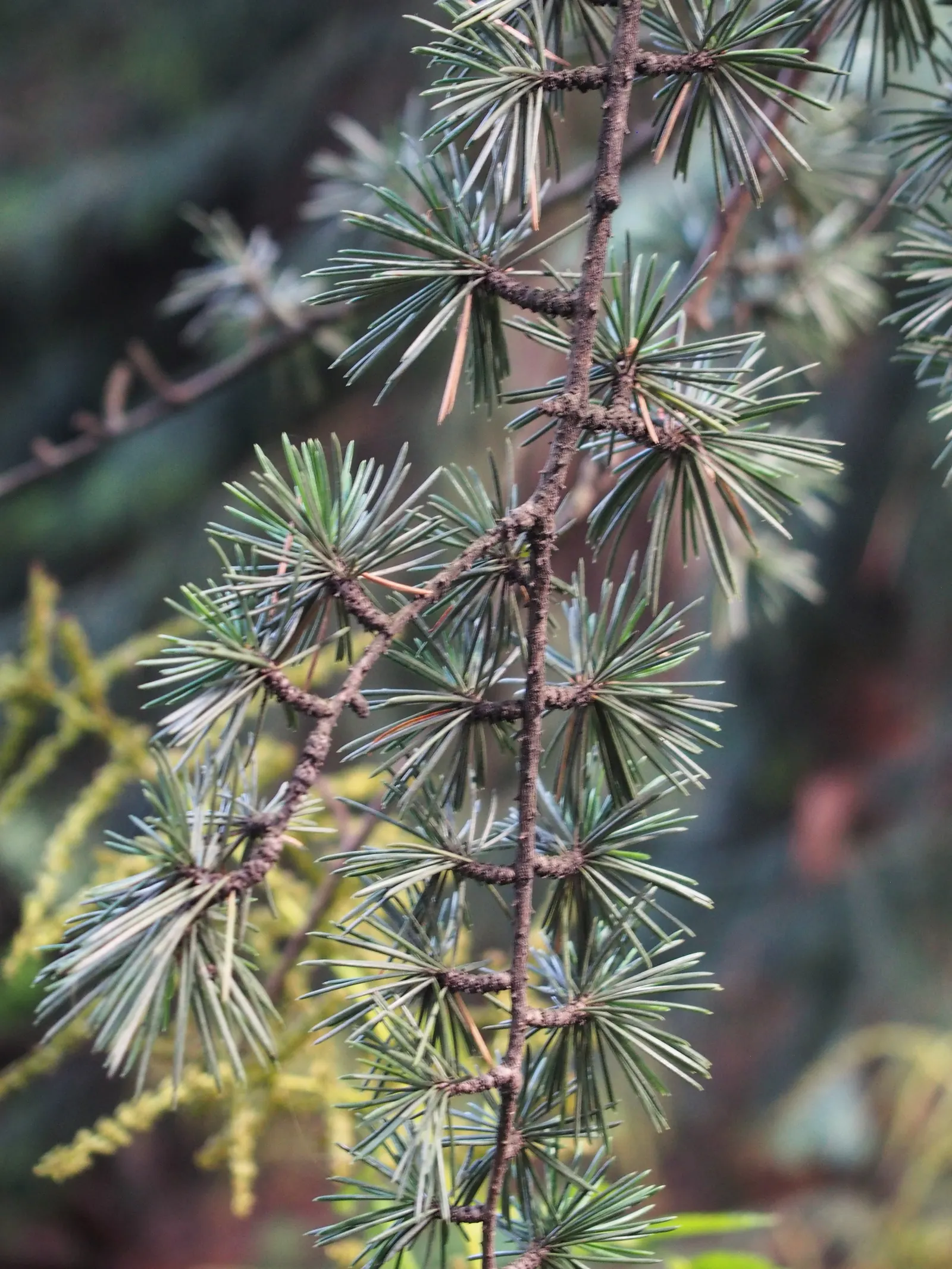
Atlas Cedar (Cedrus atlantica) — The needles are approximately 1 inch in length and grow in clusters on short spurs; regular watering during its, image 89
Atlas Cedar (Cedrus atlantica) — Its serene beauty is well-suited for large estates; this cedar species presents itself as a commanding element in gardens
Photographs by 10 contributors

Related plants