
Autumn Sage
Salvia Greggii
Overview
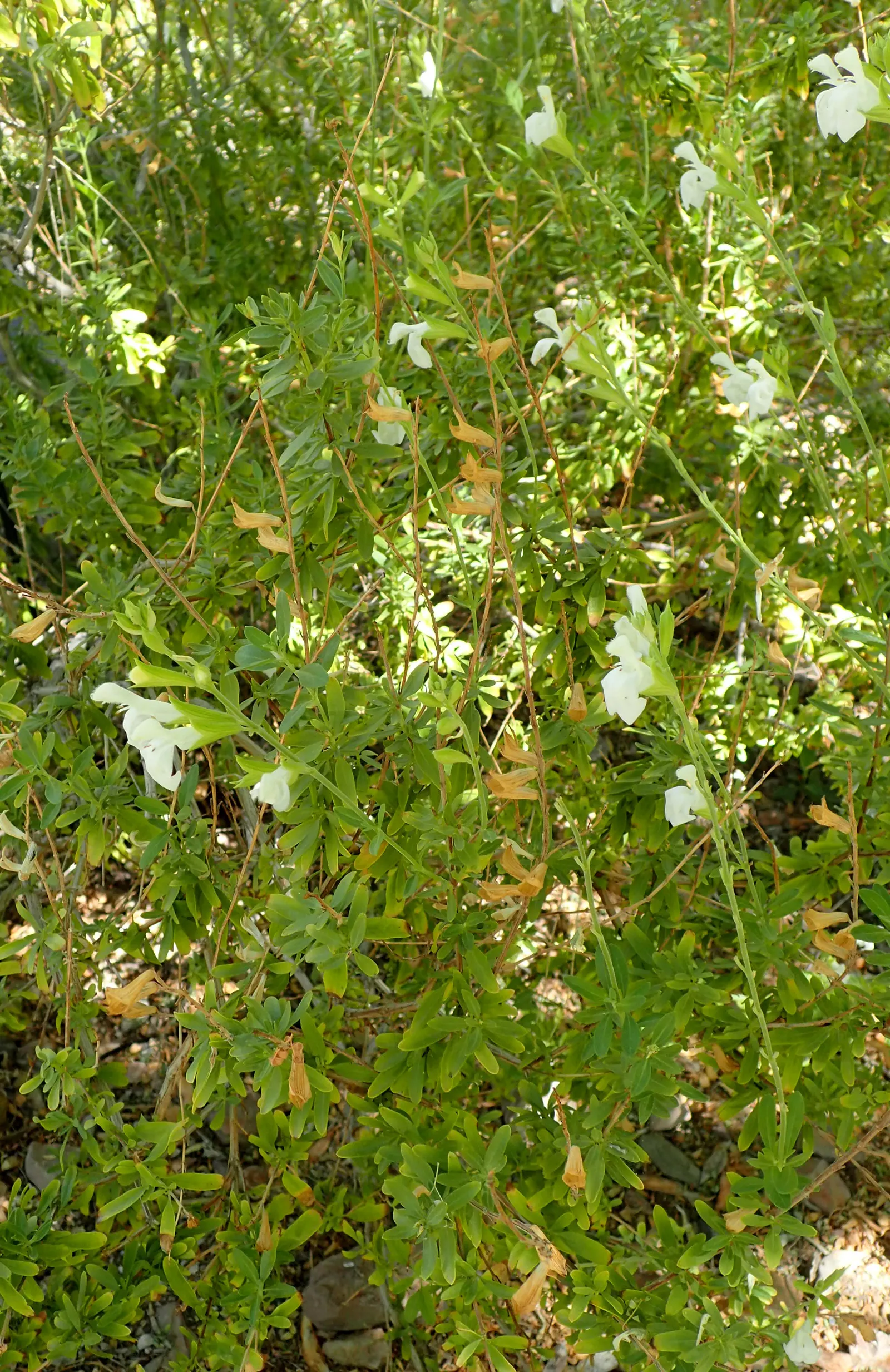
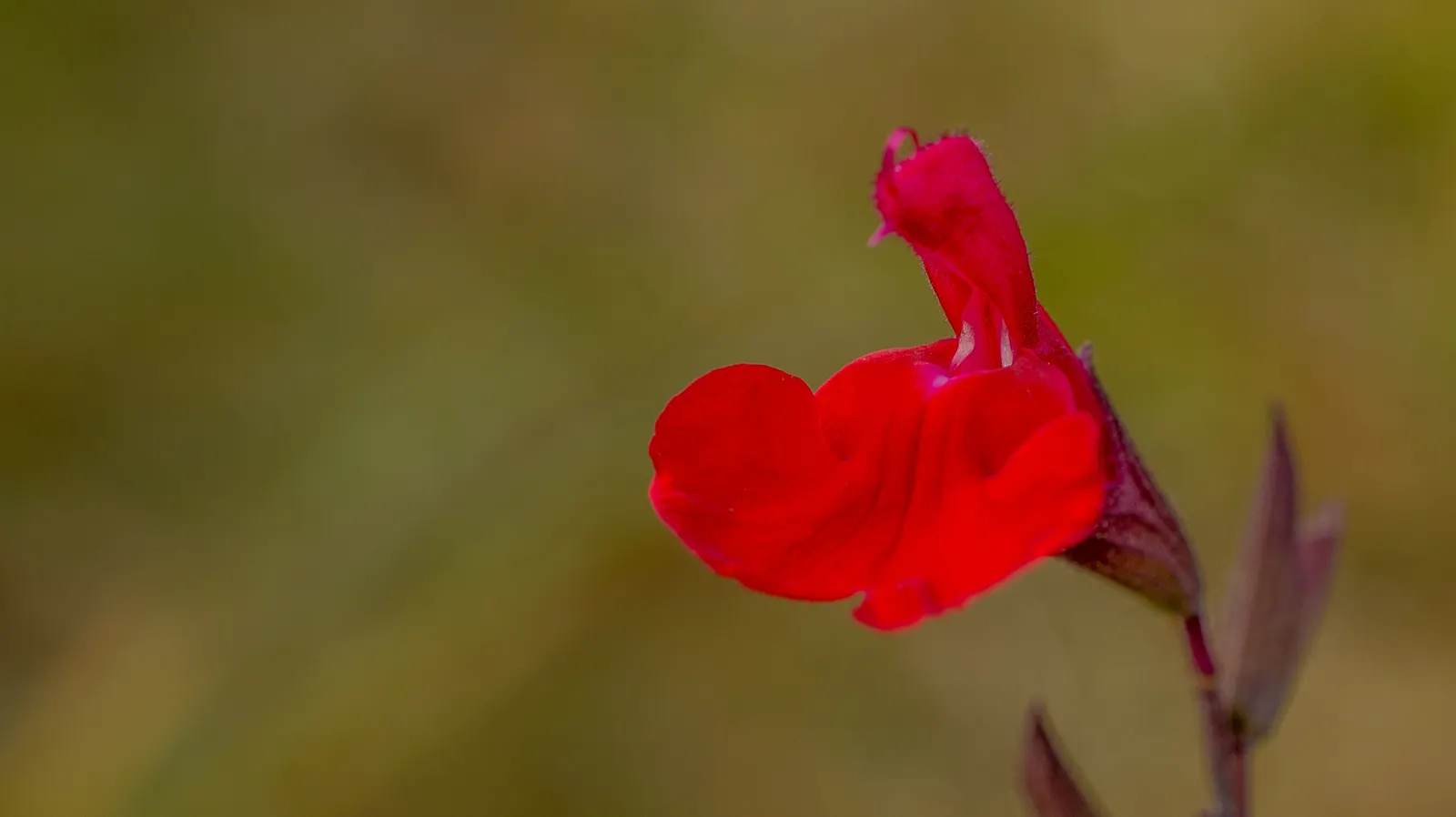
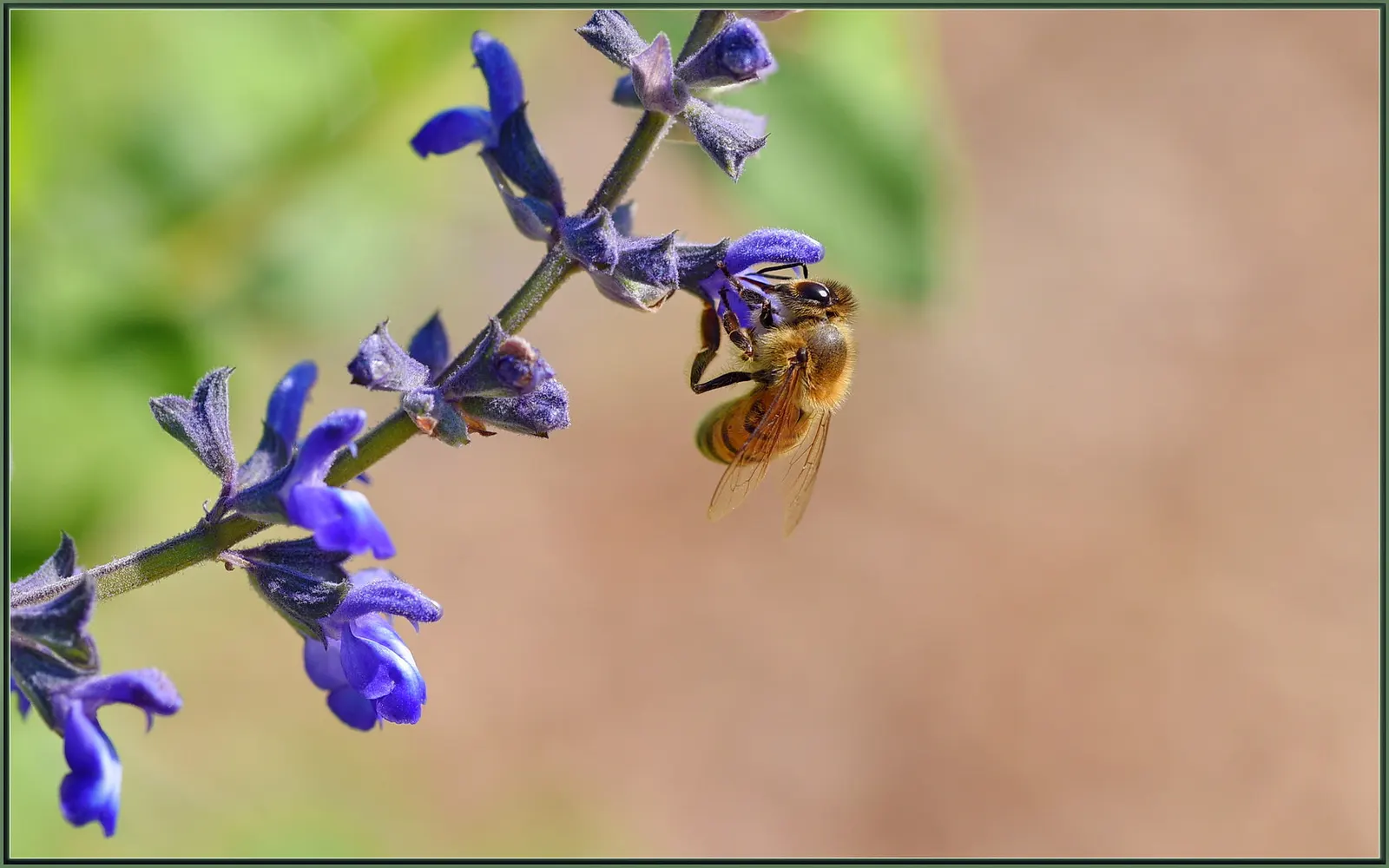
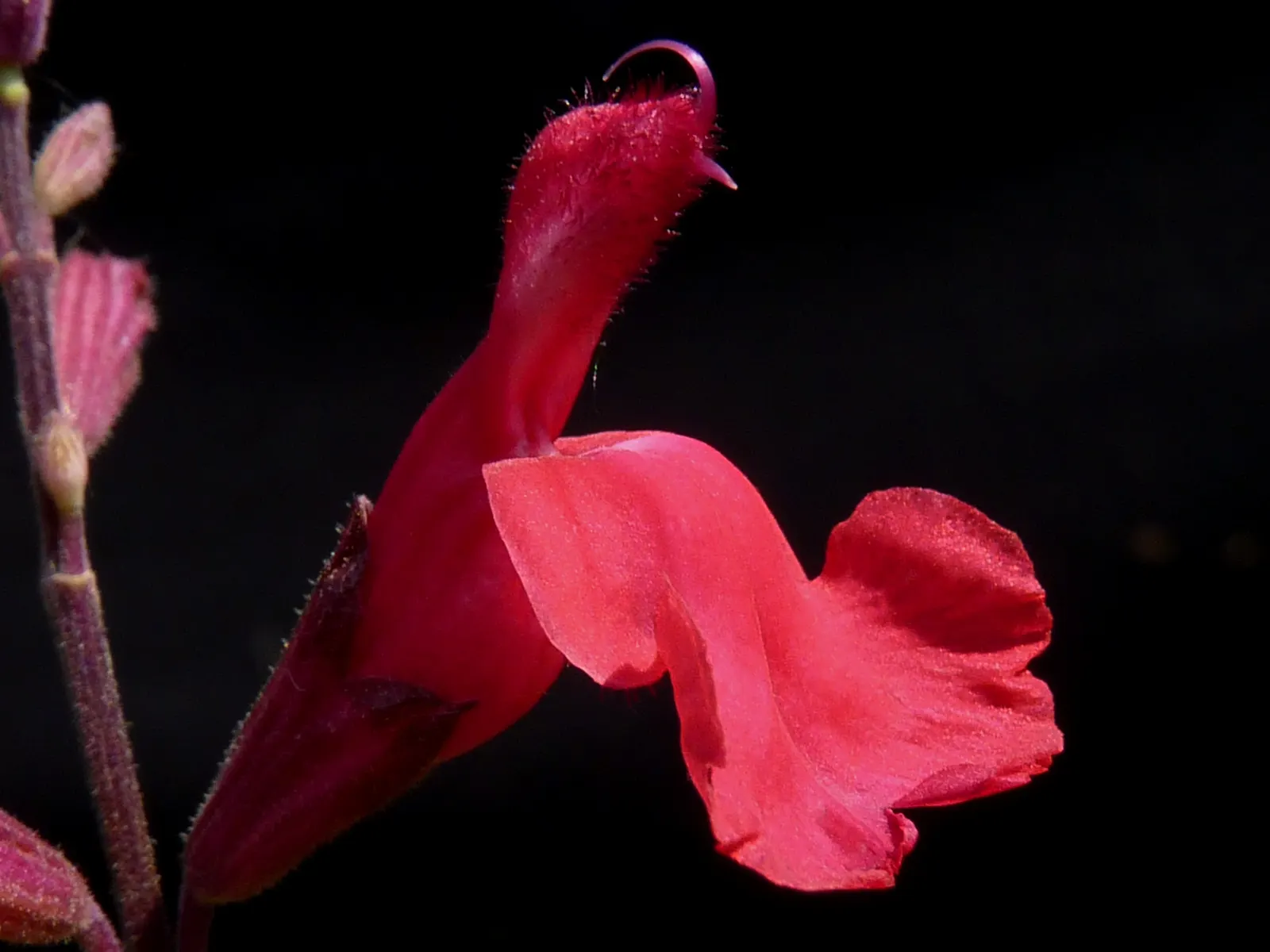
Autumn Sage (Salvia greggii) is a vibrant perennial shrub thriving in zones 7-9. It flourishes to a height of 2-3 ft with a similar spread, boasting tubular flowers in red, pink, purple, or white hues from spring to frost. This drought-tolerant, low-maintenance plant prefers full sun and well-drained soil, attracting hummingbirds and butterflies while resisting deer. Ideal for borders, rock gardens, and xeriscaping.
Sun Full, HalfWater Extra in Summer, Very LowZones 7–9Type ShrubClimate Arid

Culture
- Sun
- Full, Half
- Water
- Extra in Summer, Very Low
- USDA zones
- 7–9
Shape & size
Classification
- Type
- Shrub
- Family
- Lamiaceae
- Climate
- Arid
See full data, regional cultivation notes, and design tools. Build a client presentation around this plant.
Start your 14-day trialPhotos (63)


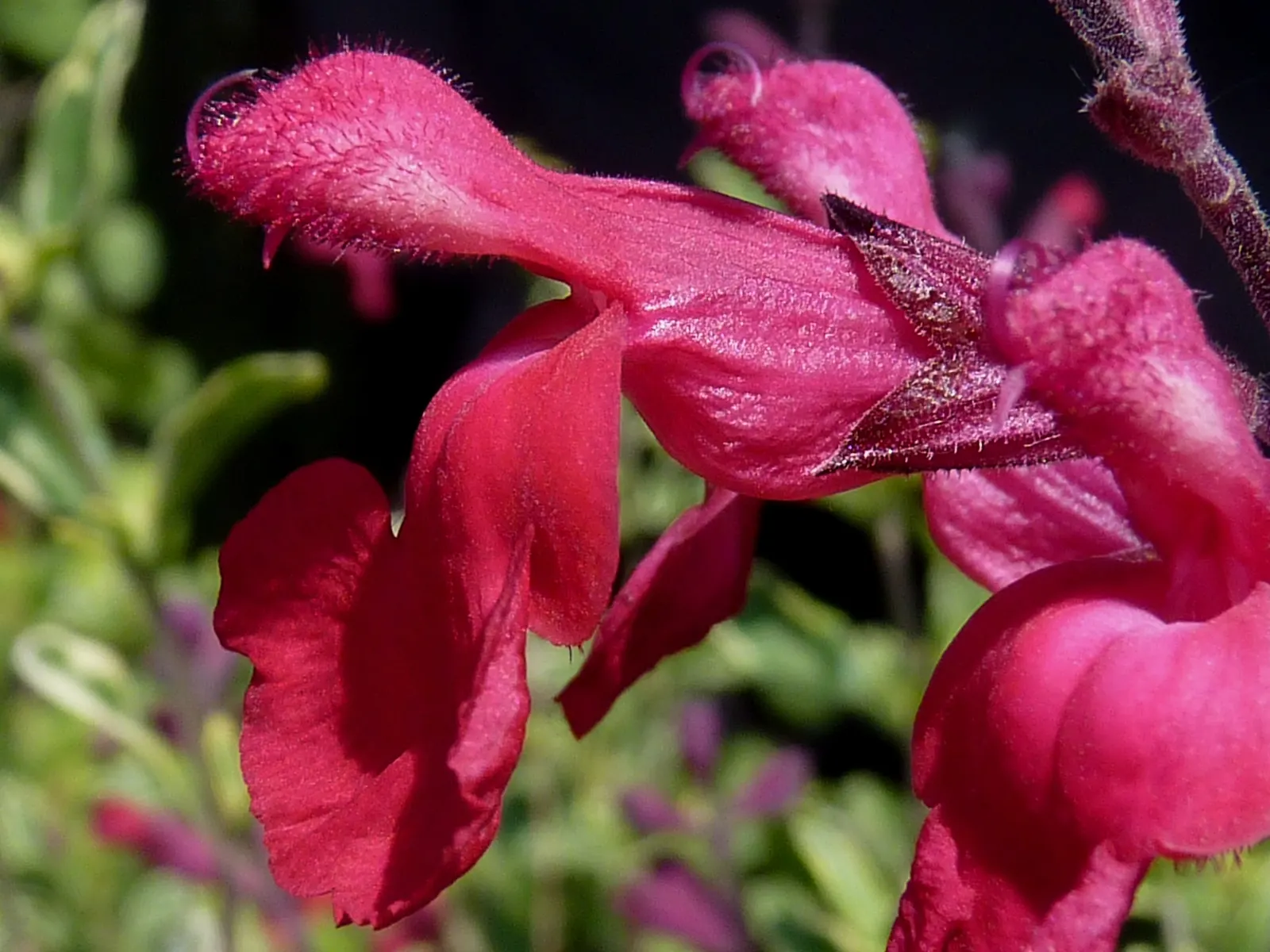
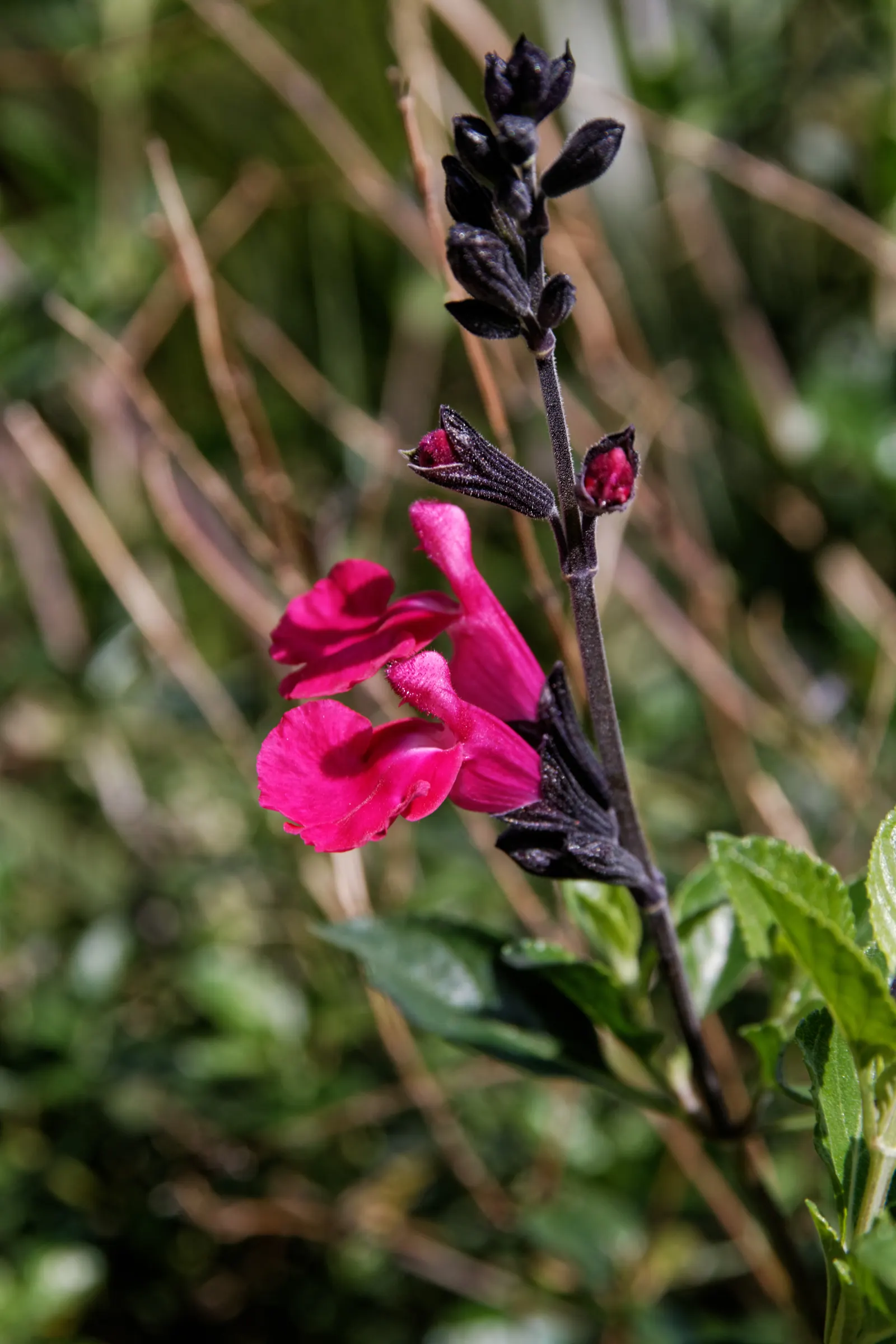
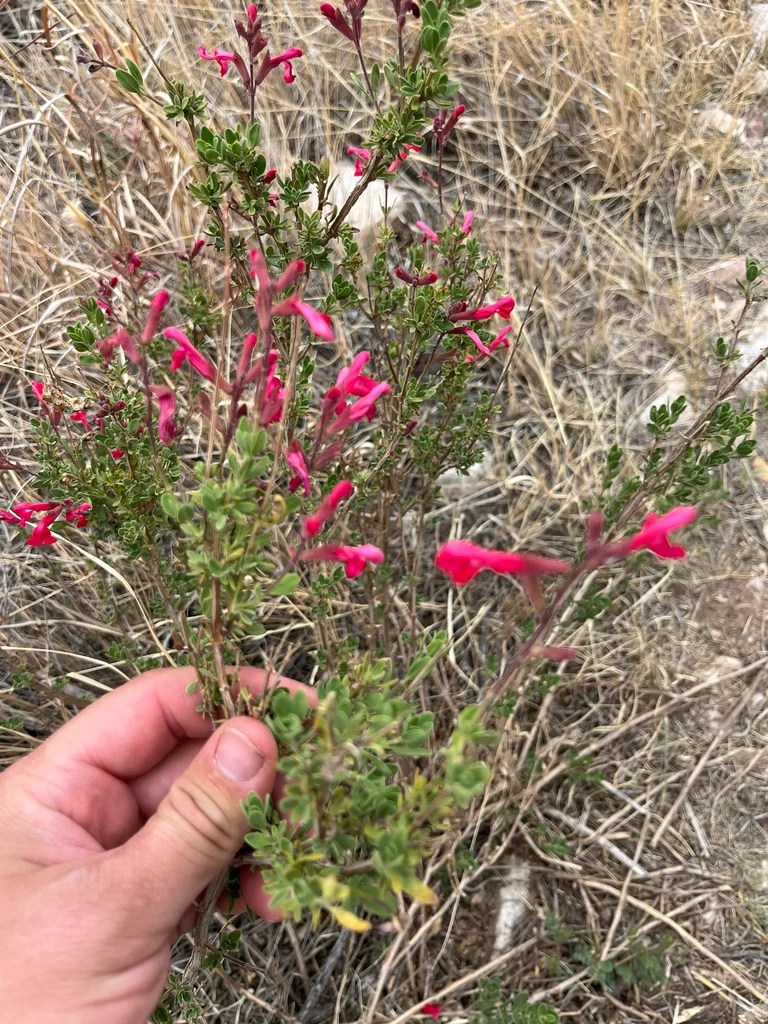

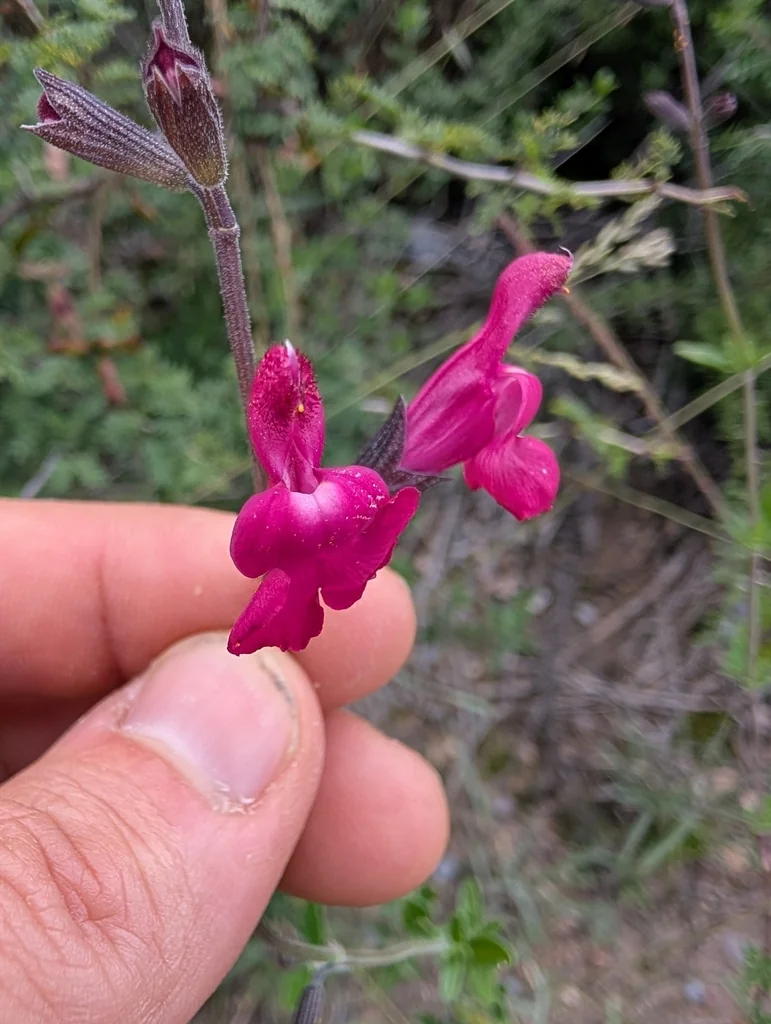
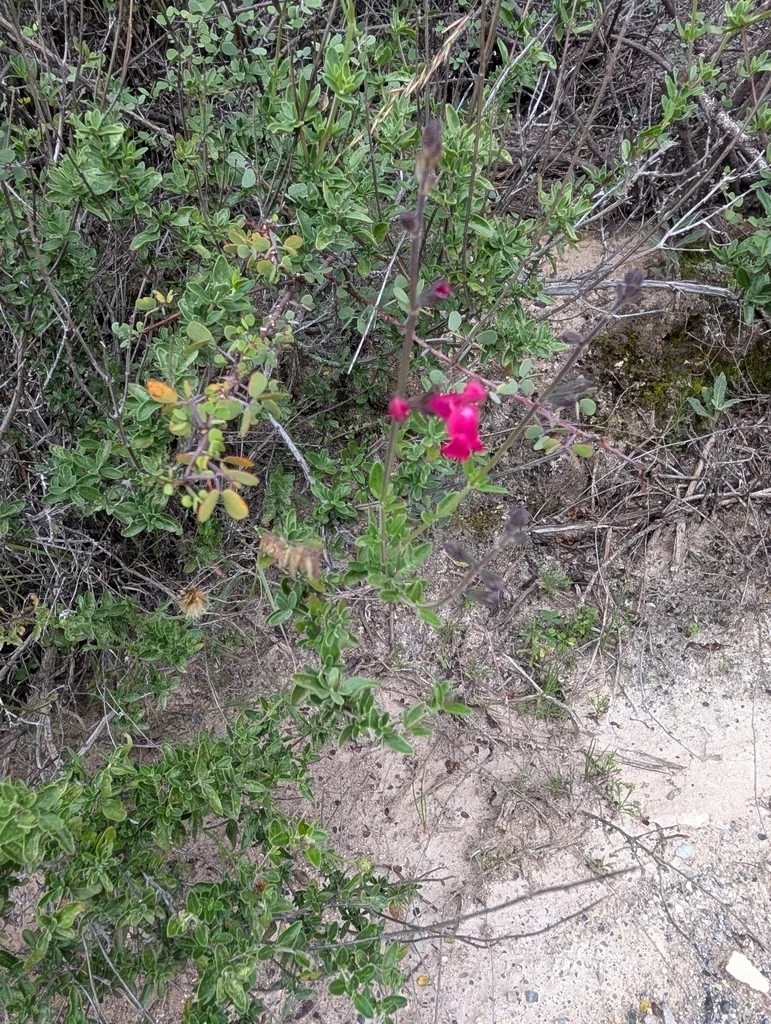
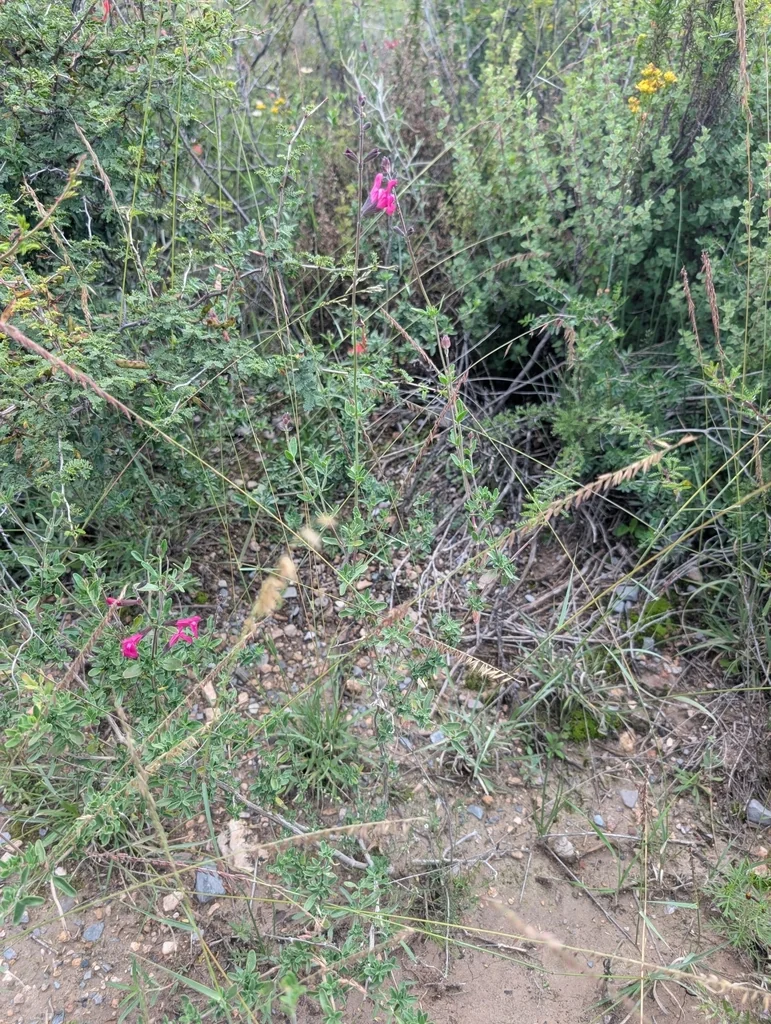
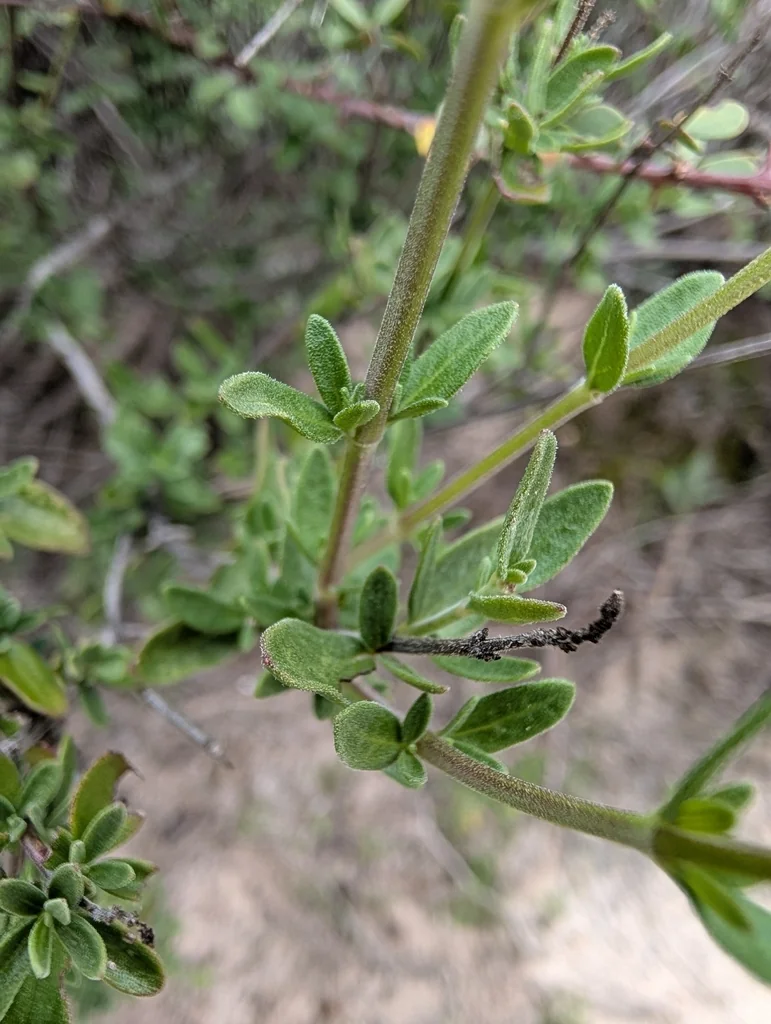
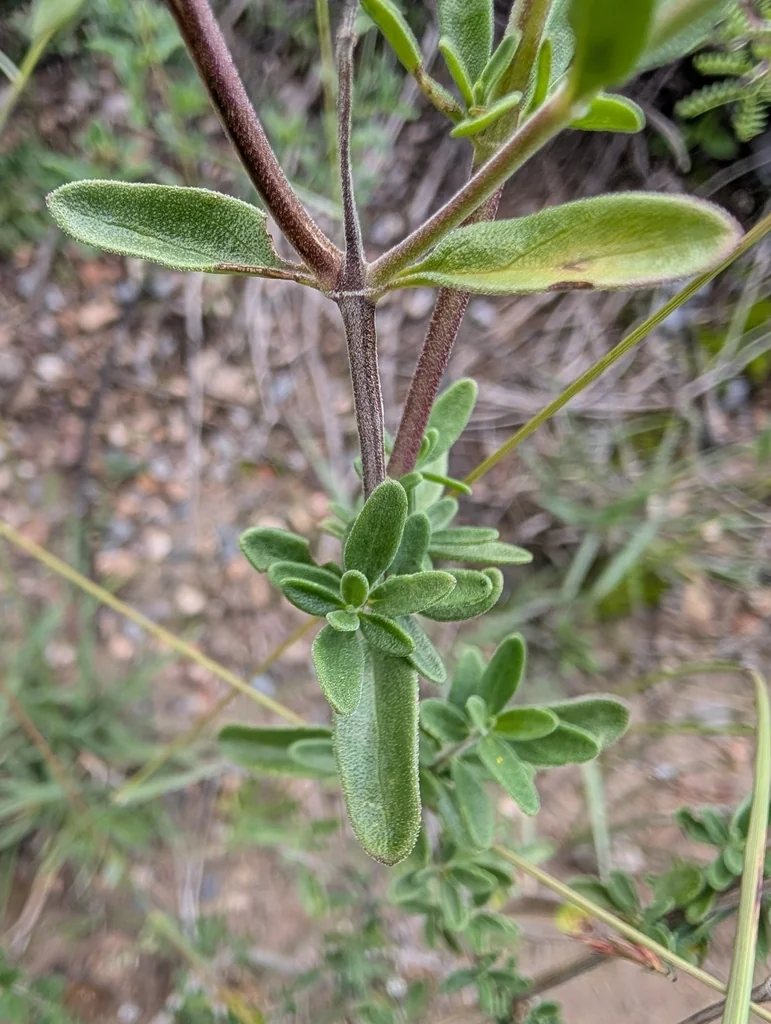
Photographs by 7 contributors
- Patrick from Compiègne, France, CC BY-SA 2.0 · source
- ZumaiaHE10, CC BY-SA 4.0 · source
- Krzysztof Ziarnek, Kenraiz, CC BY-SA 4.0 · source
- Kazuhiro Tsugita, CC BY 3.0 · source
- Terry Lucas, CC BY 3.0 · source
- Jamain, CC BY-SA 3.0 · source
- Daniel VILLAFRUELA ., CC BY-SA 4.0 · source
Related plants
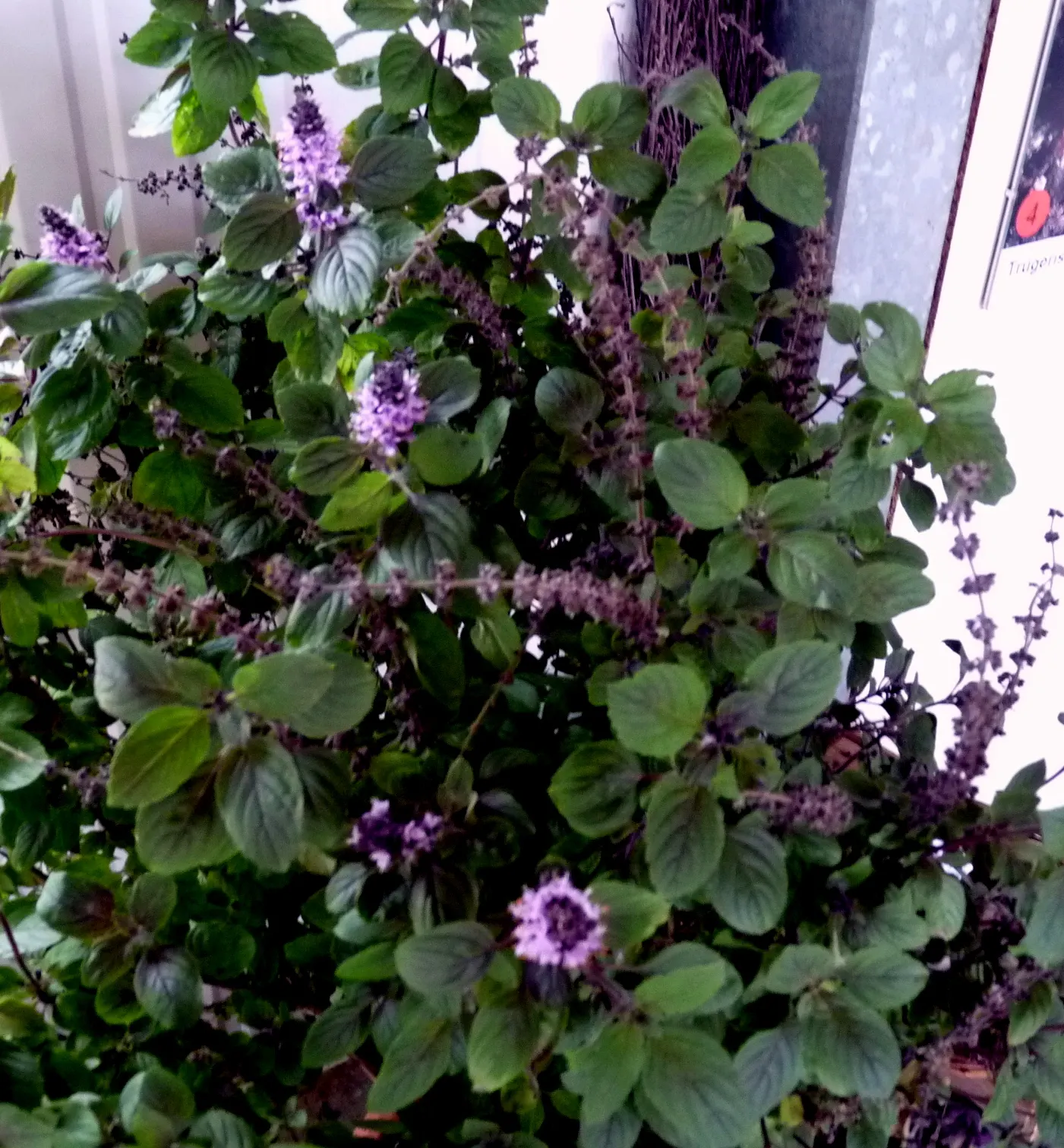
Herb
African Blue Basil
Ocimum Basilicum 'African Blue'
FullUSDA 8–10
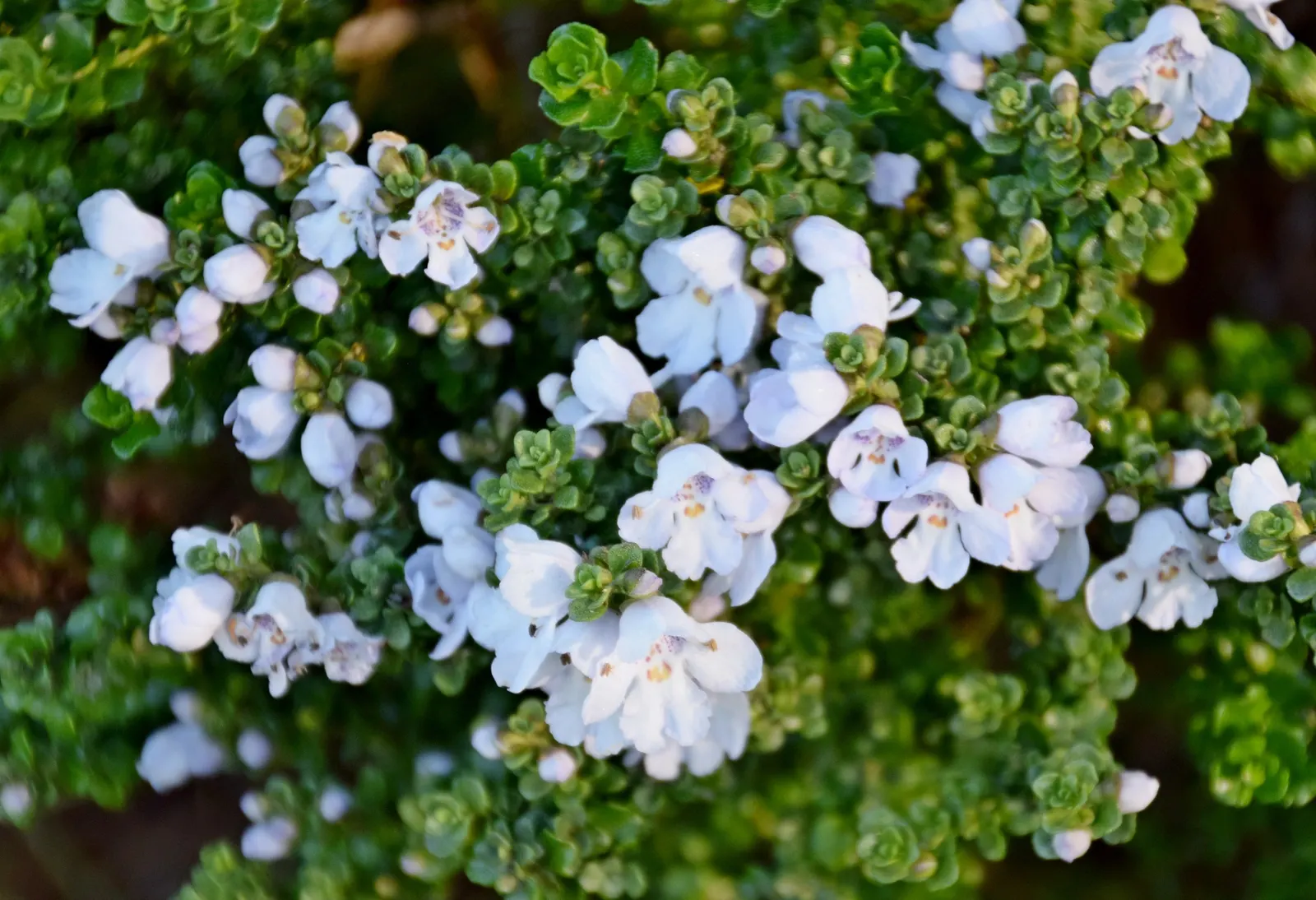
Shrub
Alpine Mint Bush
Prostanthera Cuneata
FullUSDA 8–10
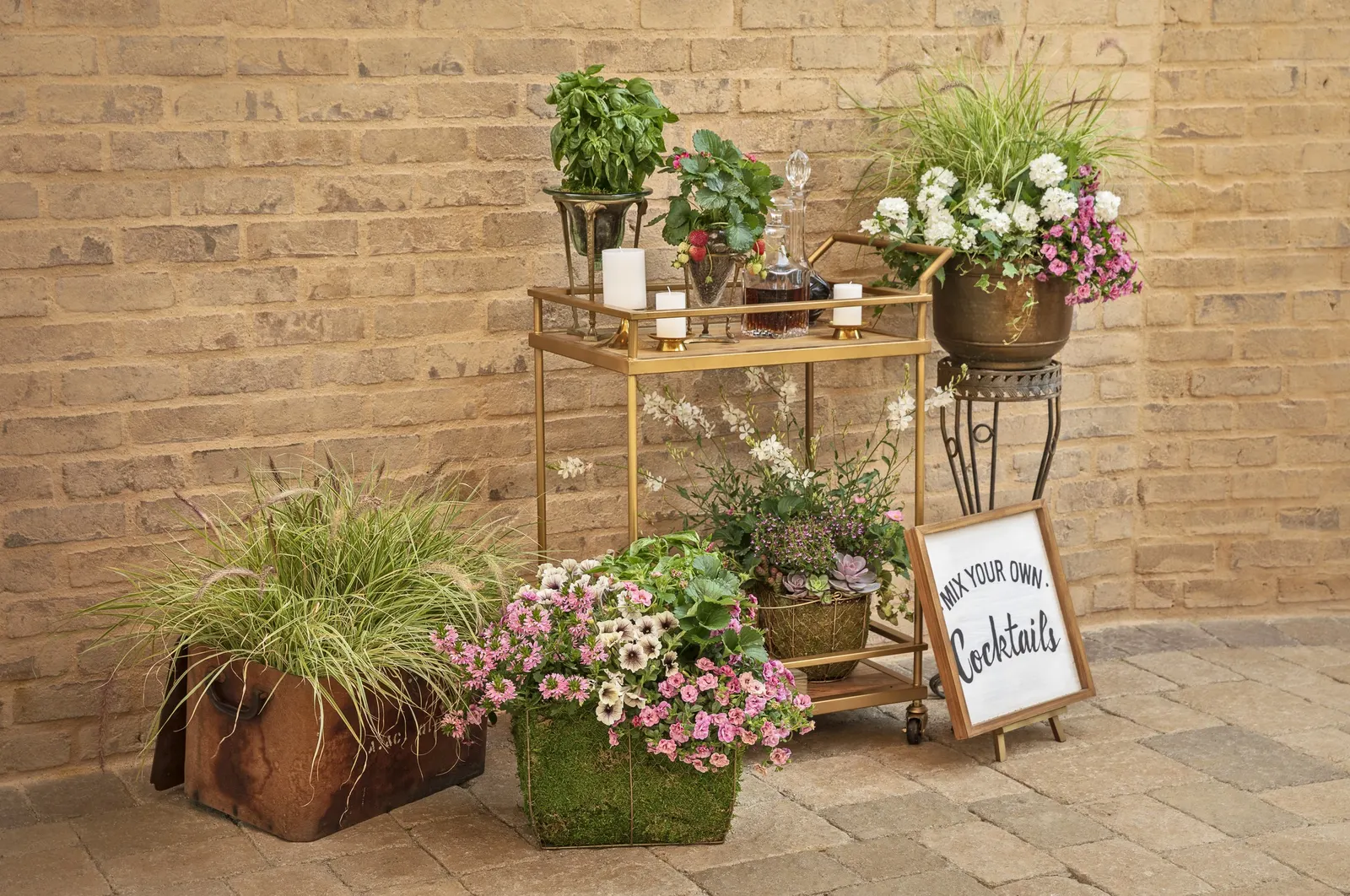
Amazel Basil® Sweet Italian Basil
Ocimum basilicum
Full
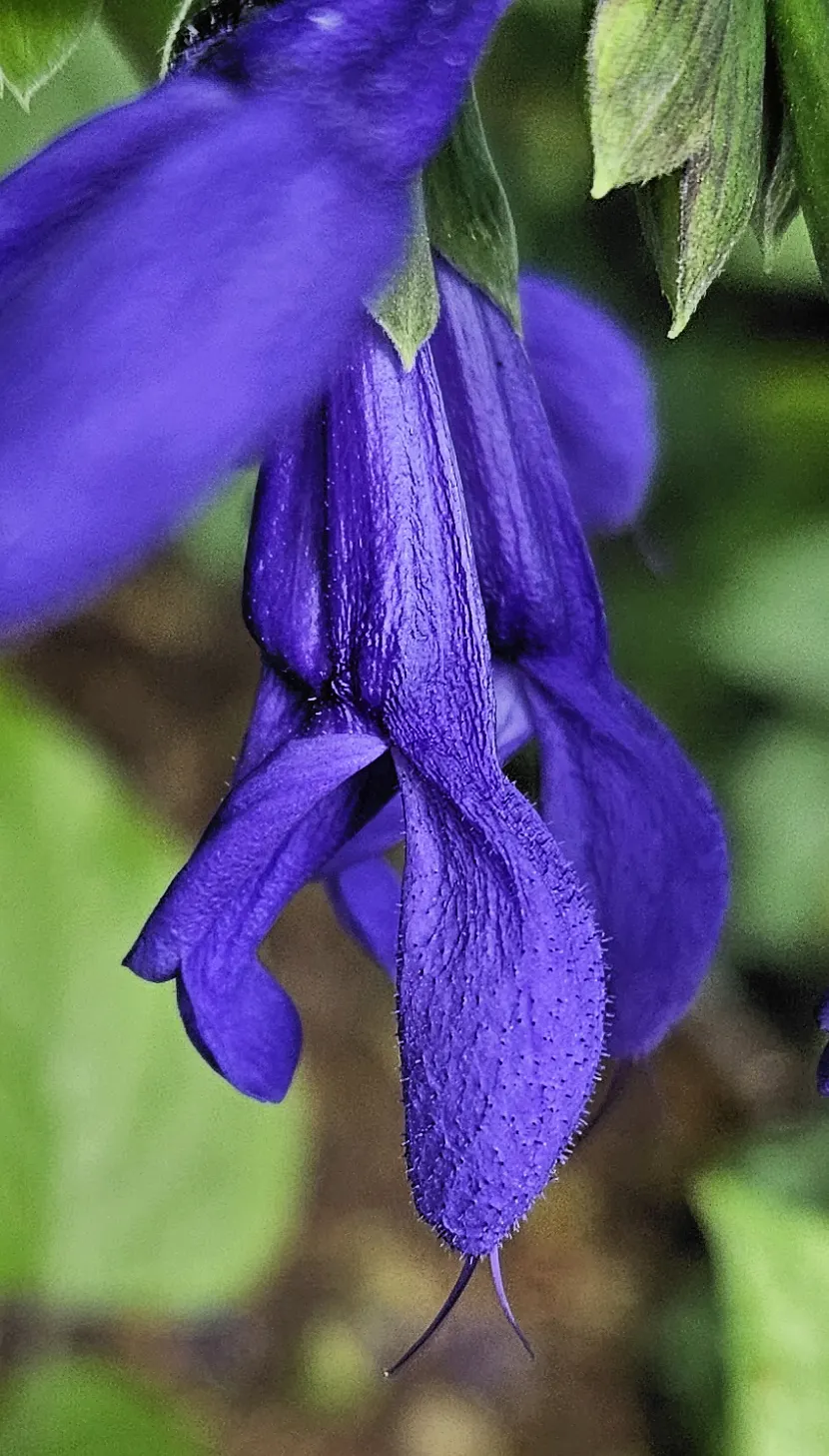
Perennial
Anise- Scented Sage
Salvia Guaranitica
FullUSDA 9–10
Ground cover
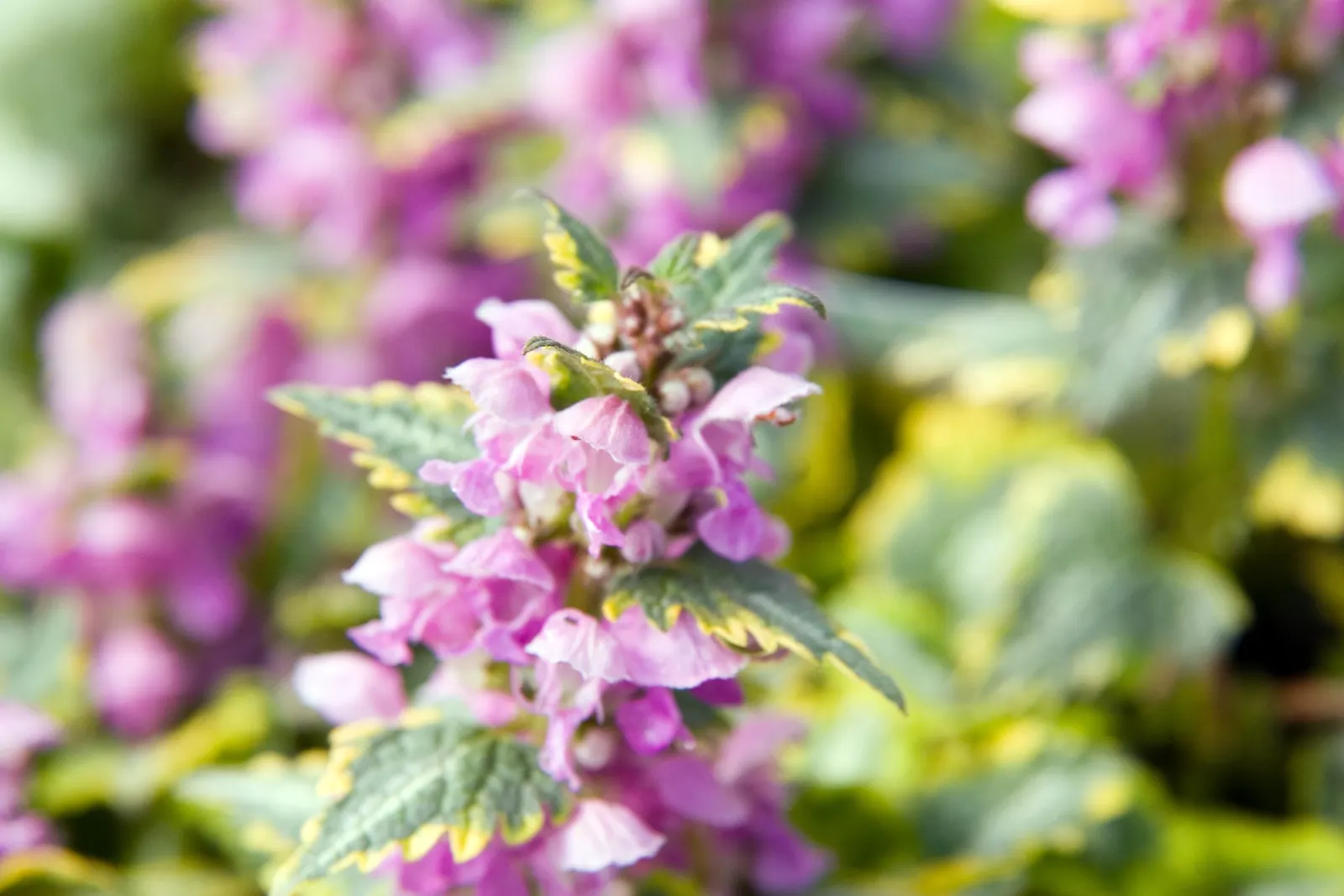
Anne Greenway Dead Nettle
Lamium Maculatum 'Anne Greenway'
HalfUSDA 3–8
Annual
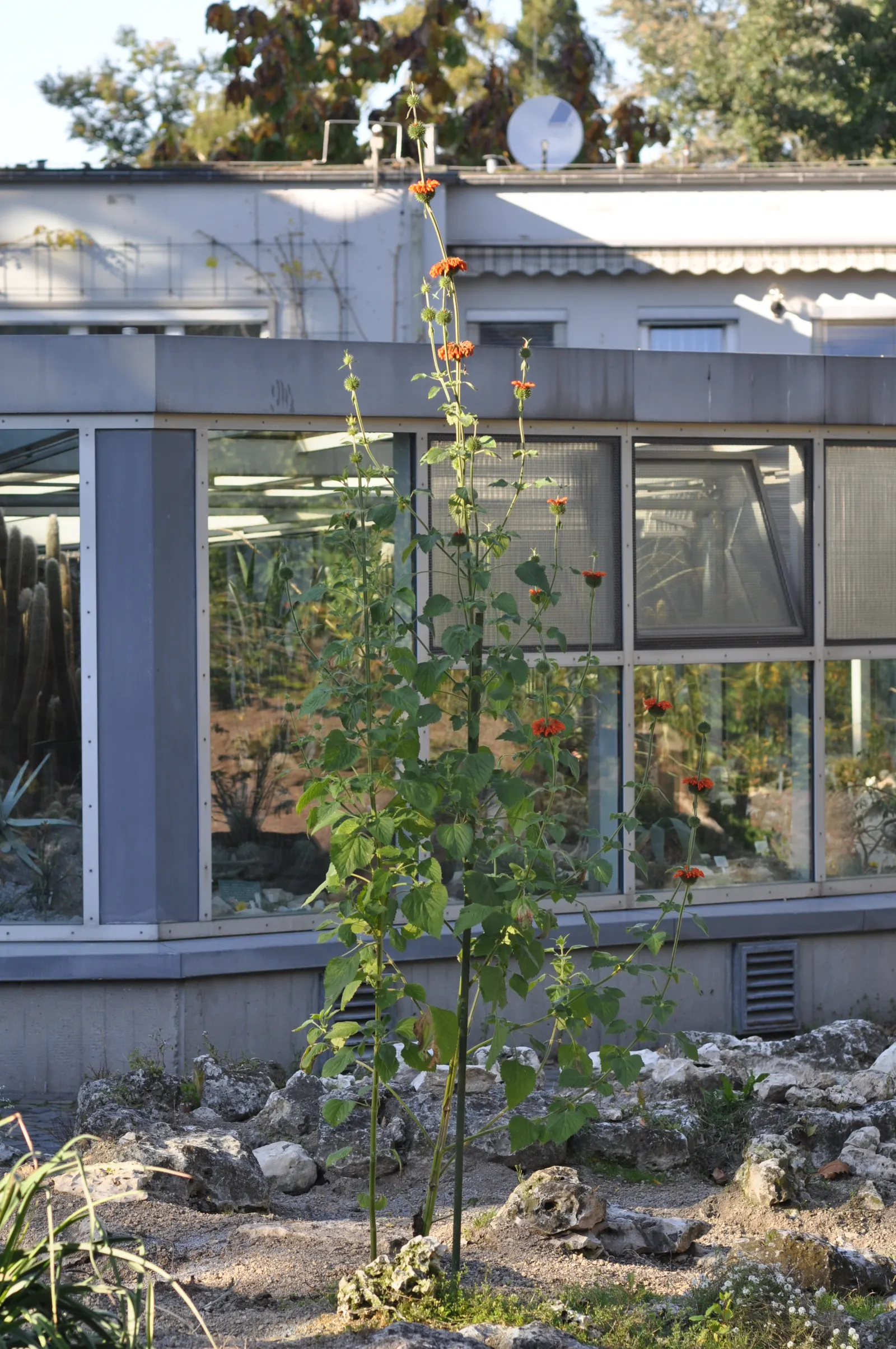
Annual Lion's Ear
Leonotis Nepetifolia
FullUSDA 8–10