Skip to content

Autumn Sage

Salvia Greggii

Design with this plant

Overview

Autumn Sage (Salvia greggii) is a vibrant perennial shrub thriving in zones 7-9. It flourishes to a height of 2-3 ft with a similar spread, boasting tubular flowers in red, pink, purple, or white hues from spring to frost. This drought-tolerant, low-maintenance plant prefers full sun and well-drained soil, attracting hummingbirds and butterflies while resisting deer. Ideal for borders, rock gardens, and xeriscaping.

Sun Full, HalfWater Extra in Summer, Very LowZones 7–9Type ShrubClimate Arid
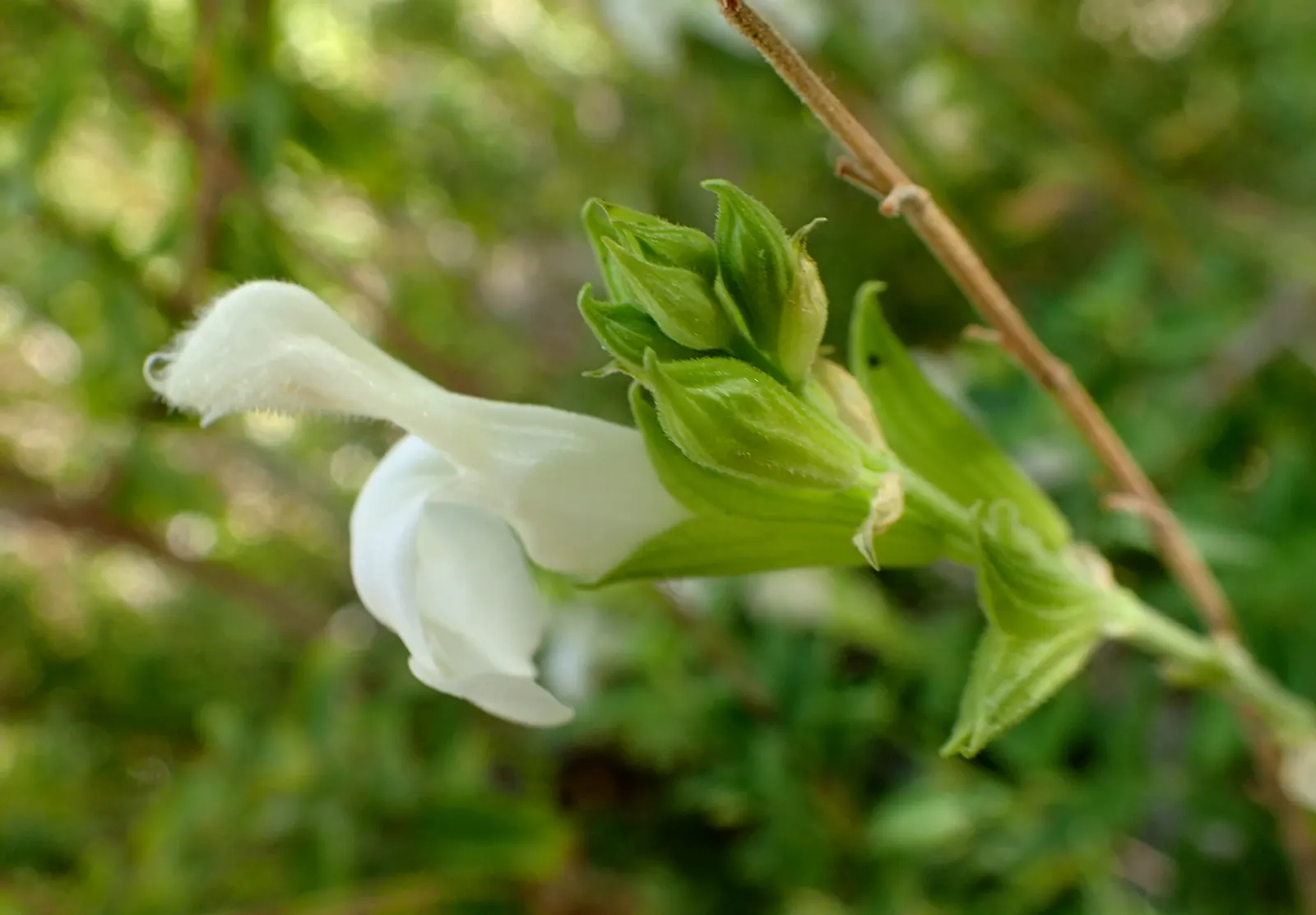
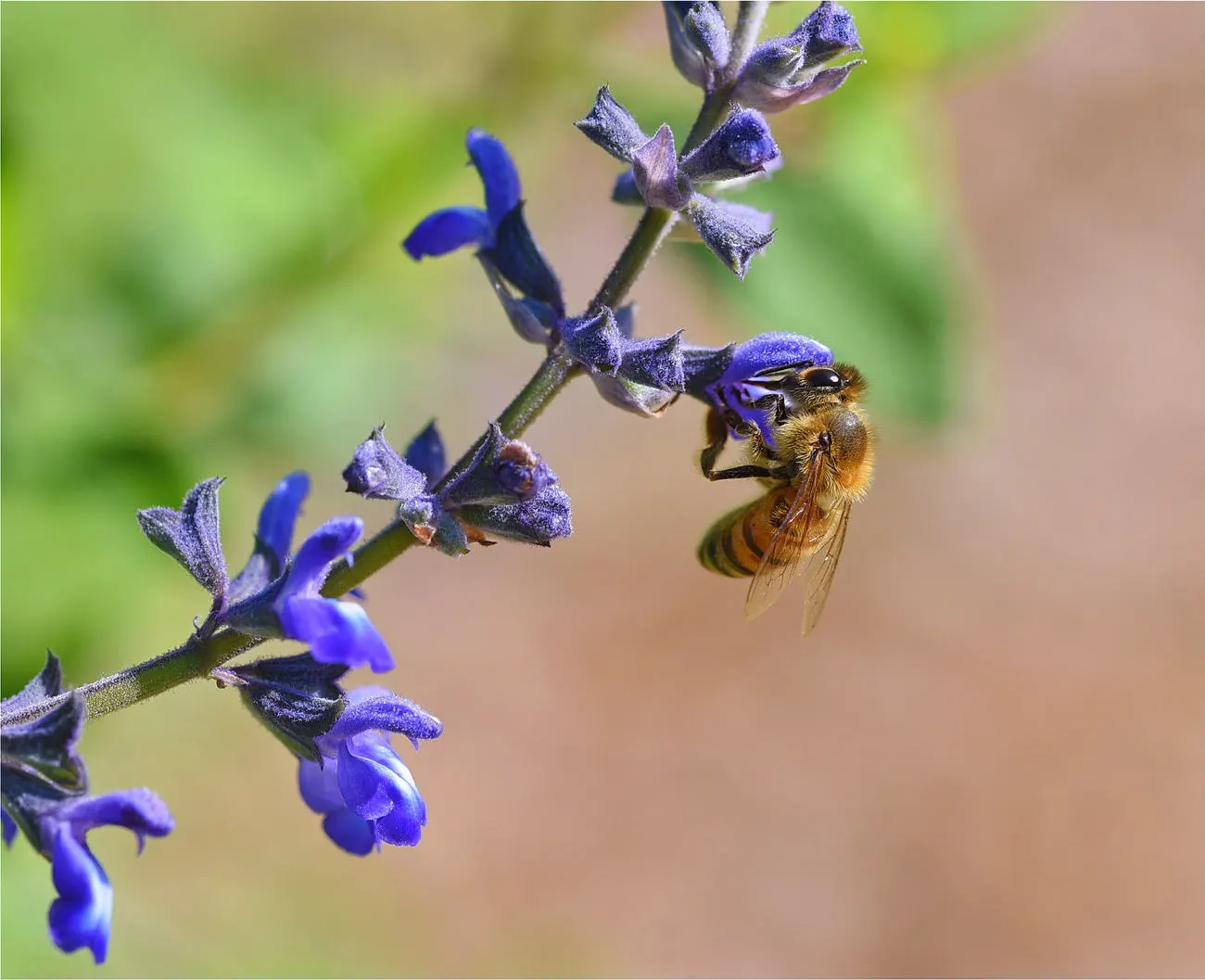
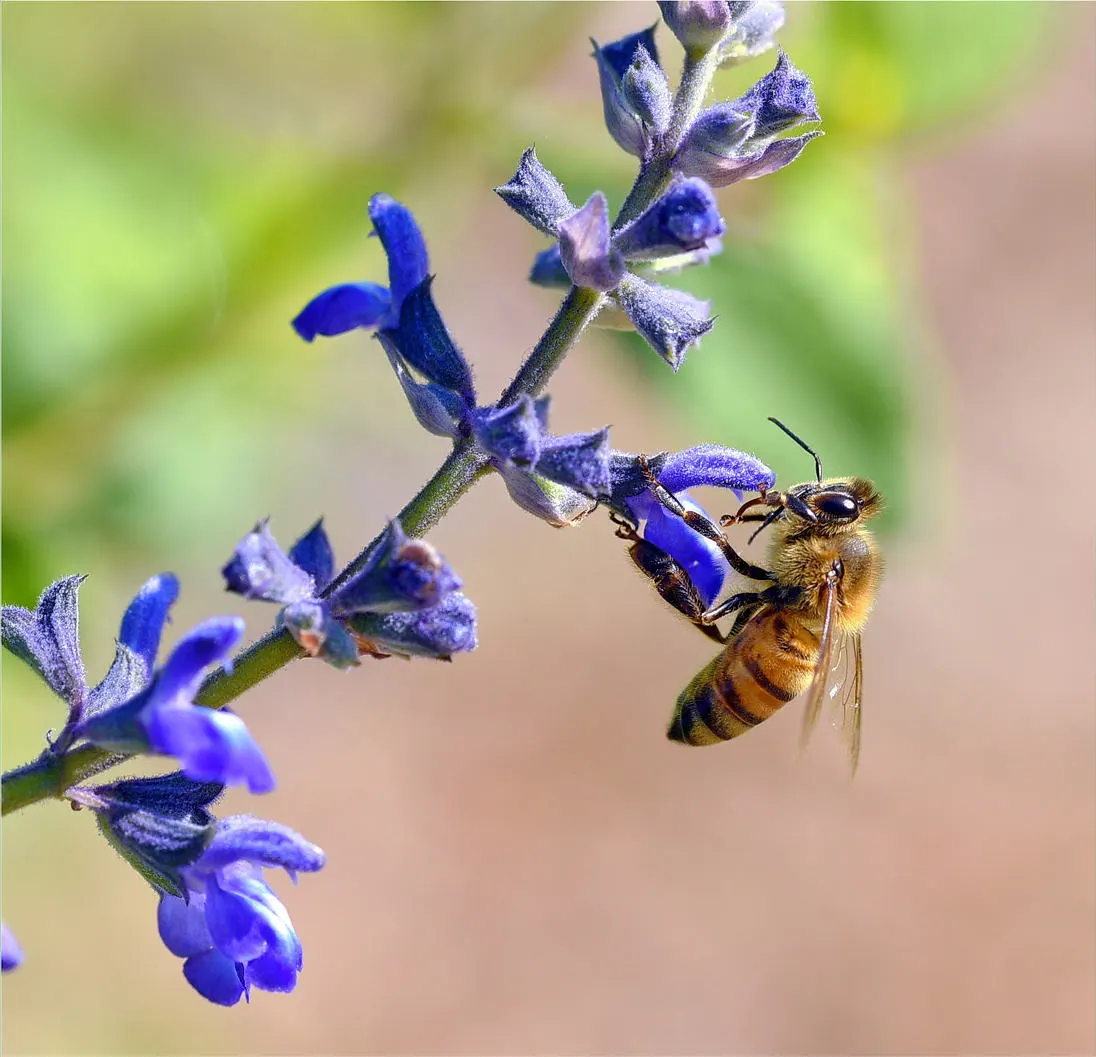
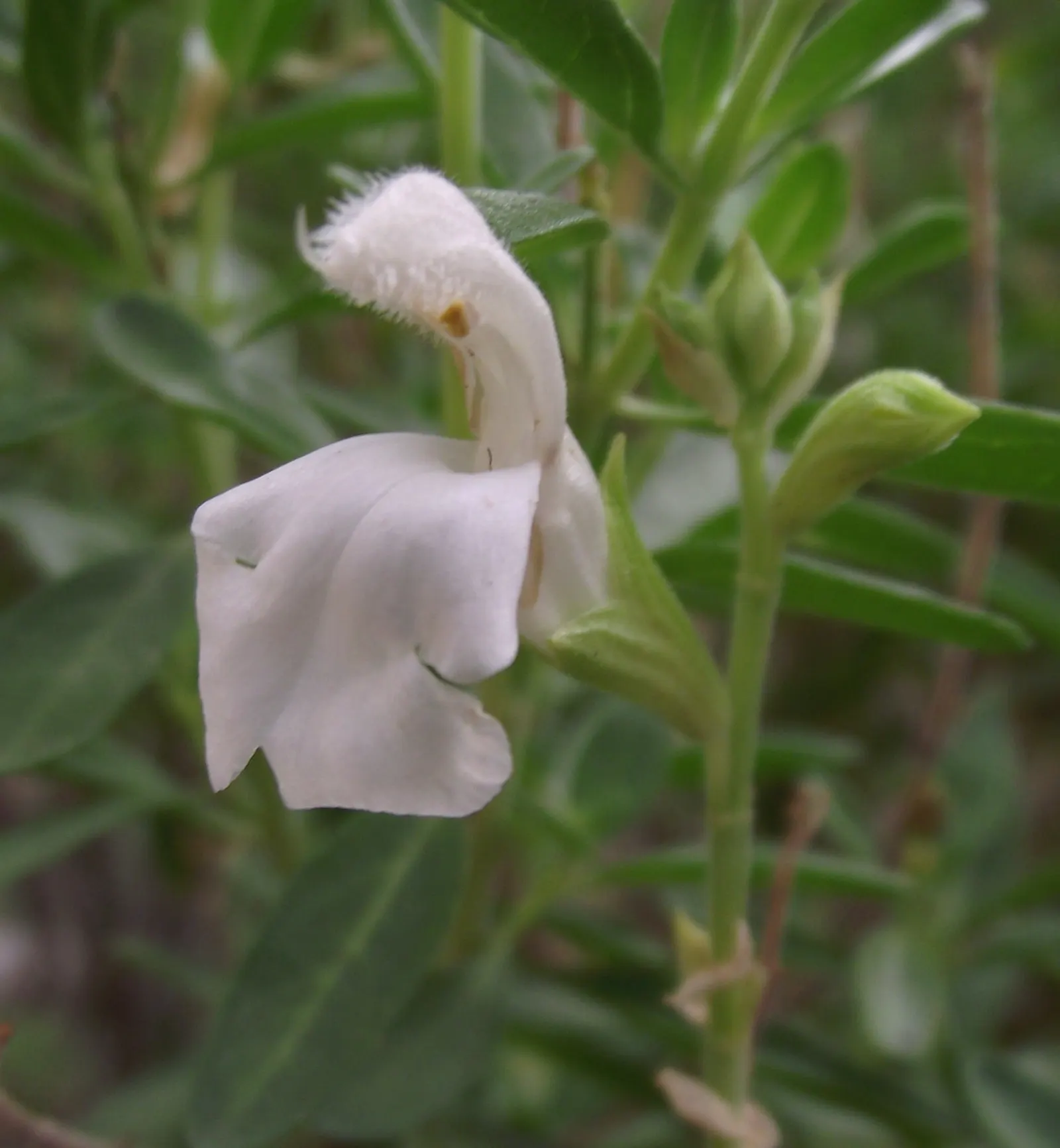
Autumn Sage (Salvia Greggii) — These blossoms are nectar-rich; or white hues from spring to frost

Culture

Sun
Full, Half
Water
Extra in Summer, Very Low
USDA zones
7–9

Shape & size

Classification

Type
Shrub
Family
Lamiaceae
Climate
Arid

See full data, regional cultivation notes, and design tools. Build a client presentation around this plant.

Start your 14-day trial

Photos (63)

Autumn Sage (Salvia Greggii) — In terms of watering, the rule of thumb after establishment is minimal; about once a week in dry conditions; autumn Sage usually
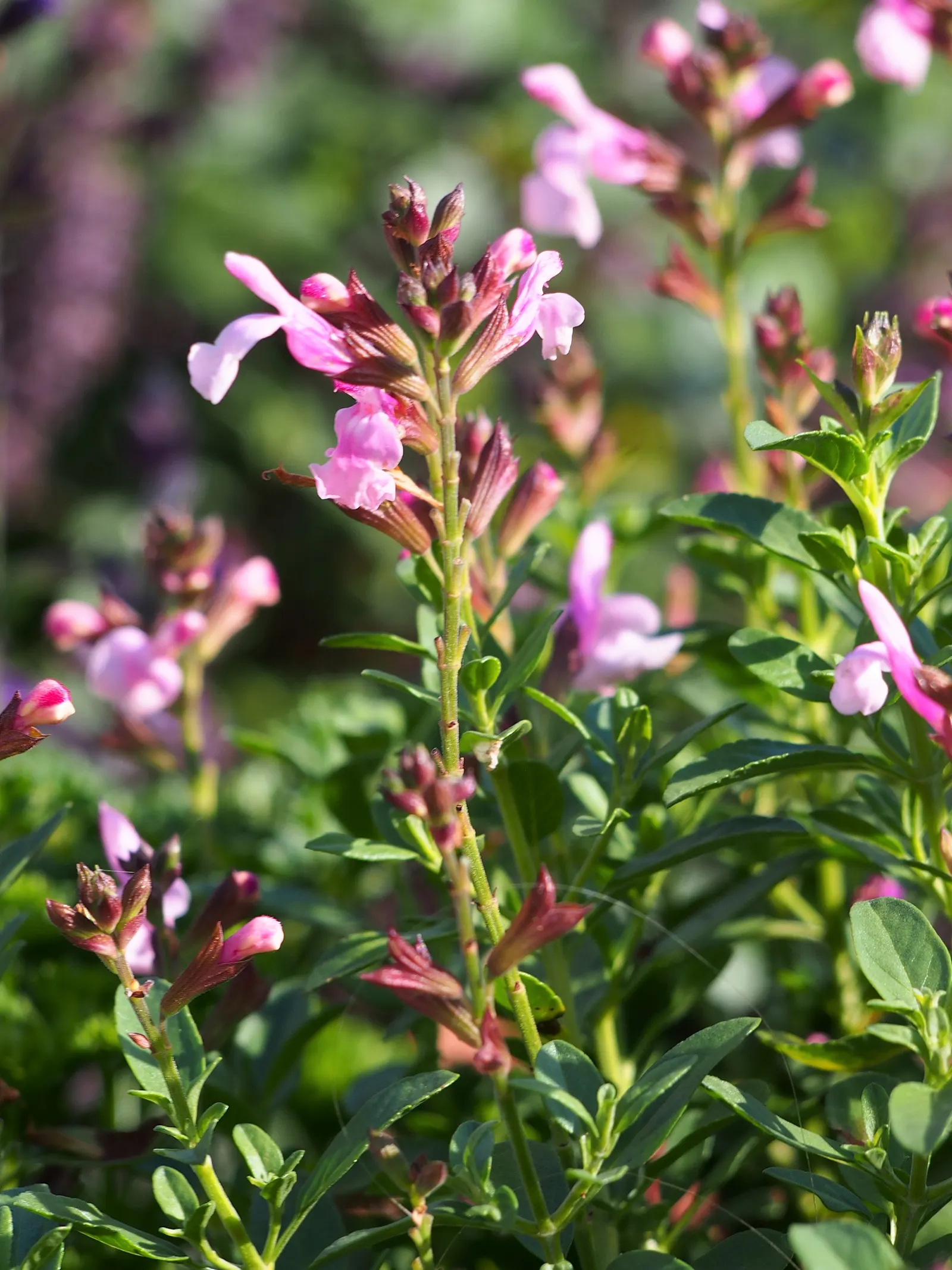
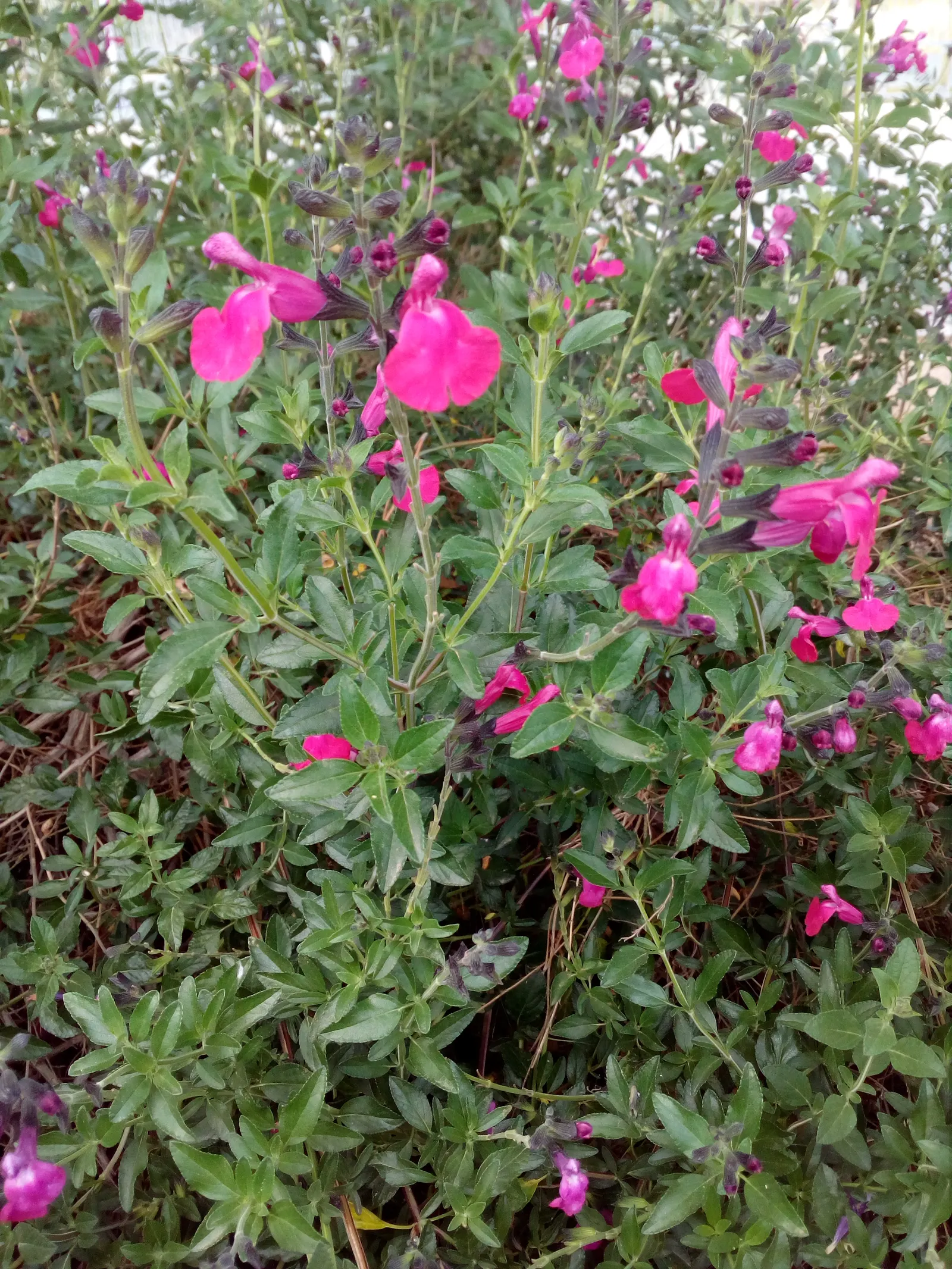
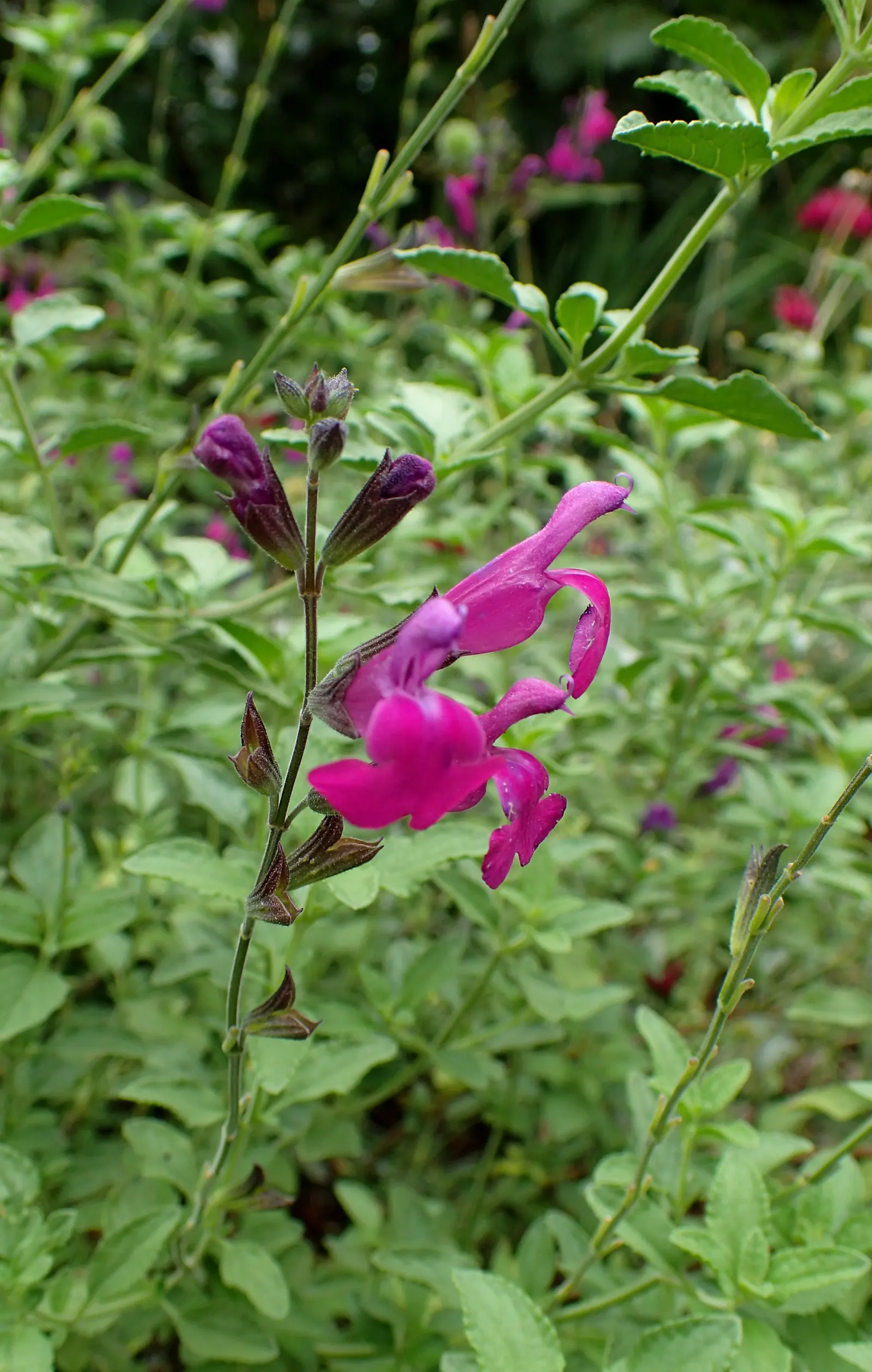
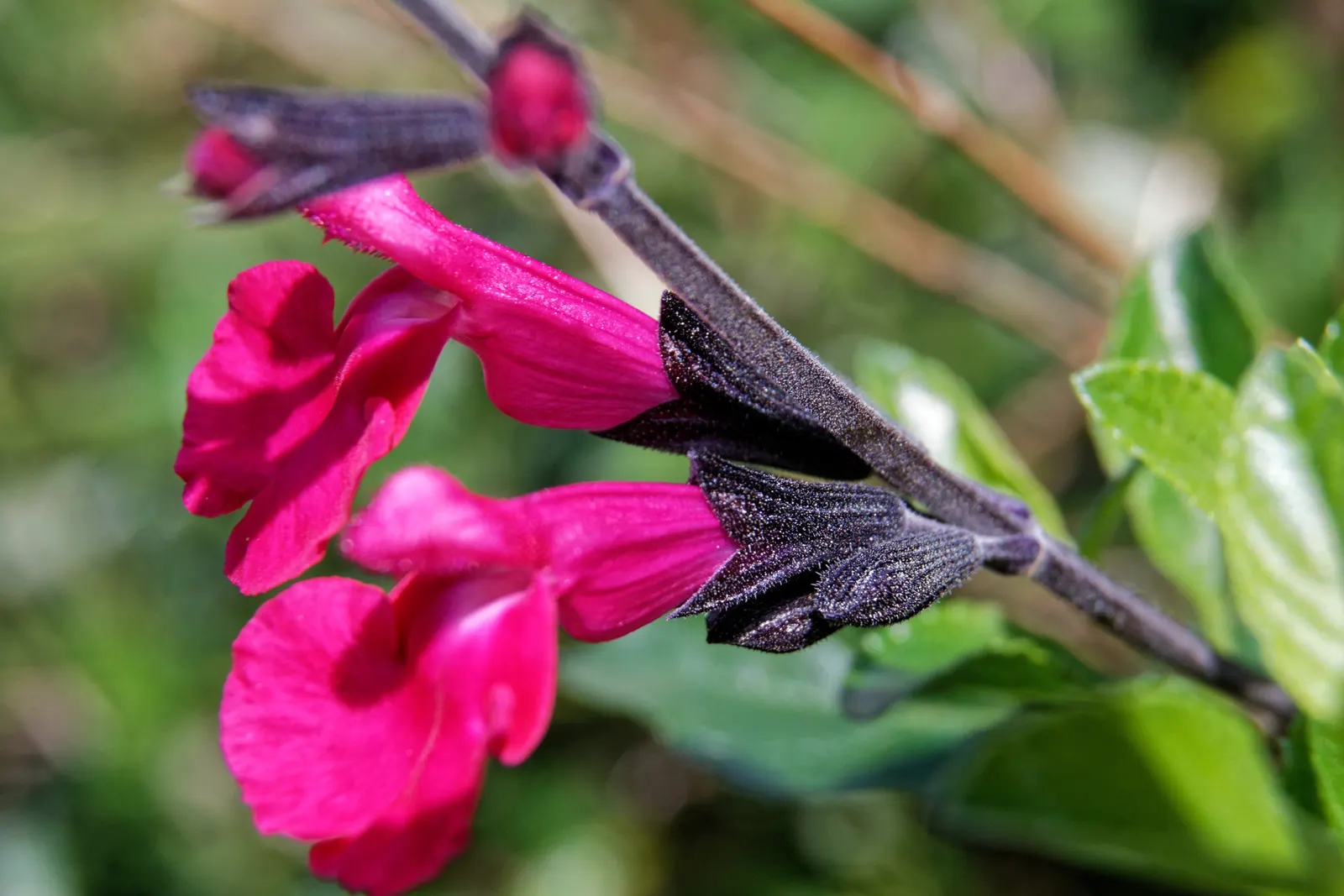
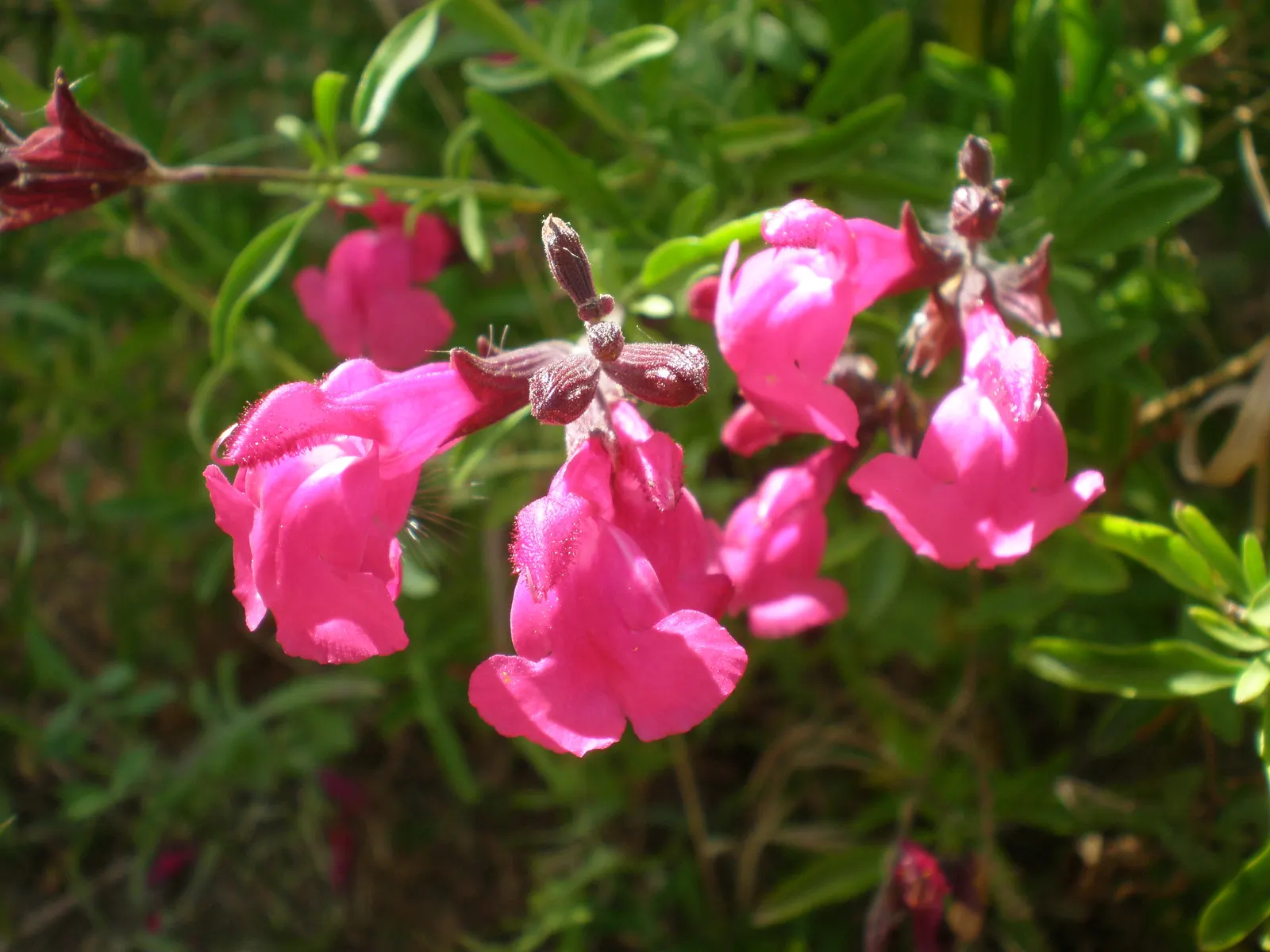
Autumn Sage (Salvia Greggii) — pink flowers in the garden
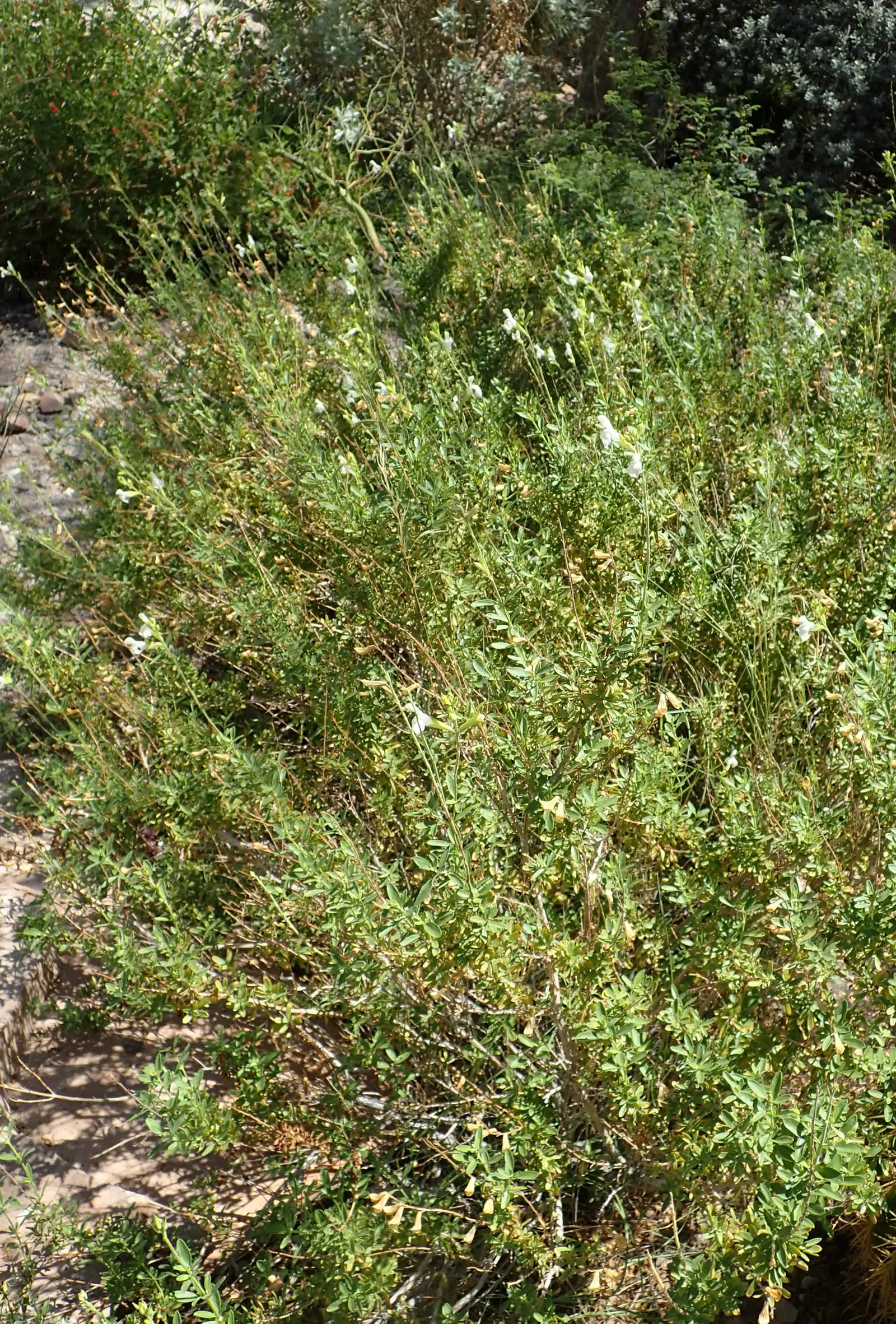
Autumn Sage (Salvia Greggii) — Autumn Sage usually grows to a modest size of about 2 to 3 feet in both height and spread
Autumn Sage (Salvia Greggii) — native to Texas and Mexico
Autumn Sage (Salvia Greggii) — Autumn Sage (Salvia greggii) is a vibrant perennial shrub thriving in zones 7-9
Autumn Sage (Salvia Greggii) — Autumn Sage requires little fertilization; thus promoting pollination.<br><br>For optimal growth
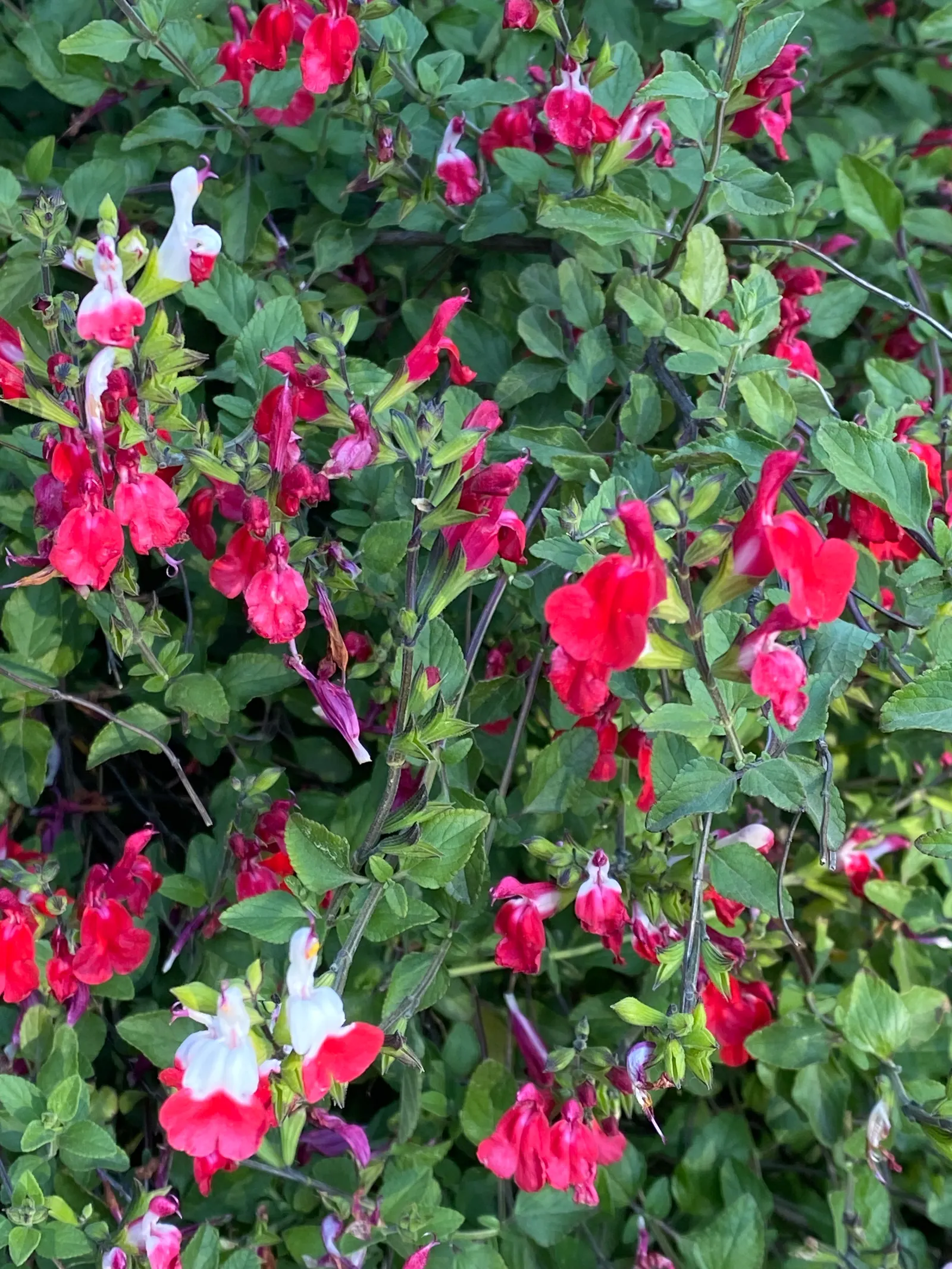
Autumn Sage (Salvia Greggii) — with colors ranging from deep reds and pinks to purples; yet highly rewarding plant for any garden enthusiast
Autumn Sage (Salvia Greggii) — It should be planted in well-draining soil
Autumn Sage (Salvia Greggii) — thus promoting pollination.<br><br>For optimal growth; autumn Sage usually grows to a modest size of about 2 to 3 feet in both
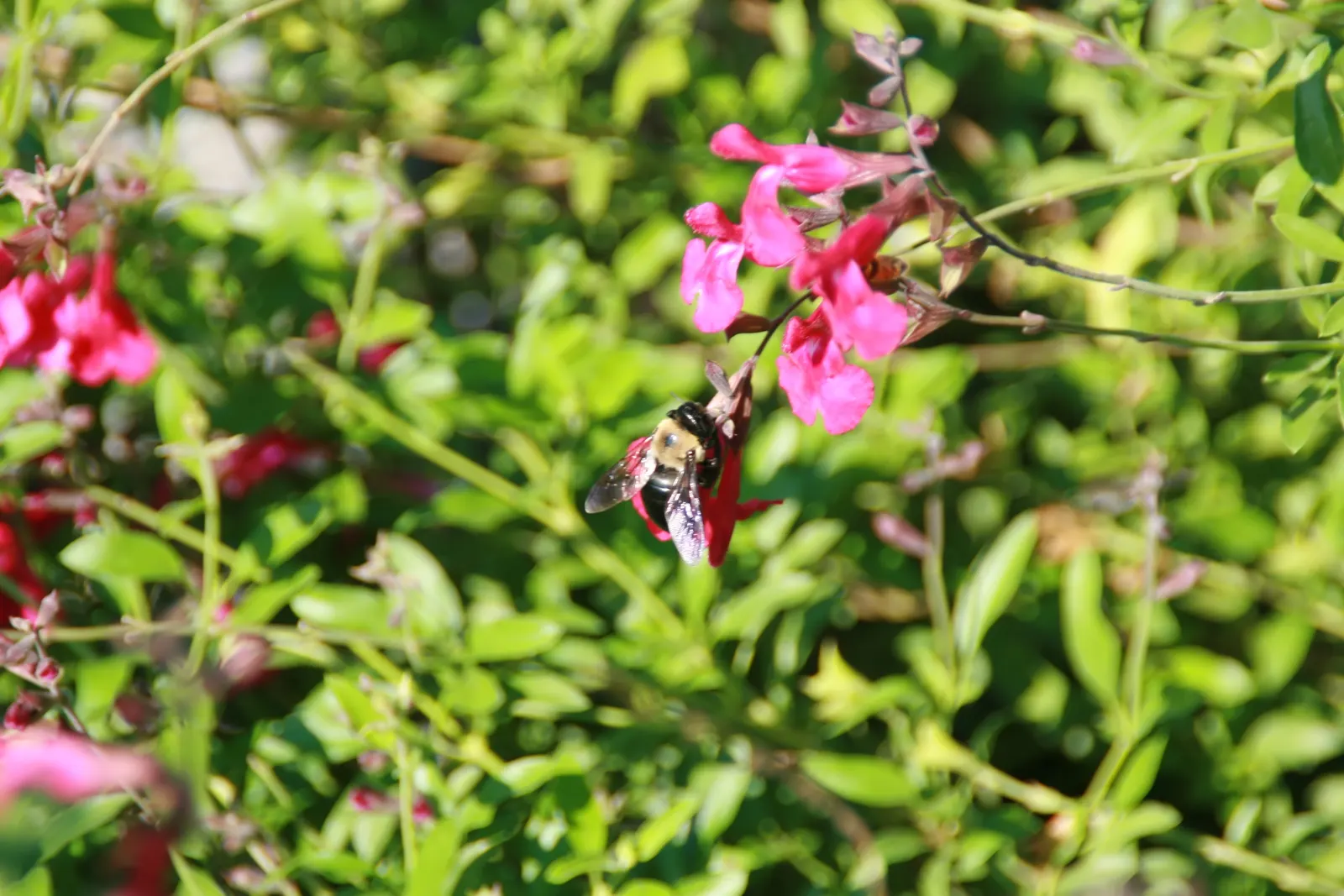
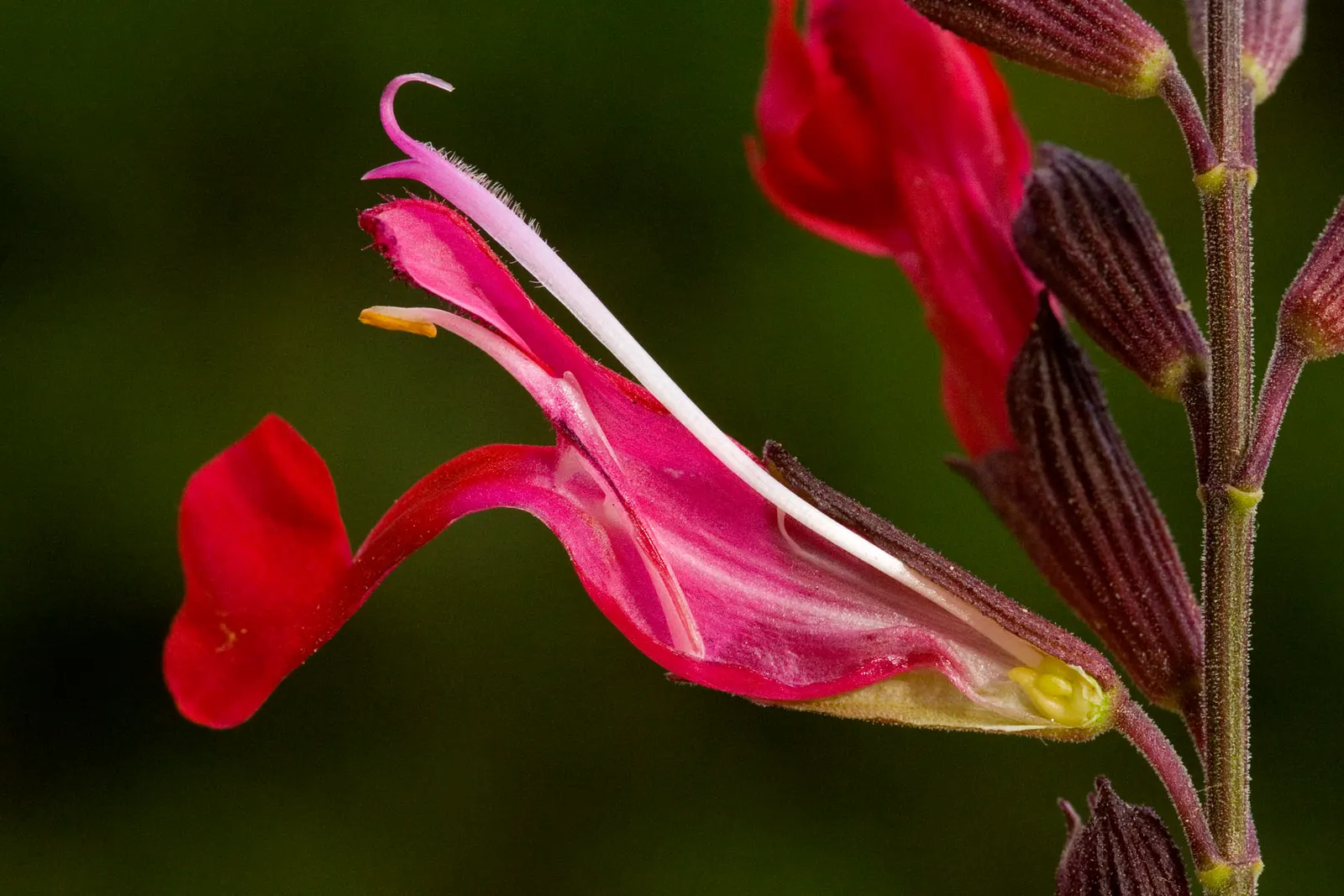
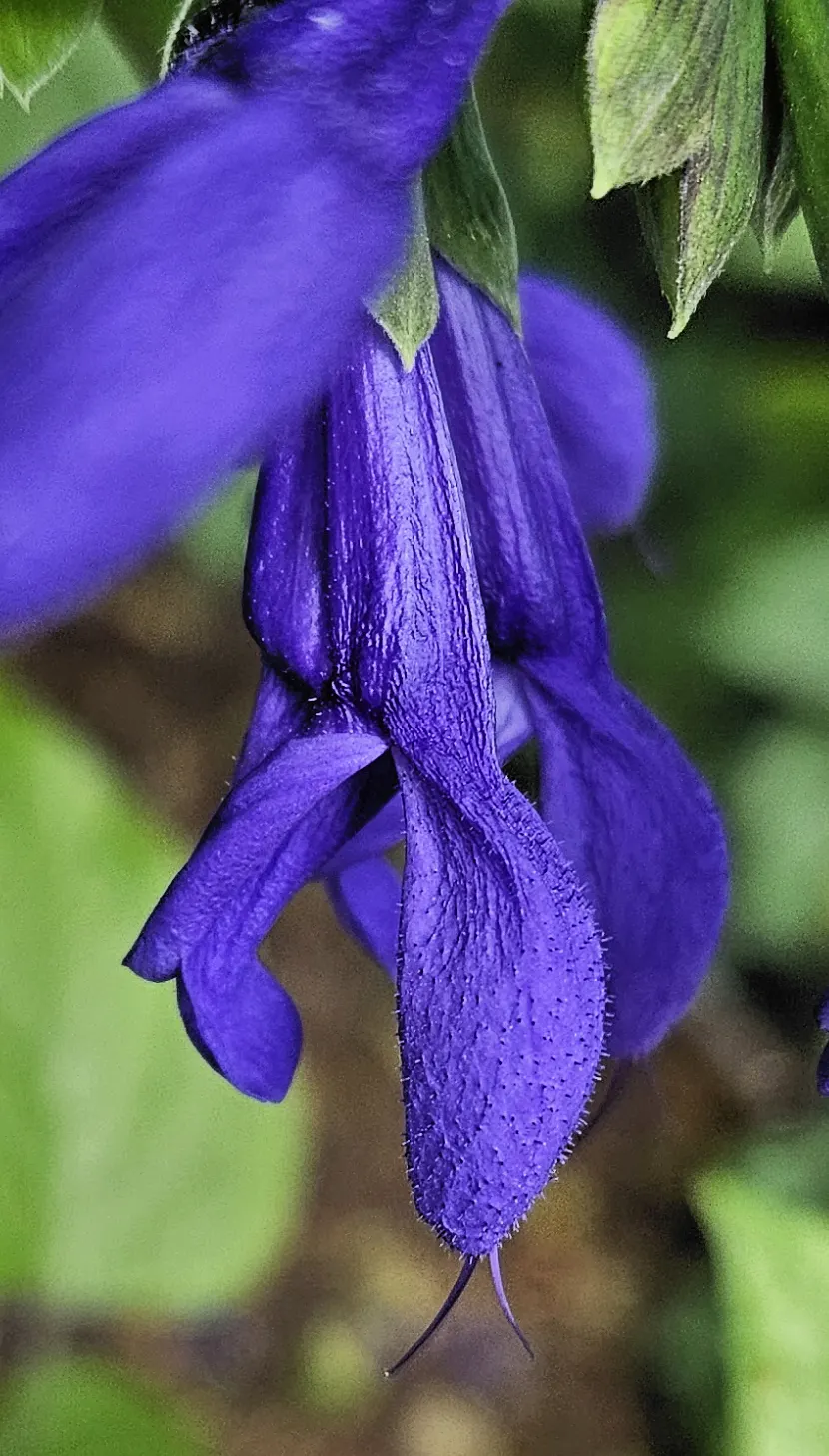
Autumn Sage (Salvia Greggii) — These blossoms are nectar-rich
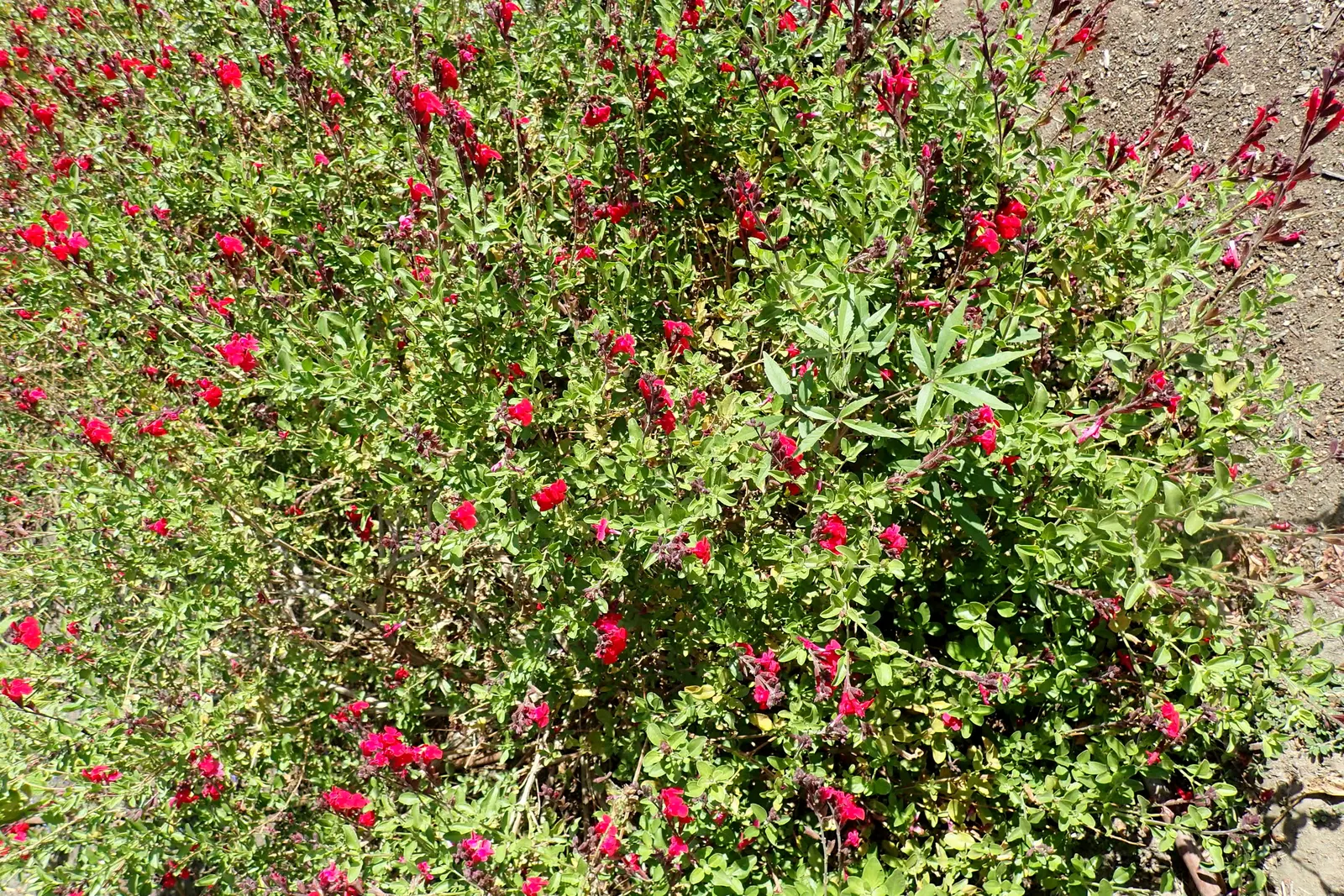
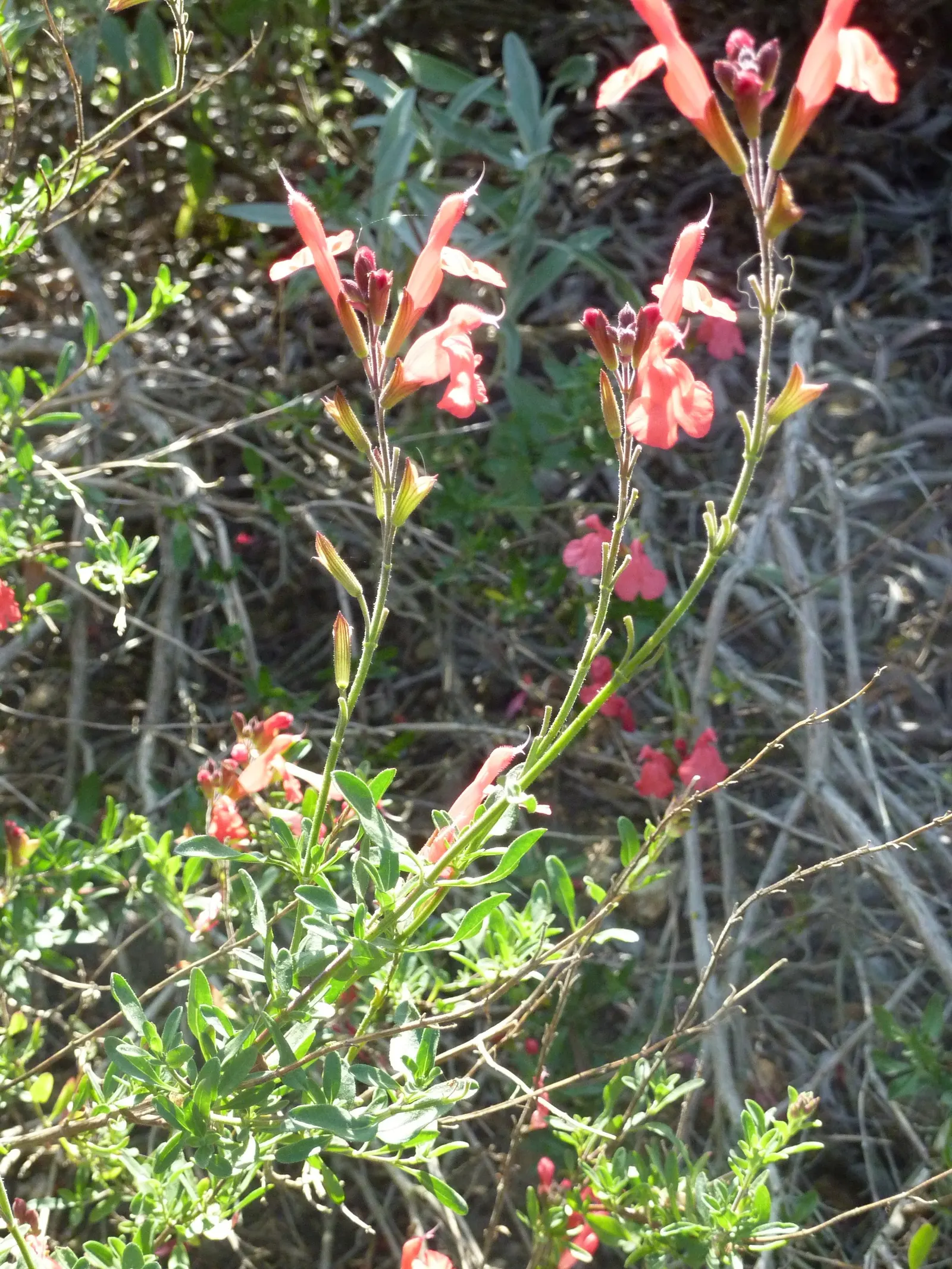
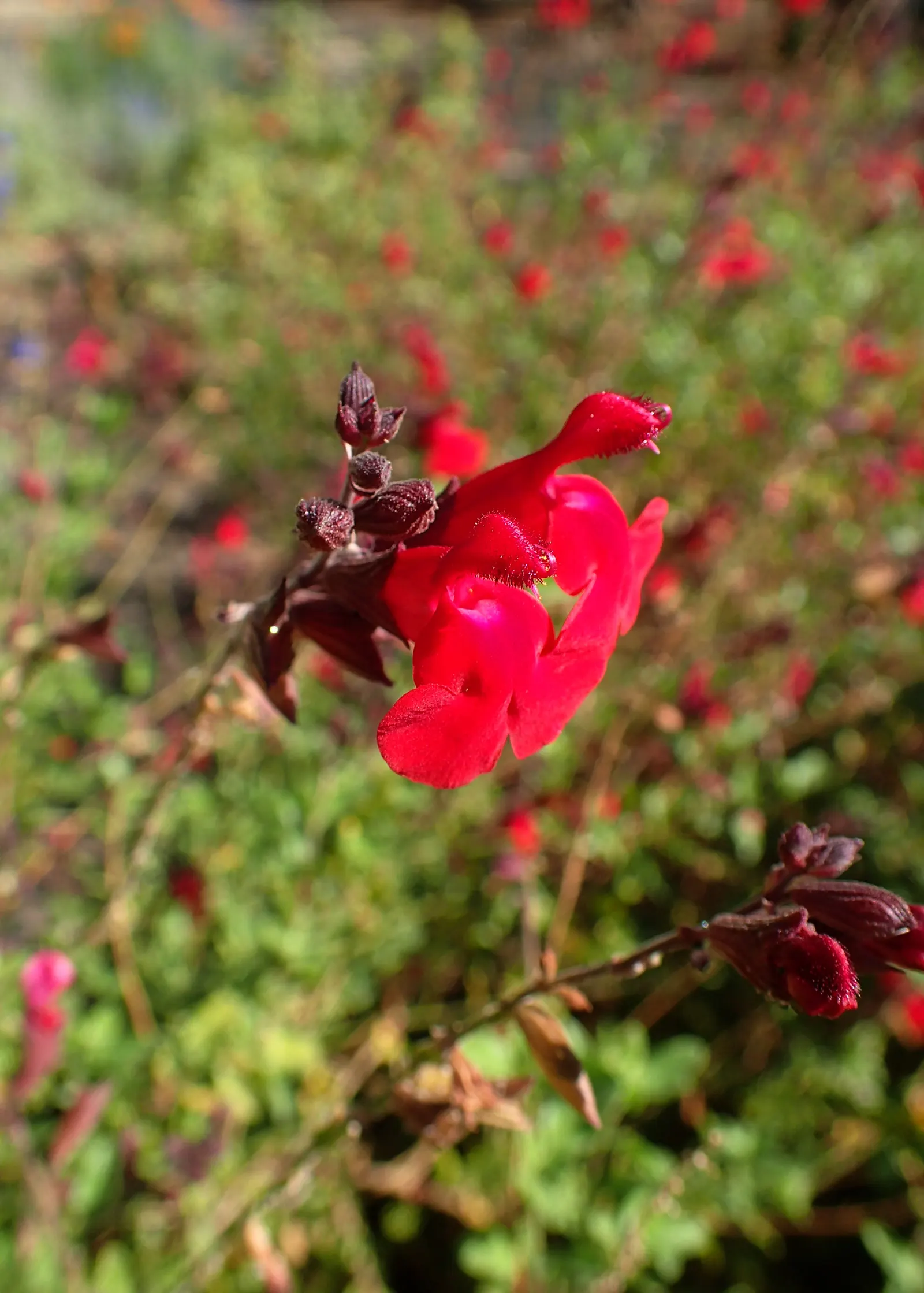
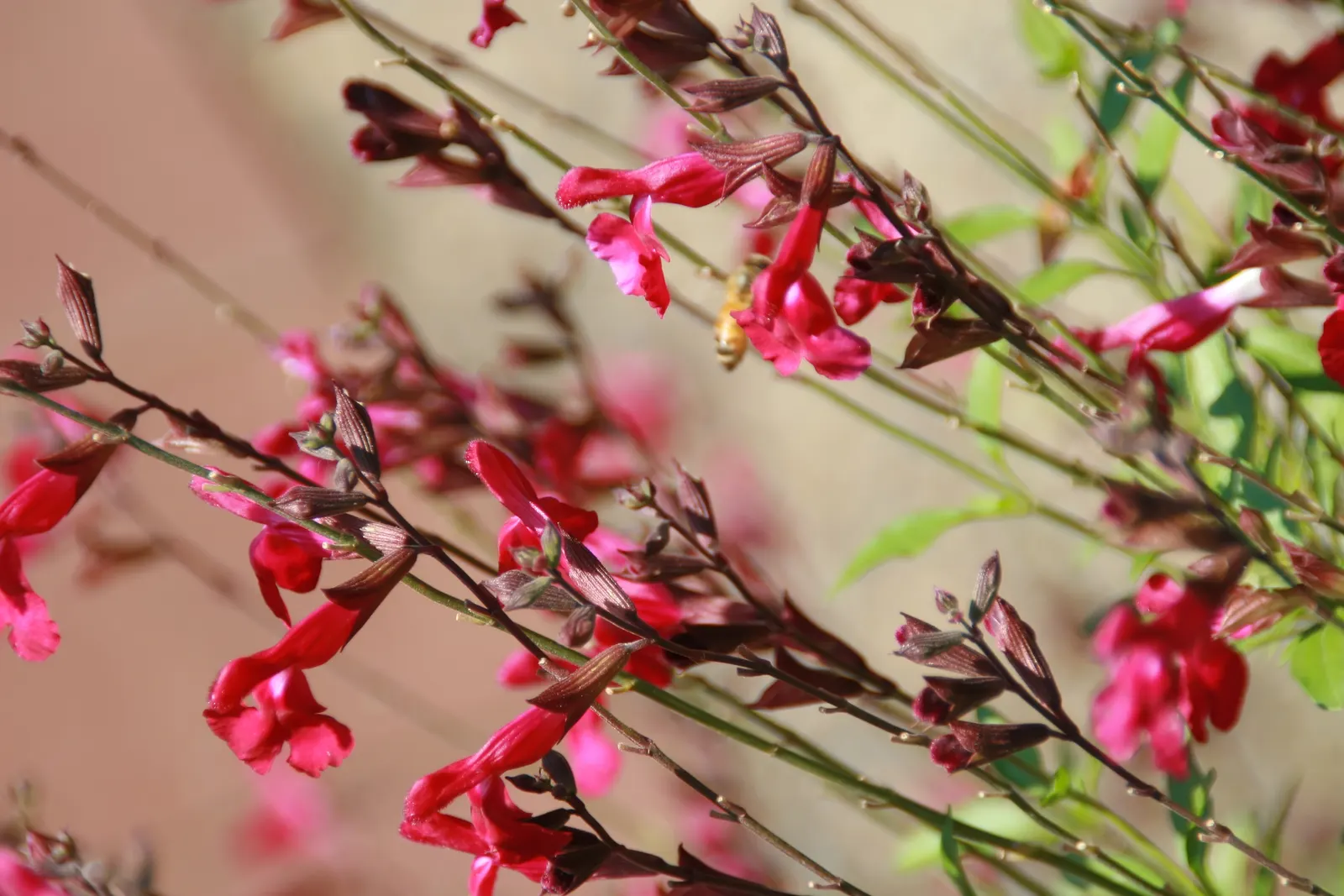
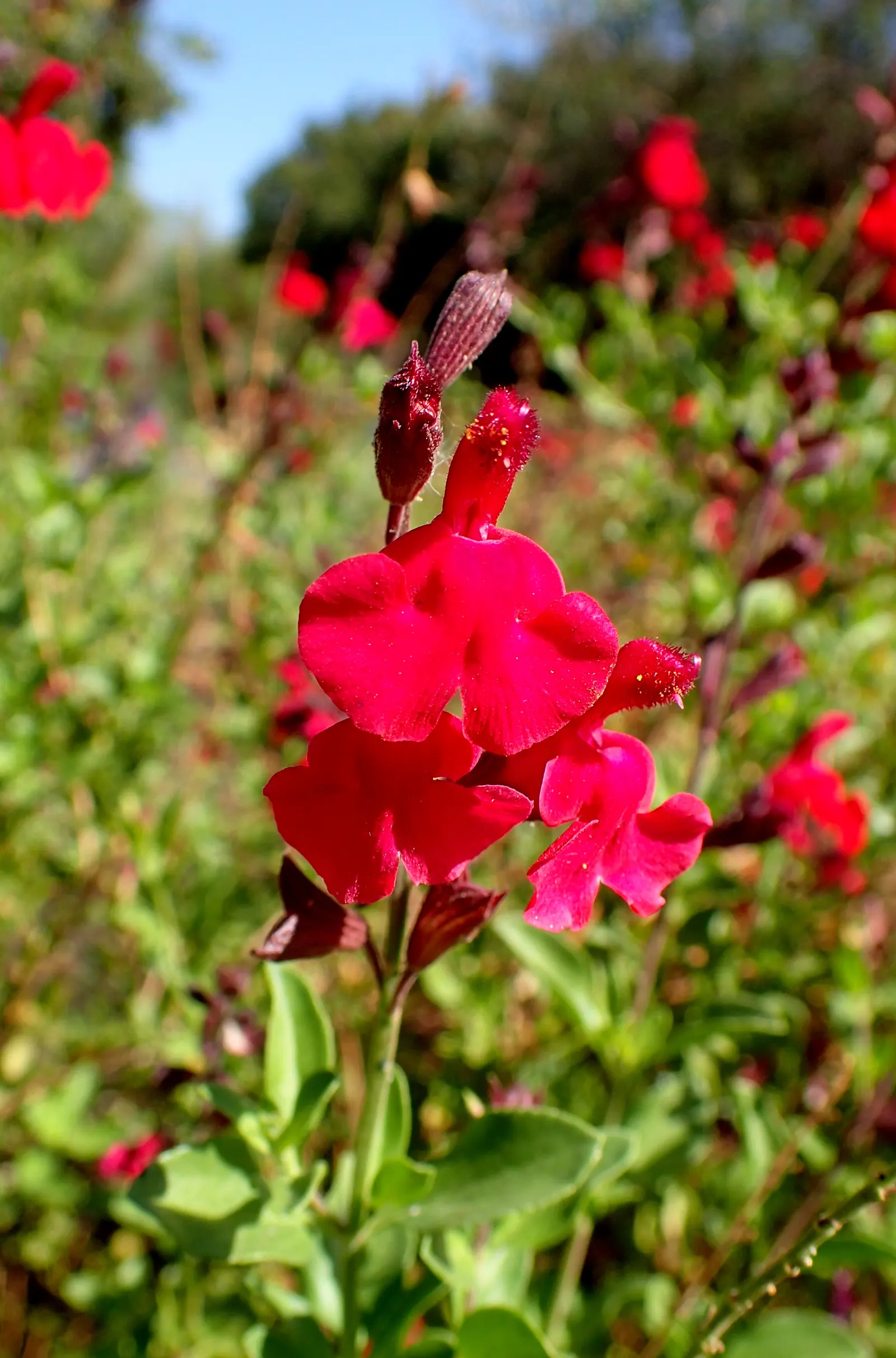
Autumn Sage (Salvia Greggii) — boasting tubular flowers in red
Autumn Sage (Salvia Greggii) — Occasional pruning - notably after the first bloom - encourages a bushier growth and more prolific flowering; or white hues from
Autumn Sage (Salvia Greggii) — boasting tubular flowers in red; thus promoting pollination.<br><br>For optimal growth
Autumn Sage (Salvia Greggii) — with colors ranging from deep reds and pinks to purples
Autumn Sage (Salvia Greggii) — It should be planted in well-draining soil; yet highly rewarding plant for any garden enthusiast
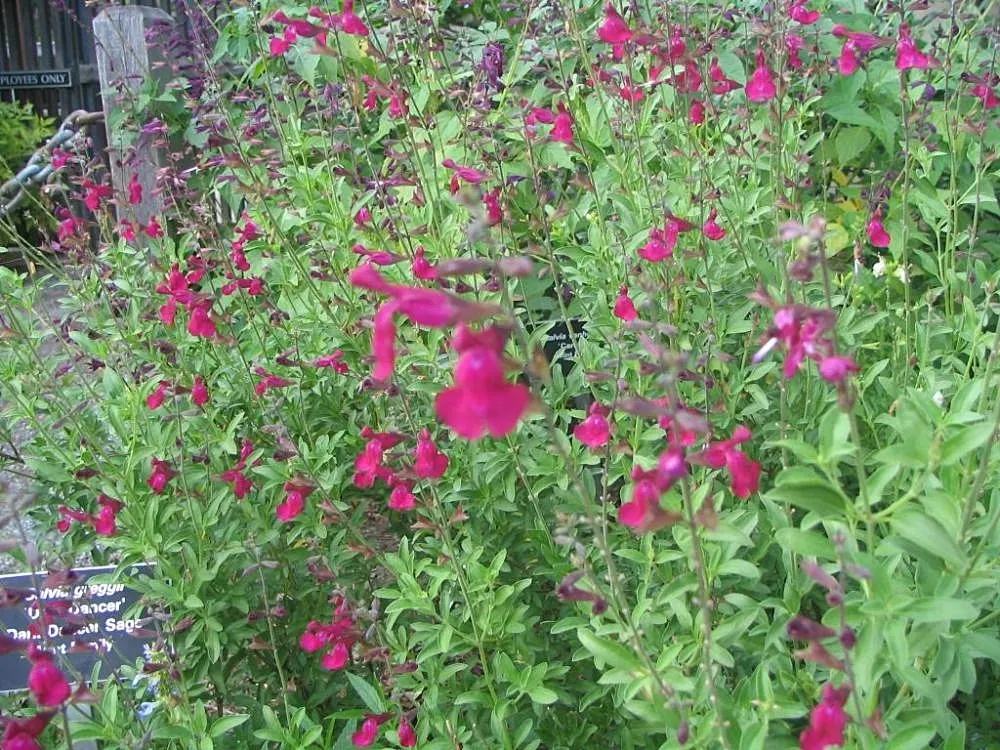
Autumn Sage (Salvia Greggii) — Ideal for borders, rock gardens, and xeriscaping
Autumn Sage (Salvia Greggii) — adapts well to USDA hardiness zones 6 through 9 and is highly drought-tolerant once established
Autumn Sage (Salvia Greggii) — shrub with pink blooms
Autumn Sage (Salvia Greggii) — shrub with pink blooms; thus promoting pollination.<br><br>For optimal growth
Autumn Sage (Salvia Greggii) — Its leaves are small and aromatic when crushed, offering an additional sensory benefit
Autumn Sage (Salvia Greggii) — low-maintenance plant prefers full sun and well-drained soil; or white hues from spring to frost
Autumn Sage (Salvia Greggii) — Occasional pruning - notably after the first bloom - encourages a bushier growth and more prolific flowering
Autumn Sage (Salvia Greggii) — or white hues from spring to frost; yet highly rewarding plant for any garden enthusiast
Autumn Sage (Salvia Greggii) — Autumn Sage prefers full sun exposure but can tolerate some light shade; thus promoting pollination.<br><br>For optimal growth
Photographs by 11 contributors

Related plants