Skip to content

Quaking Aspen

Populus Tremuloides

Design with this plant

Overview

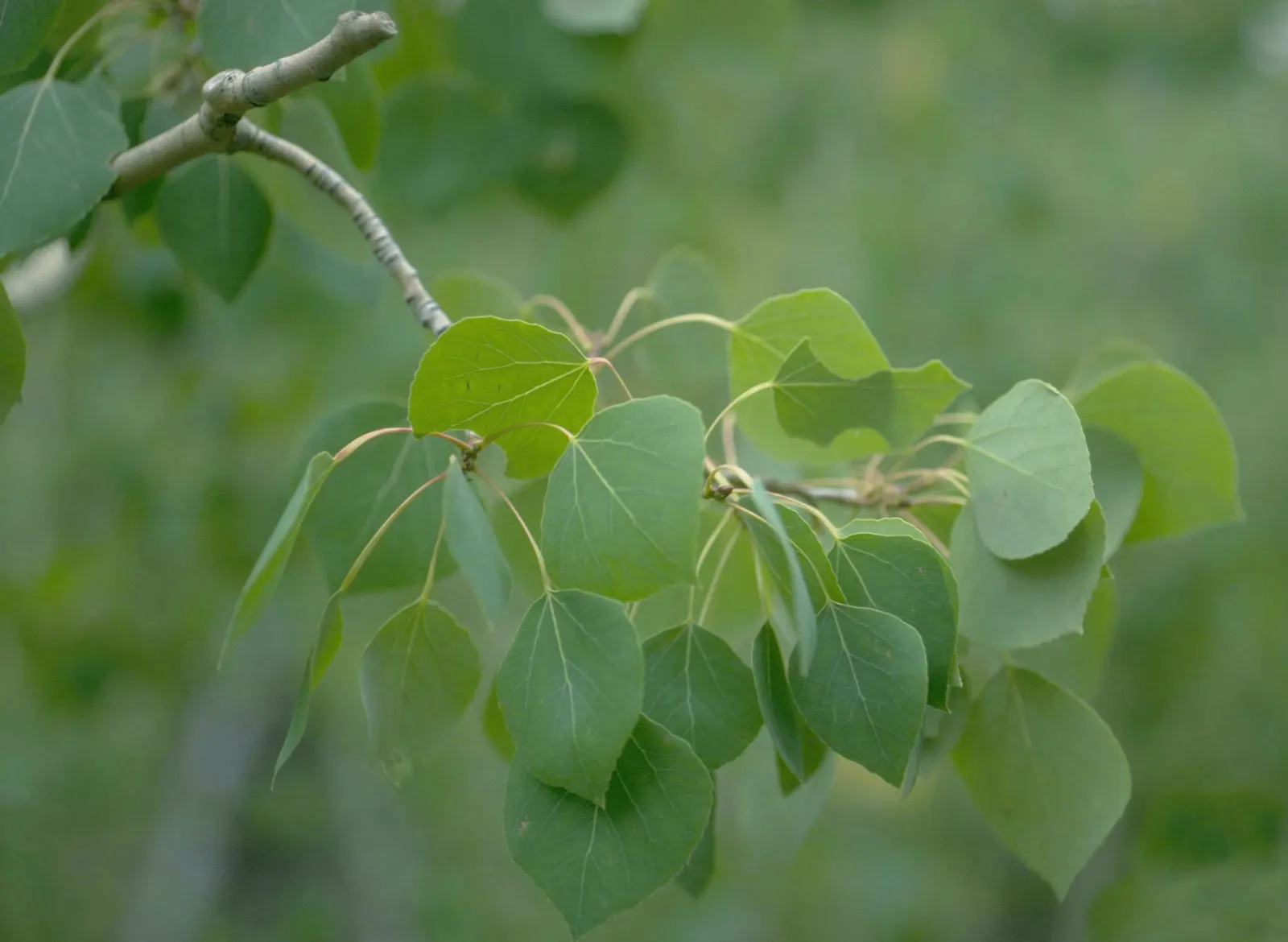
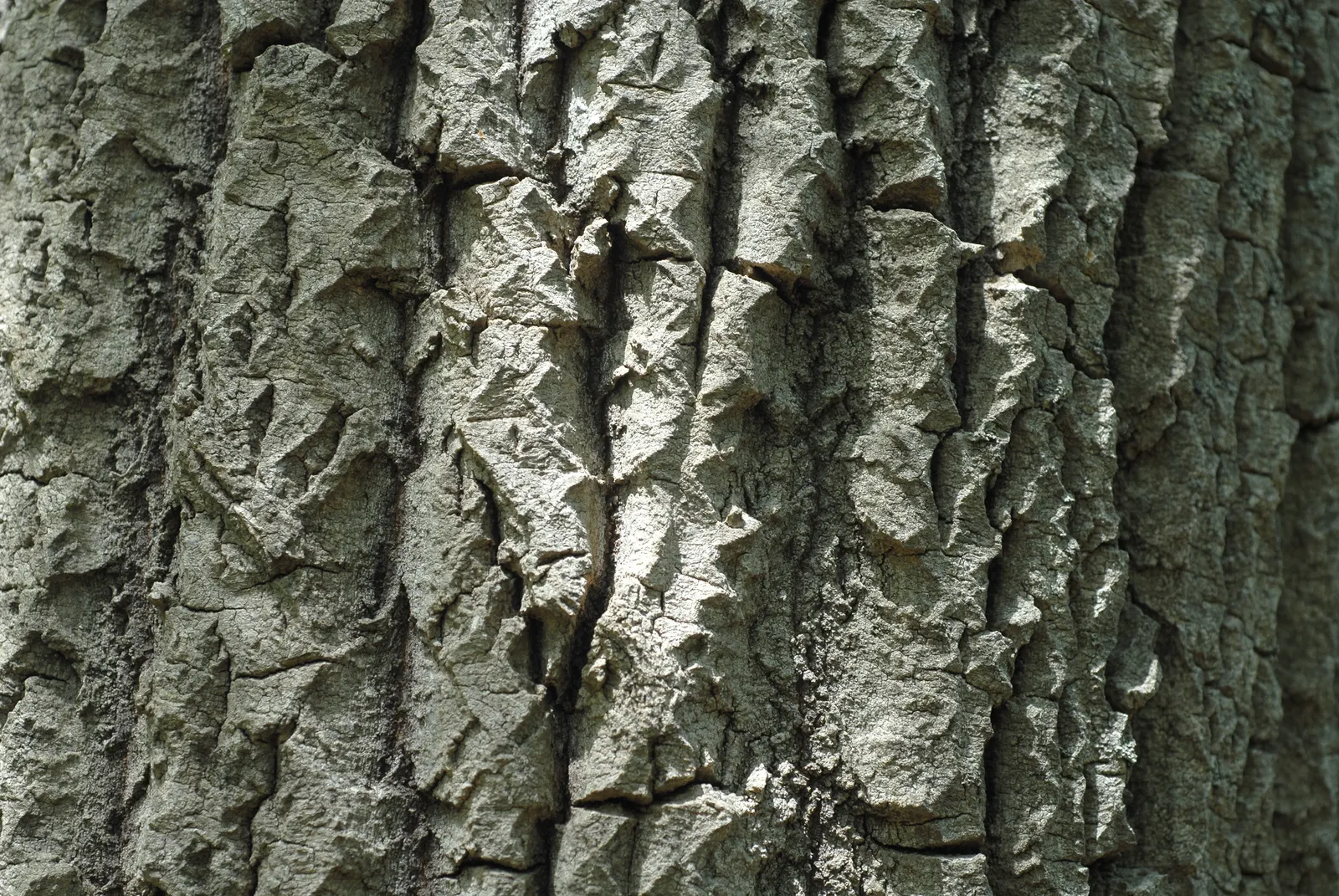
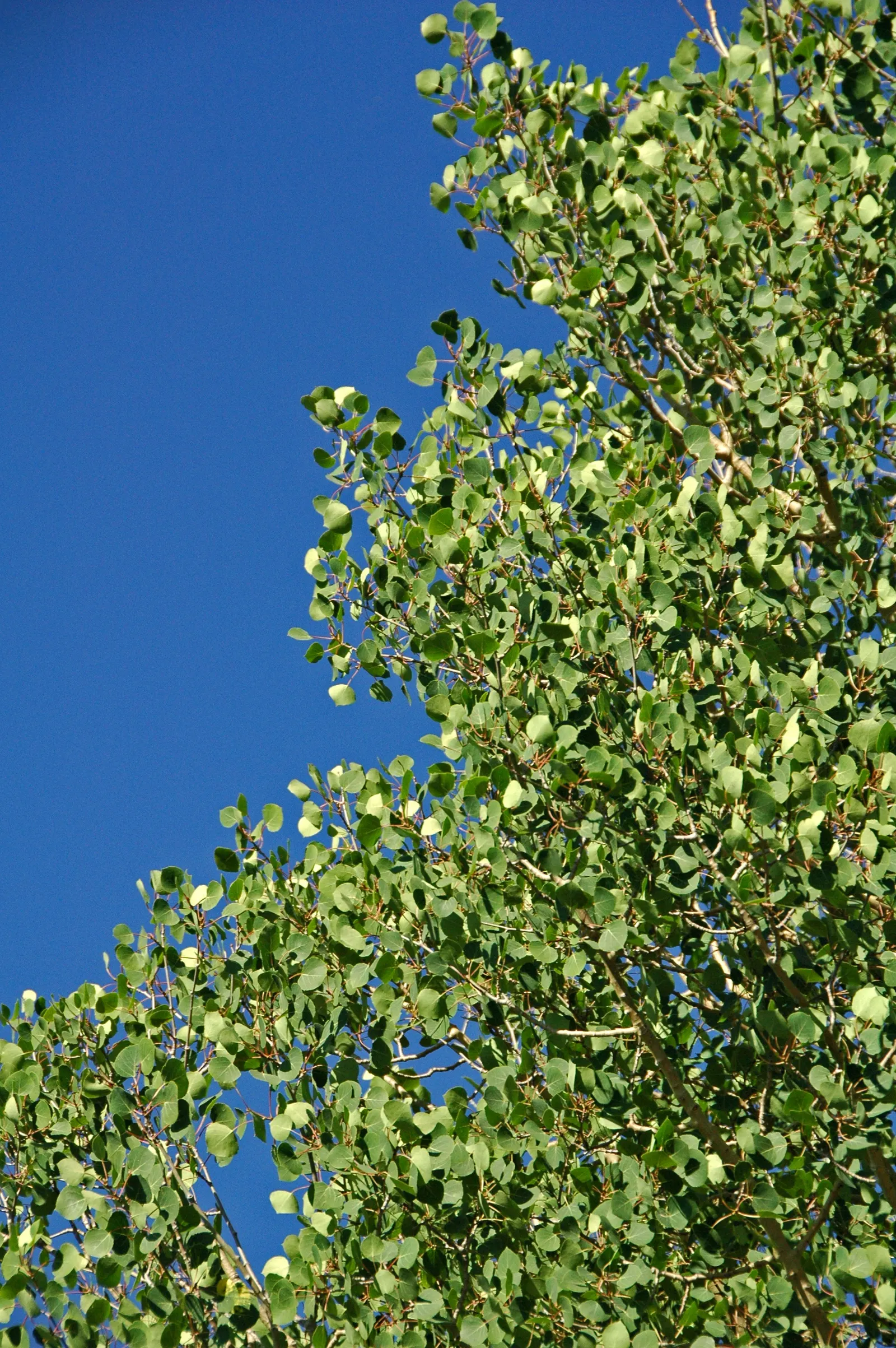
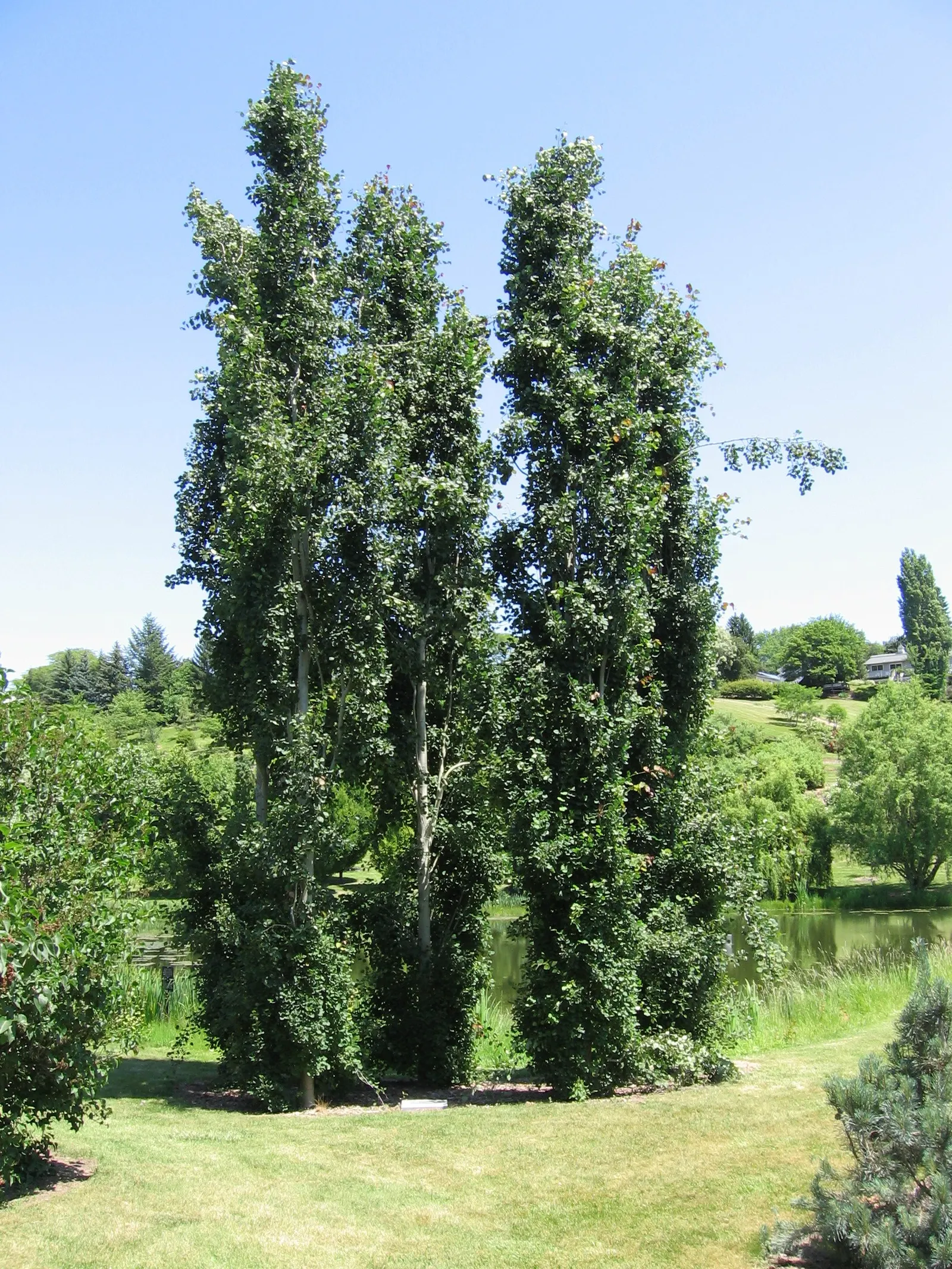
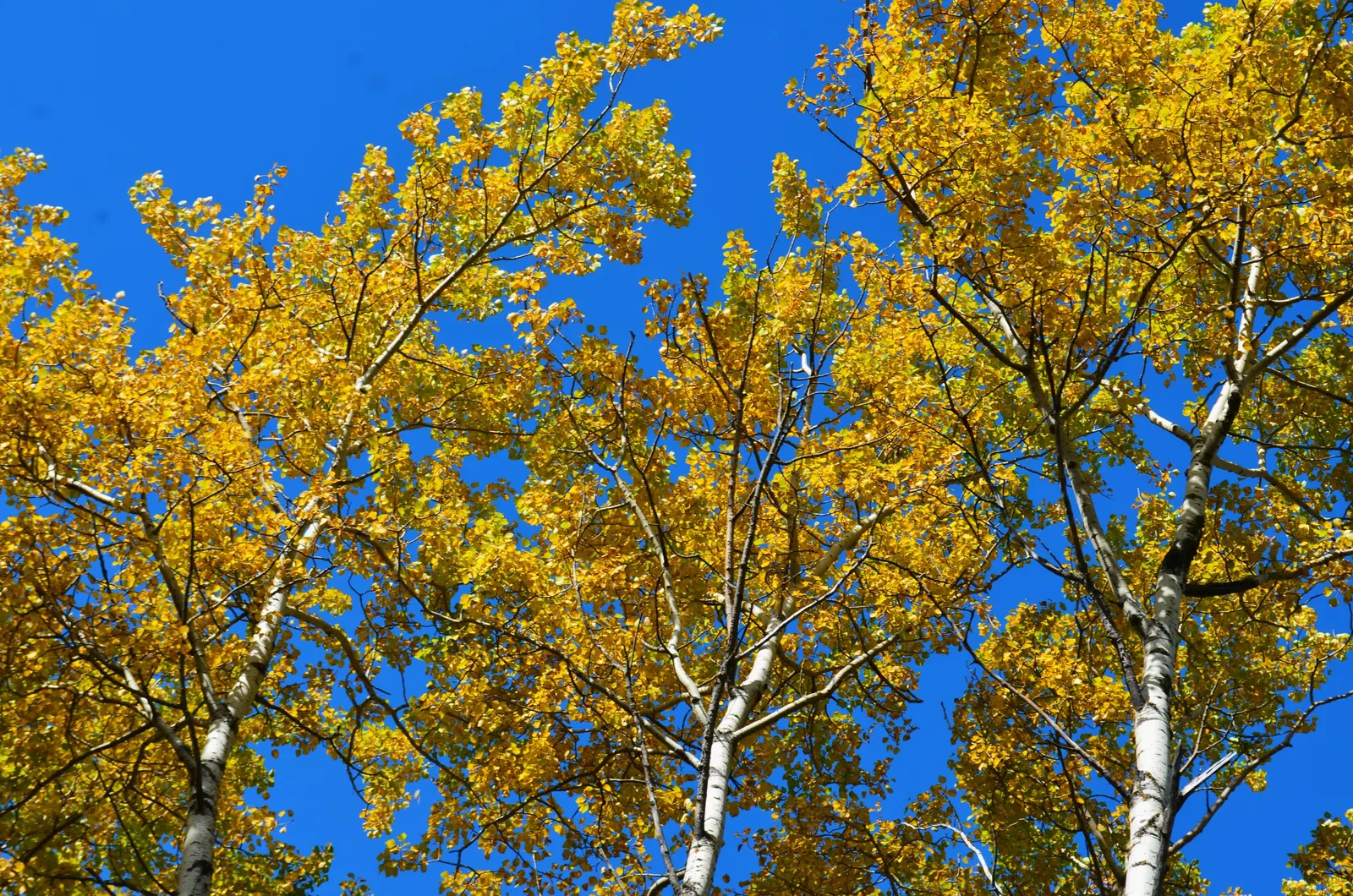
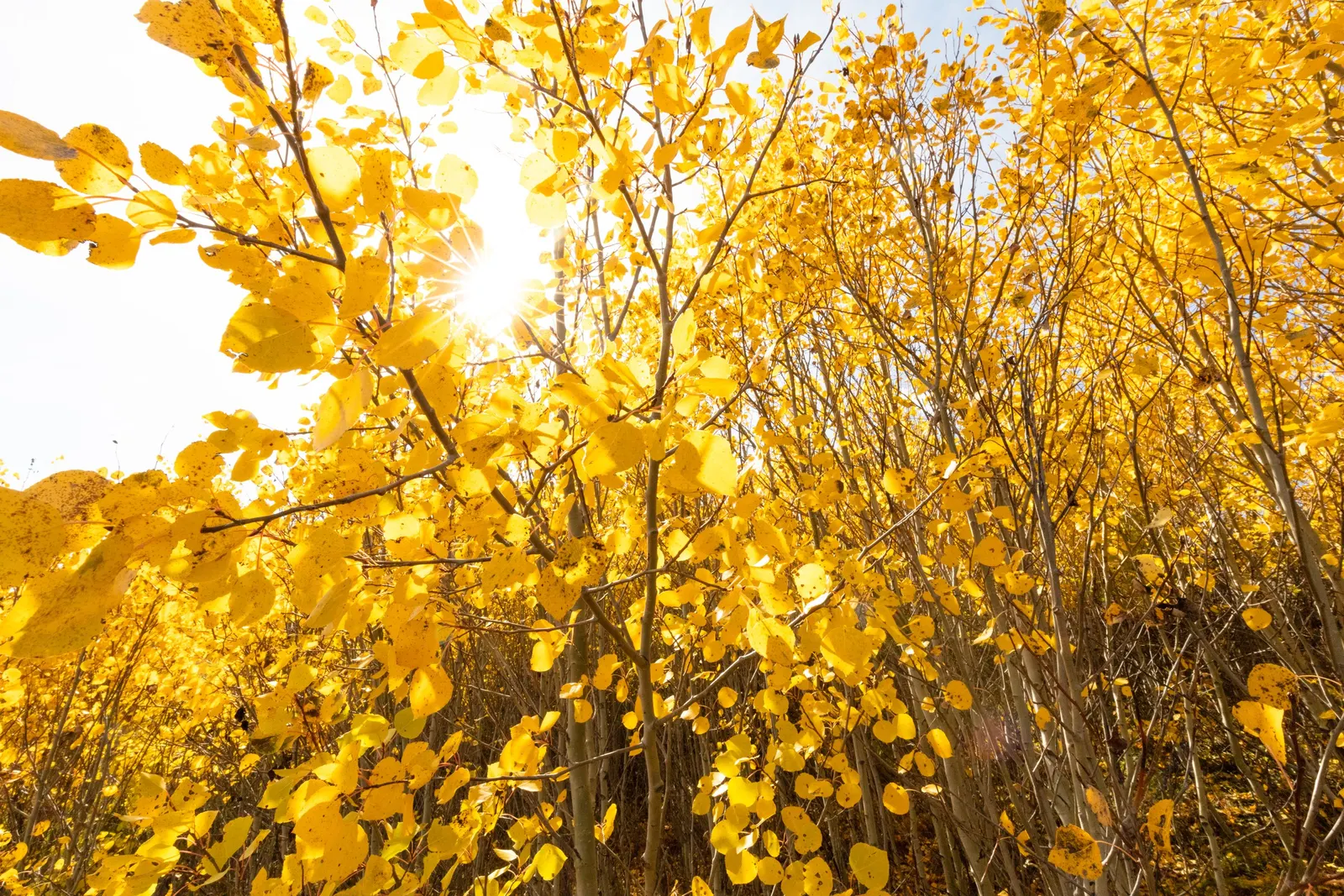
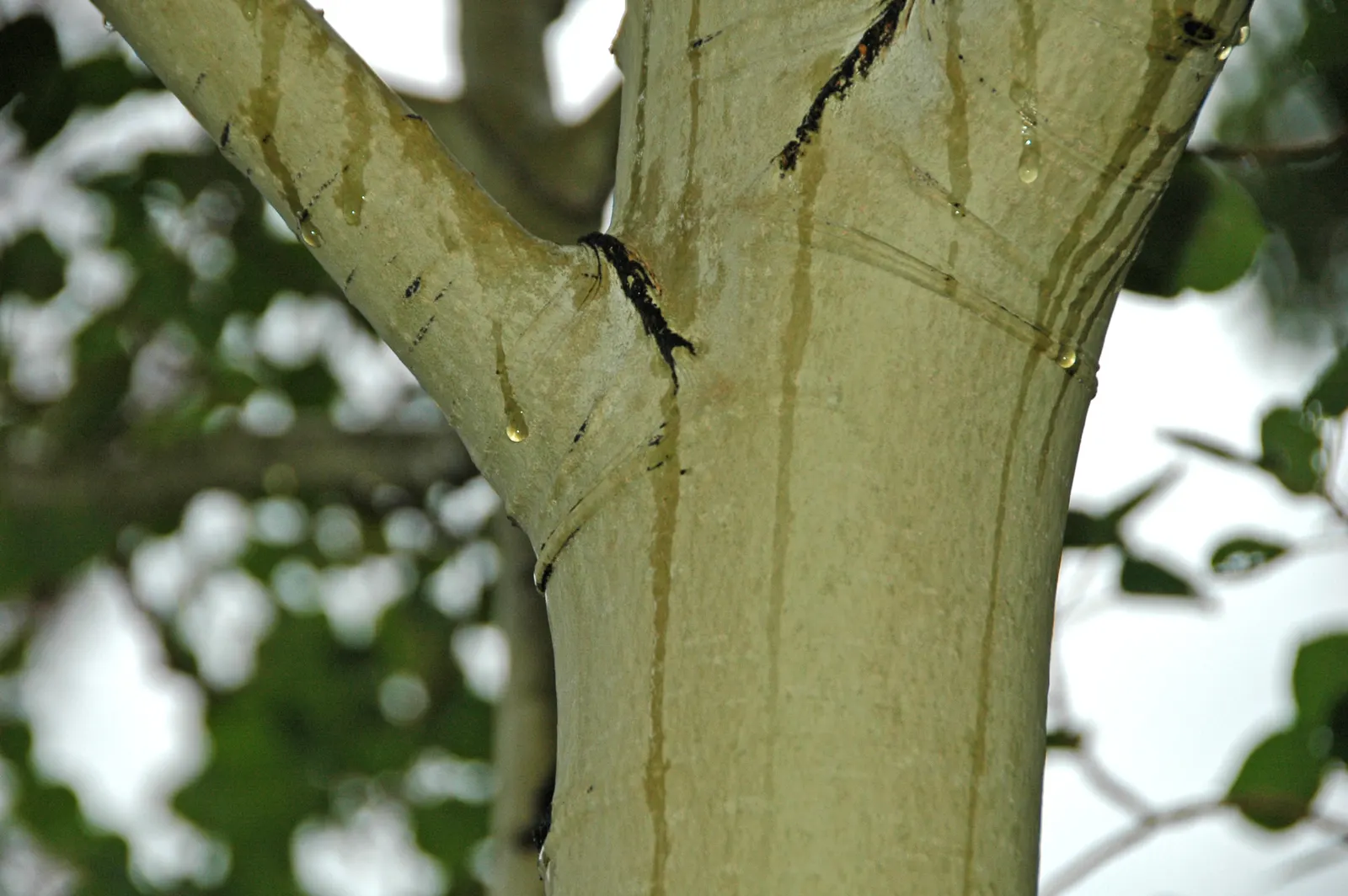
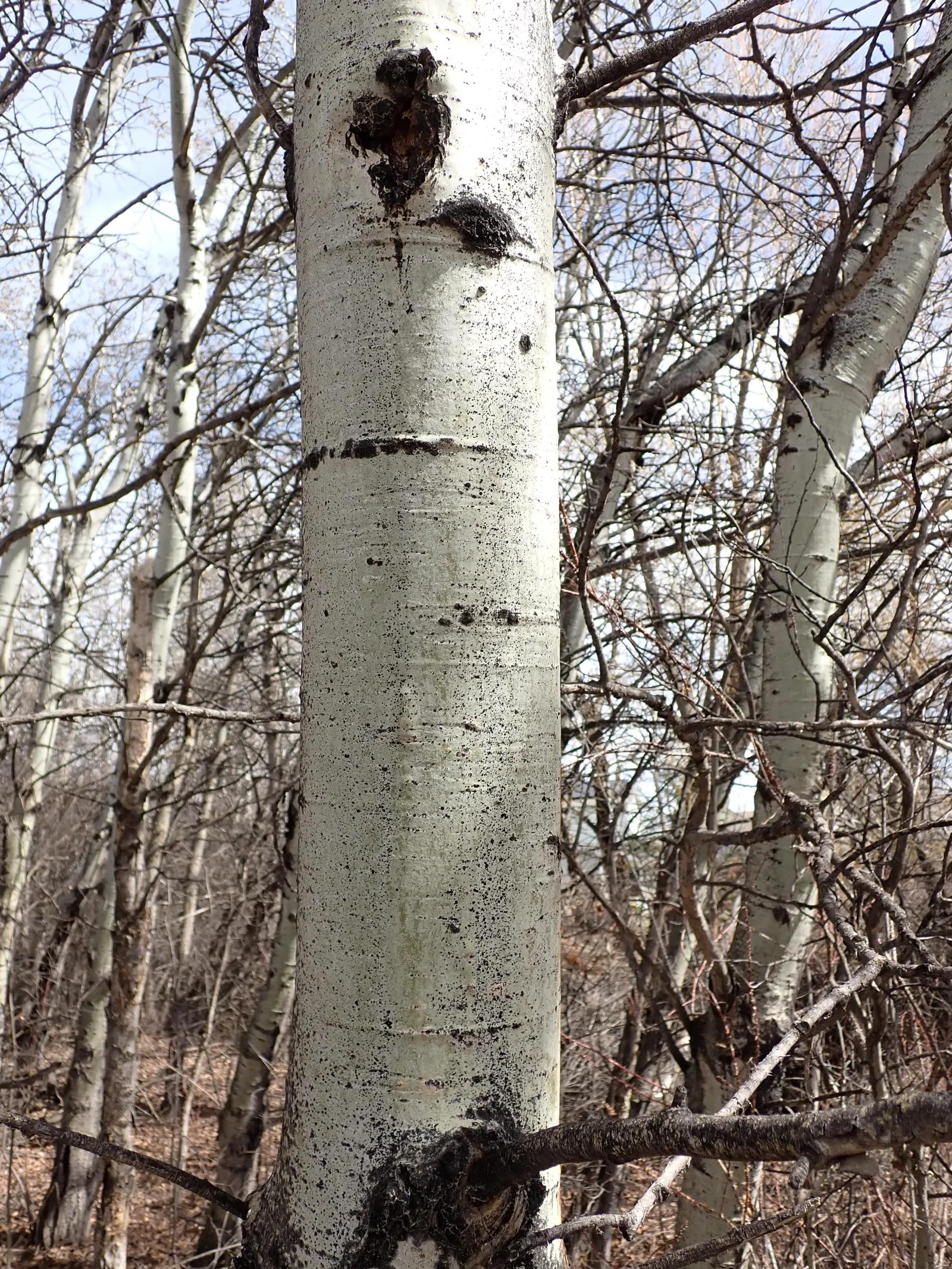
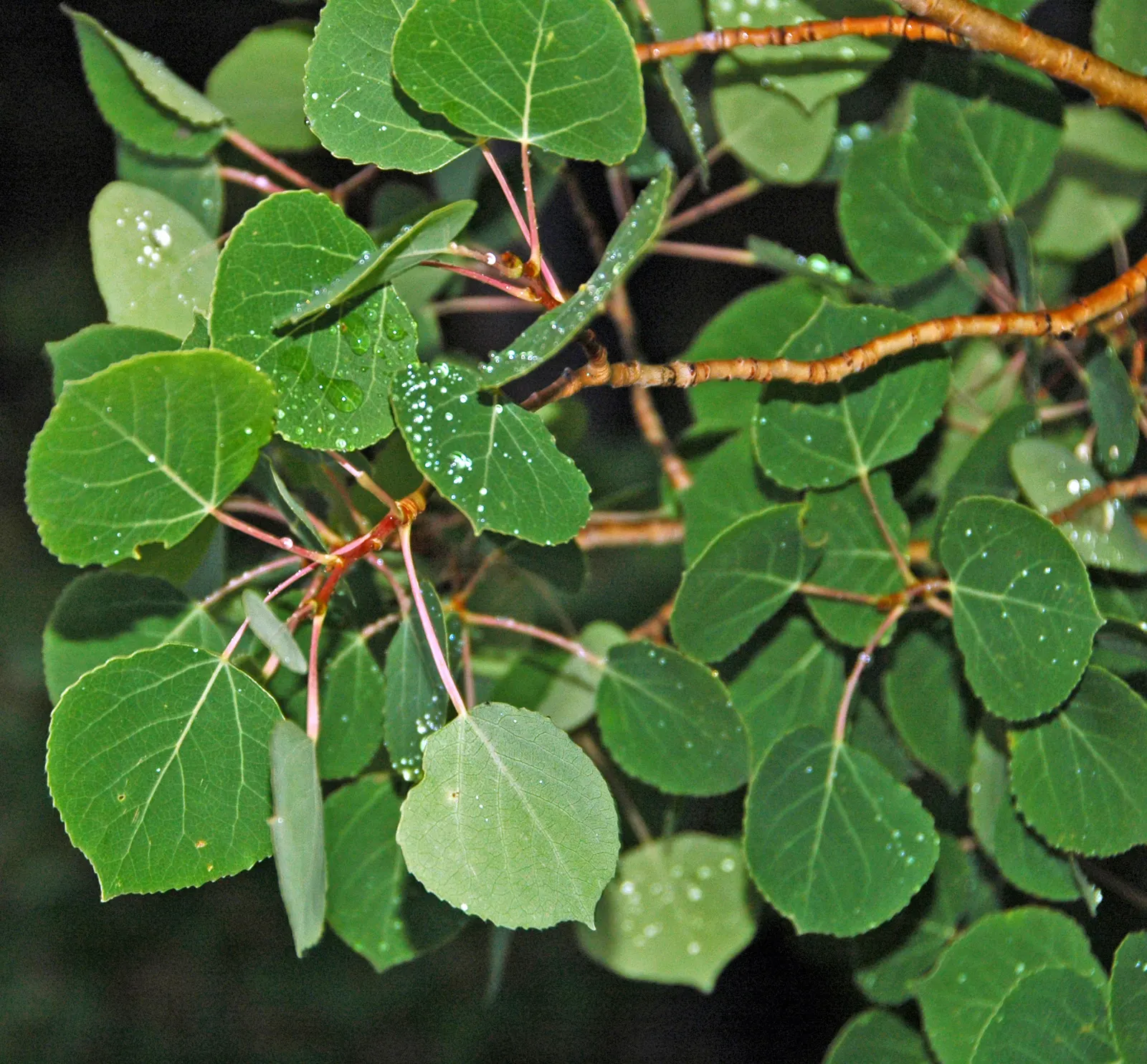
Quaking Aspen (Populus tremuloides) is a deciduous tree known for its distinctive, heart-shaped leaves and striking white bark. It reaches 40-50 feet in height, with a spread of about 20-30 feet. Its leaves tremble in the slightest breeze, giving the tree its name. Best suited for USDA zones 2-6, it prefers full sun and well-drained soil. This hardy species is ideal for creating visual interest and soothing auditory pleasure in diverse landscapes.

Sun FullWater MediumZones 4–11Climate Arid, Mediterranean
Quaking Aspen (Populus Tremuloides) — Quaking Aspen (Populus tremuloides) is a deciduous tree known for its distinctive

Culture

Sun
Full
Water
Medium
USDA zones
4–11

Shape & size

Classification

Family
Salicaceae
Climate
Arid, Mediterranean

See full data, regional cultivation notes, full-resolution photos, and design tools. Build a client presentation around this plant.

Start your 14-day trial

Photos (56)

Quaking Aspen (Populus Tremuloides) — It is also noteworthy that this species is relatively short-lived
Quaking Aspen (Populus Tremuloides) — often living only 40 to 150 years
Quaking Aspen (Populus Tremuloides) — and may spread through its root system
Quaking Aspen (Populus Tremuloides) — creating groves or stands of trees that share a single root network
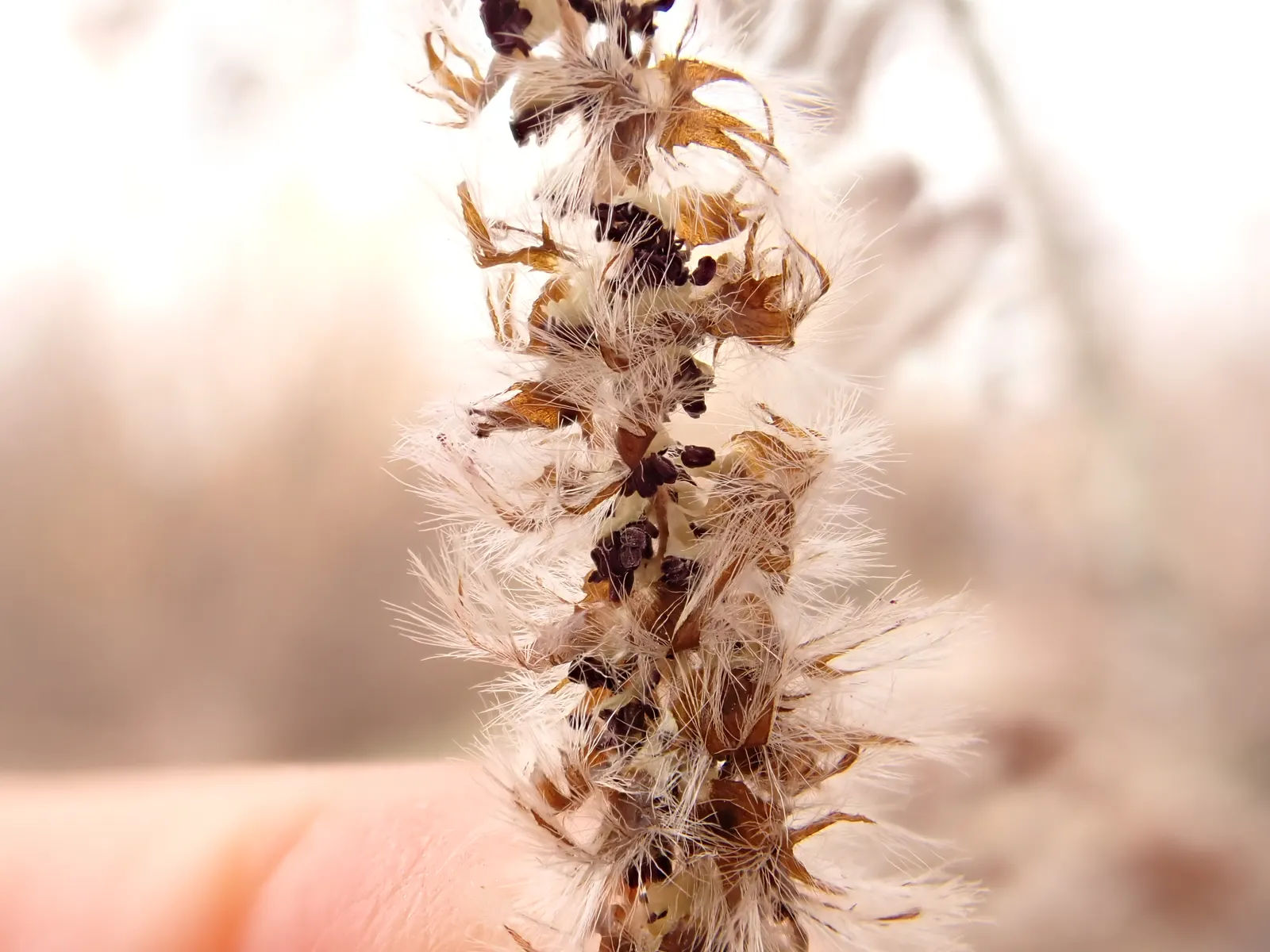
Quaking Aspen (Populus Tremuloides) — supporting various wildlife with its foliage and seeds
Quaking Aspen (Populus Tremuloides) — Ensure ample space is accounted for in the design to accommodate its growth habit and eventual spread
Quaking Aspen (Populus Tremuloides) — tree for full
Quaking Aspen (Populus Tremuloides) — Quaking Aspen (Populus tremuloides) is a deciduous tree known for its distinctive; its leaves tremble in the slightest
Quaking Aspen (Populus Tremuloides) — heart-shaped leaves and striking white bark; making it an ideal choice for creating visual interest in spacious
Quaking Aspen (Populus Tremuloides) — It reaches 40-50 feet in height, with a spread of about 20-30 feet; adding a splash of warmth to the autumnal garden
Quaking Aspen (Populus Tremuloides) — supporting various wildlife with its foliage and seeds; measuring about 1.5 to 3 inches in diameter
Quaking Aspen (Populus Tremuloides) — Its leaves tremble in the slightest breeze, giving the tree its name; and may spread through its root system
Quaking Aspen (Populus Tremuloides) — Best suited for USDA zones 2-6, it prefers full sun and well-drained soil; it reaches 40-50 feet in height, with a spread
Quaking Aspen (Populus Tremuloides) — This hardy species is ideal for creating visual interest and soothing auditory pleasure in diverse landscapes; with a
Quaking Aspen (Populus Tremuloides) — The Quaking Aspen (Populus tremuloides) is a deciduous tree native to cooler climates of North America; quaking Aspen
Quaking Aspen (Populus Tremuloides) — renowned for its distinctive trembling leaves and striking white bark; often living only 40 to 150 years
Quaking Aspen (Populus Tremuloides) — This tree typically stands between 20 to 50 feet tall; heart-shaped leaves and striking white bark
Quaking Aspen (Populus Tremuloides) — with a canopy spread of 10 to 30 feet; this tree typically stands between 20 to 50 feet tall
Quaking Aspen (Populus Tremuloides) — making it an ideal choice for creating visual interest in spacious landscapes.<br><br>Its leaves; creating a soothing
Quaking Aspen (Populus Tremuloides) — measuring about 1.5 to 3 inches in diameter; it is also noteworthy that this species is relatively short-lived
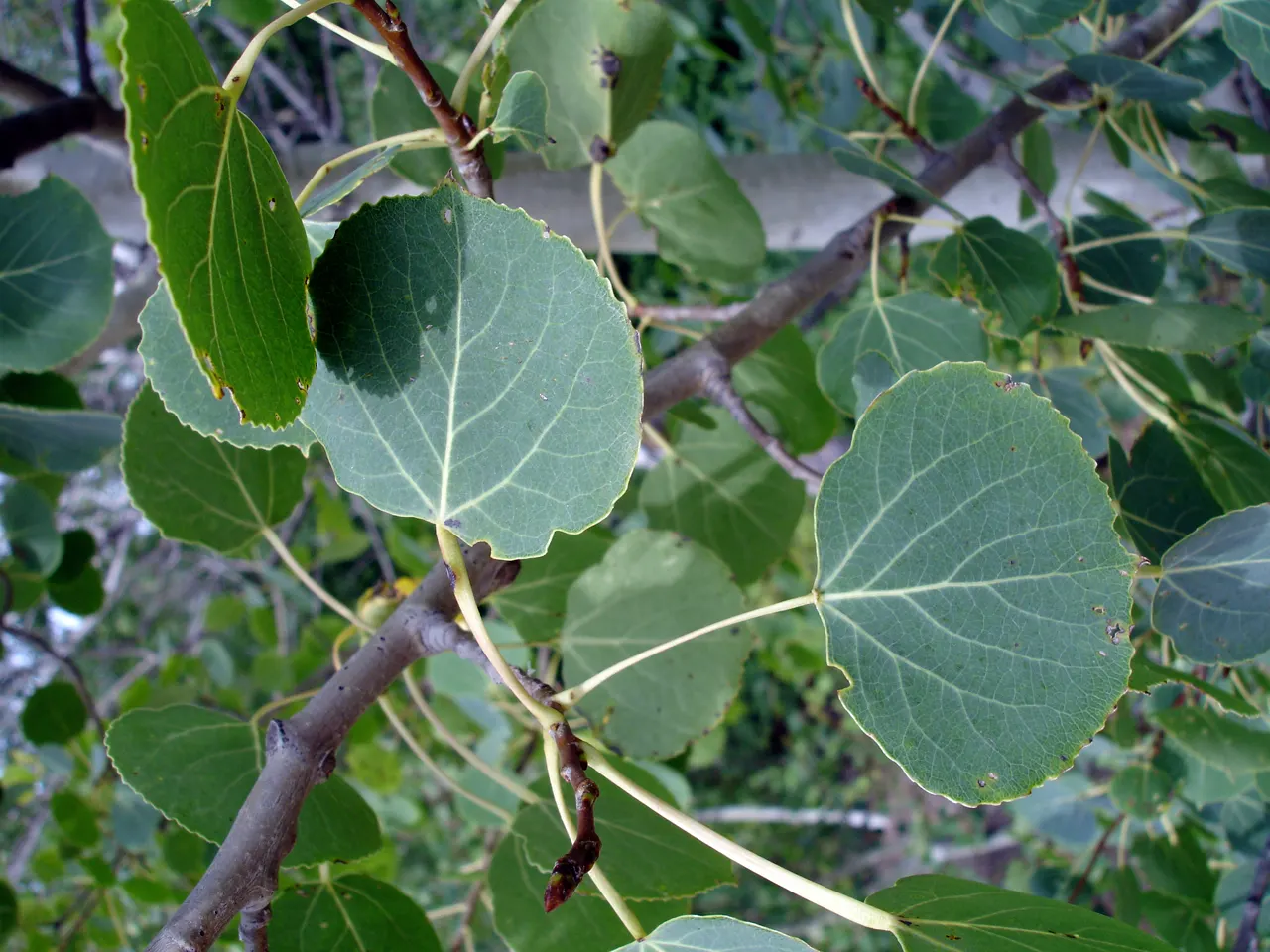
Quaking Aspen (Populus Tremuloides) — are nearly round with finely serrated edges; quaking Aspen (Populus tremuloides) is a deciduous tree known for its
Quaking Aspen (Populus Tremuloides) — They attach to the branches via flattened petioles; renowned for its distinctive trembling leaves and striking white bark
Quaking Aspen (Populus Tremuloides) — which cause them to flutter or "quake" in even the gentlest of breezes, image 44
Quaking Aspen (Populus Tremuloides) — creating a soothing rustling sound; it is essential to consider the Quaking Aspen\'s preference for full sun and

Related plants