Skip to content

Arroyo Willow

Salix Exigua

Design with this plant

Overview

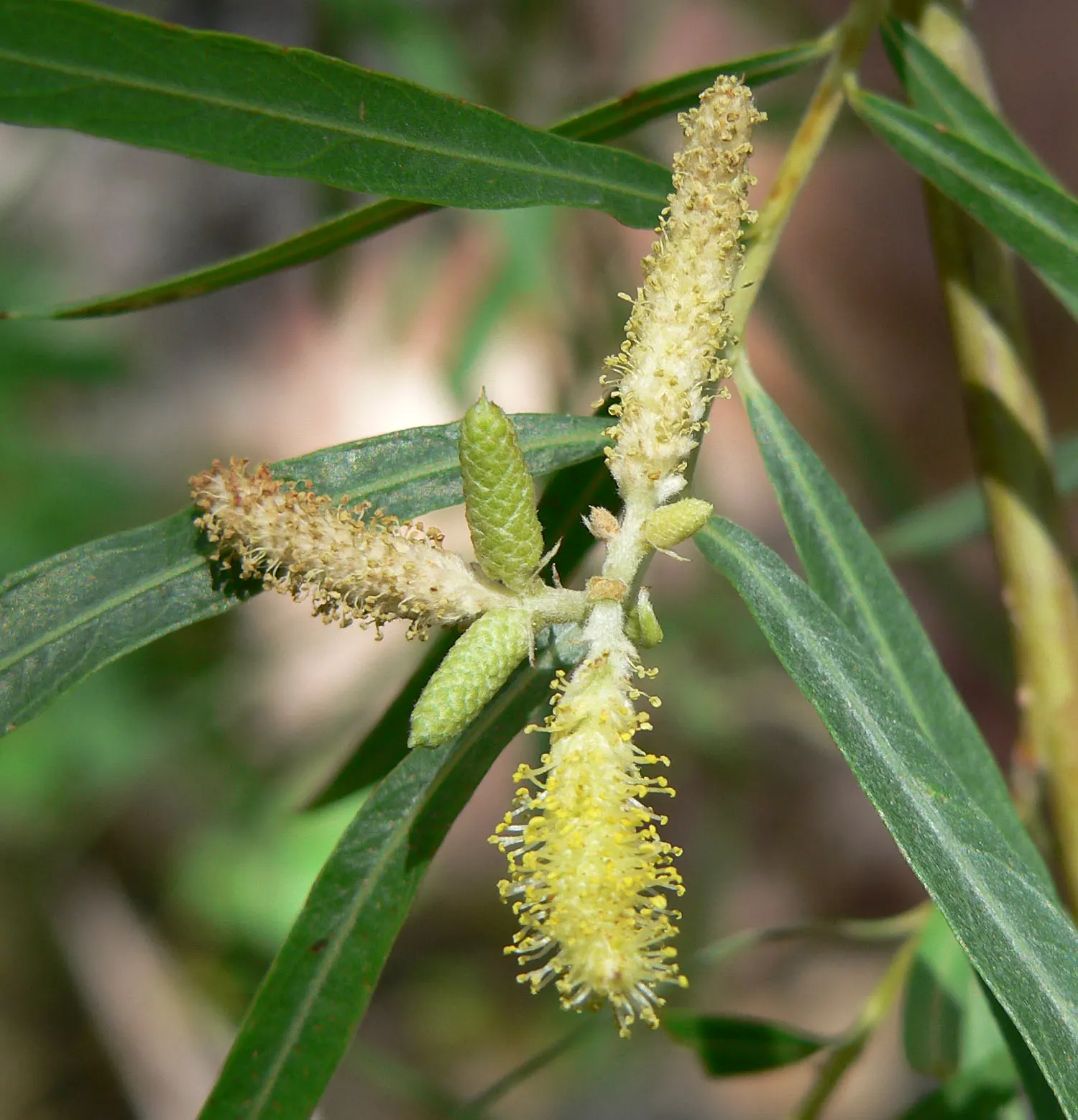
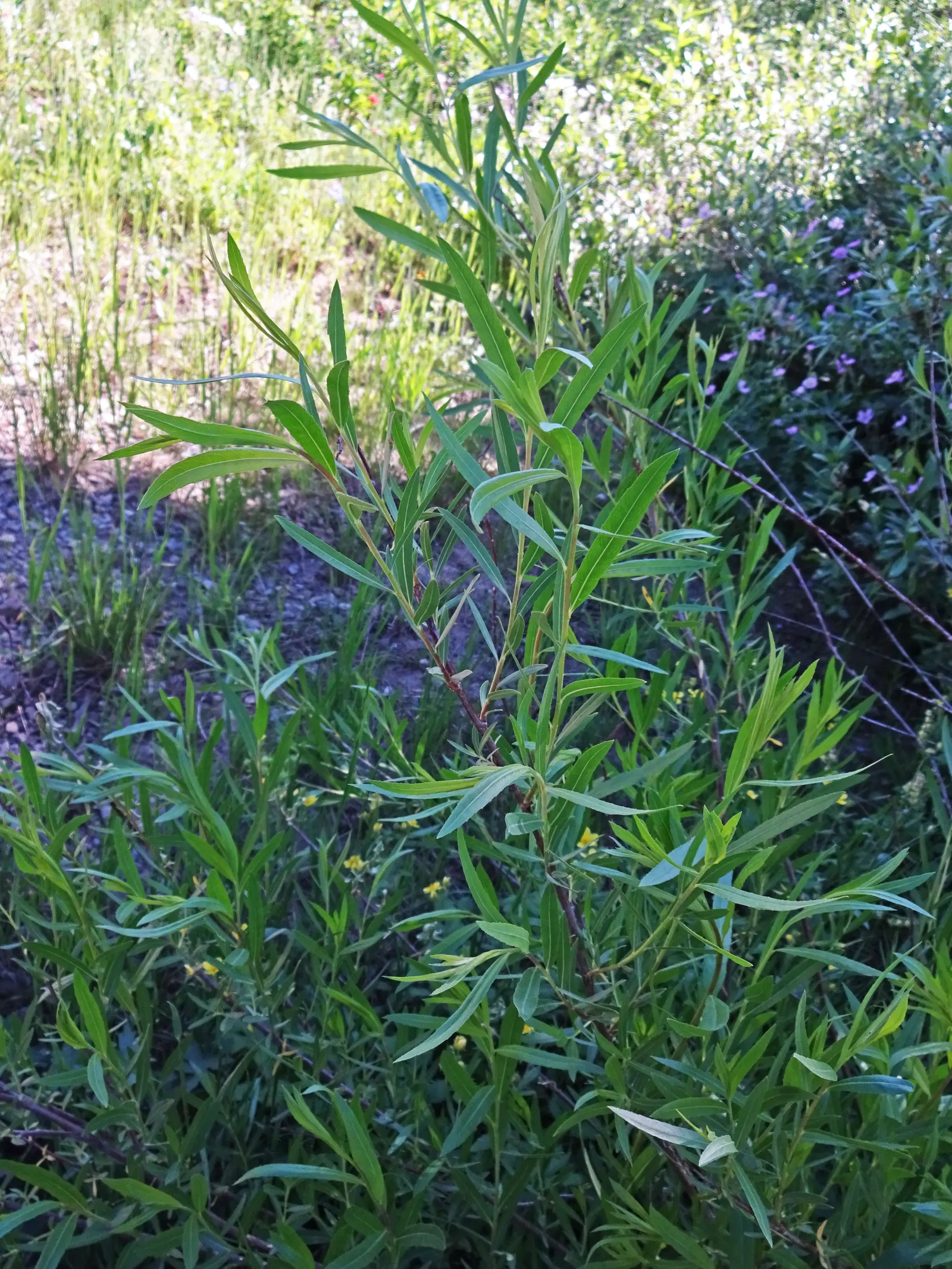
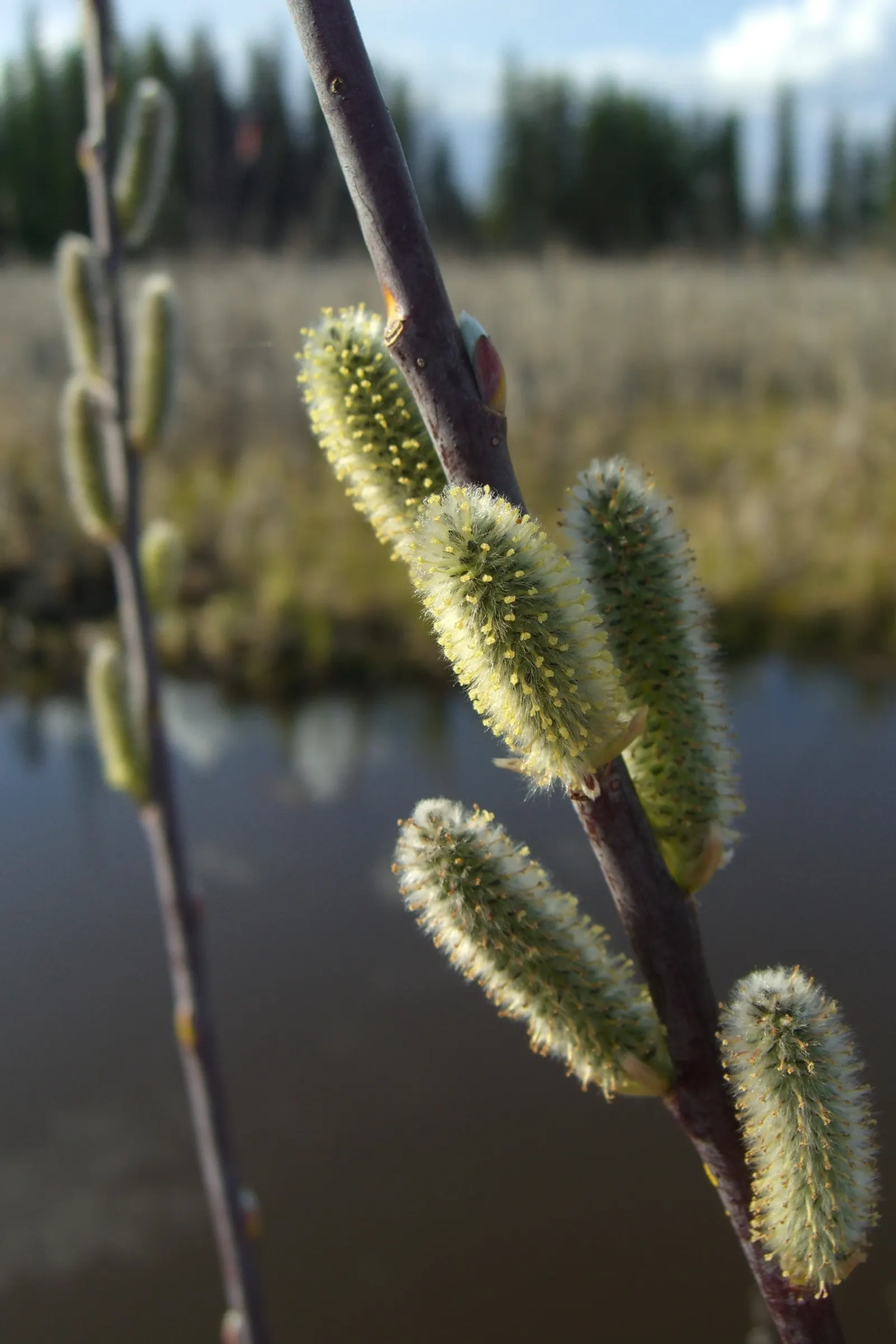
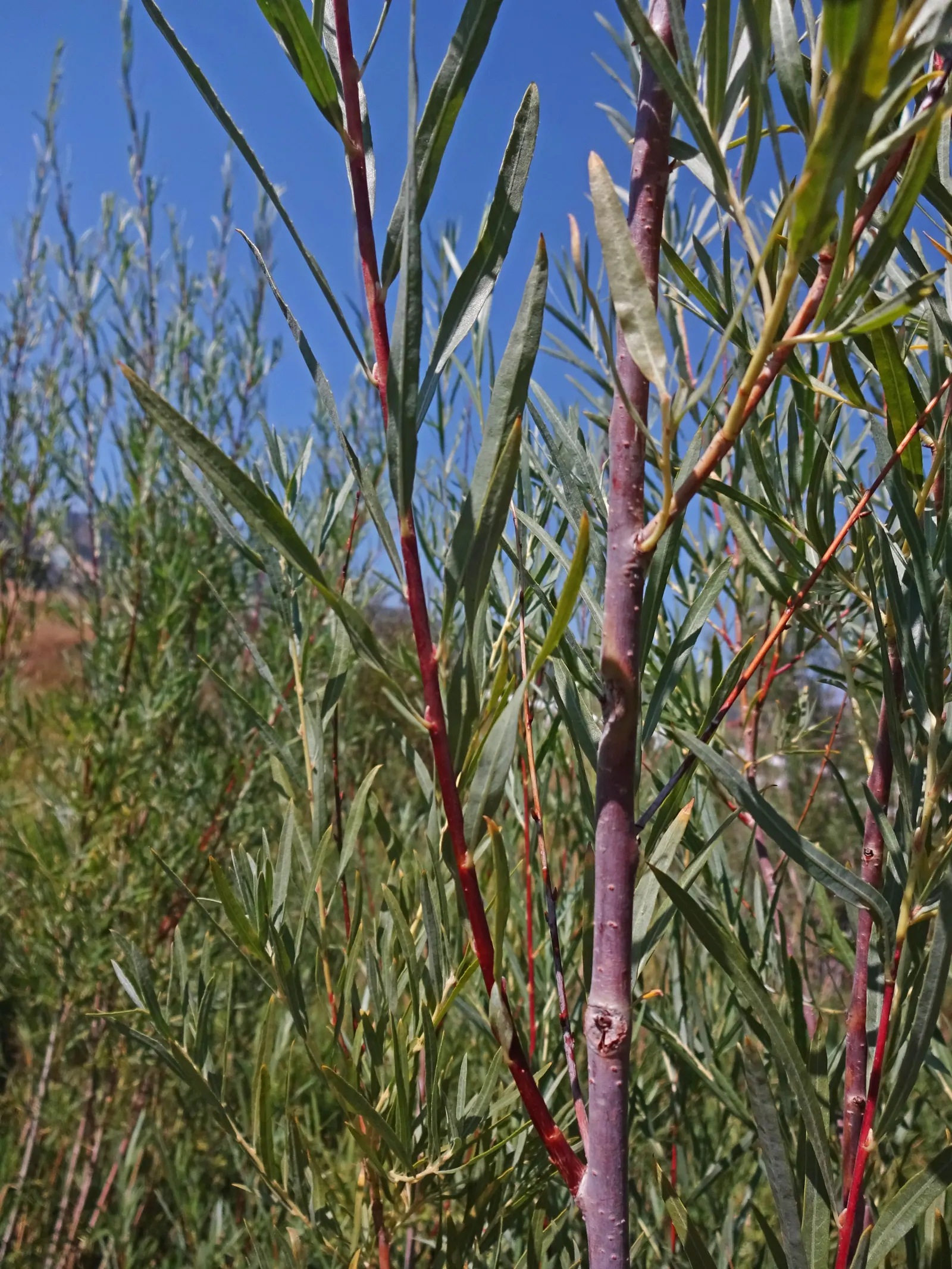
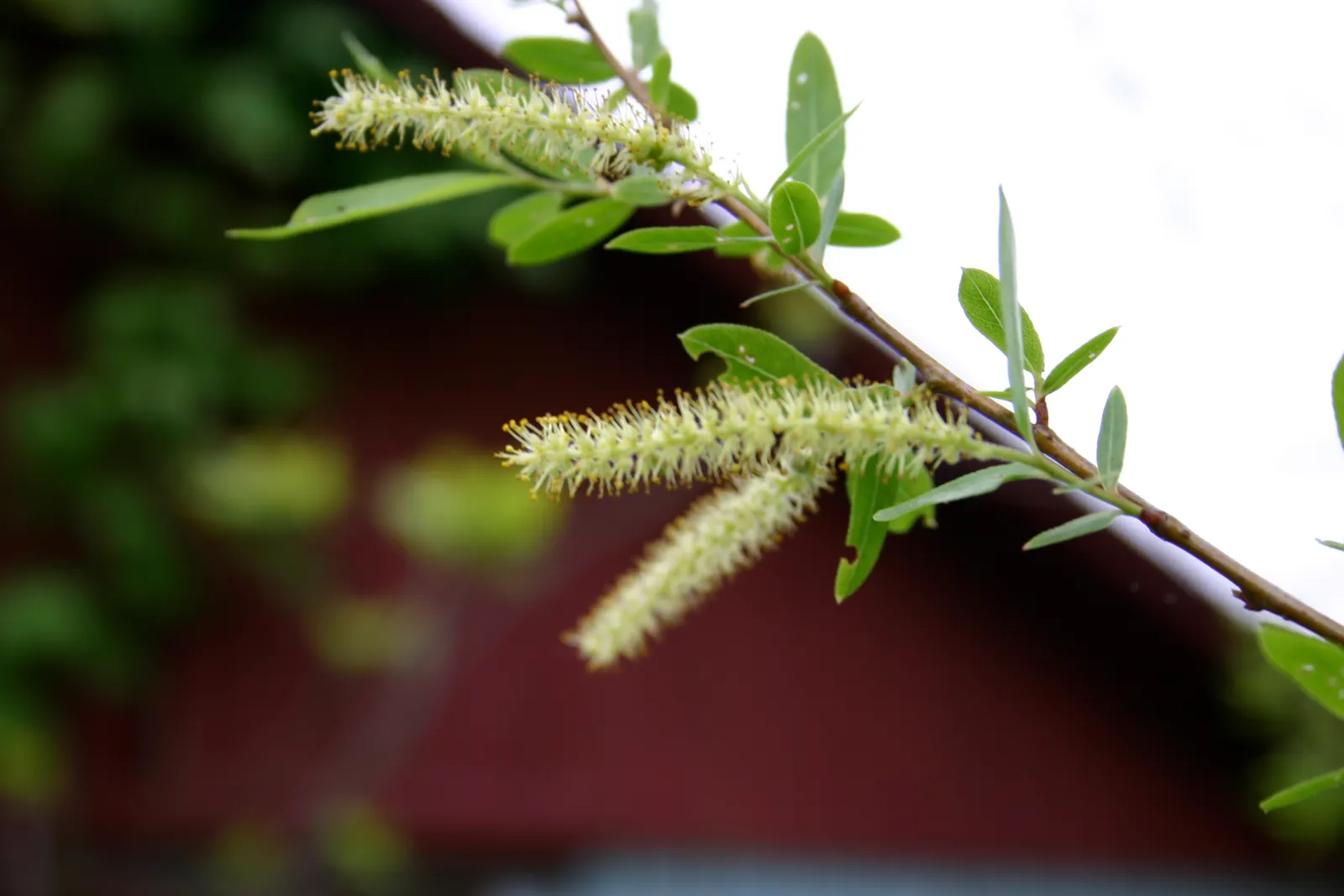
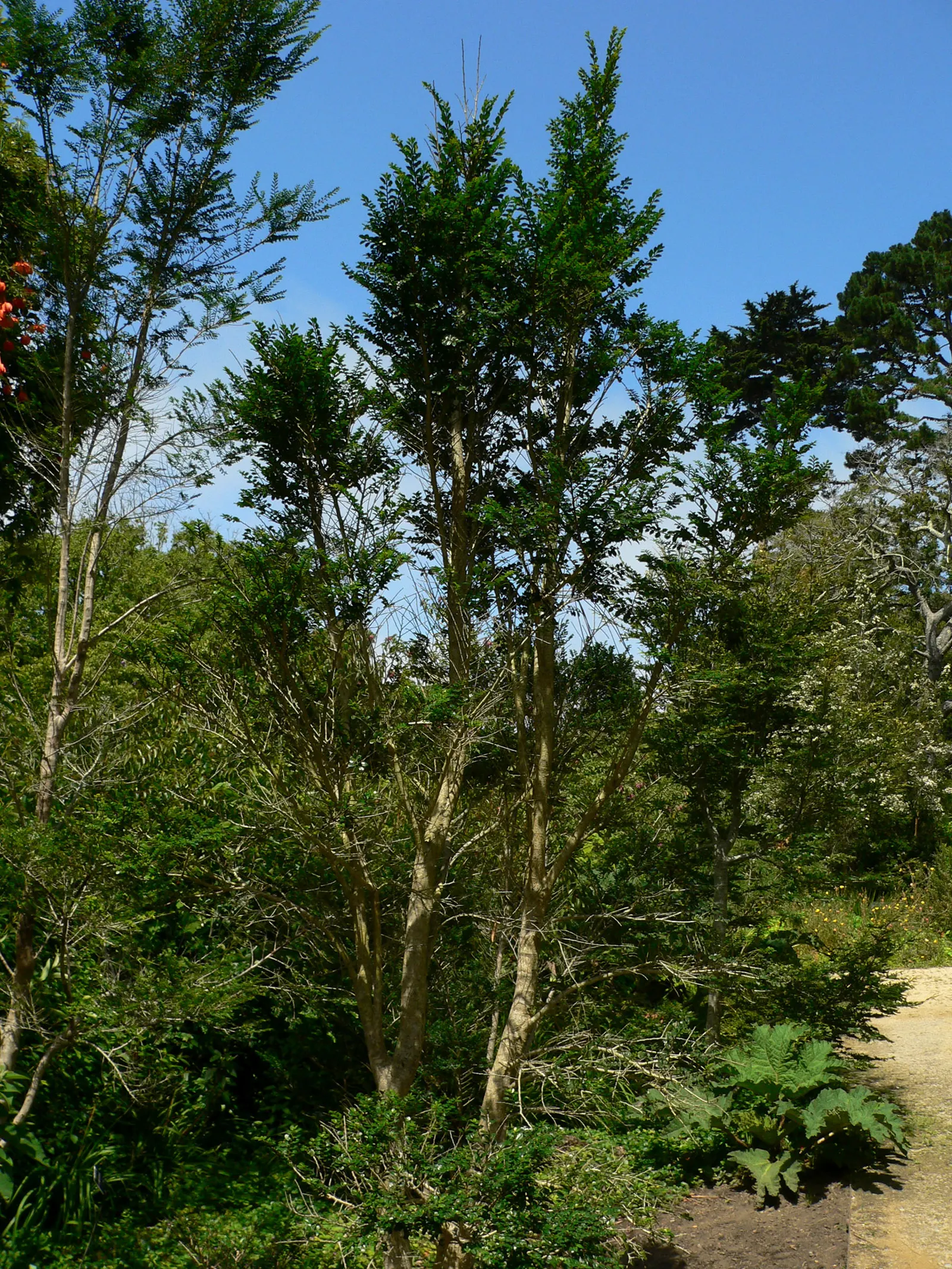
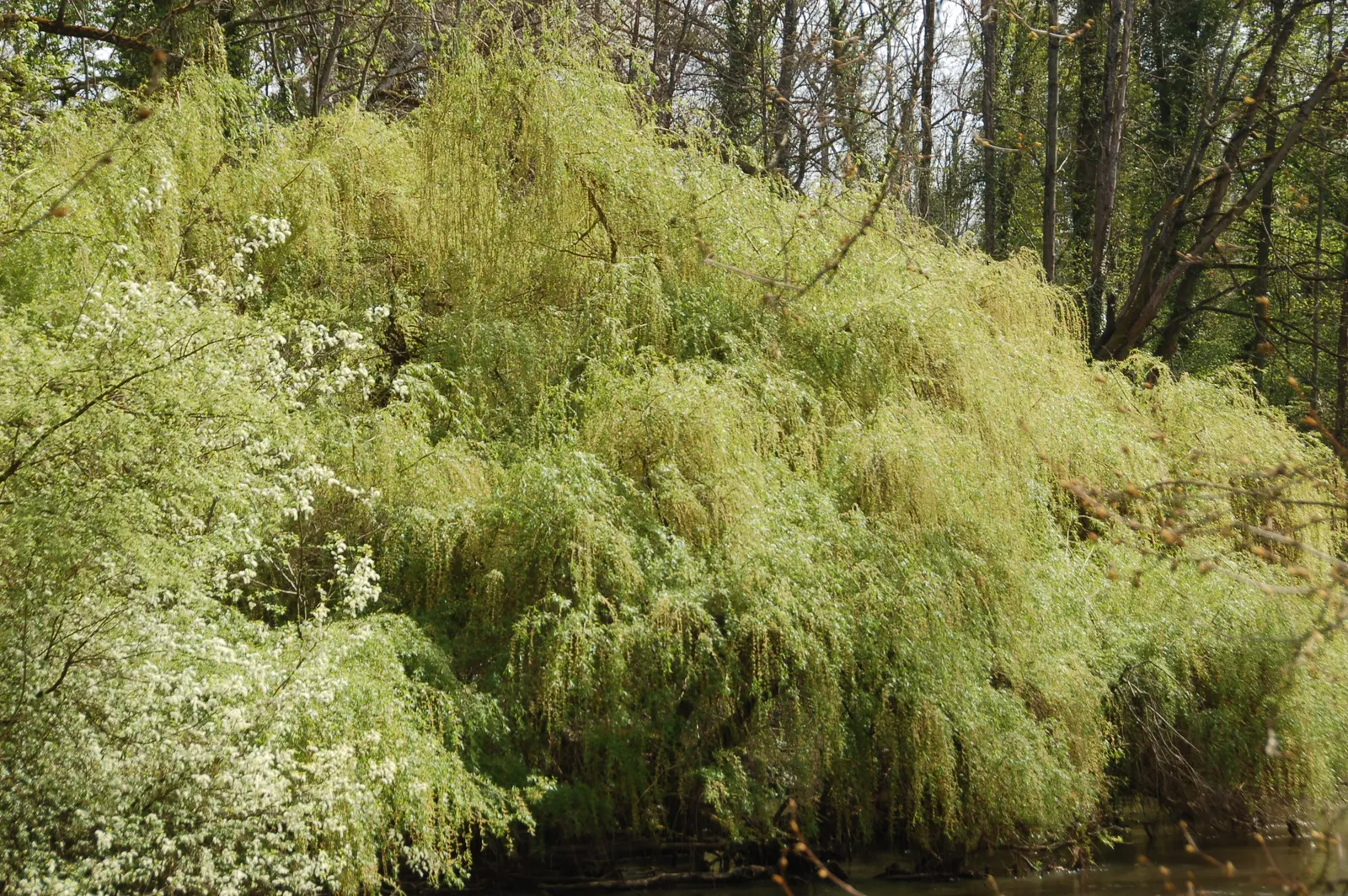
The Arroyo Willow, Salix lasiolepis, thrives in riparian zones. This deciduous shrub/small tree ranges from 13-33 ft. in height, with narrow, lance-shaped leaves. In spring, it sports catkins, adding a soft texture. Adaptable to various soils, it prefers full sun to part shade and moist conditions. Its dense, thicket-forming habit offers erosion control and habitat benefits. Ideal for naturalized areas and restoration projects. USDA zones 3-9.

Sun Full, HalfWater Extra in Summer, High, MediumZones 8–10Type TreeClimate Mediterranean

Culture

Sun
Full, Half
Water
Extra in Summer, High, Medium
USDA zones
8–10

Shape & size

Classification

Type
Tree
Family
Salicaceae
Climate
Mediterranean

See full data, regional cultivation notes, and design tools. Build a client presentation around this plant.

Start your 14-day trial

Photos (109)

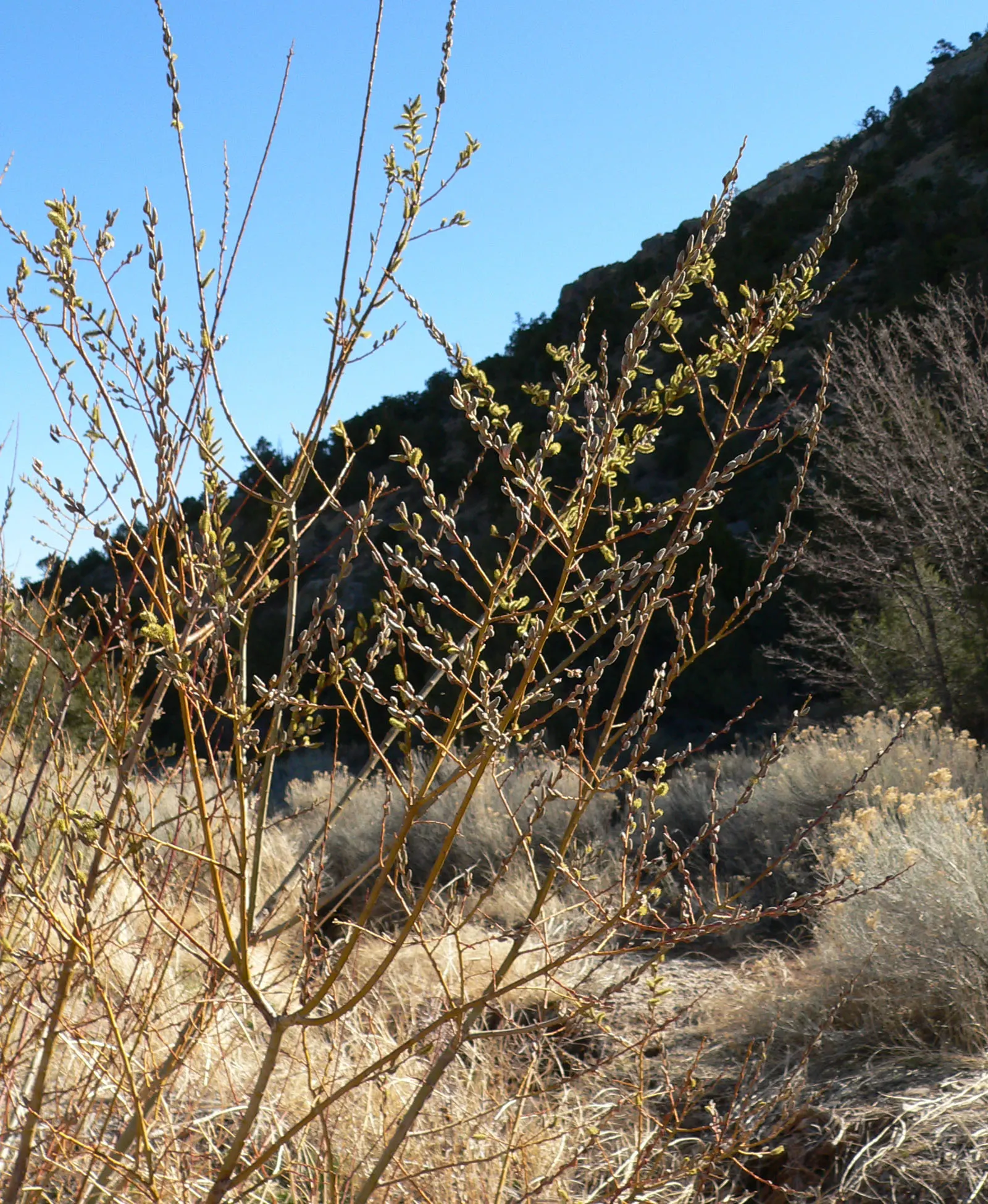
Arroyo Willow (Salix Exigua) — making it a low-fuss addition to any garden.<br><br>Adaptable and resilient
Arroyo Willow (Salix Exigua) — caution should be exercised when planting near foundations; tree for full or half
Arroyo Willow (Salix Exigua) — Adaptable to various soils, it prefers full sun to part shade and moist conditions
Arroyo Willow (Salix Exigua) — preferring full sun to partial shade; it thrives in USDA zones 4 through 9
Arroyo Willow (Salix Exigua) — acknowledge its natural affinity for water by placing it in a site that can accommodate its moisture needs
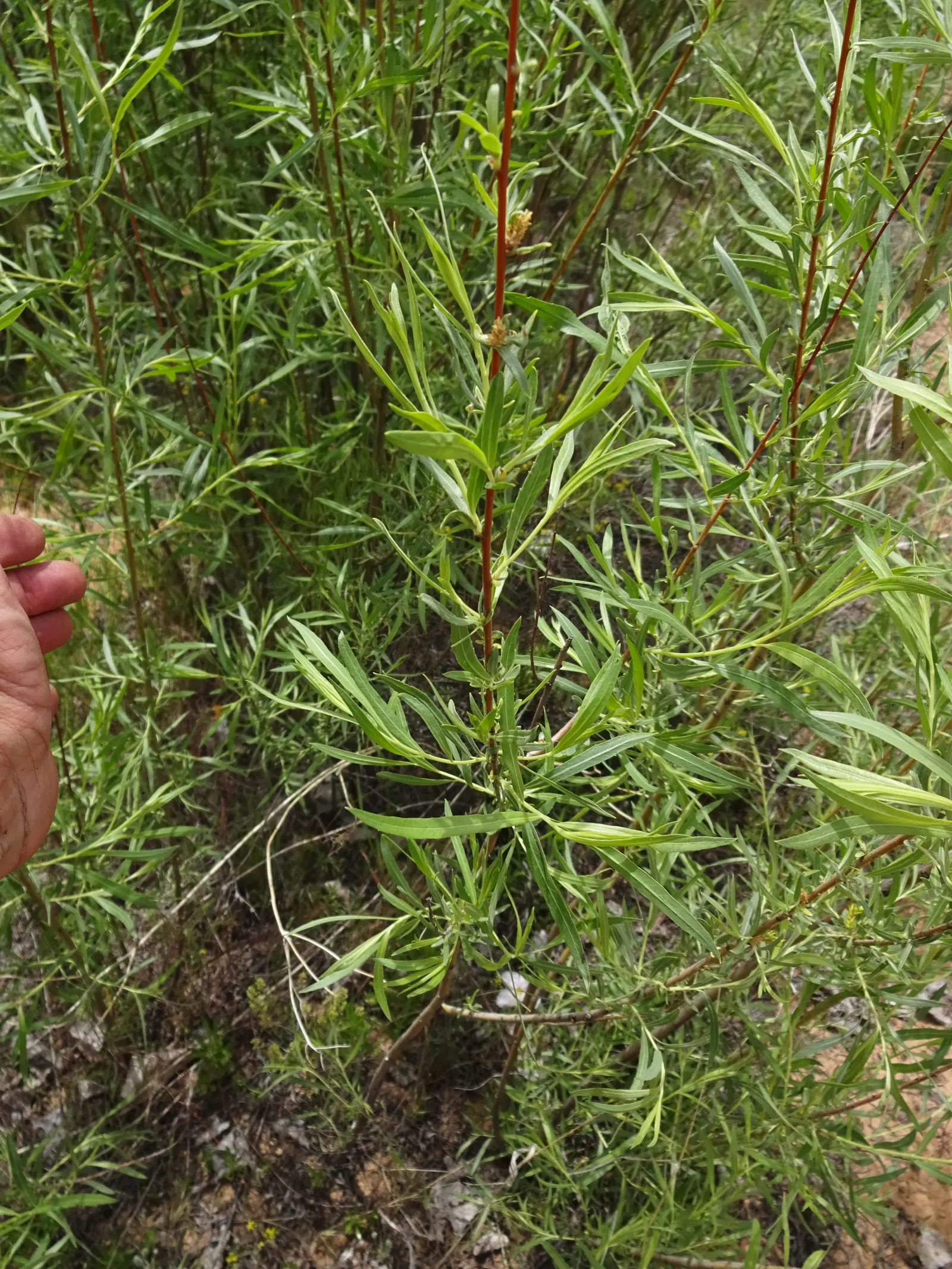
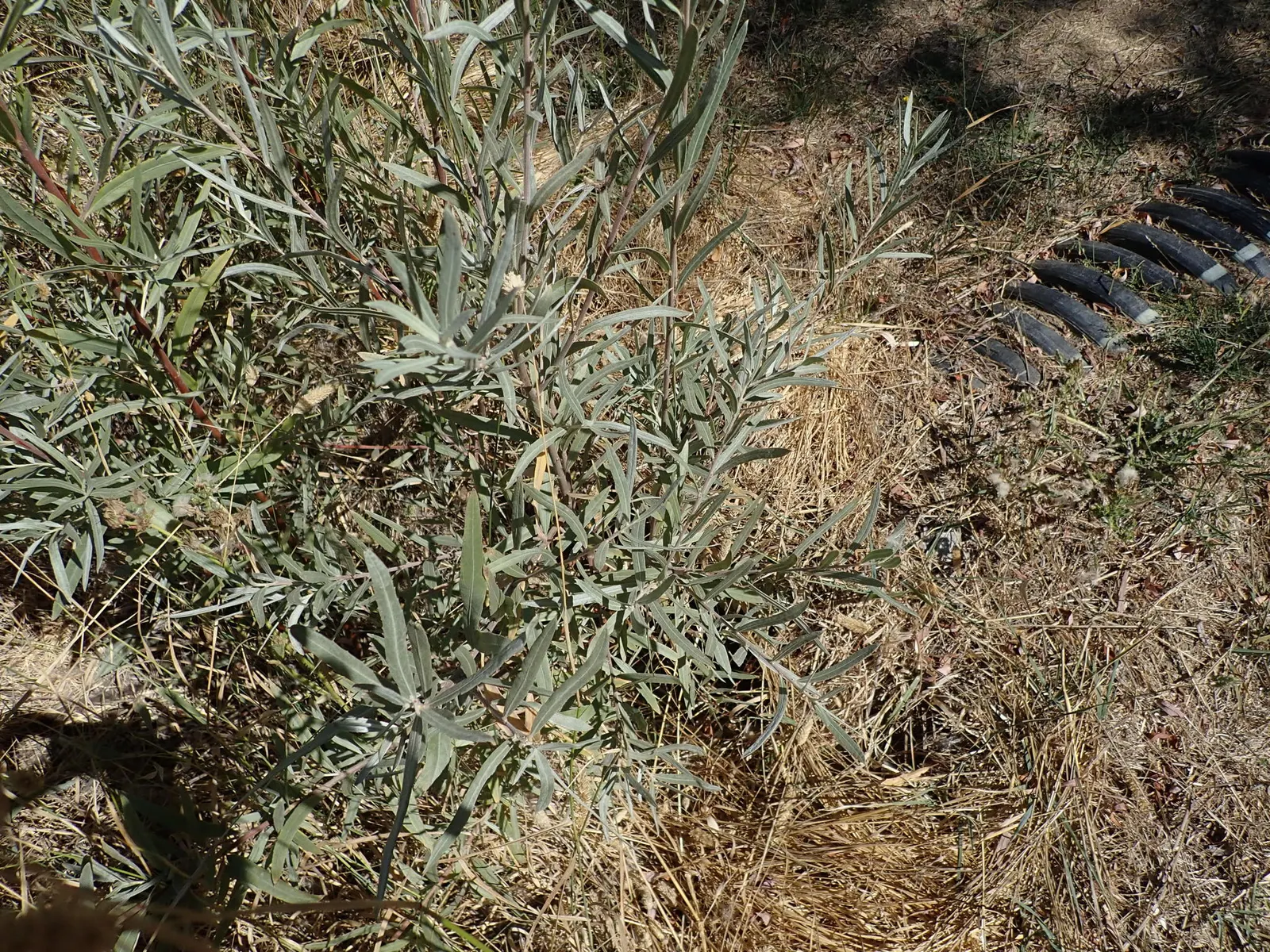
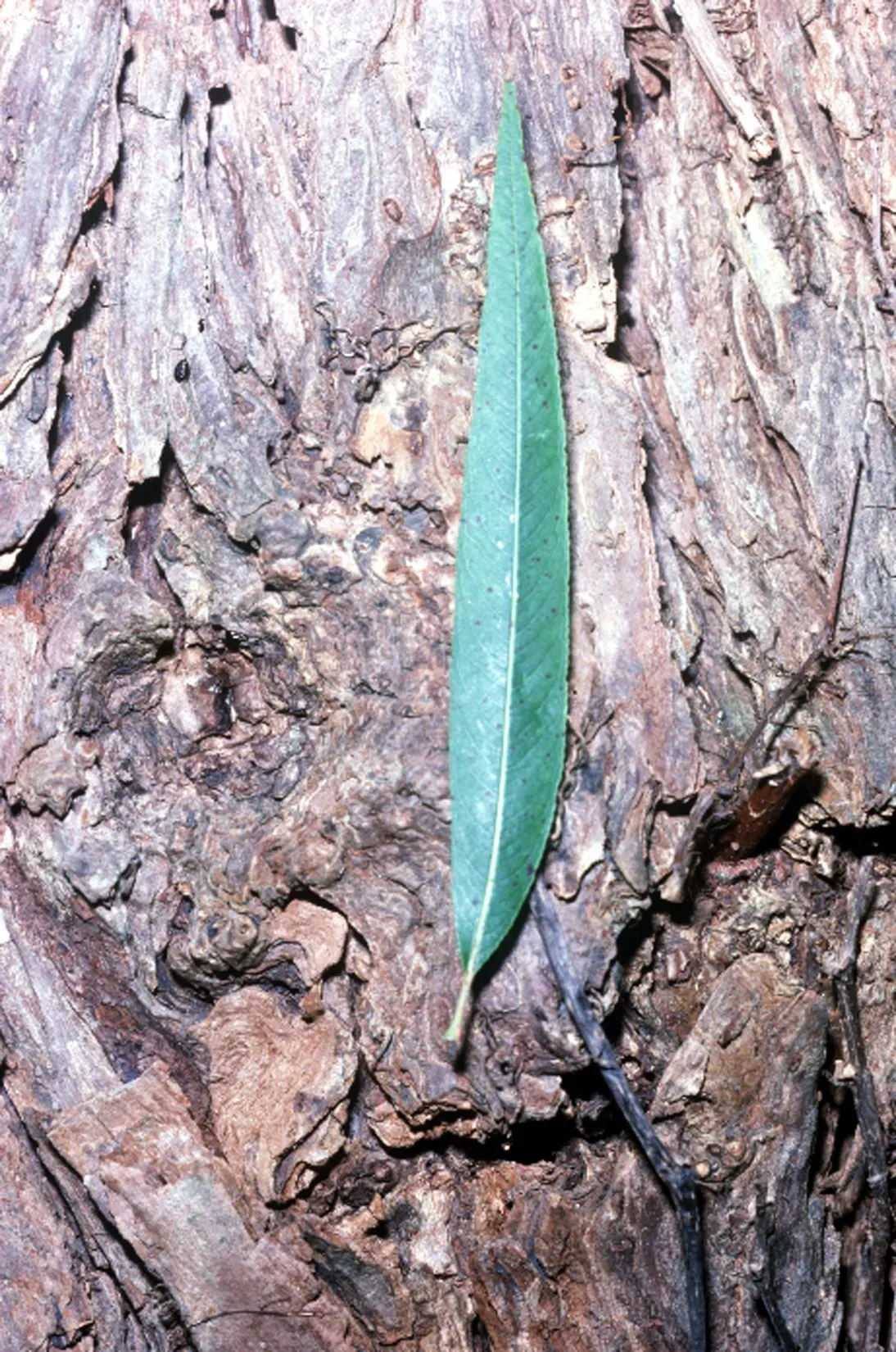
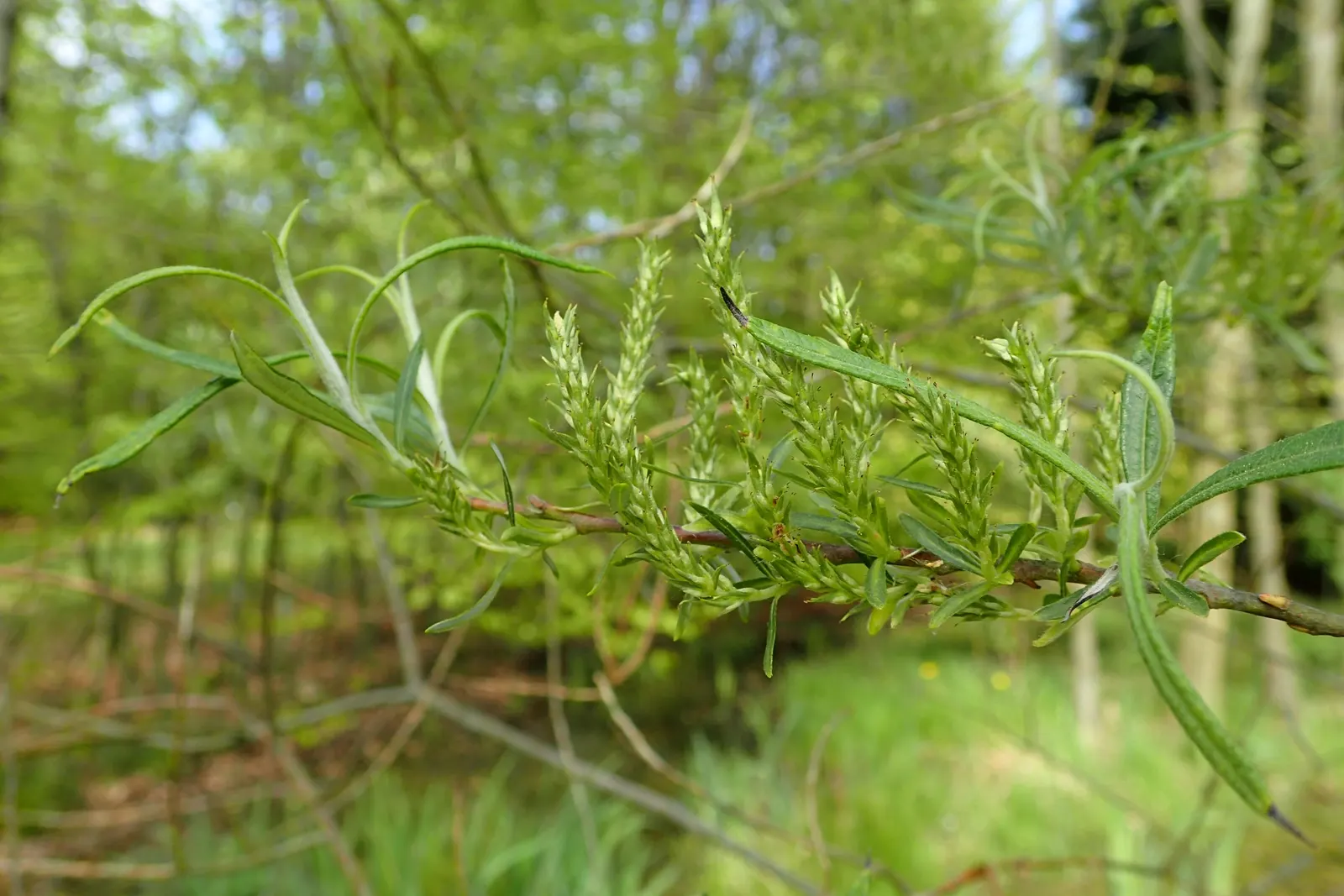
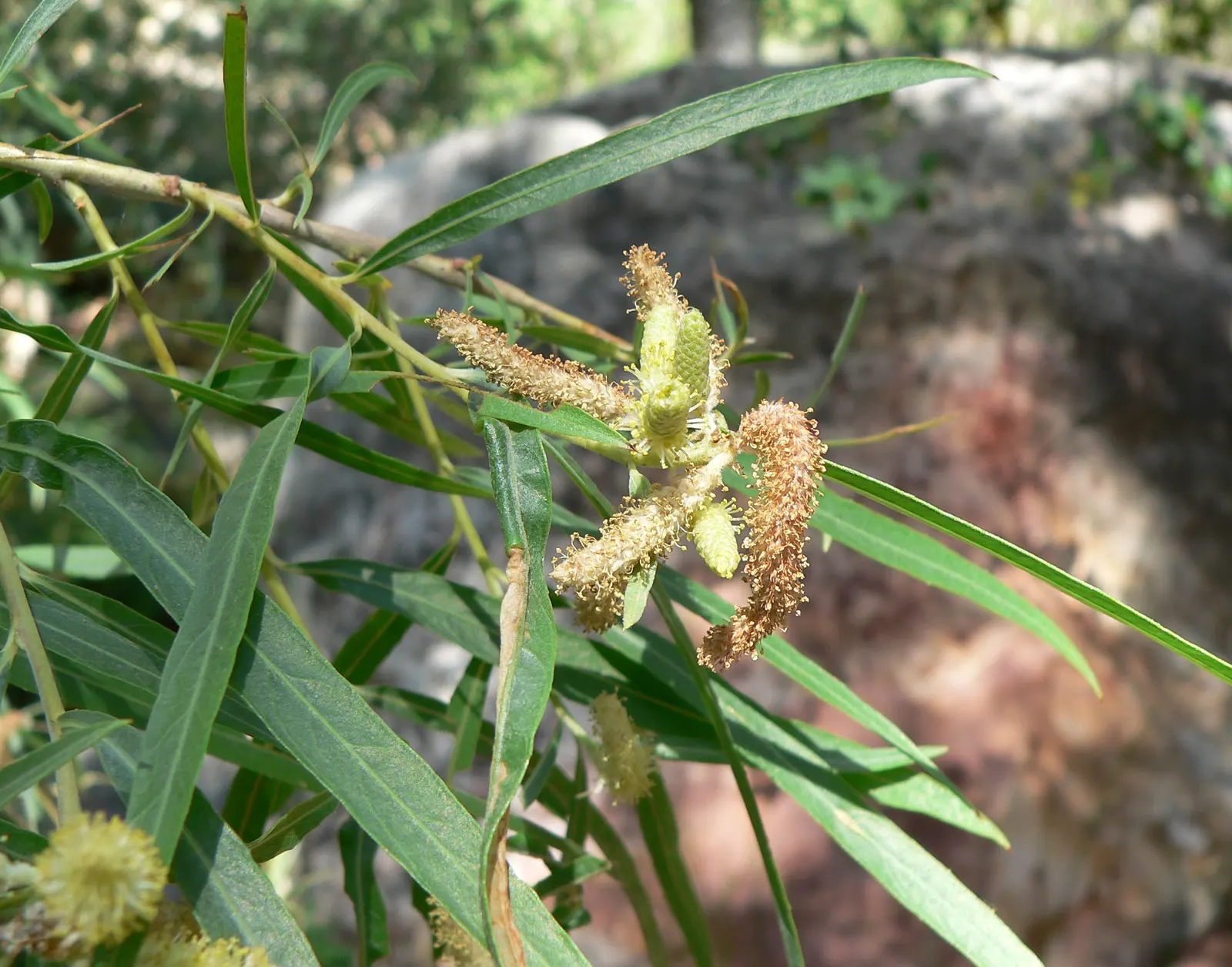
Arroyo Willow (Salix Exigua) — which are typically 2 to 5 inches long; scientifically known as Salix exigua, image 72
Arroyo Willow (Salix Exigua) — though occasional pruning can promote a more compact form; making it a low-fuss addition to any garden.<br><br>Adaptable and
Arroyo Willow (Salix Exigua) — caution should be exercised when planting near foundations
Arroyo Willow (Salix Exigua) — Ideal for naturalized areas and restoration projects
Arroyo Willow (Salix Exigua) — Ideal for naturalized areas and restoration projects; caution should be exercised when planting near foundations
Arroyo Willow (Salix Exigua) — worry-free component for a sustainable landscape design
Arroyo Willow (Salix Exigua) — Its dense, thicket-forming habit offers erosion control and habitat benefits; preferring full sun to partial shade, image 64
Arroyo Willow (Salix Exigua) — though occasional pruning can promote a more compact form
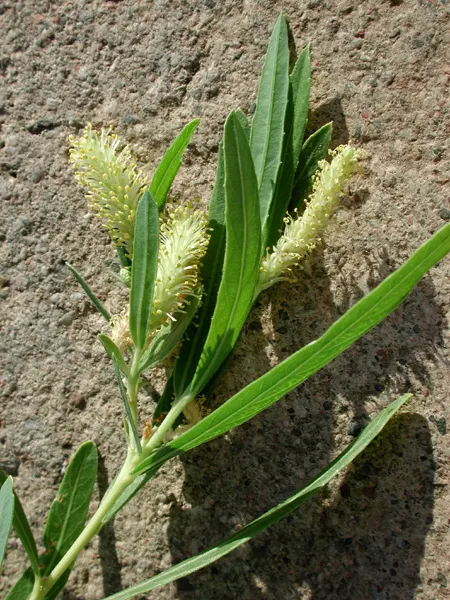
Arroyo Willow (Salix Exigua) — white and yellow flowers in the garden
Arroyo Willow (Salix Exigua) — making it an excellent choice for erosion control as it stabilizes stream banks and slopes
Arroyo Willow (Salix Exigua) — acknowledge its natural affinity for water by placing it in a site that can accommodate its moisture needs; white, image 83
Arroyo Willow (Salix Exigua) — This deciduous shrub/small tree ranges from 13-33 ft; and is commonly found along streams, image 89
Arroyo Willow (Salix Exigua) — which are beneficial for pollinators
Arroyo Willow (Salix Exigua) — When integrating this shrub into a garden
Arroyo Willow (Salix Exigua) — making it an excellent choice for erosion control as it stabilizes stream banks and slopes; salix exigua is relatively
Arroyo Willow (Salix Exigua) — This deciduous shrub requires minimal maintenance once established; which are typically 2 to 5 inches long
Arroyo Willow (Salix Exigua) — Adaptable to various soils, it prefers full sun to part shade and moist conditions; in height, with narrow, image 63
Arroyo Willow (Salix Exigua) — showcasing a gracefully rounded to spreading habit that provides a sense of fluidity in the landscape; the Arroyo Willow, Salix
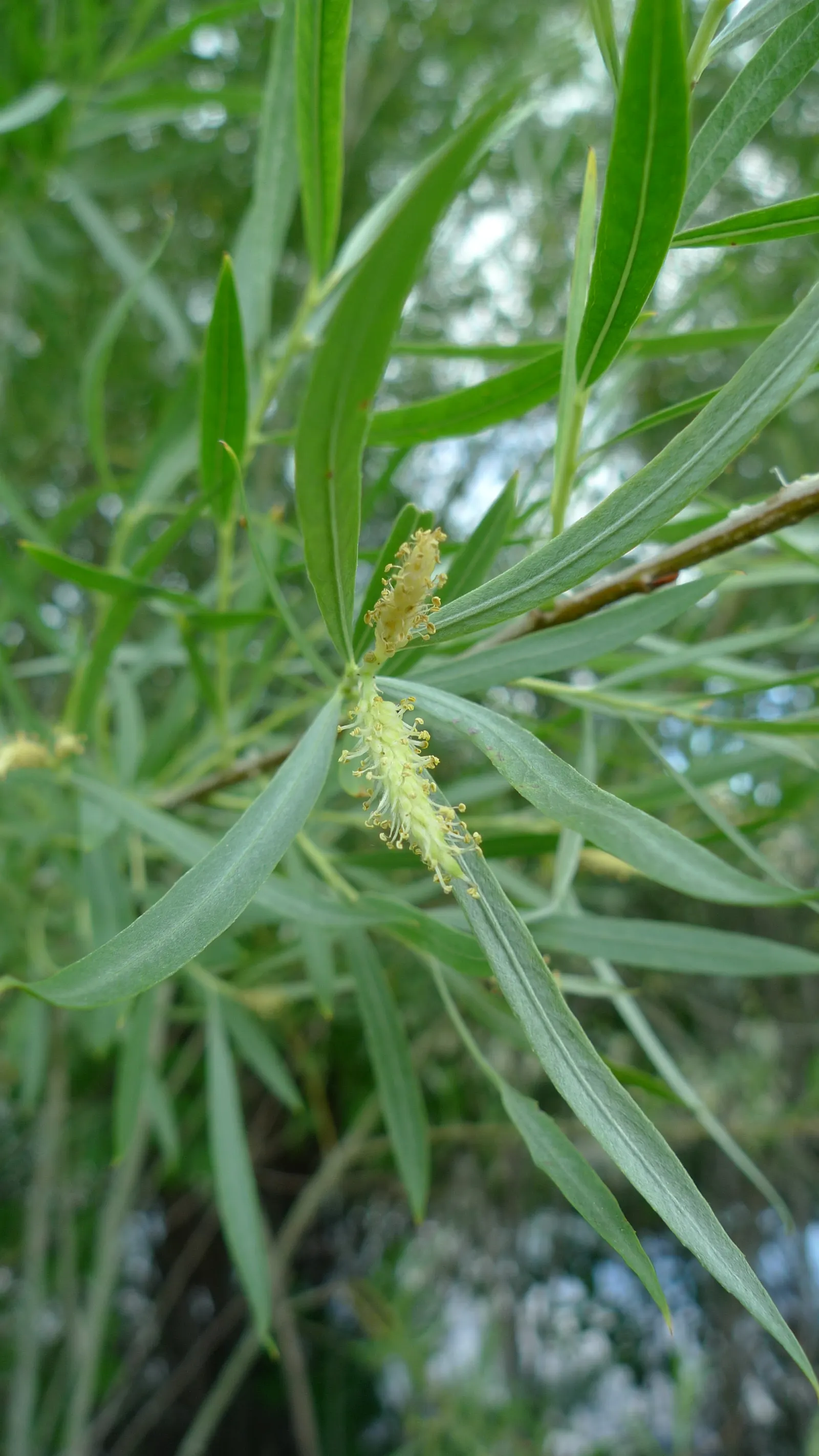
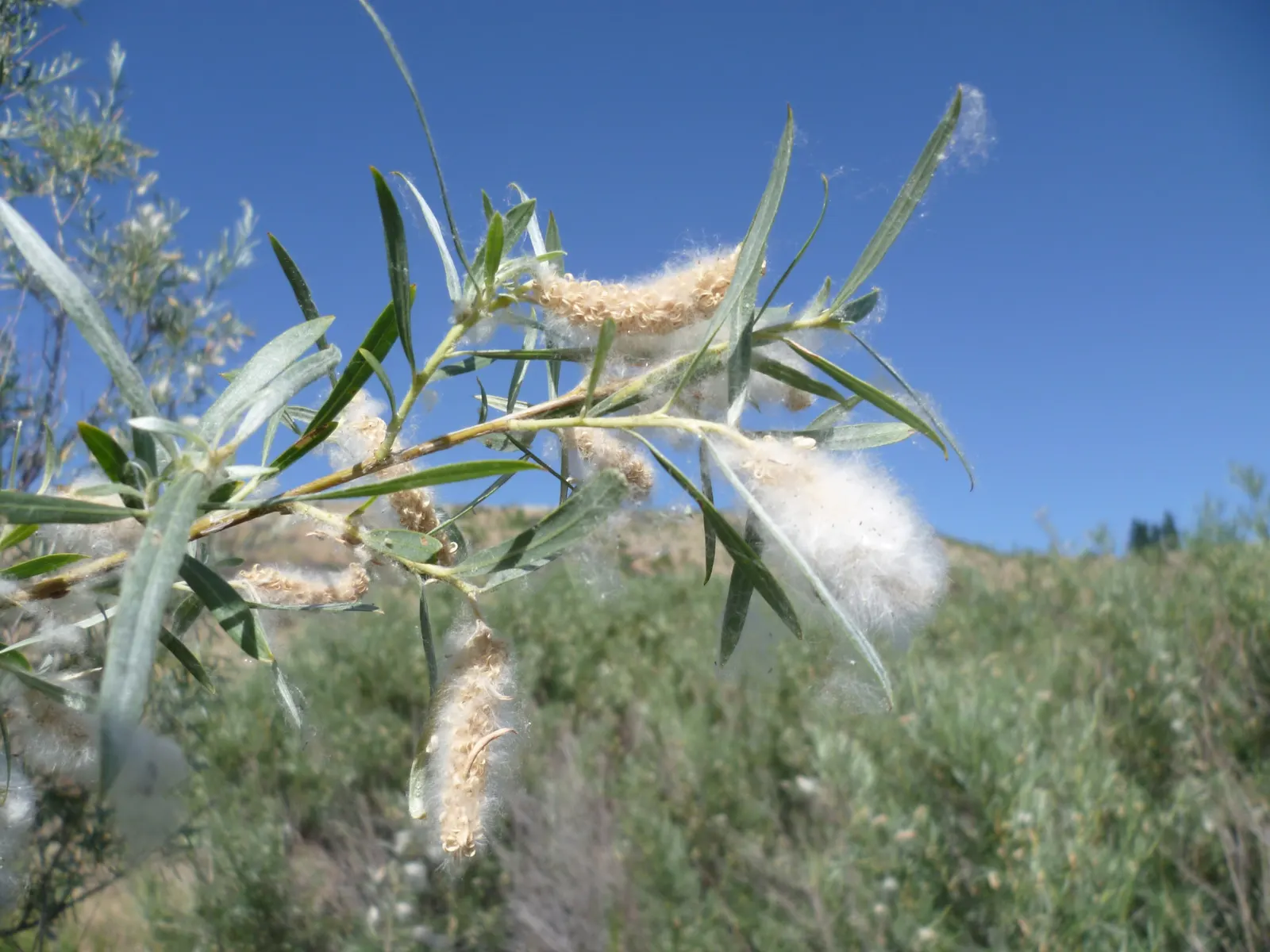
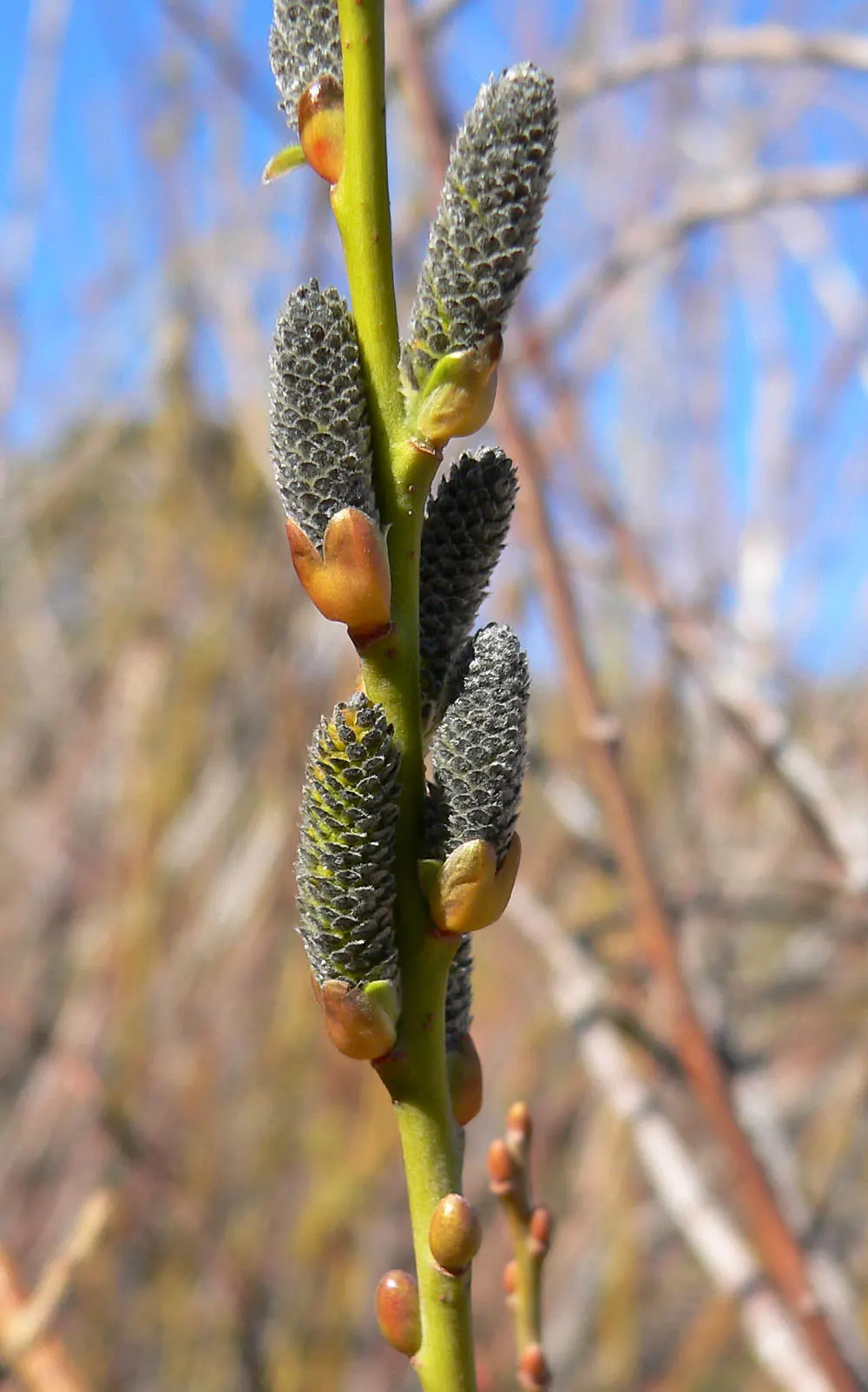
Arroyo Willow (Salix Exigua) — The Arroyo Willow, Salix lasiolepis, thrives in riparian zones; in spring, it sports catkins, adding a soft texture, image 88
Photographs by 9 contributors

Related plants