Skip to content

Eastern White Pine

Pinus Strobus

Design with this plant

Overview

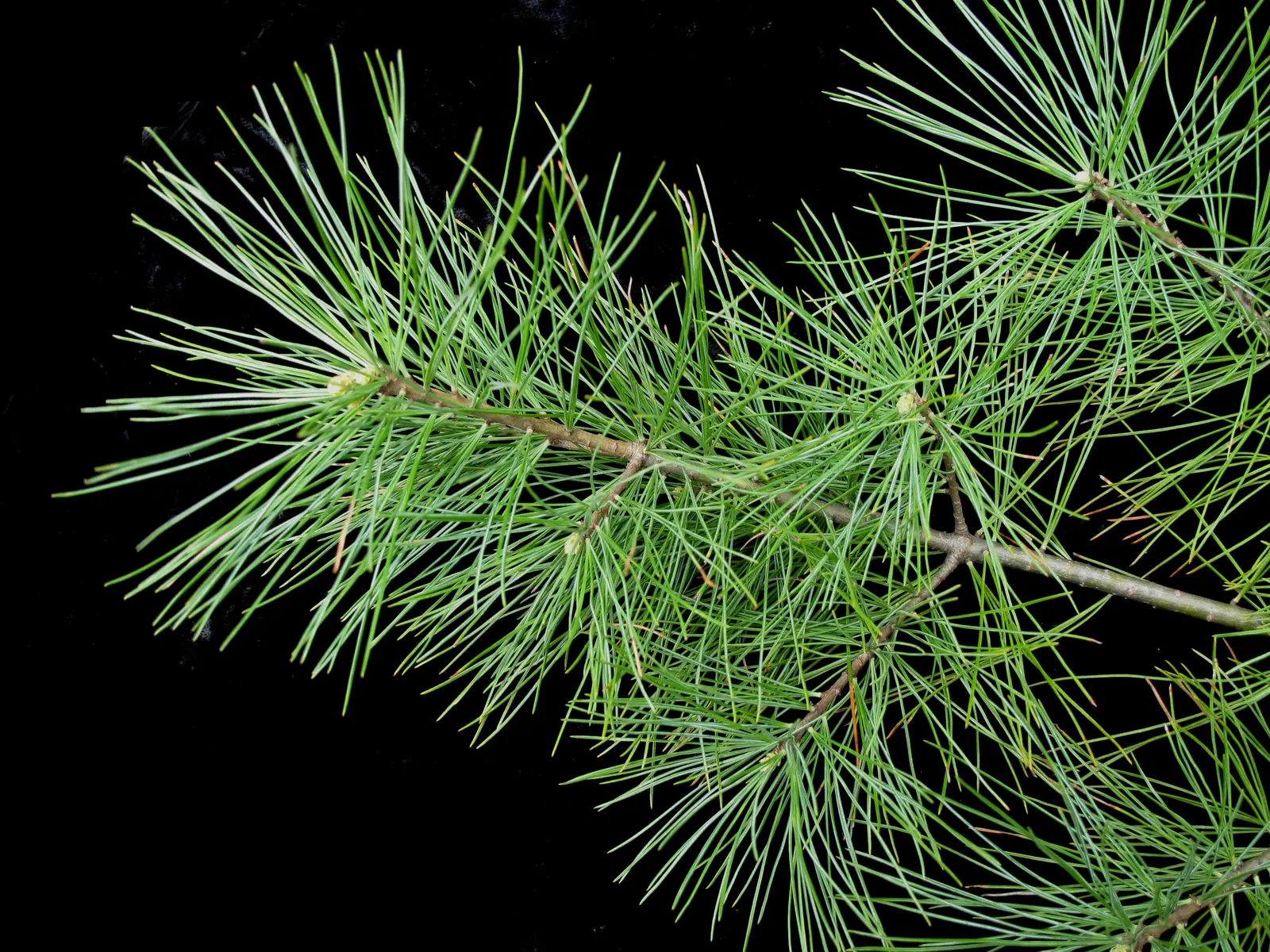
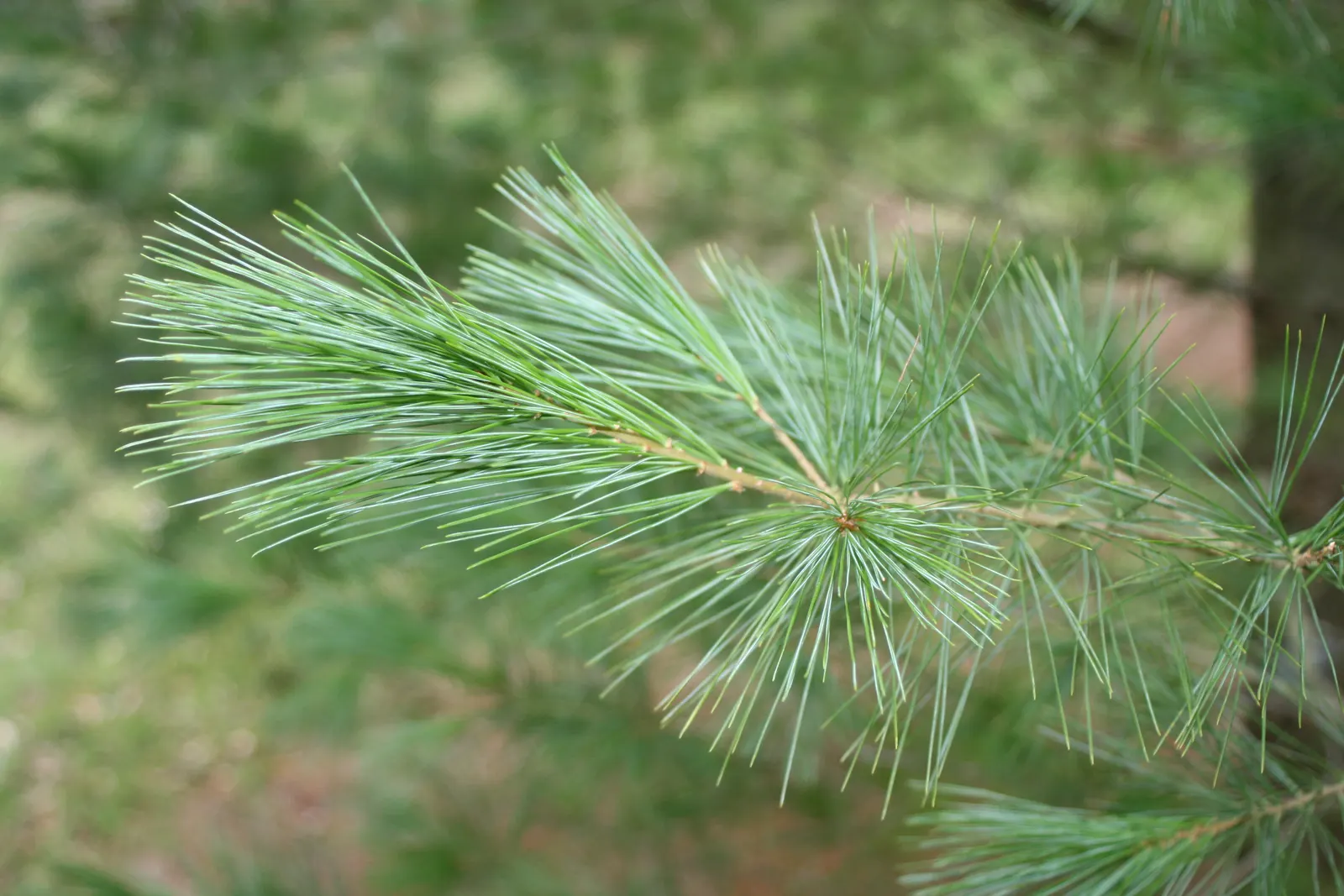
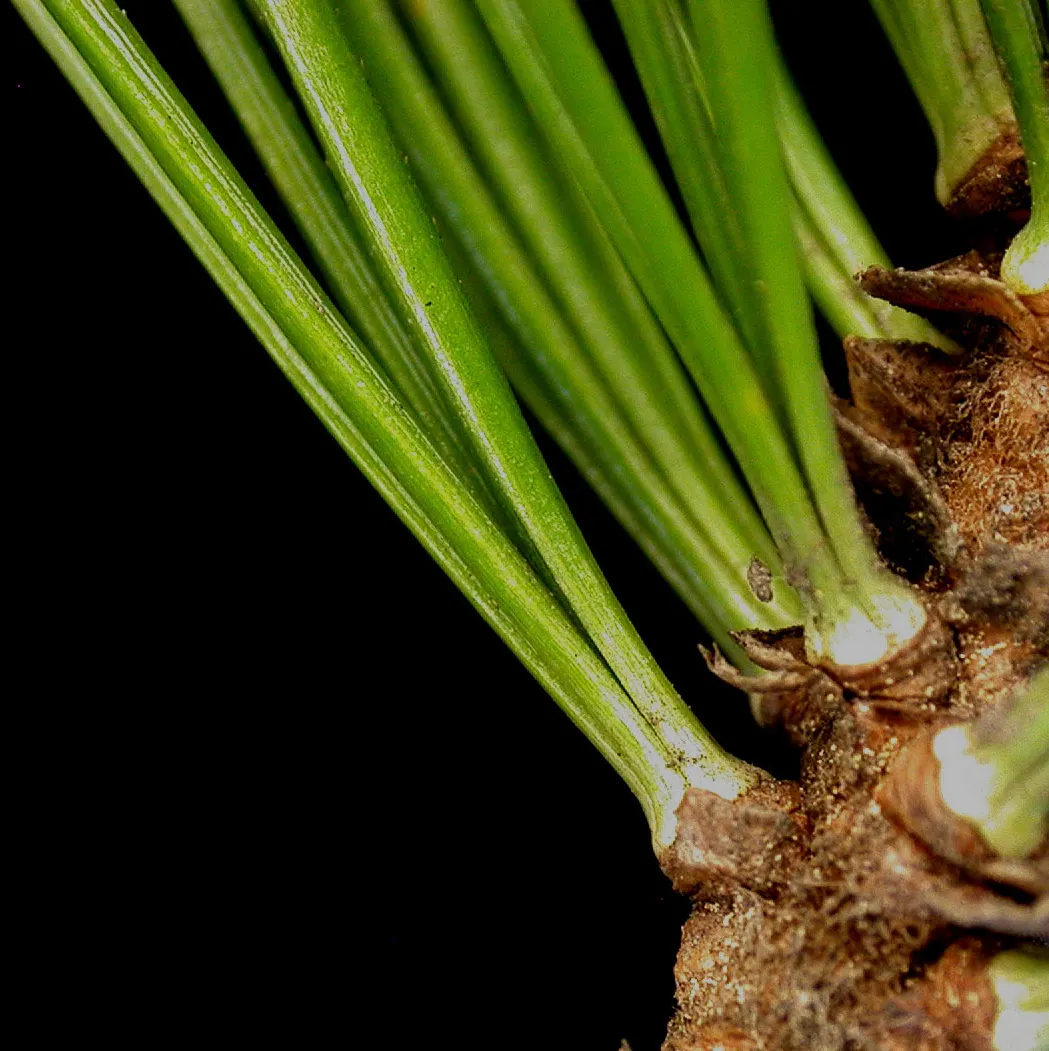
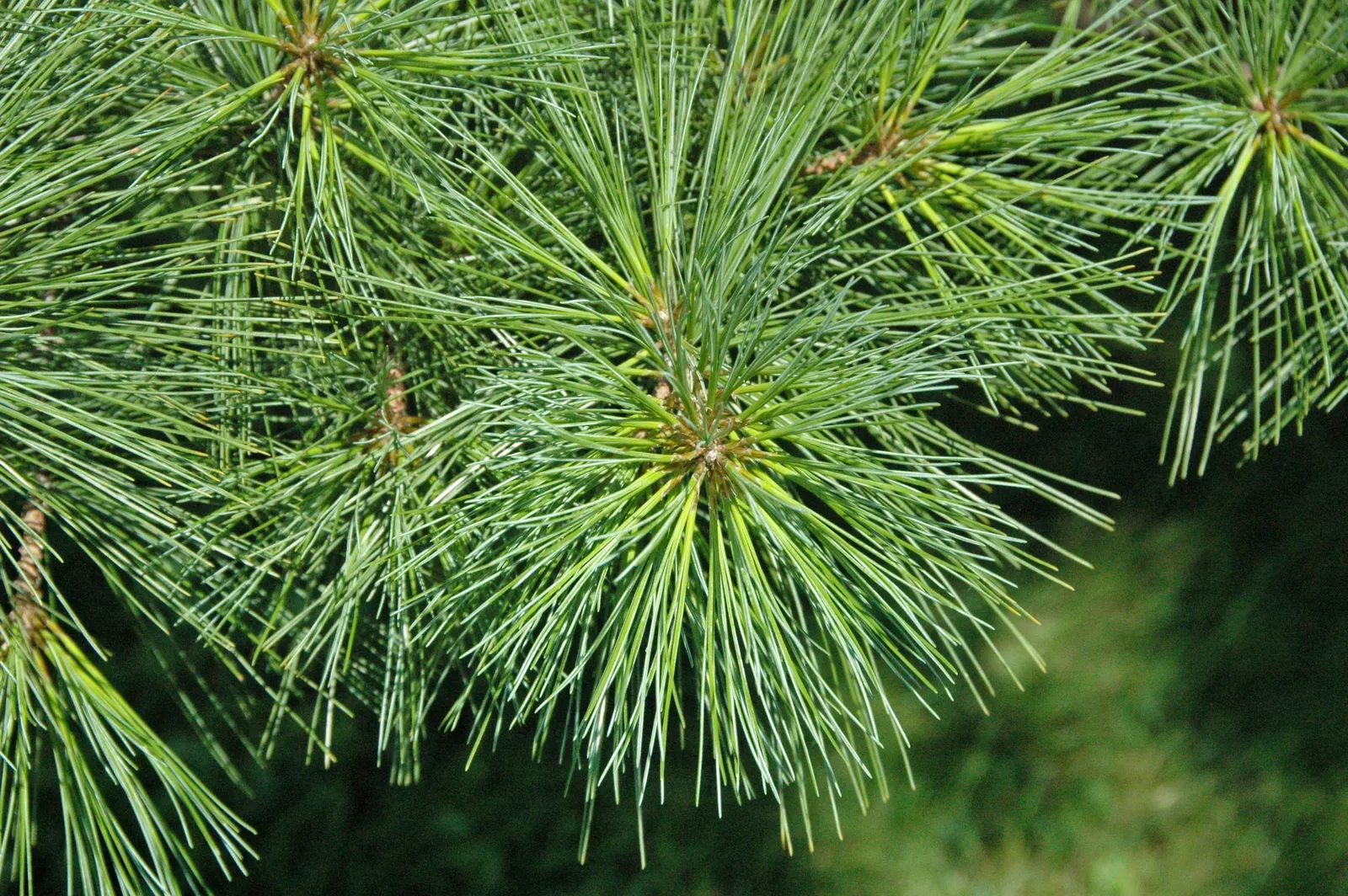
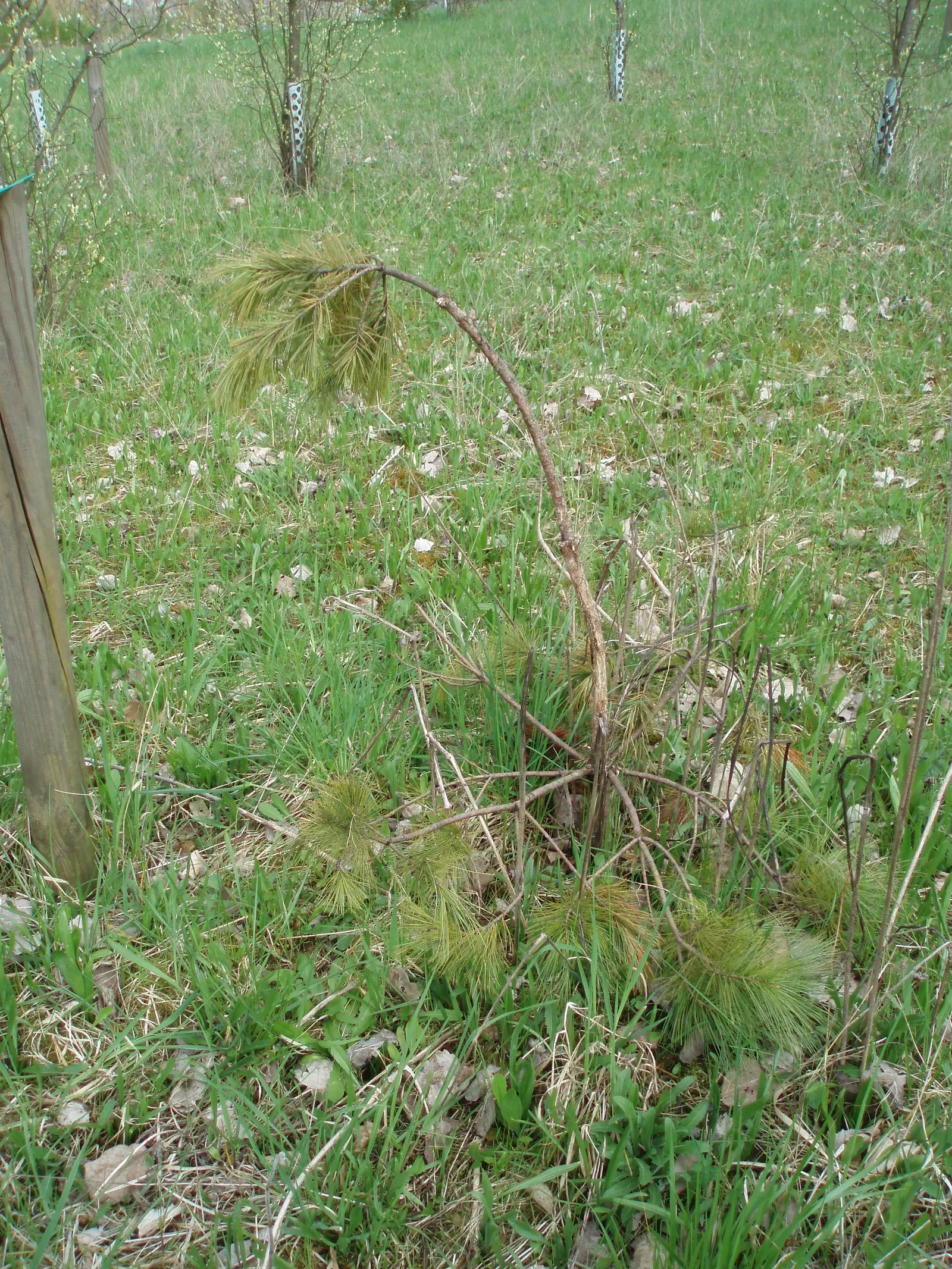
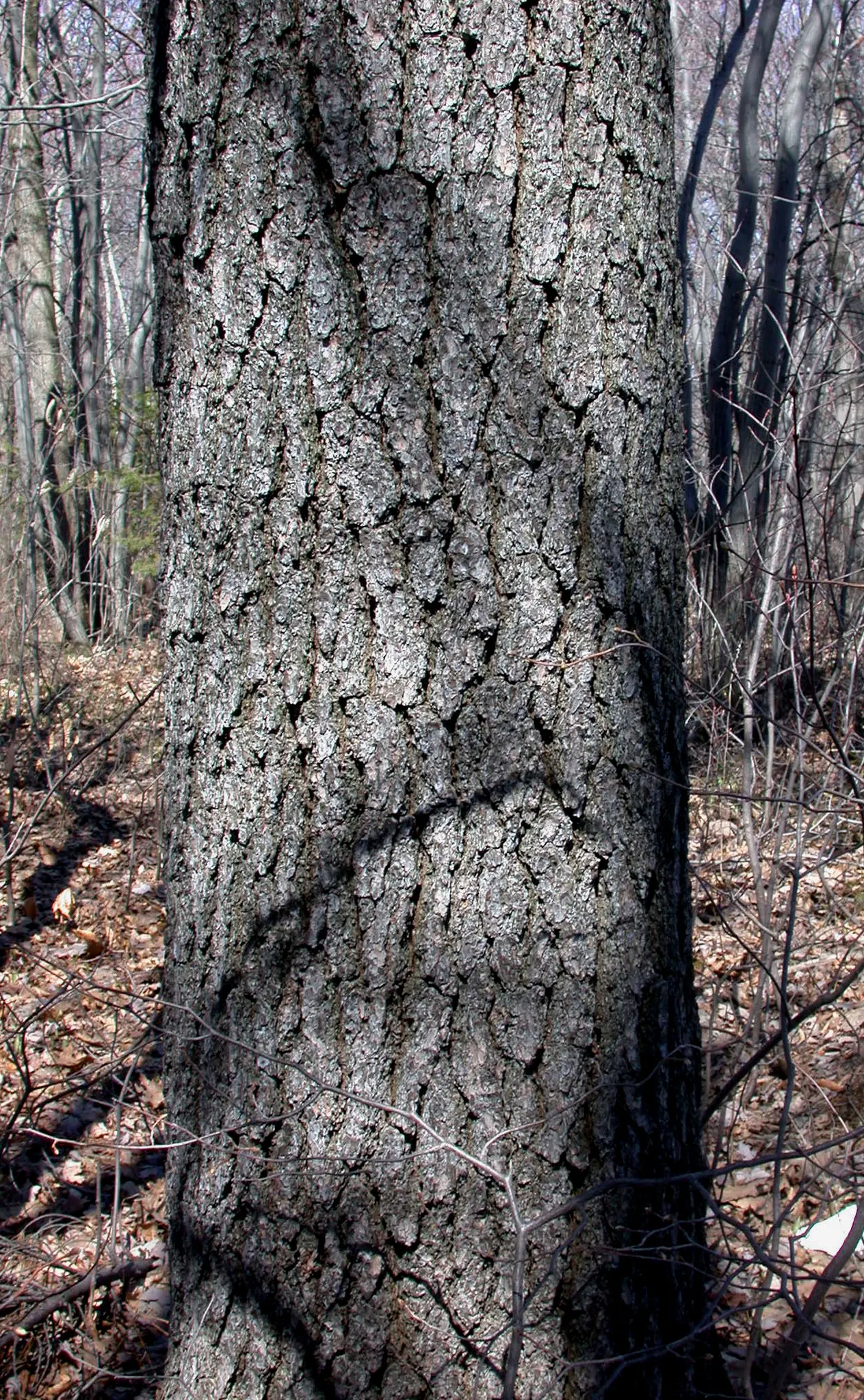
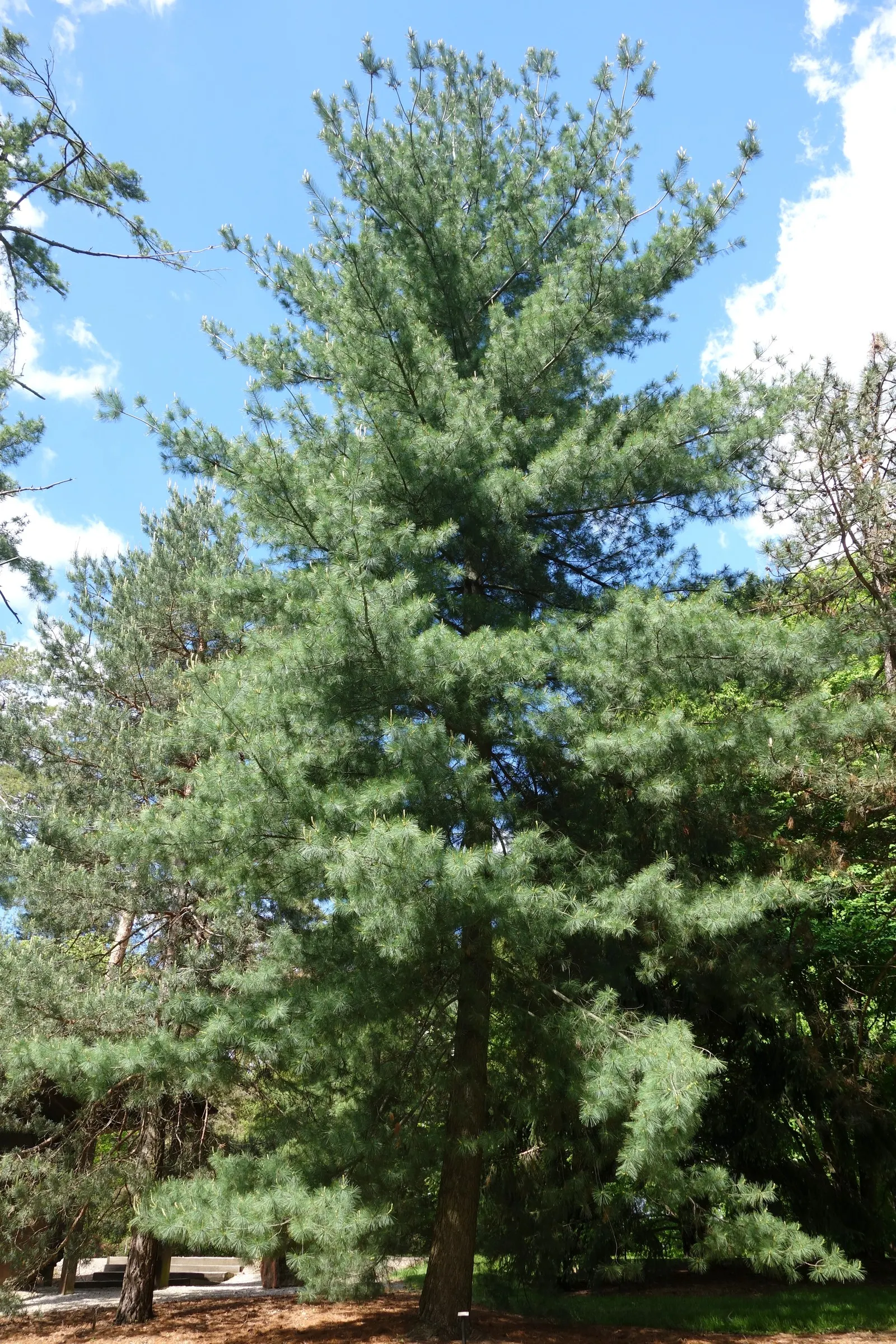
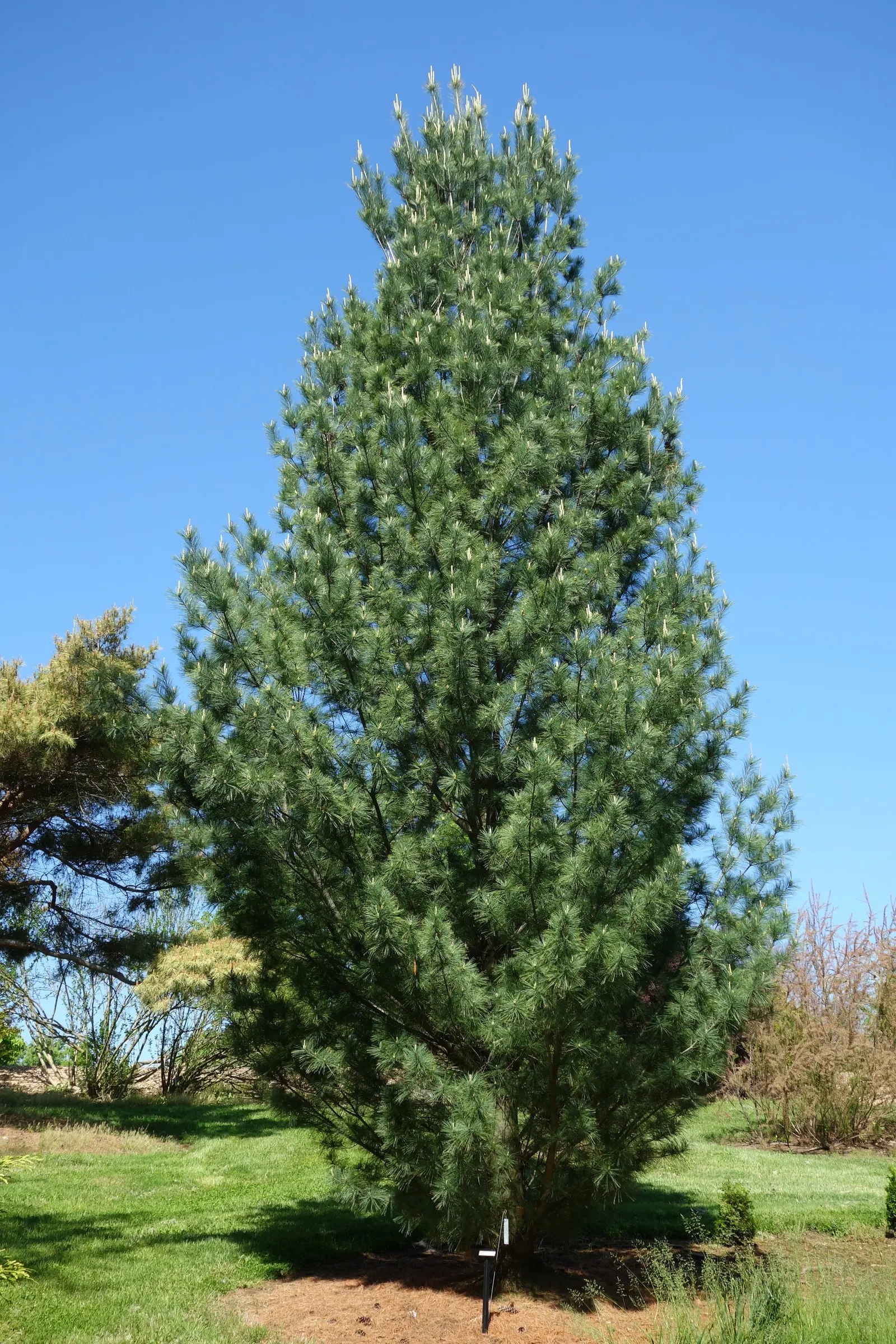
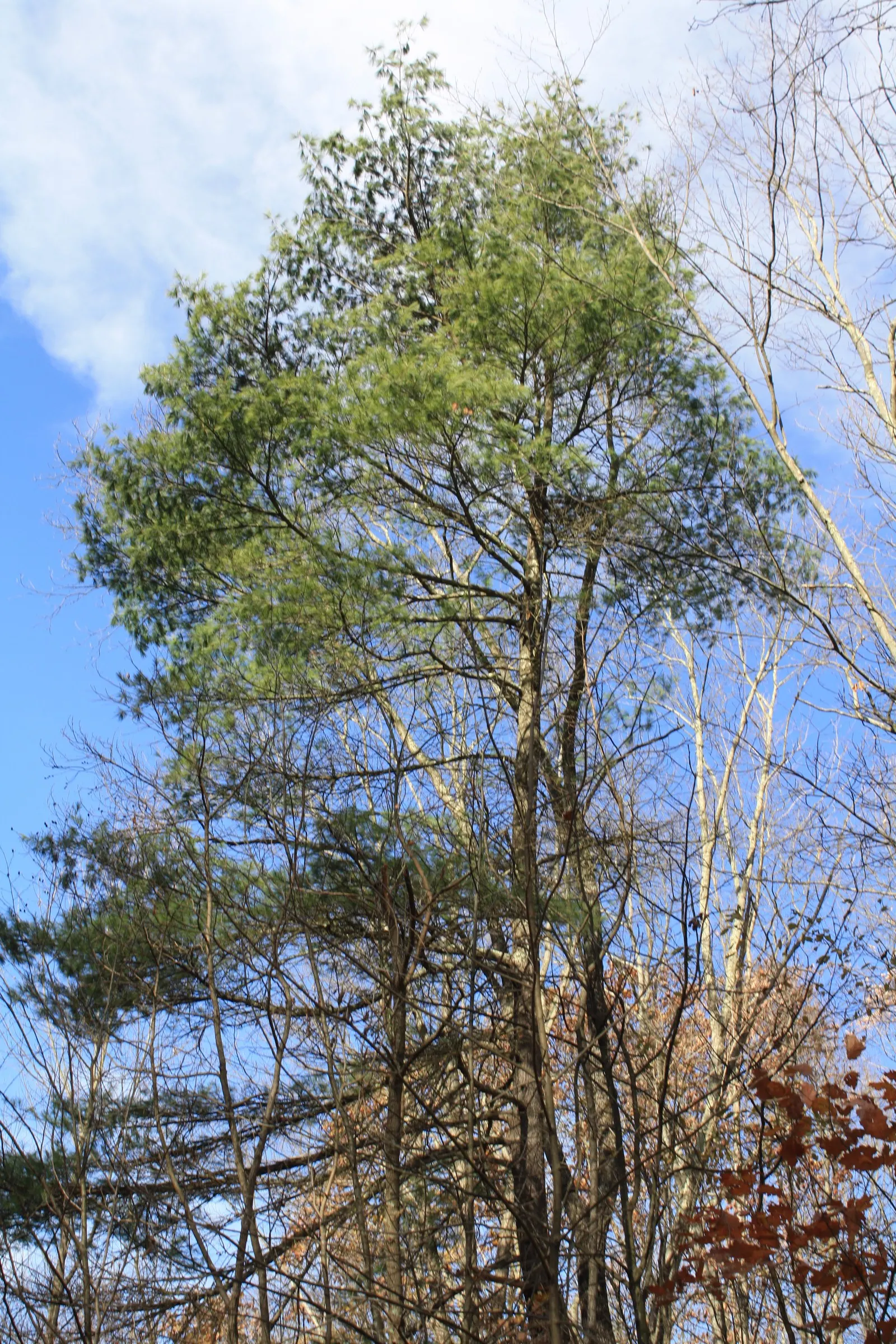
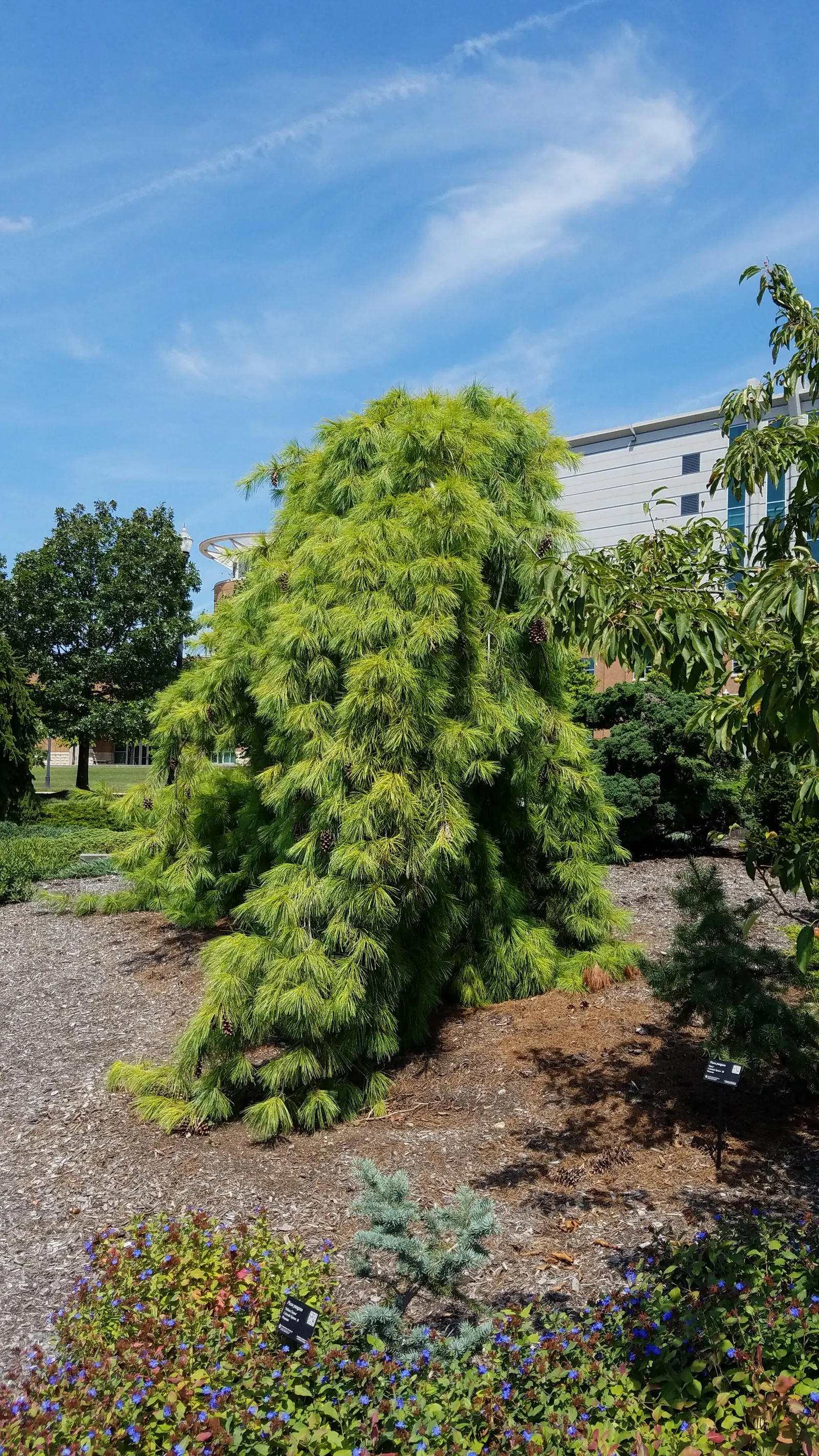
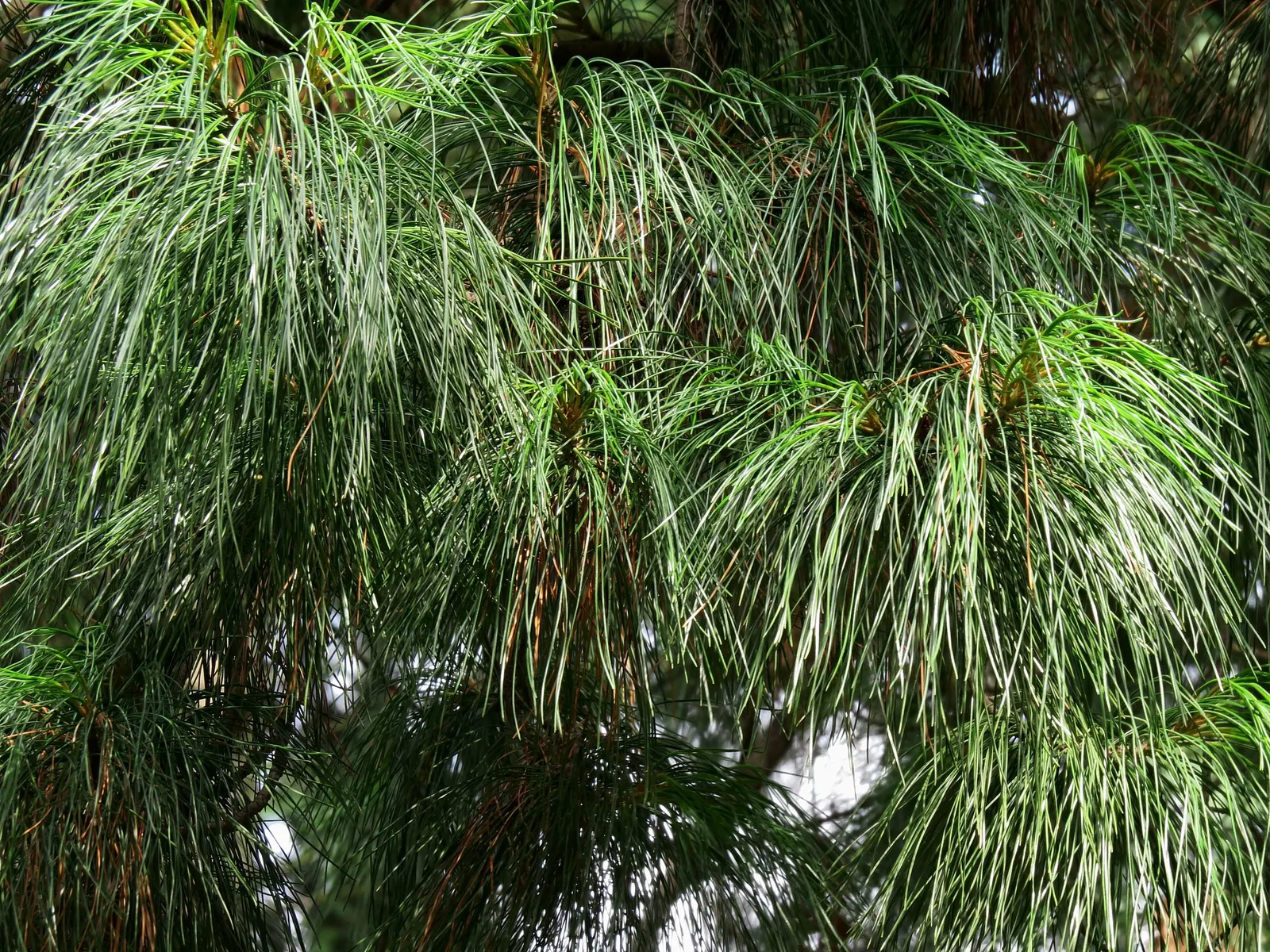
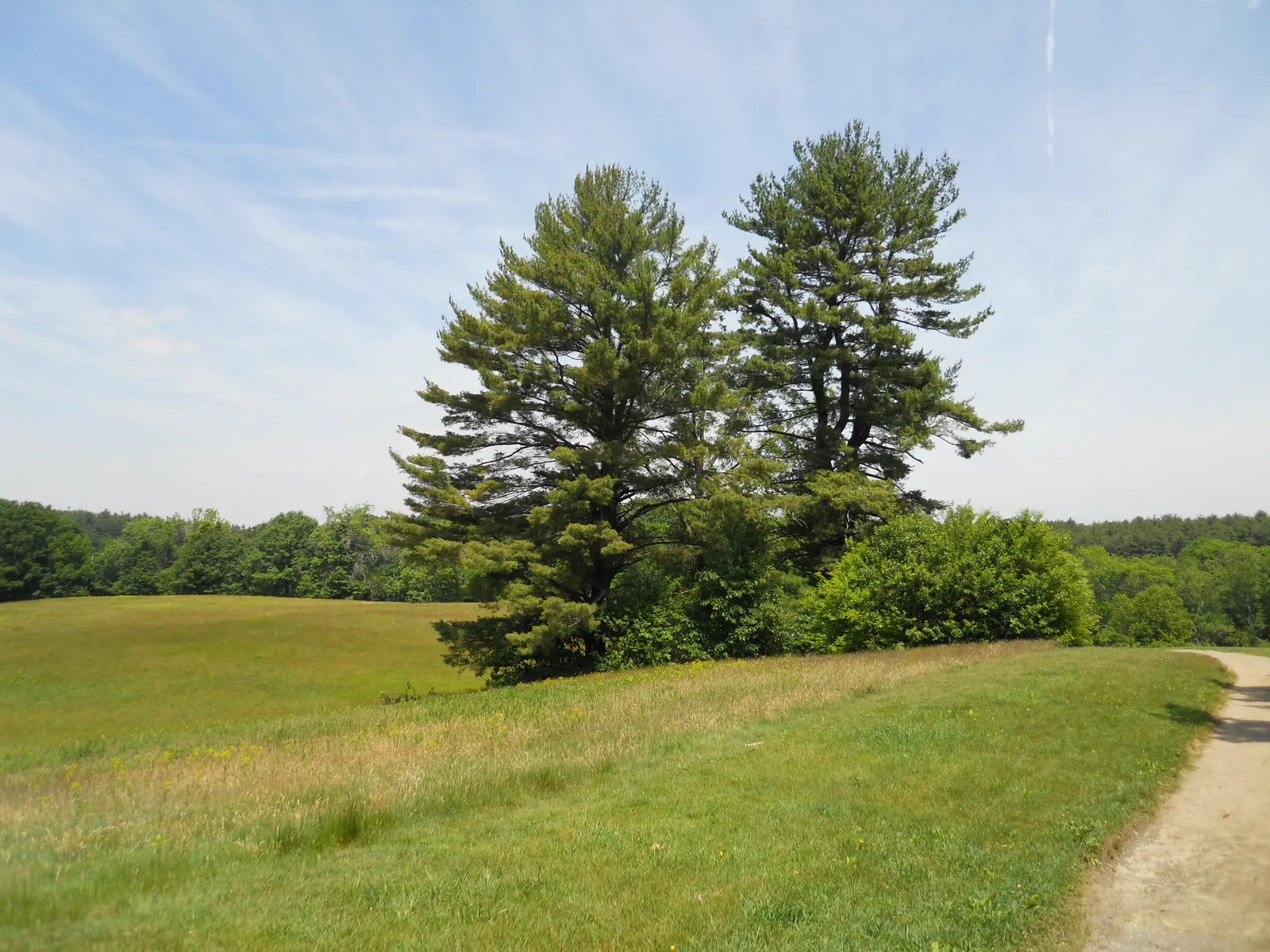
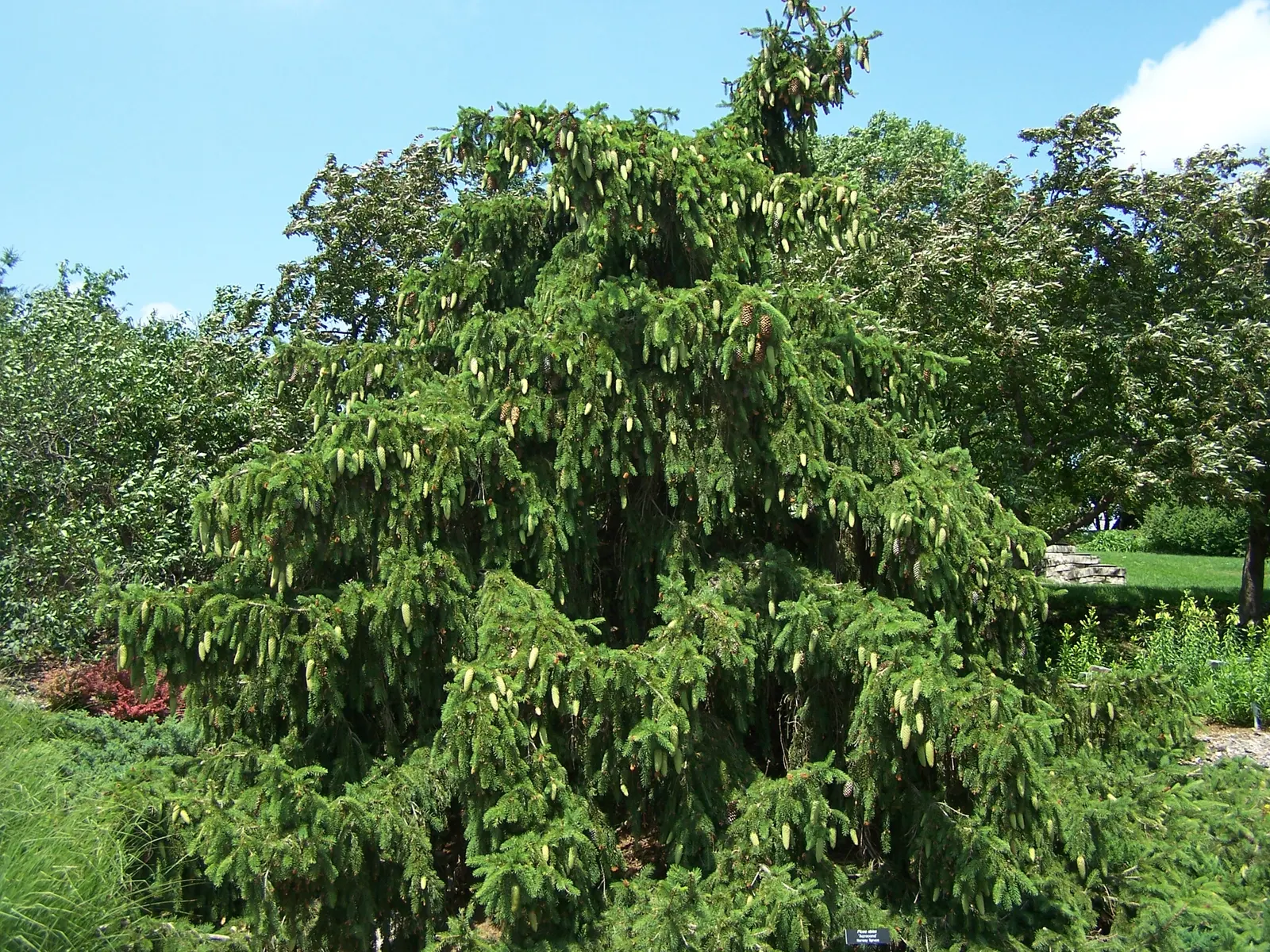
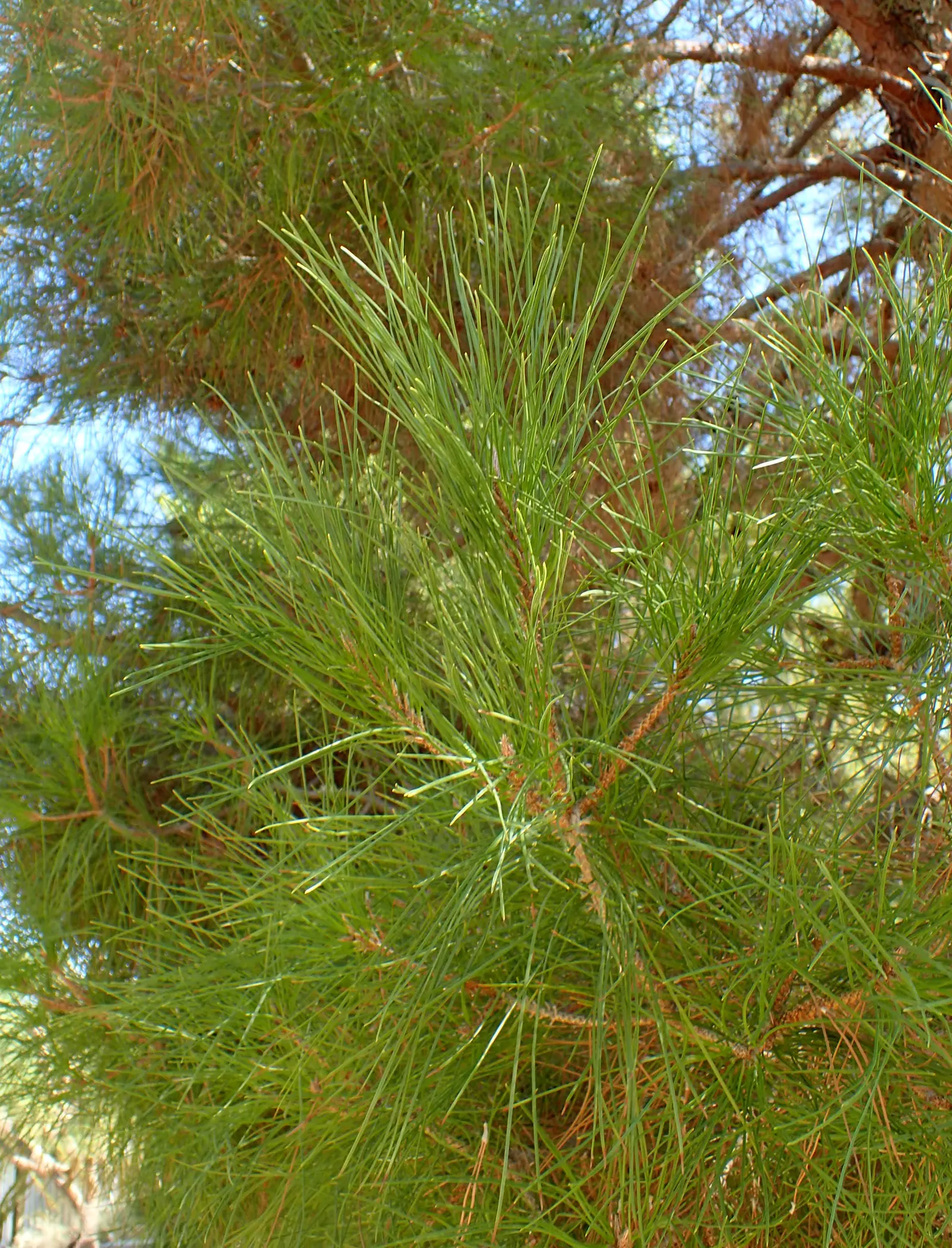
The Eastern White Pine (Pinus strobus) is an iconic, long-lived conifer, native to North America. This majestic tree commonly reaches heights of 50-80 feet with a spread of 20-40 feet. It has soft, flexible needles in groups of five, and produces slender cones 4-8 inches long. Ideal for spacious landscapes, it offers year-round greenery, and is valued for its adaptable growth and graceful, pyramidal shape. Zones 3-8.

Sun Full, HalfWater MediumZones 3–8Type Conifer, TreeClimate Temperate

Culture

Sun
Full, Half
Water
Medium
USDA zones
3–8

Shape & size

Classification

Type
Conifer, Tree
Family
Pinaceae
Climate
Temperate

See full data, regional cultivation notes, and design tools. Build a client presentation around this plant.

Start your 14-day trial

Photos (72)

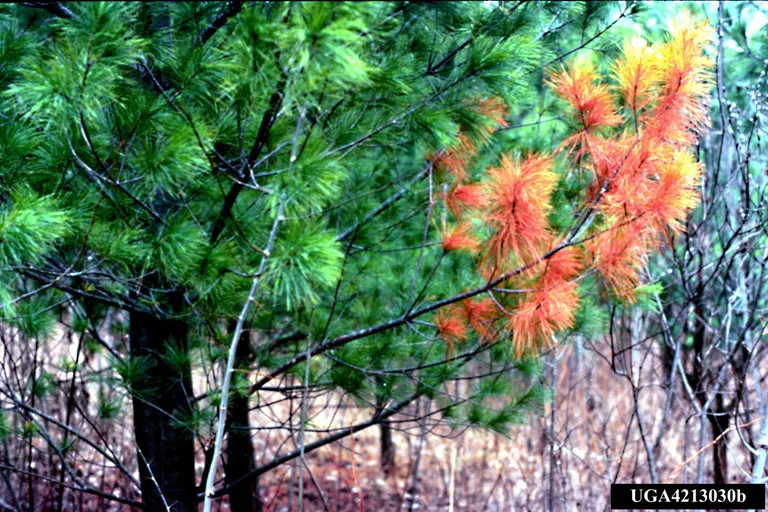
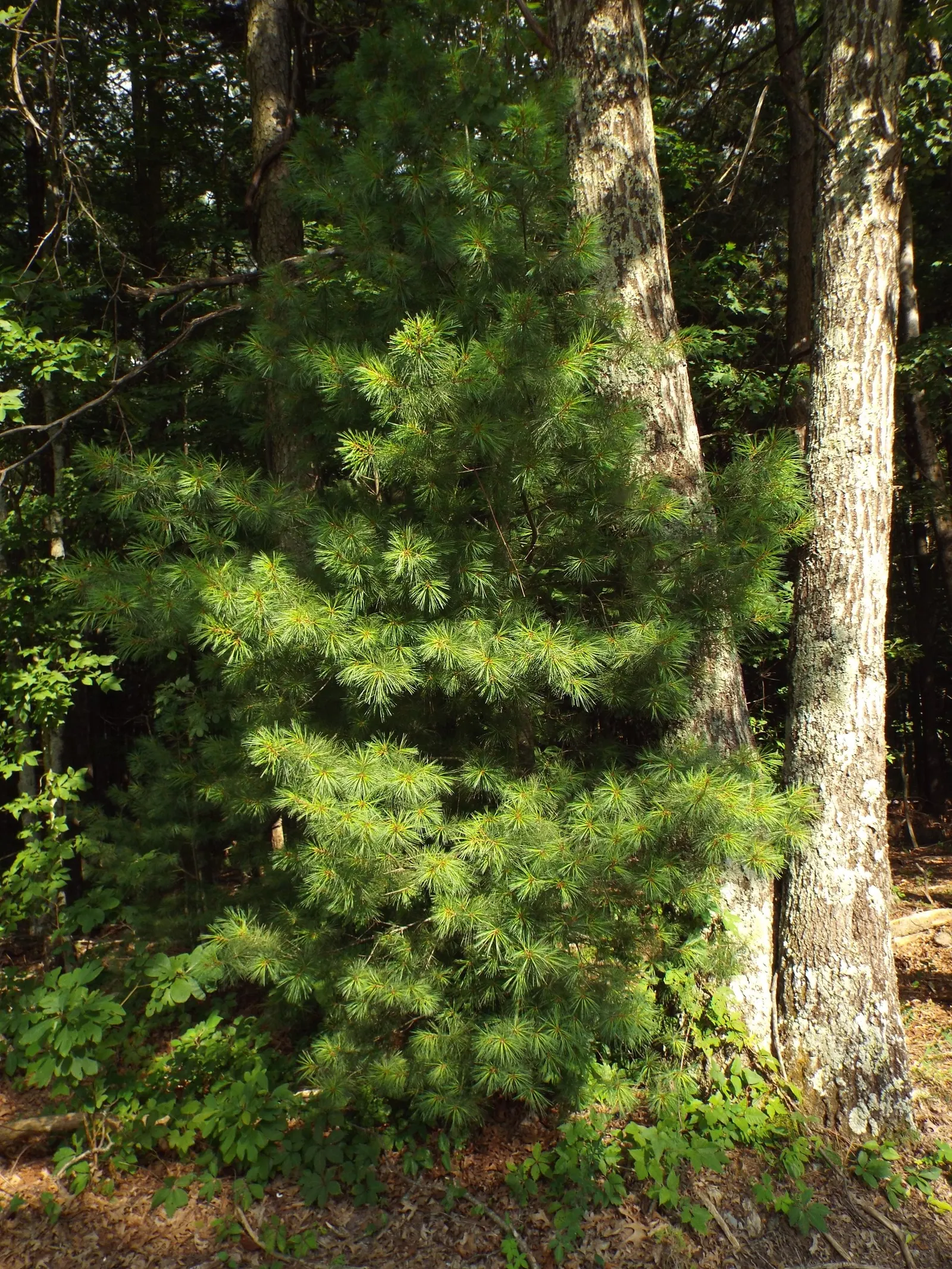
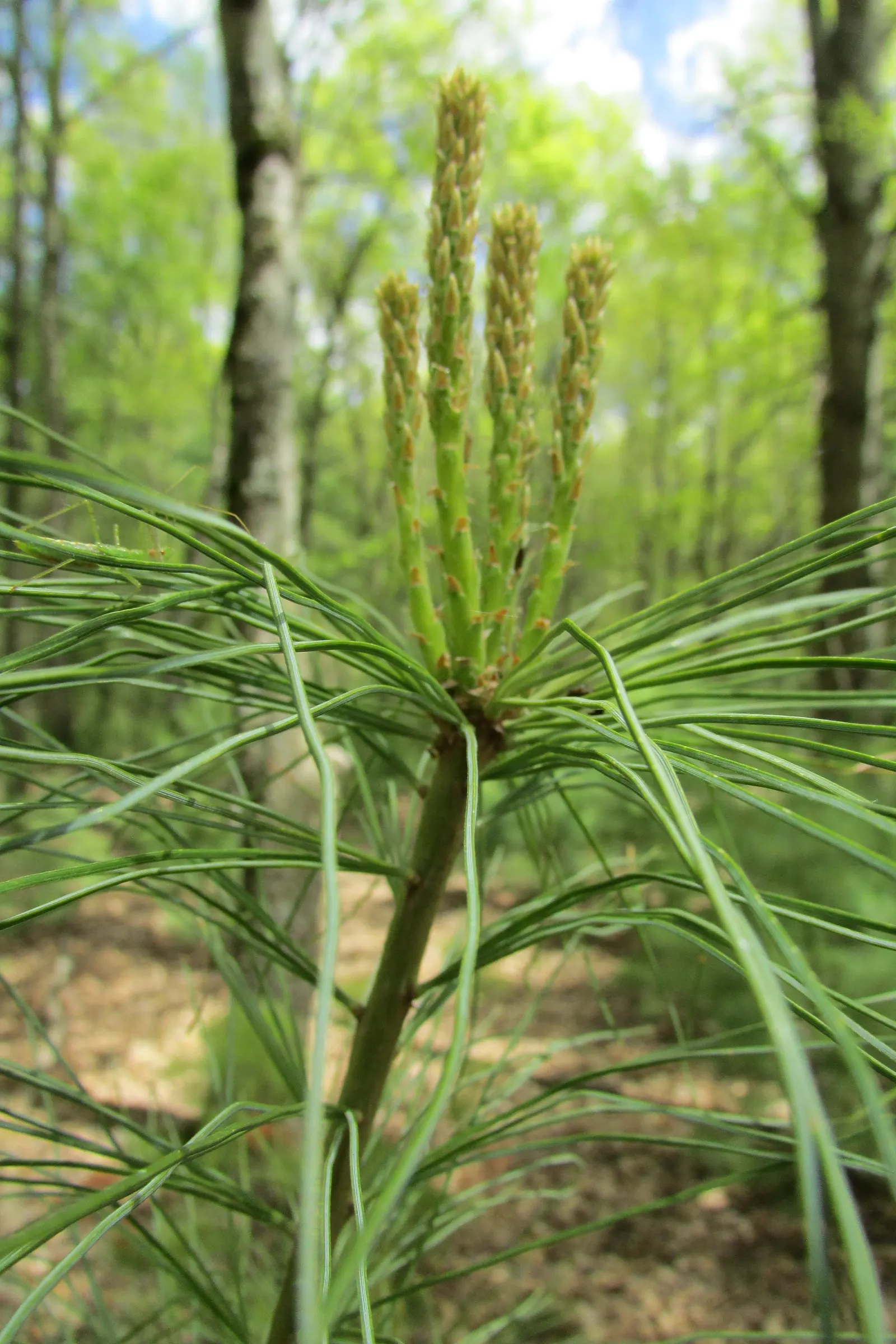
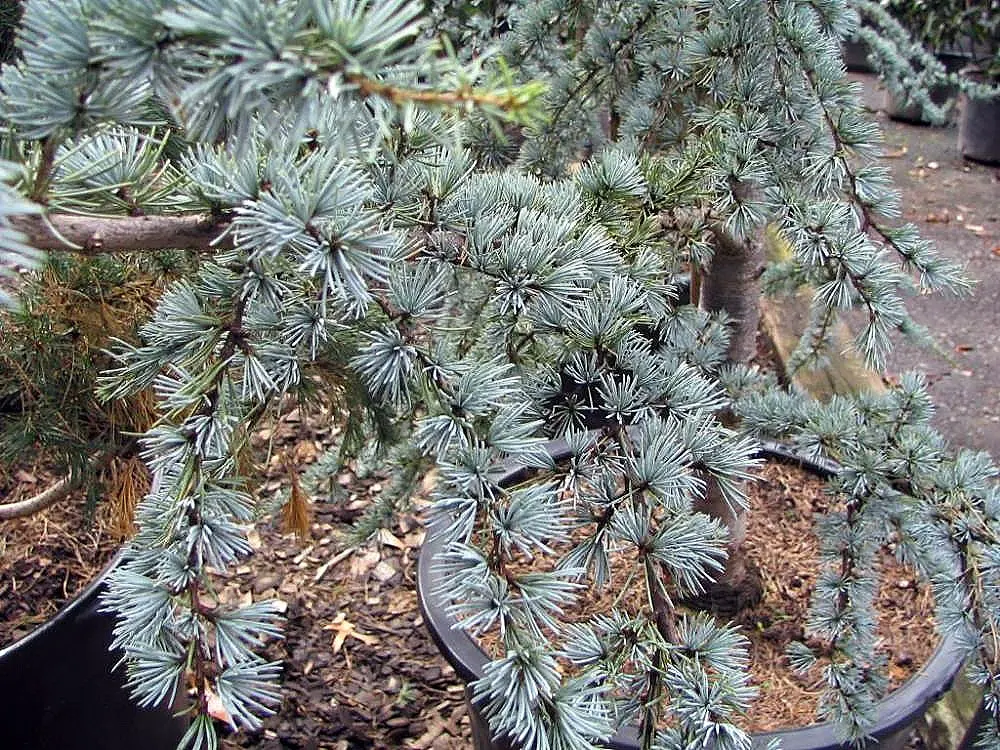
Eastern White Pine (Pinus Strobus) — The foliage presents a delicate bluish-green hue, transitioning to a golden tone in the fall; the Pinus strobus offers
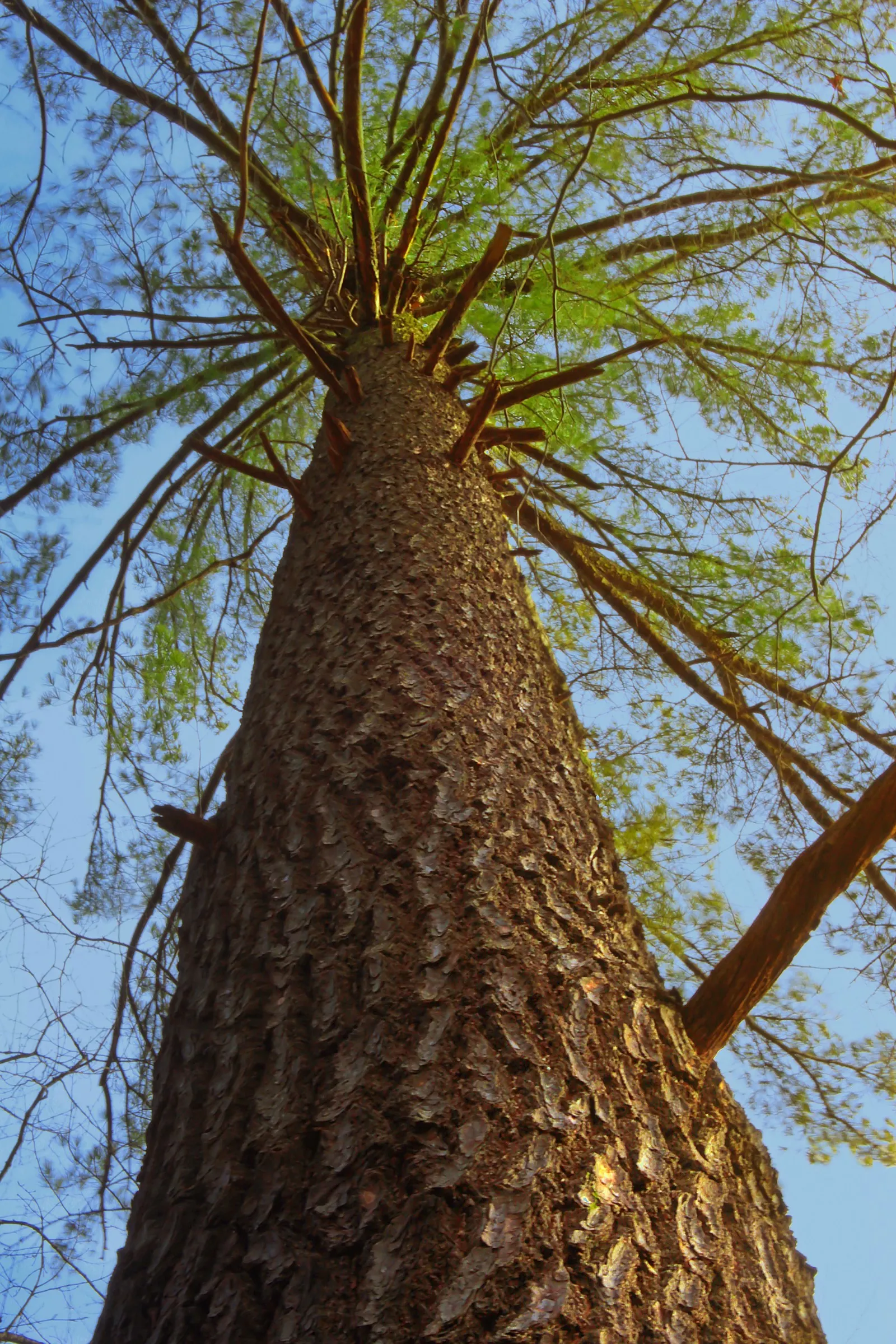
Eastern White Pine (Pinus Strobus) — It can reach astounding heights of 50 to 80 feet with a spread of 20 to 40 feet at maturity; it is crucial to provide
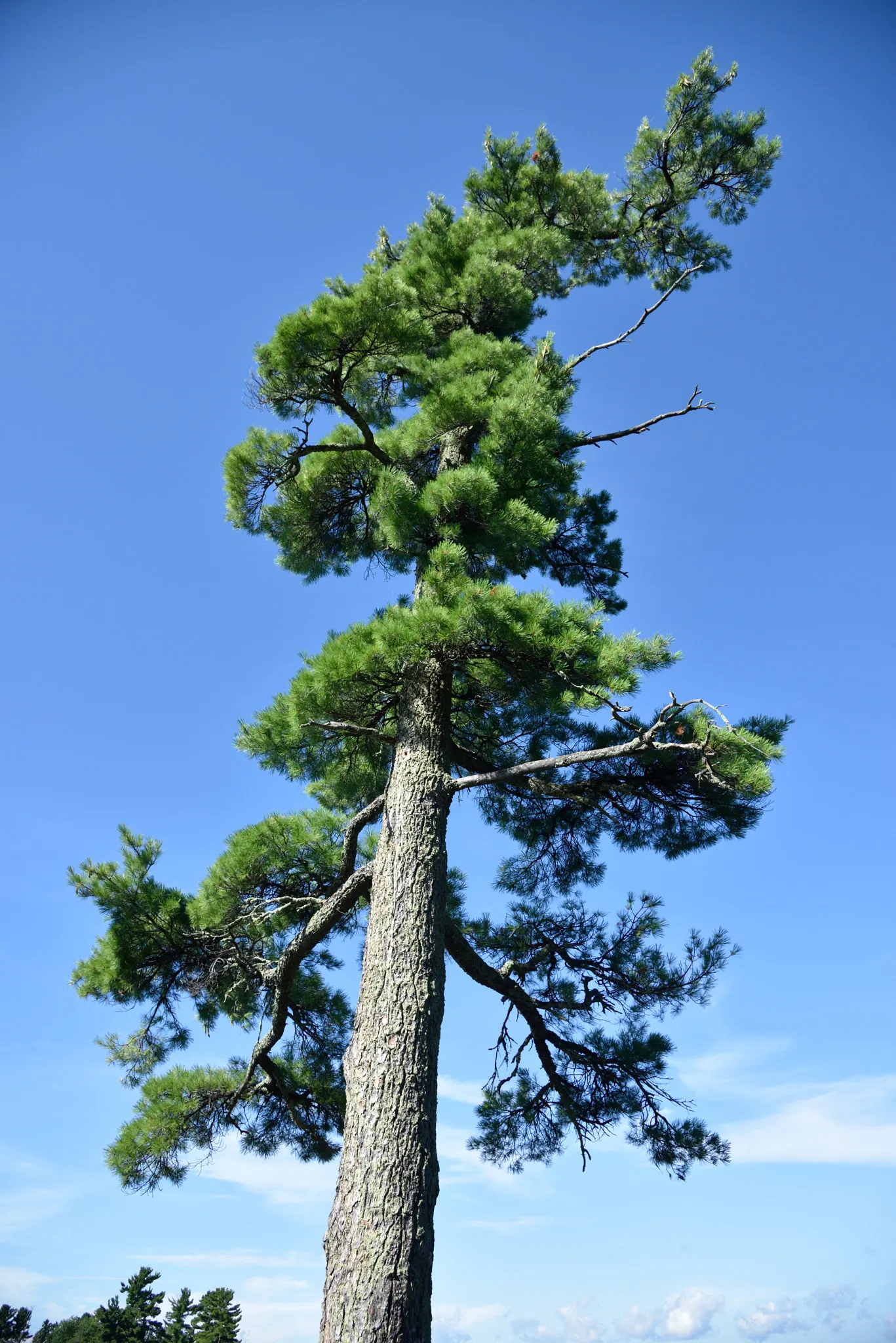
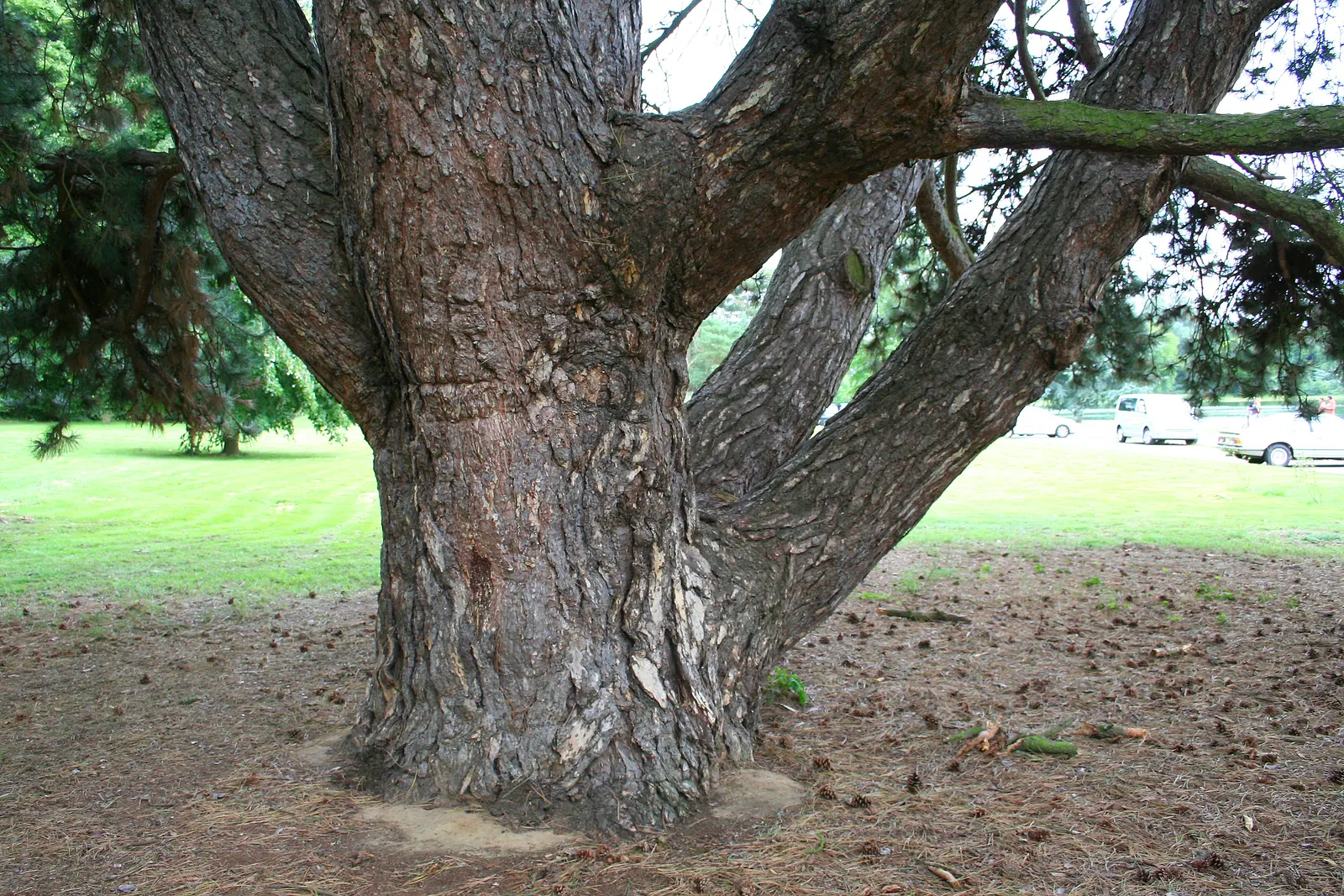
Eastern White Pine (Pinus Strobus) — This majestic tree commonly reaches heights of 50-80 feet with a spread of 20-40 feet
Eastern White Pine (Pinus Strobus) — yet impactful landscape element; ensuring its elegant form and majestic stature can be fully appreciated
Eastern White Pine (Pinus Strobus) — It has soft, flexible needles in groups of five, and produces slender cones 4-8 inches long
Eastern White Pine (Pinus Strobus) — and is valued for its adaptable growth and graceful; it is tolerant to a variety of soil conditions, including sandy and
Eastern White Pine (Pinus Strobus) — the Pinus strobus offers versatility in design
Eastern White Pine (Pinus Strobus) — this conifer showcases impressive cold tolerance.<br><br>Ideal for use as a focal point; originating from the northeastern
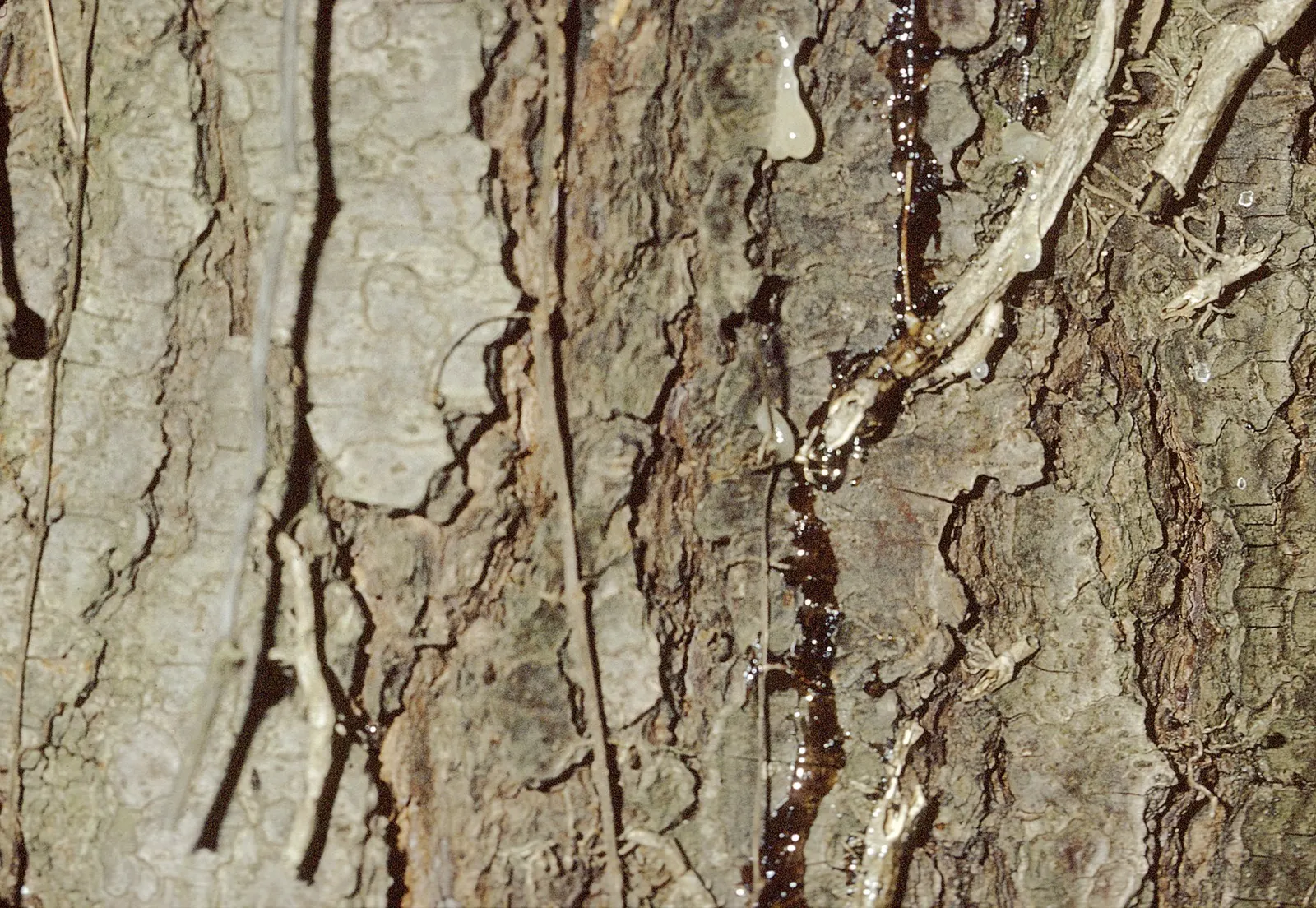
Eastern White Pine (Pinus Strobus) — It is tolerant to a variety of soil conditions, including sandy and clay substrates
Eastern White Pine (Pinus Strobus) — Hardy in USDA zones 3 through 8
Eastern White Pine (Pinus Strobus) — The Eastern White Pine (Pinus strobus) is an iconic, long-lived conifer, native to North America; ideal for spacious
Eastern White Pine (Pinus Strobus) — typically 4 to 8 inches long; it can reach astounding heights of 50 to 80 feet with a spread of 20 to 40 feet at maturity
Eastern White Pine (Pinus Strobus) — Ideal for spacious landscapes; this majestic tree commonly reaches heights of 50-80 feet with a spread of 20-40 feet
Eastern White Pine (Pinus Strobus) — Originating from the northeastern United States and Canada; is a revered conifer to consider for grand landscapes due to
Eastern White Pine (Pinus Strobus) — Originating from the northeastern United States and Canada
Eastern White Pine (Pinus Strobus) — Ideal for spacious landscapes; this majestic tree commonly reaches heights of 50-80 feet with a spread of, image 50
Eastern White Pine (Pinus Strobus) — is a revered conifer to consider for grand landscapes due to its stately form and adaptive nature; conifer / tree for full
Eastern White Pine (Pinus Strobus) — The Eastern White Pine (Pinus strobus) is an iconic, long-lived conifer, native to North America
Eastern White Pine (Pinus Strobus) — the Pinus strobus offers versatility in design; typically 4 to 8 inches long
Eastern White Pine (Pinus Strobus) — It has soft, flexible needles in groups of five, and produces slender cones 4-8 inches long; this conifer, image 49
Eastern White Pine (Pinus Strobus) — conifer / tree for full or half; yet impactful landscape element
Eastern White Pine (Pinus Strobus) — and is valued for its adaptable growth and graceful
Eastern White Pine (Pinus Strobus) — and is valued for its adaptable growth and graceful; it is tolerant to a variety of soil conditions, including, image 52
Eastern White Pine (Pinus Strobus) — this conifer showcases impressive cold tolerance.<br><br>Ideal for use as a focal point
Photographs by 14 contributors

Related plants