Skip to content

Japanese White Pine

Pinus Parviflora

Design with this plant

Overview

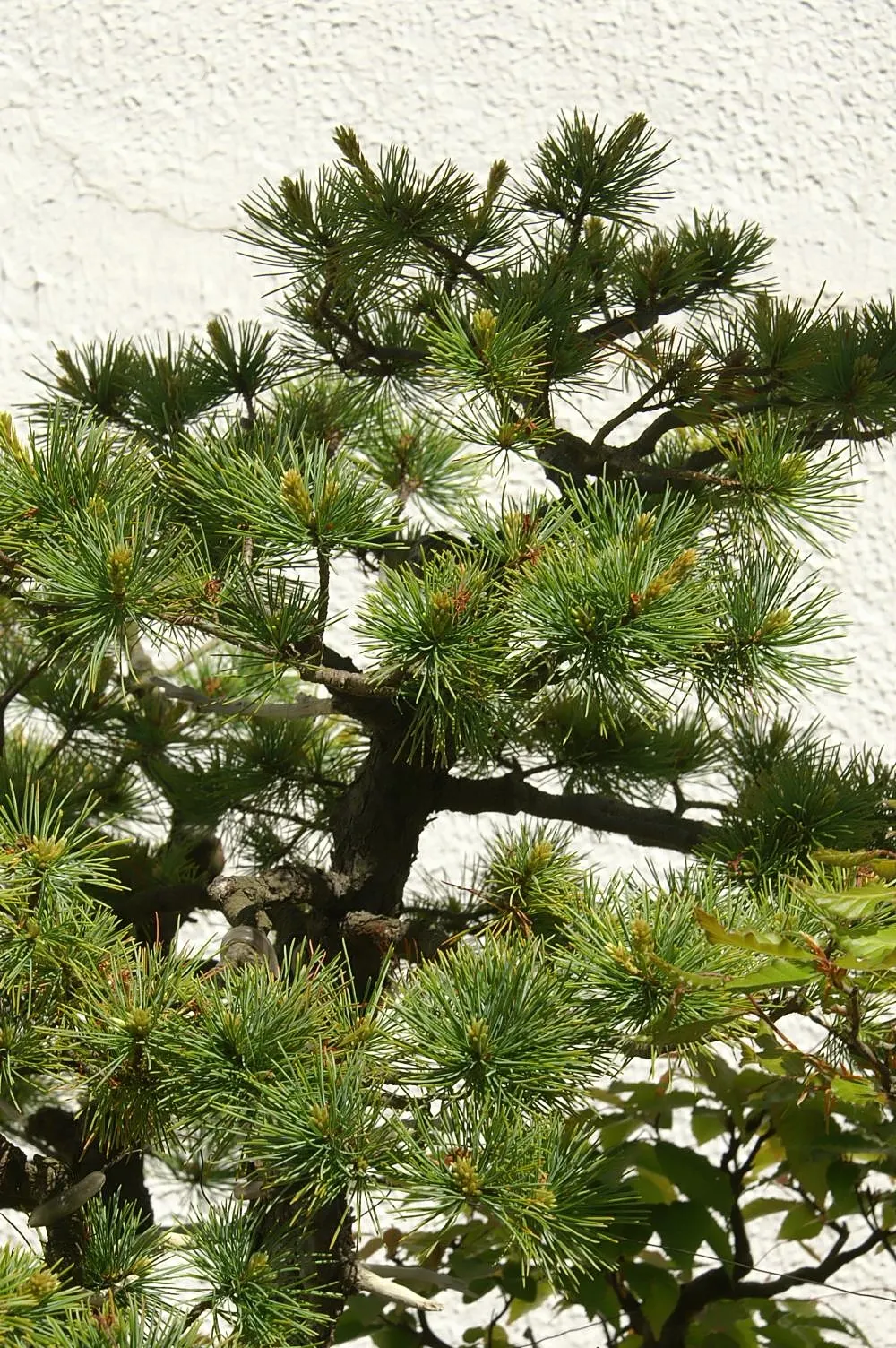
Japanese White Pine (Pinus parviflora) is an elegant, slow-growing evergreen reaching up to 25-50 feet tall and 20-35 feet wide. Esteemed in design for its irregular, picturesque silhouette and soft, blue-green needles, this pine thrives in full sun and well-drained soil. Its conical shape and tolerance for pruning make it ideal for bonsai or as a focal point in gardens. Zones 5-7 are optimal for cultivation.

Sun FullWater MediumZones 5–7Type Conifer, TreeClimate Temperate
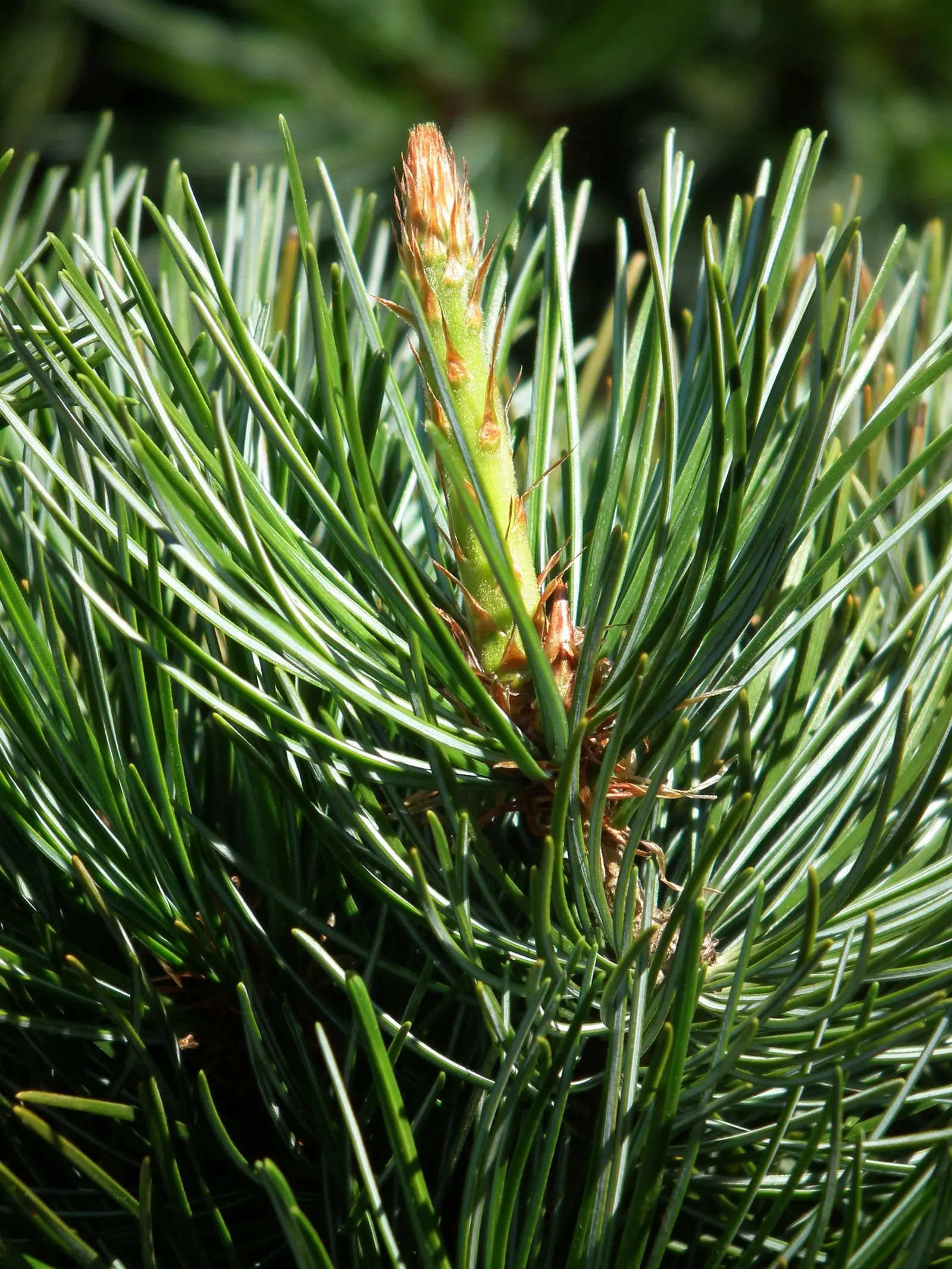
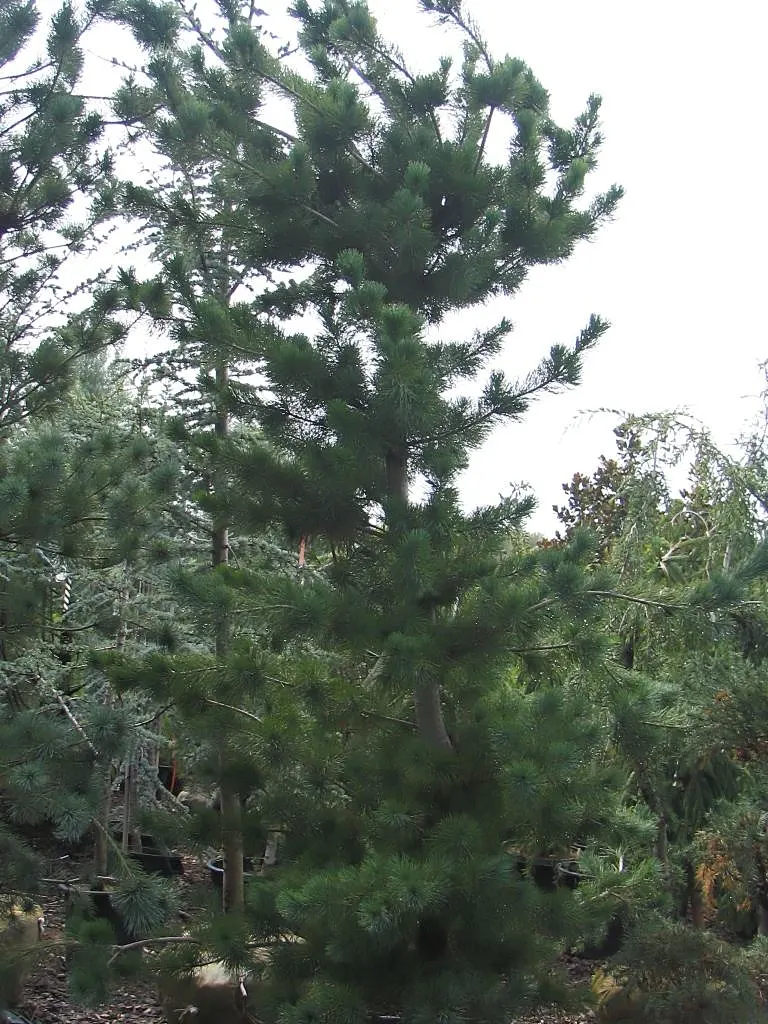
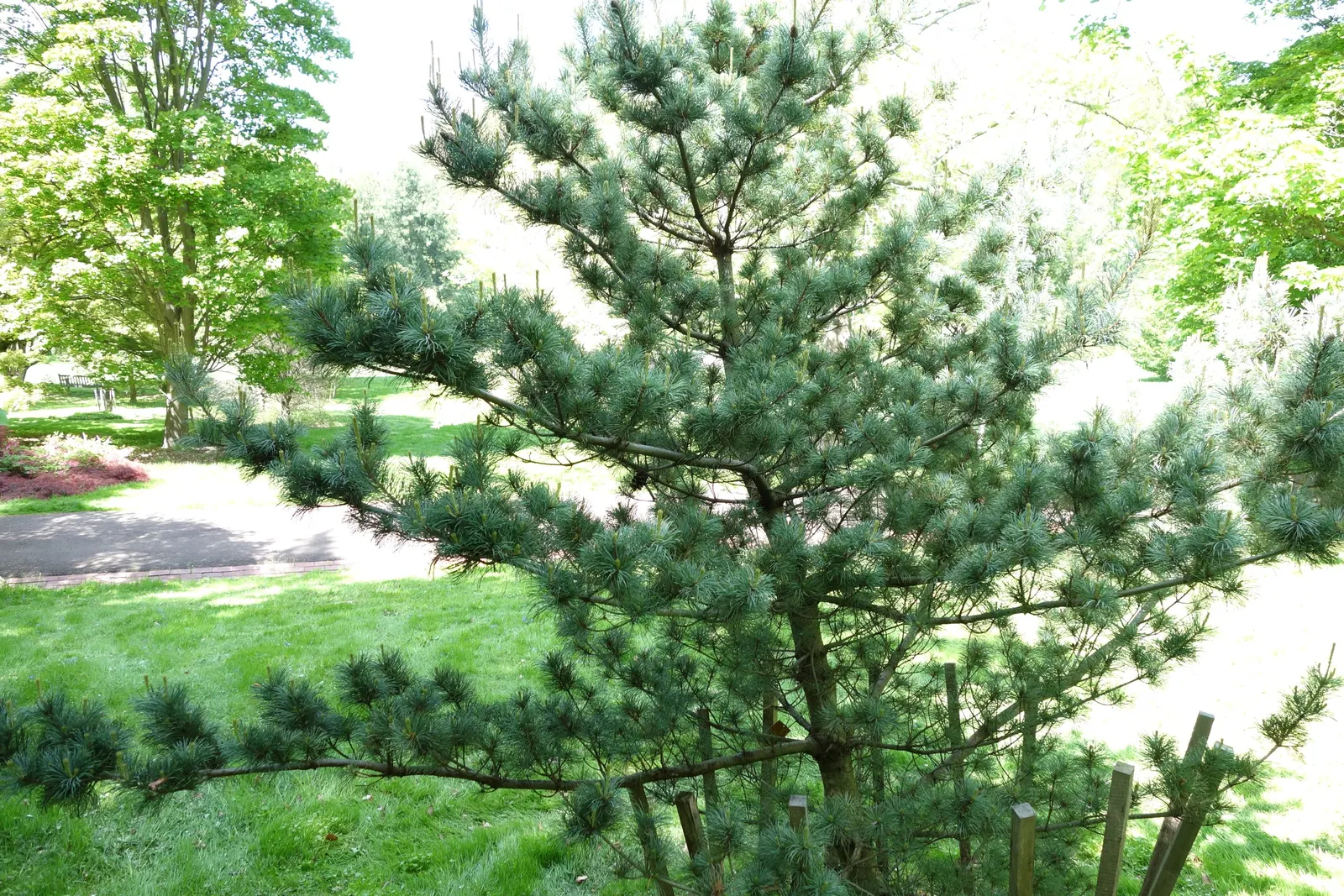
Japanese White Pine (Pinus Parviflora) — the Japanese White Pine reaches mature heights of approximately 25 to 50 feet with a spread of 20 to 35 feet

Culture

Sun
Full
Water
Medium
USDA zones
5–7

Shape & size

Mature height
30–50 Ft.
Mature width
30–50 Ft.

Classification

Type
Conifer, Tree
Family
Pinaceae
Climate
Temperate

See full data, regional cultivation notes, and design tools. Build a client presentation around this plant.

Start your 14-day trial

Photos (89)

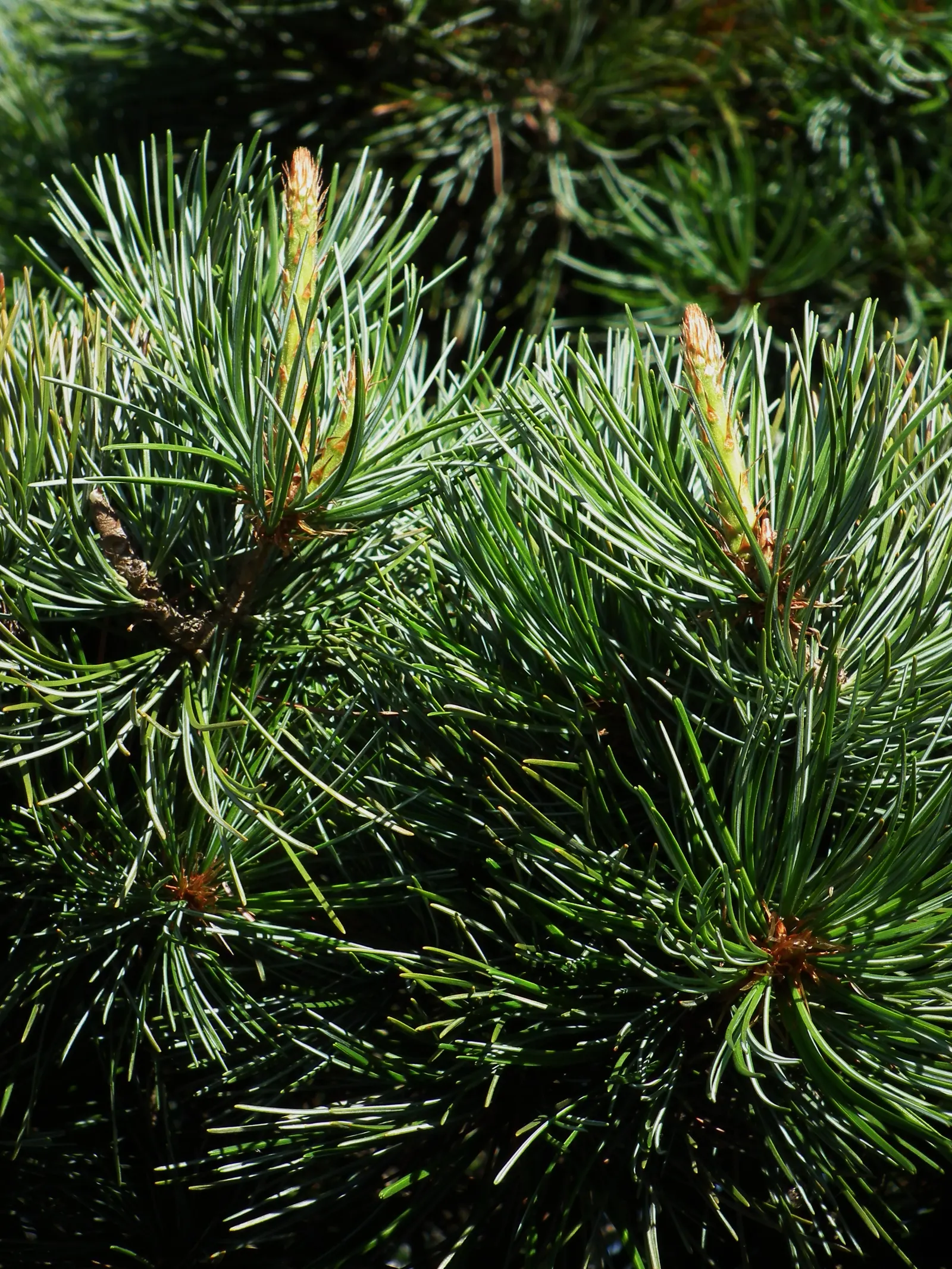
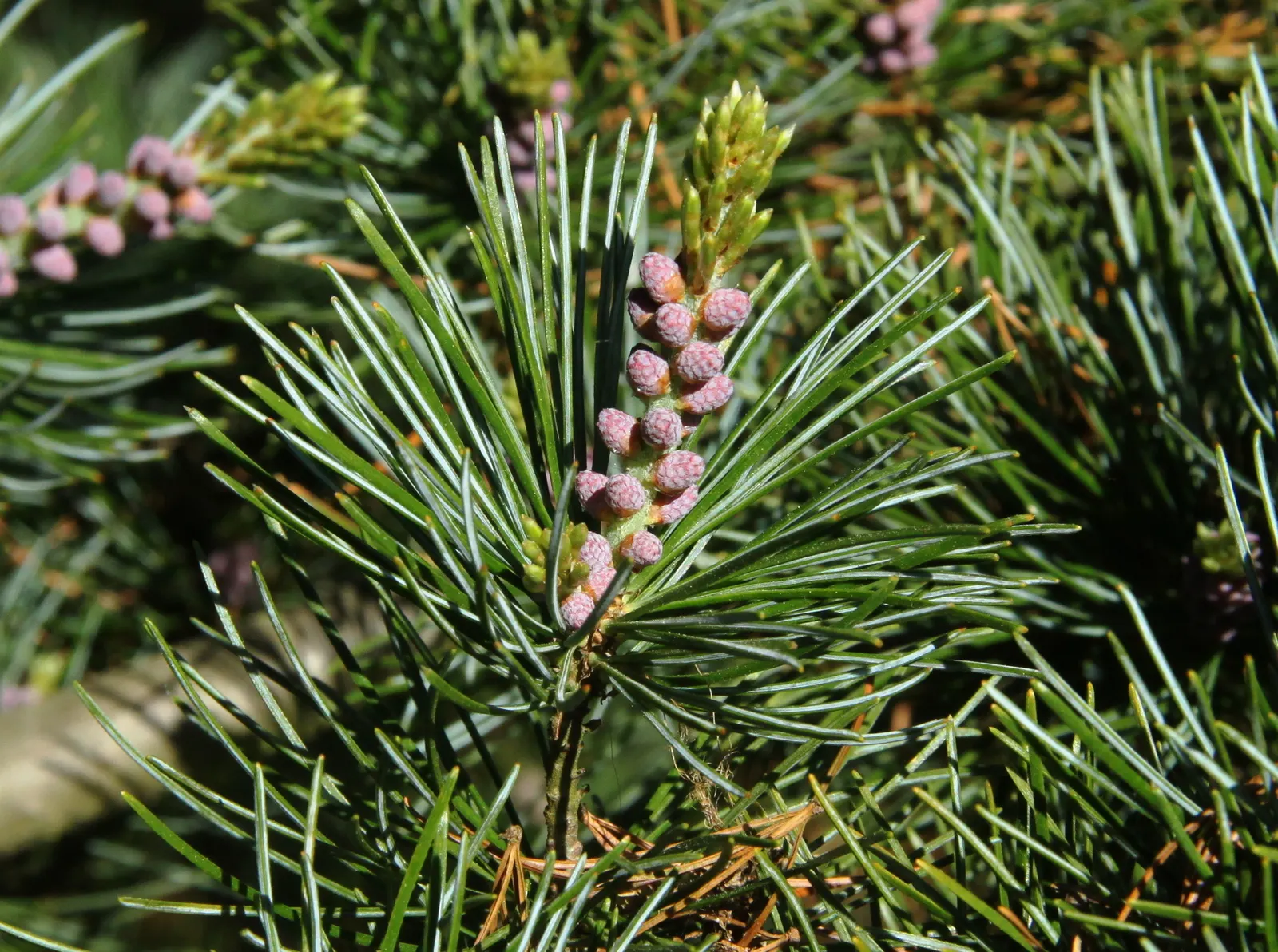
Japanese White Pine (Pinus Parviflora) — Esteemed in design for its irregular
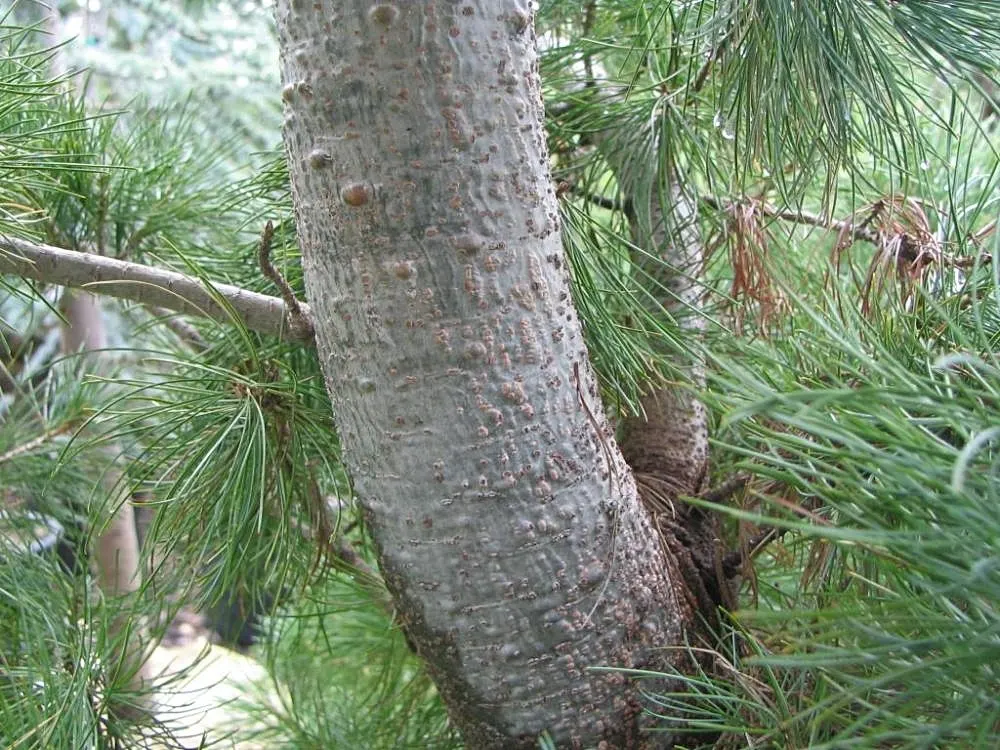
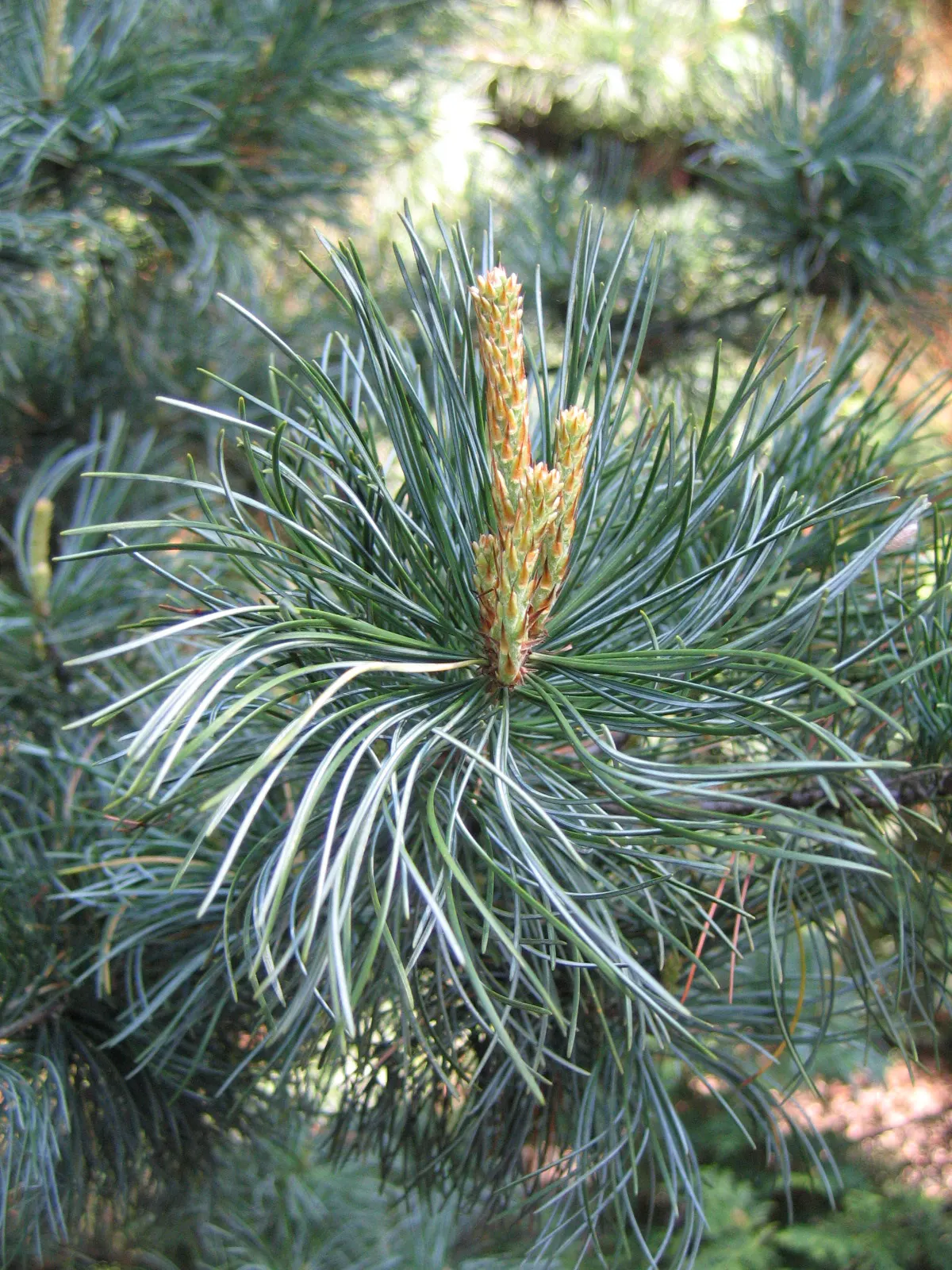
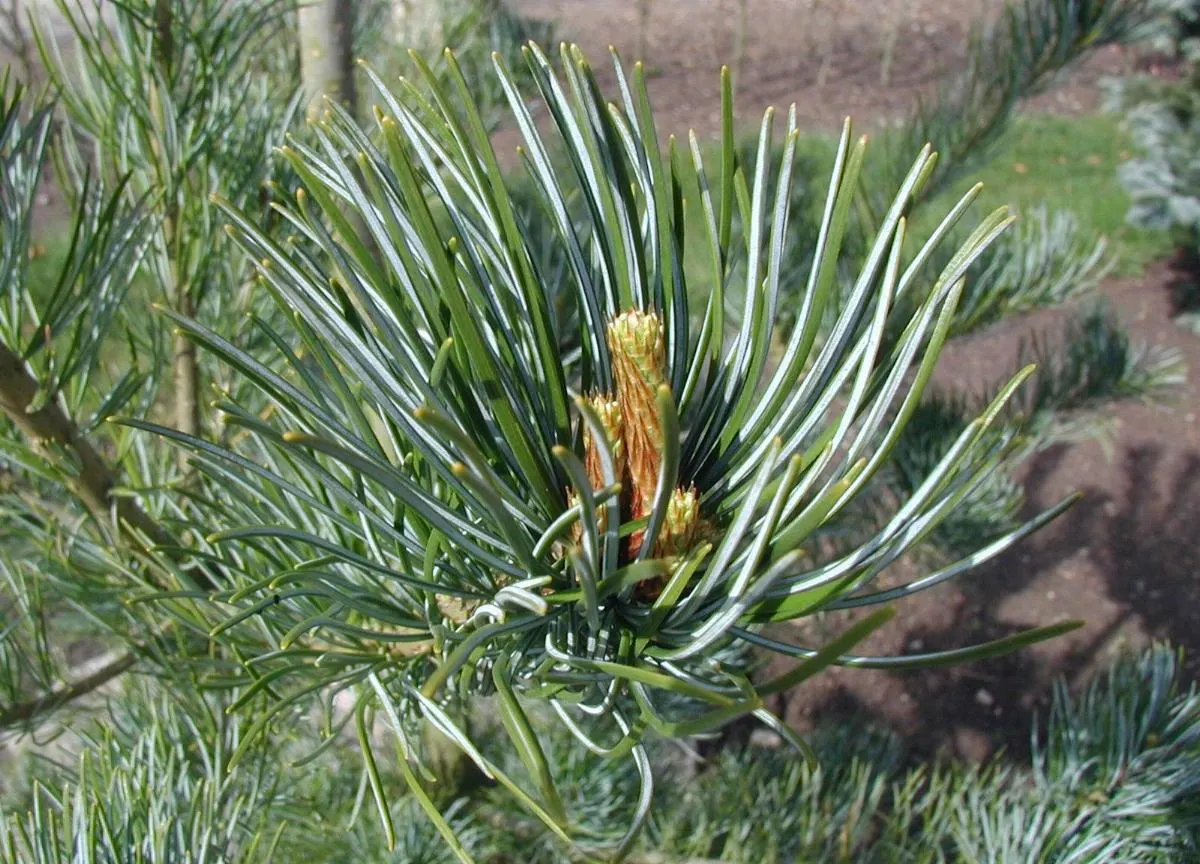
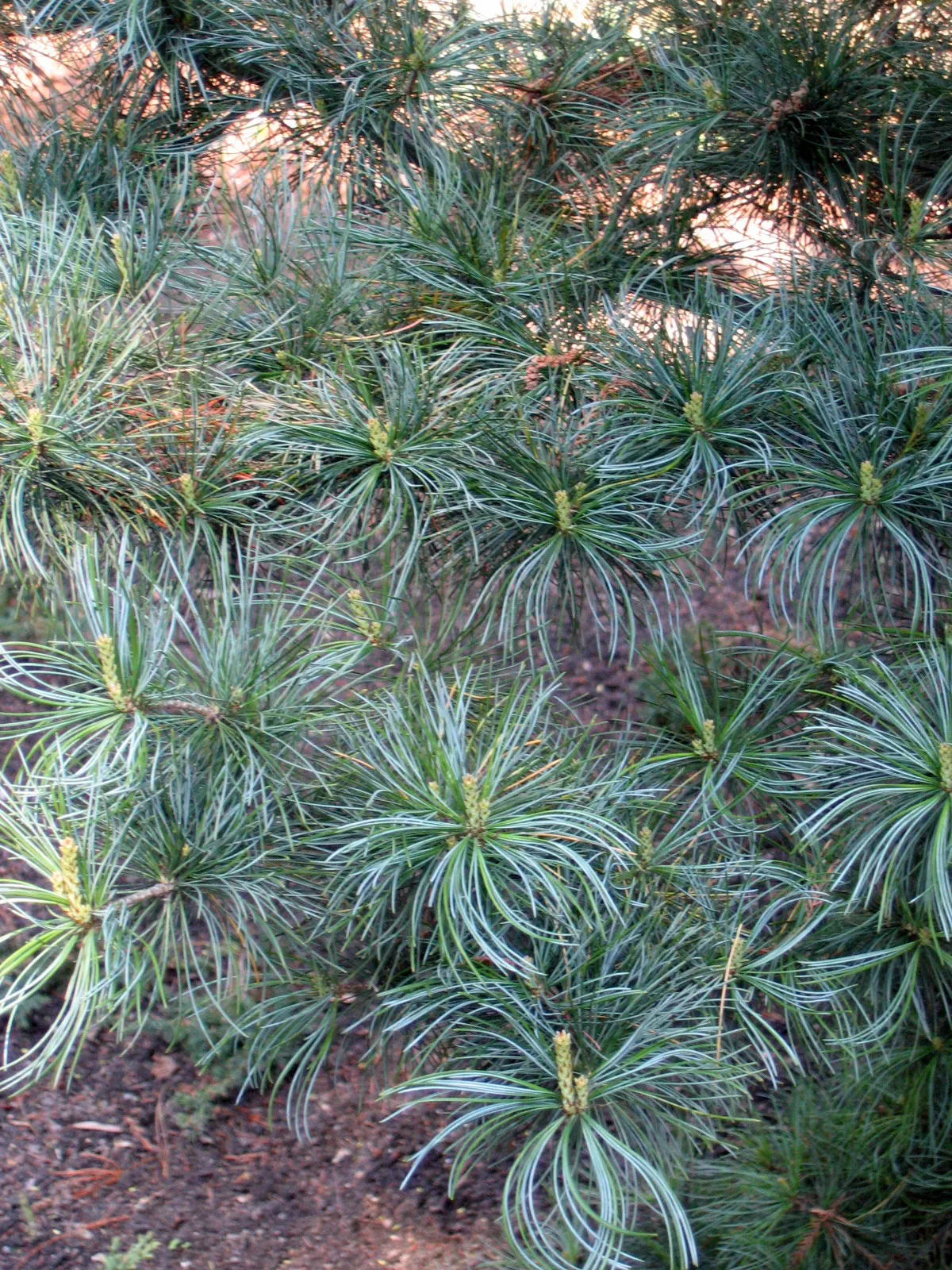
Japanese White Pine (Pinus Parviflora) — albeit it does best in well-draining soils with a slightly acidic pH; with a bluish-green hue and a soft, image 66
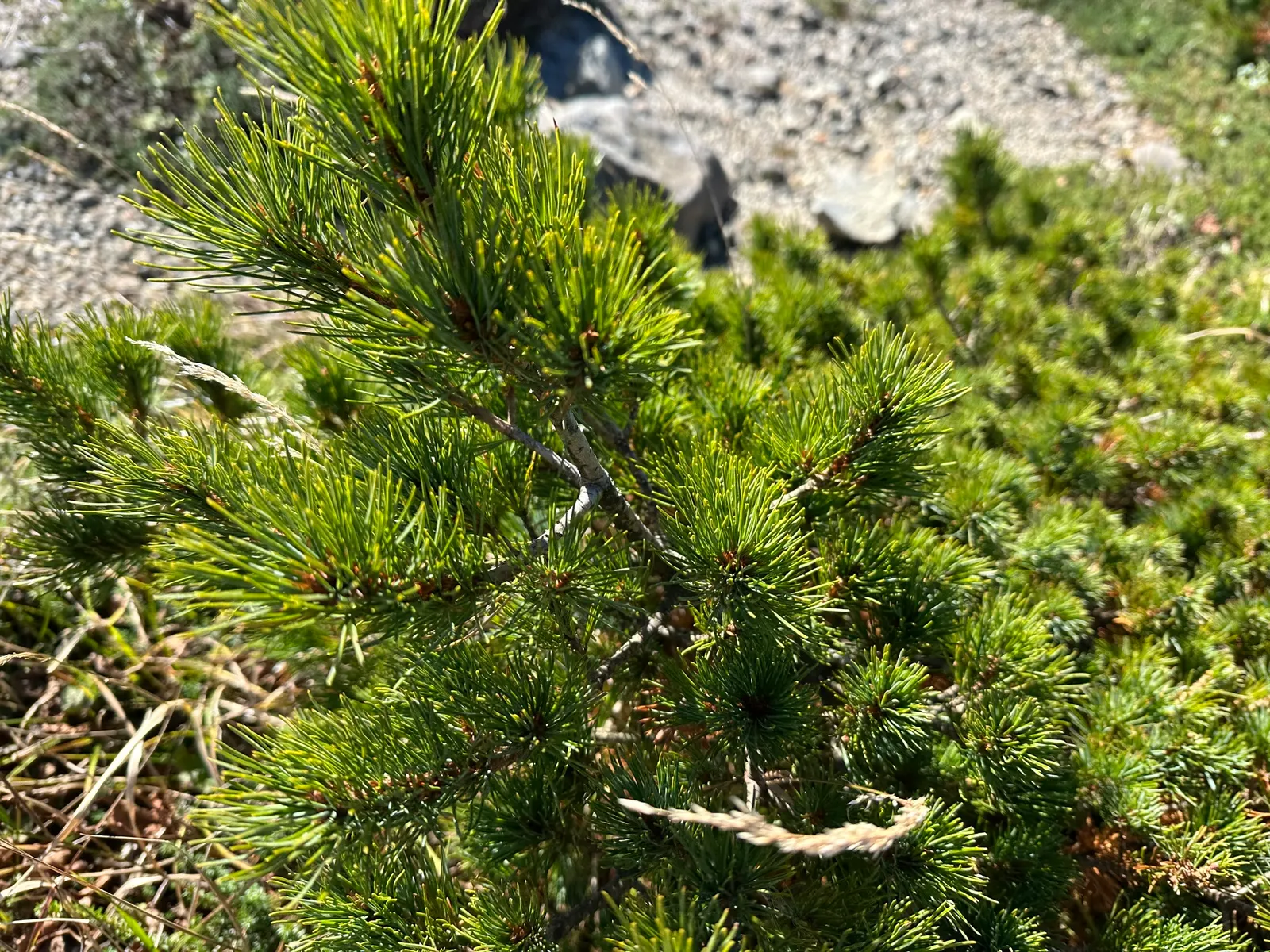
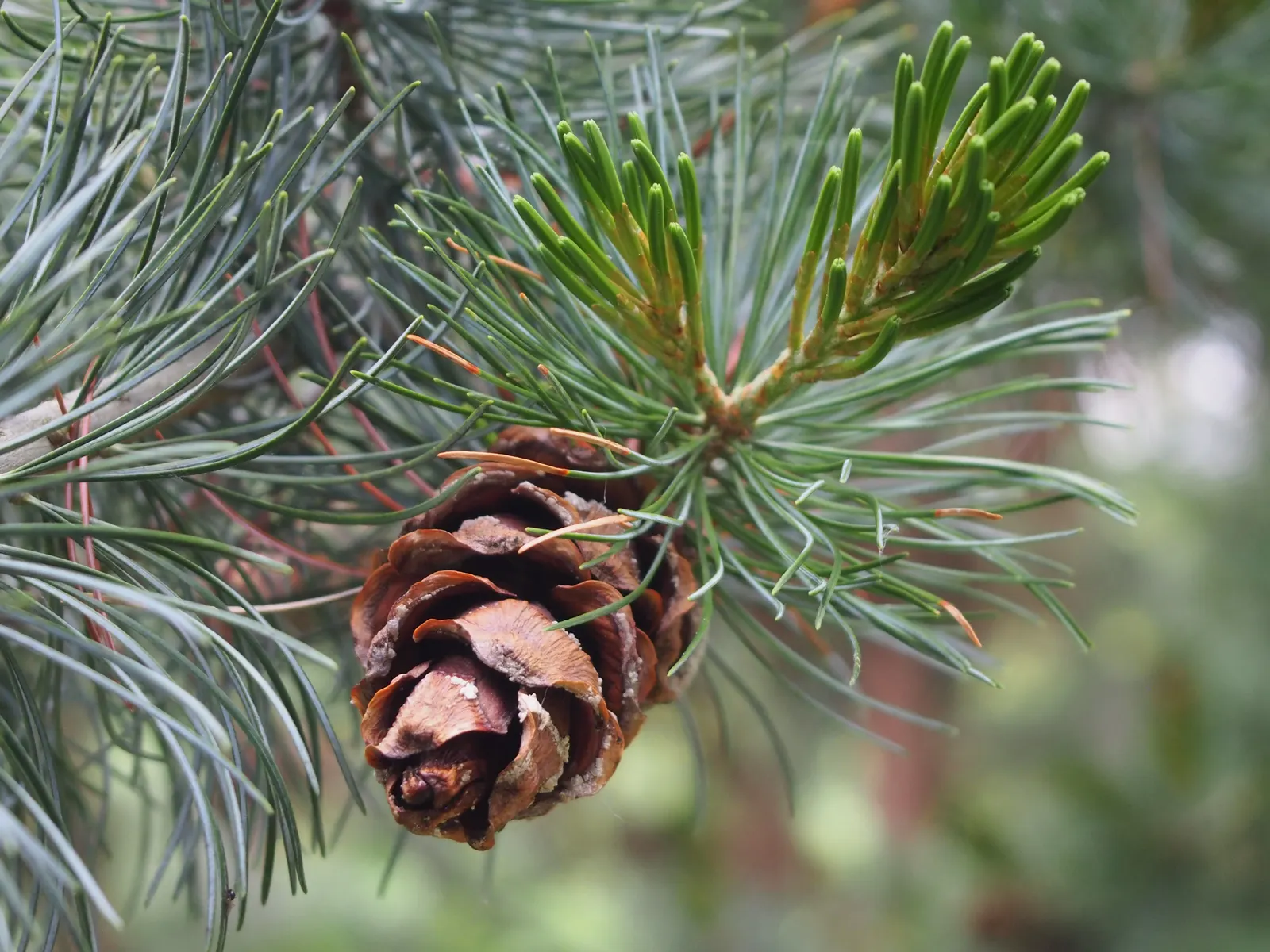
Japanese White Pine (Pinus Parviflora) — Regular watering during dry spells
Japanese White Pine (Pinus Parviflora) — this pine thrives in full sun and well-drained soil; making it an exemplary choice for the discerning, image 82
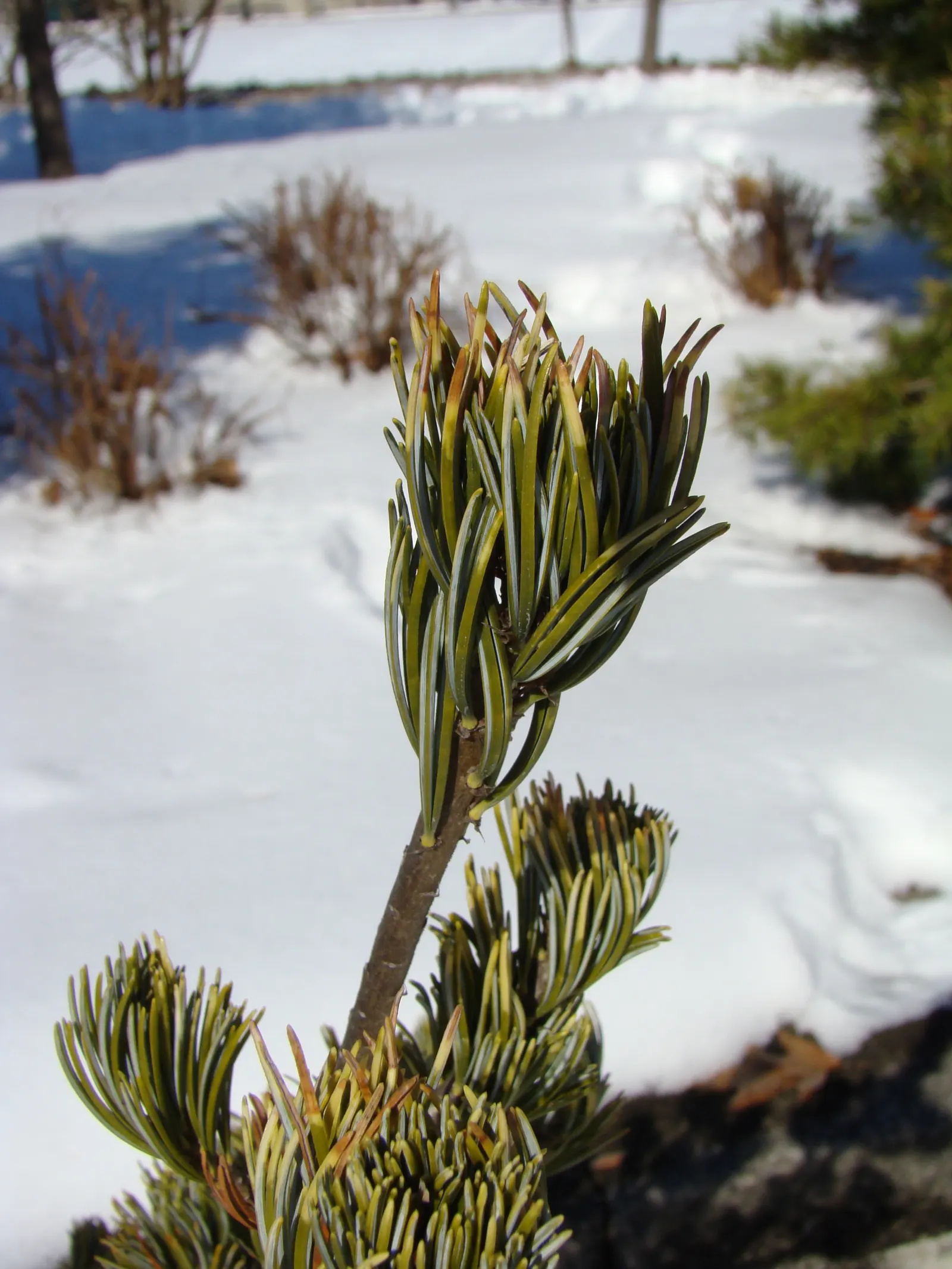
Japanese White Pine (Pinus Parviflora) — gracefully contrasting the tree's attractive
Japanese White Pine (Pinus Parviflora) — primarily for shape or to control size; albeit it does best in well-draining soils with a slightly acidic pH
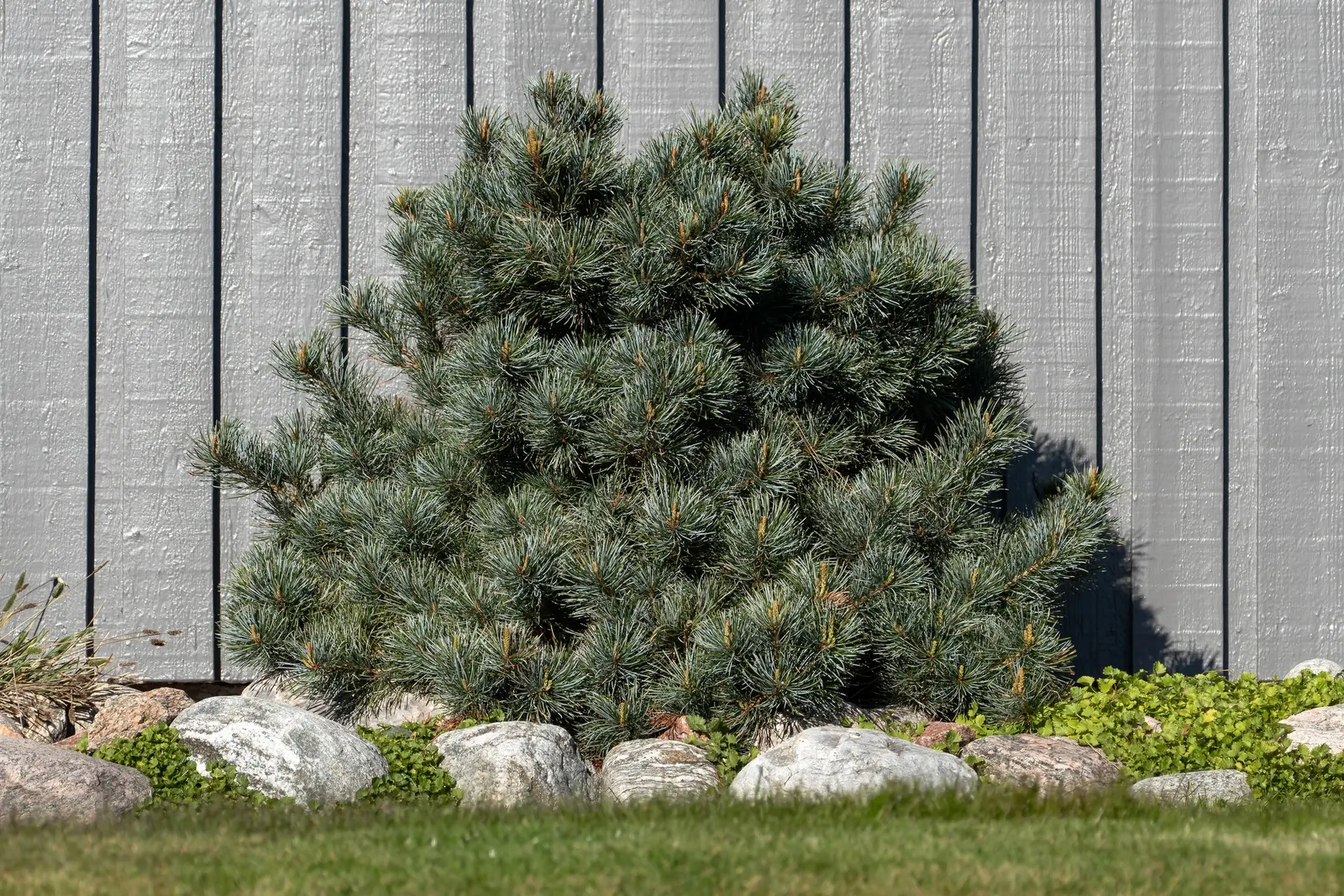
Japanese White Pine (Pinus Parviflora) — offering a sizeable but manageable profile for residential gardens; its root system is robust, image 62
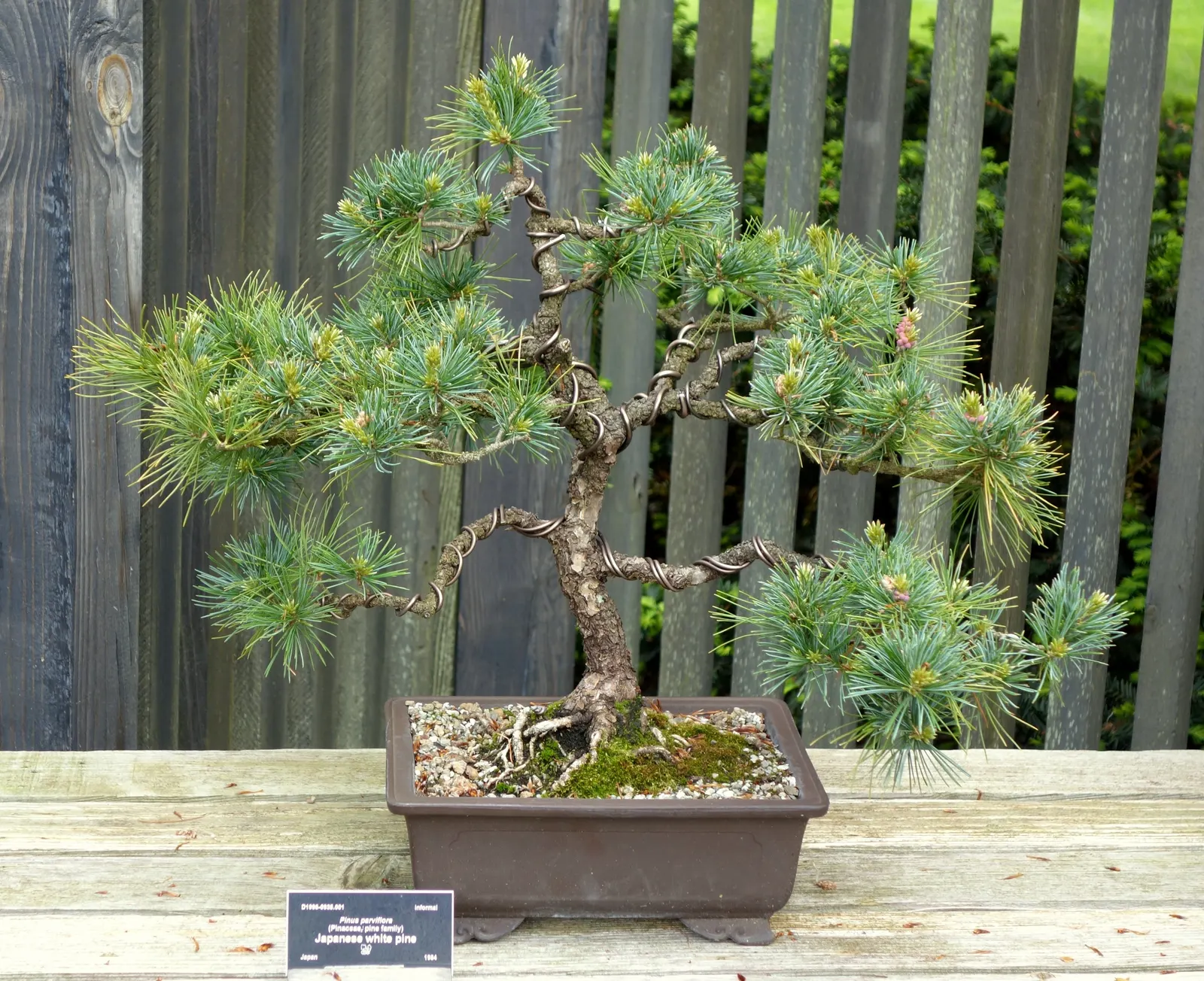
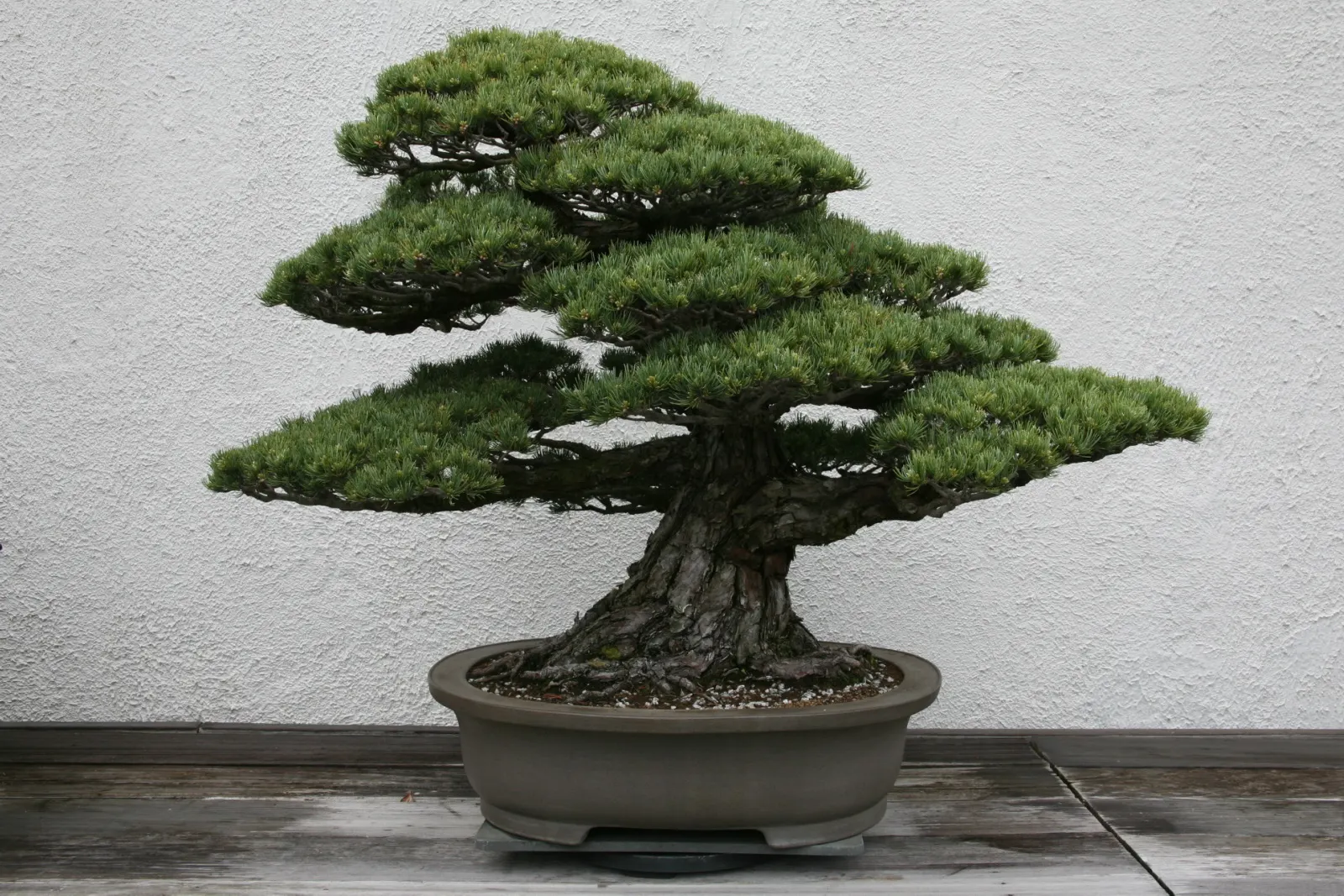
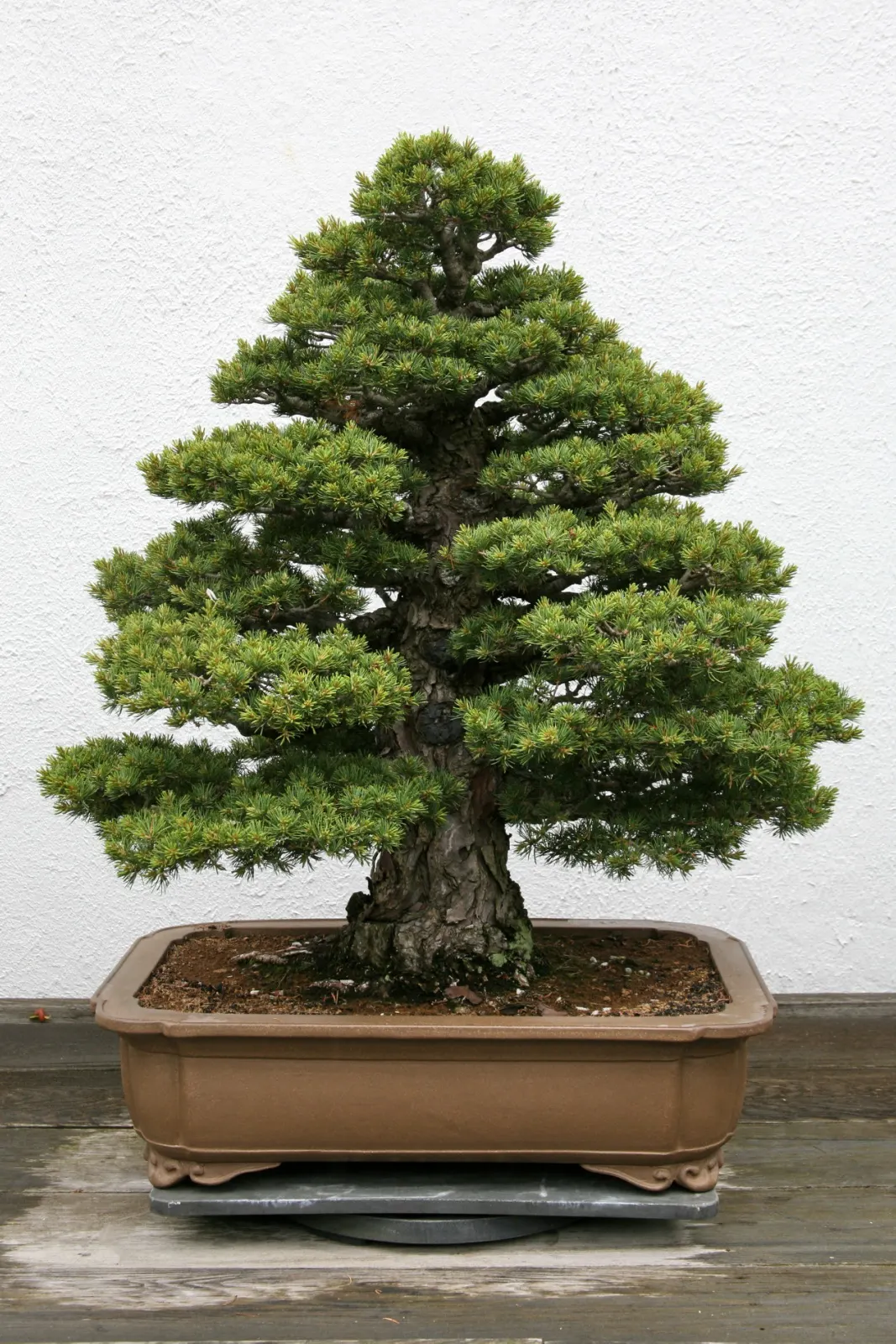
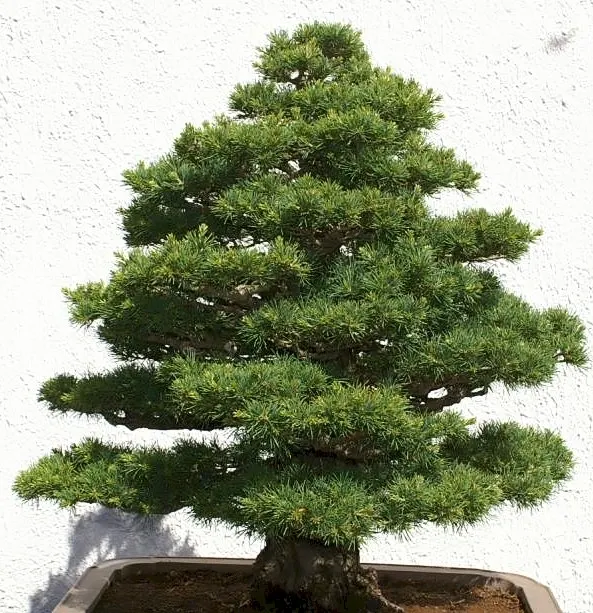
Japanese White Pine (Pinus Parviflora) — Its conical shape and tolerance for pruning make it ideal for bonsai or as a focal point in gardens; zones, image 57
Japanese White Pine (Pinus Parviflora) — this pine thrives in full sun and well-drained soil
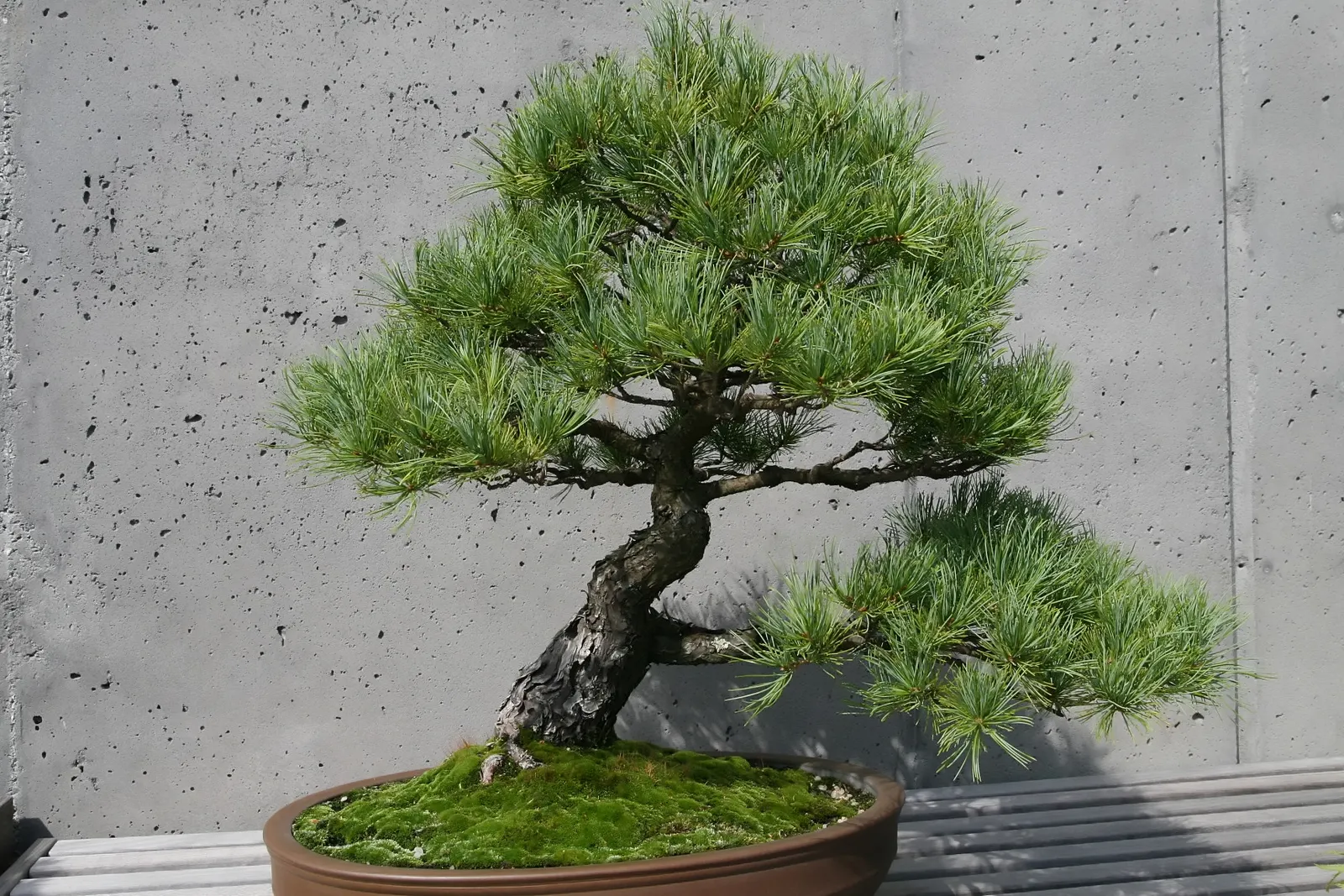
Japanese White Pine (Pinus Parviflora) — Its conical shape and tolerance for pruning make it ideal for bonsai or as a focal point in gardens
Japanese White Pine (Pinus Parviflora) — Its root system is robust
Japanese White Pine (Pinus Parviflora) — Zones 5-7 are optimal for cultivation; pinus parviflora is resilient to a variety of conditions
Japanese White Pine (Pinus Parviflora) — This species prefers full sun exposure to thrive; regular watering during dry spells
Japanese White Pine (Pinus Parviflora) — Zones 5-7 are optimal for cultivation; pinus parviflora is resilient to a variety of conditions, image 58
Japanese White Pine (Pinus Parviflora) — Its conical shape and tolerance for pruning make it ideal for bonsai or as a focal point in gardens; zones, image 83
Japanese White Pine (Pinus Parviflora) — the Japanese White Pine reaches mature heights of approximately 25 to 50 feet with a spread of 20 to 35 feet; native
Japanese White Pine (Pinus Parviflora) — Native to Japan and Korea; japanese White Pine (Pinus parviflora) is an elegant, image 86
Japanese White Pine (Pinus Parviflora) — Pinus parviflora is resilient to a variety of conditions
Japanese White Pine (Pinus Parviflora) — with a bluish-green hue and a soft texture; requiring a minimum of six hours of direct sunlight, image 69
Japanese White Pine (Pinus Parviflora) — especially in the first few years after planting
Japanese White Pine (Pinus Parviflora) — gracefully contrasting the tree's attractive; conifer / tree for full, image 71
Japanese White Pine (Pinus Parviflora) — albeit it does best in well-draining soils with a slightly acidic pH; with a bluish-green hue and a soft texture
Japanese White Pine (Pinus Parviflora) — Native to Japan and Korea; japanese White Pine (Pinus parviflora) is an elegant
Japanese White Pine (Pinus Parviflora) — offering a sizeable but manageable profile for residential gardens; its root system is robust
Photographs by 11 contributors

Related plants