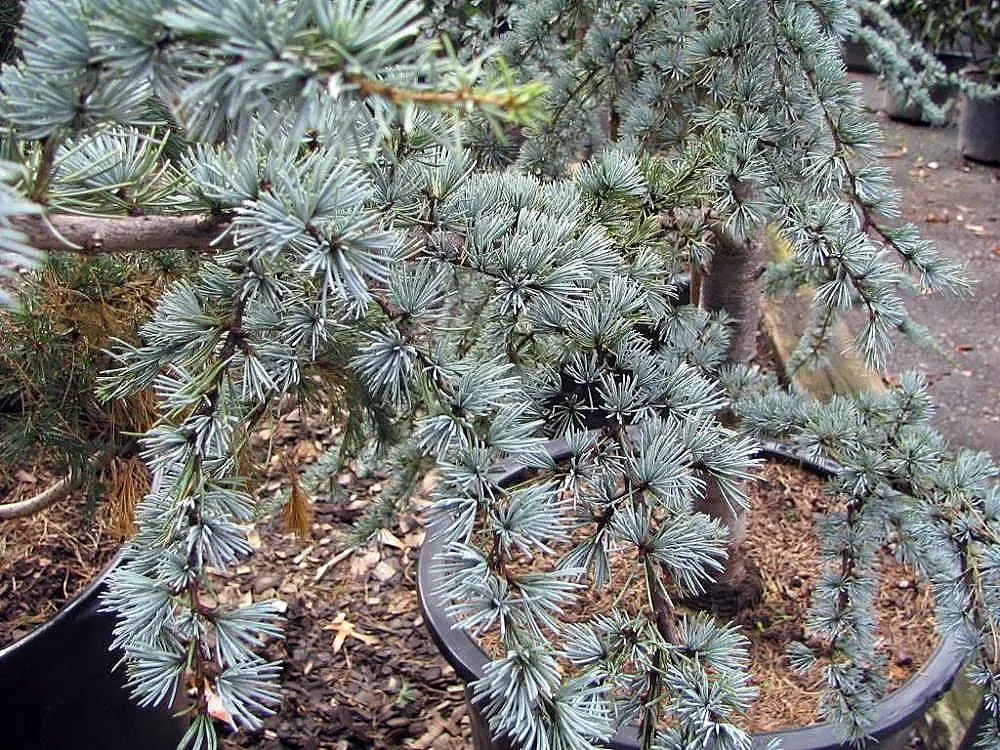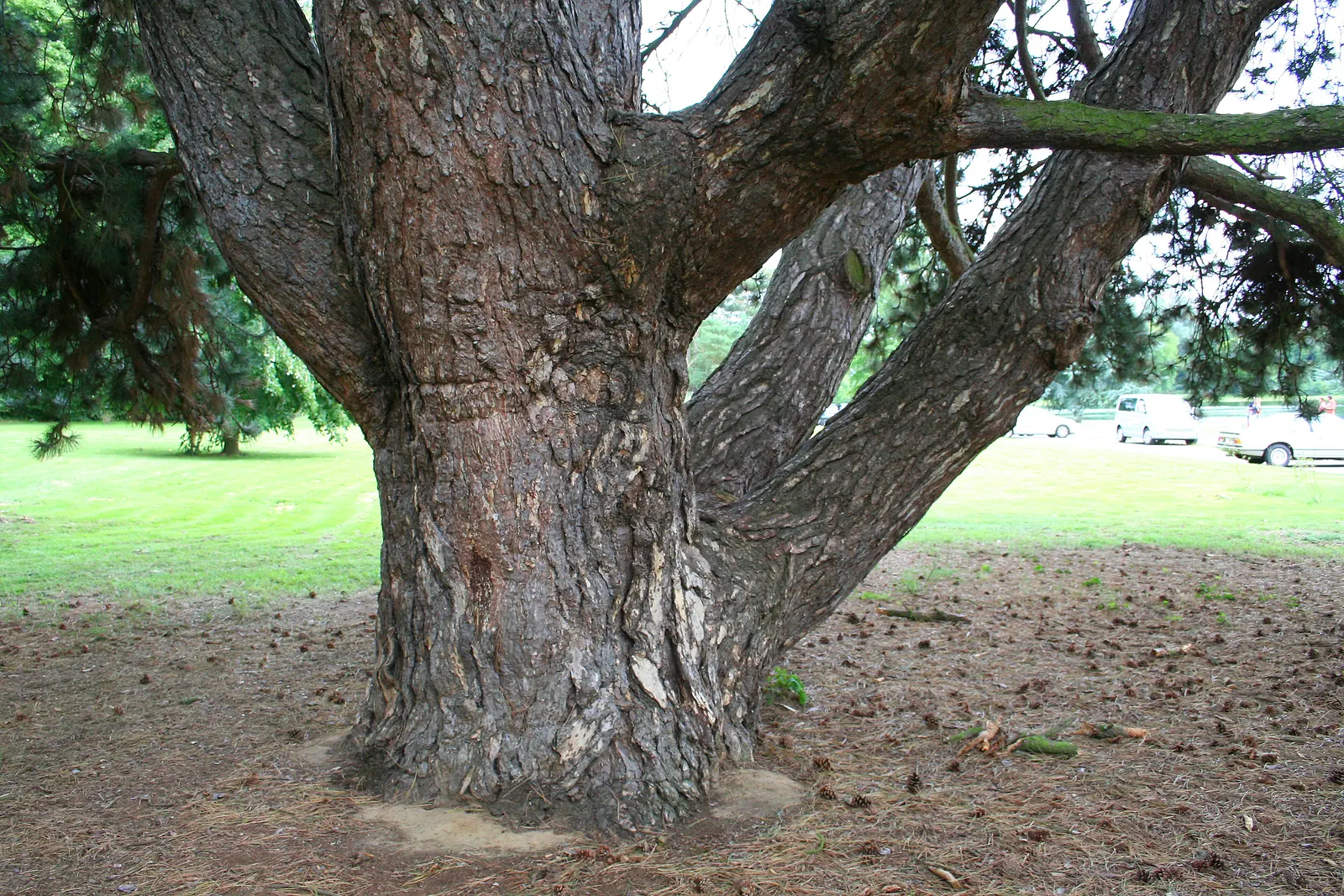
Lacebark Pine
Pinus Bungeana
Overview
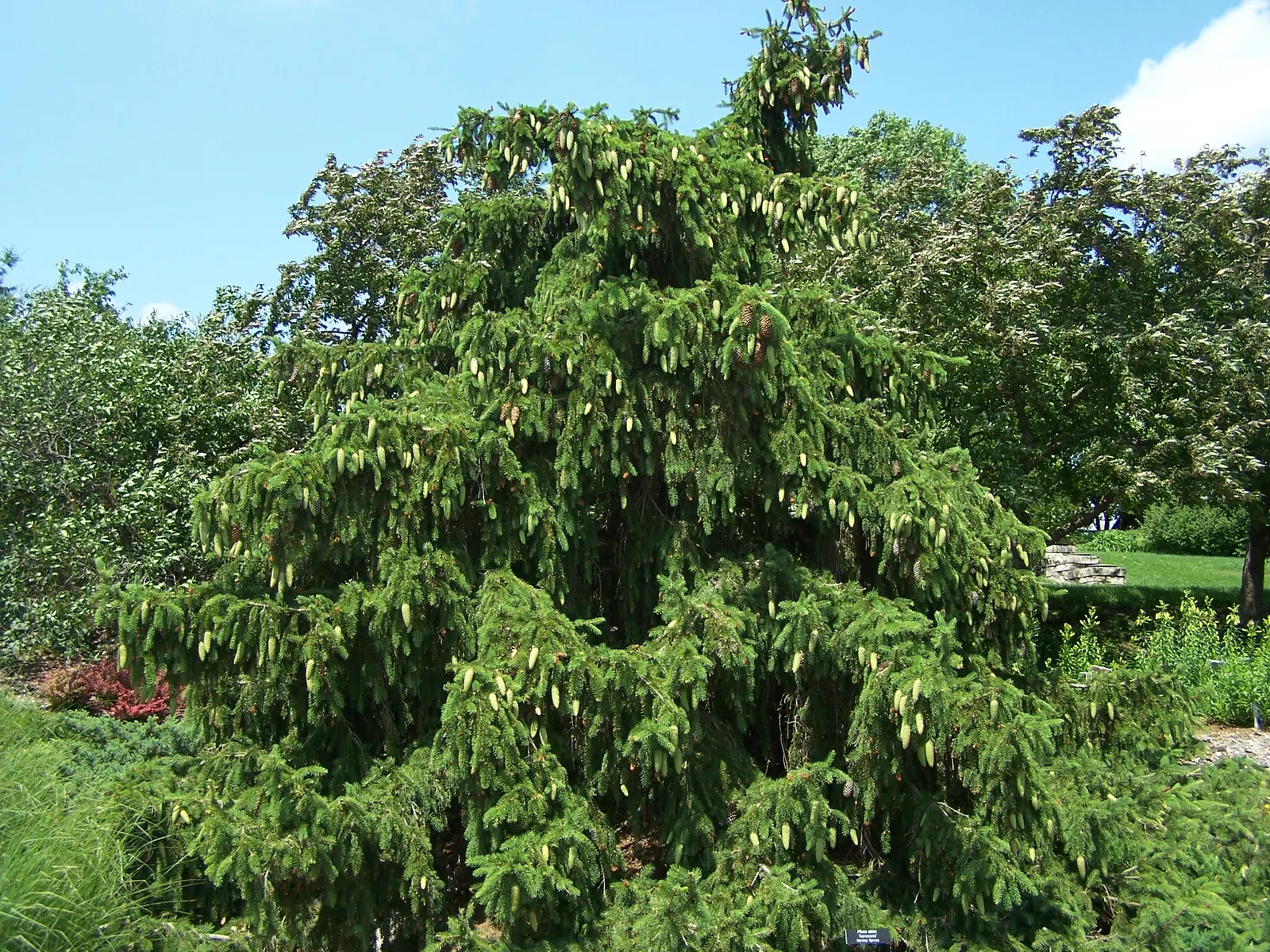
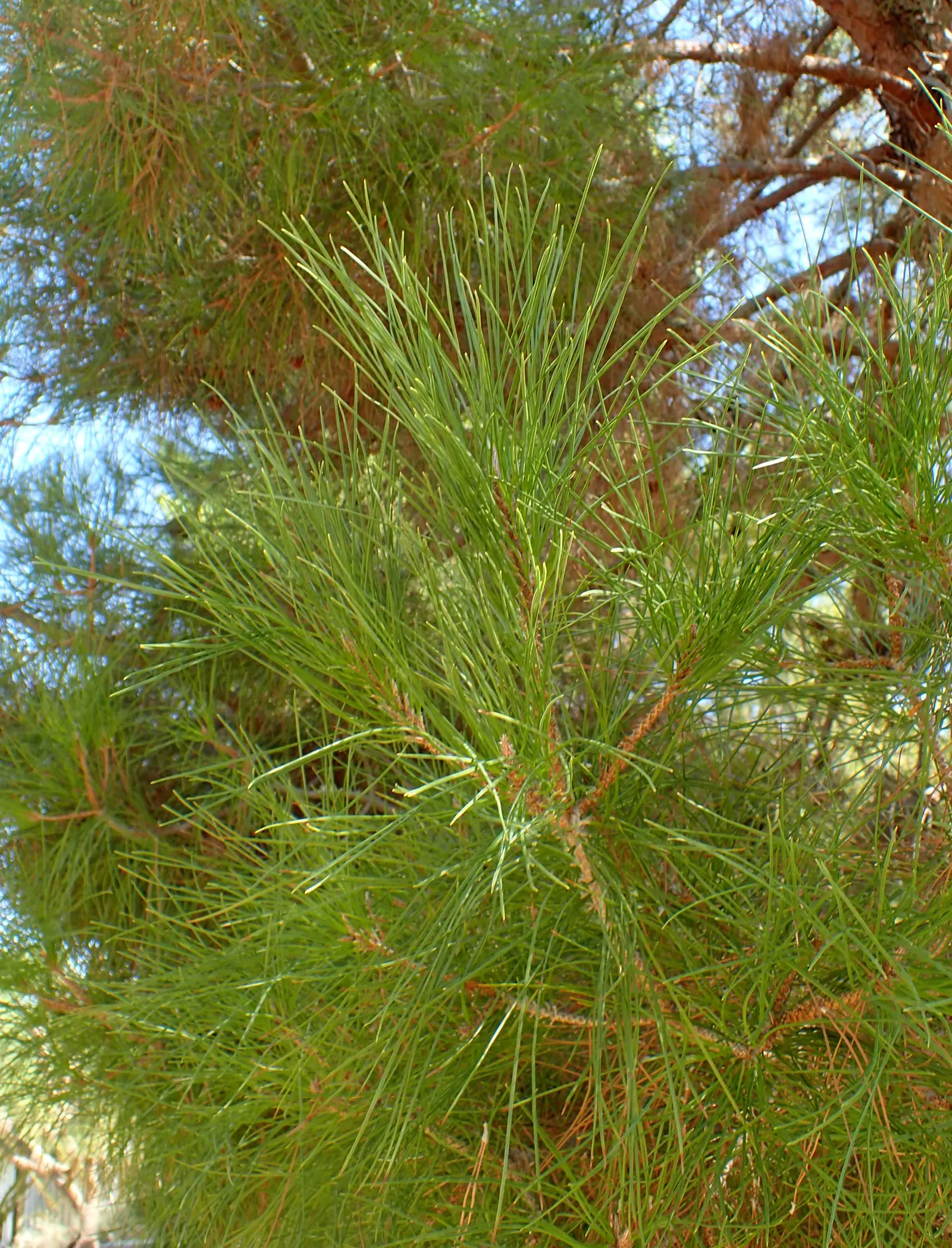
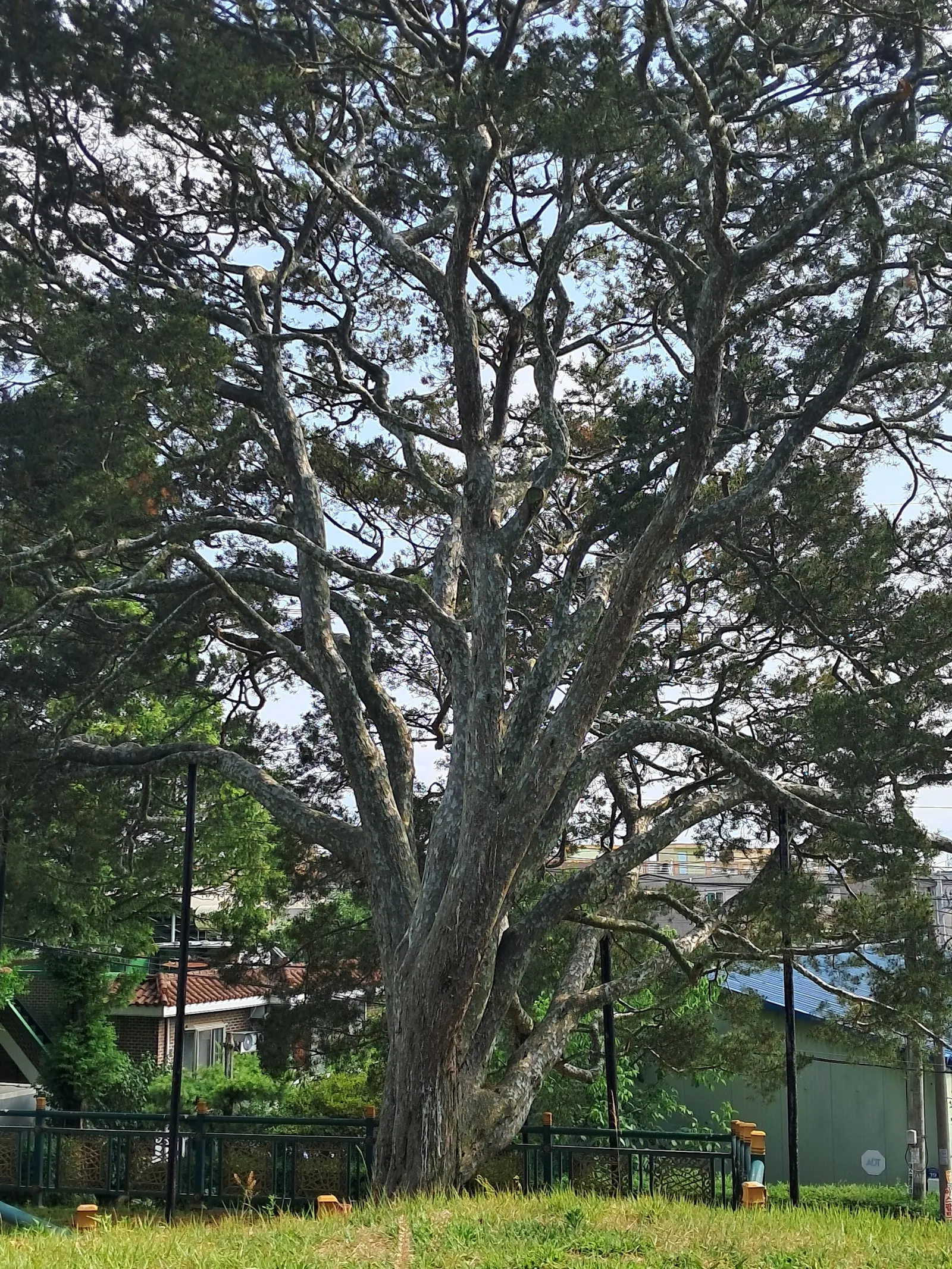
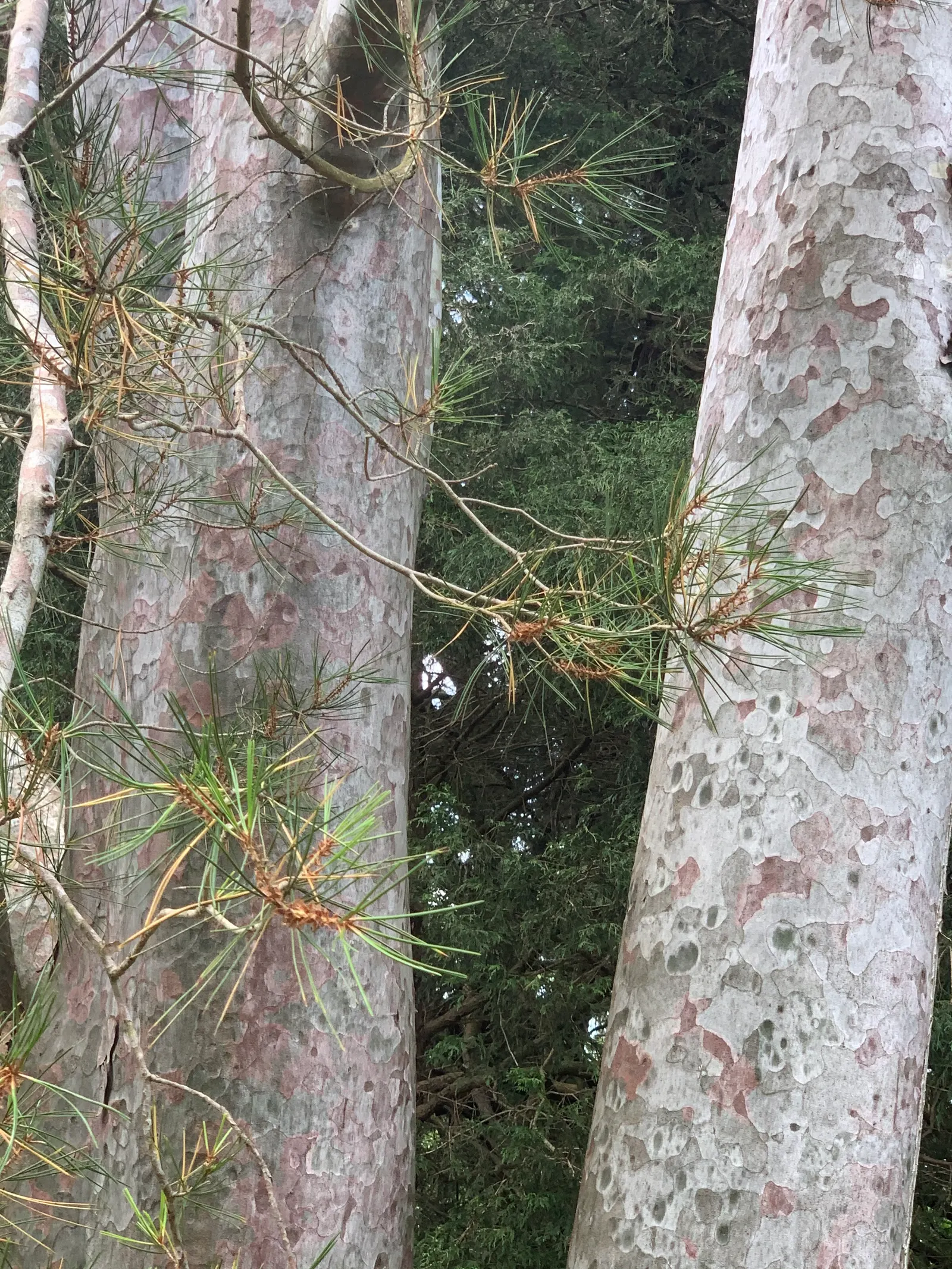
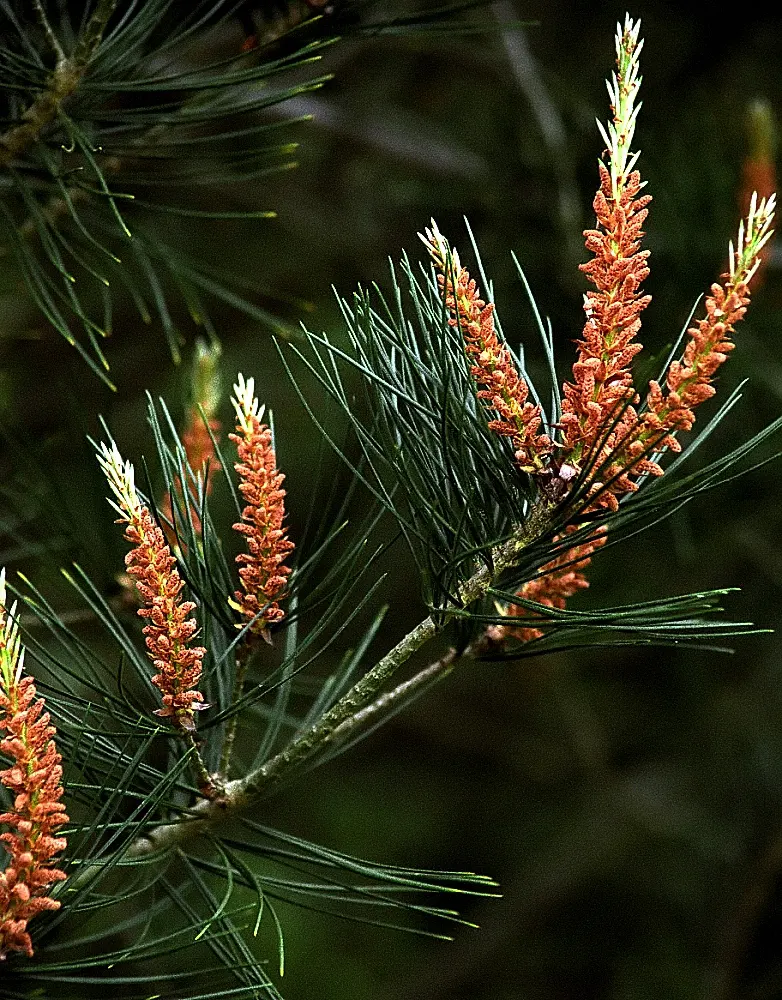
The Lacebark Pine (Pinus bungeana) is renowned for its striking, exfoliating bark, revealing a mosaic of greens, whites, and purples. This slow-growing conifer matures to a majestic 30-50 feet, with a spread of 20-35 feet. It prefers full sun, well-drained soils, and is hardy to USDA zones 4-7. Its compact, dense shape and evergreen foliage make it a focal point in varied landscapes.
Sun FullWater LowZones 4–7Type Conifer, TreeClimate Temperate
Culture
- Sun
- Full
- Water
- Low
- USDA zones
- 4–7
Shape & size
- Mature height
- 30–50 Ft.
- Mature width
- 20–35 Ft.
Classification
- Type
- Conifer, Tree
- Family
- Pinaceae
- Climate
- Temperate
See full data, regional cultivation notes, and design tools. Build a client presentation around this plant.
Start your 14-day trialPhotos (11)
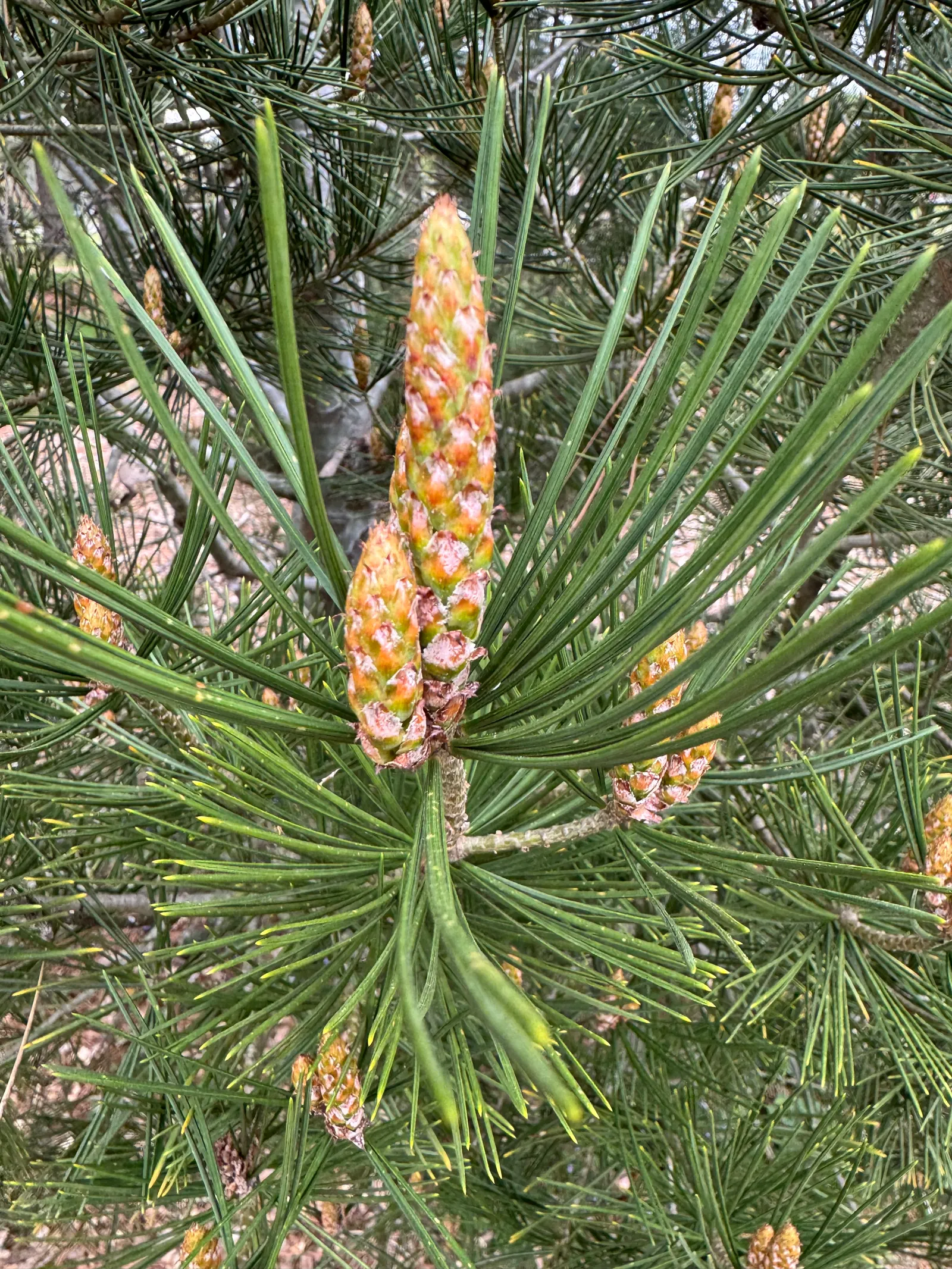
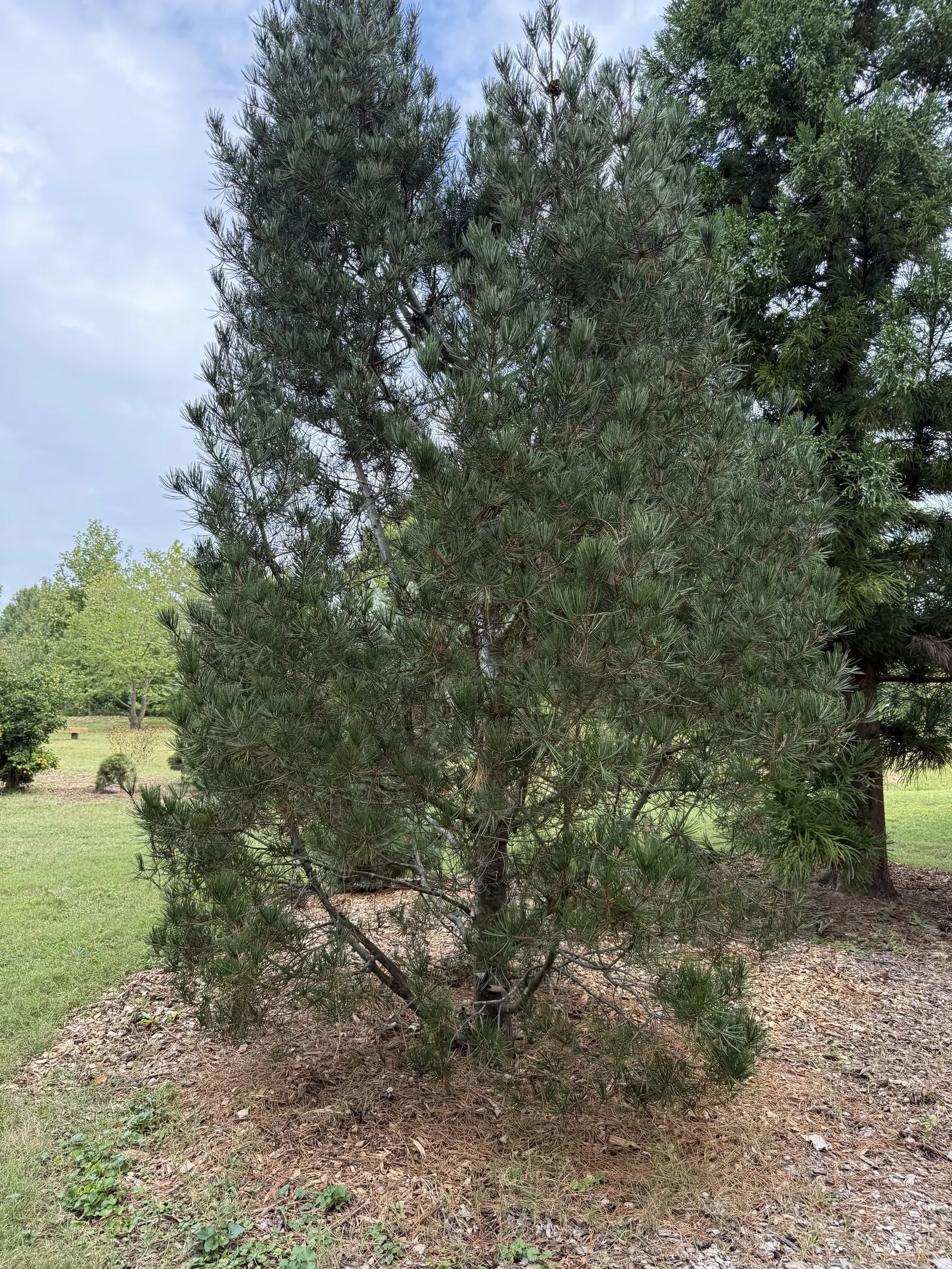

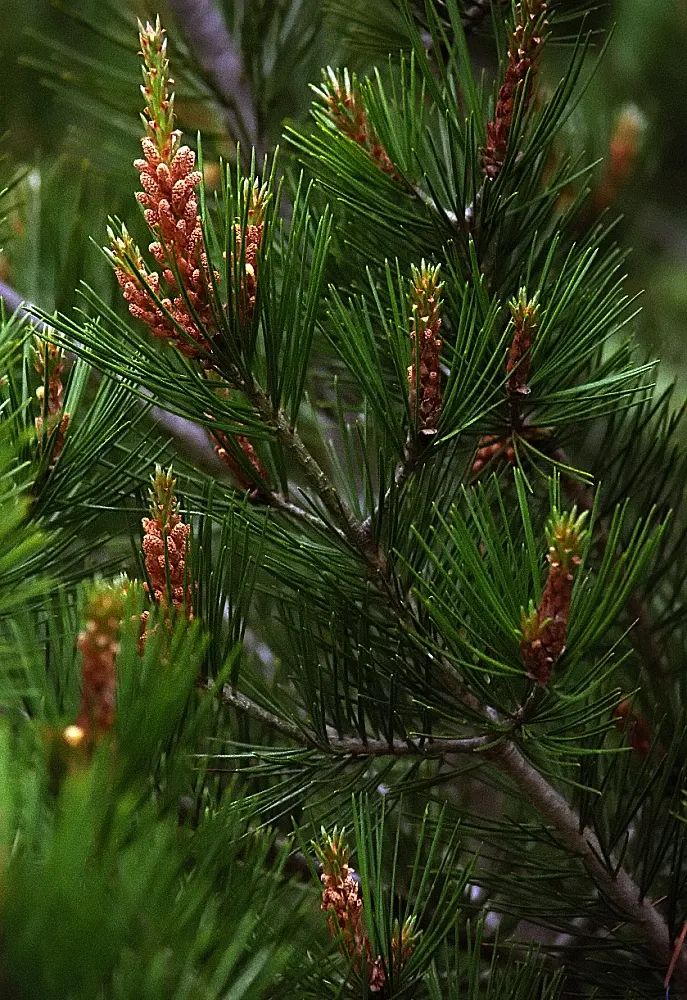
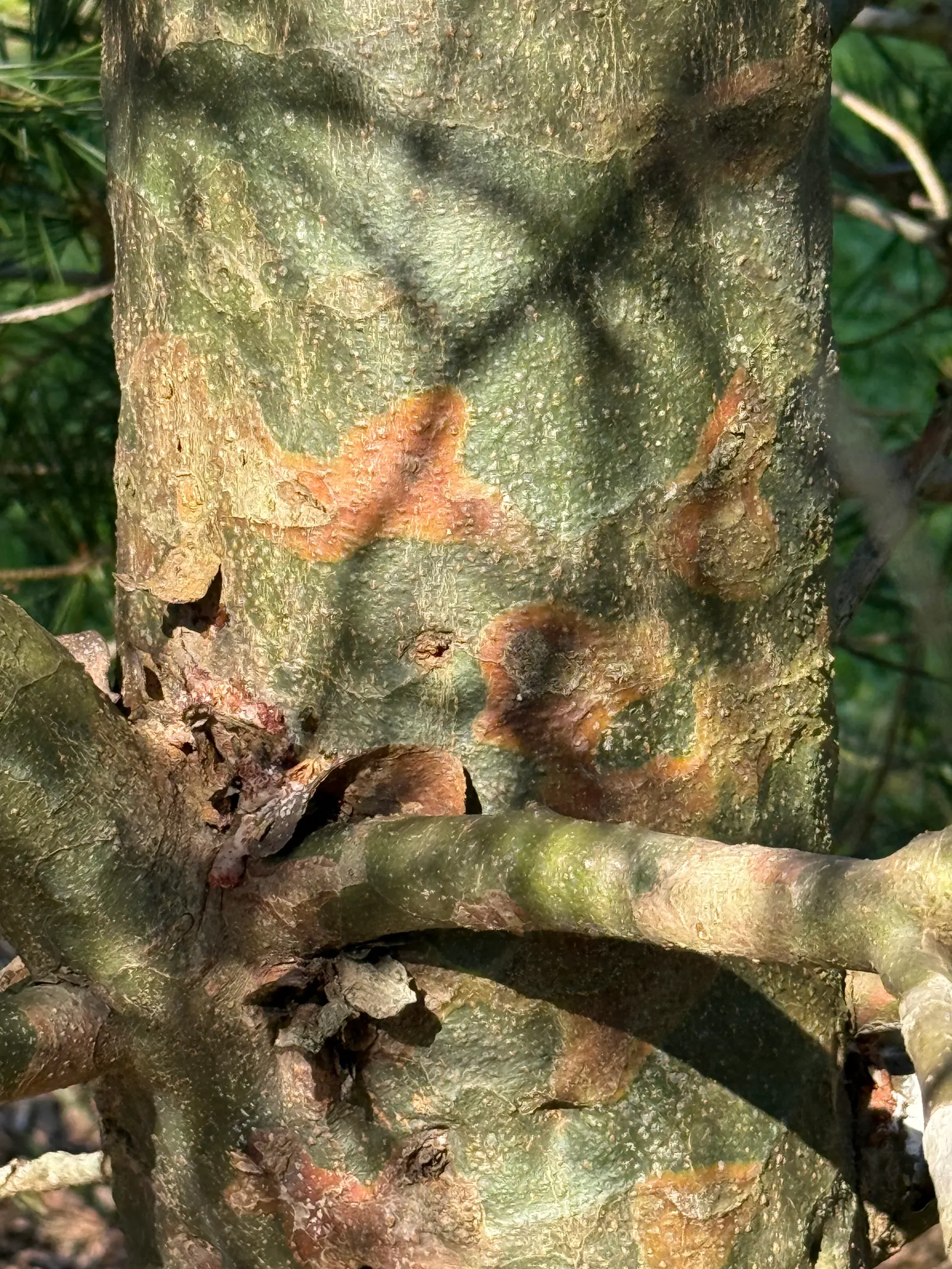
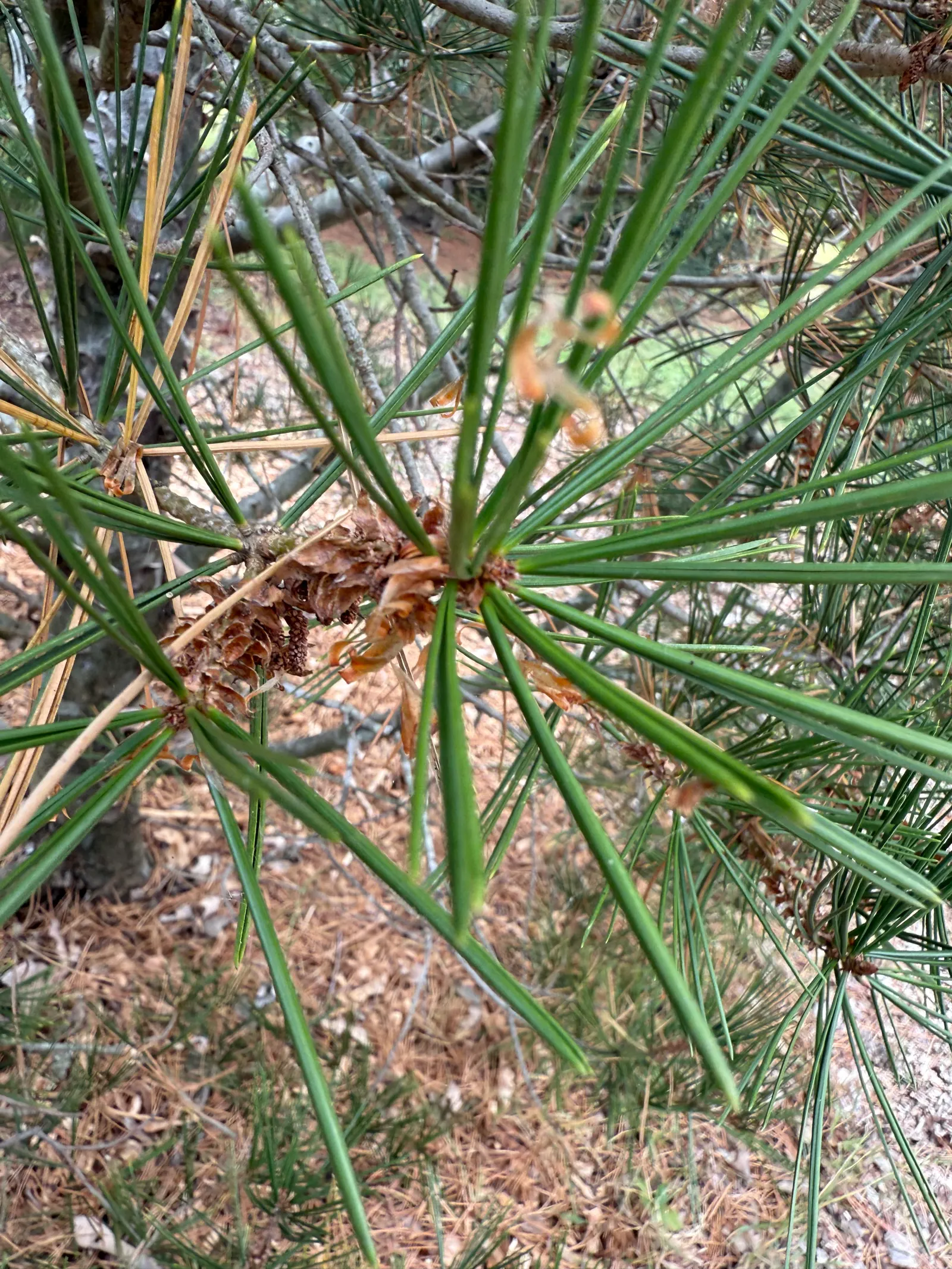


Photographs by 5 contributors
- Solvaram, CC BY 4.0 · source
- Cossey25, CC BY-SA 4.0 · source
- KATHERINE WAGNER-REISS, CC BY-SA 4.0 · source
- David Ohmer from Cincinnati, USA, CC BY 2.0 · source
- USDA Forest Service, CC BY 3.0 us · source