Skip to content

Bristlecone Pine

Pinus Aristata

Design with this plant

Overview

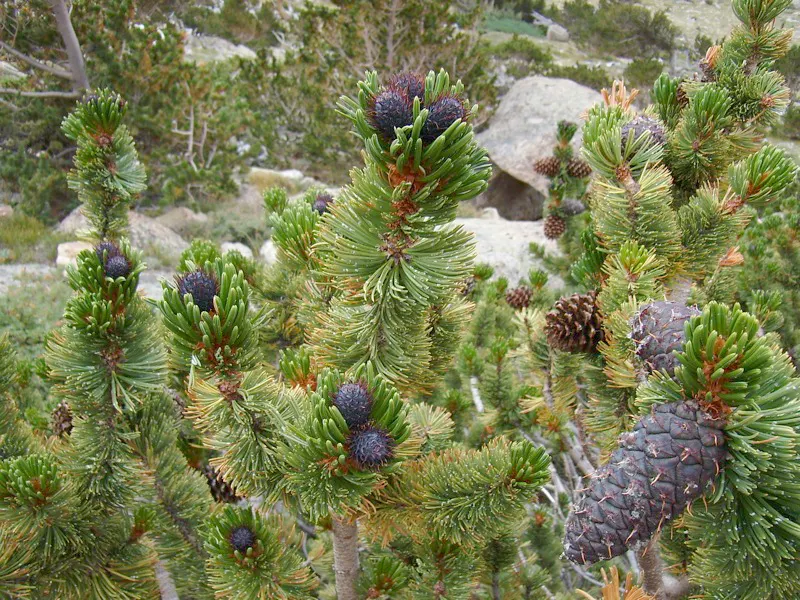
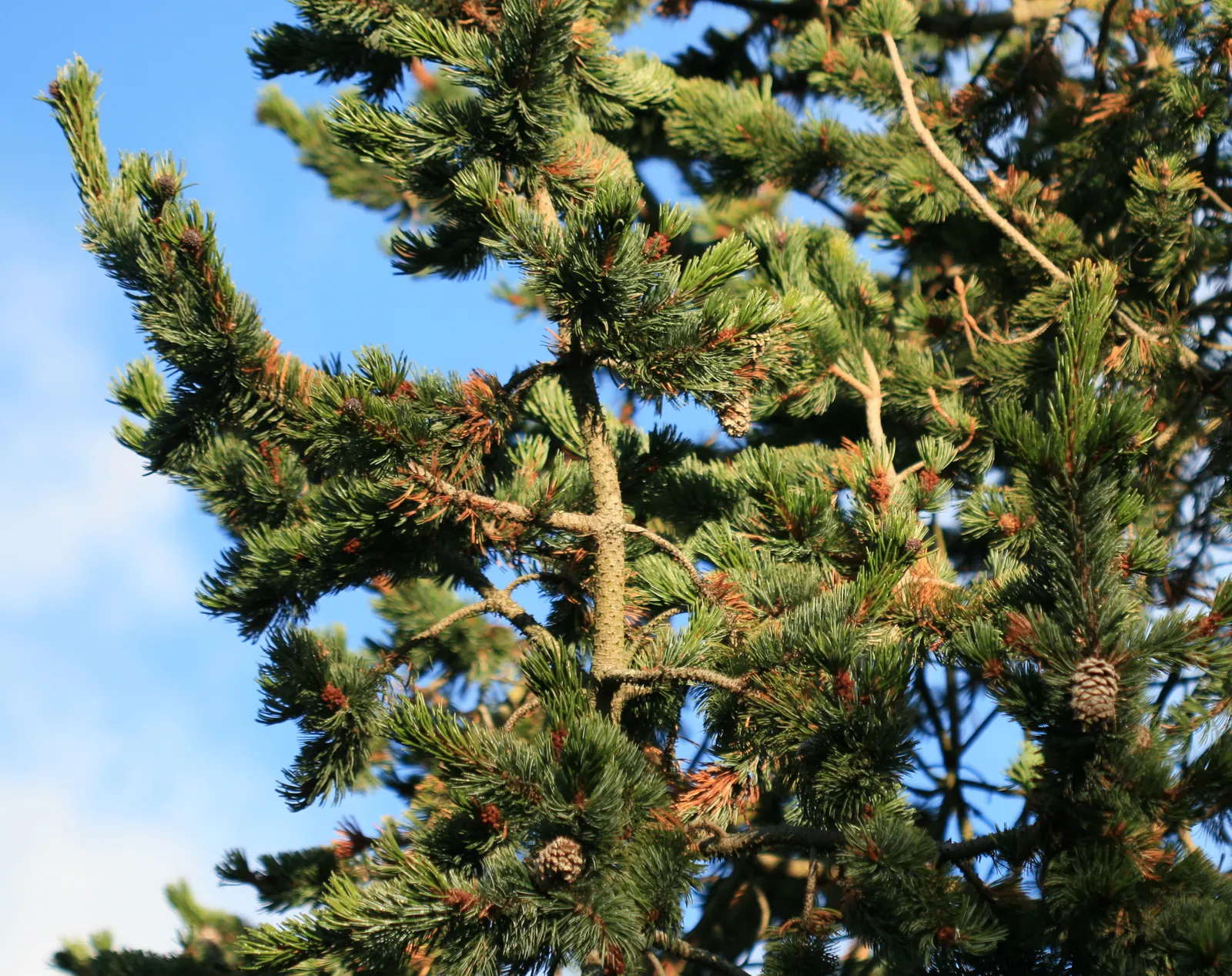
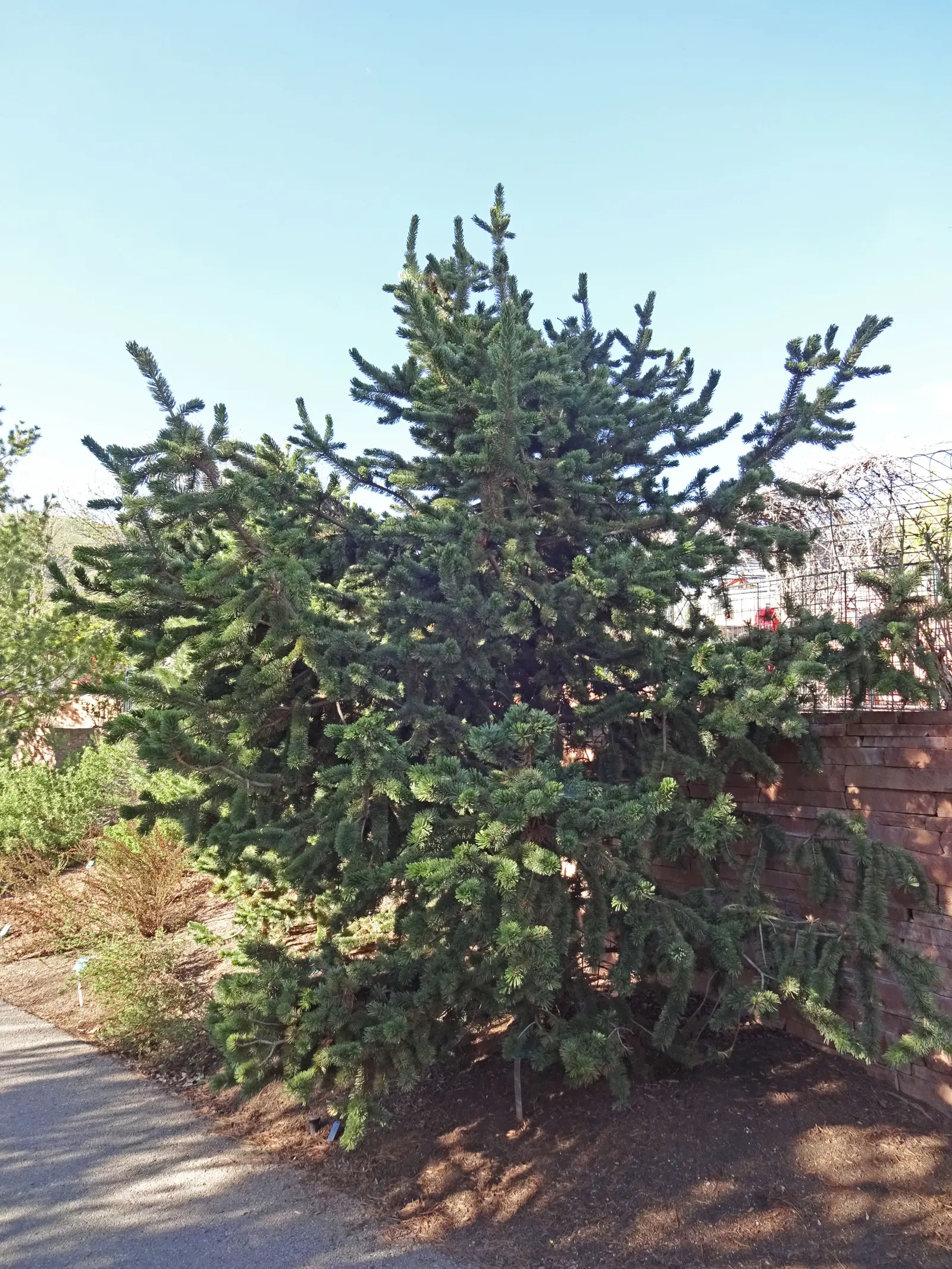
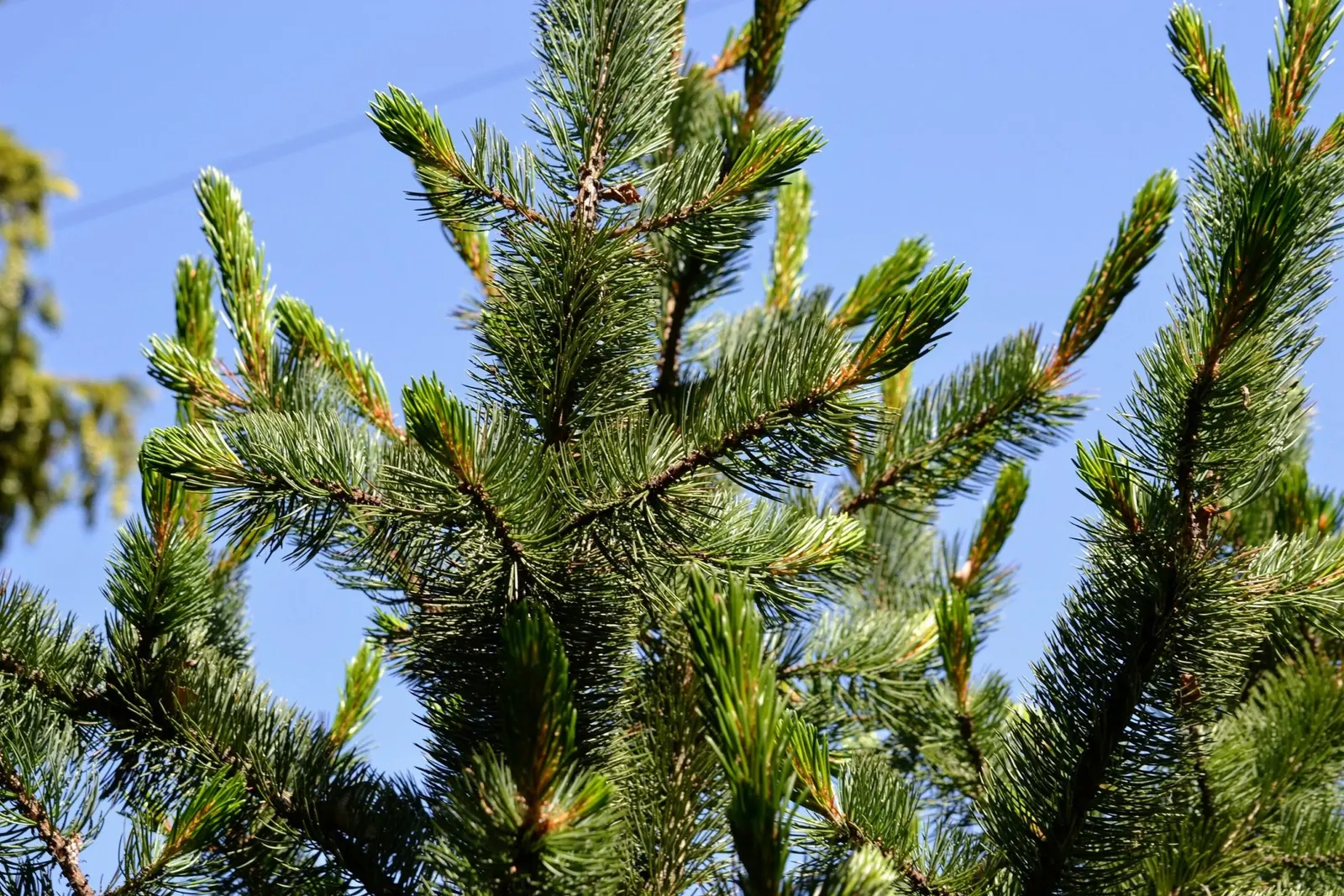
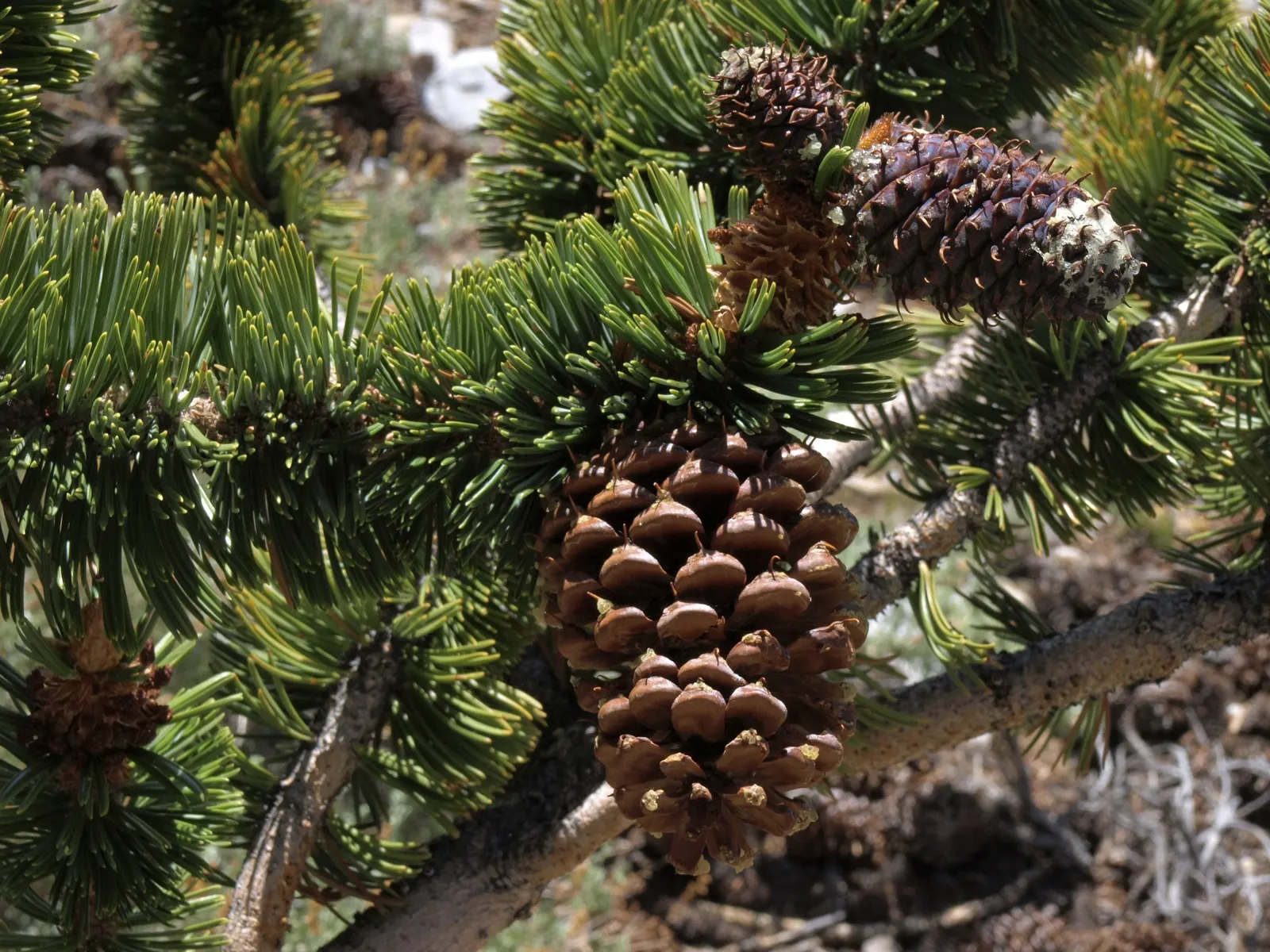
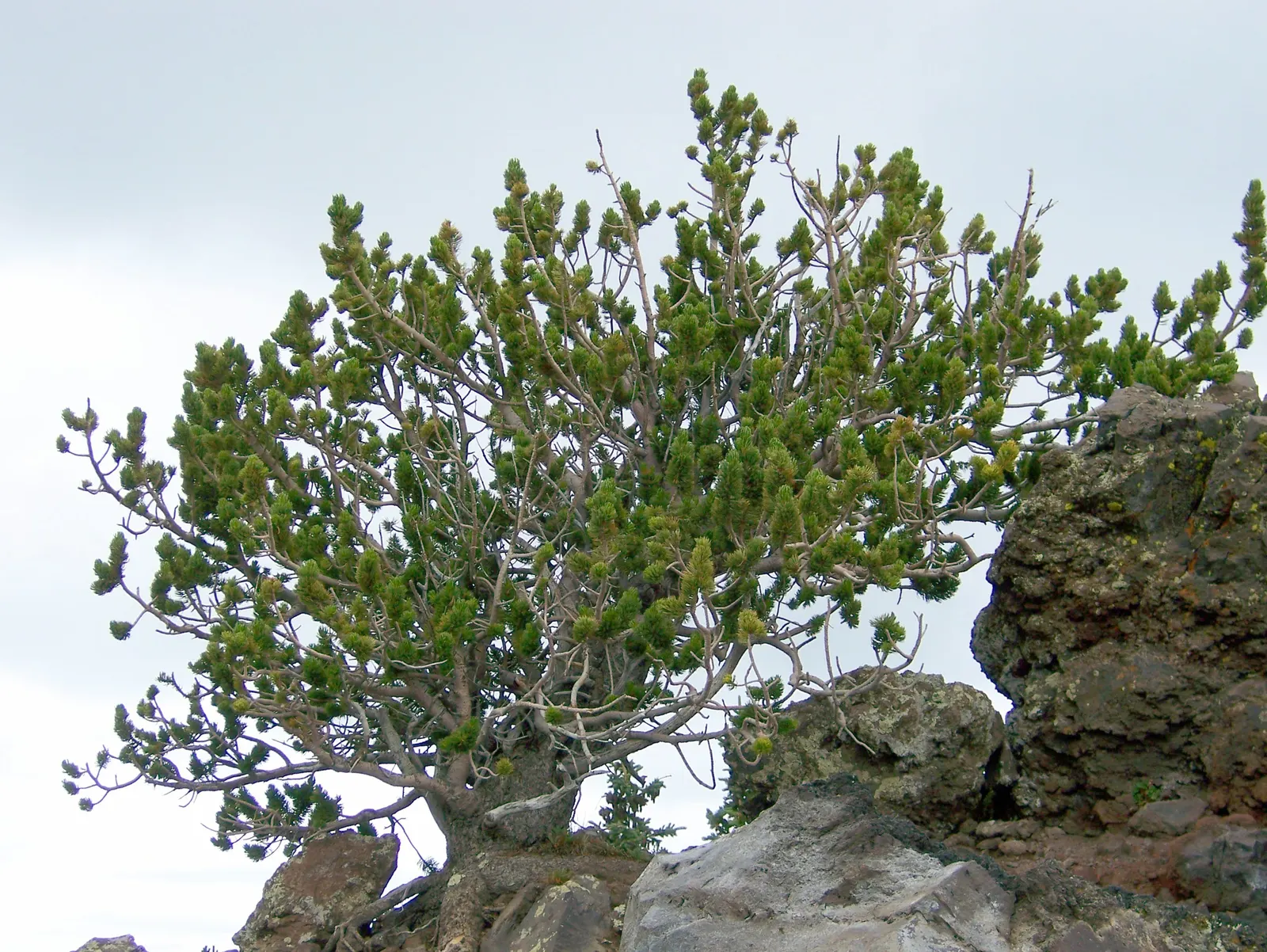
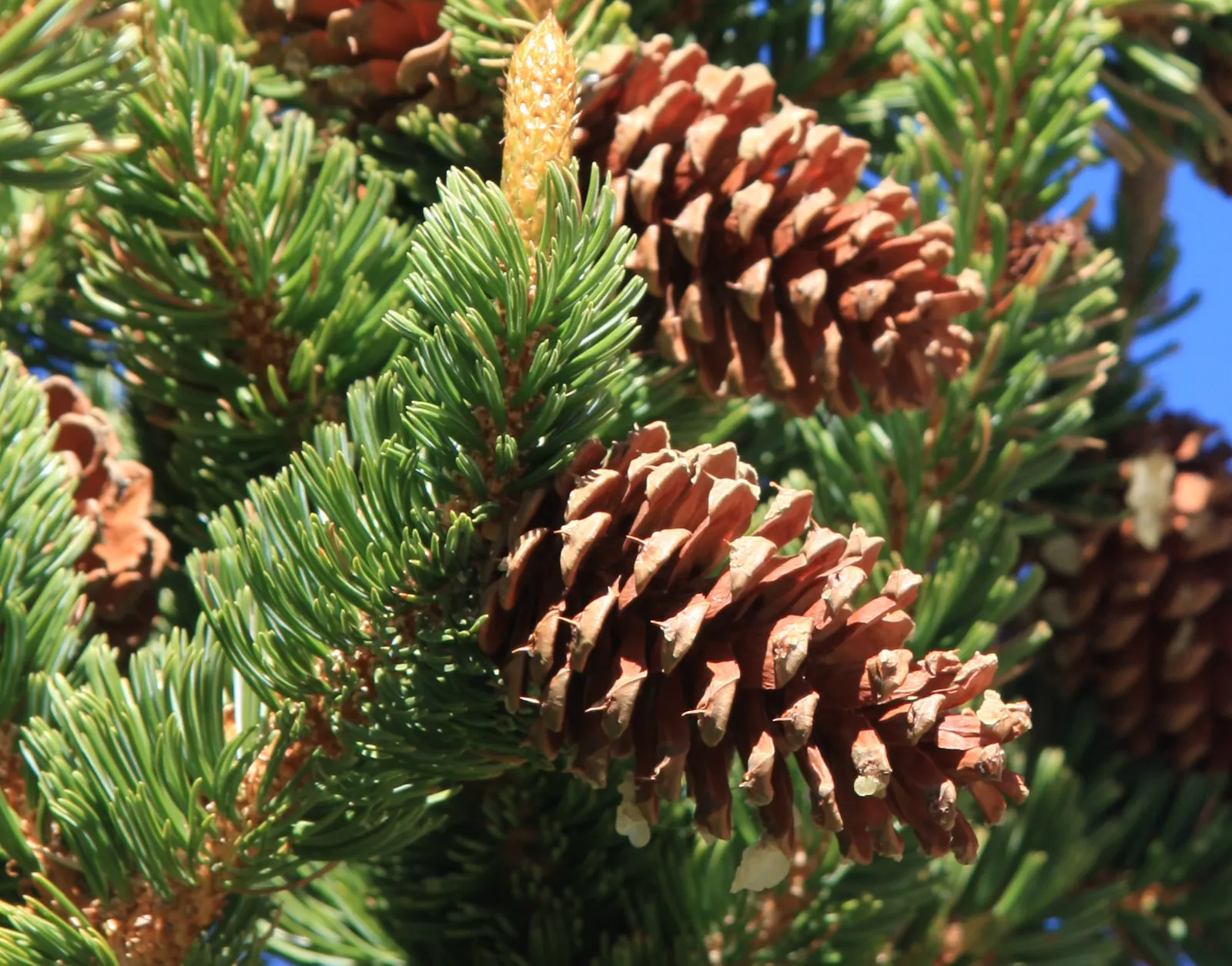
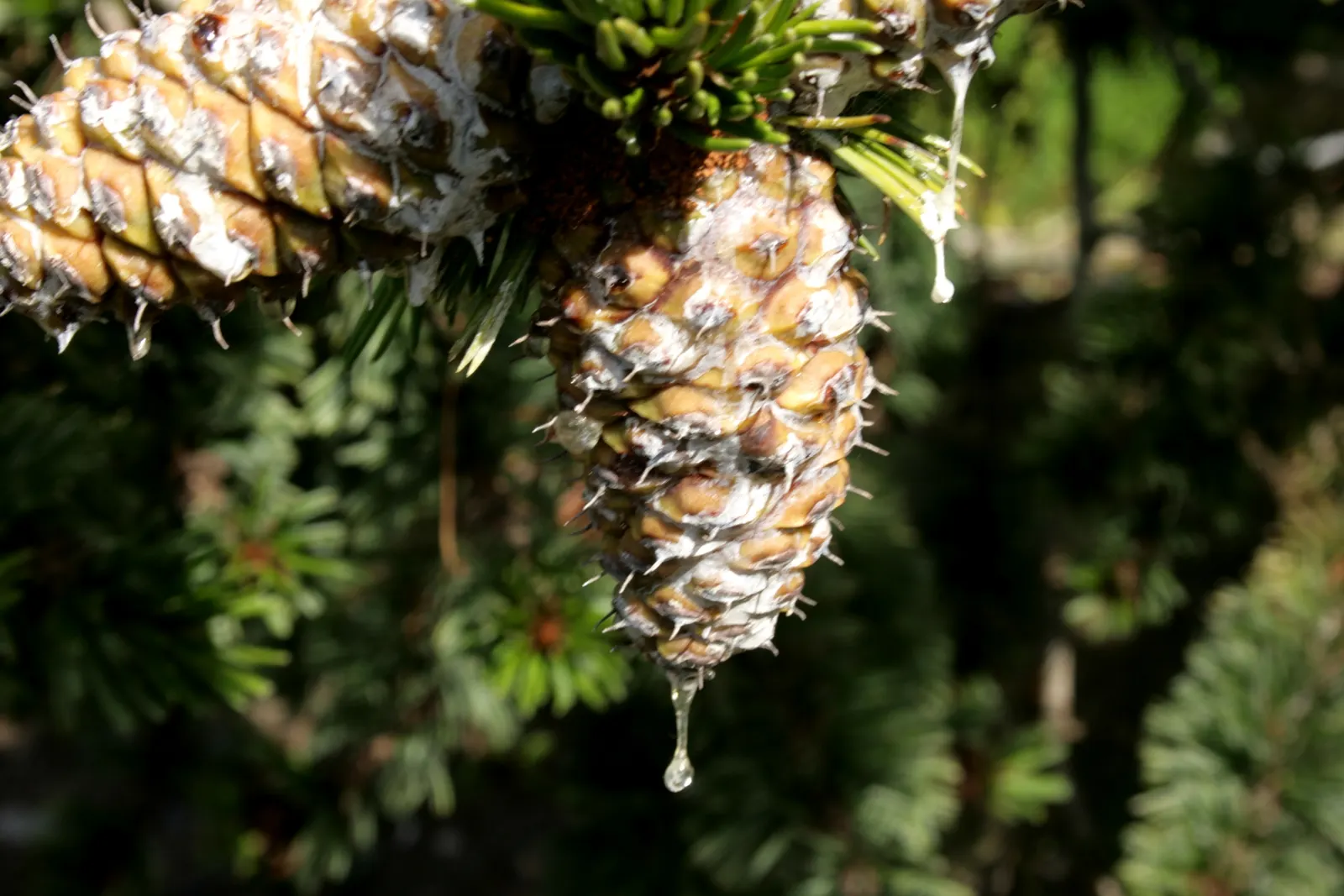
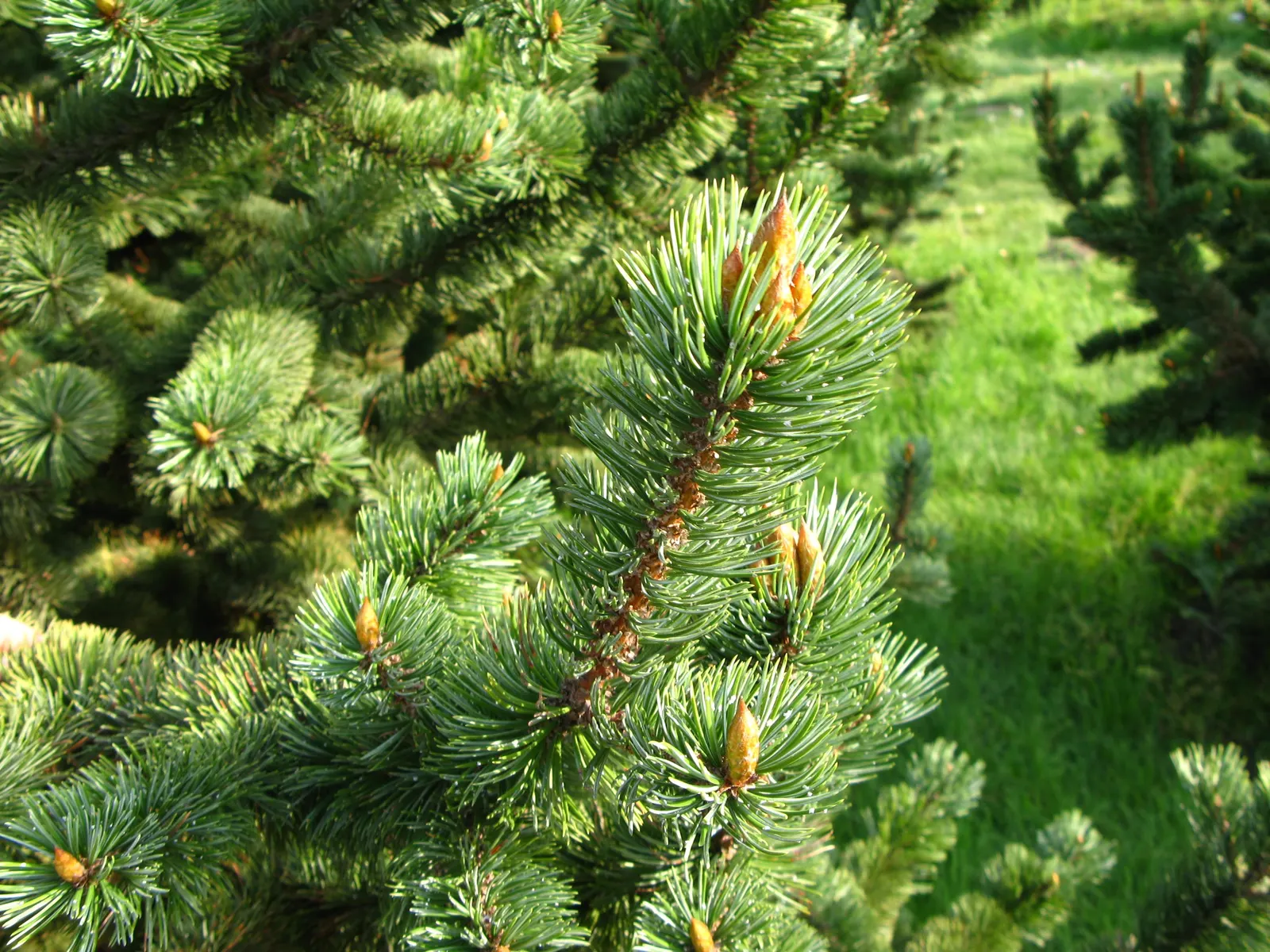
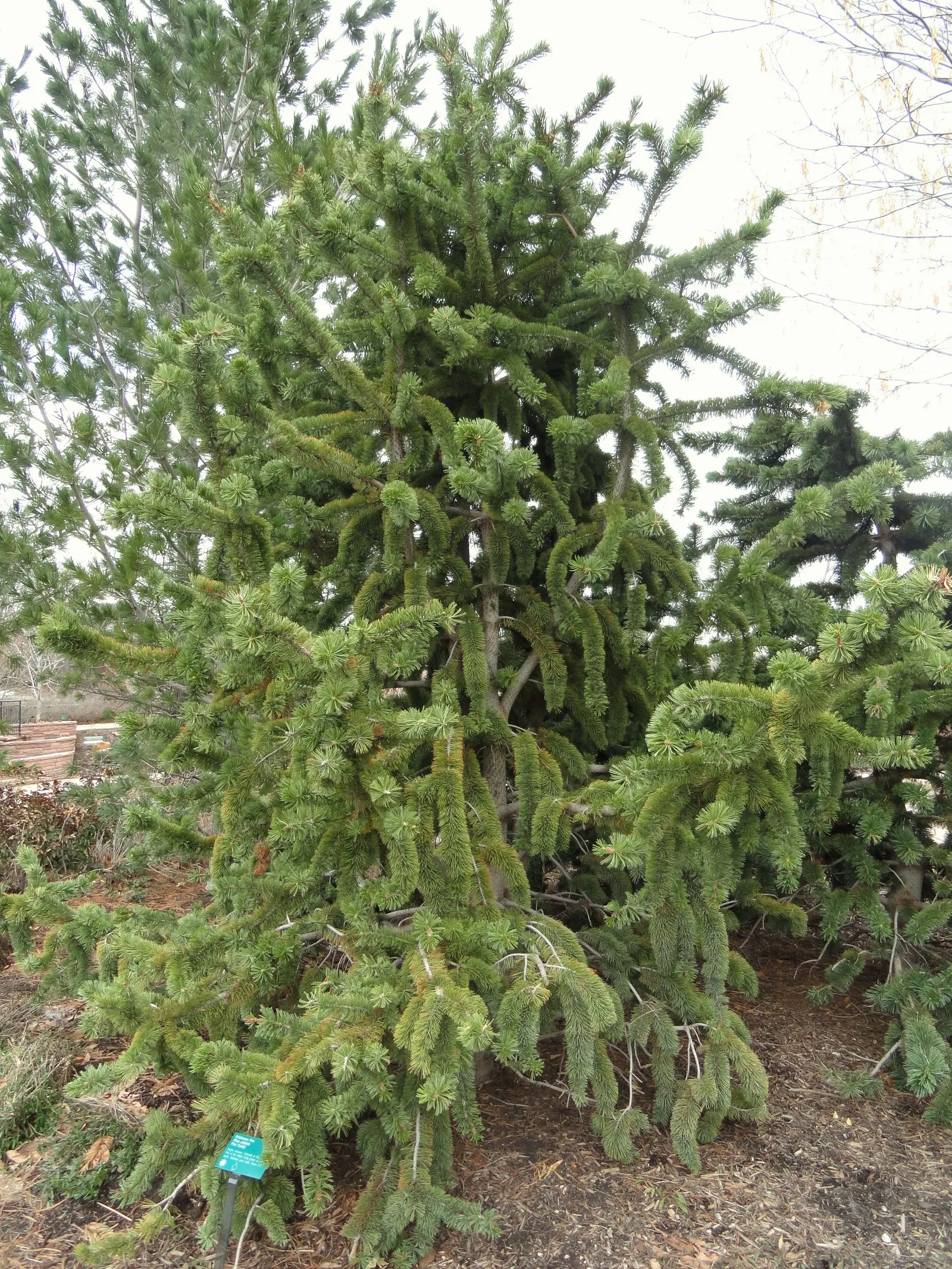
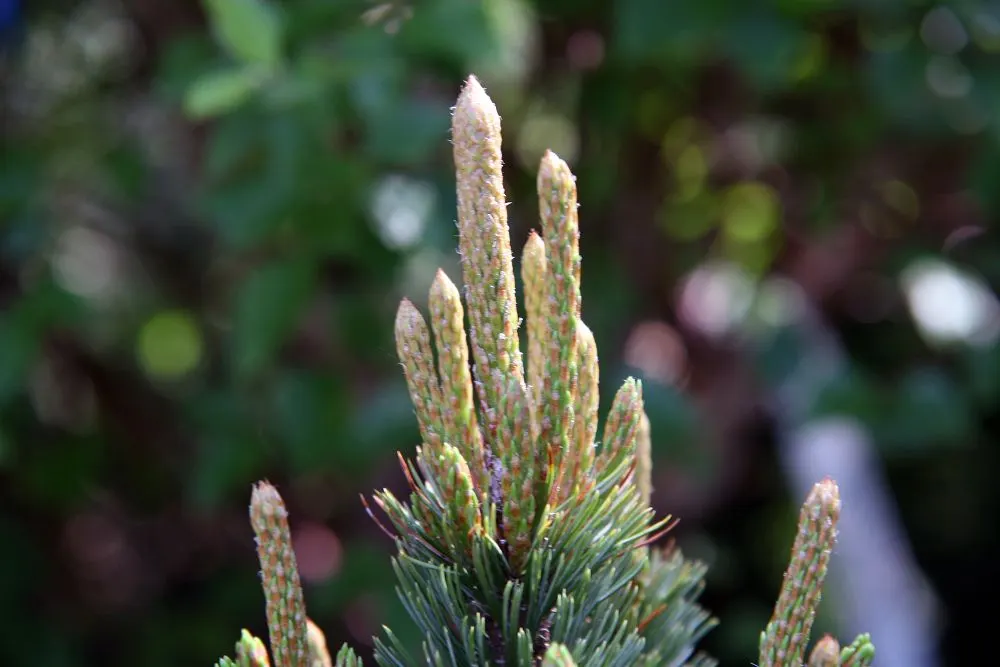
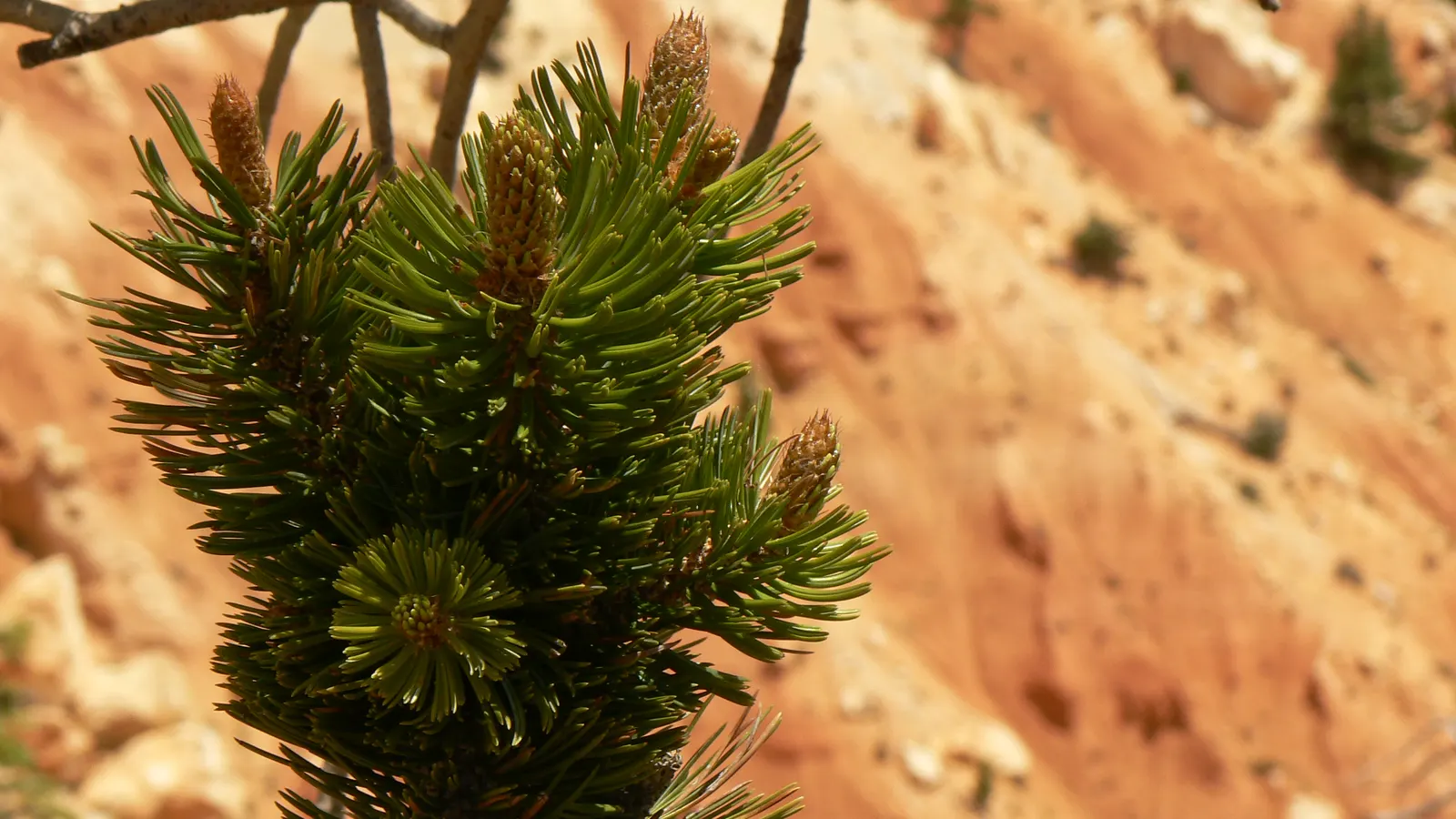
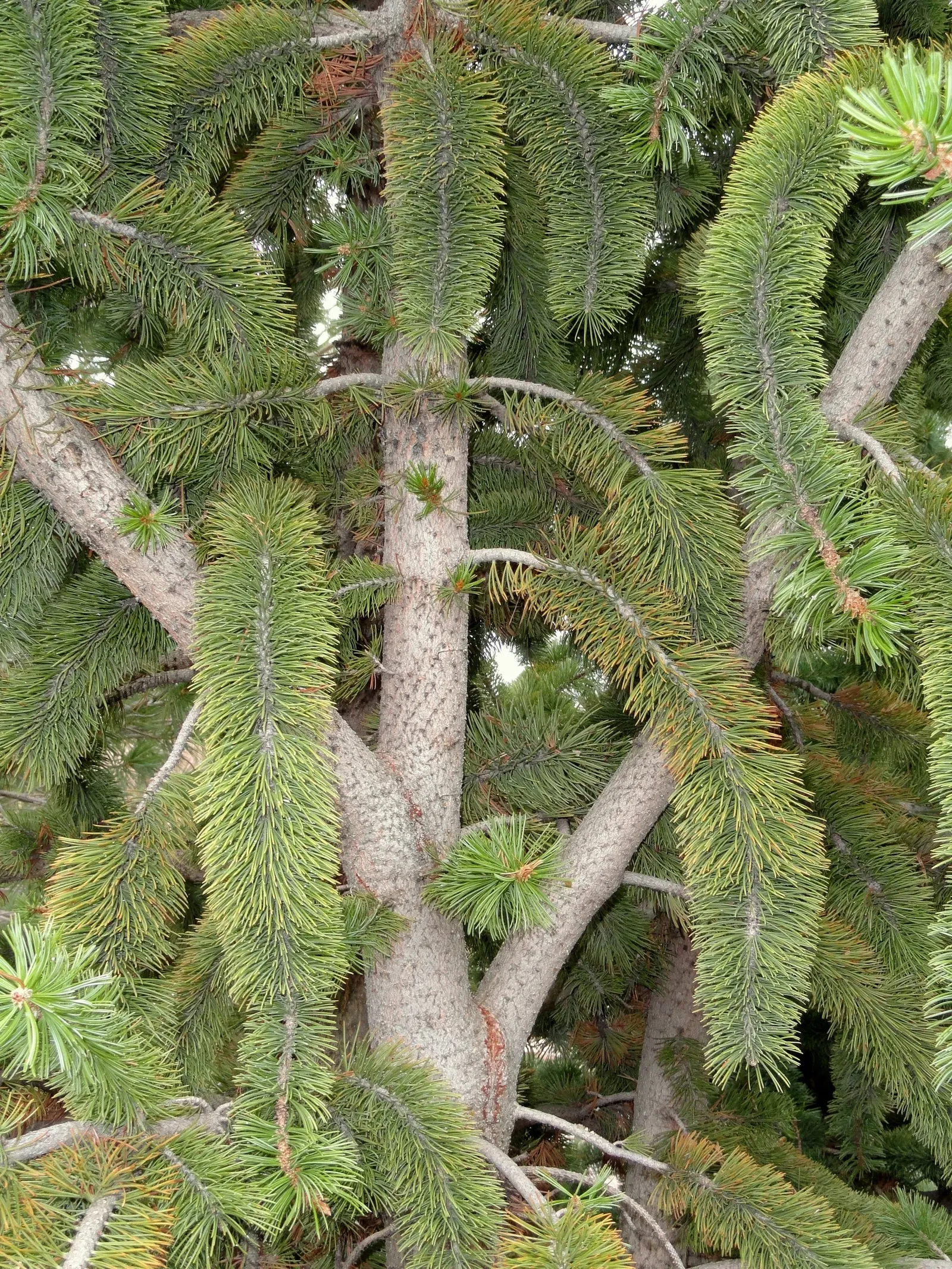
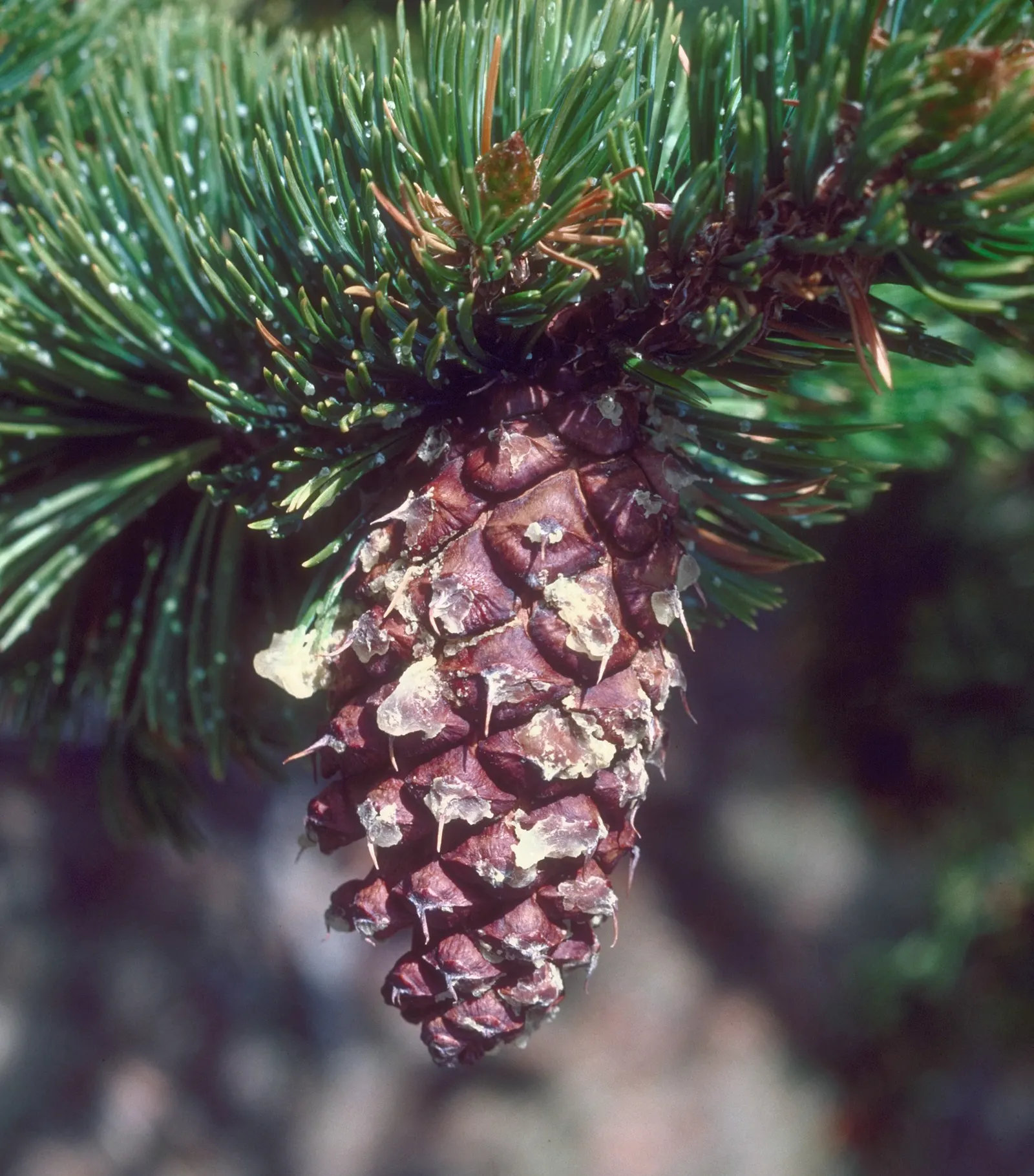
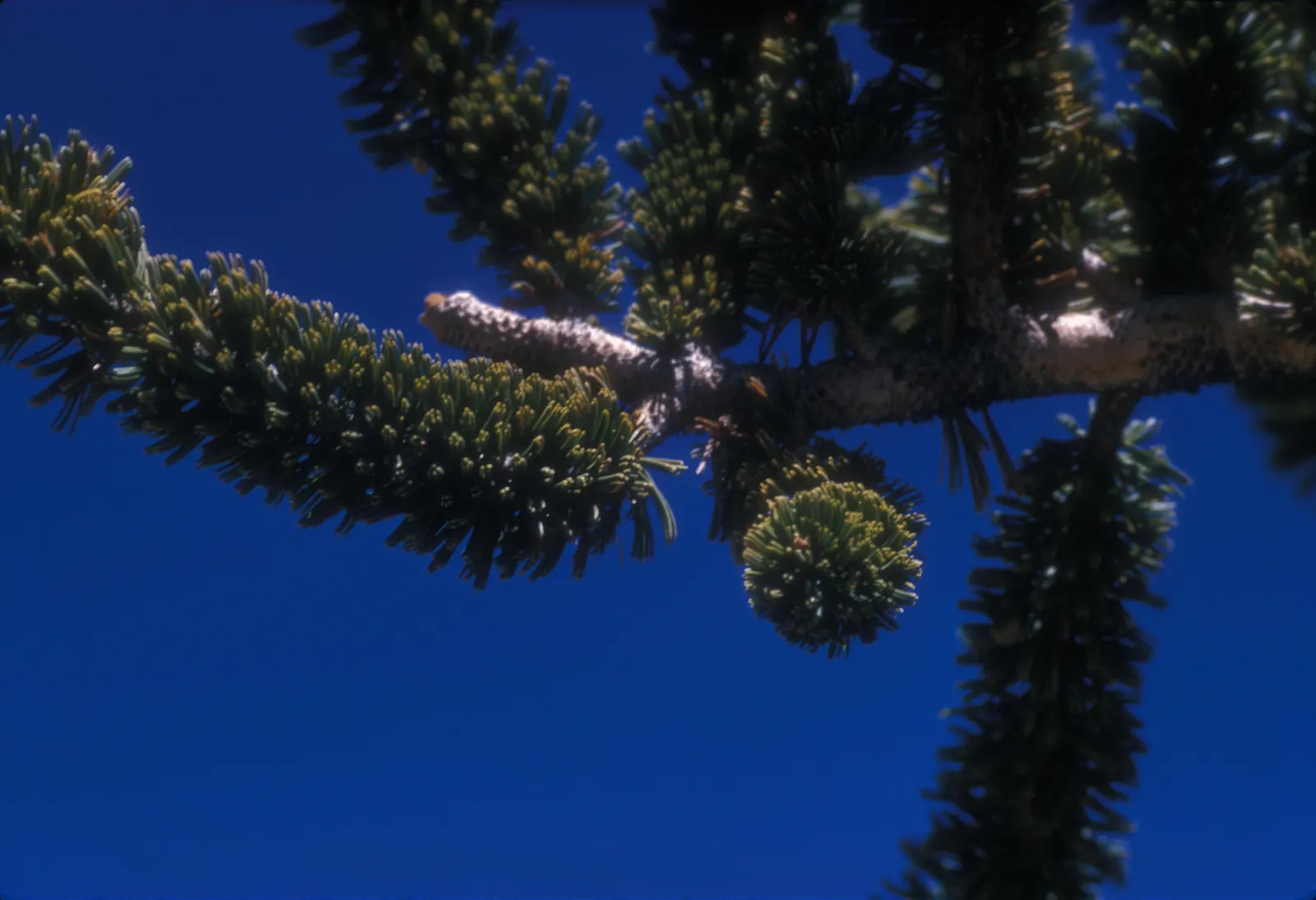
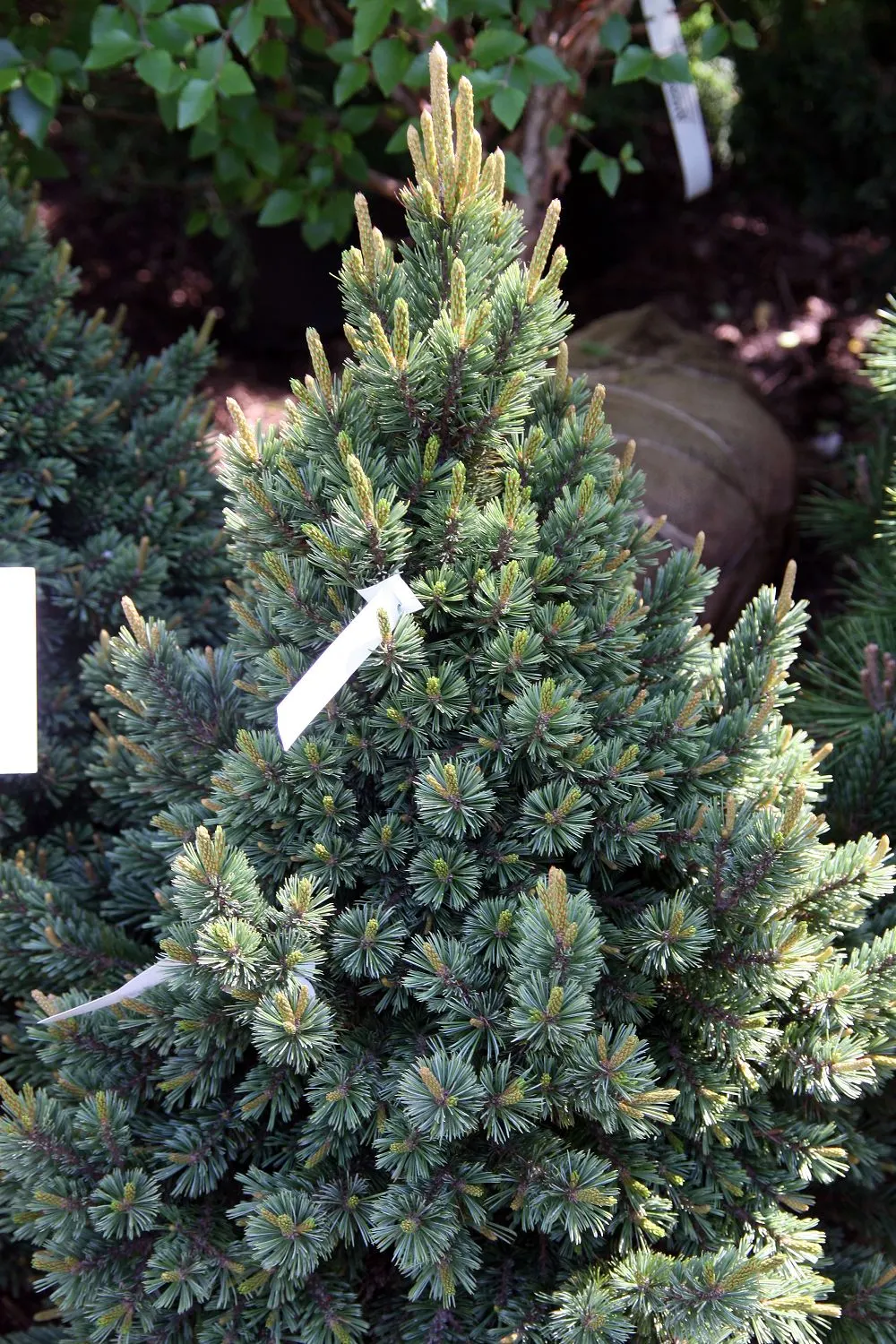
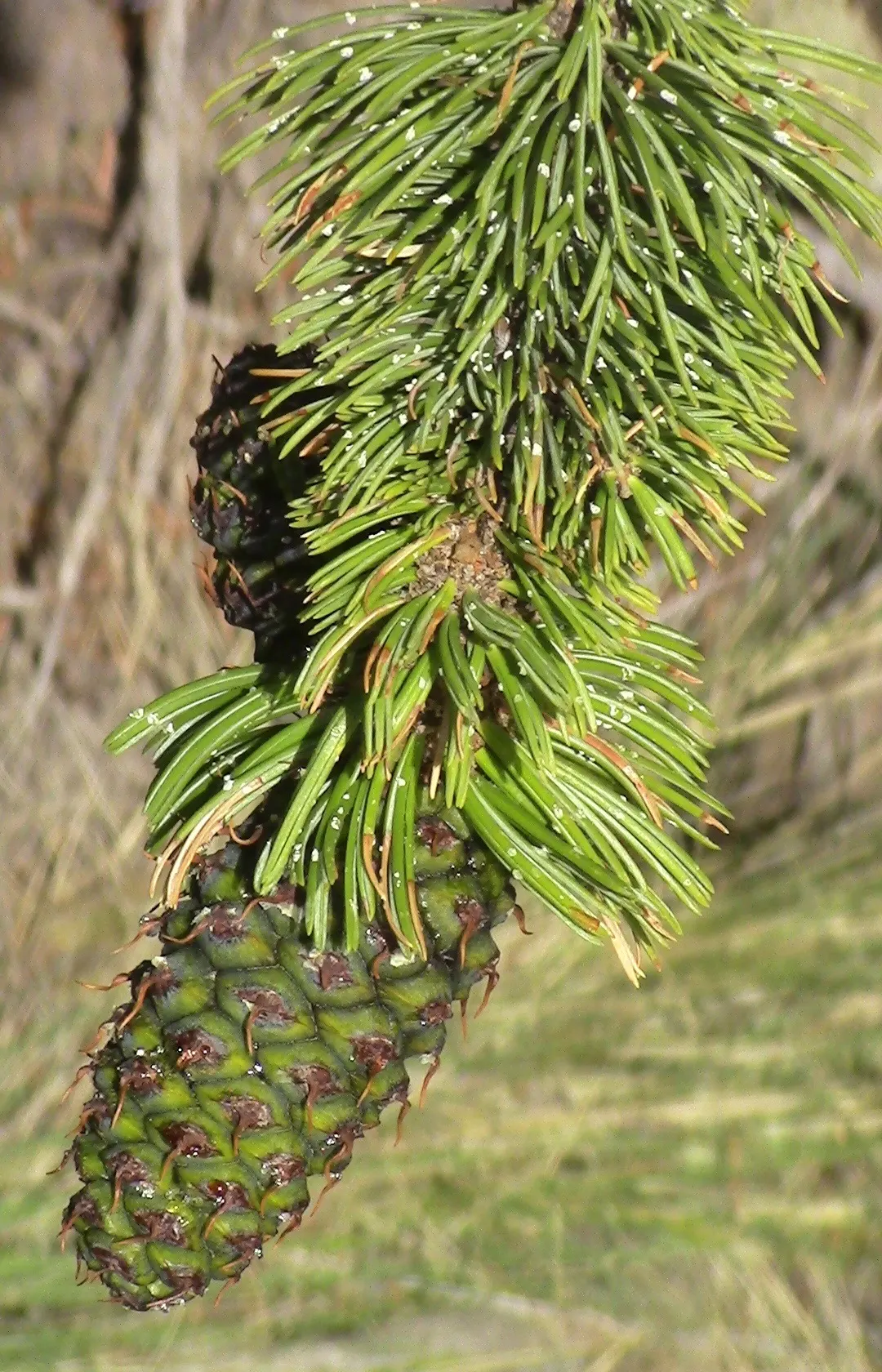
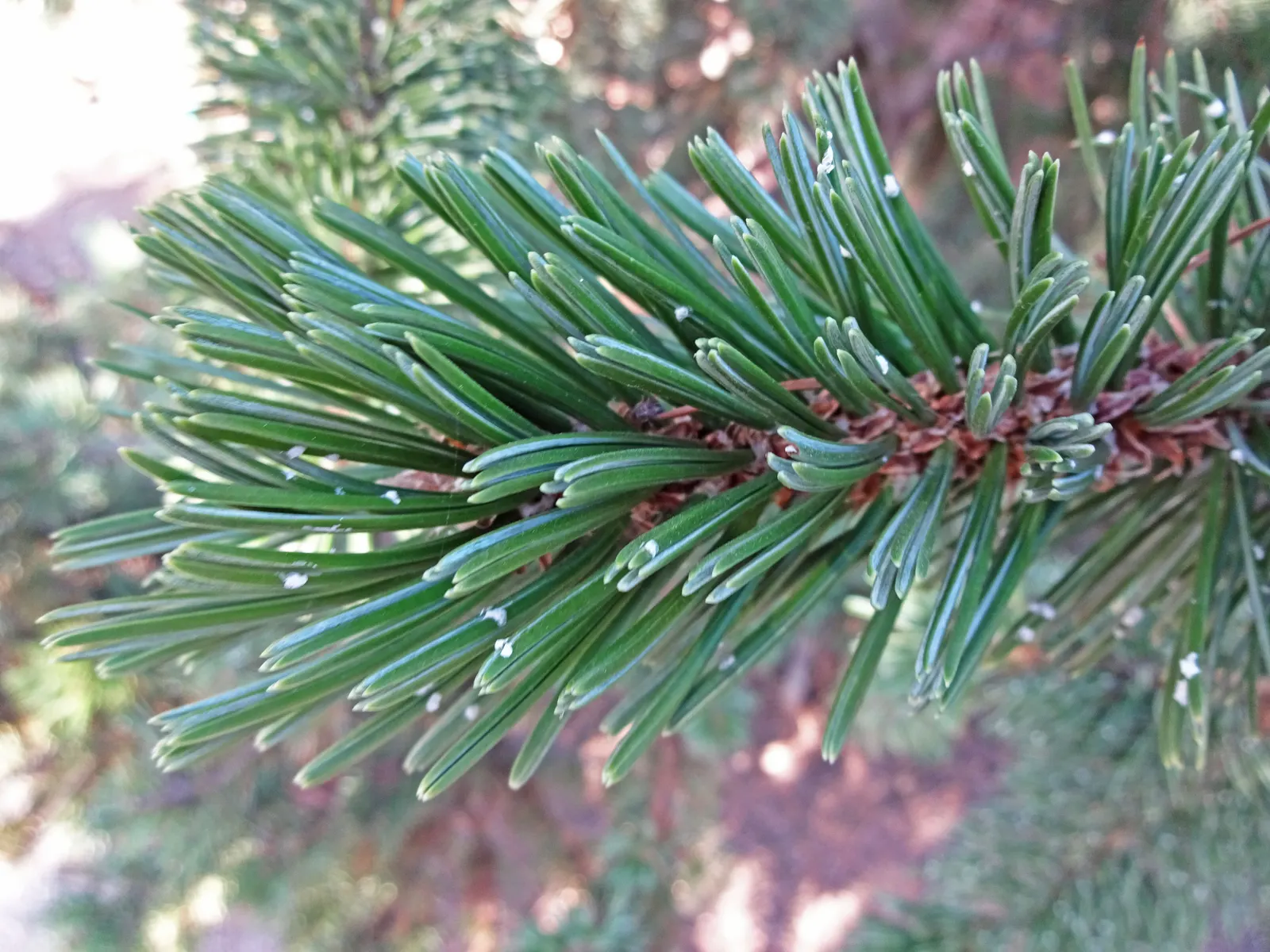
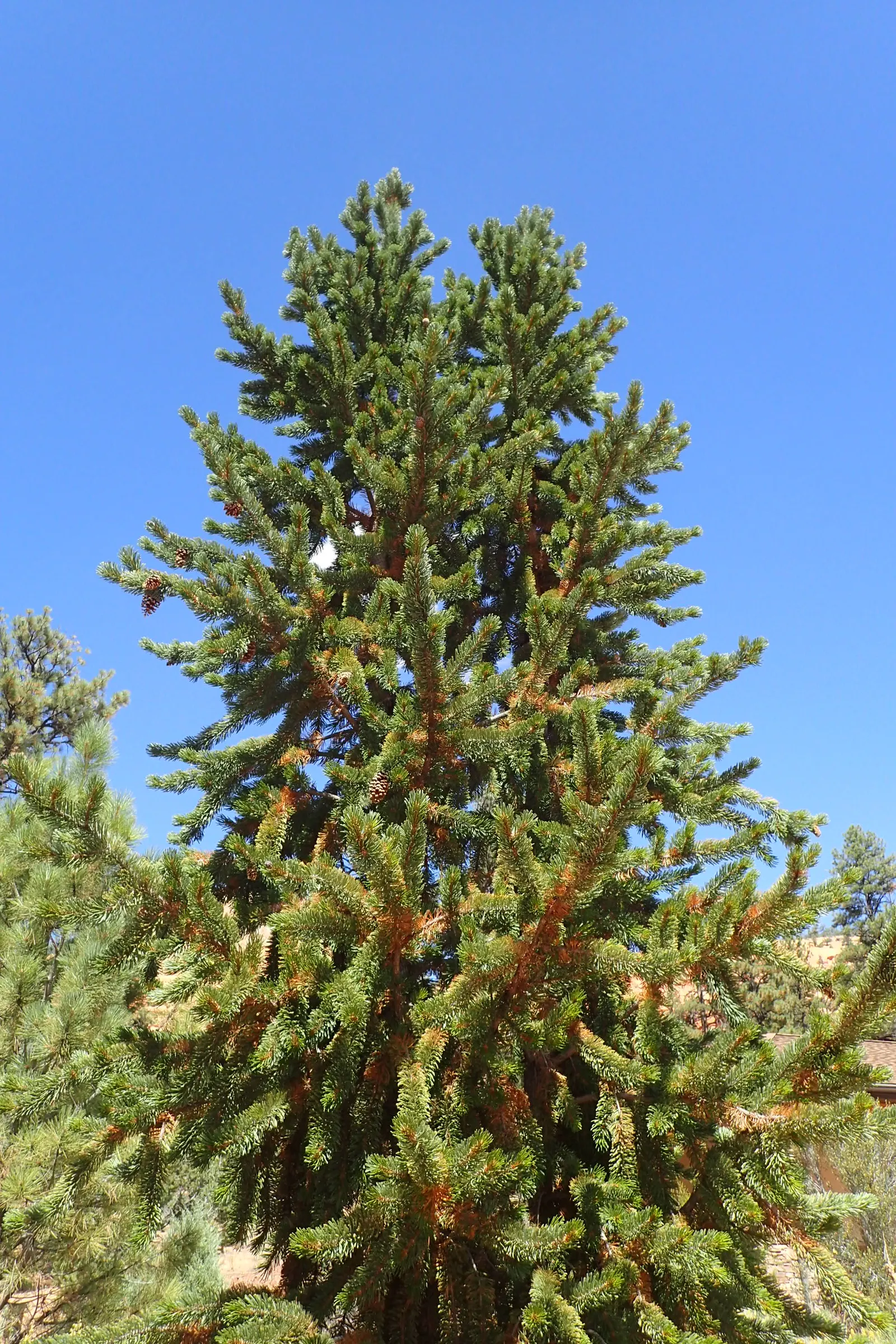
The Bristlecone Pine (Pinus aristata), a long-lived conifer, thrives in the harsh conditions of high altitudes. Reaching up to 20 feet in height, it boasts dense, dark green needles and distinctive, resinous cones with telltale bristles. Its gnarled, twisted form and remarkable resilience to pests and diseases make it a striking visual choice for landscapes seeking a touch of timeless ruggedness. Ideal for USDA zones 4-7.

Sun FullWater LowZones 3–7Climate Temperate
Bristlecone Pine (Pinus Aristata) — The Bristlecone Pine (Pinus aristata), a long-lived conifer, thrives in the harsh conditions of high altitudes

Culture

Sun
Full
Water
Low
USDA zones
3–7

Shape & size

Classification

Family
Pinaceae
Climate
Temperate

See full data, regional cultivation notes, full-resolution photos, and design tools. Build a client presentation around this plant.

Start your 14-day trial

Photos (77)

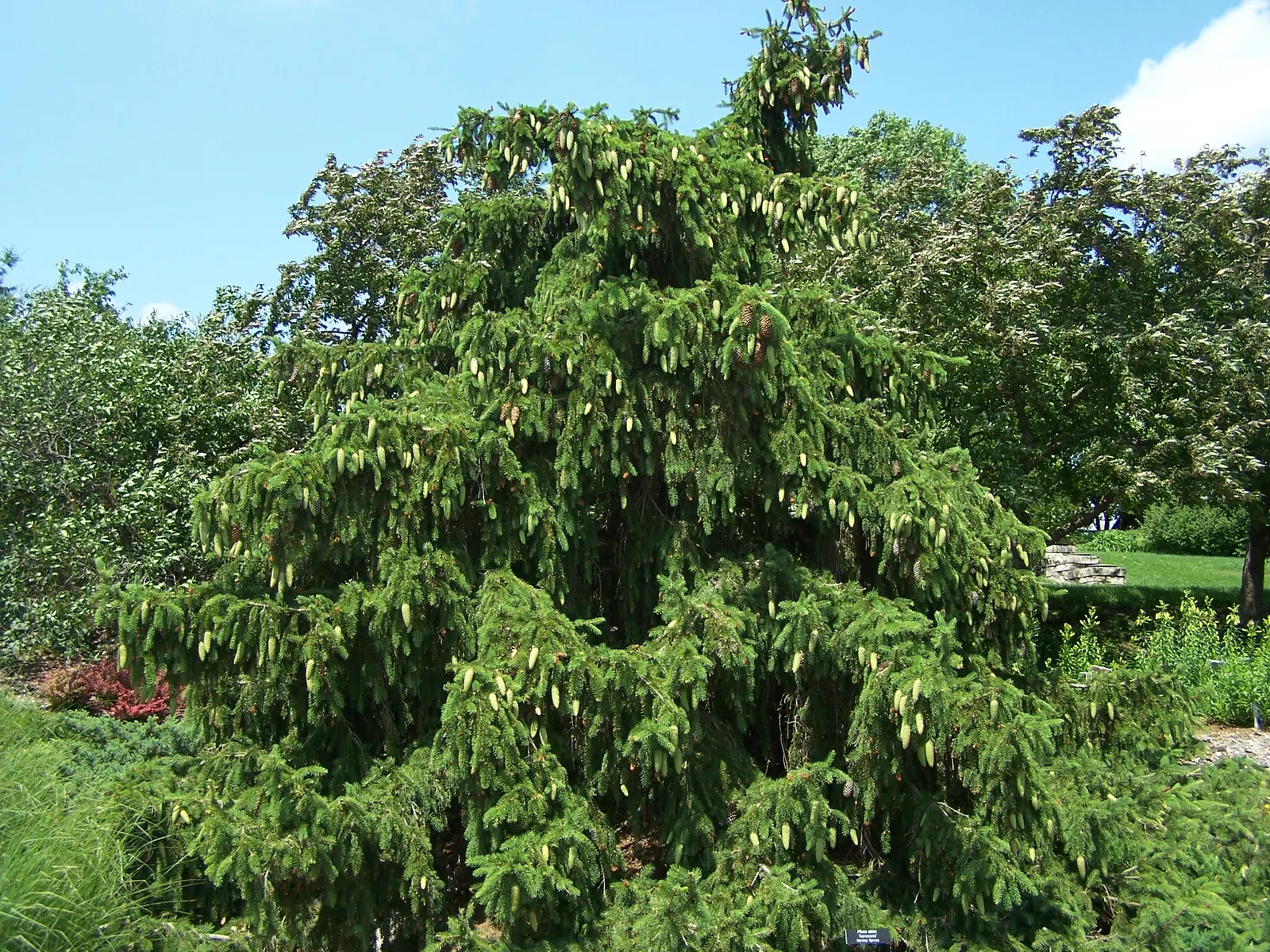
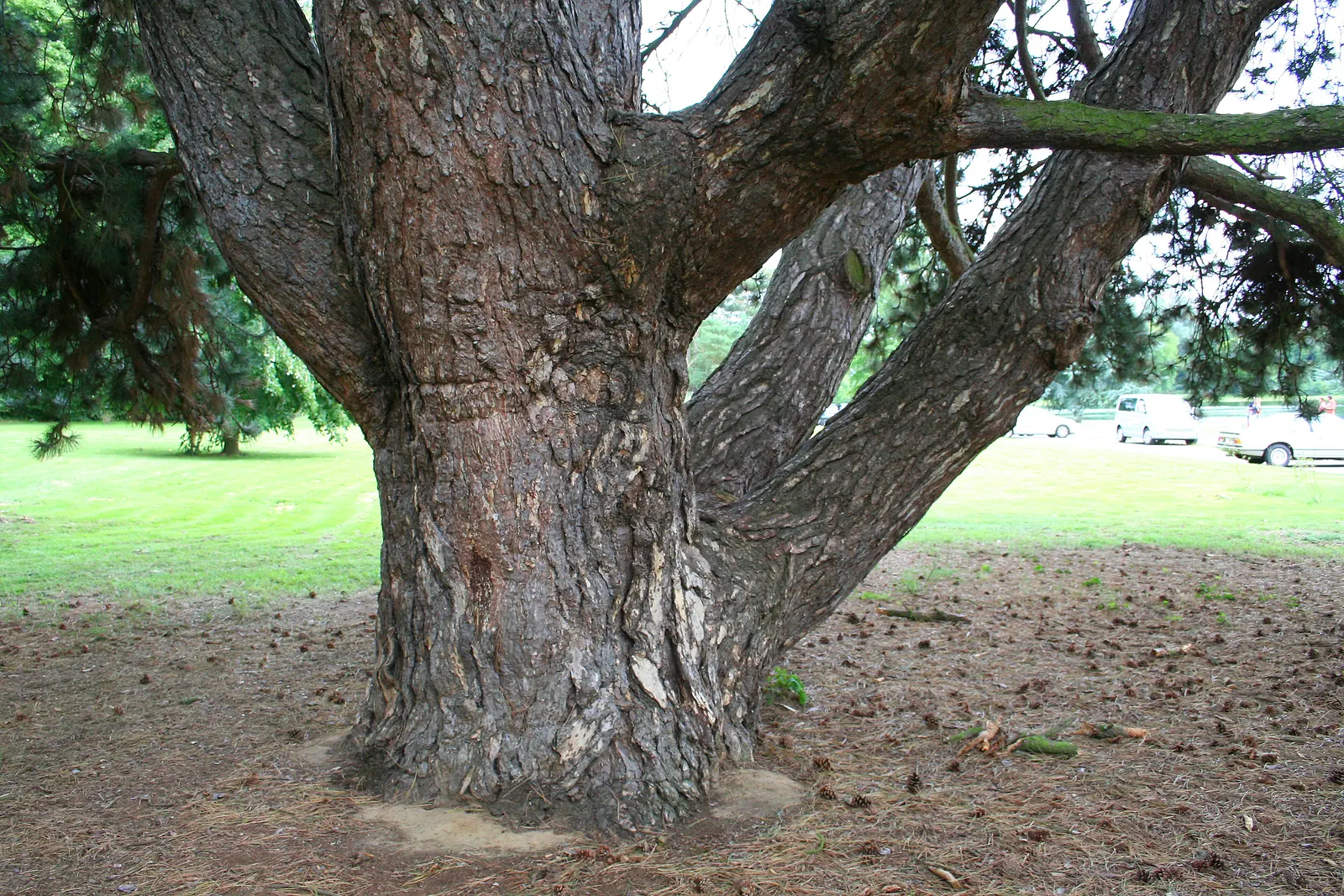
Bristlecone Pine (Pinus Aristata) — as its twisted and gnarled branches give it a unique; use this tree to add texture
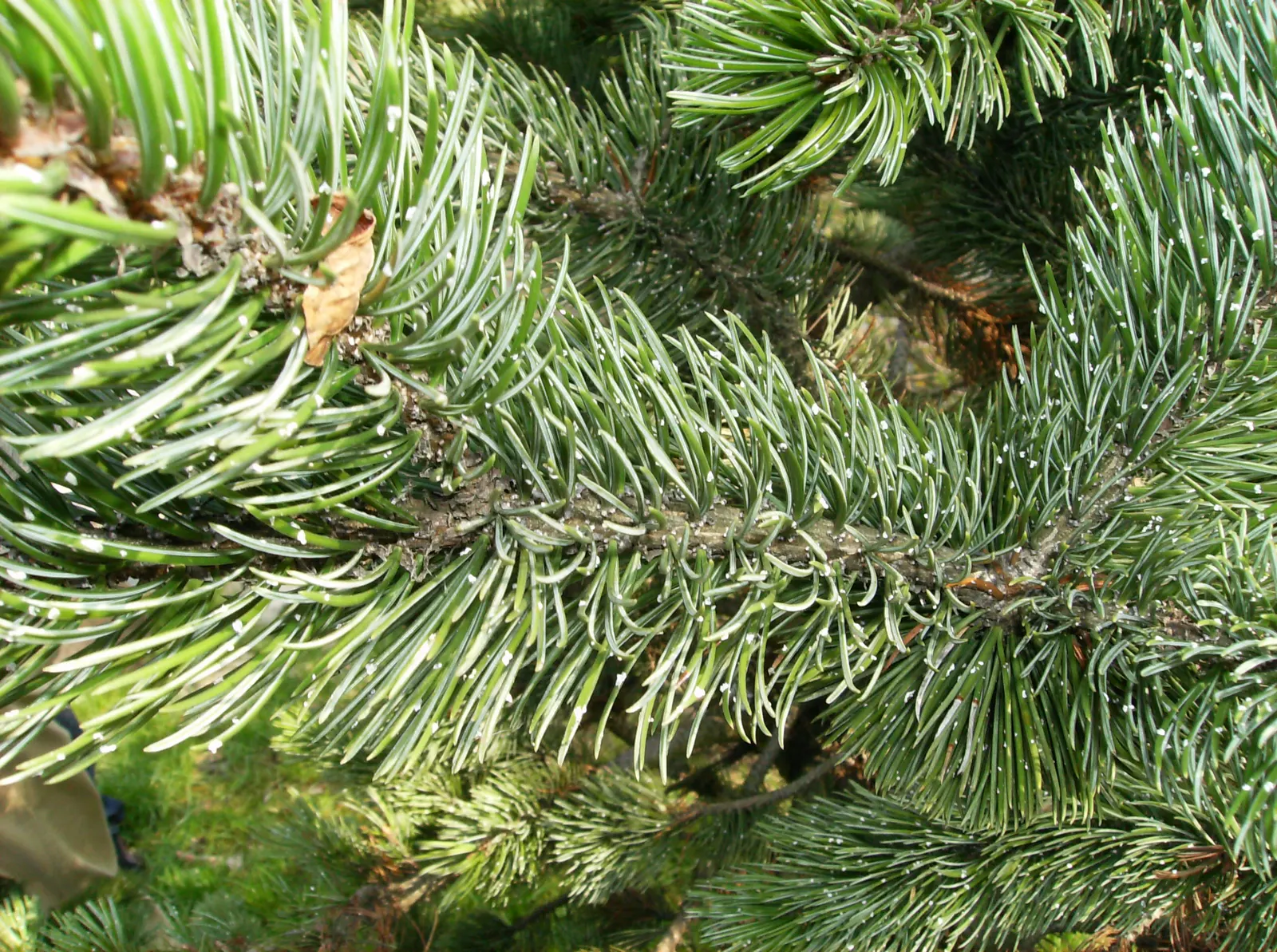
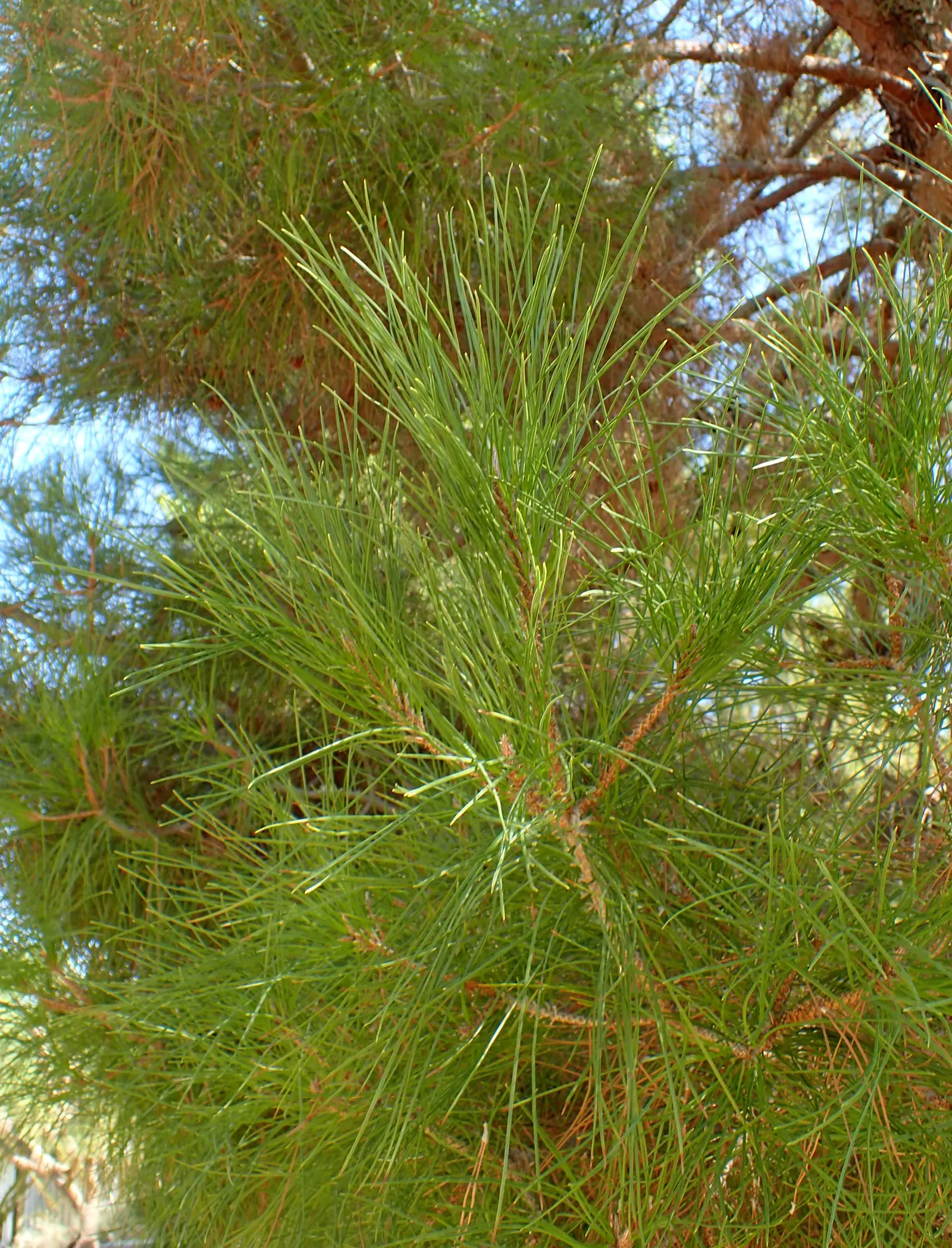
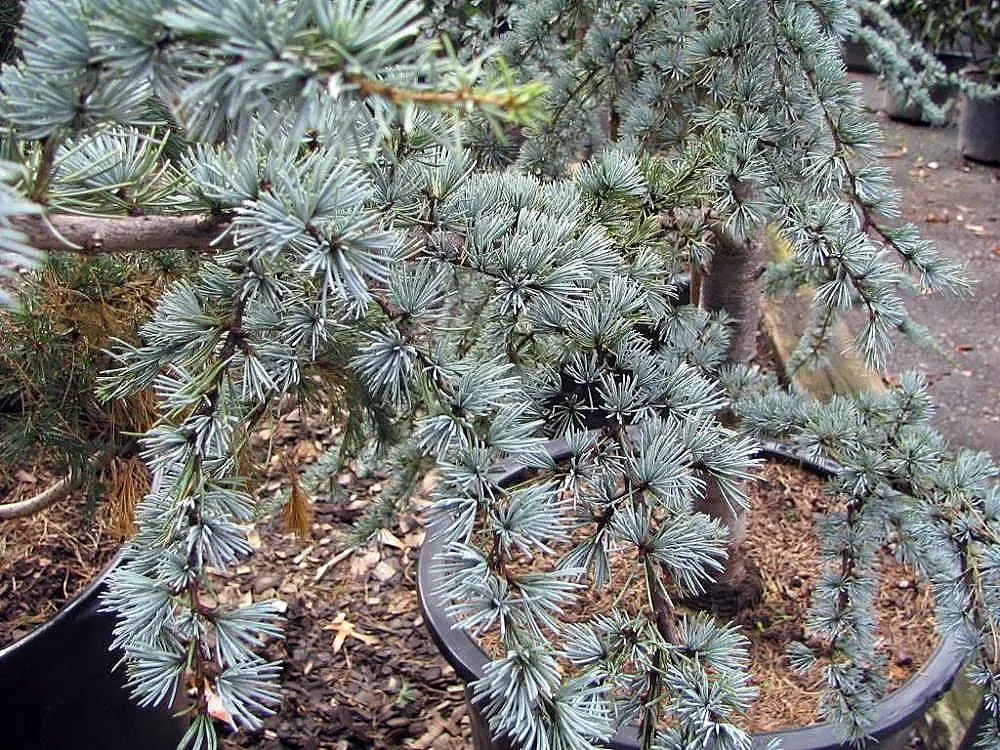
Bristlecone Pine (Pinus Aristata) — growing in clusters of five; known for its longevity and resilience
Bristlecone Pine (Pinus Aristata) — with a length of approximately 1 inch, image 35
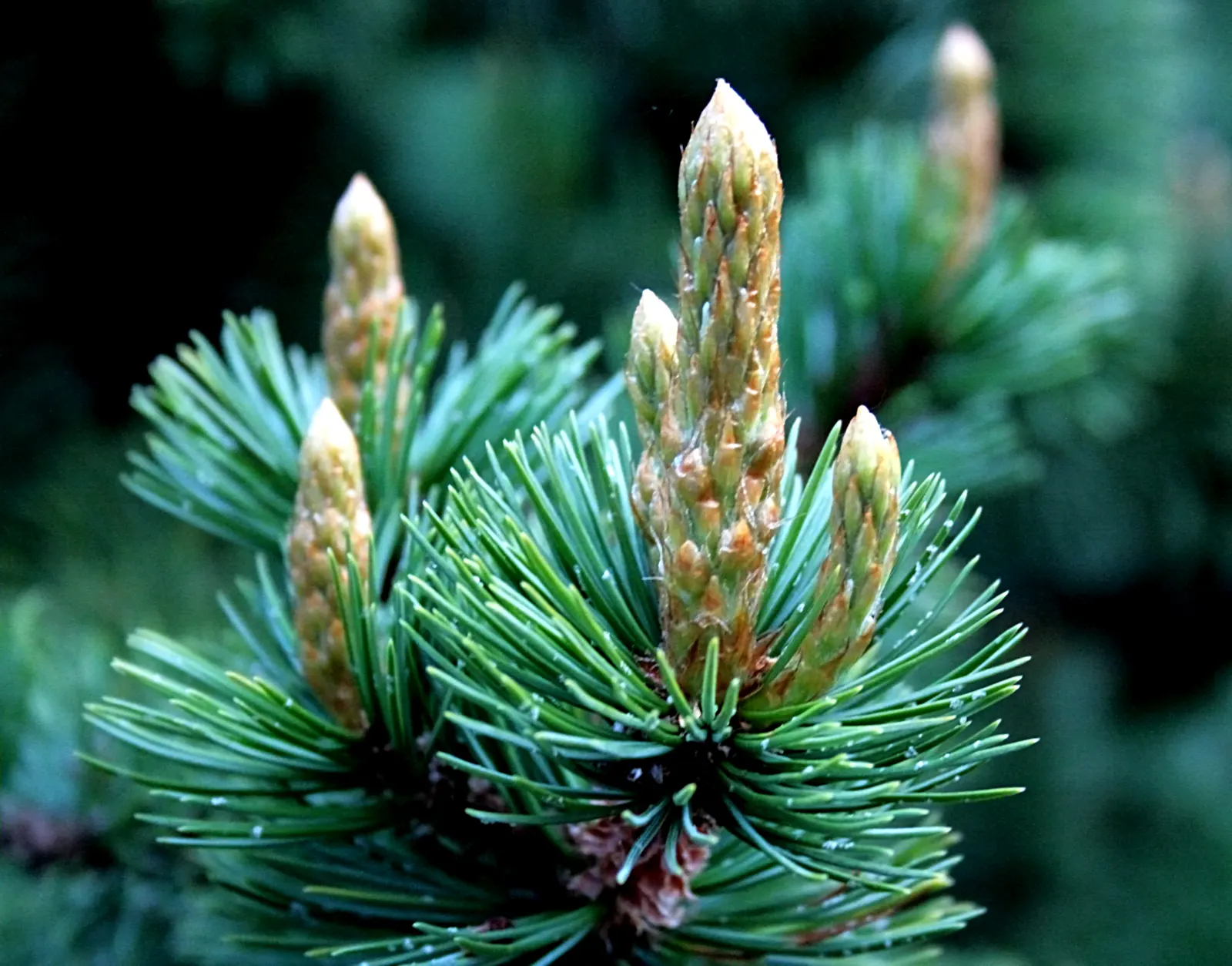
Bristlecone Pine (Pinus Aristata) — and possess a deep green color that contrasts beautifully against the tree's peculiar; in designing with Pinus aristata
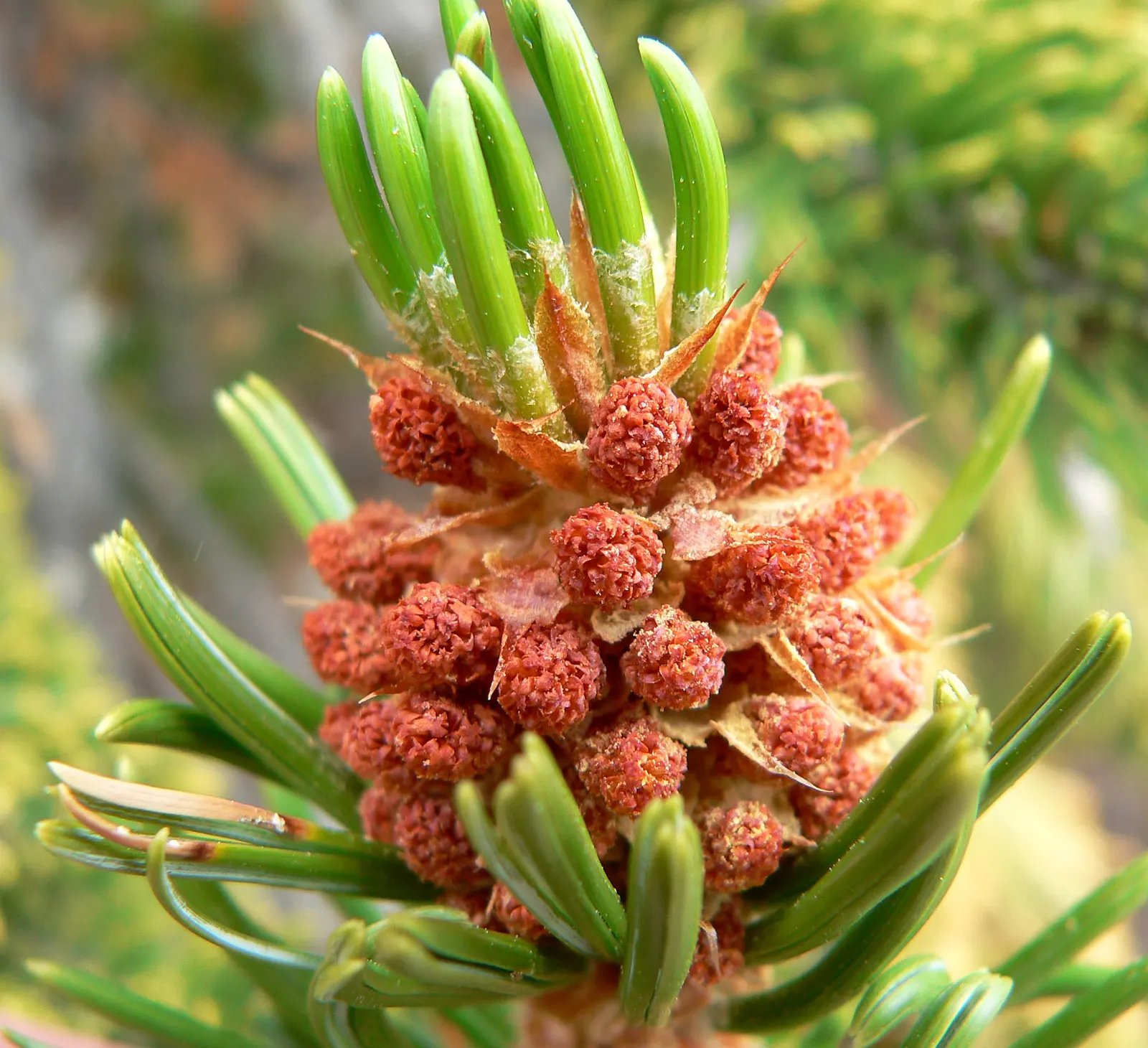
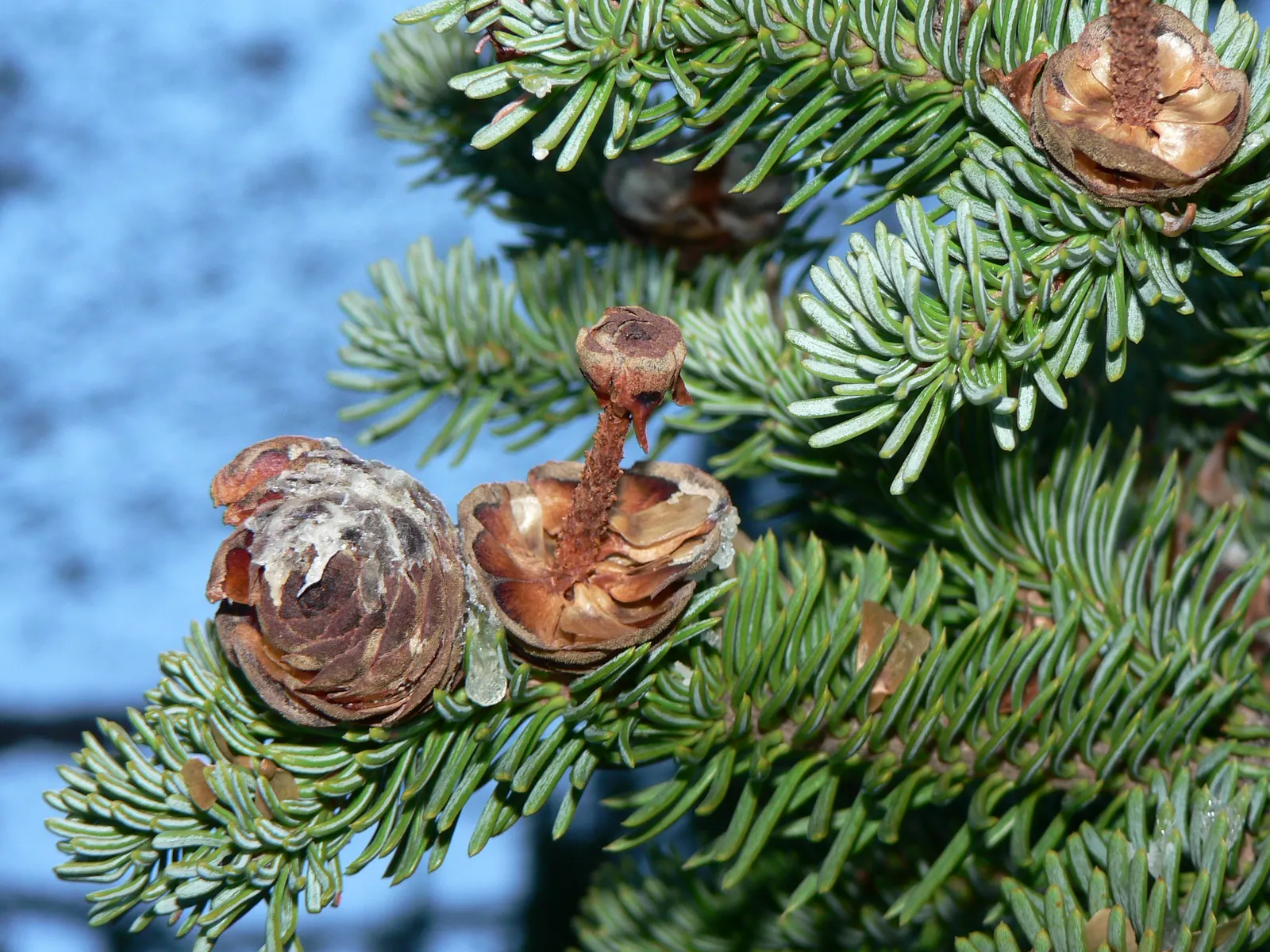
Bristlecone Pine (Pinus Aristata) — often reddish-brown cones; dark green needles and distinctive
Bristlecone Pine (Pinus Aristata) — around 2 to 4 inches in length; as its twisted and gnarled branches give it a unique
Bristlecone Pine (Pinus Aristata) — prefers well-drained conditions; and requires minimal maintenance once established
Bristlecone Pine (Pinus Aristata) — and requires minimal maintenance once established; the Bristlecone Pine (Pinus aristata), a long-lived conifer, thrives in
Bristlecone Pine (Pinus Aristata) — It is also very drought-resistant, making it an excellent choice for water-conservative landscapes; pinus aristata
Bristlecone Pine (Pinus Aristata) — In designing with Pinus aristata; around 2 to 4 inches in length
Bristlecone Pine (Pinus Aristata) — remember that it thrives under full sun exposure and needs plenty of space to develop its unique form; and a sense of
Bristlecone Pine (Pinus Aristata) — Use this tree to add texture; this pine is native to the high mountains of the southwestern United States
Bristlecone Pine (Pinus Aristata) — and a sense of history to garden spaces - a living testament to the enduring beauty of nature; and possess a deep green
Bristlecone Pine (Pinus Aristata) — conifer / shrub for full; remember that it thrives under full sun exposure and needs plenty of space to develop its unique
Bristlecone Pine (Pinus Aristata) — The Bristlecone Pine (Pinus aristata), a long-lived conifer, thrives in the harsh conditions of high altitudes, image 47
Bristlecone Pine (Pinus Aristata) — Reaching up to 20 feet in height; growing in clusters of five, image 48
Bristlecone Pine (Pinus Aristata) — dark green needles and distinctive; it is also very drought-resistant, making it an excellent choice for, image 49
Bristlecone Pine (Pinus Aristata) — resinous cones with telltale bristles; reaching up to 20 feet in height, image 50
Bristlecone Pine (Pinus Aristata) — Known for its longevity and resilience; it is ideal for creating natural-looking, image 51
Bristlecone Pine (Pinus Aristata) — this pine is native to the high mountains of the southwestern United States; prefers well-drained conditions, image 52
Bristlecone Pine (Pinus Aristata) — typically found at elevations between 7,000 and 12,000 feet.<br><br>Growing at a slow pace; conifer / shrub for, image 53
Bristlecone Pine (Pinus Aristata) — Pinus aristata eventually reaches a height of 20 to 30 feet with a spread of 10 to 20 feet; typically found at, image 54
Bristlecone Pine (Pinus Aristata) — It is ideal for creating natural-looking; often reddish-brown cones, image 55
Bristlecone Pine (Pinus Aristata) — as its twisted and gnarled branches give it a unique; use this tree to add texture, image 56

Related plants