Skip to content

Japanese Larch

Larix Kaempferi

Design with this plant

Overview

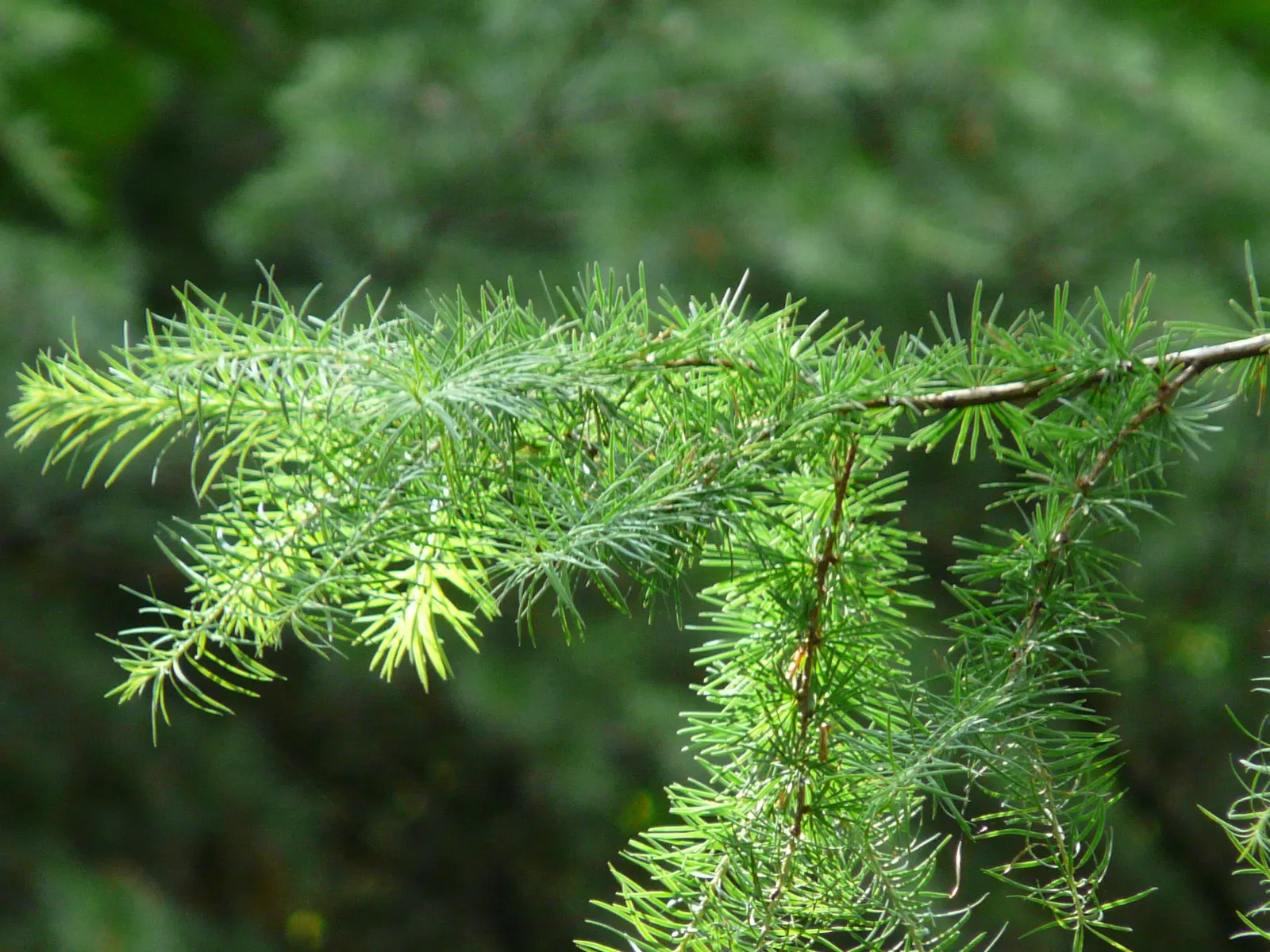
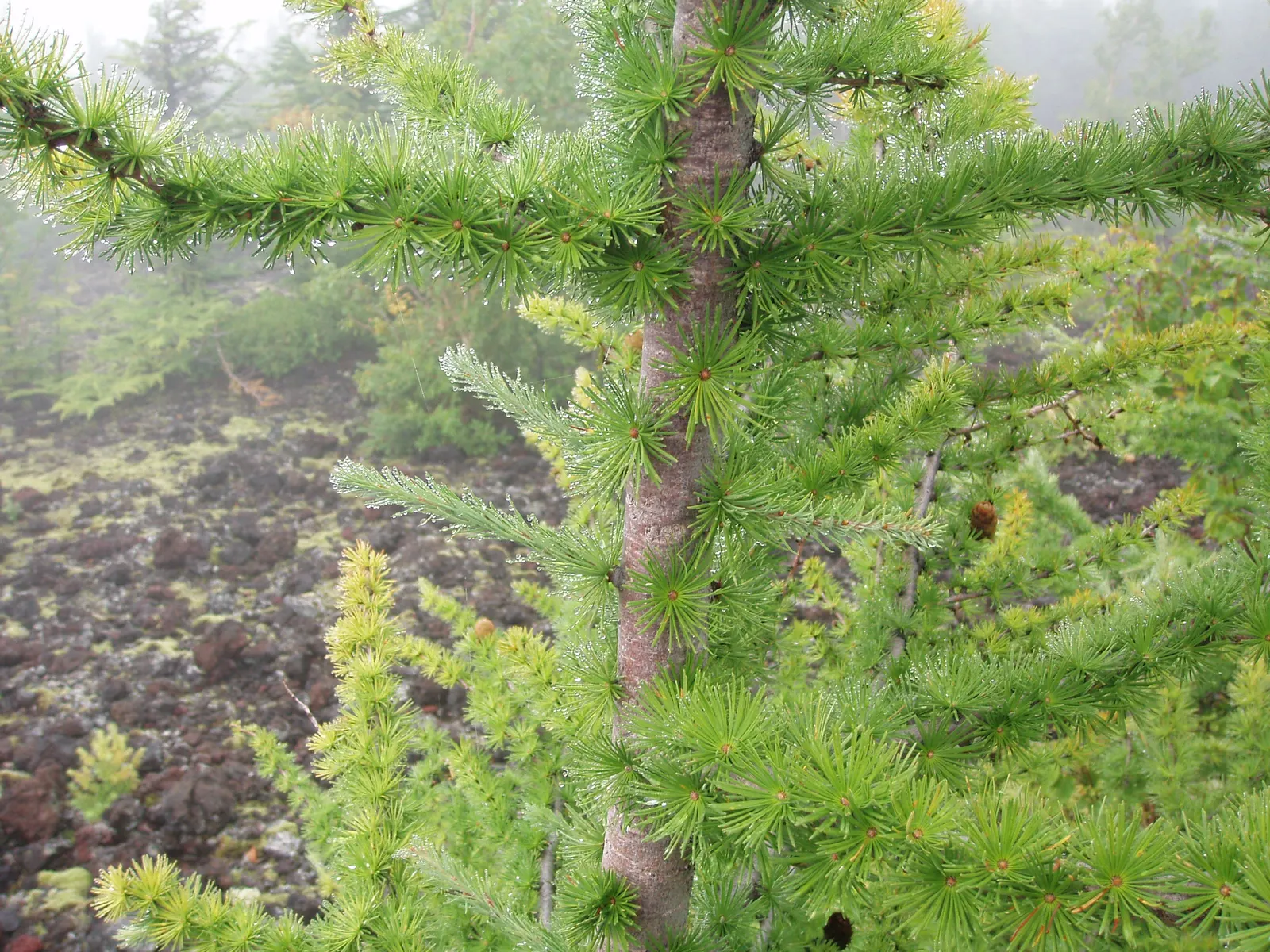
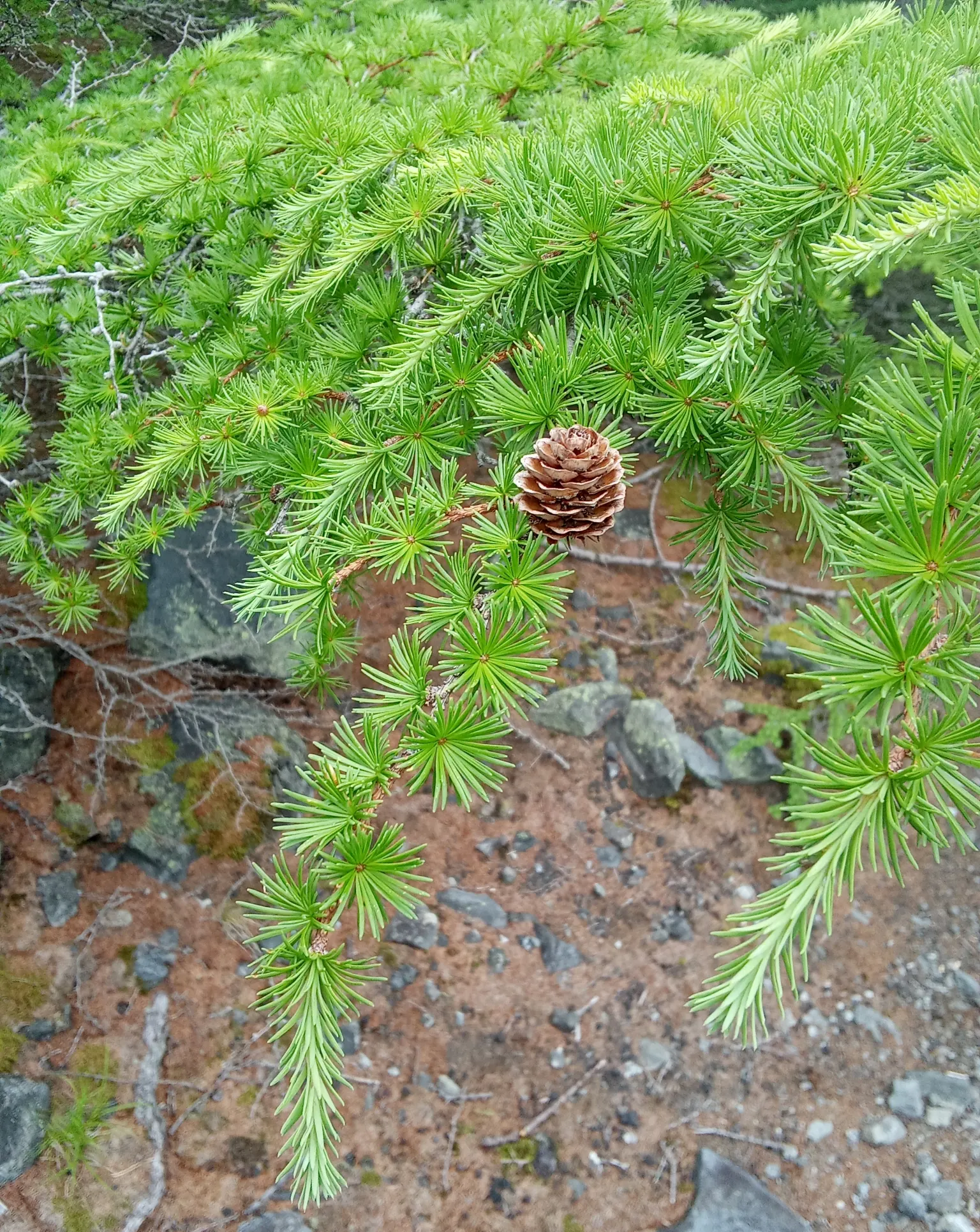
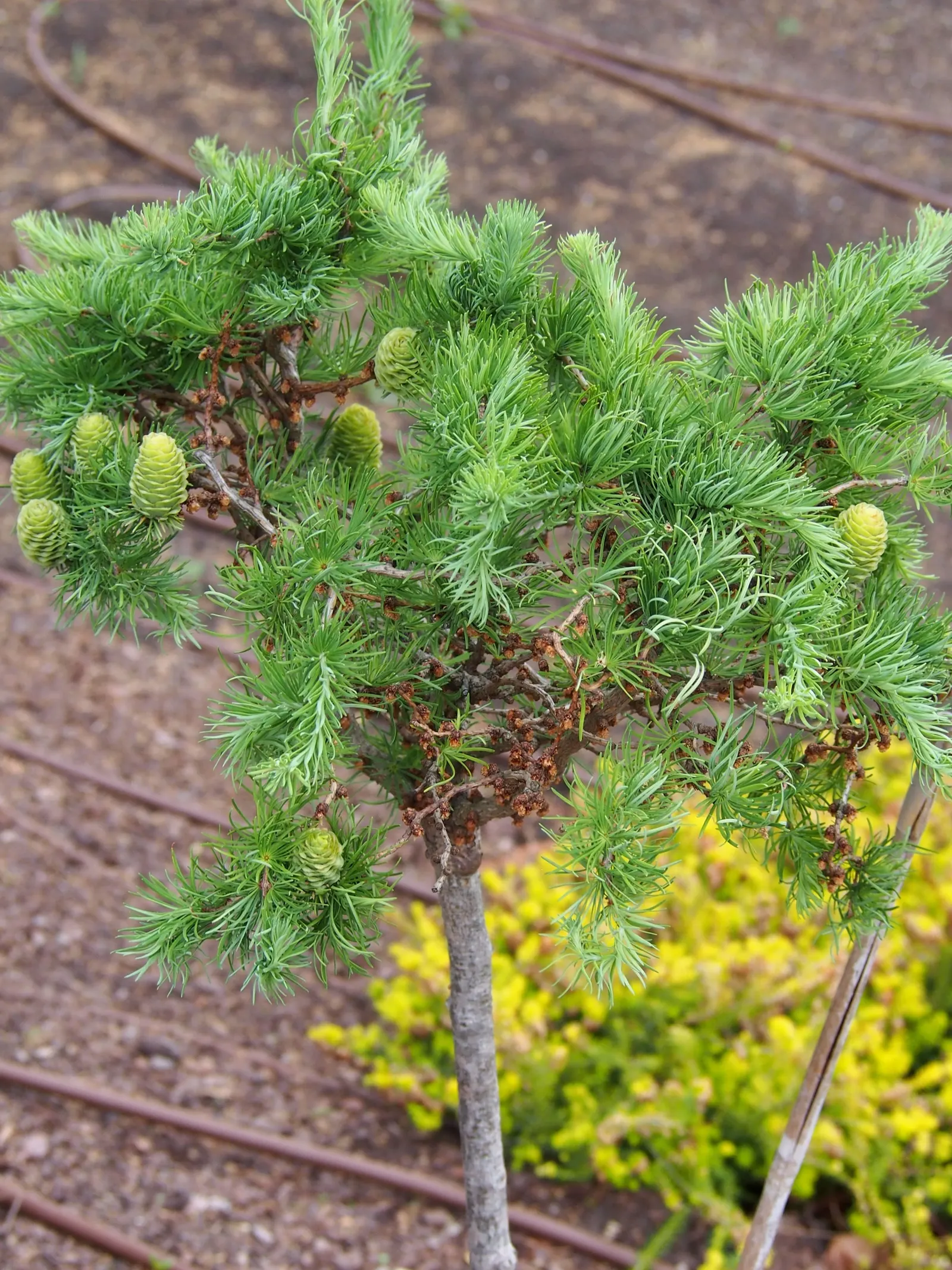
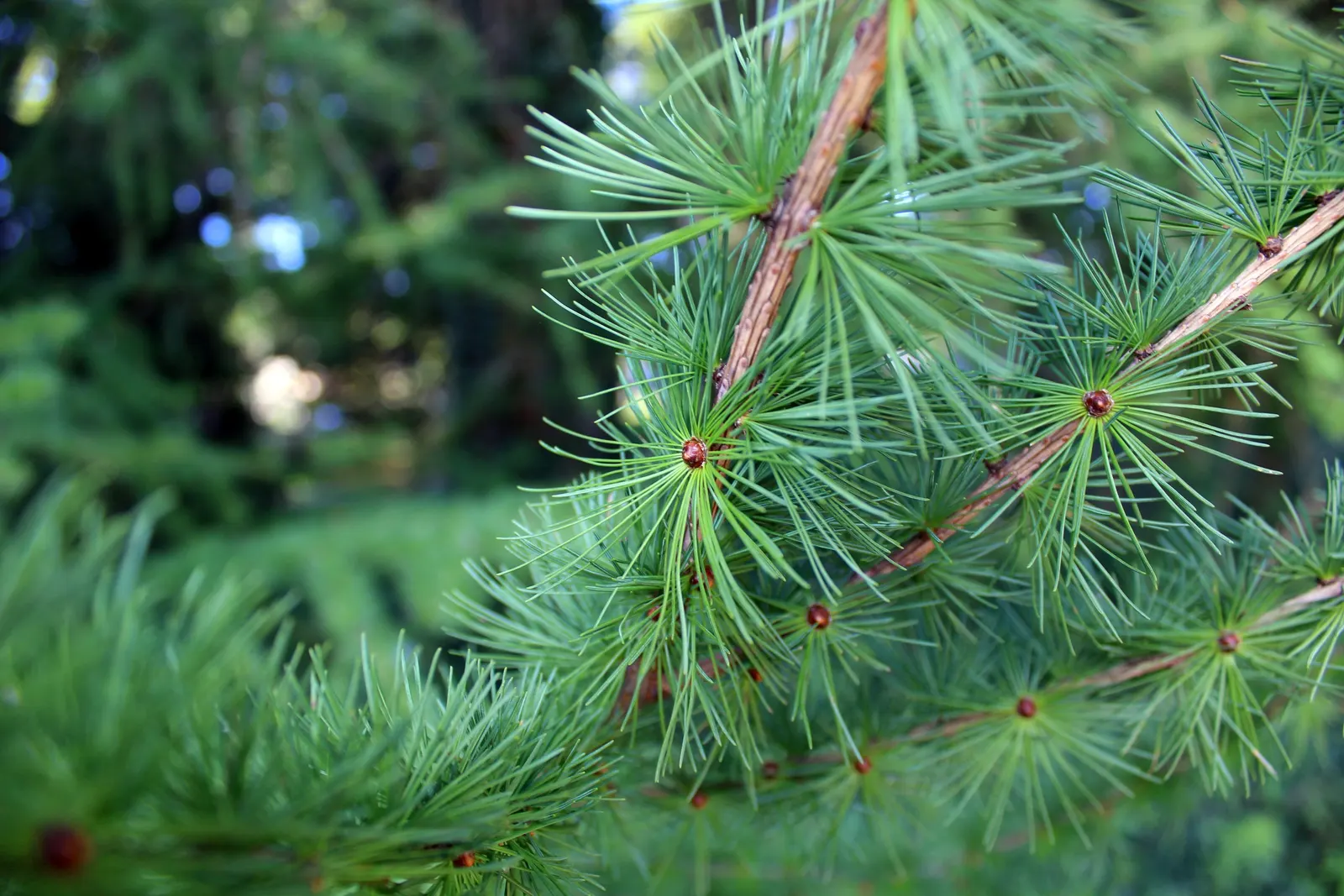
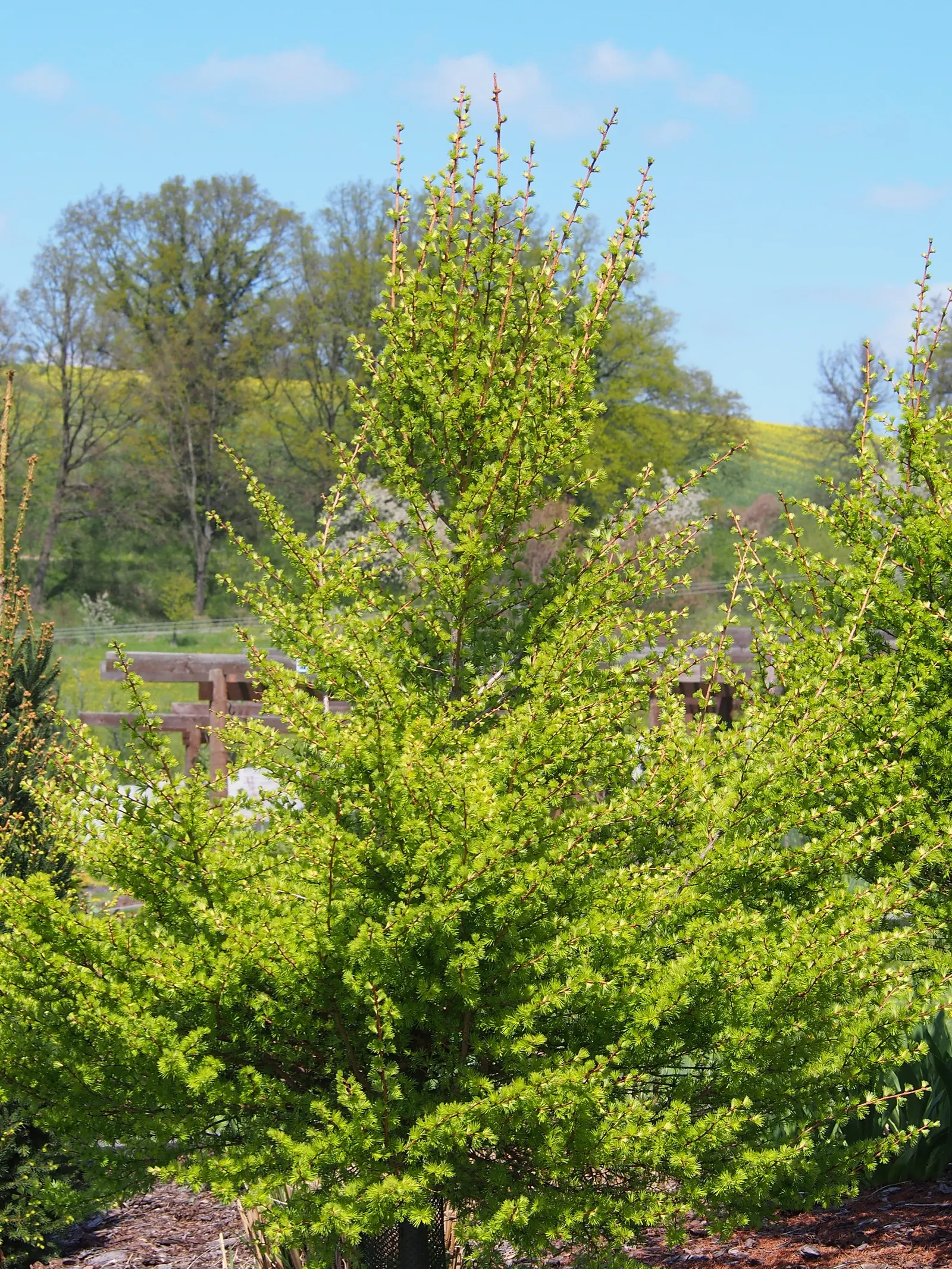
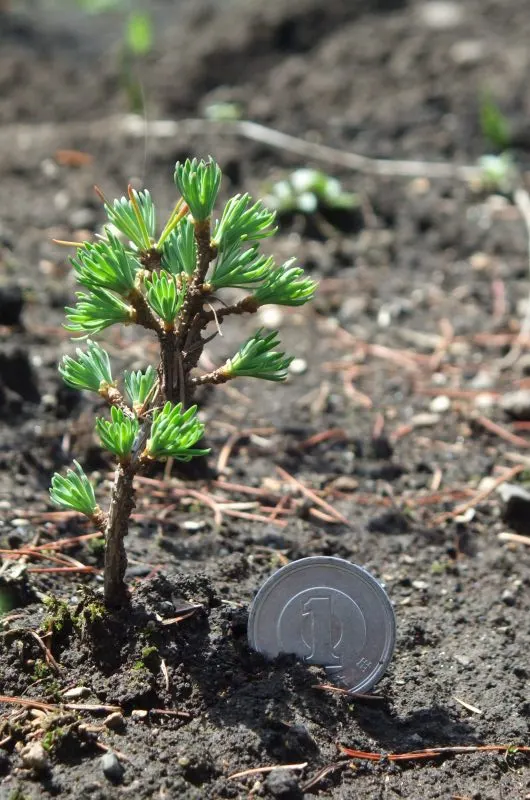
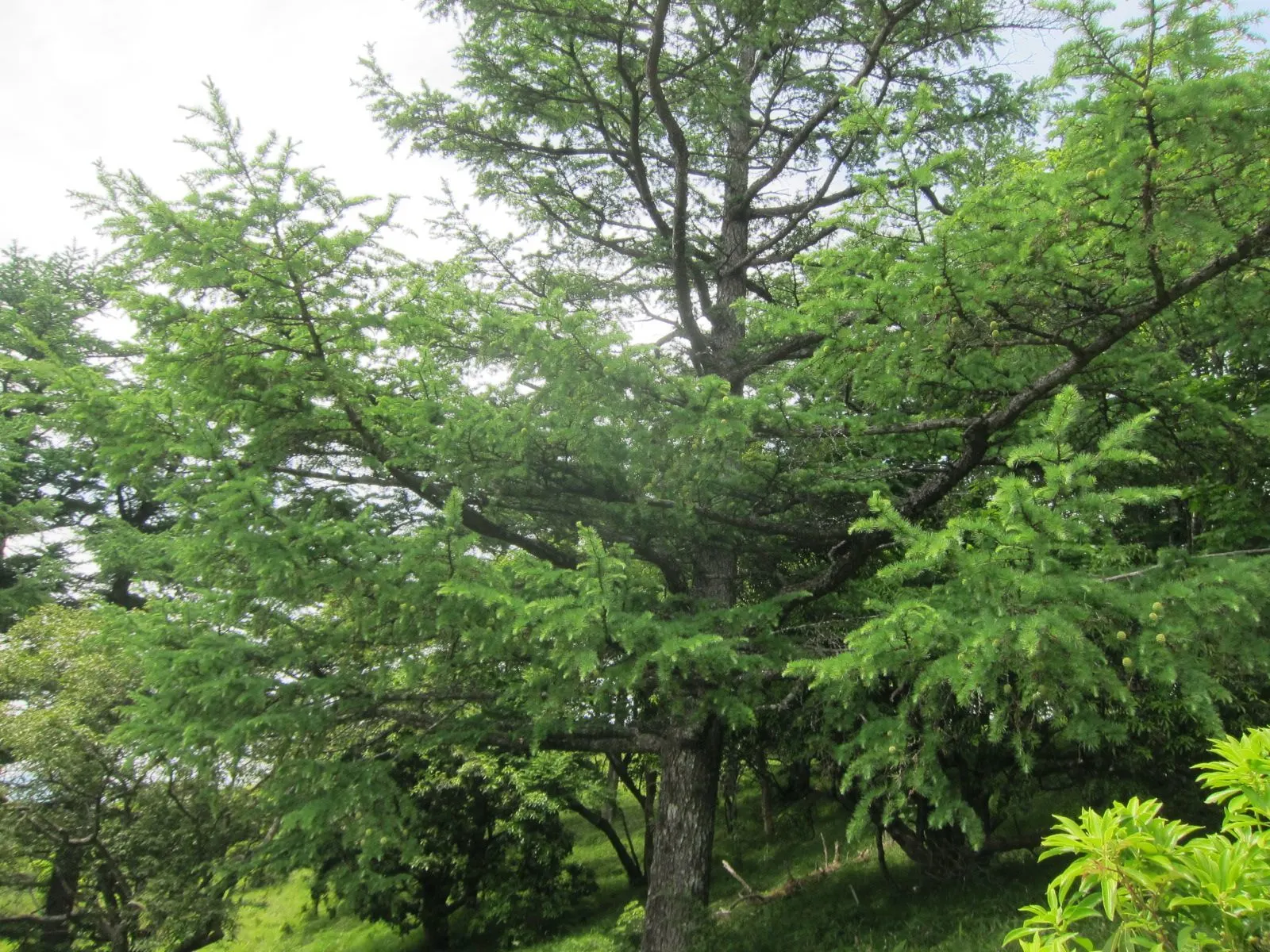
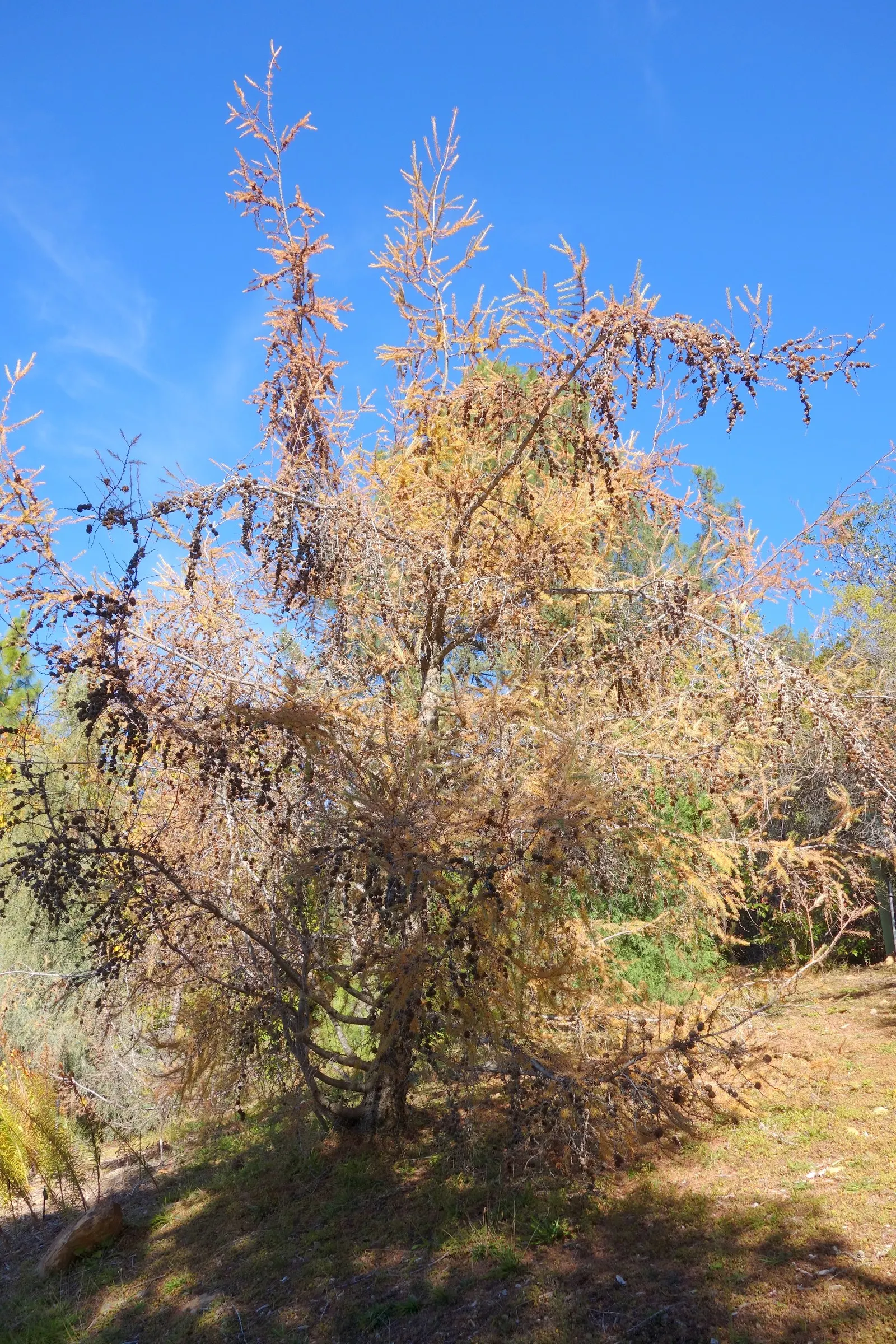
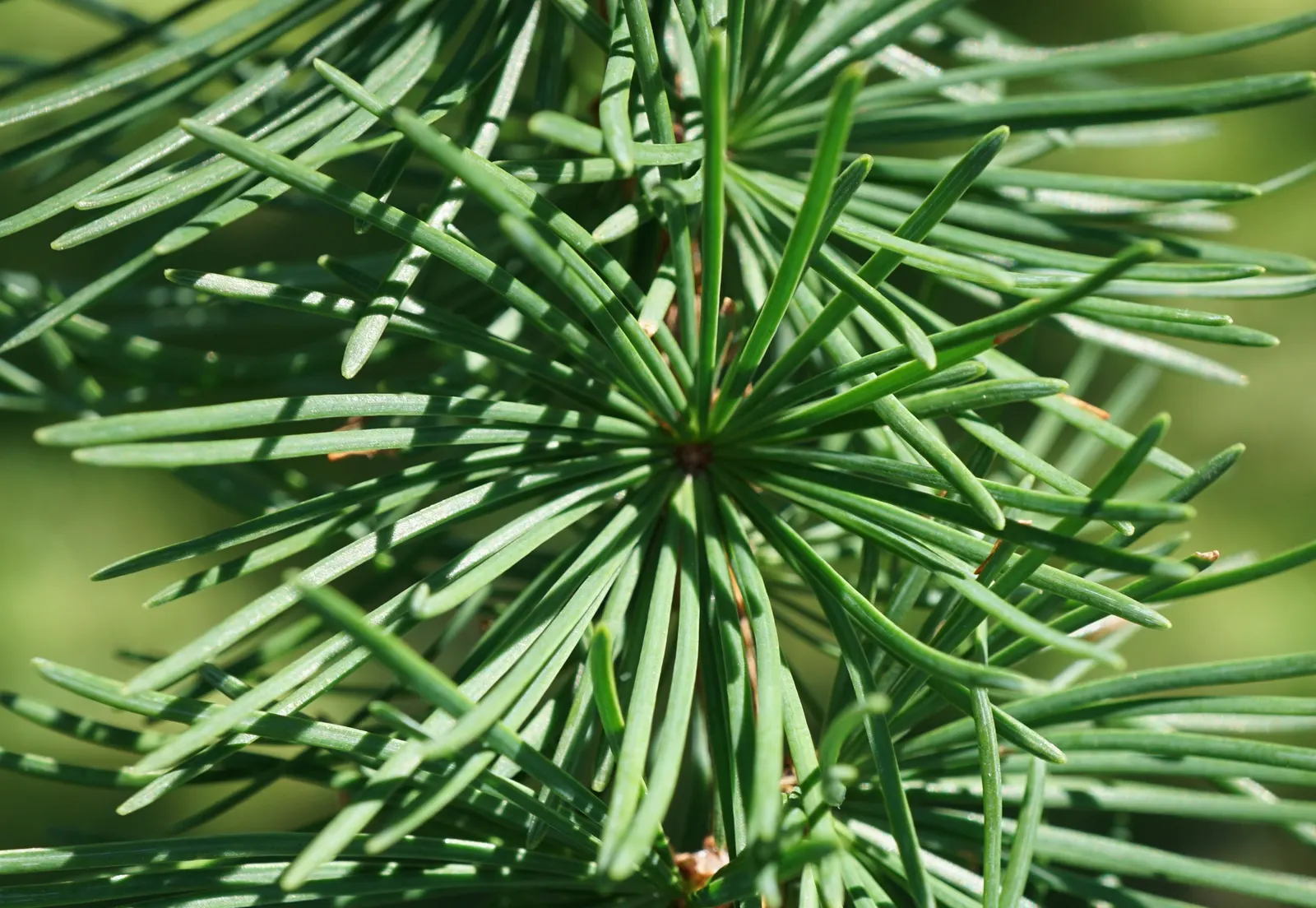
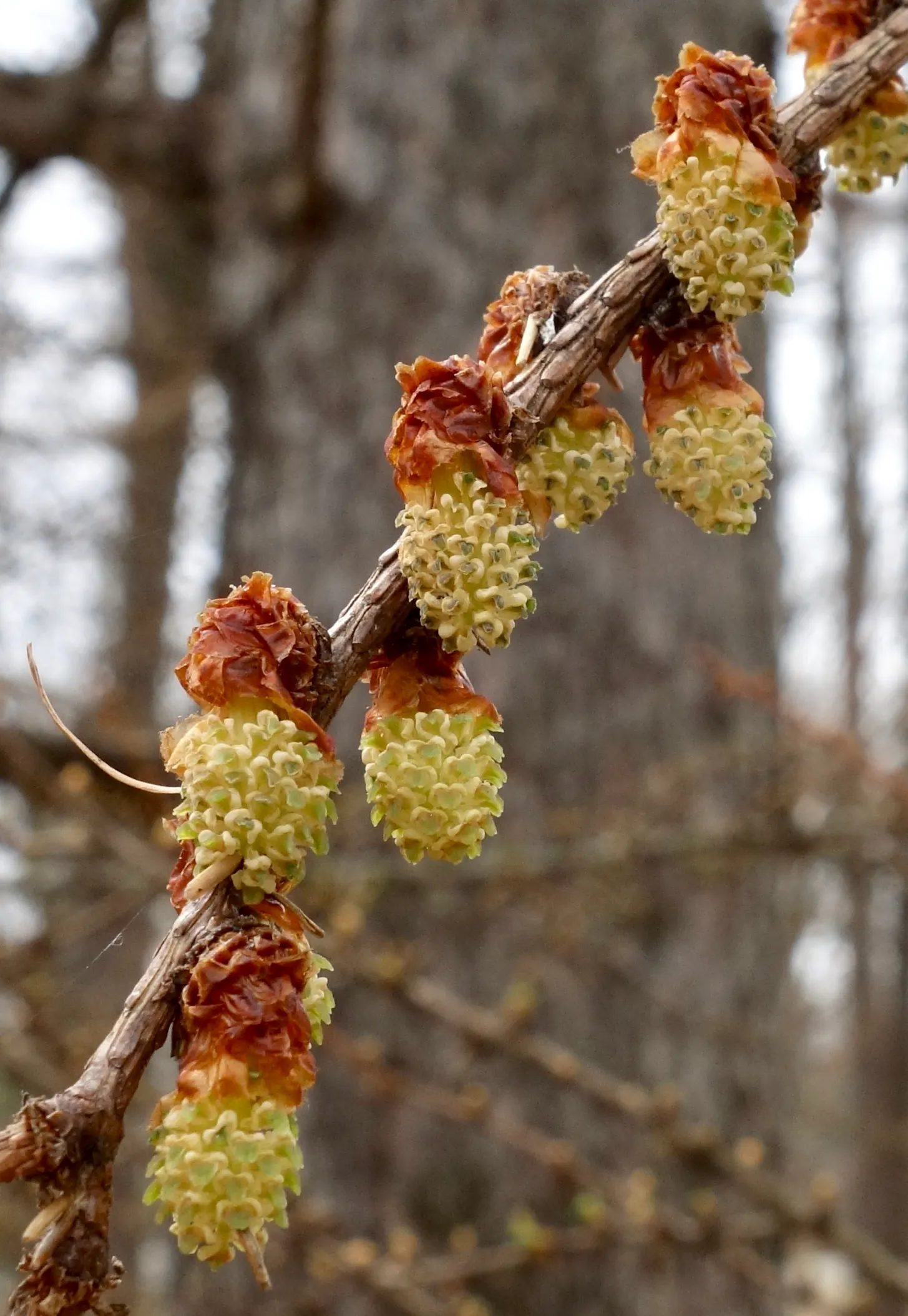
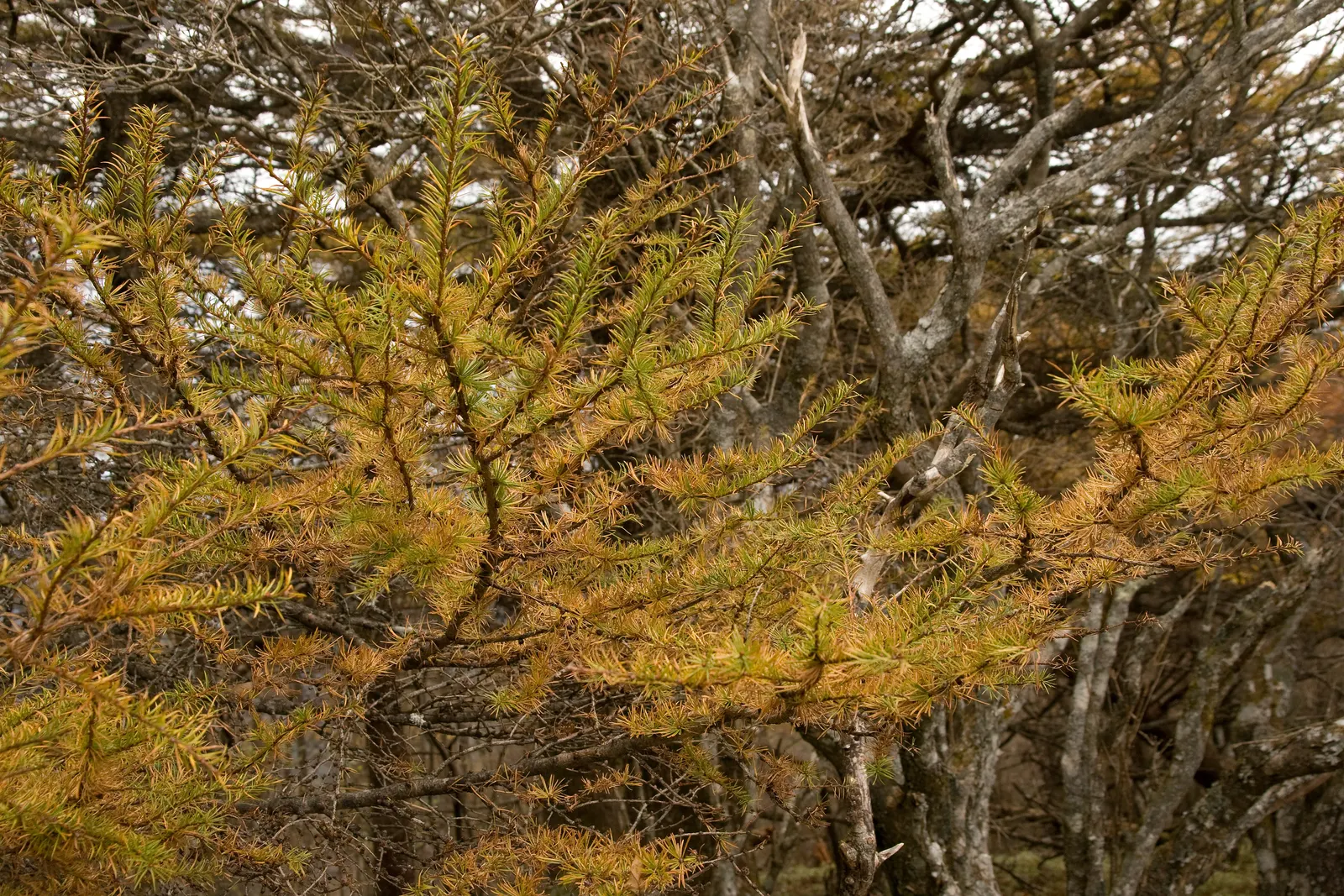
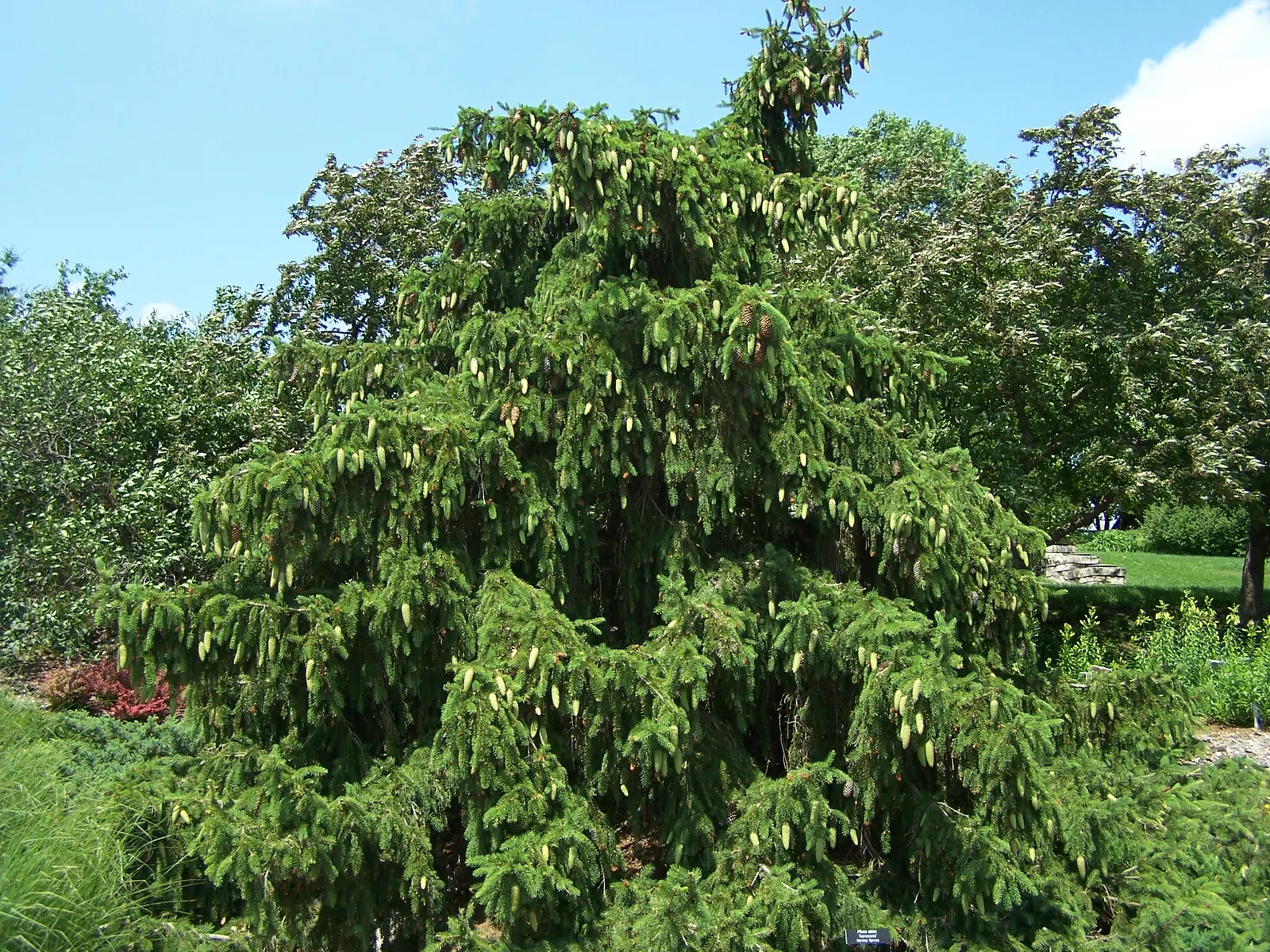
Japanese Larch (Larix kaempferi), a deciduous conifer, displays a graceful pyramidal shape, reaching heights of 70-90 ft. Its blue-green needles turn vibrant gold before shedding in fall. Adaptable and cold-hardy, it requires full sun and well-drained soils. Best utilized as a focal point, its rapid growth rate (24-36 inches per year) and striking autumnal color make it a captivating addition to large-scale landscapes. Zone 4-7.

Sun FullWater MediumZones 7–10Climate Temperate
Japanese Larch (Larix Kaempferi) — Japanese Larch (Larix kaempferi)

Culture

Sun
Full
Water
Medium
USDA zones
7–10

Shape & size

Mature height
70–90 Ft.
Mature width
20–60 Ft.

Classification

Family
Pinaceae
Climate
Temperate

See full data, regional cultivation notes, full-resolution photos, and design tools. Build a client presentation around this plant.

Start your 14-day trial

Photos (66)

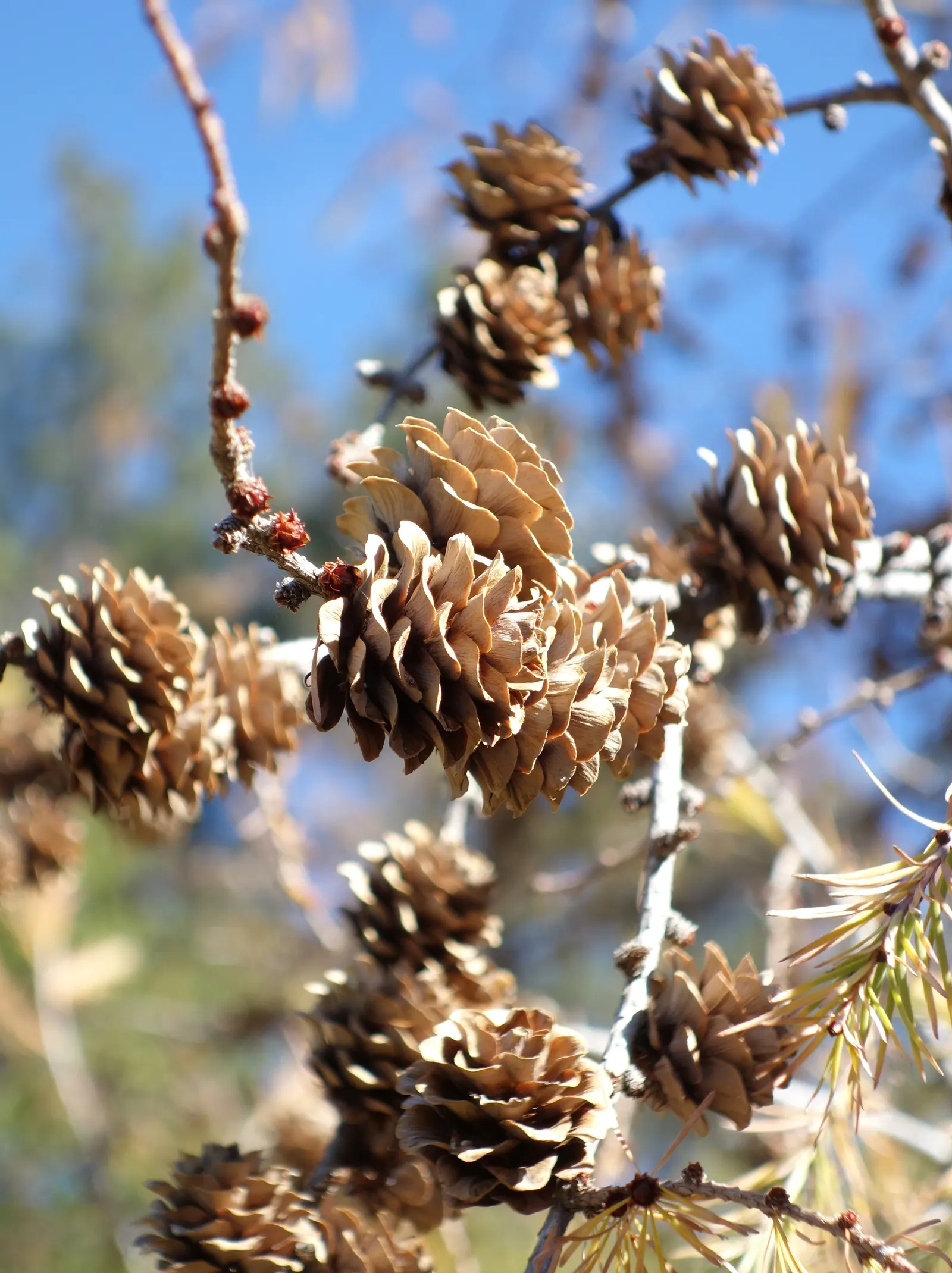
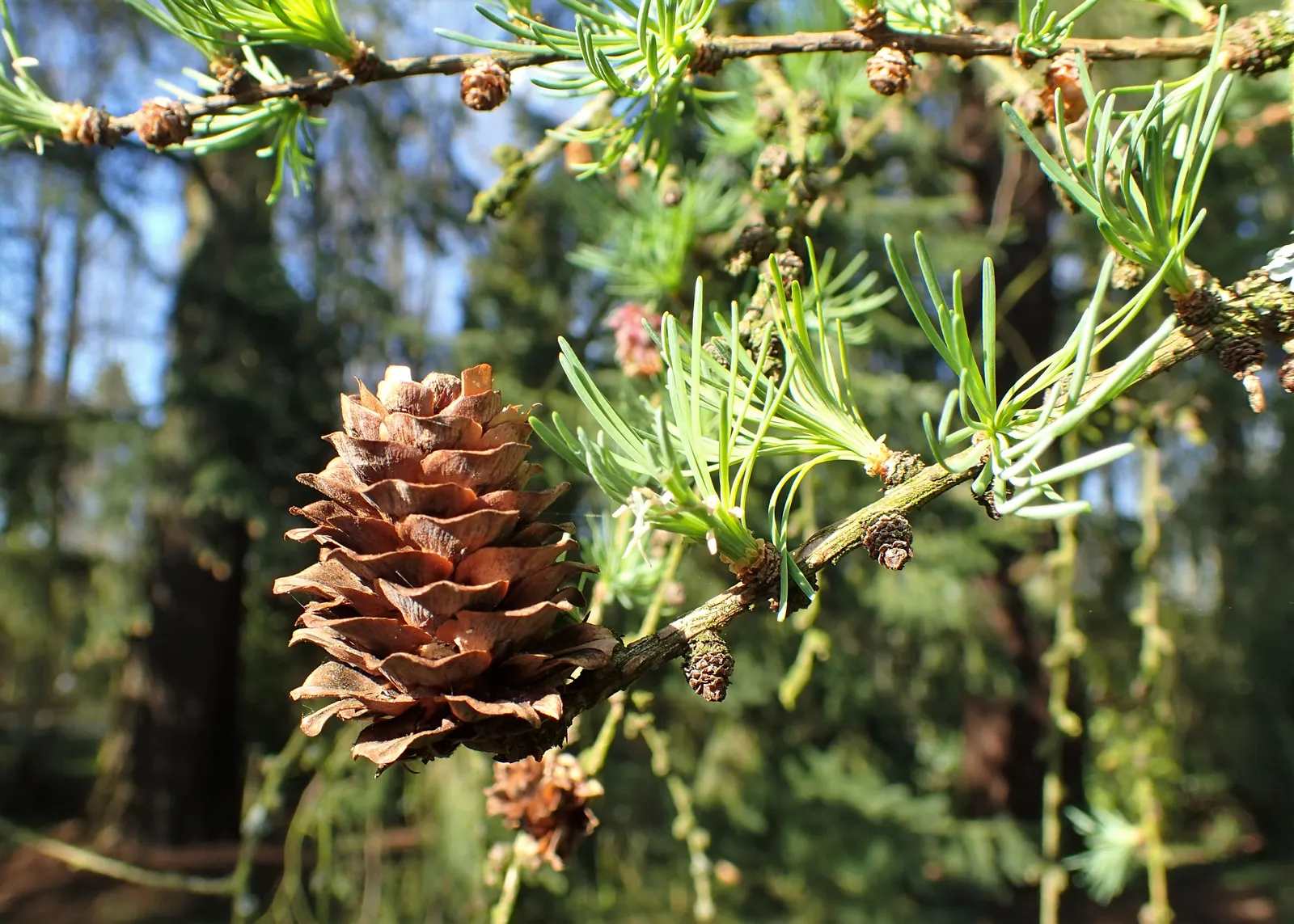
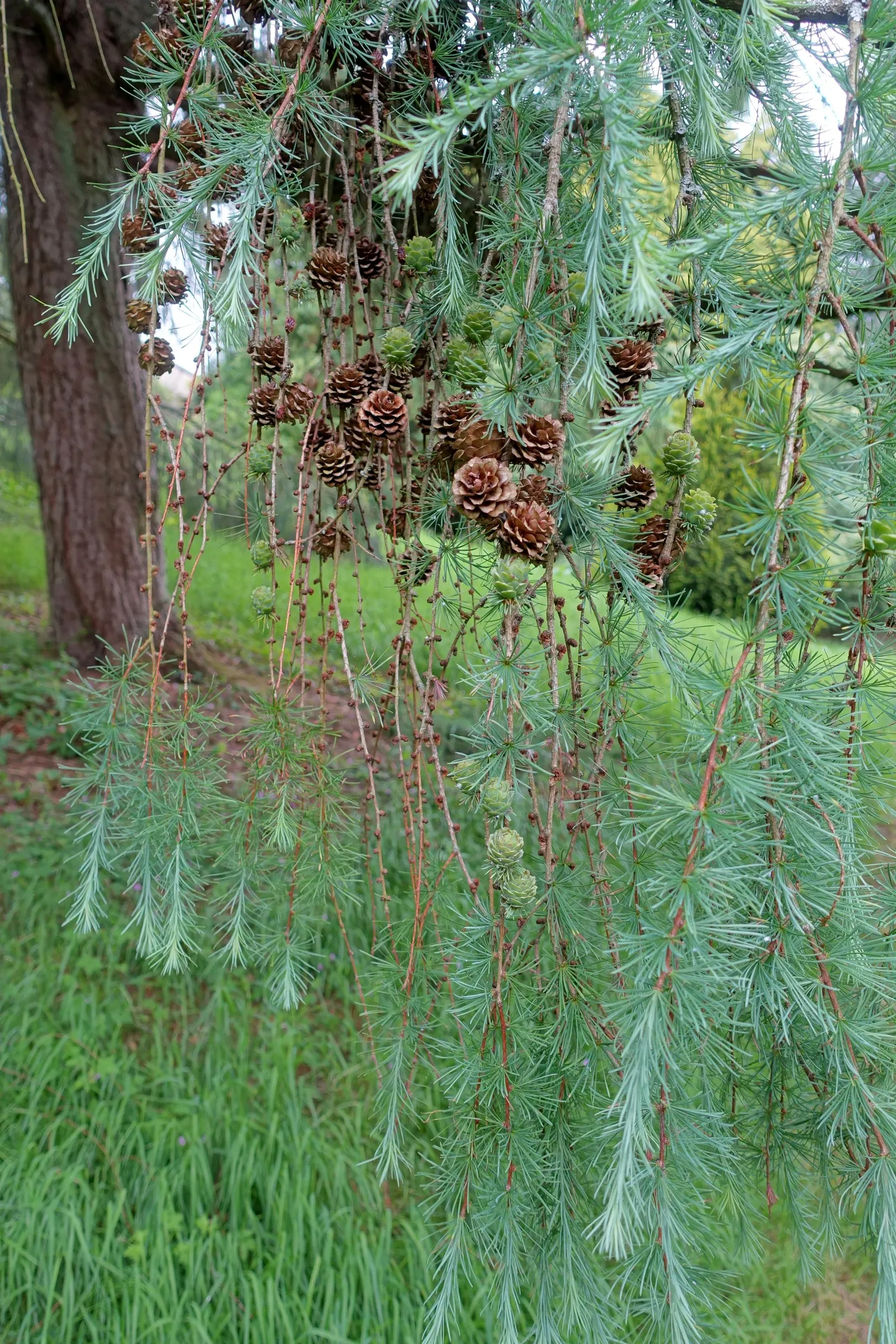
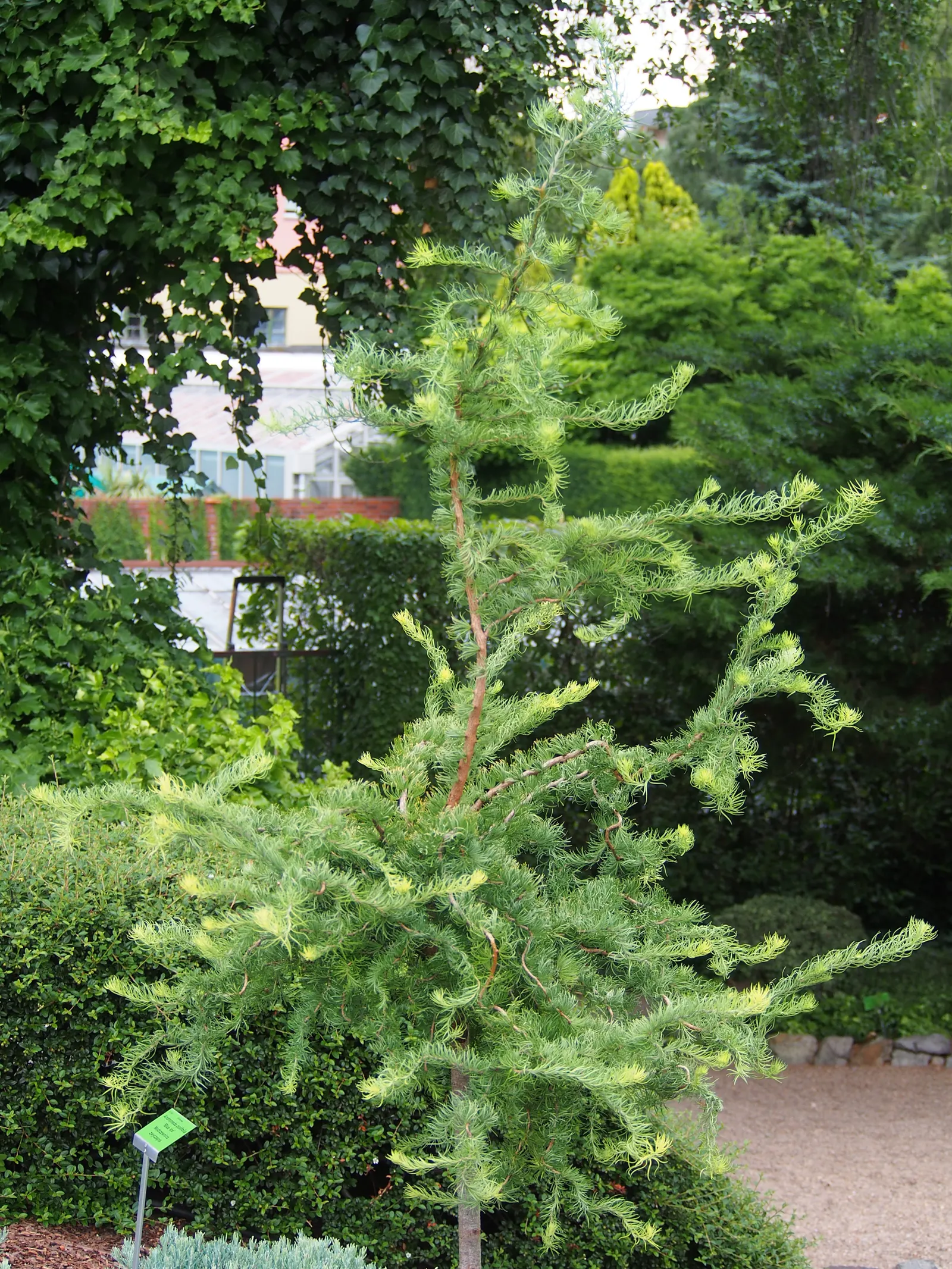
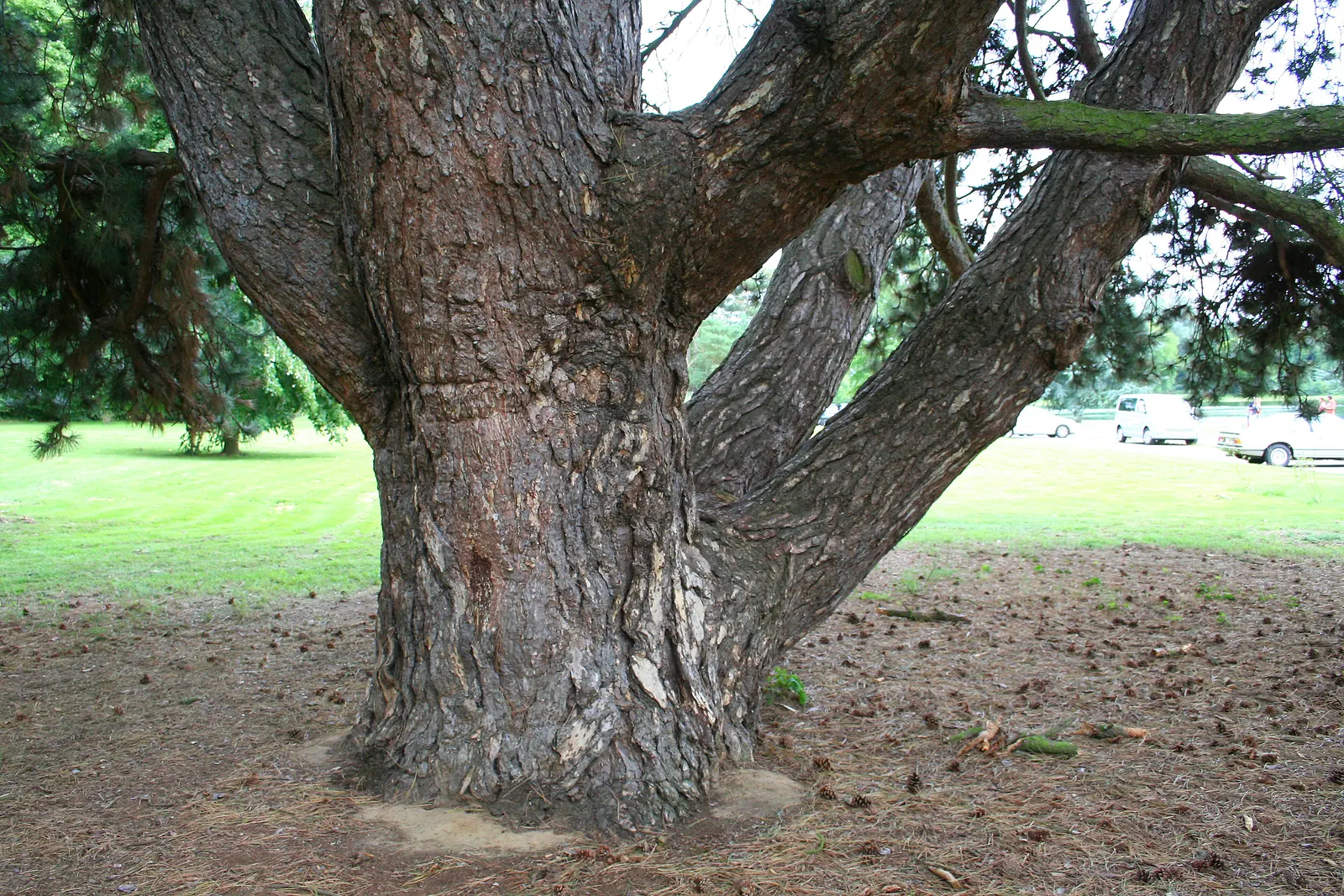
Japanese Larch (Larix Kaempferi) — conifer / tree for full
Japanese Larch (Larix Kaempferi) — reaching heights of 70-90 ft; take note of its ultimate height
Japanese Larch (Larix Kaempferi) — scientifically called Larix kaempferi; conifer / tree for full
Japanese Larch (Larix Kaempferi) — Adaptable and cold-hardy, it requires full sun and well-drained soils; this impressive tree offers a pleasing pyramidal
Japanese Larch (Larix Kaempferi) — Best utilized as a focal point; the larch's foliage transforms into a vibrant golden yellow
Japanese Larch (Larix Kaempferi) — Typically reaching heights of 70 to 90 feet with a spread of about 20 to 35 feet at maturity; scientifically called Larix
Japanese Larch (Larix Kaempferi) — Its blue-green needles turn vibrant gold before shedding in fall; displays a graceful pyramidal shape
Japanese Larch (Larix Kaempferi) — this impressive tree offers a pleasing pyramidal silhouette; feathery texture that contrasts beautifully against the robust
Japanese Larch (Larix Kaempferi) — Hardy in USDA zones 4 through 7; coupled with its dynamic year-round appeal
Japanese Larch (Larix Kaempferi) — the Japanese Larch thrives in full sun and prefers well-drained; adaptable and cold-hardy, it requires full sun and
Japanese Larch (Larix Kaempferi) — feathery texture that contrasts beautifully against the robust; reaching heights of 70-90 ft
Japanese Larch (Larix Kaempferi) — the larch's foliage transforms into a vibrant golden yellow; providing a spectacular display before the needles are shed for
Japanese Larch (Larix Kaempferi) — exhibiting a moderate growth rate of around 13 to 24 inches per year.<br><br>In spring, image 35
Japanese Larch (Larix Kaempferi) — architectural shape of the tree; hardy in USDA zones 4 through 7
Japanese Larch (Larix Kaempferi) — bright green needles emerge; it is also essential to consider its sun exposure and soil requirements for optimal health and
Japanese Larch (Larix Kaempferi) — It is also essential to consider its sun exposure and soil requirements for optimal health and growth; architectural shape
Japanese Larch (Larix Kaempferi) — take note of its ultimate height; typically reaching heights of 70 to 90 feet with a spread of about 20 to 35 feet at
Japanese Larch (Larix Kaempferi) — providing a spectacular display before the needles are shed for the winter; japanese Larch (Larix kaempferi)
Japanese Larch (Larix Kaempferi) — The Larch's stately presence; makes it an exceptional choice for landscape designs aiming for both visual impact and
Japanese Larch (Larix Kaempferi) — coupled with its dynamic year-round appeal; best utilized as a focal point
Japanese Larch (Larix Kaempferi) — Japanese Larch (Larix kaempferi); its blue-green needles turn vibrant gold before shedding in fall, image 47
Japanese Larch (Larix Kaempferi) — makes it an exceptional choice for landscape designs aiming for both visual impact and seasonal variety; bright green
Japanese Larch (Larix Kaempferi) — conifer / tree for full; the Larch's stately presence
Japanese Larch (Larix Kaempferi) — displays a graceful pyramidal shape; the Japanese Larch thrives in full sun and prefers well-drained, image 48

Related plants