Skip to content

Candelabra Tree

Euphorbia Ingens

Design with this plant

Overview

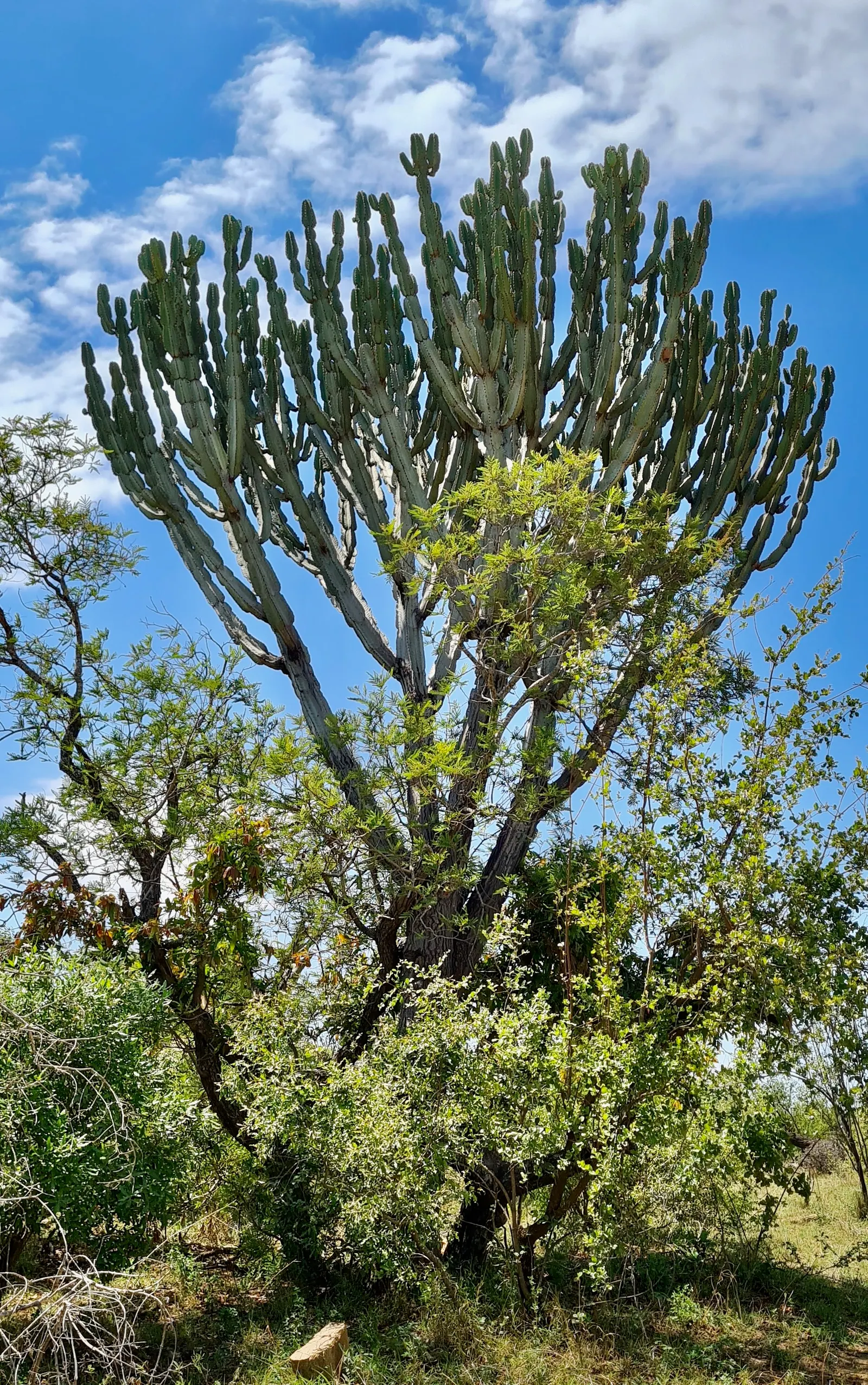
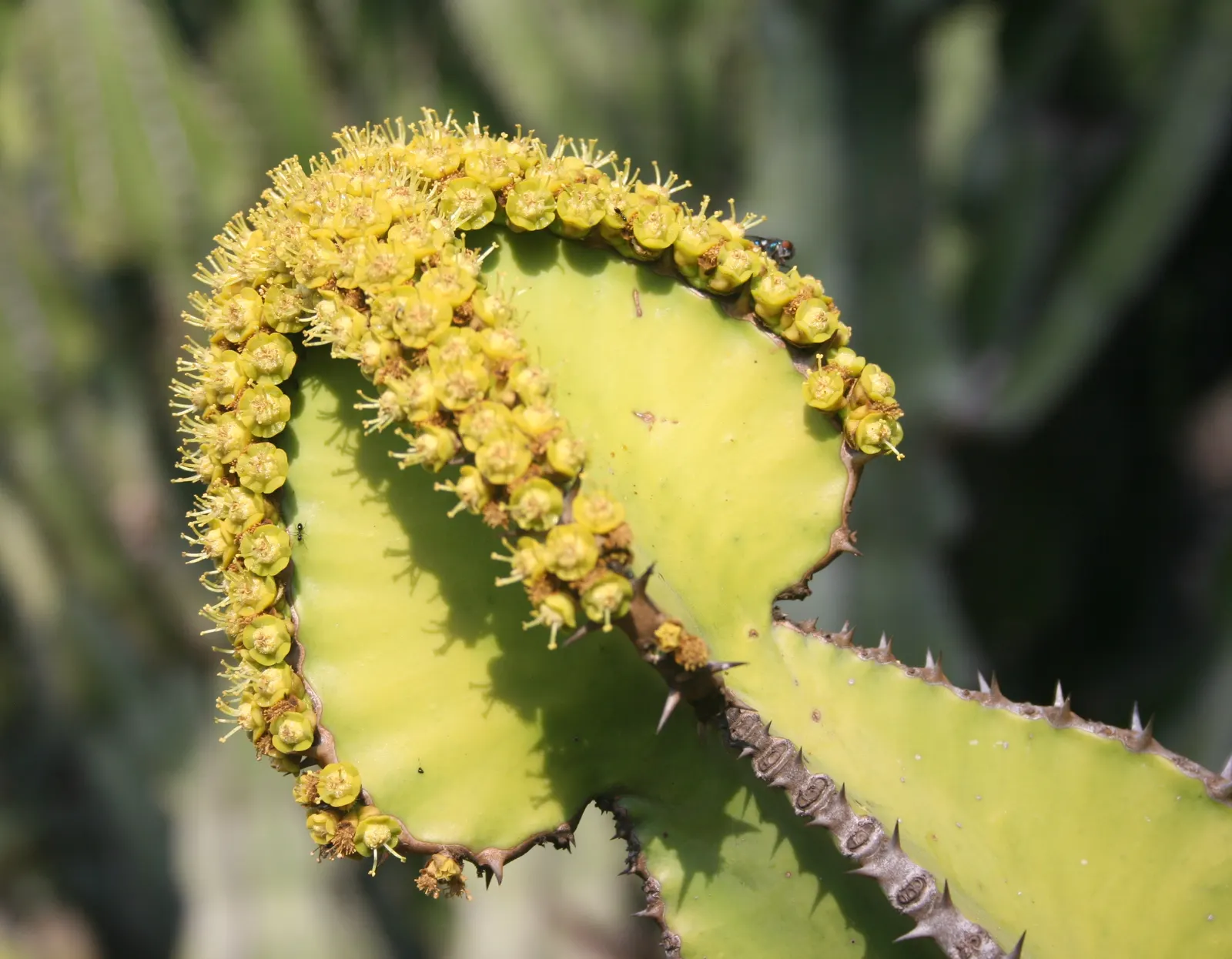
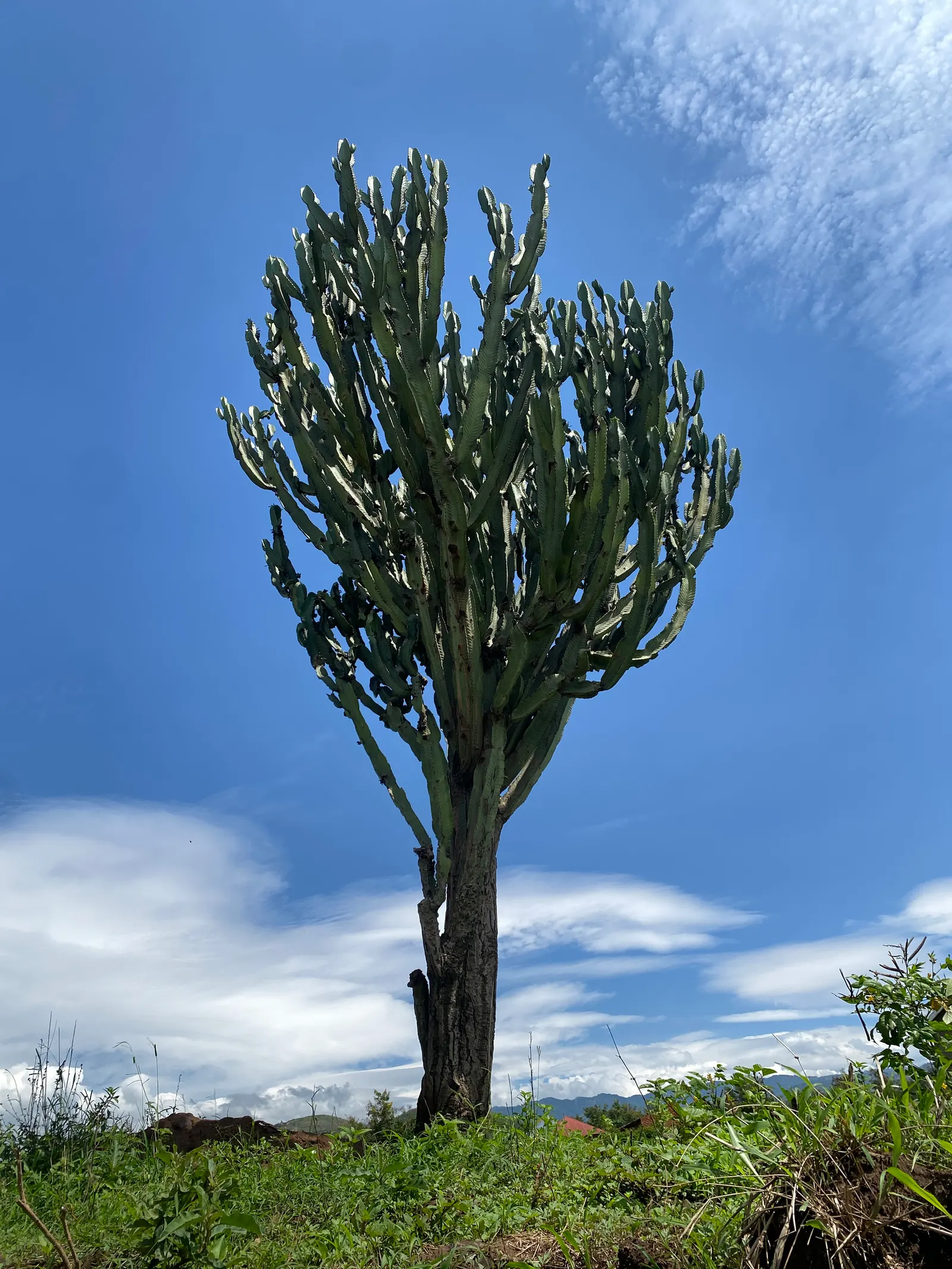
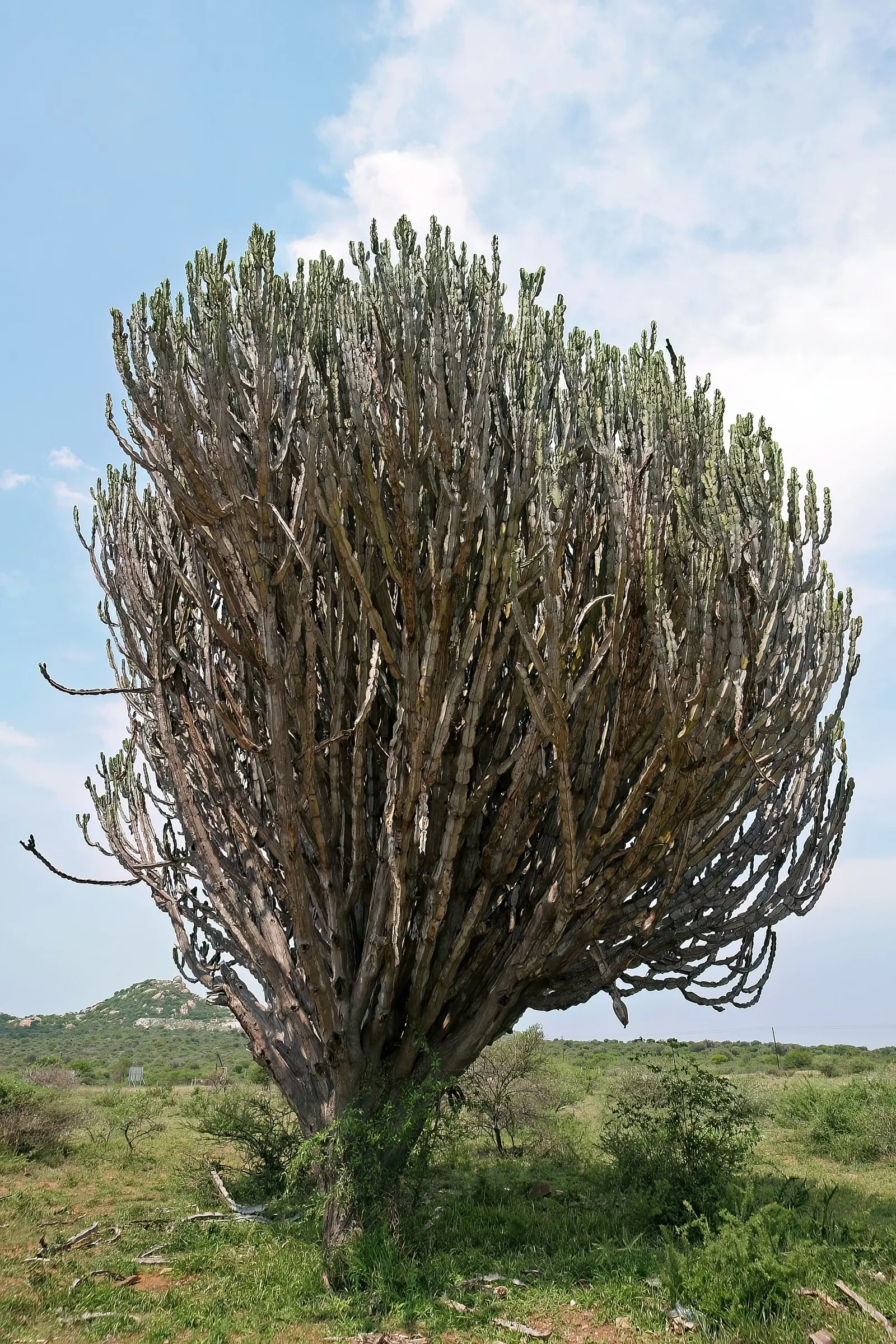
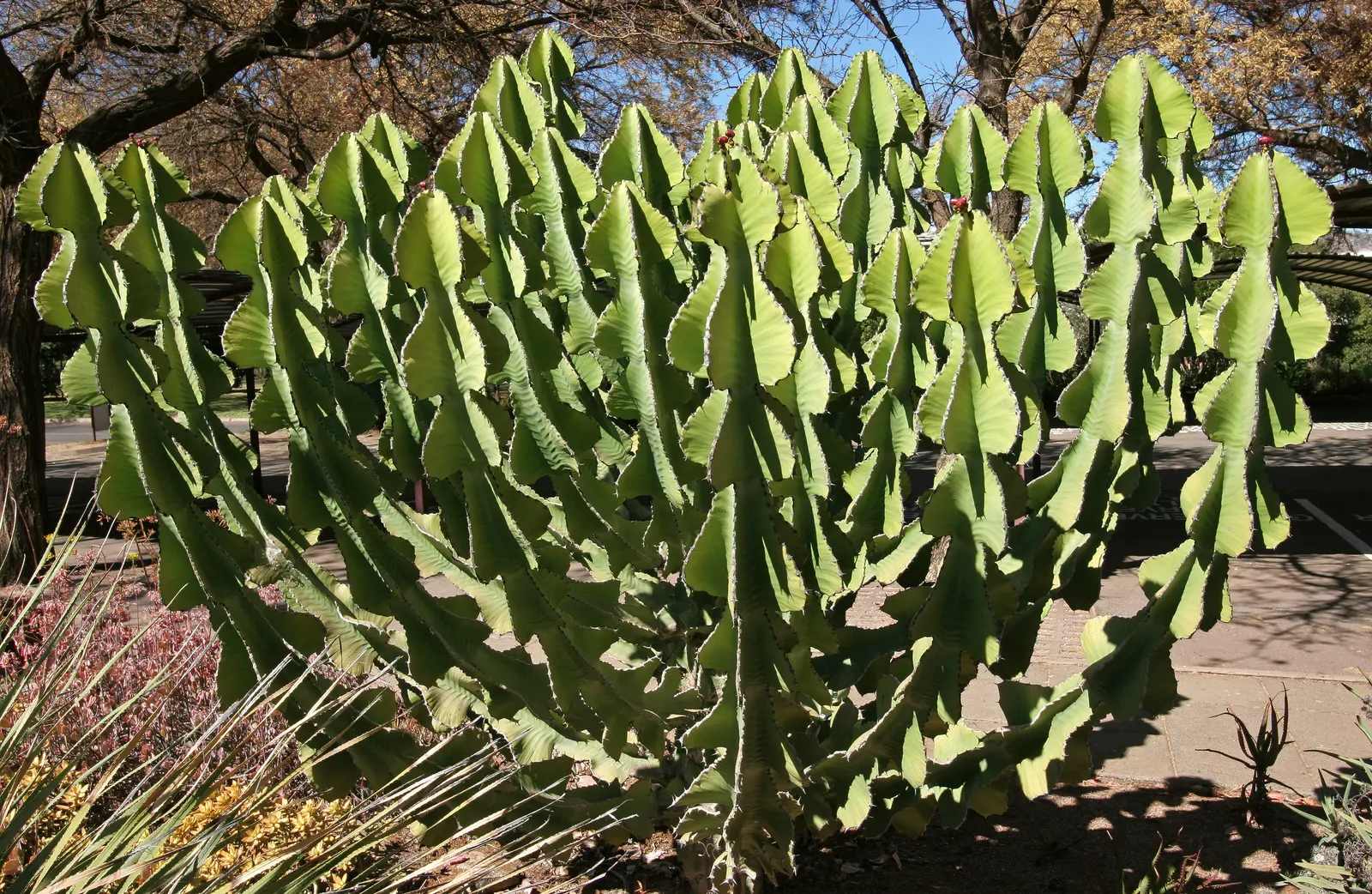
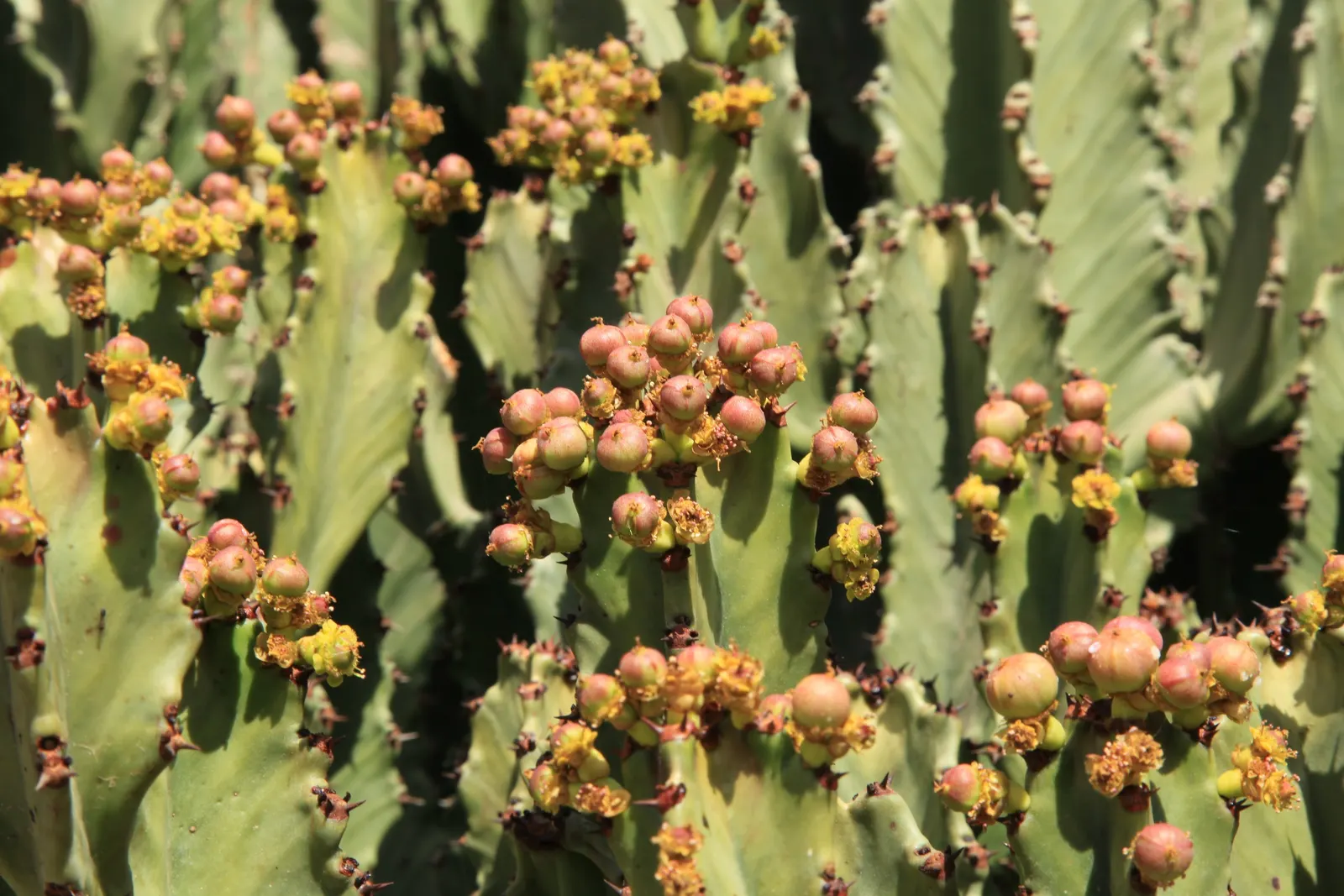
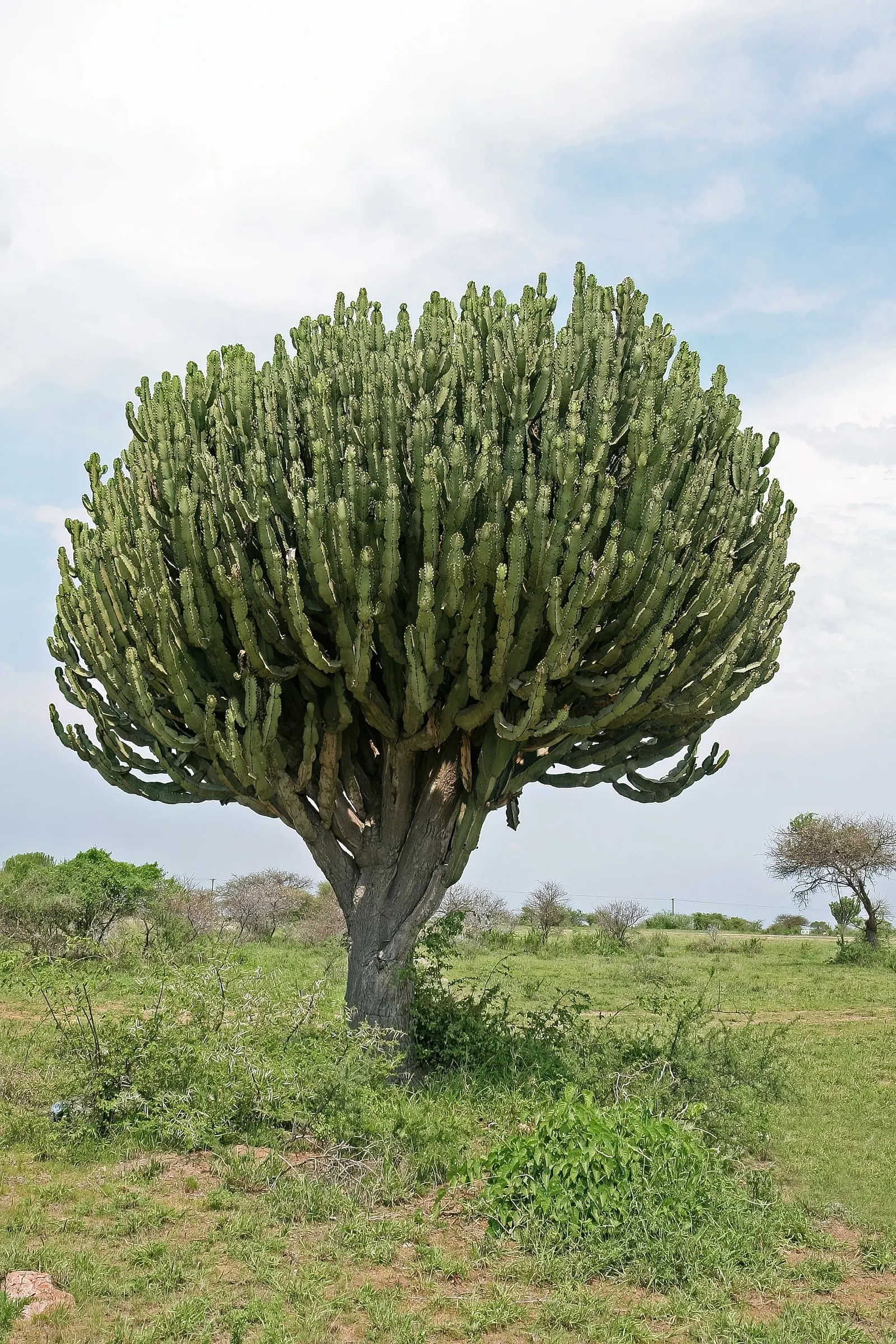
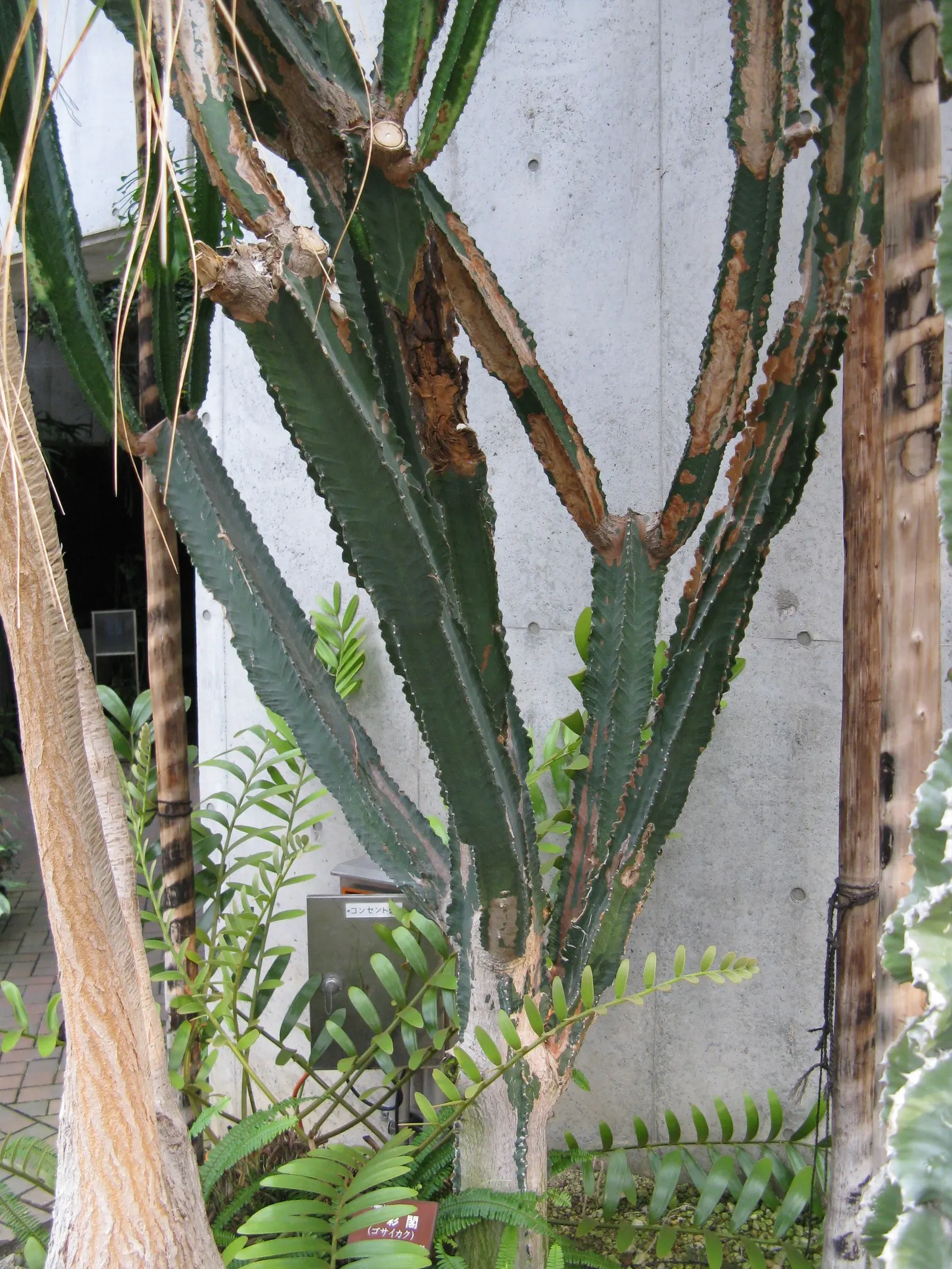
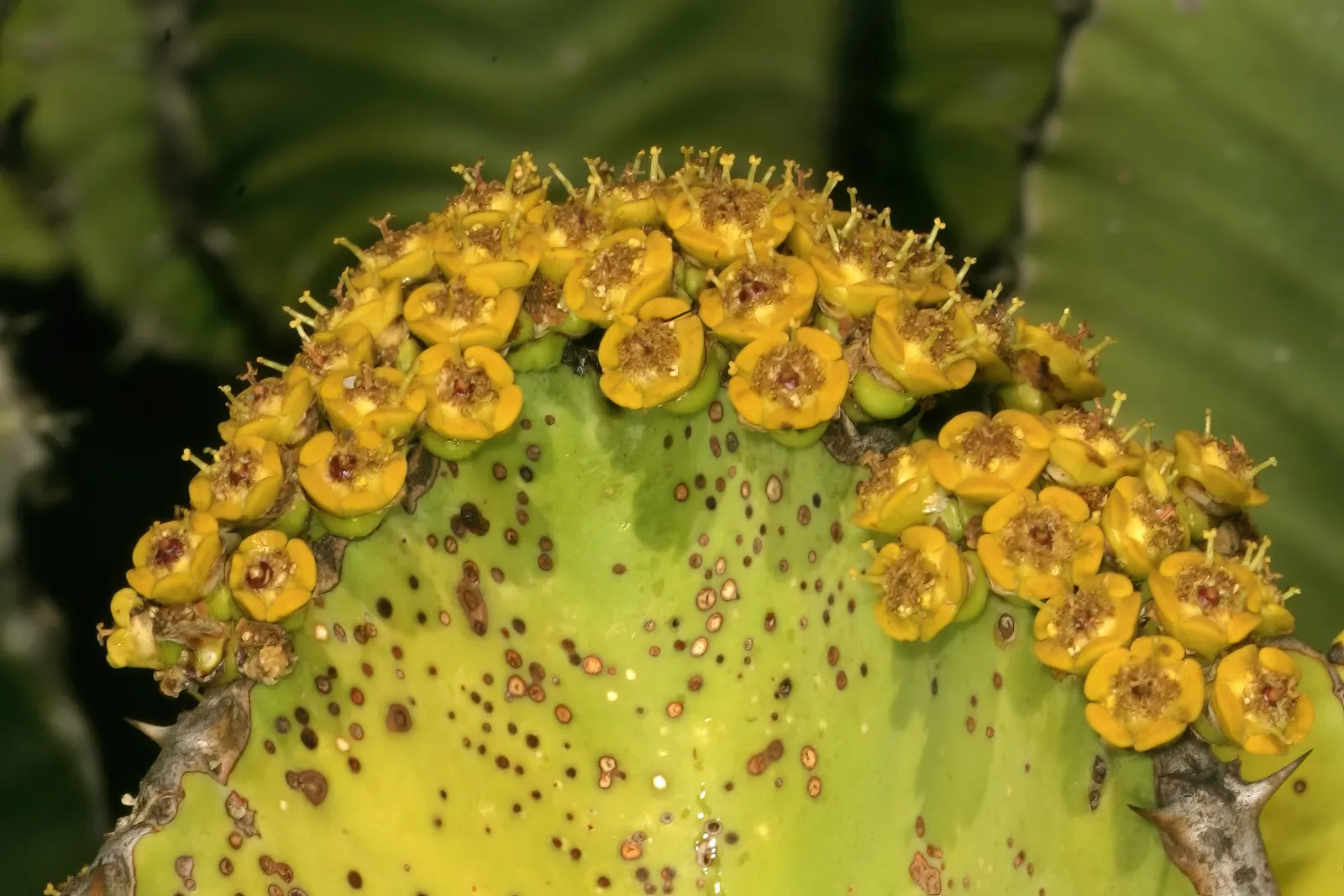
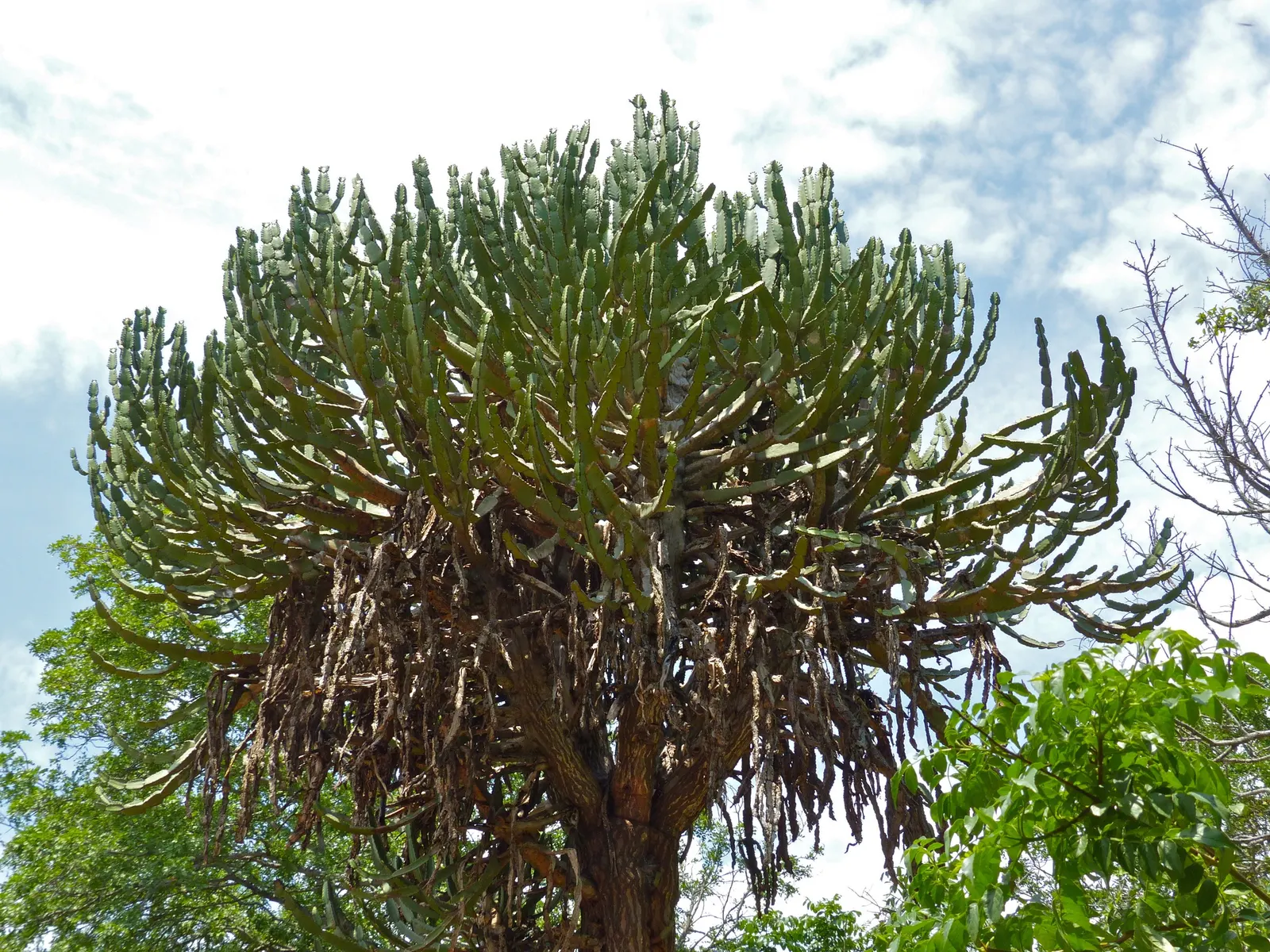
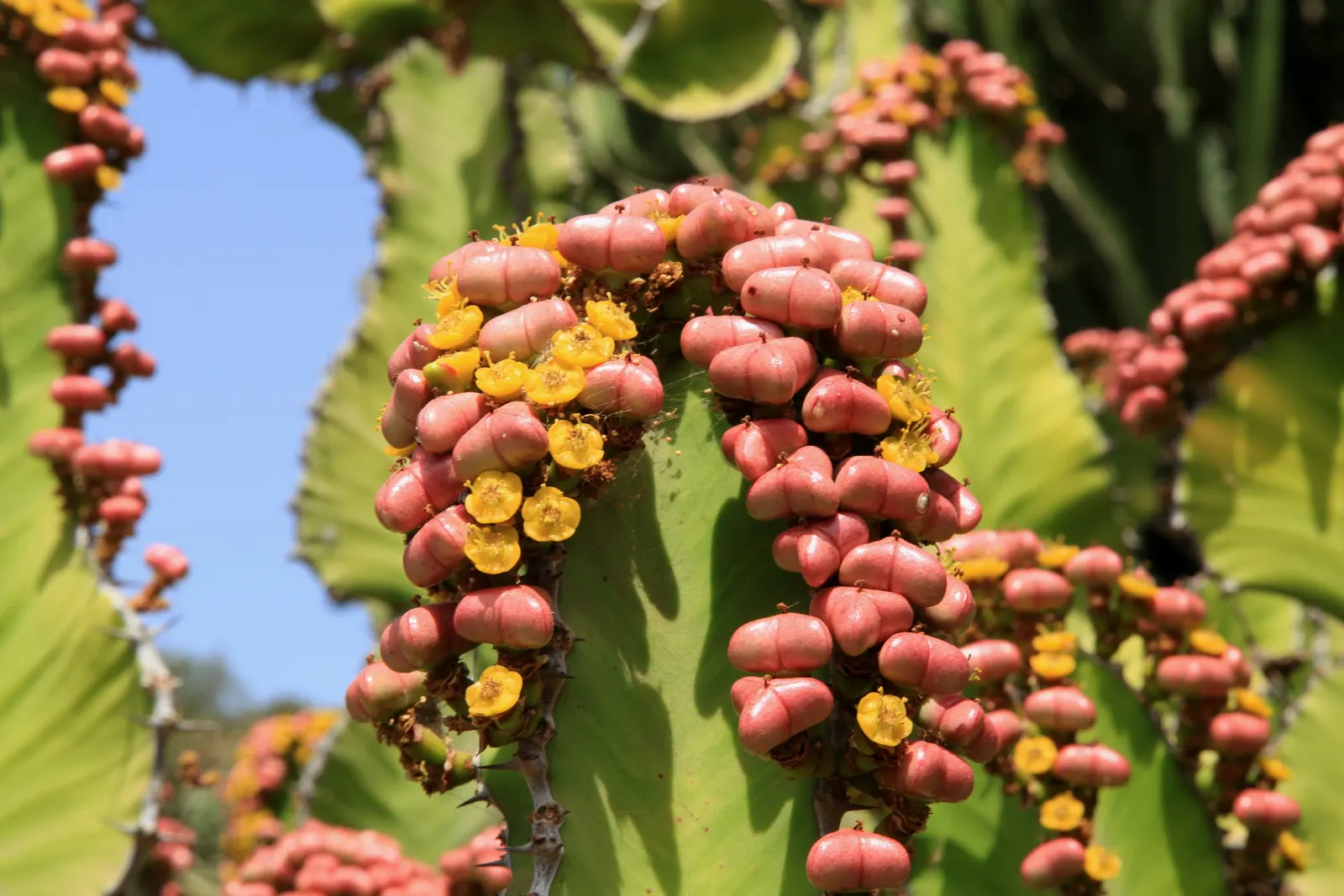
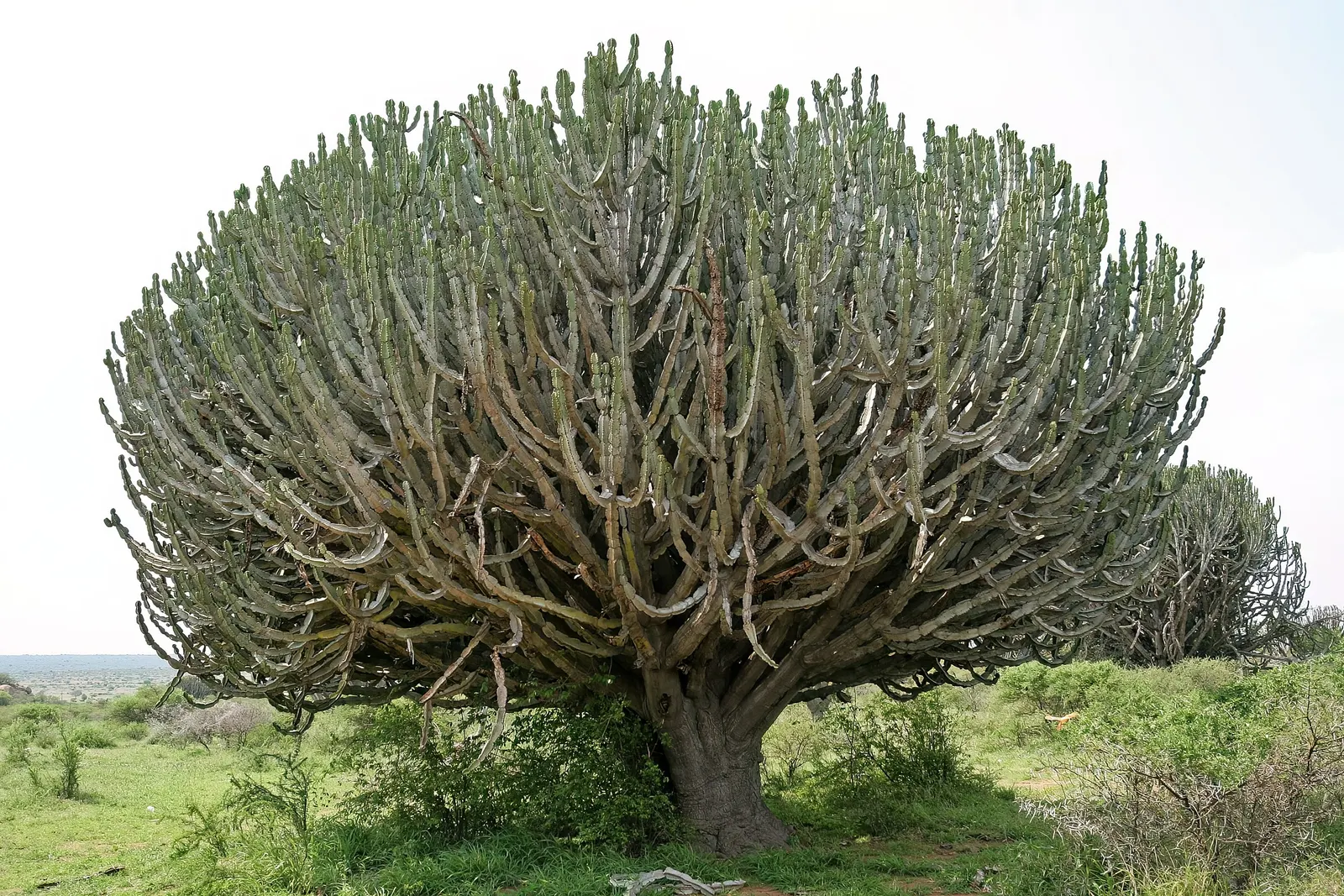
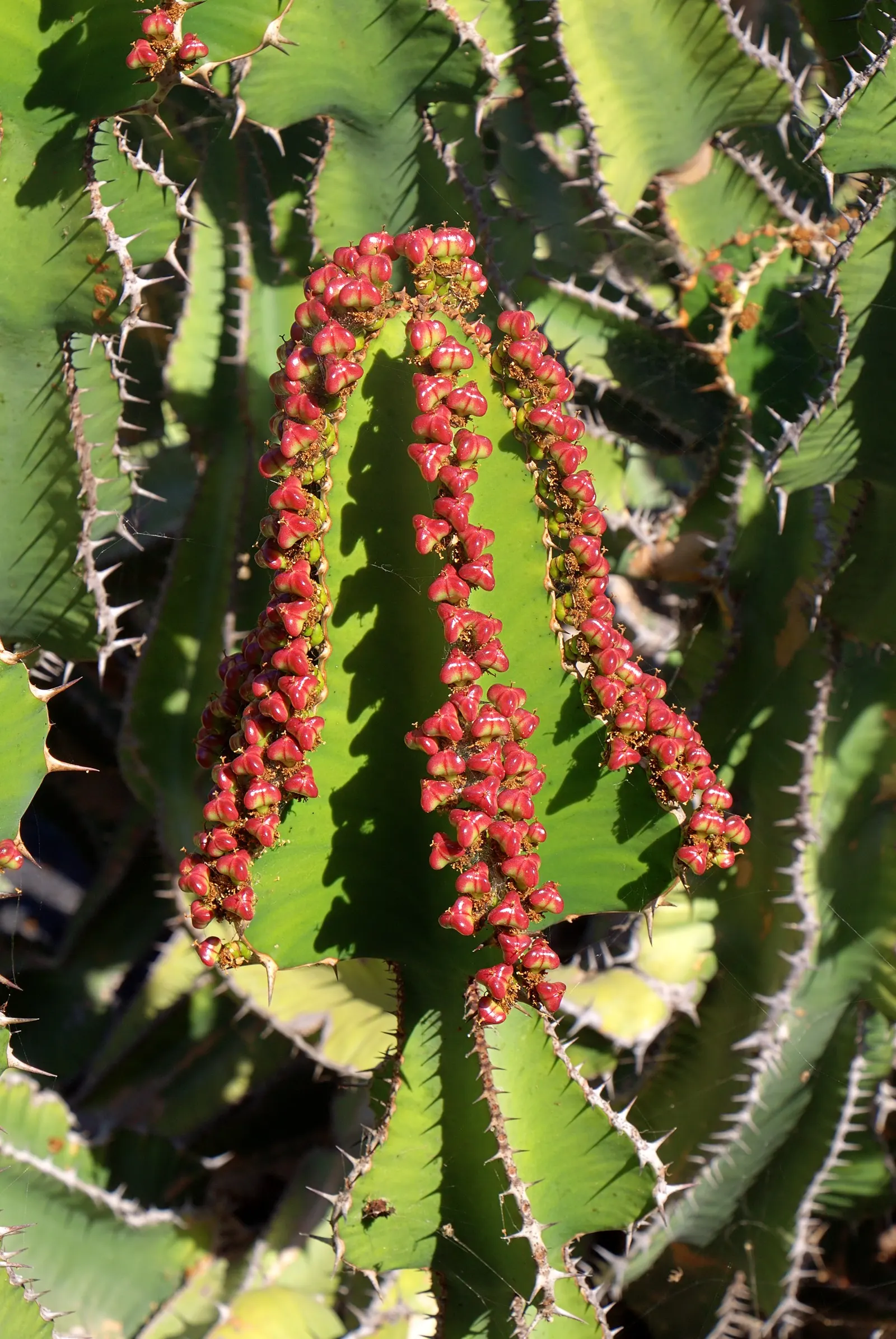
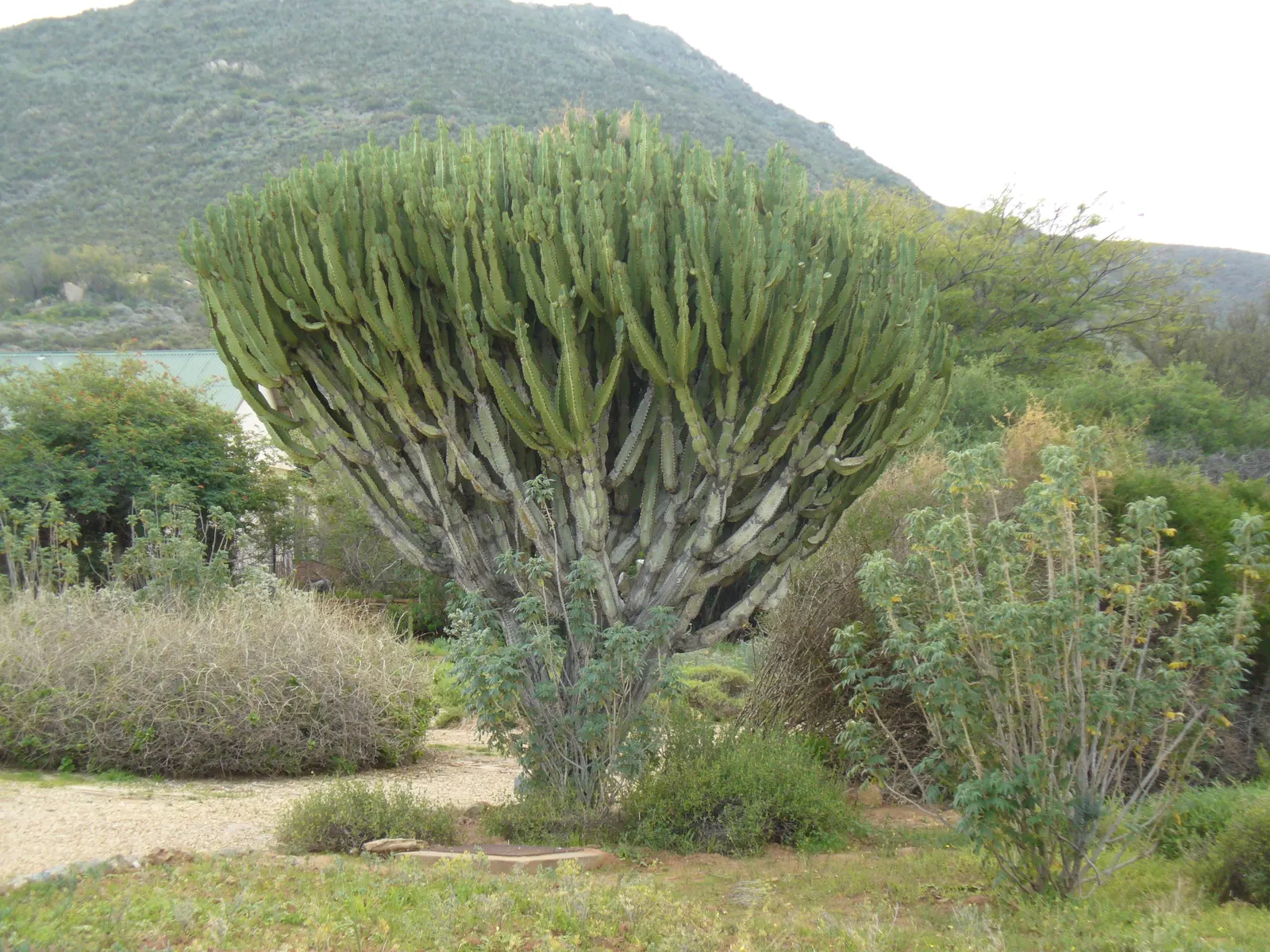
The Euphorbia ingens, or Candelabra Tree, is a striking succulent renowned for its upright, branching structure resembling a candelabrum. Indigenous to South Africa, it reaches heights of 30-40 feet with branches spanning 1-1.5 feet in diameter. Suited for arid climates, it bears small yellow flowers. Use caution: its milky sap can be toxic. Ideal as a focal point in xeriscapes, ensure ample space to accommodate its grand silhouette.

Sun FullWater LowZones 9–10Type Succulent
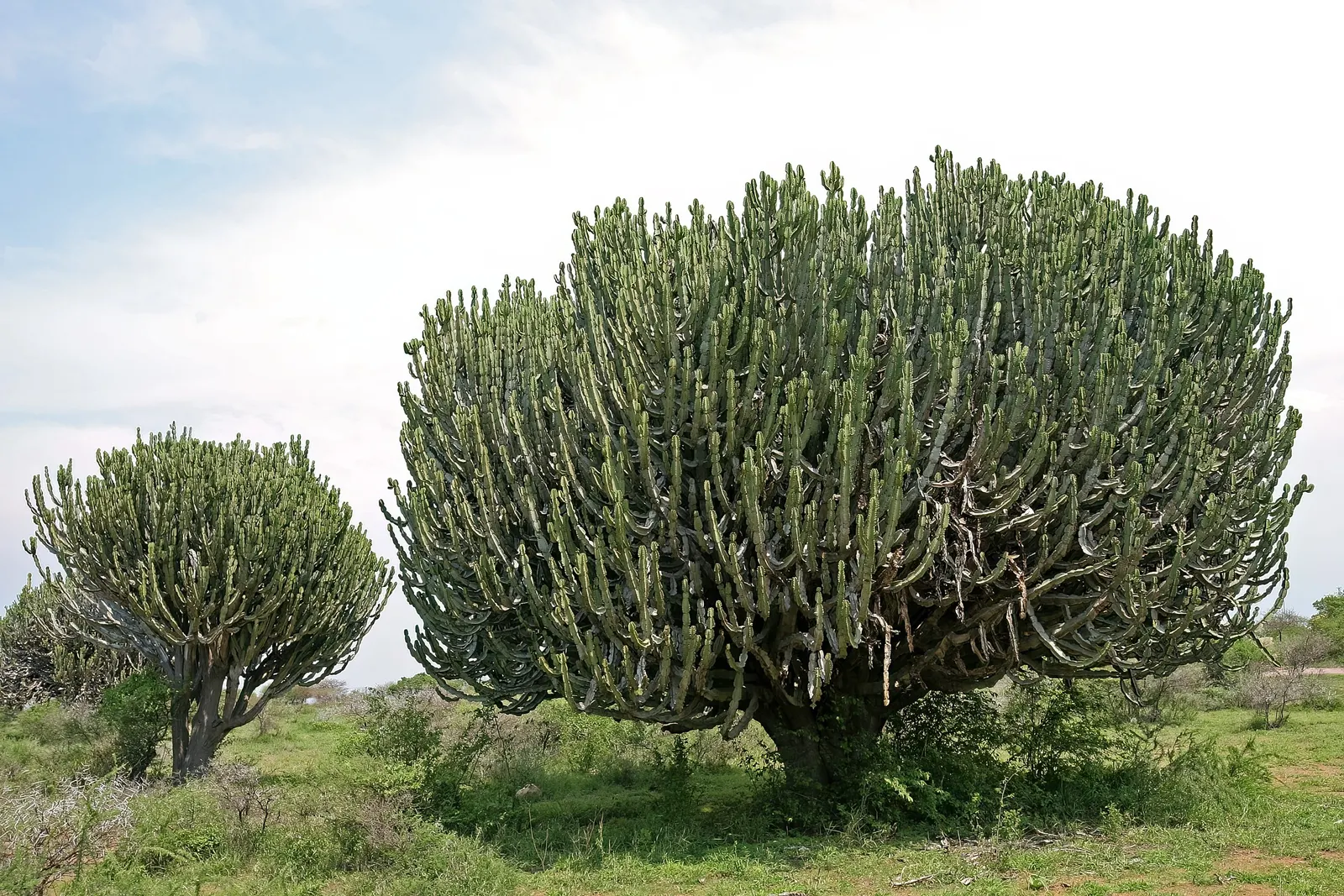
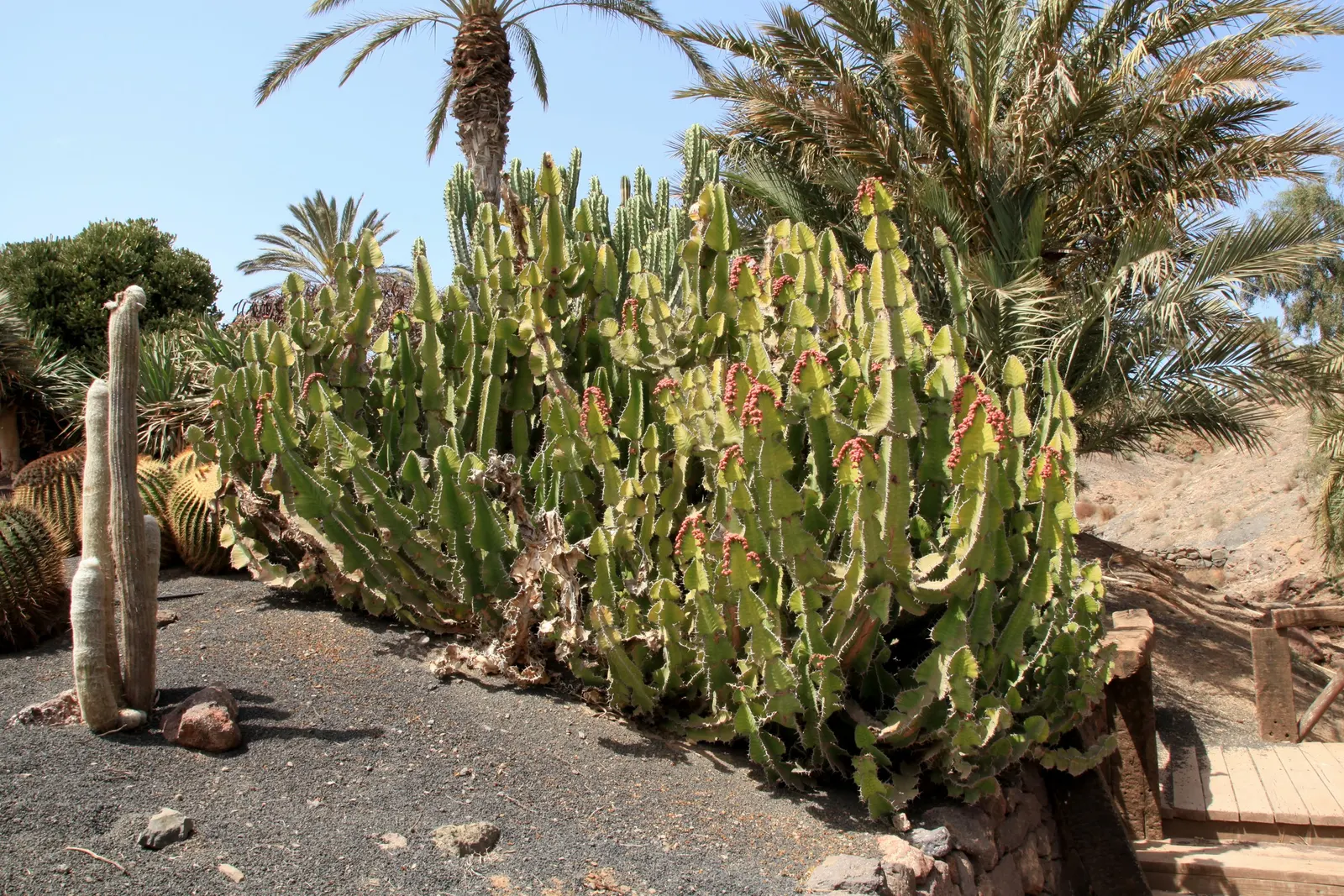
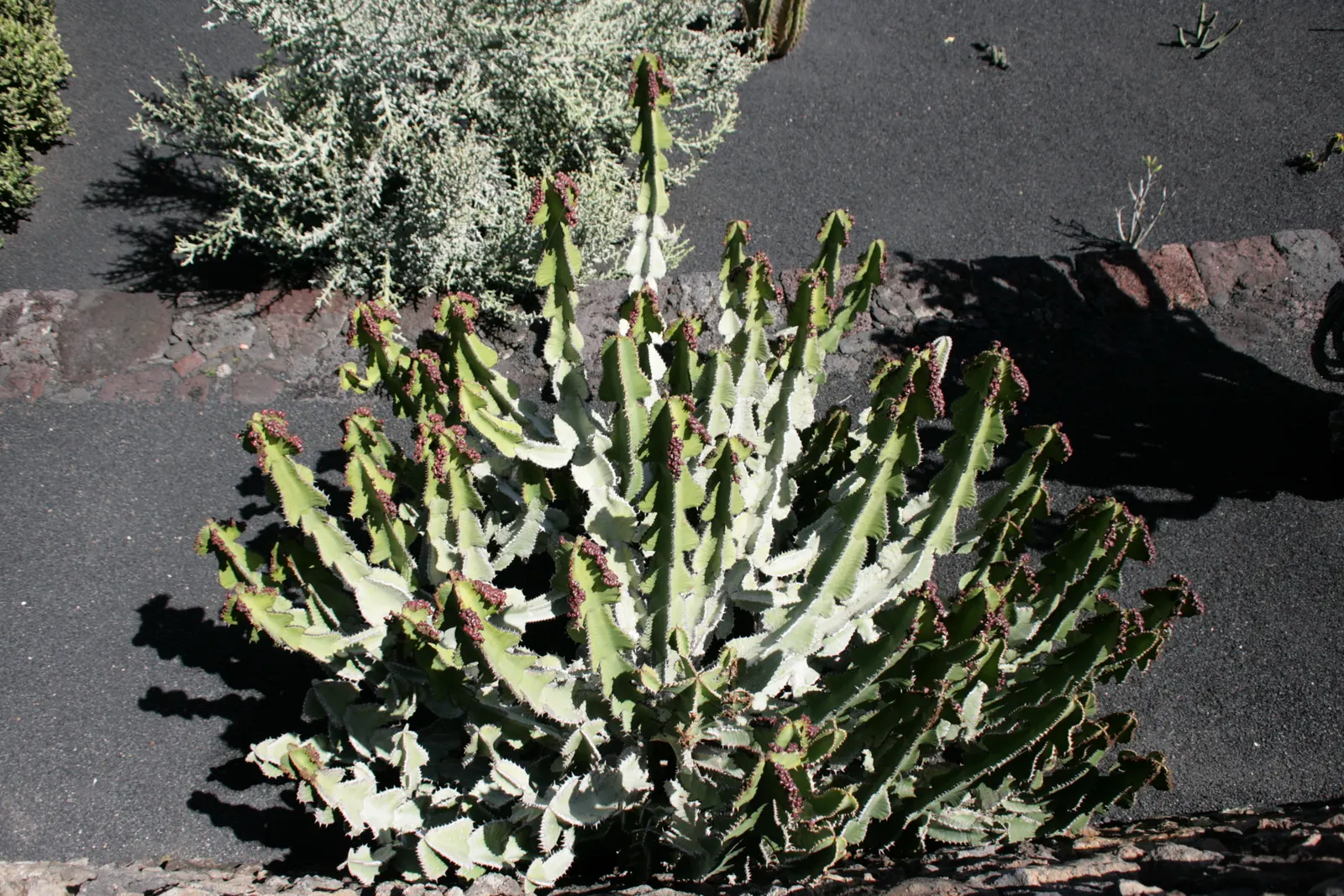
Candelabra Tree (Euphorbia Ingens) — Indigenous to South Africa, it reaches heights of 30-40 feet with branches spanning 1-1.5 feet in diameter, image 99

Culture

Sun
Full
Water
Low
USDA zones
9–10

Shape & size

Classification

Type
Succulent
Family
Euphorbiaceae

See full data, regional cultivation notes, and design tools. Build a client presentation around this plant.

Start your 14-day trial

Photos (144)

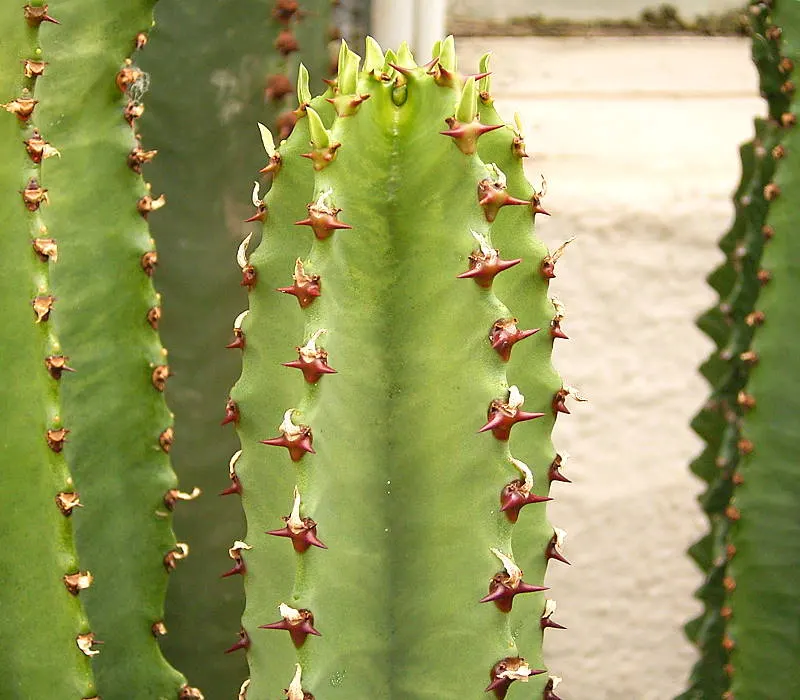
Candelabra Tree (Euphorbia Ingens) — is a striking succulent renowned for its upright
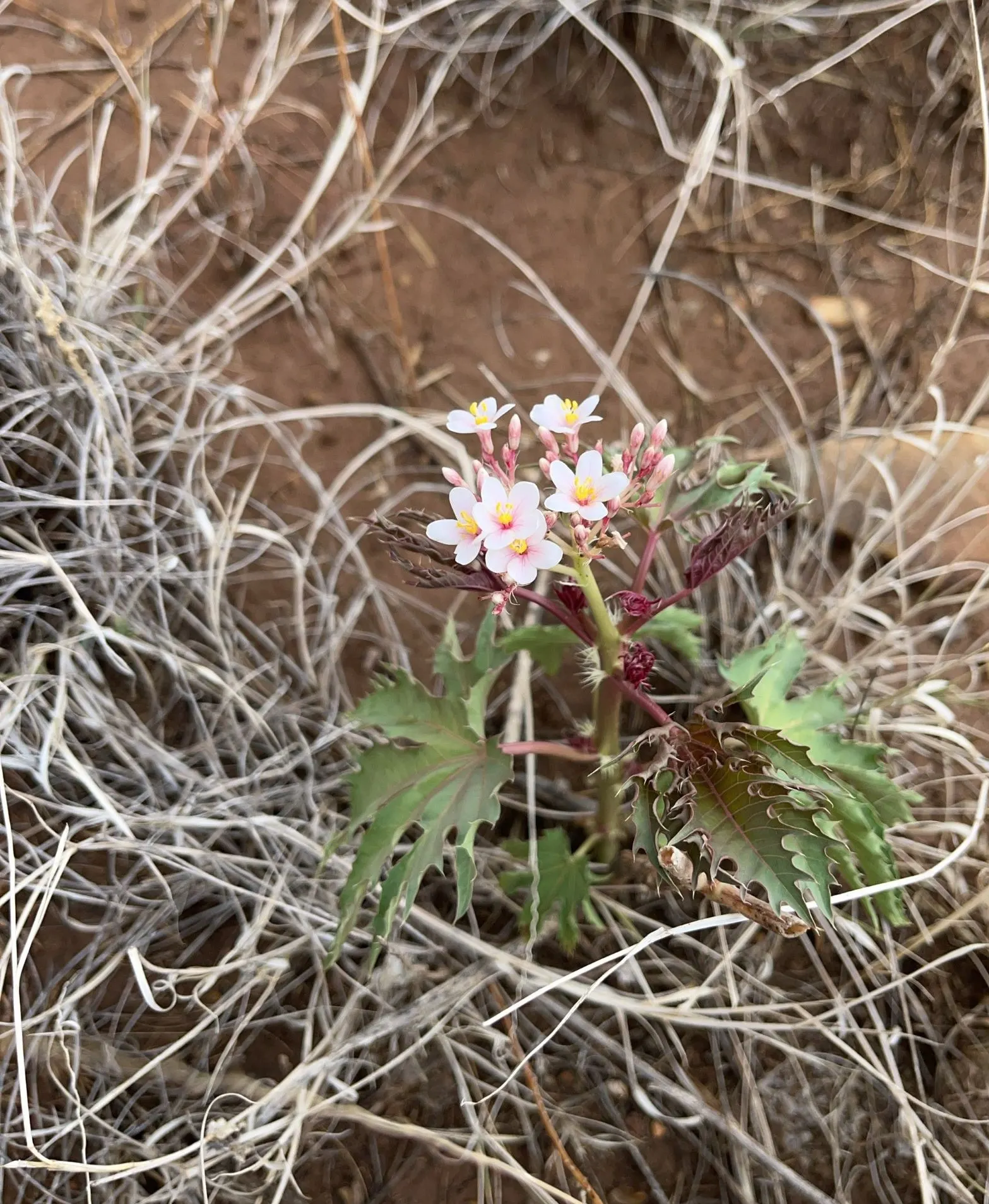
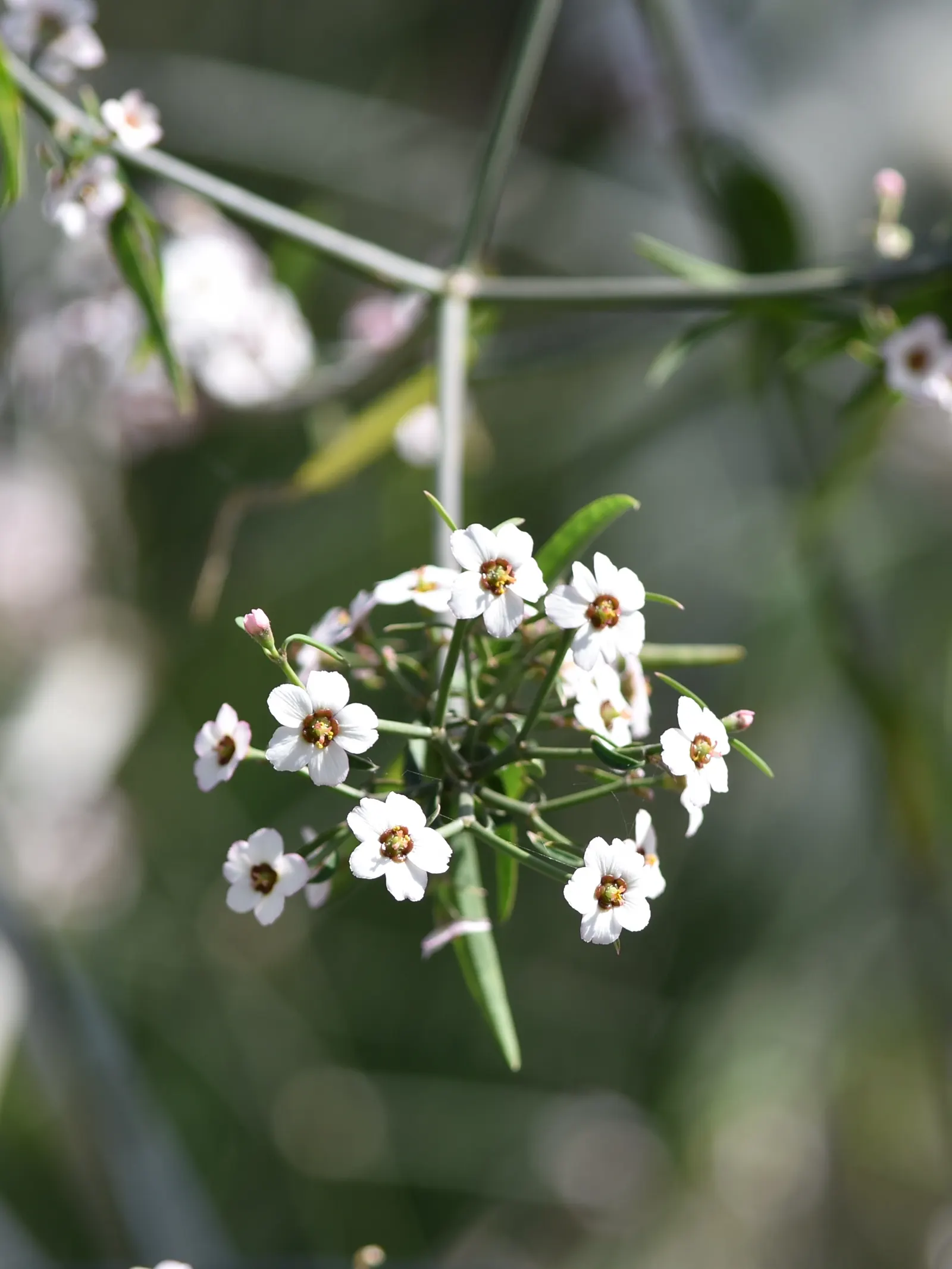
Candelabra Tree (Euphorbia Ingens) — Throughout spring to early summer; typically numbering between 4 and 12, image 64
Candelabra Tree (Euphorbia Ingens) — Due to its potential growth size; indigenous to South Africa, it reaches heights of 30-40 feet with branches, image 114
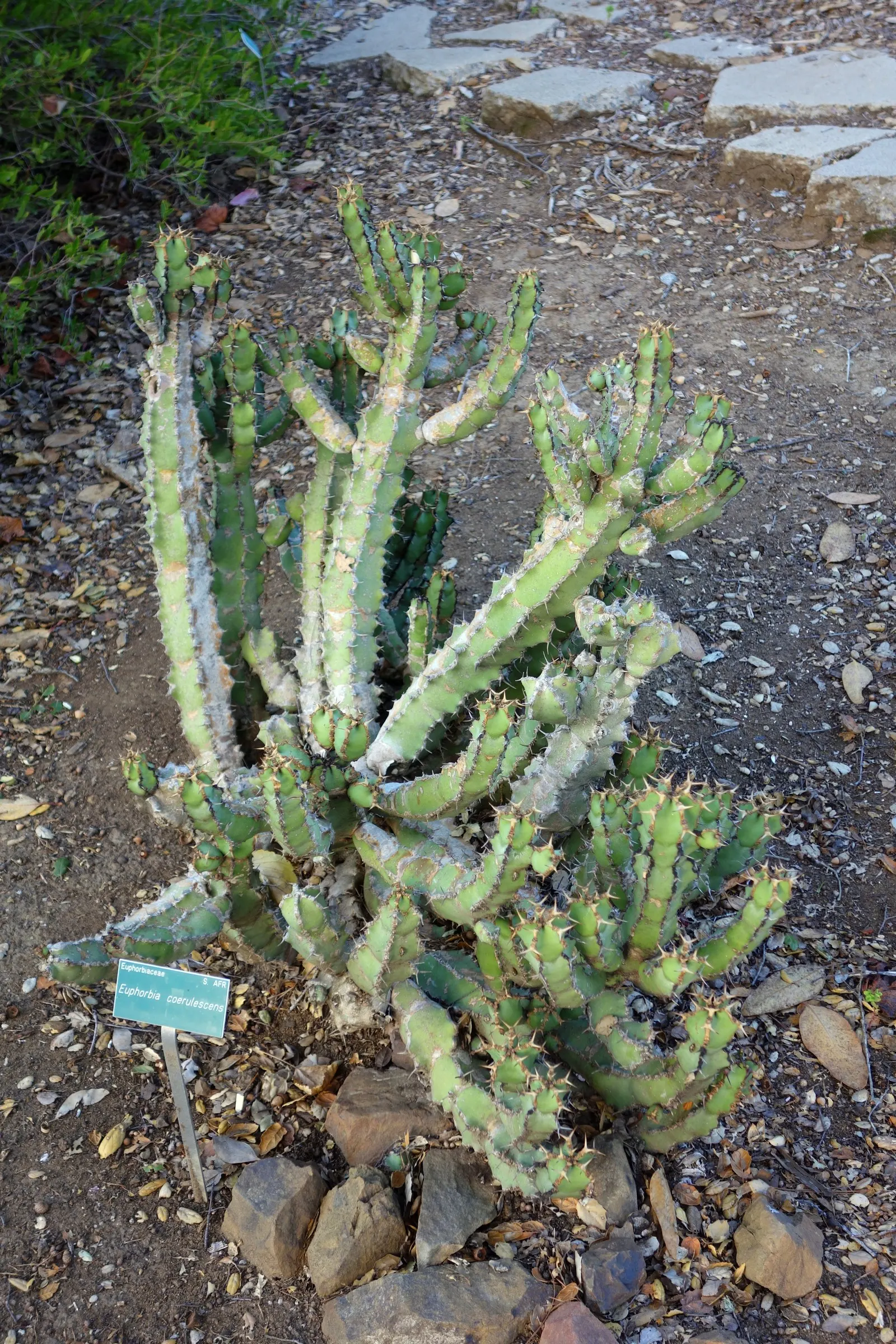
Candelabra Tree (Euphorbia Ingens) — it is well-suited to arid environments; with a spread of approximately 10 to 15 feet, image 57
Candelabra Tree (Euphorbia Ingens) — Due to its potential growth size; indigenous to South Africa, it reaches heights of 30-40 feet with branches spanning
Candelabra Tree (Euphorbia Ingens) — with a spread of approximately 10 to 15 feet; it is well-suited to arid environments, image 60
Candelabra Tree (Euphorbia Ingens) — typically numbering between 4 and 12; throughout spring to early summer, image 85
Candelabra Tree (Euphorbia Ingens) — the Candelabra Tree can reach up to 30 to 40 feet
Candelabra Tree (Euphorbia Ingens) — Indigenous to South Africa, it reaches heights of 30-40 feet with branches spanning 1-1.5 feet in diameter, image 123
Candelabra Tree (Euphorbia Ingens) — Indigenous to South Africa, it reaches heights of 30-40 feet with branches spanning 1-1.5 feet in diameter
Candelabra Tree (Euphorbia Ingens) — bear a strong resemblance to the spire-like arms of a candelabra; with its bold silhouette and low water needs
Candelabra Tree (Euphorbia Ingens) — it is crucial to allocate ample space within the design to accommodate its mature dimensions; making it a, image 115
Candelabra Tree (Euphorbia Ingens) — branching structure resembling a candelabrum; the Candelabra Tree can reach up to 30 to 40 feet, image 98
Candelabra Tree (Euphorbia Ingens) — succulent for full; the Euphorbia ingens requires minimal maintenance once established
Candelabra Tree (Euphorbia Ingens) — with a spread of approximately 10 to 15 feet; it is well-suited to arid environments
Candelabra Tree (Euphorbia Ingens) — it is well-suited to arid environments; with a spread of approximately 10 to 15 feet, image 81
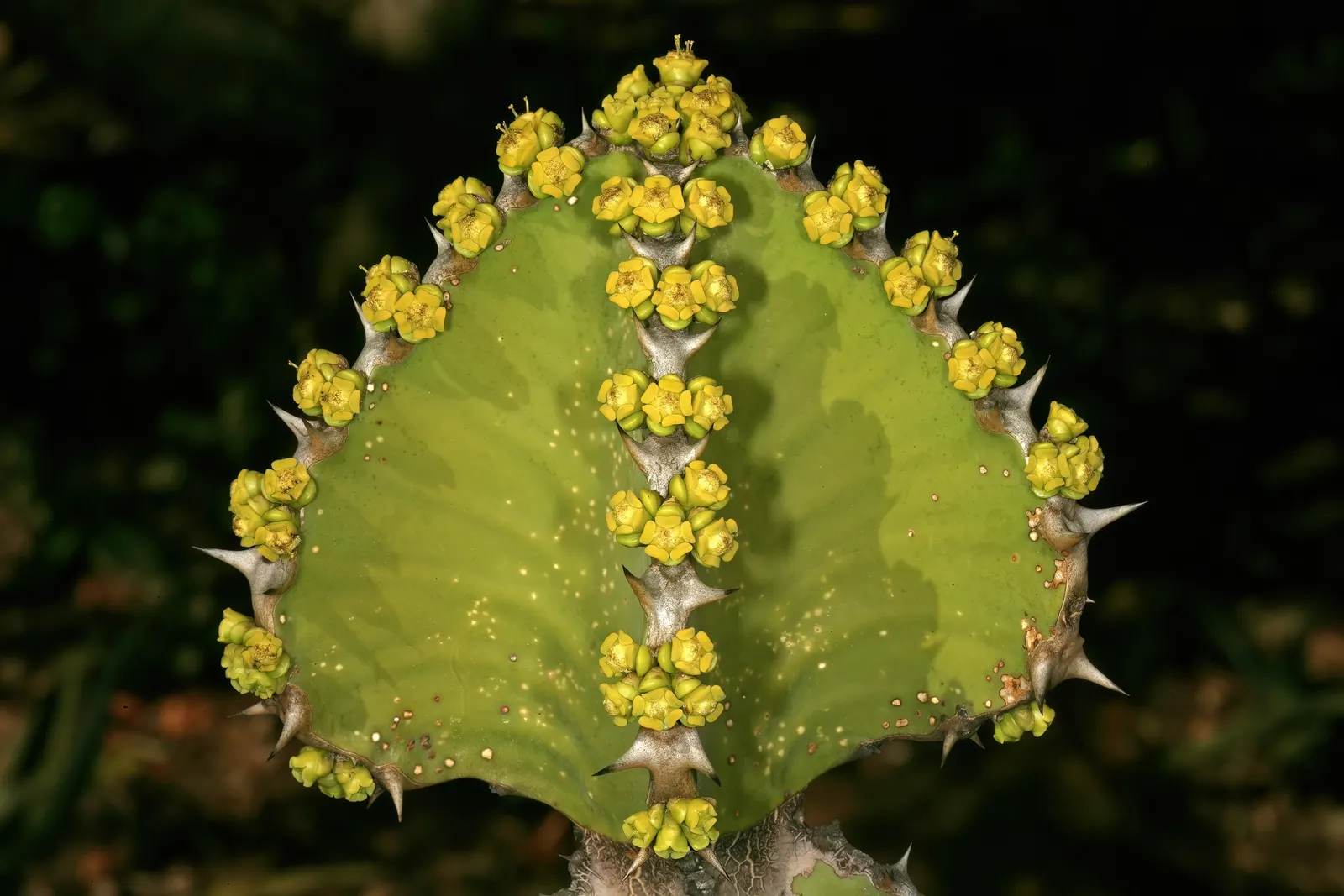
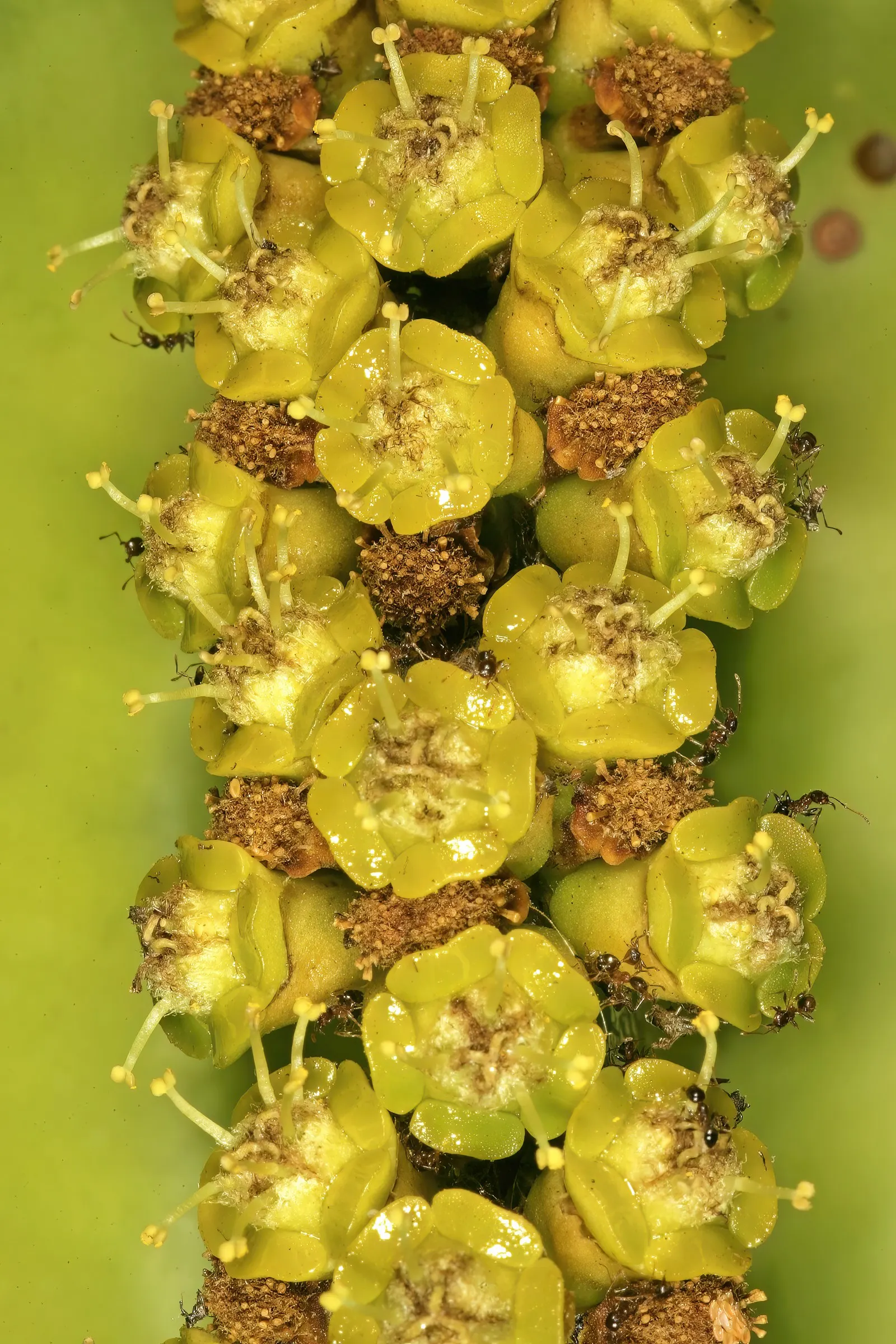
Candelabra Tree (Euphorbia Ingens) — Suited for arid climates, it bears small yellow flowers; is a striking succulent renowned for its upright
Candelabra Tree (Euphorbia Ingens) — maintain a distance from walkways and sitting areas
Candelabra Tree (Euphorbia Ingens) — Suited for arid climates, it bears small yellow flowers; is a striking succulent renowned for its upright, image 52
Candelabra Tree (Euphorbia Ingens) — it is well-suited to arid environments; with a spread of approximately 10 to 15 feet, image 105
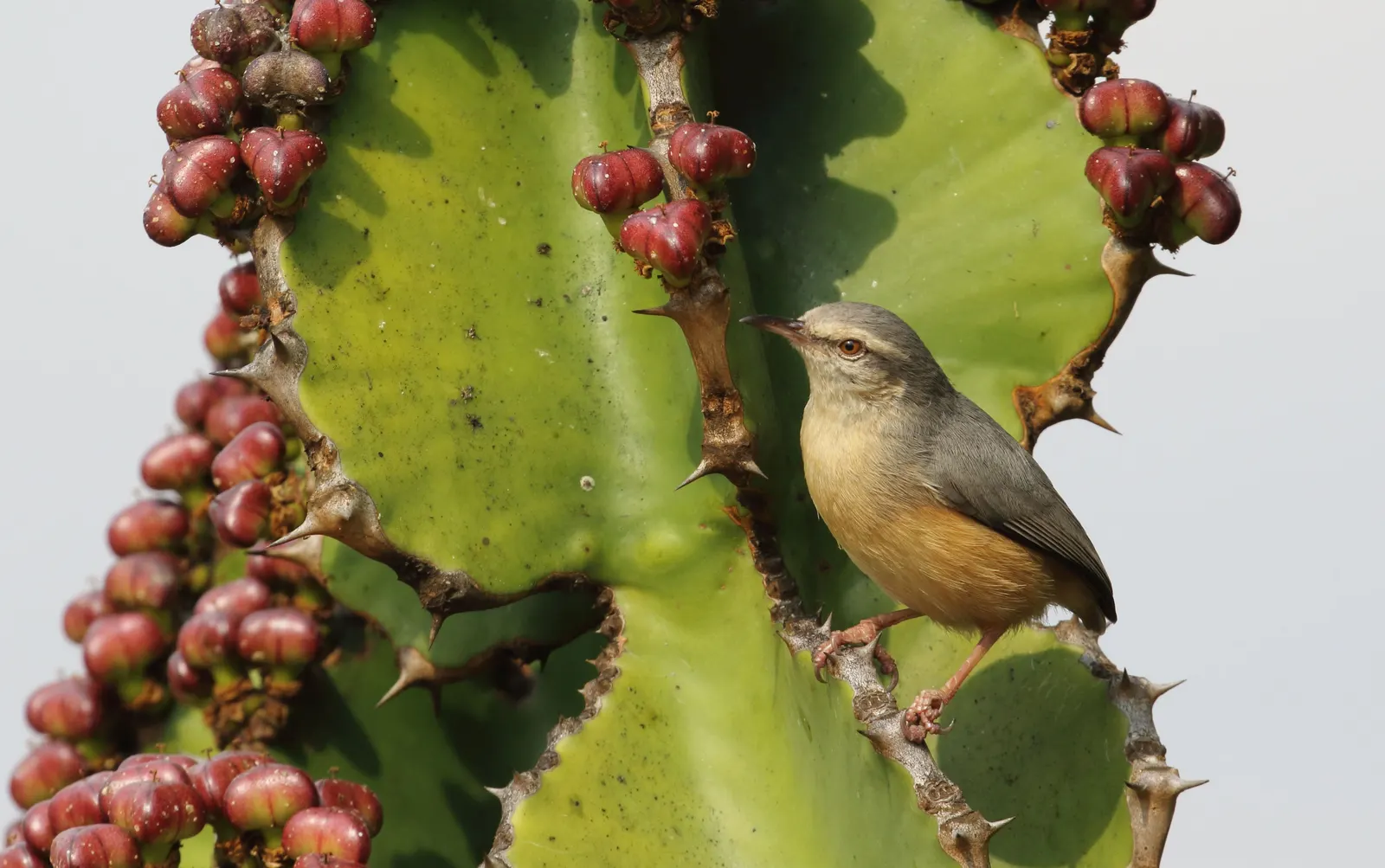
Candelabra Tree (Euphorbia Ingens) — Native to the dry regions of southern Africa; use caution: its milky sap can be toxic, image 56
Candelabra Tree (Euphorbia Ingens) — is a striking succulent renowned for its upright; suited for arid climates, it bears small yellow flowers, image 97
Candelabra Tree (Euphorbia Ingens) — Throughout spring to early summer
Candelabra Tree (Euphorbia Ingens) — succulent for full; the Euphorbia ingens requires minimal maintenance once established, image 72
Photographs by 11 contributors

Related plants