Skip to content

Candelabra Tree

Euphorbia Ingens

Design with this plant

Overview

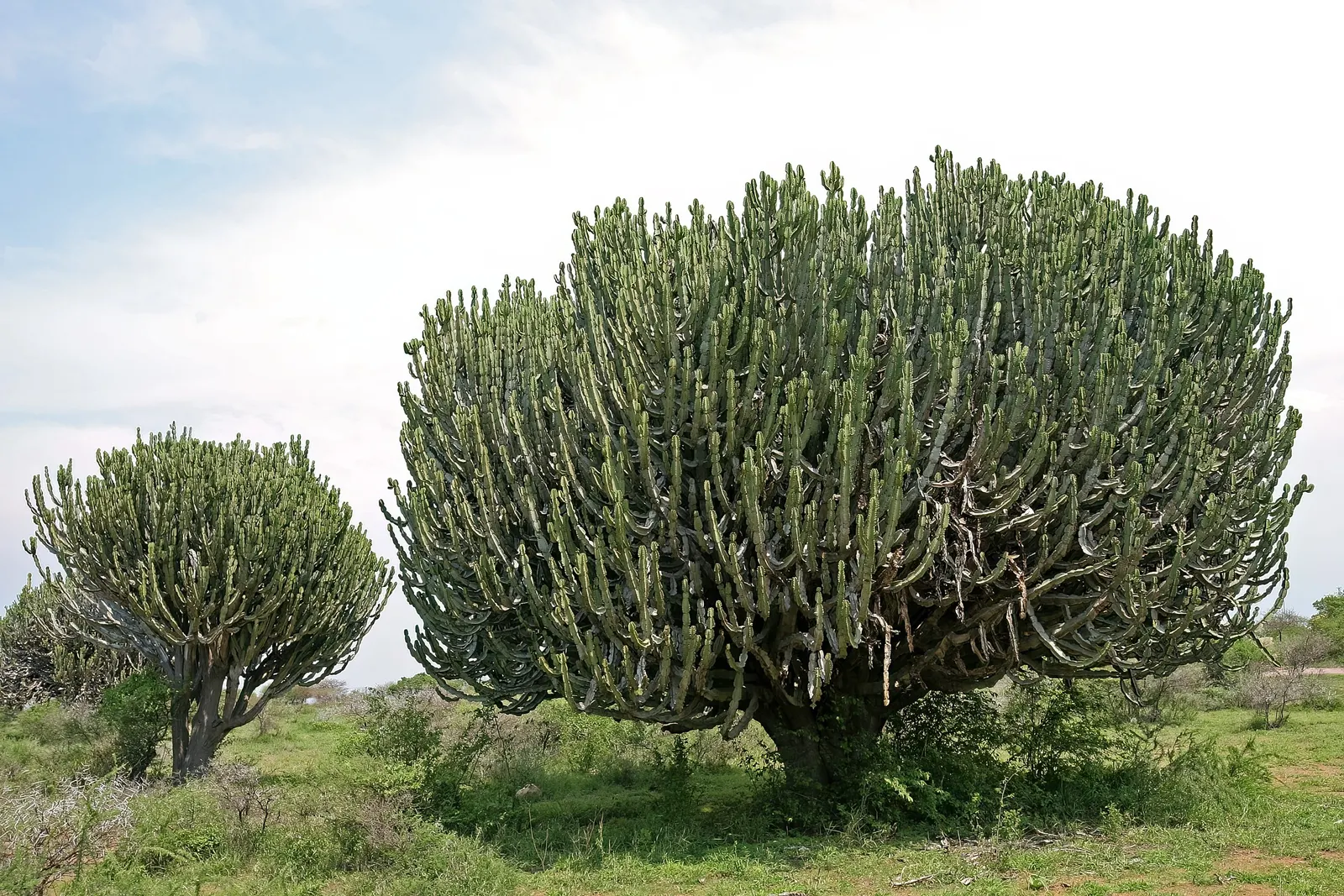
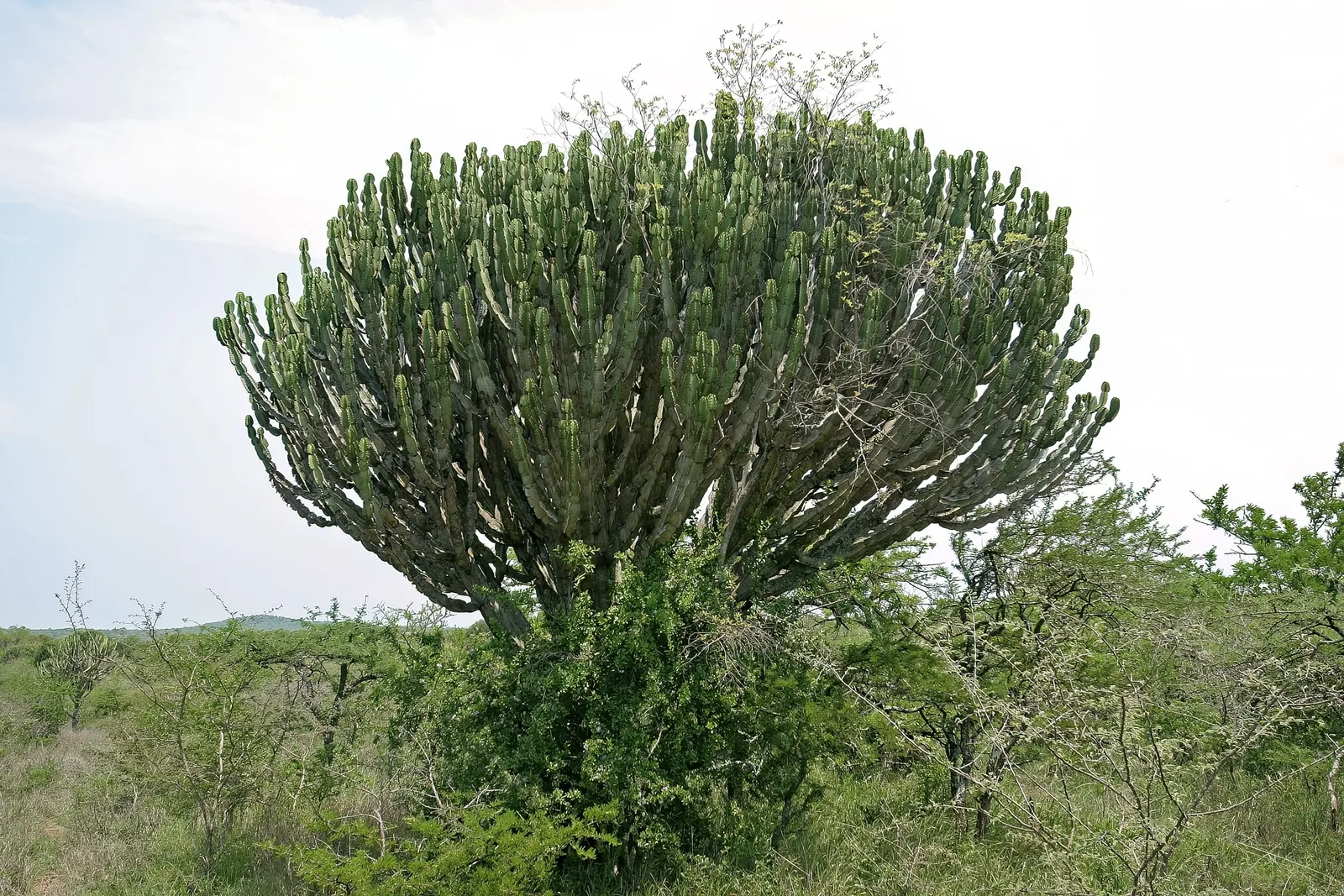
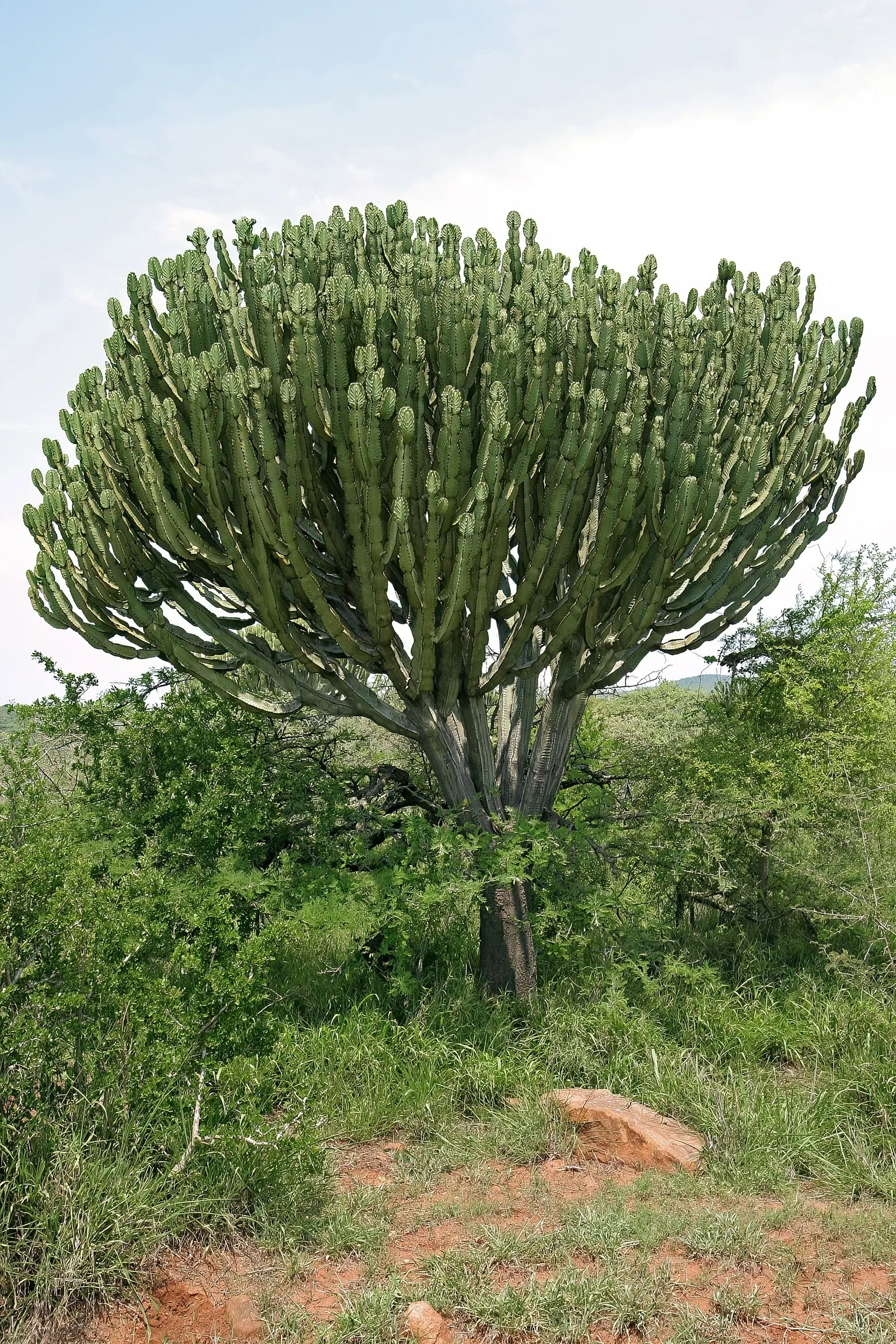
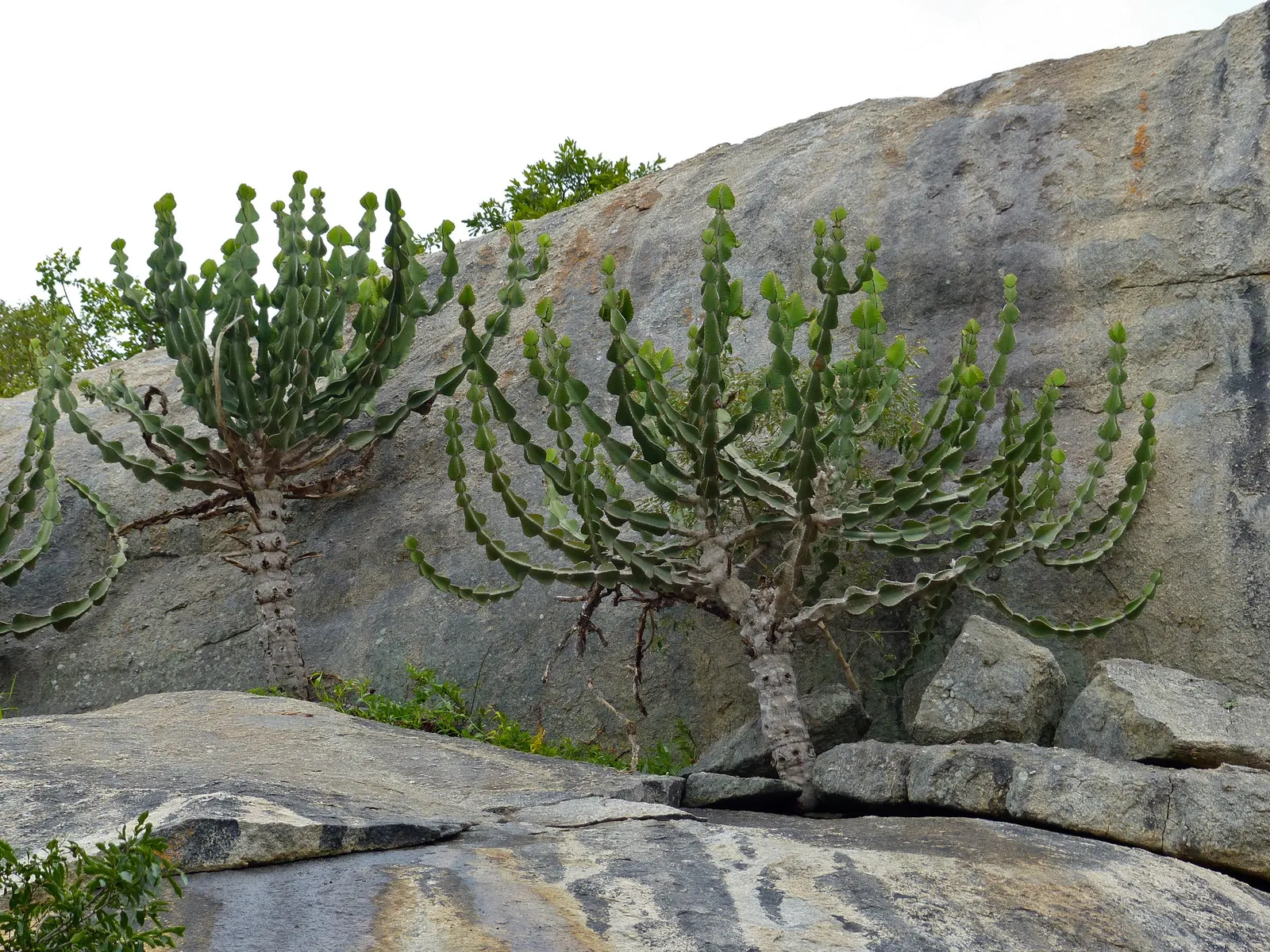
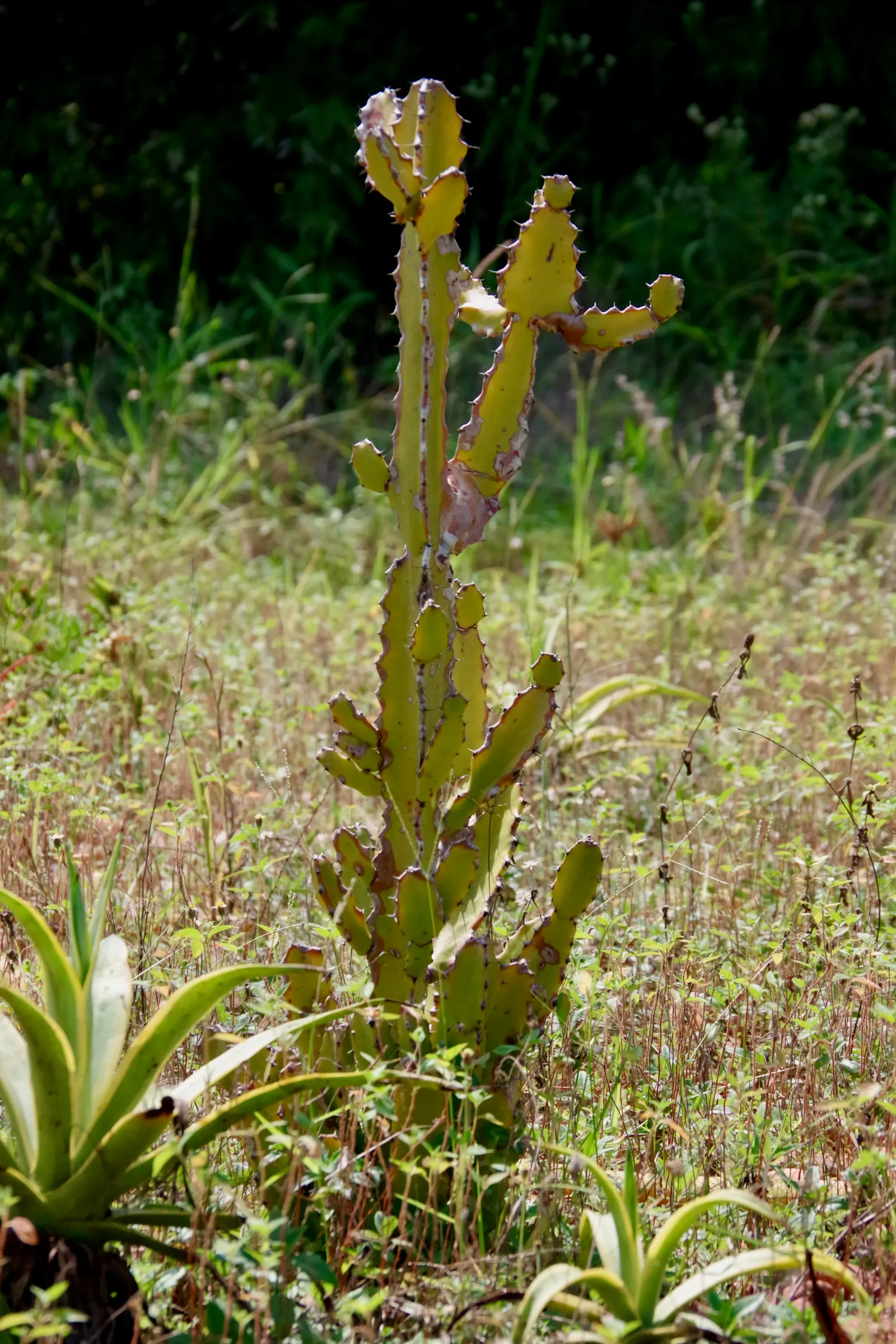
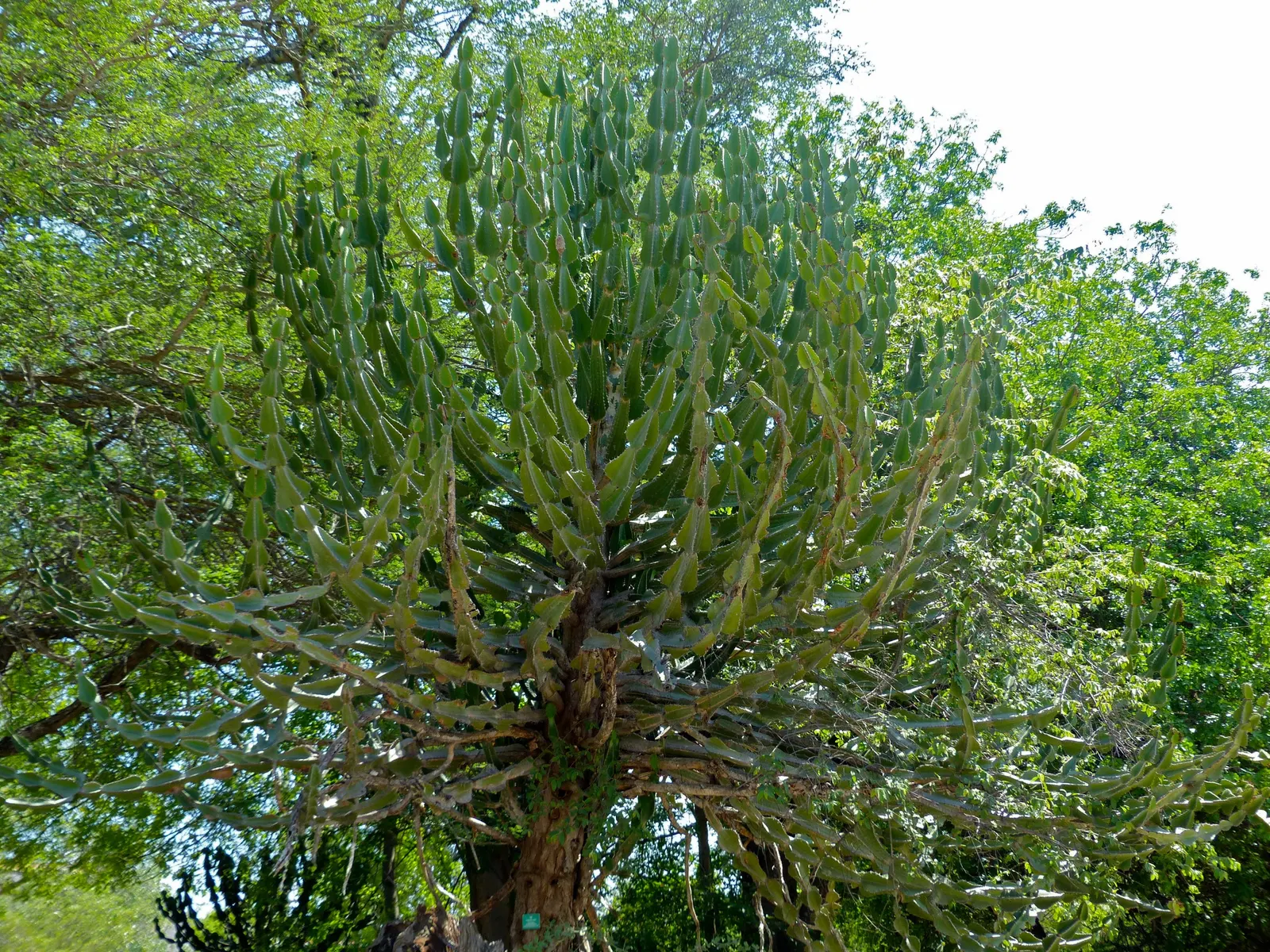
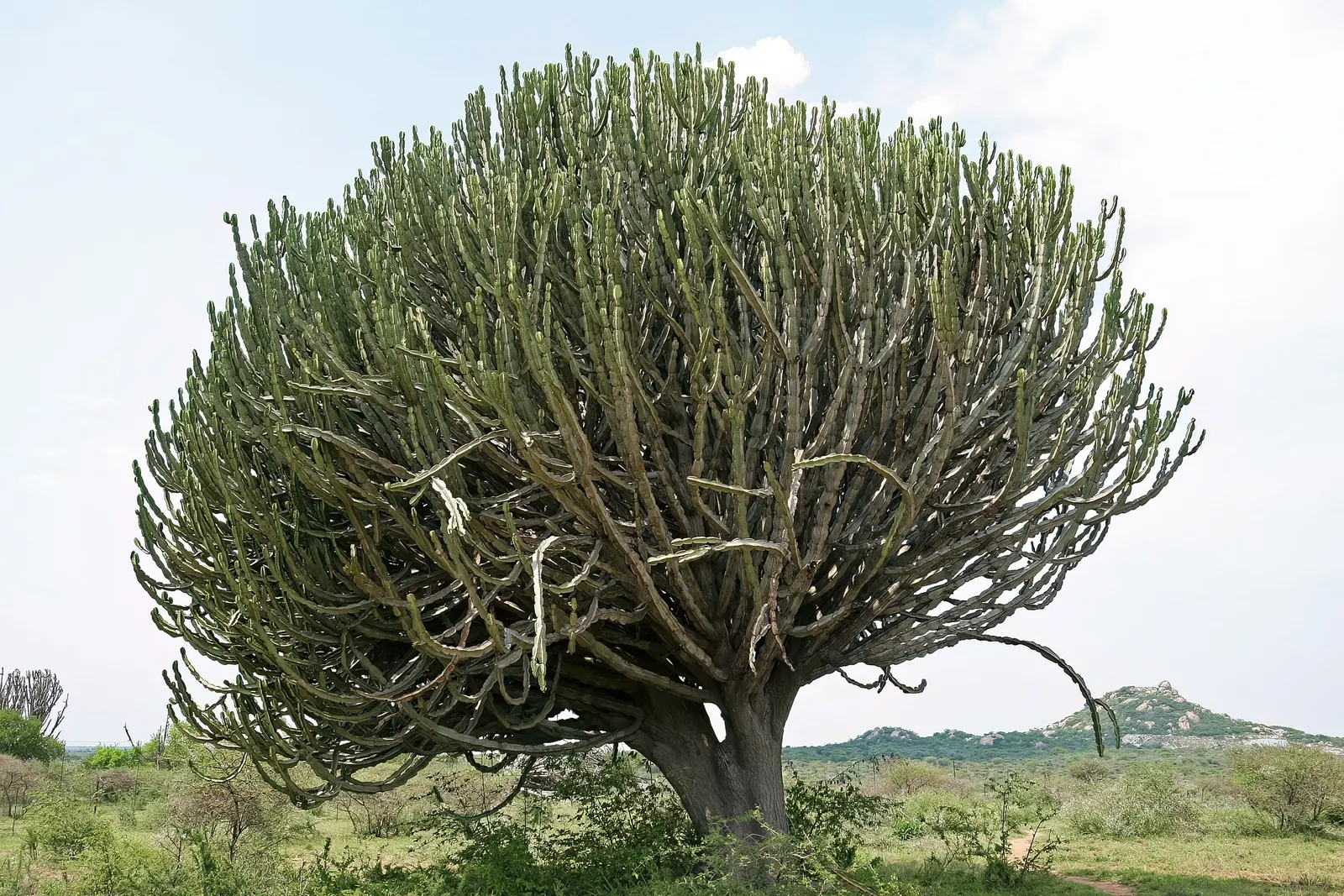
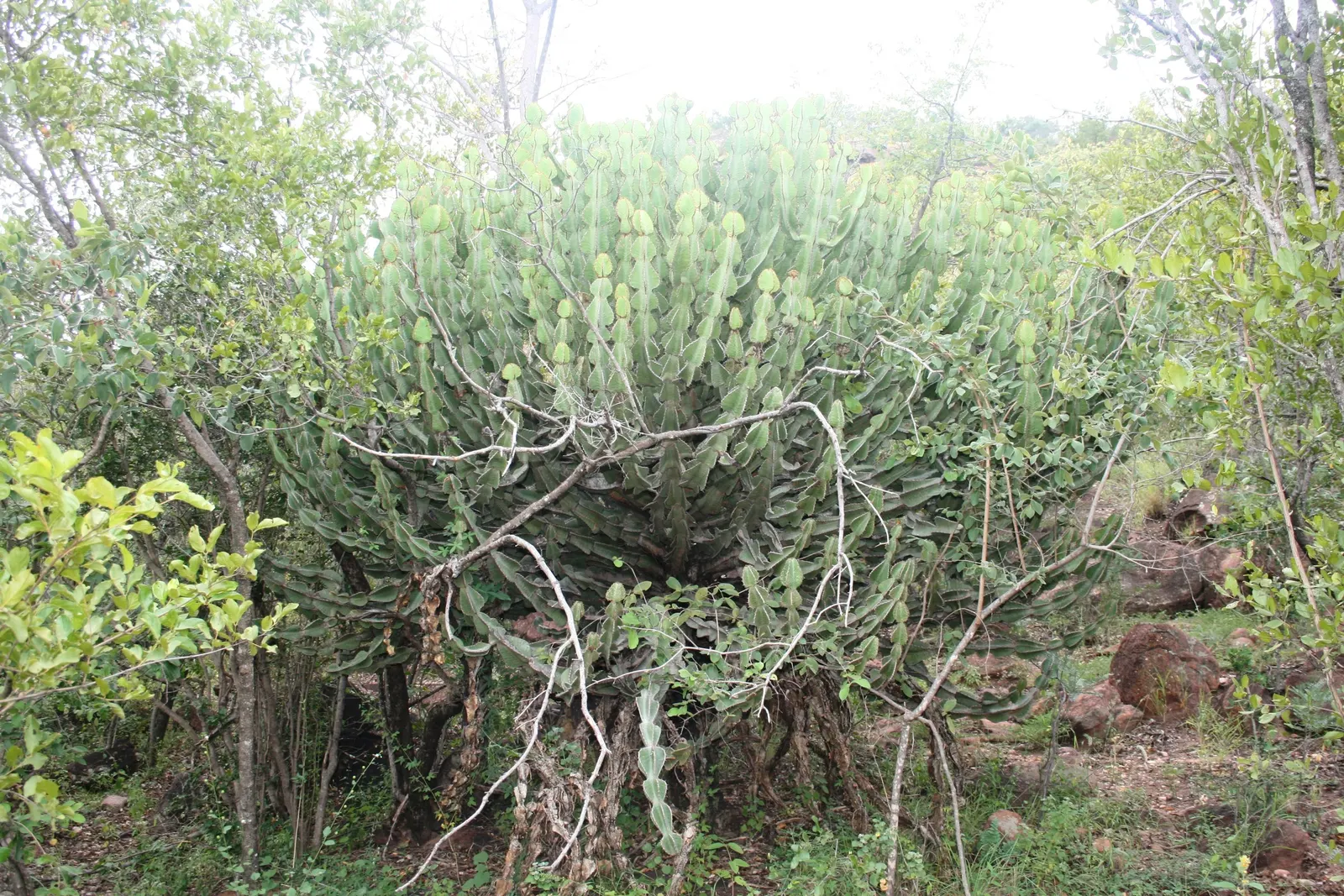
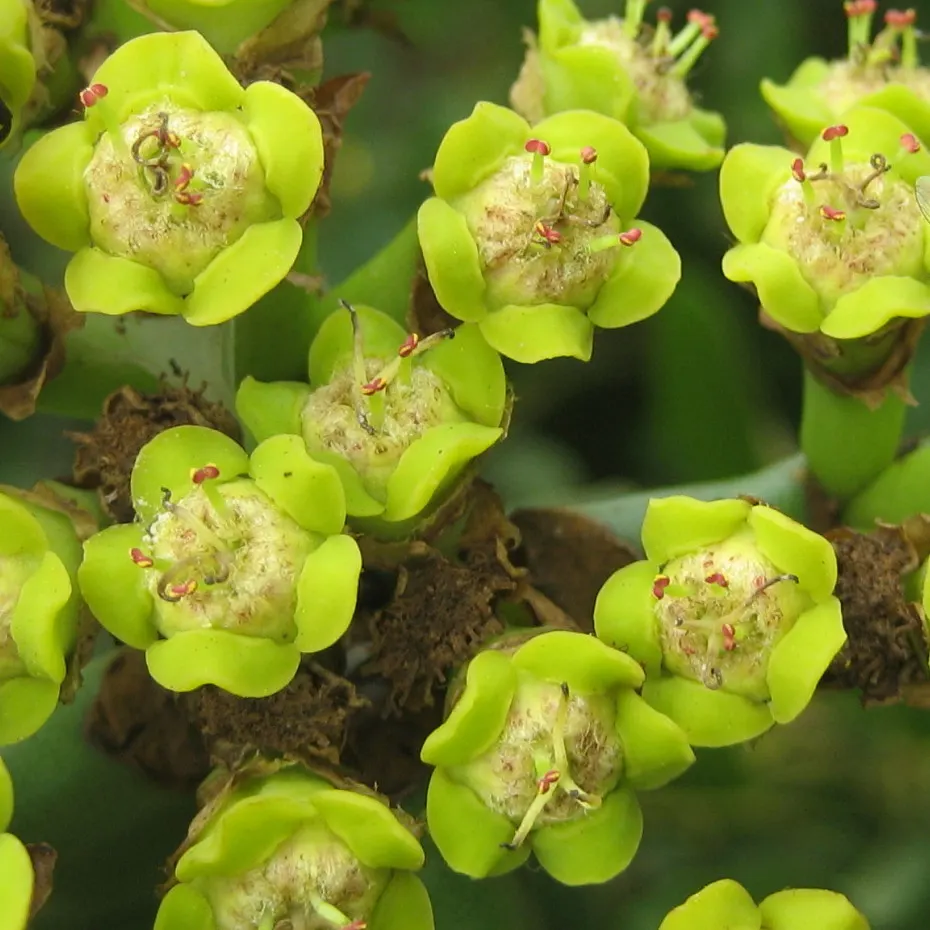
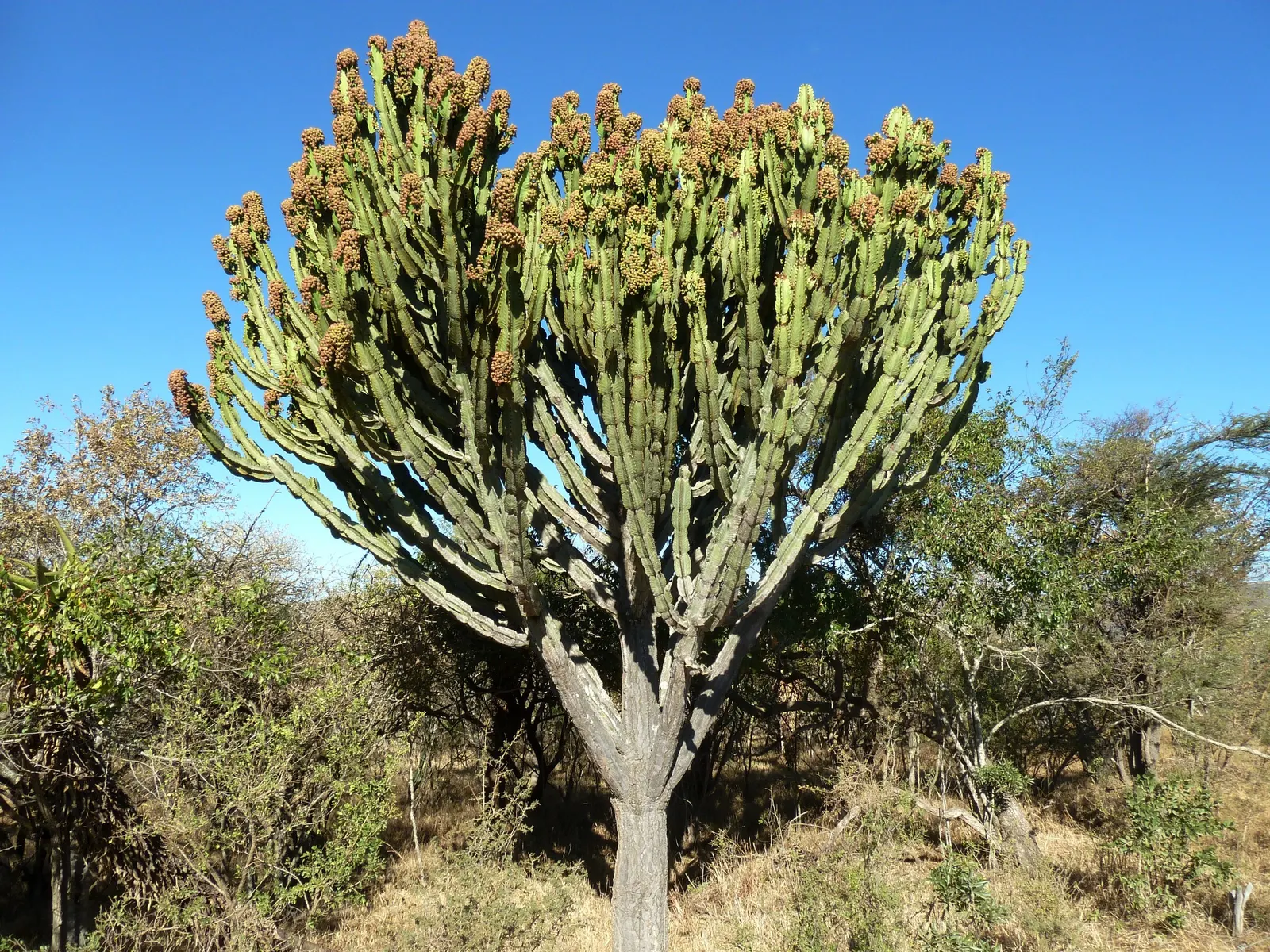
The Euphorbia ingens, or Candelabra Tree, is a striking succulent renowned for its upright, branching structure resembling a candelabrum. Indigenous to South Africa, it reaches heights of 30-40 feet with branches spanning 1-1.5 feet in diameter. Suited for arid climates, it bears small yellow flowers. Use caution: its milky sap can be toxic. Ideal as a focal point in xeriscapes, ensure ample space to accommodate its grand silhouette.

Sun FullWater LowZones 9–10Type Succulent

Culture

Sun
Full
Water
Low
USDA zones
9–10

Shape & size

Classification

Type
Succulent
Family
Euphorbiaceae

See full data, regional cultivation notes, and design tools. Build a client presentation around this plant.

Start your 14-day trial

Photos (144)

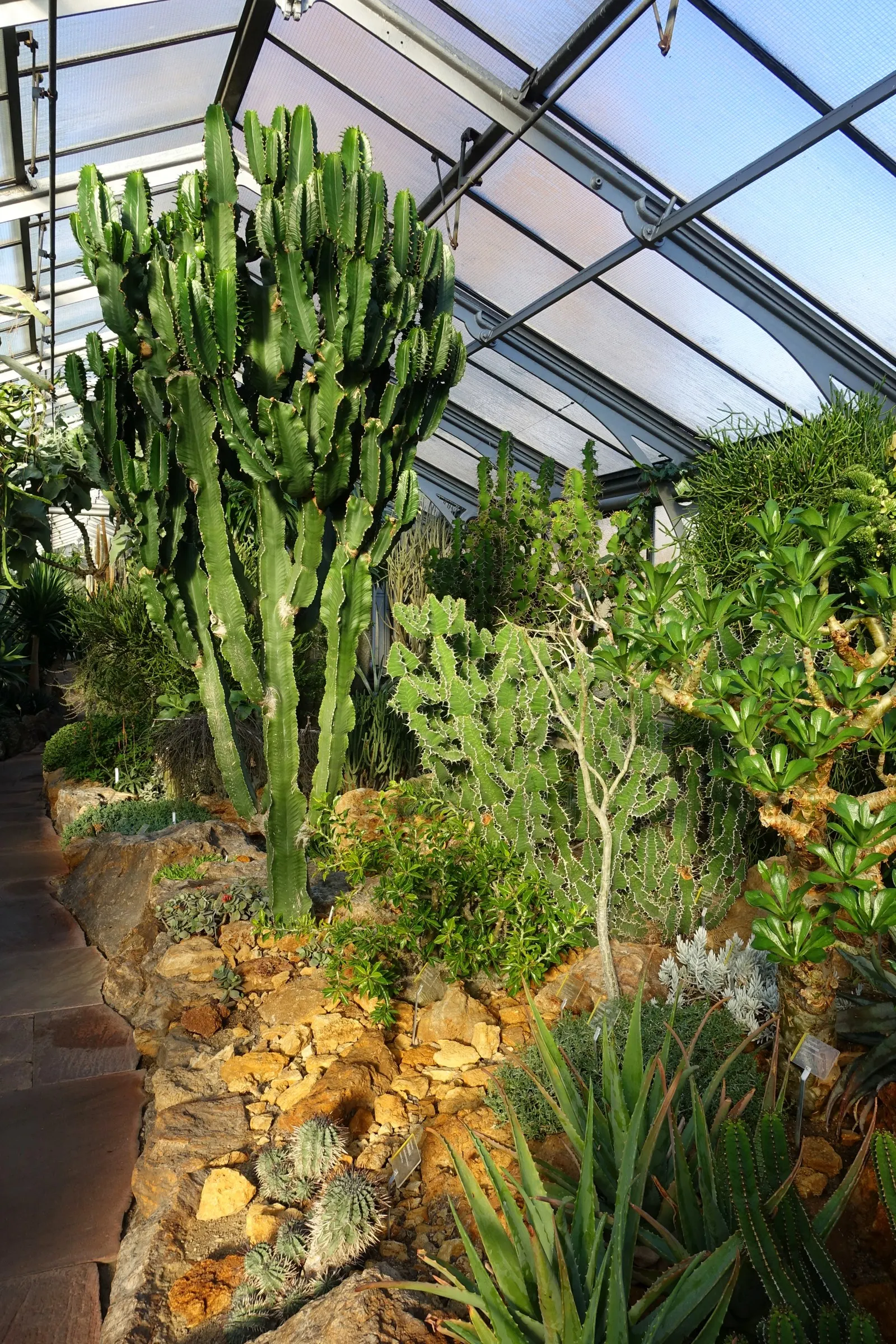
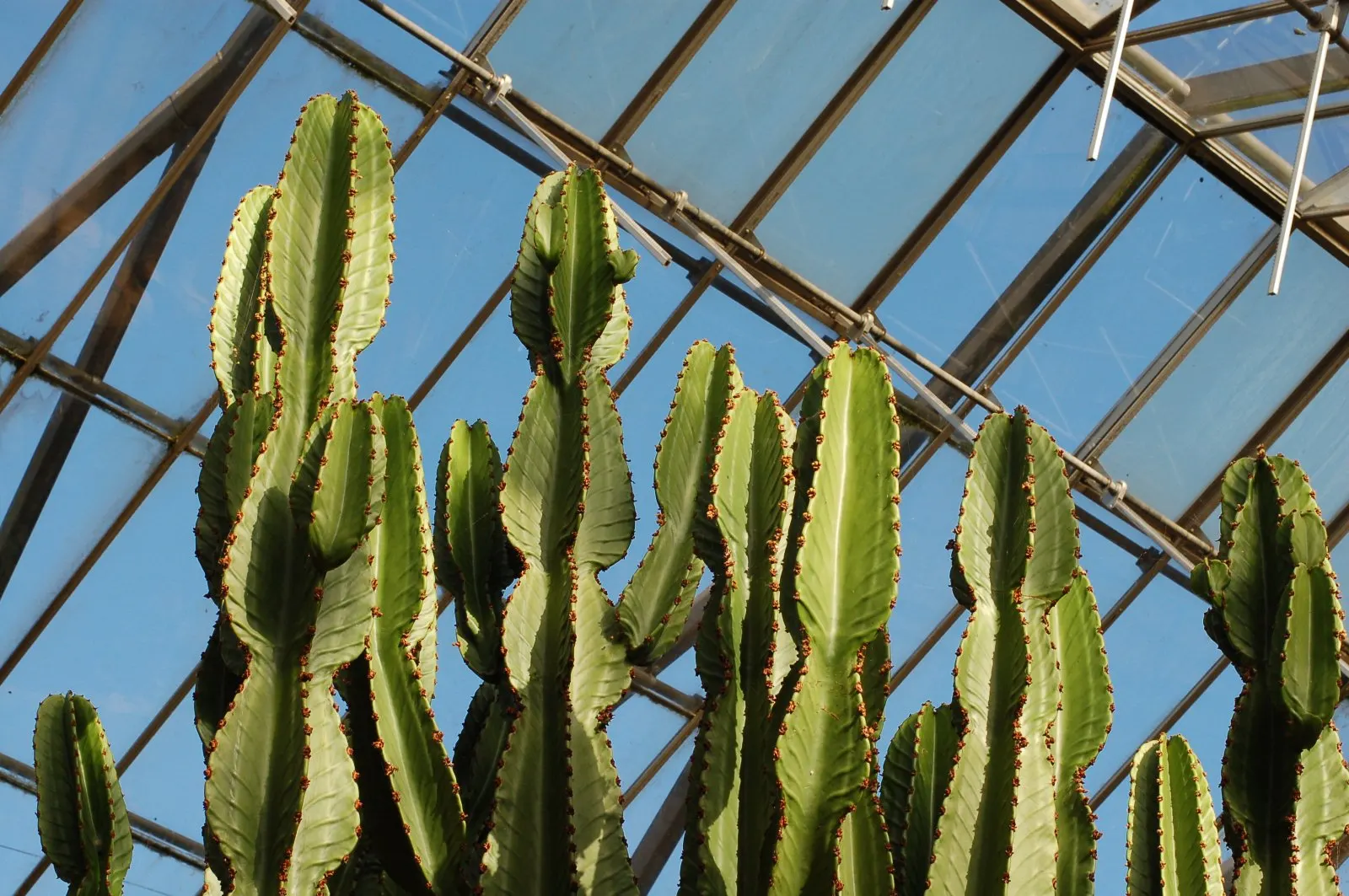
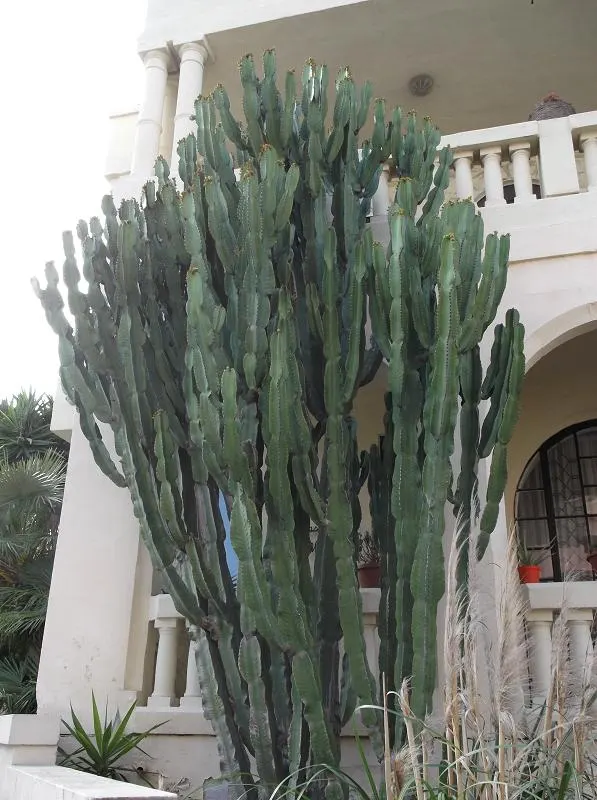
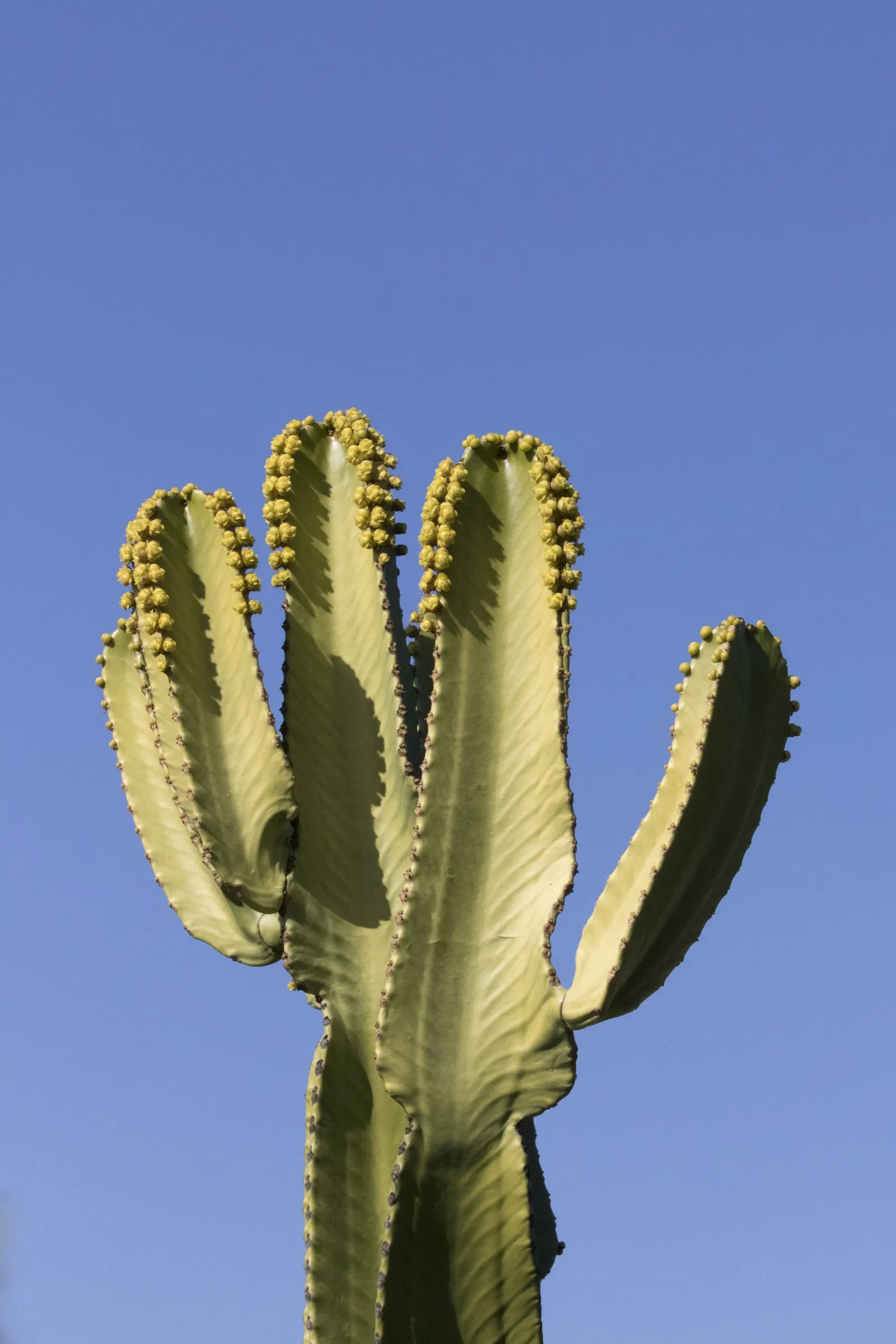
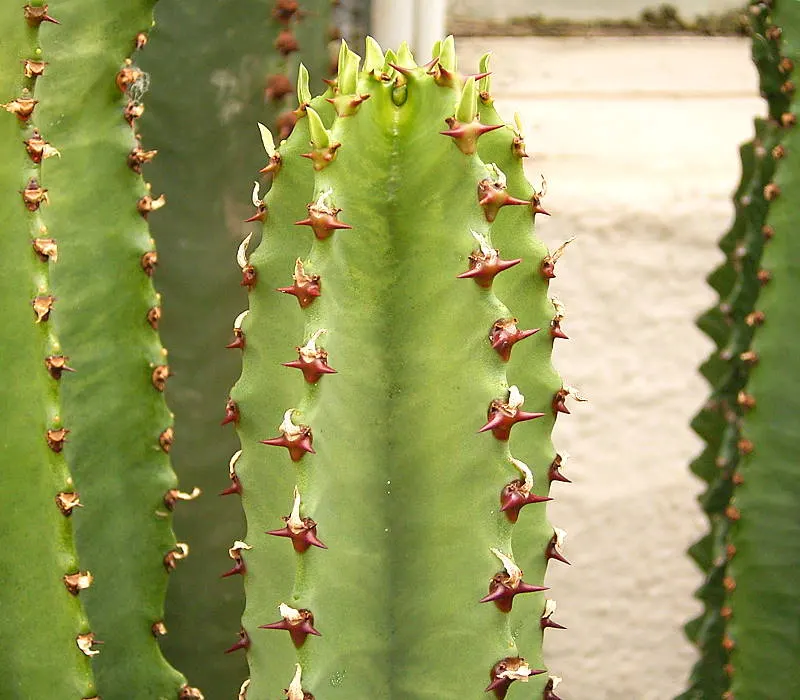
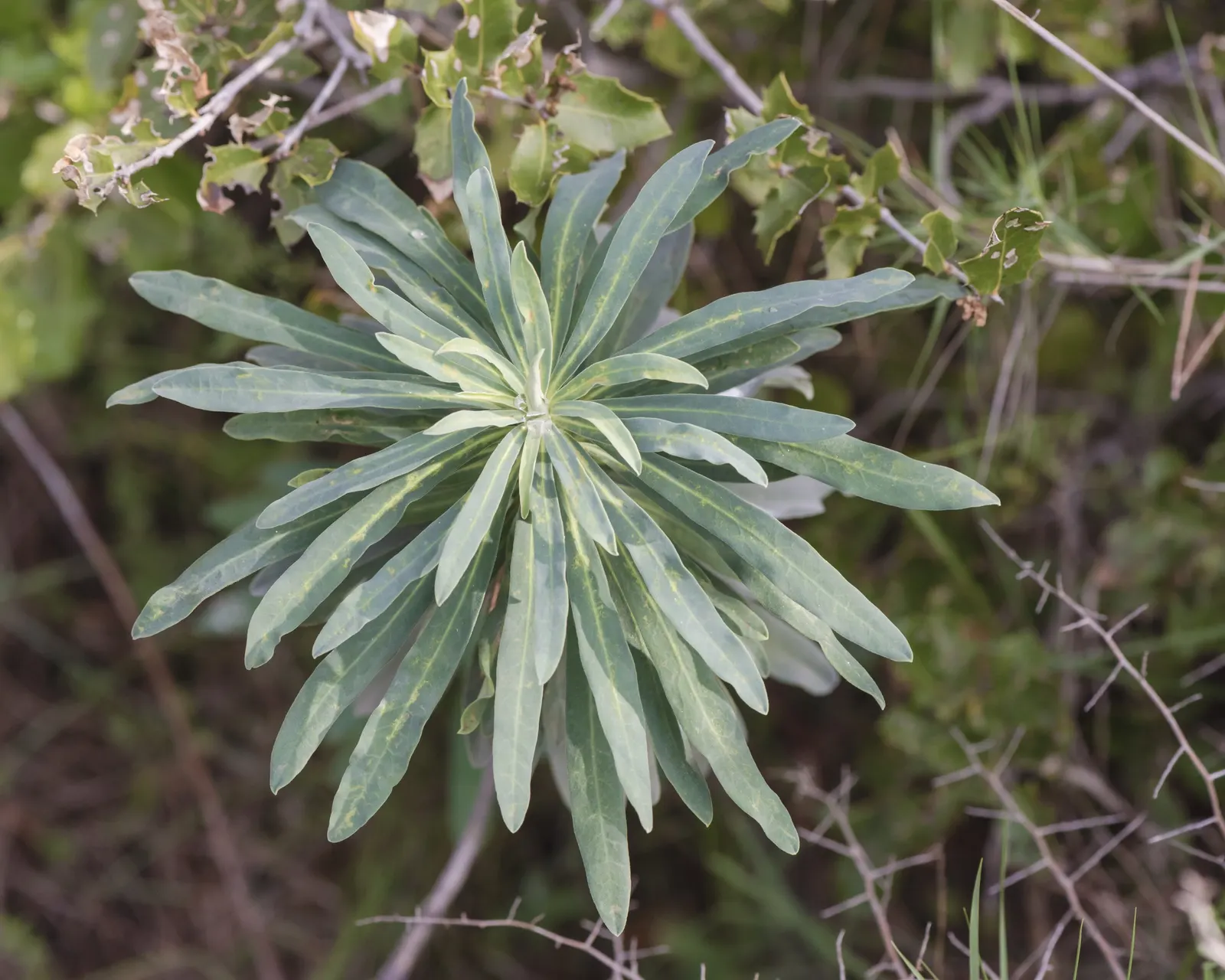
Candelabra Tree (Euphorbia Ingens) — Indigenous to South Africa, it reaches heights of 30-40 feet with branches spanning 1-1.5 feet in diameter, image 99
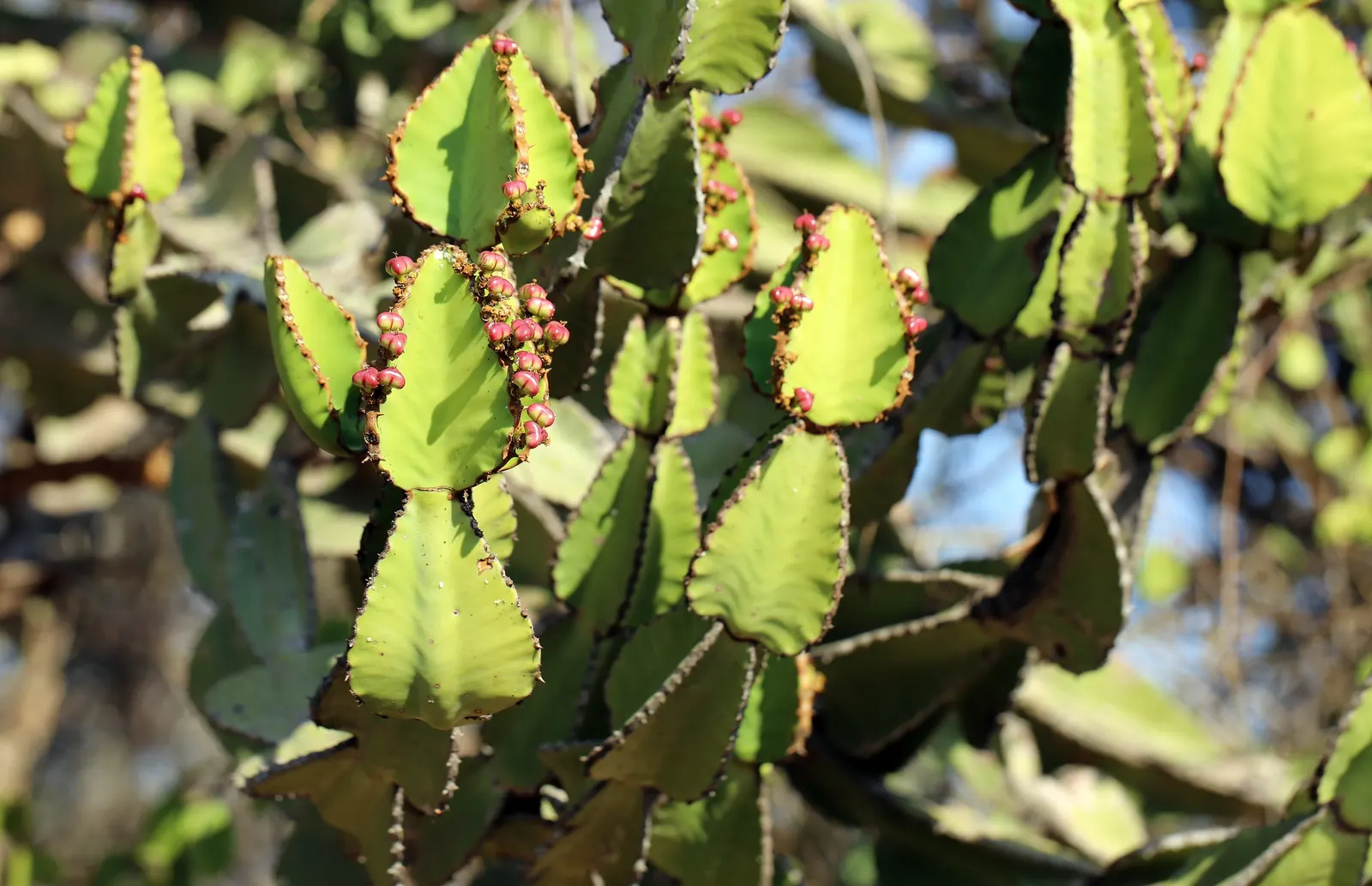
Candelabra Tree (Euphorbia Ingens) — Use caution: its milky sap can be toxic; native to the dry regions of southern Africa, image 53
Candelabra Tree (Euphorbia Ingens) — commonly referred to as the Candelabra Tree; needing only occasional watering during prolonged dry spells, image 79
Candelabra Tree (Euphorbia Ingens) — with a spread of approximately 10 to 15 feet
Candelabra Tree (Euphorbia Ingens) — the Euphorbia ingens requires minimal maintenance once established; succulent for full
Candelabra Tree (Euphorbia Ingens) — branching structure resembling a candelabrum
Candelabra Tree (Euphorbia Ingens) — is a striking succulent renowned for its upright; suited for arid climates, it bears small yellow flowers, image 121
Candelabra Tree (Euphorbia Ingens) — the Candelabra Tree can reach up to 30 to 40 feet; branching structure resembling a candelabrum, image 107
Candelabra Tree (Euphorbia Ingens) — Throughout spring to early summer; typically numbering between 4 and 12, image 112
Candelabra Tree (Euphorbia Ingens) — lending to the plant's common name; ideal as a focal point in xeriscapes, ensure ample space to accommodate its grand
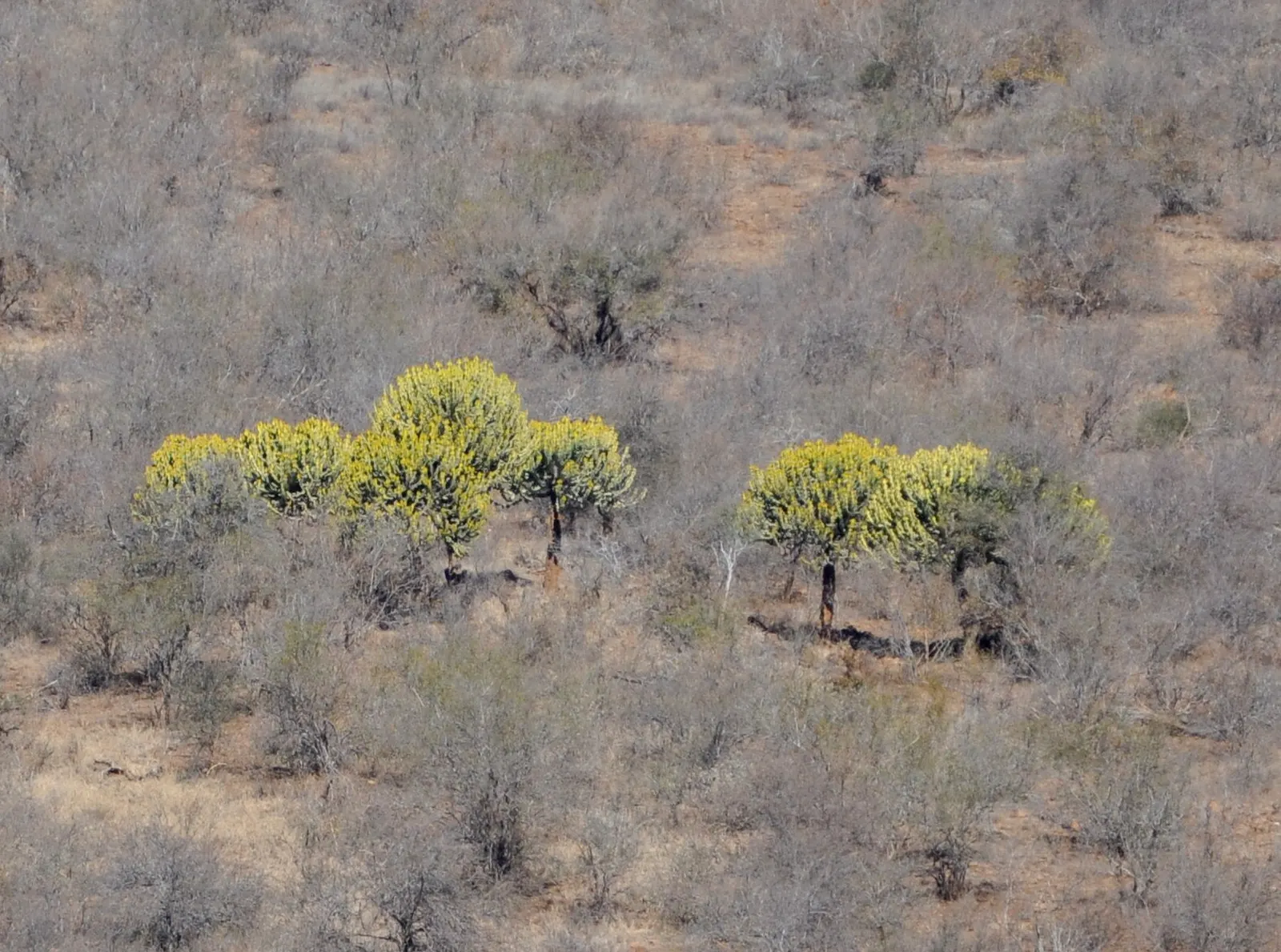
Candelabra Tree (Euphorbia Ingens) — with a spread of approximately 10 to 15 feet; it is well-suited to arid environments, image 84
Candelabra Tree (Euphorbia Ingens) — making it a prime candidate for gardens in similar climates.<br><br>Characterized by its towering height; it, image 82
Candelabra Tree (Euphorbia Ingens) — branching structure resembling a candelabrum; the Candelabra Tree can reach up to 30 to 40 feet, image 122
Candelabra Tree (Euphorbia Ingens) — it is well-suited to arid environments
Candelabra Tree (Euphorbia Ingens) — lending to the plant's common name
Candelabra Tree (Euphorbia Ingens) — With its bold silhouette and low water needs; bear a strong resemblance to the spire-like arms of a candelabra
Candelabra Tree (Euphorbia Ingens) — the Euphorbia ingens requires minimal maintenance once established
Candelabra Tree (Euphorbia Ingens) — the Euphorbia ingens requires minimal maintenance once established; succulent for full, image 117
Candelabra Tree (Euphorbia Ingens) — commonly referred to as the Candelabra Tree; needing only occasional watering during prolonged dry spells, image 55
Candelabra Tree (Euphorbia Ingens) — Ideal as a focal point in xeriscapes, ensure ample space to accommodate its grand silhouette; lending to the, image 102
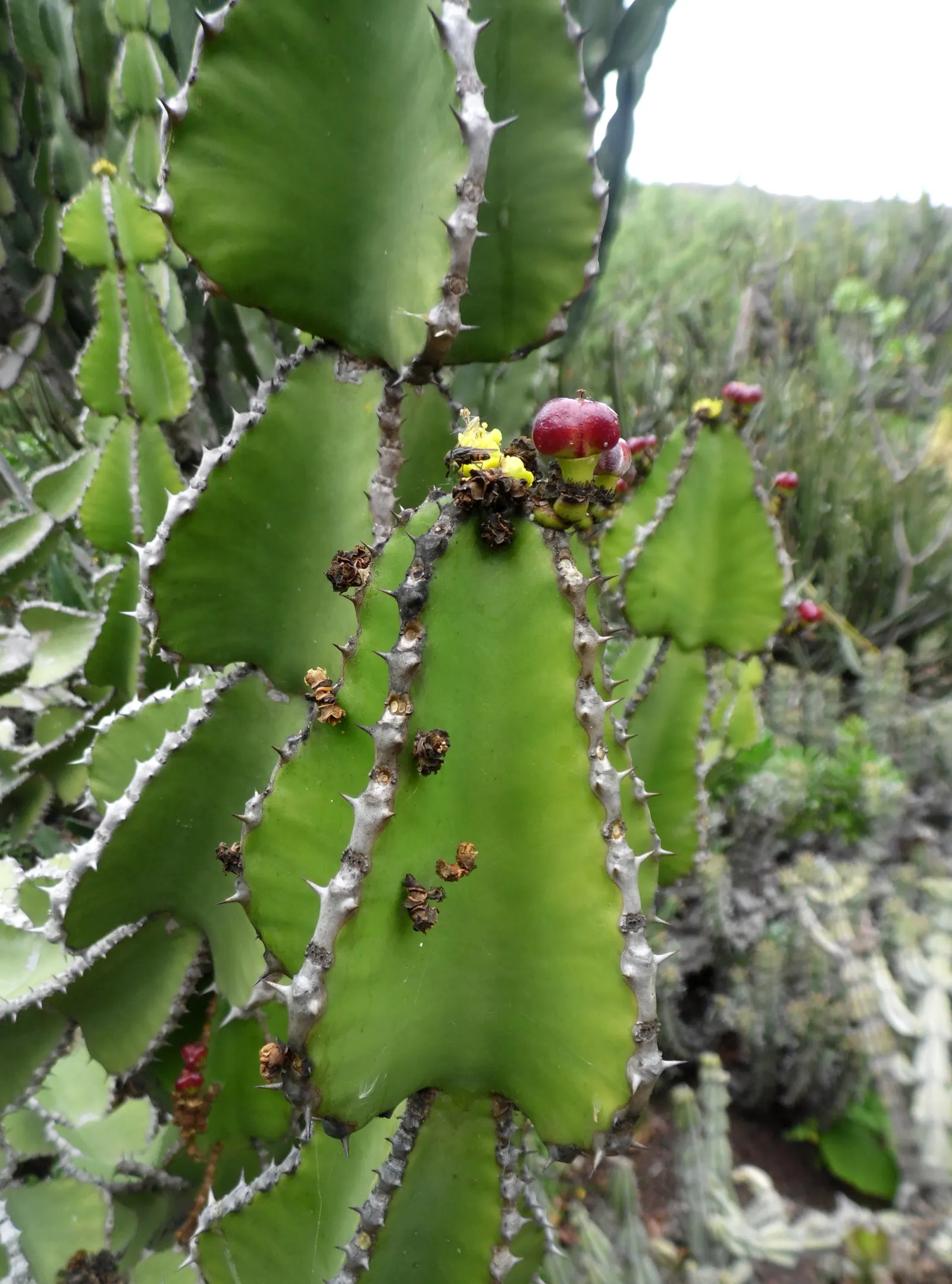
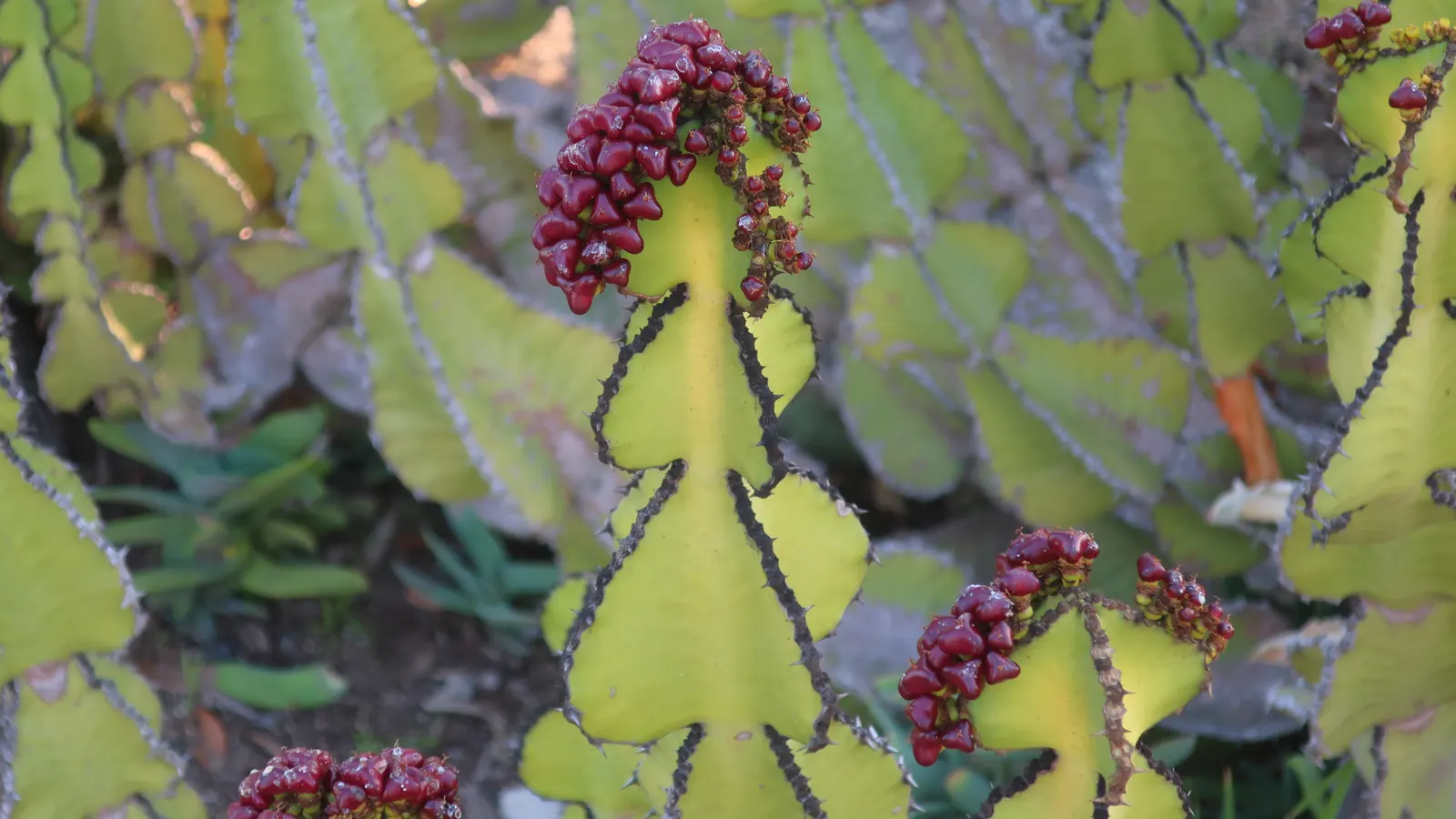
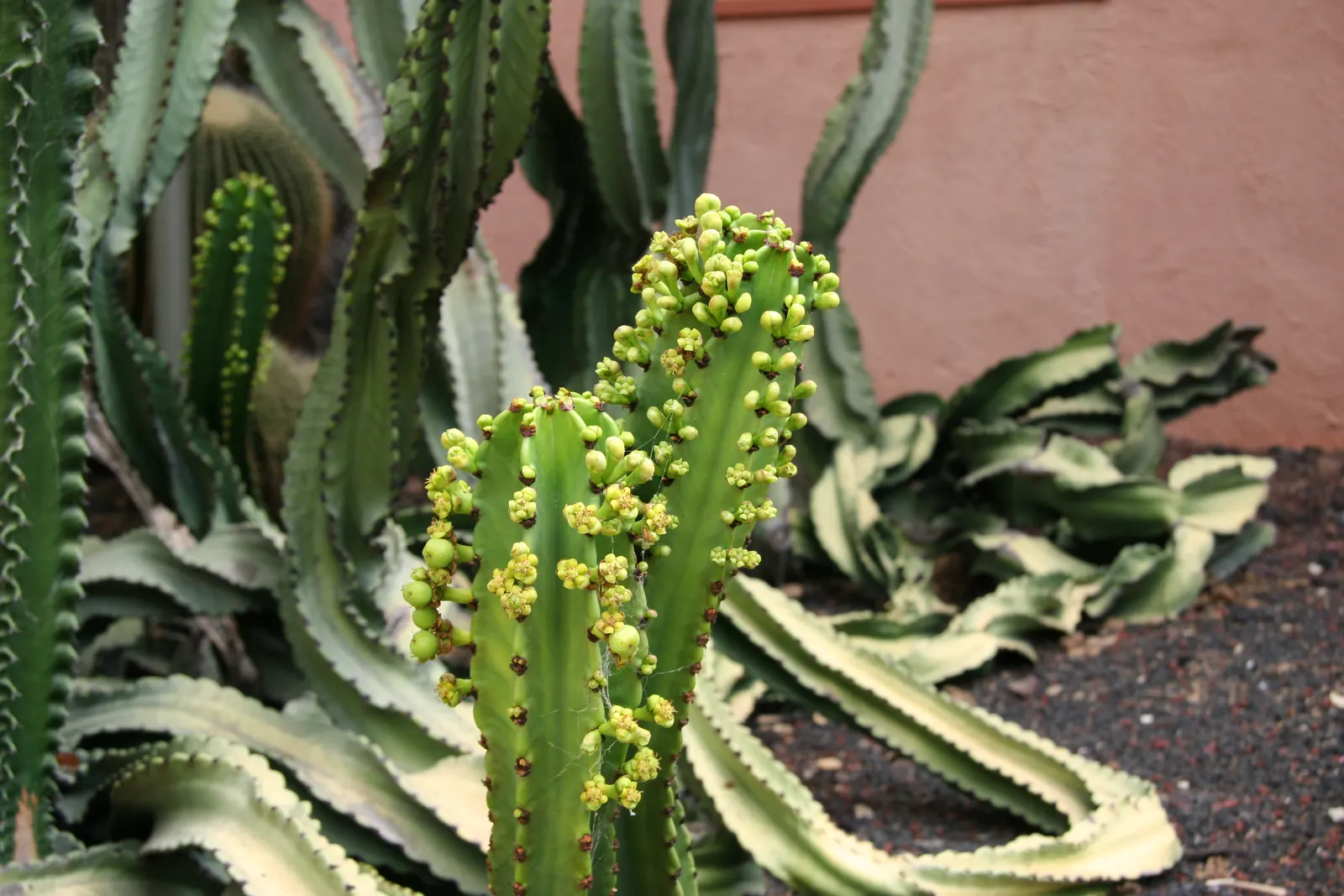
Candelabra Tree (Euphorbia Ingens) — the Euphorbia ingens produces small yellowish-green flowers at the branch tips; maintain a distance from, image 89
Candelabra Tree (Euphorbia Ingens) — Use caution: its milky sap can be toxic
Candelabra Tree (Euphorbia Ingens) — Suited for arid climates, it bears small yellow flowers; is a striking succulent renowned for its upright, image 100
Candelabra Tree (Euphorbia Ingens) — making it a prime candidate for gardens in similar climates.<br><br>Characterized by its towering height; it, image 58
Photographs by 18 contributors

Related plants