Skip to content

Bread Palm

Encephalartos Altensteinii

Design with this plant

Overview

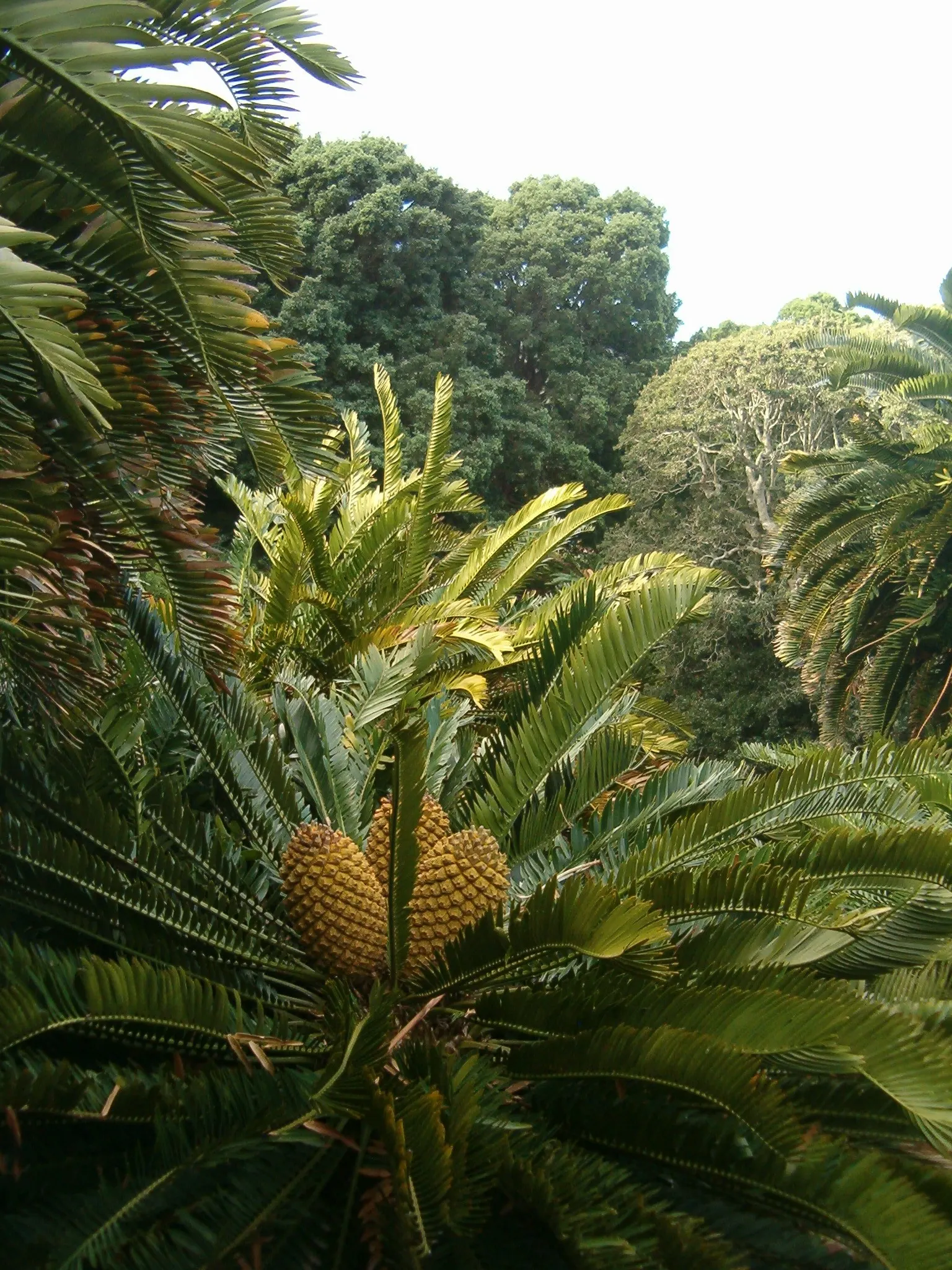
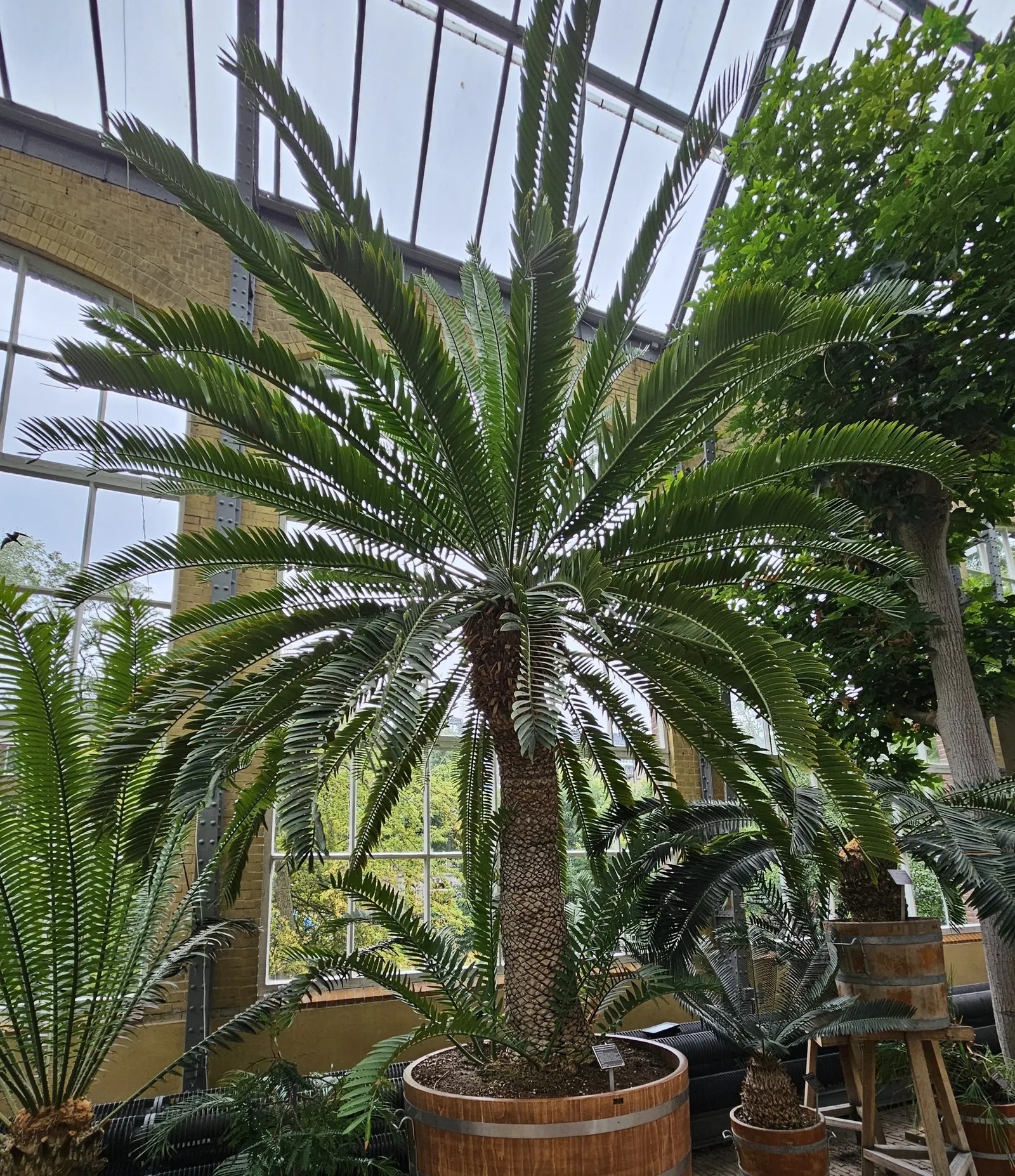
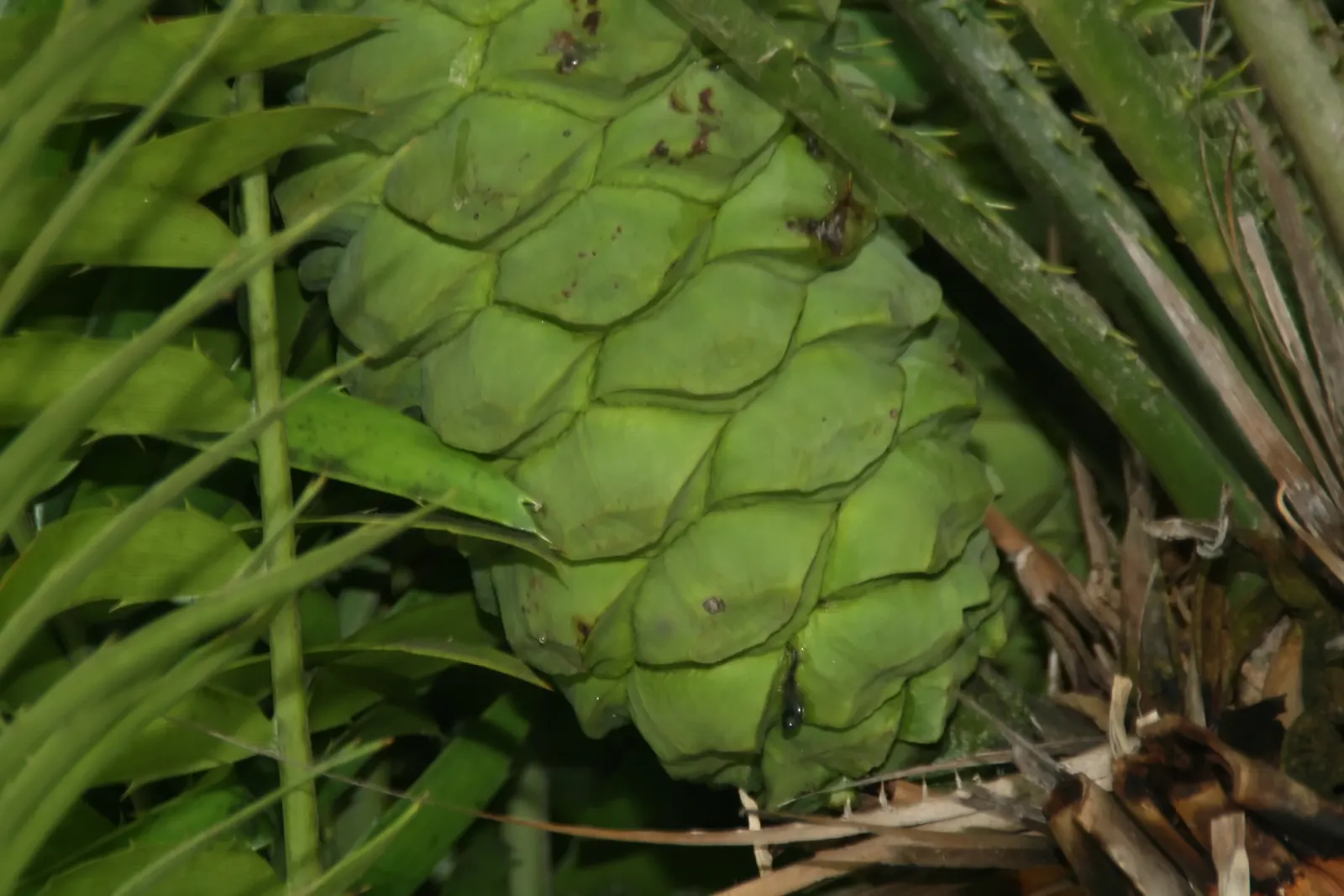
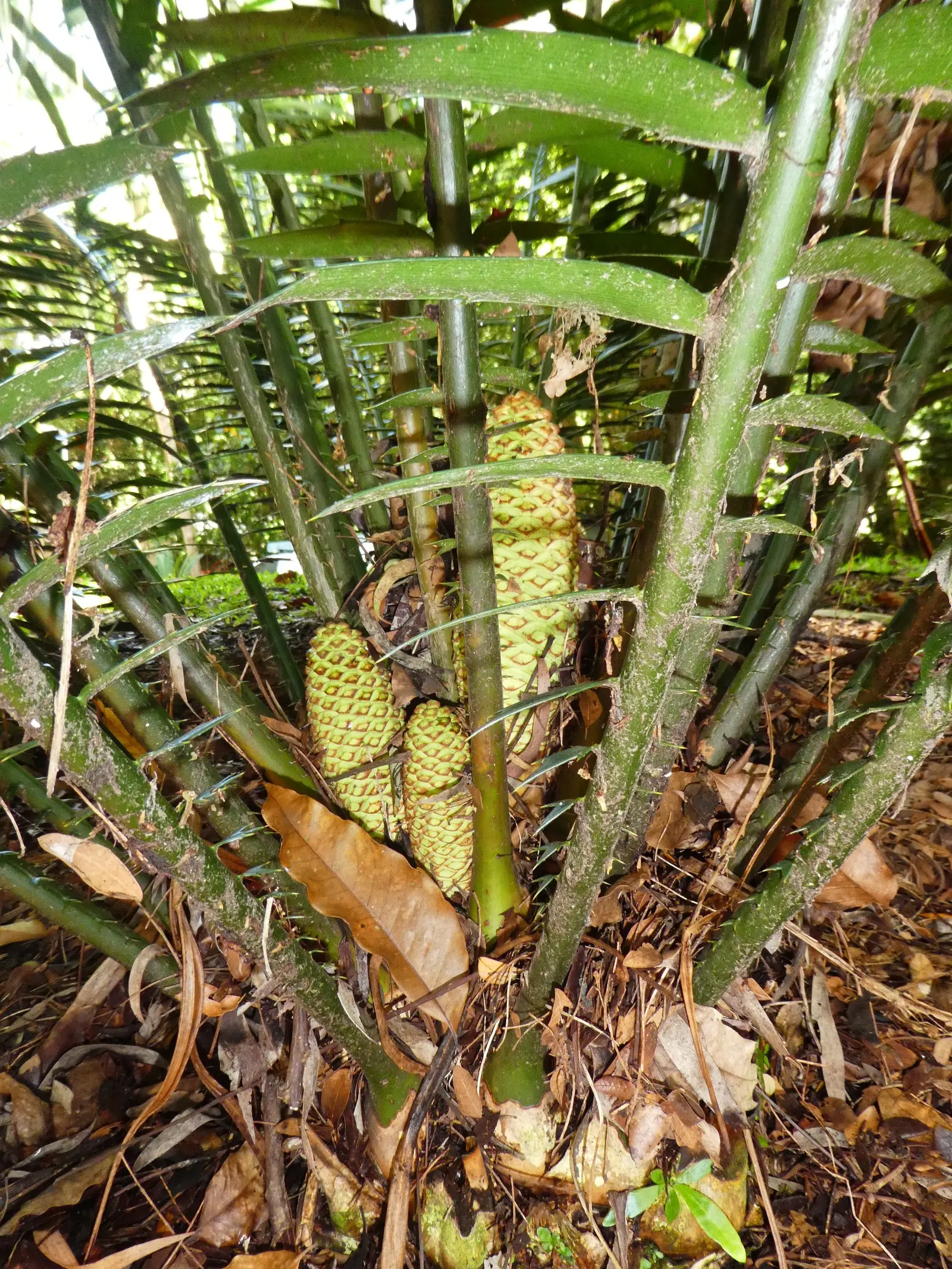
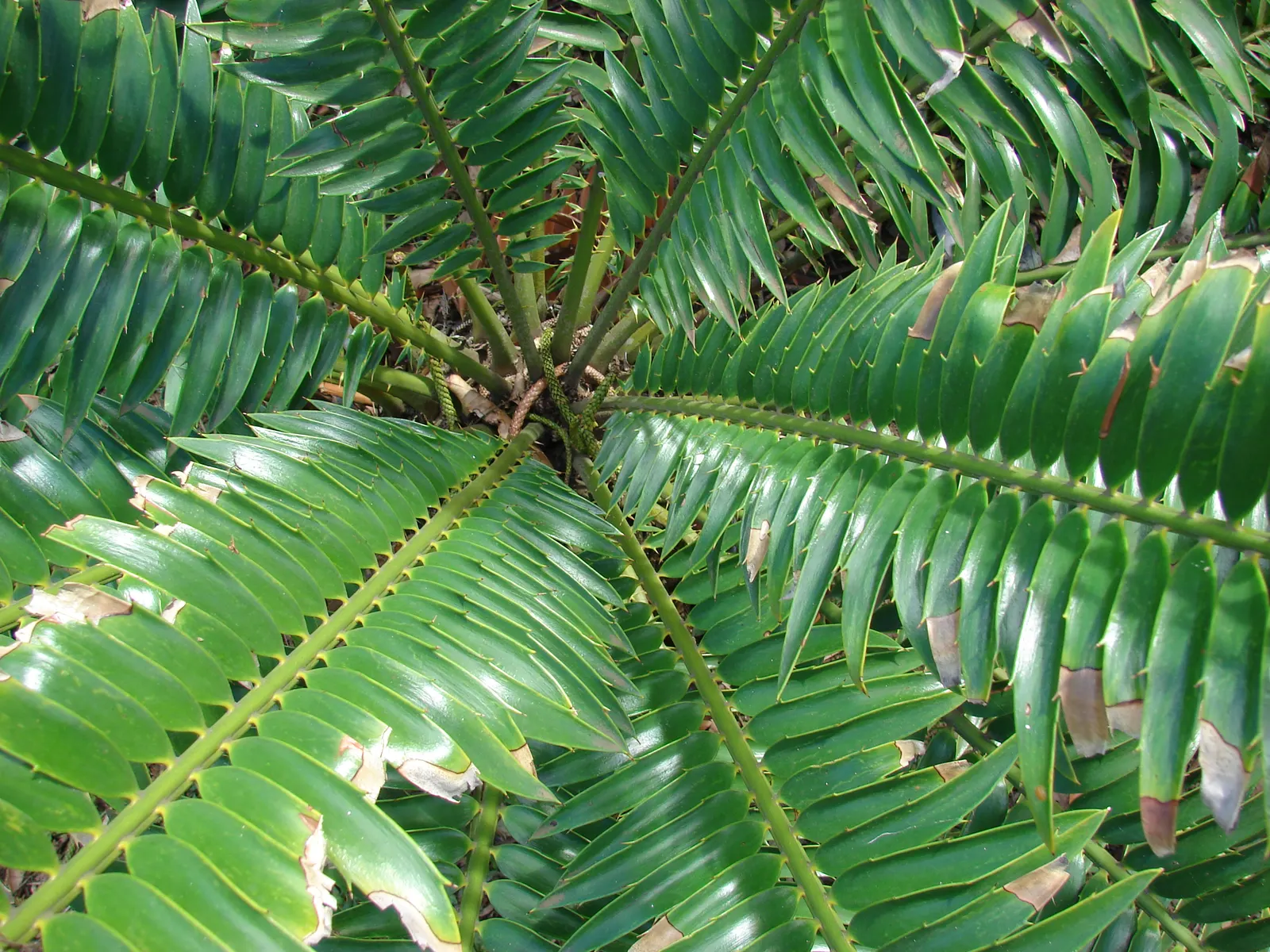
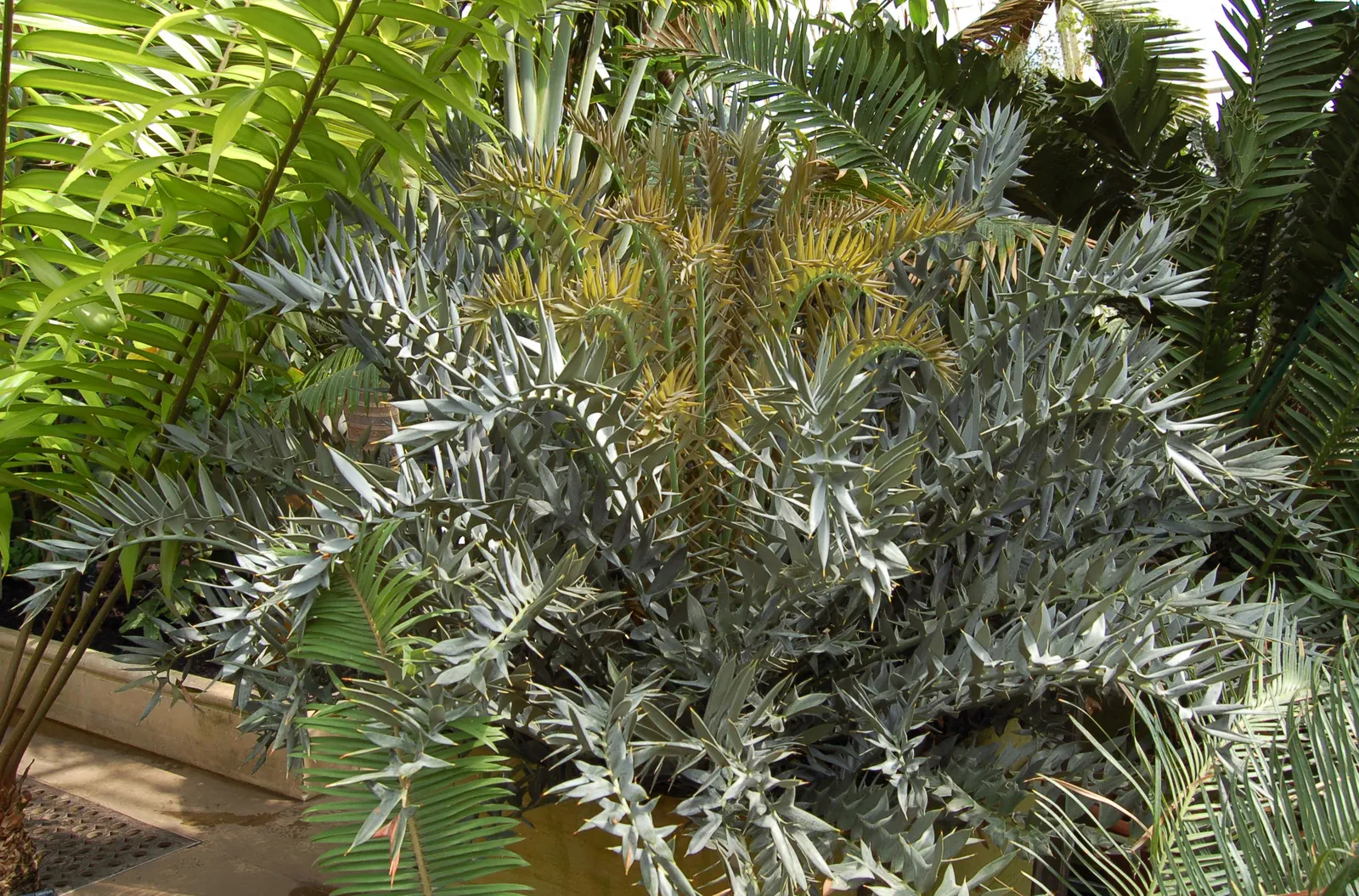
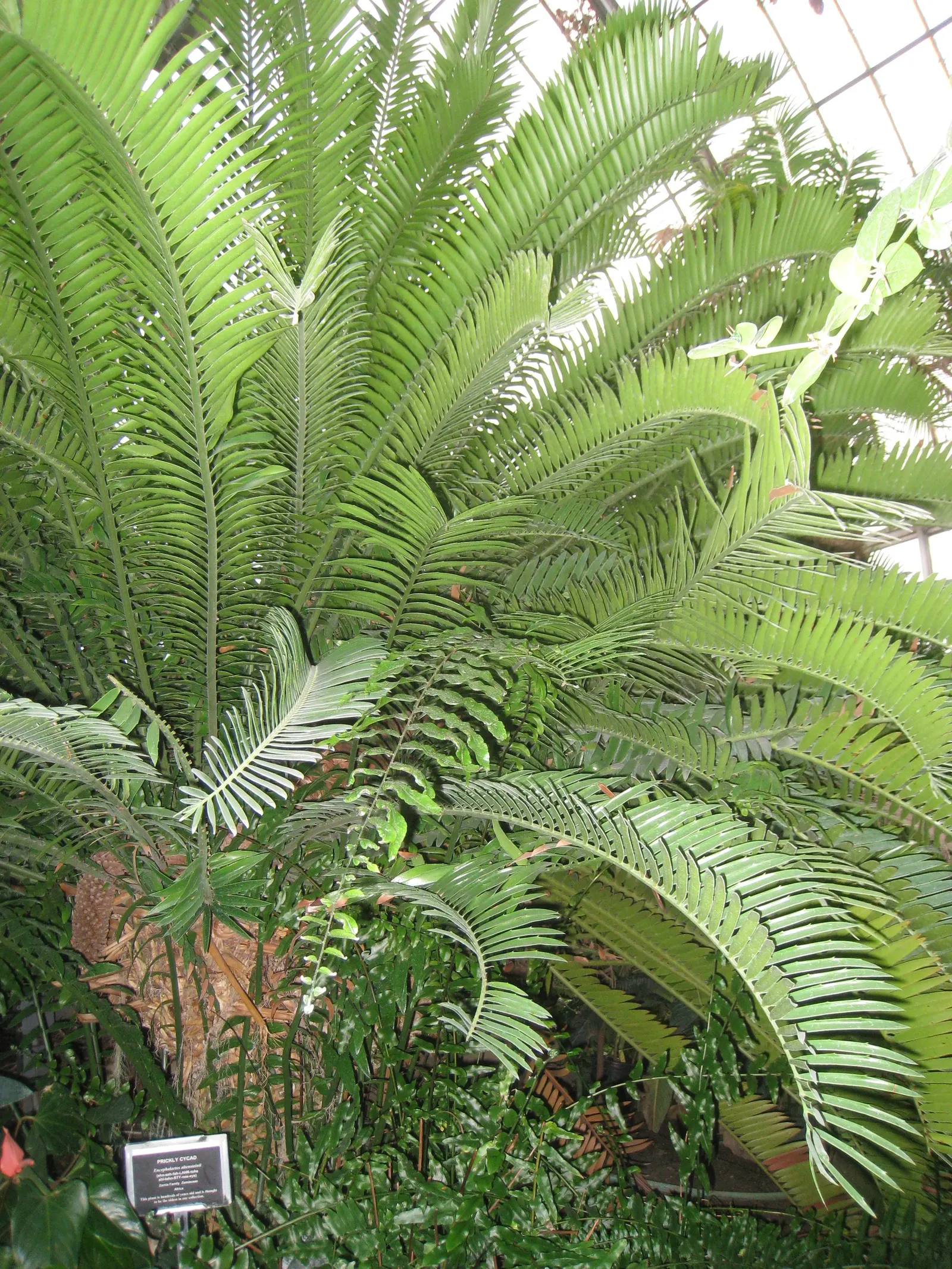
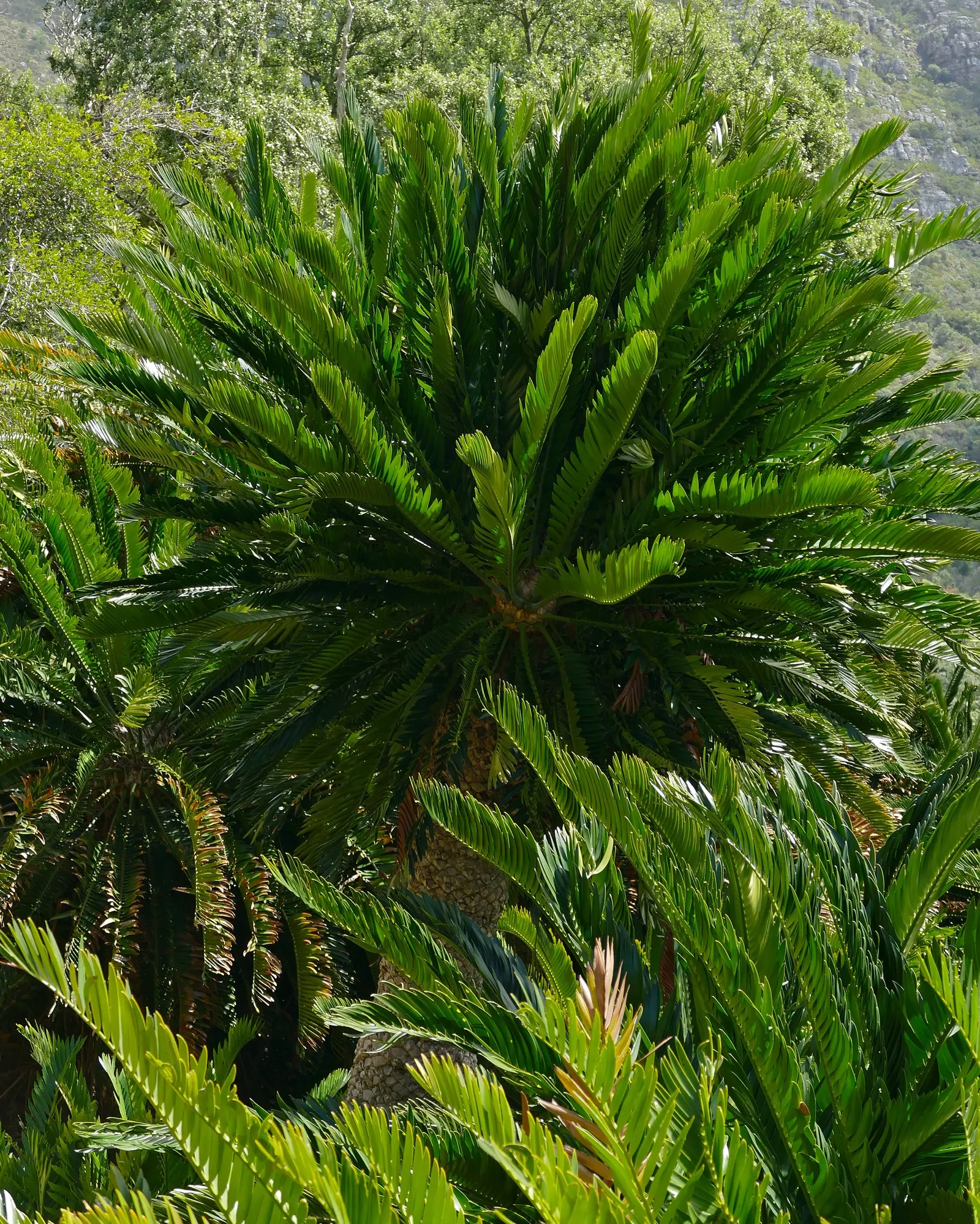
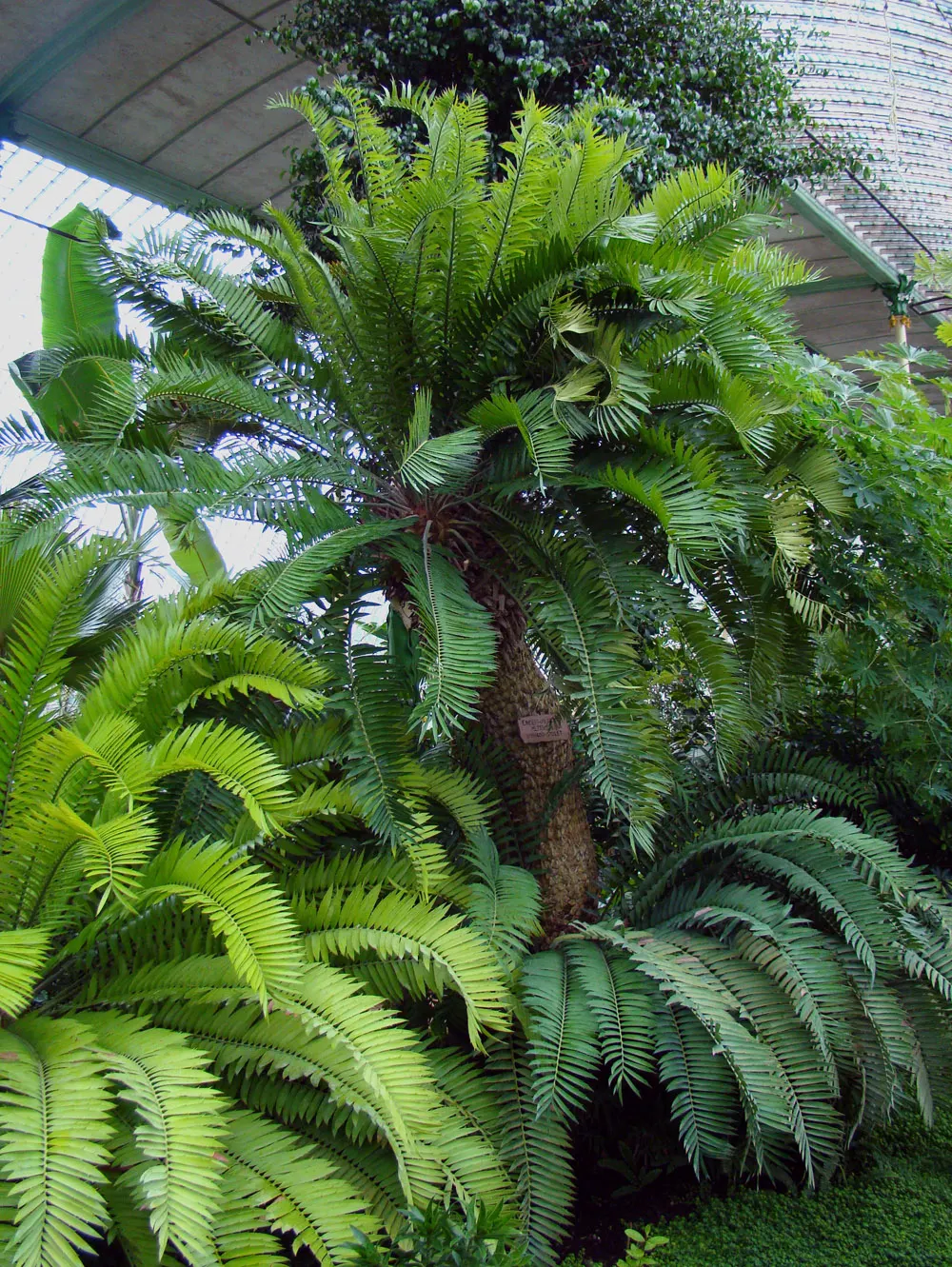
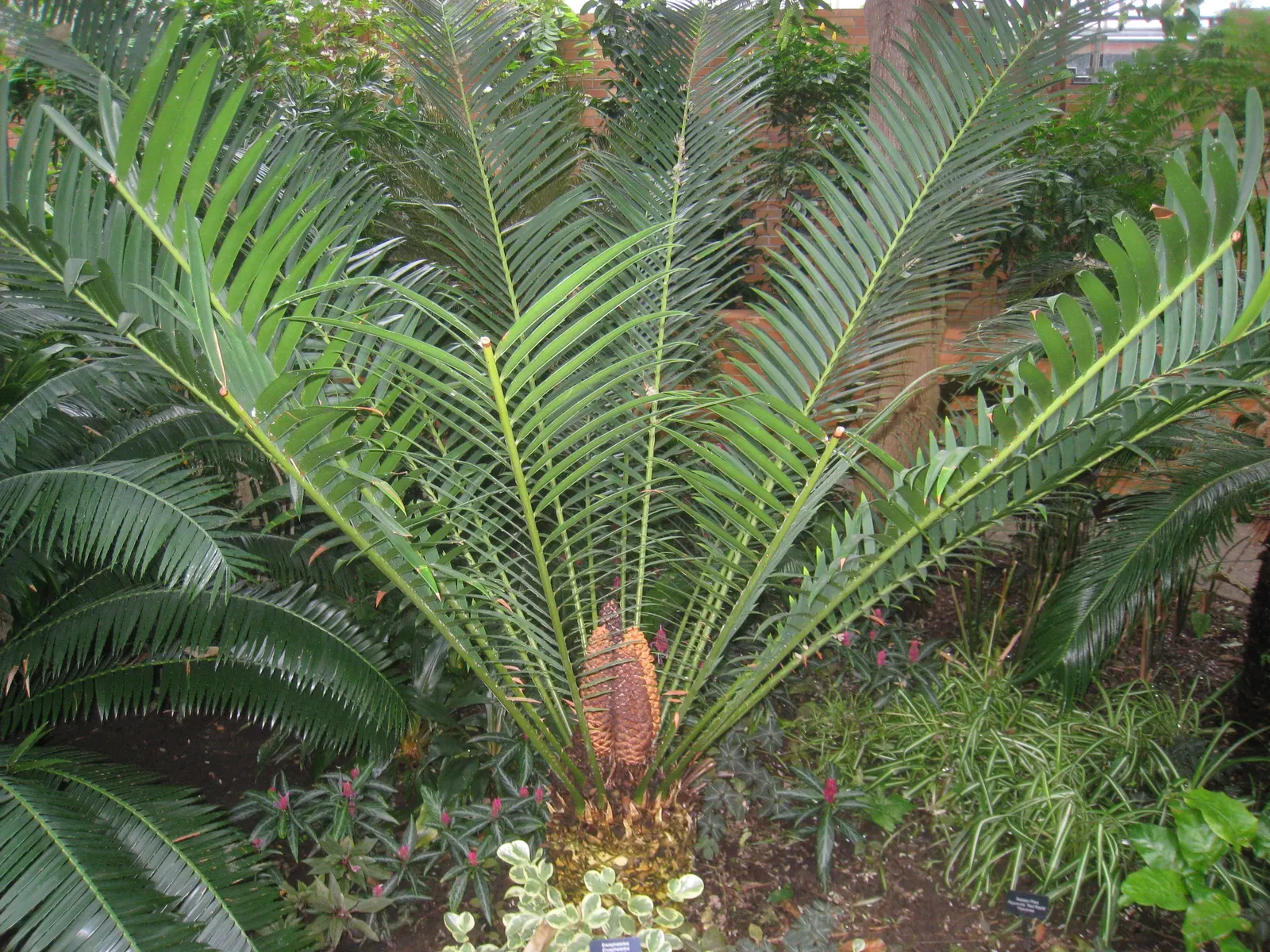
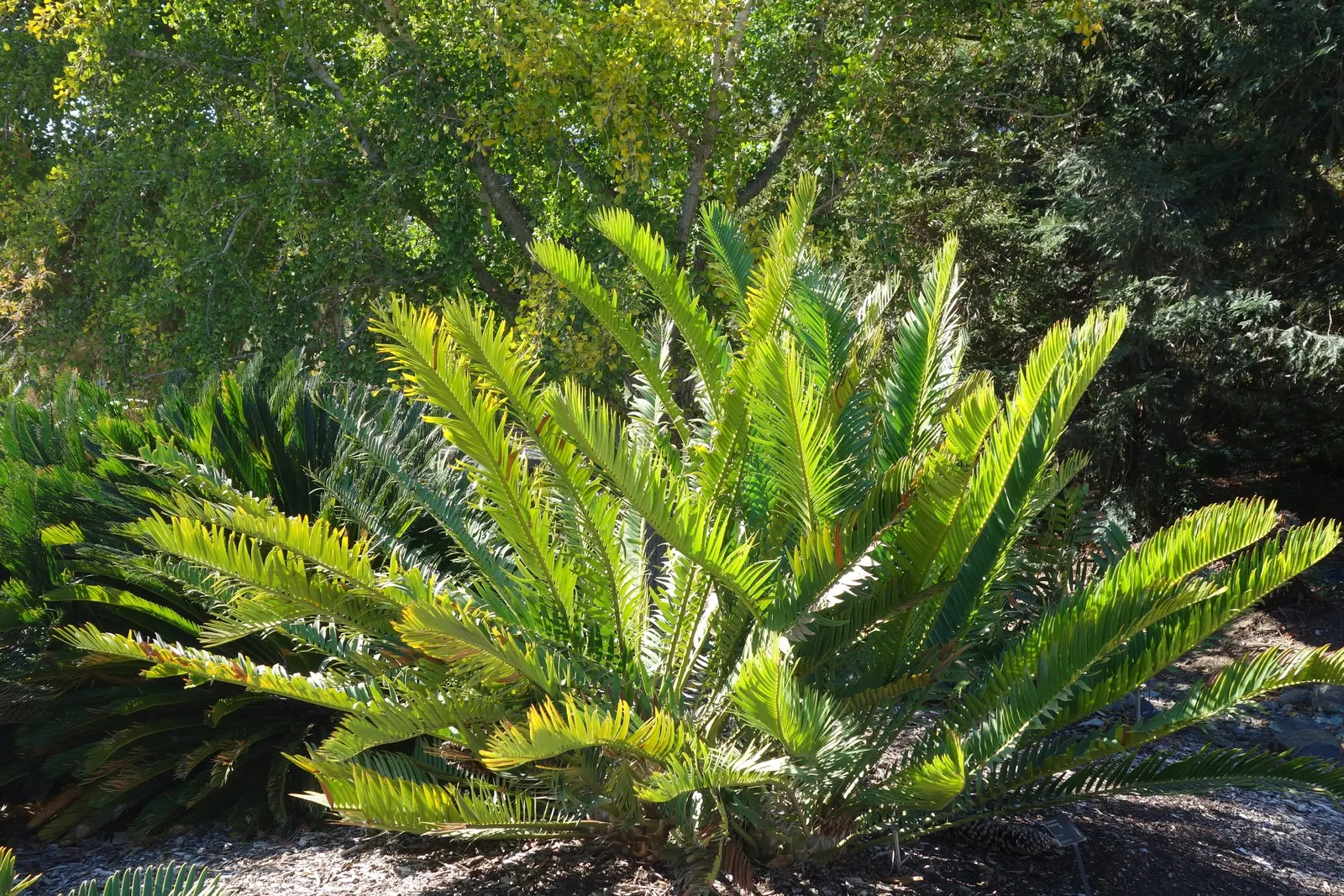
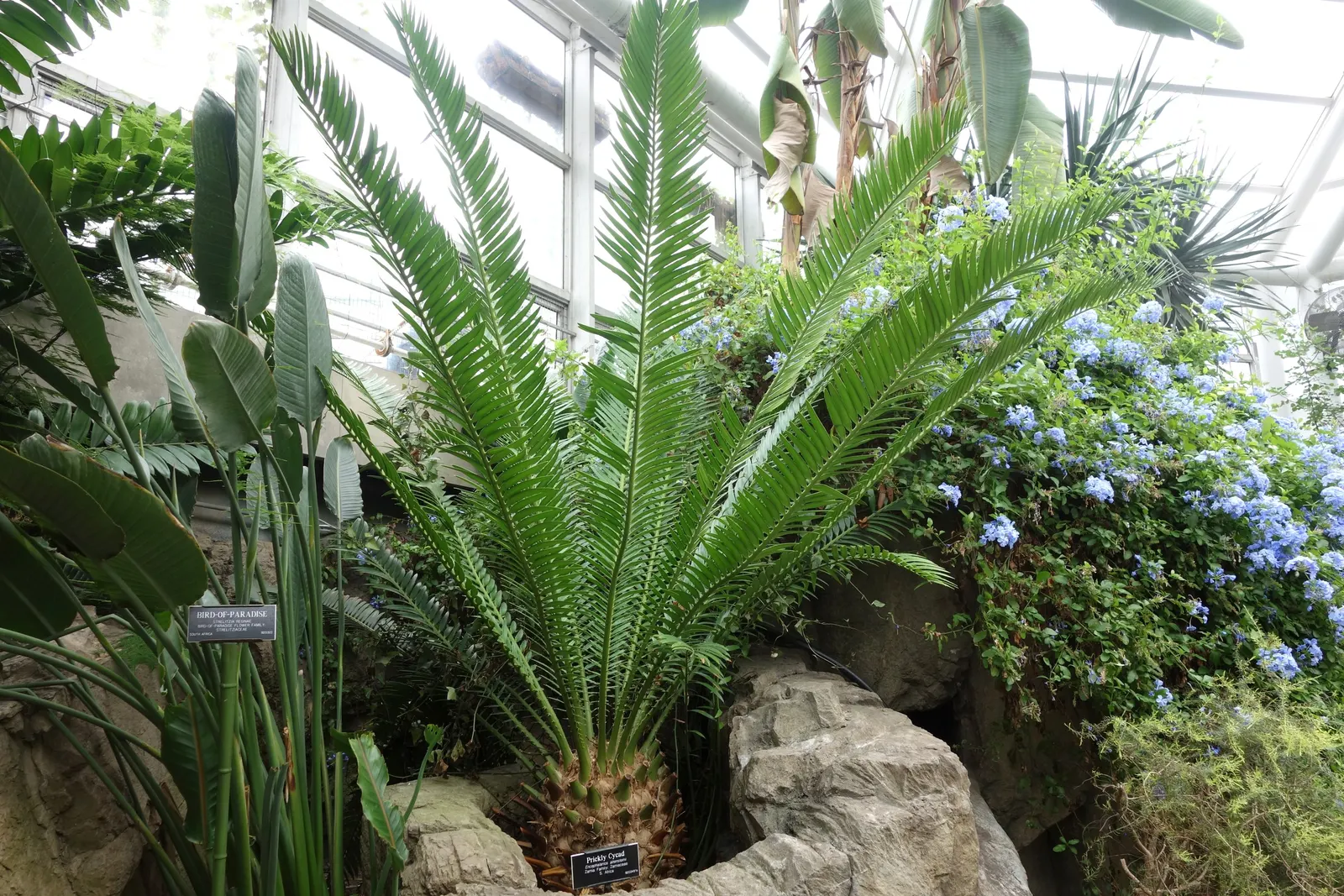
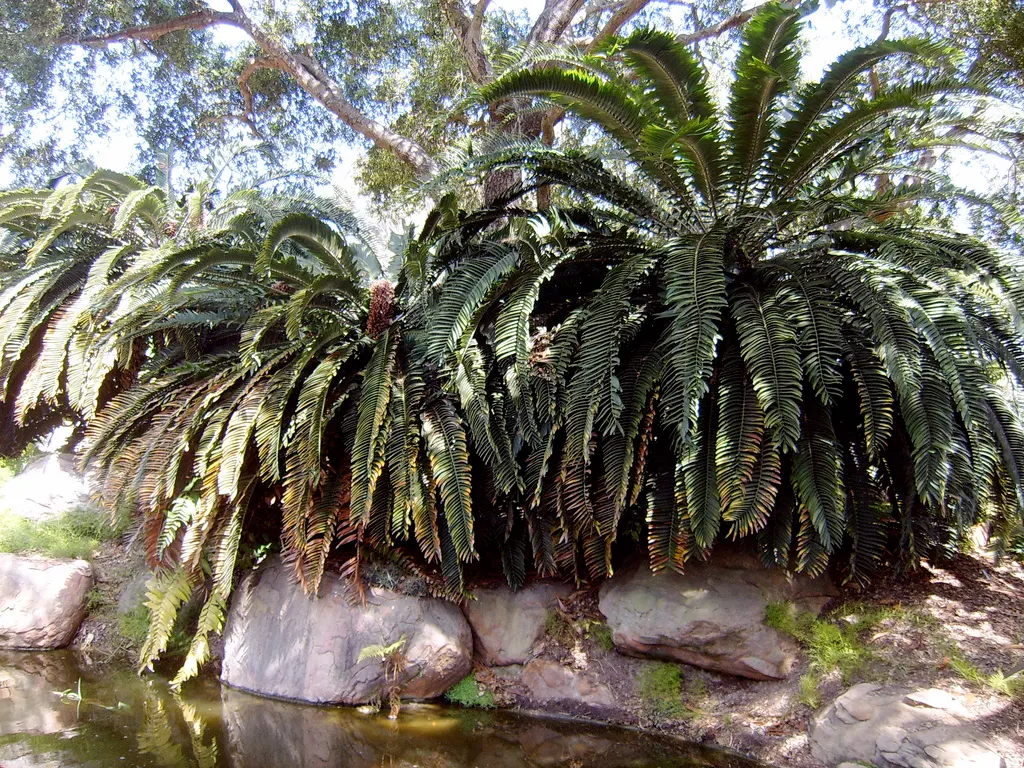
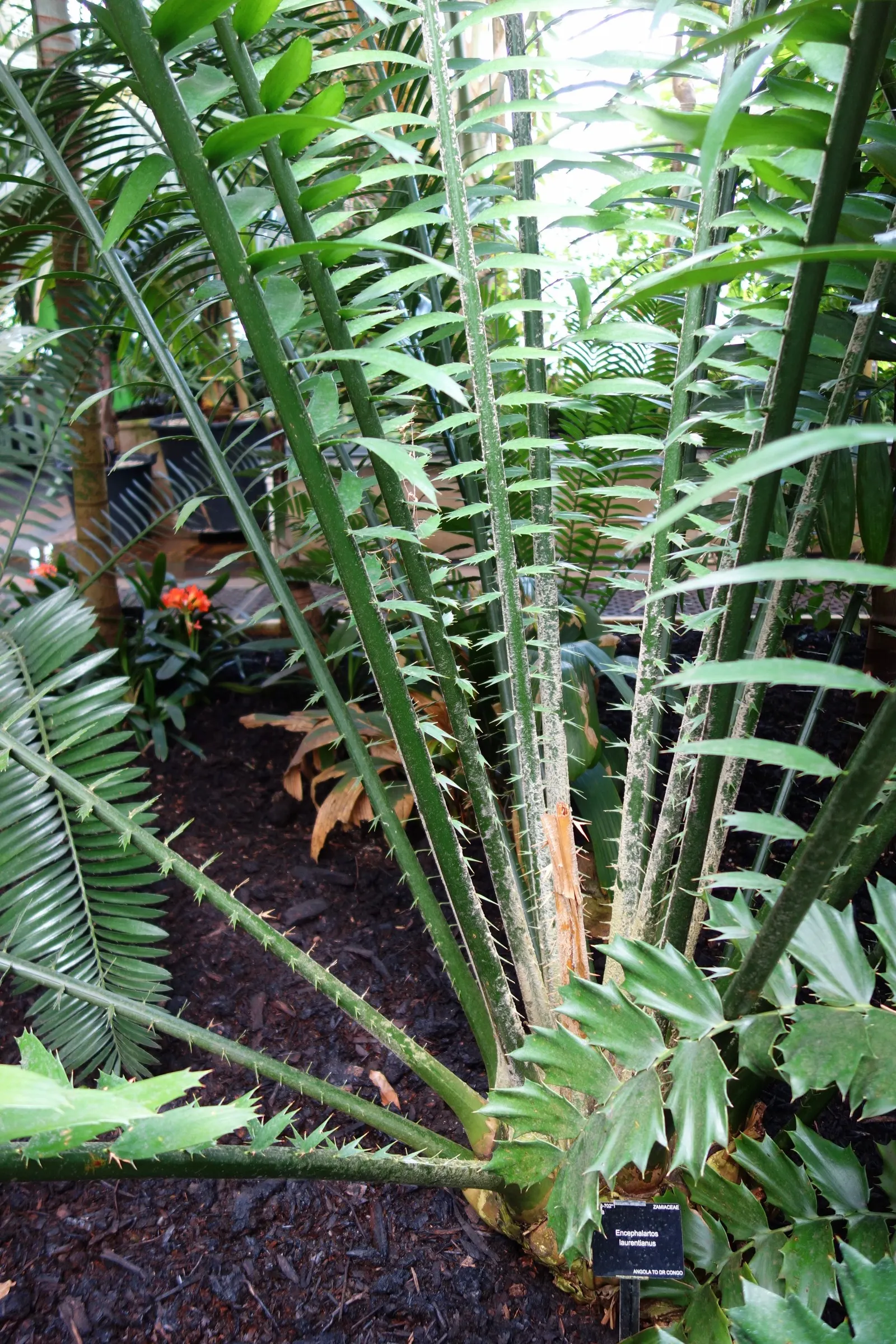
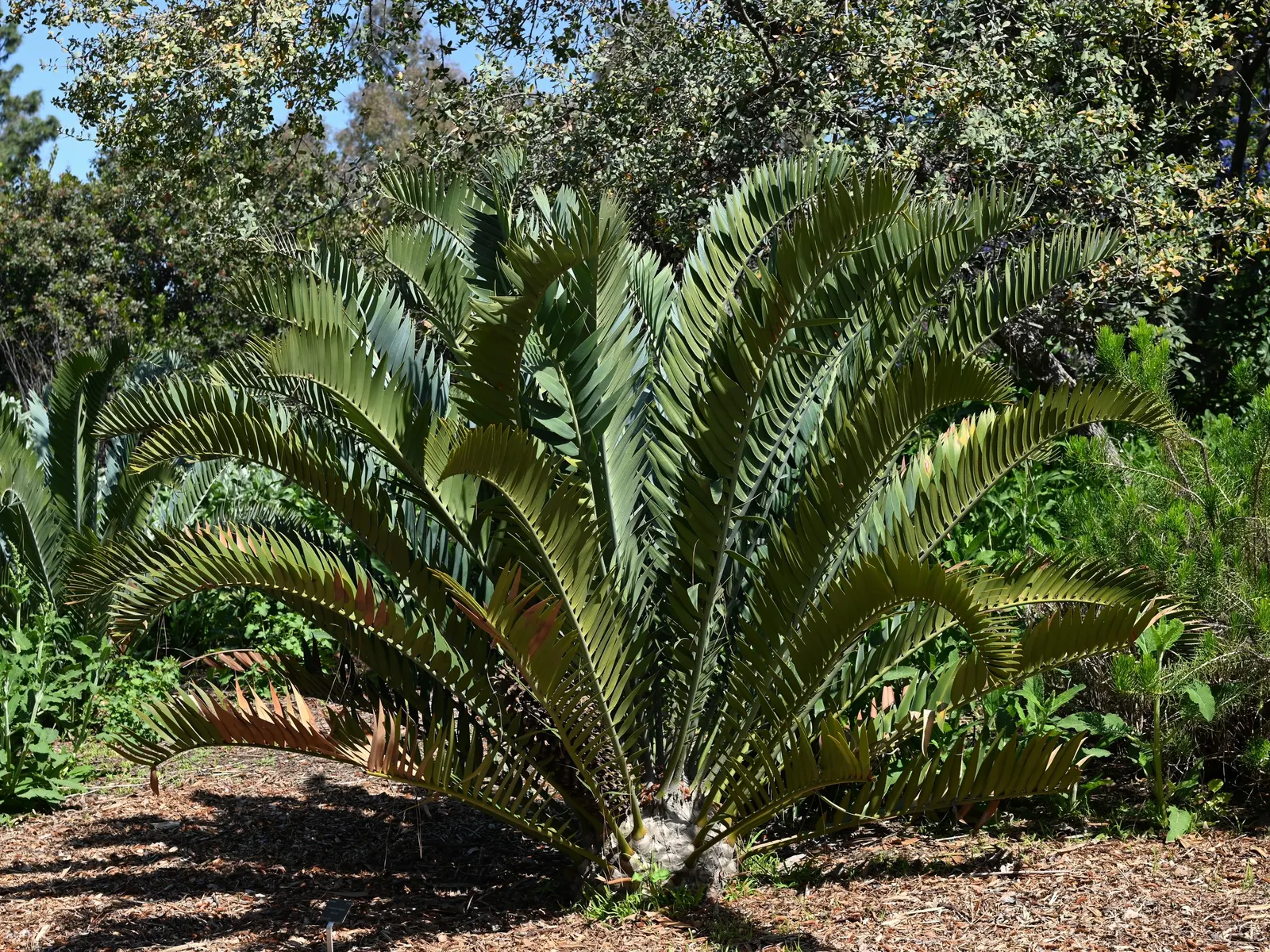
The Bread Palm, Encephalartos altensteinii, is a long-lived South African cycad characterized by its robust trunk reaching up to 6-16 feet high and dense crown of pinnate leaves extending up to 10 feet in length. Its striking foliage adds a tropical flair to landscapes. It thrives in well-drained soil, preferring full to partial sun exposure. Cold-tolerant to around 20-25°F, it's an impressive, slow-growing specimen for warm regions.

Sun Half, ShadeWater High, MediumZones 5–11Type PalmClimate Subtropical
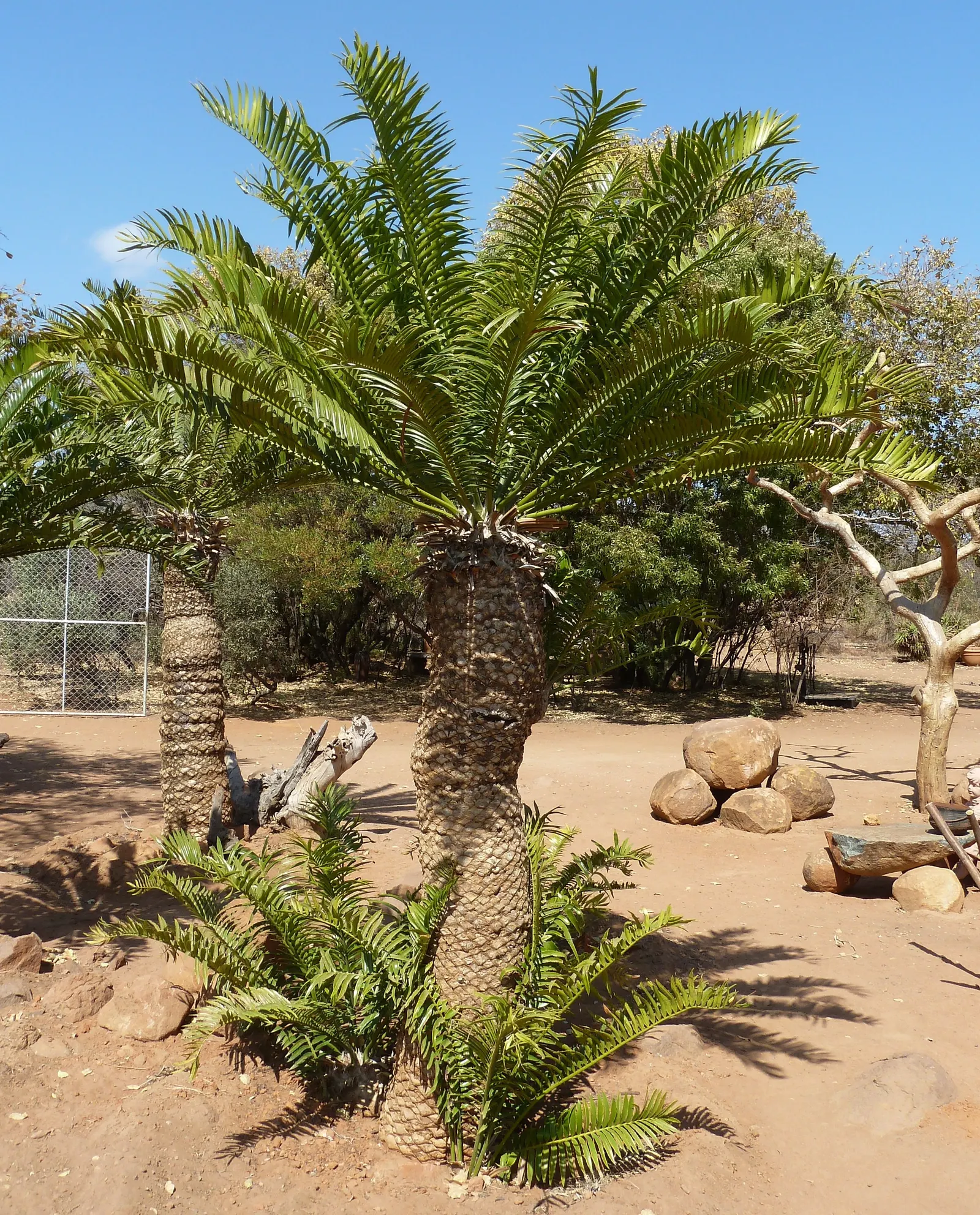
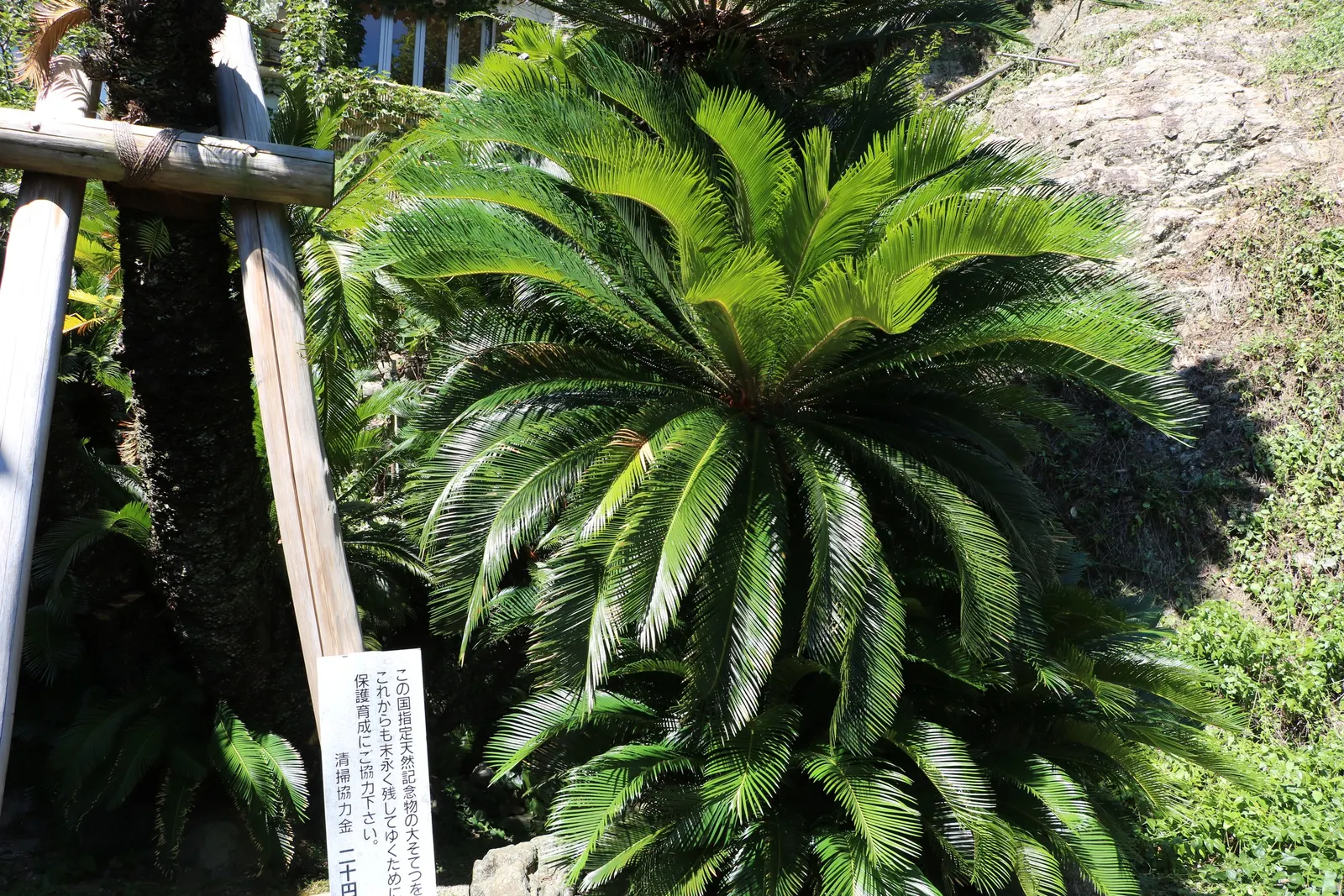
Bread Palm (Encephalartos Altensteinii) — making it ideal for xeriscaping or regions with water restrictions; the Bread Palm is drought-tolerant, image 169

Culture

Sun
Half, Shade
Water
High, Medium
USDA zones
5–11

Shape & size

Classification

Type
Palm
Family
Zamiaceae
Climate
Subtropical

See full data, regional cultivation notes, and design tools. Build a client presentation around this plant.

Start your 14-day trial

Photos (186)

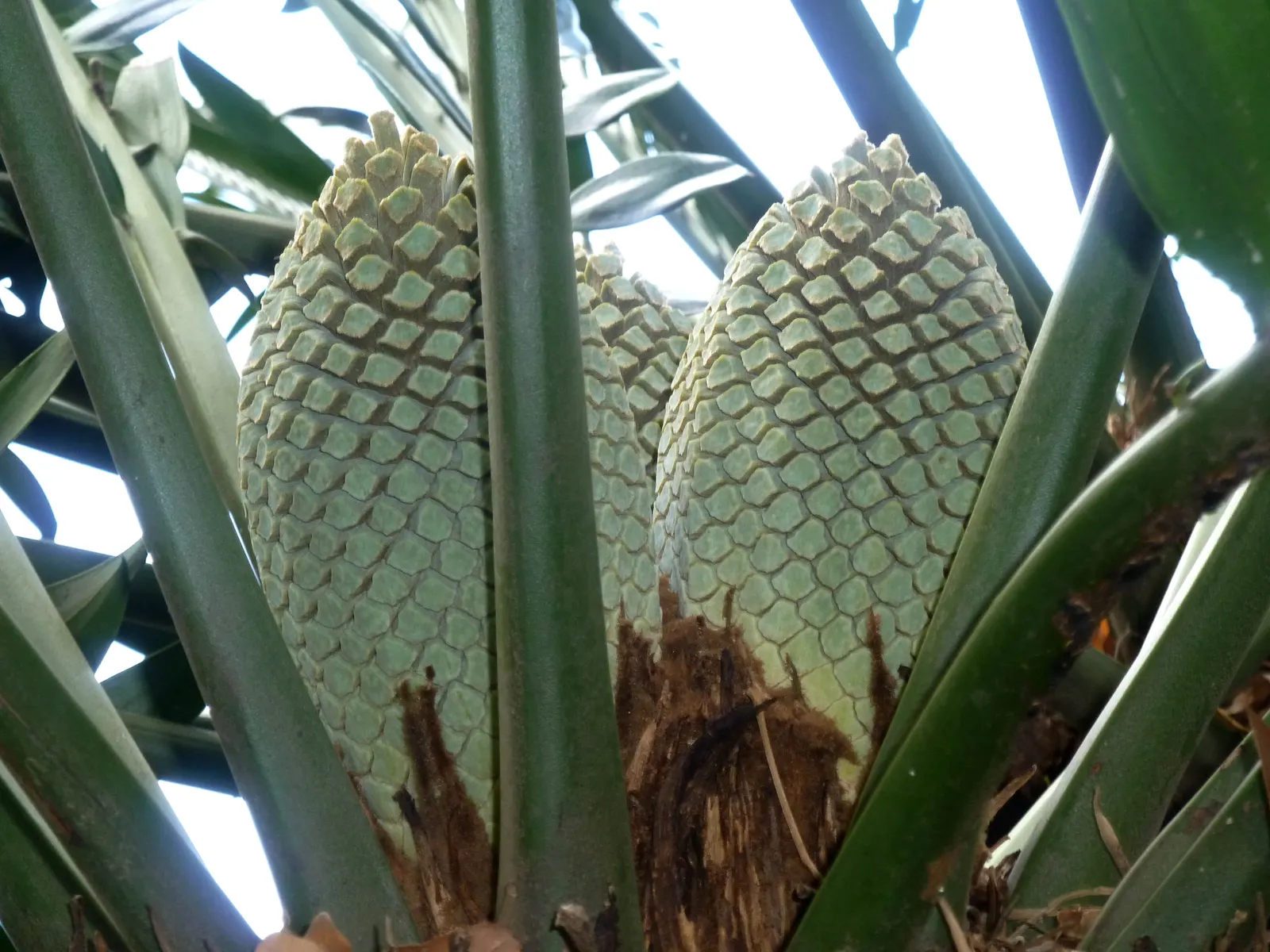
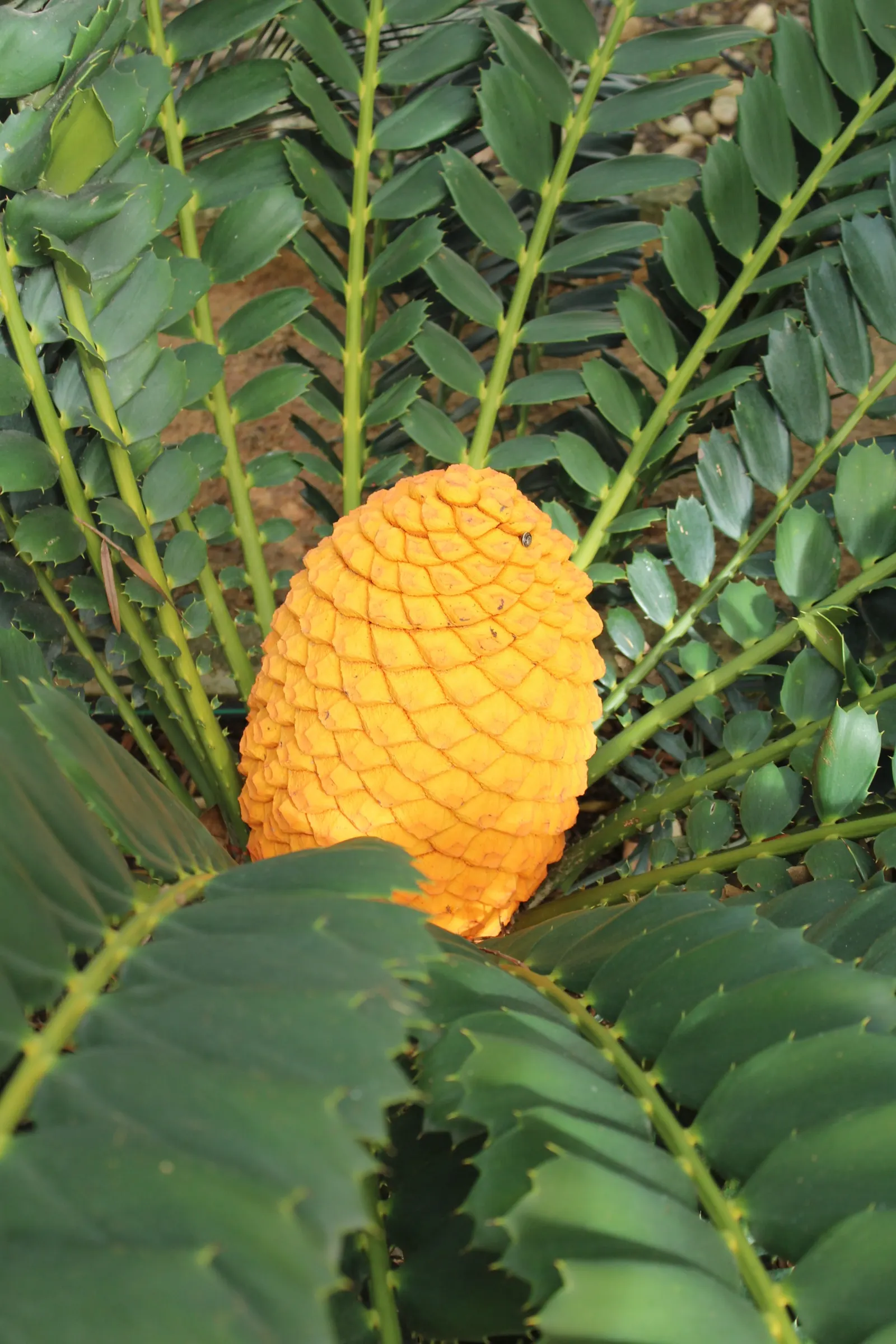
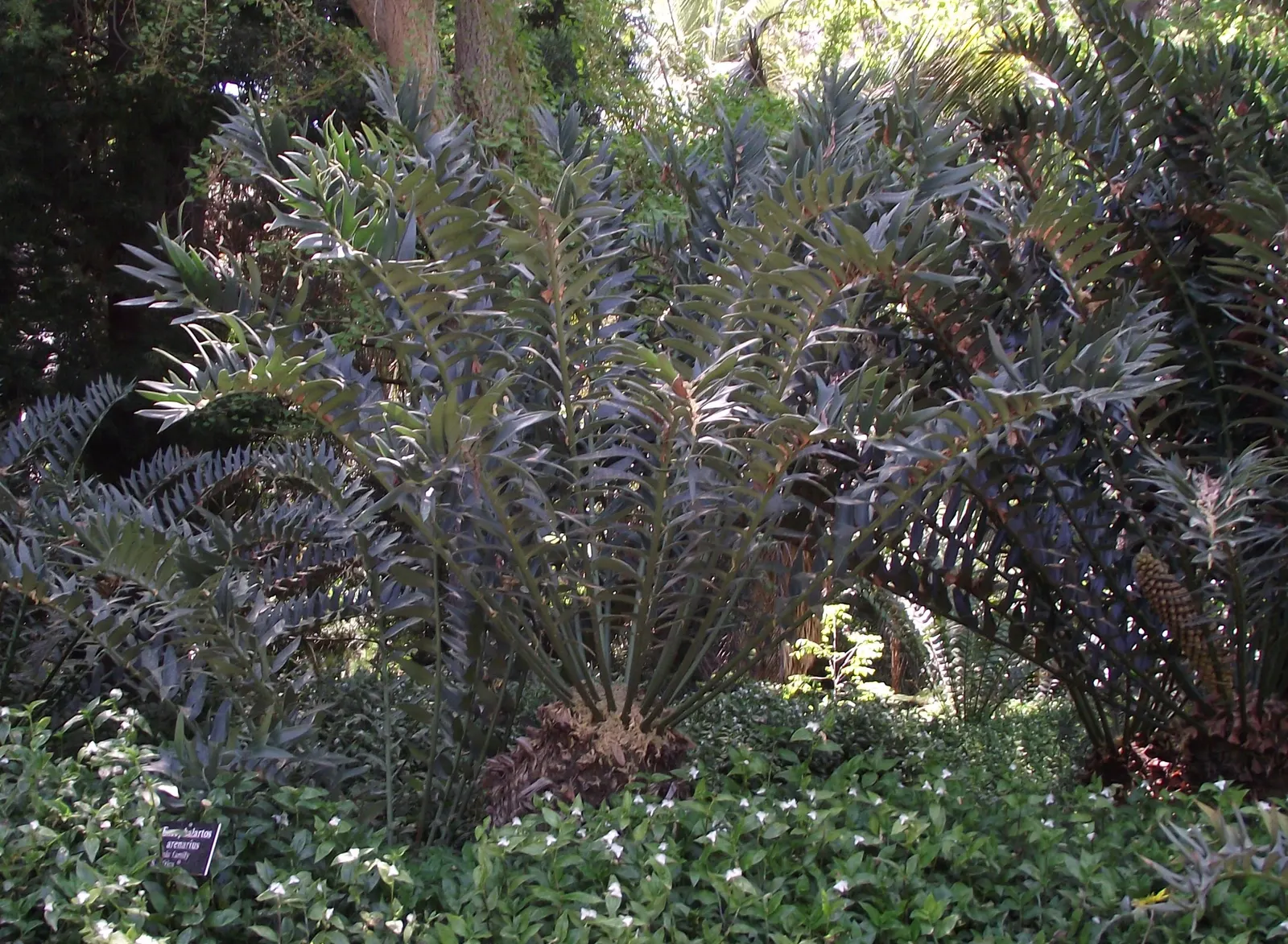
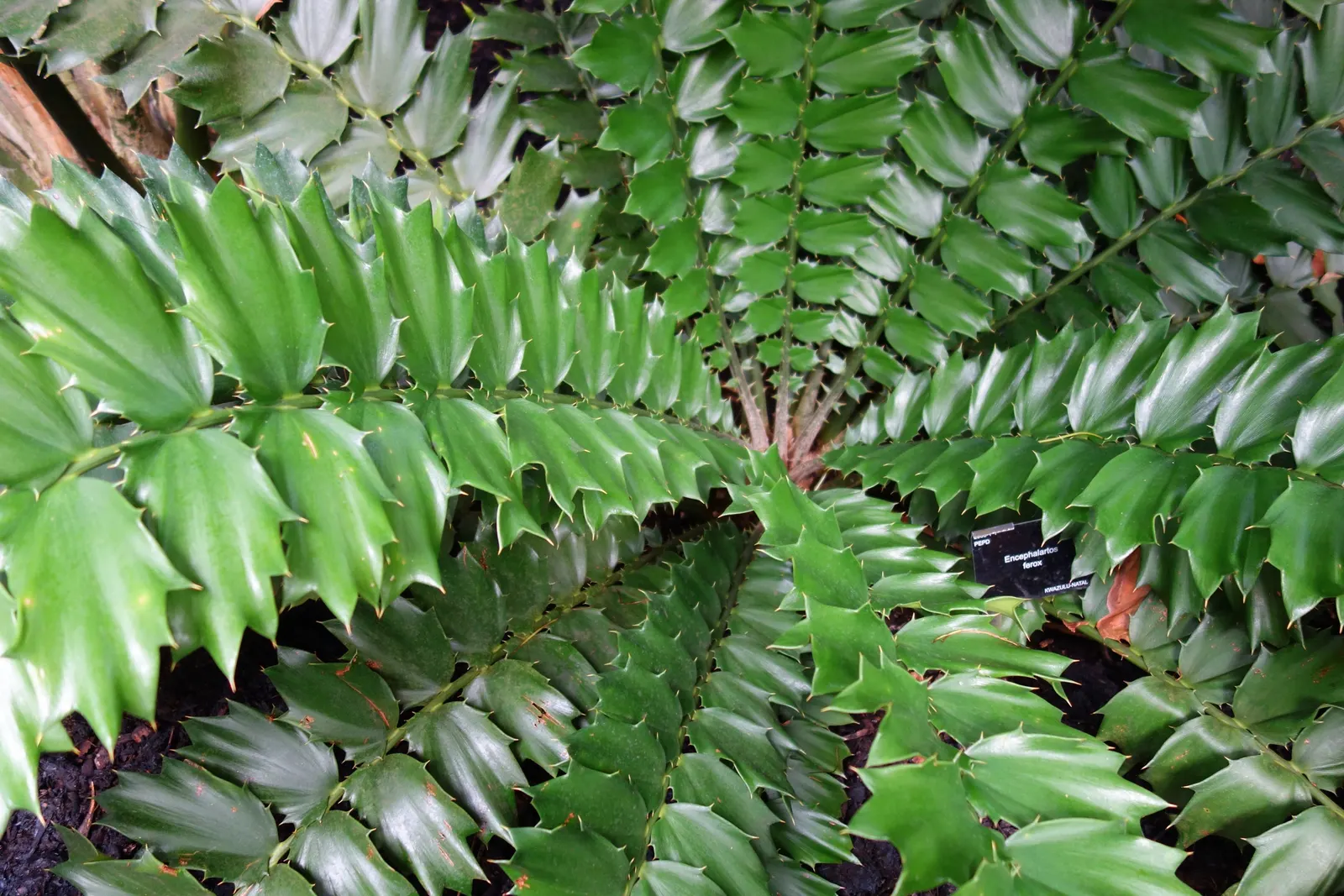
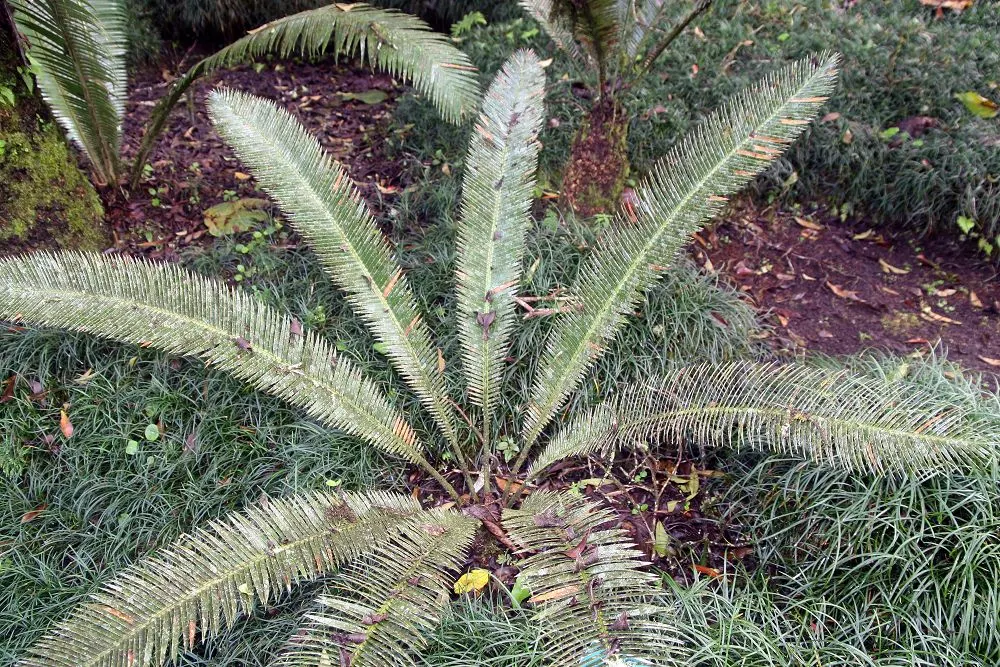
Bread Palm (Encephalartos Altensteinii) — often praised for its sculptural form and longevity; which can grow to 2 feet in diameter, image 121
Bread Palm (Encephalartos Altensteinii) — but can soar up to 15 feet when given ample time and space; it thrives in well-drained soil, preferring, image 73
Bread Palm (Encephalartos Altensteinii) — <br><br>Periodic maintenance is required to remove old foliage and to maintain its tidy appearance; the, image 60
Bread Palm (Encephalartos Altensteinii) — Its striking foliage adds a tropical flair to landscapes; commonly known as the Bread Palm or Eastern, image 67
Bread Palm (Encephalartos Altensteinii) — Although it is generally pest-free, watch for scale insects and treat as necessary; this slow-growing, image 171
Bread Palm (Encephalartos Altensteinii) — <br><br>Periodic maintenance is required to remove old foliage and to maintain its tidy appearance; the, image 82
Bread Palm (Encephalartos Altensteinii) — Its striking foliage adds a tropical flair to landscapes; commonly known as the Bread Palm or Eastern, image 111
Bread Palm (Encephalartos Altensteinii) — the Bread Palm can serve as a focal point or be grouped for a lush; adds a dramatic and exotic touch to, image 109
Bread Palm (Encephalartos Altensteinii) — making it ideal for xeriscaping or regions with water restrictions; the Bread Palm is drought-tolerant once
Bread Palm (Encephalartos Altensteinii) — When designing a landscape; it thrives in USDA hardiness zones 9 to 11 and prefers full sun to light shade, along
Bread Palm (Encephalartos Altensteinii) — this slow-growing cycad typically reaches heights of 5 to 8 feet; although it is generally pest-free, image 50
Bread Palm (Encephalartos Altensteinii) — supports a crown of attractive; <br><br>Periodic maintenance is required to remove old foliage and to, image 97
Bread Palm (Encephalartos Altensteinii) — commonly known as the Bread Palm or Eastern Cape Giant Cycad; cold-tolerant to around 20-25&deg;F, it's an, image 158
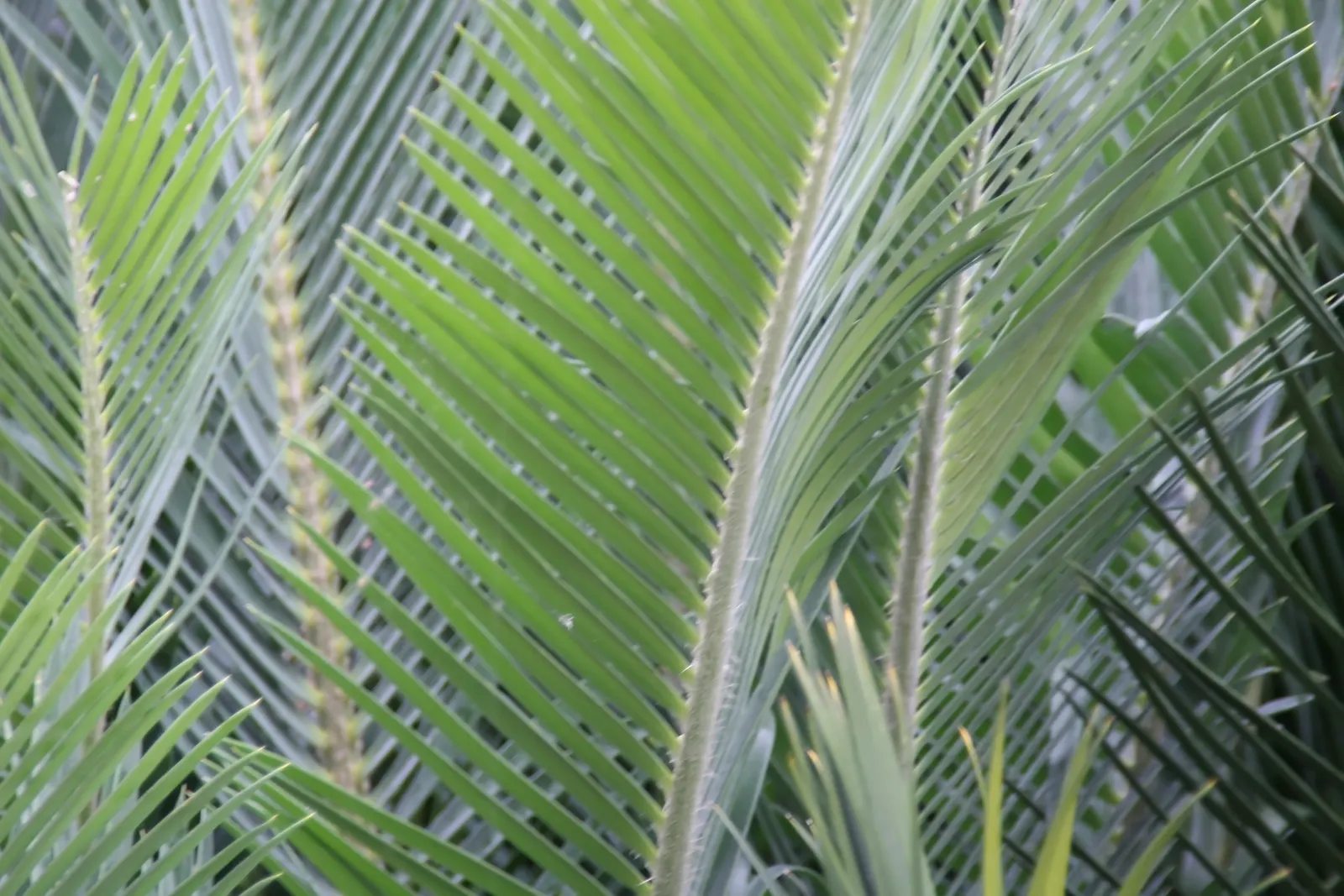
Bread Palm (Encephalartos Altensteinii) — is an impressive and striking addition to any landscape; arching blue-green leaves stretching up to 6 feet, image 159
Bread Palm (Encephalartos Altensteinii) — arching blue-green leaves stretching up to 6 feet long.<br><br>This prehistoric species; its striking, image 120
Bread Palm (Encephalartos Altensteinii) — It thrives in well-drained soil, preferring full to partial sun exposure; often praised for its, image 156
Bread Palm (Encephalartos Altensteinii) — Cold-tolerant to around 20-25&deg;F, it's an impressive, slow-growing specimen for warm regions; when, image 113
Bread Palm (Encephalartos Altensteinii) — but can soar up to 15 feet when given ample time and space; it thrives in well-drained soil, preferring, image 117
Bread Palm (Encephalartos Altensteinii) — consider its eventual size and incorporate sufficient space to accommodate its wide leaf spread; it pairs well with
Bread Palm (Encephalartos Altensteinii) — supports a crown of attractive; <br><br>Periodic maintenance is required to remove old foliage and to, image 119
Bread Palm (Encephalartos Altensteinii) — which can grow to 2 feet in diameter; supports a crown of attractive, image 118
Bread Palm (Encephalartos Altensteinii) — Cold-tolerant to around 20-25&deg;F, it's an impressive, slow-growing specimen for warm regions; when, image 135
Bread Palm (Encephalartos Altensteinii) — the Bread Palm can serve as a focal point or be grouped for a lush; adds a dramatic and exotic touch to gardens
Bread Palm (Encephalartos Altensteinii) — It thrives in well-drained soil, preferring full to partial sun exposure; often praised for its, image 90
Photographs by 12 contributors

Related plants