Skip to content

Coontie

Zamia Pumila

Design with this plant

Overview

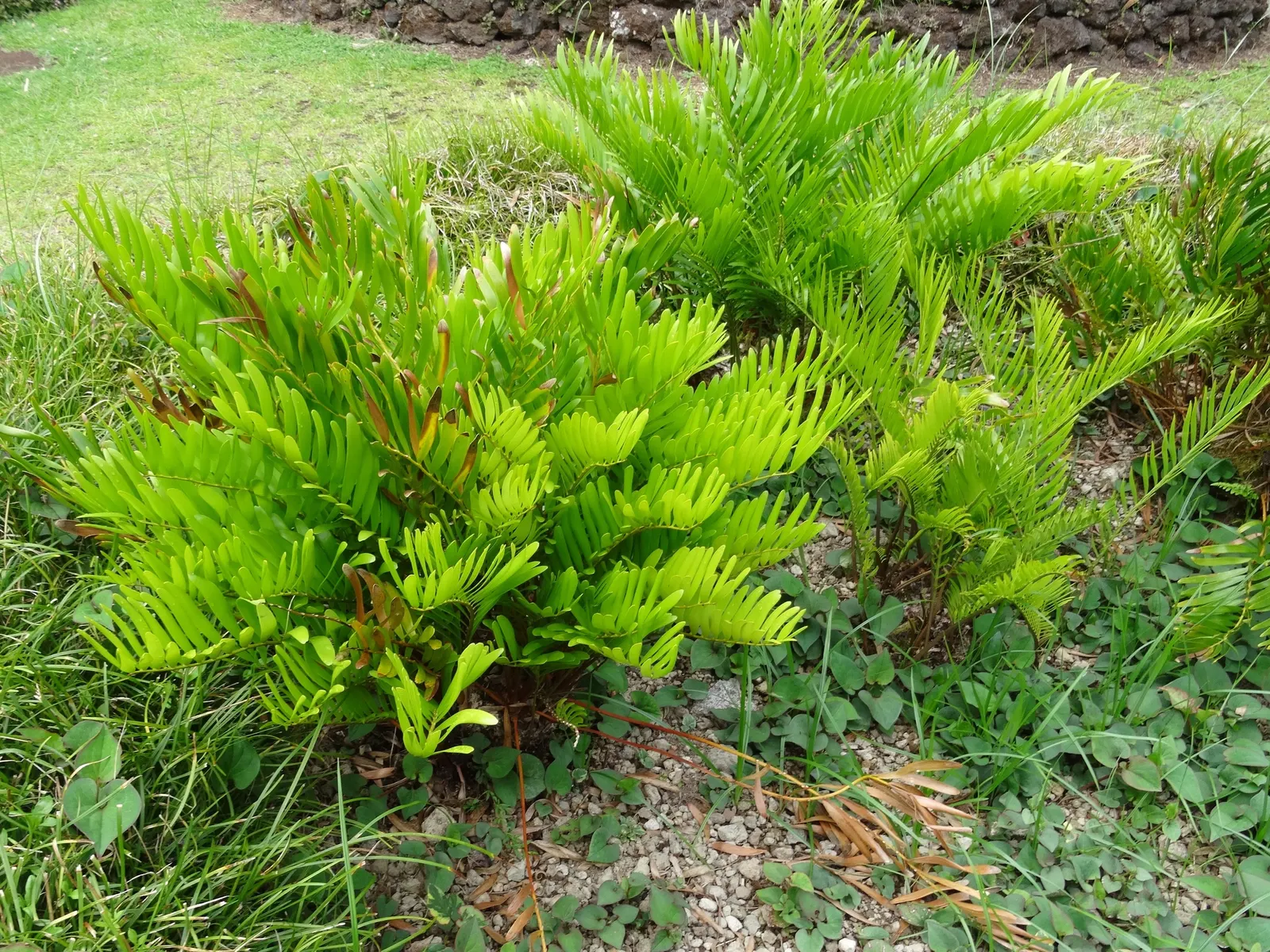
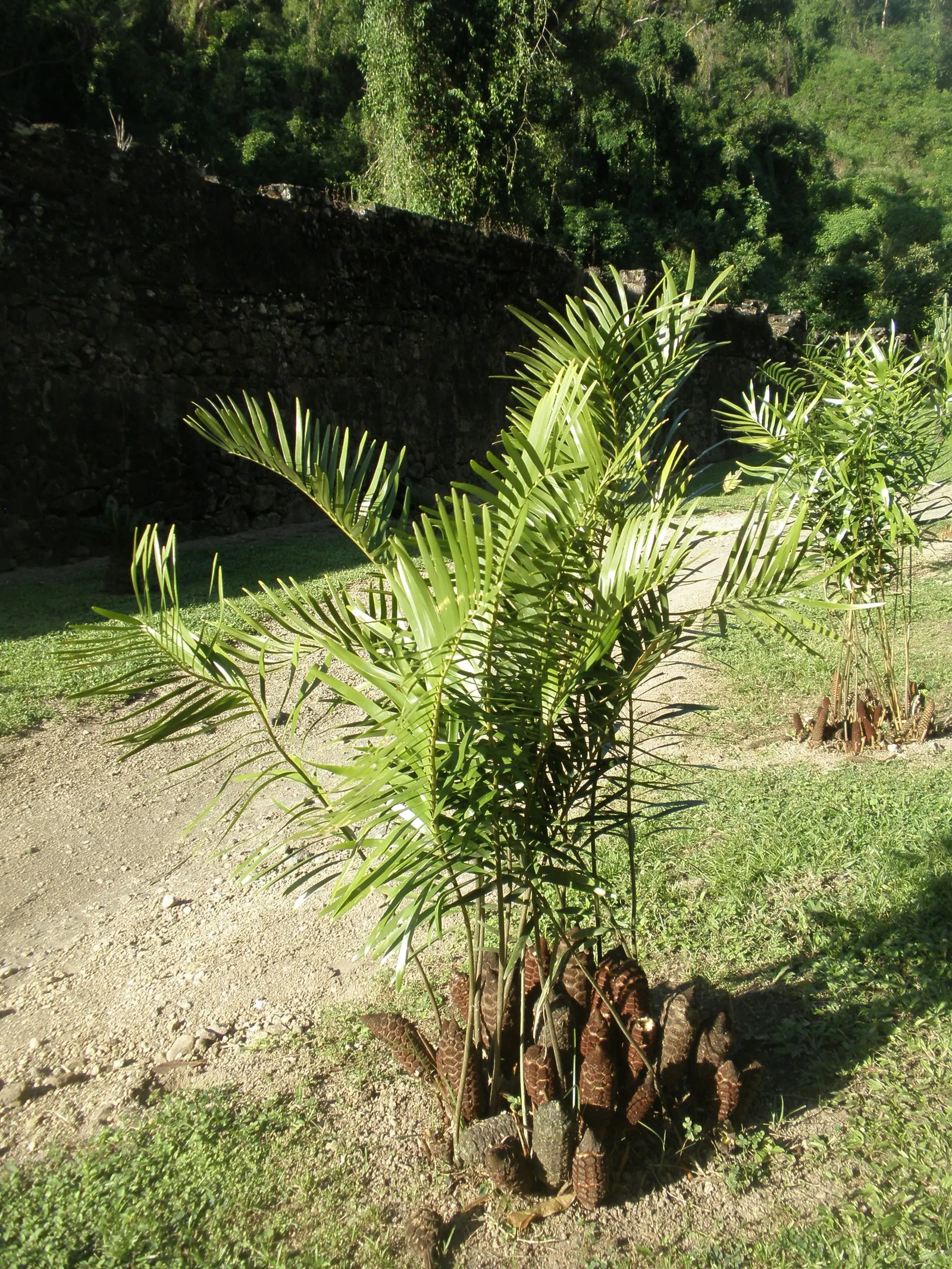
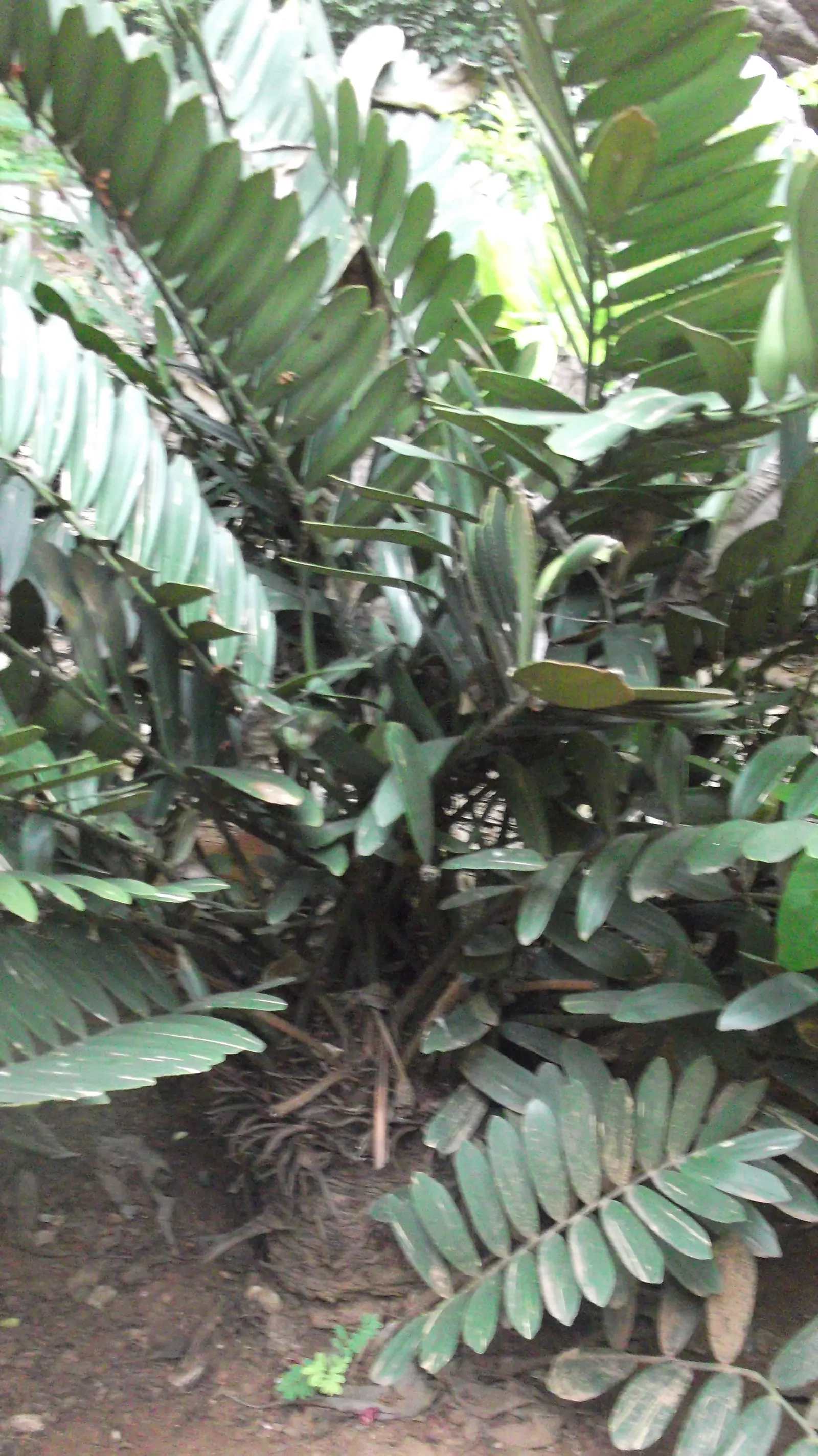
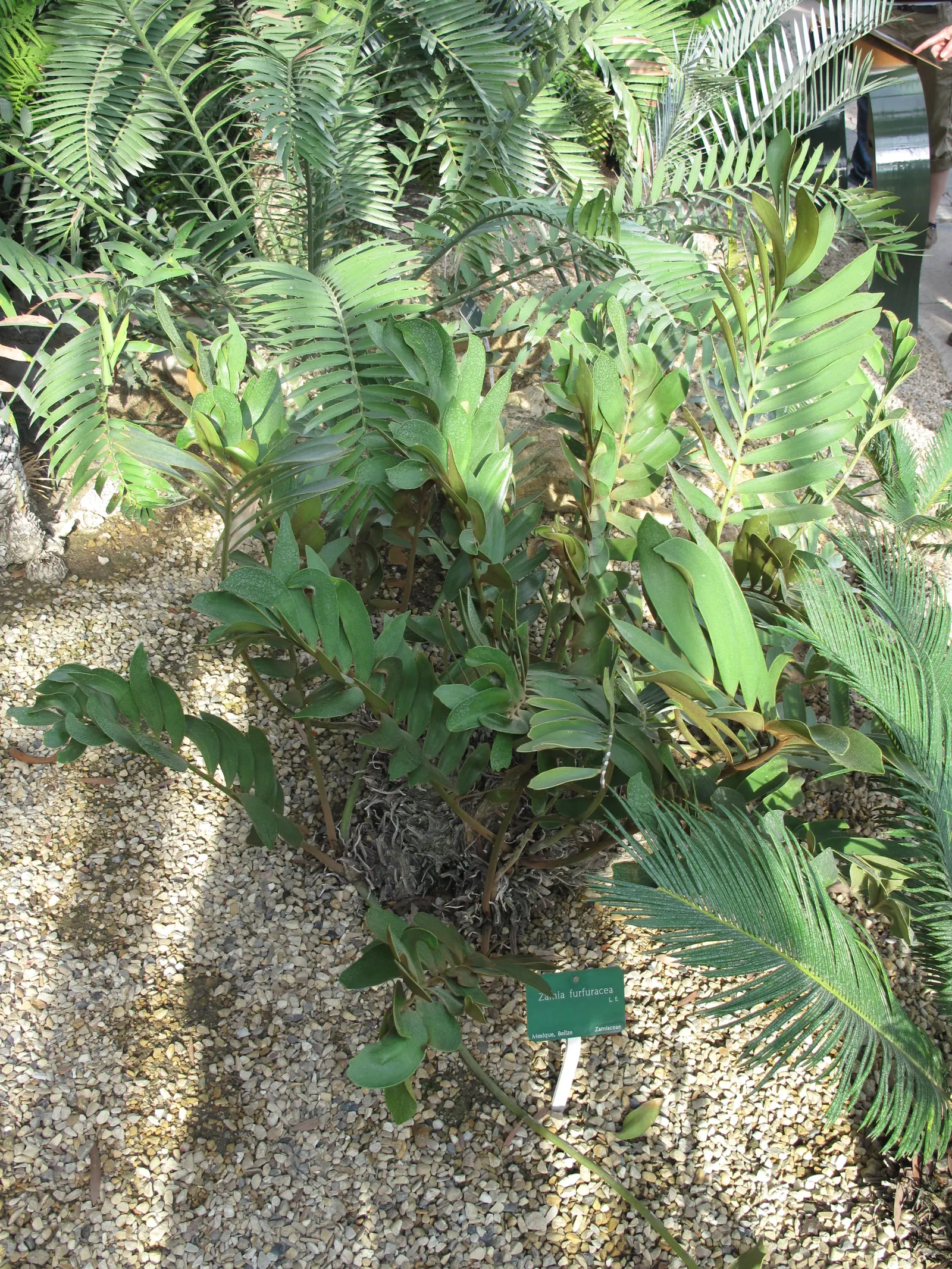
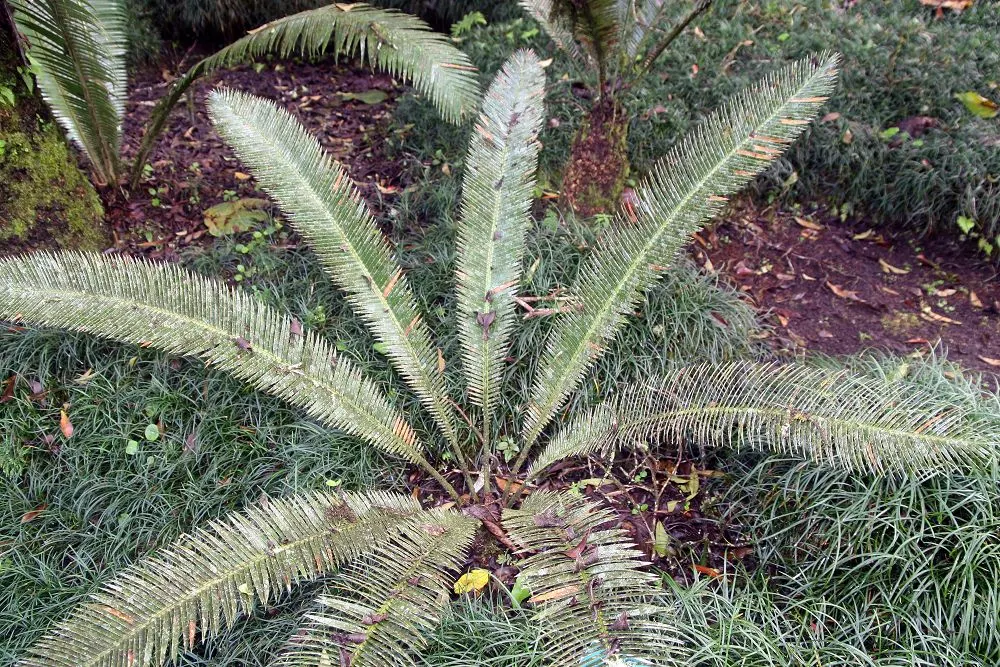
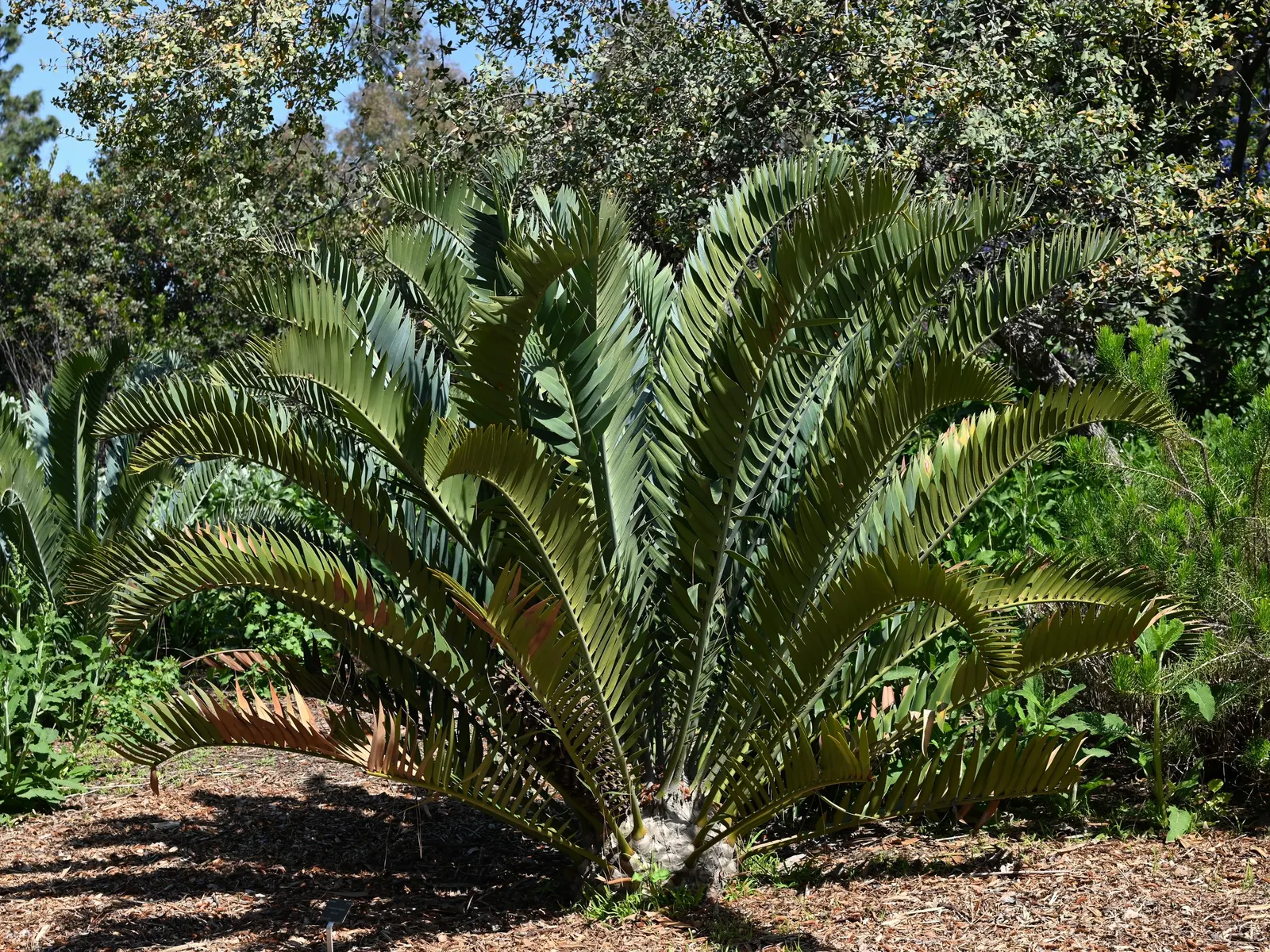
The Coontie Palm, or Zamia pumila, is a slow-growing, low-maintenance cycad, native to the southeastern United States. This perennial shrub features feather-like, dark green leaves, reaching 1-3 feet in height with a similar spread. Its ruggedness allows it to thrive in USDA zones 8-11, making it an ideal groundcover or accent plant. Prefers well-drained soil with partial to full sun exposure. Tolerates drought once established.

Sun Full, HalfWater MediumZones 7–10Type Palm

Culture

Sun
Full, Half
Water
Medium
USDA zones
7–10

Shape & size

Mature height
2–3 Ft.
Mature width
2–3 Ft.

Classification

Type
Palm
Family
Zamiaceae

See full data, regional cultivation notes, and design tools. Build a client presentation around this plant.

Start your 14-day trial

Photos (73)

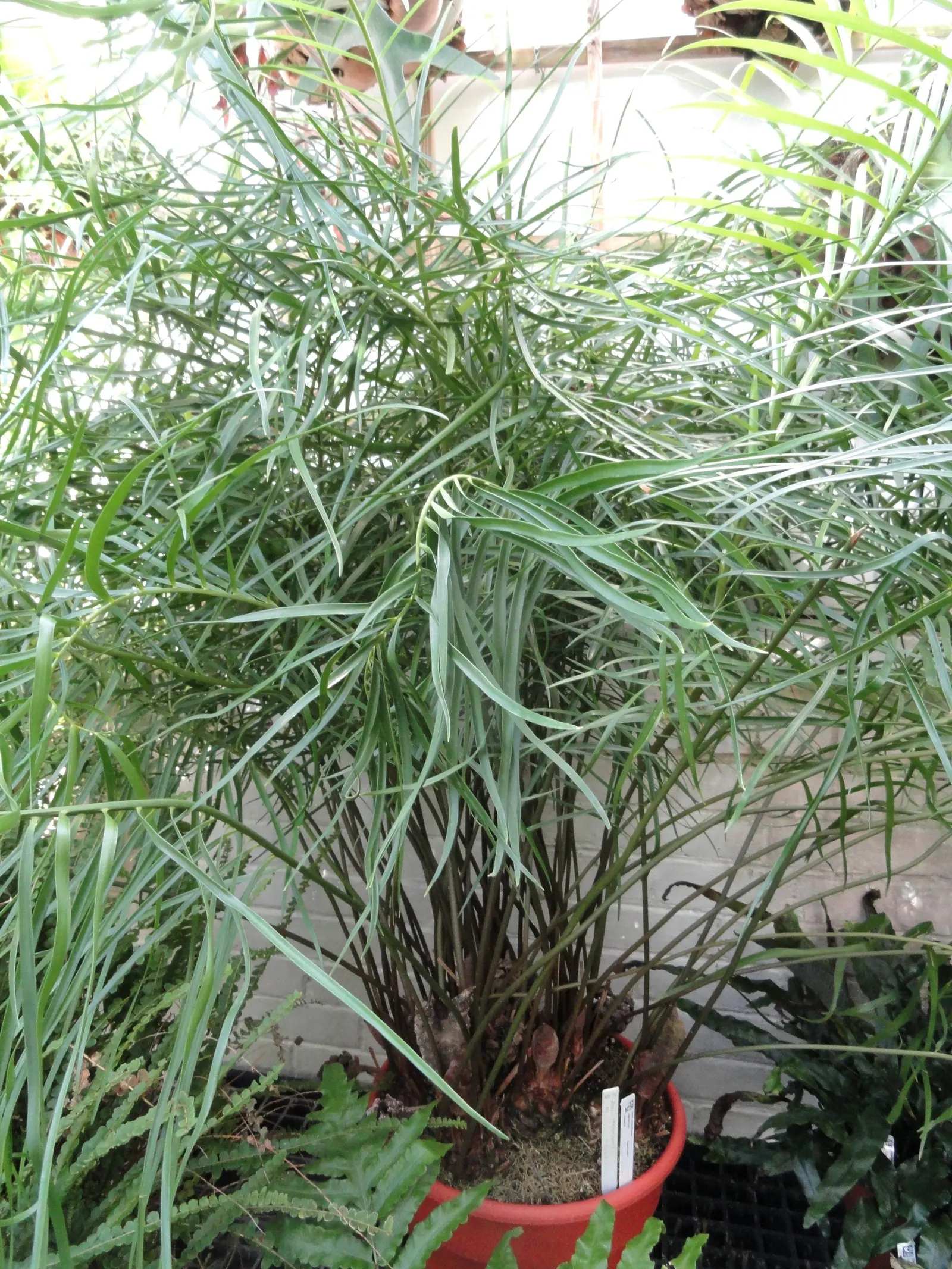
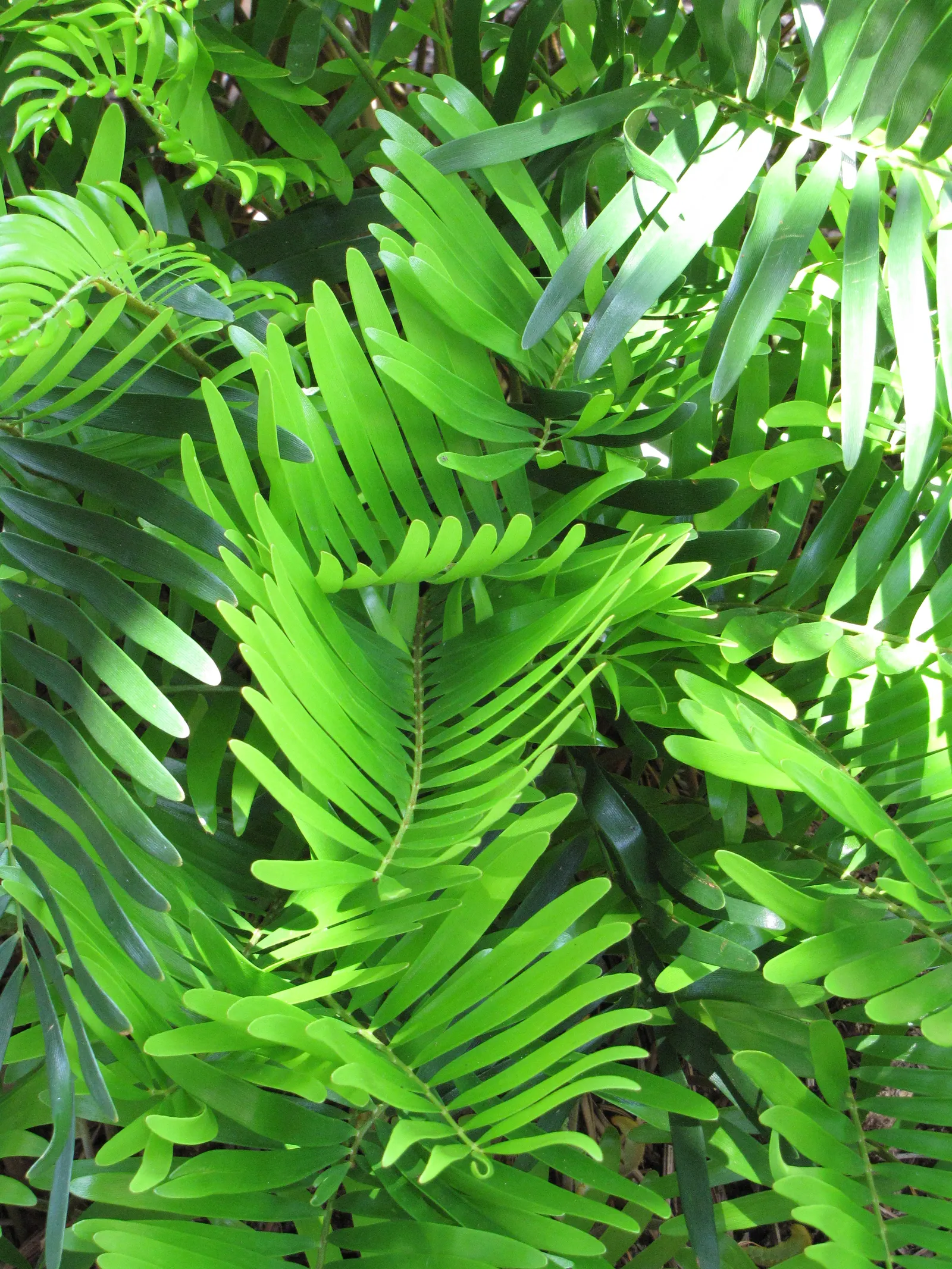
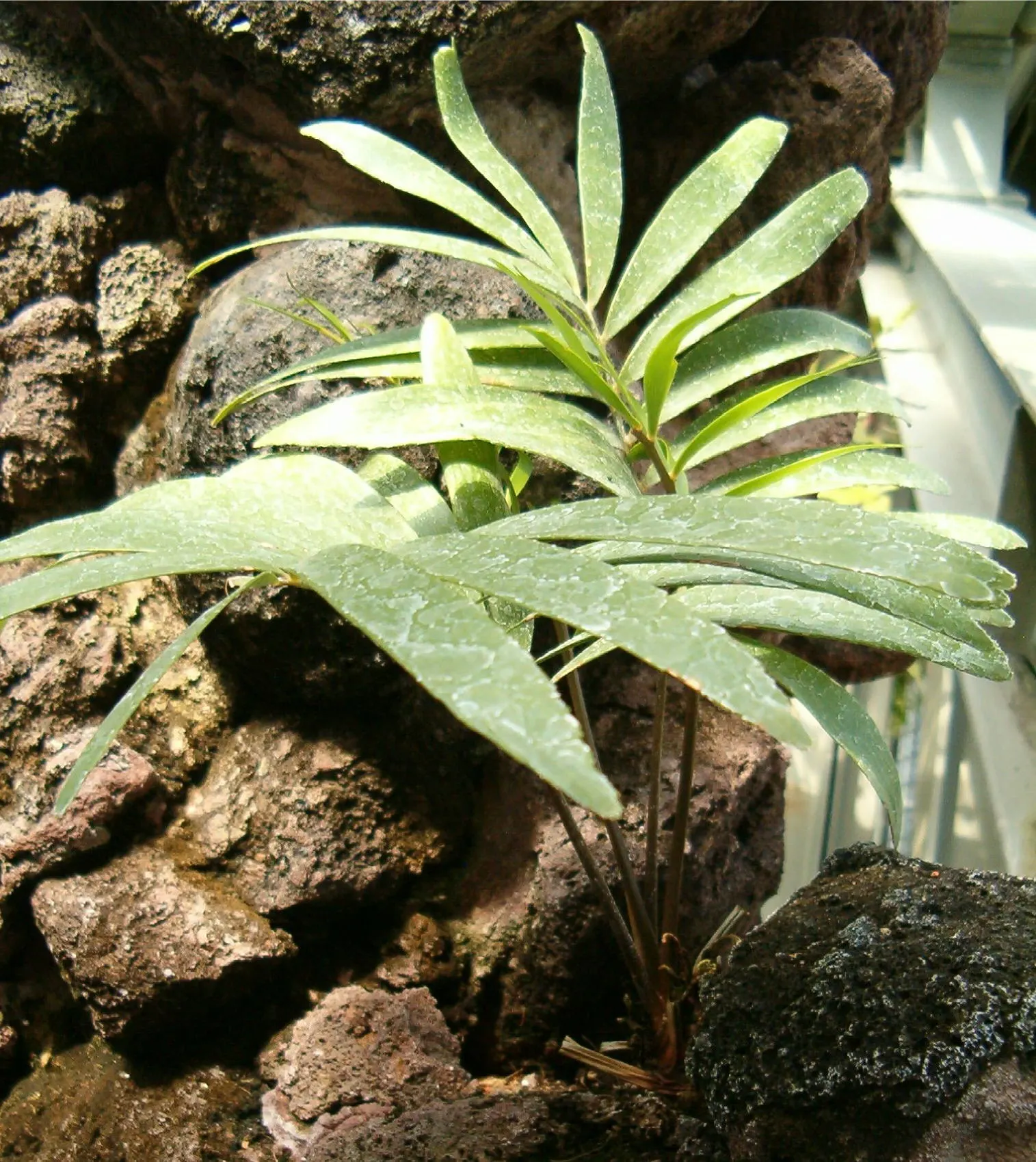
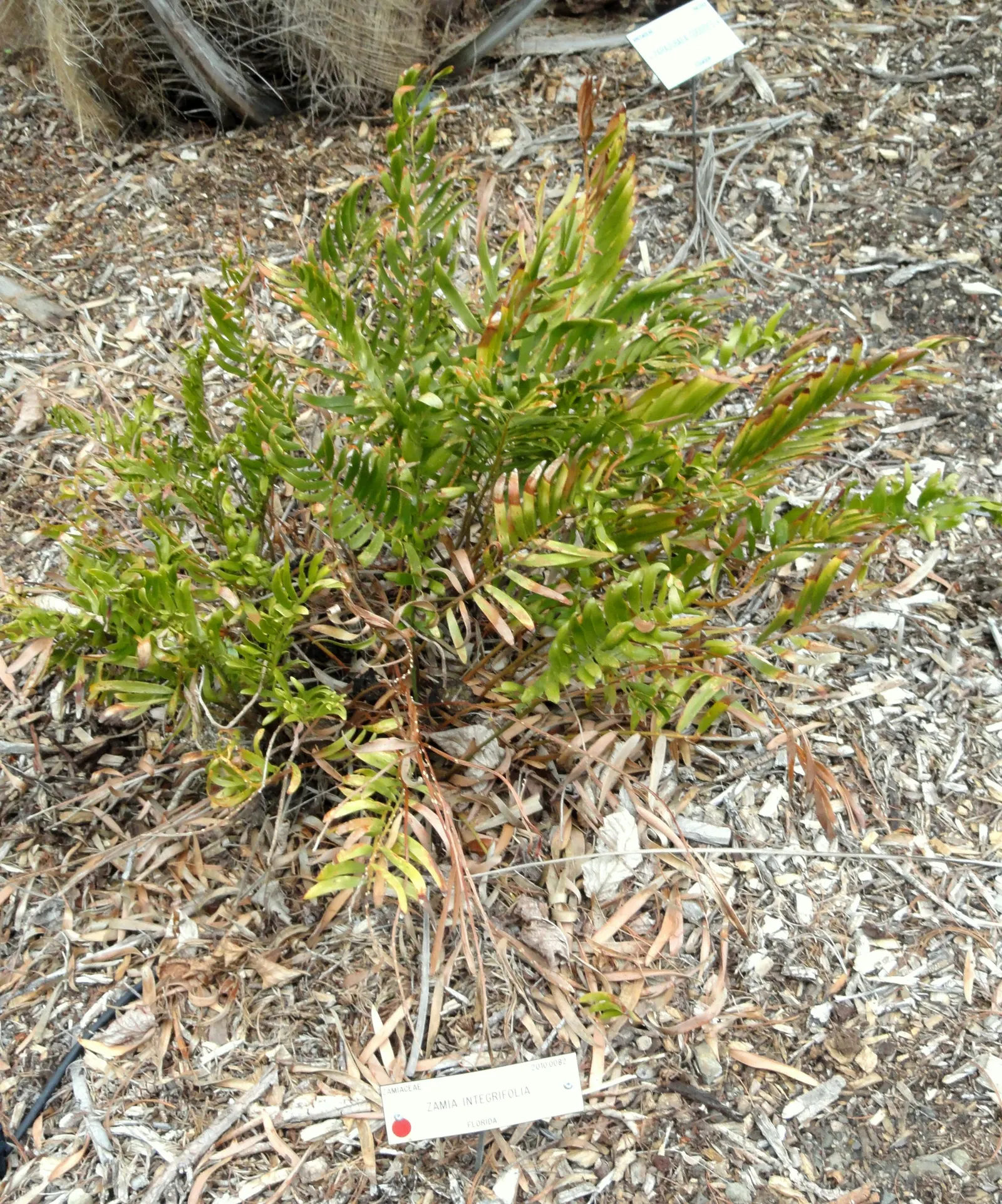
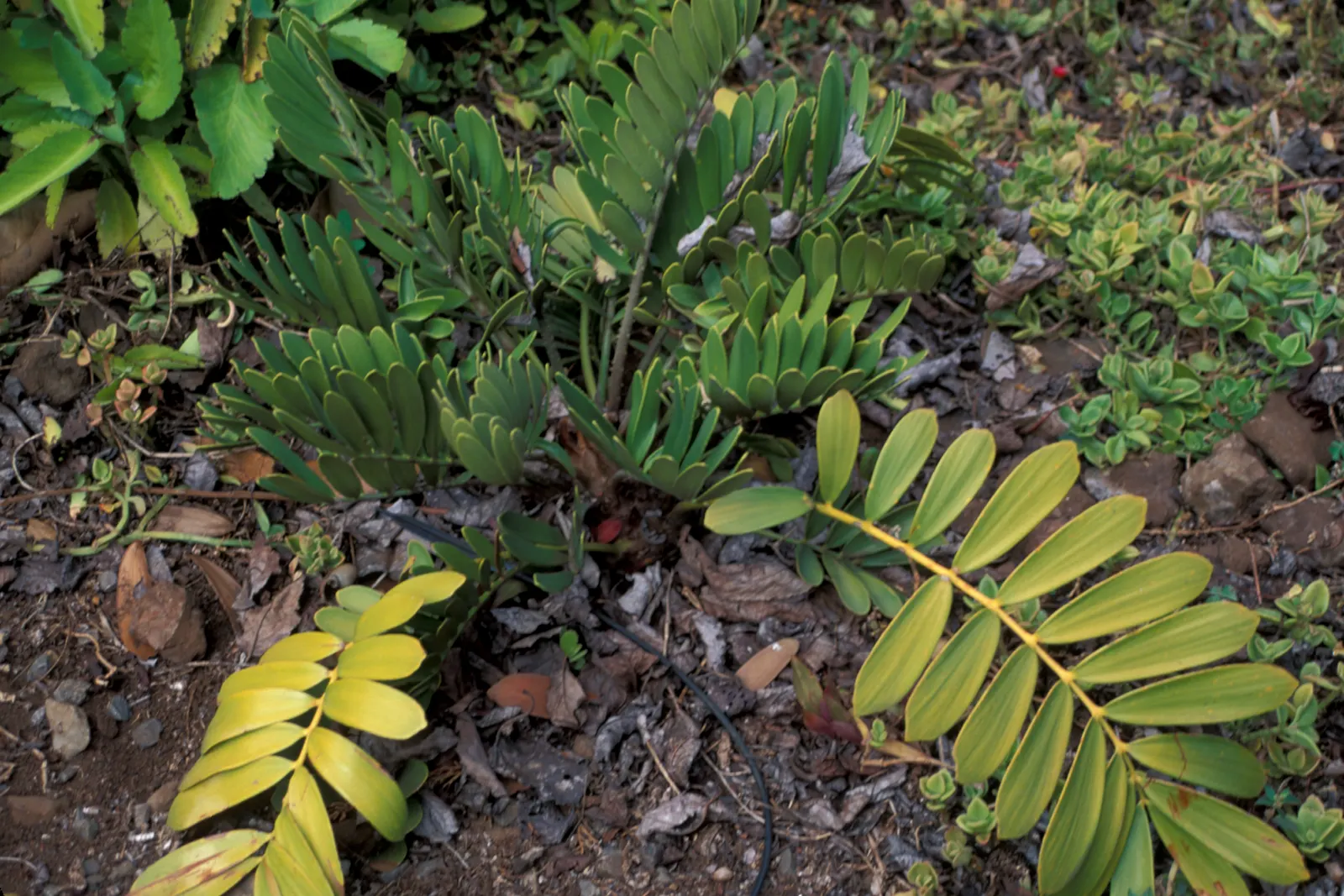
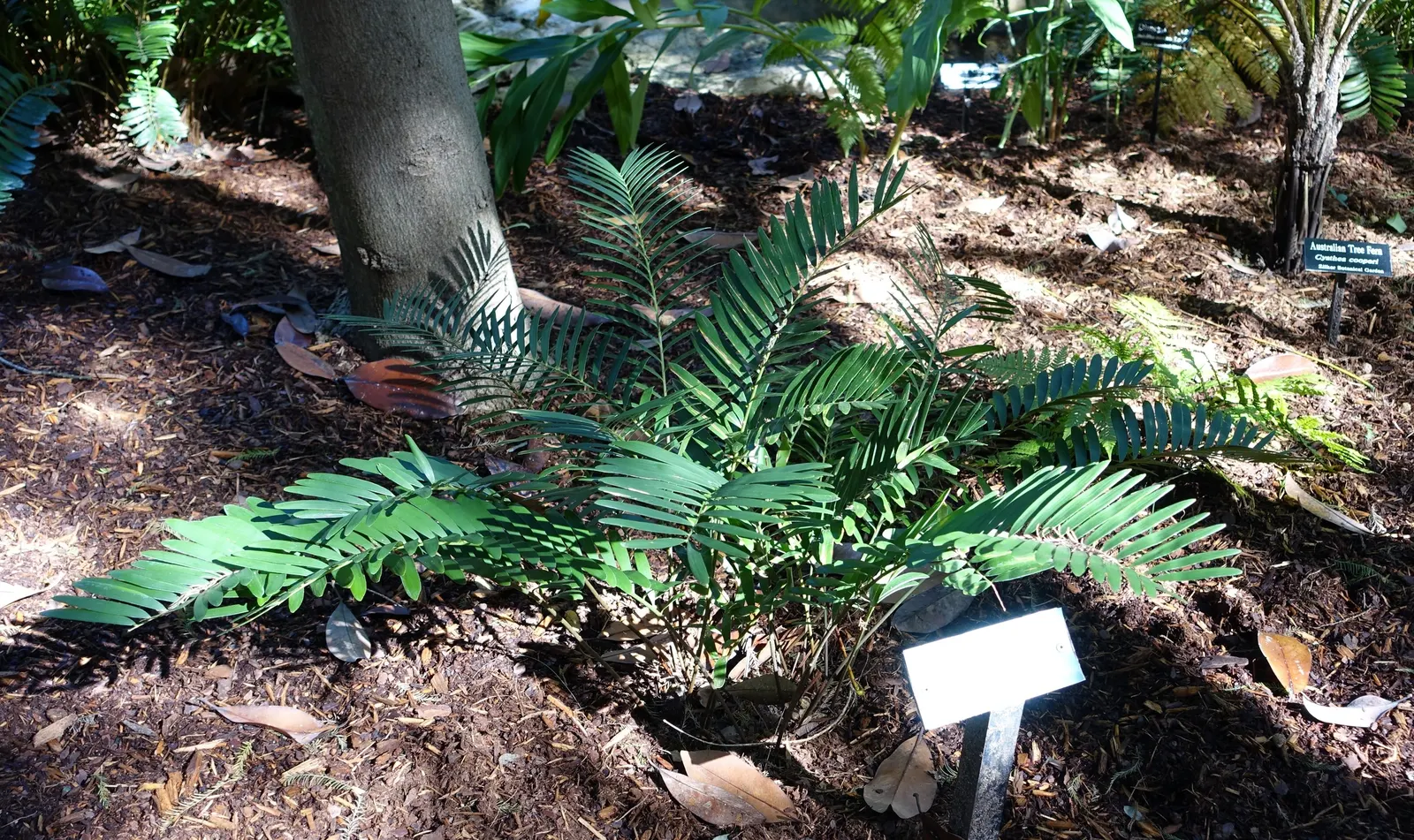
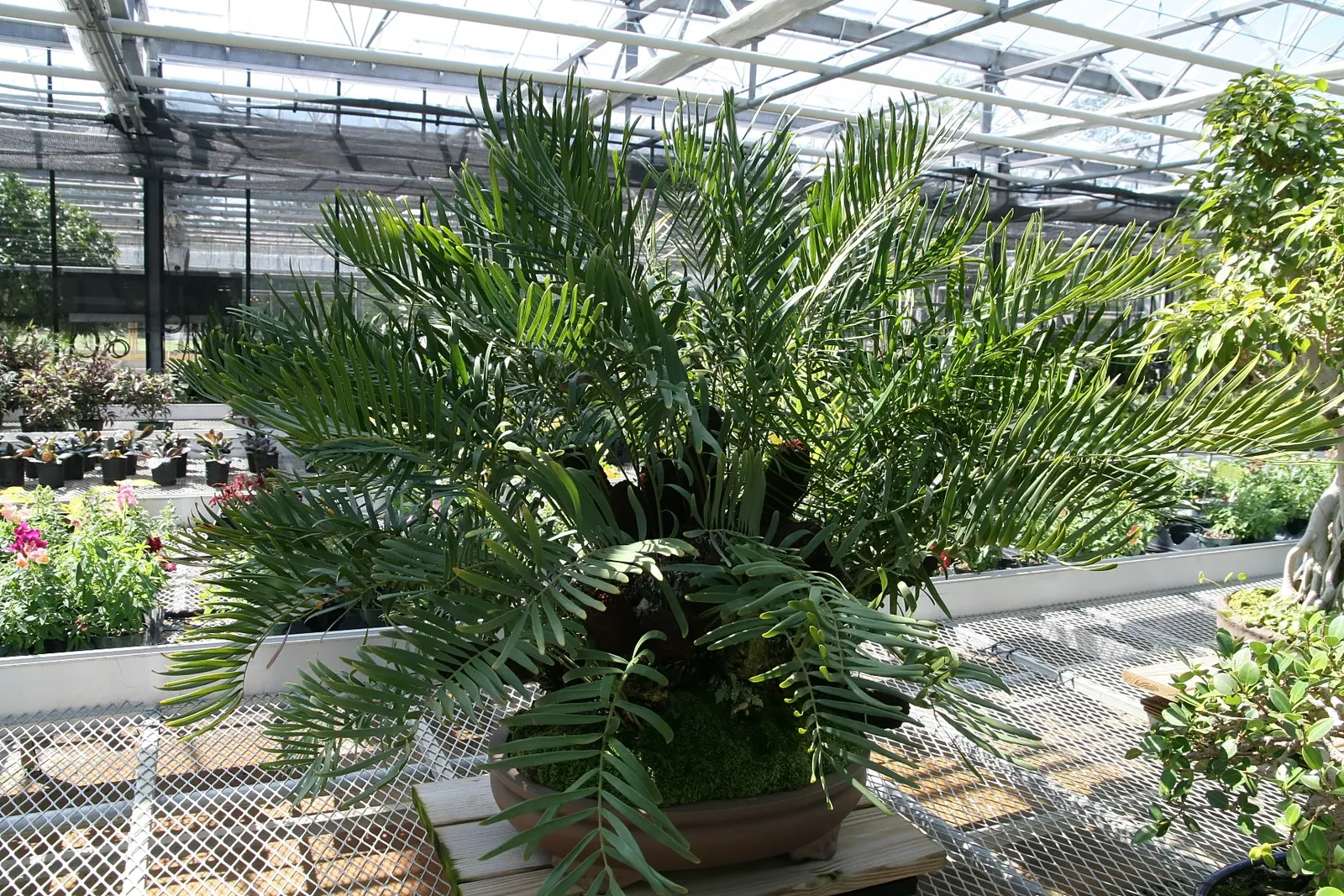
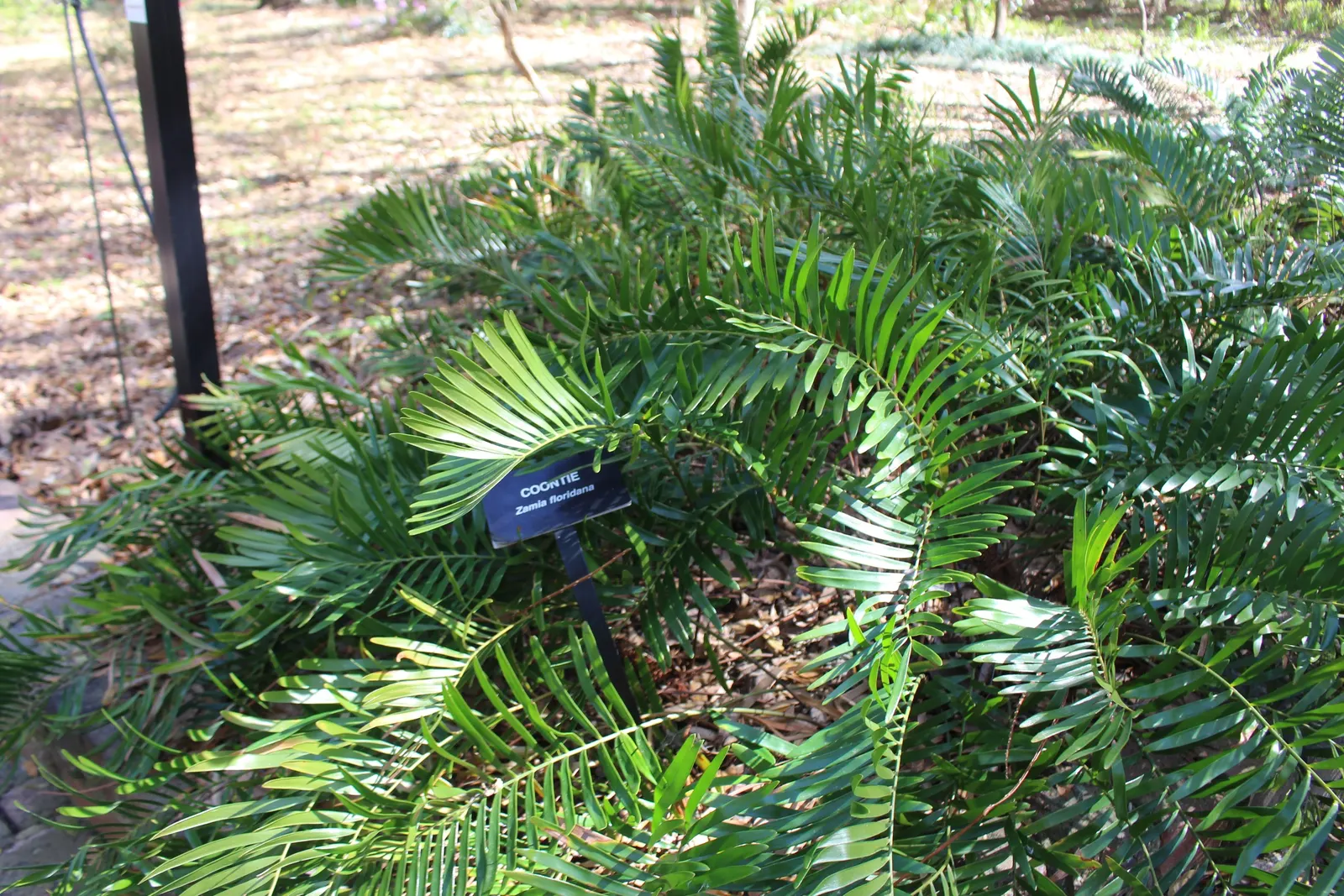
Coontie (Zamia Pumila) — reaching 1-3 feet in height with a similar spread
Coontie (Zamia Pumila) — reaching 1-3 feet in height with a similar spread; it thrives in partial shade but can also accommodate full sun conditions, image 53
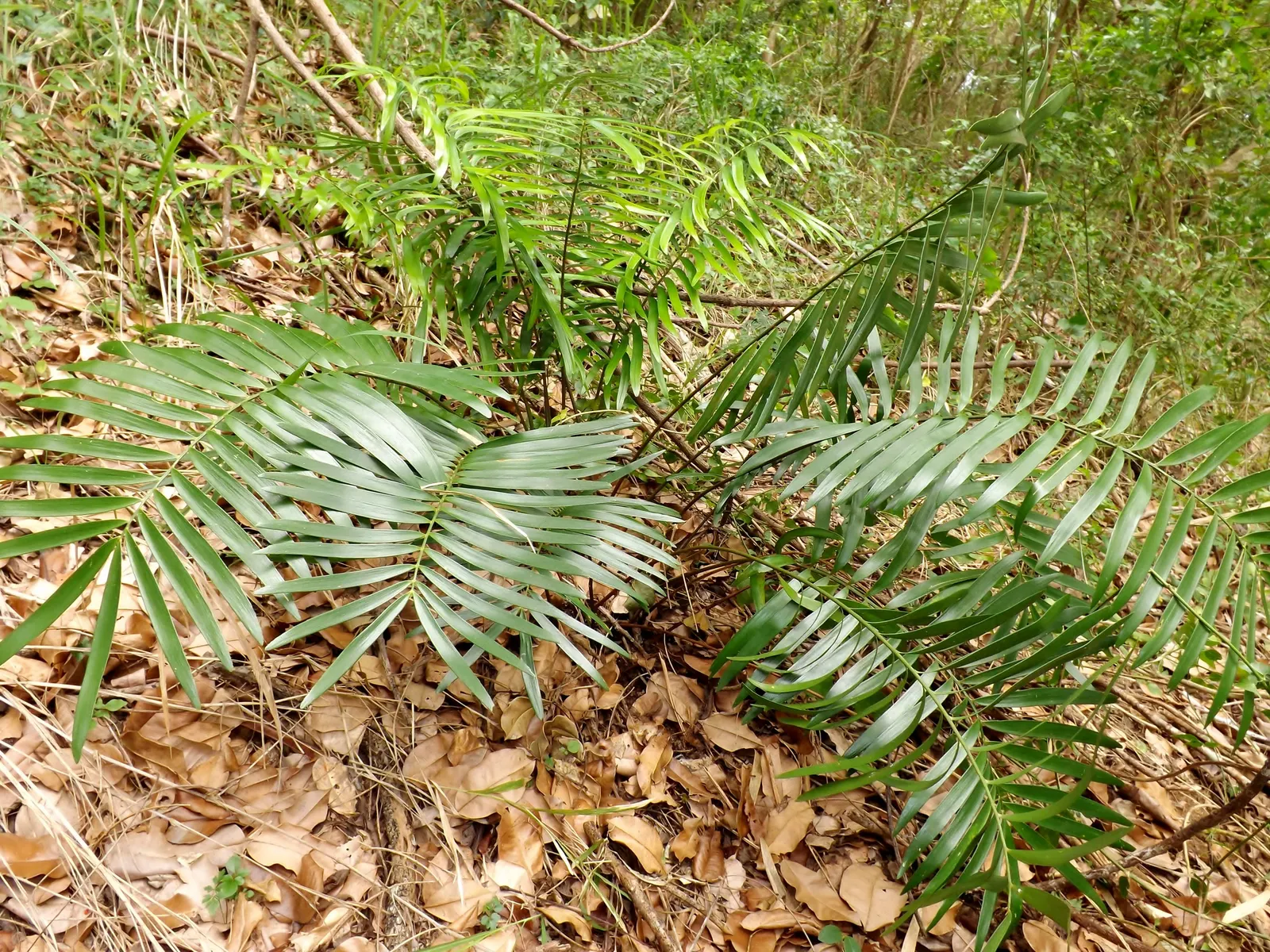
Coontie (Zamia Pumila) — Endemic to the southeastern United States
Coontie (Zamia Pumila) — Its ruggedness allows it to thrive in USDA zones 8-11, making it an ideal groundcover or accent plant; palm for full or half
Coontie (Zamia Pumila) — palm for full or half; and its prehistoric charm can be highlighted along pathways or in rock gardens
Coontie (Zamia Pumila) — and its prehistoric charm can be highlighted along pathways or in rock gardens
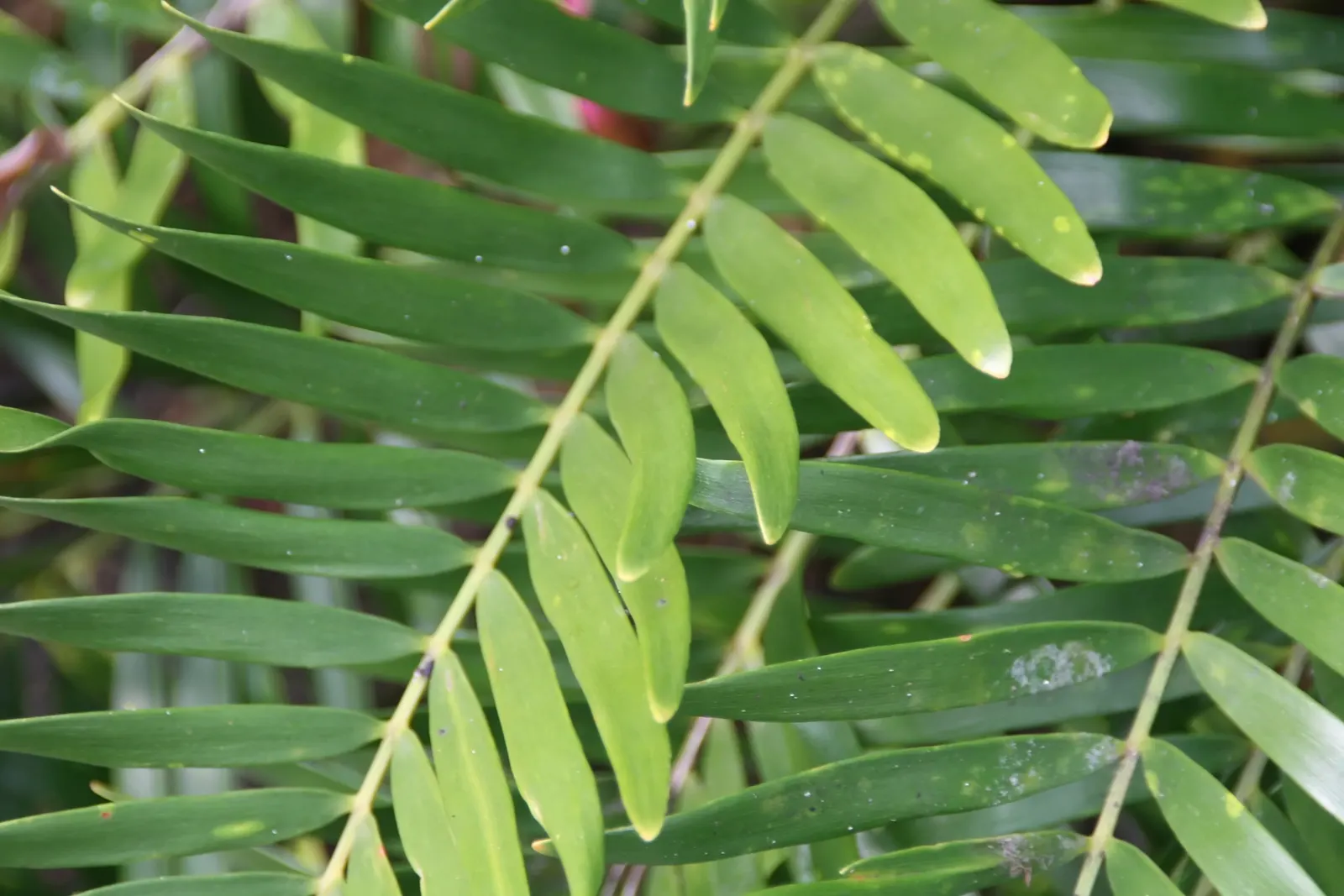
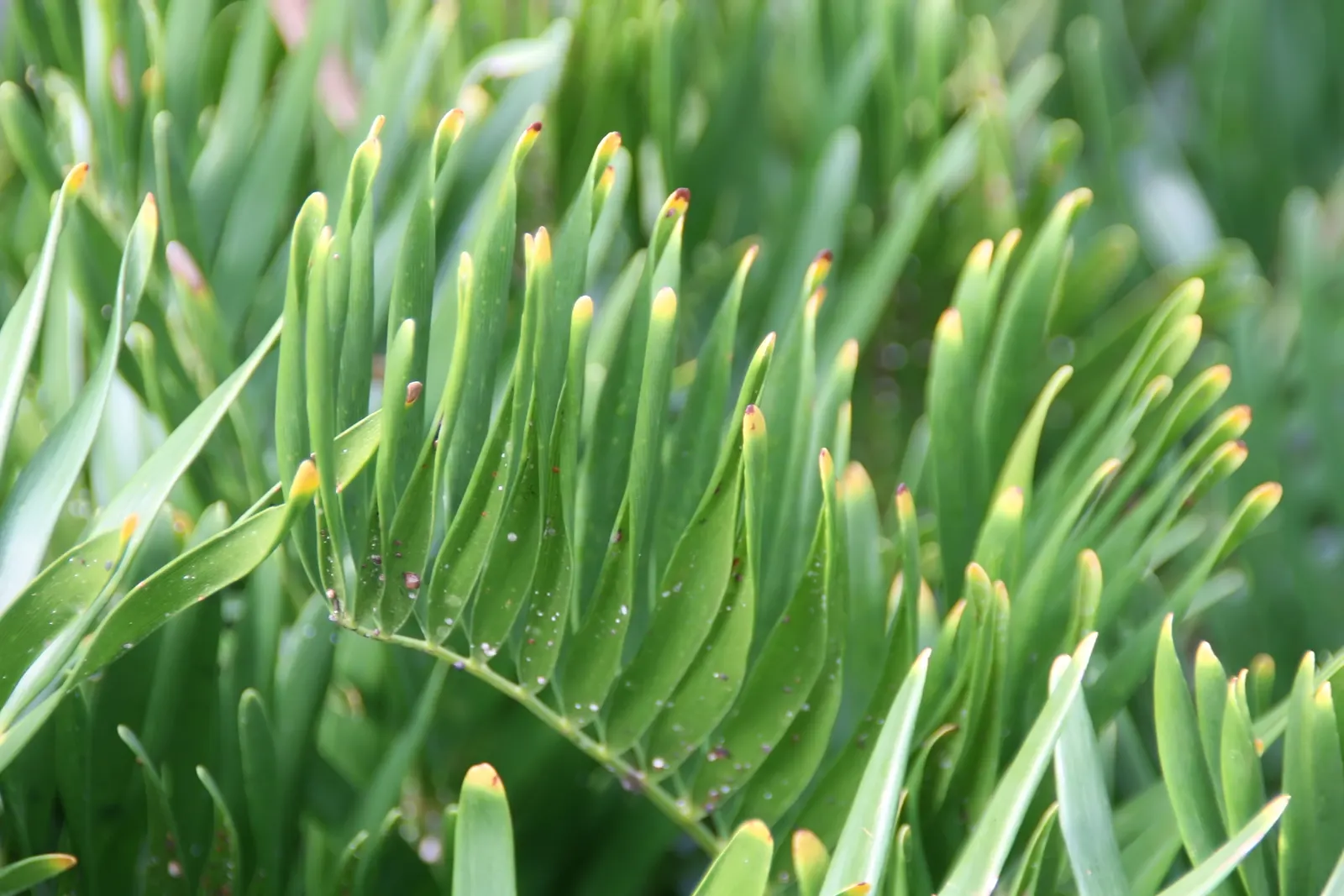
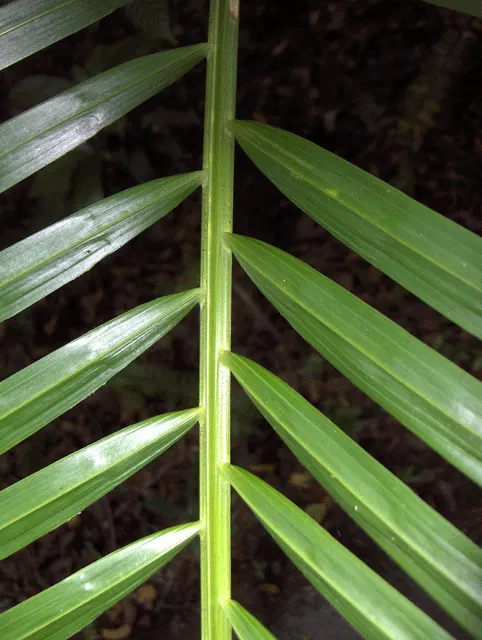
Coontie (Zamia Pumila) — The foliage is a deep green
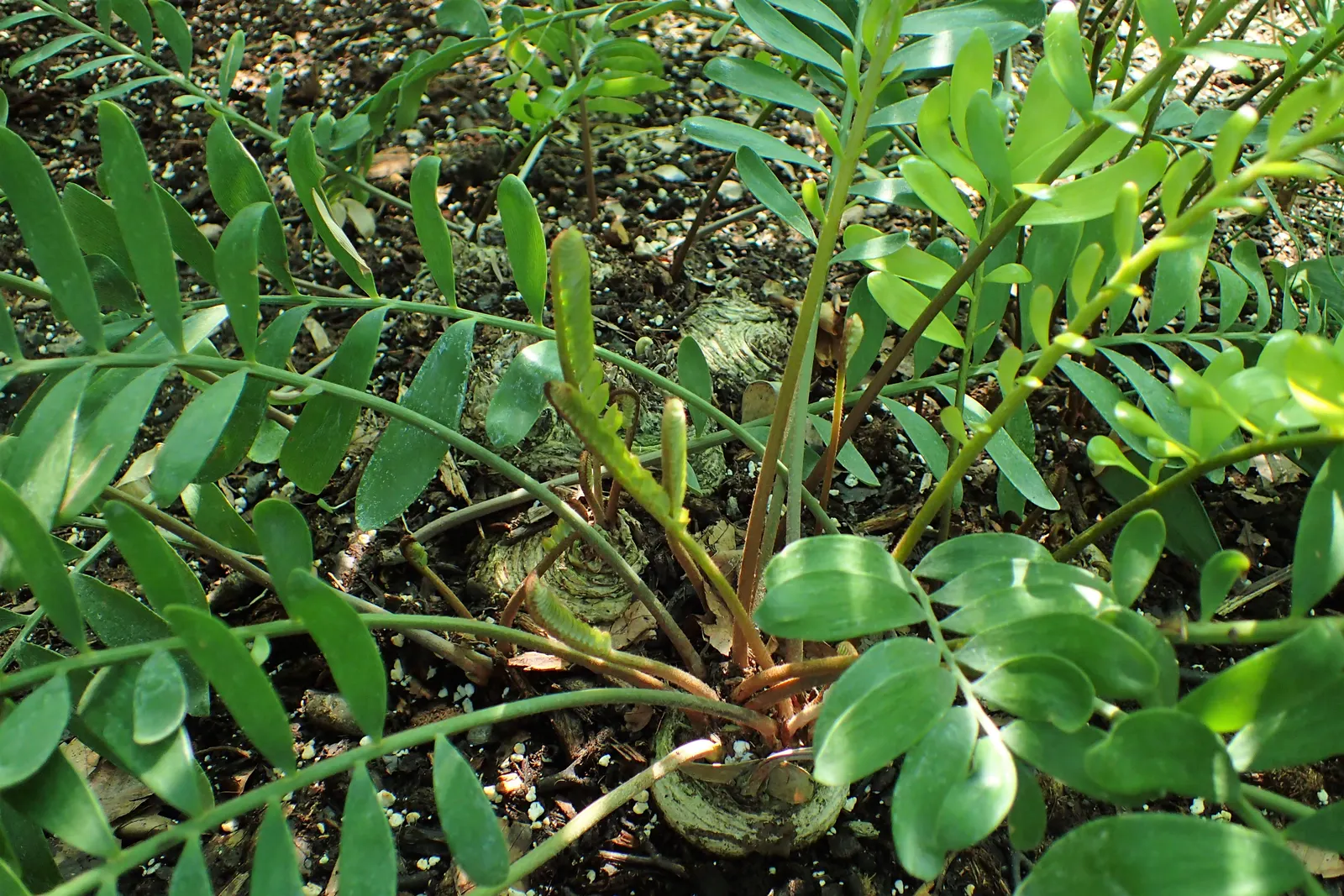
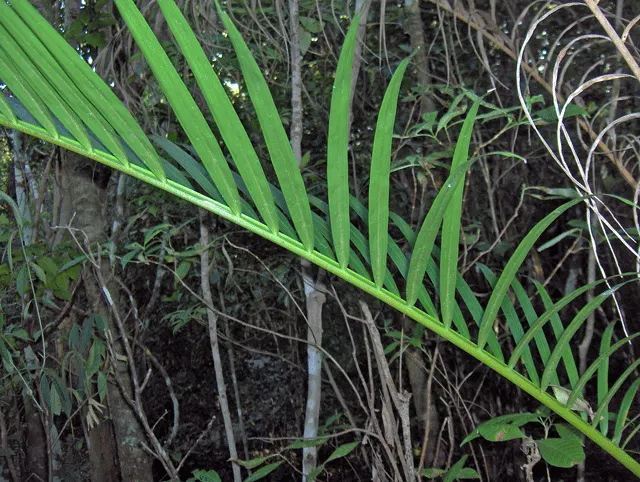
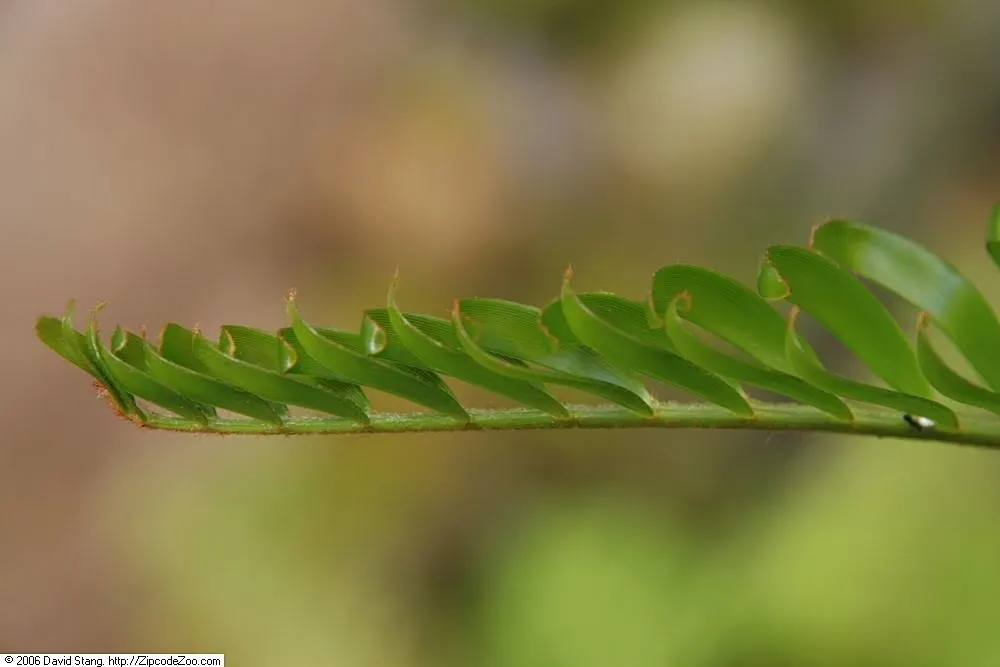
Coontie (Zamia Pumila) — This perennial shrub features feather-like; feather-like foliage emanates in a rosette pattern from a central stem
Coontie (Zamia Pumila) — Endemic to the southeastern United States; reaching 1-3 feet in height with a similar spread, image 58
Coontie (Zamia Pumila) — Tolerates drought once established; contributing to an elegant and lush appearance.<br><br>As a dioecious species
Coontie (Zamia Pumila) — Always be mindful that all parts of the plant are toxic if ingested
Coontie (Zamia Pumila) — this resilient evergreen plant presents as a low-growing and attractive addition to your garden; reaching only about 1 to 3 feet in
Coontie (Zamia Pumila) — Tolerates drought once established
Coontie (Zamia Pumila) — With a hardiness in USDA zones 8b to 11; prefers well-drained soil with partial to full sun exposure
Coontie (Zamia Pumila) — It thrives in partial shade but can also accommodate full sun conditions
Coontie (Zamia Pumila) — and its prehistoric charm can be highlighted along pathways or in rock gardens; native to the southeastern United States
Coontie (Zamia Pumila) — native to the southeastern United States; its ruggedness allows it to thrive in USDA zones 8-11, making it an ideal, image 51
Coontie (Zamia Pumila) — reaching 1-3 feet in height with a similar spread; it thrives in partial shade but can also accommodate full sun conditions
Coontie (Zamia Pumila) — contributing to an elegant and lush appearance.<br><br>As a dioecious species; consider its slow growth rate and modest size
Coontie (Zamia Pumila) — palm for full or half
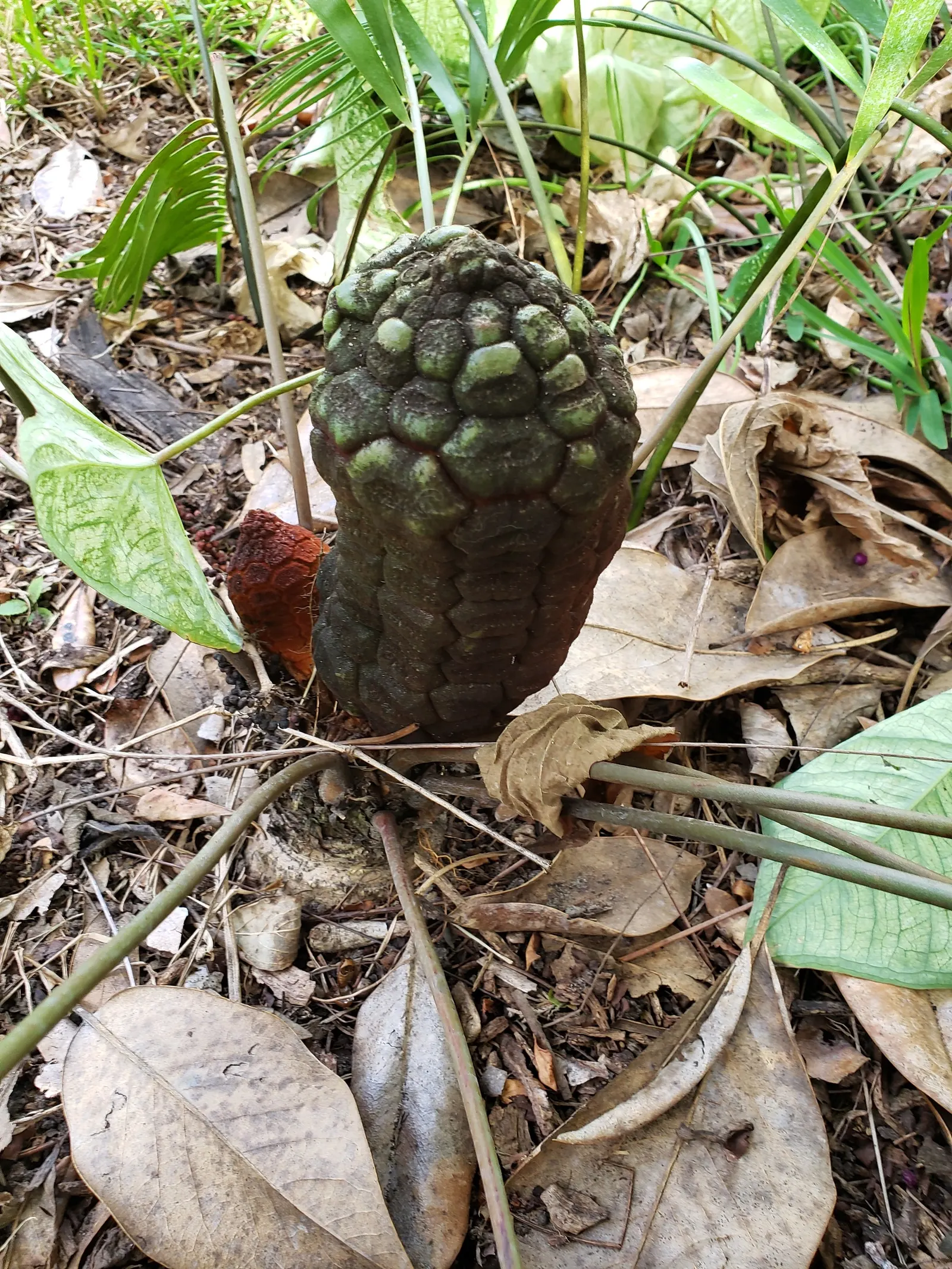
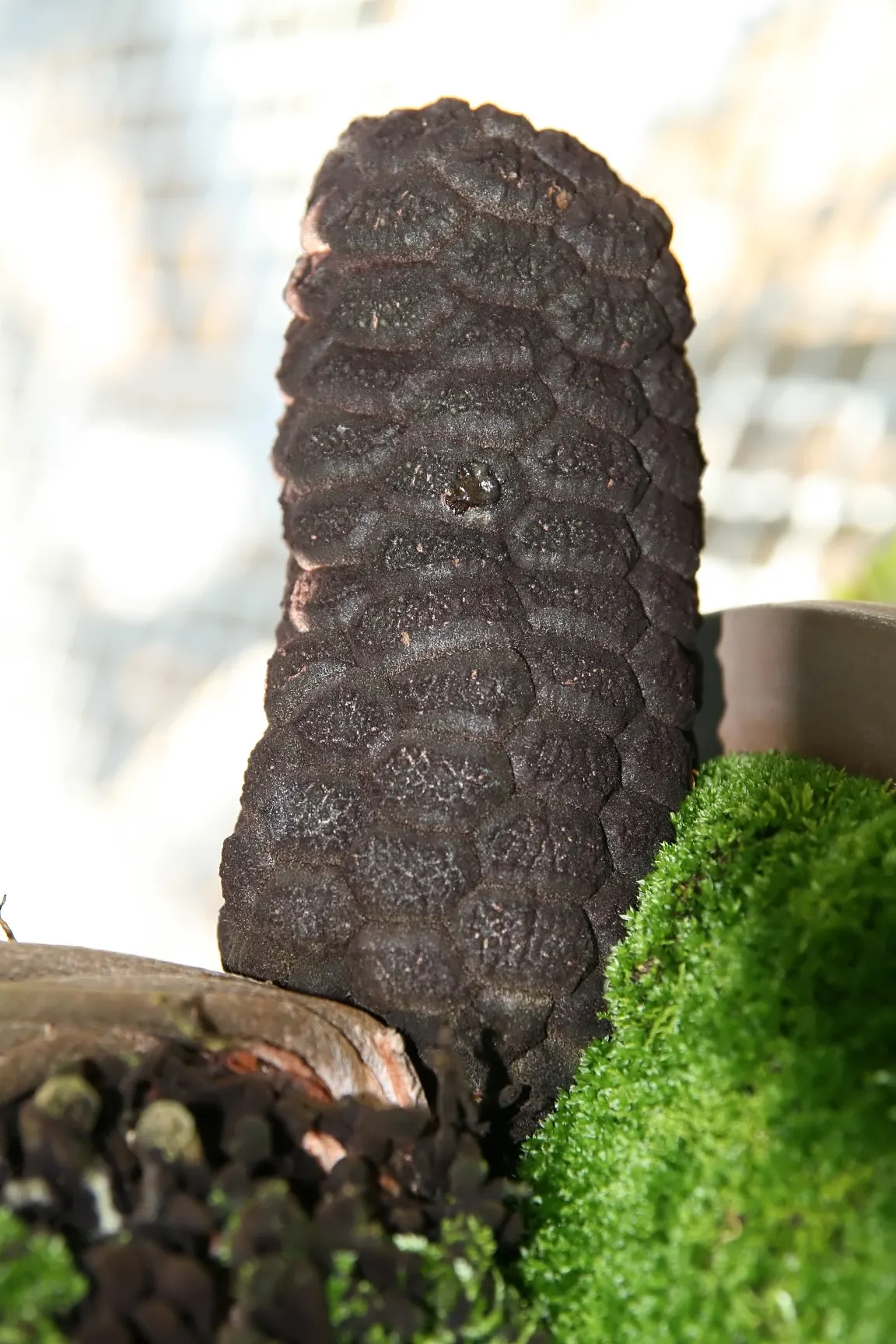
Coontie (Zamia Pumila) — Zamia pumila prefers well-drained sandy soil and can tolerate drought once established; male cones are narrow and cylindrical, about 2
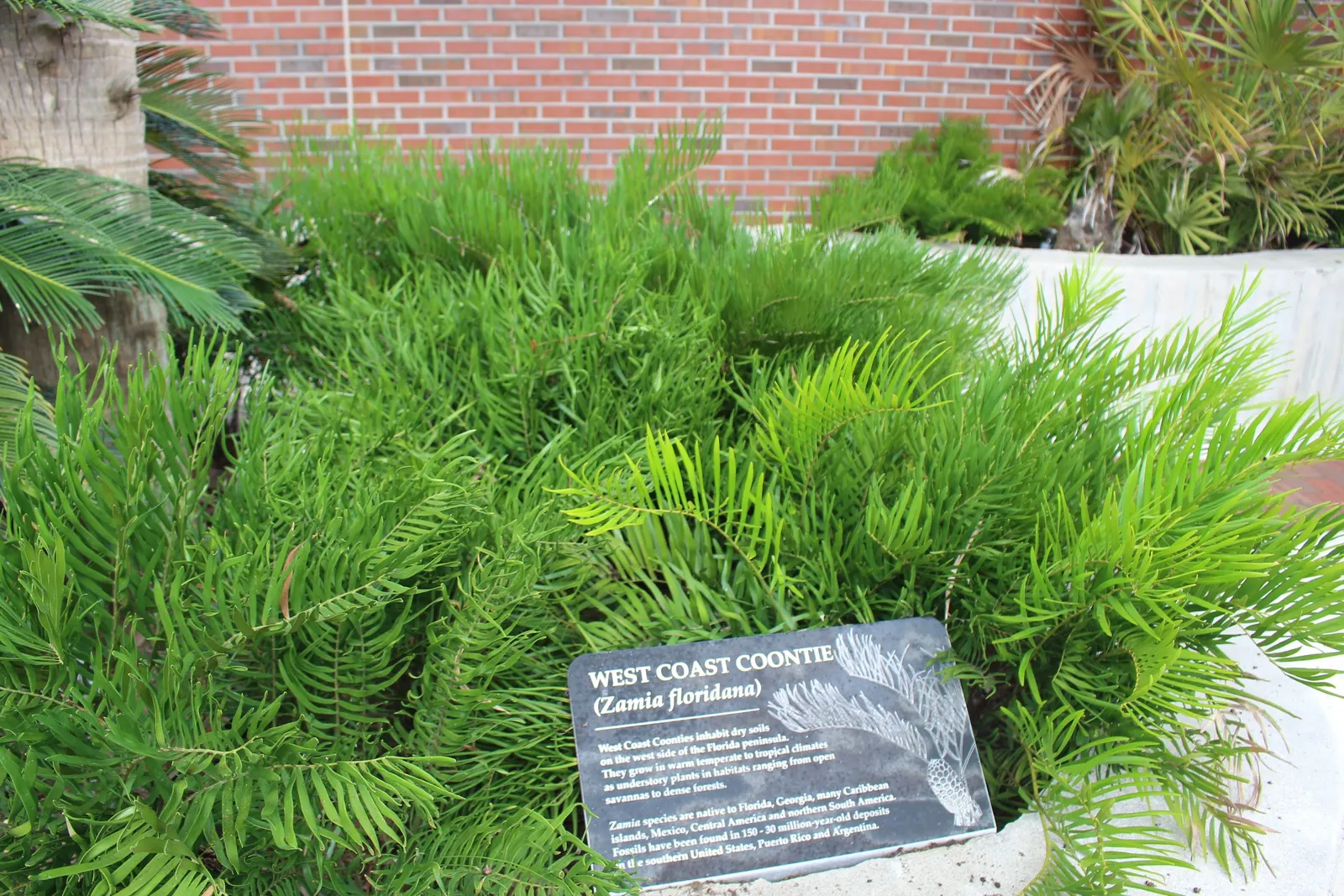
Coontie (Zamia Pumila) — It functions well as a ground cover or a foundation plant
Coontie (Zamia Pumila) — so careful placement is advised in areas with pets or children
Coontie (Zamia Pumila) — scientifically known as Zamia pumila
Photographs by 13 contributors

Related plants