Skip to content

Turkish Filbert

Corylus Colurna

Design with this plant

Overview

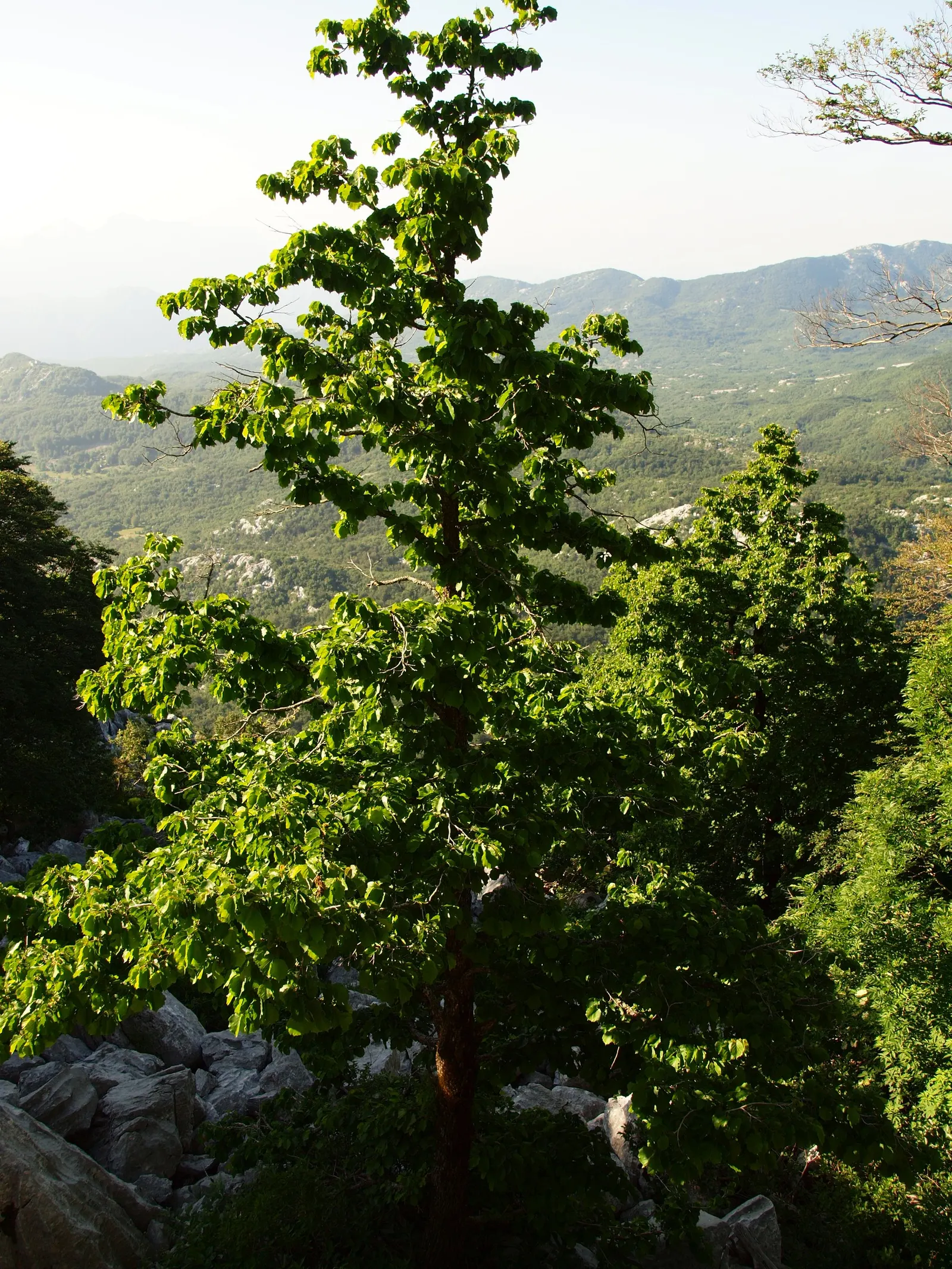
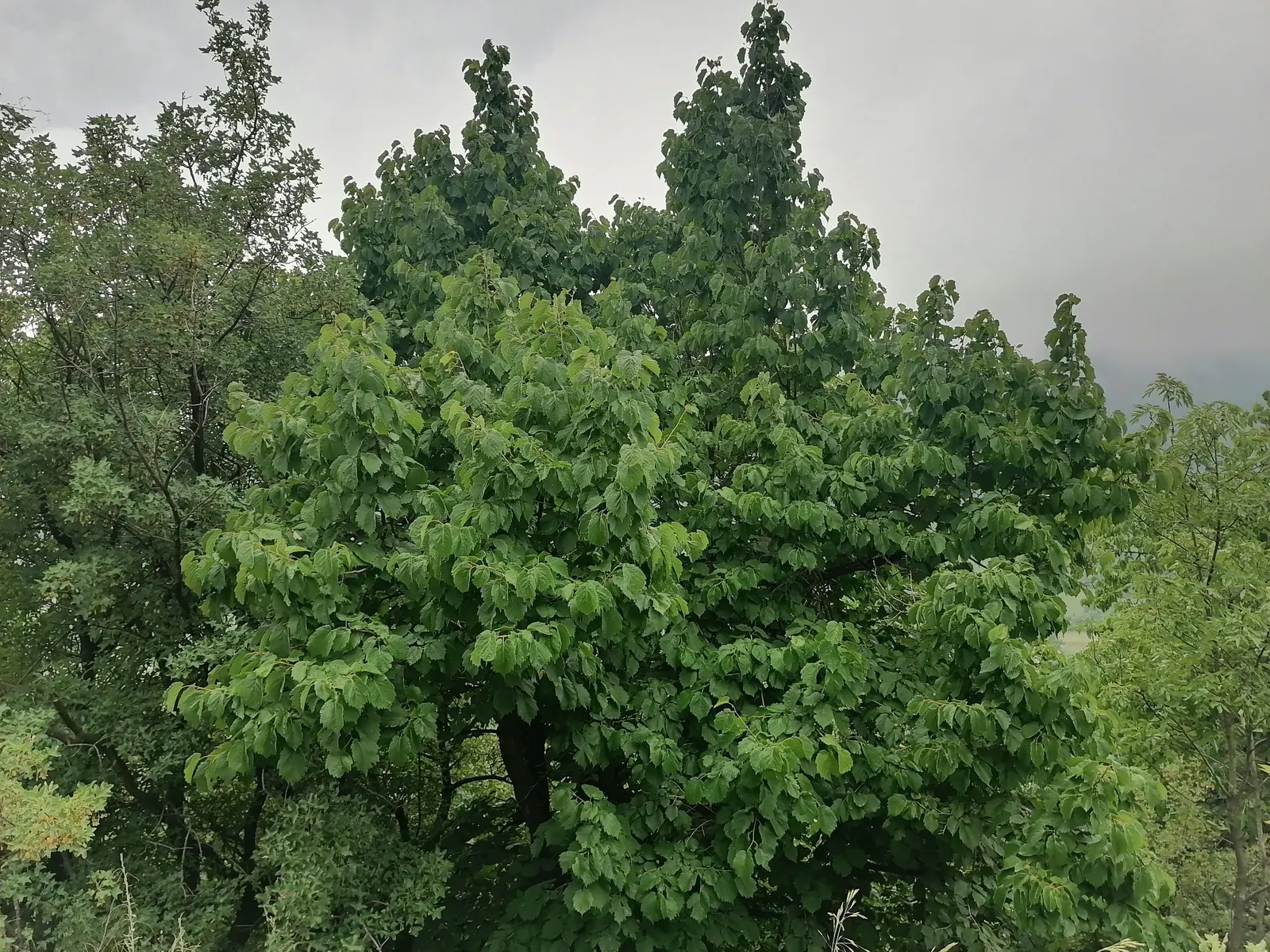
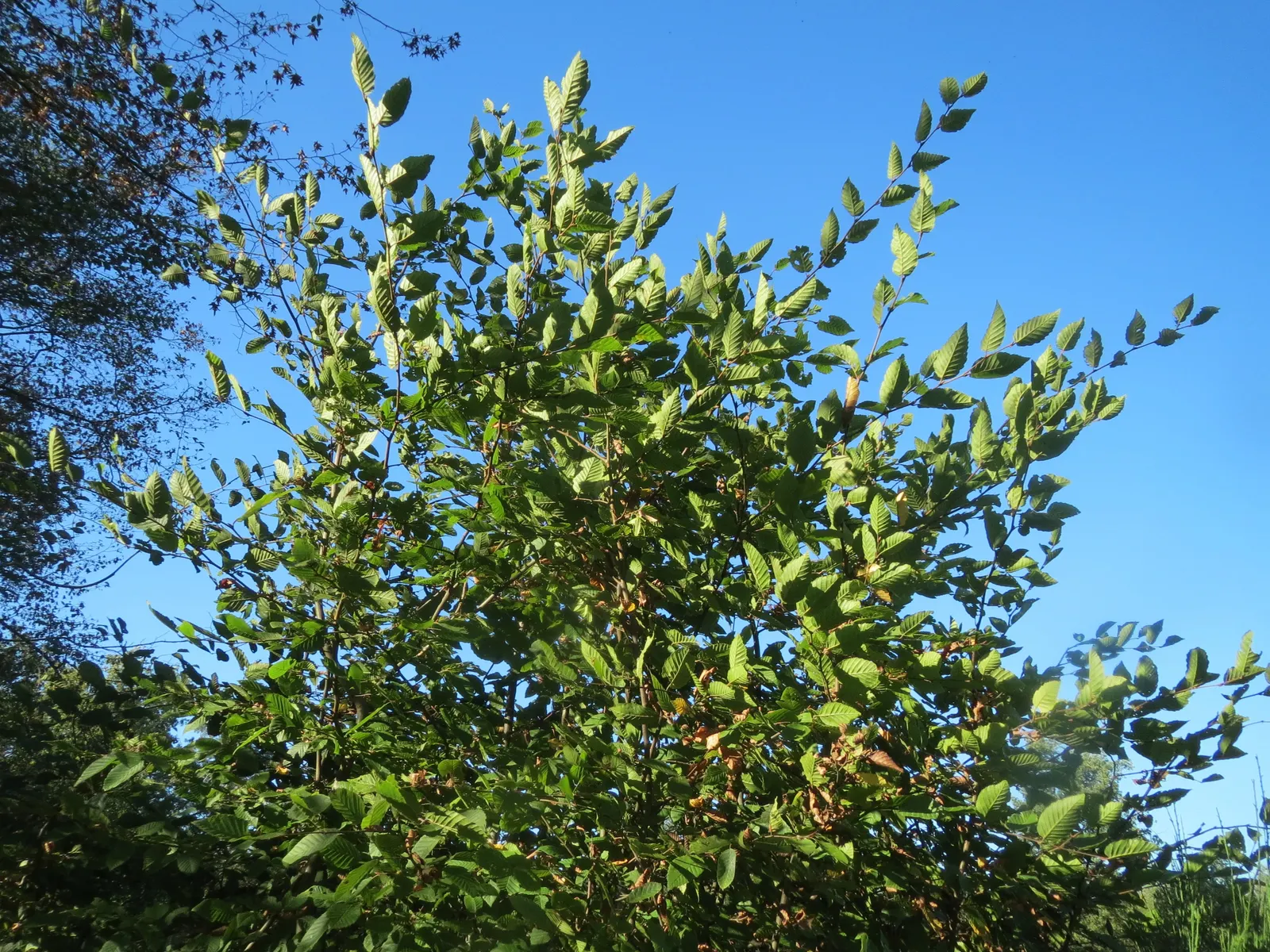
The Turkish Filbert, Corylus colurna, is a deciduous tree renowned for its stately, pyramidal form and dense foliage. It reaches up to 50-70 feet tall with a 20-30 feet spread. This hardy tree boasts ornamental, corky bark and large, 3-6 inches long, toothed leaves. It produces edible nuts wrapped in a bristly husk, adding autumnal interest. Ideal for urban settings, it is resilient to pests and diseases.

Sun Full, HalfWater MediumZones 4–7Type TreeClimate Temperate
Turkish Filbert (Corylus Colurna) — tree for full or half; the Turkish Filbert is an excellent choice for a structured yet naturalistic aesthetic

Culture

Sun
Full, Half
Water
Medium
USDA zones
4–7

Shape & size

Classification

Type
Tree
Family
Betulaceae
Climate
Temperate

See full data, regional cultivation notes, and design tools. Build a client presentation around this plant.

Start your 14-day trial

Photos (97)

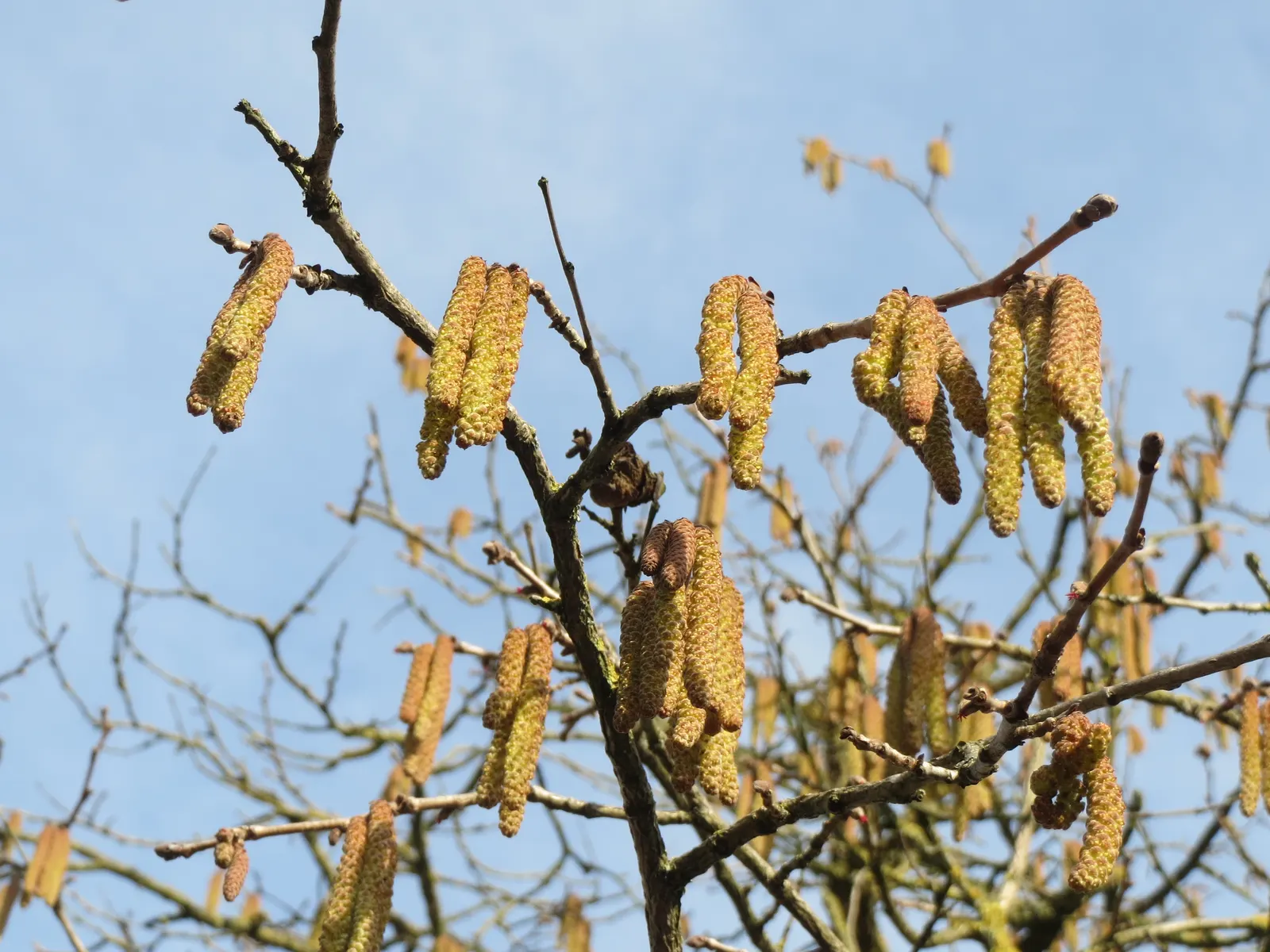
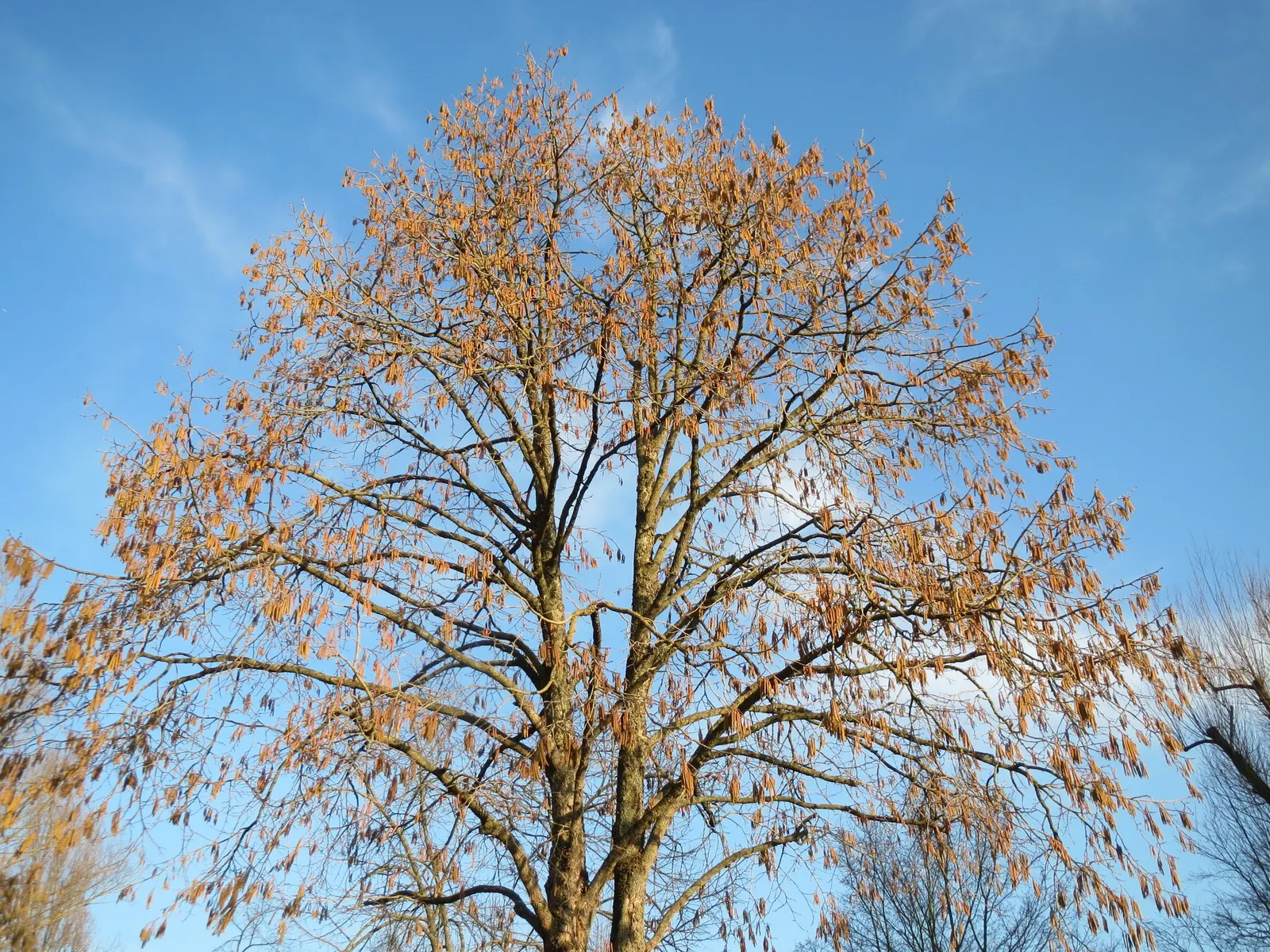
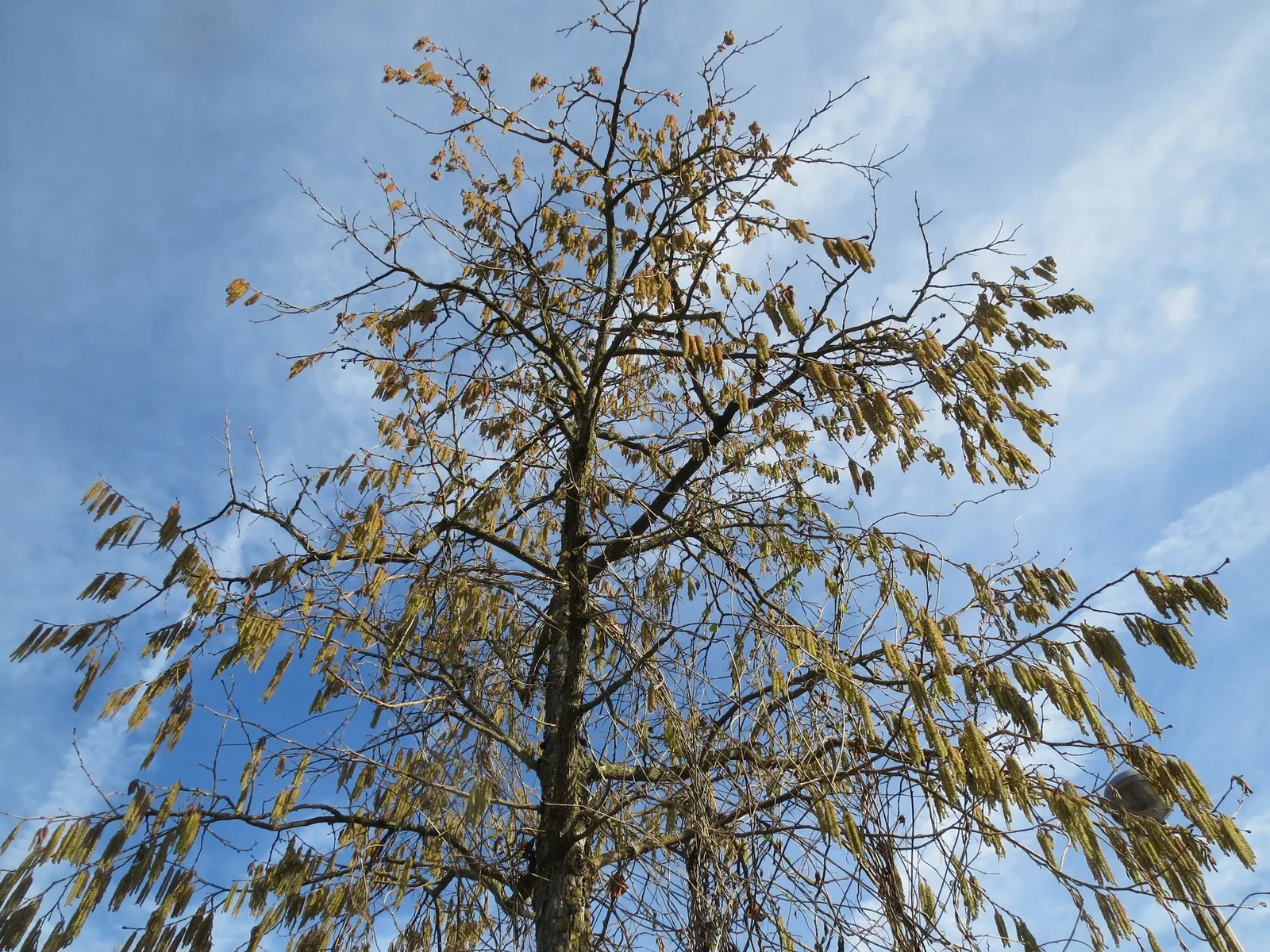
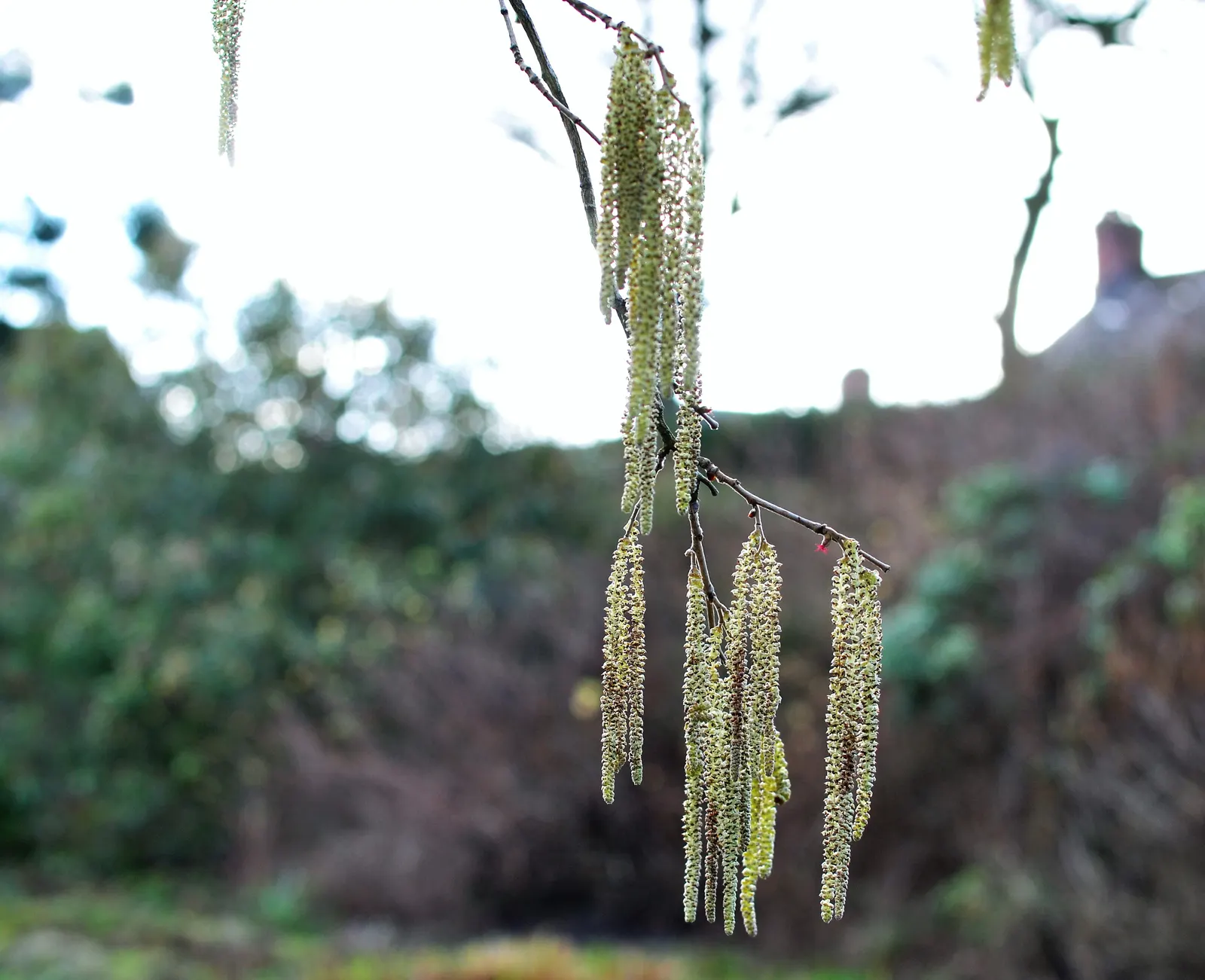
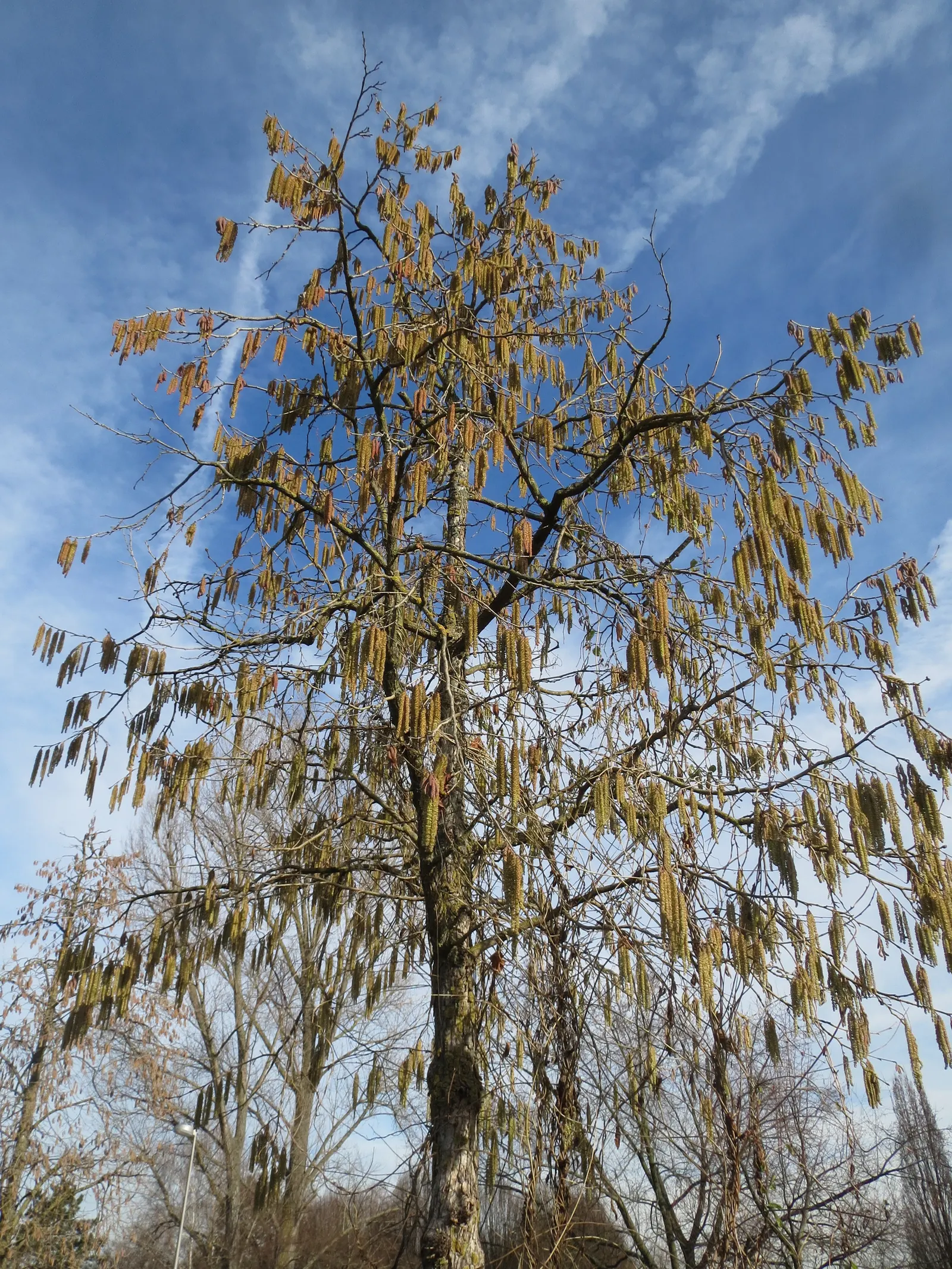
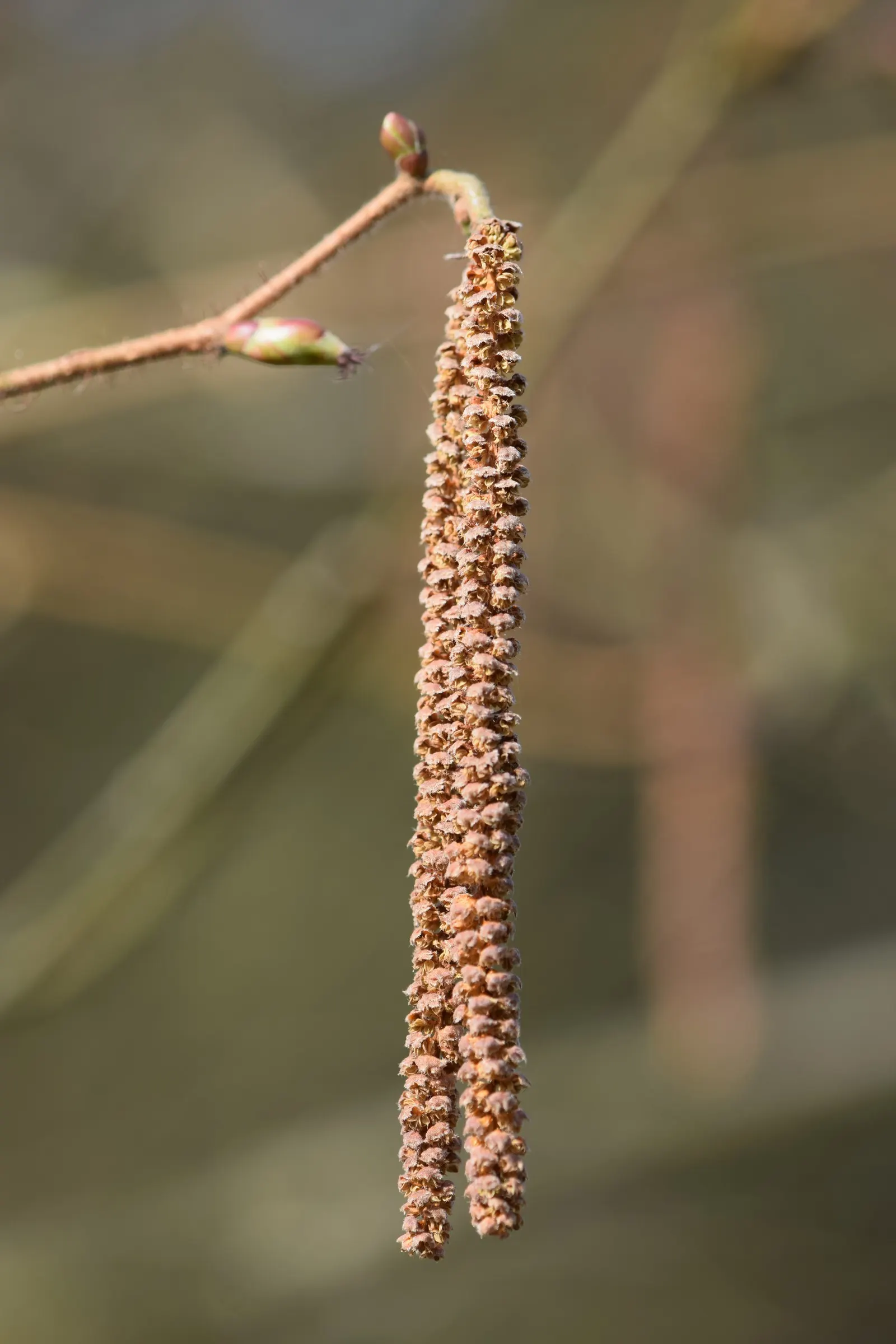
Turkish Filbert (Corylus Colurna) — tree with yellow blooms
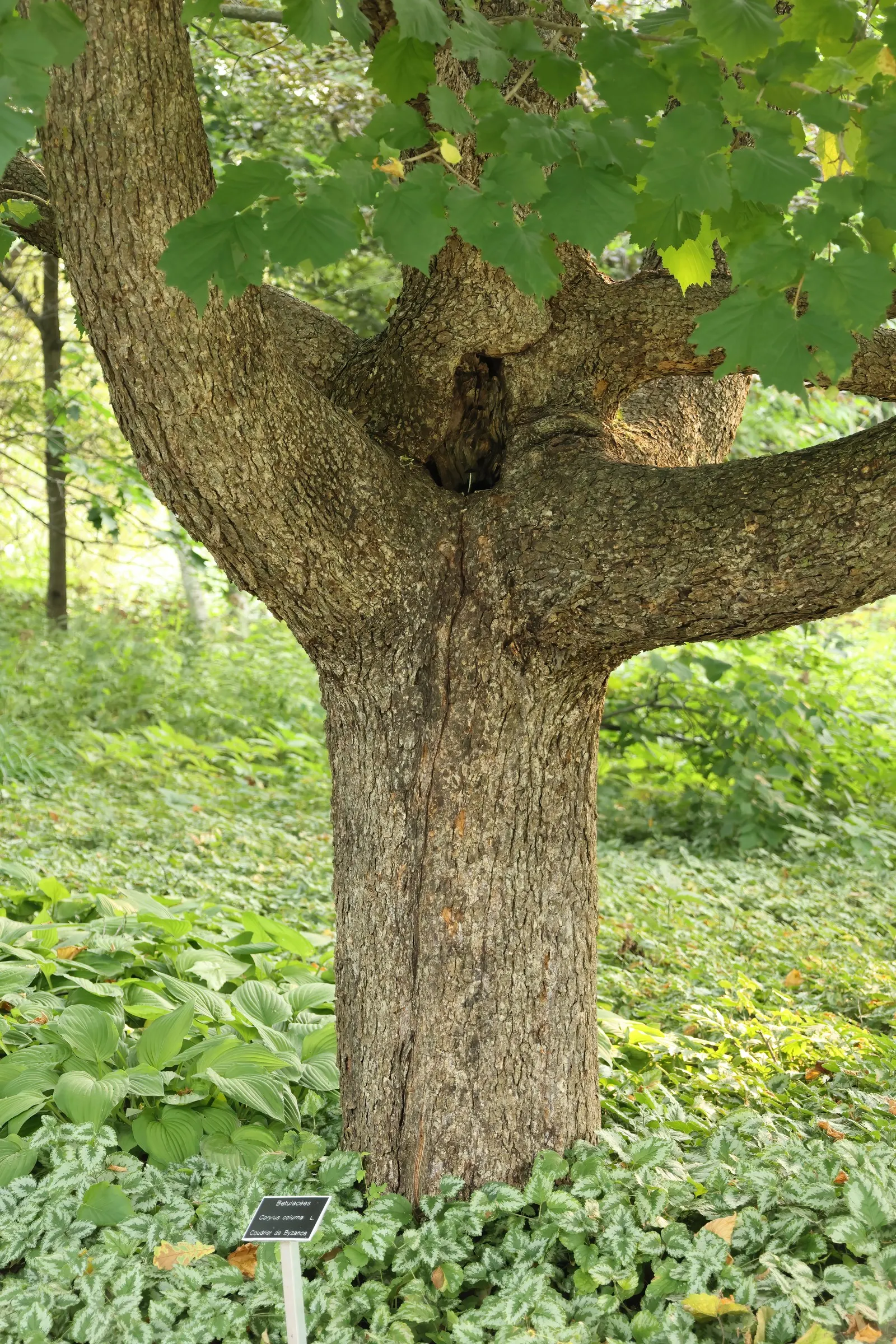
Turkish Filbert (Corylus Colurna) — It reaches up to 50-70 feet tall with a 20-30 feet spread; it requires full sun to partial shade exposure, allowing for
Turkish Filbert (Corylus Colurna) — pyramidal form and dense foliage; inviting yellow in the fall - adding seasonal interest to any landscape, image 48
Turkish Filbert (Corylus Colurna) — the Turkish Filbert is tolerant of urban pollution and a variety of soil types; though it prefers well-drained, image 62
Turkish Filbert (Corylus Colurna) — scientifically known as Corylus colurna; tree for full or half, image 53
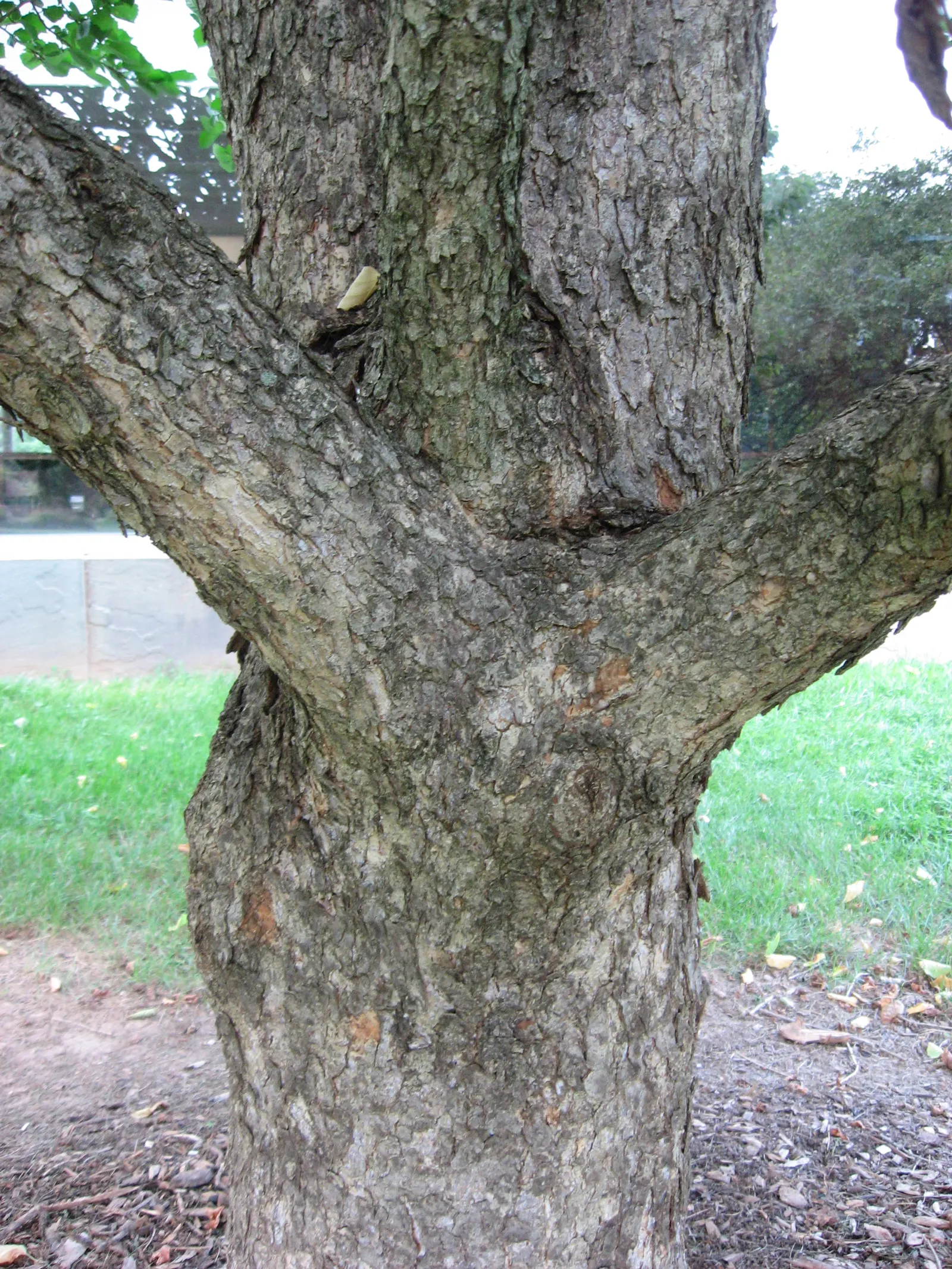
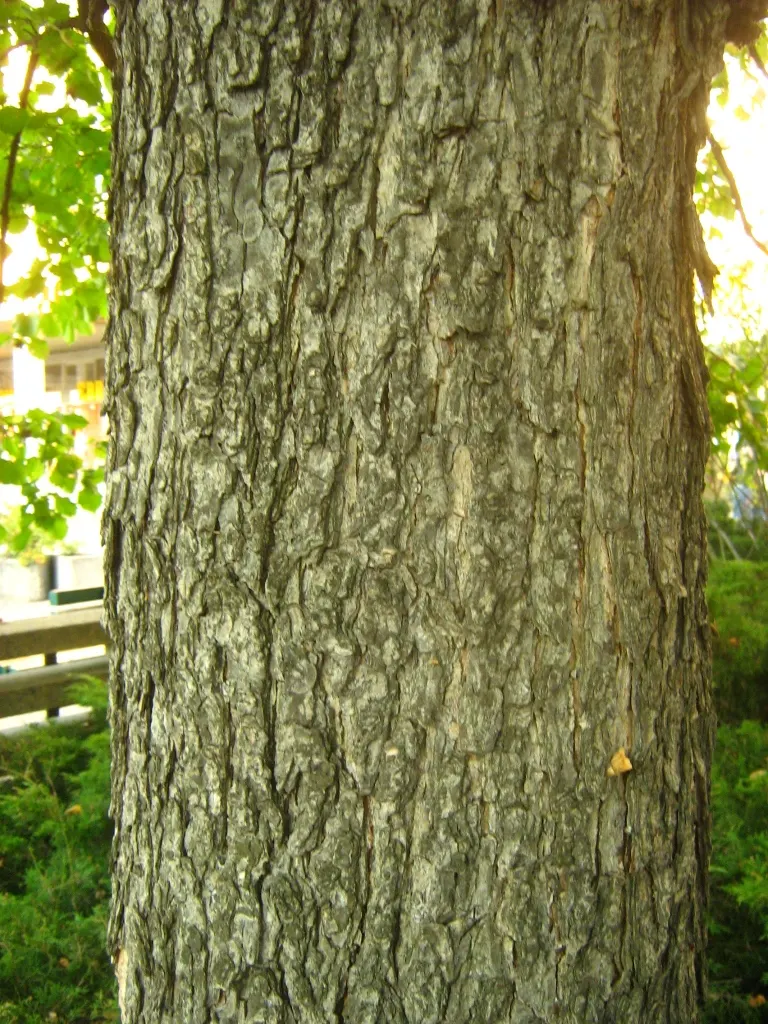
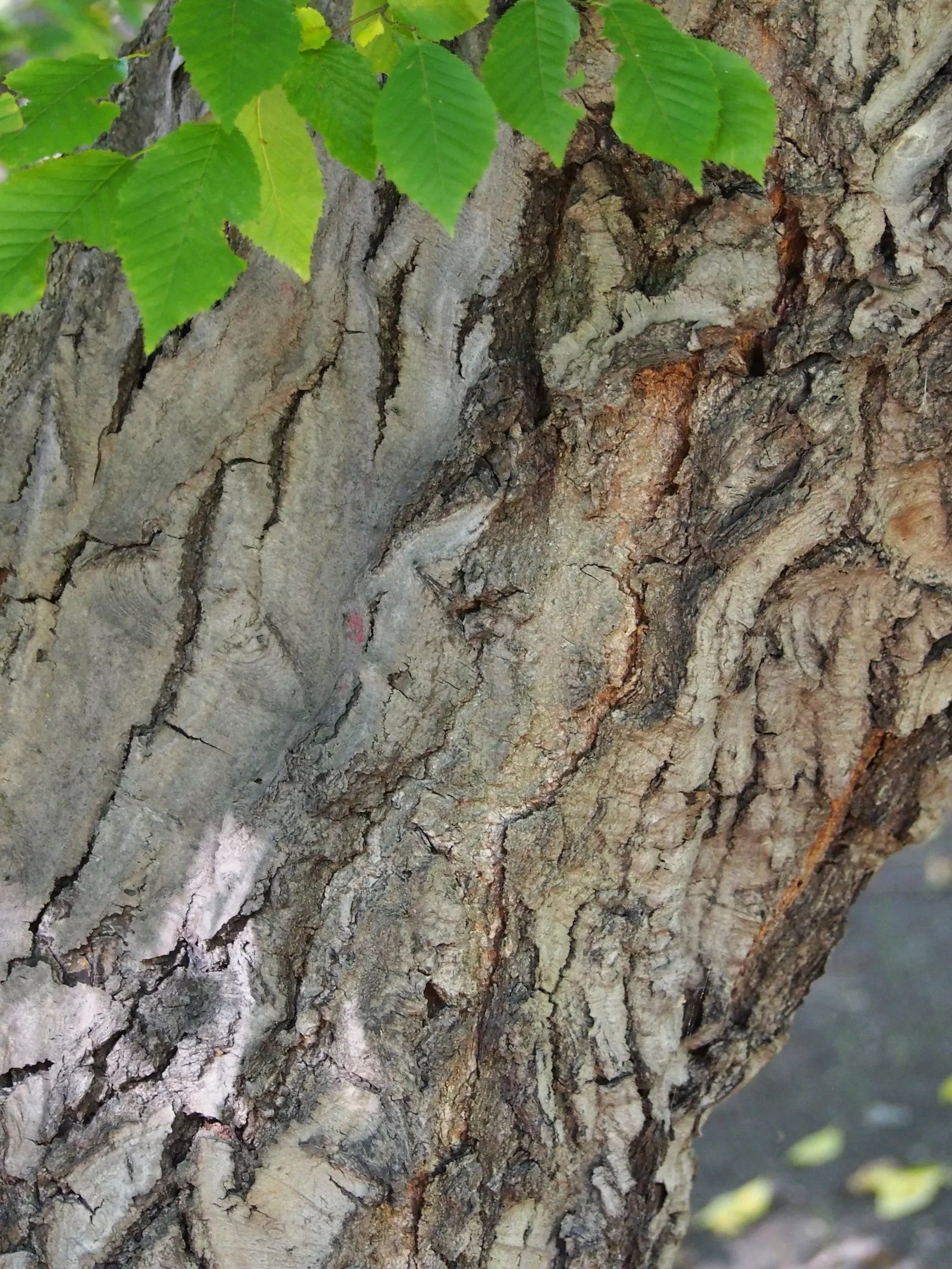
Turkish Filbert (Corylus Colurna) — Its bark is equally attractive, image 35
Turkish Filbert (Corylus Colurna) — though it prefers well-drained; is a deciduous tree renowned for its stately
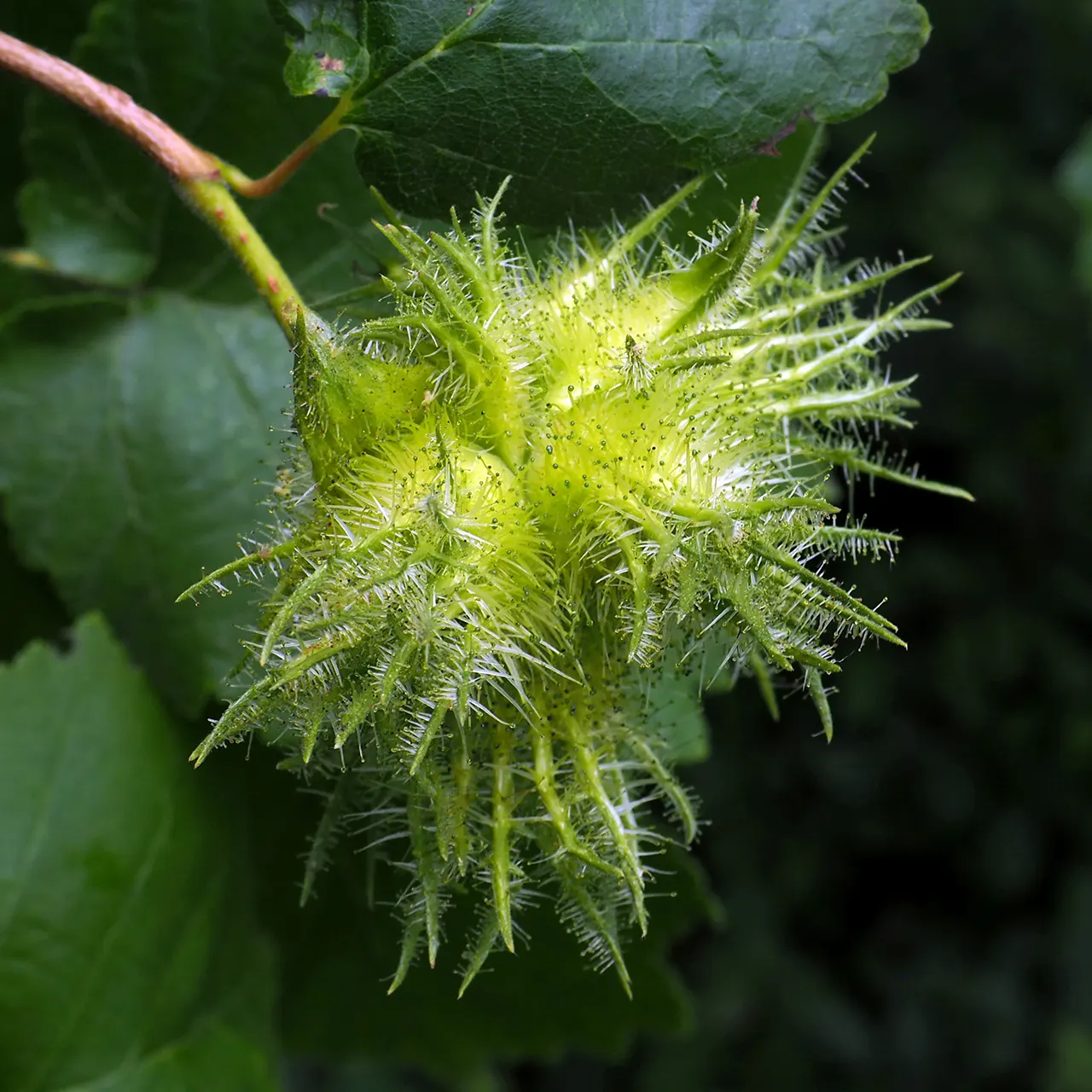
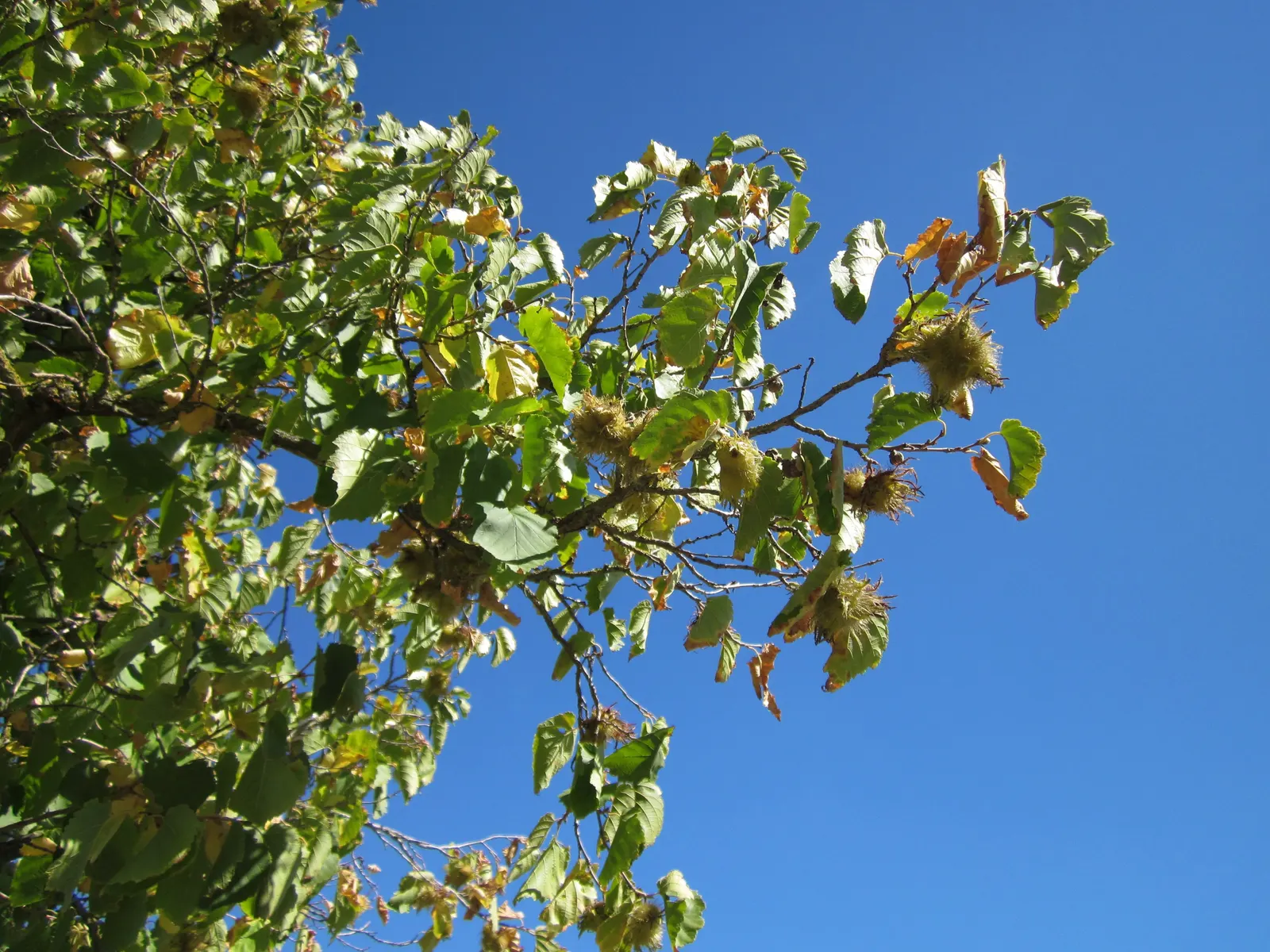
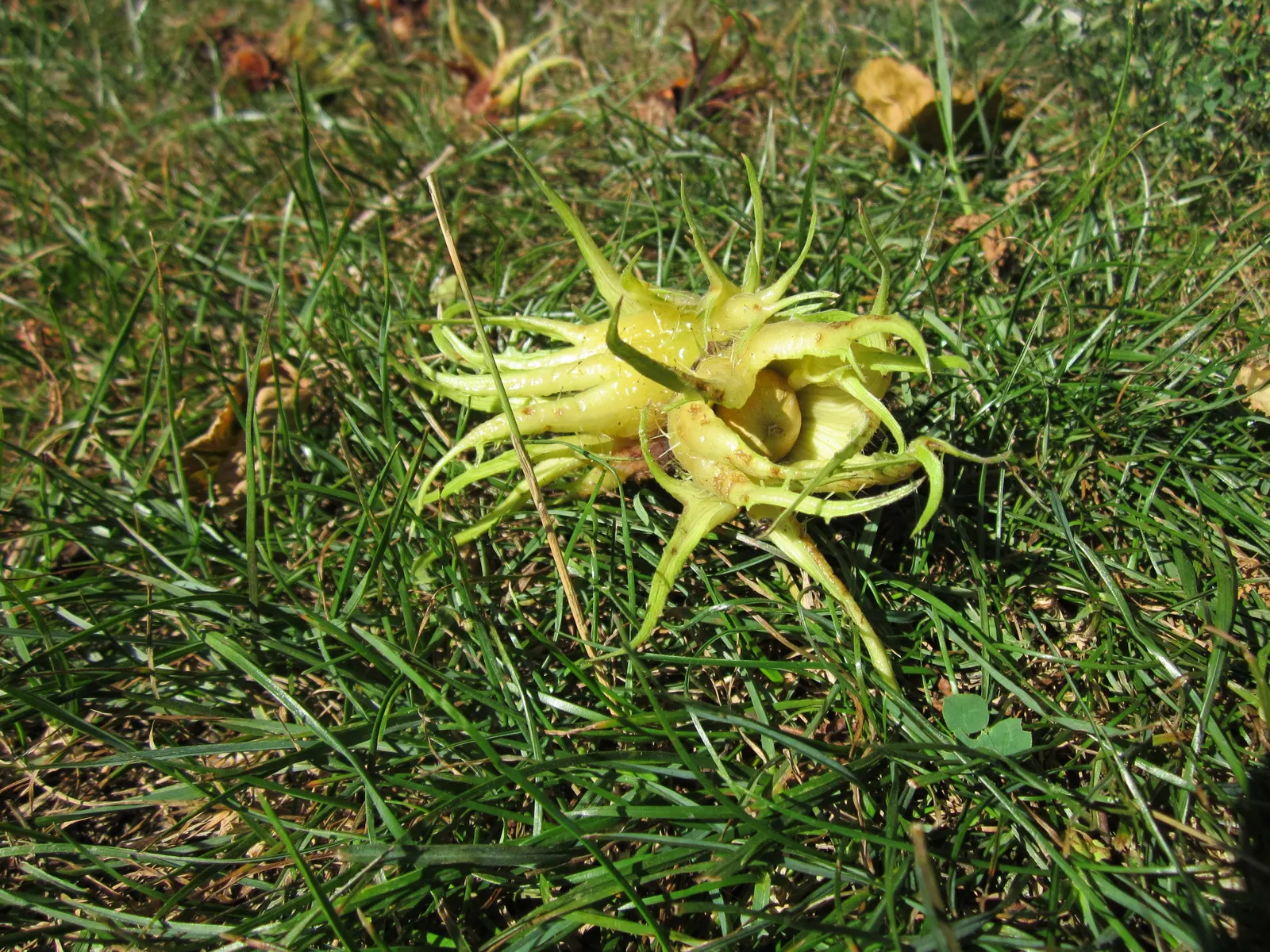
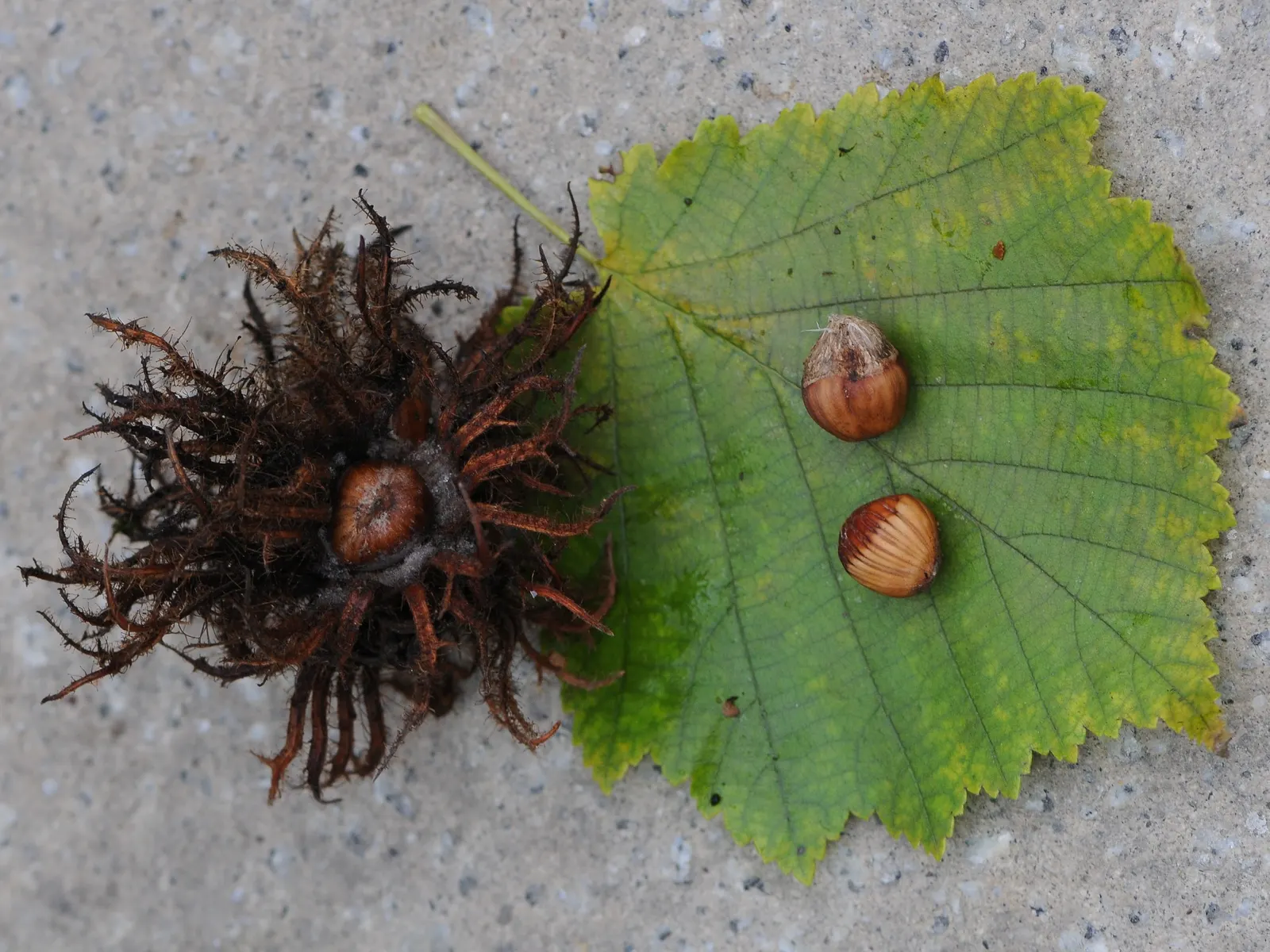
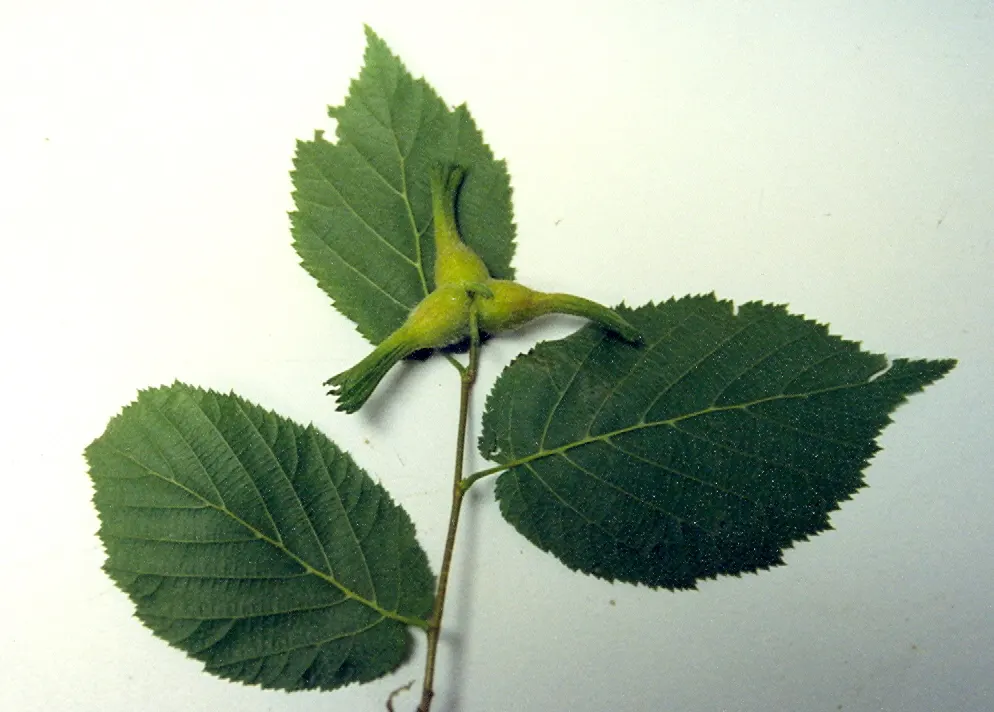
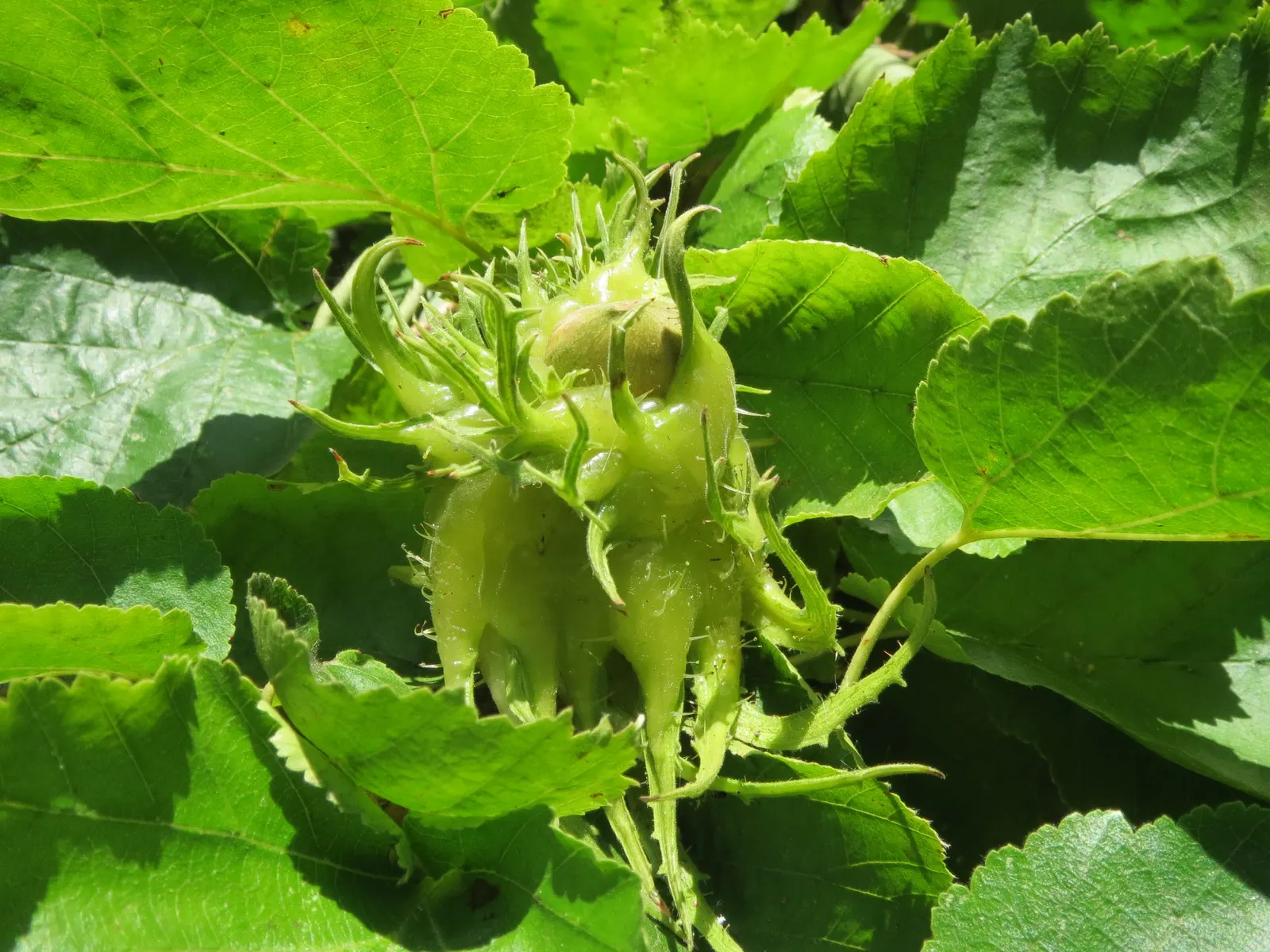
Turkish Filbert (Corylus Colurna) — It produces edible nuts wrapped in a bristly husk, adding autumnal interest; a native of southeastern Europe, image 51
Turkish Filbert (Corylus Colurna) — It produces edible nuts wrapped in a bristly husk, adding autumnal interest; a native of southeastern Europe and western
Turkish Filbert (Corylus Colurna) — inviting yellow in the fall - adding seasonal interest to any landscape; it produces edible nuts wrapped in a bristly husk
Turkish Filbert (Corylus Colurna) — this tree stands tall at heights ranging from 50 to 70 feet with a spread of 30 to 40 feet; yellow flowers in, image 56
Turkish Filbert (Corylus Colurna) — though it prefers well-drained; is a deciduous tree renowned for its stately, image 63
Turkish Filbert (Corylus Colurna) — It reaches up to 50-70 feet tall with a 20-30 feet spread; it requires full sun to partial shade exposure, image 72
Turkish Filbert (Corylus Colurna) — is a stately deciduous tree renowned for its formal appearance and resilience; scientifically known as Corylus colurna
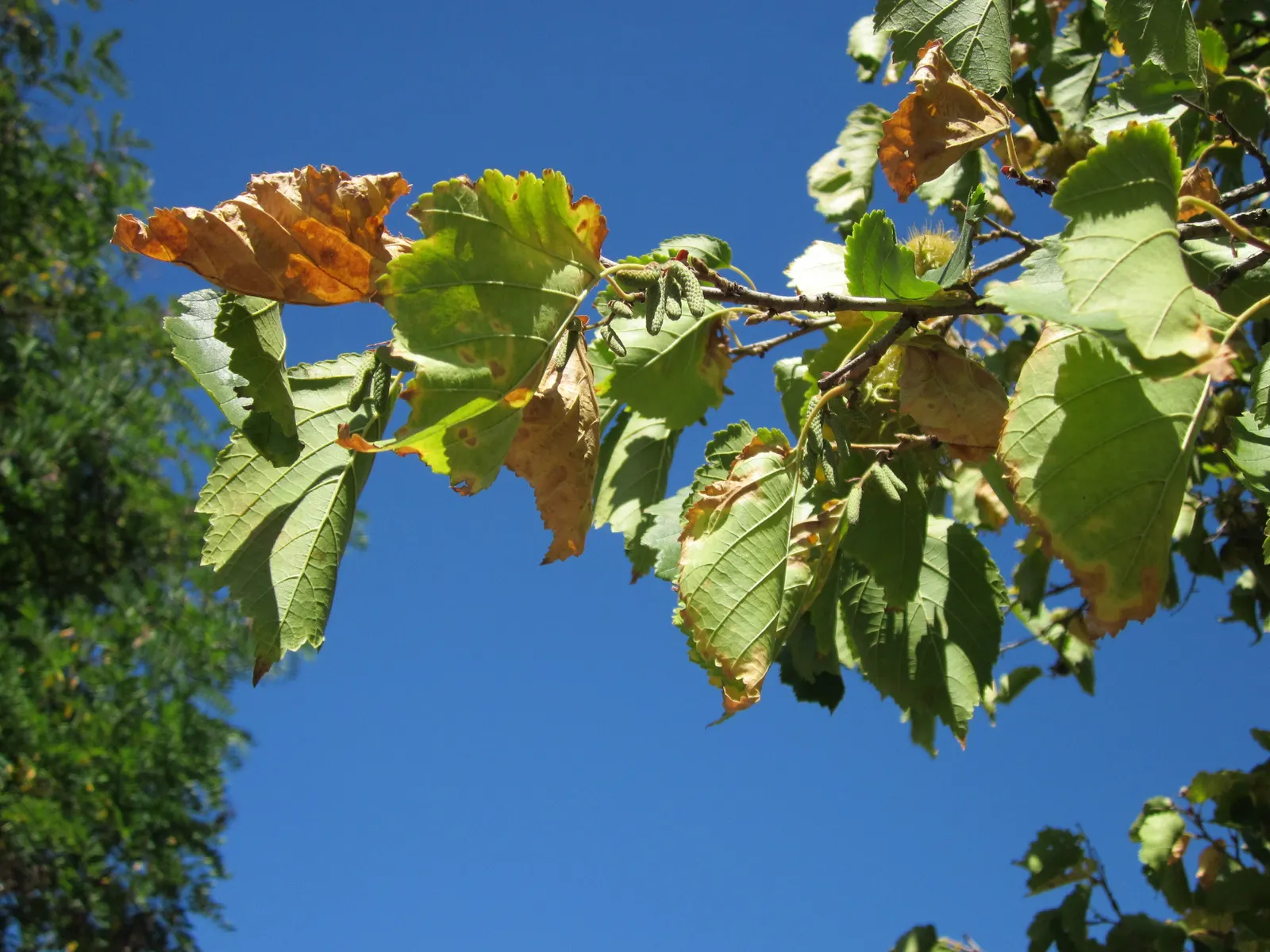
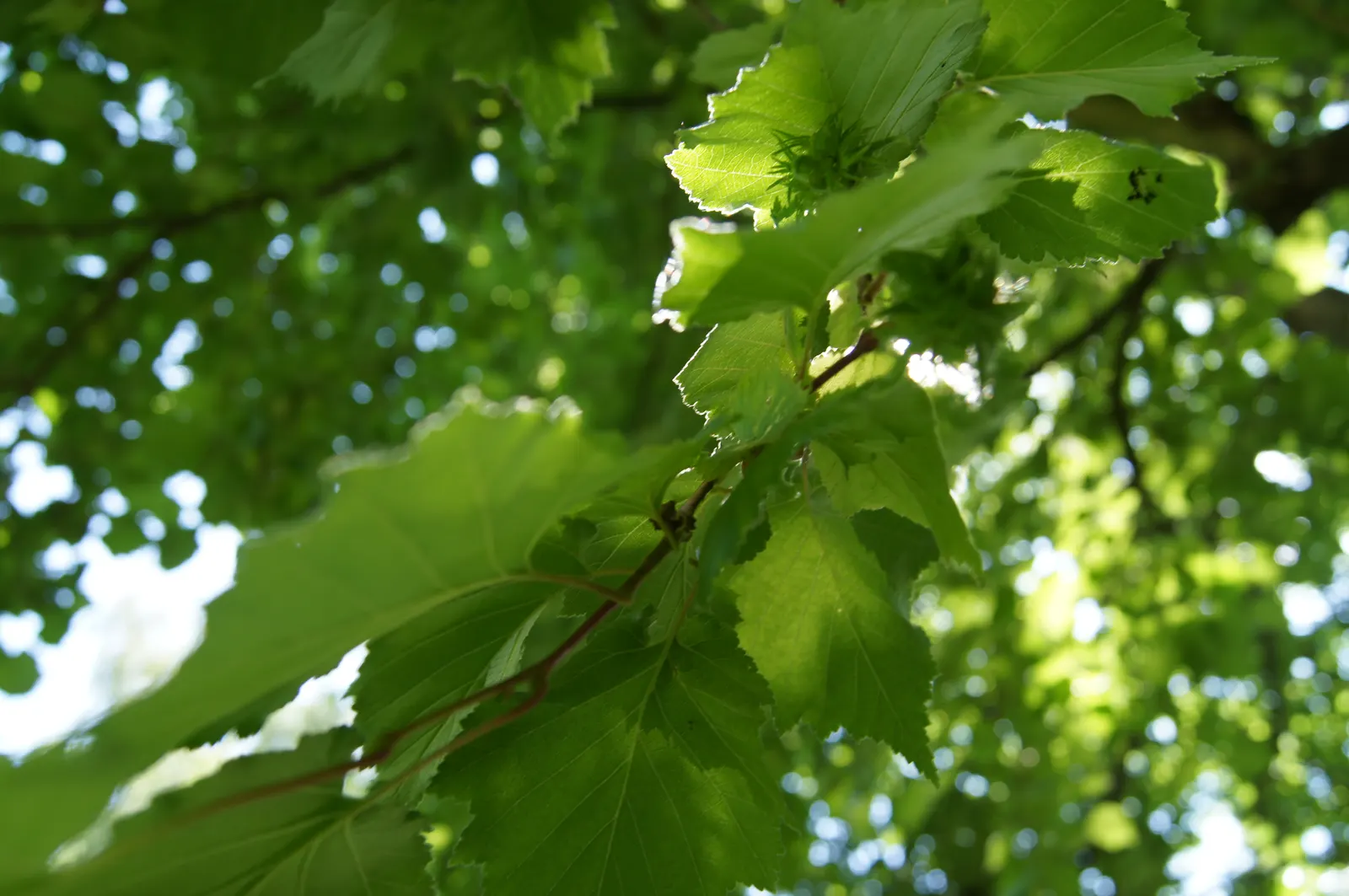
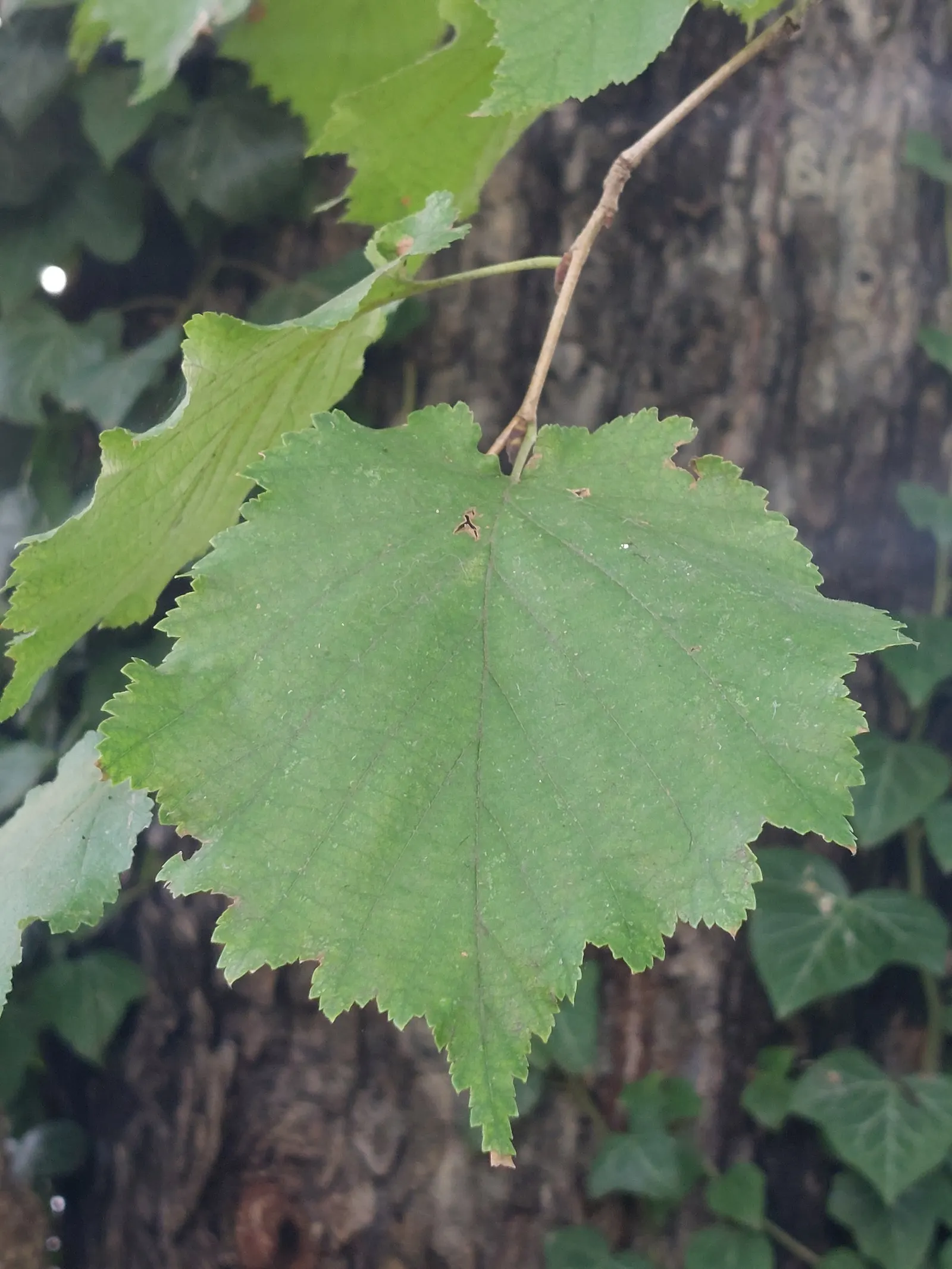
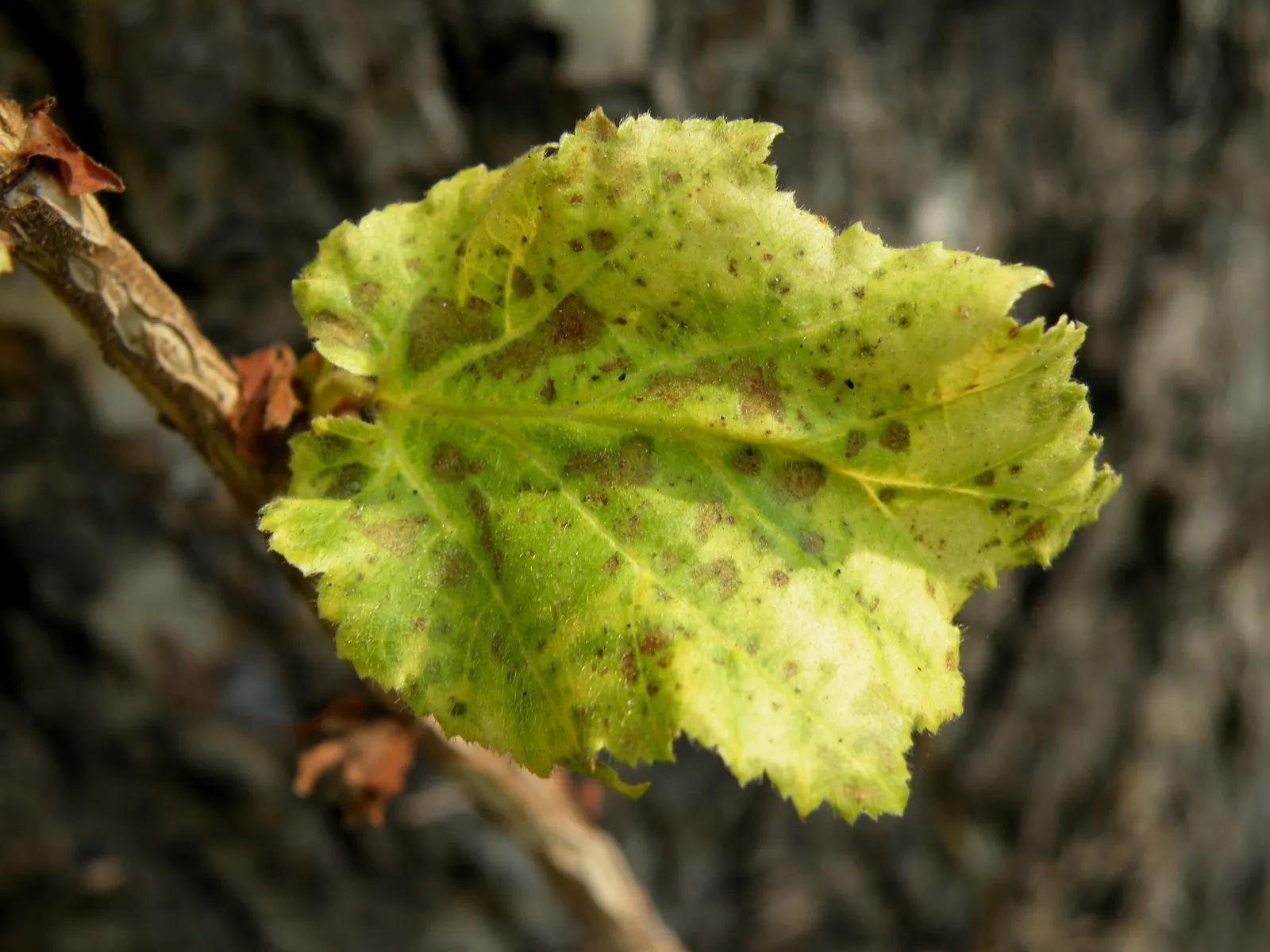
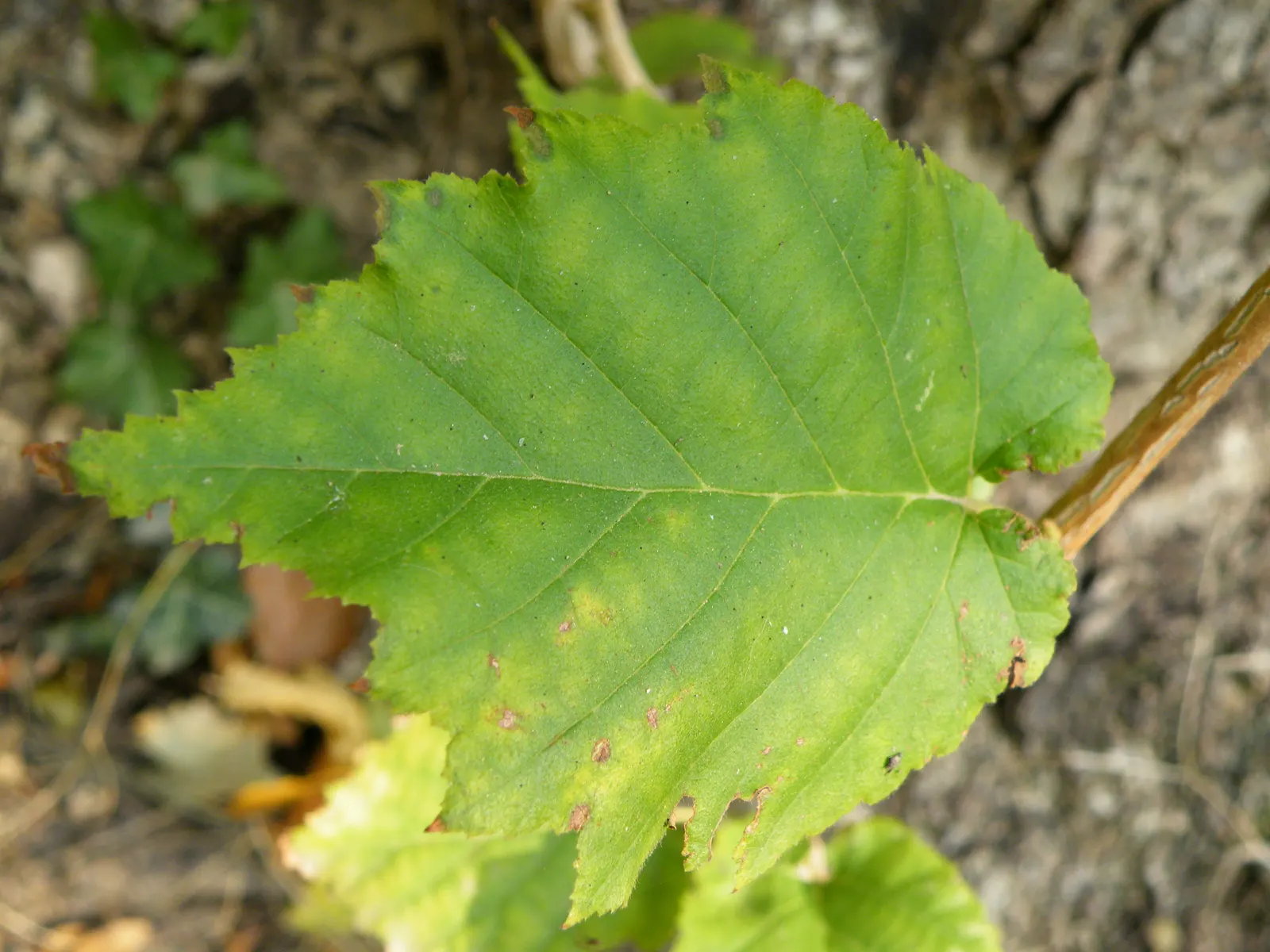
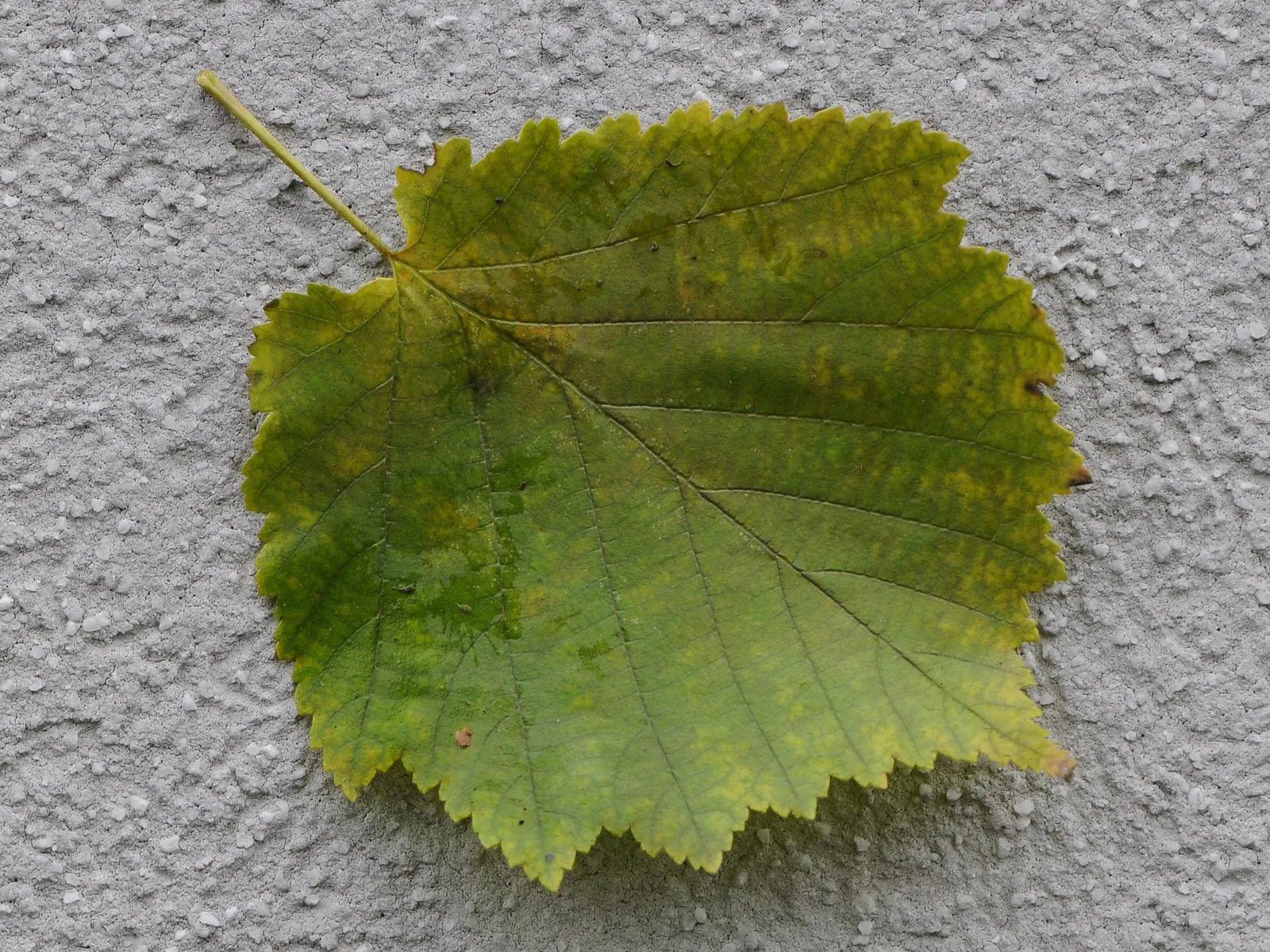
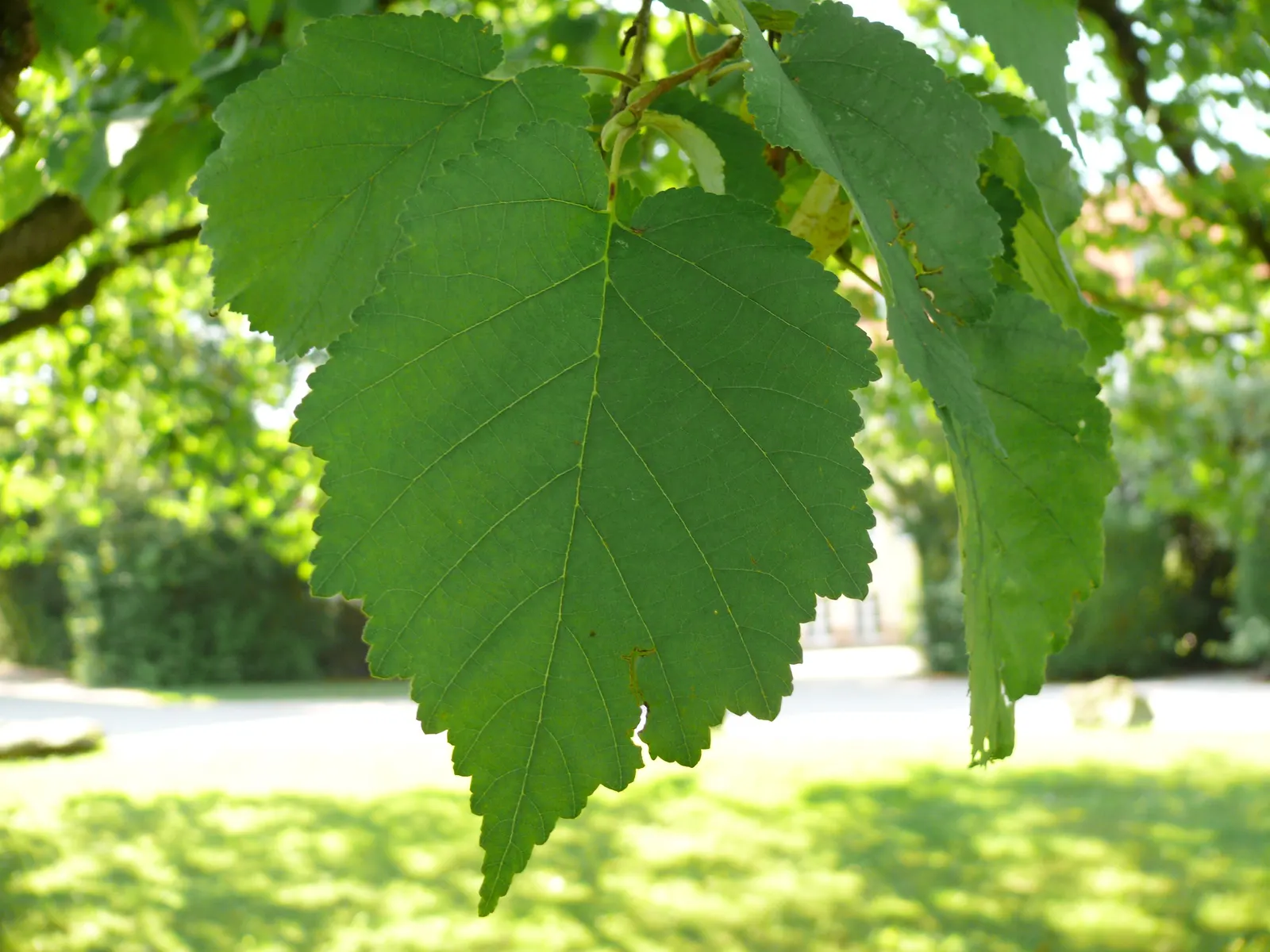
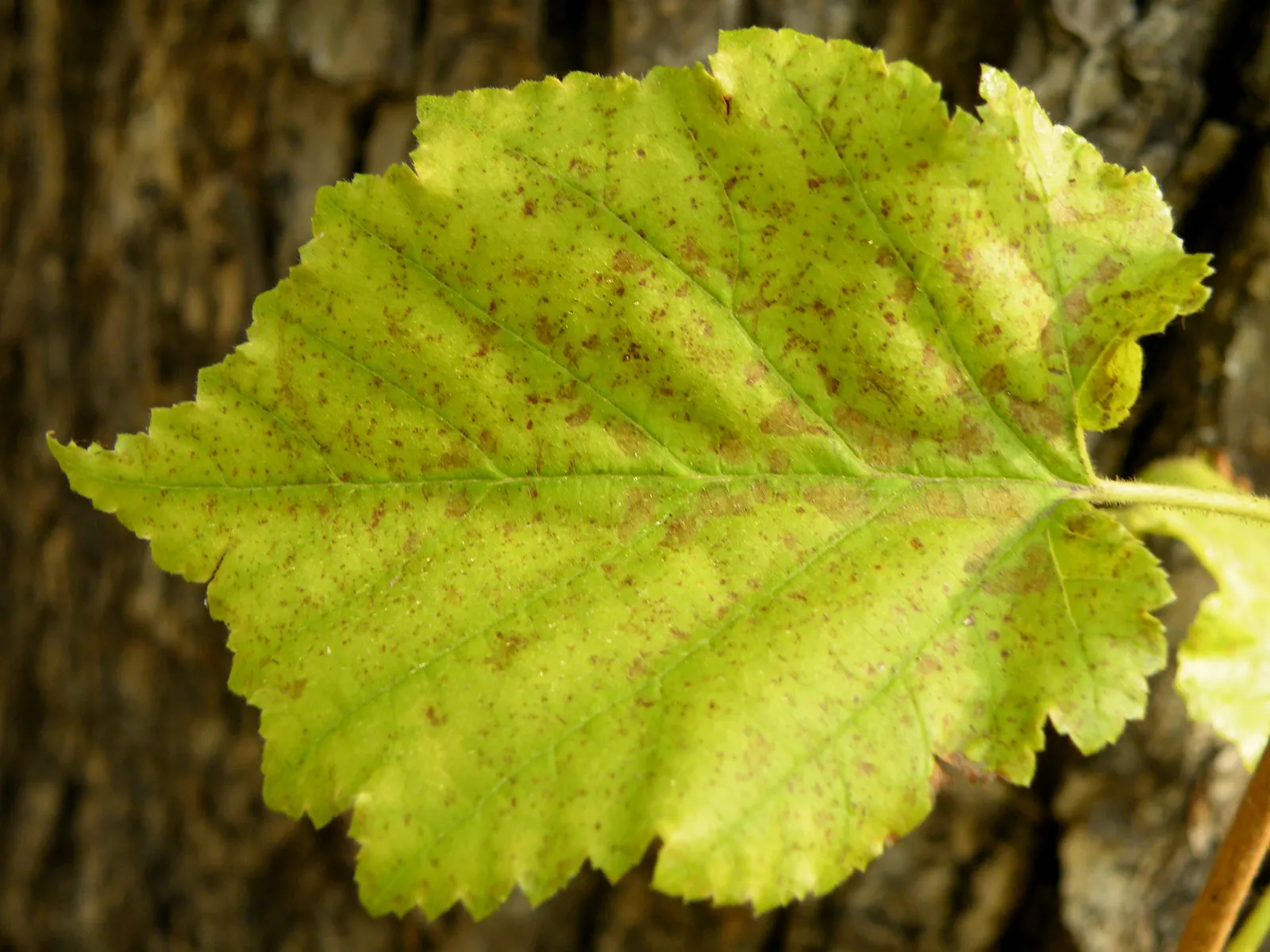
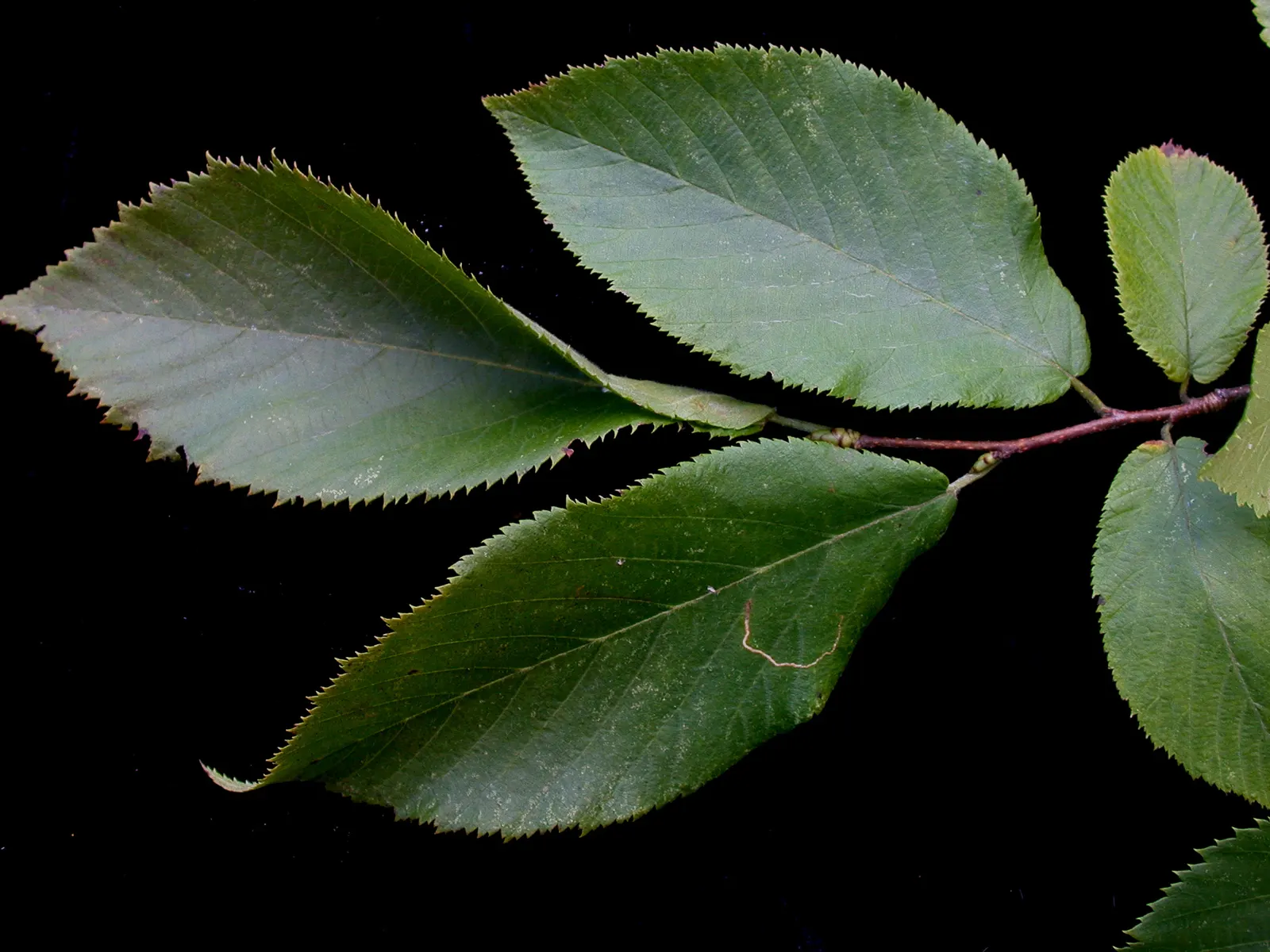
Turkish Filbert (Corylus Colurna) — This hardy tree boasts ornamental, corky bark and large, 3-6 inches long, toothed leaves
Turkish Filbert (Corylus Colurna) — scientifically known as Corylus colurna; tree for full or half, image 76
Turkish Filbert (Corylus Colurna) — This hardy tree boasts ornamental, corky bark and large, 3-6 inches long, toothed leaves; pyramidal form and dense foliage
Turkish Filbert (Corylus Colurna) — yellow flowers in the garden; ideal for urban settings, it is resilient to pests and diseases, image 67
Turkish Filbert (Corylus Colurna) — Its bark is equally attractive
Turkish Filbert (Corylus Colurna) — tree with yellow blooms; though they are smaller and harder to extract than those of the common hazelnut
Turkish Filbert (Corylus Colurna) — though it prefers well-drained
Turkish Filbert (Corylus Colurna) — Ideal for urban settings, it is resilient to pests and diseases; the Turkish Filbert is tolerant of urban, image 75
Turkish Filbert (Corylus Colurna) — A native of southeastern Europe and western Asia; these nuts attract a variety of wildlife
Turkish Filbert (Corylus Colurna) — It requires full sun to partial shade exposure, allowing for flexible placement within the landscape design; is, image 64
Photographs by 9 contributors

Related plants