Skip to content

European Hornbeam

Carpinus Betulus

Design with this plant

Overview

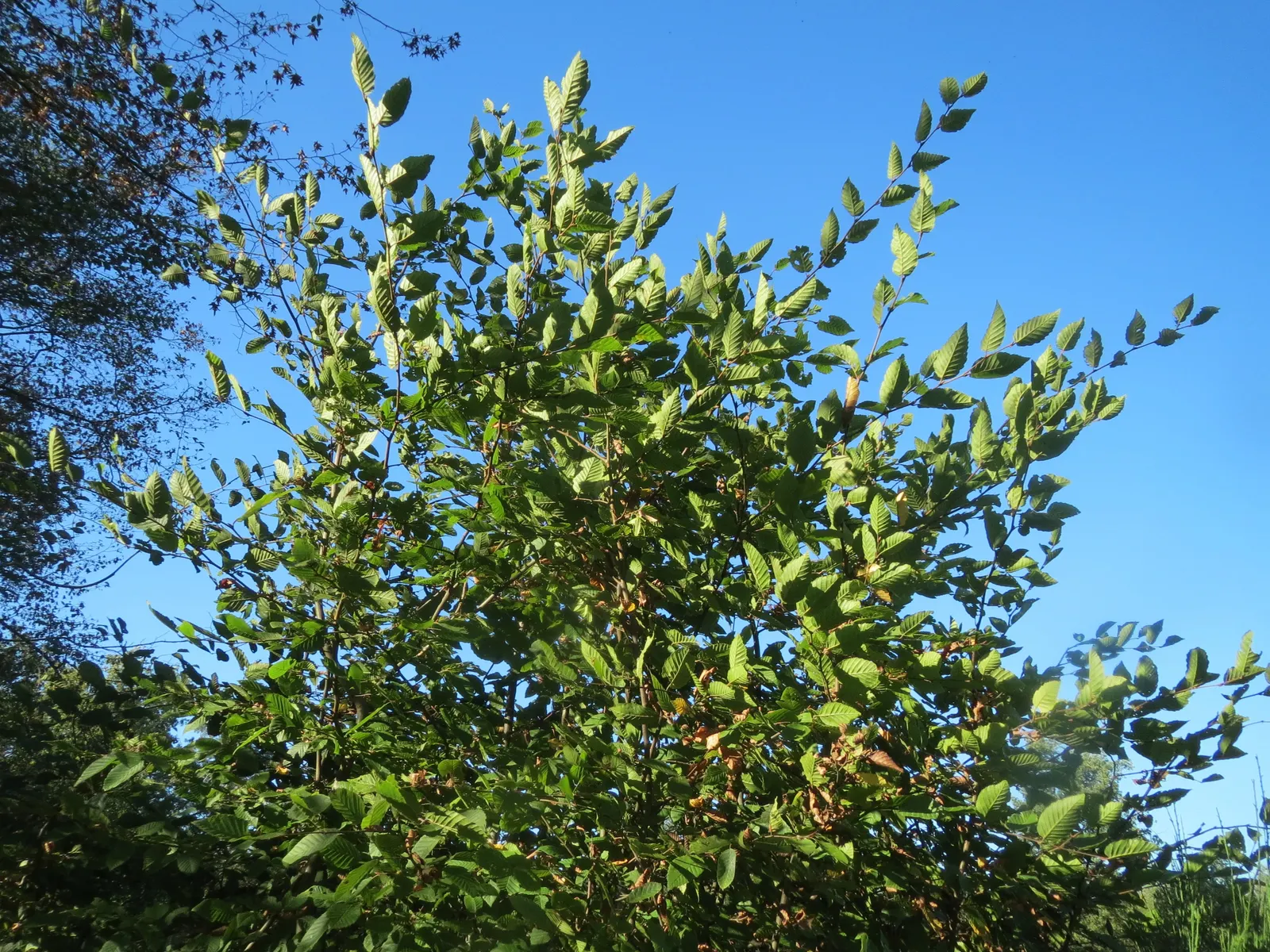
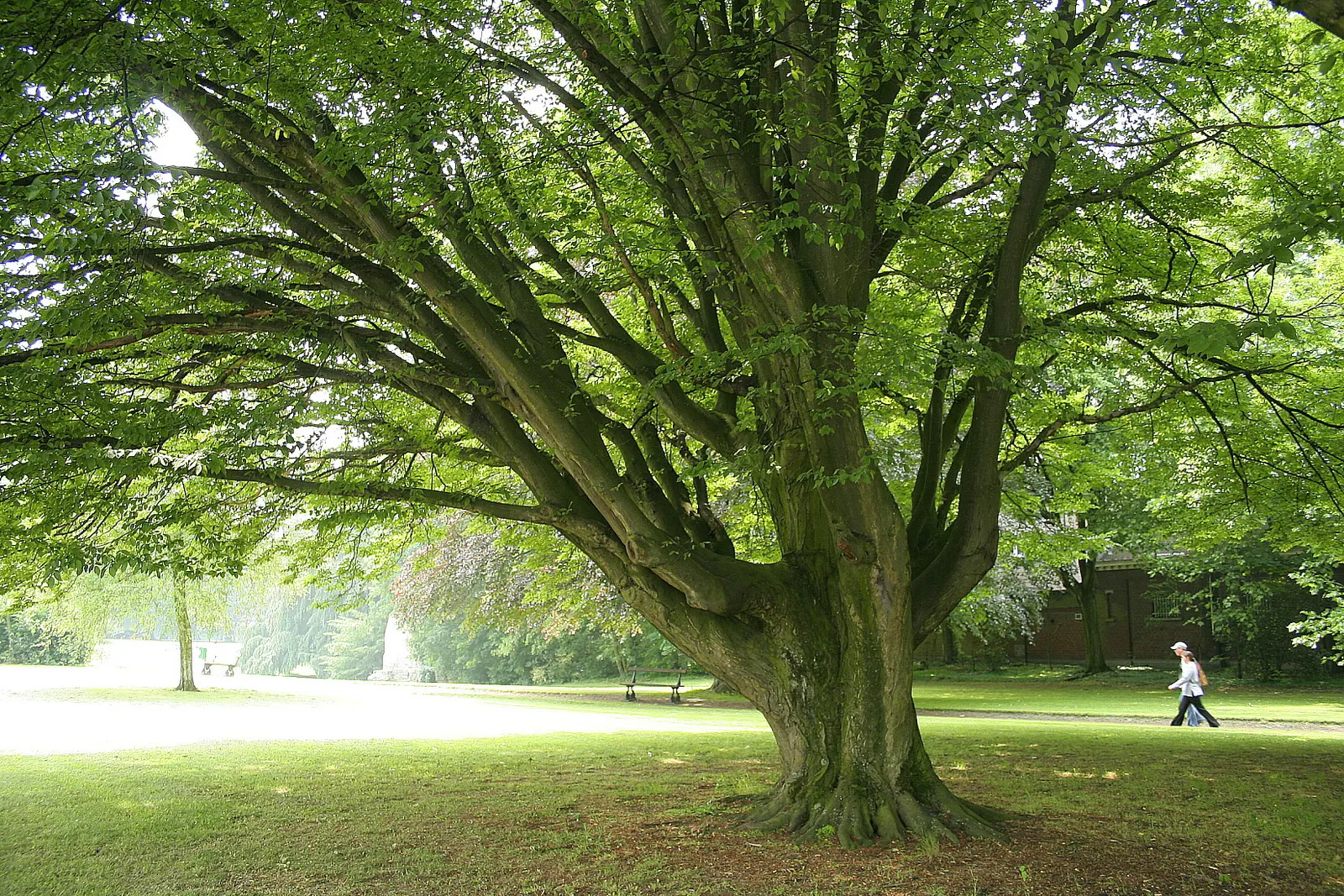
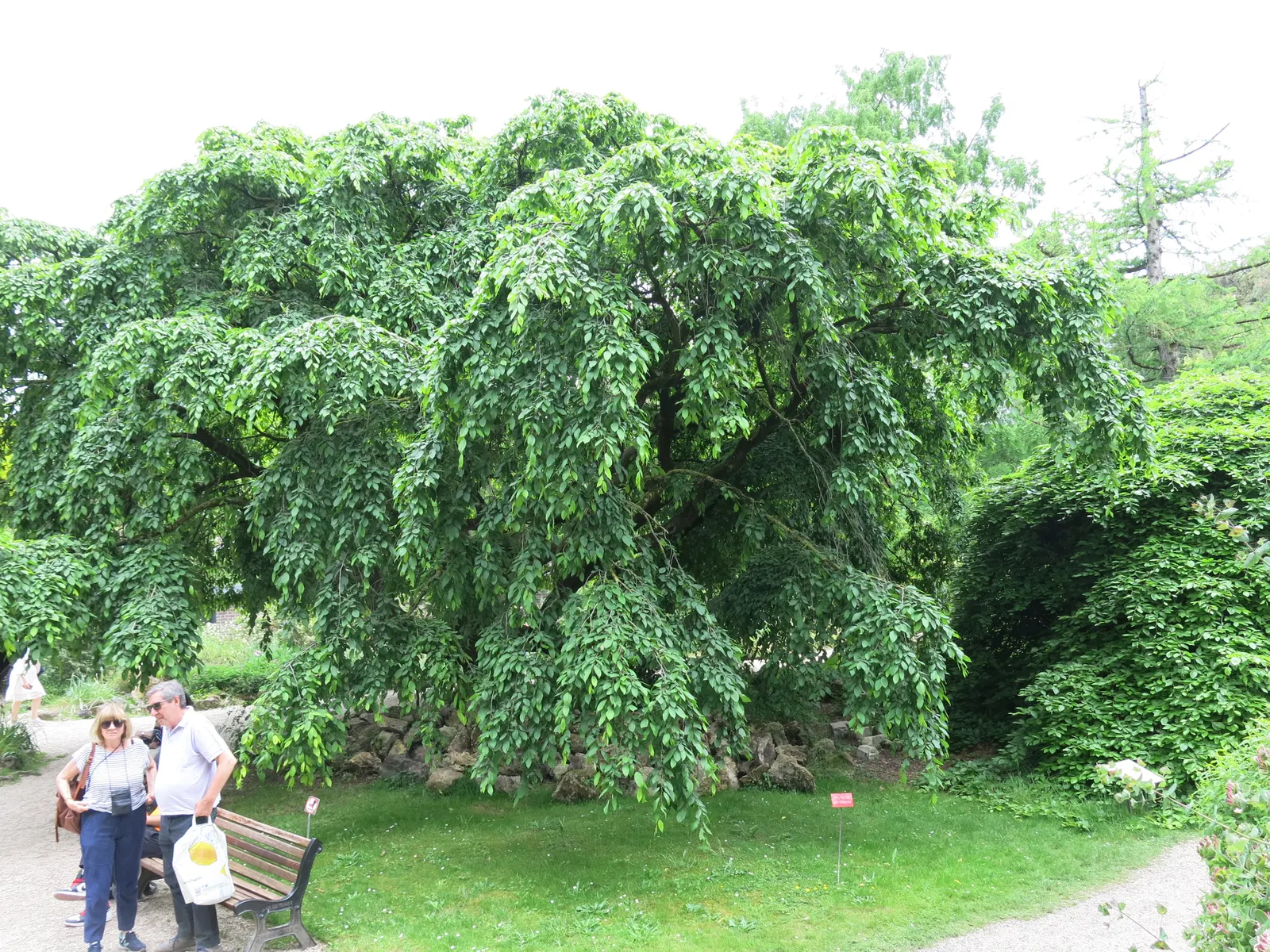
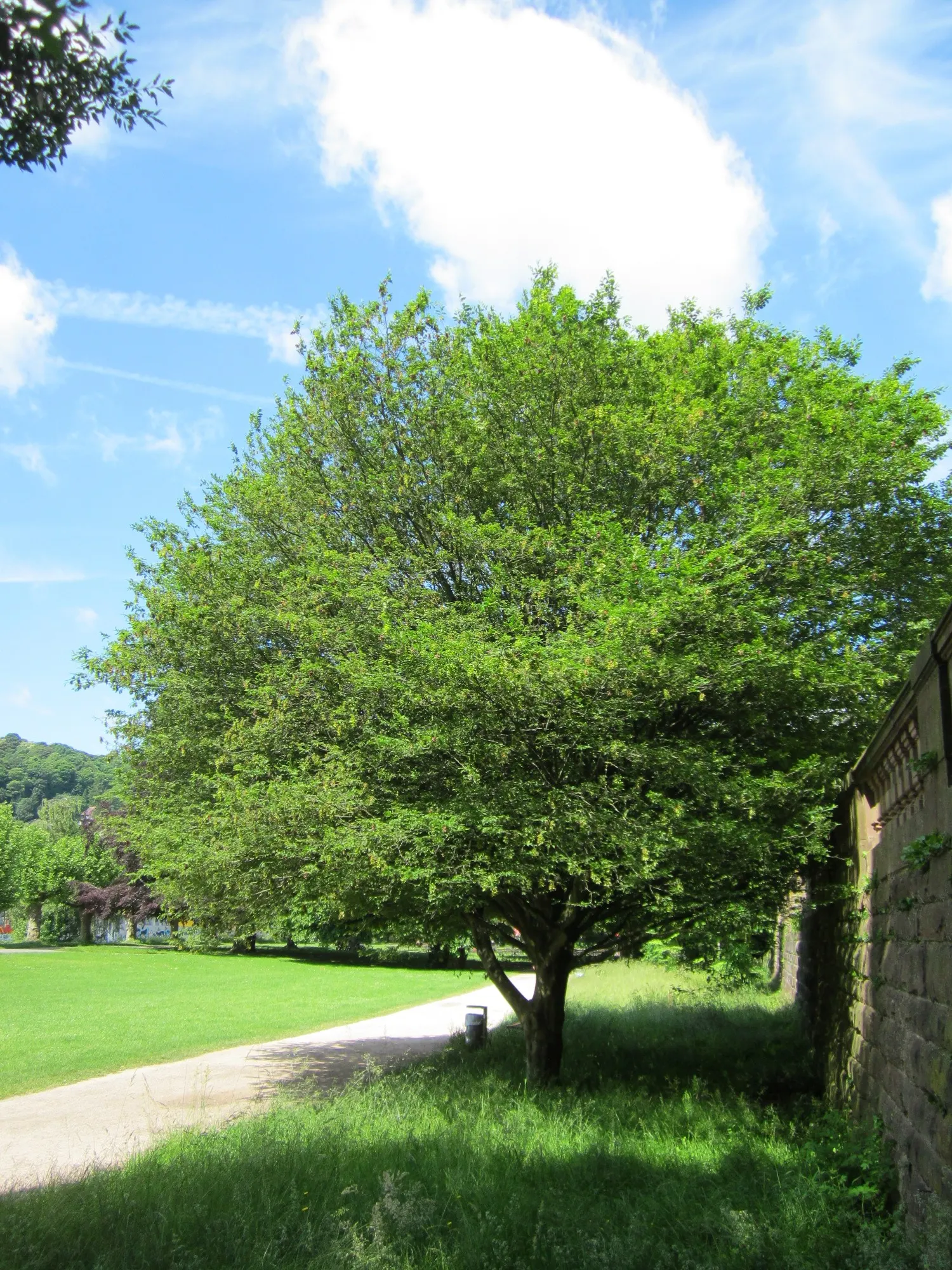
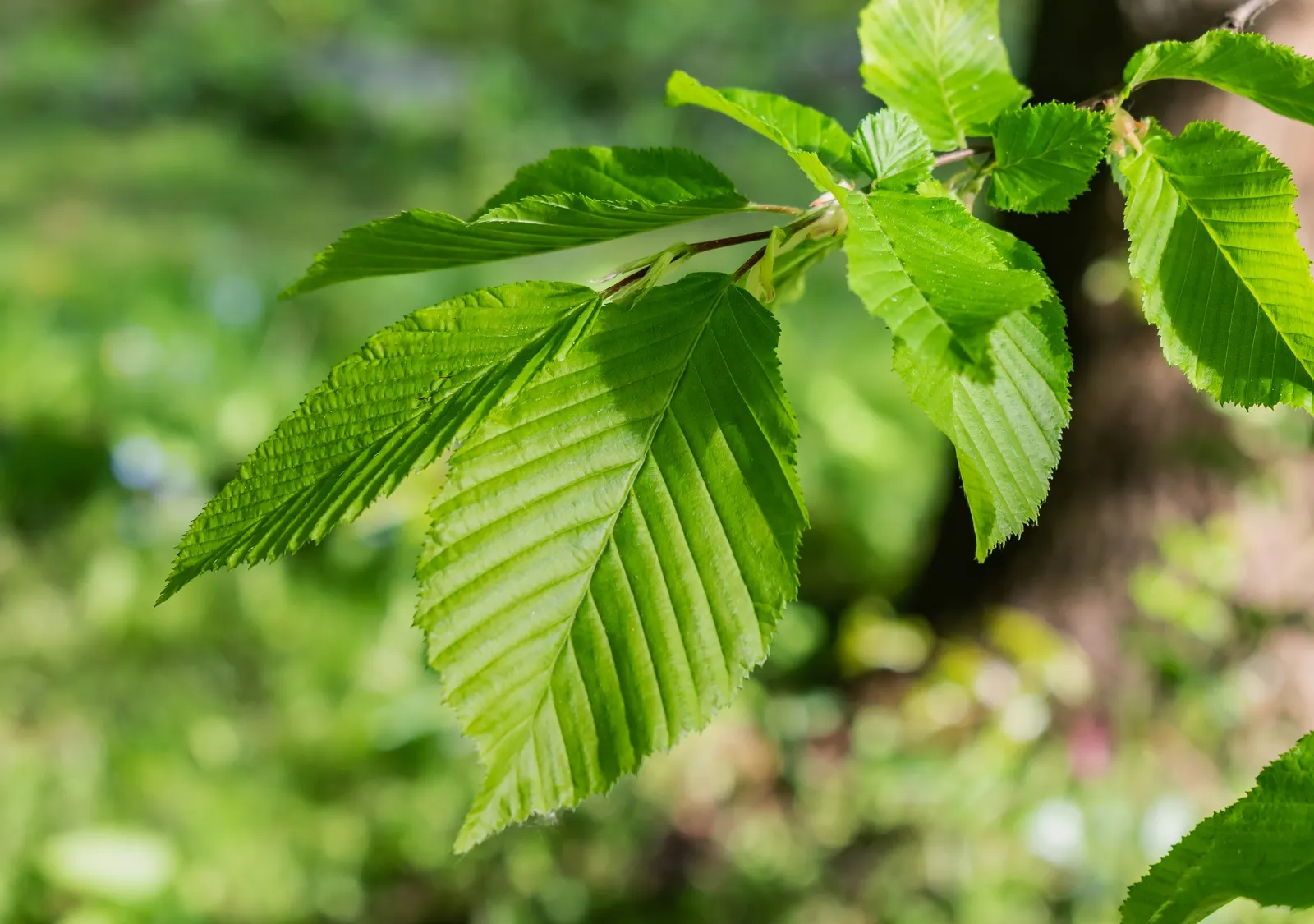
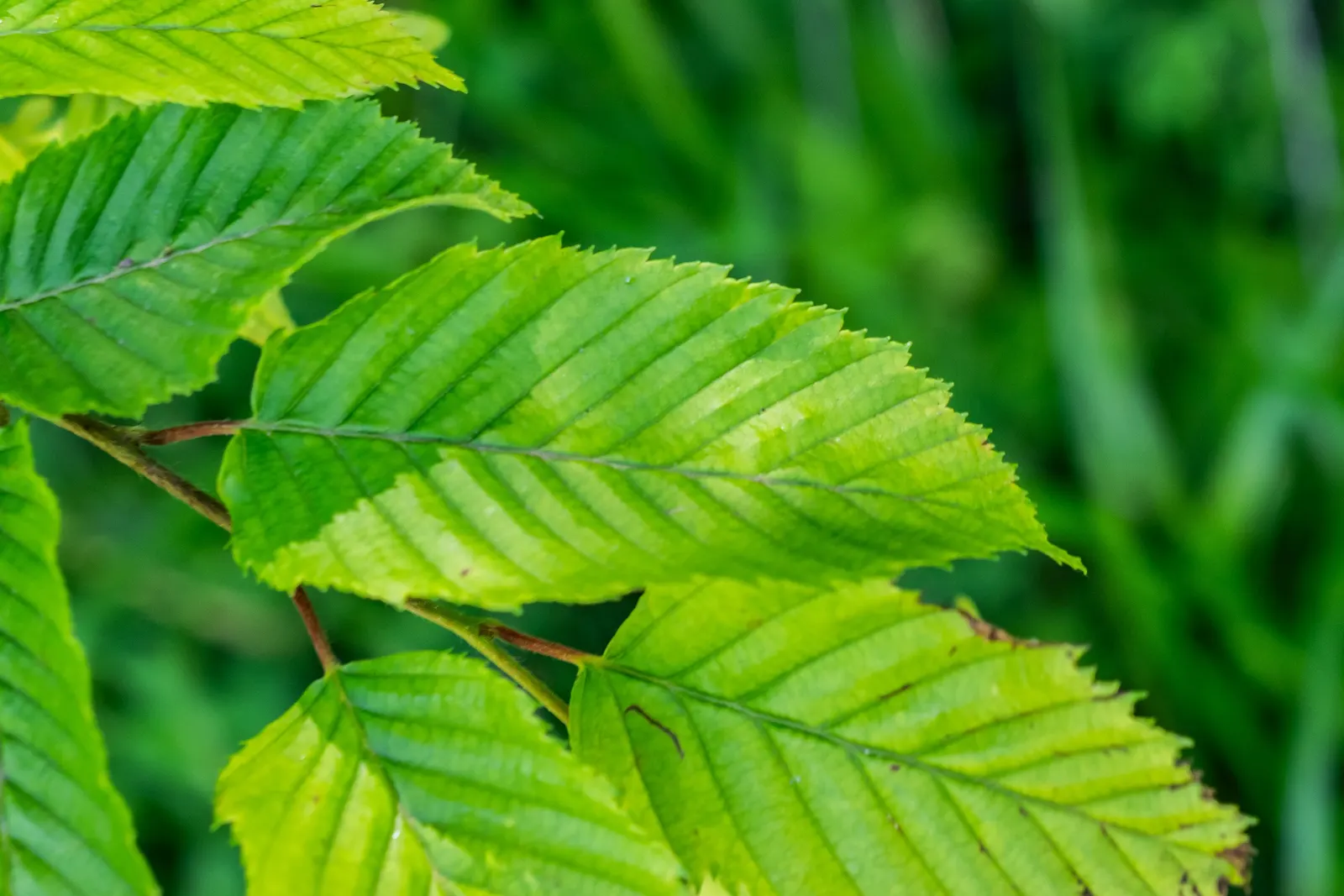
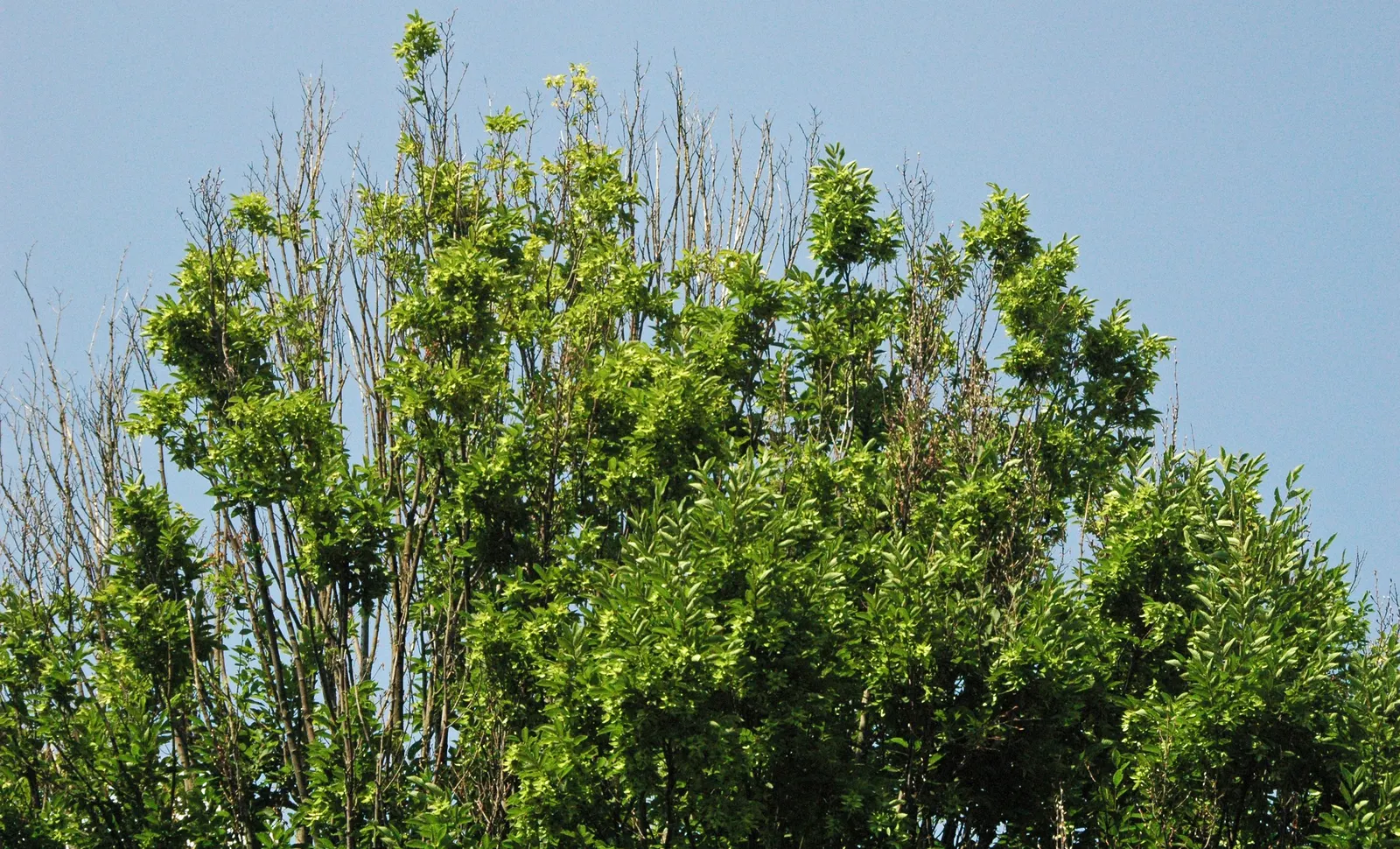
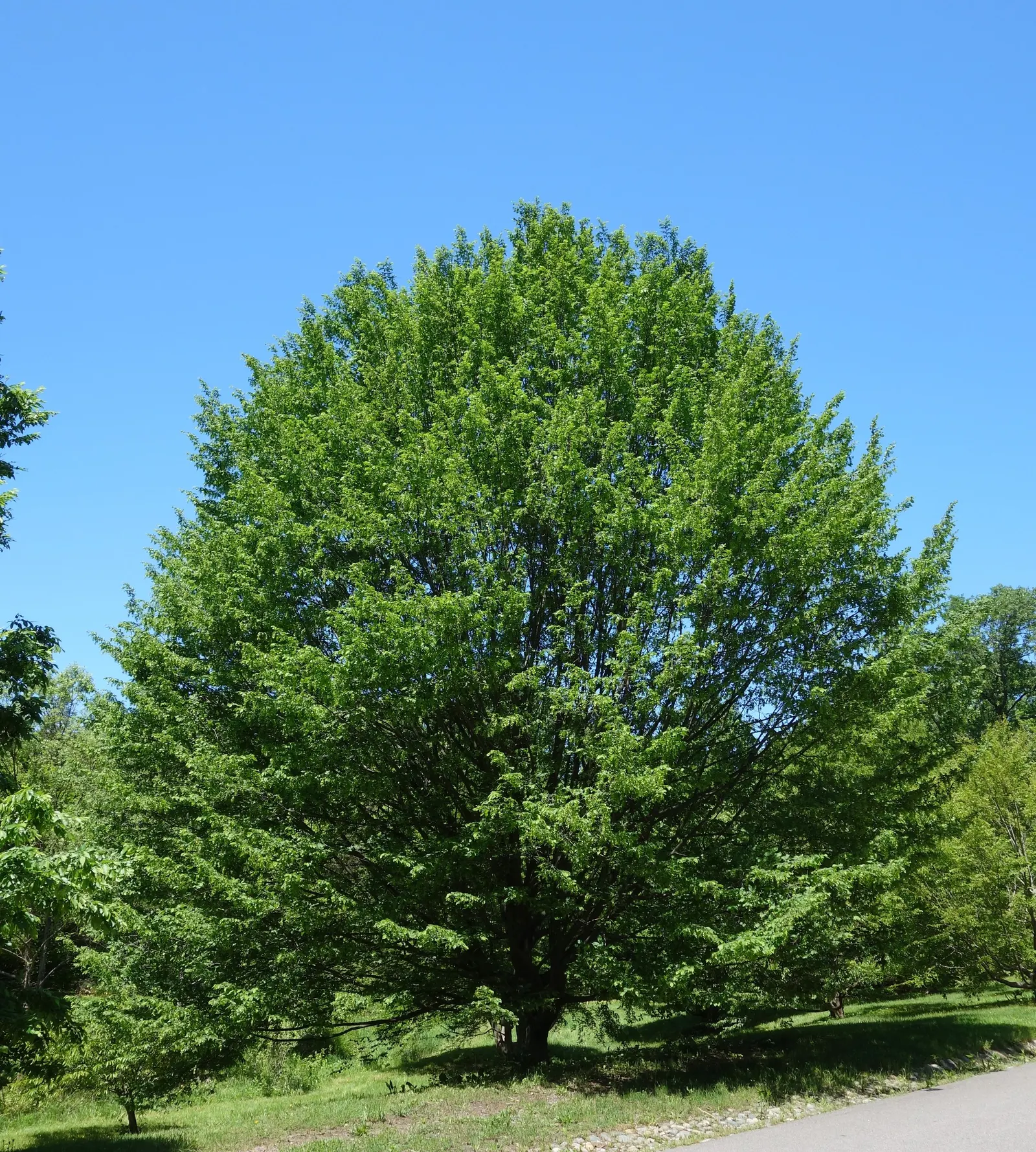
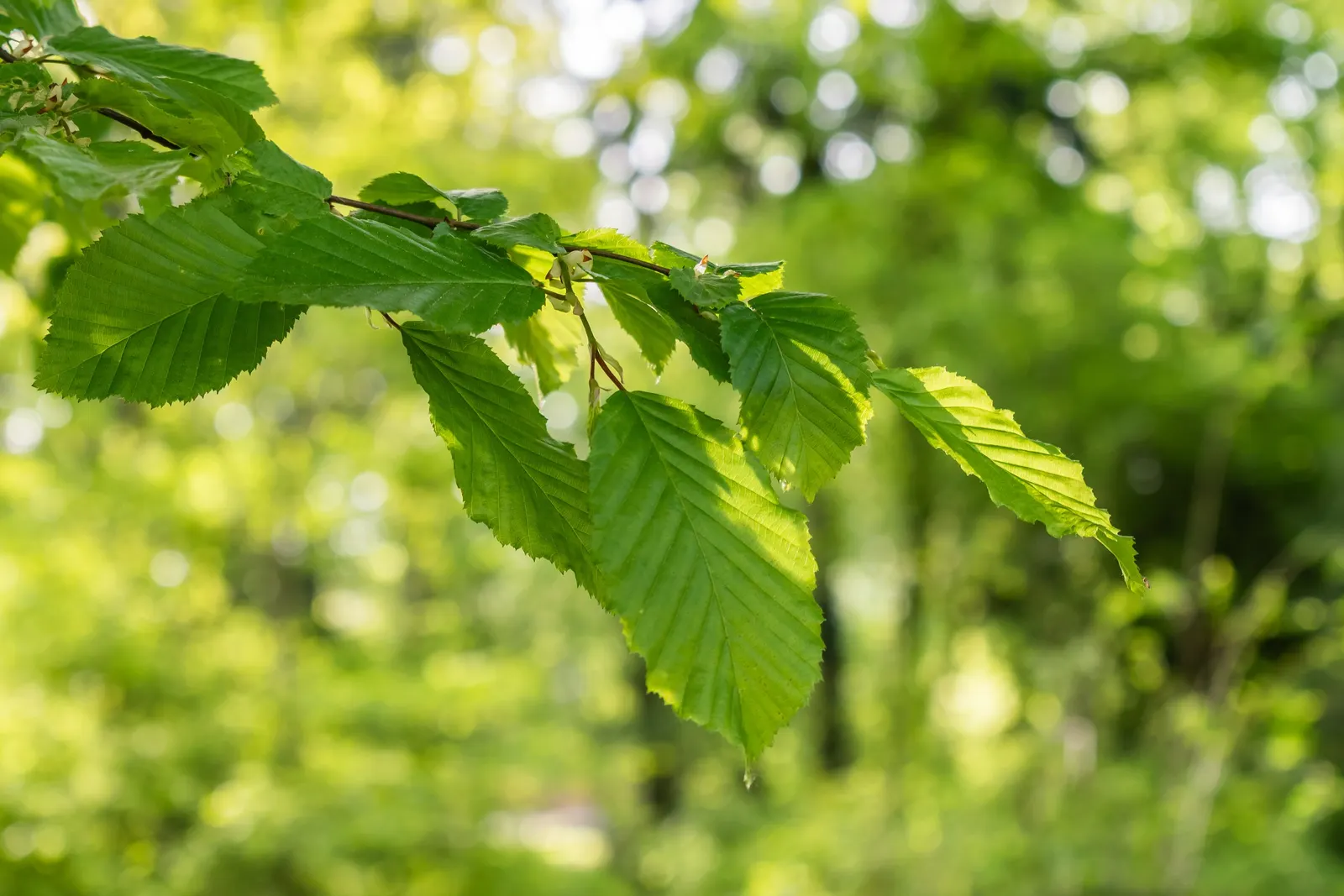
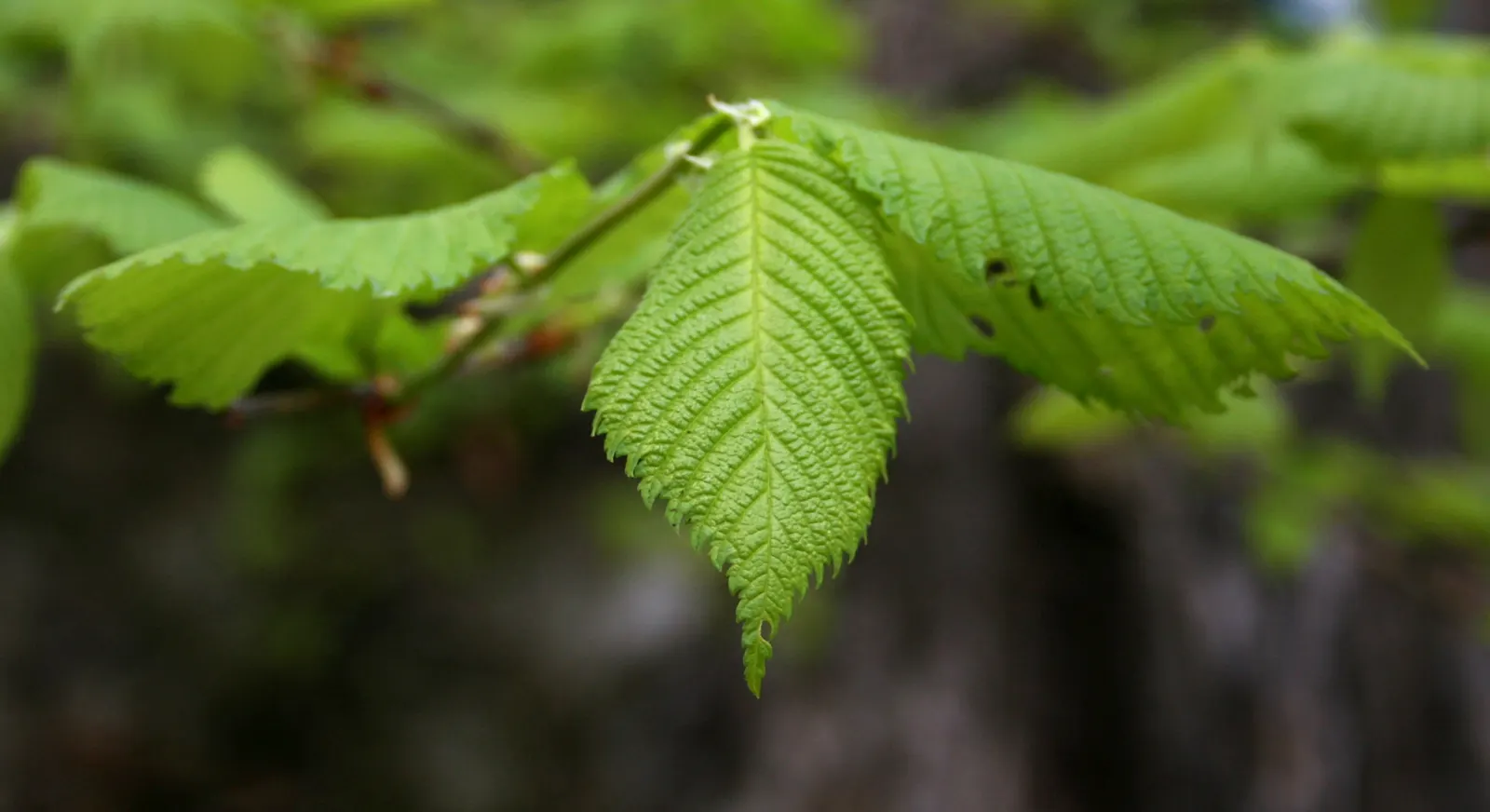
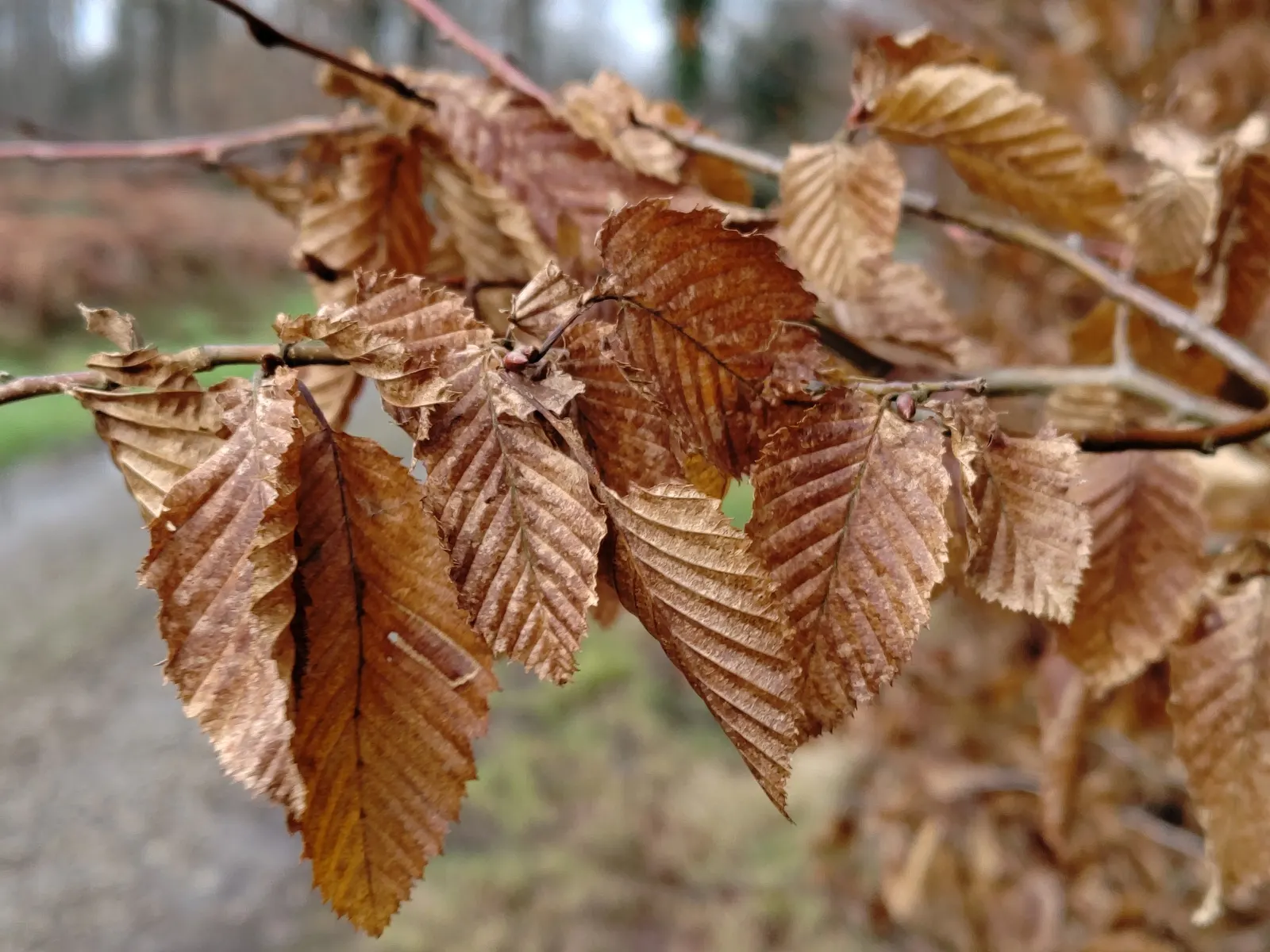
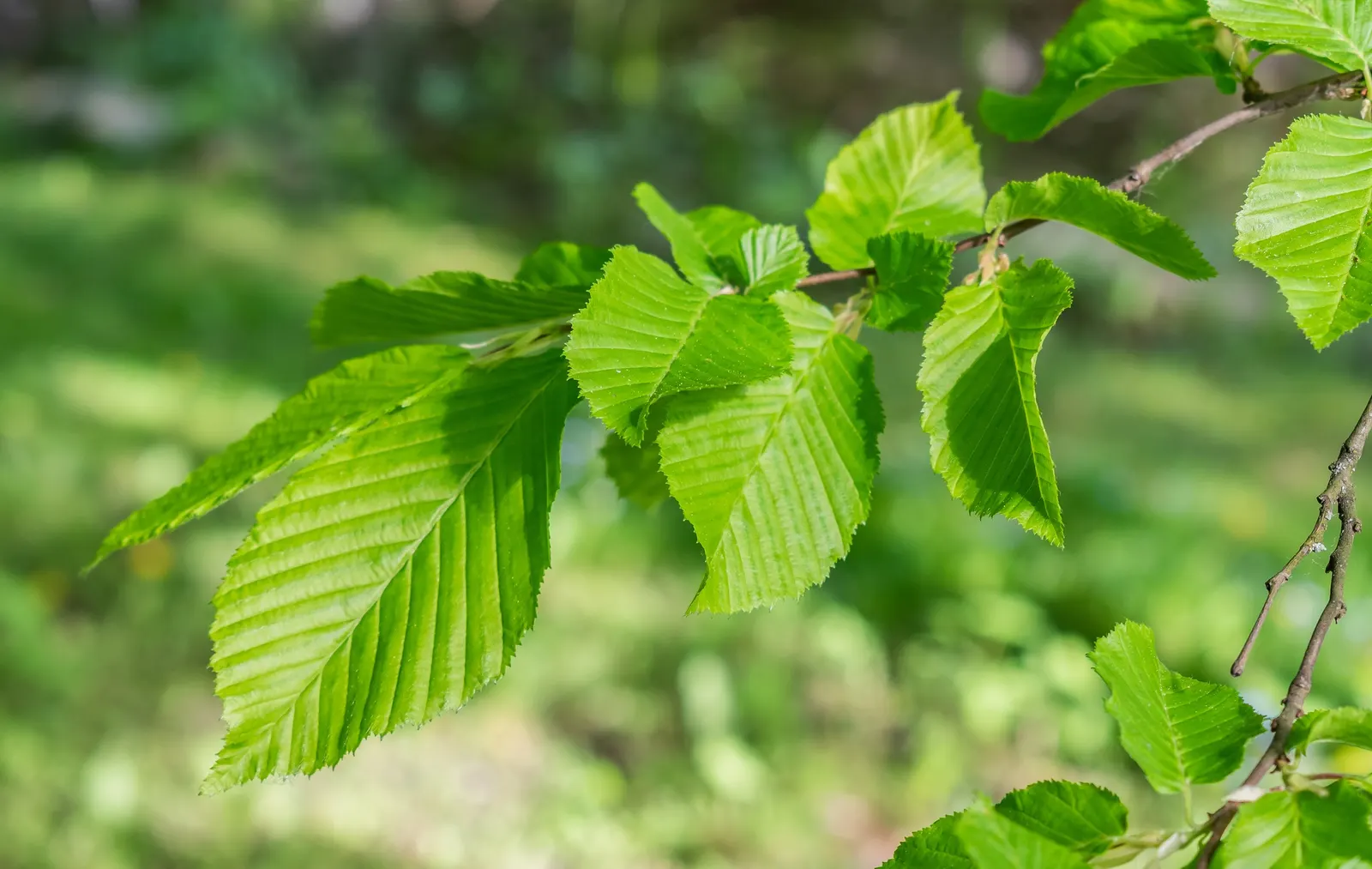
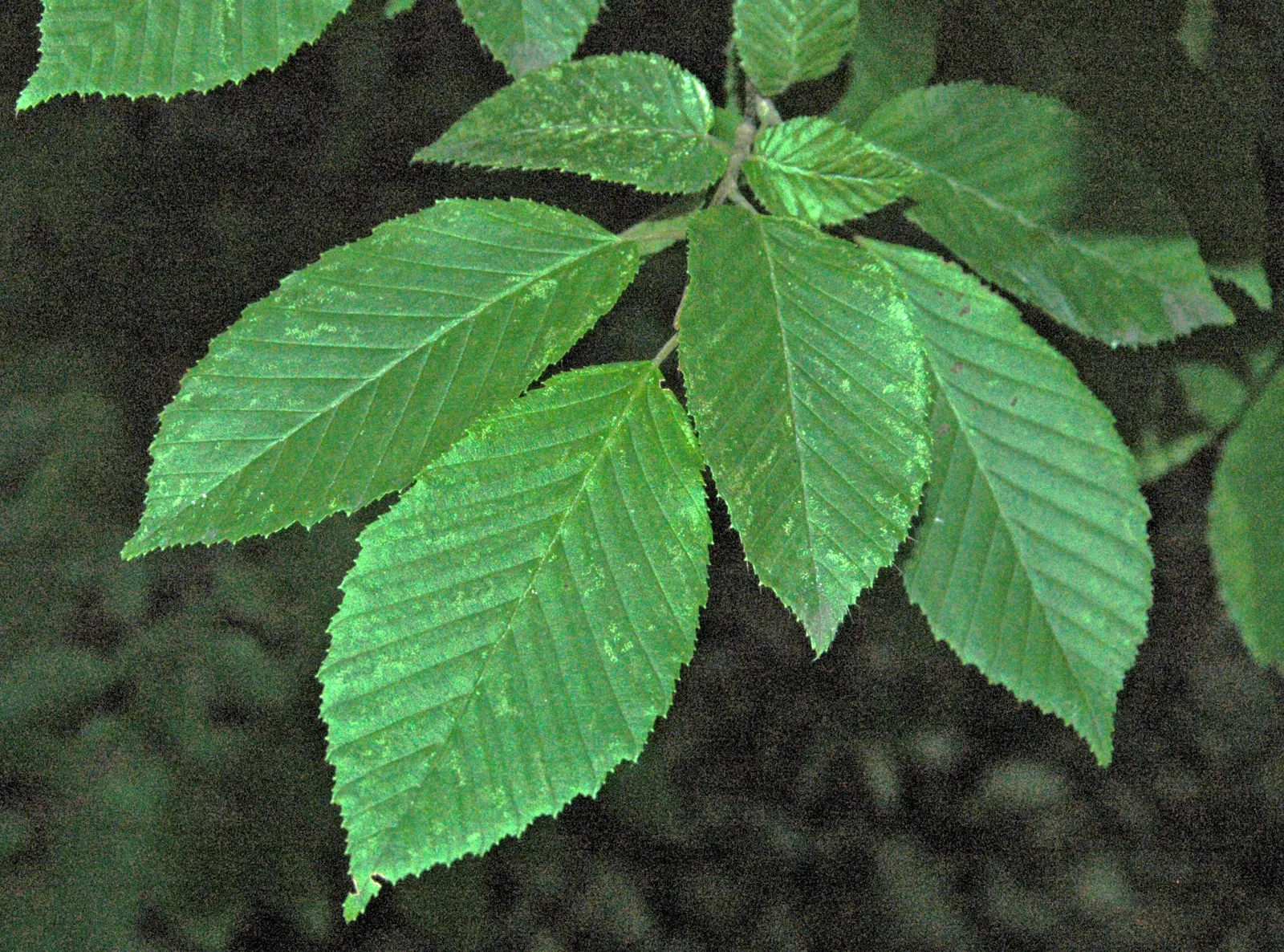
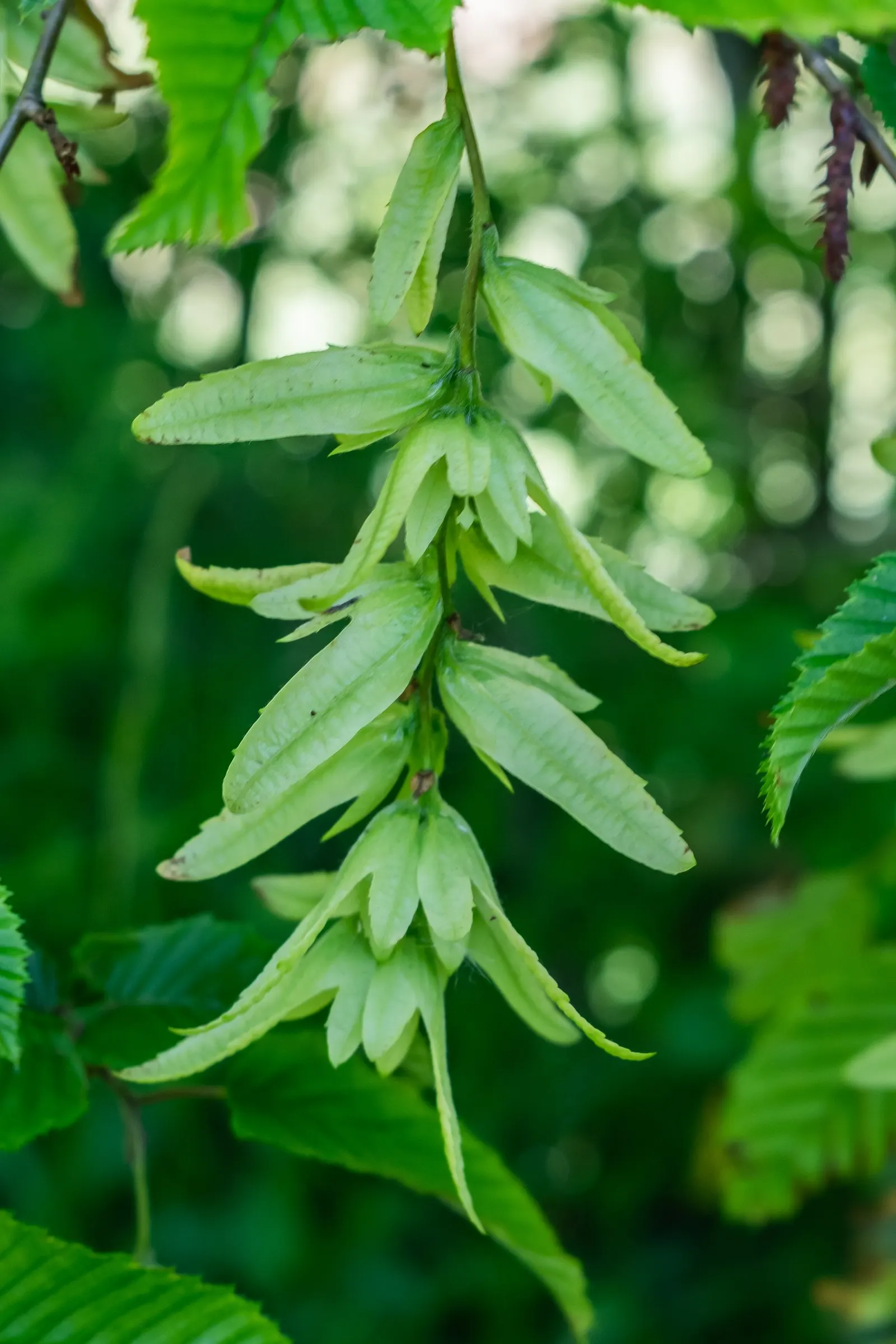
The European Hornbeam, Carpinus betulus, is a deciduous tree with a pyramidal to oval form, reaching 40-60 feet in height and 30-40 feet in width. Its leaves are sharply-toothed, with a notable pleated texture, turning vibrant yellow to greenish-gold in fall. It thrives in USDA zones 4-8, preferring well-drained soils and full to partial sun. Ideal for hedges or pleaching due to its dense foliage and ability to withstand heavy pruning.

Sun FullWater LowZones 5–7Type TreeClimate Temperate

Culture

Sun
Full
Water
Low
USDA zones
5–7

Shape & size

Classification

Type
Tree
Family
Betulaceae
Climate
Temperate

See full data, regional cultivation notes, and design tools. Build a client presentation around this plant.

Start your 14-day trial

Photos (104)

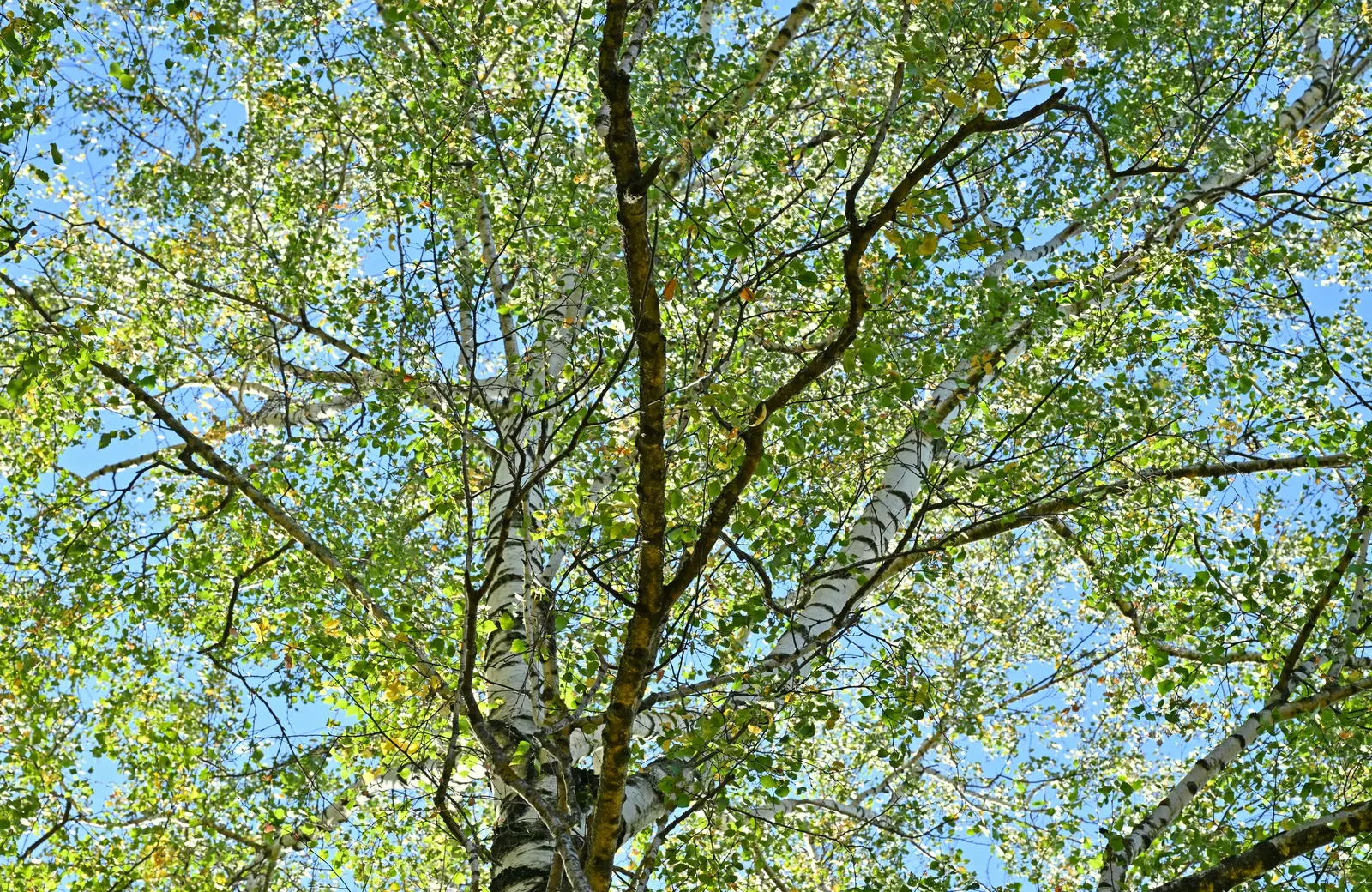
European Hornbeam (Carpinus Betulus) — tree for full
European Hornbeam (Carpinus Betulus) — It thrives in USDA zones 4-8, preferring well-drained soils and full to partial sun; this species is also, image 46
European Hornbeam (Carpinus Betulus) — Its columnar to pyramidal growth habit offers a compact framework when young; ideal for hedges or pleaching due to its
European Hornbeam (Carpinus Betulus) — gradually rounding with age; these leaves turn a crisp yellow to orange in the fall, providing a delightful, image 71
European Hornbeam (Carpinus Betulus) — Its columnar to pyramidal growth habit offers a compact framework when young
European Hornbeam (Carpinus Betulus) — is a deciduous tree with a pyramidal to oval form
European Hornbeam (Carpinus Betulus) — reaching 40-60 feet in height and 30-40 feet in width; gradually rounding with age, image 62
European Hornbeam (Carpinus Betulus) — gradually rounding with age; these leaves turn a crisp yellow to orange in the fall, providing a delightful, image 51
European Hornbeam (Carpinus Betulus) — reaching 40-60 feet in height and 30-40 feet in width; gradually rounding with age
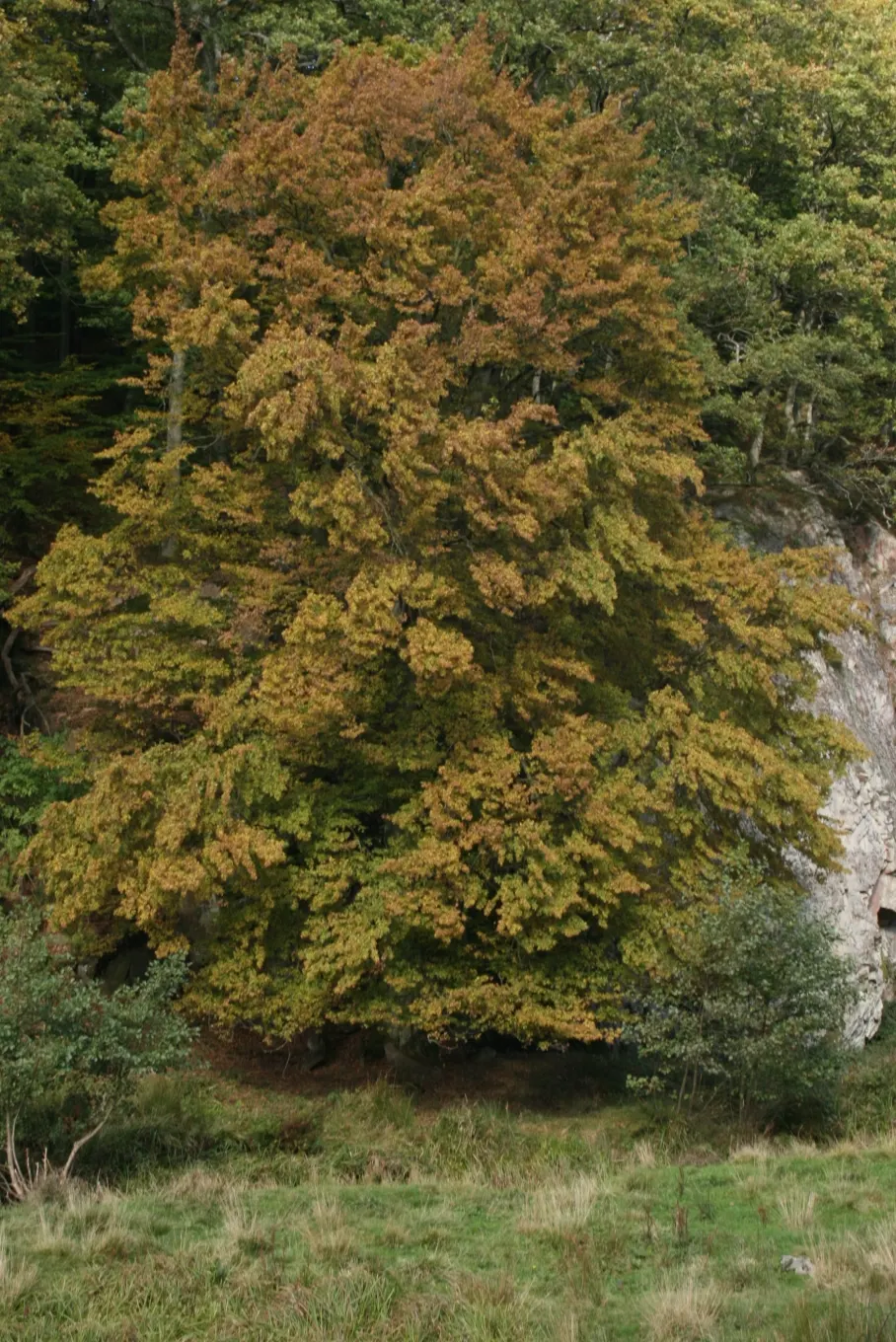
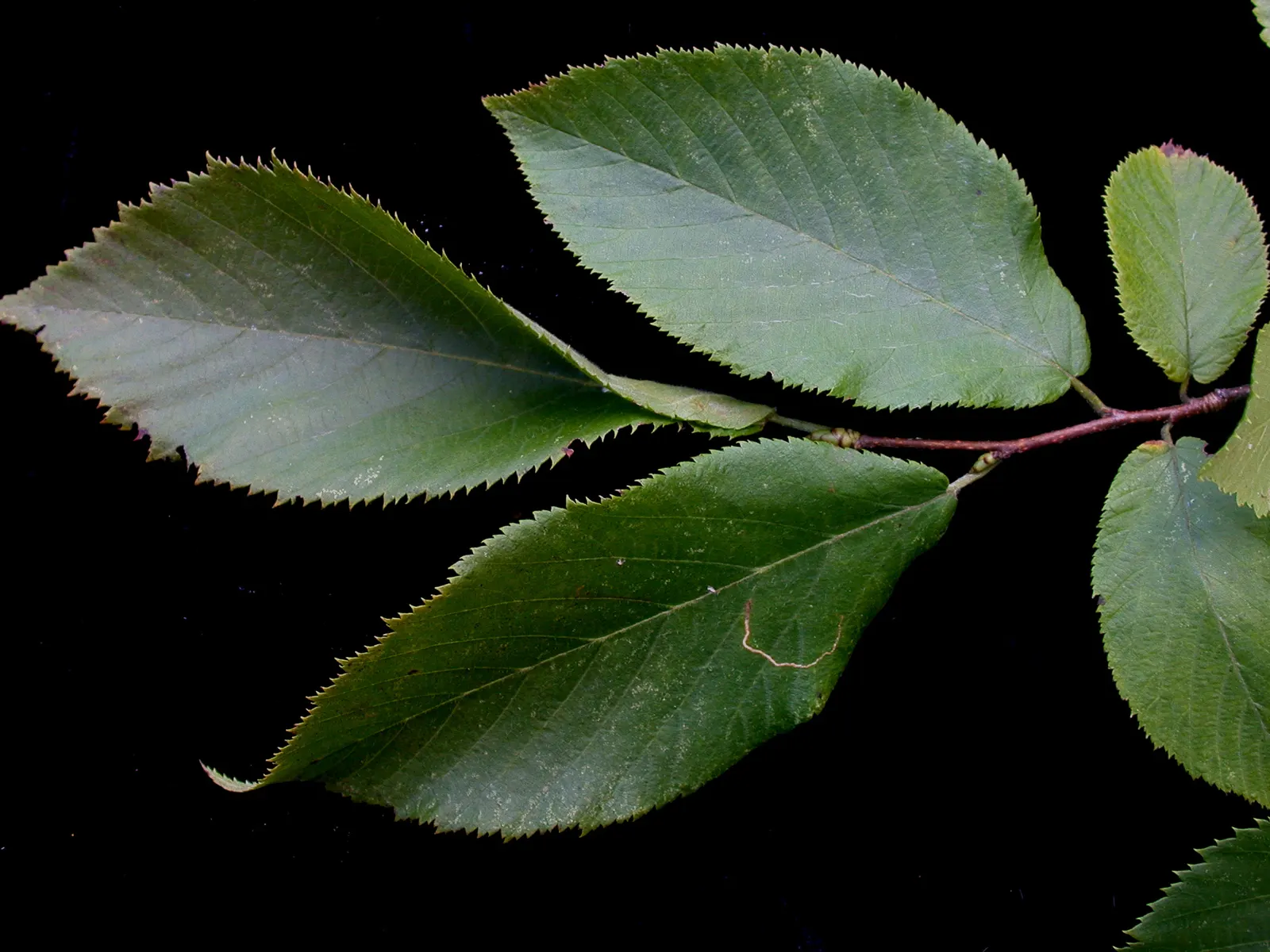
European Hornbeam (Carpinus Betulus) — turning vibrant yellow to greenish-gold in fall; finely serrated leaves that are 2 to 5 inches in length, image 45
European Hornbeam (Carpinus Betulus) — finely serrated leaves that are 2 to 5 inches in length; is a deciduous tree with a pyramidal to oval form
European Hornbeam (Carpinus Betulus) — gradually rounding with age
European Hornbeam (Carpinus Betulus) — turning vibrant yellow to greenish-gold in fall
European Hornbeam (Carpinus Betulus) — requiring minimal care once established; its leaves are sharply-toothed, image 78
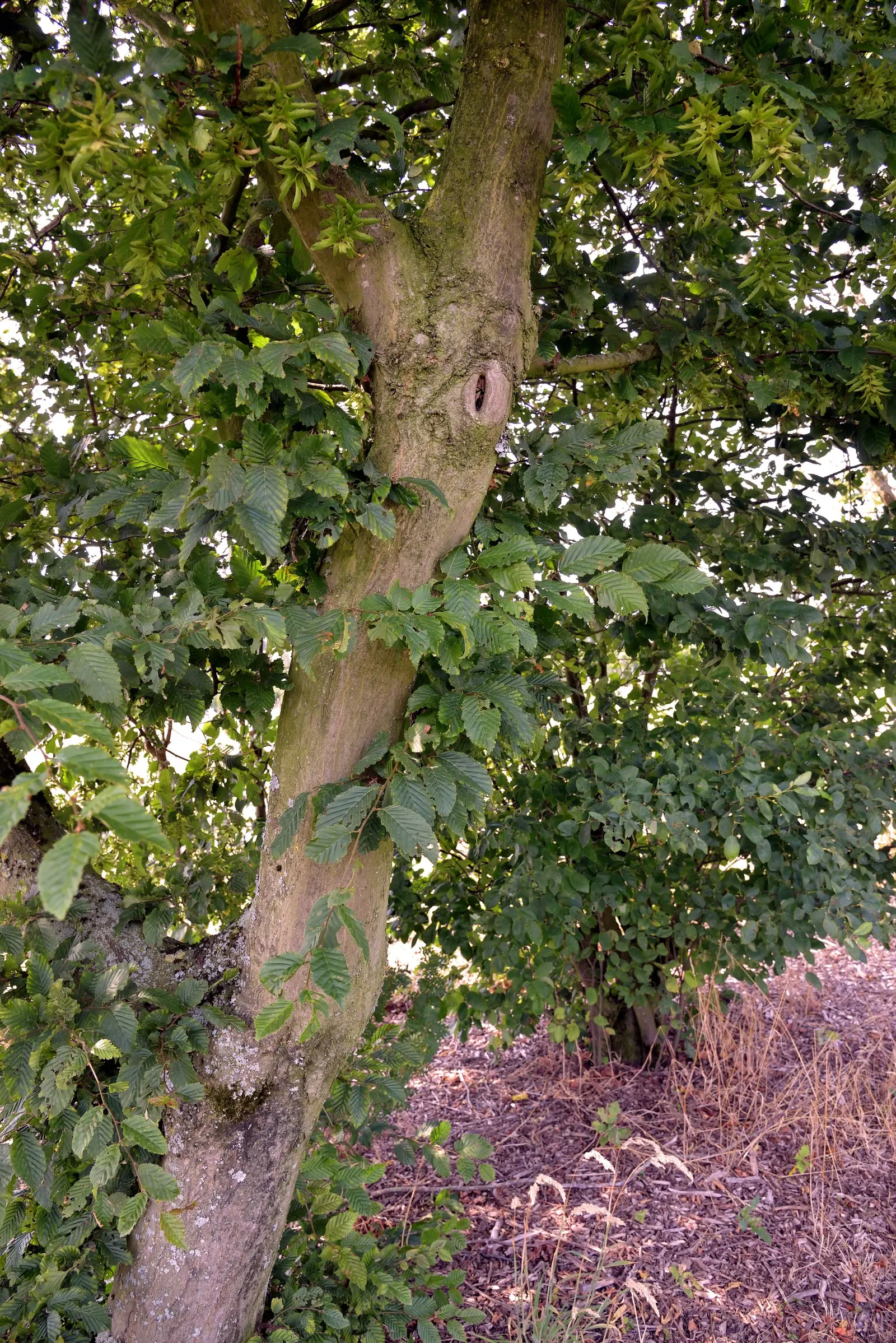
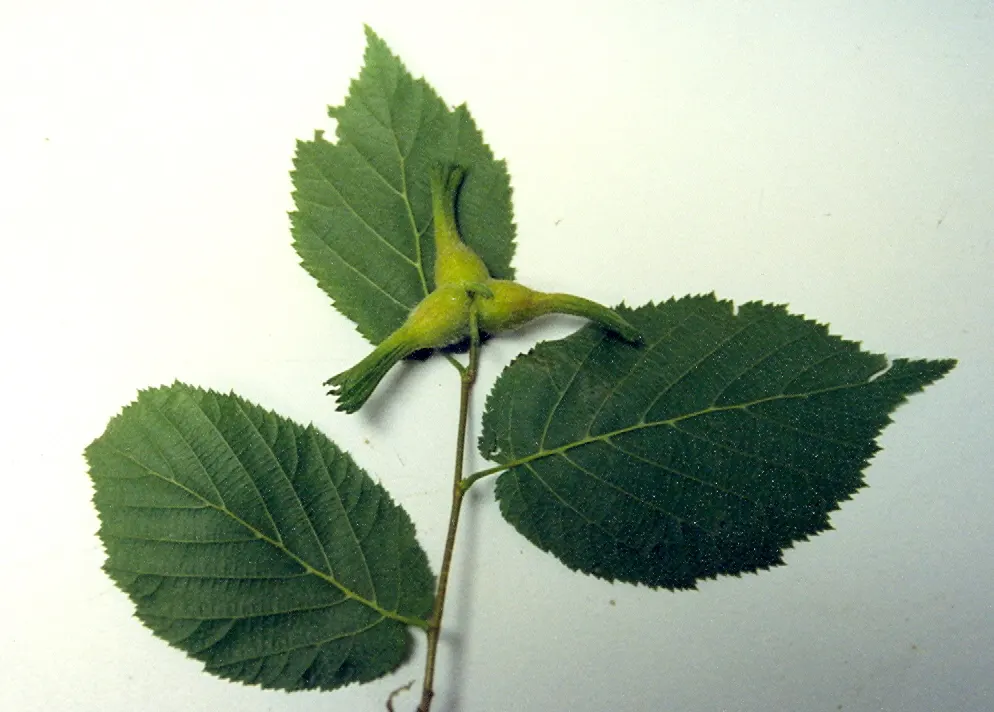
European Hornbeam (Carpinus Betulus) — Its leaves are sharply-toothed; requiring minimal care once established, image 43
European Hornbeam (Carpinus Betulus) — tree for full; it is also tolerant of urban pollution and soil compaction, making it suitable for urban, image 80
European Hornbeam (Carpinus Betulus) — Its columnar to pyramidal growth habit offers a compact framework when young; ideal for hedges or pleaching, image 70
European Hornbeam (Carpinus Betulus) — making this tree an ideal candidate for creating structured canopies or screening effects
European Hornbeam (Carpinus Betulus) — finely serrated leaves that are 2 to 5 inches in length; is a deciduous tree with a pyramidal to oval form, image 52
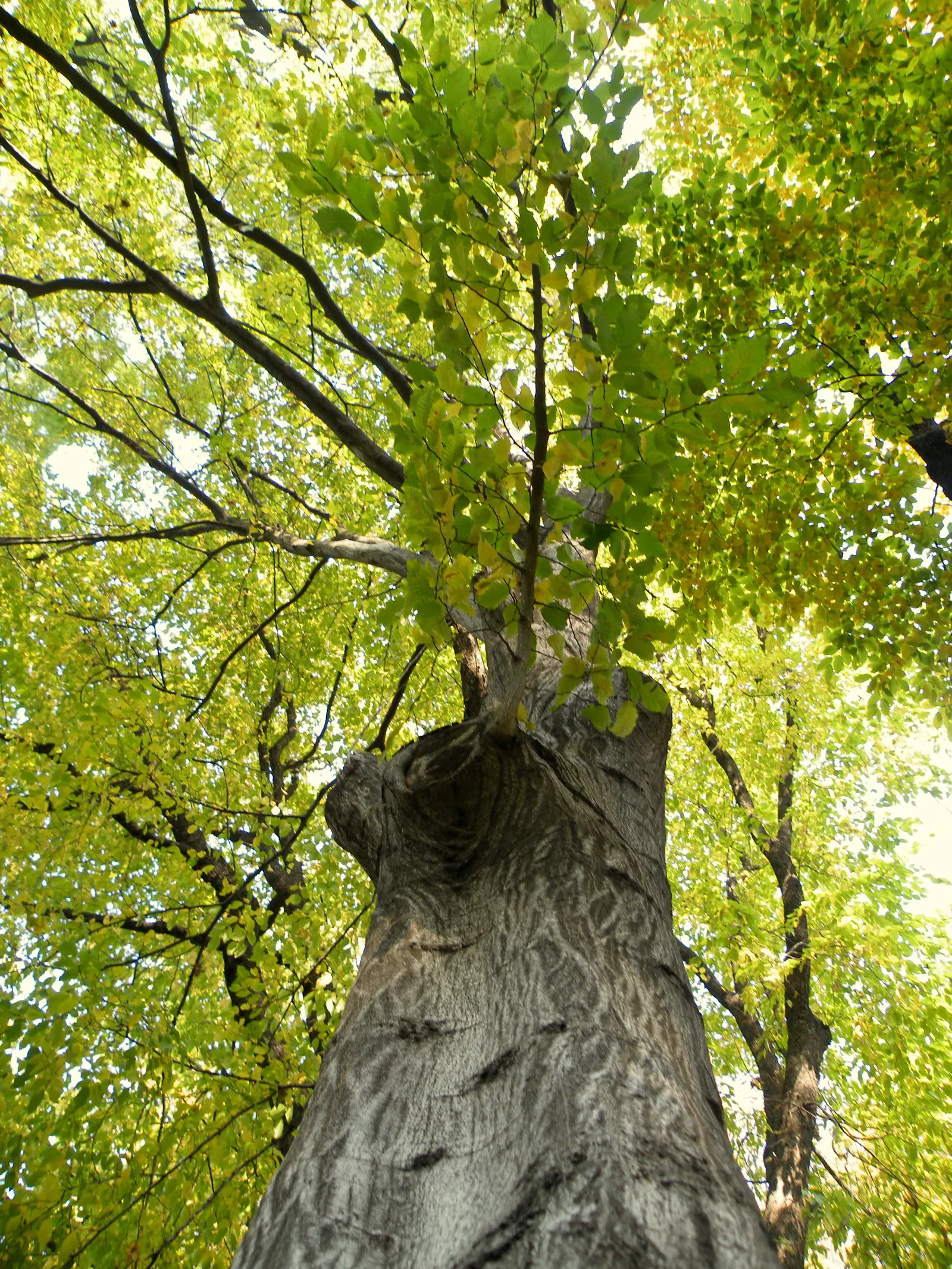
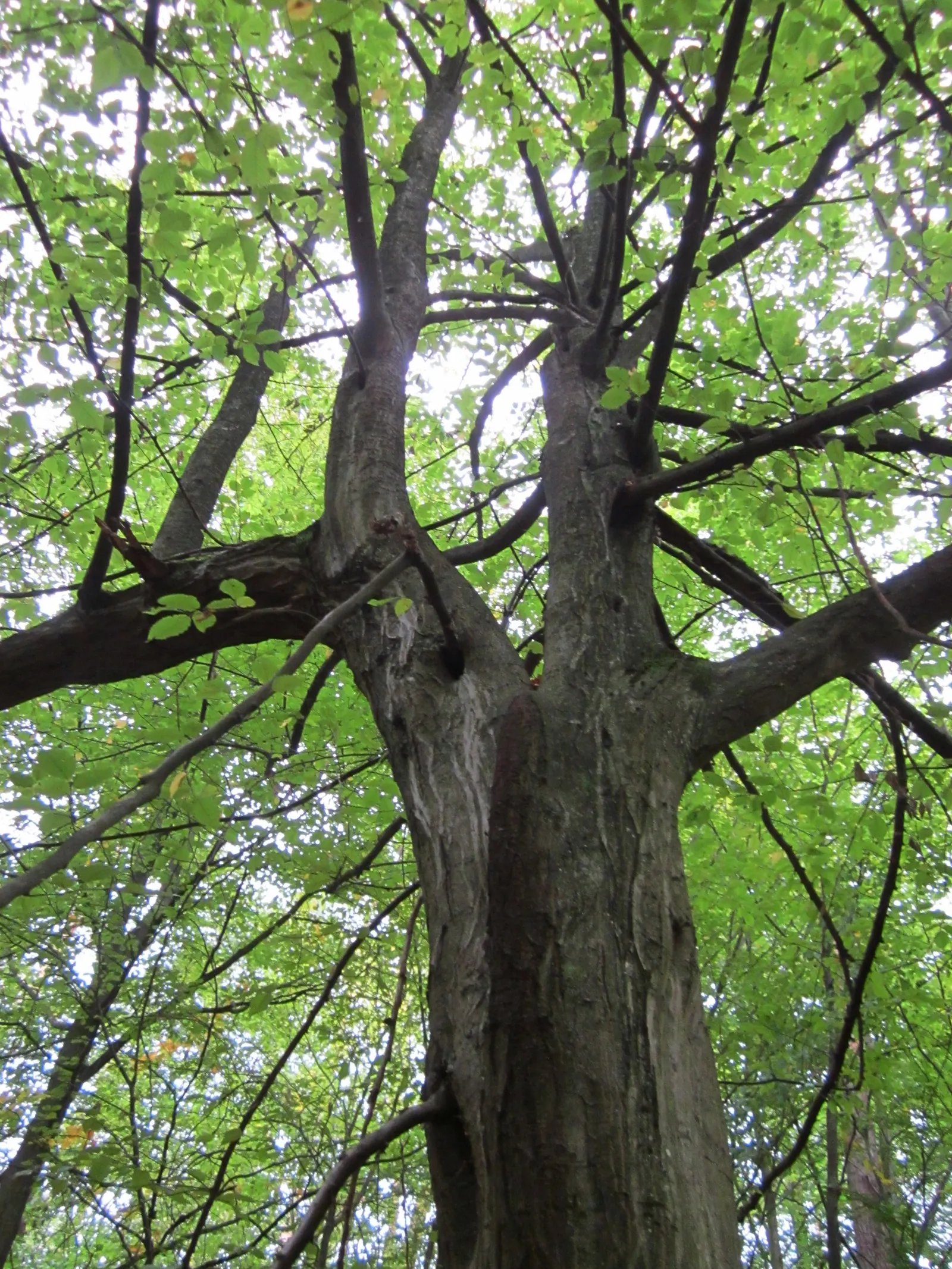
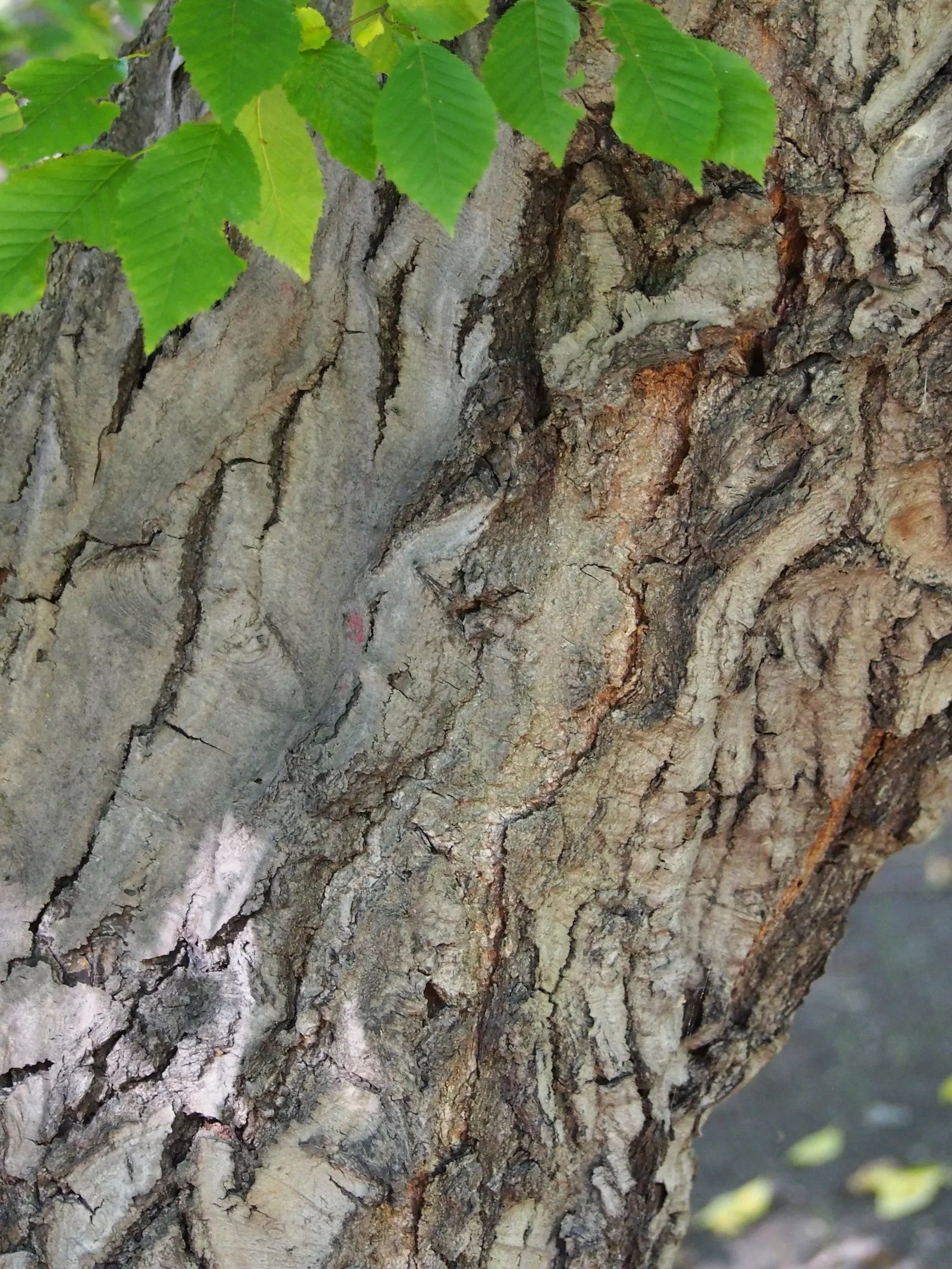
European Hornbeam (Carpinus Betulus) — fluted bark adds year-round textural interest.<br><br>Carpinus betulus is a hardy tree; reaching 40-60 feet, image 55
European Hornbeam (Carpinus Betulus) — It thrives in USDA zones 4-8, preferring well-drained soils and full to partial sun; this species is also resistant to
European Hornbeam (Carpinus Betulus) — making this tree an ideal candidate for creating structured canopies or screening effects; tree for full, image 49
European Hornbeam (Carpinus Betulus) — Ideal for hedges or pleaching due to its dense foliage and ability to withstand heavy pruning; it thrives in, image 67
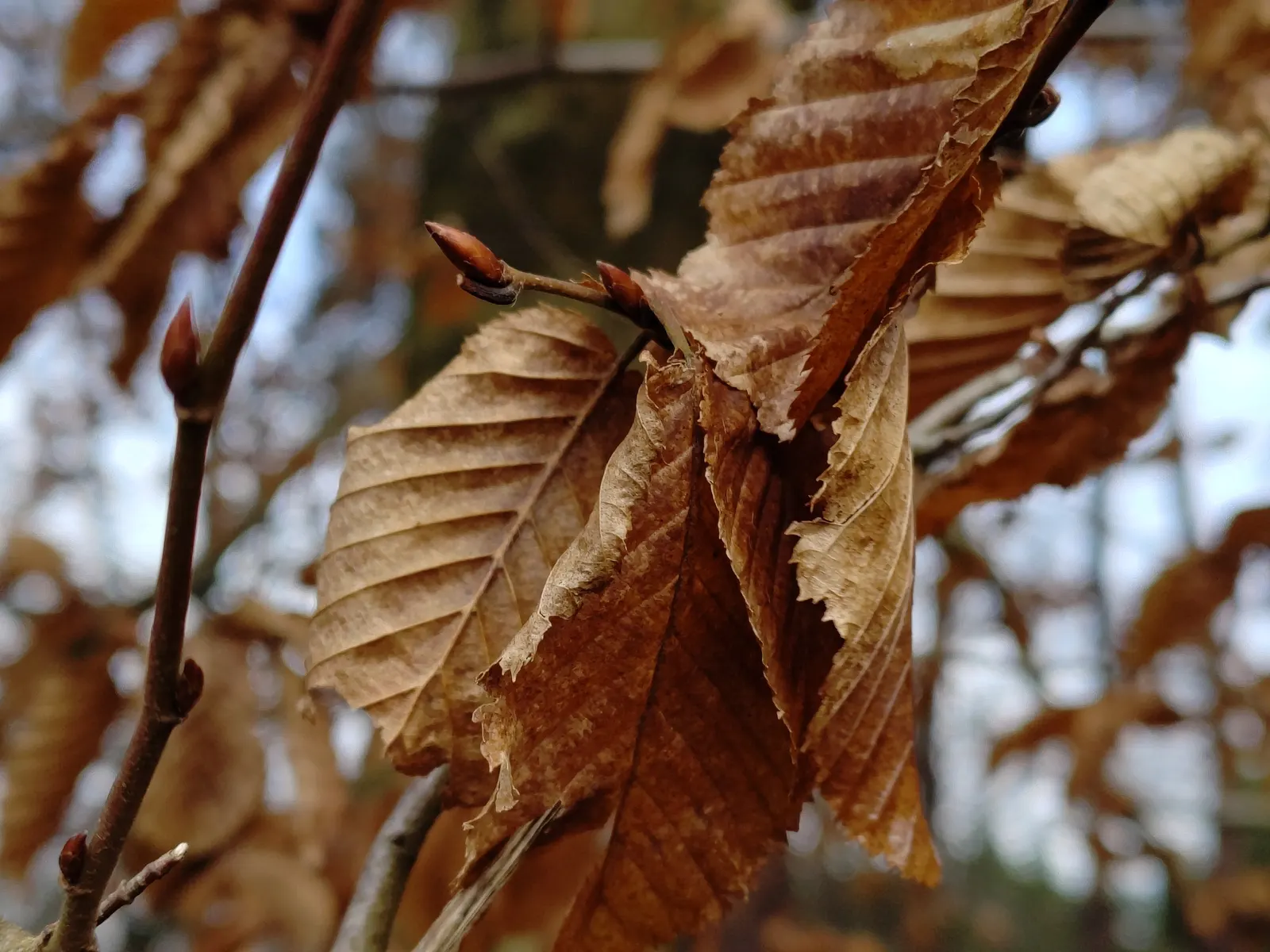
European Hornbeam (Carpinus Betulus) — with a notable pleated texture; turning vibrant yellow to greenish-gold in fall, image 44
Photographs by 10 contributors

Related plants