Skip to content

Chinese Hackberry

Celtis Sinensis

Design with this plant

Overview

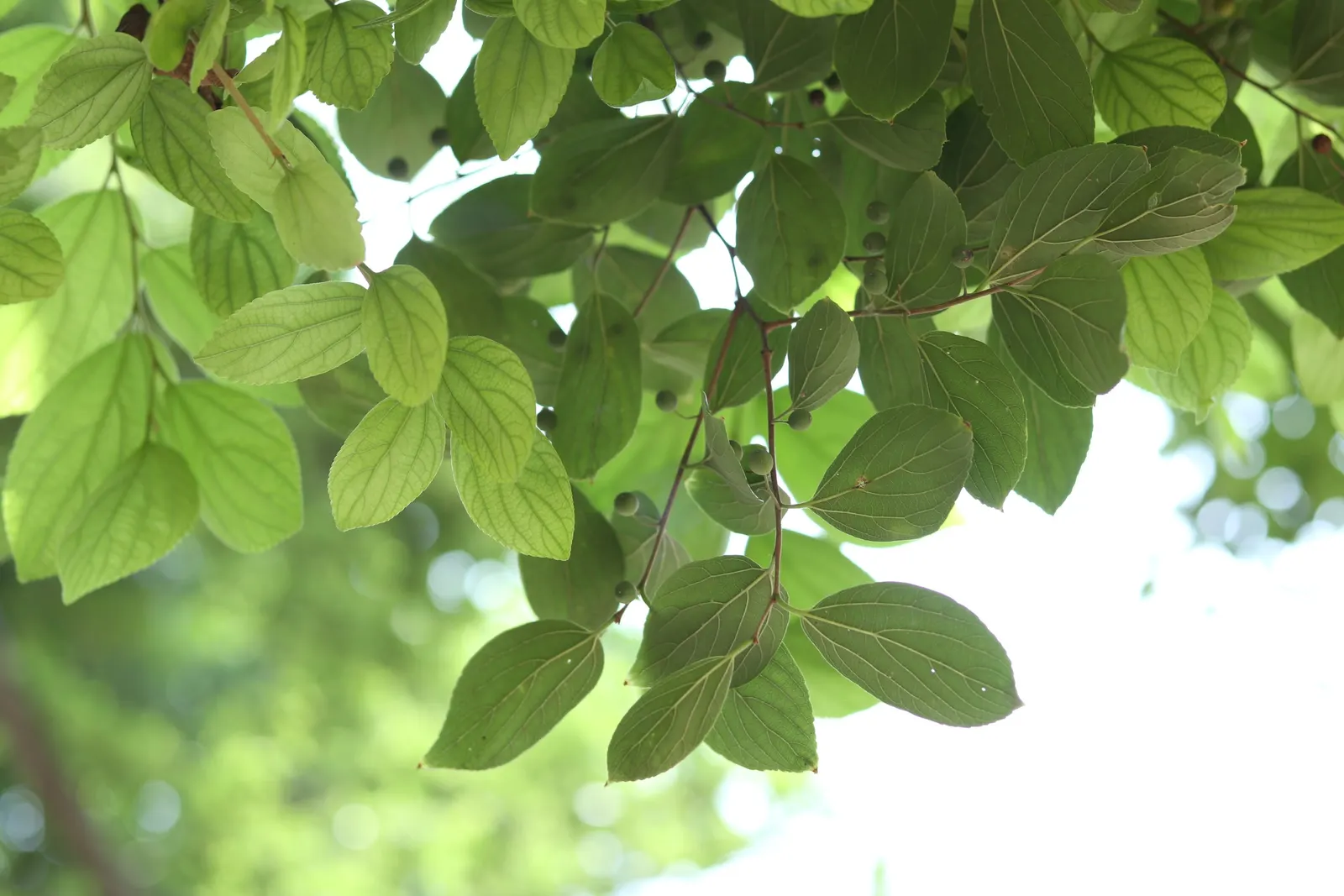
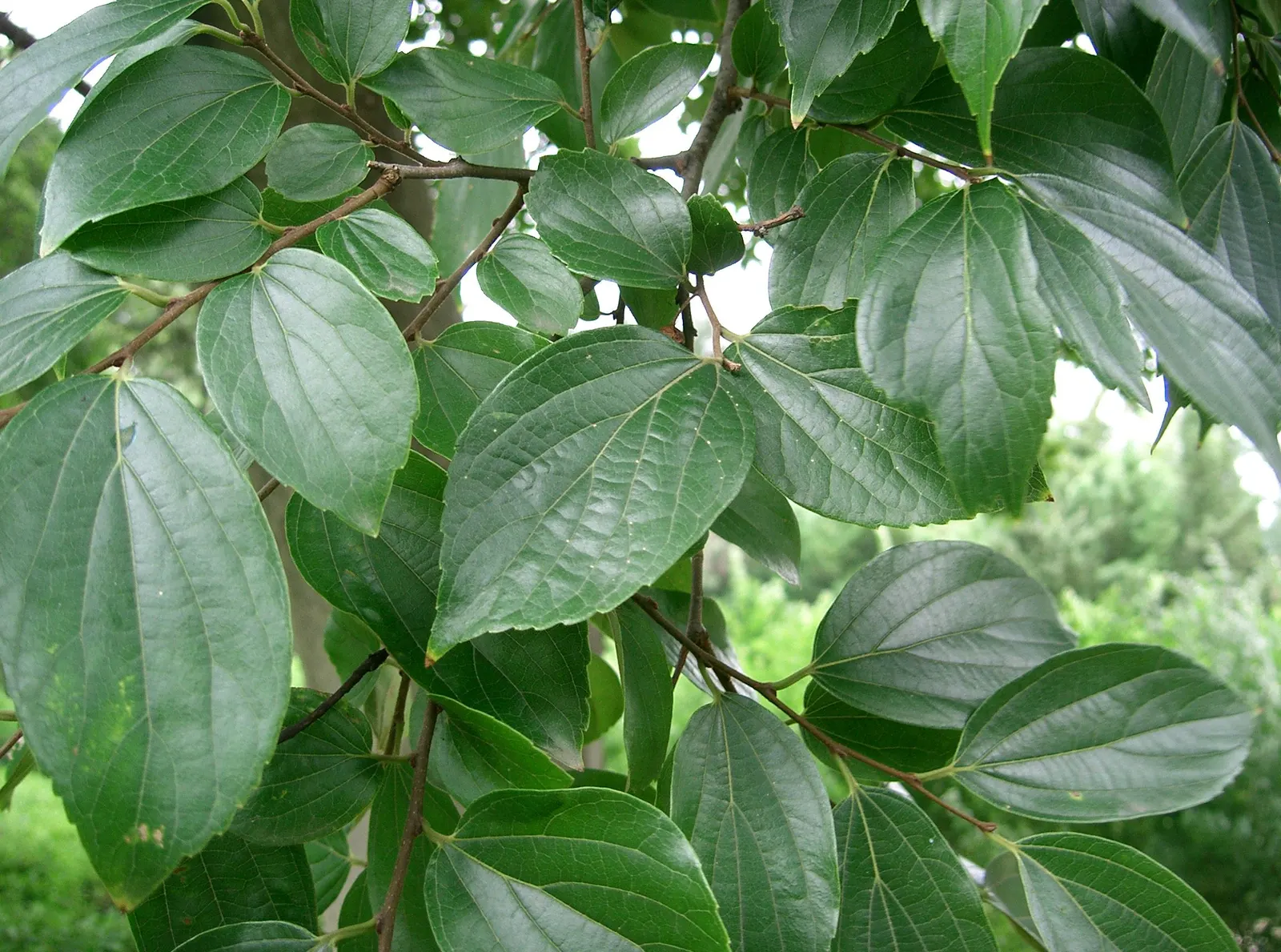
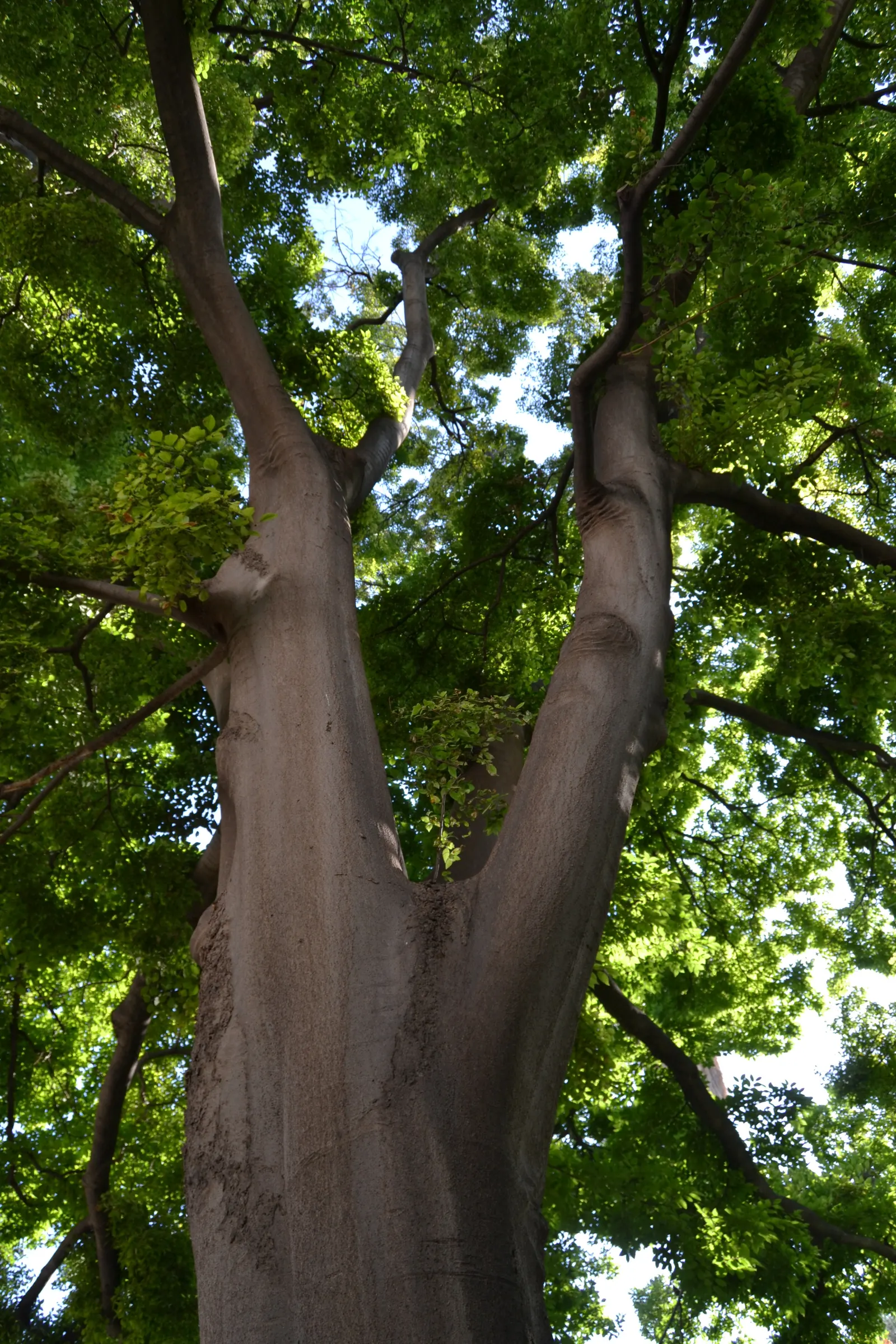
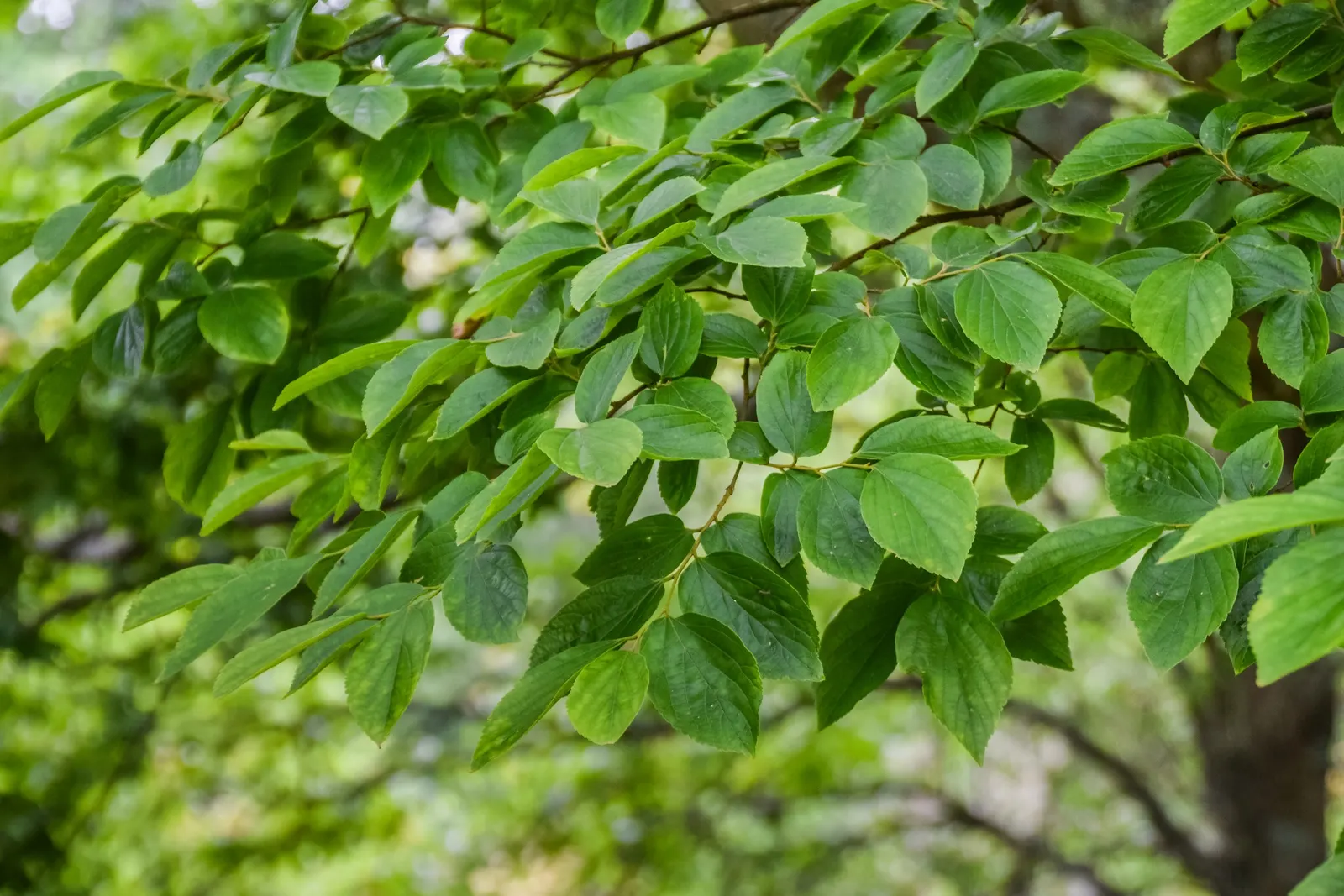
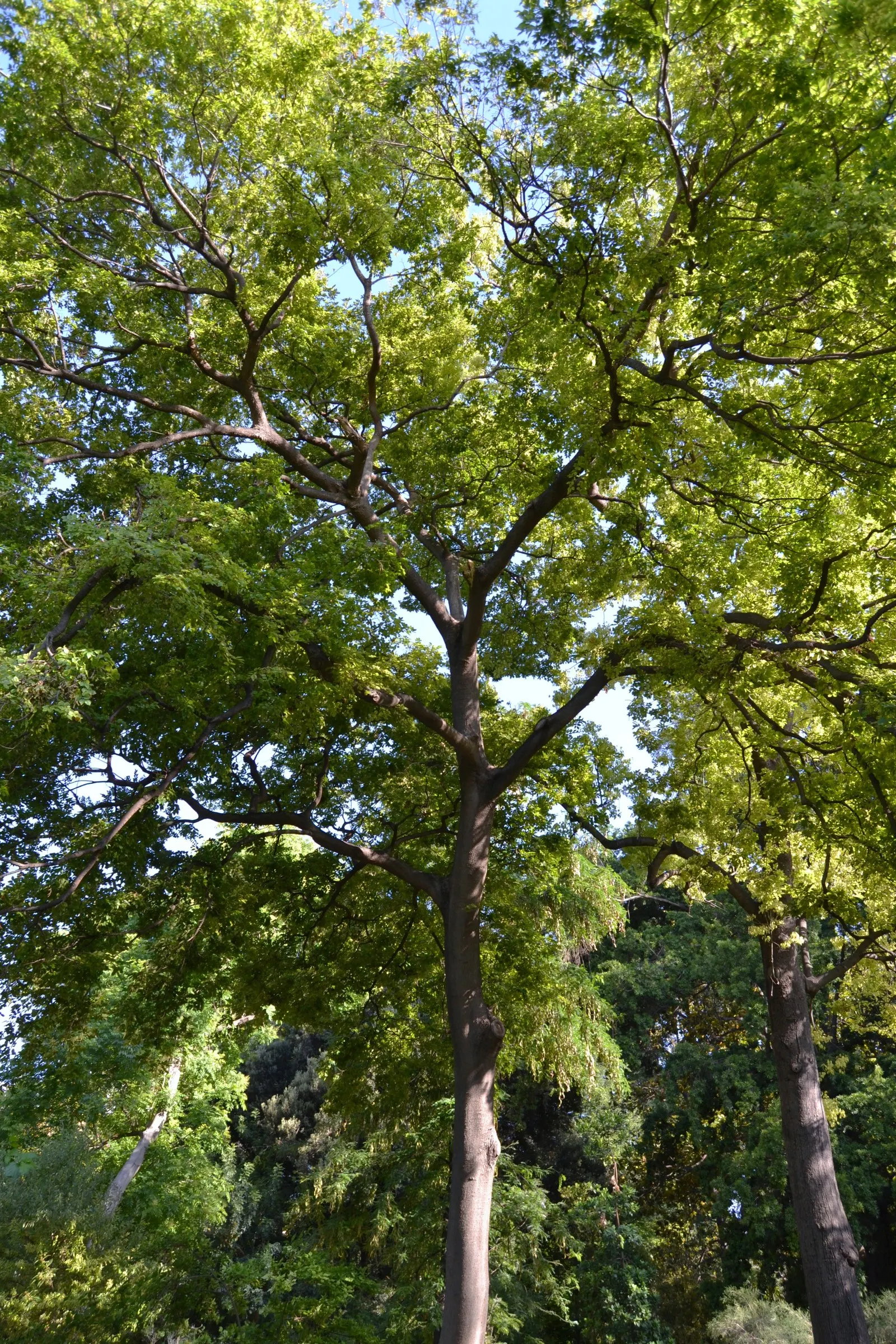
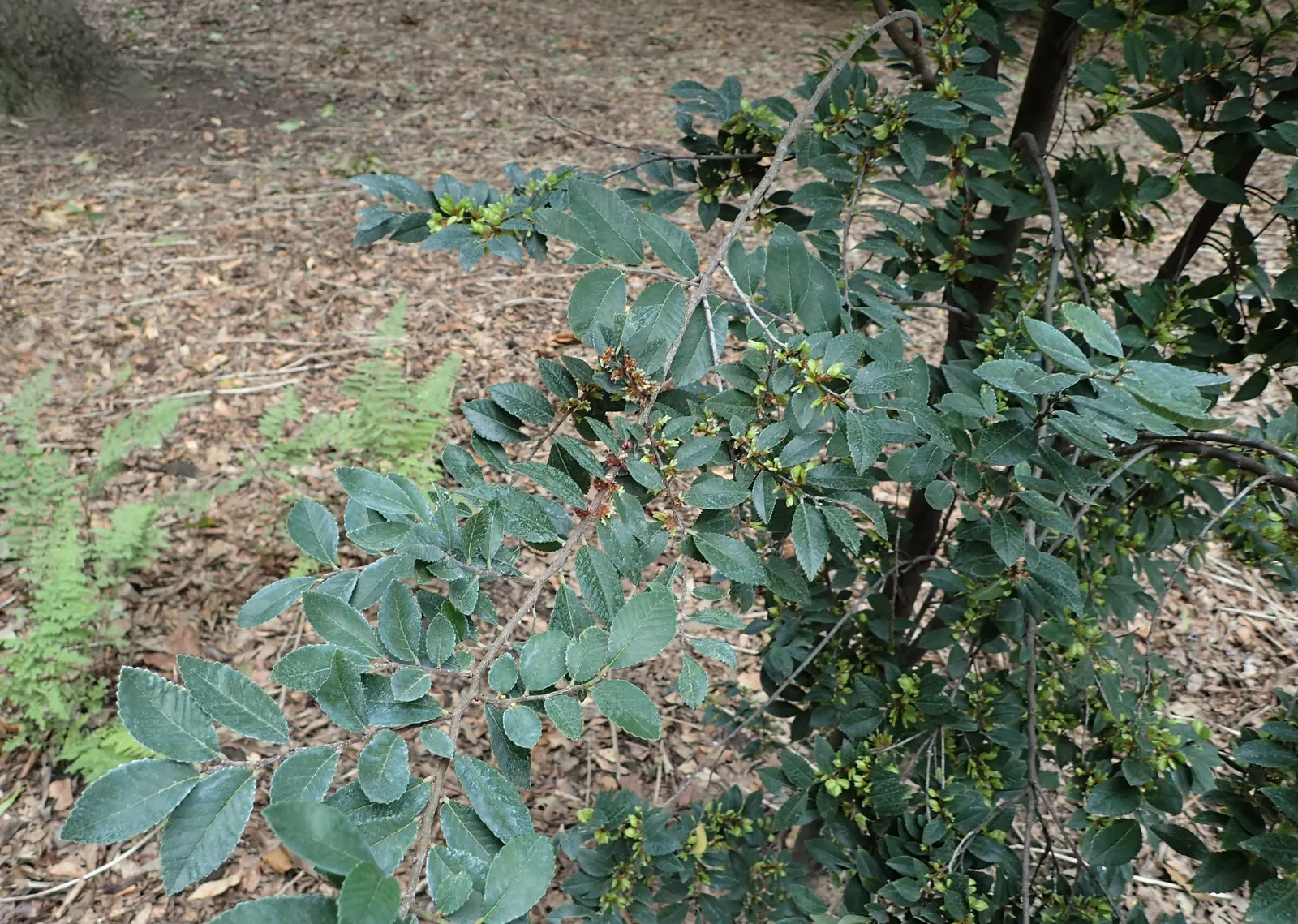
Celtis sinensis, or Chinese Hackberry, is a versatile deciduous tree thriving in USDA zones 6-9. It reaches up to 40-60 feet tall with a spread of 30-50 feet. This graceful, broad-crowned species offers glossy green foliage and small, purple, fall-ripening berries, attracting diverse wildlife. Adaptable to various soils, it provides robust urban tolerance and requires low maintenance, making it an excellent choice for both public and private landscapes.

Sun Full, HalfWater Low, Very LowZones 6–10Climate Temperate
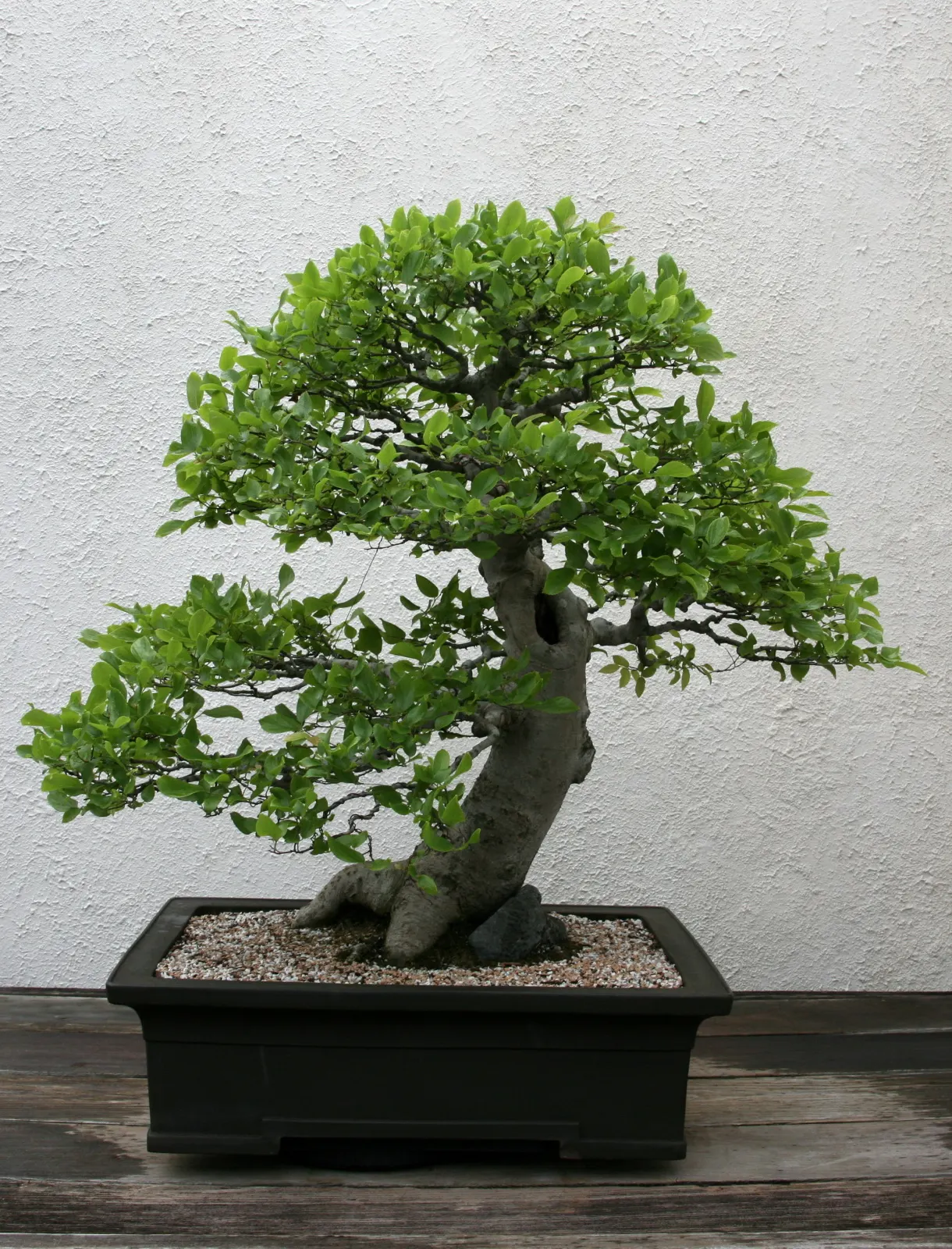
Chinese Hackberry (Celtis Sinensis) — it provides robust urban tolerance and requires low maintenance

Culture

Sun
Full, Half
Water
Low, Very Low
USDA zones
6–10

Shape & size

Classification

Family
Ulmaceae
Climate
Temperate

See full data, regional cultivation notes, full-resolution photos, and design tools. Build a client presentation around this plant.

Start your 14-day trial

Photos (56)

Chinese Hackberry (Celtis Sinensis) — It's a low-maintenance choice for gardeners
Chinese Hackberry (Celtis Sinensis) — Providing full sun to partial shade will encourage optimal growth and health of the tree
Chinese Hackberry (Celtis Sinensis) — and is generally free from major pest and disease problems
Chinese Hackberry (Celtis Sinensis) — tree for full or half
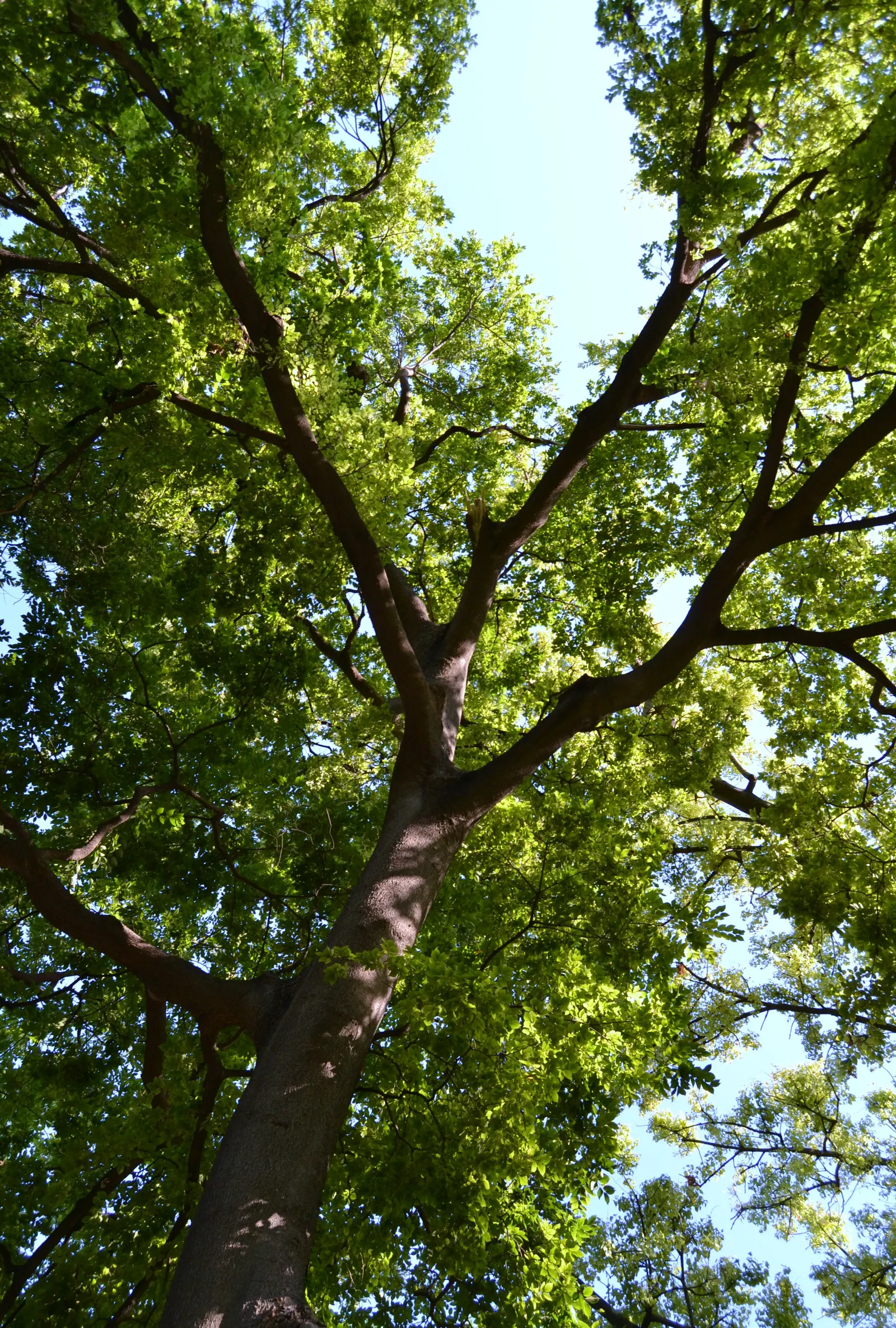
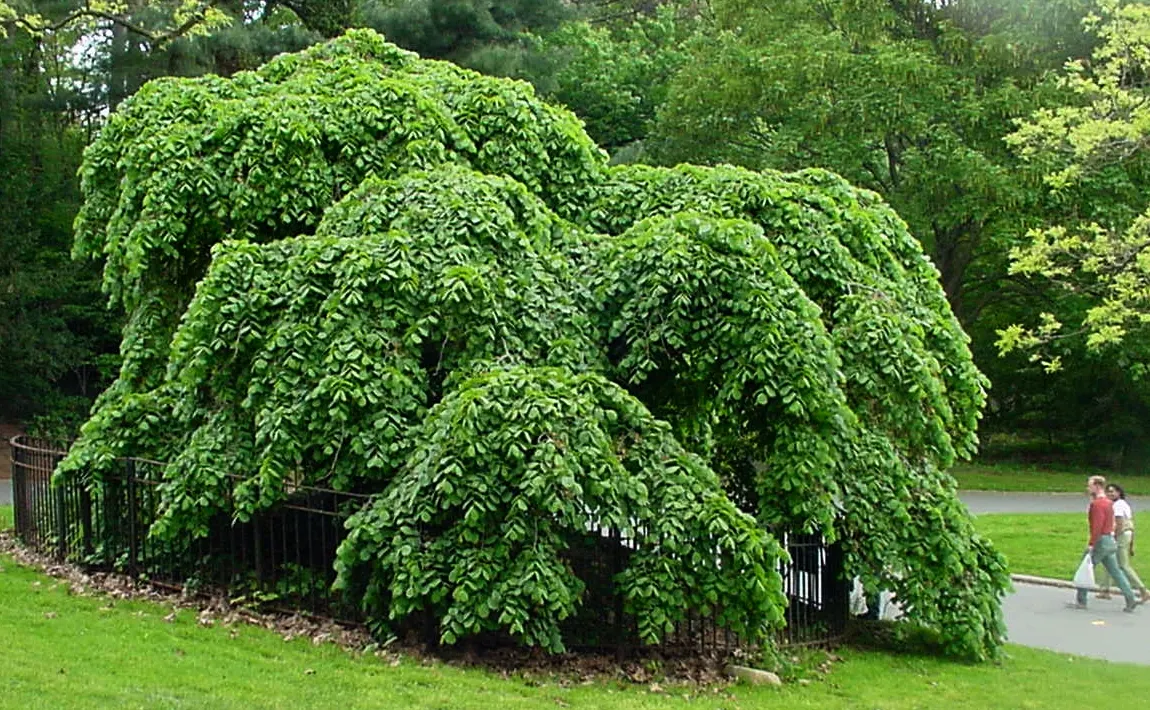
Chinese Hackberry (Celtis Sinensis) — It reaches up to 40-60 feet tall with a spread of 30-50 feet; its canopy provides a round to spreading shape
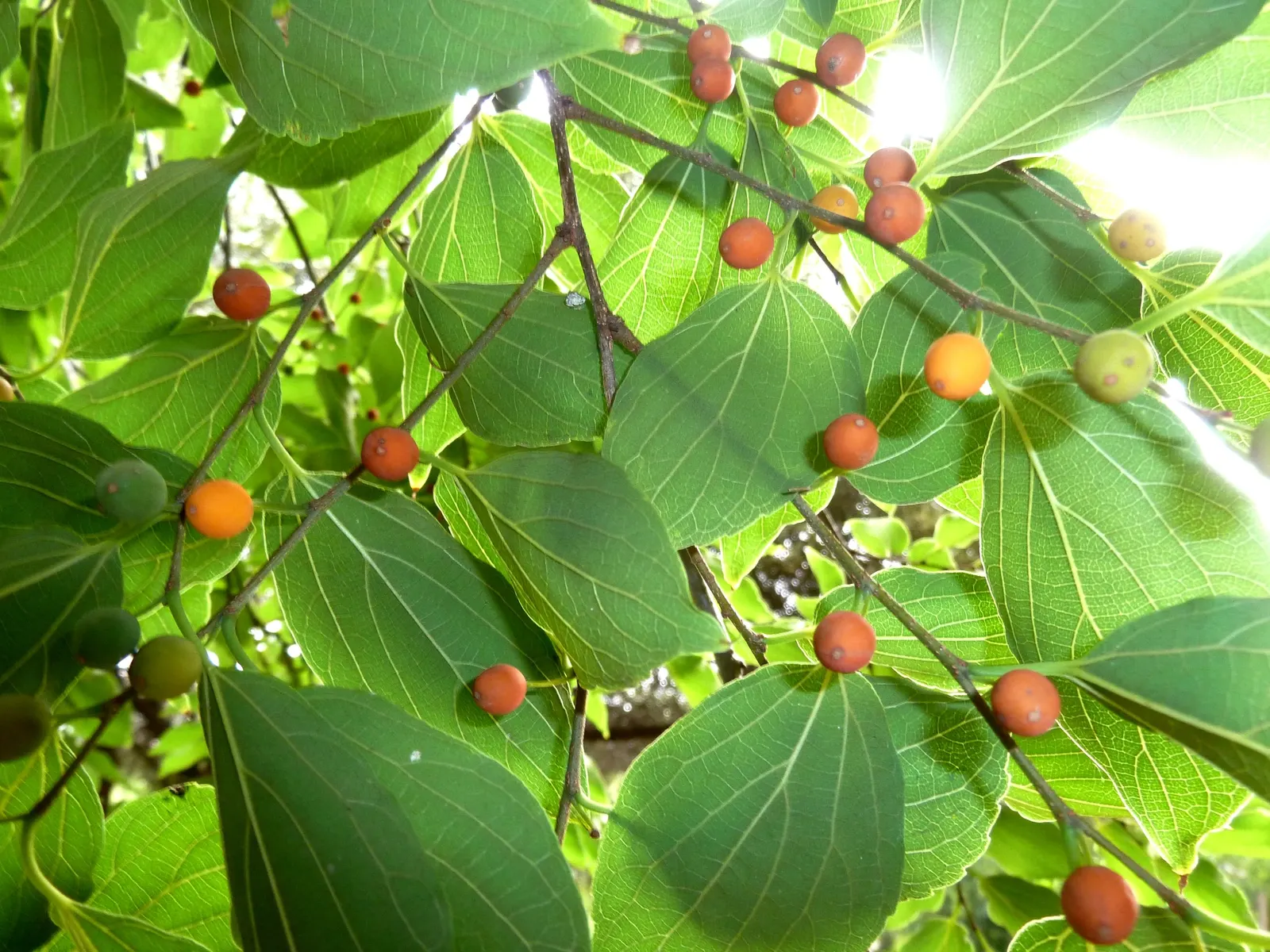
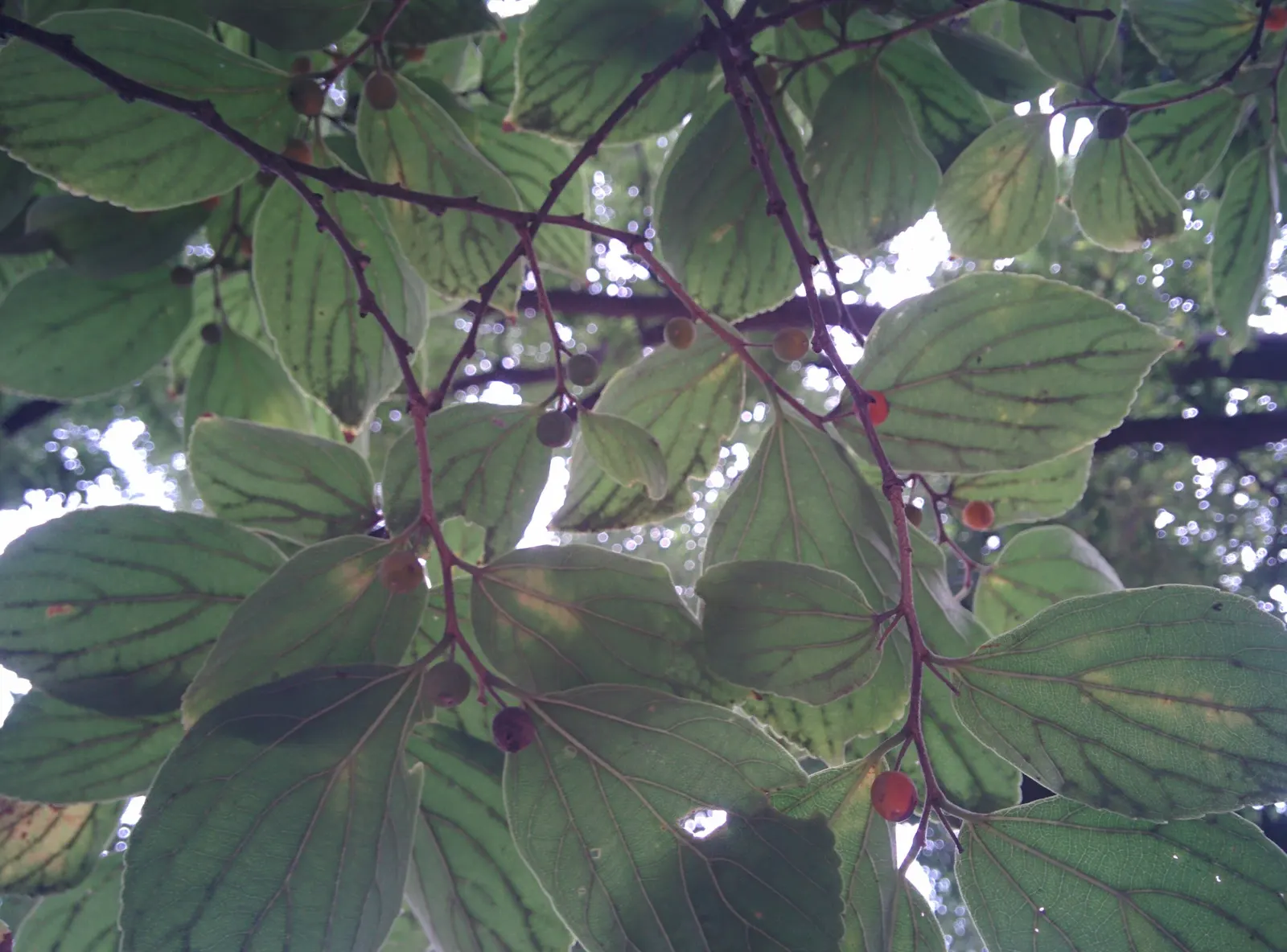
Chinese Hackberry (Celtis Sinensis) — attracting diverse wildlife; these fruits may persist into the winter
Chinese Hackberry (Celtis Sinensis) — Celtis sinensis, or Chinese Hackberry, is a versatile deciduous tree thriving in USDA zones 6-9; adaptable to various
Chinese Hackberry (Celtis Sinensis) — Adaptable to various soils; it's a low-maintenance choice for gardeners
Chinese Hackberry (Celtis Sinensis) — This species typically reaches a height of 30 to 50 feet with a similar spread; adaptable to various soils
Chinese Hackberry (Celtis Sinensis) — offering moderate shade with a light; it's a low-maintenance choice for gardeners
Chinese Hackberry (Celtis Sinensis) — Its canopy provides a round to spreading shape; these fruits may persist into the winter
Chinese Hackberry (Celtis Sinensis) — though some specimens can extend upwards to 60 feet under optimal conditions; its canopy provides a round to spreading
Chinese Hackberry (Celtis Sinensis) — making it a suitable choice for a range of landscape designs; it's a low-maintenance choice for gardeners
Chinese Hackberry (Celtis Sinensis) — is a deciduous tree renowned for both its ornamental qualities and resilience; these fruits may persist into the winter
Chinese Hackberry (Celtis Sinensis) — making it an excellent choice for both public and private landscapes; its canopy provides a round to spreading shape
Chinese Hackberry (Celtis Sinensis) — it provides robust urban tolerance and requires low maintenance; adaptable to various soils
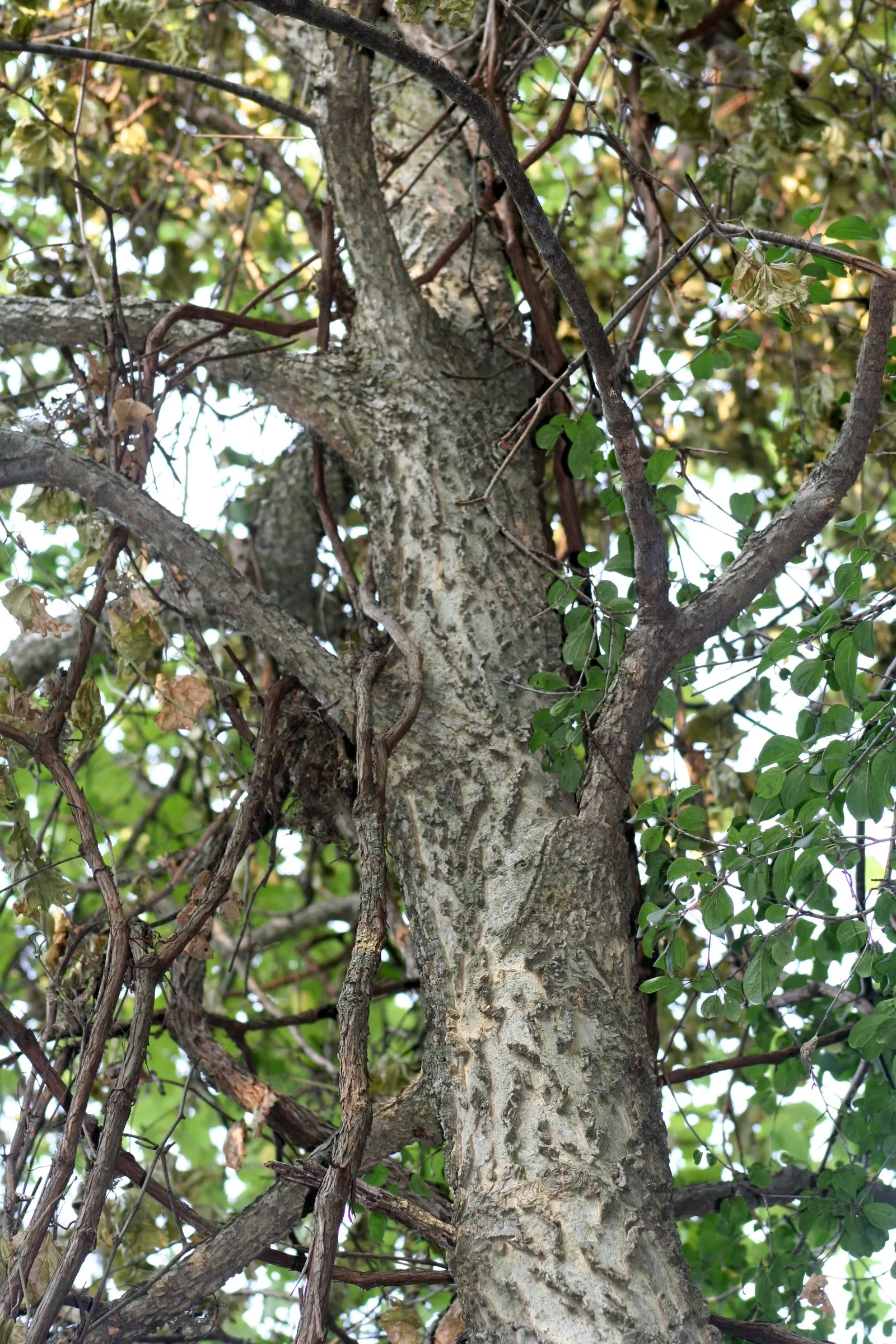
Chinese Hackberry (Celtis Sinensis) — airy structure.<br><br>Characterized by its smooth; adaptable to various soils
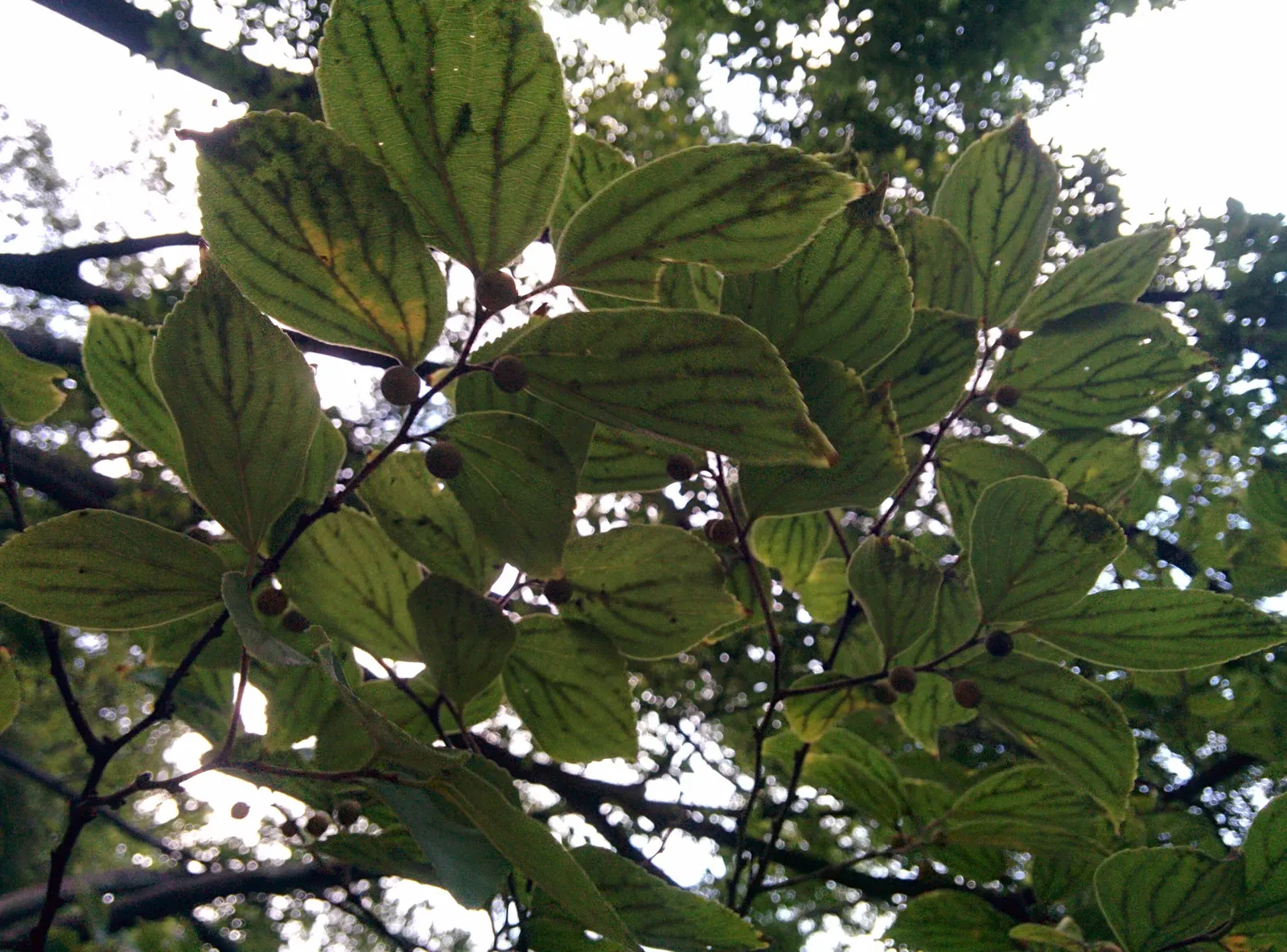
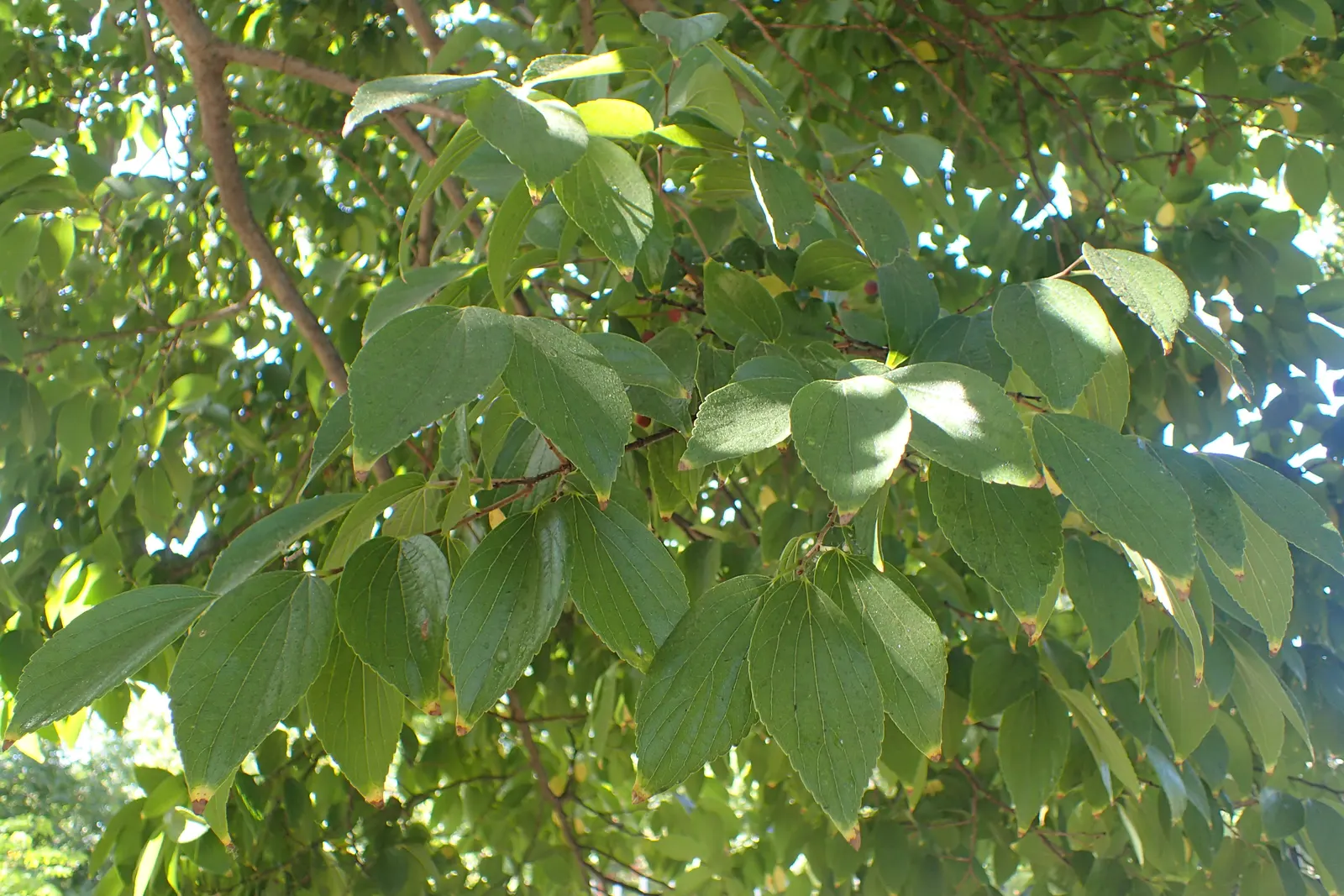
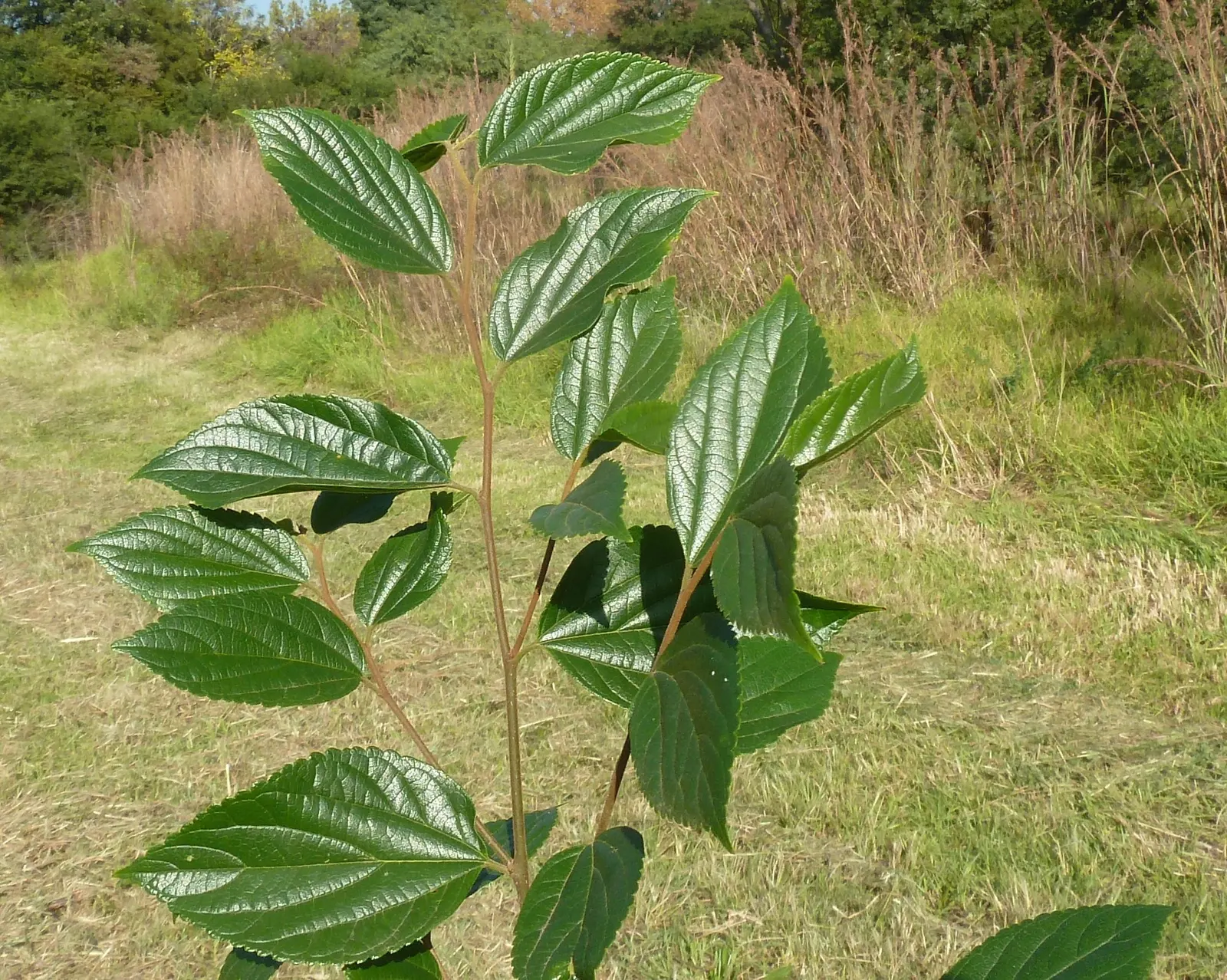
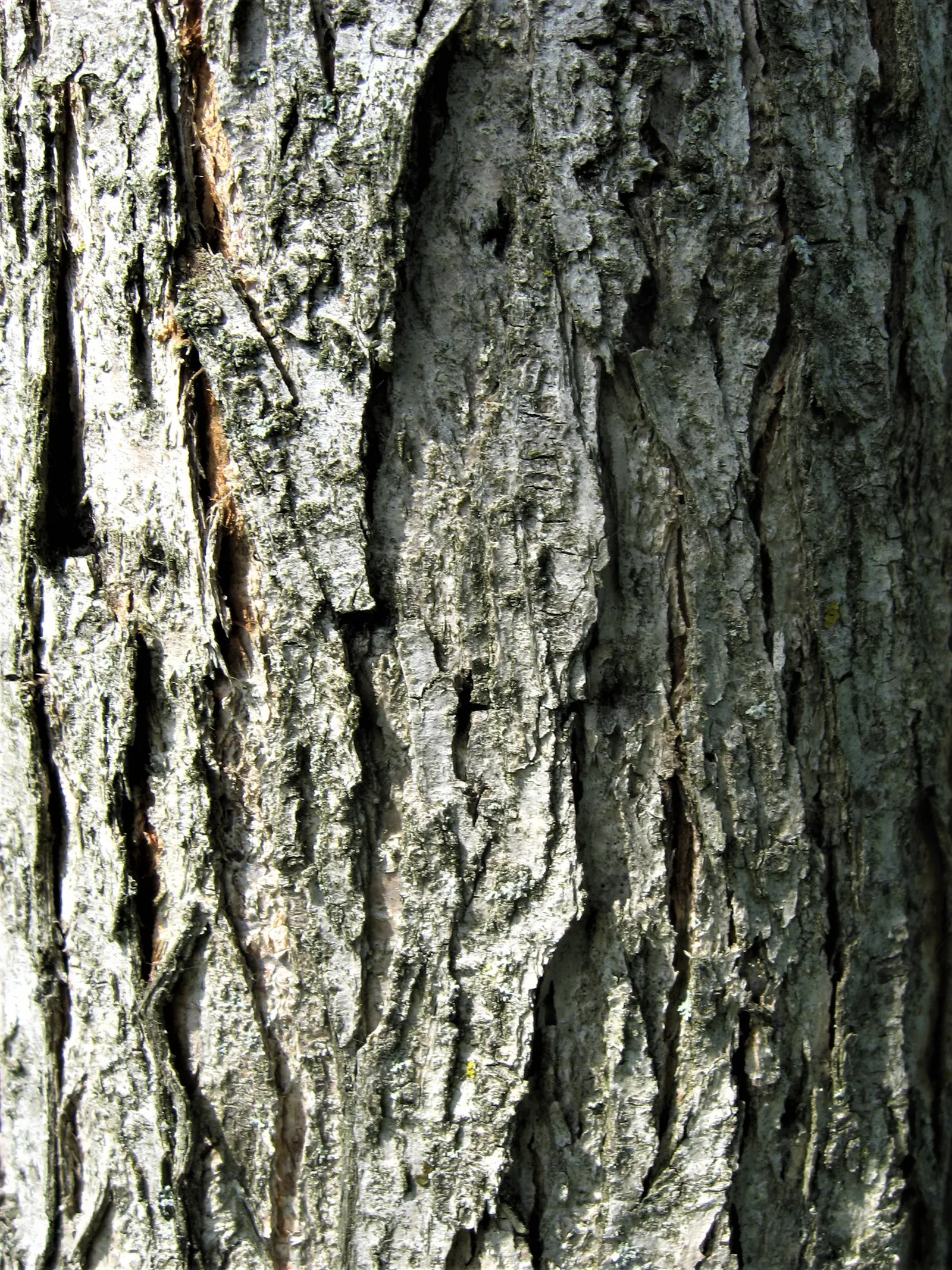
Chinese Hackberry (Celtis Sinensis) — gray bark and elegantly serrated; its canopy provides a round to spreading shape
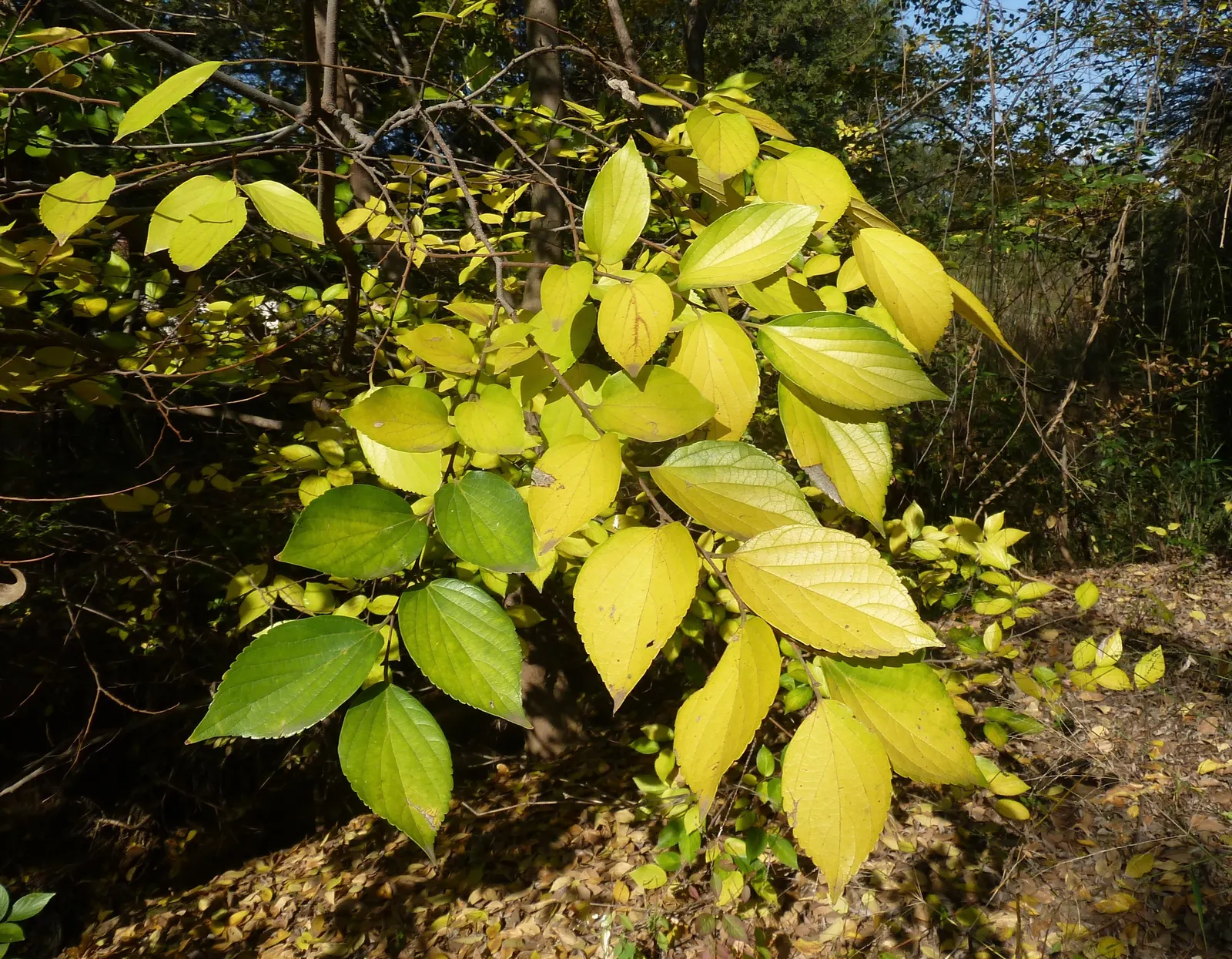
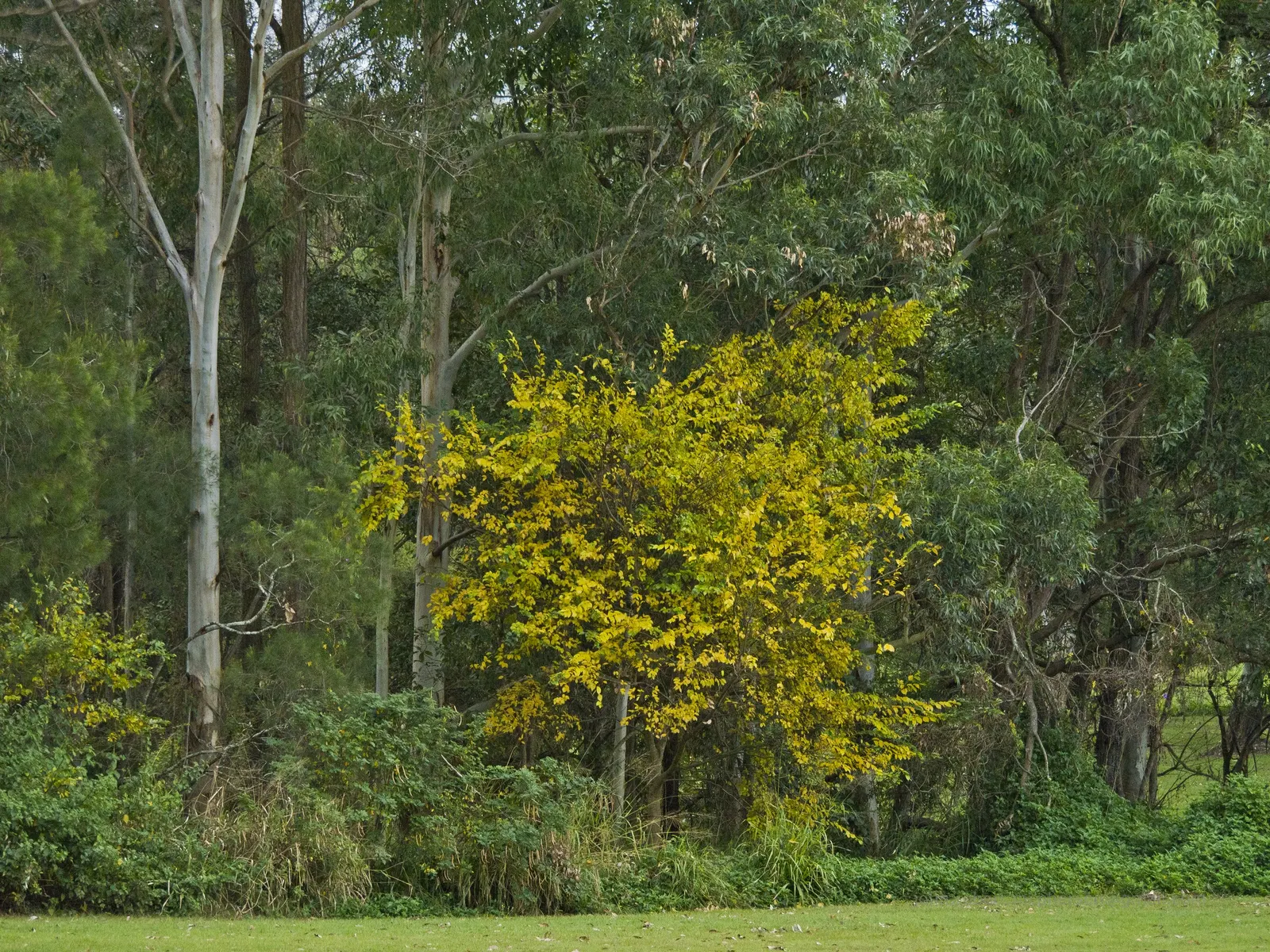
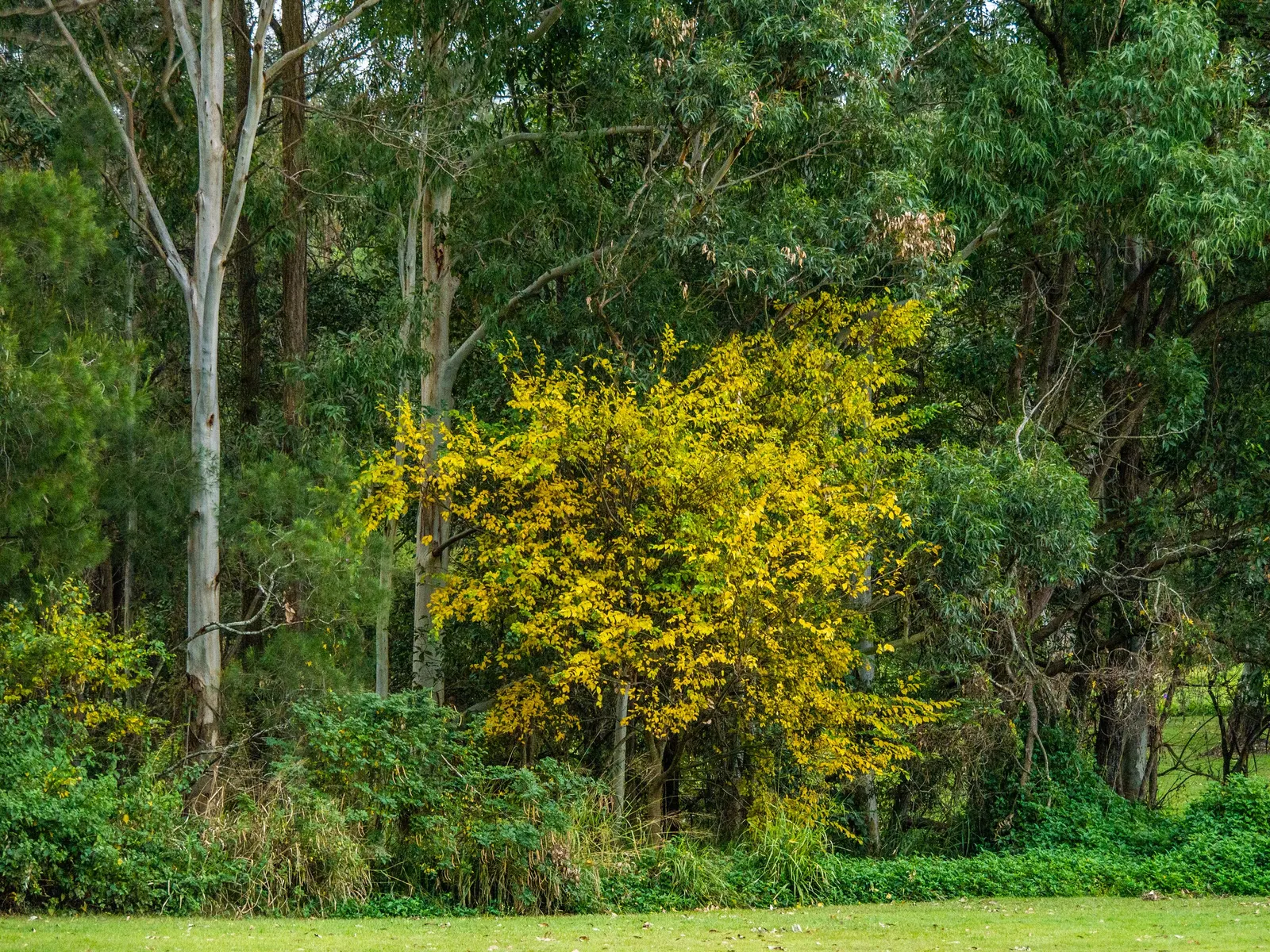
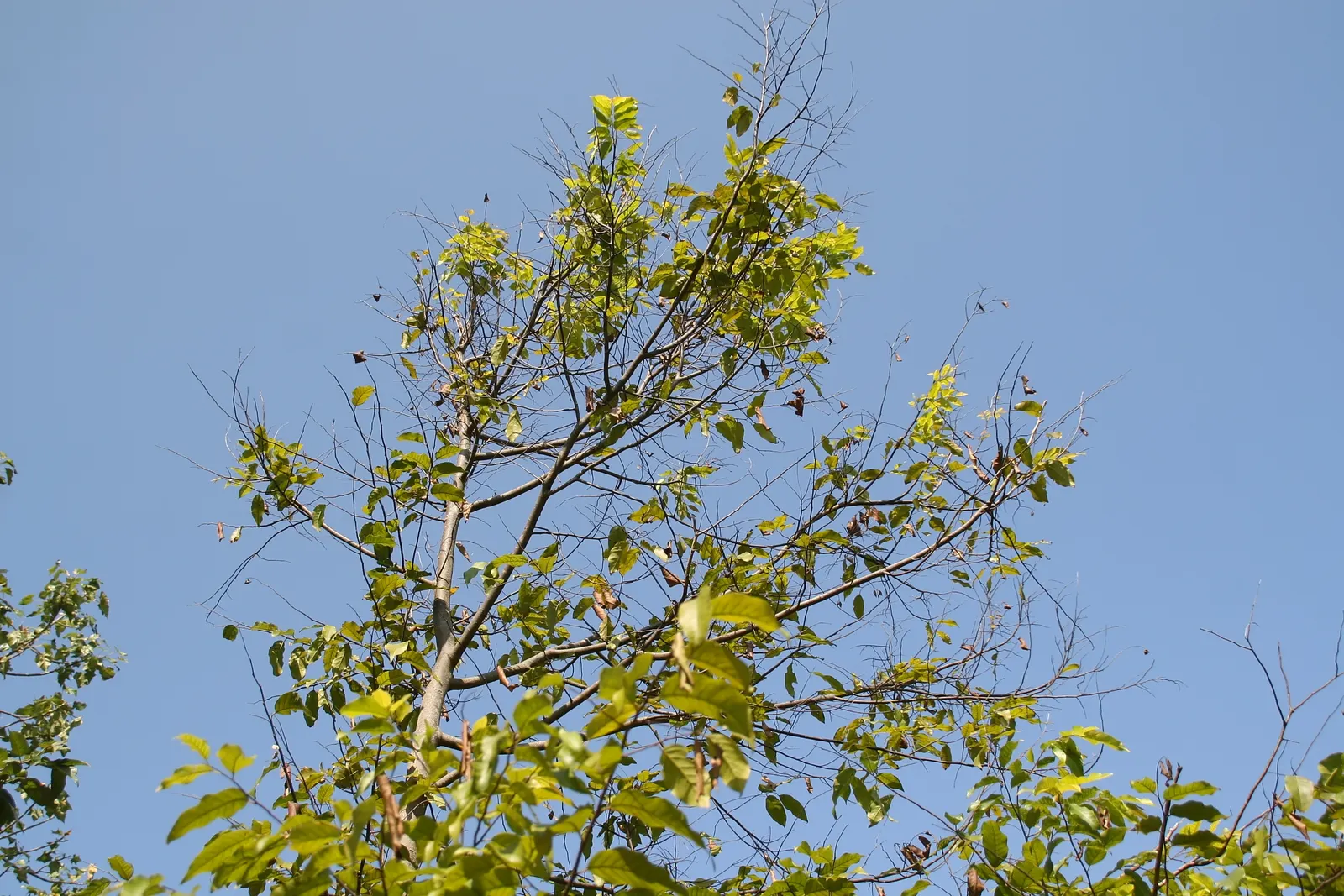
Chinese Hackberry (Celtis Sinensis) — the Chinese Hackberry transitions into a golden-yellow canvas in the fall; these fruits may persist into the winter
Chinese Hackberry (Celtis Sinensis) — inconspicuous flowers emerge; it's a low-maintenance choice for gardeners
Chinese Hackberry (Celtis Sinensis) — These fruits may persist into the winter; its canopy provides a round to spreading shape
Chinese Hackberry (Celtis Sinensis) — which are attractive to various bird species and are typically about 1/4 to 1/3 inches in diameter; adaptable to various
Chinese Hackberry (Celtis Sinensis) — providing a food source for wildlife during the colder months.<br><br>Well-suited to urban environments; these fruits may
Chinese Hackberry (Celtis Sinensis) — Celtis sinensis is tolerant of drought; it's a low-maintenance choice for gardeners

Related plants