
Clustering Fishtail Palm
Caryota Mitis
Overview
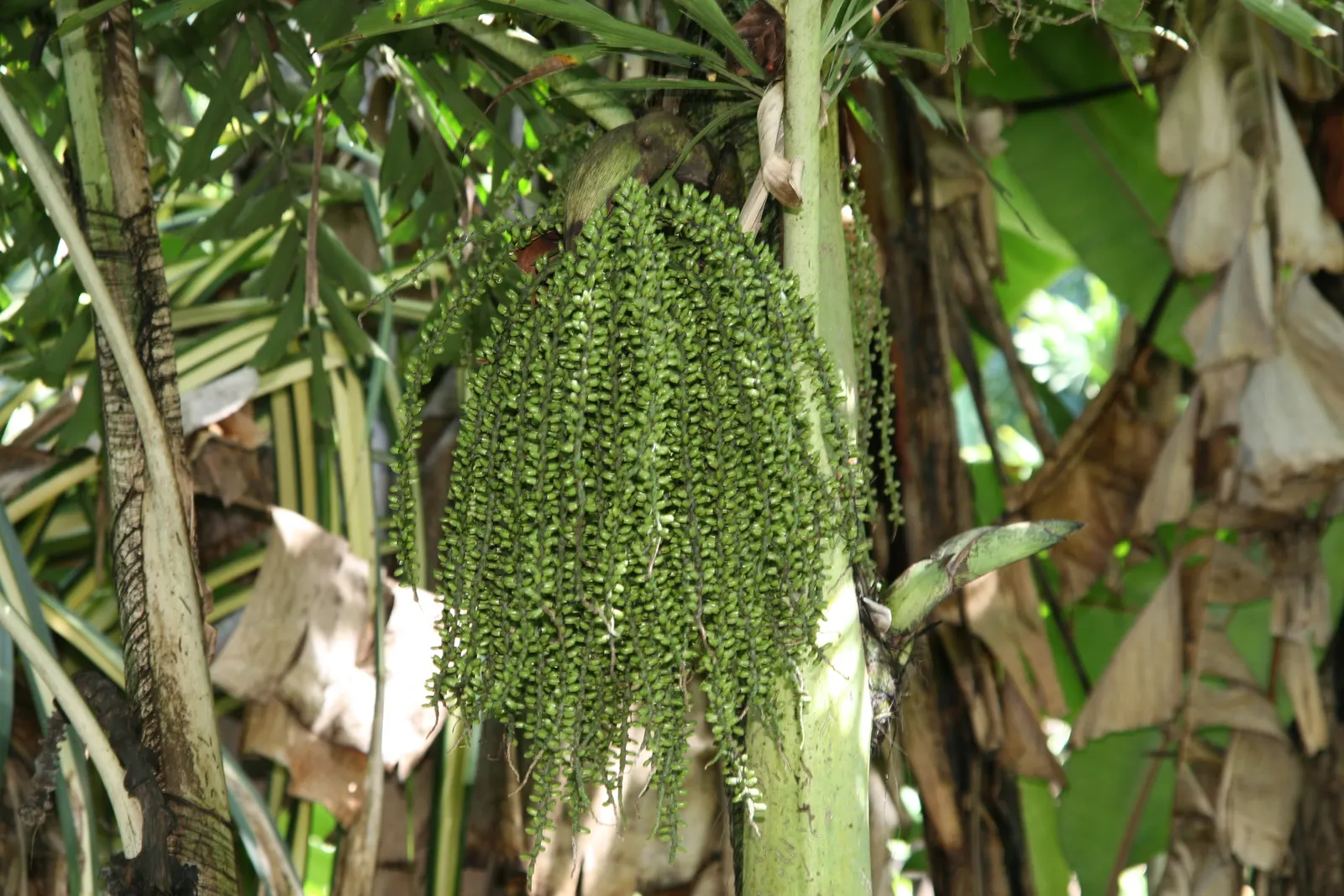
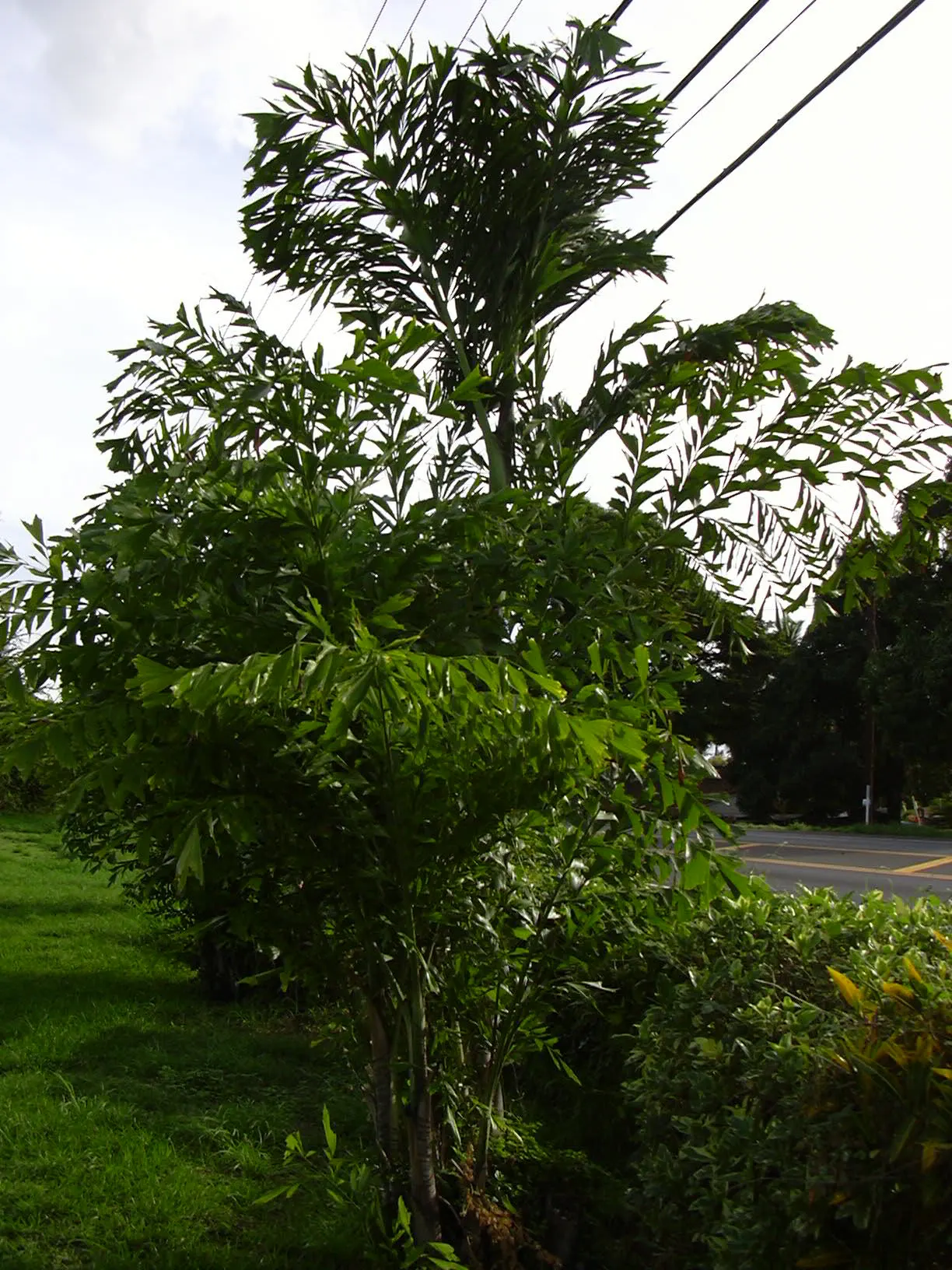
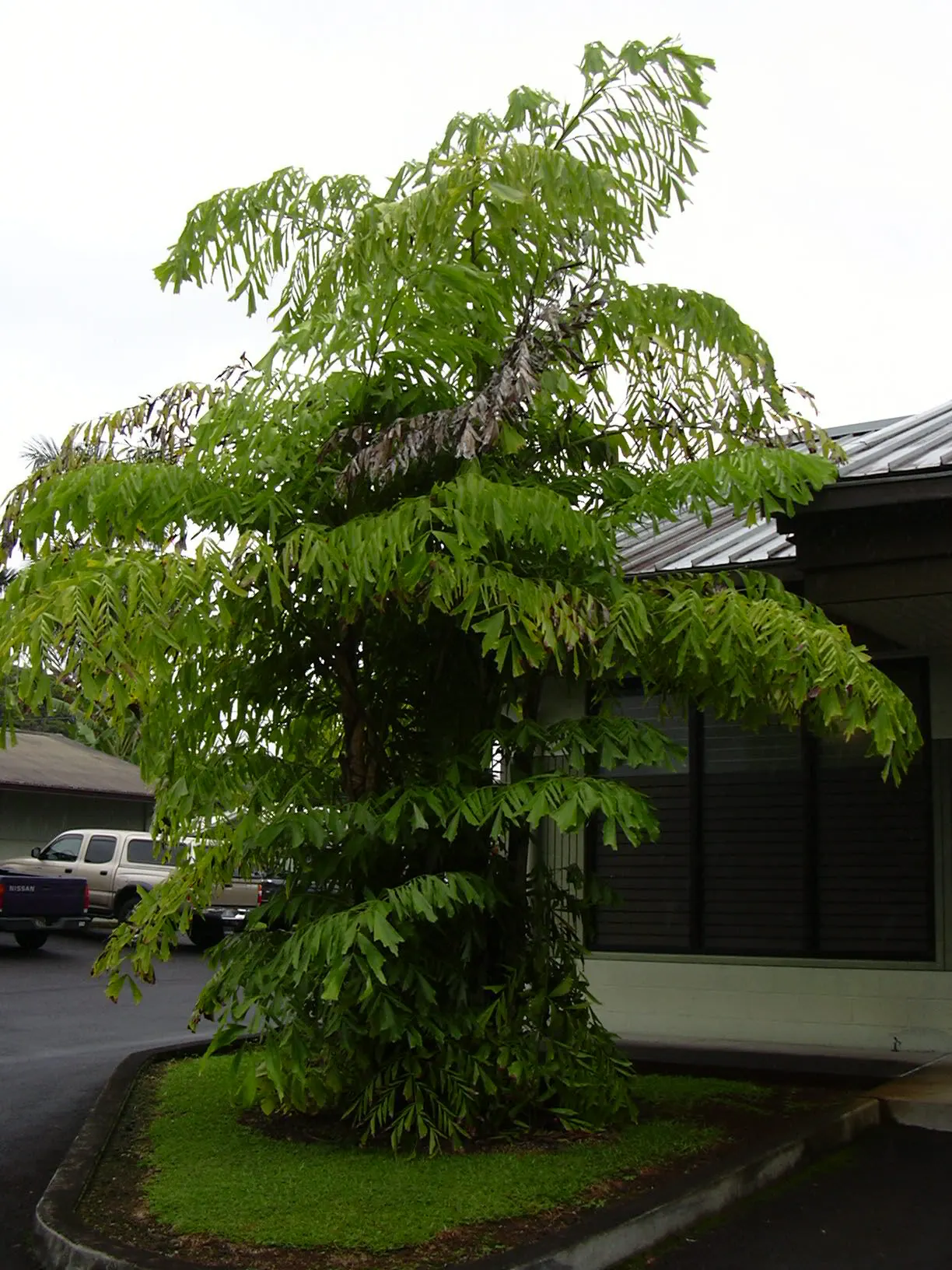
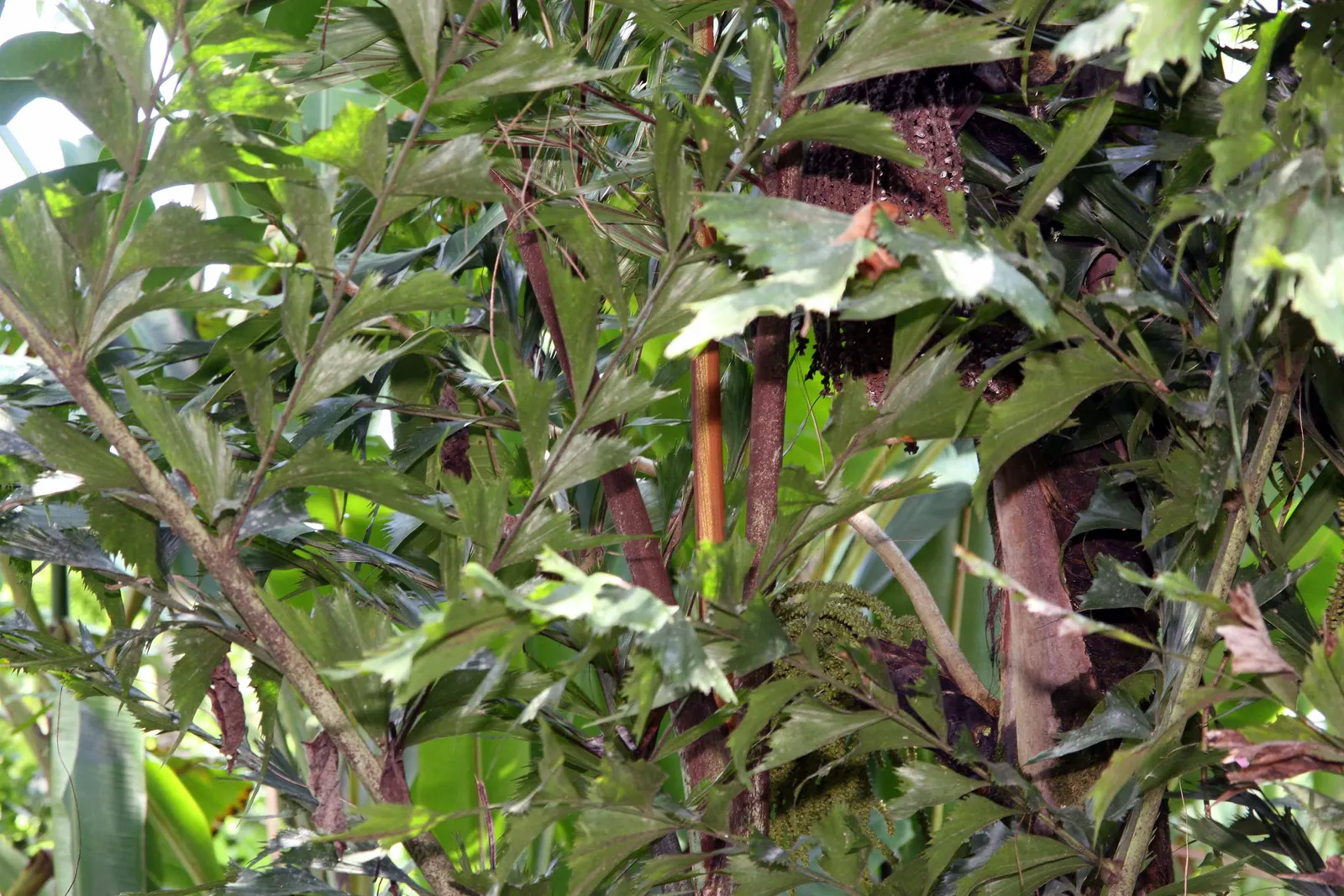
The Clustering Fishtail Palm (Caryota mitis) is a tropical plant native to Southeast Asia, distinguished by its bipinnate leaves resembling fishtails. It grows up to 20-25 feet tall, with a spread of 6-10 feet. Ideal for USDA zones 10-12, it prefers partial shade and moist, well-drained soil. This palm's multi-stemmed clumping habit makes it a dramatic feature in any landscape, adding lush, exotic texture.
Sun Full, HalfWater Extra in Summer, HighZones 9–10Type PalmClimate Subtropical
Culture
- Sun
- Full, Half
- Water
- Extra in Summer, High
- USDA zones
- 9–10
Shape & size
Classification
- Type
- Palm
- Family
- Arecaceae
- Climate
- Subtropical
See full data, regional cultivation notes, and design tools. Build a client presentation around this plant.
Start your 14-day trialPhotos (72)

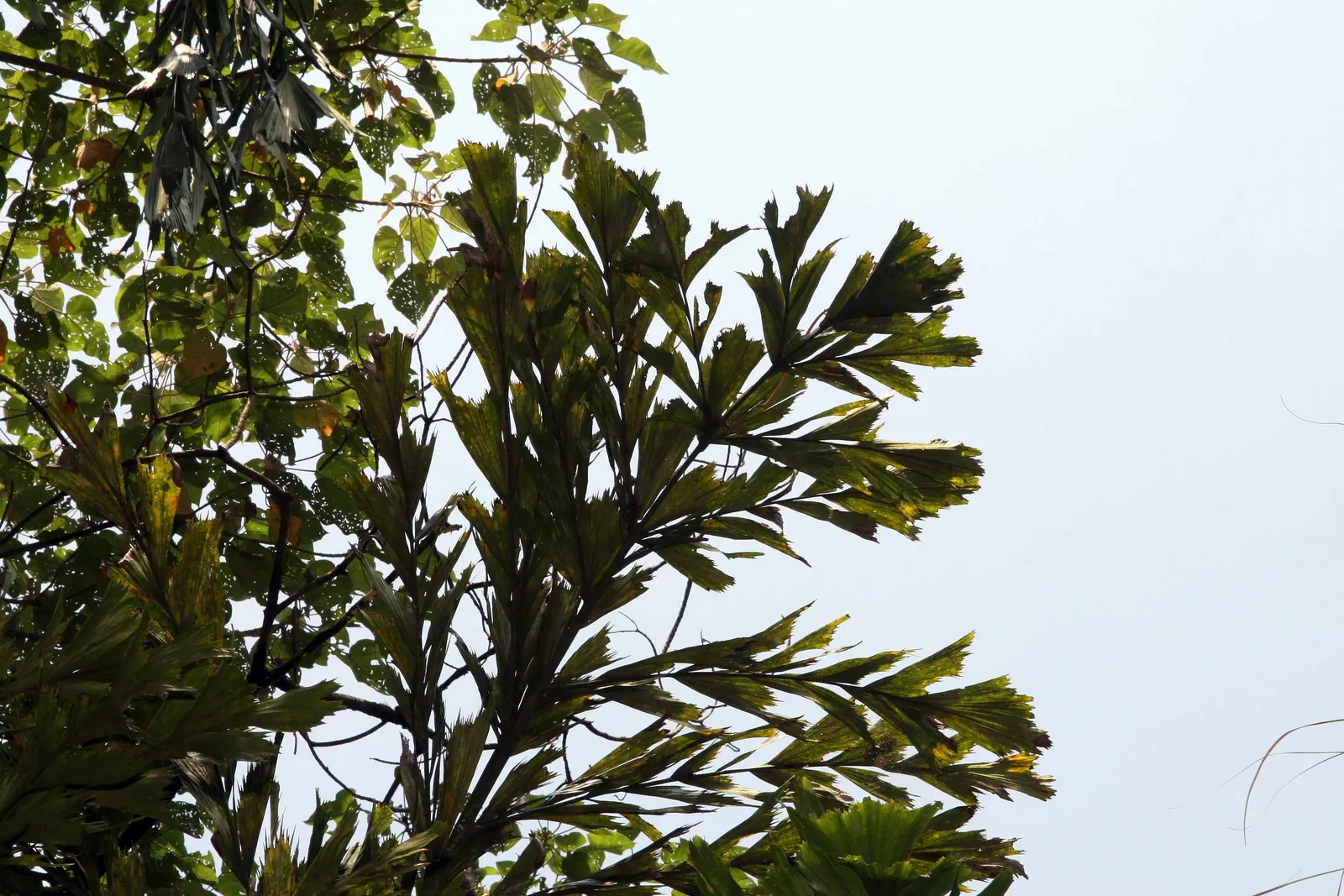
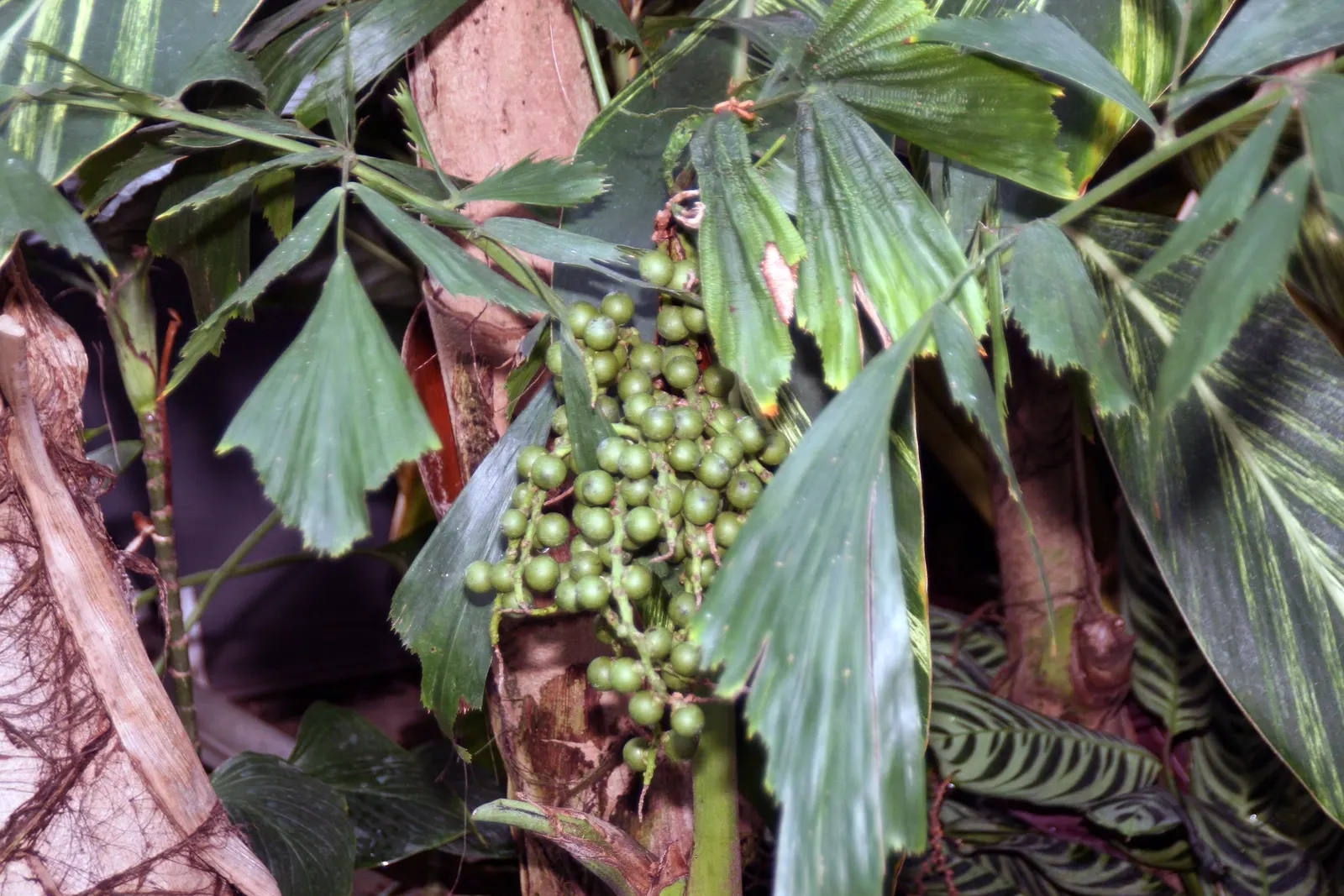
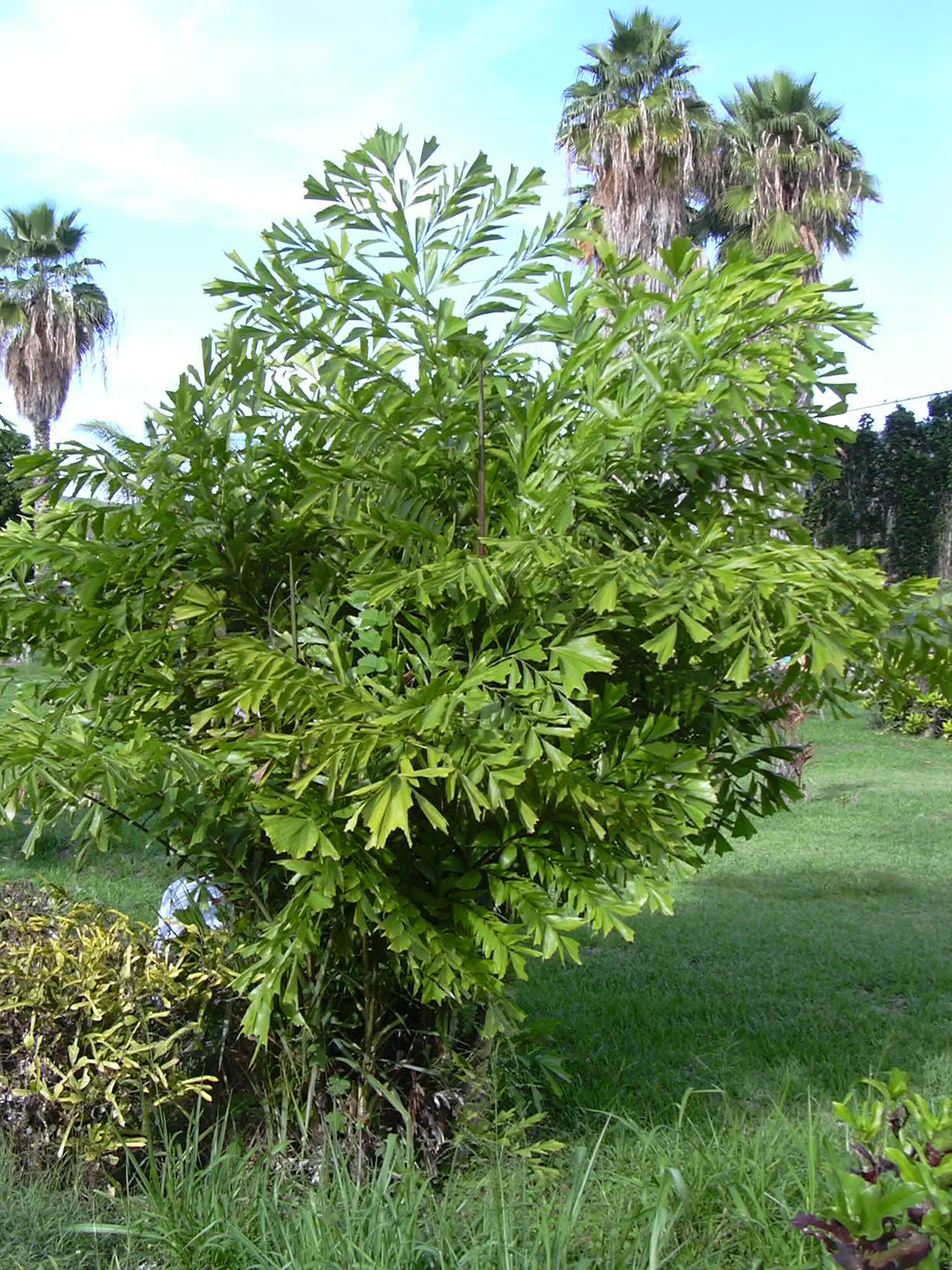
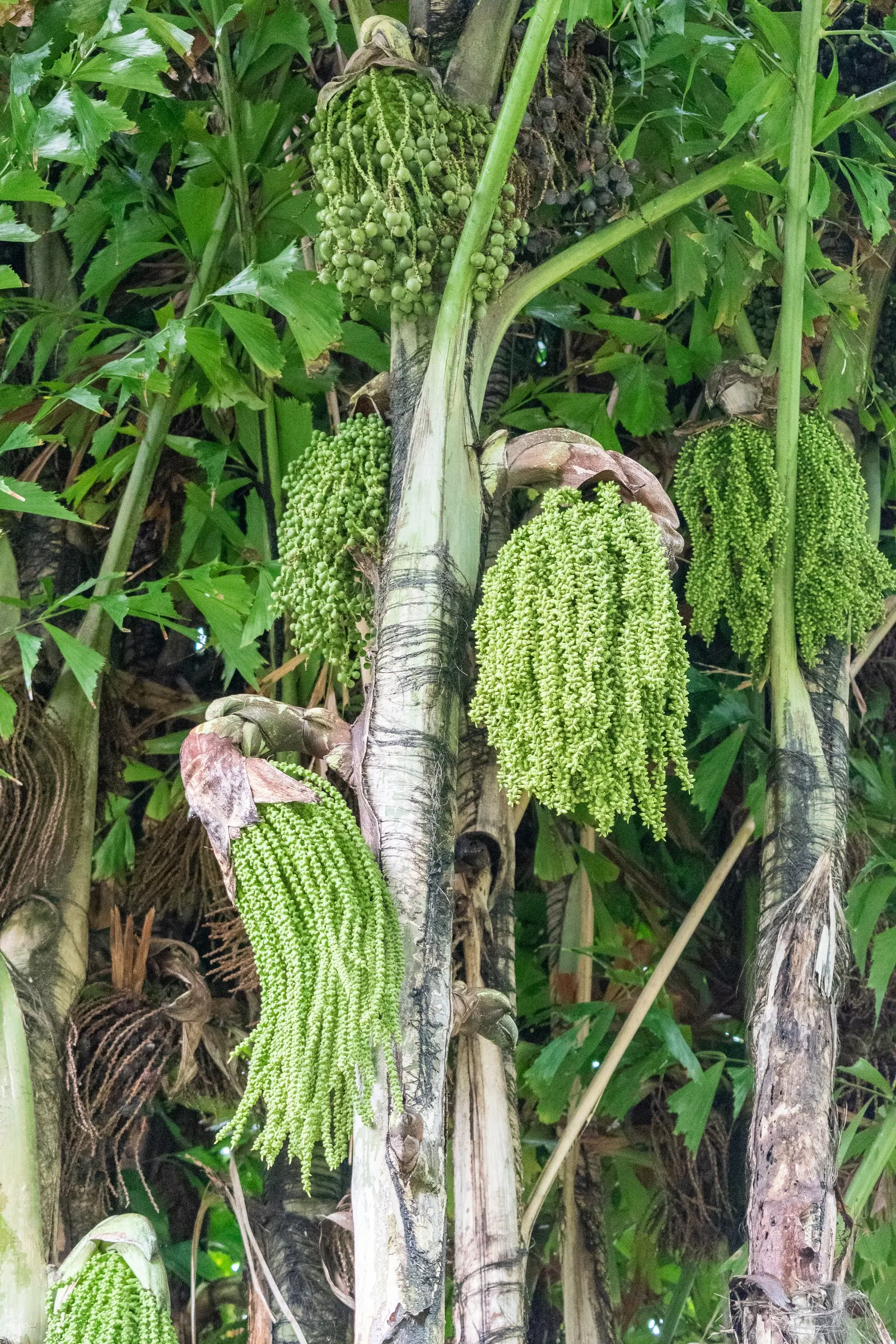
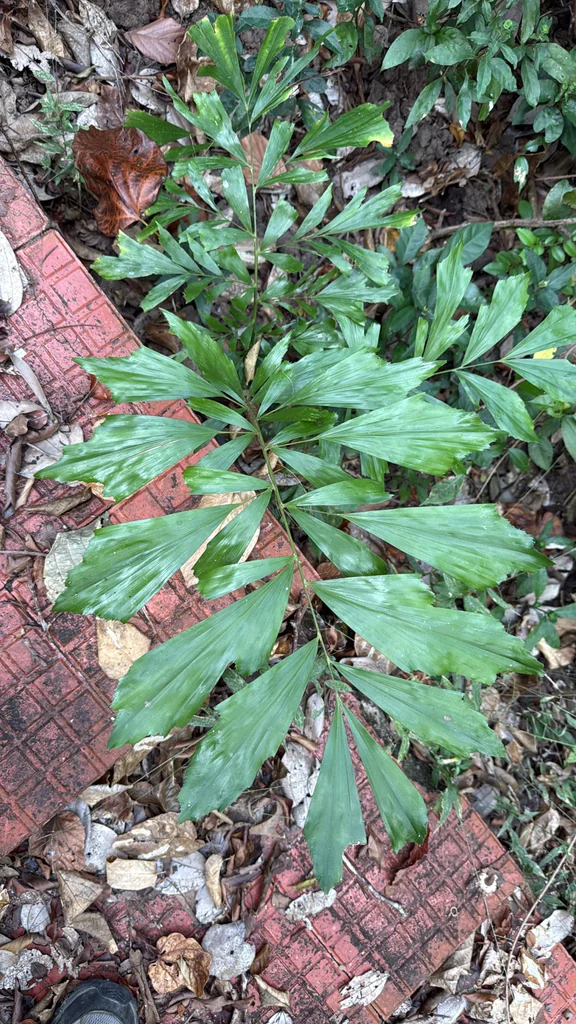
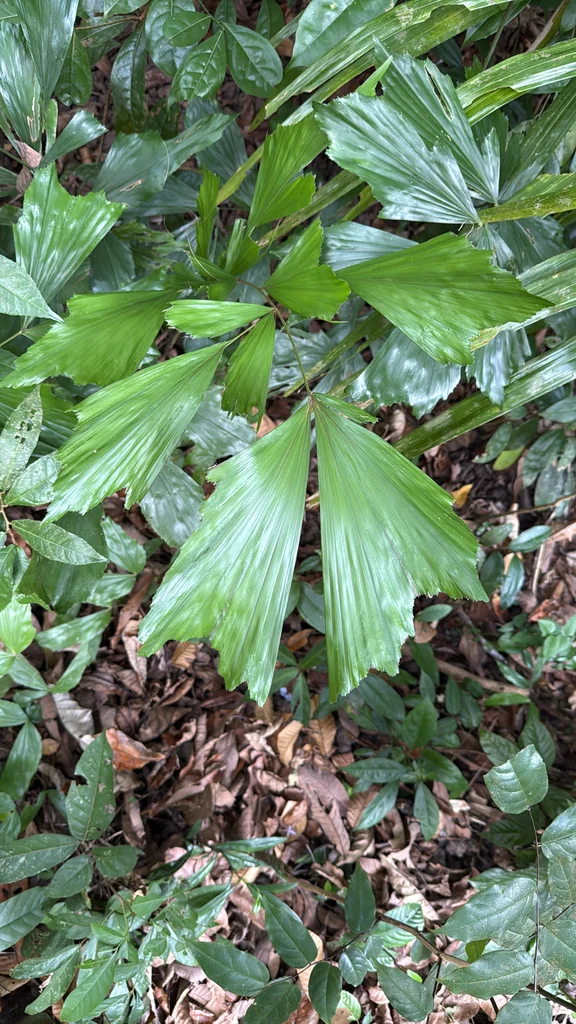
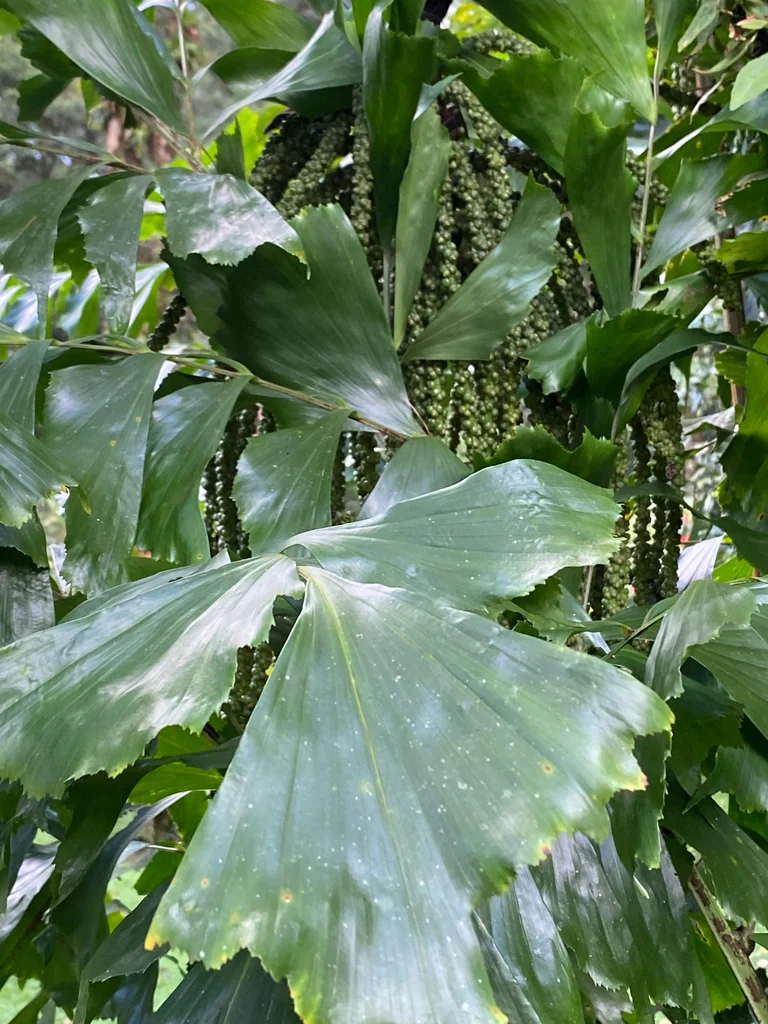
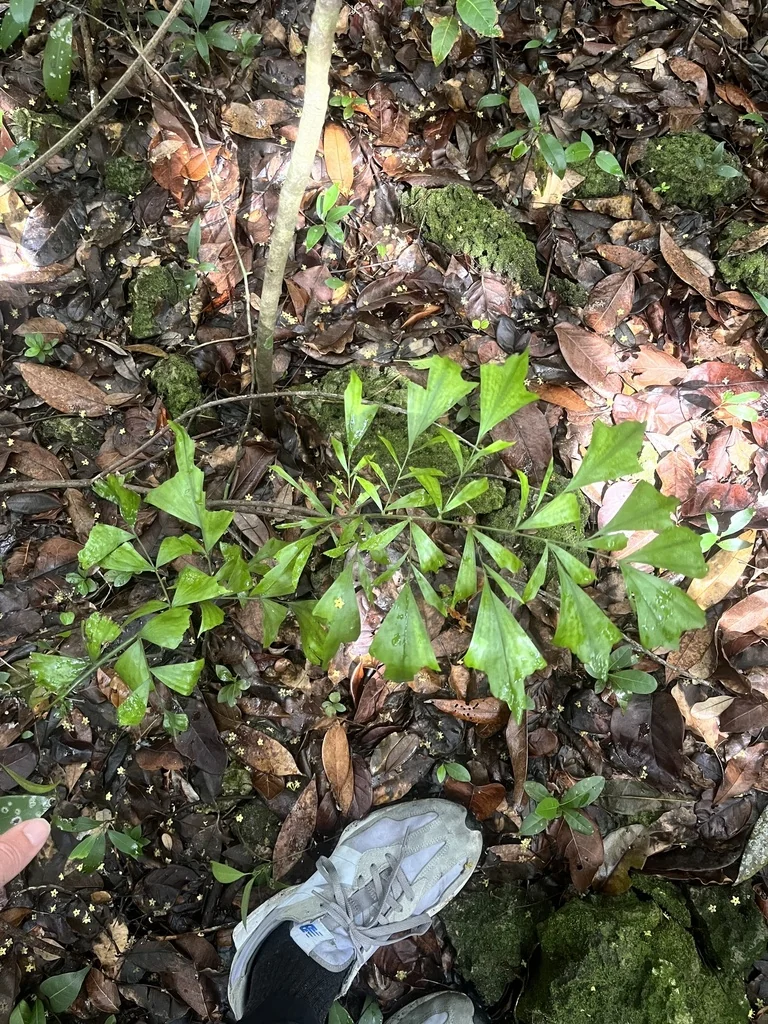


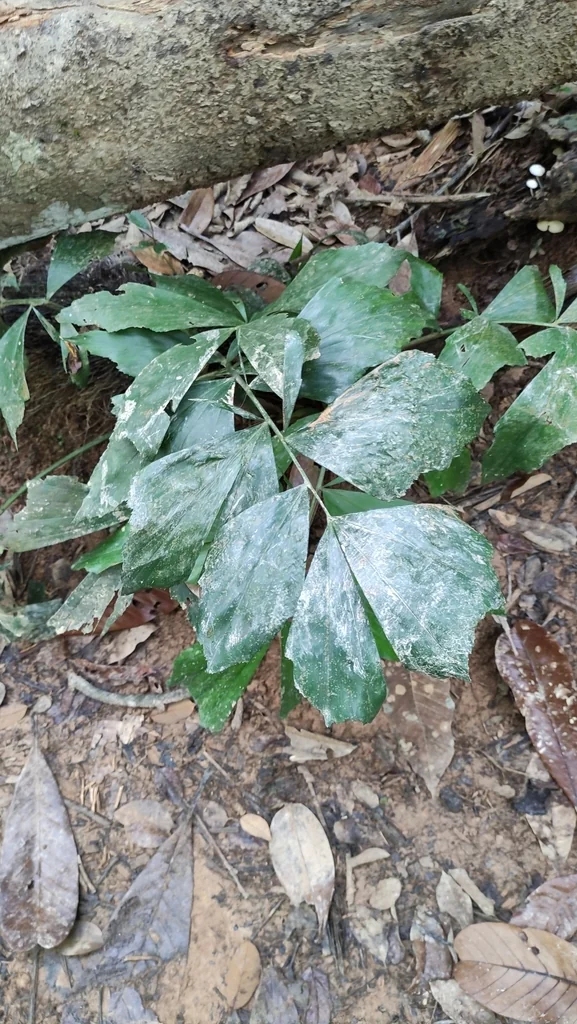
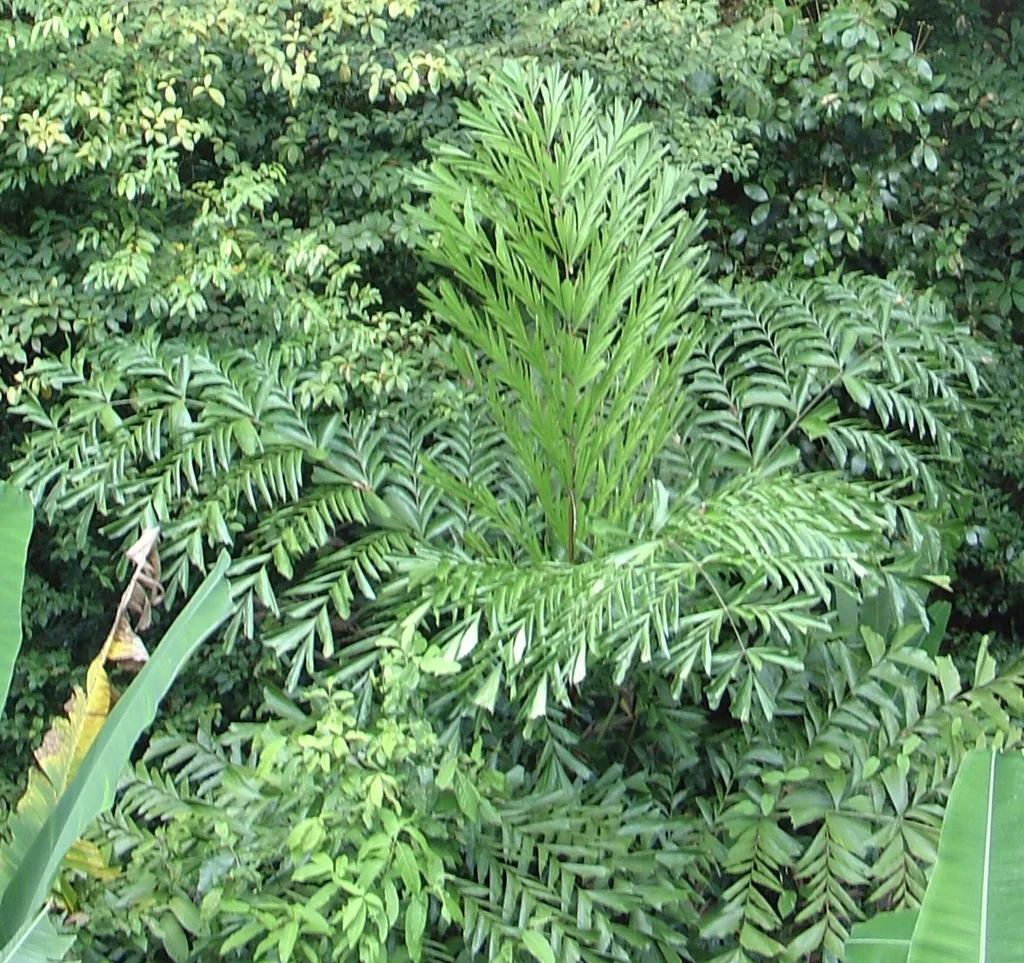
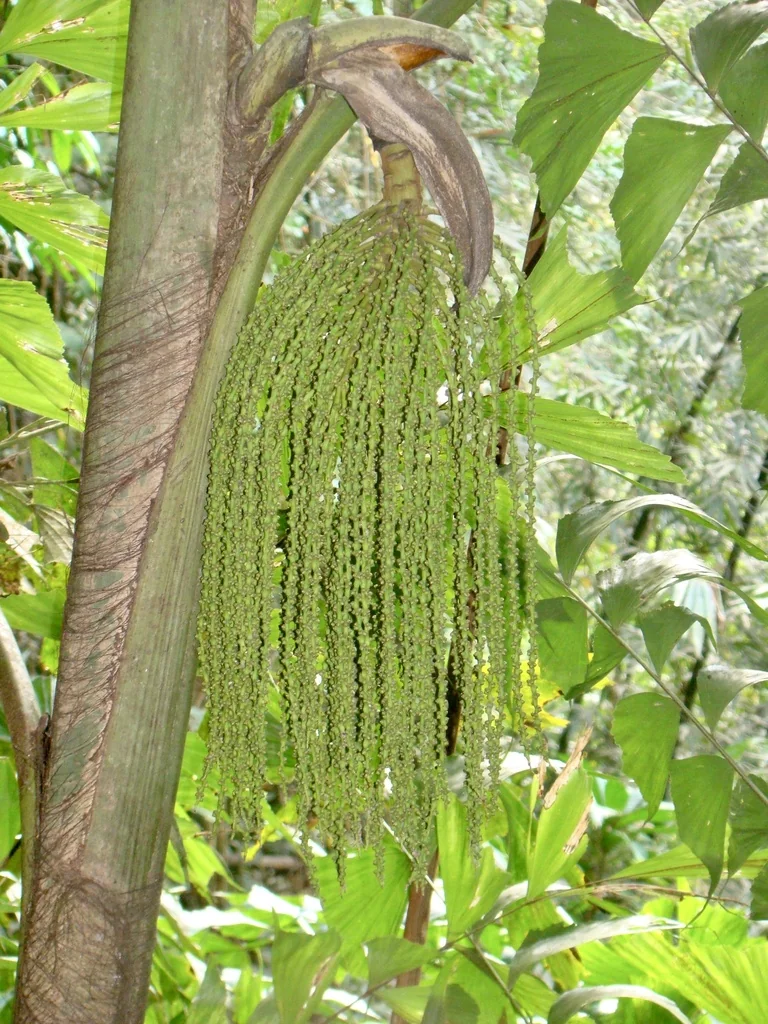
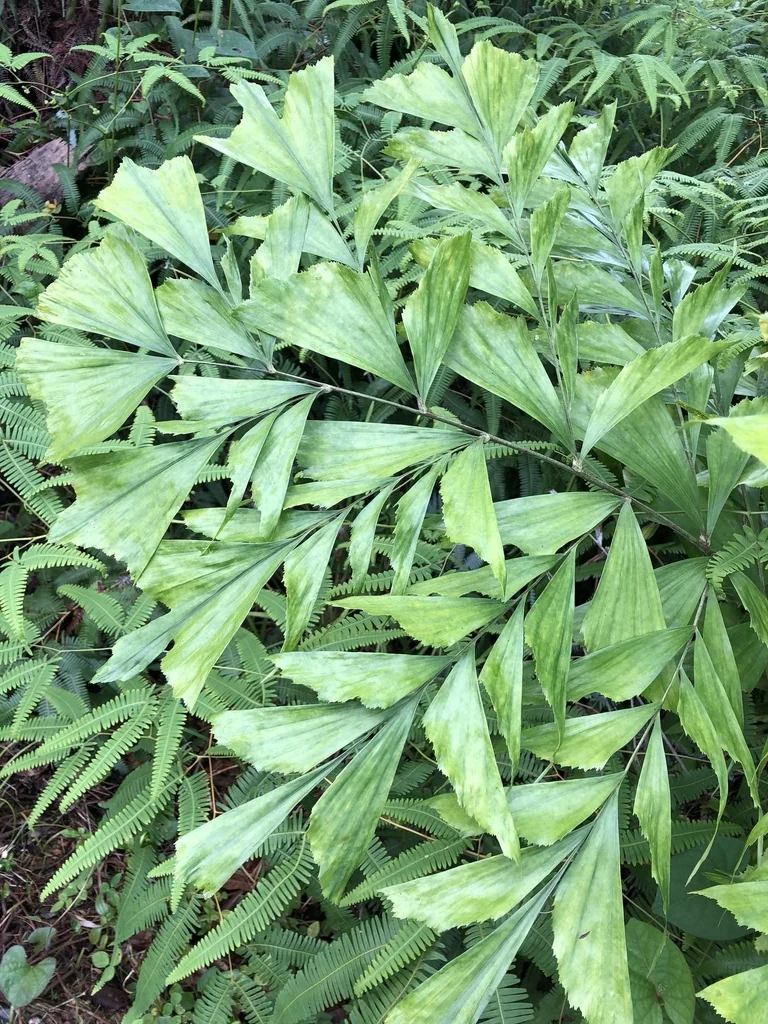

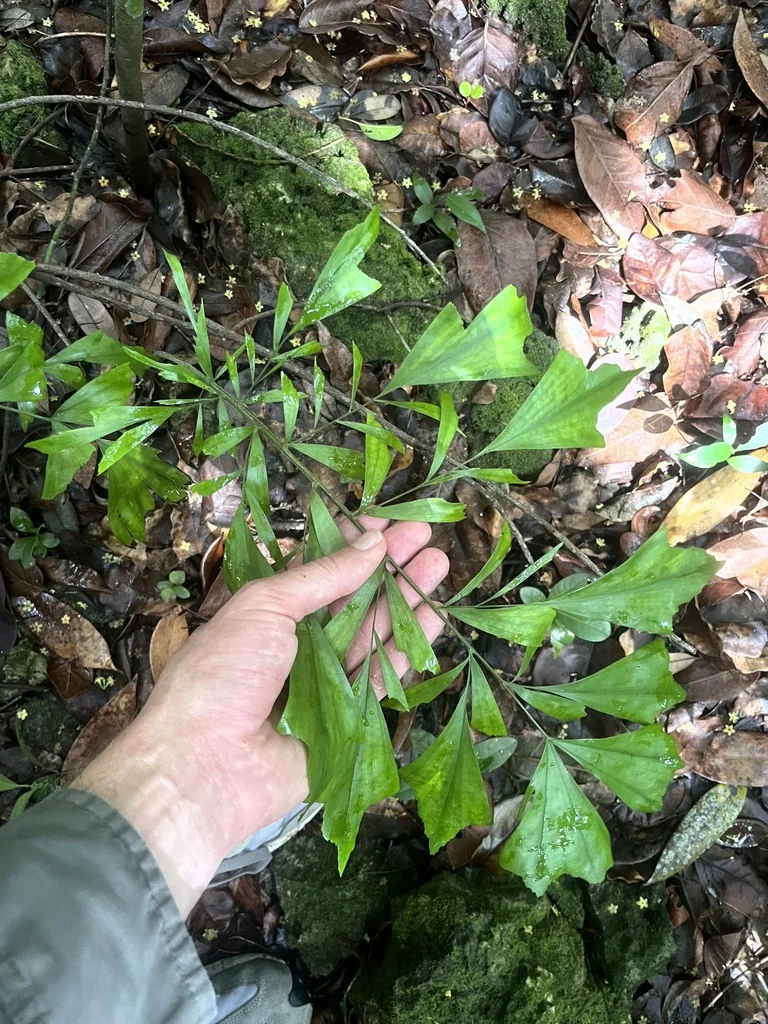
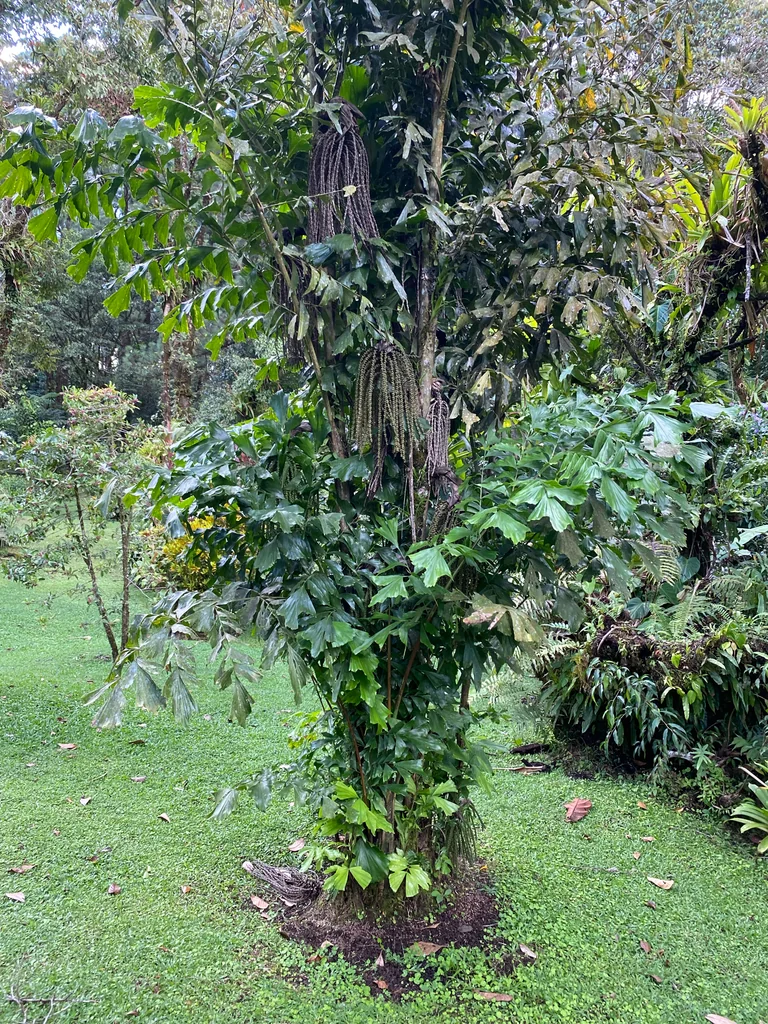
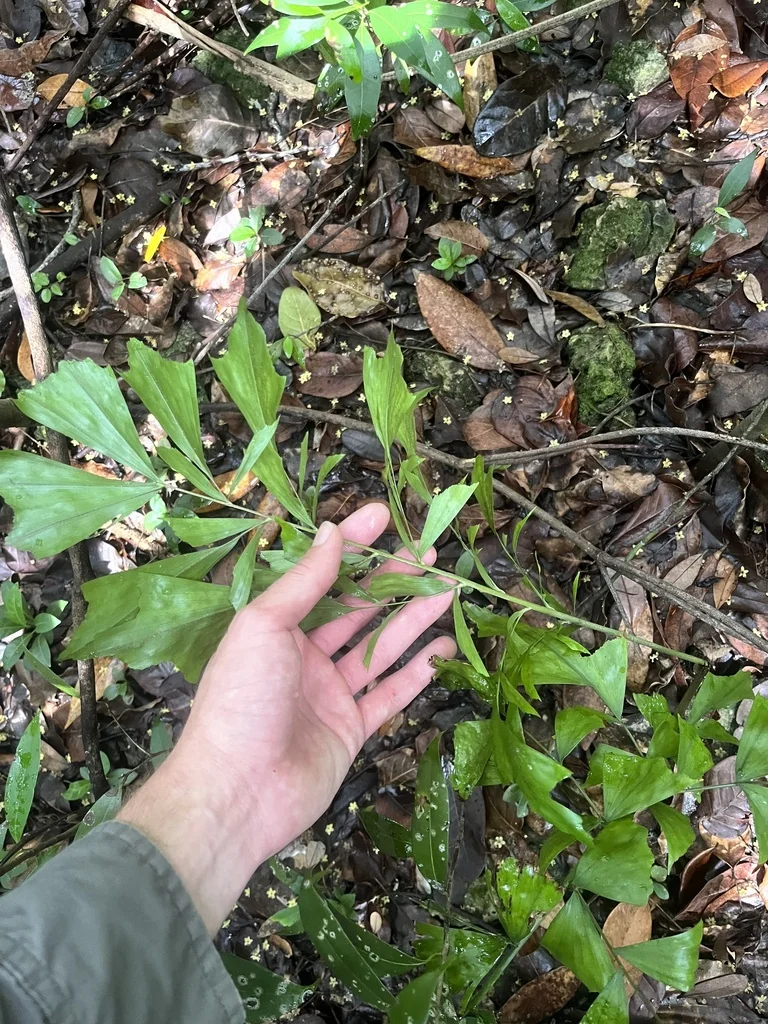
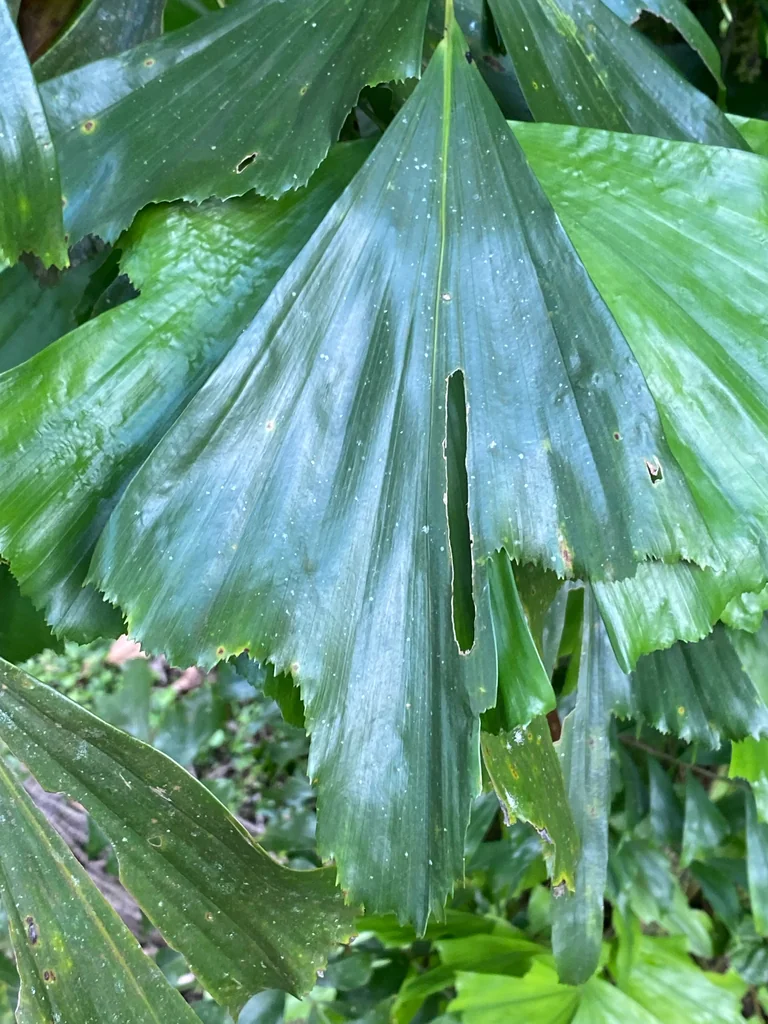
Photographs by 4 contributors
- Forest & Kim Starr, CC BY 3.0 · source
- Forest and Kim Starr, CC BY 3.0 us · source
- David J. Stang, CC BY-SA 4.0 · source
- Tournasol7, CC BY 4.0 · source
Related plants
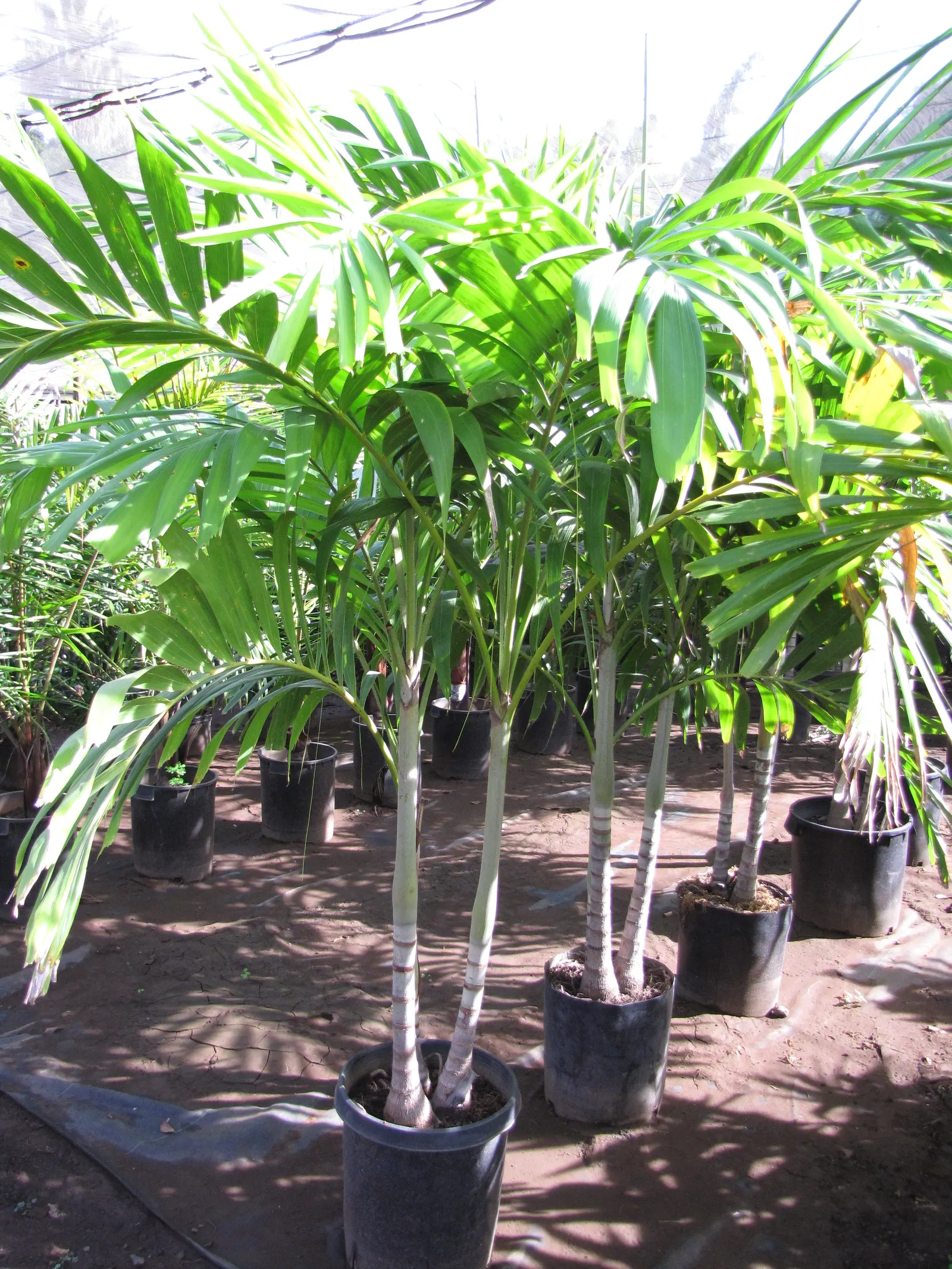
Palm
Alexander Palm
Ptychosperma Elegans
FullUSDA 8–10
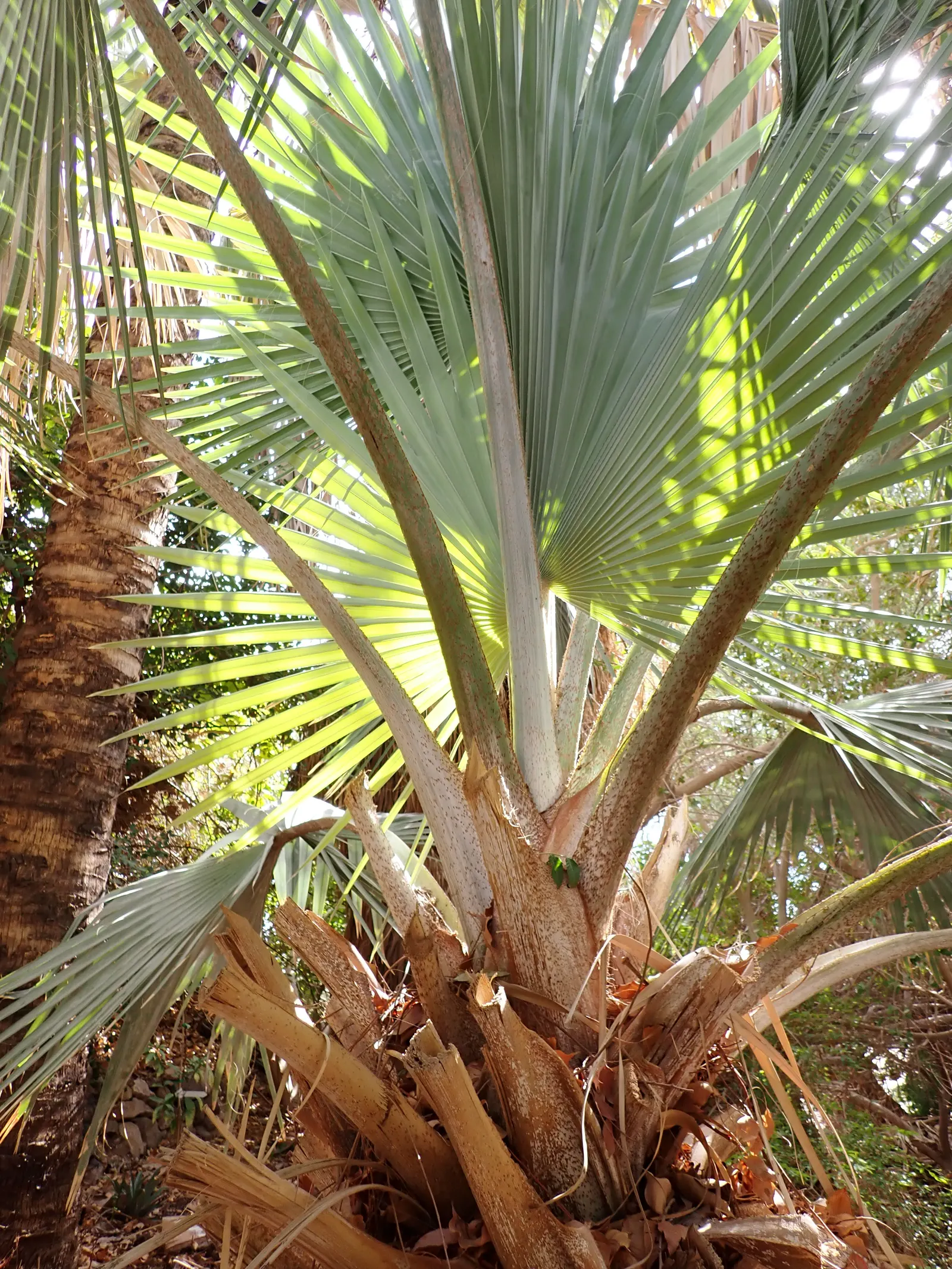
Palm
Bismarck Palm
Bismarckia Nobilis
FullUSDA 9–10
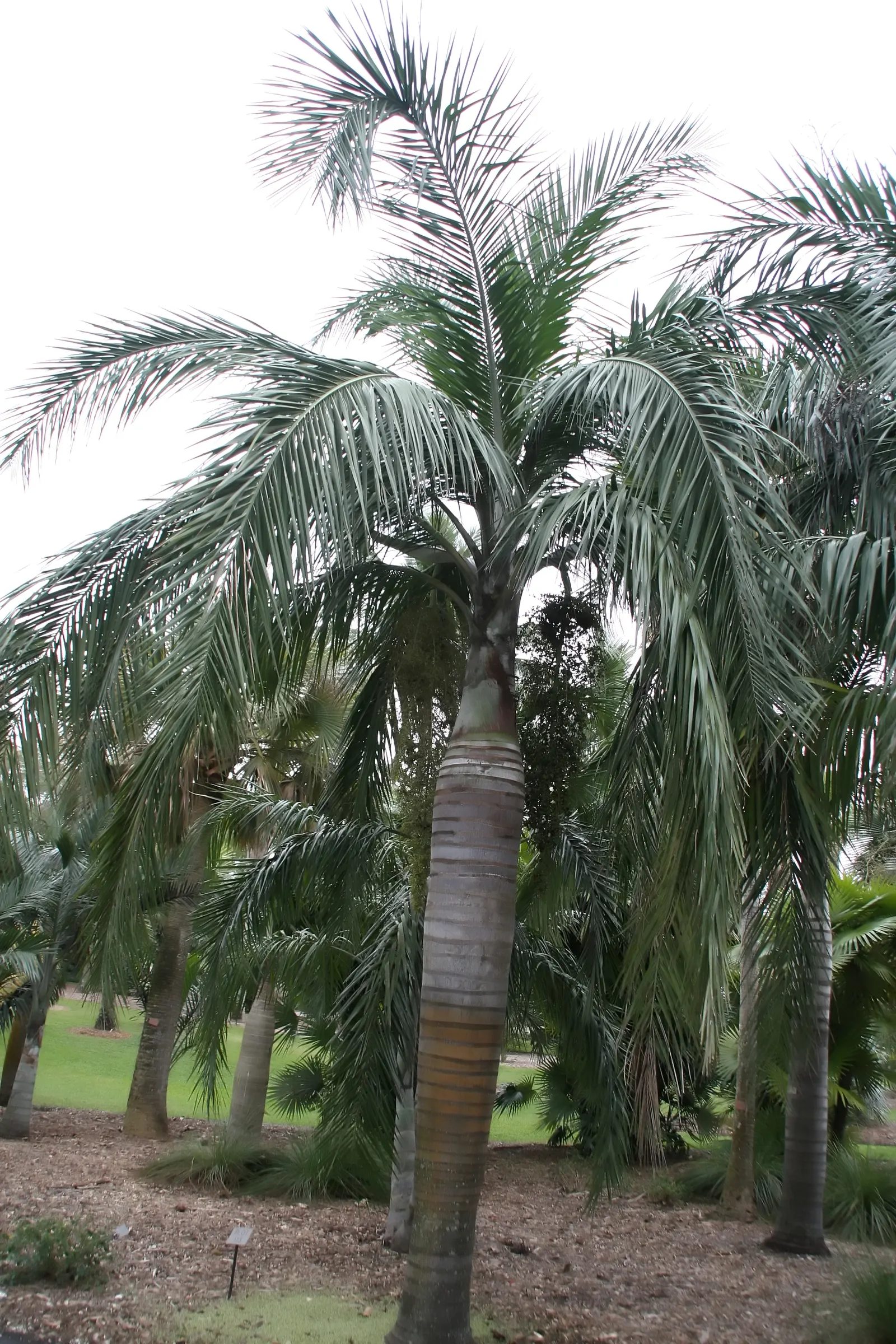
Palm
Buccaneer Palm
Pseudophoenix Sargentii
HalfUSDA 10–11

Palm
Cabbage Palm
Sabal Palmetto
FullUSDA 8–10
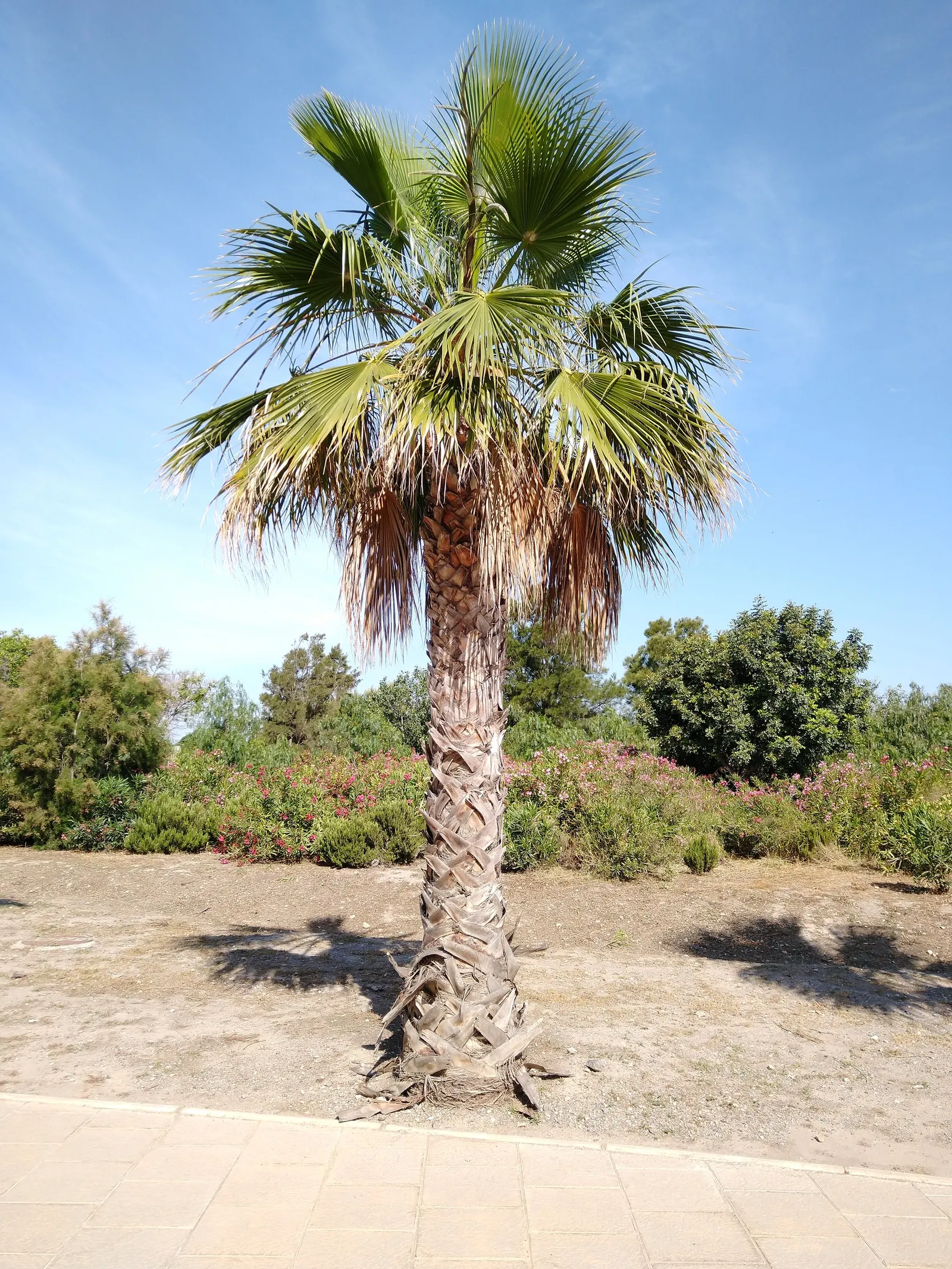
Palm
California Fan Palm
Washingtonia Filifera
FullUSDA 8–10
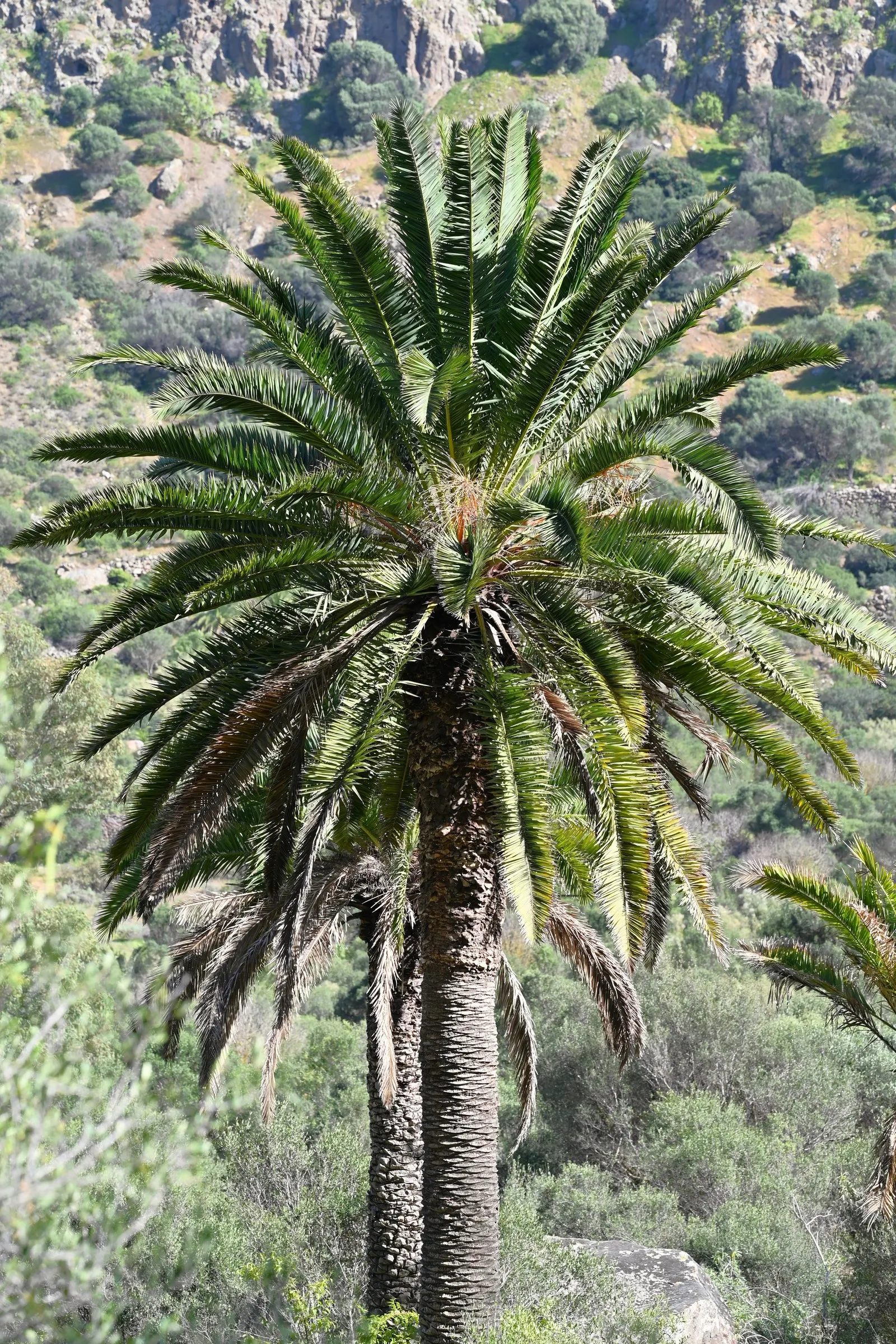
Palm
Canary Island Date Palm
Phoenix Canariensis
FullUSDA 8–10