Skip to content

Cabbage Palm

Sabal Palmetto

Design with this plant

Overview

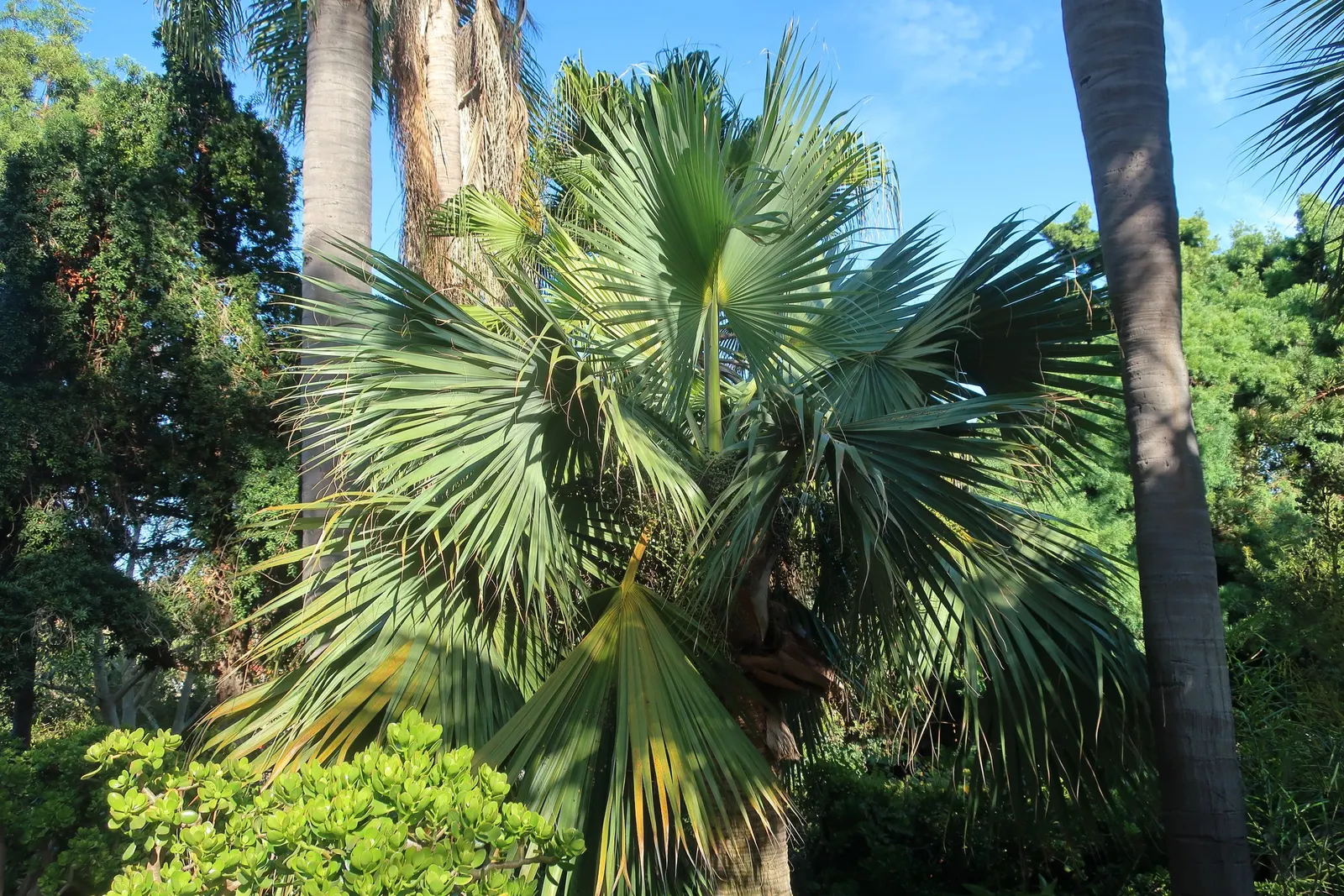
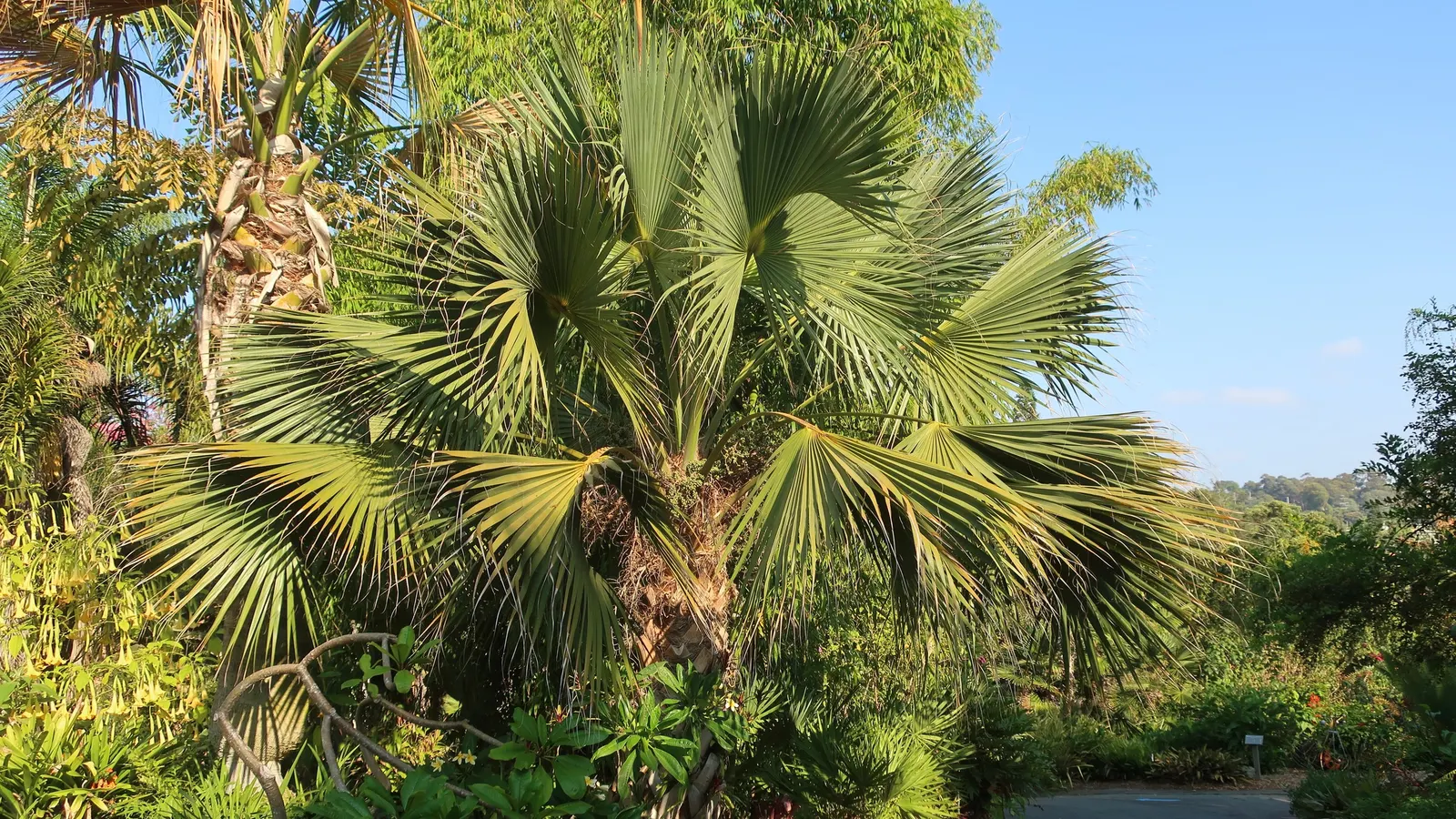
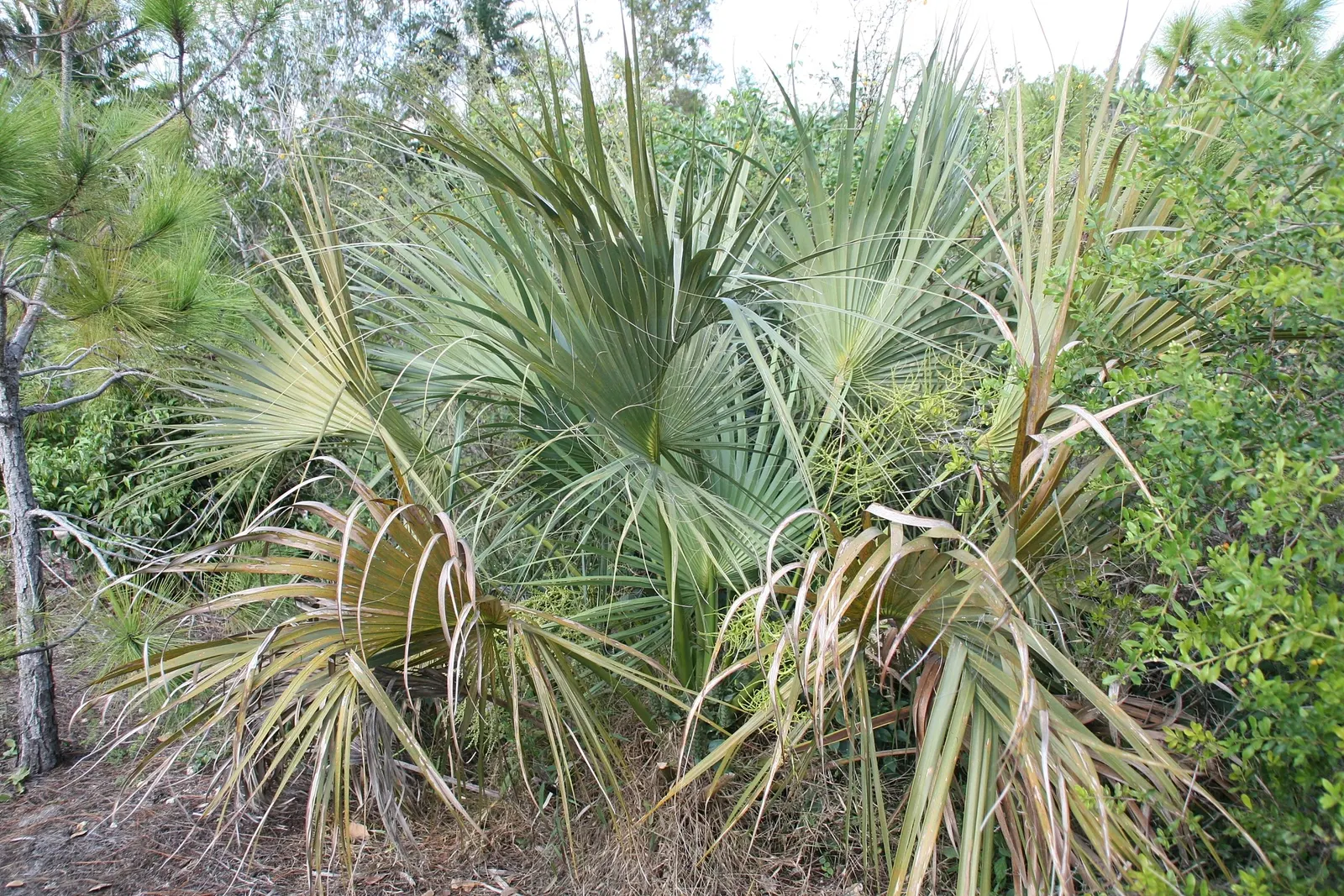
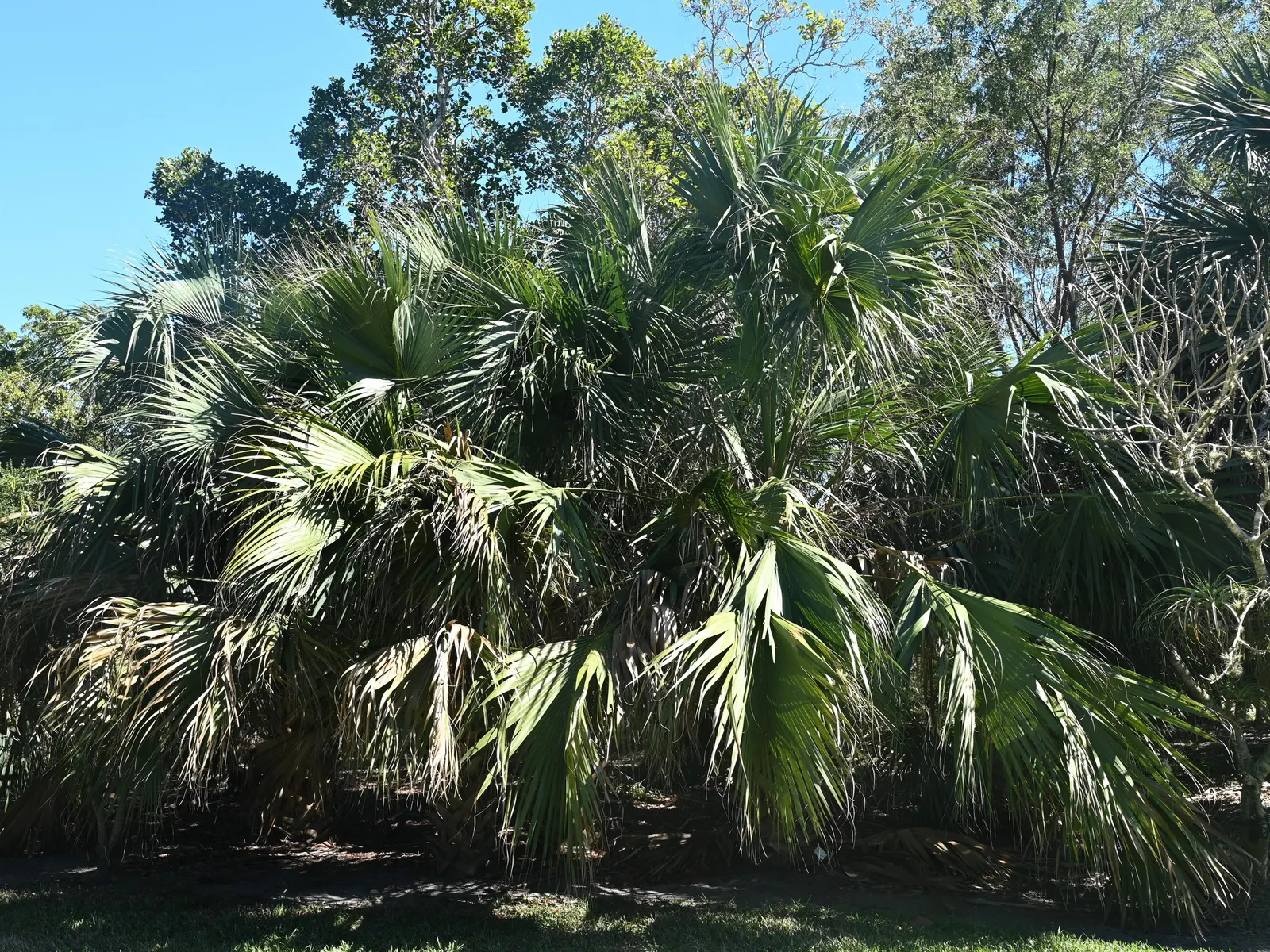
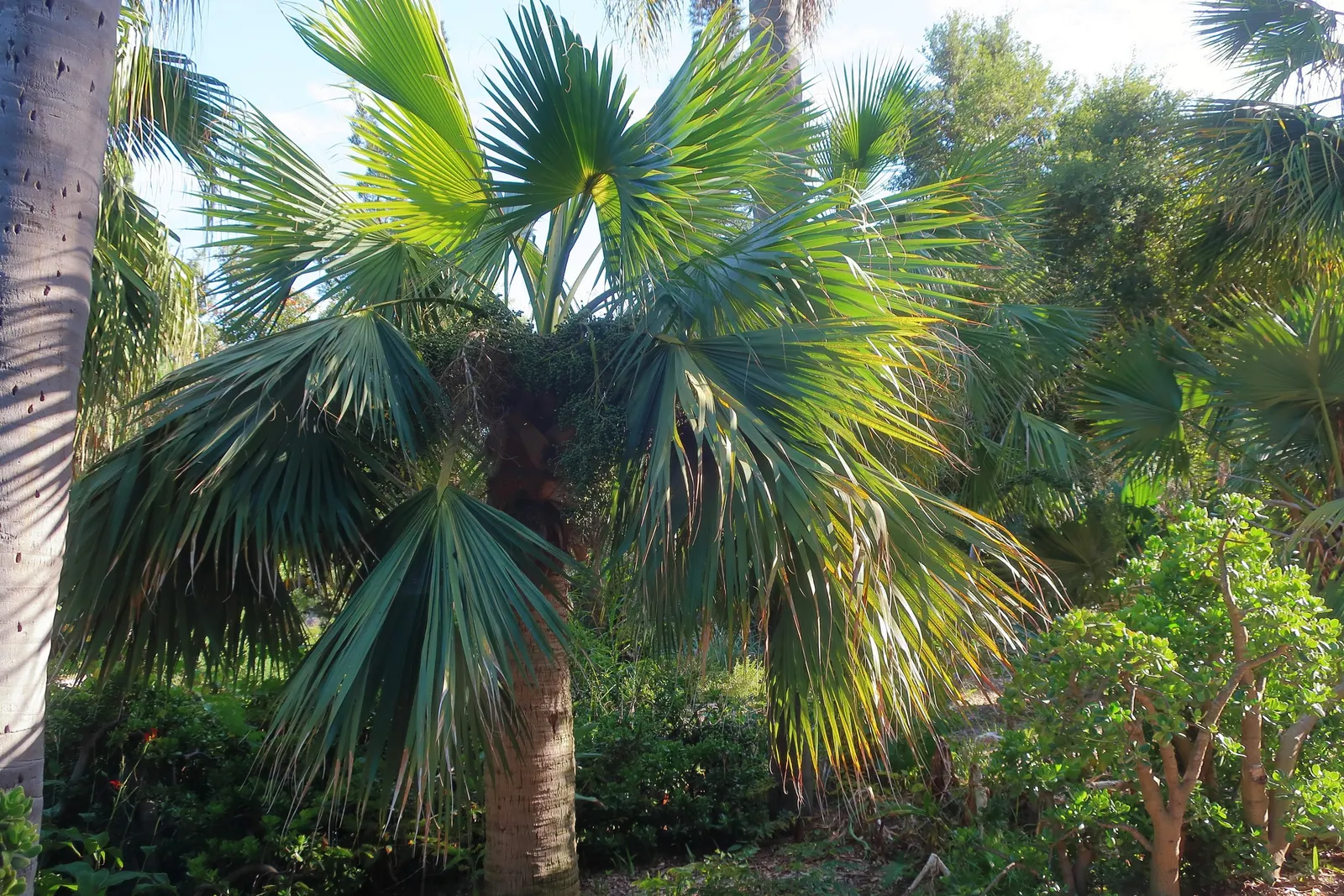
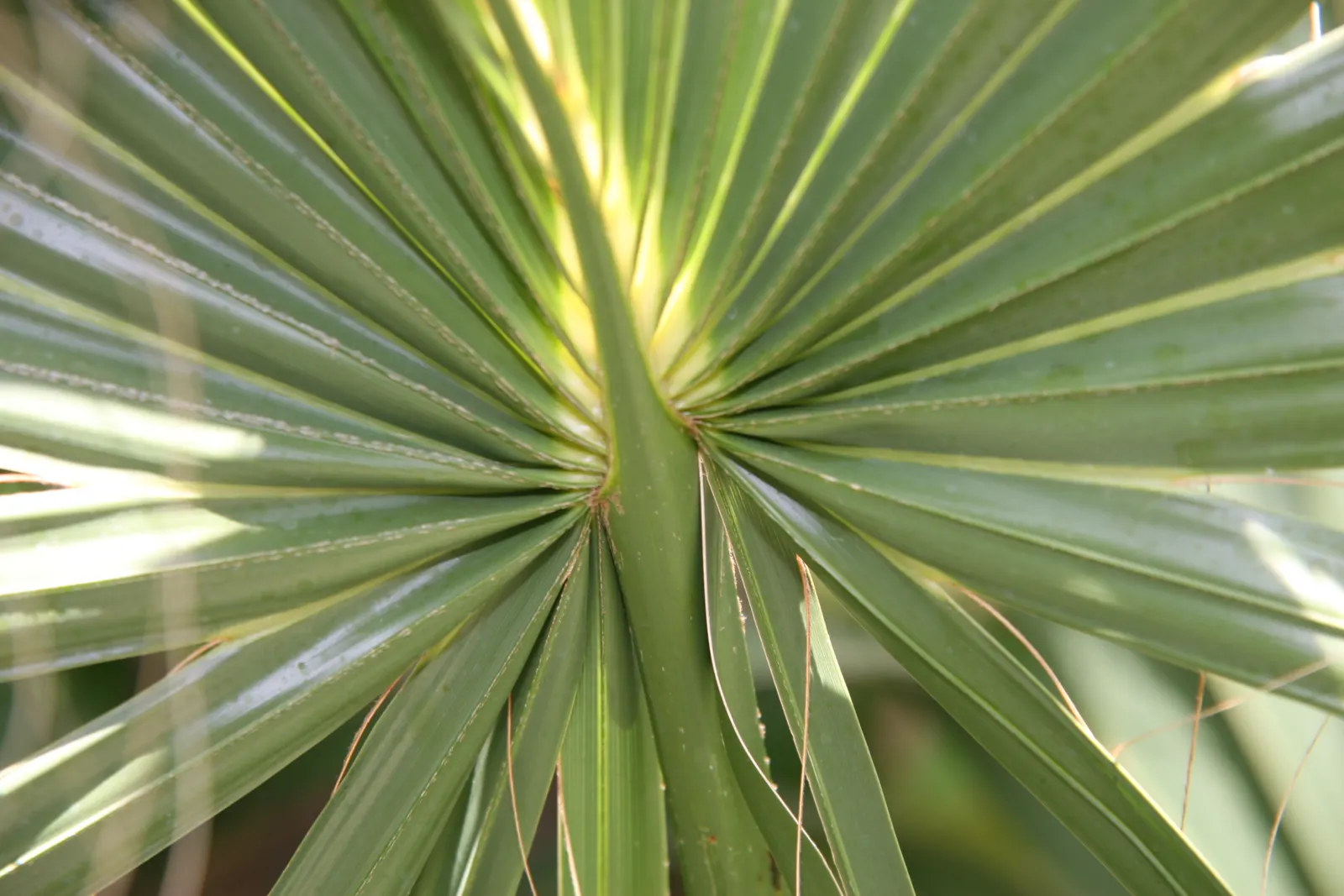
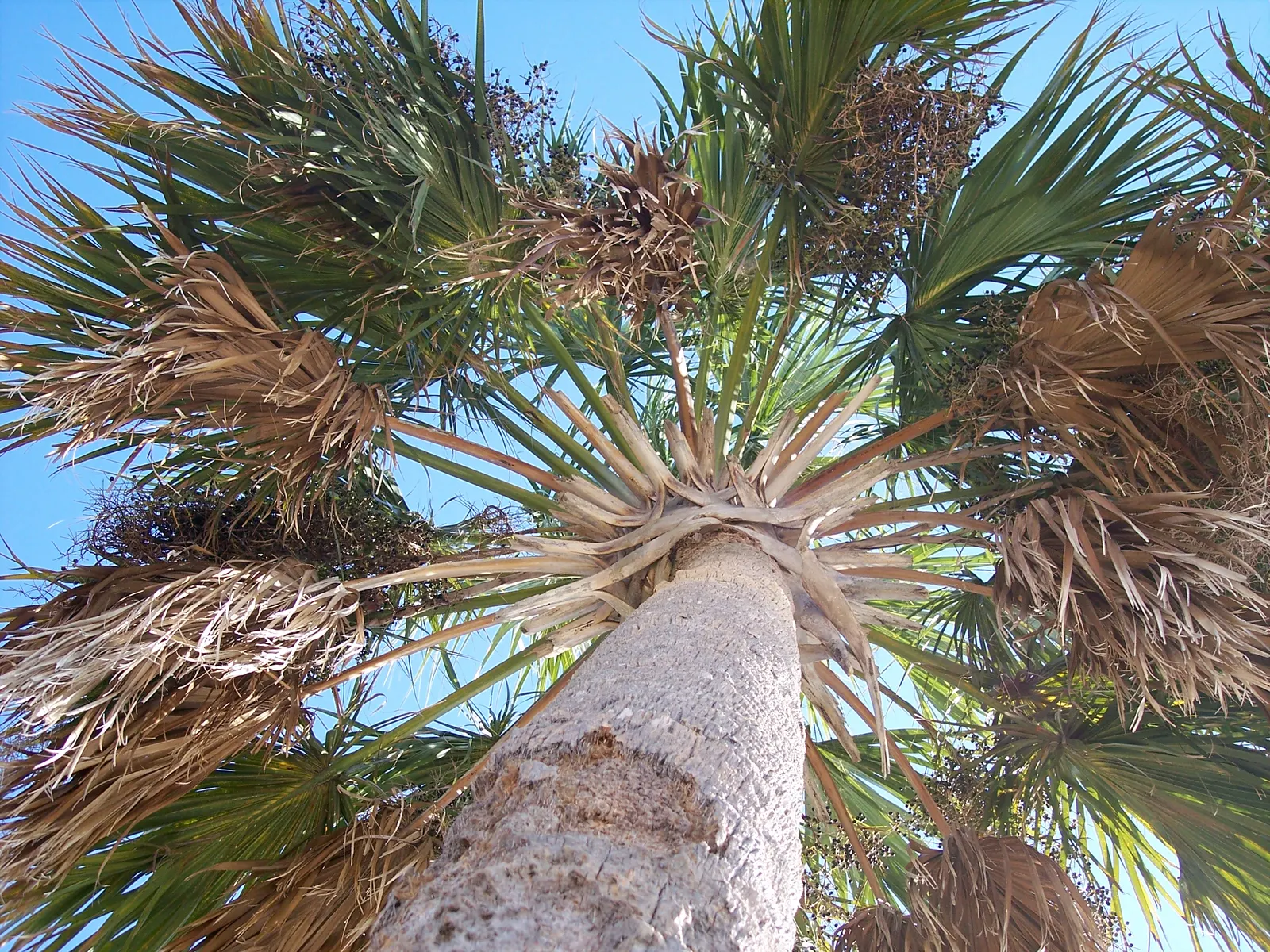
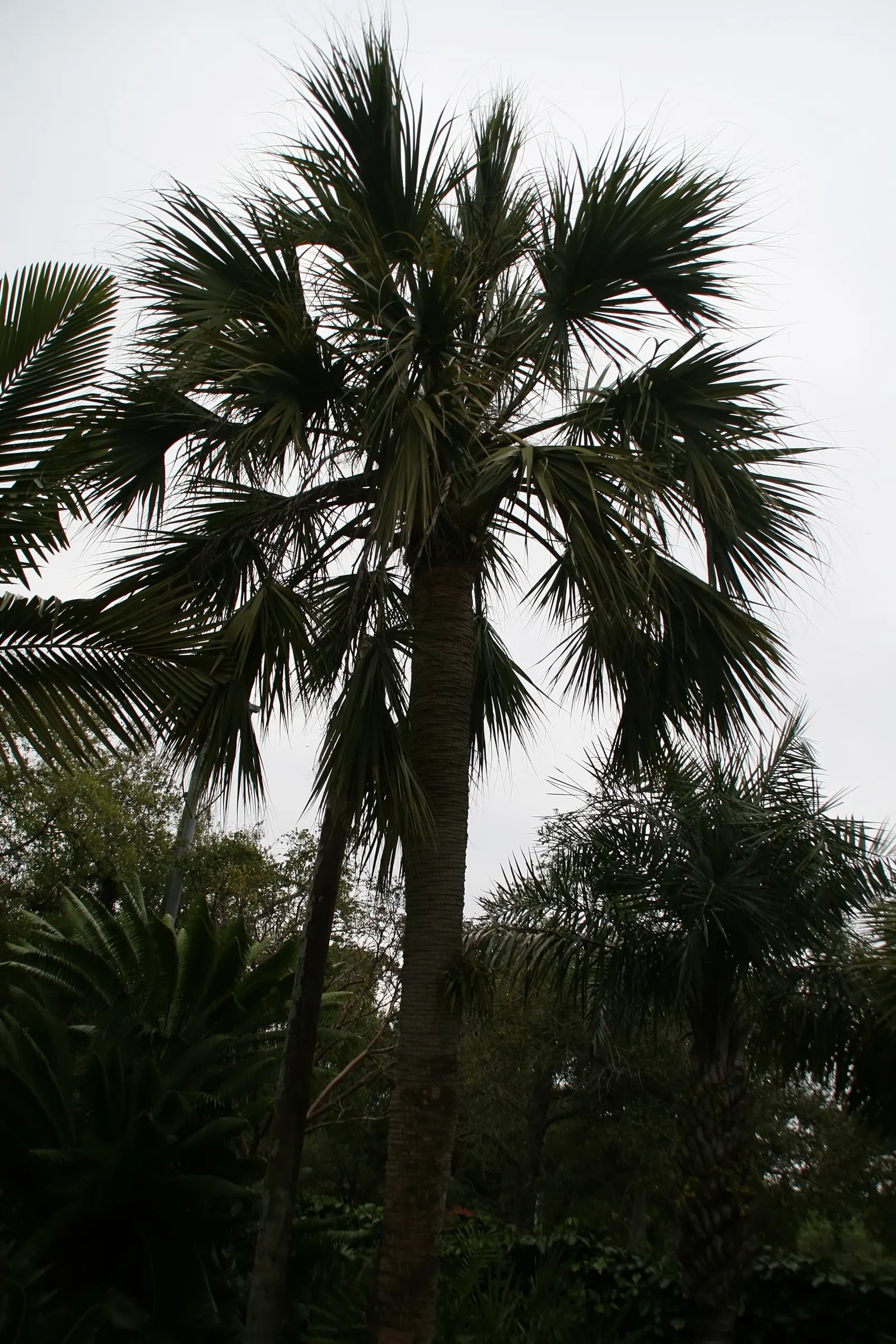
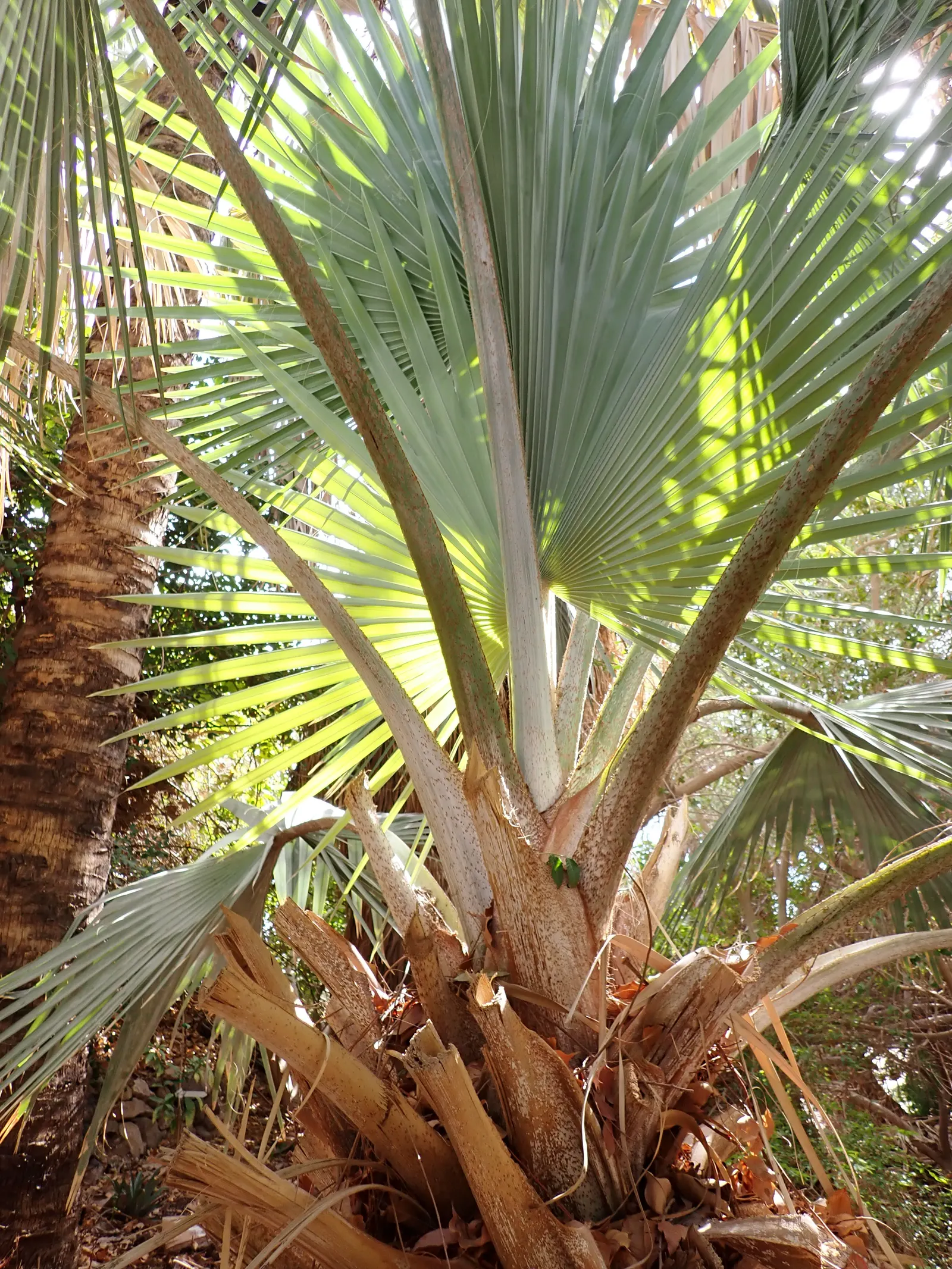
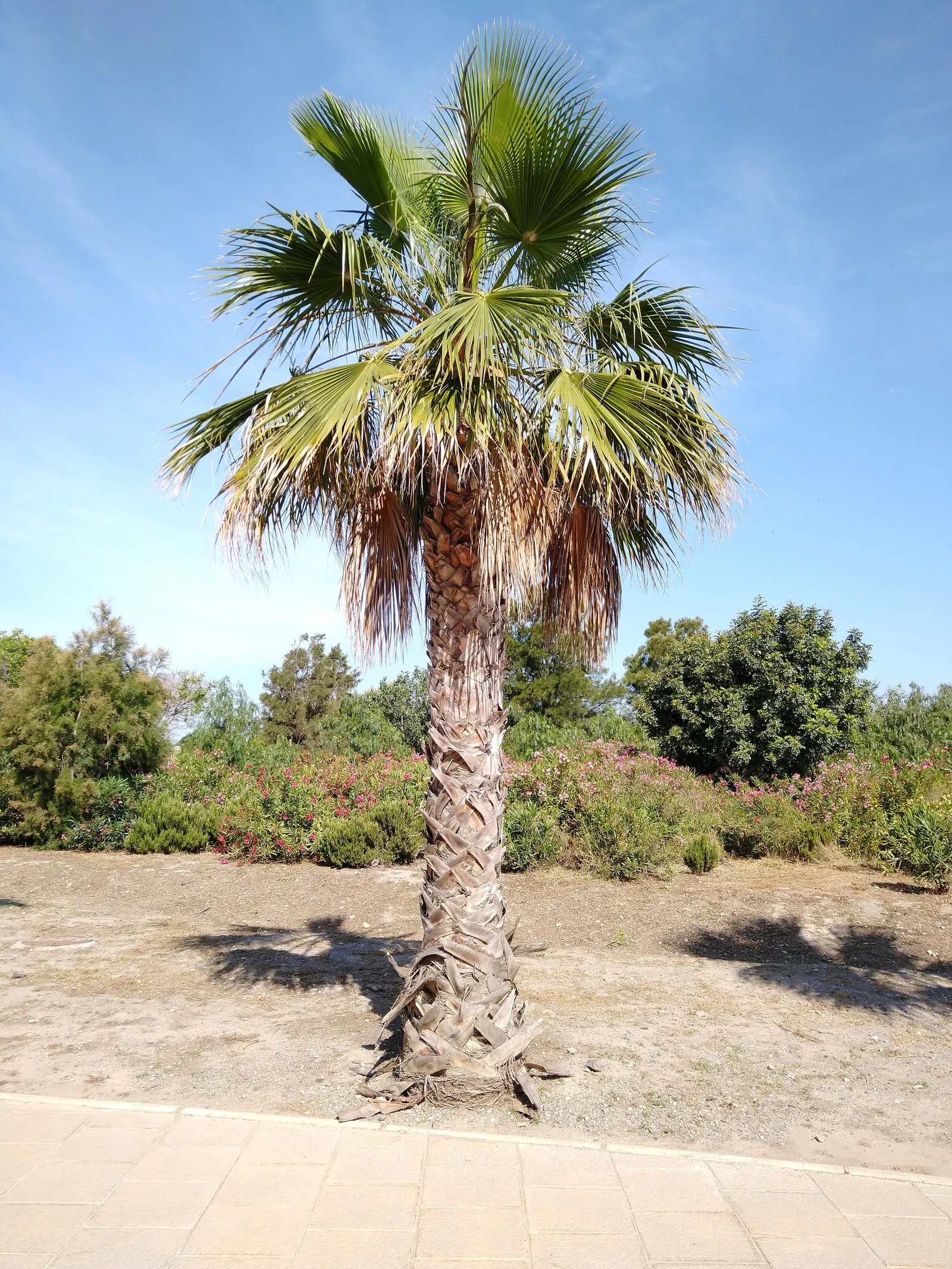
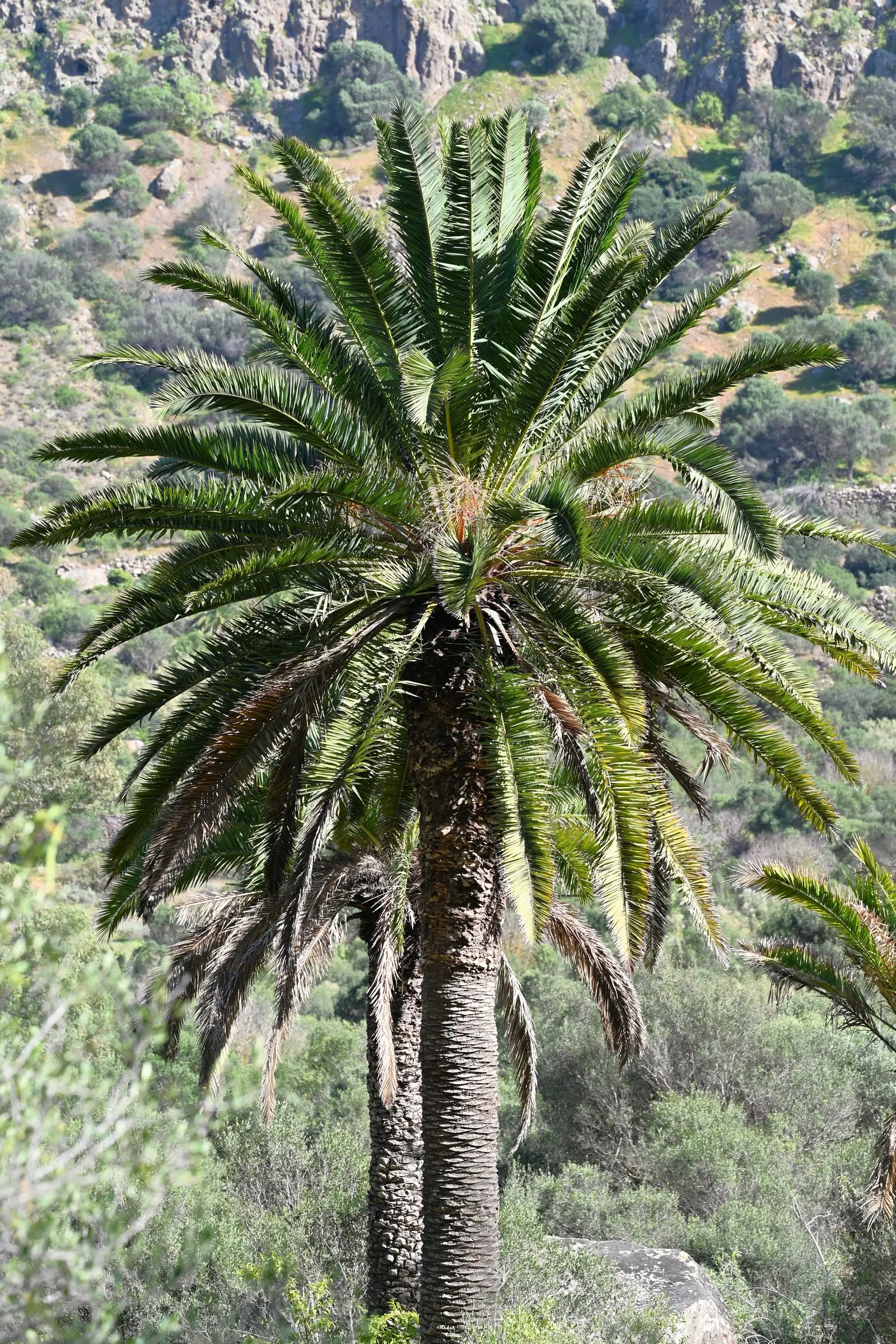
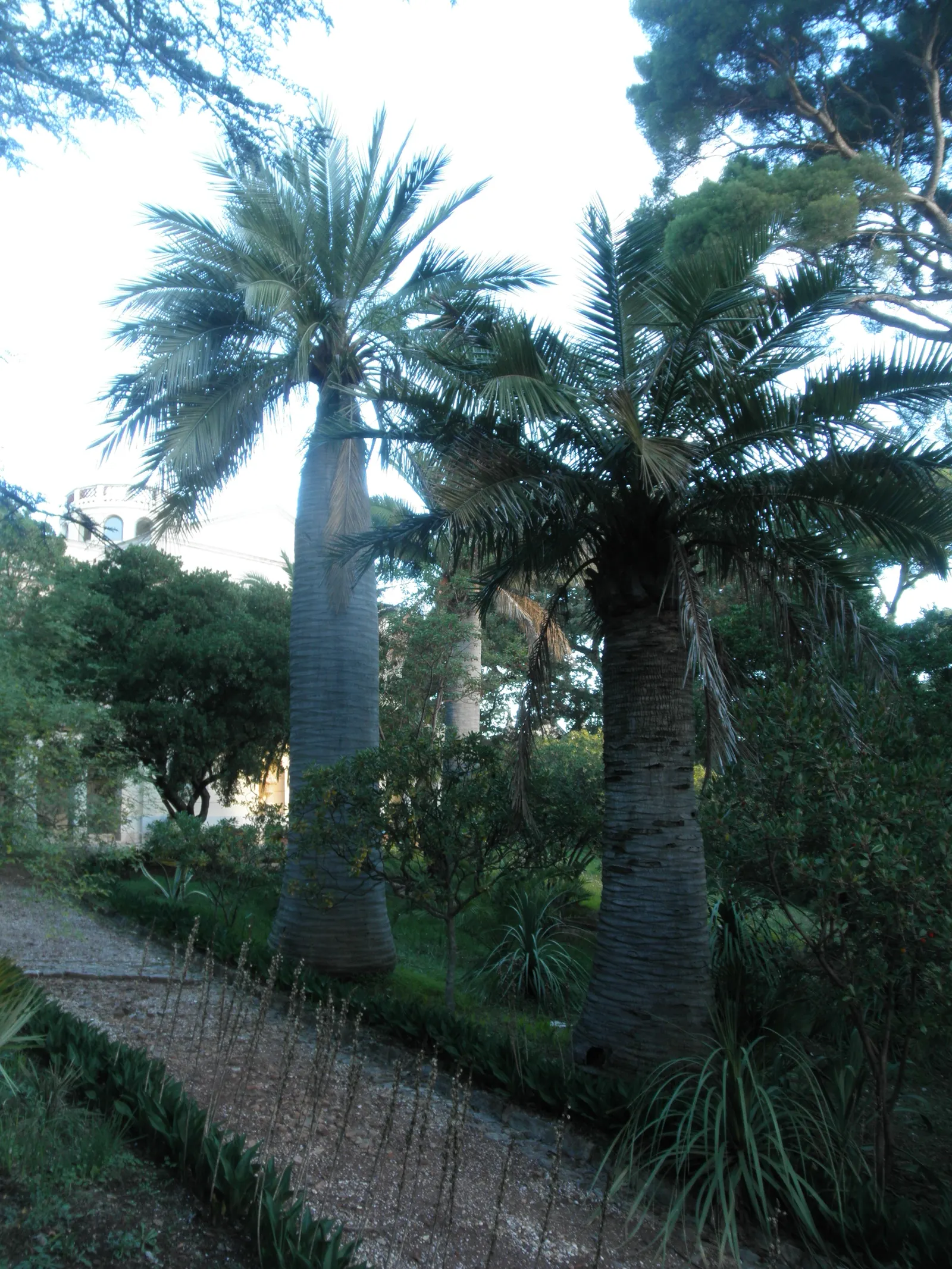
The Cabbage Palm (Sabal palmetto) is an iconic evergreen, native to southeastern USA. This hardy palm thrives in USDA zones 8-11 and reaches heights of 40 to 60 feet with a canopy spread of 10 to 15 feet. Adaptable to various soil types, it's drought-tolerant once established. It features a stout, columnar trunk and large, fan-shaped leaves. Offers low maintenance and adds vertical interest in coastal and formal landscapes.

Sun Full, HalfWater LowZones 8–10Type Palm, TreeClimate Subtropical

Culture

Sun
Full, Half
Water
Low
USDA zones
8–10

Shape & size

Classification

Type
Palm, Tree
Family
Arecaceae
Climate
Subtropical

See full data, regional cultivation notes, and design tools. Build a client presentation around this plant.

Start your 14-day trial

Photos (120)

Cabbage Palm (Sabal Palmetto) — When planning the garden layout; hardy in USDA Zones 8 through 11, it thrives under full sunlight but can withstand partial
Cabbage Palm (Sabal Palmetto) — making it a superb choice for hurricane-prone regions; palm / tree for full or half, image 90
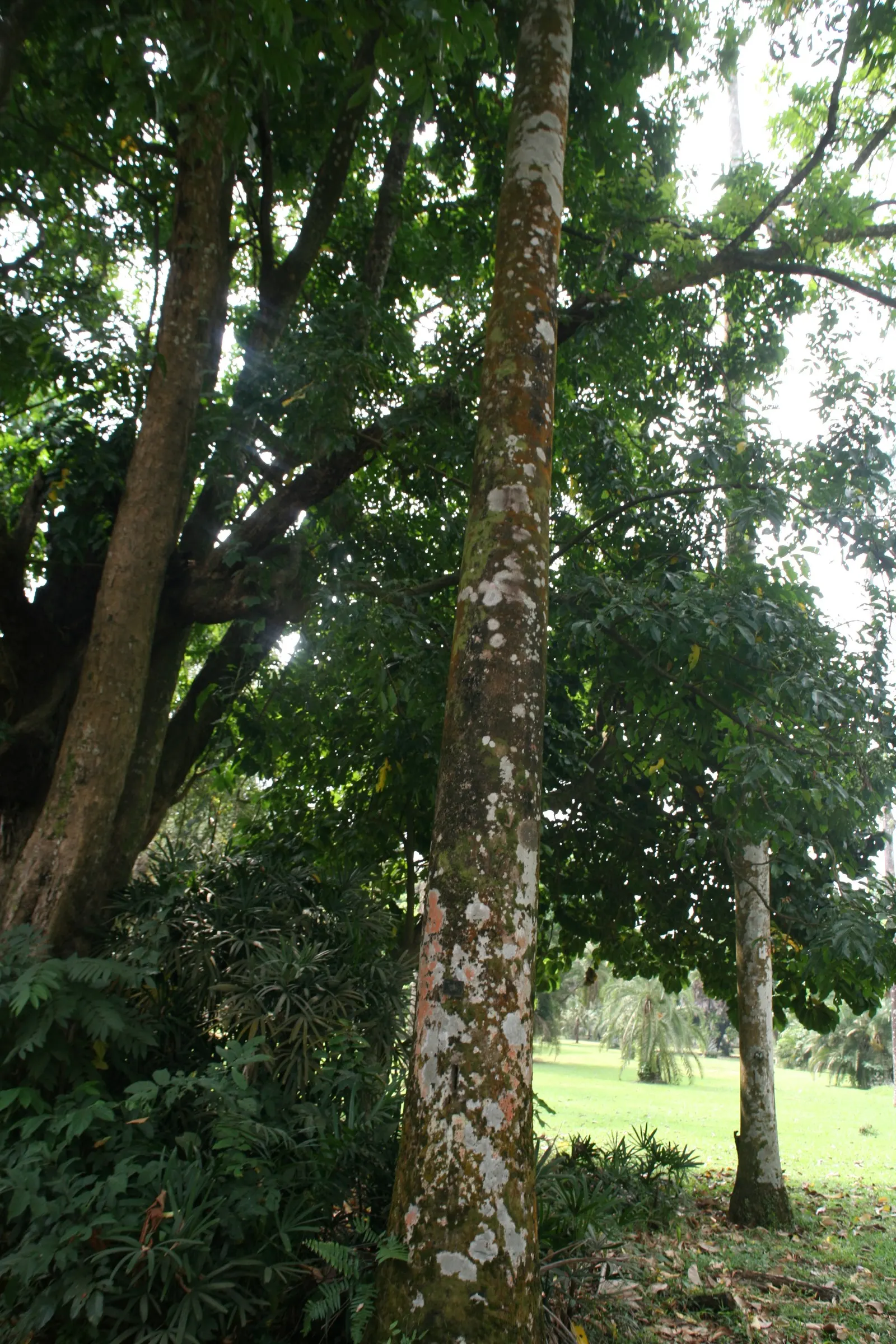
Cabbage Palm (Sabal Palmetto) — Adaptable to various soil types, it's drought-tolerant once established; the Cabbage Palm's trunk forms an impressive
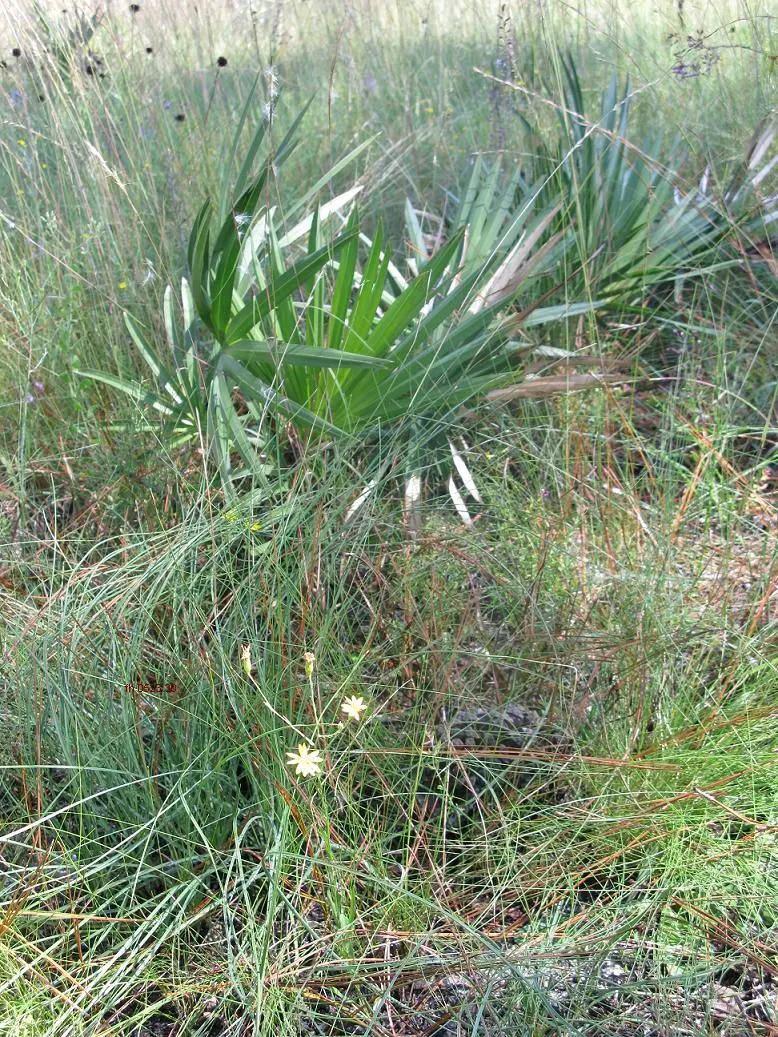
Cabbage Palm (Sabal Palmetto) — <br><br>Growing to a mighty height of 40 to 60 feet with a spread of 10 to 15 feet, image 86
Cabbage Palm (Sabal Palmetto) — scientifically recognized as Sabal palmetto
Cabbage Palm (Sabal Palmetto) — Adaptable to various soil types, it's drought-tolerant once established; the Cabbage Palm's trunk forms an, image 40
Cabbage Palm (Sabal Palmetto) — it is drought-tolerant once established; this robust palm is known for its remarkable tolerance to a variety of conditions
Cabbage Palm (Sabal Palmetto) — Offers low maintenance and adds vertical interest in coastal and formal landscapes; is an iconic staple of the, image 80
Cabbage Palm (Sabal Palmetto) — the Cabbage Palm's trunk forms an impressive; it provides excellent vertical accents in both formal and informal, image 87
Cabbage Palm (Sabal Palmetto) — When planning the garden layout; hardy in USDA Zones 8 through 11, it thrives under full sunlight but can withstand, image 56
Cabbage Palm (Sabal Palmetto) — Adaptable to various soil types, it's drought-tolerant once established
Cabbage Palm (Sabal Palmetto) — is an iconic staple of the southeastern United States landscape
Cabbage Palm (Sabal Palmetto) — Hardy in USDA Zones 8 through 11, it thrives under full sunlight but can withstand partial shade; it features a, image 66
Cabbage Palm (Sabal Palmetto) — Adaptable to various soil types, it's drought-tolerant once established; the Cabbage Palm's trunk forms an, image 59
Cabbage Palm (Sabal Palmetto) — making it a superb choice for hurricane-prone regions; palm / tree for full or half, image 52
Cabbage Palm (Sabal Palmetto) — It provides excellent vertical accents in both formal and informal settings; adaptable to various soil types, it's
Cabbage Palm (Sabal Palmetto) — requiring minimal supplemental irrigation; making it a superb choice for hurricane-prone regions, image 92
Cabbage Palm (Sabal Palmetto) — Adaptable to various soil types, it's drought-tolerant once established; the Cabbage Palm's trunk forms an, image 97
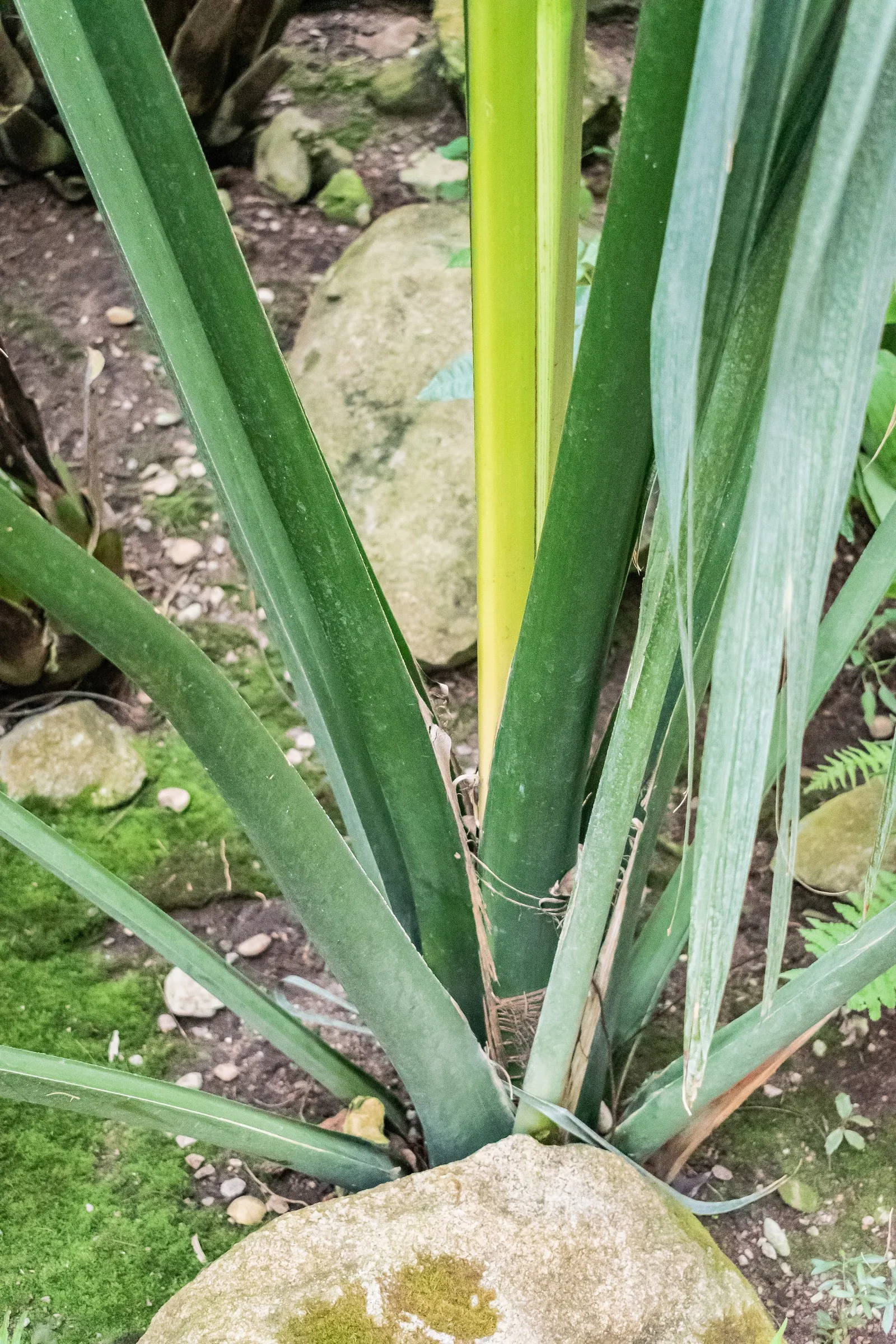
Cabbage Palm (Sabal Palmetto) — capped by a symmetrical crown of fan-shaped fronds; scientifically recognized as Sabal palmetto, image 50
Cabbage Palm (Sabal Palmetto) — is an iconic staple of the southeastern United States landscape; the Cabbage Palm (Sabal palmetto) is an iconic, image 82
Cabbage Palm (Sabal Palmetto) — Hardy in USDA Zones 8 through 11, it thrives under full sunlight but can withstand partial shade; it features a, image 85
Cabbage Palm (Sabal Palmetto) — The Cabbage Palm (Sabal palmetto) is an iconic evergreen, native to southeastern USA; offers low maintenance and, image 58
Cabbage Palm (Sabal Palmetto) — requiring minimal supplemental irrigation; making it a superb choice for hurricane-prone regions, image 54
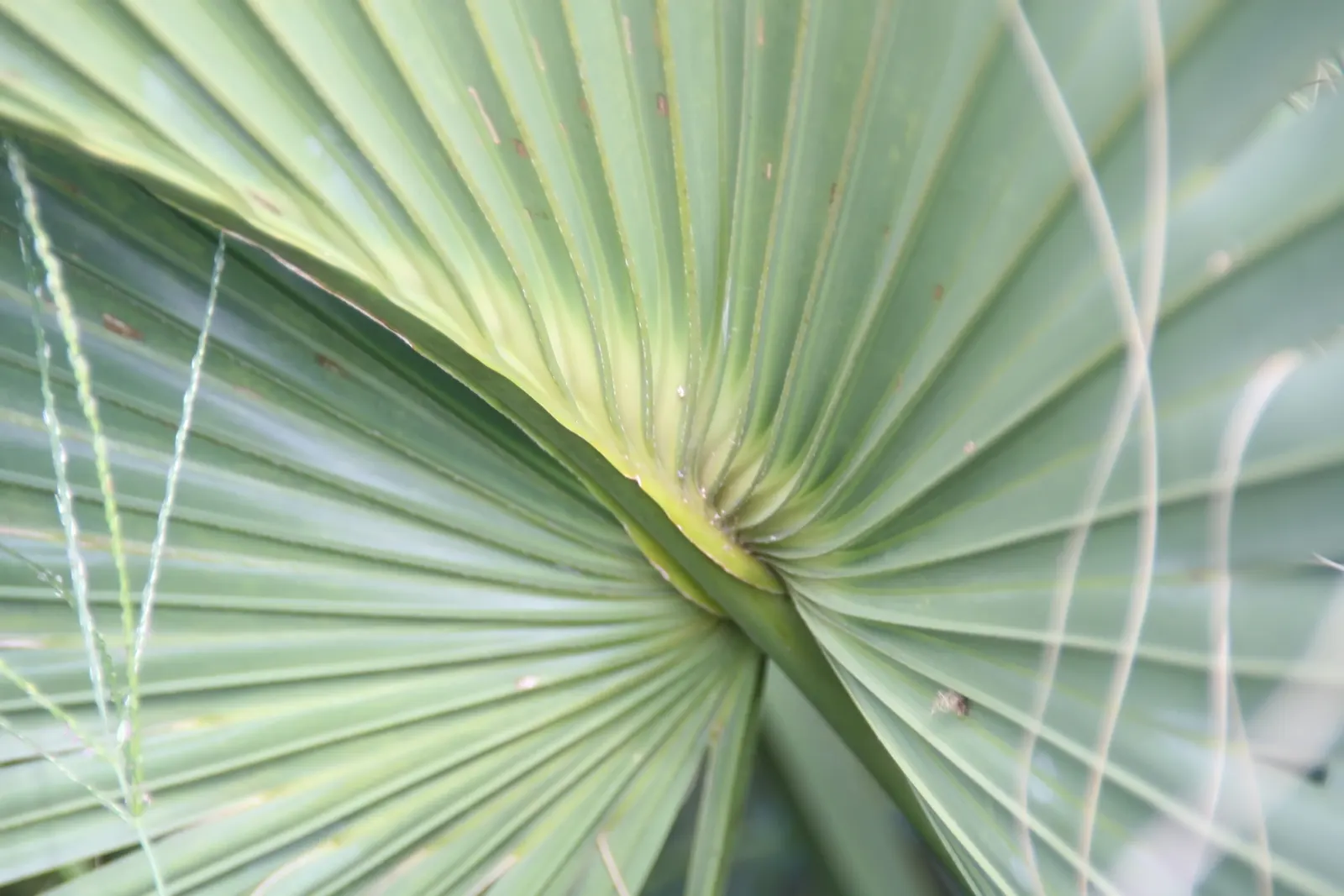
Cabbage Palm (Sabal Palmetto) — It features a stout, columnar trunk and large, fan-shaped leaves; when planning the garden layout, image 60
Photographs by 11 contributors

Related plants