Skip to content

Clustering Fishtail Palm

Caryota Mitis

Design with this plant

Overview

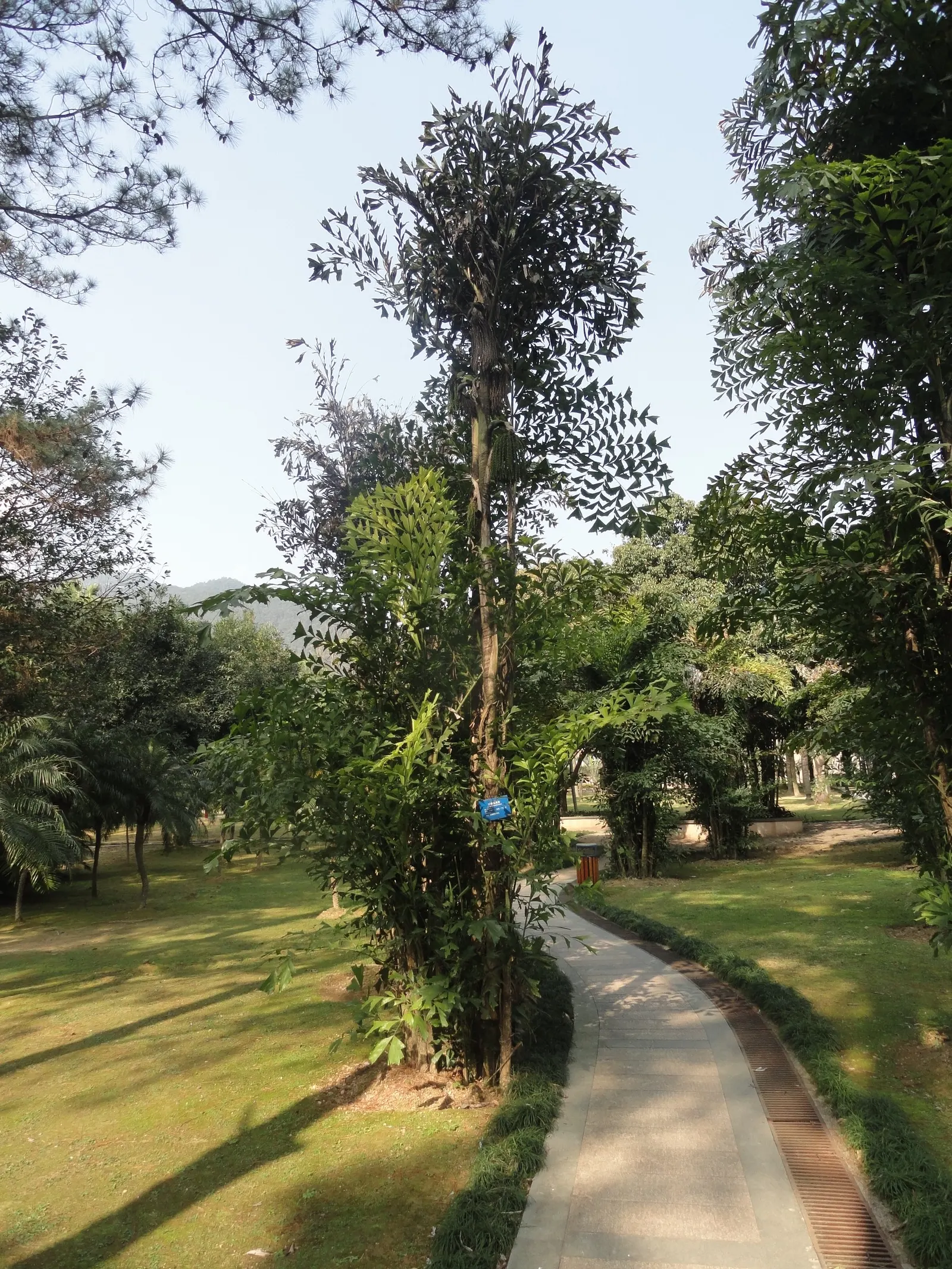
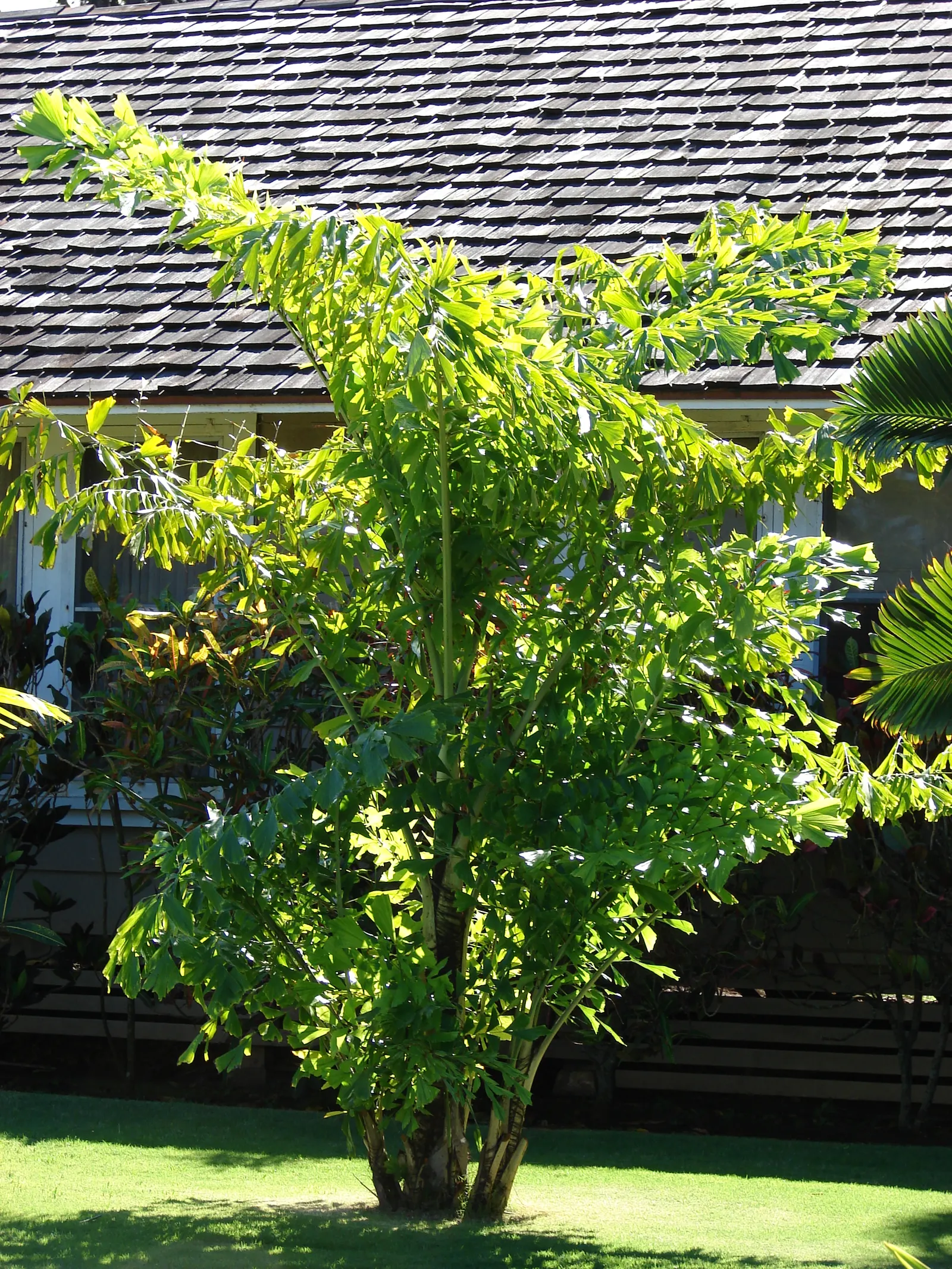
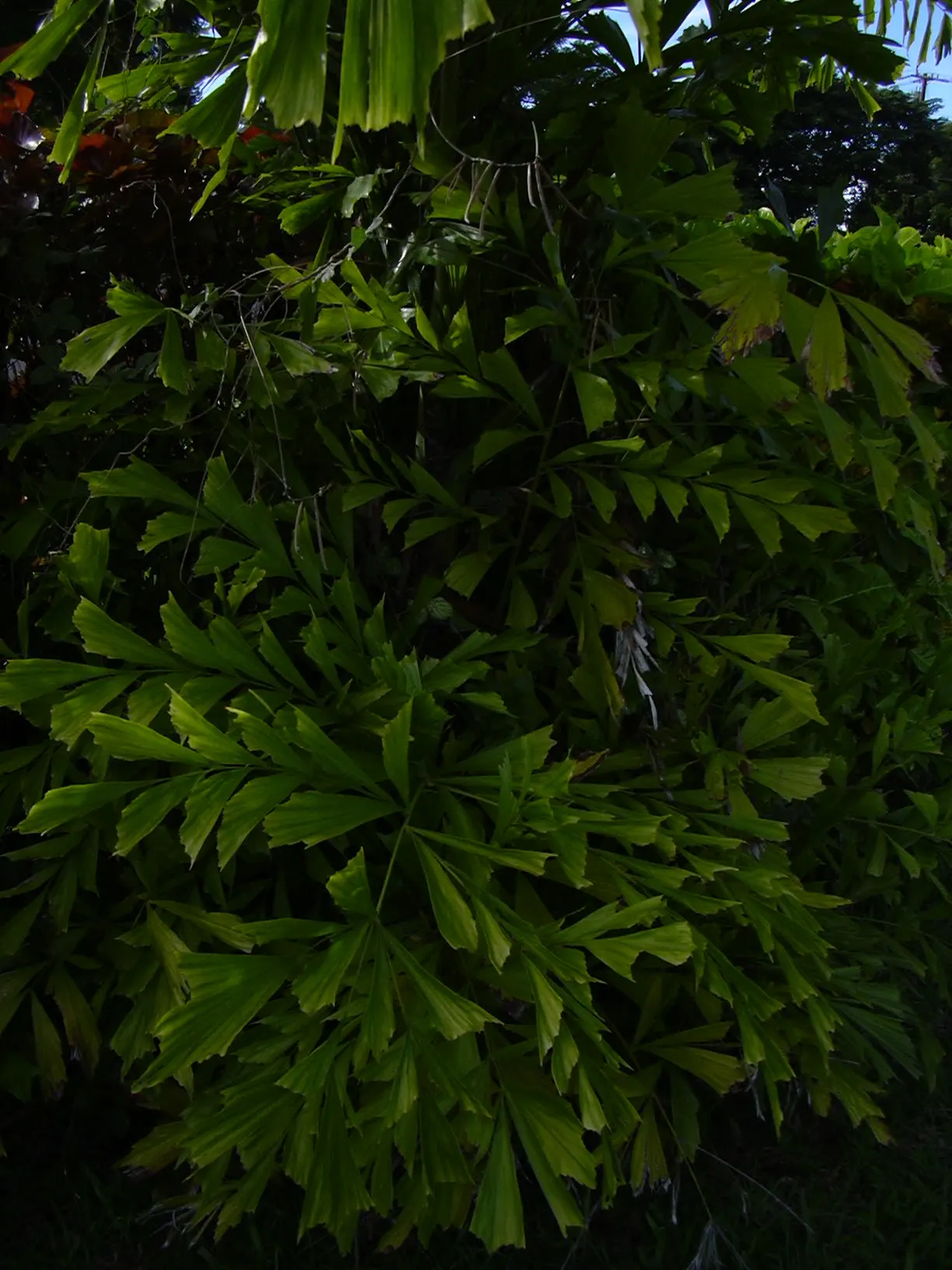
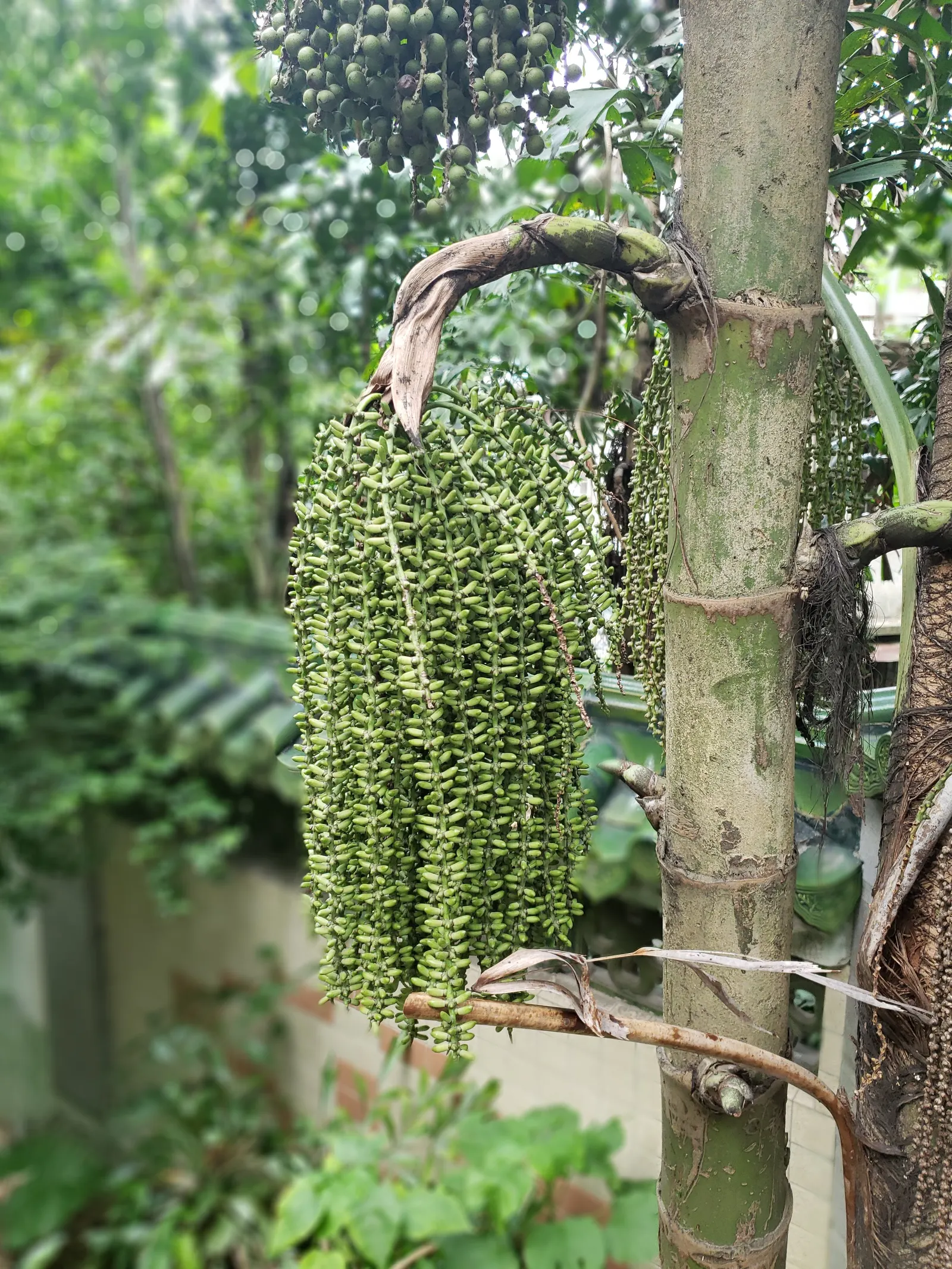
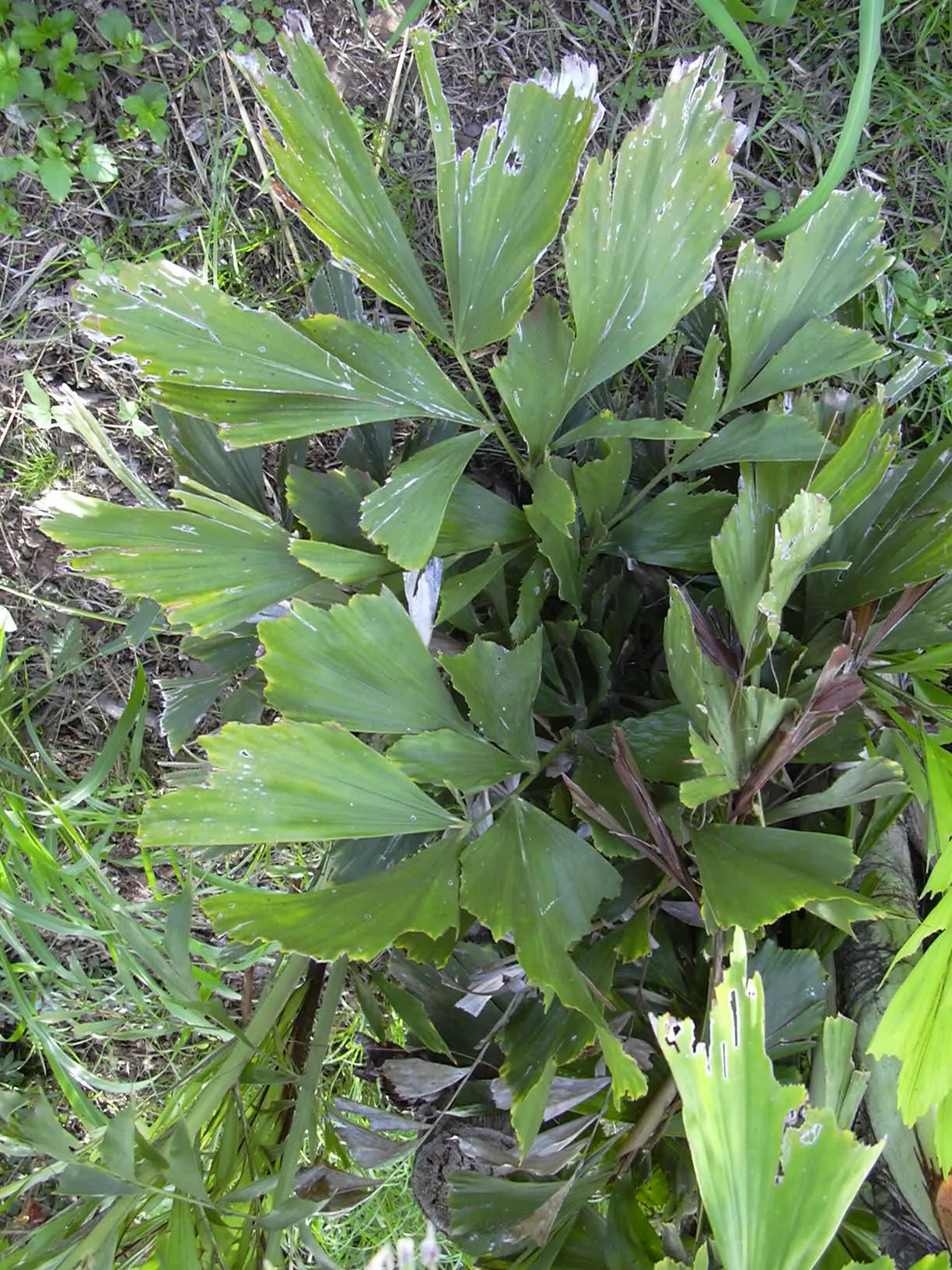
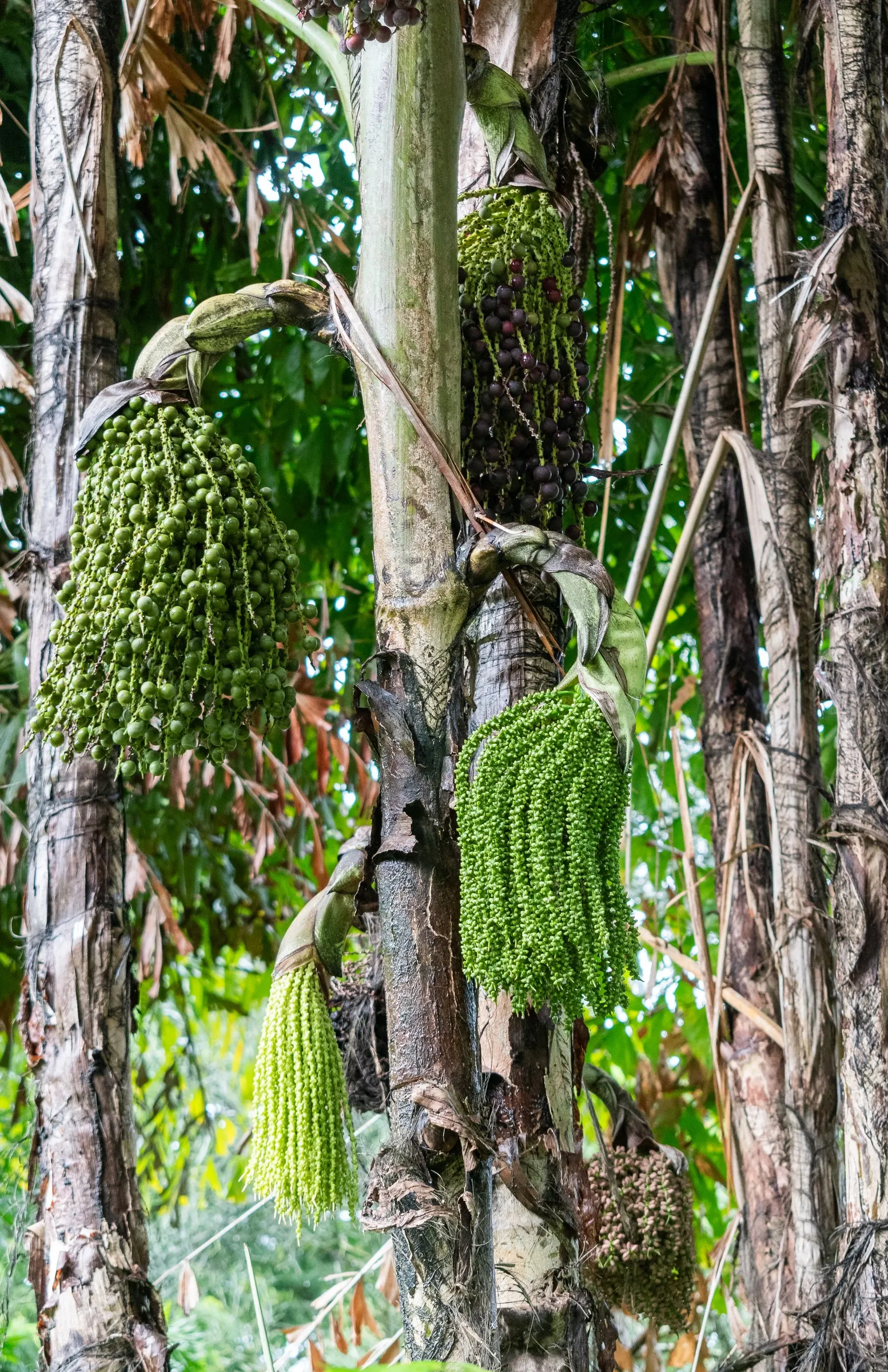
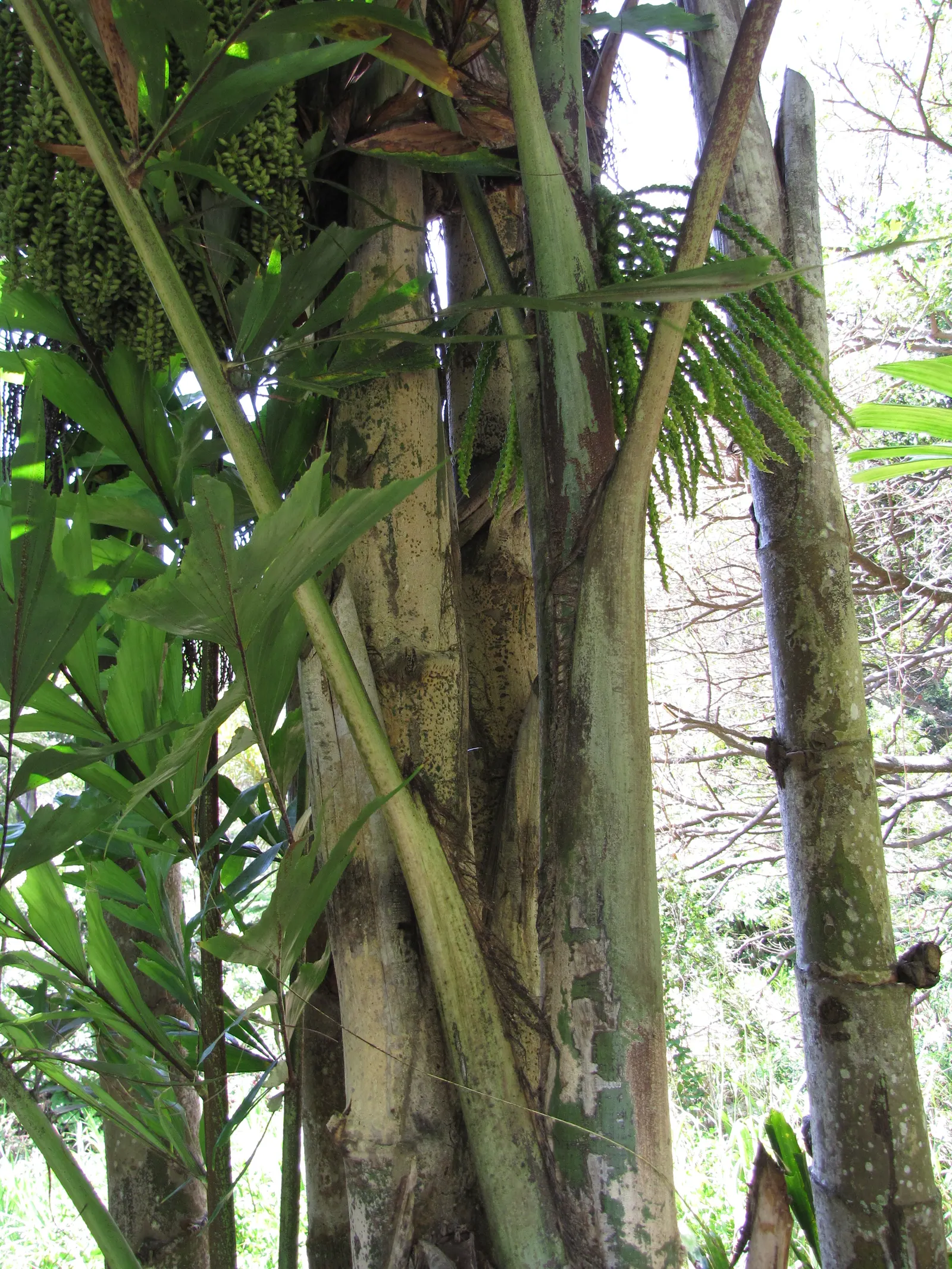
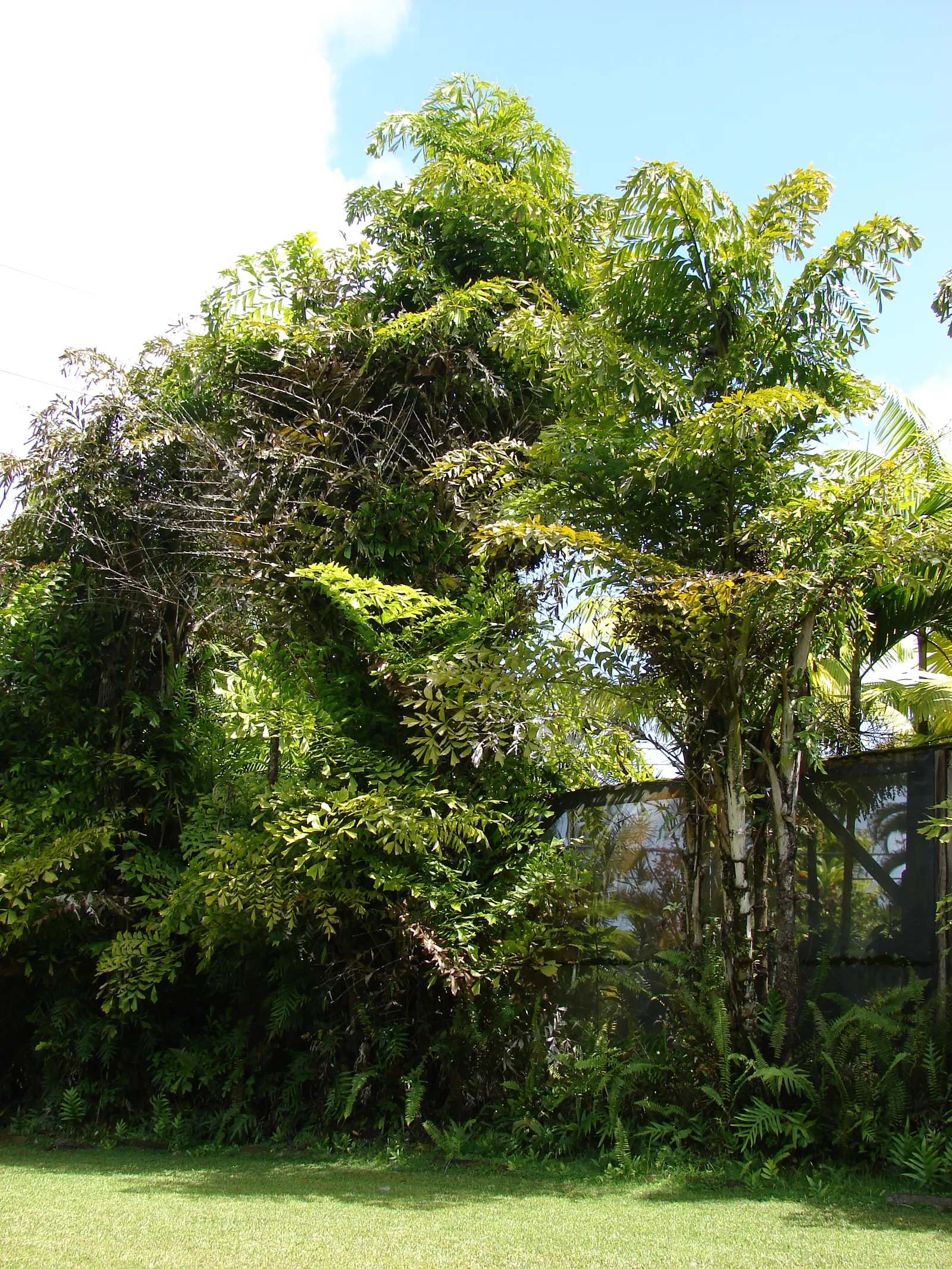
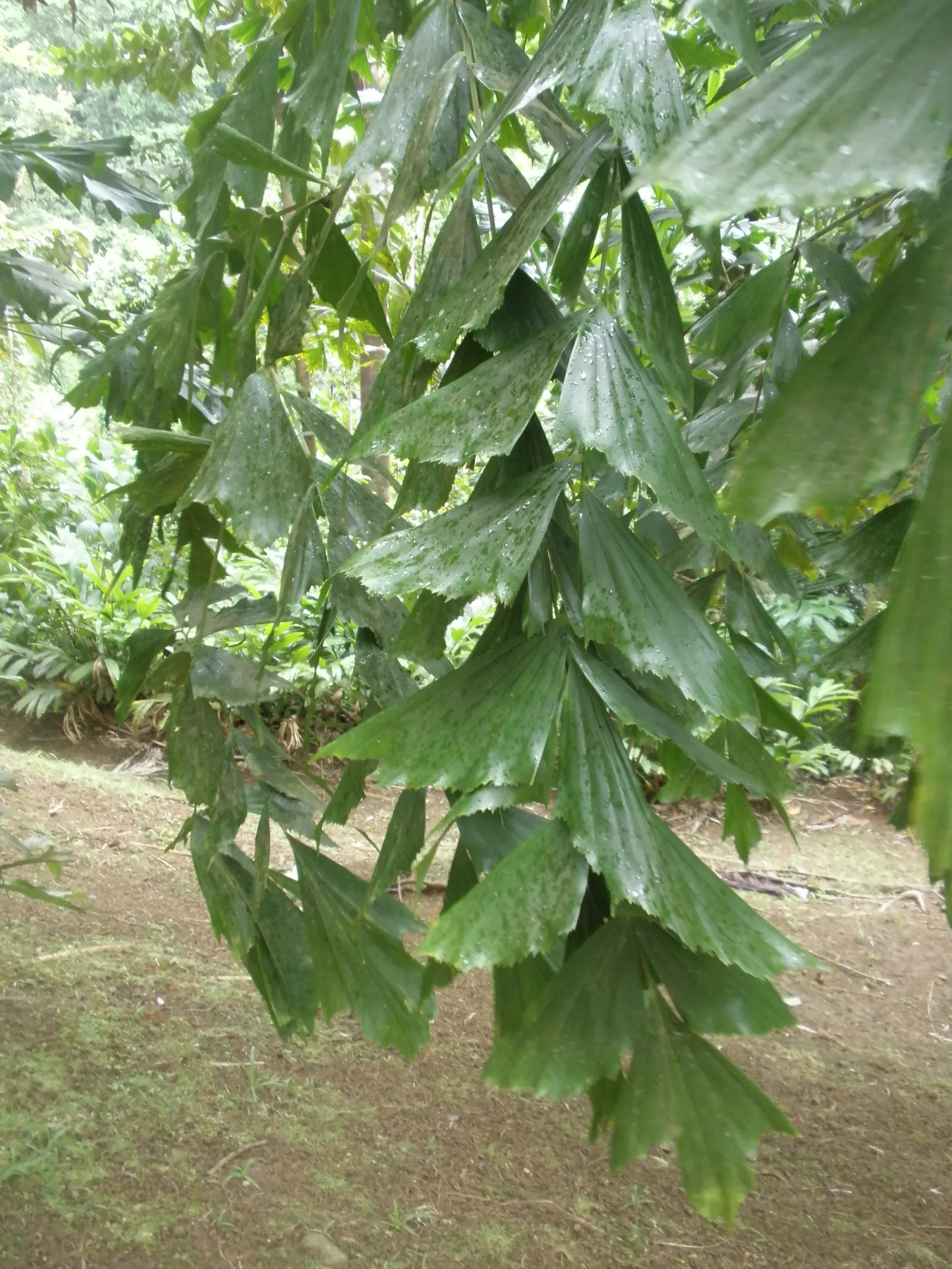
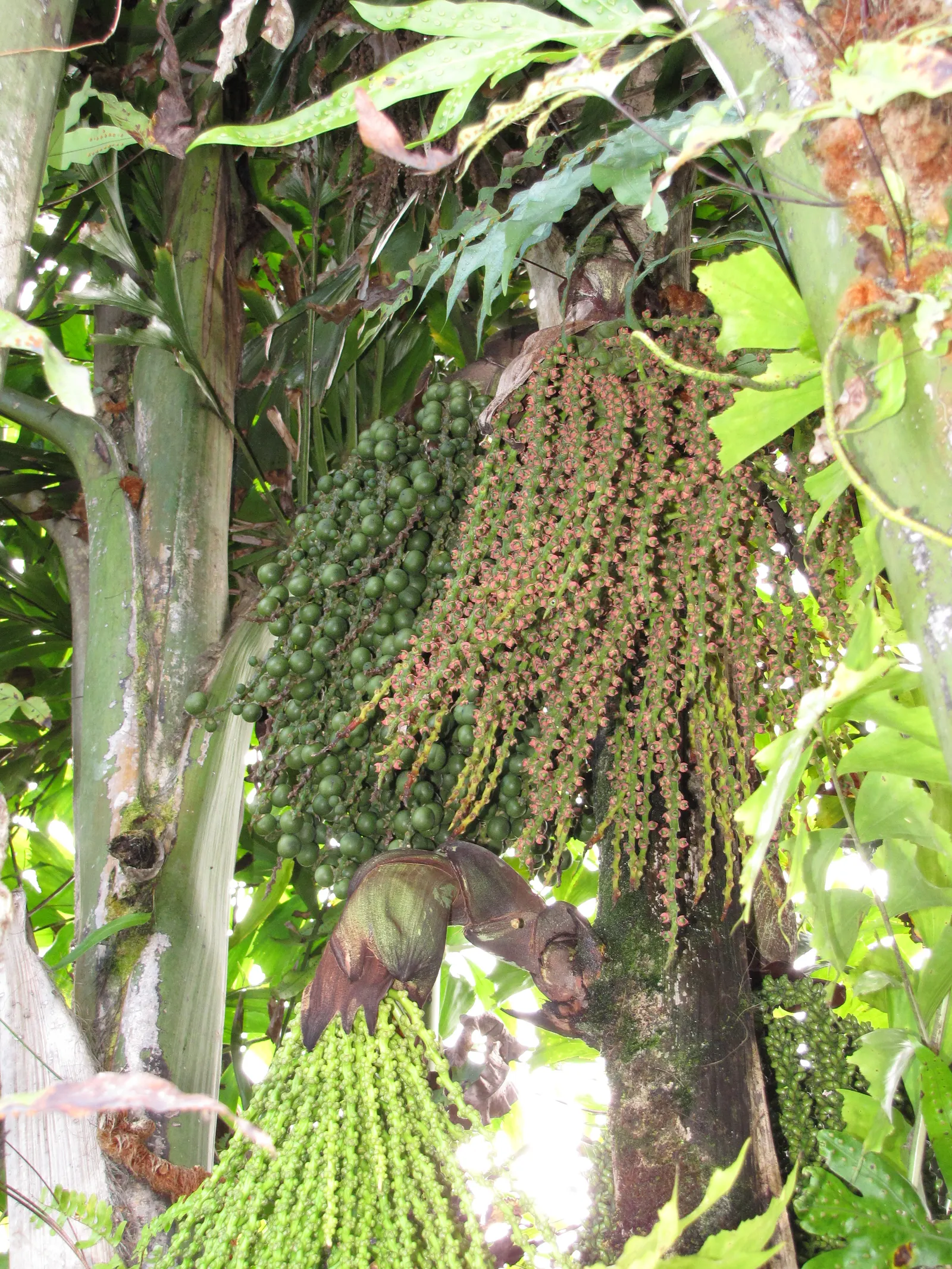
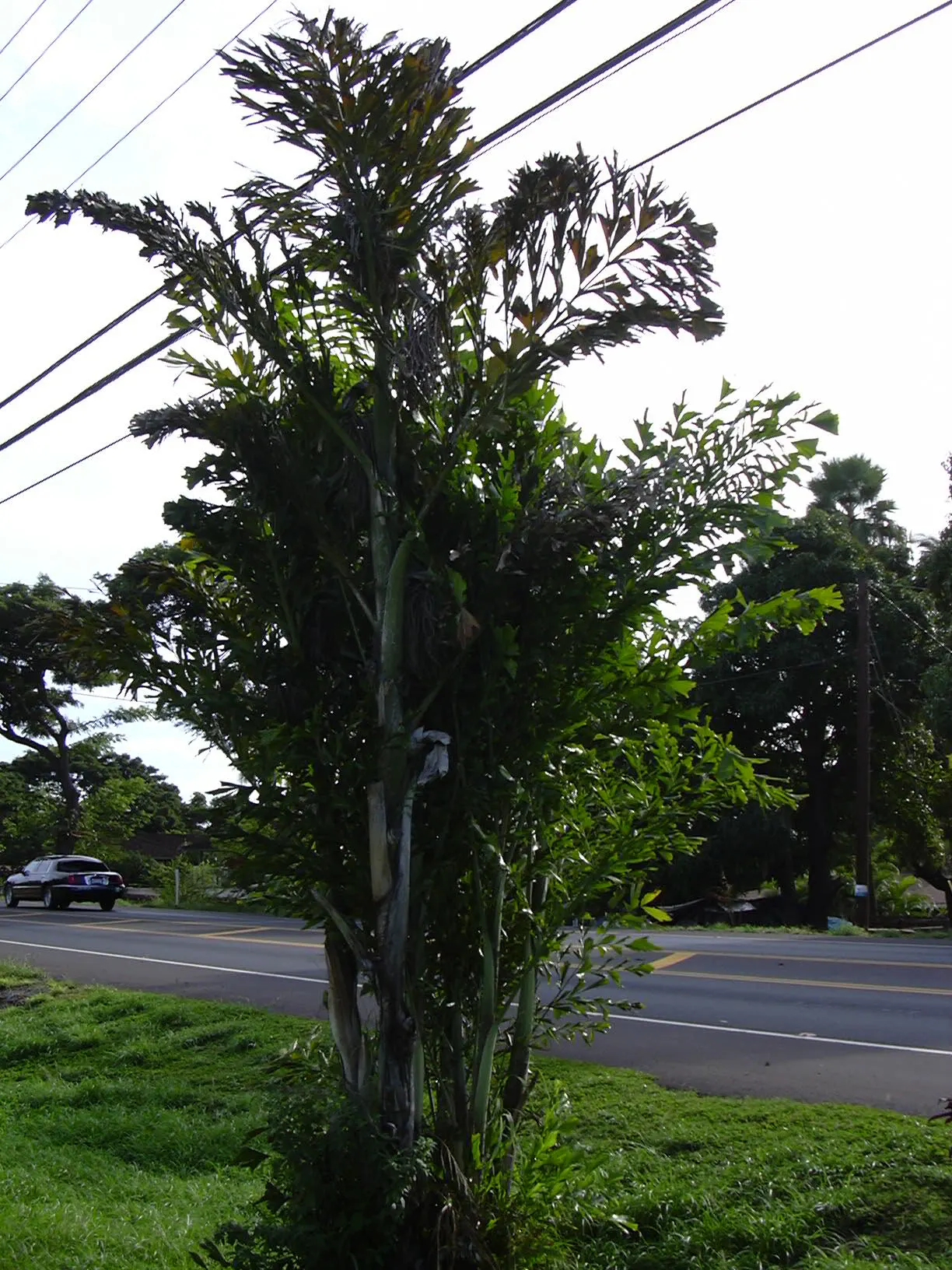
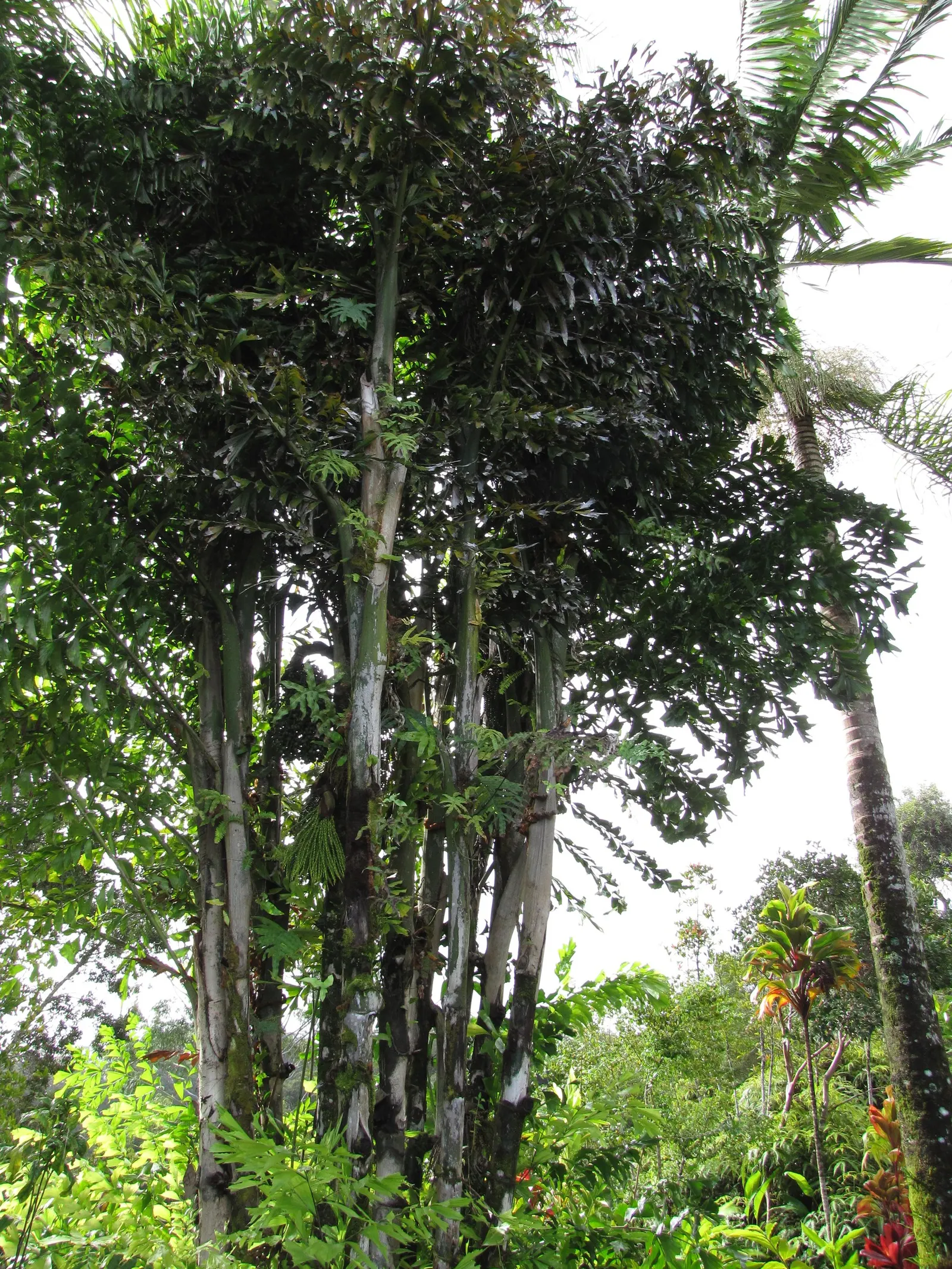
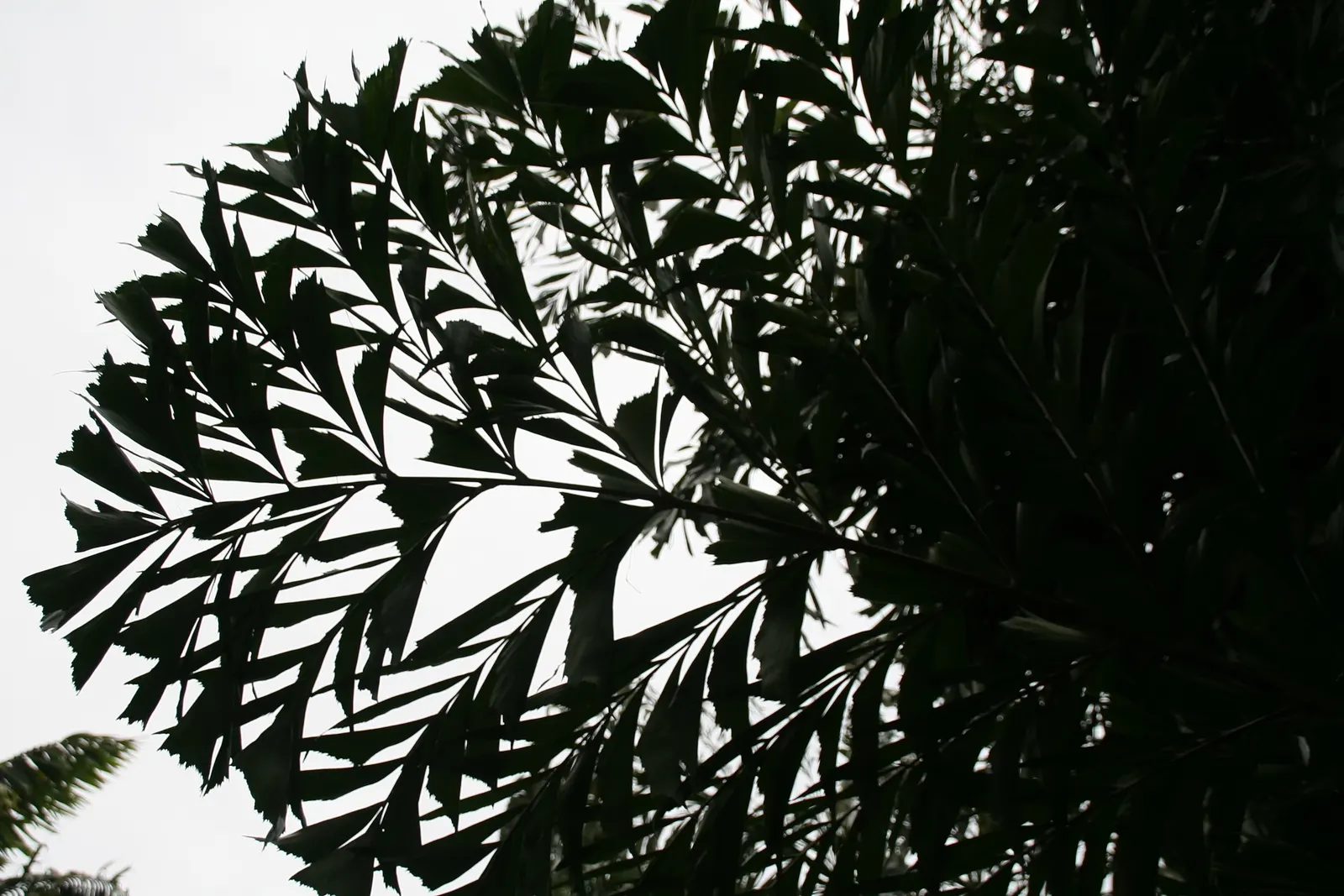
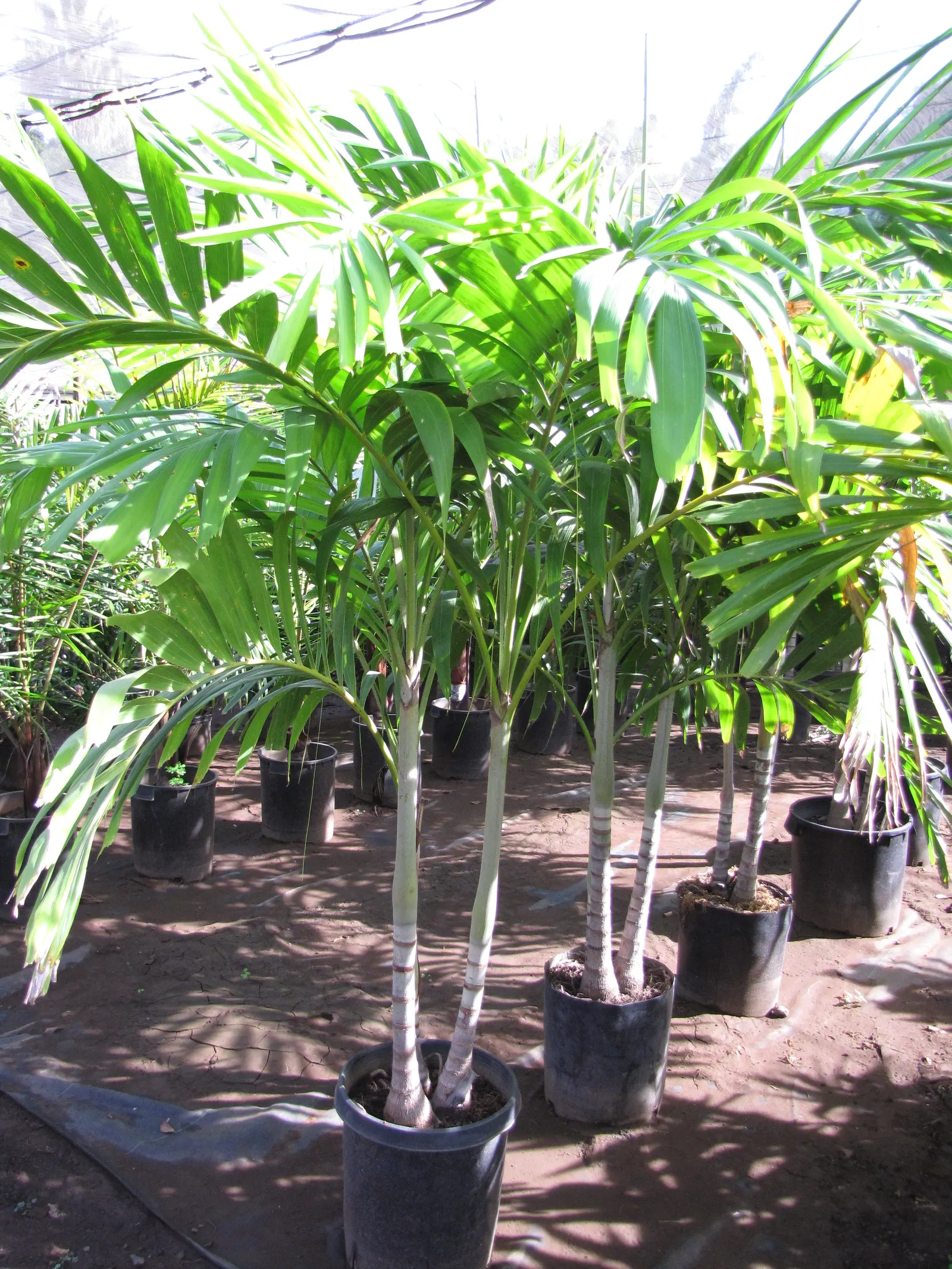
The Clustering Fishtail Palm (Caryota mitis) is a tropical plant native to Southeast Asia, distinguished by its bipinnate leaves resembling fishtails. It grows up to 20-25 feet tall, with a spread of 6-10 feet. Ideal for USDA zones 10-12, it prefers partial shade and moist, well-drained soil. This palm's multi-stemmed clumping habit makes it a dramatic feature in any landscape, adding lush, exotic texture.

Sun Full, HalfWater Extra in Summer, HighZones 9–10Climate Subtropical
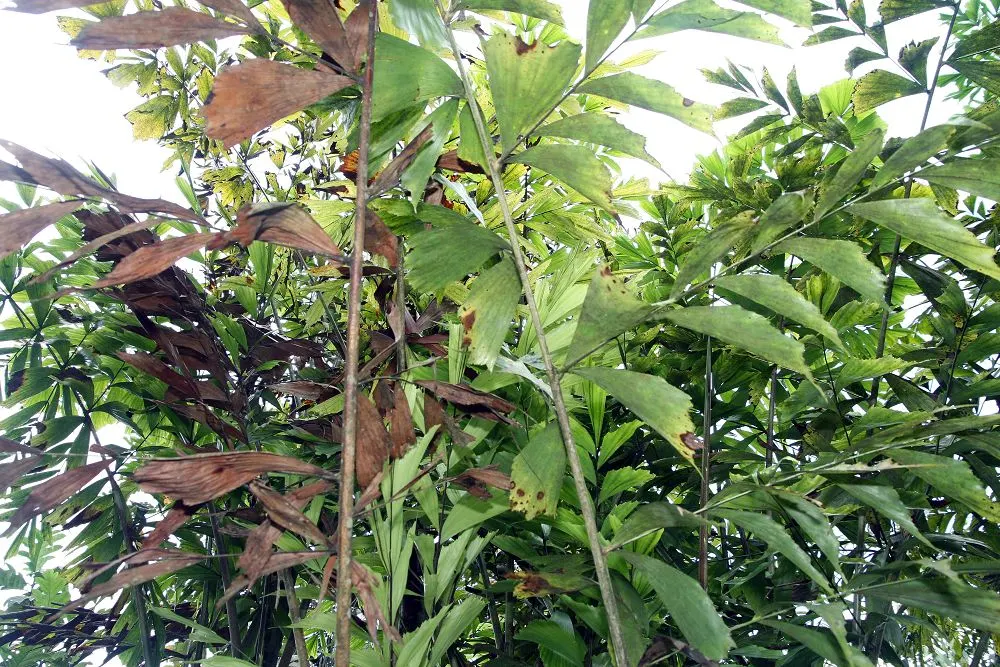
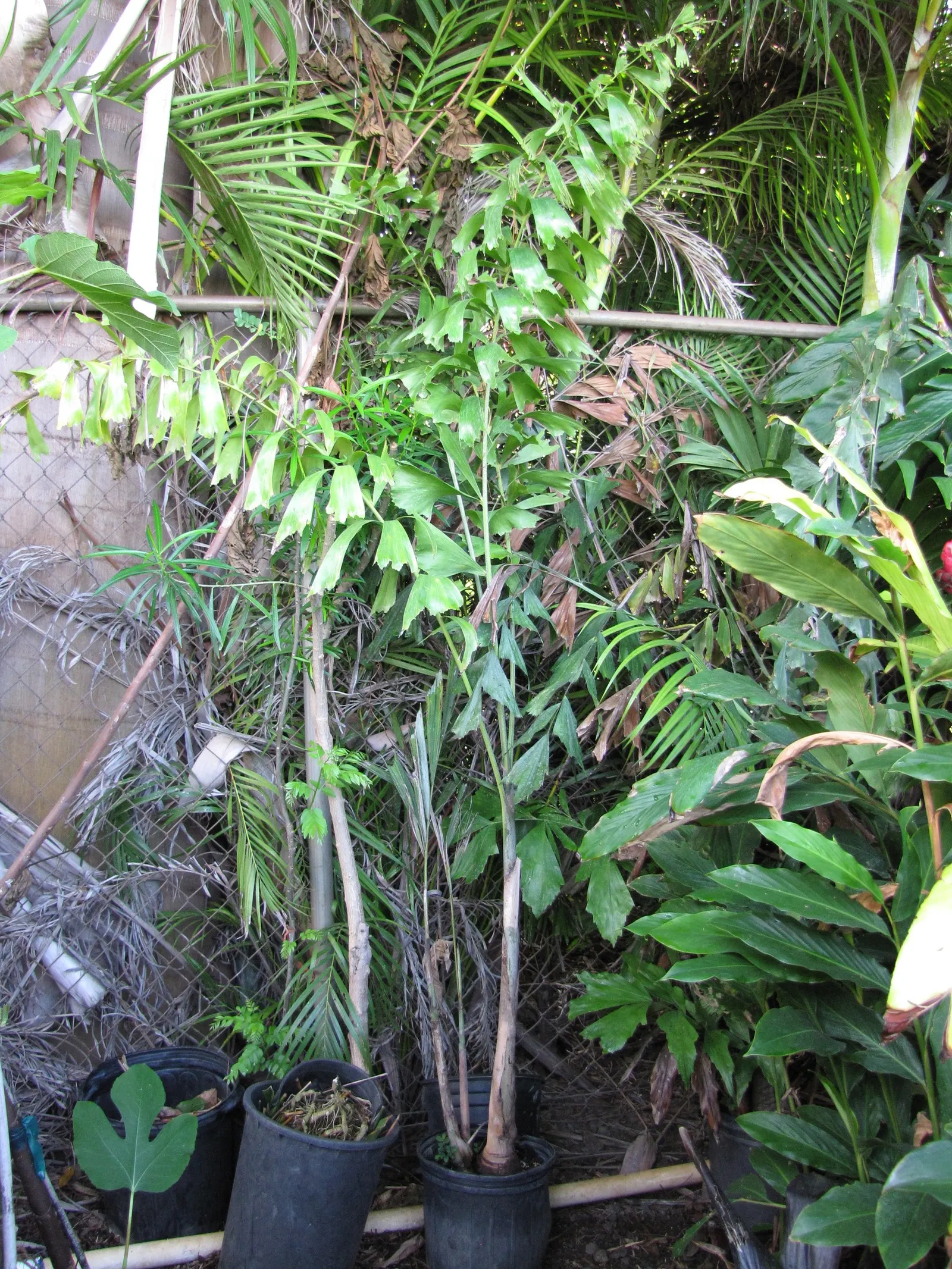
Clustering Fishtail Palm (Caryota Mitis) — distinguished by its bipinnate leaves resembling fishtails

Culture

Sun
Full, Half
Water
Extra in Summer, High
USDA zones
9–10

Shape & size

Classification

Family
Arecaceae
Climate
Subtropical

See full data, regional cultivation notes, full-resolution photos, and design tools. Build a client presentation around this plant.

Start your 14-day trial

Photos (56)

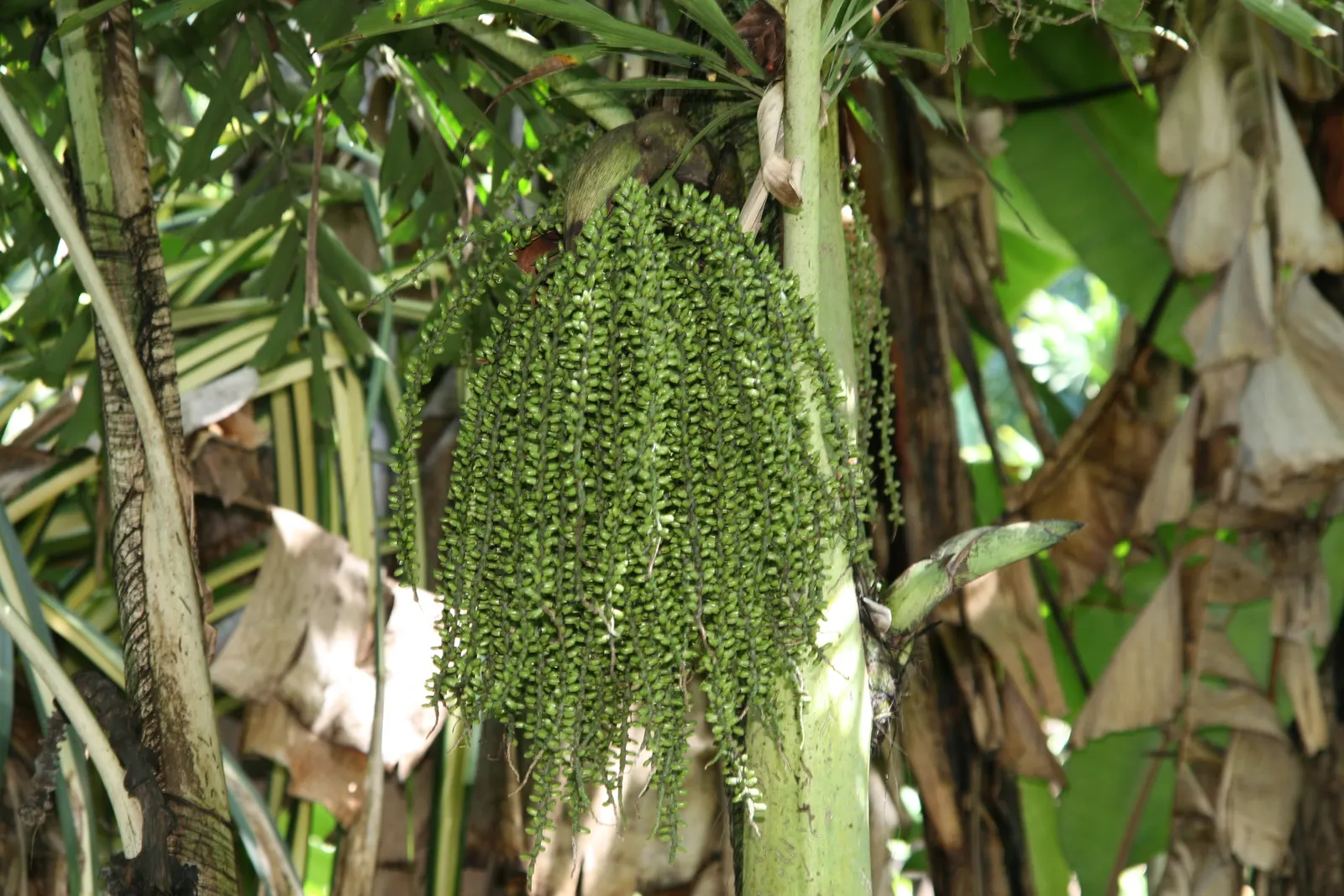
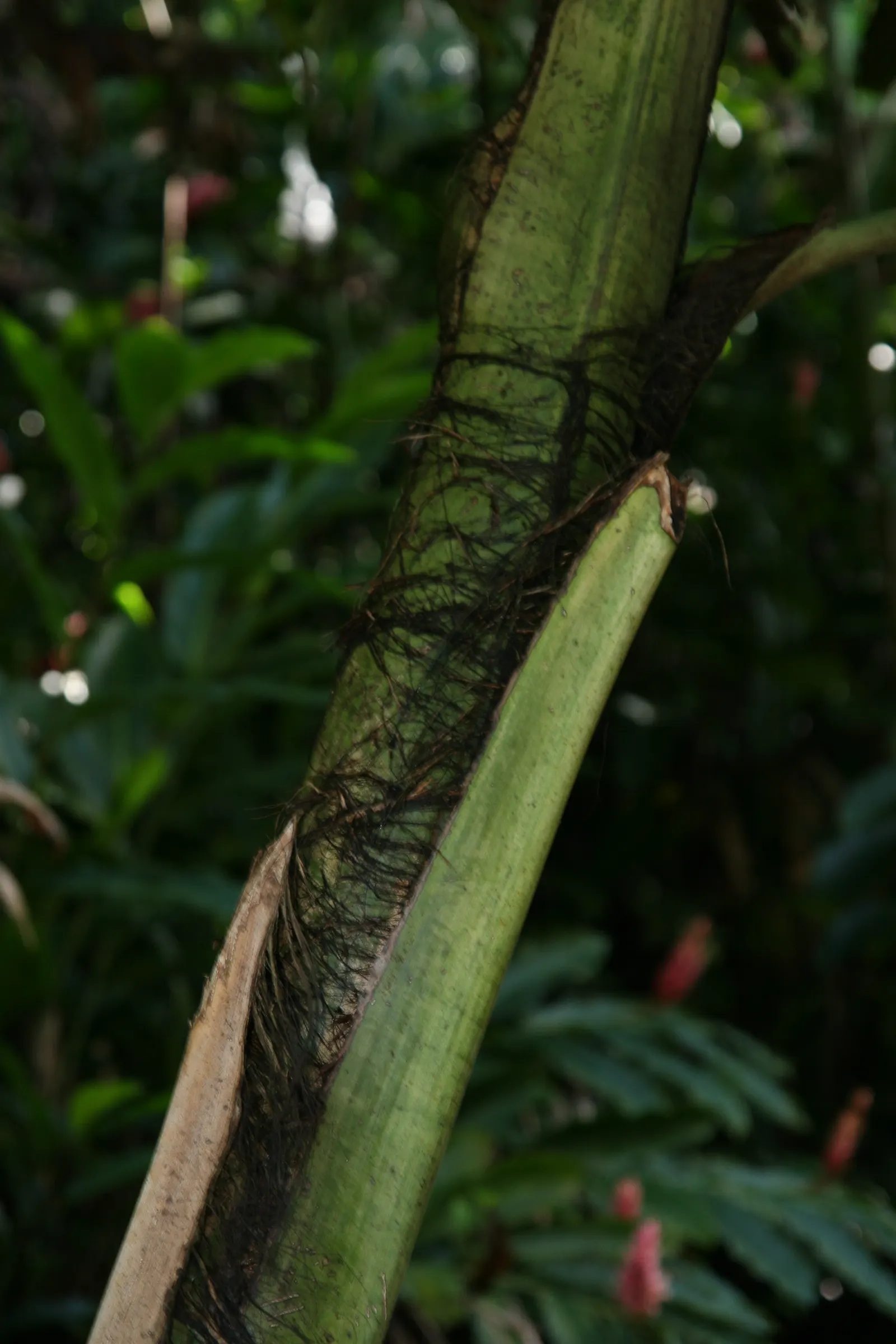
Clustering Fishtail Palm (Caryota Mitis) — This palm's multi-stemmed clumping habit makes it a dramatic feature in any landscape; rich loam with a slightly
Clustering Fishtail Palm (Caryota Mitis) — is a tropical palm native to Southeast Asia and widely celebrated for its unique; and it should be placed with
Clustering Fishtail Palm (Caryota Mitis) — bi-pinnate leaves that resemble the jagged tail of a fish; ideal for USDA zones 10-12, it prefers partial shade and
Clustering Fishtail Palm (Caryota Mitis) — indirect light or partial shade; rich loam with a slightly acidic to neutral pH
Clustering Fishtail Palm (Caryota Mitis) — This palm is adaptable to a range of well-draining soils; and it should be placed with consideration to reduce
Clustering Fishtail Palm (Caryota Mitis) — but it flourishes in moist; ideal for USDA zones 10-12, it prefers partial shade and moist, well-drained soil
Clustering Fishtail Palm (Caryota Mitis) — rich loam with a slightly acidic to neutral pH, image 32
Clustering Fishtail Palm (Caryota Mitis) — Regular watering is crucial to maintain its lush appearance; and it should be placed with consideration to reduce
Clustering Fishtail Palm (Caryota Mitis) — Its cascading leaves add texture and movement, reaching lengths of up to 9 feet; ideal for USDA zones 10-12, it
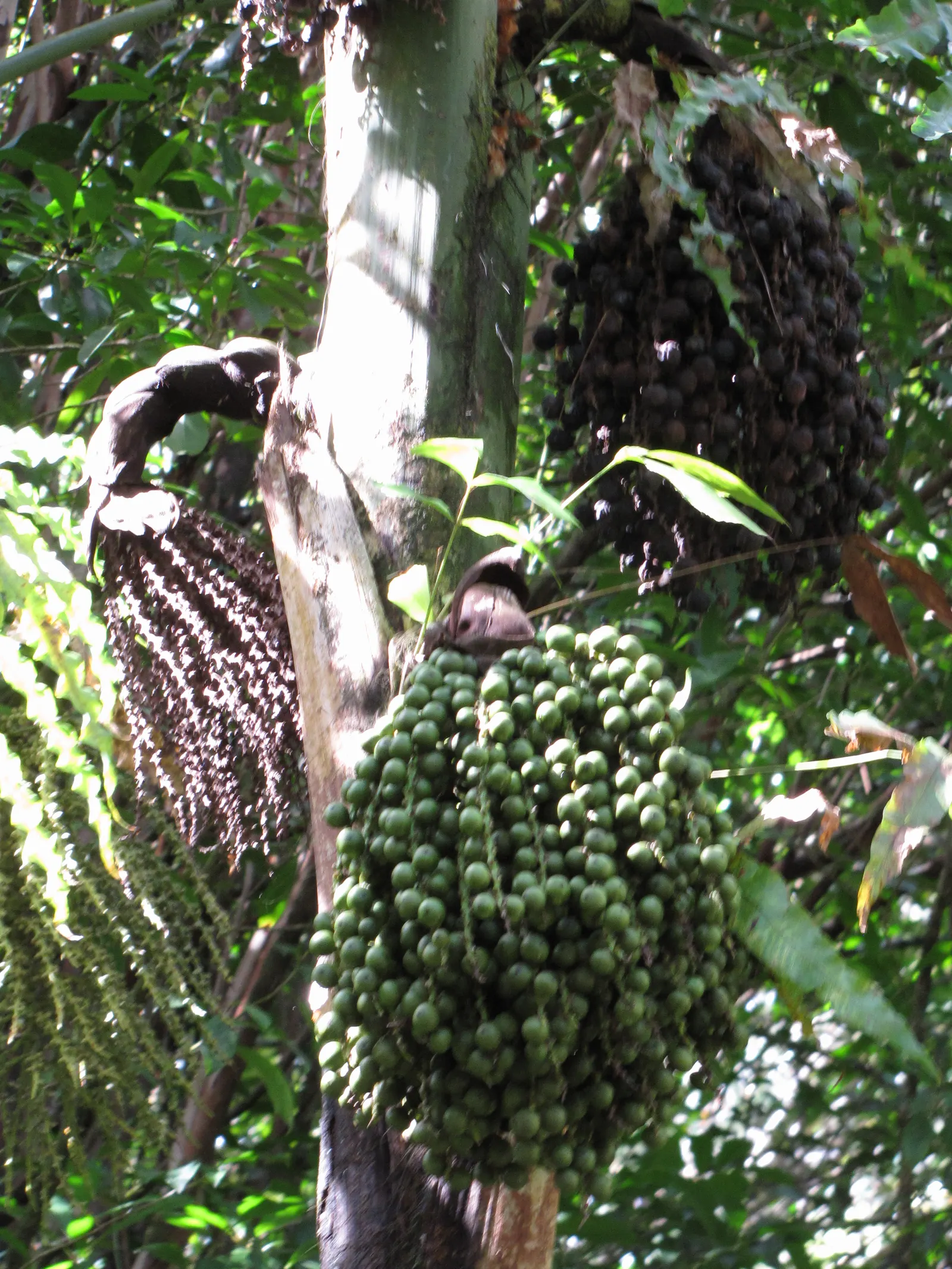
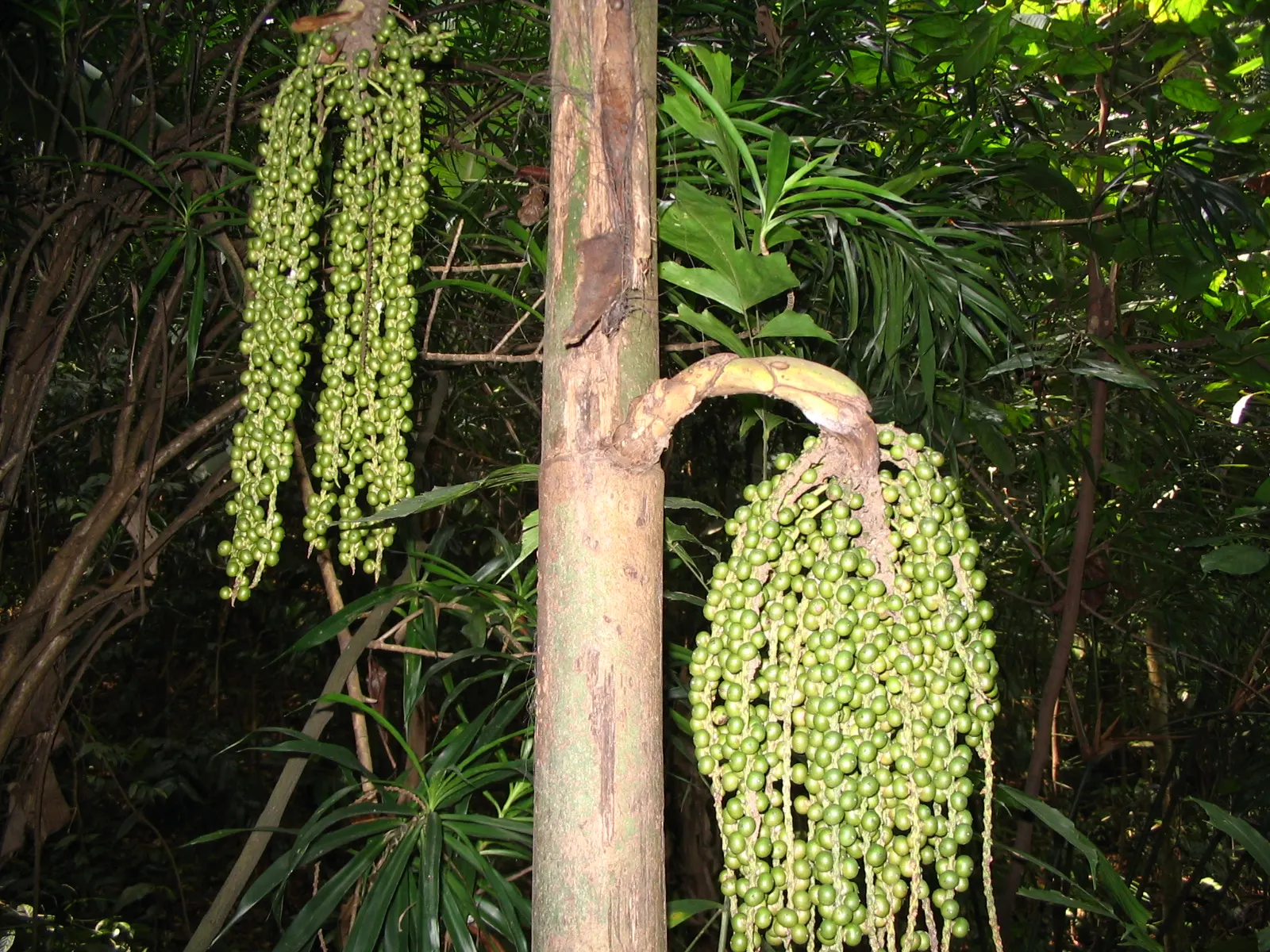
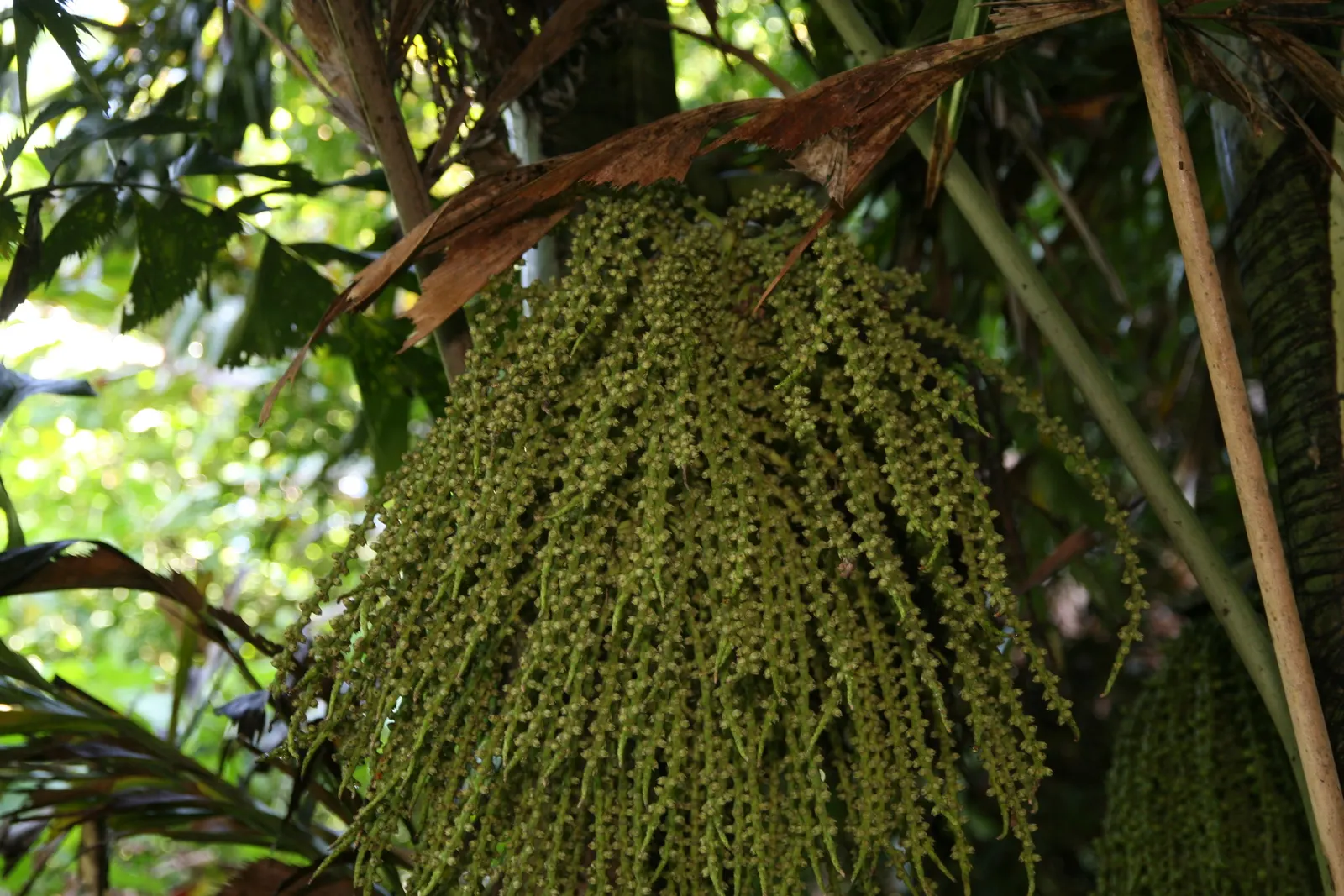
Clustering Fishtail Palm (Caryota Mitis) — cream to brownish inflorescence emerges beneath the leaves; rich loam with a slightly acidic to neutral pH
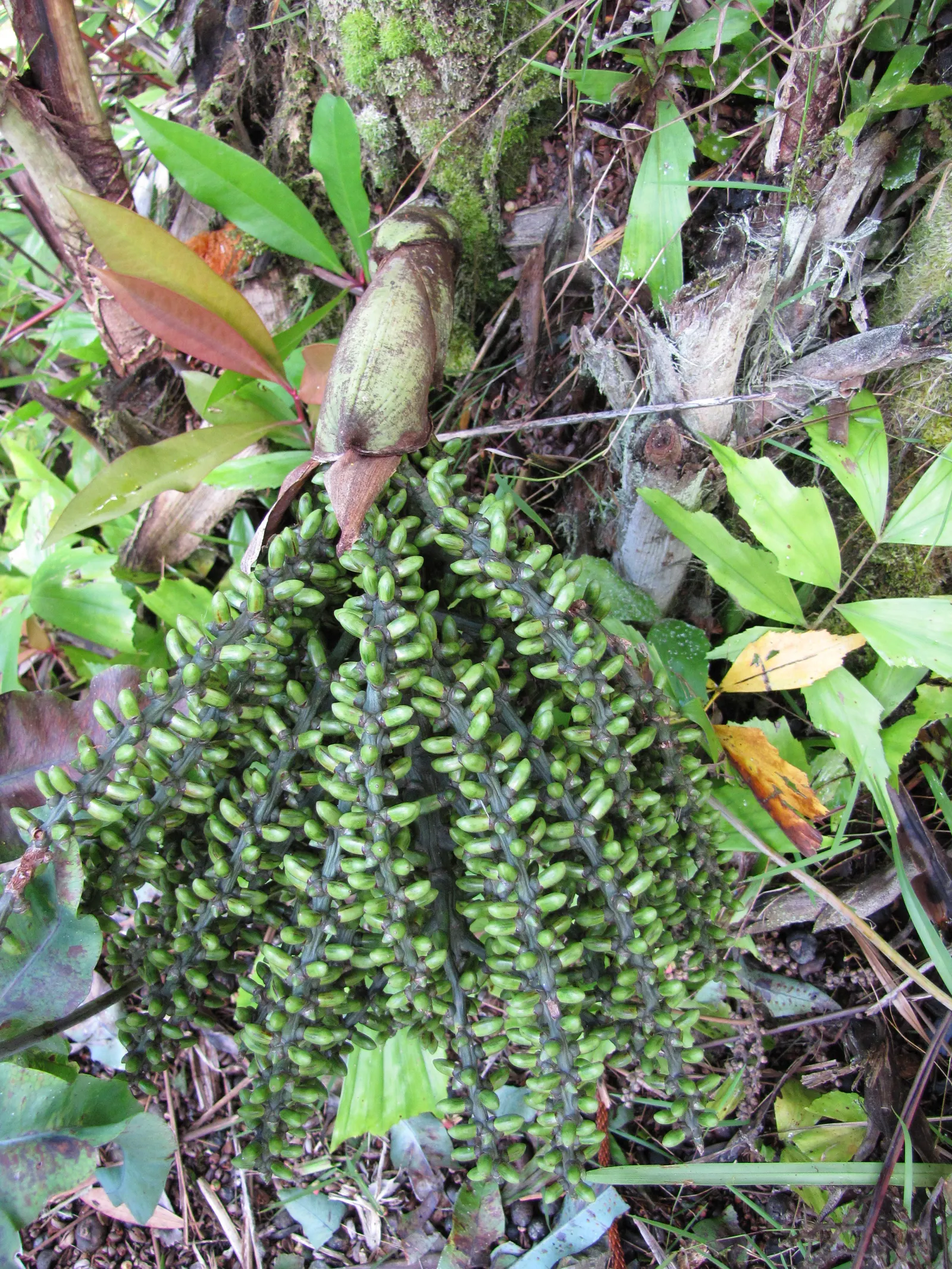
Clustering Fishtail Palm (Caryota Mitis) — later giving way to purple to black non-edible fruits.<br><br>The Caryota mitis; and it should be placed with
Clustering Fishtail Palm (Caryota Mitis) — with its moderate growth rate and low maintenance; ideal for USDA zones 10-12, it prefers partial shade and moist
Clustering Fishtail Palm (Caryota Mitis) — that all parts of this plant are toxic if ingested; rich loam with a slightly acidic to neutral pH
Clustering Fishtail Palm (Caryota Mitis) — and it should be placed with consideration to reduce accidental contact with pets and children, image 39
Clustering Fishtail Palm (Caryota Mitis) — purple flowers in the garden; ideal for USDA zones 10-12, it prefers partial shade and moist, well-drained soil
Clustering Fishtail Palm (Caryota Mitis) — palm with purple blooms; rich loam with a slightly acidic to neutral pH
Clustering Fishtail Palm (Caryota Mitis) — palm for full or half; and it should be placed with consideration to reduce accidental contact with pets and children
Clustering Fishtail Palm (Caryota Mitis) — The Clustering Fishtail Palm (Caryota mitis) is a tropical plant native to Southeast Asia; ideal for, image 43
Clustering Fishtail Palm (Caryota Mitis) — distinguished by its bipinnate leaves resembling fishtails; rich loam with a slightly acidic to neutral, image 44
Clustering Fishtail Palm (Caryota Mitis) — It grows up to 20-25 feet tall, with a spread of 6-10 feet; and it should be placed with consideration, image 45
Clustering Fishtail Palm (Caryota Mitis) — Ideal for USDA zones 10-12, it prefers partial shade and moist, well-drained soil, image 46
Clustering Fishtail Palm (Caryota Mitis) — This palm's multi-stemmed clumping habit makes it a dramatic feature in any landscape; rich loam with a, image 47
Clustering Fishtail Palm (Caryota Mitis) — is a tropical palm native to Southeast Asia and widely celebrated for its unique; and it should be, image 48
Clustering Fishtail Palm (Caryota Mitis) — bi-pinnate leaves that resemble the jagged tail of a fish; ideal for USDA zones 10-12, it prefers, image 49

Related plants