Skip to content

Pindo Palm

Butia Capitata

Design with this plant

Overview

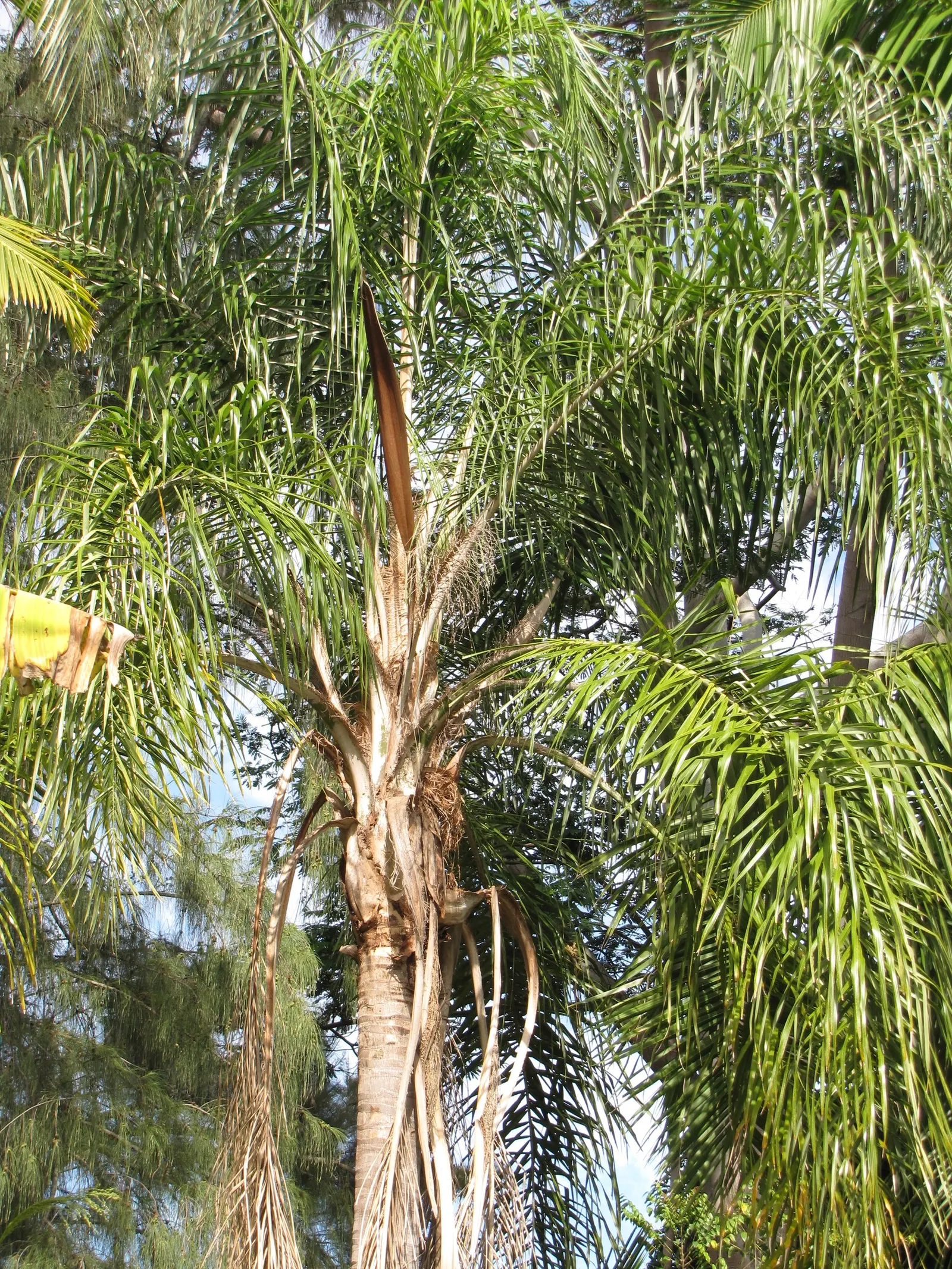
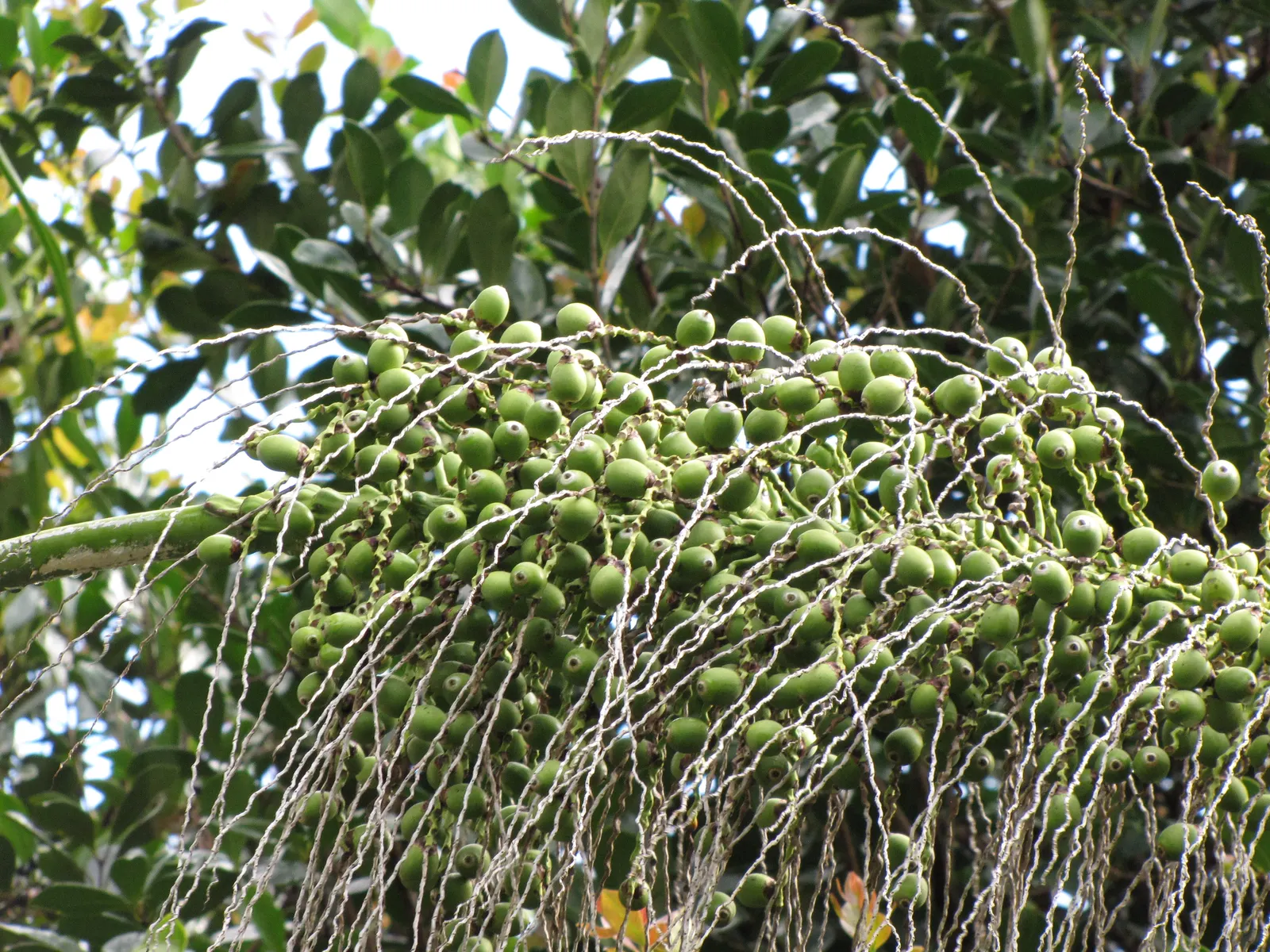
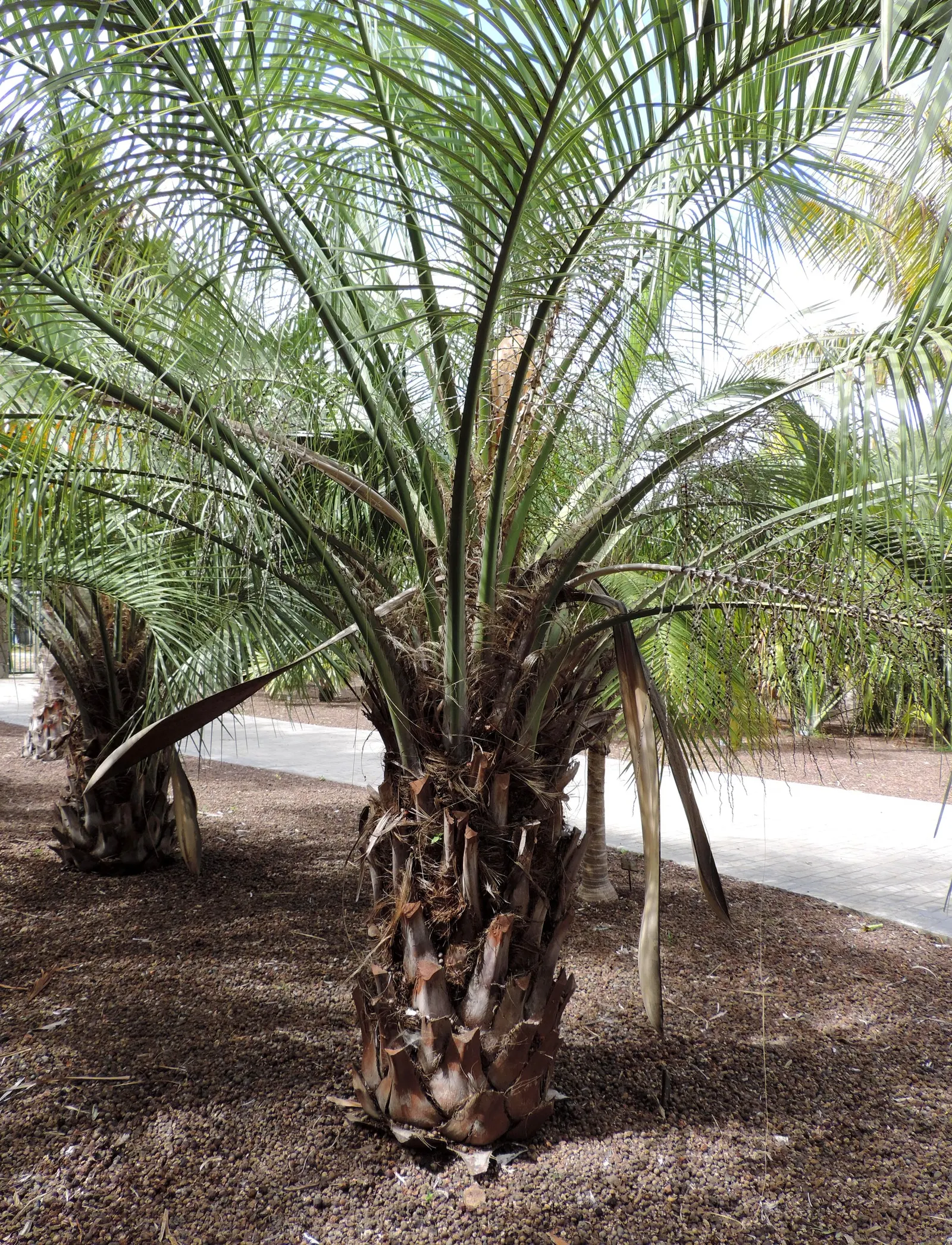
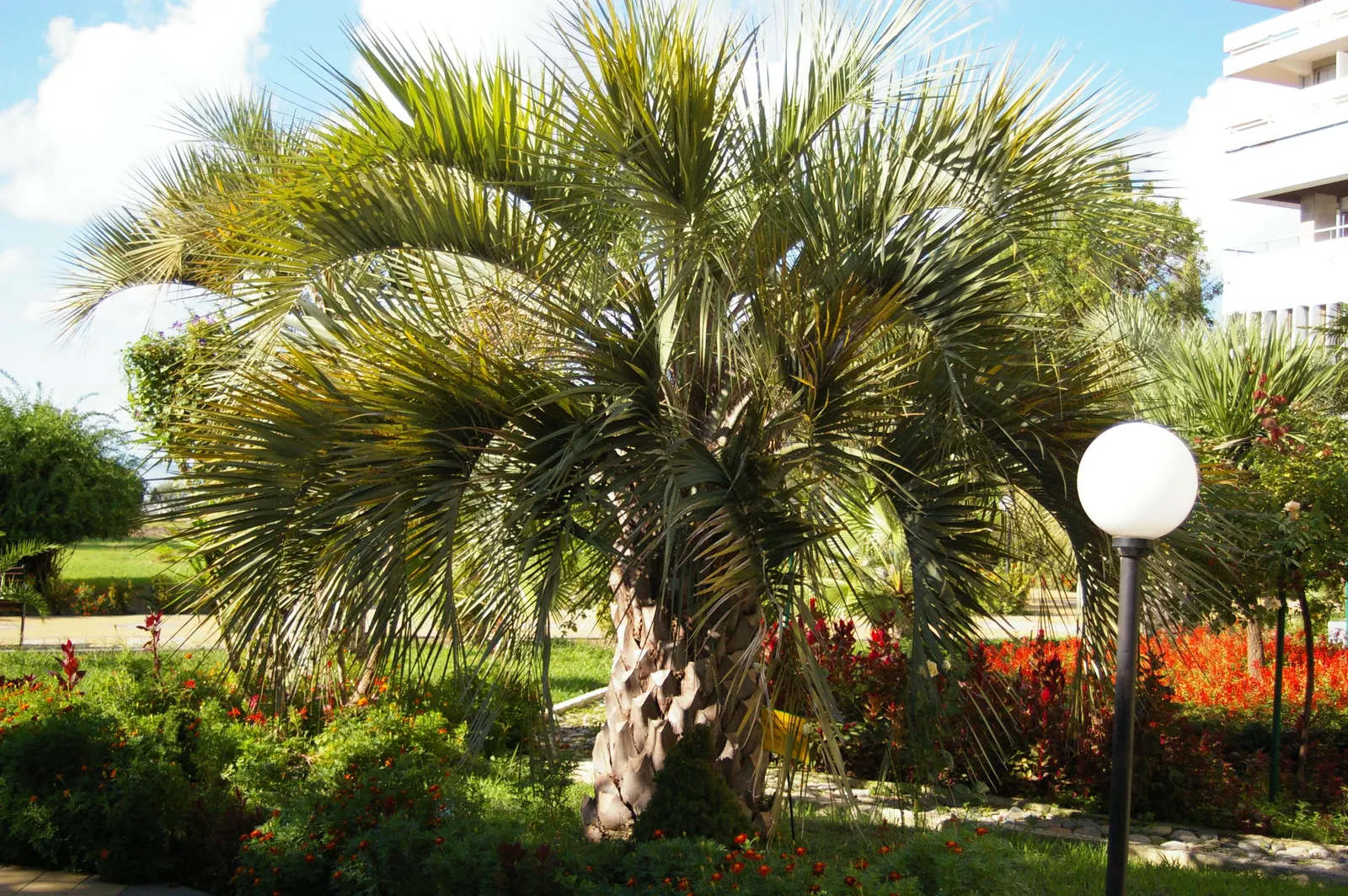
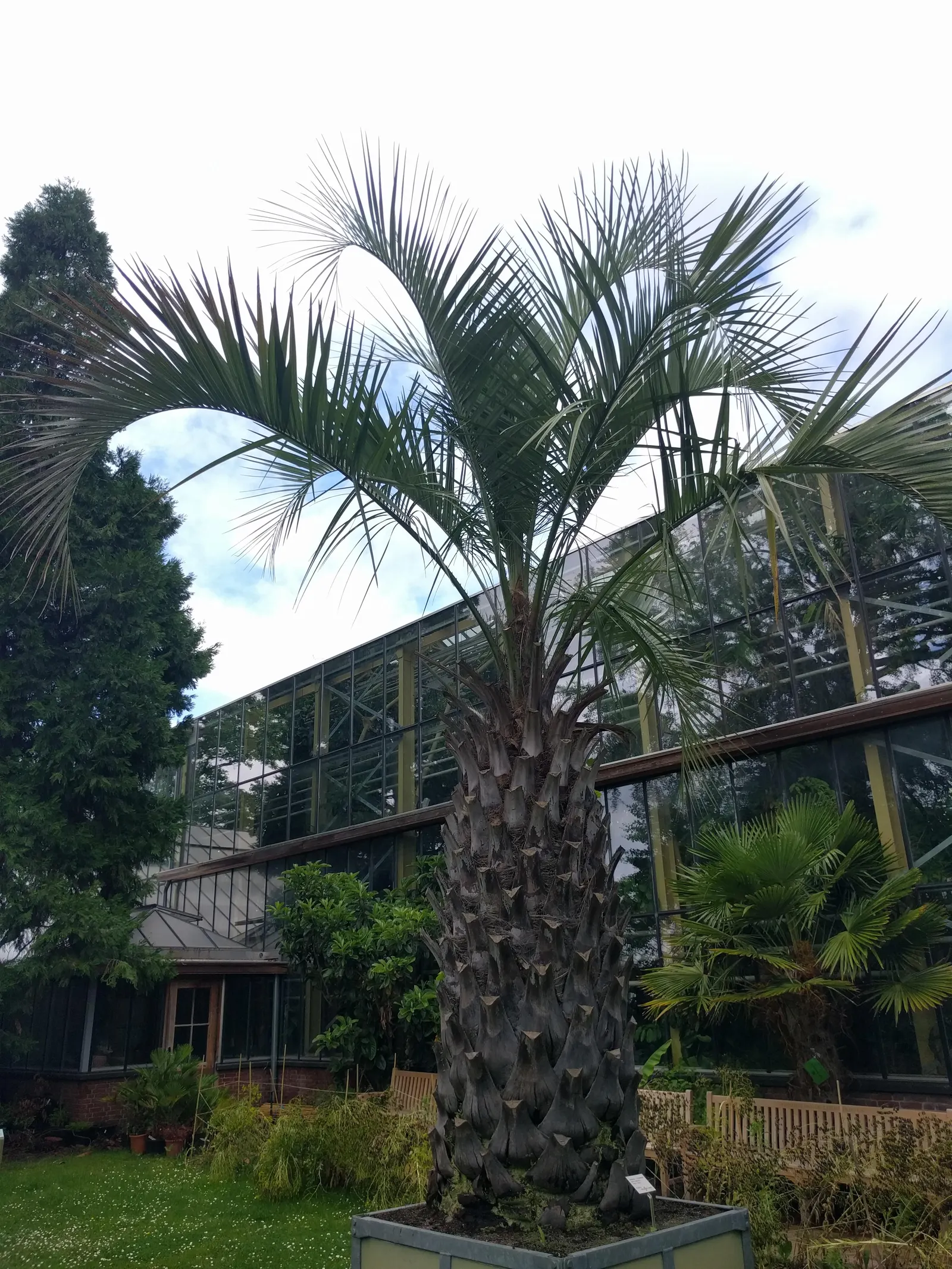
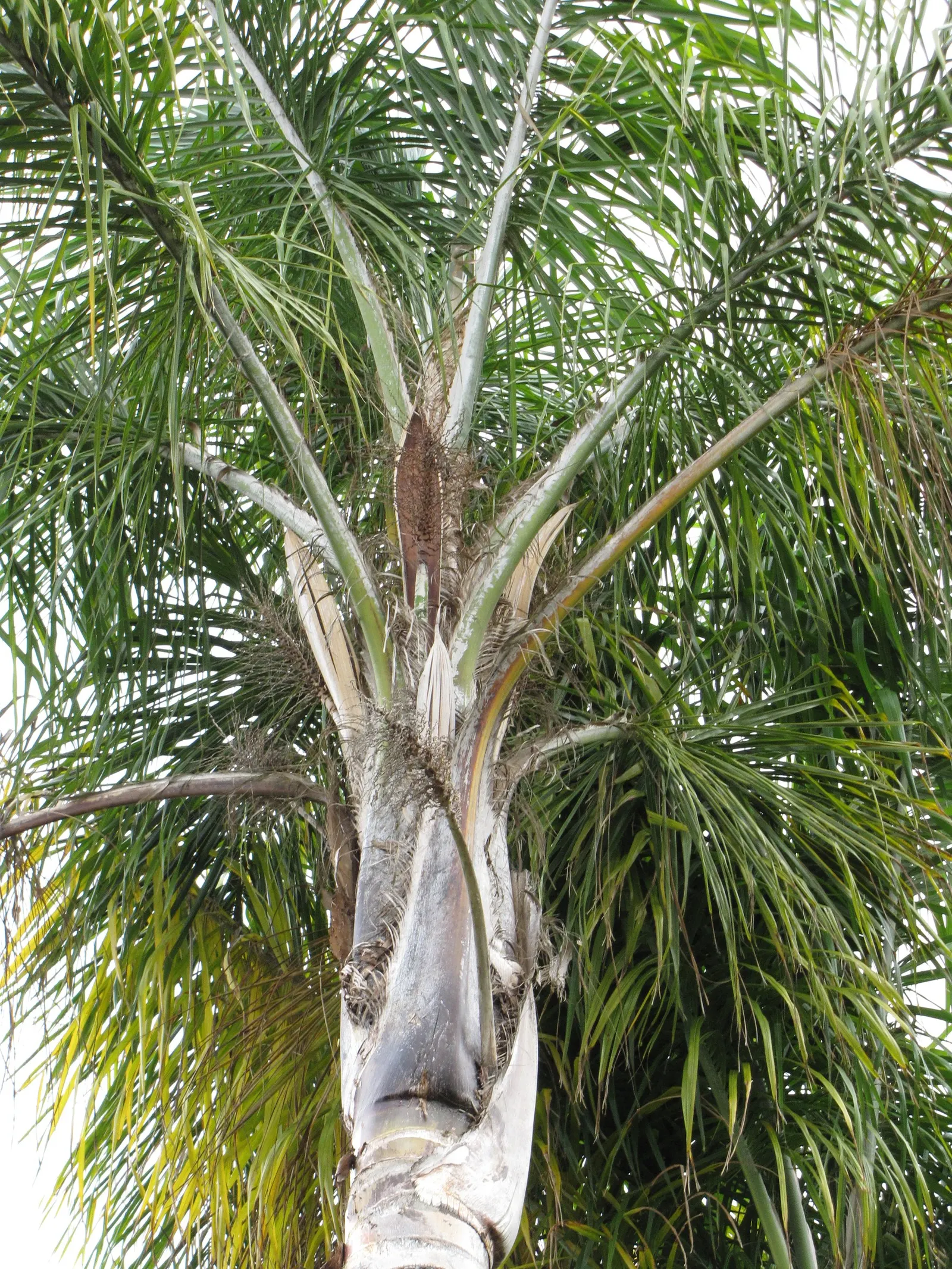
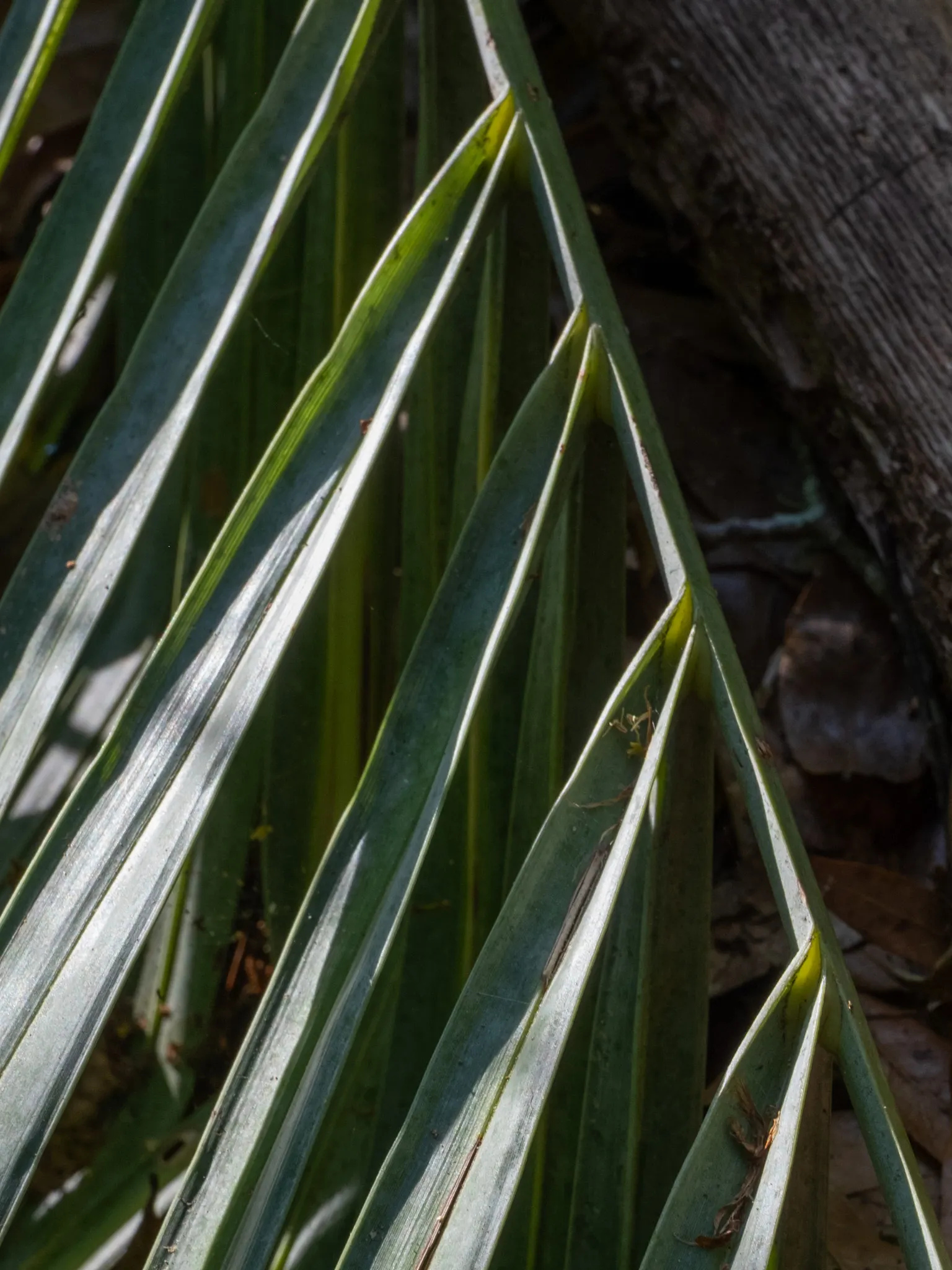
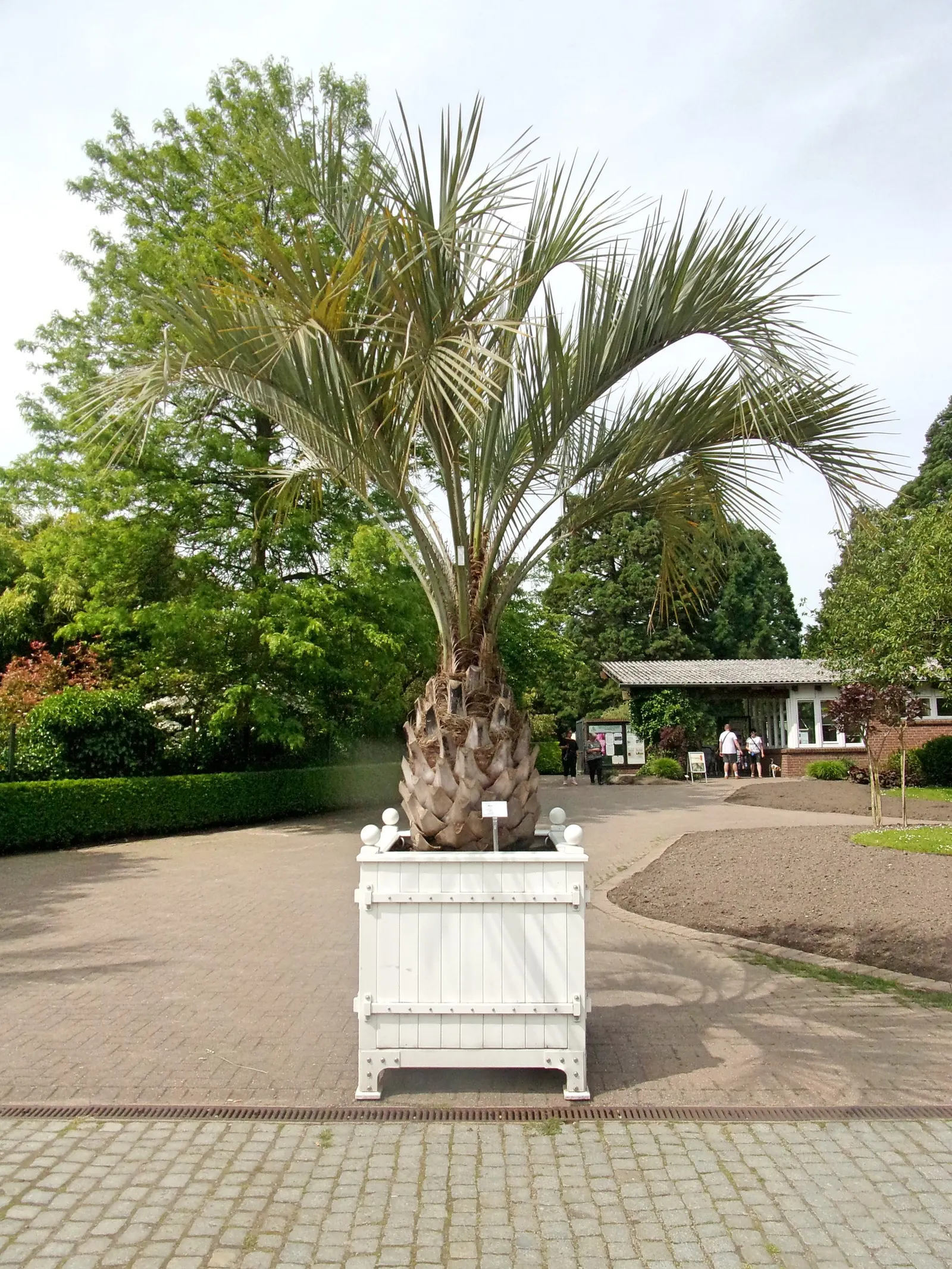
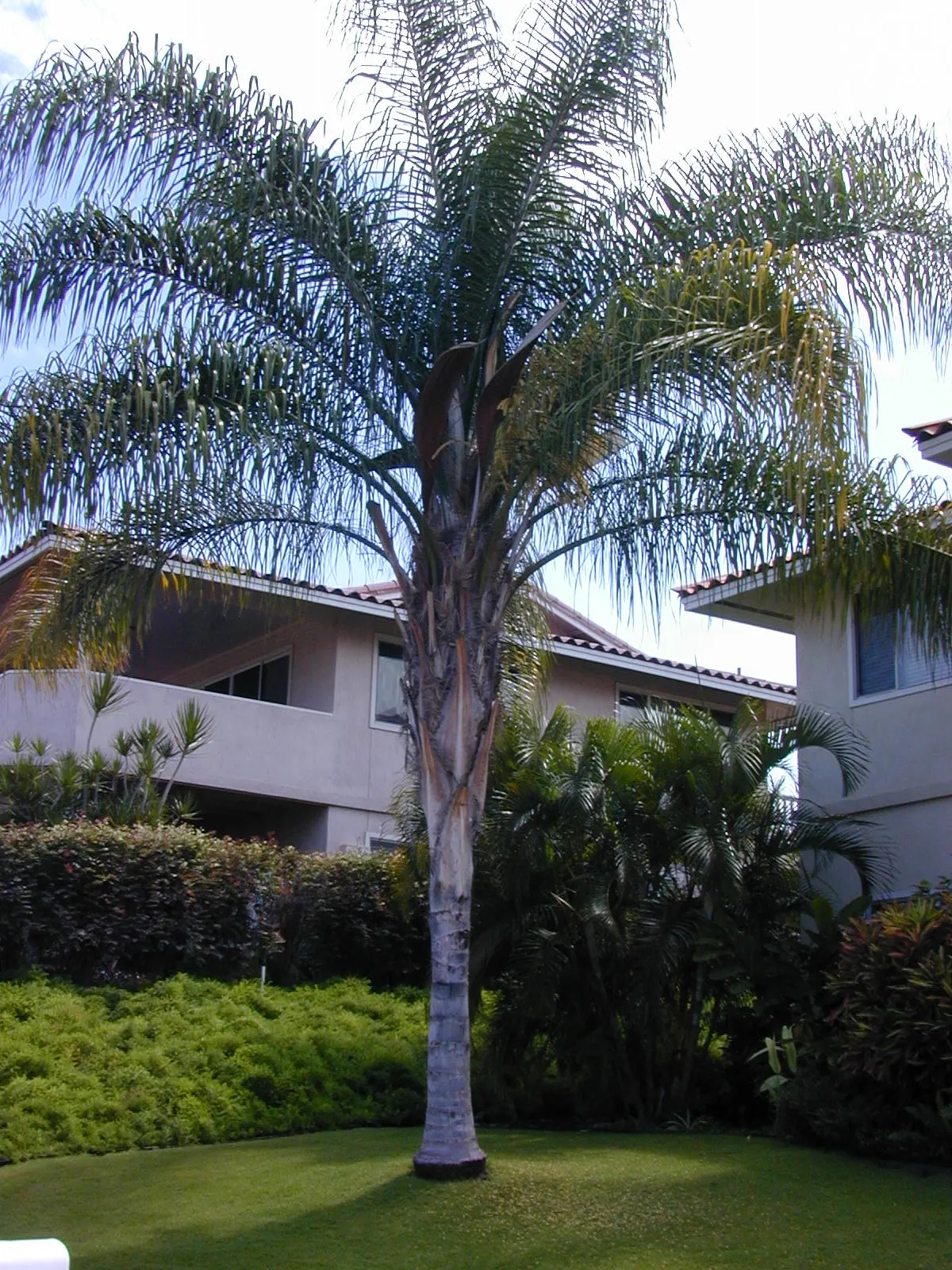
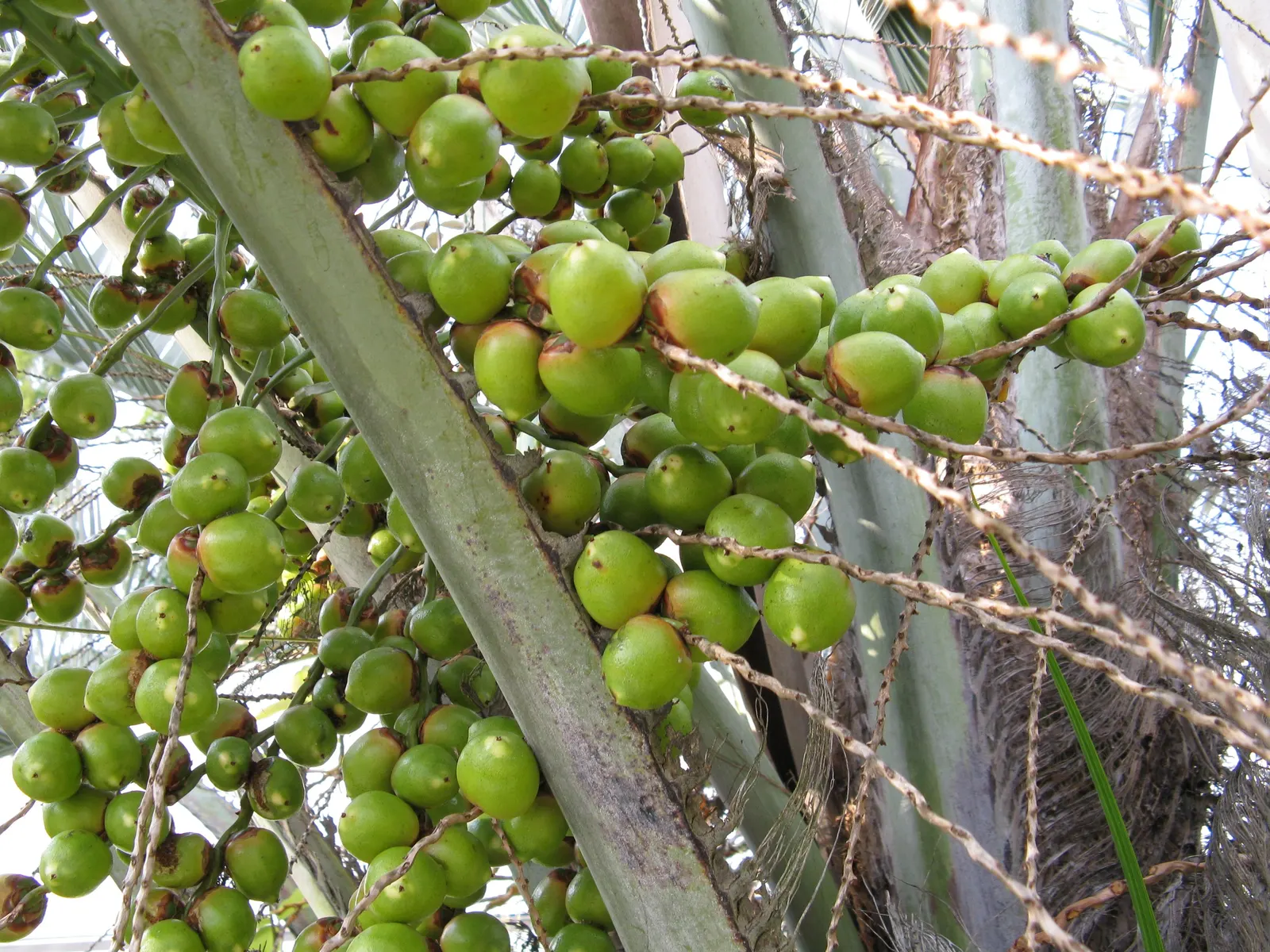
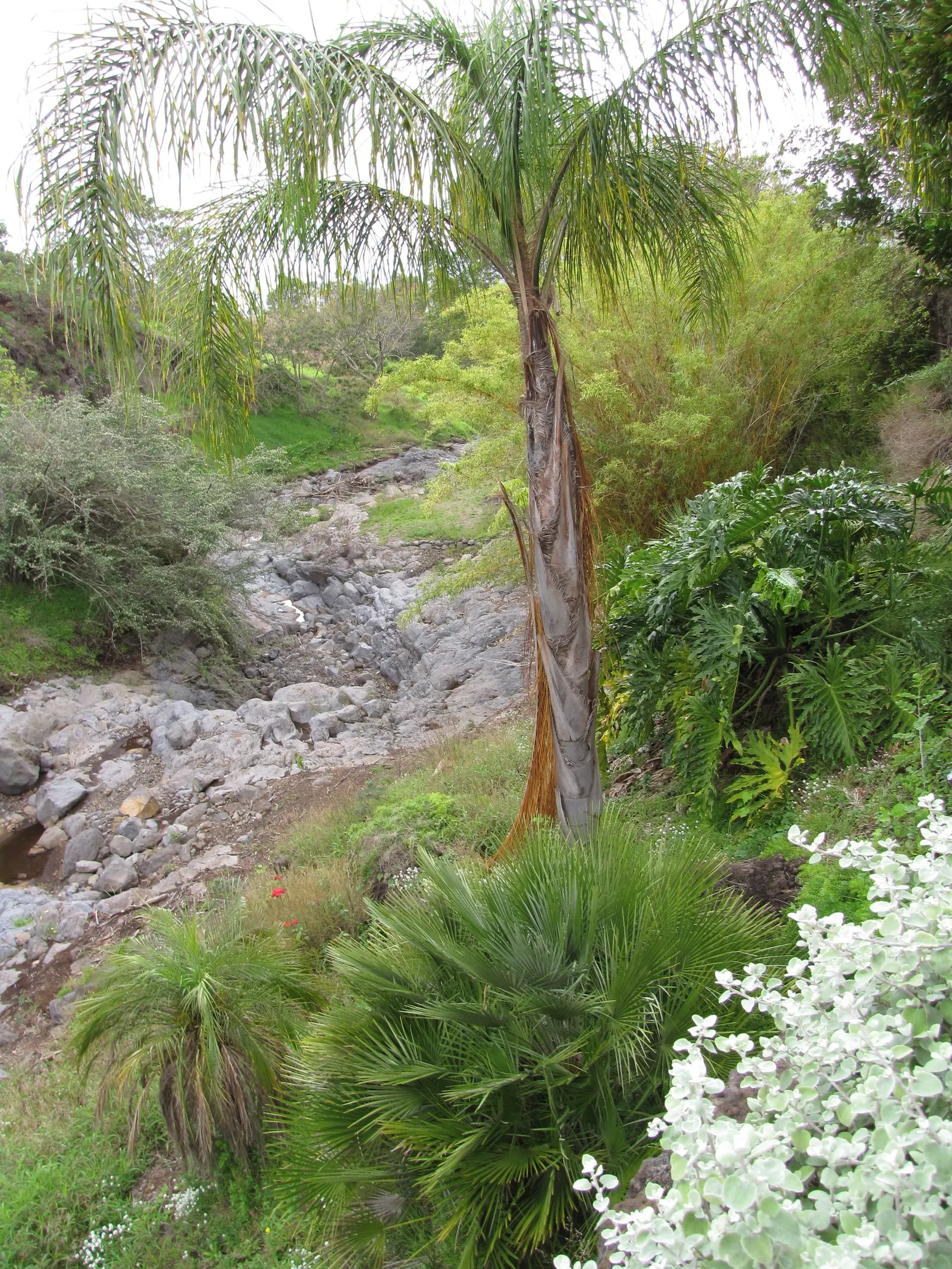
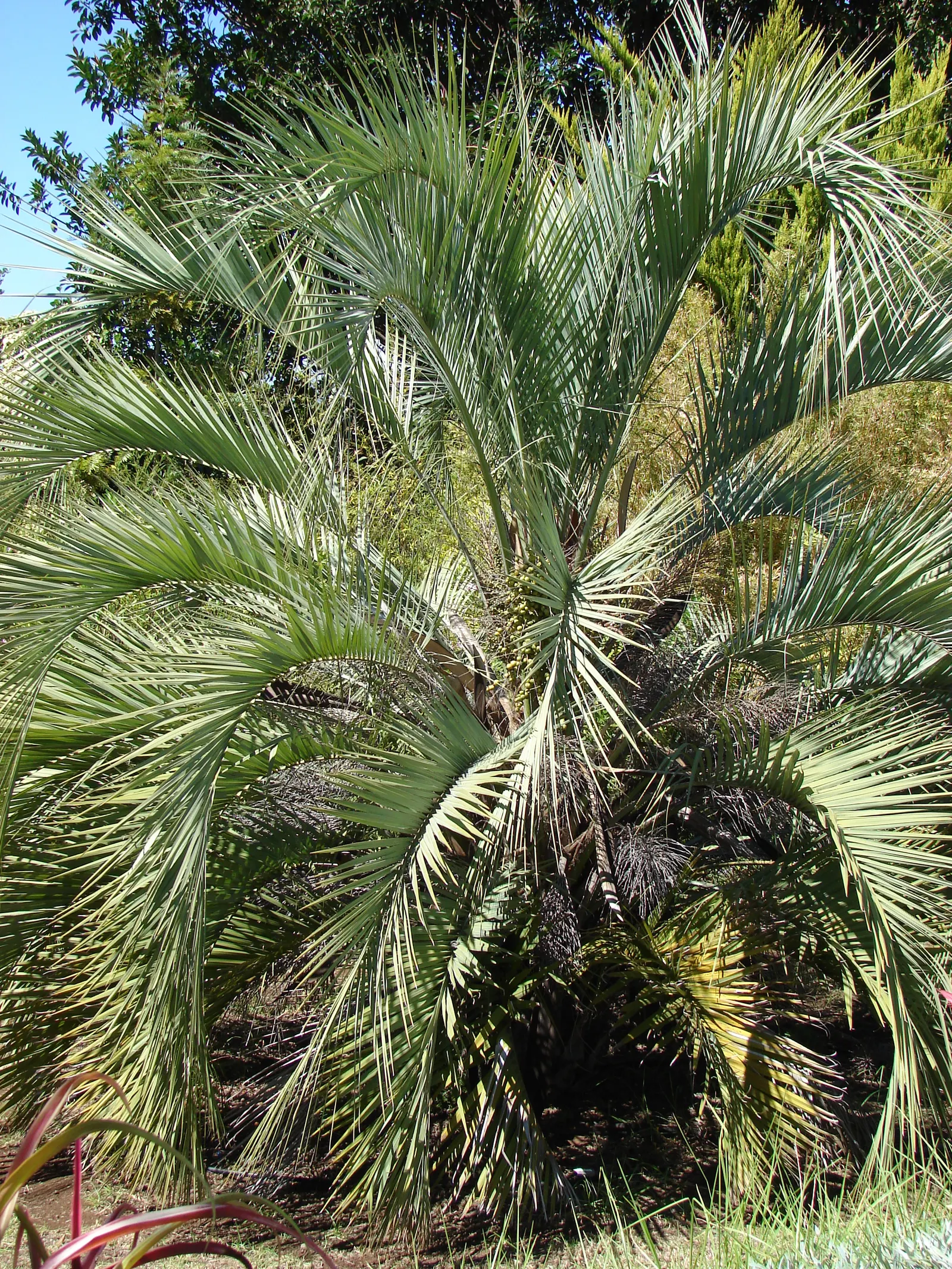
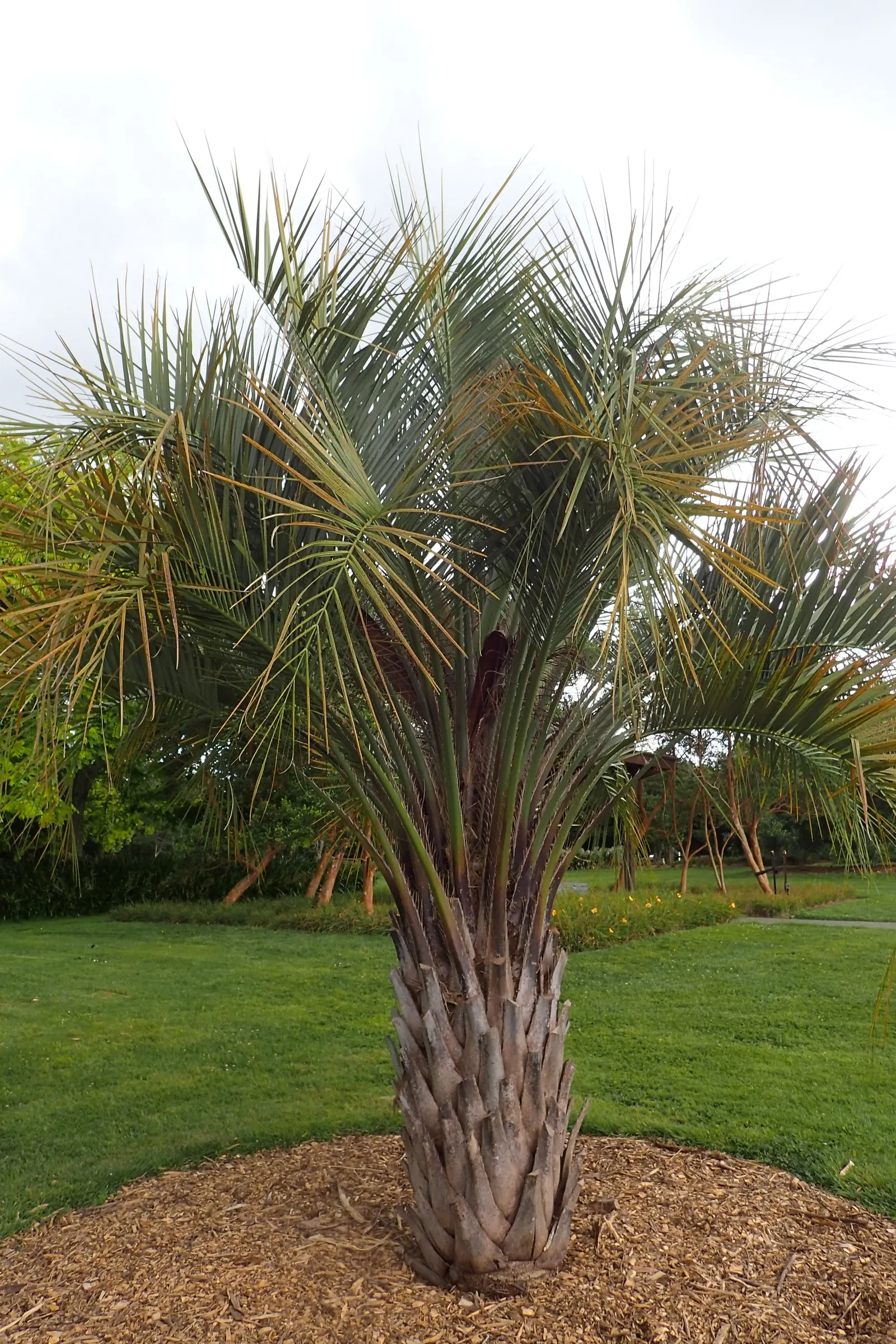
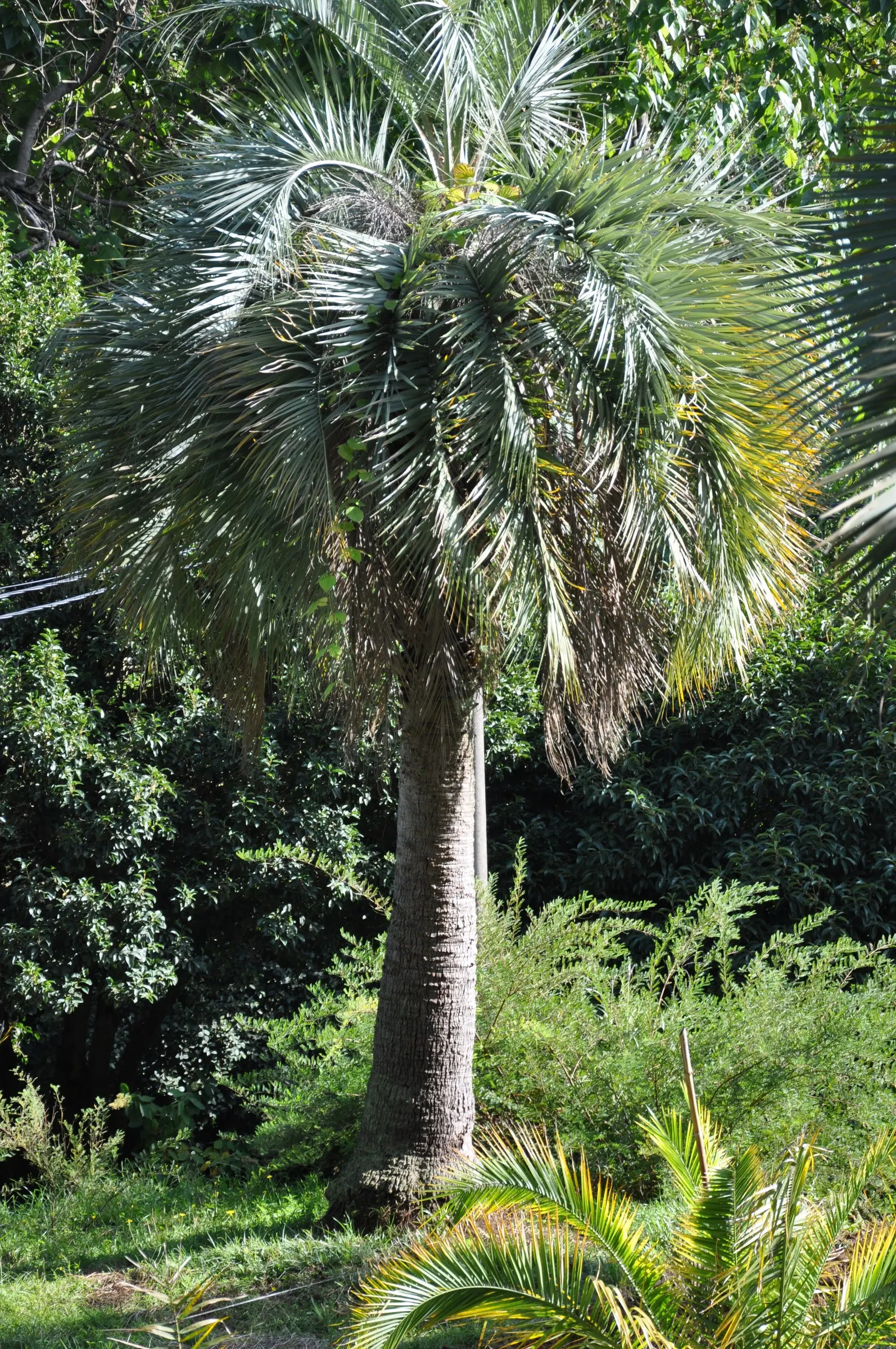
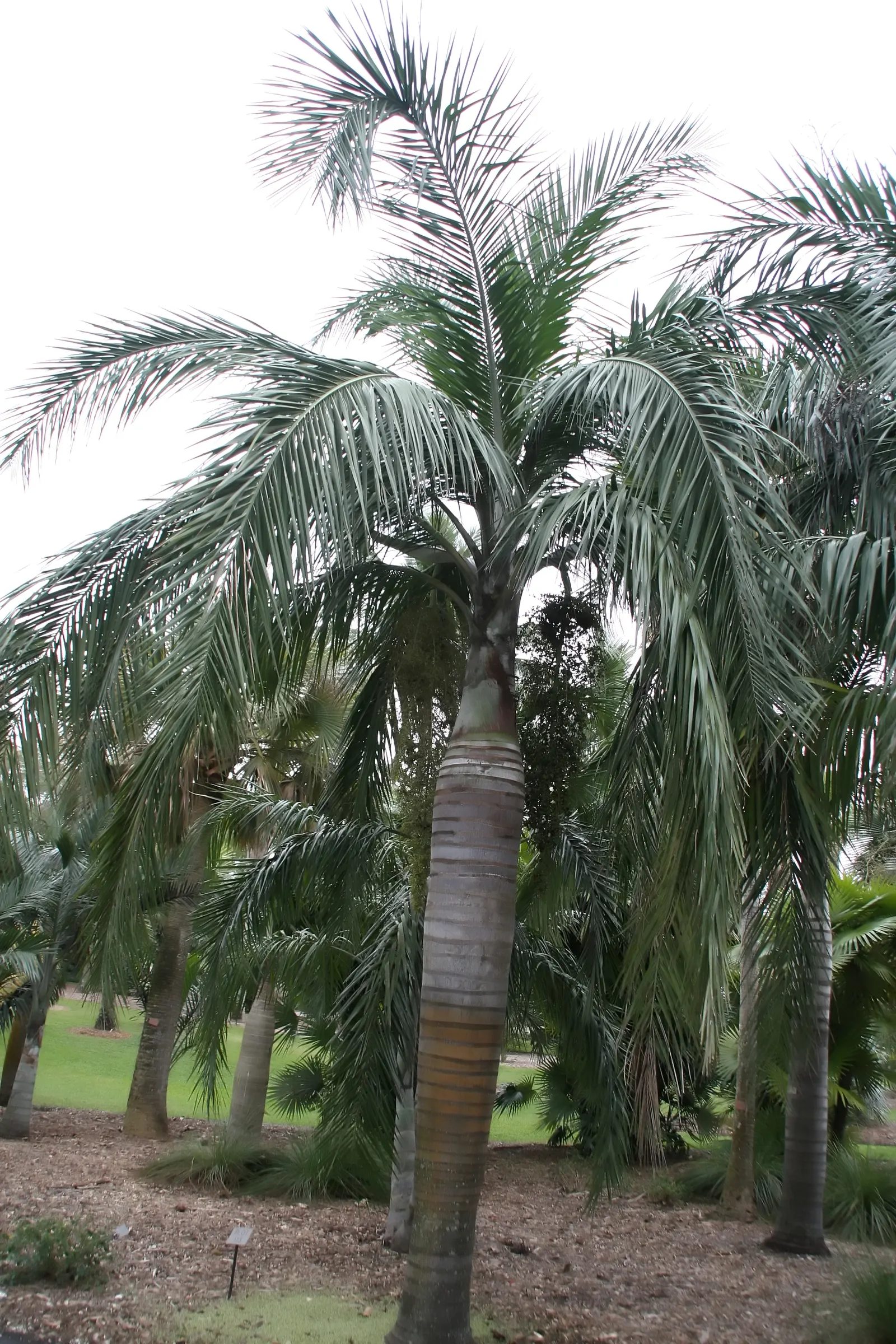
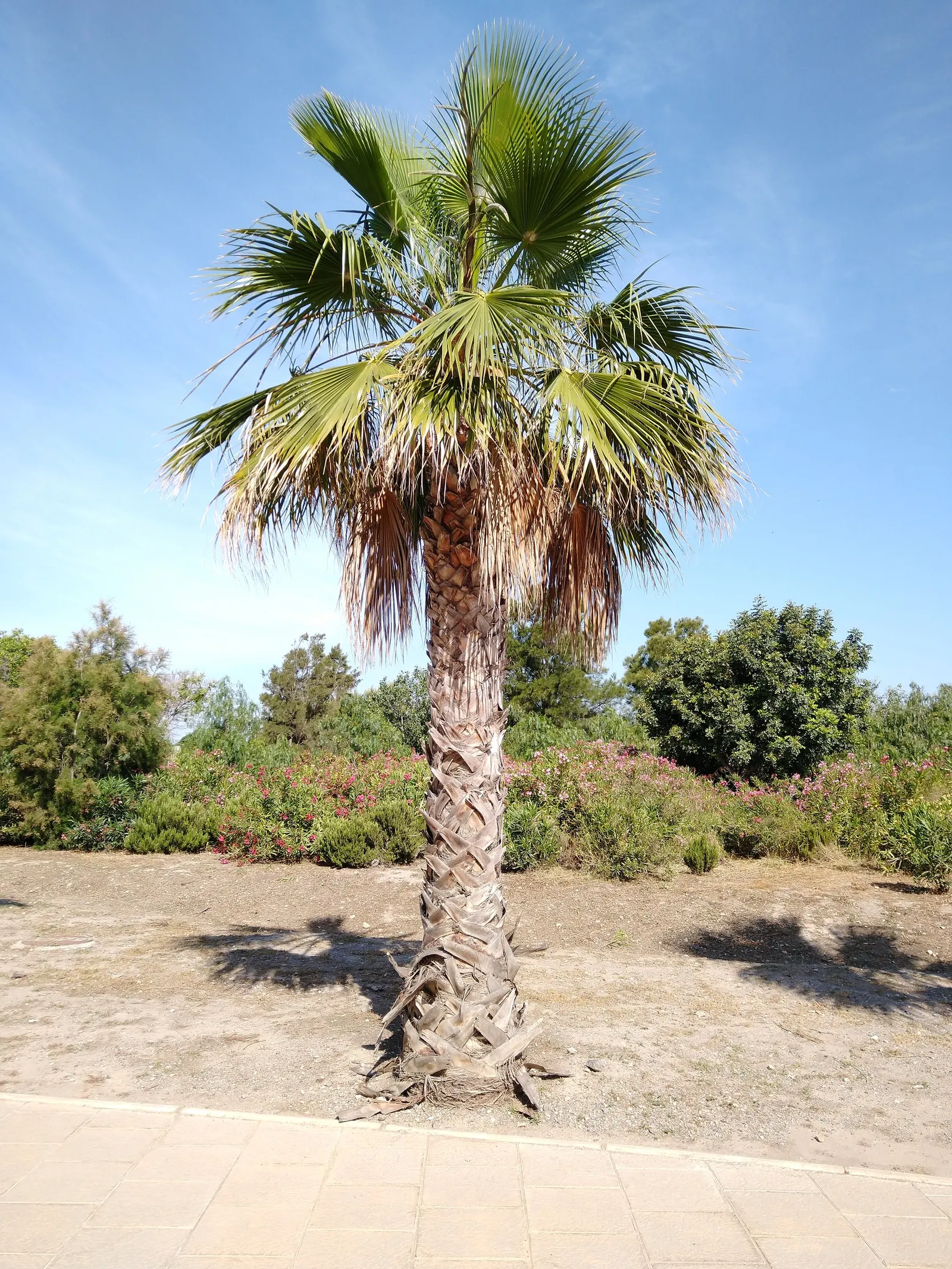
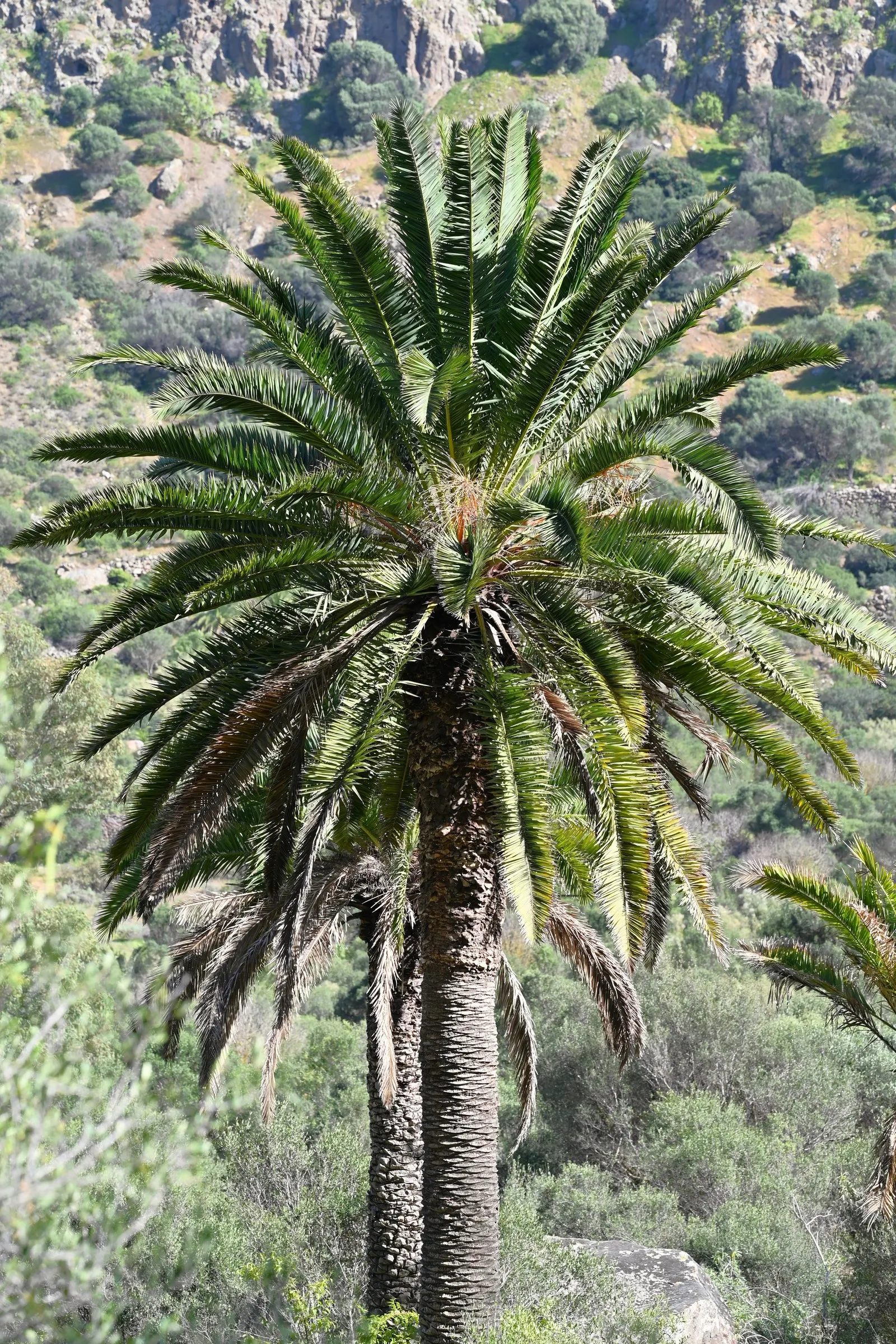
The Pindo Palm, or Butia capitata, boasts a distinctive silhouette with blue-green, arching fronds that span up to 5 feet. This cold-hardy palm matures at 15-20 feet tall, with a spread of 10-15 feet. Its slow growth and graceful form make it ideal for focal points in landscapes. It produces edible yellow-orange fruits, adding a tropical flair to settings in USDA zones 7b-11.

Sun Full, HalfWater Extra in Summer, MediumZones 10–10Climate Mediterranean, Subtropical
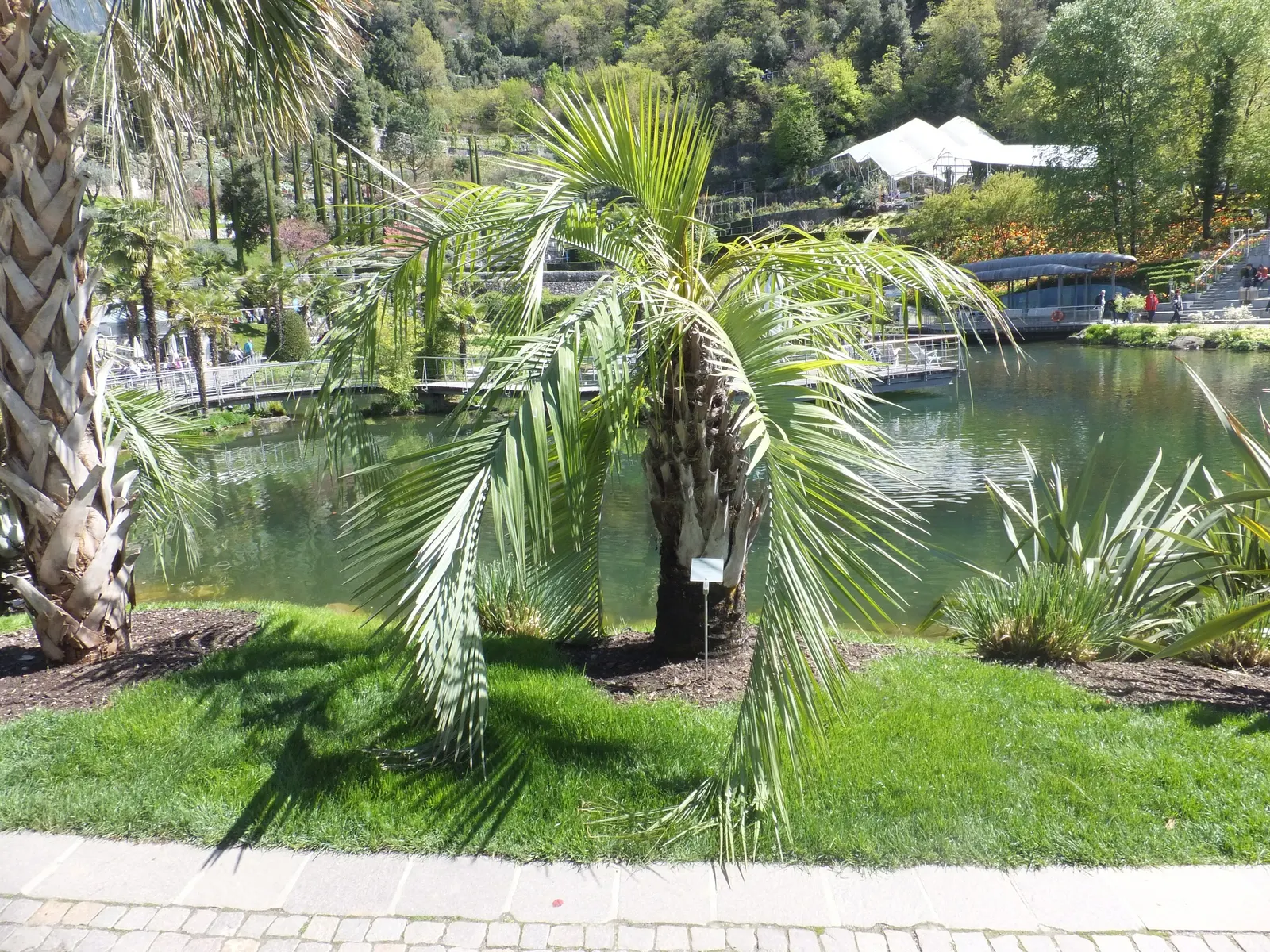
Pindo Palm (Butia Capitata) — boasts a distinctive silhouette with blue-green

Culture

Sun
Full, Half
Water
Extra in Summer, Medium
USDA zones
10–10

Shape & size

Classification

Family
Arecaceae
Climate
Mediterranean, Subtropical

See full data, regional cultivation notes, full-resolution photos, and design tools. Build a client presentation around this plant.

Start your 14-day trial

Photos (73)

Pindo Palm (Butia Capitata) — It produces edible yellow-orange fruits, adding a tropical flair to settings in USDA zones 7b-11; blue-green fronds that
Pindo Palm (Butia Capitata) — Originating from the grasslands and forests of South America; palm for full or half
Pindo Palm (Butia Capitata) — scientifically known as Butia capitata; regular watering is recommended until the palm is established, after which it becomes
Pindo Palm (Butia Capitata) — offering a touch of tropical elegance; creating a spread of up to 10 feet wide
Pindo Palm (Butia Capitata) — this hardy palm is well-adapted to a variety of soil conditions and is notably resilient against cold; is a striking addition to
Pindo Palm (Butia Capitata) — is a striking addition to any landscape design; scientifically known as Butia capitata
Pindo Palm (Butia Capitata) — creating a spread of up to 10 feet wide; offering a touch of tropical elegance
Pindo Palm (Butia Capitata) — blue-green fronds that gracefully arch; boasts a distinctive silhouette with blue-green
Pindo Palm (Butia Capitata) — which can grow up to 5 feet long; yellow inflorescences that reach up to 2 feet long
Pindo Palm (Butia Capitata) — with a spread of approximately 10 to 15 feet thanks to its robust; which can grow up to 5 feet long
Pindo Palm (Butia Capitata) — consider its full mature size and provide ample space for its expansive canopy; these blossom into orange-yellow fruits by late
Pindo Palm (Butia Capitata) — yellow inflorescences that reach up to 2 feet long; arching fronds that span up to 5 feet
Pindo Palm (Butia Capitata) — These blossom into orange-yellow fruits by late summer; originating from the grasslands and forests of South America
Pindo Palm (Butia Capitata) — The tree thrives in full sun to partial shade and requires well-drained soil; this cold-hardy palm matures at 15-20 feet tall
Pindo Palm (Butia Capitata) — palm for full or half; consider its full mature size and provide ample space for its expansive canopy
Pindo Palm (Butia Capitata) — Regular watering is recommended until the palm is established, after which it becomes quite drought-tolerant; this hardy palm is
Pindo Palm (Butia Capitata) — arching fronds that span up to 5 feet; with a spread of approximately 10 to 15 feet thanks to its robust, image 42
Pindo Palm (Butia Capitata) — boasts a distinctive silhouette with blue-green; its slow growth and graceful form make it ideal for focal points in, image 41
Pindo Palm (Butia Capitata) — Its slow growth and graceful form make it ideal for focal points in landscapes; it produces edible yellow-orange, image 44
Pindo Palm (Butia Capitata) — scientifically known as Butia capitata; regular watering is recommended until the palm is established, after which it, image 46
Pindo Palm (Butia Capitata) — It produces edible yellow-orange fruits, adding a tropical flair to settings in USDA zones 7b-11; blue-green fronds, image 45
Pindo Palm (Butia Capitata) — This cold-hardy palm matures at 15-20 feet tall, with a spread of 10-15 feet; the tree thrives in full sun to partial, image 43
Pindo Palm (Butia Capitata) — is a striking addition to any landscape design; scientifically known as Butia capitata, image 47
Pindo Palm (Butia Capitata) — offering a touch of tropical elegance; creating a spread of up to 10 feet wide, image 48

Related plants