Skip to content

Lacebark

Brachychiton Discolor

Design with this plant

Overview

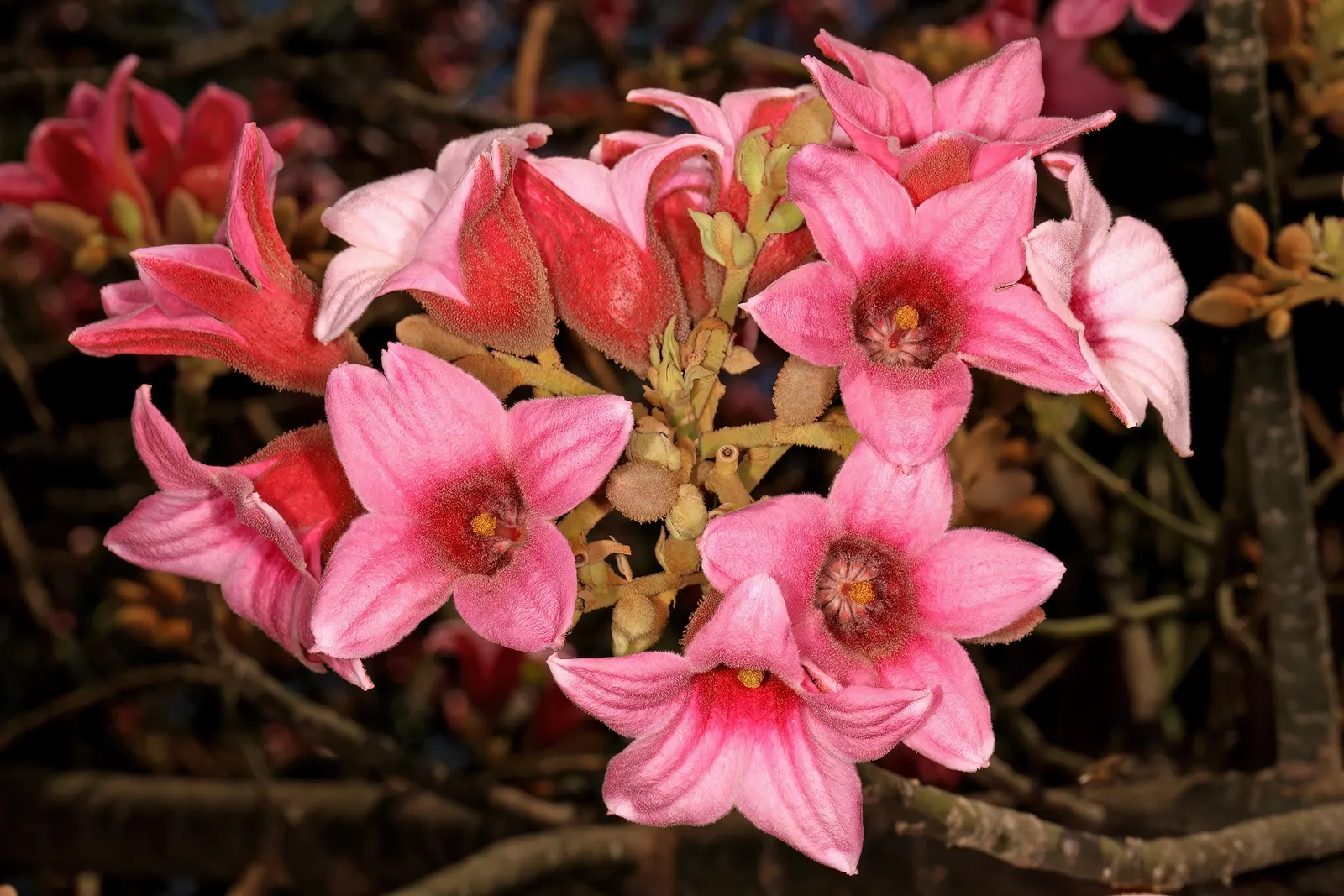
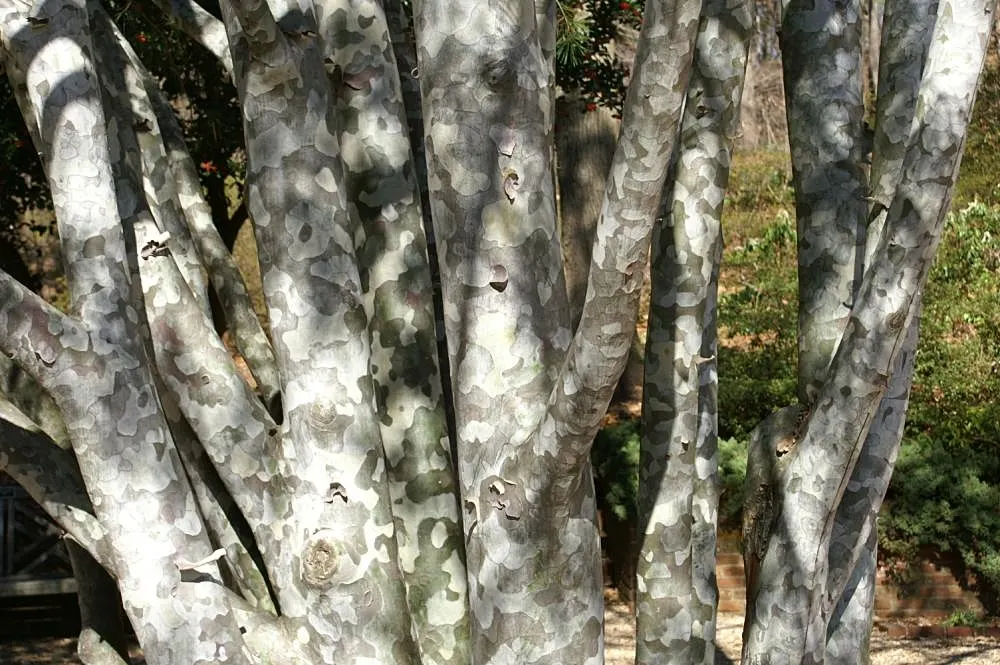
The Lacebark tree (Brachychiton discolor), reaching heights of 30–45 ft with a canopy spread of 15–30 ft, is renowned for its showy pink flowers and striking mottled bark. This semi-evergreen species thrives in USDA zones 9-11, preferring well-drained soils. Its moderate growth rate and drought tolerance make it an attractive, low-maintenance choice for landscapes seeking vertical interest and seasonal color.

Sun Full, HalfWater Low, Very LowZones 10–11
Lacebark (Brachychiton Discolor) — The Lacebark tree (Brachychiton discolor)

Culture

Sun
Full, Half
Water
Low, Very Low
USDA zones
10–11

Shape & size

Classification

Family
Malvaceae

See full data, regional cultivation notes, full-resolution photos, and design tools. Build a client presentation around this plant.

Start your 14-day trial

Photos (138)

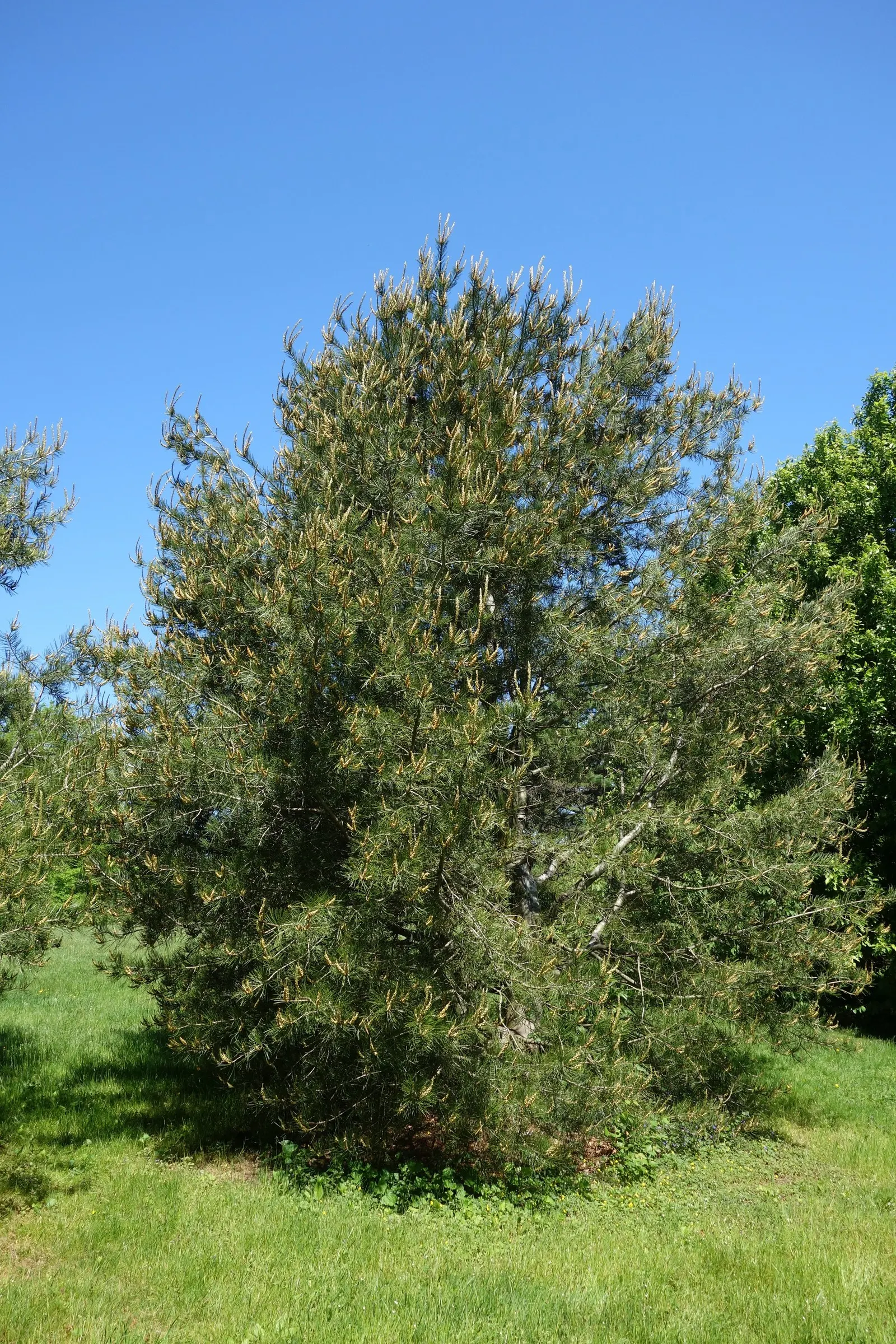
Lacebark (Brachychiton Discolor) — Remember to include room for vertical and horizontal growth when aligning this tree within a planting design
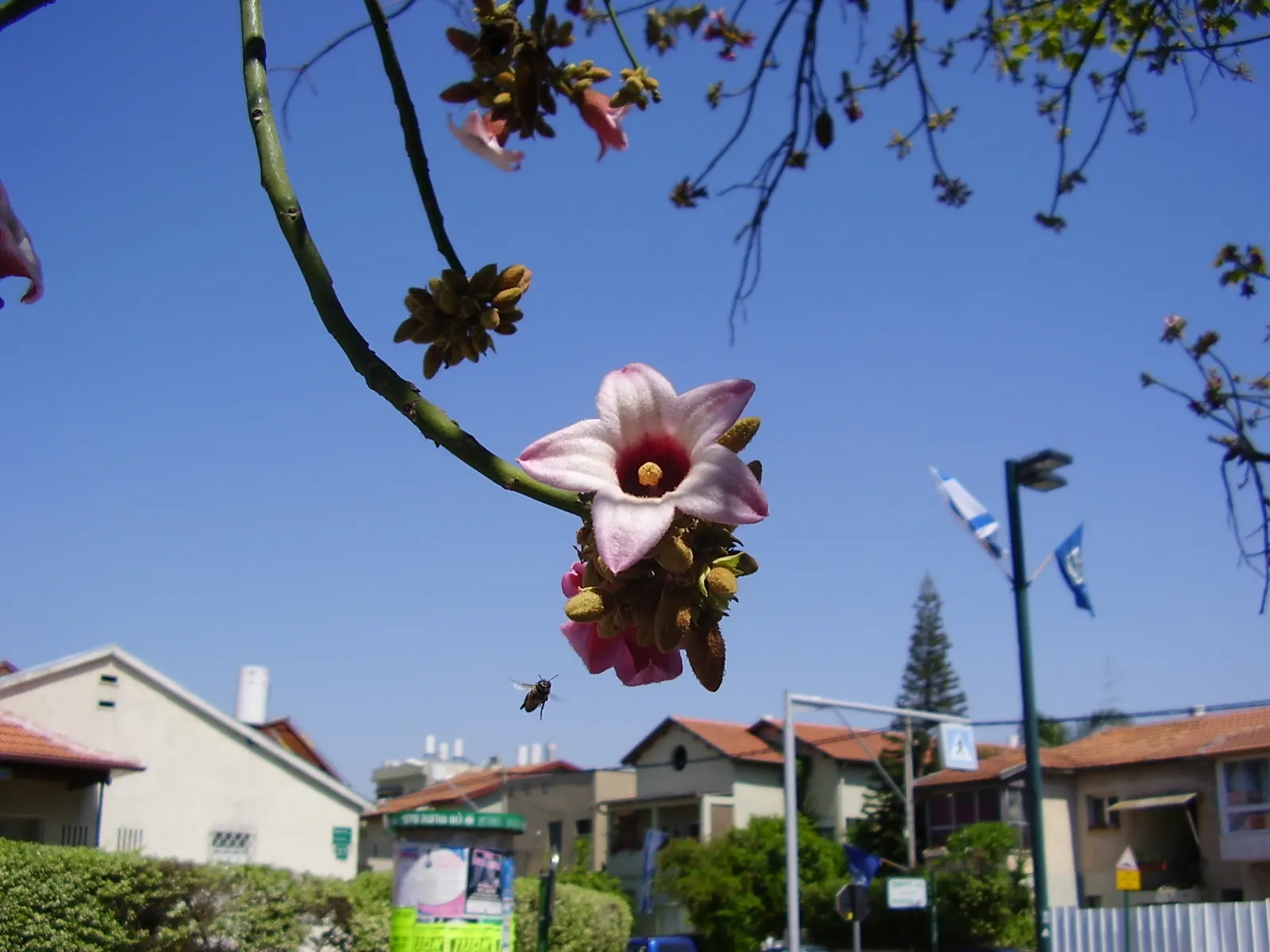
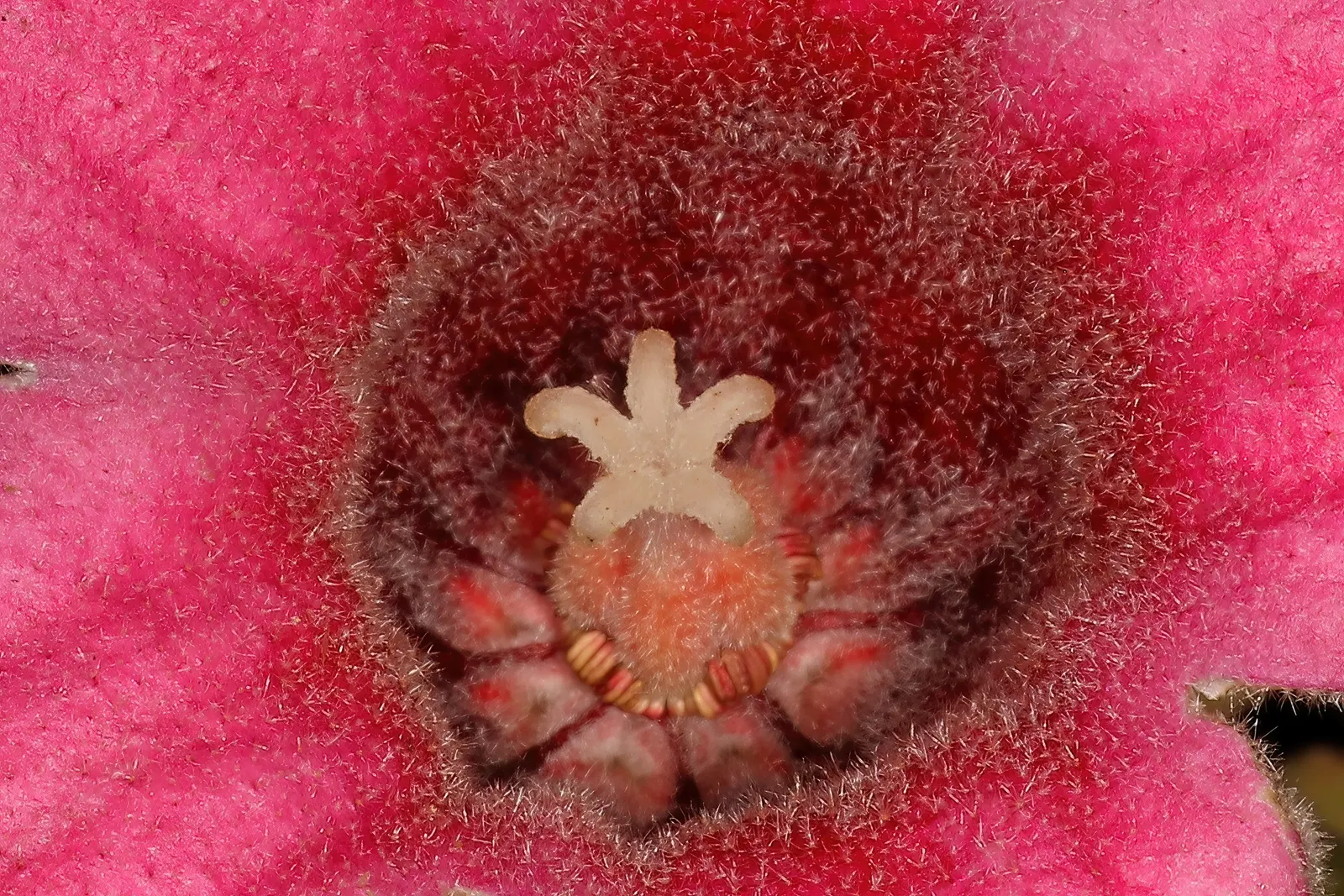
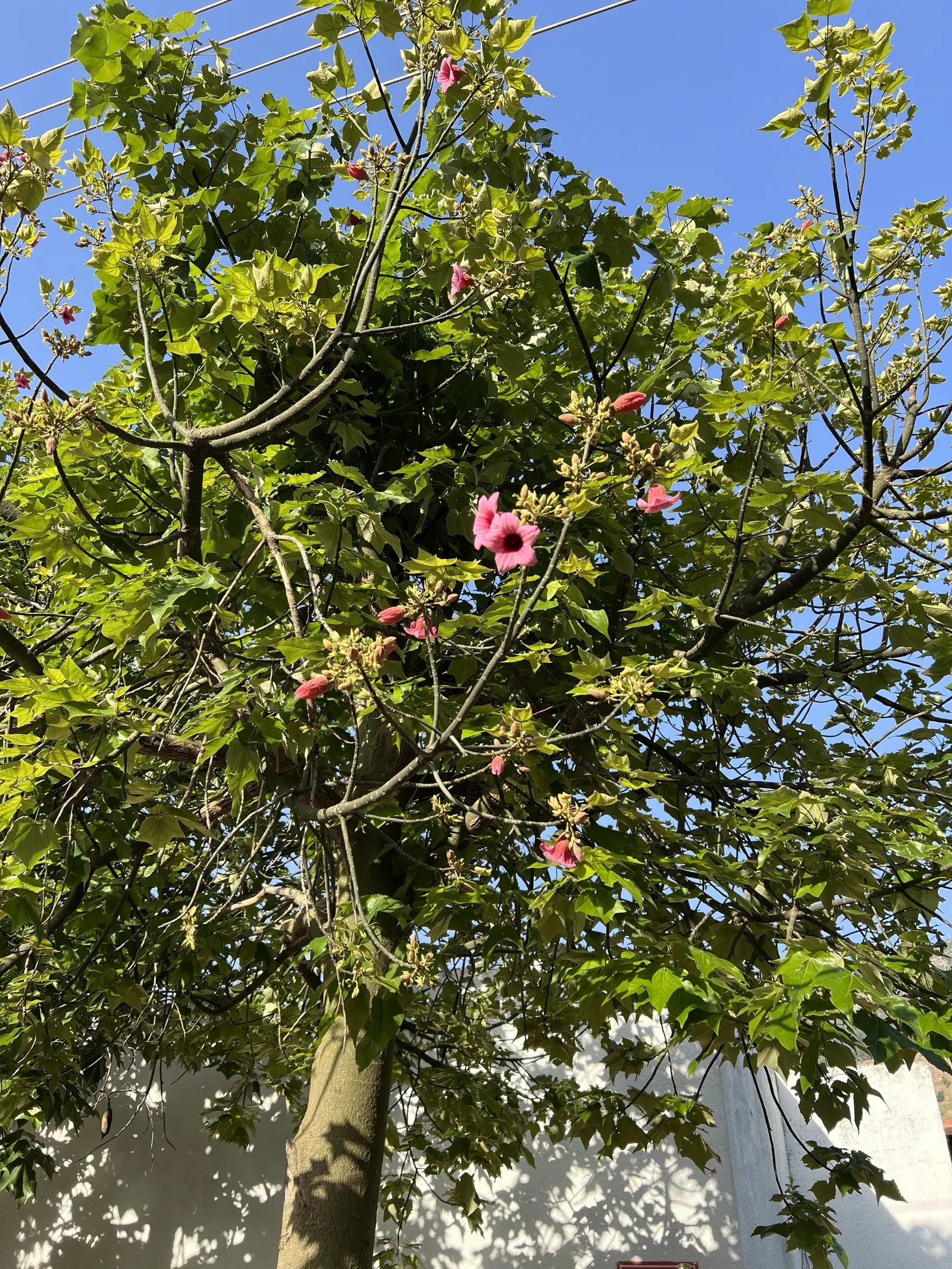
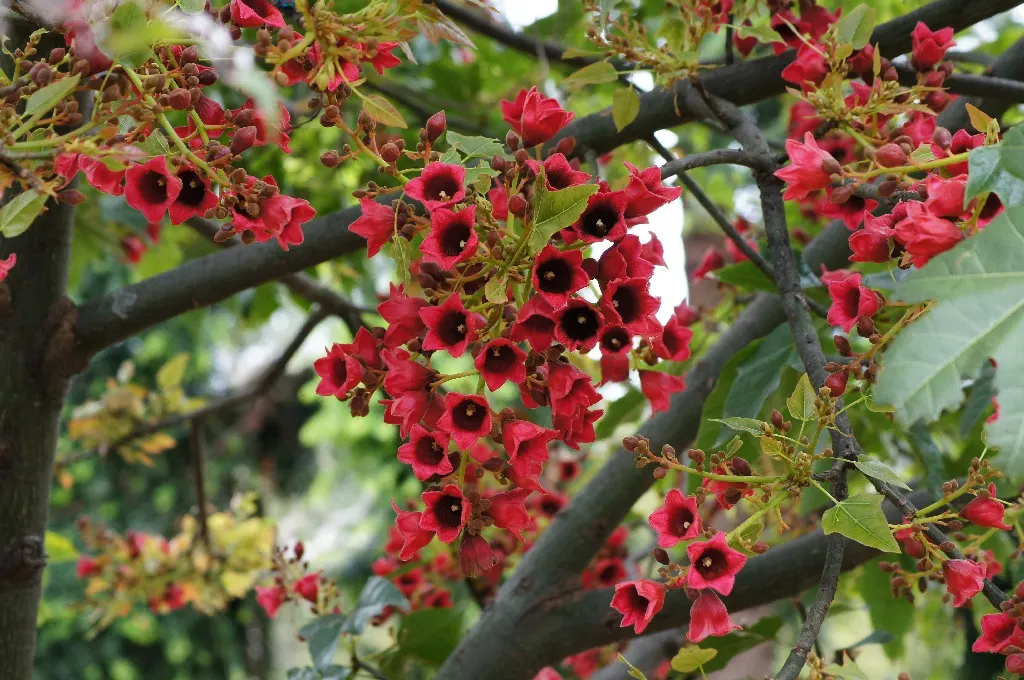
Lacebark (Brachychiton Discolor) — pink flowers in the garden
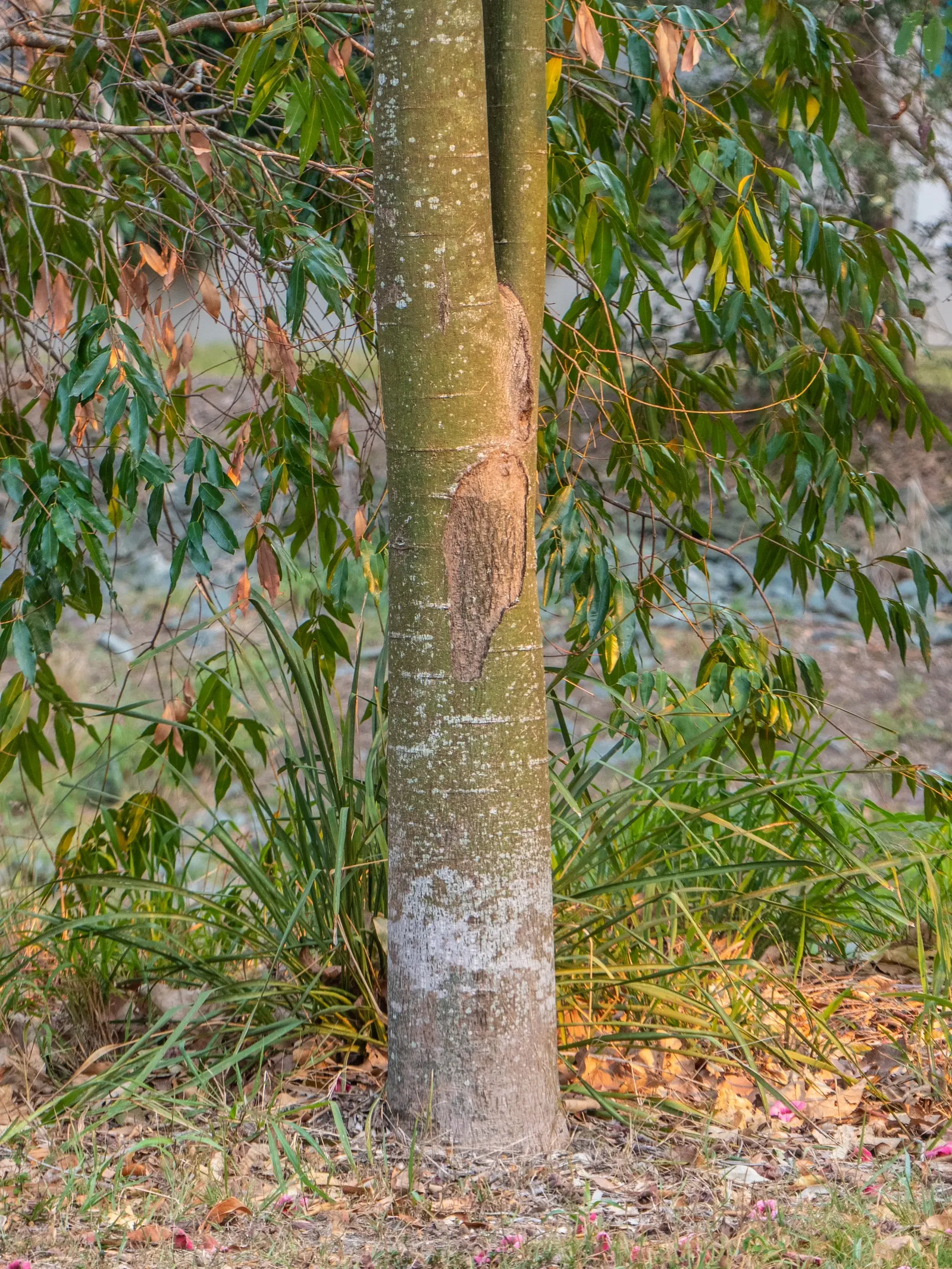
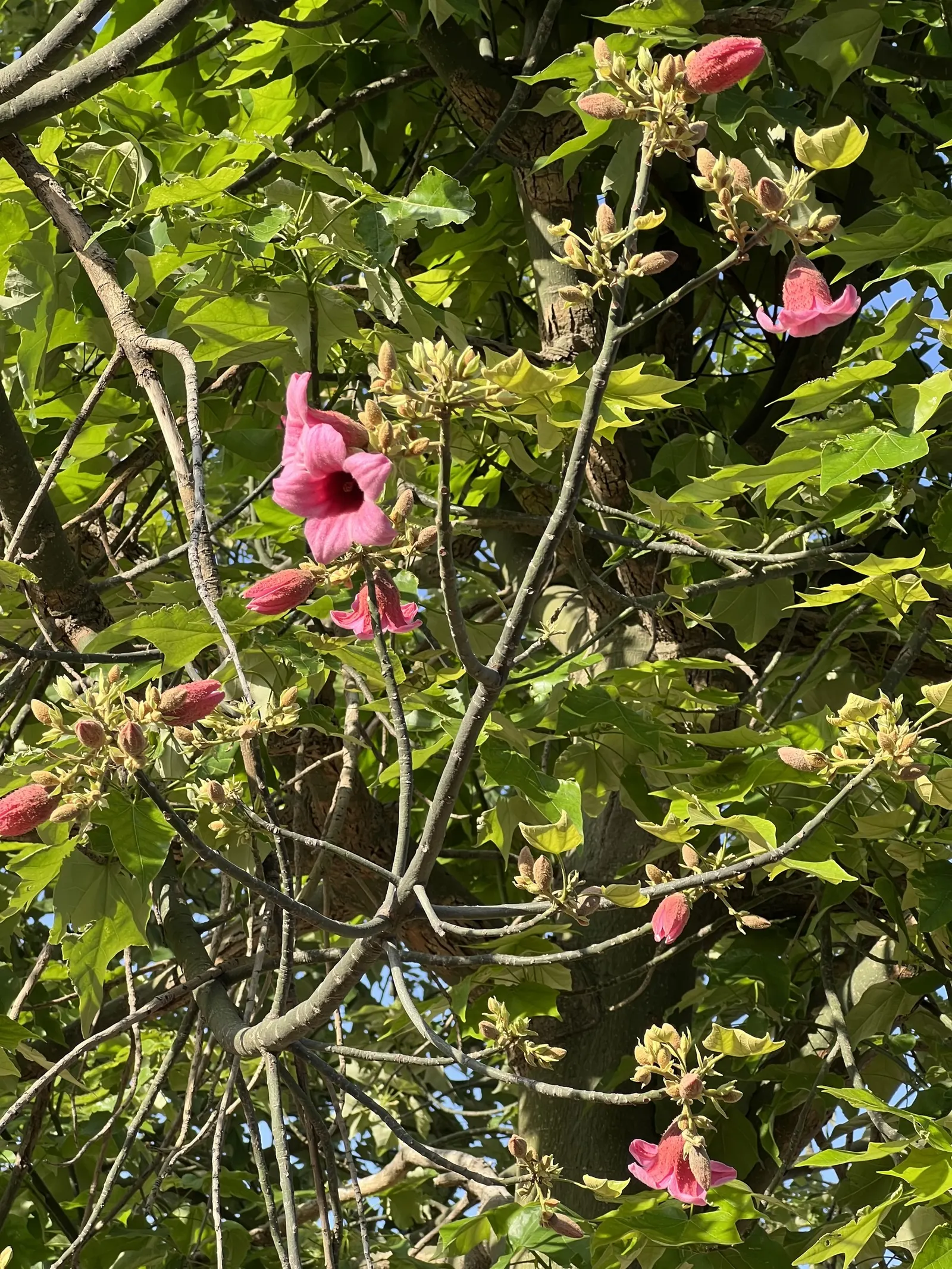
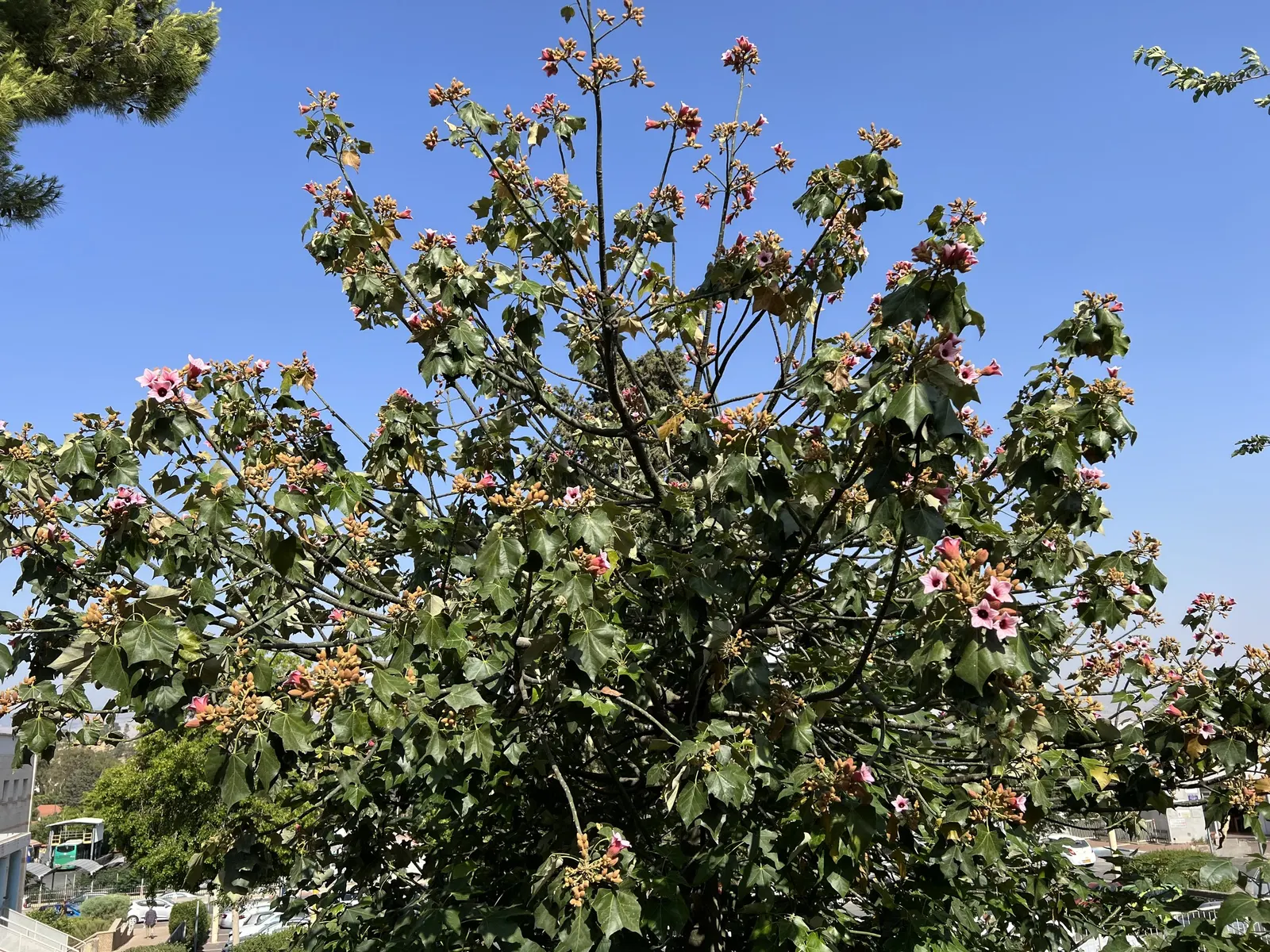
Lacebark (Brachychiton Discolor) — tree with pink blooms
Lacebark (Brachychiton Discolor) — tree for full or half
Lacebark (Brachychiton Discolor) — The Lacebark tree (Brachychiton discolor); this semi-evergreen species thrives in USDA zones 9-11, preferring well-drained
Lacebark (Brachychiton Discolor) — reaching heights of 30‚Äì45 ft with a canopy spread of 15‚Äì30 ft; this semi-deciduous tree typically reaches heights of 30
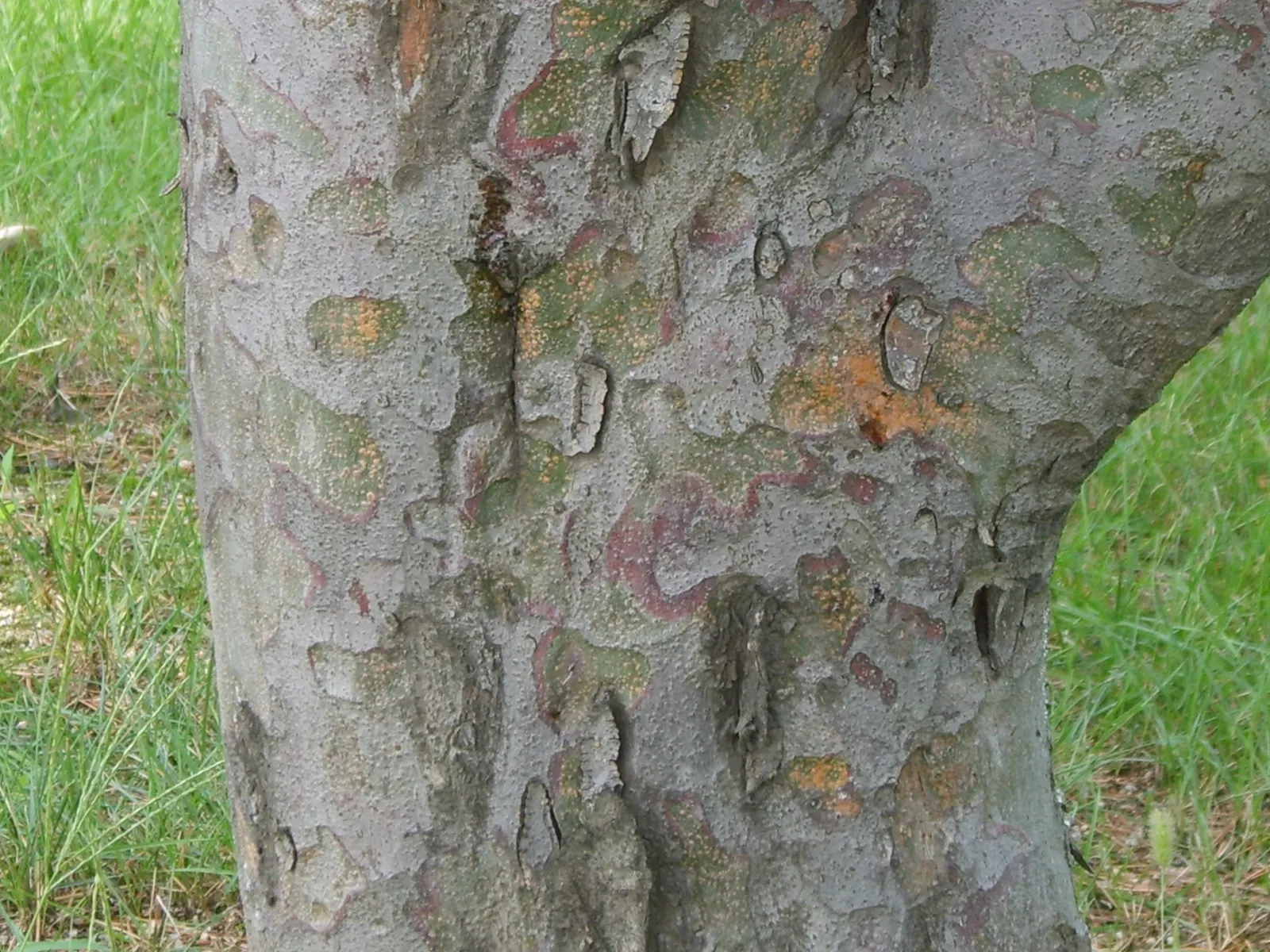
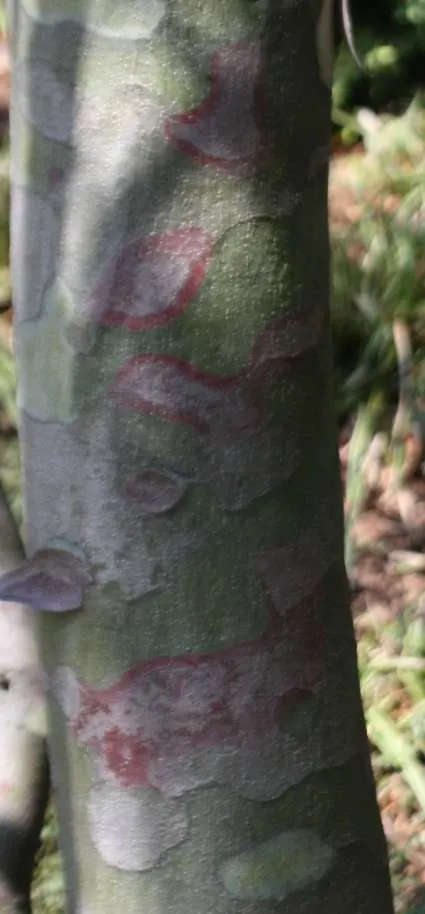
Lacebark (Brachychiton Discolor) — is renowned for its showy pink flowers and striking mottled bark; attracting pollinators to the garden.<br><br>Following its
Lacebark (Brachychiton Discolor) — This semi-evergreen species thrives in USDA zones 9-11, preferring well-drained soils; remember to include room for vertical
Lacebark (Brachychiton Discolor) — Its moderate growth rate and drought tolerance make it an attractive; this semi-evergreen species thrives in USDA zones
Lacebark (Brachychiton Discolor) — low-maintenance choice for landscapes seeking vertical interest and seasonal color; this semi-deciduous tree typically
Lacebark (Brachychiton Discolor) — scientifically referred to as Brachychiton discolor; attracting pollinators to the garden.<br><br>Following its splendid
Lacebark (Brachychiton Discolor) — is a standout specimen within the landscape; remember to include room for vertical and horizontal growth when aligning this
Lacebark (Brachychiton Discolor) — thanks to its dynamic foliage and showy flowers; this semi-evergreen species thrives in USDA zones 9-11, preferring
Lacebark (Brachychiton Discolor) — Native to the subtropical regions of northeastern Australia; this semi-deciduous tree typically reaches heights of 30 to 50
Lacebark (Brachychiton Discolor) — this semi-deciduous tree typically reaches heights of 30 to 50 feet with a spread of 15 to 30 feet; attracting pollinators
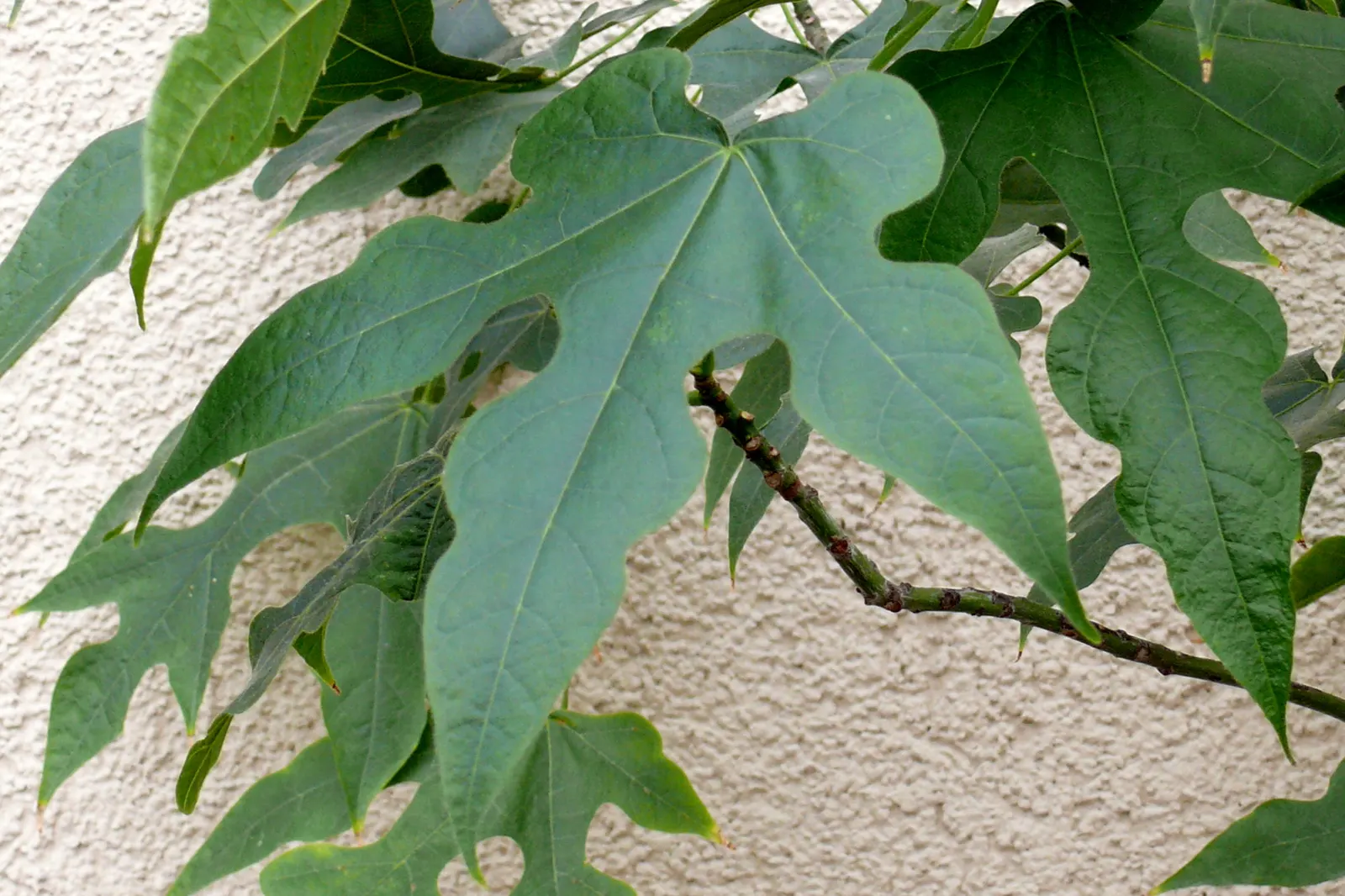
Lacebark (Brachychiton Discolor) — dark green leaves that span 4 to 8 inches long; remember to include room for vertical and horizontal growth when aligning
Lacebark (Brachychiton Discolor) — Come spring and early summer; this semi-deciduous tree typically reaches heights of 30 to 50 feet with a spread of 15 to 30
Lacebark (Brachychiton Discolor) — These are deeply lobed, offering a textured aesthetic throughout the growing season; this semi-evergreen species thrives in
Lacebark (Brachychiton Discolor) — the Lacebark is adorned with bell-shaped; attracting pollinators to the garden.<br><br>Following its splendid flowering
Lacebark (Brachychiton Discolor) — marked by red inner stripes - providing a striking contrast against the foliage; remember to include room for vertical and
Lacebark (Brachychiton Discolor) — The blooms are roughly 1 to 2 inches in diameter; this semi-evergreen species thrives in USDA zones 9-11, preferring
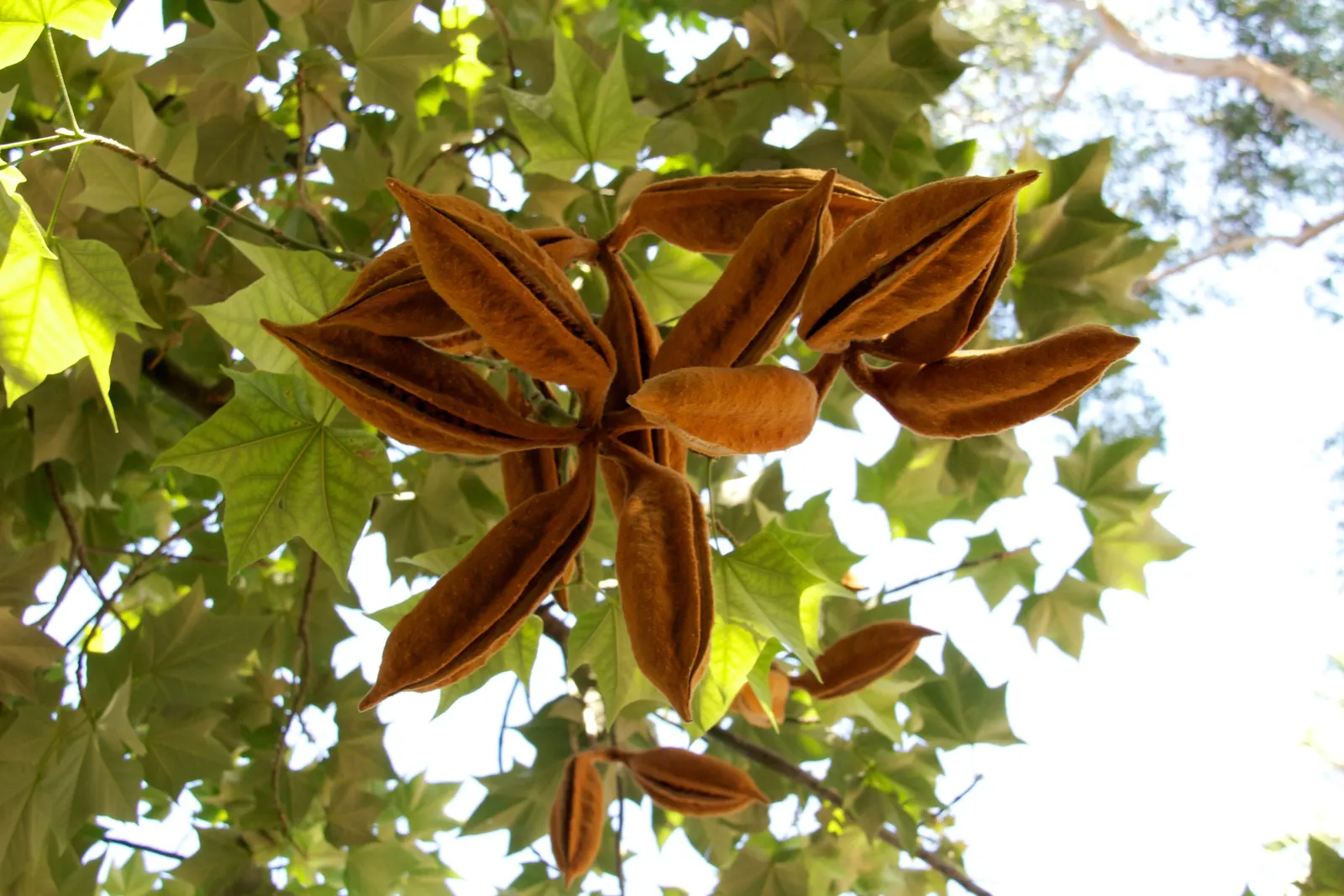
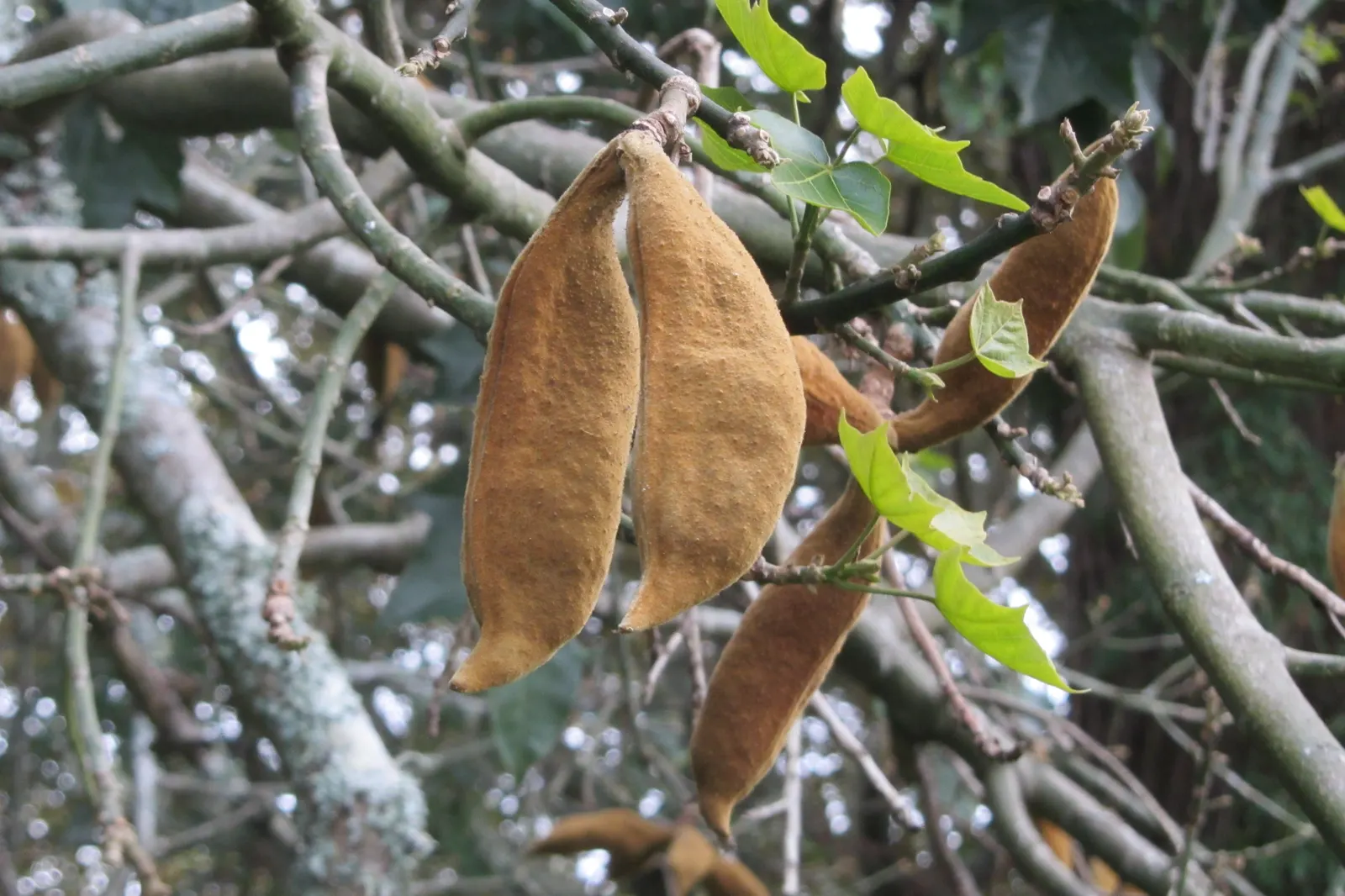
Lacebark (Brachychiton Discolor) — the tree develops boat-shaped seed pods that are equally ornamental; attracting pollinators to the garden.<br><br>Following
Lacebark (Brachychiton Discolor) — attracting pollinators to the garden.<br><br>Following its splendid flowering period; this semi-deciduous tree typically
Lacebark (Brachychiton Discolor) — starting off green and maturing to brown; remember to include room for vertical and horizontal growth when aligning this

Related plants