
Lacebark
Brachychiton Discolor
Overview
The Lacebark tree (Brachychiton discolor), reaching heights of 30–45 ft with a canopy spread of 15–30 ft, is renowned for its showy pink flowers and striking mottled bark. This semi-evergreen species thrives in USDA zones 9-11, preferring well-drained soils. Its moderate growth rate and drought tolerance make it an attractive, low-maintenance choice for landscapes seeking vertical interest and seasonal color.
Sun Full, HalfWater Low, Very LowZones 10–11Type Tree
Culture
- Sun
- Full, Half
- Water
- Low, Very Low
- USDA zones
- 10–11
Shape & size
Classification
- Type
- Tree
- Family
- Malvaceae
See full data, regional cultivation notes, and design tools. Build a client presentation around this plant.
Start your 14-day trialPhotos (147)
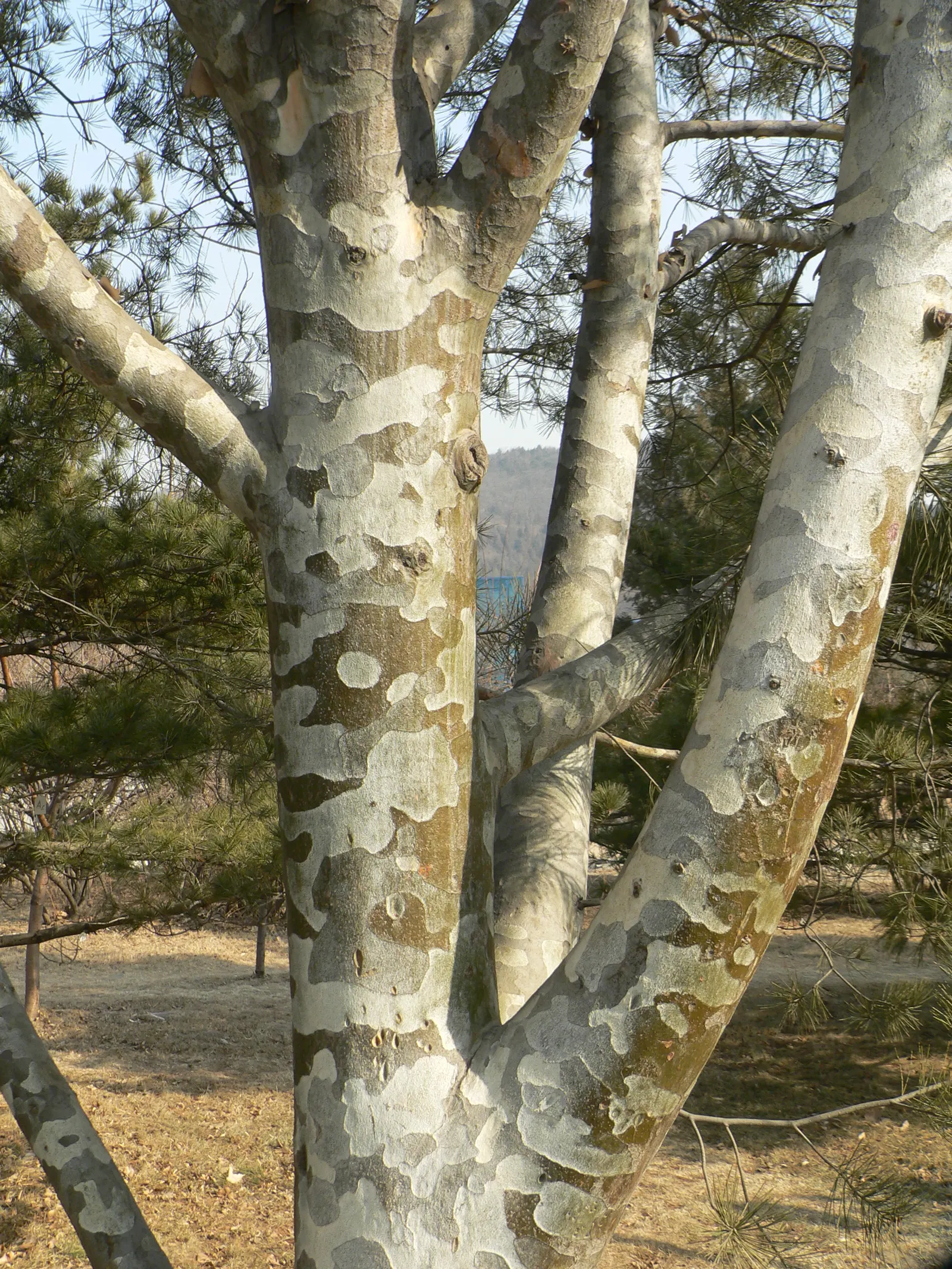


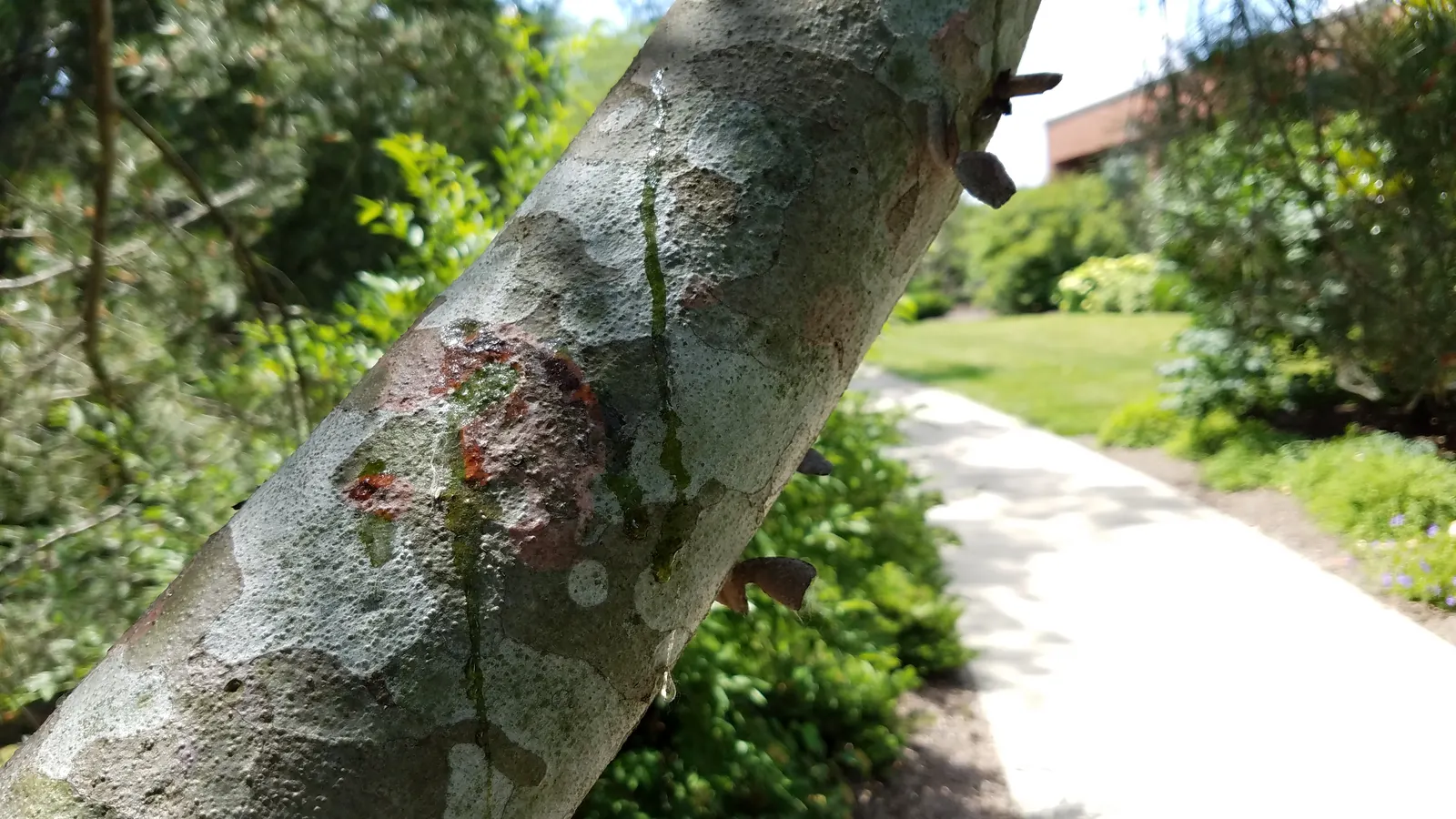

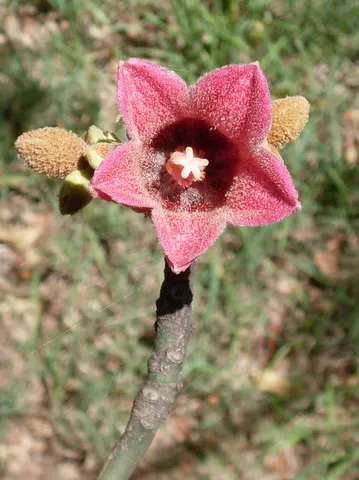
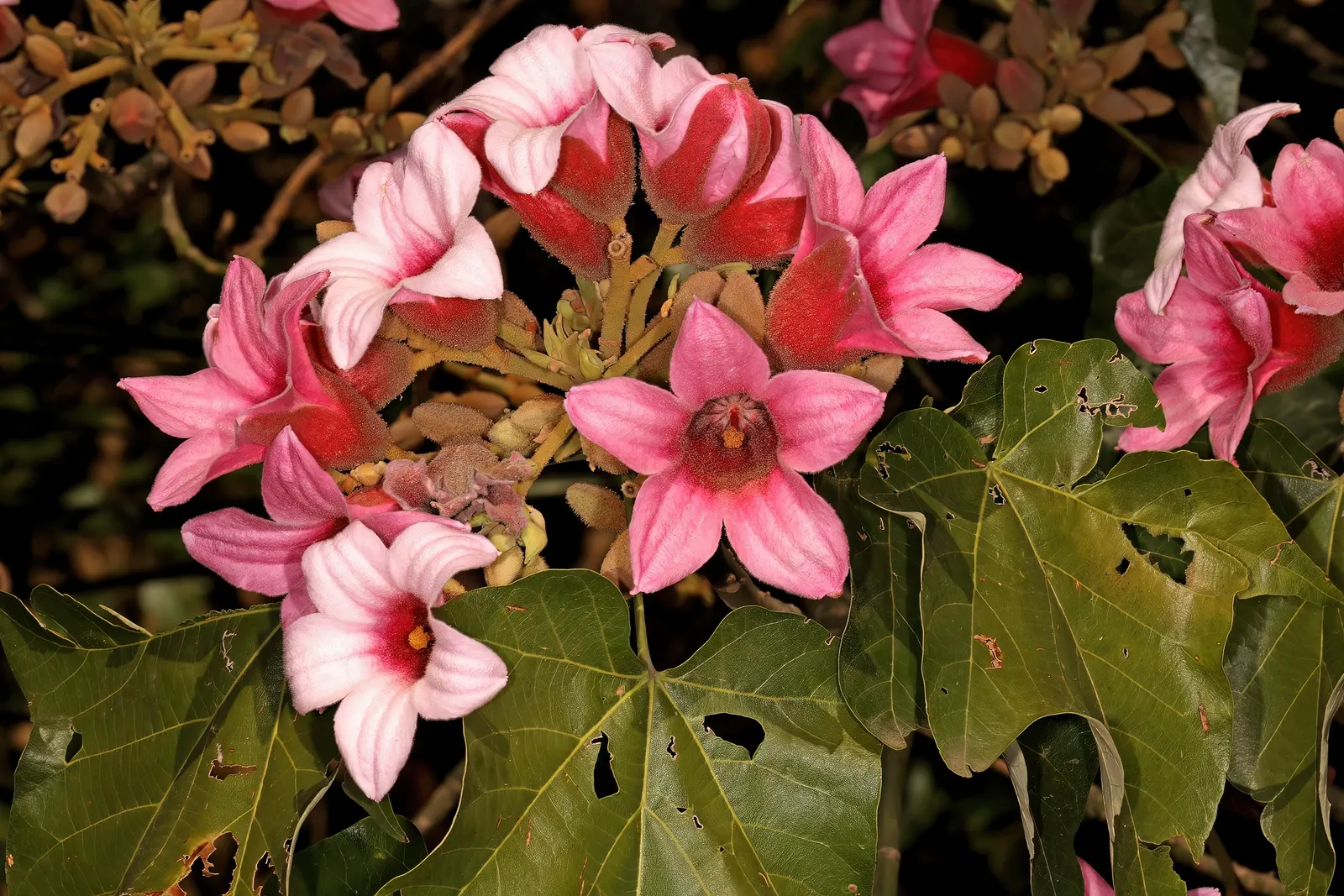

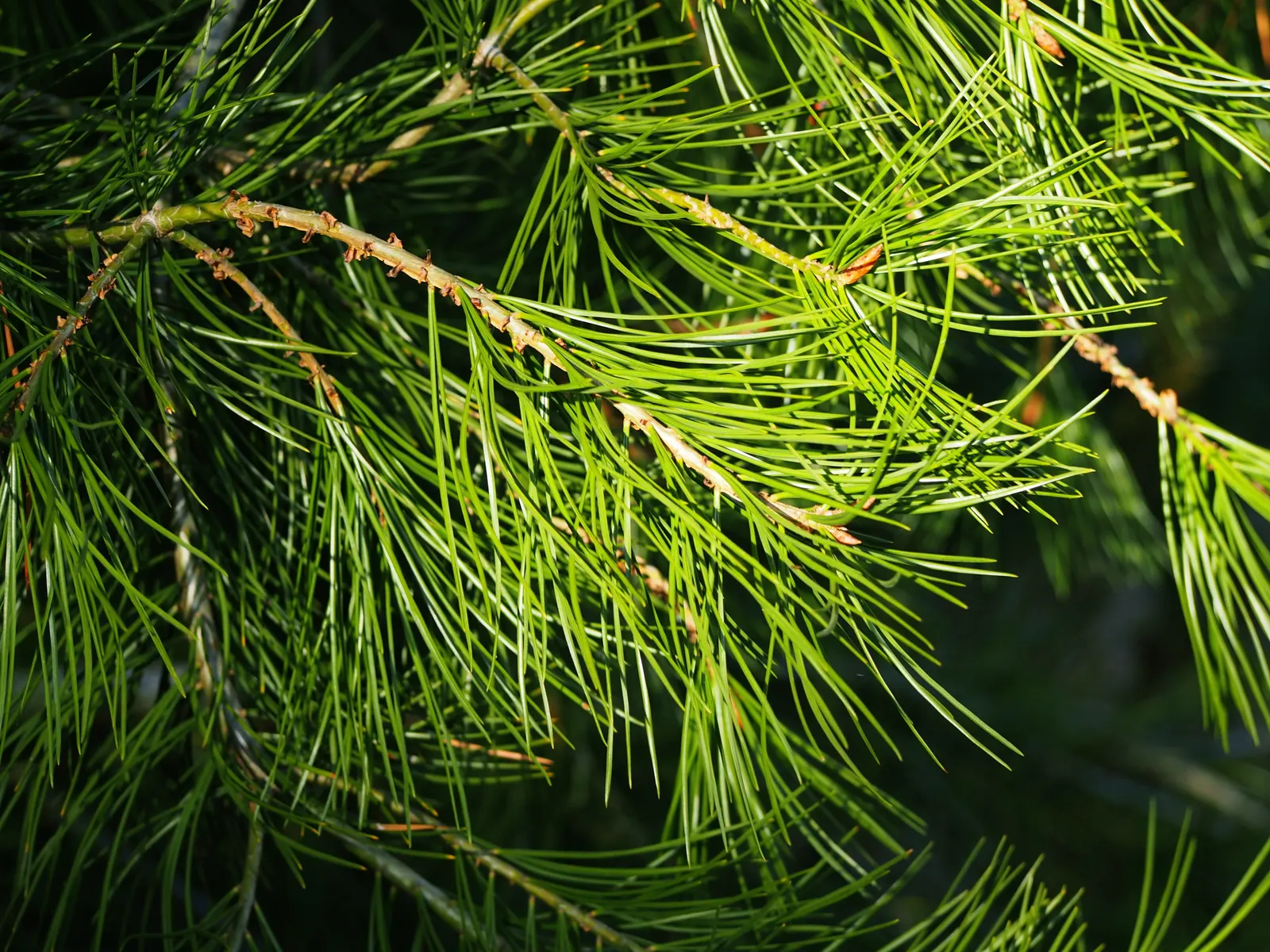
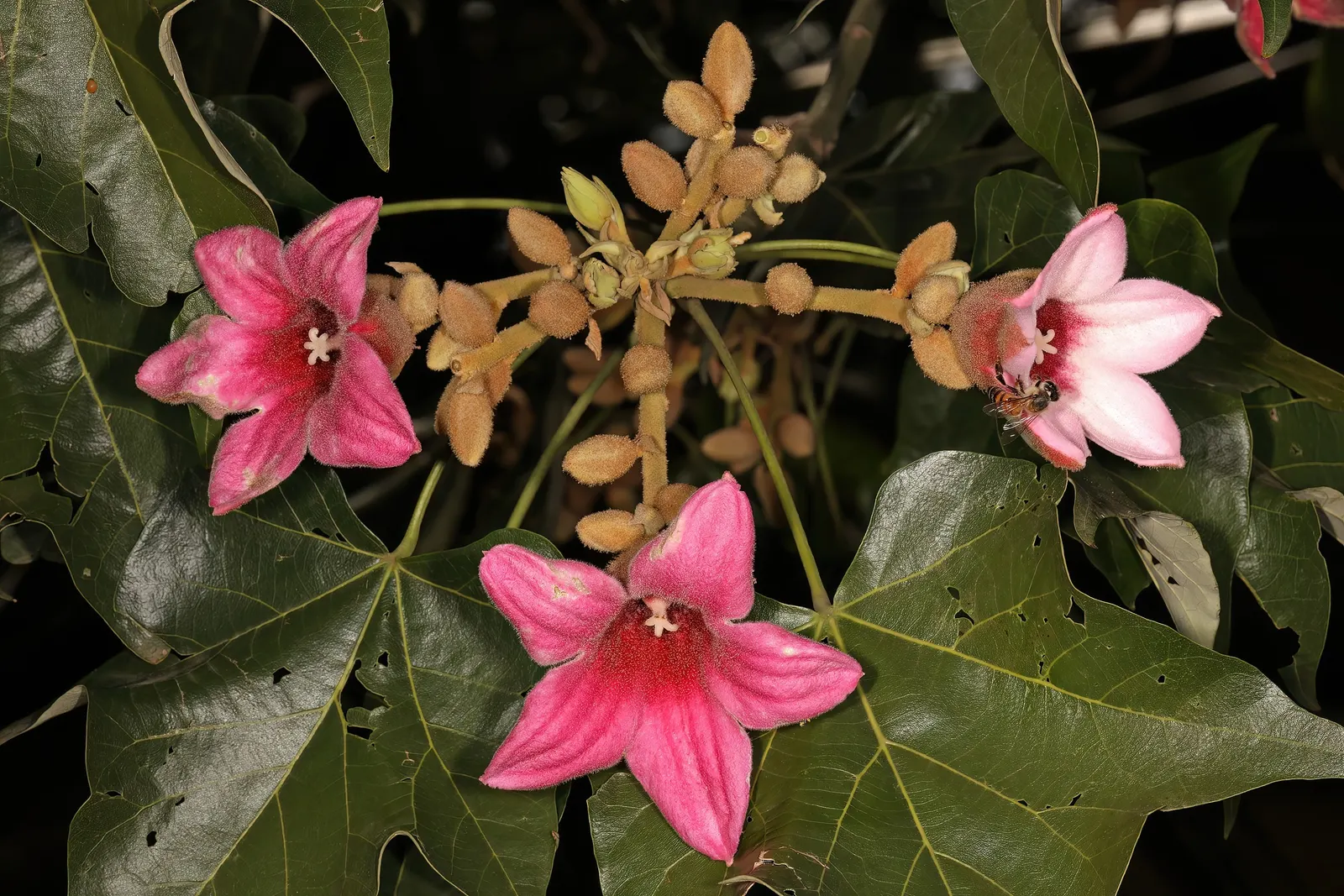
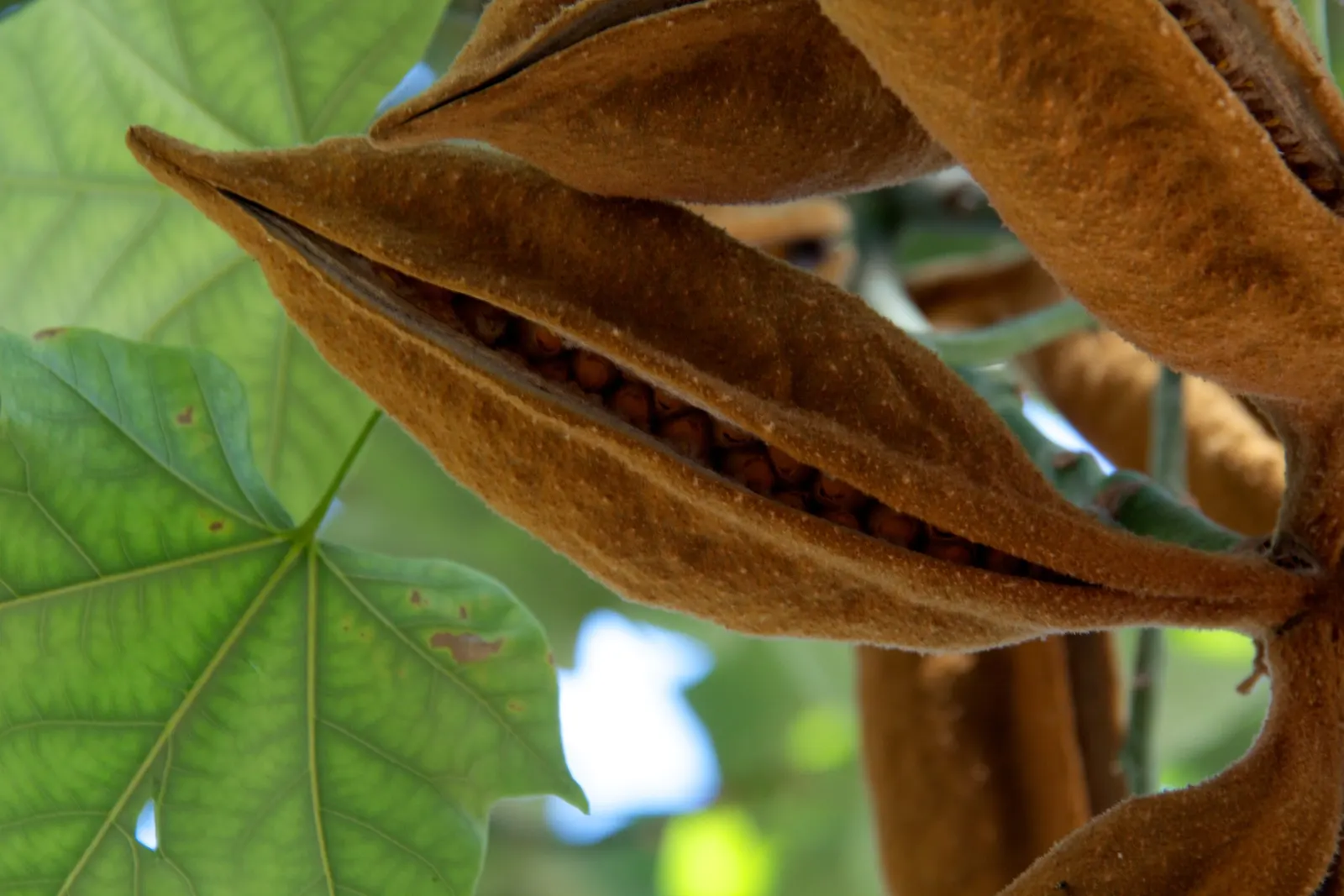

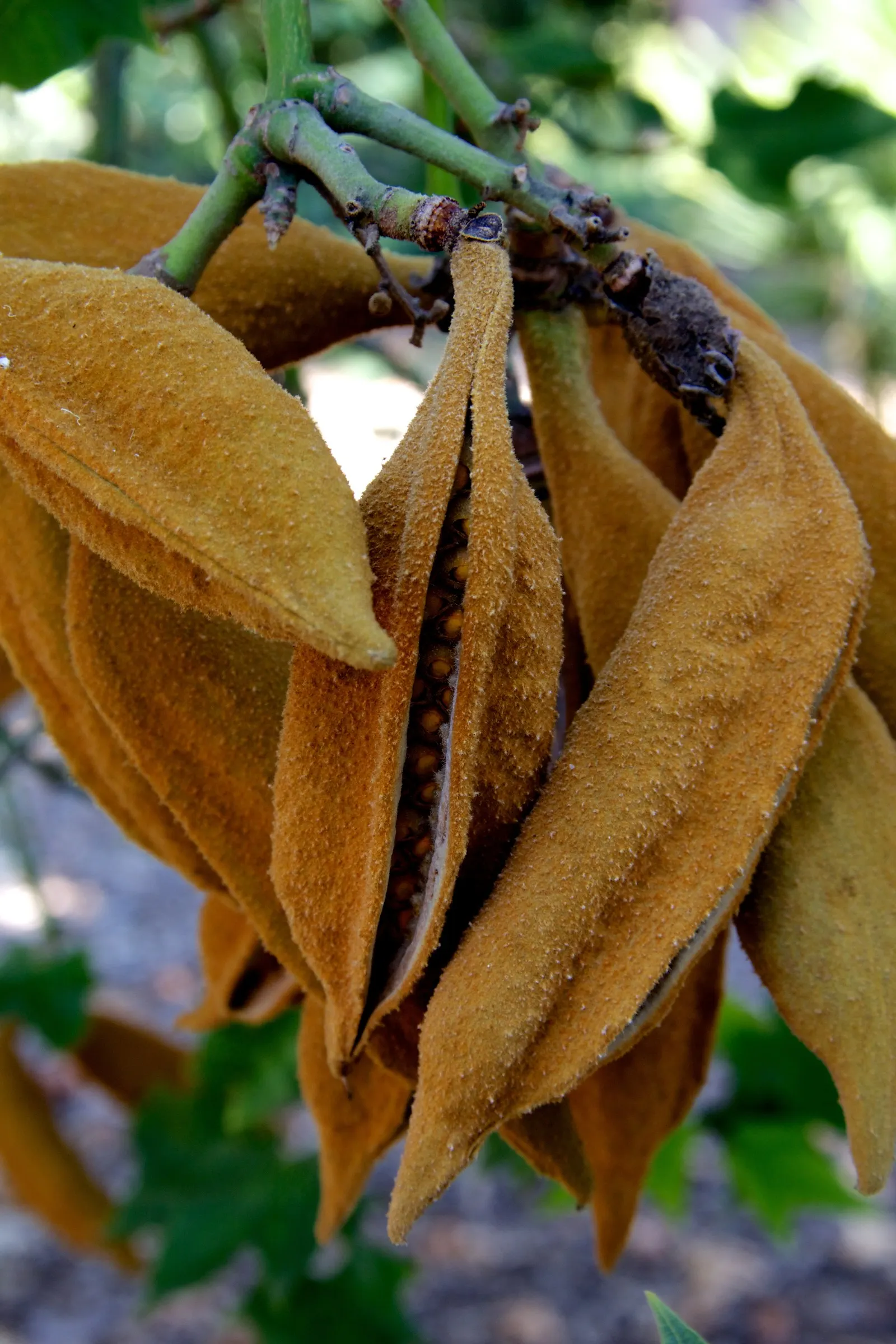
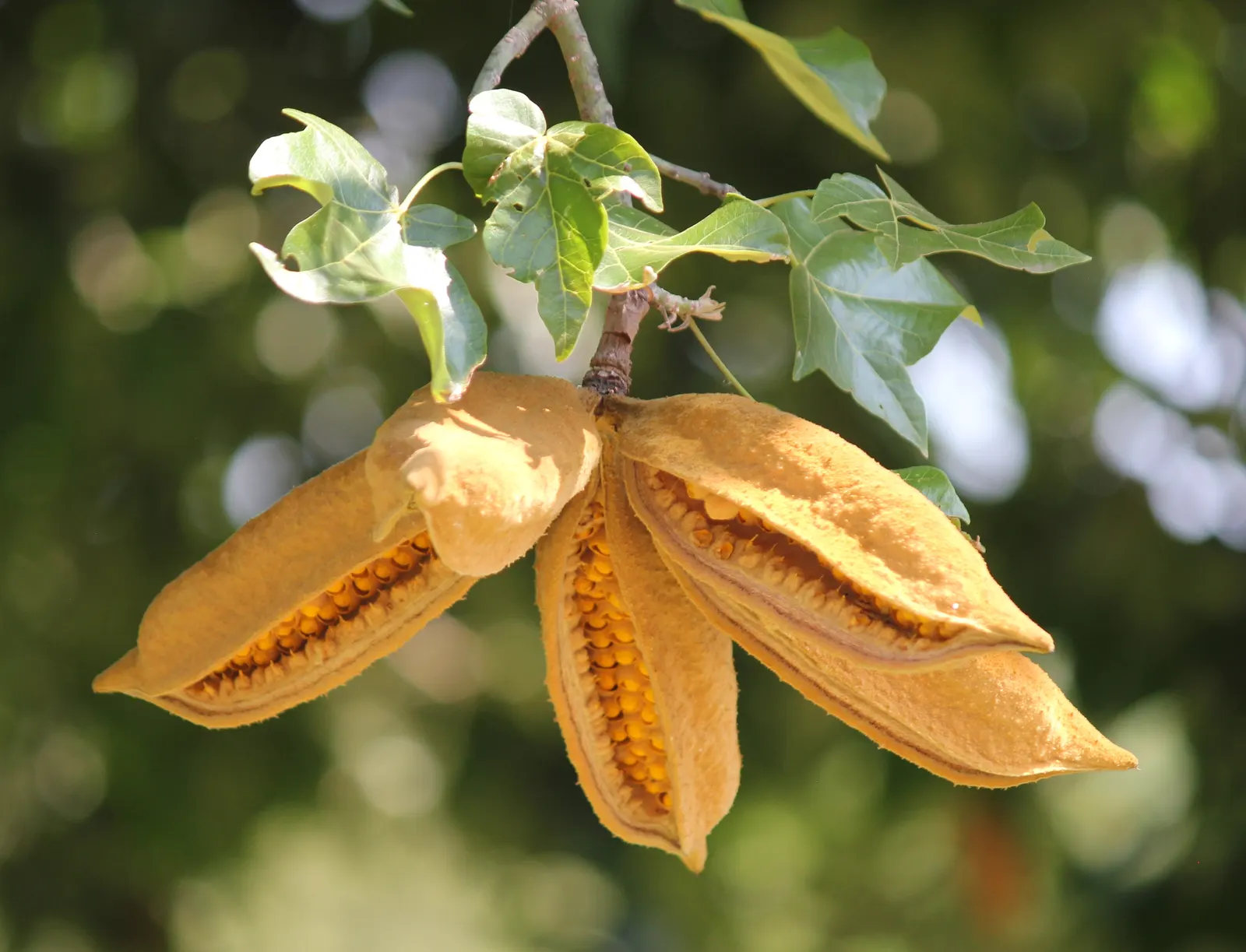
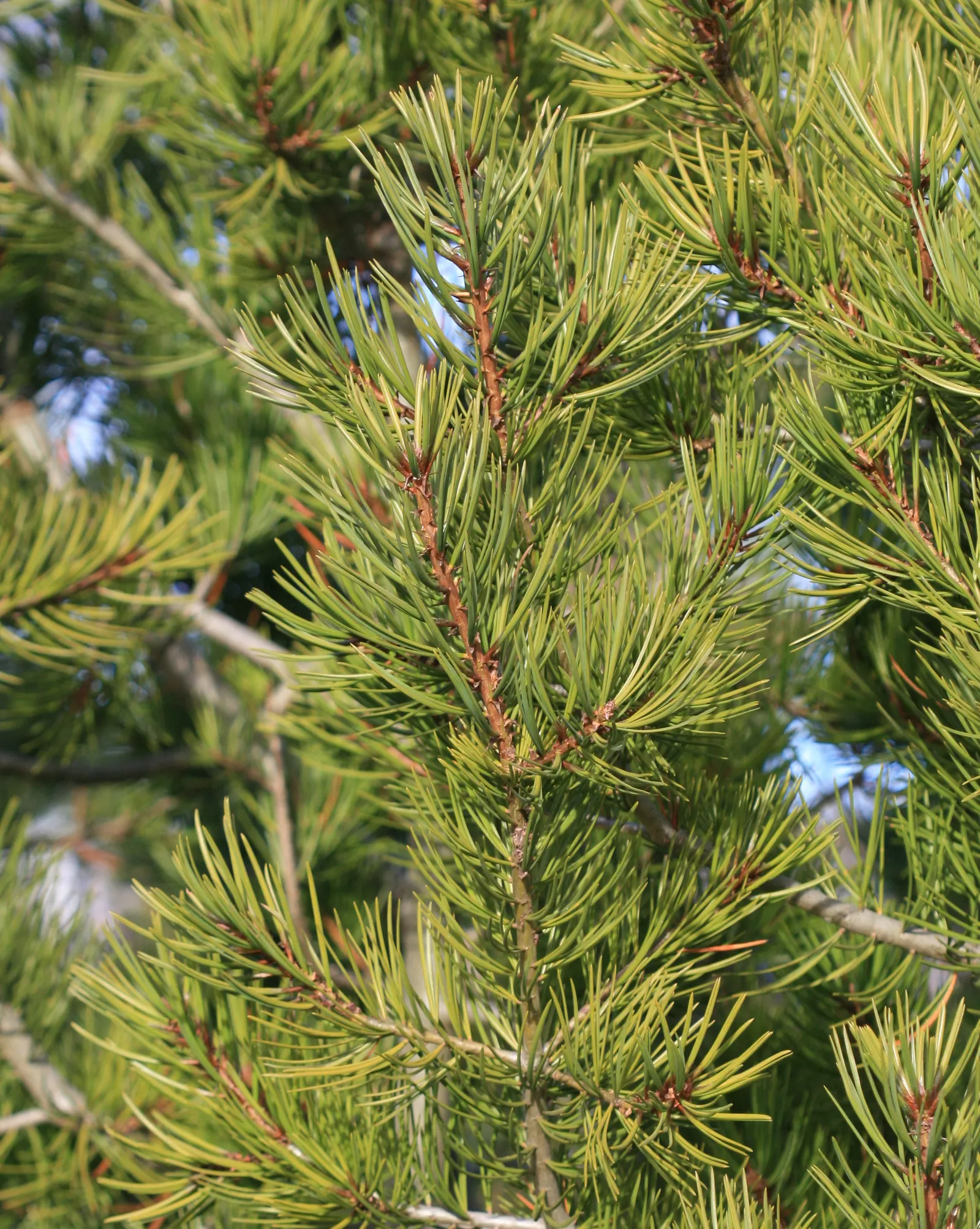
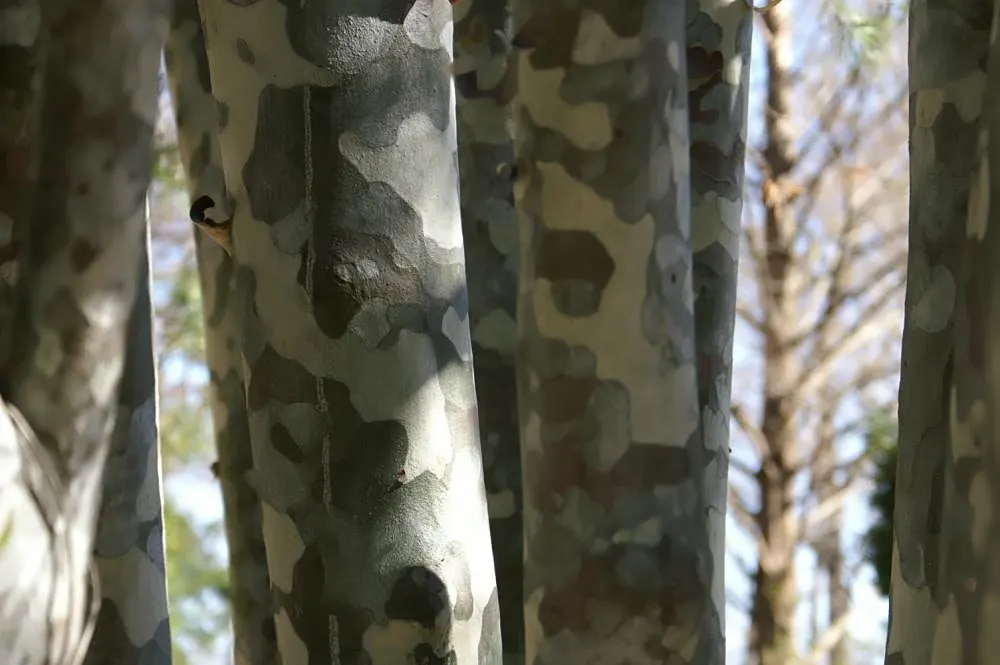
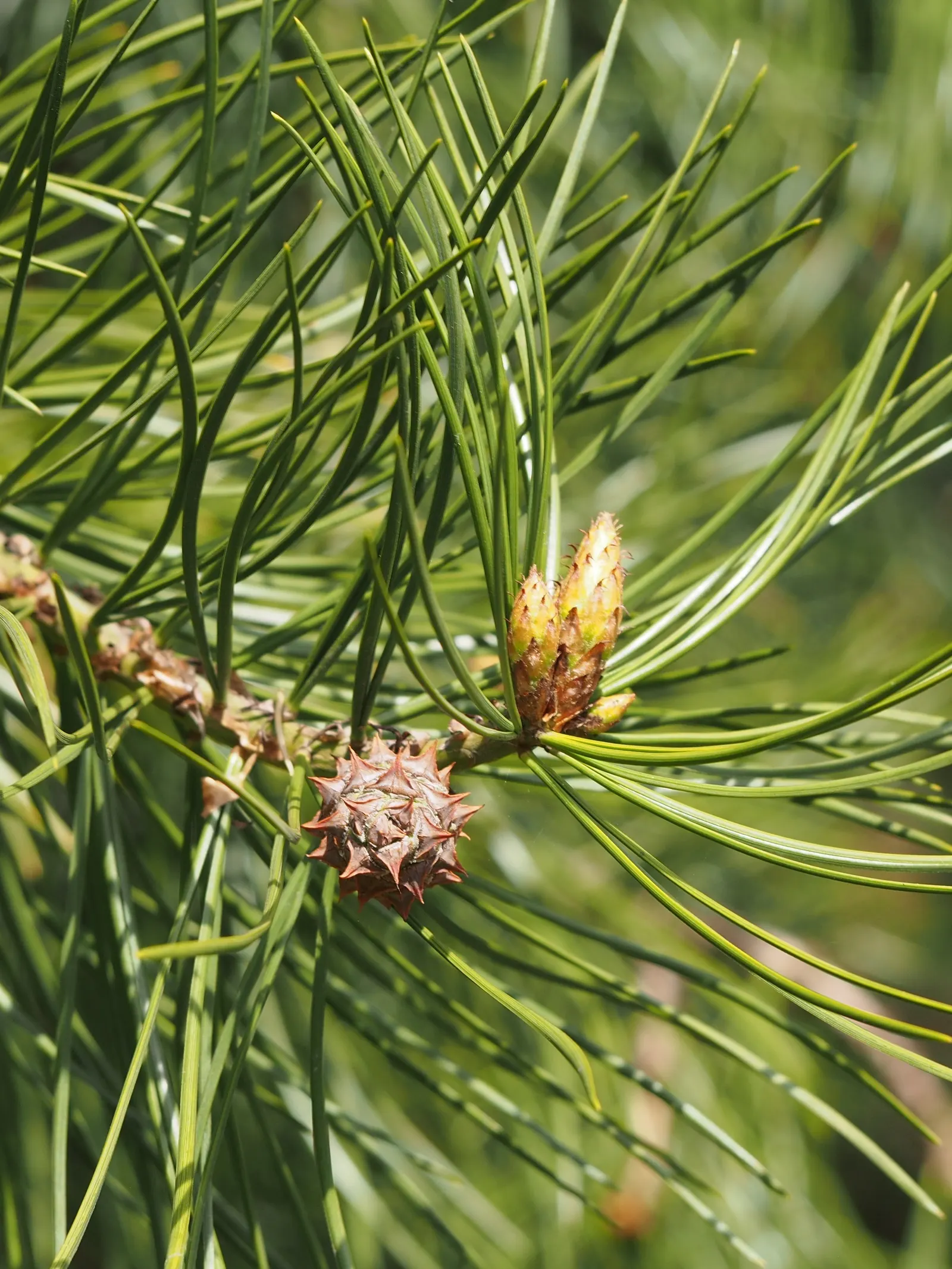
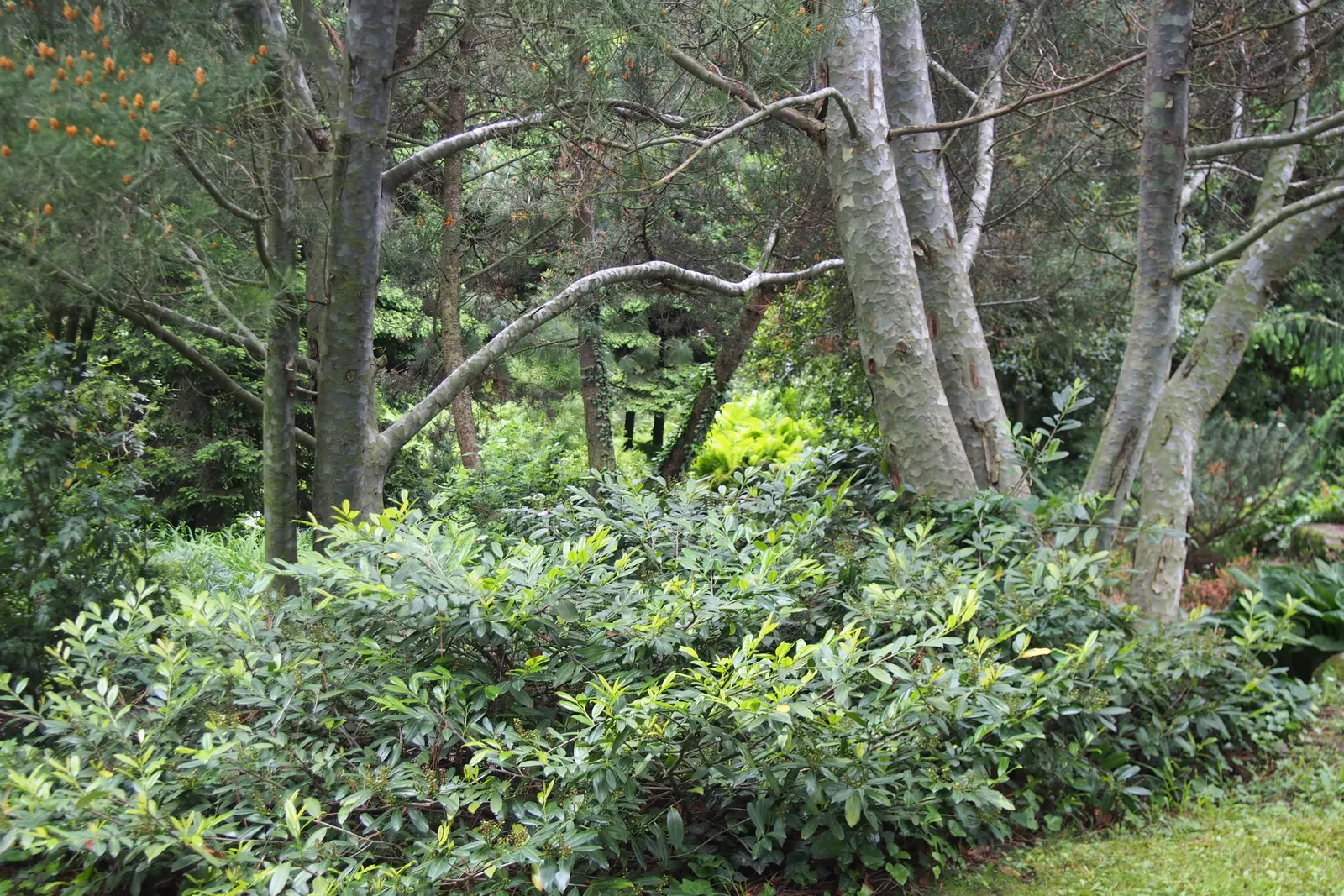
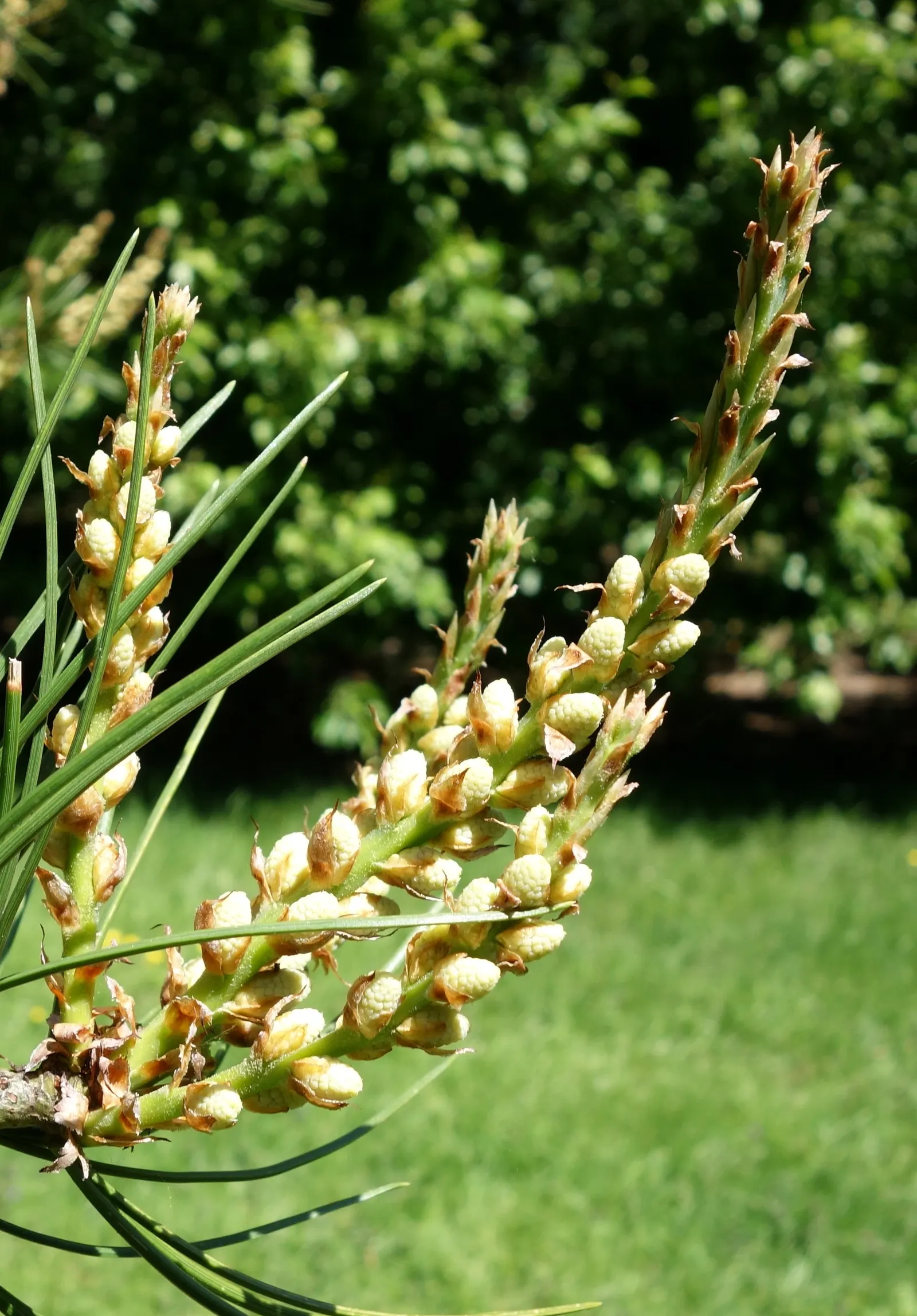
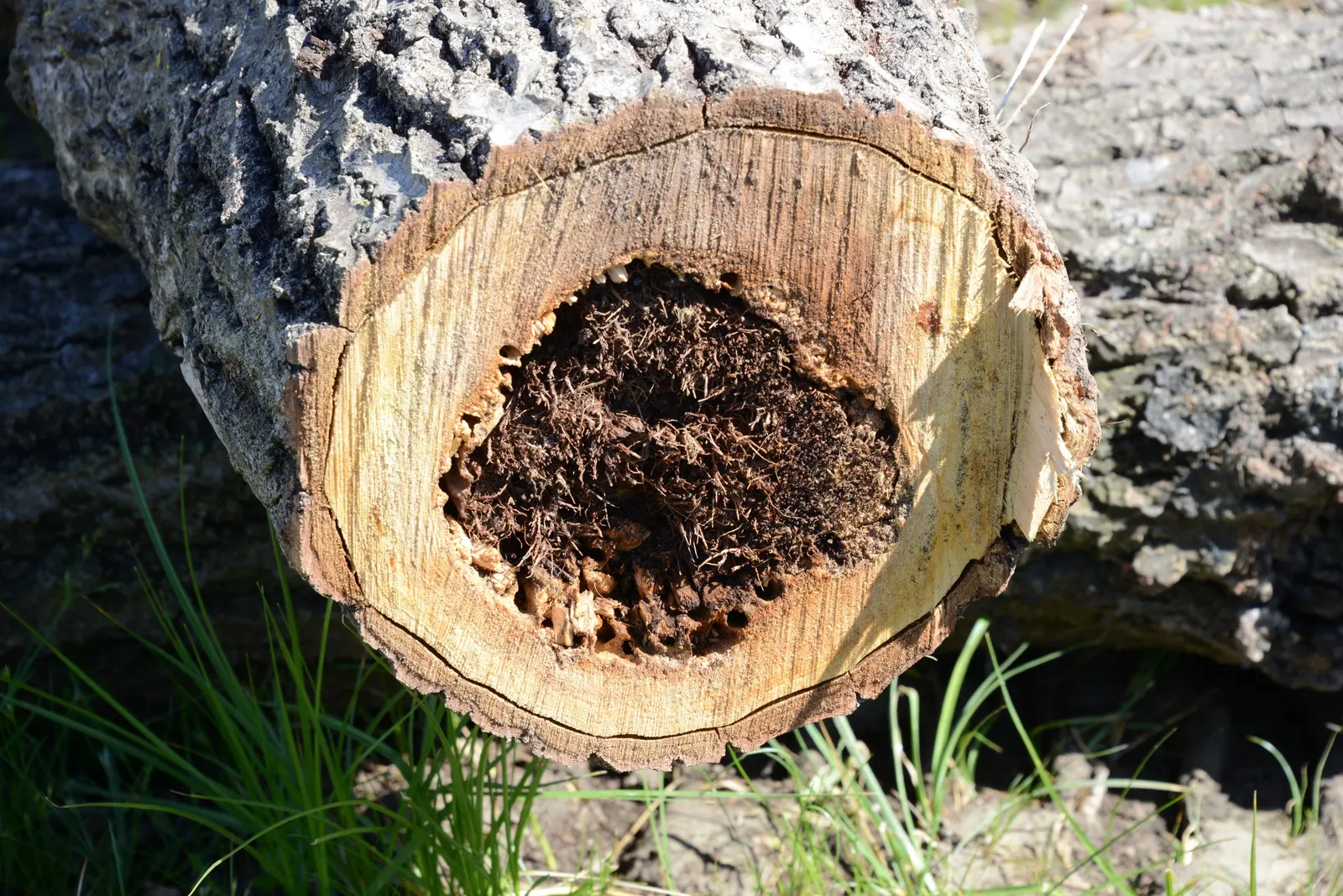

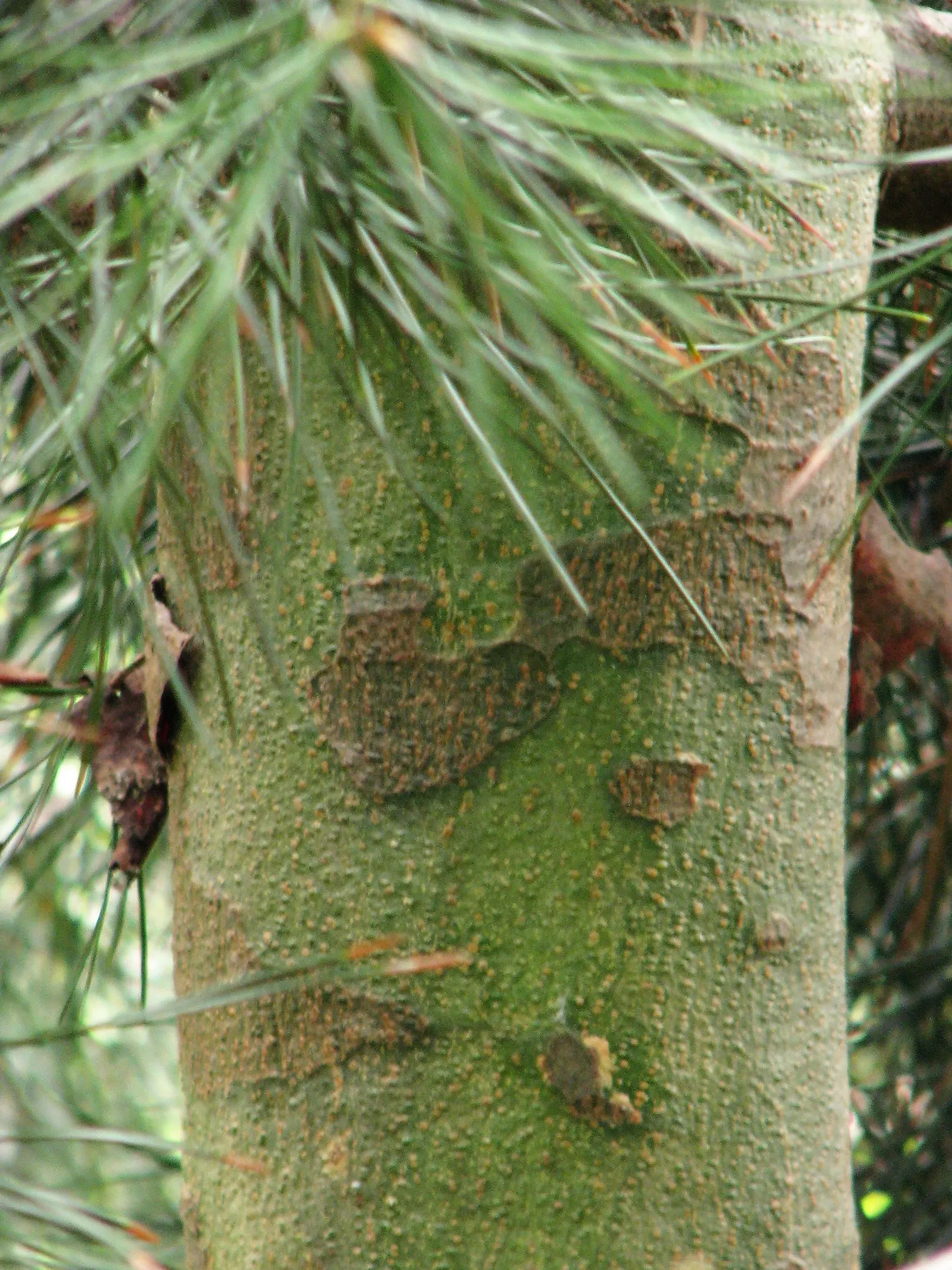
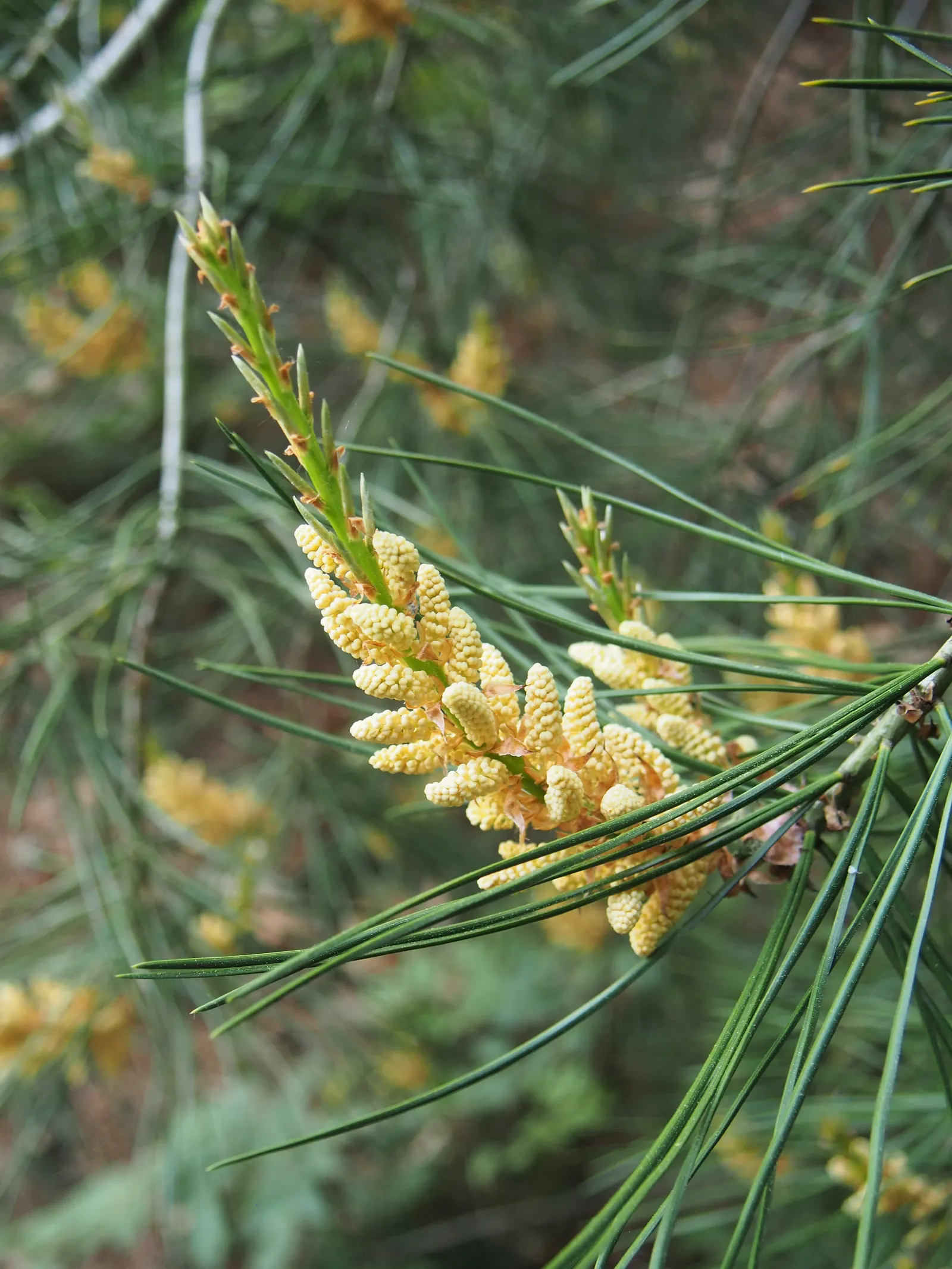
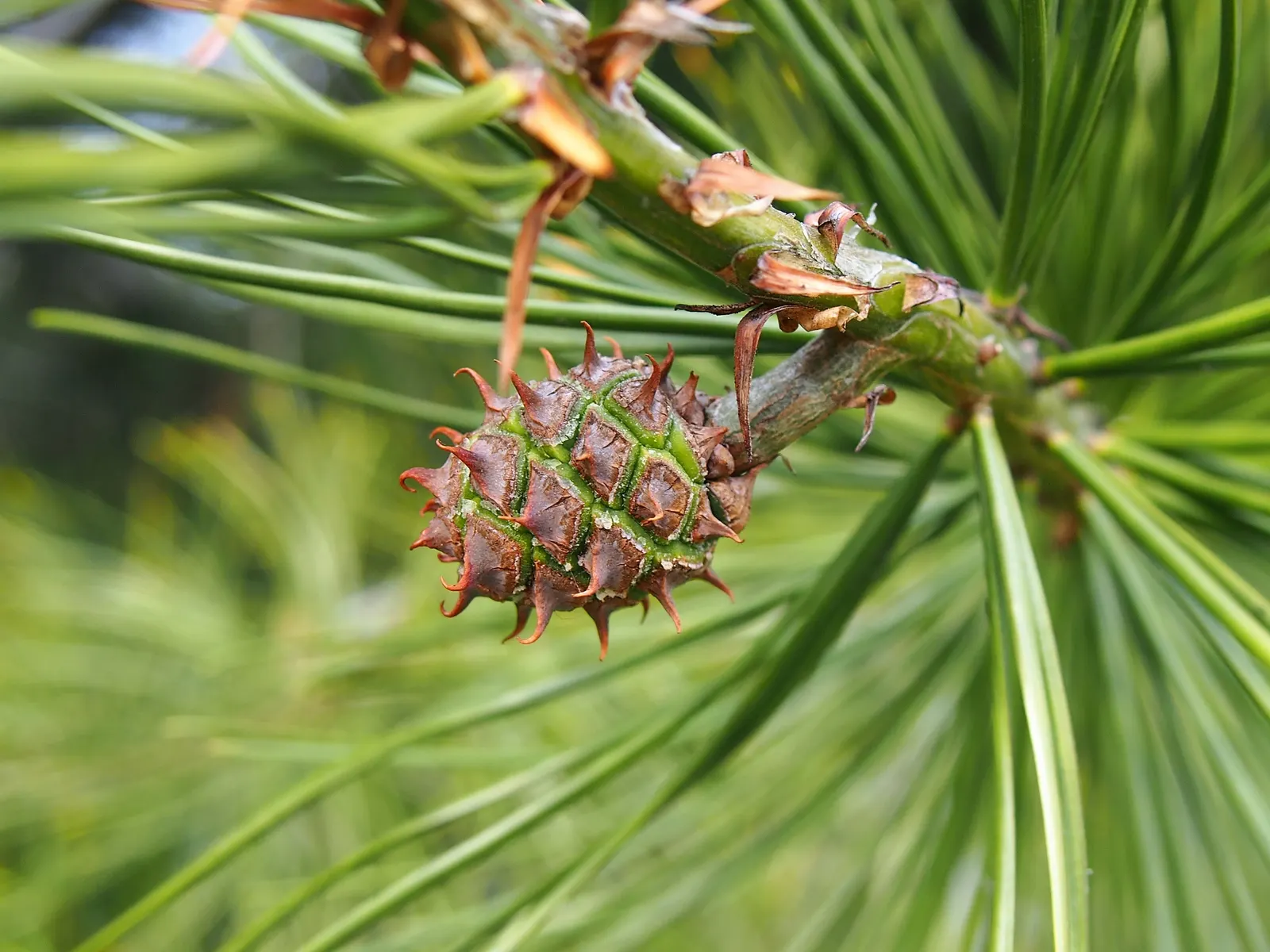
Photographs by 9 contributors
- Yongxinge, CC BY-SA 3.0 · source
- cultivar413 from Fallbrook, California, CC BY 2.0 · source
- JMK Description reviewed by SAplants, CC BY-SA 4.0 · source
- SAplants, CC BY-SA 4.0 · source
- Agnieszka Kwiecień, Nova, CC BY-SA 4.0 · source
- Mike Peel ( www.mikepeel.net )., CC BY-SA 4.0 · source
- S. Rae from Scotland, UK, CC BY 2.0 · source
- David J. Stang, CC BY-SA 4.0 · source
- Jean-Pierre Bazard Jpbazard, CC BY 4.0 · source
Related plants

'All Eyes on Me' Rose Mallow
Hibiscus hybrid
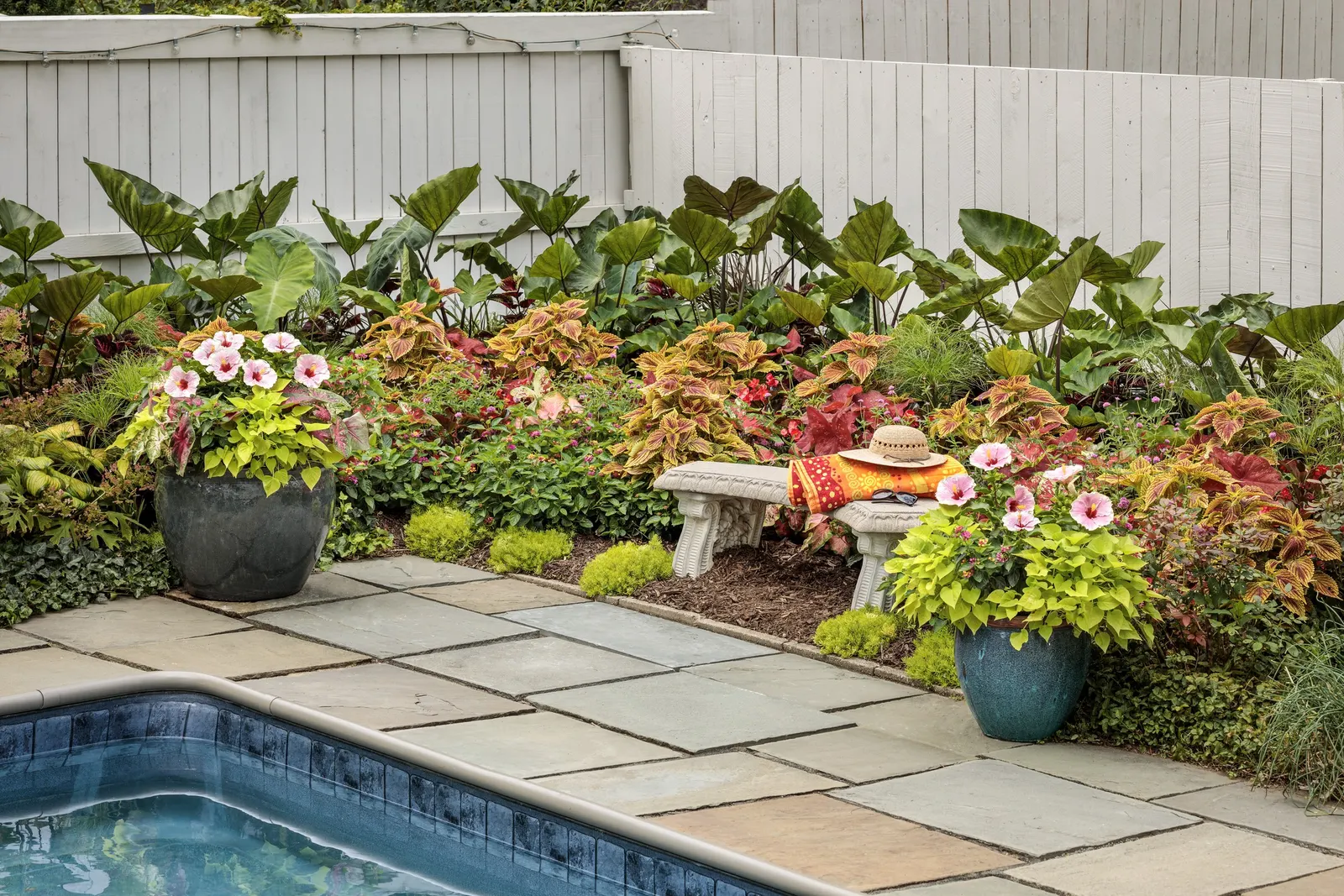
America's Sweetheart™ Tropical Hibiscus
Hibiscus rosa-sinensis
Full
Shrub
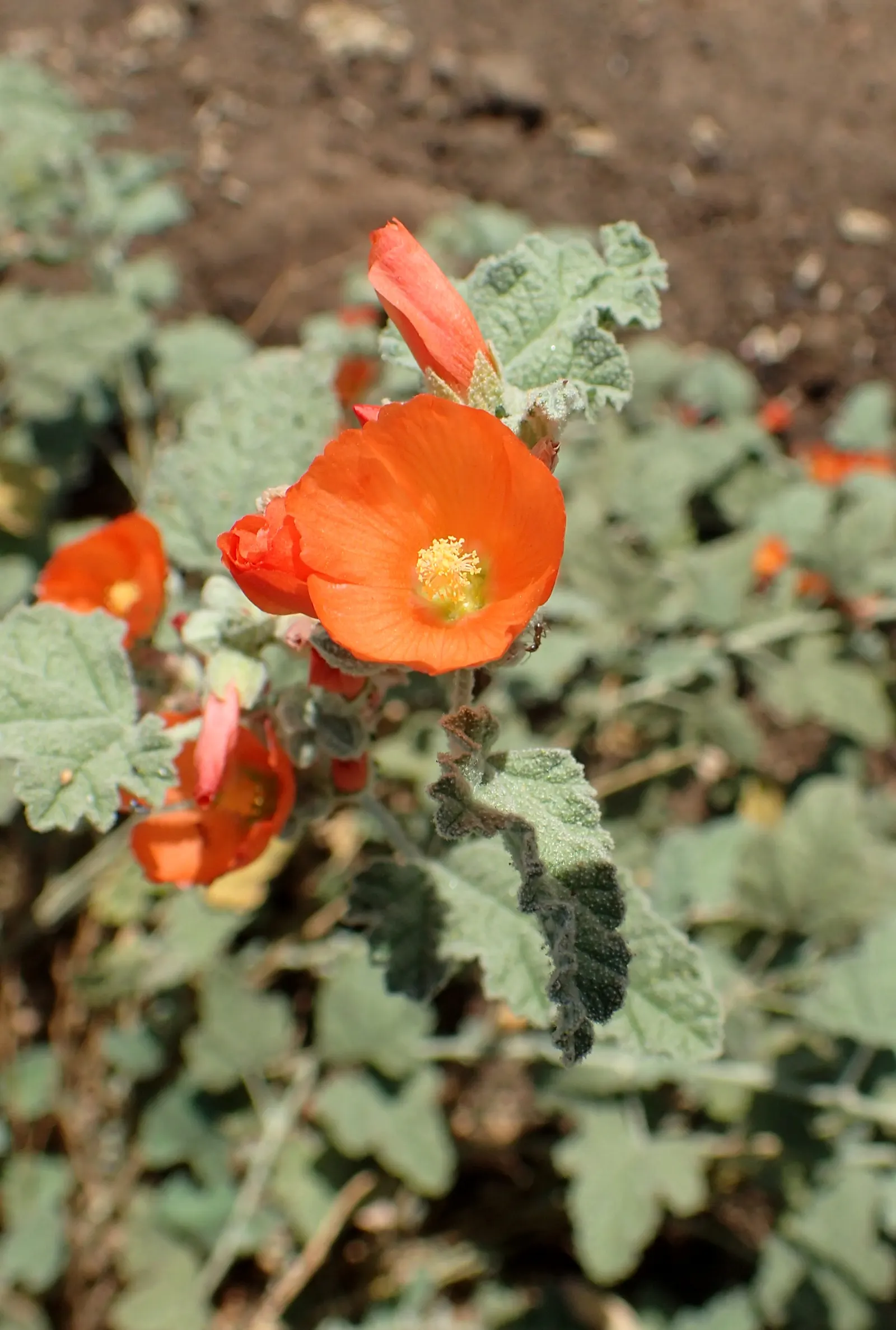
Apricot Mallow
Sphaeralcea Ambigua
FullUSDA 7–11
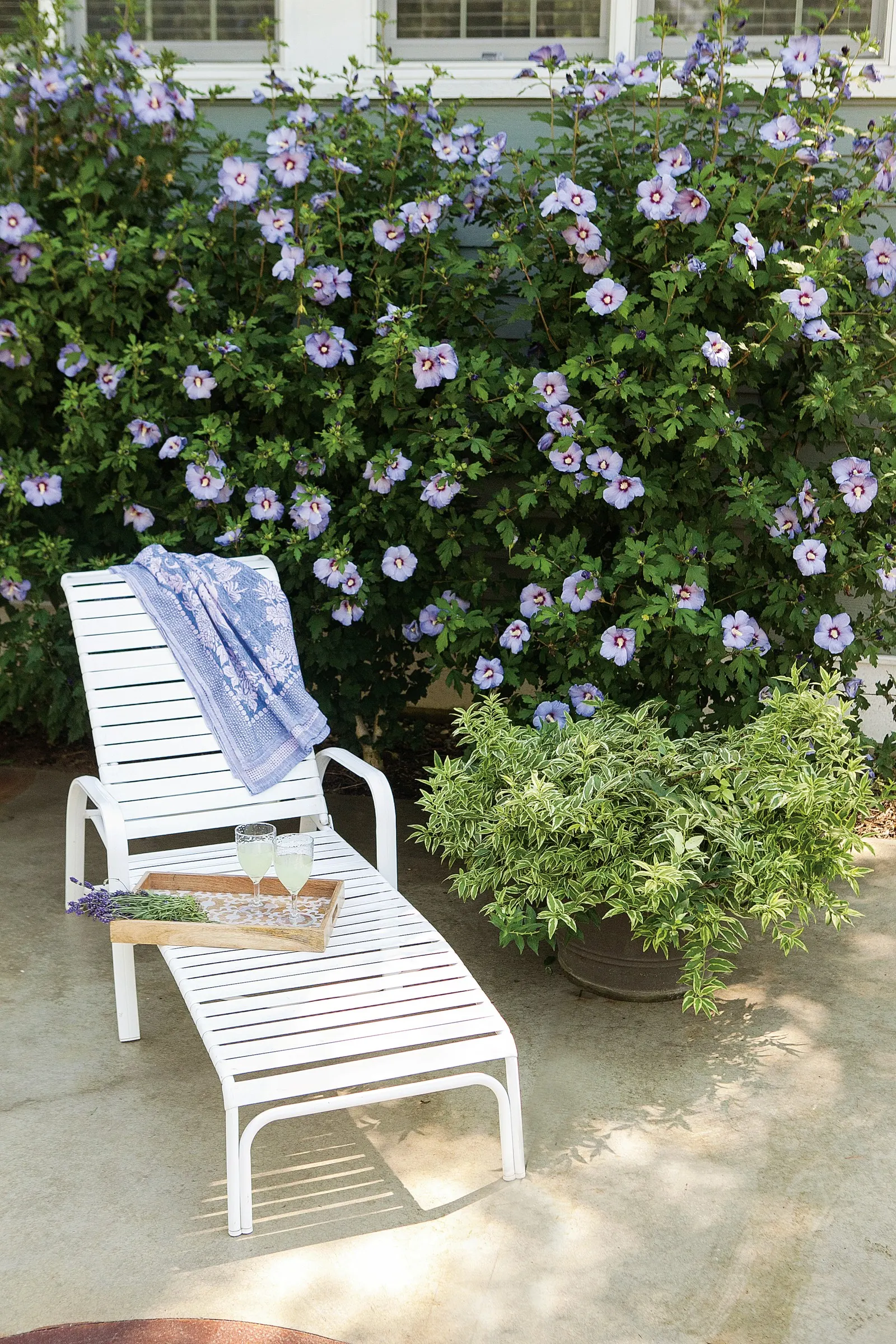
Shrub
Azurri Blue Satin® Rose of Sharon
Hibiscus syriacus
FullUSDA 5–8

'Ballet Slippers' Rose Mallow
Hibiscus hybrid
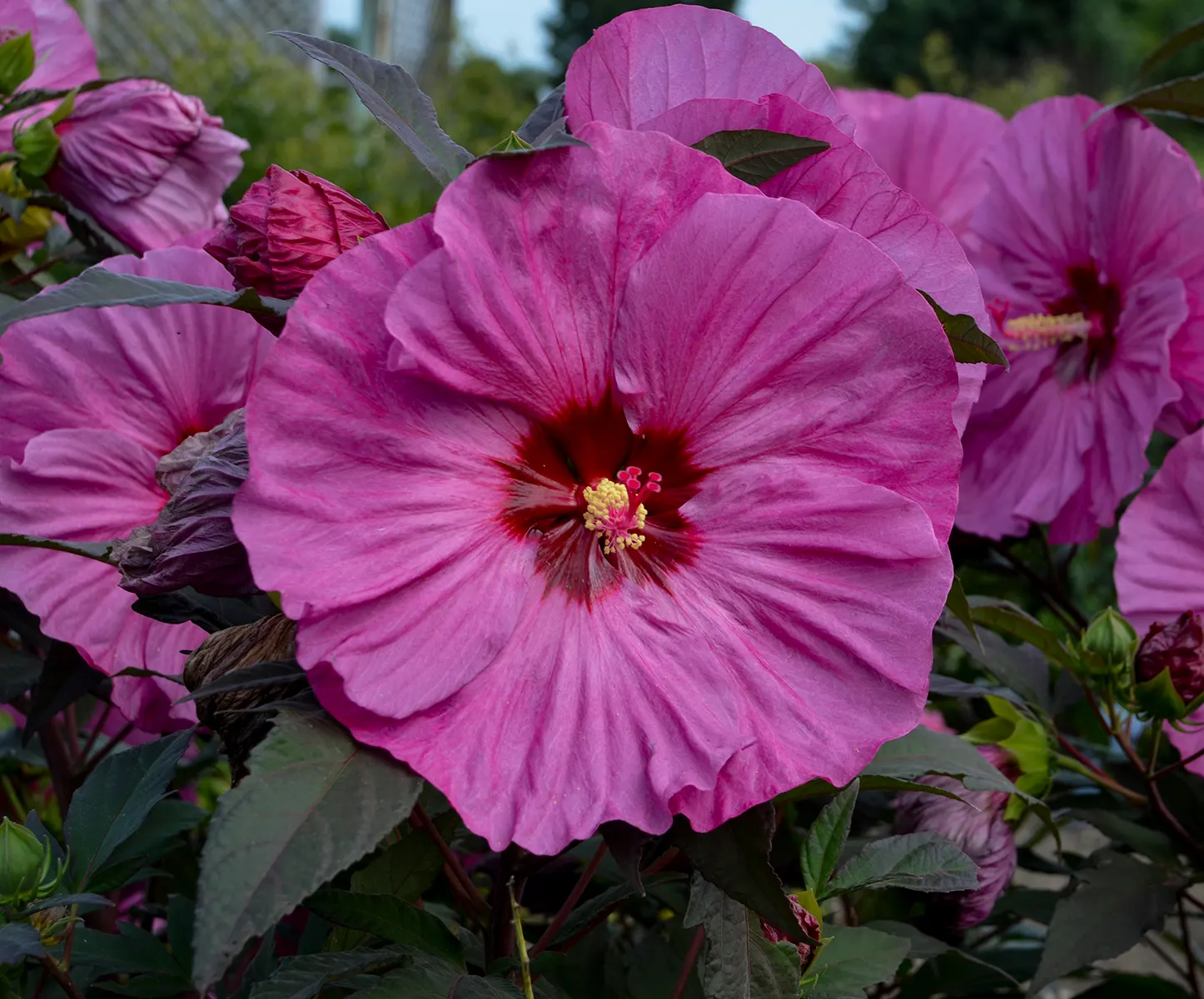
'Berry Awesome' Rose Mallow
Hibiscus hybrid