Skip to content

Apricot Mallow

Sphaeralcea Ambigua

Design with this plant

Overview

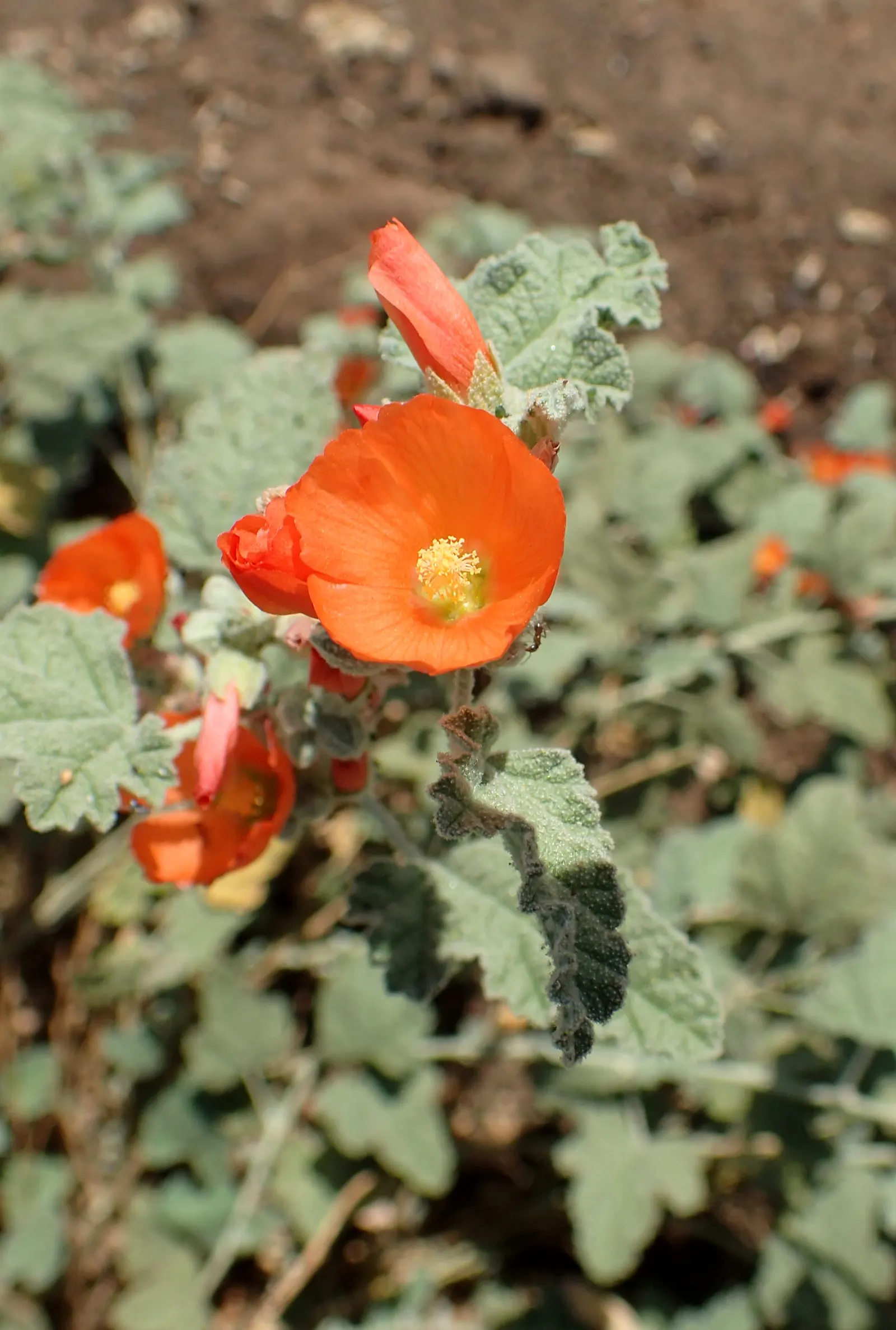
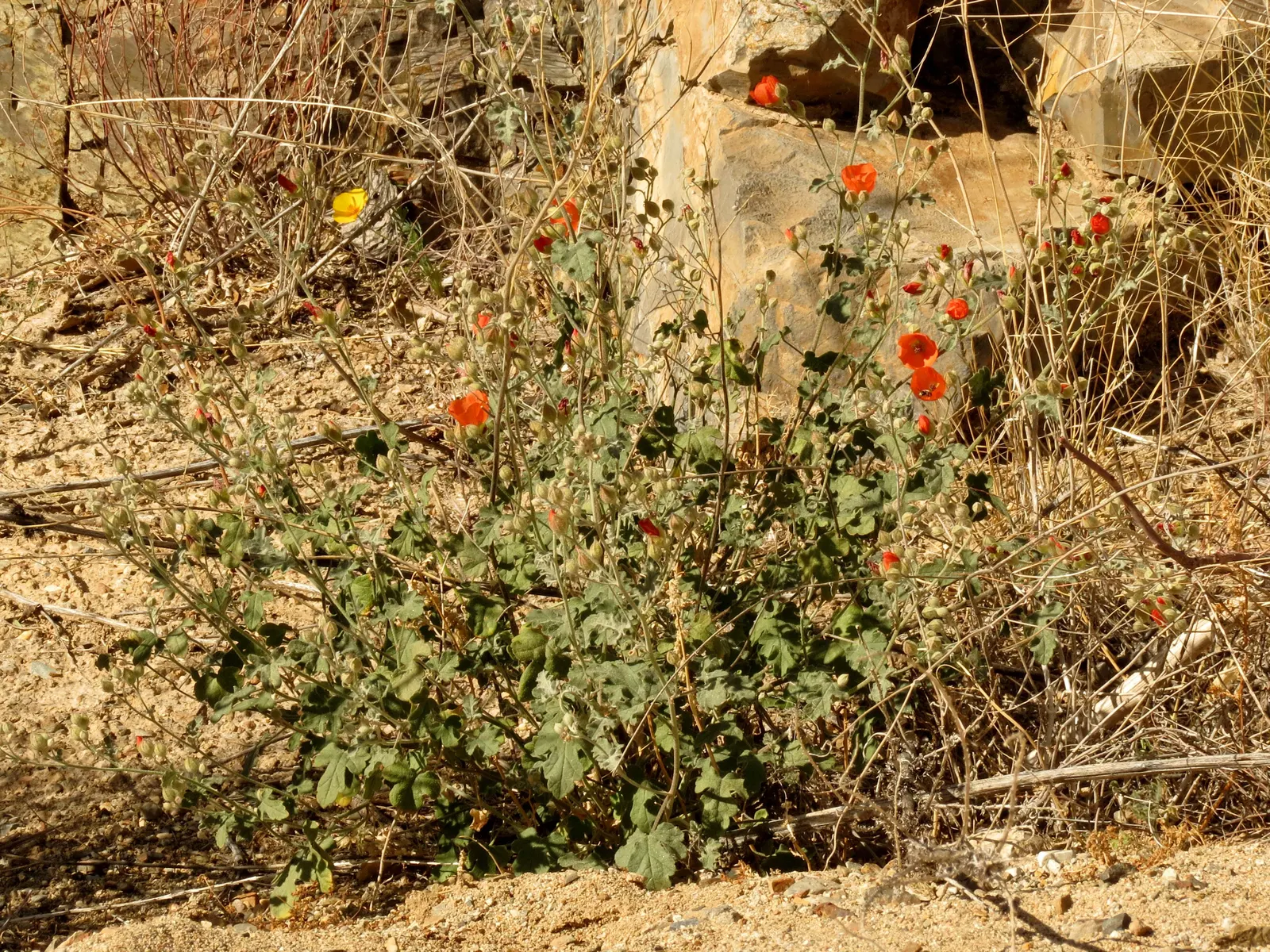
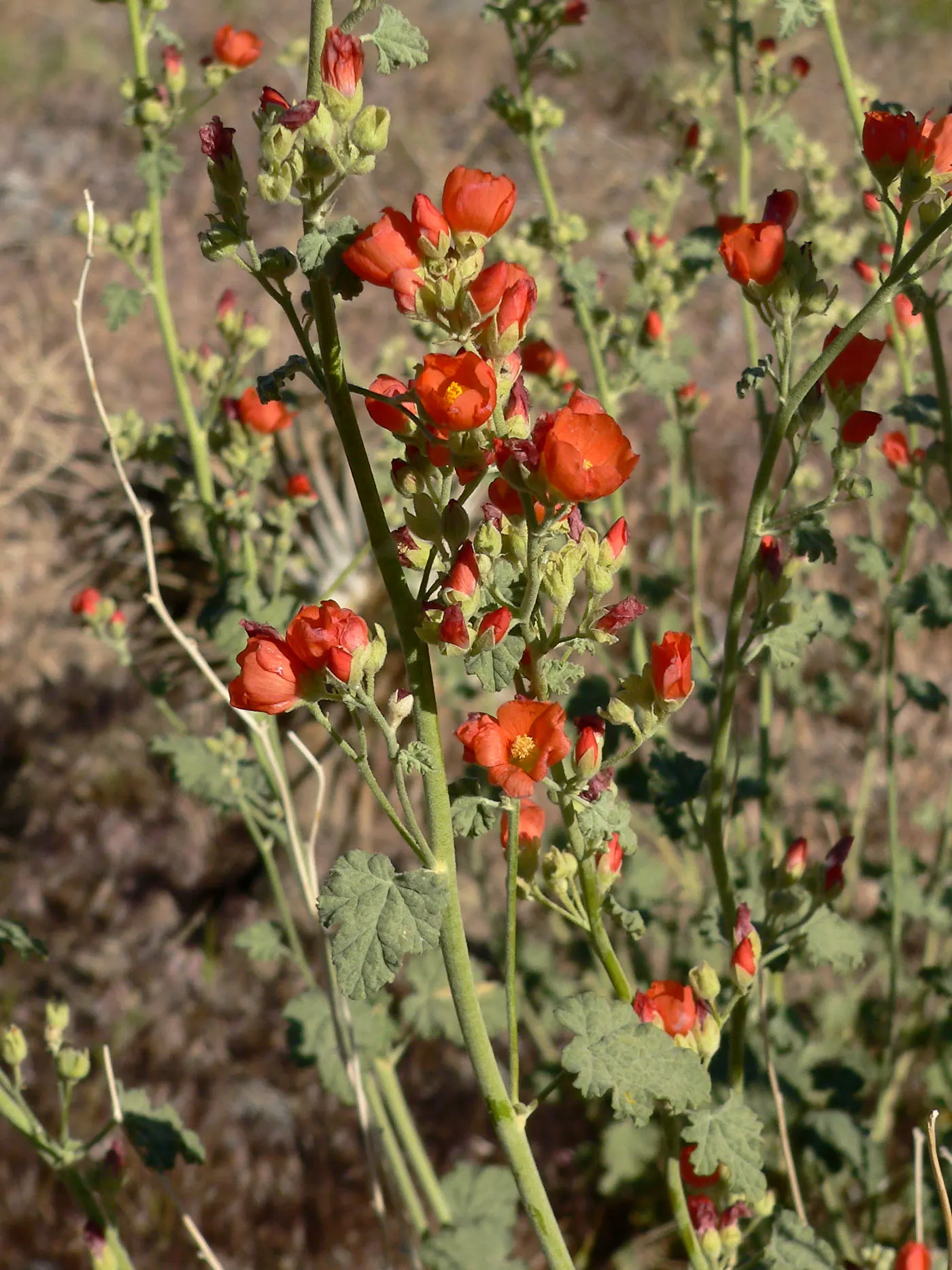
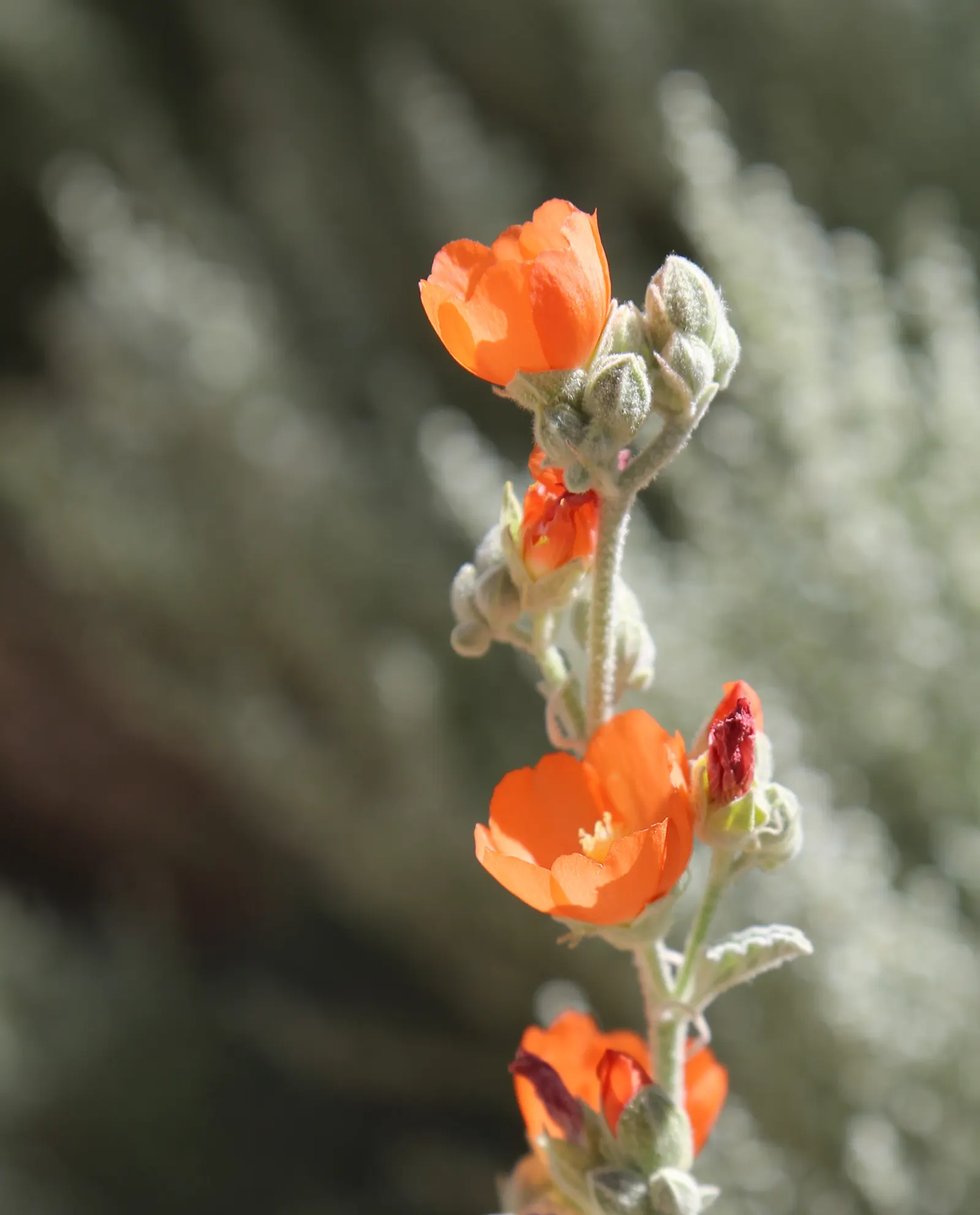
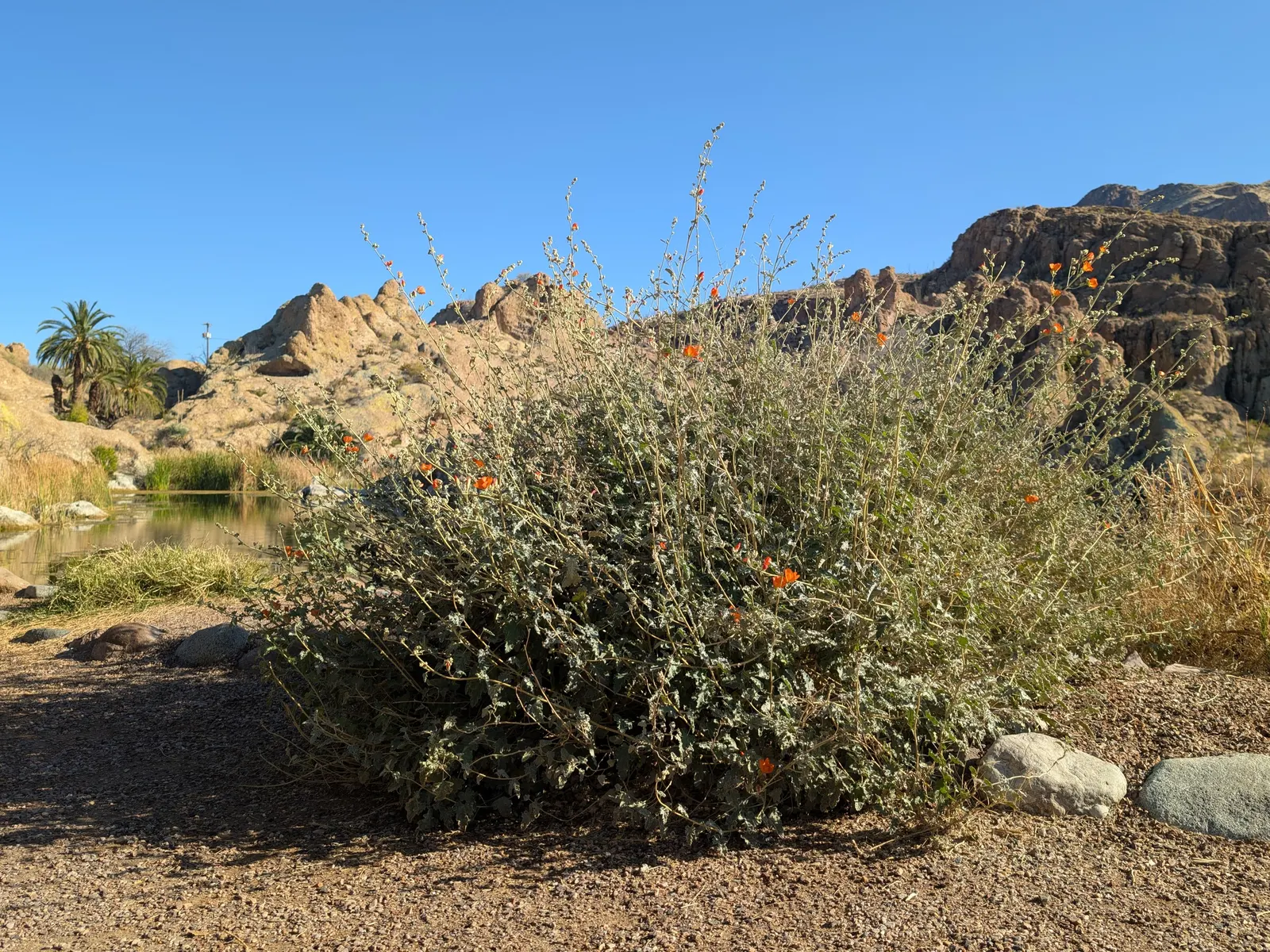
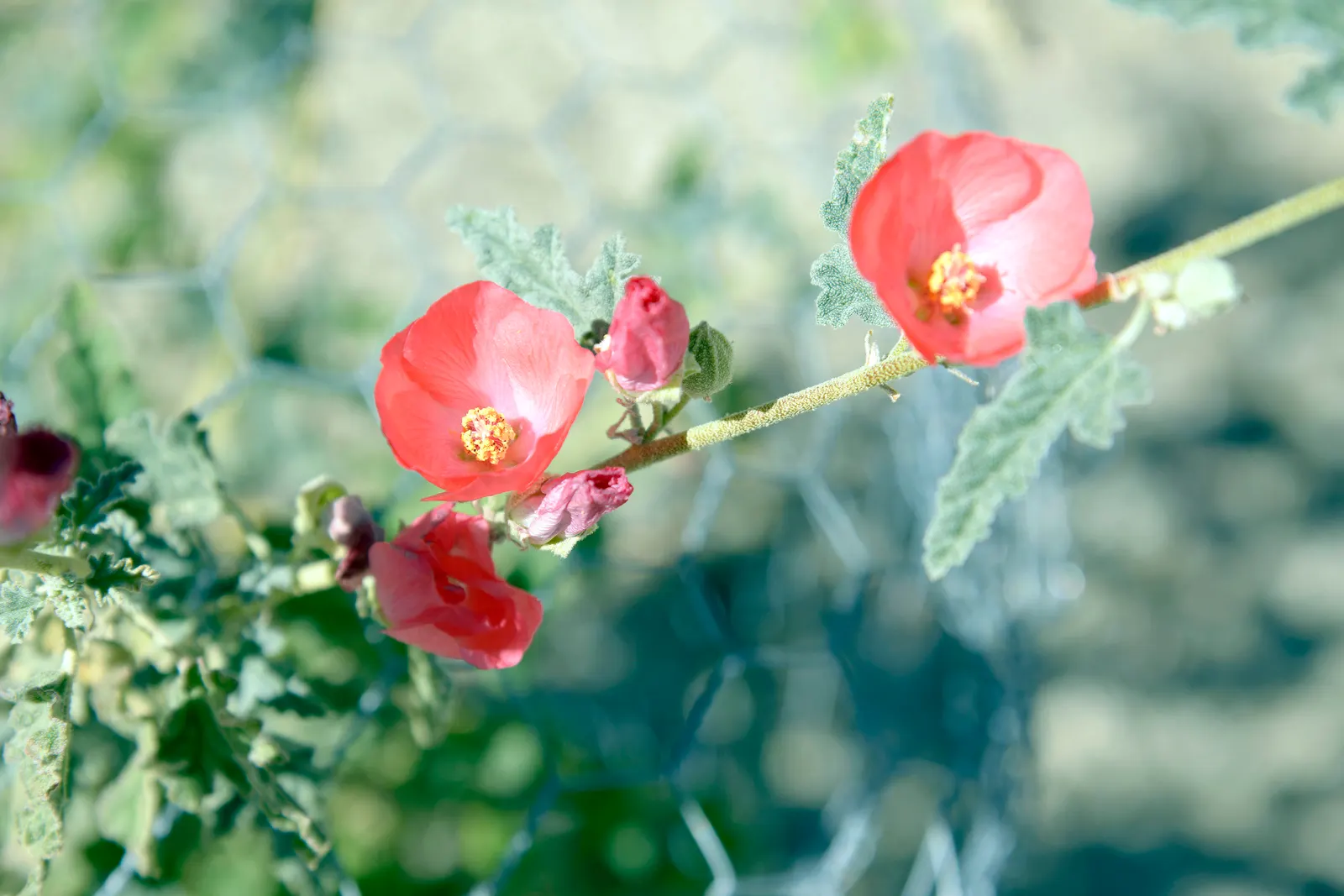
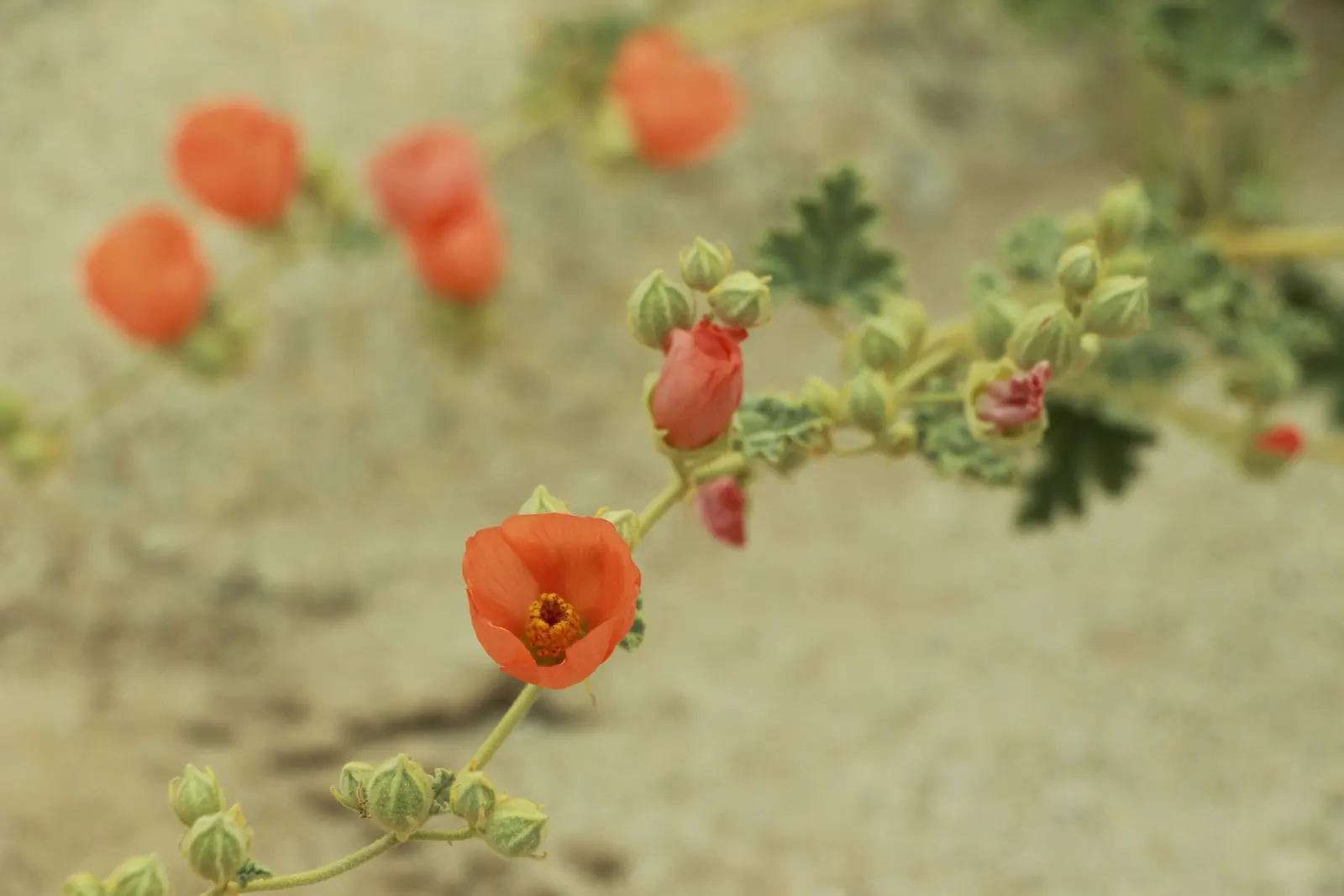
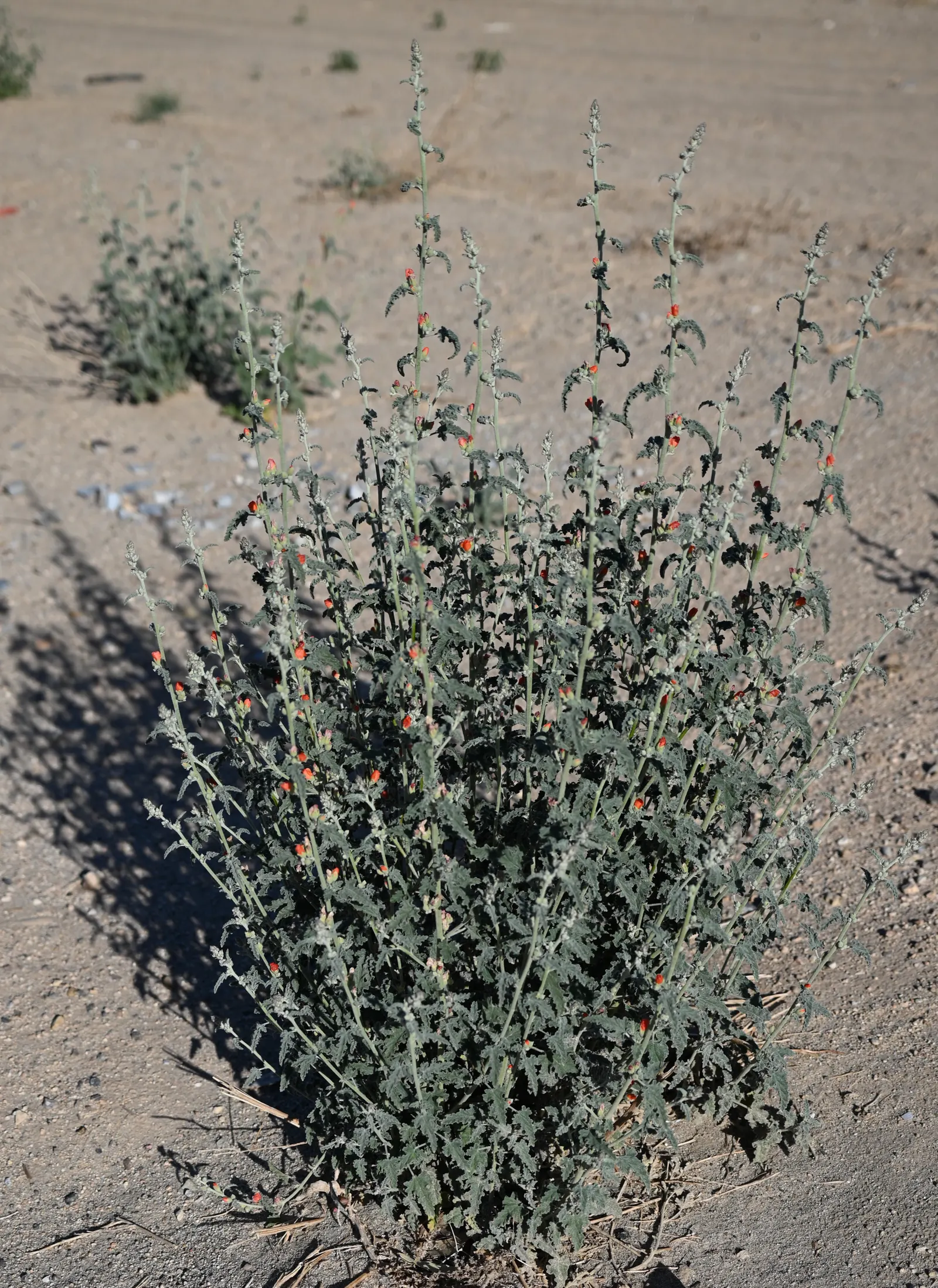
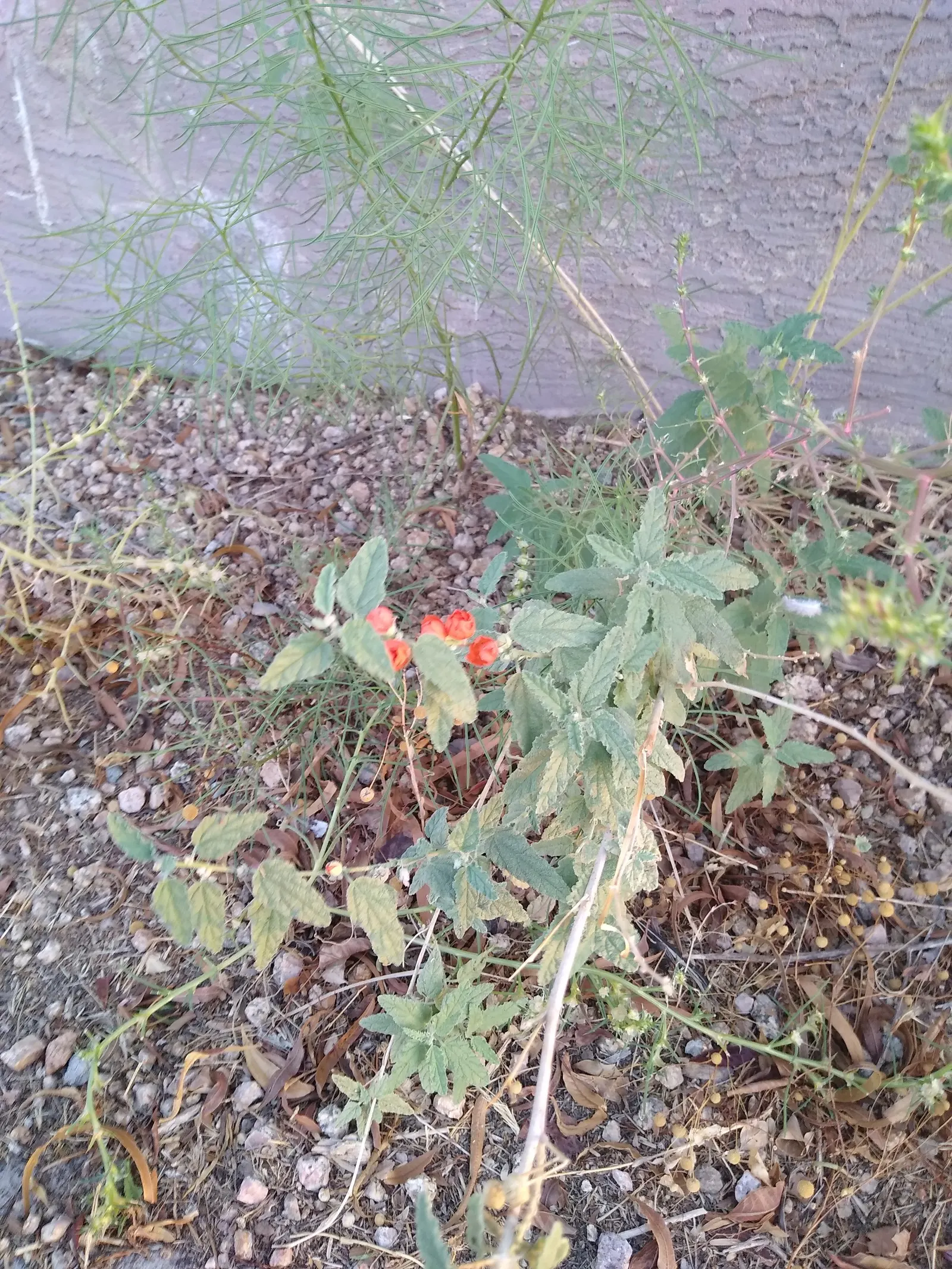
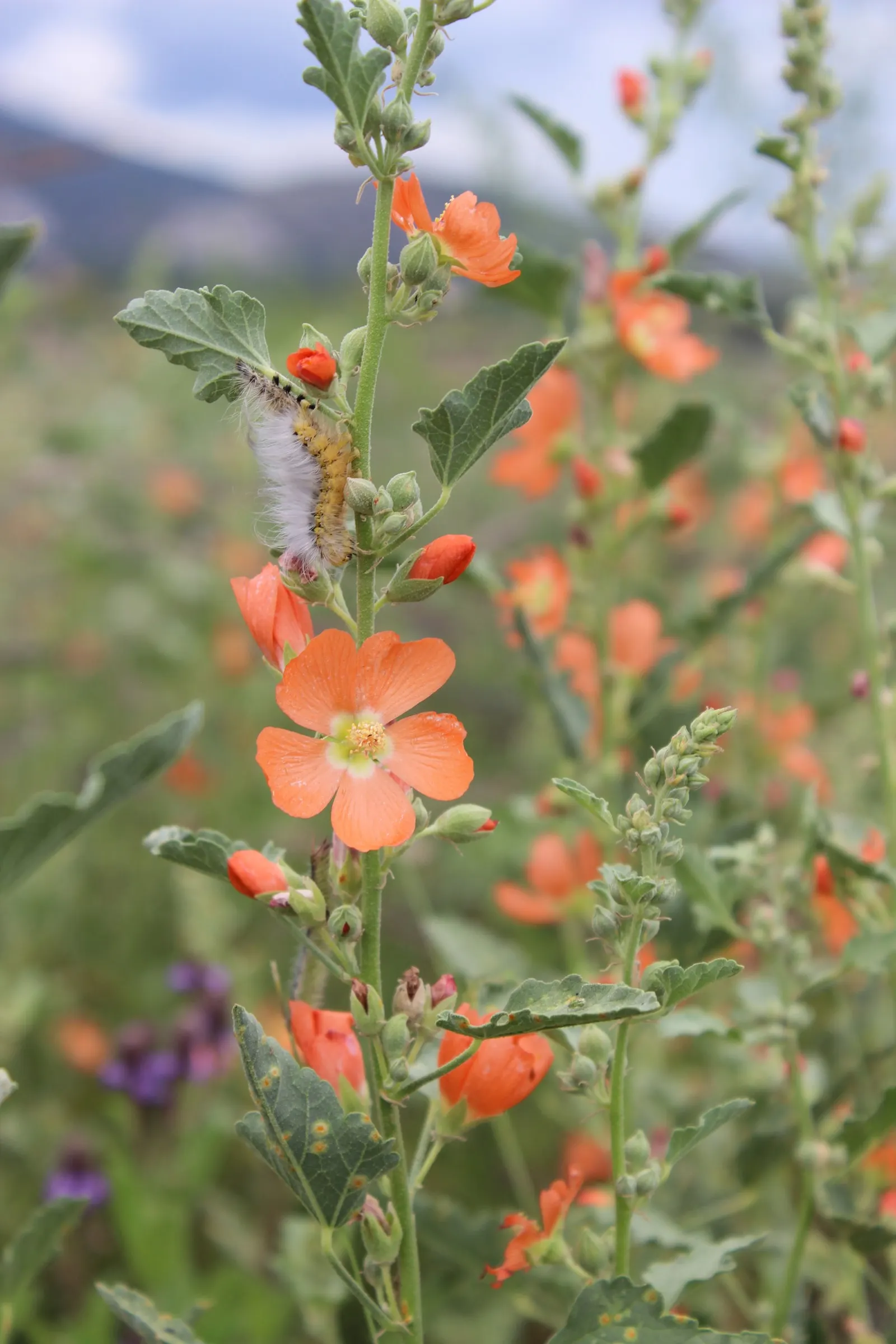
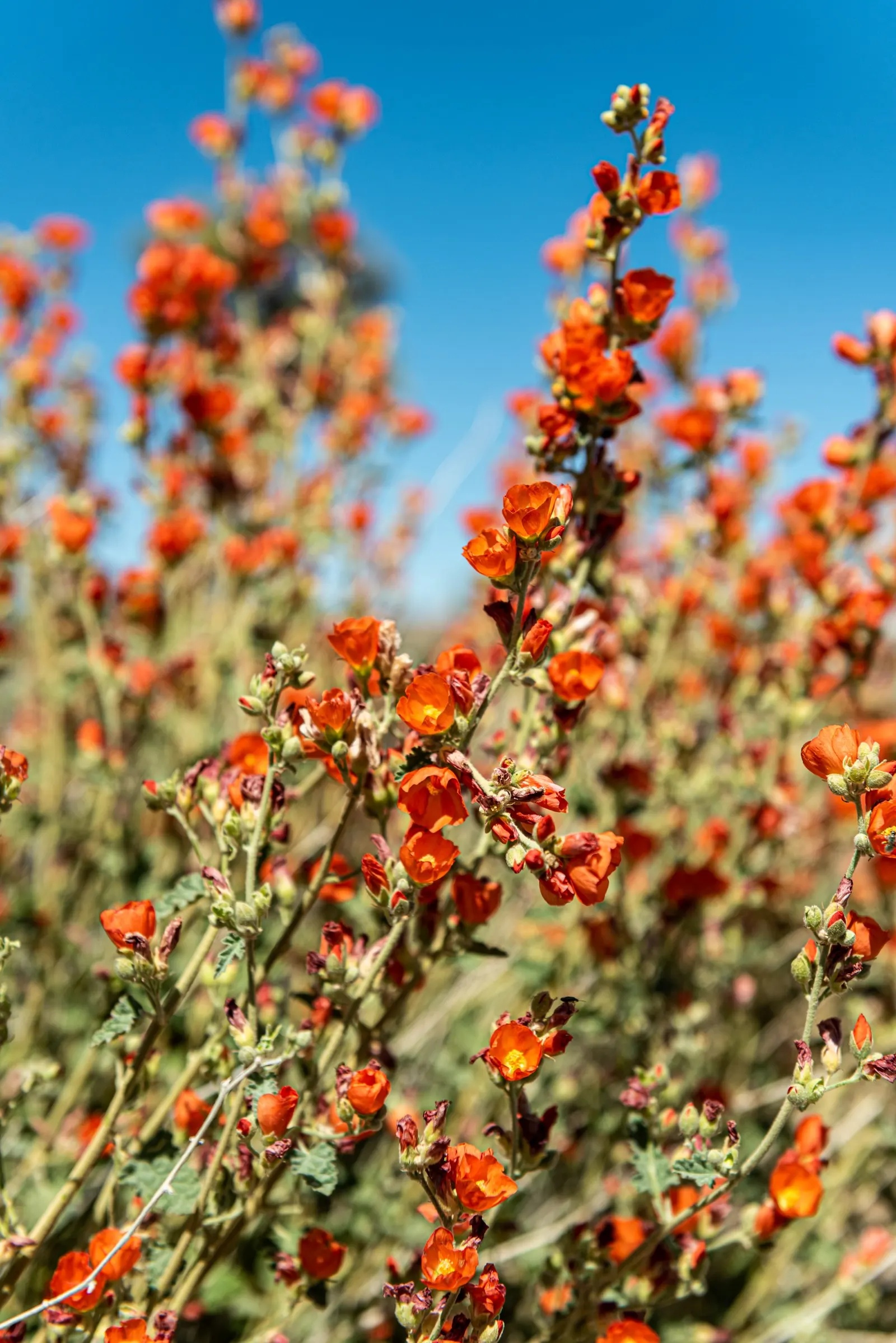
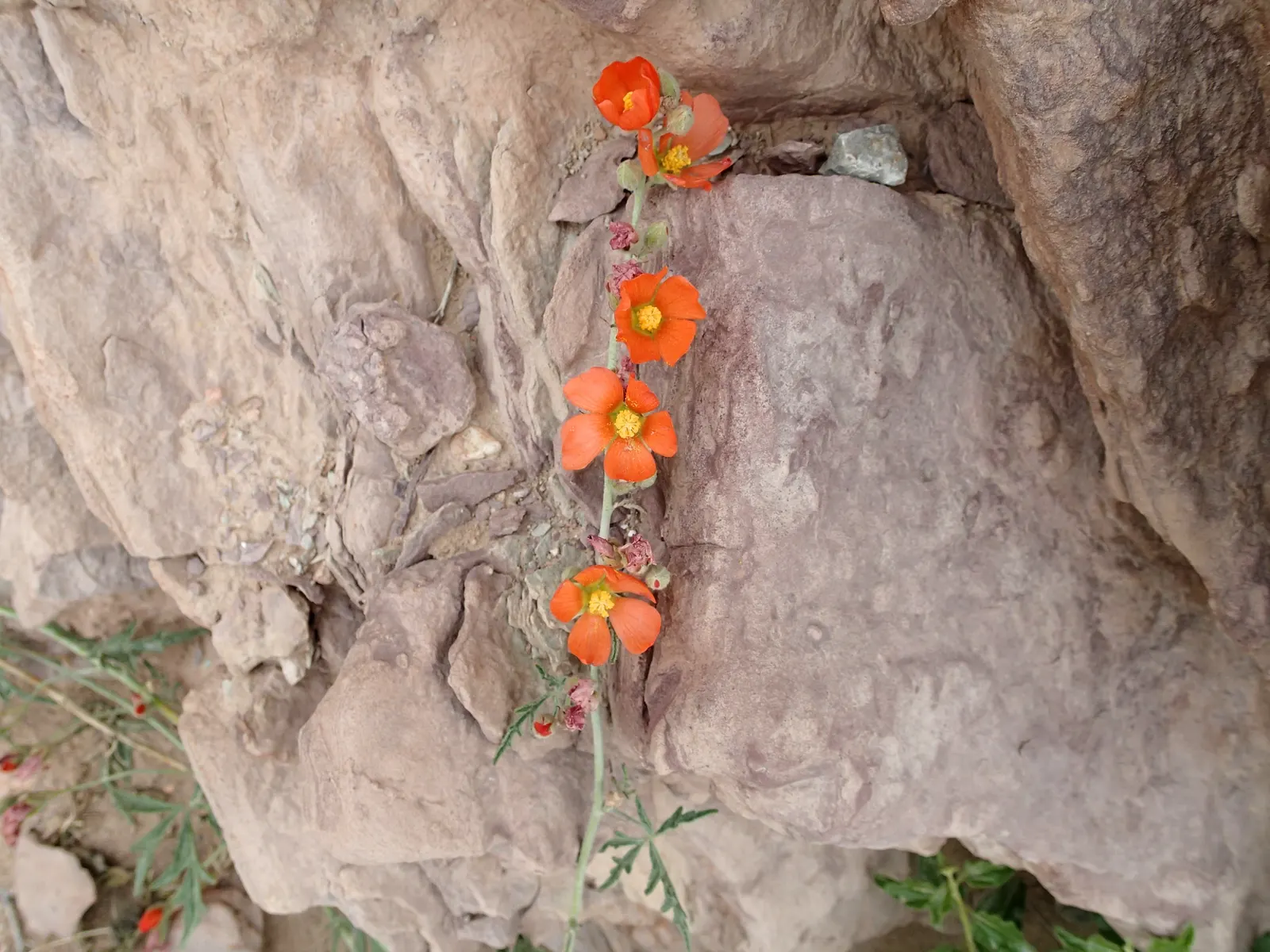
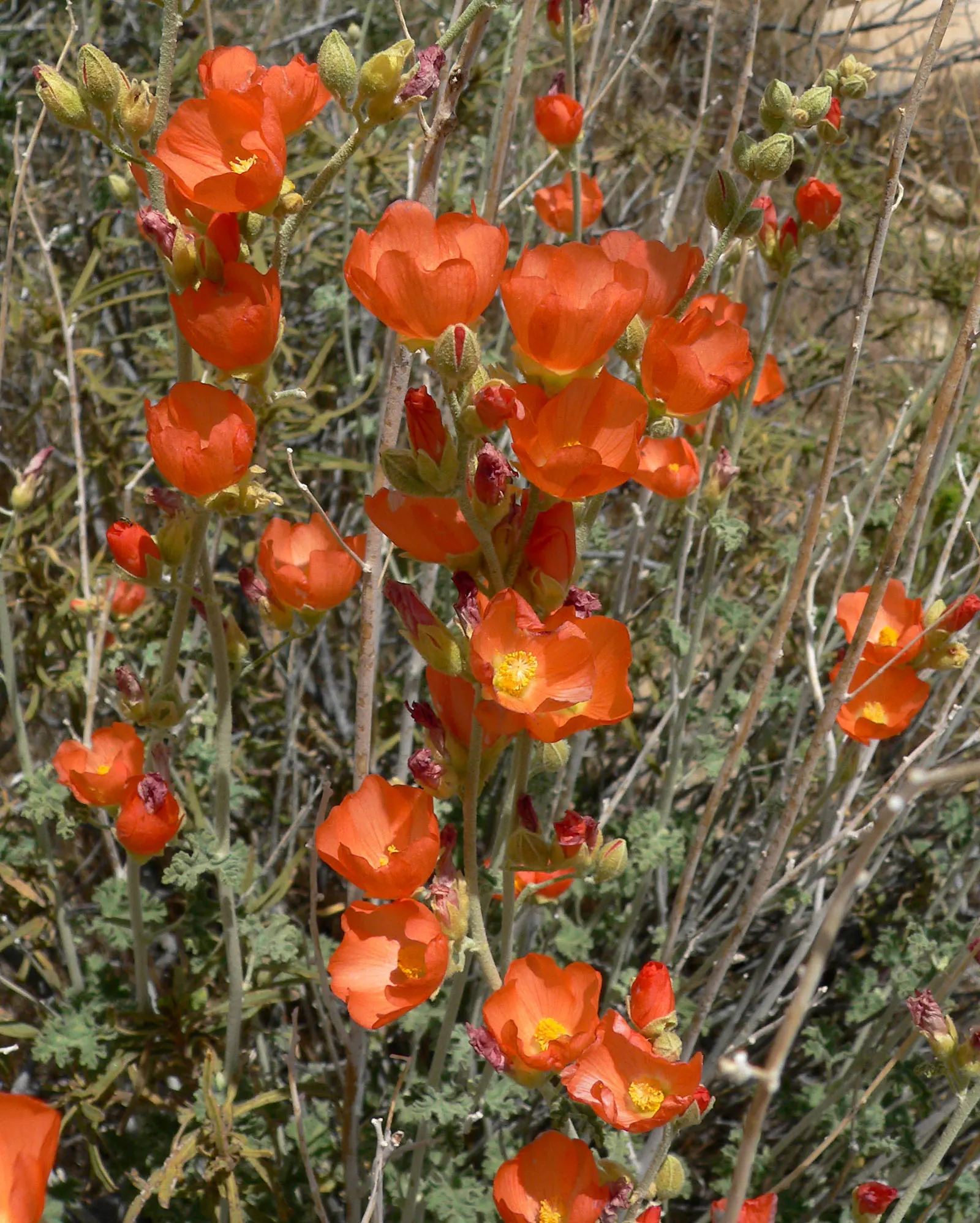
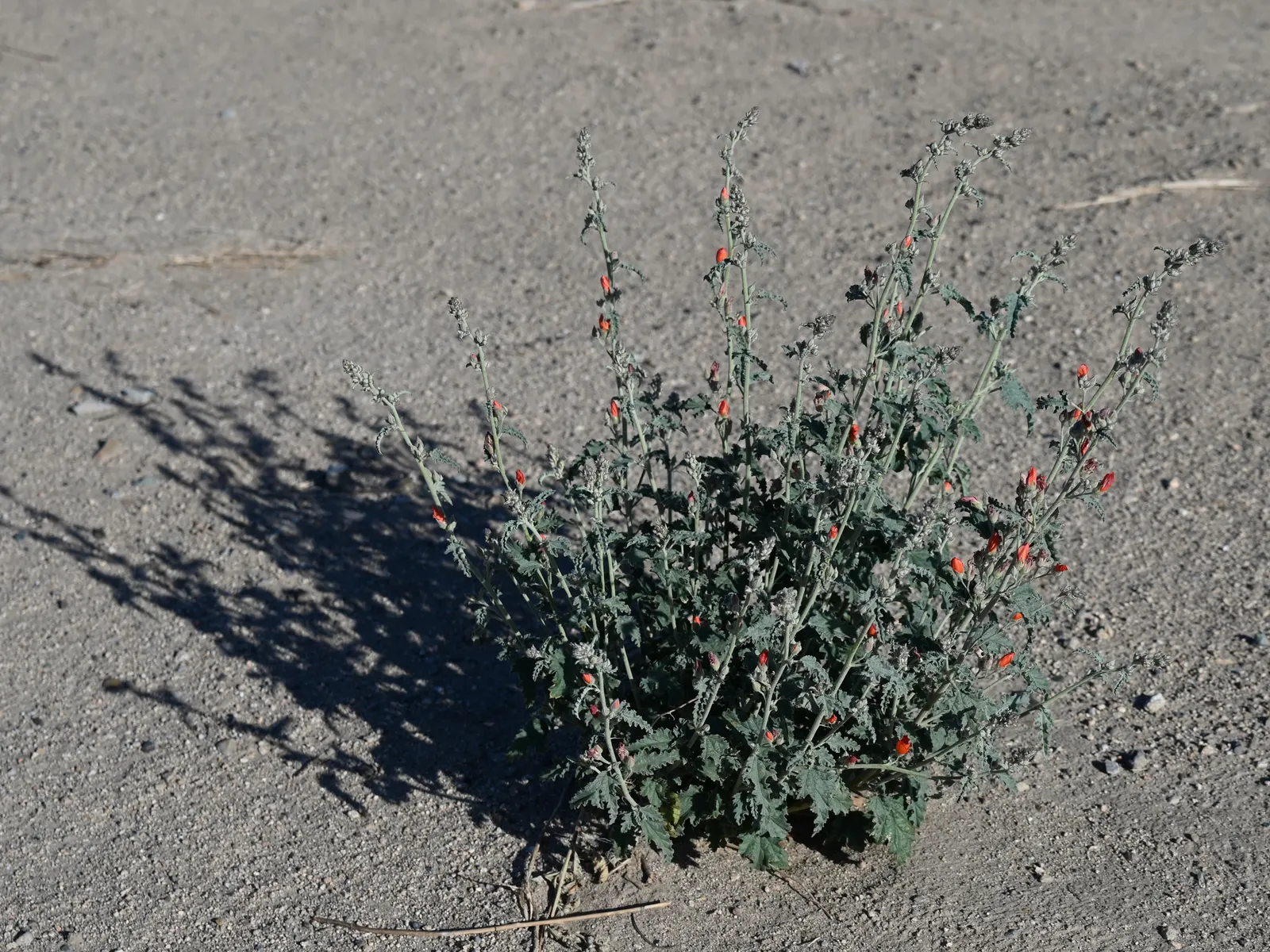
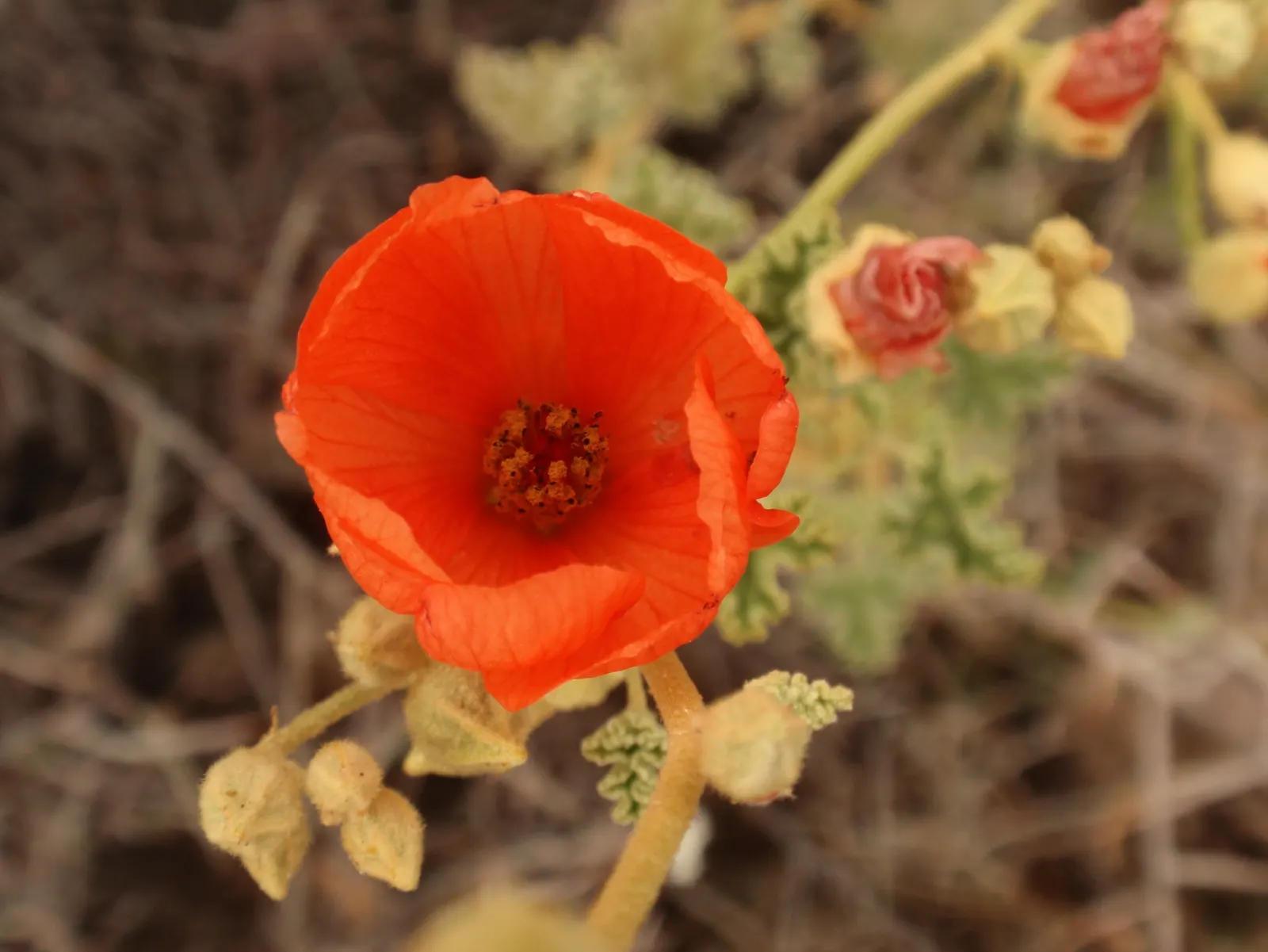
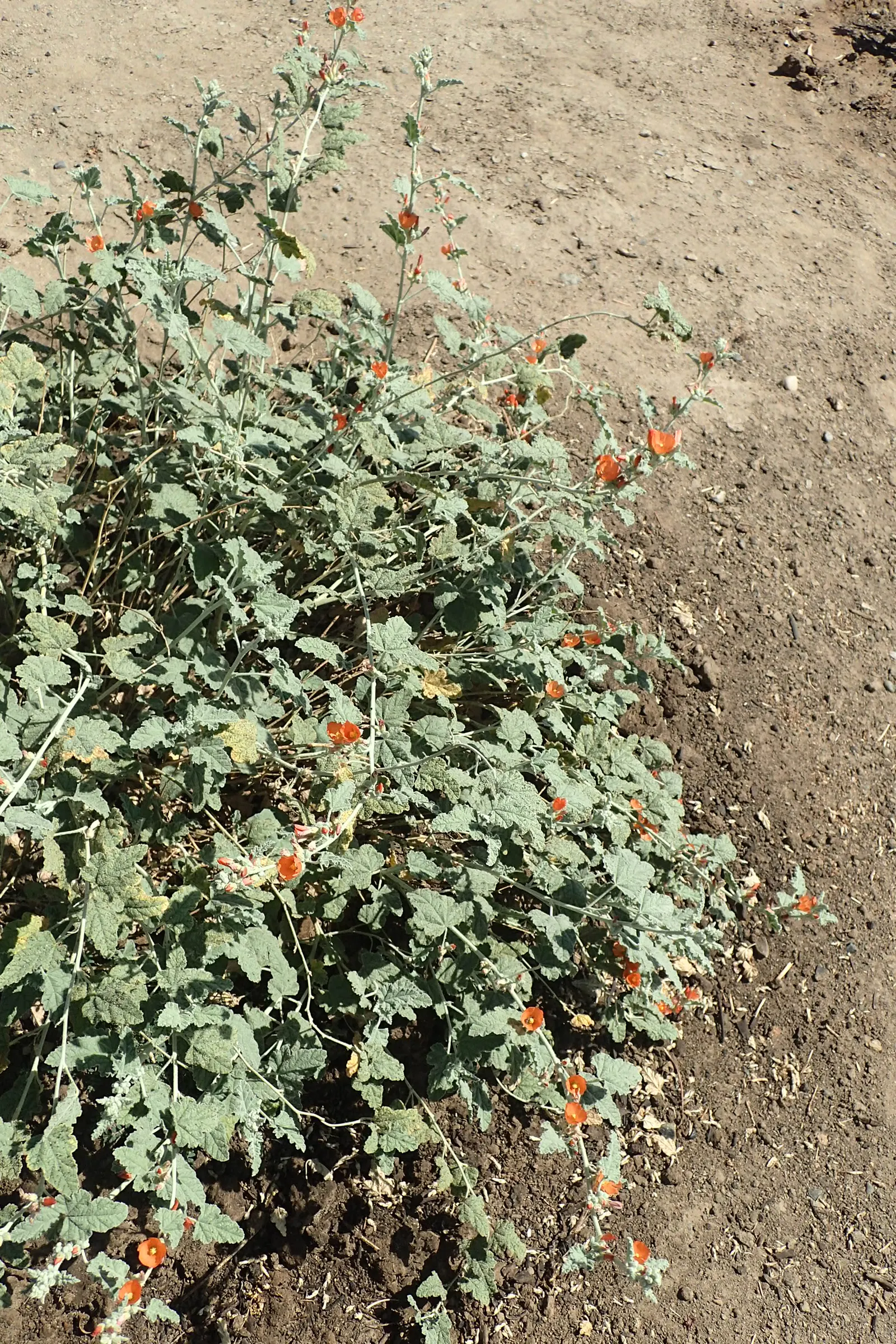
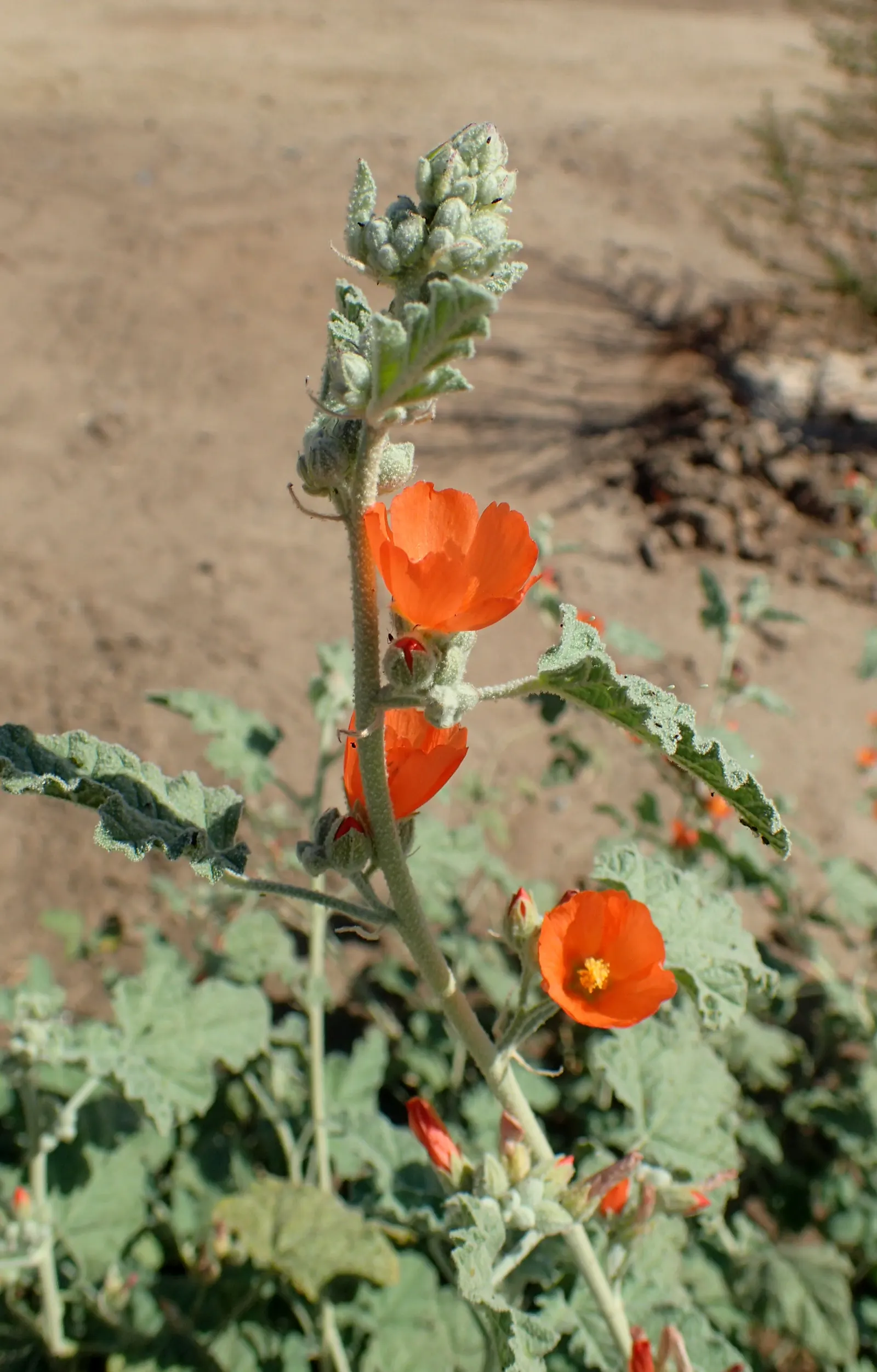
Apricot Mallow (Sphaeralcea ambigua) is a perennial shrub, flourishing in arid zones with a height/width of 3 ft. Displaying cup-shaped, apricot-orange blooms, this plant adds a warm palette from late winter to fall. Its grey-green foliage is drought-tolerant and attracts pollinators, making it perfect for xeriscapes. Requires well-draining soil and full sun exposure. Space 2-3 ft apart to accommodate mature size. USDA Zones 6-10.

Sun FullWater LowZones 7–11Type ShrubClimate Arid, Mediterranean, Subtropical

Culture

Sun
Full
Water
Low
USDA zones
7–11

Shape & size

Classification

Type
Shrub
Family
Malvaceae
Climate
Arid, Mediterranean, Subtropical

See full data, regional cultivation notes, and design tools. Build a client presentation around this plant.

Start your 14-day trial

Photos (138)

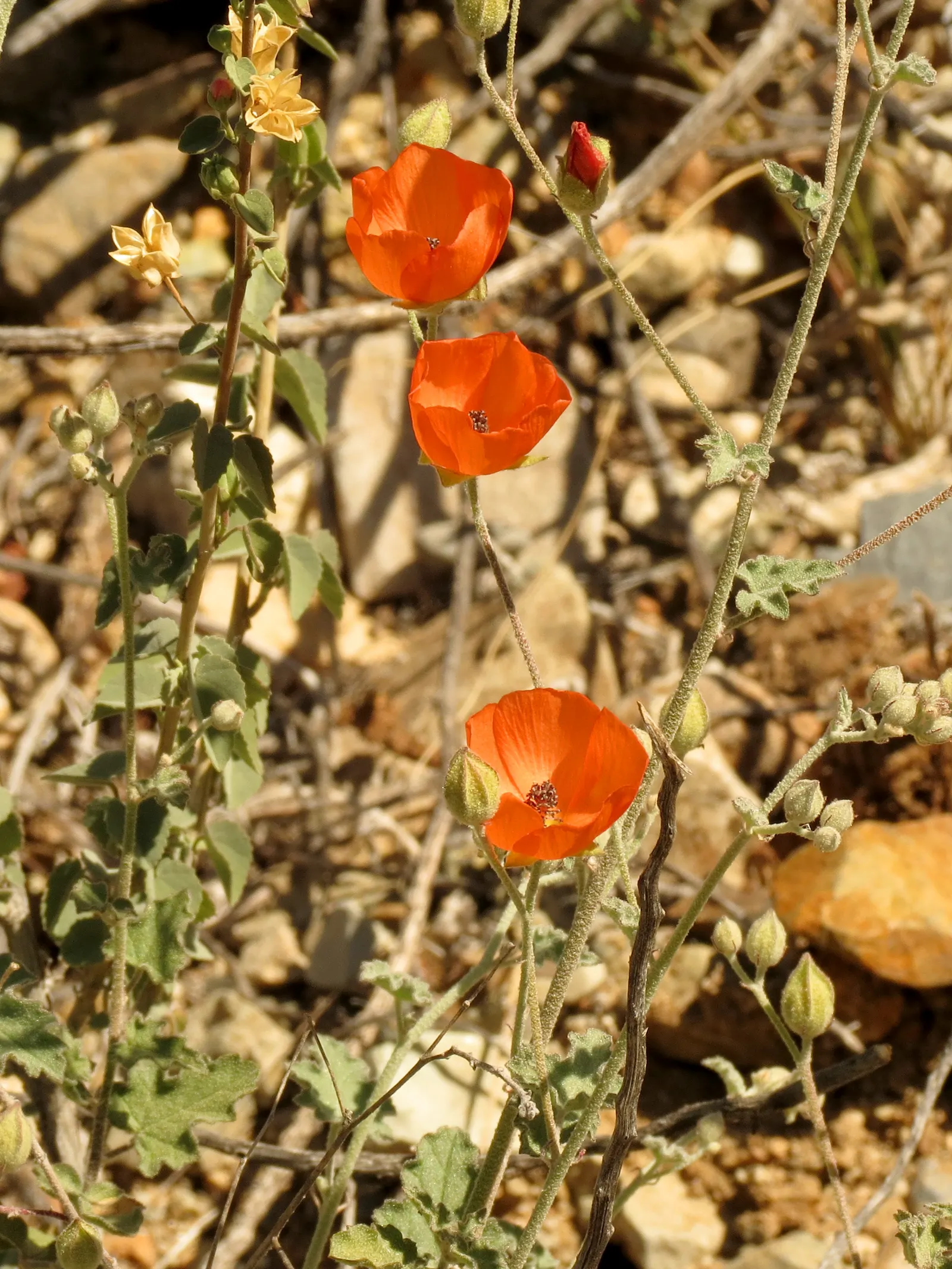
Apricot Mallow (Sphaeralcea Ambigua) — which enables it to fit snugly within mixed borders or serve as an eye-catching focal point, image 95
Apricot Mallow (Sphaeralcea Ambigua) — it thrives in USDA Hardiness Zones 6 through 10; offering a prolonged display of allure.<br><br>Cultivation of
Apricot Mallow (Sphaeralcea Ambigua) — drought-tolerant landscapes.<br><br>This resilient plant possesses a bushy growth habit; the blooms are a, image 65
Apricot Mallow (Sphaeralcea Ambigua) — it thrives in USDA Hardiness Zones 6 through 10
Apricot Mallow (Sphaeralcea Ambigua) — it flourishes under full sun exposure and is an excellent choice for adding a splash of color to arid
Apricot Mallow (Sphaeralcea Ambigua) — orange flowers in the garden; it flourishes under full sun exposure and is an excellent choice for adding a splash of
Apricot Mallow (Sphaeralcea Ambigua) — offering a prolonged display of allure.<br><br>Cultivation of Sphaeralcea ambigua requires well-drained, image 69
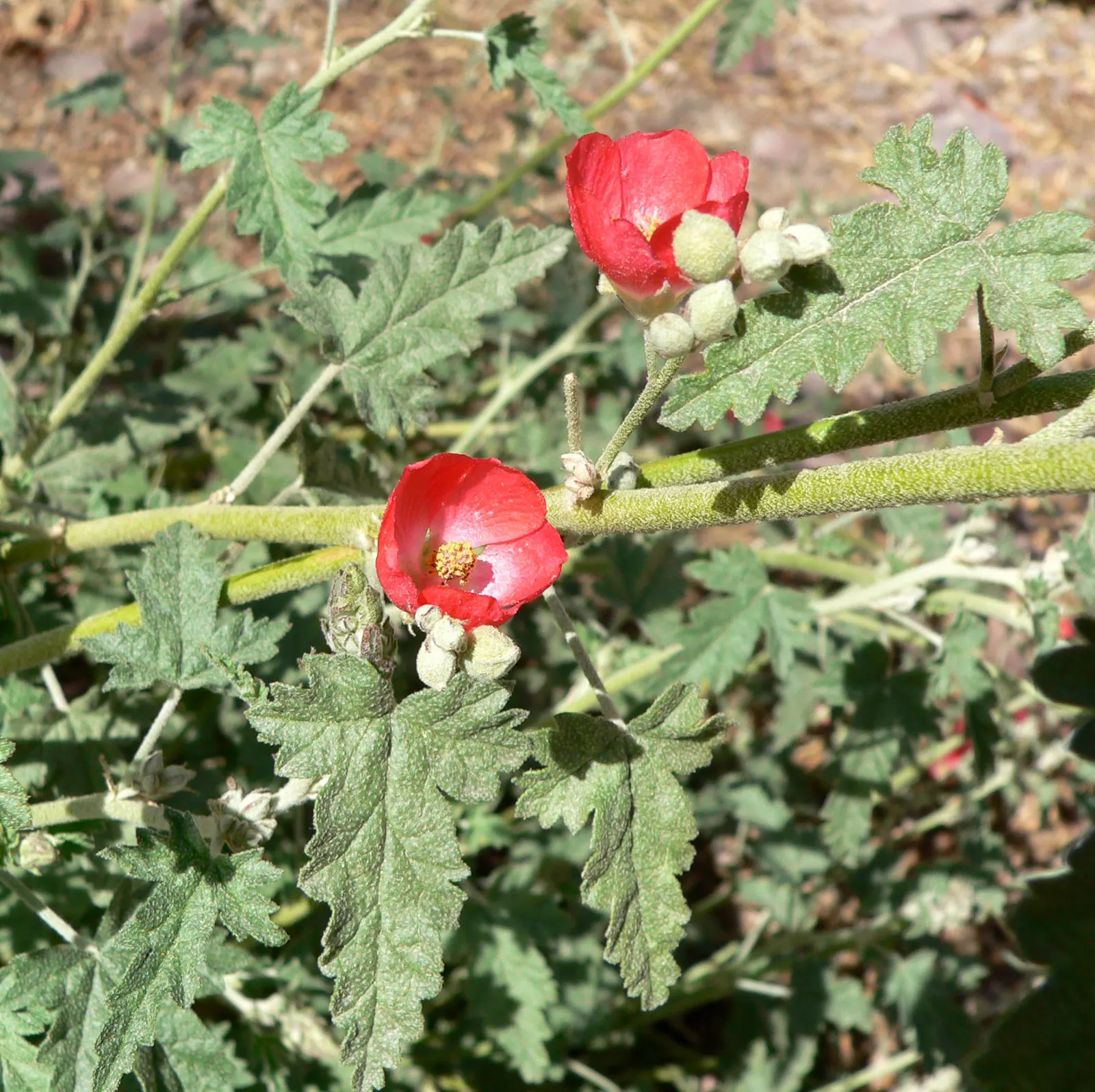
Apricot Mallow (Sphaeralcea Ambigua) — Its grey-green foliage is drought-tolerant and attracts pollinators, making it perfect for xeriscapes, image 112
Apricot Mallow (Sphaeralcea Ambigua) — which enables it to fit snugly within mixed borders or serve as an eye-catching focal point, image 41
Apricot Mallow (Sphaeralcea Ambigua) — Space 2-3 ft apart to accommodate mature size; typically reaching heights of between 2 and 3 feet, image 114
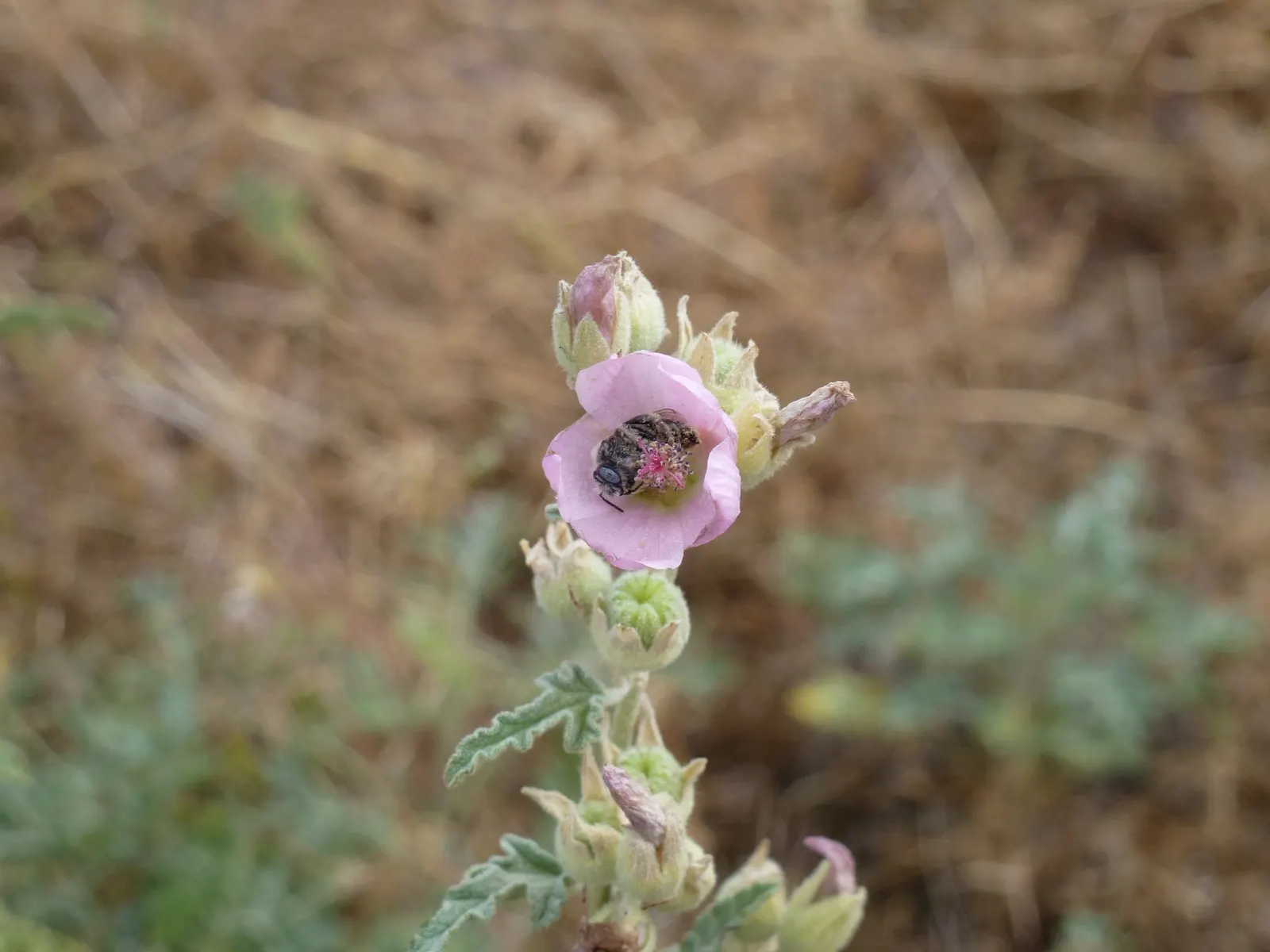
Apricot Mallow (Sphaeralcea Ambigua) — The blooms are a veritable magnet for bees
Apricot Mallow (Sphaeralcea Ambigua) — consider its attraction to pollinators; as the plant matures and spreads
Apricot Mallow (Sphaeralcea Ambigua) — making it a low-maintenance option for gardeners contending with water restrictions; is an enchanting perennial native
Apricot Mallow (Sphaeralcea Ambigua) — typically reaching heights of between 2 and 3 feet; shrub for full
Apricot Mallow (Sphaeralcea Ambigua) — drought-tolerant landscapes.<br><br>This resilient plant possesses a bushy growth habit
Apricot Mallow (Sphaeralcea Ambigua) — which enables it to fit snugly within mixed borders or serve as an eye-catching focal point, image 68
Apricot Mallow (Sphaeralcea Ambigua) — scientifically known as Sphaeralcea ambigua; consider its attraction to pollinators, image 61
Apricot Mallow (Sphaeralcea Ambigua) — Requires well-draining soil and full sun exposure, image 113
Apricot Mallow (Sphaeralcea Ambigua) — with a similar spread of 2 to 3 feet
Apricot Mallow (Sphaeralcea Ambigua) — typically reaching heights of between 2 and 3 feet; shrub for full, image 93
Apricot Mallow (Sphaeralcea Ambigua) — making it a low-maintenance option for gardeners contending with water restrictions; is an enchanting, image 71
Apricot Mallow (Sphaeralcea Ambigua) — Apricot Mallow (Sphaeralcea ambigua) is a perennial shrub; its grey-green foliage is drought-tolerant and, image 109
Apricot Mallow (Sphaeralcea Ambigua) — thereby injecting life and movement into the garden while fostering local biodiversity; revered for its, image 102
Apricot Mallow (Sphaeralcea Ambigua) — it flourishes under full sun exposure and is an excellent choice for adding a splash of color to arid; with, image 118
Photographs by 8 contributors

Related plants