Skip to content

Water Birch

Betula Occidentalis

Design with this plant

Overview

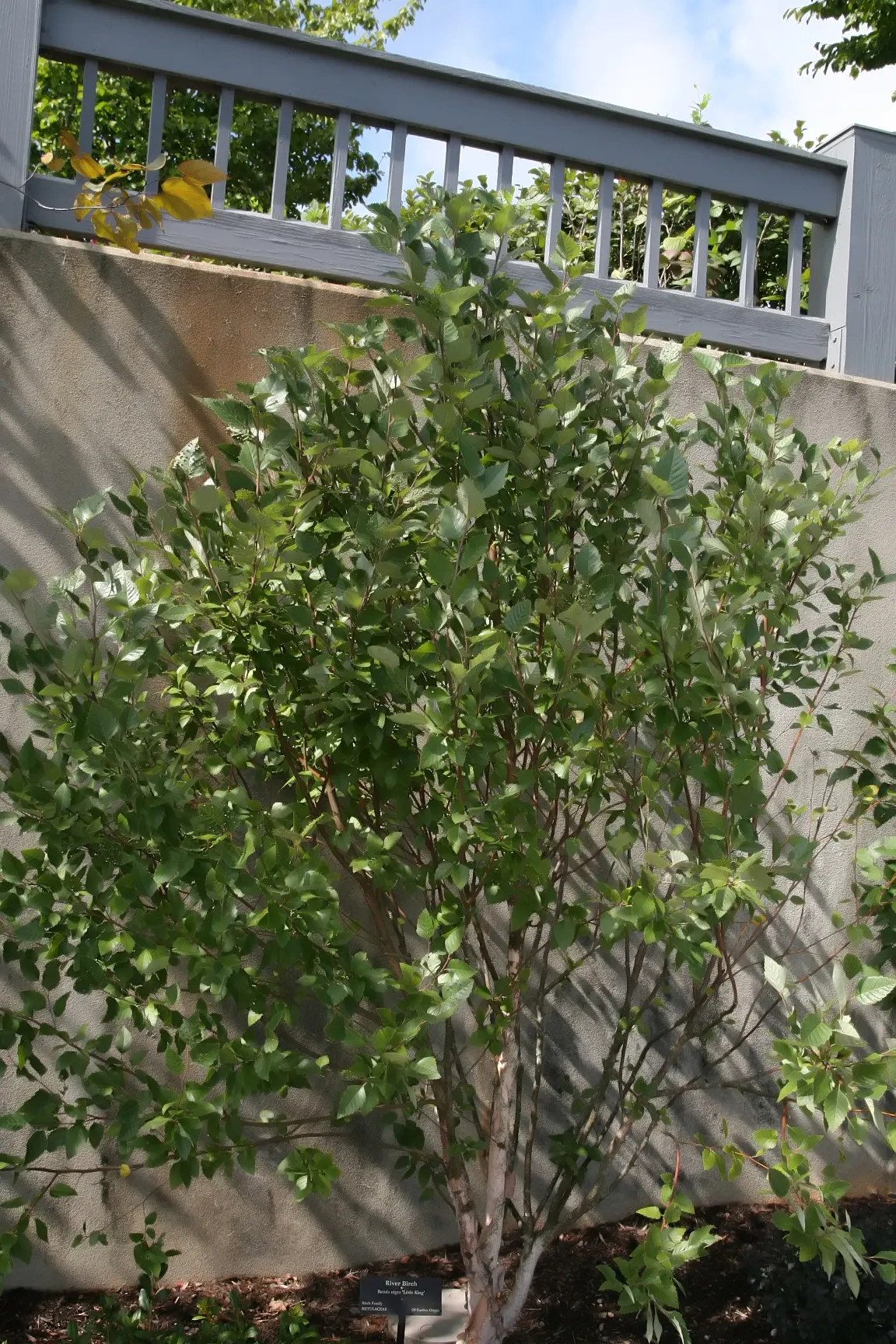
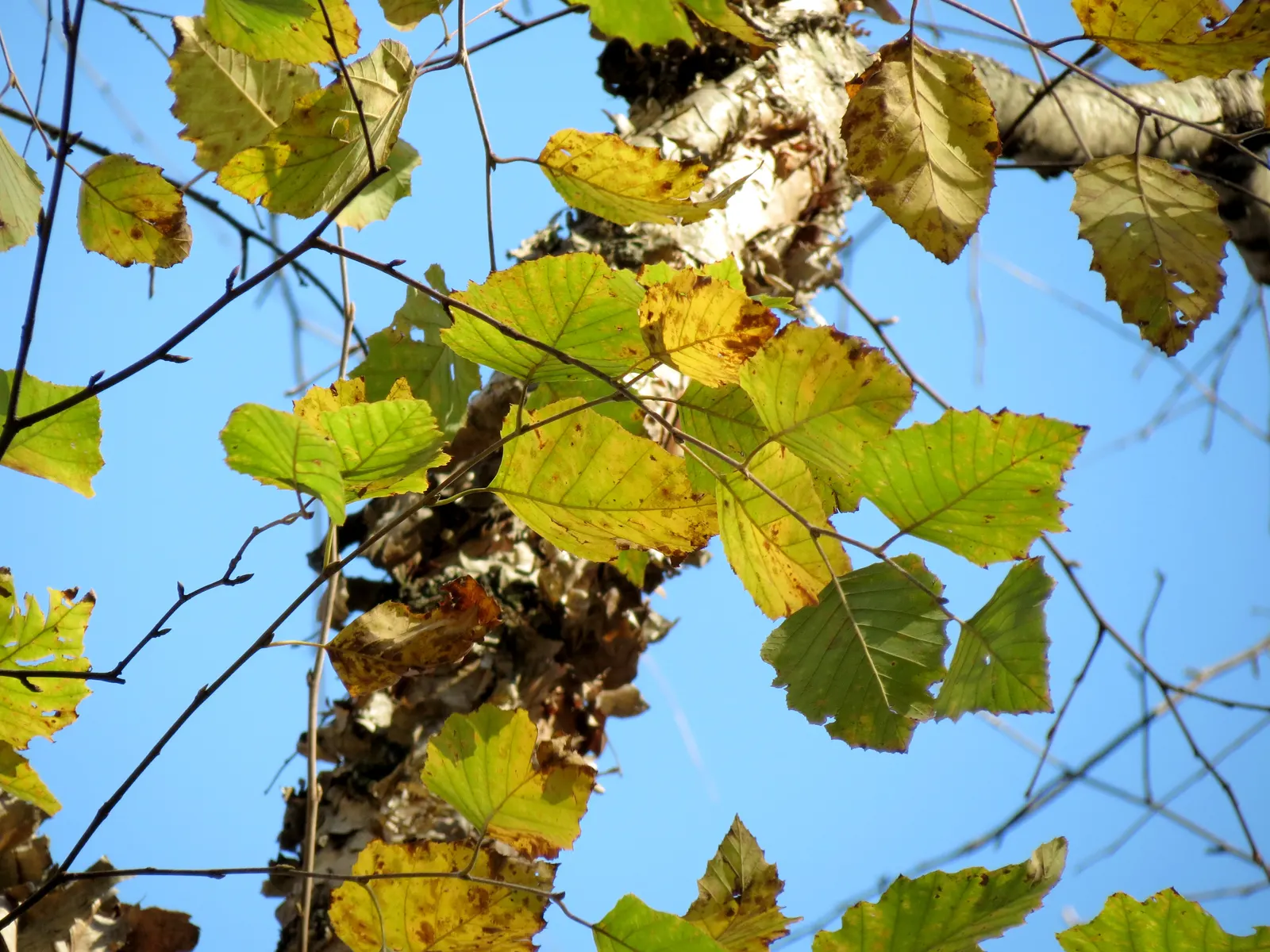
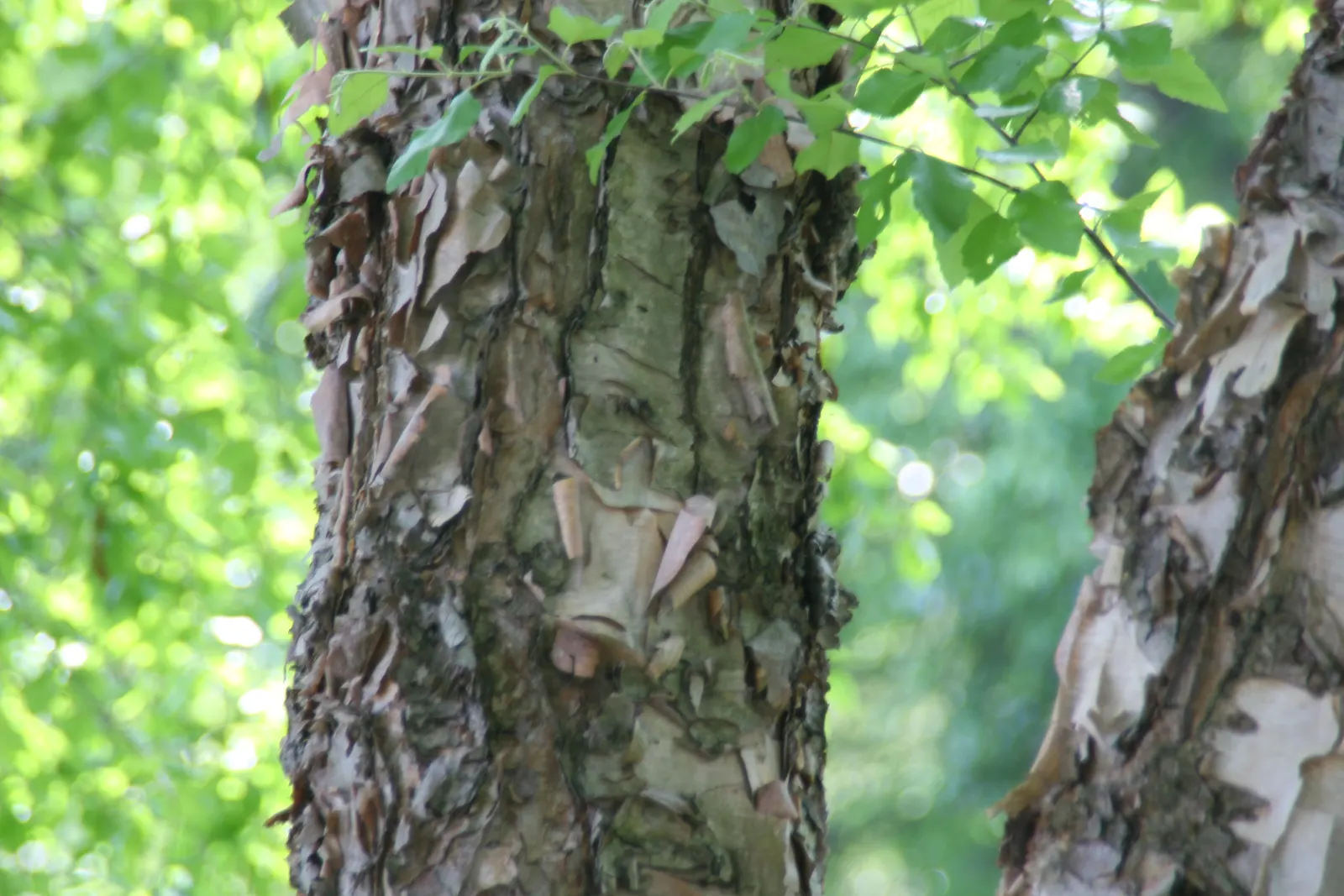
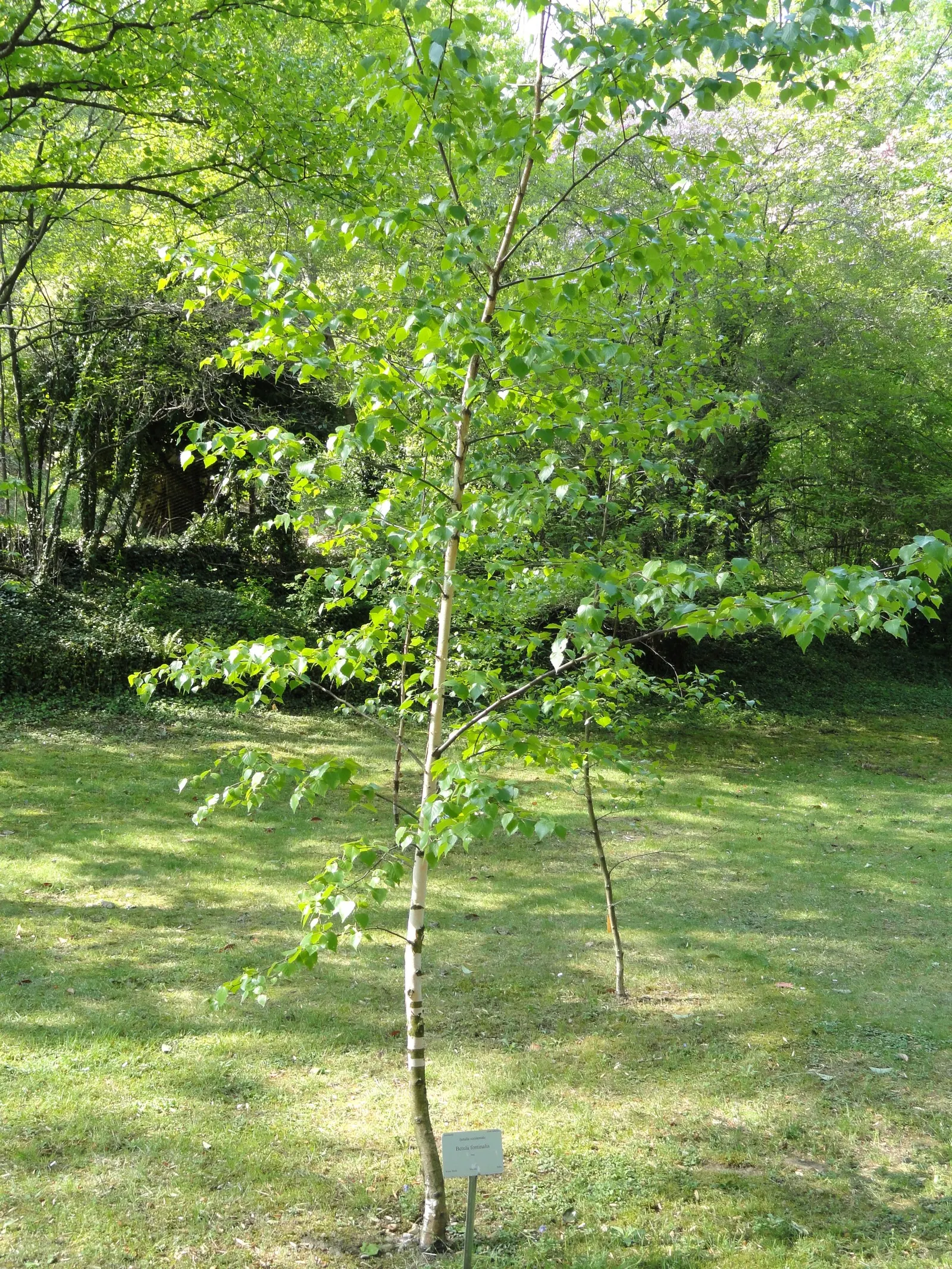
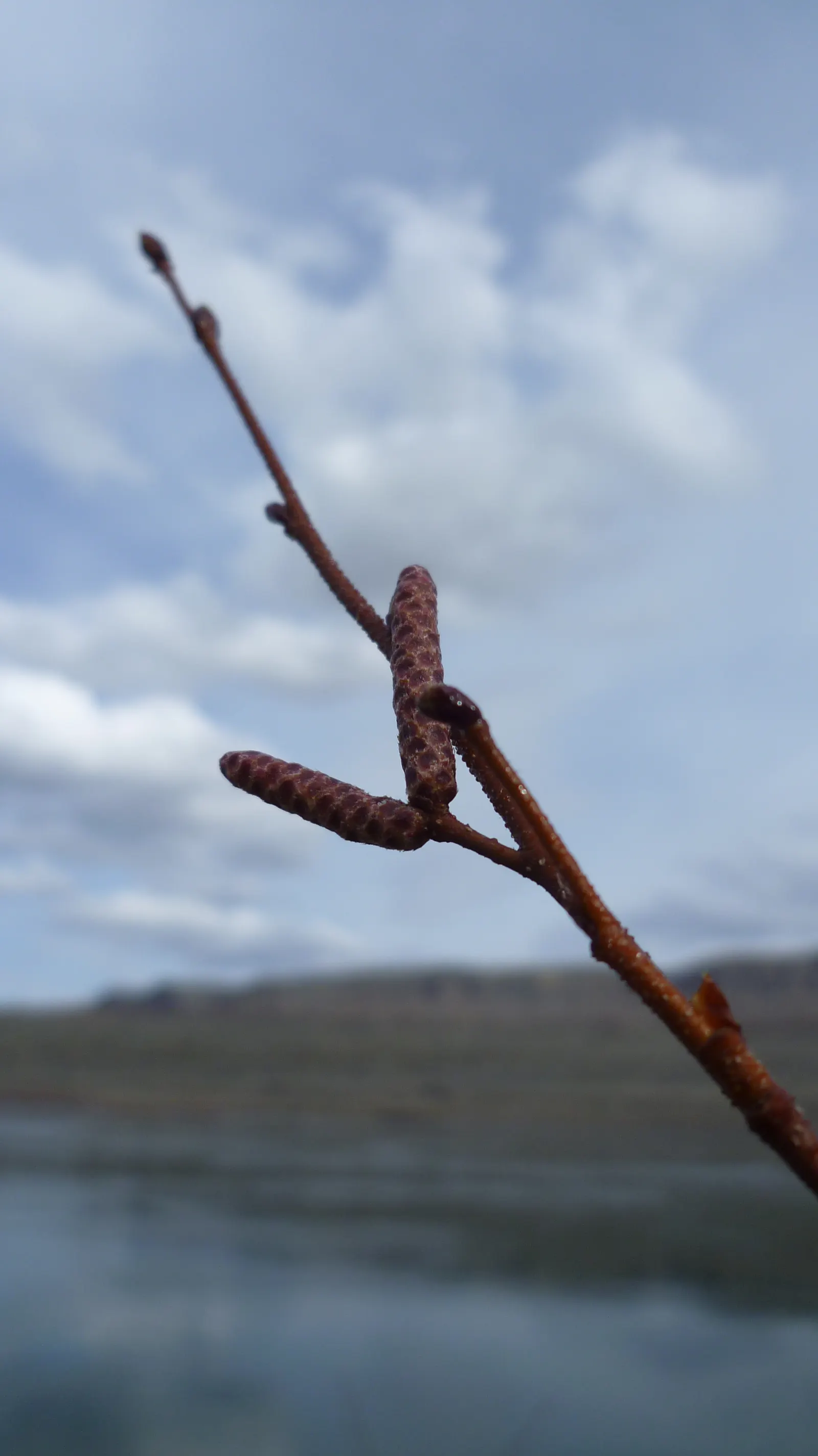
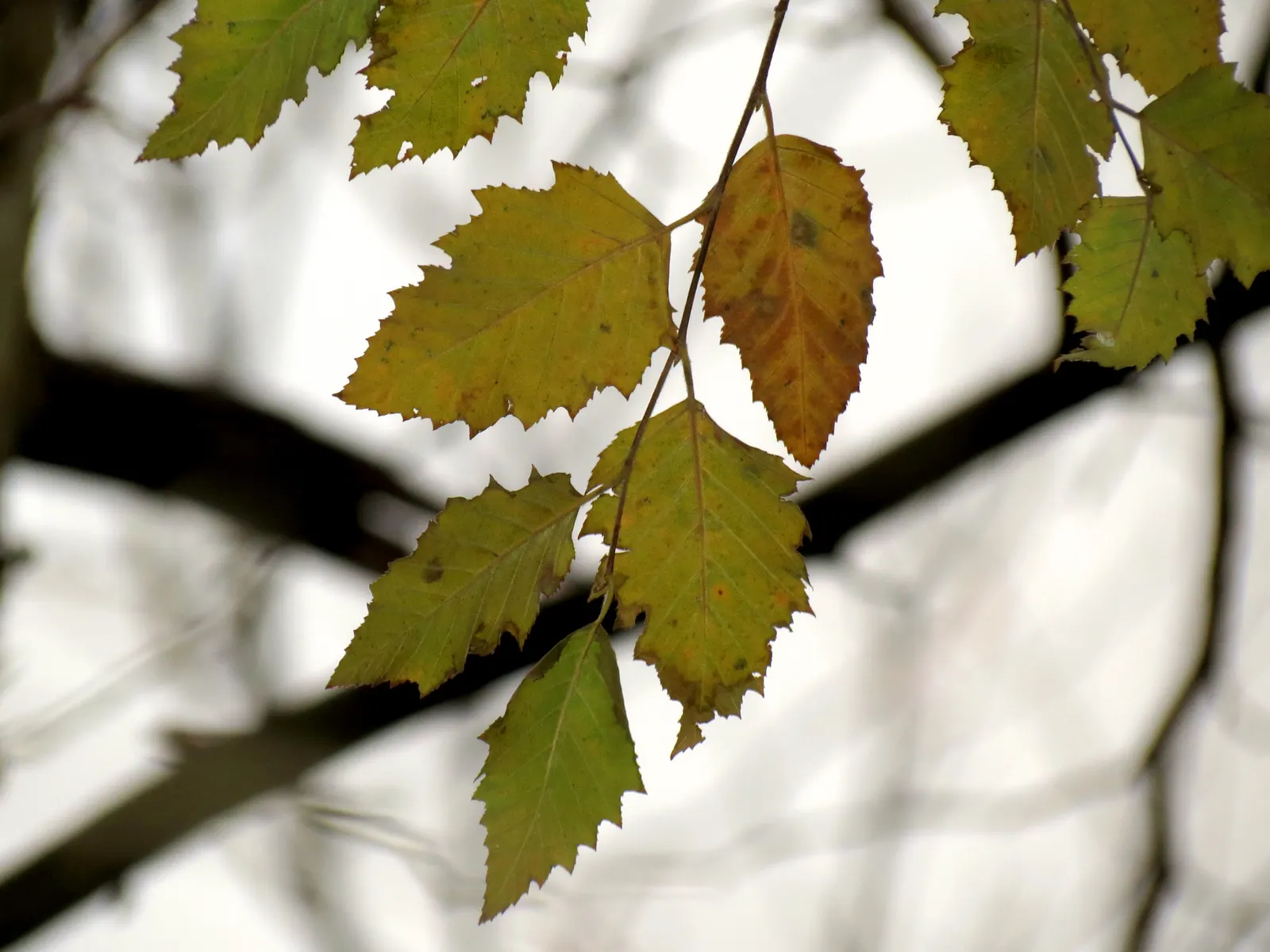
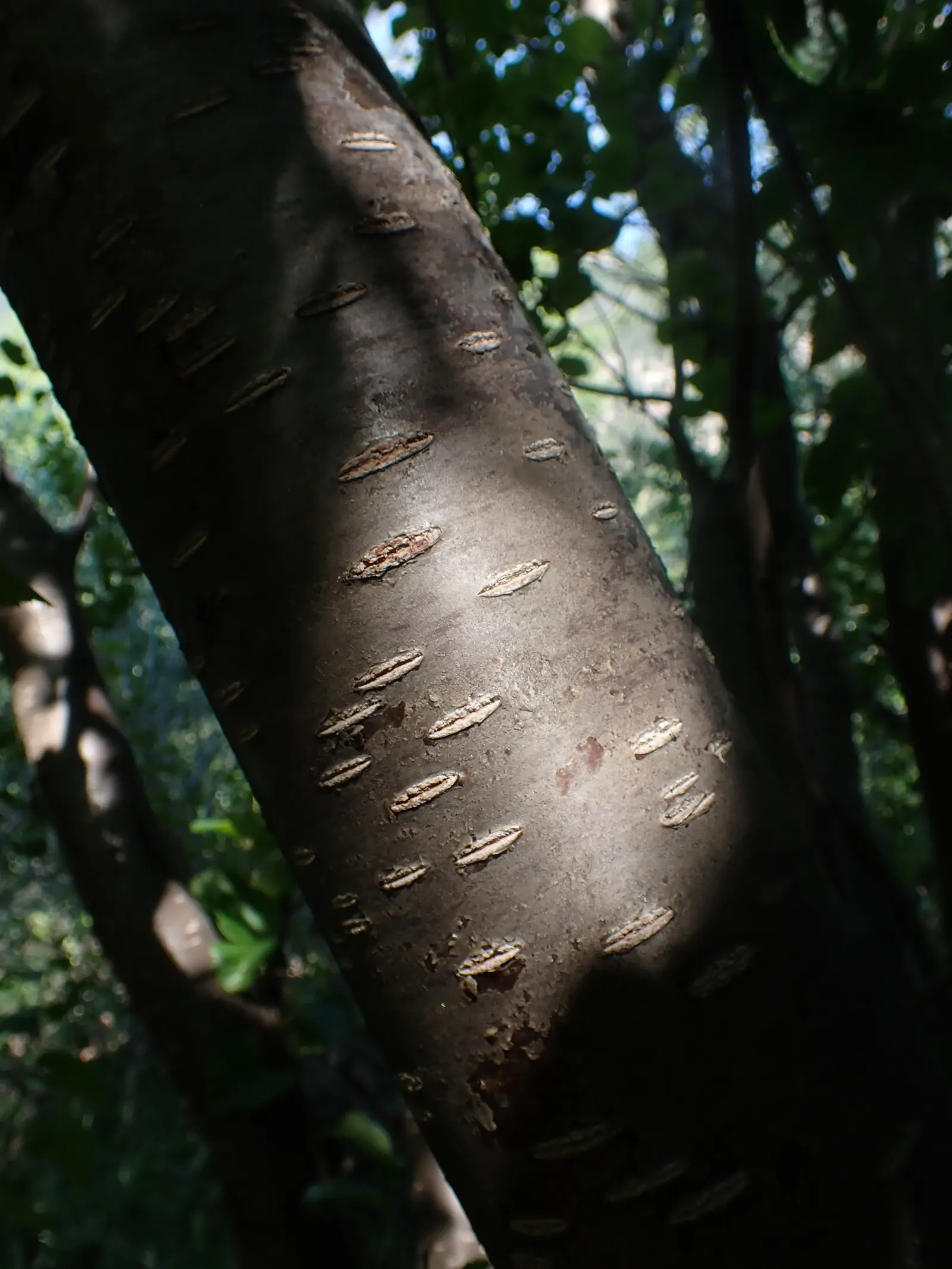
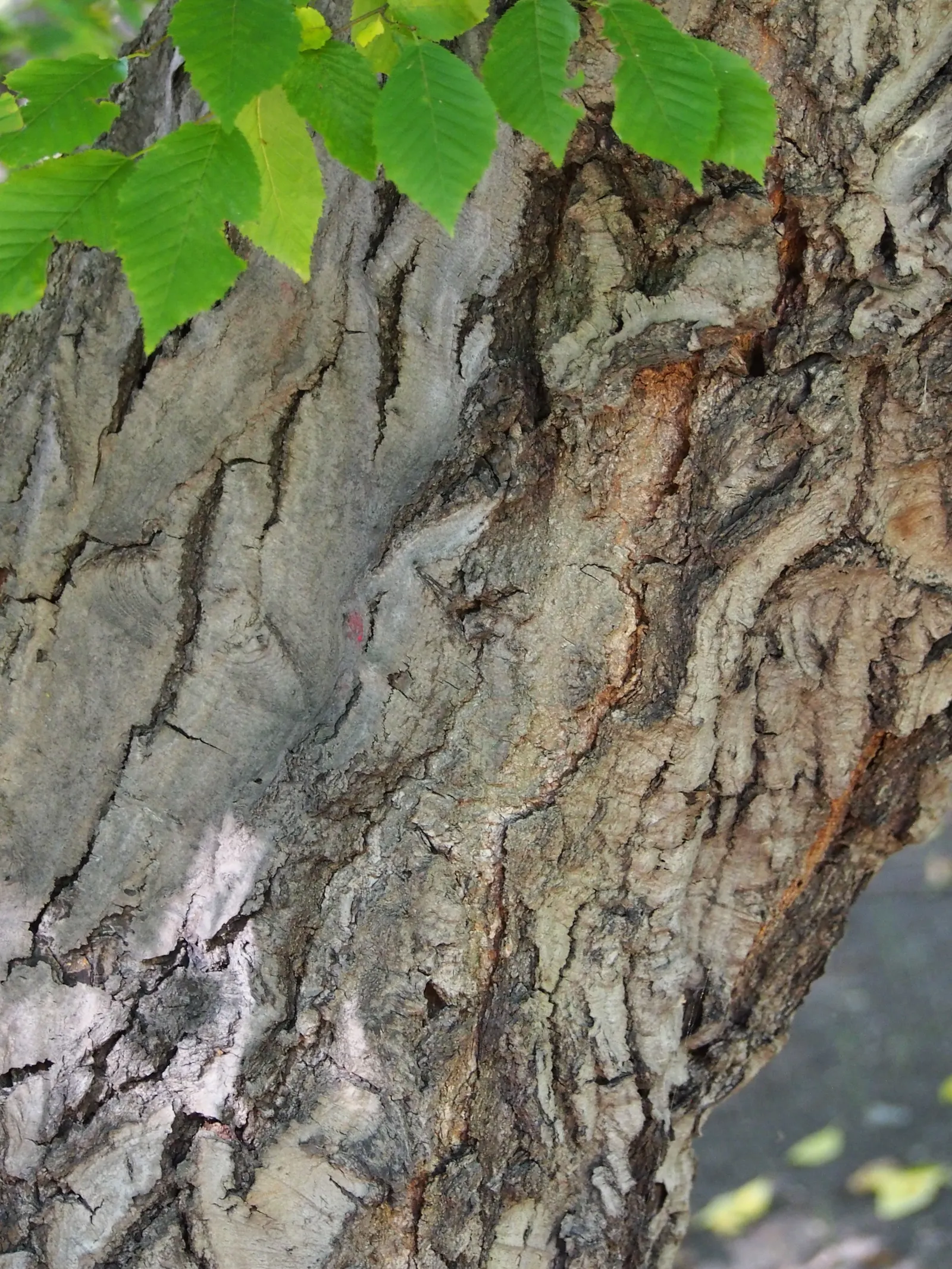
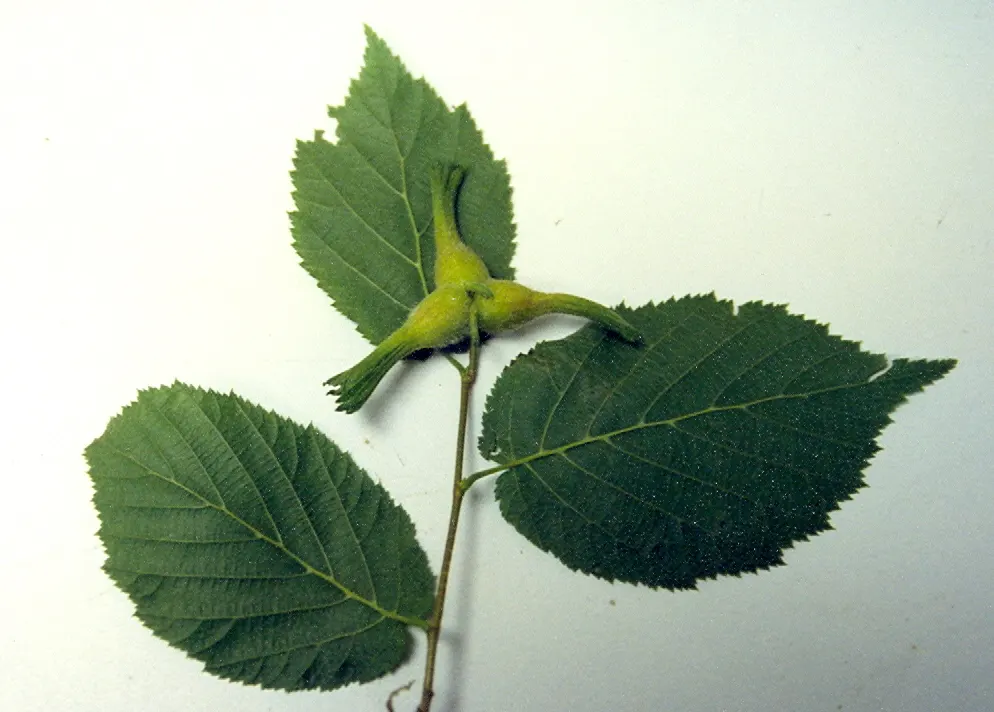
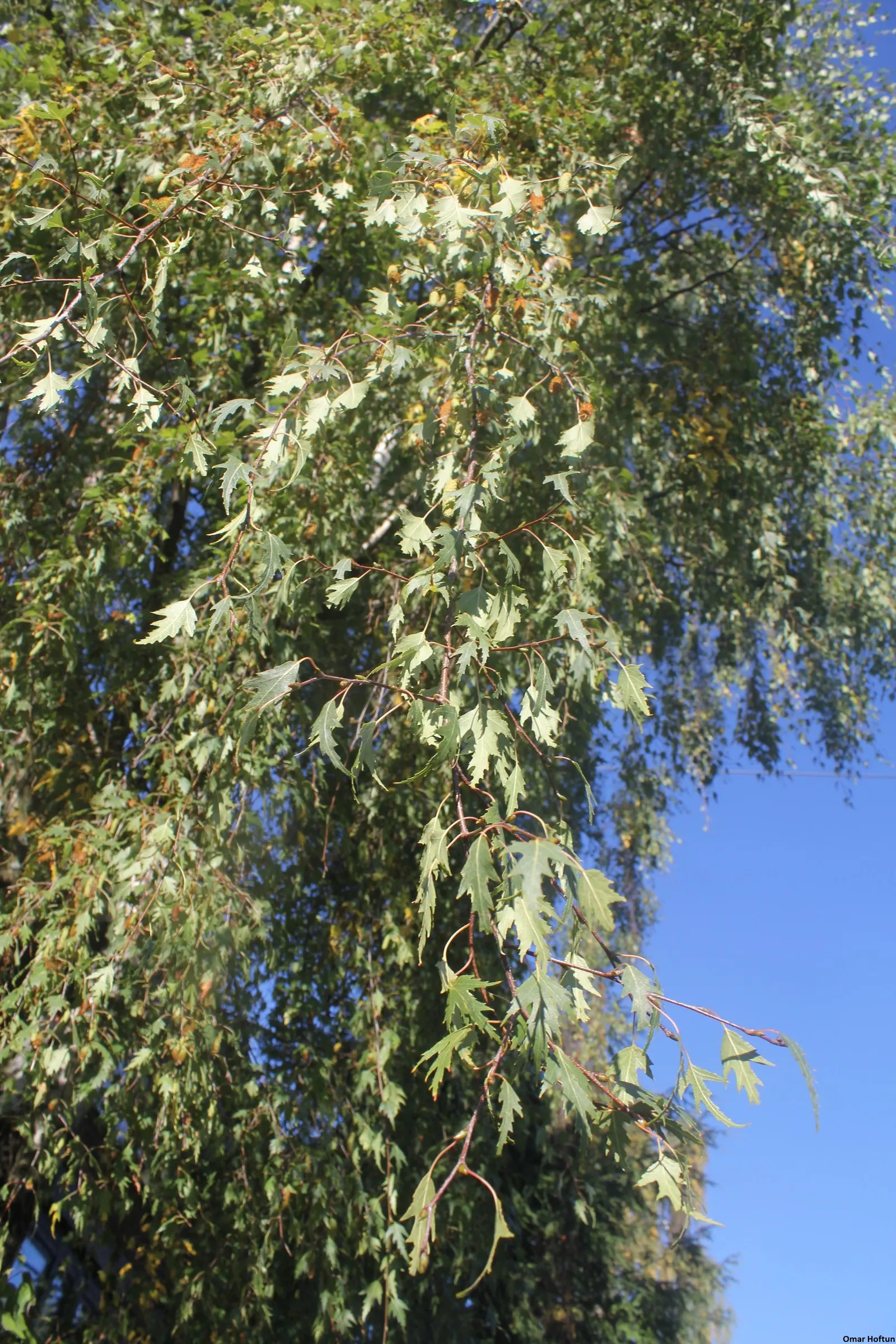
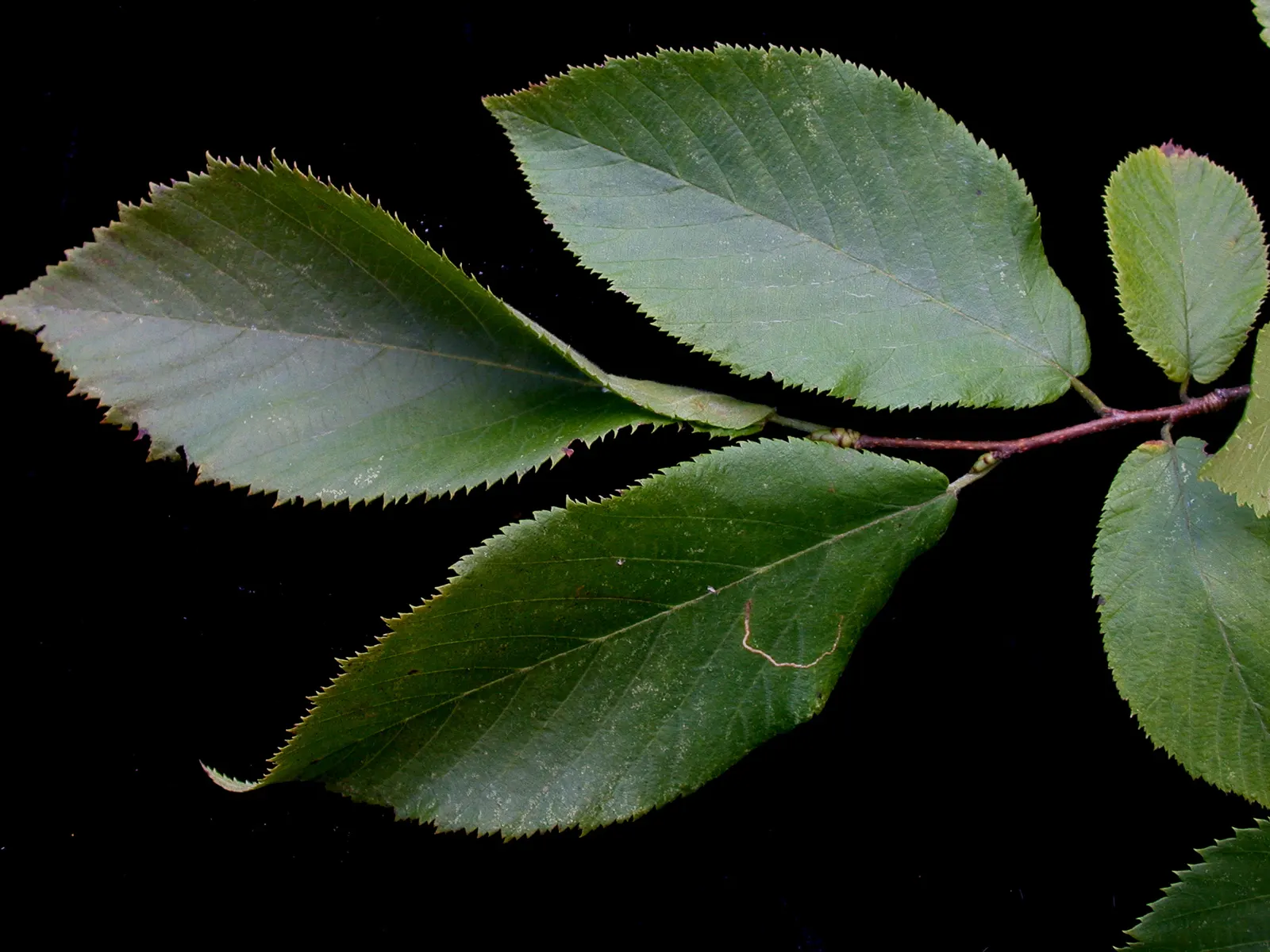
Betula occidentalis, or Water Birch, is a multi-stemmed, deciduous tree thriving in USDA zones 3-7. Typically reaching 30 feet tall and spreading 20 feet wide, it features a rounded canopy with reddish-brown bark exfoliating in thin sheets. Prefers moist, well-drained soils and full to partial sun. Noted for yellow fall foliage, it's ideal for naturalized areas or alongside water features for erosion control and wildlife habitat. Hardy and adaptable.

Sun Full, HalfWater Extra in Summer, High, MediumZones 4–9Climate Temperate
Water Birch (Betula Occidentalis) — Typically reaching 30 feet tall and spreading 20 feet wide

Culture

Sun
Full, Half
Water
Extra in Summer, High, Medium
USDA zones
4–9

Shape & size

Classification

Family
Betulaceae
Climate
Temperate

See full data, regional cultivation notes, full-resolution photos, and design tools. Build a client presentation around this plant.

Start your 14-day trial

Photos (65)

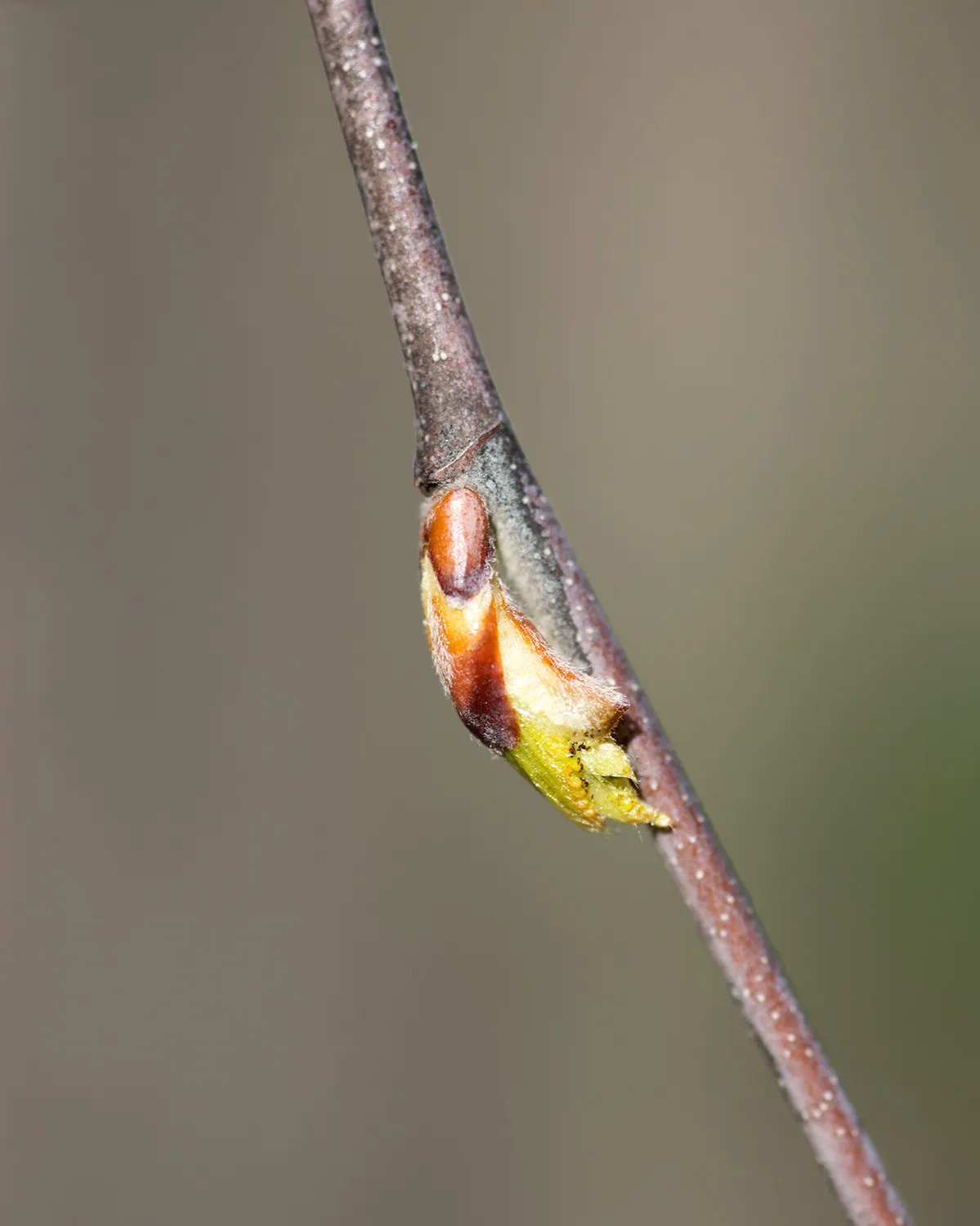
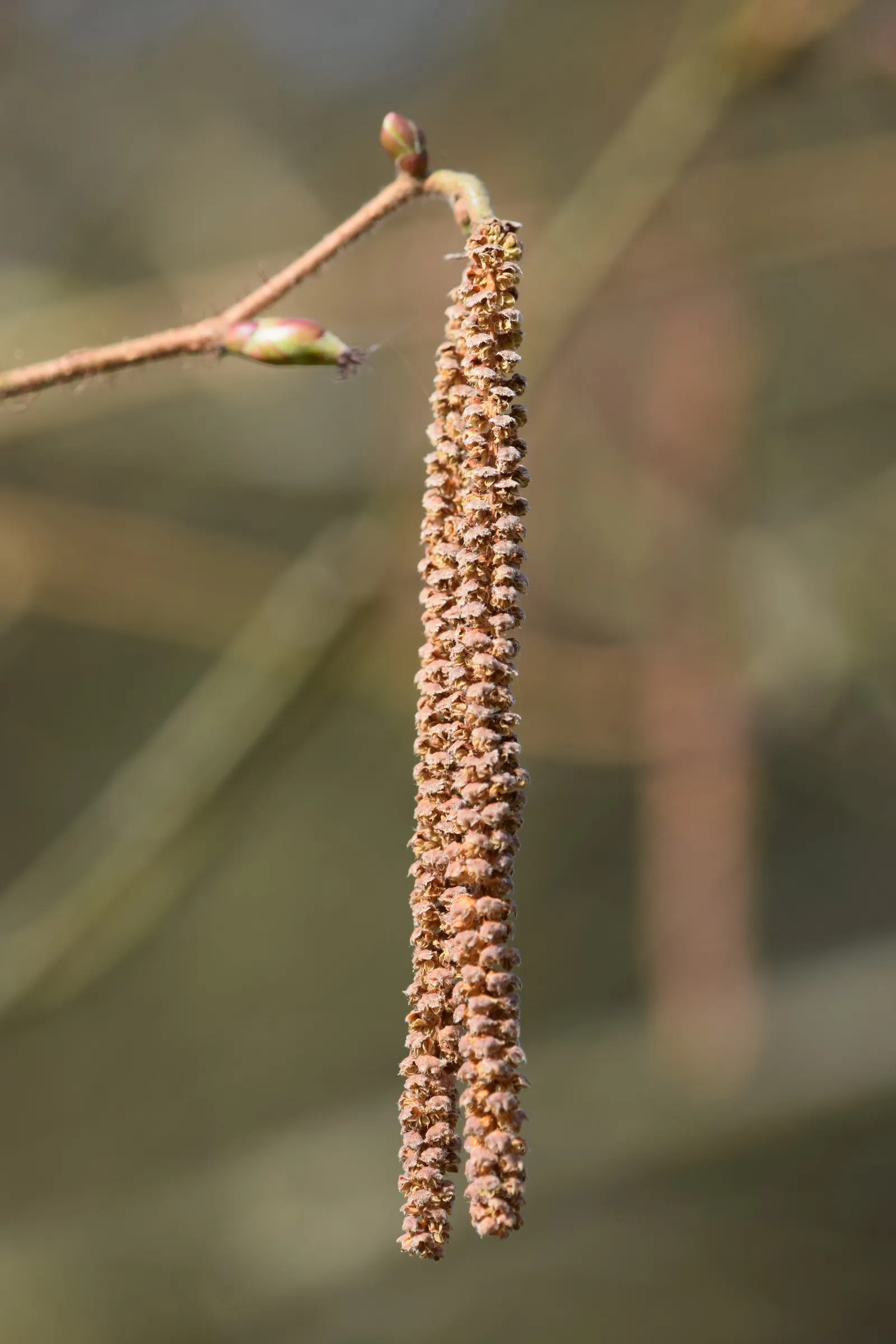
Water Birch (Betula Occidentalis) — tree with yellow blooms
Water Birch (Betula Occidentalis) — imparting a serene and picturesque aesthetic
Water Birch (Betula Occidentalis) — yellow flowers in the garden
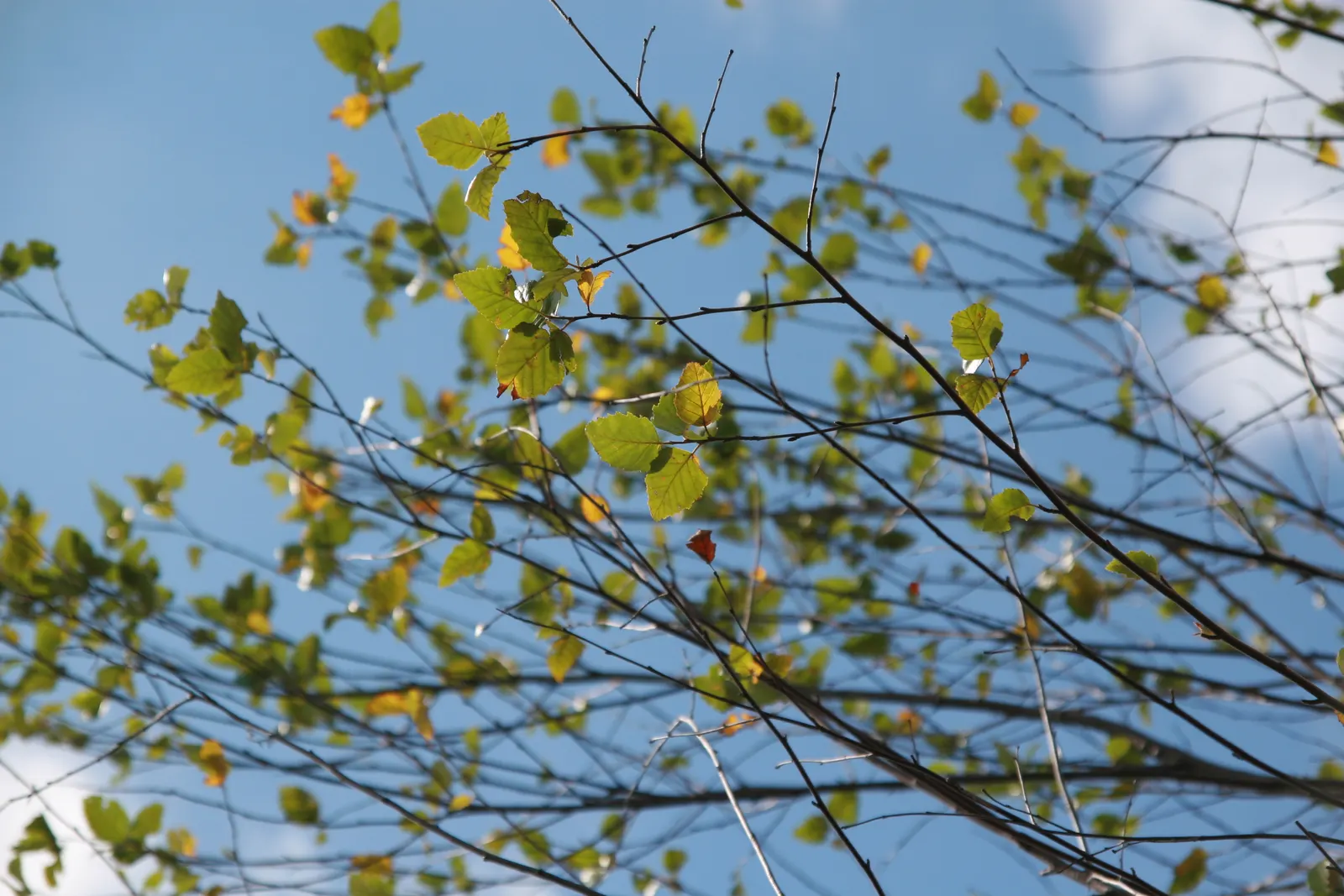
Water Birch (Betula Occidentalis) — Noted for yellow fall foliage; it's ideal for naturalized areas or alongside water features for erosion control and
Water Birch (Betula Occidentalis) — Typically reaching 30 feet tall and spreading 20 feet wide; indicating an affinity for well-hydrated
Water Birch (Betula Occidentalis) — Prefers moist, well-drained soils and full to partial sun; tree with yellow blooms
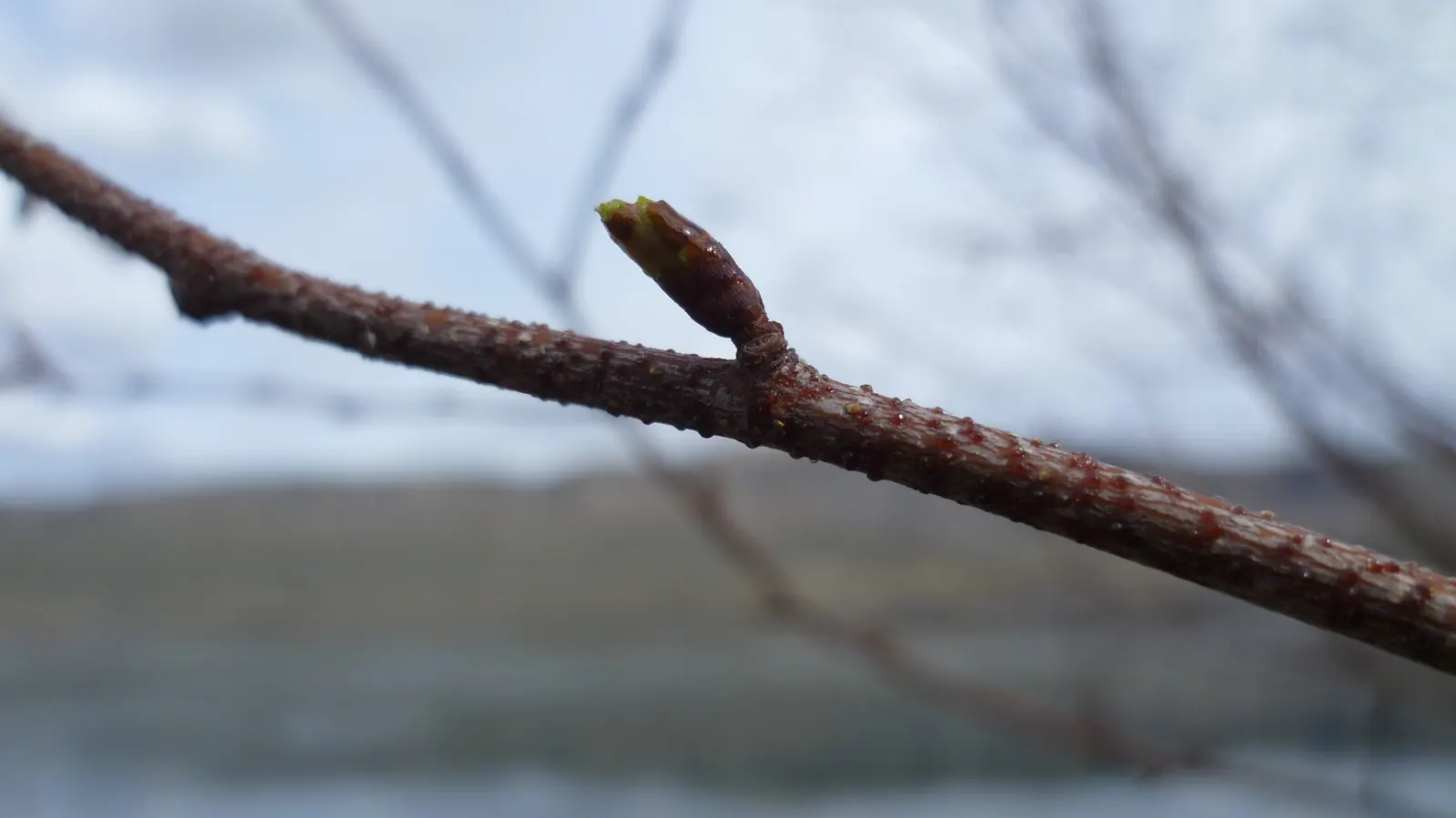
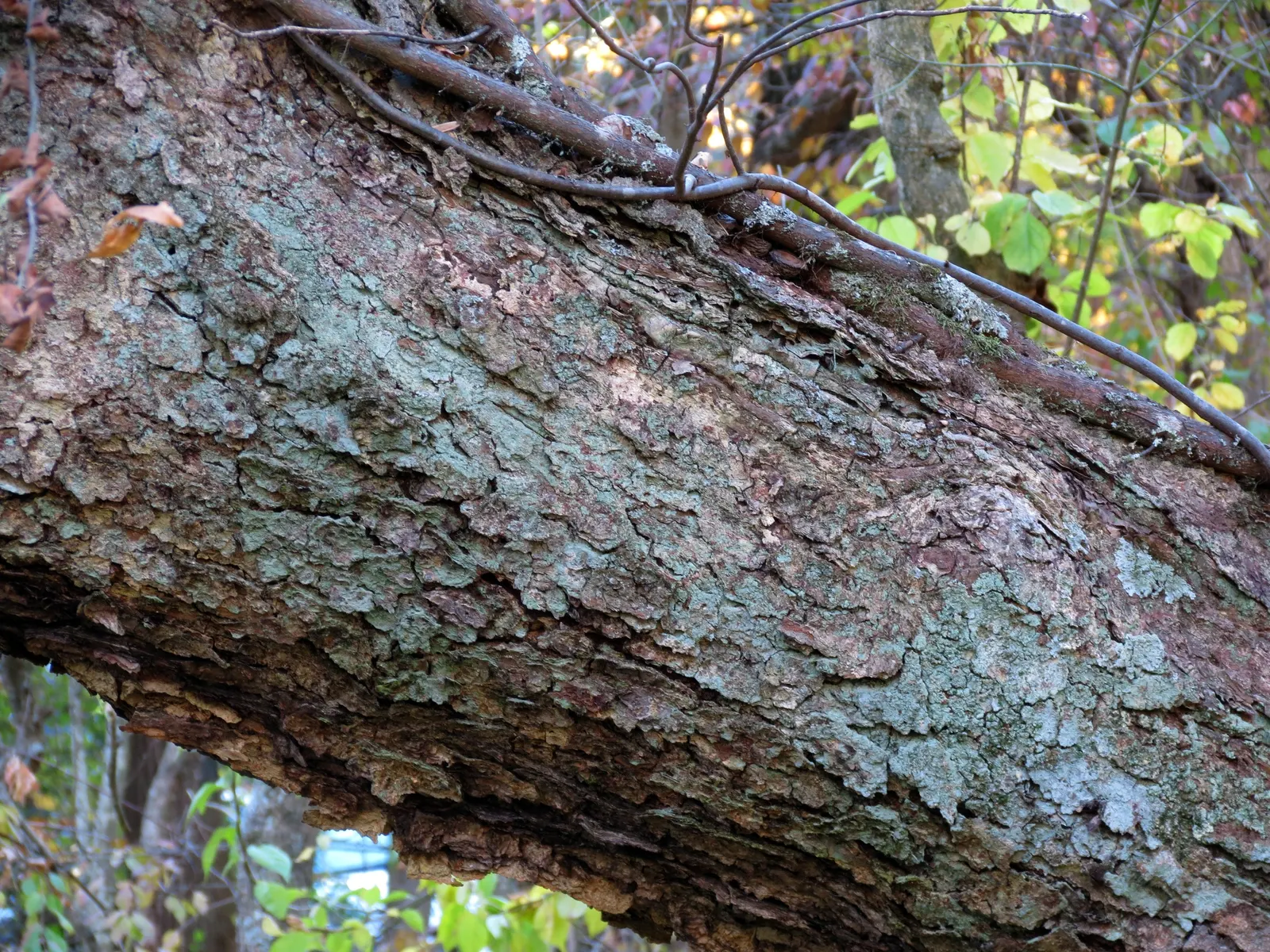
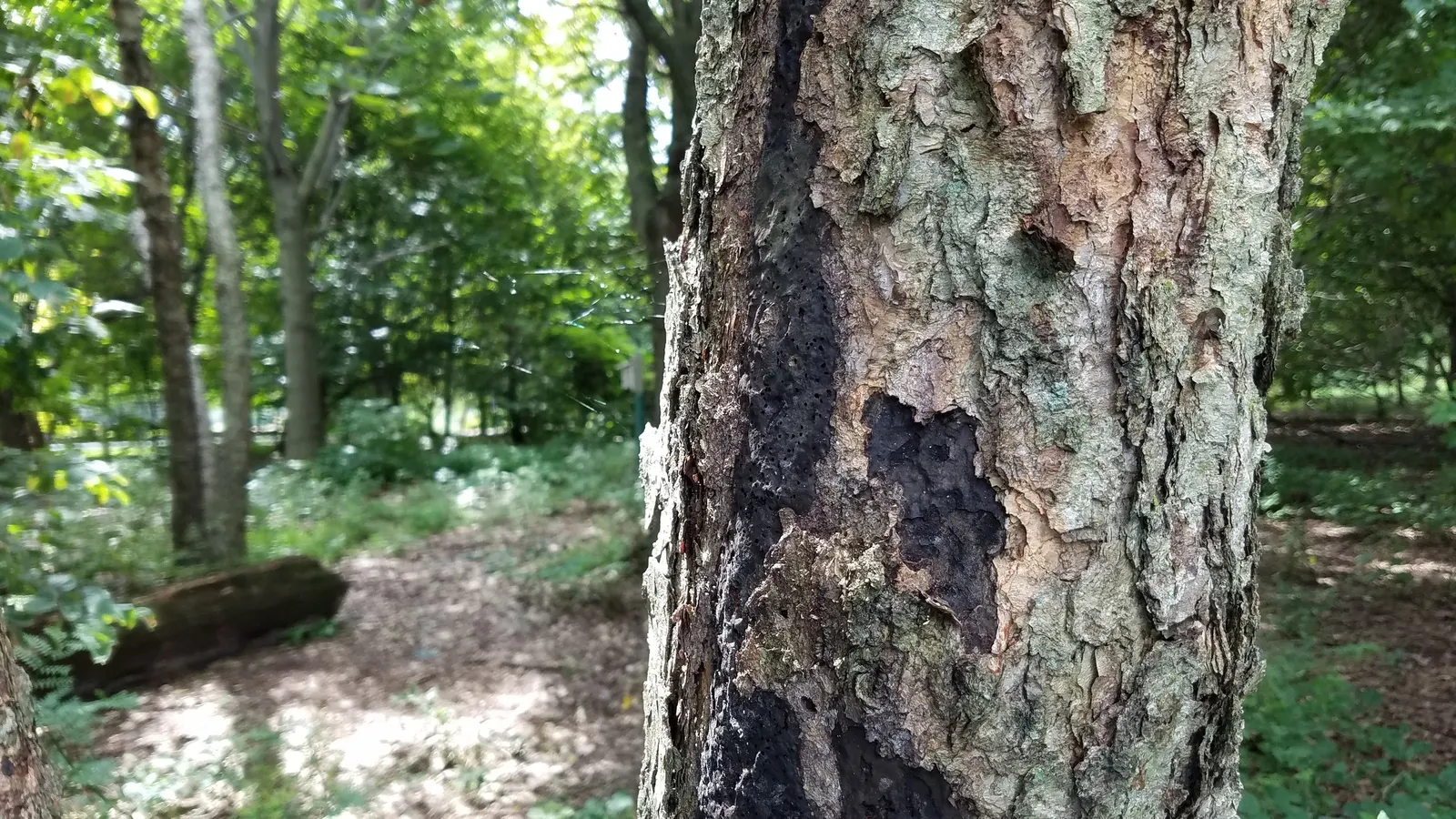
Water Birch (Betula Occidentalis) — it features a rounded canopy with reddish-brown bark exfoliating in thin sheets; the Water Birch offers ecological benefits
Water Birch (Betula Occidentalis) — is a versatile and adaptive deciduous tree that brings a naturalistic charm to any landscape; betula occidentalis, or Water
Water Birch (Betula Occidentalis) — commonly referred to as the Water Birch; including birds and butterflies
Water Birch (Betula Occidentalis) — it's ideal for naturalized areas or alongside water features for erosion control and wildlife habitat; shrubby form
Water Birch (Betula Occidentalis) — indigenous to western North America; is a versatile and adaptive deciduous tree that brings a naturalistic charm to any
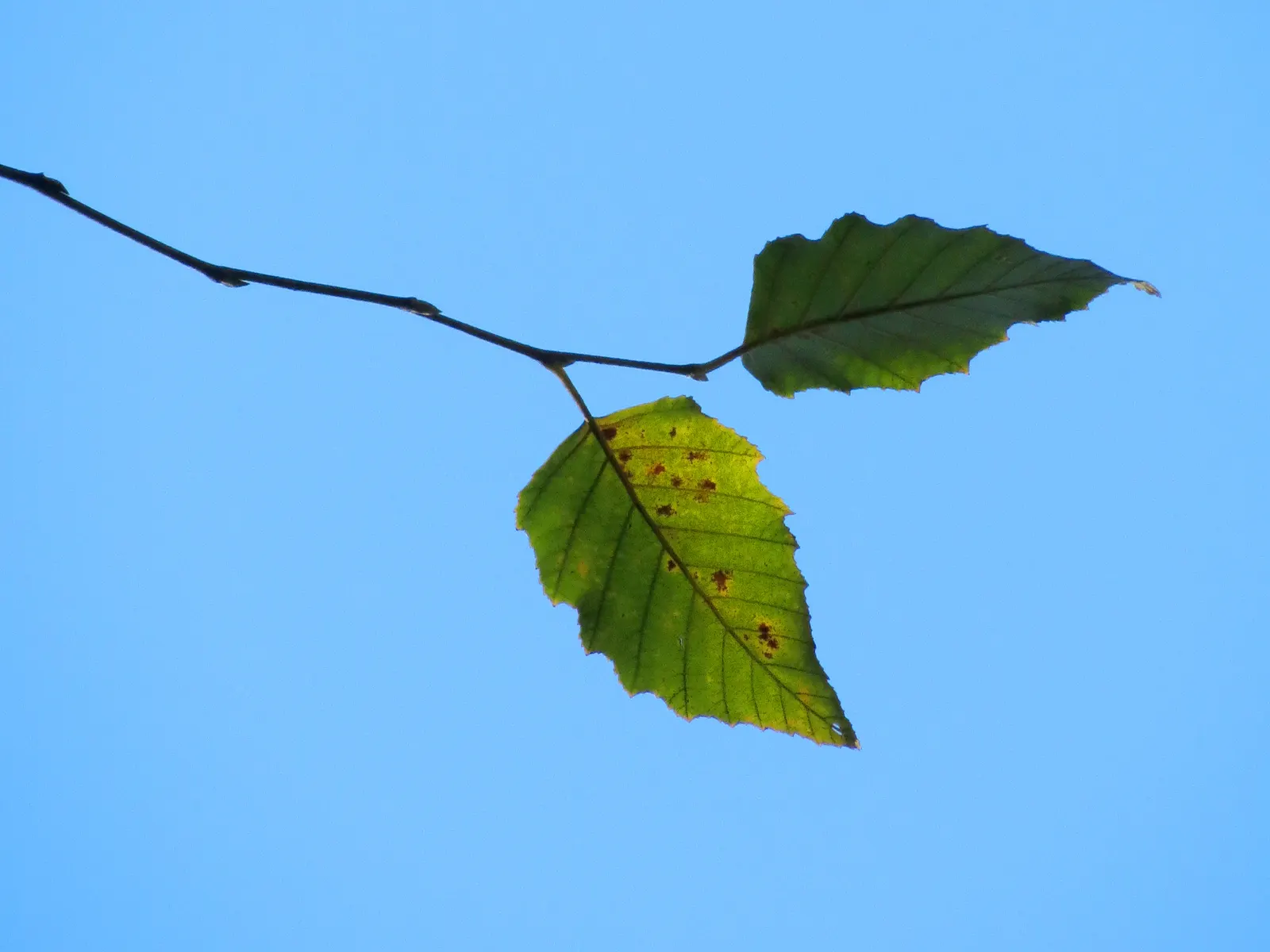
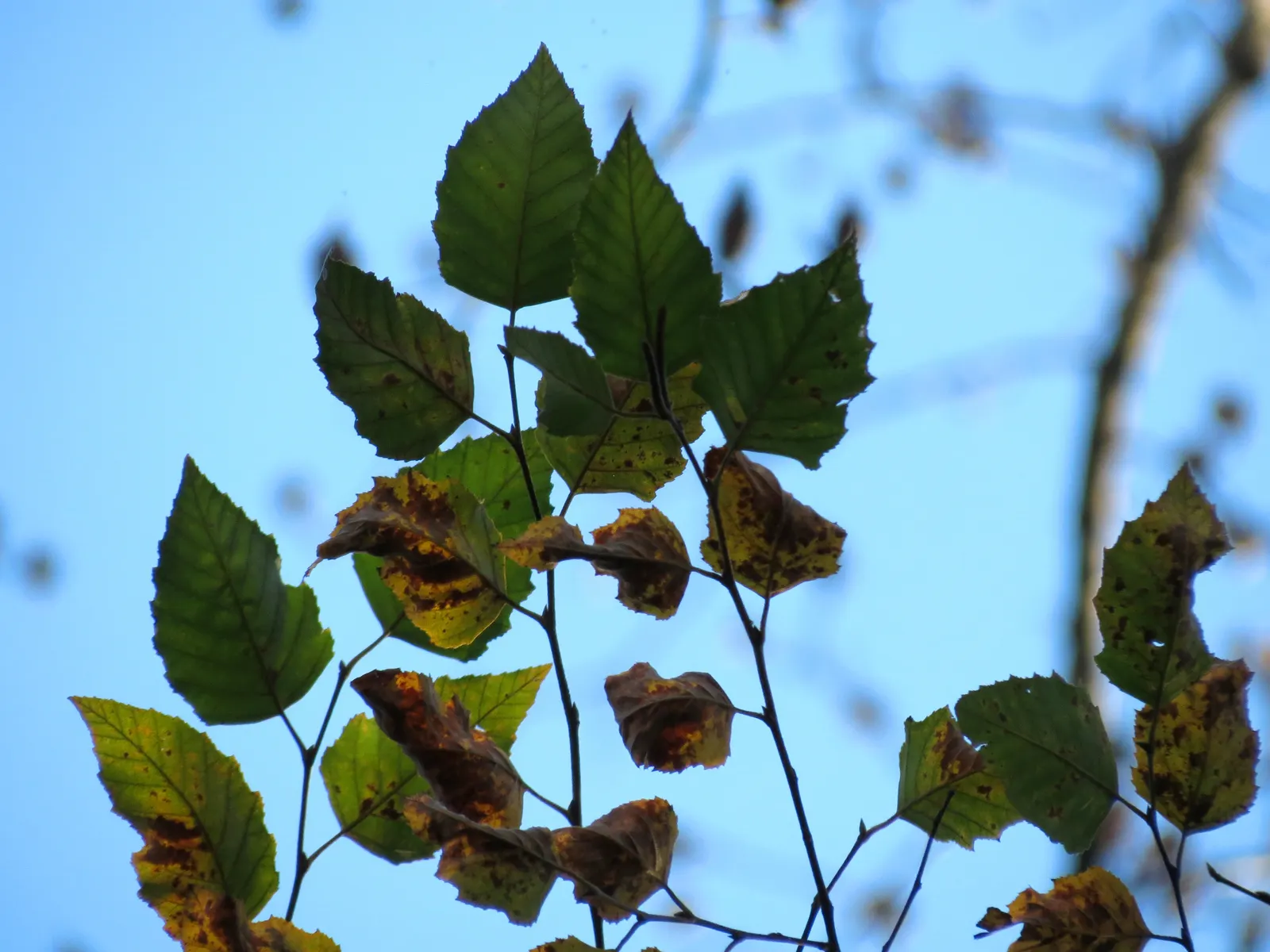
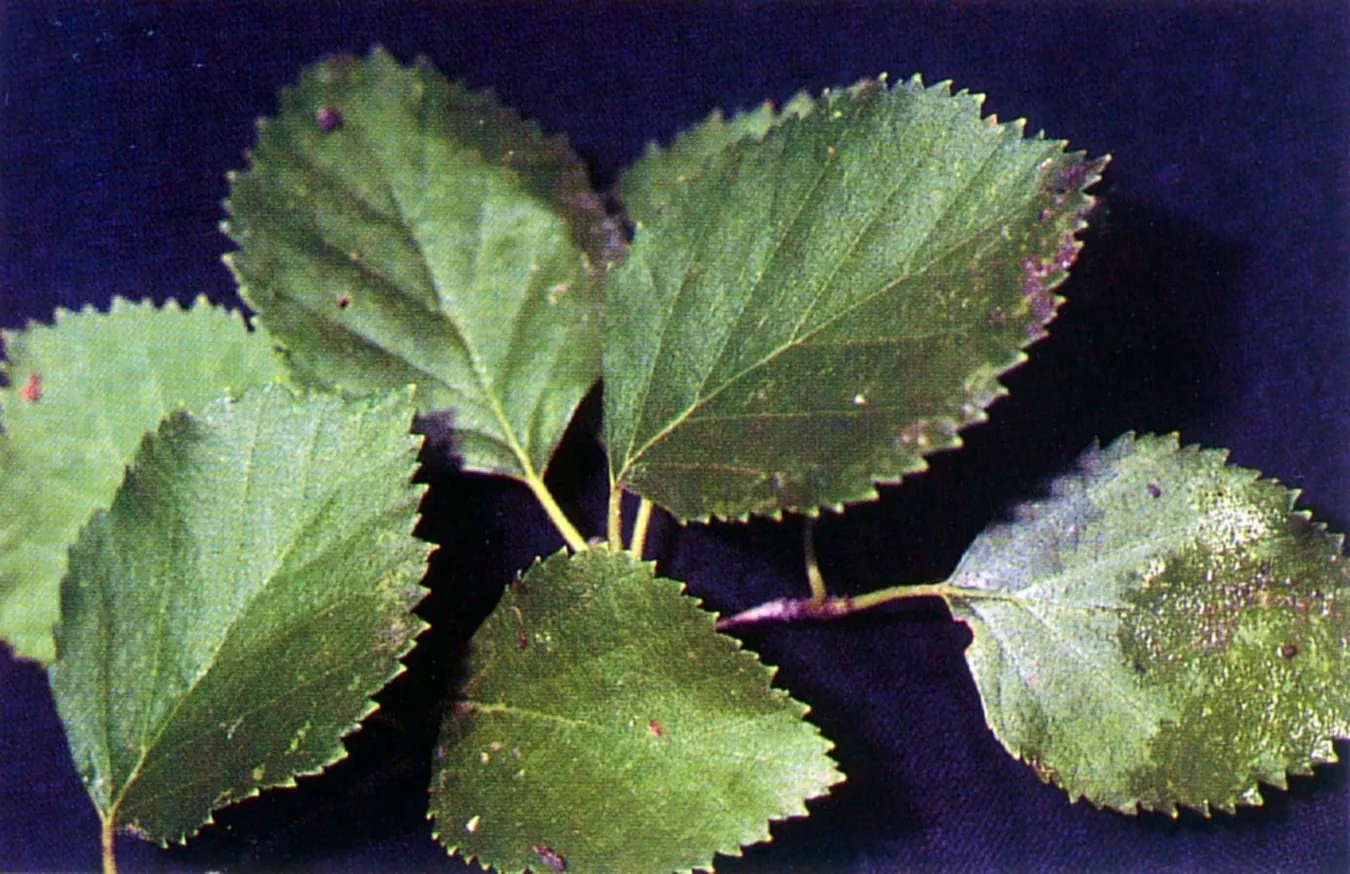
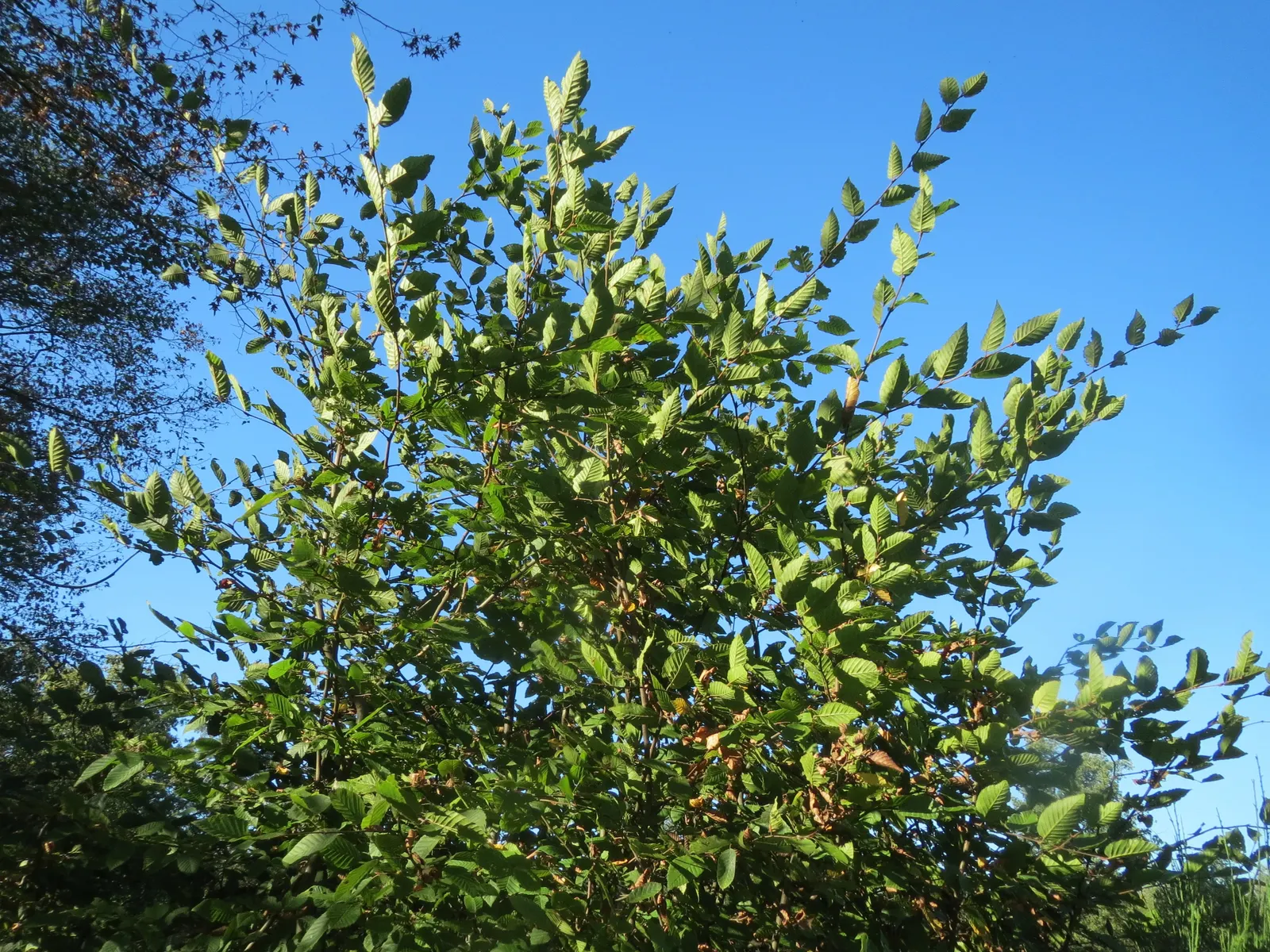
Water Birch (Betula Occidentalis) — typically thrives along stream banks and moist soils; the leaves of the Water Birch are distinctly diamond-shaped
Water Birch (Betula Occidentalis) — indicating an affinity for well-hydrated environments.<br><br>The Water Birch boasts a moderate growth rate; and
Water Birch (Betula Occidentalis) — accented by reddish-brown bark that exquisitely peels in thin sheets; requiring minimal pruning to maintain its shape and
Water Birch (Betula Occidentalis) — reaching mature heights between 30 to 40 feet with a spread of 15 to 20 feet; it features a rounded canopy with
Water Birch (Betula Occidentalis) — shrubby form possesses a rugged allure; typically thrives along stream banks and moist soils
Water Birch (Betula Occidentalis) — requiring minimal pruning to maintain its shape and encourage strong structure; reaching mature heights between 30 to 40
Water Birch (Betula Occidentalis) — The leaves of the Water Birch are distinctly diamond-shaped; yellow flowers in the garden
Water Birch (Betula Occidentalis) — The Water Birch is cold tolerant; noted for yellow fall foliage
Water Birch (Betula Occidentalis) — imparting a serene and picturesque aesthetic; typically reaching 30 feet tall and spreading 20 feet wide
Water Birch (Betula Occidentalis) — and naturalized settings in the landscape; it's an excellent candidate for riparian plantings
Water Birch (Betula Occidentalis) — yellow flowers in the garden; indigenous to western North America
Water Birch (Betula Occidentalis) — the Water Birch offers ecological benefits; serving as a habitat and food source for local wildlife
Water Birch (Betula Occidentalis) — It's an excellent candidate for riparian plantings; accented by reddish-brown bark that exquisitely peels in thin sheets

Related plants