Skip to content

Red Alder

Alnus Rubra

Design with this plant

Overview

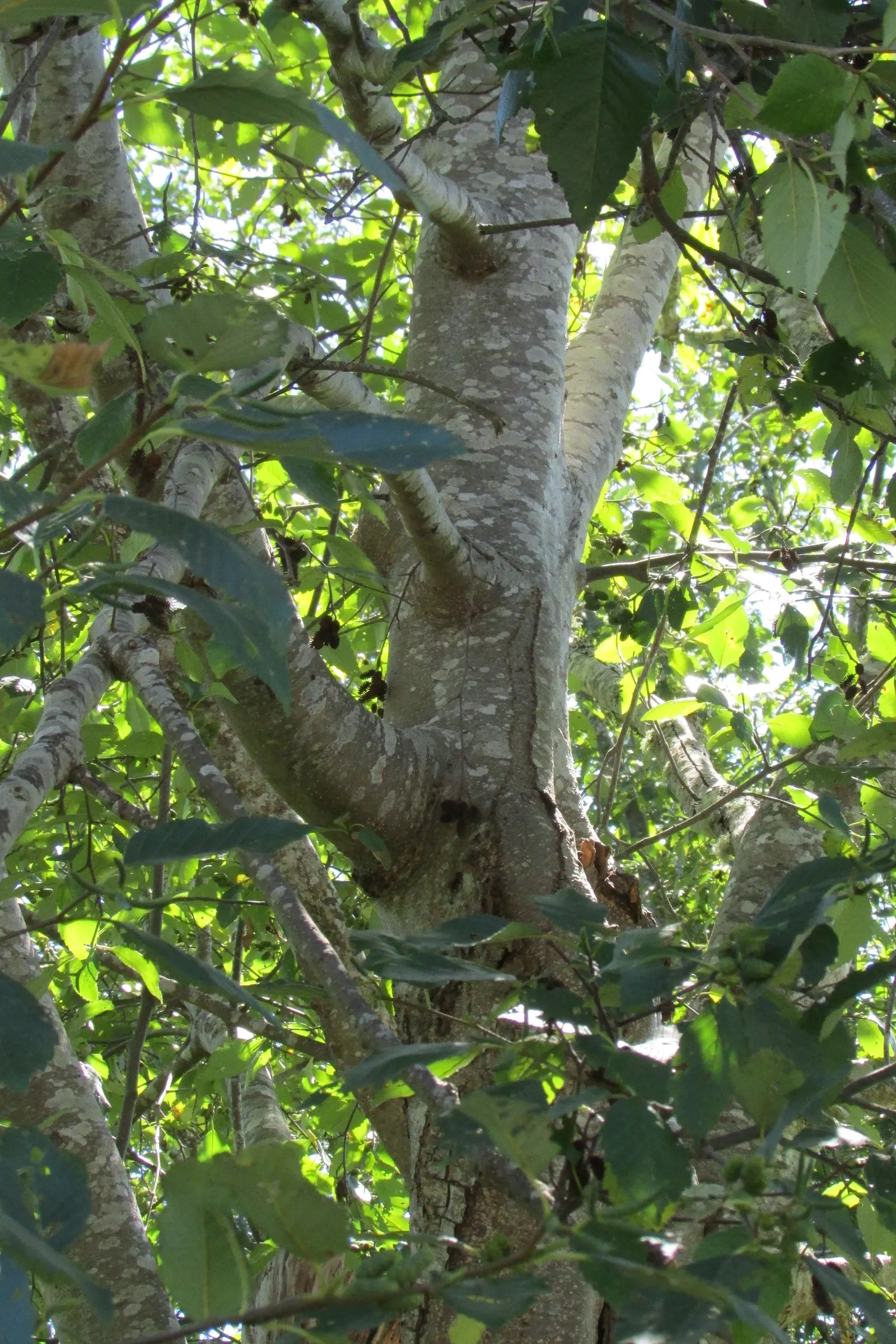
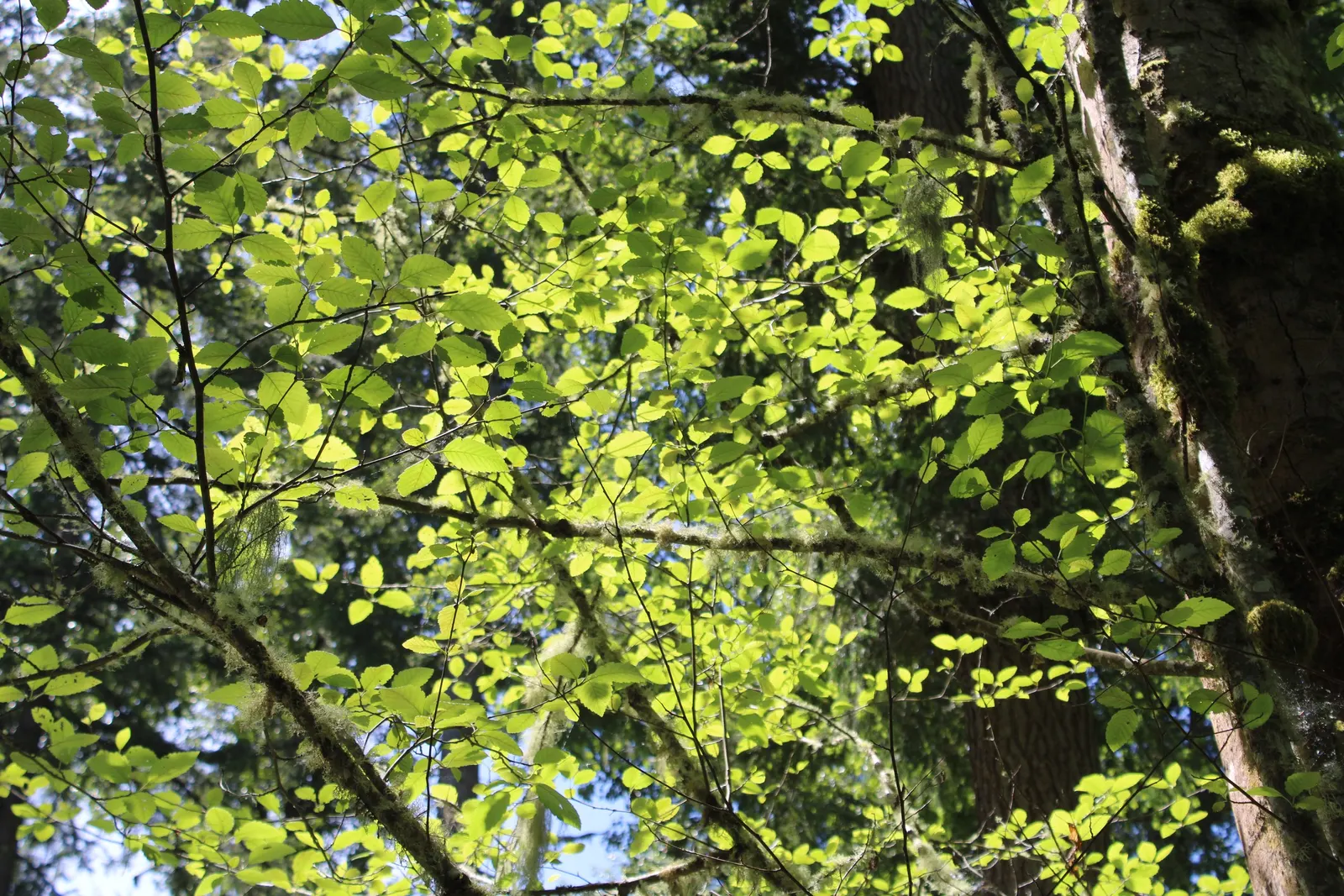
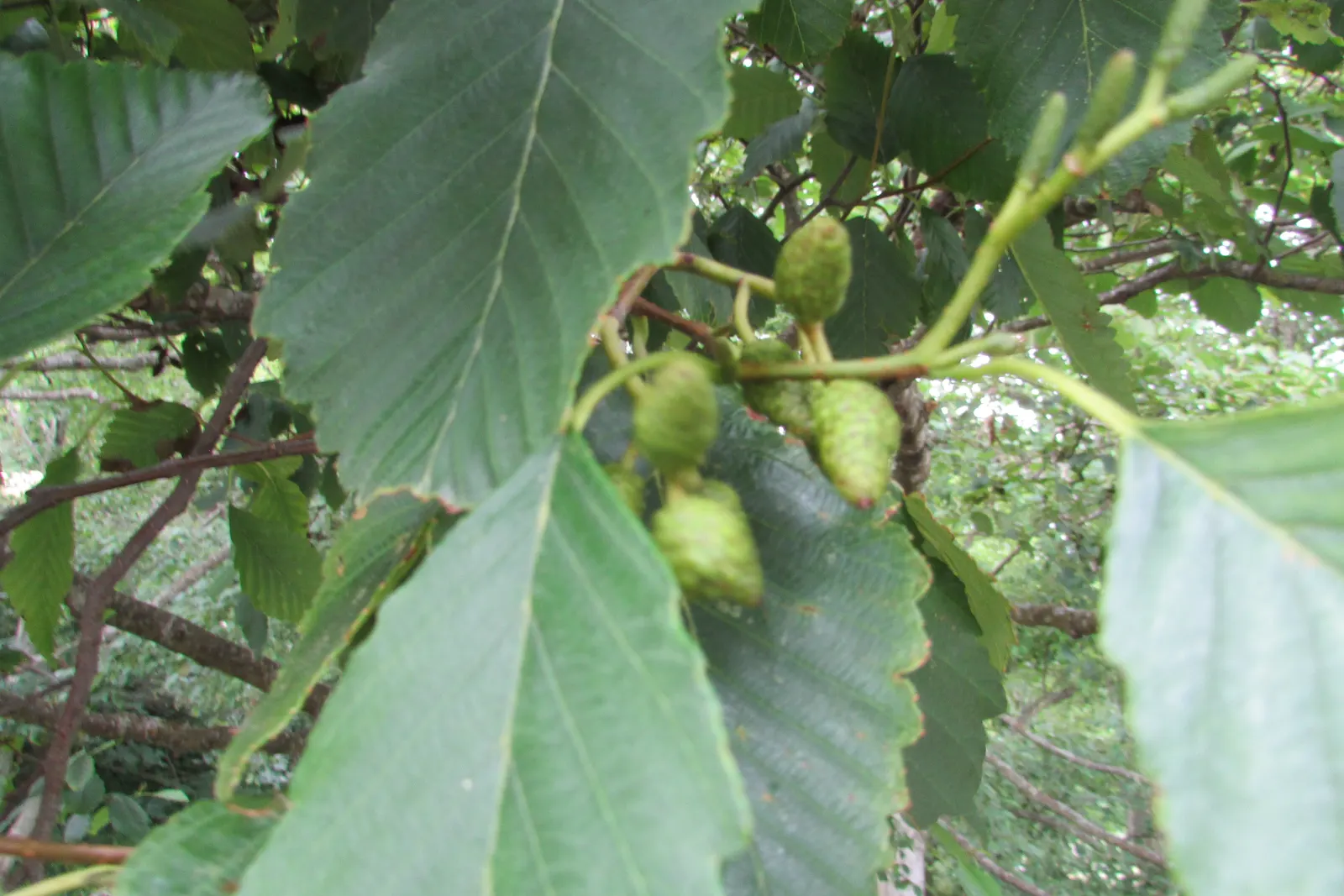
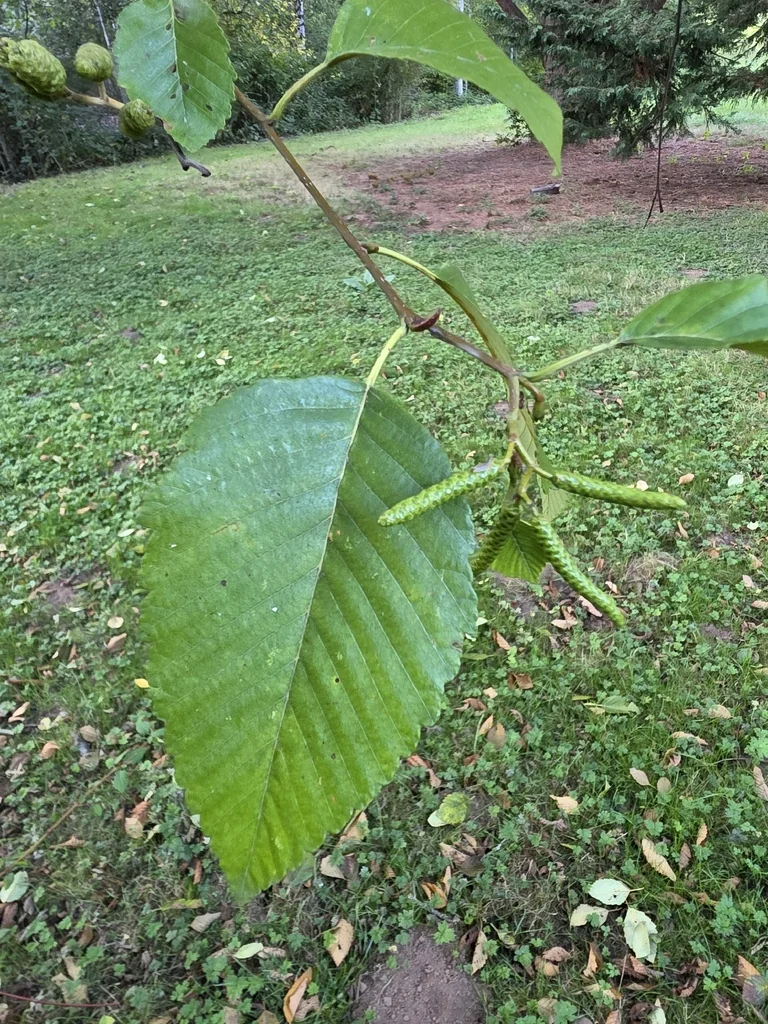
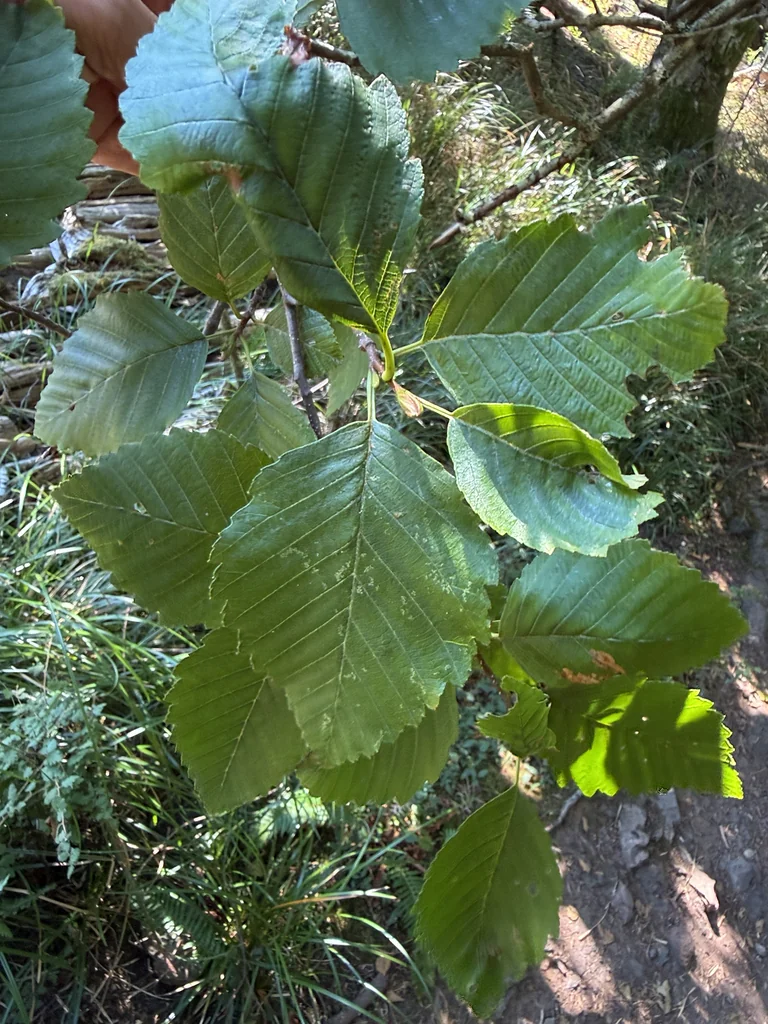
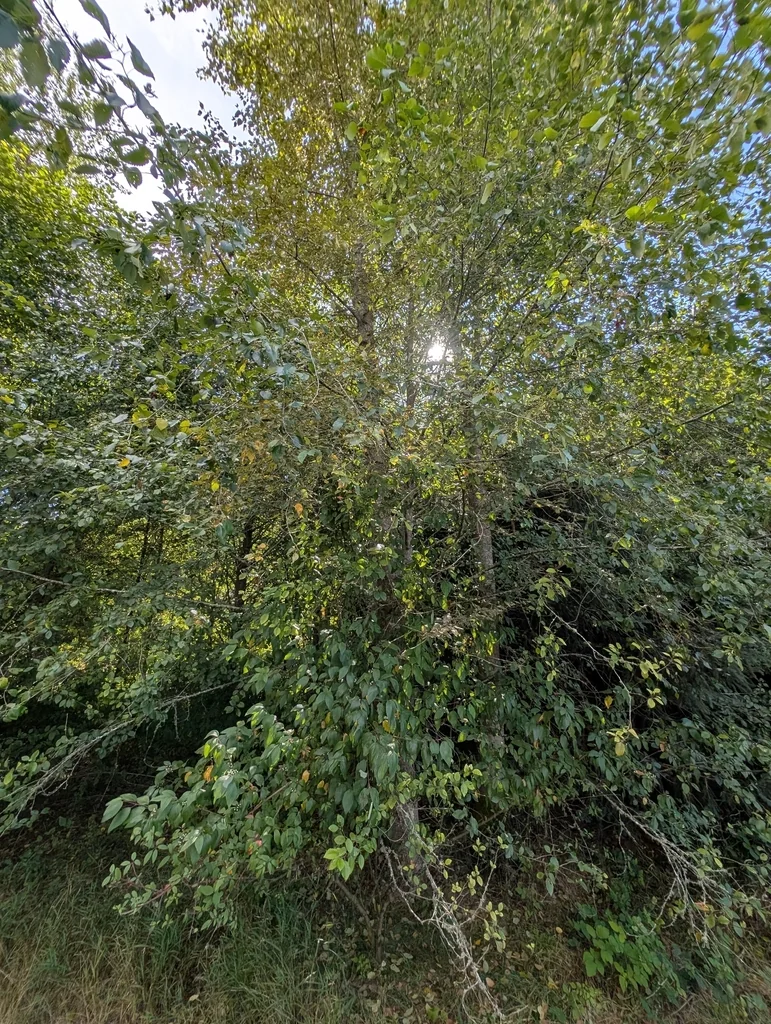
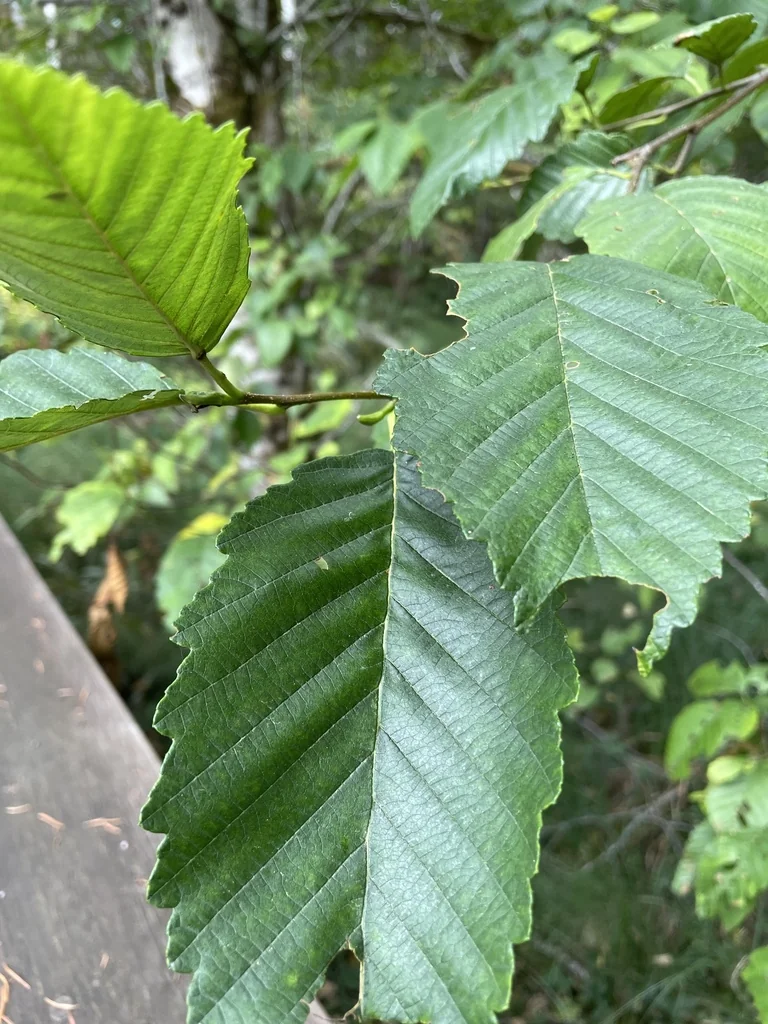
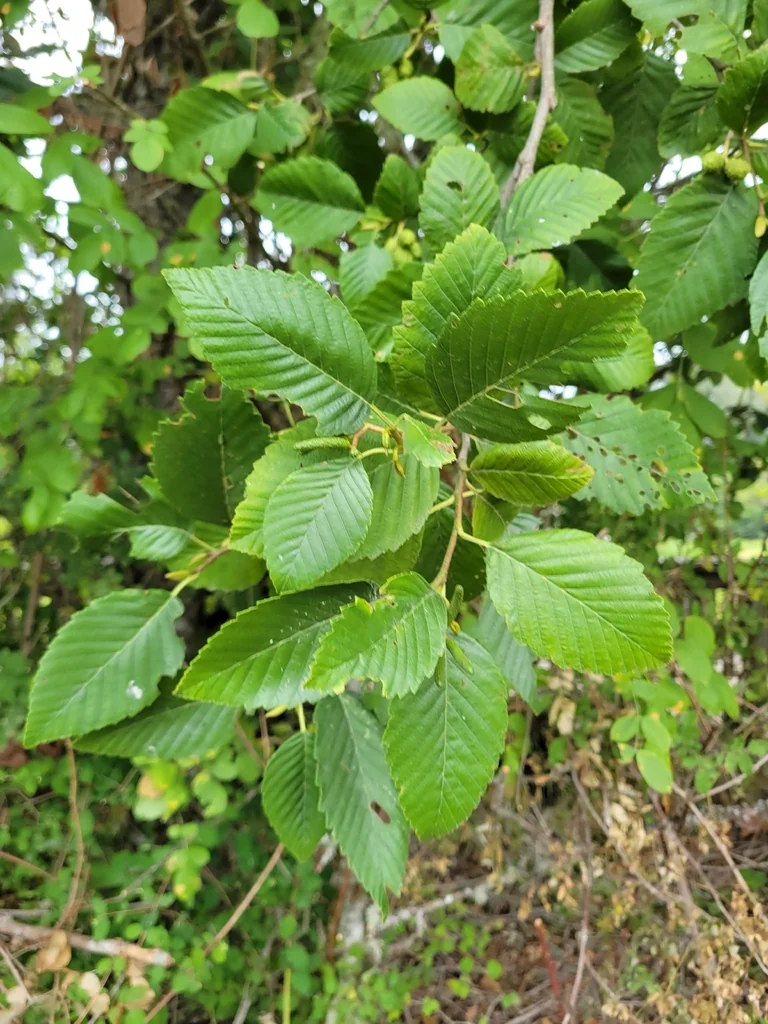
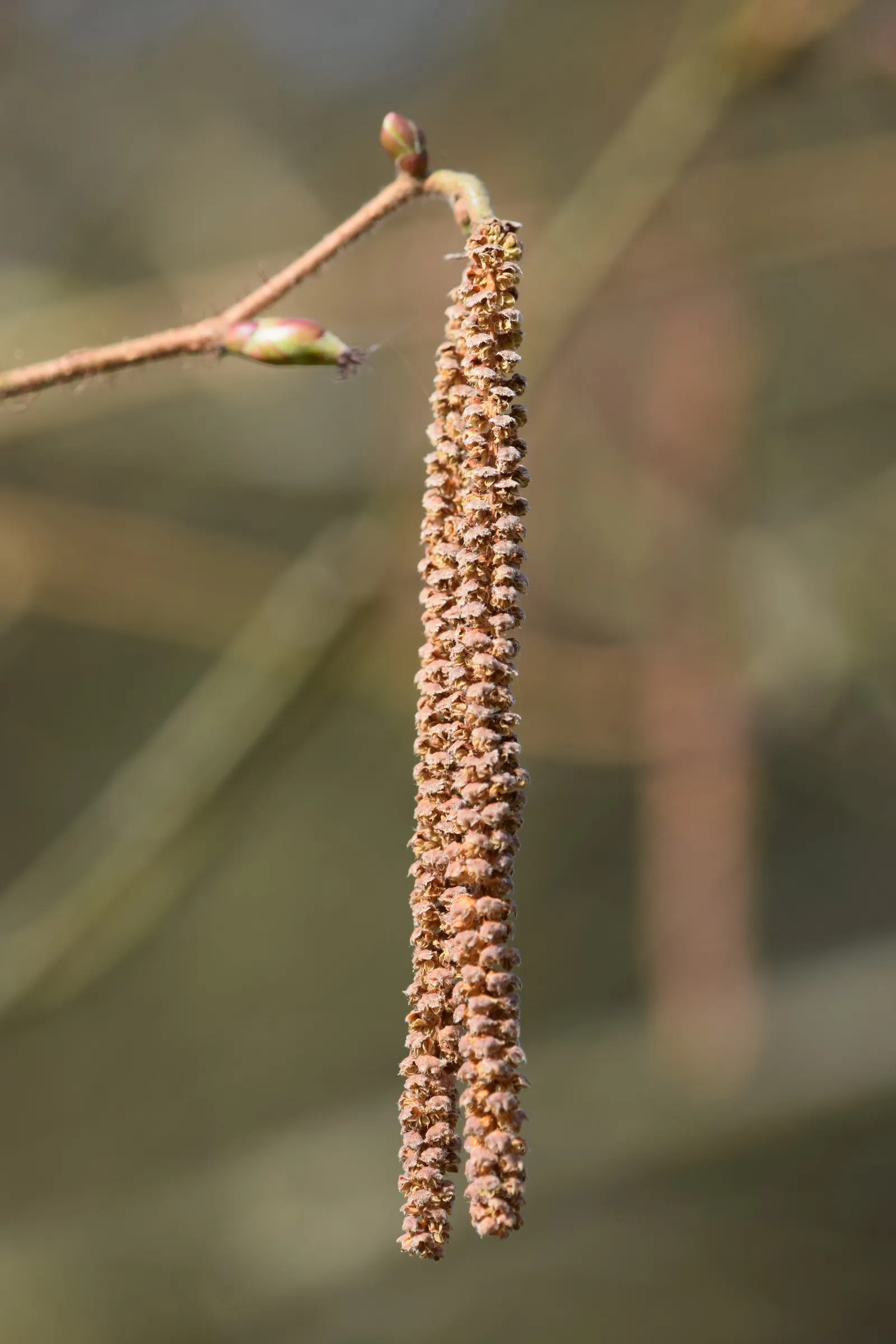
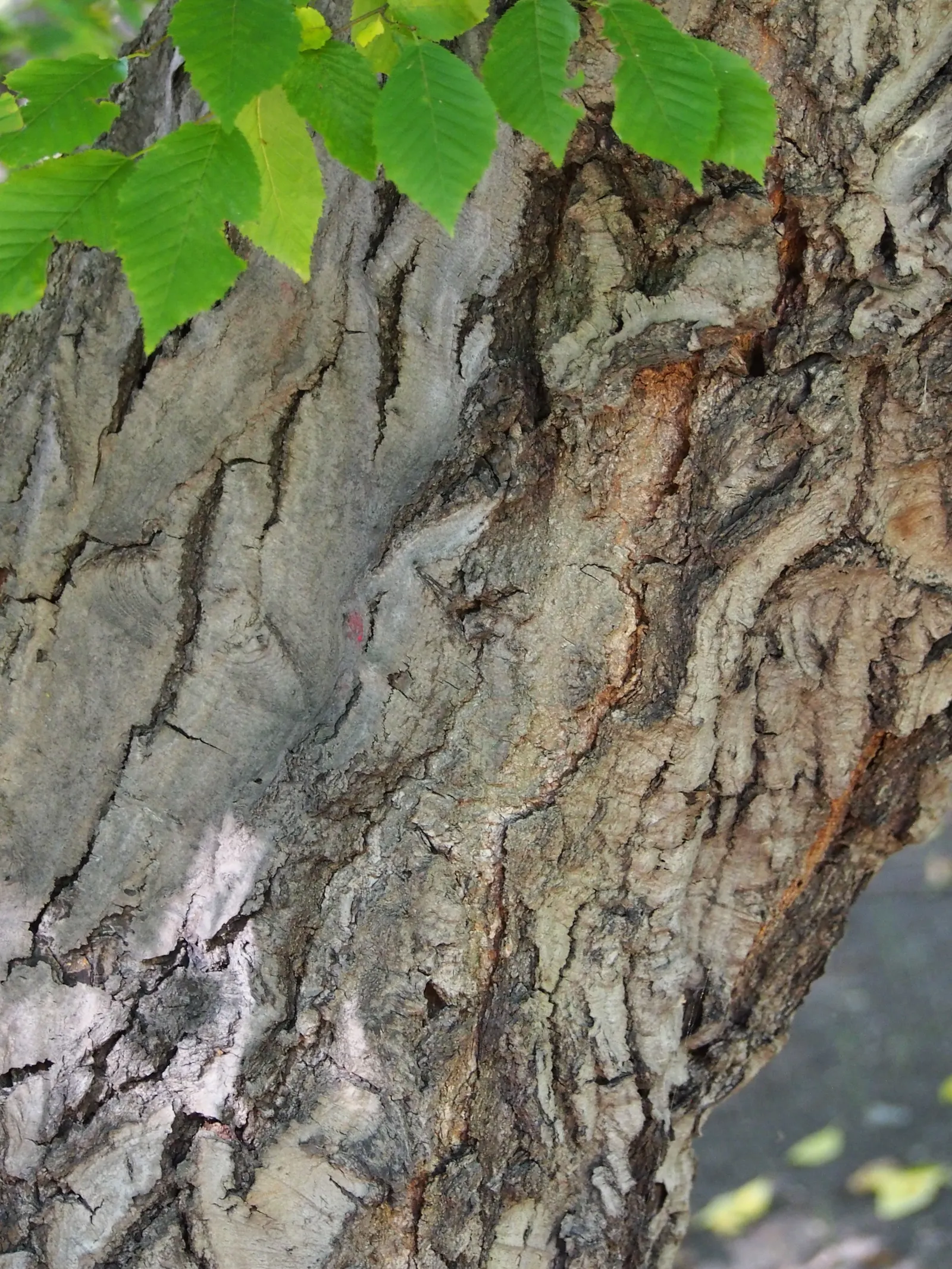
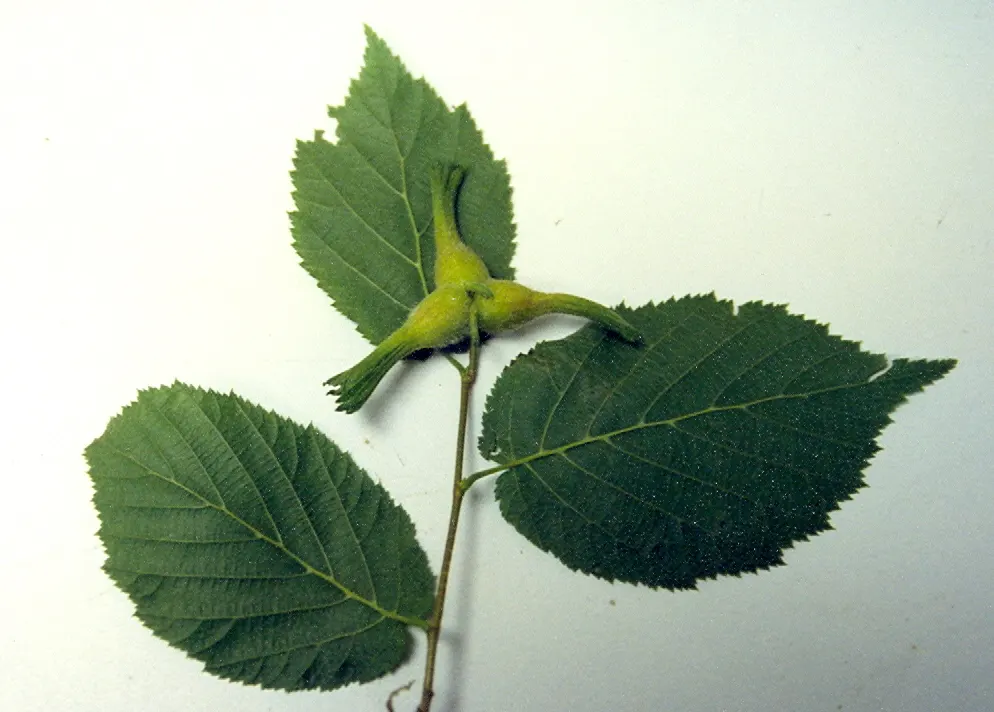
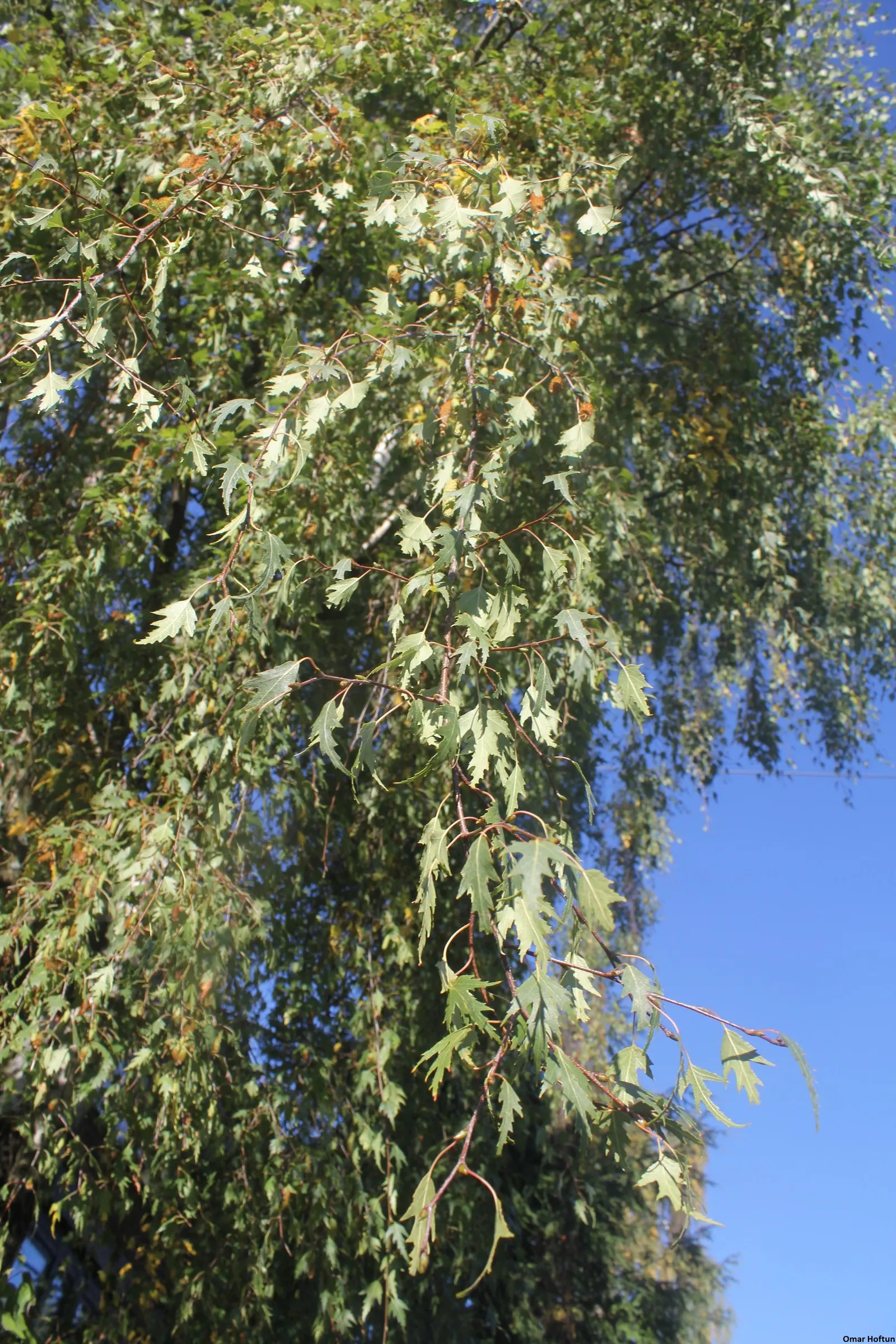
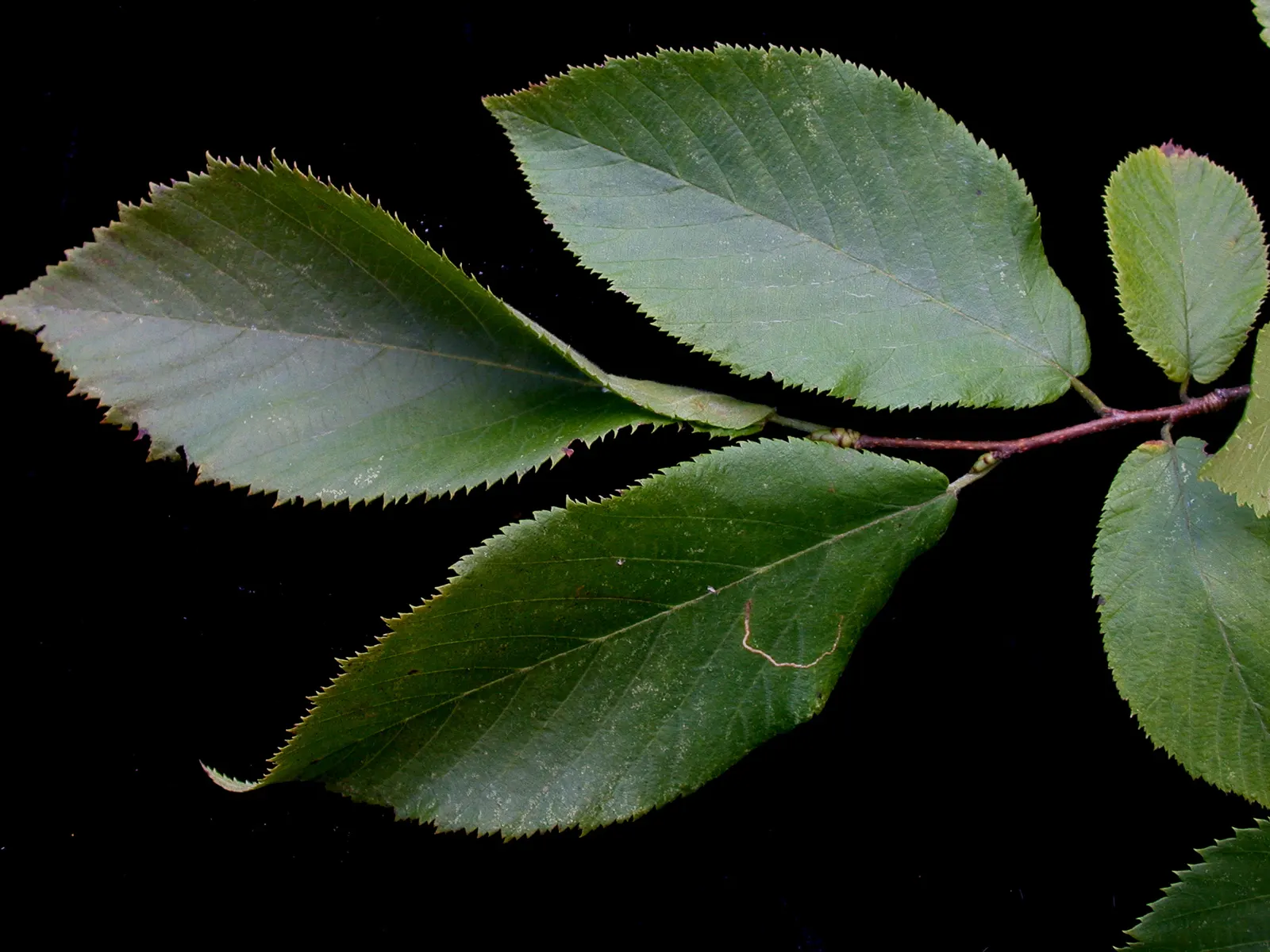
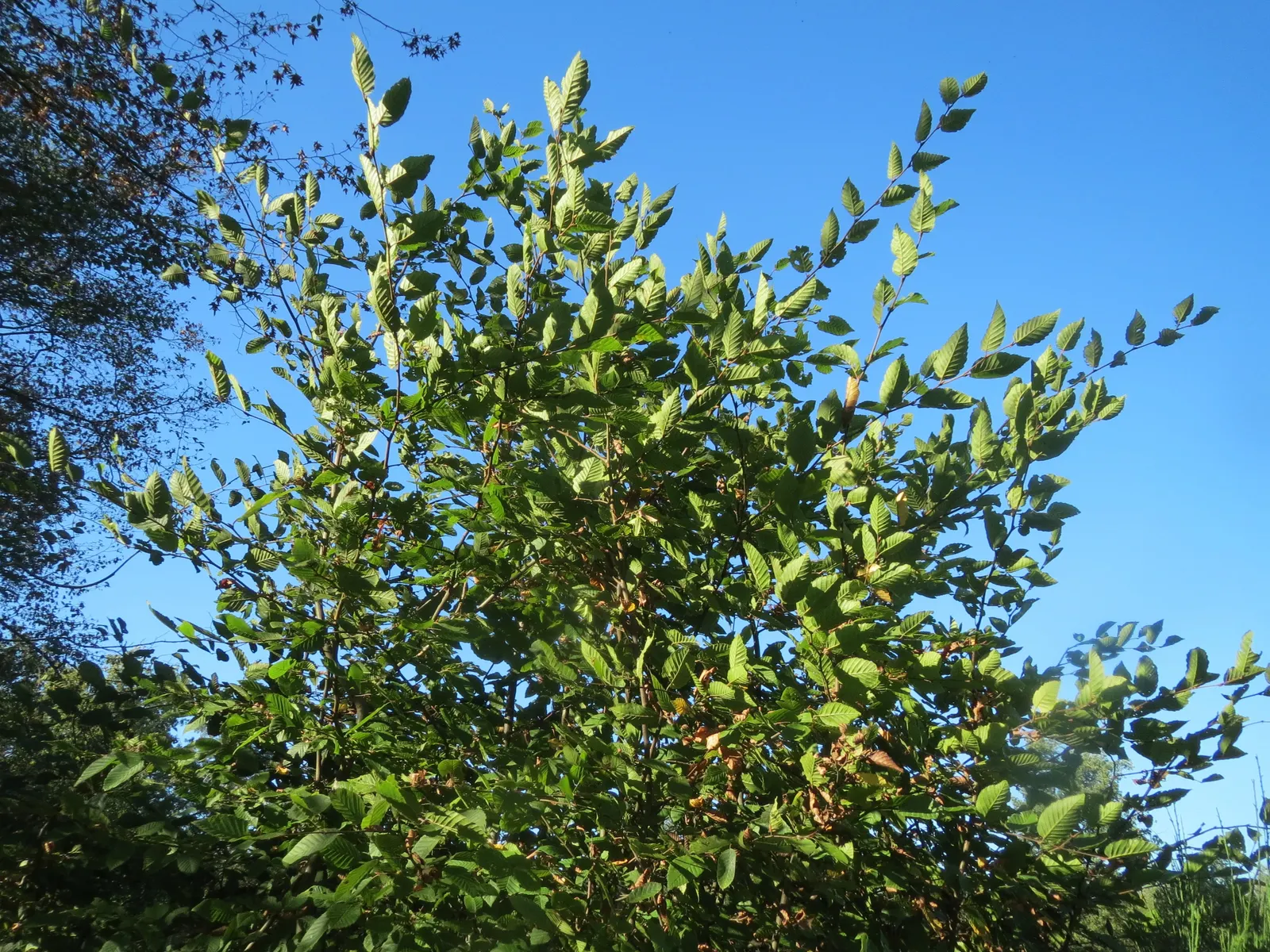
Red Alder (Alnus rubra) is a deciduous tree native to the Pacific Northwest. It thrives in moist environments, quickly reaching 50-80 feet high with a 20-30 feet canopy spread. Noted for its smooth gray bark and serrated leaves, it features catkins and small cones. Alder enriches soil by fixing nitrogen, making it beneficial for companion plants. Ideal for creating natural screens or riparian buffers in landscape designs.

Sun Full, Half, ShadeWater Extra in Summer, MediumZones 8–10Climate Mediterranean, Temperate
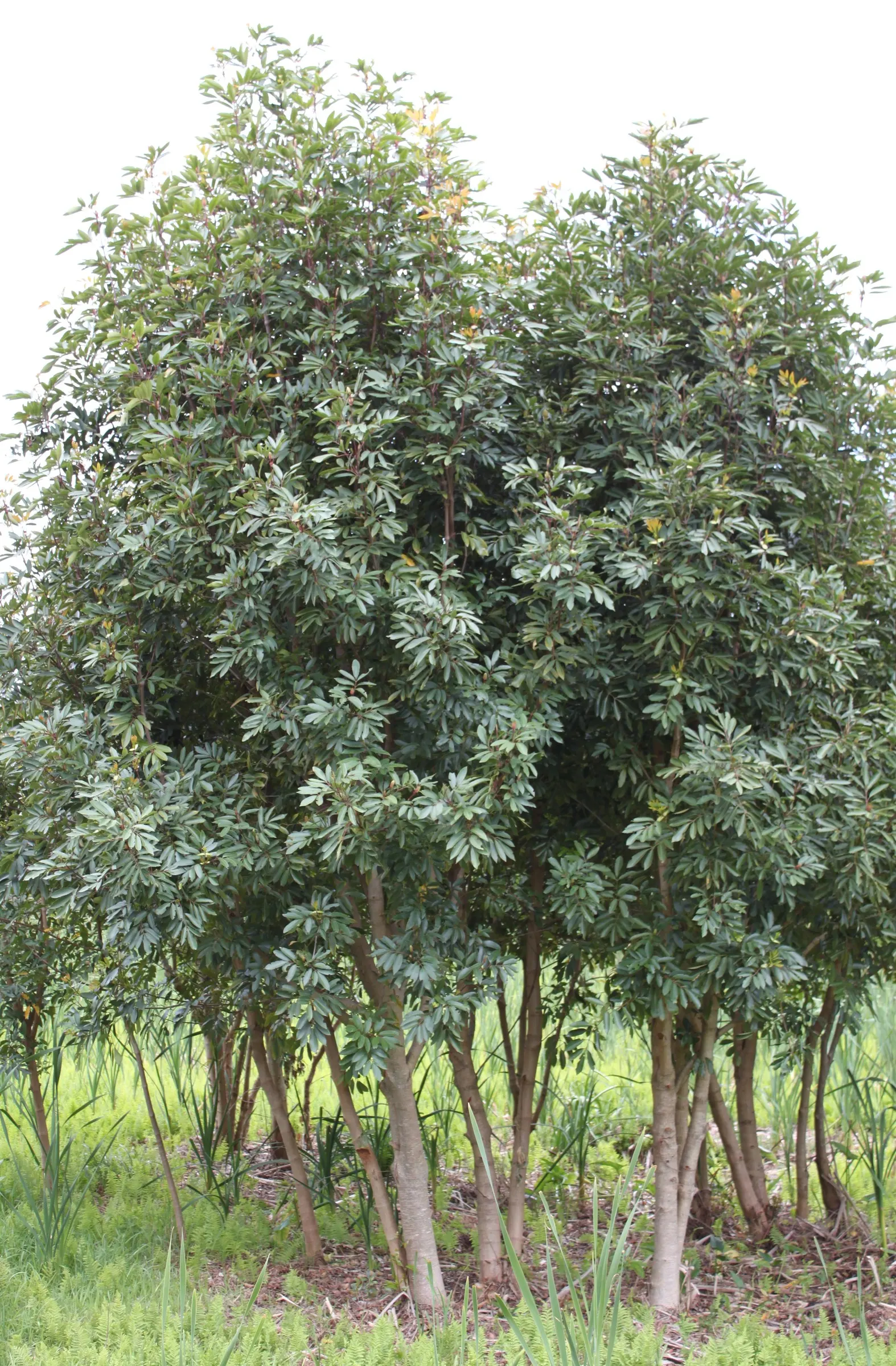
Red Alder (Alnus Rubra) — It thrives in moist environments, quickly reaching 50-80 feet high with a 20-30 feet canopy spread

Culture

Sun
Full, Half, Shade
Water
Extra in Summer, Medium
USDA zones
8–10

Shape & size

Mature height
40–50 Ft.
Mature width
30–40 Ft.

Classification

Family
Betulaceae
Climate
Mediterranean, Temperate

See full data, regional cultivation notes, full-resolution photos, and design tools. Build a client presentation around this plant.

Start your 14-day trial

Photos (42)

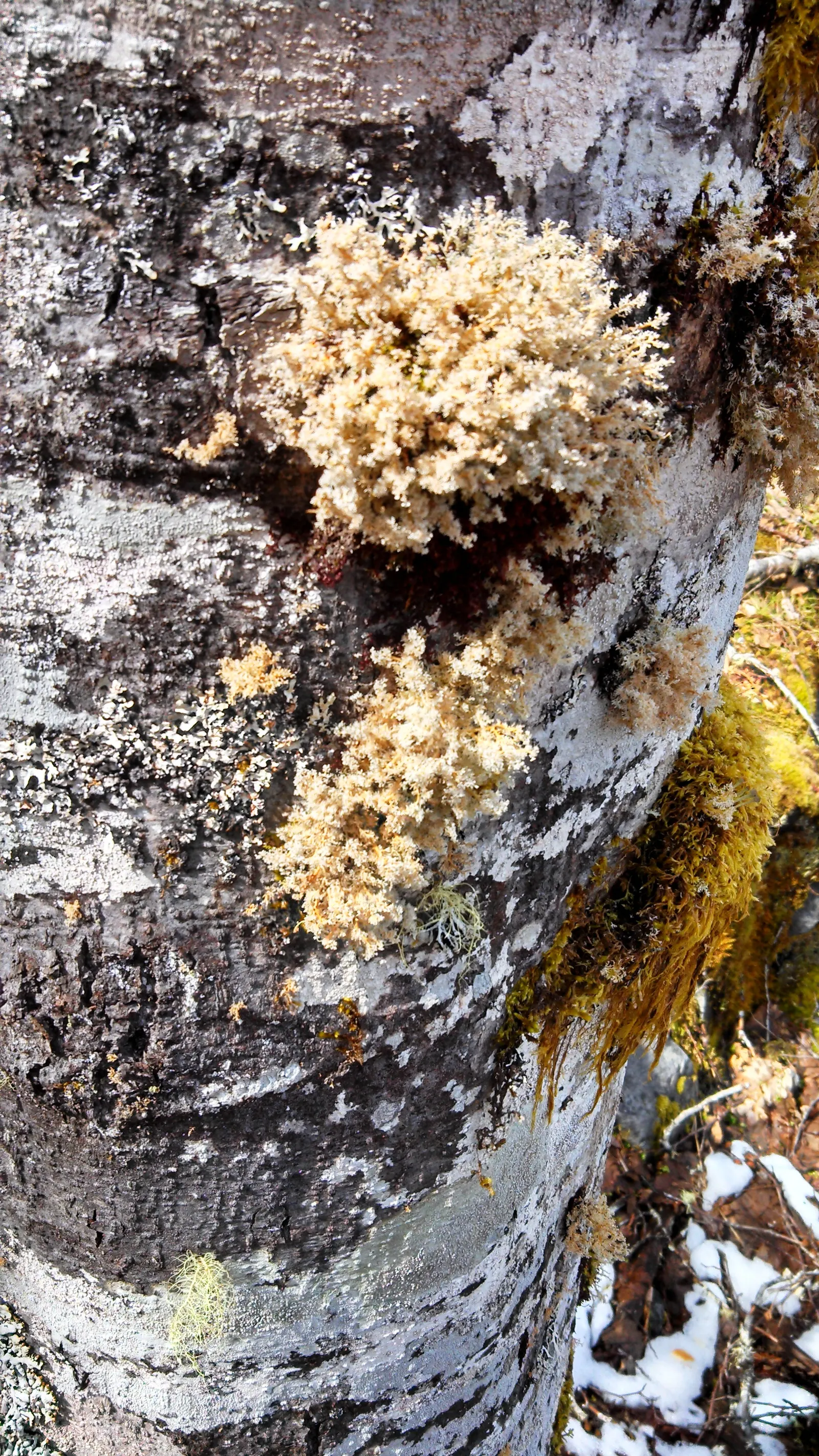
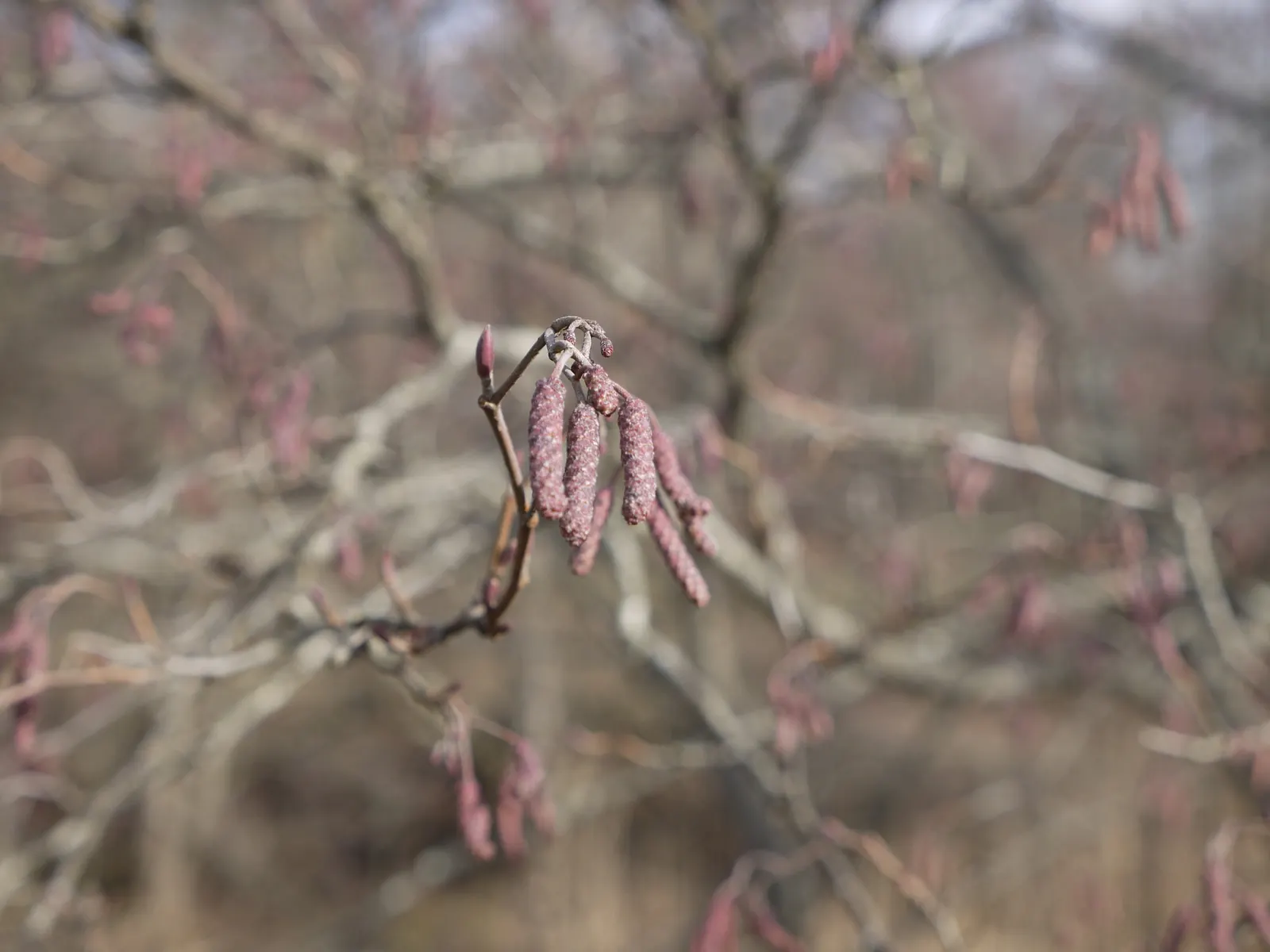
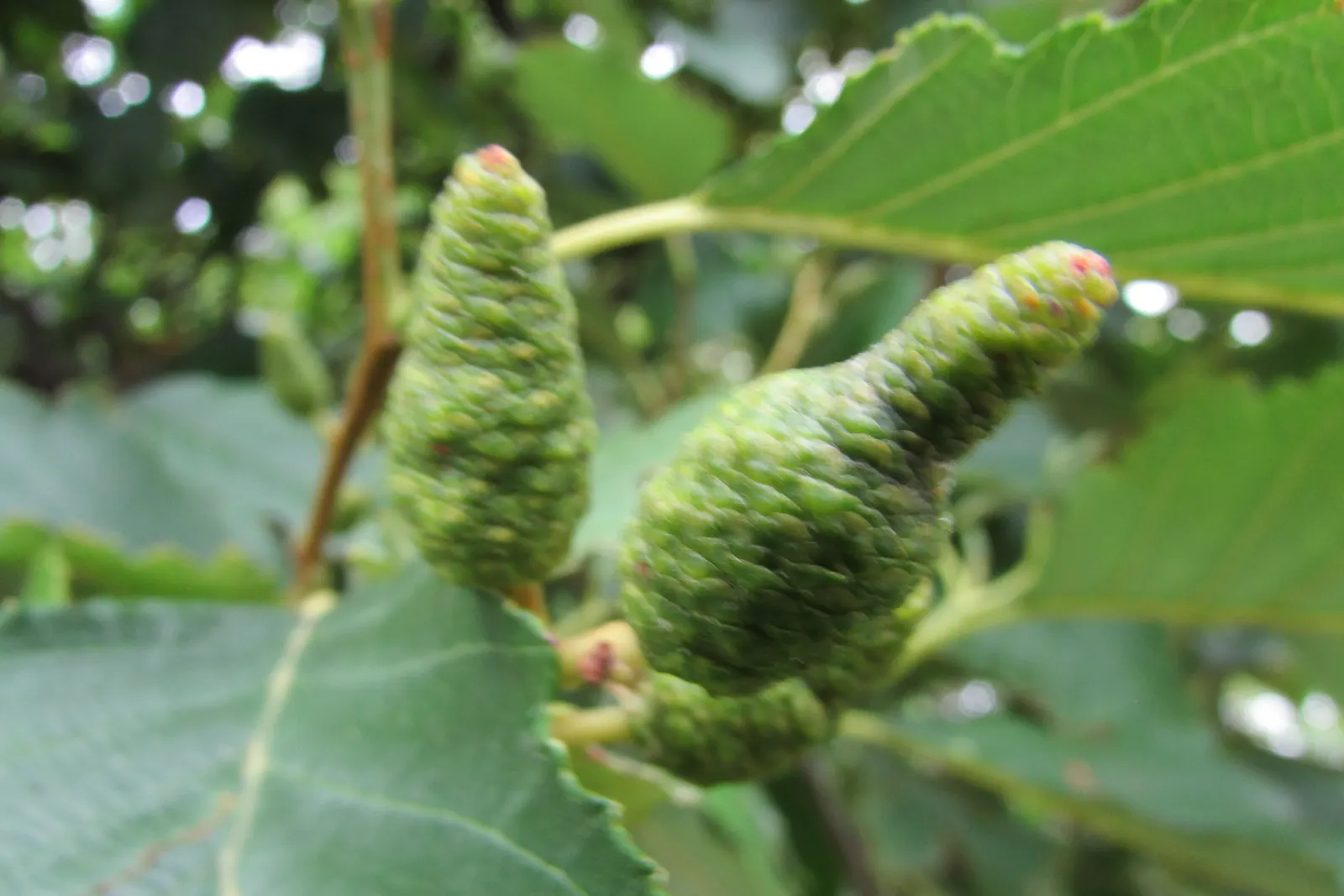
Red Alder (Alnus Rubra) — Noted for its smooth gray bark and serrated leaves, it features catkins and small cones; their ideal hardiness zones range from 4
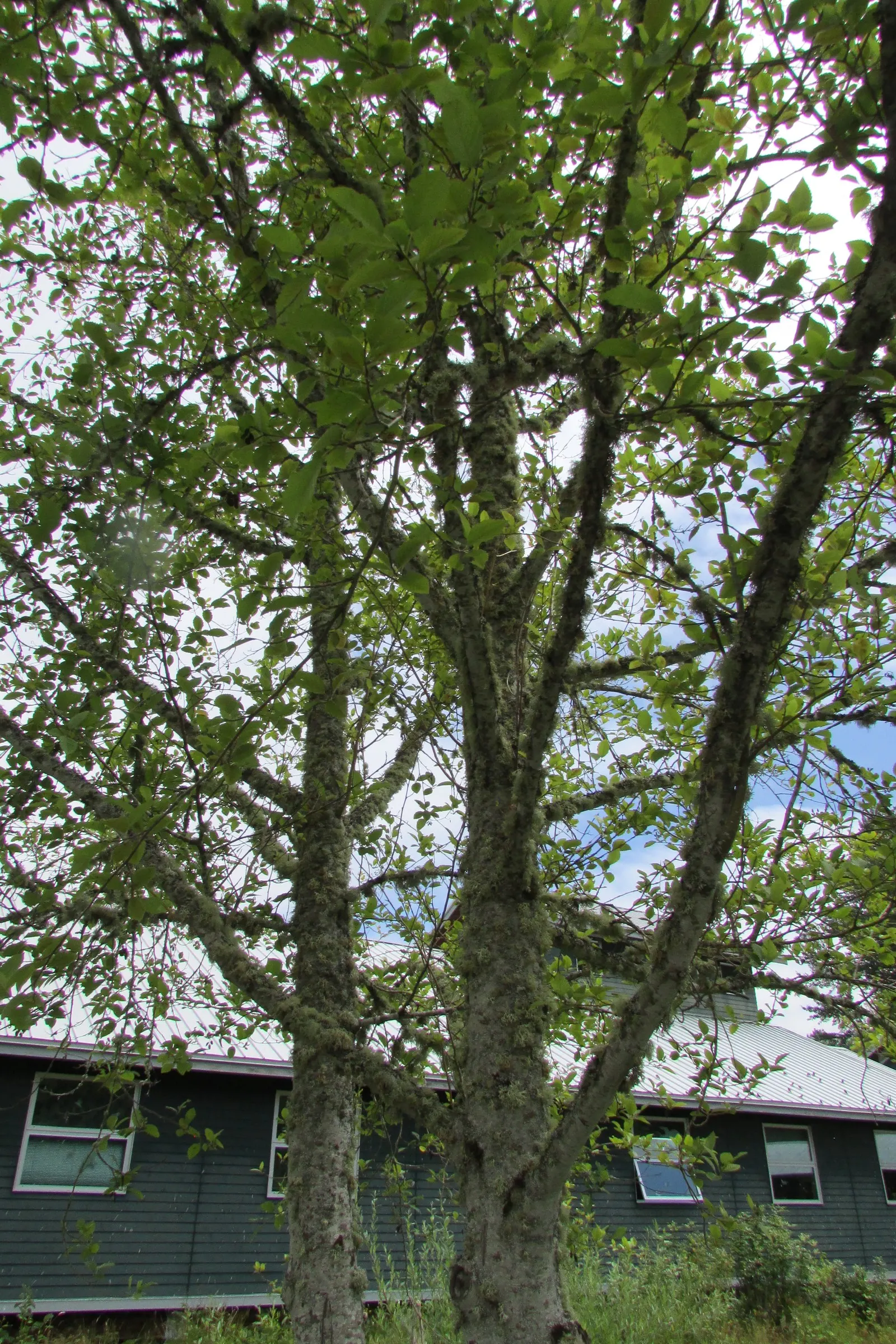
Red Alder (Alnus Rubra) — It thrives in moist environments, quickly reaching 50-80 feet high with a 20-30 feet canopy spread; the bark develops a rugged
Red Alder (Alnus Rubra) — Red Alder (Alnus rubra) is a deciduous tree native to the Pacific Northwest; alder enriches soil by fixing nitrogen, making it
Red Alder (Alnus Rubra) — Alder enriches soil by fixing nitrogen, making it beneficial for companion plants; red Alder (Alnus rubra) is a deciduous tree native
Red Alder (Alnus Rubra) — The Red Alder (Alnus rubra) is a deciduous tree esteemed for its adaptability and rapid growth; the tree's leaves are notable for
Red Alder (Alnus Rubra) — Ideal for creating natural screens or riparian buffers in landscape designs; with a canopy width of roughly 20 to 30 feet
Red Alder (Alnus Rubra) — Often reaching heights between 40 and 70 feet; green and yellow flowers in the garden
Red Alder (Alnus Rubra) — with a canopy width of roughly 20 to 30 feet; ideal for creating natural screens or riparian buffers in landscape designs
Red Alder (Alnus Rubra) — this stately tree casts a gentle shade; red Alders are adorned with clusters of catkins
Red Alder (Alnus Rubra) — the bark develops a rugged; it thrives in moist environments, quickly reaching 50-80 feet high with a 20-30 feet canopy spread
Red Alder (Alnus Rubra) — Red Alders are adorned with clusters of catkins; this stately tree casts a gentle shade
Red Alder (Alnus Rubra) — suitable for understory plantings.<br><br>Its bark showcases hues of gray and white; gardeners should note their ability to fix
Red Alder (Alnus Rubra) — woody cones that persist through winter; tolerating a variety of soil conditions
Red Alder (Alnus Rubra) — The tree's leaves are notable for their ovate shape and serrated edges; the Red Alder (Alnus rubra) is a deciduous tree esteemed for
Red Alder (Alnus Rubra) — adding year-round interest; tree with green and yellow blooms
Red Alder (Alnus Rubra) — tolerating a variety of soil conditions; woody cones that persist through winter
Red Alder (Alnus Rubra) — though they have a particular affinity for moist; which can significantly enrich nutrient-poor soils
Red Alder (Alnus Rubra) — Their ideal hardiness zones range from 4 through 7; noted for its smooth gray bark and serrated leaves, it features catkins and small

Related plants