Skip to content

European Black Alder

Alnus Glutinosa

Design with this plant

Overview

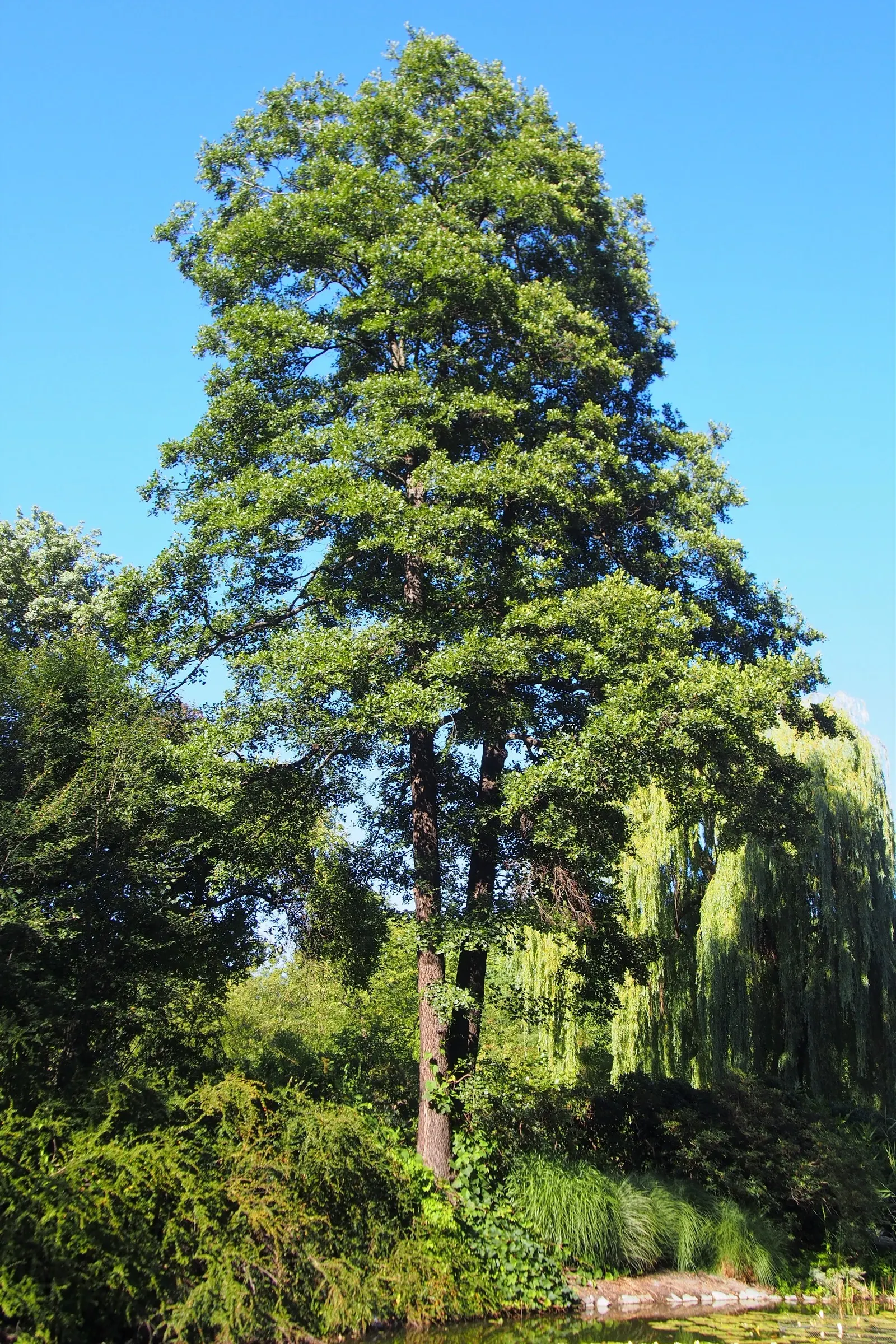
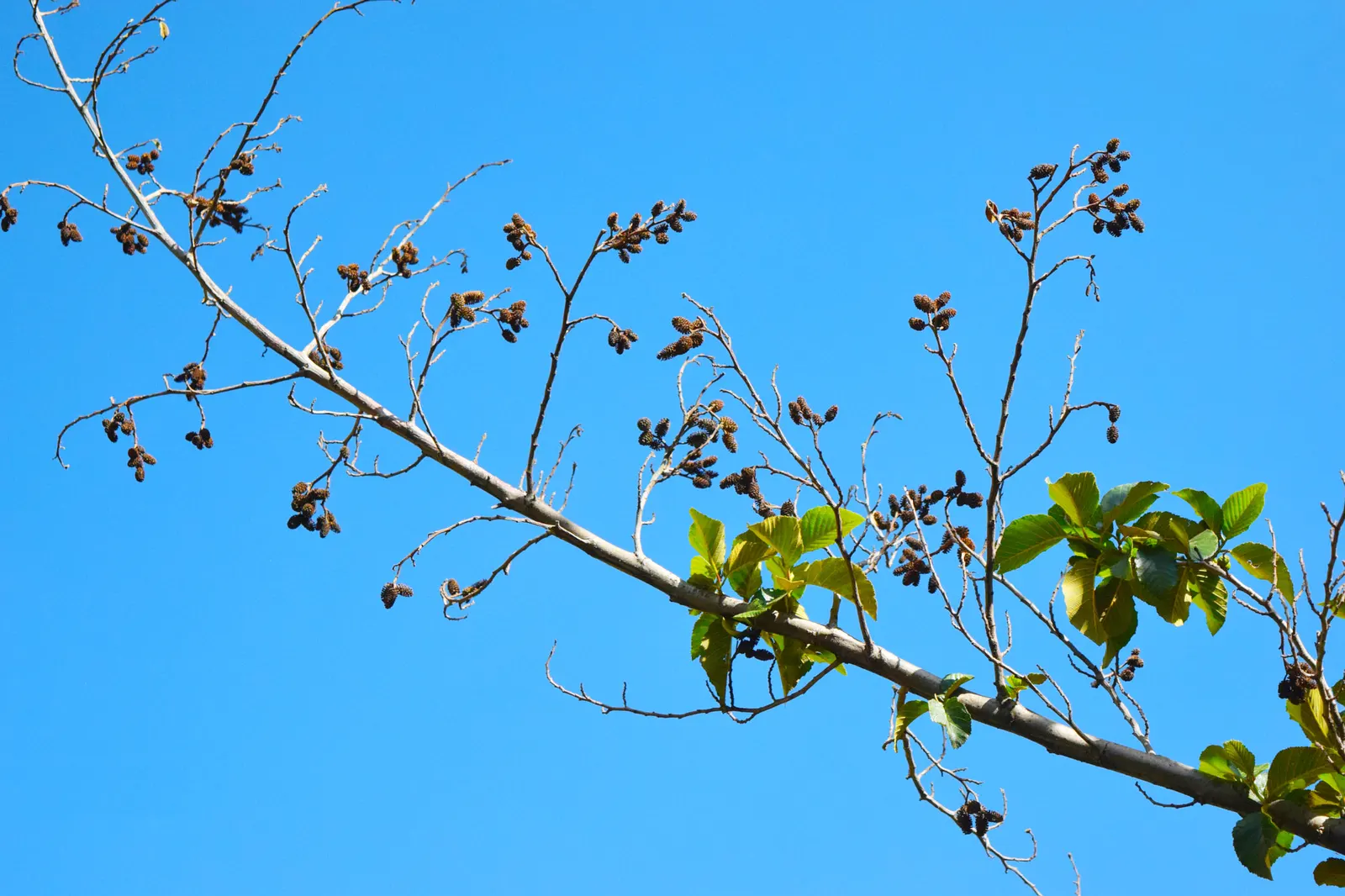
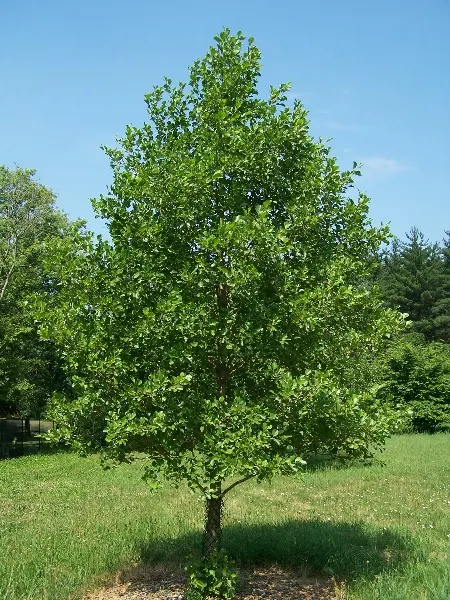
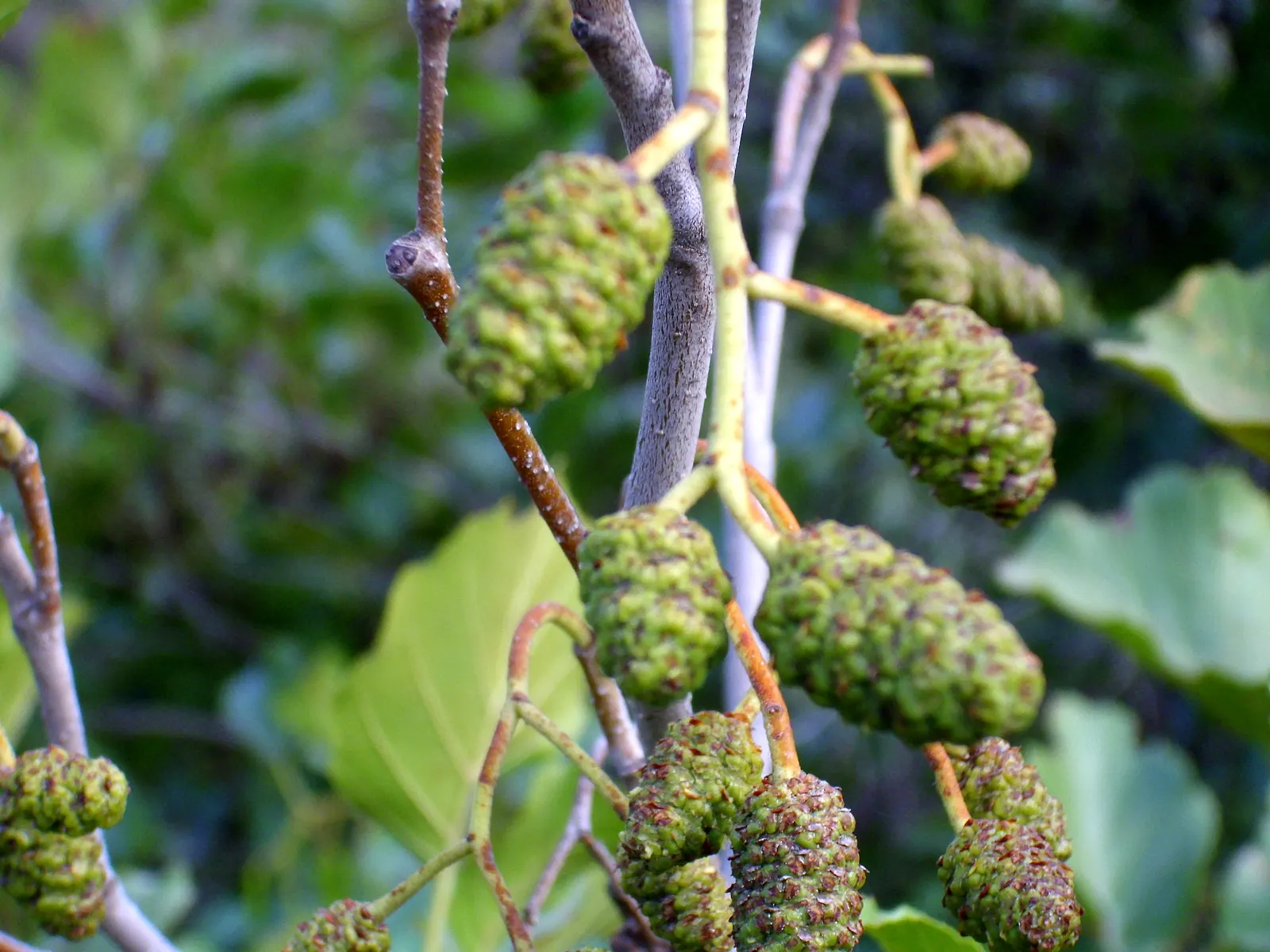
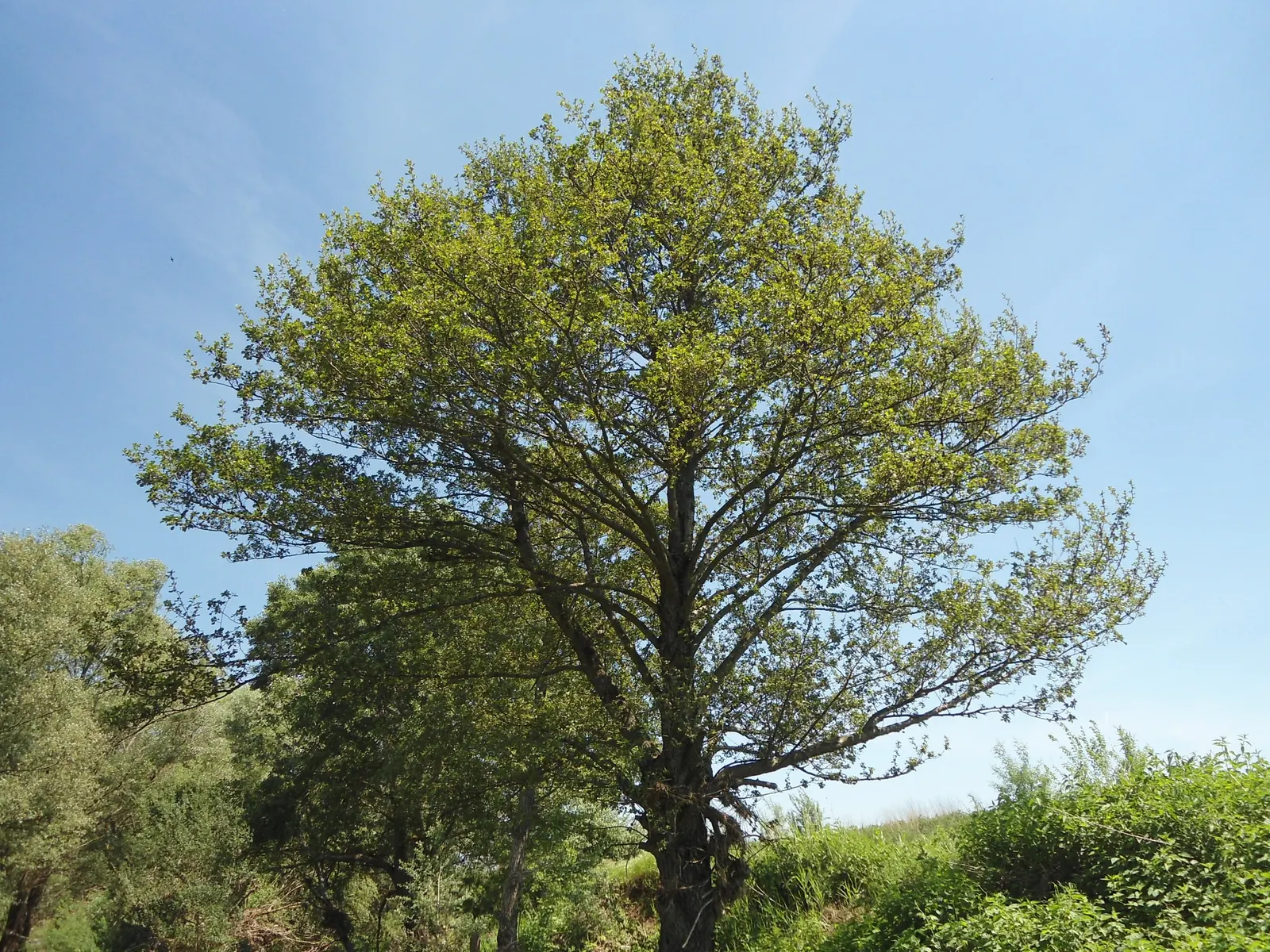
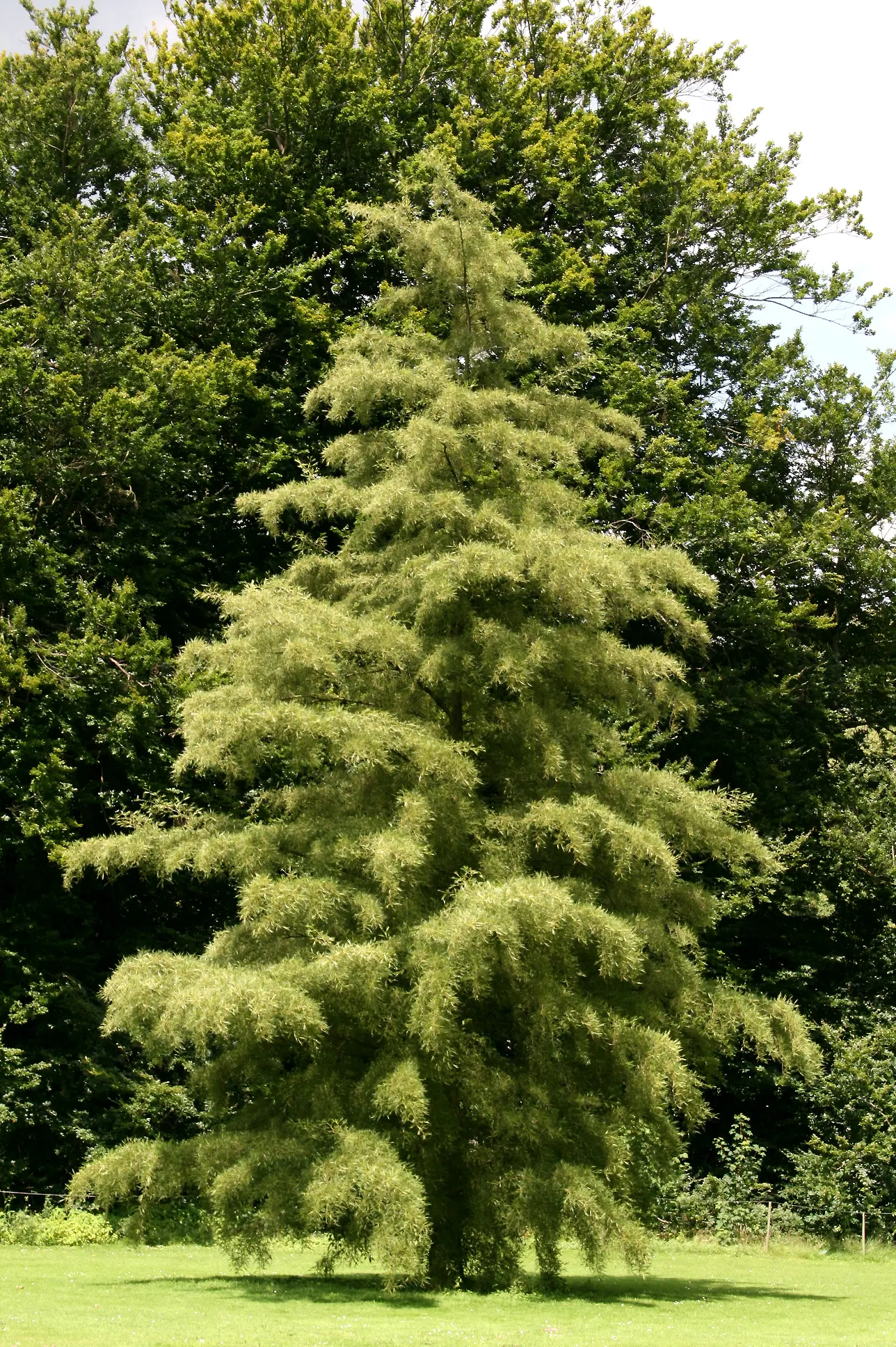
The European Black Alder (Alnus glutinosa) is a deciduous tree renowned for its rapid growth, reaching 50-70 feet in height with a 20-40 foot spread. It features glossy dark green leaves and distinctive catkin flowers. Adaptable and water-loving, this alder thrives in wet conditions, improving soil fertility through nitrogen fixation. Its rounded canopy offers excellent shade, making it a suitable choice for riparian plantings and ecological landscaping.
Sun Full, HalfWater MediumZones 3–7Type TreeClimate Mediterranean
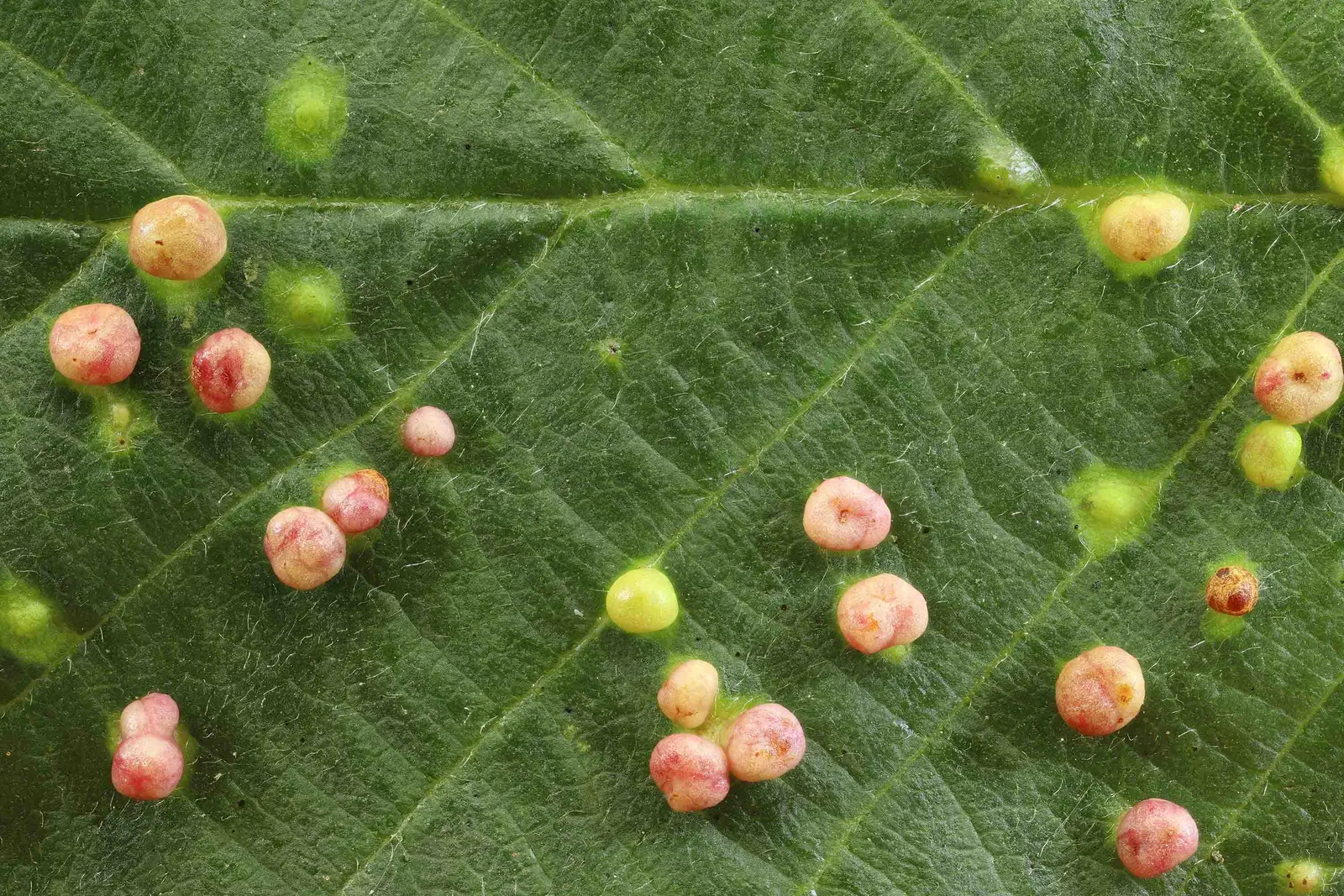
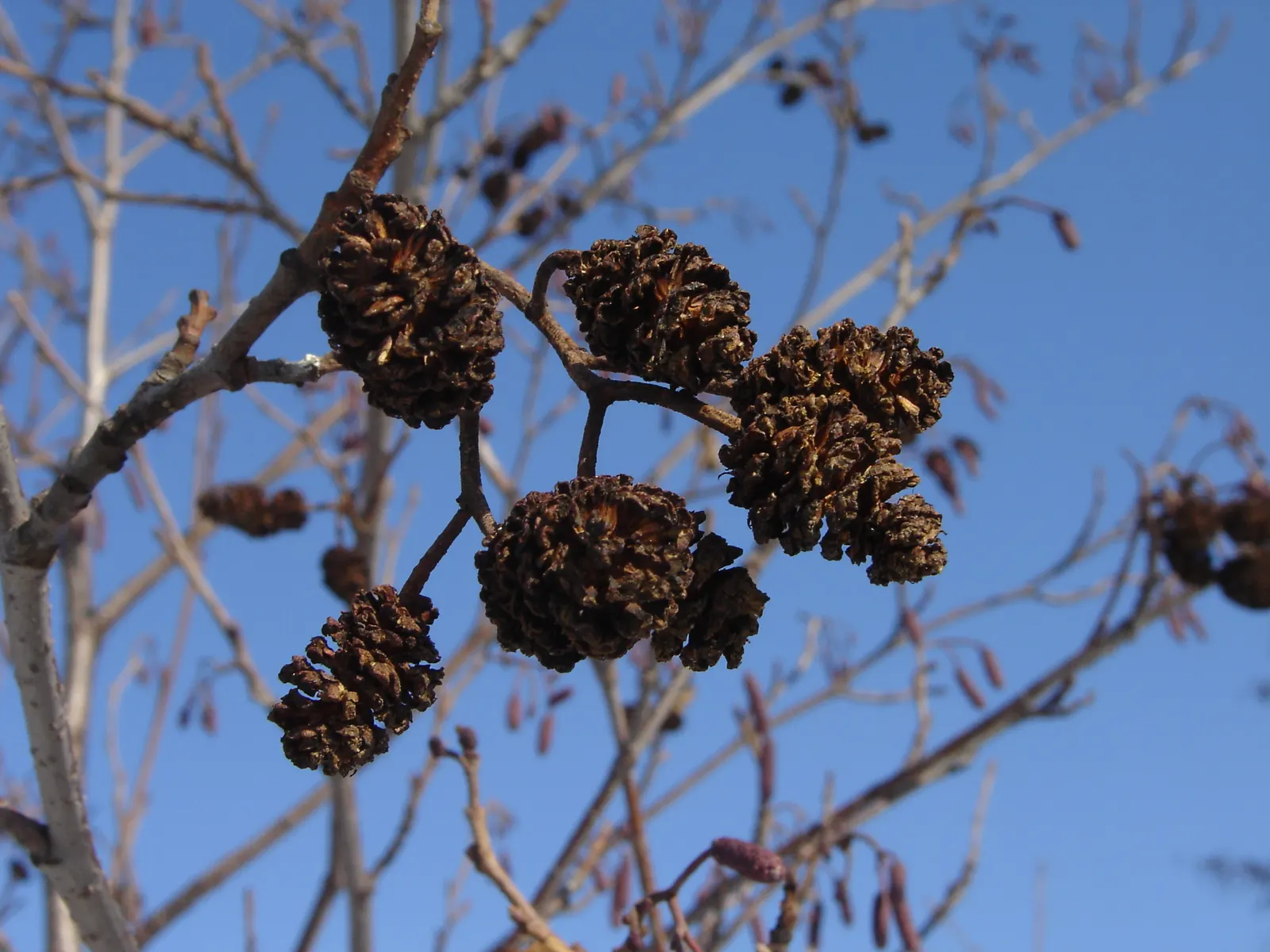
European Black Alder (Alnus Glutinosa) — giving rise to its species name "glutinosa," meaning \'sticky\'; the European Black Alder (Alnus, image 52

Culture

Sun
Full, Half
Water
Medium
USDA zones
3–7

Shape & size

Mature height
60–100 Ft.
Mature width
40–60 Ft.

Classification

Type
Tree
Climate
Mediterranean

See full data, regional cultivation notes, and design tools. Build a client presentation around this plant.

Start your 14-day trial

Photos (88)

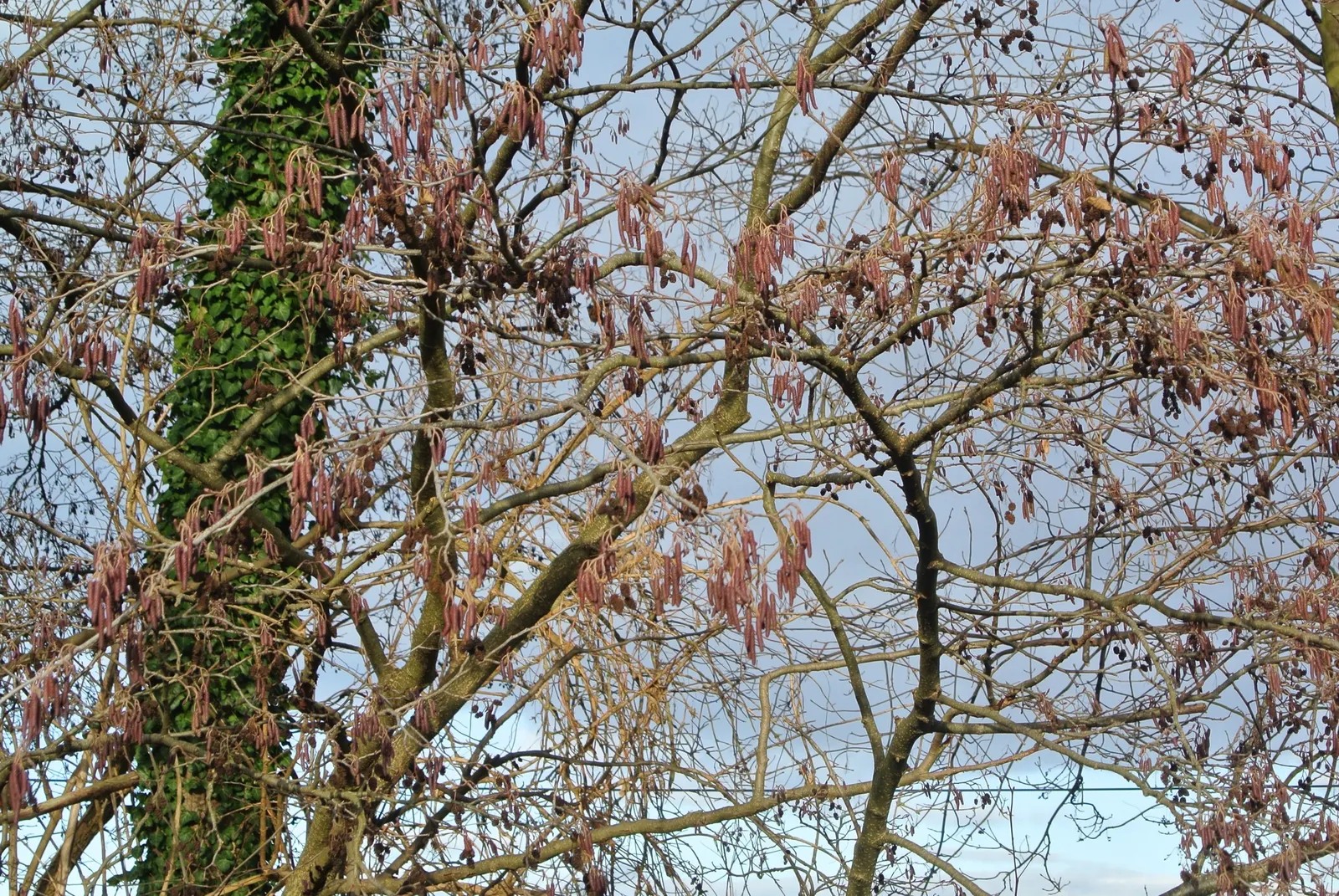
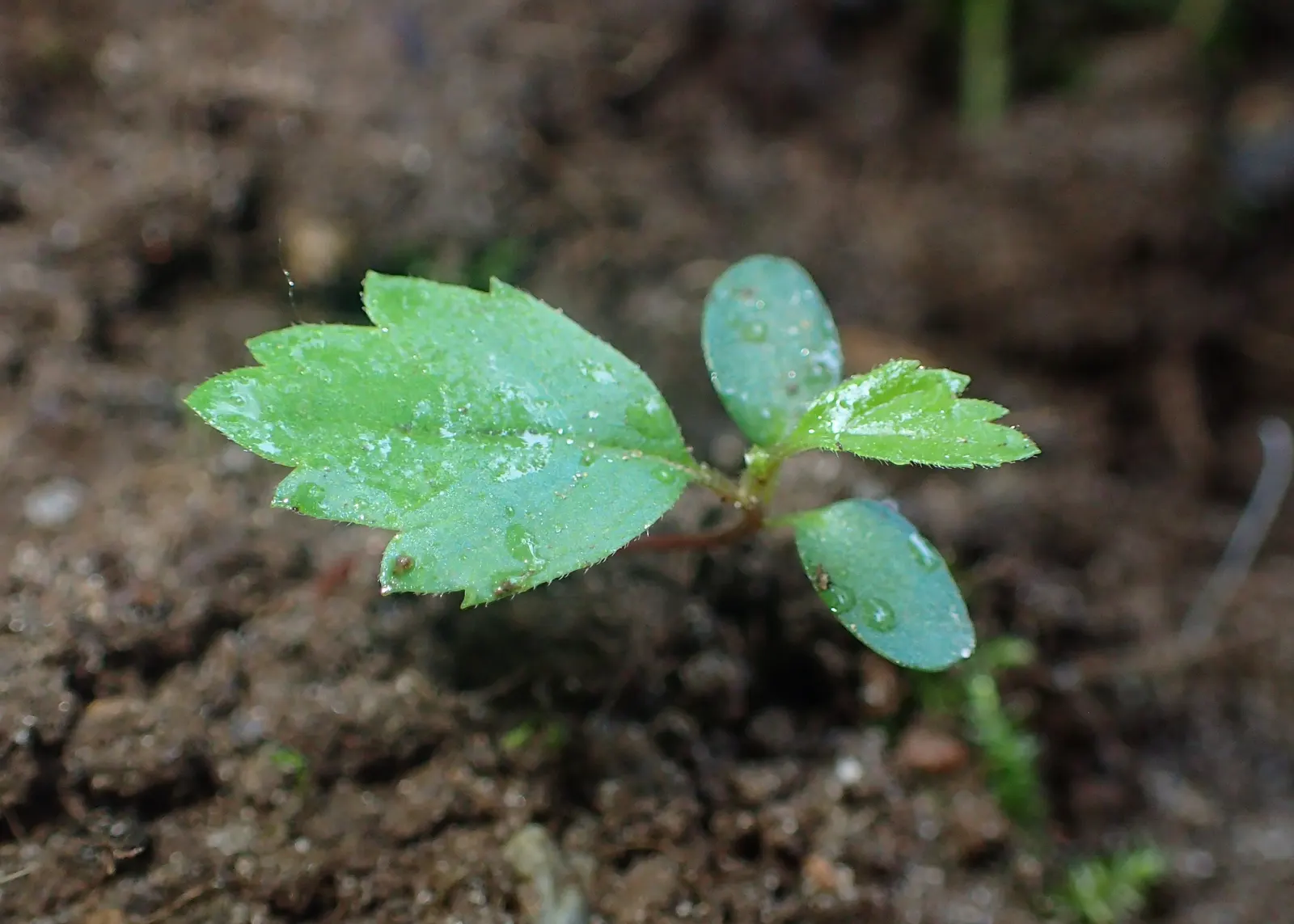
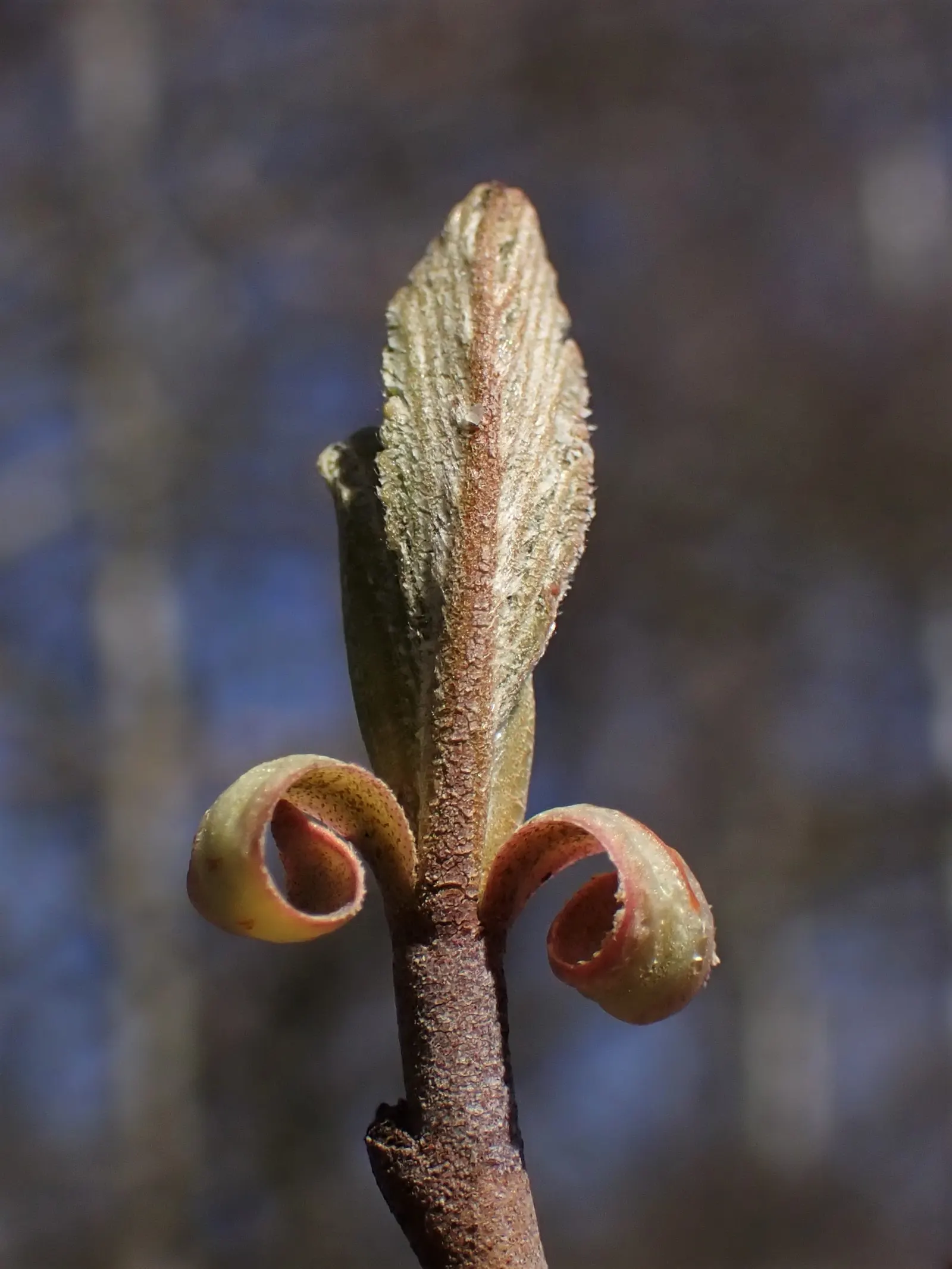
European Black Alder (Alnus Glutinosa) — making it a suitable choice for riparian plantings and ecological landscaping
European Black Alder (Alnus Glutinosa) — tree for full or half
European Black Alder (Alnus Glutinosa) — Adaptable and water-loving; this alder thrives in wet conditions
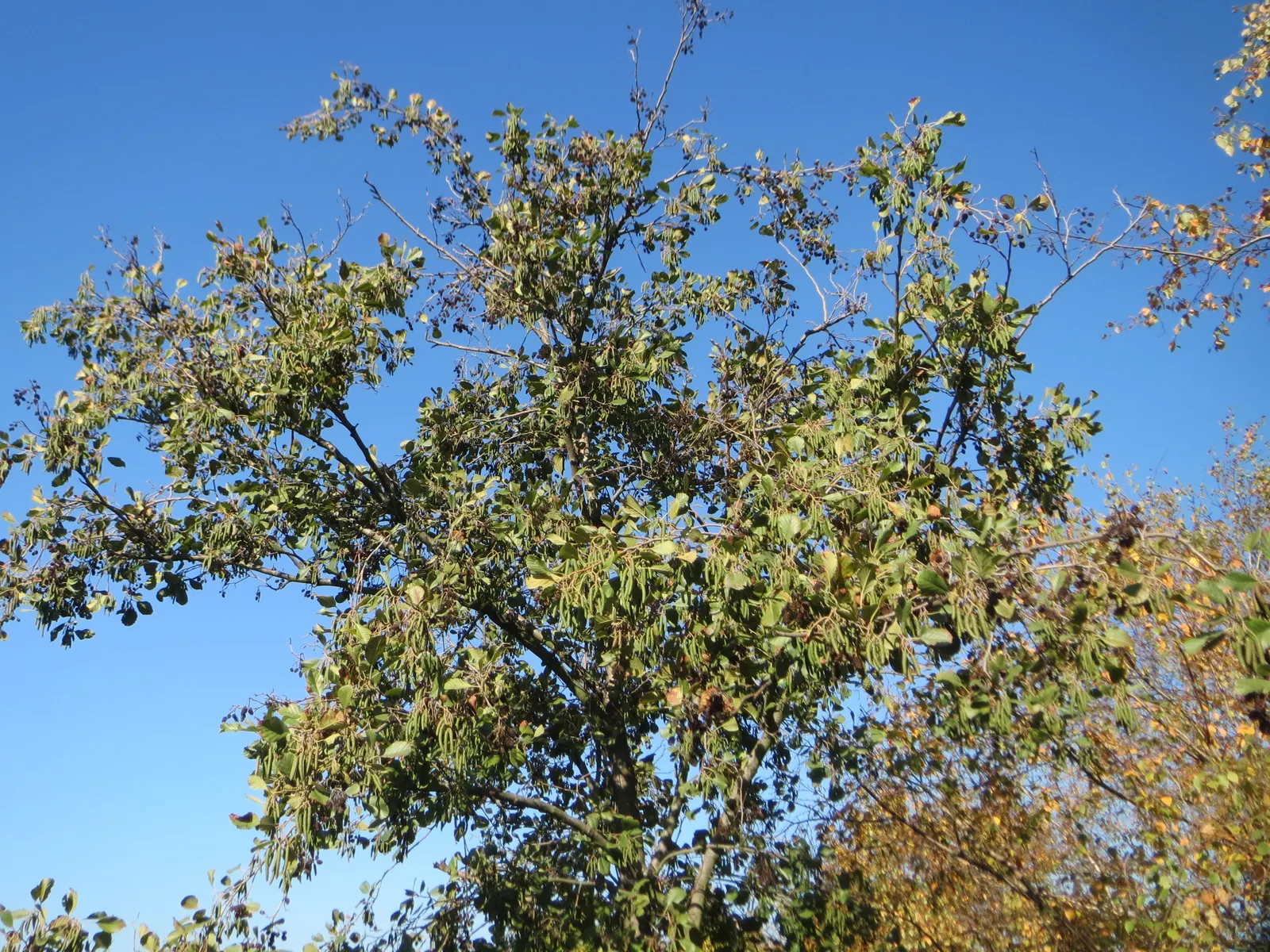
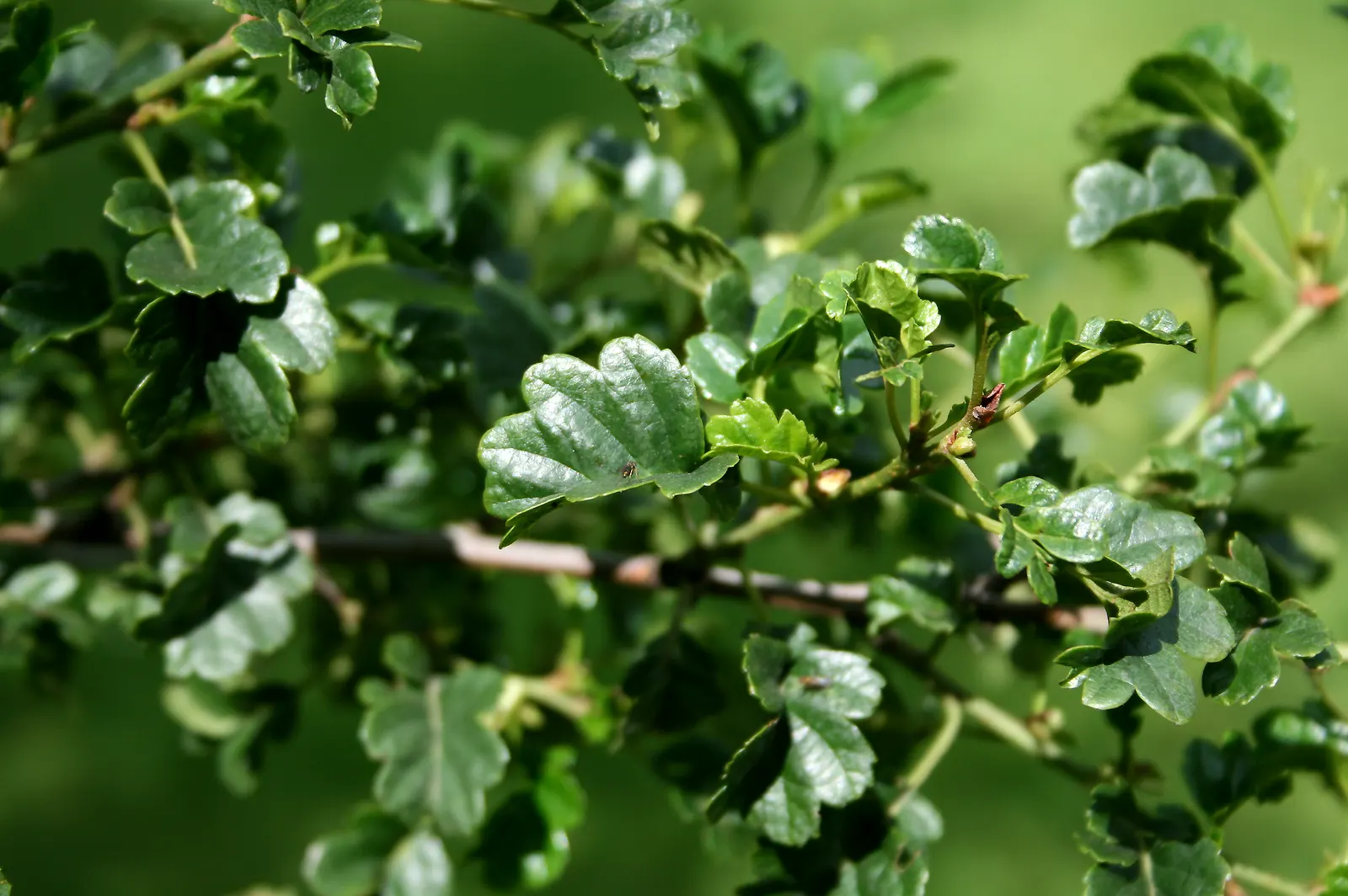
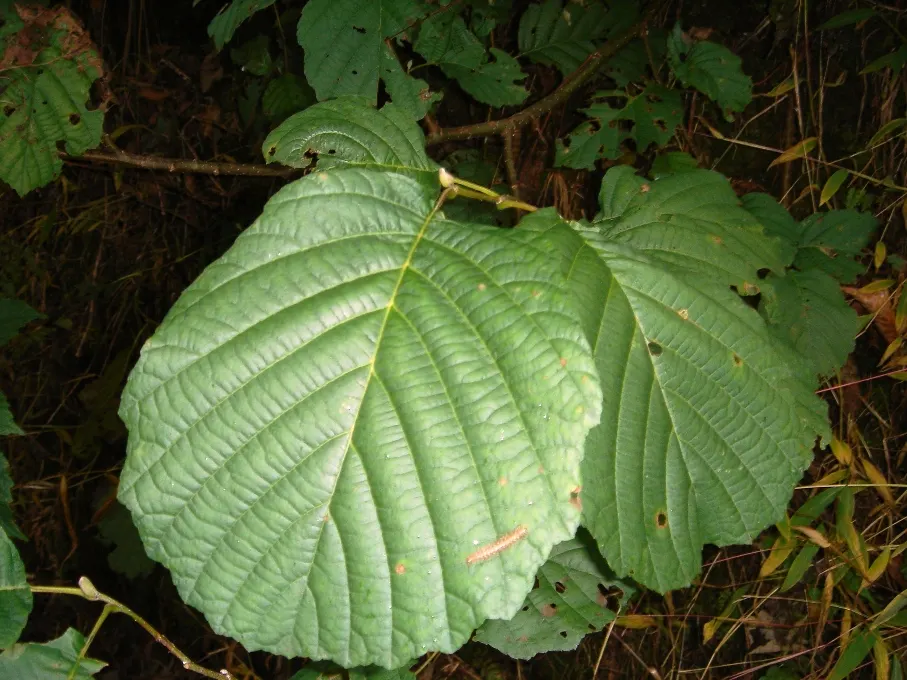
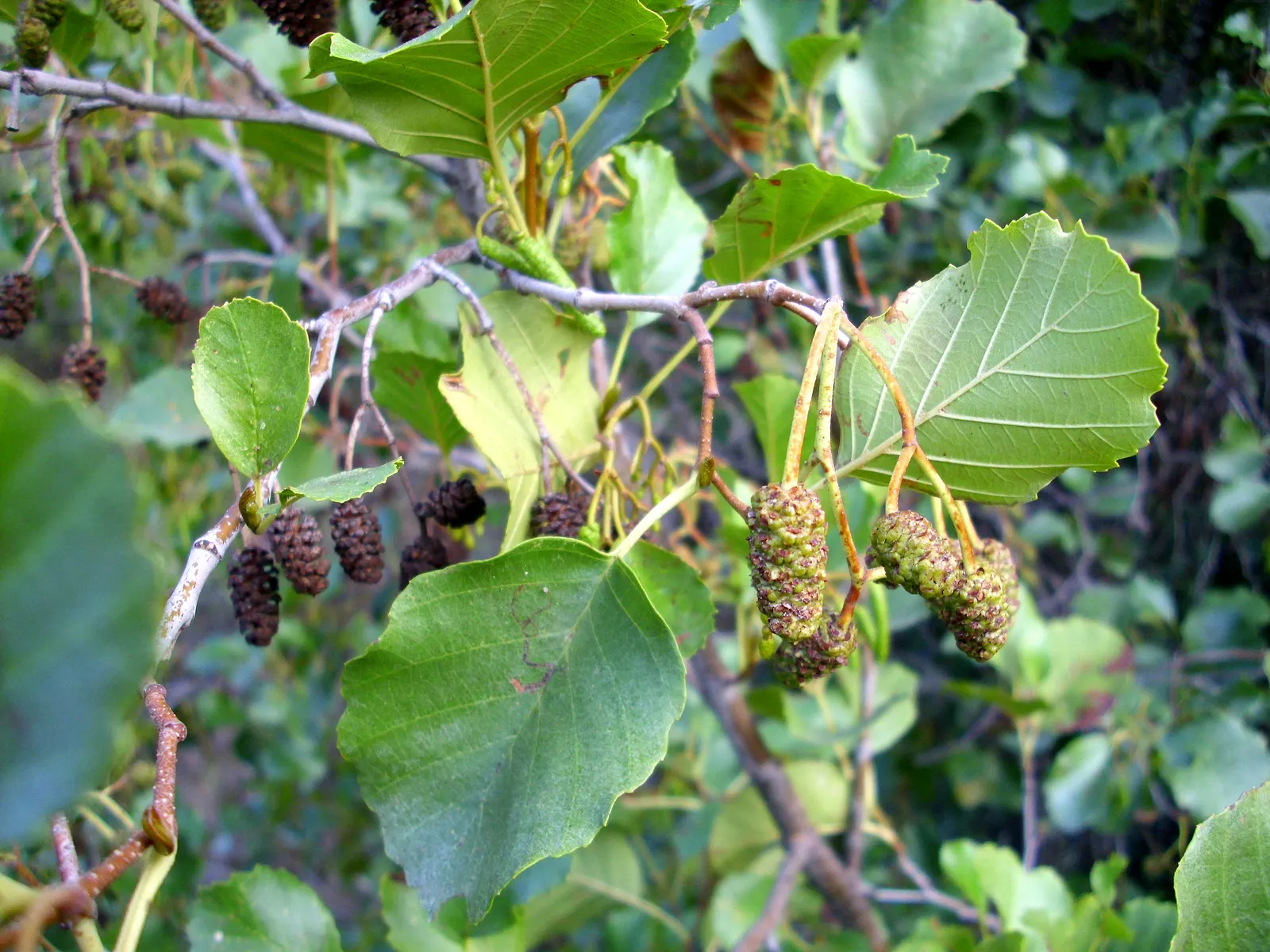
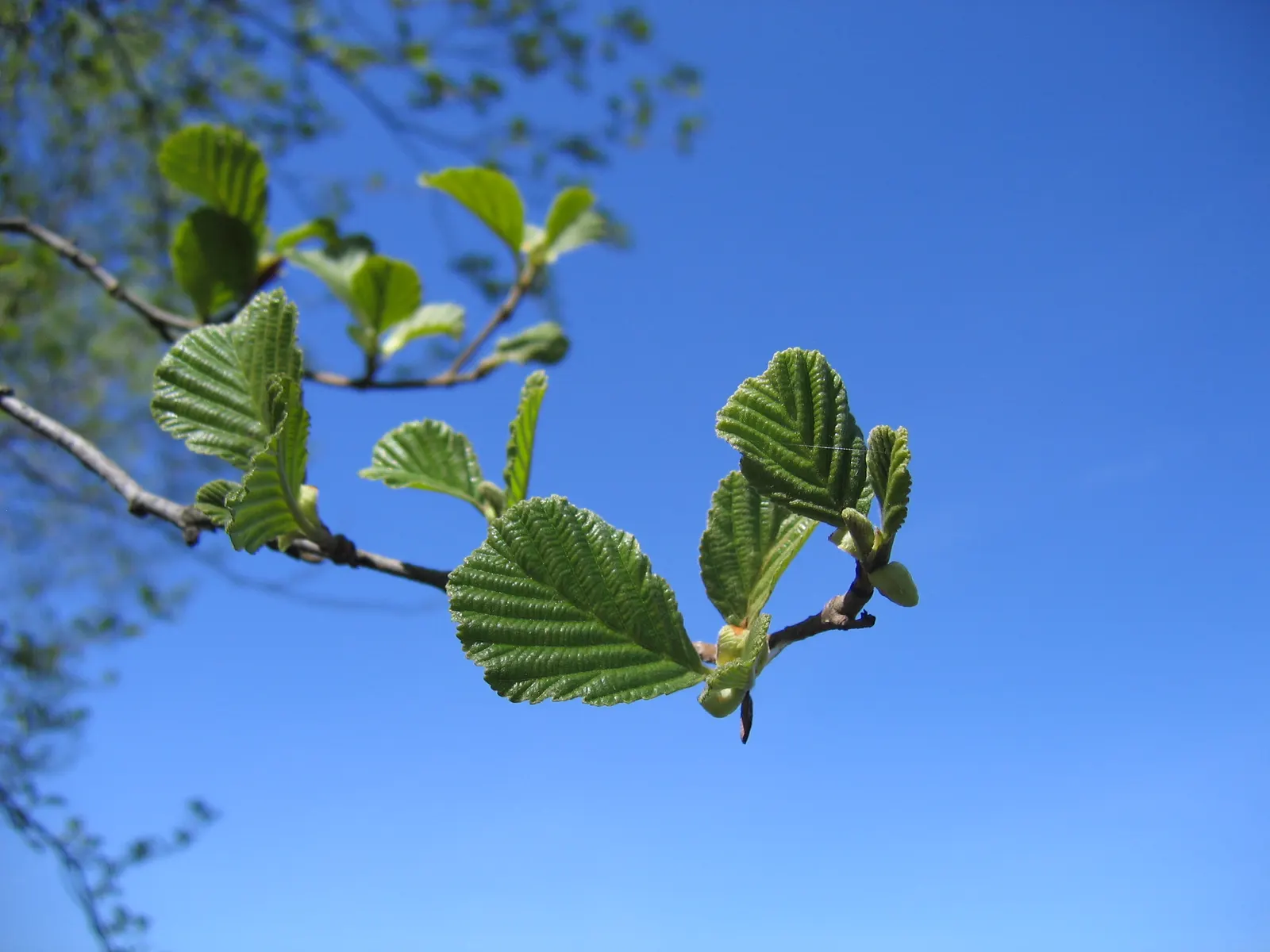
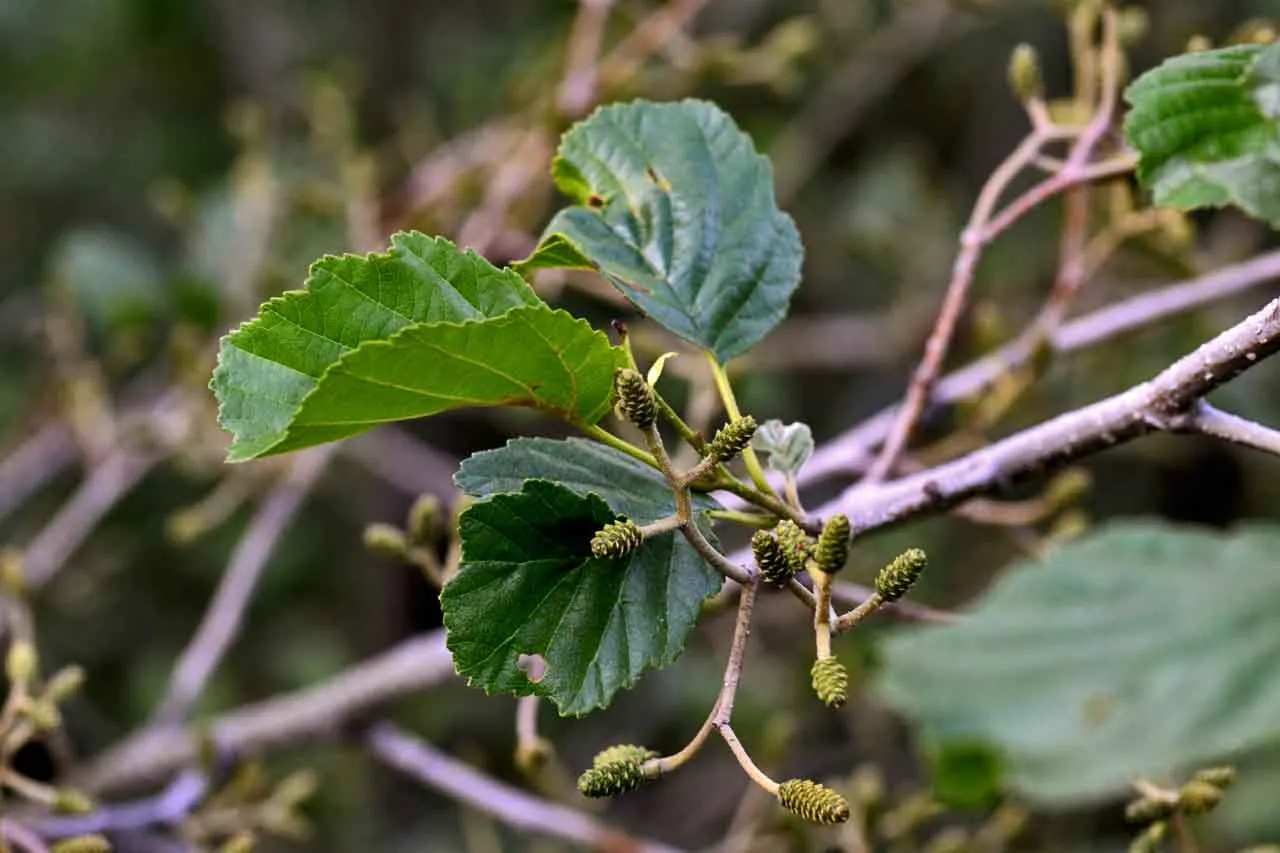
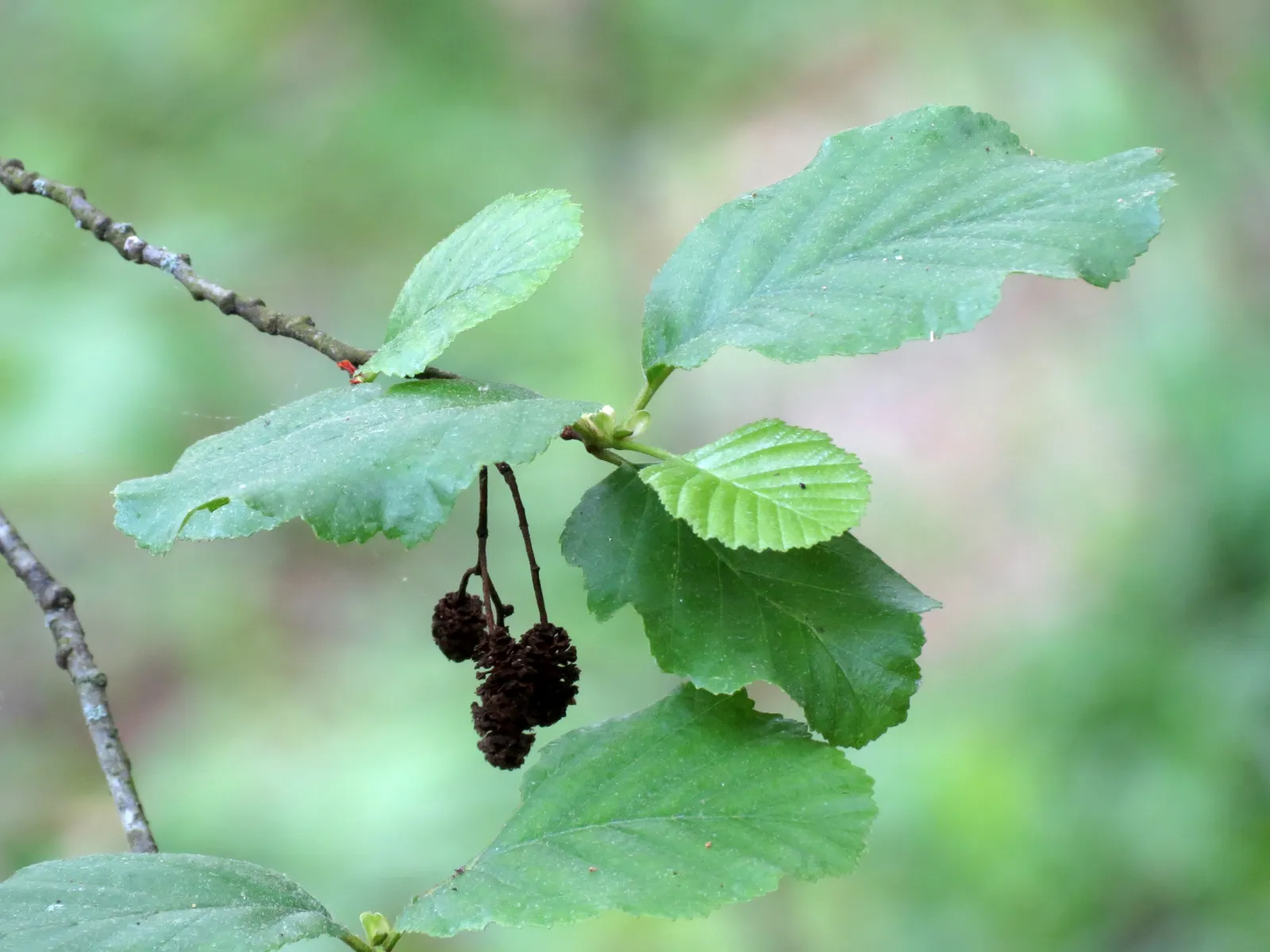
European Black Alder (Alnus Glutinosa) — The leaves exhibit a round-to-oval shape and are about 2 to 4 inches long with a slightly sticky texture; it is
European Black Alder (Alnus Glutinosa) — It is particularly tolerant of wet conditions; making it a suitable choice for areas prone to moisture or, image 54
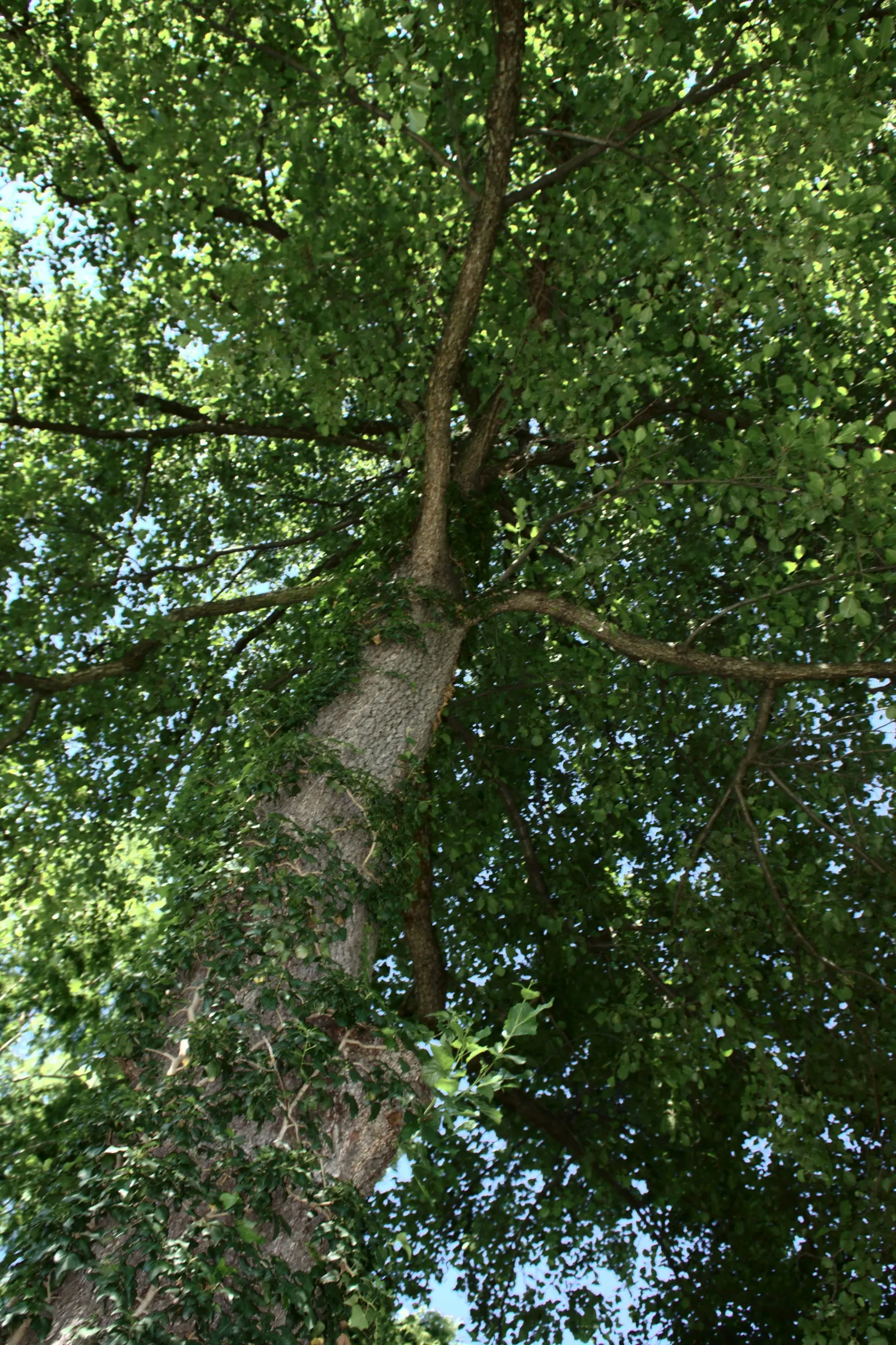
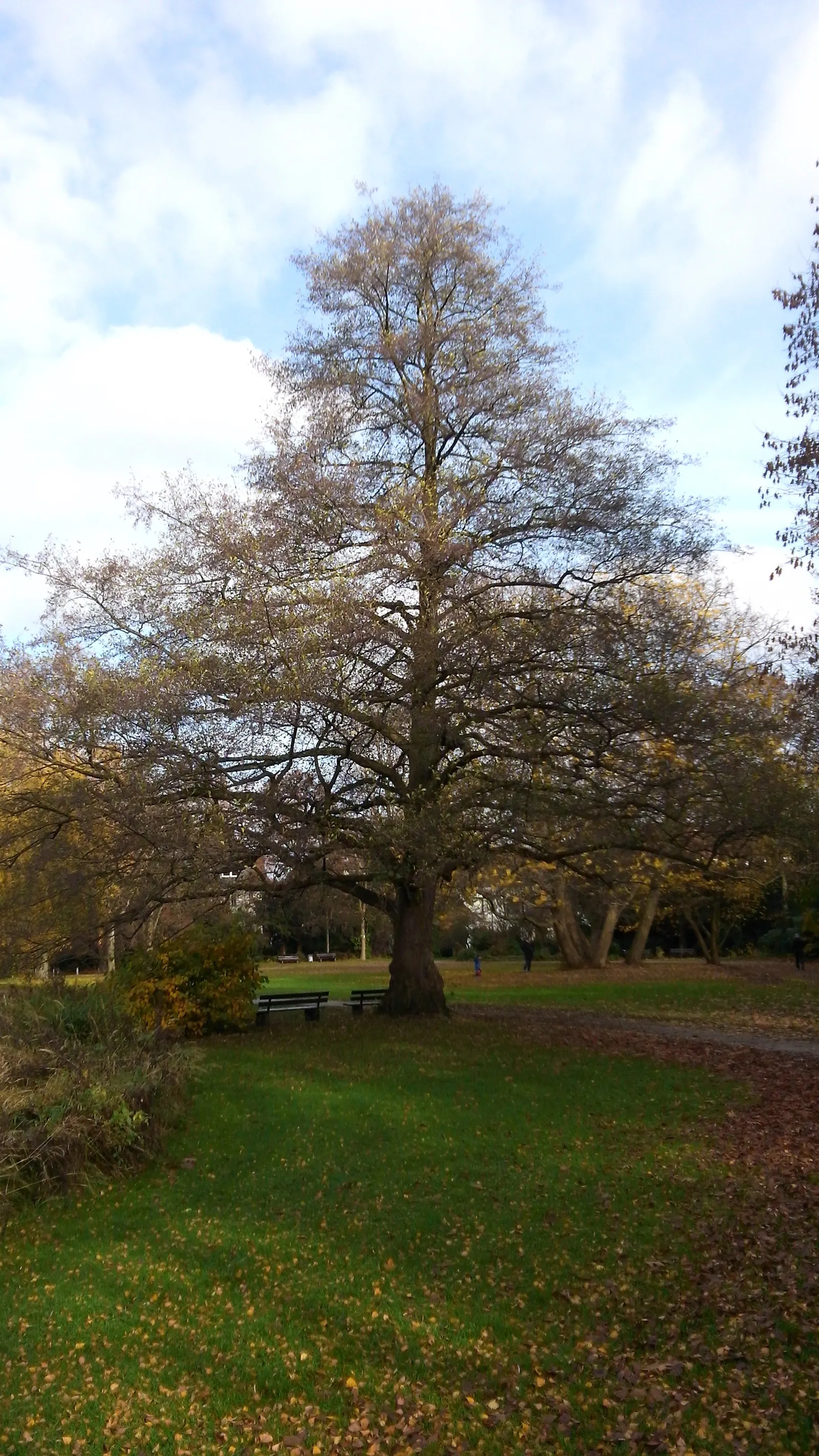
European Black Alder (Alnus Glutinosa) — Its rounded canopy offers excellent shade; improving soil fertility through nitrogen fixation
European Black Alder (Alnus Glutinosa) — along with its fine-toothed margins
European Black Alder (Alnus Glutinosa) — It is particularly tolerant of wet conditions
European Black Alder (Alnus Glutinosa) — The leaves exhibit a round-to-oval shape and are about 2 to 4 inches long with a slightly sticky texture
European Black Alder (Alnus Glutinosa) — The European Black Alder (Alnus glutinosa) is a deciduous tree renowned for its rapid growth; adaptable and, image 41
European Black Alder (Alnus Glutinosa) — The Black Alder\'s root system has the unique ability to fix nitrogen; it commonly reaches a height of 50 to 70 feet
European Black Alder (Alnus Glutinosa) — The European Black Alder (Alnus glutinosa) is a deciduous tree renowned for its rapid growth; adaptable and, image 61
European Black Alder (Alnus Glutinosa) — this alder thrives in wet conditions; giving rise to its species name "glutinosa," meaning \'sticky\'
European Black Alder (Alnus Glutinosa) — Adaptable and water-loving; this alder thrives in wet conditions, image 44
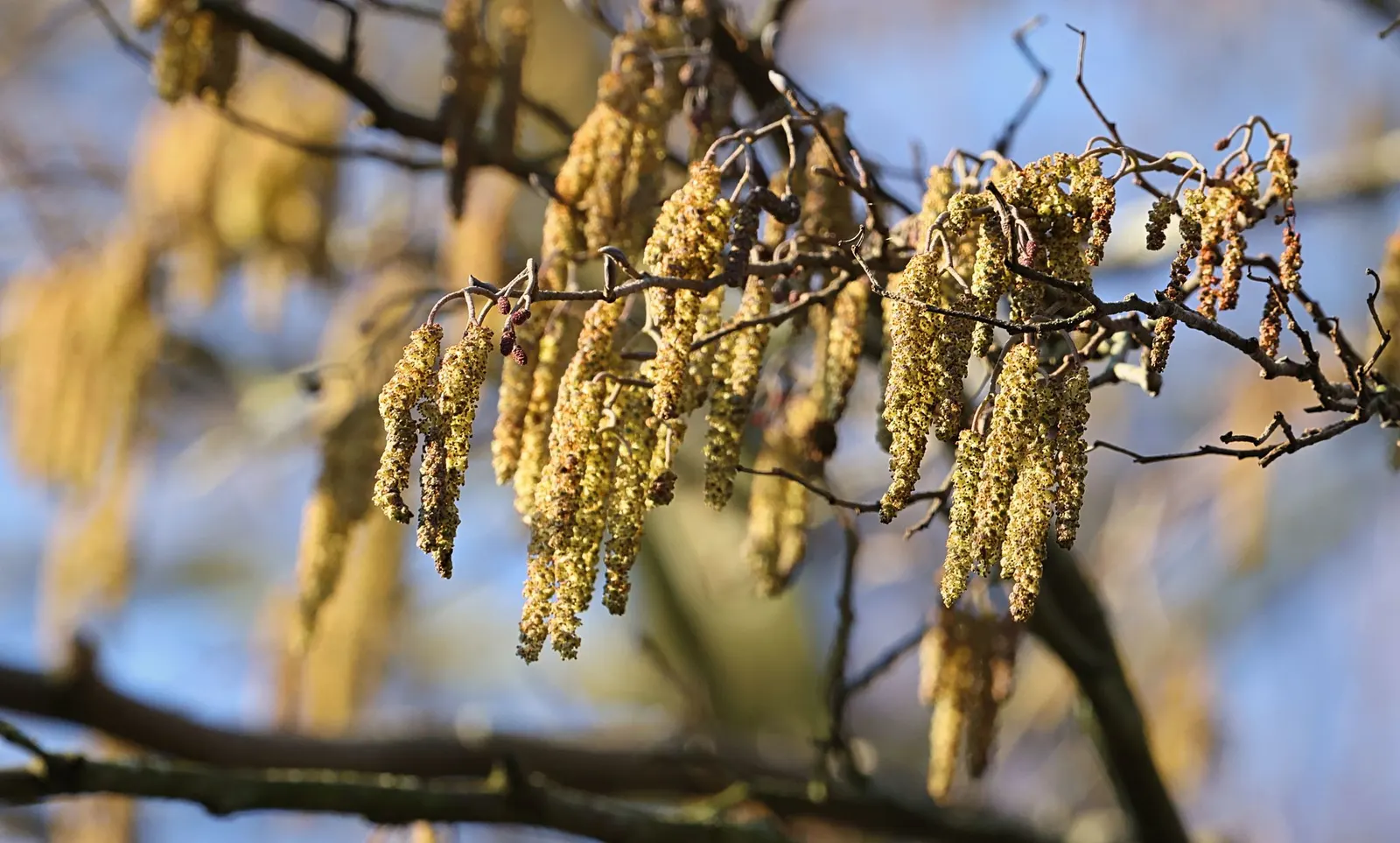
European Black Alder (Alnus Glutinosa) — It features glossy dark green leaves and distinctive catkin flowers; consider its final size and, image 43
European Black Alder (Alnus Glutinosa) — giving rise to its species name "glutinosa," meaning \'sticky\'
European Black Alder (Alnus Glutinosa) — Its rounded canopy offers excellent shade; improving soil fertility through nitrogen fixation, image 67
European Black Alder (Alnus Glutinosa) — tree for full or half; enriching the soil and potentially benefiting neighboring plants.<br><br>Flowers are
European Black Alder (Alnus Glutinosa) — It commonly reaches a height of 50 to 70 feet with a spread of 25 to 35 feet; tree for full or half, image 49
European Black Alder (Alnus Glutinosa) — The Black Alder\'s root system has the unique ability to fix nitrogen
European Black Alder (Alnus Glutinosa) — Its rounded canopy offers excellent shade
European Black Alder (Alnus Glutinosa) — reaching 50-70 feet in height with a 20-40 foot spread; the leaves exhibit a round-to-oval shape and are about 2 to 4
European Black Alder (Alnus Glutinosa) — this alder thrives in wet conditions; giving rise to its species name "glutinosa," meaning \'sticky\', image 65
European Black Alder (Alnus Glutinosa) — enriching the soil and potentially benefiting neighboring plants.<br><br>Flowers are inconspicuous; the, image 57
Photographs by 15 contributors

Related plants