Skip to content

African Fern Pine

Afrocarpus Gracilior

Design with this plant

Overview

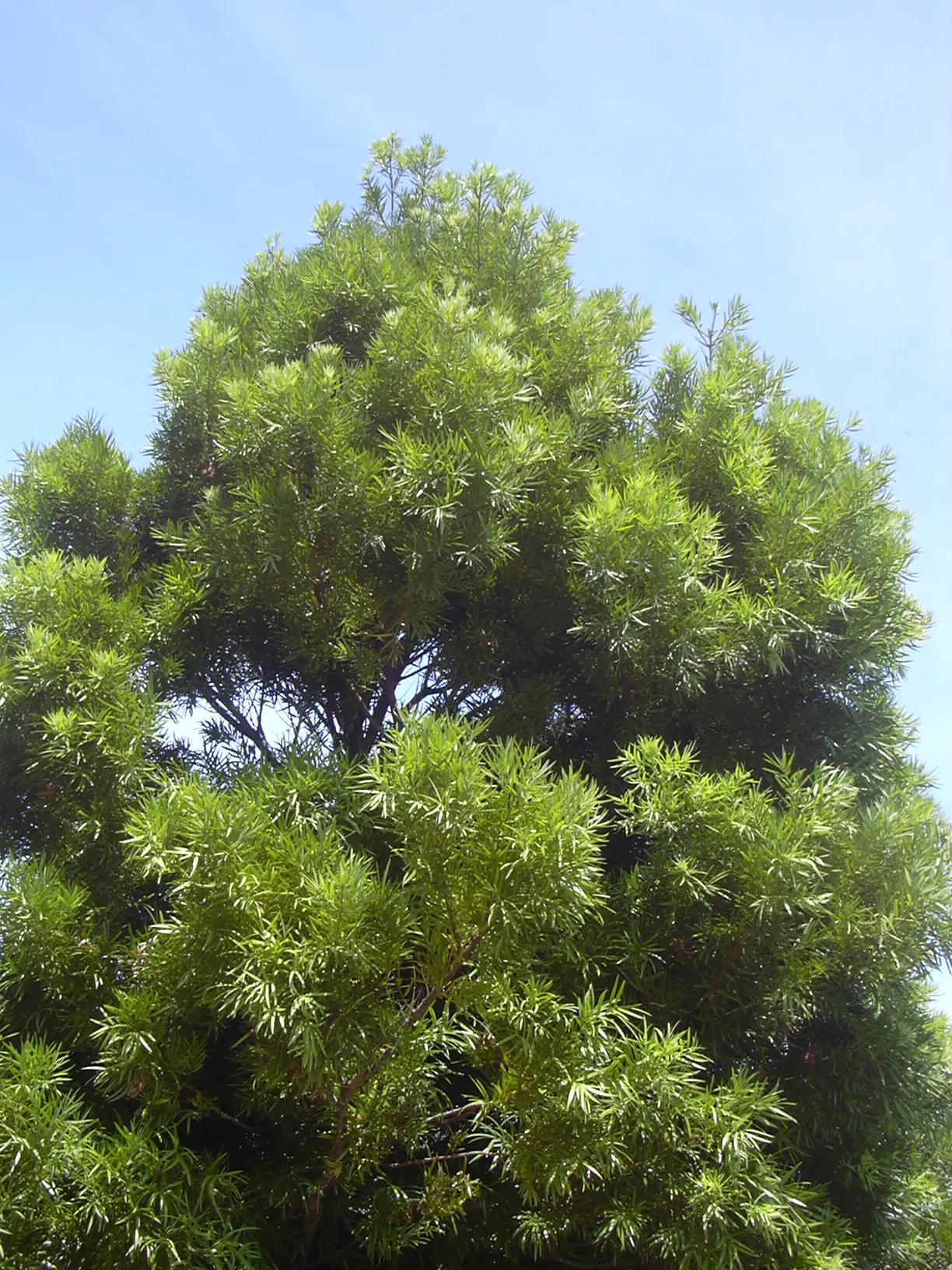
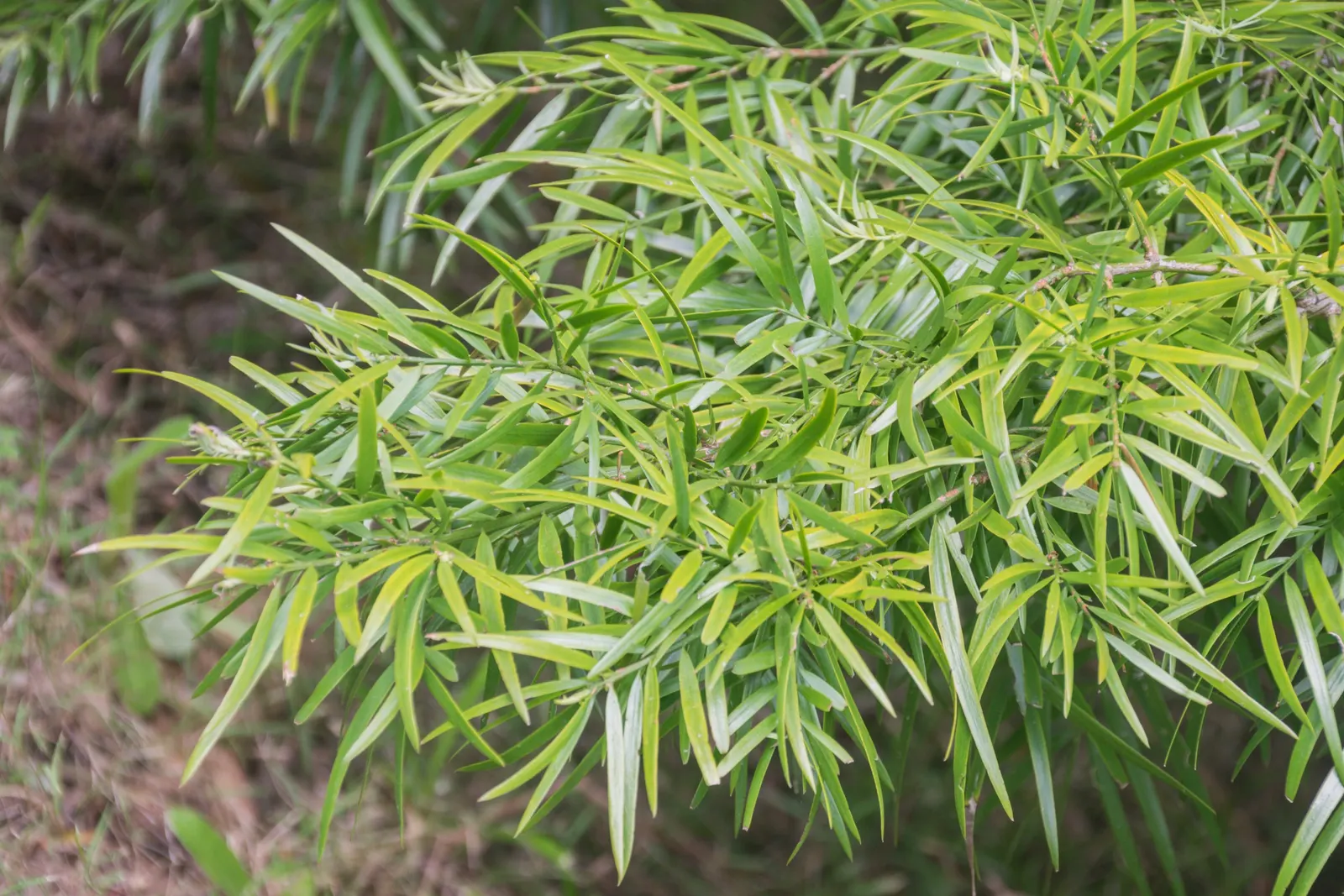
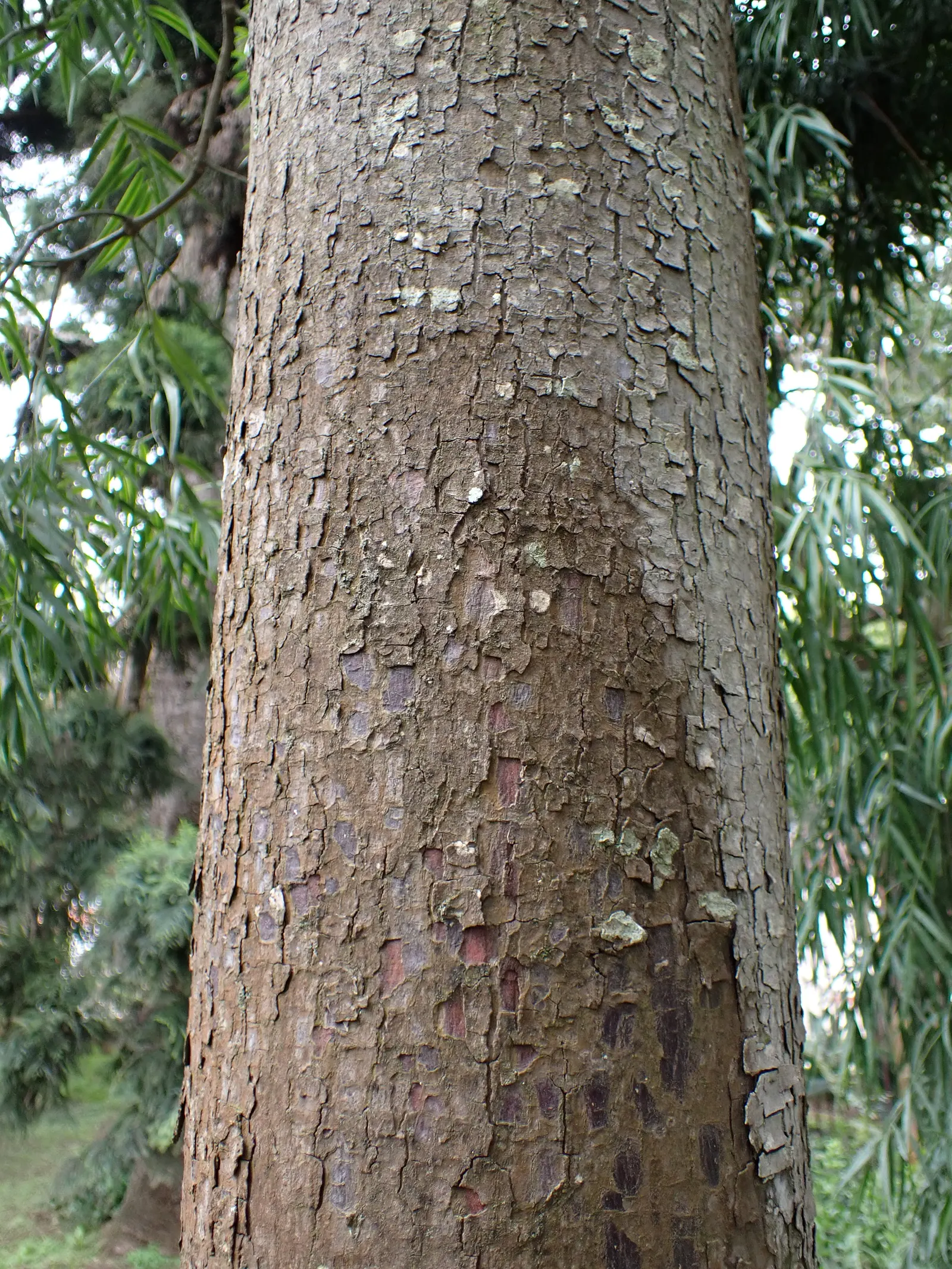
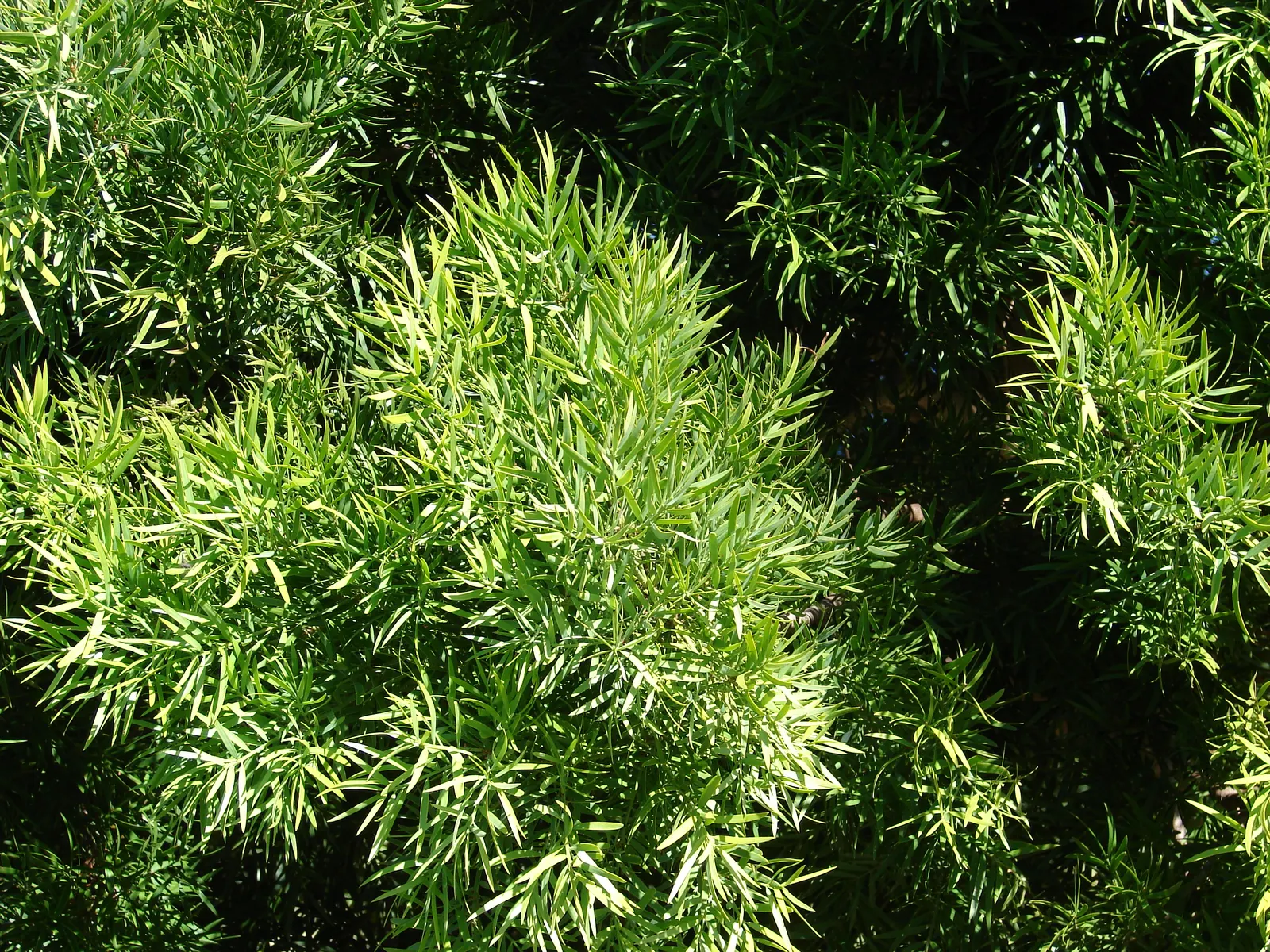
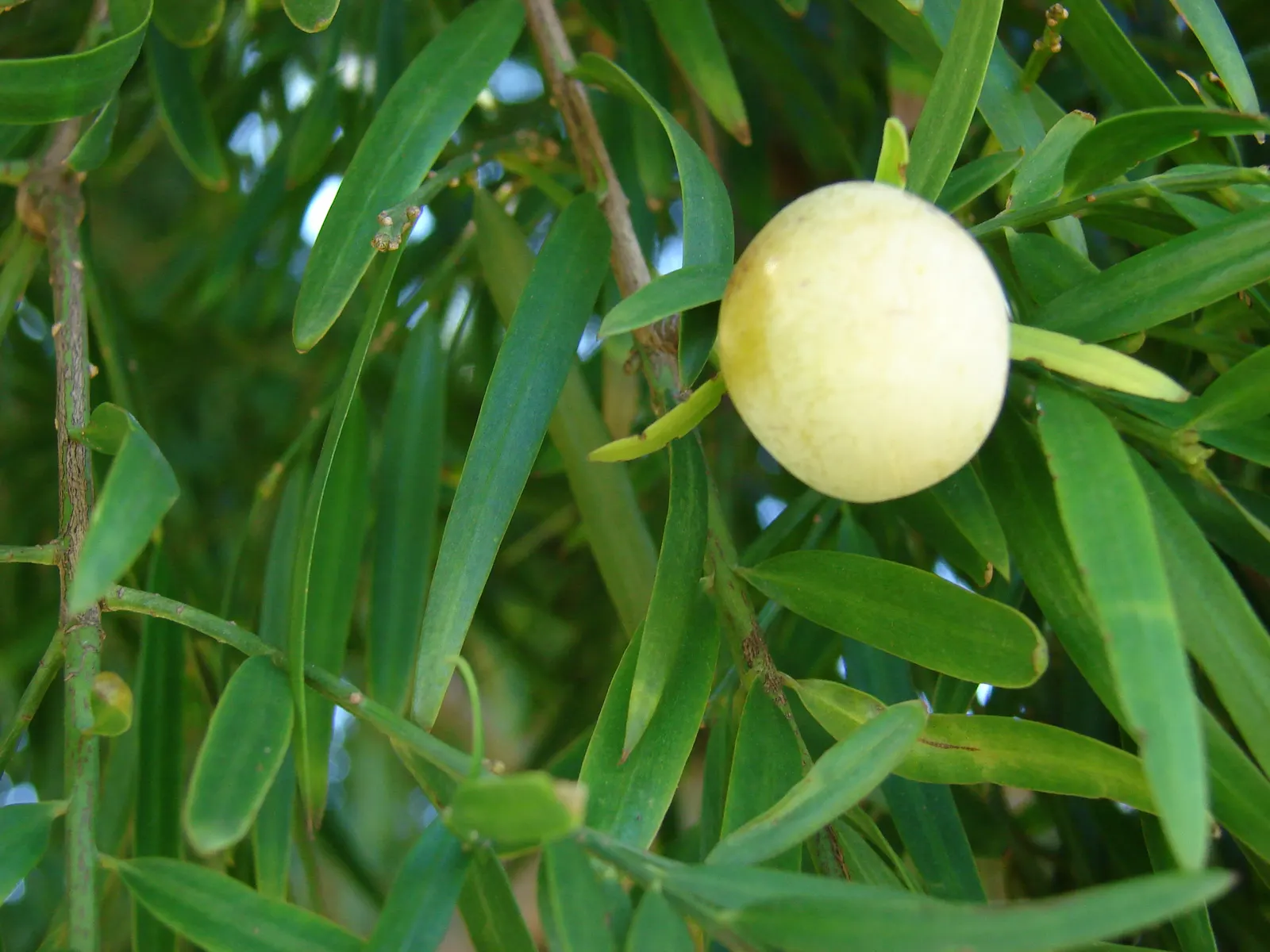
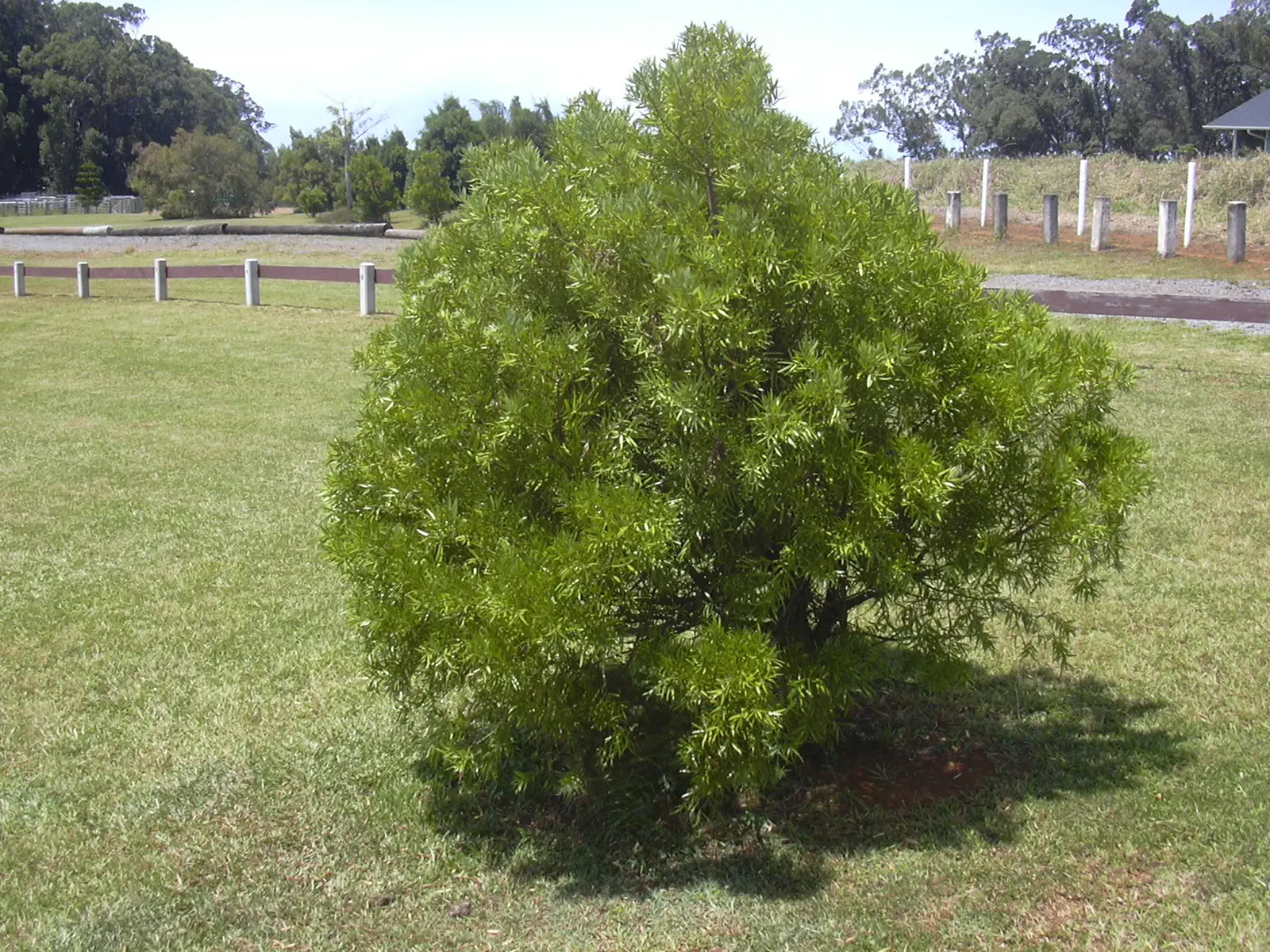
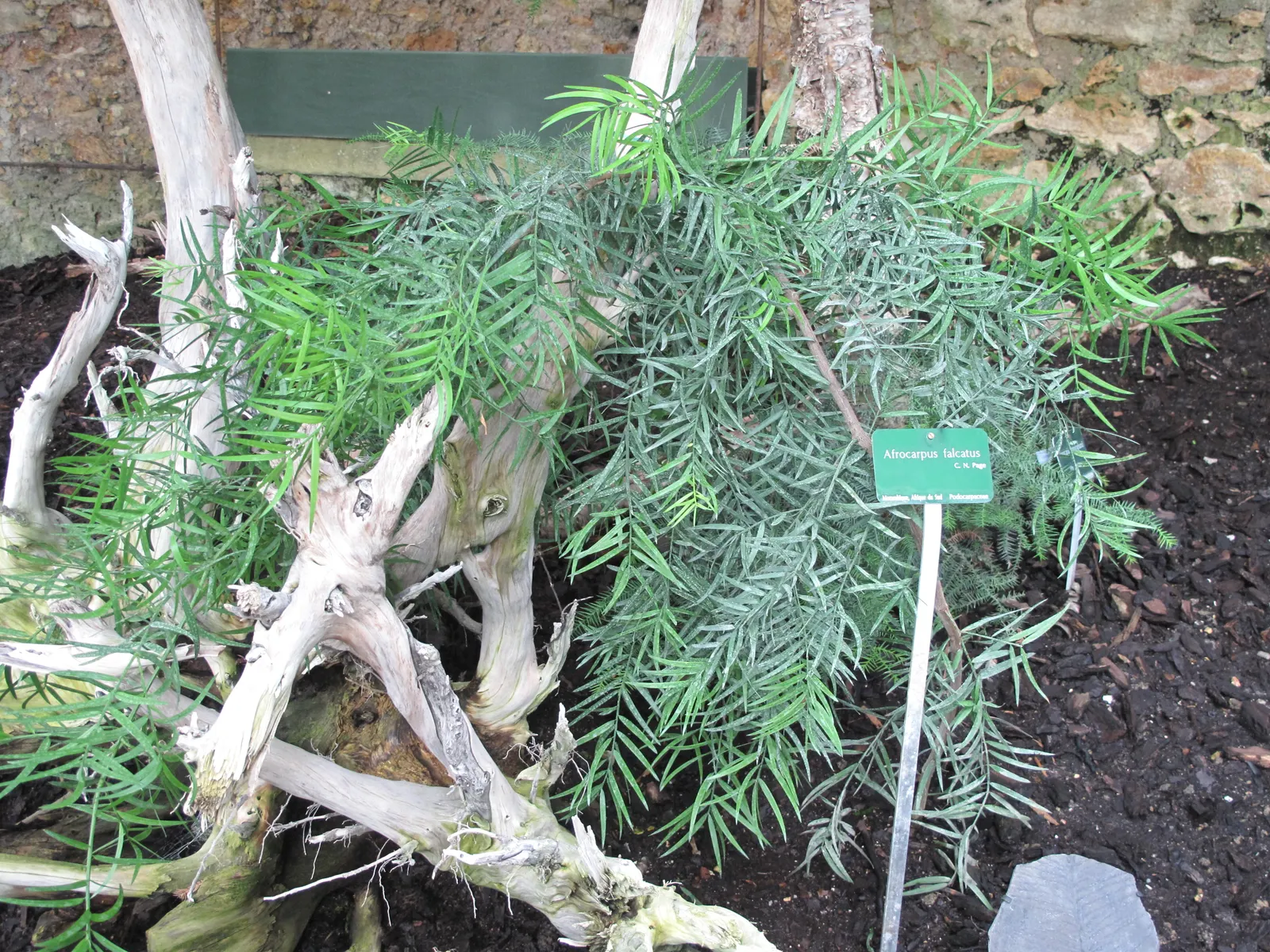
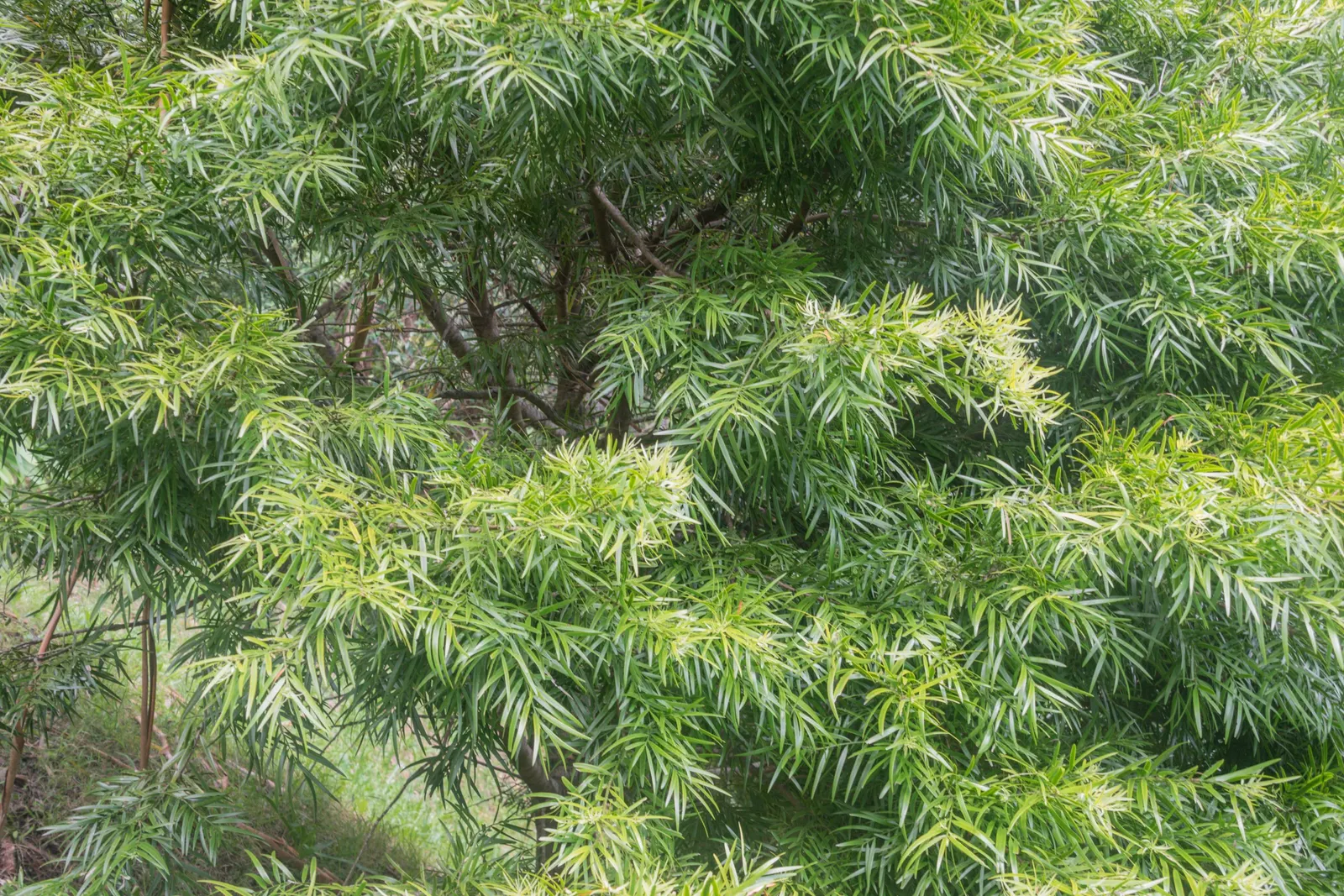
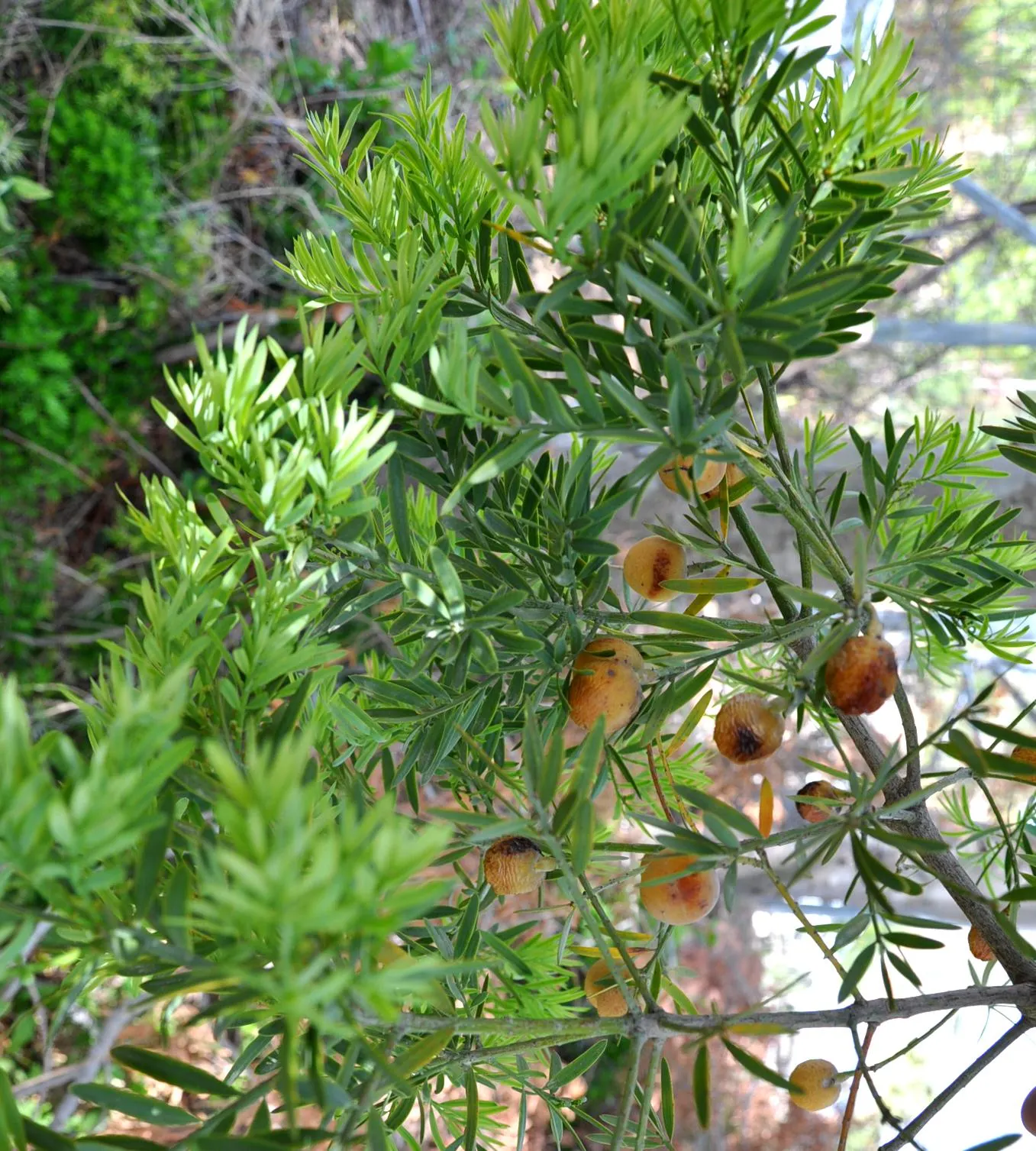
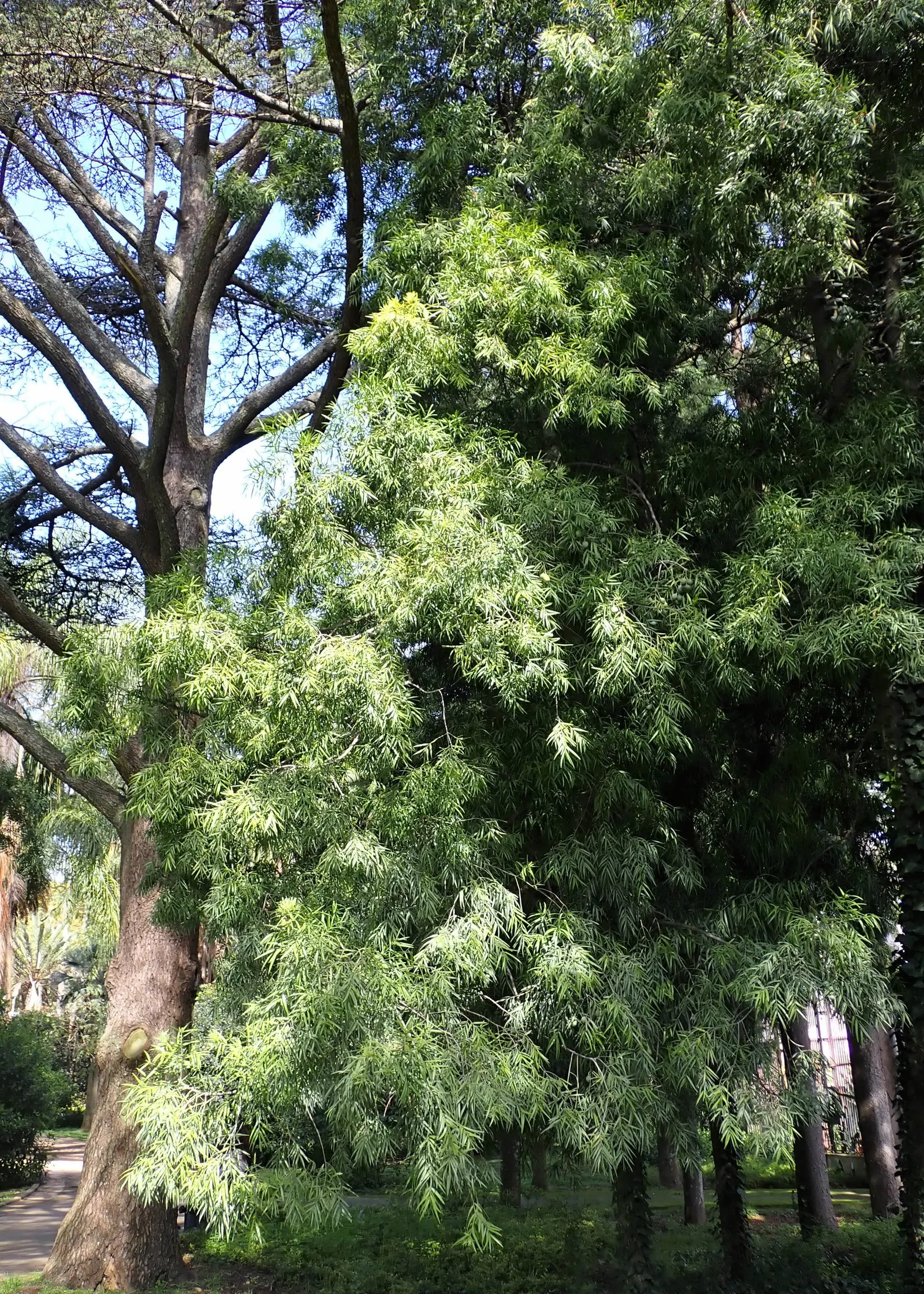
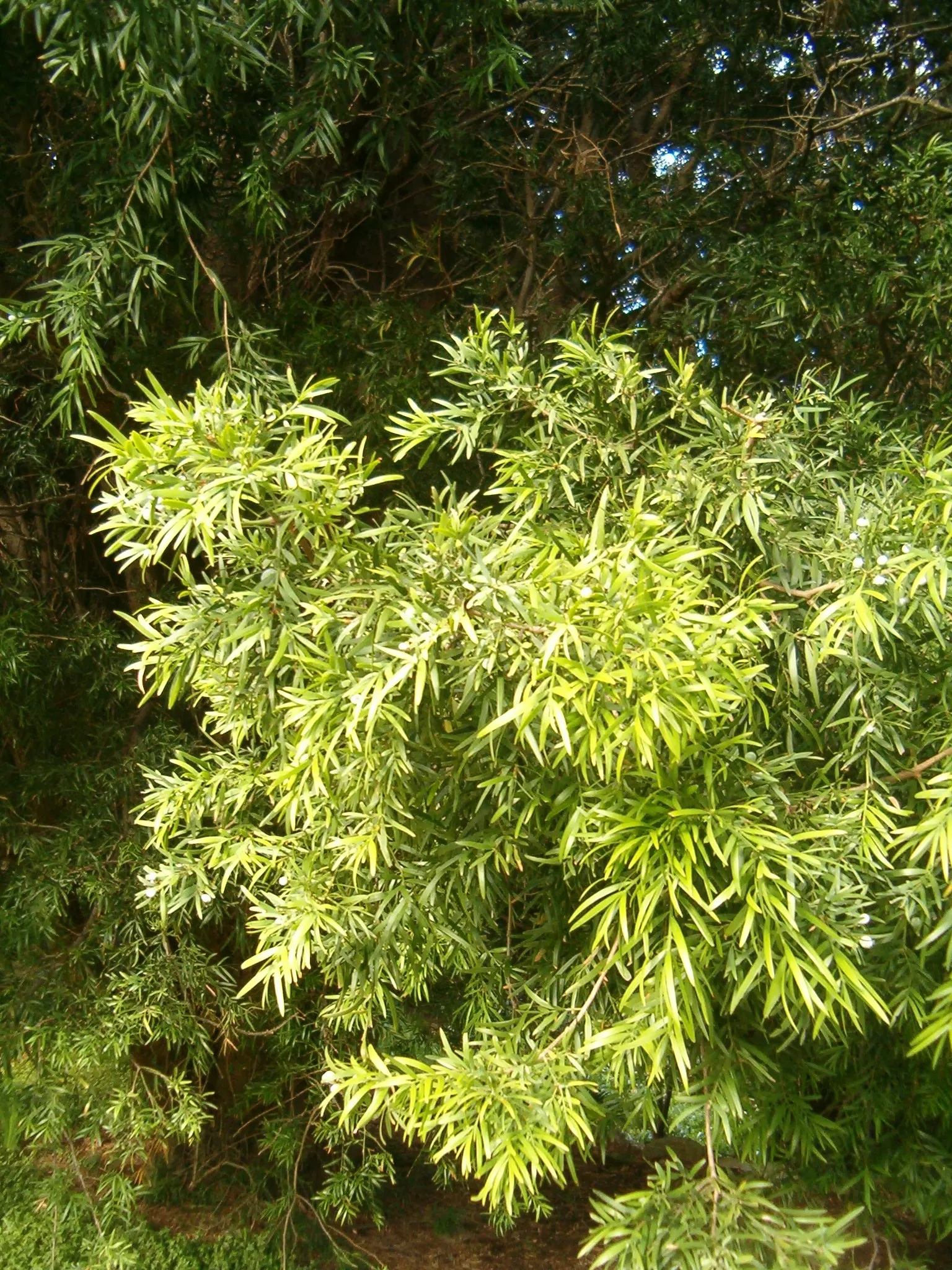
The African Fern Pine, Afrocarpus gracilior, is an elegant evergreen tree ideal for landscapes requiring vertical accents. It can reach heights up to 50-65 feet with a slender, pyramidal form. The soft, feathery foliage presents a lush green canopy extending 20-30 feet wide. Thriving in USDA zones 9-11, it tolerates various soils and is drought-resistant once established. Perfect for screens or as a stately specimen, it operates well in urban environments.

Sun Full, HalfWater MediumZones 9–10Type TreeClimate Mediterranean

Culture

Sun
Full, Half
Water
Medium
USDA zones
9–10

Shape & size

Classification

Type
Tree
Family
Podocarpaceae
Climate
Mediterranean

See full data, regional cultivation notes, and design tools. Build a client presentation around this plant.

Start your 14-day trial

Photos (76)

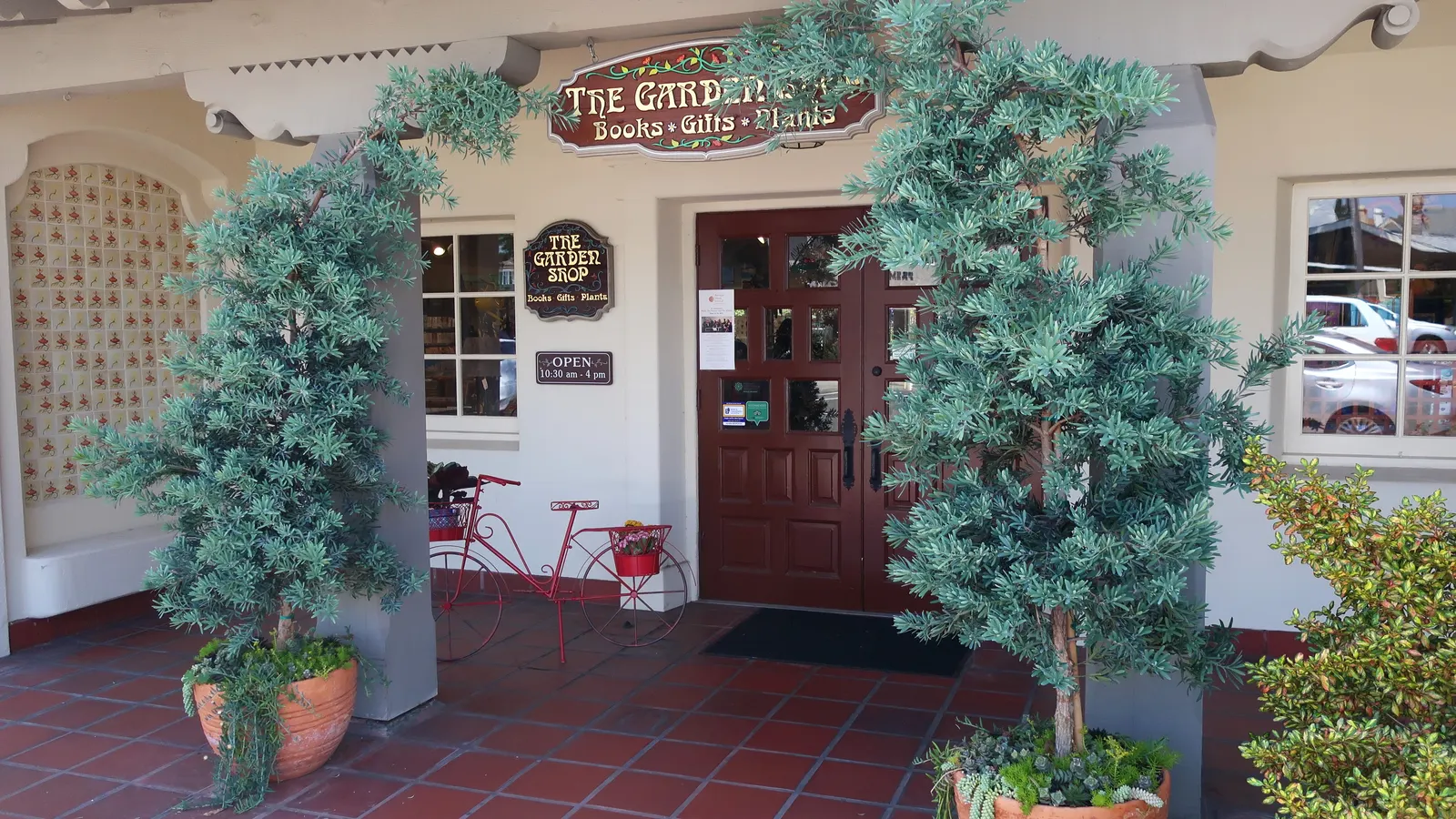
African Fern Pine (Afrocarpus Gracilior) — creating a soft texture that can soften the sterner lines of urban architecture
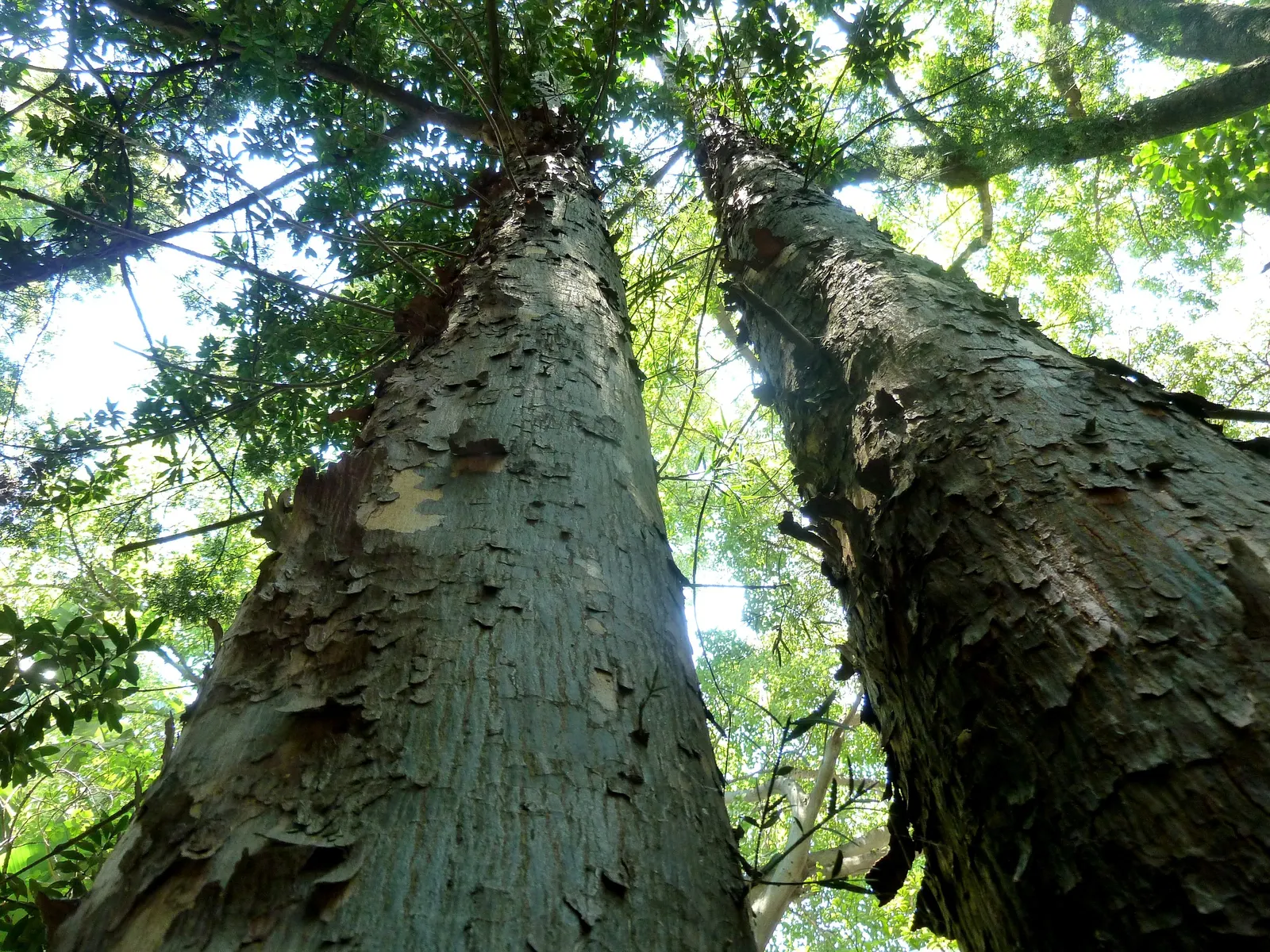
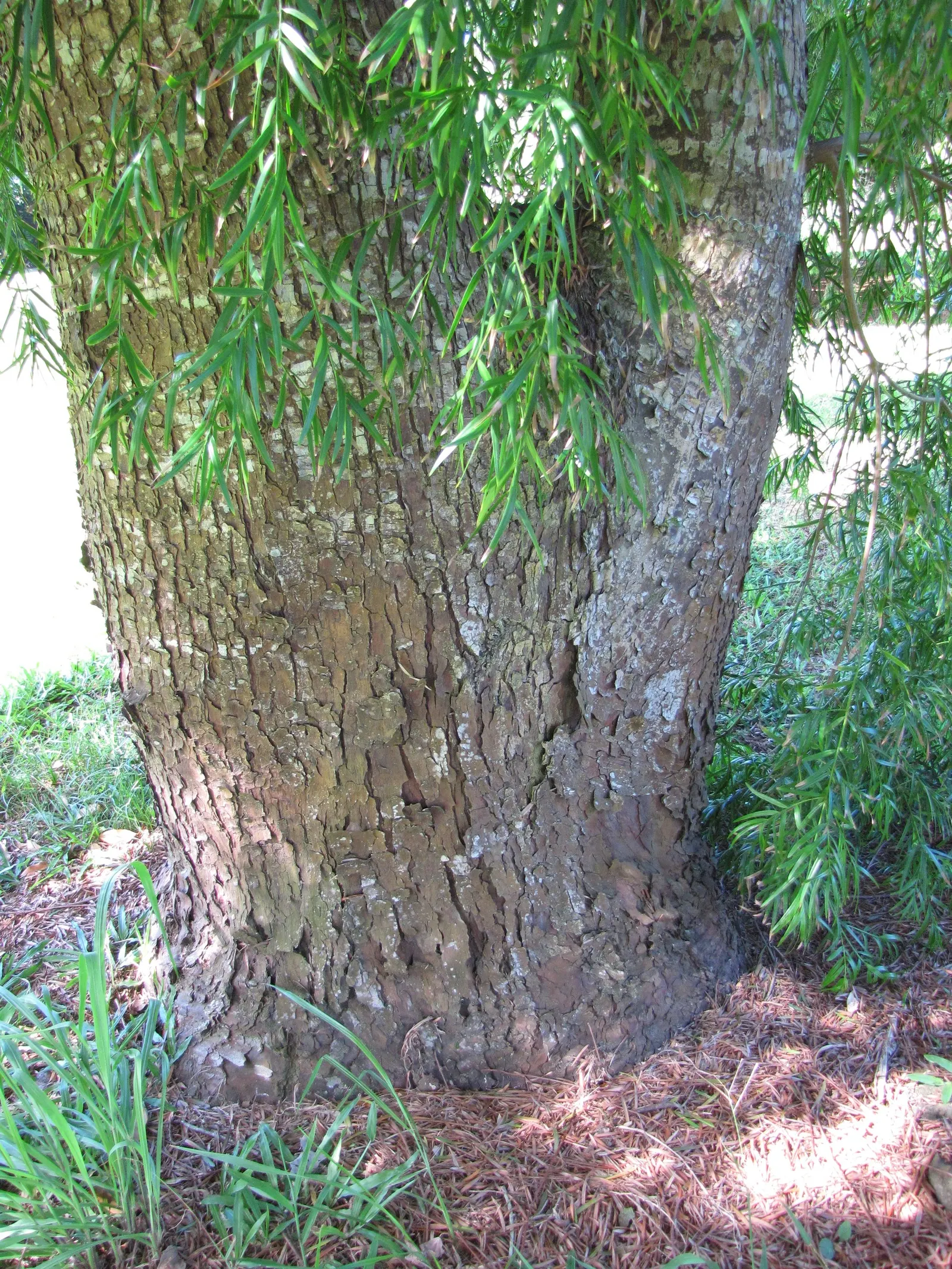
African Fern Pine (Afrocarpus Gracilior) — It can reach heights up to 50-65 feet with a slender, pyramidal form; around 2 to 4 inches long, image 65
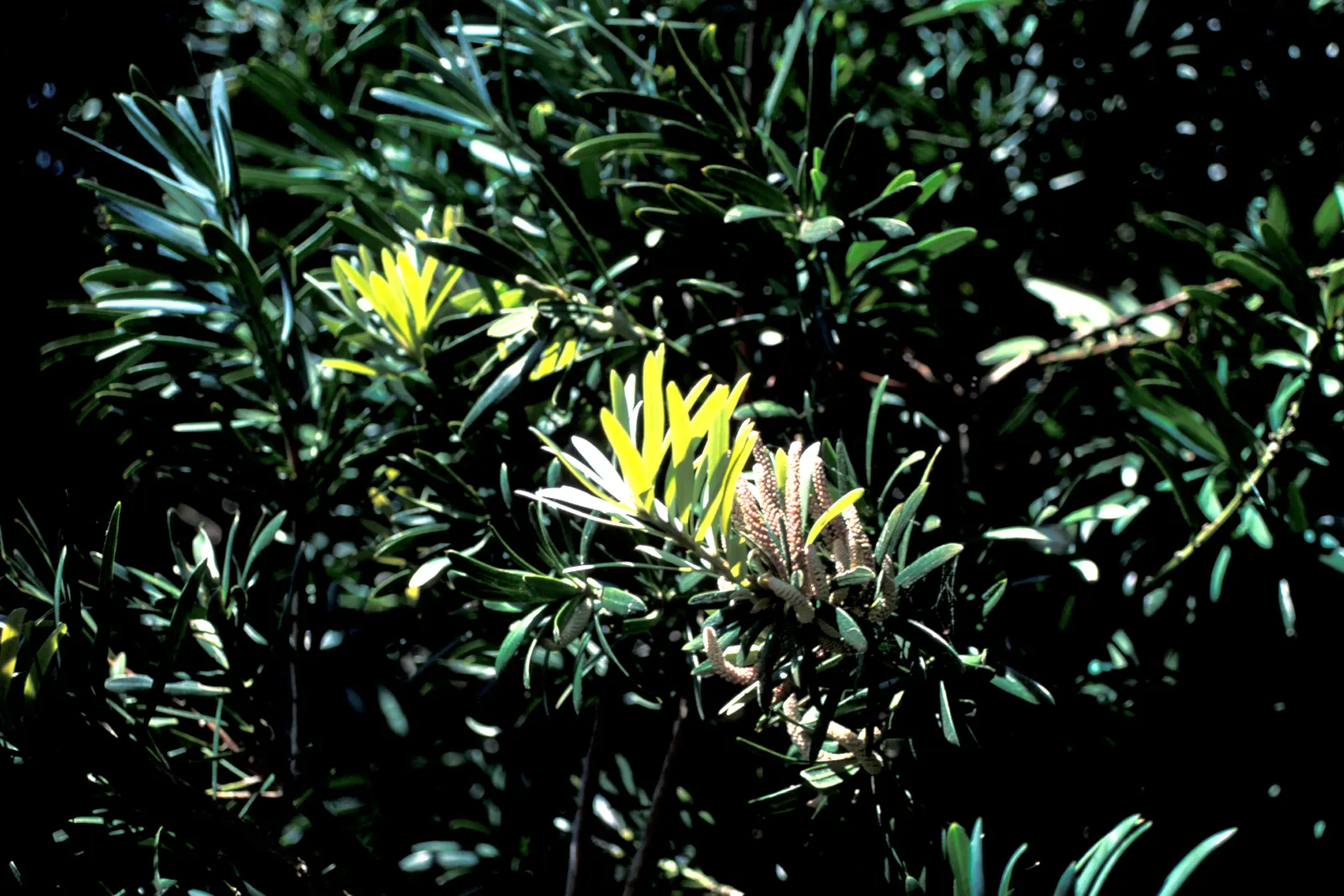
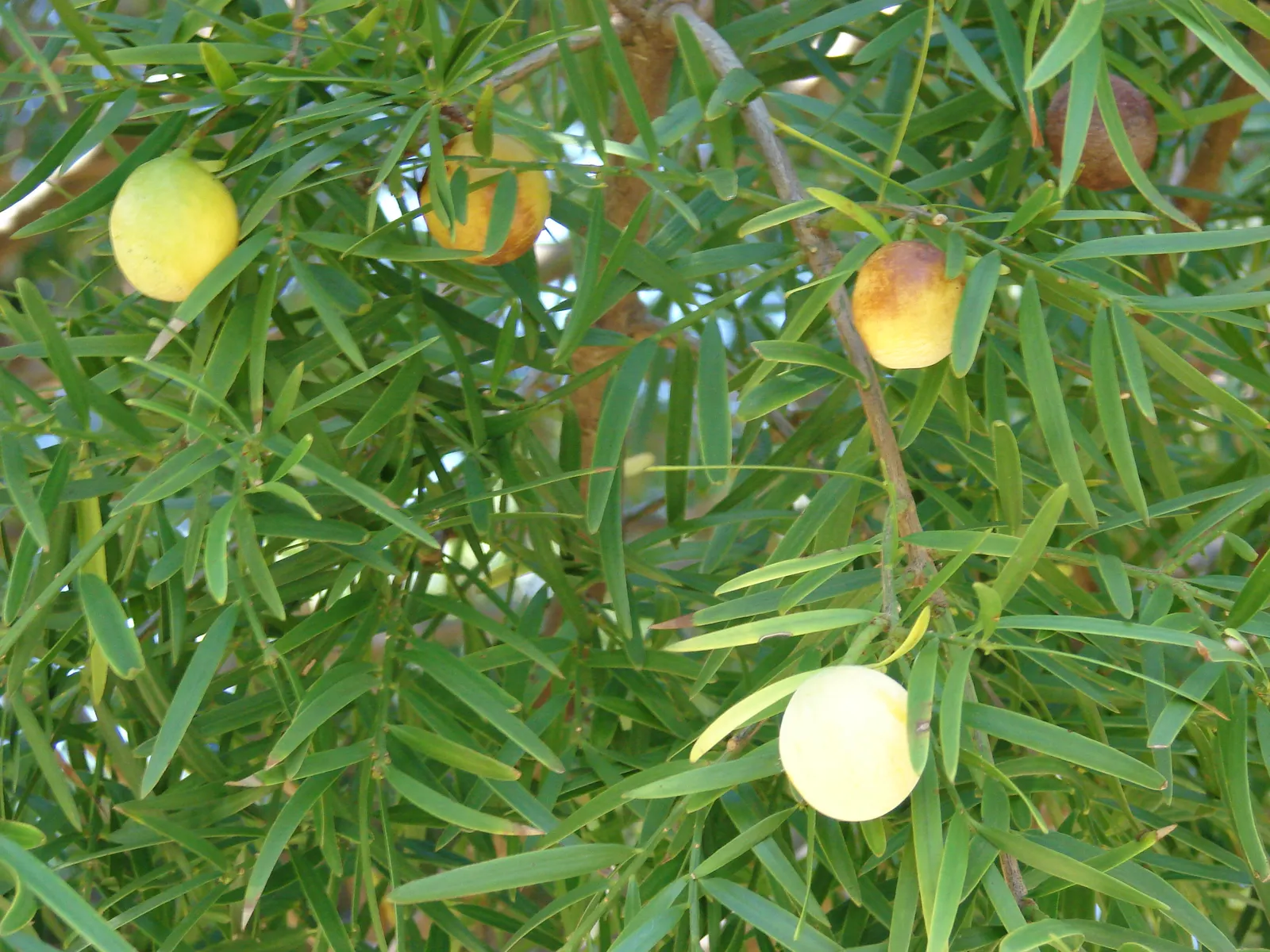
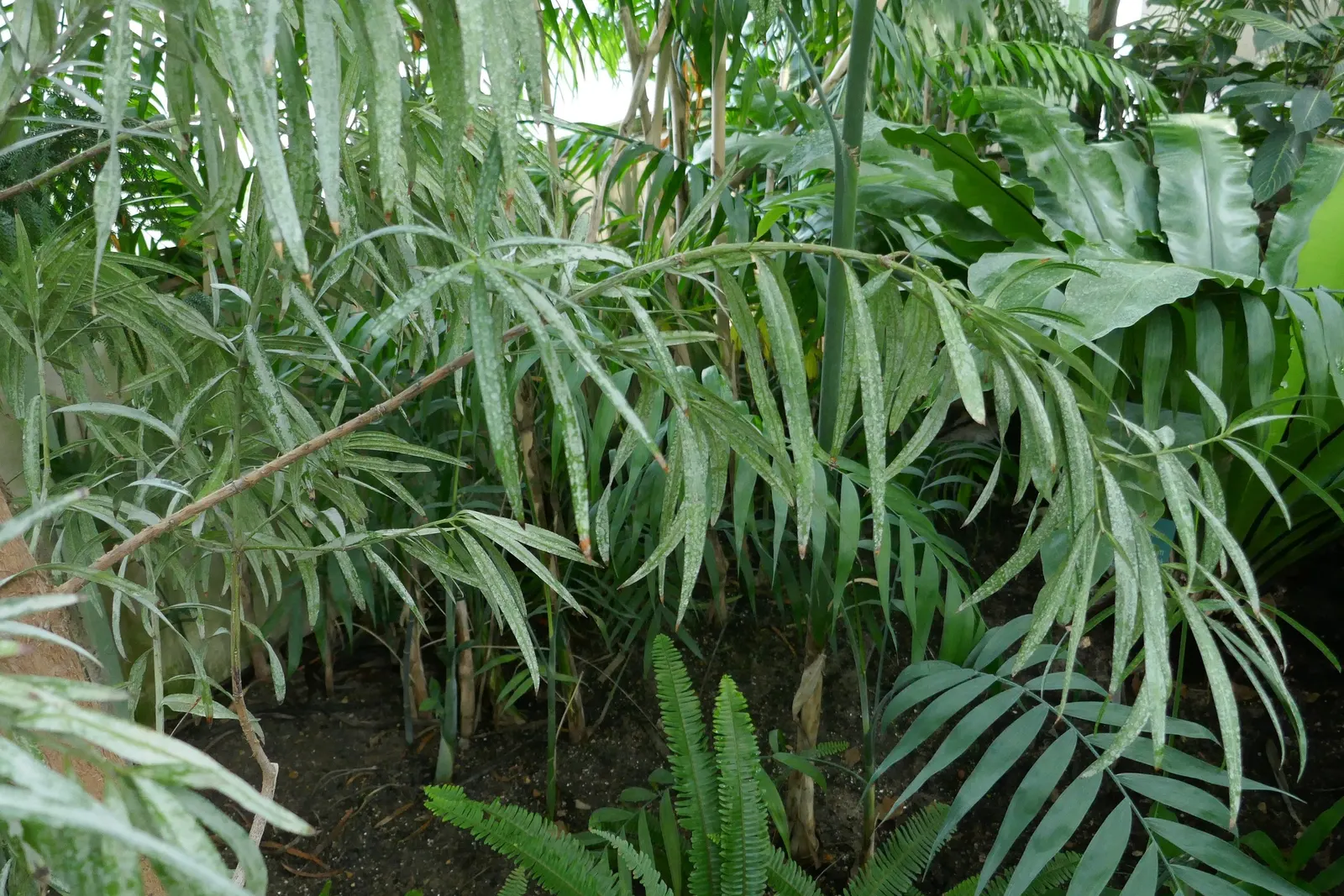
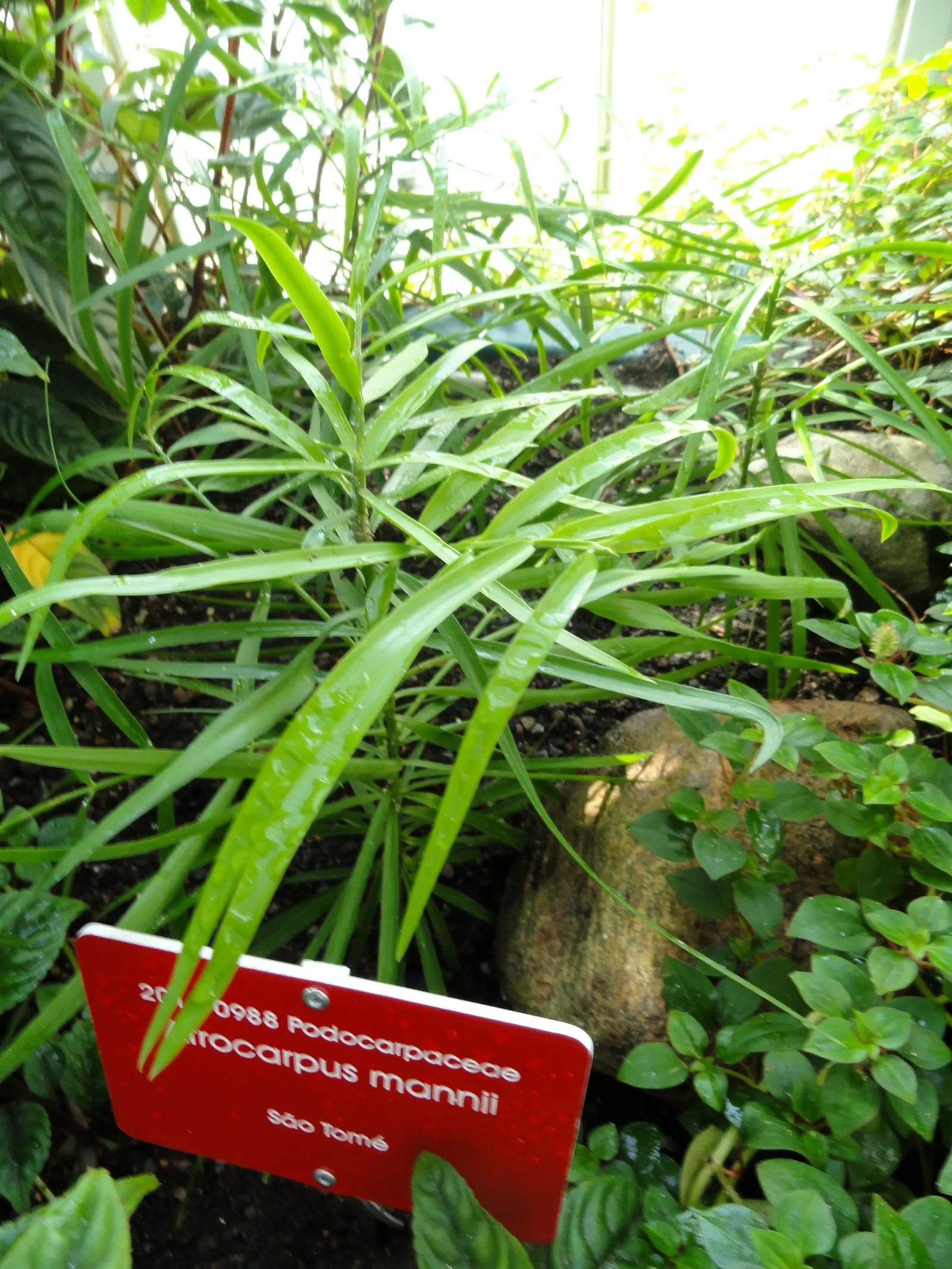
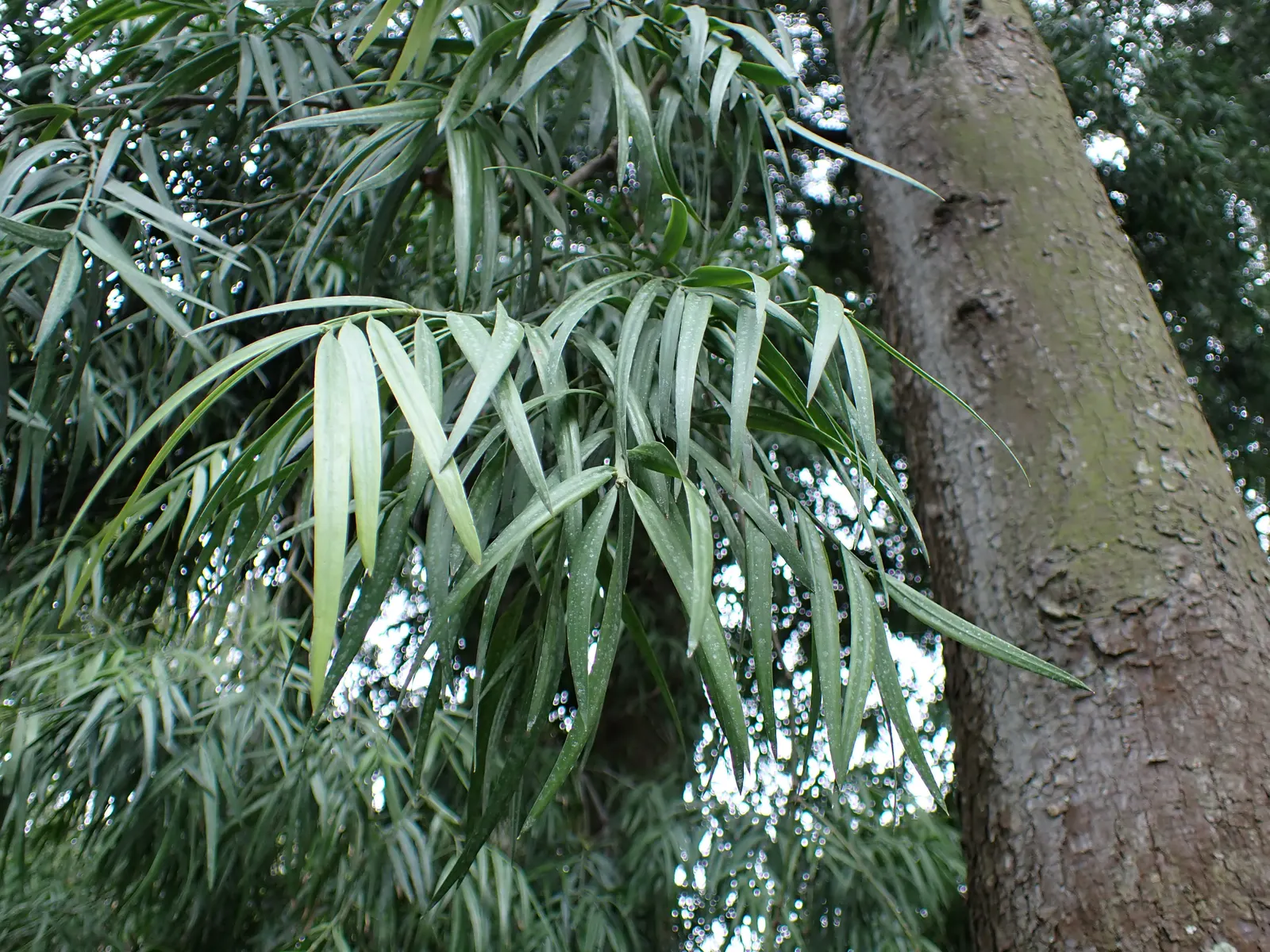
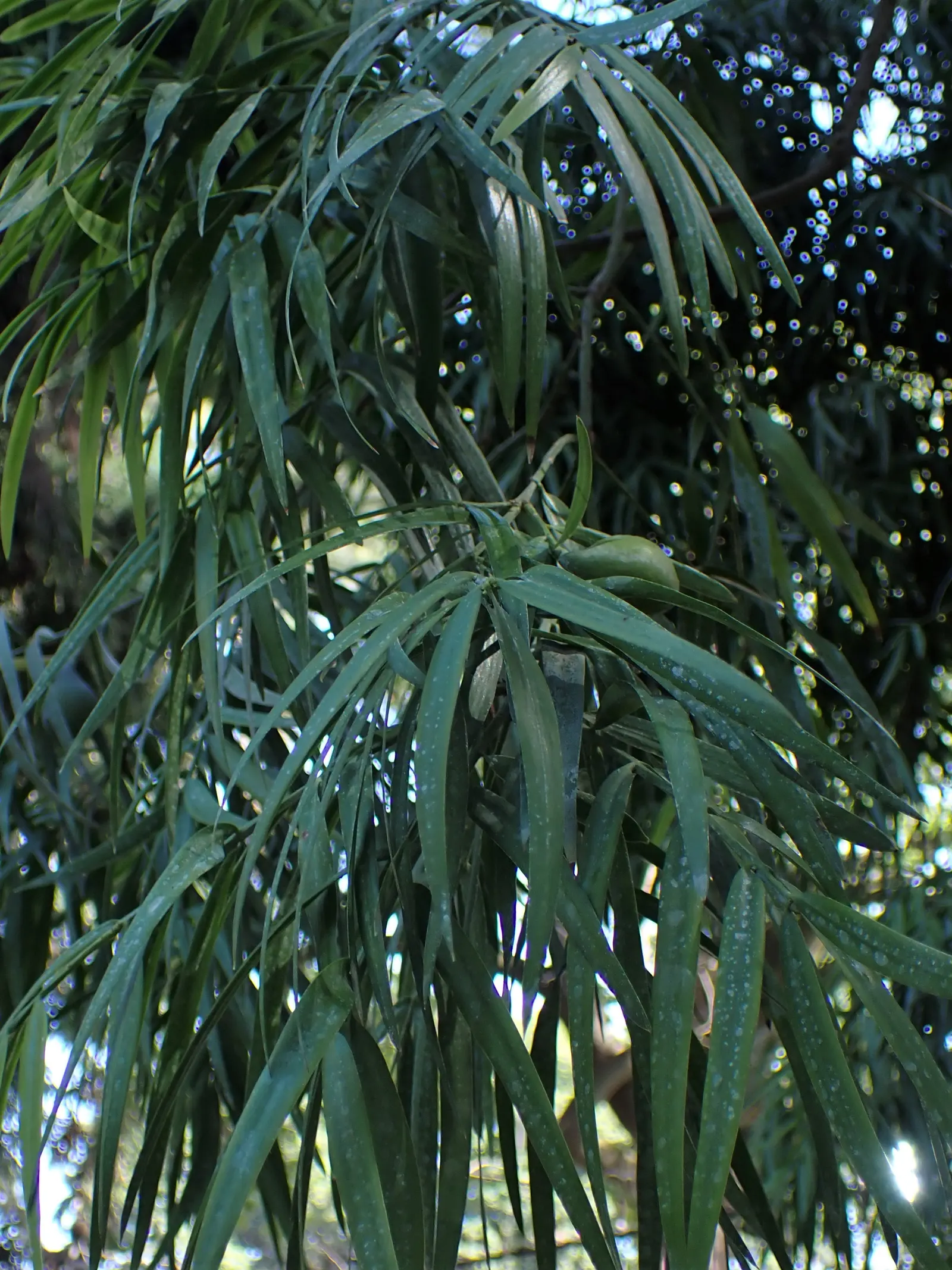
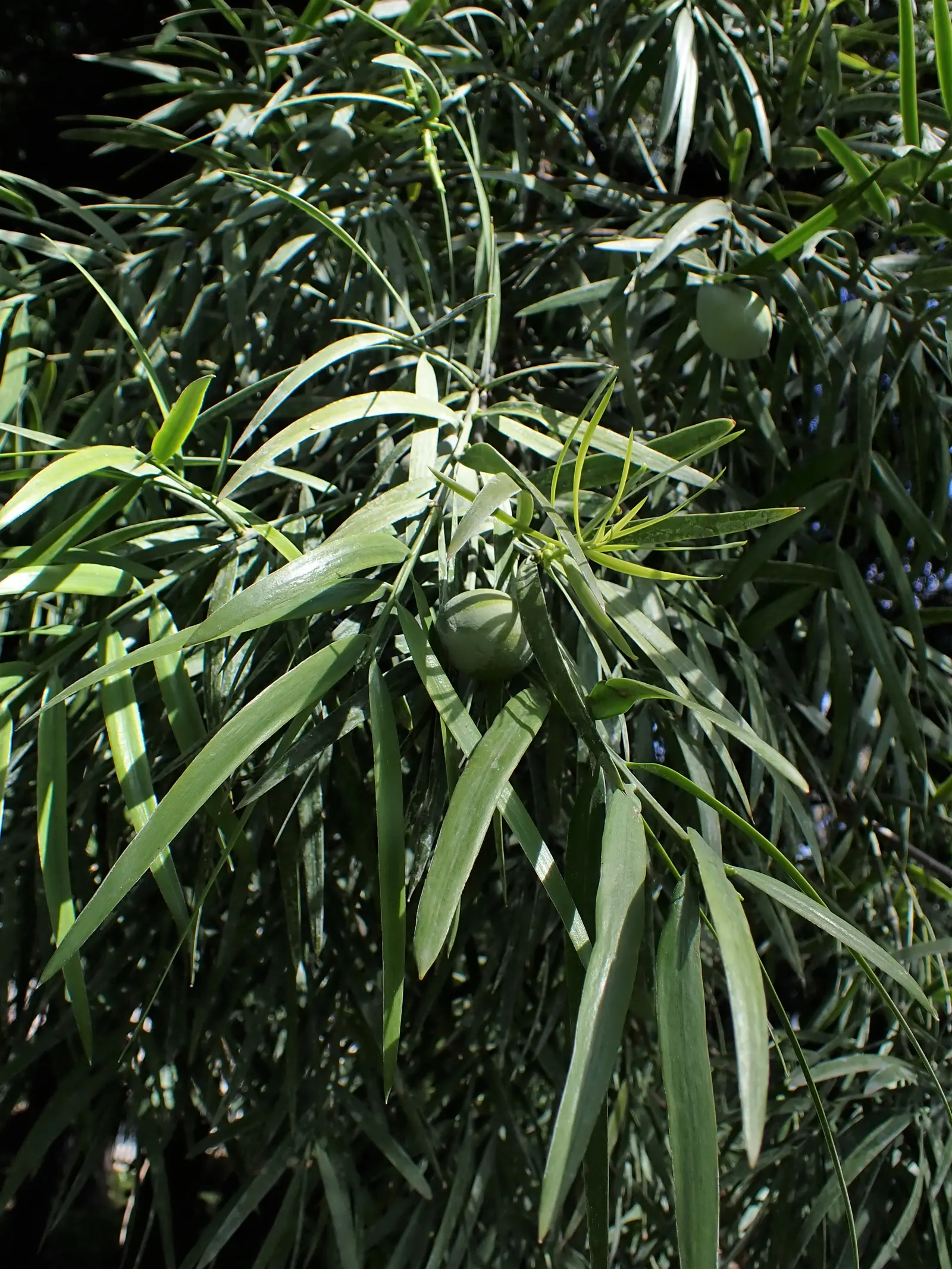
African Fern Pine (Afrocarpus Gracilior) — feathery foliage presents in a dark bluish-green hue
African Fern Pine (Afrocarpus Gracilior) — the African Fern Pine prefers well-draining soil and thrives in full sun to partial shade
African Fern Pine (Afrocarpus Gracilior) — contributing to its fern-like appearance; thriving in USDA zones 9-11, it tolerates various soils and is, image 52
African Fern Pine (Afrocarpus Gracilior) — is an elegant evergreen tree ideal for landscapes requiring vertical accents; thriving in USDA zones, image 64
African Fern Pine (Afrocarpus Gracilior) — feathery foliage presents in a dark bluish-green hue; imbuing your garden with life
African Fern Pine (Afrocarpus Gracilior) — this tree is a resilient and attractive choice; thriving in USDA zones 9-11, it tolerates various soils, image 61
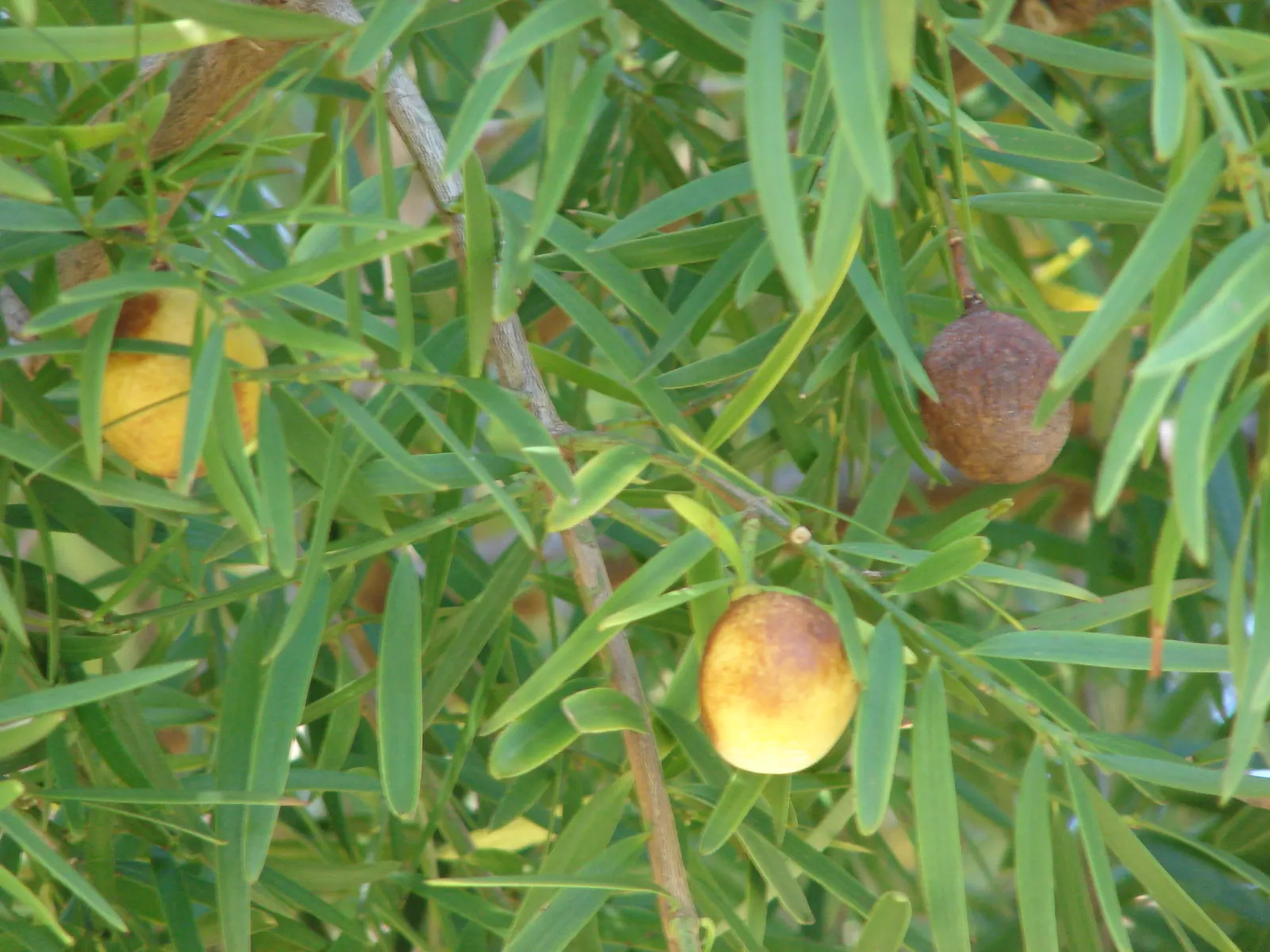
African Fern Pine (Afrocarpus Gracilior) — including birds and insects; around 2 to 4 inches long, image 59
African Fern Pine (Afrocarpus Gracilior) — scientifically named Afrocarpus gracilior; imbuing your garden with life, image 48
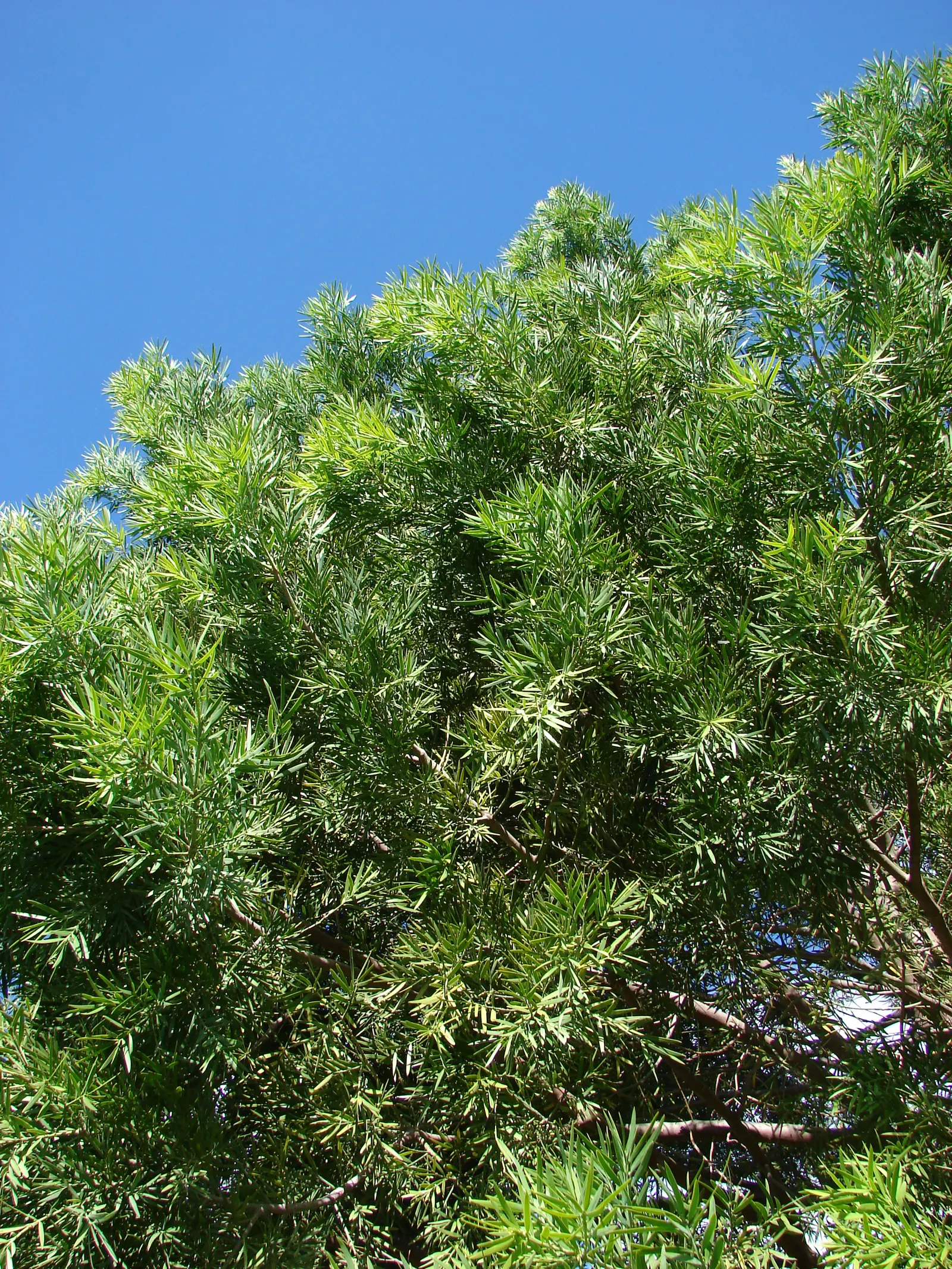
African Fern Pine (Afrocarpus Gracilior) — The soft, feathery foliage presents a lush green canopy extending 20-30 feet wide; imbuing your garden, image 45
African Fern Pine (Afrocarpus Gracilior) — the African Fern Pine prefers well-draining soil and thrives in full sun to partial shade; thriving in, image 76
African Fern Pine (Afrocarpus Gracilior) — feathery foliage presents in a dark bluish-green hue; imbuing your garden with life, image 51
African Fern Pine (Afrocarpus Gracilior) — This graceful tree originates from the higher elevations of Eastern Africa and exhibits a tall; around 2, image 71
African Fern Pine (Afrocarpus Gracilior) — it is relatively low-maintenance; thriving in USDA zones 9-11, it tolerates various soils and is, image 58
African Fern Pine (Afrocarpus Gracilior) — this tree is a resilient and attractive choice; thriving in USDA zones 9-11, it tolerates various soils and is
African Fern Pine (Afrocarpus Gracilior) — is an elegant evergreen tree ideal for landscapes requiring vertical accents
African Fern Pine (Afrocarpus Gracilior) — Perfect for screens or as a stately specimen, it operates well in urban environments; around 2 to 4, image 68
African Fern Pine (Afrocarpus Gracilior) — tree for full or half; imbuing your garden with life, image 63
African Fern Pine (Afrocarpus Gracilior) — Once established, it is drought-tolerant, making it a fitting selection for water-conserving landscapes, image 56
African Fern Pine (Afrocarpus Gracilior) — imbuing your garden with life, image 39
African Fern Pine (Afrocarpus Gracilior) — creating a soft texture that can soften the sterner lines of urban architecture; imbuing your garden, image 75
African Fern Pine (Afrocarpus Gracilior) — this tree is a resilient and attractive choice
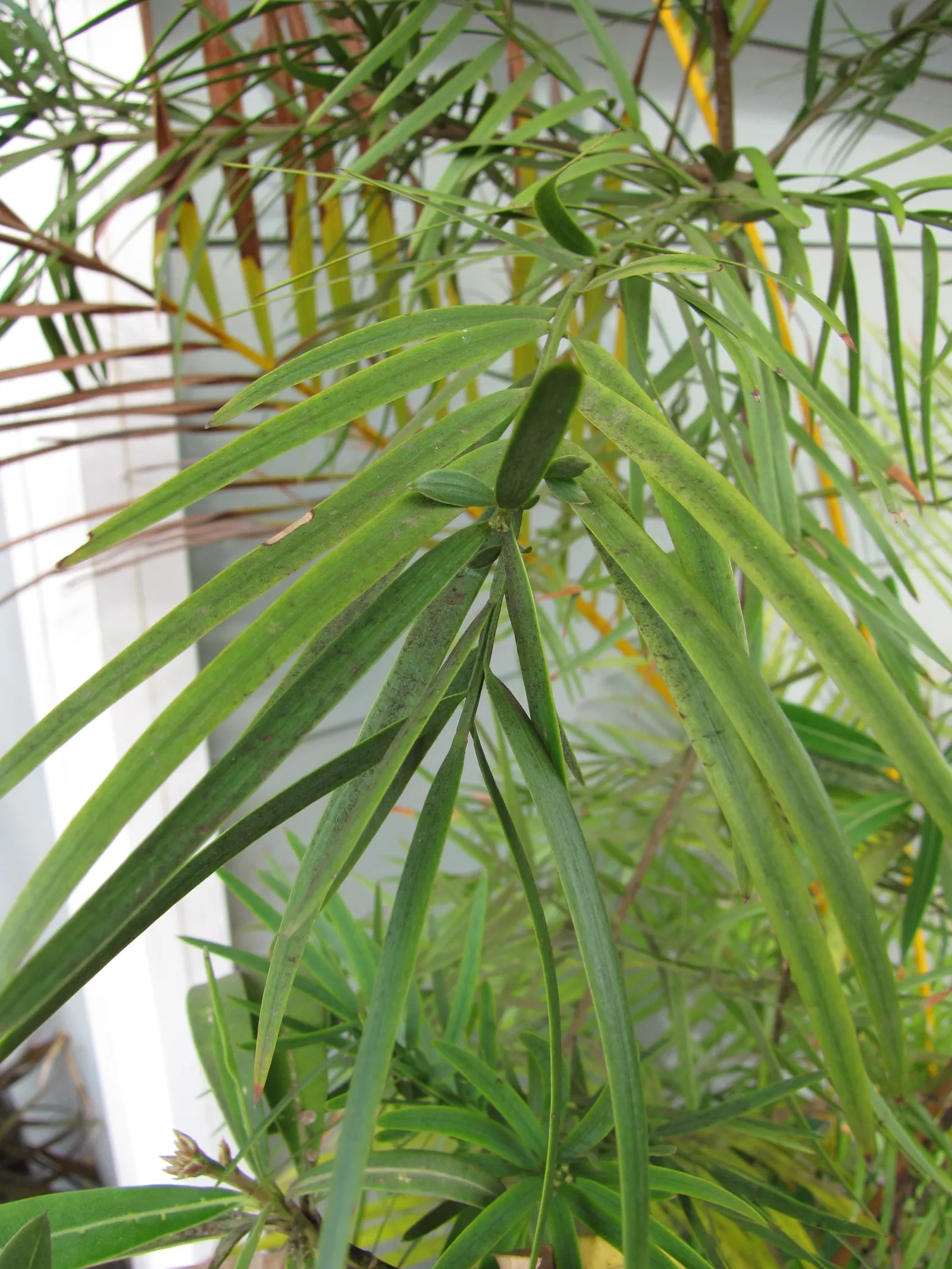
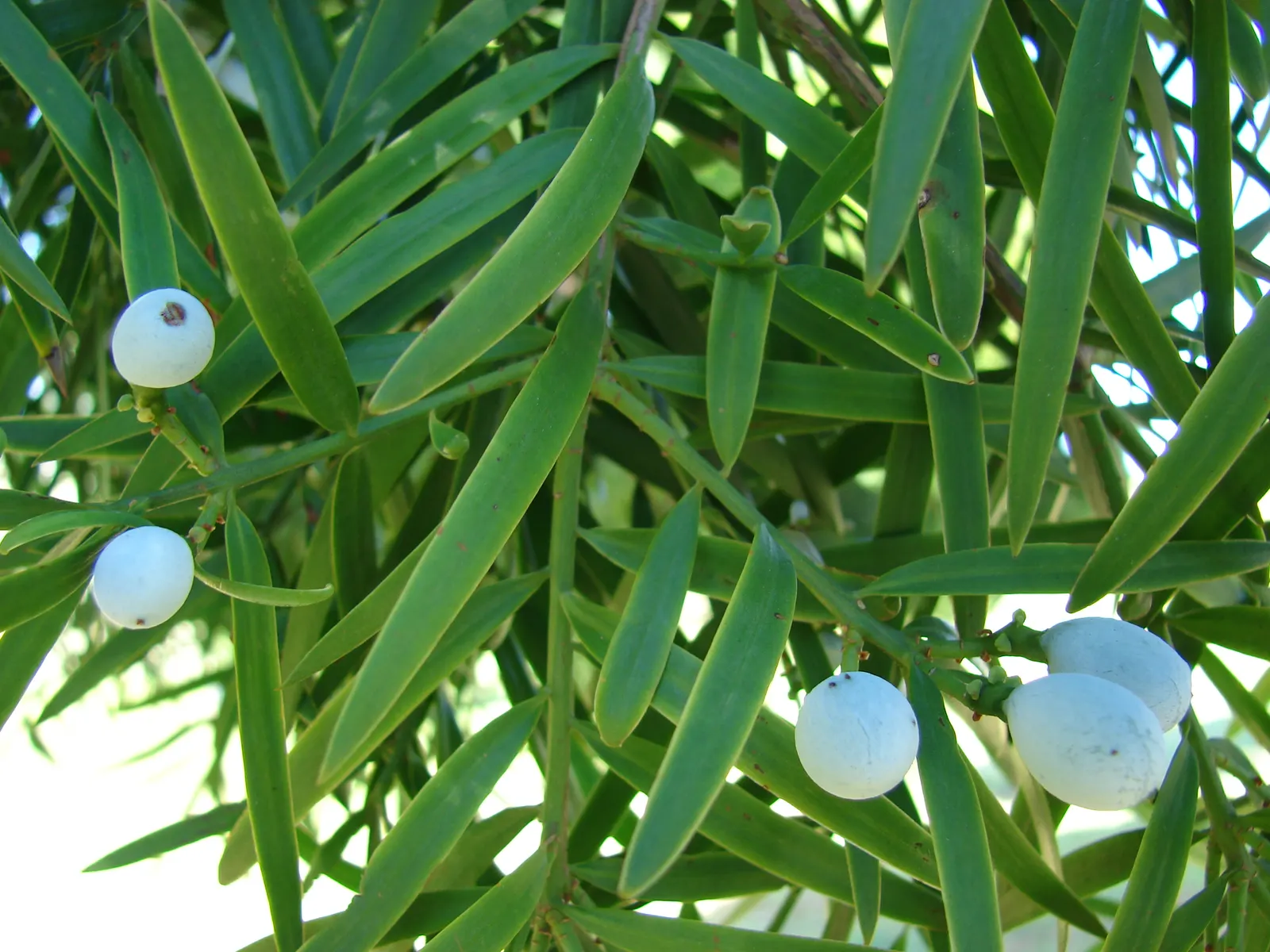
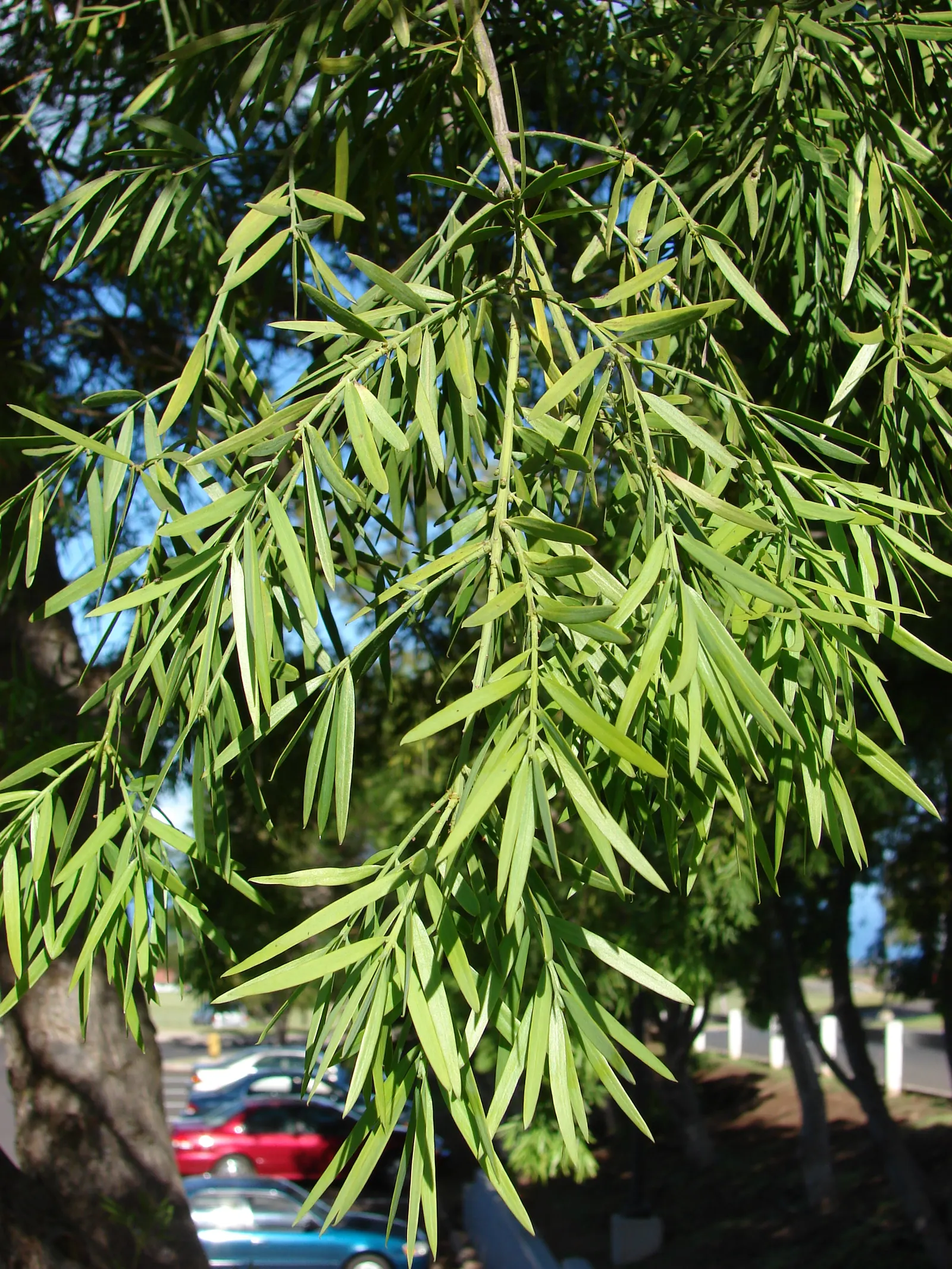
African Fern Pine (Afrocarpus Gracilior) — around 2 to 4 inches long
Photographs by 7 contributors

Related plants