Skip to content

Korean Fir

Abies Koreana

Design with this plant

Overview

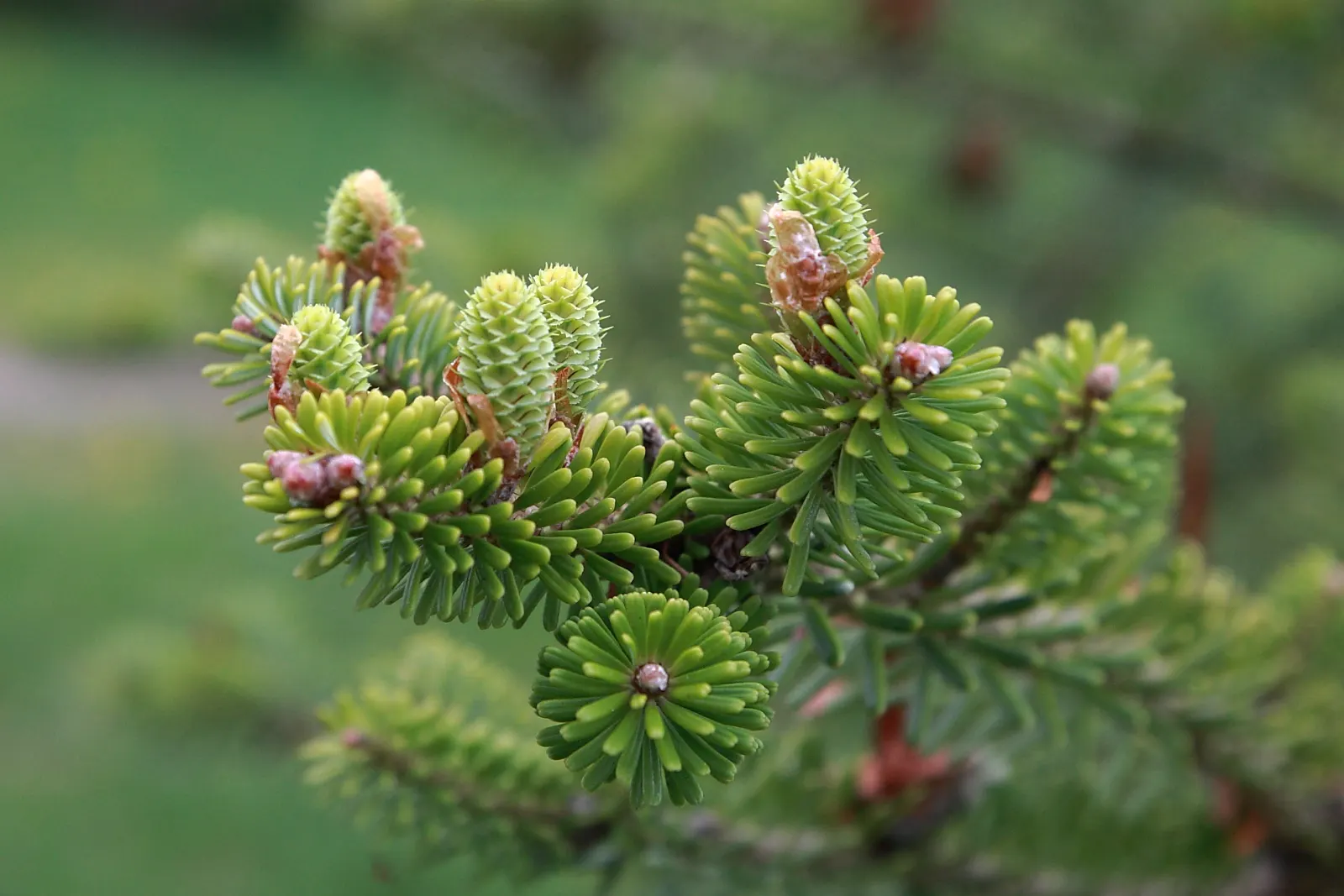
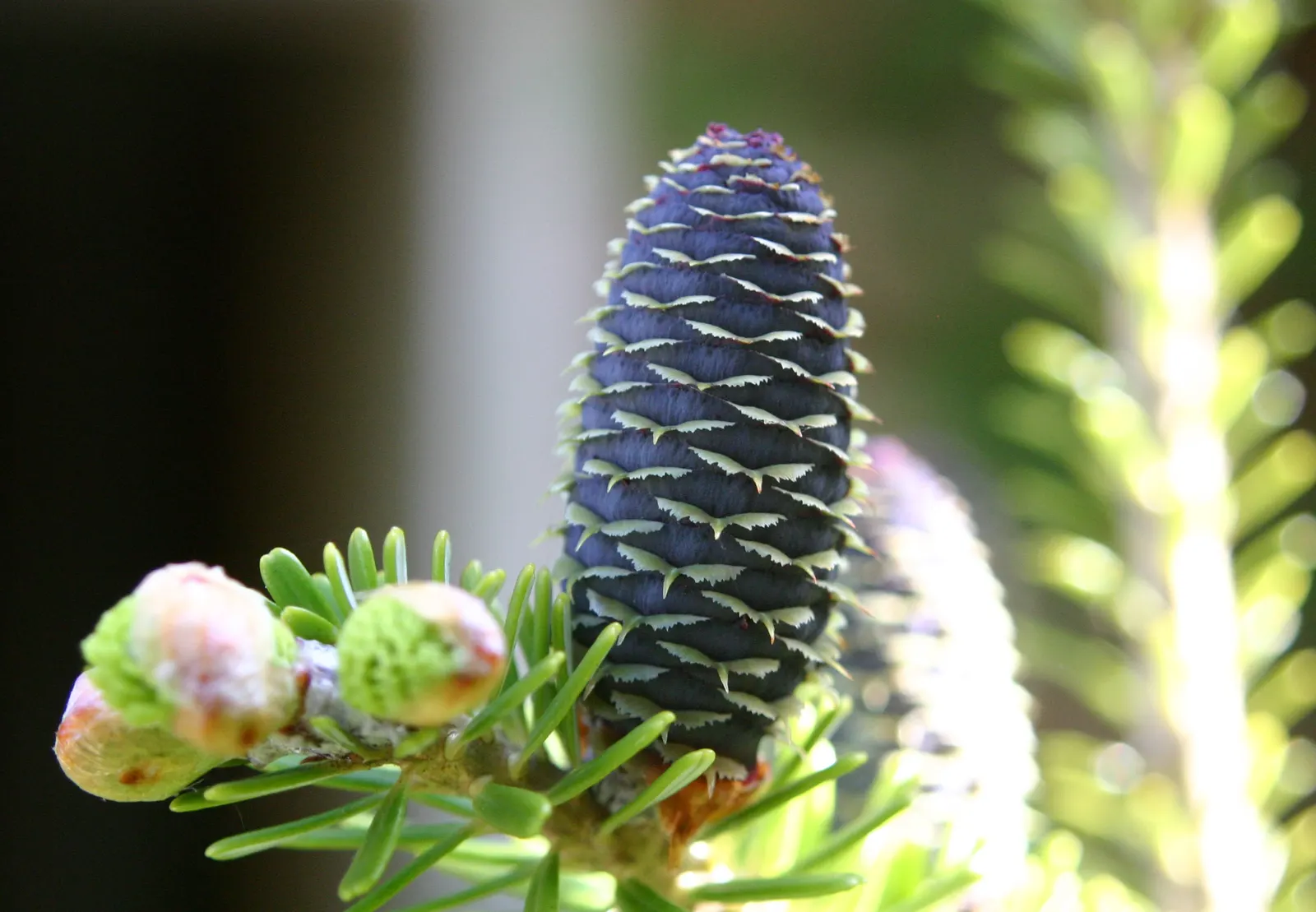
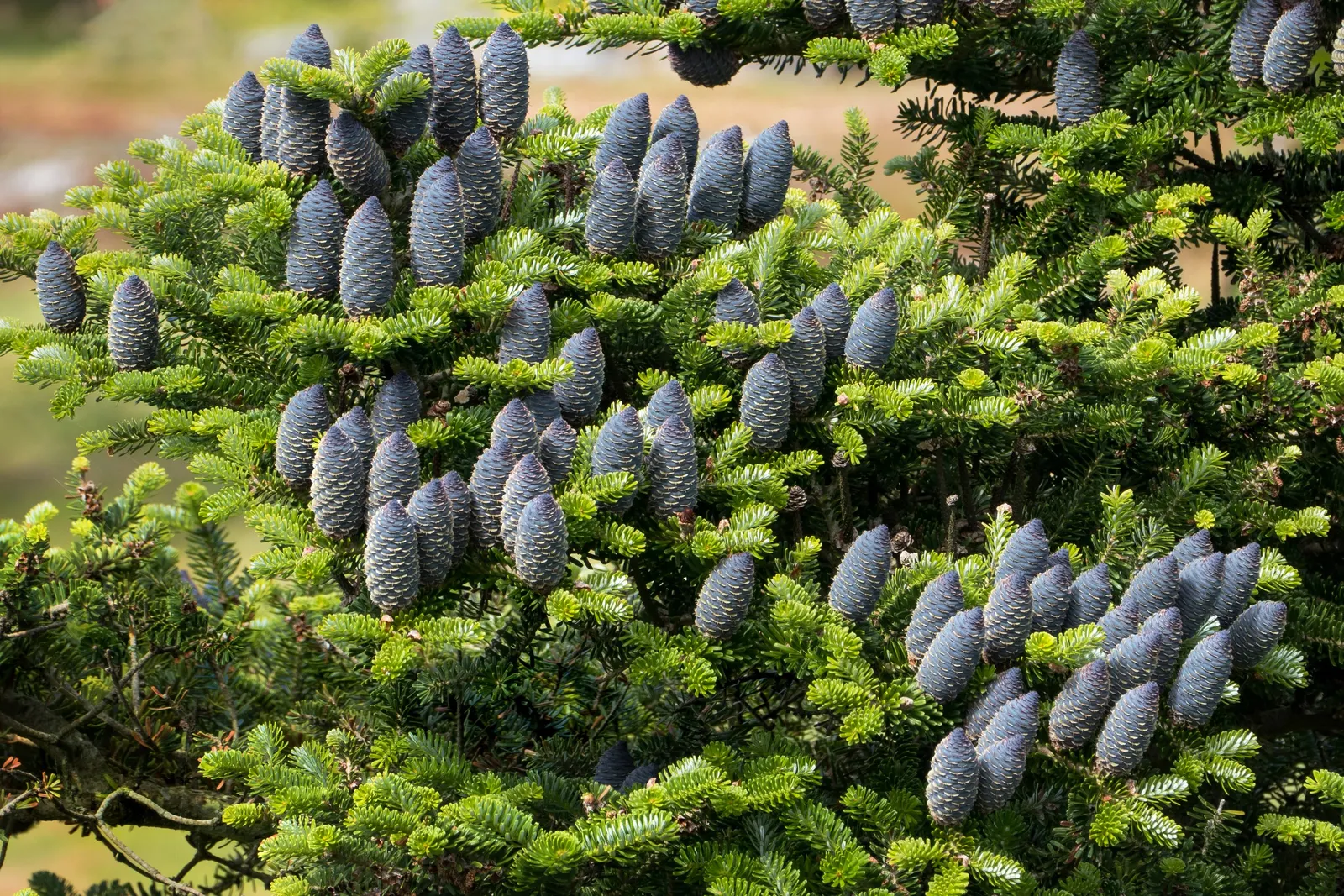
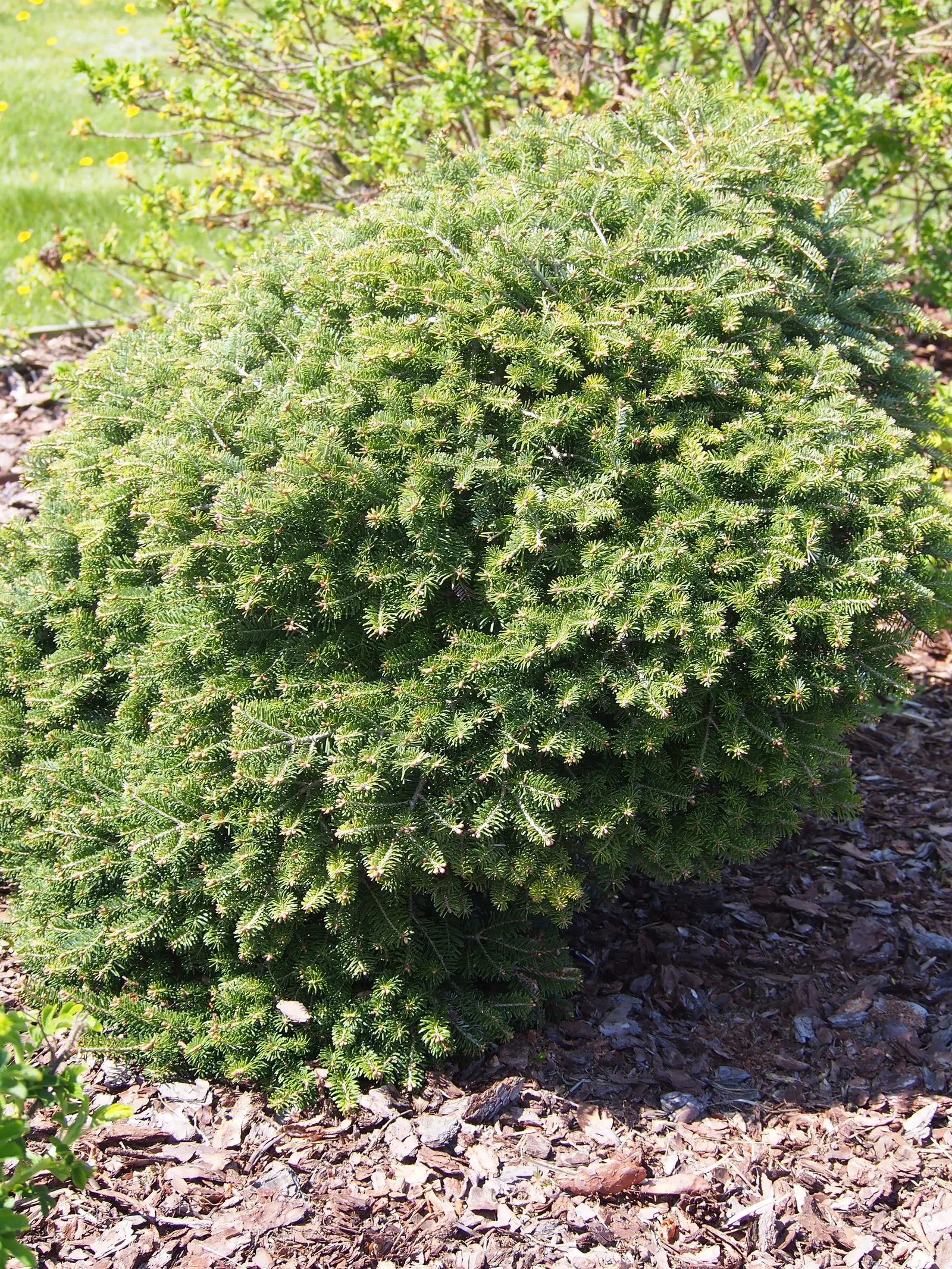
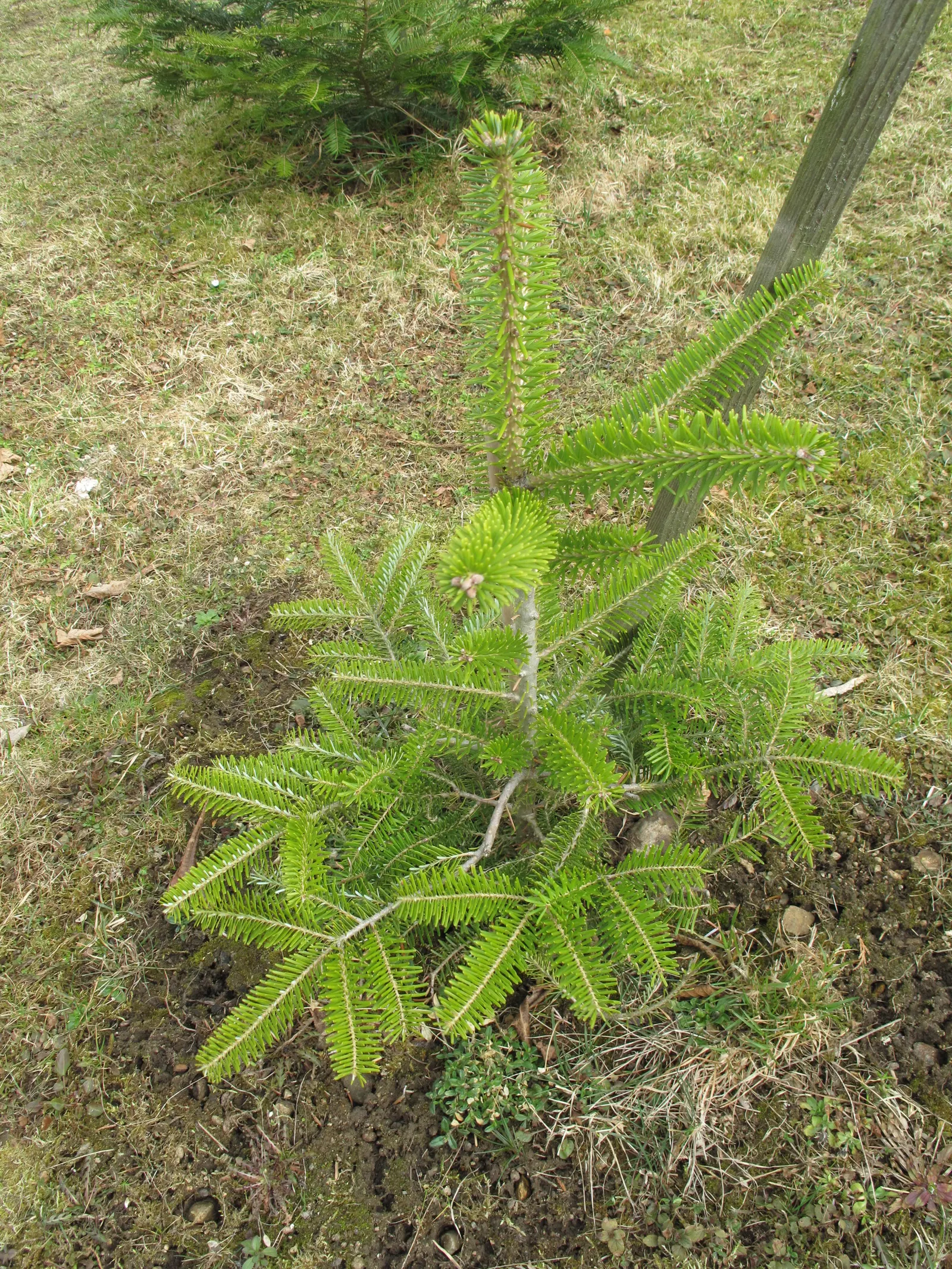
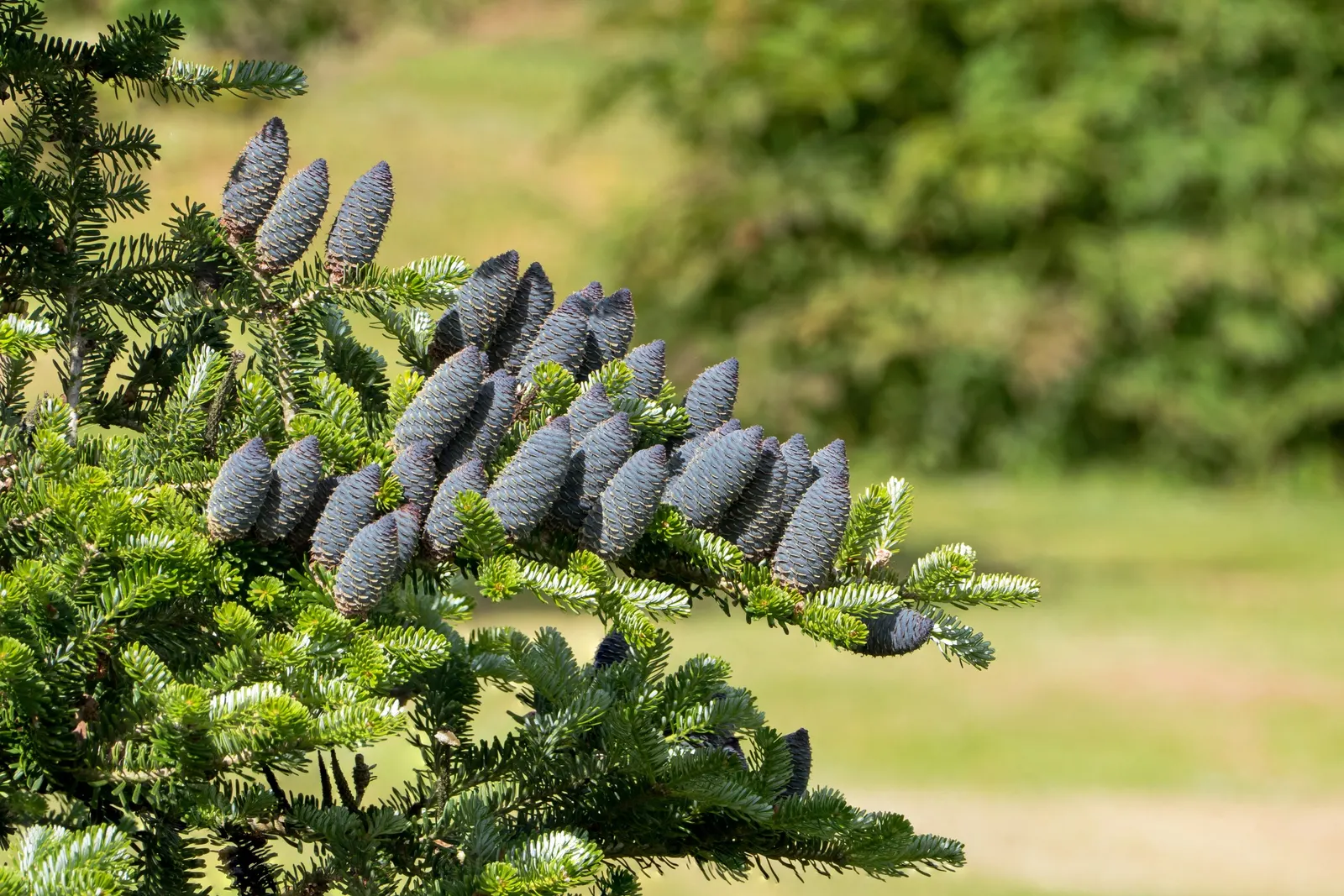
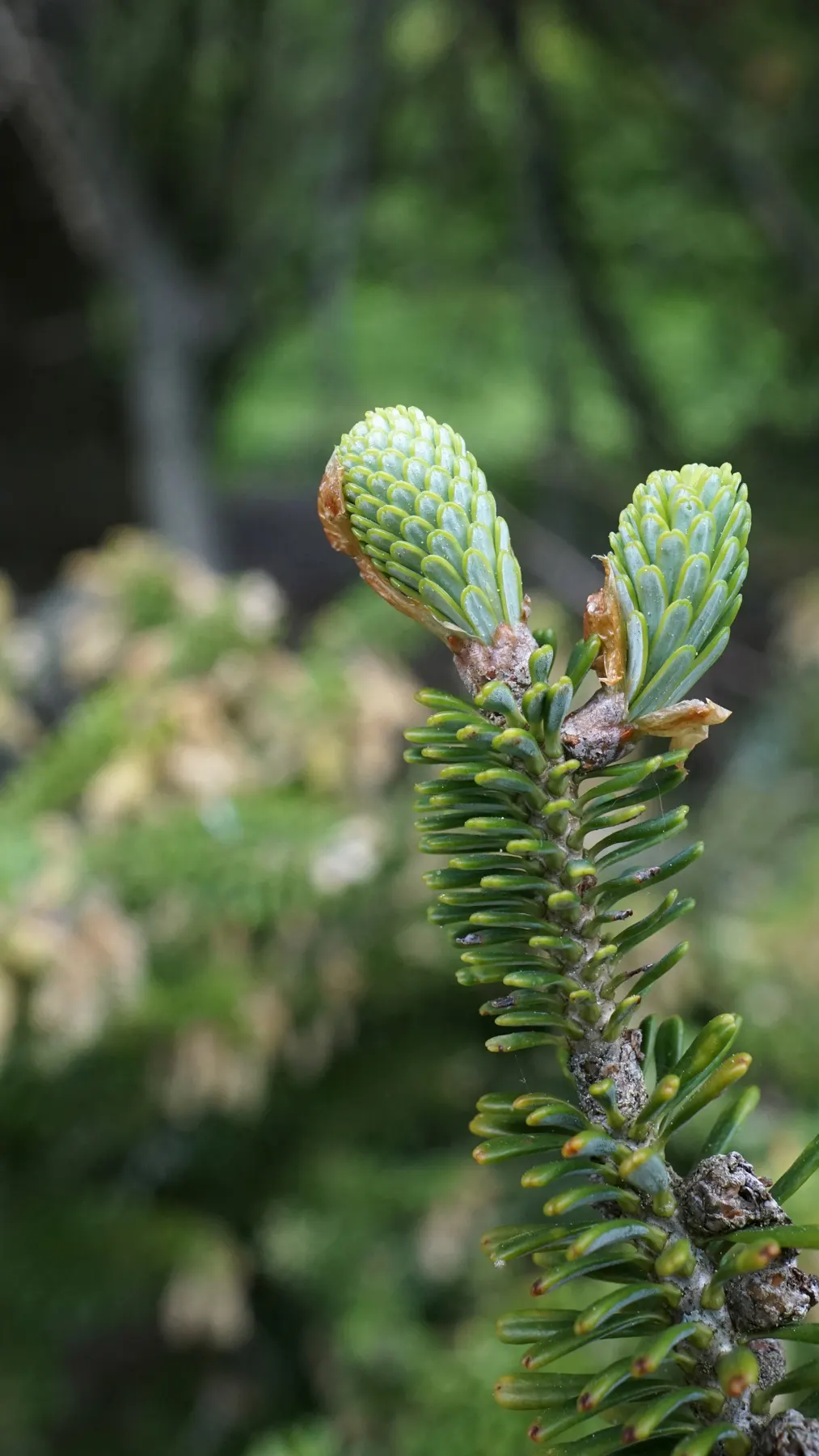
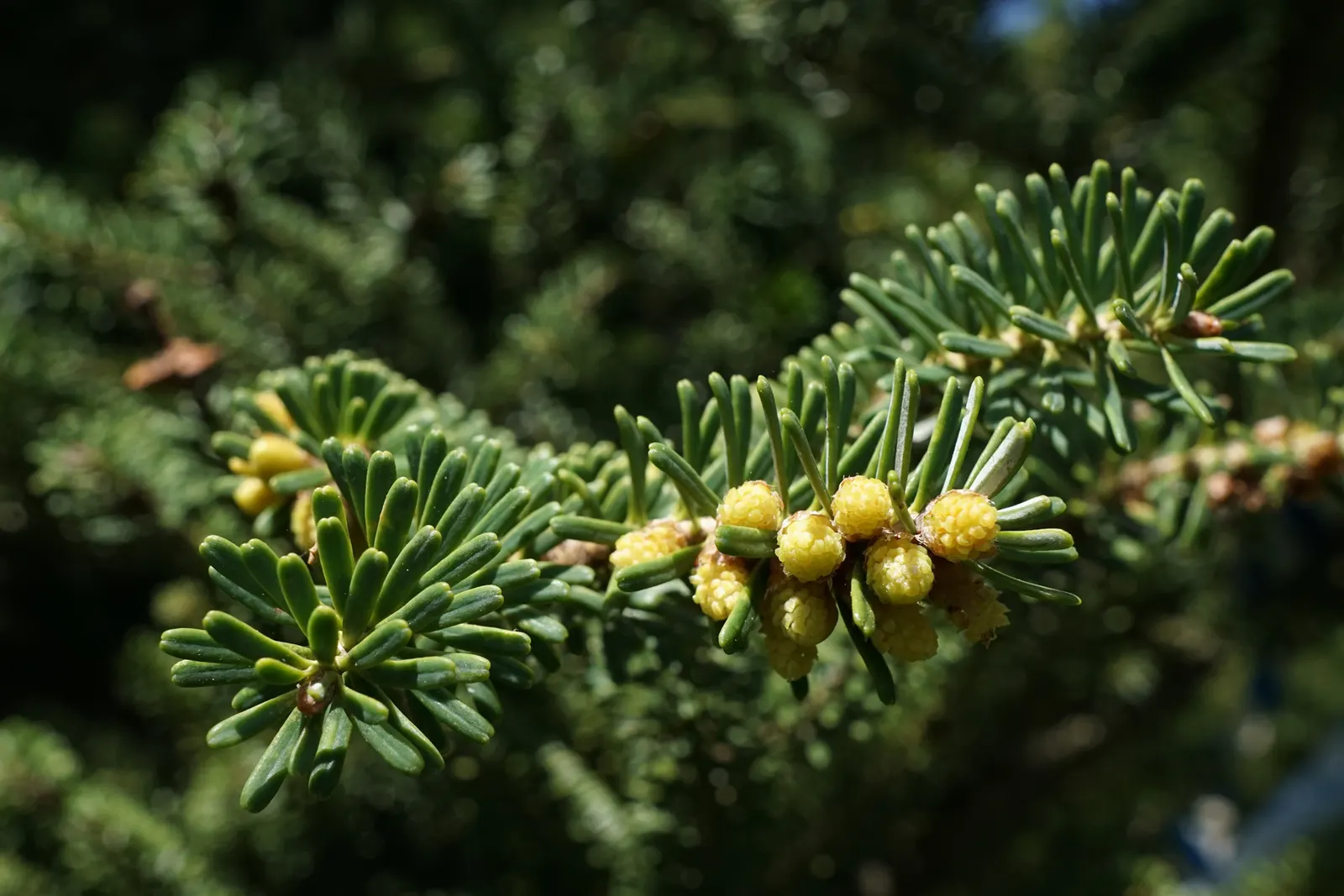
The Korean Fir, Abies koreana, is a compact, evergreen conifer boasting a pyramidal shape, reaching up to 30 feet in height. Its striking needles display a dark green top with silvery undersides, alongside vivid purple cones during the spring. Ideal in USDA zones 5-7, it requires well-drained soil and full to partial sun. An exquisite choice for adding winter interest and texture to landscapes.

Sun Full, HalfWater MediumZones 5–7Type Conifer, TreeClimate Temperate
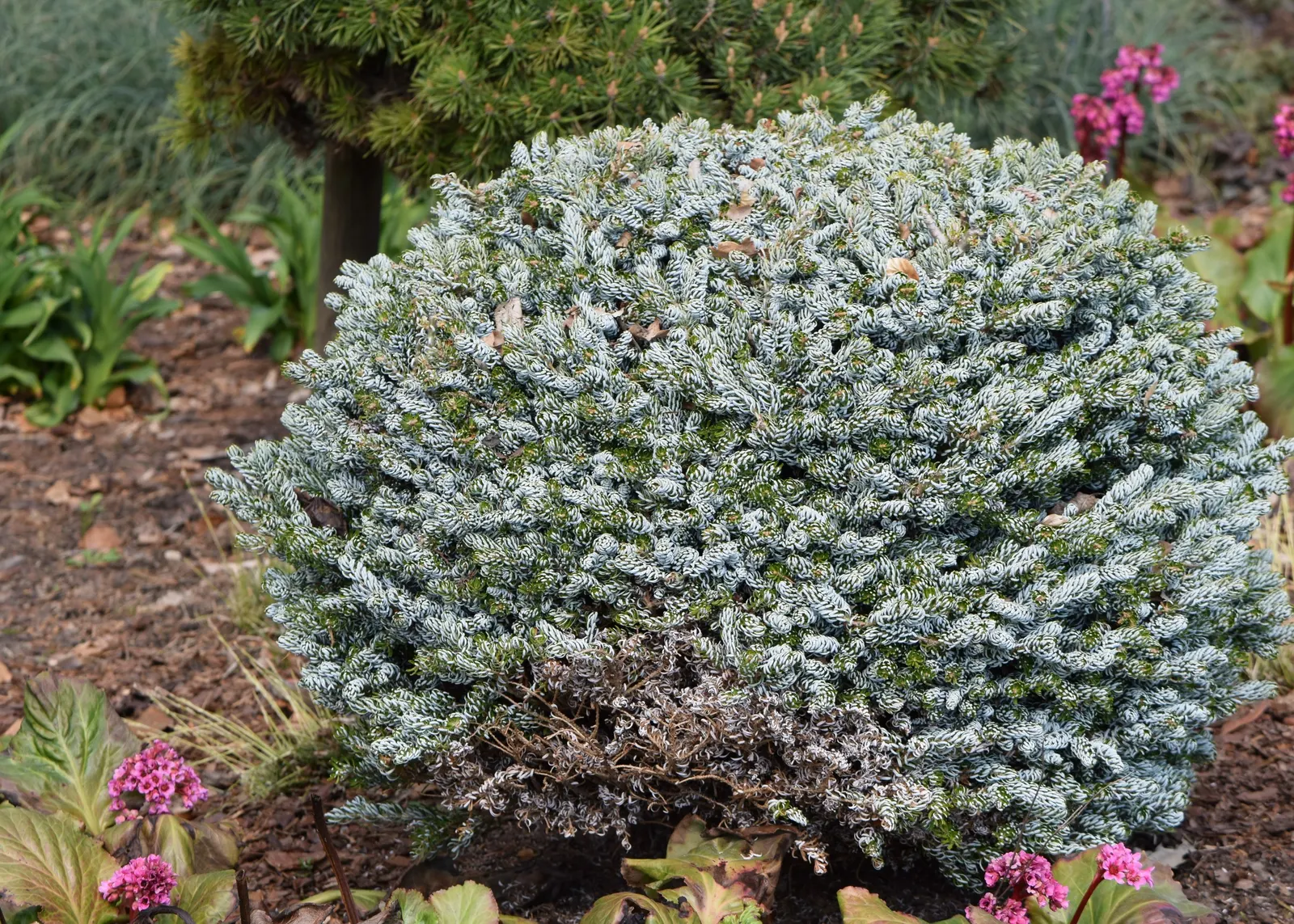
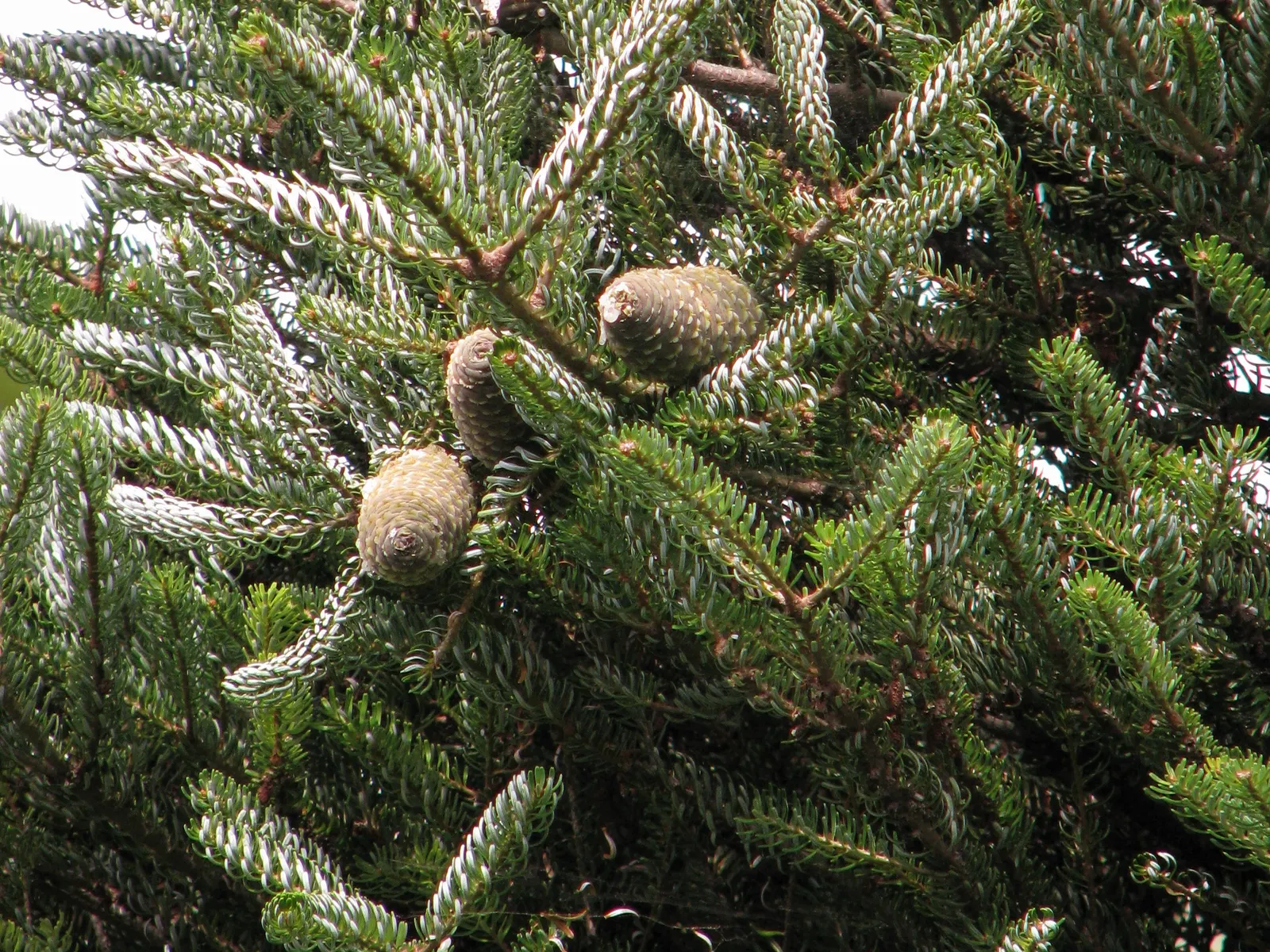
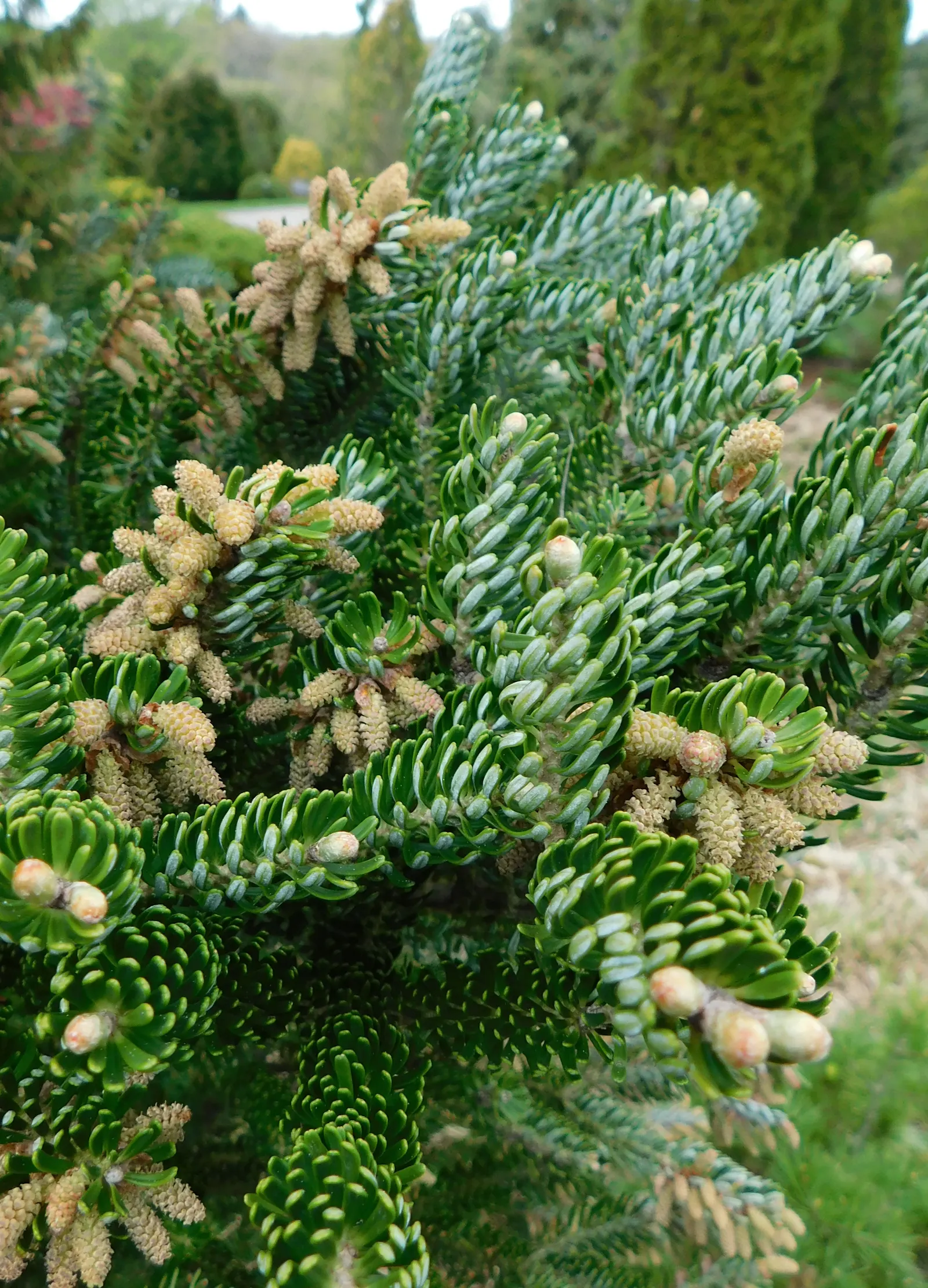
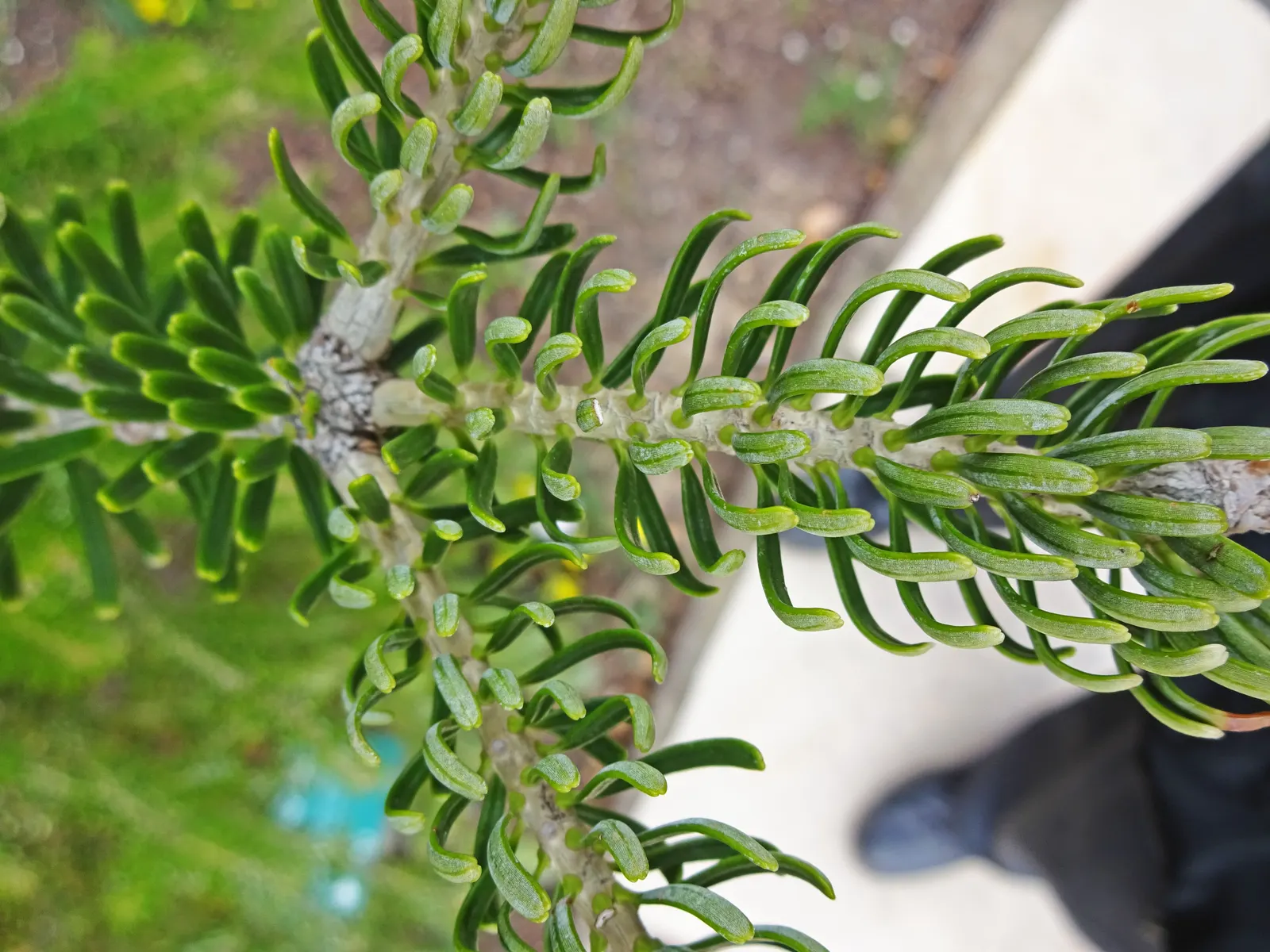
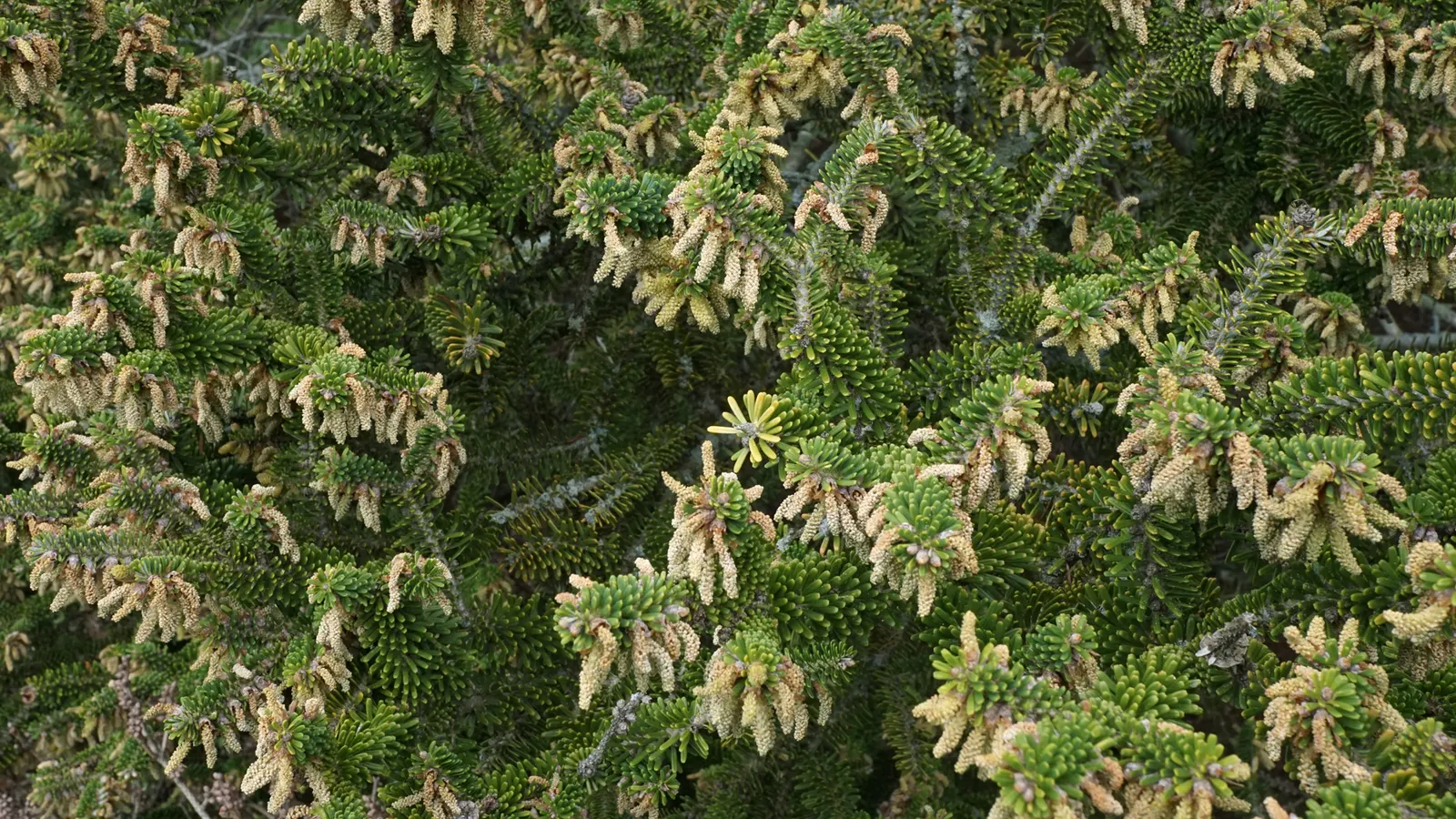
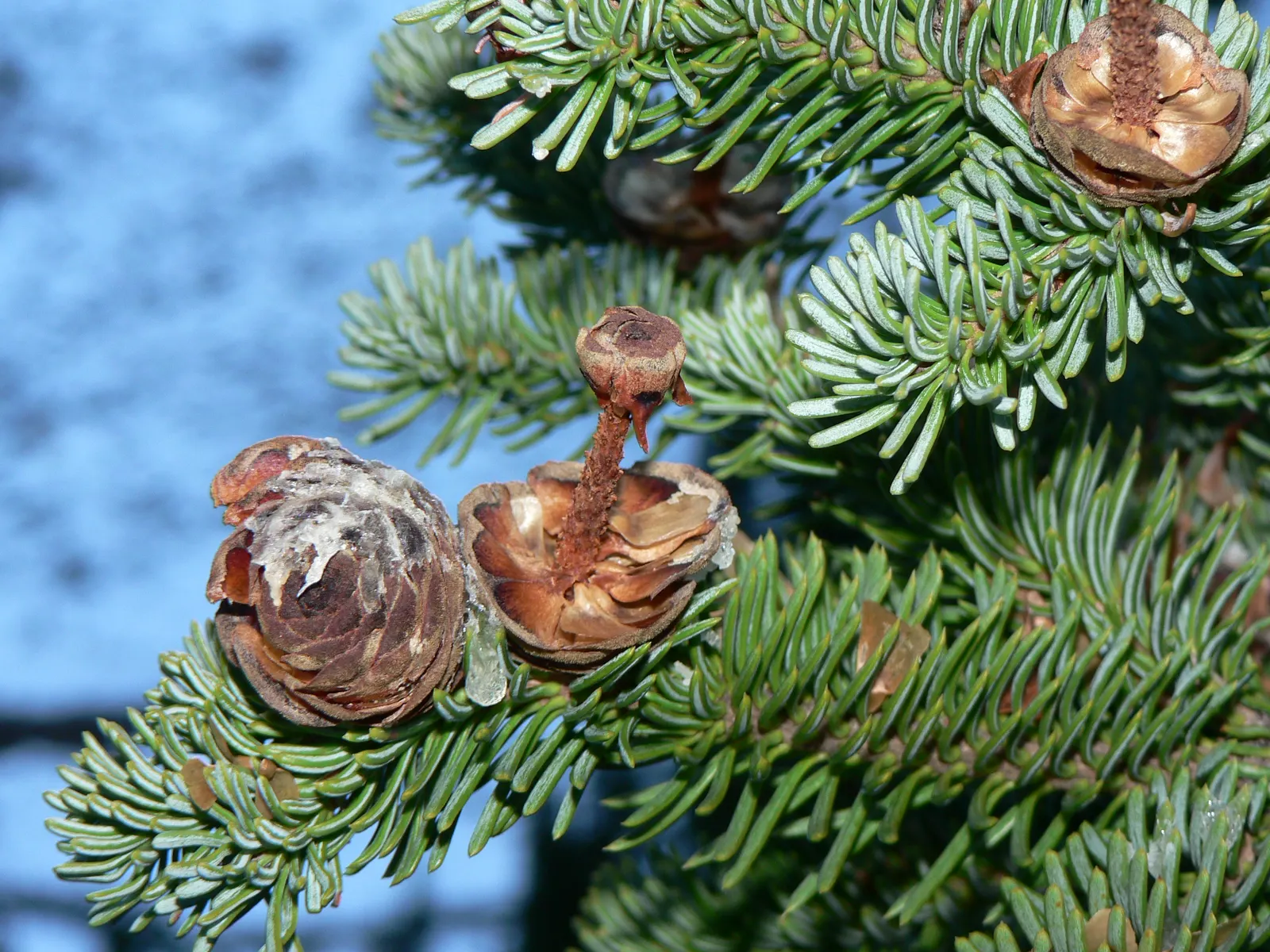
Korean Fir (Abies Koreana) — Its striking needles display a dark green top with silvery undersides

Culture

Sun
Full, Half
Water
Medium
USDA zones
5–7

Shape & size

Mature height
15–35 Ft.
Mature width
8–20 Ft.

Classification

Type
Conifer, Tree
Family
Pinaceae
Climate
Temperate

See full data, regional cultivation notes, and design tools. Build a client presentation around this plant.

Start your 14-day trial

Photos (82)

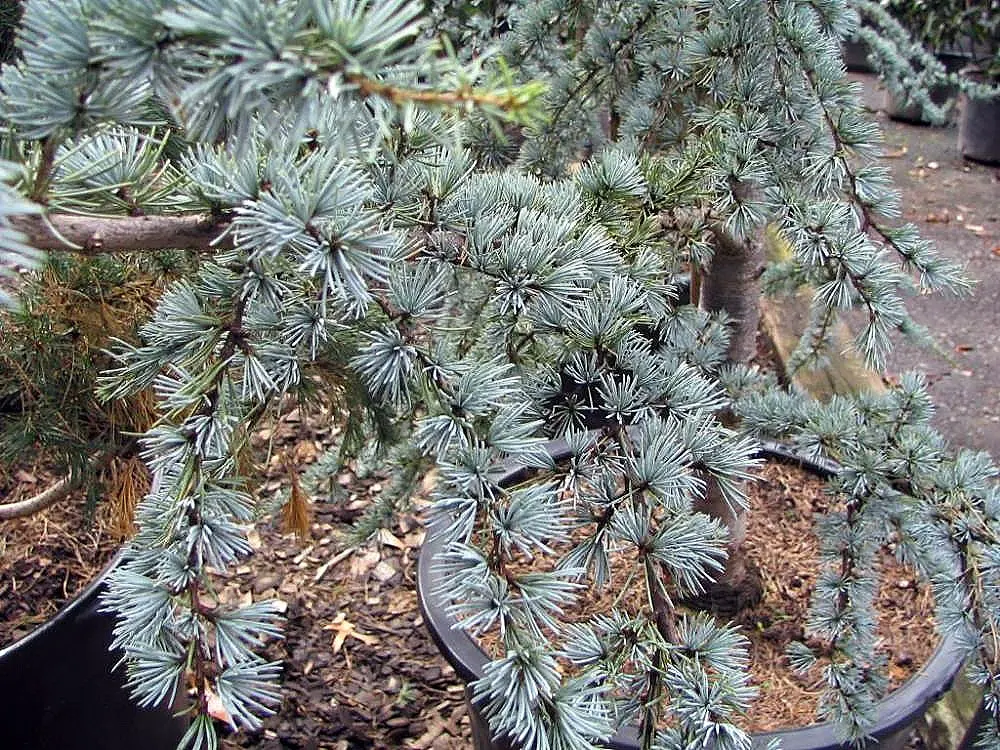
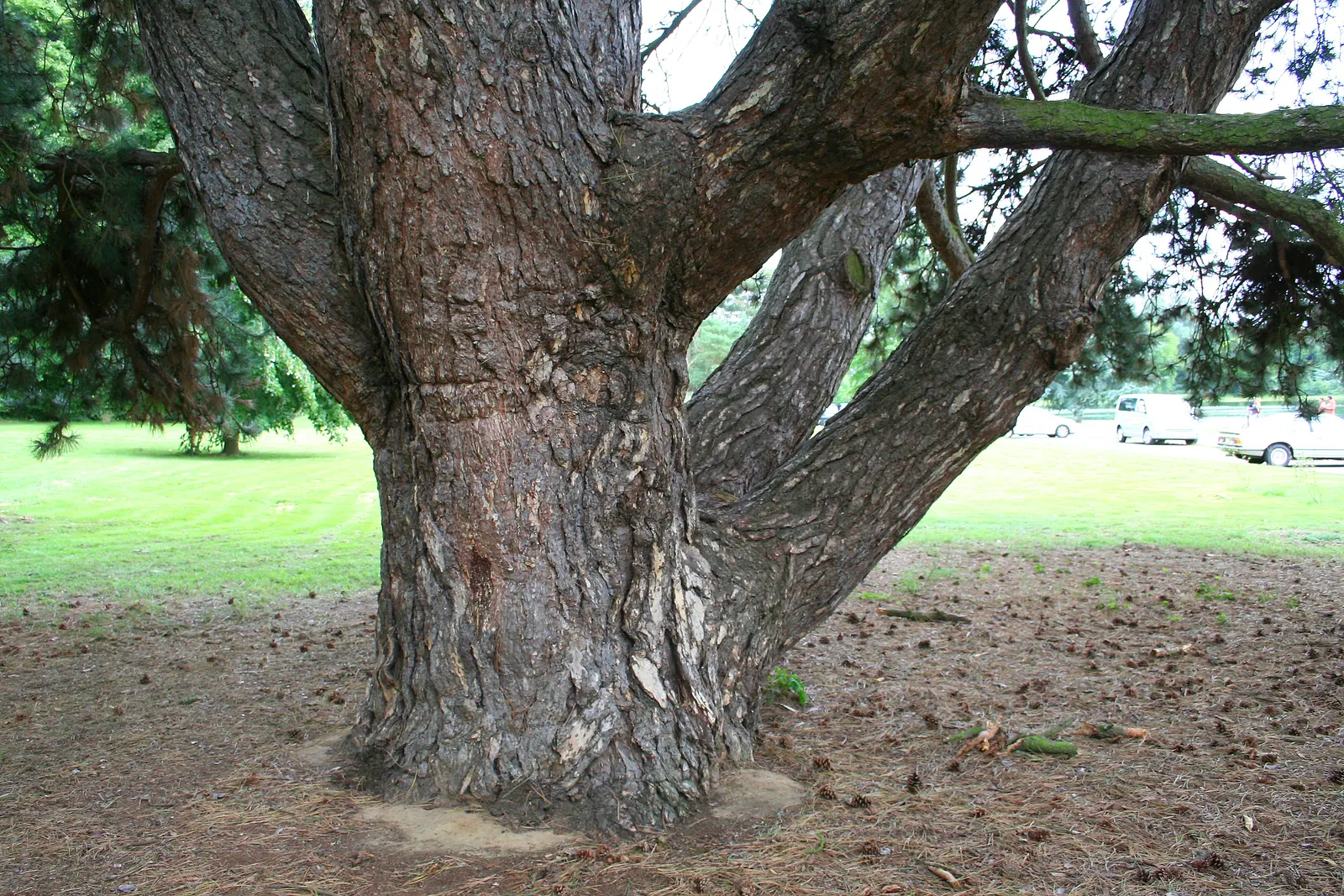
Korean Fir (Abies Koreana) — Given its slow growth rate; evergreen conifer boasting a pyramidal shape, image 70
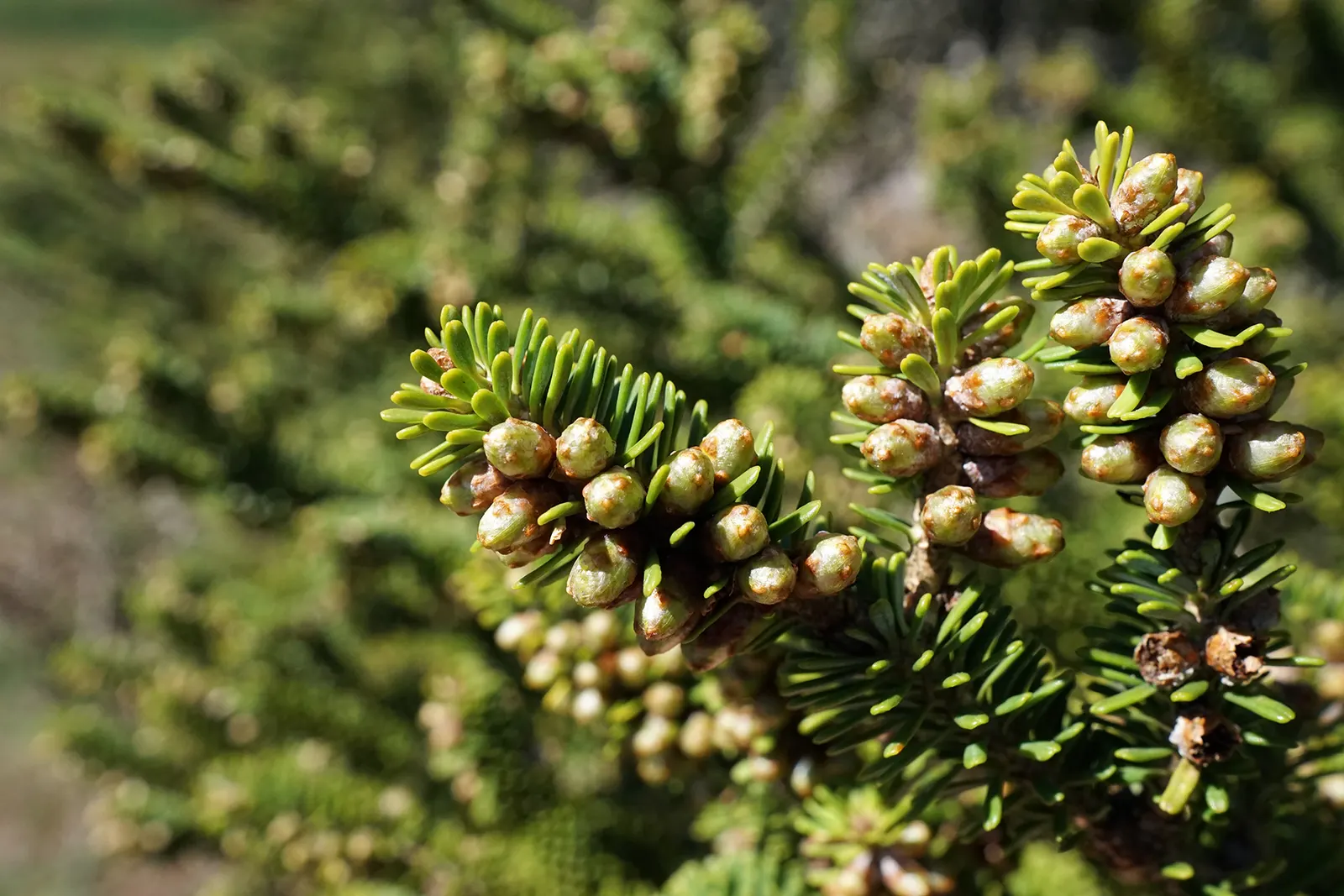
Korean Fir (Abies Koreana) — An exquisite choice for adding winter interest and texture to landscapes; its striking needles display a dark green, image 42
Korean Fir (Abies Koreana) — conifer / tree for full or half; it has moderate drought tolerance once established
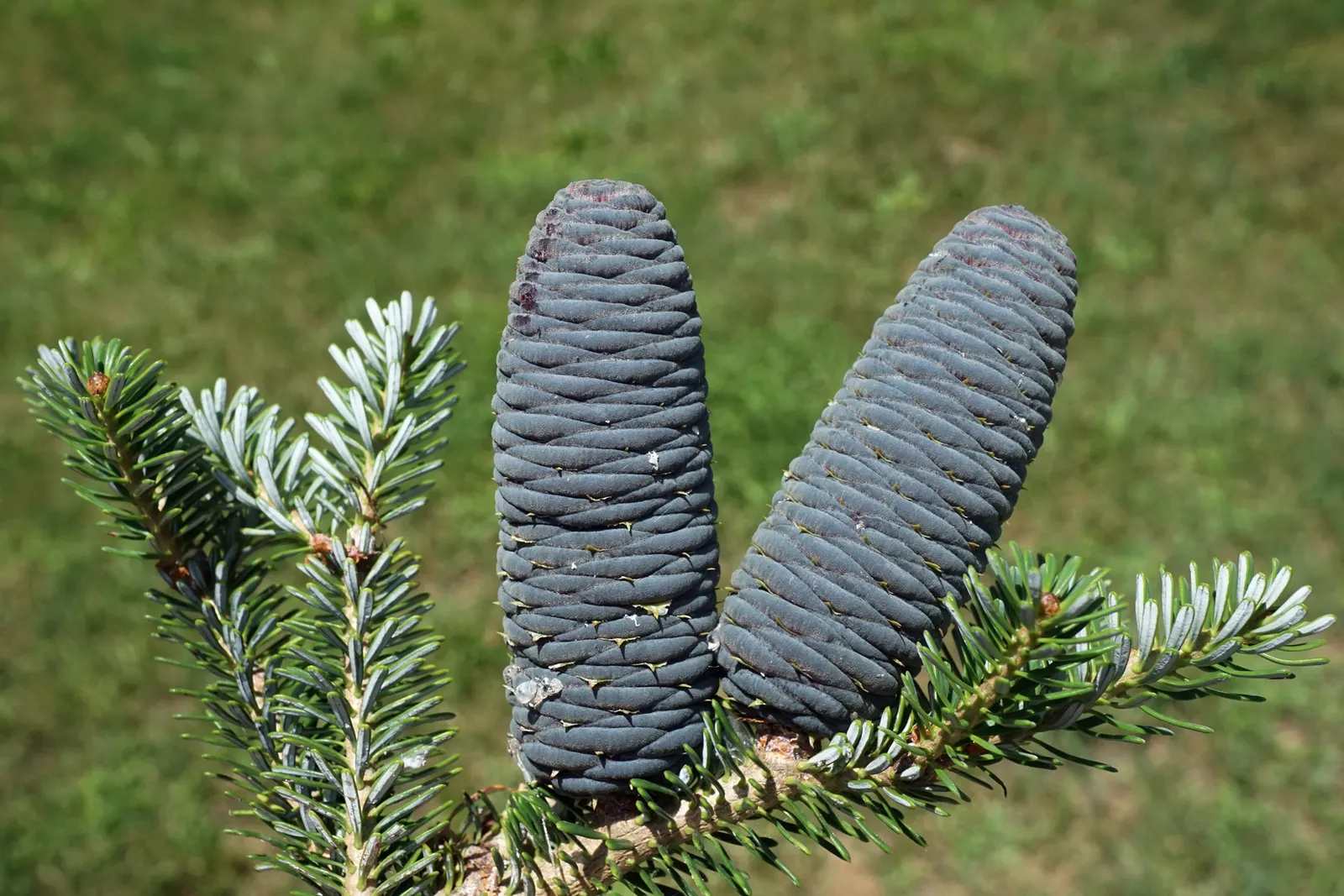
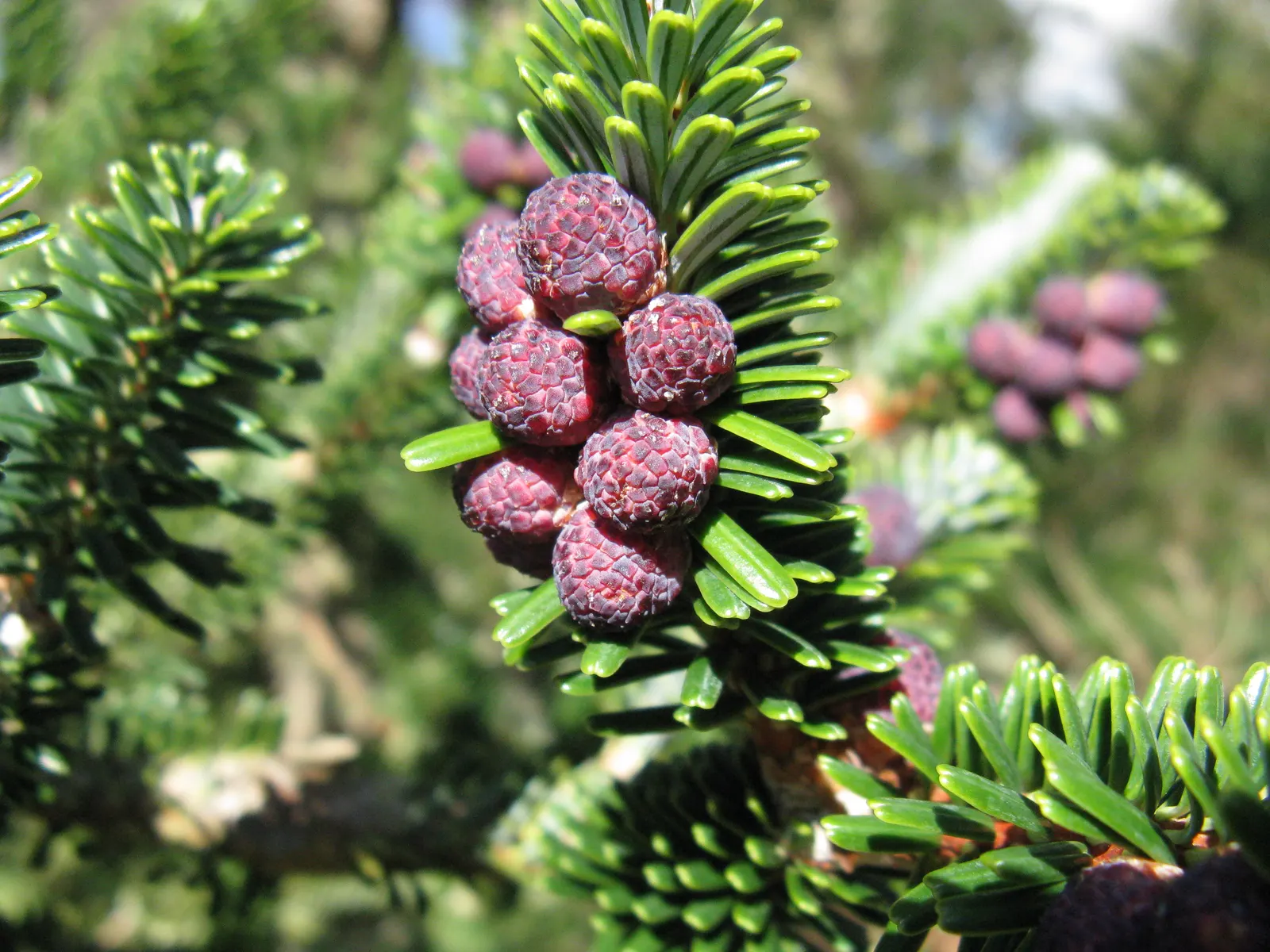
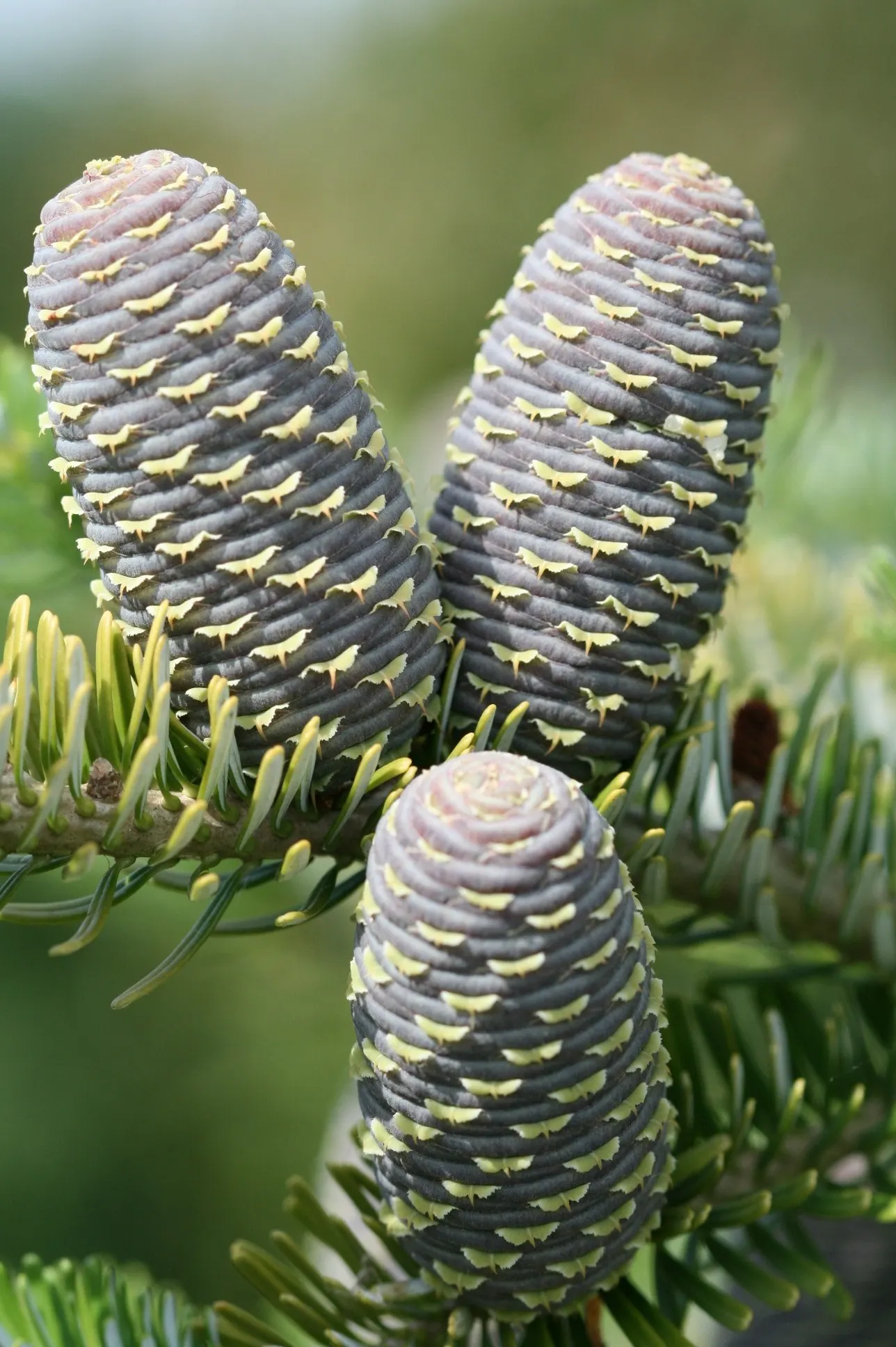
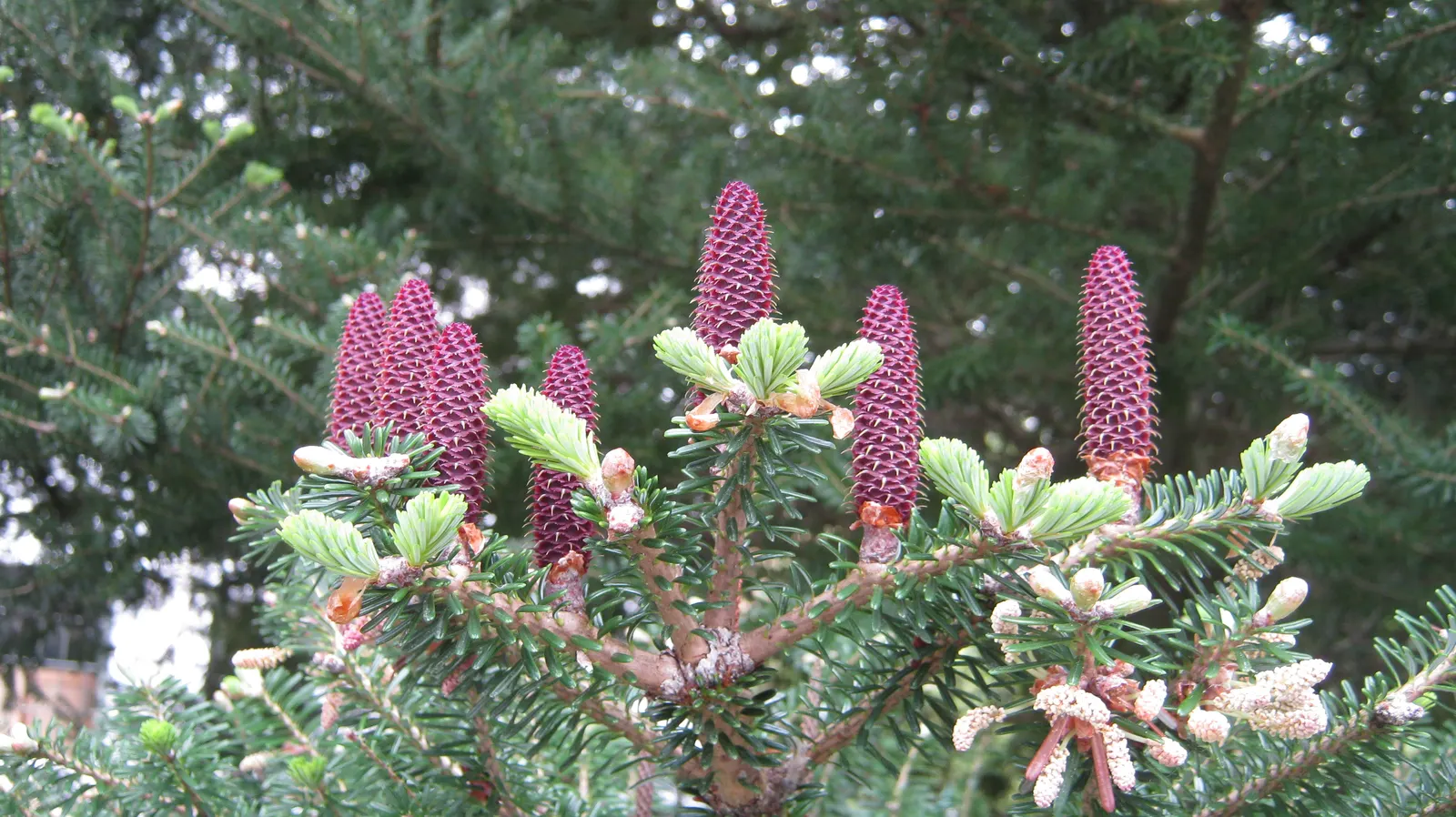
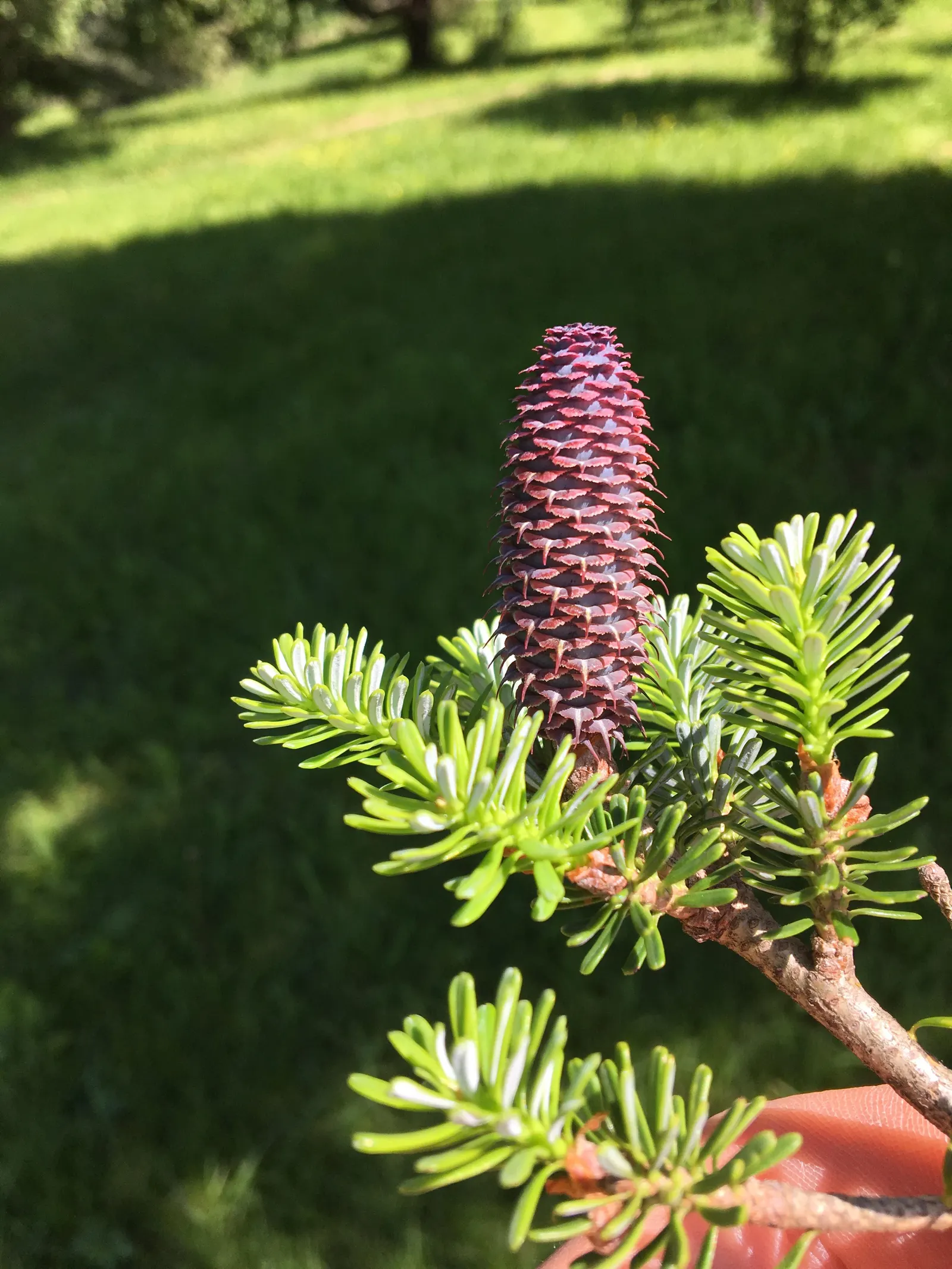
Korean Fir (Abies Koreana) — evergreen conifer boasting a pyramidal shape; alongside vivid purple cones during the spring, image 37
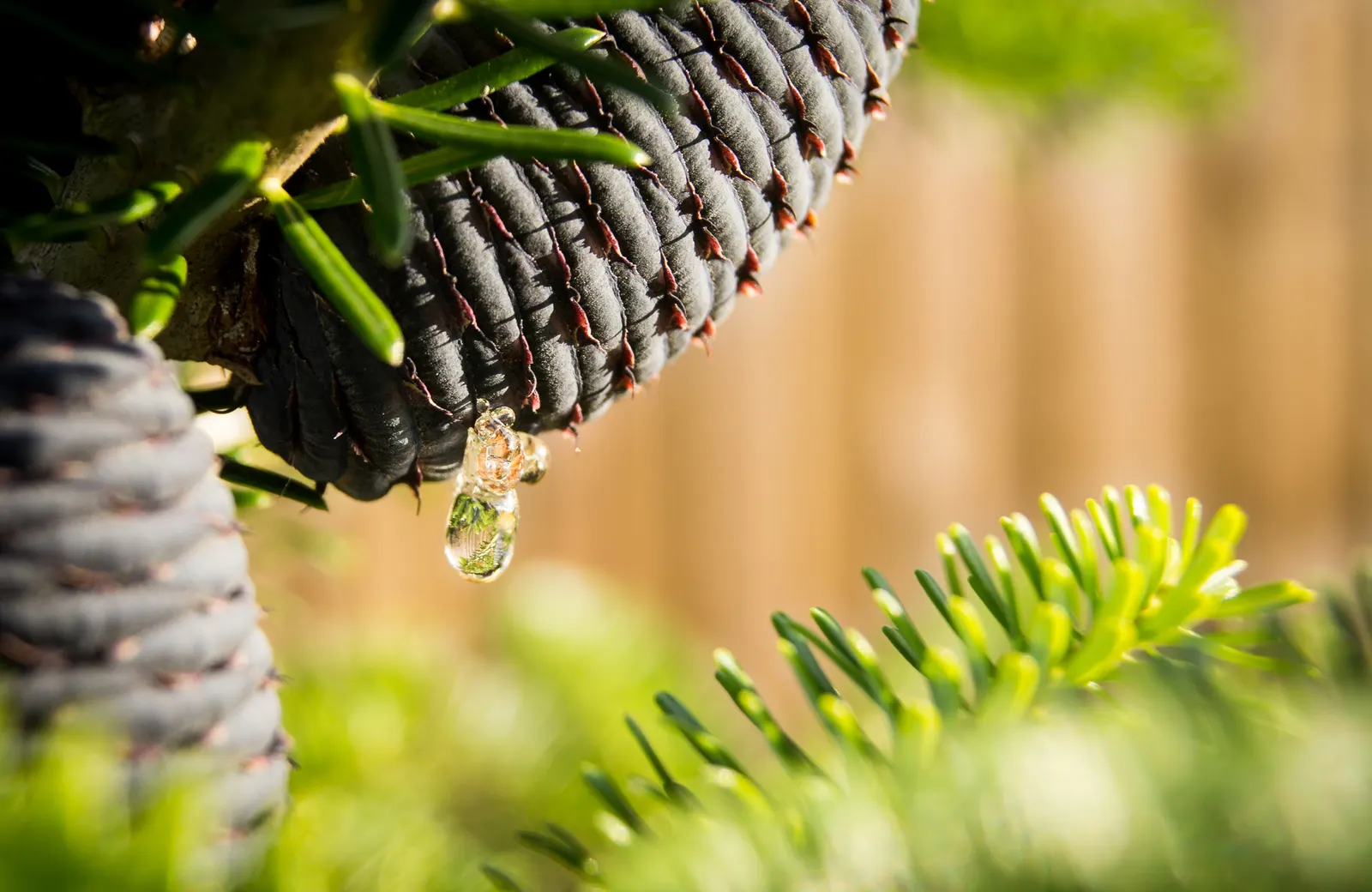
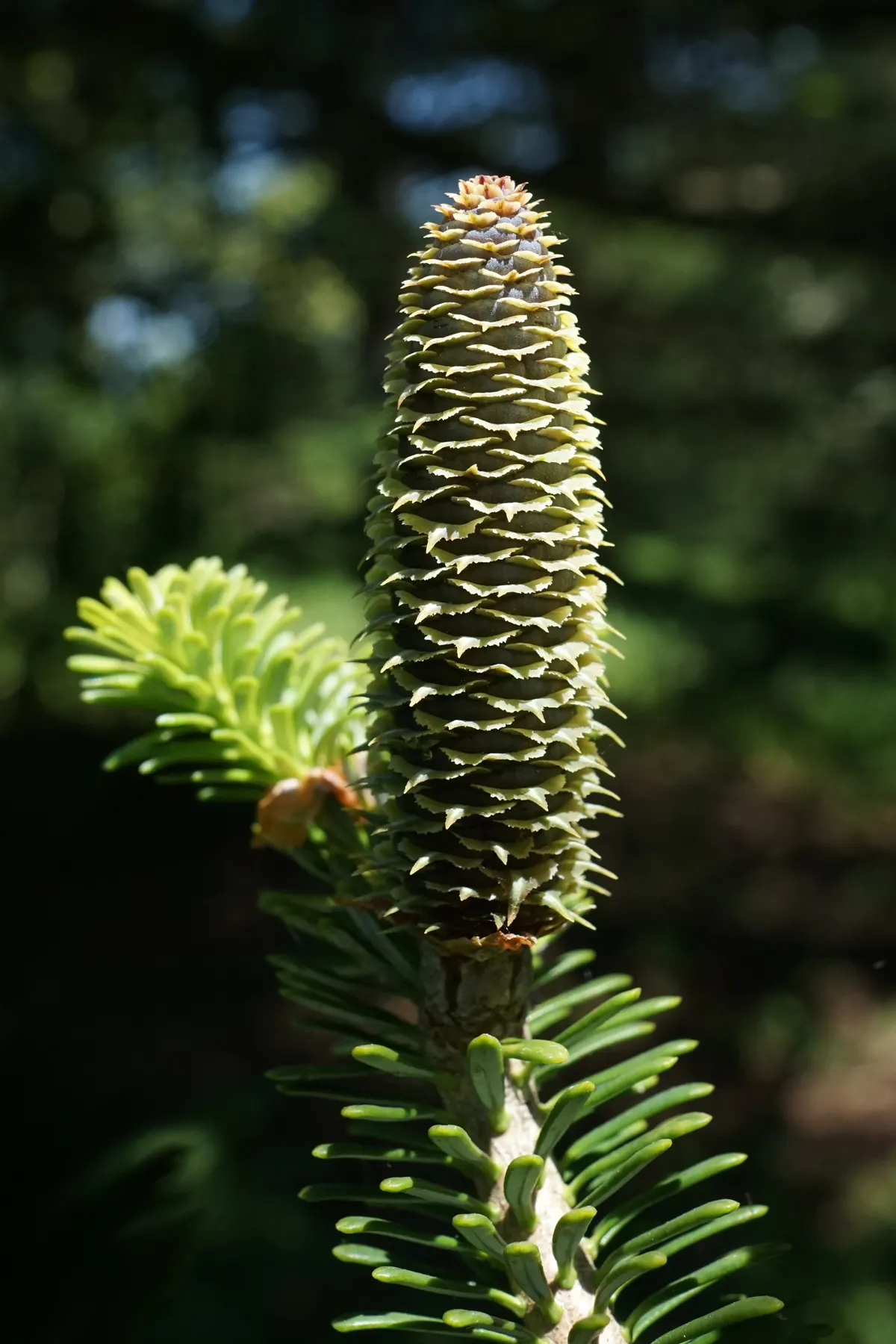
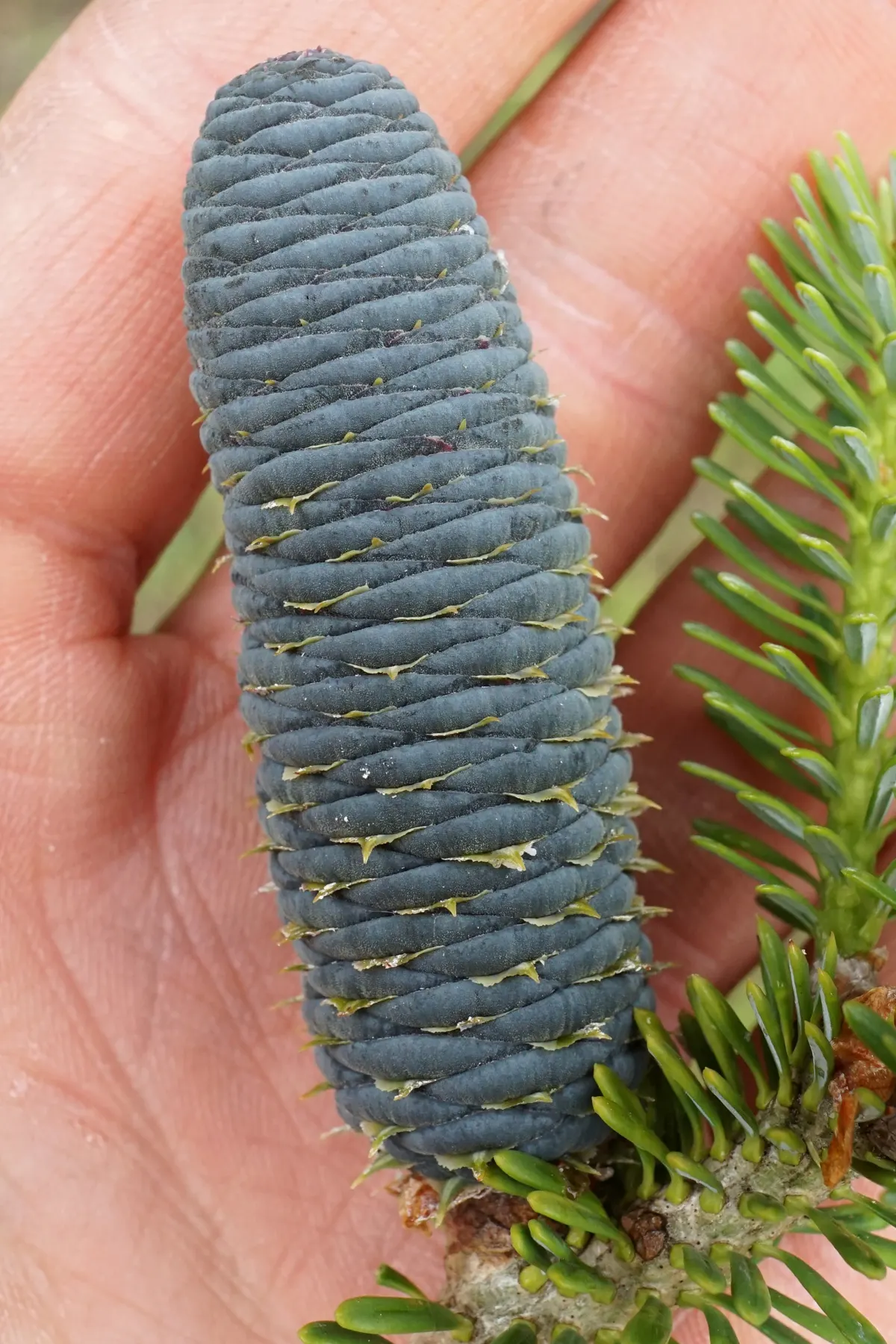
Korean Fir (Abies Koreana) — reaching up to 30 feet in height; these cones are especially eye-catching as they appear upright on the branches
Korean Fir (Abies Koreana) — a unique trait among firs.<br><br>Adapted to USDA hardiness zones 5 through 7; the Korean Fir produces attractive, image 48
Korean Fir (Abies Koreana) — Its striking needles display a dark green top with silvery undersides; conifer / tree for full or half, image 39
Korean Fir (Abies Koreana) — Ideal in USDA zones 5-7, it requires well-drained soil and full to partial sun; slightly acidic soil; it is essential, image 59
Korean Fir (Abies Koreana) — It has moderate drought tolerance once established; a unique trait among firs.<br><br>Adapted to USDA hardiness zones 5 through 7
Korean Fir (Abies Koreana) — evergreen conifer boasting a pyramidal shape; alongside vivid purple cones during the spring, image 73
Korean Fir (Abies Koreana) — alongside vivid purple cones during the spring; commonly known as the Korean Fir, image 40
Korean Fir (Abies Koreana) — These cones are especially eye-catching as they appear upright on the branches
Korean Fir (Abies Koreana) — the Korean Fir thrives in full sun to partial shade; given its slow growth rate, image 67
Korean Fir (Abies Koreana) — commonly known as the Korean Fir; providing a delightful contrast against the dark foliage, image 61
Korean Fir (Abies Koreana) — the Korean Fir produces attractive purple cones that mature to a distinguished blue-grey; an exquisite choice for, image 63
Korean Fir (Abies Koreana) — the Korean Fir thrives in full sun to partial shade; given its slow growth rate
Korean Fir (Abies Koreana) — Its striking needles display a dark green top with silvery undersides; conifer / tree for full or half
Korean Fir (Abies Koreana) — alongside vivid purple cones during the spring; commonly known as the Korean Fir
Korean Fir (Abies Koreana) — the Korean Fir thrives in full sun to partial shade; given its slow growth rate, image 49
Korean Fir (Abies Koreana) — Its striking needles display a dark green top with silvery undersides; conifer / tree for full or half, image 75
Korean Fir (Abies Koreana) — Given its slow growth rate; evergreen conifer boasting a pyramidal shape, image 52
Korean Fir (Abies Koreana) — slightly acidic soil; it is essential to ensure proper drainage as this fir does not tolerate wet feet; ideal in USDA, image 50
Korean Fir (Abies Koreana) — It has moderate drought tolerance once established
Korean Fir (Abies Koreana) — providing a delightful contrast against the dark foliage; the Korean Fir thrives in full sun to partial shade, image 46
Photographs by 9 contributors

Related plants