Skip to content

White Fir

Abies Concolor

Design with this plant

Overview

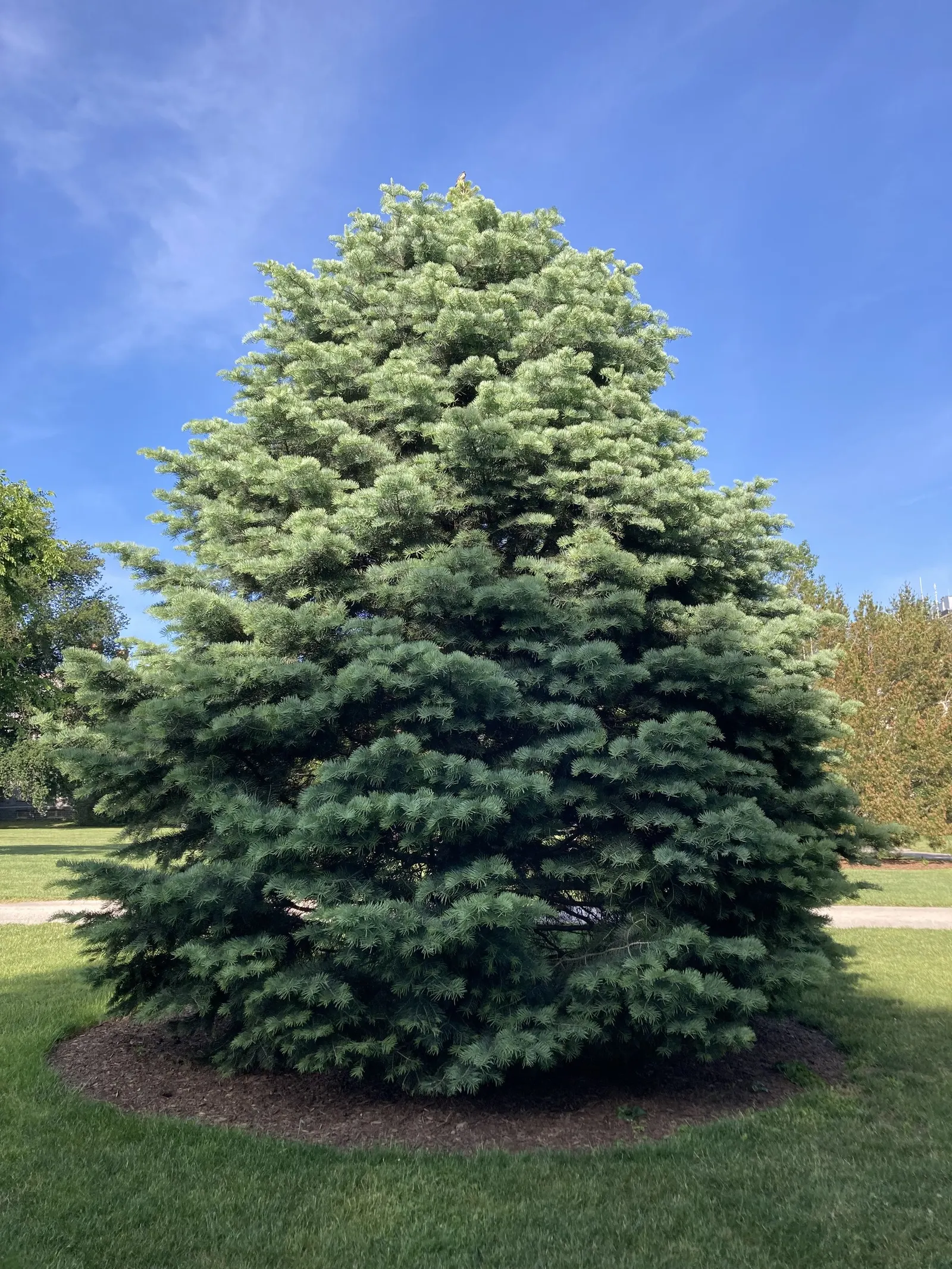
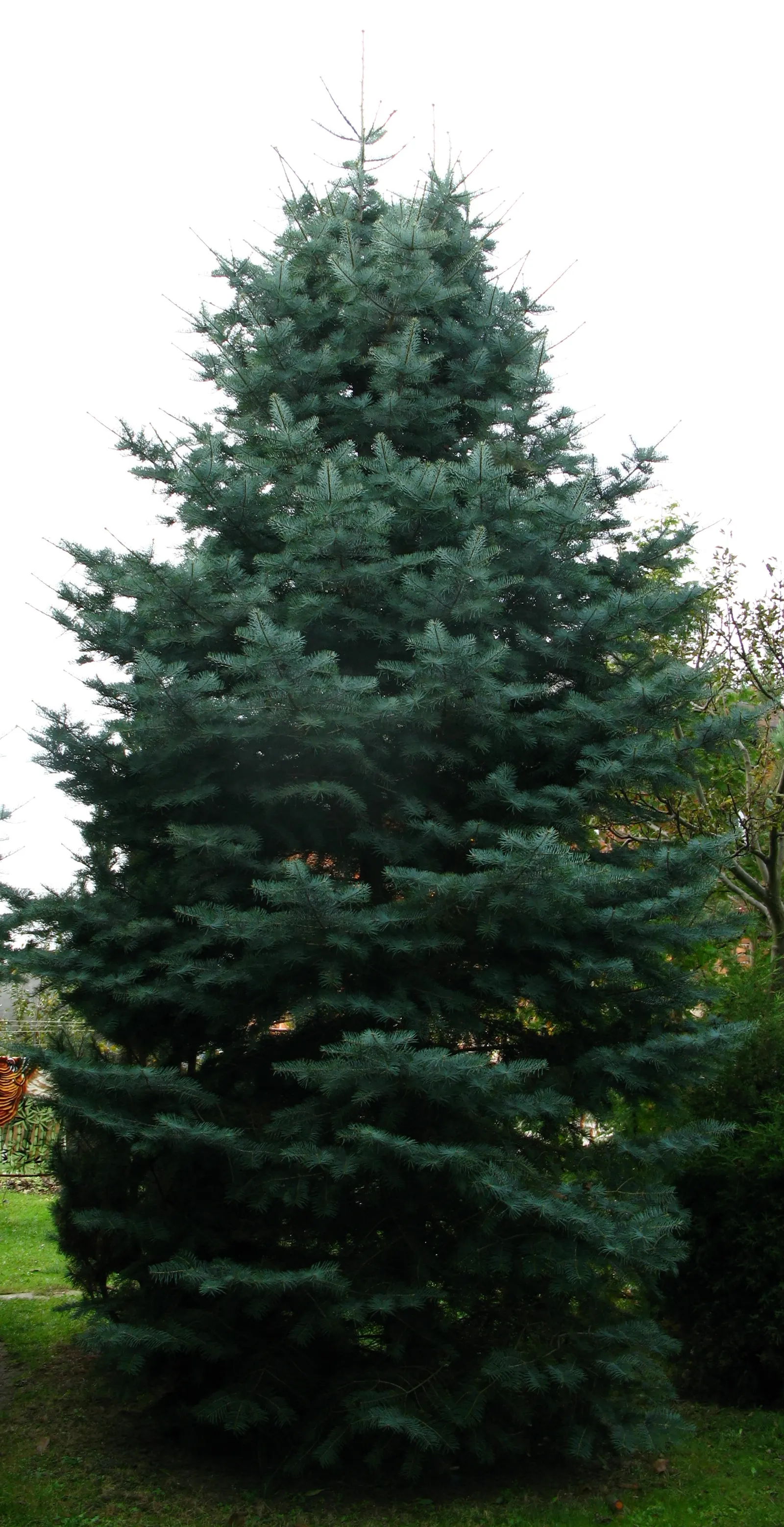
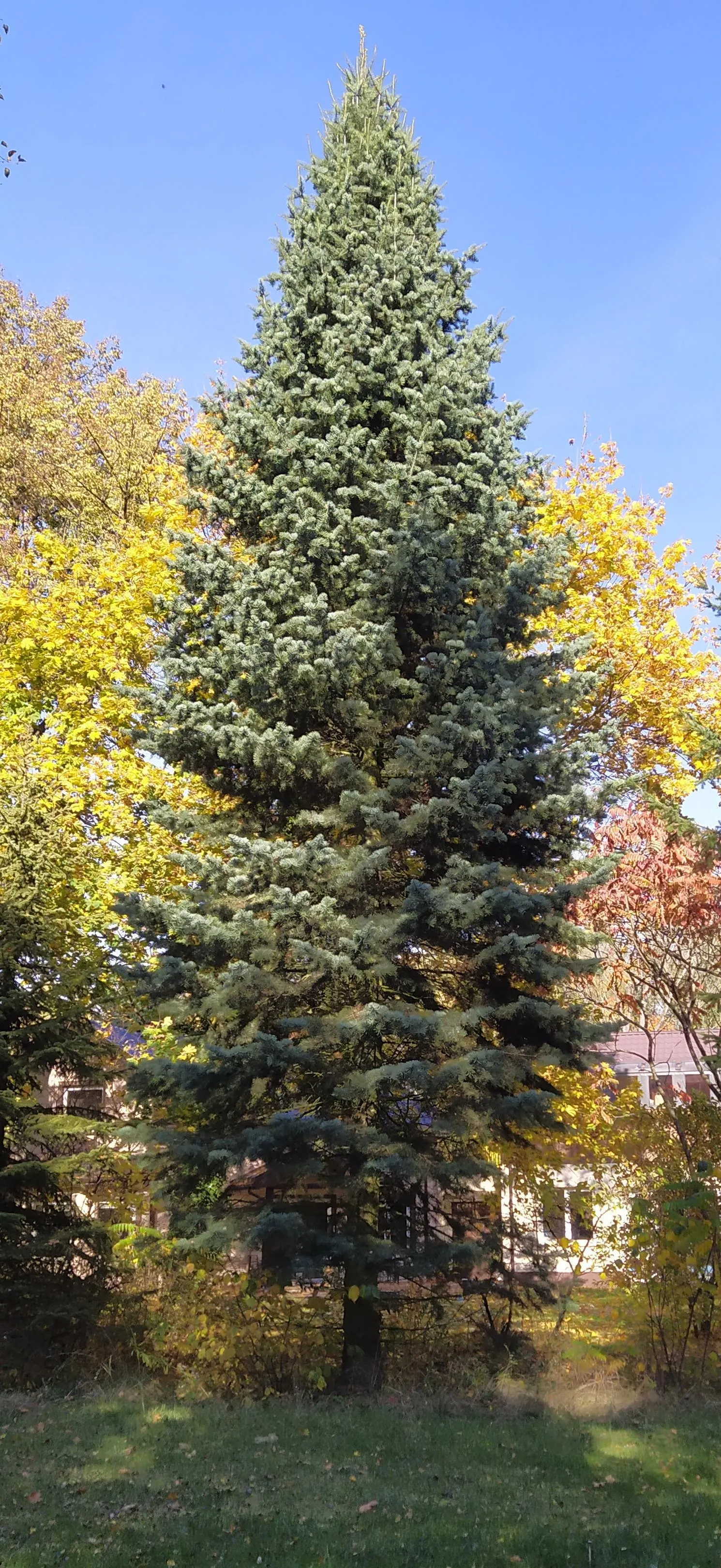
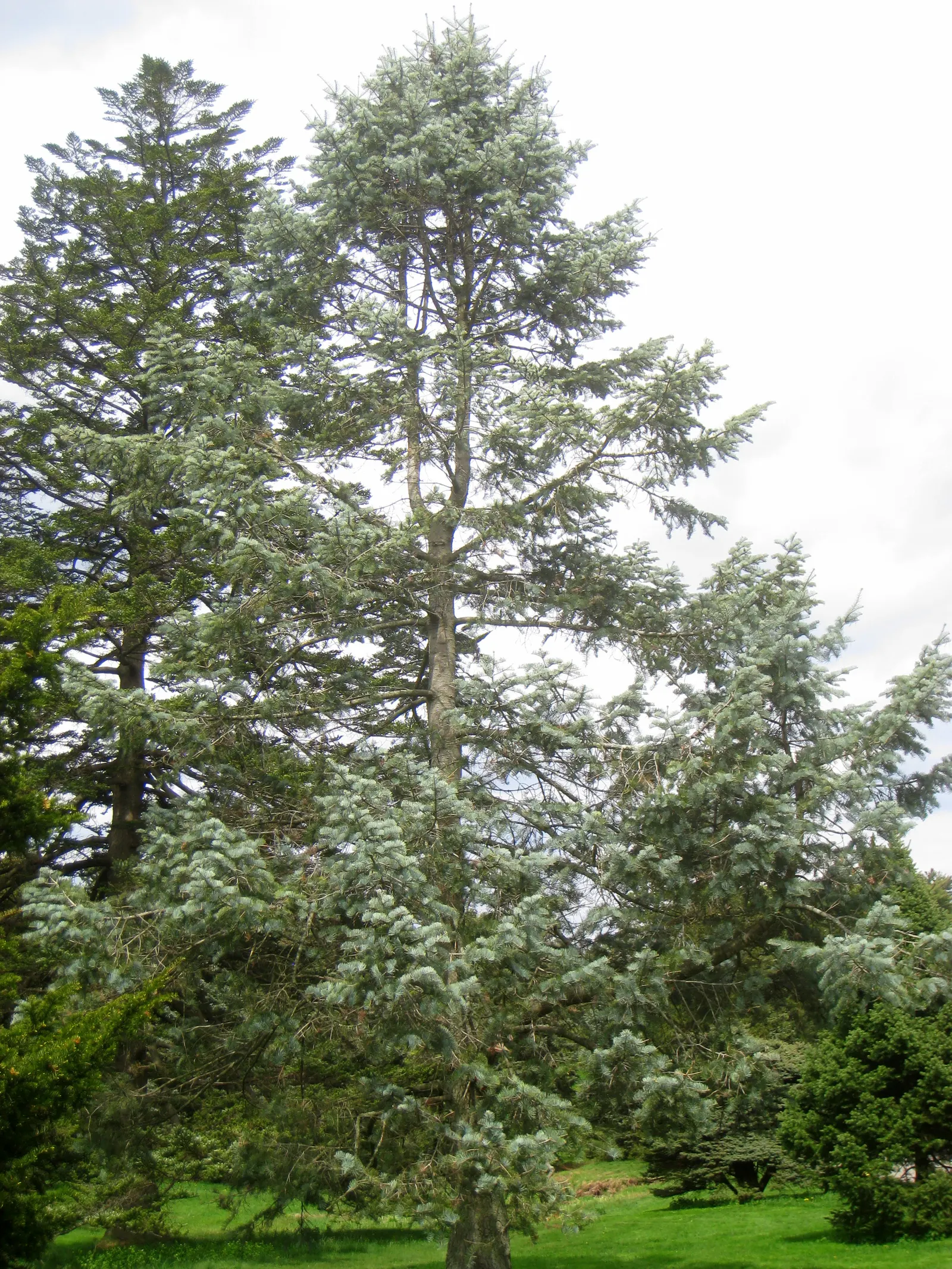
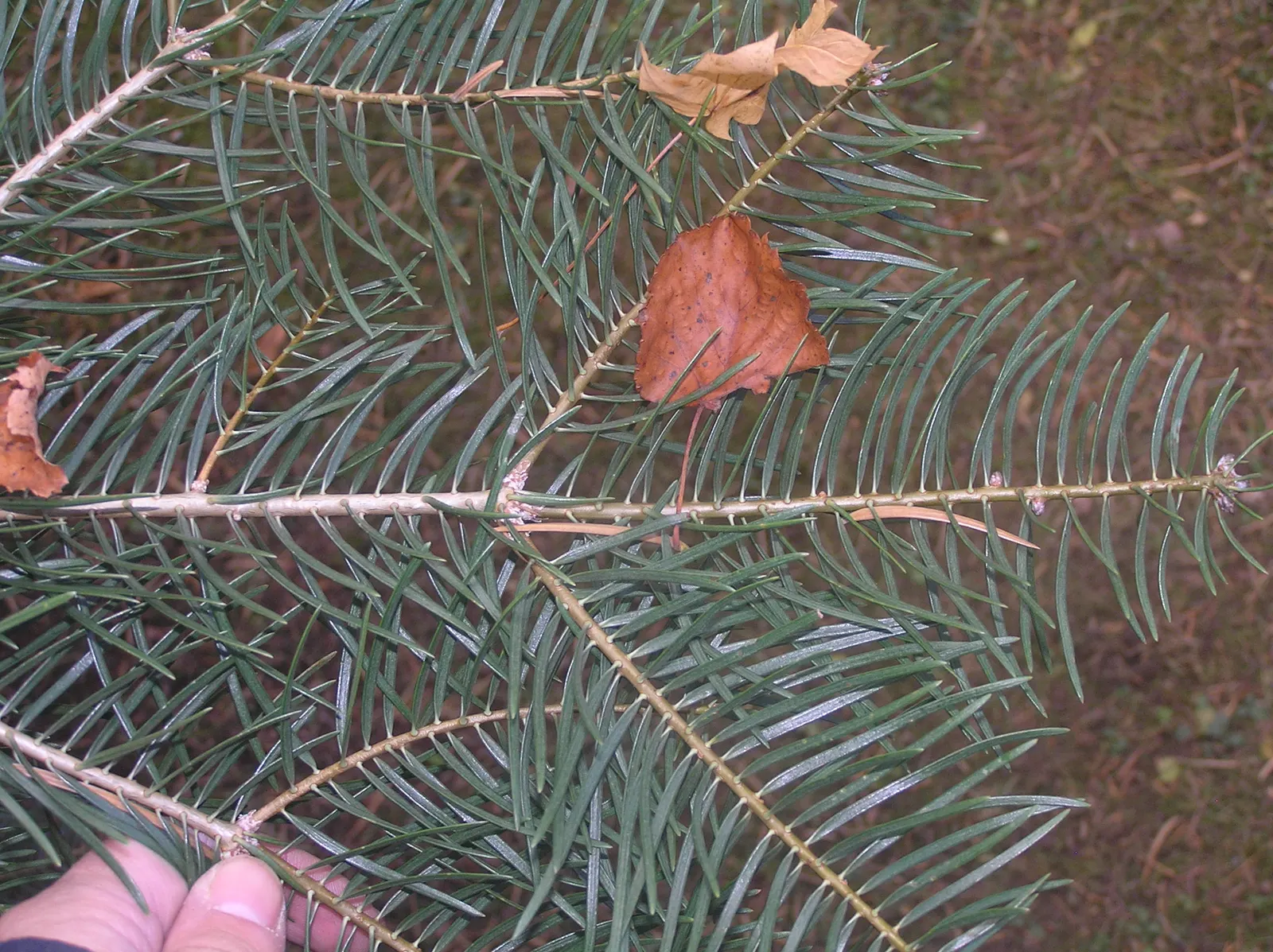
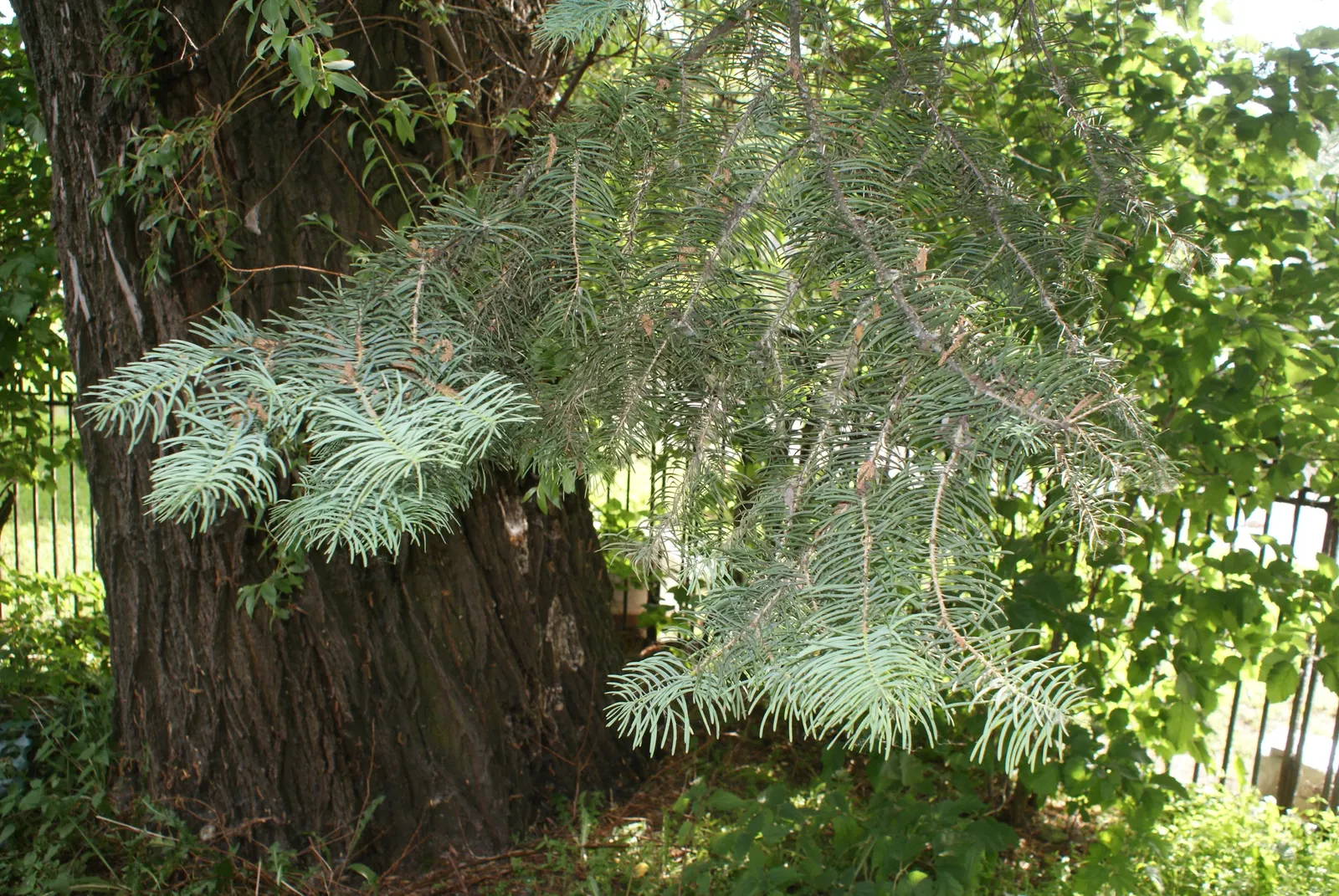
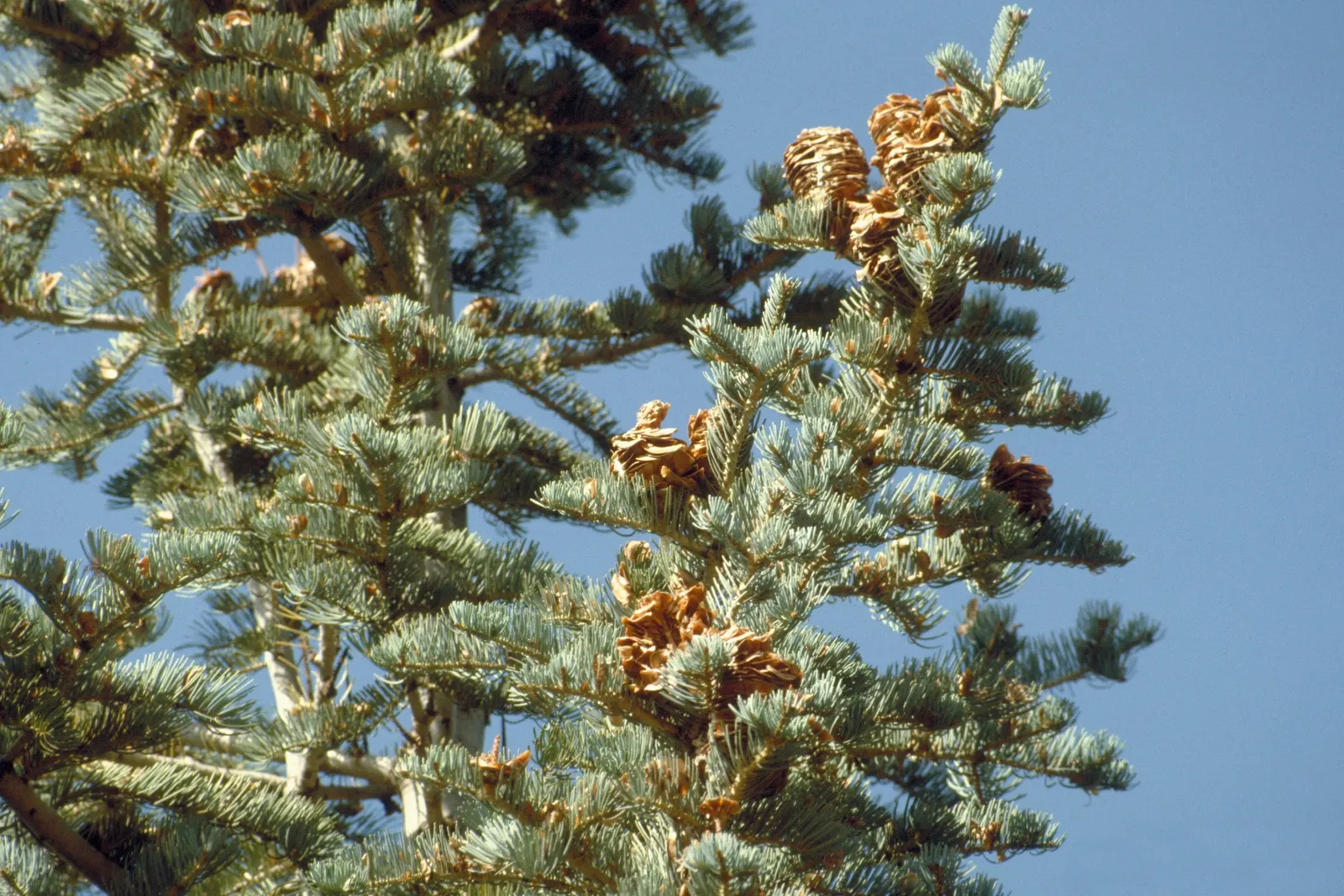
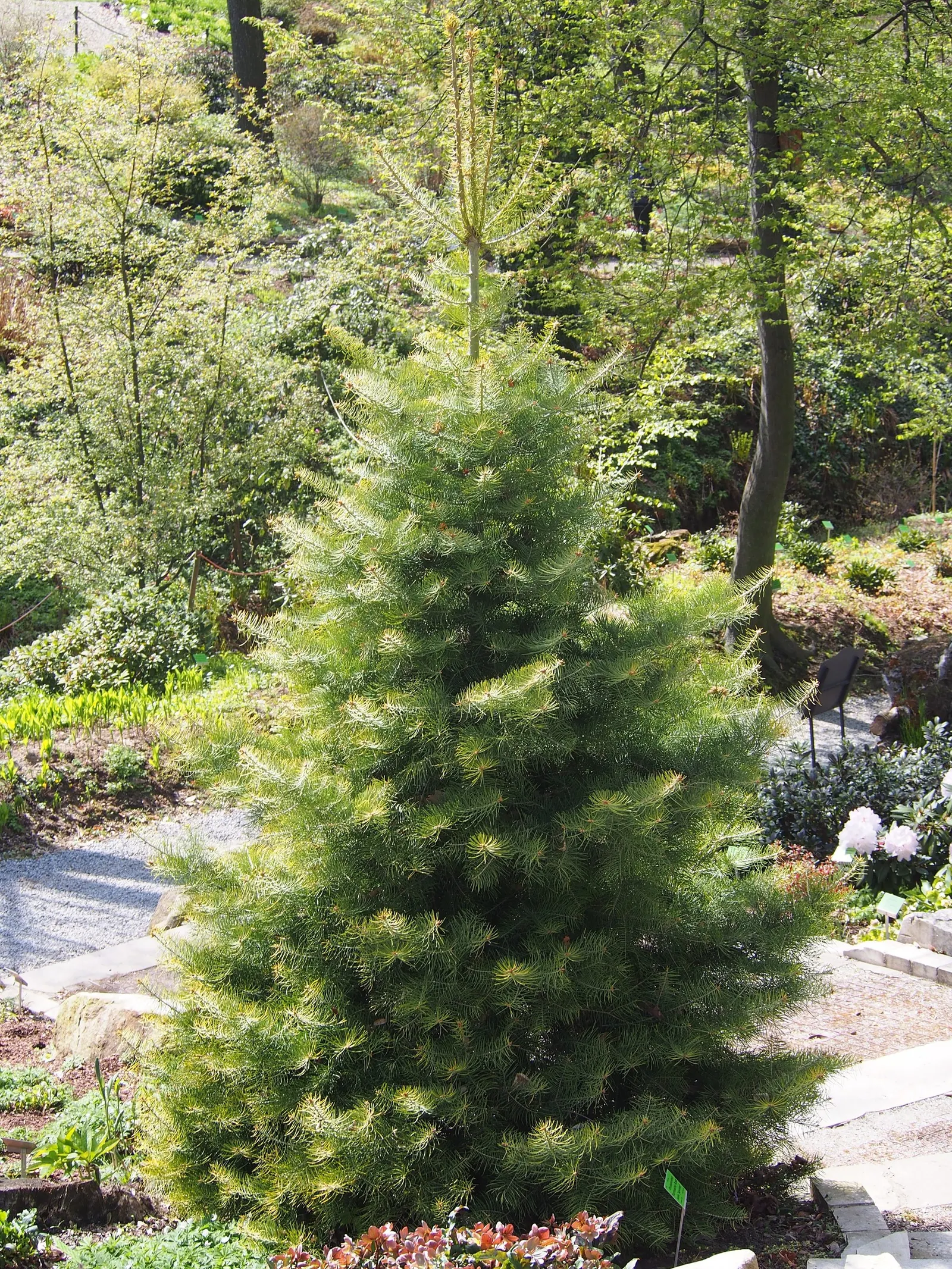
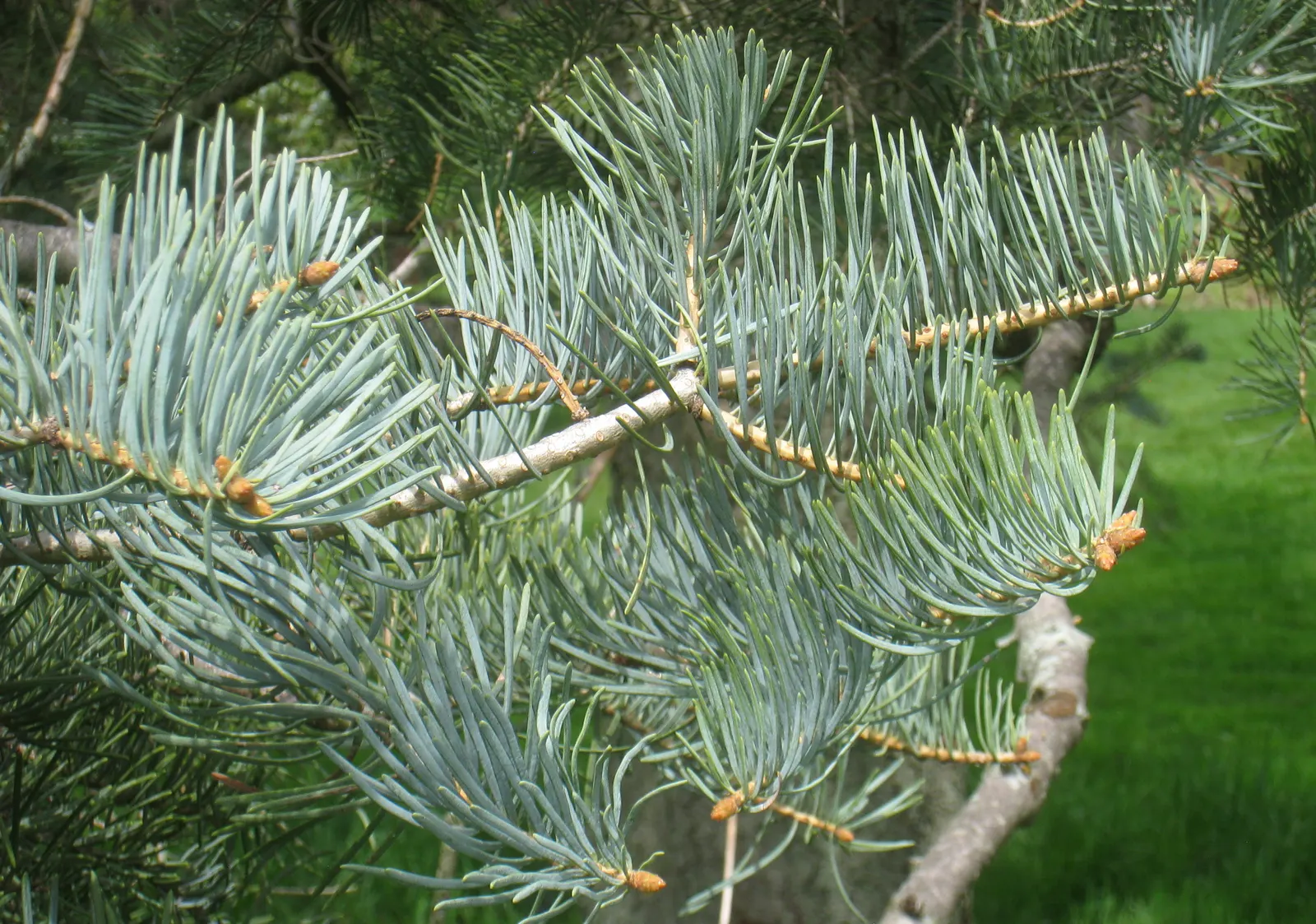
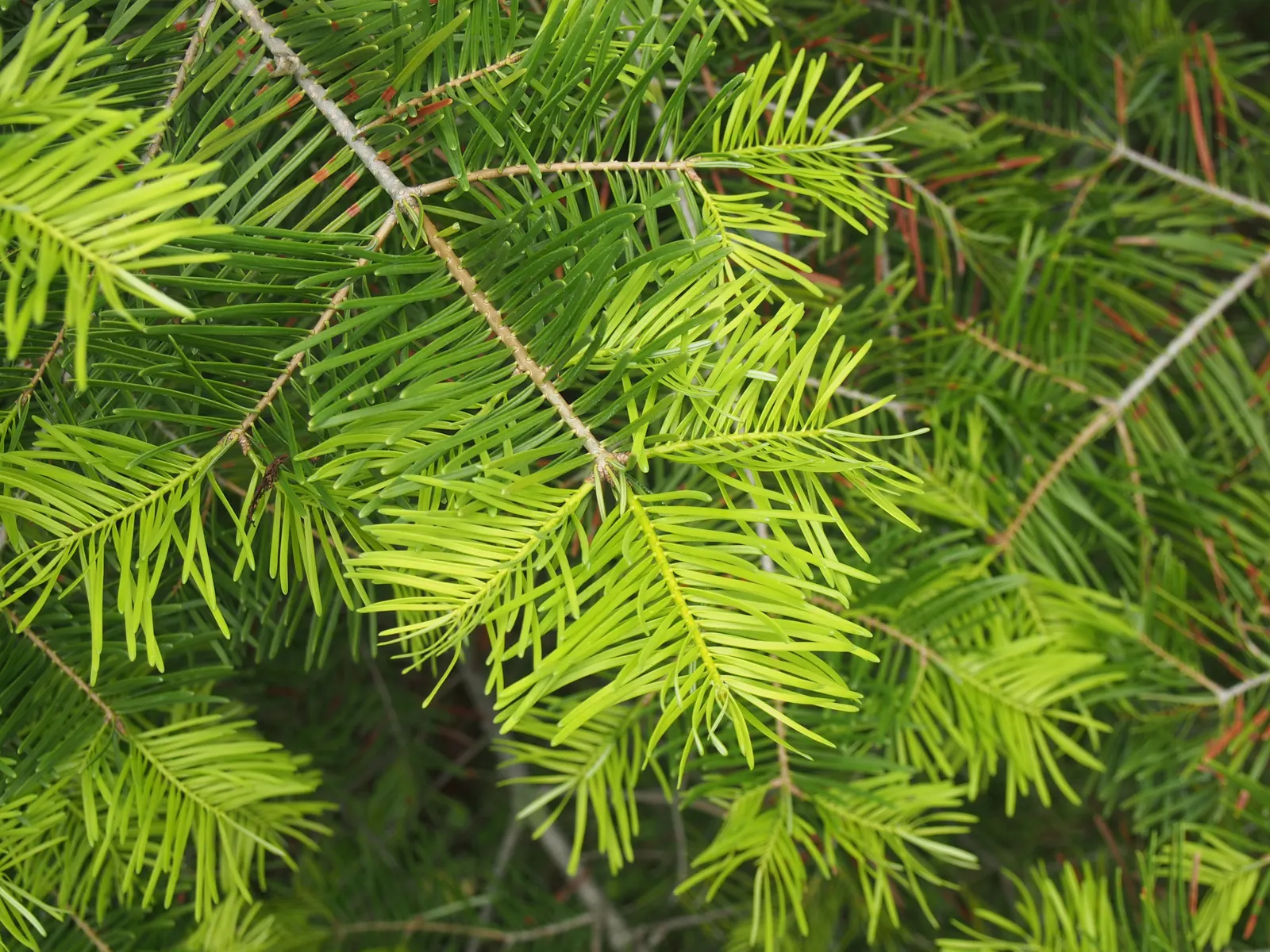
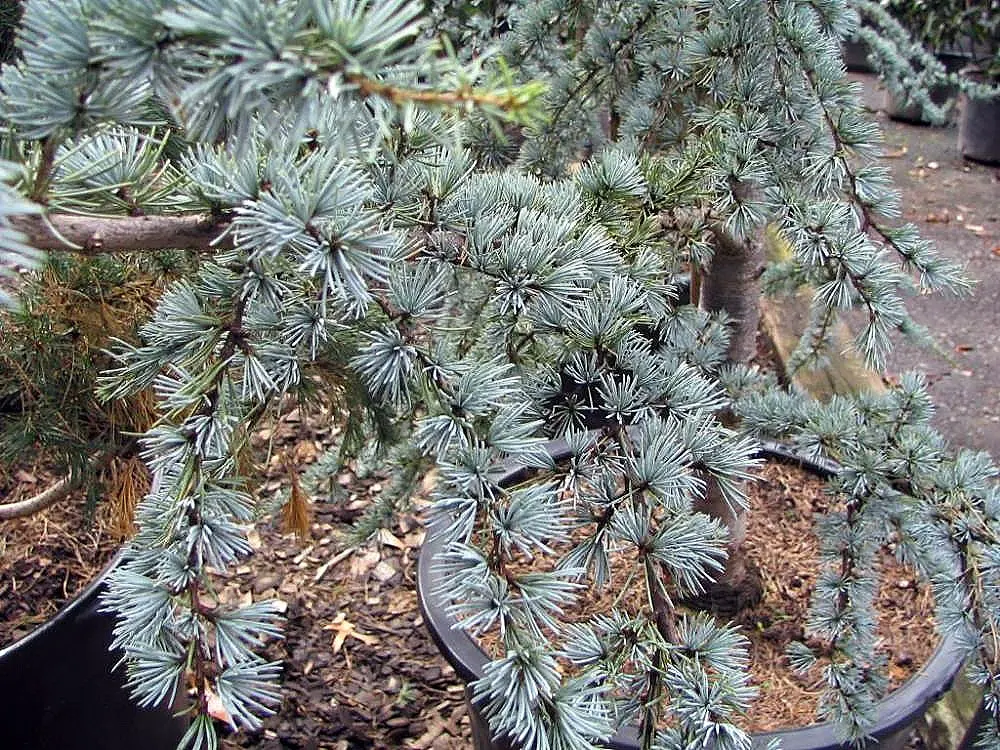
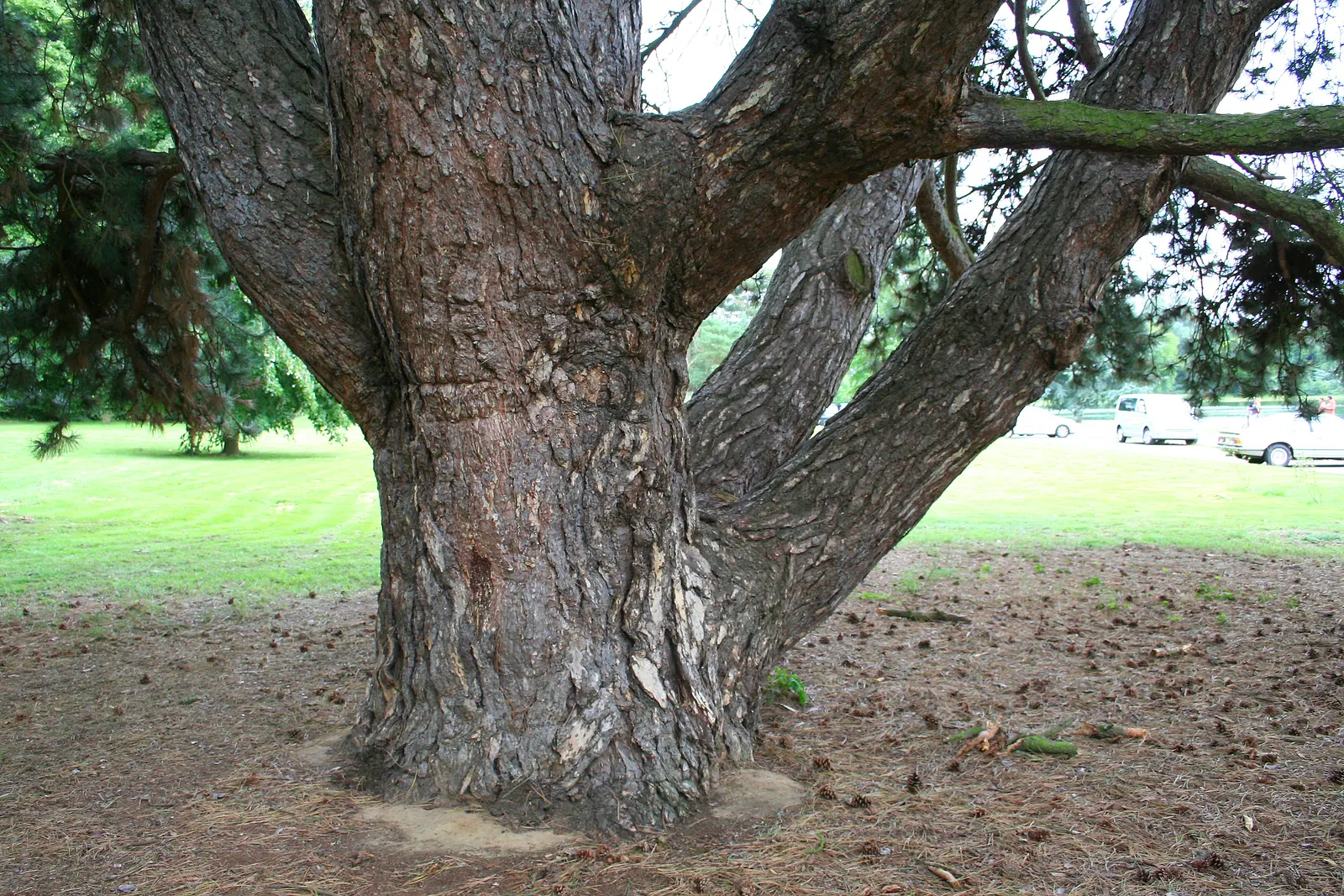
White Fir, or Abies concolor, is prized for its uniform, pyramidal shape, reaching a mature height of 40-70 feet and a spread of 20-30 feet. Its attractive blue-green needles, which are 2 to 3 inches long, emit a pleasant citrus aroma when crushed. It prefers full sun to partial shade with well-drained soil. Hardy in zones 3-7, this evergreen is tolerant of drought and air pollution, making it versatile for urban landscapes.

Sun Full, HalfWater MediumZones 3–8Type Conifer, TreeClimate Alpine

Culture

Sun
Full, Half
Water
Medium
USDA zones
3–8

Shape & size

Mature height
40–70 Ft.
Mature width
25–30 Ft.

Classification

Type
Conifer, Tree
Family
Pinaceae
Climate
Alpine

See full data, regional cultivation notes, and design tools. Build a client presentation around this plant.

Start your 14-day trial

Photos (71)

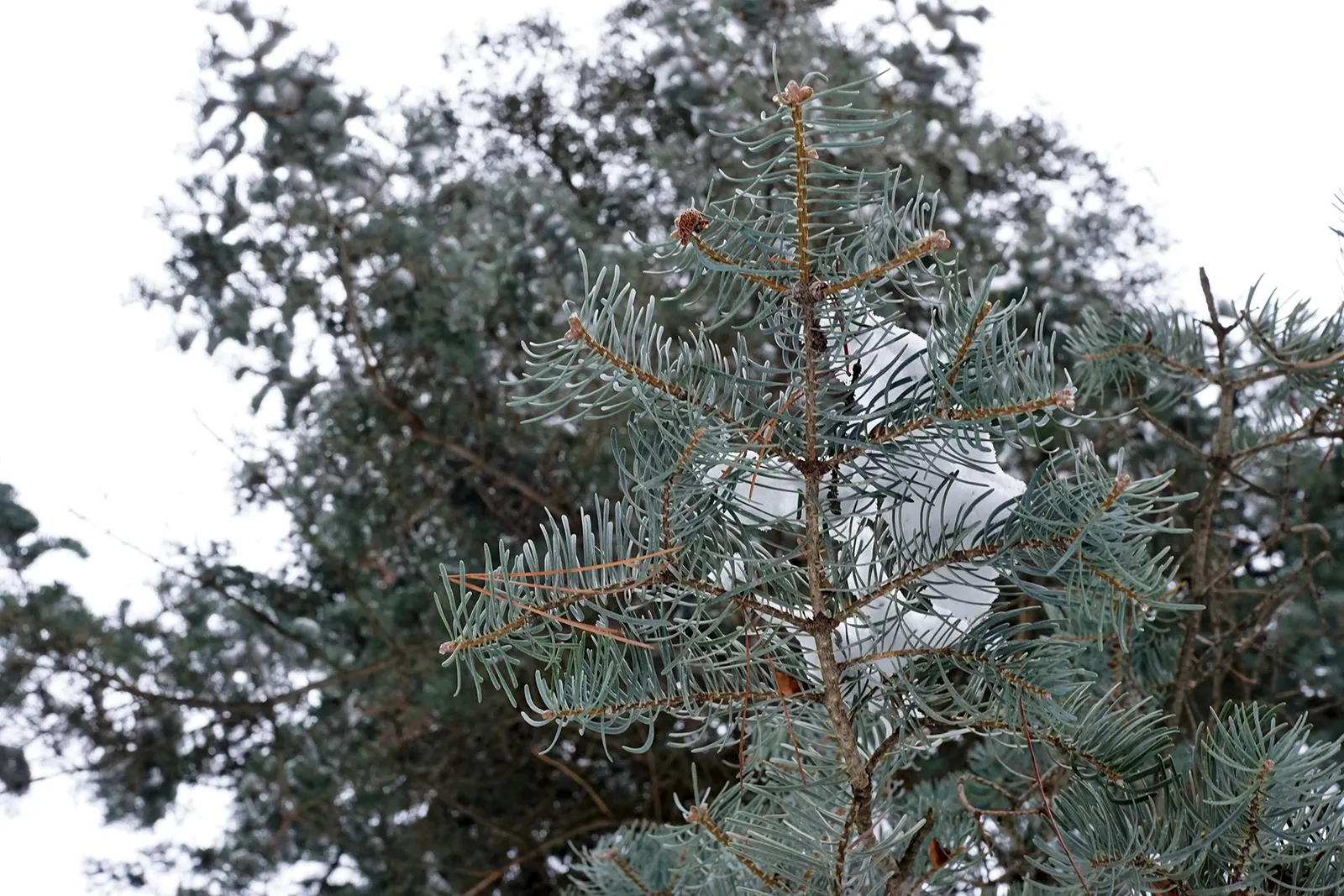
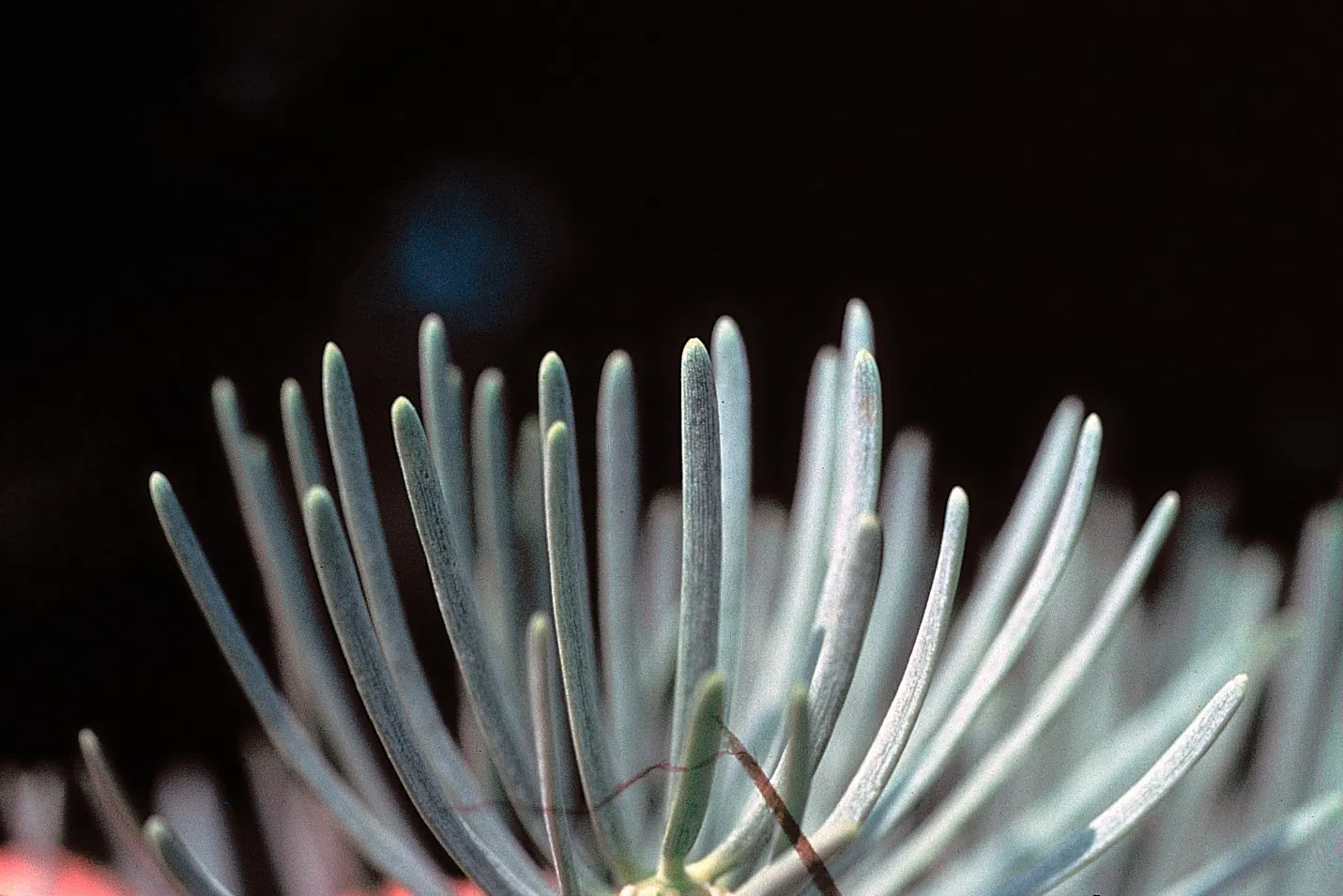
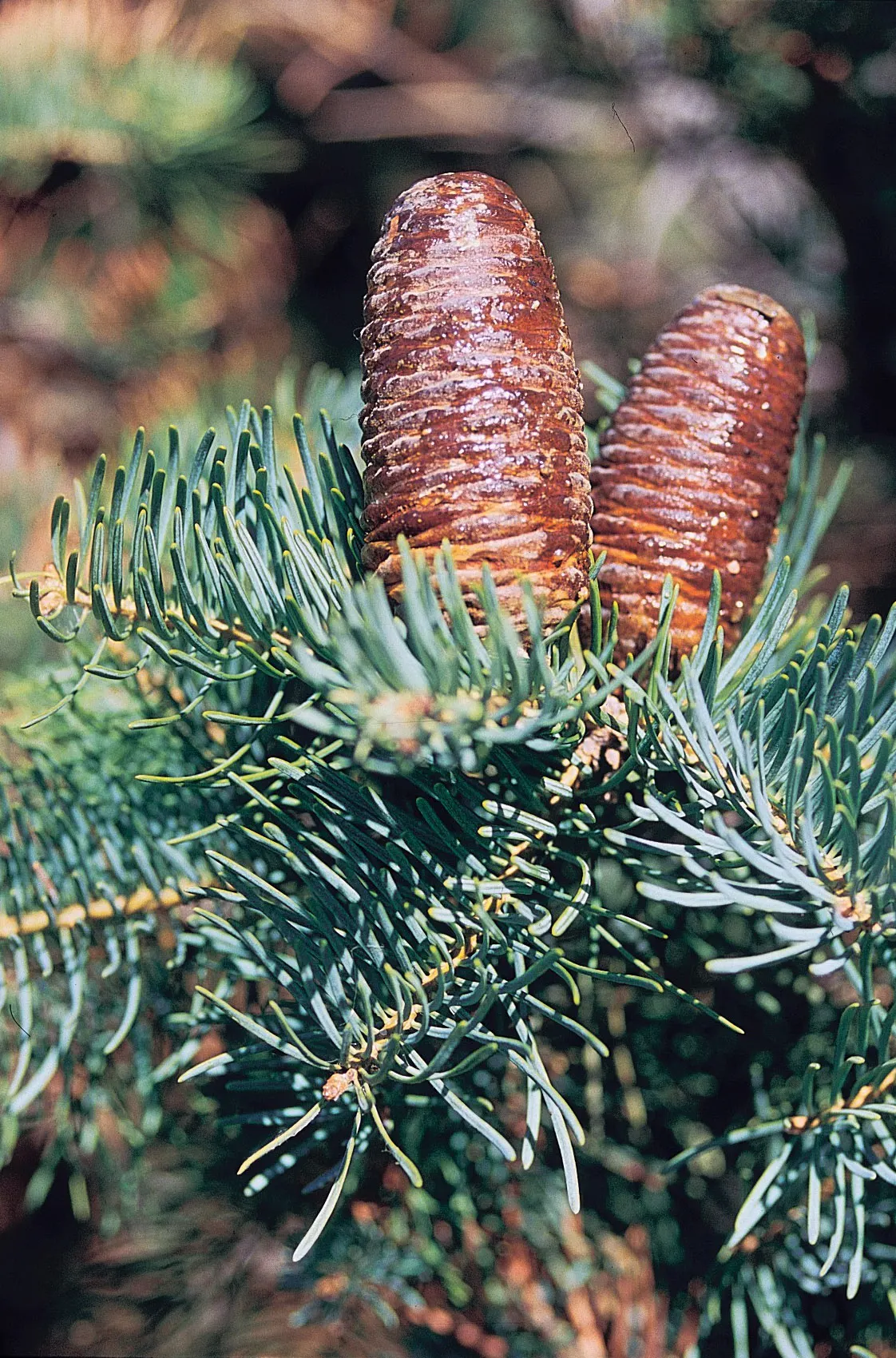
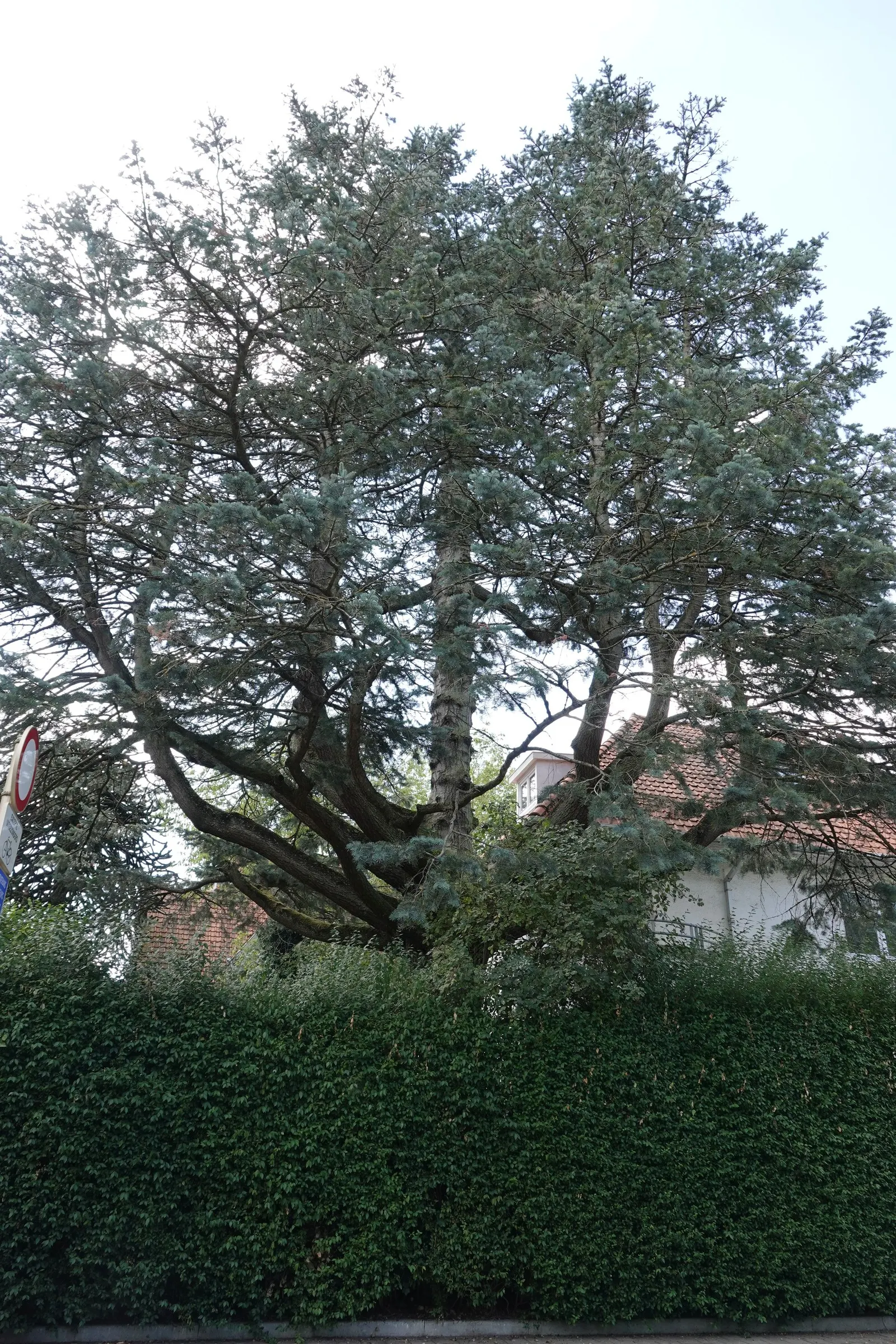
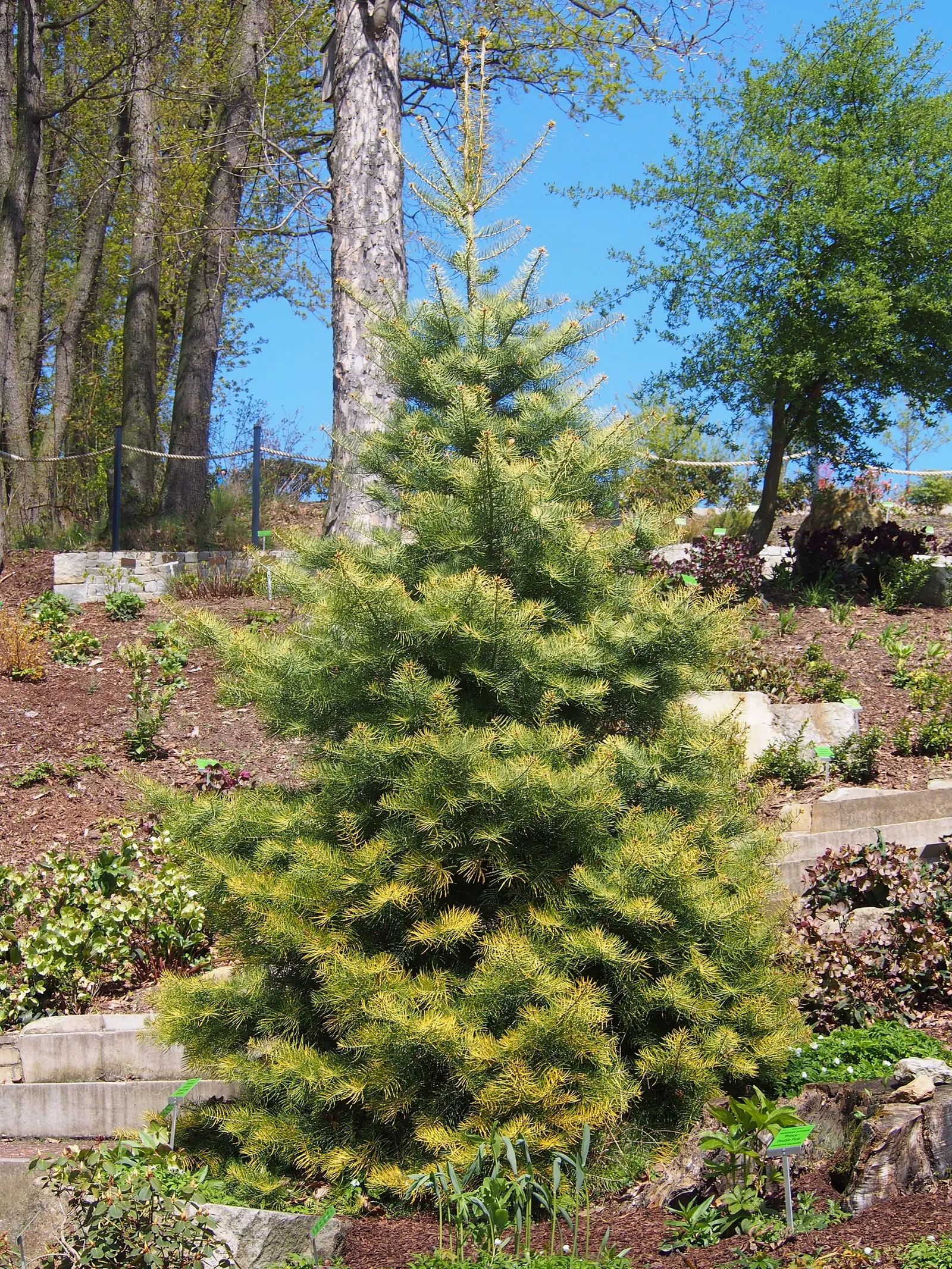
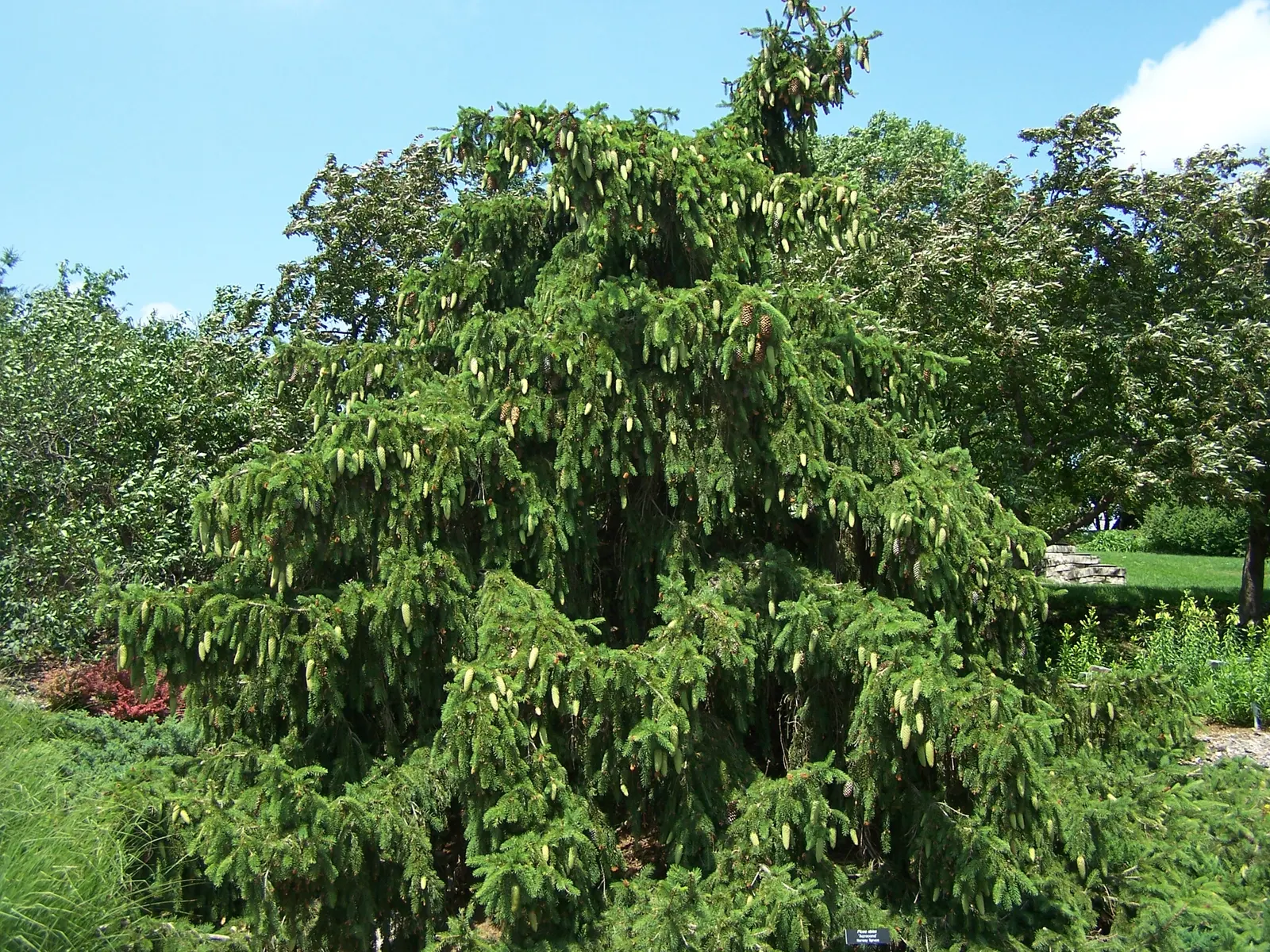
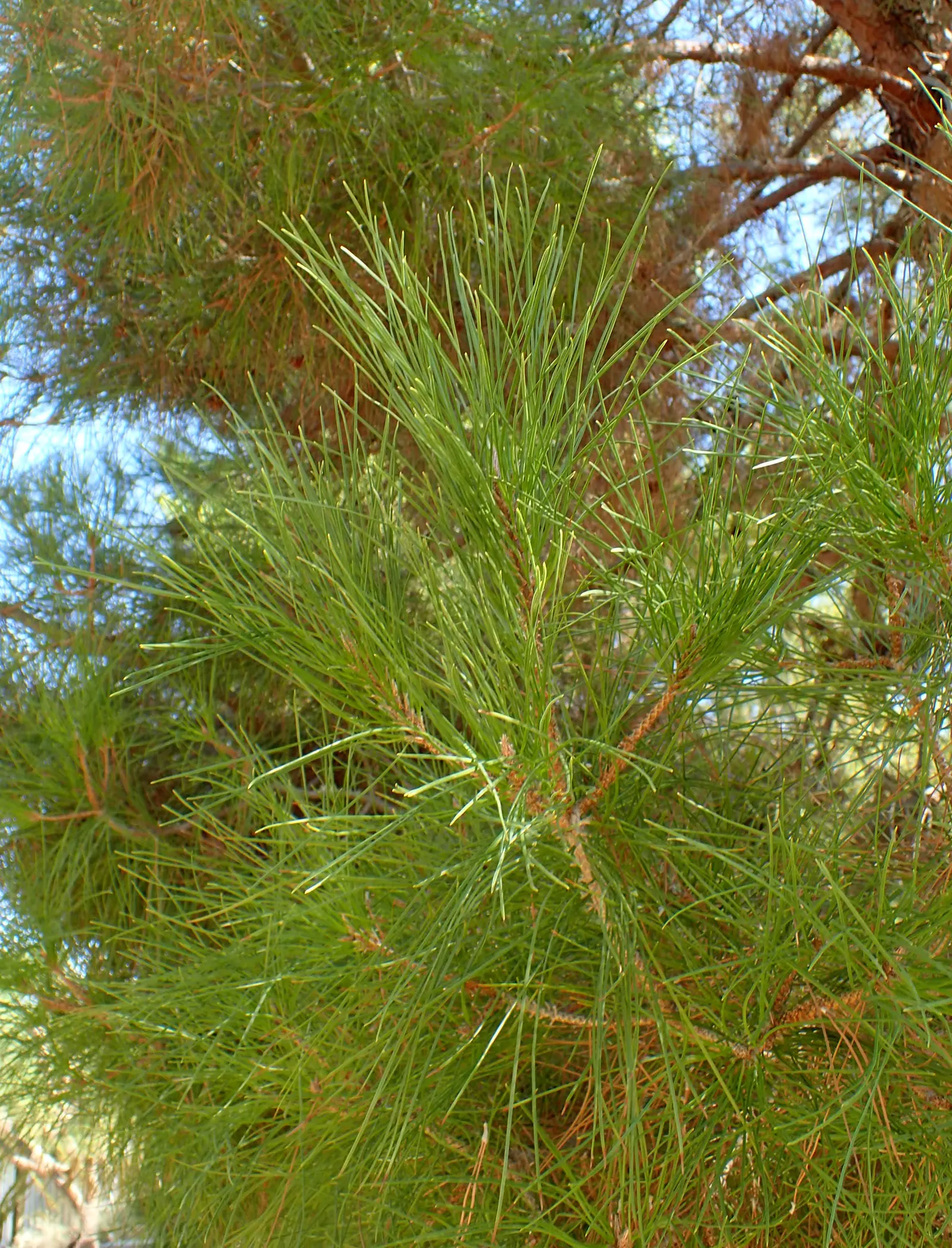
White Fir (Abies Concolor) — It prefers full sun to partial shade with well-drained soil; its attractive blue-green needles, which are 2 to 3, image 48
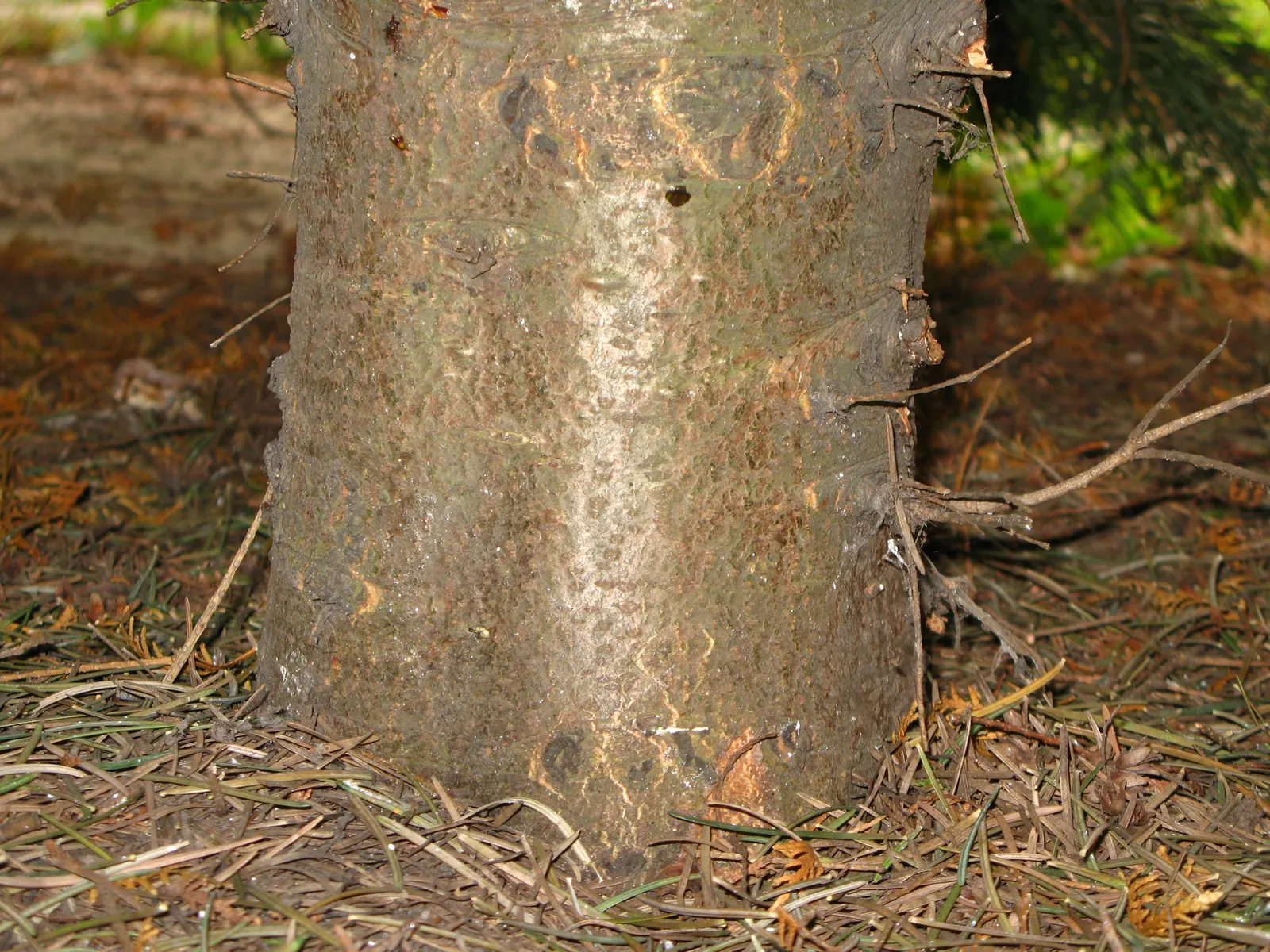
White Fir (Abies Concolor) — with no serious problems commonly associated
White Fir (Abies Concolor) — with a spread of about 20 to 30 feet.<br><br>Its attractive blue-green needles
White Fir (Abies Concolor) — It prefers full sun to partial shade with well-drained soil; its attractive blue-green needles, which are 2 to 3 inches long, emit
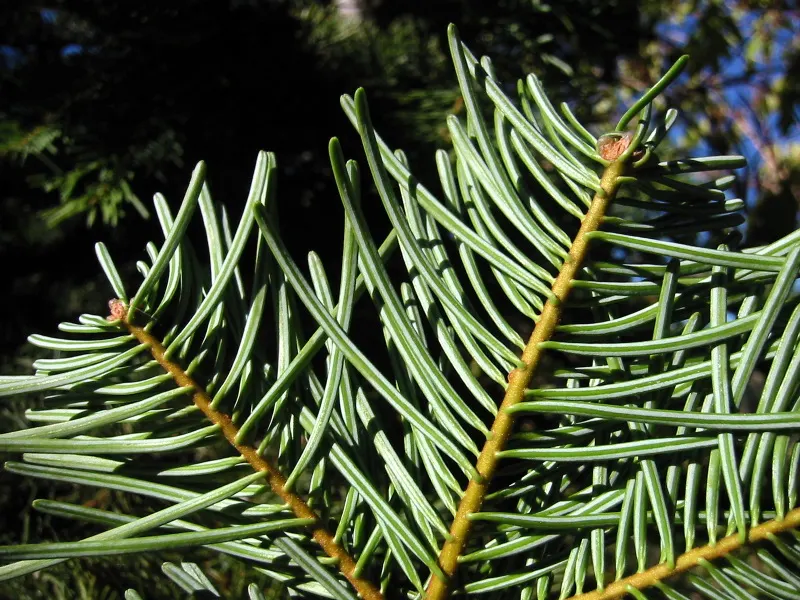
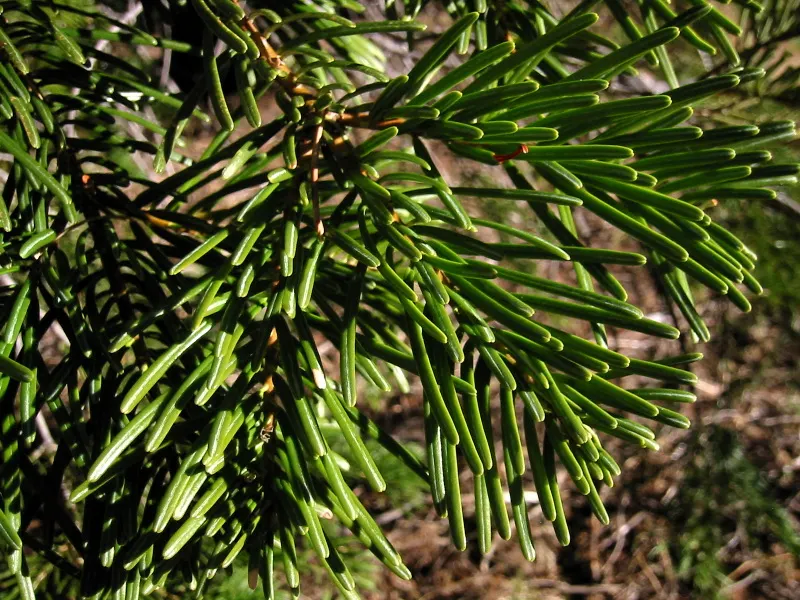
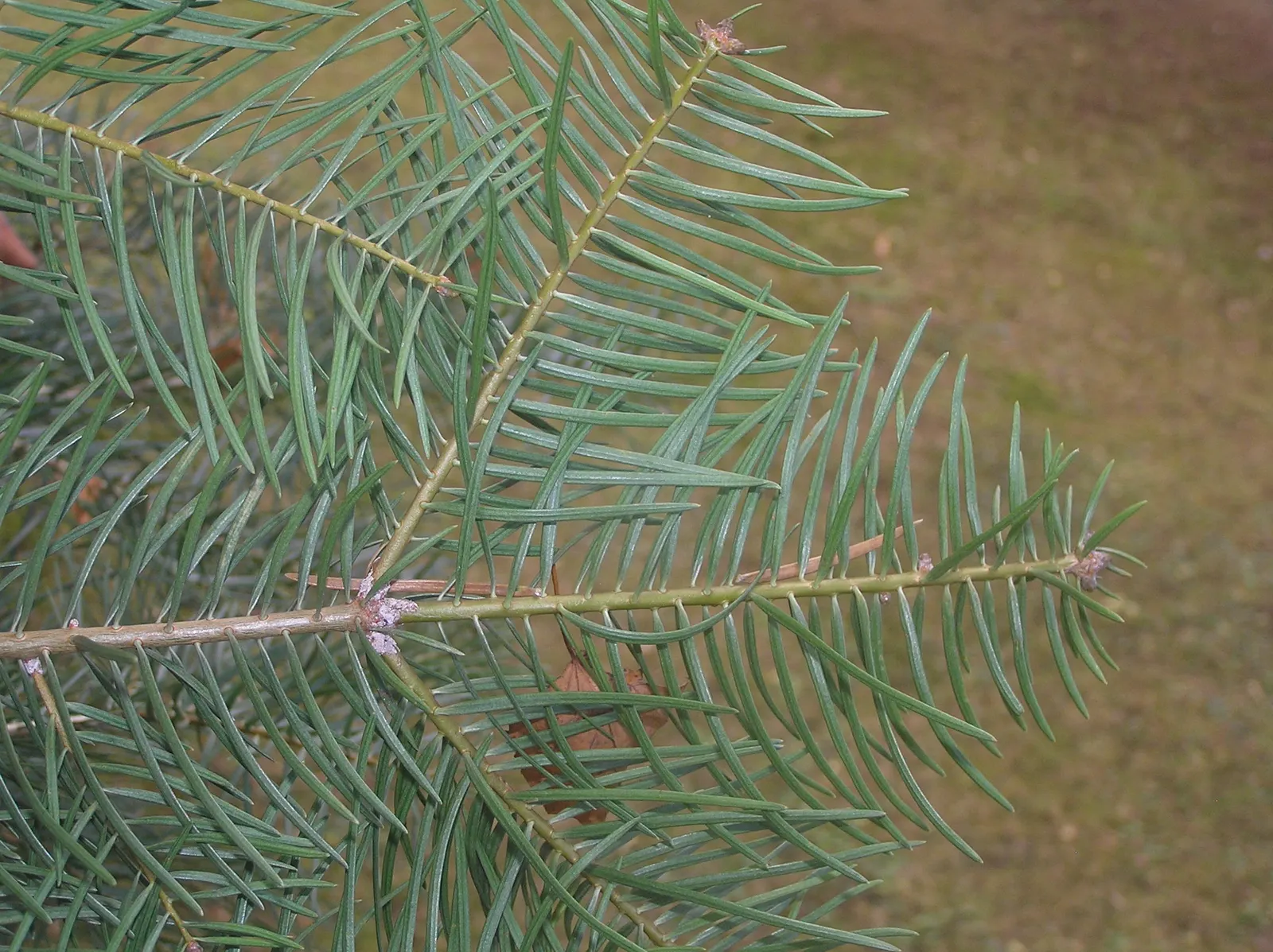
White Fir (Abies Concolor) — Its attractive blue-green needles, which are 2 to 3 inches long, emit a pleasant citrus aroma when crushed; the White Fir is
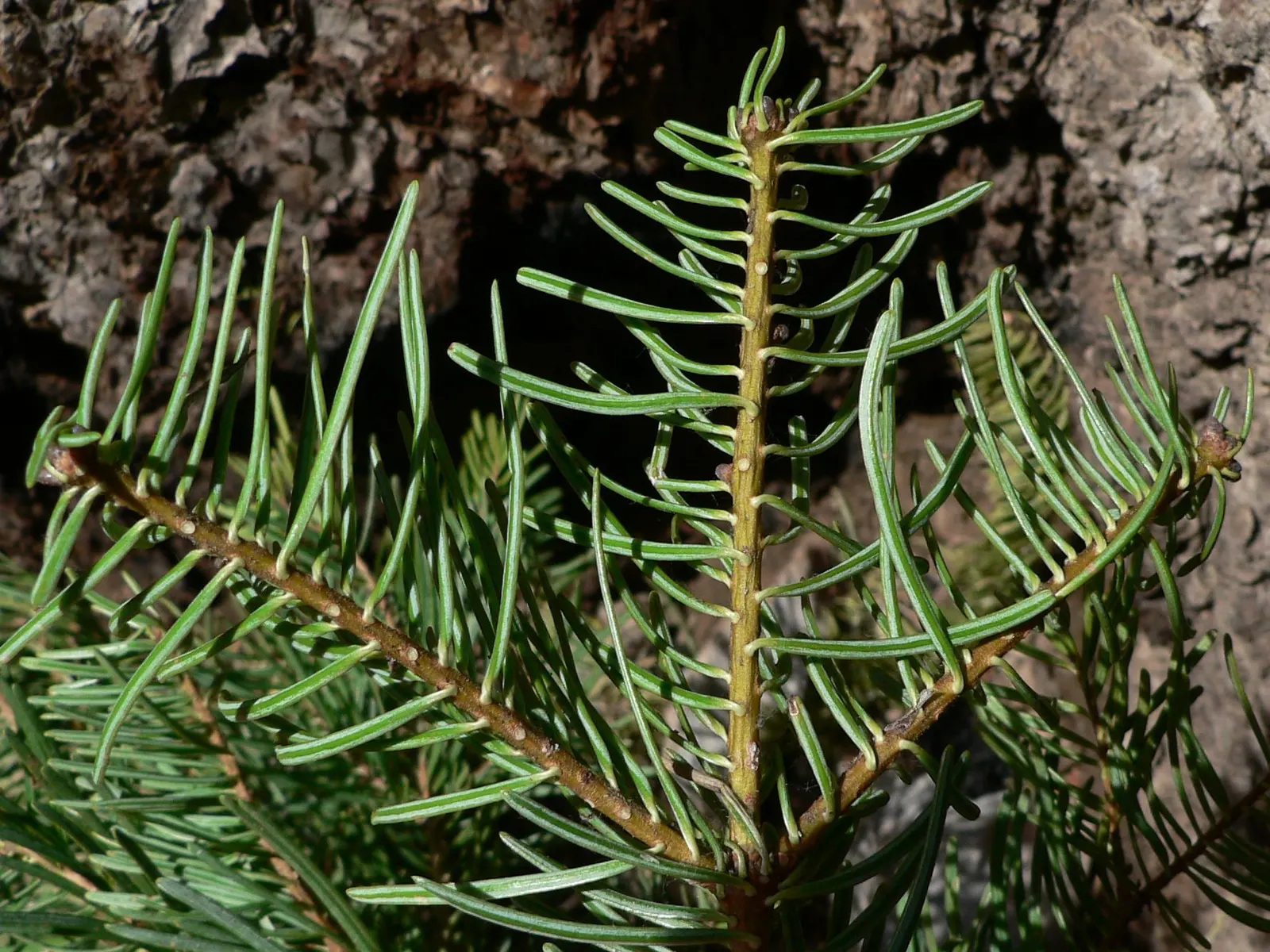
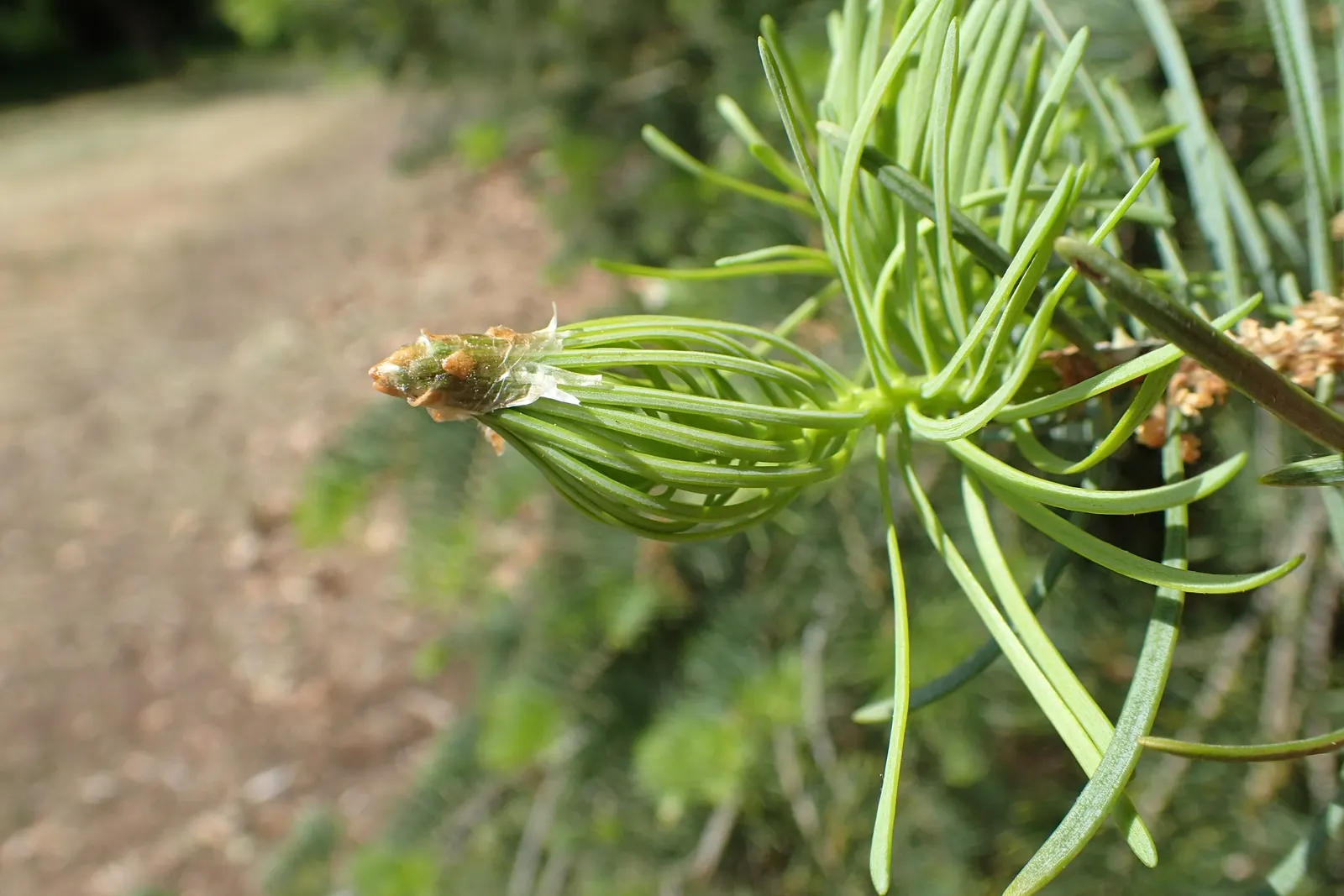
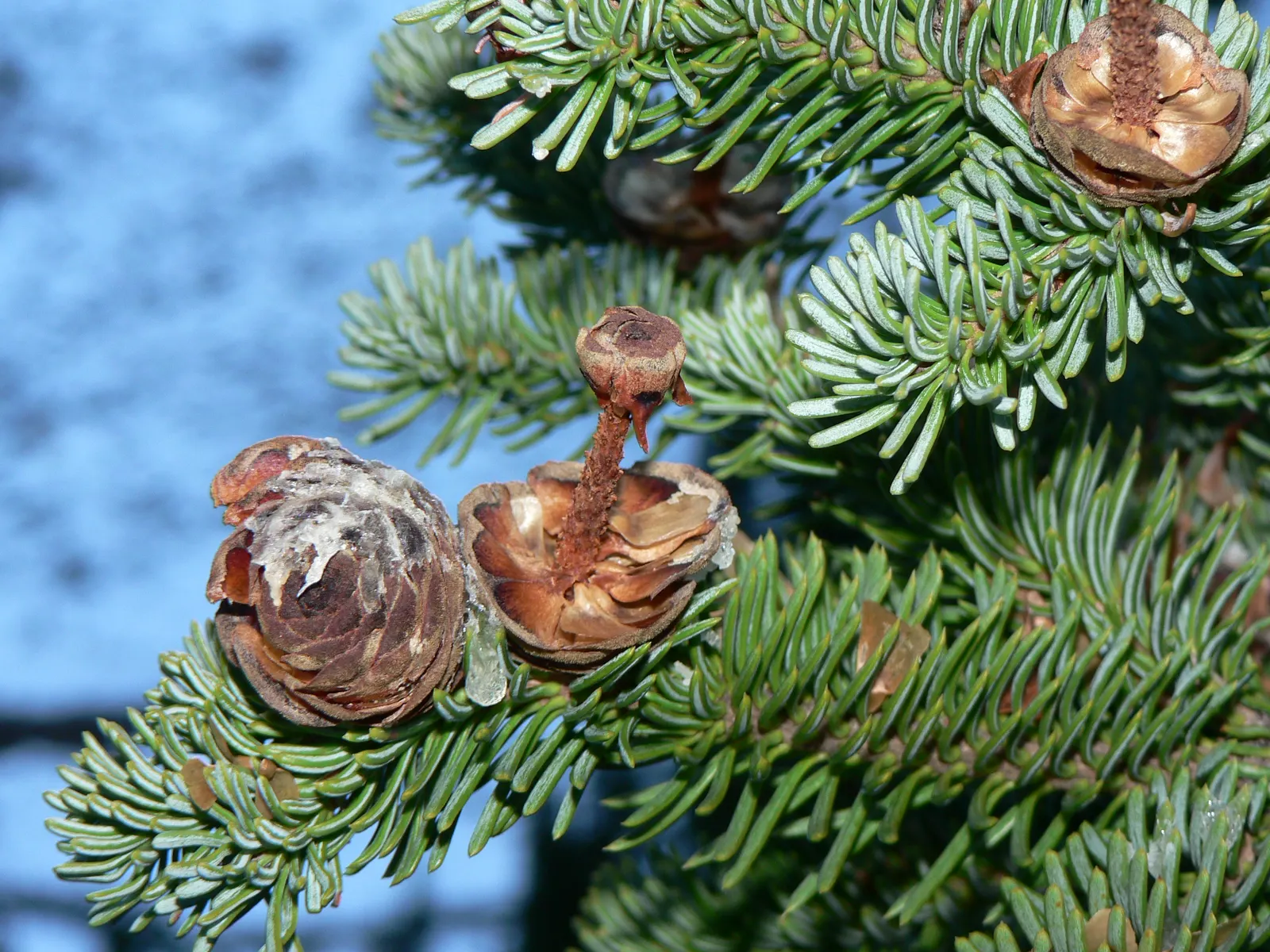
White Fir (Abies Concolor) — radiate around the branches
White Fir (Abies Concolor) — making it a viable option for sustainable landscapes targeting water conservation.<br><br>Furthermore; making it versatile for
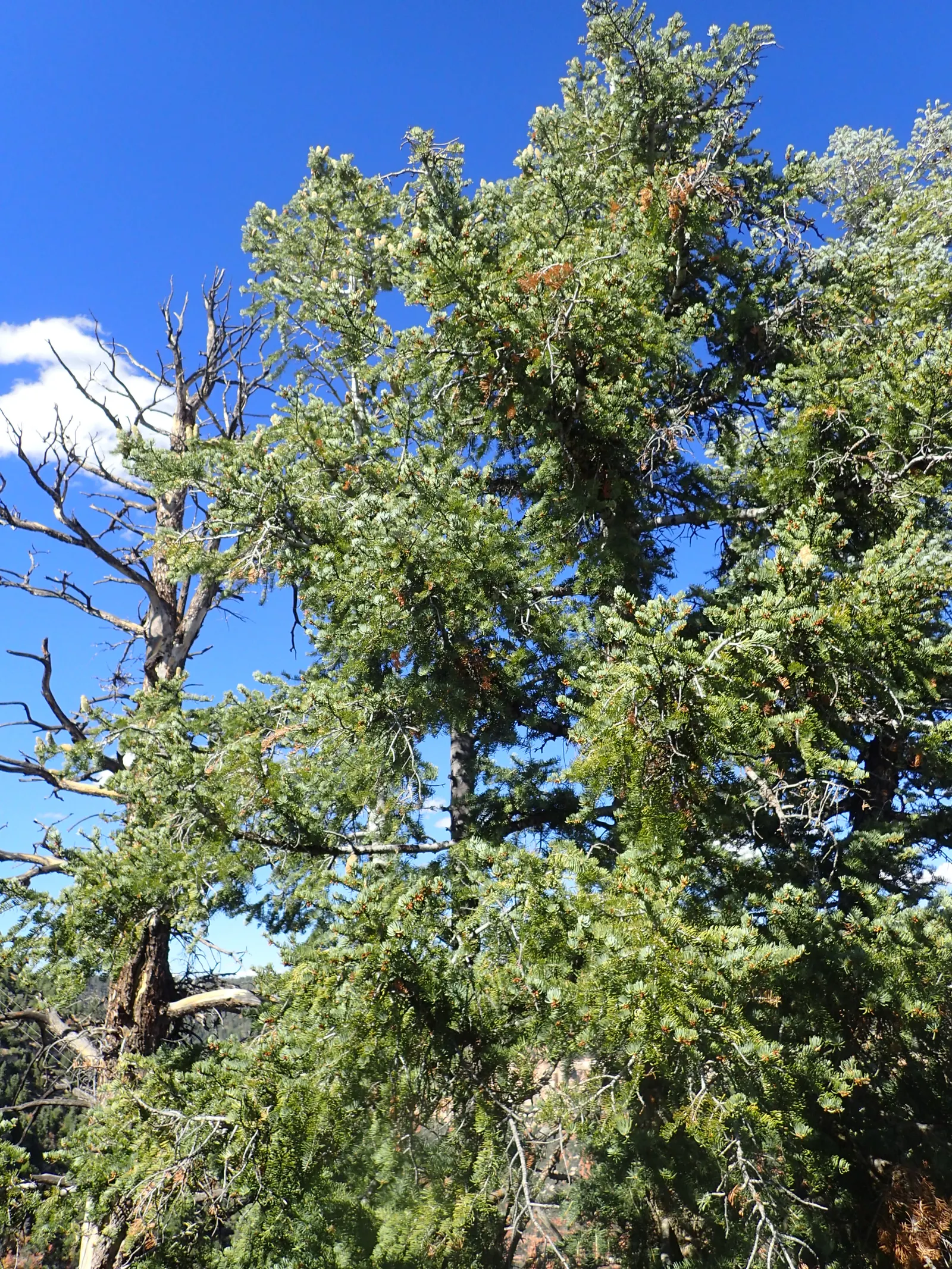
White Fir (Abies Concolor) — radiate around the branches; native to the mountains of western North America
White Fir (Abies Concolor) — the White Fir is relatively low-maintenance; the needles exhibit a pleasant citrus-like scent when crushed
White Fir (Abies Concolor) — well-drained soil with a slightly acidic to neutral pH
White Fir (Abies Concolor) — It is also resistant to many pests and diseases
White Fir (Abies Concolor) — this evergreen is tolerant of drought and air pollution
White Fir (Abies Concolor) — although young trees may benefit from occasional shaping to maintain a symmetrical form
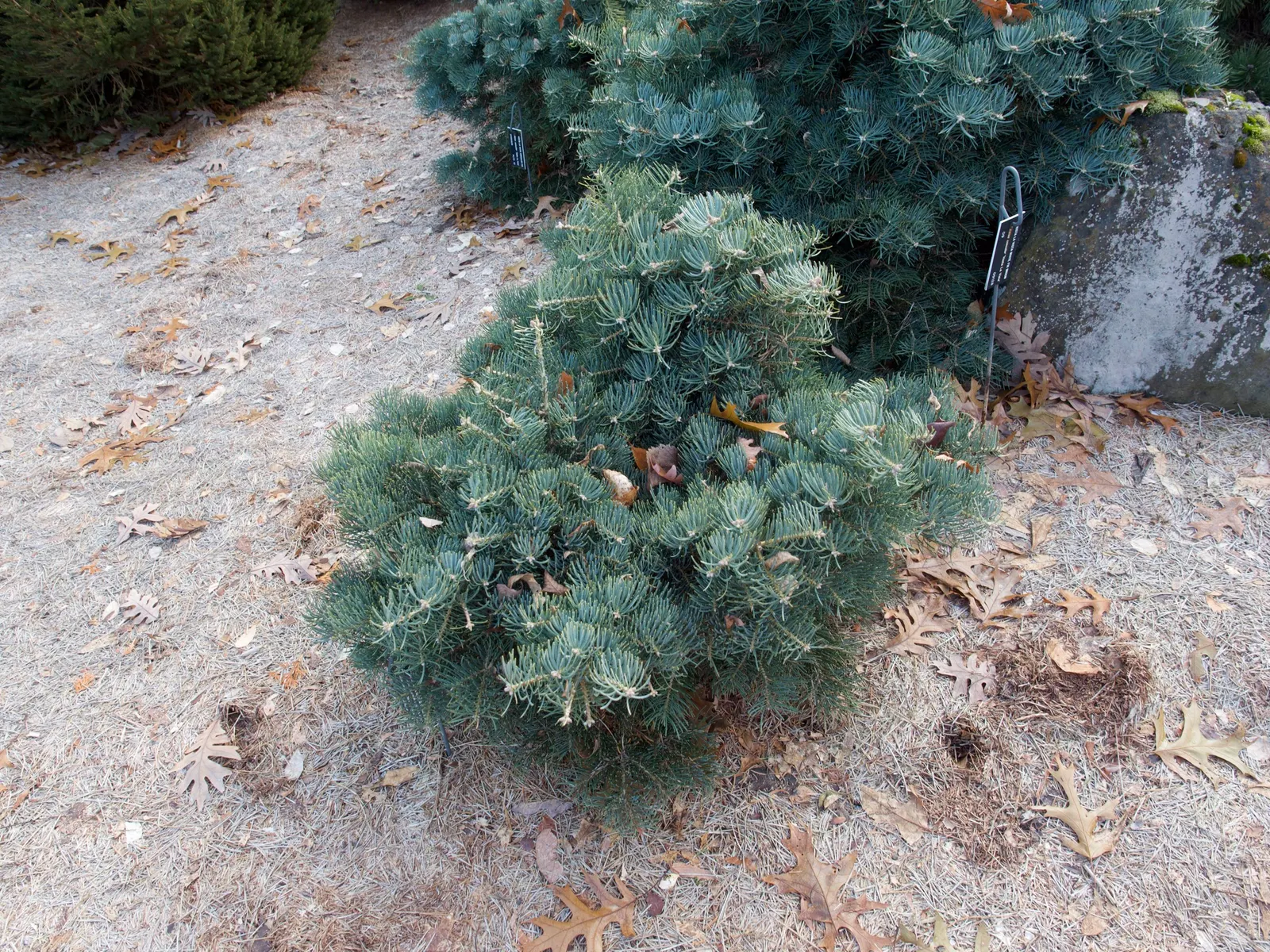
White Fir (Abies Concolor) — making it versatile for urban landscapes; making it a viable option for sustainable landscapes targeting water, image 50
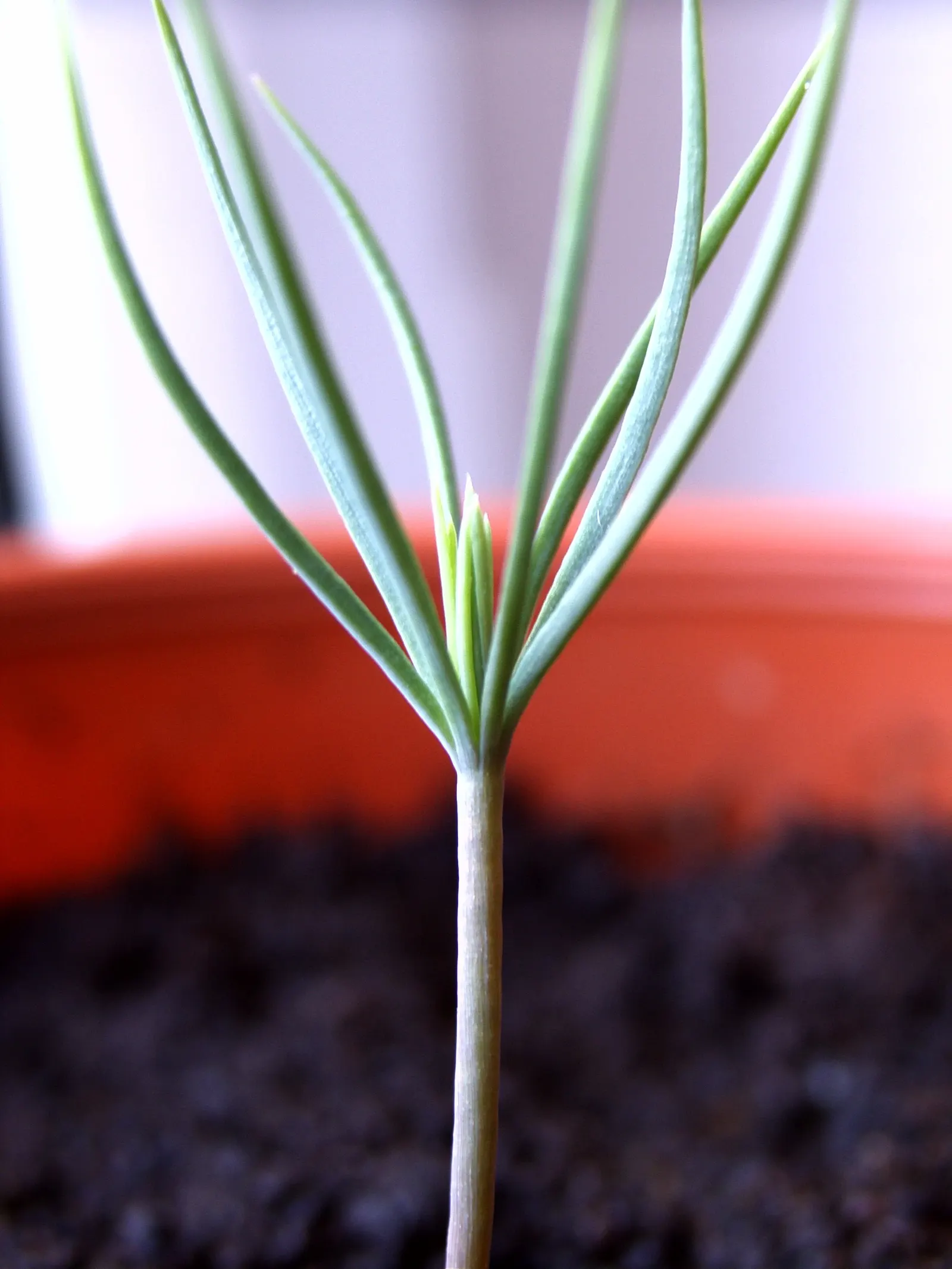
White Fir (Abies Concolor) — this evergreen is tolerant of drought and air pollution; which are uniquely soft to the touch and range from 2 to 3, image 49
White Fir (Abies Concolor) — conifer / tree for full or half; although young trees may benefit from occasional shaping to maintain a symmetrical form
White Fir (Abies Concolor) — This species is noteworthy for its drought tolerance once established
White Fir (Abies Concolor) — the White Fir is relatively low-maintenance
White Fir (Abies Concolor) — making it versatile for urban landscapes
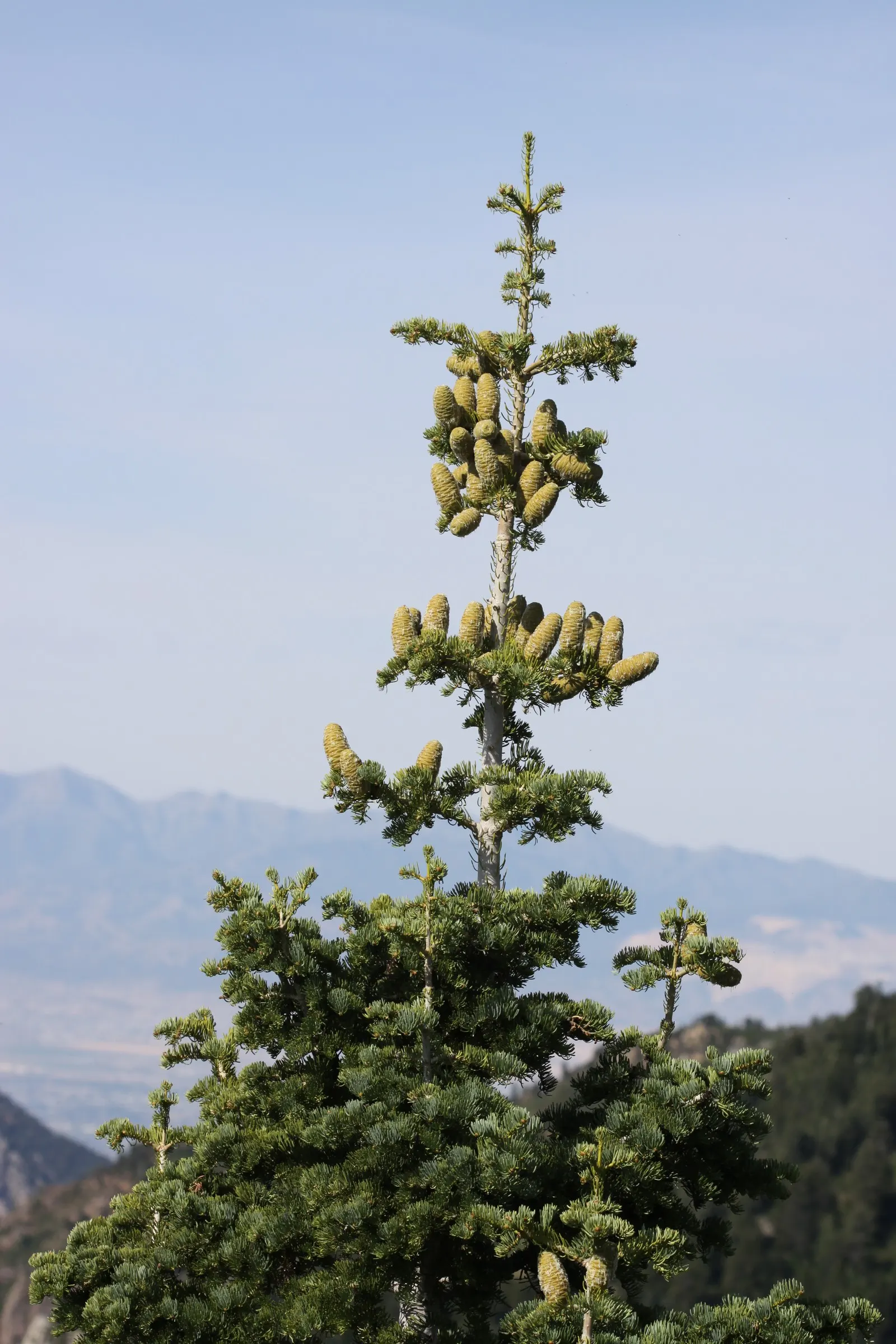
White Fir (Abies Concolor) — scientifically named Abies concolor; reaching a mature height of 40-70 feet and a spread of 20-30 feet
White Fir (Abies Concolor) — which are uniquely soft to the touch and range from 2 to 3 inches long
White Fir (Abies Concolor) — scientifically named Abies concolor
White Fir (Abies Concolor) — though they thrive best in moist
White Fir (Abies Concolor) — with no serious problems commonly associated; providing a full and lush appearance
Photographs by 14 contributors

Related plants