Skip to content

Rose Verbena

Verbena Canadensis

Design with this plant

Overview

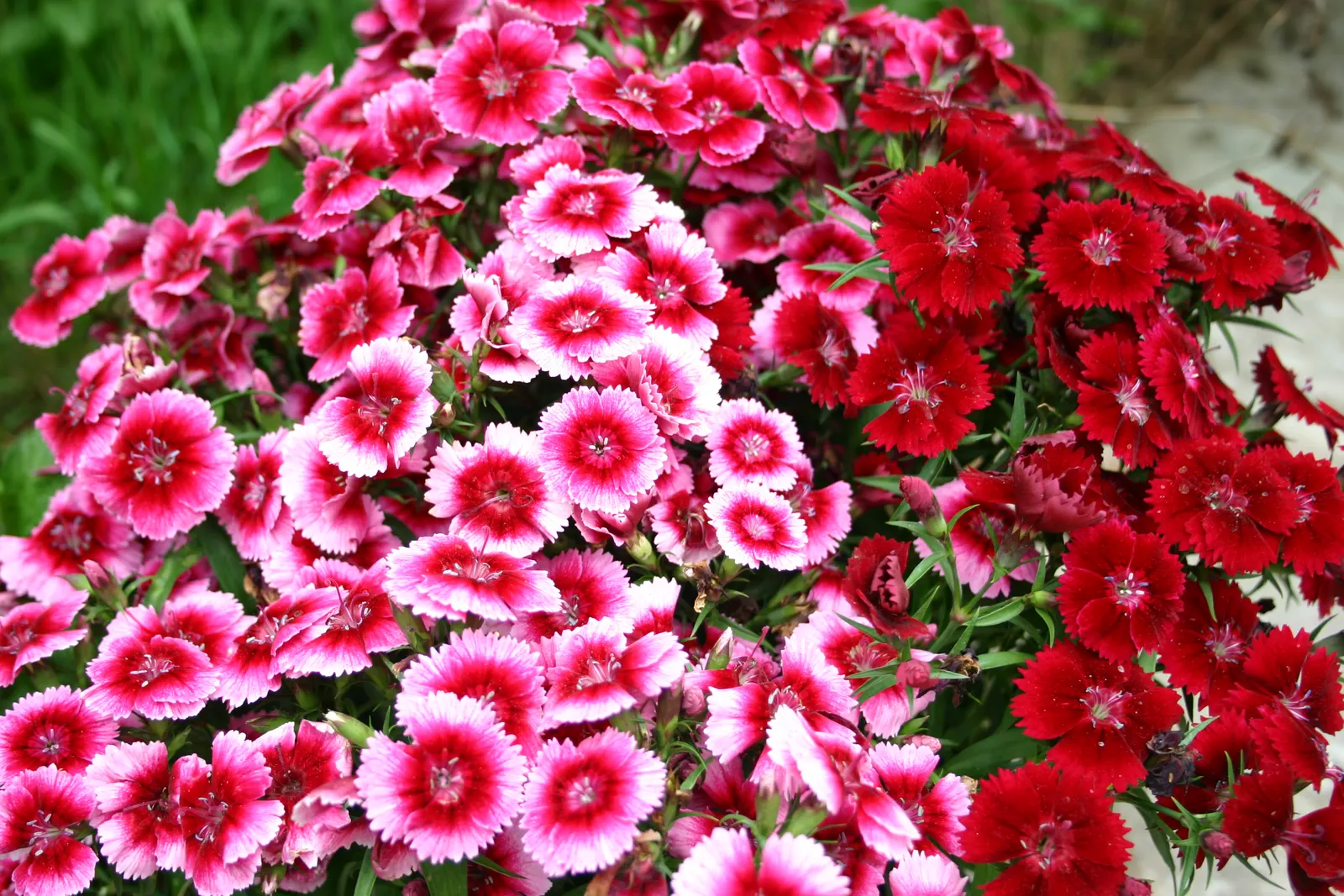
Sweet William (Dianthus barbatus) boasts a vibrant array of clustered flowers in shades of red, pink, white, and bicolor. This herbaceous biennial reaches 12-24 inches tall and spreads about 10-18 inches wide. Ideal for USDA zones 3-9, it thrives in full sun to partial shade, requiring well-drained soil. A quintessential cottage garden staple, Sweet William offers delightful fragrance and attracts pollinators while being deer-resistant.

Sun Half, ShadeWater MediumZones 8–10Type Ground cover, Perennial, WildflowerClimate Temperate

Culture

Sun
Half, Shade
Water
Medium
USDA zones
8–10

Shape & size

Classification

Type
Ground cover, Perennial, Wildflower
Family
Verbenaceae
Climate
Temperate

See full data, regional cultivation notes, and design tools. Build a client presentation around this plant.

Start your 14-day trial

Photos (85)

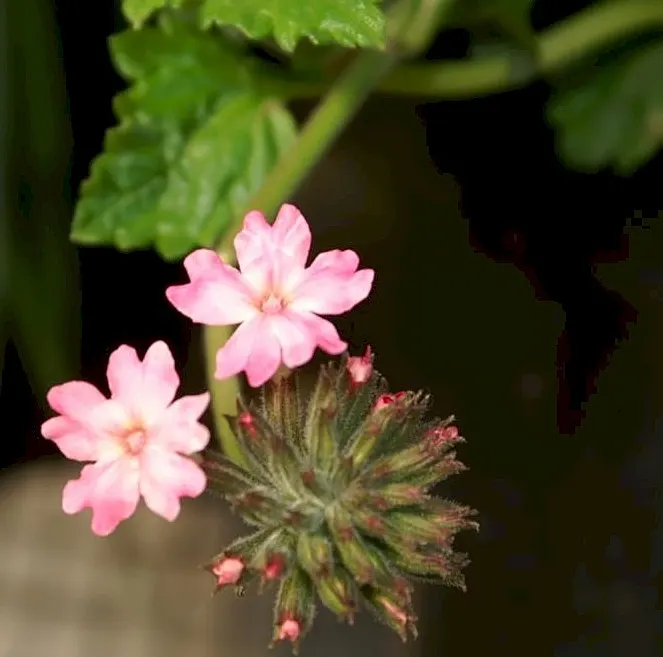
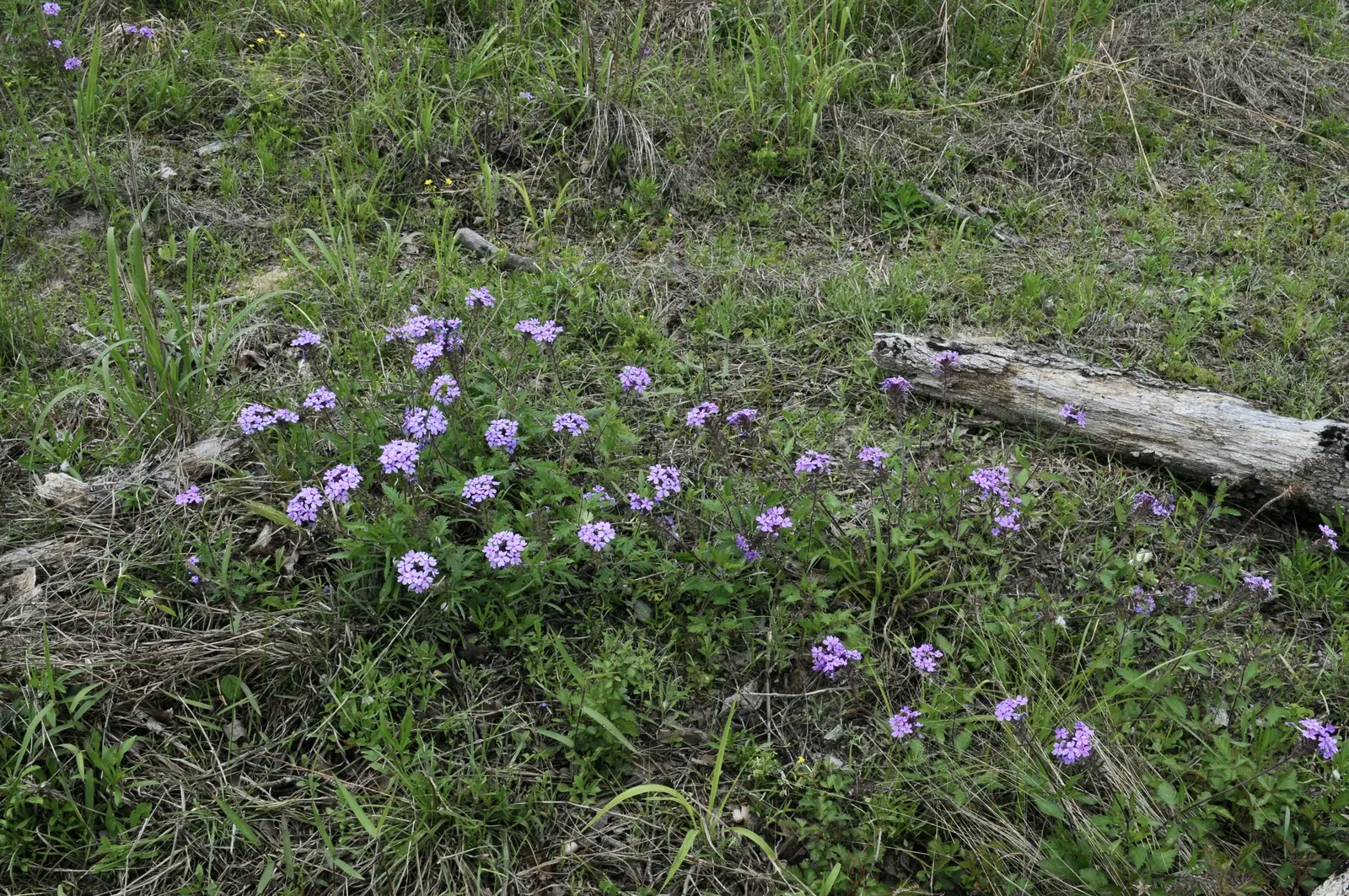
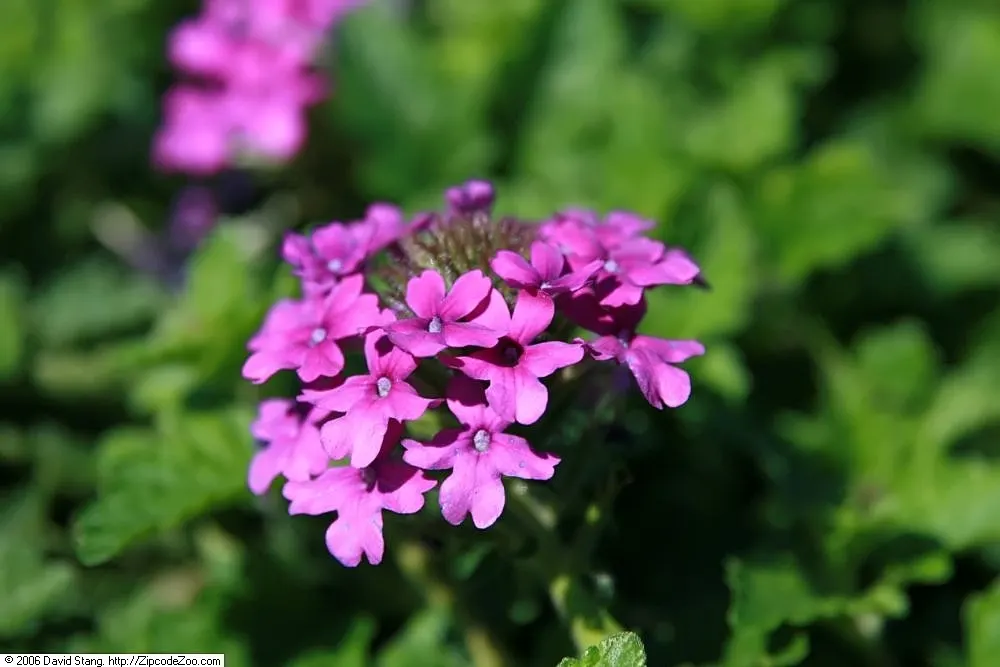
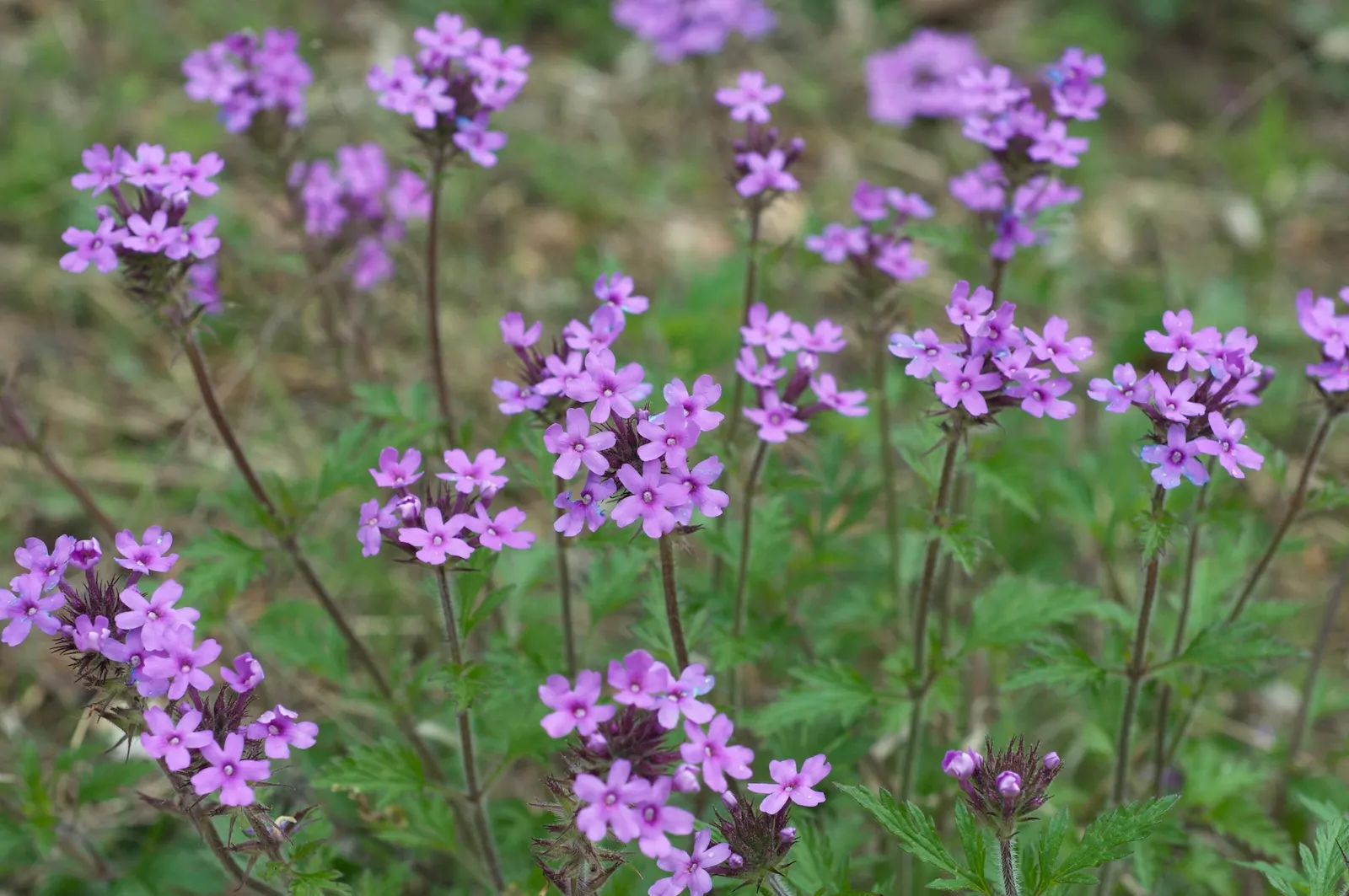
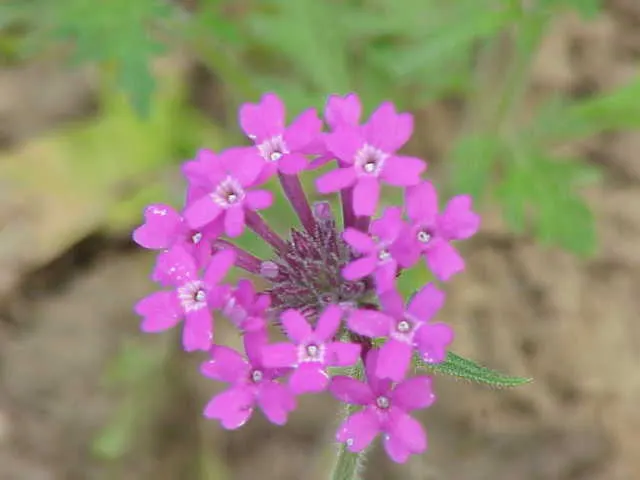
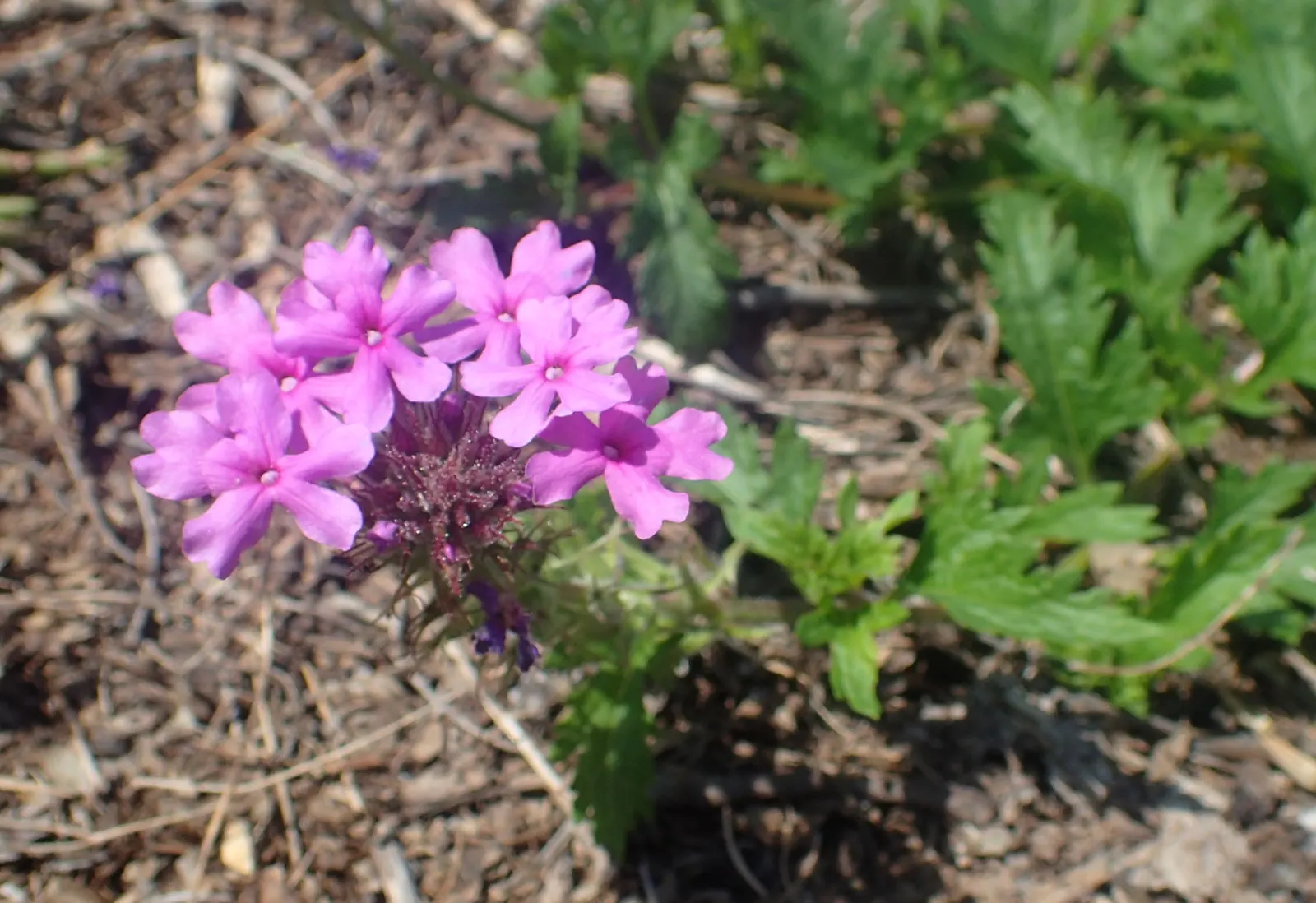
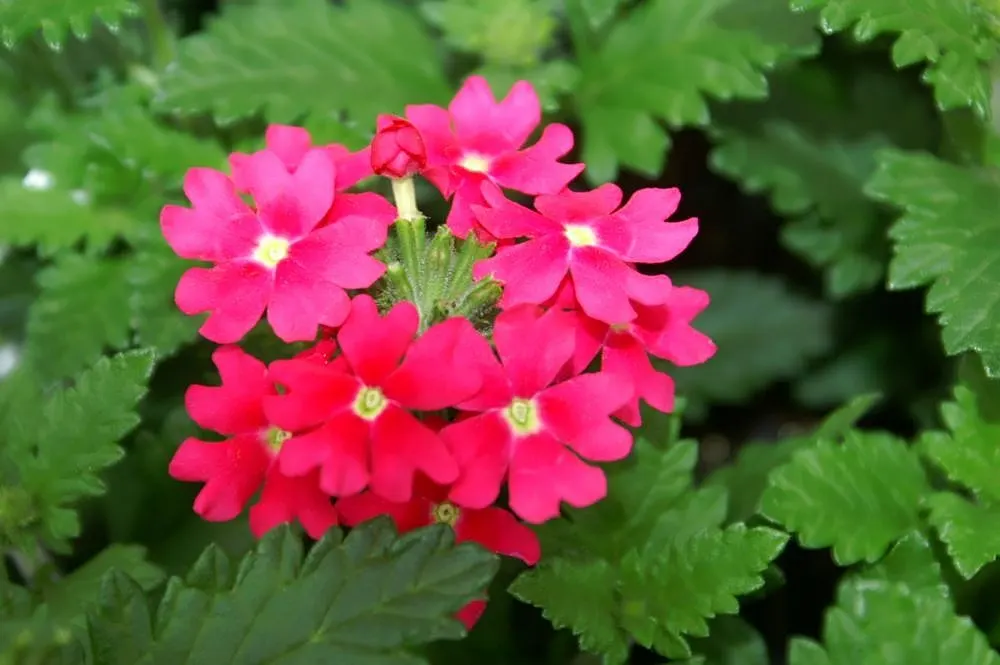
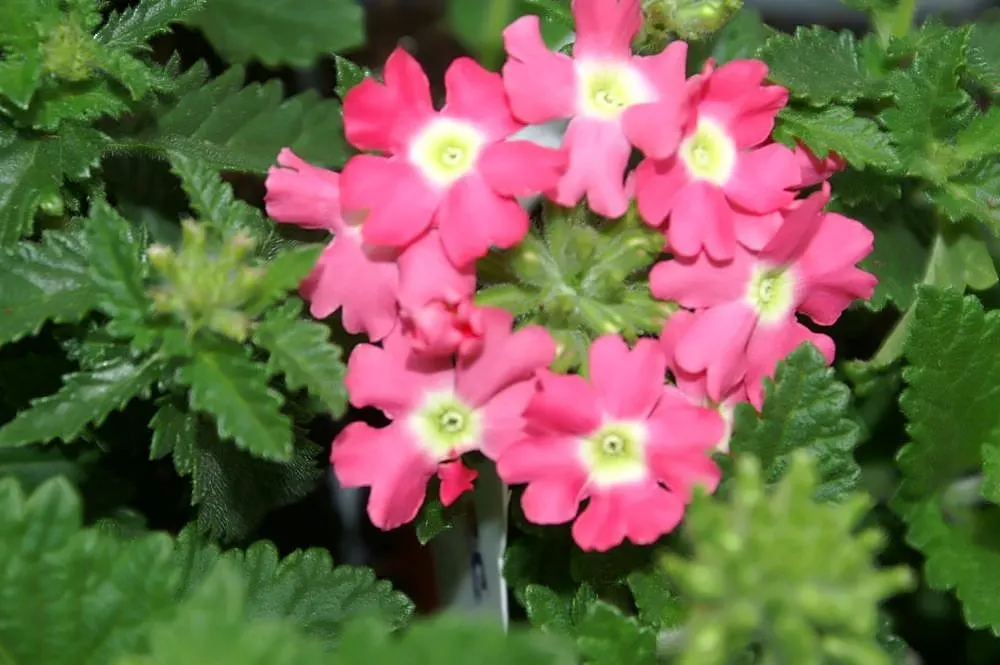
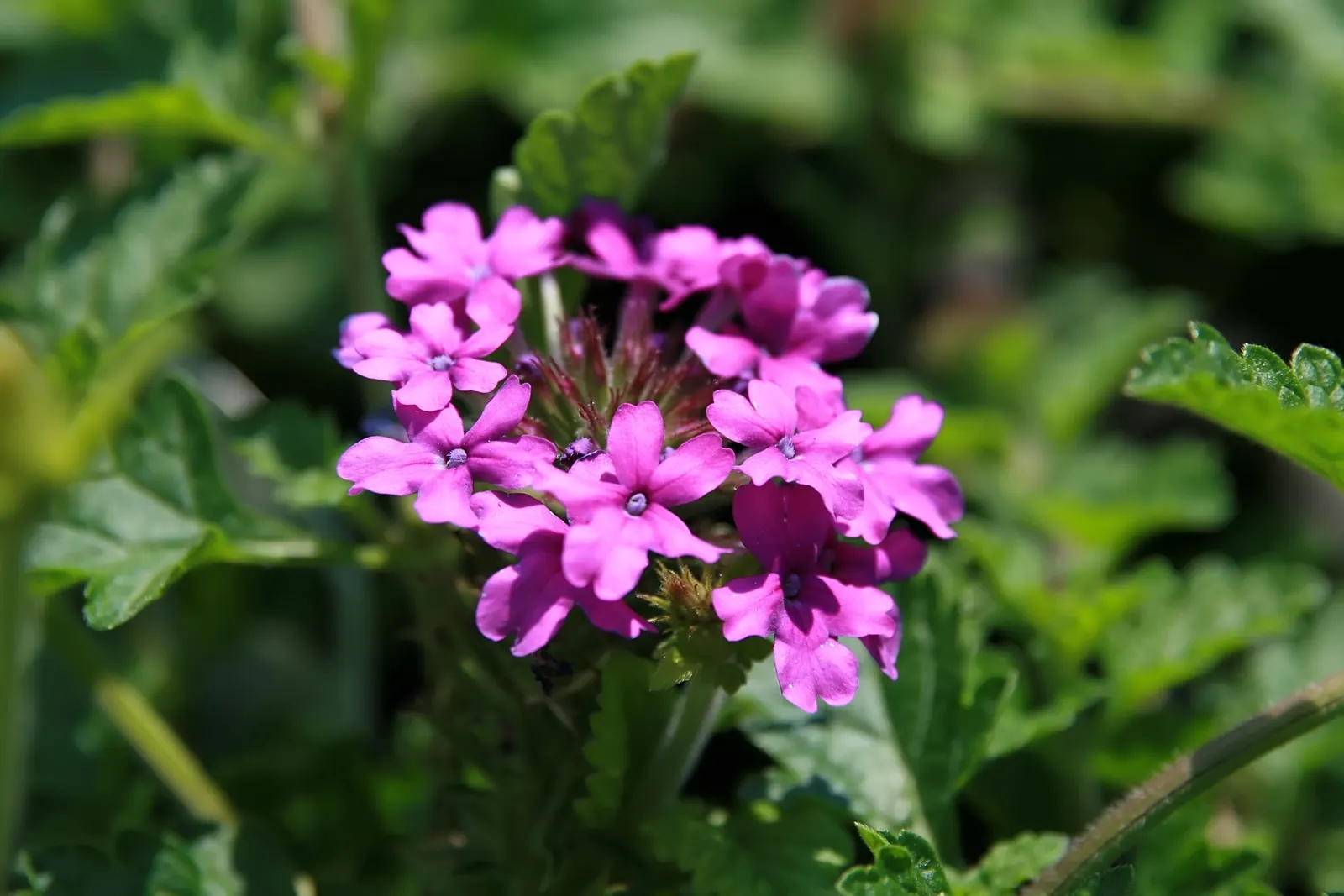
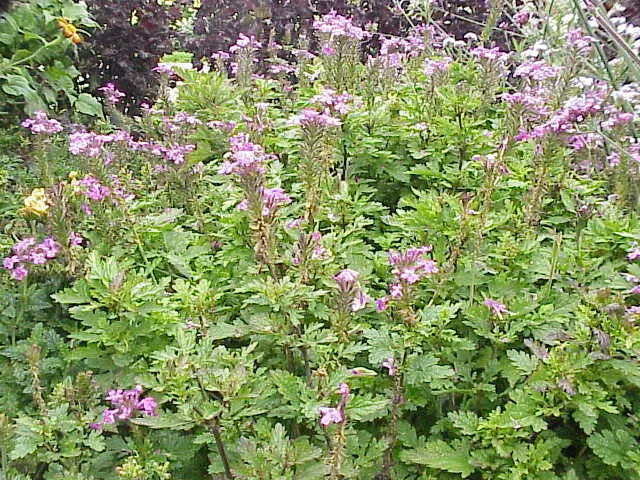
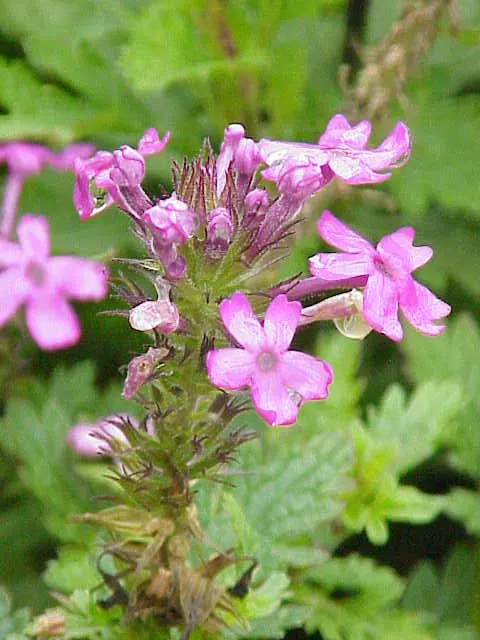
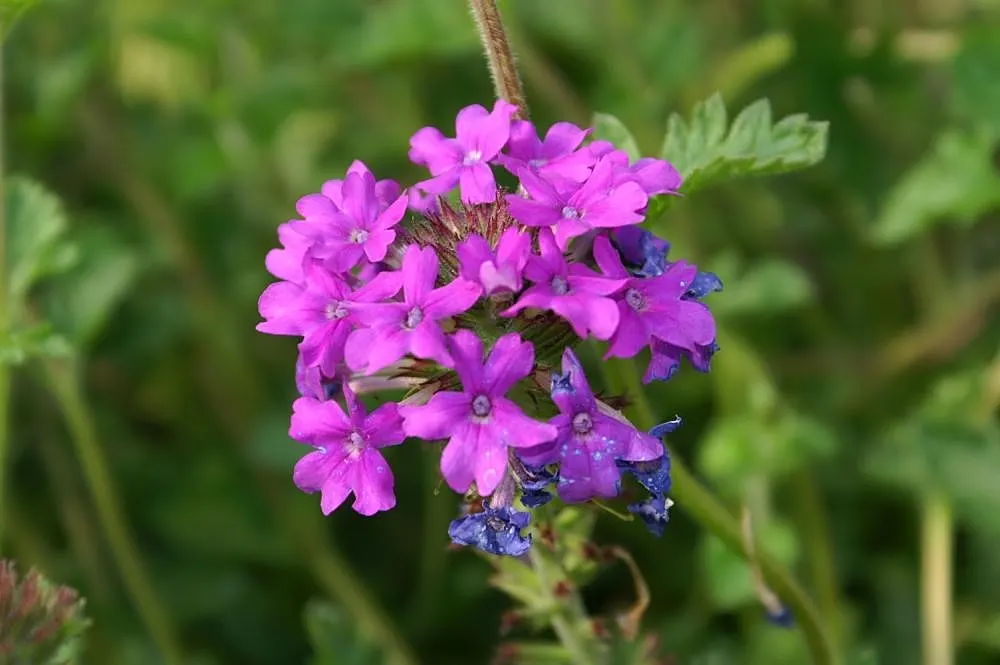
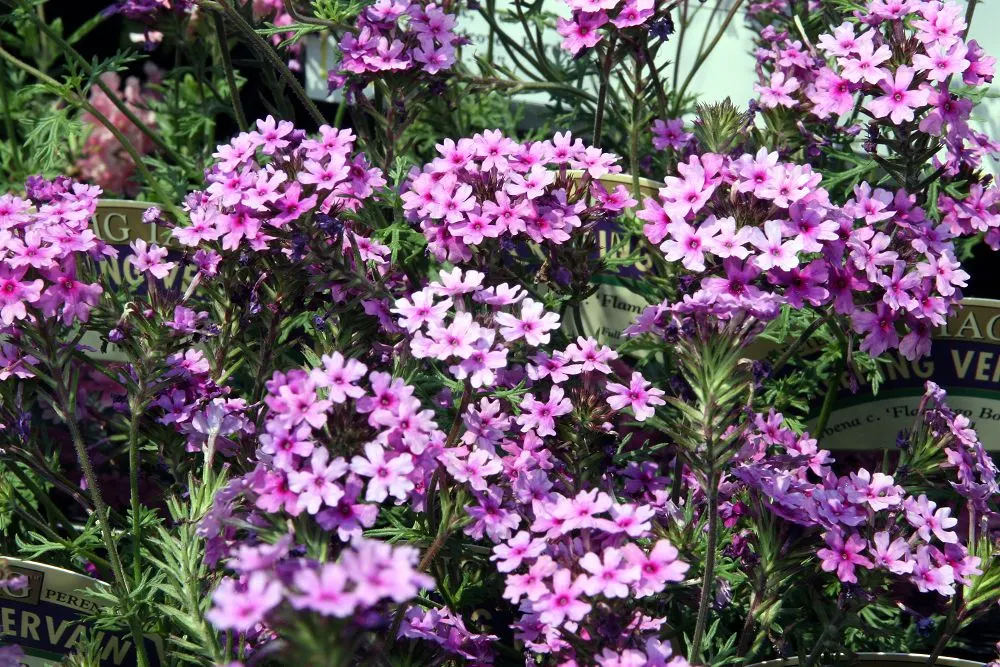
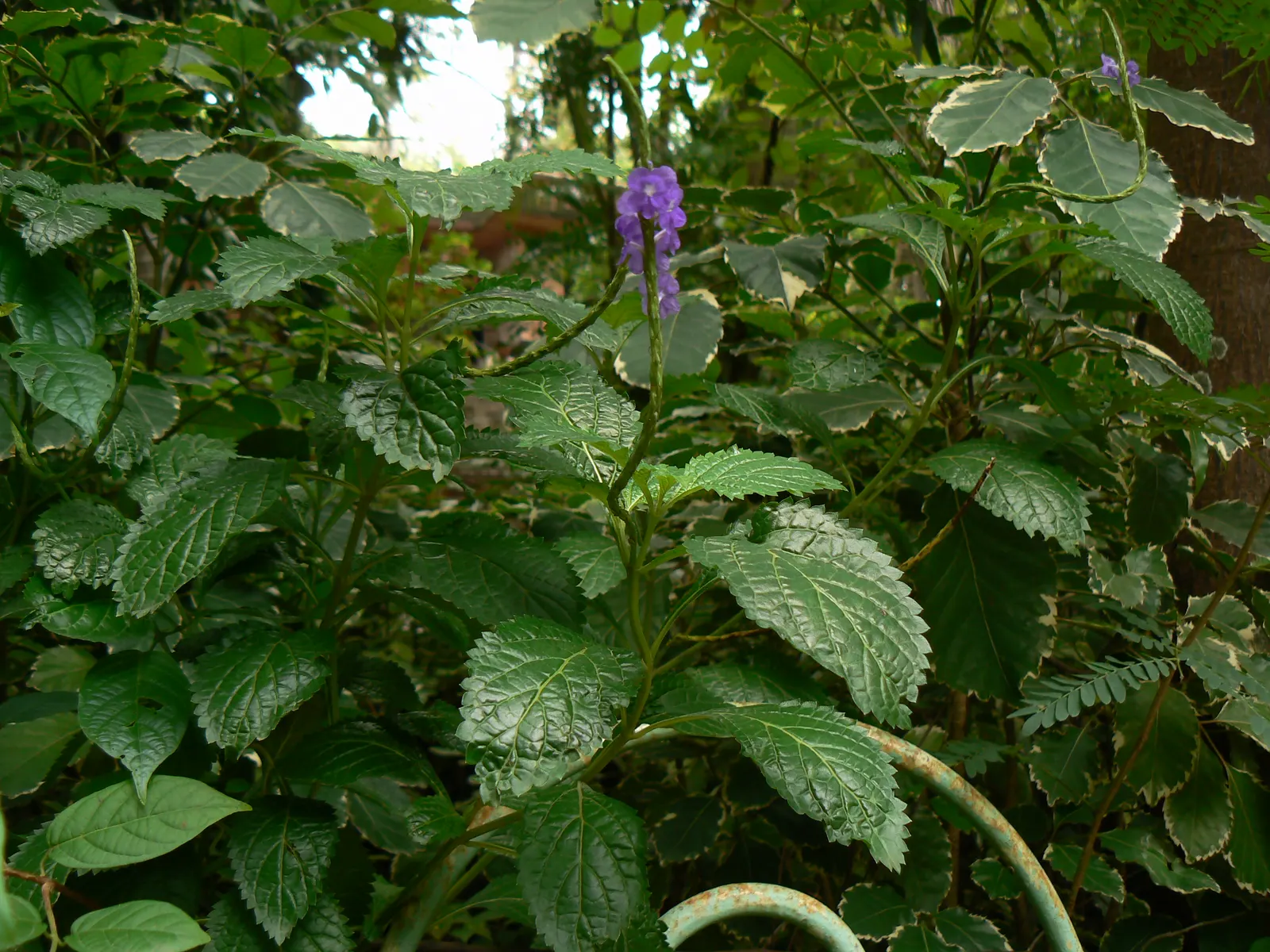
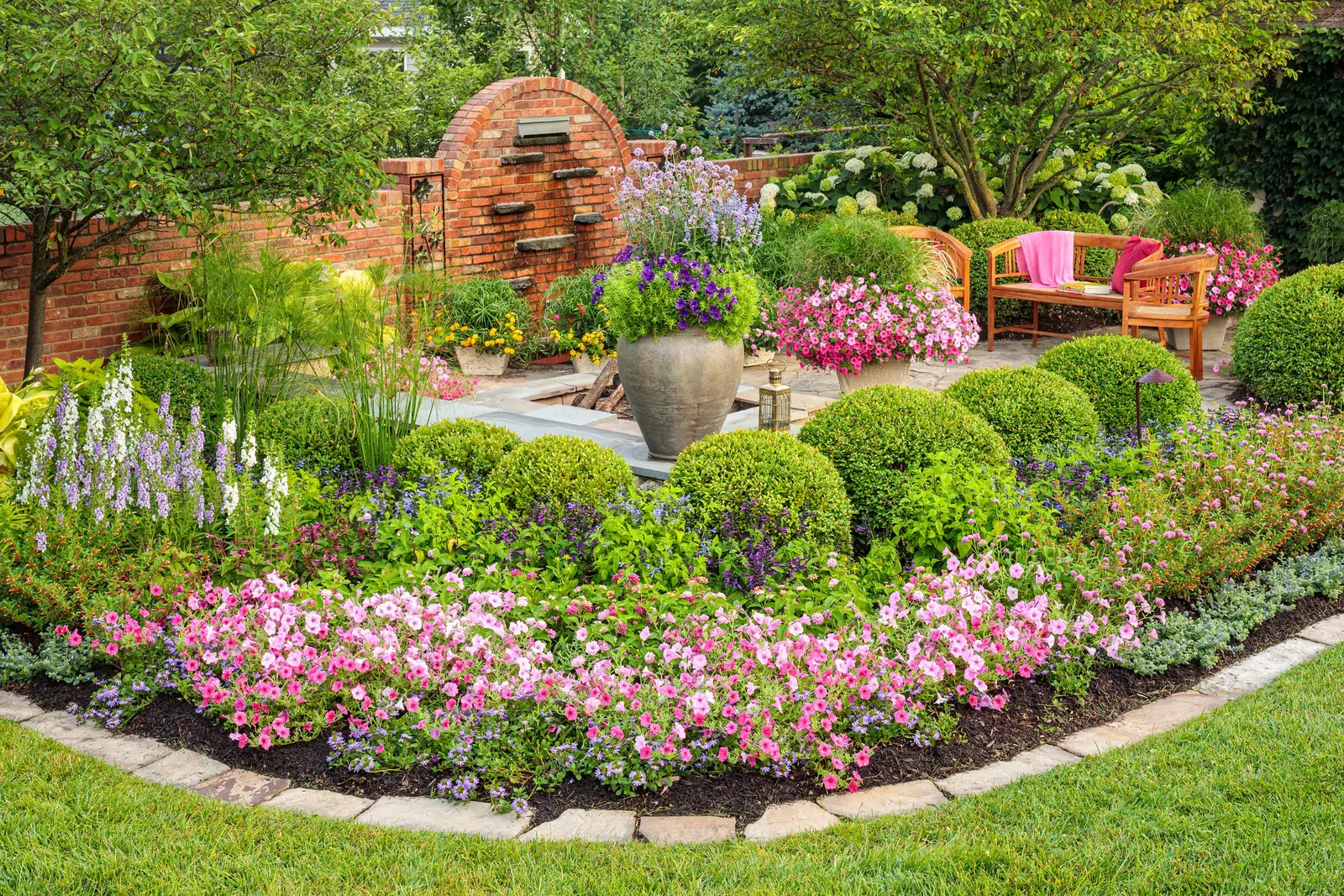
Rose Verbena (Verbena Canadensis) — Sweet William offers delightful fragrance and attracts pollinators while being deer-resistant; showcasing an, image 51
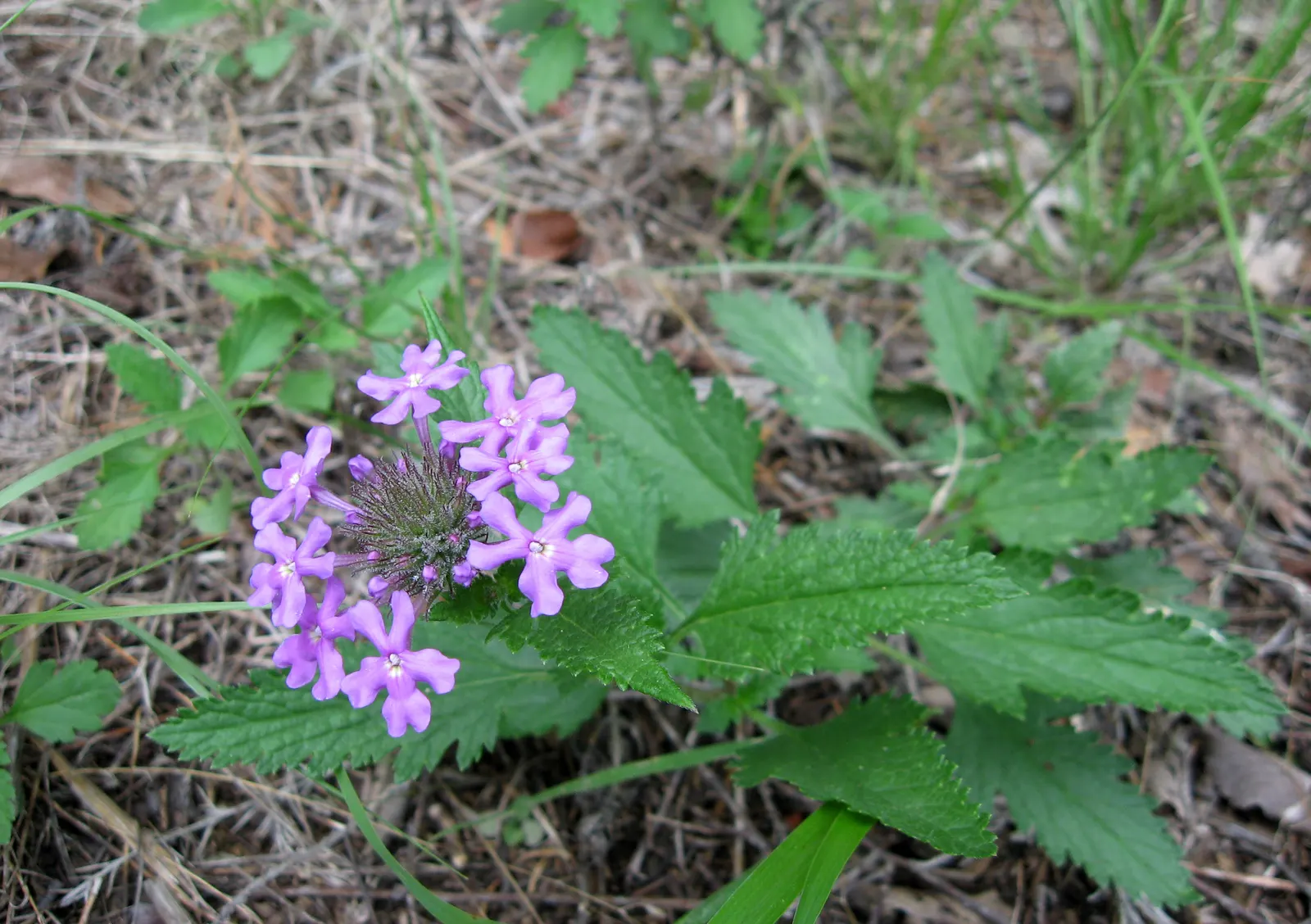
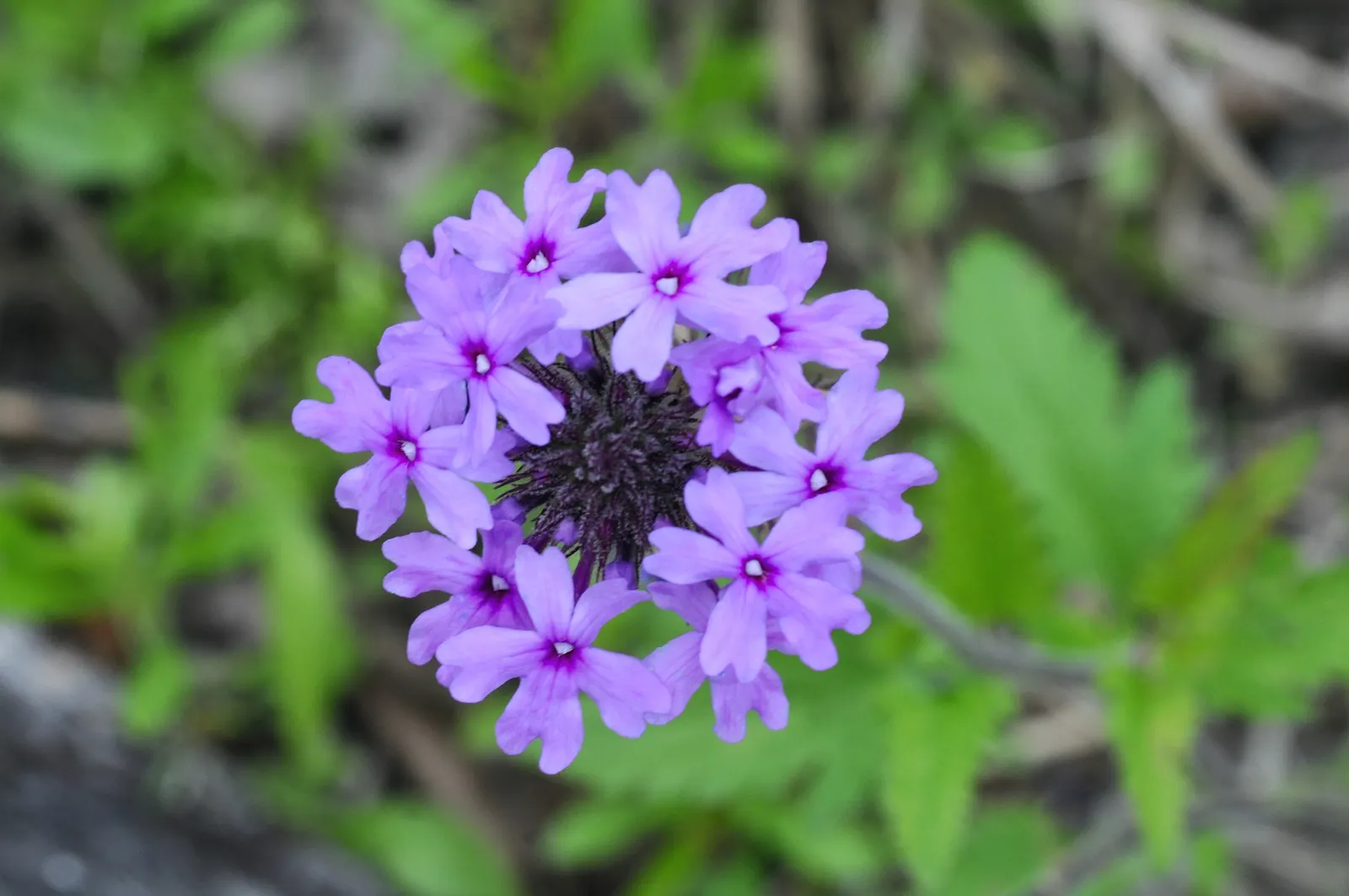
Rose Verbena (Verbena Canadensis) — It performs best in well-drained soil with a pH range of 6.0 to 7.5; adding life and movement to your garden's, image 59
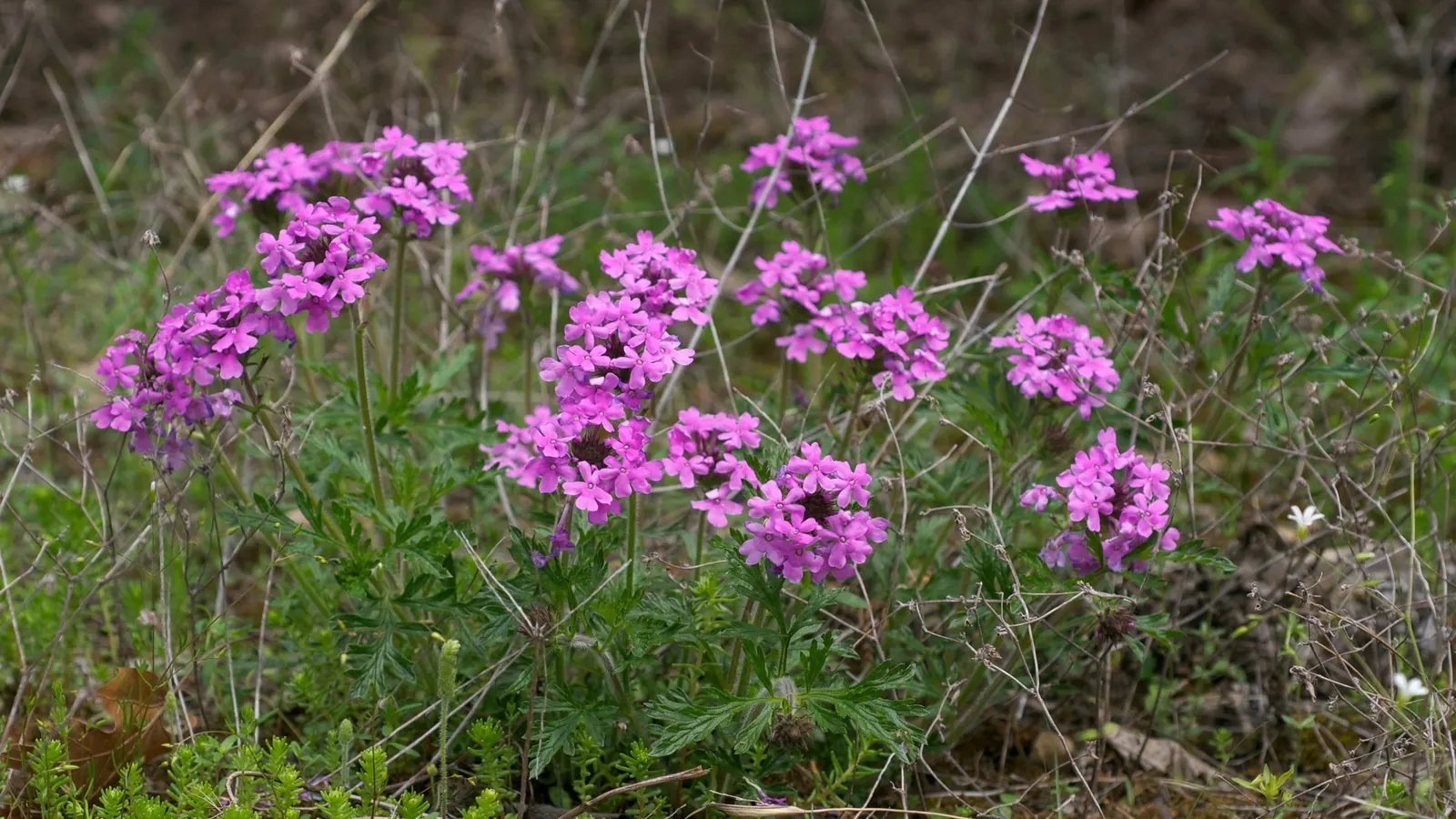
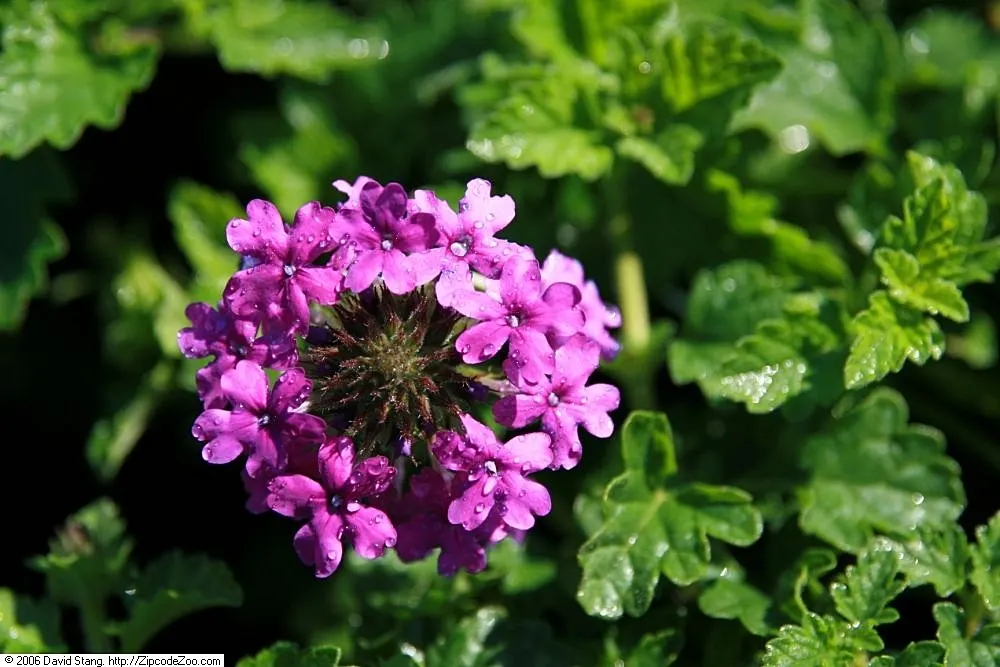
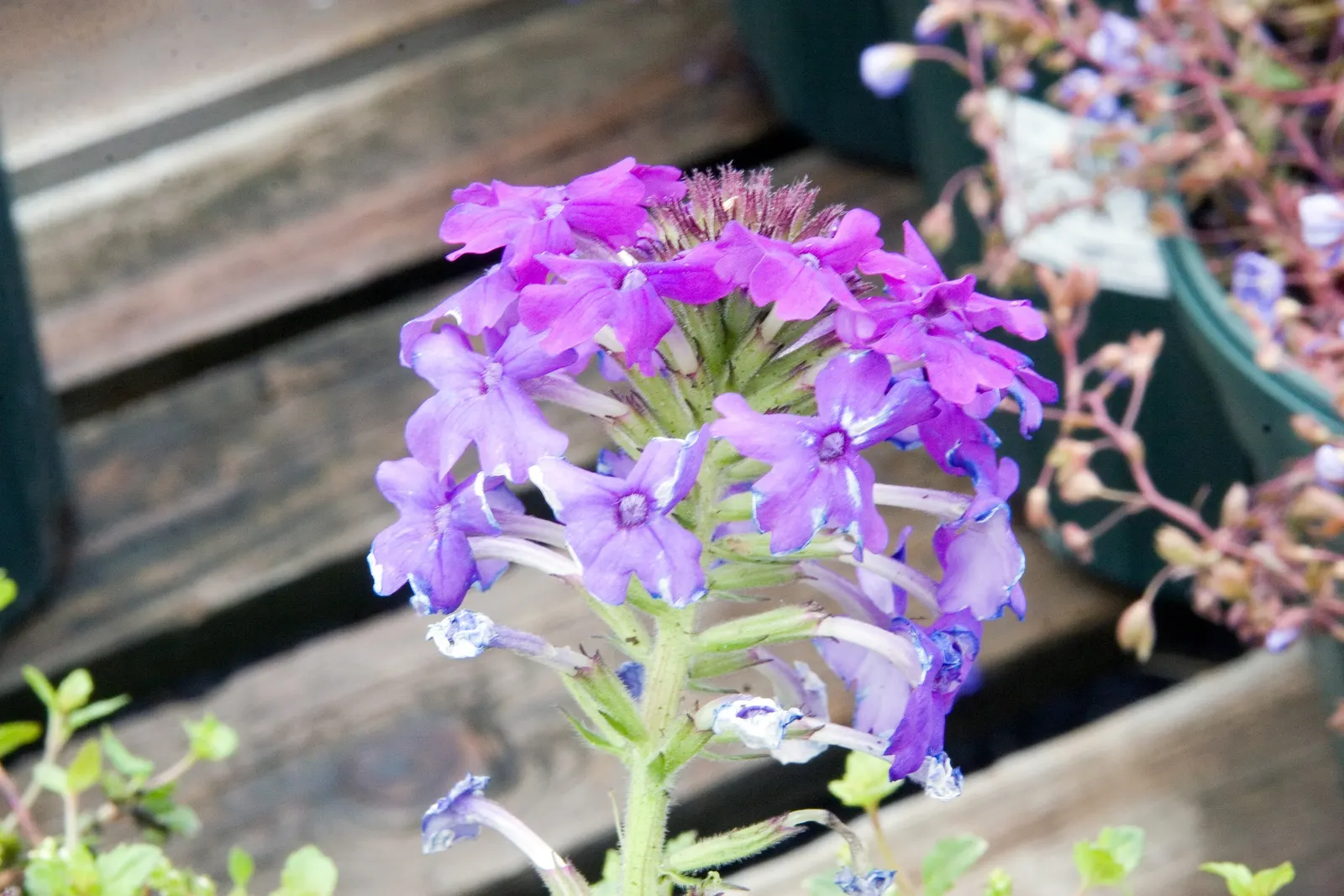
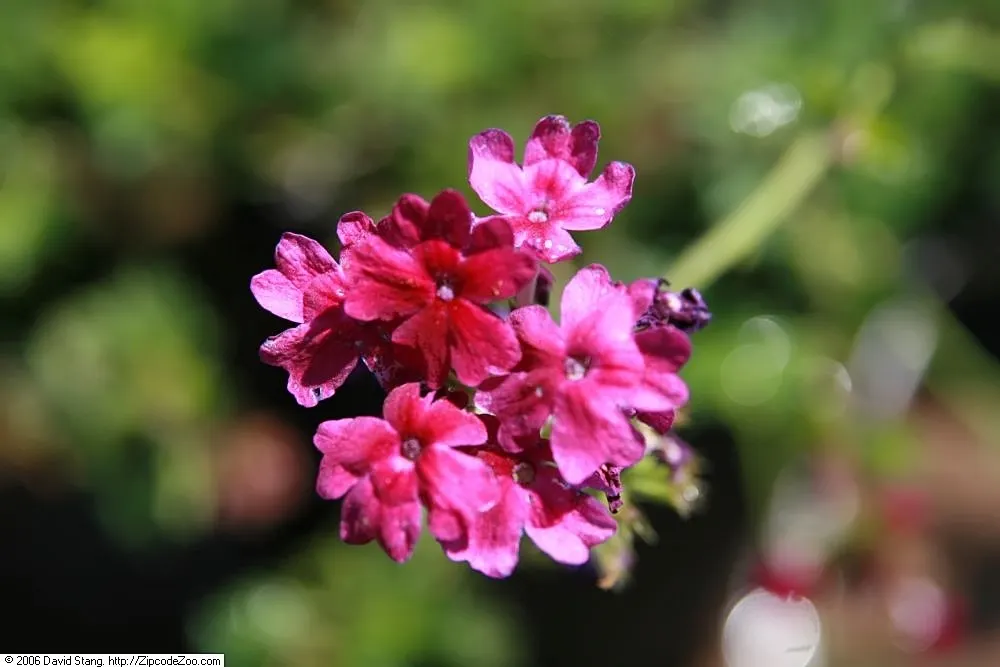
Rose Verbena (Verbena Canadensis) — showcasing an array of magenta; moderately drought-resistant once established, image 55
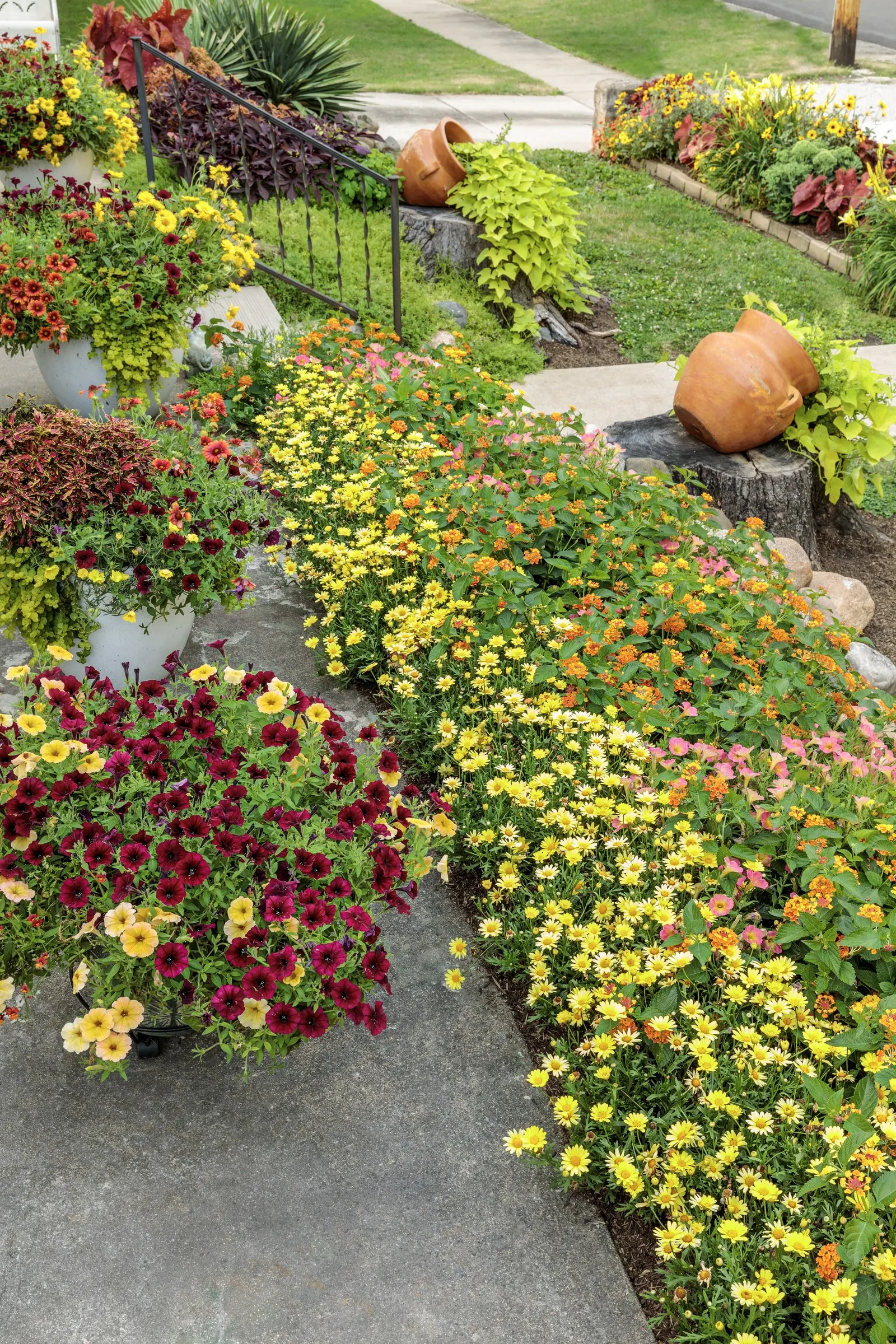
Rose Verbena (Verbena Canadensis) — is a vibrant perennial that brings a splash of color and charm to any landscape
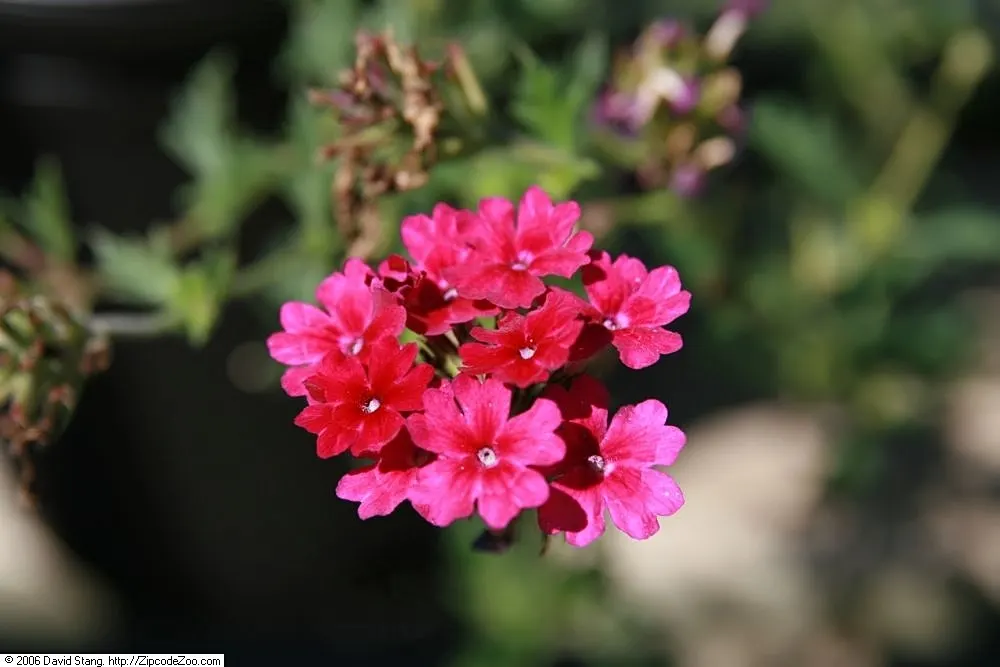
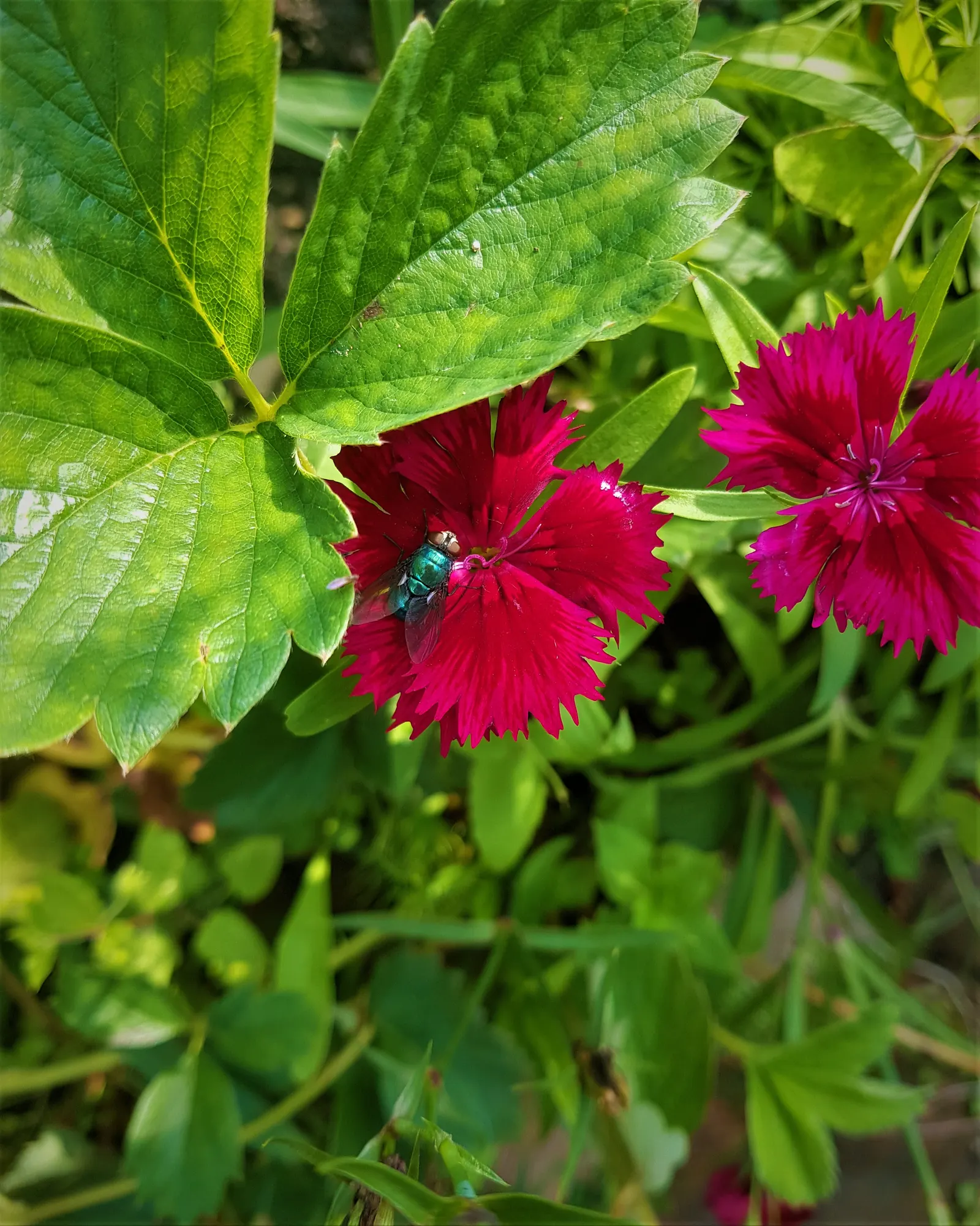
Rose Verbena (Verbena Canadensis) — red flowers in the garden
Rose Verbena (Verbena Canadensis) — making it suitable for both borders and container planting.<br><br>For a full and healthy growth; regular deadheading is
Rose Verbena (Verbena Canadensis) — often referred to as Sweet William
Rose Verbena (Verbena Canadensis) — Its showy blossoms form clusters atop slender, erect stems that rise from a lush foliage base; red flowers in the garden
Rose Verbena (Verbena Canadensis) — Sweet William (Dianthus barbatus) boasts a vibrant array of clustered flowers in shades of red
Rose Verbena (Verbena Canadensis) — making it suitable for both borders and container planting.<br><br>For a full and healthy growth
Rose Verbena (Verbena Canadensis) — showcasing an array of magenta
Rose Verbena (Verbena Canadensis) — A quintessential cottage garden staple
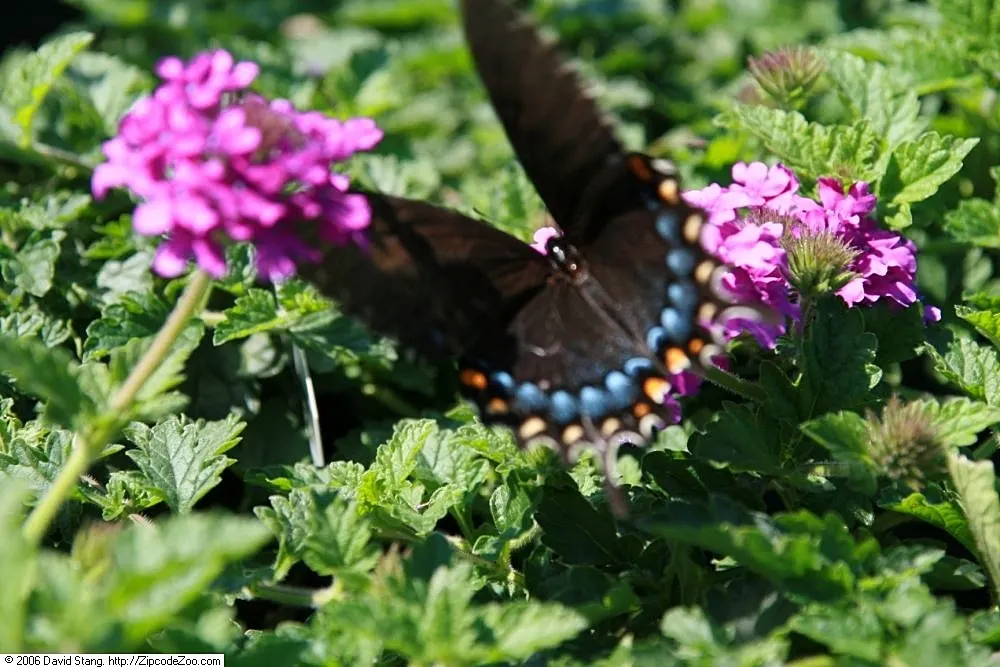
Rose Verbena (Verbena Canadensis) — this perennial can also attract butterflies and other pollinators; this North American native typically blooms, image 64
Rose Verbena (Verbena Canadensis) — Sweet William offers delightful fragrance and attracts pollinators while being deer-resistant; showcasing an array of
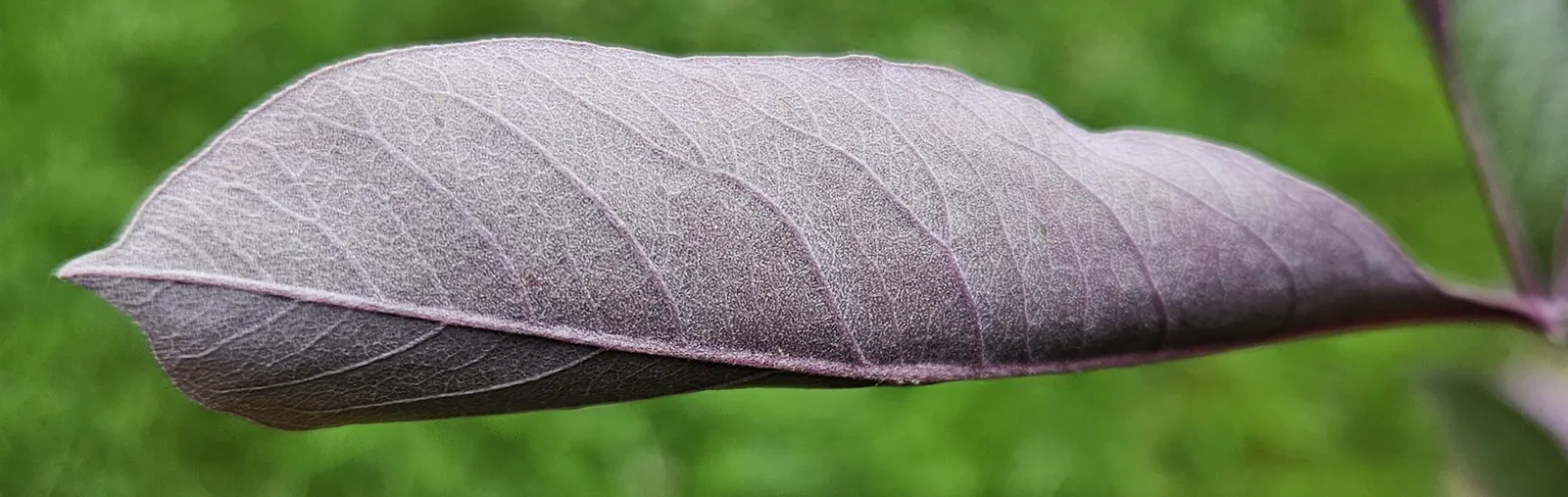
Rose Verbena (Verbena Canadensis) — The leaves are lance-shaped
Rose Verbena (Verbena Canadensis) — Ideal for USDA zones 3-9, it thrives in full sun to partial shade, requiring well-drained soil; this perennial can also
Rose Verbena (Verbena Canadensis) — ground cover / perennial / wildflower with red blooms; it performs best in well-drained soil with a pH range of 6.0 to 7.5
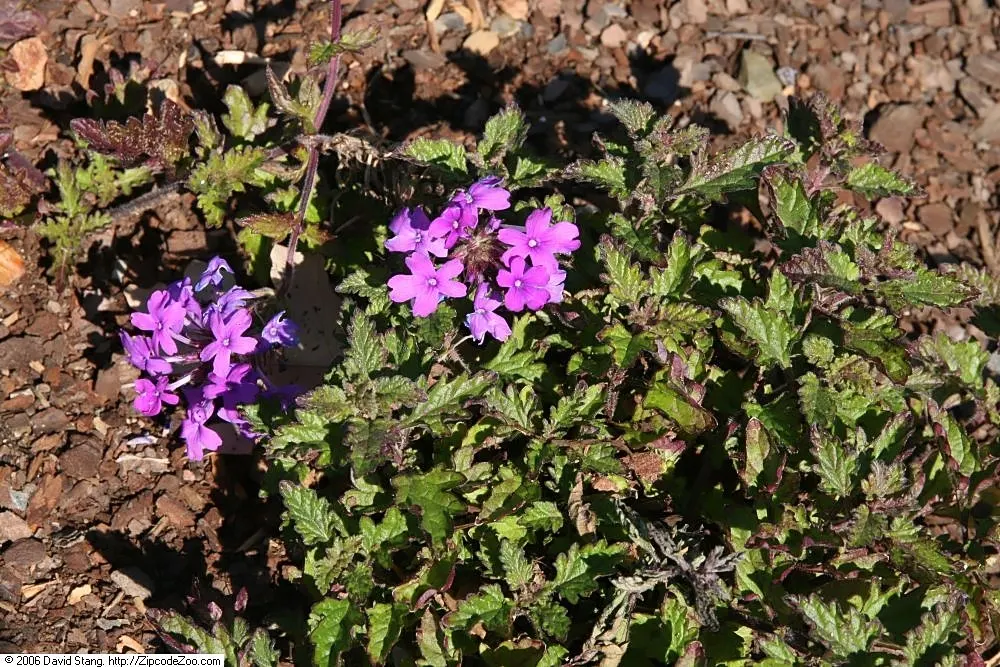
Rose Verbena (Verbena Canadensis) — Its showy blossoms form clusters atop slender, erect stems that rise from a lush foliage base; red flowers in, image 56
Rose Verbena (Verbena Canadensis) — A quintessential cottage garden staple; this herbaceous biennial reaches 12-24 inches tall and spreads about 10-18 inches
Rose Verbena (Verbena Canadensis) — showcasing an array of magenta; moderately drought-resistant once established
Rose Verbena (Verbena Canadensis) — adding life and movement to your garden's ecosystem; this plant reaches a height of 12 to 18 inches and spreads about 12 to
Rose Verbena (Verbena Canadensis) — Moderately drought-resistant once established; ideal for USDA zones 3-9, it thrives in full sun to partial shade, requiring
Rose Verbena (Verbena Canadensis) — adding life and movement to your garden's ecosystem; this plant reaches a height of 12 to 18 inches and spreads, image 65
Rose Verbena (Verbena Canadensis) — Ideal for USDA zones 3-9, it thrives in full sun to partial shade, requiring well-drained soil; this perennial, image 49
Photographs by 8 contributors

Related plants