Skip to content

American Blue Vervain

Verbena Hastata

Design with this plant

Overview

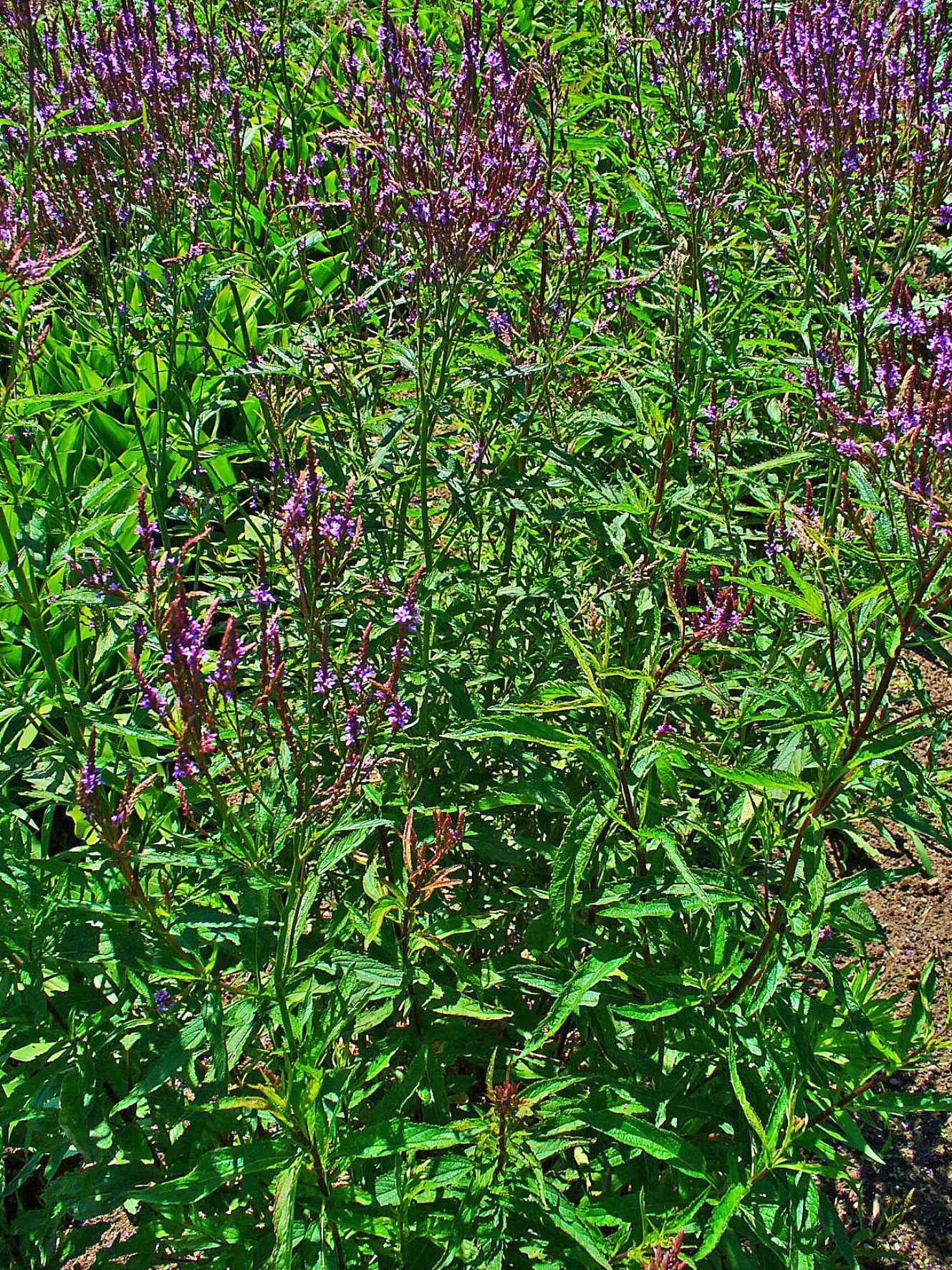
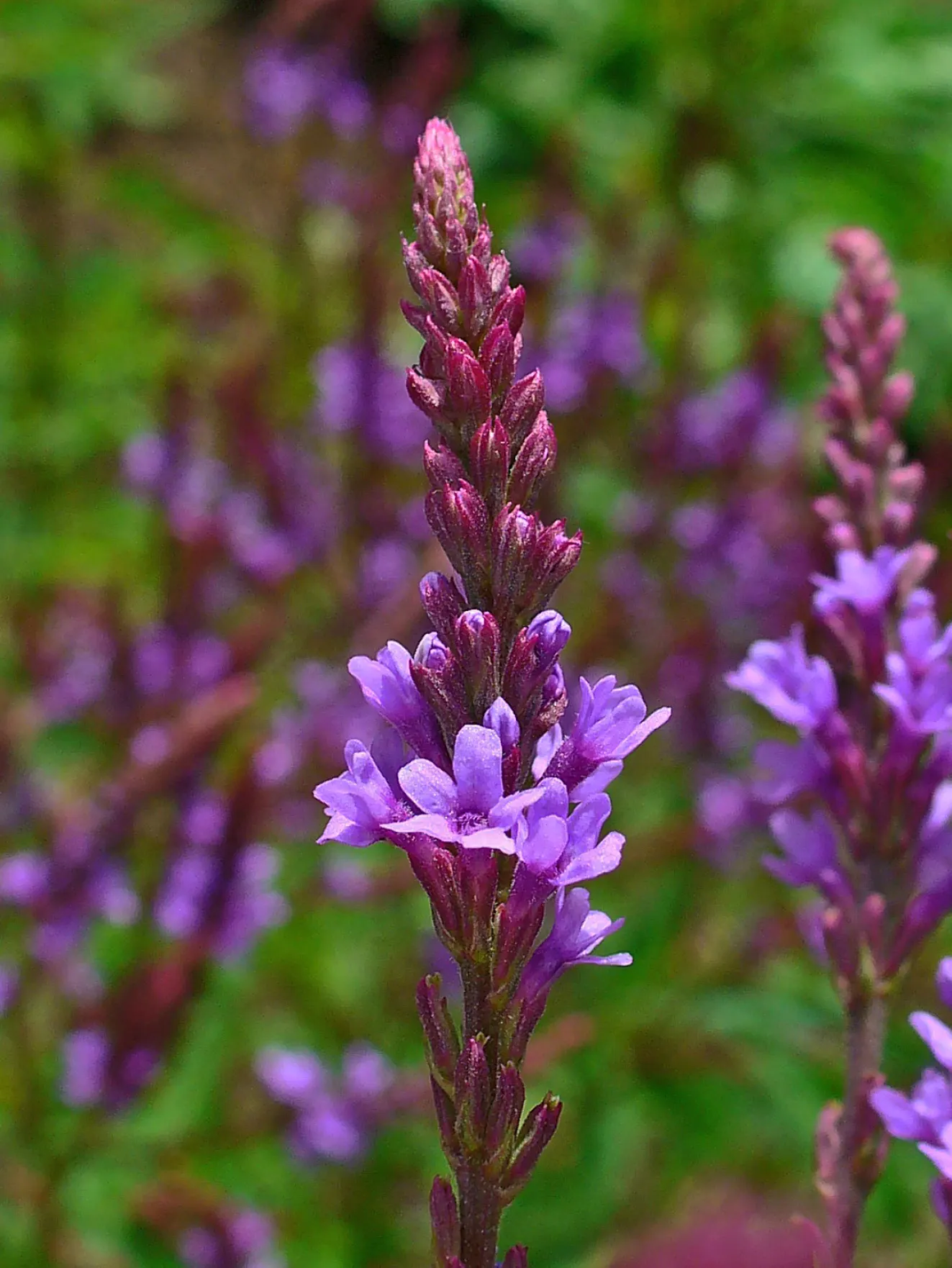
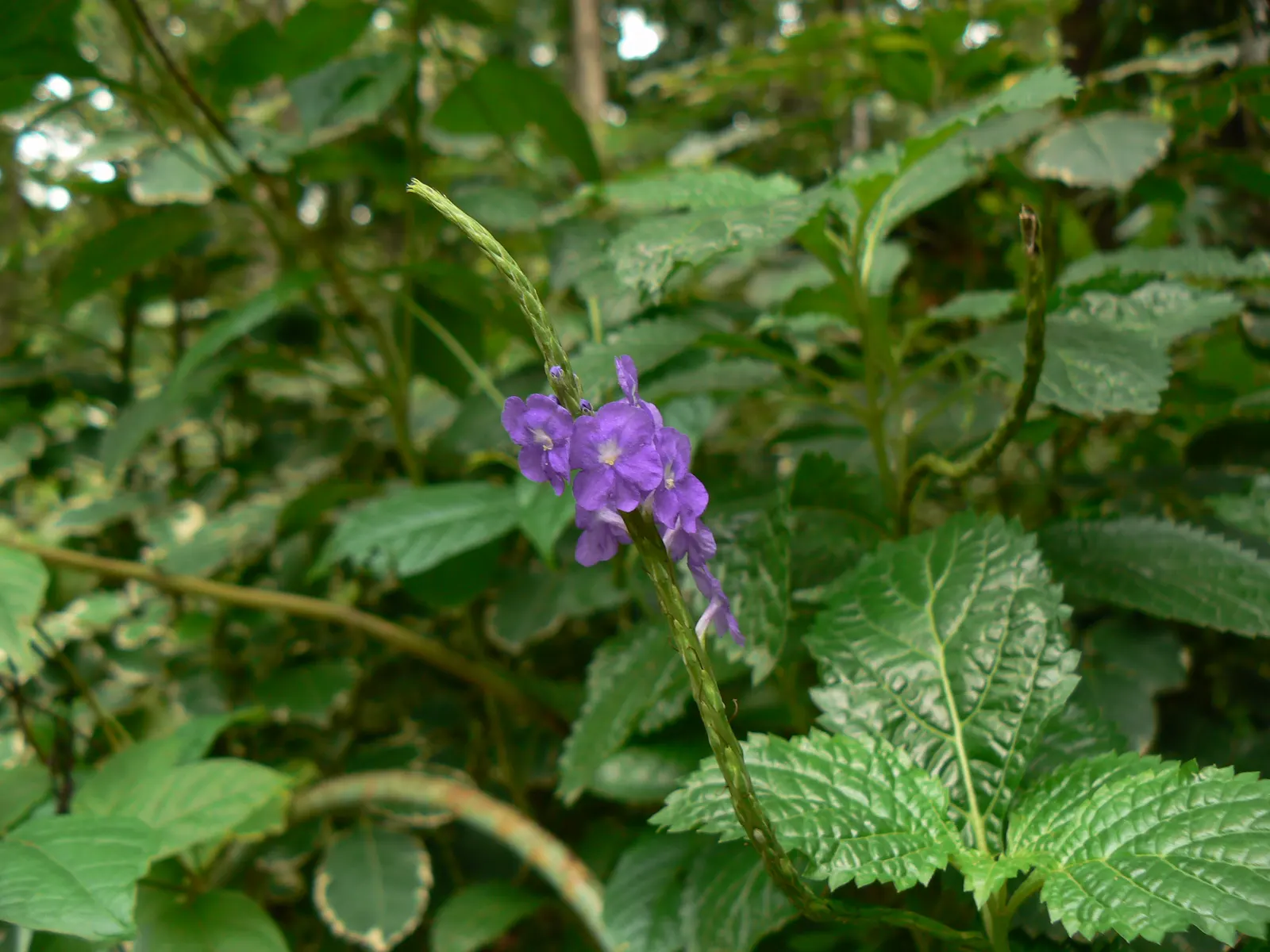
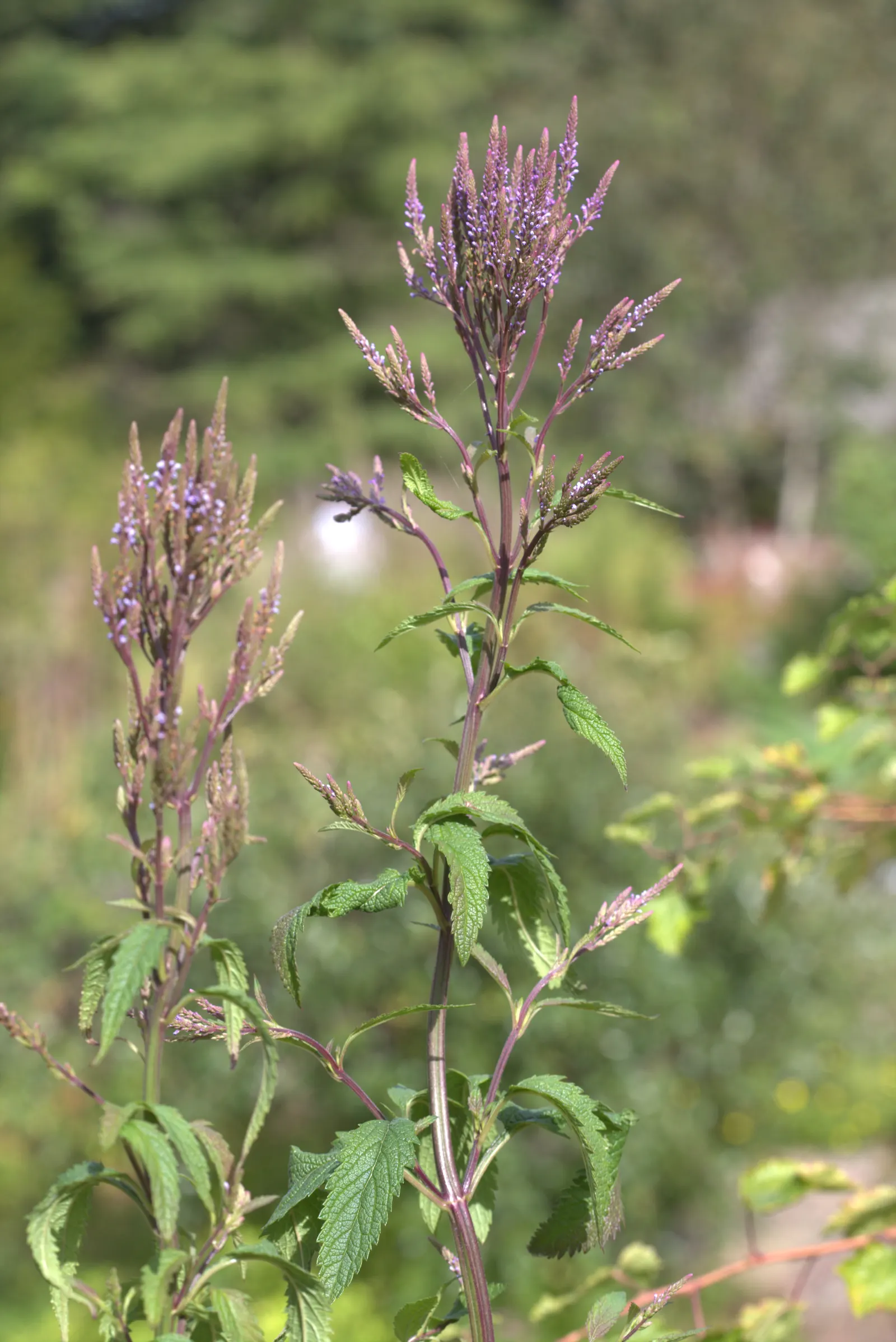
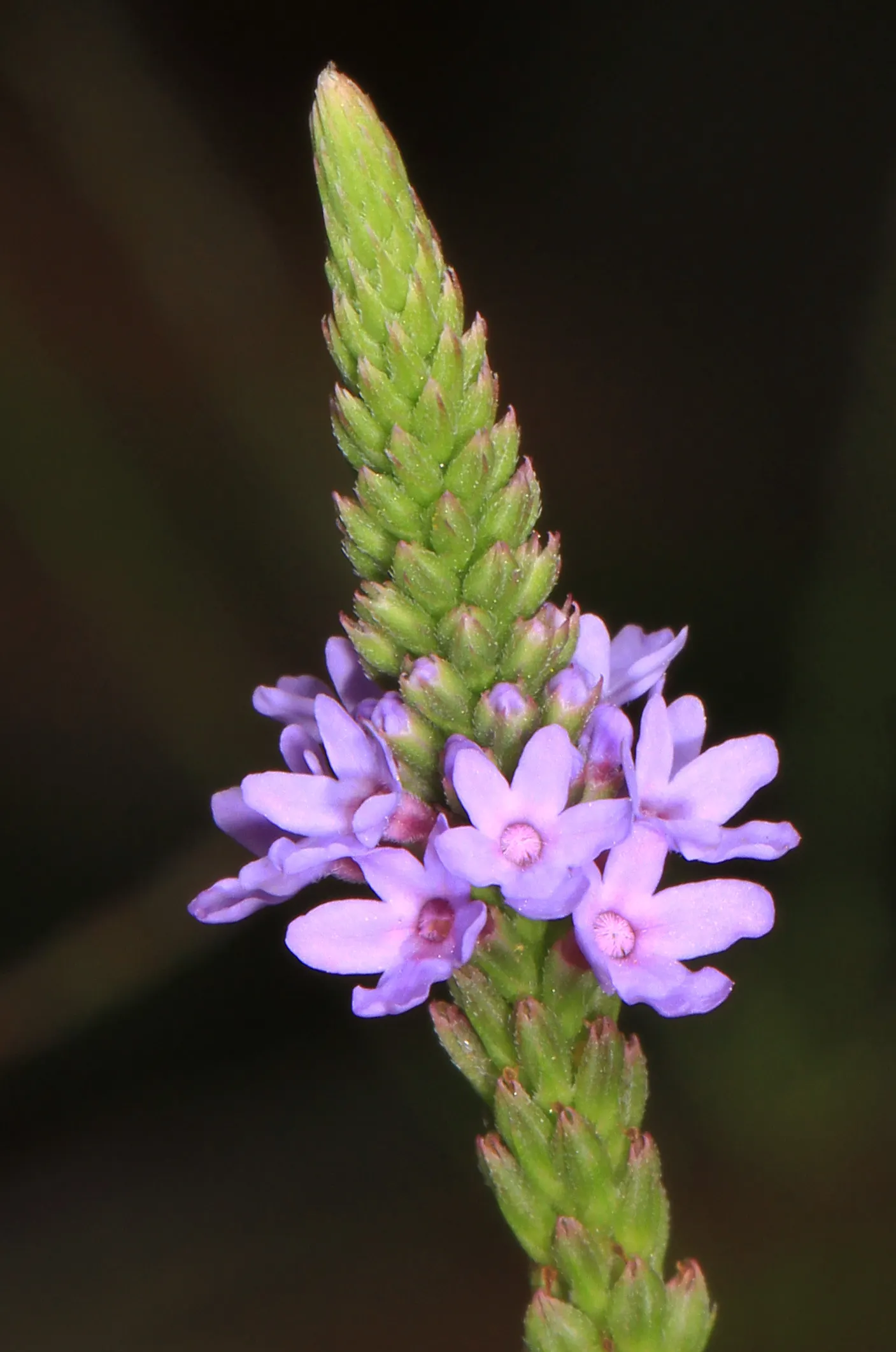
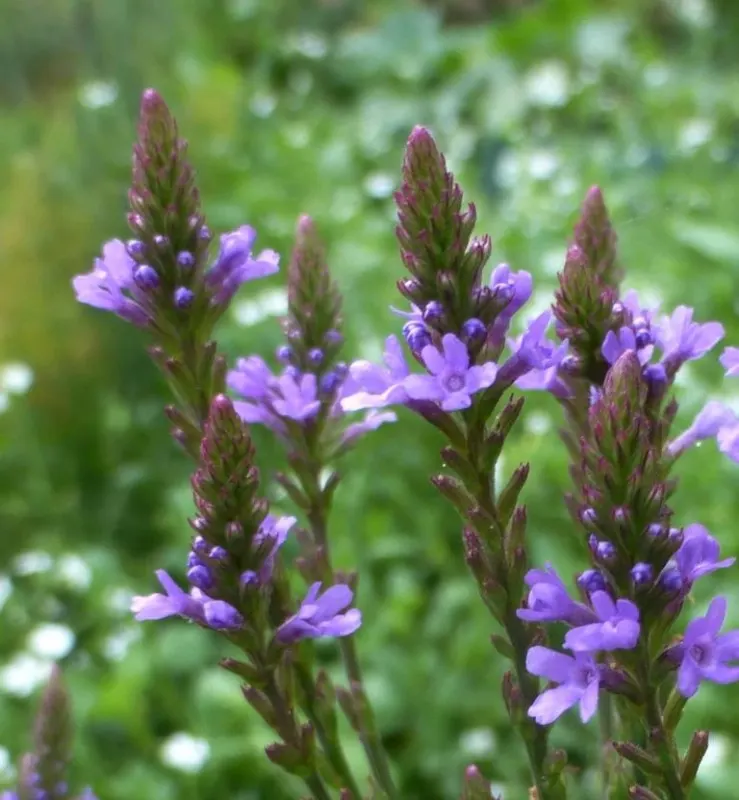
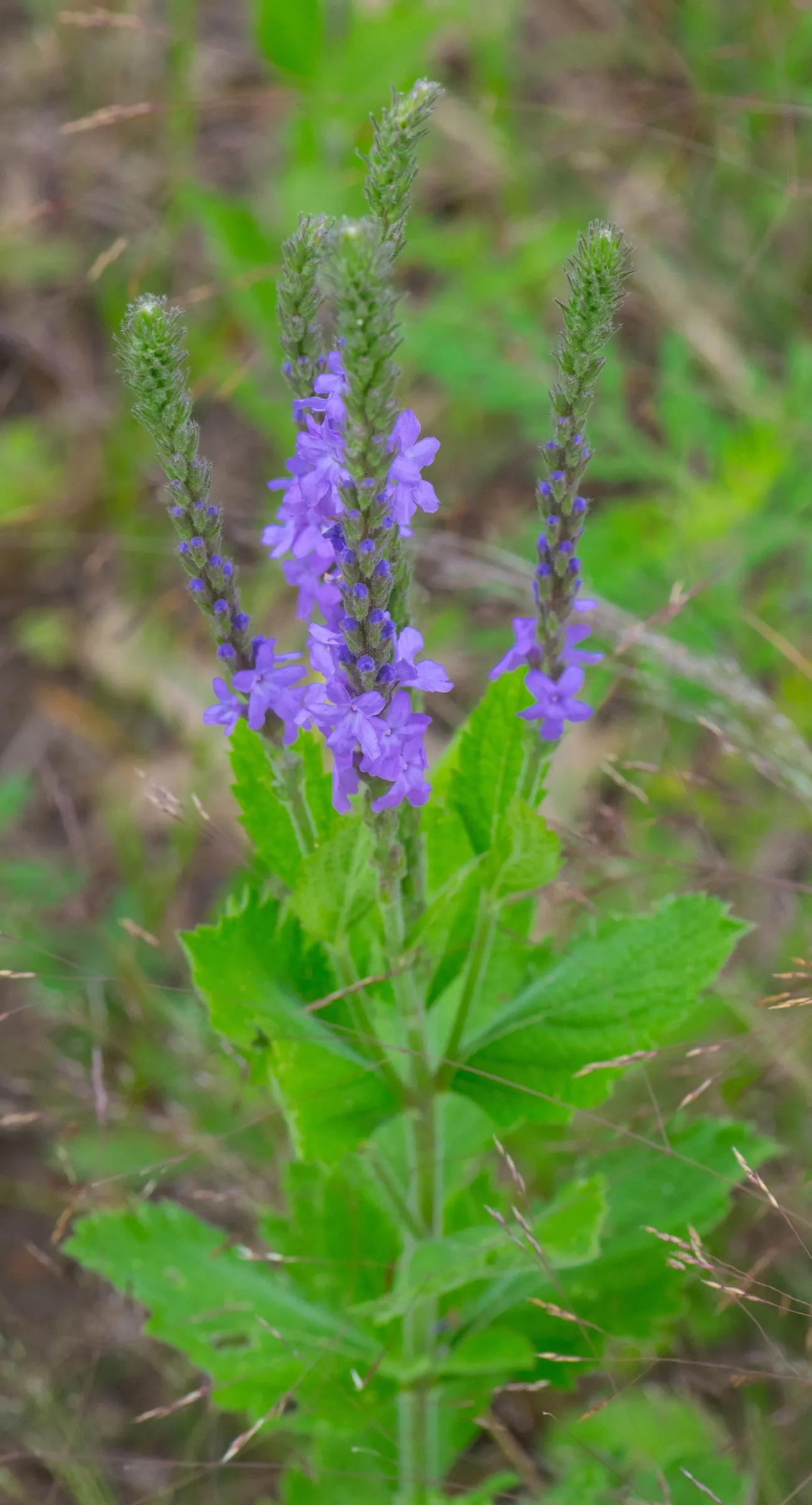
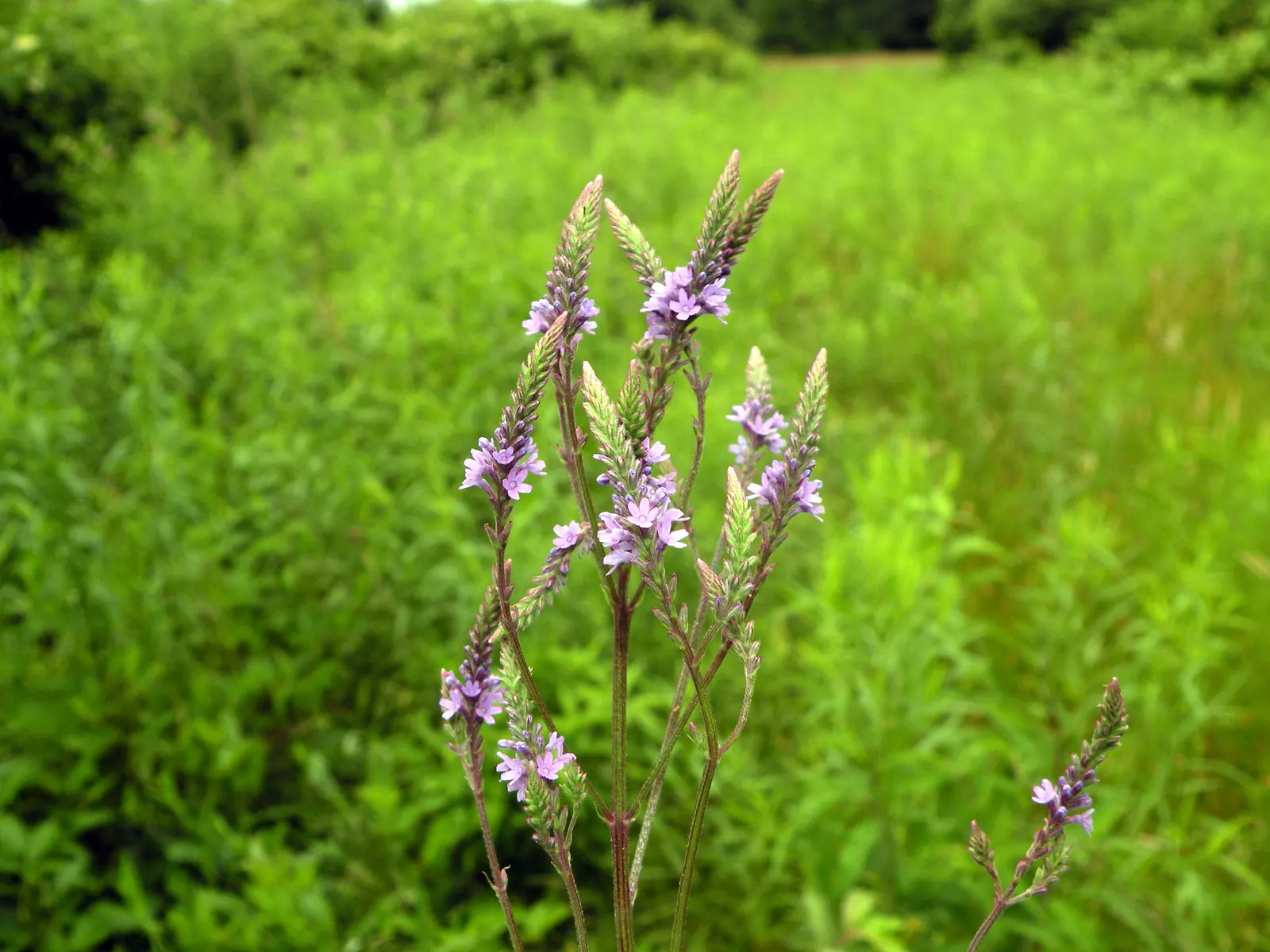
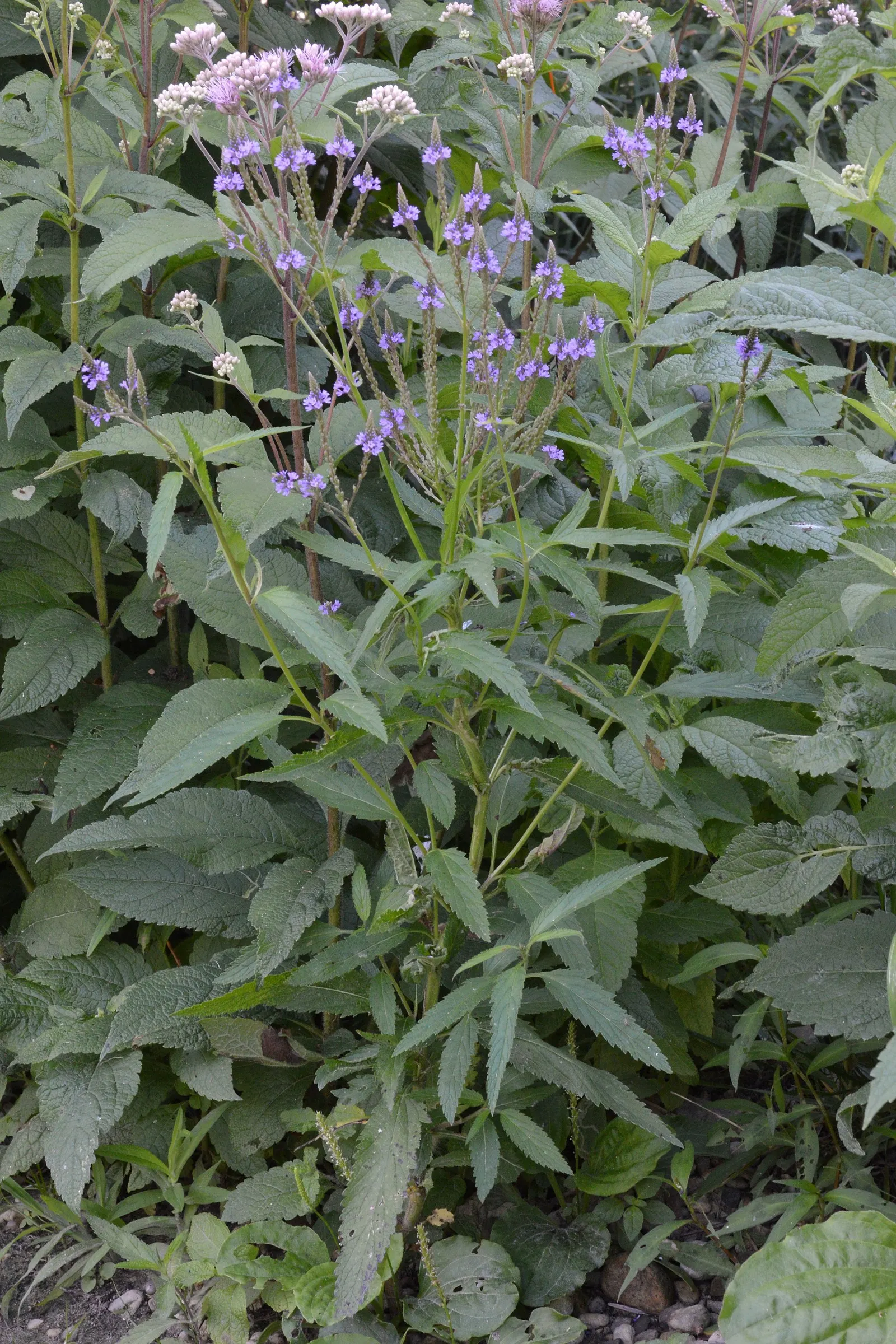
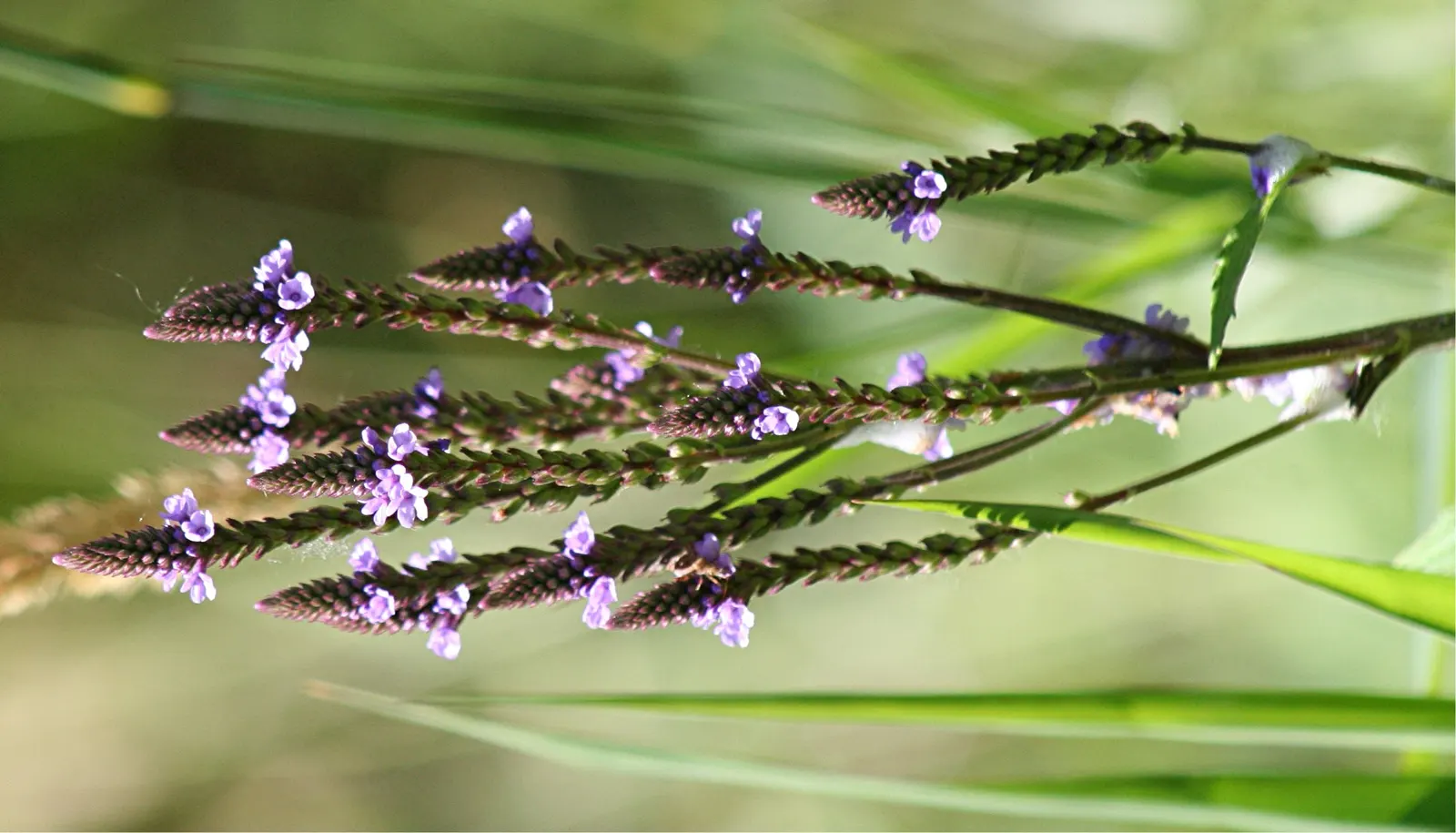
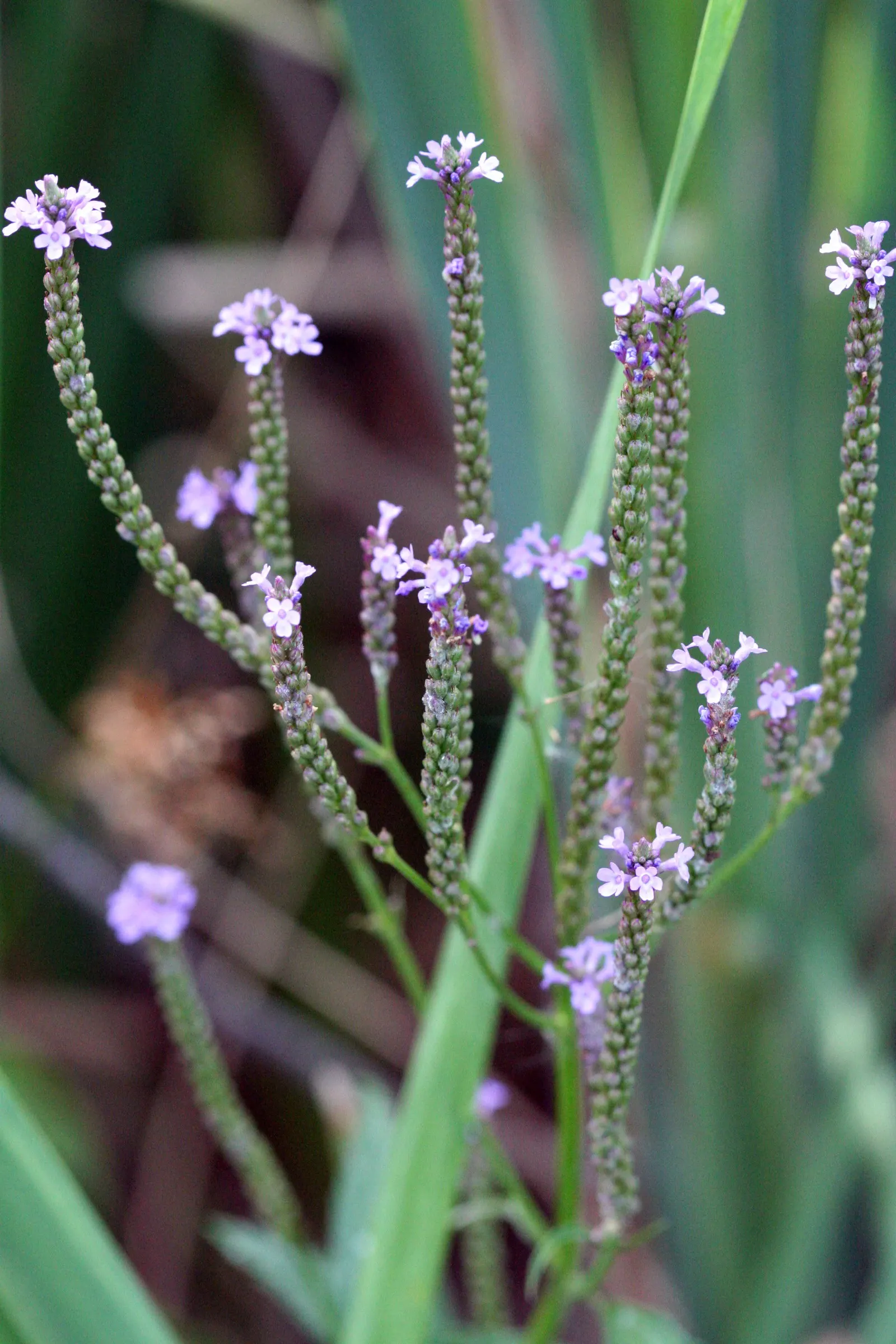
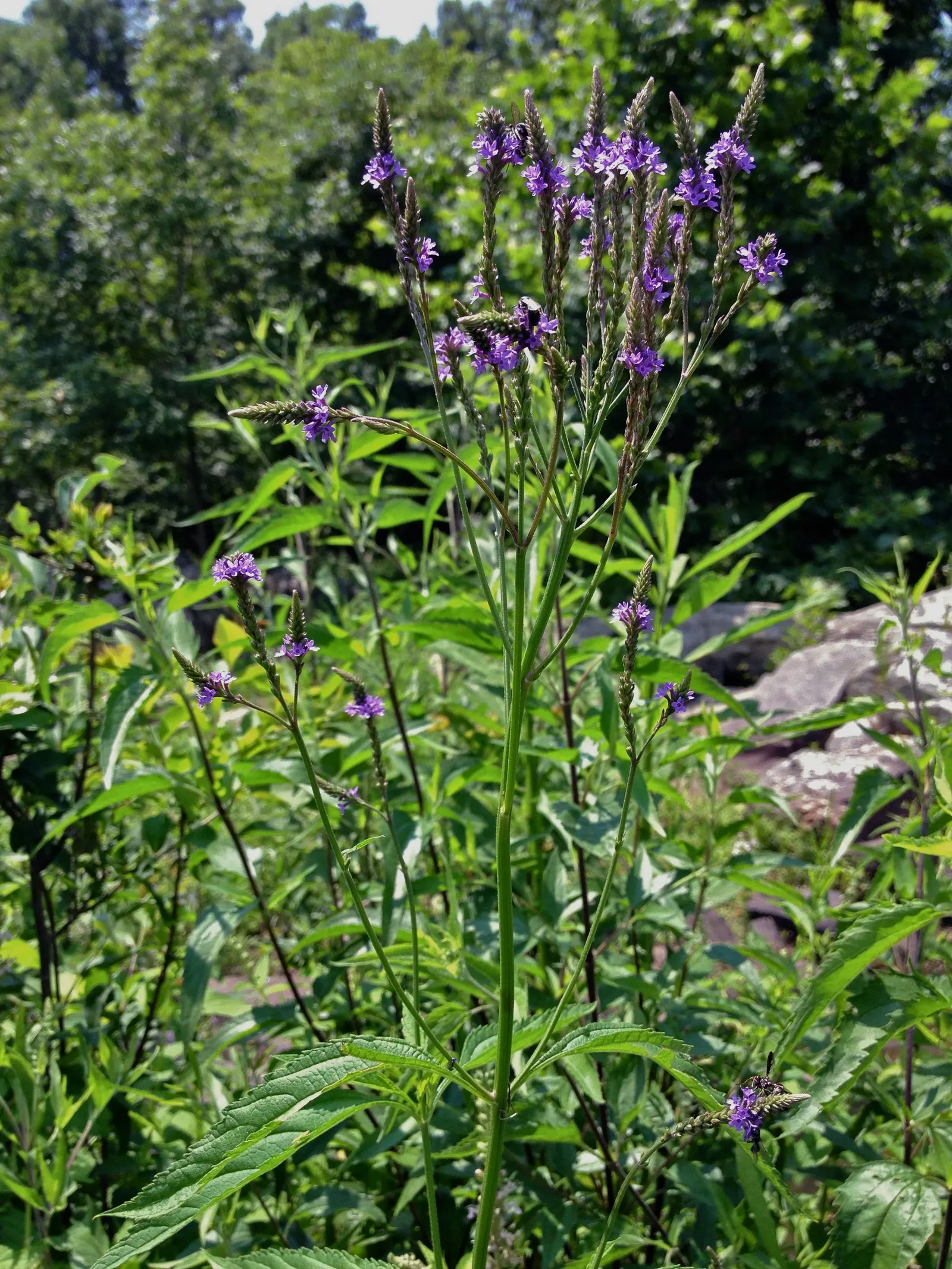
American Blue Vervain (Verbena hastata) is a perennial with tall, slender spikes of violet flowers. It thrives in USDA zones 3-8, reaching 4-6 feet high and 2-3 feet wide. Ideally planted in full sun to part shade, this native prefers moist, well-drained soil. A pollinator magnet, it blooms from July to September, adding vertical interest and supporting wildlife. It's a resilient choice for rain gardens or naturalized areas.

Sun Half, ShadeWater MediumZones 3–8Type Ground cover, Perennial, WildflowerClimate Temperate

Culture

Sun
Half, Shade
Water
Medium
USDA zones
3–8

Shape & size

Mature height
2–6 Ft.
Mature width
1–2.5 Ft.

Classification

Type
Ground cover, Perennial, Wildflower
Family
Verbenaceae
Climate
Temperate

See full data, regional cultivation notes, and design tools. Build a client presentation around this plant.

Start your 14-day trial

Photos (71)

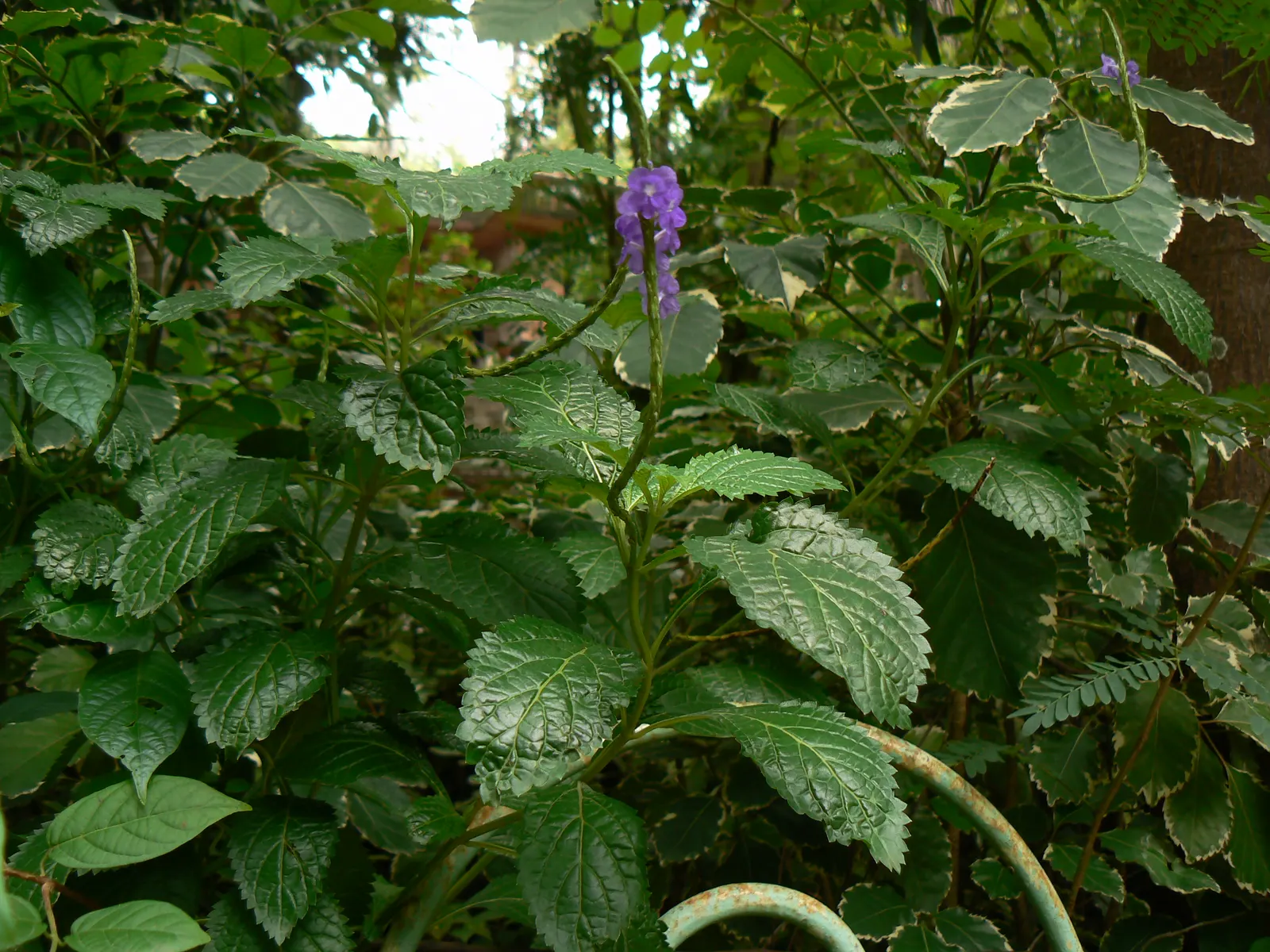
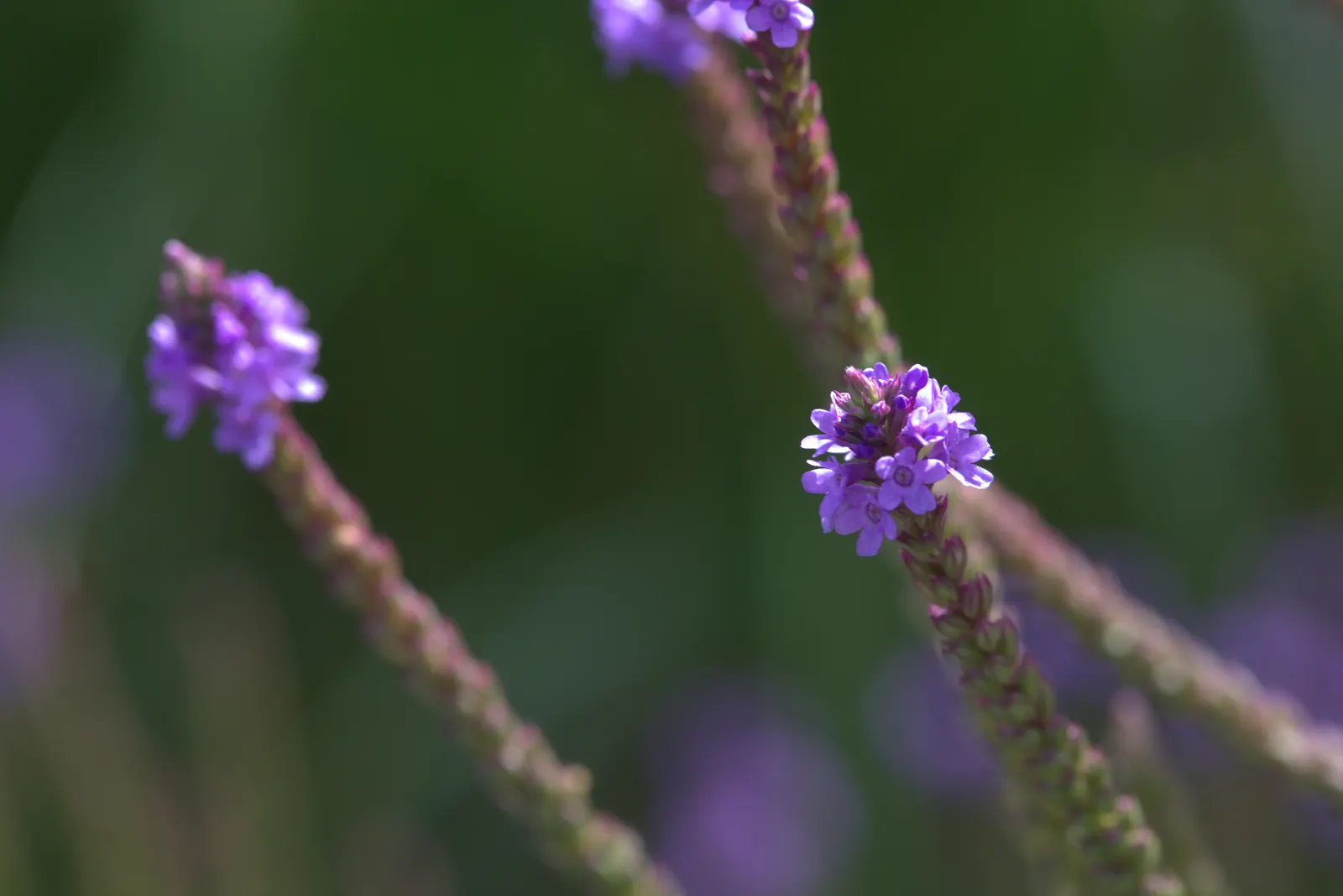
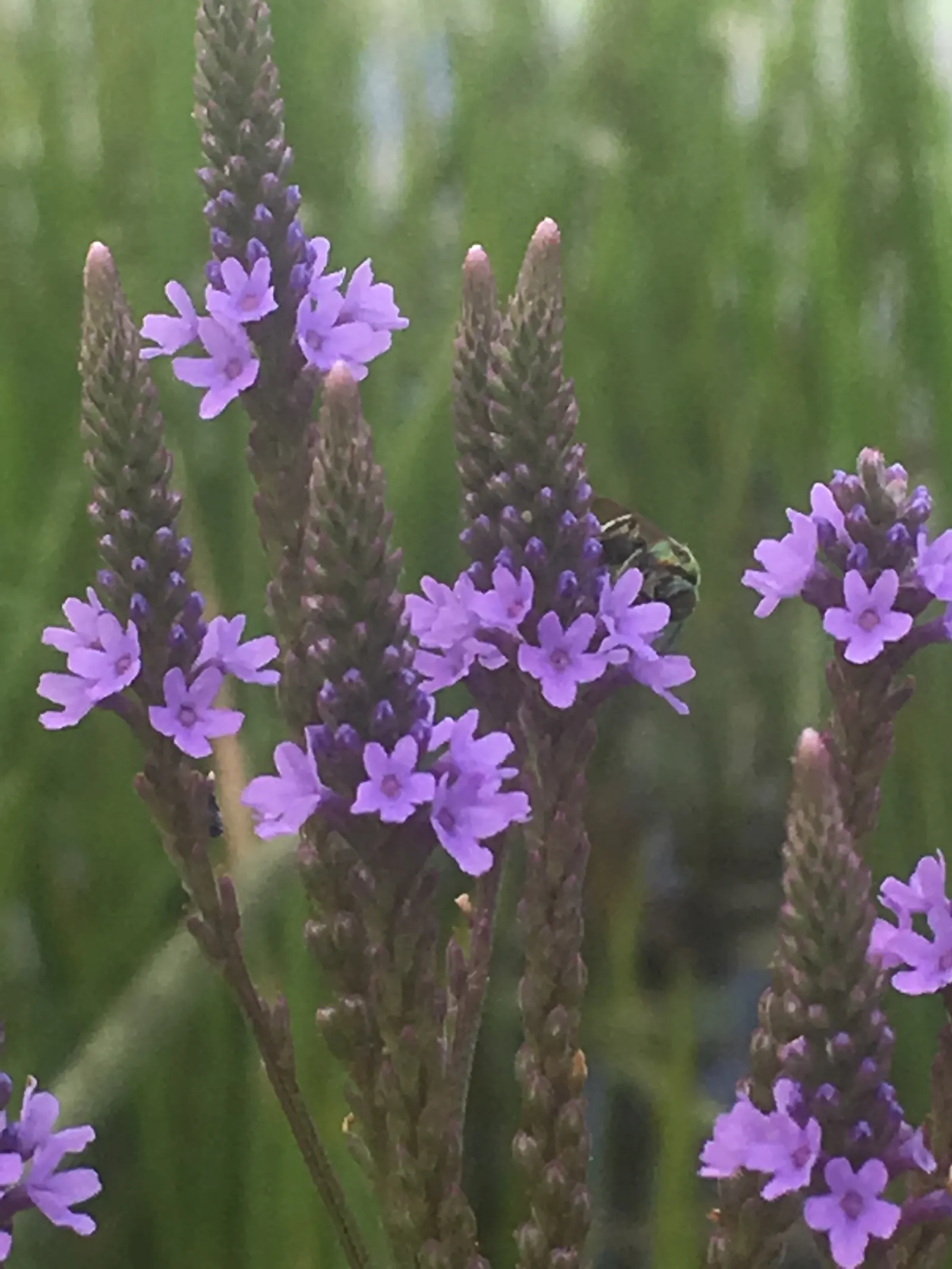
American Blue Vervain (Verbena Hastata) — A pollinator magnet, it blooms from July to September, adding vertical interest and supporting wildlife; american
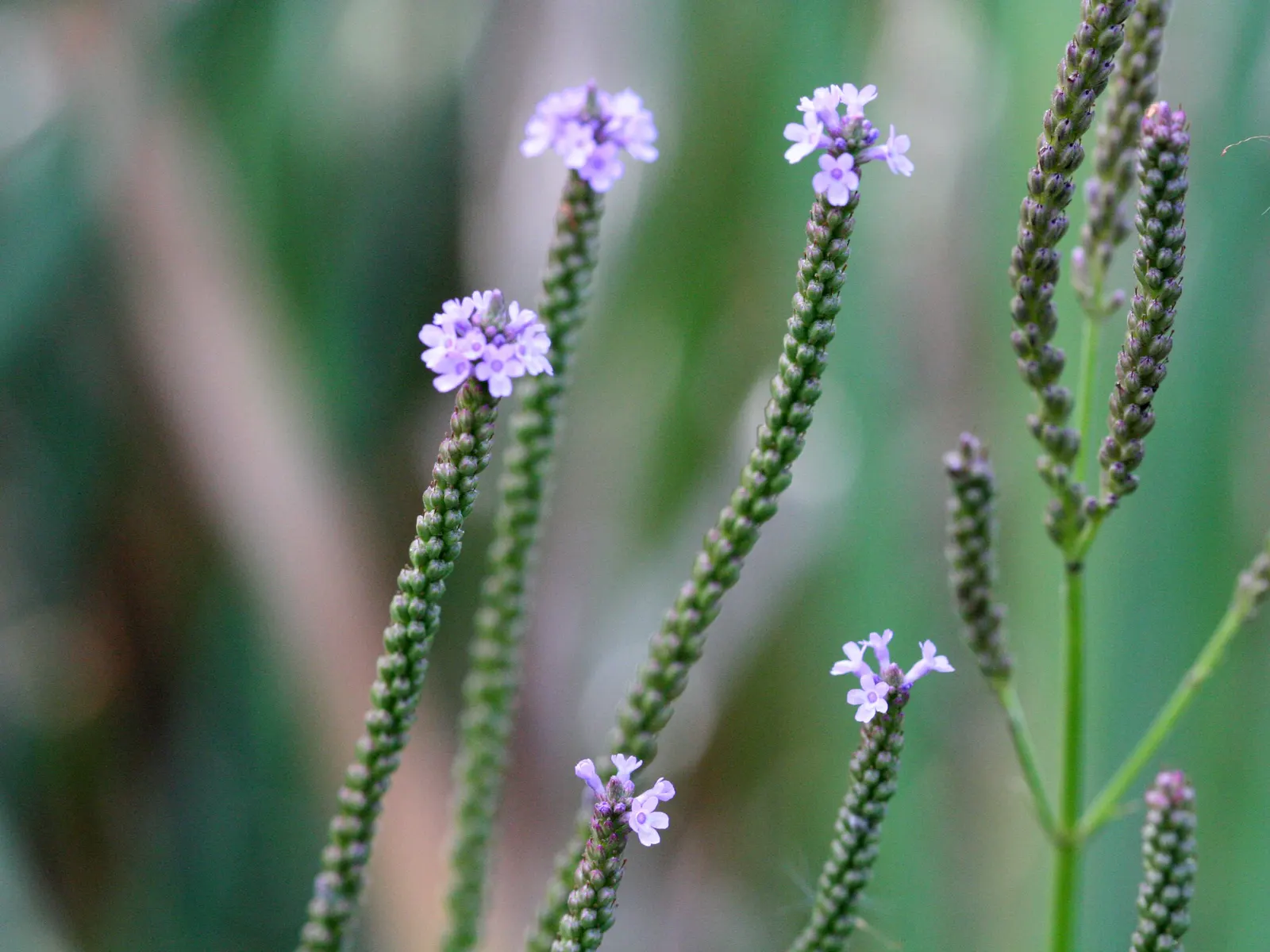
American Blue Vervain (Verbena Hastata) — consider grouping Blue Vervain with other native wetland-edge species to form a diverse; american Blue Vervain
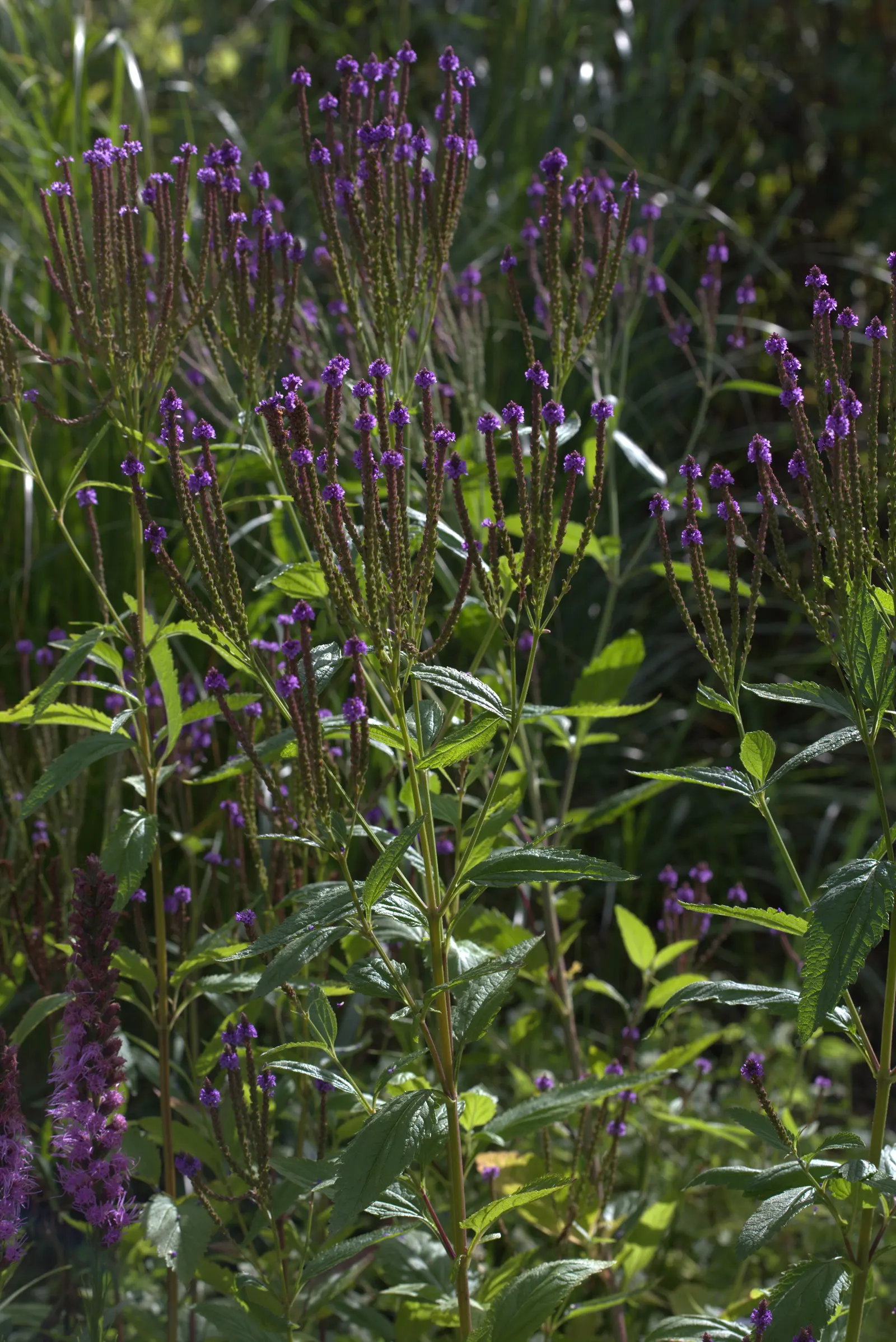
American Blue Vervain (Verbena Hastata) — offering a vital source of nectar.<br><br>When creating a landscape design
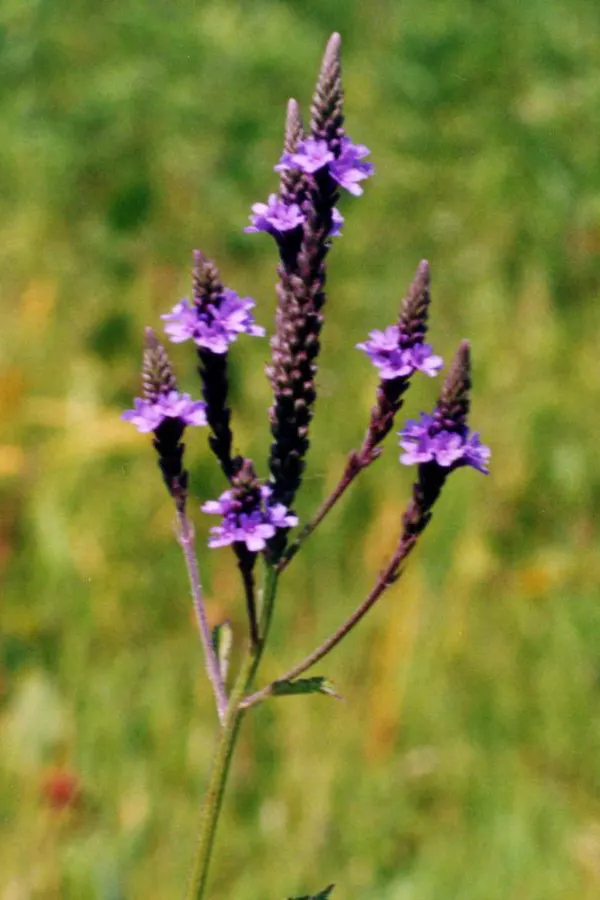
American Blue Vervain (Verbena Hastata) — clumping habit.<br><br>This resilient plant thrives in hardiness zones 3 to 8; it thrives in USDA zones 3-8, reaching
American Blue Vervain (Verbena Hastata) — It thrives in USDA zones 3-8, reaching 4-6 feet high and 2-3 feet wide; clumping habit.<br><br>This, image 50
American Blue Vervain (Verbena Hastata) — It tolerates a range of soil conditions but fares best in moist, well-drained soils
American Blue Vervain (Verbena Hastata) — It thrives in USDA zones 3-8, reaching 4-6 feet high and 2-3 feet wide; clumping habit.<br><br>This resilient plant
American Blue Vervain (Verbena Hastata) — With its ecological benefits and striking aesthetics
American Blue Vervain (Verbena Hastata) — blue flowers in the garden
American Blue Vervain (Verbena Hastata) — American Blue Vervain, scientifically known as Verbena hastata, is a perennial herb native to North America; consider
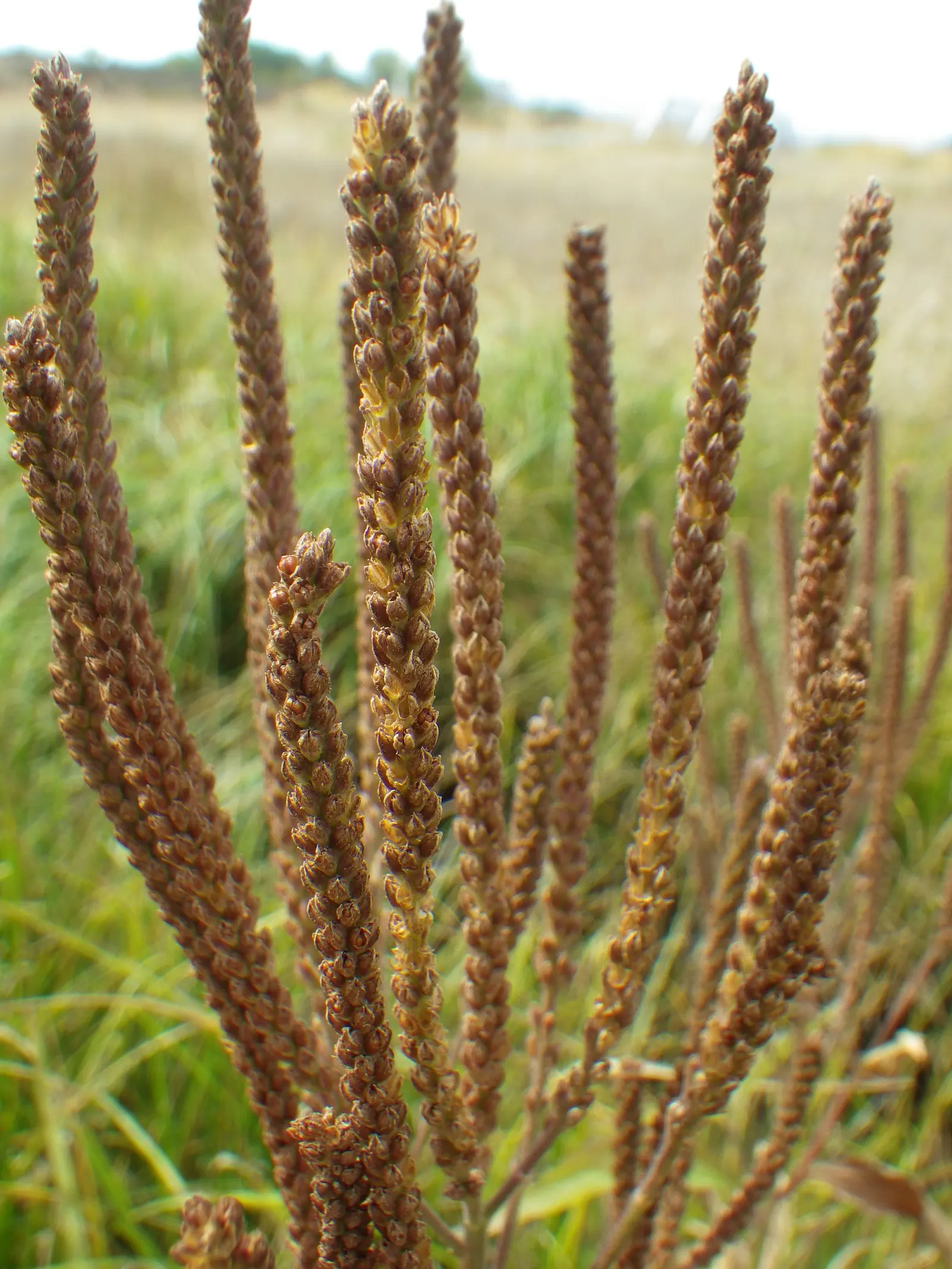
American Blue Vervain (Verbena Hastata) — Ideally planted in full sun to part shade, this native prefers moist, well-drained soil; the seed heads, image 51
American Blue Vervain (Verbena Hastata) — blue flowers in the garden; embellishing the landscape from early summer through early fall
American Blue Vervain (Verbena Hastata) — ground cover / perennial / wildflower with blue blooms
American Blue Vervain (Verbena Hastata) — consider grouping Blue Vervain with other native wetland-edge species to form a diverse
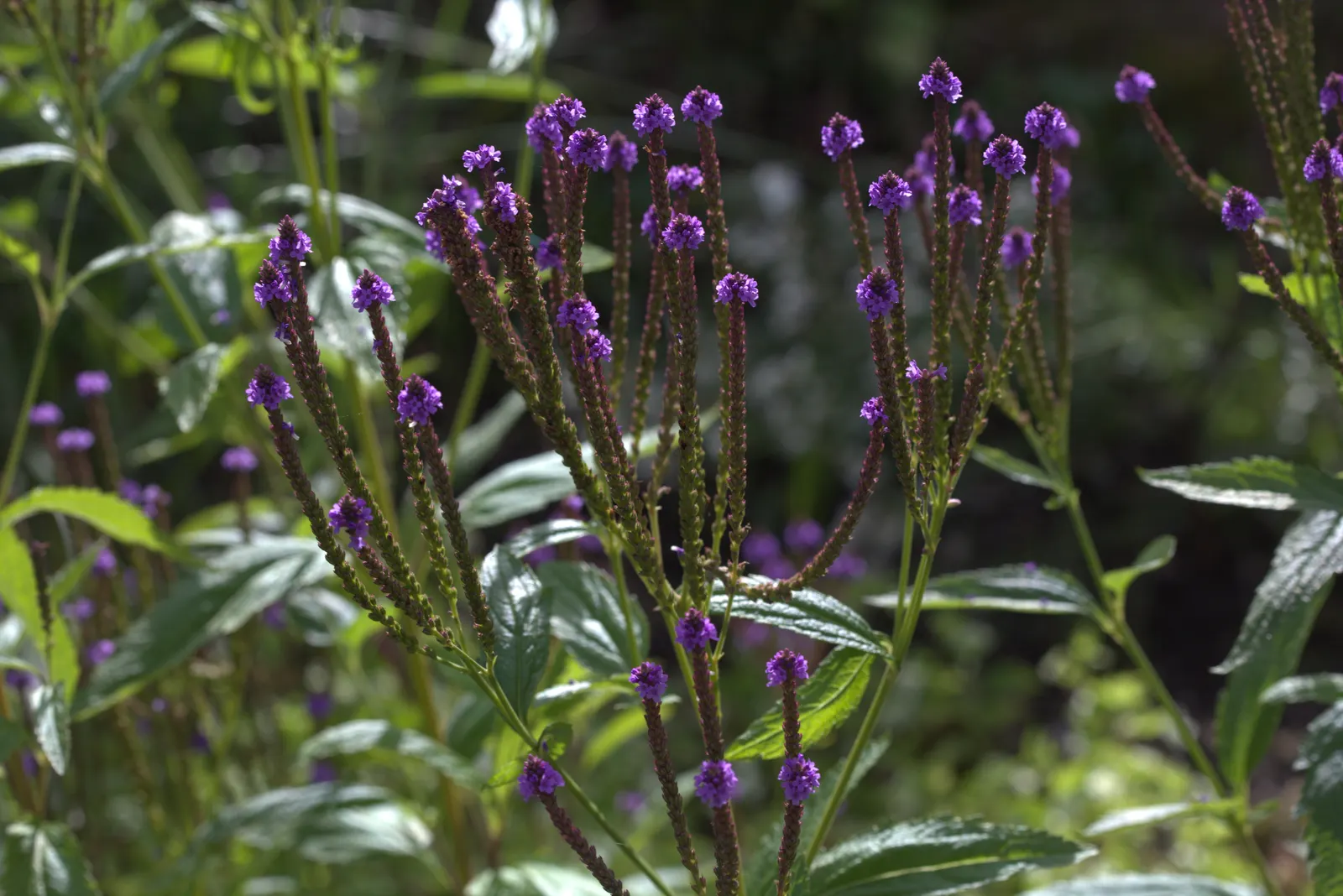
American Blue Vervain (Verbena Hastata) — it boasts a striking vertical presence with spiky
American Blue Vervain (Verbena Hastata) — With its ecological benefits and striking aesthetics; making it an excellent choice for border backgrounds or rain
American Blue Vervain (Verbena Hastata) — preferring full sun or partial shade
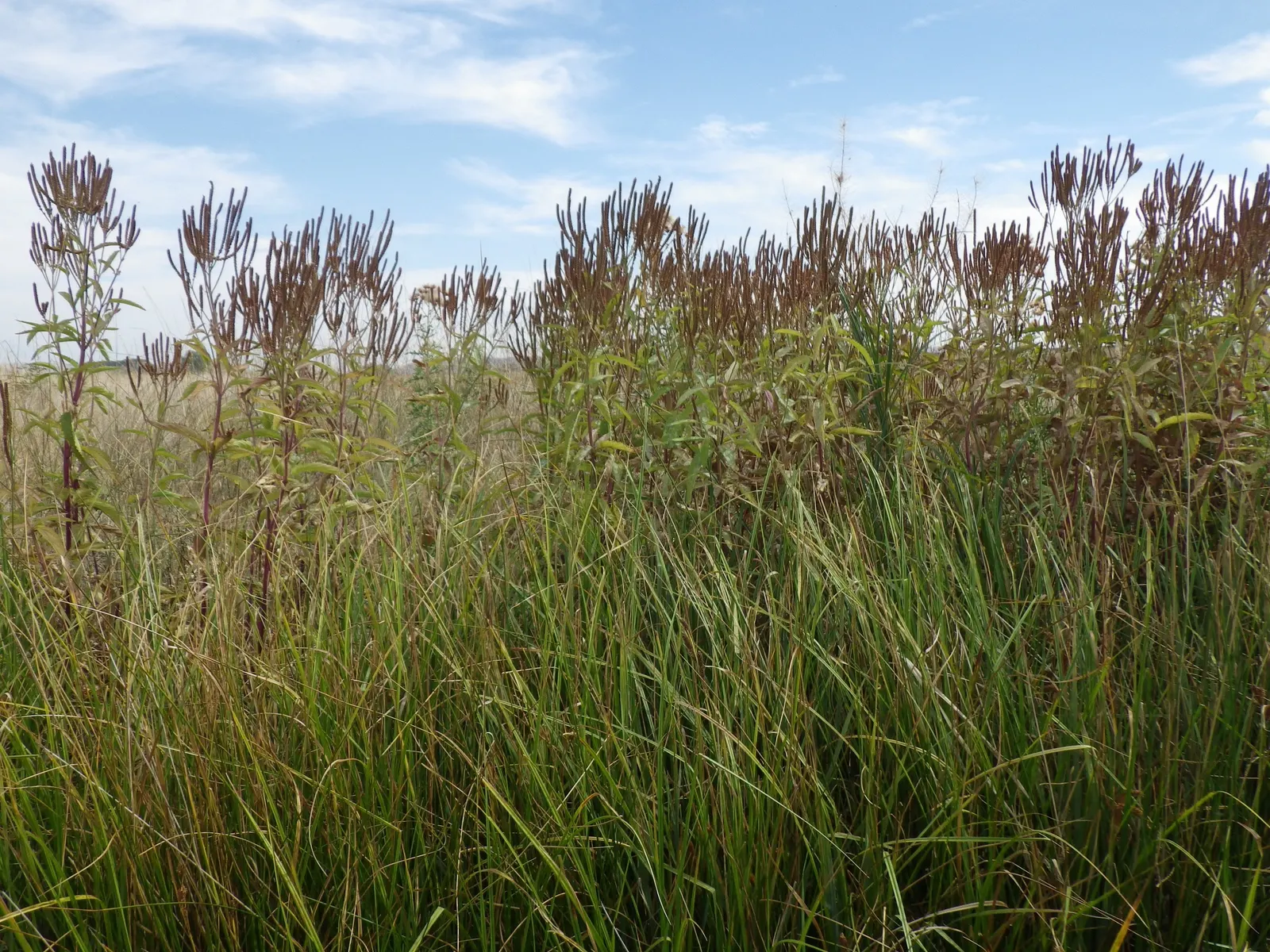
American Blue Vervain (Verbena Hastata) — the seed heads provide textural interest and food for birds.<br><br>This species requires minimal, image 42
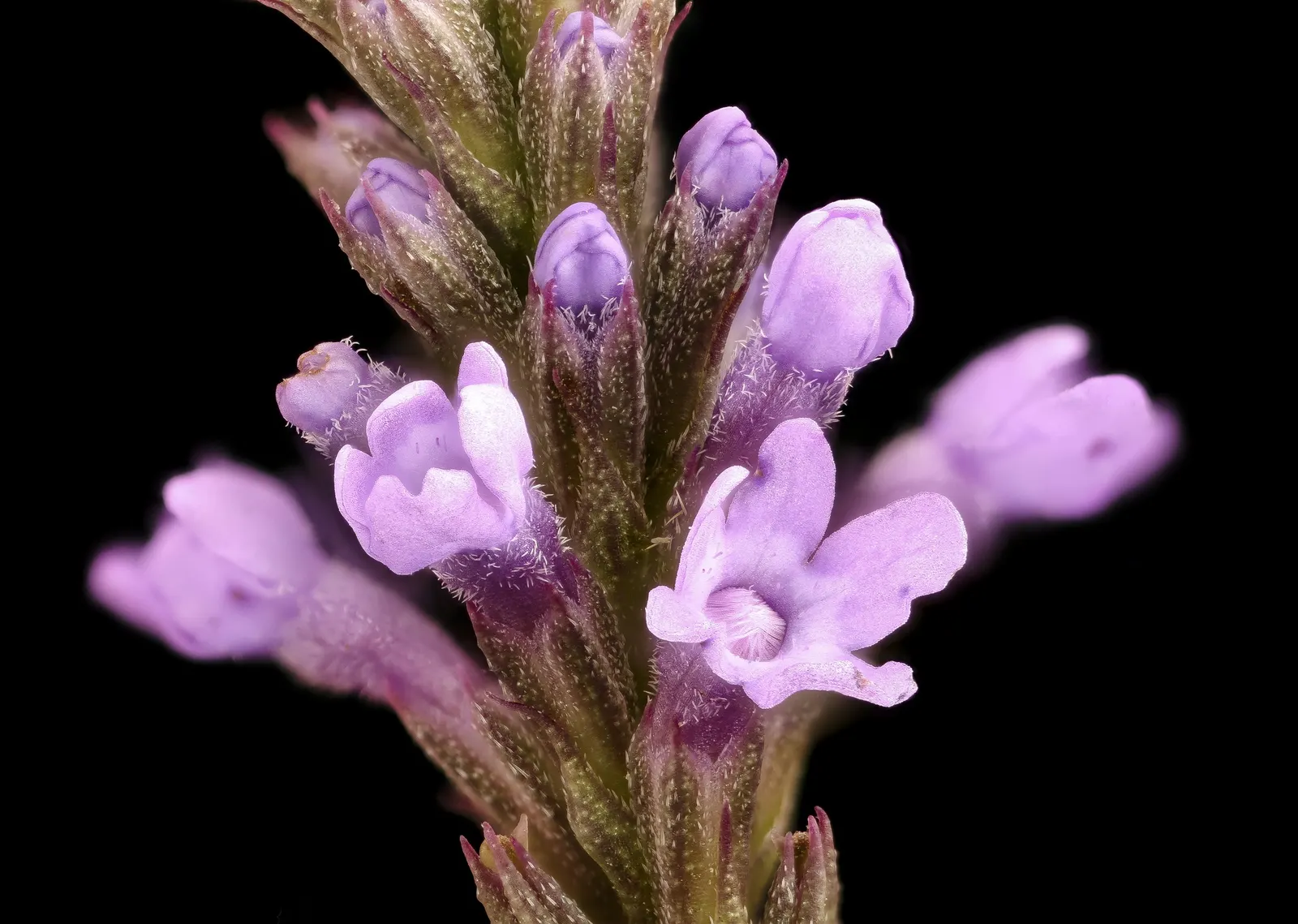
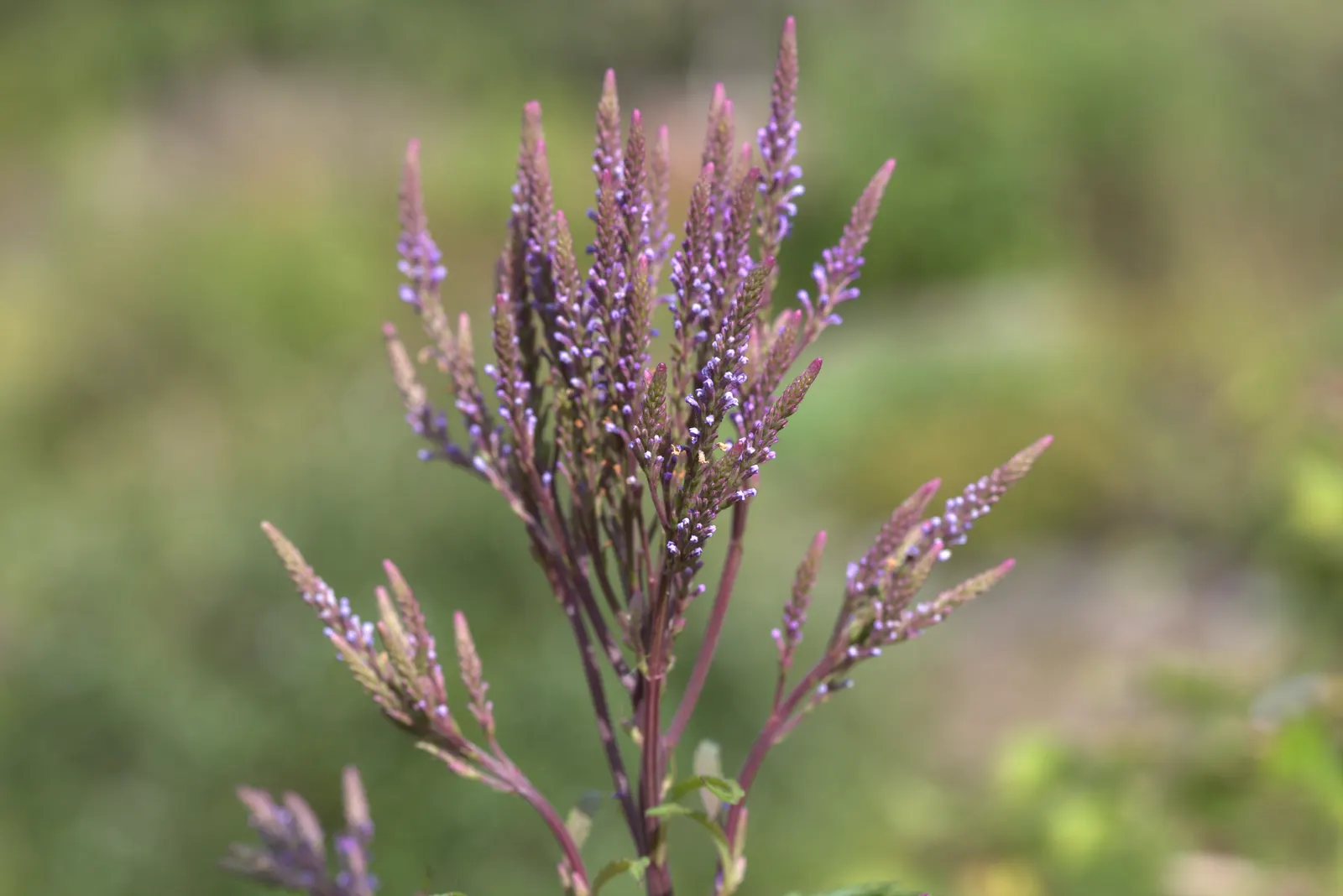
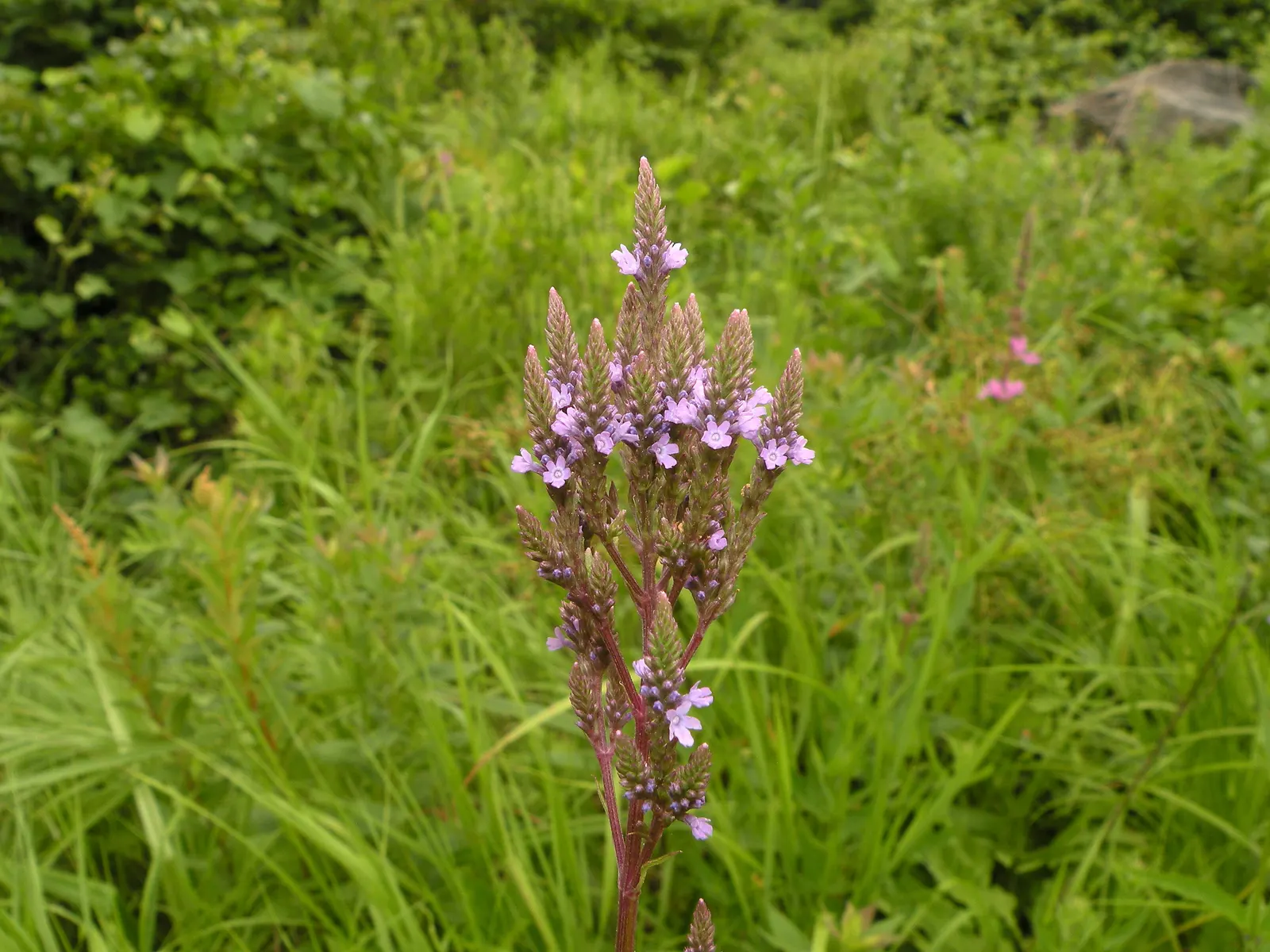
American Blue Vervain (Verbena Hastata) — American Blue Vervain (Verbena hastata) is a perennial with tall, slender spikes of violet flowers
American Blue Vervain (Verbena Hastata) — Its vertical form contrasts well with broad-leaved plants and grasses
American Blue Vervain (Verbena Hastata) — Embellishing the landscape from early summer through early fall
American Blue Vervain (Verbena Hastata) — It's a resilient choice for rain gardens or naturalized areas
American Blue Vervain (Verbena Hastata) — American Blue Vervain (Verbena hastata) is a perennial with tall, slender spikes of violet flowers; a pollinator
American Blue Vervain (Verbena Hastata) — Ideally planted in full sun to part shade, this native prefers moist, well-drained soil; the seed heads provide
Photographs by 12 contributors

Related plants