Skip to content

Meteor Shower® Verbena

Verbena bonariensis

Design with this plant

Overview

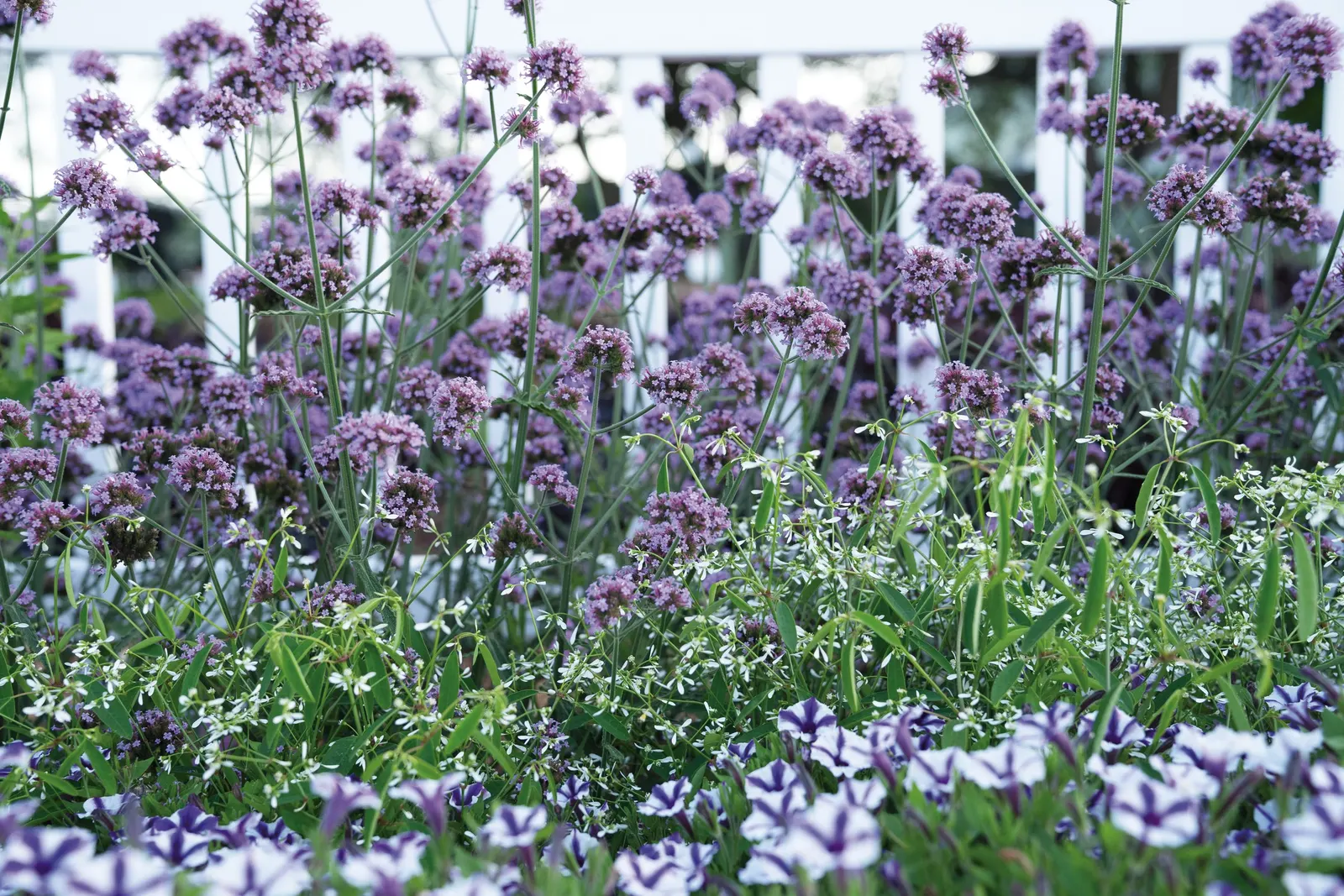
The Verbena bonariensis Meteor Shower® is a compact upright annual with airy clusters of violet-lilac blooms above dark green foliage. It grows 20-30 inches tall and 8-12 inches wide, bringing pollinator-friendly height to containers and borders. Plant in part sun to full sun with average, well-drained soil and moderate water; deadheading is not needed. Hardy in USDA Zones 7a-11b.

Sun FullWater Low, MediumZones 7–11Type Perennial

Culture

Sun
Full
Water
Low, Medium
USDA zones
7–11

Shape & size

Classification

Type
Perennial
Family
Verbenaceae

See full data, regional cultivation notes, and design tools. Build a client presentation around this plant.

Start your 14-day trial

Photos (177)
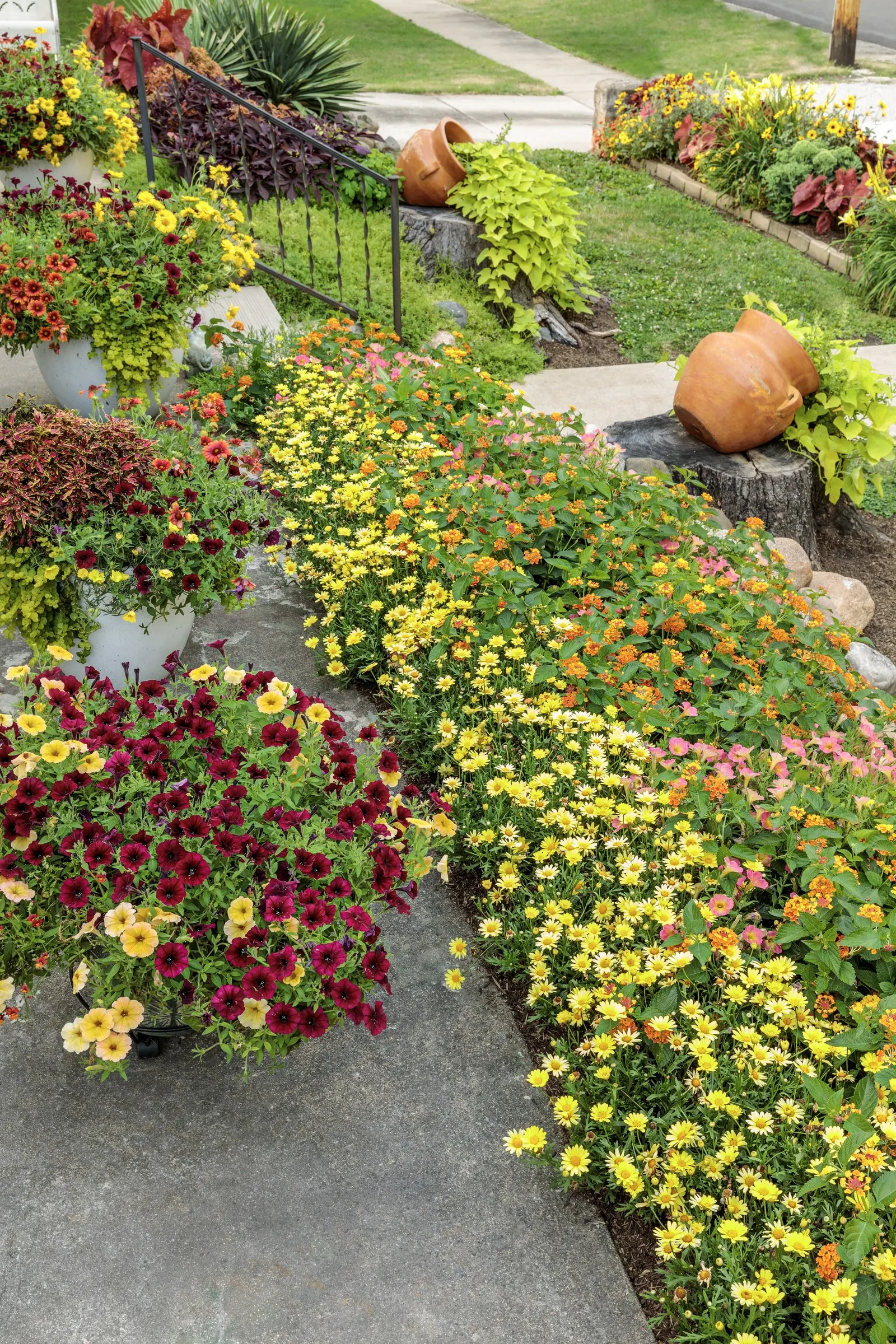
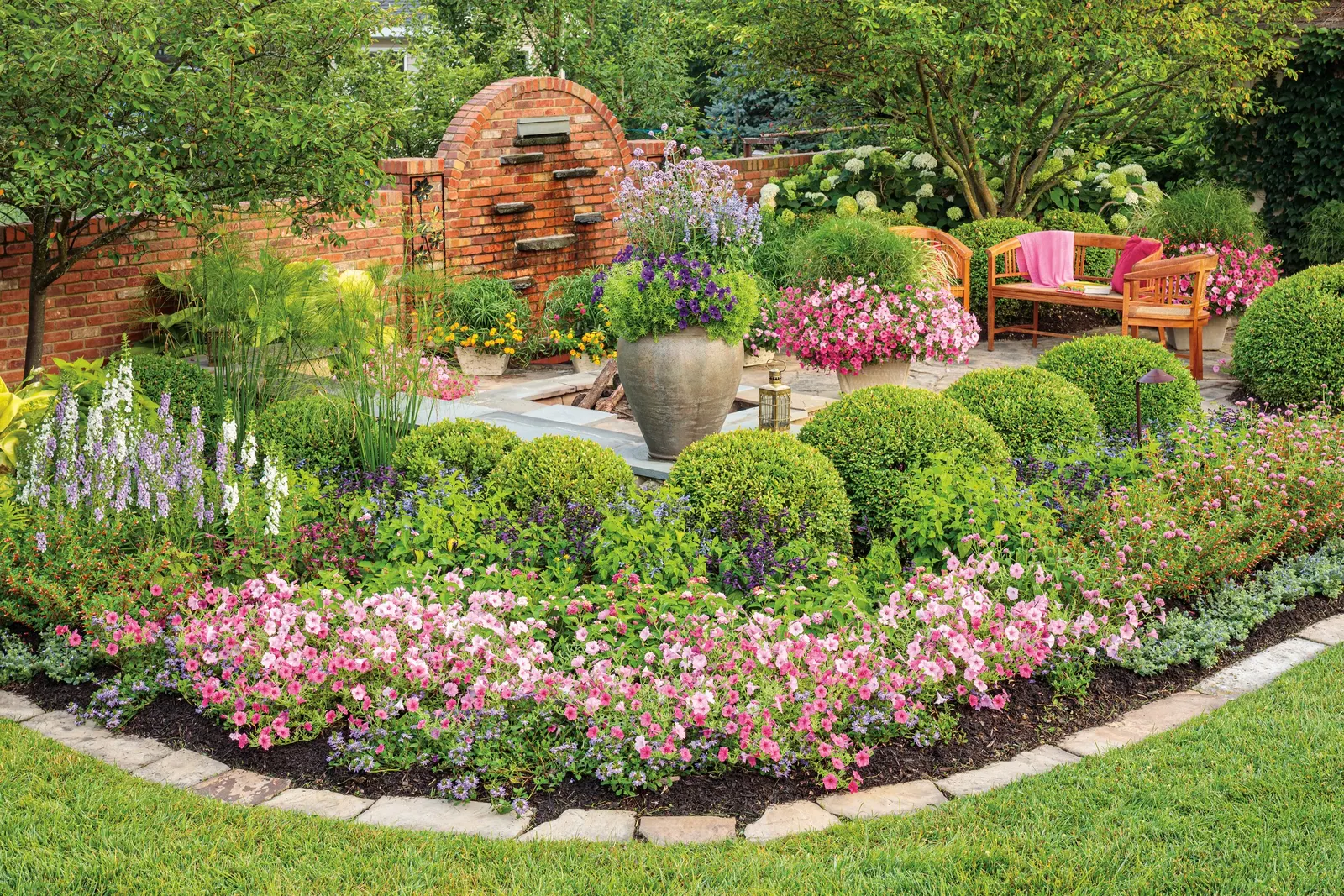
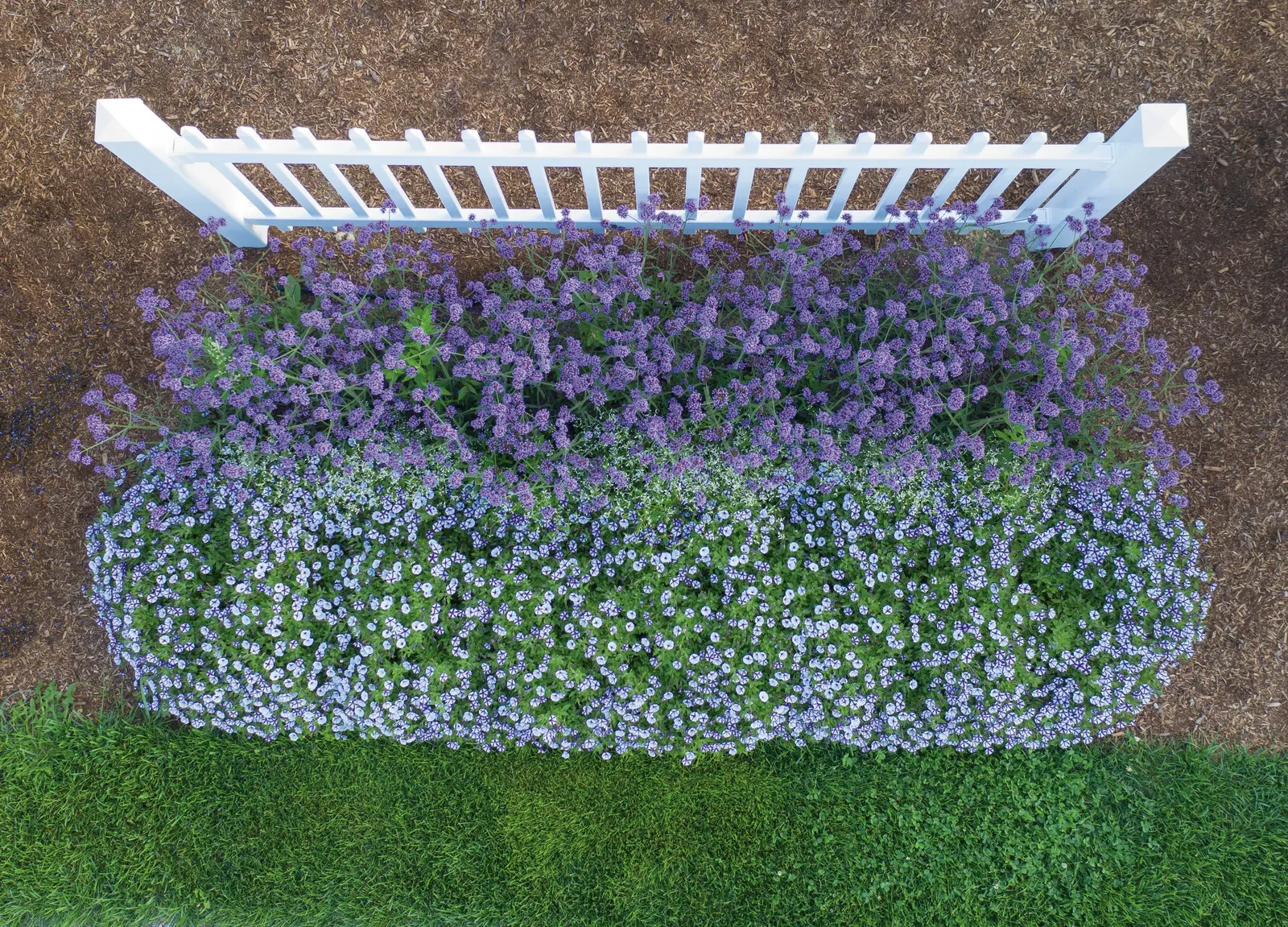
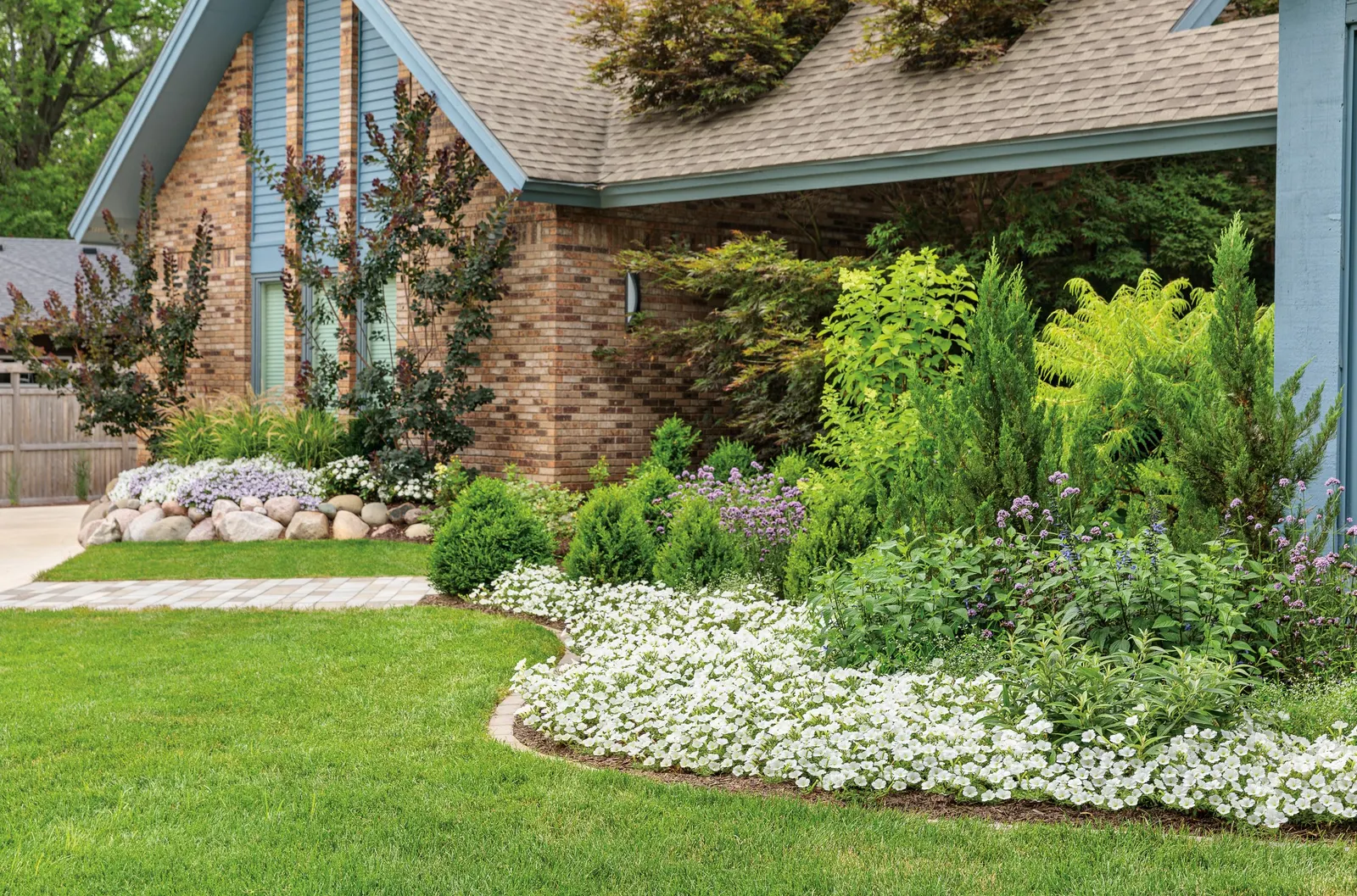
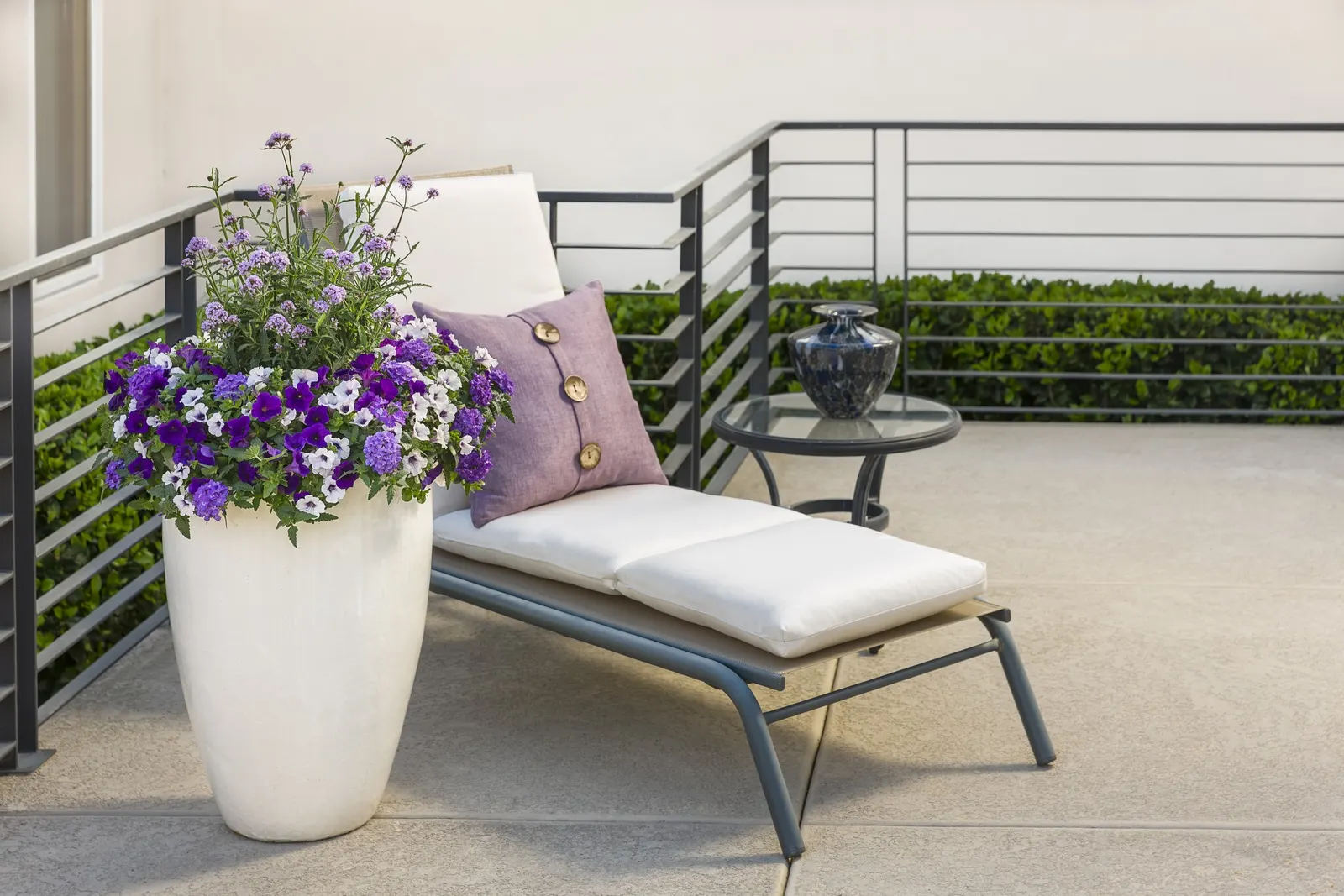
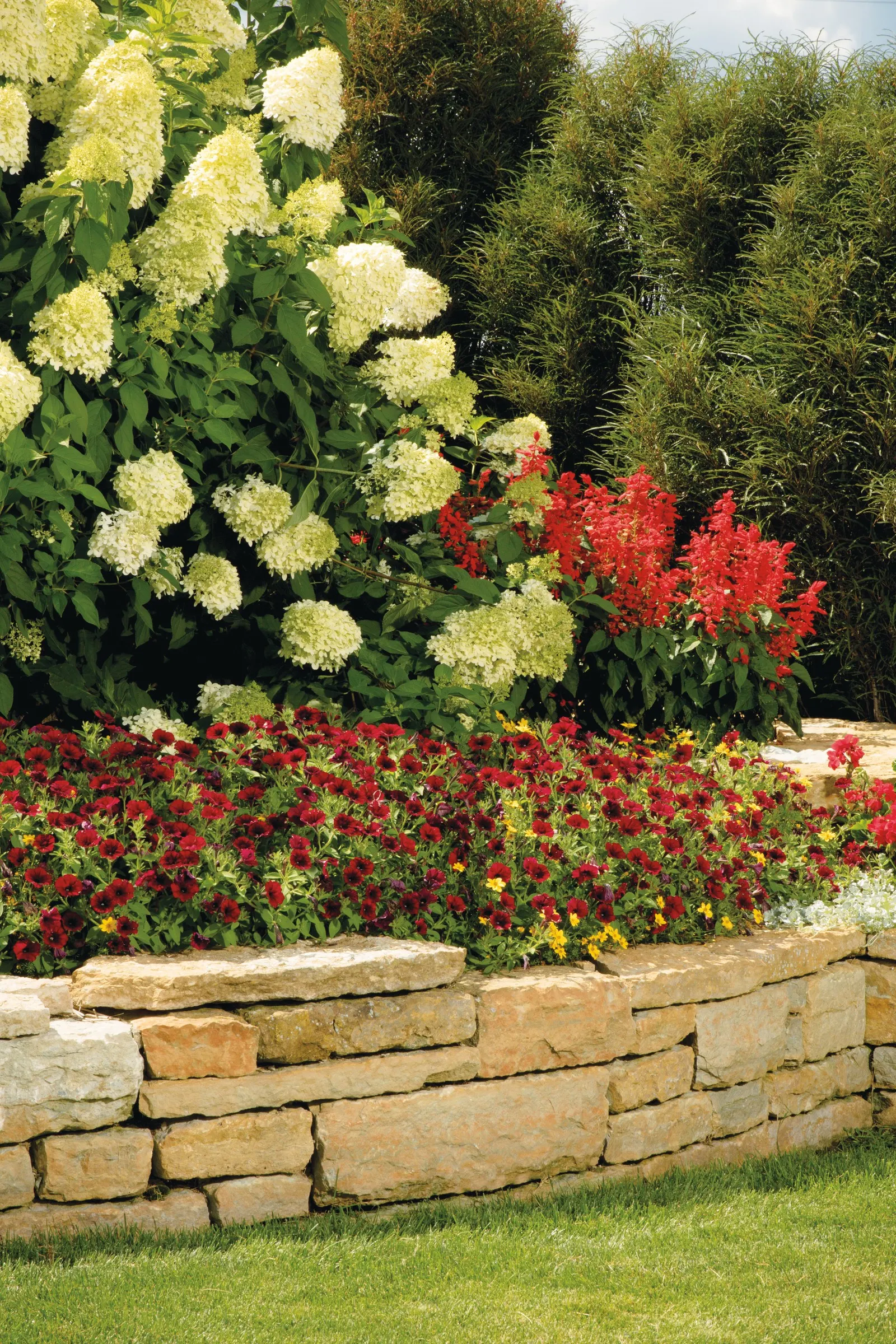
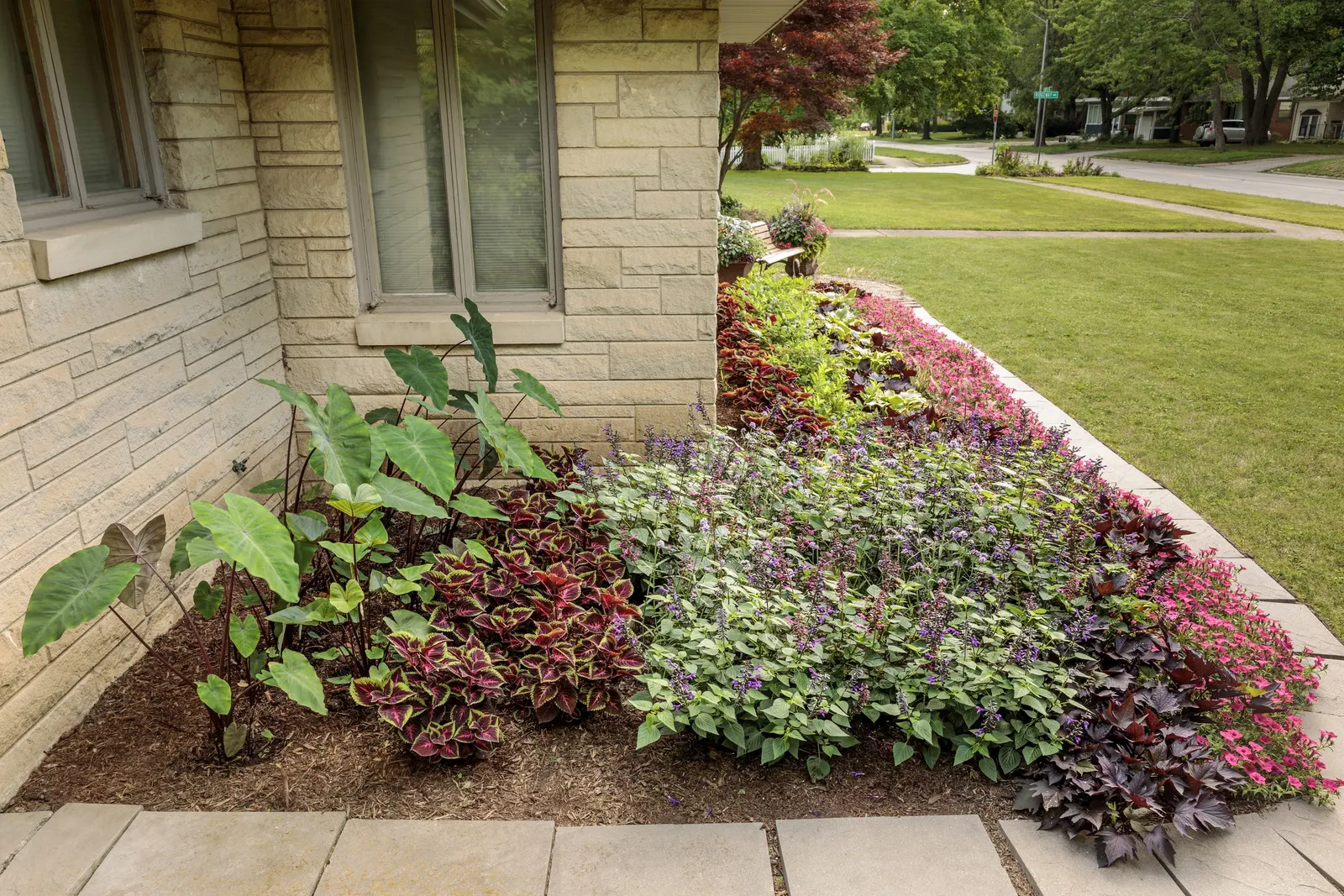
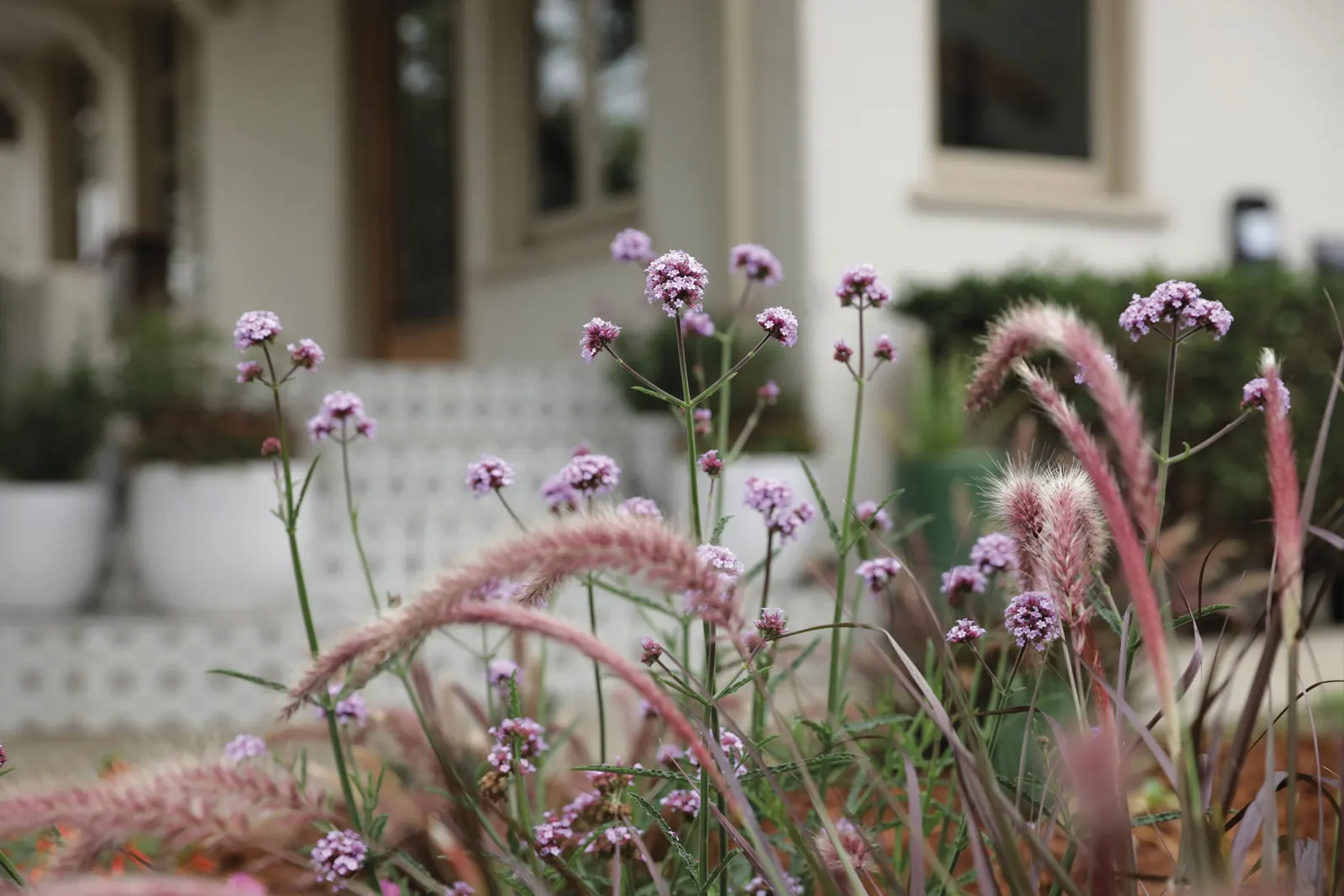
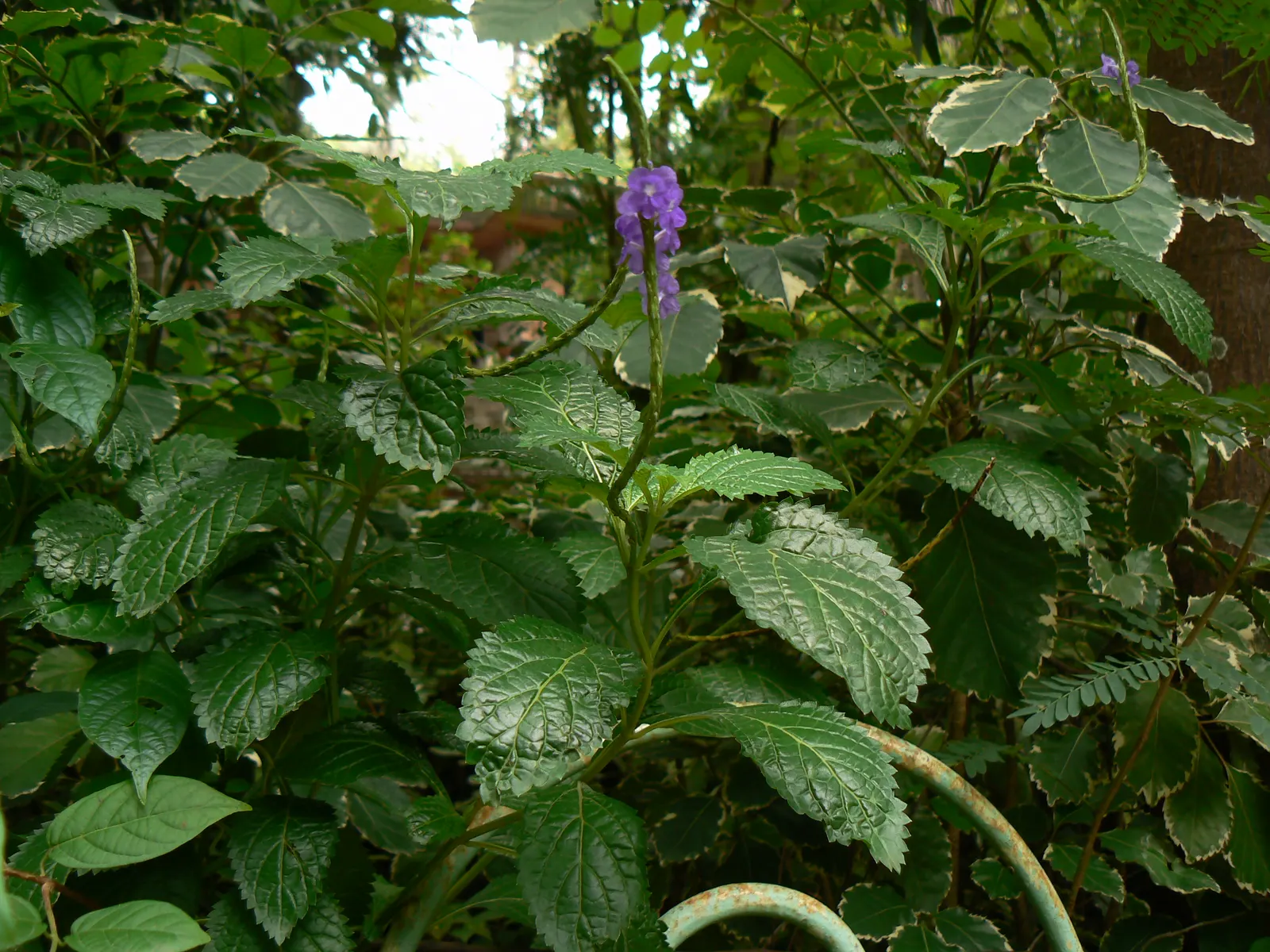
Meteor Shower® Verbena (Verbena bonariensis) — It grows 20-30 inches tall and 8-12 inches wide, bringing pollinator-friendly height to containers and borders
Meteor Shower® Verbena (Verbena bonariensis) — Its wiry stems give the planting a graceful vertical rhythm; perennial for full, image 99
Meteor Shower® Verbena (Verbena bonariensis) — with best flowering in brighter conditions; it does not require rich feeding; a light hand with fertilizer keeps
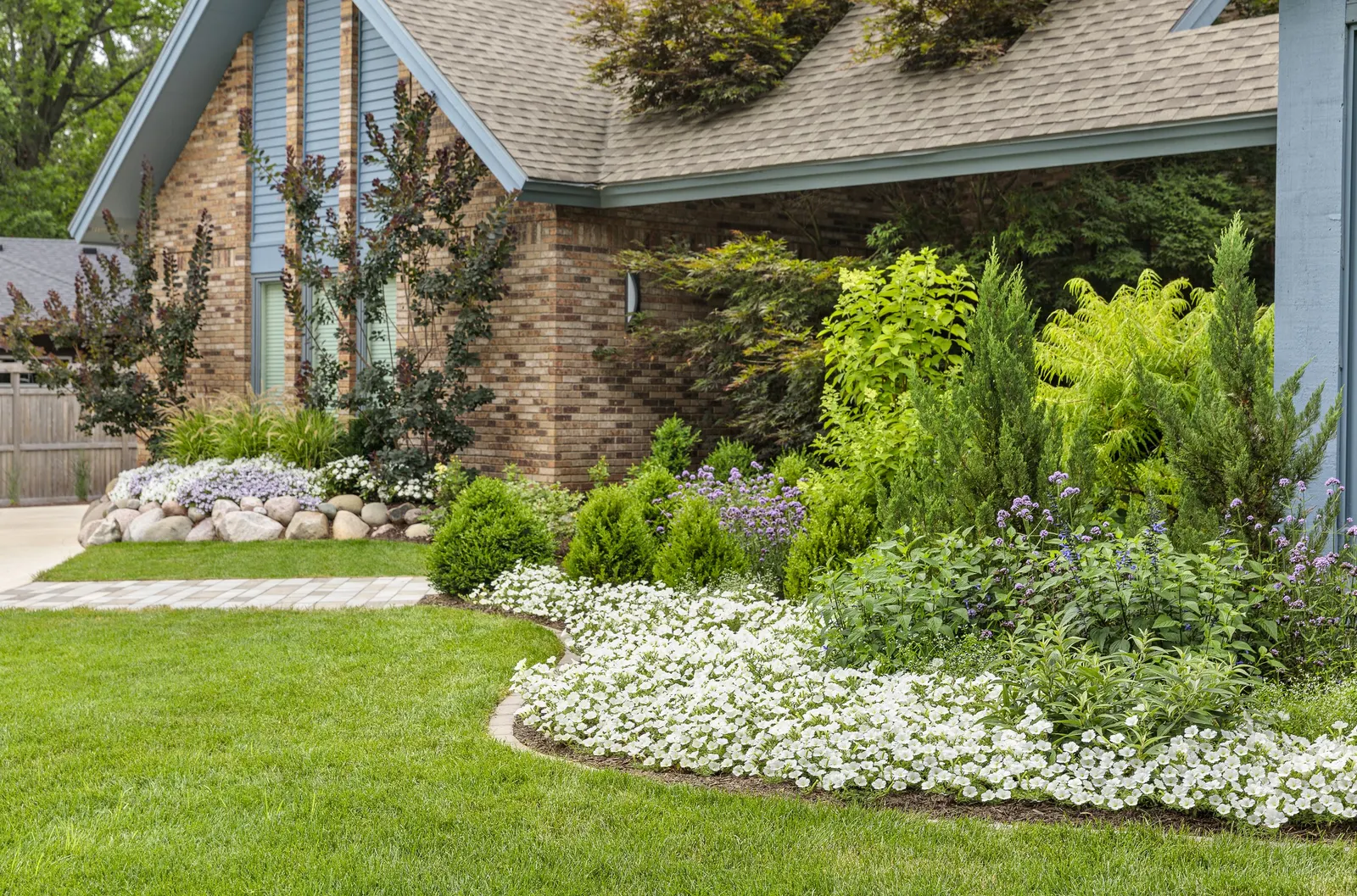
Meteor Shower® Verbena (Verbena bonariensis) — while the clustered flowers seem to hover; meadow-like character in a denser, image 130
Meteor Shower® Verbena (Verbena bonariensis) — well-drained soil and average water; while its luminous lilac blooms bring a relaxed, image 107
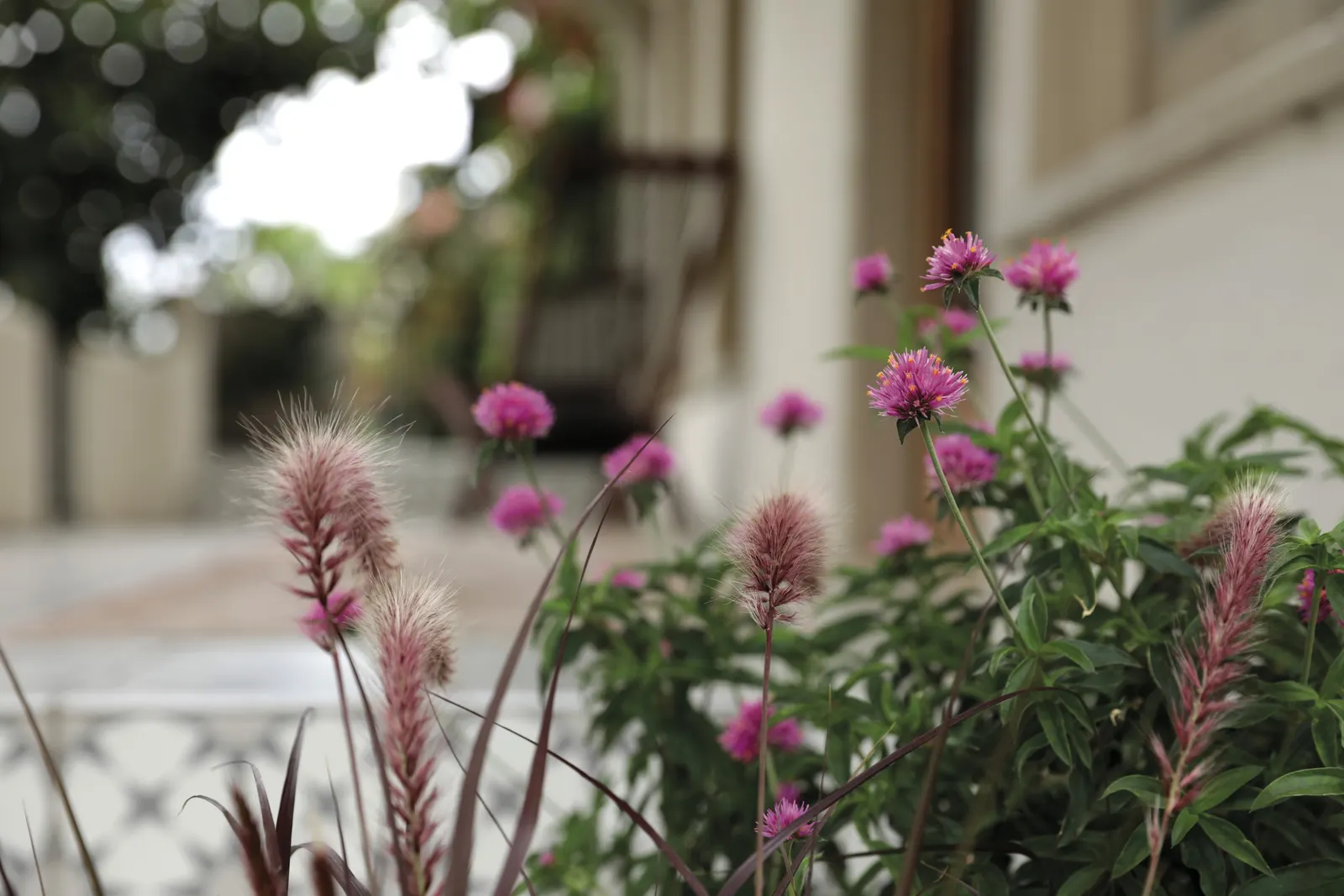
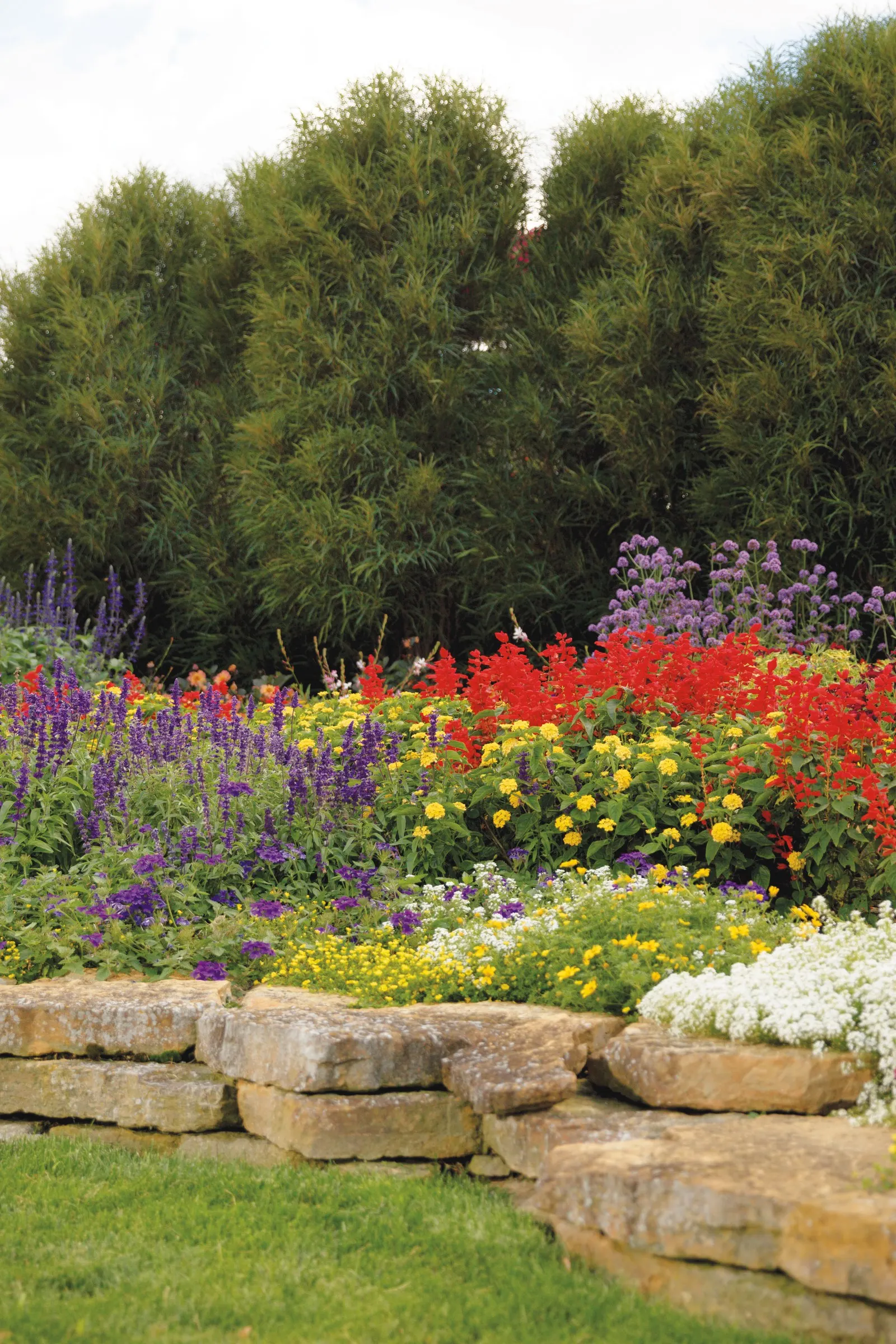
Meteor Shower® Verbena (Verbena bonariensis) — it threads beautifully among ornamental grasses; it grows 20-30 inches tall and 8-12 inches wide, bringing
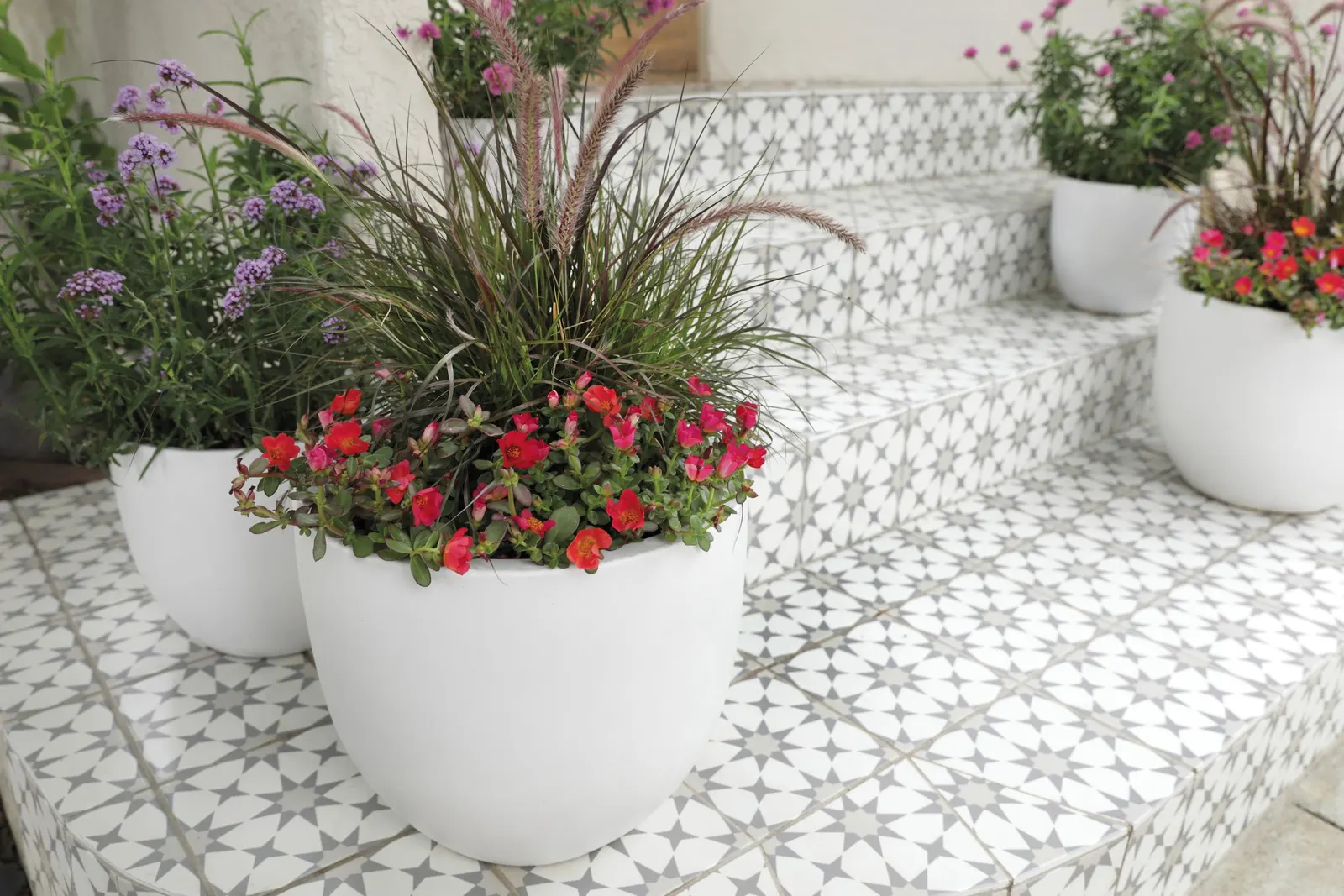
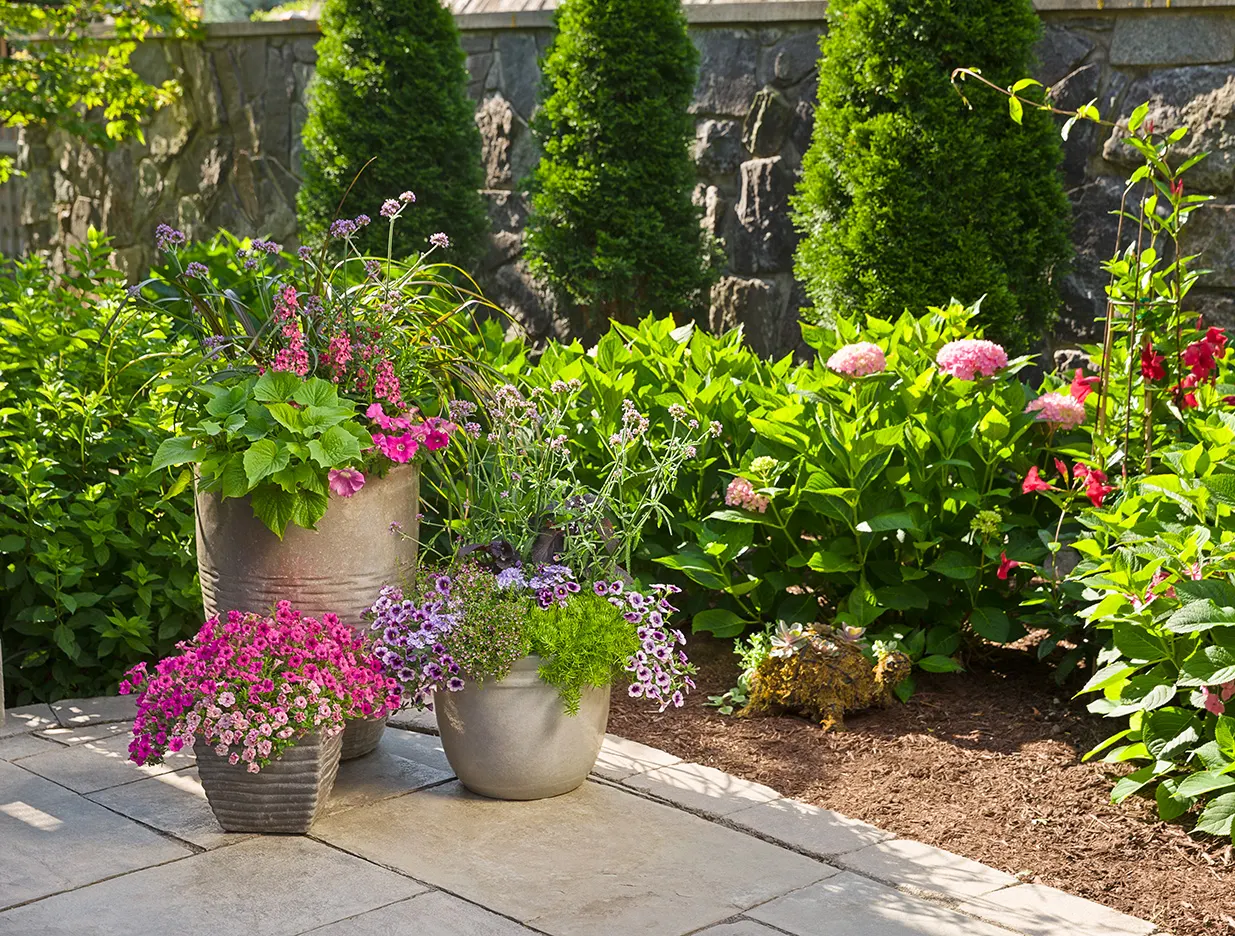
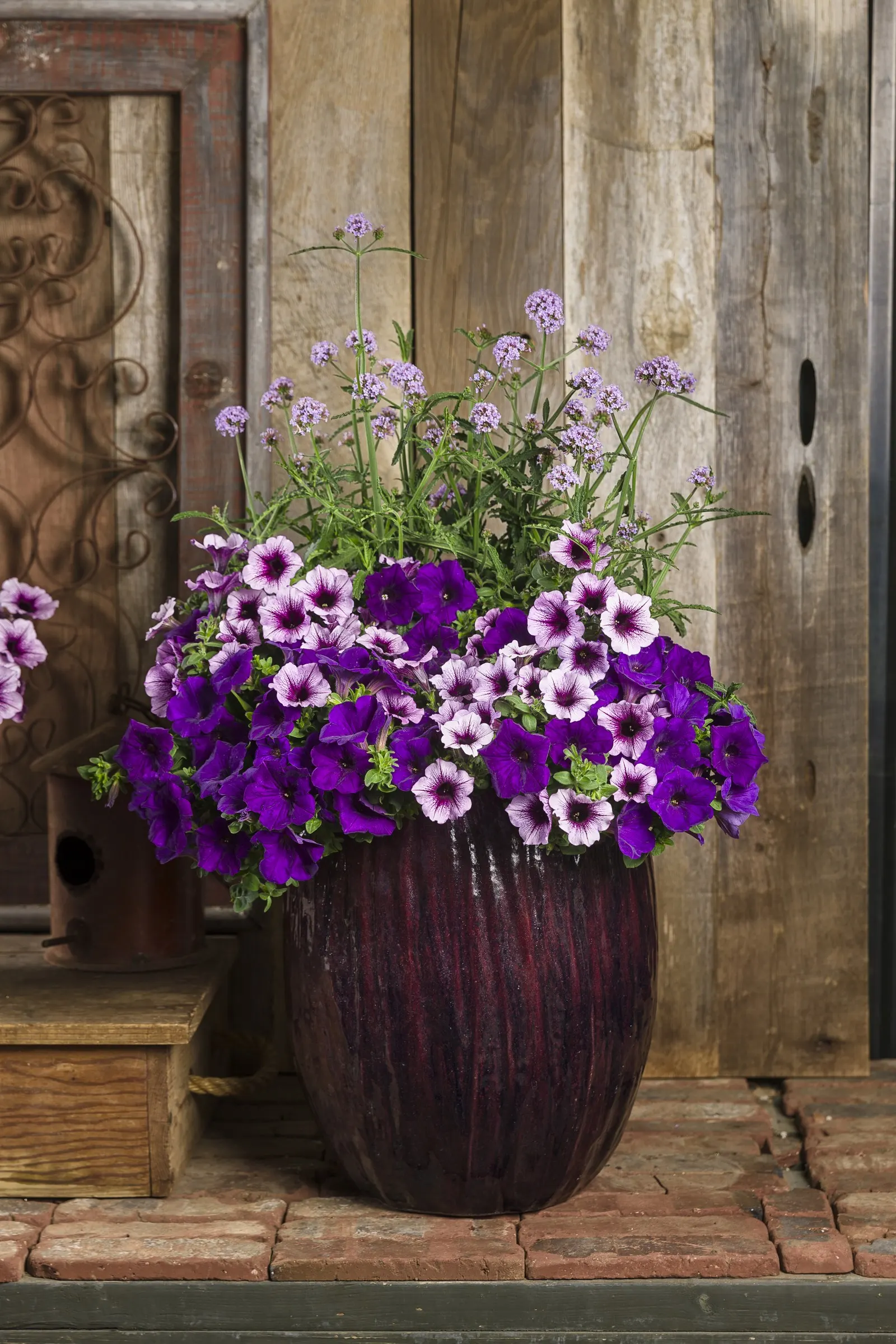
Meteor Shower® Verbena (Verbena bonariensis) — and many find it performs beautifully in containers
Meteor Shower® Verbena (Verbena bonariensis) — sophisticated energy to sunny landscapes; admired for its airy “lollipops” of violet-lilac bloom, image 87
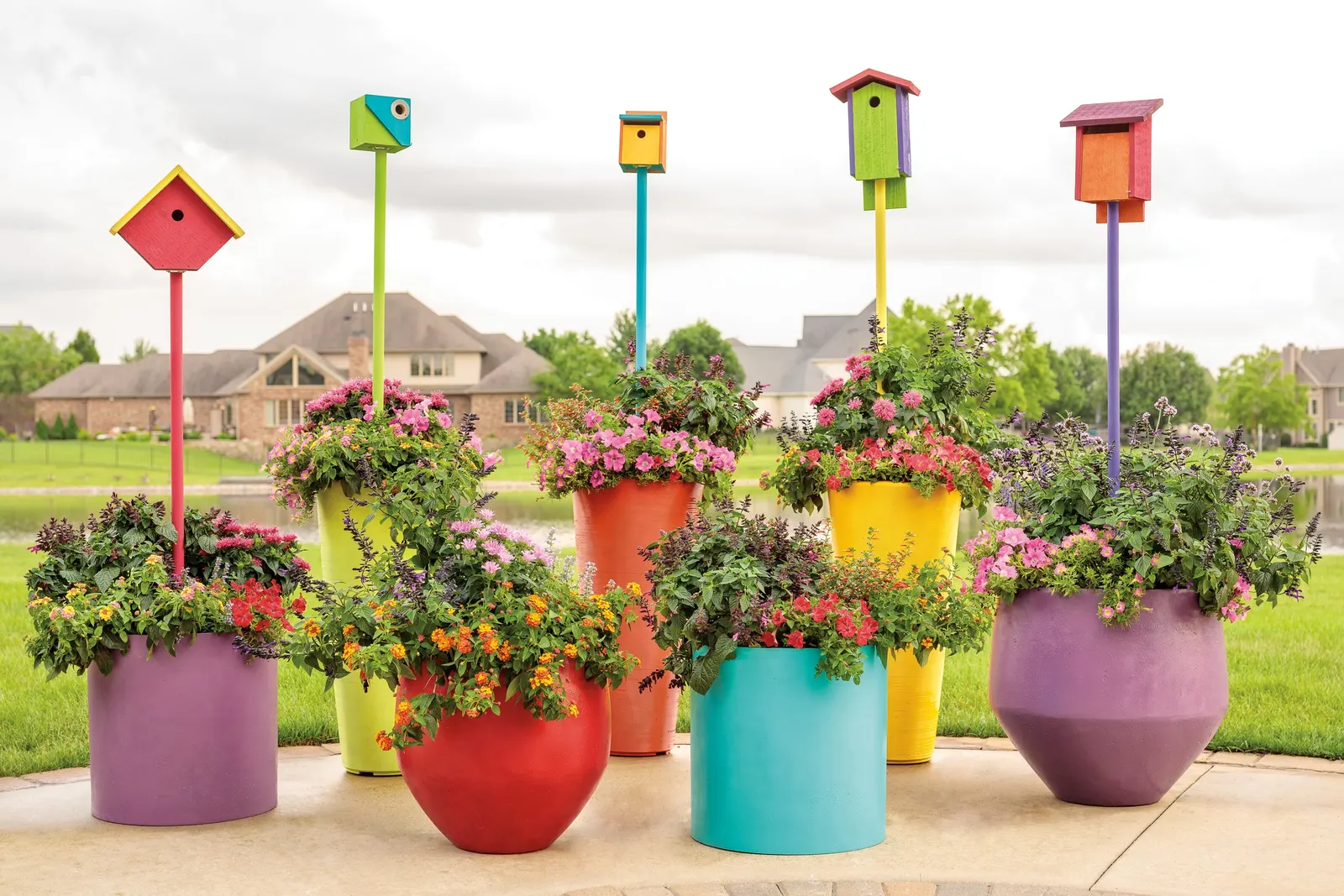
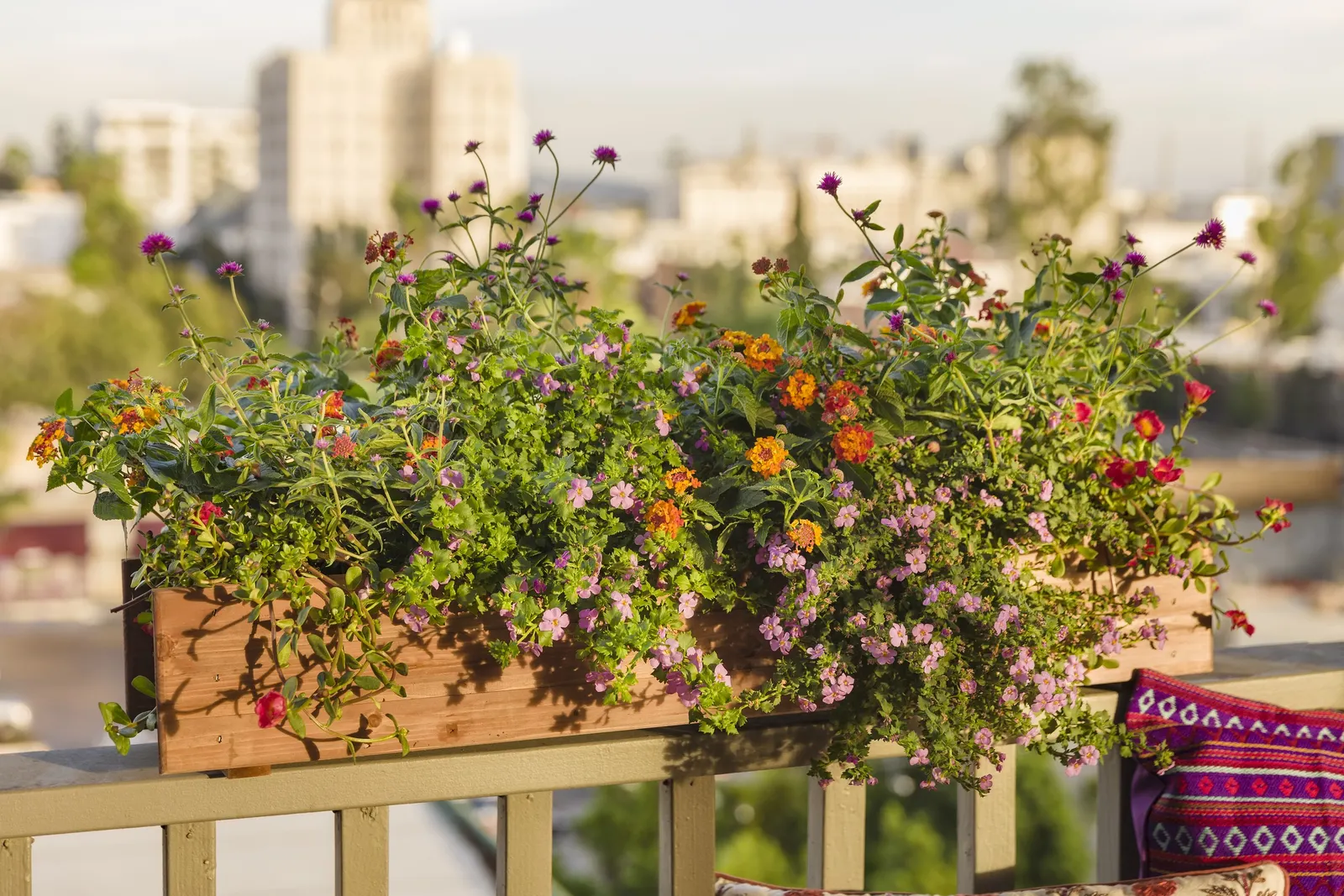
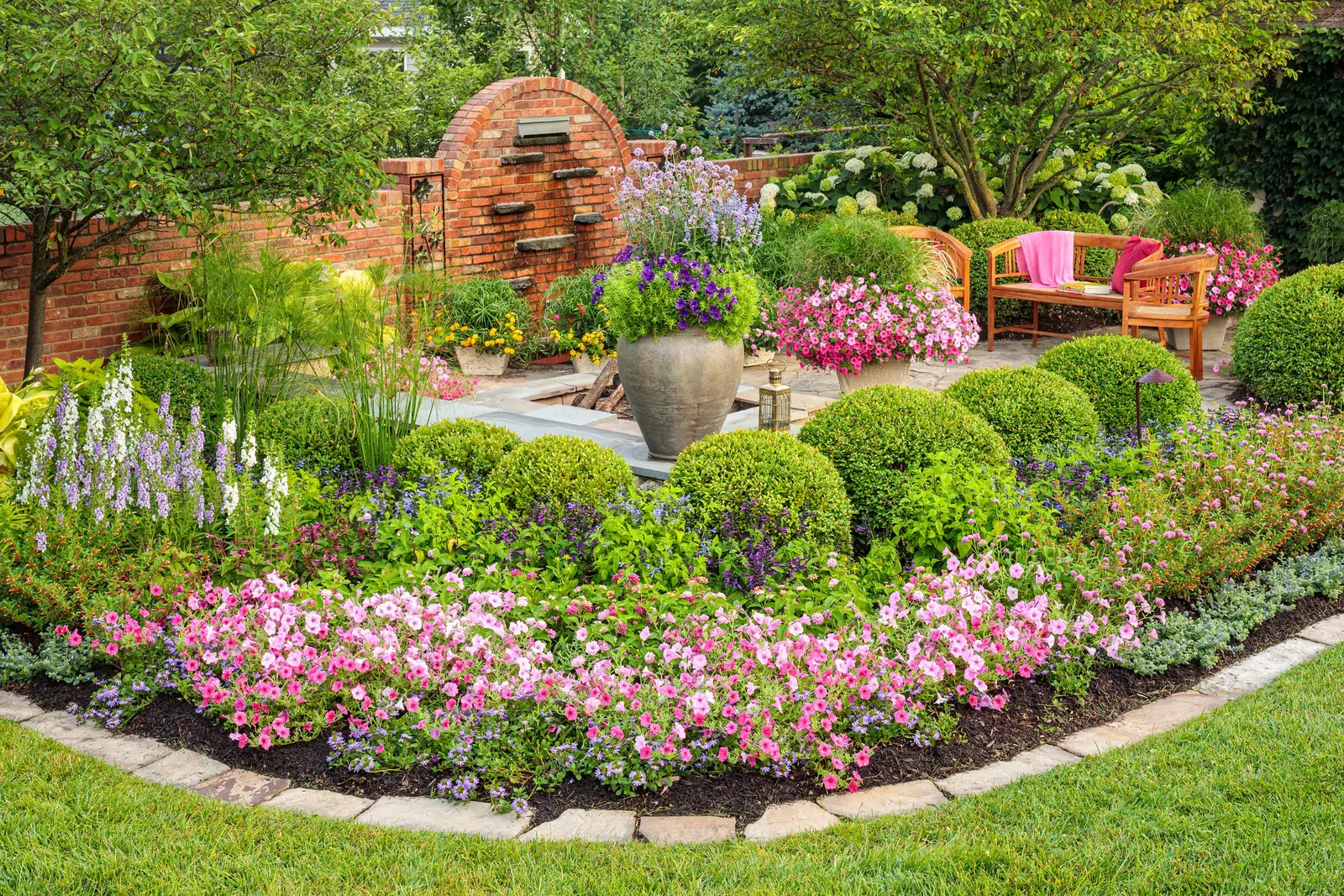
Meteor Shower® Verbena (Verbena bonariensis) — It is grown as an annual in many climates; where it excels as a thriller above trailing calibrachoa, image 102
Meteor Shower® Verbena (Verbena bonariensis) — perennial with purple blooms; deadheading is not necessary
Meteor Shower® Verbena (Verbena bonariensis) — lending movement without visual heaviness; and many find it performs beautifully in containers, image 84
Meteor Shower® Verbena (Verbena bonariensis) — it threads beautifully among ornamental grasses; it grows 20-30 inches tall and 8-12 inches wide, image 112
Meteor Shower® Verbena (Verbena bonariensis) — sophisticated energy to sunny landscapes; admired for its airy “lollipops” of violet-lilac bloom held above deep
Meteor Shower® Verbena (Verbena bonariensis) — It does not require rich feeding; a light hand with fertilizer keeps growth balanced and flowering generous
Meteor Shower® Verbena (Verbena bonariensis) — It is grown as an annual in many climates; where it excels as a thriller above trailing calibrachoa, image 132
Meteor Shower® Verbena (Verbena bonariensis) — meadow-like character in a denser
Meteor Shower® Verbena (Verbena bonariensis) — commonly referred to as Meteor Shower® Verbena
Meteor Shower® Verbena (Verbena bonariensis) — while its luminous lilac blooms bring a relaxed; perennial with purple blooms
Meteor Shower® Verbena (Verbena bonariensis) — more garden-friendly form; and other pollinator favorites, image 68
Meteor Shower® Verbena (Verbena bonariensis) — Plant in part sun to full sun with average, well-drained soil and moderate water; deadheading is not, image 32
Meteor Shower® Verbena (Verbena bonariensis) — It is grown as an annual in many climates; where it excels as a thriller above trailing calibrachoa
Meteor Shower® Verbena (Verbena bonariensis) — with perennial potential in USDA Zones 7a through 11b where winters are mild
Meteor Shower® Verbena (Verbena bonariensis) — while the clustered flowers seem to hover; meadow-like character in a denser, image 100
Meteor Shower® Verbena (Verbena bonariensis) — this verbena slips easily into both tight compositions and larger seasonal schemes; gardeners often, image 71

Related plants