Skip to content

Siberian Elm

Ulmus Pumila

Design with this plant

Overview

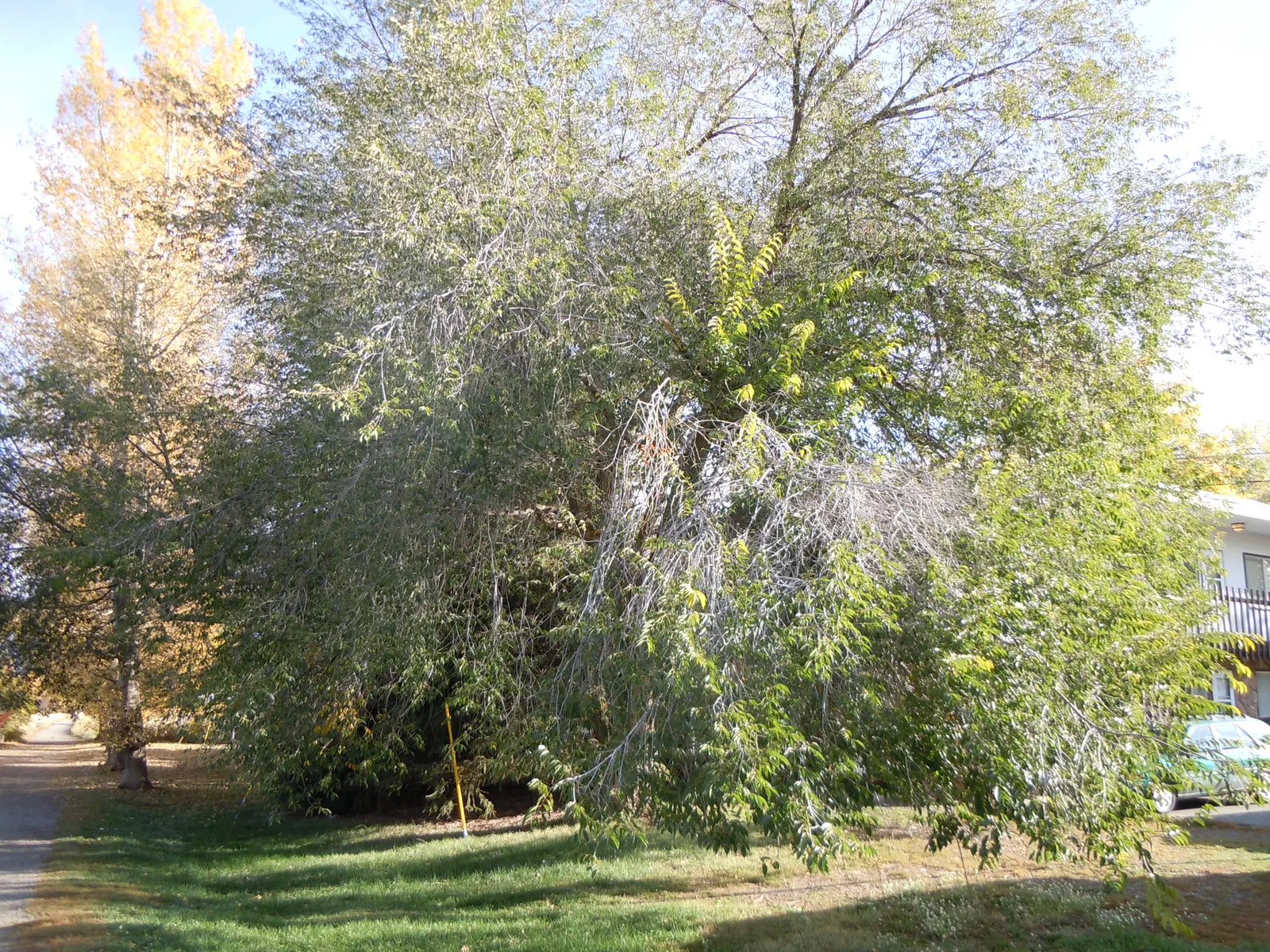
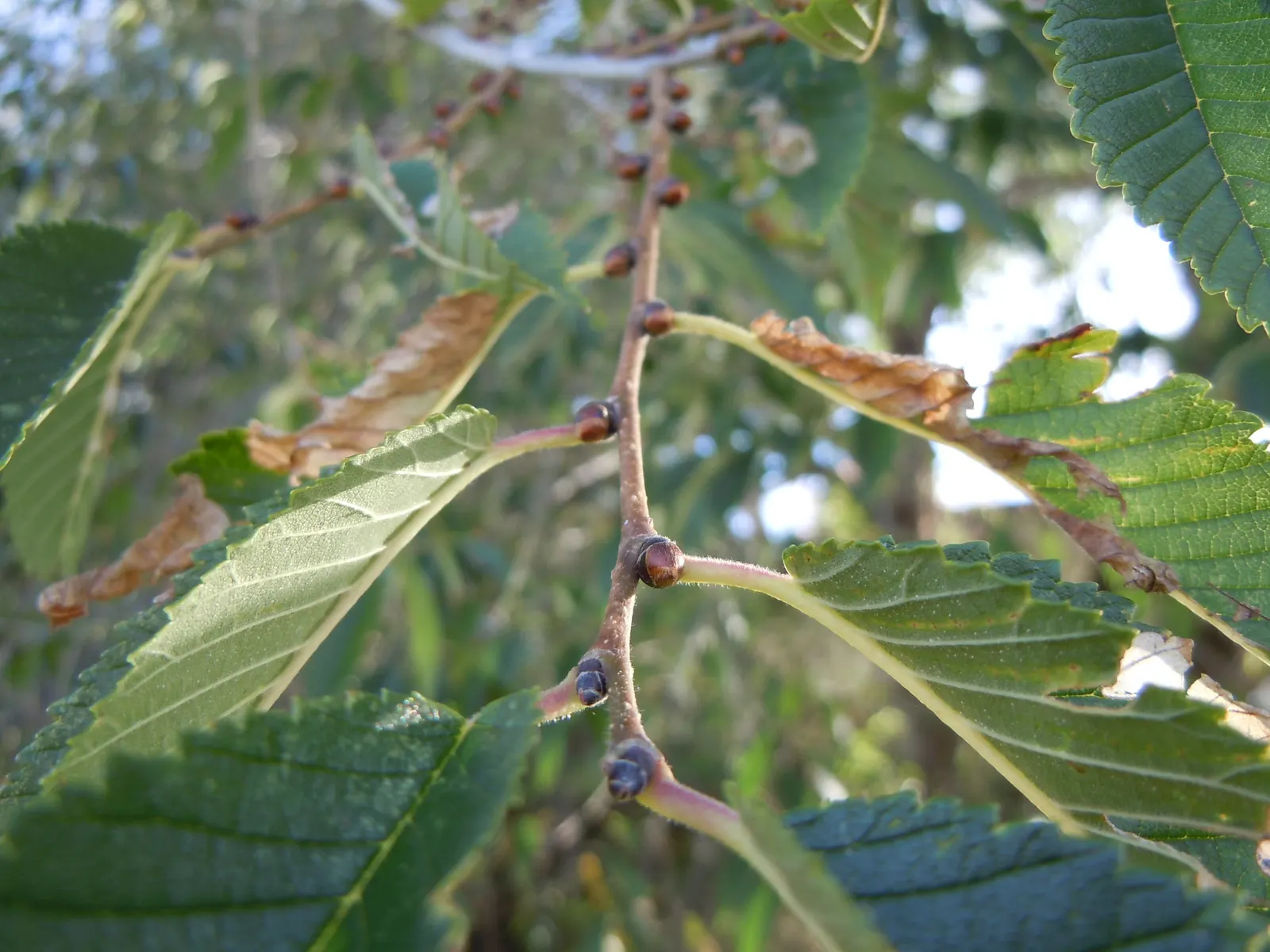
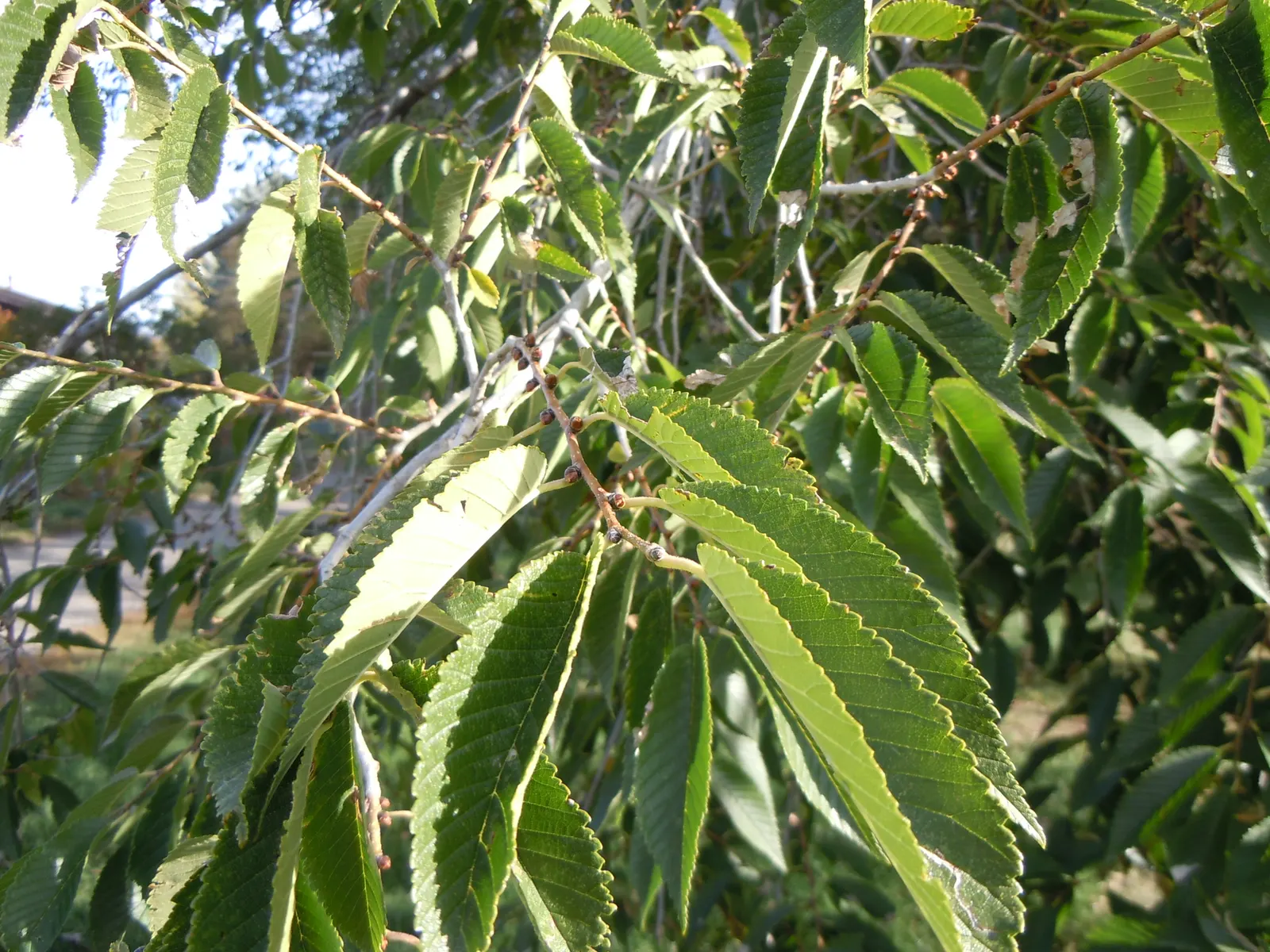
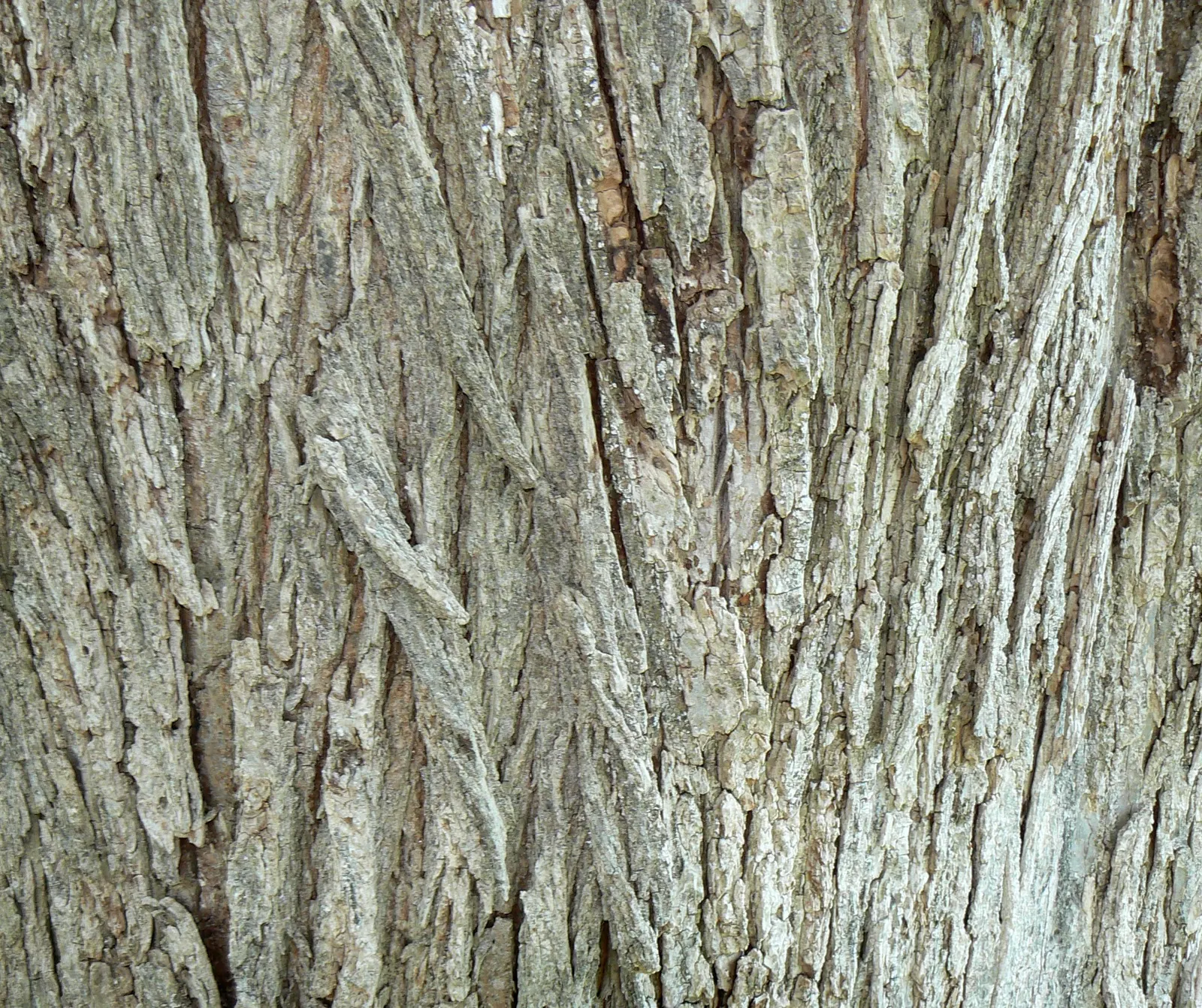
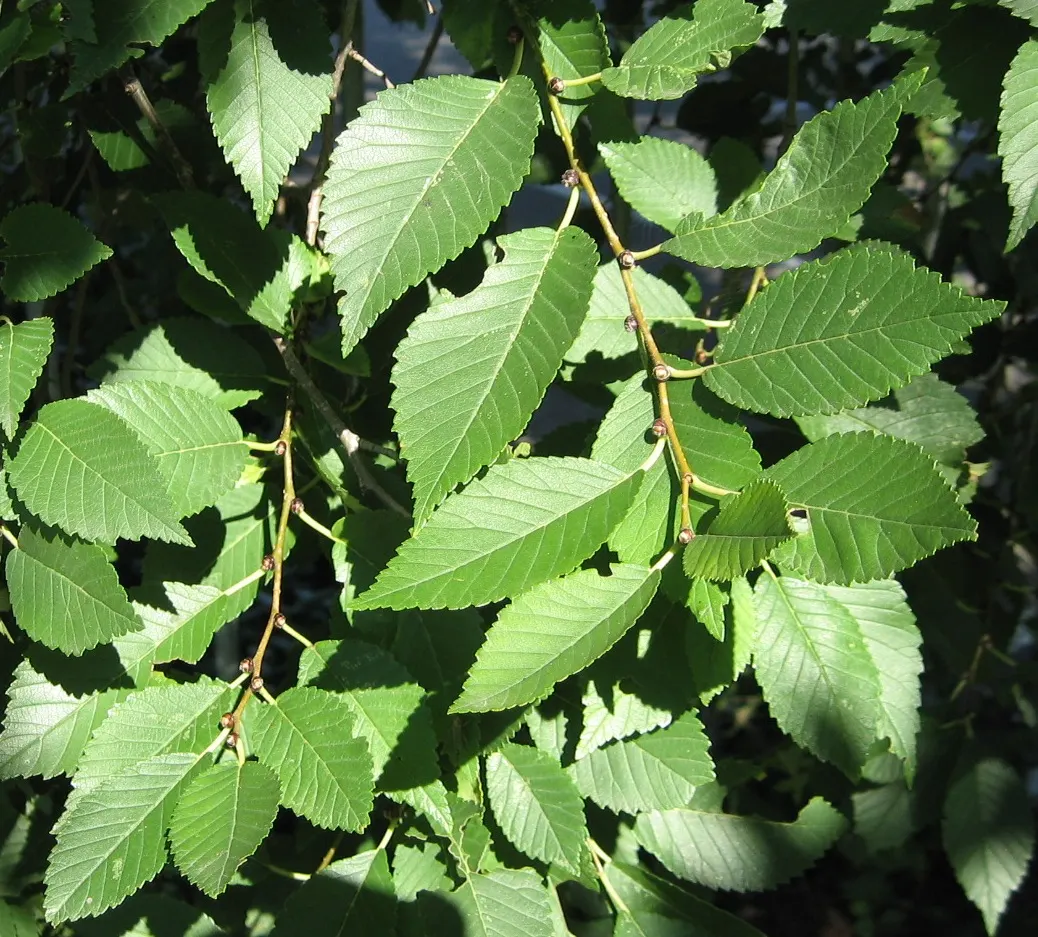
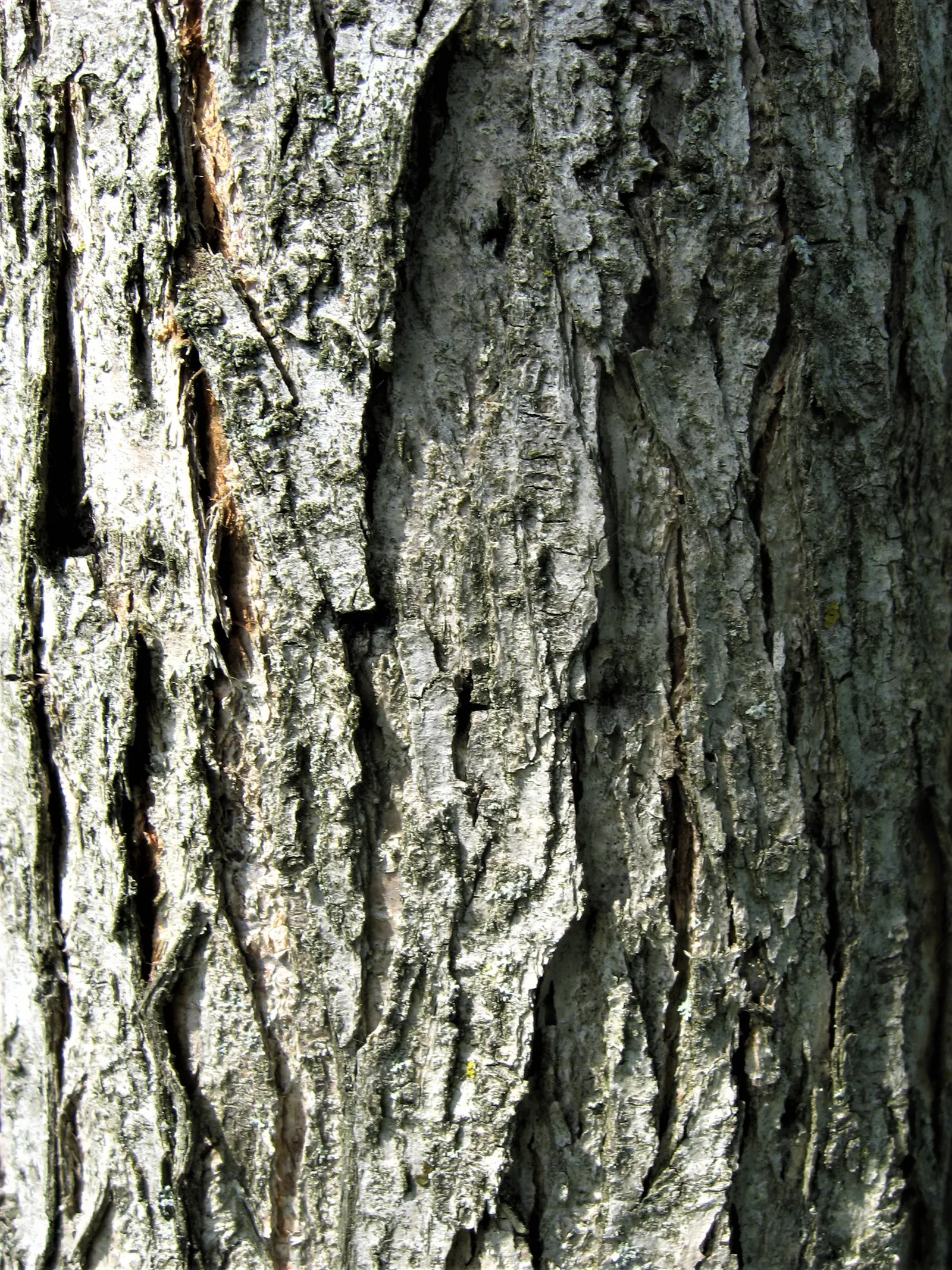
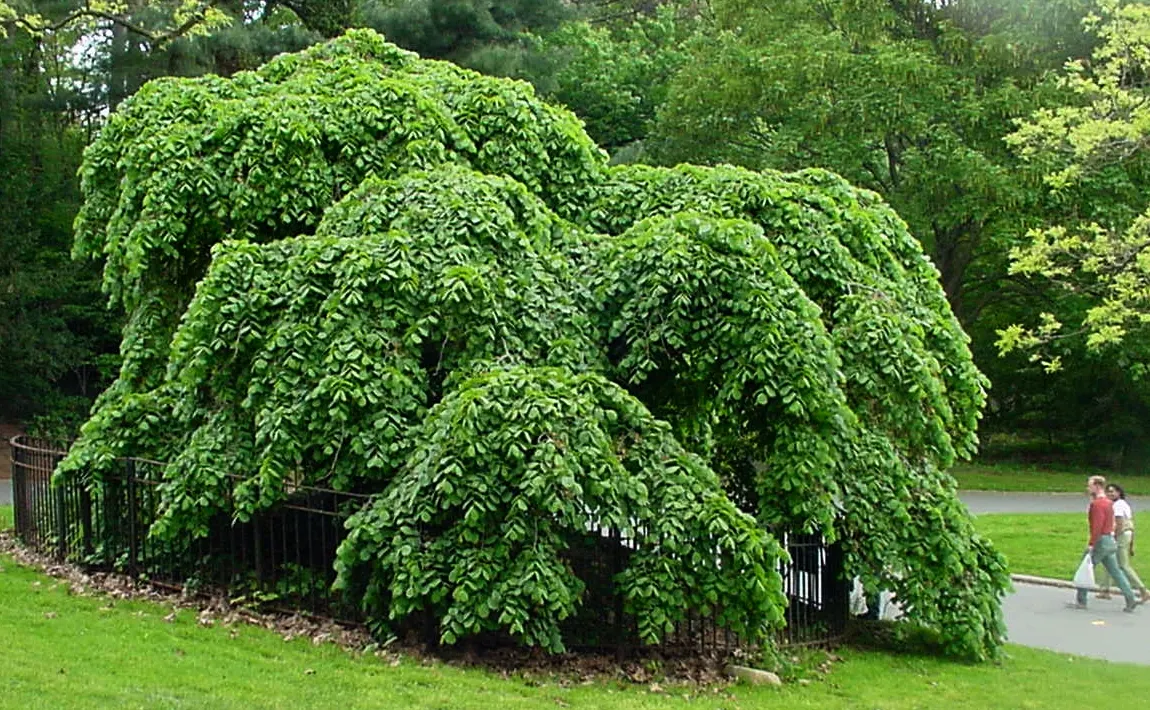
The Siberian Elm, Ulmus pumila, is a hardy, fast-growing deciduous tree reaching 50-70 ft with a broad, rounded crown. Tolerates urban conditions and drought, thriving in zones 4-9. Its leaves are small, 1-3 inches long, and the bark is deeply furrowed. Provides quick shade but is prone to breakage and diseases. Note: Considered invasive in some areas. Plant where limited spread is ensured or local regulations permit.

Sun FullWater LowZones 4–9Climate Temperate
Siberian Elm (Ulmus Pumila) — fast-growing deciduous tree reaching 50-70 ft with a broad

Culture

Sun
Full
Water
Low
USDA zones
4–9

Shape & size

Classification

Family
Ulmaceae
Climate
Temperate

See full data, regional cultivation notes, full-resolution photos, and design tools. Build a client presentation around this plant.

Start your 14-day trial

Photos (53)

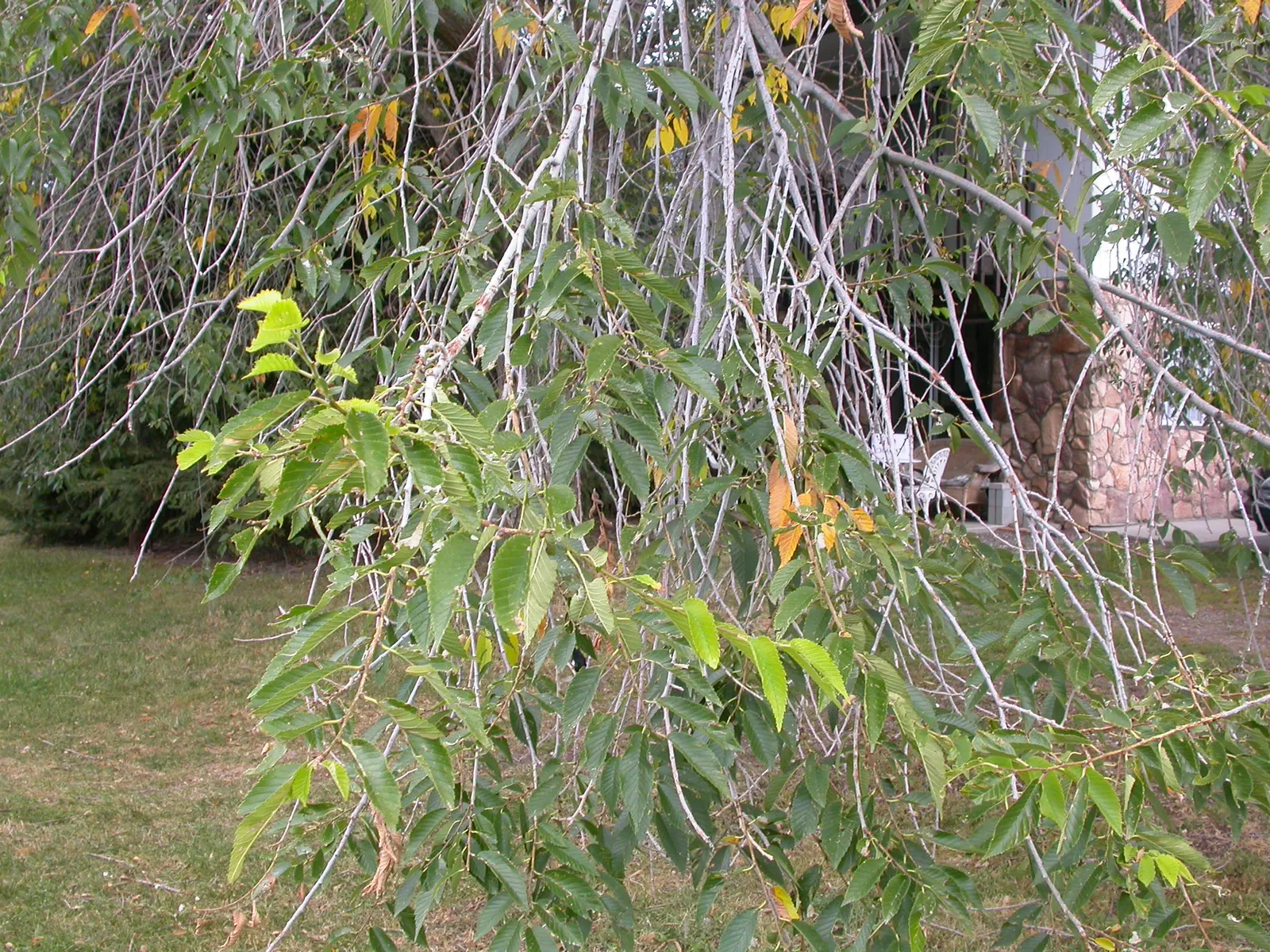
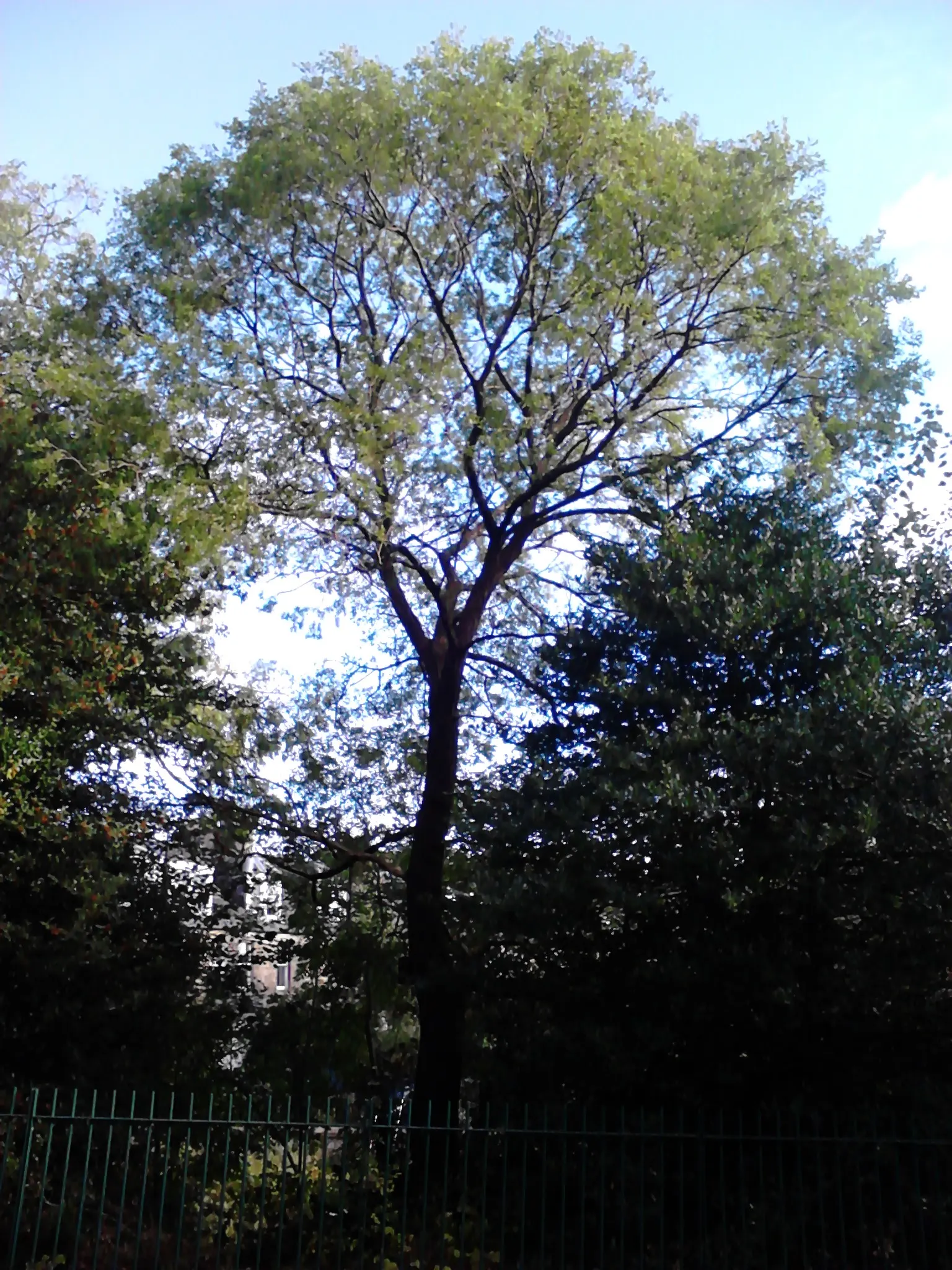
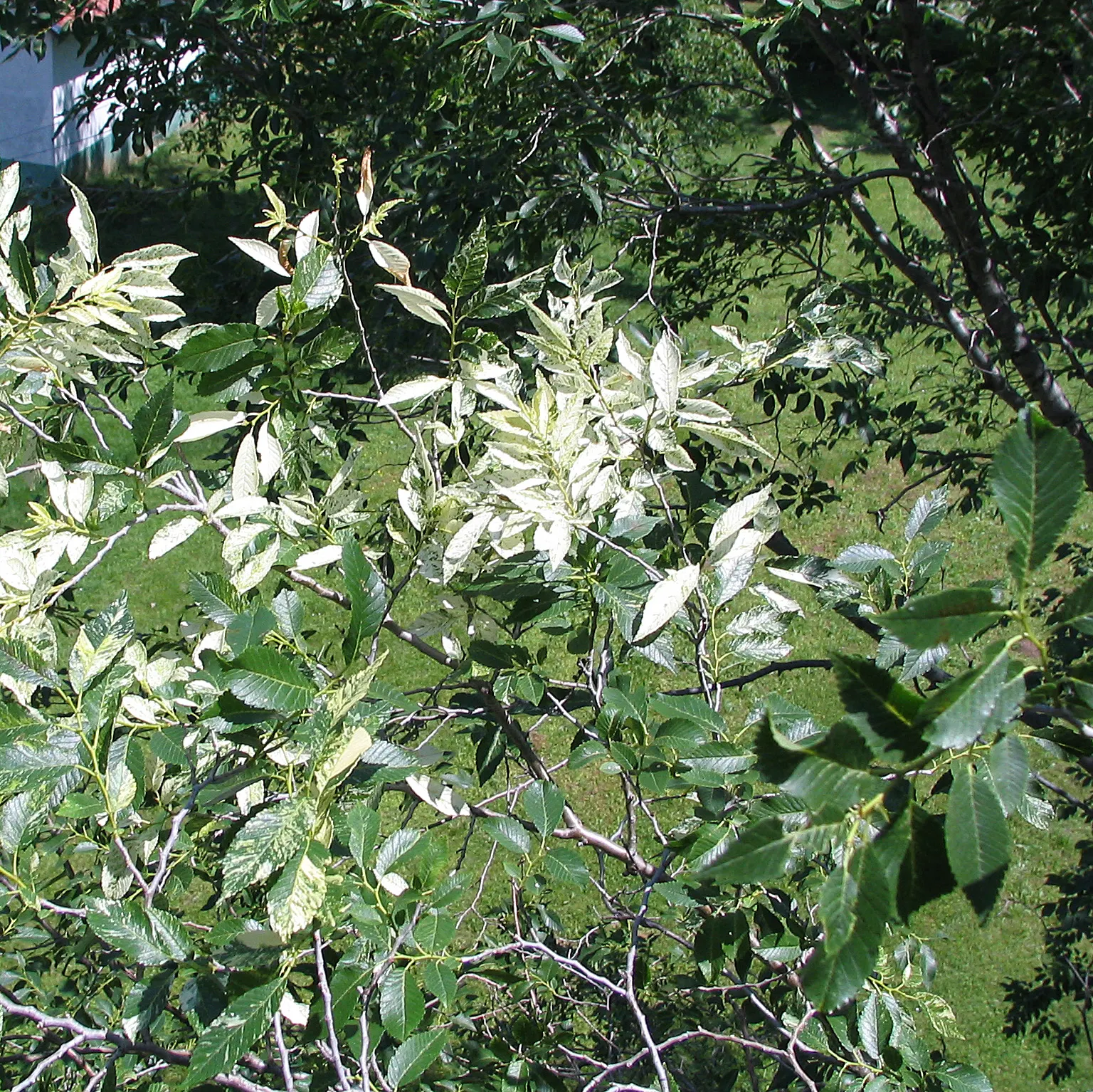
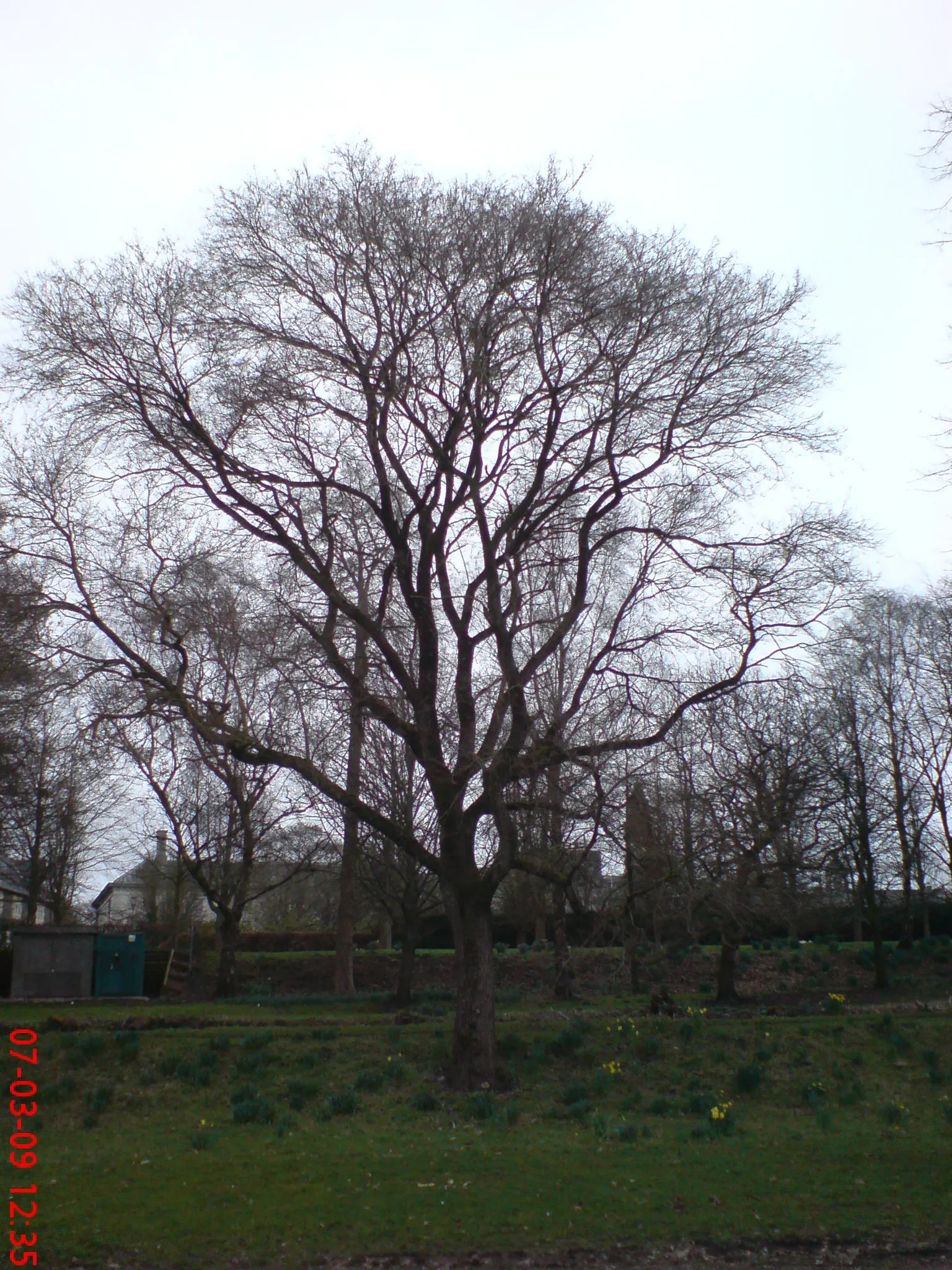
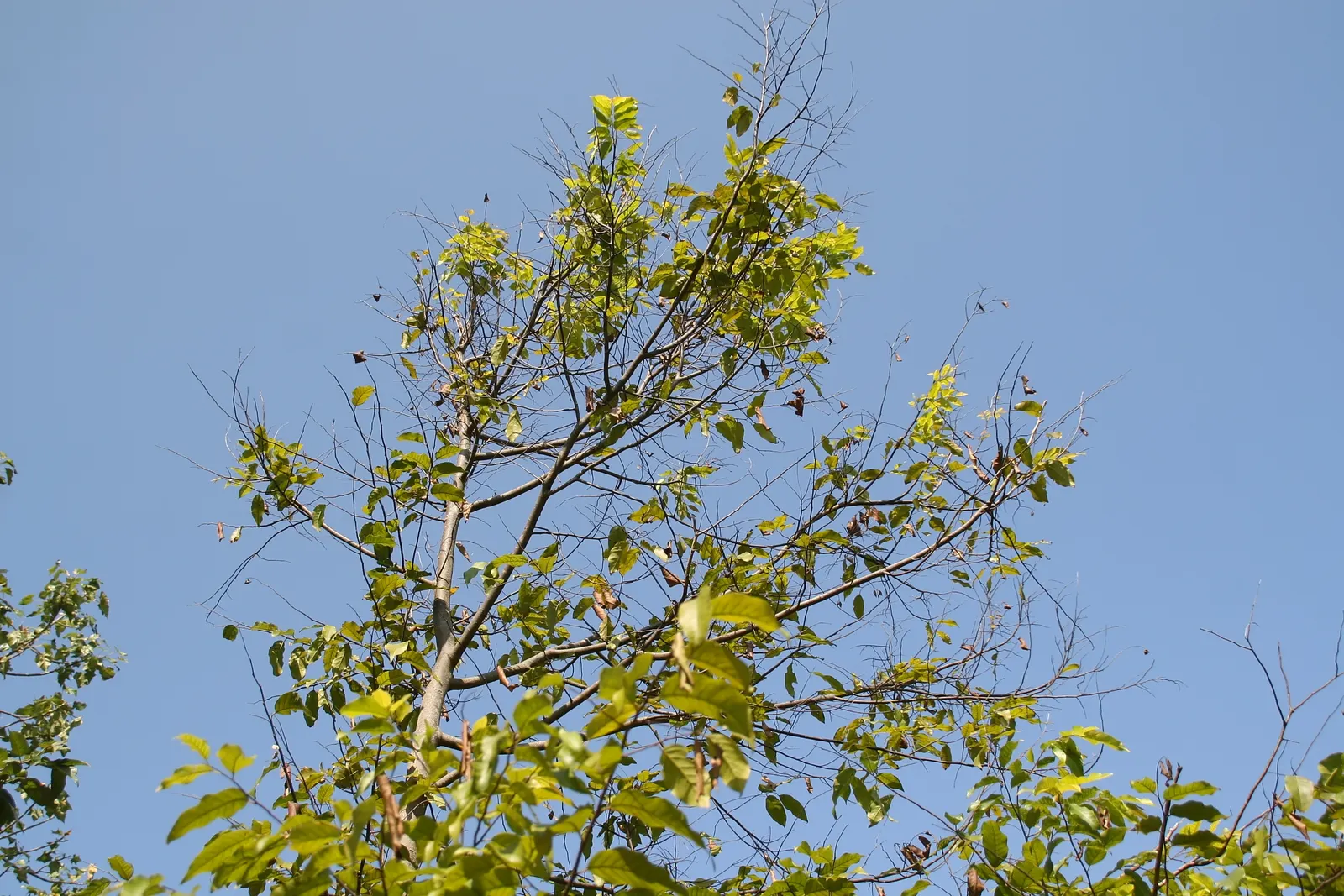
Siberian Elm (Ulmus Pumila) — tree for full
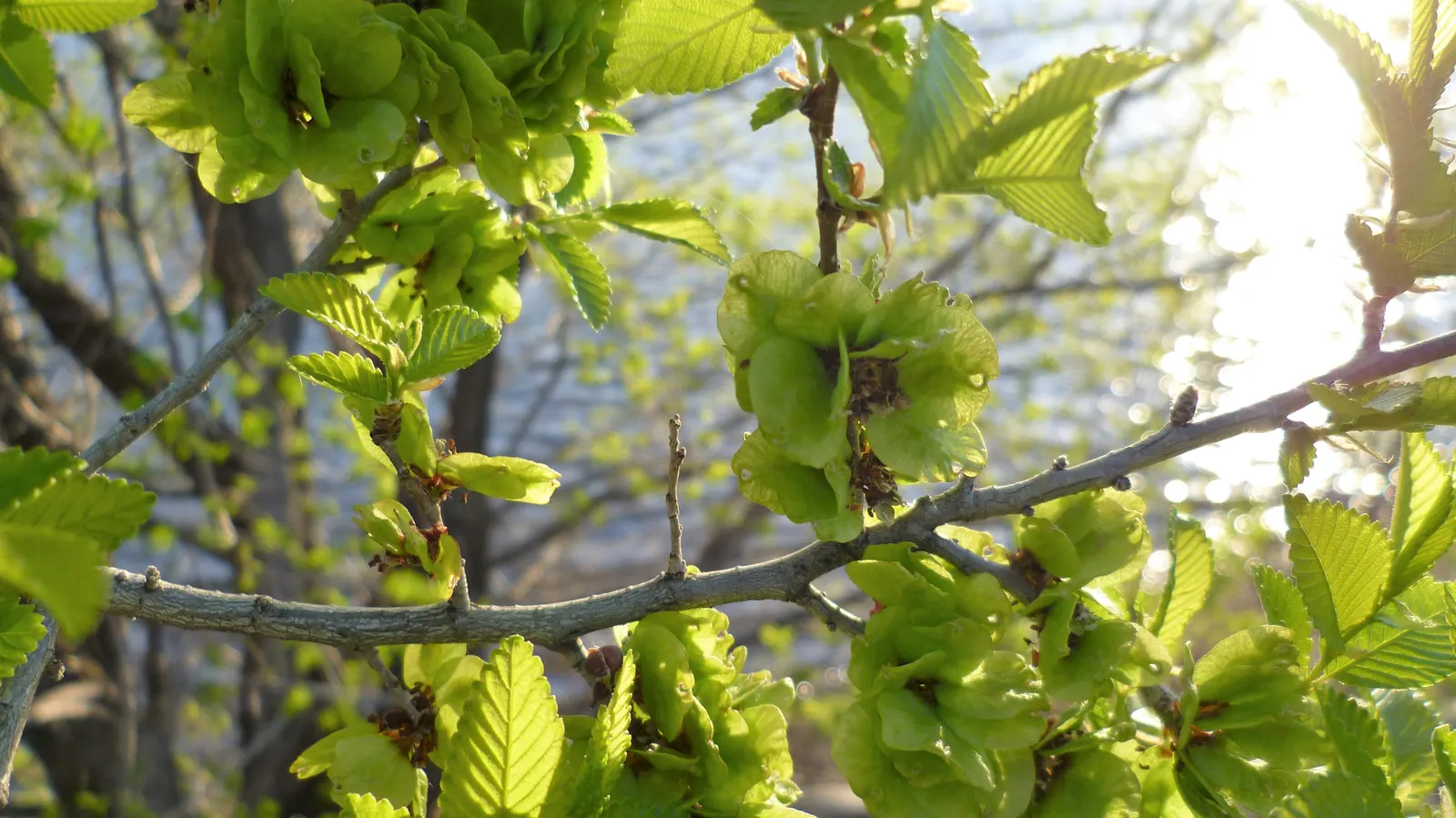
Siberian Elm (Ulmus Pumila) — green and yellow flowers in the garden
Siberian Elm (Ulmus Pumila) — and in large open areas where its rapid growth and adaptation capabilities are desired traits
Siberian Elm (Ulmus Pumila) — It is an excellent choice for windbreaks
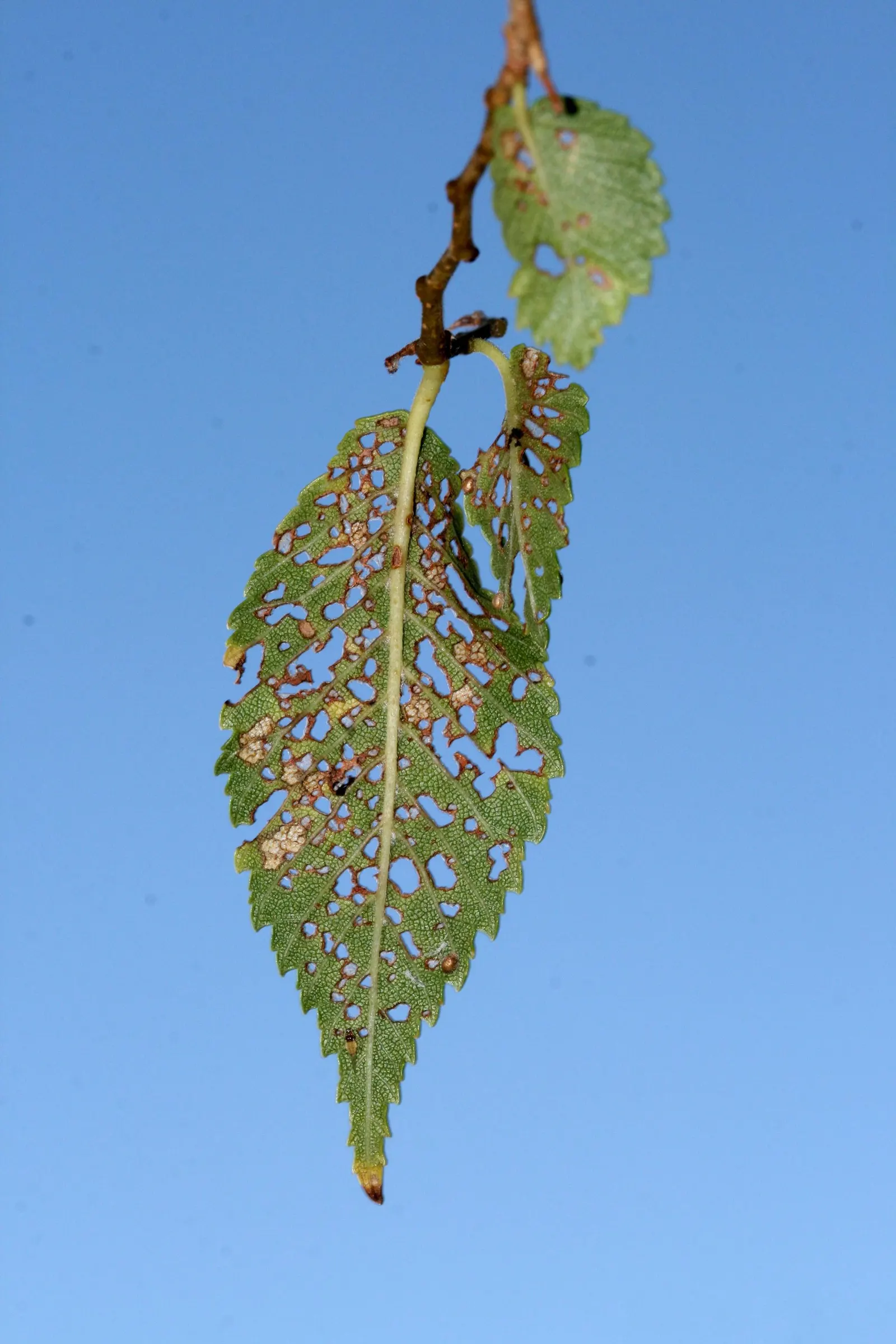
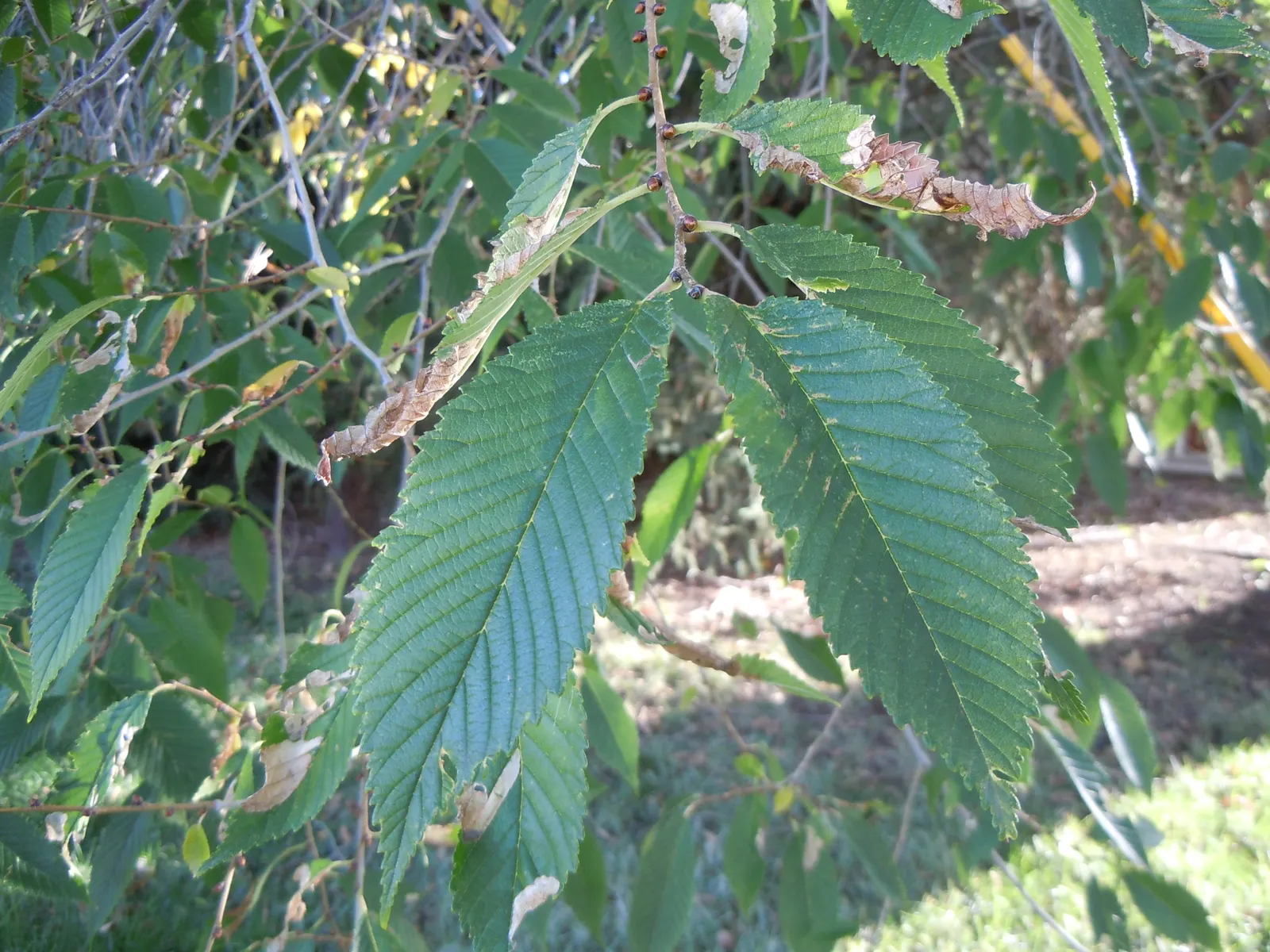
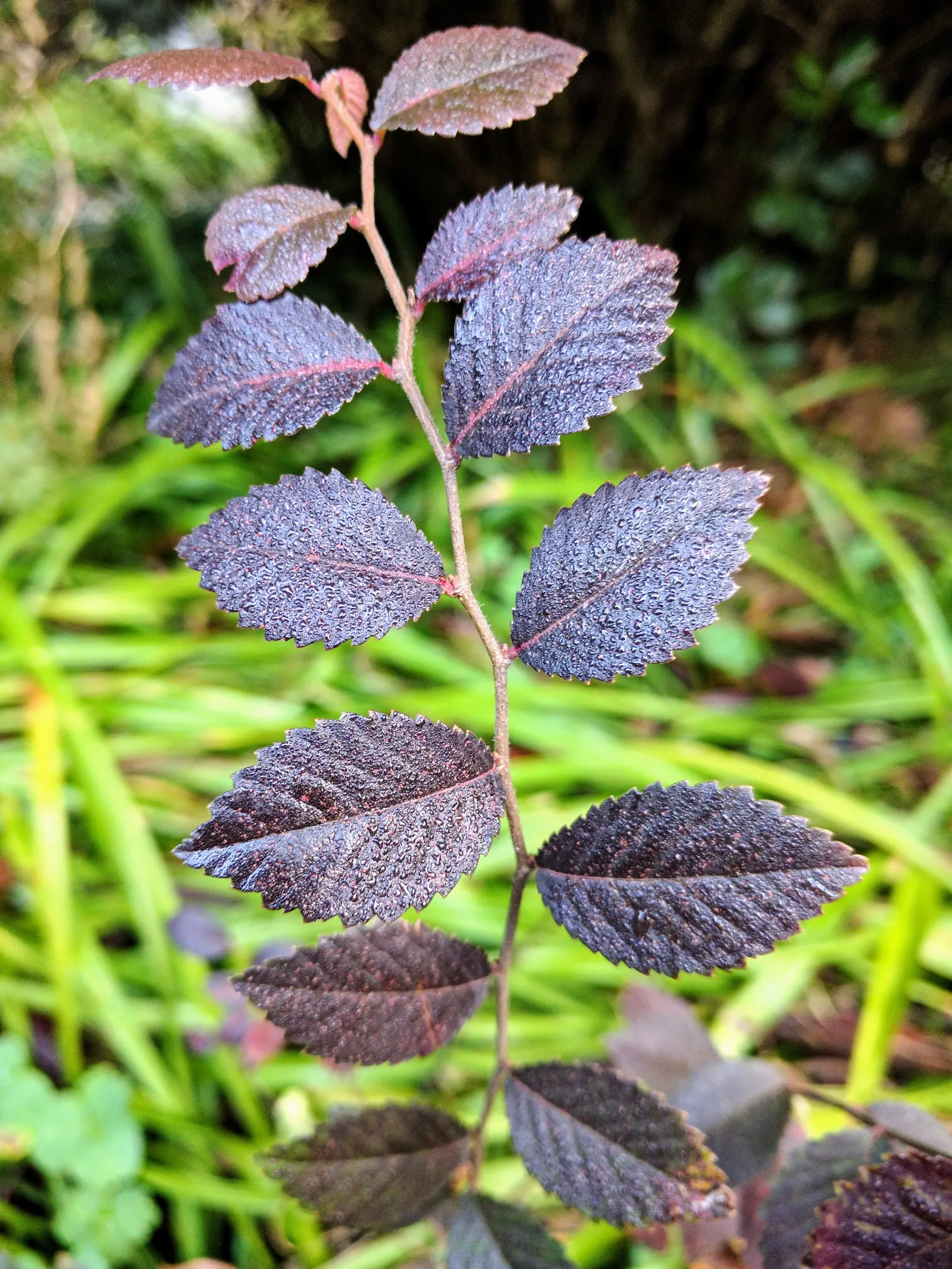
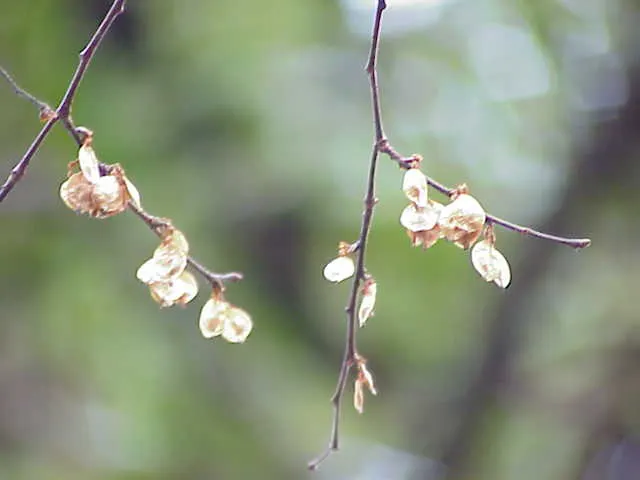
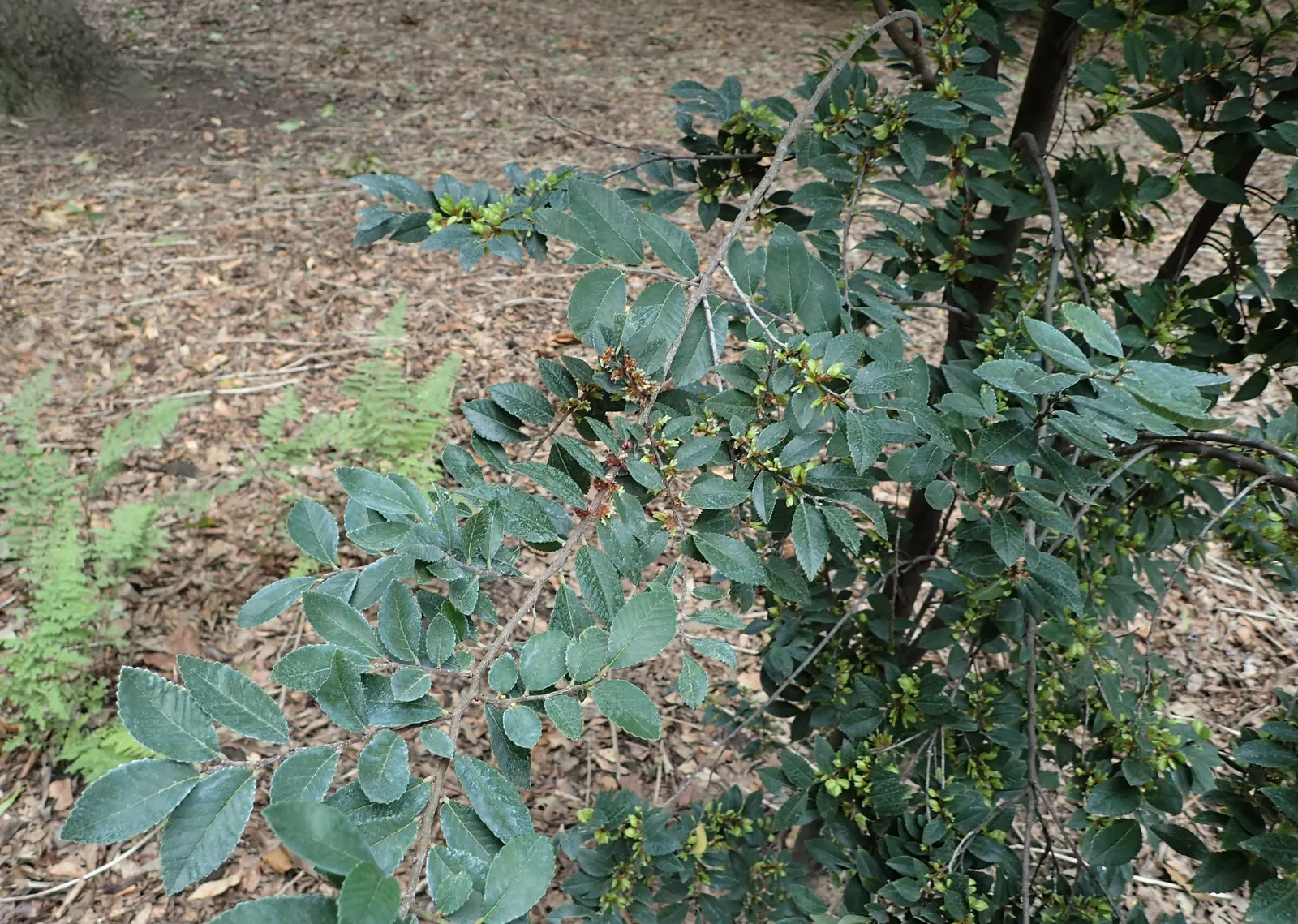
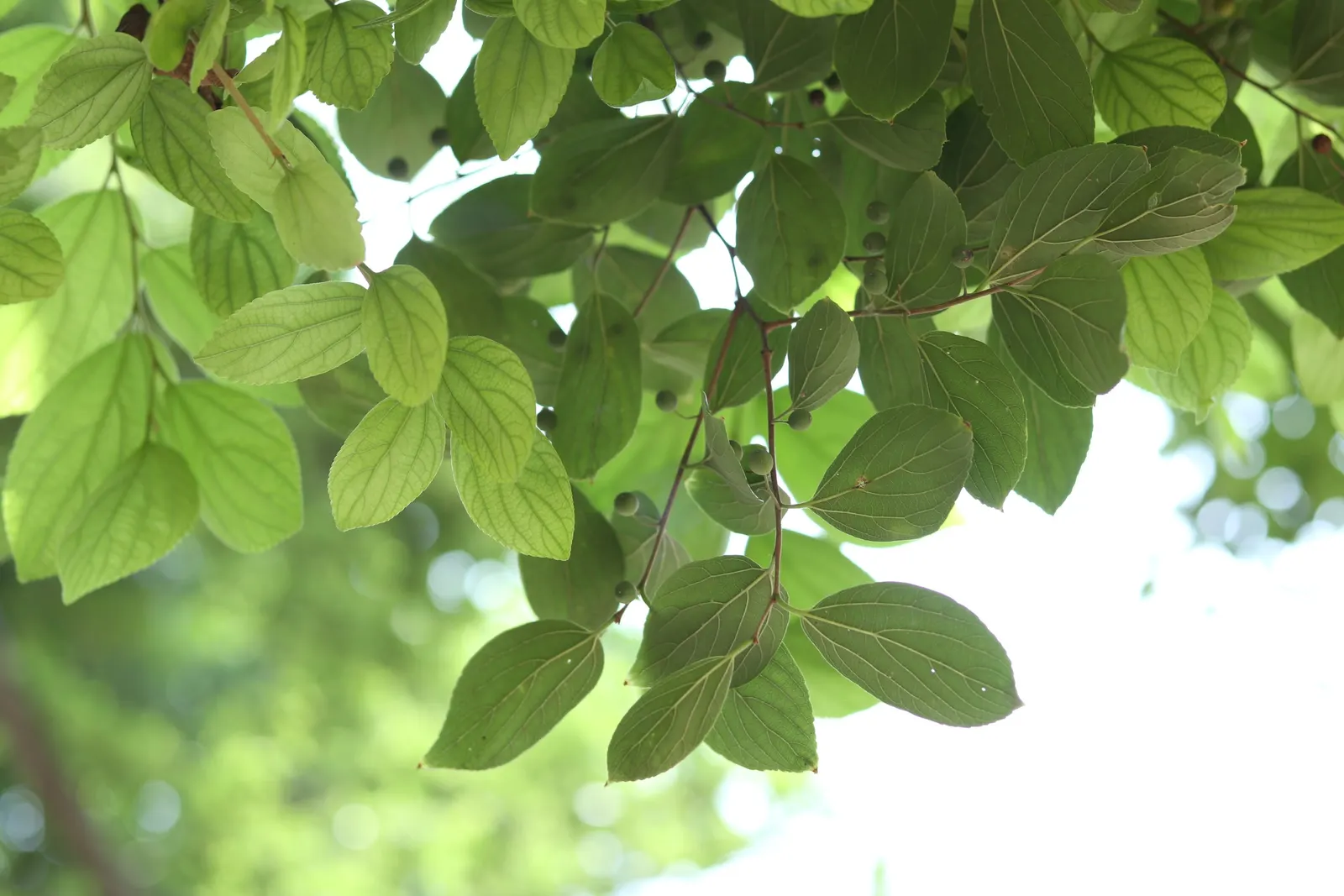
Siberian Elm (Ulmus Pumila) — Its leaves are small, 1-3 inches long, and the bark is deeply furrowed; inconspicuous small flowers bloom before the leaves emerge
Siberian Elm (Ulmus Pumila) — Tolerates urban conditions and drought, thriving in zones 4-9; this species exhibits a moderate to fast growth rate
Siberian Elm (Ulmus Pumila) — fast-growing deciduous tree reaching 50-70 ft with a broad; provides quick shade but is prone to breakage and diseases
Siberian Elm (Ulmus Pumila) — Provides quick shade but is prone to breakage and diseases; and in large open areas where its rapid growth and adaptation
Siberian Elm (Ulmus Pumila) — Note: Considered invasive in some areas; provides quick shade but is prone to breakage and diseases
Siberian Elm (Ulmus Pumila) — Plant where limited spread is ensured or local regulations permit; this species exhibits a moderate to fast growth rate
Siberian Elm (Ulmus Pumila) — is a hardy deciduous tree renowned for its adaptability and rapid growth; and in large open areas where its rapid growth and
Siberian Elm (Ulmus Pumila) — often reaching heights of 50 to 70 feet with a spread of 40 to 50 feet; provides quick shade but is prone to breakage and diseases
Siberian Elm (Ulmus Pumila) — commonly referred to as the Siberian Elm; inconspicuous small flowers bloom before the leaves emerge
Siberian Elm (Ulmus Pumila) — increasing by upwards of 3 feet per annum under optimal conditions.<br><br>A versatile species; and in large open areas where its
Siberian Elm (Ulmus Pumila) — Its canopy forms a rounded, asymmetrical shape that offers ample shade; this species exhibits a moderate to fast growth rate
Siberian Elm (Ulmus Pumila) — This species exhibits a moderate to fast growth rate; inconspicuous small flowers bloom before the leaves emerge
Siberian Elm (Ulmus Pumila) — though it prefers well-drained loamy or sandy soils; this species exhibits a moderate to fast growth rate
Siberian Elm (Ulmus Pumila) — the Siberian Elm thrives in USDA zones 4 through 9 and is tolerant of a variety of soil types; provides quick shade but is prone
Siberian Elm (Ulmus Pumila) — It exhibits drought-resistance once established and tolerates urban conditions, including pollution and salt; inconspicuous small
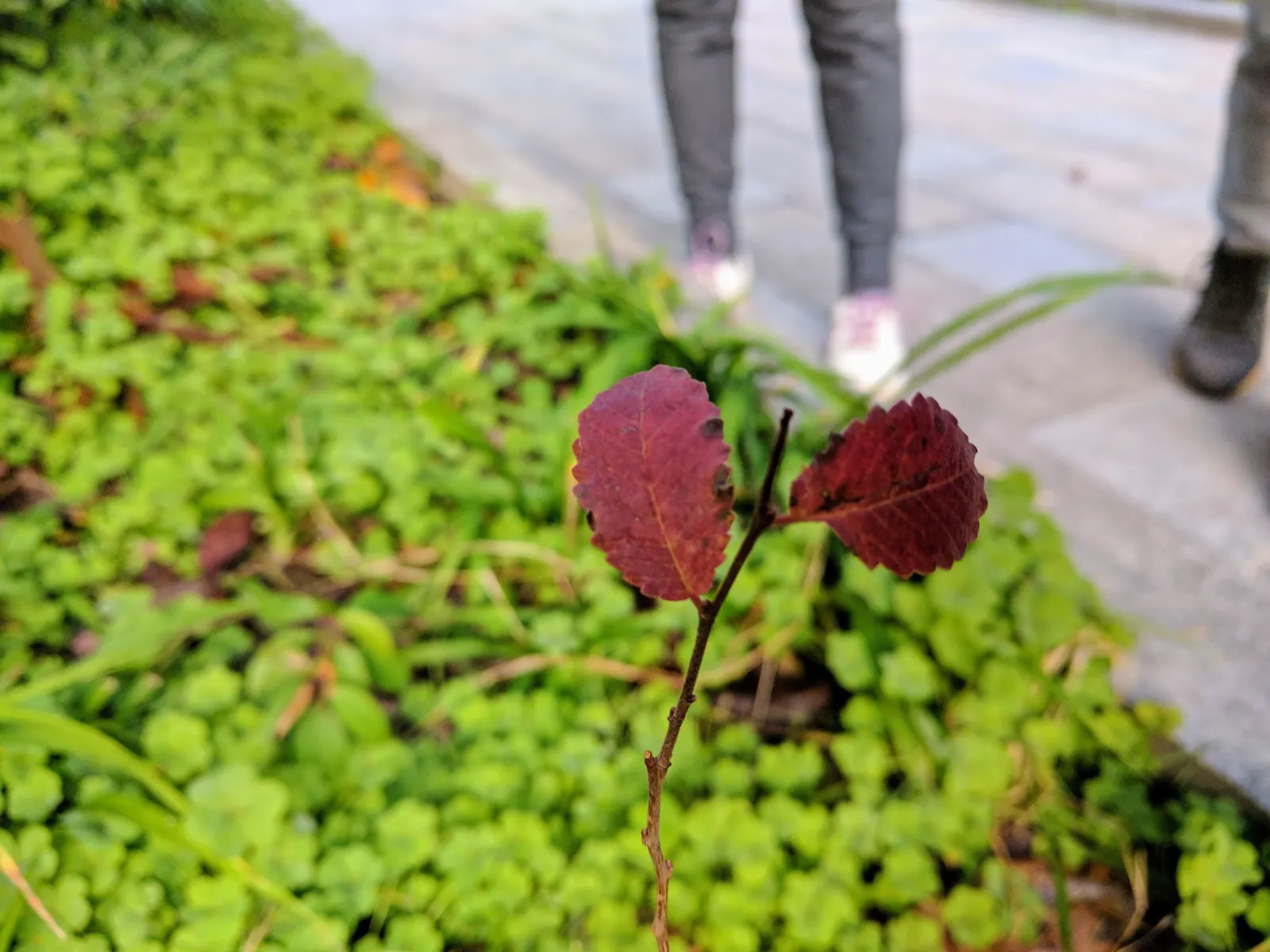
Siberian Elm (Ulmus Pumila) — measuring approximately 1 to 2.5 inches in length; and in large open areas where its rapid growth and adaptation capabilities are
Siberian Elm (Ulmus Pumila) — inconspicuous small flowers bloom before the leaves emerge; this species exhibits a moderate to fast growth rate
Siberian Elm (Ulmus Pumila) — creating a fine-textured appearance in the landscape.<br><br>In spring; provides quick shade but is prone to breakage and diseases
Siberian Elm (Ulmus Pumila) — particularly in the winter months.<br><br>When integrating into landscape designs; this species exhibits a moderate to fast
Siberian Elm (Ulmus Pumila) — occasionally contributing to its reputation as an invasive species in certain regions; and in large open areas where its rapid

Related plants