Skip to content

African Tulip Tree

Spathodea Campanulata

Design with this plant

Overview

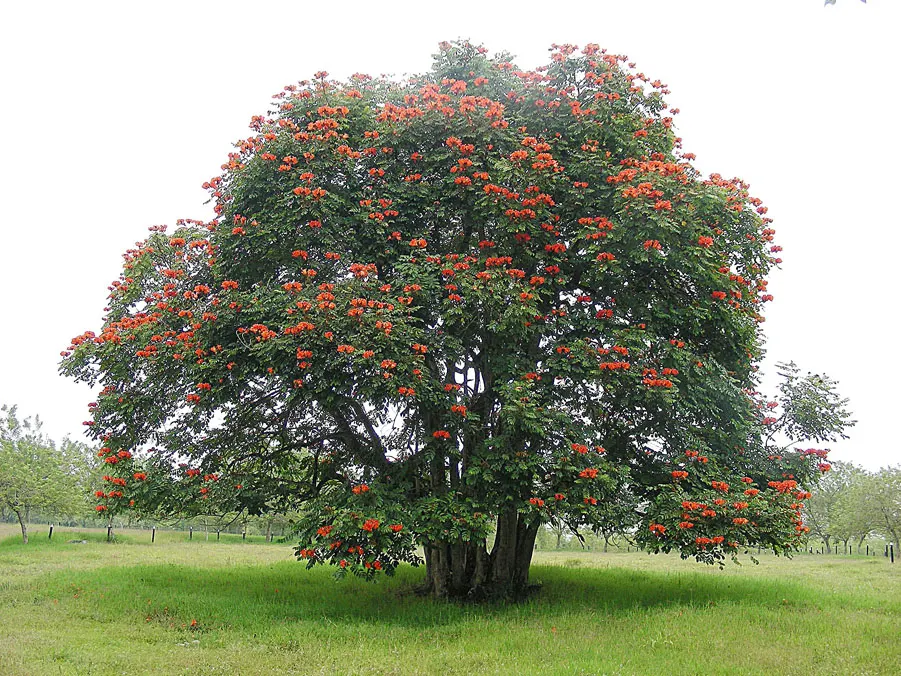
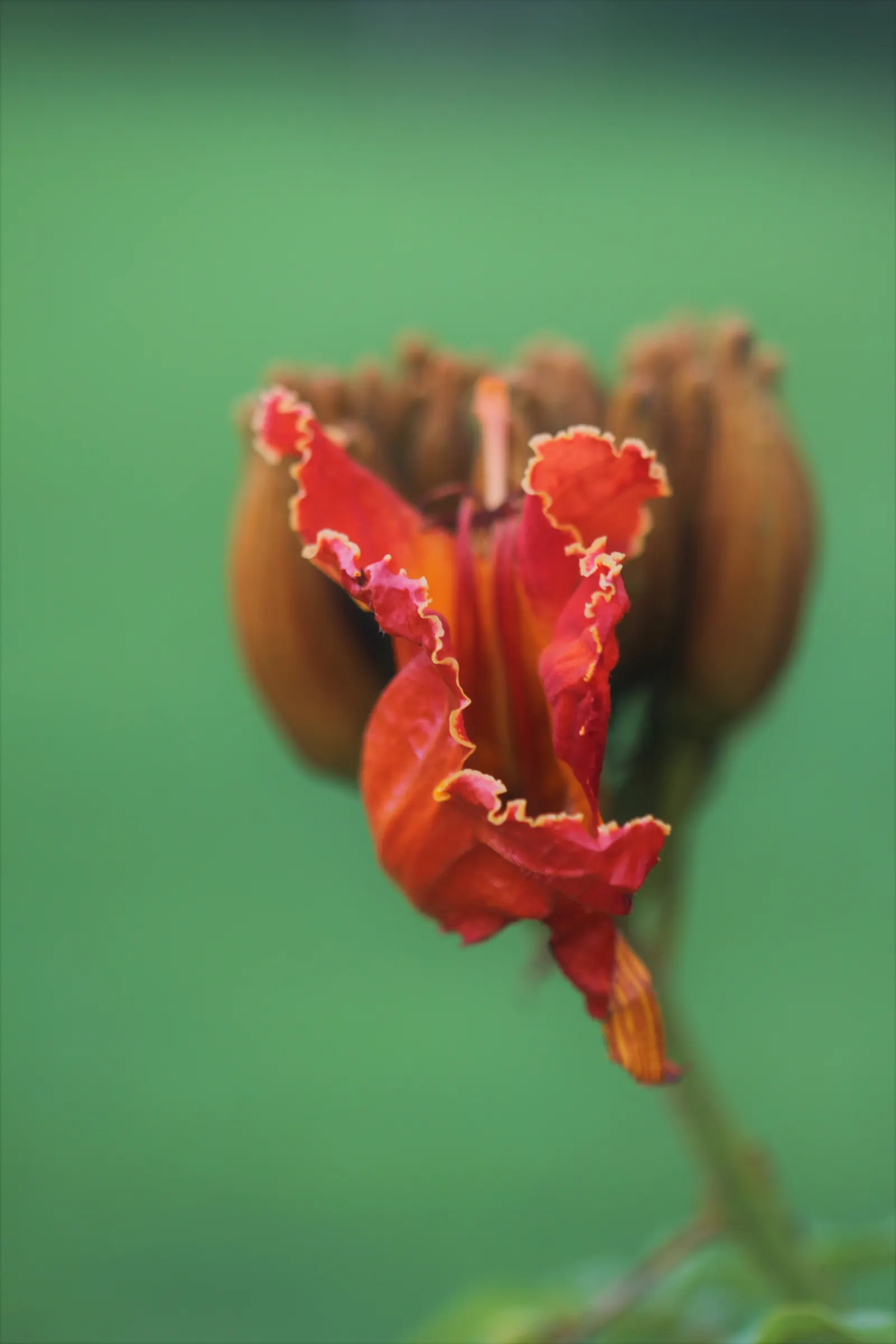
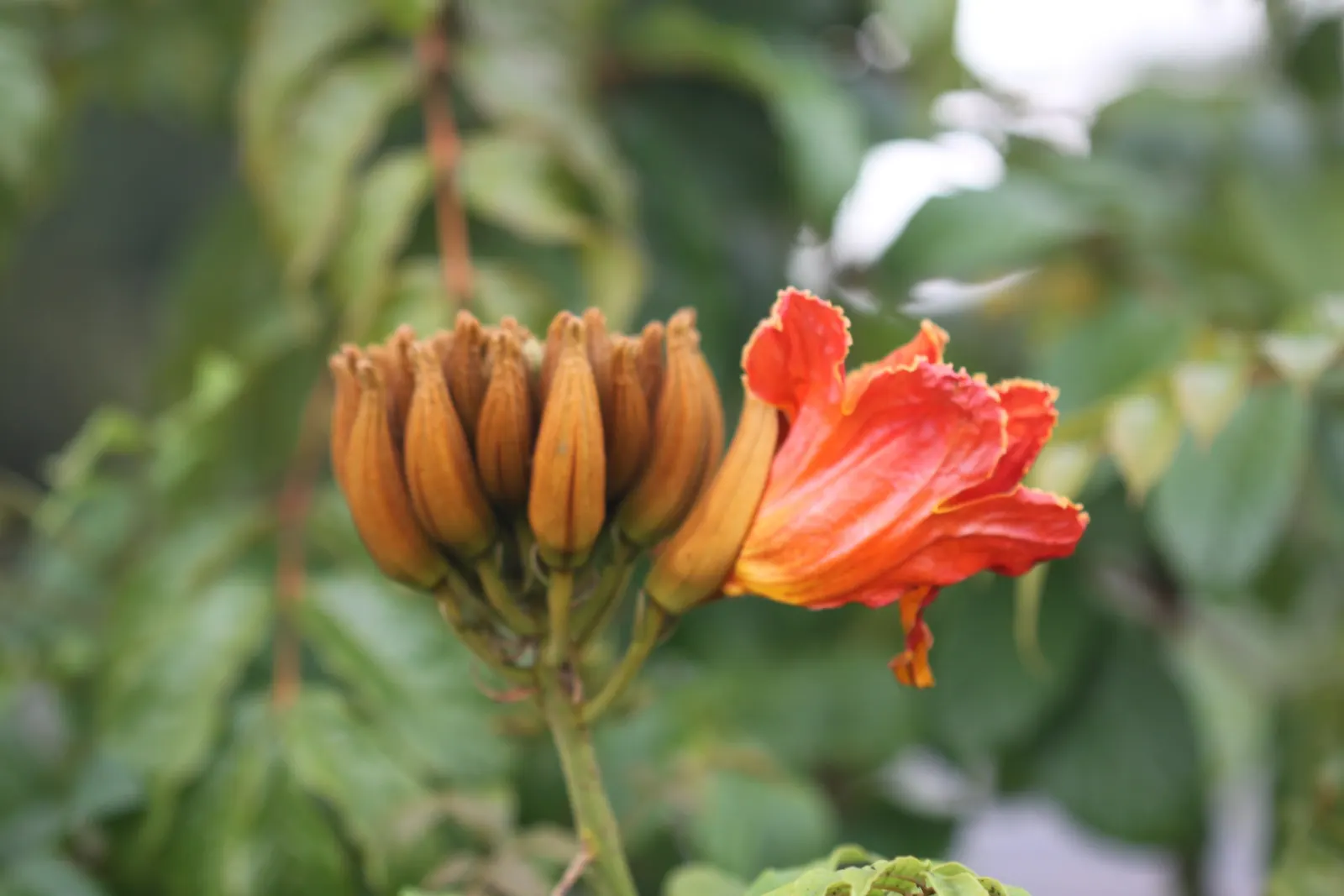
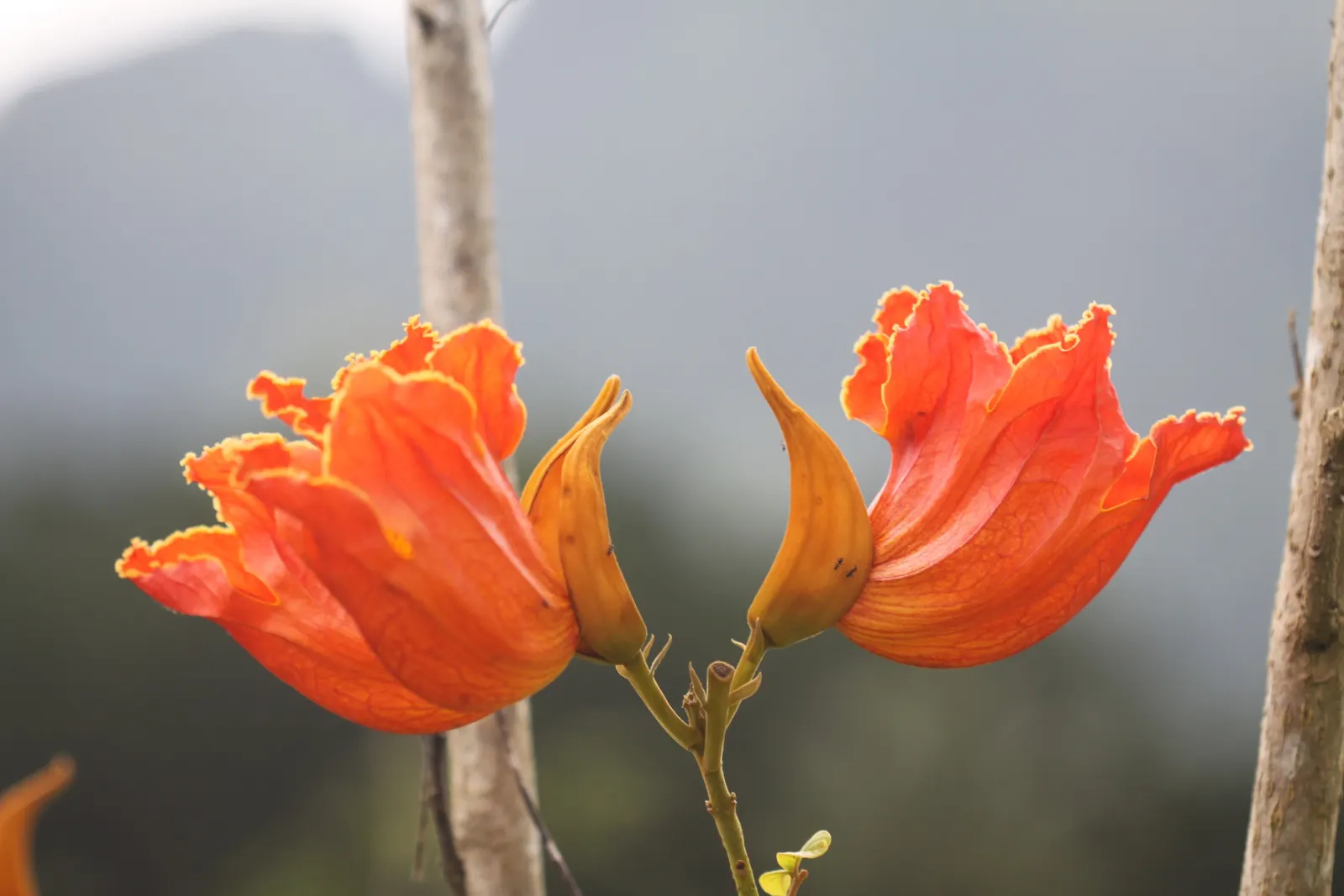
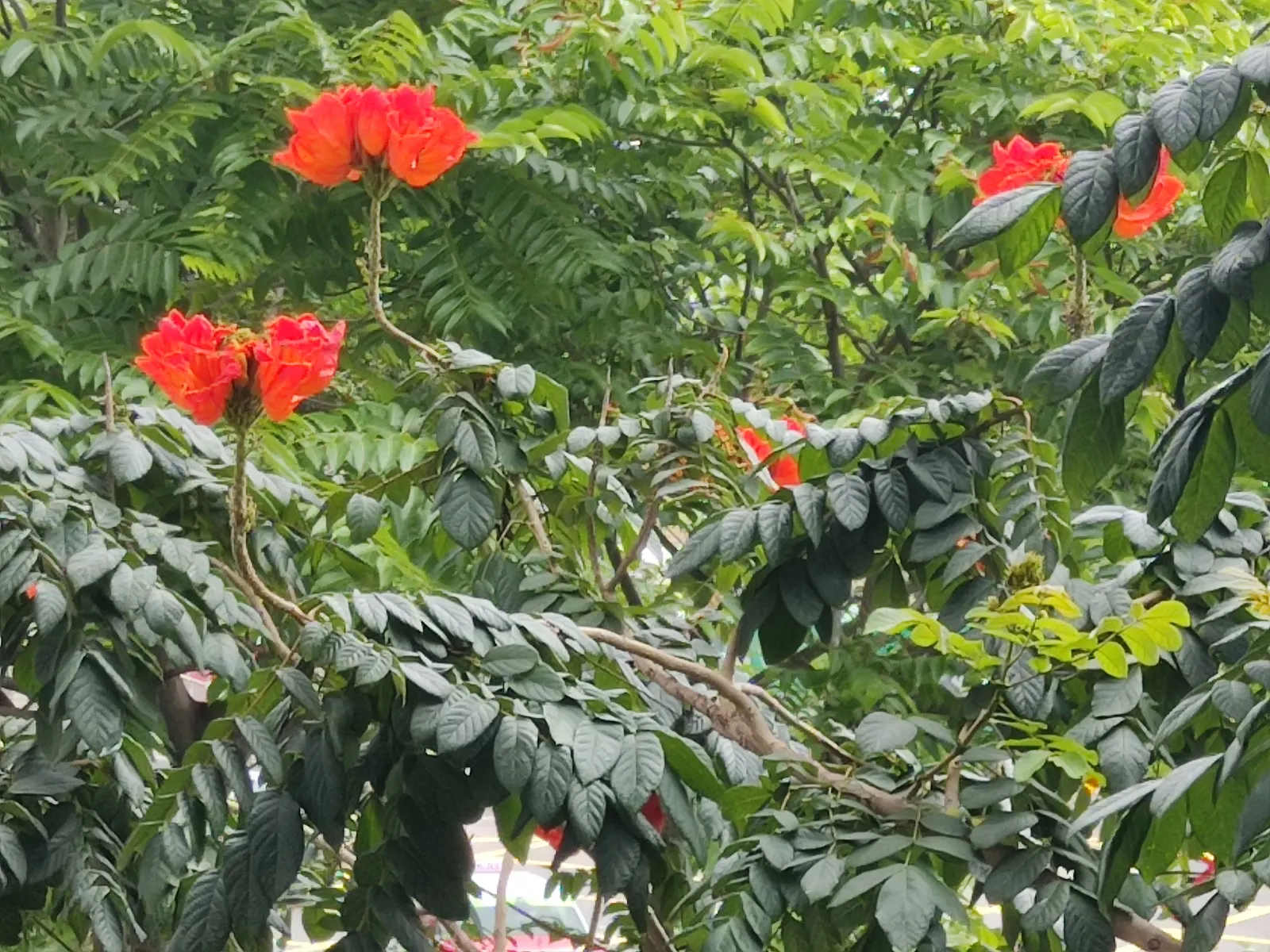
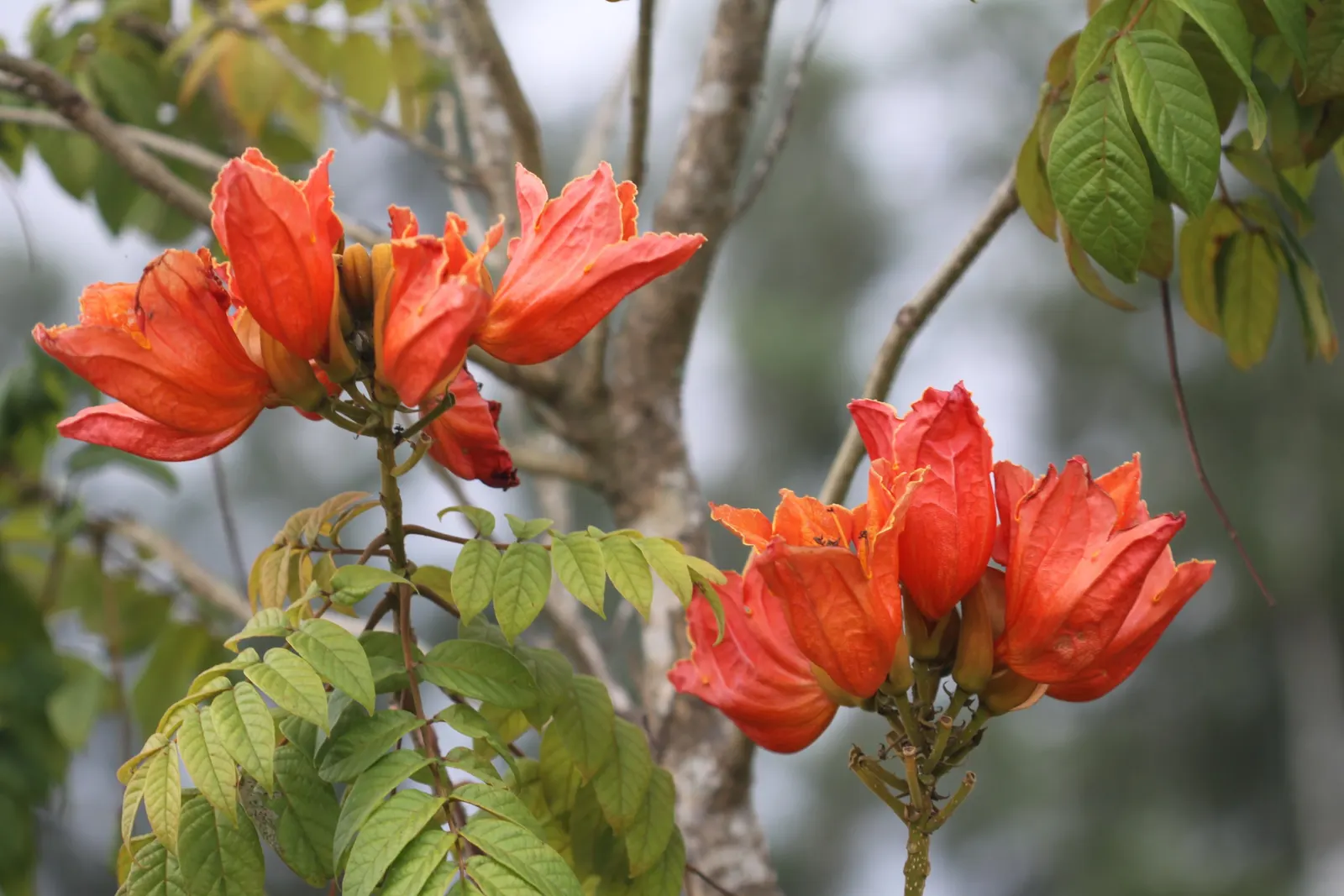
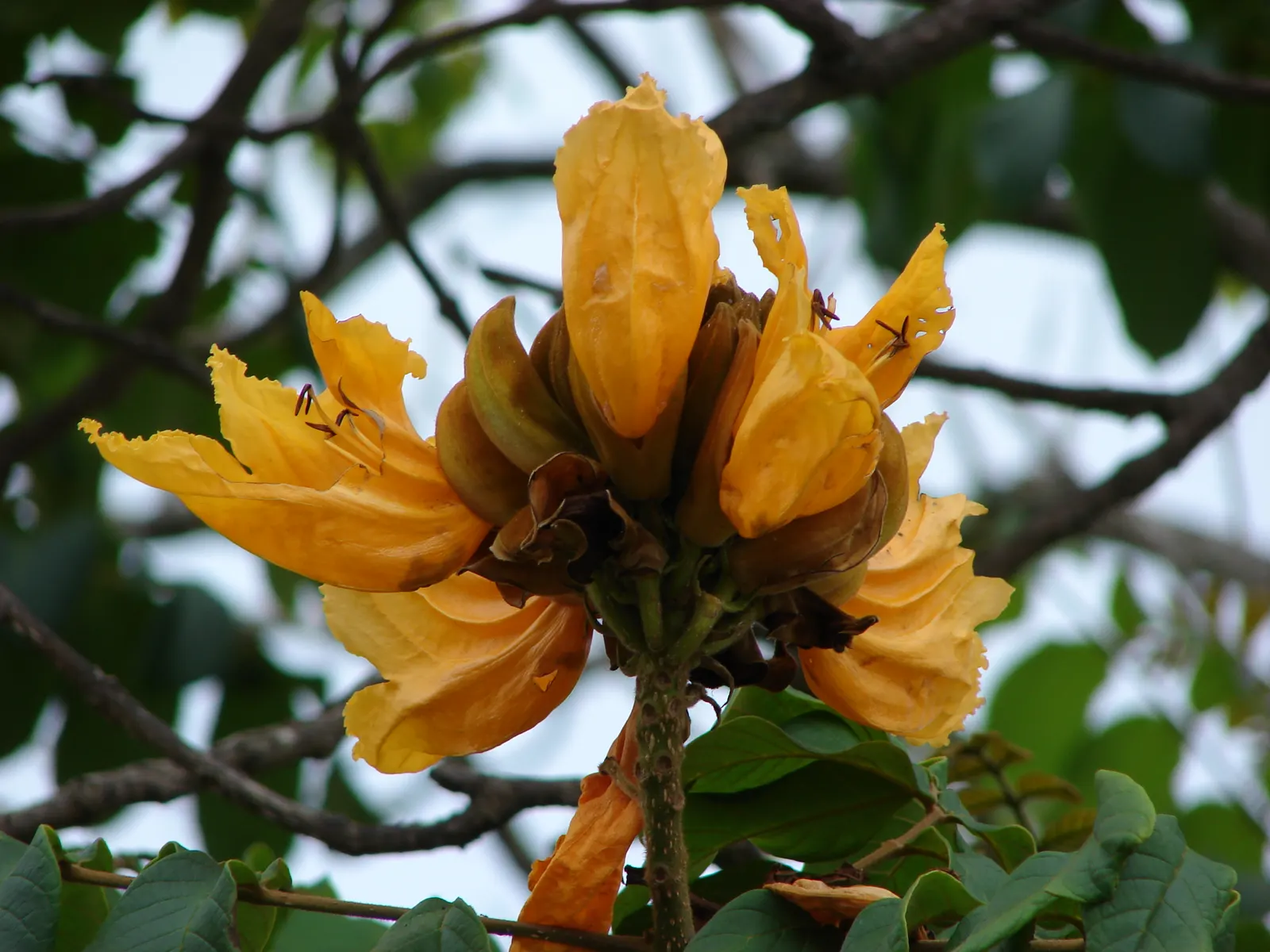
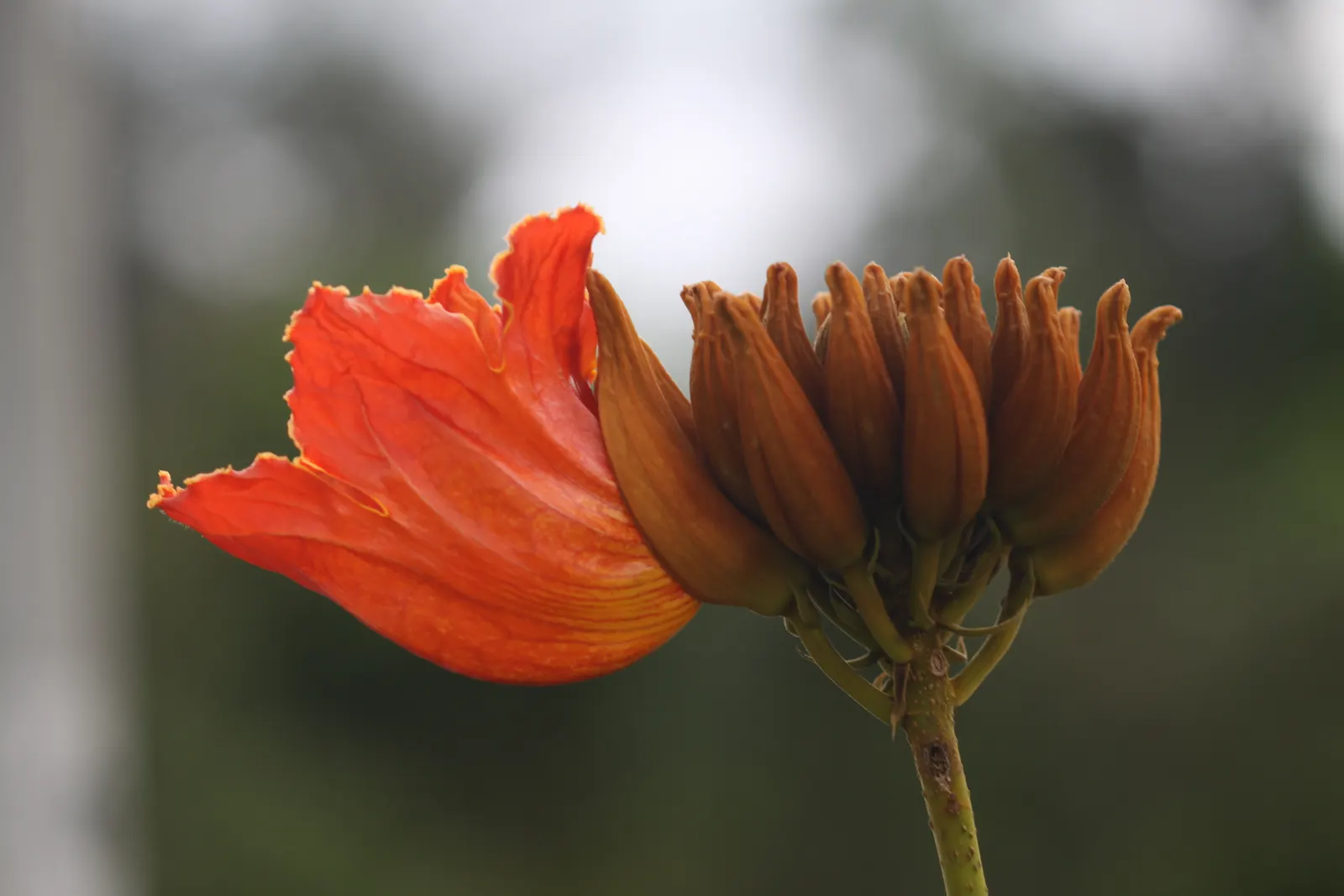
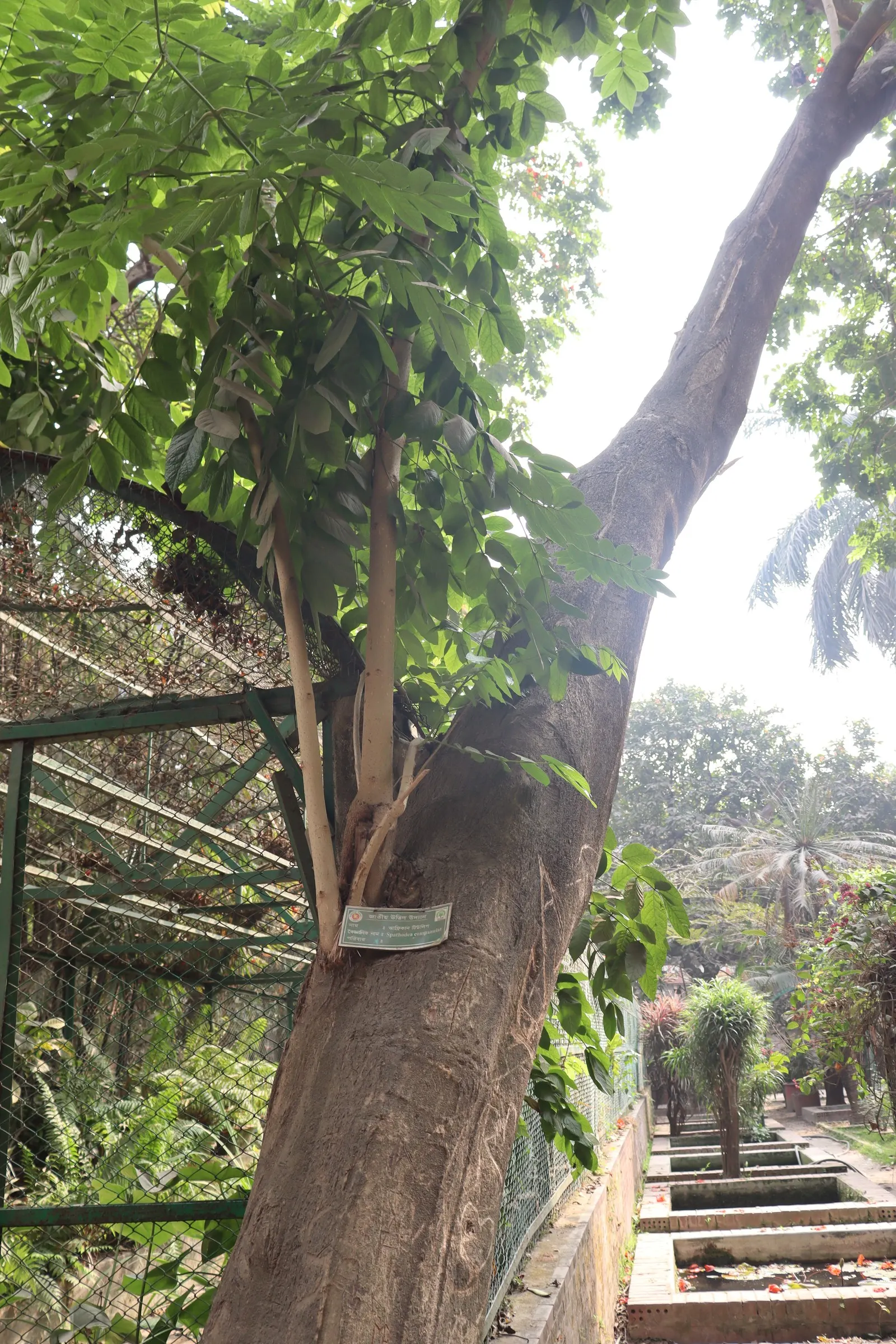
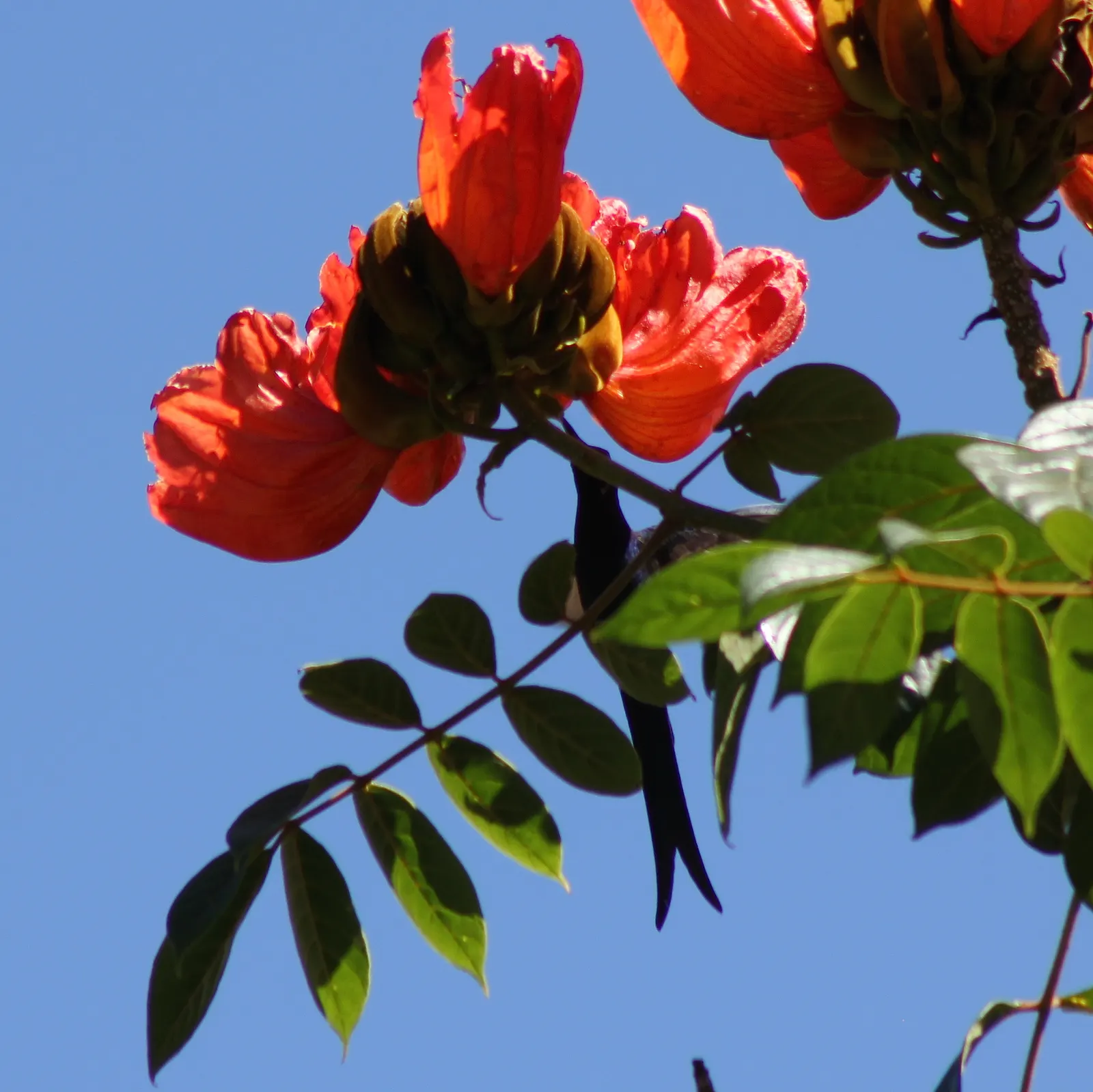
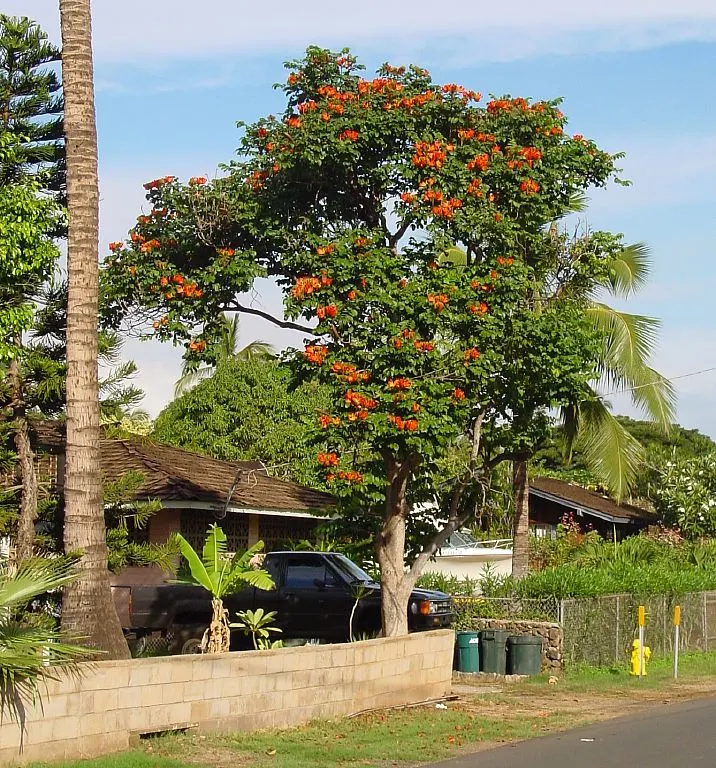
The African Tulip Tree, Spathodea campanulata, is a fast-growing, evergreen tree reaching up to 80 feet tall with a spread of 50 feet. Known for its fiery, tulip-shaped orange-red blooms, it flowers predominantly in warm months. An excellent specimen tree, it prefers full sun and well-draining soil. Caution is advised as it can be invasive and its large roots may disrupt nearby structures. Hardiness zones 10-11.

Sun Full, HalfWater High, MediumZones 9–10Climate Subtropical
African Tulip Tree (Spathodea Campanulata) — While it prefers regular watering

Culture

Sun
Full, Half
Water
High, Medium
USDA zones
9–10

Shape & size

Classification

Climate
Subtropical

See full data, regional cultivation notes, full-resolution photos, and design tools. Build a client presentation around this plant.

Start your 14-day trial

Photos (121)

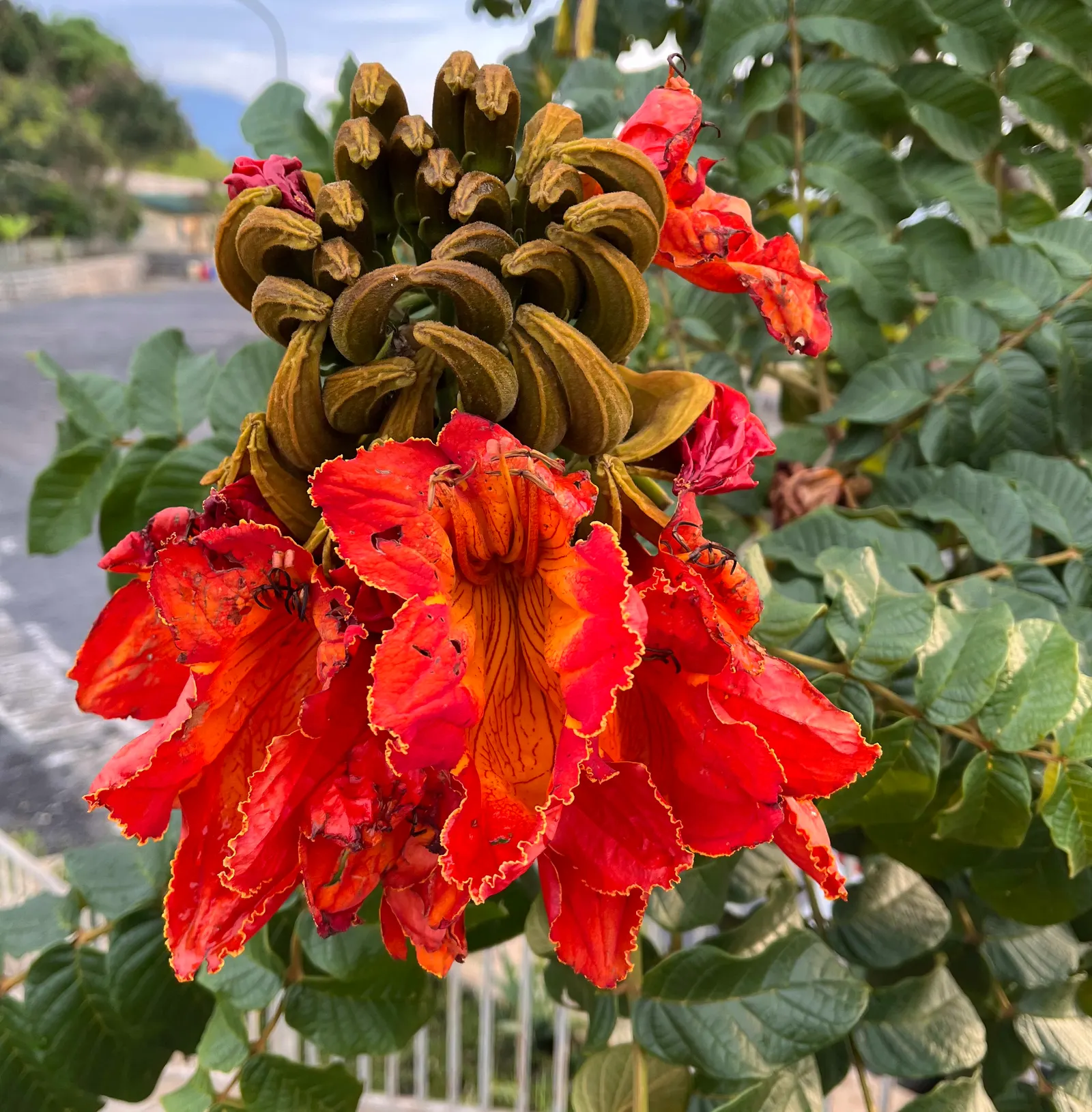
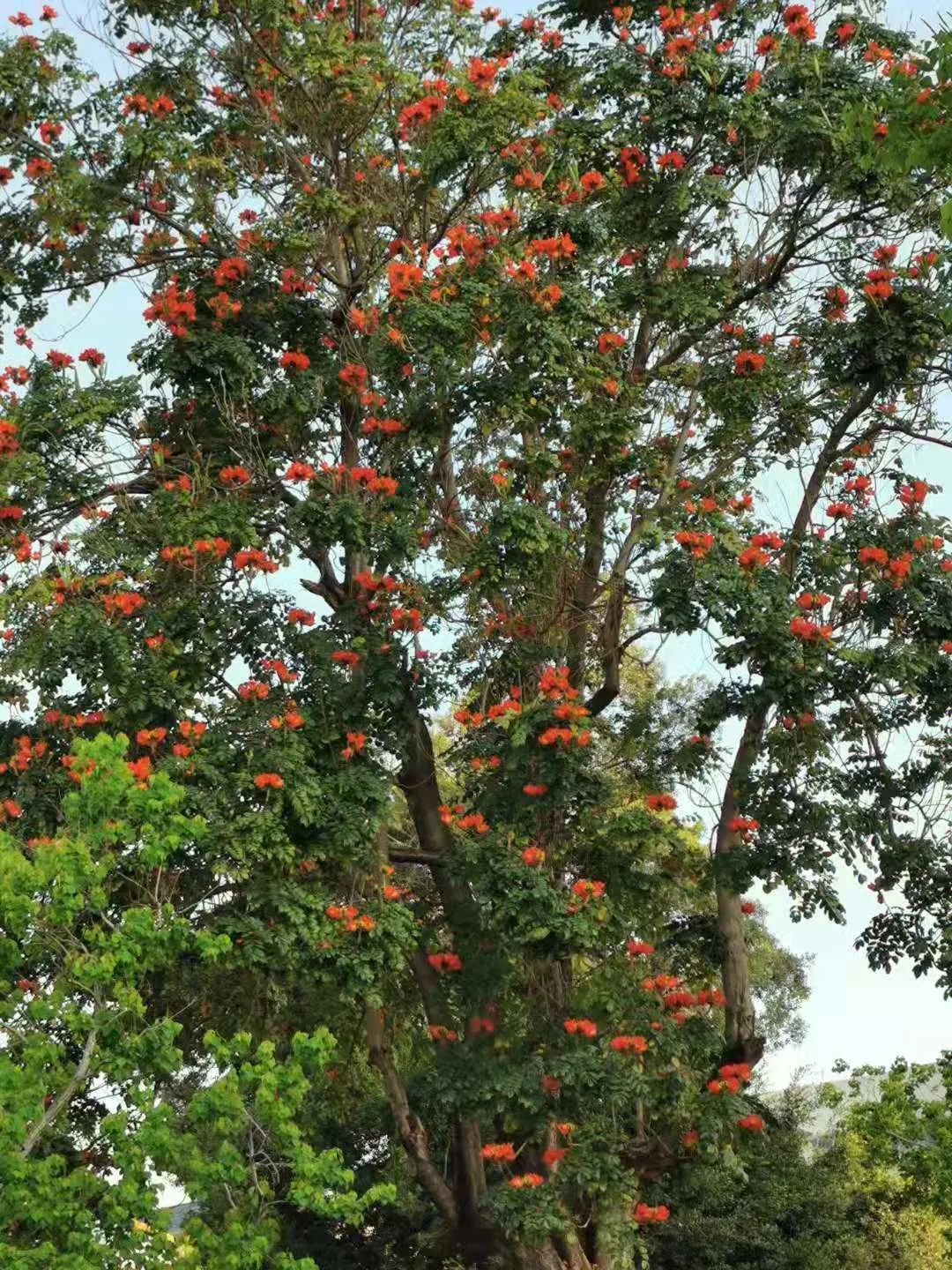
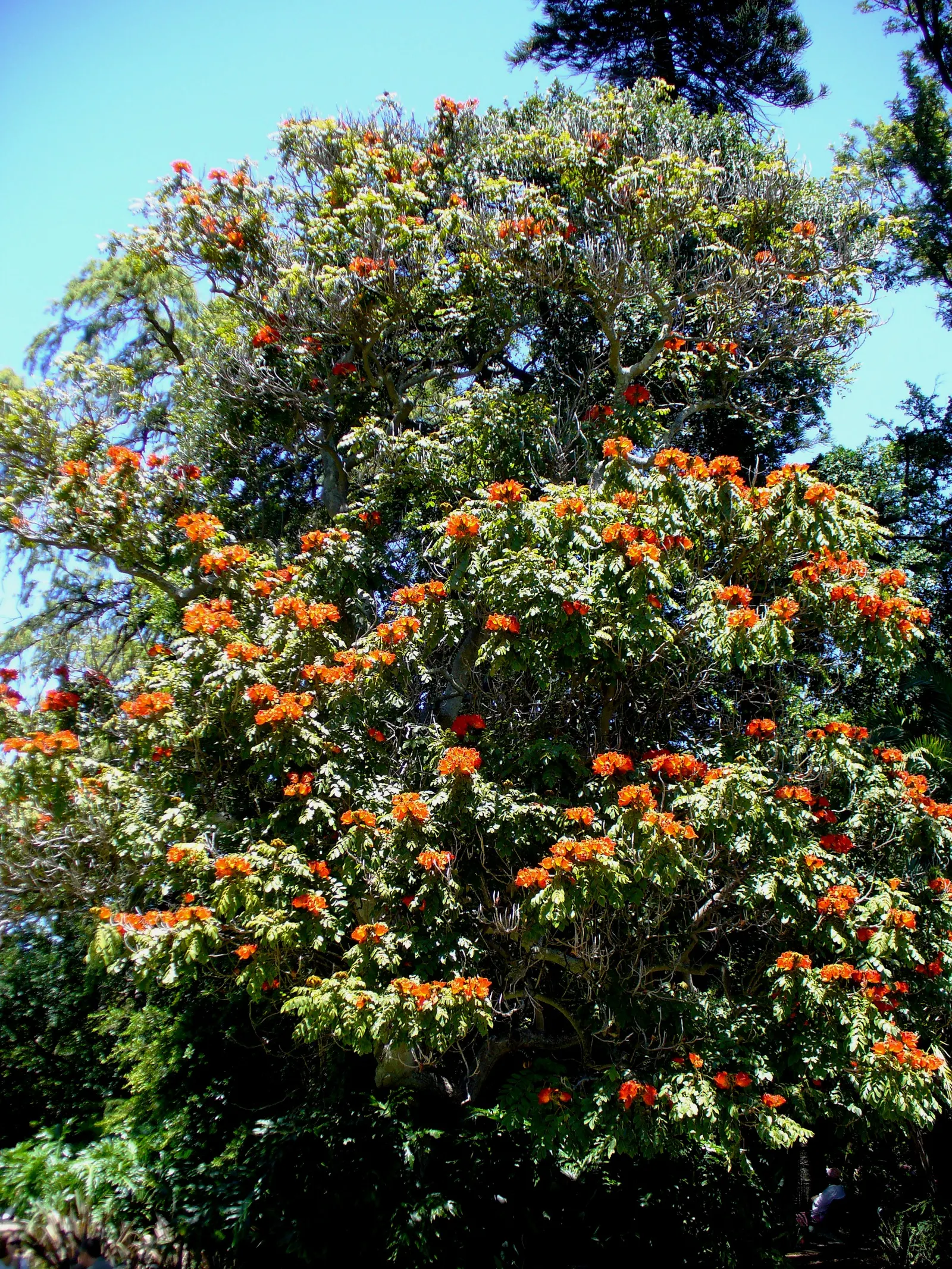
African Tulip Tree (Spathodea Campanulata) — With its fiery blooms and lush canopy; suitable for USDA zones 10 to 11
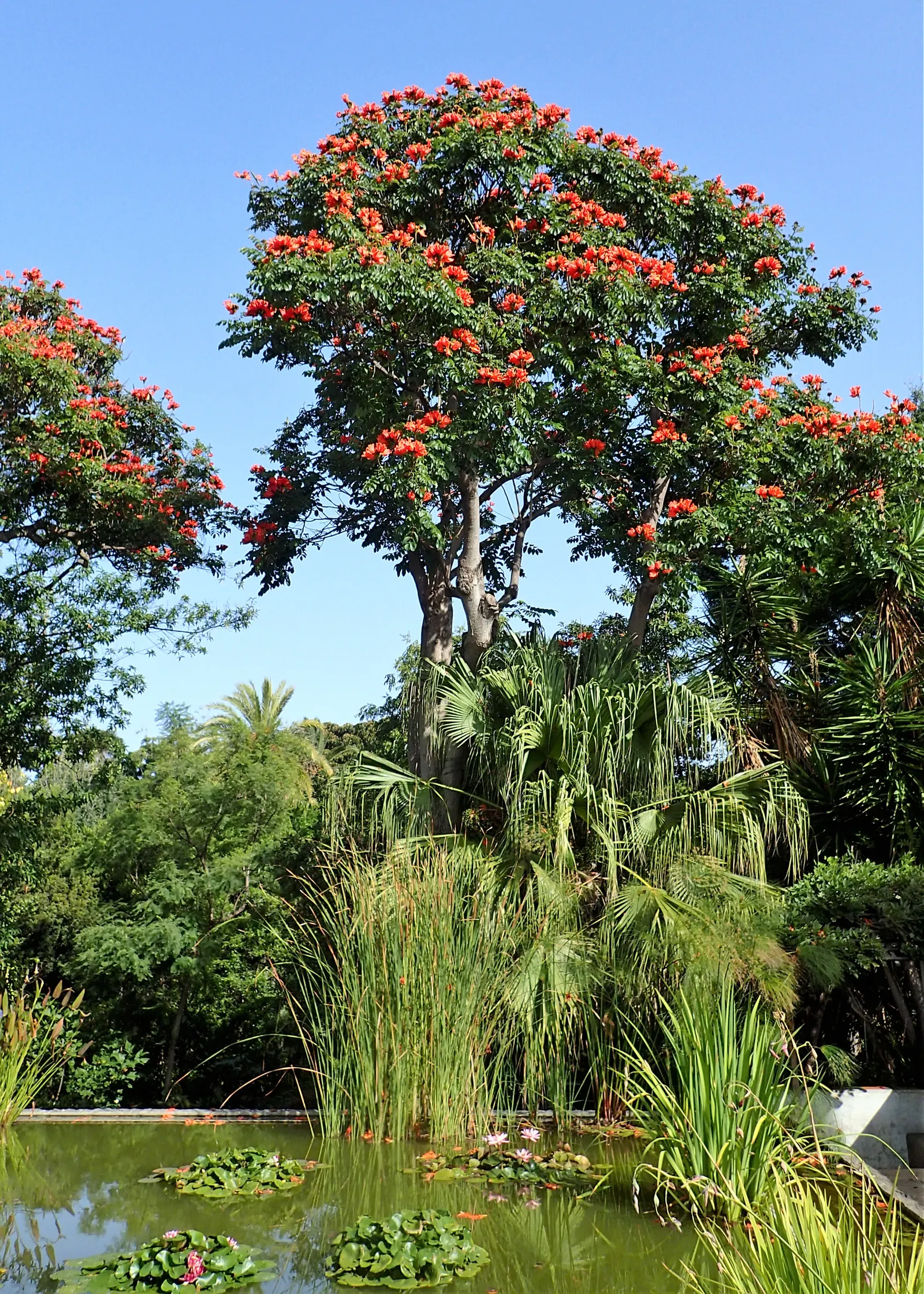
African Tulip Tree (Spathodea Campanulata) — it is a dramatic addition to any landscape; with its fiery blooms and lush canopy
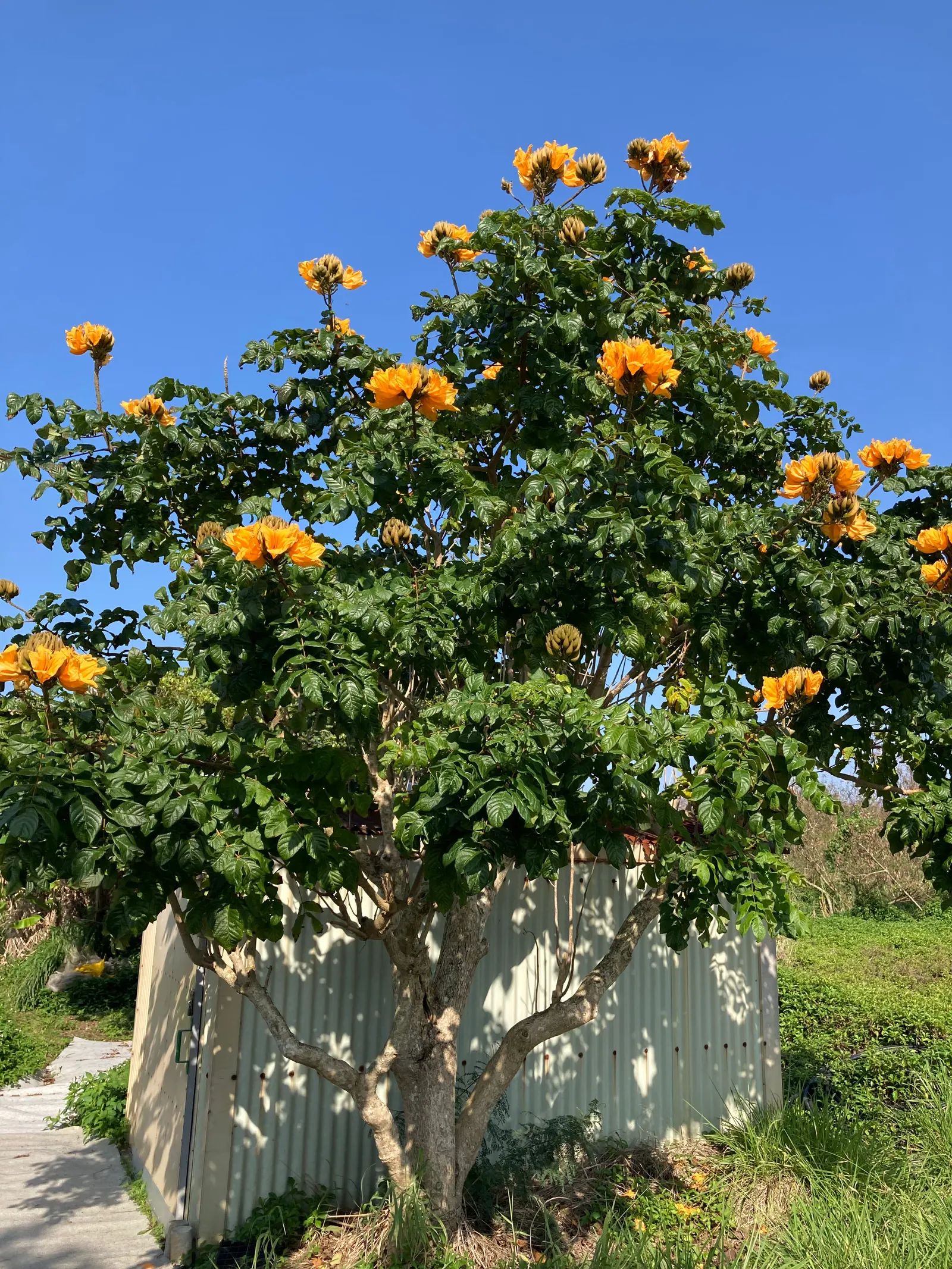
African Tulip Tree (Spathodea Campanulata) — but its majestic stature necessitates ample space to truly flourish; known for its fiery, tulip-shaped orange-red
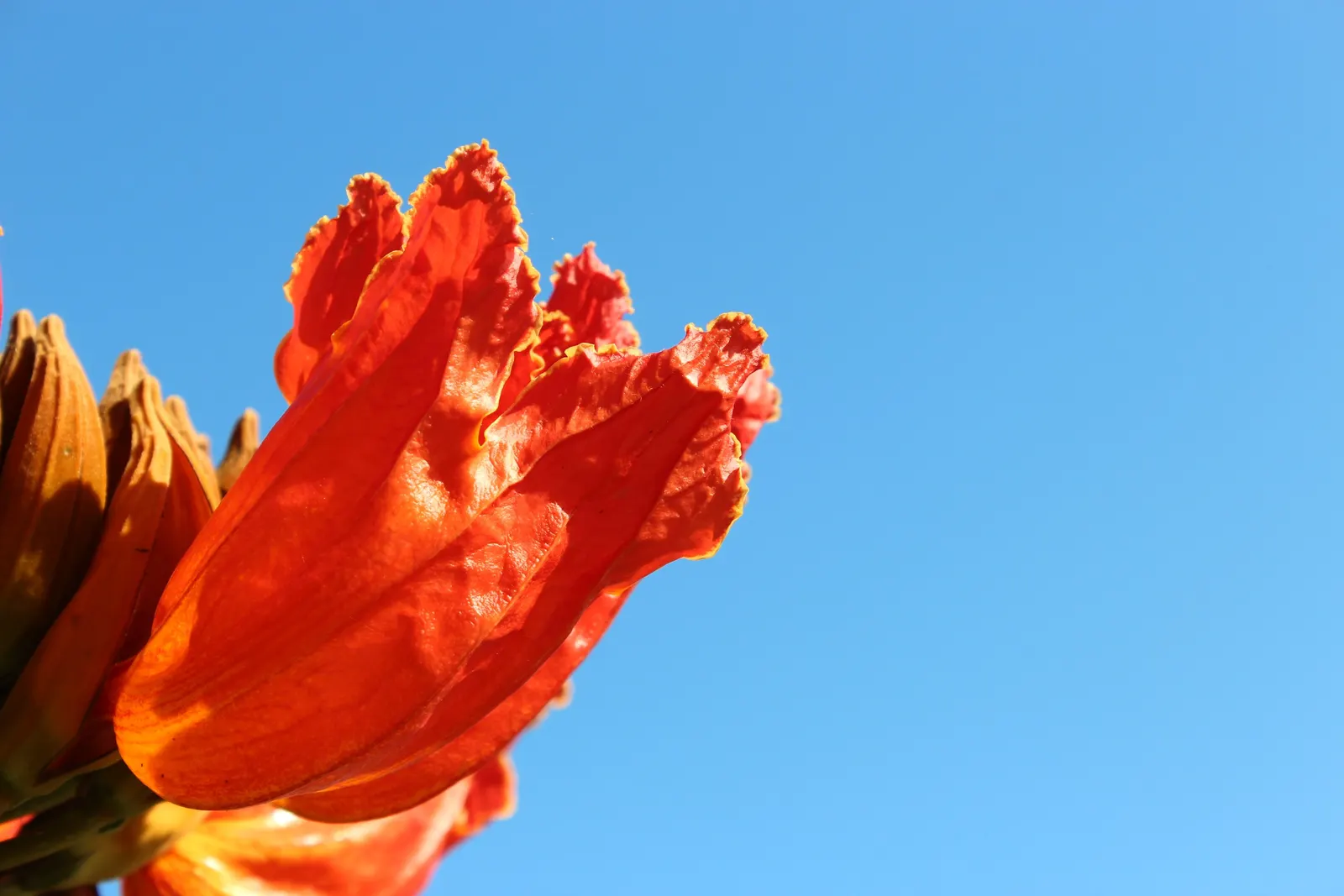
African Tulip Tree (Spathodea Campanulata) — tree with orange and red blooms; while it prefers regular watering
African Tulip Tree (Spathodea Campanulata) — which are typically 4 to 5 inches in length; be aware of any local restrictions on planting this, image 59
African Tulip Tree (Spathodea Campanulata) — evergreen tree reaching up to 80 feet tall with a spread of 50 feet; caution is advised as it can be, image 53
African Tulip Tree (Spathodea Campanulata) — An excellent specimen tree, it prefers full sun and well-draining soil; emphasize its use as a focal, image 55
African Tulip Tree (Spathodea Campanulata) — Caution is advised as it can be invasive and its large roots may disrupt nearby structures; tree with, image 56
African Tulip Tree (Spathodea Campanulata) — botanically known as Spathodea campanulata; tropical beauty renowned for its vibrant orange-red, image 57
African Tulip Tree (Spathodea Campanulata) — tropical beauty renowned for its vibrant orange-red blossoms that resemble tulips; which has the, image 58
African Tulip Tree (Spathodea Campanulata) — Known for its fiery, tulip-shaped orange-red blooms, it flowers predominantly in warm months; rounded, image 54
African Tulip Tree (Spathodea Campanulata) — the African Tulip Tree should be placed with care due to its vigorous root system; an excellent, image 64
African Tulip Tree (Spathodea Campanulata) — blaze with color atop the dark green; evergreen tree reaching up to 80 feet tall with a spread of 50, image 60
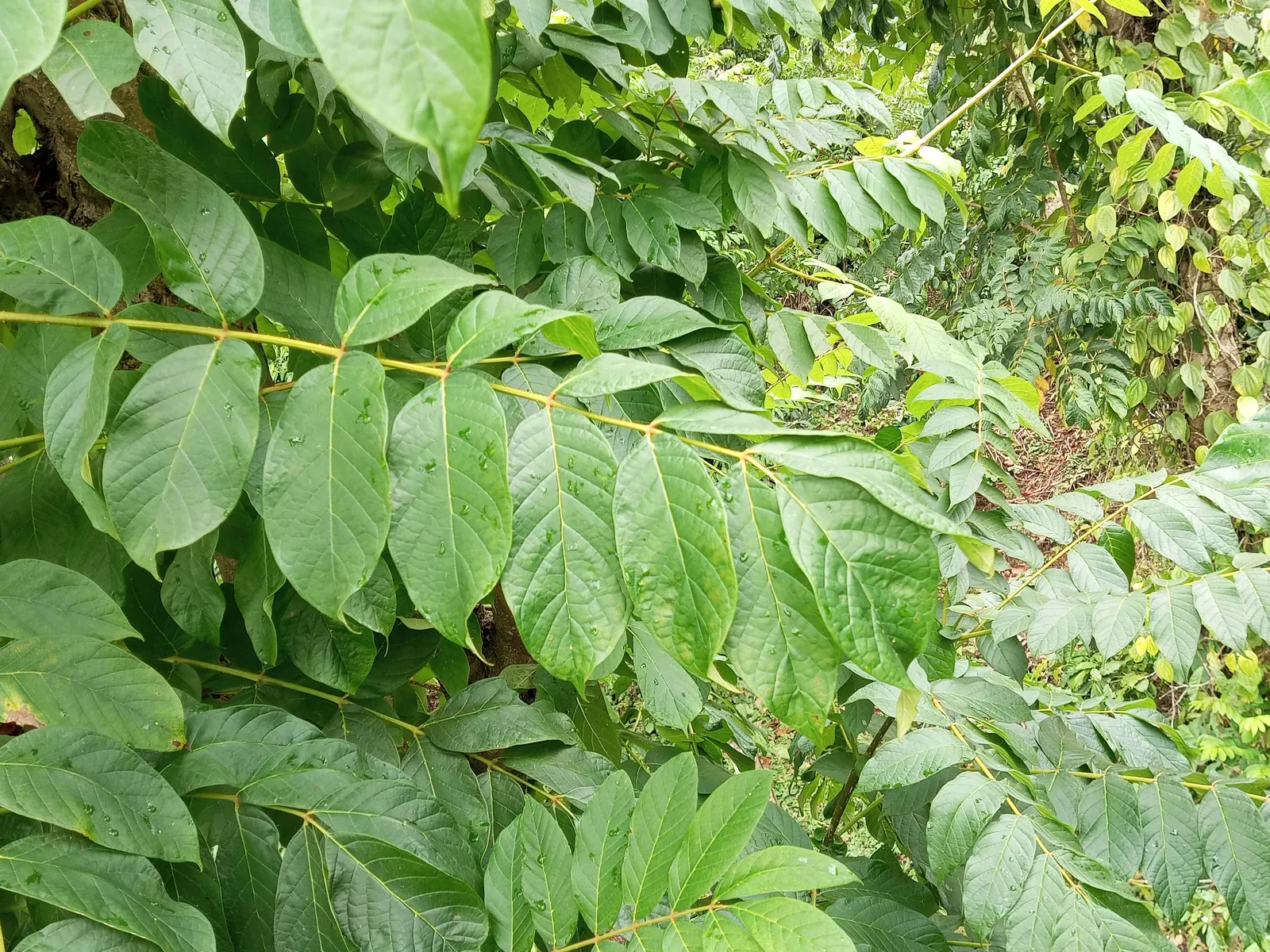
African Tulip Tree (Spathodea Campanulata) — glossy pinnate leaves that span 12 to 20 inches; blaze with color atop the dark green, image 61
African Tulip Tree (Spathodea Campanulata) — Its rapid growth rate and broad; this tree thrives in full sunlight and requires well-draining soil to, image 62
African Tulip Tree (Spathodea Campanulata) — rounded canopy make it an eye-catching specimen in any landscape.<br><br>In designing landscapes; it, image 63
African Tulip Tree (Spathodea Campanulata) — which has the potential to disrupt pavements and structures; its rapid growth rate and broad, image 65
African Tulip Tree (Spathodea Campanulata) — Suitable for USDA zones 10 to 11; it exhibits moderate drought tolerance.<br><br>When introducing the, image 66
African Tulip Tree (Spathodea Campanulata) — this tree thrives in full sunlight and requires well-draining soil to prevent root rot; orange and red, image 67
African Tulip Tree (Spathodea Campanulata) — While it prefers regular watering; botanically known as Spathodea campanulata, image 68
African Tulip Tree (Spathodea Campanulata) — it exhibits moderate drought tolerance.<br><br>When introducing the African Tulip Tree to clients; the, image 69
African Tulip Tree (Spathodea Campanulata) — emphasize its use as a focal point or shade tree in spacious gardens; note that while it offers, image 70
African Tulip Tree (Spathodea Campanulata) — Note that while it offers ornamental value, its invasive nature in some regions requires careful, image 71
African Tulip Tree (Spathodea Campanulata) — Be aware of any local restrictions on planting this species; which are typically 4 to 5 inches in, image 72