Skip to content

Potato Vine

Solanum Laxum

Design with this plant

Overview

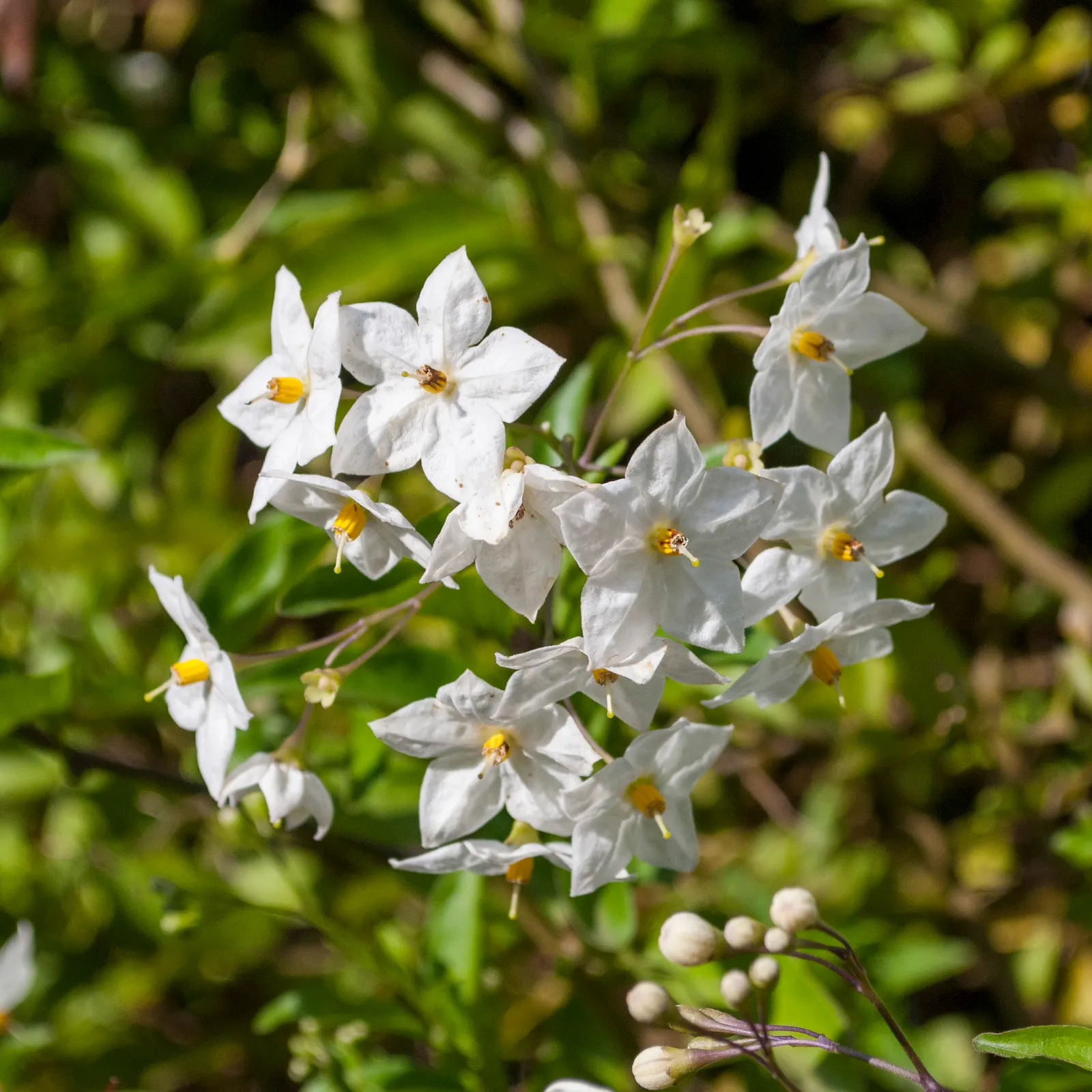
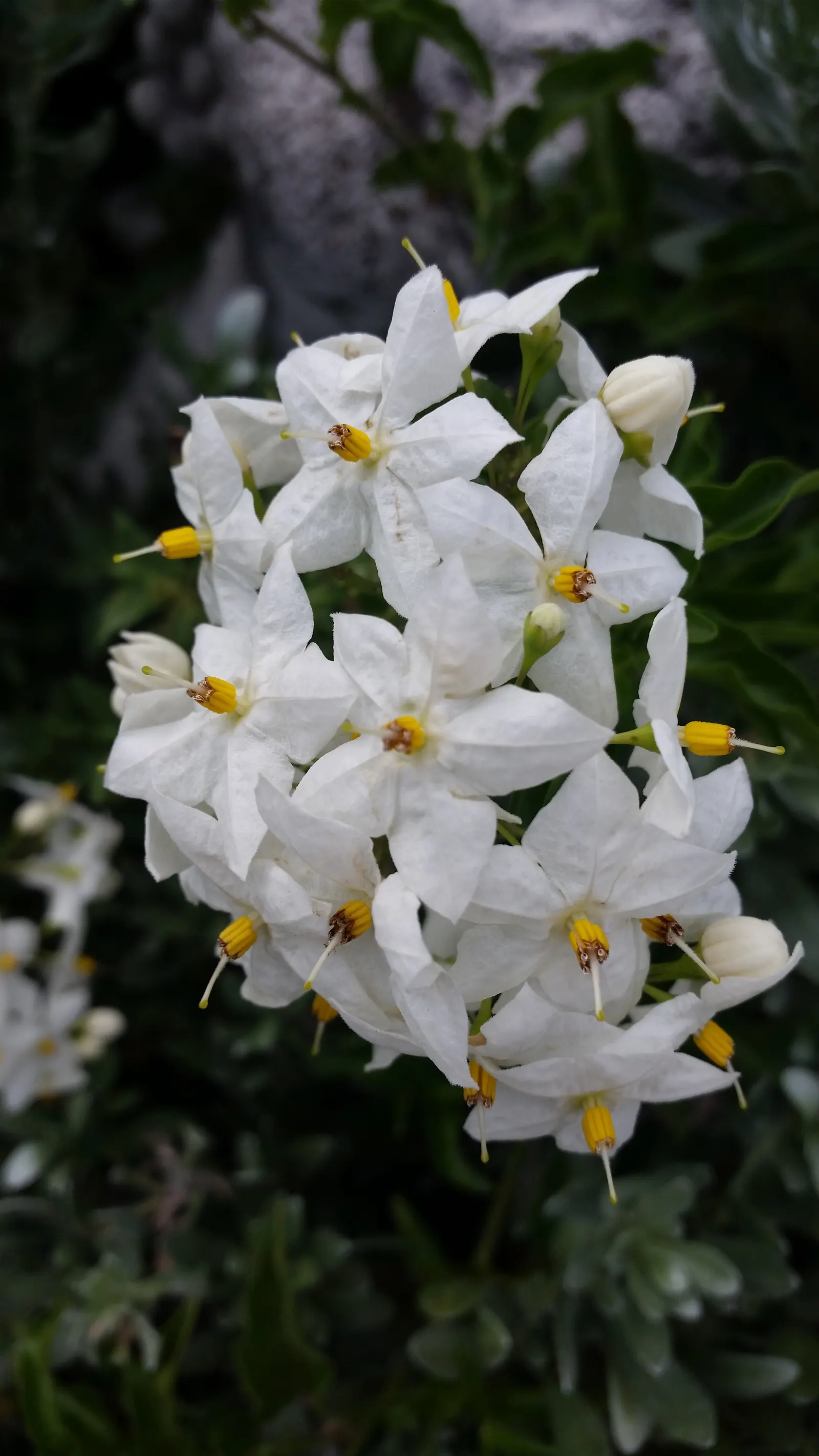
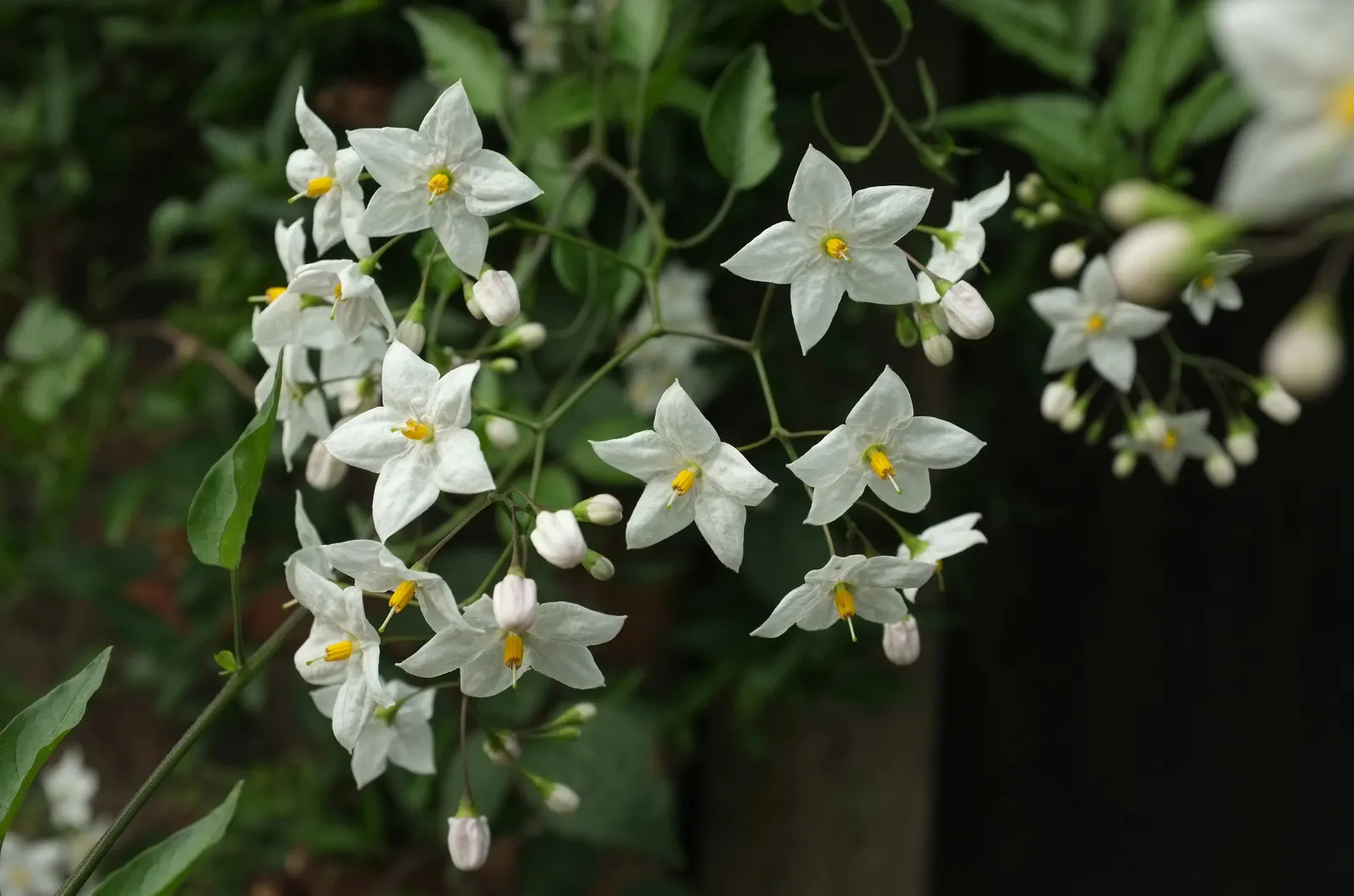
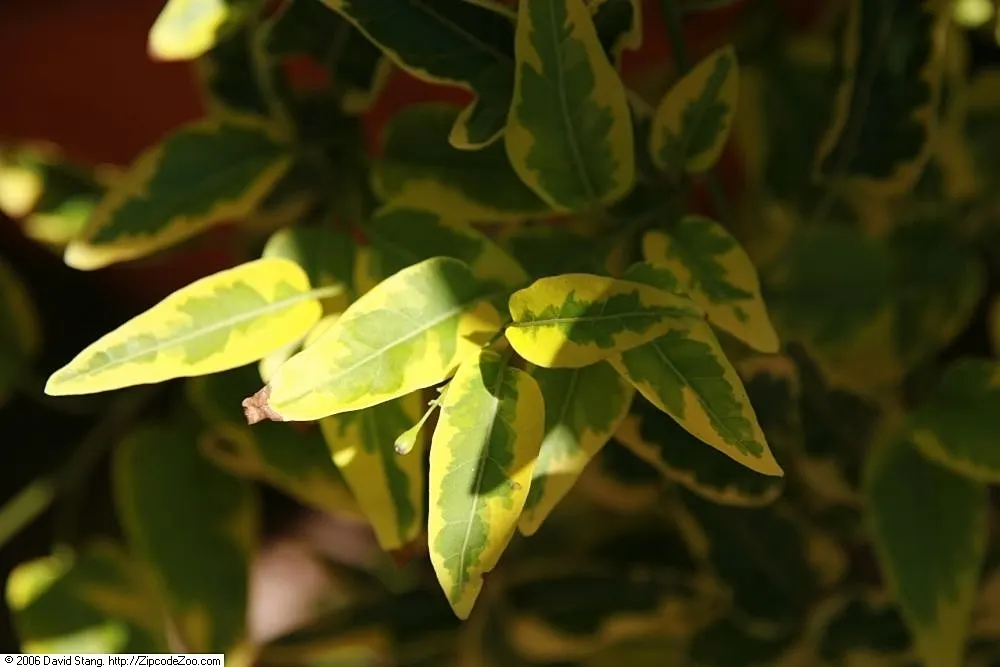
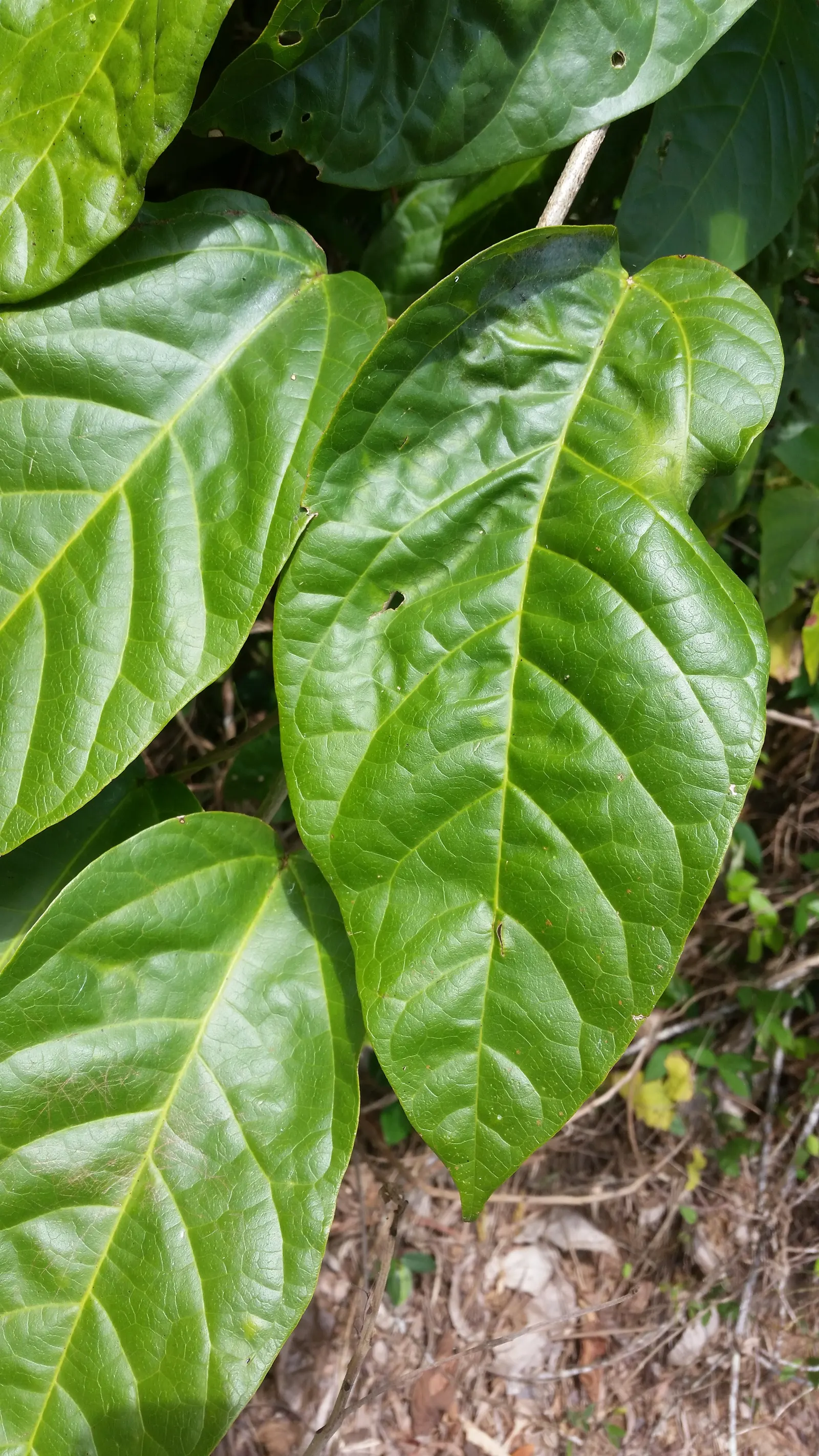
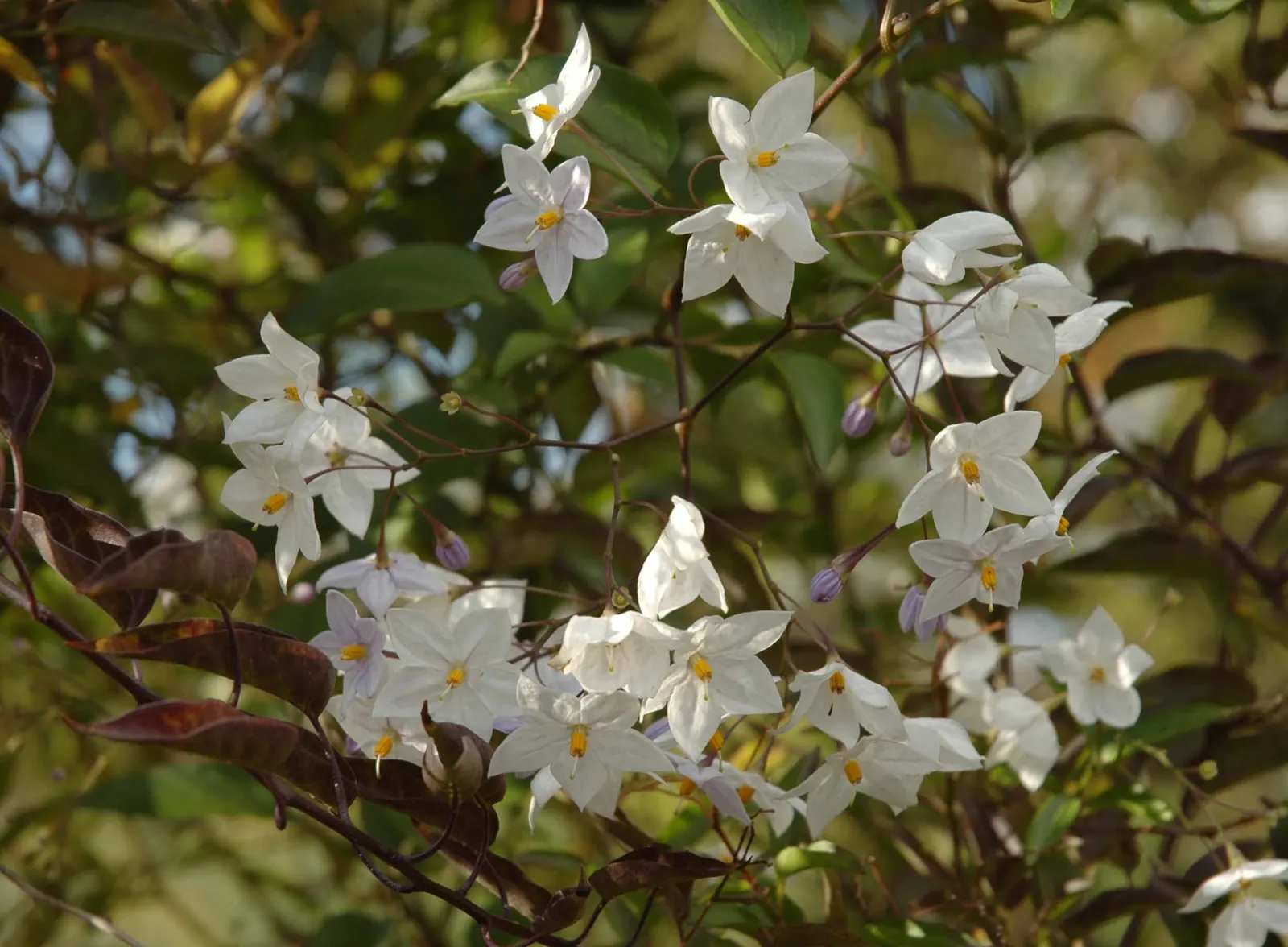
The Solanum laxum, commonly known as Potato Vine, is a fast-growing evergreen climber. It thrives in USDA zones 8-10, reaching up to 20 feet in spread. Its foliage is dark green, while in summer and fall, it produces fragrant white blossoms with yellow centers. This vine prefers full sun to partial shade and well-draining soil. It's excellent for trellises, walls, or as a sprawling ground cover. Moderate water needs.

Sun Full, HalfWater Low, MediumZones 9–10Type VineClimate Subtropical
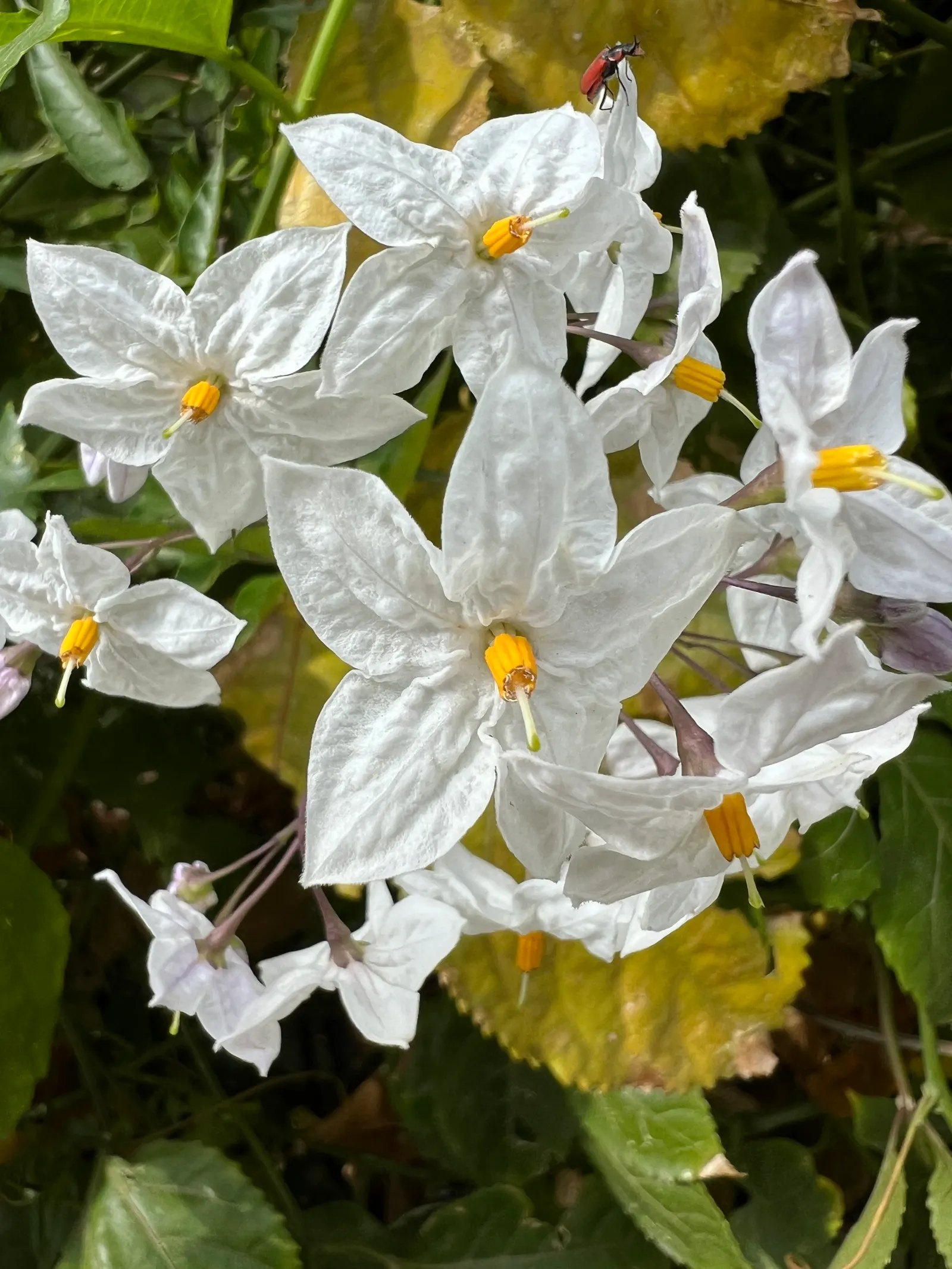
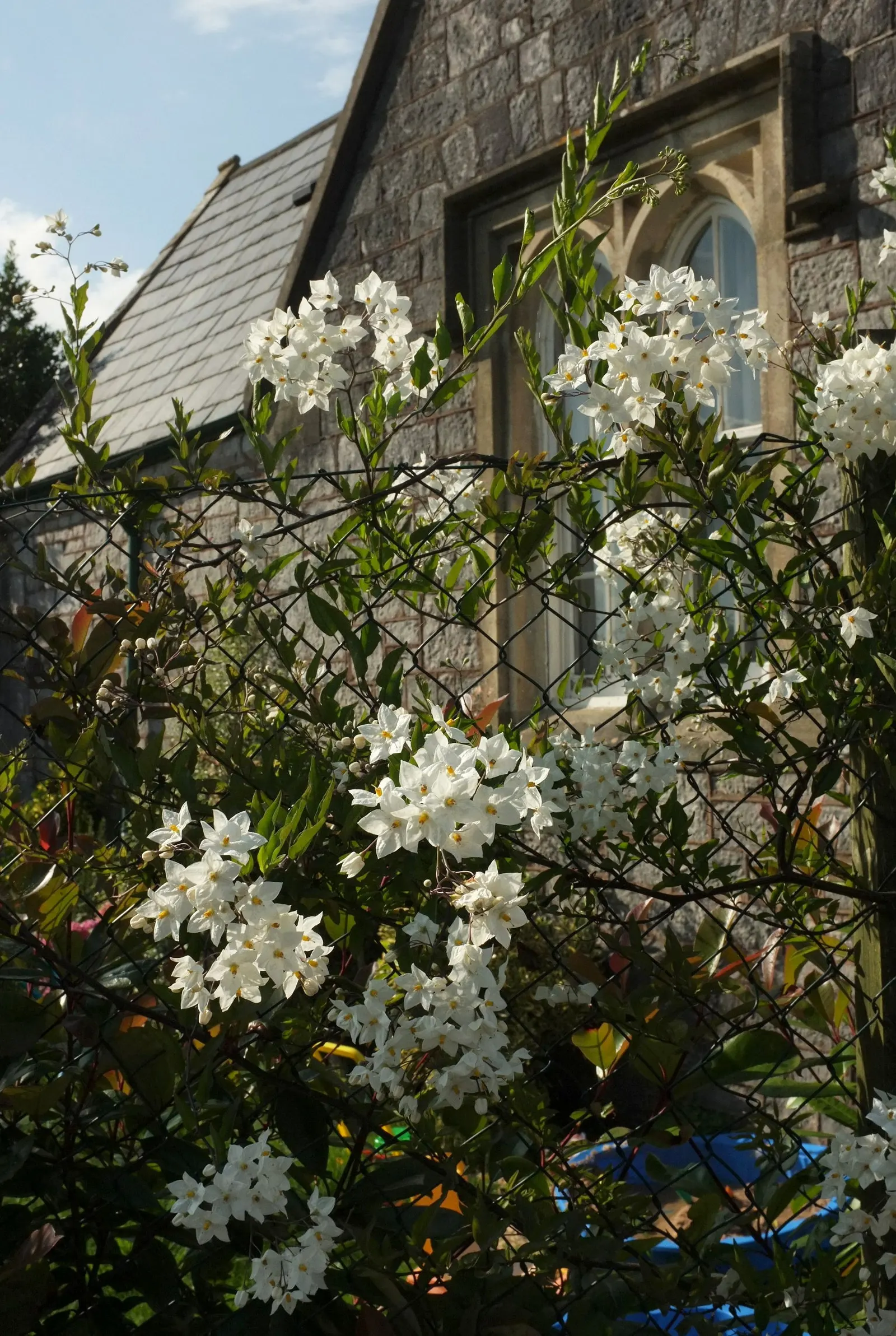
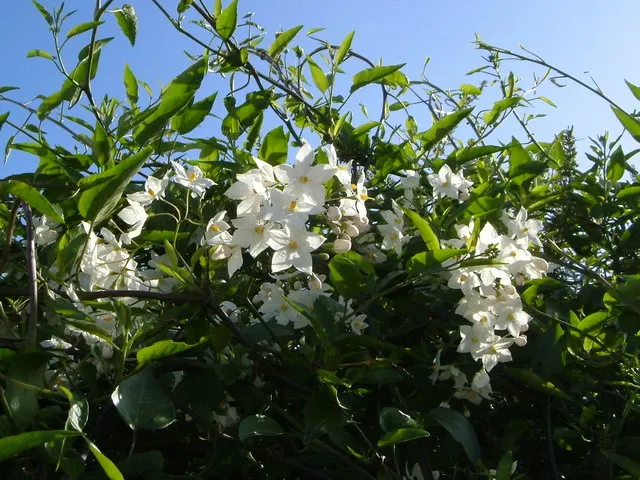
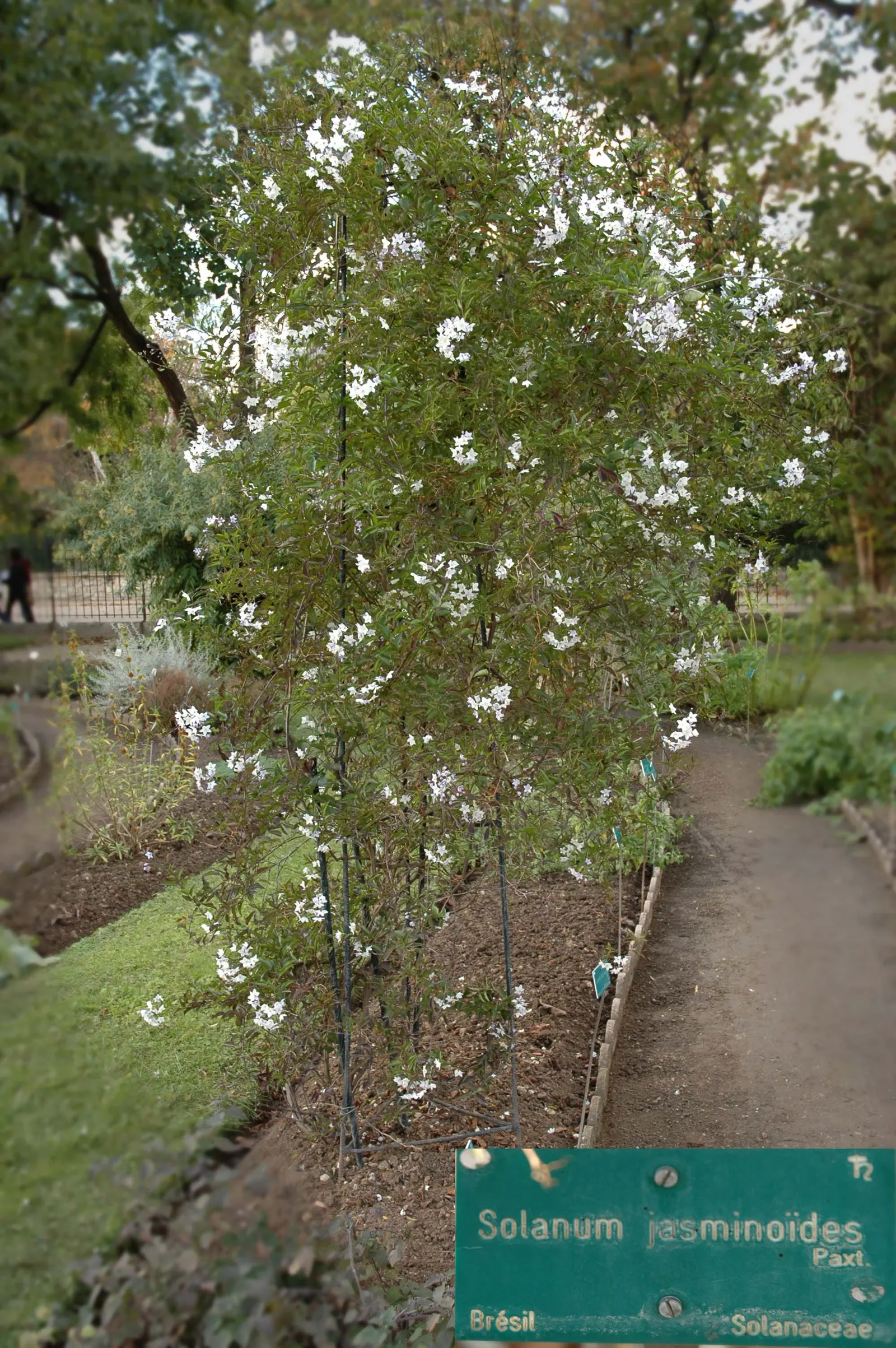
Potato Vine (Solanum Laxum) — This robust climber can reach lengths of approximately 20 feet; making it an excellent choice for trellises, image 84

Culture

Sun
Full, Half
Water
Low, Medium
USDA zones
9–10

Shape & size

Classification

Type
Vine
Family
Solanaceae
Climate
Subtropical

See full data, regional cultivation notes, and design tools. Build a client presentation around this plant.

Start your 14-day trial

Photos (125)

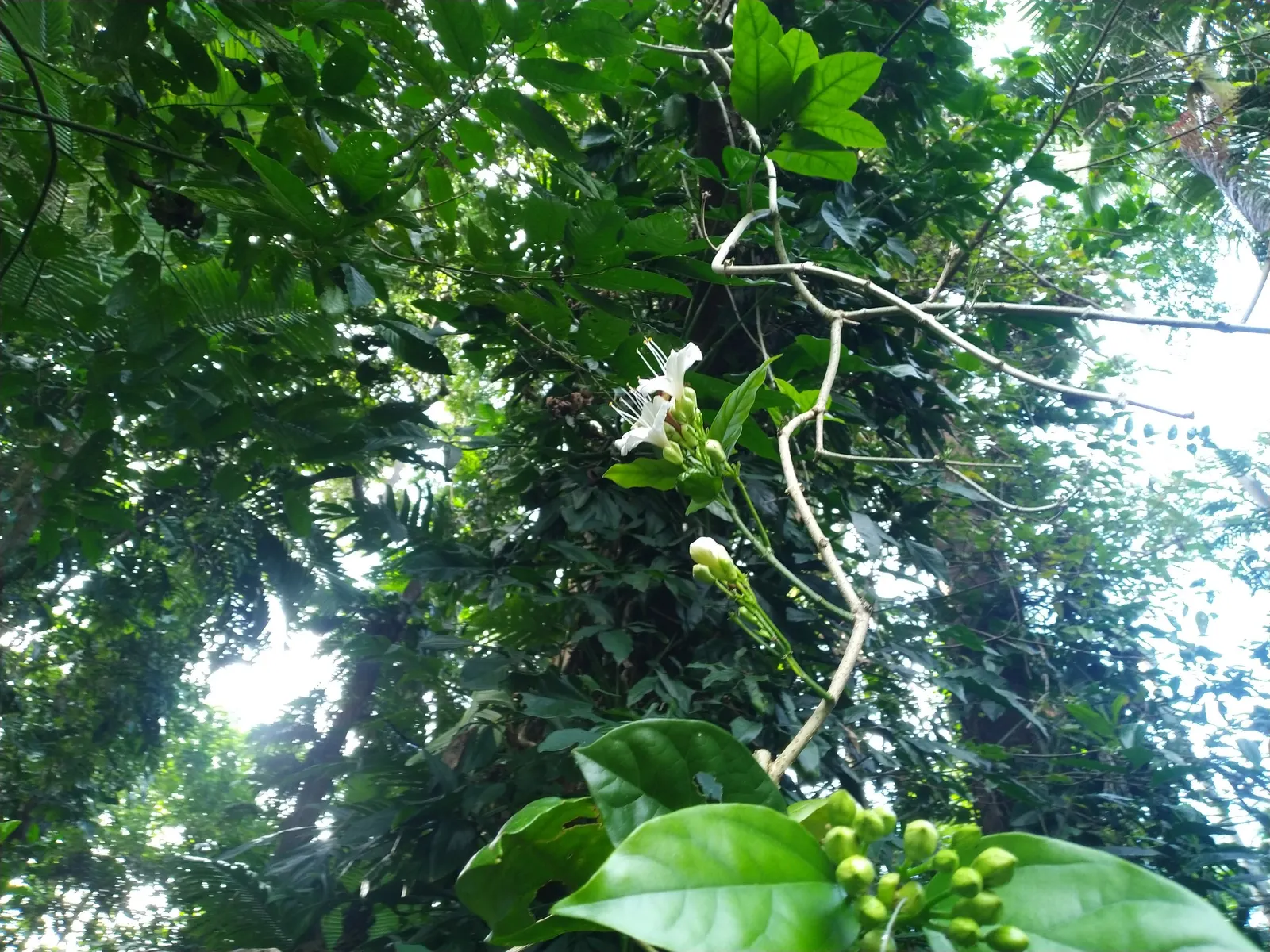
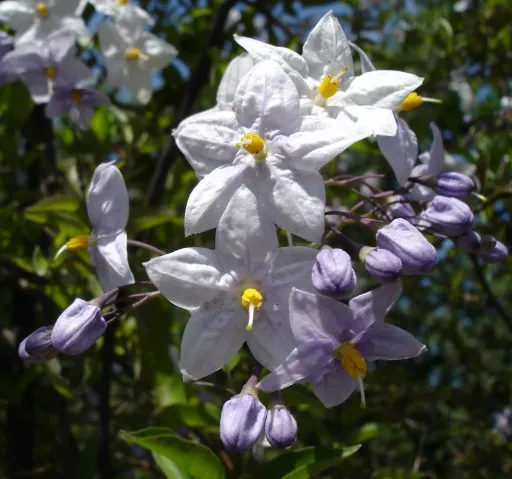
Potato Vine (Solanum Laxum) — Flowering occurs prolifically from late spring through fall, with the heaviest blooms in early to mid-summer
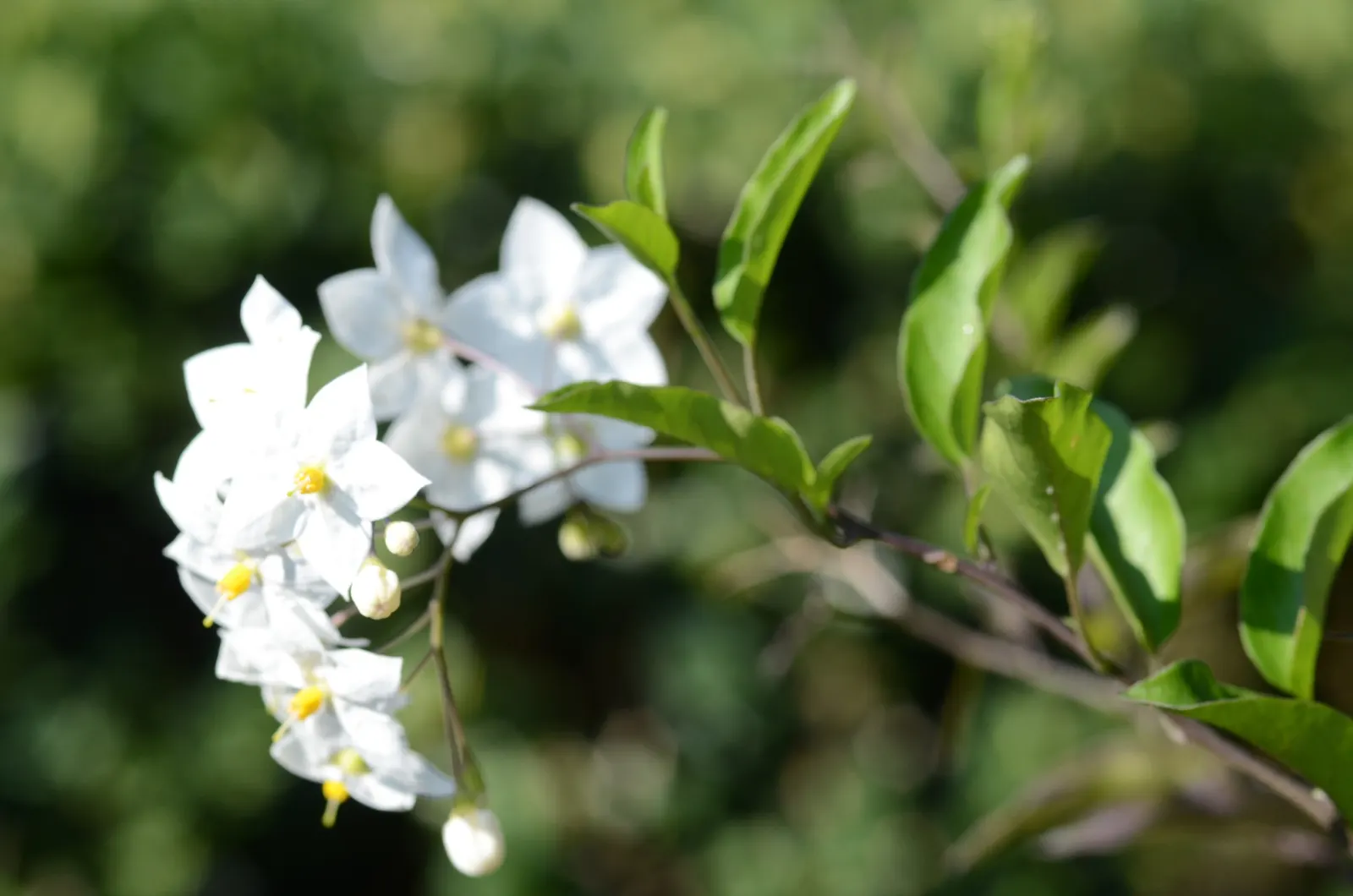
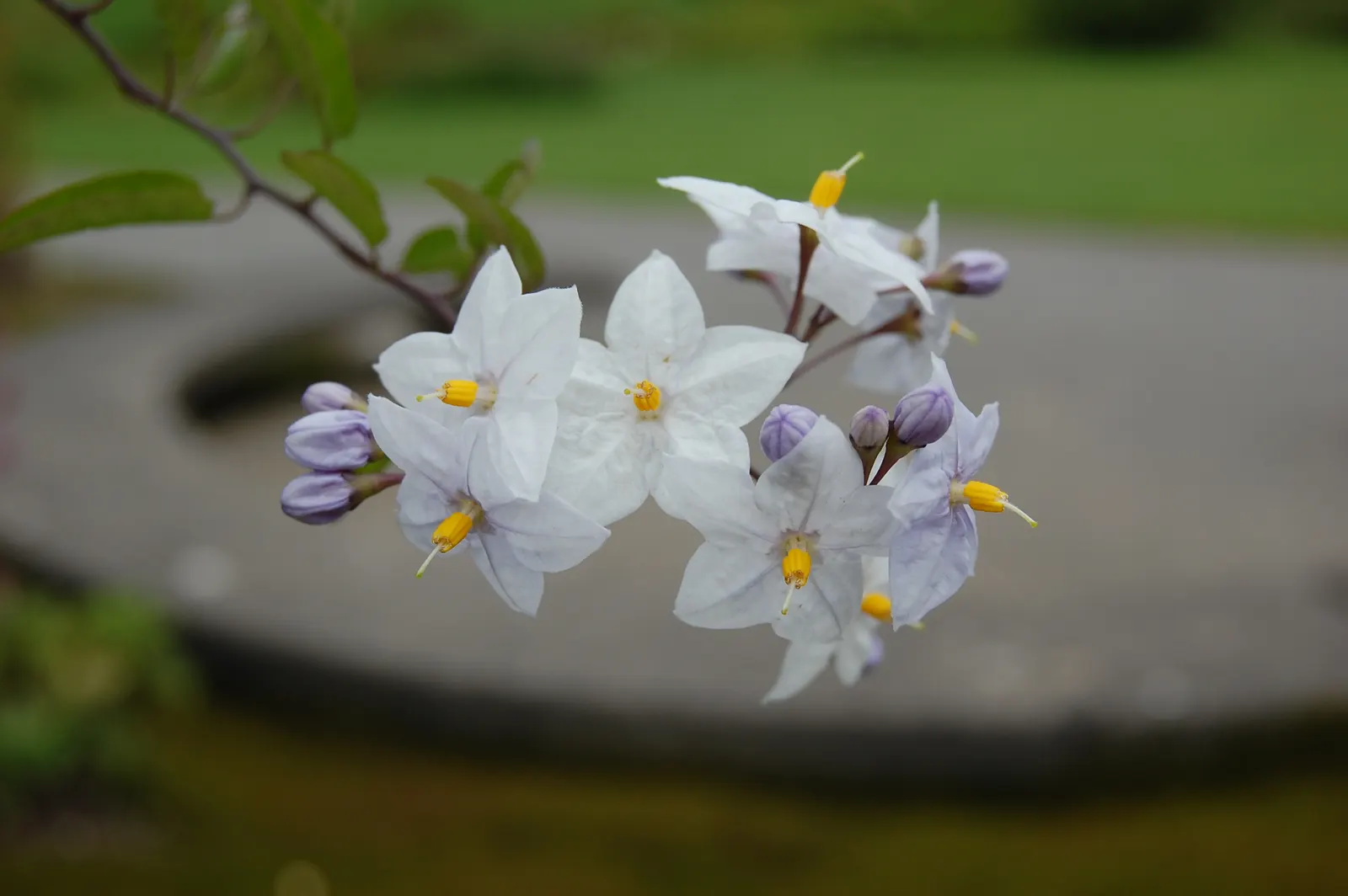
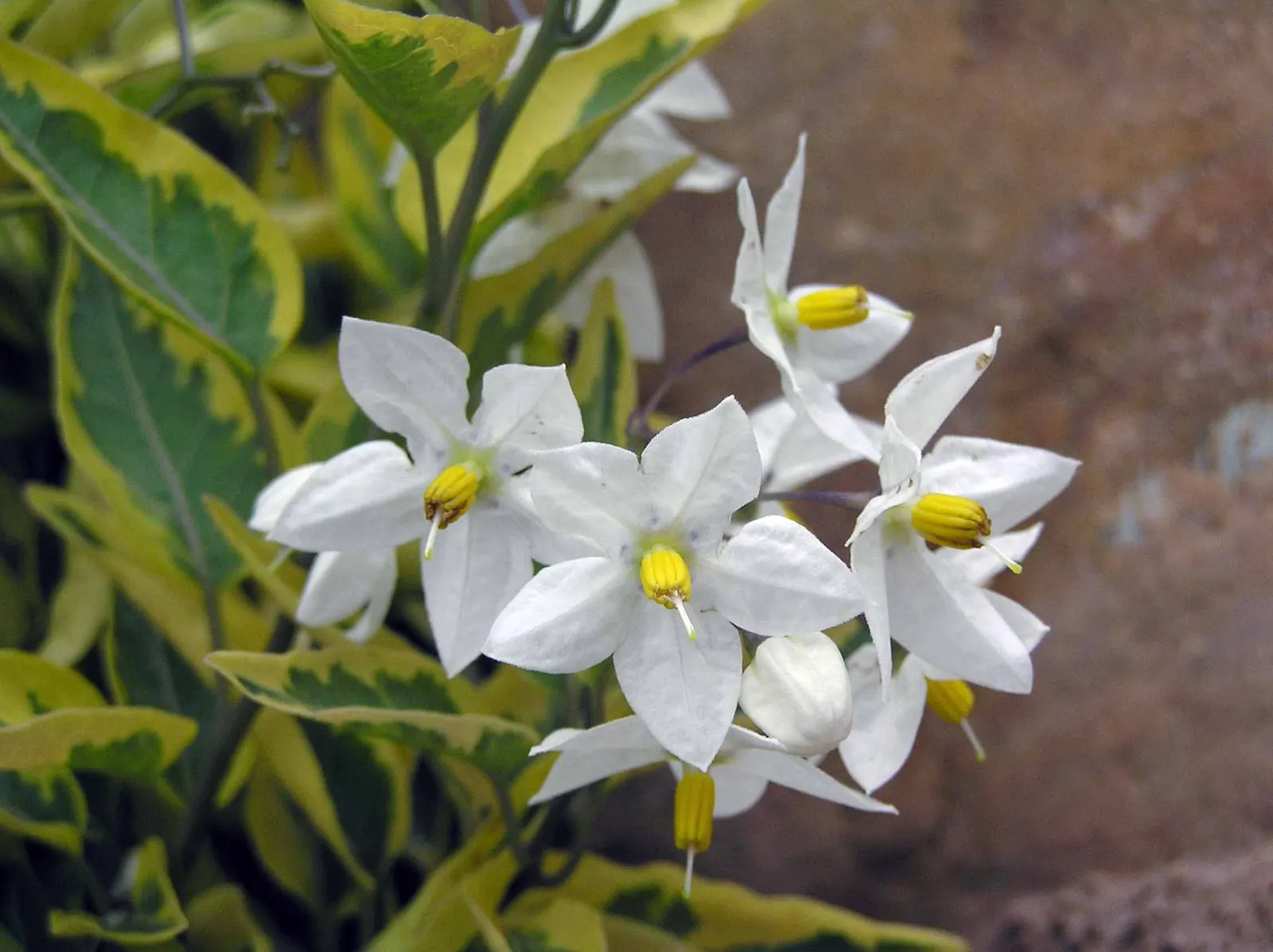
Potato Vine (Solanum Laxum) — Its foliage is dark green, while in summer and fall, it produces fragrant white blossoms with yellow centers; they, image 78
Potato Vine (Solanum Laxum) — creating a striking contrast against the verdant leaves; it thrives in USDA zones 8-10, reaching up to 20 feet in, image 65
Potato Vine (Solanum Laxum) — ensuring an attractive display each season; the Solanum laxum, commonly known as Potato Vine, is a fast-growing, image 72
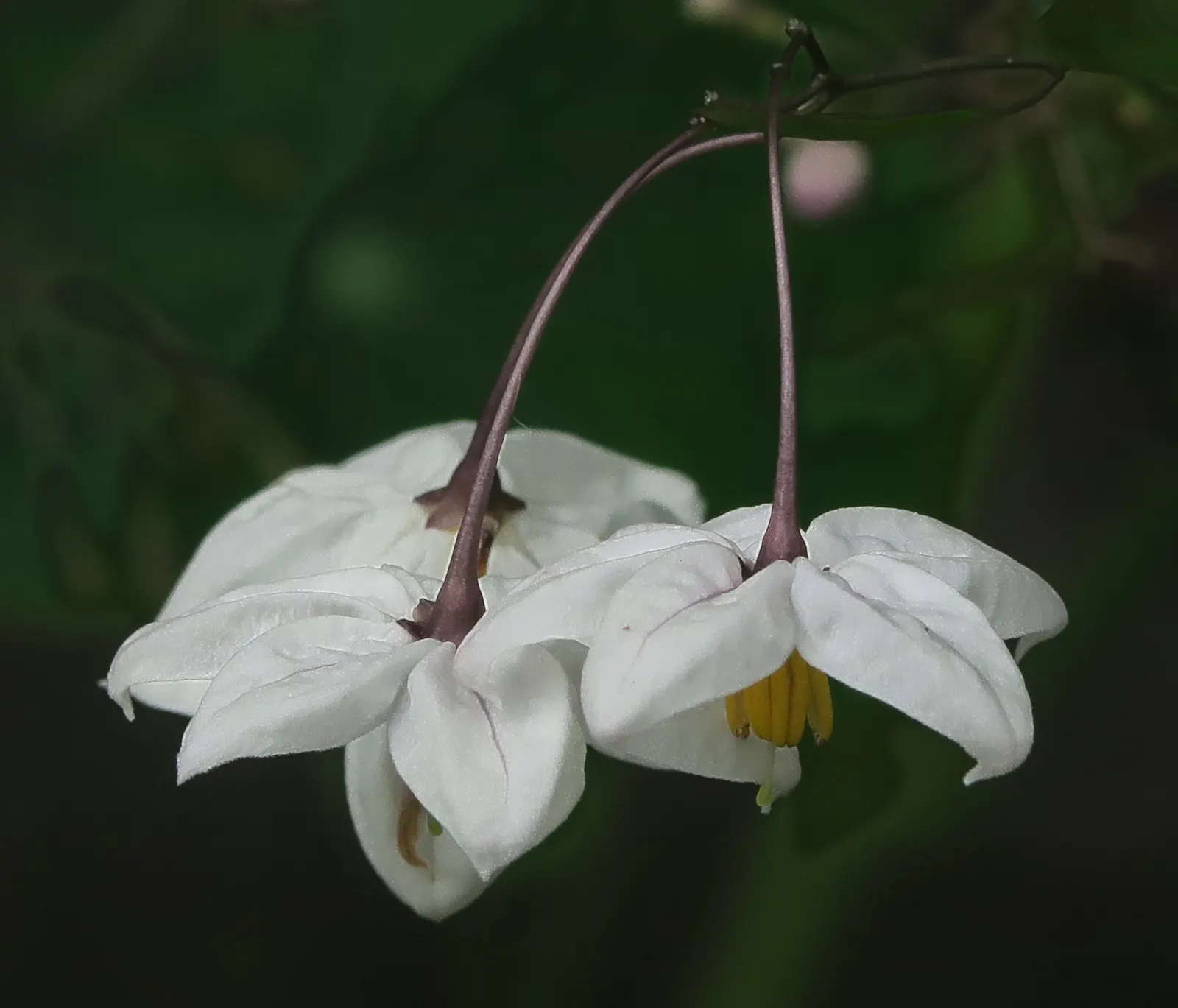
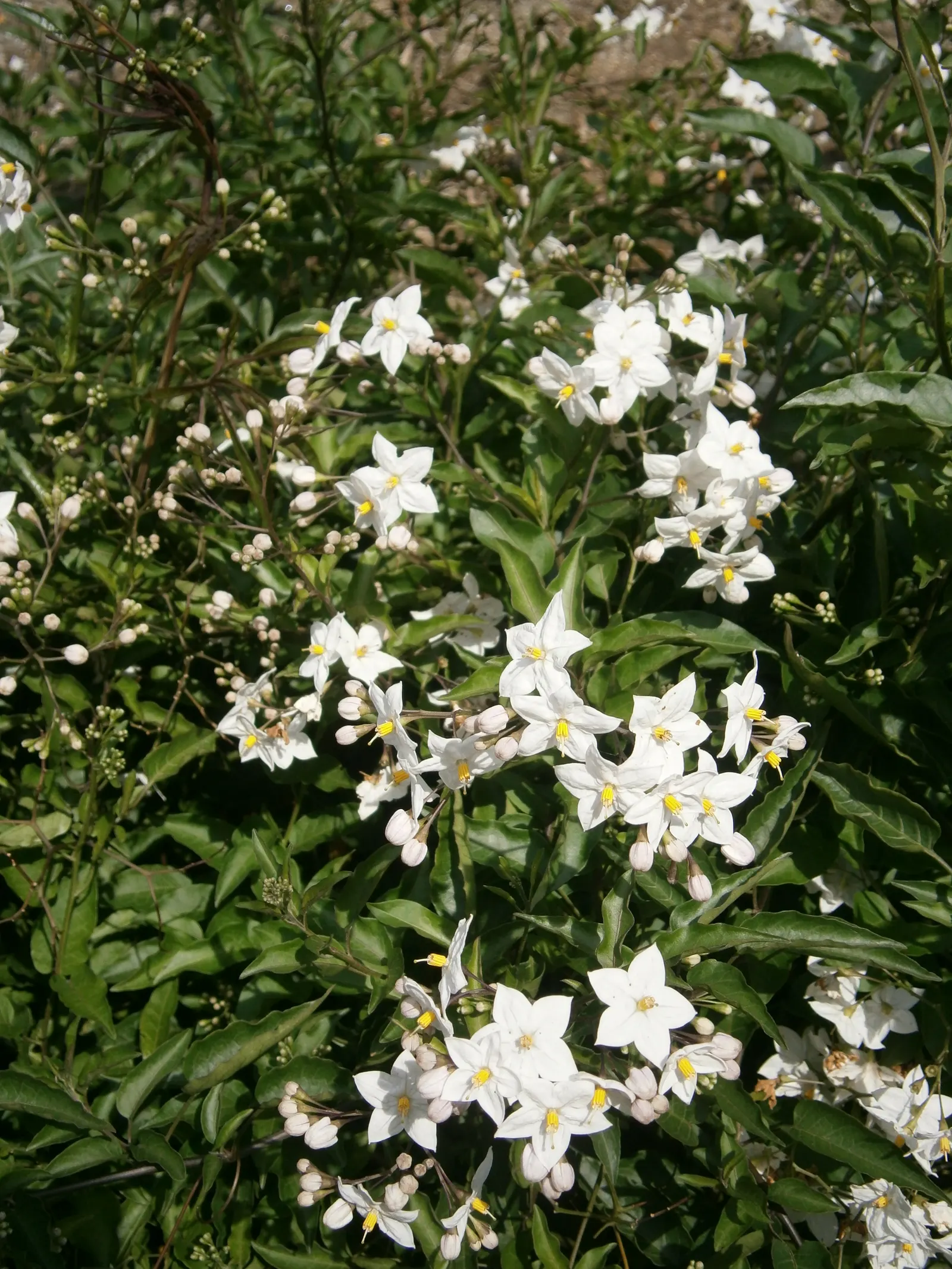
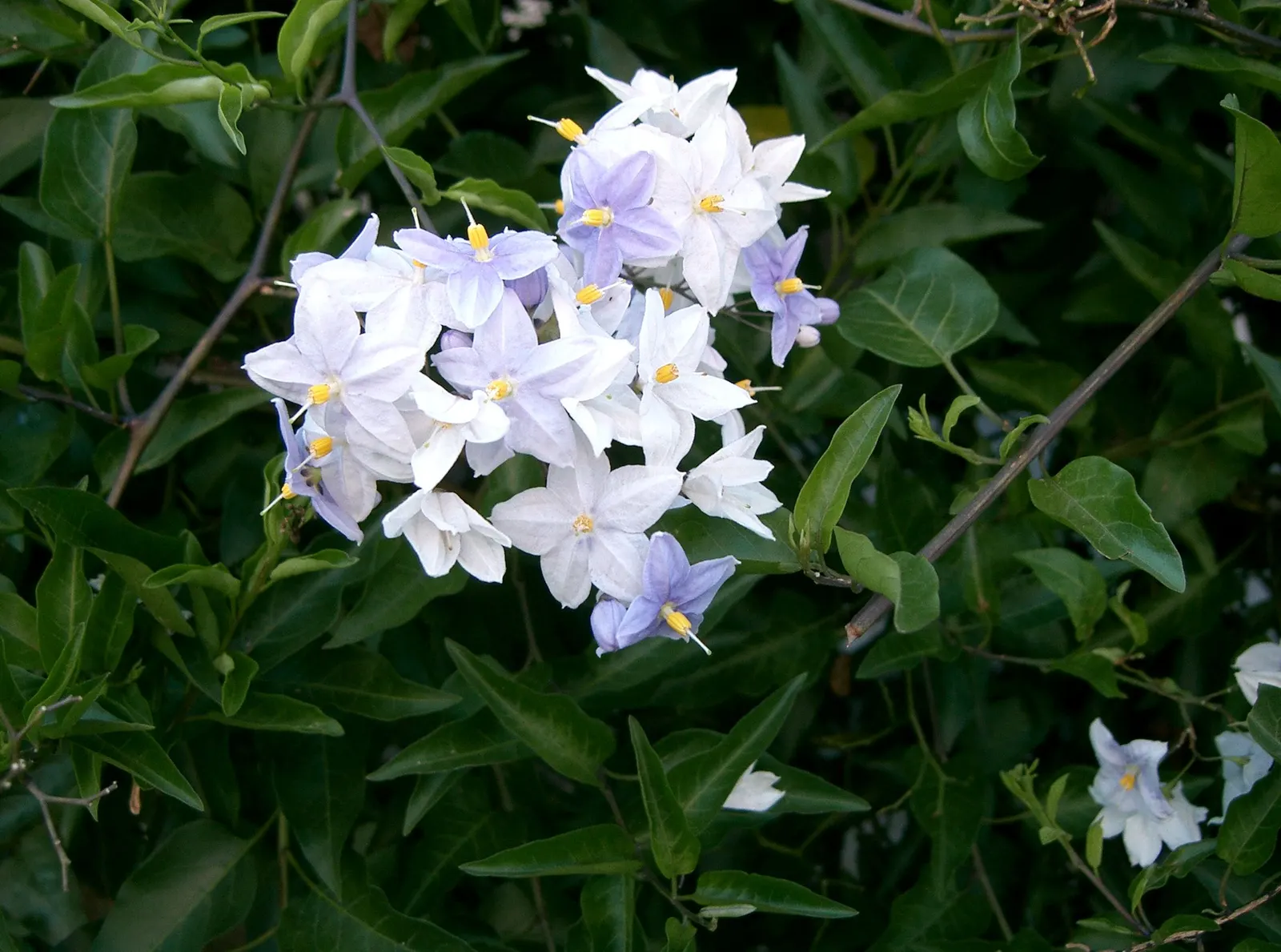
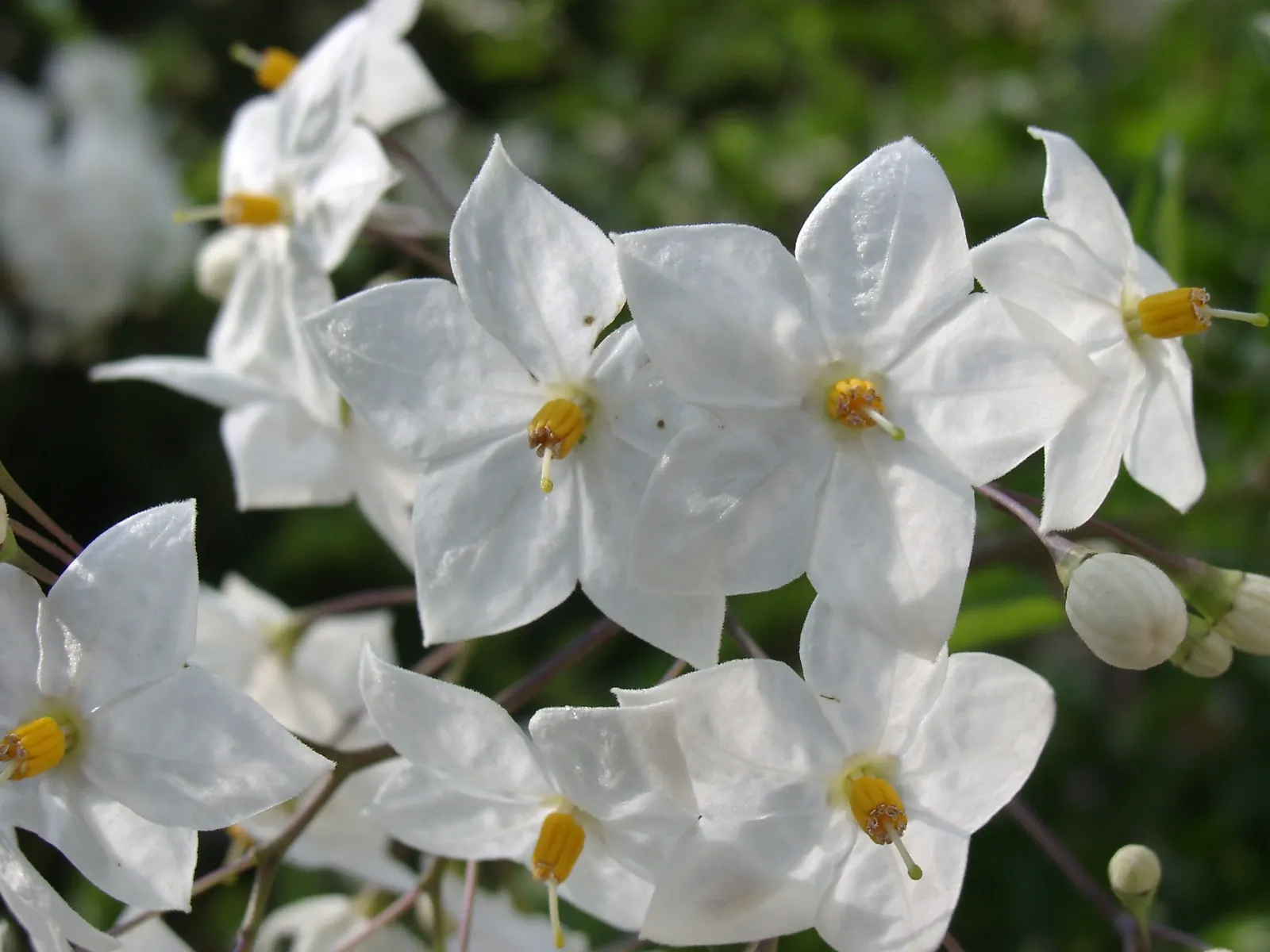
Potato Vine (Solanum Laxum) — These blooms are typically a delicate white with pronounced yellow stamens
Potato Vine (Solanum Laxum) — ornamental touch to any landscape design; its foliage is dark green, while in summer and fall, it produces fragrant, image 83
Potato Vine (Solanum Laxum) — vine with white blooms
Potato Vine (Solanum Laxum) — vine with white blooms; creating a striking contrast against the verdant leaves
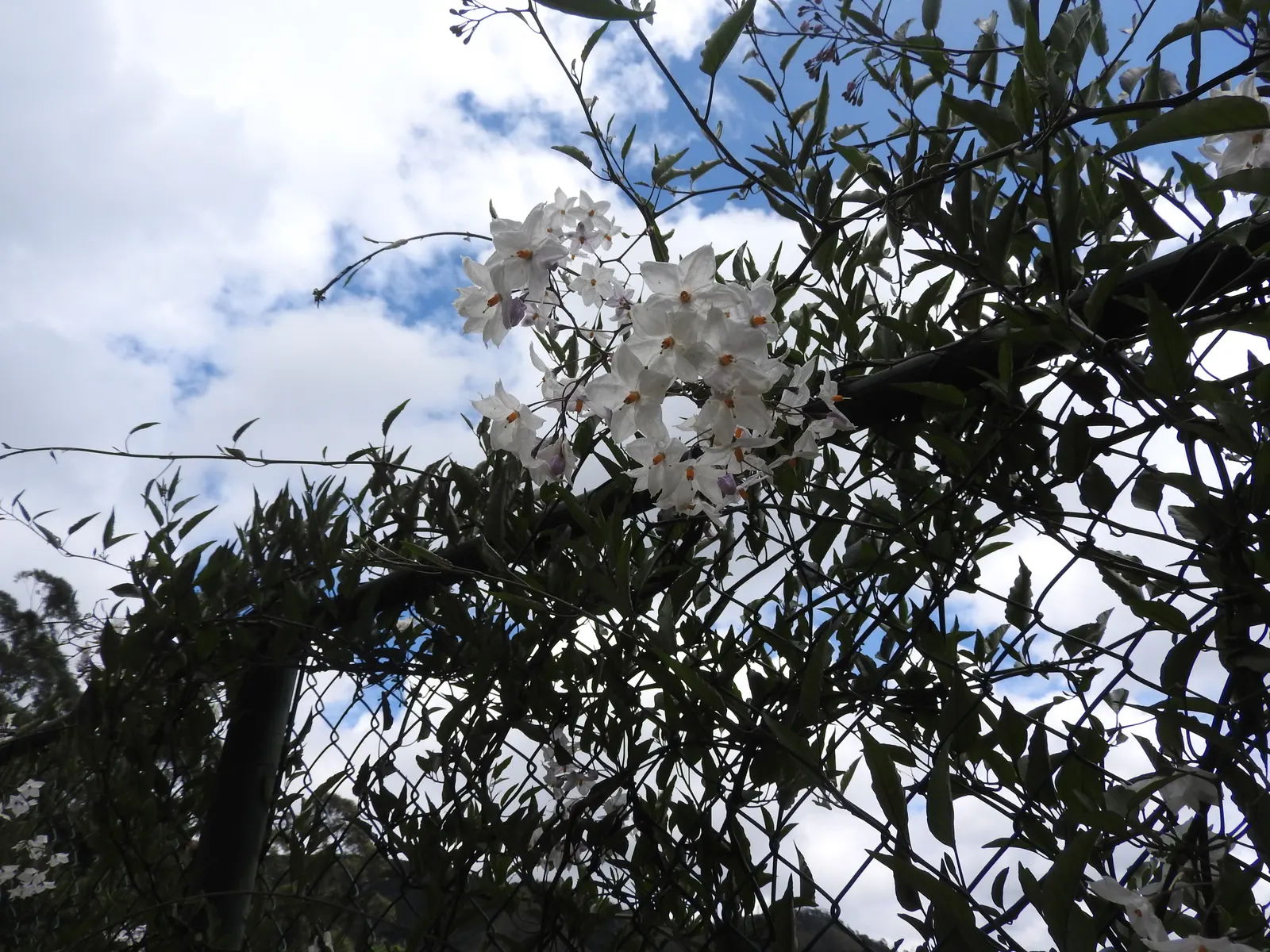
Potato Vine (Solanum Laxum) — It's excellent for trellises, walls, or as a sprawling ground cover; is a versatile and fast-growing evergreen vine that can add
Potato Vine (Solanum Laxum) — vine with white blooms; creating a striking contrast against the verdant leaves, image 99
Potato Vine (Solanum Laxum) — These blooms are typically a delicate white with pronounced yellow stamens; solanum laxum may require some protection during the
Potato Vine (Solanum Laxum) — The Solanum laxum, commonly known as Potato Vine, is a fast-growing evergreen climber; this vine prefers full sun to, image 76
Potato Vine (Solanum Laxum) — This vine prefers full sun to partial shade and well-draining soil; vine for full or half, image 54
Potato Vine (Solanum Laxum) — vine for full or half; ensuring an attractive display each season
Potato Vine (Solanum Laxum) — typical care includes pruning in late winter to maintain its shape and promote vigorous growth; when establishing the, image 96
Potato Vine (Solanum Laxum) — This robust climber can reach lengths of approximately 20 feet; making it an excellent choice for trellises, image 59
Potato Vine (Solanum Laxum) — creating a striking contrast against the verdant leaves; it thrives in USDA zones 8-10, reaching up to 20 feet in, image 90
Potato Vine (Solanum Laxum) — scientifically known as Solanum laxum; these blooms are typically a delicate white with pronounced yellow stamens, image 81
Potato Vine (Solanum Laxum) — or fences where a visual screen or a green backdrop is desired.<br><br>Its foliage consists of dark green; vine with, image 61
Potato Vine (Solanum Laxum) — vine for full or half
Potato Vine (Solanum Laxum) — This vine prefers full sun to partial shade and well-draining soil; vine for full or half, image 79
Potato Vine (Solanum Laxum) — Solanum laxum may require some protection during the coldest months in cooler climates
Potato Vine (Solanum Laxum) — white flowers in the garden; ornamental touch to any landscape design, image 73
Potato Vine (Solanum Laxum) — Flowering occurs prolifically from late spring through fall, with the heaviest blooms in early to mid-summer; this robust climber
Photographs by 17 contributors

Related plants