Skip to content

Solomon's Plume

Smilacina Racemosa

Design with this plant

Overview

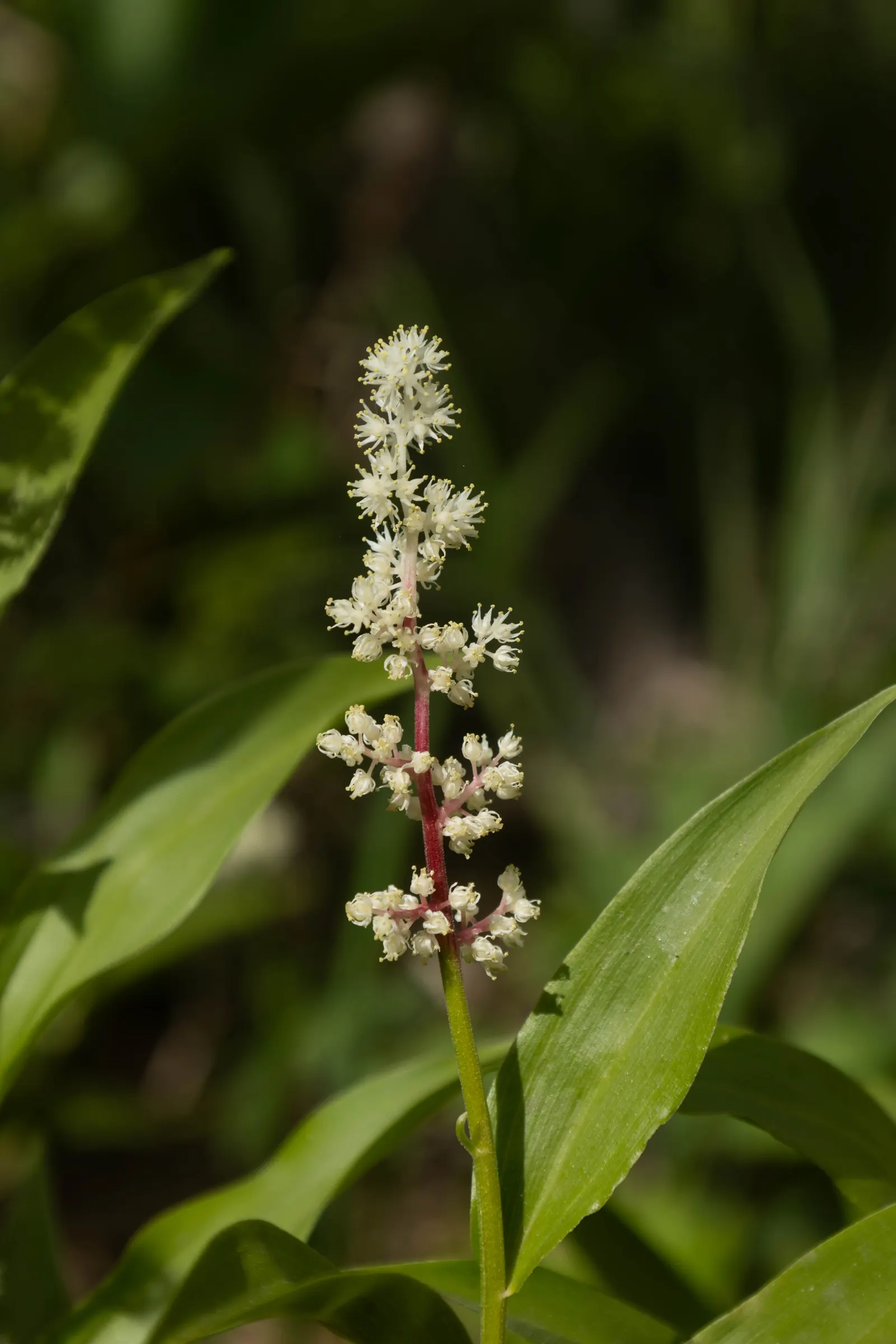
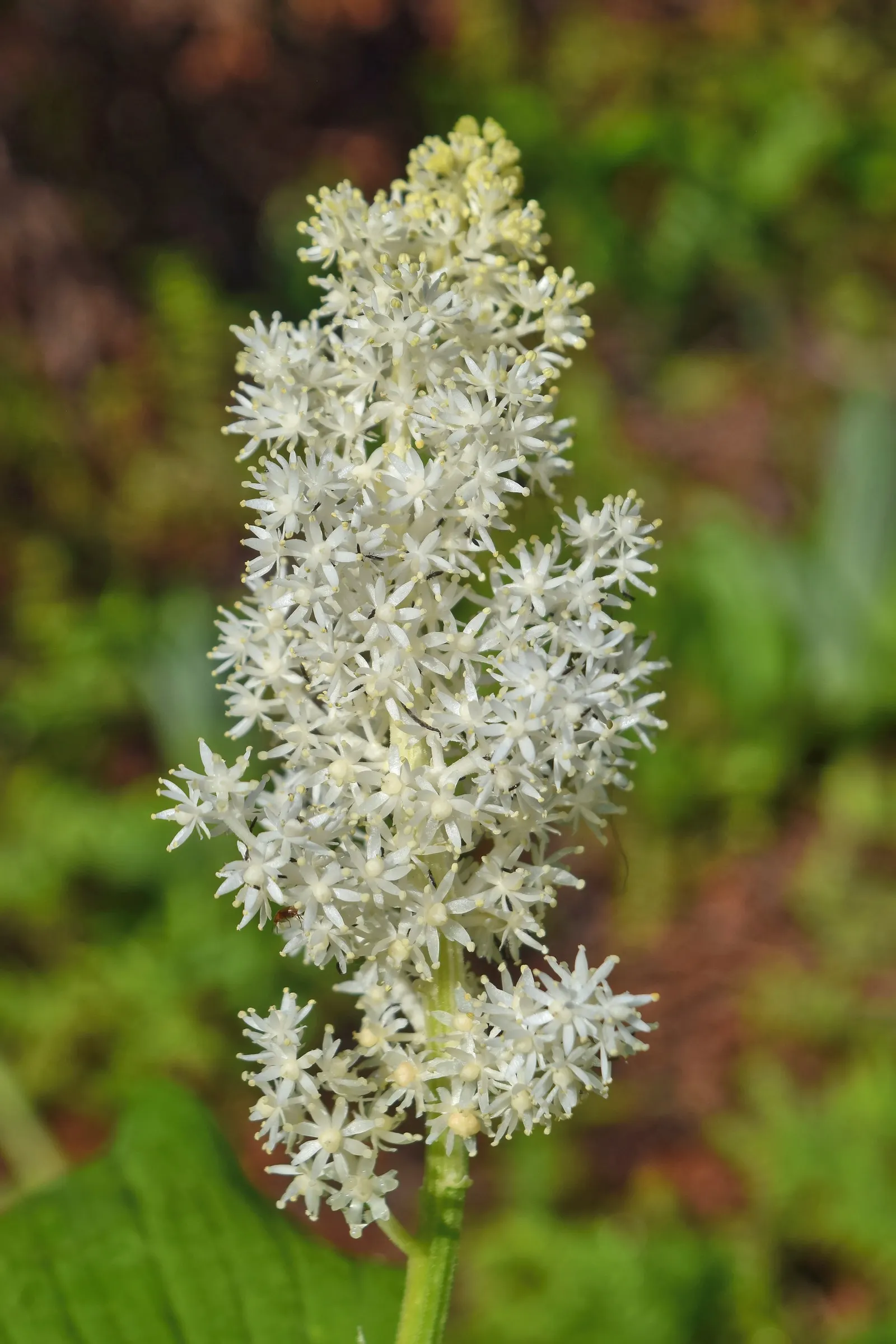
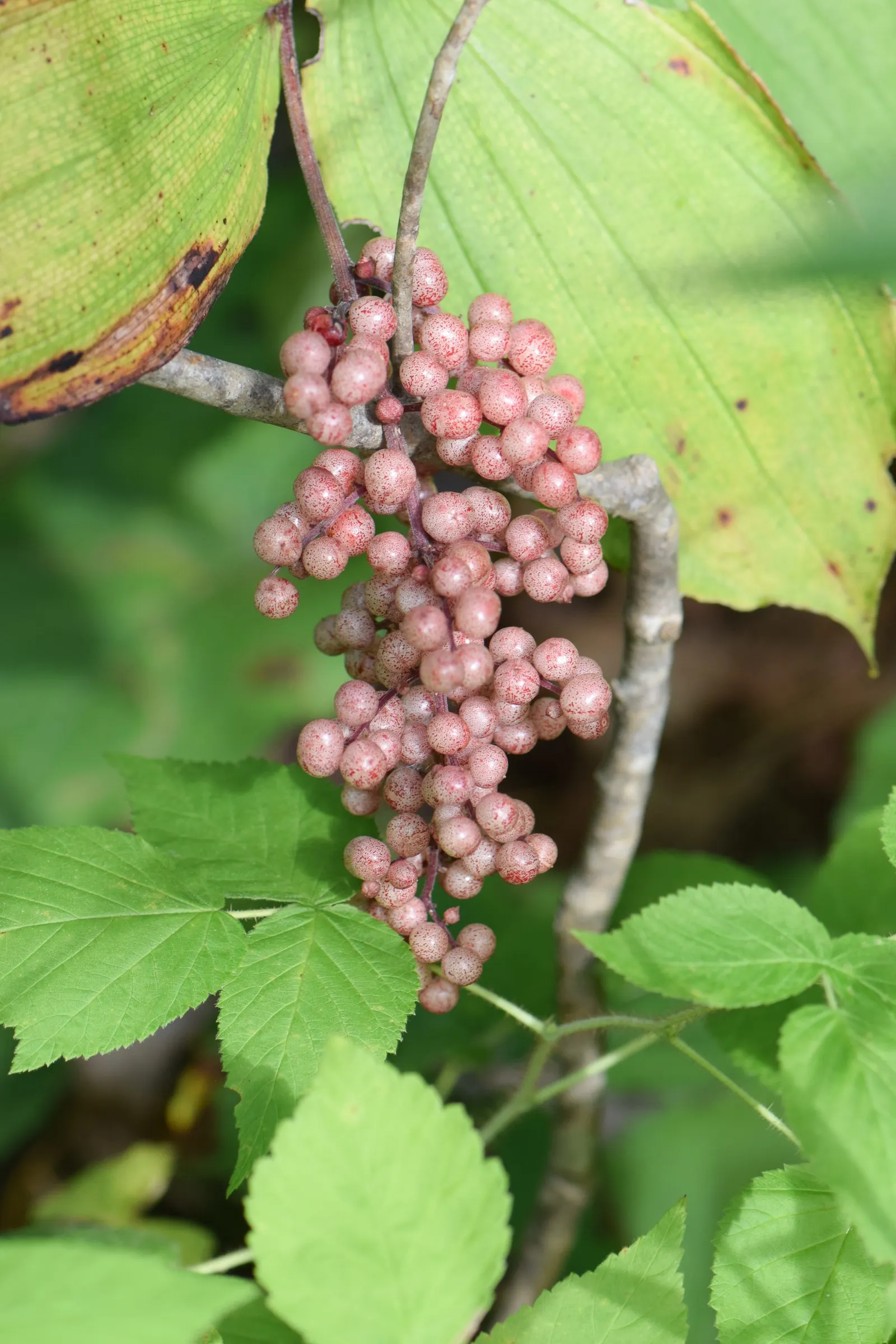
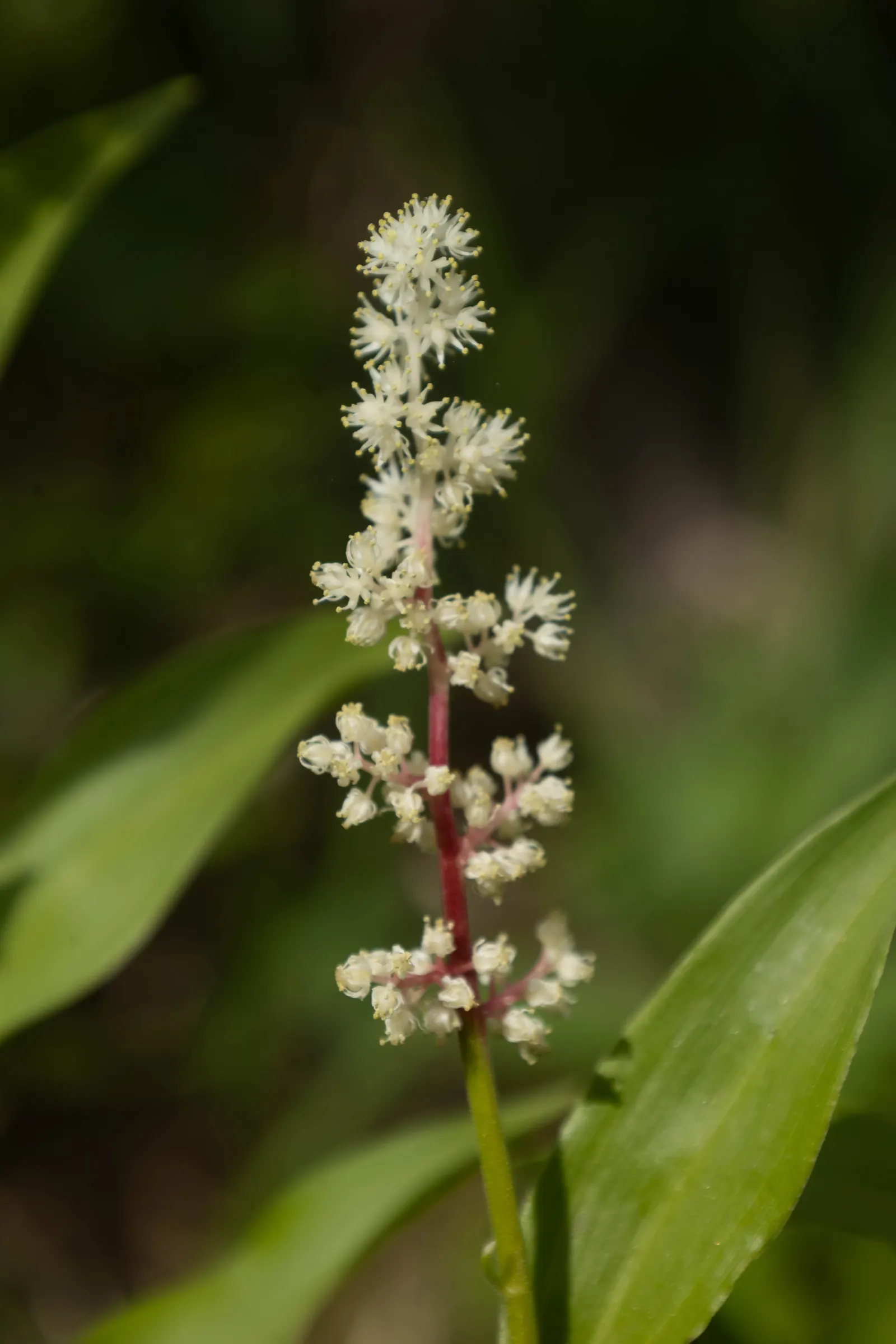
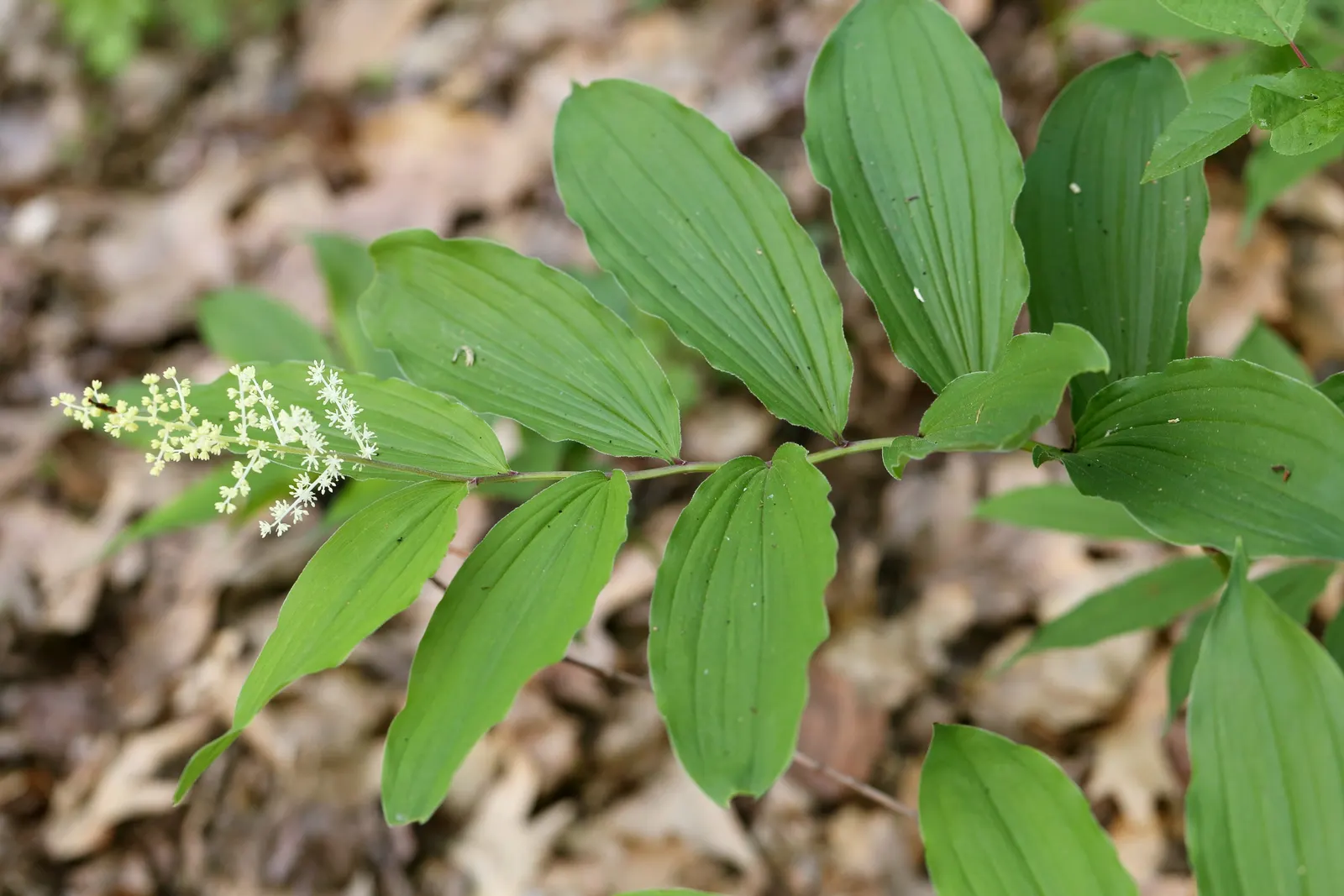
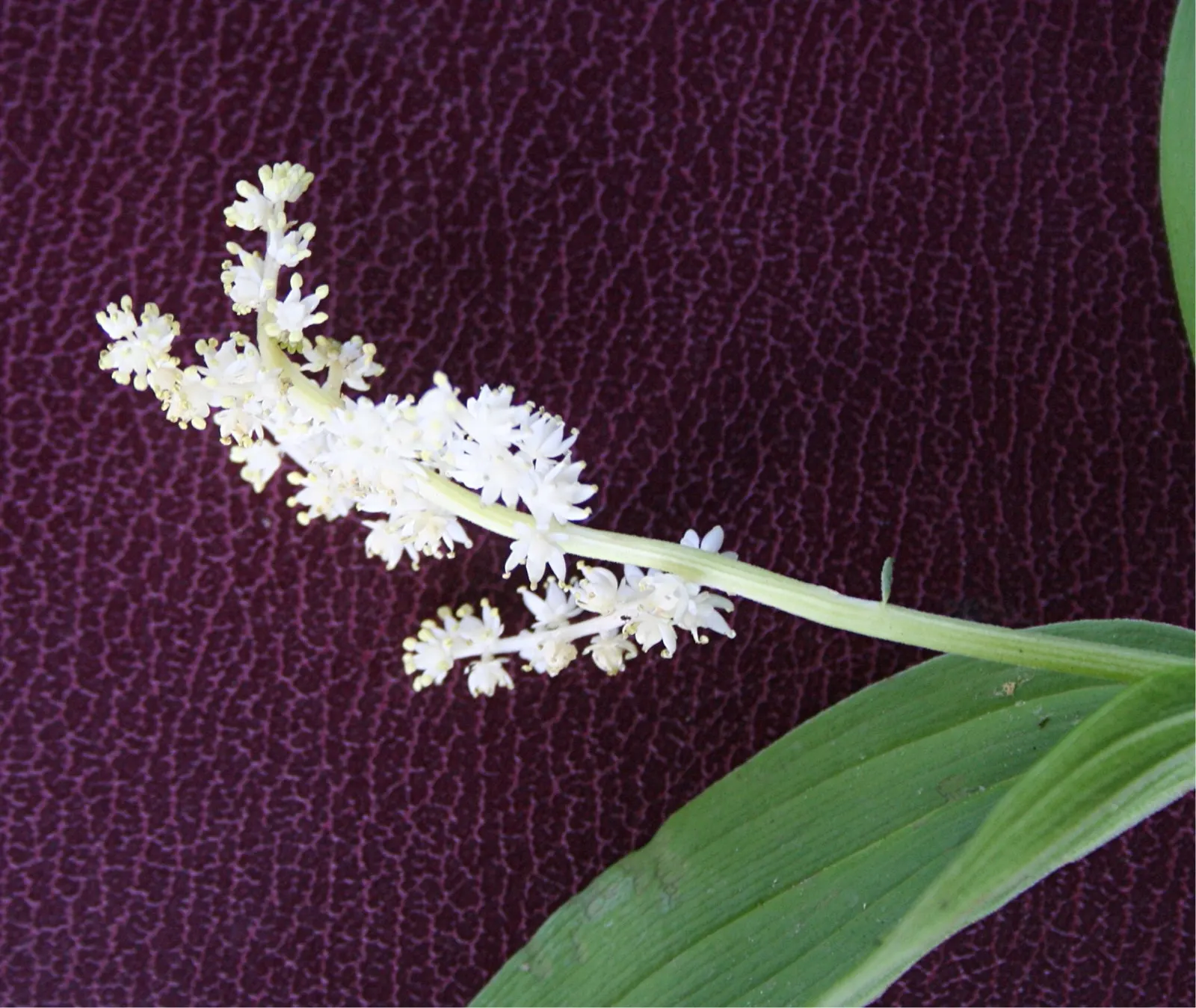
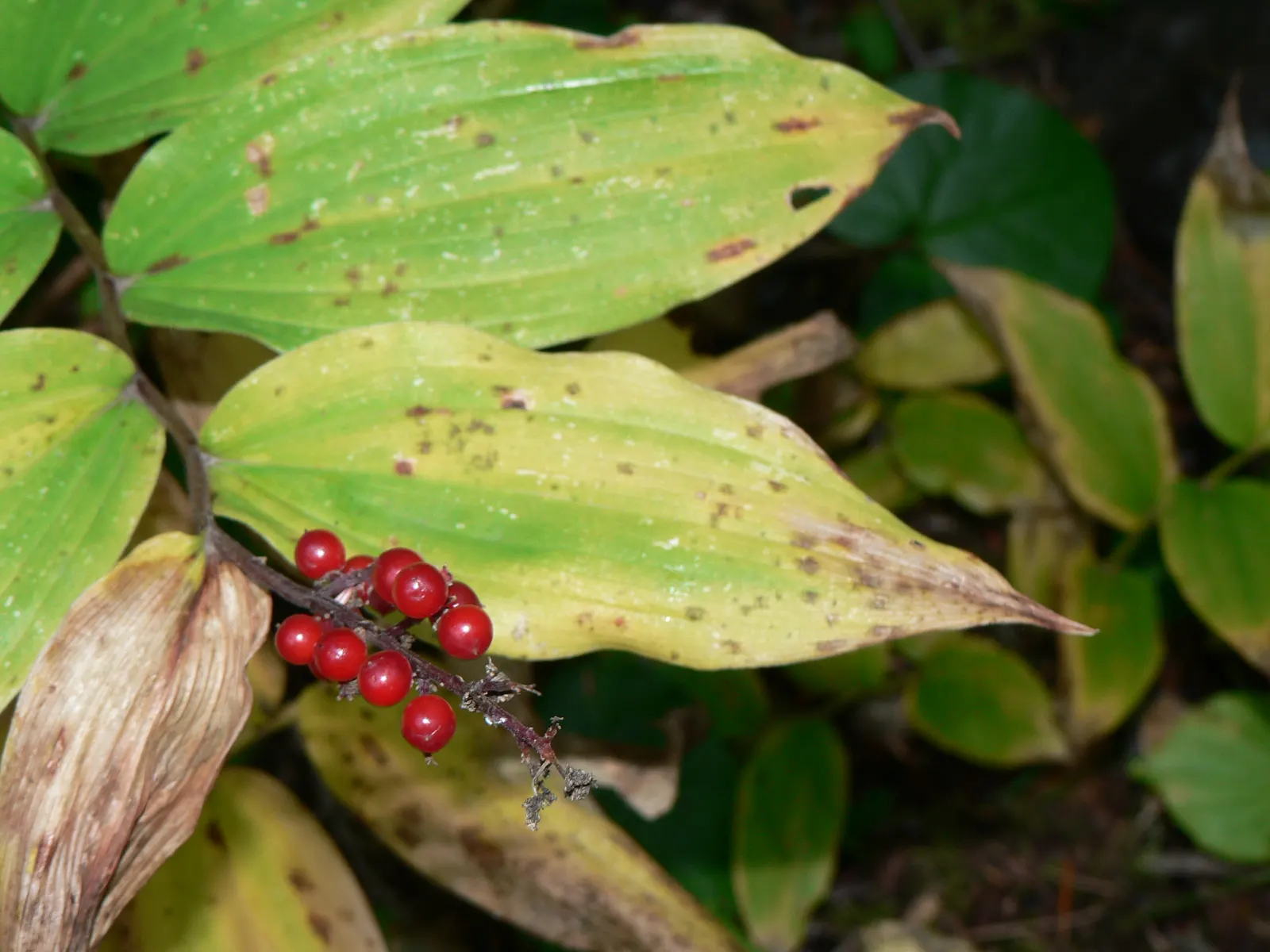
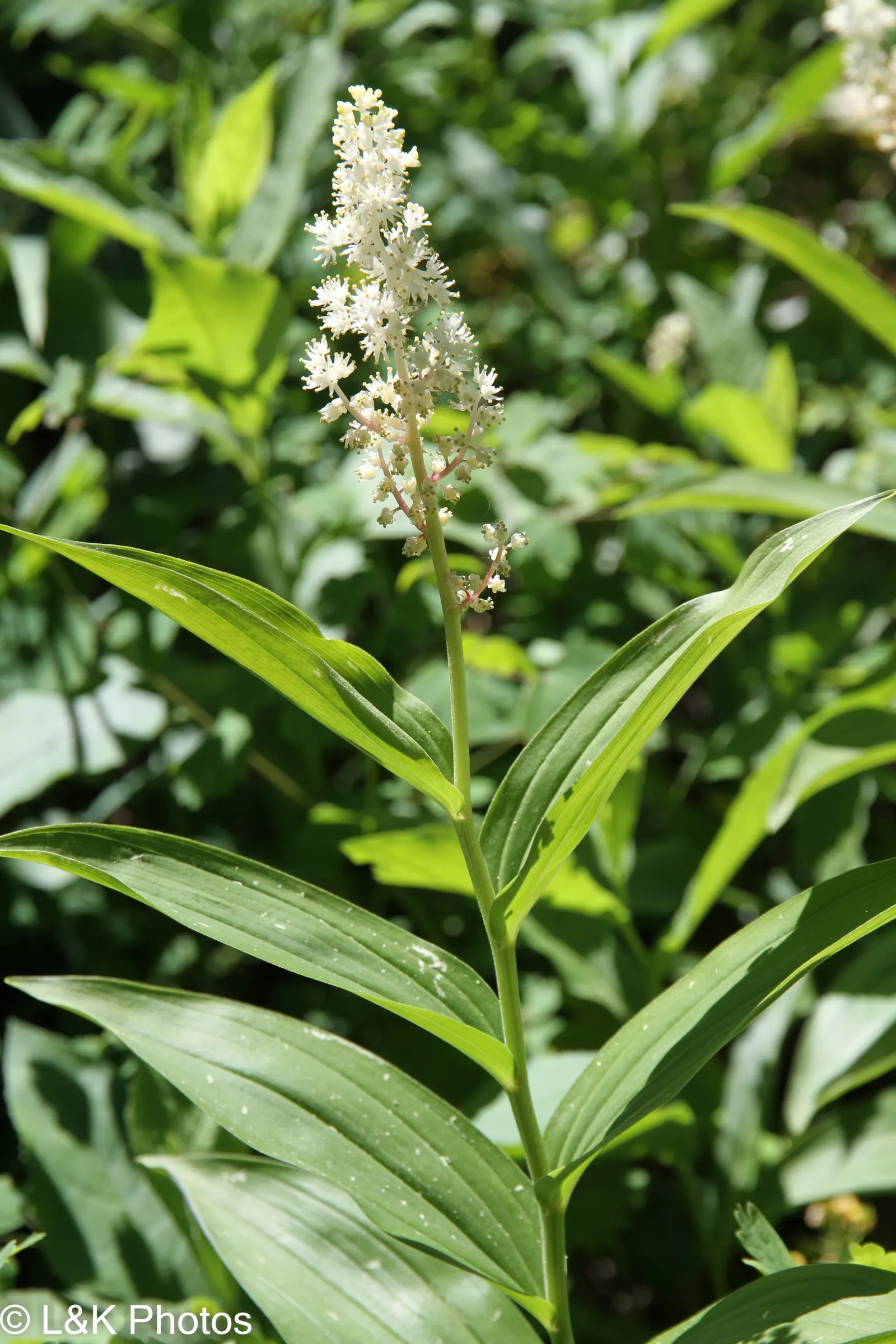
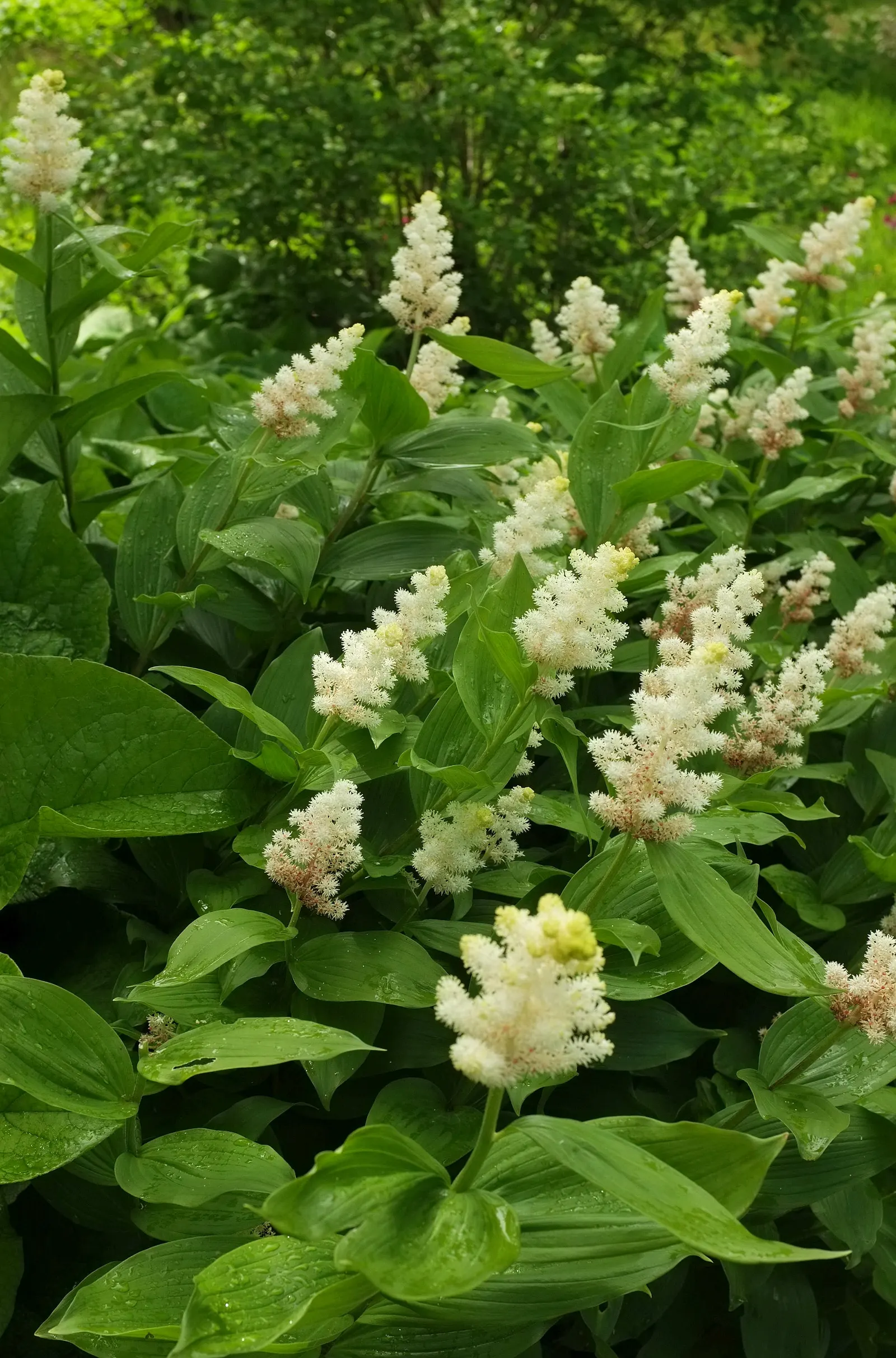
Solomon's plume, Smilacina racemosa, offers elegant, arched stems reaching up to 3 feet with dense racemes of creamy white flowers in late spring. A shade lover, it thrives in moist, well-drained soil, gradually forming lush colonies. Post-bloom, brilliant red berries adorn the plant, attracting wildlife. Ideal for woodland settings, it adds a delicate texture to shaded gardens with minimal maintenance, hardy in zones 3-7.

Sun Full, Half, ShadeWater MediumZones 3–8Type Ground cover, Perennial
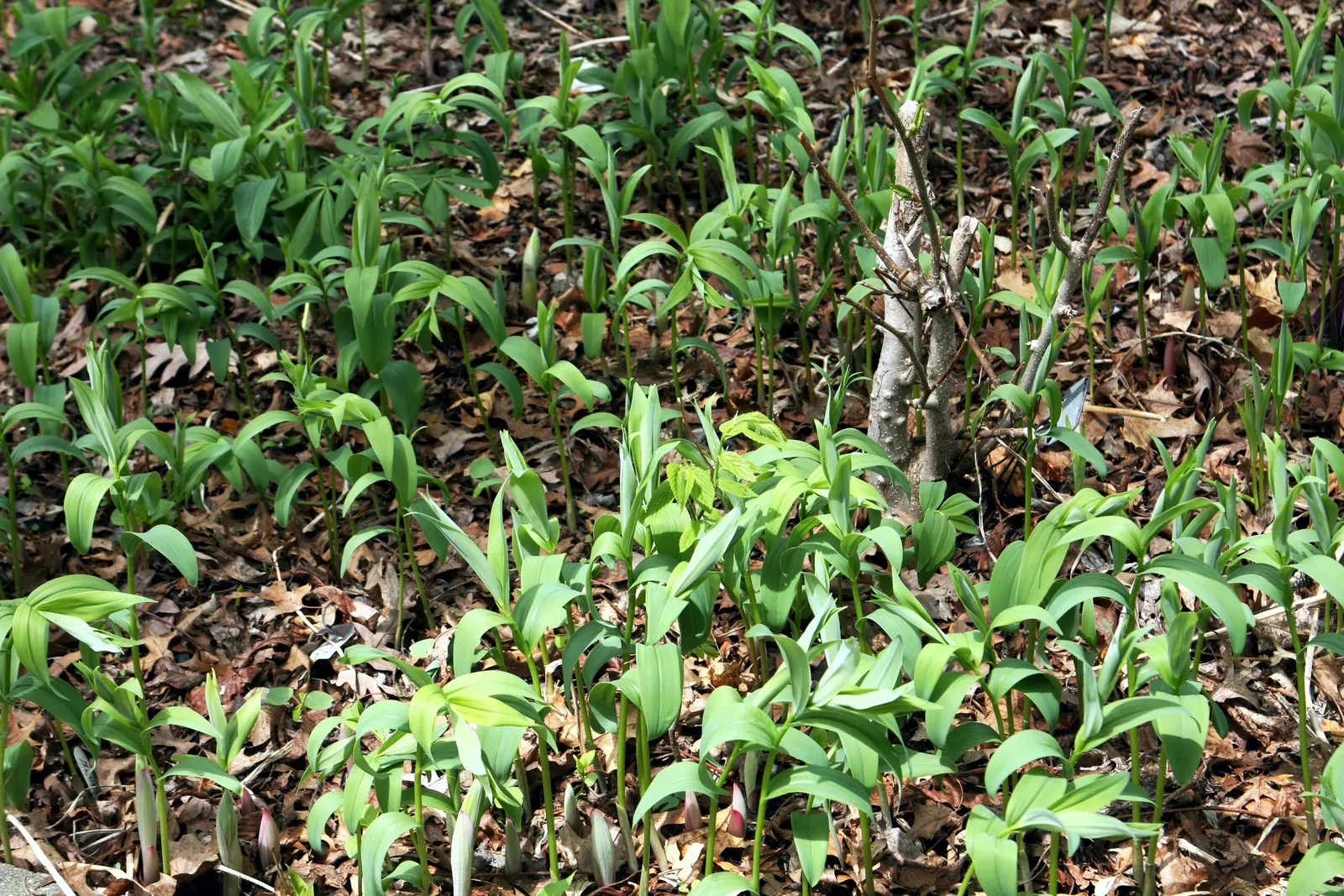
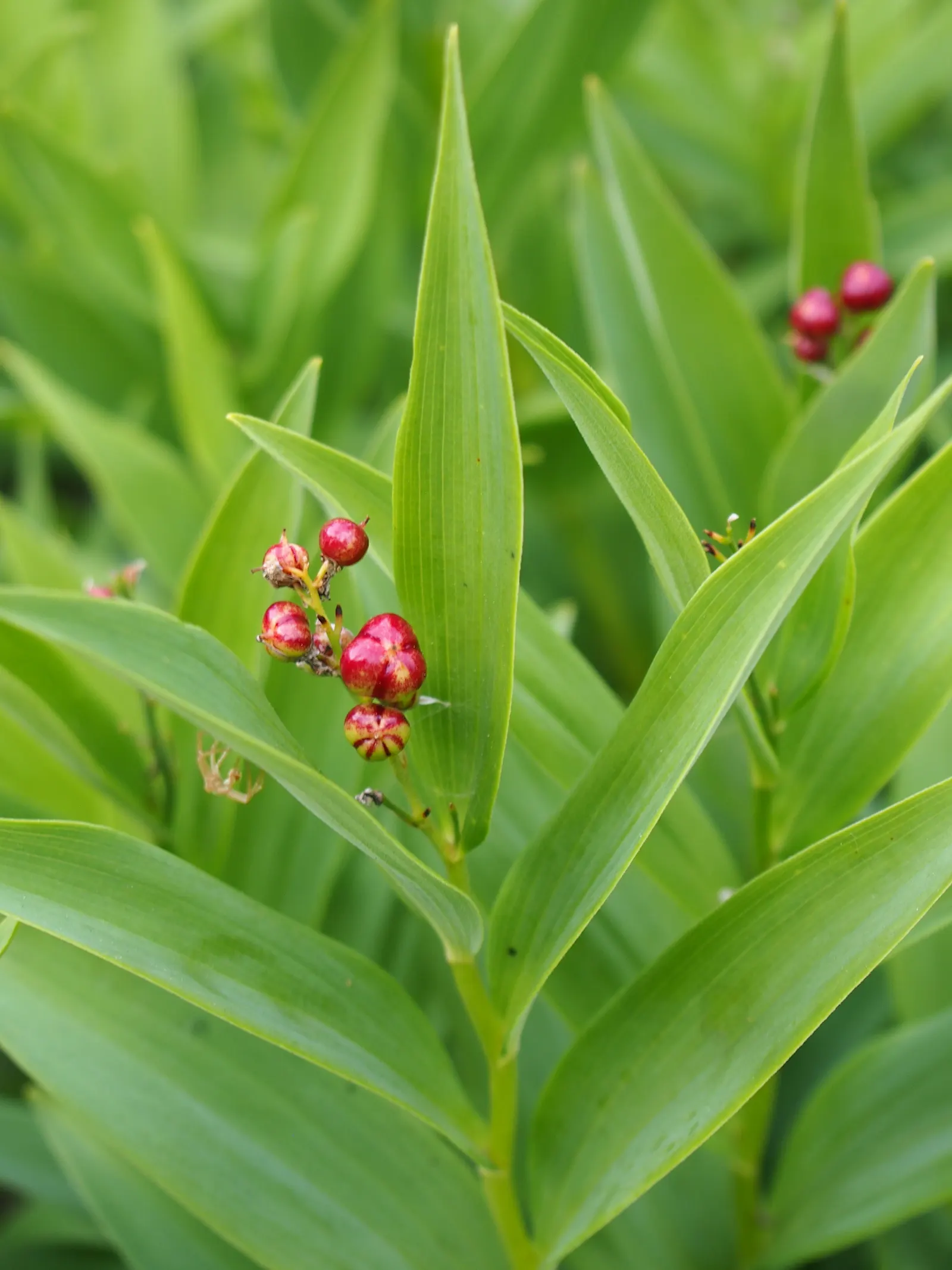
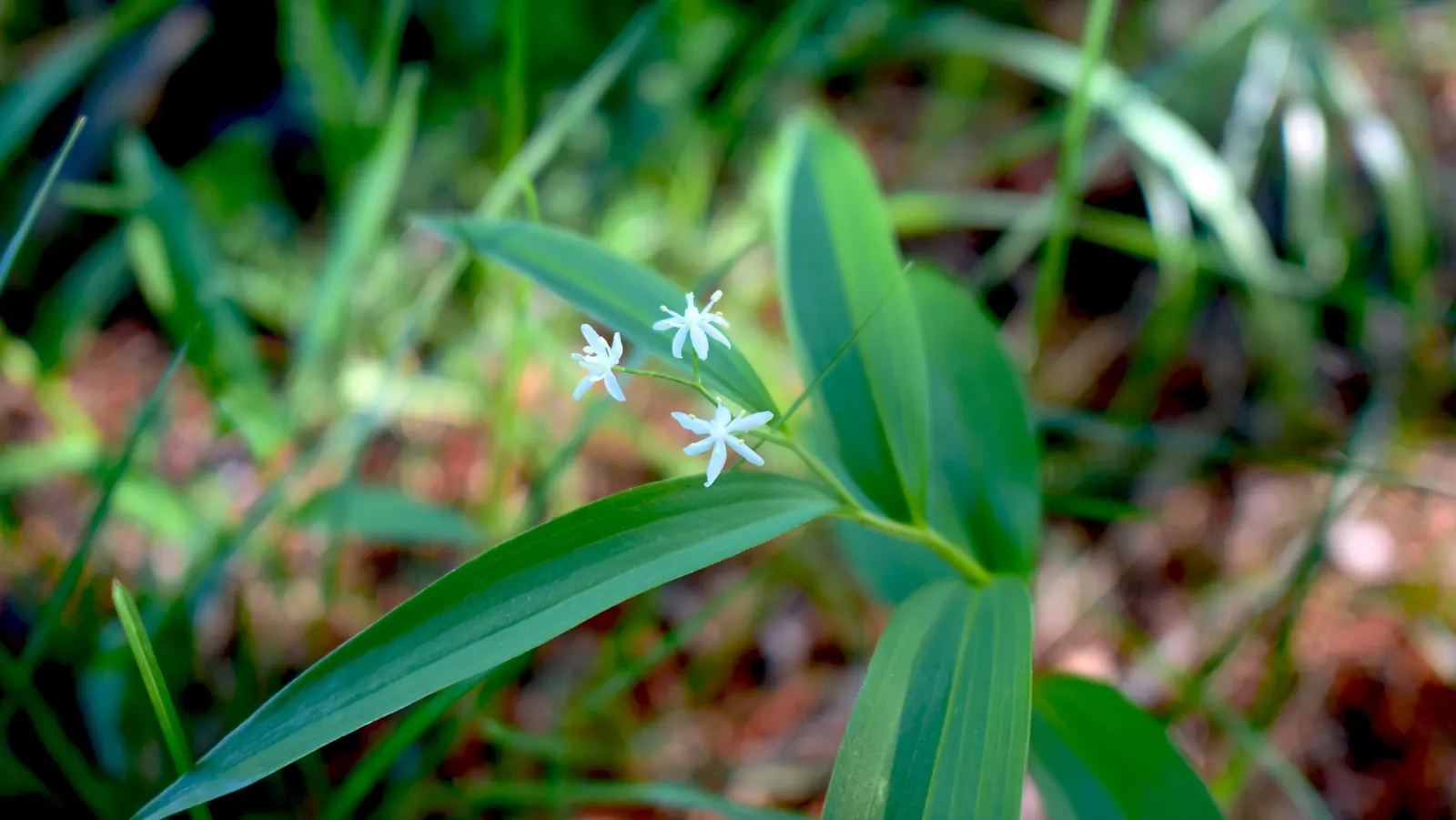
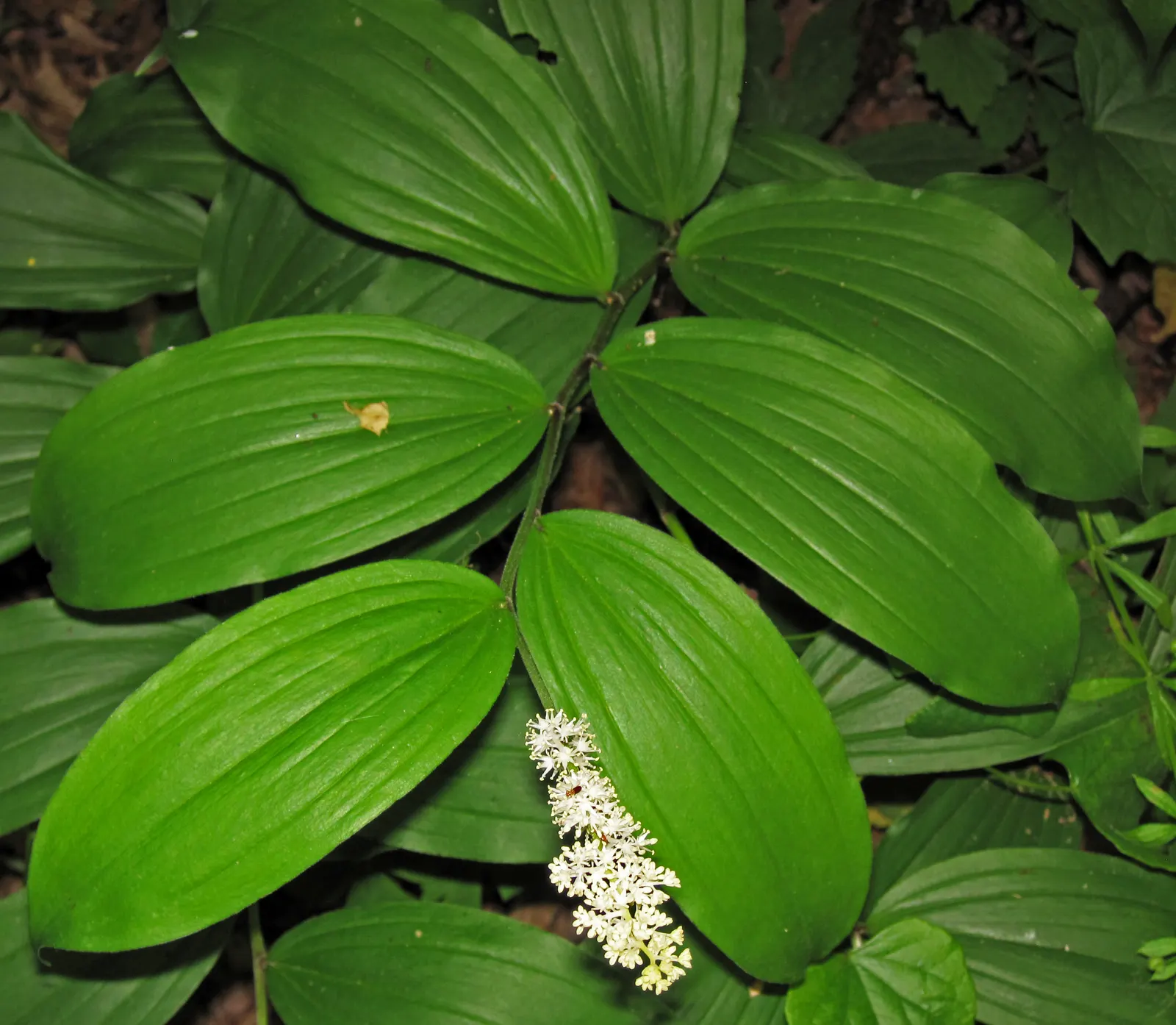
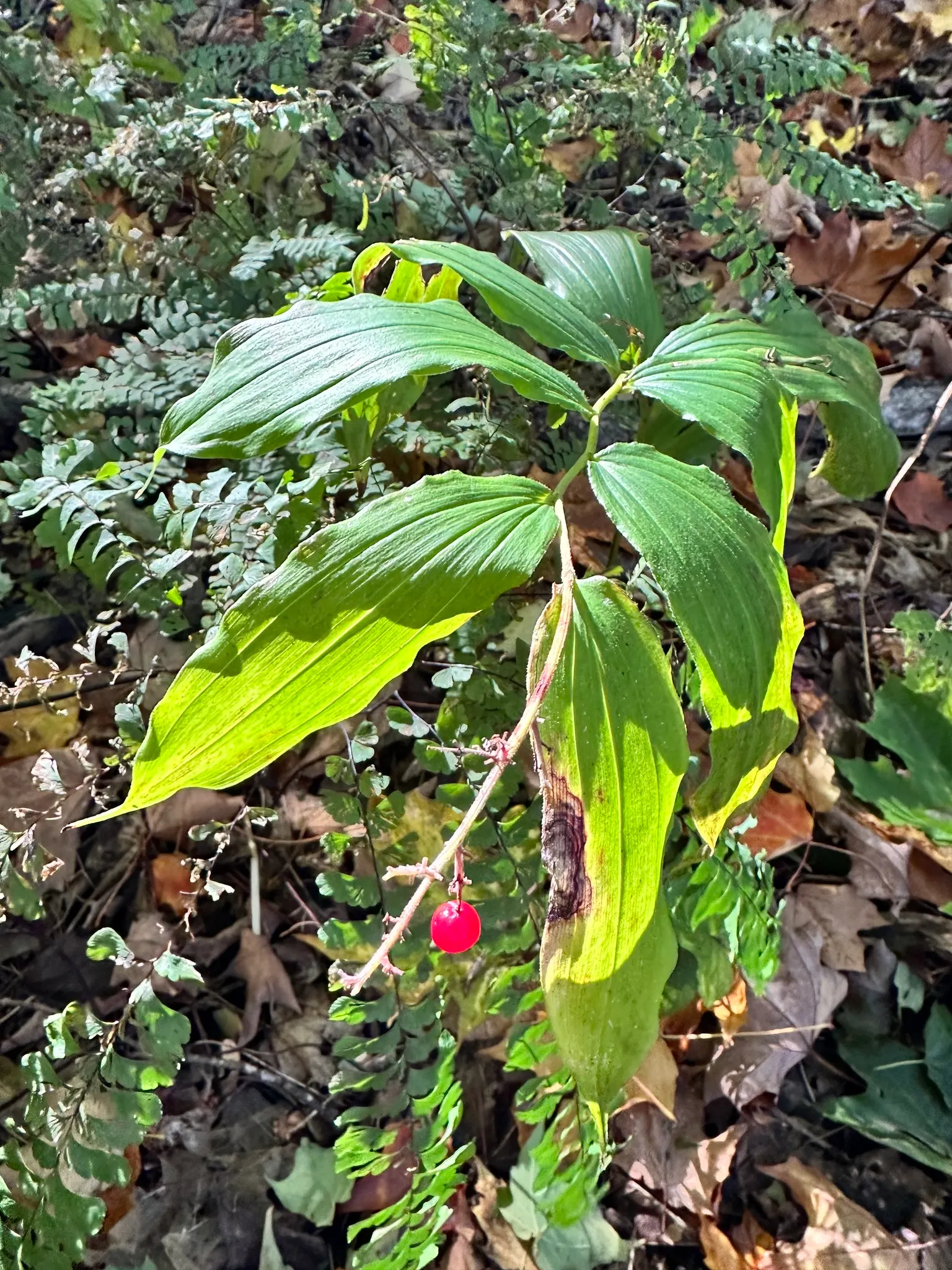
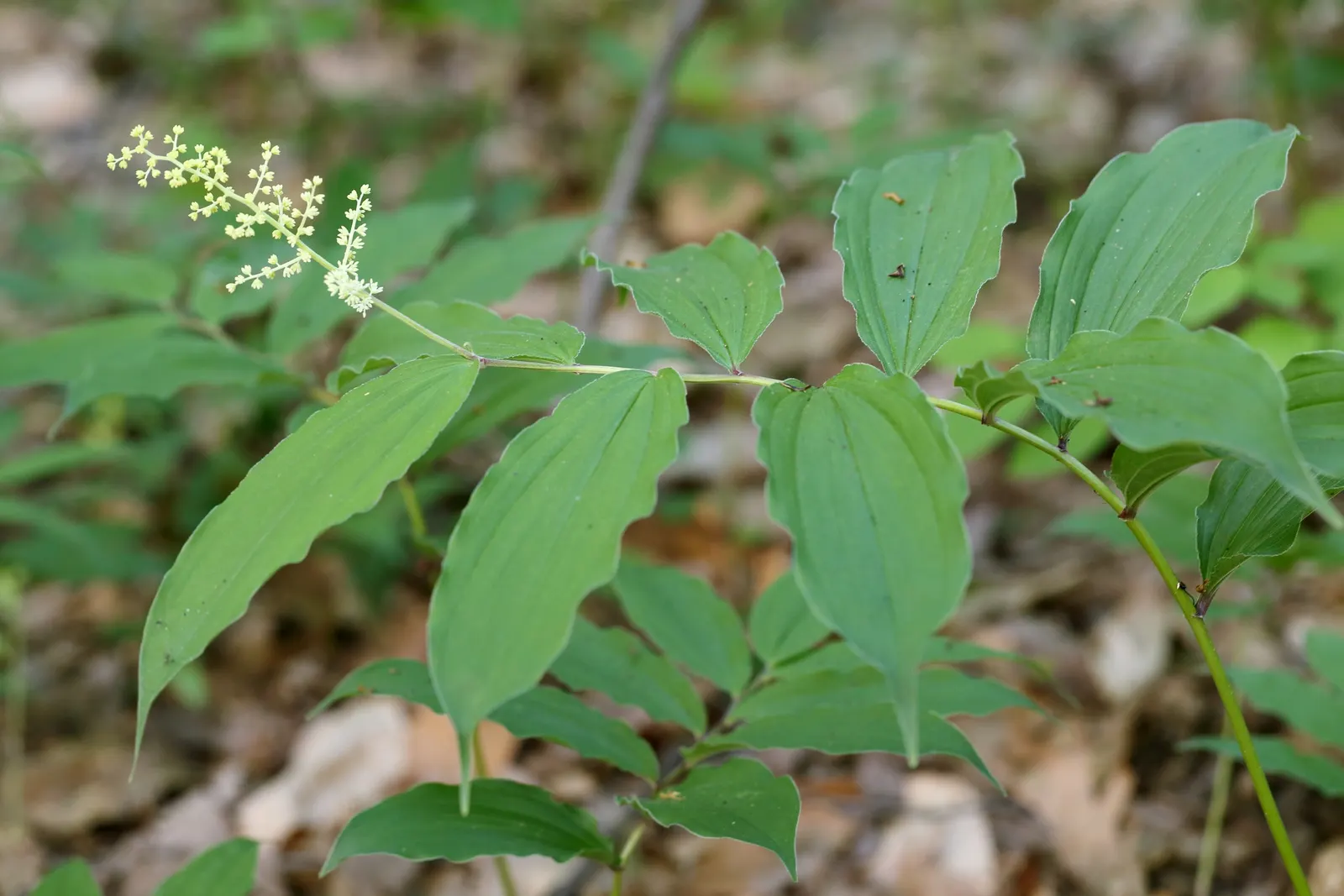
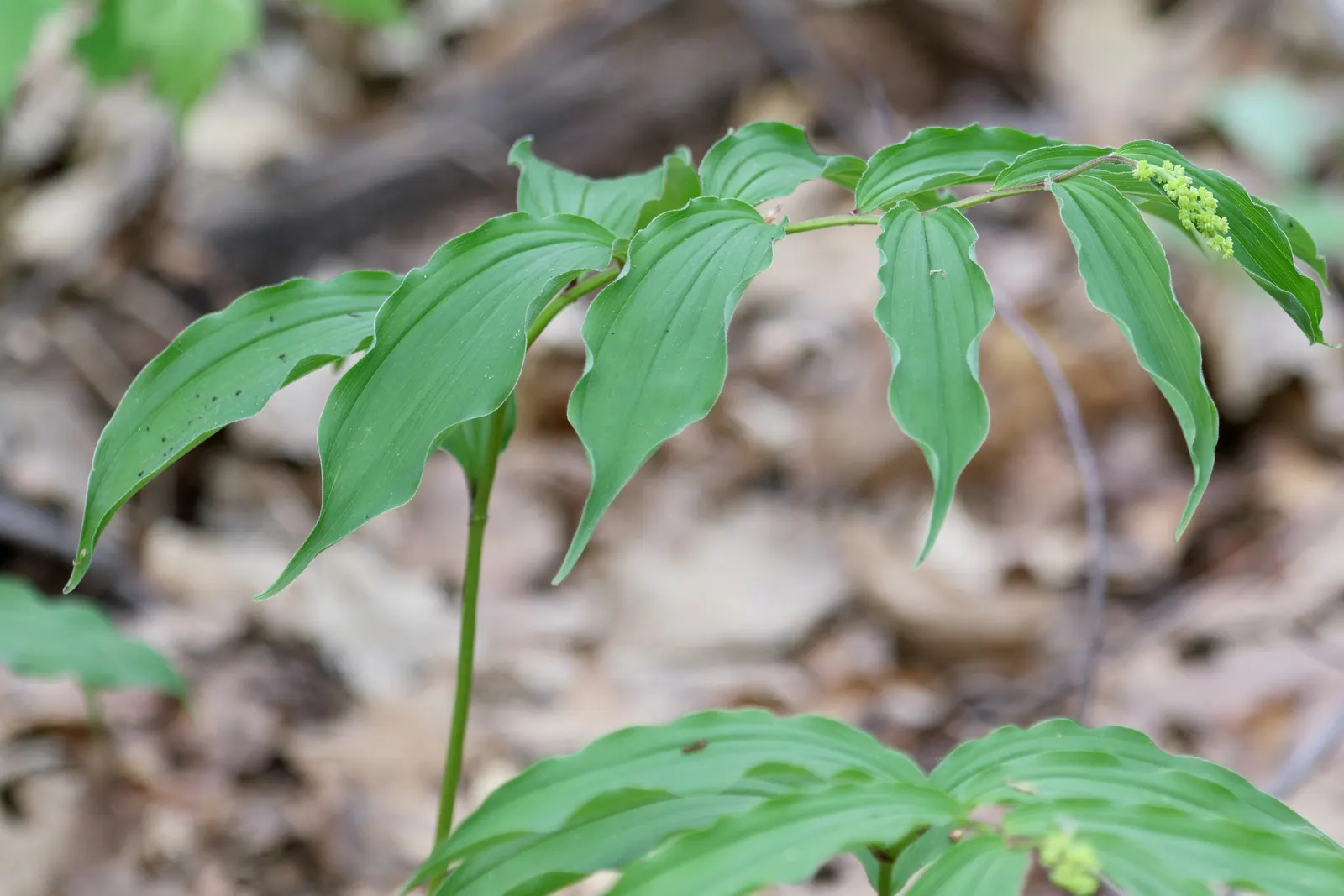
Solomon's Plume (Smilacina Racemosa) — pointed leaves that can reach 3 to 6 inches in length; post-bloom, brilliant red berries adorn the plant, image 83

Culture

Sun
Full, Half, Shade
Water
Medium
USDA zones
3–8

Shape & size

Classification

Type
Ground cover, Perennial
Family
Asparagaceae

See full data, regional cultivation notes, and design tools. Build a client presentation around this plant.

Start your 14-day trial

Photos (131)

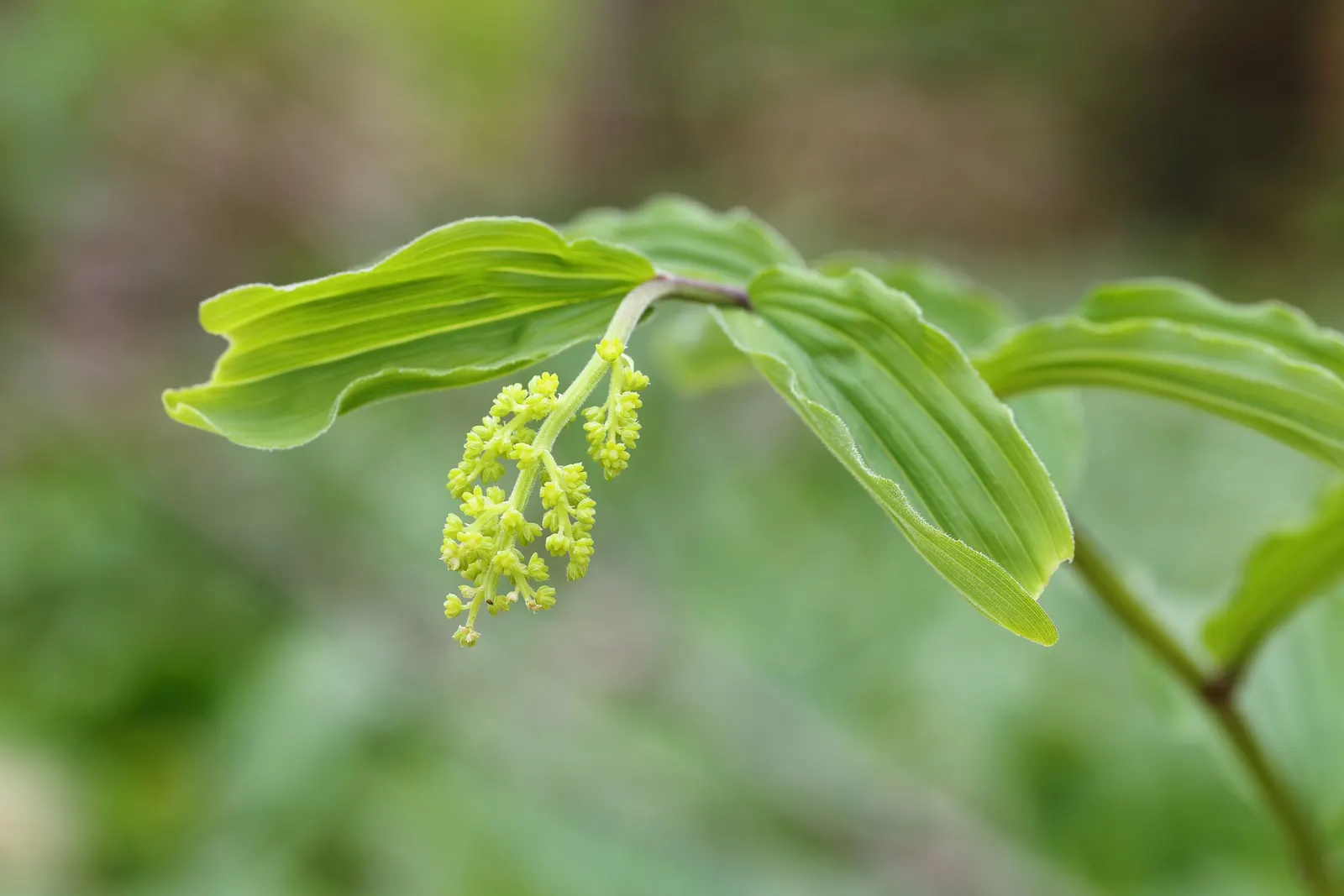
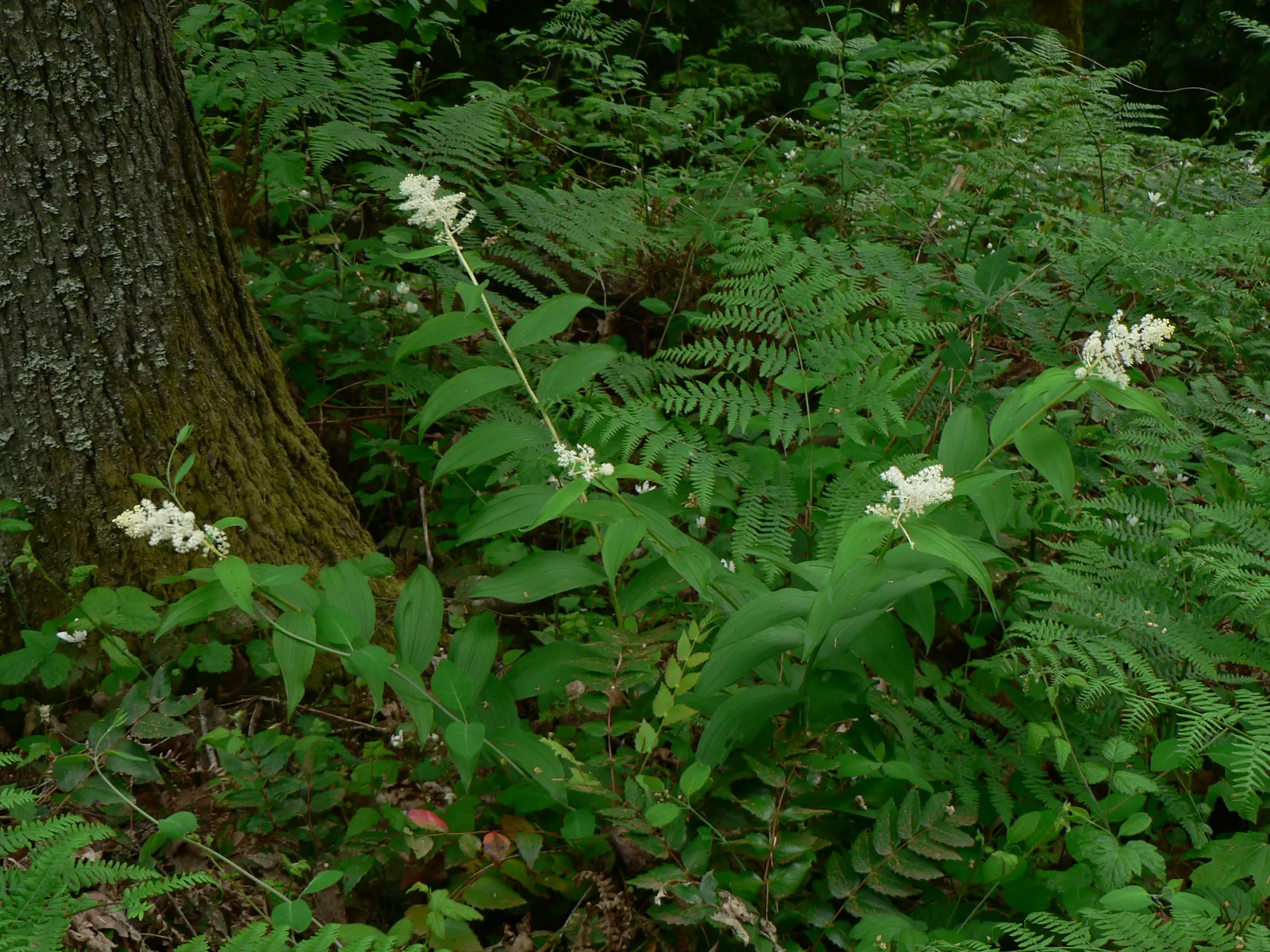
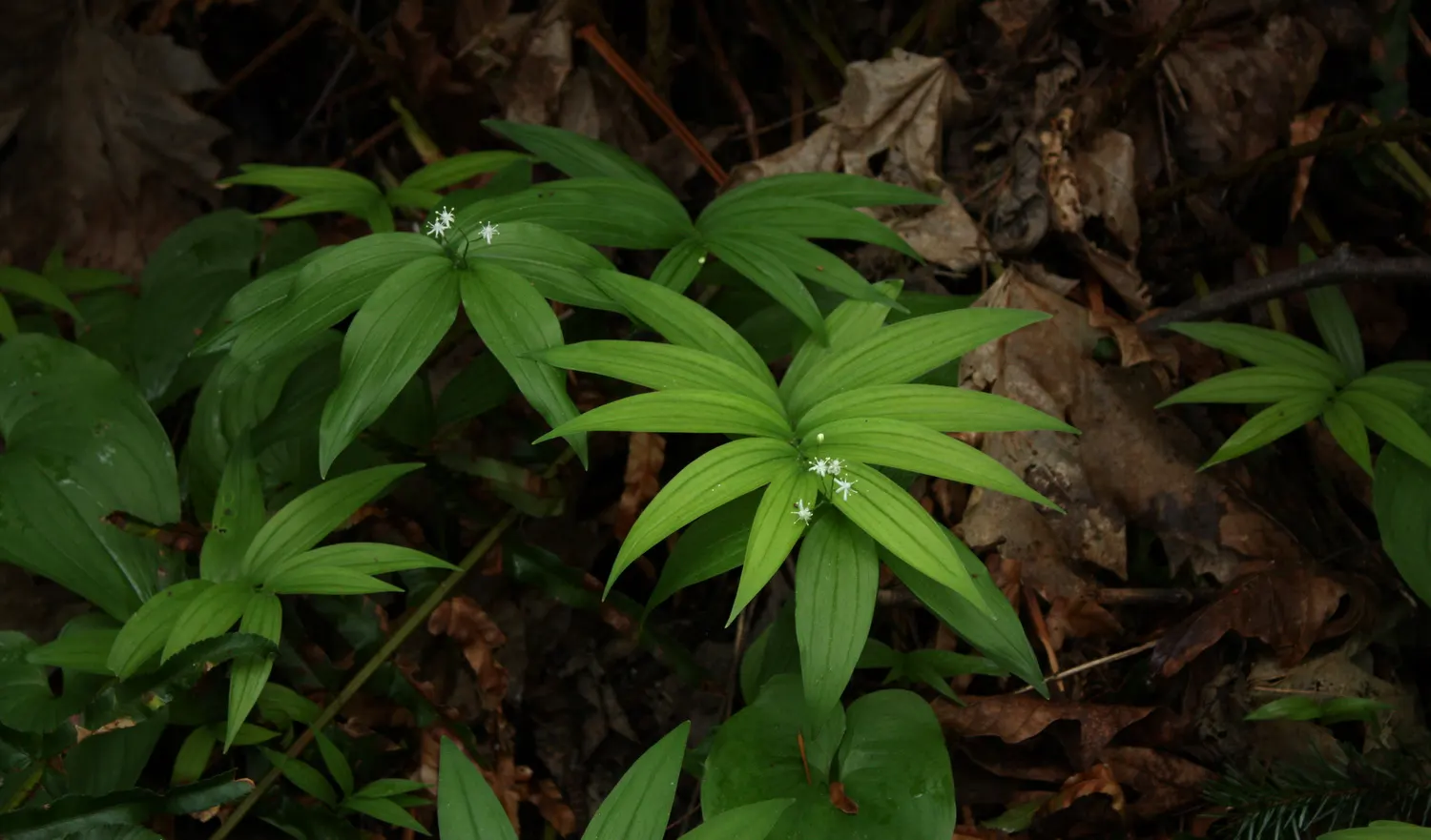
Solomon's Plume (Smilacina Racemosa) — Ideal for woodland settings
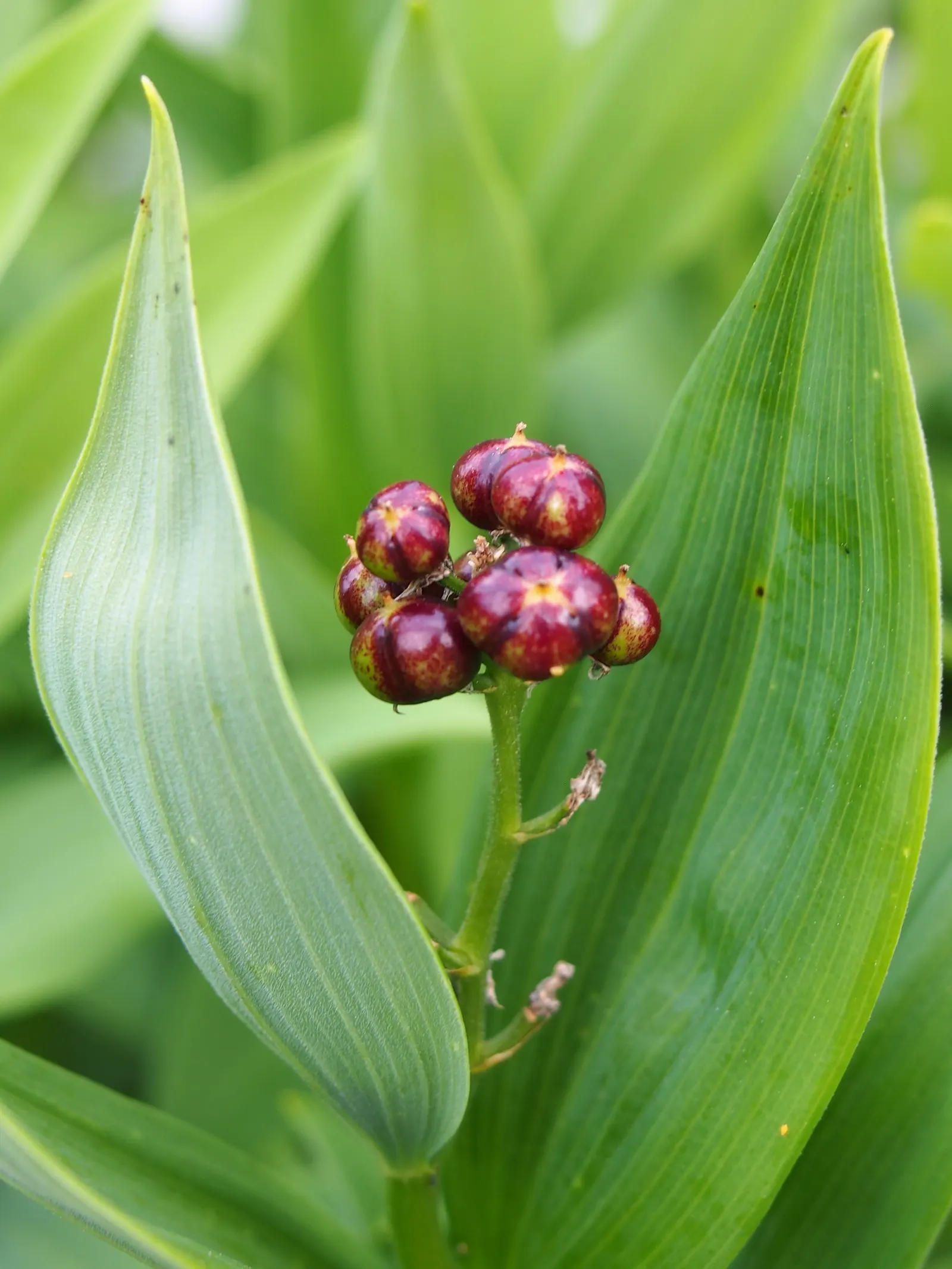
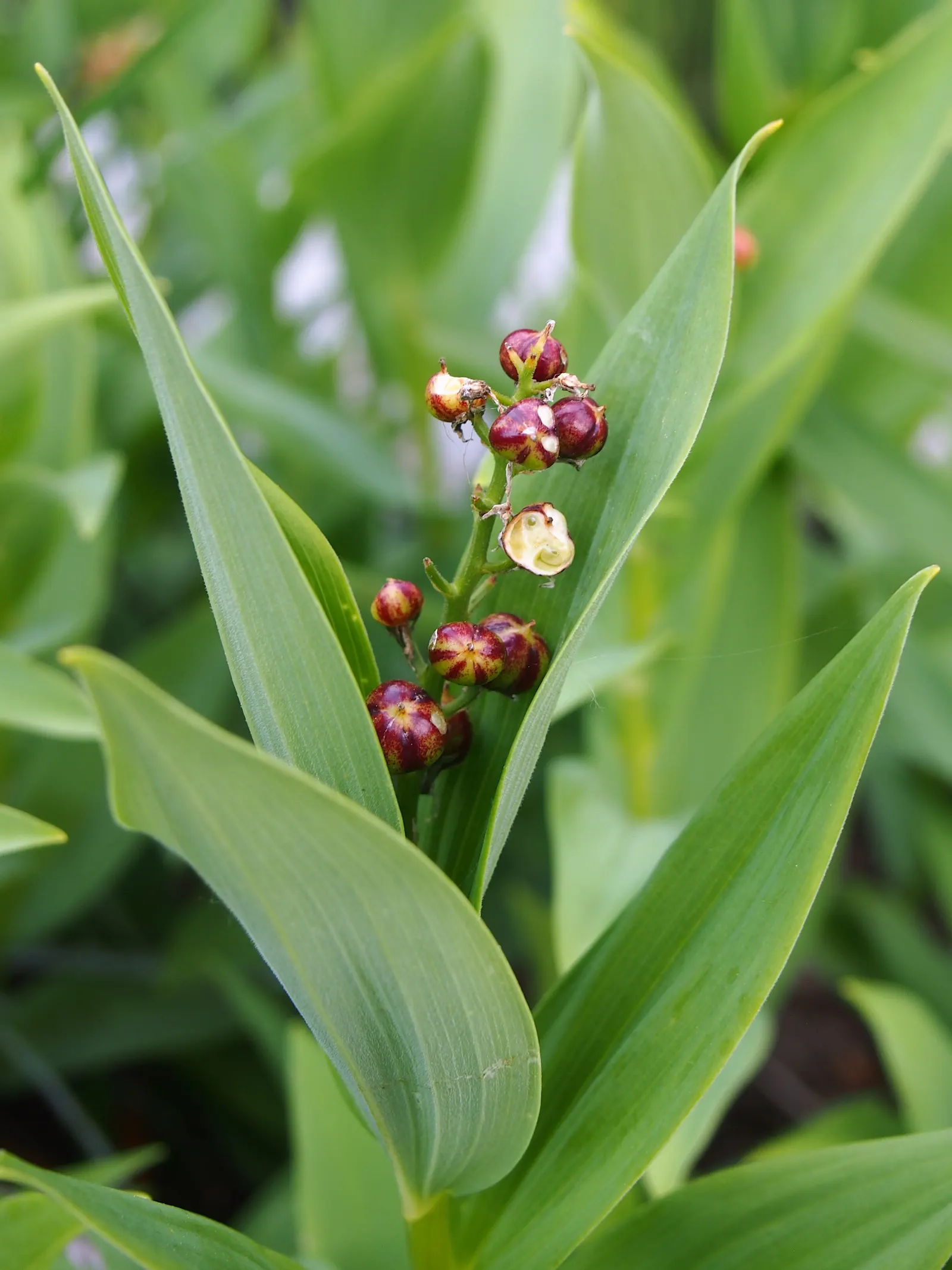
Solomon's Plume (Smilacina Racemosa) — ground cover / perennial with white blooms; while its flowers give way to pea-sized berries that turn from green to ruby
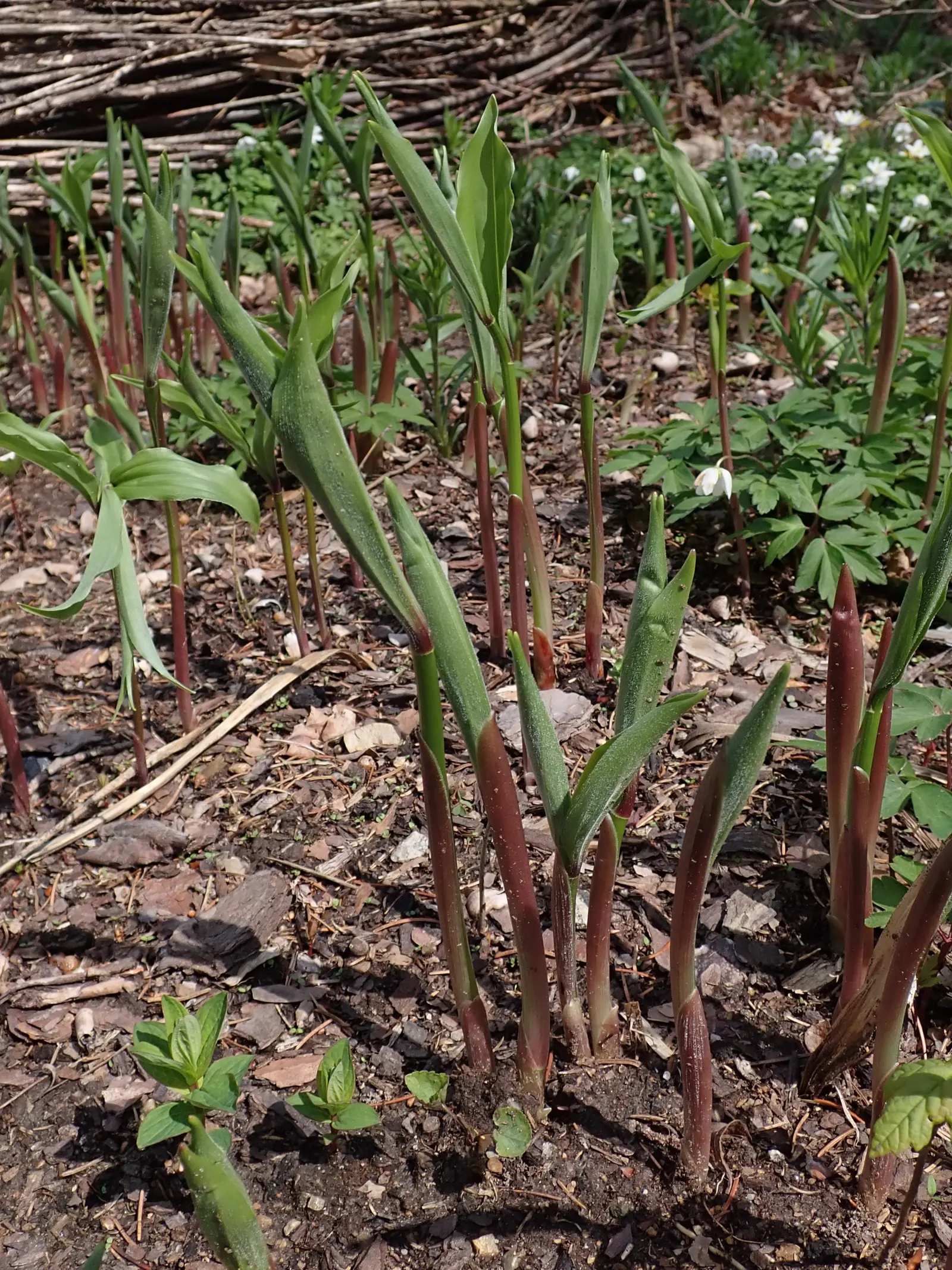
Solomon's Plume (Smilacina Racemosa) — pointed leaves that can reach 3 to 6 inches in length; post-bloom, brilliant red berries adorn the plant, image 108
Solomon's Plume (Smilacina Racemosa) — ground cover / perennial for full or half or shade; especially when planted en masse for a serene, image 100
Solomon's Plume (Smilacina Racemosa) — As a low-maintenance plant; well-drained soil that retains moisture, image 67
Solomon's Plume (Smilacina Racemosa) — Ideal for woodland settings; ground cover / perennial for full or half or shade, image 79
Solomon's Plume (Smilacina Racemosa) — airy texture to the planting scheme.<br><br>As autumn arrives, image 88
Solomon's Plume (Smilacina Racemosa) — As a low-maintenance plant; well-drained soil that retains moisture, image 92
Solomon's Plume (Smilacina Racemosa) — while its flowers give way to pea-sized berries that turn from green to ruby red; a shade lover, it thrives, image 65
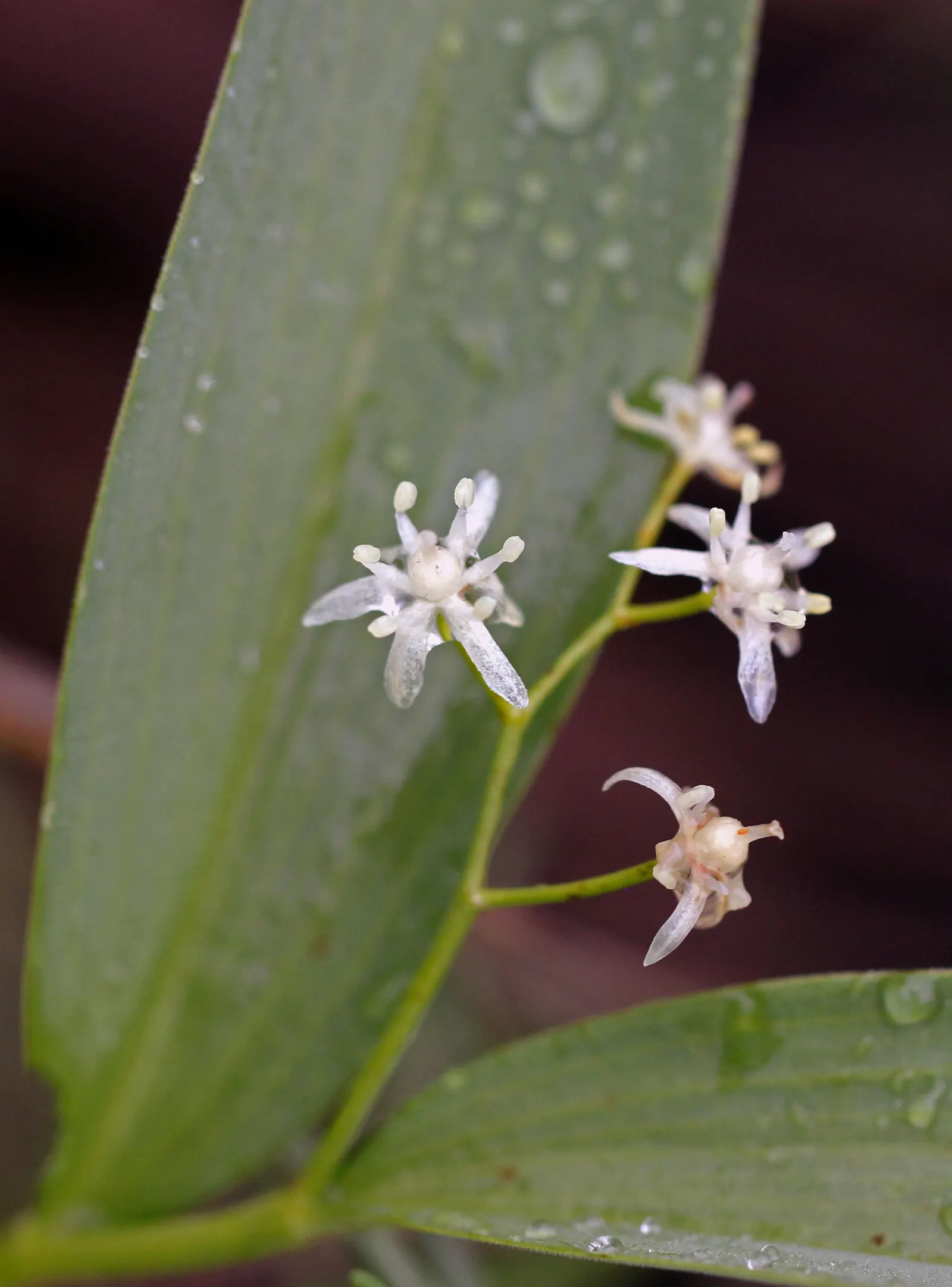
Solomon's Plume (Smilacina Racemosa) — These starry blooms are tightly clustered at the tips of the stems; ground cover / perennial with white, image 86
Solomon's Plume (Smilacina Racemosa) — forming feathery plumes of 4 to 6 inches in length that add a light; scientifically known as Maianthemum, image 87
Solomon's Plume (Smilacina Racemosa) — well-drained soil that retains moisture
Solomon's Plume (Smilacina Racemosa) — its foliage transforms into a vibrant yellow
Solomon's Plume (Smilacina Racemosa) — ground cover / perennial for full or half or shade; especially when planted en masse for a serene
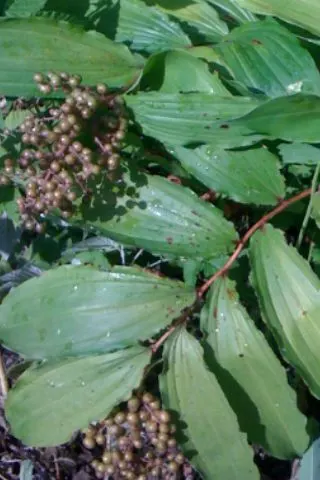
Solomon's Plume (Smilacina Racemosa) — Post-bloom, brilliant red berries adorn the plant, attracting wildlife
Solomon's Plume (Smilacina Racemosa) — it requires minimal care once established; white flowers in the garden, image 68
Solomon's Plume (Smilacina Racemosa) — well-drained soil that retains moisture; feathery backdrop to other shade-loving perennials, image 66
Solomon's Plume (Smilacina Racemosa) — it adds a delicate texture to shaded gardens with minimal maintenance; growing to a mature height of between, image 105
Solomon's Plume (Smilacina Racemosa) — white flowers in the garden; pointed leaves that can reach 3 to 6 inches in length, image 98
Solomon's Plume (Smilacina Racemosa) — only needing a light layer of mulch for moisture retention and winter protection; it adds a delicate texture, image 94
Solomon's Plume (Smilacina Racemosa) — especially when planted en masse for a serene; arched stems reaching up to 3 feet with dense racemes of creamy white
Solomon's Plume (Smilacina Racemosa) — As a low-maintenance plant; well-drained soil that retains moisture
Solomon's Plume (Smilacina Racemosa) — only needing a light layer of mulch for moisture retention and winter protection; it adds a delicate texture to shaded
Solomon's Plume (Smilacina Racemosa) — Regular watering promotes optimal growth, especially during prolonged dry spells; forming feathery plumes of 4 to 6
Photographs by 14 contributors

Related plants