Skip to content

Australian Dracaena

Cordyline Australis

Design with this plant

Overview

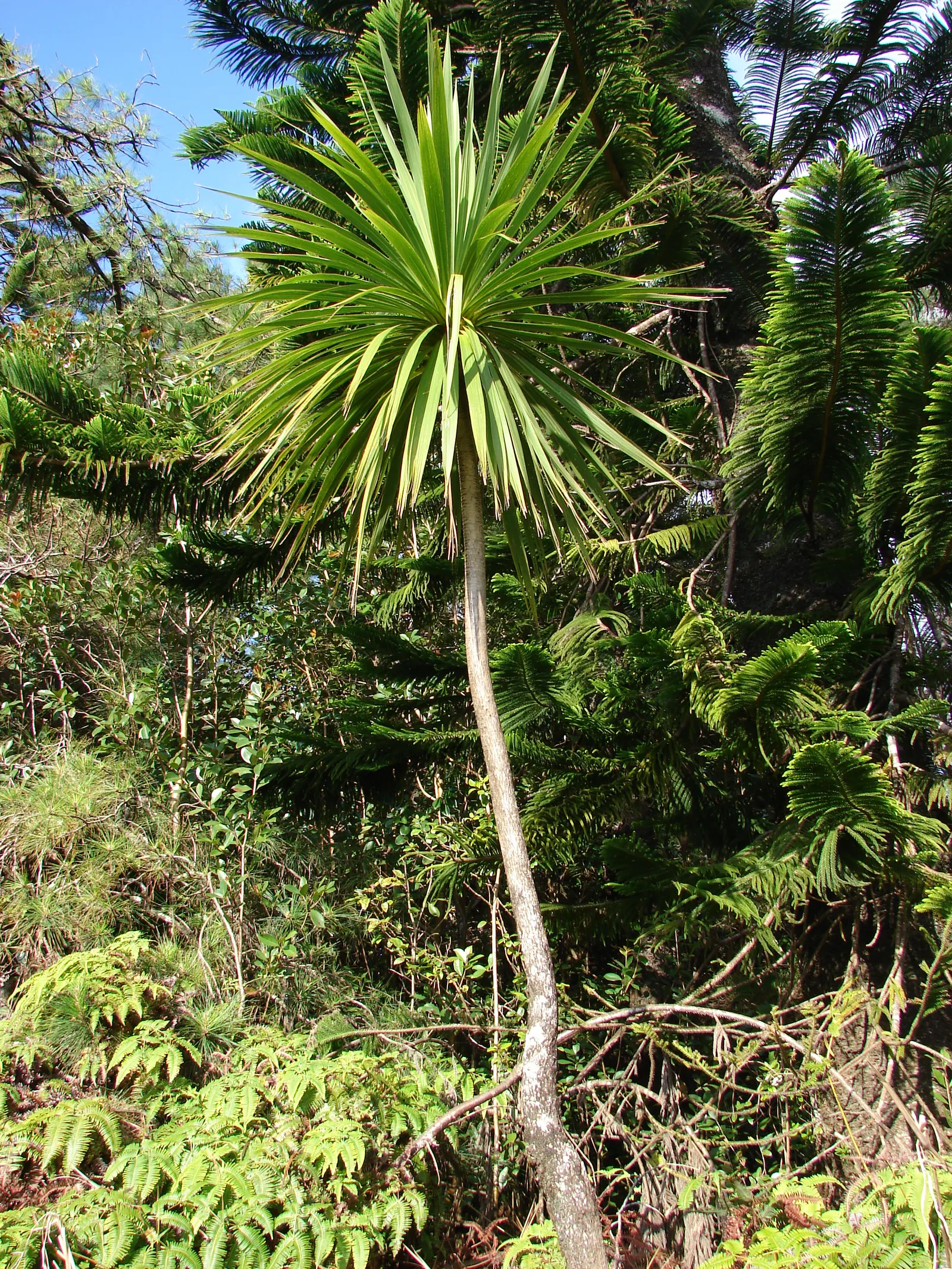
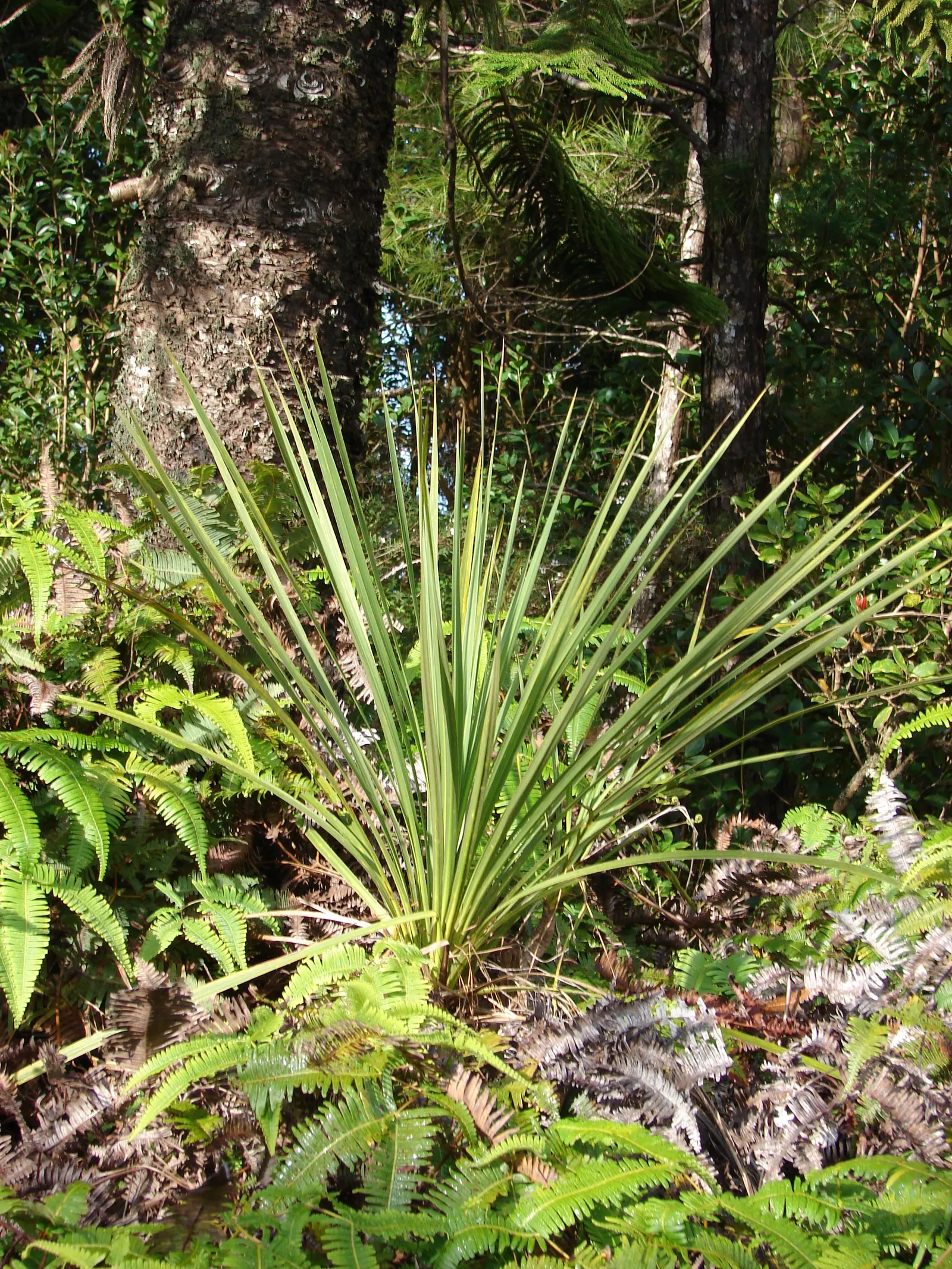
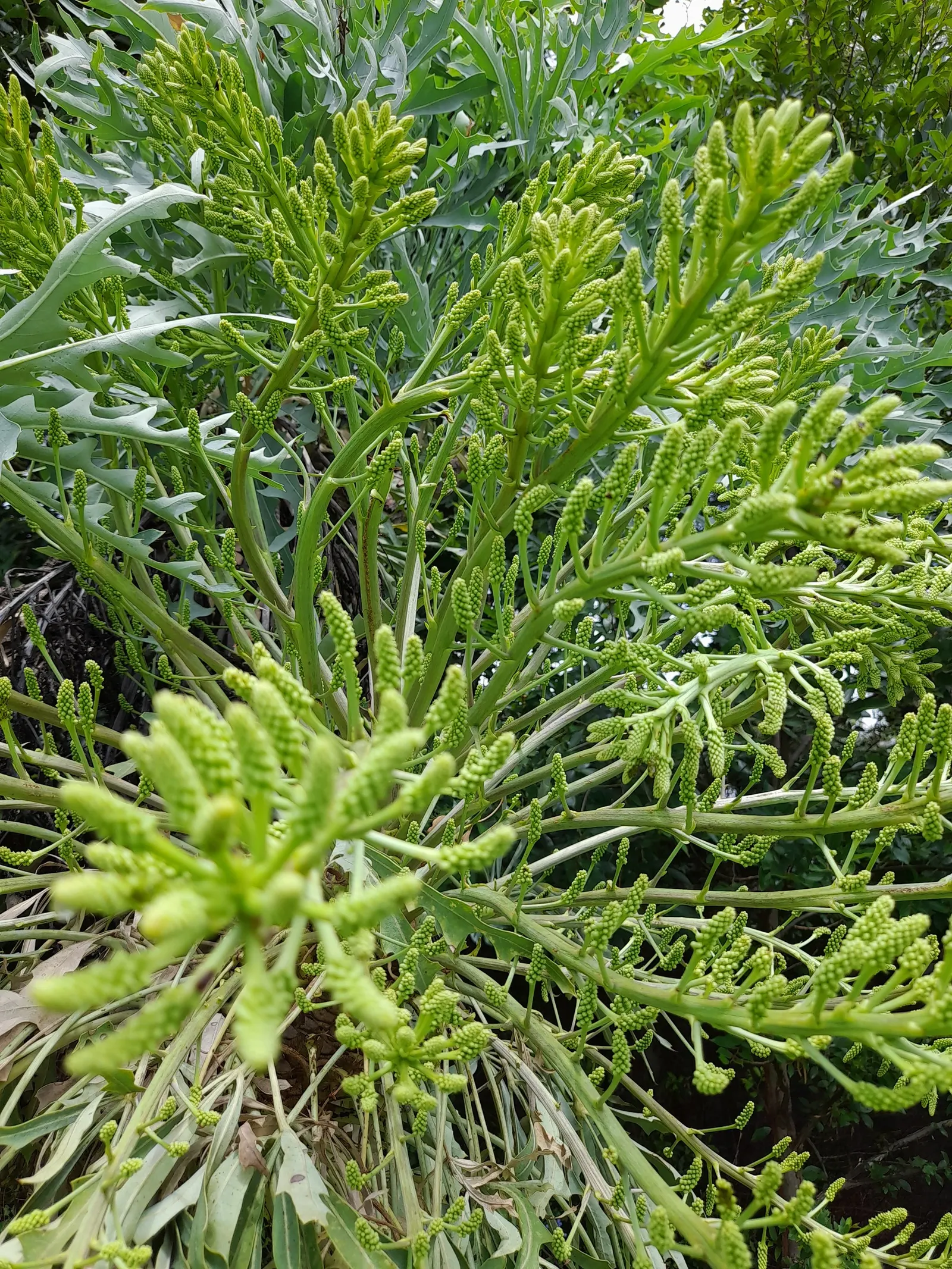
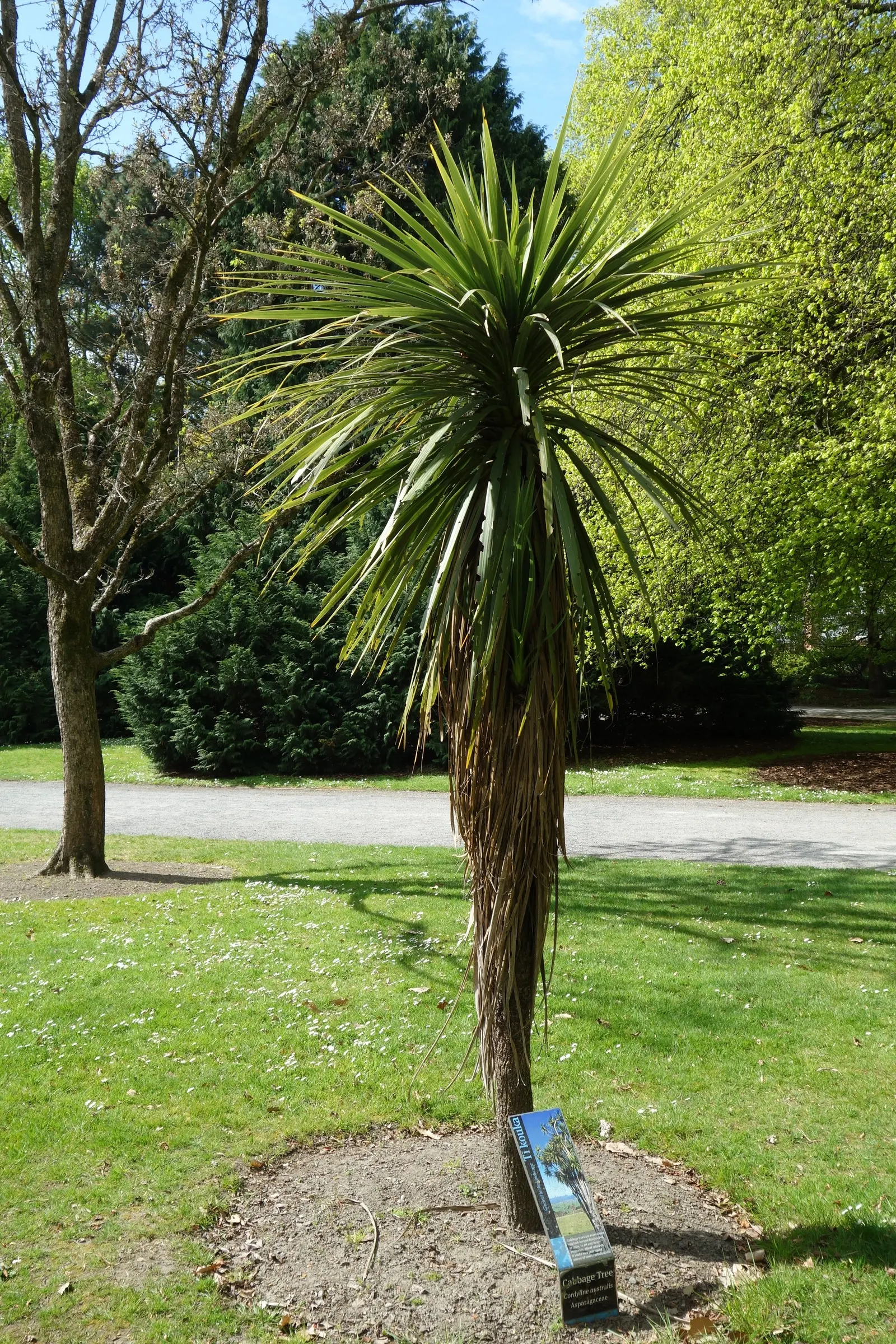
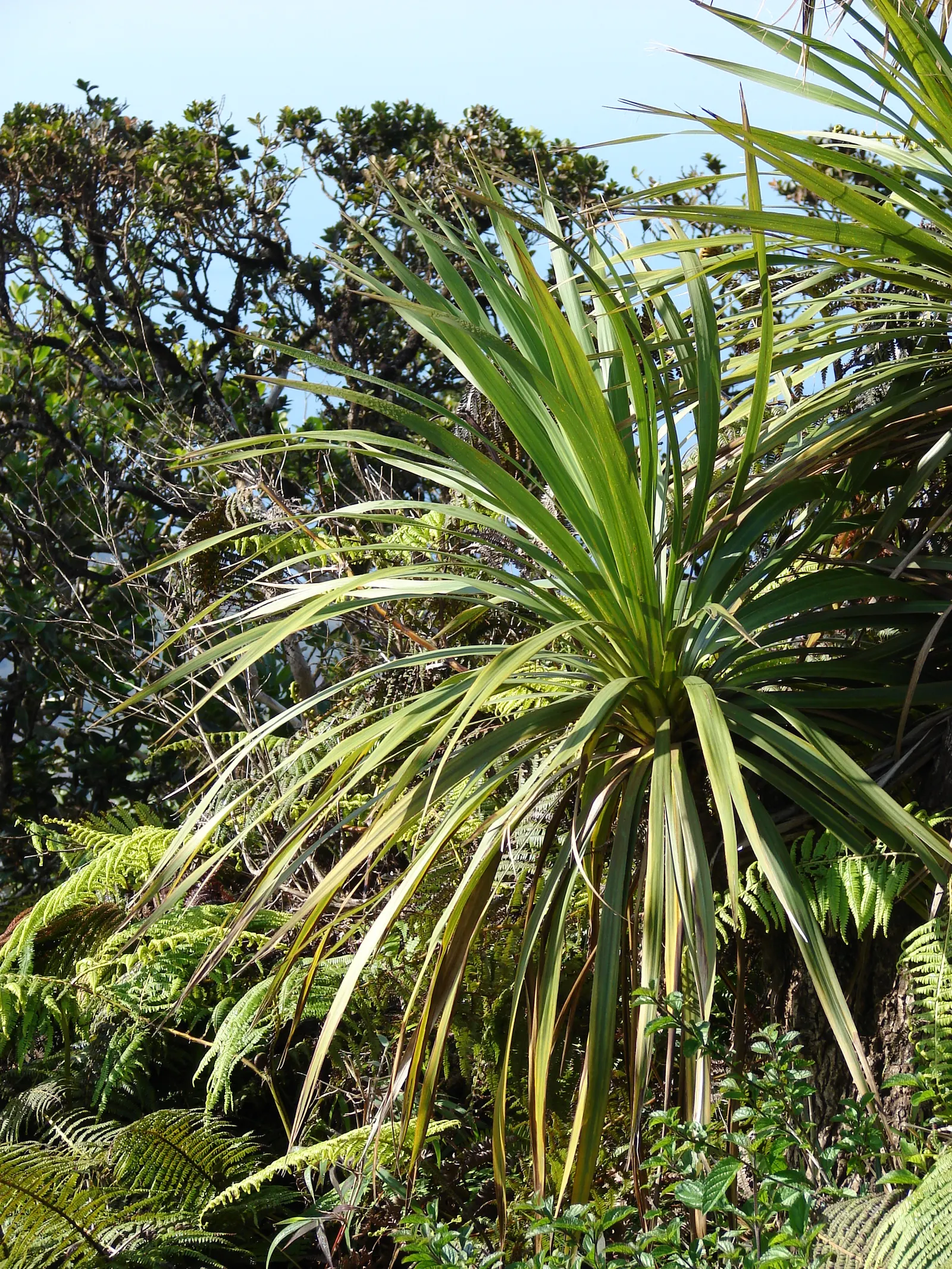
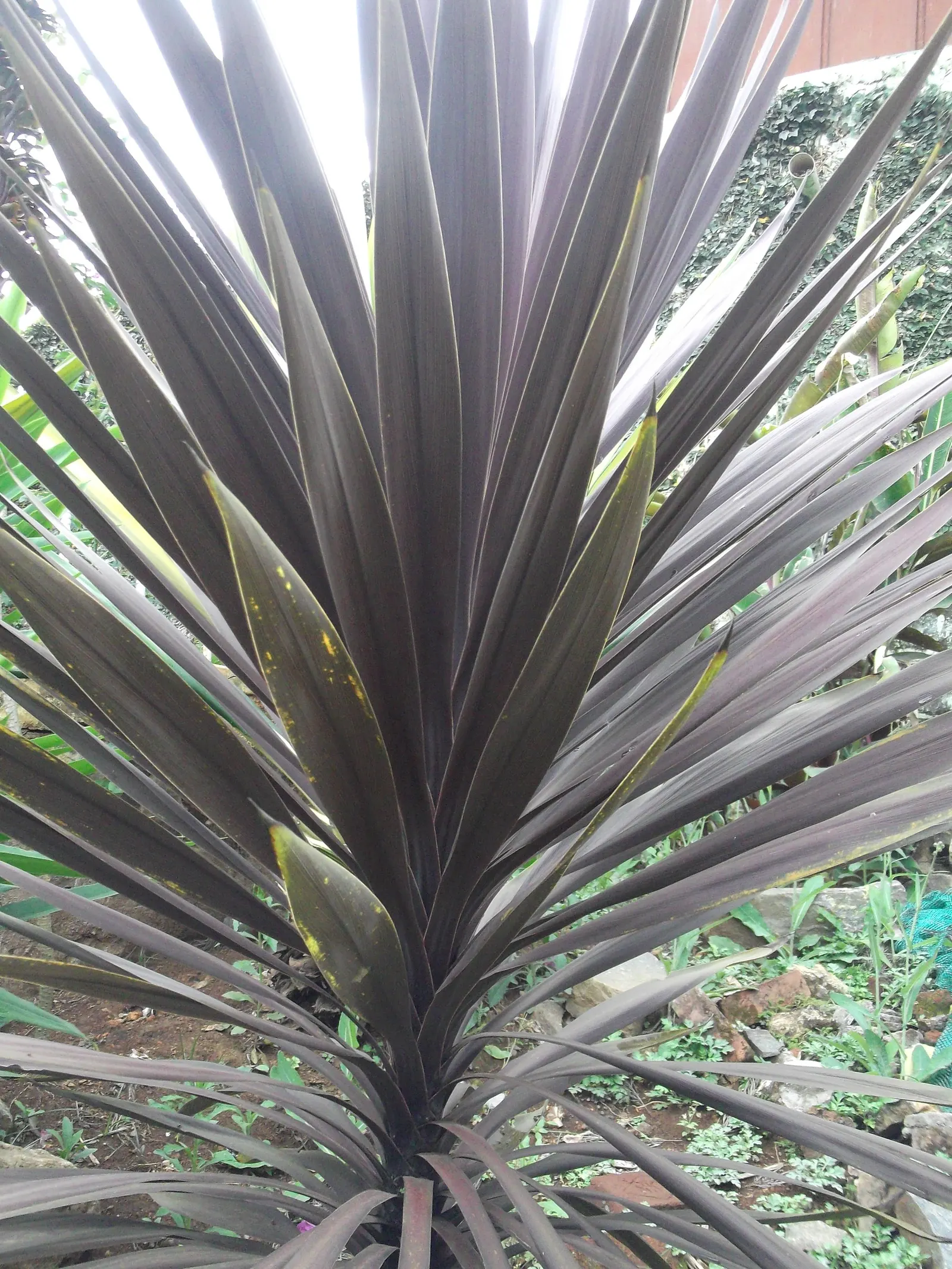
The Australian Dracaena, or Cordyline australis, is a striking, palm-like tree. Mature specimens can reach heights of 20 to 33 feet with a spread of 6 to 10 feet. Architecturally impressive, its sword-shaped leaves create dense bunches atop slender trunks, offering a dramatic vertical emphasis in landscapes. Hardy to USDA Zone 9, it thrives in full sun to part shade and requires well-drained soil. Drought tolerance increases with maturity.

Sun FullWater Very LowZones 8–11Type TreeClimate Mediterranean

Culture

Sun
Full
Water
Very Low
USDA zones
8–11

Shape & size

Classification

Type
Tree
Family
Asparagaceae
Climate
Mediterranean

See full data, regional cultivation notes, and design tools. Build a client presentation around this plant.

Start your 14-day trial

Photos (124)

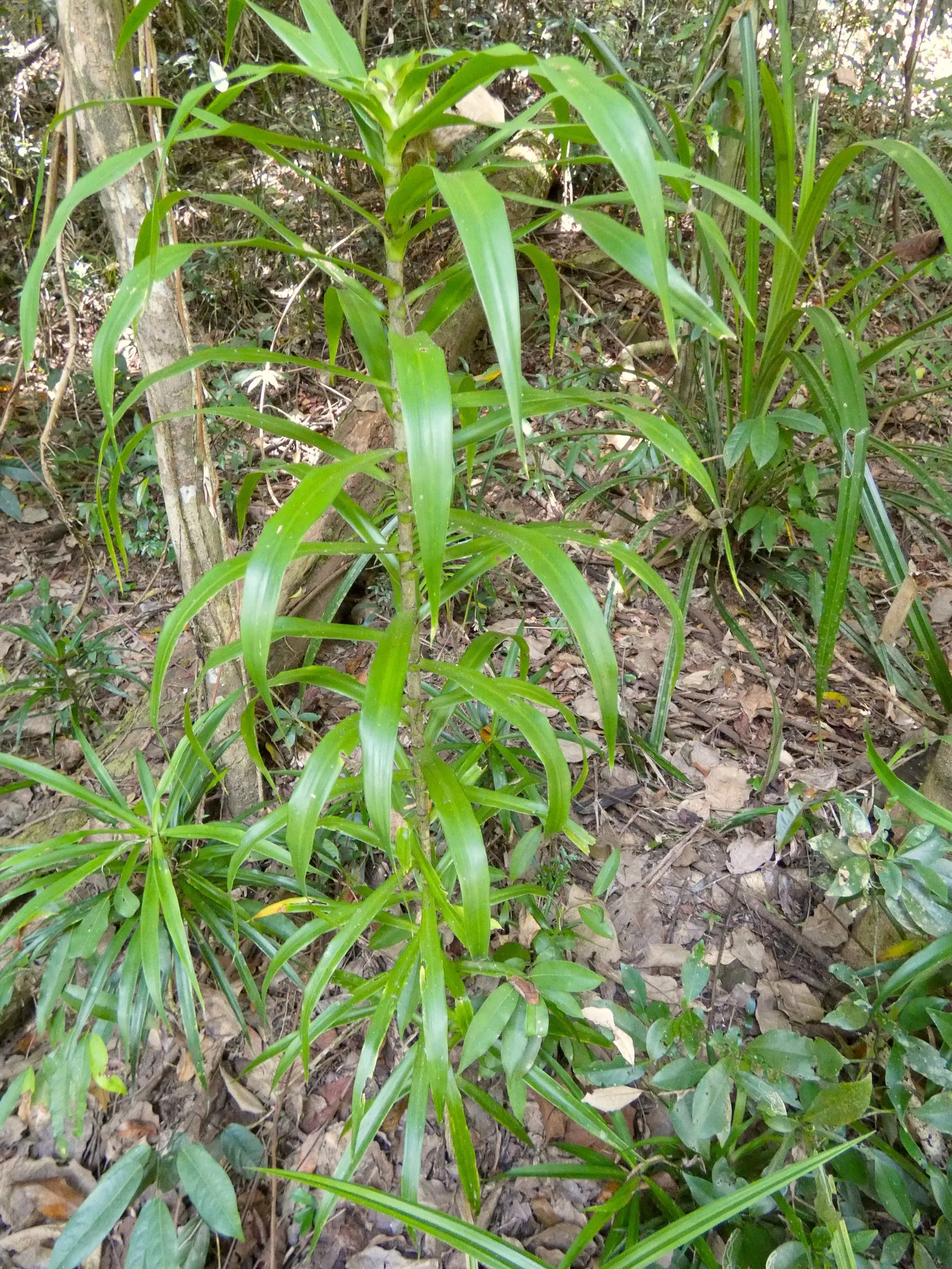
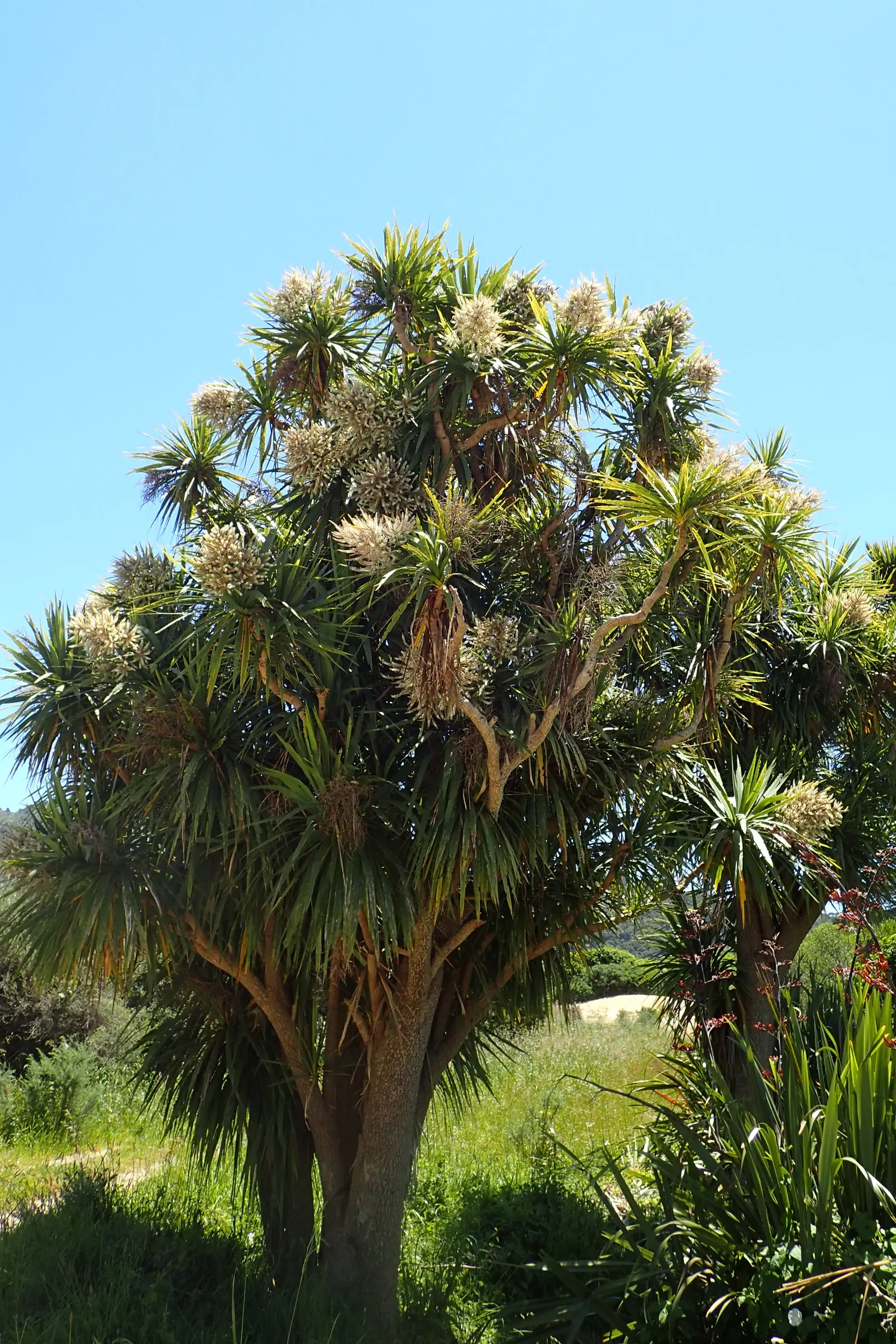
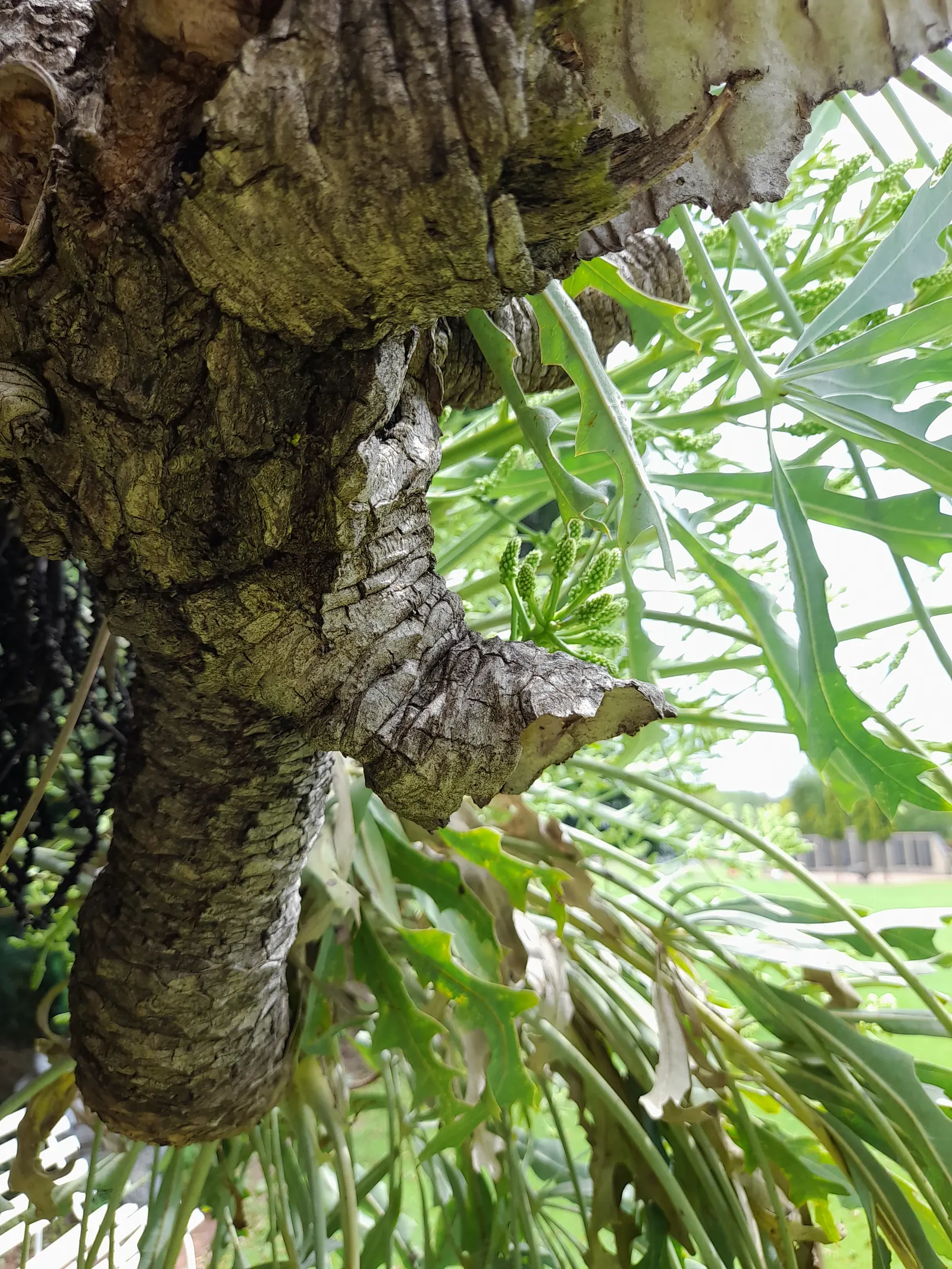
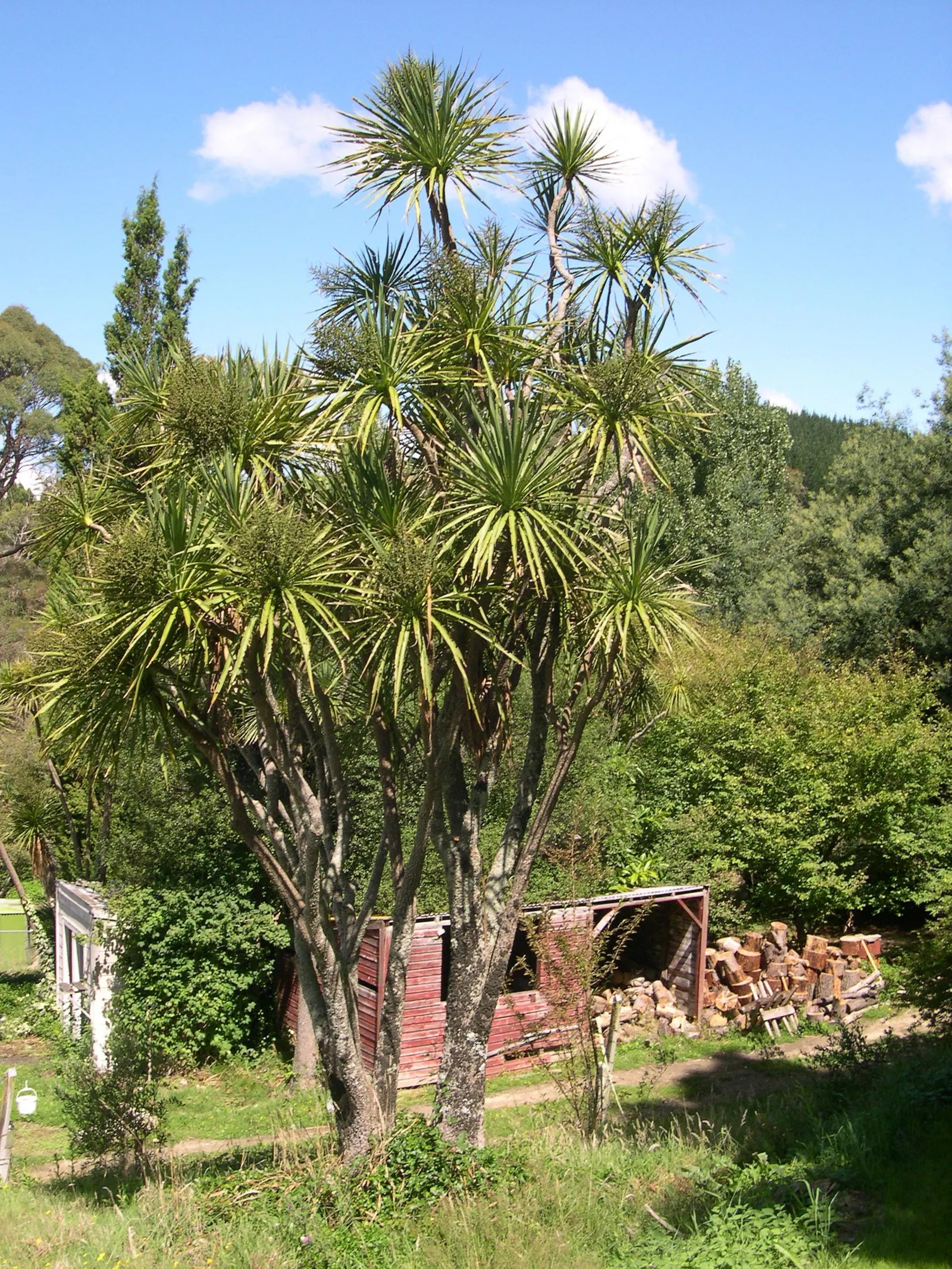
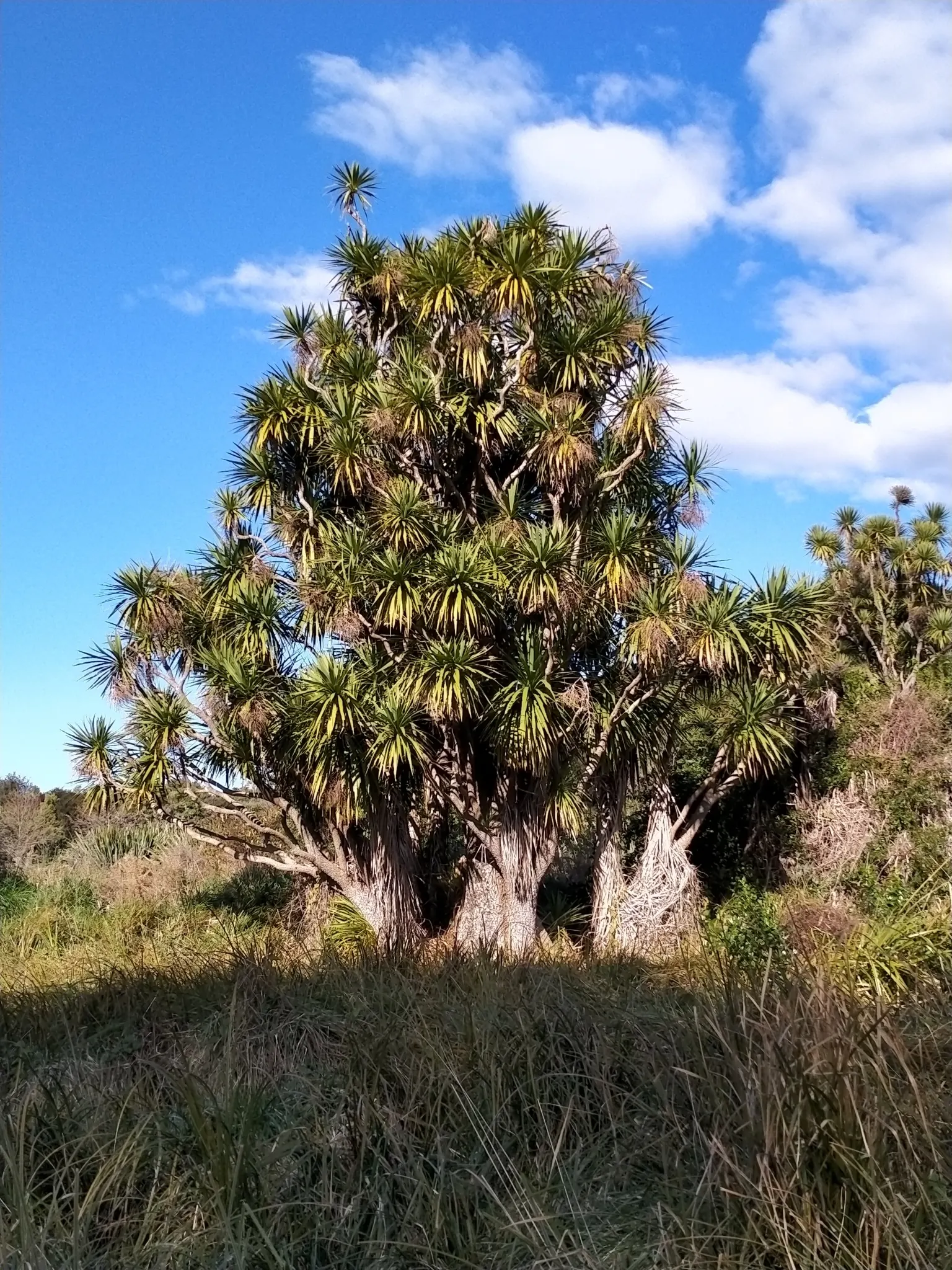
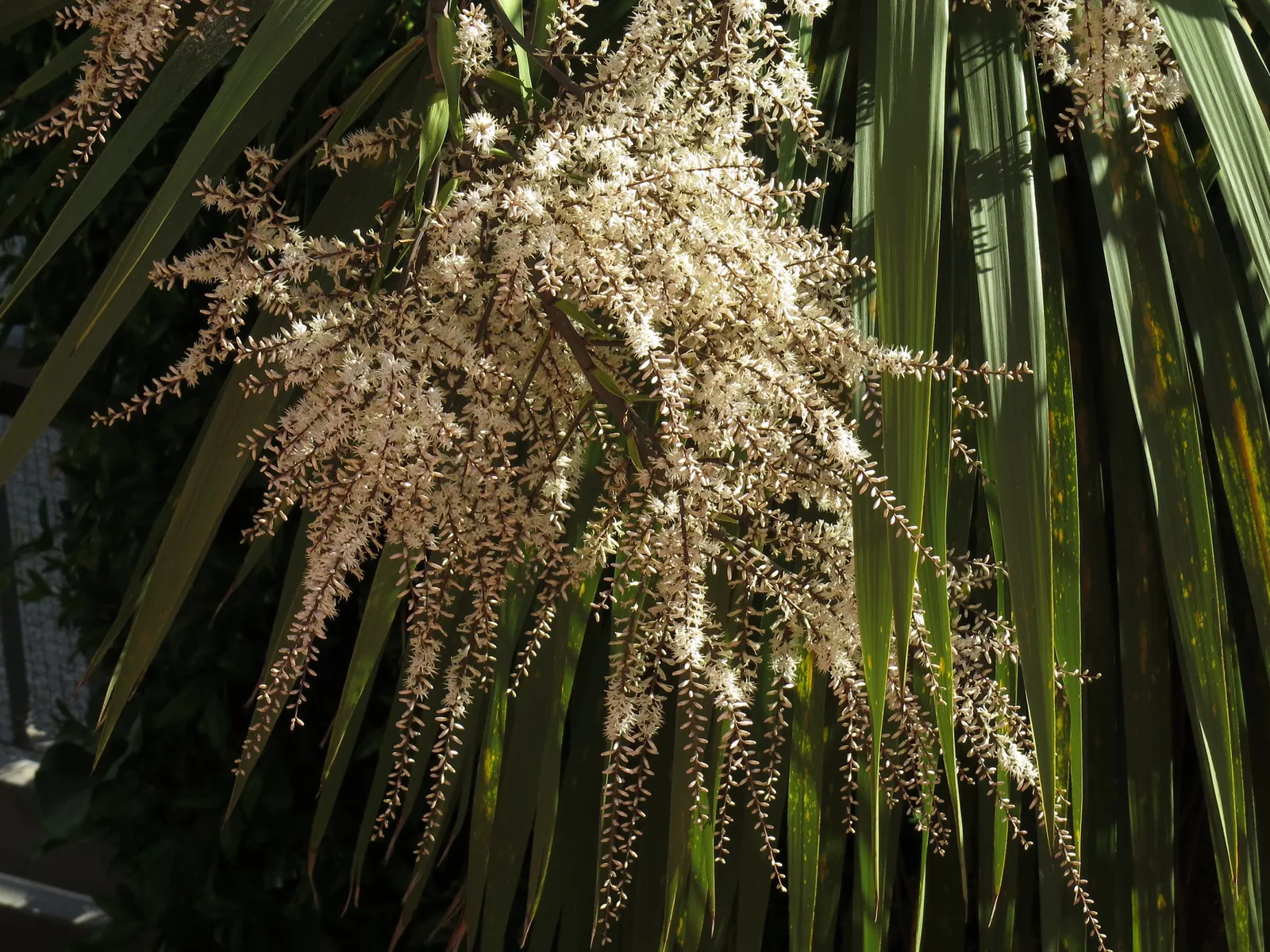
Australian Dracaena (Cordyline Australis) — tree with white blooms; the leaves' arching nature forms an elegant canopy approximately 6 to 10 feet, image 71
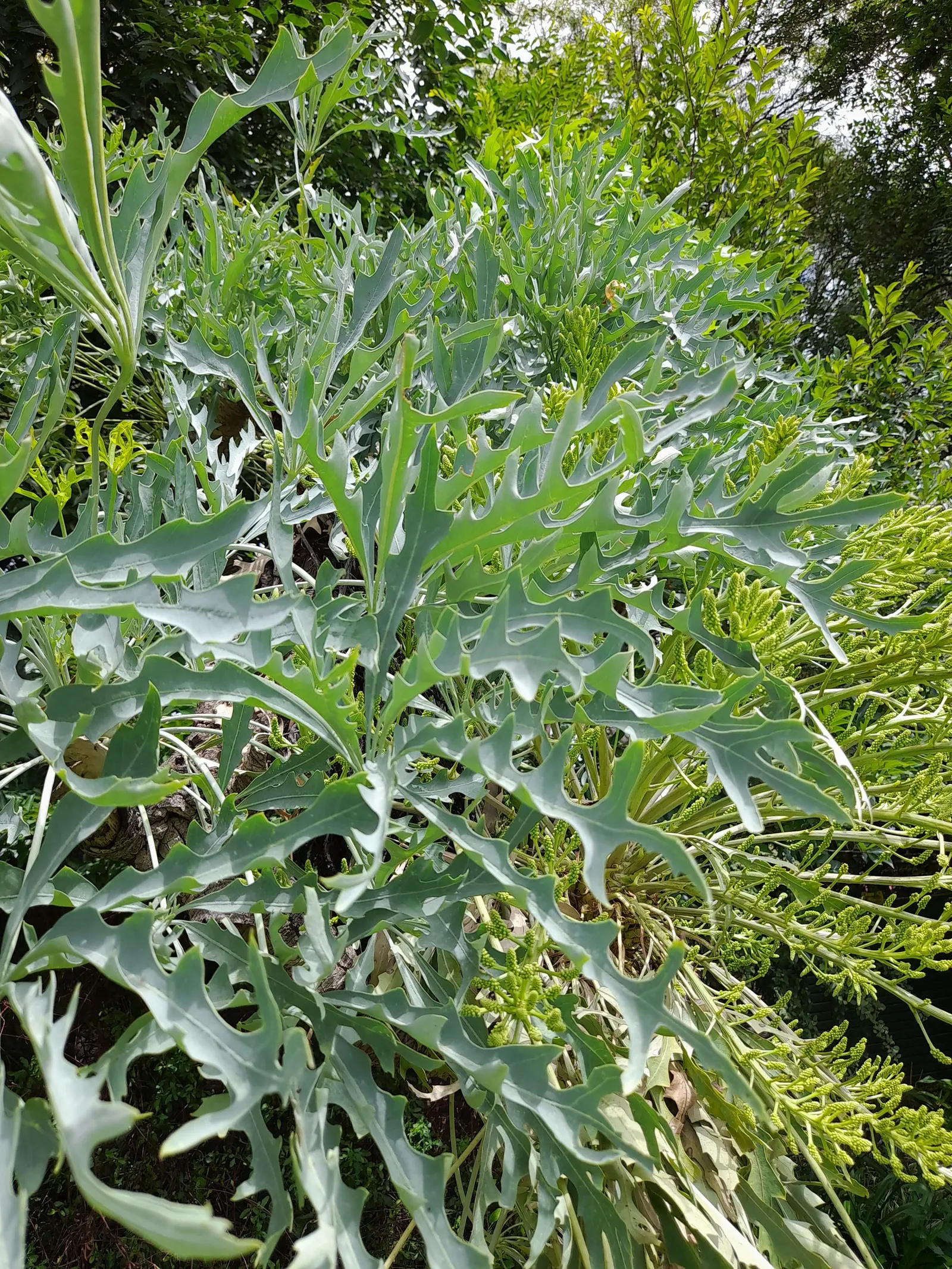
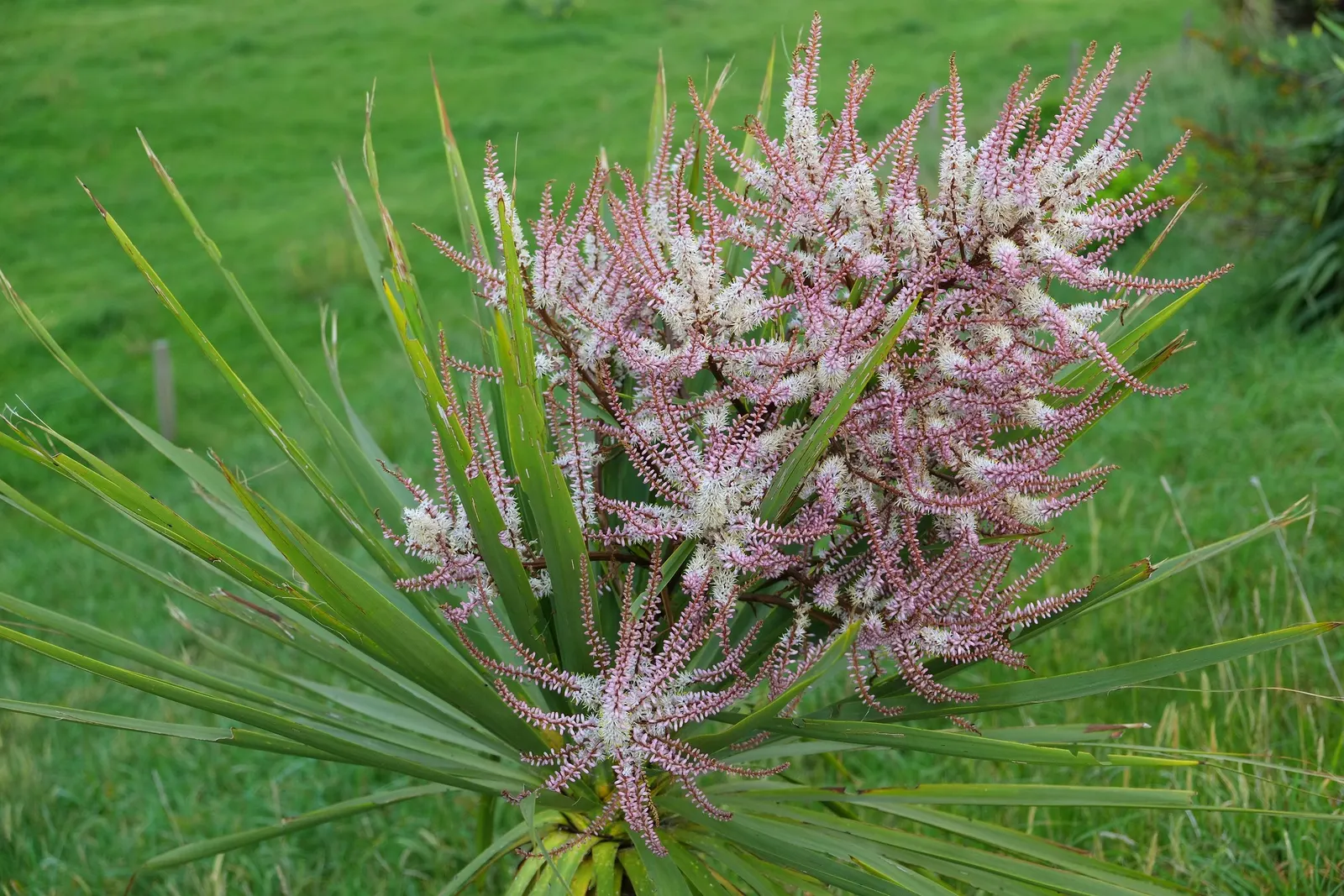
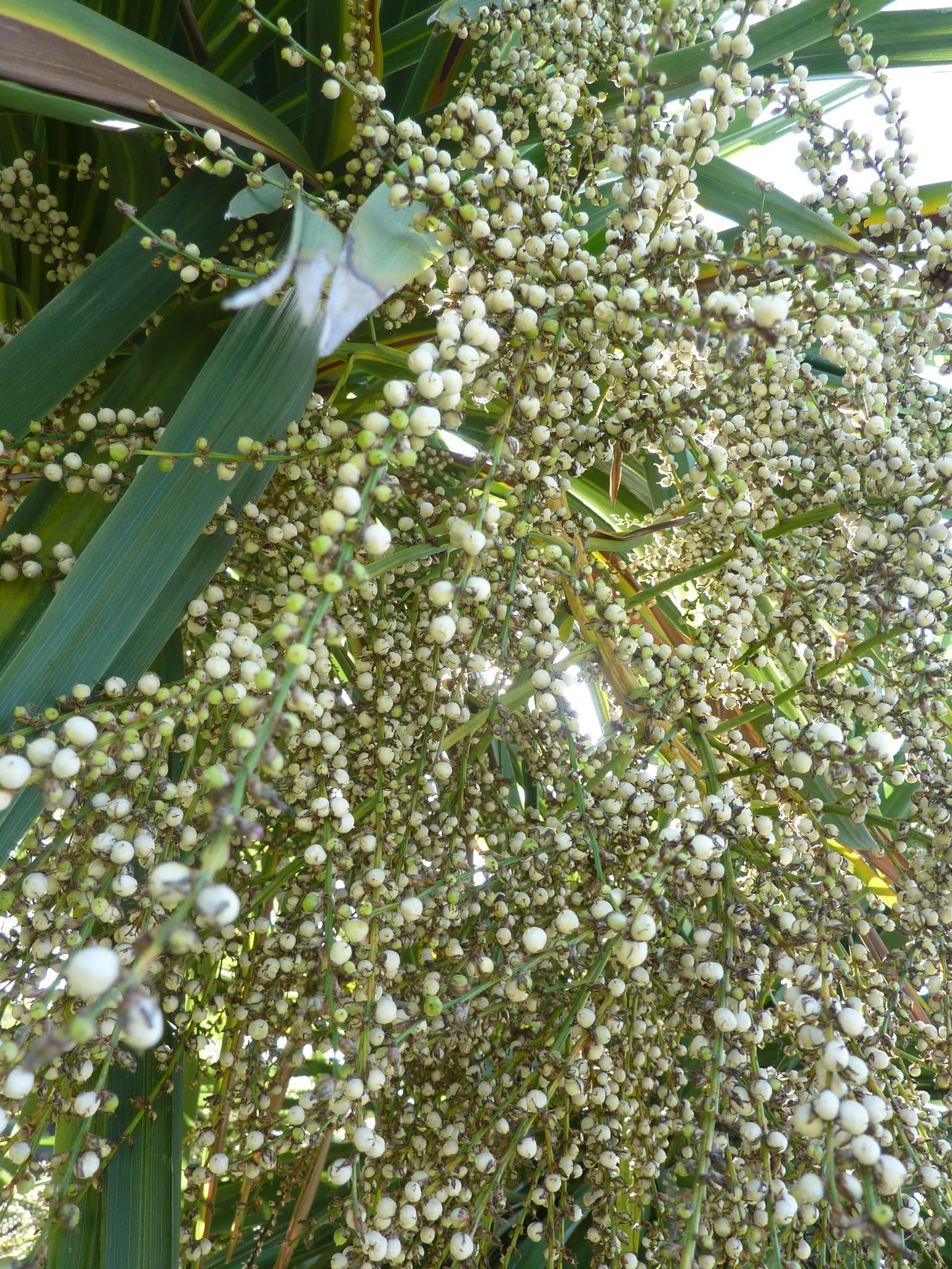
Australian Dracaena (Cordyline Australis) — Drought tolerance increases with maturity; white flowers in the garden, image 103
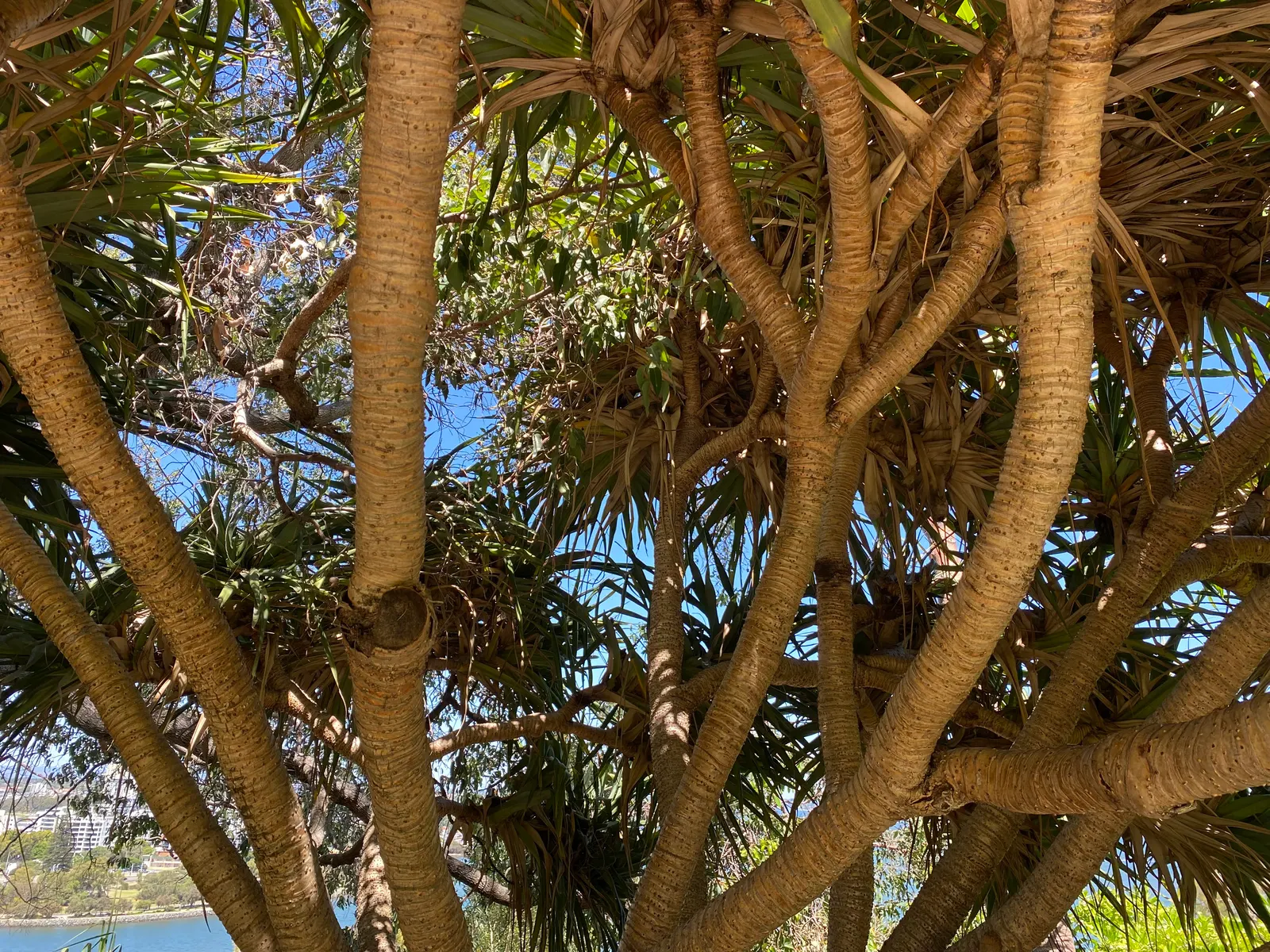
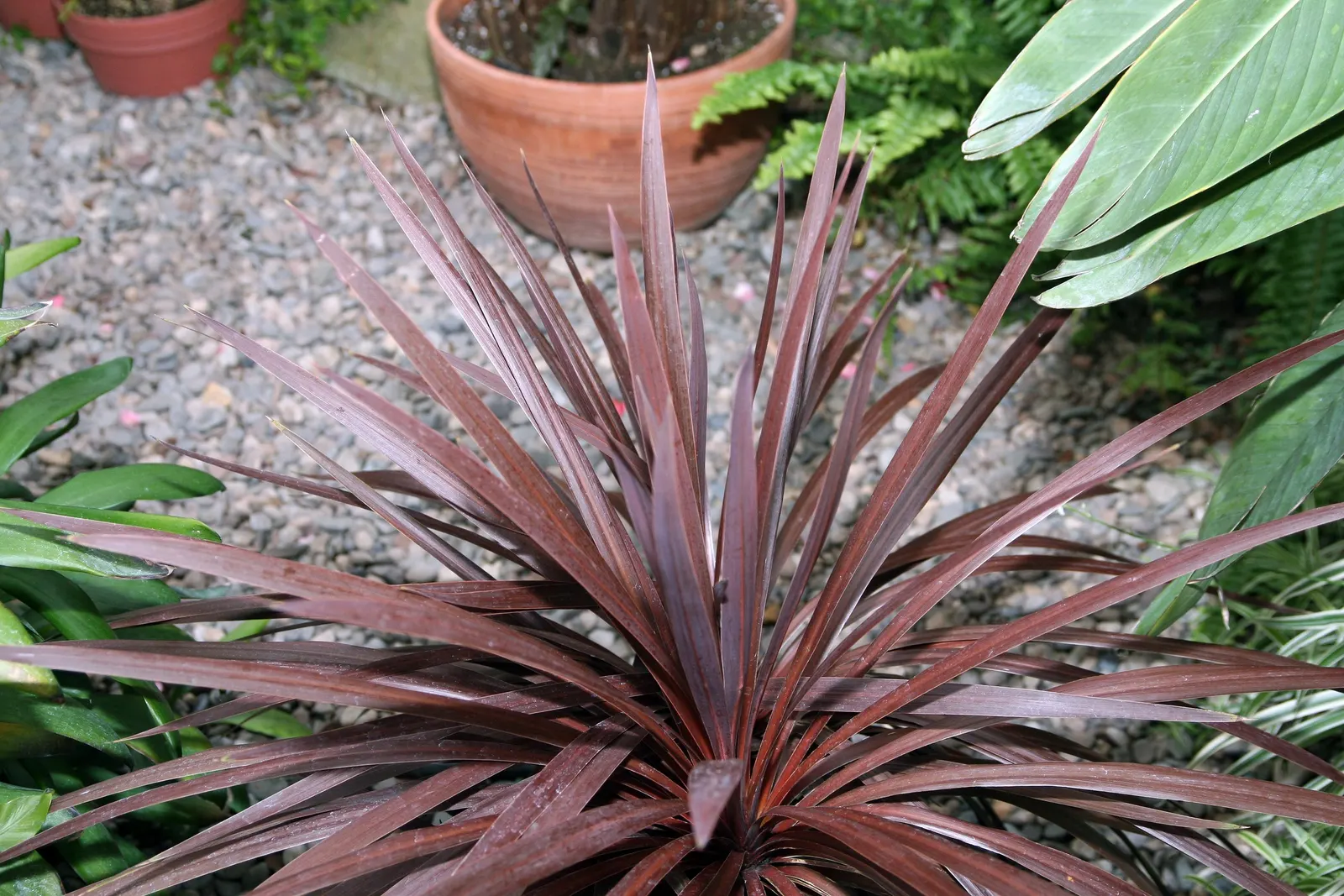
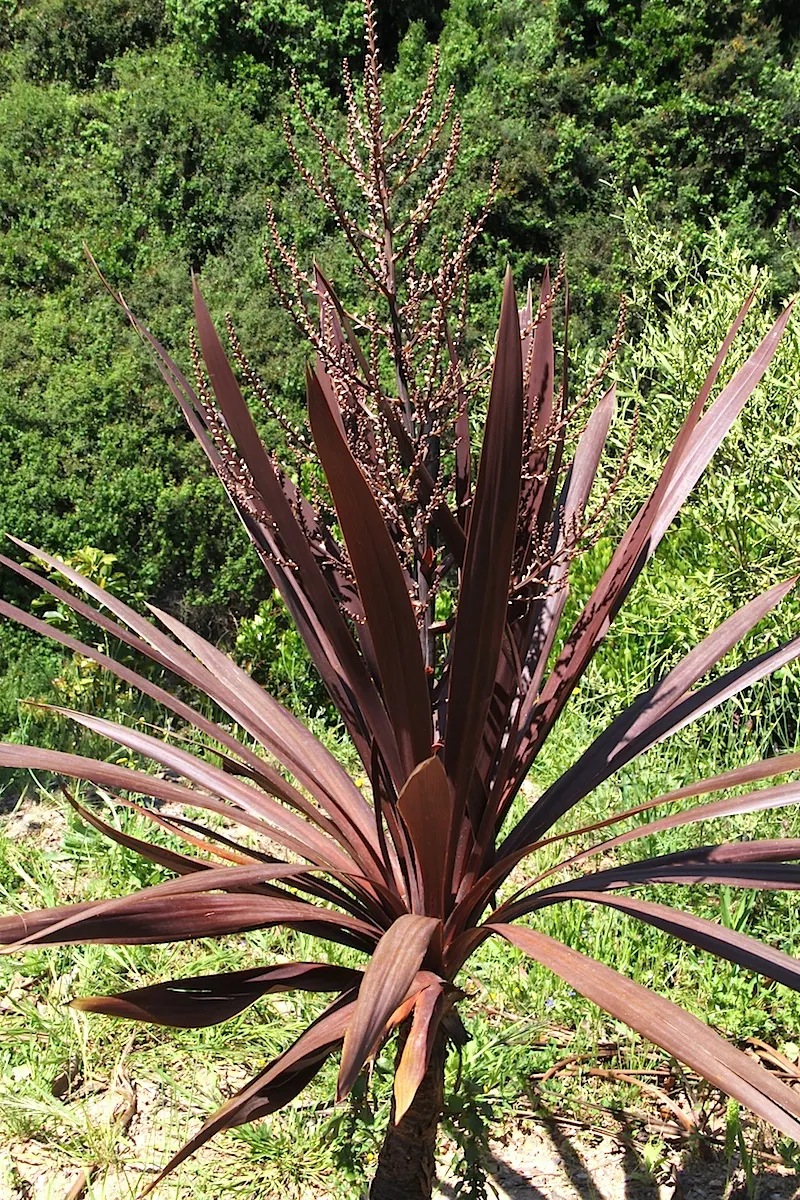
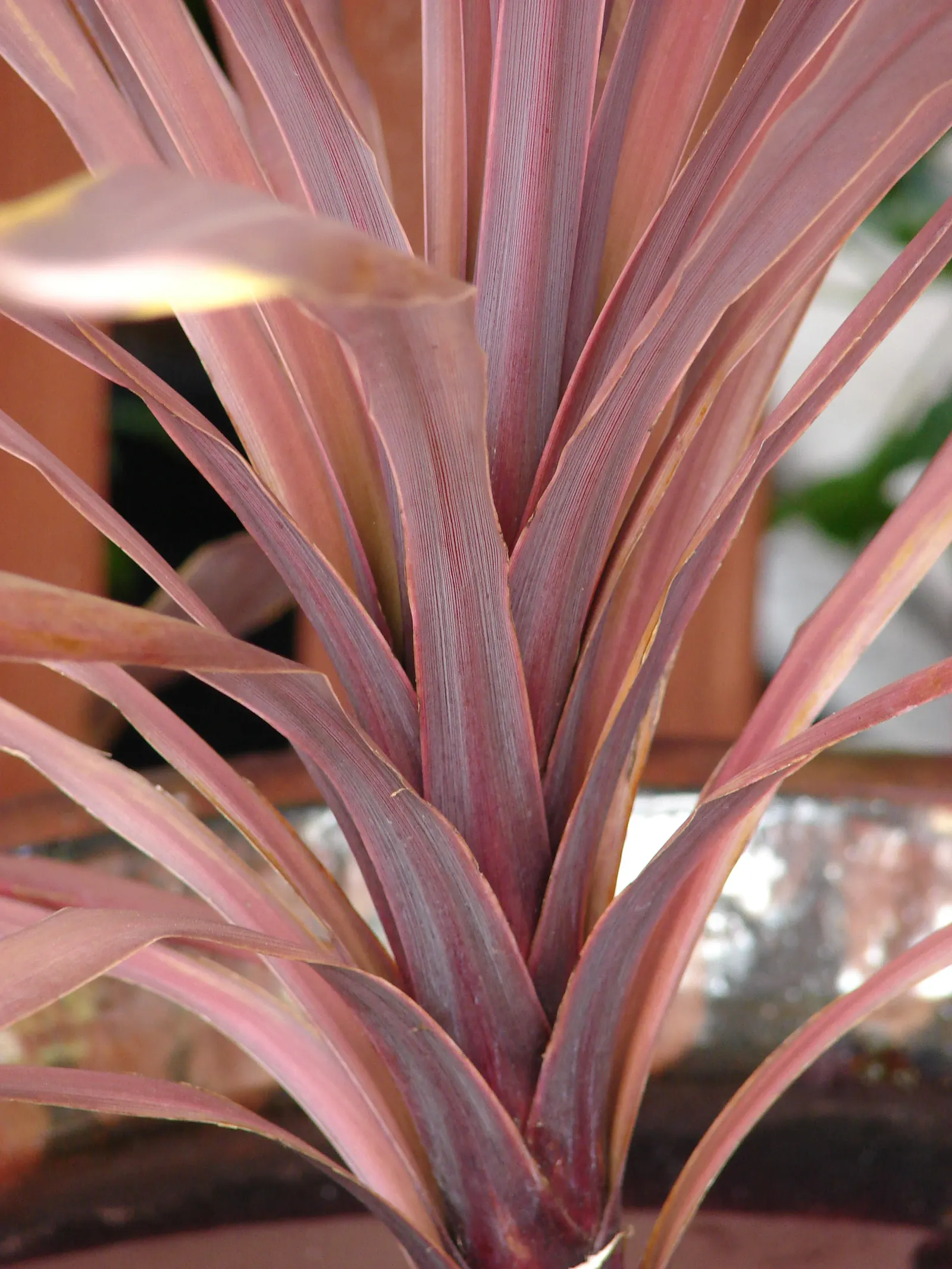
Australian Dracaena (Cordyline Australis) — its sword-shaped leaves create dense bunches atop slender trunks; the Australian Dracaena, or Cordyline, image 76
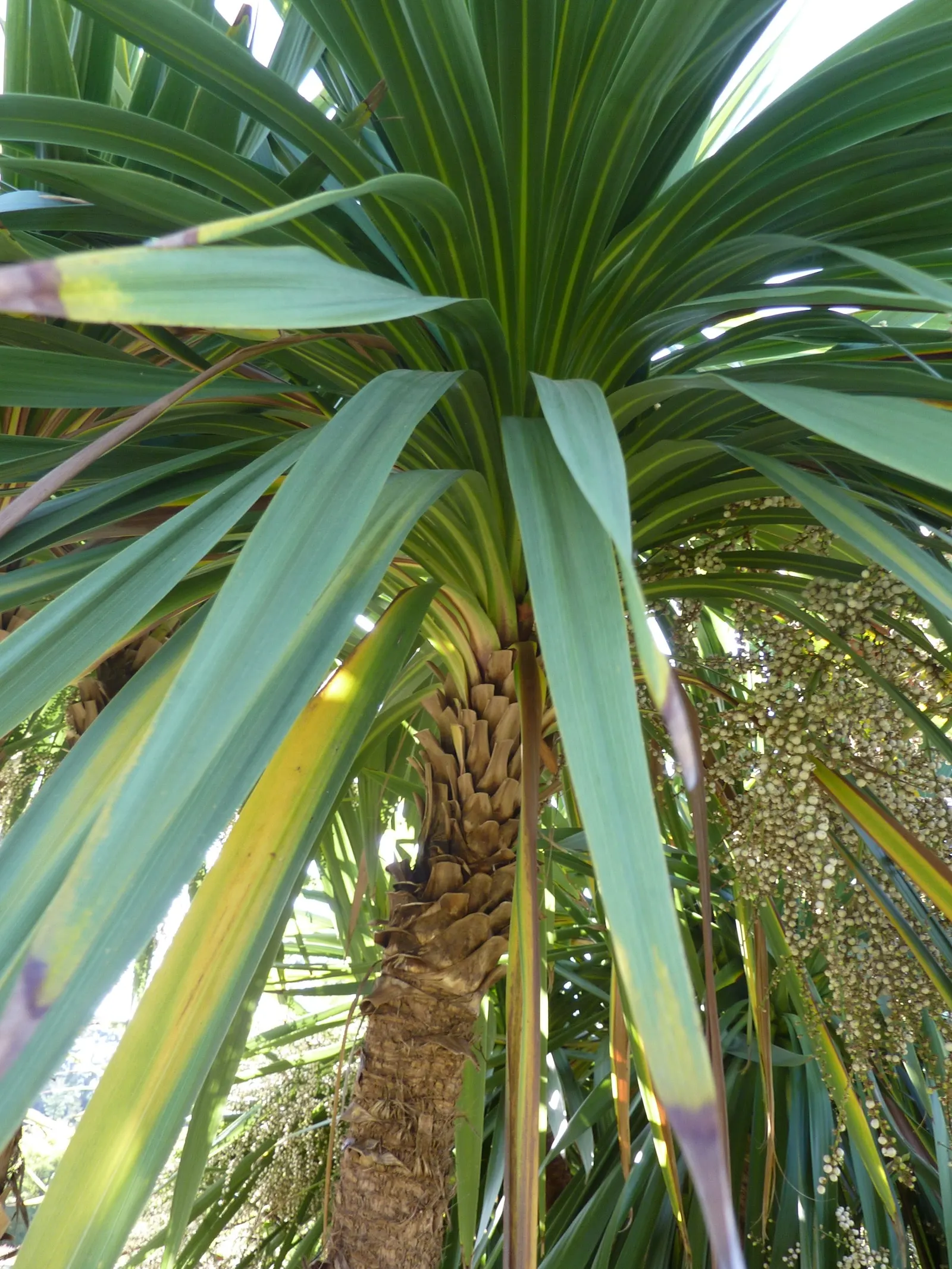
Australian Dracaena (Cordyline Australis) — Mature specimens can reach heights of 20 to 33 feet with a spread of 6 to 10 feet; blade-like leaves, image 50
Australian Dracaena (Cordyline Australis) — tree with white blooms
Australian Dracaena (Cordyline Australis) — It thrives in a range of soil types, provided they are well-draining
Australian Dracaena (Cordyline Australis) — Architecturally impressive; it thrives in a range of soil types, provided they are well-draining, image 51
Australian Dracaena (Cordyline Australis) — white flowers in the garden; drought tolerance increases with maturity
Australian Dracaena (Cordyline Australis) — Drought tolerance increases with maturity; white flowers in the garden, image 79
Australian Dracaena (Cordyline Australis) — and can extend about 2 to 3 feet in length and about 3 to 4 inches in width; producing panicles of white, image 85
Australian Dracaena (Cordyline Australis) — best suited as a focal point or grouped to create a dramatic effect; tree for full, image 93
Australian Dracaena (Cordyline Australis) — These leaves are typically deep green; is an evergreen species that hails from New Zealand, image 84
Australian Dracaena (Cordyline Australis) — consider its height and architectural form
Australian Dracaena (Cordyline Australis) — Mature specimens can reach heights of 20 to 33 feet with a spread of 6 to 10 feet; blade-like leaves gracefully
Australian Dracaena (Cordyline Australis) — scientifically known as Cordyline australis and commonly referred to as the Cabbage Tree; offering a dramatic
Australian Dracaena (Cordyline Australis) — The Australian Dracaena, or Cordyline australis, is a striking, palm-like tree; its sword-shaped leaves, image 97
Australian Dracaena (Cordyline Australis) — sweetly-scented flowers that are a magnet for a variety of pollinators; consider its height and, image 89
Australian Dracaena (Cordyline Australis) — white flowers in the garden
Australian Dracaena (Cordyline Australis) — blade-like leaves gracefully emanate from the top of the trunk
Australian Dracaena (Cordyline Australis) — The Australian Dracaena, or Cordyline australis, is a striking, palm-like tree; its sword-shaped leaves, image 73
Australian Dracaena (Cordyline Australis) — The Australian Dracaena is reasonably drought tolerant once established; bringing striking vertical interest to any
Australian Dracaena (Cordyline Australis) — sweetly-scented flowers that are a magnet for a variety of pollinators; consider its height and, image 65
Australian Dracaena (Cordyline Australis) — offering a dramatic vertical emphasis in landscapes; scientifically known as Cordyline australis and, image 53
Australian Dracaena (Cordyline Australis) — Drought tolerance increases with maturity; white flowers in the garden
Photographs by 12 contributors

Related plants