Skip to content

Brazilian Pepper Tree

Schinus Terebinthifolius

Design with this plant

Overview

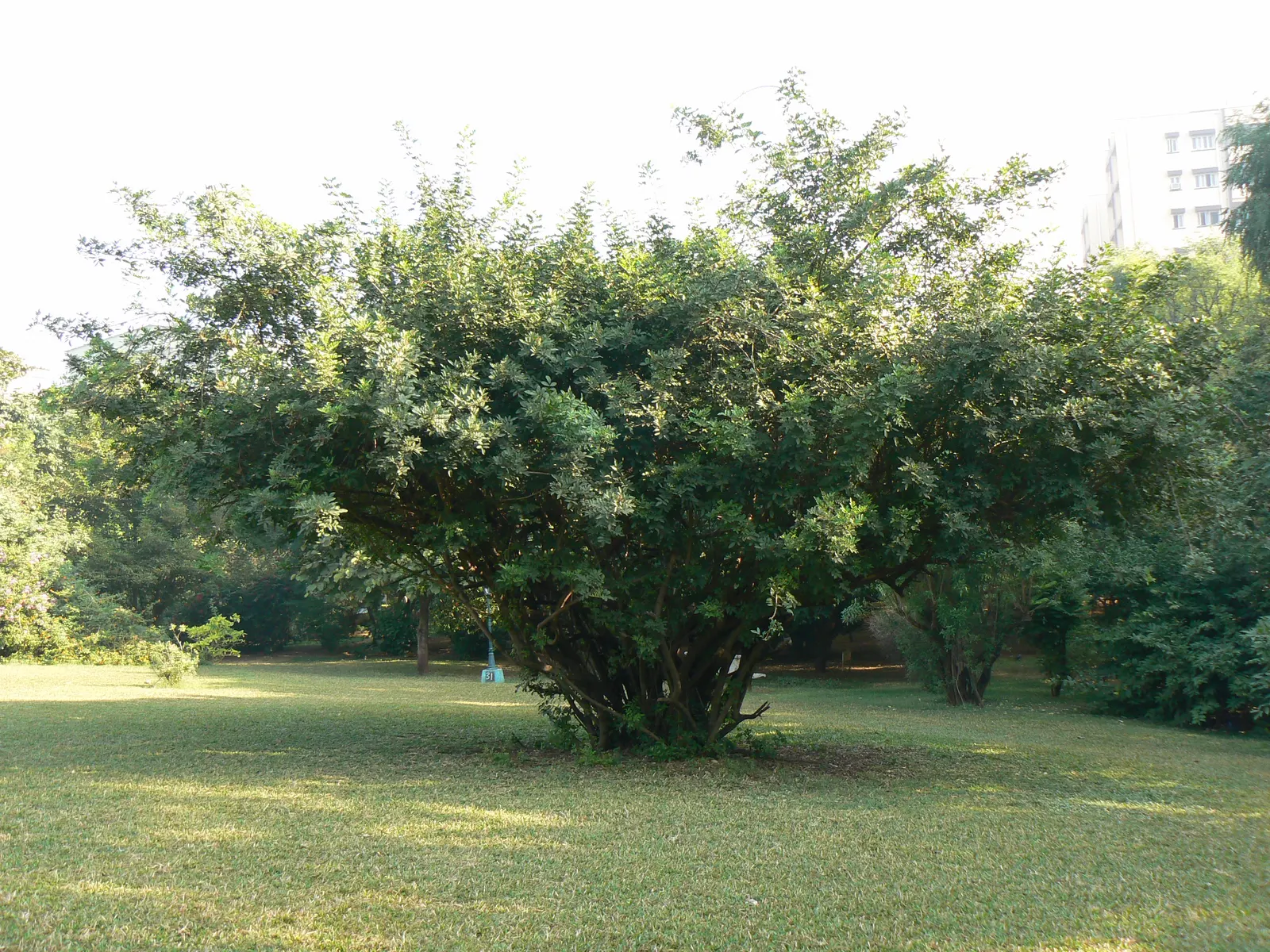
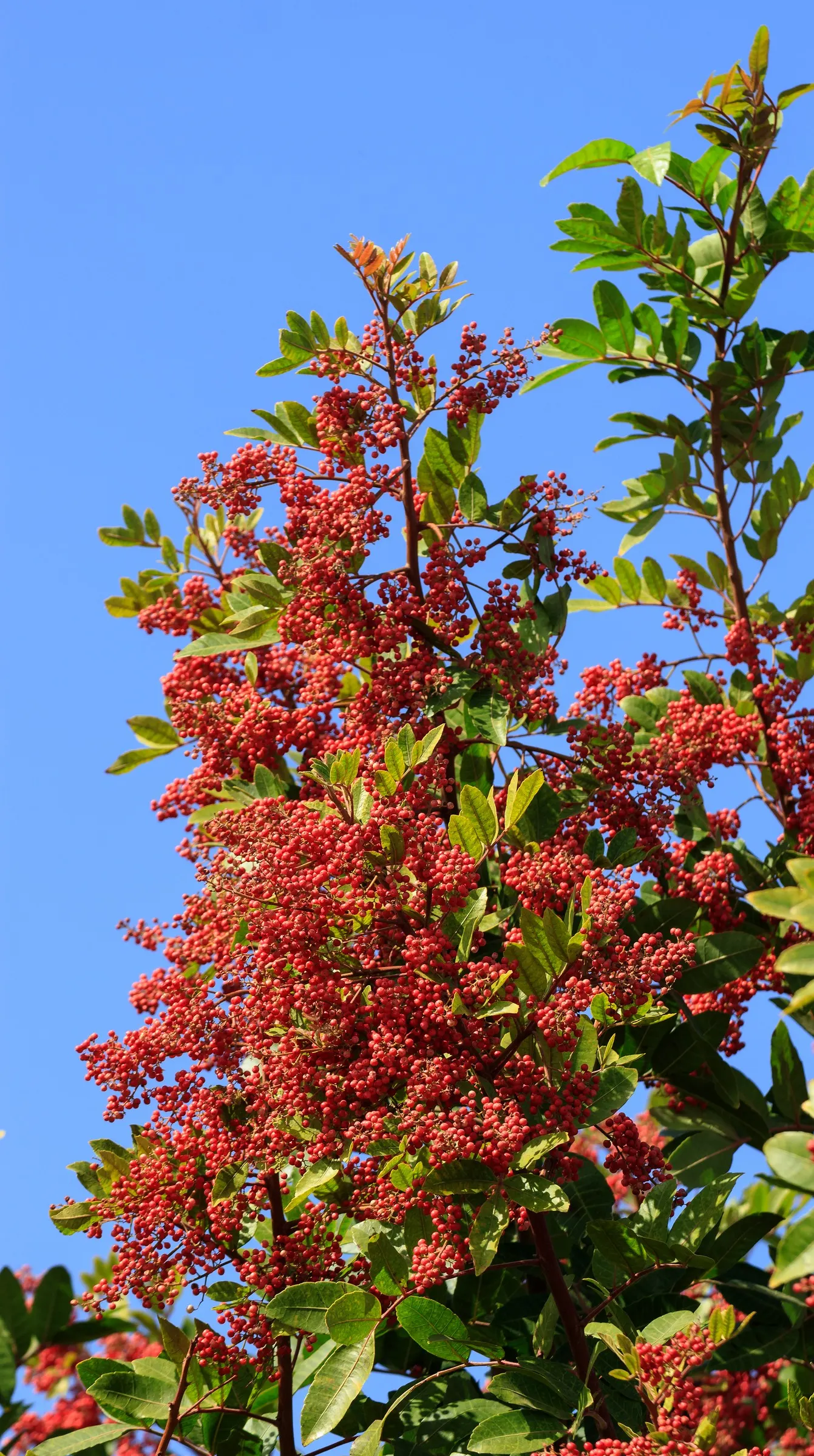
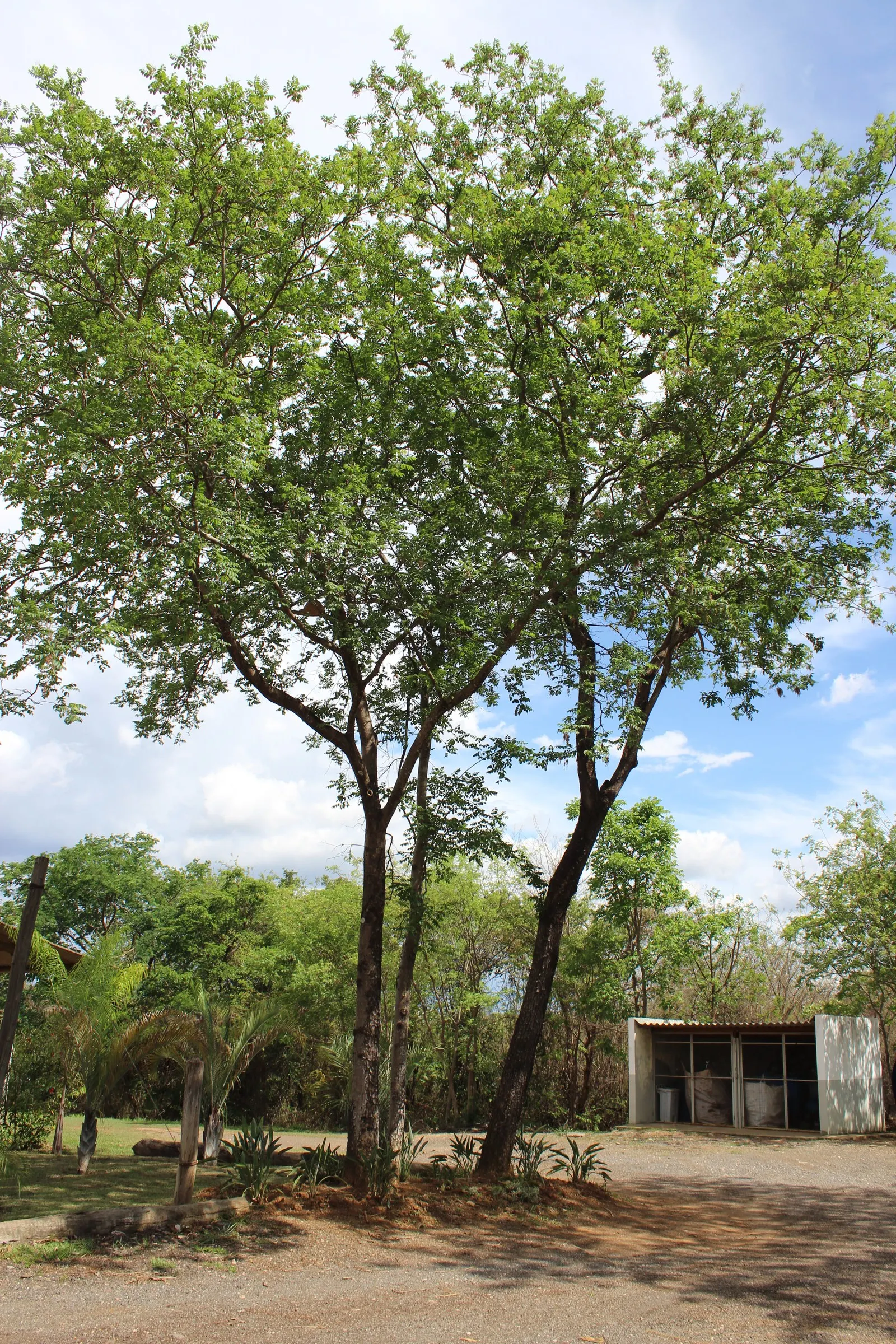
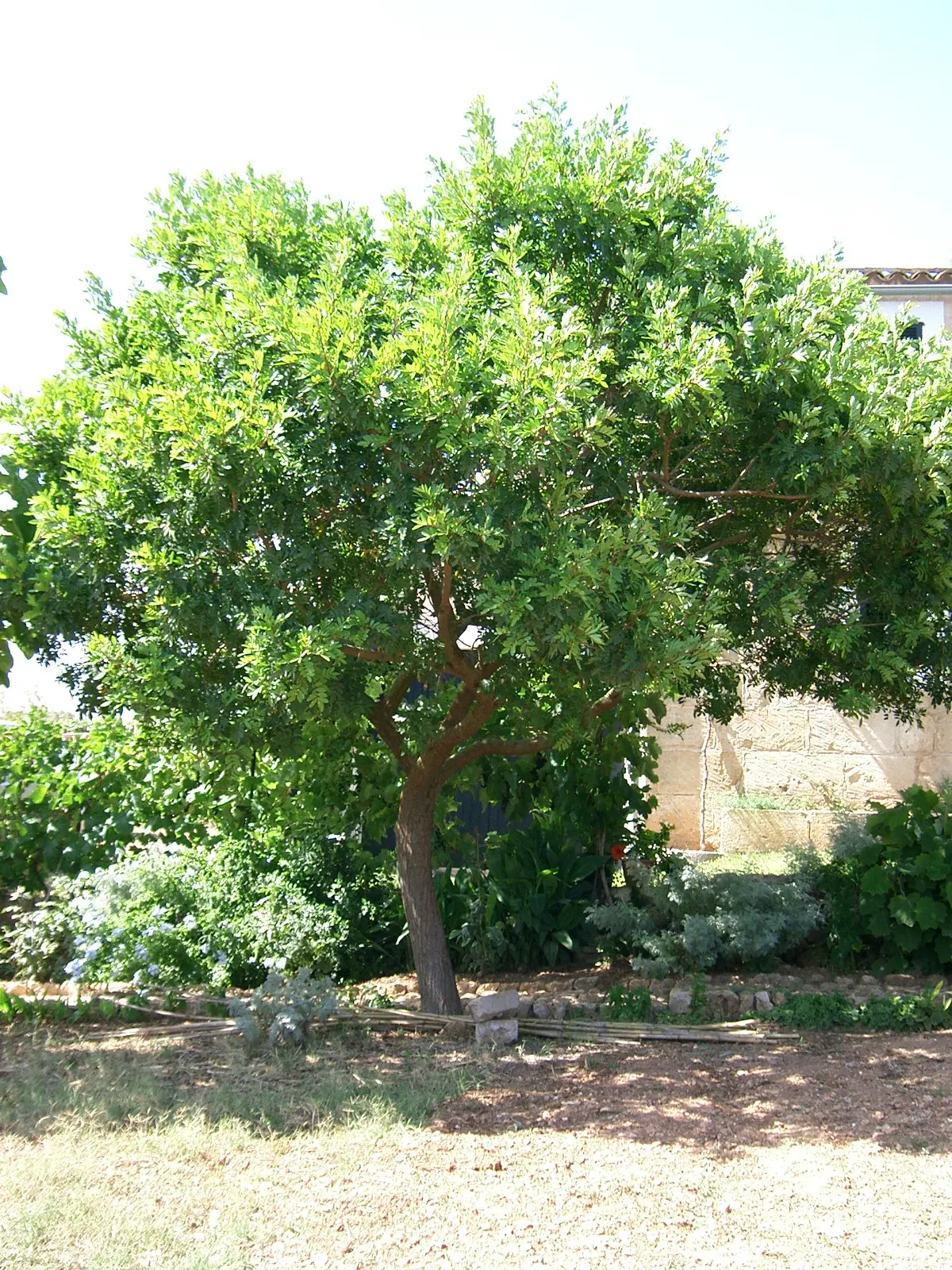
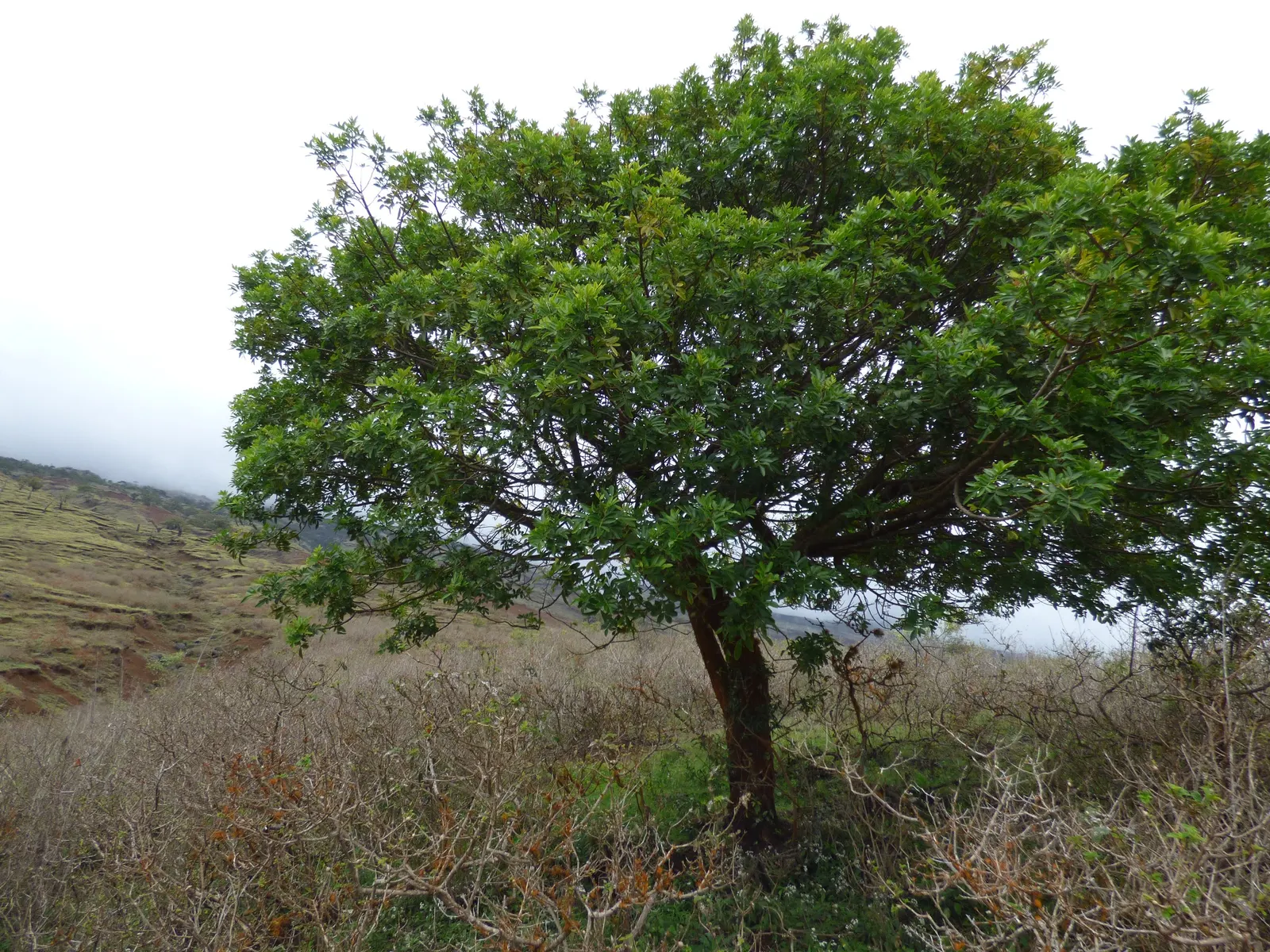
Brazilian Pepper Tree (Schinus terebinthifolius) is an invasive evergreen. With lustrous foliage, it reaches up to 30-40ft in height and a 20-30ft spread. It bears red, ornamental berries. Prefers full sun and adaptable to various soils. Caution: it can displace native species and its sap may cause skin irritation. Use as an ornamental must be controlled. Not recommended for ecological landscaping. Zones 9-11.

Sun FullWater Low, Medium, Very LowZones 8–10Type TreeClimate Subtropical

Culture

Sun
Full
Water
Low, Medium, Very Low
USDA zones
8–10

Shape & size

Classification

Type
Tree
Climate
Subtropical

See full data, regional cultivation notes, and design tools. Build a client presentation around this plant.

Start your 14-day trial

Photos (100)

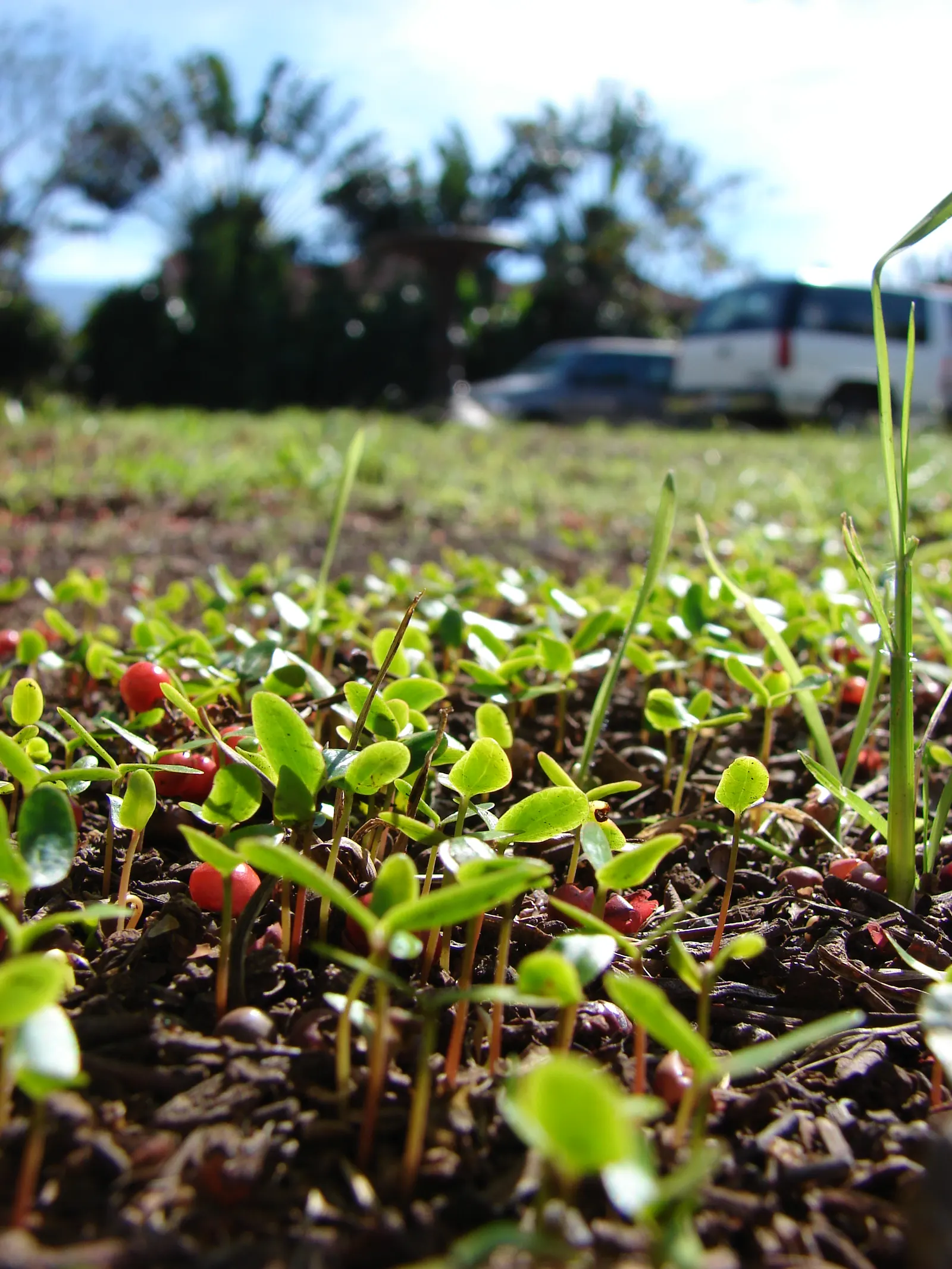
Brazilian Pepper Tree (Schinus Terebinthifolius) — Prefers full sun and adaptable to various soils; always consult local guidelines before incorporating this
Brazilian Pepper Tree (Schinus Terebinthifolius) — It is drought-tolerant once established and can endure brief periods of flooding; prefers full sun and
Brazilian Pepper Tree (Schinus Terebinthifolius) — scientifically known as Schinus terebinthifolius
Brazilian Pepper Tree (Schinus Terebinthifolius) — contribute to this tree's invasive nature; while attractive to birds
Brazilian Pepper Tree (Schinus Terebinthifolius) — scientifically known as Schinus terebinthifolius; always consult local guidelines before incorporating this
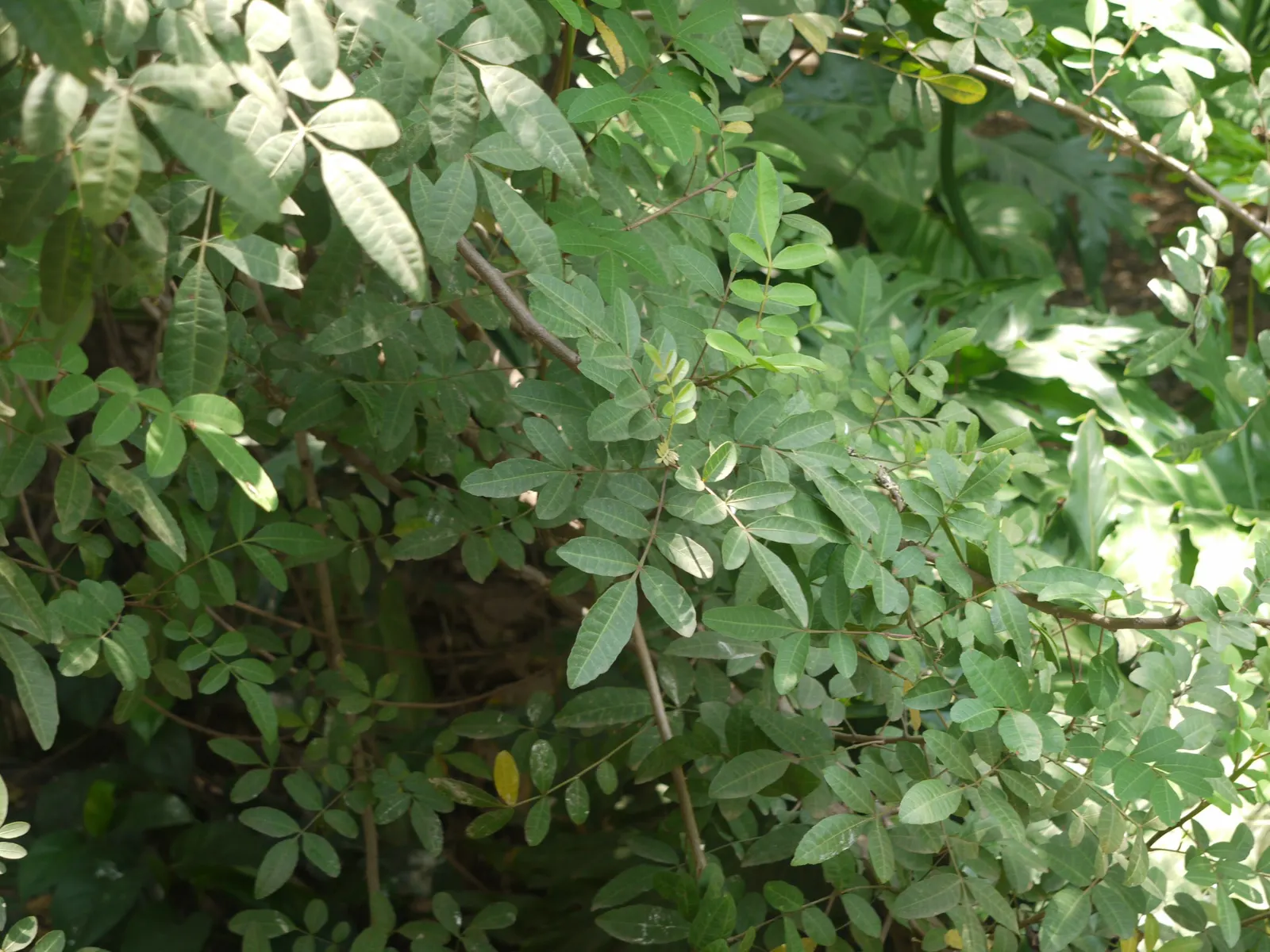
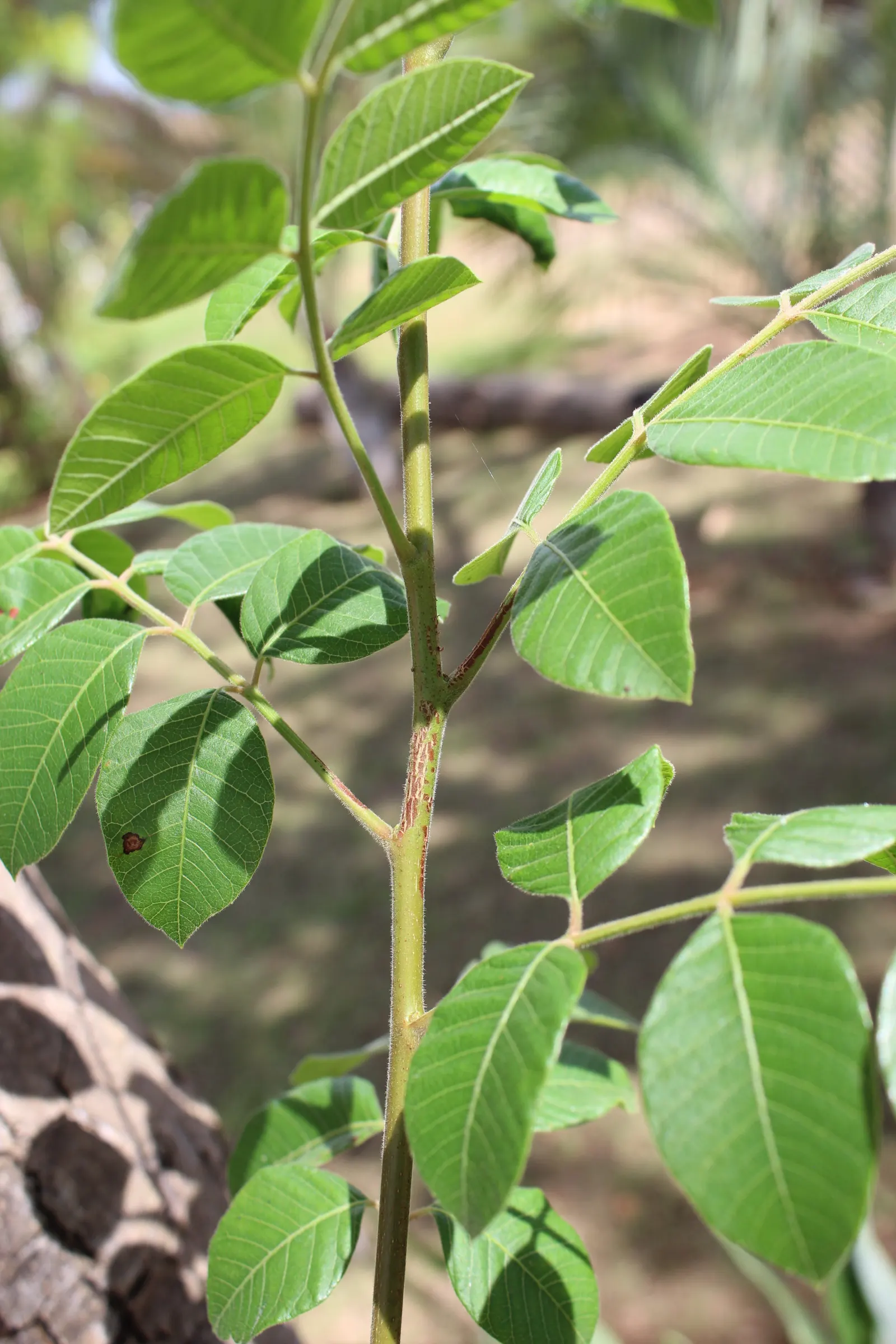
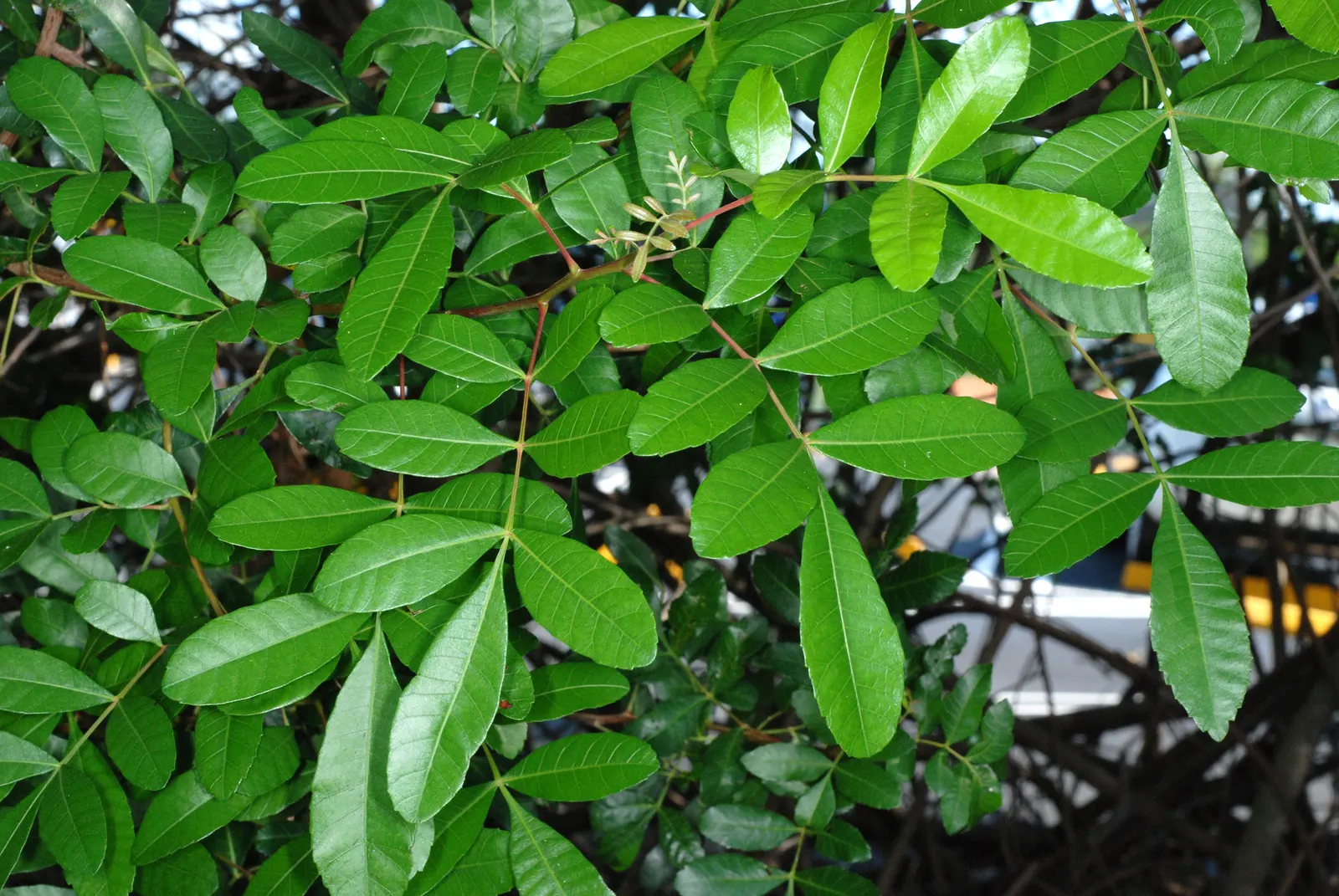
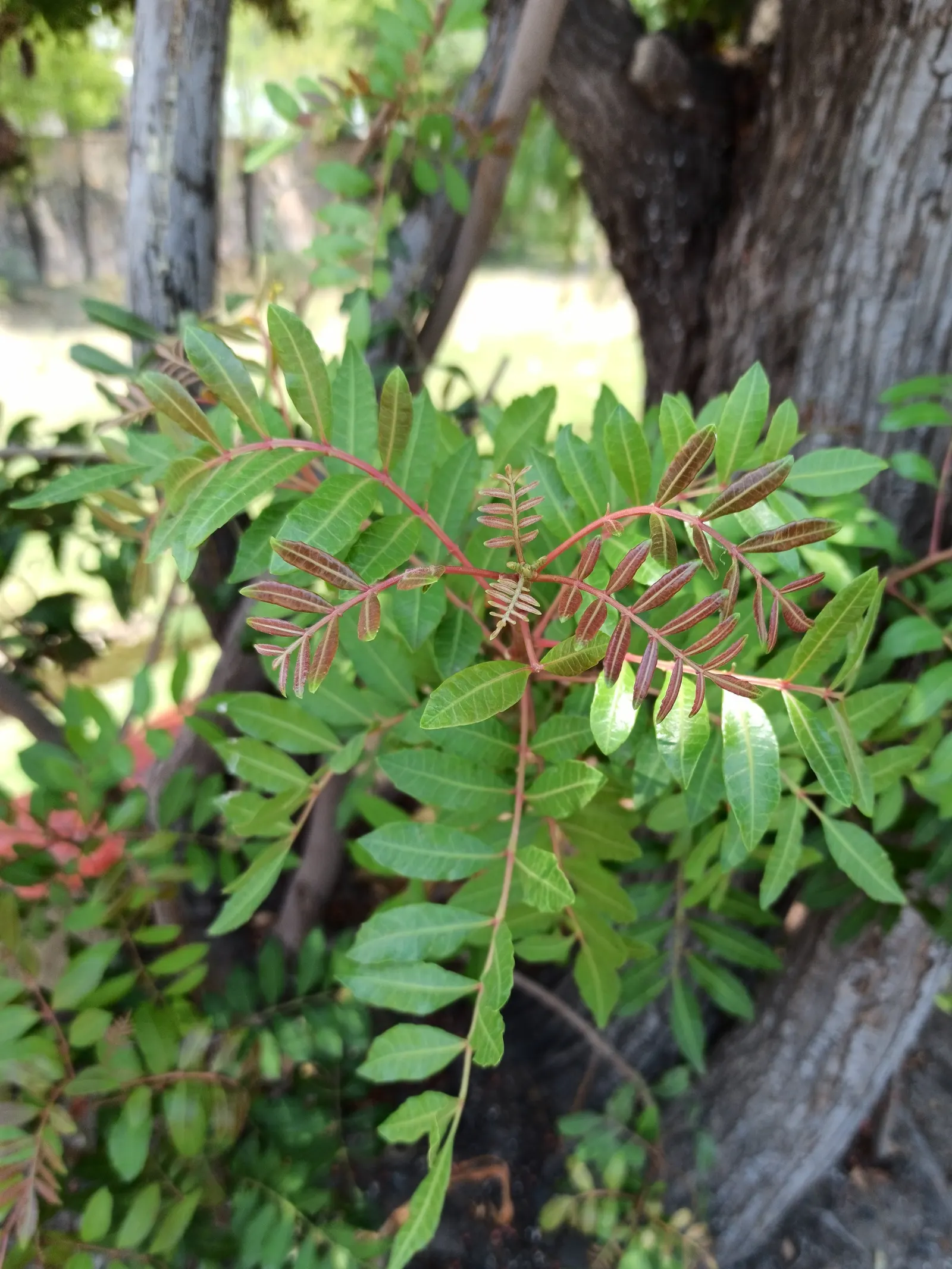
Brazilian Pepper Tree (Schinus Terebinthifolius) — while attractive to birds; which consists of compound leaves ranging from 4 to 8 inches in length
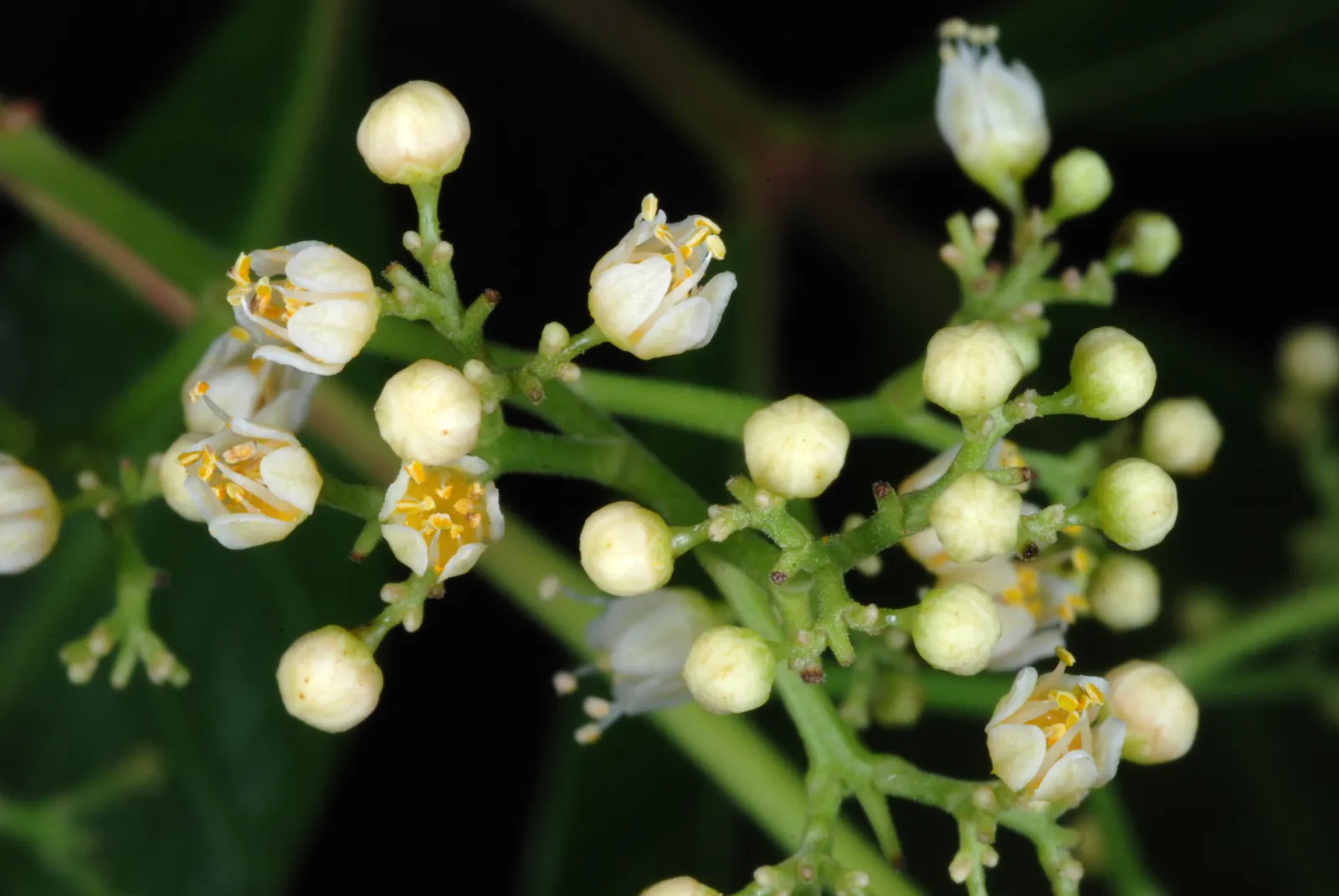
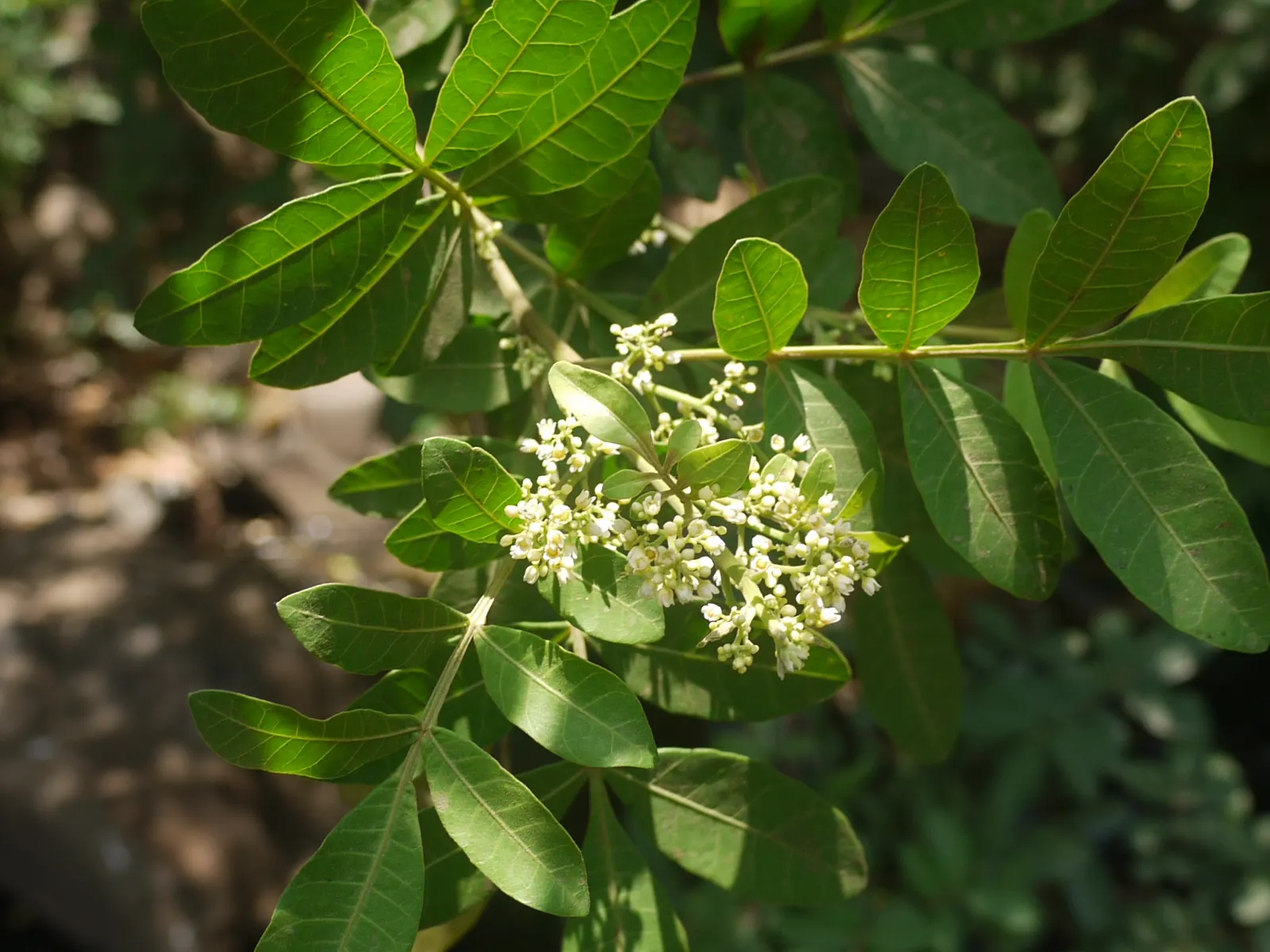
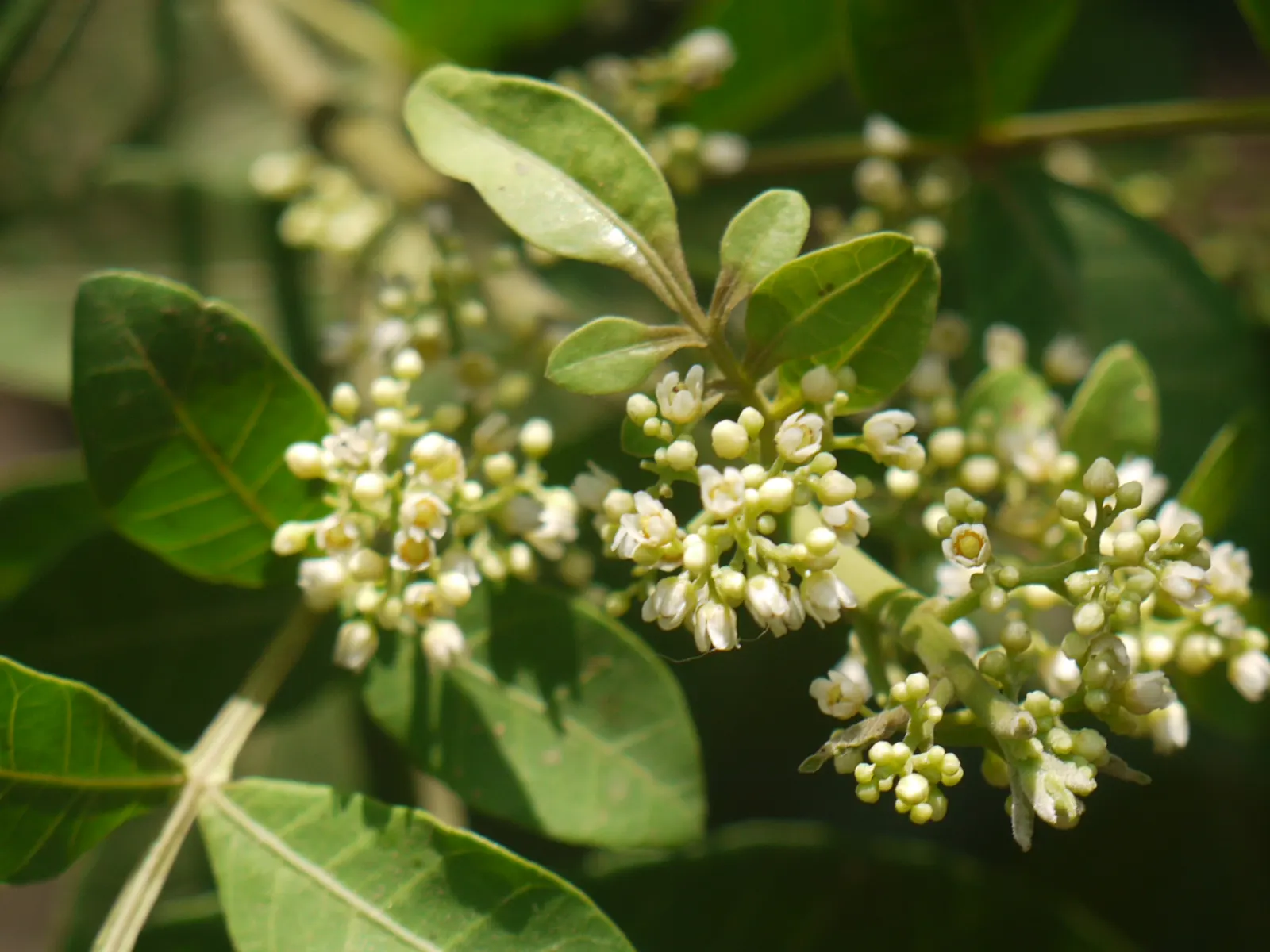
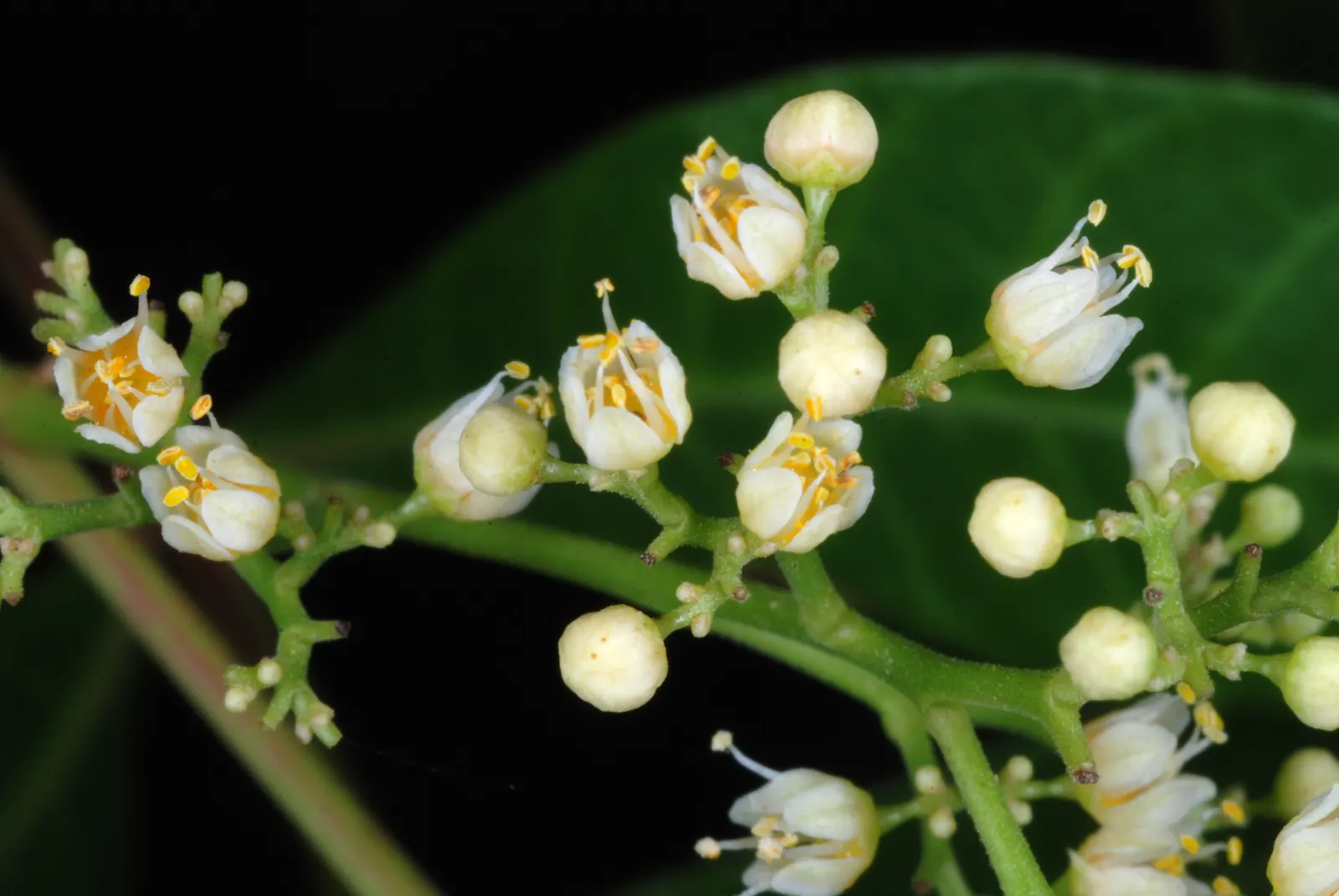
Brazilian Pepper Tree (Schinus Terebinthifolius) — this species produces small white flowers arranged in narrow; while attractive to birds, image 71
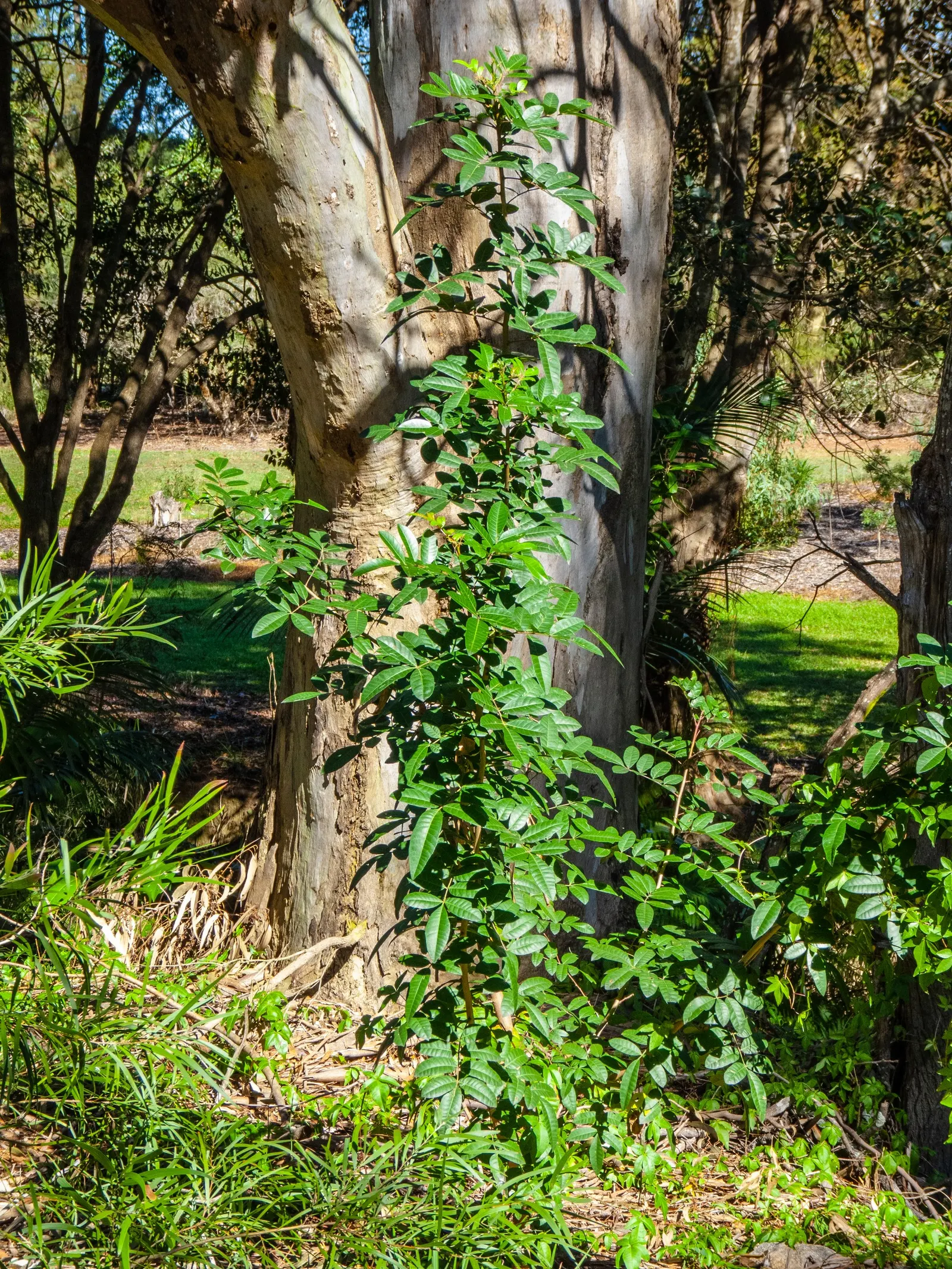
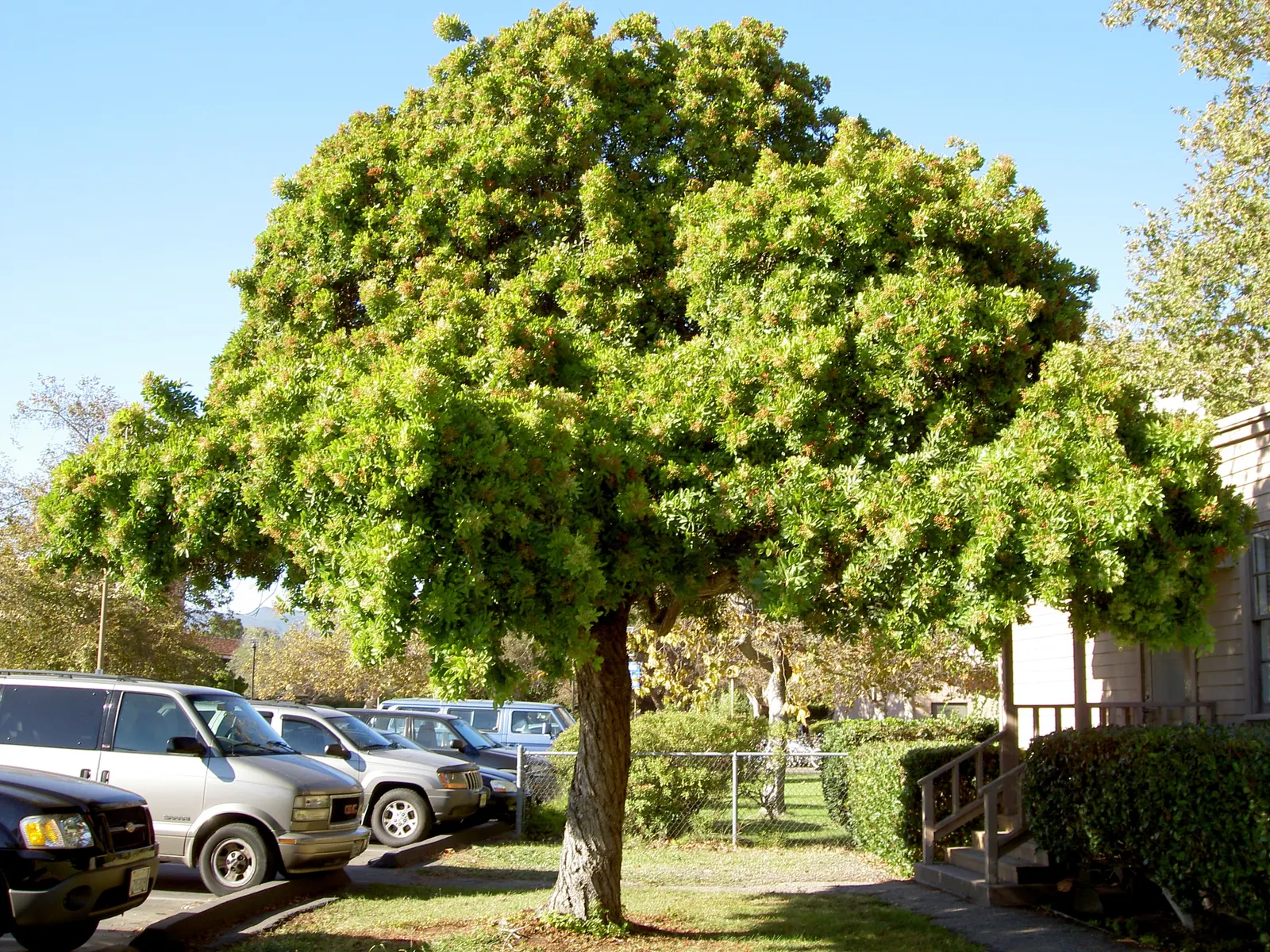
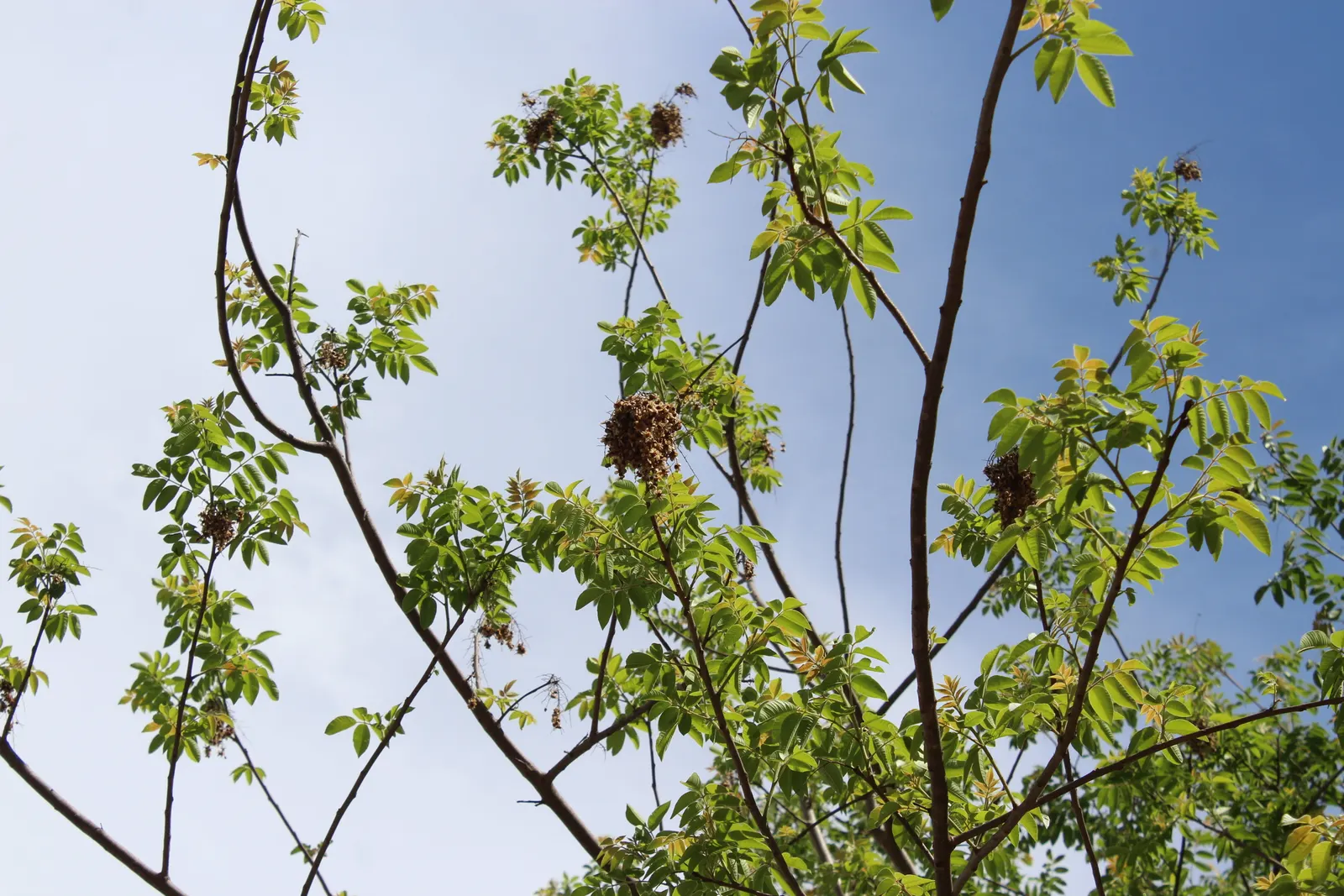
Brazilian Pepper Tree (Schinus Terebinthifolius) — With lustrous foliage, it reaches up to 30-40ft in height and a 20-30ft spread; which consists of compound
Brazilian Pepper Tree (Schinus Terebinthifolius) — white flowers in the garden; which consists of compound leaves ranging from 4 to 8 inches in length
Brazilian Pepper Tree (Schinus Terebinthifolius) — gardeners should be cautious as it can be allergenic to some individuals; while attractive to birds
Brazilian Pepper Tree (Schinus Terebinthifolius) — which consists of compound leaves ranging from 4 to 8 inches in length; while attractive to birds
Brazilian Pepper Tree (Schinus Terebinthifolius) — Not recommended for ecological landscaping; while attractive to birds, image 63
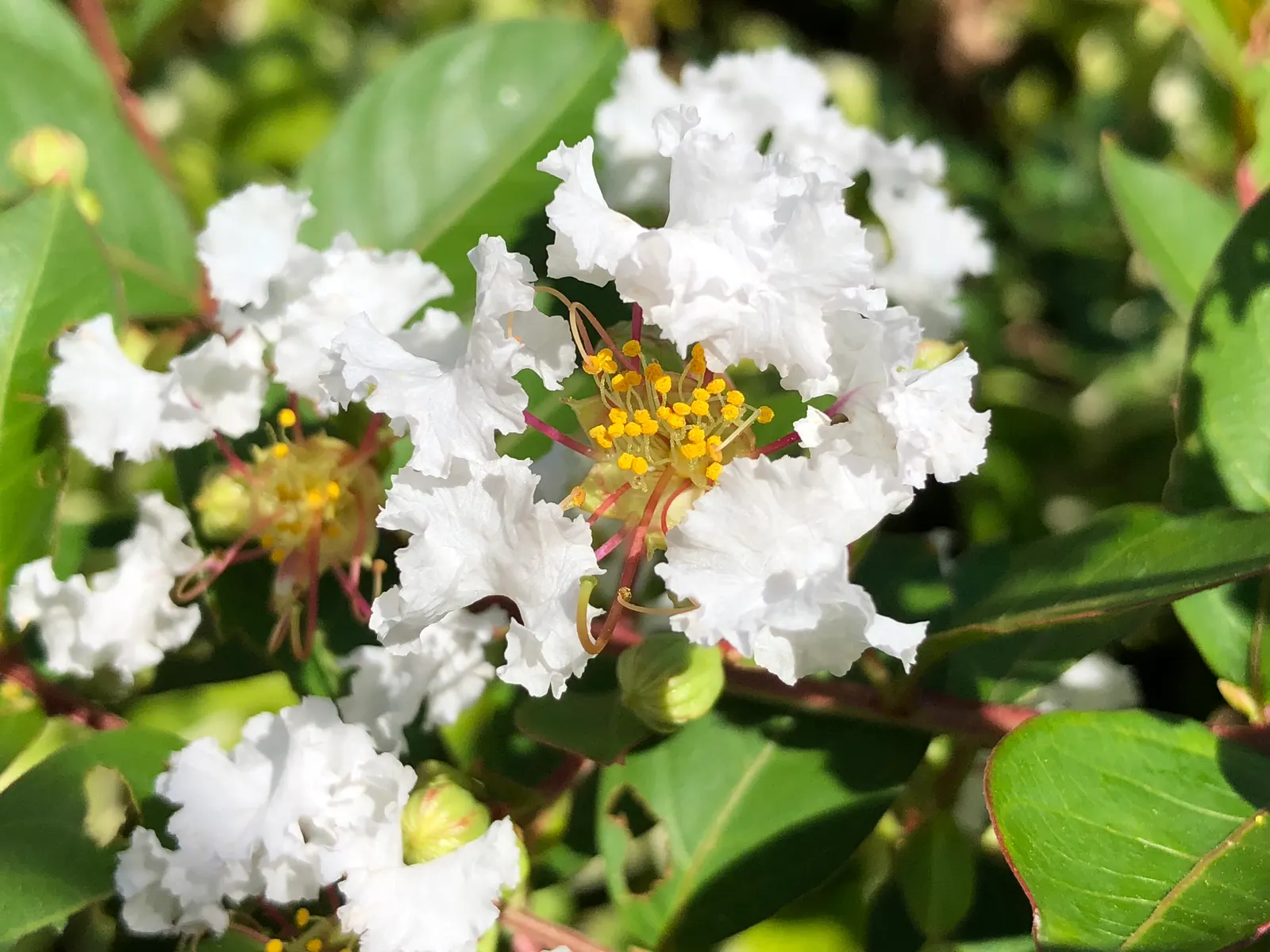
Brazilian Pepper Tree (Schinus Terebinthifolius) — white flowers in the garden
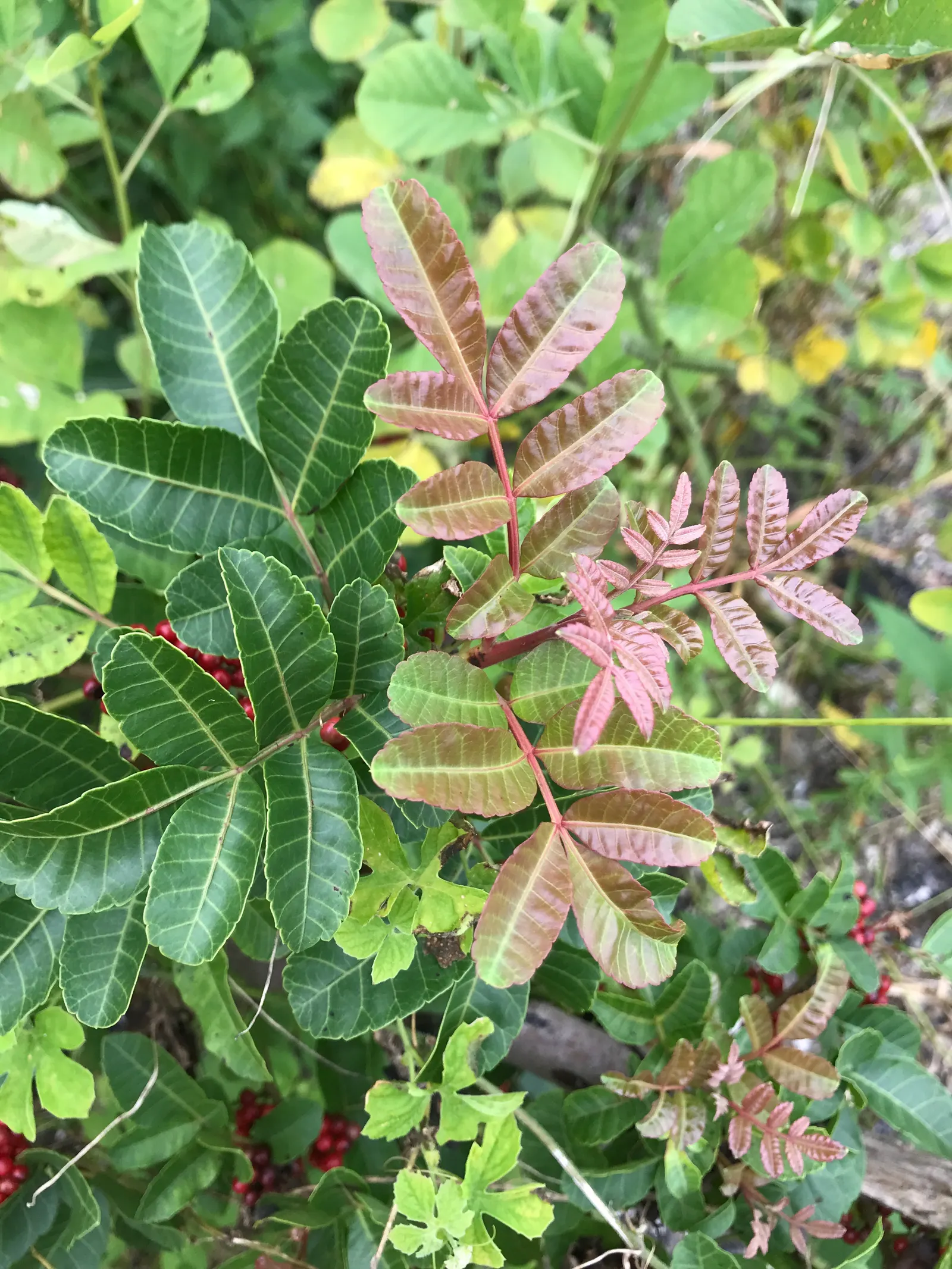
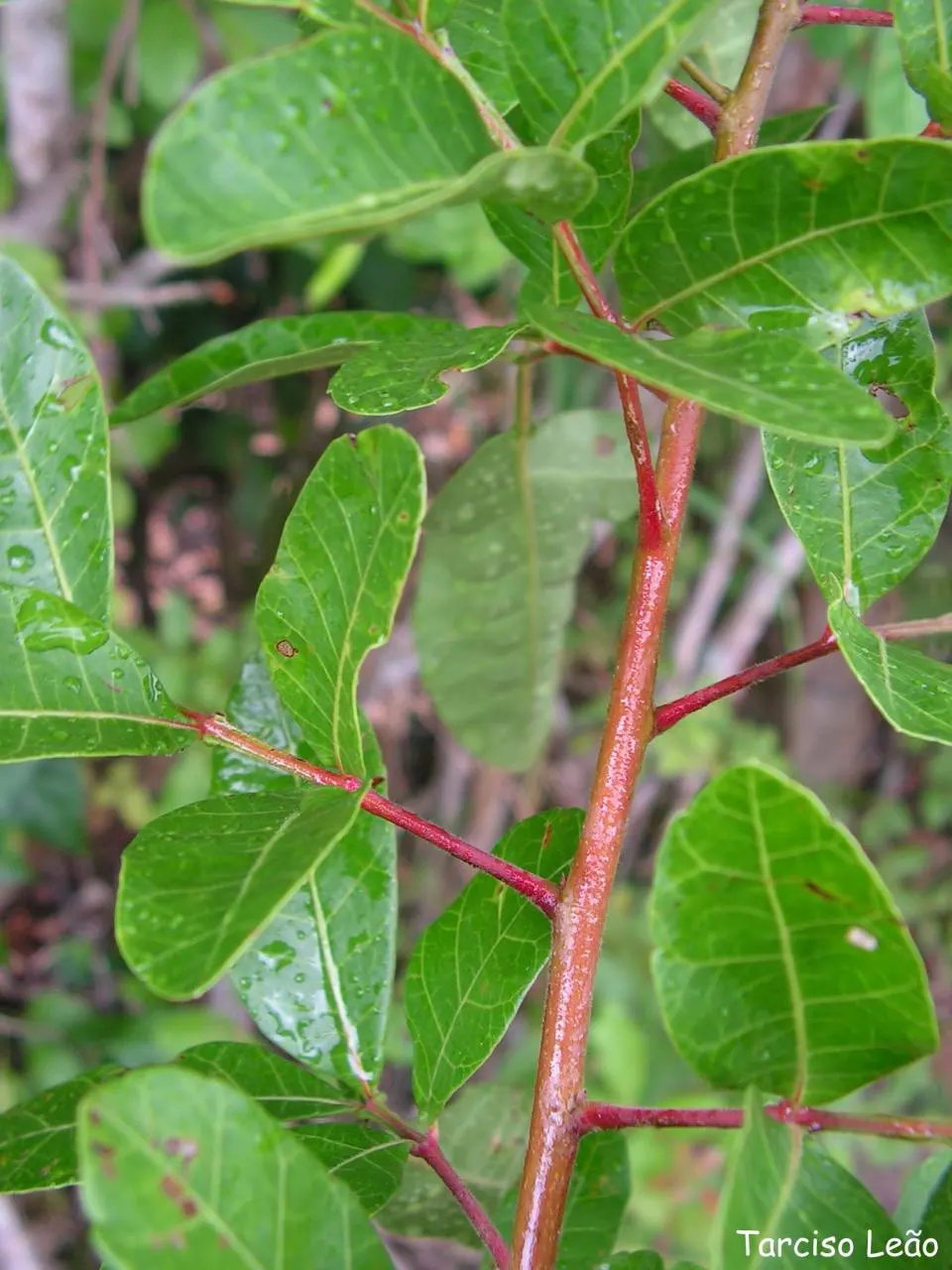
Brazilian Pepper Tree (Schinus Terebinthifolius) — Leaves are composed of 5 to 13 leaflets; always consult local guidelines before incorporating, image 68
Brazilian Pepper Tree (Schinus Terebinthifolius) — gardeners should be cautious as it can be allergenic to some individuals; while attractive to, image 79
Brazilian Pepper Tree (Schinus Terebinthifolius) — is a robust evergreen species native to subtropical and tropical zones of South America
Brazilian Pepper Tree (Schinus Terebinthifolius) — which consists of compound leaves ranging from 4 to 8 inches in length
Brazilian Pepper Tree (Schinus Terebinthifolius) — it may be considered a prohibited species due to its aggressive growth habits; always consult local
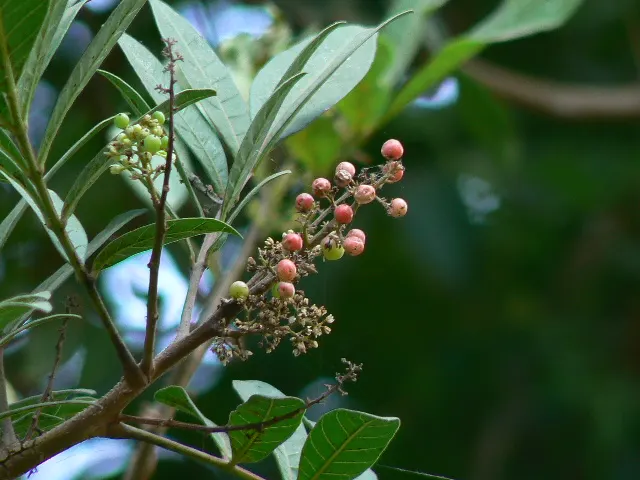
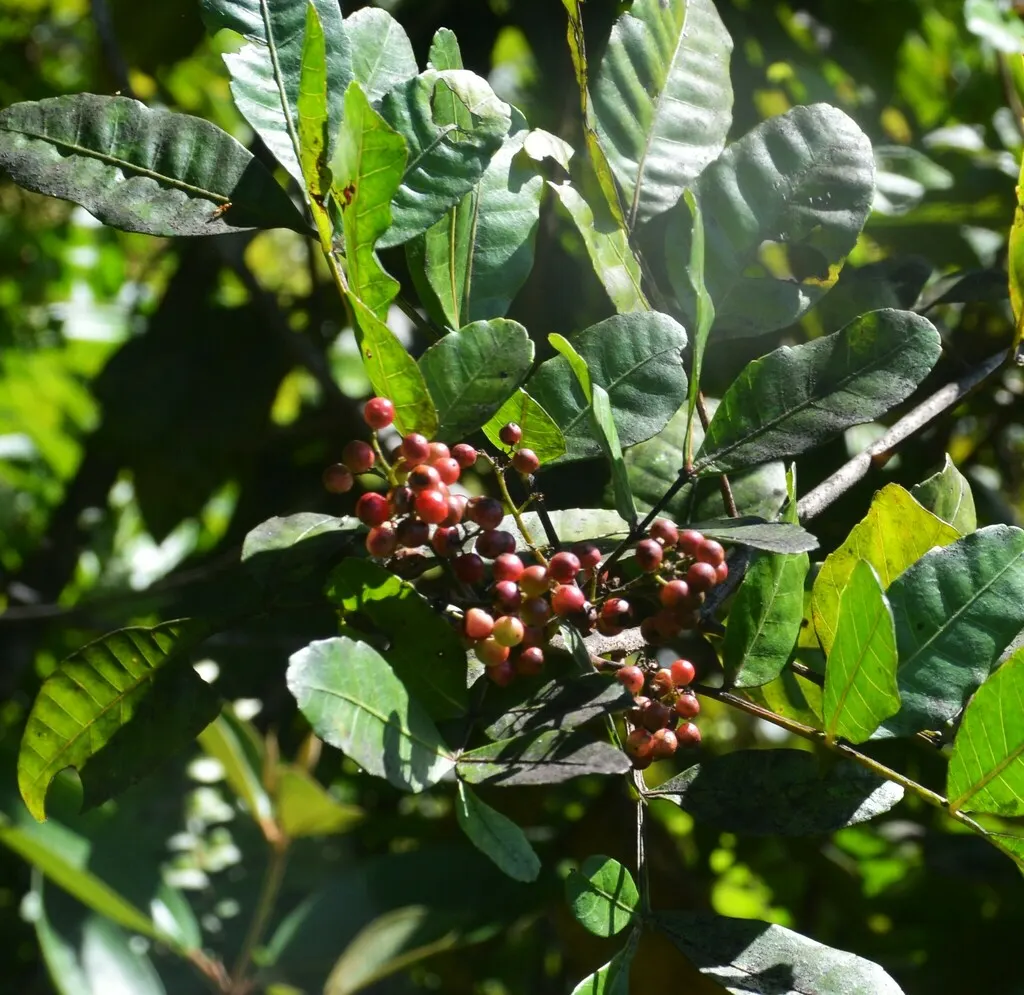
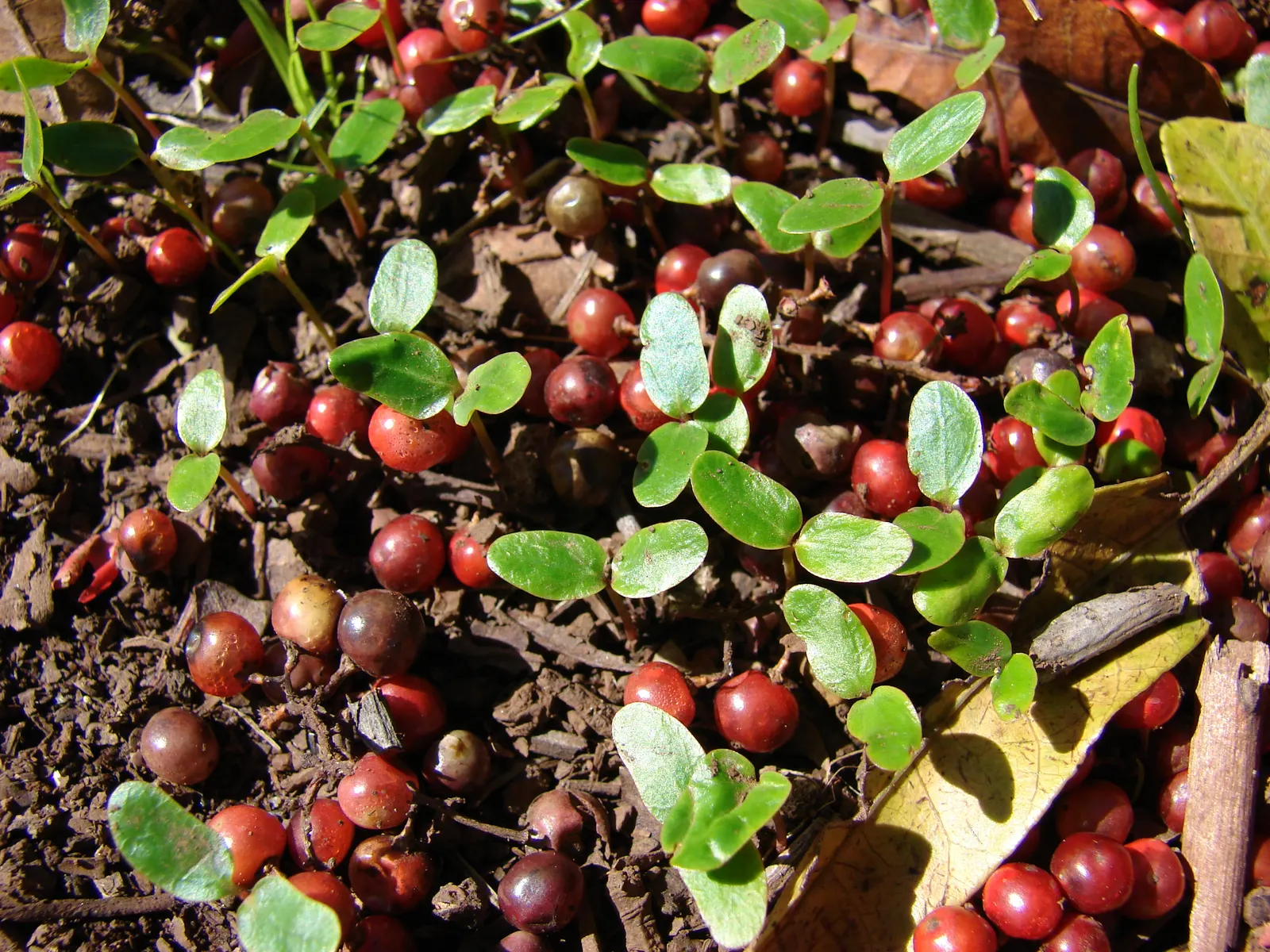
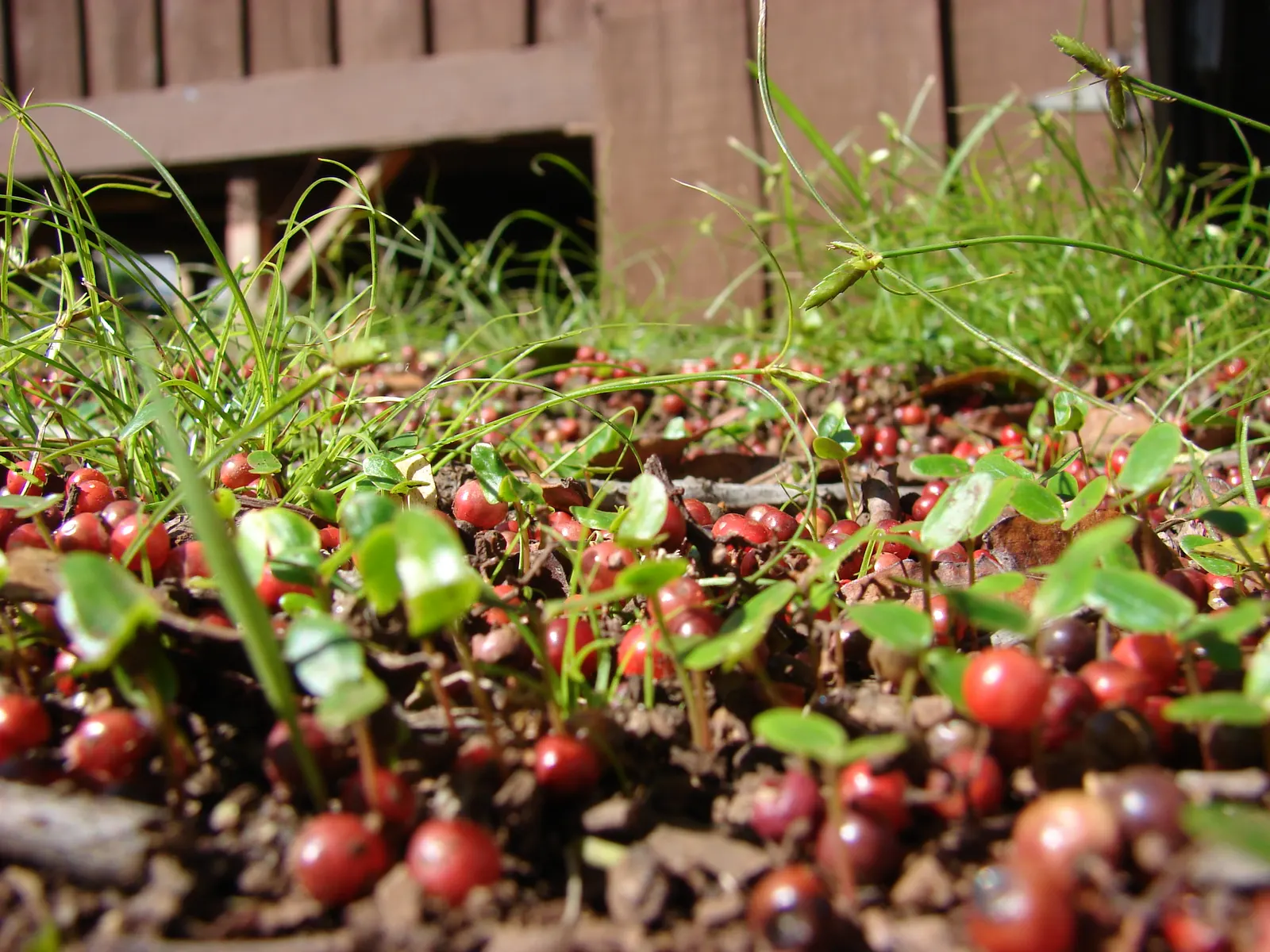
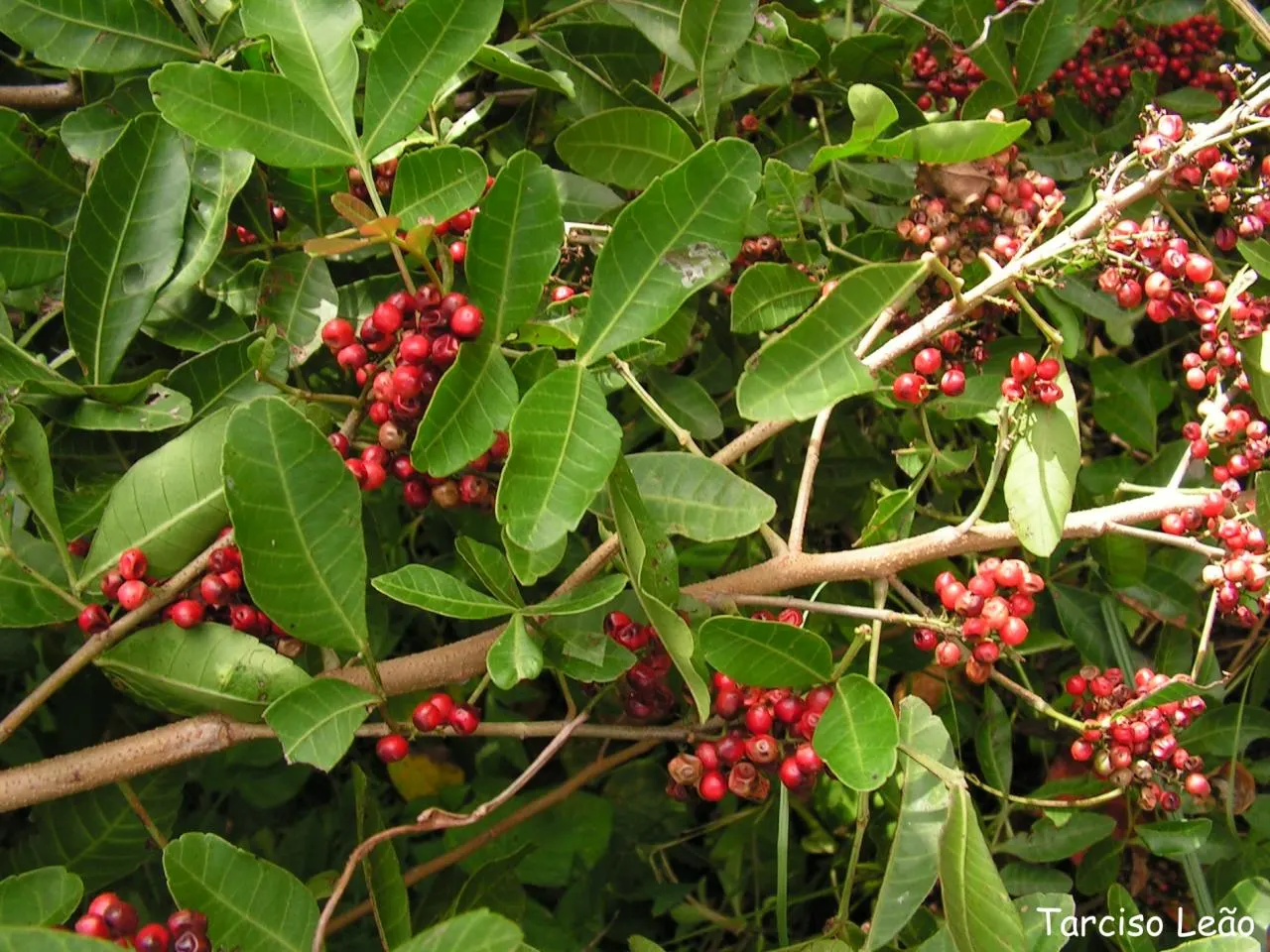
Brazilian Pepper Tree (Schinus Terebinthifolius) — It bears red, ornamental berries; while attractive to birds
Brazilian Pepper Tree (Schinus Terebinthifolius) — gardeners should be cautious as it can be allergenic to some individuals
Brazilian Pepper Tree (Schinus Terebinthifolius) — each approximately 1 to 2 inches long; prefers full sun and adaptable to various soils
Brazilian Pepper Tree (Schinus Terebinthifolius) — while attractive to birds
Brazilian Pepper Tree (Schinus Terebinthifolius) — this species produces small white flowers arranged in narrow; while attractive to birds
Brazilian Pepper Tree (Schinus Terebinthifolius) — tree for full; always consult local guidelines before incorporating this plant into a landscape design
Photographs by 13 contributors

Related plants