Skip to content

Sassafras

Sassafras Albidum

Design with this plant

Overview

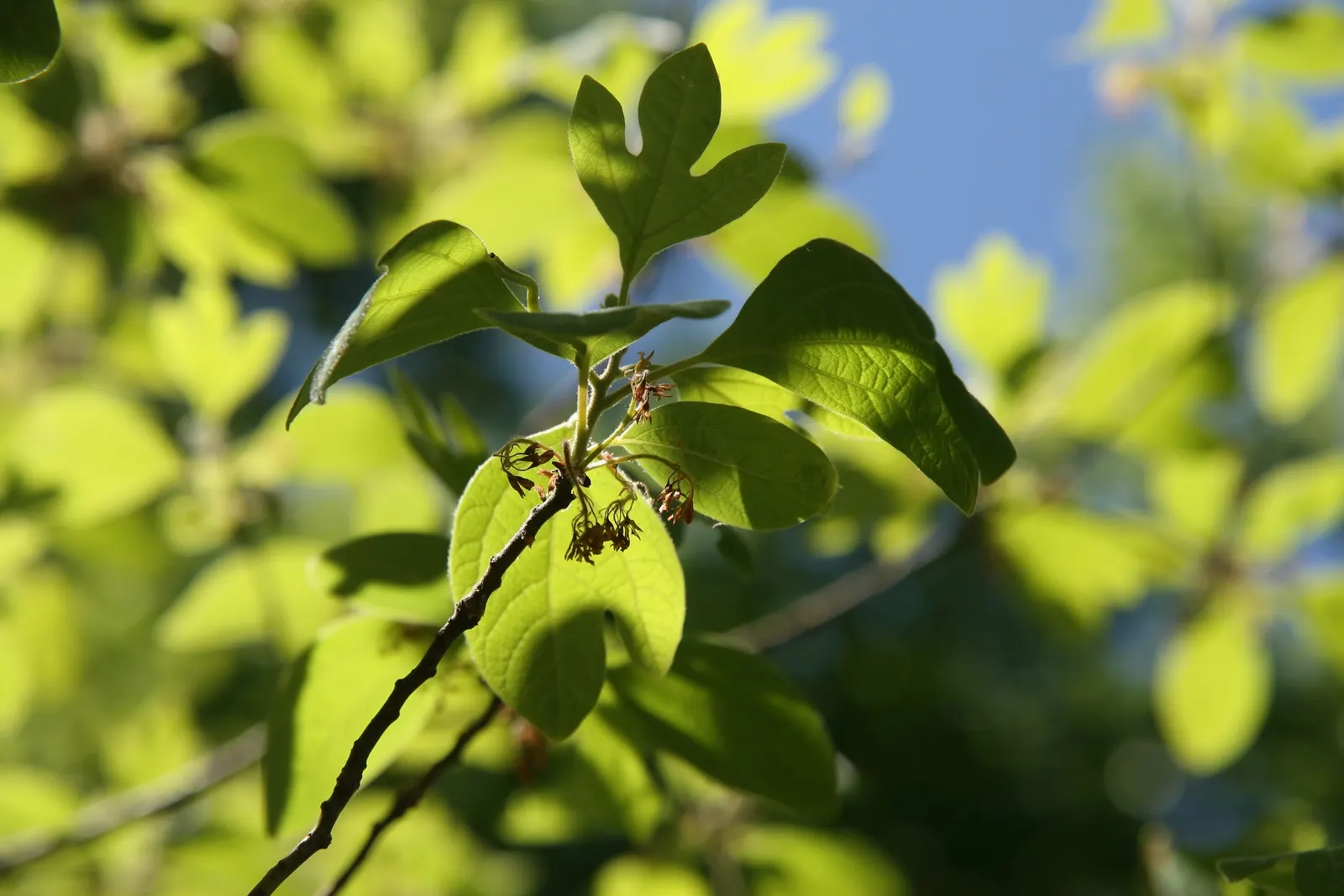
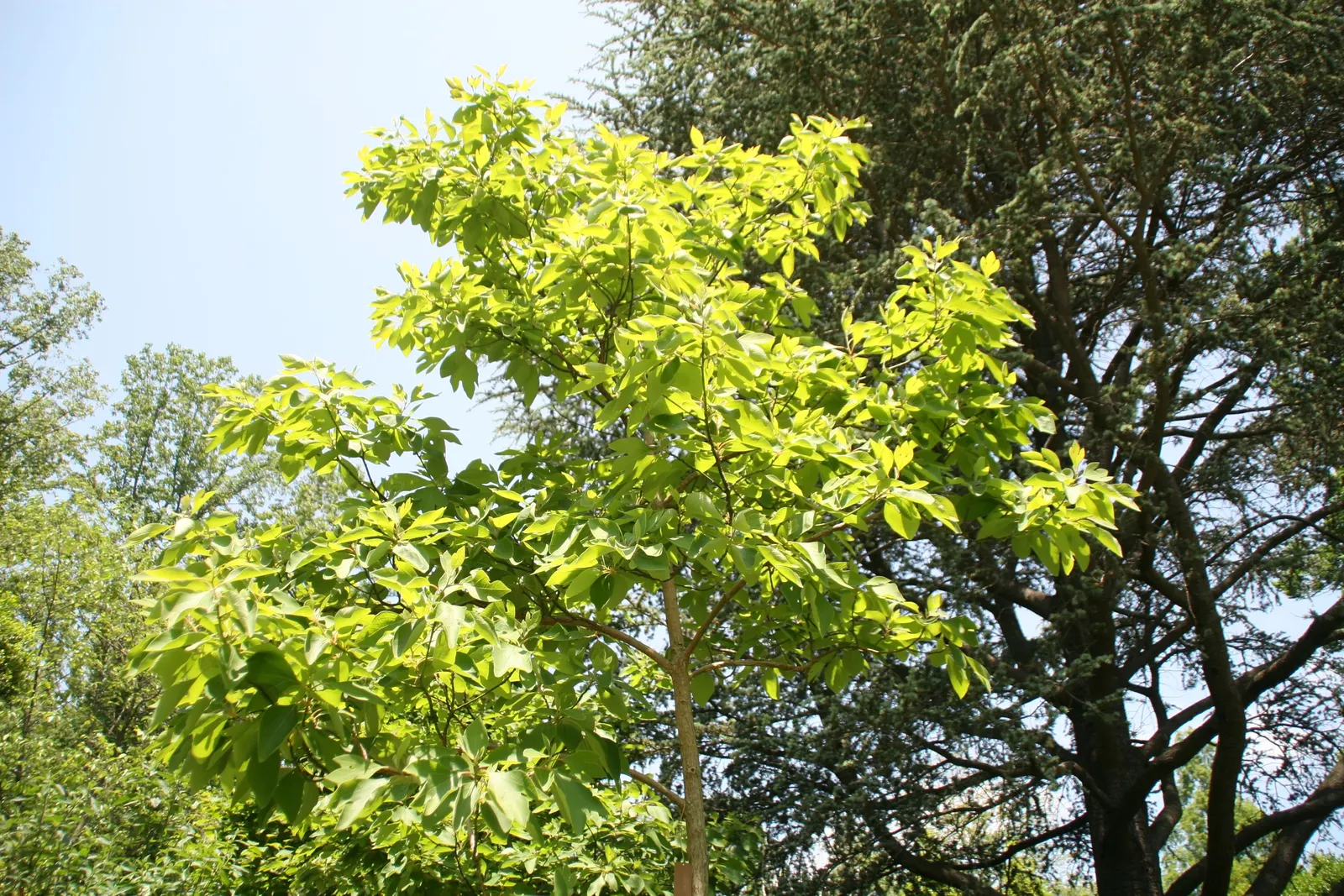
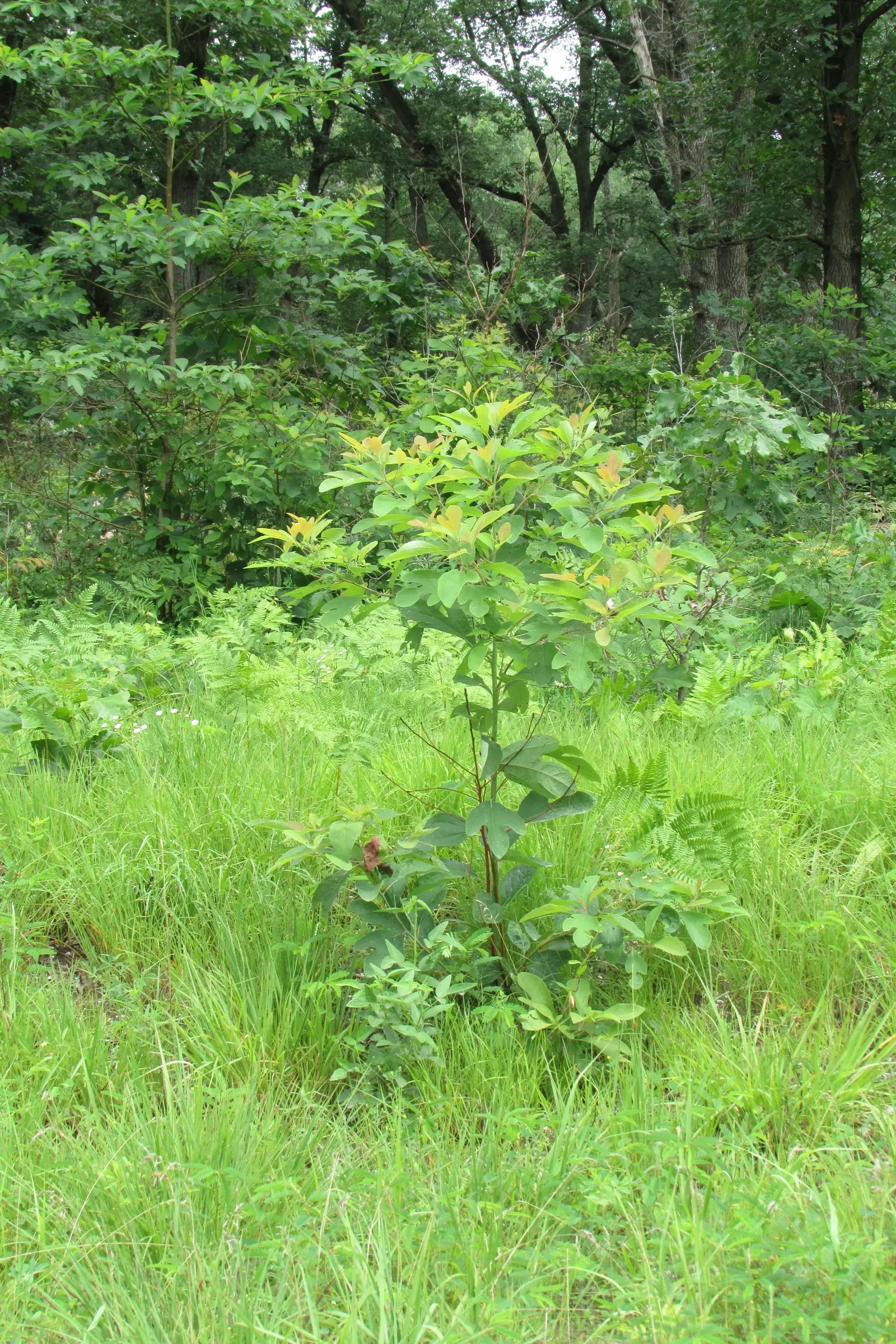
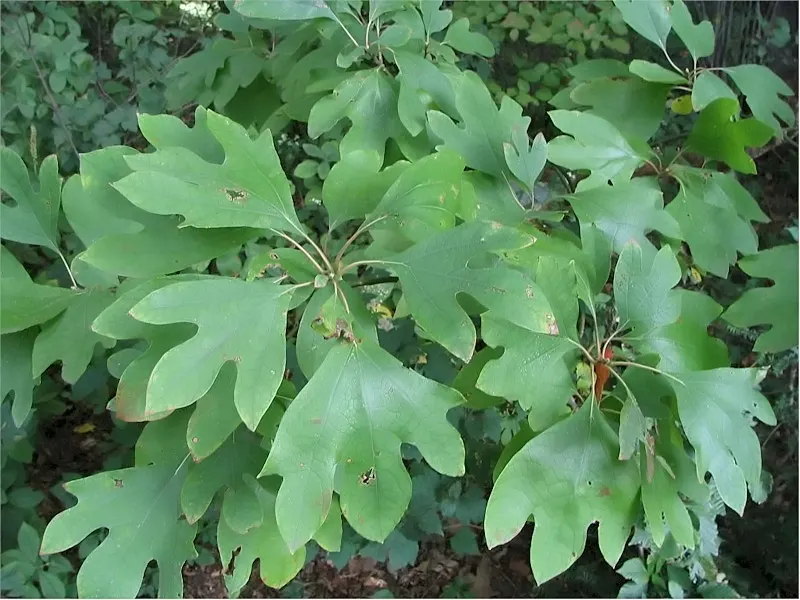
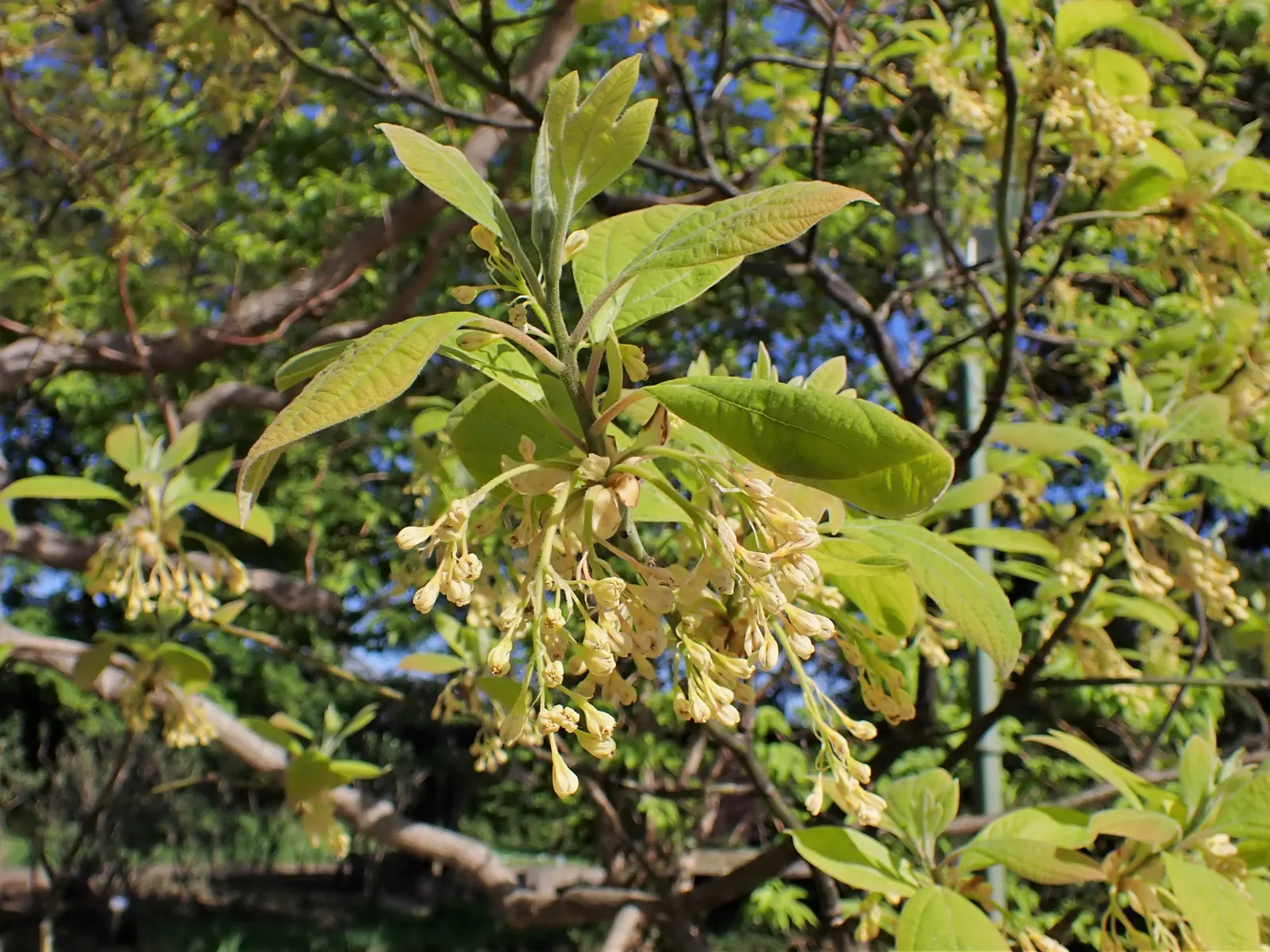
Sassafras albidum, commonly referred to as Sassafras, is a native North American deciduous tree notable for its aromatic properties and distinctive mitten-shaped leaves. It can reach heights up to 60 feet with a spread of 25-40 feet. The tree boasts yellow-green spring flowers, followed by blue-black berries on female trees. Known for its vibrant fall foliage, it thrives in zones 4-9, preferring full sun to partial shade and well-drained soils.

Sun Full, HalfWater MediumZones 8–11Climate Alpine, Mediterranean
Sassafras (Sassafras Albidum) — commonly referred to as Sassafras

Culture

Sun
Full, Half
Water
Medium
USDA zones
8–11

Shape & size

Classification

Family
Lauraceae
Climate
Alpine, Mediterranean

See full data, regional cultivation notes, full-resolution photos, and design tools. Build a client presentation around this plant.

Start your 14-day trial

Photos (74)

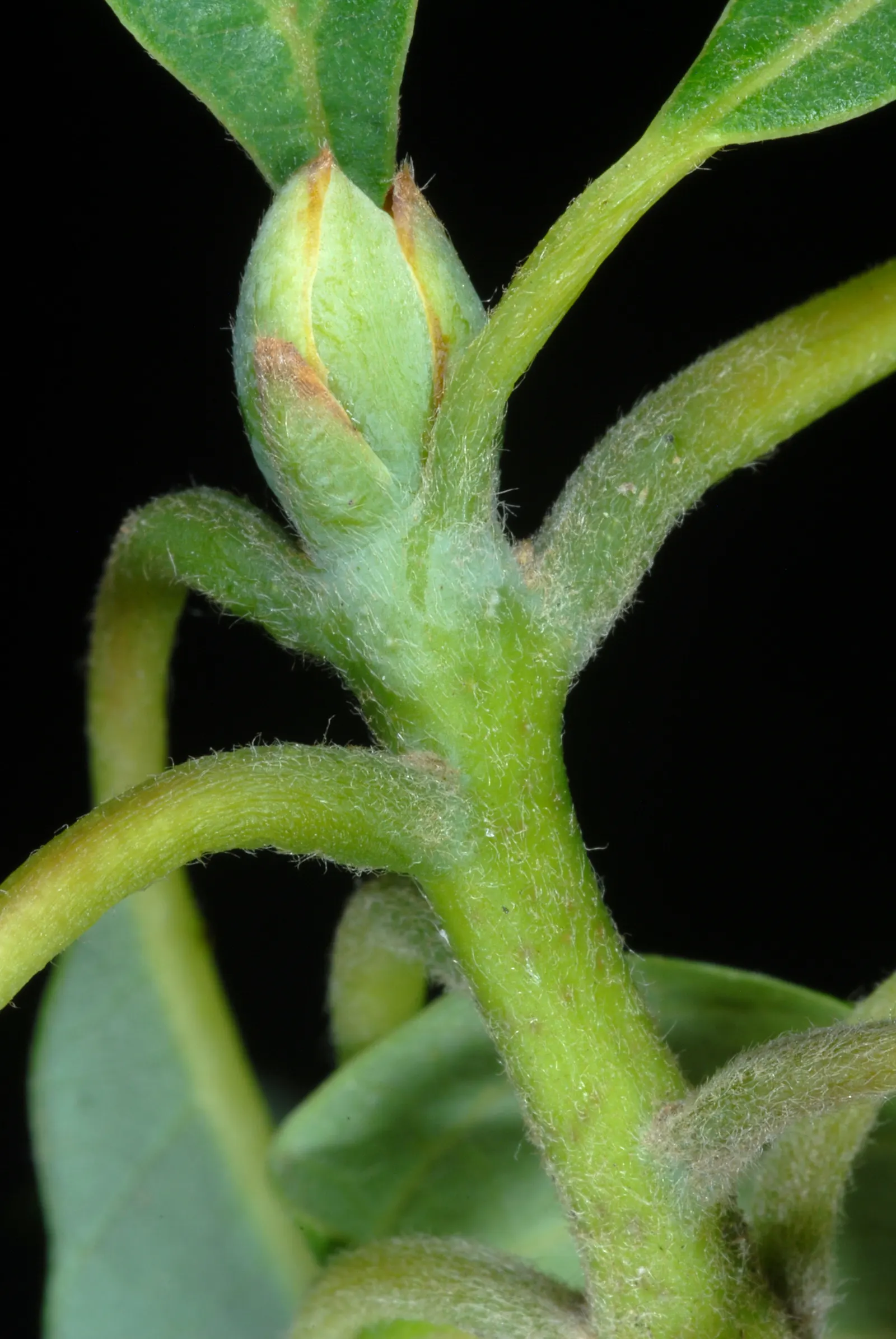
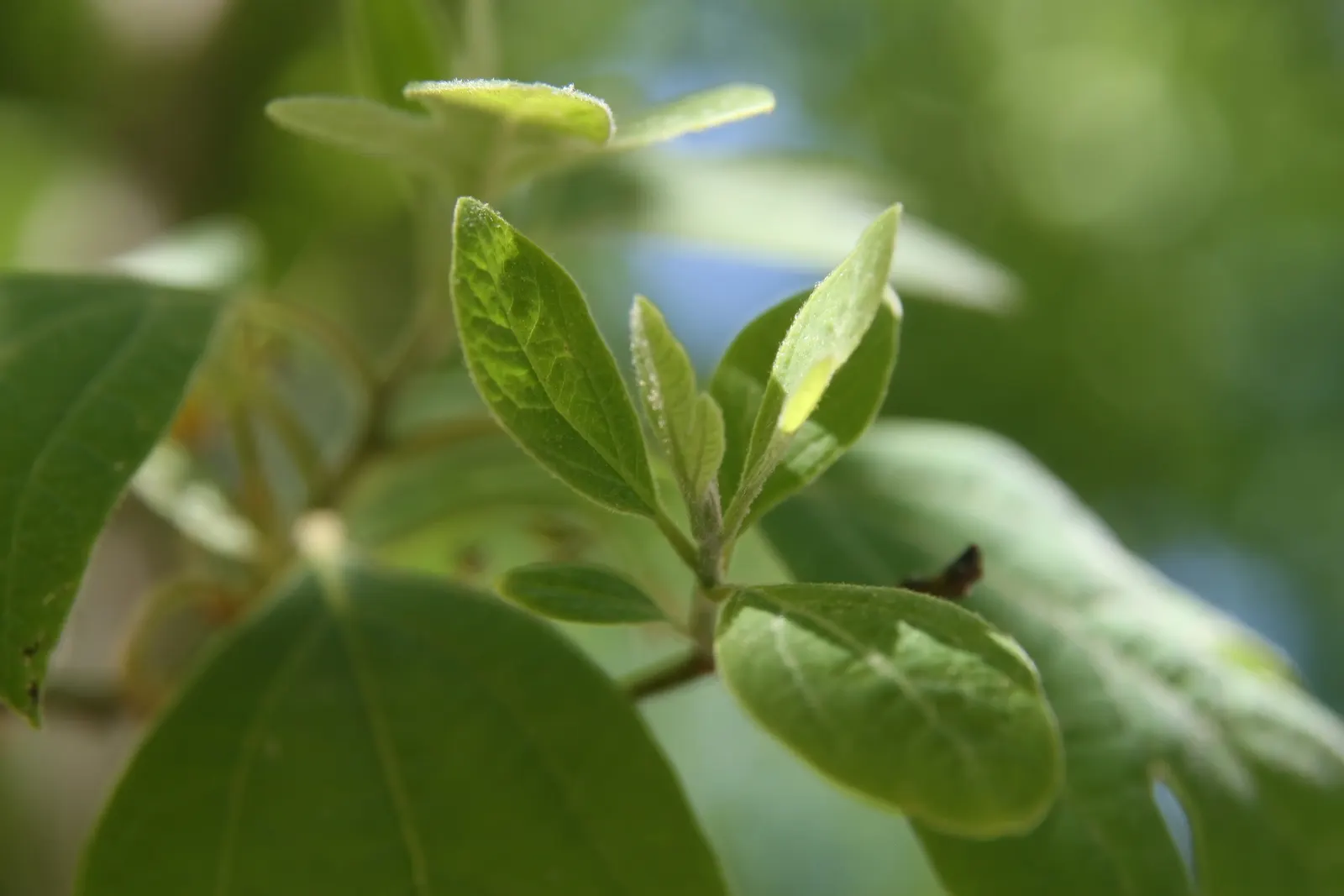
Sassafras (Sassafras Albidum) — and its leaves in cooking
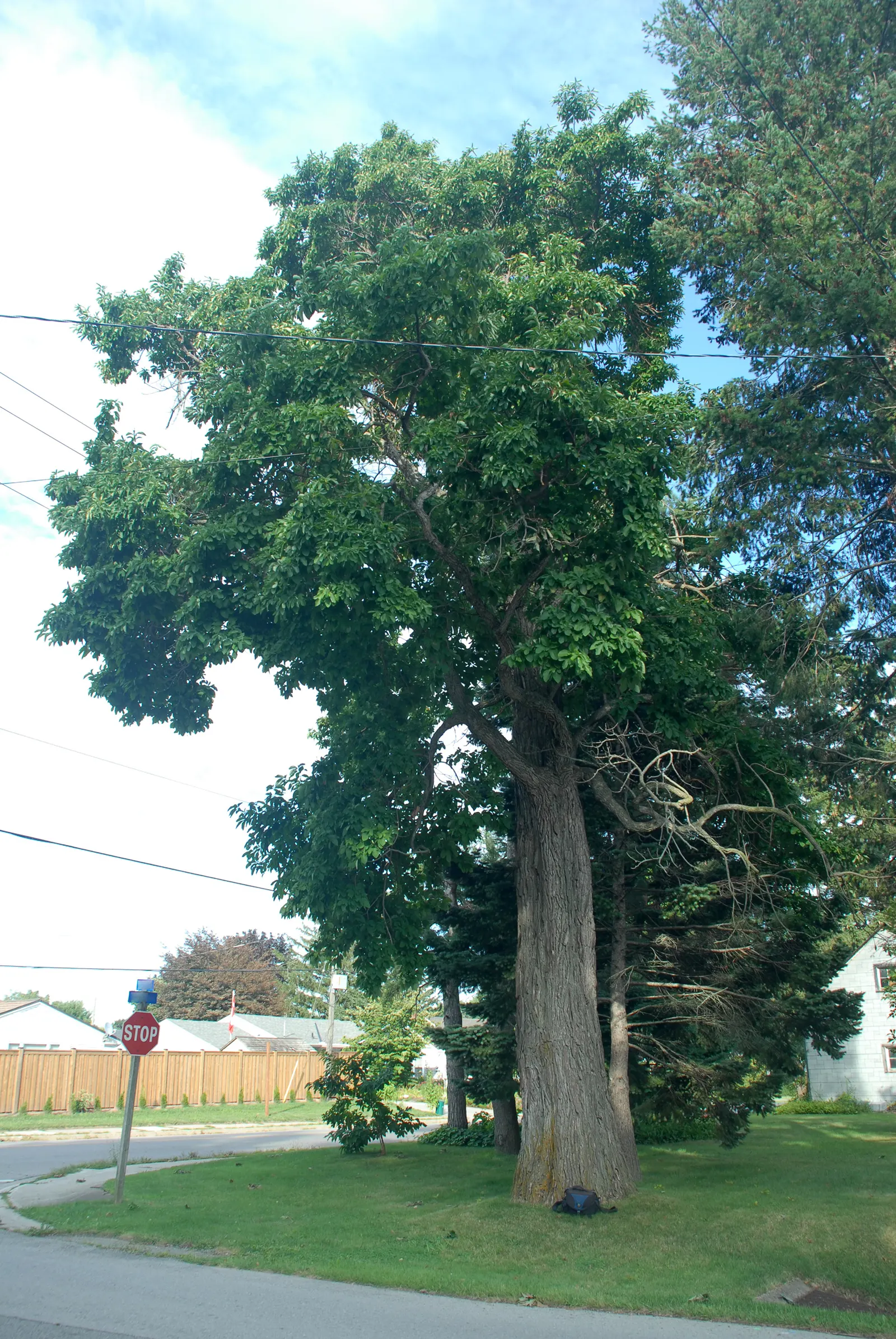
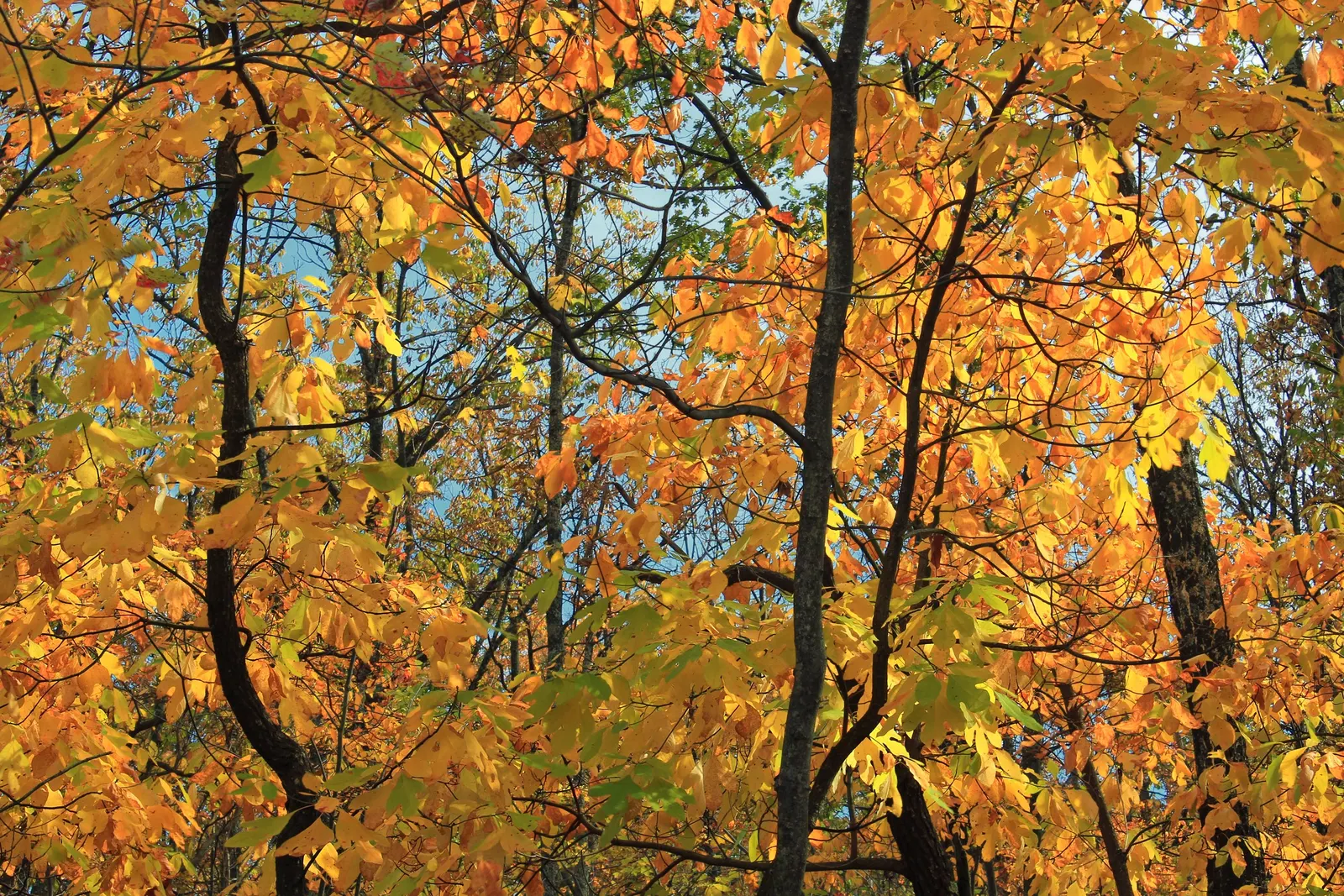
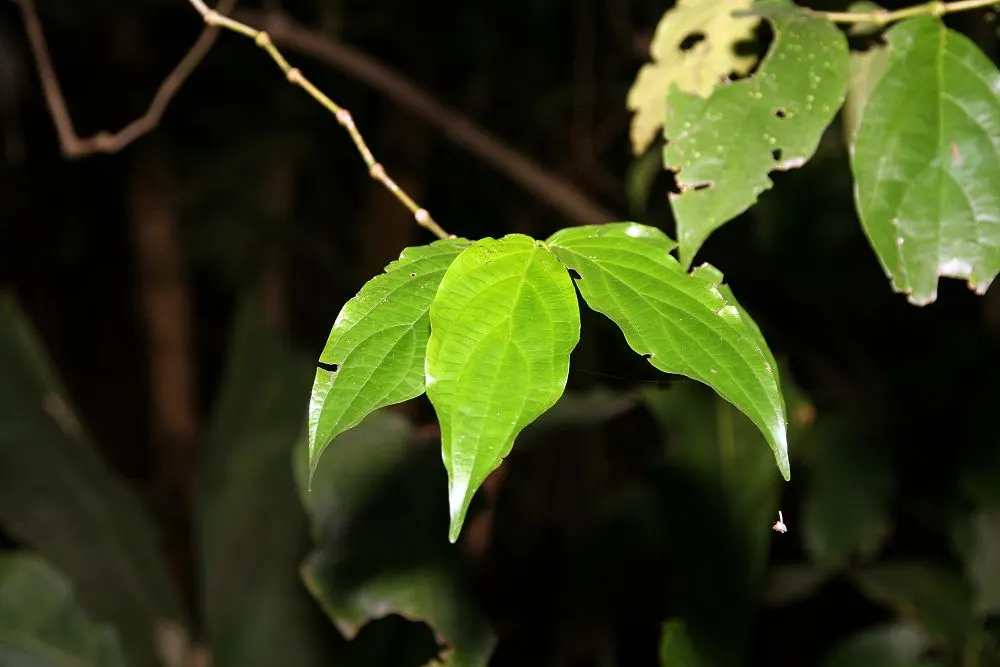
Sassafras (Sassafras Albidum) — commonly referred to as Sassafras; known for its vibrant fall foliage
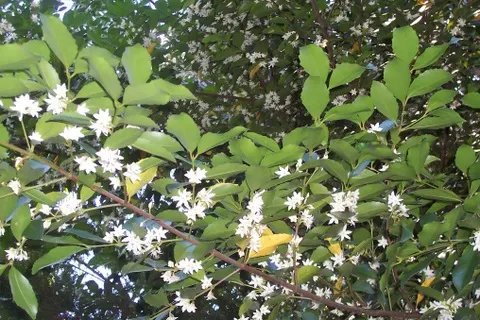
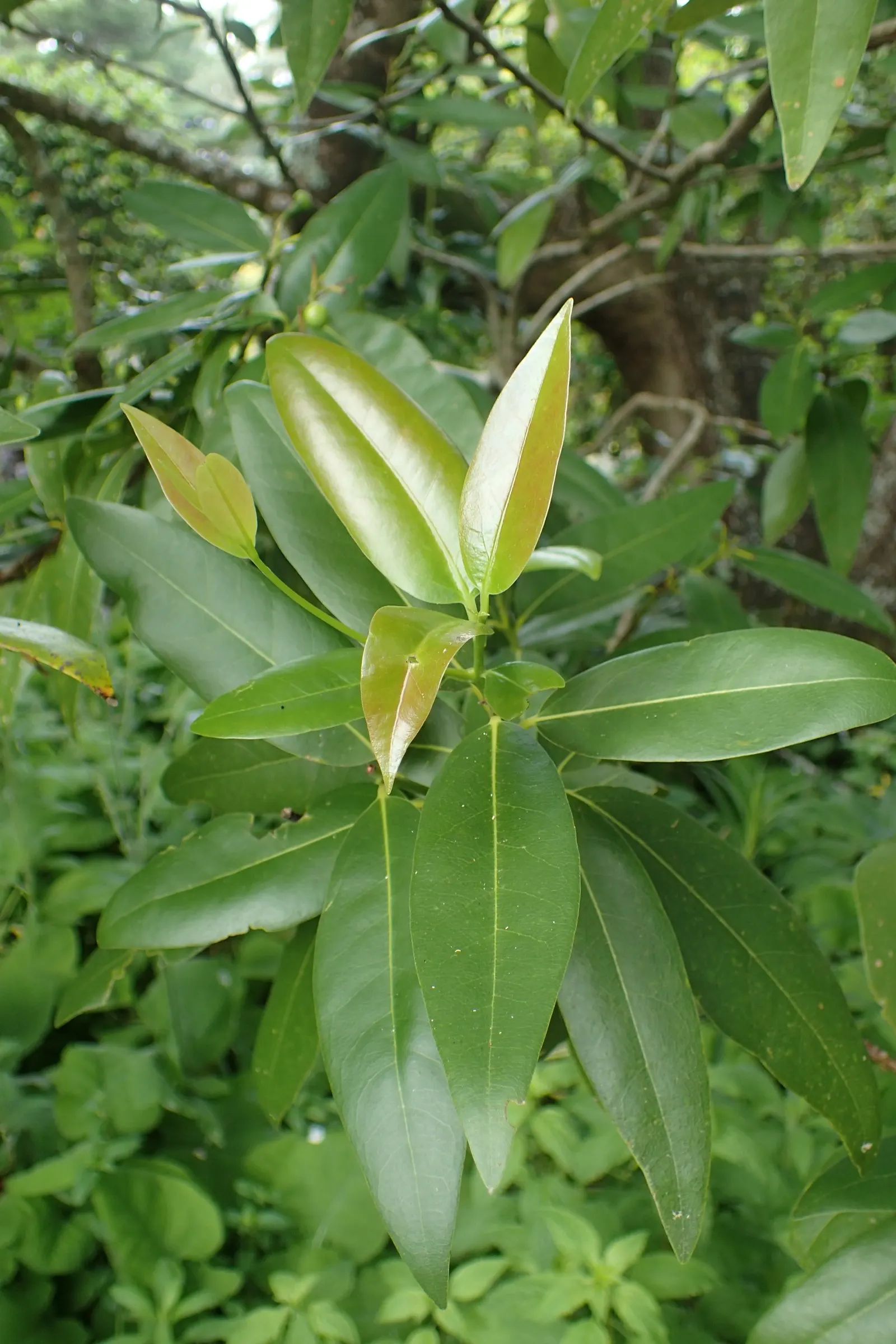
Sassafras (Sassafras Albidum) — making it suitable for a broad range of landscapes across much of the United States
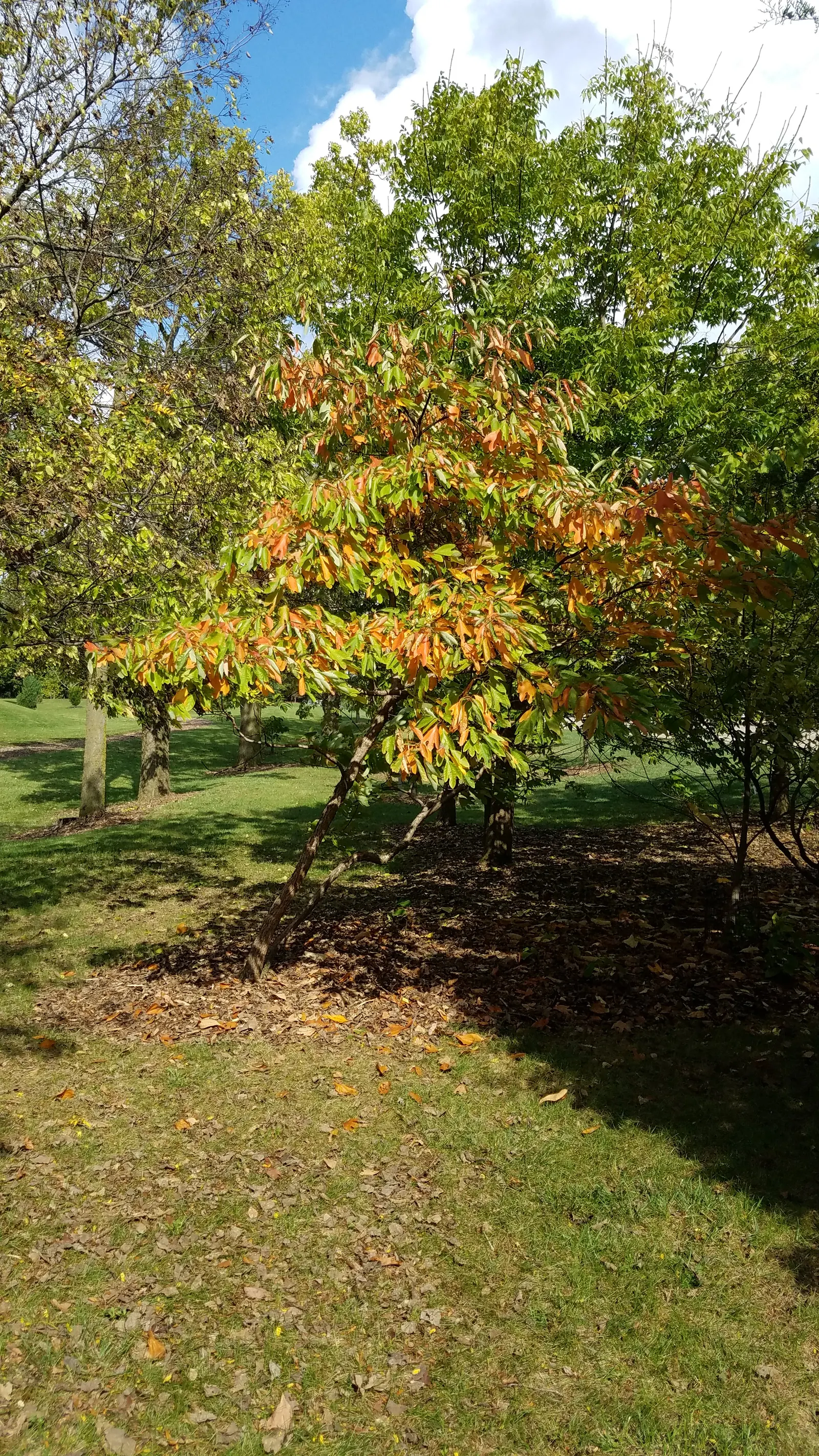
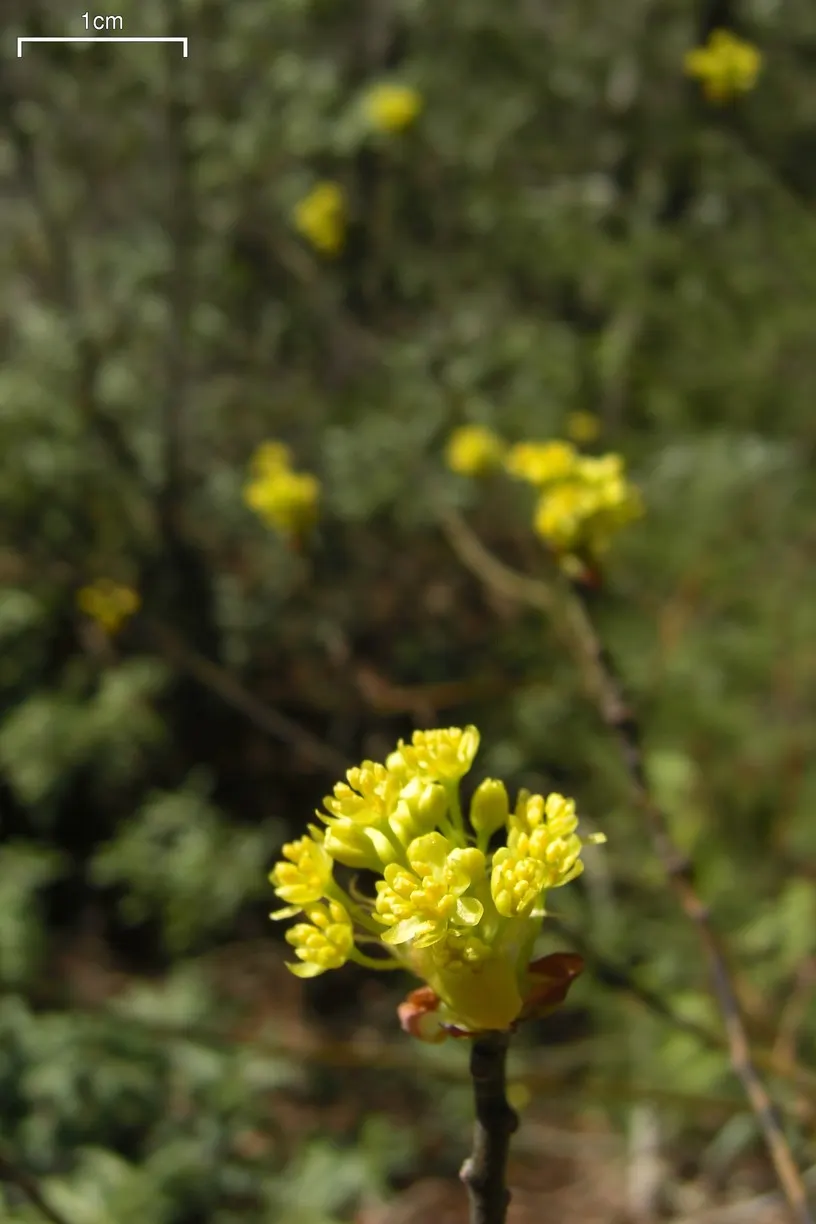
Sassafras (Sassafras Albidum) — yellow flowers in the garden
Sassafras (Sassafras Albidum) — shrub / tree with yellow blooms
Sassafras (Sassafras Albidum) — shrub / tree for full or half
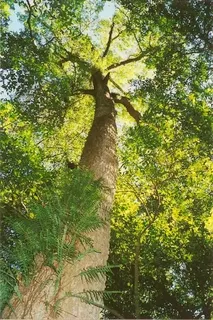
Sassafras (Sassafras Albidum) — It can reach heights up to 60 feet with a spread of 25-40 feet; the foliage provides a stunning display
Sassafras (Sassafras Albidum) — Known for its vibrant fall foliage; sassafras is hardy in USDA Zones 4 through 9
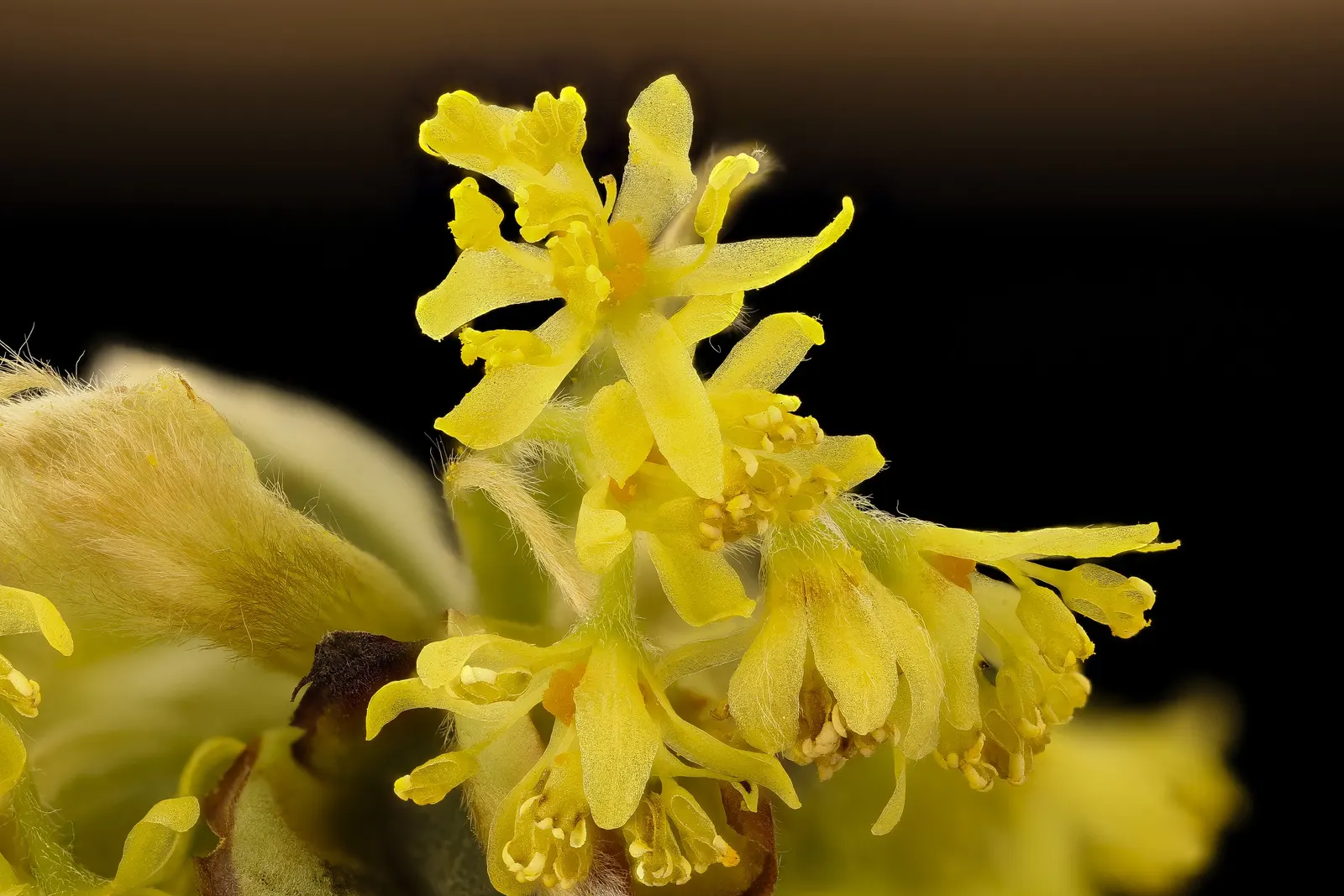
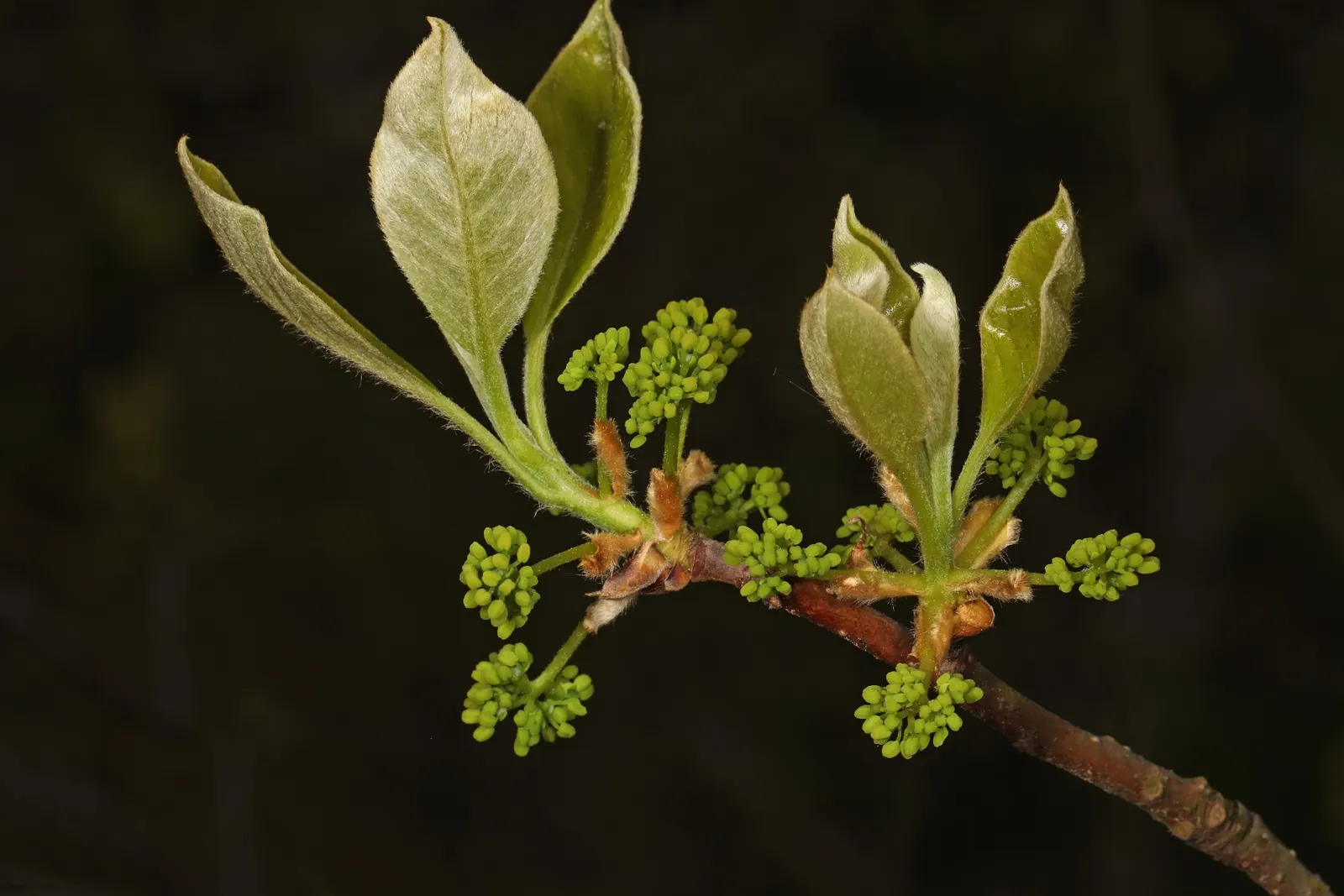
Sassafras (Sassafras Albidum) — The tree boasts yellow-green spring flowers, followed by blue-black berries on female trees; the tree also supports local
Sassafras (Sassafras Albidum) — approximately 1 to 2 feet per year; its modest size makes it appropriate for residential spaces
Sassafras (Sassafras Albidum) — acidic soils.<br><br>One of the Sassafras's most notable characteristics is its tri-lobed; it can reach heights up to 60 feet
Sassafras (Sassafras Albidum) — and adapts well to a variety of soil types; and its leaves in cooking
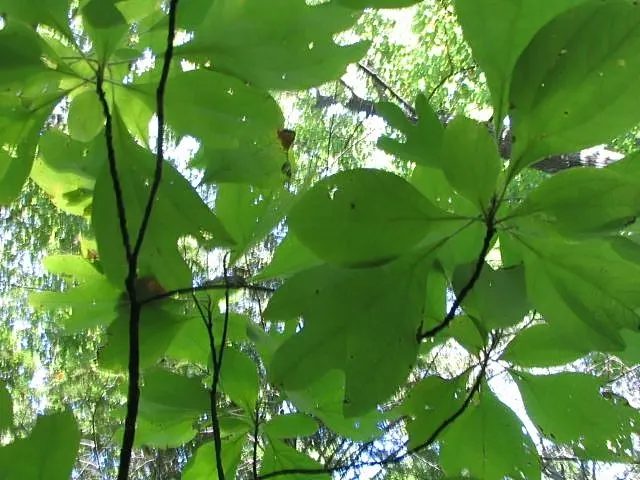
Sassafras (Sassafras Albidum) — The tree features a medium growth rate; which create a unique and varied texture in the landscape
Sassafras (Sassafras Albidum) — preferring full sun to partial shade and well-drained soils; the tree boasts yellow-green spring flowers, followed by
Sassafras (Sassafras Albidum) — Sassafras is effective as a focal point, image 44
Sassafras (Sassafras Albidum) — adding winter interest.<br><br>In the landscape design; and adapts well to a variety of soil types
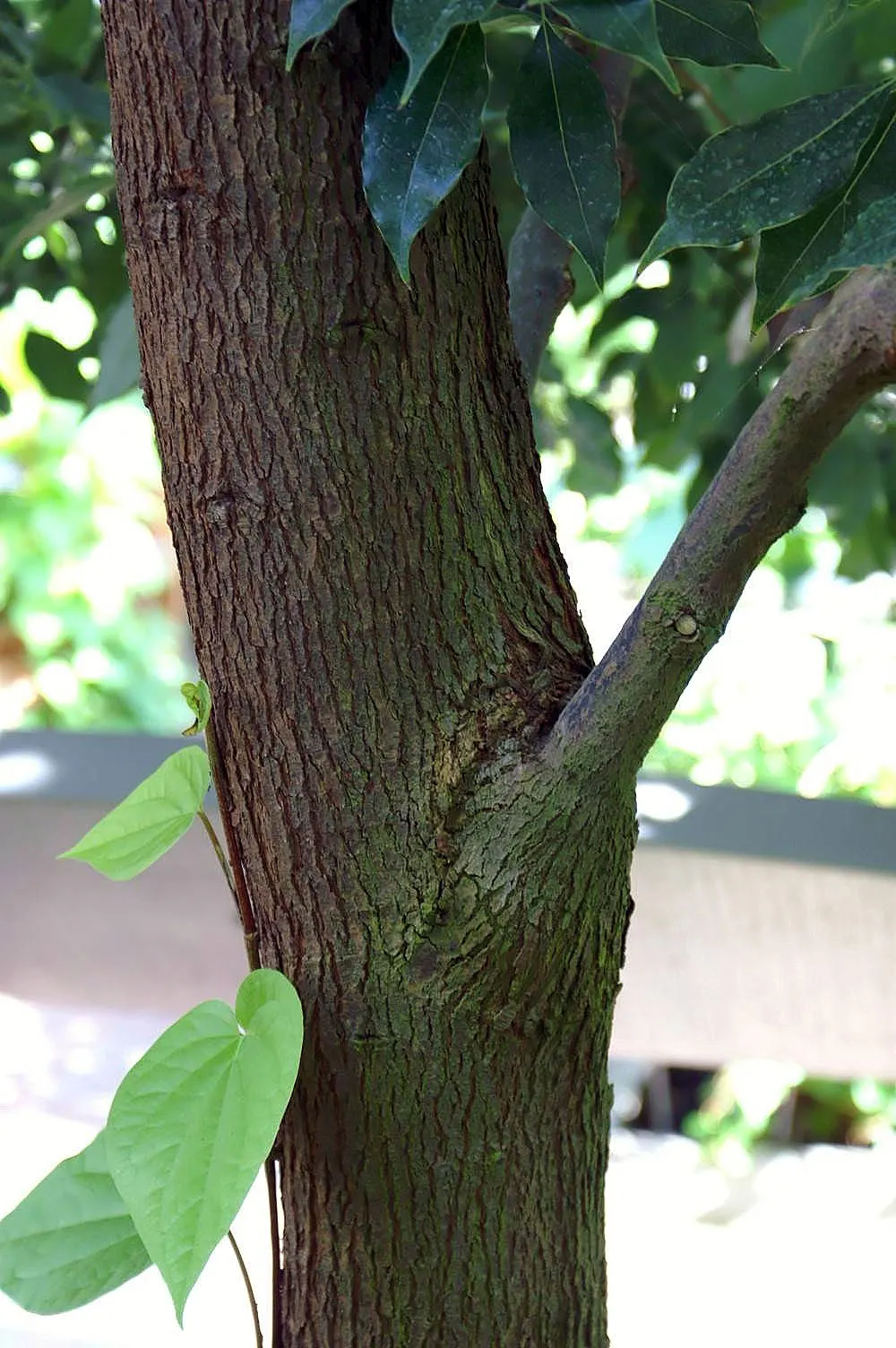
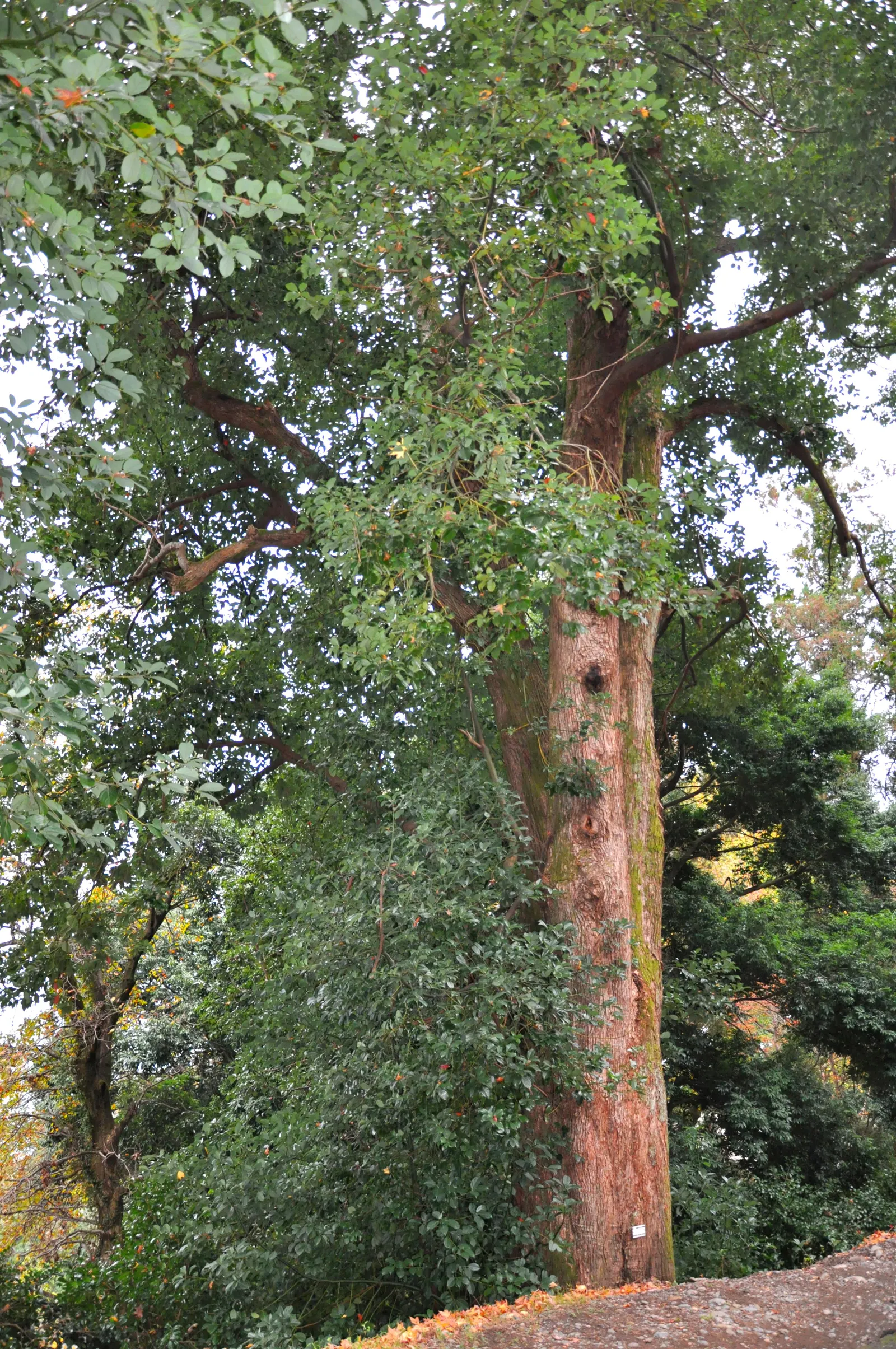
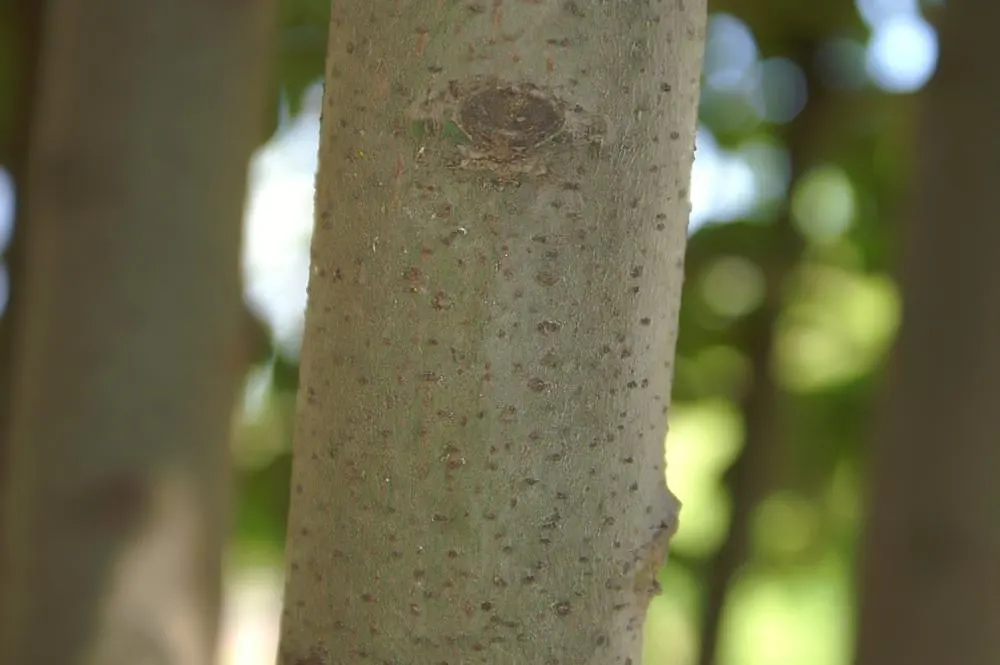
Sassafras (Sassafras Albidum) — The bark of the Sassafras is deeply furrowed and cinnamon-brown; commonly referred to as Sassafras
Sassafras (Sassafras Albidum) — turning vibrant shades of yellow; it is also important to note that the tree has been used traditionally for its root bark in
Sassafras (Sassafras Albidum) — the foliage provides a stunning display; or naturalized in woodland gardens
Sassafras (Sassafras Albidum) — which create a unique and varied texture in the landscape; acidic soils.<br><br>One of the Sassafras's most notable
Sassafras (Sassafras Albidum) — Its modest size makes it appropriate for residential spaces; shrub / tree for full or half
Sassafras (Sassafras Albidum) — and yellow-green flowers that bloom in early spring.<br><br>When incorporating Sassafras into a garden layout; be informed that
Sassafras (Sassafras Albidum) — blue-black drupes borne on red stems; adding winter interest.<br><br>In the landscape design
Sassafras (Sassafras Albidum) — or naturalized in woodland gardens; which can be managed through regular maintenance

Related plants