Skip to content

Grecian Laurel

Laurus Nobilis

Design with this plant

Overview

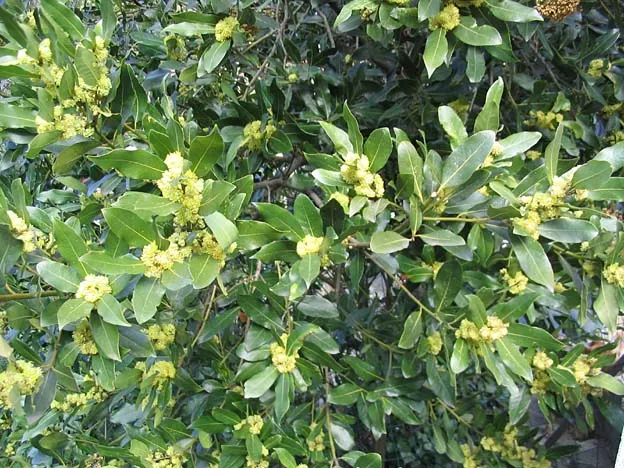
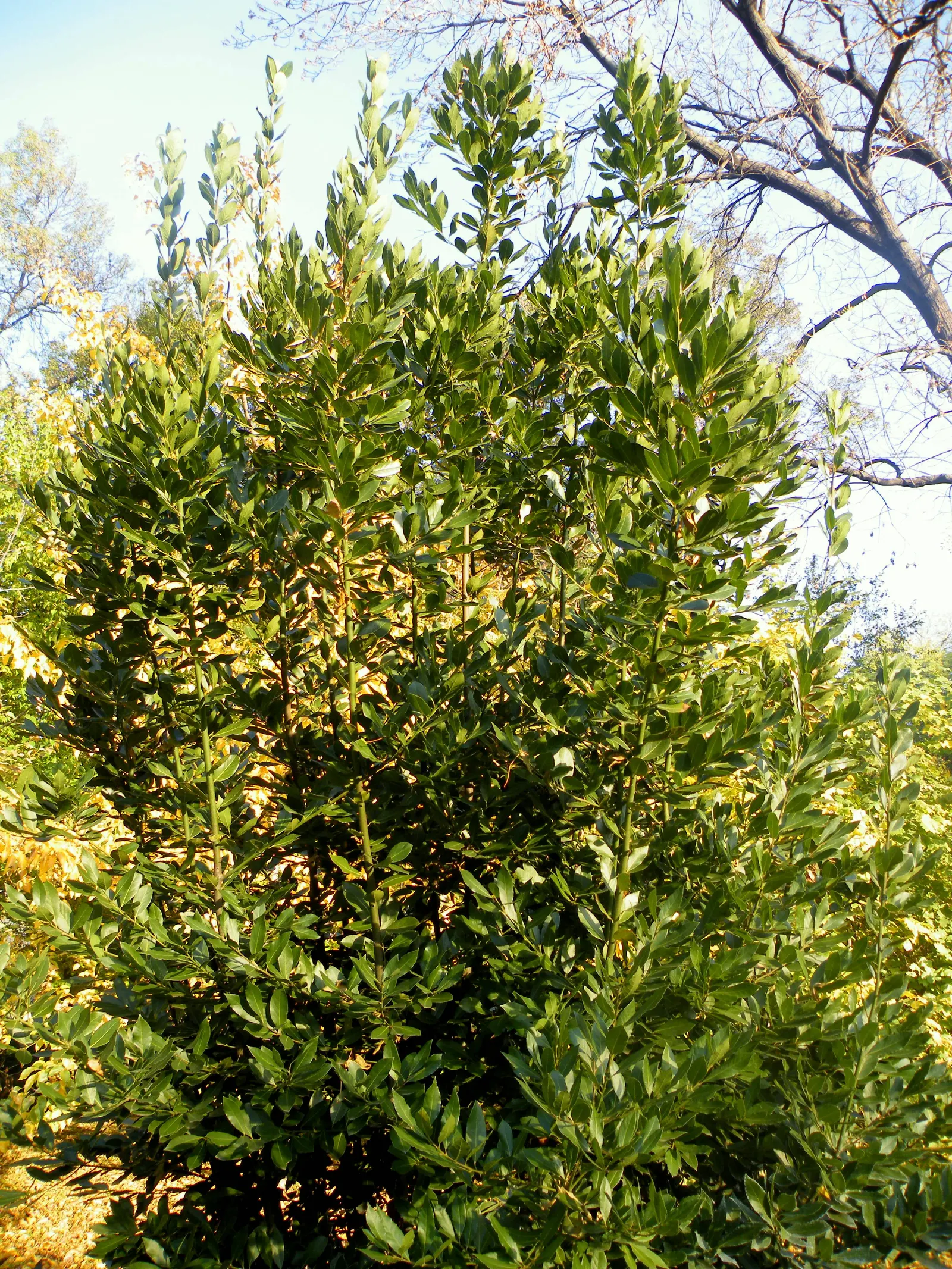
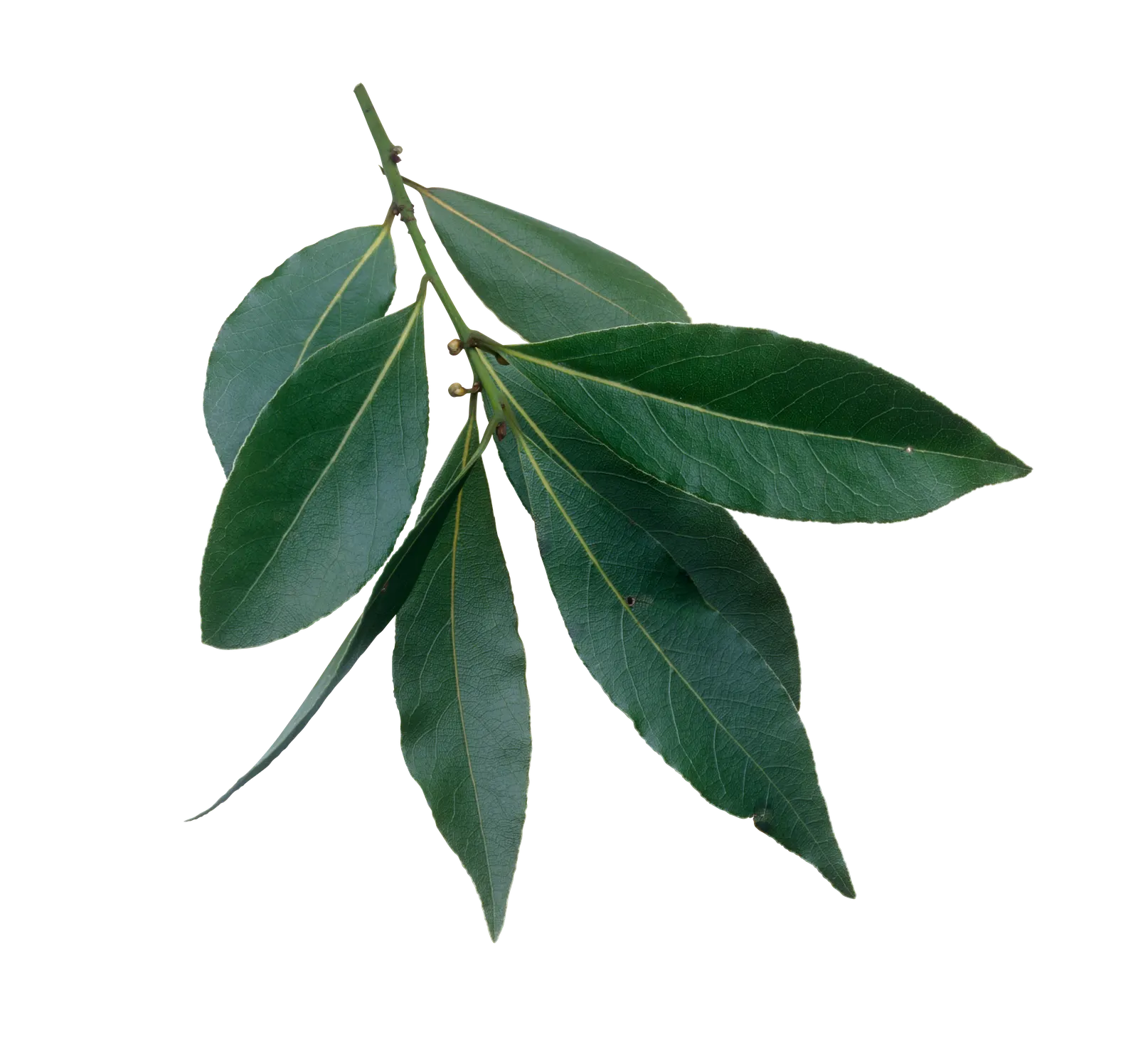
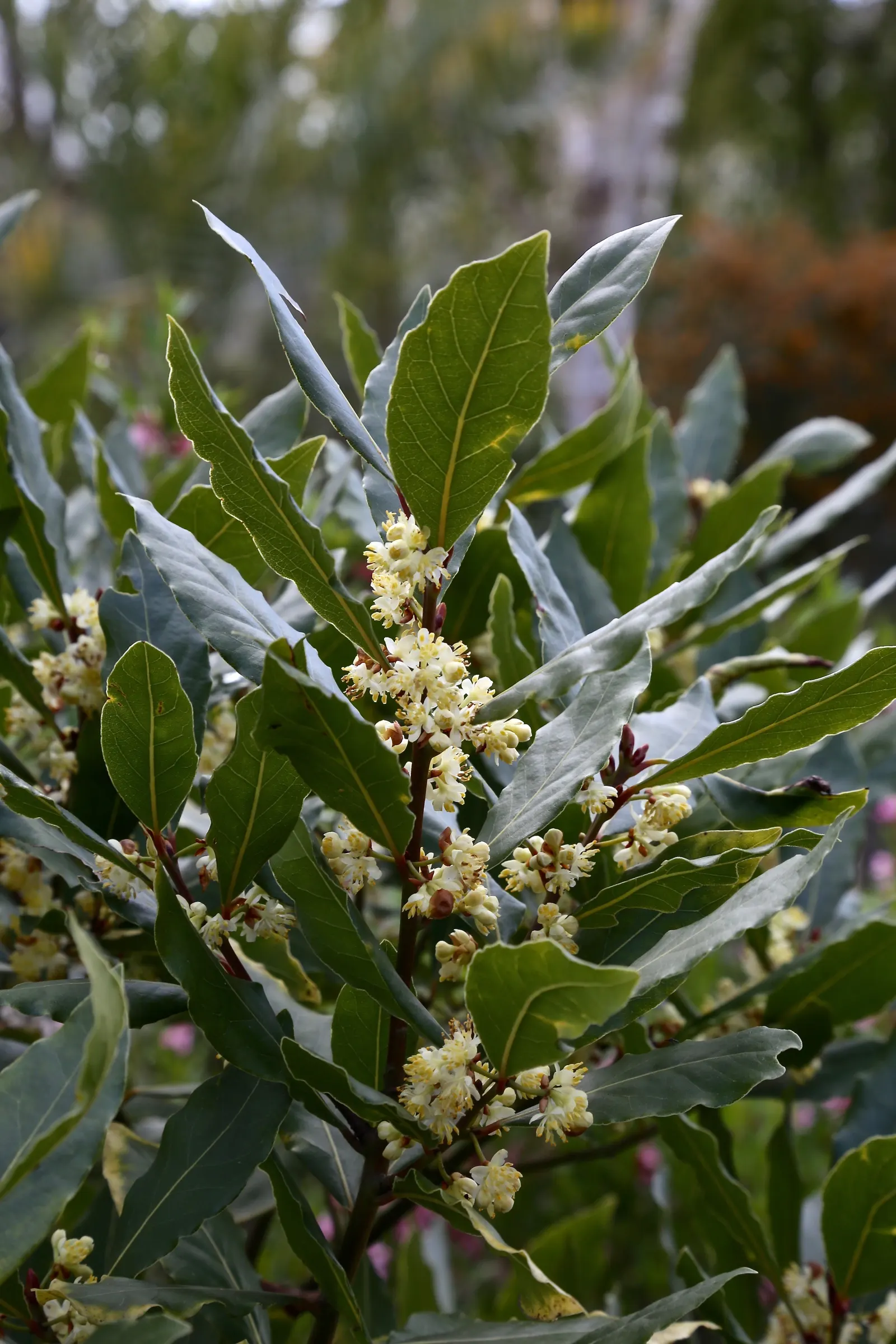
Laurus nobilis, the Grecian Laurel, is an evergreen shrub with aromatic, glossy leaves, commonly utilized in culinary arts. Reaching up to 18-30 feet tall and 12-20 feet wide, it thrives in full sun to partial shade in well-drained soils. Hardy in USDA zones 8-10, it can be trained as a topiary or used in hedges. Small yellow flowers bloom in spring, followed by purplish-black berries if pollinated.

Sun Full, HalfWater LowZones 9–10Type Shrub, TreeClimate Mediterranean

Culture

Sun
Full, Half
Water
Low
USDA zones
9–10

Shape & size

Classification

Type
Shrub, Tree
Family
Lauraceae
Climate
Mediterranean

See full data, regional cultivation notes, and design tools. Build a client presentation around this plant.

Start your 14-day trial

Photos (112)

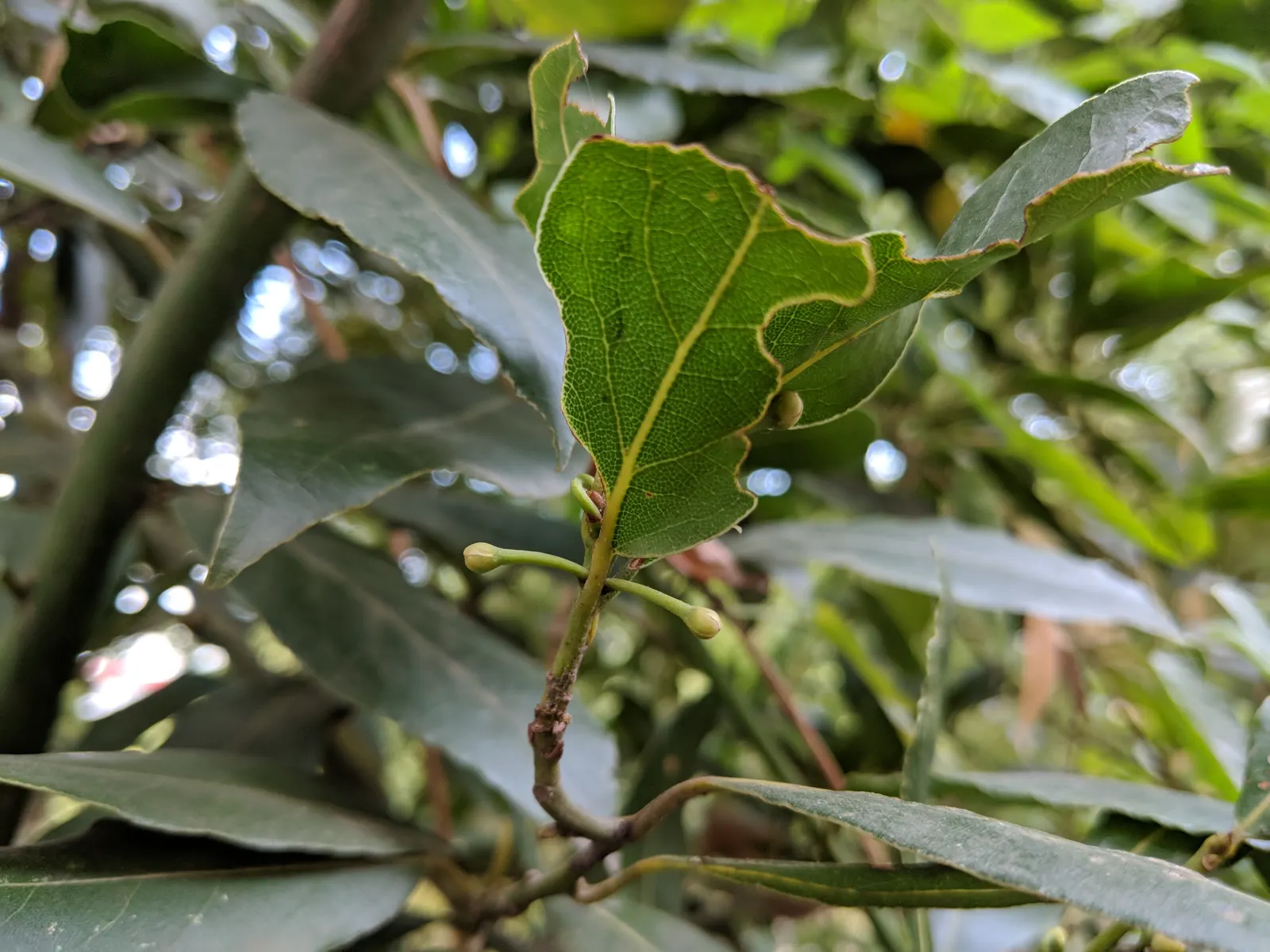
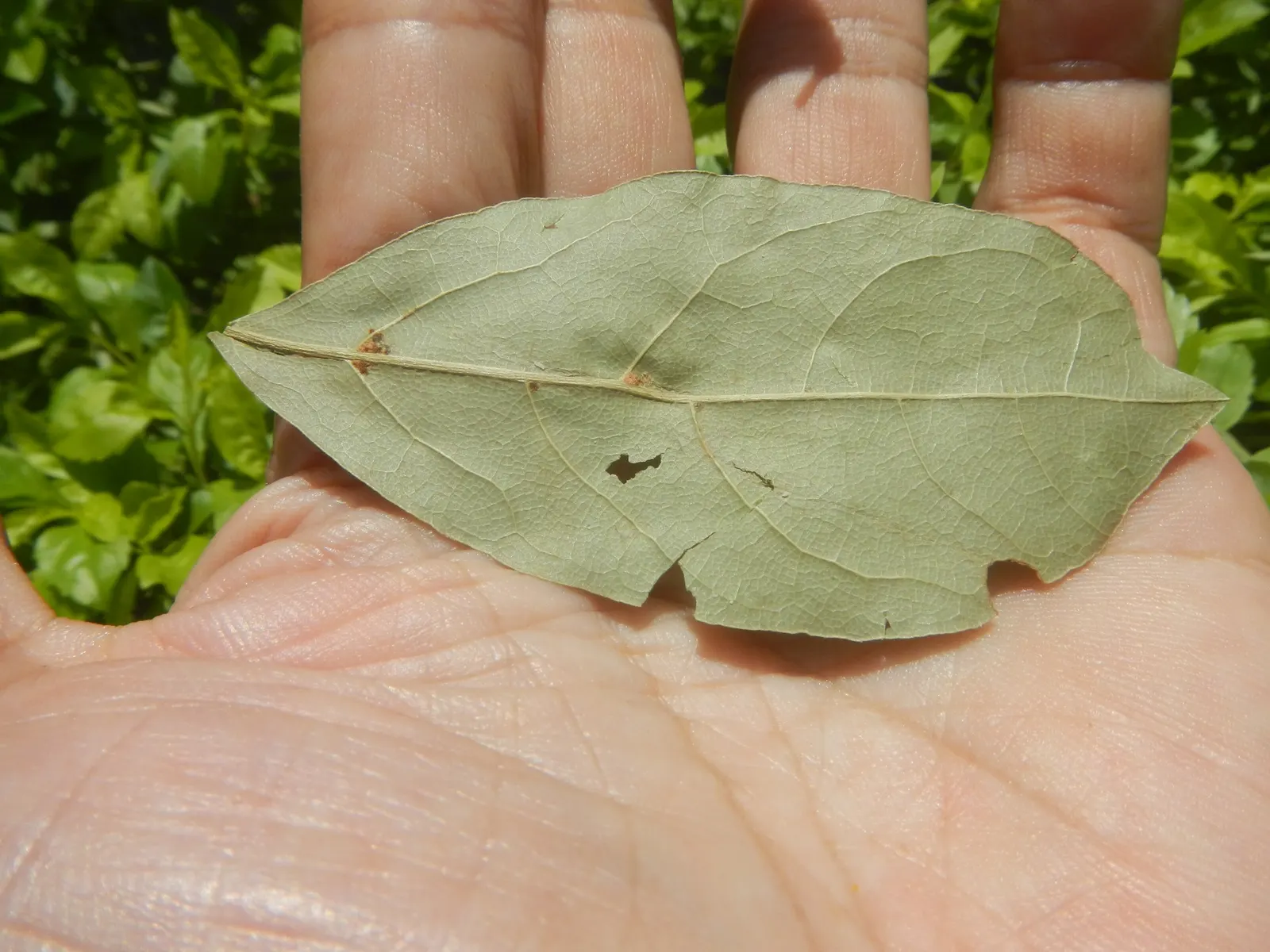
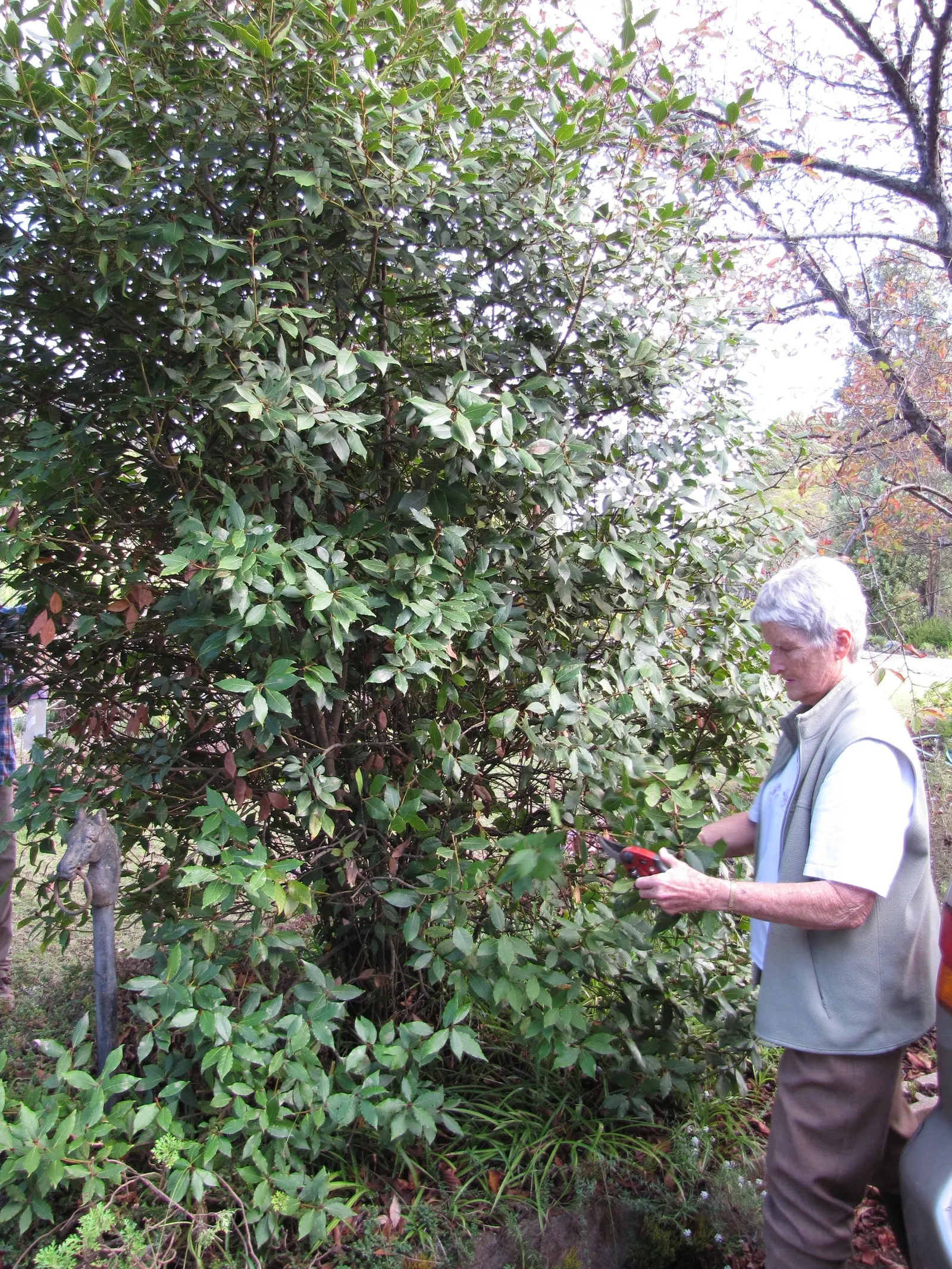
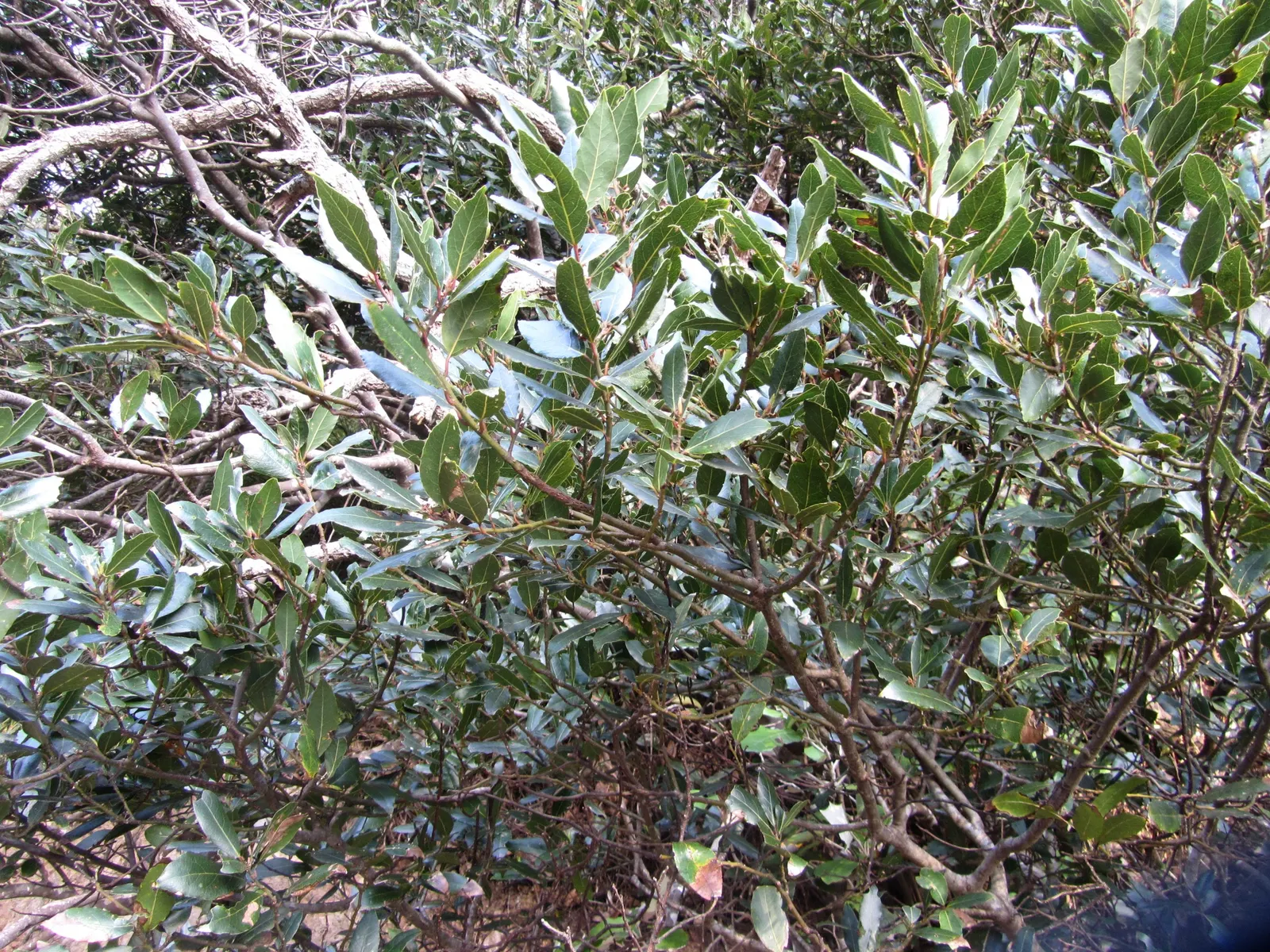
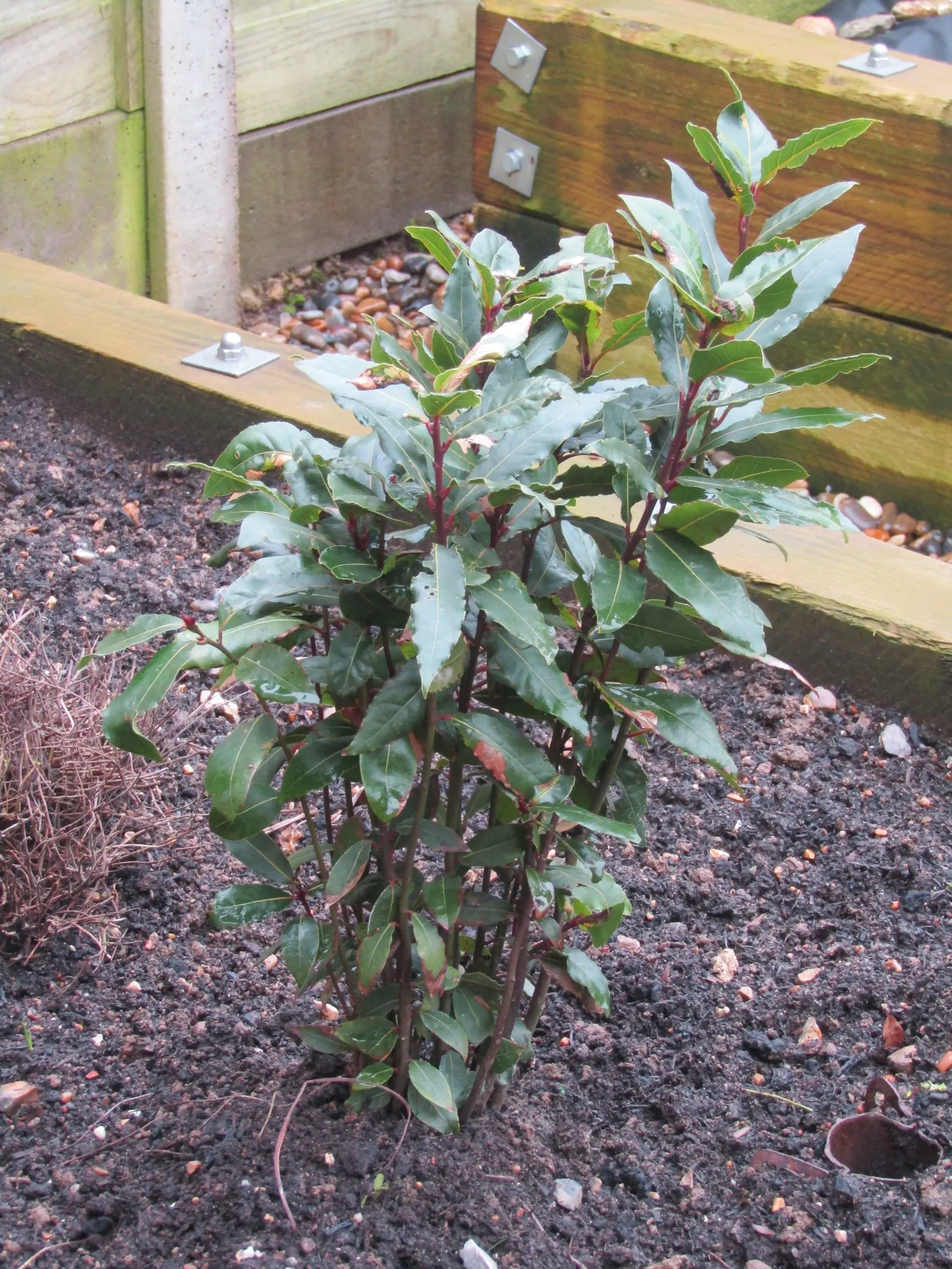
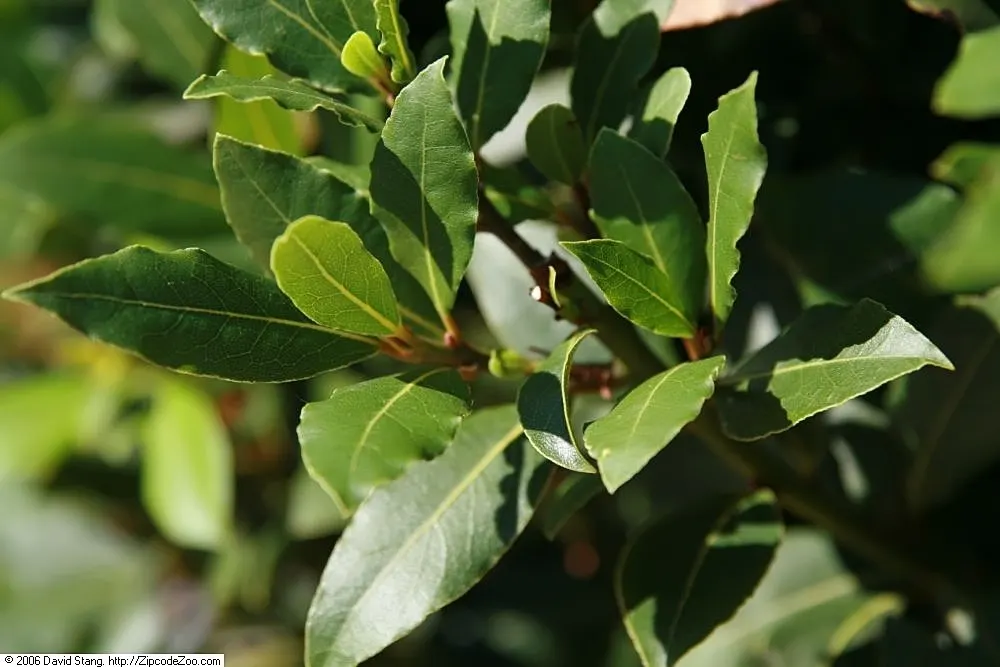
Grecian Laurel (Laurus Nobilis) — Hardiness zones for this laurel range from 8 to 10
Grecian Laurel (Laurus Nobilis) — the Grecian Laurel requires well-drained soil with a preference for a slightly acidic to neutral pH; in terms of, image 78
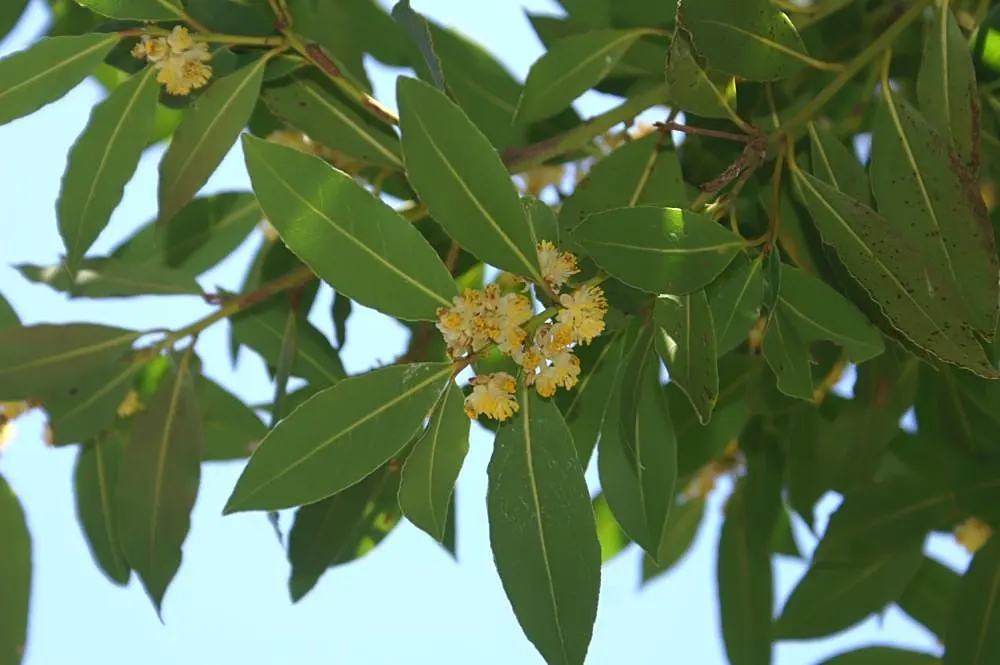
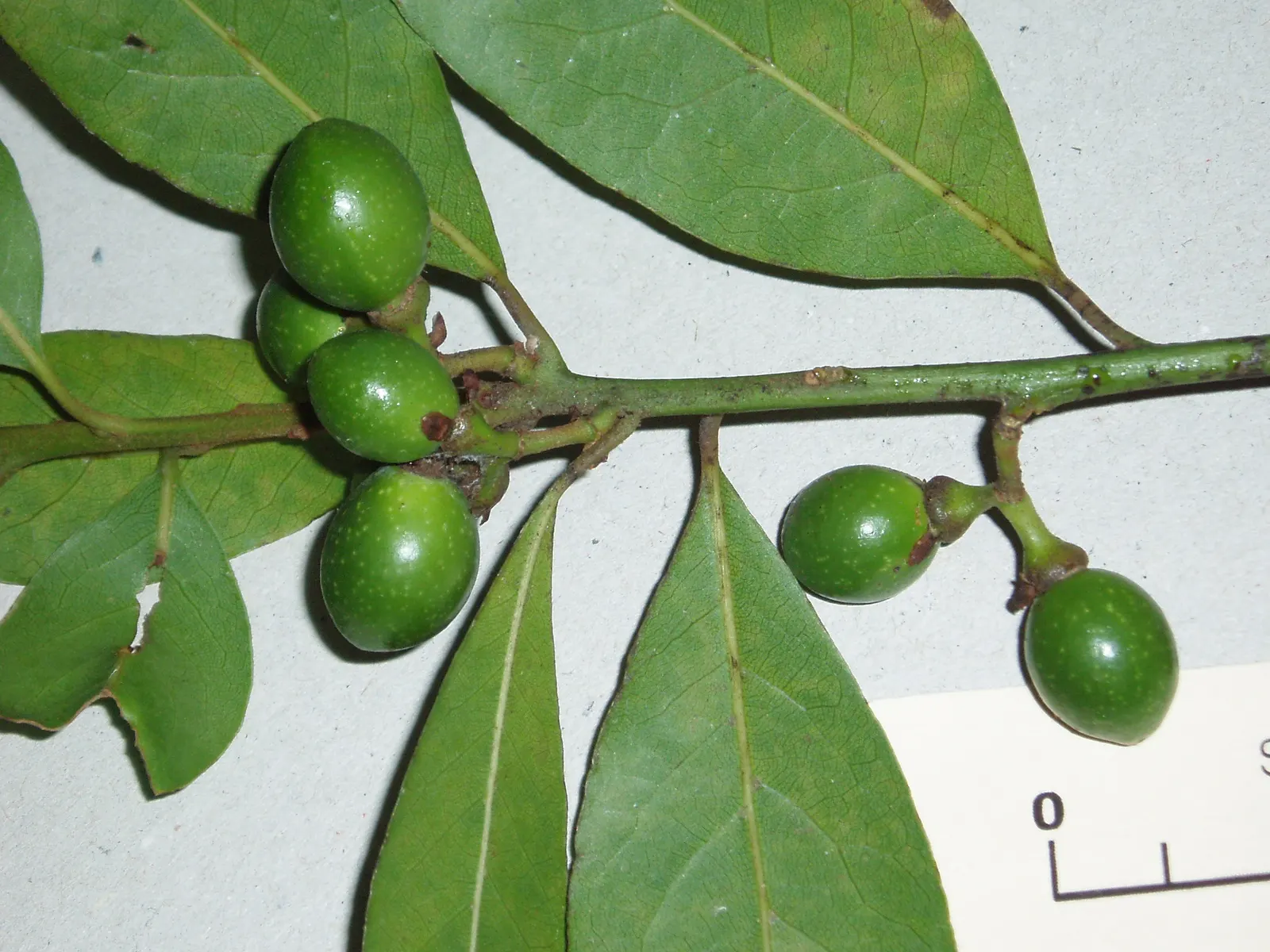
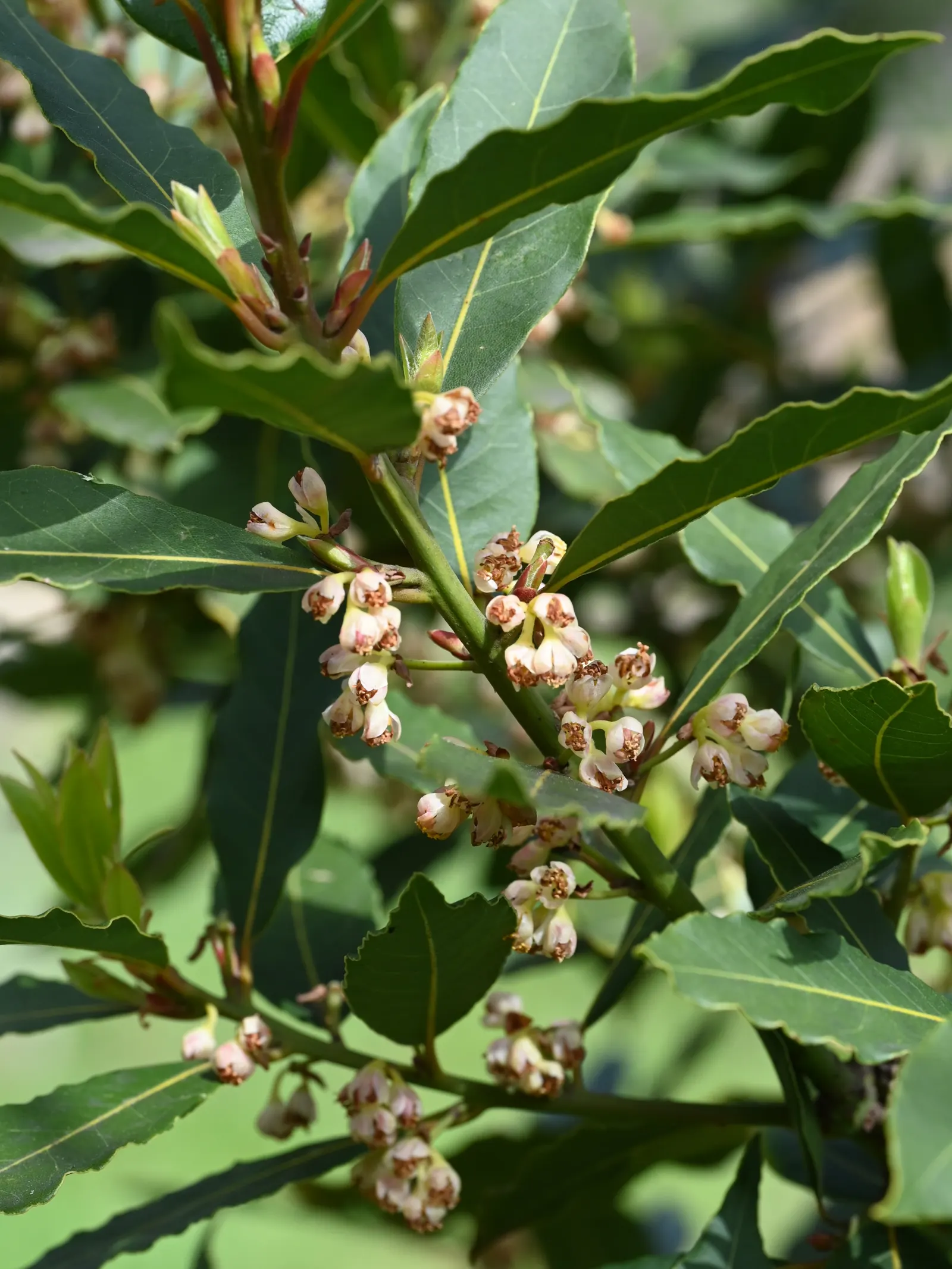
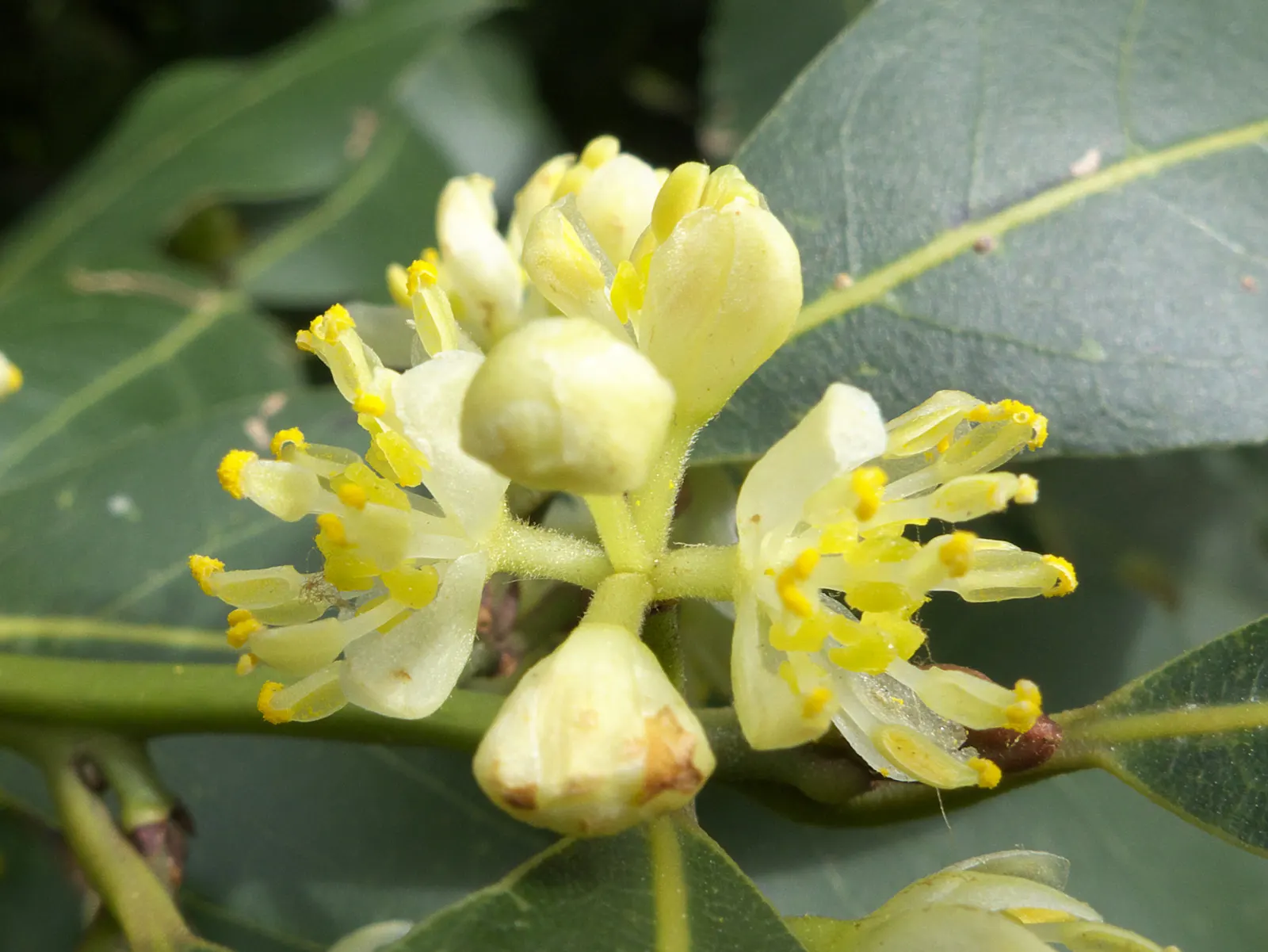
Grecian Laurel (Laurus Nobilis) — Small yellow flowers bloom in spring, followed by purplish-black berries if pollinated; symbolizes victory and, image 72
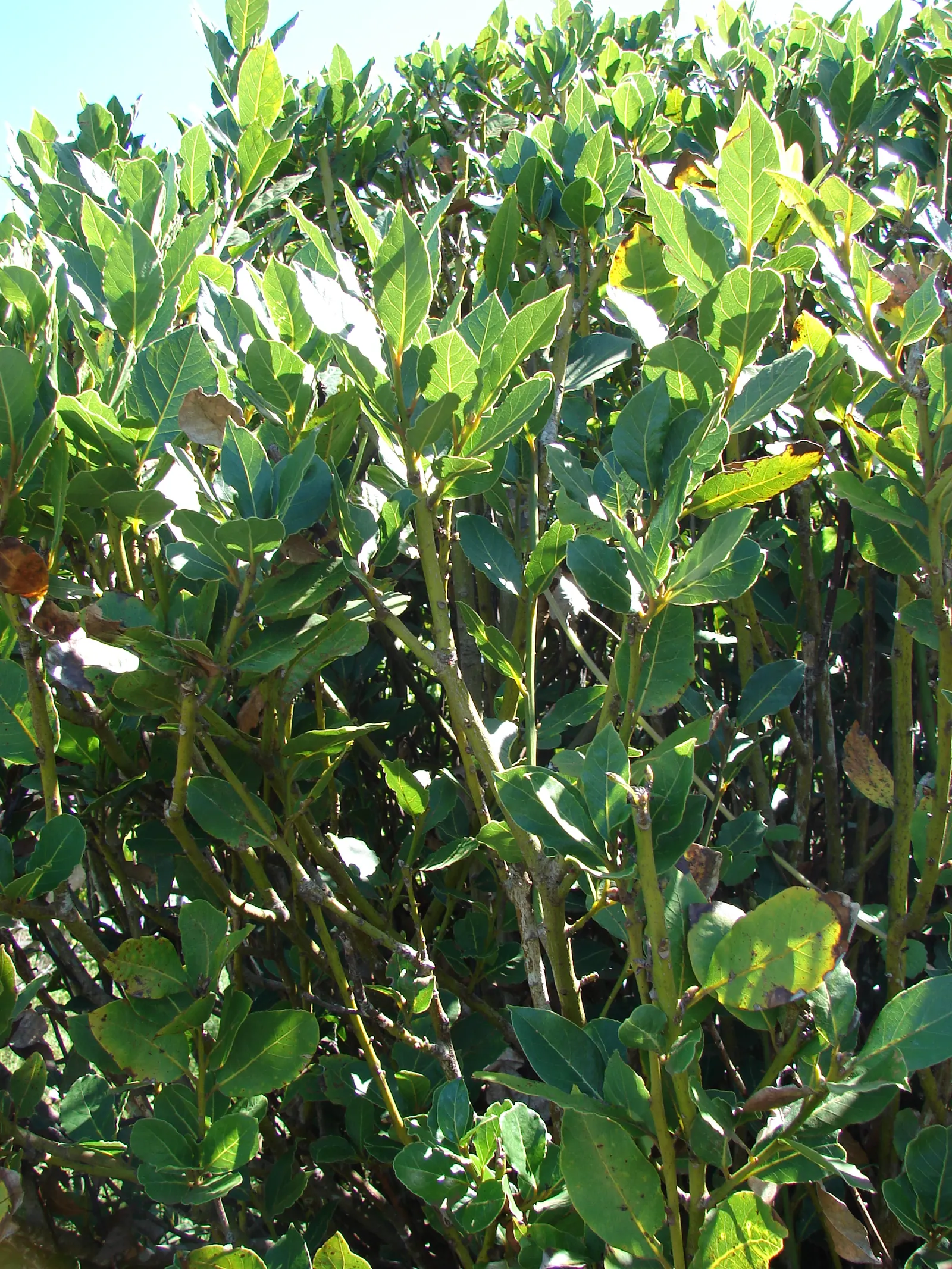
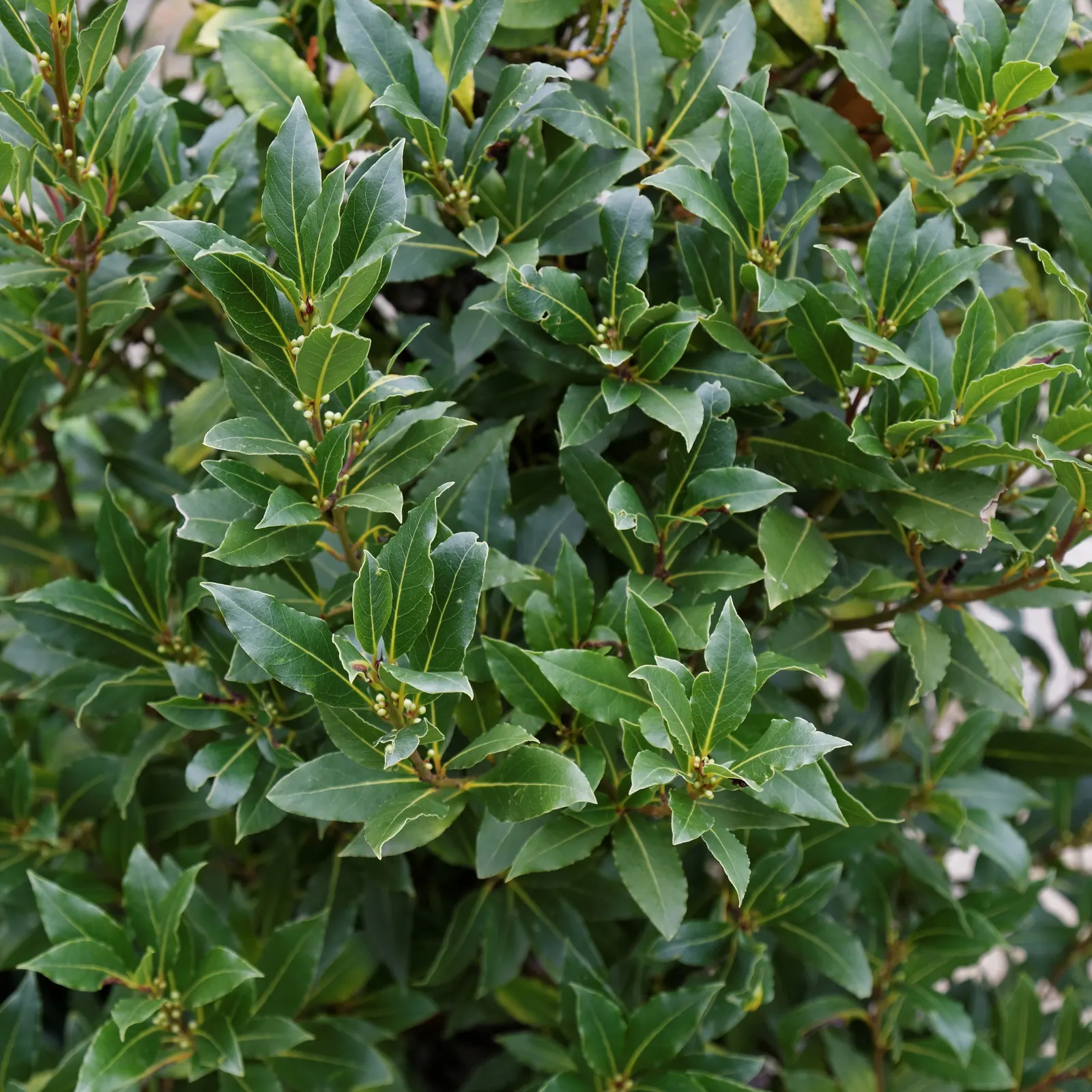
Grecian Laurel (Laurus Nobilis) — yellow flowers in the garden; hardy in USDA zones 8-10, it can be trained as a topiary or used in hedges, image 86
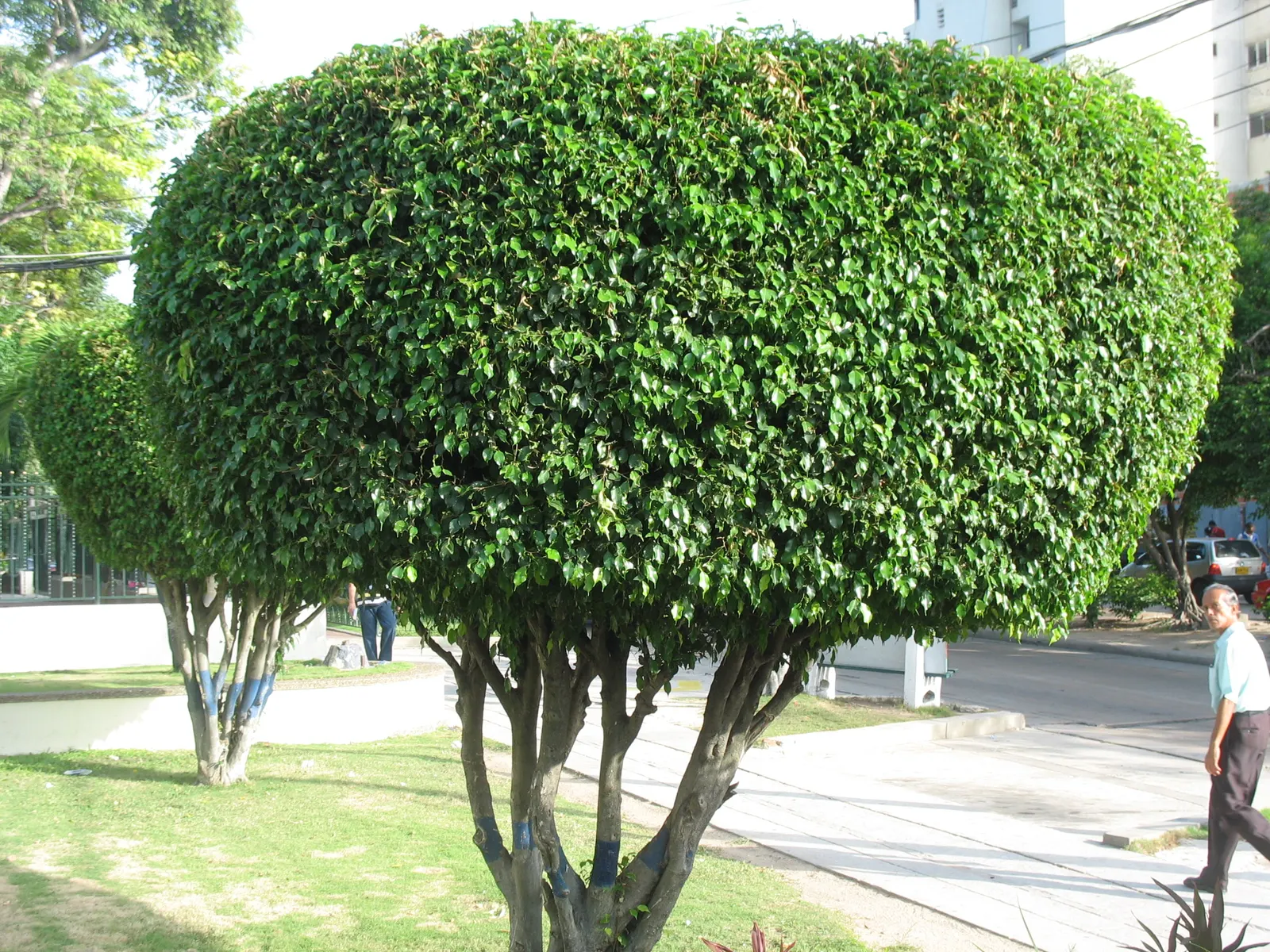
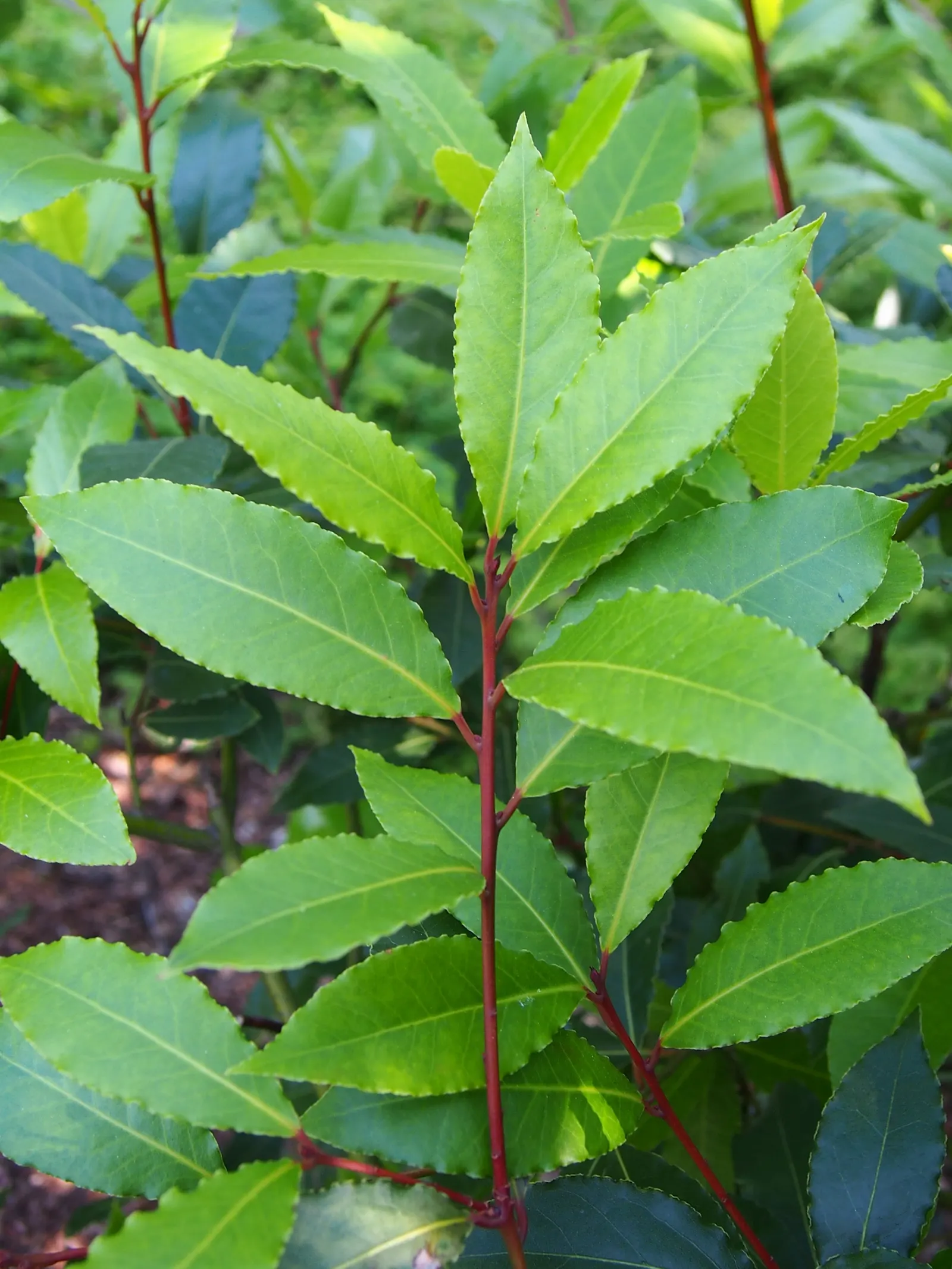
Grecian Laurel (Laurus Nobilis) — Hardy in USDA zones 8-10, it can be trained as a topiary or used in hedges
Grecian Laurel (Laurus Nobilis) — with a spread of 5 to 20 feet; is an evergreen shrub with aromatic
Grecian Laurel (Laurus Nobilis) — shrub / tree with yellow blooms; the Grecian Laurel requires well-drained soil with a preference for a slightly acidic to
Grecian Laurel (Laurus Nobilis) — it thrives in full sun to partial shade in well-drained soils; reaching up to 18-30 feet tall and 12-20 feet wide, image 70
Grecian Laurel (Laurus Nobilis) — creating a focal point or a stately hedge that clients will appreciate for both its beauty and utility; yellow, image 85
Grecian Laurel (Laurus Nobilis) — Originating from the Mediterranean; this noble plant typically achieves a stature of 10 to 30 feet tall, image 74
Grecian Laurel (Laurus Nobilis) — is an evergreen shrub with aromatic; it thrives in full sun to partial shade in well-drained soils
Grecian Laurel (Laurus Nobilis) — is an evergreen shrub with aromatic; it thrives in full sun to partial shade in well-drained soils, image 45
Grecian Laurel (Laurus Nobilis) — is an evergreen shrub with aromatic; it thrives in full sun to partial shade in well-drained soils, image 89
Grecian Laurel (Laurus Nobilis) — and provides year-round greenery; hardiness zones for this laurel range from 8 to 10
Grecian Laurel (Laurus Nobilis) — In terms of maintenance, pruning is optional but can be utilized to shape the plant or control its size, image 81
Grecian Laurel (Laurus Nobilis) — this noble plant typically achieves a stature of 10 to 30 feet tall; its slow to moderate growth rate allows for, image 53
Grecian Laurel (Laurus Nobilis) — shrub / tree with yellow blooms; the Grecian Laurel requires well-drained soil with a preference for a slightly, image 65
Grecian Laurel (Laurus Nobilis) — Its slow to moderate growth rate allows for a manageable pruning schedule; shrub / tree with yellow blooms
Grecian Laurel (Laurus Nobilis) — shrub / tree for full or half; creating a focal point or a stately hedge that clients will appreciate for both, image 88
Grecian Laurel (Laurus Nobilis) — and provides year-round greenery; hardiness zones for this laurel range from 8 to 10, image 84
Grecian Laurel (Laurus Nobilis) — Small yellow flowers bloom in spring, followed by purplish-black berries if pollinated; symbolizes victory and achievement
Grecian Laurel (Laurus Nobilis) — commonly known as the Grecian Laurel or Sweet Bay
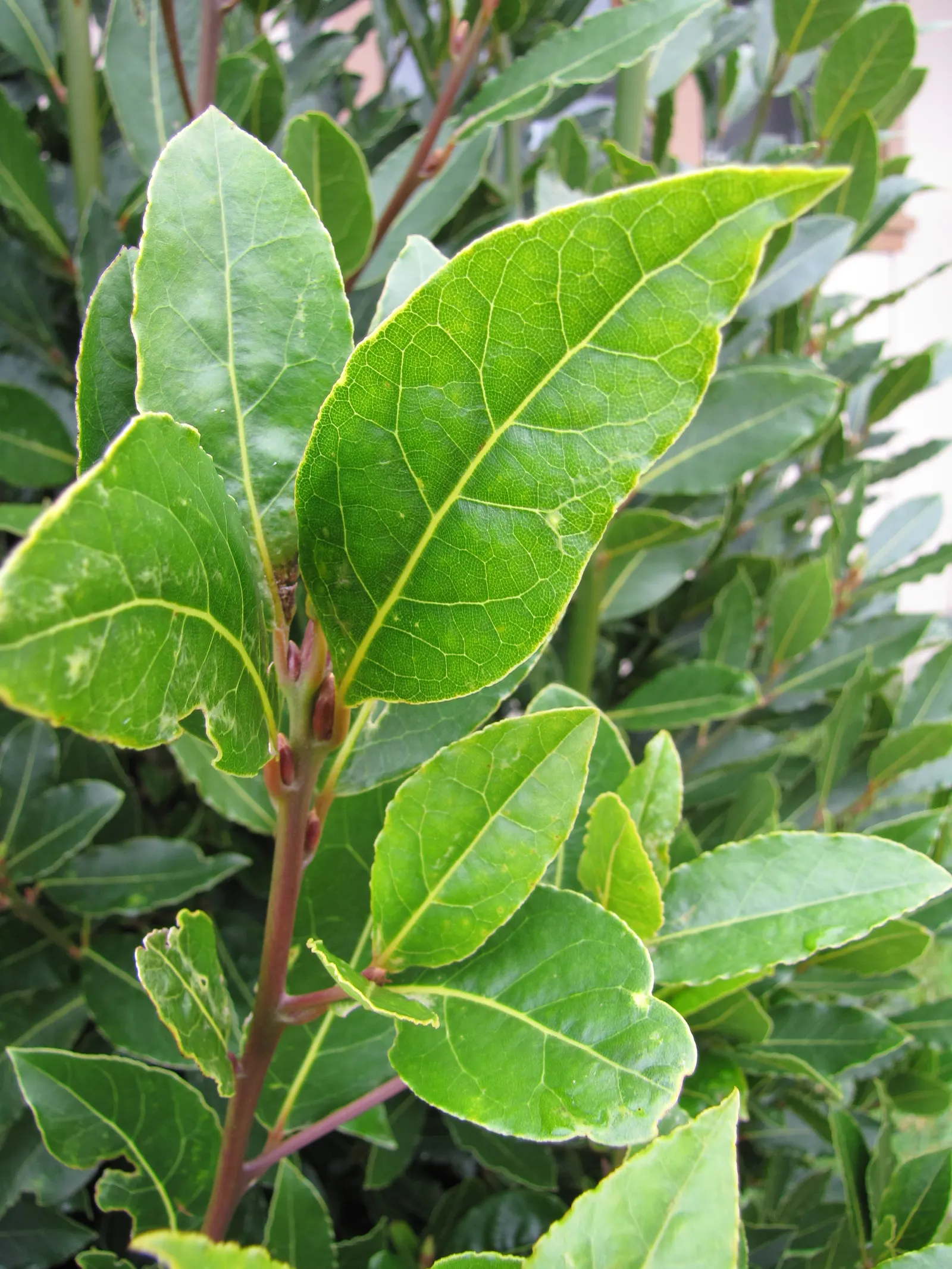
Grecian Laurel (Laurus Nobilis) — leathery leaves that emit a fragrant aroma when bruised and its ability to thrive in full to partial sunlight; originating
Grecian Laurel (Laurus Nobilis) — Hardy in USDA zones 8-10, it can be trained as a topiary or used in hedges; with a spread of 5 to 20 feet, image 71
Photographs by 14 contributors

Related plants